

QuizTraffic rulesAustralia
This interesting quiz helps you test your knowledge in a clear and visual way. With easy multiple-choice questions, you can quickly build confidence and learn new facts while keeping it simple, interactive, and fun.
 Traffic signs
 Traffic rules
 Australia
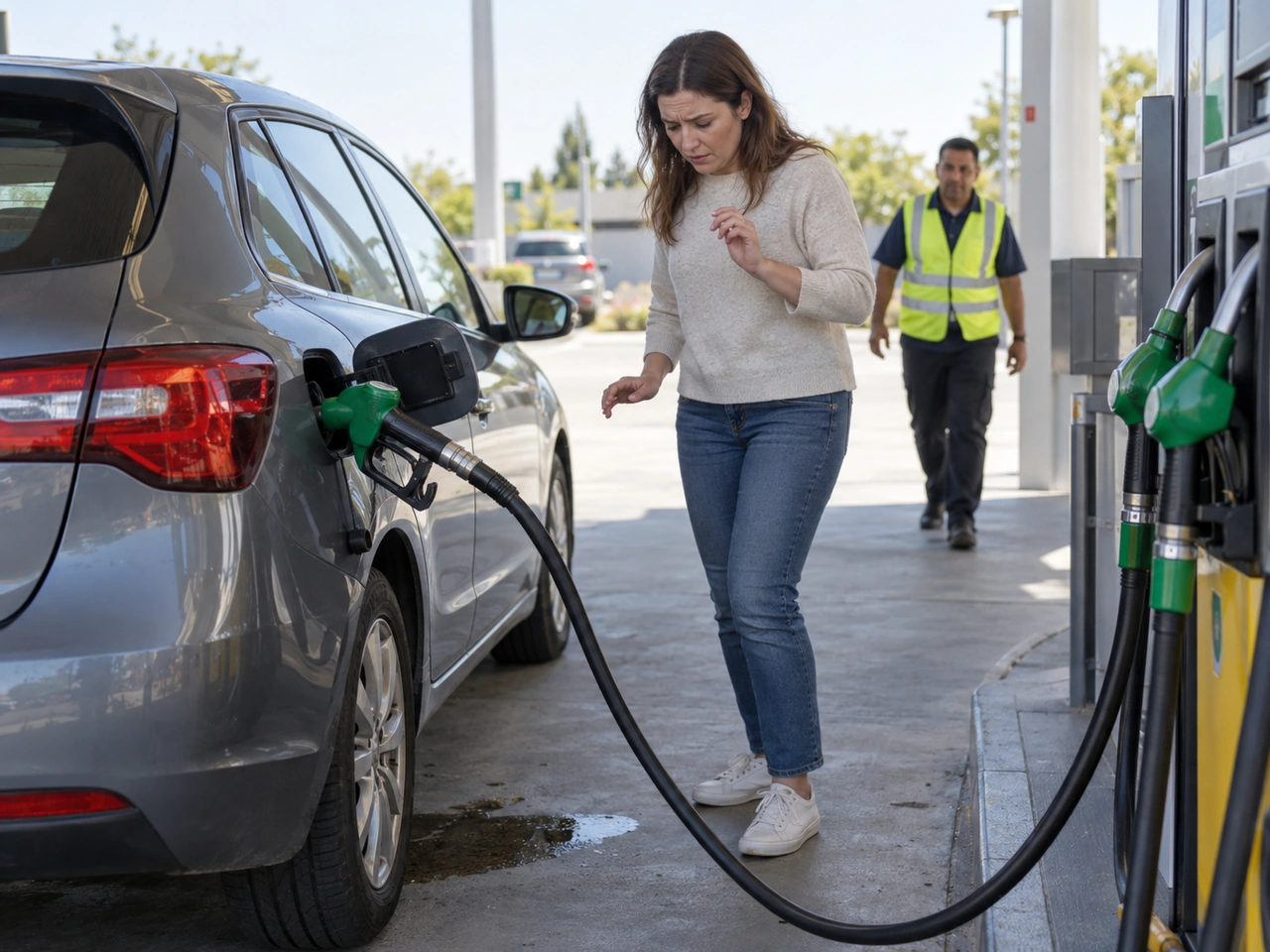
551. What should you do if fuel spills while you are refuelling?
If fuel is spilled, stop refuelling immediately and keep flames, sparks, and other ignition sources away. Do not start the vehicle until the situation is safe. Alert filling-station staff and follow their instructions for dealing with the spill.
AI-generated by Rijbewijs-online.be • WCIT • CC BY-SA

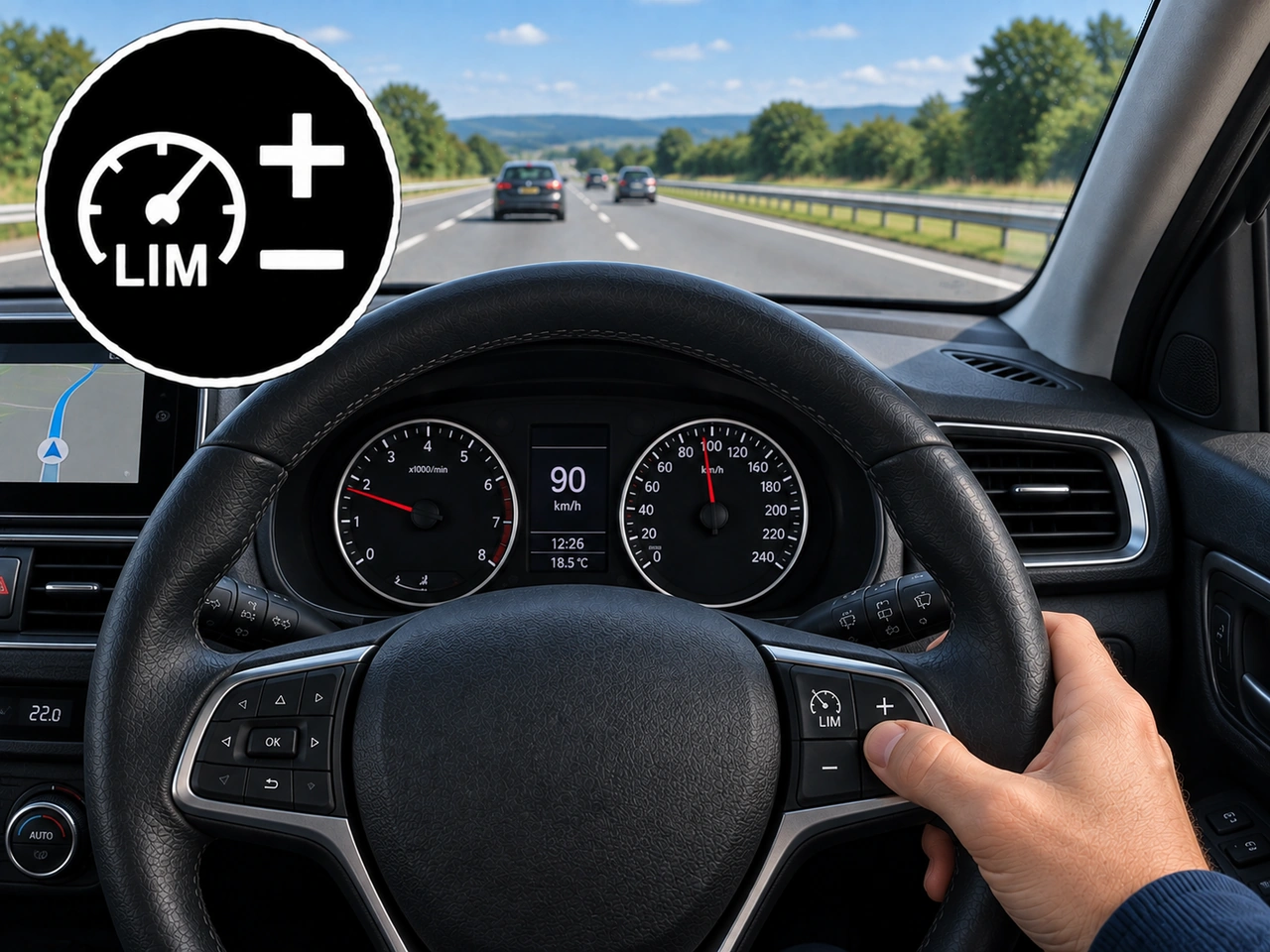
552. What do the + and − controls normally adjust when the speed limiter is active?
When the speed limiter is active, the + and − controls normally increase or decrease the selected maximum speed. The exact adjustment steps can vary between vehicles.
AI-generated by Rijbewijs-online.be • WCIT • CC BY-SA
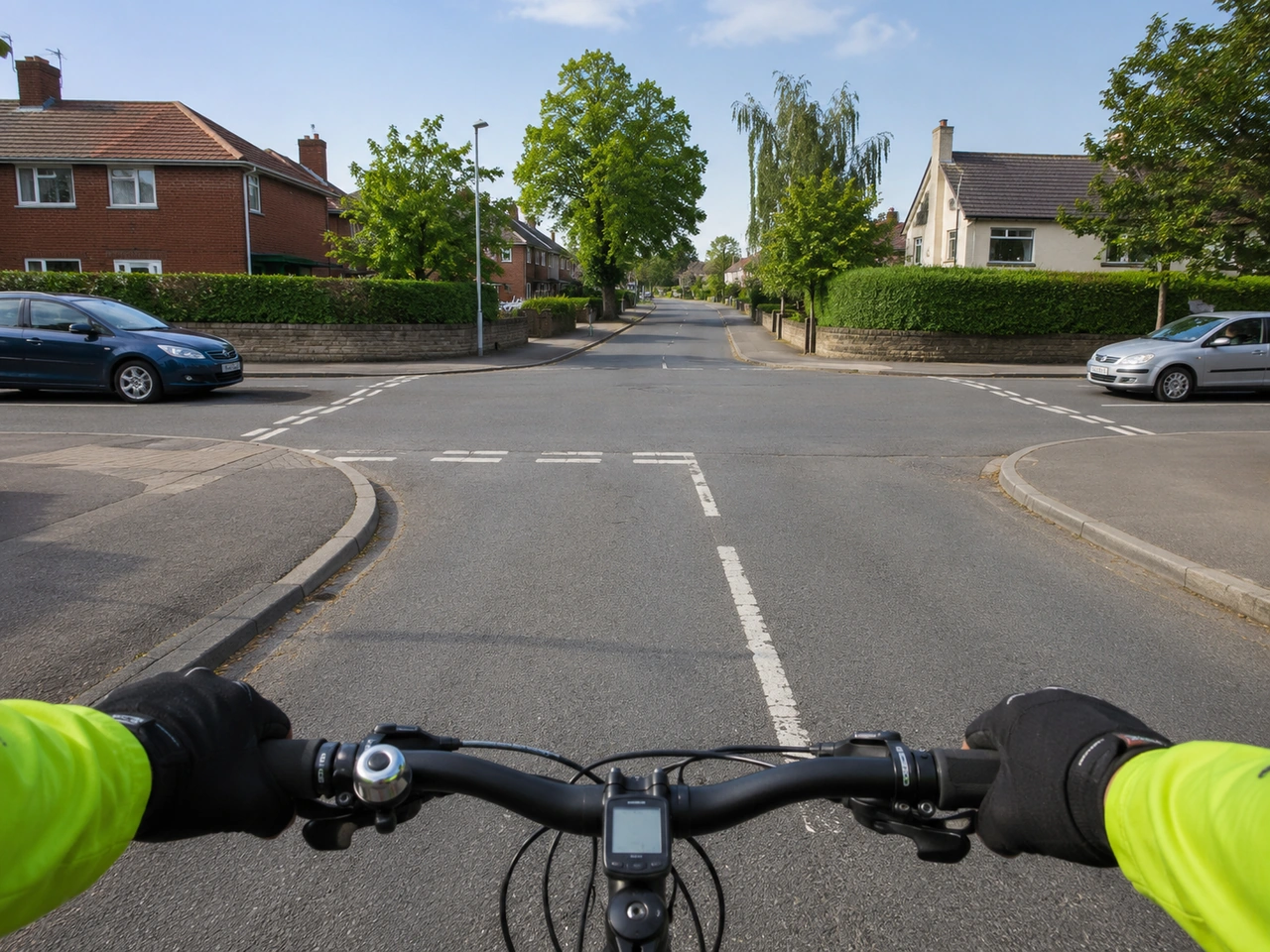
553. What should cyclists do when approaching a junction?
Junctions create conflict points between road users. Slowing down gives you more time to see hazards and react safely.
AI-generated by Rijbewijs-online.be • WCIT • CC BY-SA
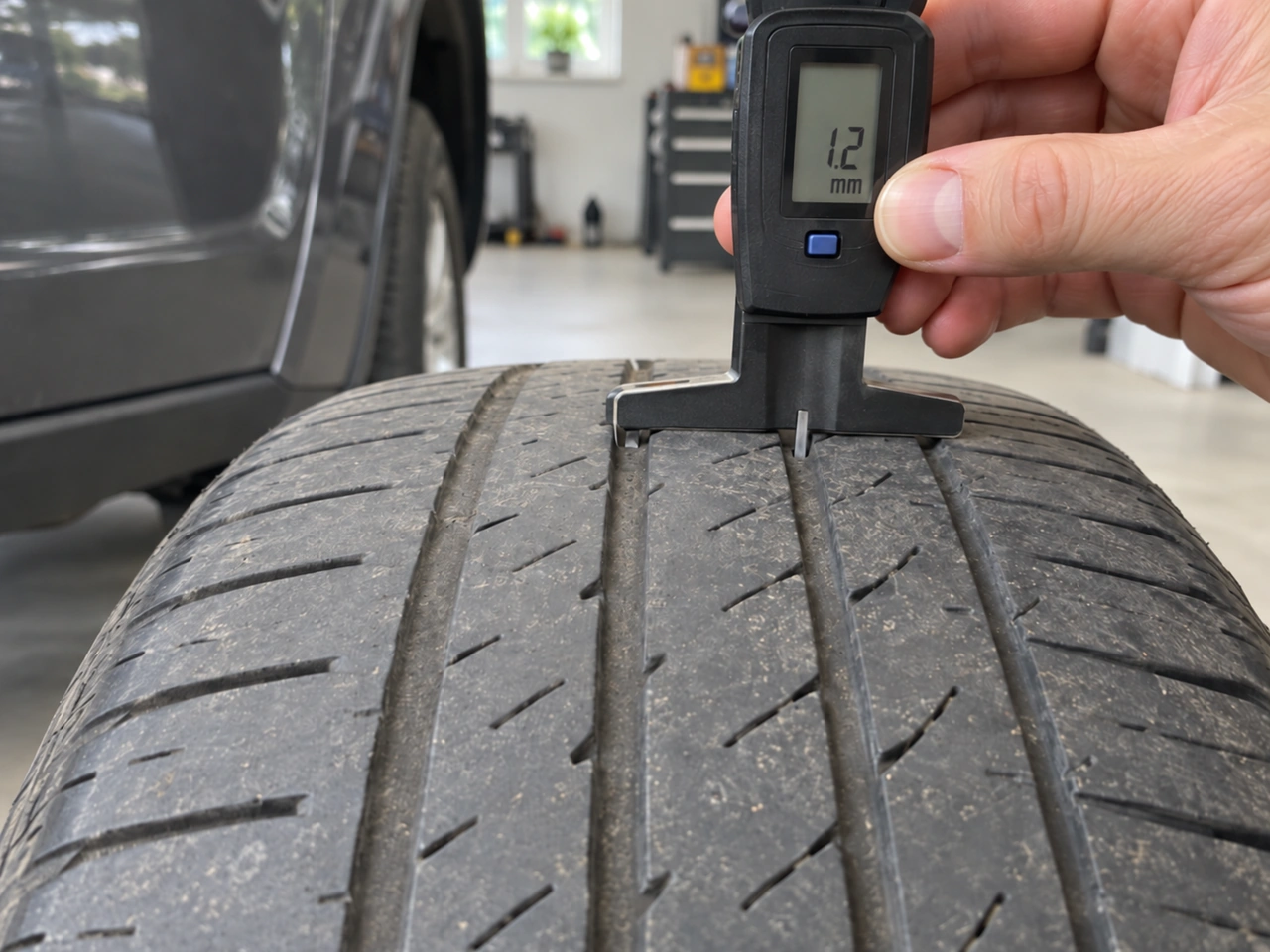
554. What is the general minimum legal tread depth for car tyres in Australia?
The general minimum legal tread depth for car tyres in Australia is 1.5 mm. Higher minimums may apply to winter tyres, during winter periods or in winter conditions.
AI-generated by Rijbewijs-online.be • WCIT • CC BY-SA
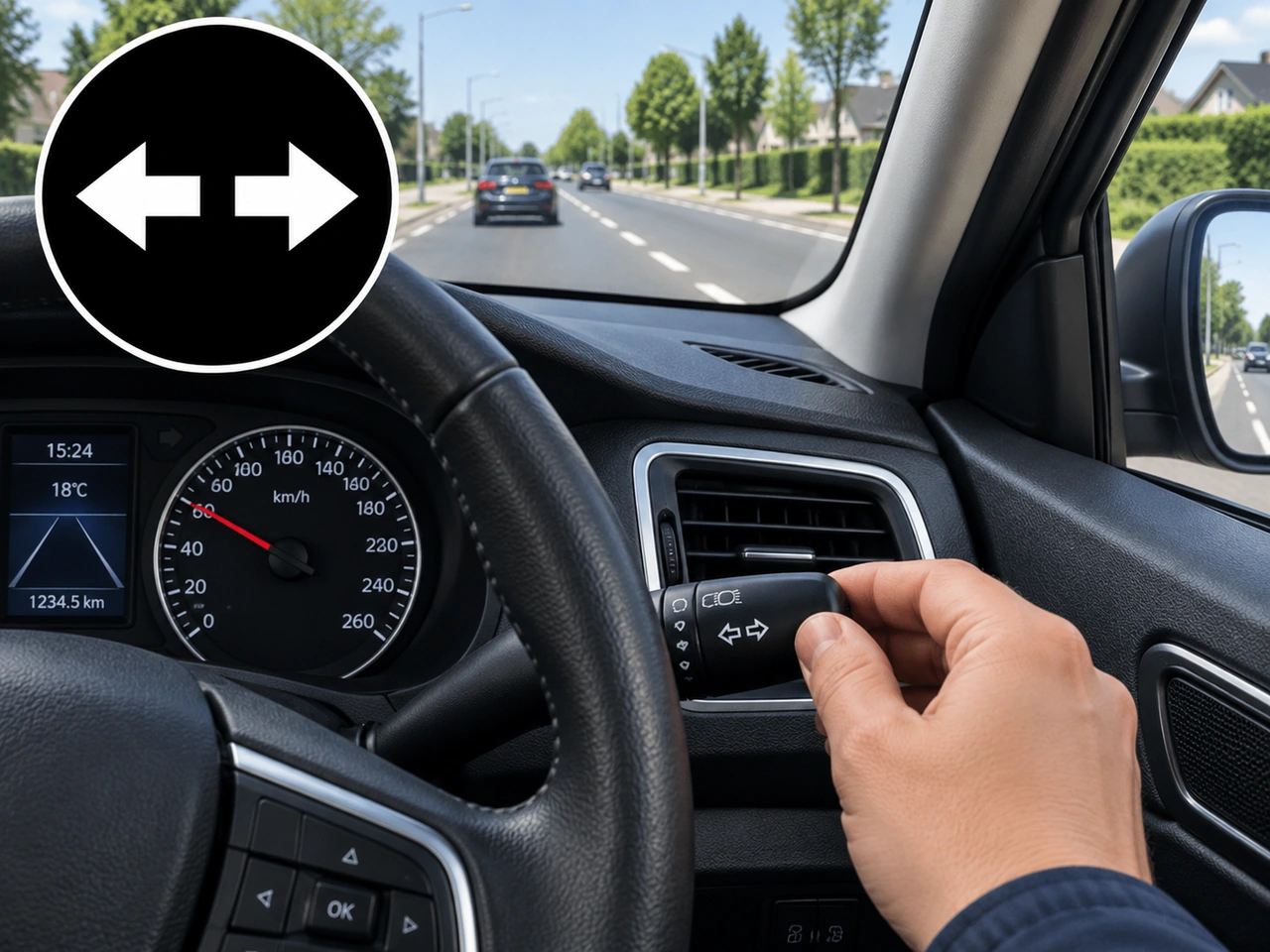
555. What should you do if a direction indicator does not cancel after a turn?
Direction indicators often cancel automatically after a turn, but if an indicator remains on, return the indicator control to its neutral position so you do not mislead other road users.
AI-generated by Rijbewijs-online.be • WCIT • CC BY-SA
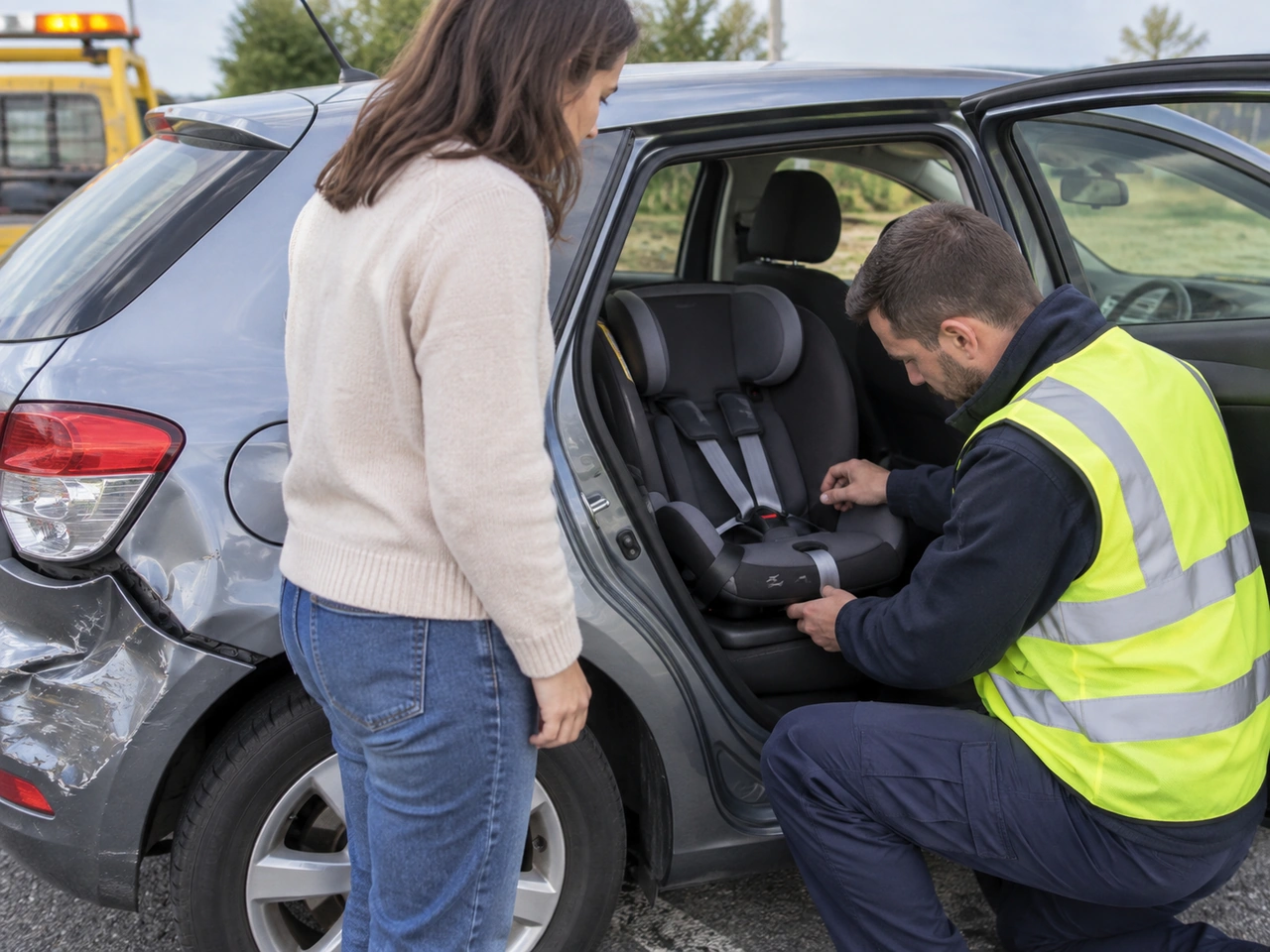
556. What should you do with a child restraint after a collision?
A child restraint may be damaged in a collision even when the damage is not obvious. Follow the manufacturer's instructions, as the restraint may need to be inspected or replaced before it is used again.
AI-generated by Rijbewijs-online.be • WCIT • CC BY-SA
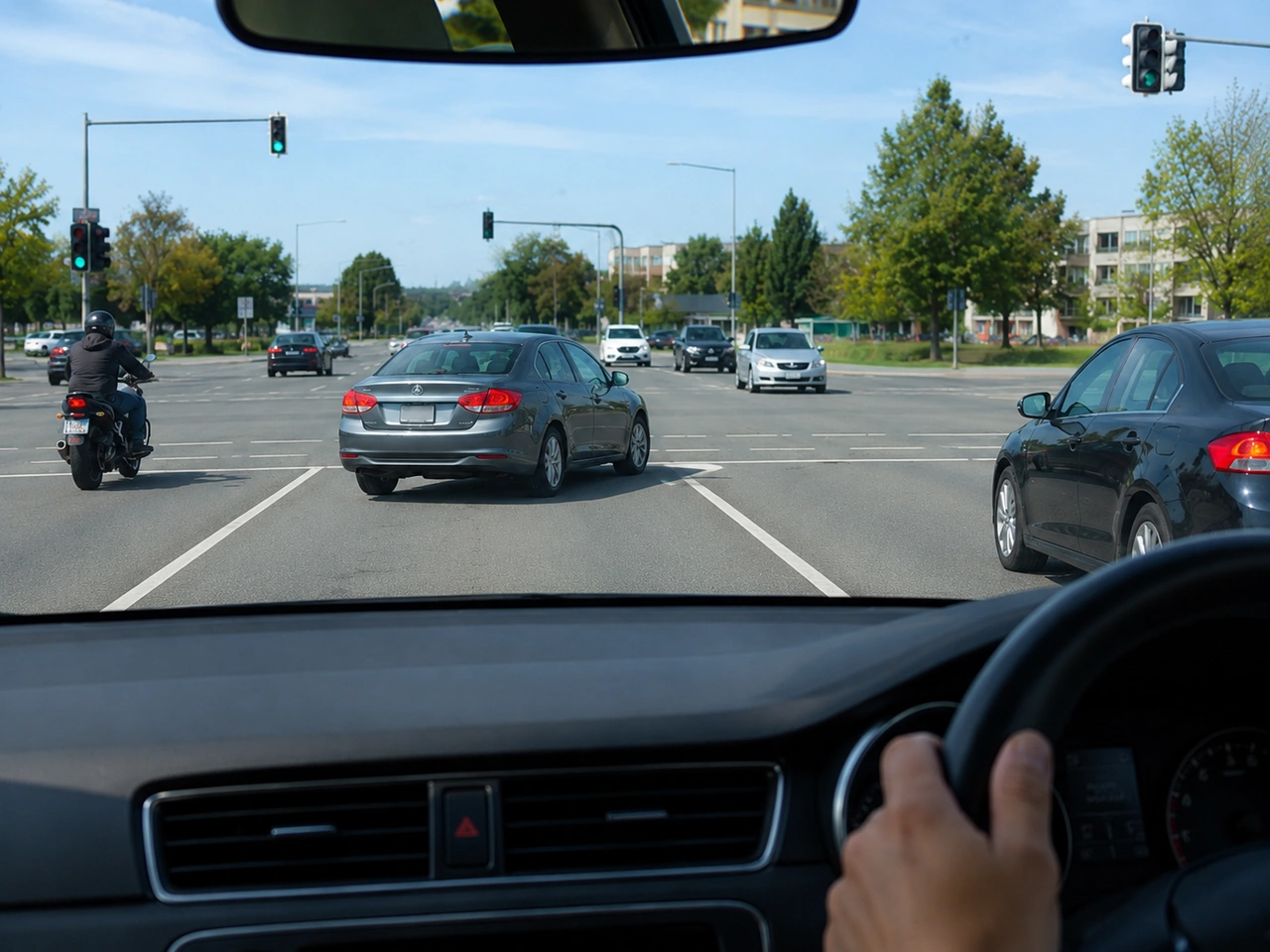
557. Why should you avoid changing lanes inside an intersection?
Changing lanes inside an intersection can surprise drivers, cyclists, and pedestrians. It is safer to choose the correct lane before entering.
AI-generated by Rijbewijs-online.be • WCIT • CC BY-SA
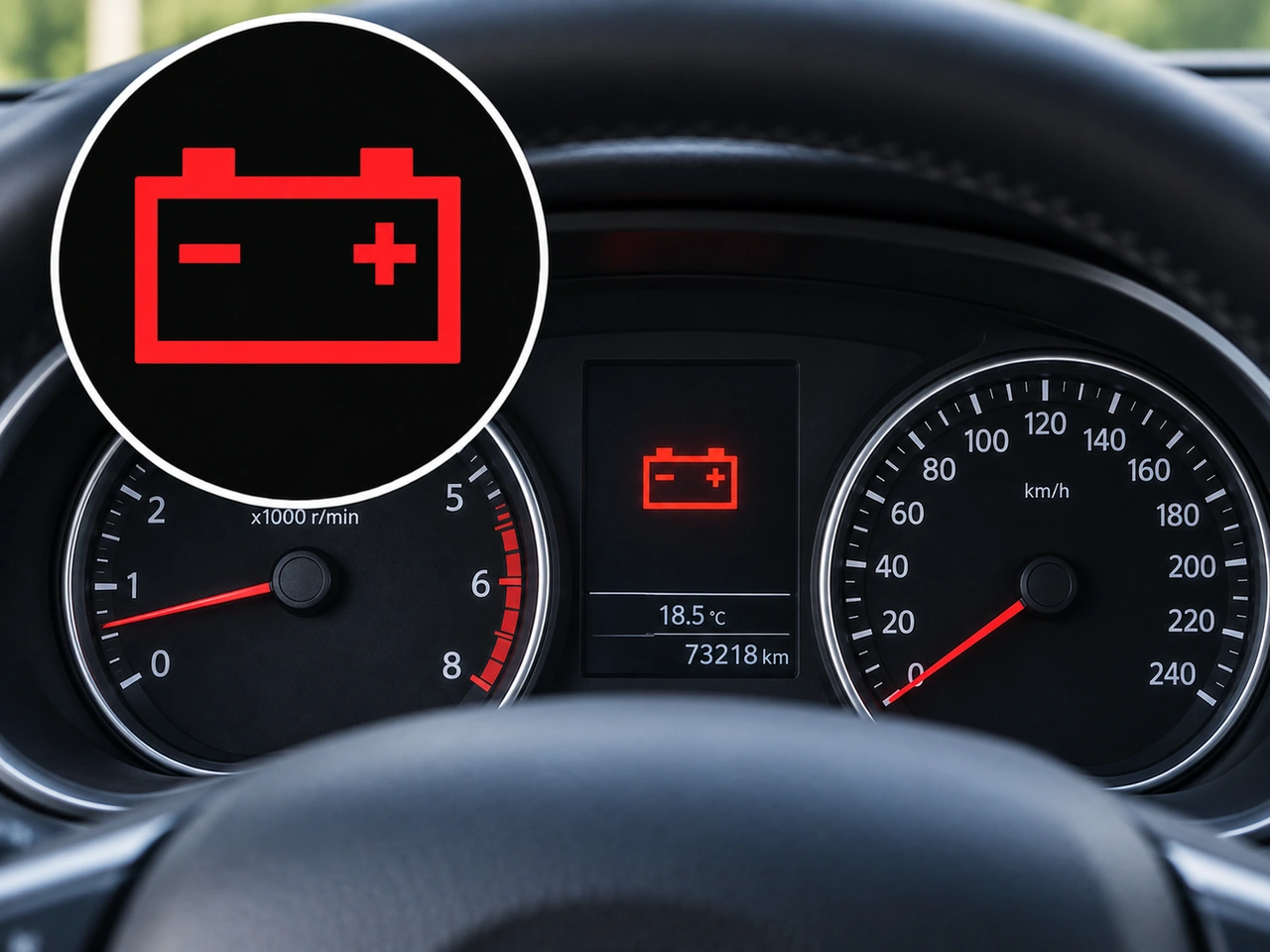
558. What does this dashboard symbol indicate?
This symbol indicates a problem with the vehicle's charging system. If it remains illuminated while the engine is running, the battery may not be charging correctly because of a fault with the alternator, battery, wiring, or related components.
AI-generated by Rijbewijs-online.be • WCIT • CC BY-SA
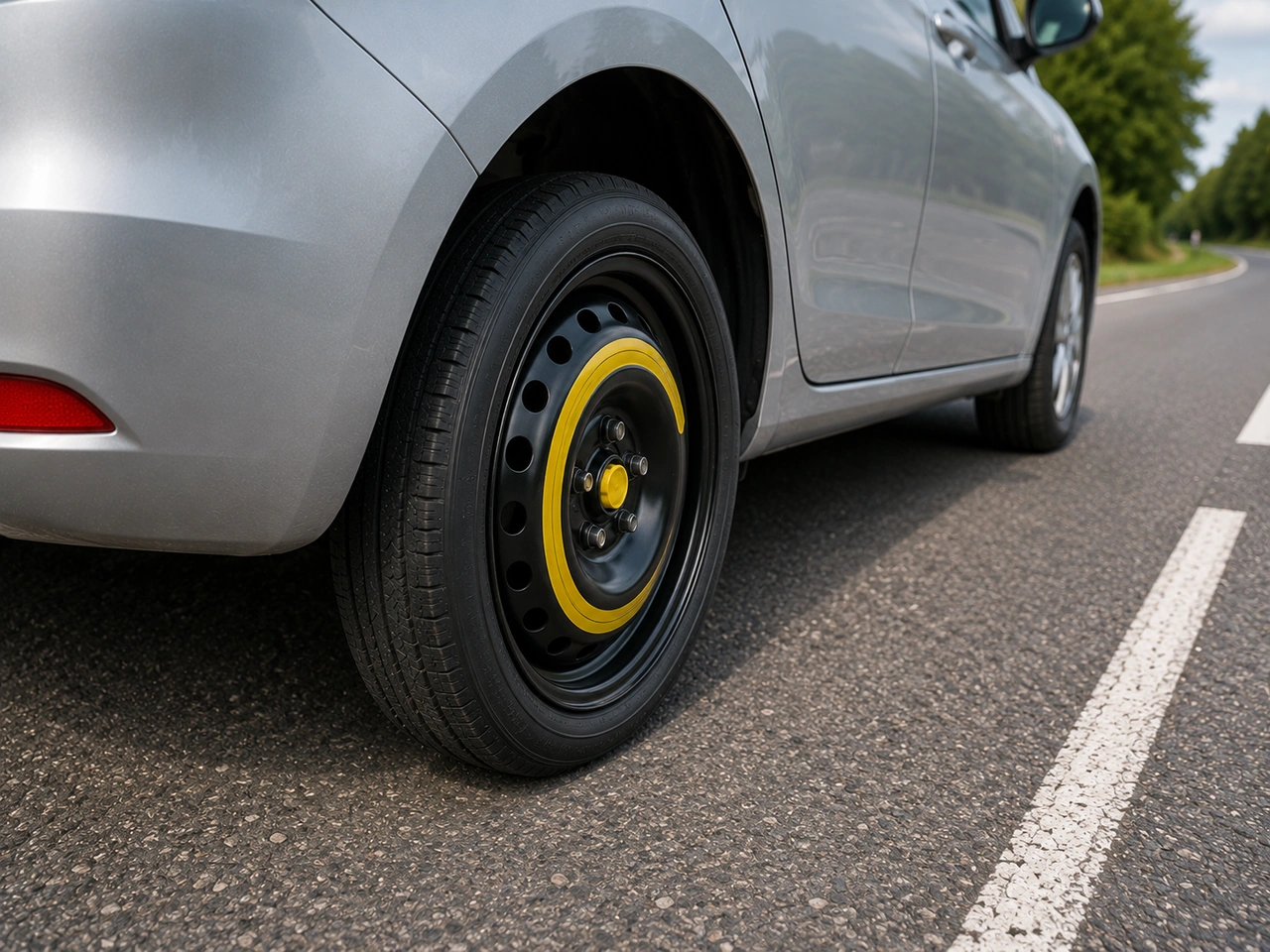
559. What should you do after fitting a temporary spare wheel?
Temporary spare wheels may have limited speed, distance, and handling capabilities. Arrange a proper repair or replacement promptly.
AI-generated by Rijbewijs-online.be • WCIT • CC BY-SA
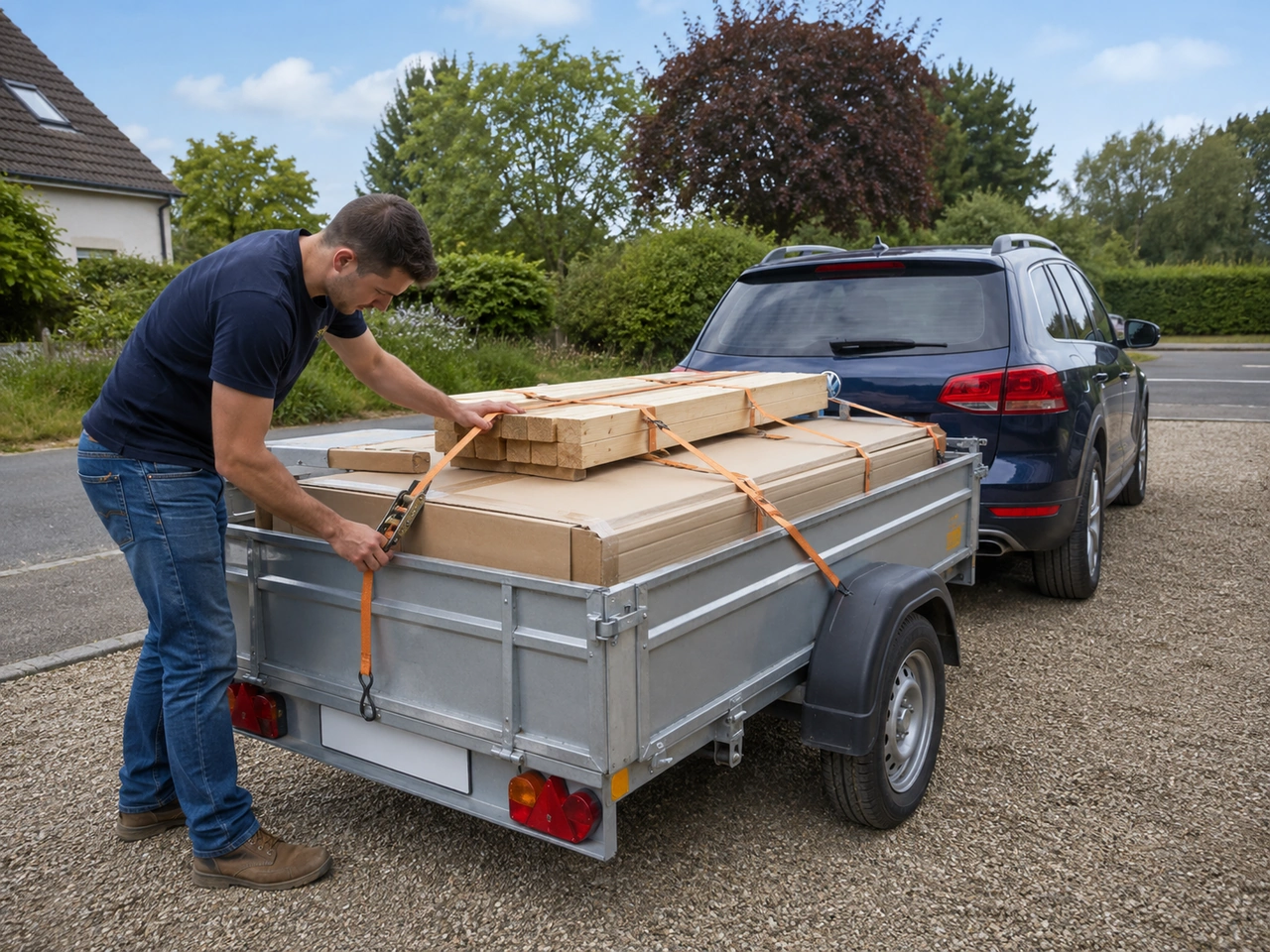
560. What should you do before driving with a load?
An unsecured load can shift, affect vehicle control, or fall into the road. Check that everything is safely restrained before moving.
AI-generated by Rijbewijs-online.be • WCIT • CC BY-SA
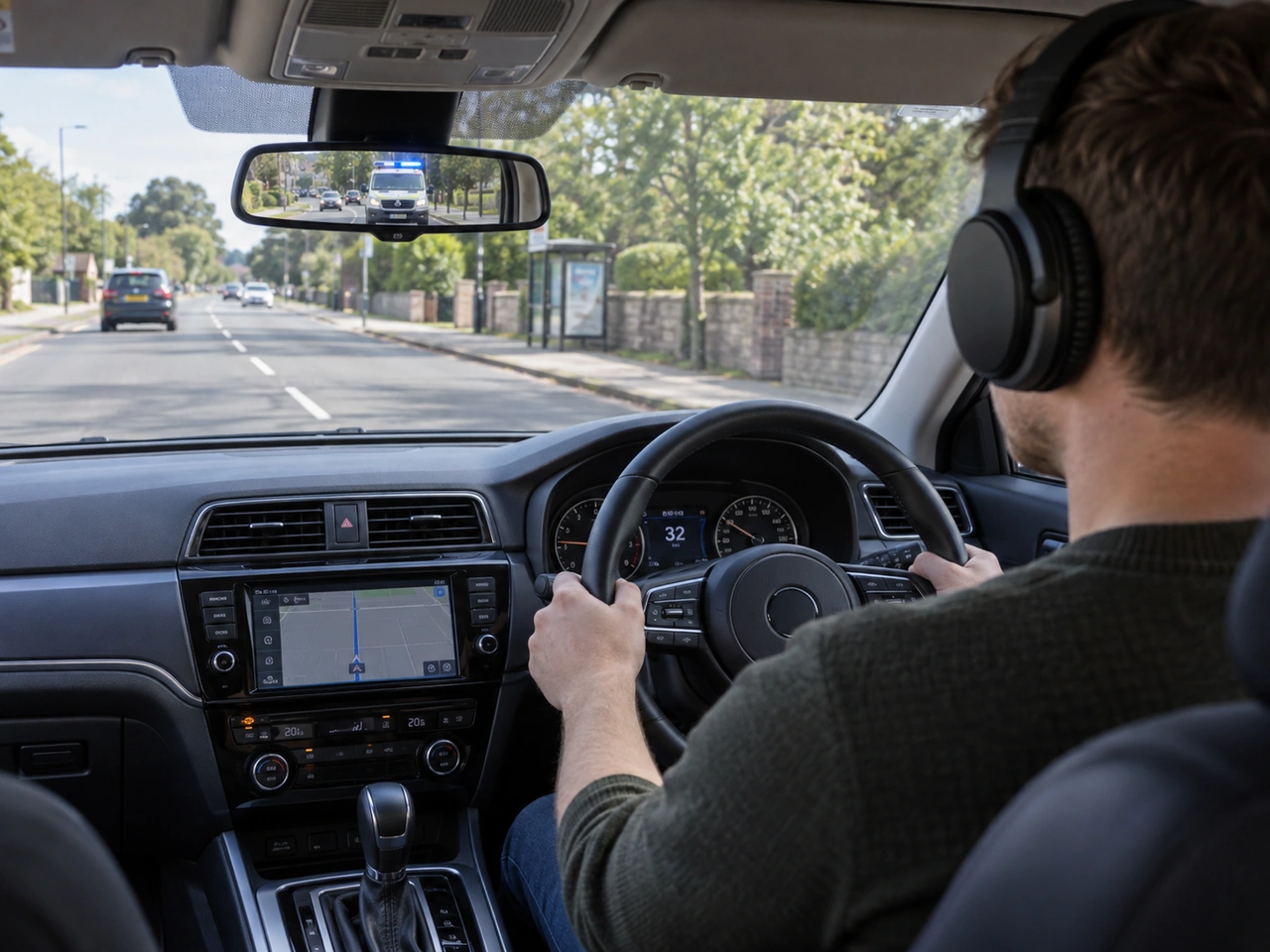
561. Why can headphones or very loud music be dangerous while driving?
Headphones or very loud music can reduce your awareness of horns, sirens, warning sounds, and surrounding traffic. Keep the volume at a level that allows you to remain aware of what is happening around the vehicle.
AI-generated by Rijbewijs-online.be • WCIT • CC BY-SA
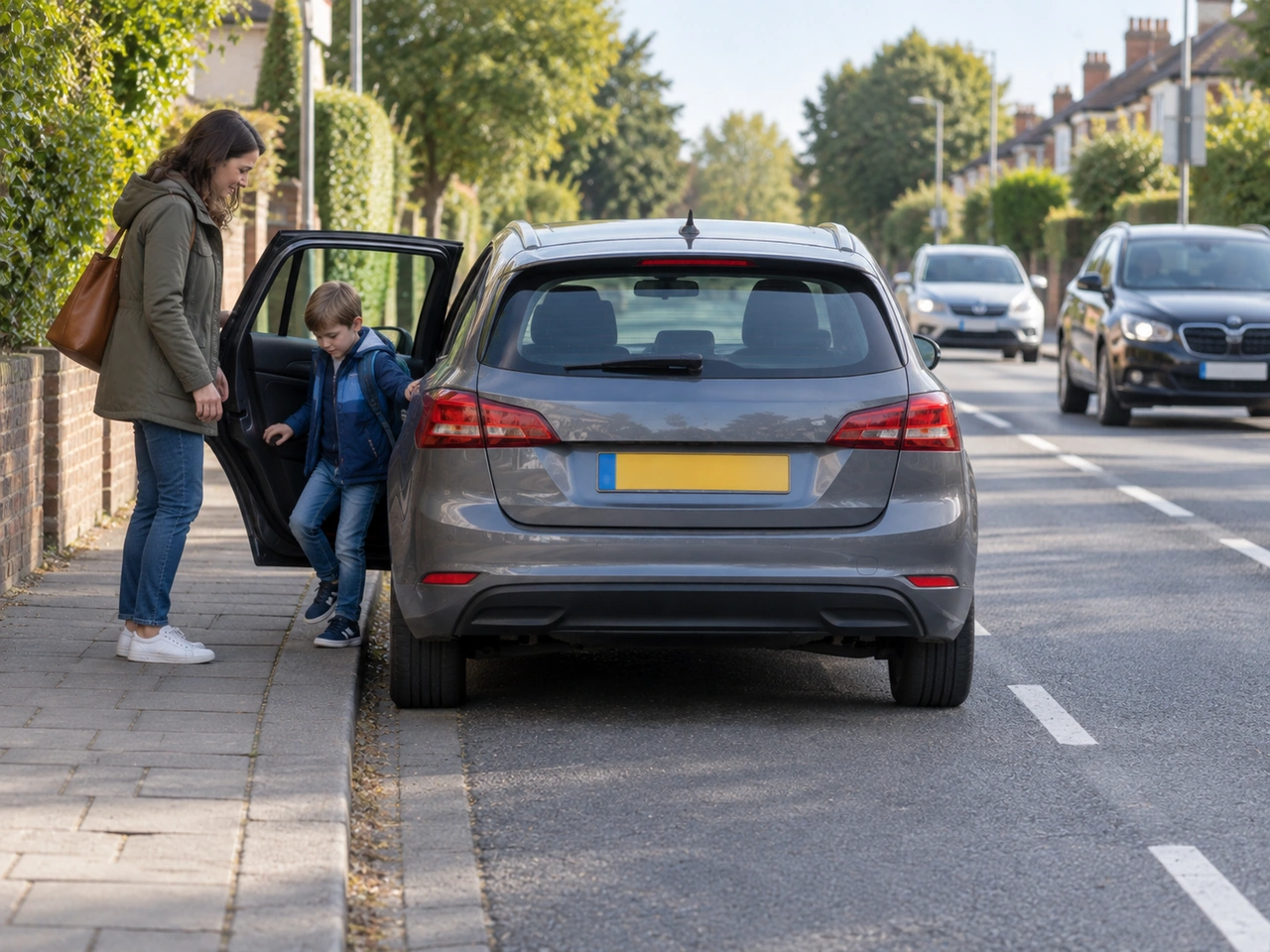
562. Where should passengers get in or out of a vehicle when possible?
Passengers should get in or out on the side away from moving traffic whenever possible. This is particularly important for children, who may not recognise approaching traffic or other road users. Before opening any door, check that it is safe.
AI-generated by Rijbewijs-online.be • WCIT • CC BY-SA
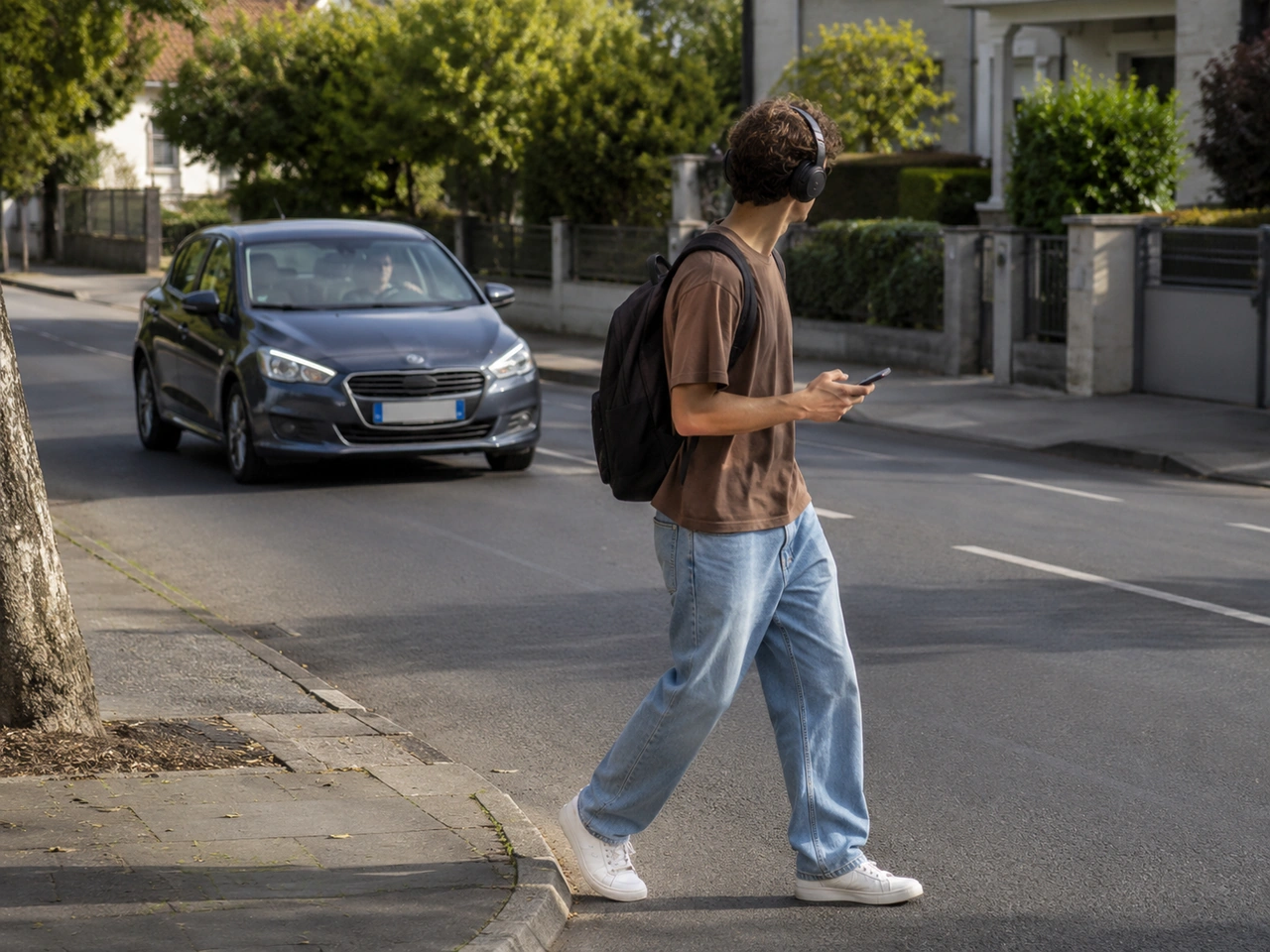
563. Why is it dangerous to cross while listening to loud music?
Loud music can reduce your awareness of vehicles, bicycles, horns, and other warning sounds.
AI-generated by Rijbewijs-online.be • WCIT • CC BY-SA
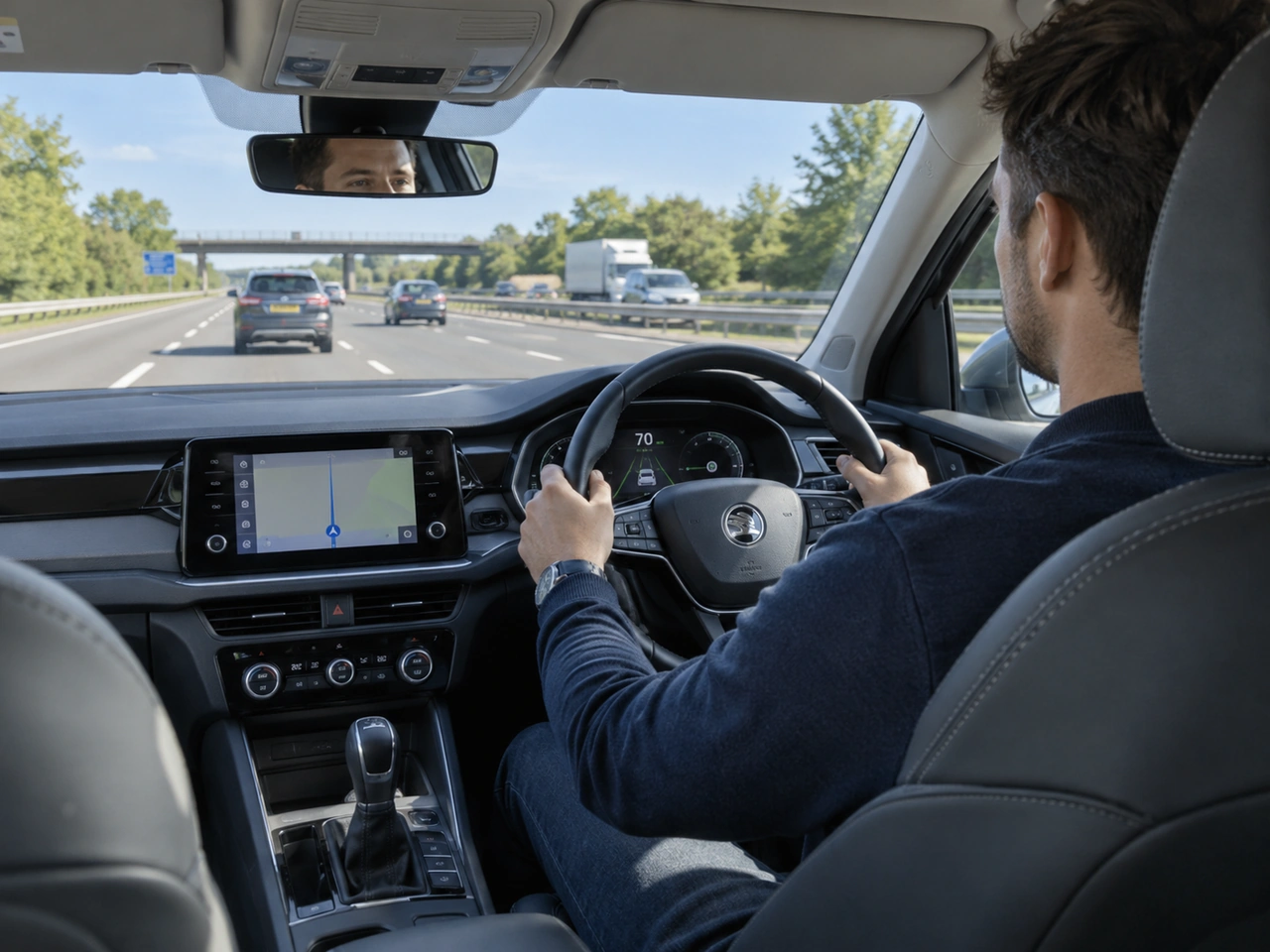
564. What should you remember when using driver-assistance systems?
Driver-assistance systems can help with tasks such as maintaining speed, monitoring lanes, or warning about hazards, but they do not replace the driver. Stay attentive, monitor the road and traffic, and be ready to take control whenever necessary.
AI-generated by Rijbewijs-online.be • WCIT • CC BY-SA
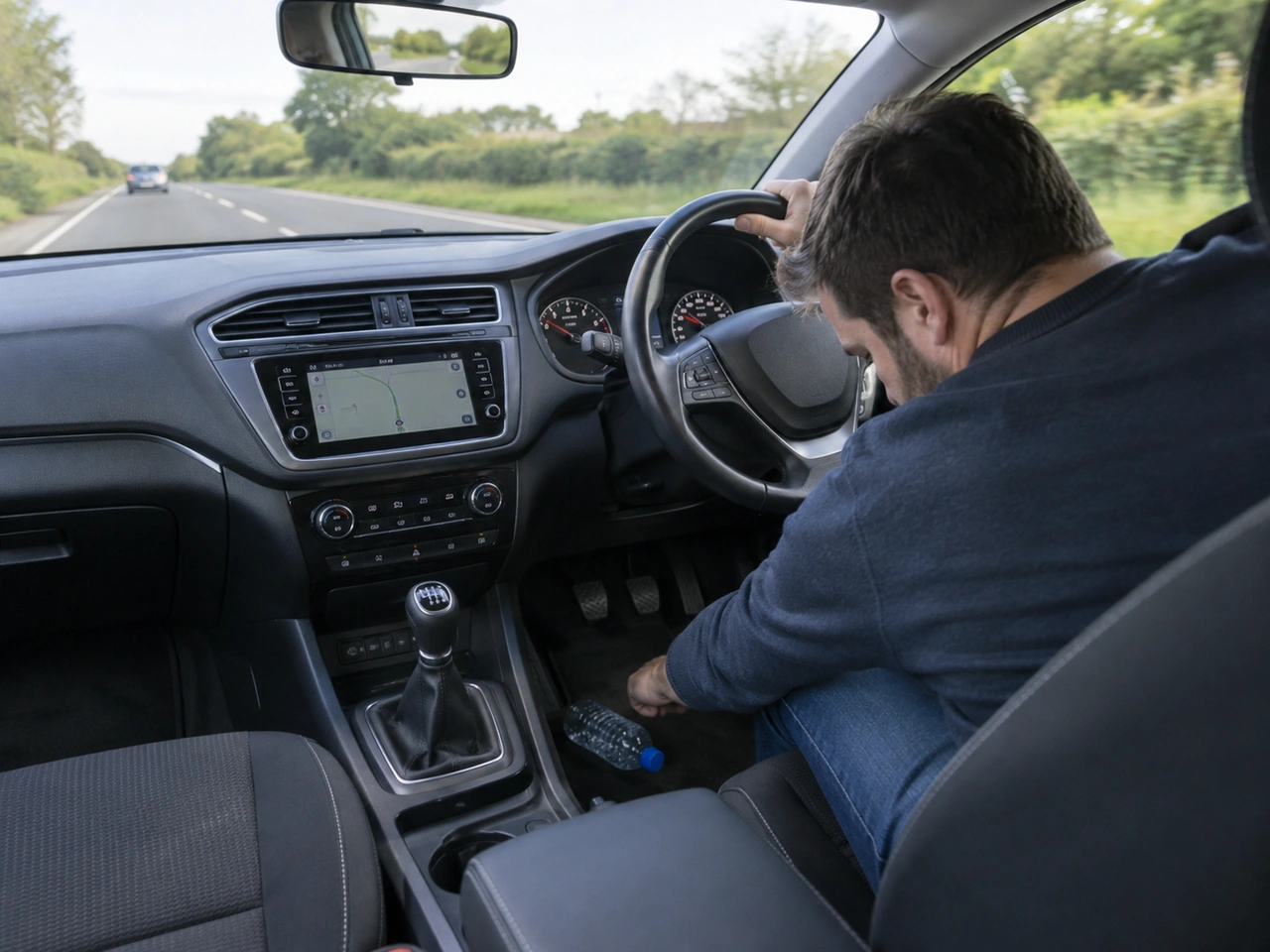
565. What should you do if an object falls into the driver's footwell while driving?
Do not reach down for an object while driving, as this takes your attention away from the road and can affect vehicle control. If something falls into the driver's footwell, keep control of the vehicle and stop somewhere safe before removing it.
AI-generated by Rijbewijs-online.be • WCIT • CC BY-SA
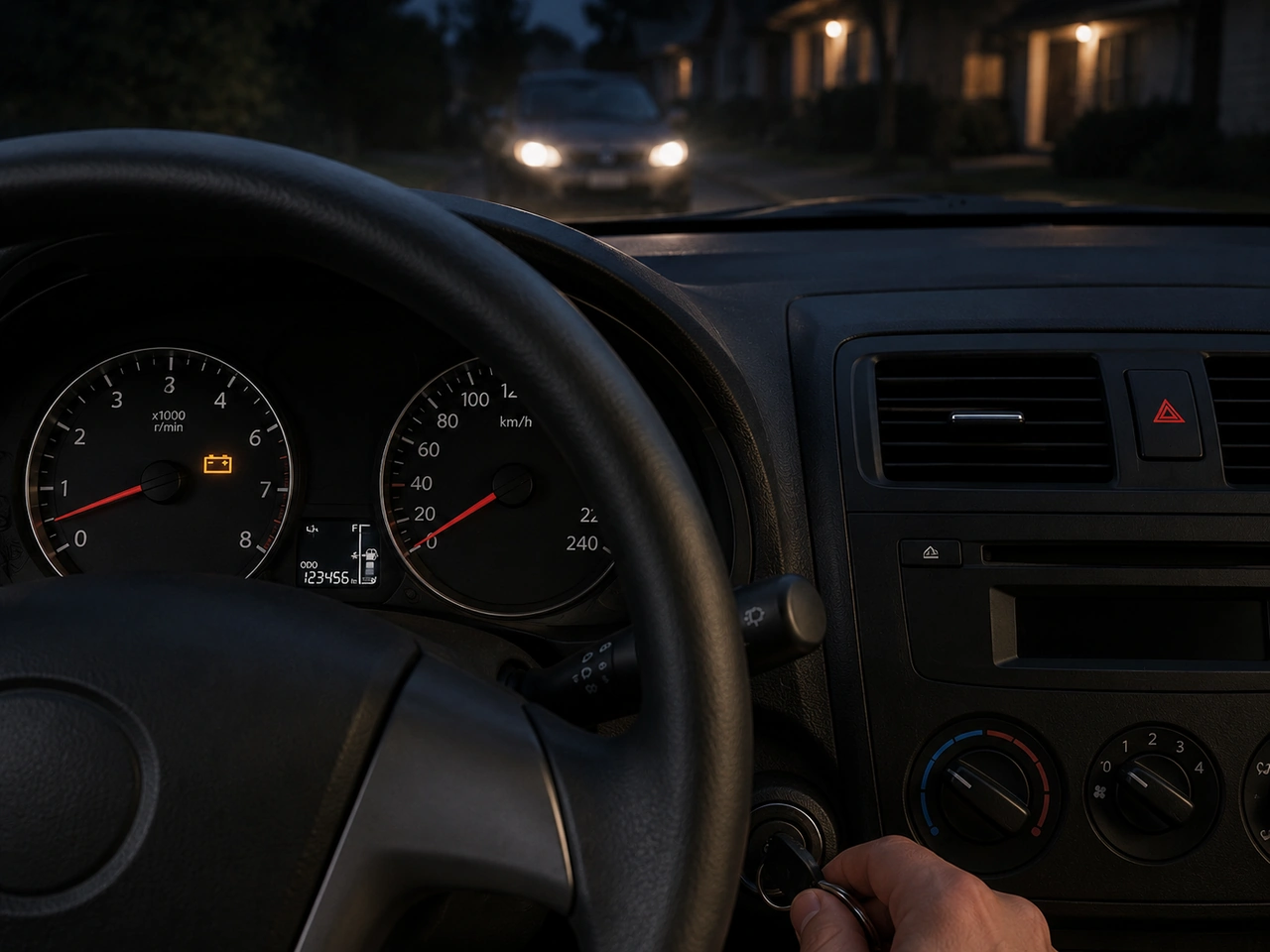
566. What can slow engine cranking or dim lights indicate?
Slow starting, dim lights, or repeated battery warnings can indicate a weak battery, poor electrical connection, or a fault in the charging system.
AI-generated by Rijbewijs-online.be • WCIT • CC BY-SA
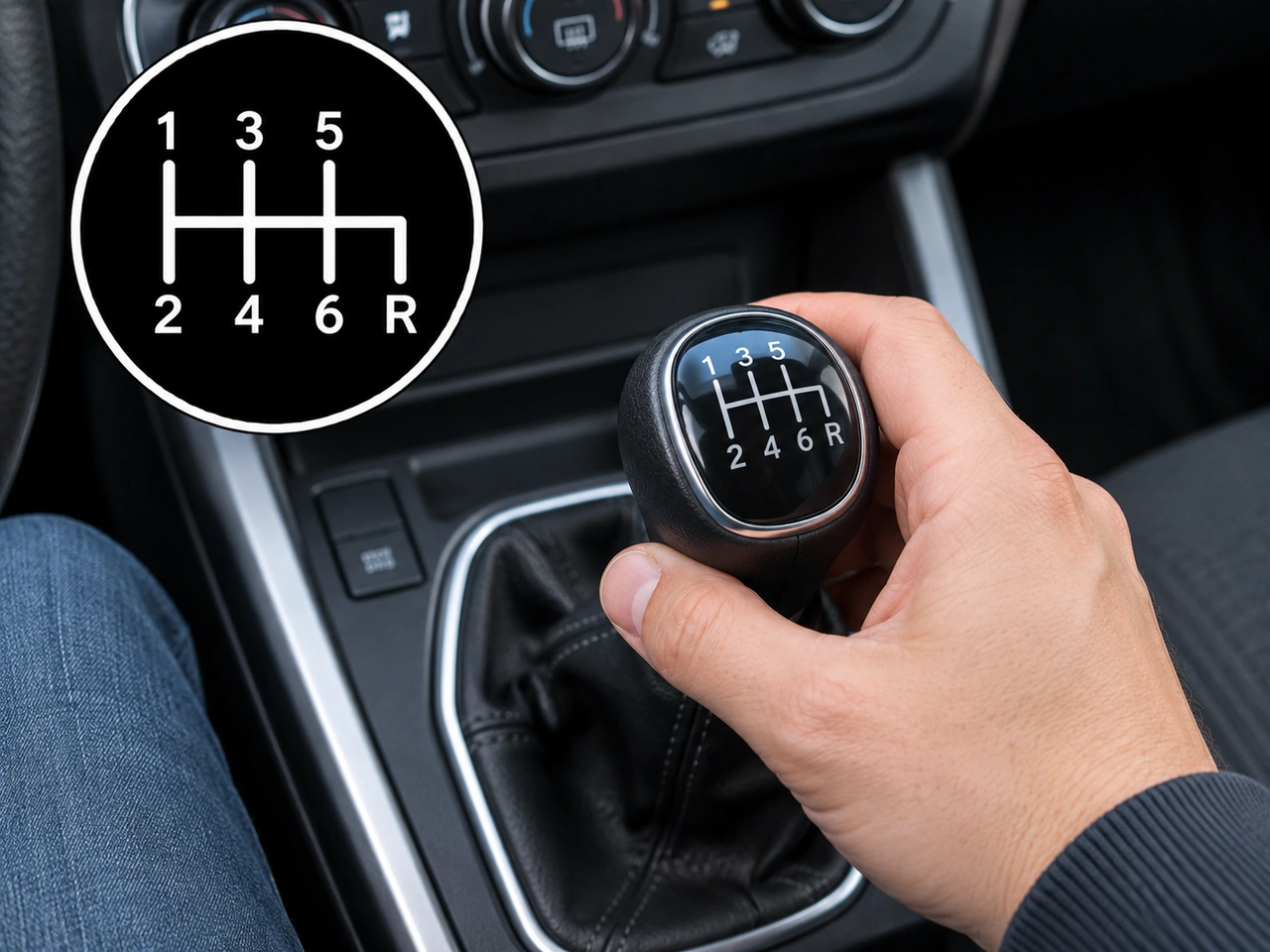
567. Which gear is normally used when moving off from a standstill?
1st gear is normally used when moving off from a standstill because it provides the greatest pulling power at low speed.
AI-generated by Rijbewijs-online.be • WCIT • CC BY-SA
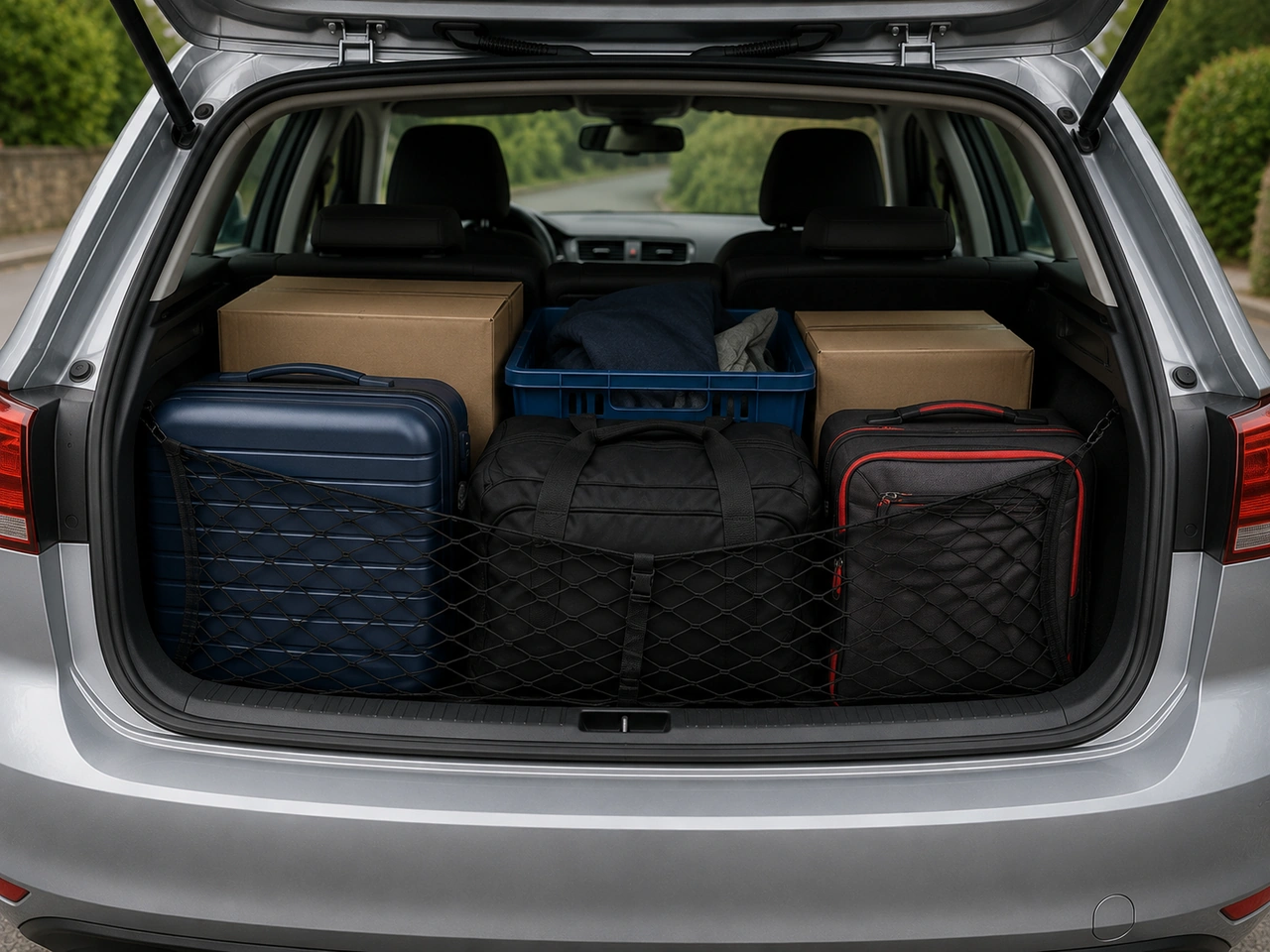
568. How should luggage or other cargo be carried in or on a vehicle?
Unsecured or overloaded cargo can affect steering and braking, injure occupants during sudden stops, or fall into the road. It must not obstruct the driver's view or vehicle lights.
AI-generated by Rijbewijs-online.be • WCIT • CC BY-SA
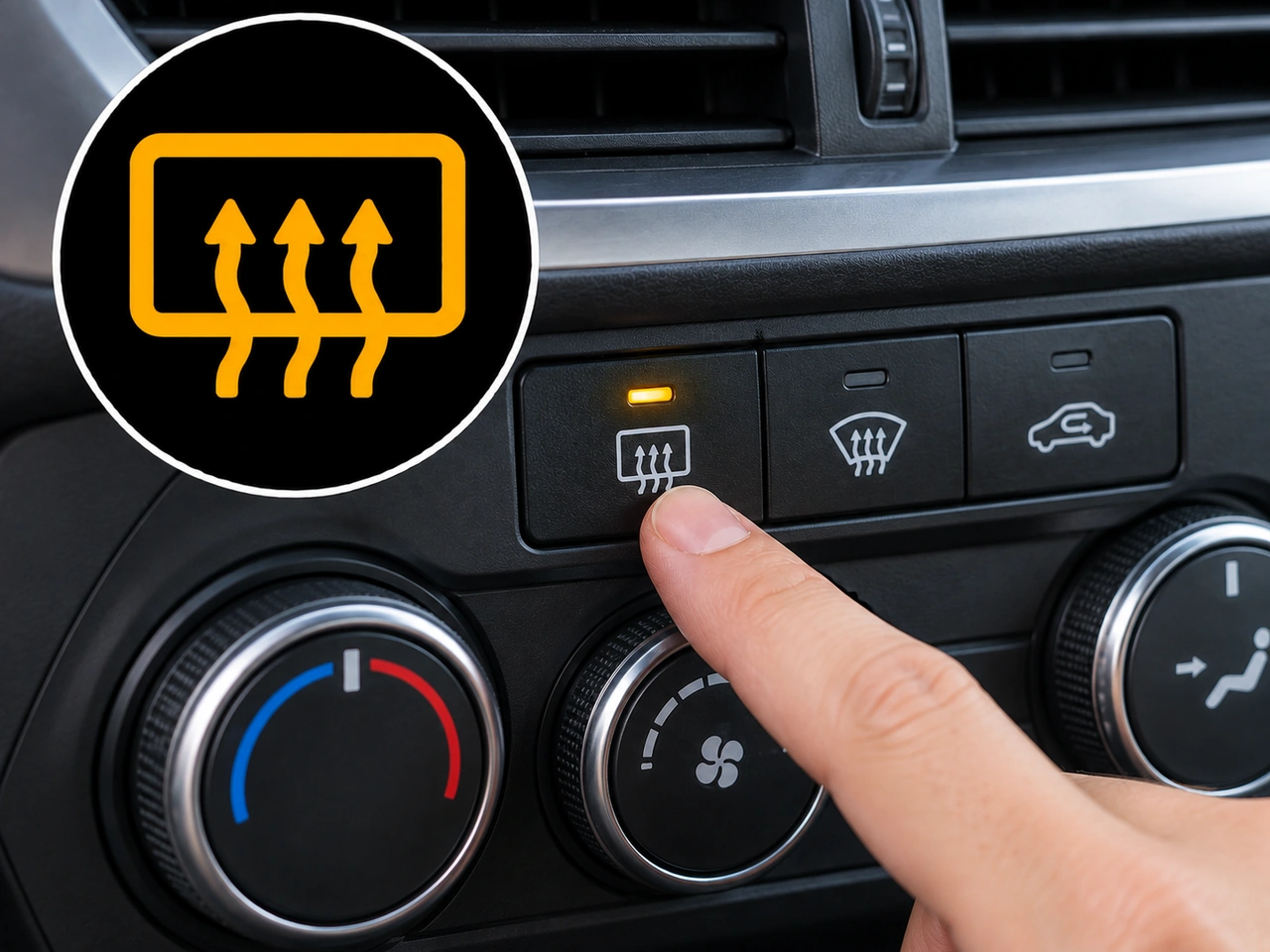
569. What does this dashboard symbol indicate?
This symbol indicates the rear window demister. It heats the rear window to help clear condensation, mist or frost and improve visibility.
AI-generated by Rijbewijs-online.be • WCIT • CC BY-SA
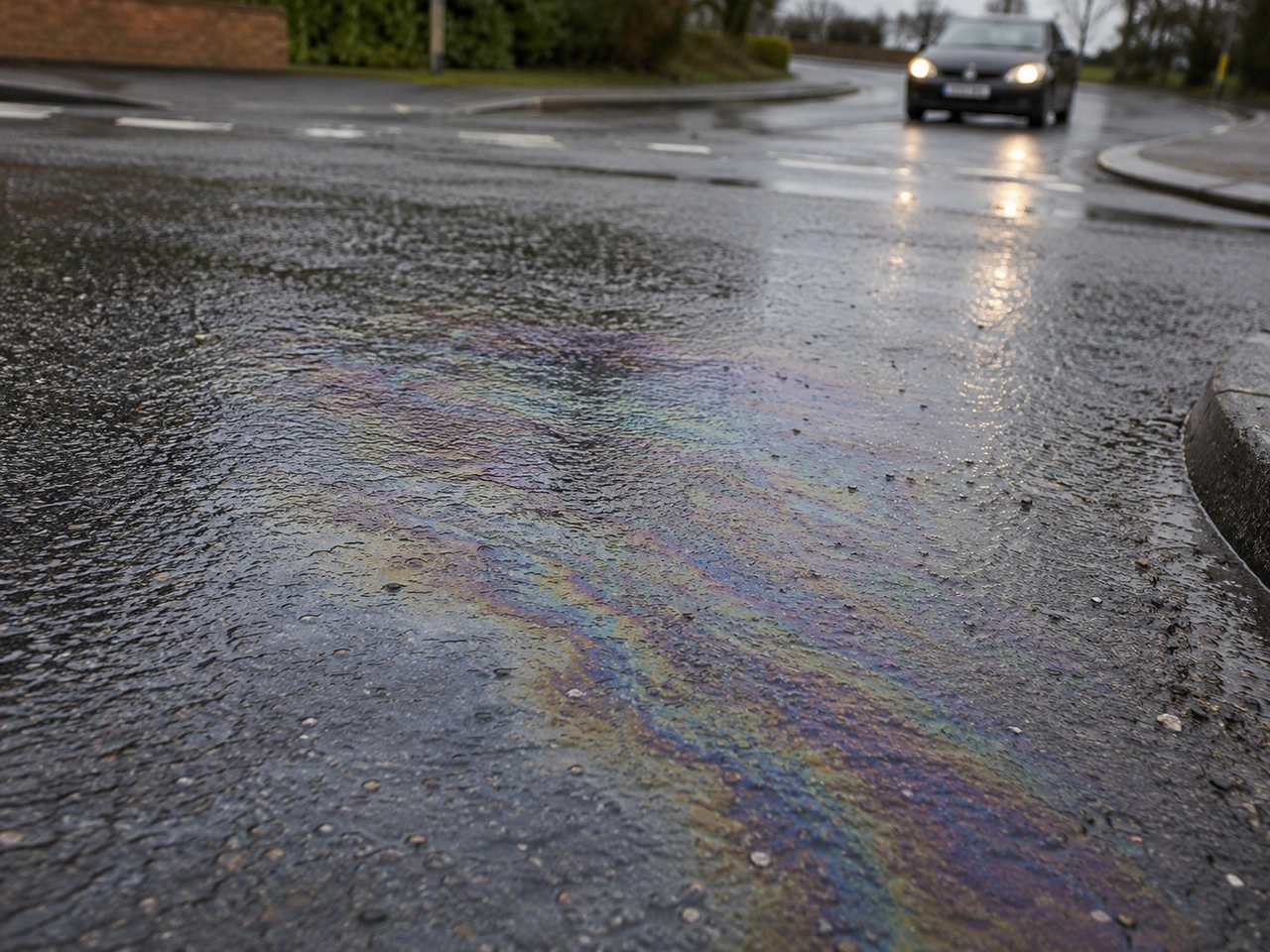
570. Why are roads especially slippery during rain after a dry period?
After a dry period, oil and dirt can build up on the road. The first rain mixes with them and can make the surface very slippery.
AI-generated by Rijbewijs-online.be • WCIT • CC BY-SA
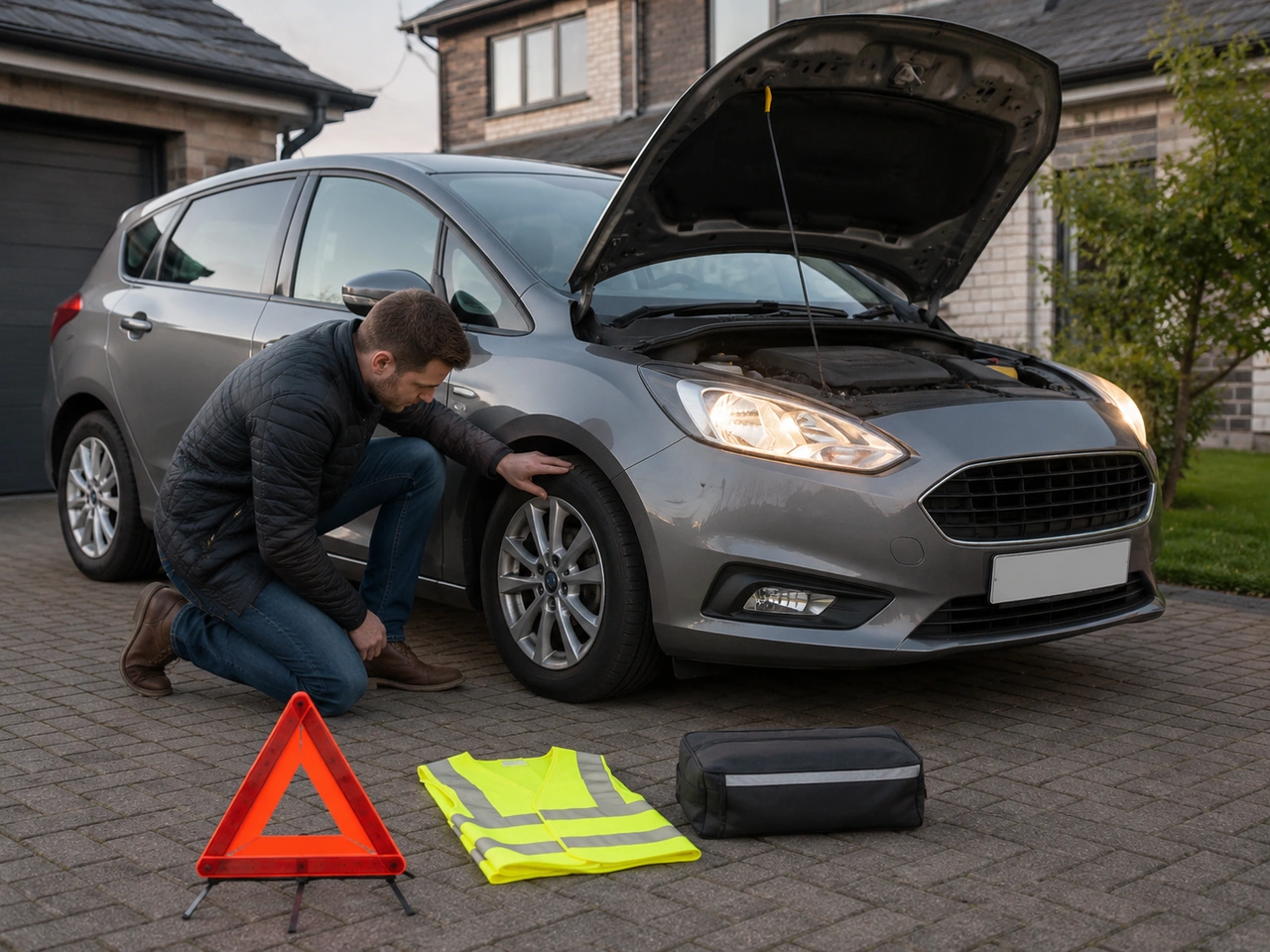
571. What should you check before starting a long journey?
A brief vehicle check can reveal tyre damage, low fluid levels, faulty lights, or visibility problems before they cause danger. Also confirm that any spare wheel or tyre-repair equipment is available and usable.
AI-generated by Rijbewijs-online.be • WCIT • CC BY-SA
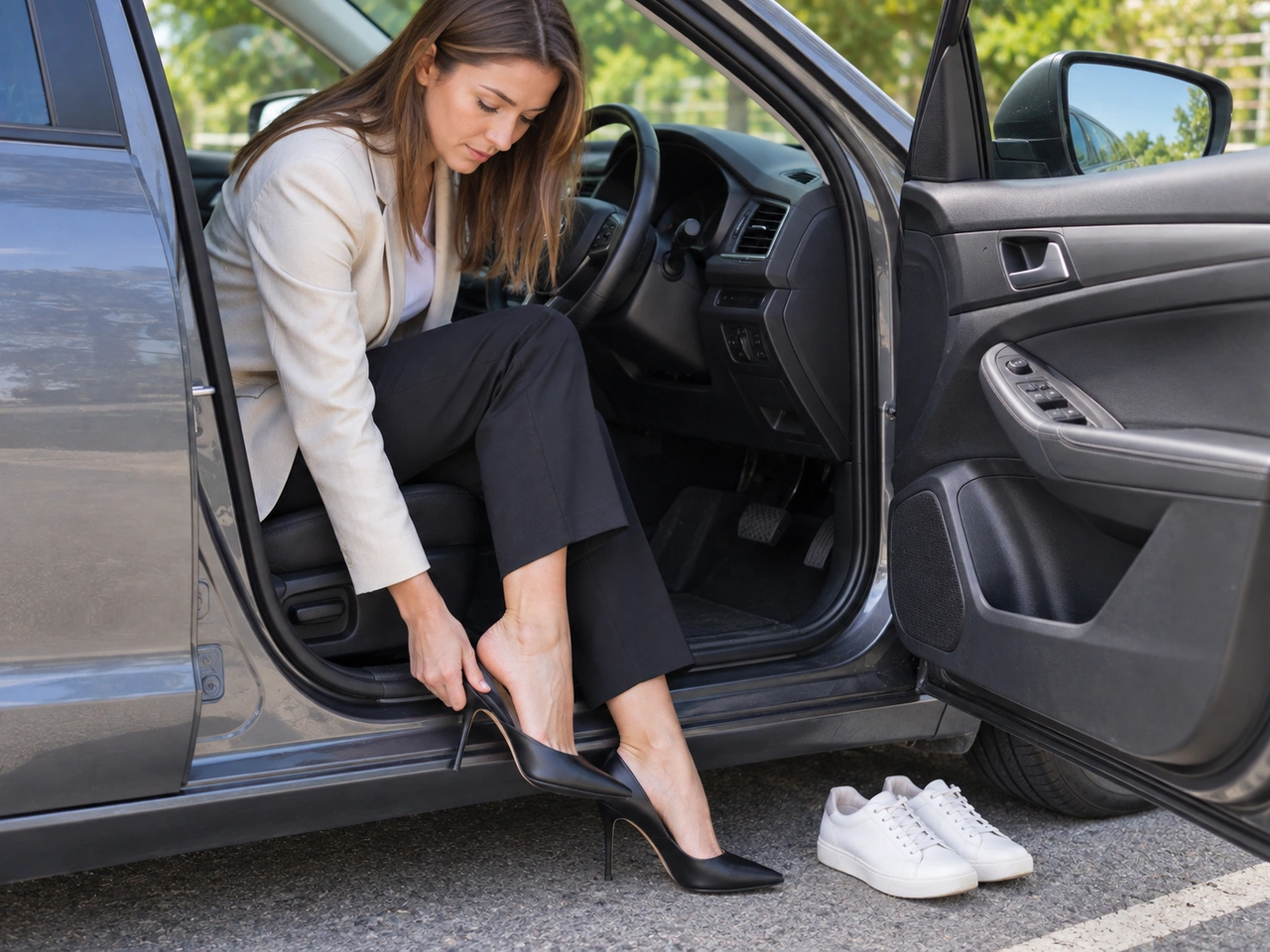
572. Why should you wear suitable footwear when driving?
Suitable footwear helps you operate the accelerator, brake, and clutch accurately. Loose, bulky, or slippery footwear can interfere with pedal control or become caught around the pedals.
AI-generated by Rijbewijs-online.be • WCIT • CC BY-SA
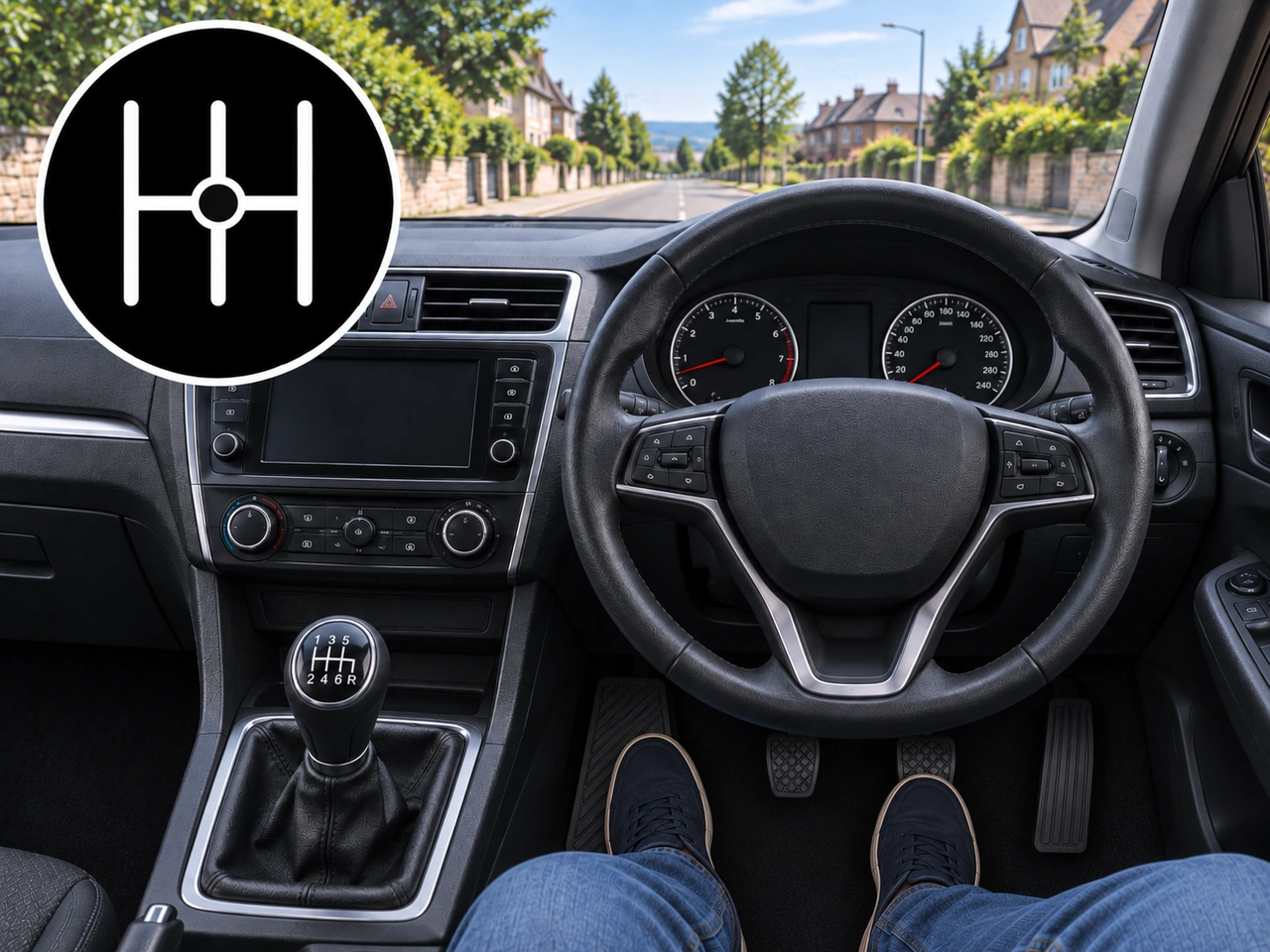
573. What should you normally do with the gearbox during a longer stop in a manual vehicle?
During a longer stop, selecting neutral and releasing the clutch can reduce unnecessary strain on the clutch release mechanism. Keep the vehicle securely held with the brake or parking brake as appropriate.
AI-generated by Rijbewijs-online.be • WCIT • CC BY-SA
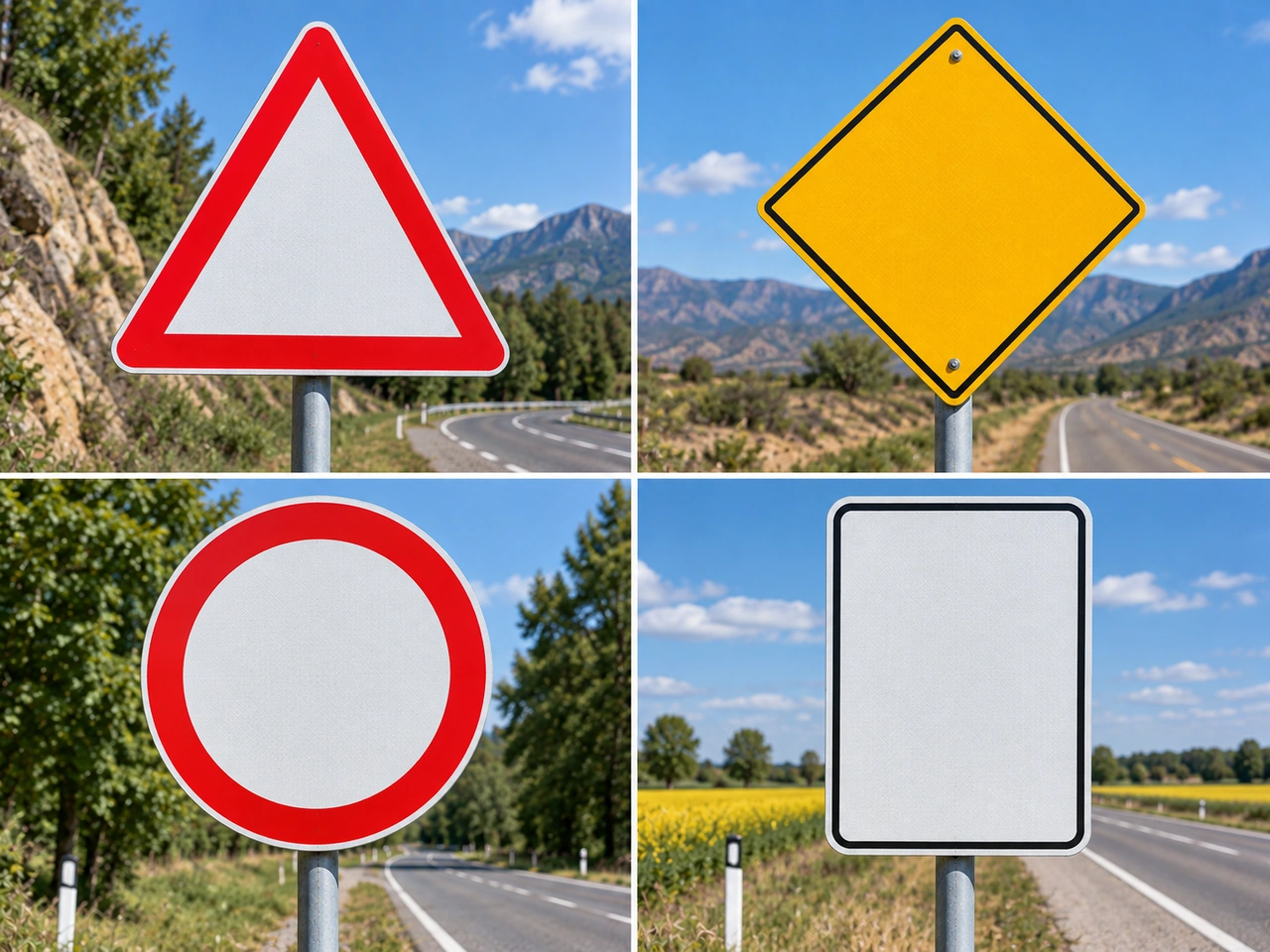
574. What shape are most warning signs in Australia?
Most warning signs in Australia are diamond-shaped.
AI-generated by Rijbewijs-online.be • WCIT • CC BY-SA
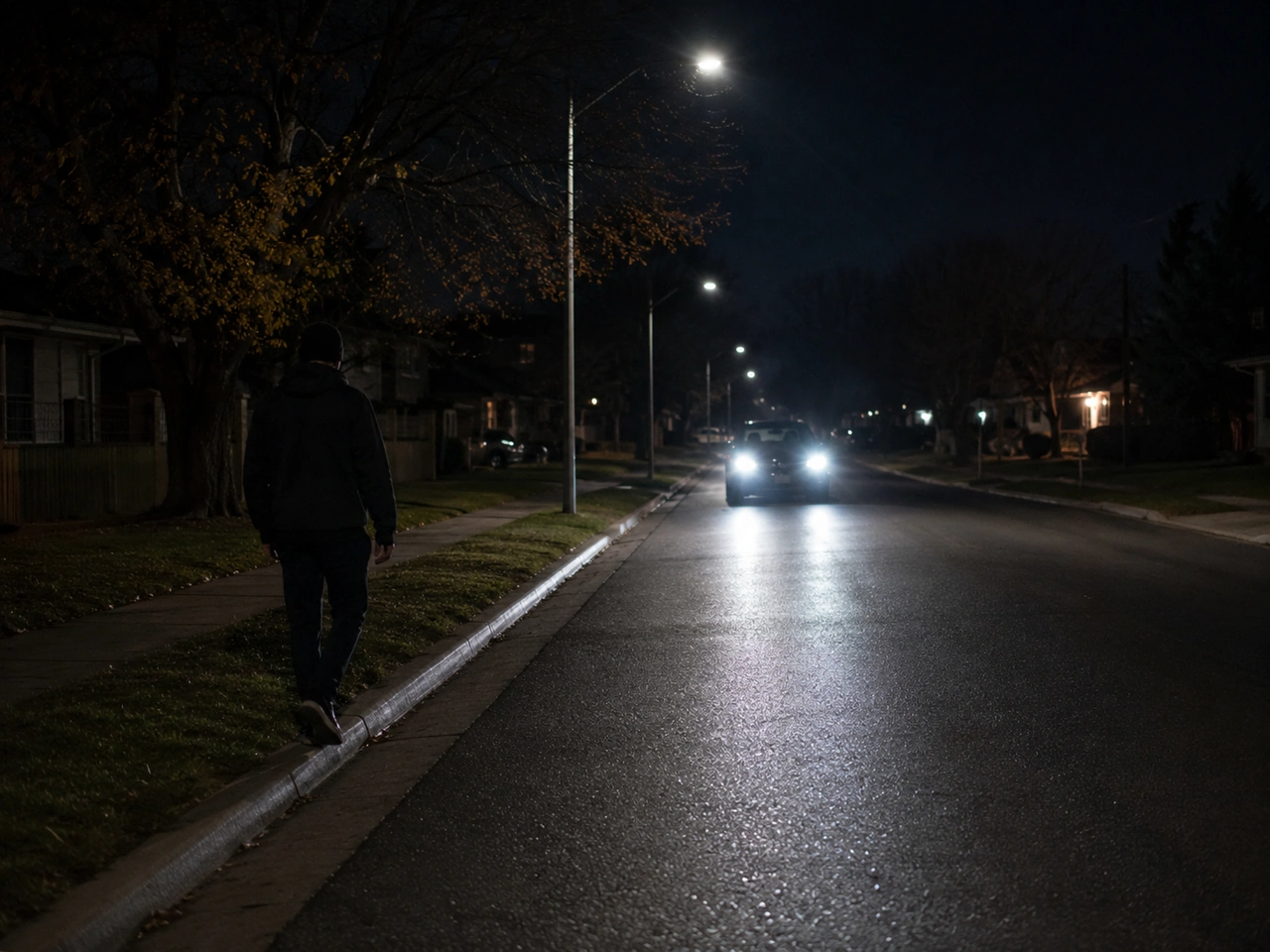
575. Why should you avoid wearing dark clothing at night?
Dark clothing makes pedestrians harder to see in low-light conditions. Bright or reflective clothing improves visibility.
AI-generated by Rijbewijs-online.be • WCIT • CC BY-SA
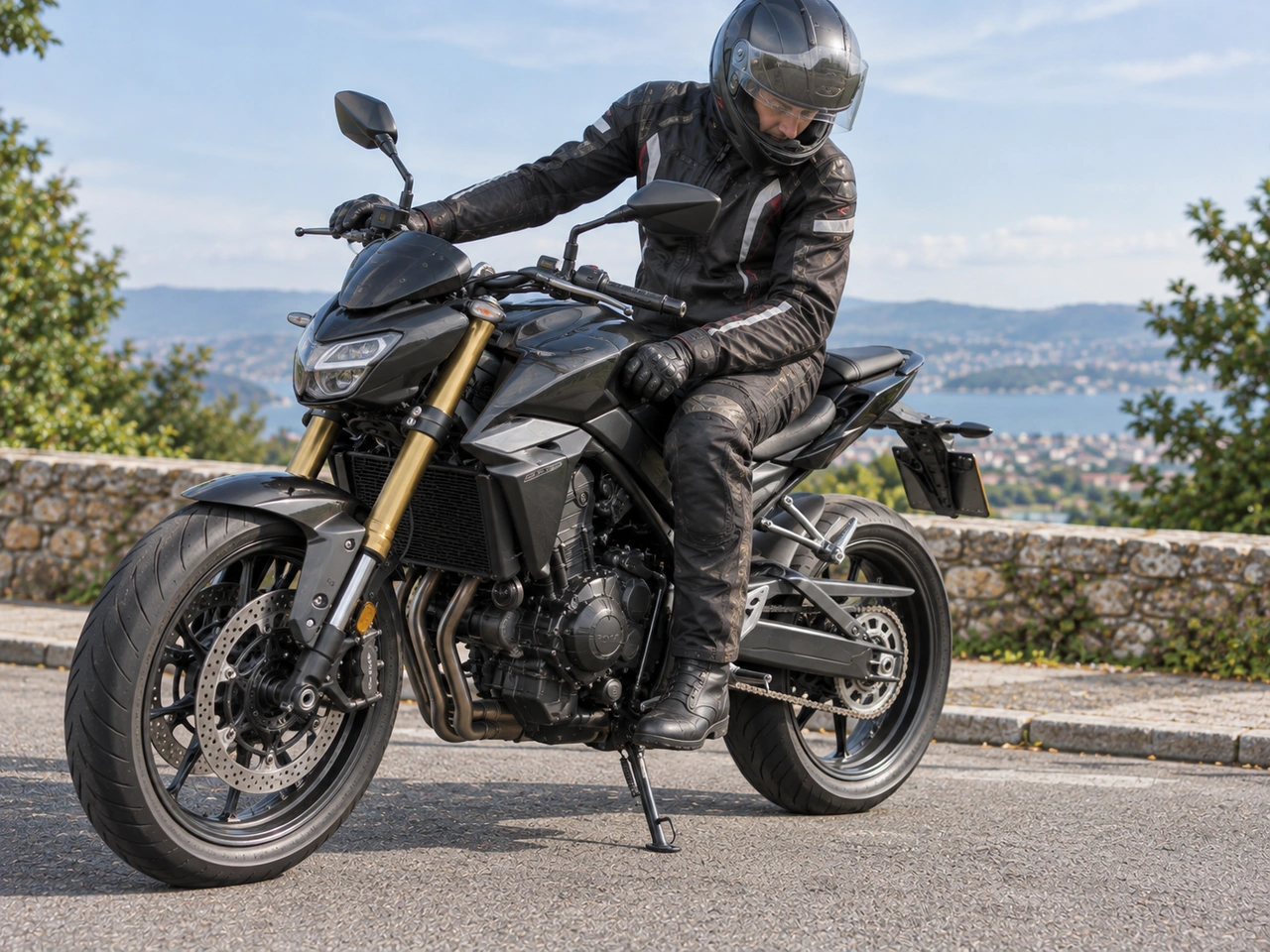
576. Should the side stand be fully raised before riding a motorcycle?
The side stand should be fully raised before riding. If it remains down, it may strike the road surface, particularly when turning, and could cause the rider to lose control.
AI-generated by Rijbewijs-online.be • WCIT • CC BY-SA
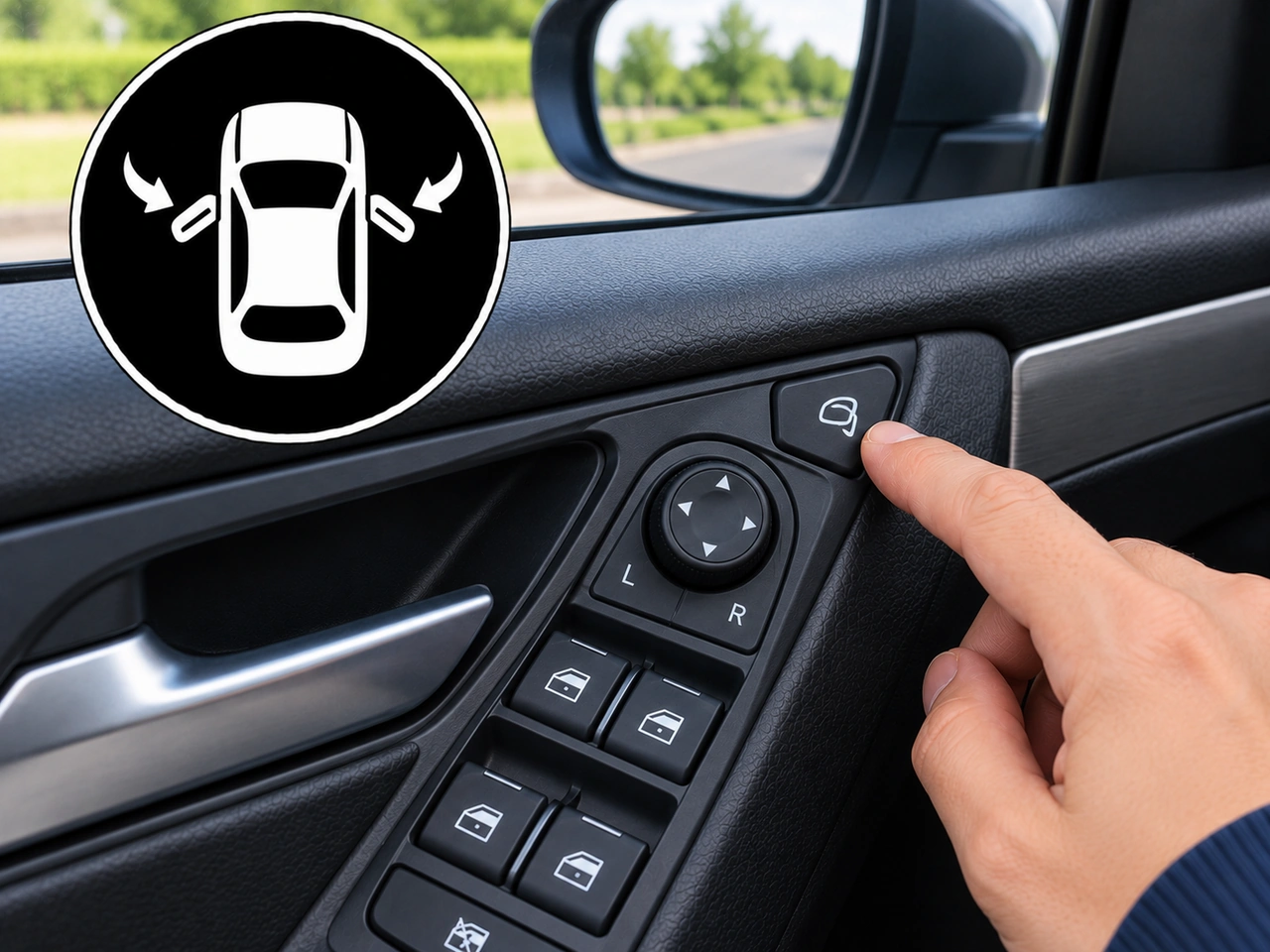
577. What does this vehicle-control symbol indicate?
This control folds or unfolds the vehicle's exterior mirrors. It is useful when parking in narrow spaces or when leaving the vehicle parked.
AI-generated by Rijbewijs-online.be • WCIT • CC BY-SA
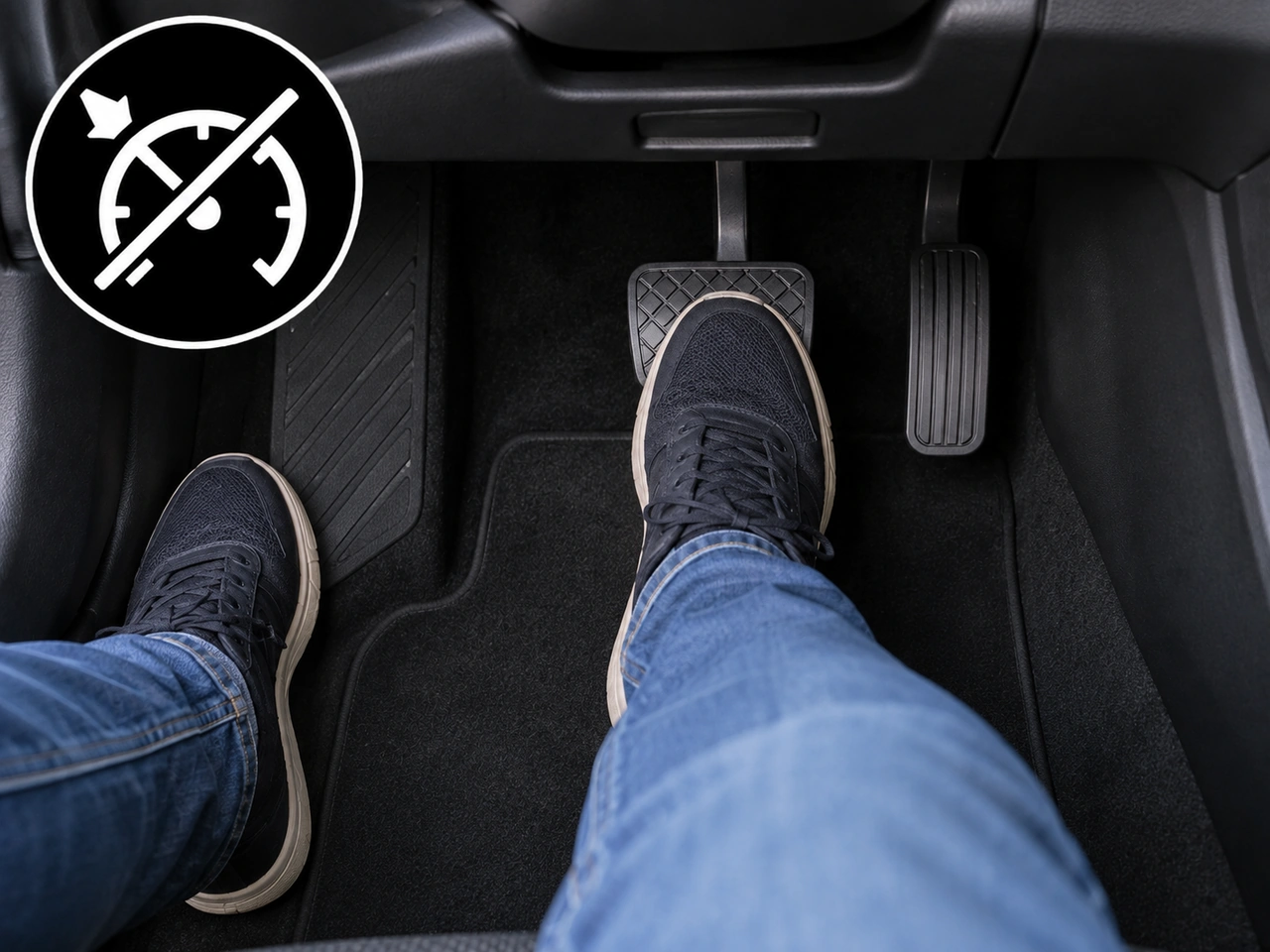
578. What normally happens to cruise control when you press the brake pedal?
Pressing the brake pedal normally cancels or temporarily disengages cruise control, returning speed control to the driver.
AI-generated by Rijbewijs-online.be • WCIT • CC BY-SA
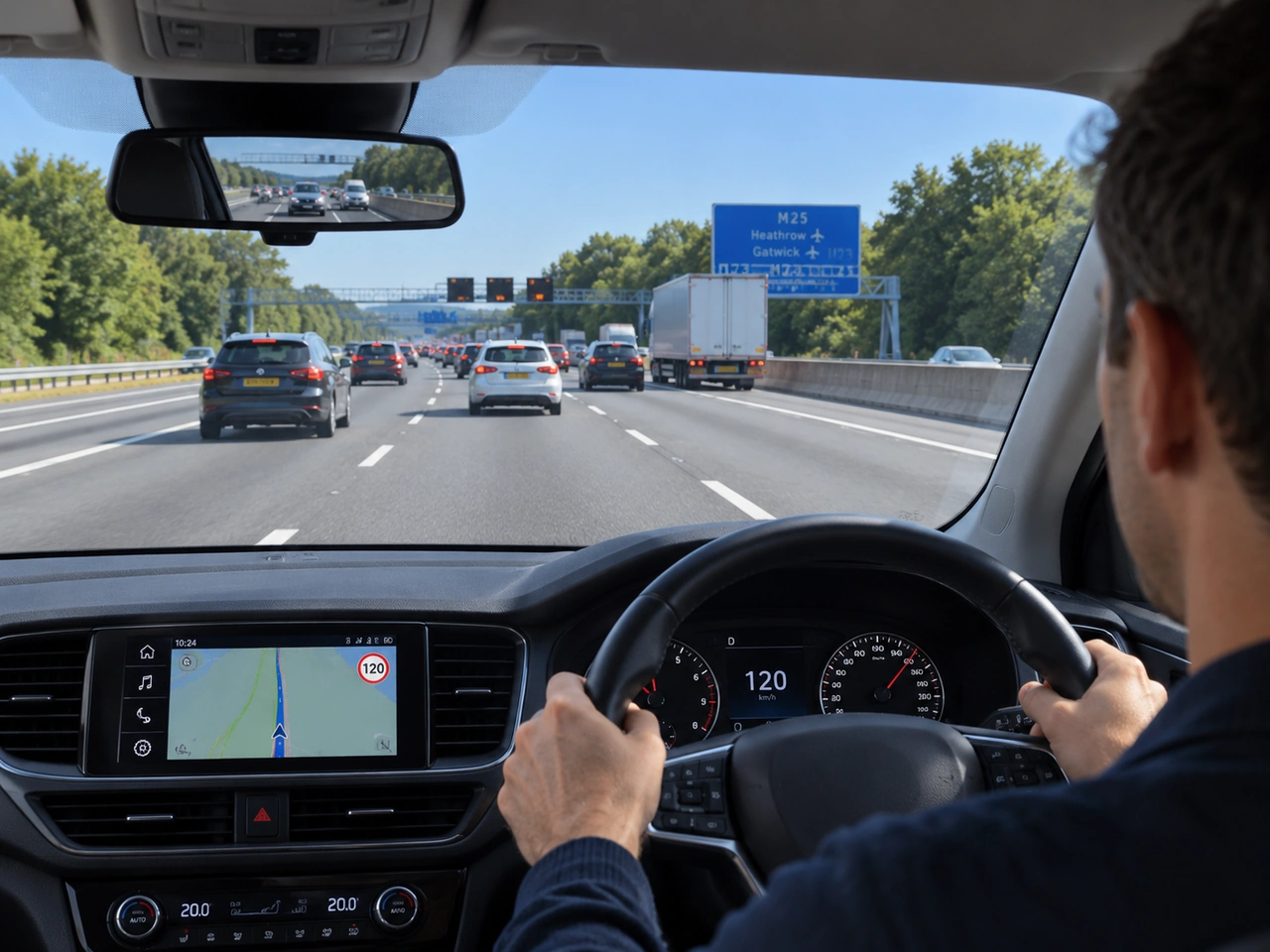
579. How does higher speed affect a vehicle's stopping distance?
As speed increases, the vehicle travels farther while the driver reacts and requires more distance to brake. This means the total stopping distance increases significantly as speed rises.
AI-generated by Rijbewijs-online.be • WCIT • CC BY-SA
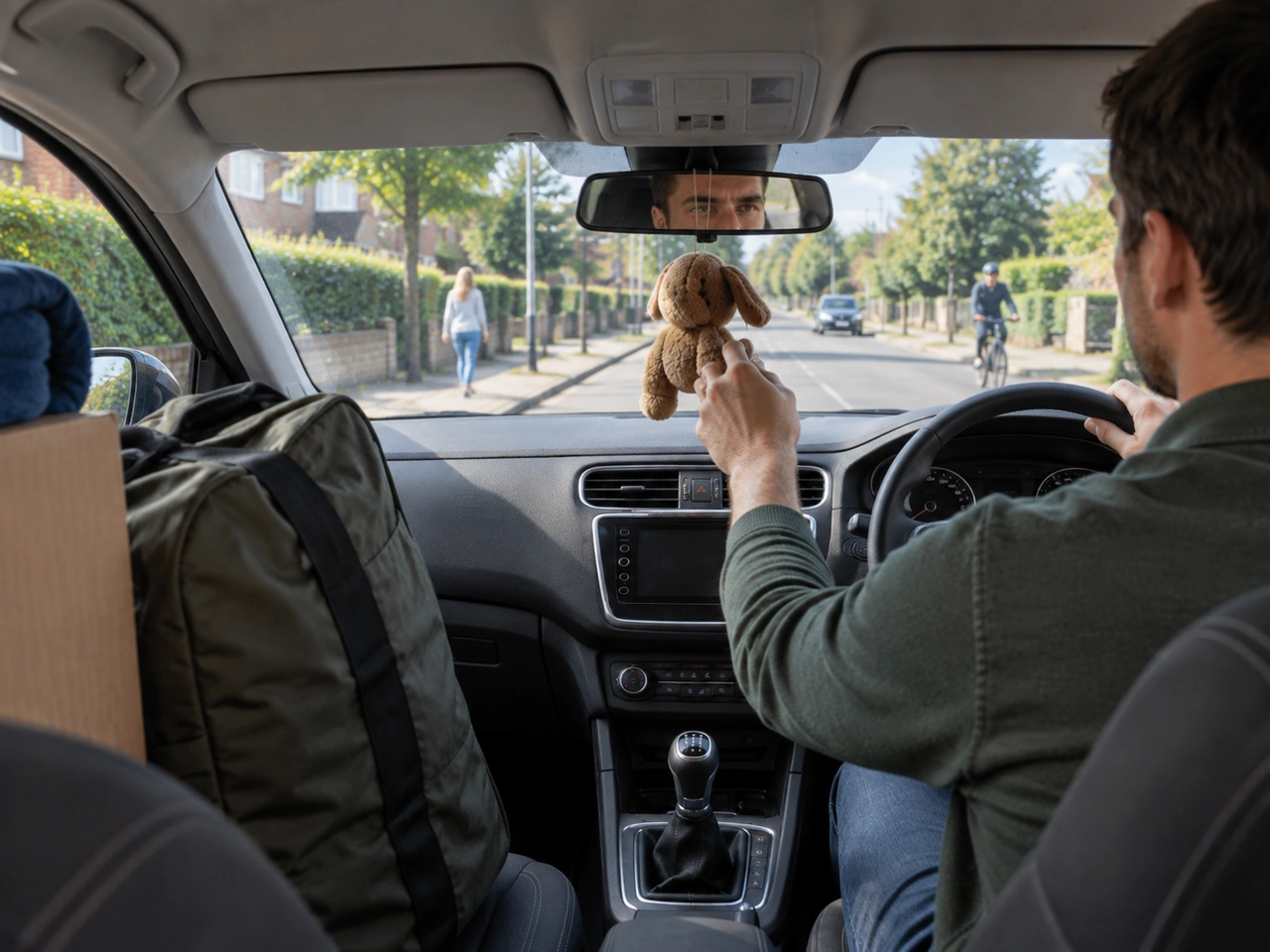
580. Why must luggage or other objects not obstruct the driver's view?
The driver must have a clear view of the road and surroundings. Luggage, decorations, or other objects that obstruct the windscreen, windows, or mirrors can hide pedestrians, cyclists, vehicles, signs, or other hazards.
AI-generated by Rijbewijs-online.be • WCIT • CC BY-SA
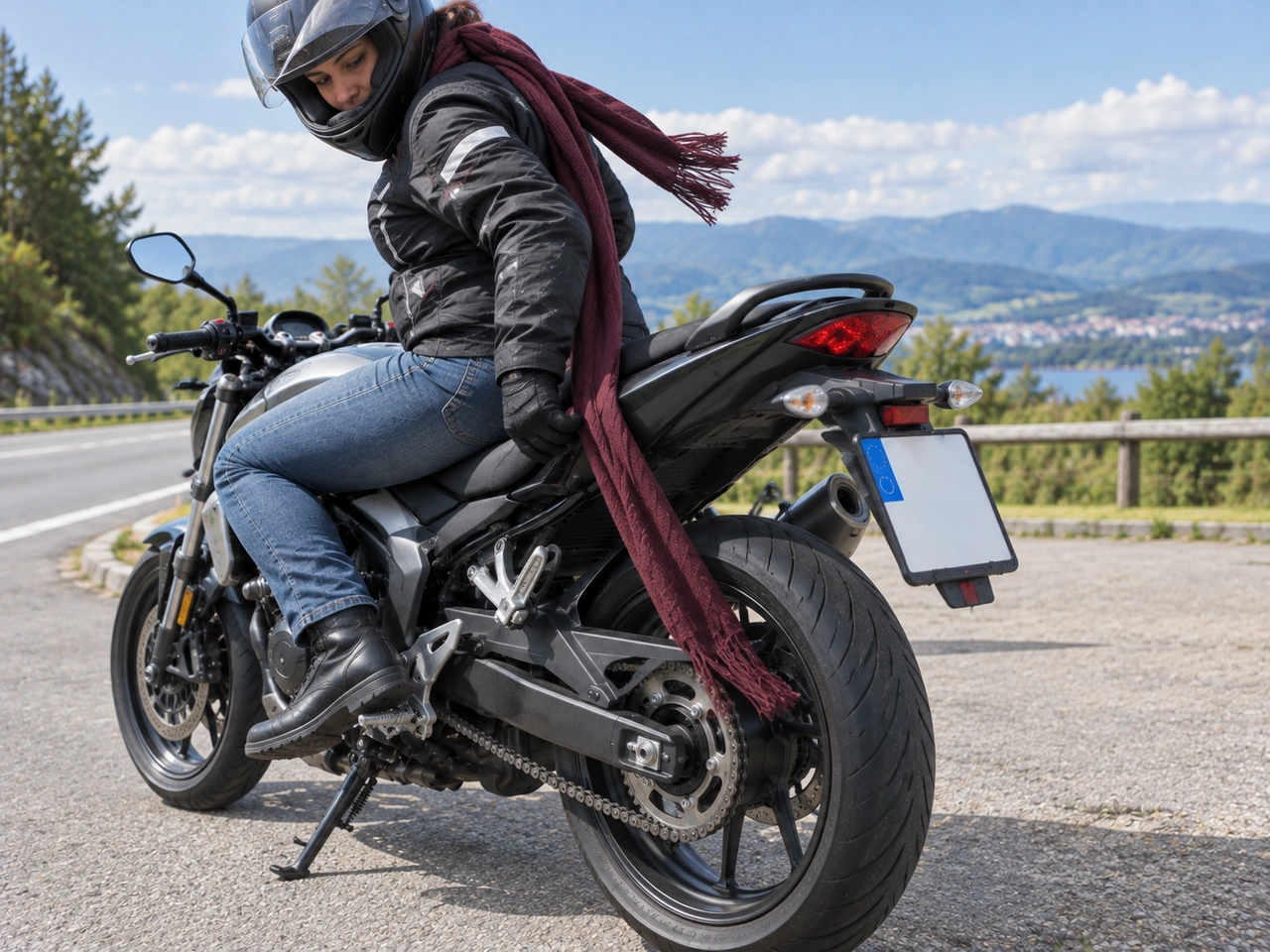
581. Why should loose clothing be avoided when riding a motorcycle?
Loose clothing, straps or scarves can flap in the wind or become caught in moving parts such as the chain or wheel. Motorcycle clothing should fit securely and should not have loose items that could interfere with safe riding.
AI-generated by Rijbewijs-online.be • WCIT • CC BY-SA
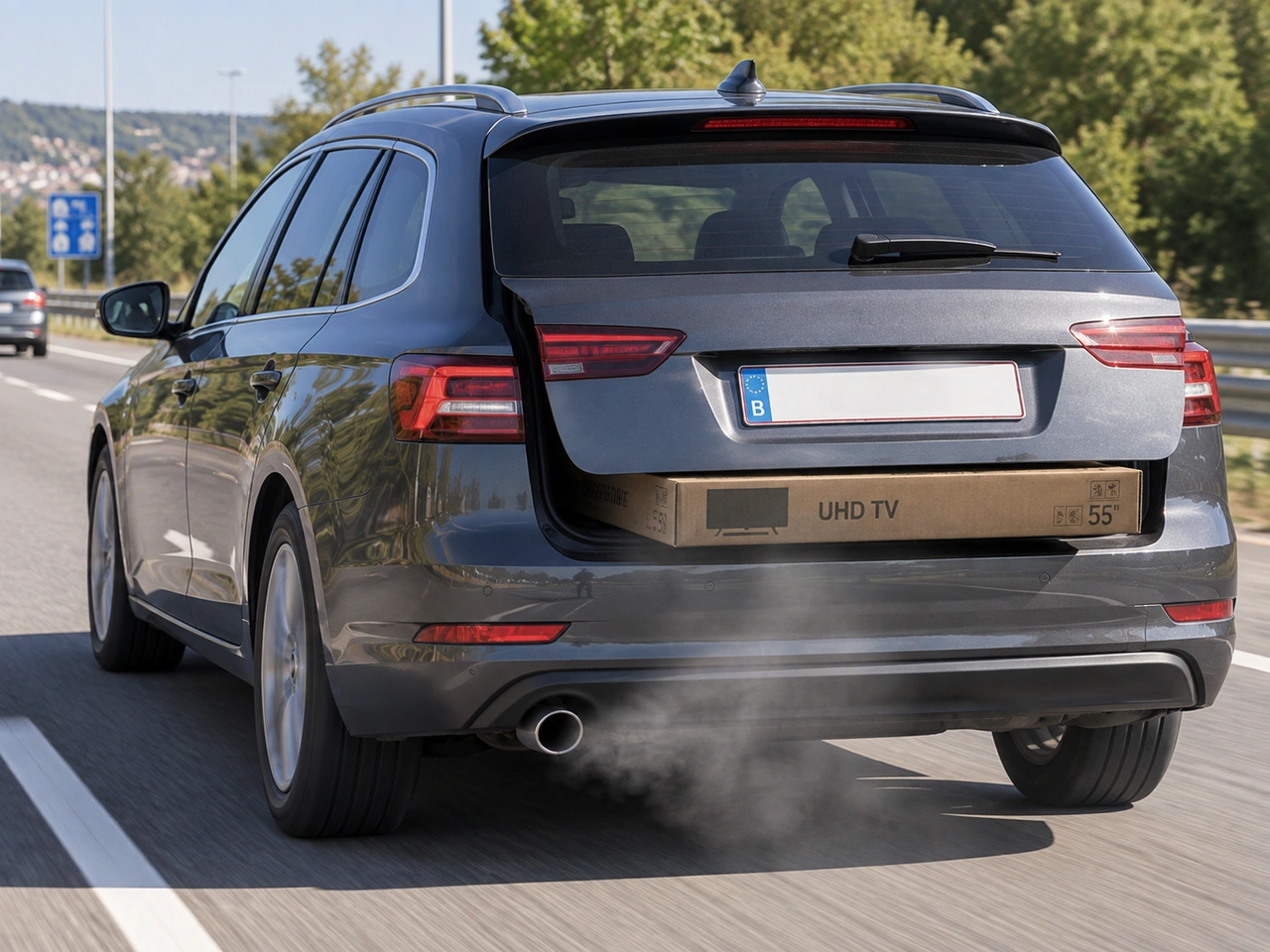
582. What is a danger of driving a petrol or diesel vehicle with the boot or tailgate open?
Driving with the boot or tailgate open can allow exhaust gases to be drawn into the vehicle. Exhaust fumes may contain carbon monoxide, which is poisonous and may be difficult to detect. Keep the luggage compartment properly closed while driving whenever possible.
AI-generated by Rijbewijs-online.be • WCIT • CC BY-SA
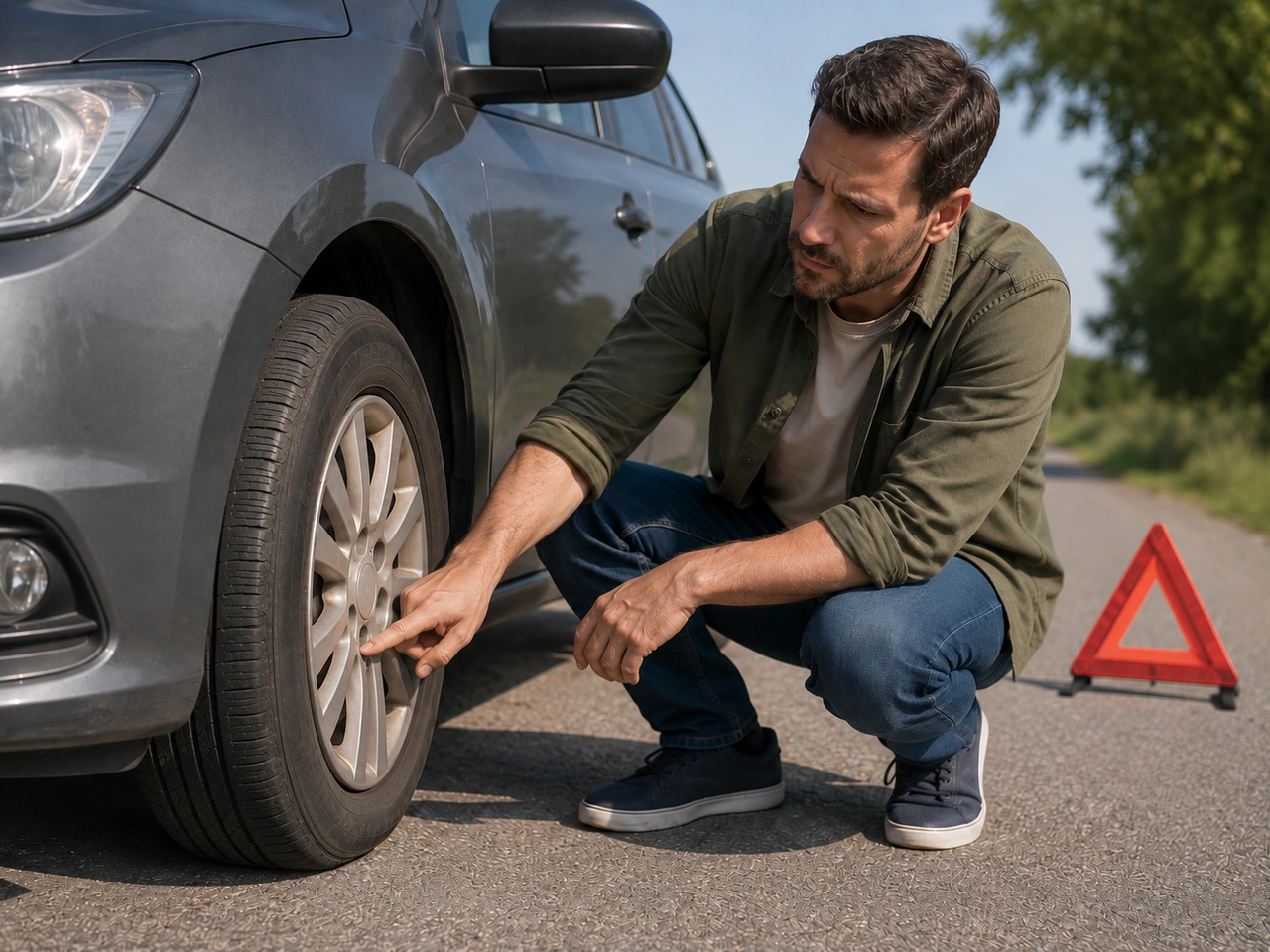
583. What should you do if a tyre has a deep cut, bulge, or exposed cords?
Cuts, bulges, and exposed cords can indicate serious structural damage. The tyre may fail suddenly and should not be used normally.
AI-generated by Rijbewijs-online.be • WCIT • CC BY-SA
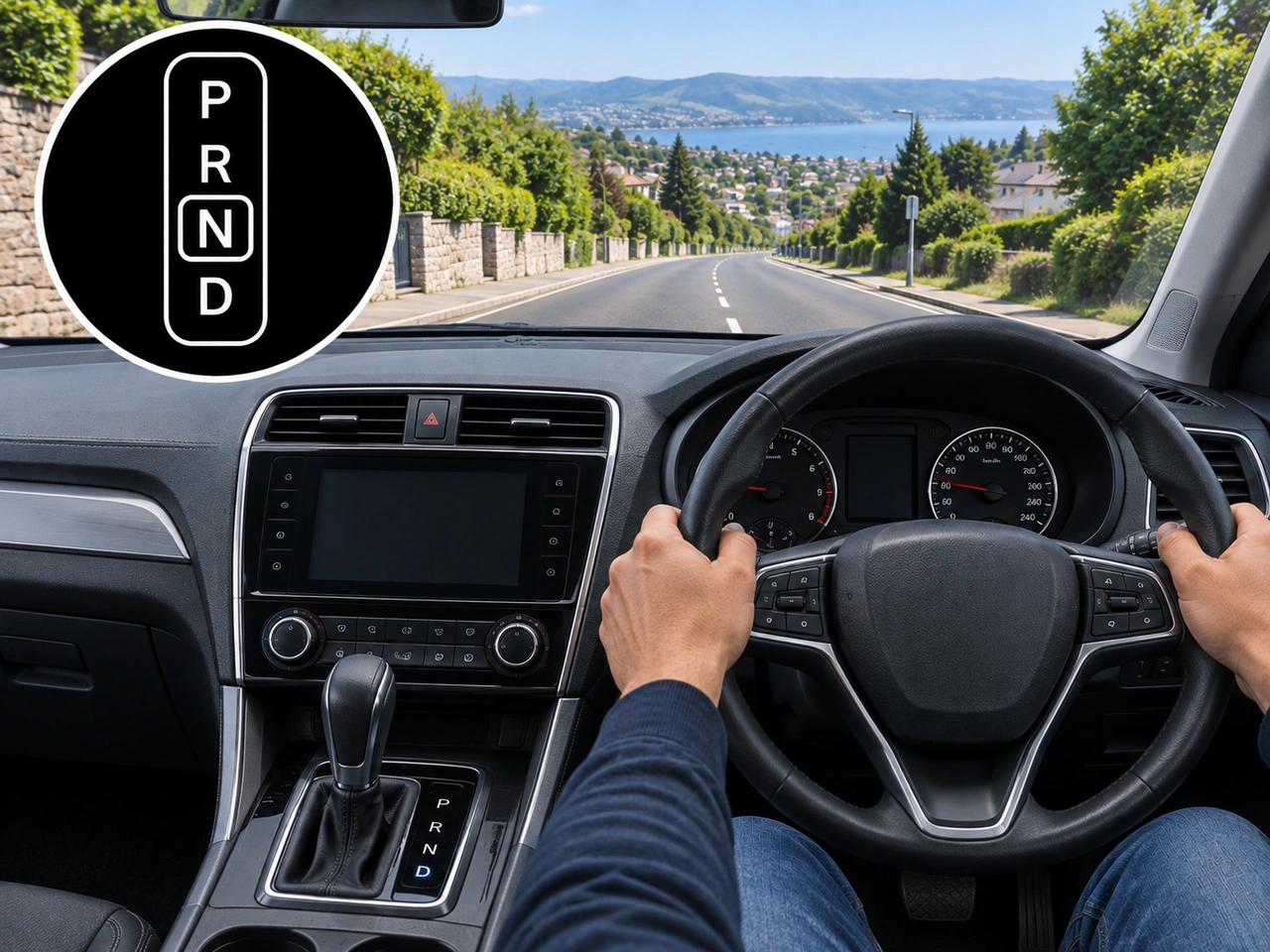
584. Why should you avoid selecting N while driving downhill in an automatic vehicle?
Selecting N (Neutral) while driving downhill disconnects the engine from the driven wheels, reducing engine braking. Keep an appropriate drive or gear selected so you can maintain better control of the vehicle.
AI-generated by Rijbewijs-online.be • WCIT • CC BY-SA
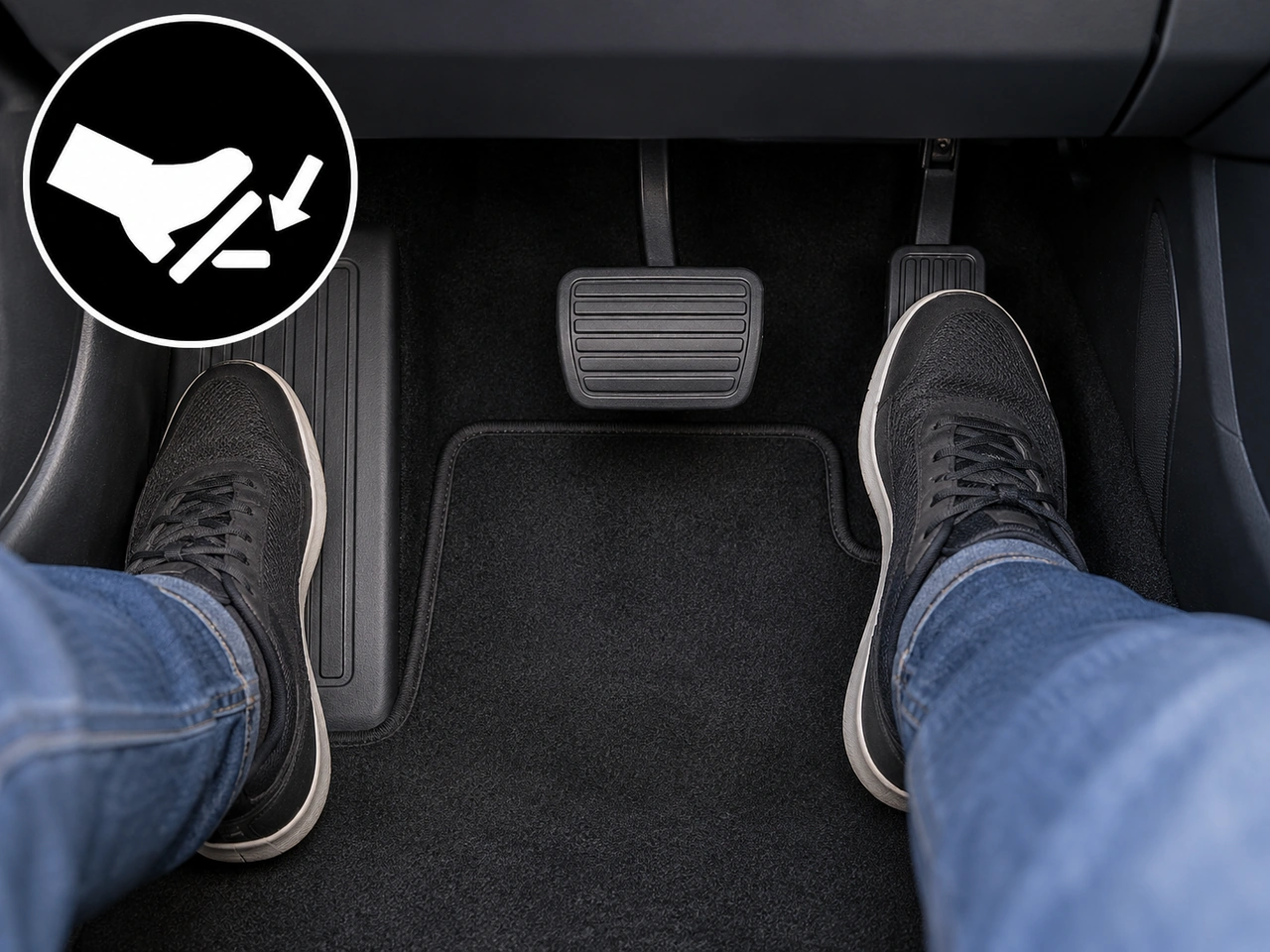
585. What may happen when you press the accelerator fully in an automatic vehicle?
In many automatic vehicles, pressing the accelerator fully can activate kickdown, causing the transmission to select a lower gear and provide stronger acceleration.
AI-generated by Rijbewijs-online.be • WCIT • CC BY-SA
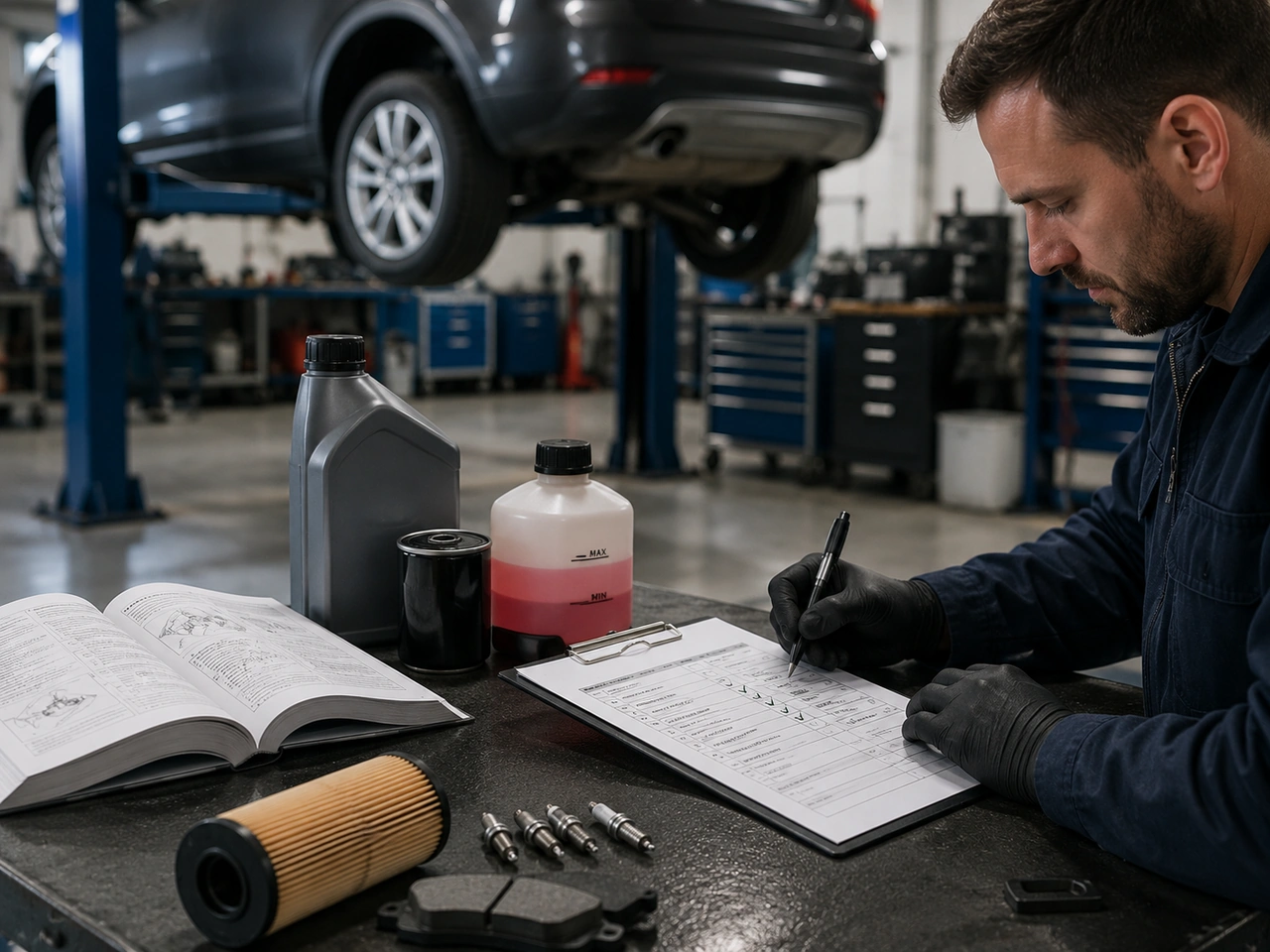
586. Why should you follow the manufacturer's service schedule?
Scheduled servicing helps ensure that brakes, tyres, fluids, filters, steering, suspension, and other important systems are checked and maintained before faults become more serious.
AI-generated by Rijbewijs-online.be • WCIT • CC BY-SA
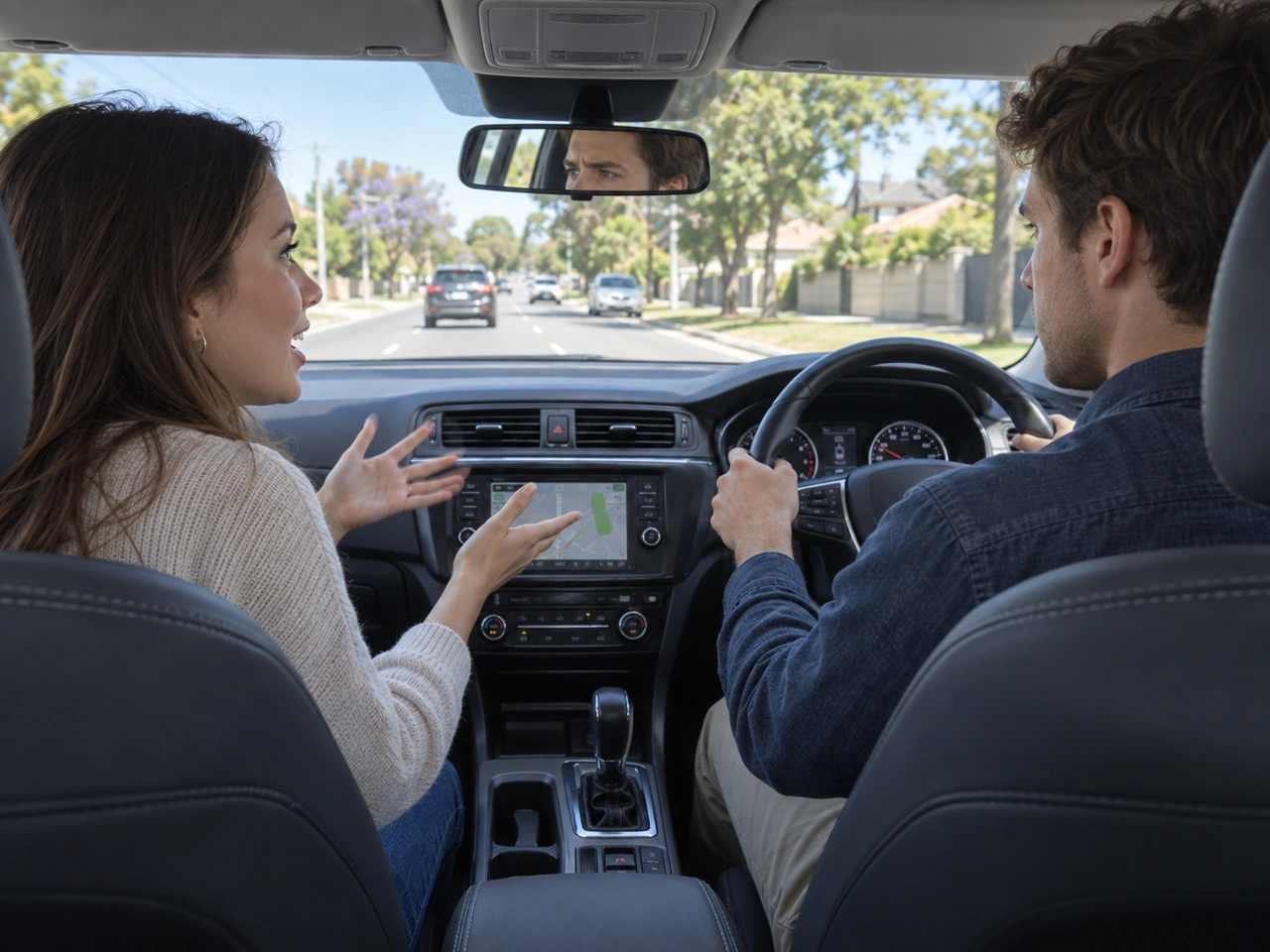
587. What should you do if passengers are distracting you while driving?
Passengers can reduce a driver's attention and concentration. If their behaviour becomes distracting, ask them to stop and keep your focus on driving. If necessary, stop somewhere safe before dealing with the situation.
AI-generated by Rijbewijs-online.be • WCIT • CC BY-SA
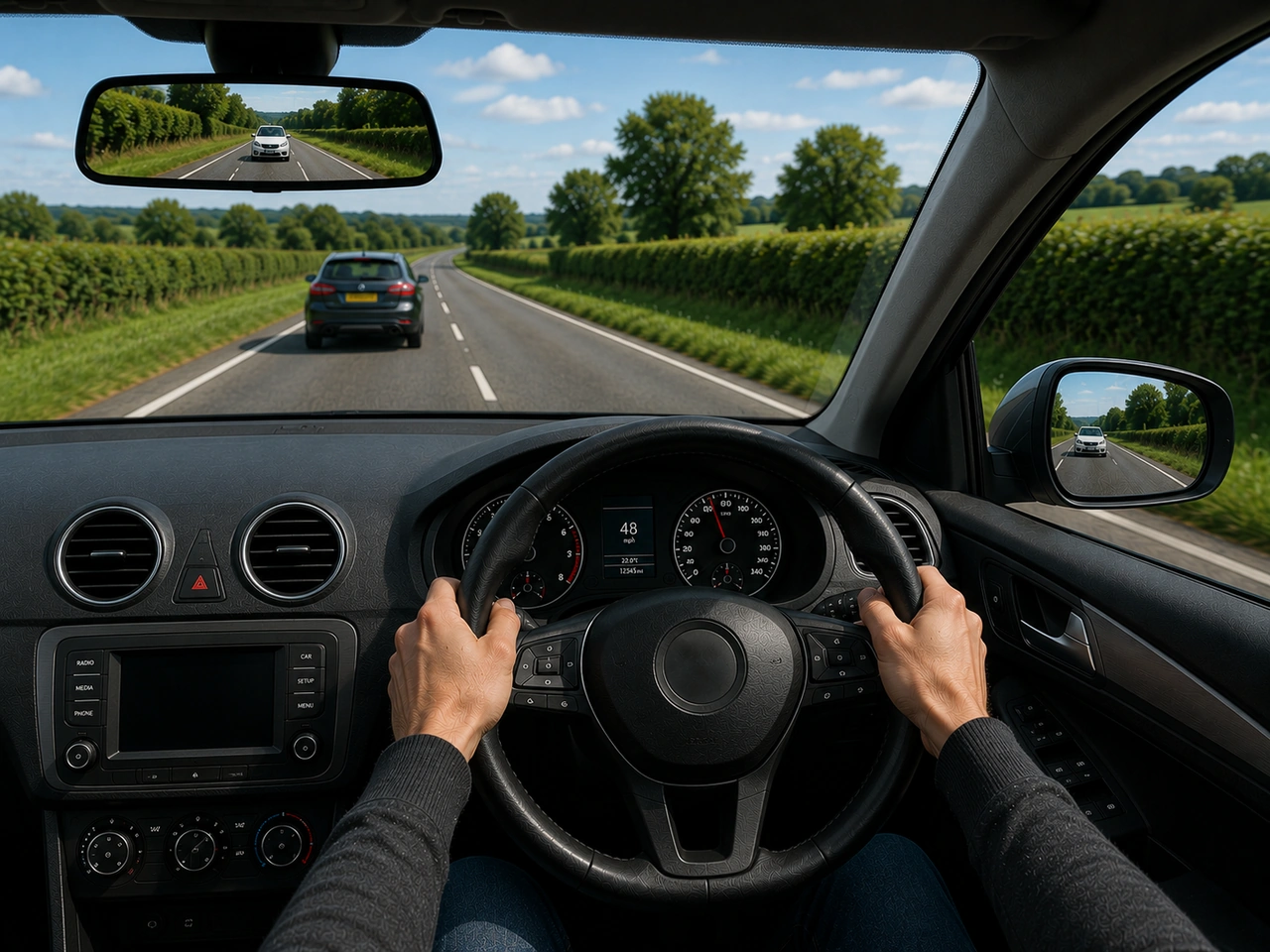
588. What should you do before overtaking another vehicle?
Before overtaking, check the road, mirrors, blind spots, signs, and markings, use your indicator, and only overtake when it is safe and permitted.
AI-generated by Rijbewijs-online.be • WCIT • CC BY-SA
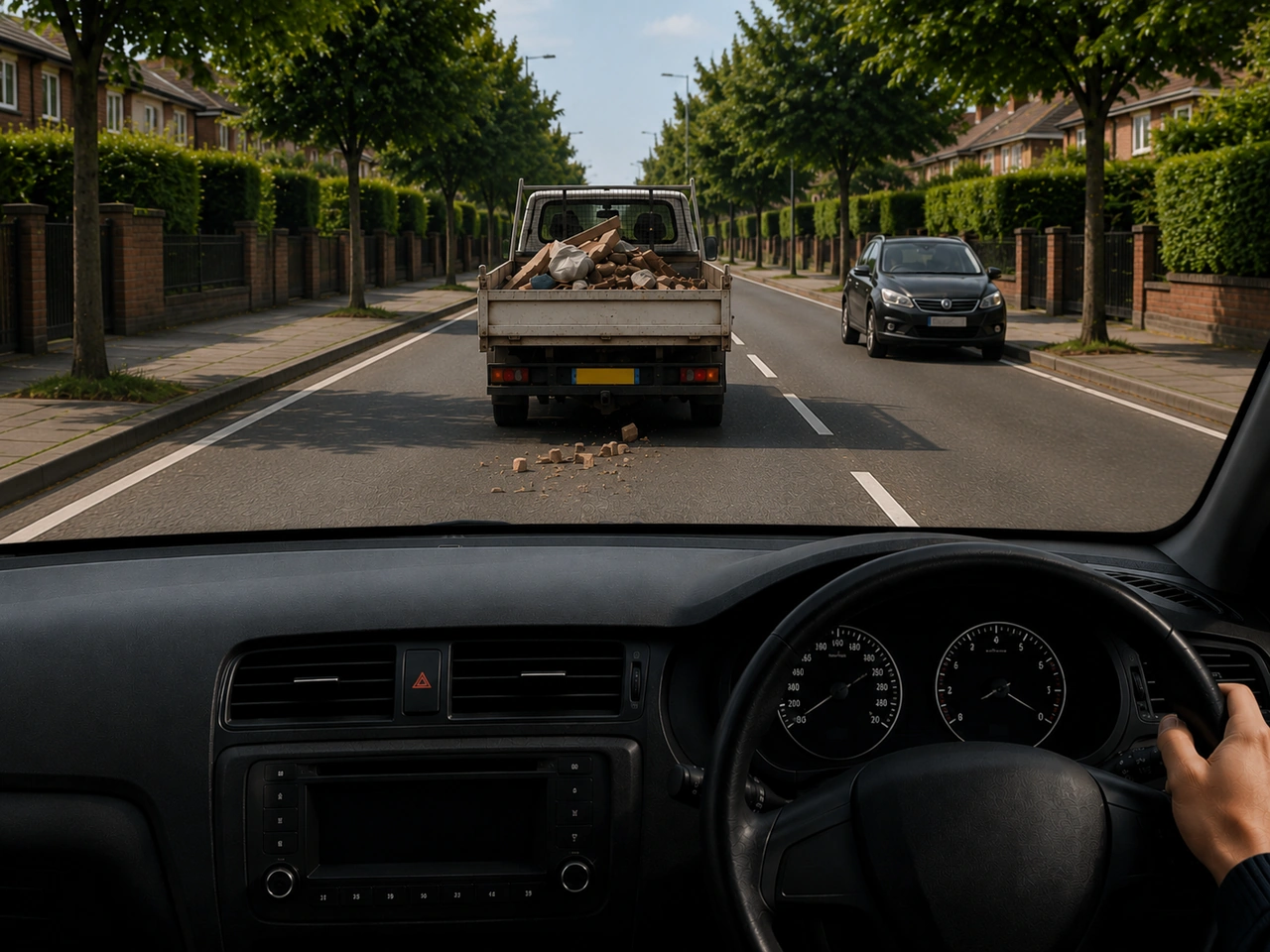
589. Why should you be cautious when following a vehicle carrying a loose load?
A poorly secured load can fall or shift suddenly. Keep extra distance and avoid following too closely.
AI-generated by Rijbewijs-online.be • WCIT • CC BY-SA
