

QuizTraffic rulesAustralia
This interesting quiz helps you test your knowledge in a clear and visual way. With easy multiple-choice questions, you can quickly build confidence and learn new facts while keeping it simple, interactive, and fun.
 Traffic signs
 Traffic rules
 Australia
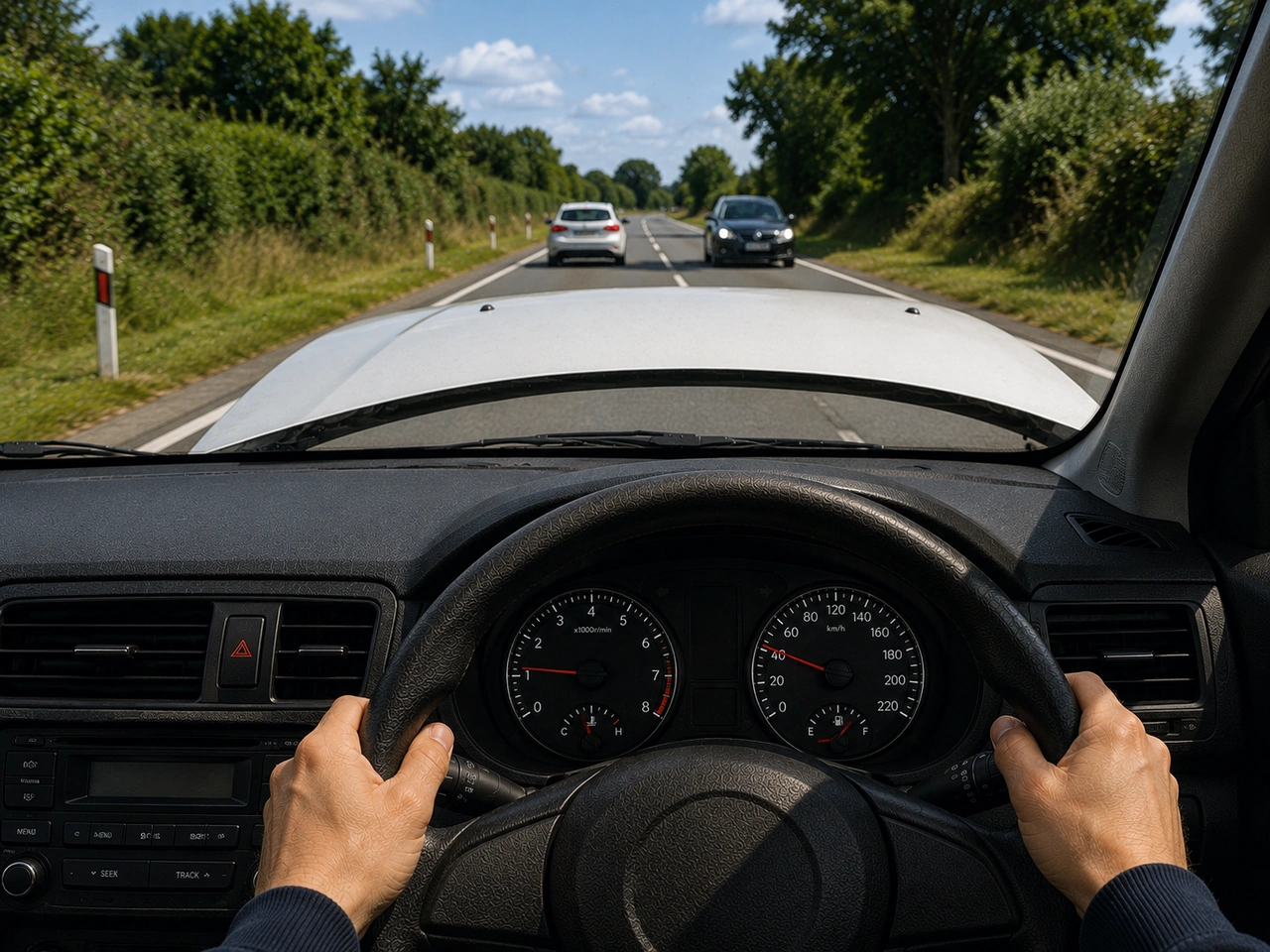
301. What should you do if the bonnet suddenly opens while you are driving?
The bonnet may completely obstruct your view. Avoid sudden movements, use the road markings or available gap to maintain direction, and stop safely.
AI-generated by Rijbewijs-online.be • WCIT • CC BY-SA

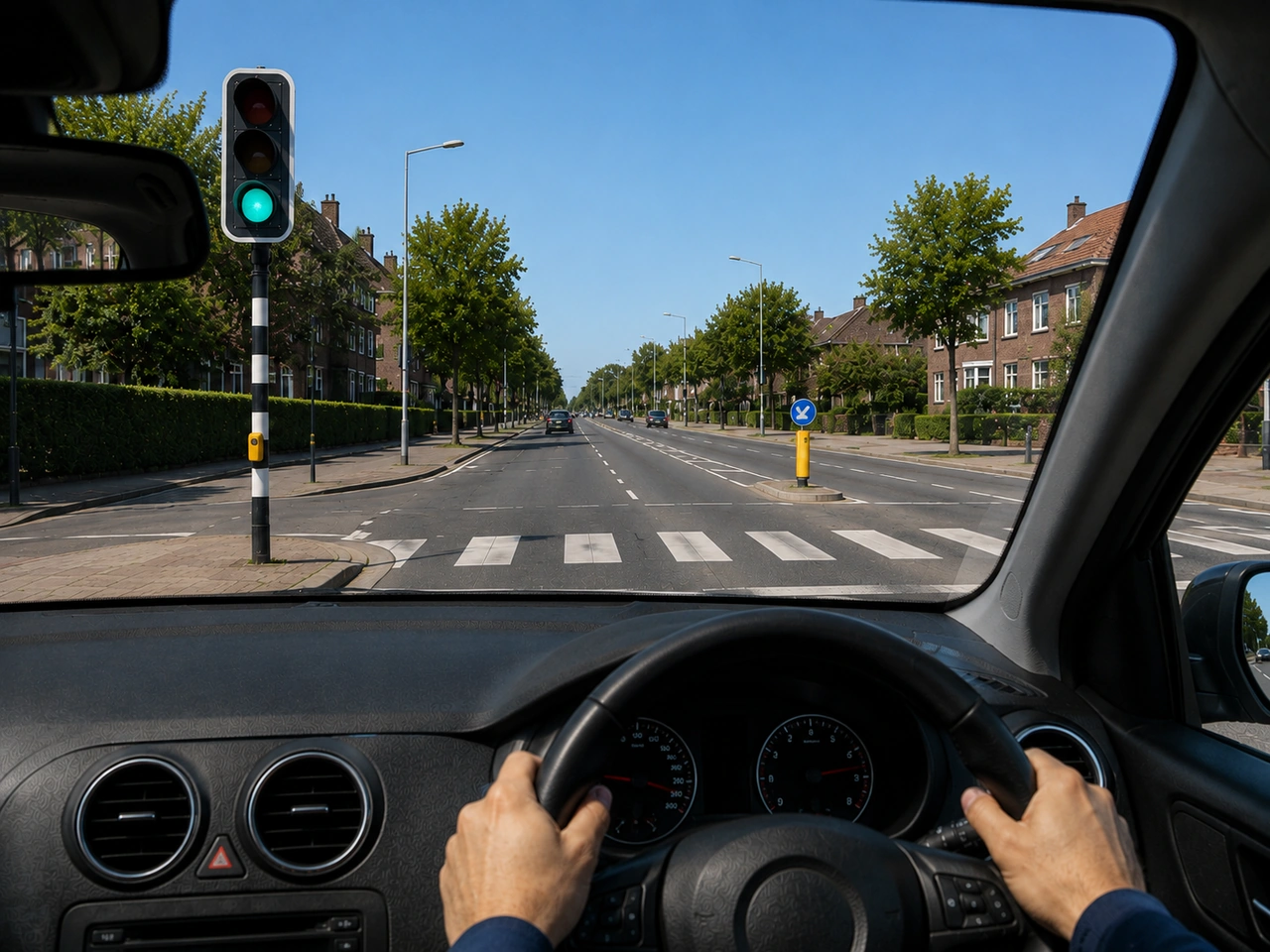
302. What does a green traffic light mean?
A green light allows you to continue, but you must still watch for pedestrians, cyclists, and other road users.
AI-generated by Rijbewijs-online.be • WCIT • CC BY-SA
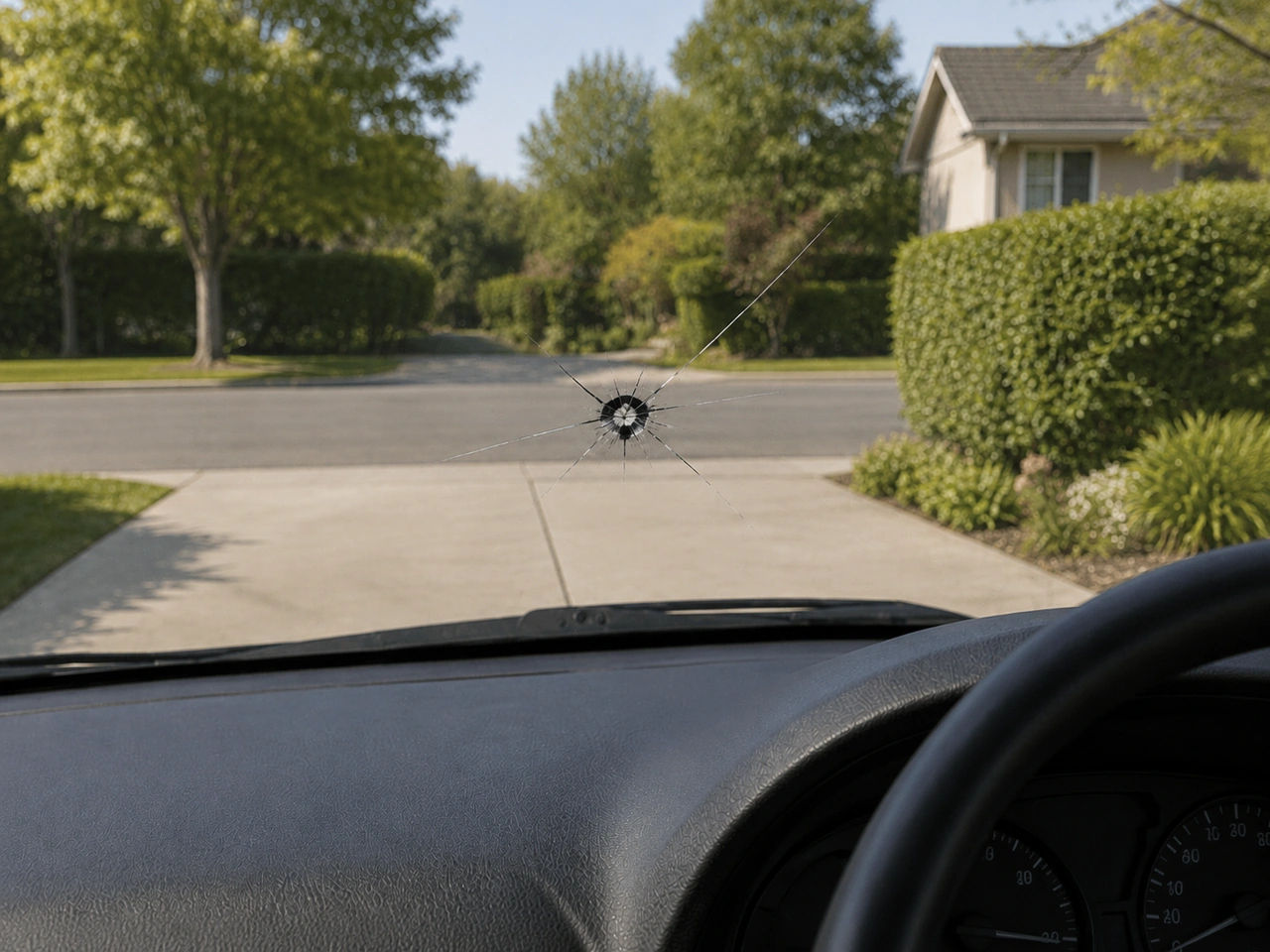
303. What should you do about a chip in the windscreen?
A chip can obstruct your view, weaken the glass, and develop into a larger crack. Have it checked and repaired promptly.
AI-generated by Rijbewijs-online.be • WCIT • CC BY-SA
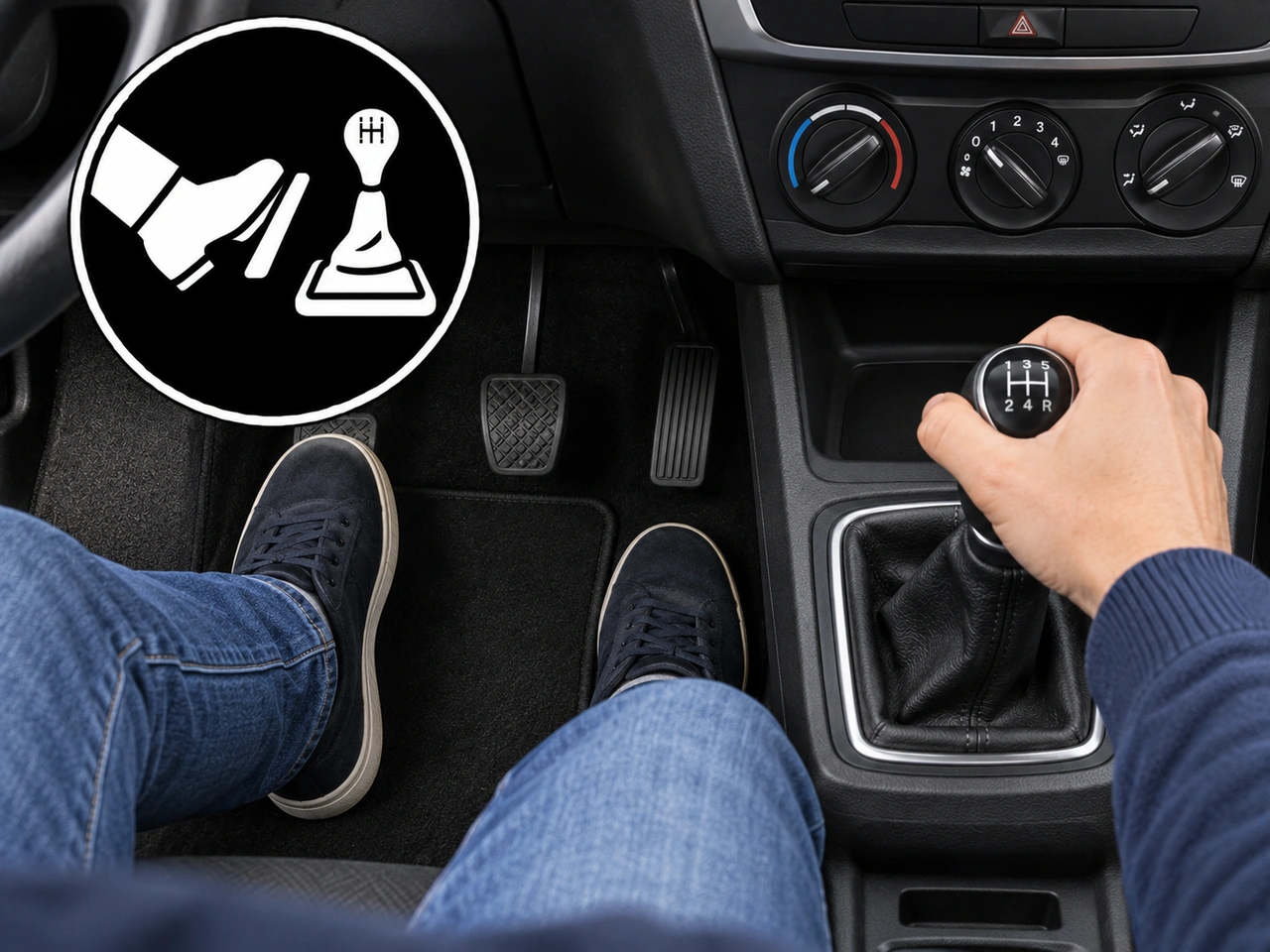
304. What should you normally do before changing gear in a manual vehicle?
Pressing the clutch pedal disconnects the engine from the transmission so that another gear can be selected. After changing gear, the clutch should be released smoothly.
AI-generated by Rijbewijs-online.be • WCIT • CC BY-SA
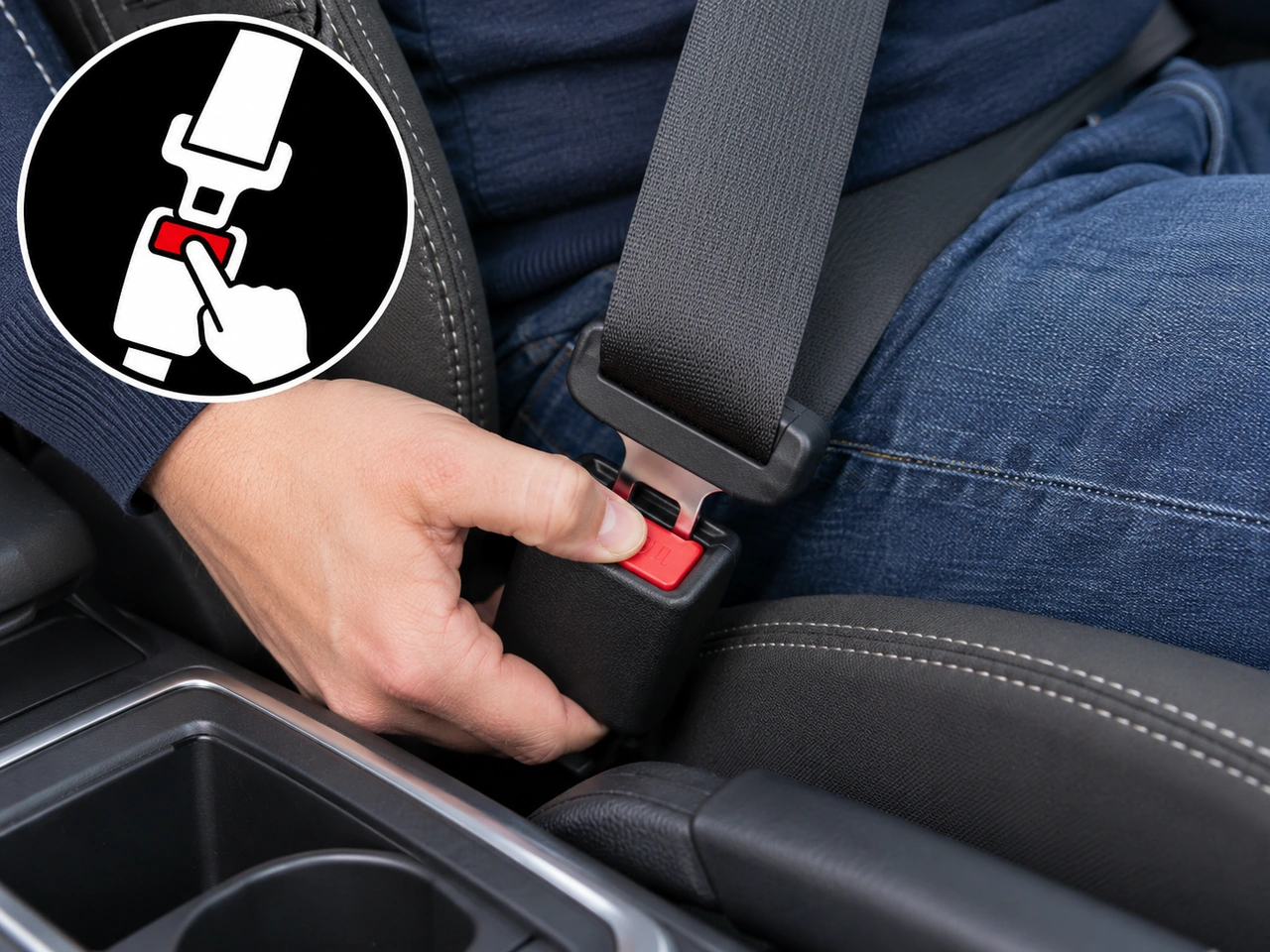
305. What is the button on a seat-belt buckle used for?
Pressing the button on the seat-belt buckle releases the latch so the belt can be unfastened. Keep the seat belt fastened whenever required while the vehicle is moving.
AI-generated by Rijbewijs-online.be • WCIT • CC BY-SA
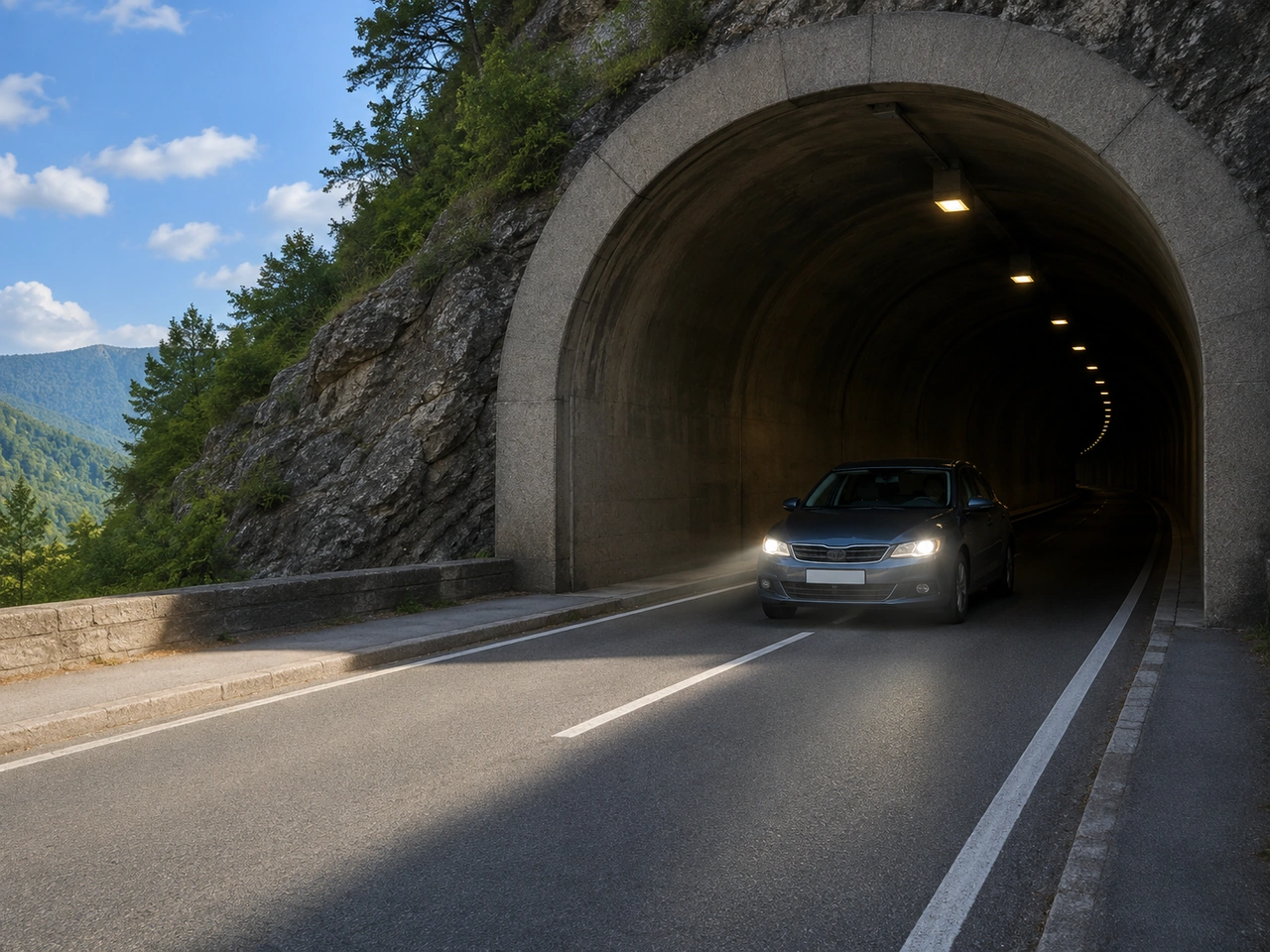
306. Why should you switch on dipped headlights before entering a tunnel?
Tunnel lighting may be much darker than daylight. Dipped headlights help you see and make your vehicle more visible.
AI-generated by Rijbewijs-online.be • WCIT • CC BY-SA
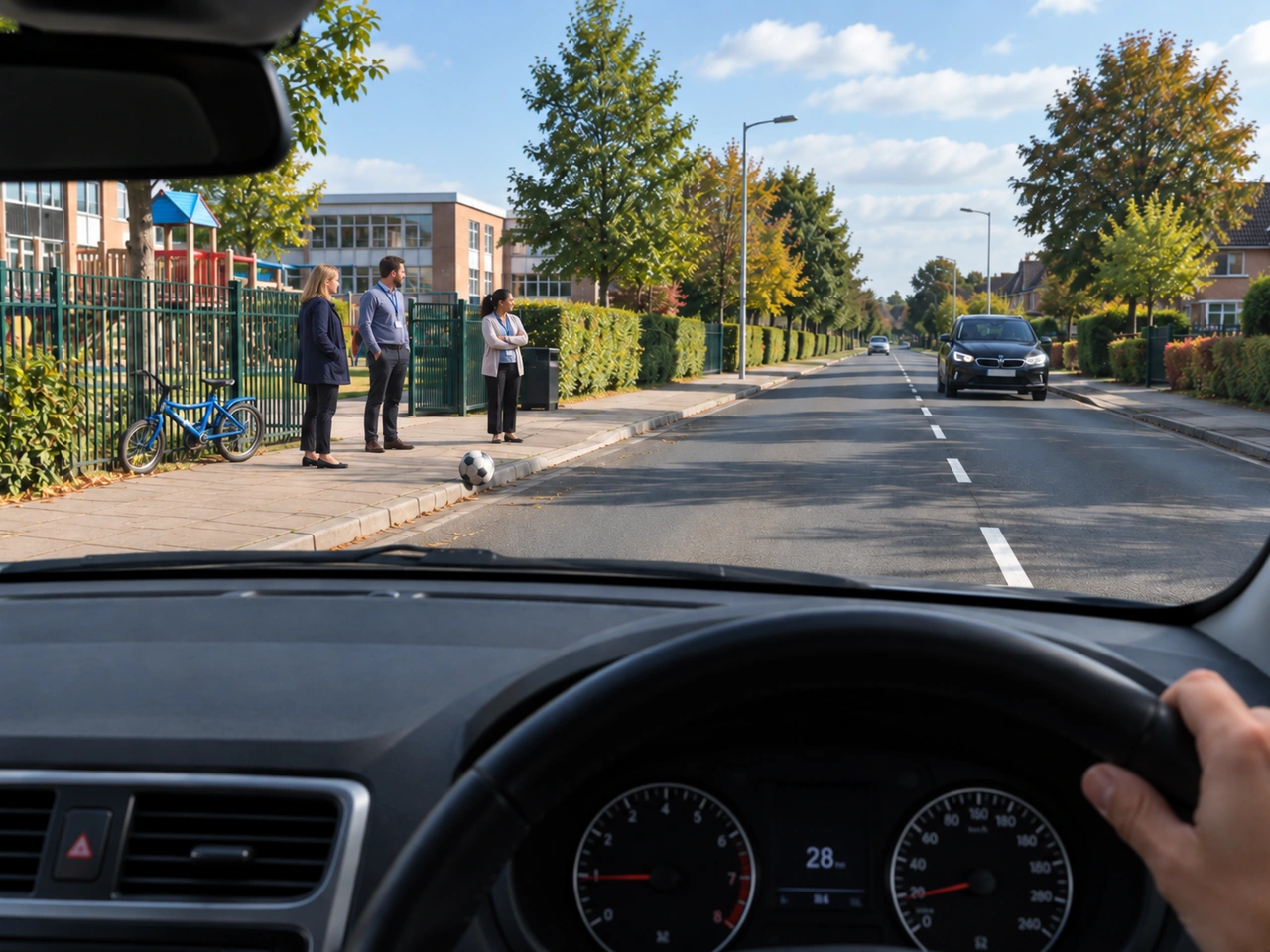
307. Why should you slow down near schools or playgrounds?
Children may suddenly cross the road or move unexpectedly, so drivers should slow down and stay alert near schools and playgrounds.
AI-generated by Rijbewijs-online.be • WCIT • CC BY-SA
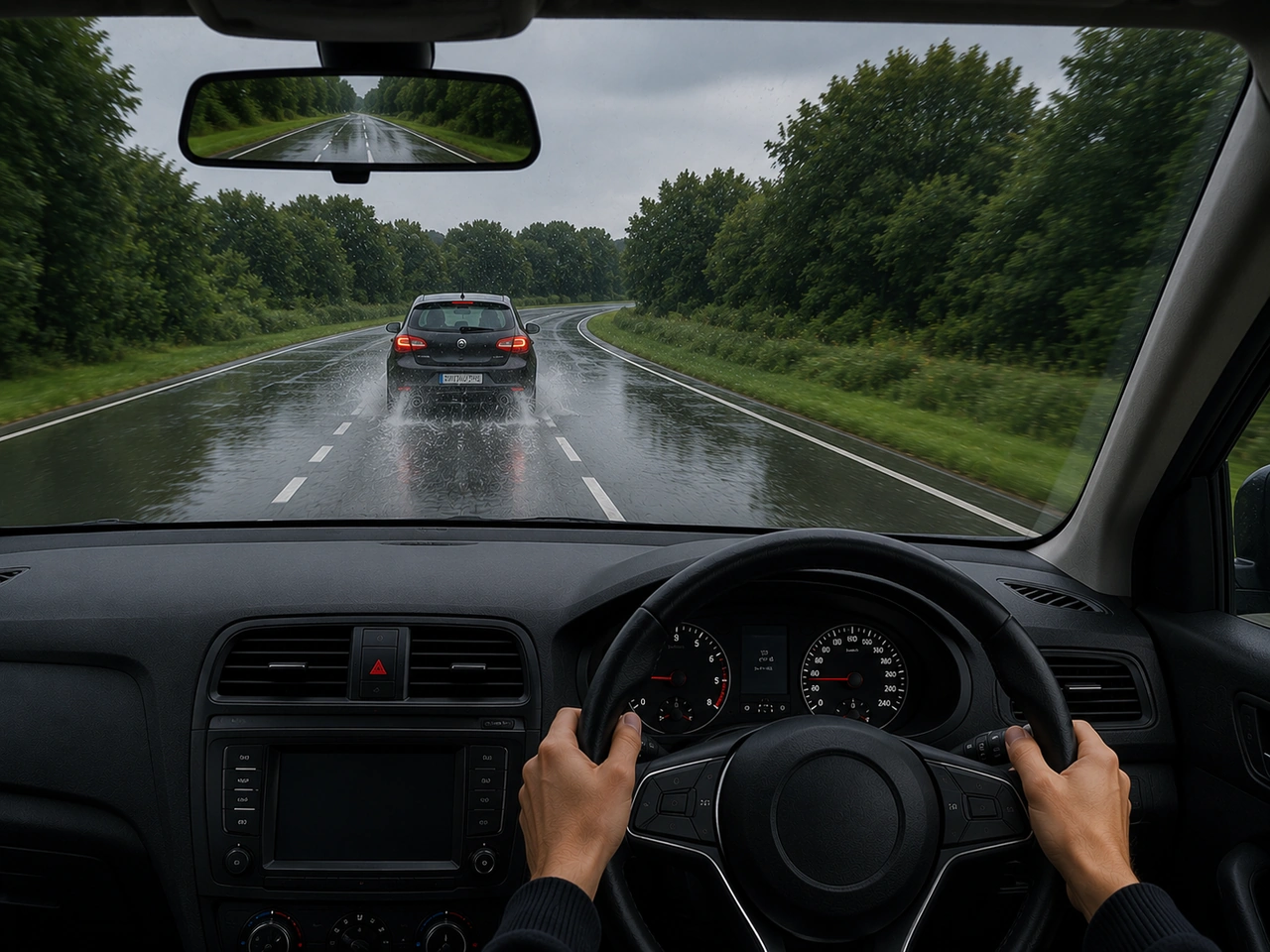
308. What should you do if your brakes feel less effective after driving through water?
Water can reduce braking performance. After driving through water, check the brakes gently when it is safe to do so.
AI-generated by Rijbewijs-online.be • WCIT • CC BY-SA
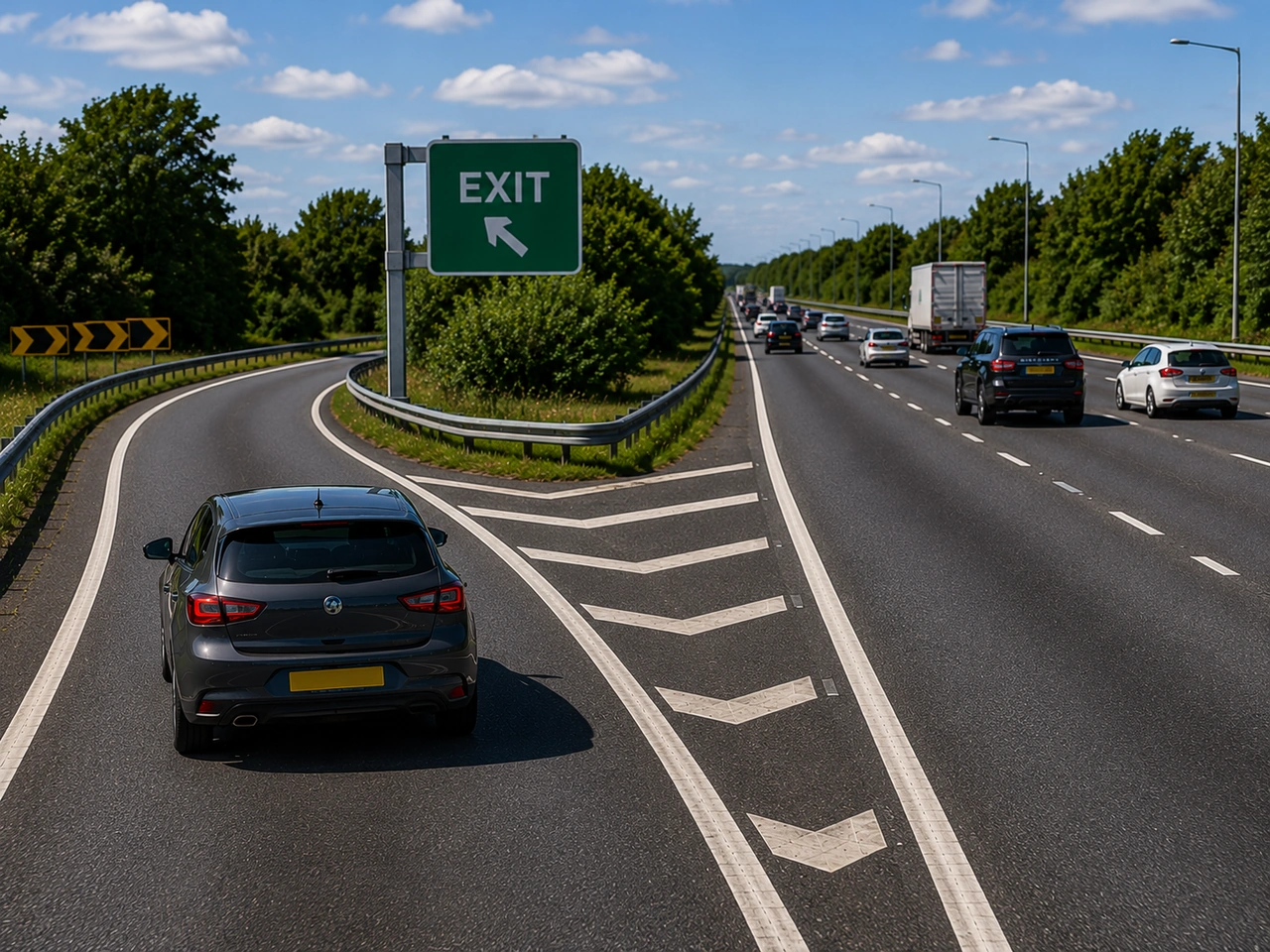
309. What should you do before leaving a motorway?
Plan your exit early, move into the correct lane safely, and reduce speed after entering the exit road where appropriate.
AI-generated by Rijbewijs-online.be • WCIT • CC BY-SA
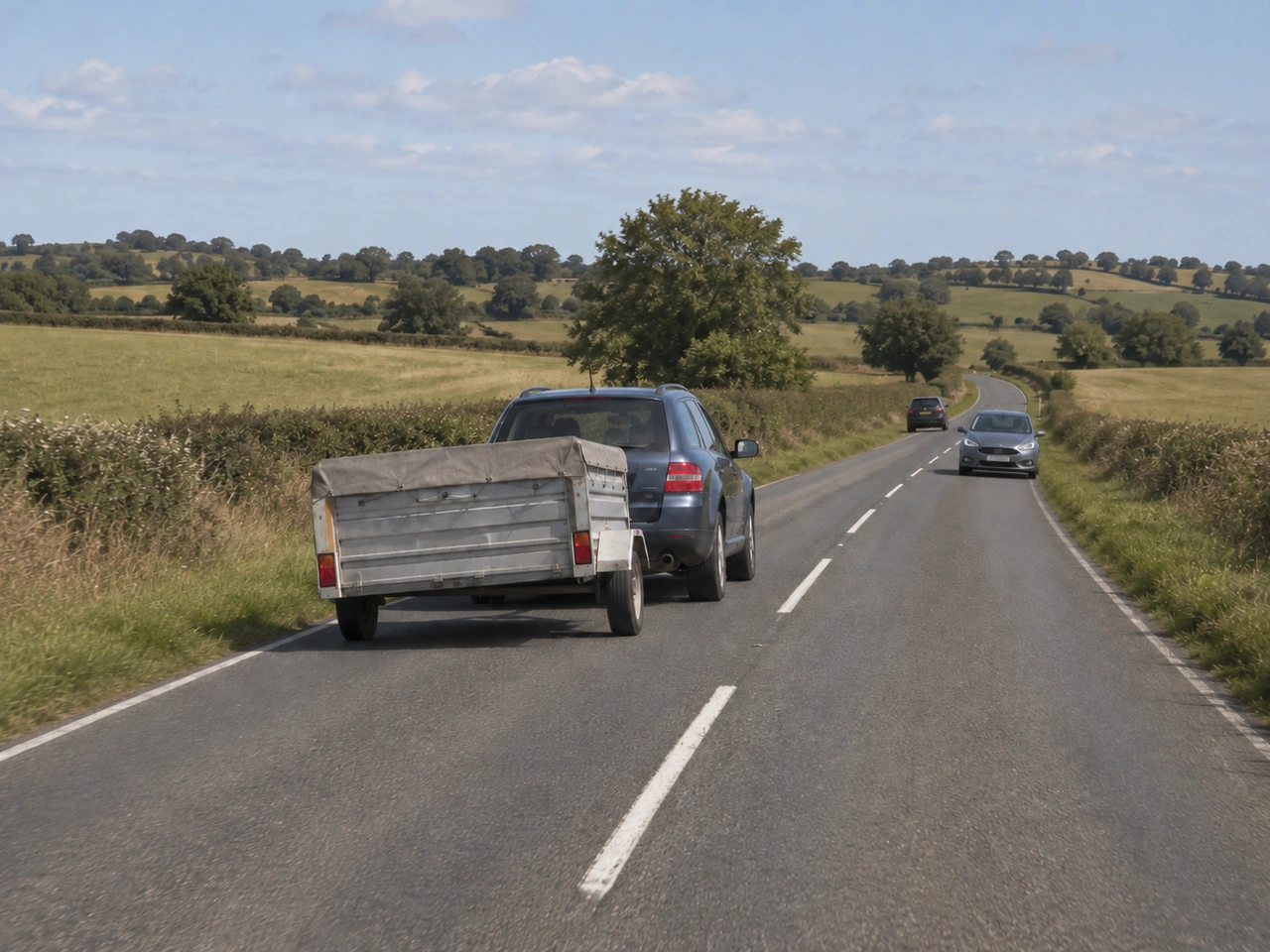
310. What should you do if a trailer begins to sway?
Sudden steering or braking can worsen trailer sway. Stay calm, hold a steady course, and reduce speed smoothly.
AI-generated by Rijbewijs-online.be • WCIT • CC BY-SA
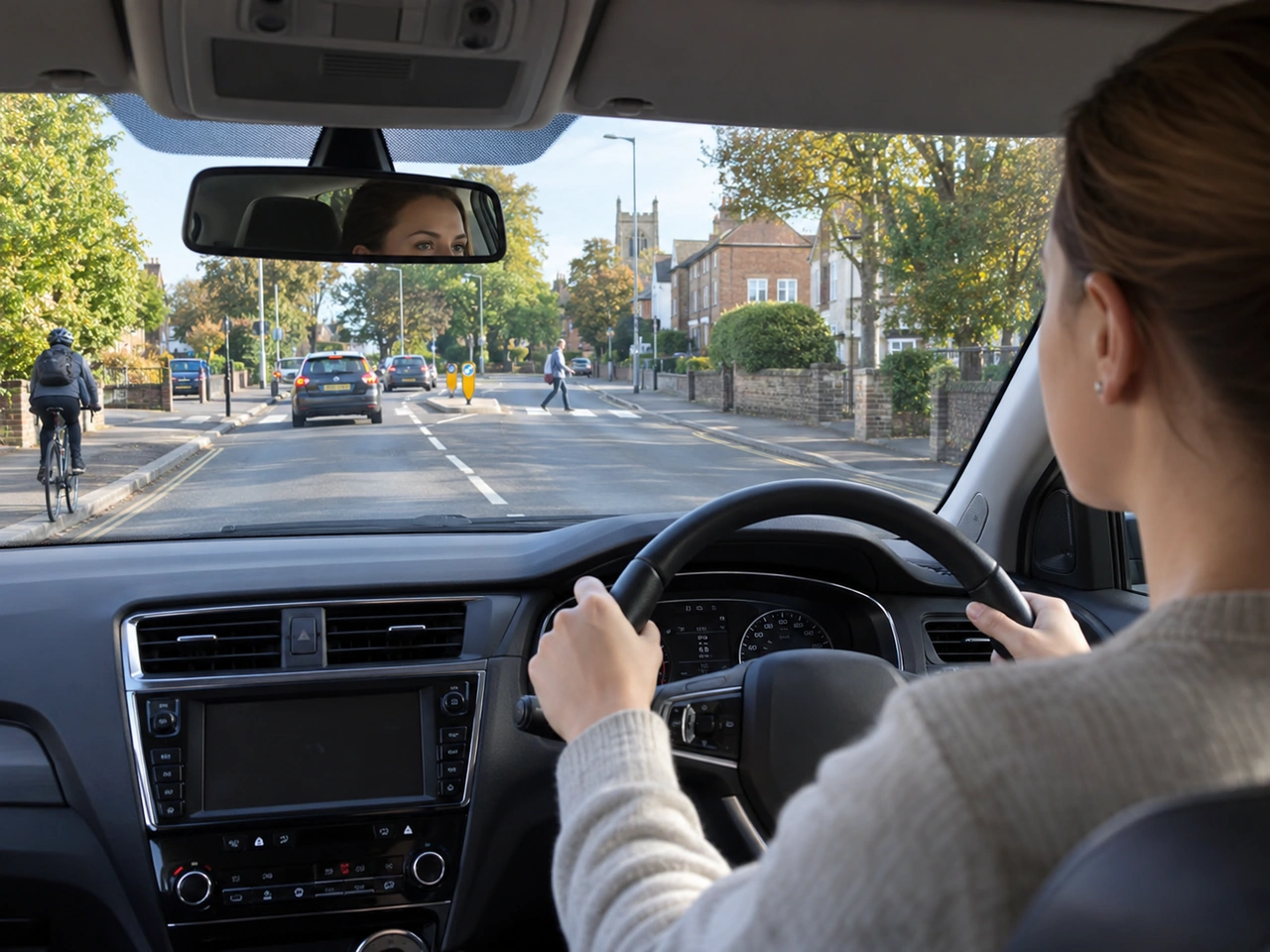
311. Why should you look well ahead while driving?
Looking well ahead helps you identify developing hazards early, such as slowing traffic, pedestrians, junctions, or changing road conditions. Earlier detection gives you more time to assess the situation and respond smoothly and safely.
AI-generated by Rijbewijs-online.be • WCIT • CC BY-SA
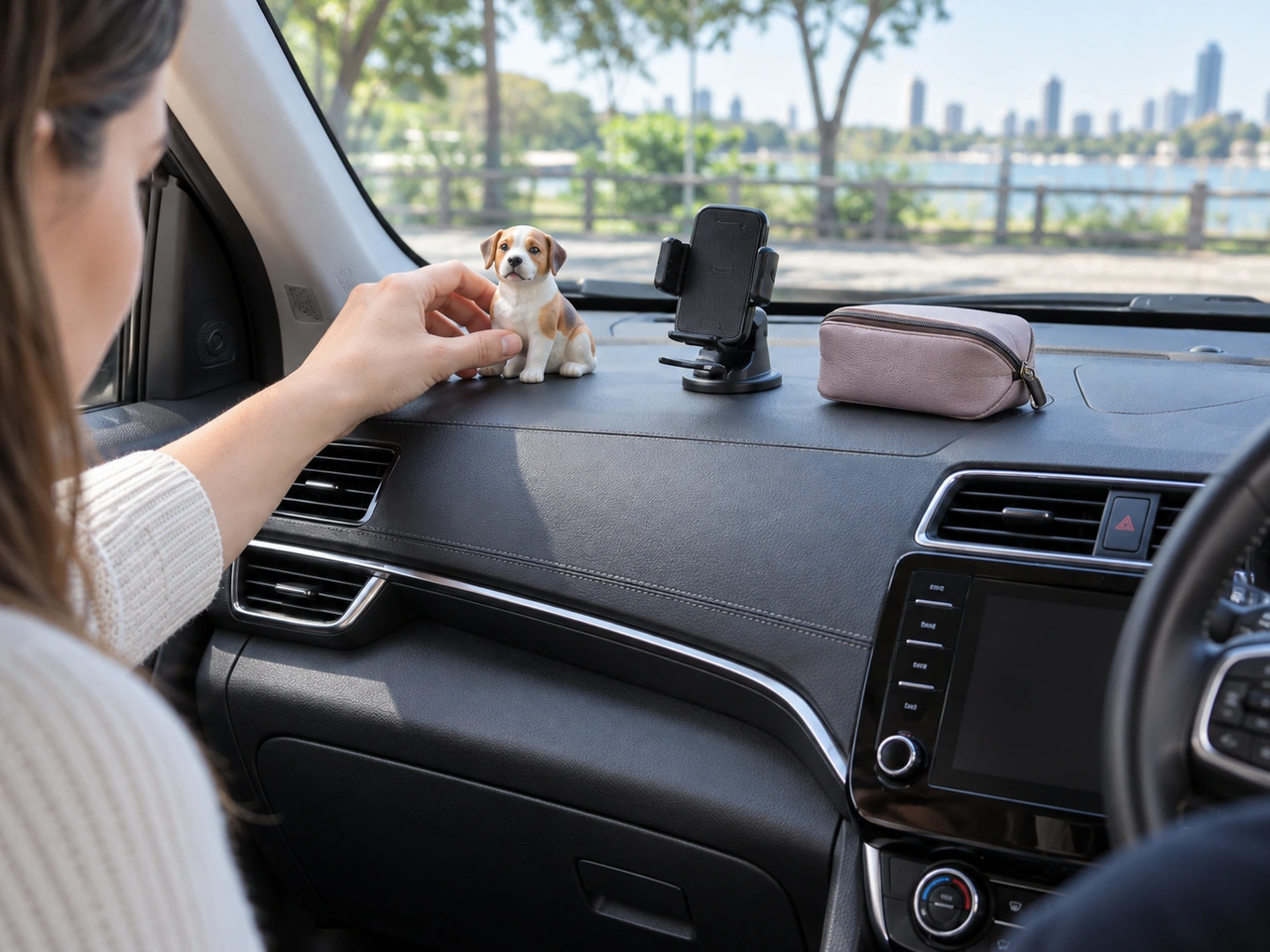
312. Why should you avoid placing objects on or over an airbag cover?
Do not place or attach objects over an airbag cover or in an airbag's deployment area. They may interfere with the airbag as it inflates and could be thrown towards occupants when the airbag deploys.
AI-generated by Rijbewijs-online.be • WCIT • CC BY-SA
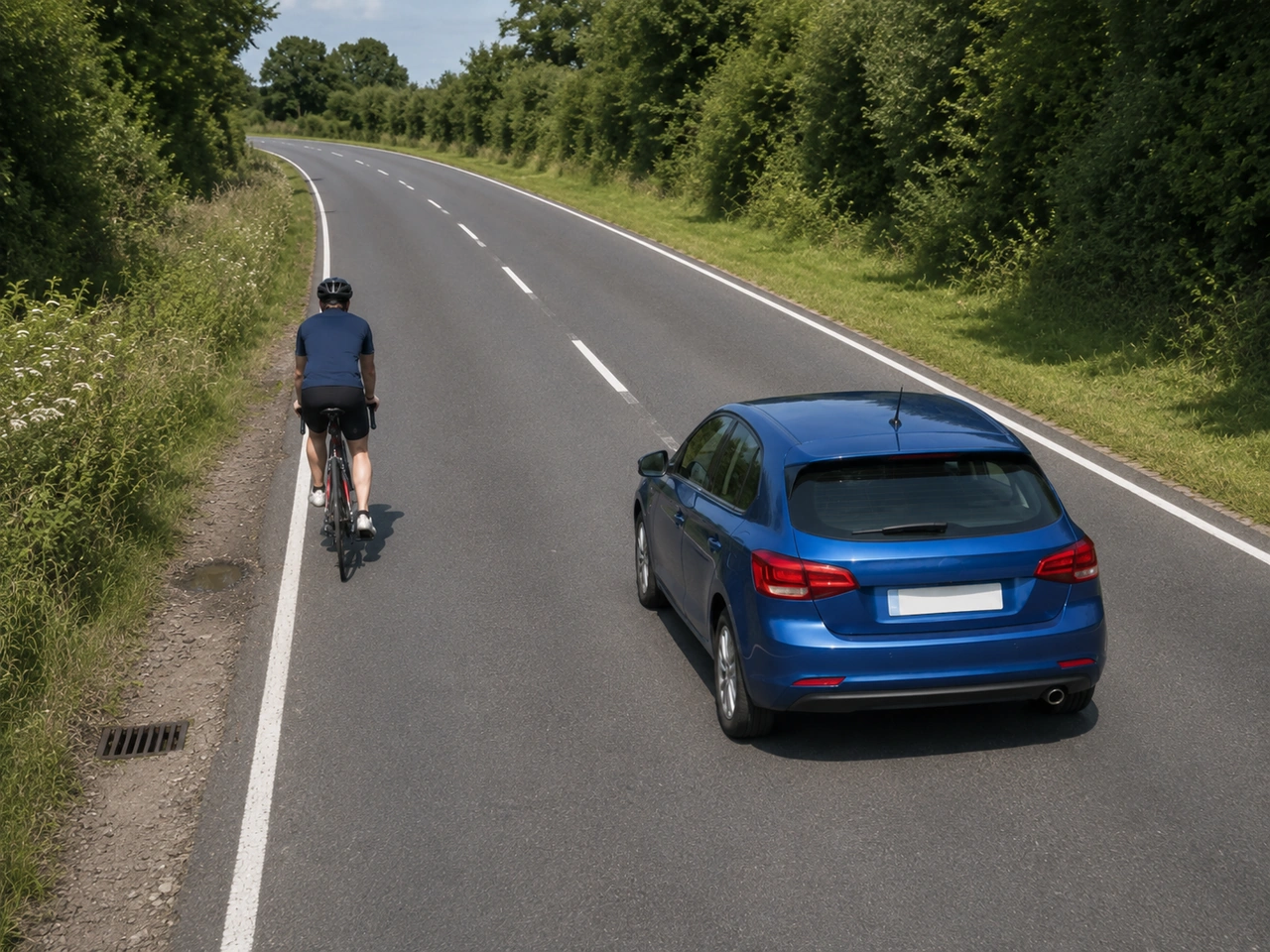
313. Why should you keep a safe distance from cyclists?
Cyclists may need to move around potholes, parked cars, or drains. Giving them enough space helps prevent dangerous situations.
AI-generated by Rijbewijs-online.be • WCIT • CC BY-SA
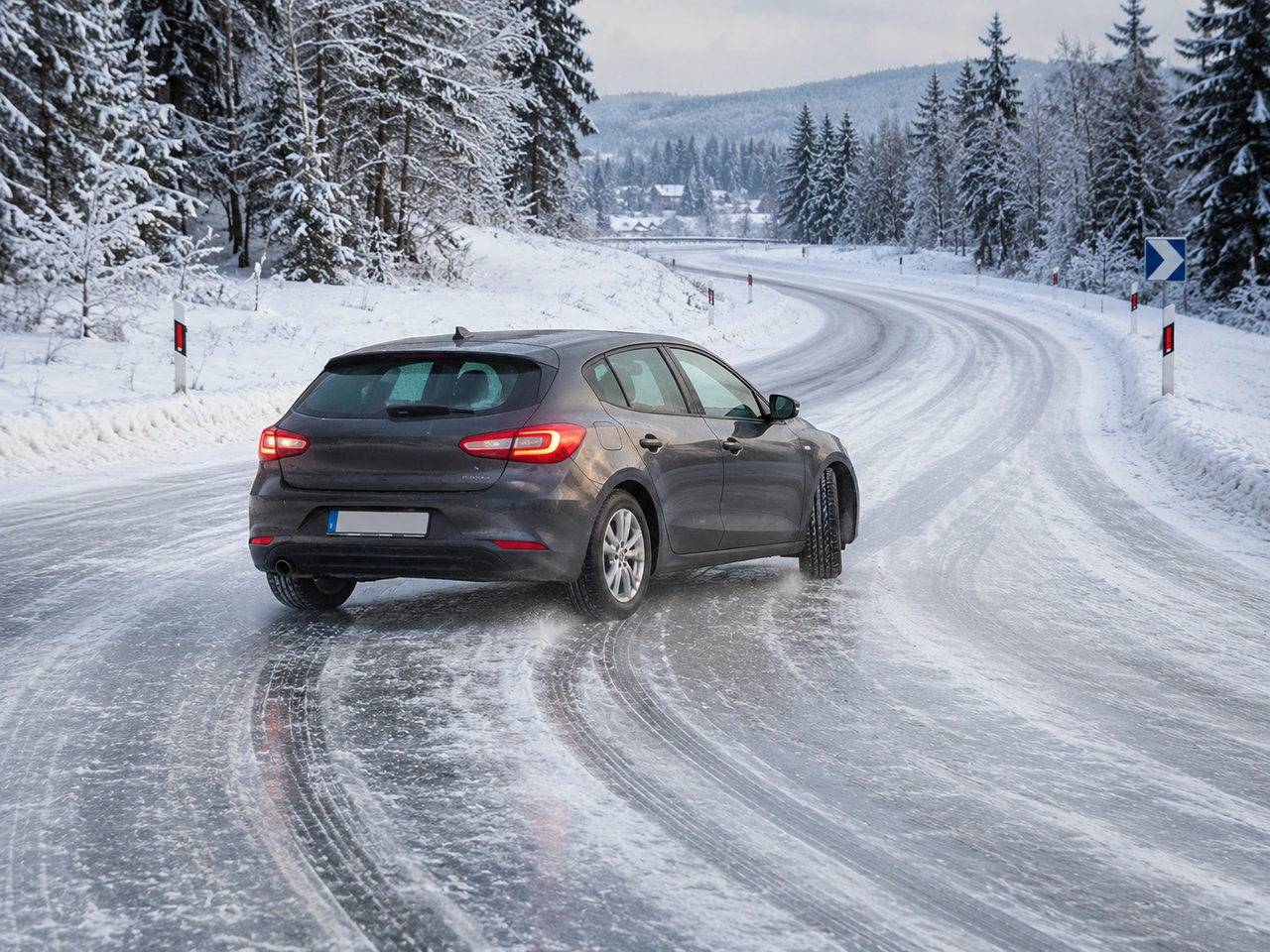
314. What should you do if your vehicle begins to skid on ice?
Avoid sudden braking or steering. Look where you want to go and use gentle controls while the tyres regain grip.
AI-generated by Rijbewijs-online.be • WCIT • CC BY-SA
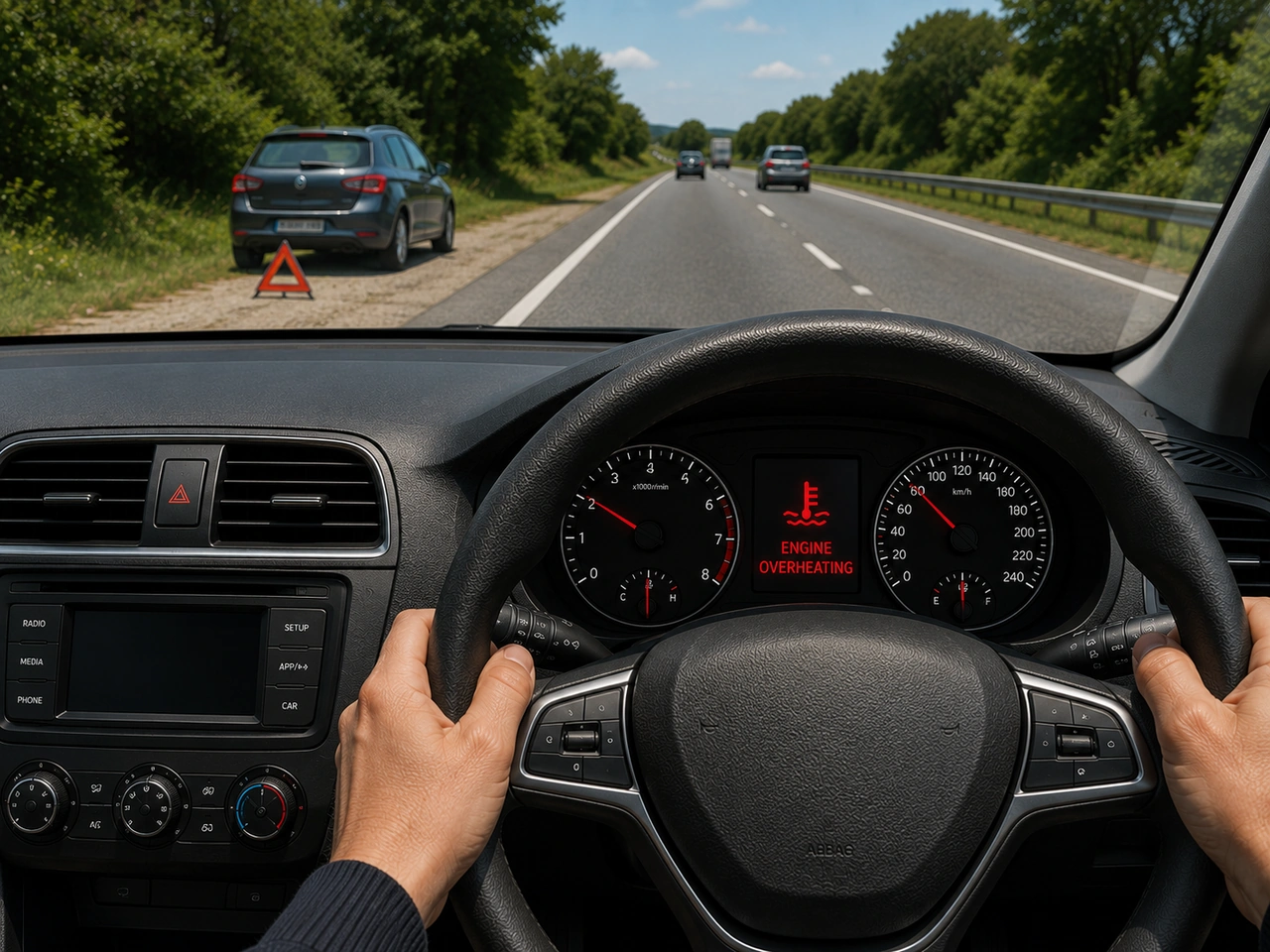
315. What should you do if the engine-temperature warning shows overheating?
Continuing to drive an overheating vehicle can cause severe damage. Allow the engine to cool and follow the manufacturer's instructions.
AI-generated by Rijbewijs-online.be • WCIT • CC BY-SA
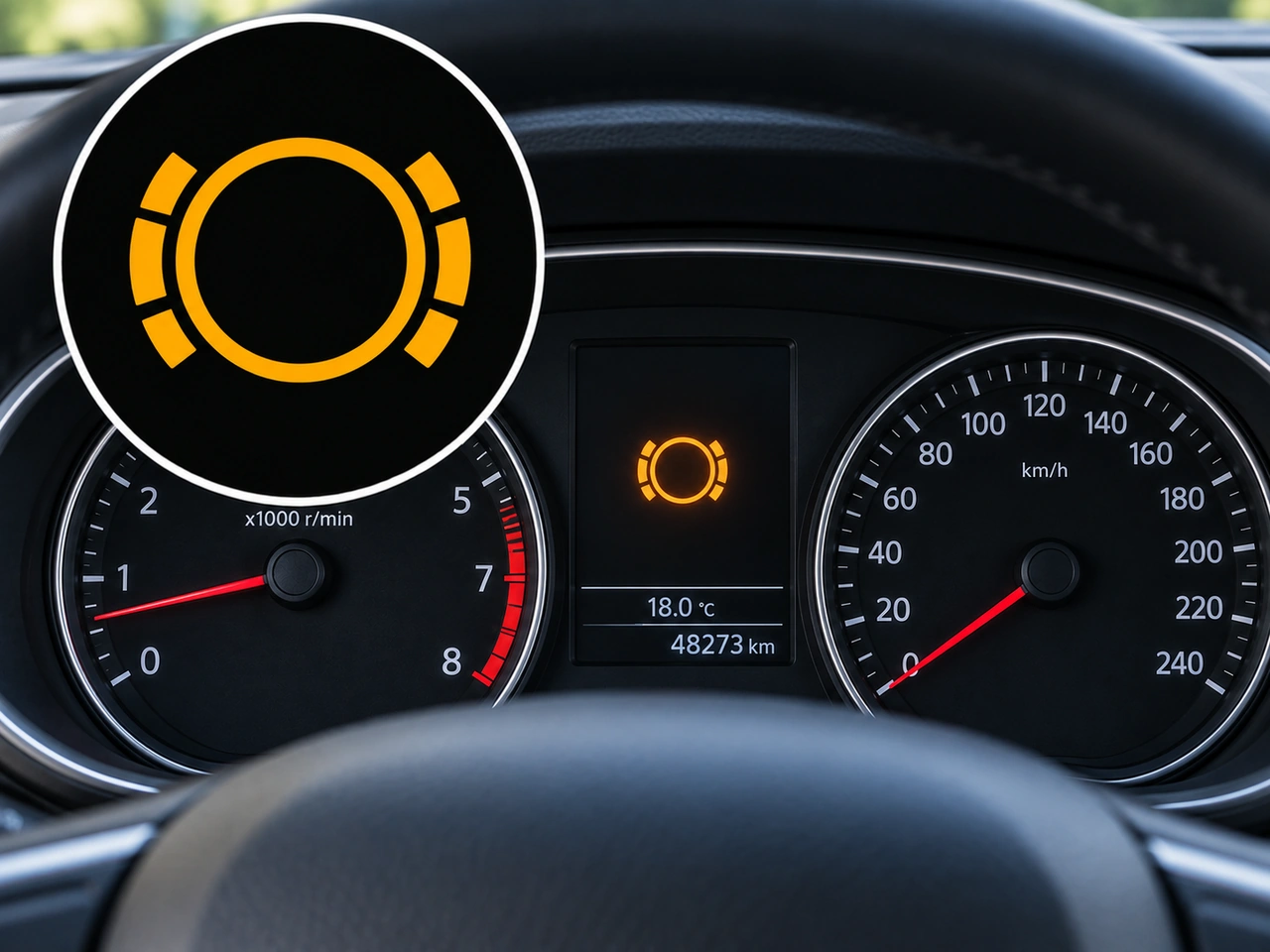
316. What does this dashboard symbol indicate?
This symbol indicates that the brake pads may be worn and should be inspected. Continuing to drive with excessively worn brake pads can reduce braking performance and damage other brake components.
AI-generated by Rijbewijs-online.be • WCIT • CC BY-SA
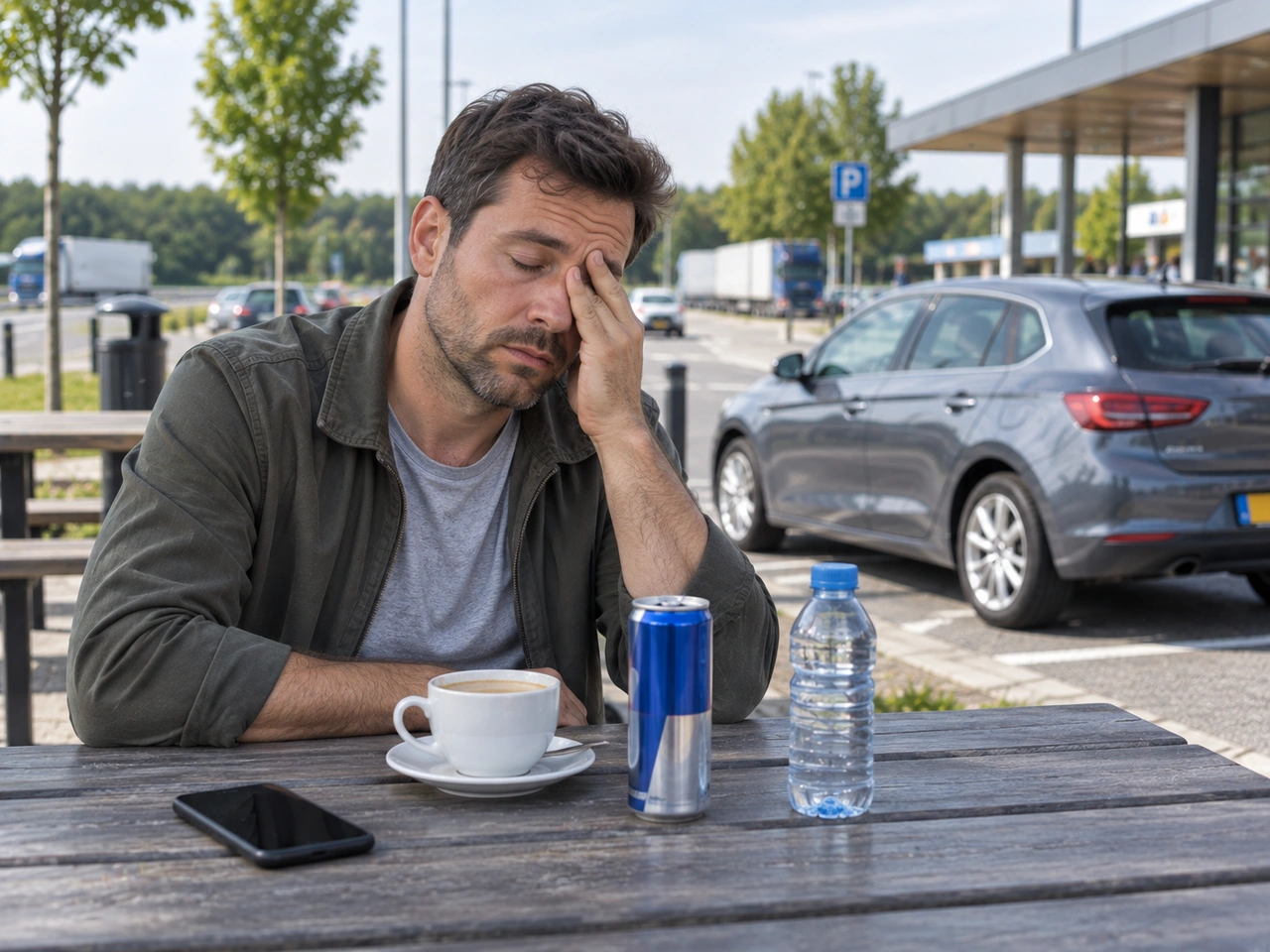
317. Can coffee, energy drinks, fresh air, or loud music replace proper rest when you are tired?
Coffee, energy drinks, fresh air, or loud music may make you feel more alert for a short time, but they do not remove fatigue. If you are too tired to drive safely, stop somewhere safe and get proper rest.
AI-generated by Rijbewijs-online.be • WCIT • CC BY-SA
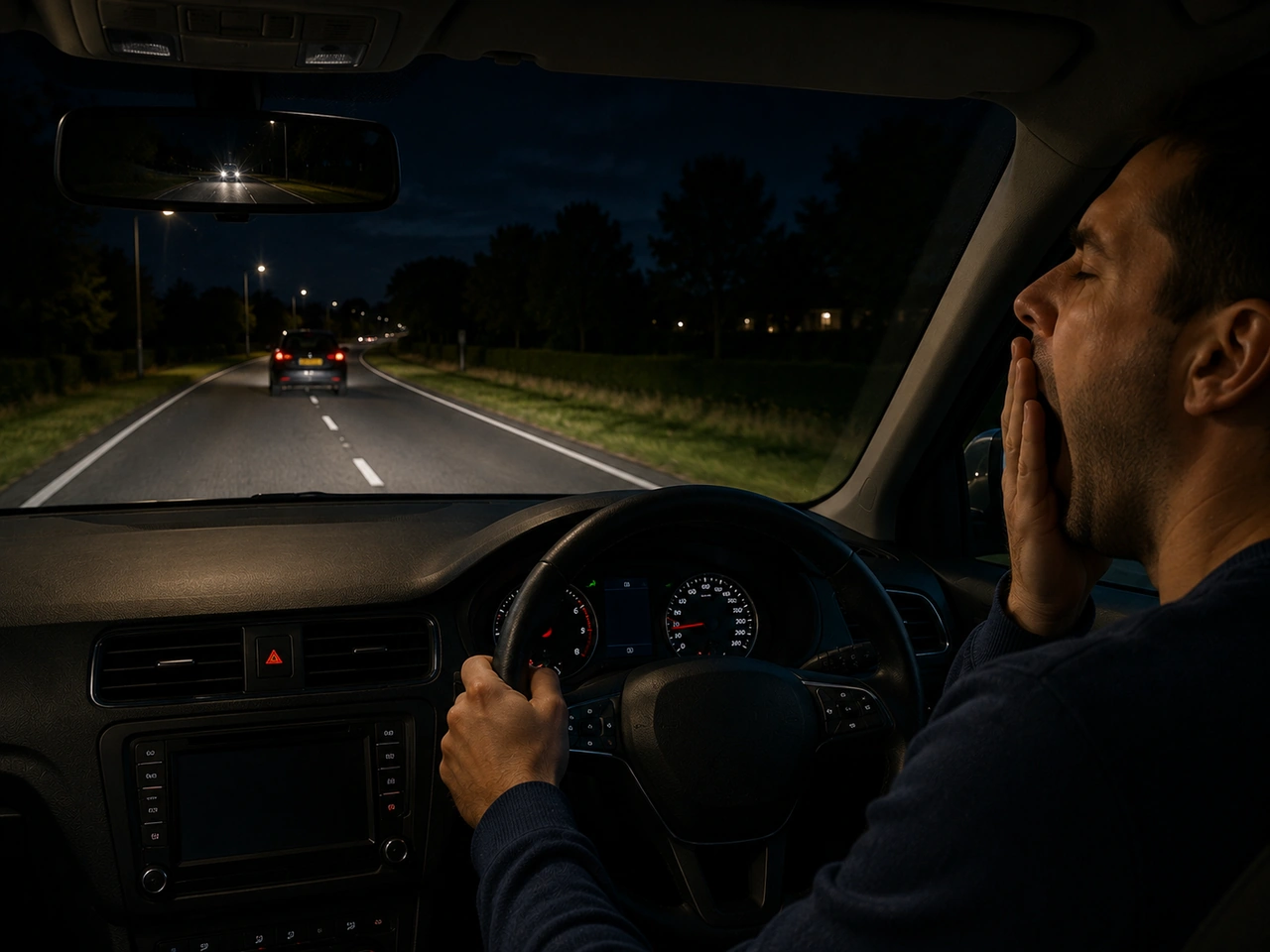
318. What should you do if you feel tired while driving?
Driving while tired reduces concentration and reaction time. Stop somewhere safe and rest before continuing.
AI-generated by Rijbewijs-online.be • WCIT • CC BY-SA
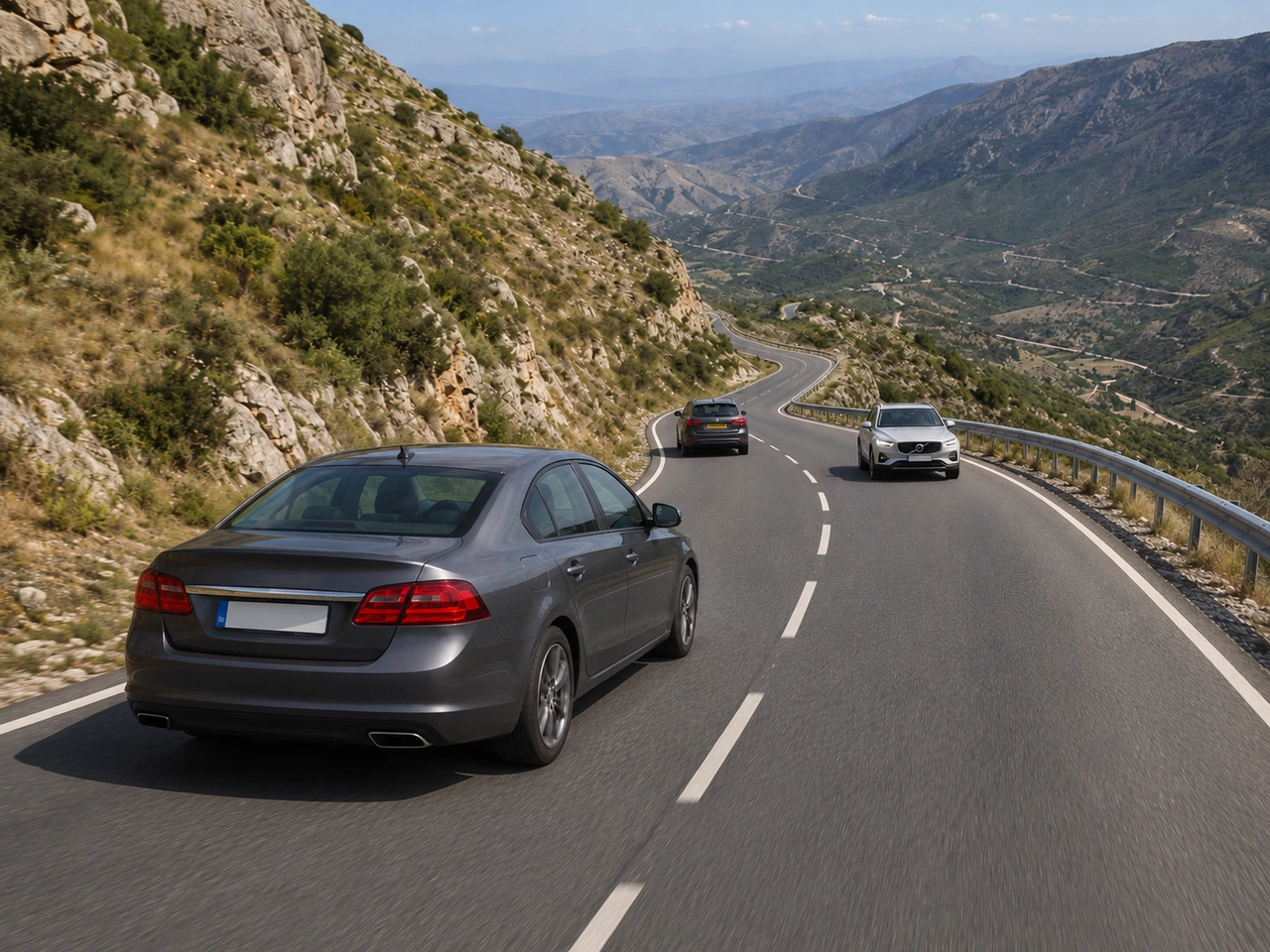
319. What can happen if you use the brakes continuously on a long descent?
Continuous braking can cause the brakes to overheat and fade, reducing braking performance. Use a lower gear to help control speed with engine braking.
AI-generated by Rijbewijs-online.be • WCIT • CC BY-SA
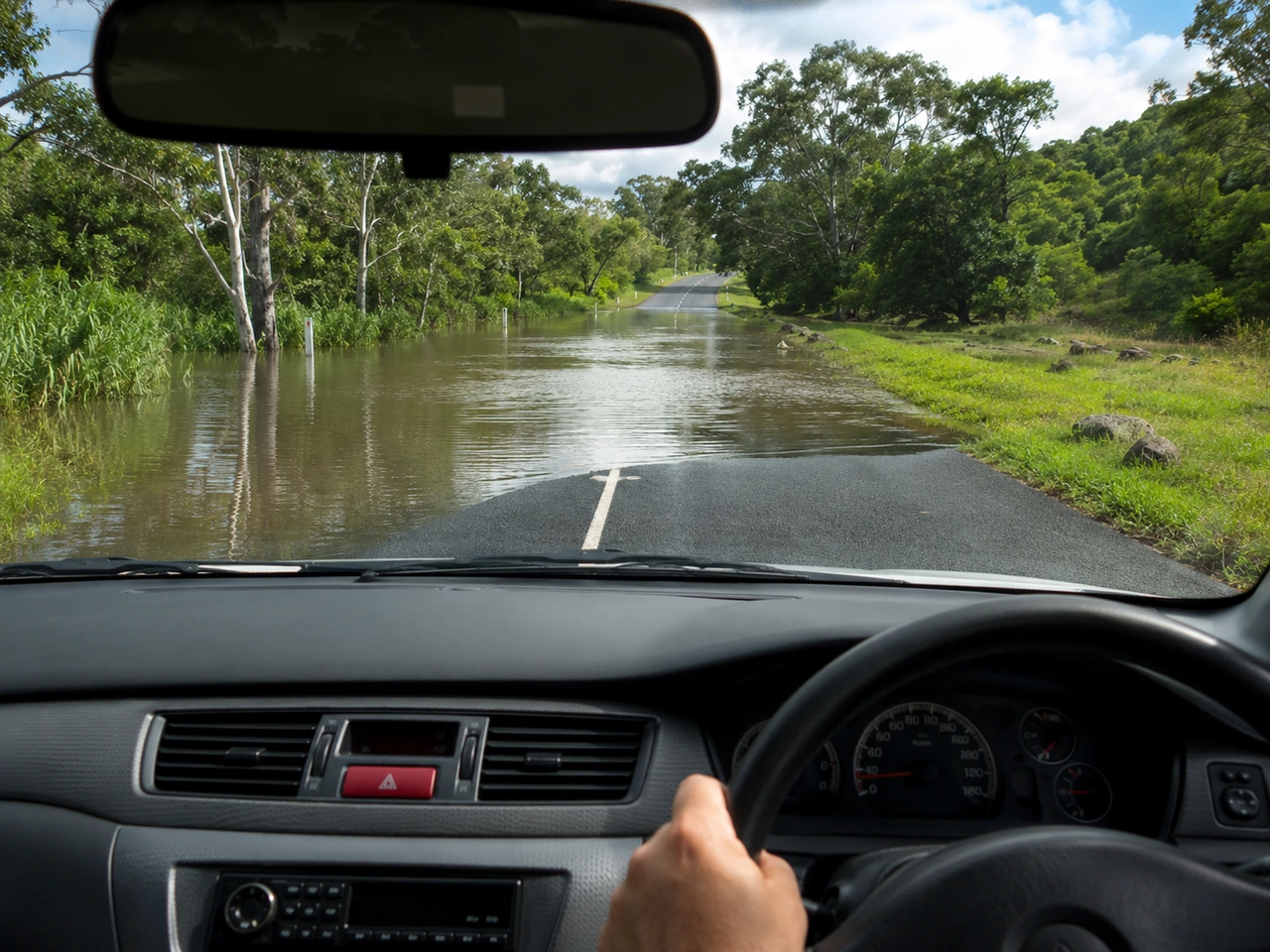
320. Why should you avoid driving through deep water?
Deep water can damage the engine, reduce braking ability, hide hazards, or cause the vehicle to lose grip. Reduce speed, assess the depth and conditions carefully, and avoid entering the water if you are unsure it is safe. If necessary, stop and use another route.
AI-generated by Rijbewijs-online.be • WCIT • CC BY-SA
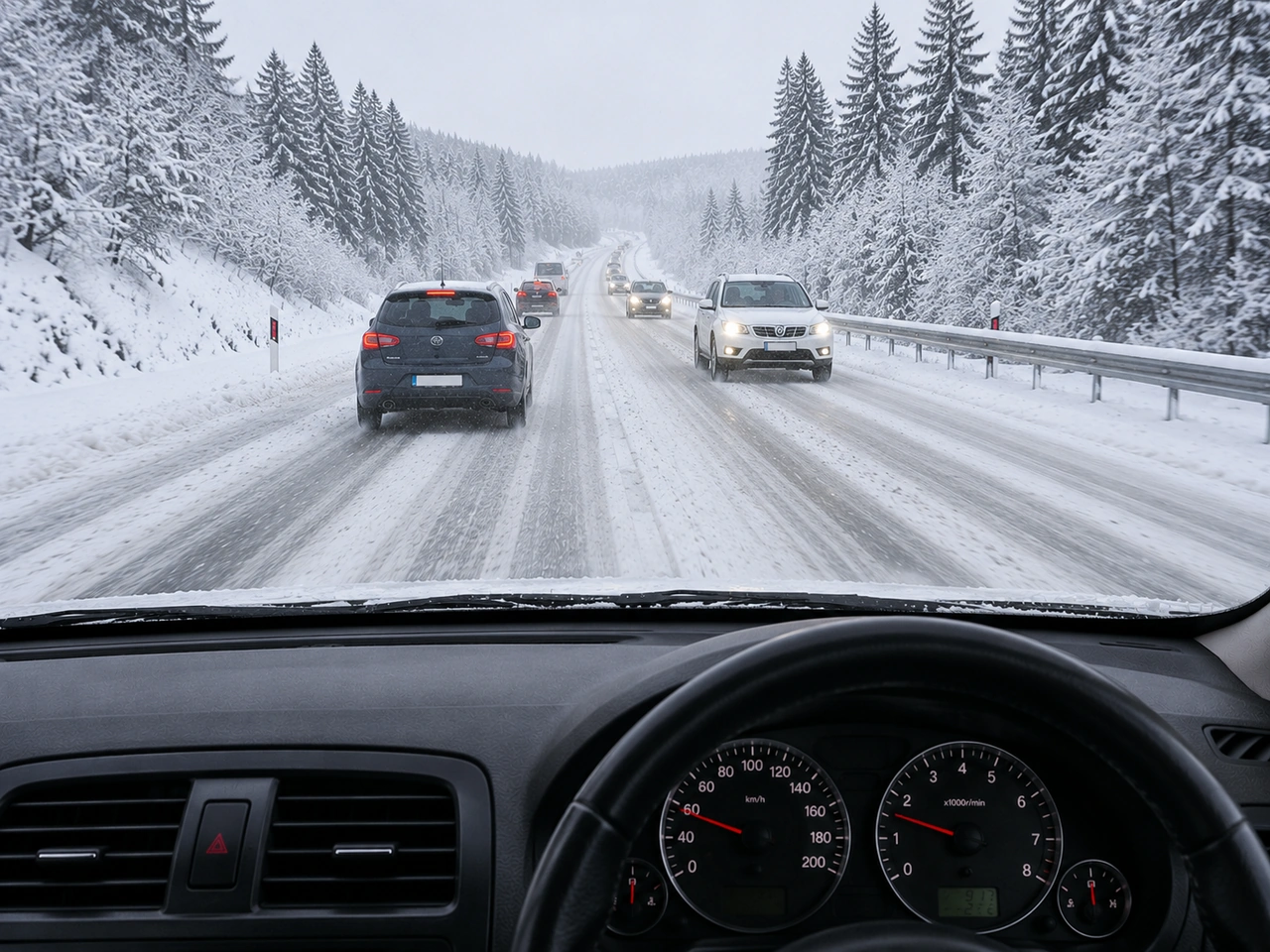
321. What should you do when the road is covered with snow or ice?
Snow and ice greatly reduce tyre grip. Lower speed, extra distance, and gentle steering, braking, and acceleration help maintain control.
AI-generated by Rijbewijs-online.be • WCIT • CC BY-SA
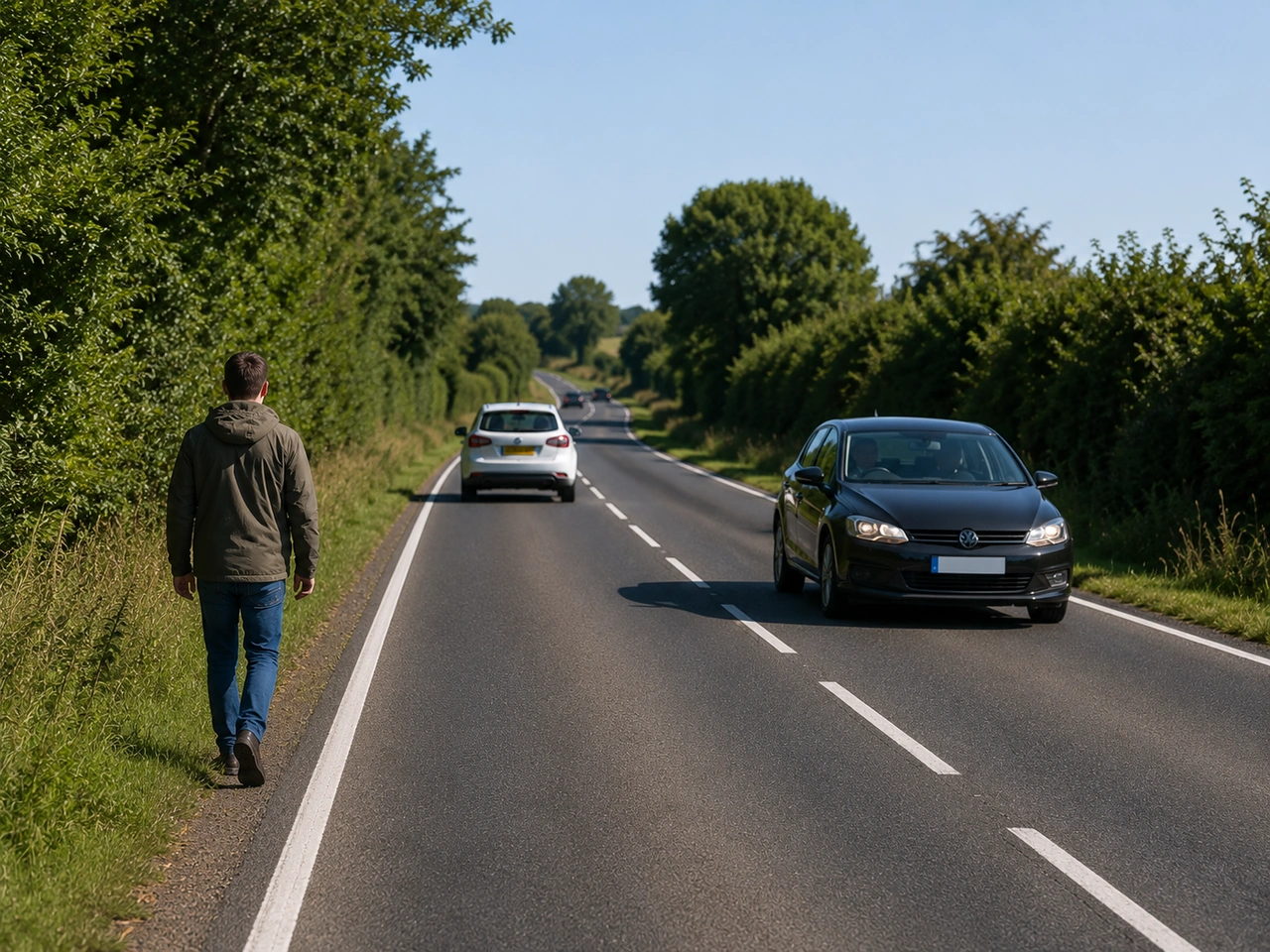
322. What should you do if there is no pavement?
If there is no pavement, stay as far from traffic as possible and remain alert. The exact side of the road depends on local traffic rules.
AI-generated by Rijbewijs-online.be • WCIT • CC BY-SA
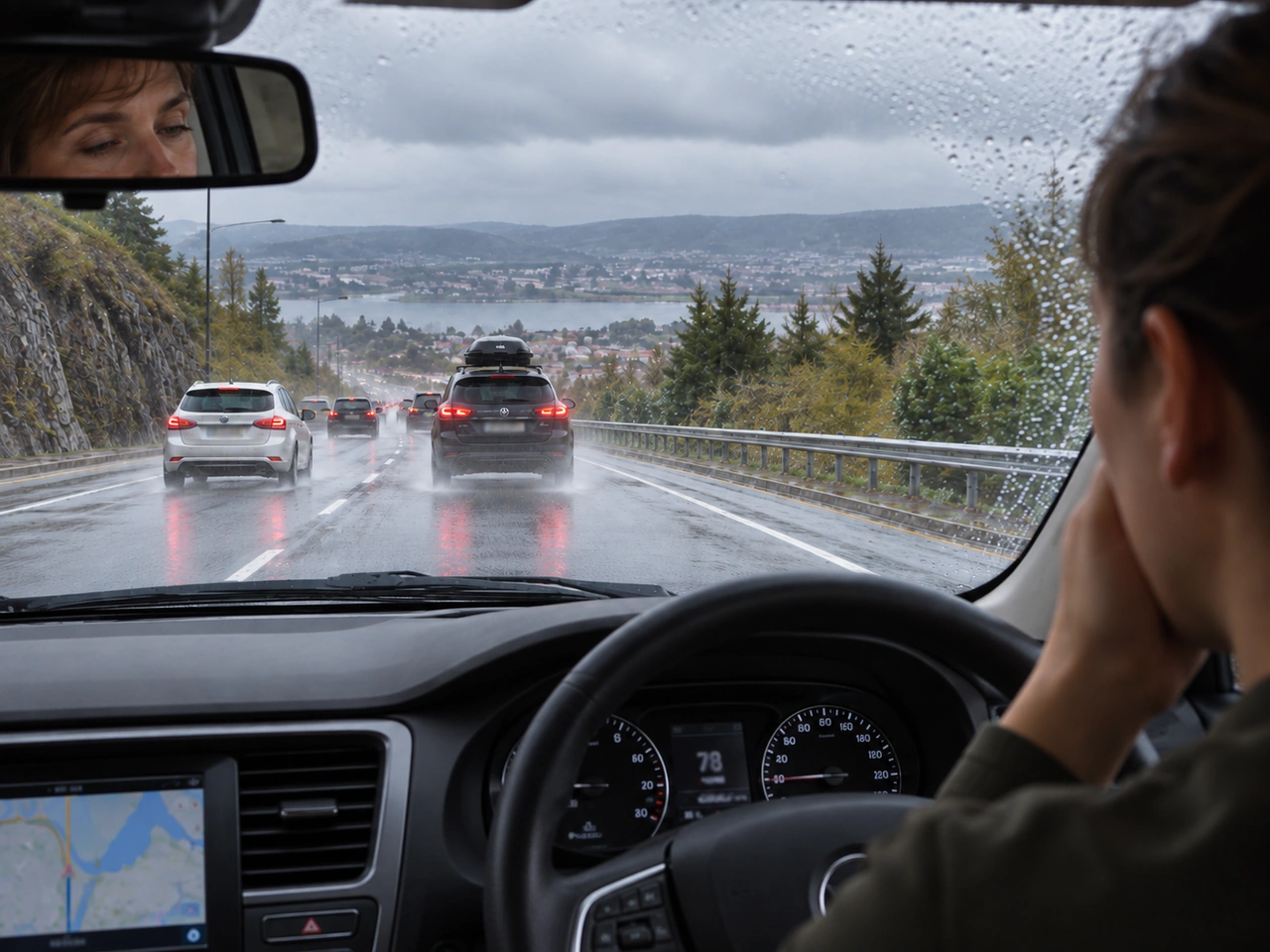
323. Which factors can increase a vehicle's stopping distance?
Stopping distance can increase because of higher speed, slower driver reactions, reduced tyre grip, poor weather or road conditions, worn tyres, weak brakes, or a heavier vehicle. Both the driver's reaction distance and the vehicle's braking distance can be affected.
AI-generated by Rijbewijs-online.be • WCIT • CC BY-SA
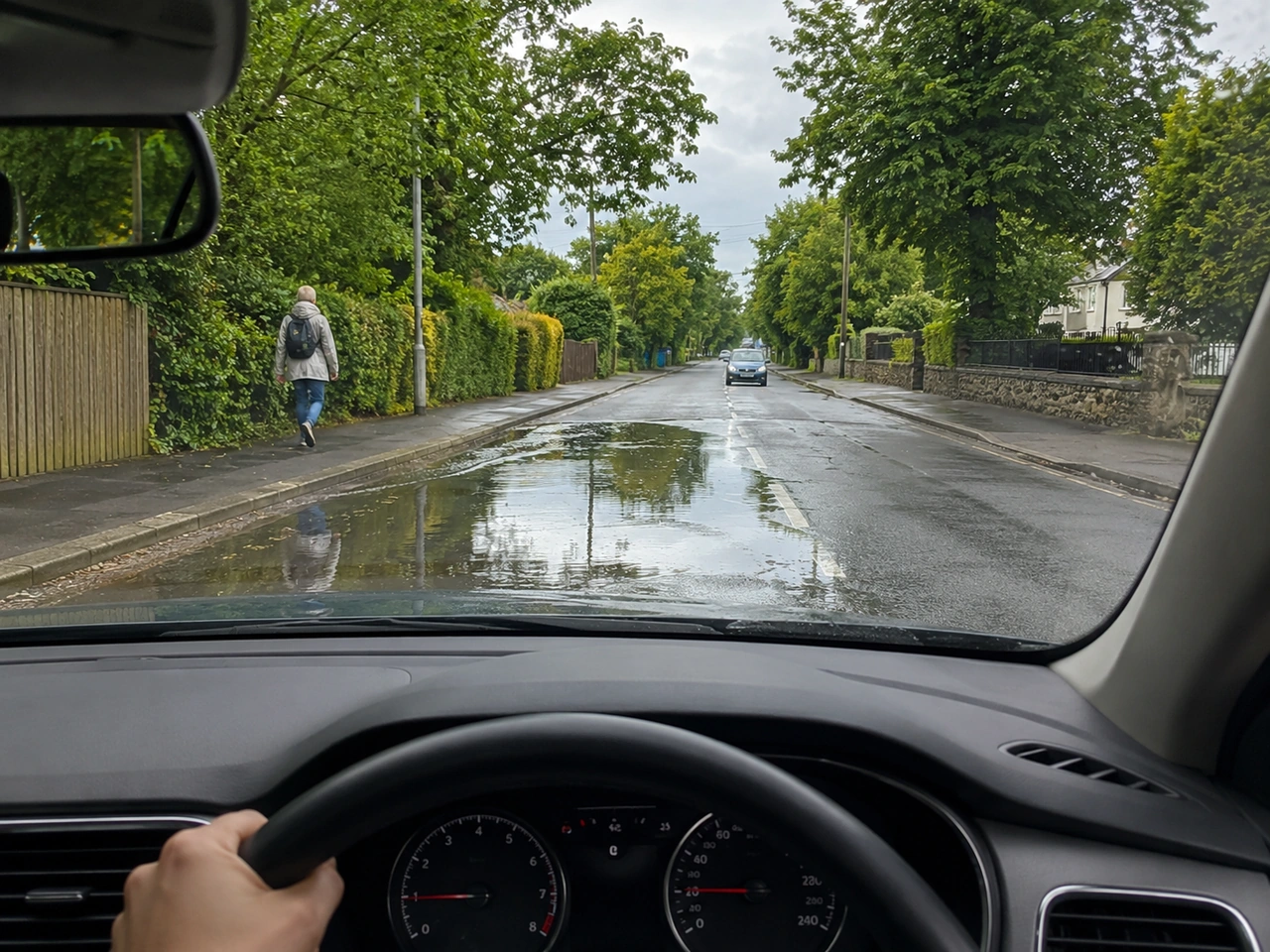
324. What should you do before driving through a puddle?
Large puddles can hide holes, reduce grip, or cause water to splash onto pedestrians or other vehicles. Slow down and proceed carefully.
AI-generated by Rijbewijs-online.be • WCIT • CC BY-SA
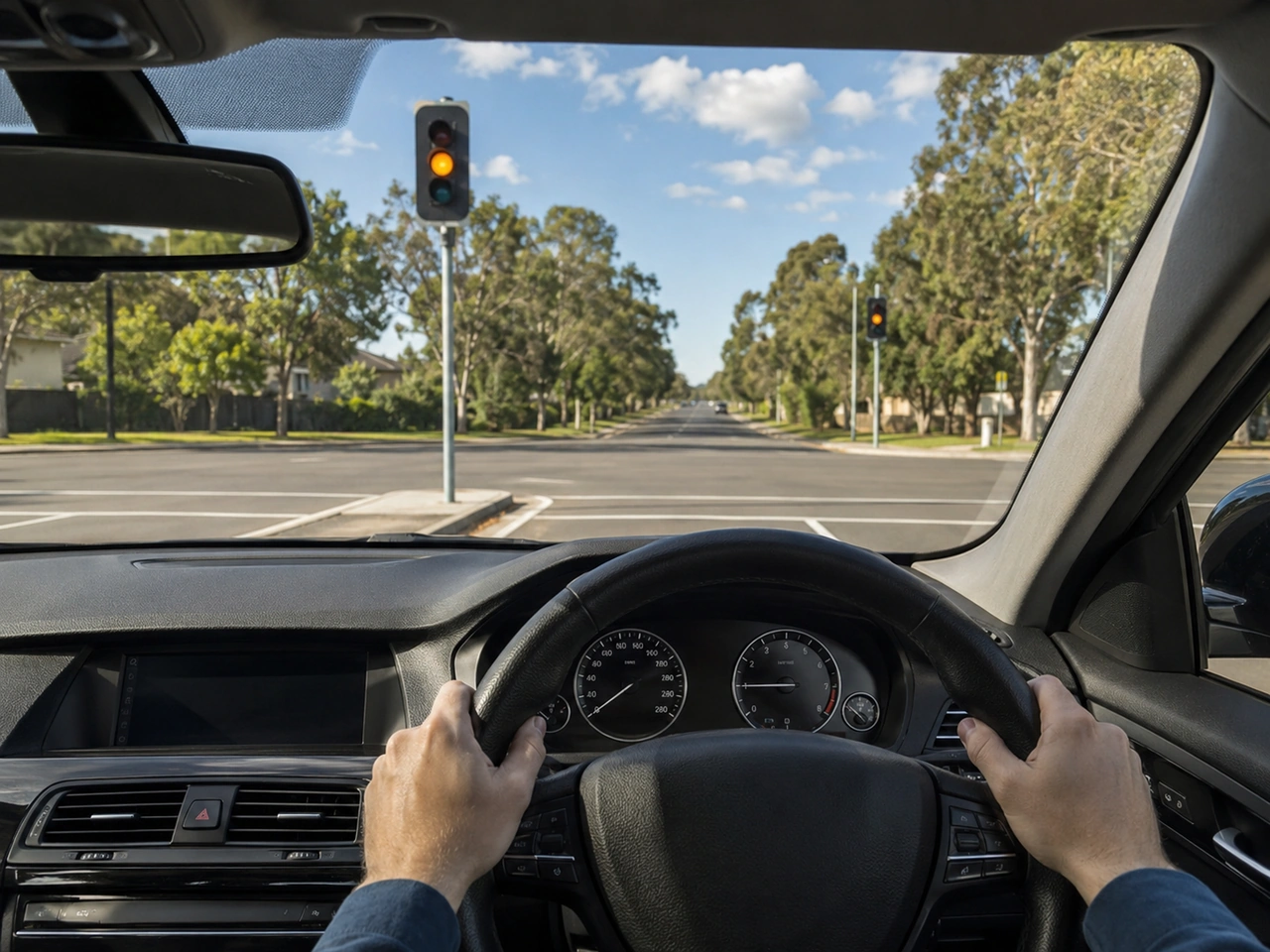
325. You may drive through an amber light without slowing down.
An amber light means you should stop if you can do so safely. If you are too close to stop safely, continue through the junction with caution.
AI-generated by Rijbewijs-online.be • WCIT • CC BY-SA
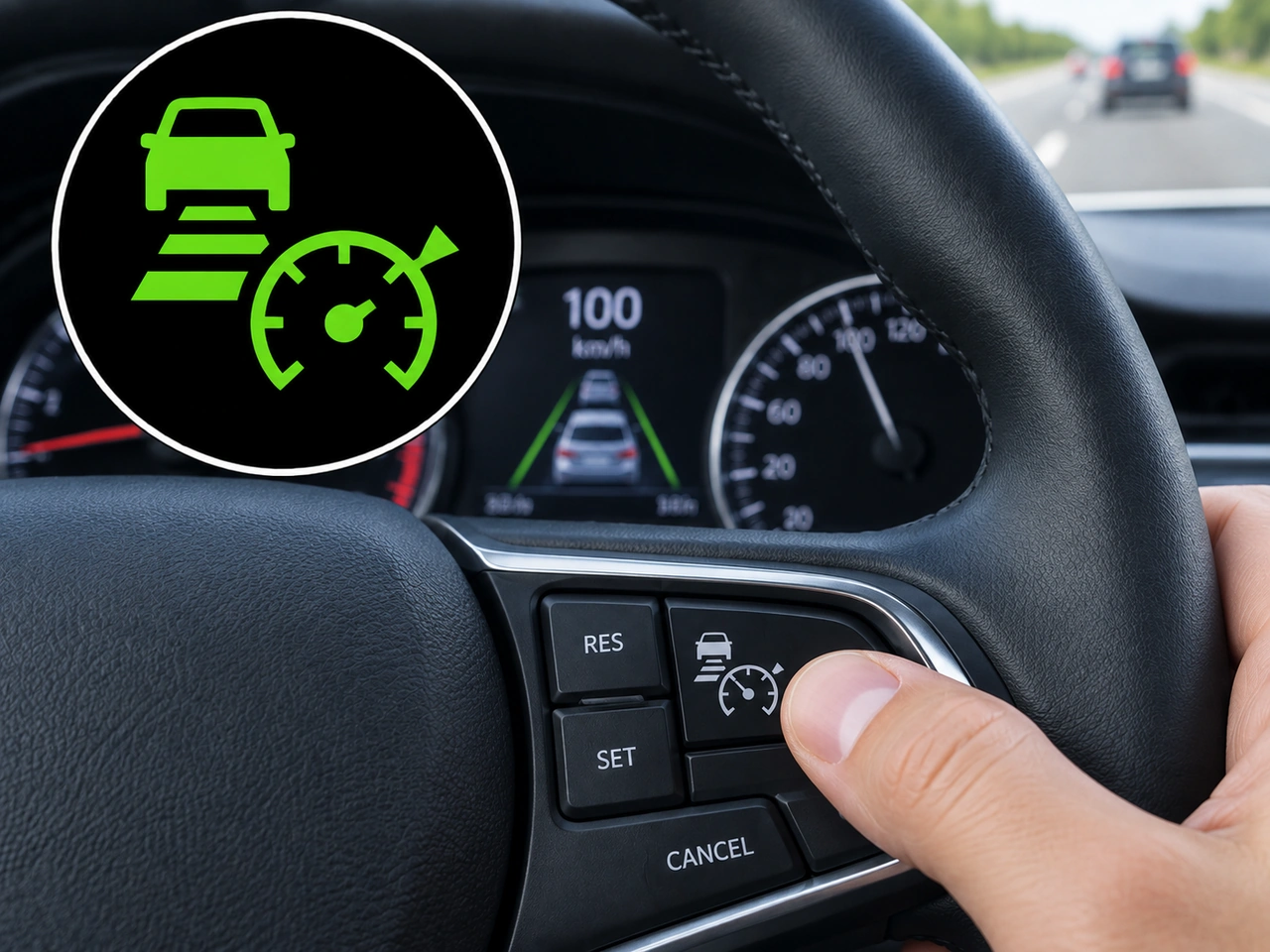
326. What does this dashboard symbol indicate?
This symbol relates to adaptive cruise control (ACC). The system can maintain a selected speed and automatically adjust the vehicle's speed to help maintain a set distance from traffic ahead.
AI-generated by Rijbewijs-online.be • WCIT • CC BY-SA
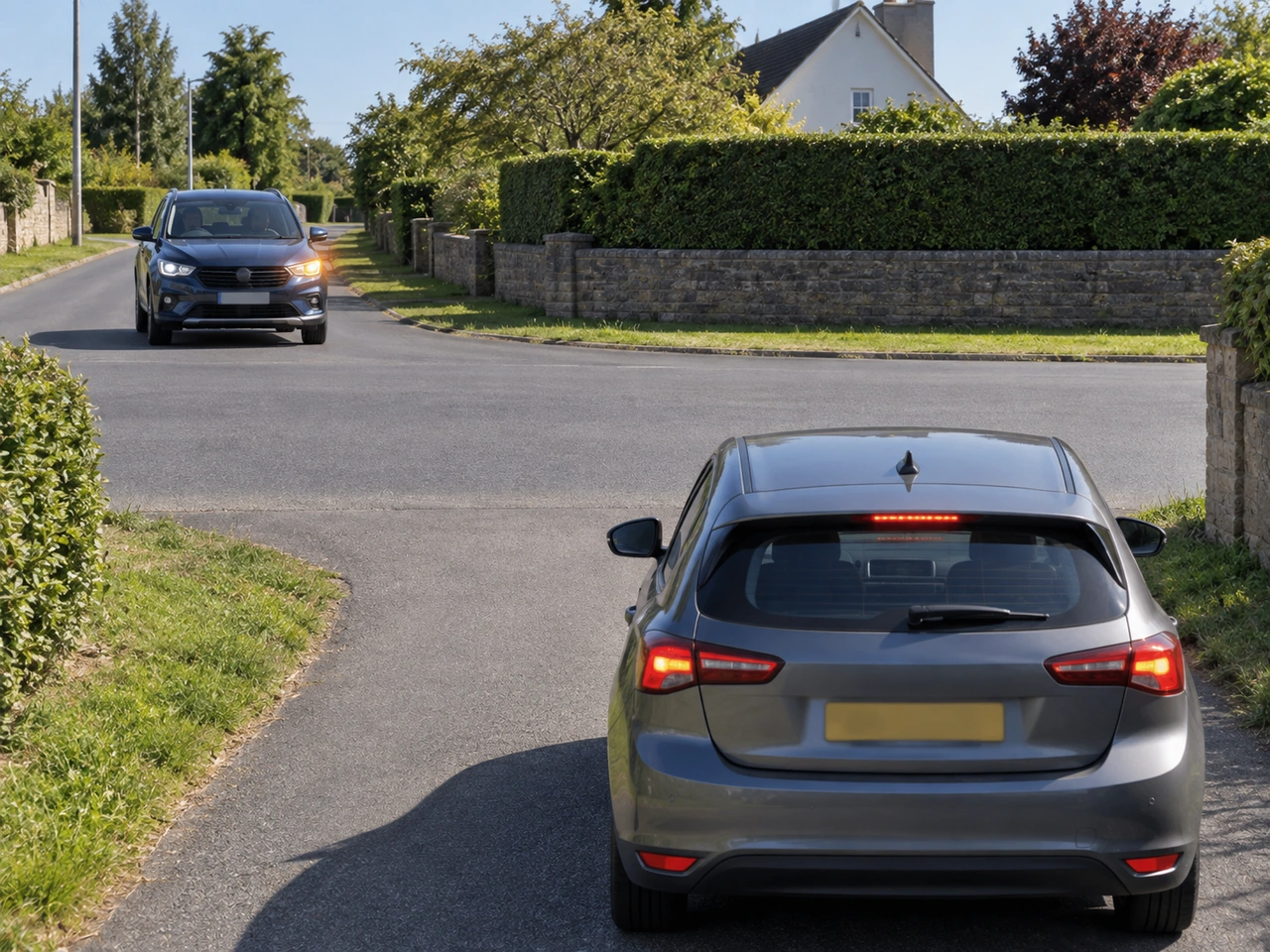
327. What should you do if another vehicle is signalling to turn?
An indicator shows an intention, but it does not guarantee that the driver will turn. The signal may have been left on accidentally or the driver's intentions may change. Observe the vehicle's speed and position and proceed only when you are sure it is safe.
AI-generated by Rijbewijs-online.be • WCIT • CC BY-SA
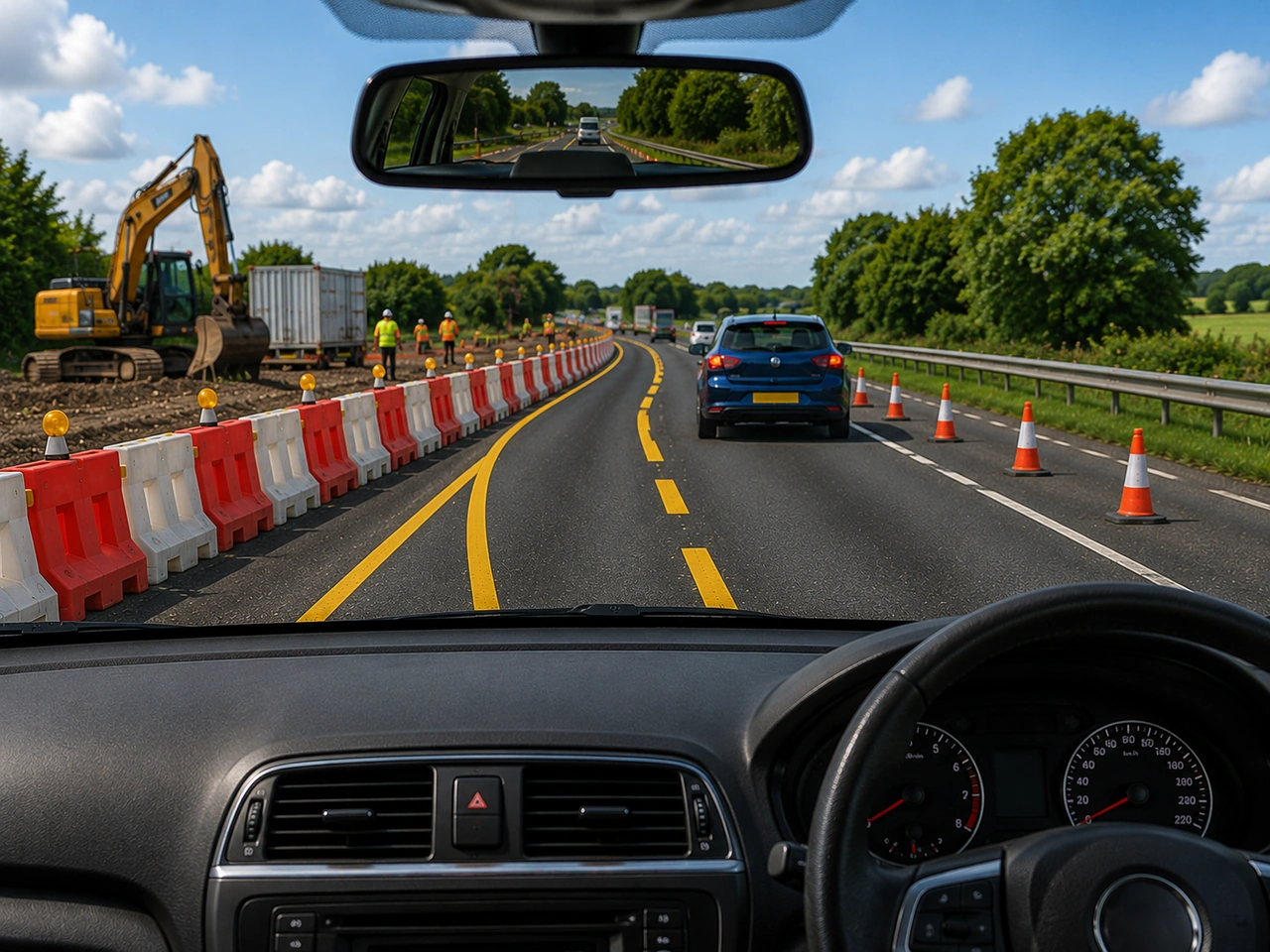
328. Which road markings should you follow through roadworks?
Temporary road markings may replace the normal lane layout during roadworks. Follow the markings and signs that currently guide traffic.
AI-generated by Rijbewijs-online.be • WCIT • CC BY-SA
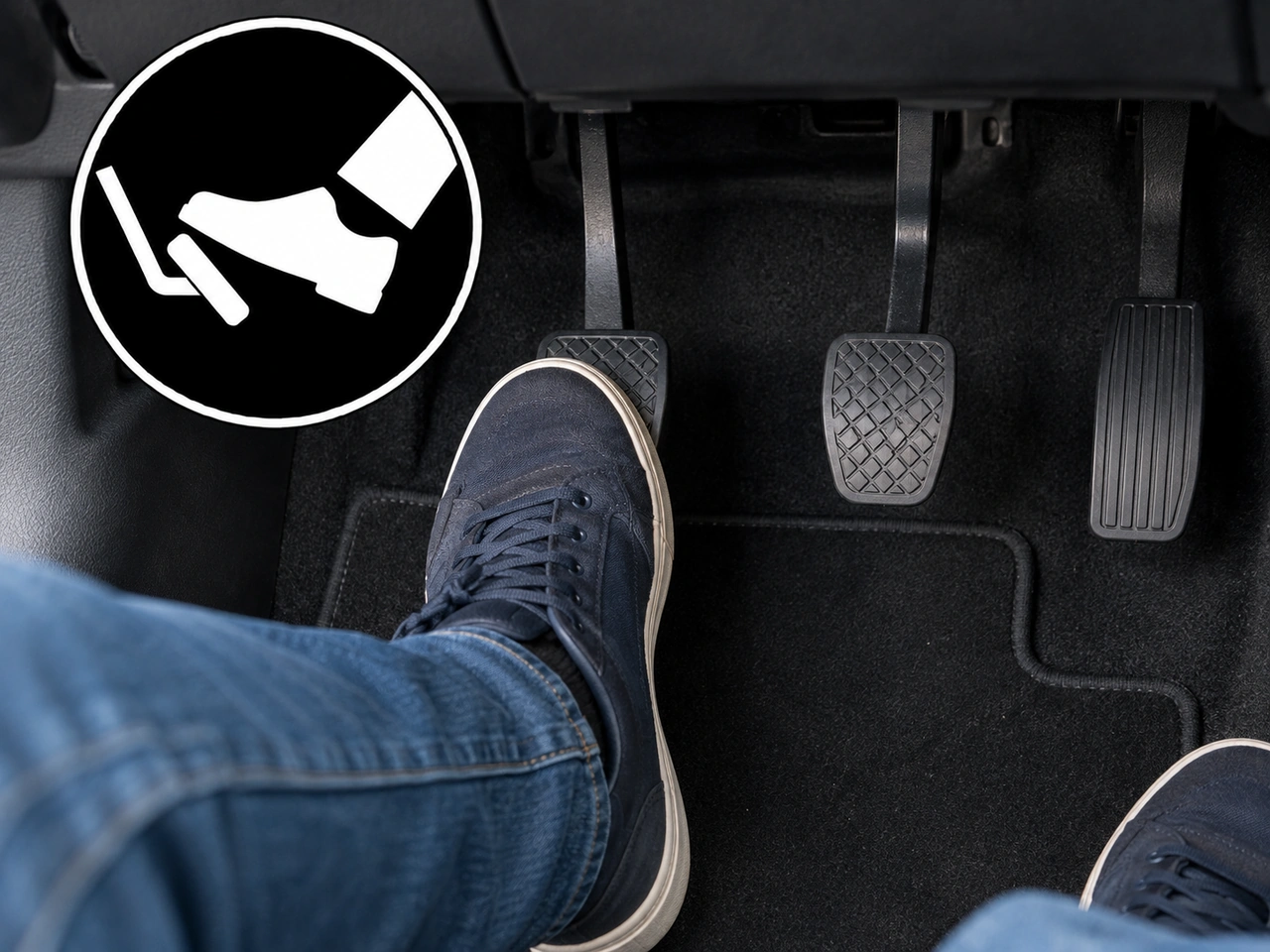
329. What is the purpose of the clutch pedal in a manual vehicle?
Pressing the clutch pedal temporarily disconnects the engine from the transmission, allowing the driver to change gear or stop without stalling the engine.
AI-generated by Rijbewijs-online.be • WCIT • CC BY-SA
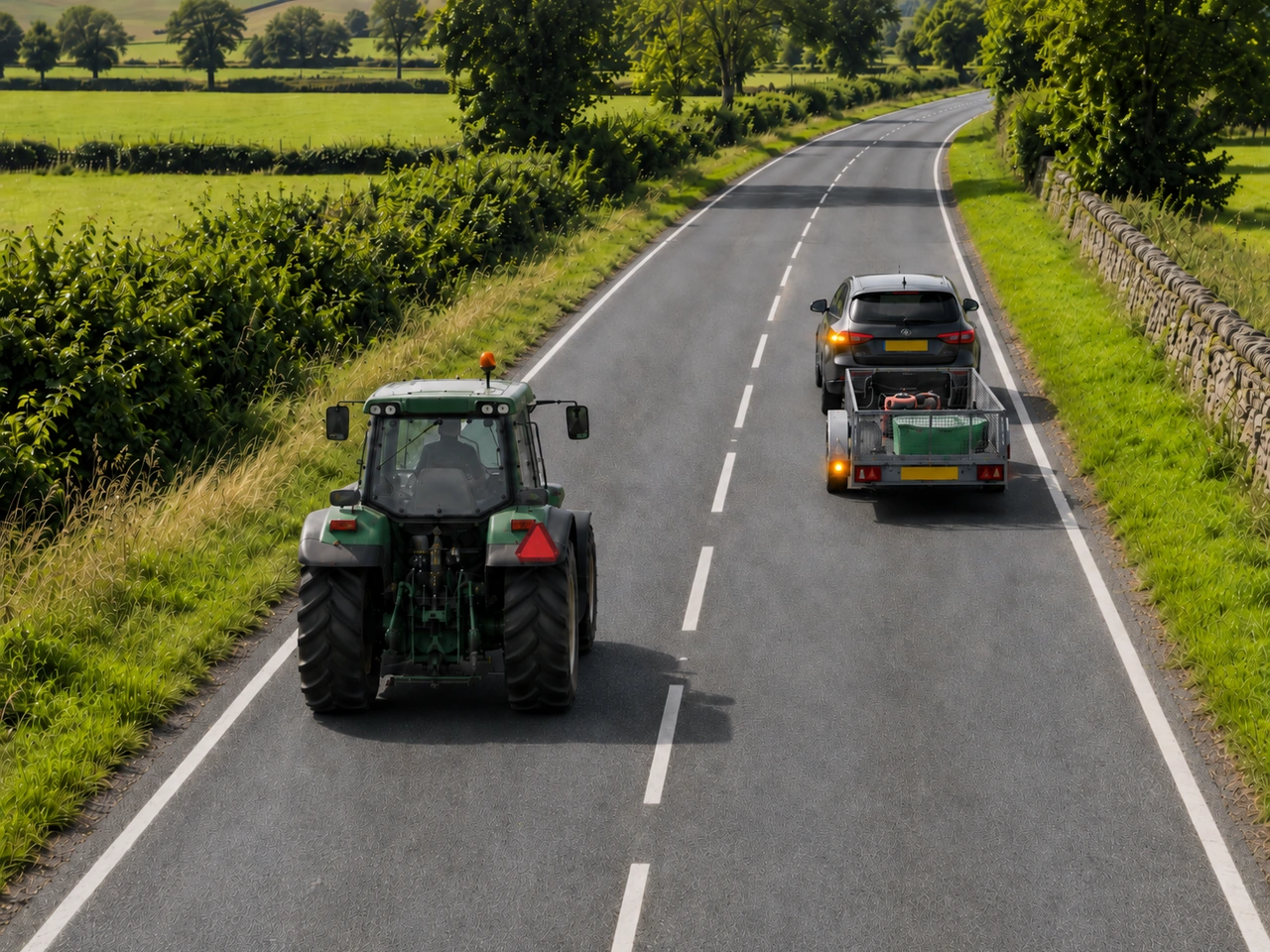
330. What should you do before overtaking while towing a trailer?
A towing vehicle accelerates more slowly, and the trailer makes the whole vehicle combination longer. Remember to allow a much larger safe gap before overtaking and enough space to return safely to your lane.
AI-generated by Rijbewijs-online.be • WCIT • CC BY-SA
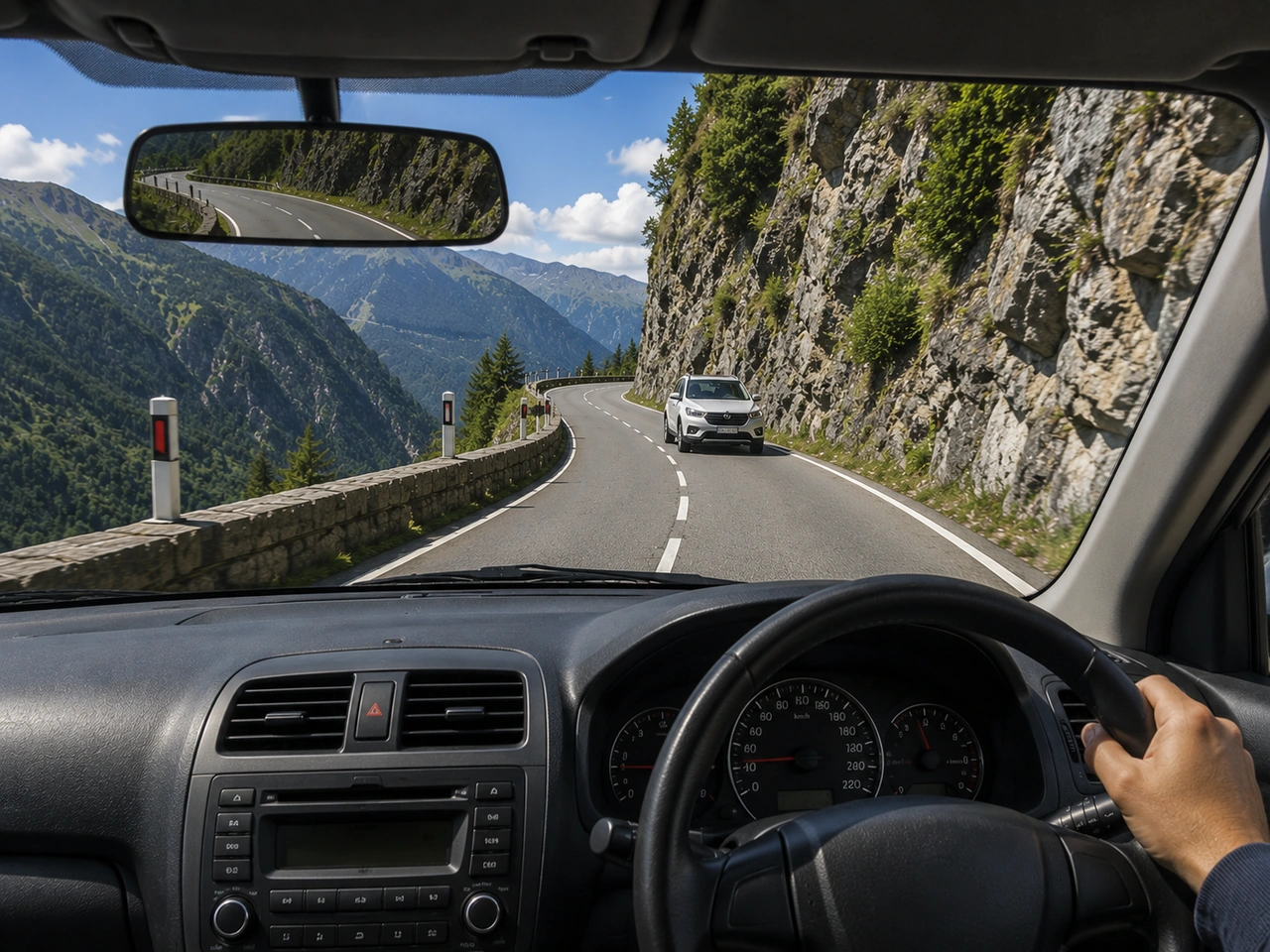
331. How should you approach a sharp bend on a mountain road?
Mountain bends may hide oncoming vehicles, cyclists, animals, or debris. Slow down before entering and keep a safe road position.
AI-generated by Rijbewijs-online.be • WCIT • CC BY-SA
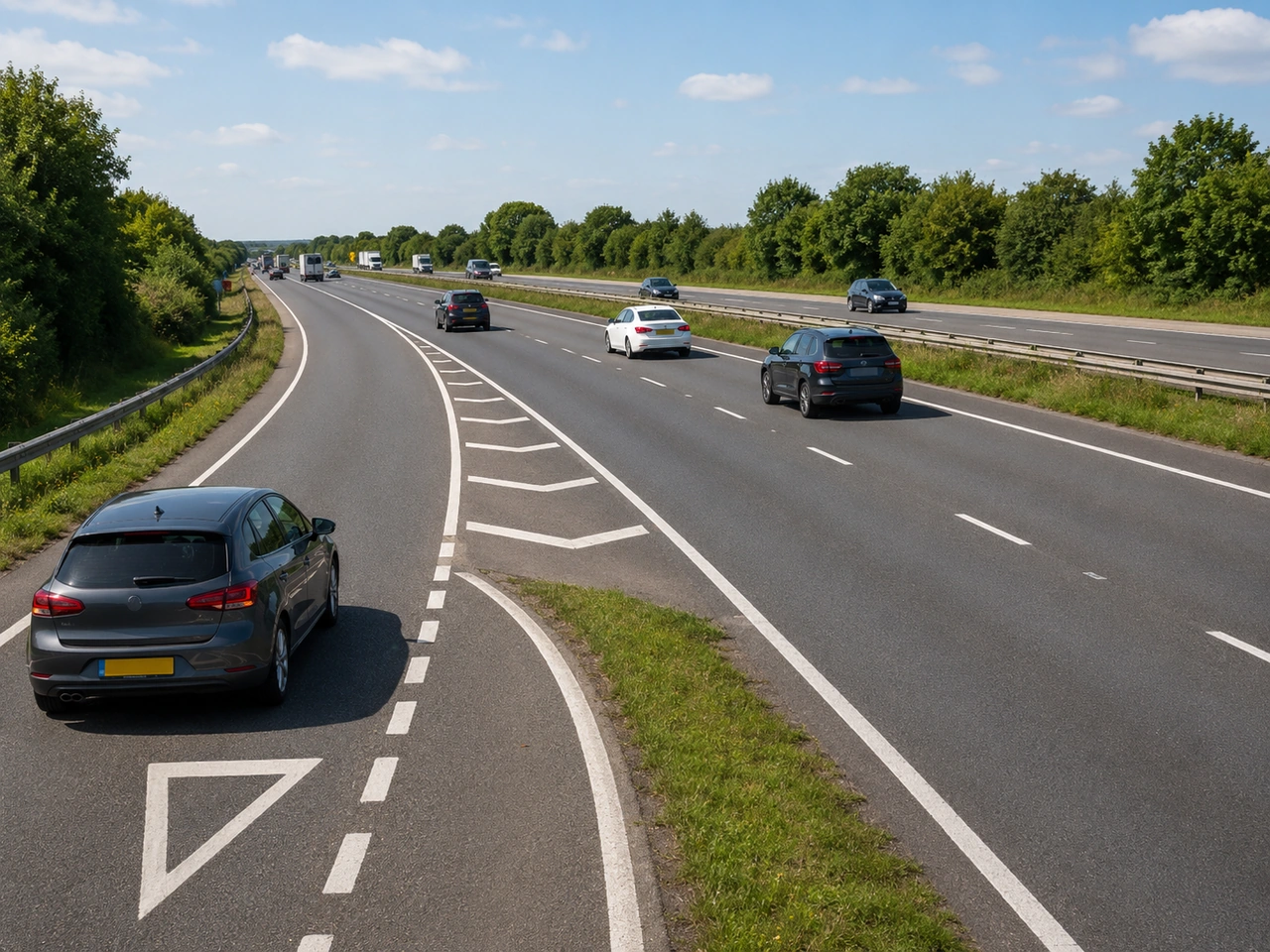
332. Who normally has priority when you enter a motorway from an entry lane?
You must adjust your speed and find a safe gap without forcing motorway traffic to brake or change direction.
AI-generated by Rijbewijs-online.be • WCIT • CC BY-SA
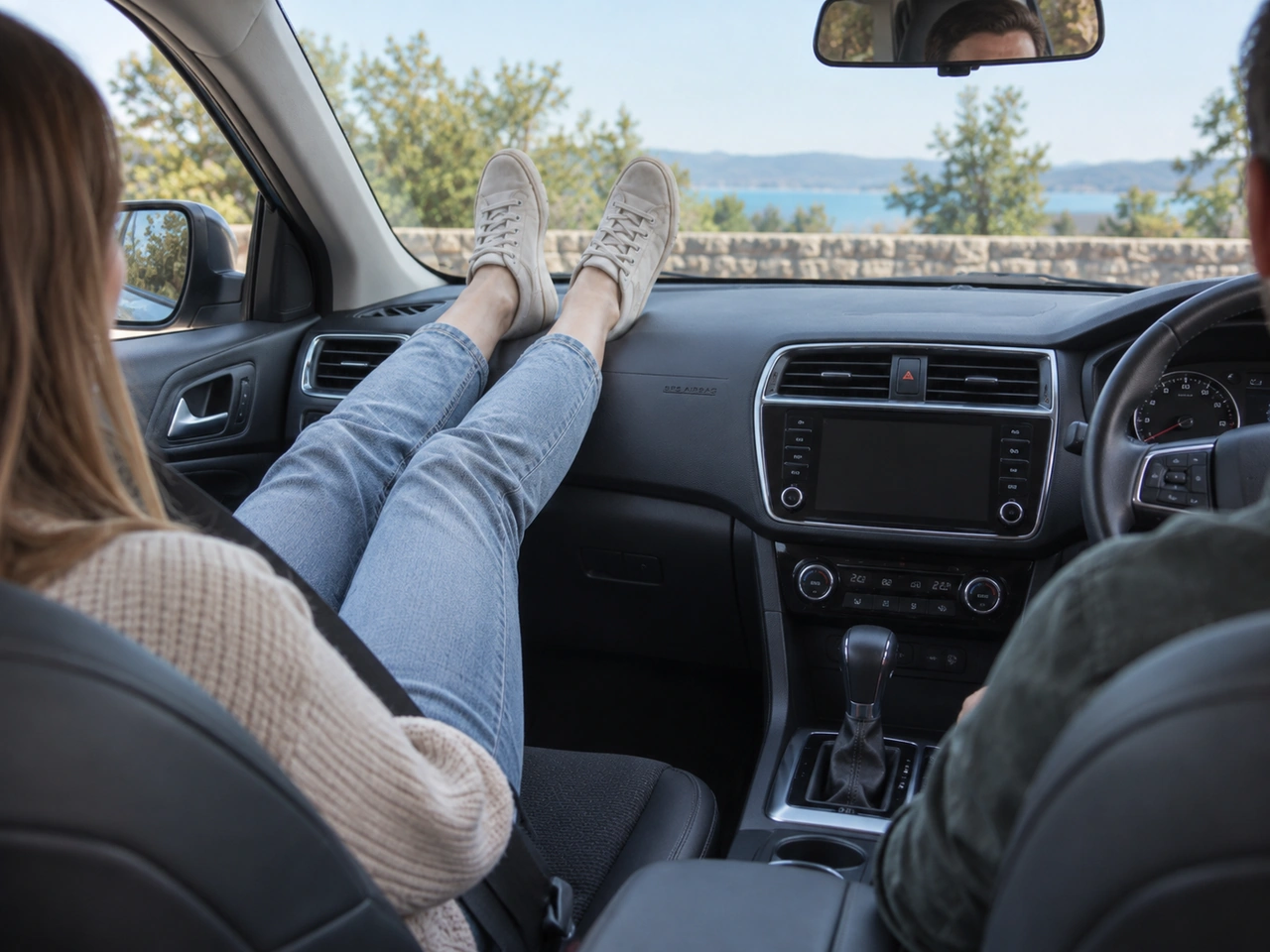
333. Why should a front passenger keep their feet off the dashboard?
A front airbag deploys very quickly and with considerable force. If a passenger has their feet or legs on the dashboard, airbag deployment can force their legs backwards and greatly increase the risk of serious injury. Passengers should sit normally with their feet in the footwell and wear their seat belts correctly. The driver should make sure everyone is seated and restrained safely before setting off.
AI-generated by Rijbewijs-online.be • WCIT • CC BY-SA
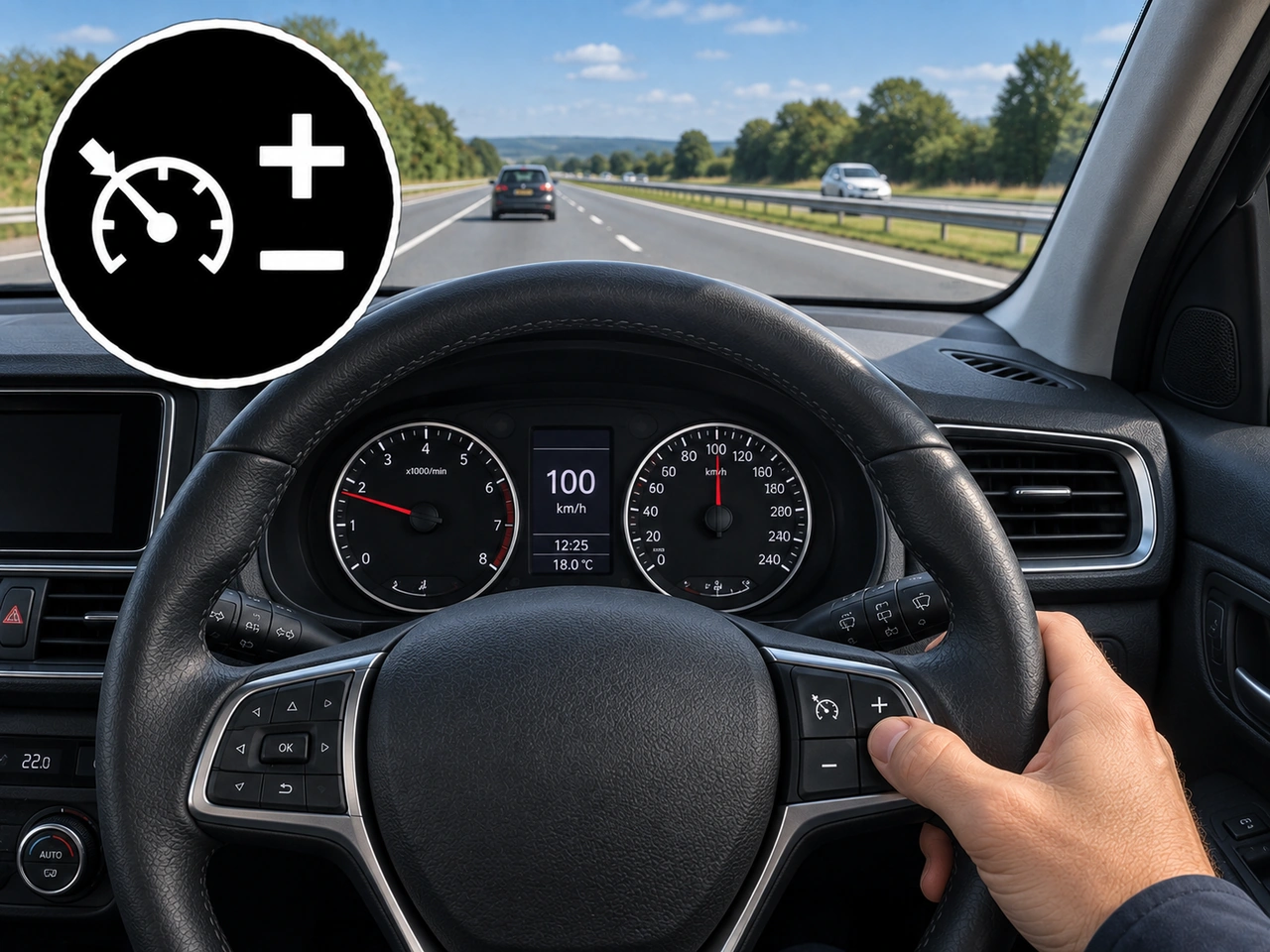
334. What do the + and − controls of cruise control normally do?
When cruise control is active, the + and − controls normally increase or decrease the selected cruising speed. The amount of each adjustment can vary between vehicles.
AI-generated by Rijbewijs-online.be • WCIT • CC BY-SA
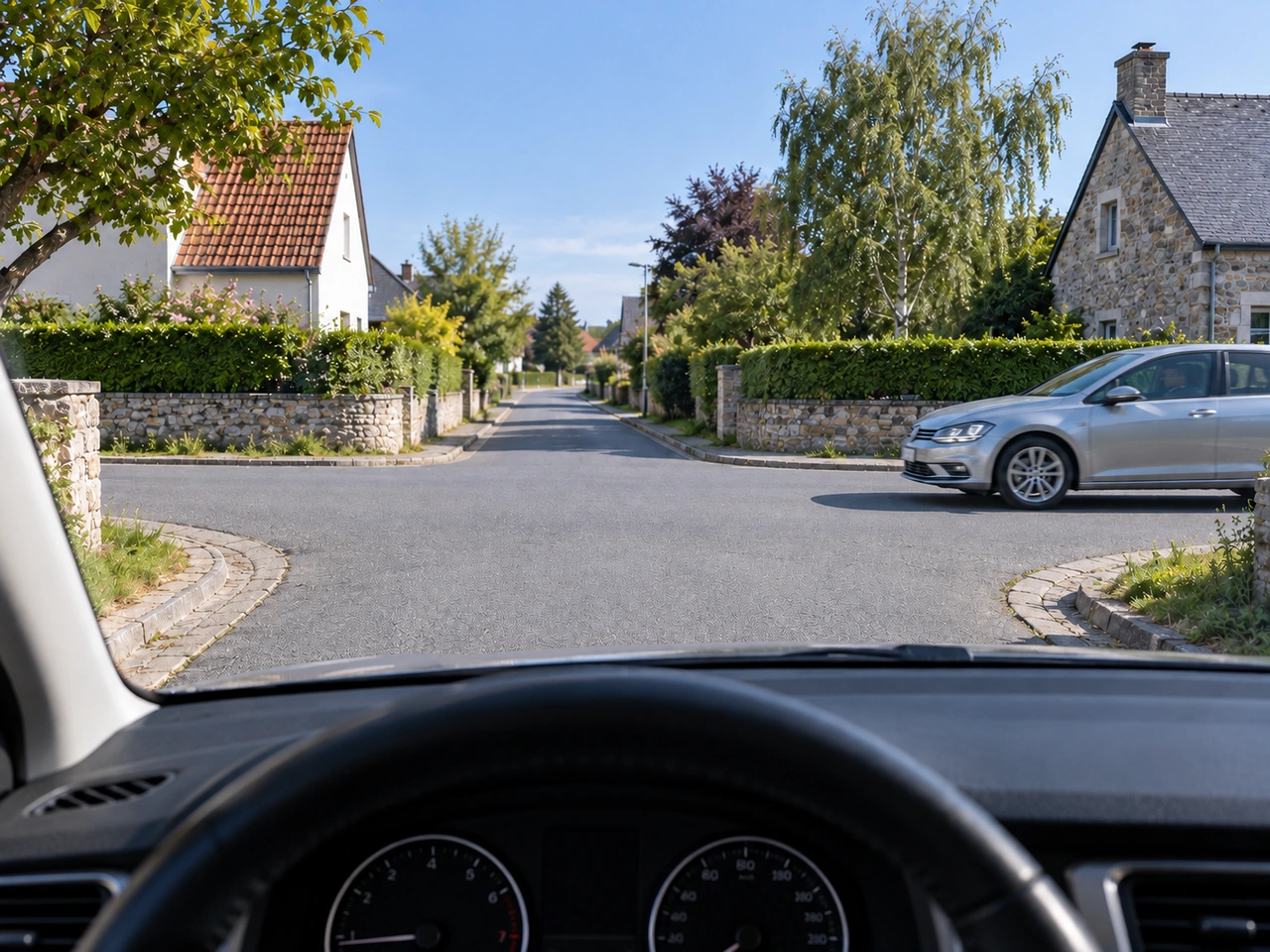
335. Does the priority-to-the-right rule apply in Australia?
In Australia, the priority-to-the-right rule generally applies at uncontrolled intersections.
AI-generated by Rijbewijs-online.be • WCIT • CC BY-SA
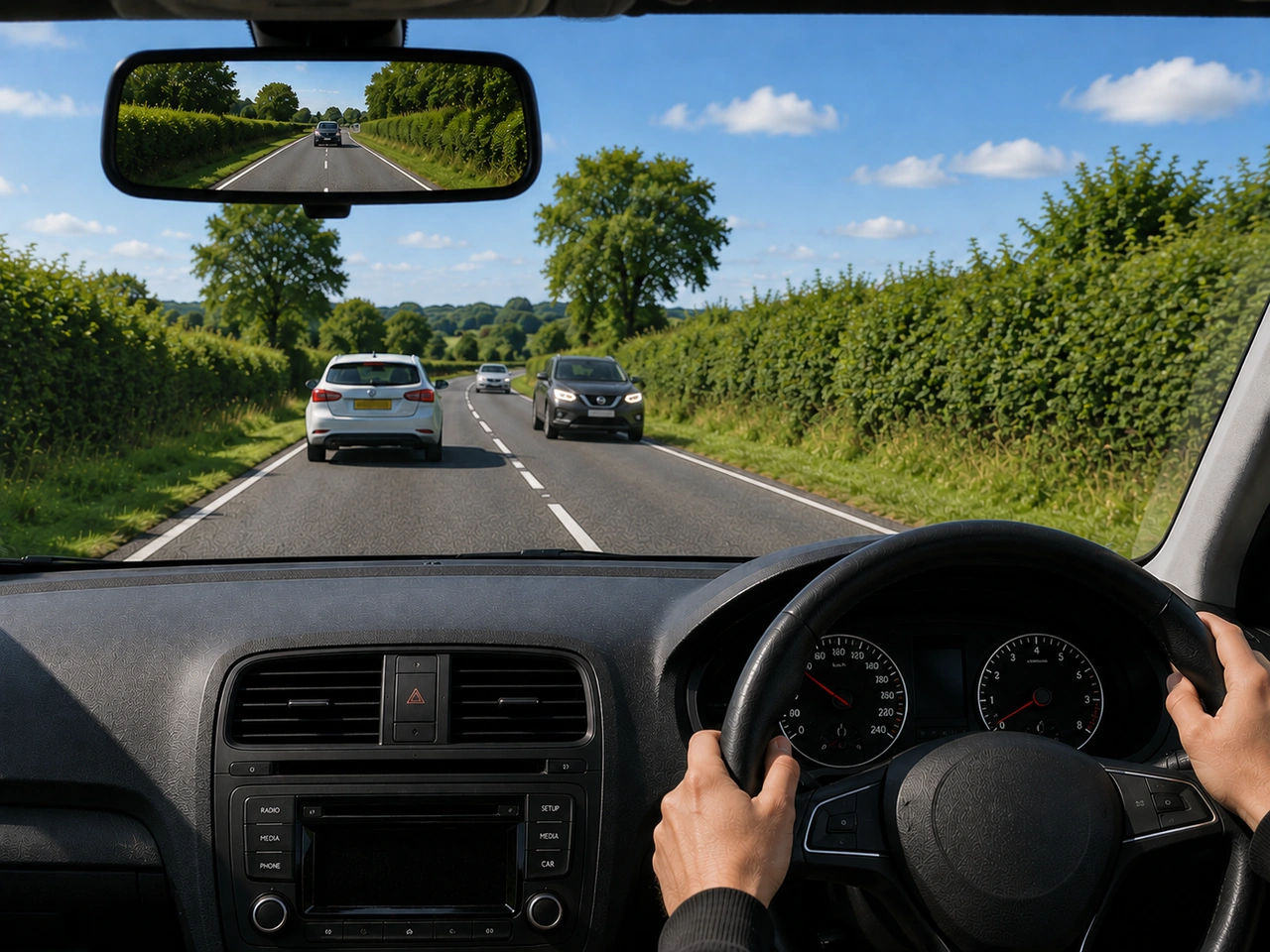
336. Why should you check your mirrors before braking?
Checking your mirrors helps you understand what is happening behind you and anticipate how following traffic may react. In an emergency, do not delay necessary braking.
AI-generated by Rijbewijs-online.be • WCIT • CC BY-SA
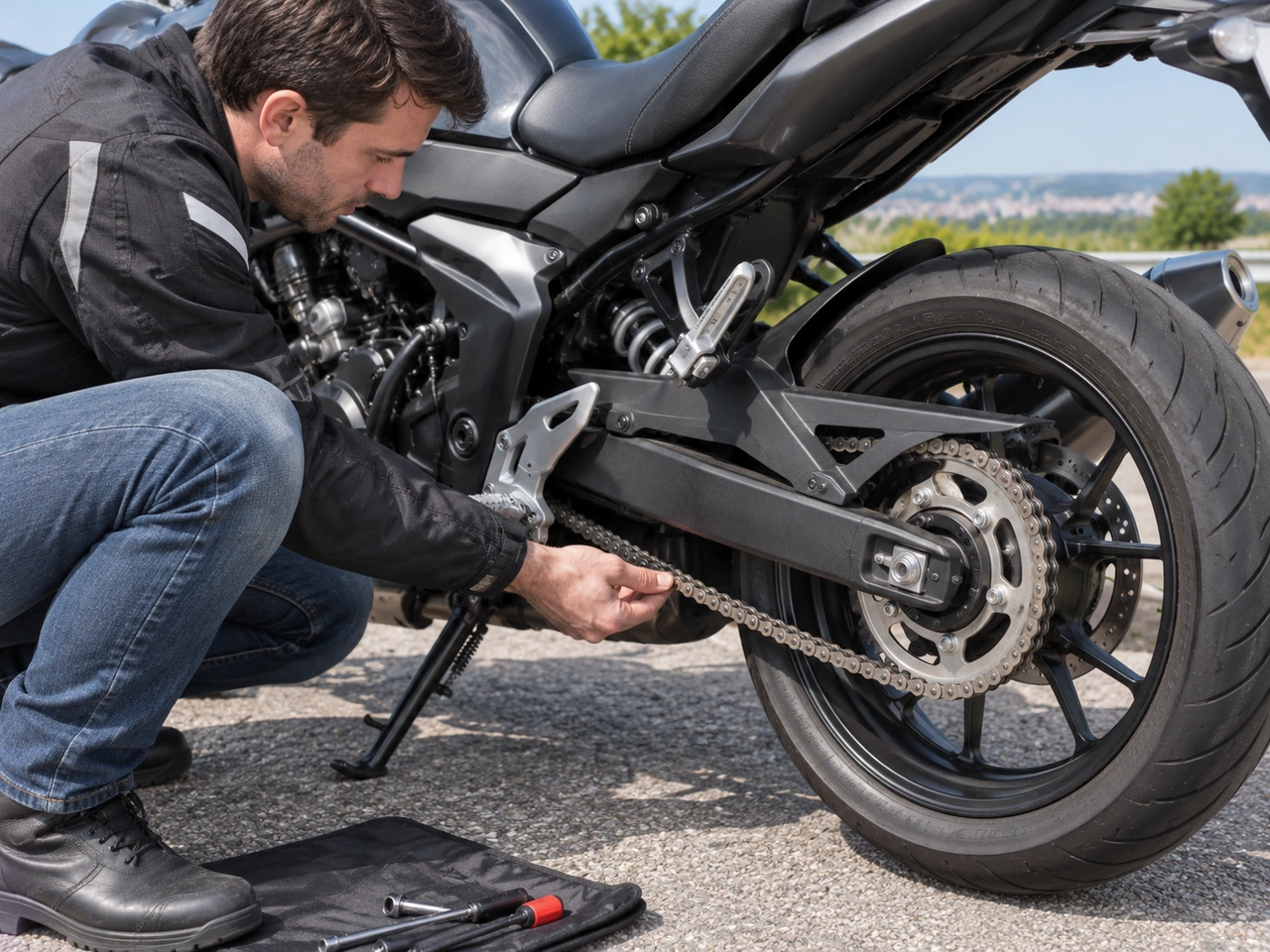
337. What should you do if a motorcycle's drive chain is too loose?
A loose drive chain can affect power transmission, damage components, or come off the sprockets. The chain should have the correct tension and lubrication specified by the motorcycle manufacturer. A chain that is too tight can also cause damage.
AI-generated by Rijbewijs-online.be • WCIT • CC BY-SA
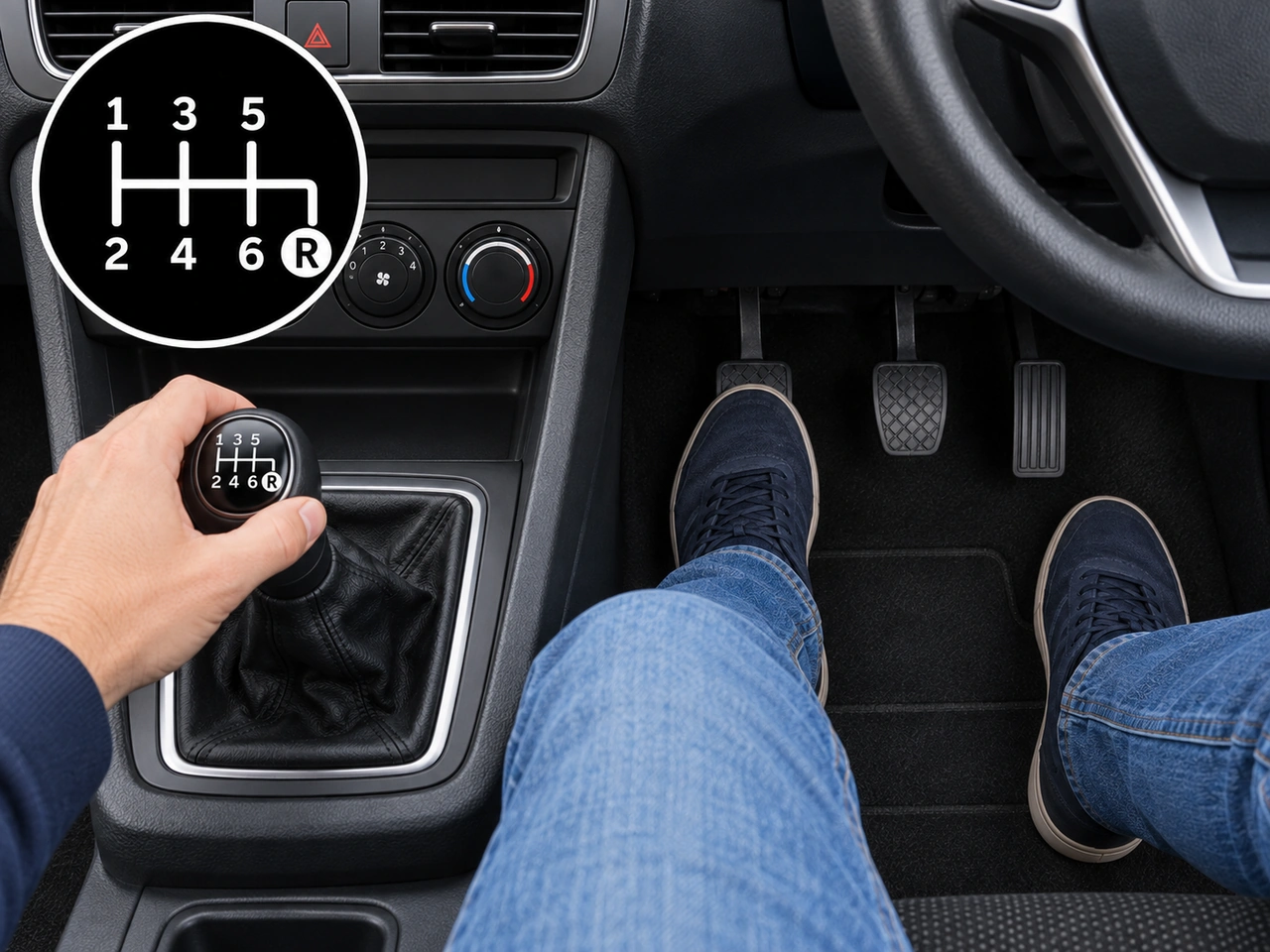
338. When should you select reverse gear in a manual vehicle?
Select reverse gear only after the vehicle has come to a complete stop. Press the clutch fully before selecting reverse to avoid unnecessary wear or damage to the transmission.
AI-generated by Rijbewijs-online.be • WCIT • CC BY-SA
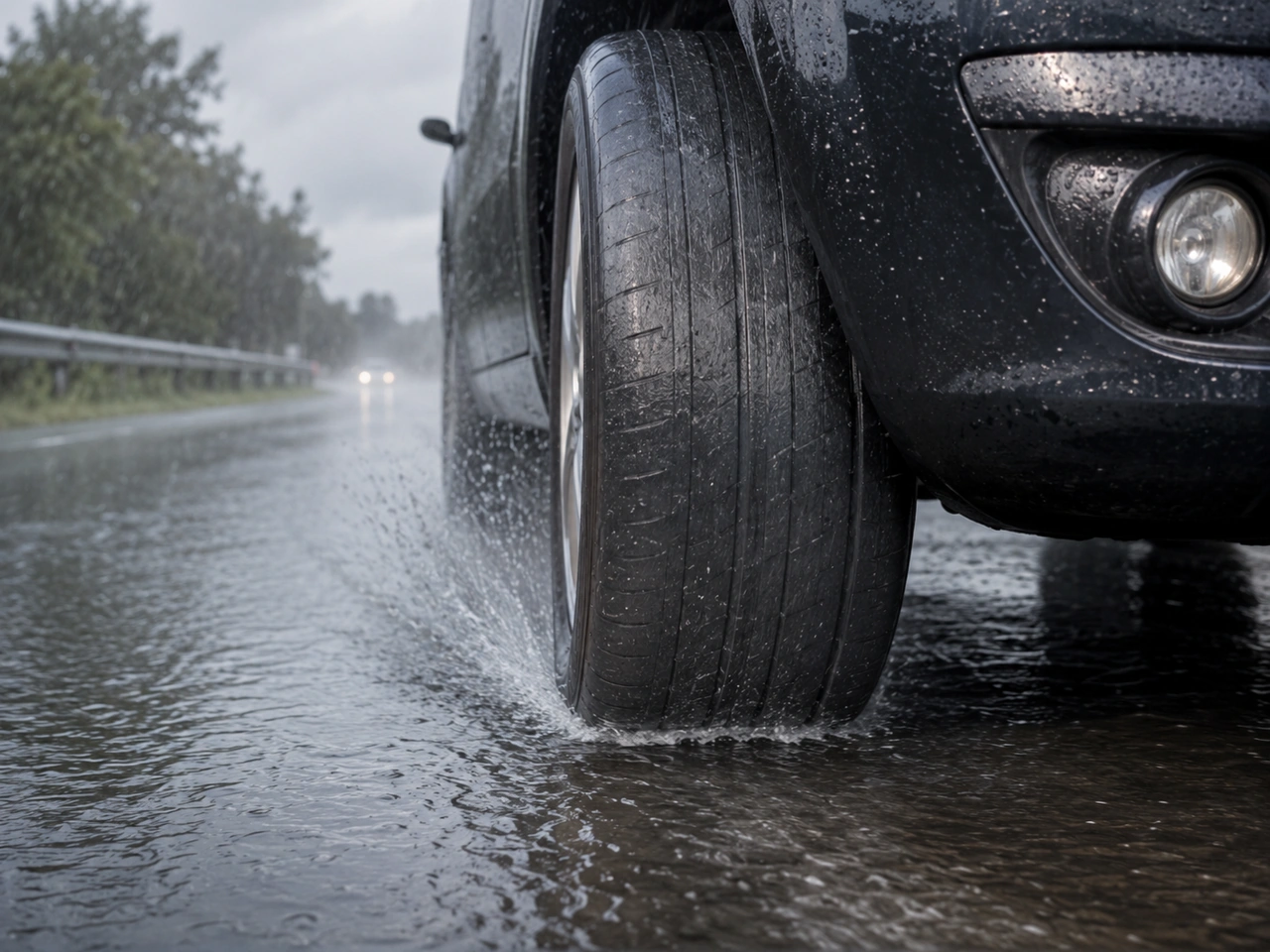
339. How can worn tyres affect driving in heavy rain?
Tyre tread helps channel water away and maintain grip. Worn tyres cannot clear water as effectively, increasing stopping distance and the risk of aquaplaning.
AI-generated by Rijbewijs-online.be • WCIT • CC BY-SA
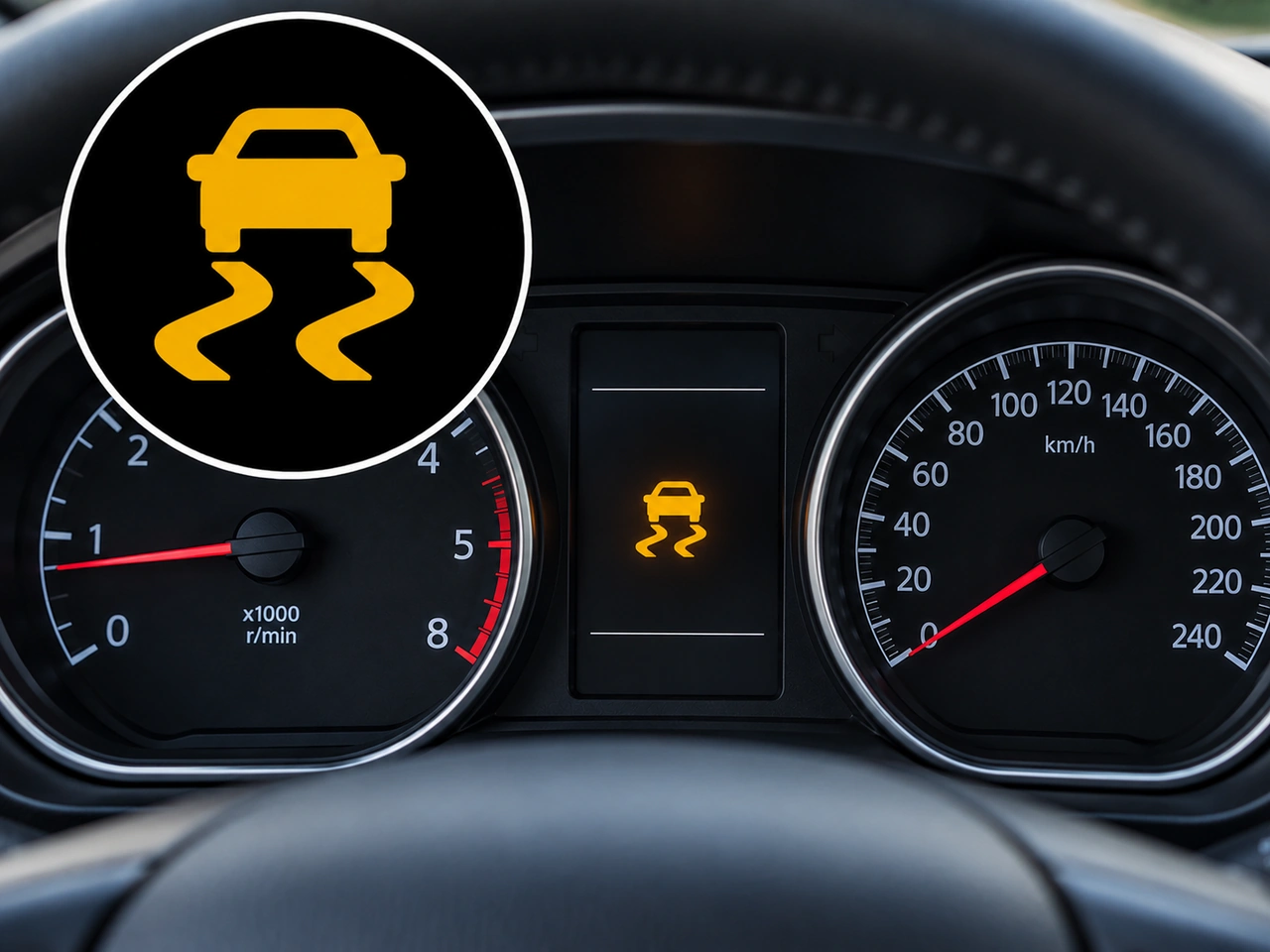
340. What does this dashboard symbol indicate?
This symbol relates to the electronic stability control (ESC) system. It may flash when the system is actively helping to maintain stability. If it remains illuminated, the system may be switched off or have a fault.
AI-generated by Rijbewijs-online.be • WCIT • CC BY-SA
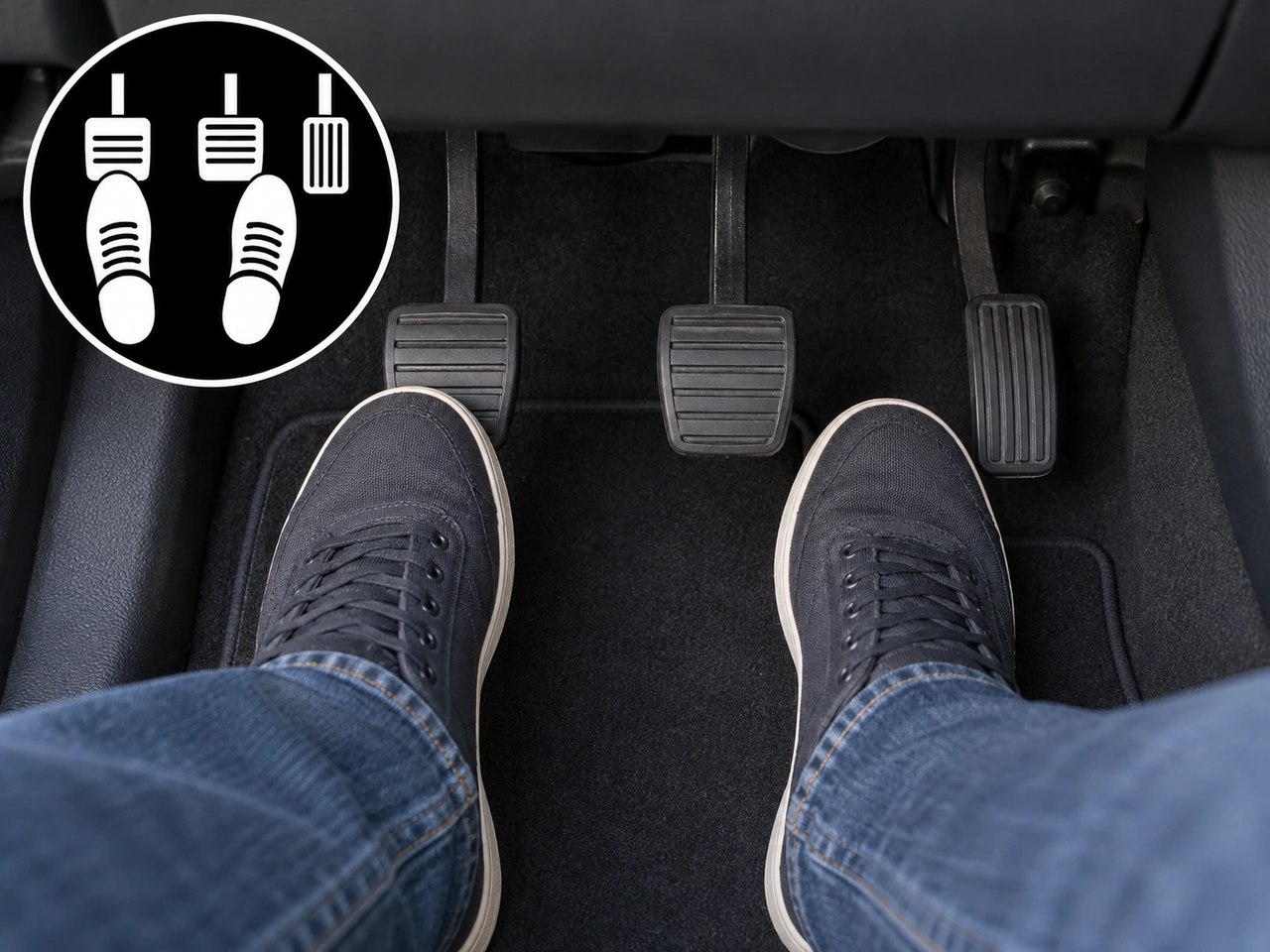
341. Which foot normally operates the brake and accelerator in a manual vehicle?
In a manual vehicle, the right foot normally operates both the brake and accelerator pedals, while the left foot operates the clutch.
AI-generated by Rijbewijs-online.be • WCIT • CC BY-SA
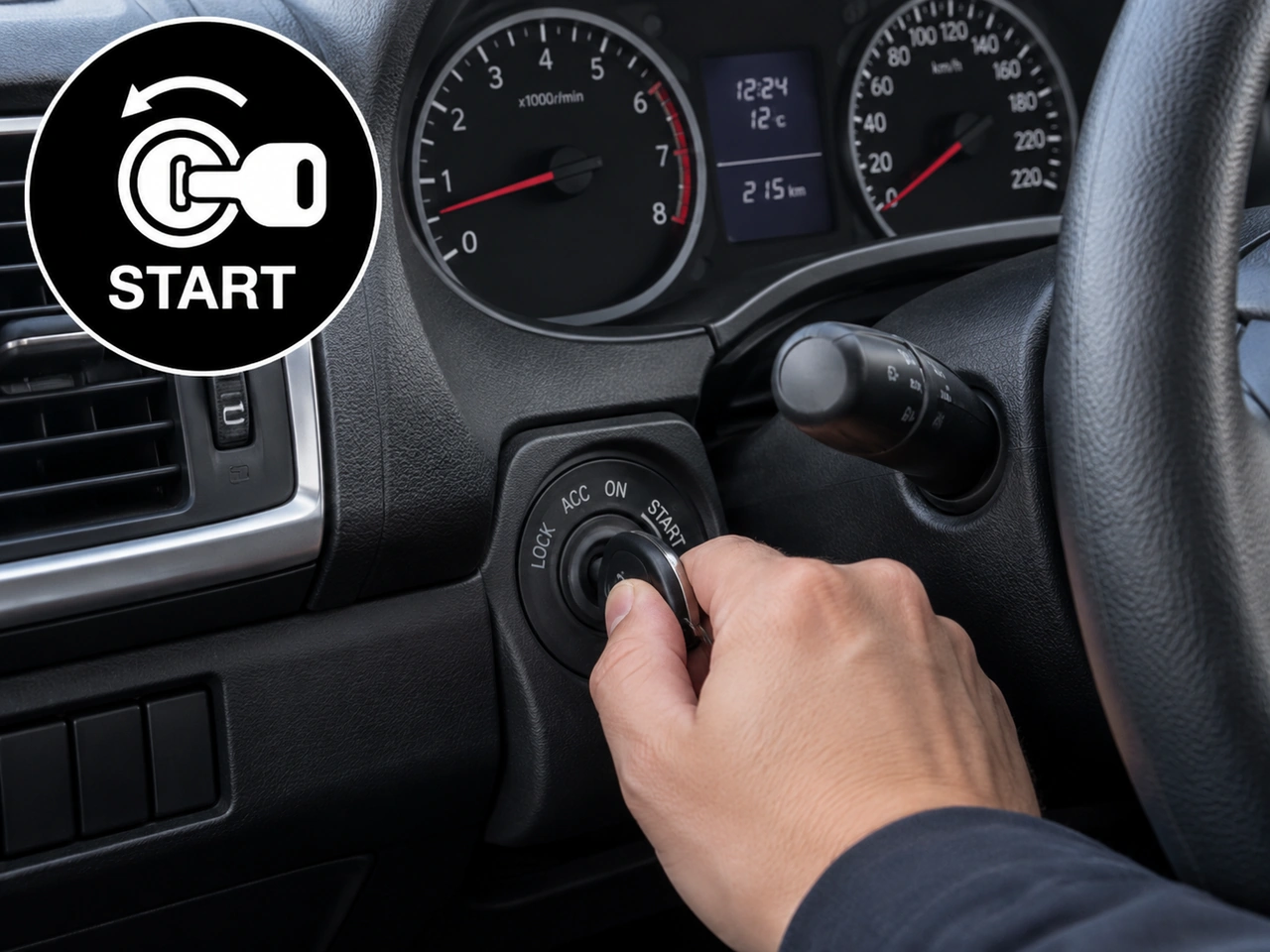
342. What should you do with the ignition key once the engine starts?
Once the engine starts, release the ignition key so it returns from START to the ON position. Holding the key in START unnecessarily can keep the starter motor engaged.
AI-generated by Rijbewijs-online.be • WCIT • CC BY-SA
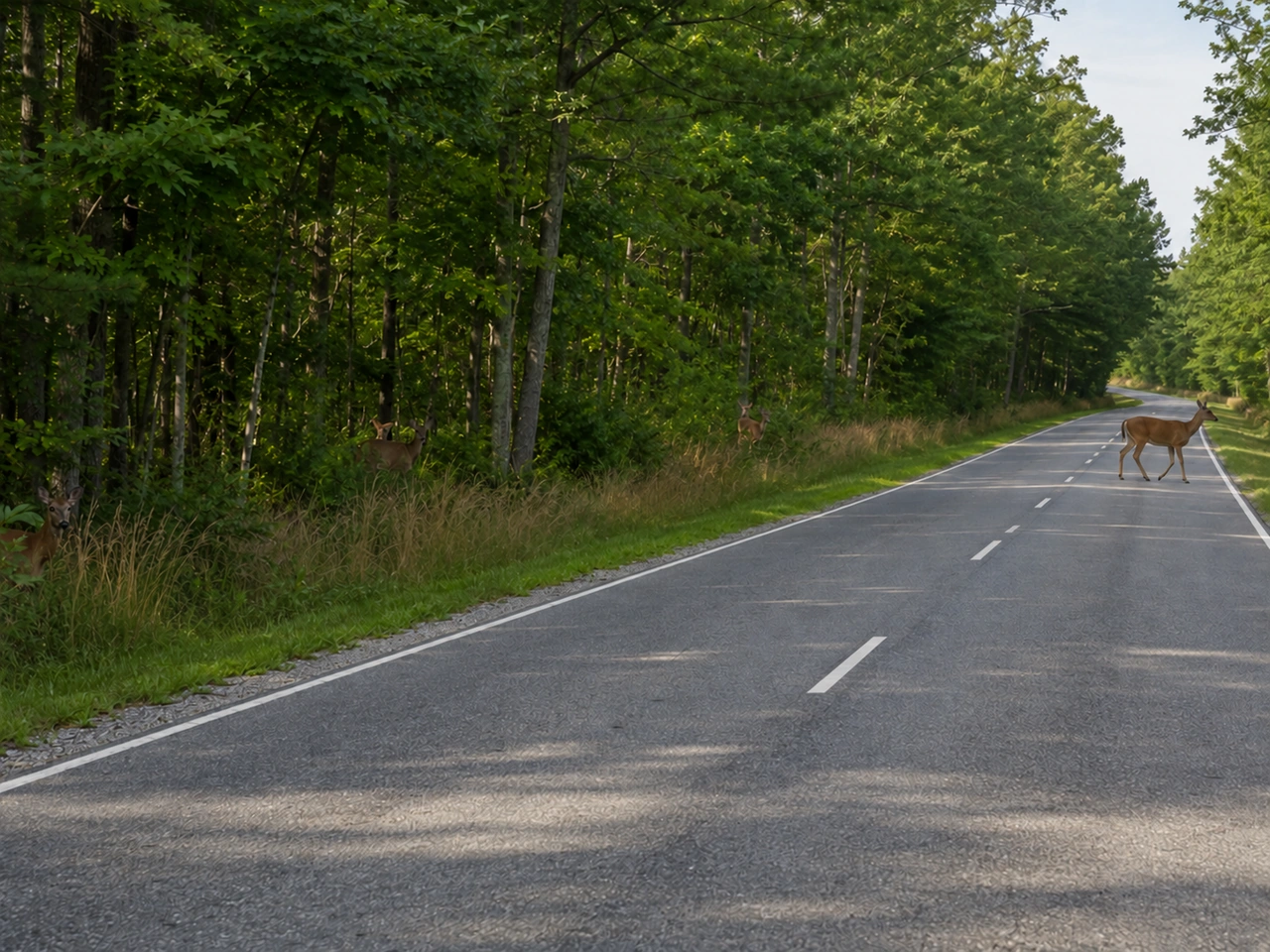
343. What should you expect after one wild animal crosses the road?
Many animals travel in groups. Slow down and continue watching both sides of the road.
AI-generated by Rijbewijs-online.be • WCIT • CC BY-SA
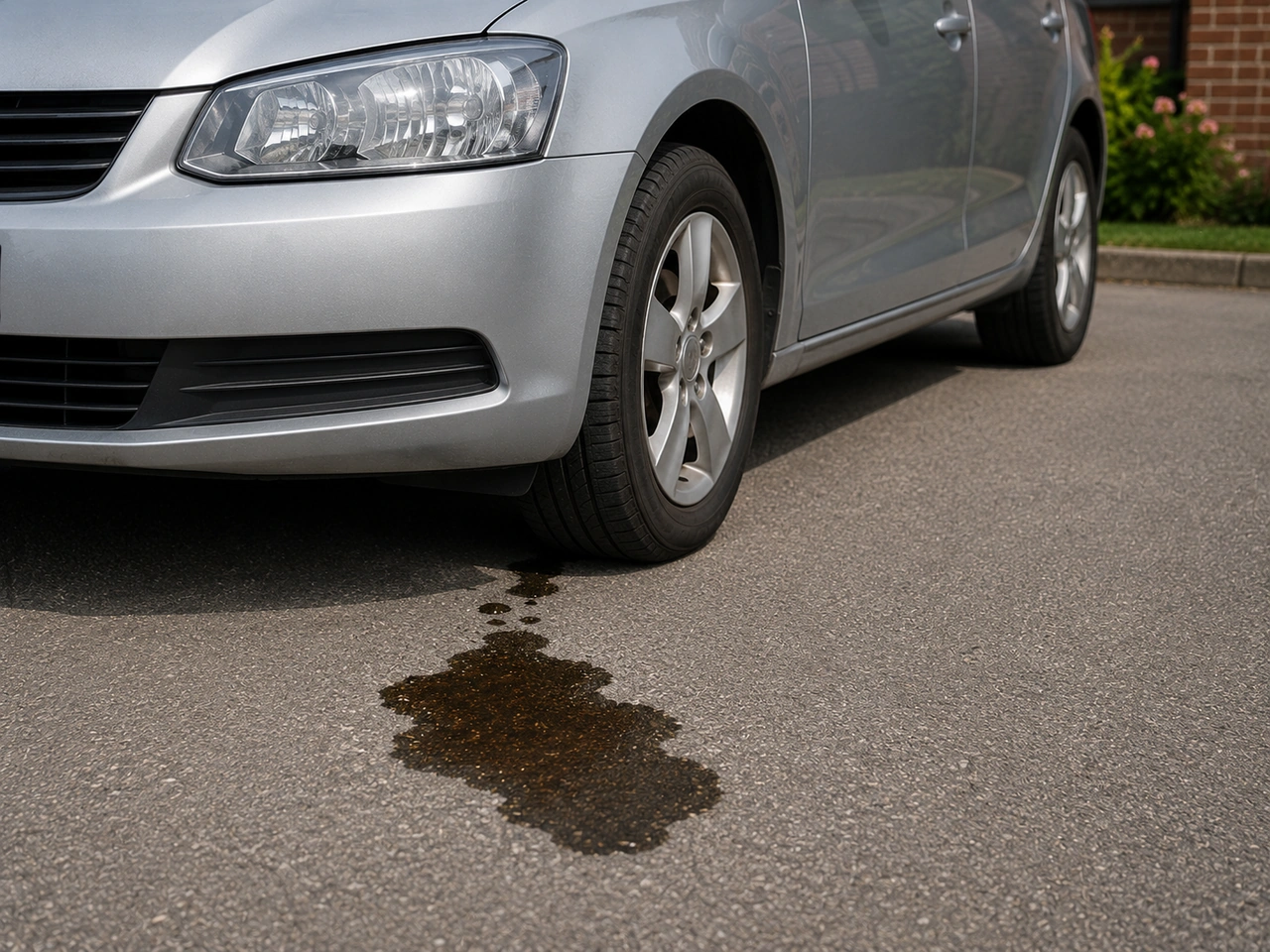
344. What should you do if you notice an unfamiliar fluid underneath your vehicle?
Clear water from air conditioning can be normal, but oil, coolant, fuel, transmission fluid, or brake fluid may indicate a fault requiring urgent attention.
AI-generated by Rijbewijs-online.be • WCIT • CC BY-SA
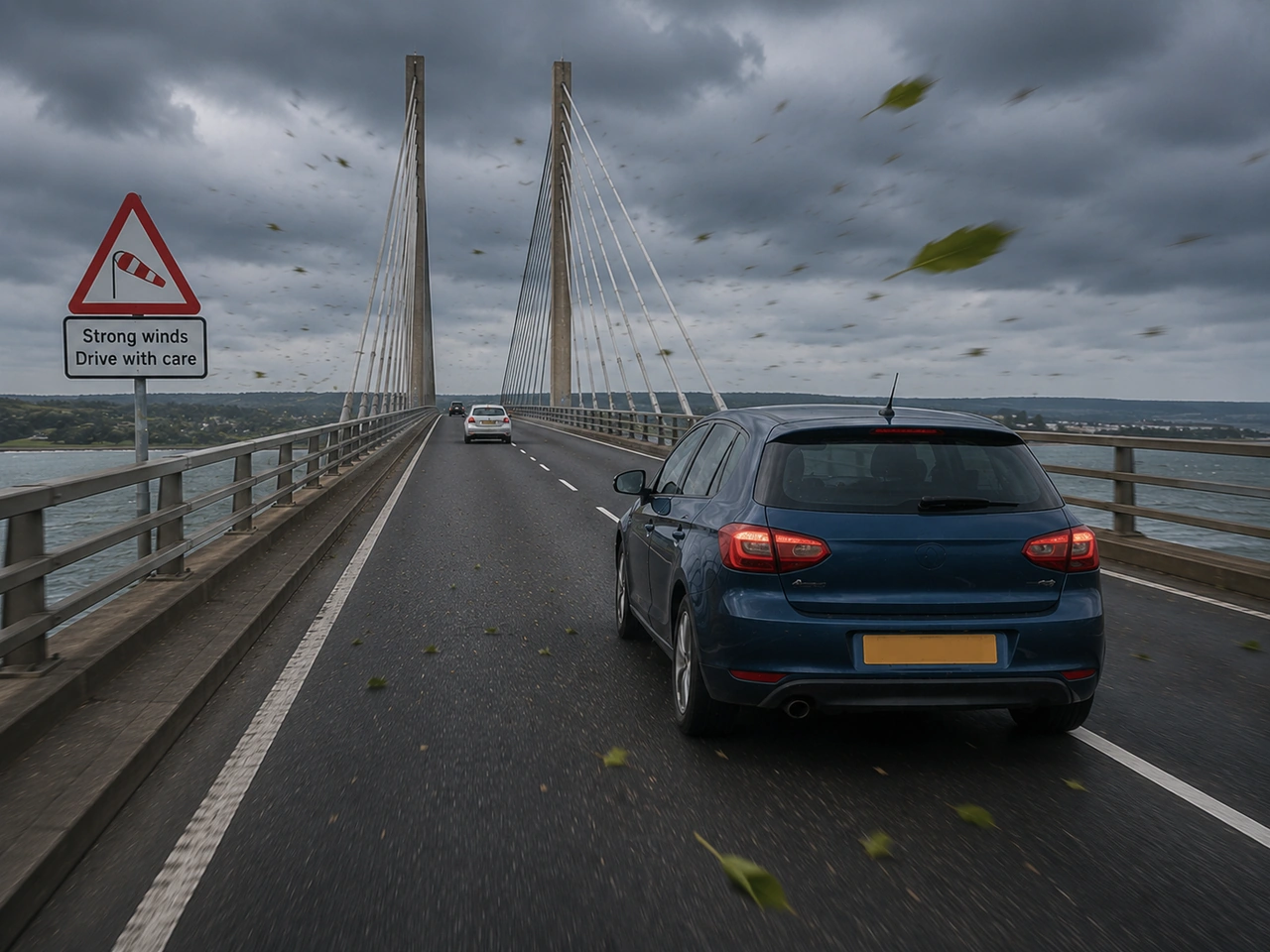
345. Why can bridges be dangerous in strong winds?
Bridges are often open and exposed, allowing strong winds to affect vehicles more suddenly.
AI-generated by Rijbewijs-online.be • WCIT • CC BY-SA
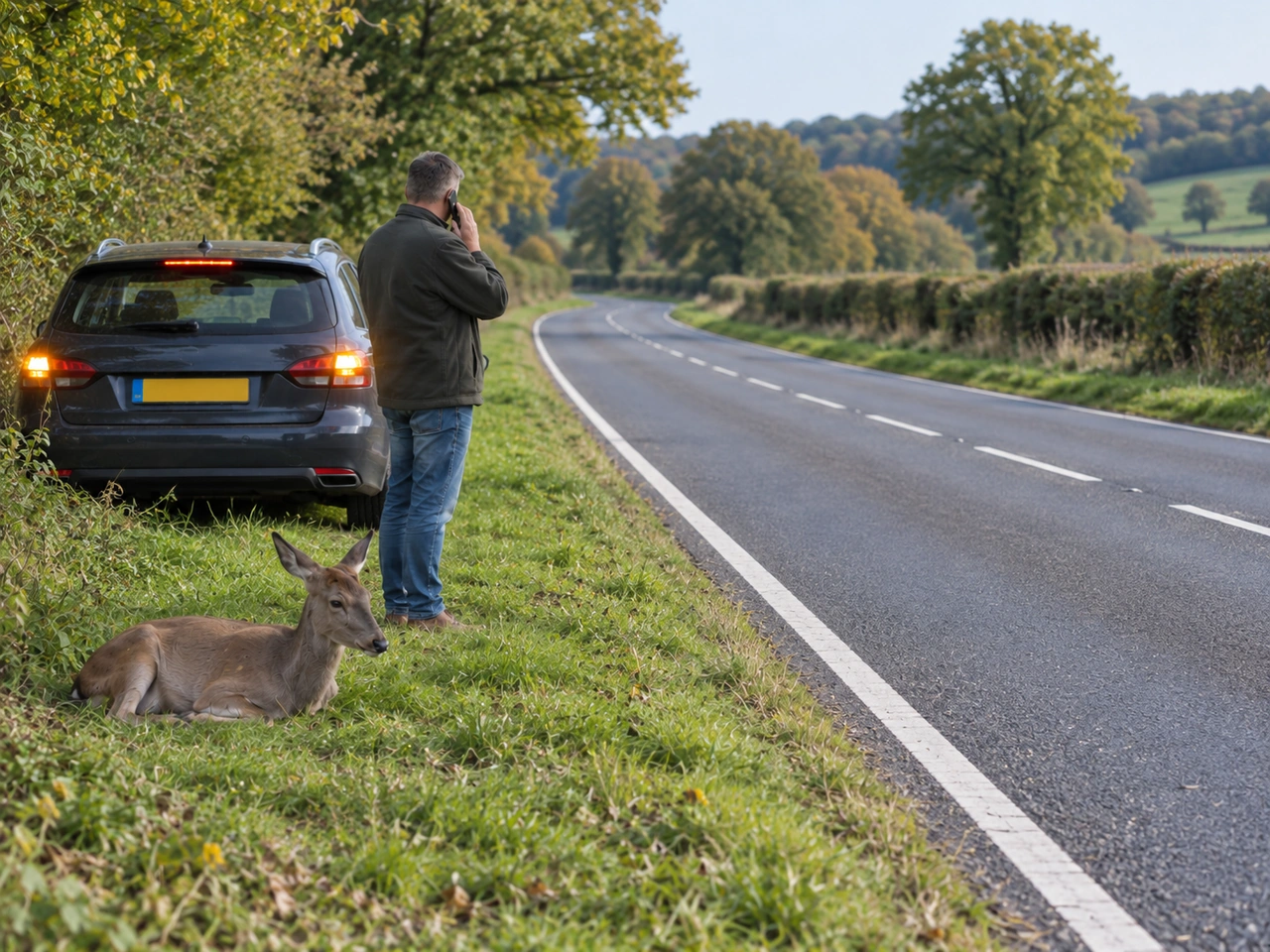
346. What should you do after hitting an animal with your vehicle?
After an animal collision, stop in a safe place if possible and protect yourself and other road users from further danger. Do not approach an injured or frightened animal unless it is safe to do so. Contact the appropriate police, road authority, animal service, or emergency service as required by the situation and local rules.
AI-generated by Rijbewijs-online.be • WCIT • CC BY-SA
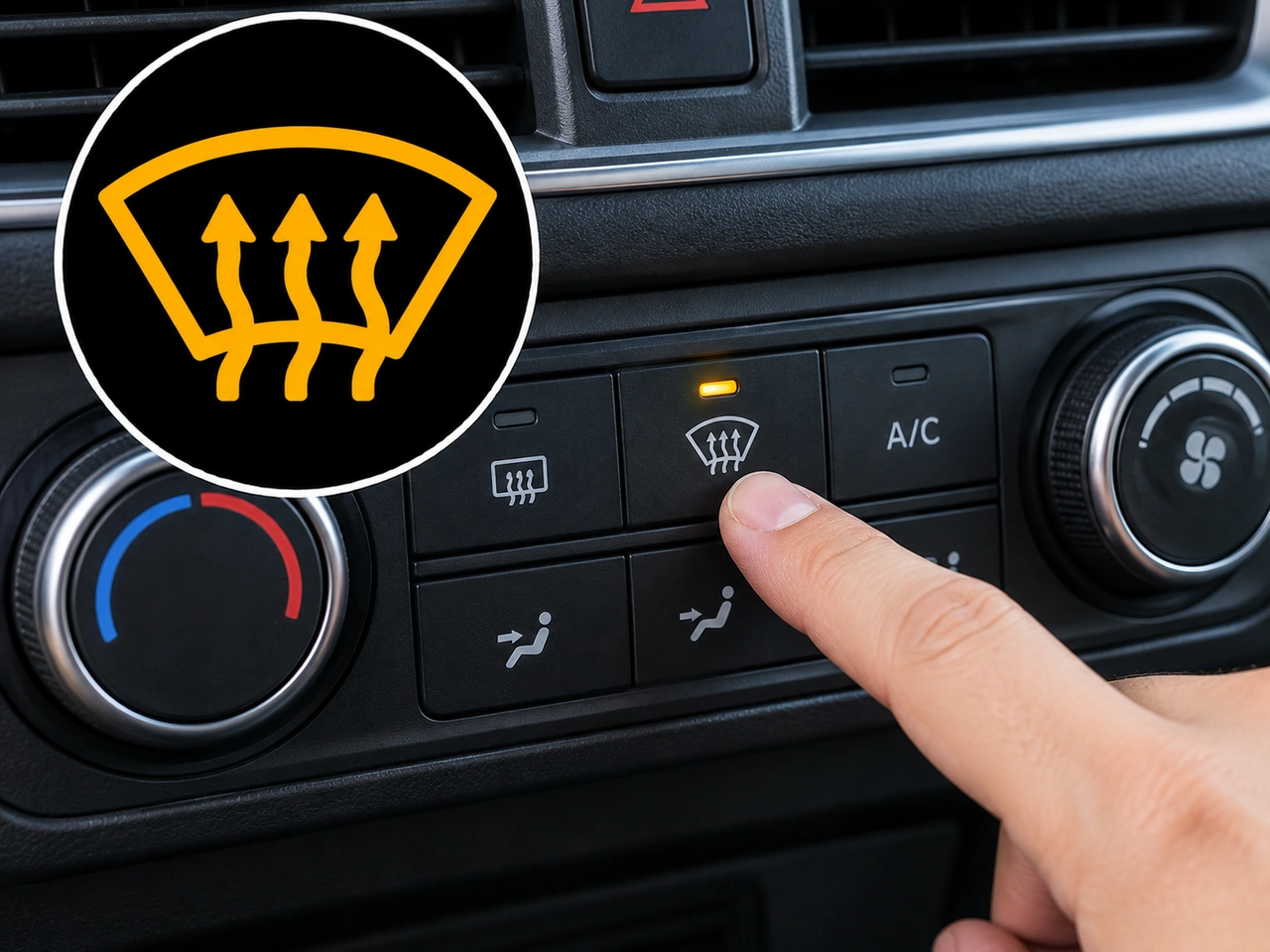
347. What does this dashboard symbol indicate?
This symbol indicates the front windscreen demister. It directs airflow towards the windscreen to help clear condensation, mist or frost and restore a clear view.
AI-generated by Rijbewijs-online.be • WCIT • CC BY-SA
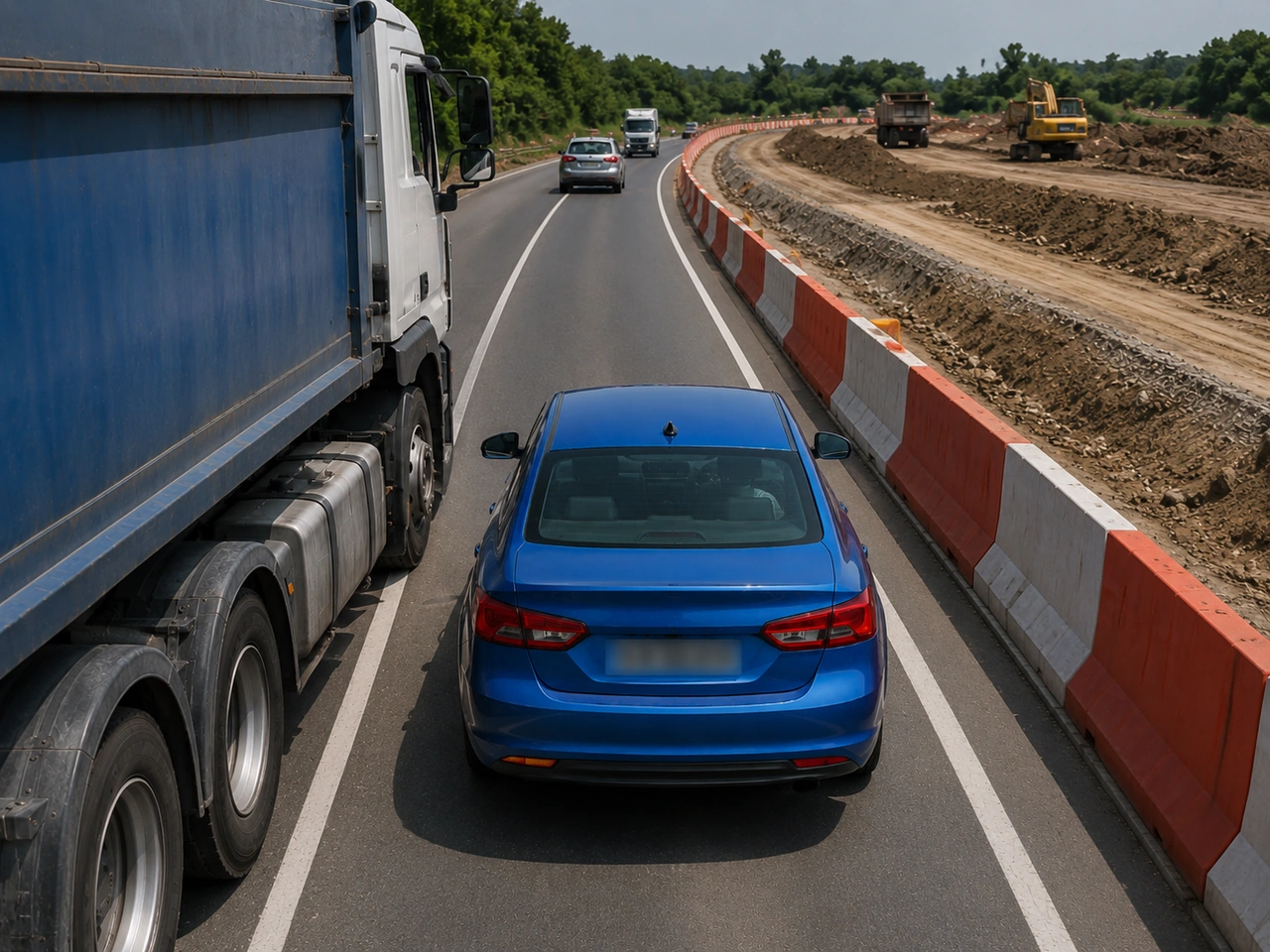
348. What should you expect when lanes become narrower in roadworks?
Narrow lanes leave less room for error. Keep a steady position, avoid drifting toward barriers or nearby vehicles, and reduce speed if necessary.
AI-generated by Rijbewijs-online.be • WCIT • CC BY-SA
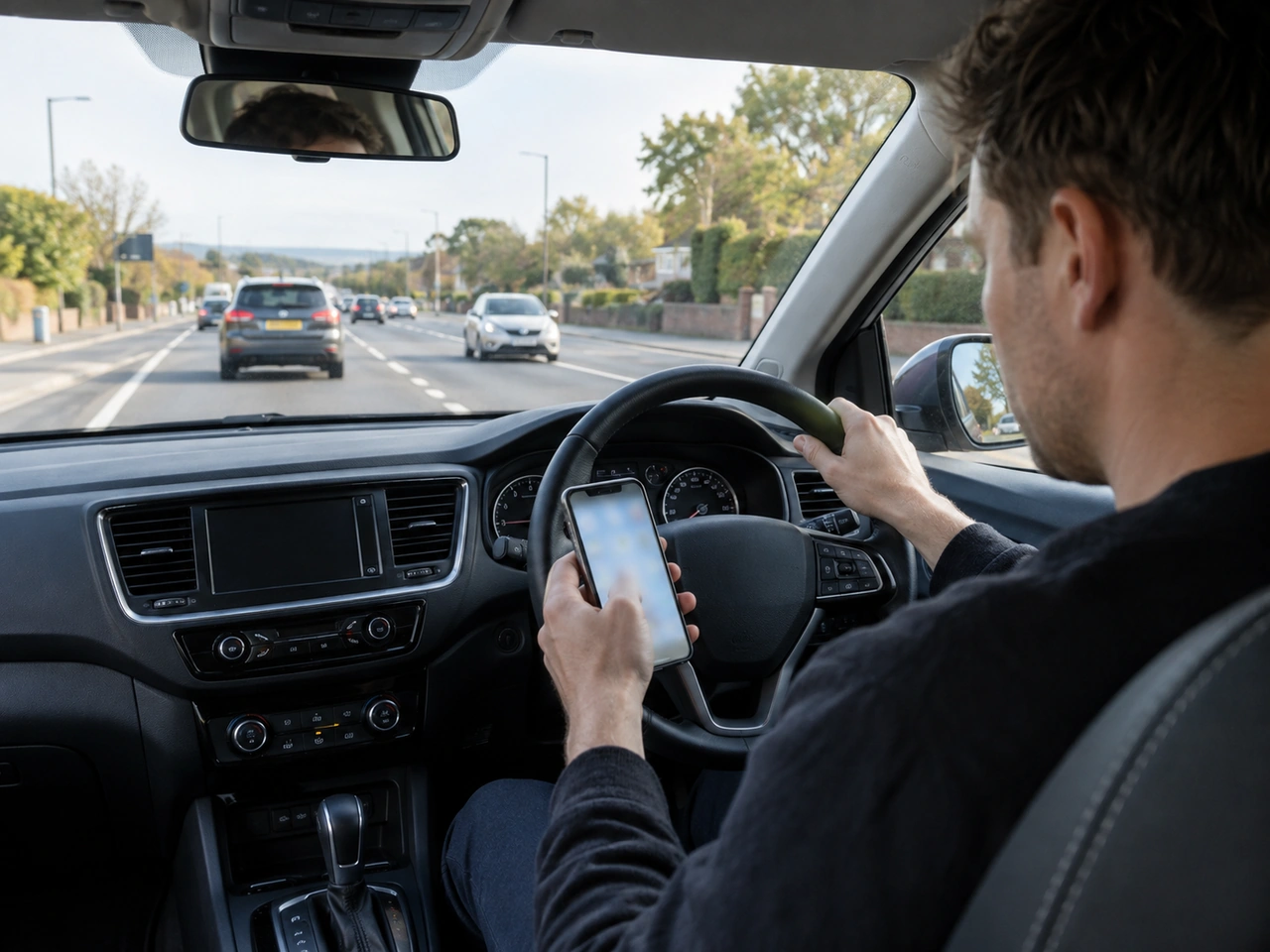
349. Why should you avoid using a phone while driving?
Using a phone while driving reduces attention, reaction time, and control of the vehicle. A hands-free system may reduce the need to handle the phone, but the conversation itself can still be distracting.
AI-generated by Rijbewijs-online.be • WCIT • CC BY-SA
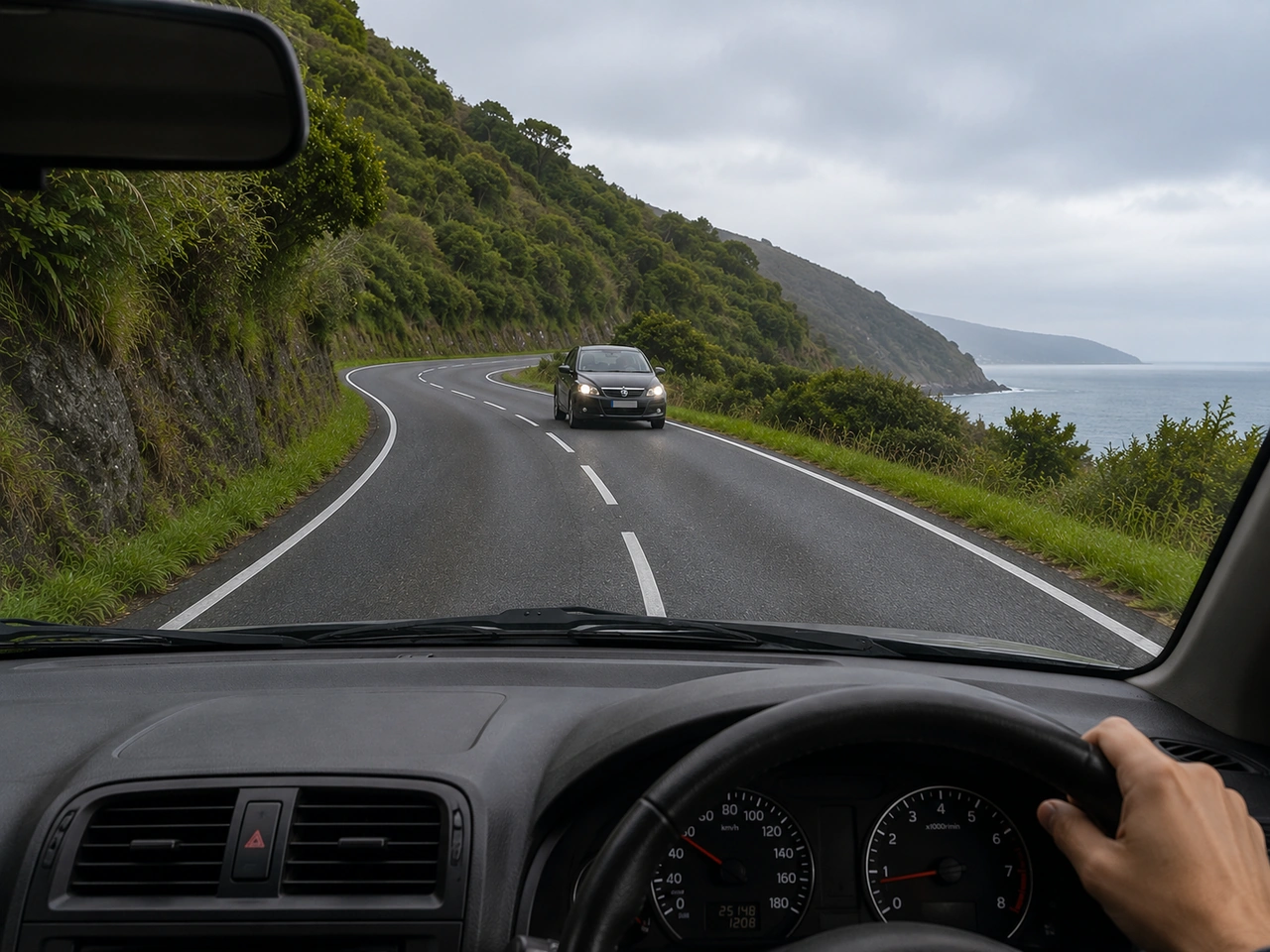
350. What should you do when approaching a curve with poor visibility?
A curve can hide oncoming traffic, obstacles, cyclists, or pedestrians. Reduce speed and keep a safe position.
AI-generated by Rijbewijs-online.be • WCIT • CC BY-SA