

QuizTraffic rulesBrussels
This interesting quiz helps you test your knowledge in a clear and visual way. With easy multiple-choice questions, you can quickly build confidence and learn new facts while keeping it simple, interactive, and fun.
 Traffic signs
 Traffic rules
 Brussels
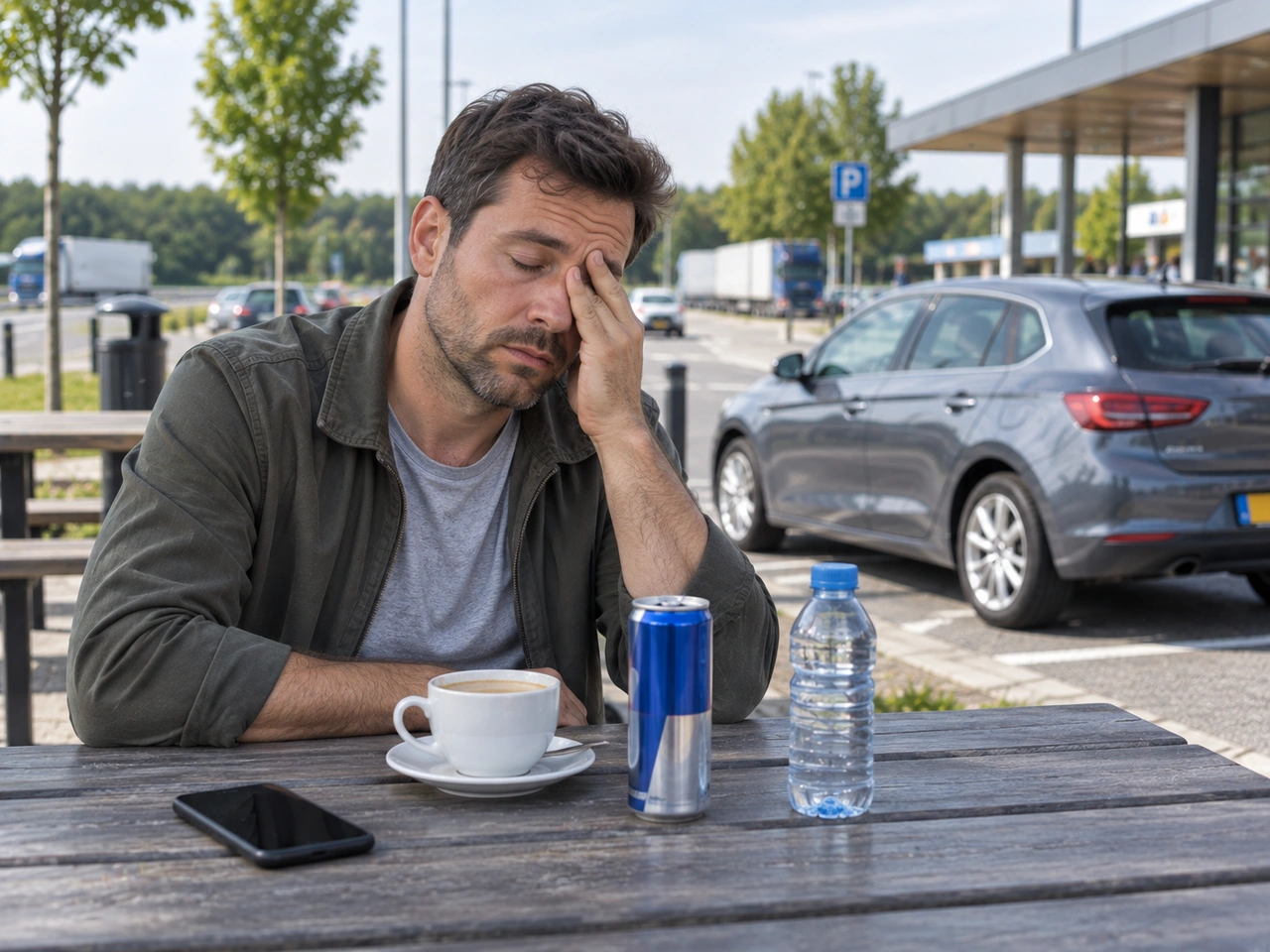
451. Can coffee, energy drinks, fresh air, or loud music replace proper rest when you are tired?
Coffee, energy drinks, fresh air, or loud music may make you feel more alert for a short time, but they do not remove fatigue. If you are too tired to drive safely, stop somewhere safe and get proper rest.
AI-generated by Rijbewijs-online.be • WCIT • CC BY-SA

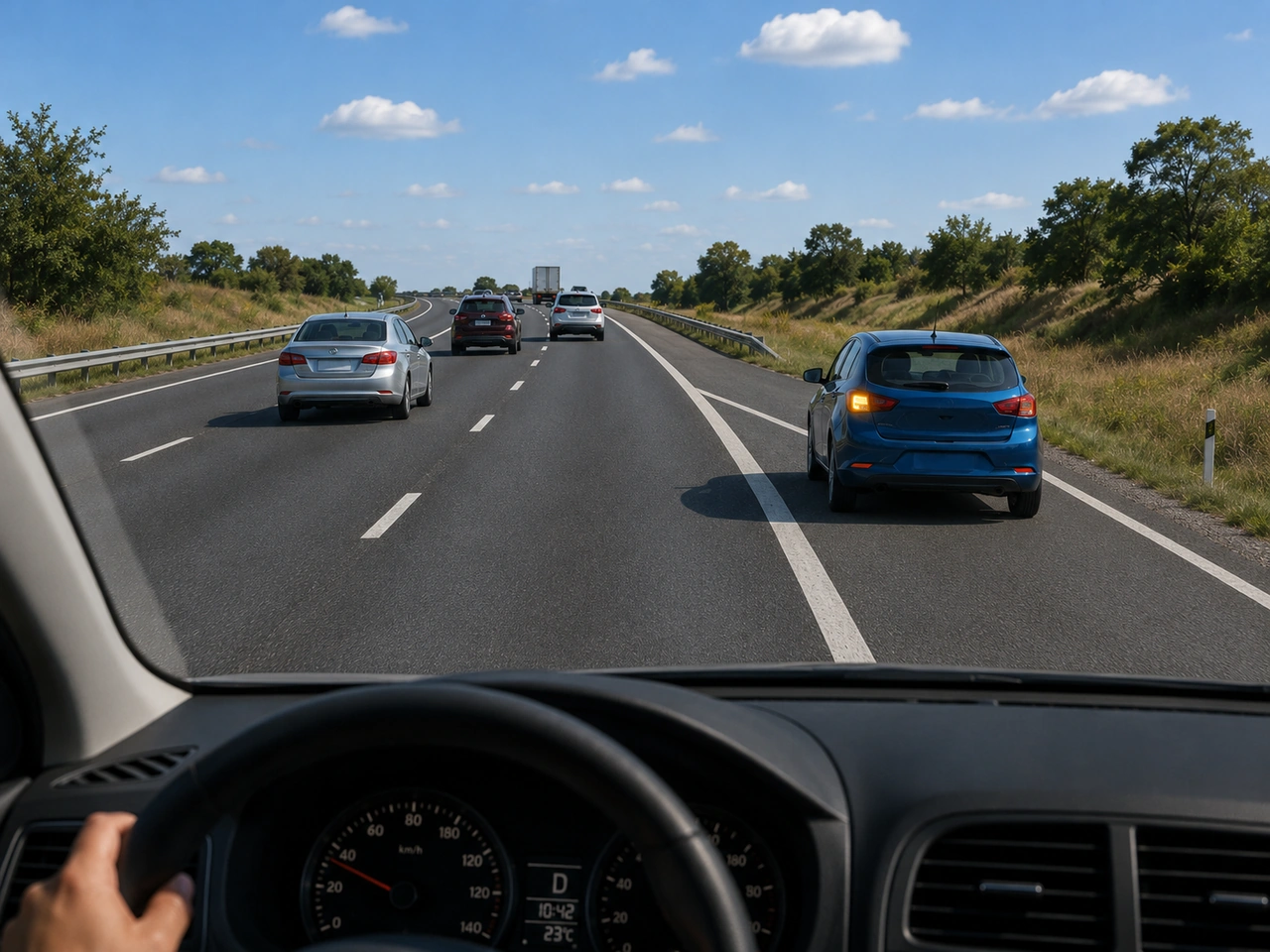
452. What should you do when joining a motorway from an entry lane?
Use the entry lane to build a suitable speed, check carefully, signal, and merge only when it is safe.
AI-generated by Rijbewijs-online.be • WCIT • CC BY-SA
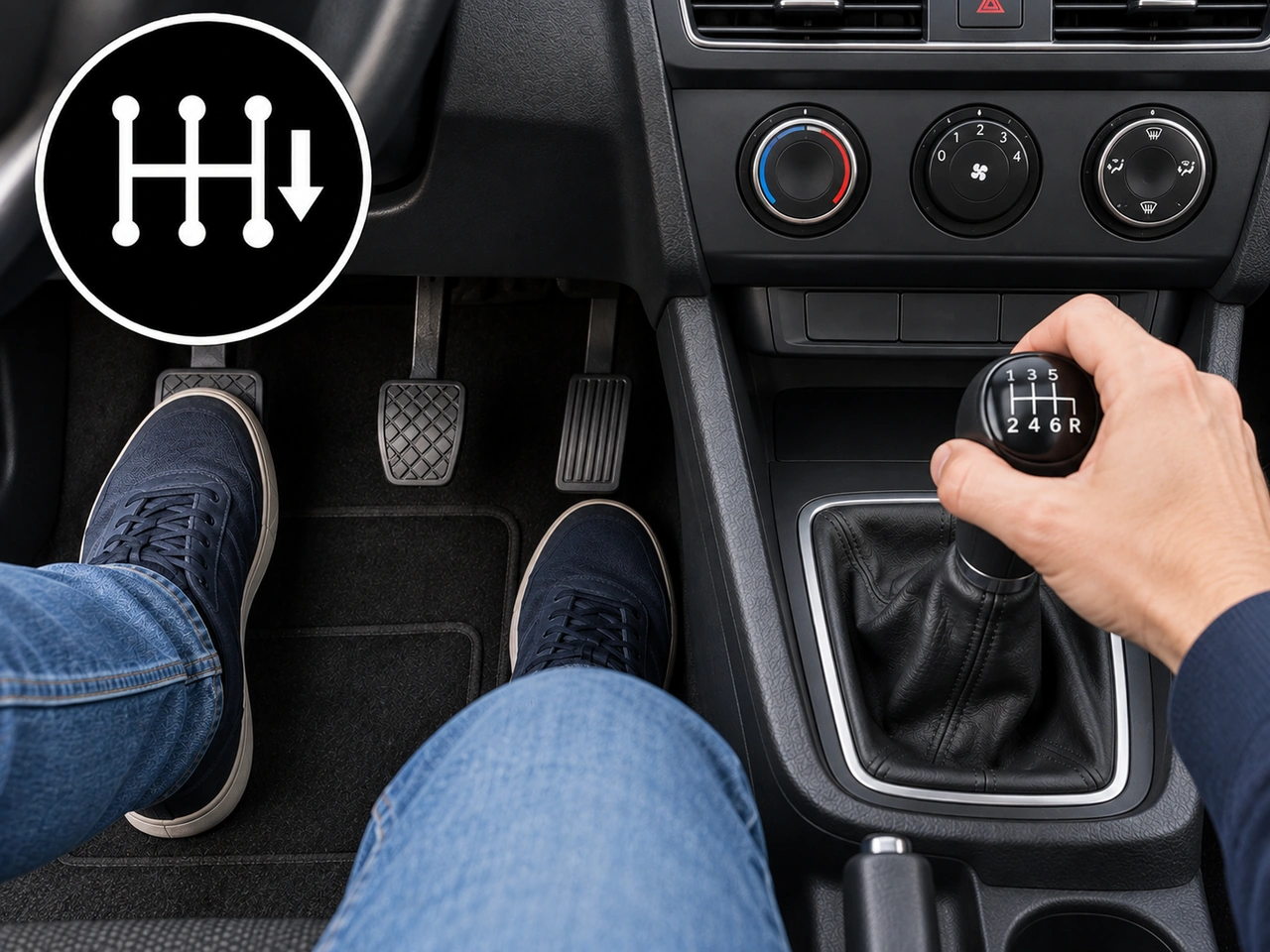
453. What should you consider before selecting a lower gear in a manual vehicle?
Before selecting a lower gear, make sure the vehicle's speed is suitable for that gear. Selecting too low a gear at excessive speed can cause harsh engine braking and place unnecessary stress on the drivetrain.
AI-generated by Rijbewijs-online.be • WCIT • CC BY-SA
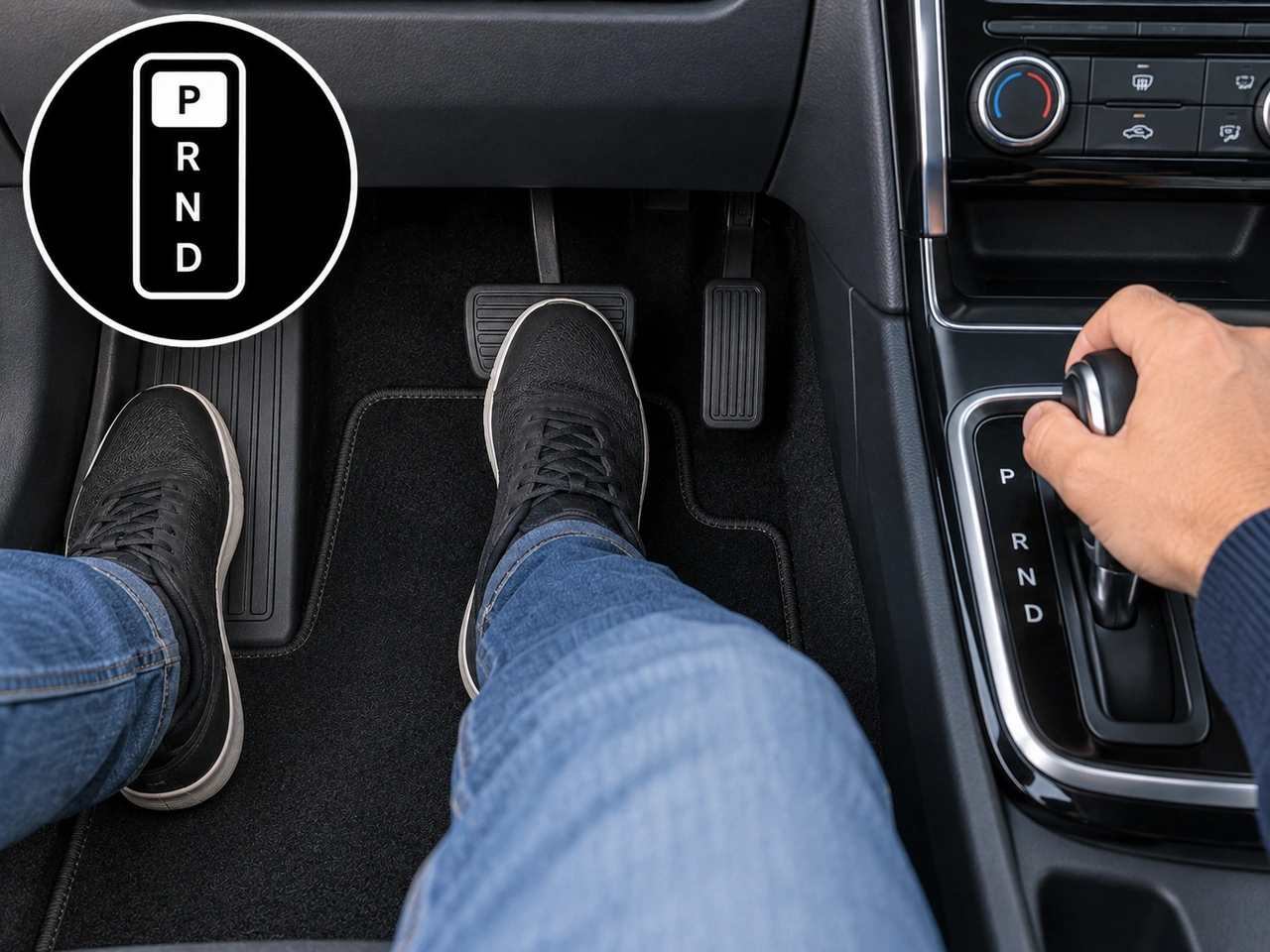
454. When should you select P (Park) in an automatic vehicle?
Select P (Park) only after the vehicle has come to a complete stop. Selecting Park while the vehicle is moving can damage the transmission.
AI-generated by Rijbewijs-online.be • WCIT • CC BY-SA
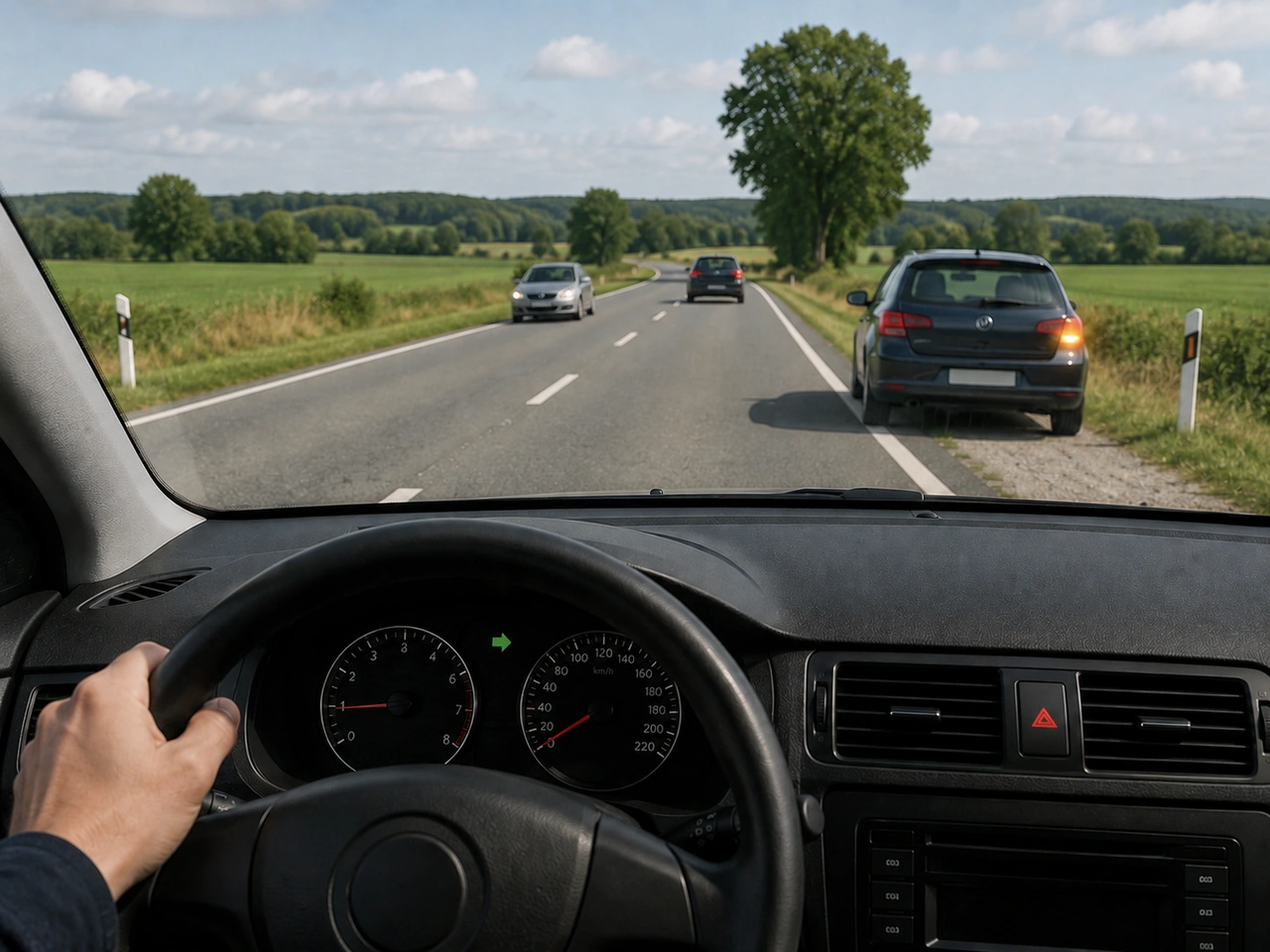
455. What should you do if your vehicle develops a serious fault while driving?
Your first priority is to keep control of the vehicle. Reduce speed smoothly and move out of the path of traffic where possible, signalling when appropriate. Avoid harsh steering or braking unless necessary.
AI-generated by Rijbewijs-online.be • WCIT • CC BY-SA
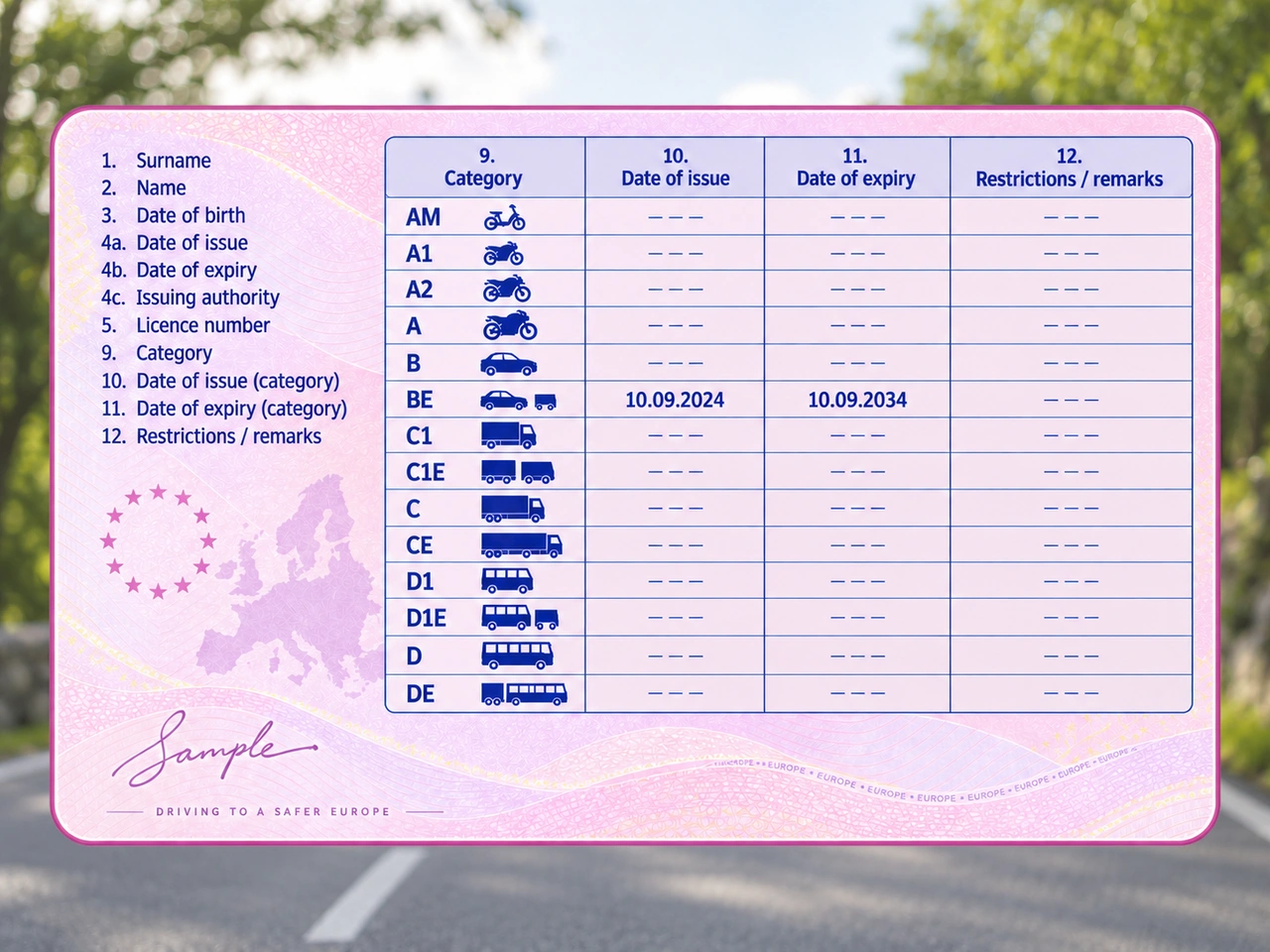
456. Which vehicle combination is covered by driving licence BE?
Category BE covers combinations consisting of a category B towing vehicle and a trailer or semi-trailer with a maximum authorised mass of no more than 3,500 kg. Lighter combinations may already be covered by category B.
AI-generated by Rijbewijs-online.be • WCIT • CC BY-SA
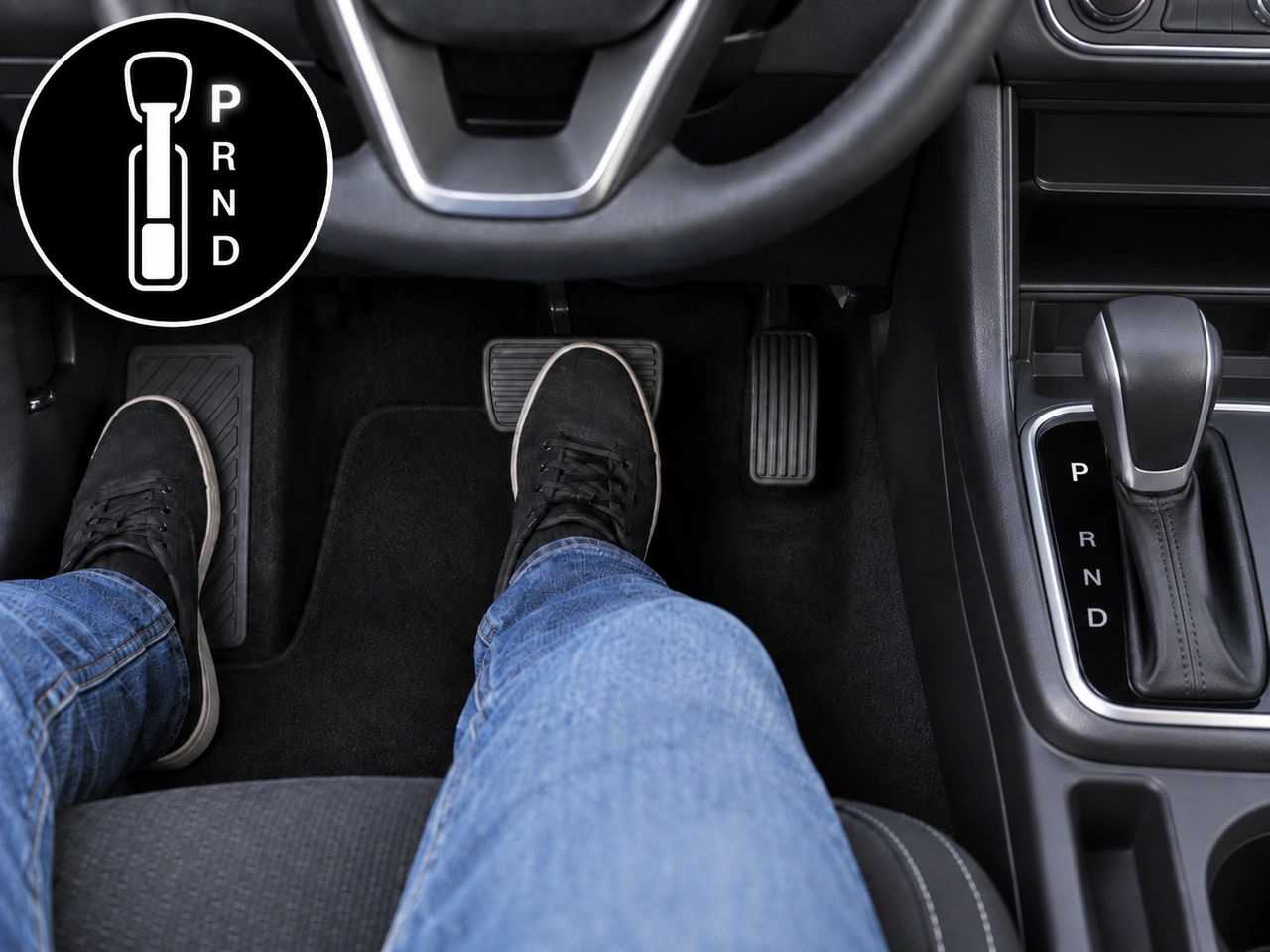
457. What should you normally select before leaving an automatic vehicle parked?
Select P (Park) before leaving an automatic vehicle parked. Park locks the transmission to help prevent the vehicle from rolling; the parking brake should also be applied.
AI-generated by Rijbewijs-online.be • WCIT • CC BY-SA
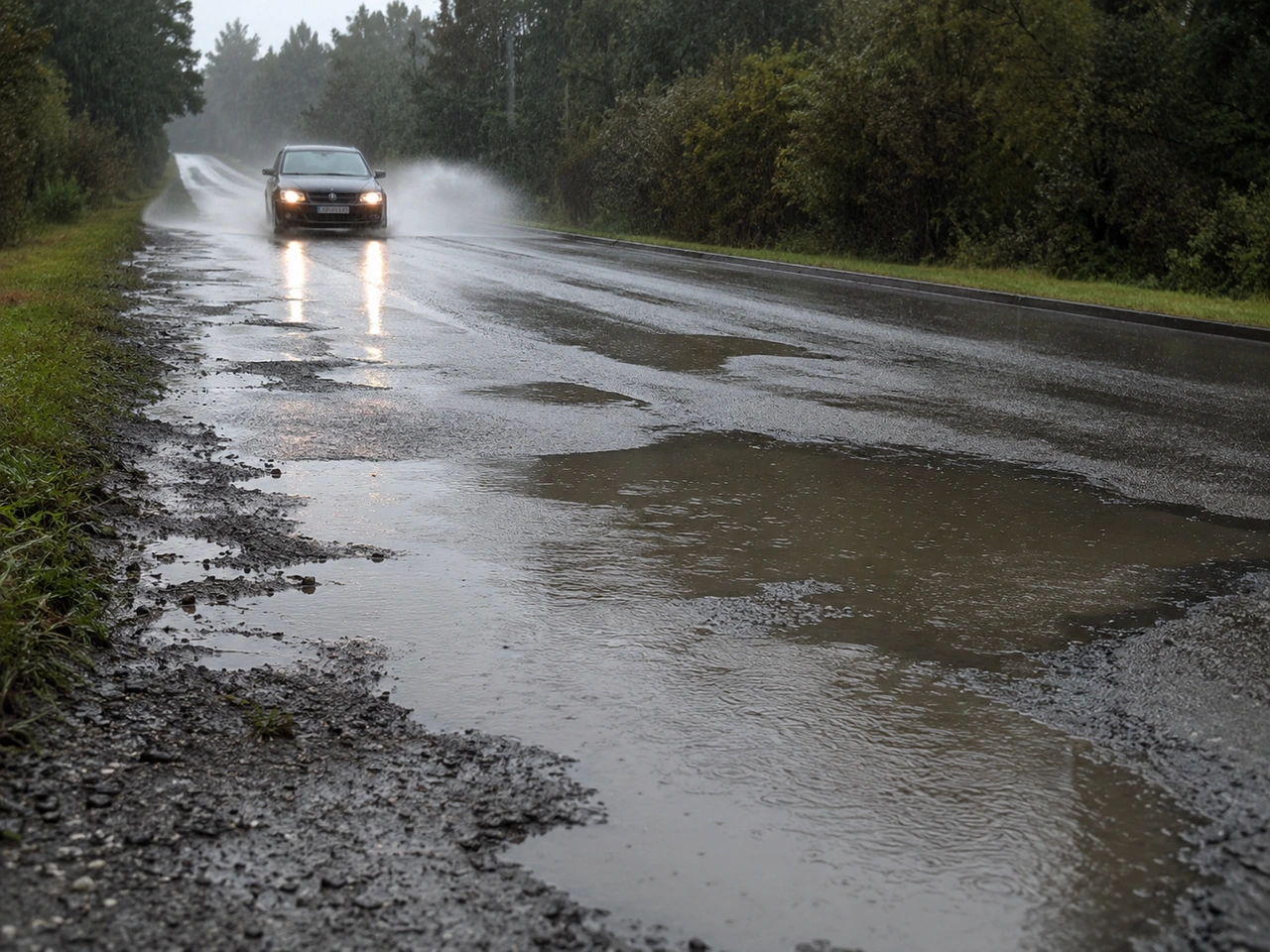
458. Which roads are most likely to cause aquaplaning?
Standing water can collect in dips, ruts, or puddles, increasing the chance that tyres will lose grip.
AI-generated by Rijbewijs-online.be • WCIT • CC BY-SA
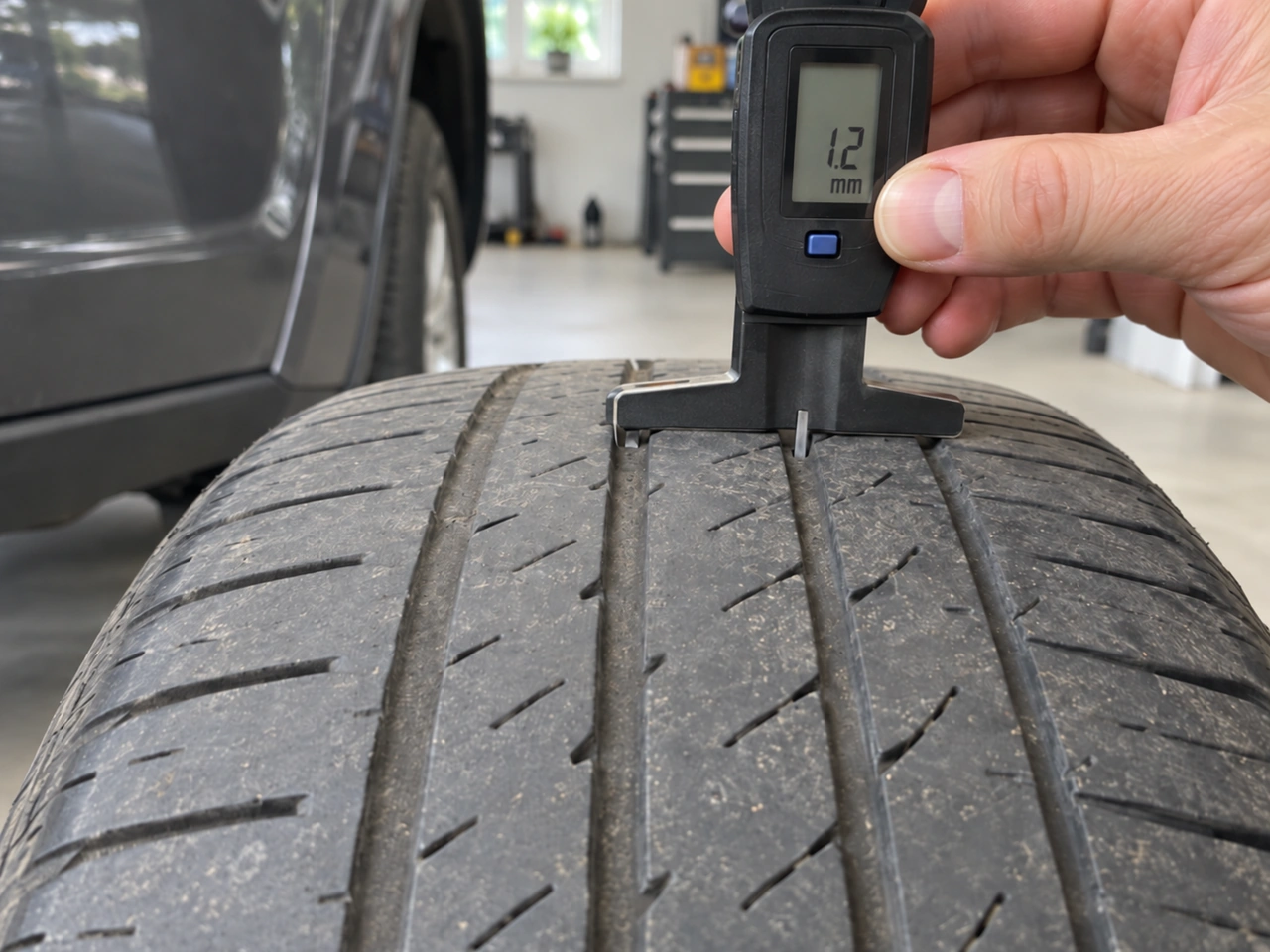
459. What is the general minimum legal tread depth for car tyres in Brussels?
The general minimum legal tread depth for car tyres in Brussels is 1.6 mm. Higher minimums may apply to winter tyres, during winter periods or in winter conditions.
AI-generated by Rijbewijs-online.be • WCIT • CC BY-SA
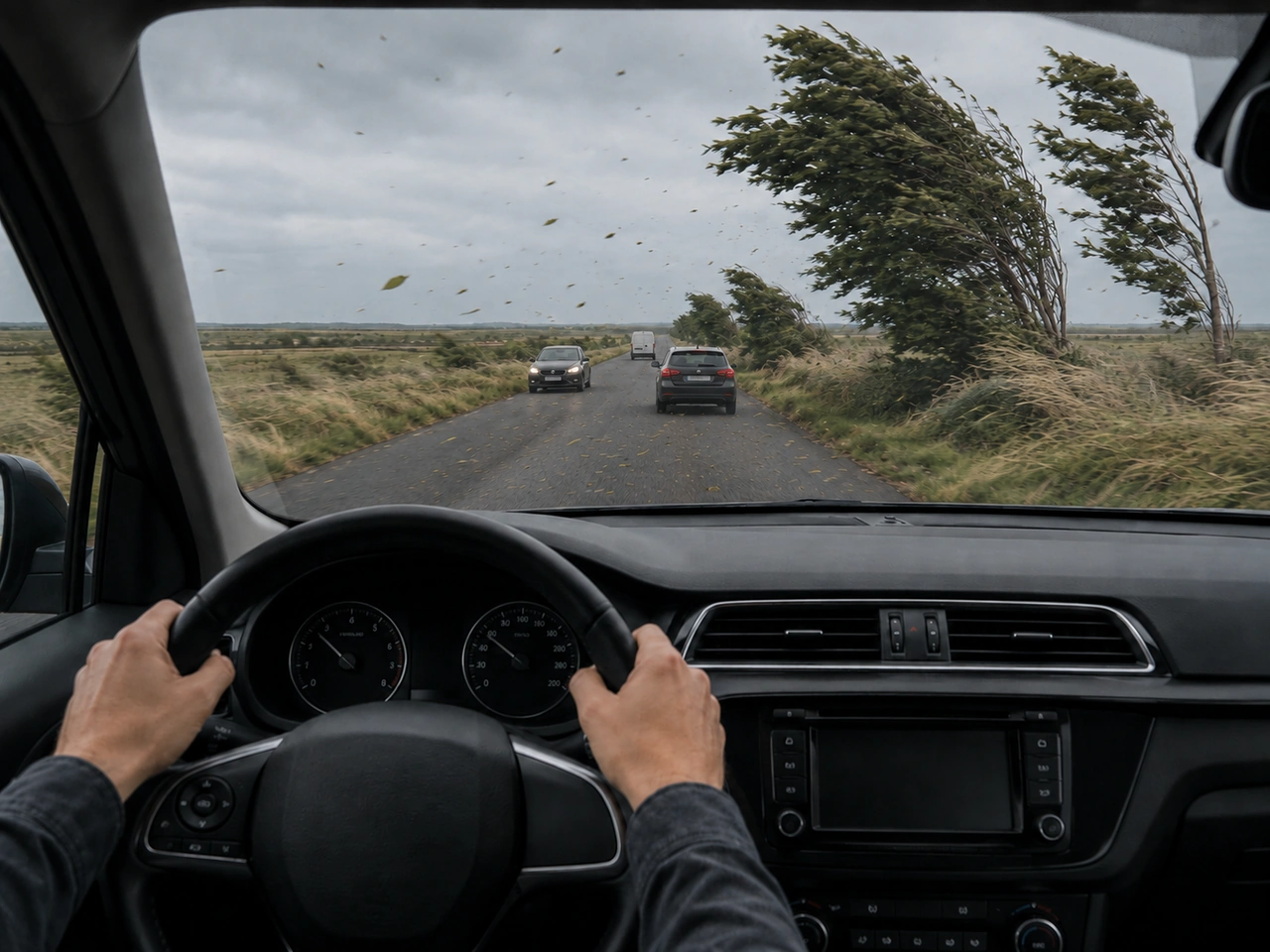
460. What should you do if strong winds push your vehicle sideways?
Strong winds can push your vehicle off course, especially at higher speeds. Reduce speed and use smooth steering to stay in control.
AI-generated by Rijbewijs-online.be • WCIT • CC BY-SA
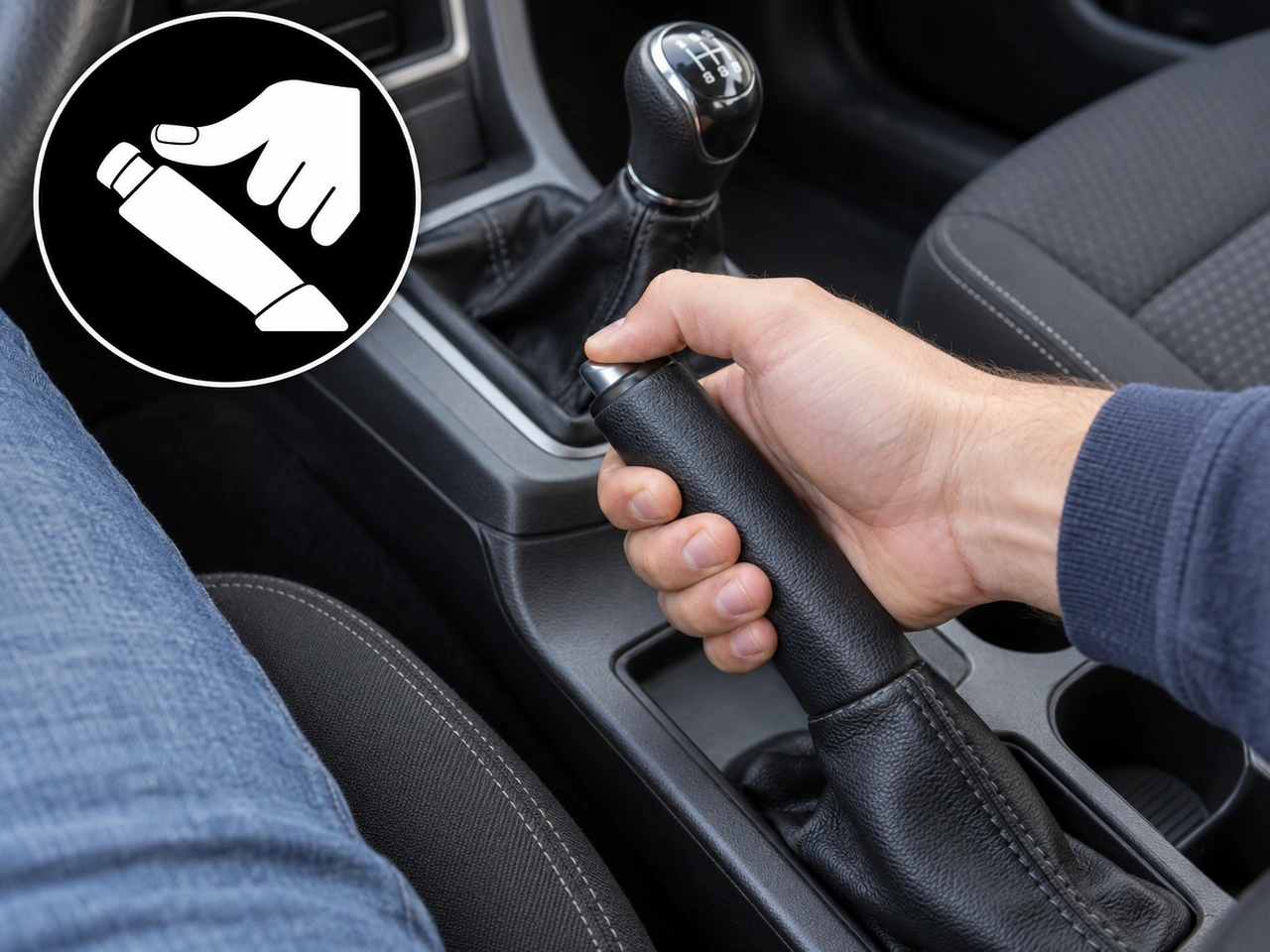
461. What is the button on a manual handbrake lever used for?
To release a manual handbrake, pull the lever up slightly, press and hold the release button, then lower the lever under control.
AI-generated by Rijbewijs-online.be • WCIT • CC BY-SA
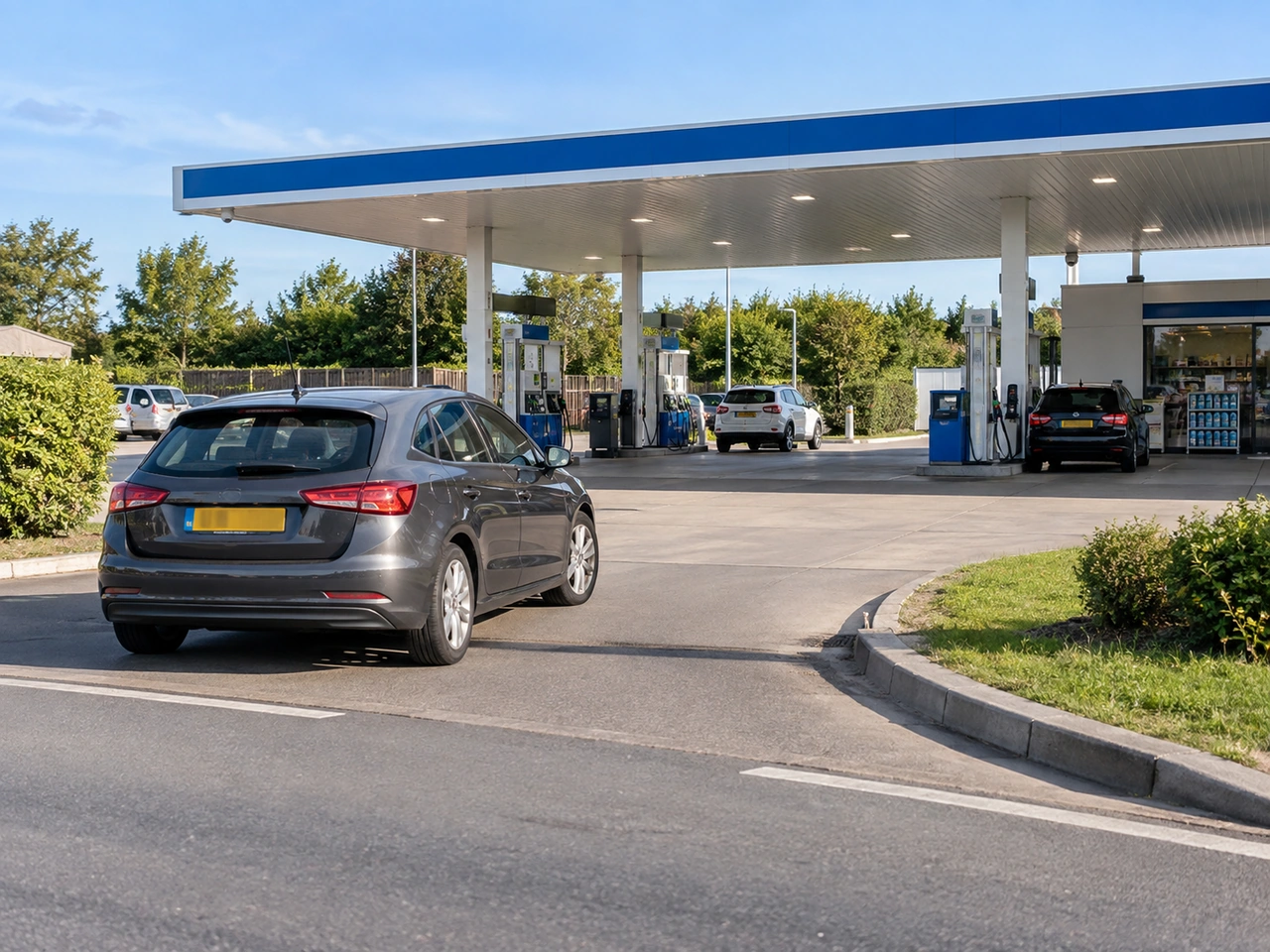
462. How should you position your vehicle beside a fuel pump?
Position the vehicle so the fuel filler is close to the pump and the hose can reach without being stretched tightly across or around the vehicle. Stop within the designated refuelling area and leave enough space to use the pump safely.
AI-generated by Rijbewijs-online.be • WCIT • CC BY-SA
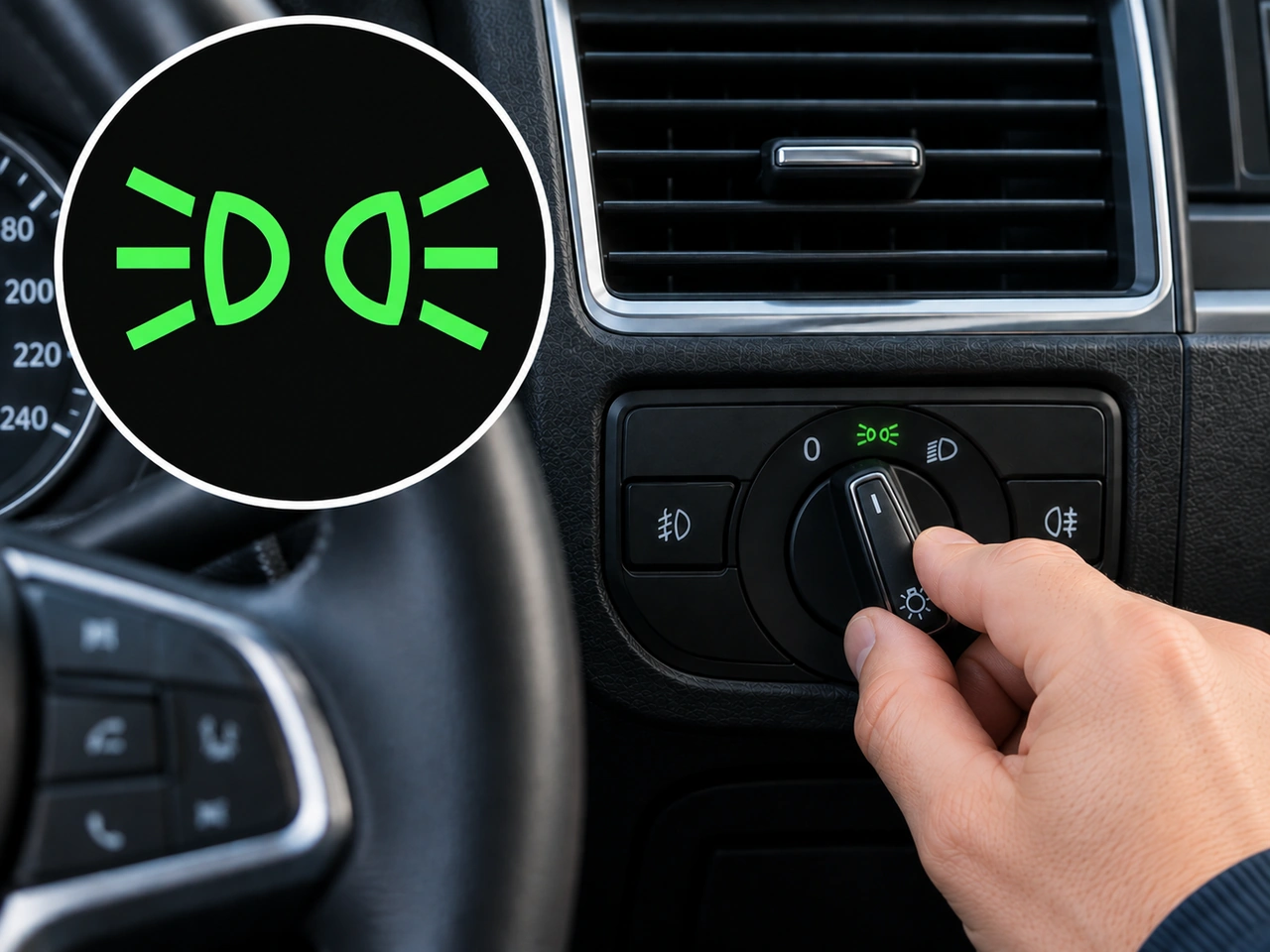
463. What does this dashboard symbol indicate?
This symbol indicates that the sidelights, also known as position or parking lights, are switched on. They help make the vehicle visible to other road users but provide little illumination of the road ahead.
AI-generated by Rijbewijs-online.be • WCIT • CC BY-SA
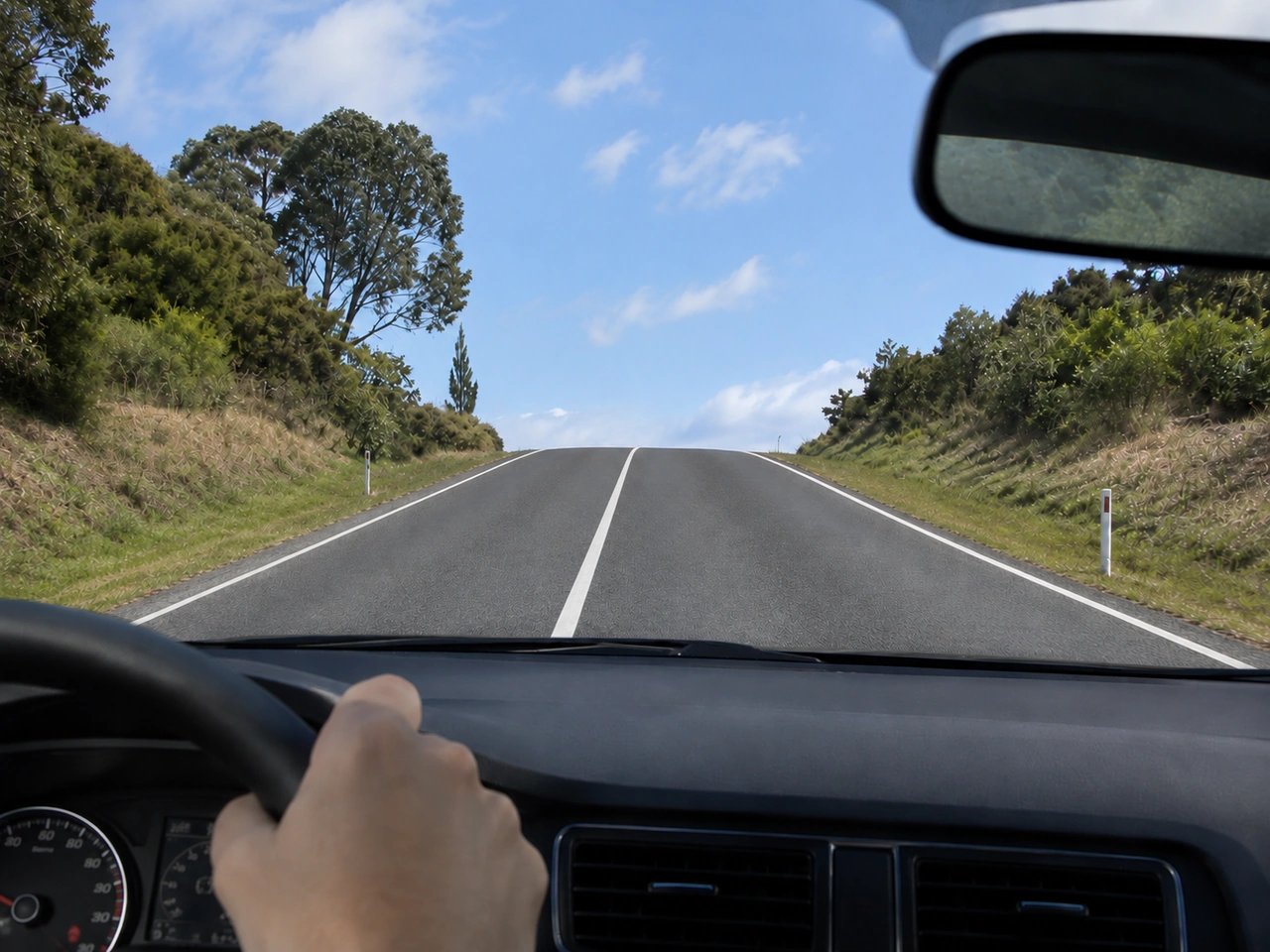
464. What should you do when approaching a hill crest?
A hill crest can hide vehicles, cyclists, pedestrians, or obstacles. Reduce speed and stay in your lane.
AI-generated by Rijbewijs-online.be • WCIT • CC BY-SA
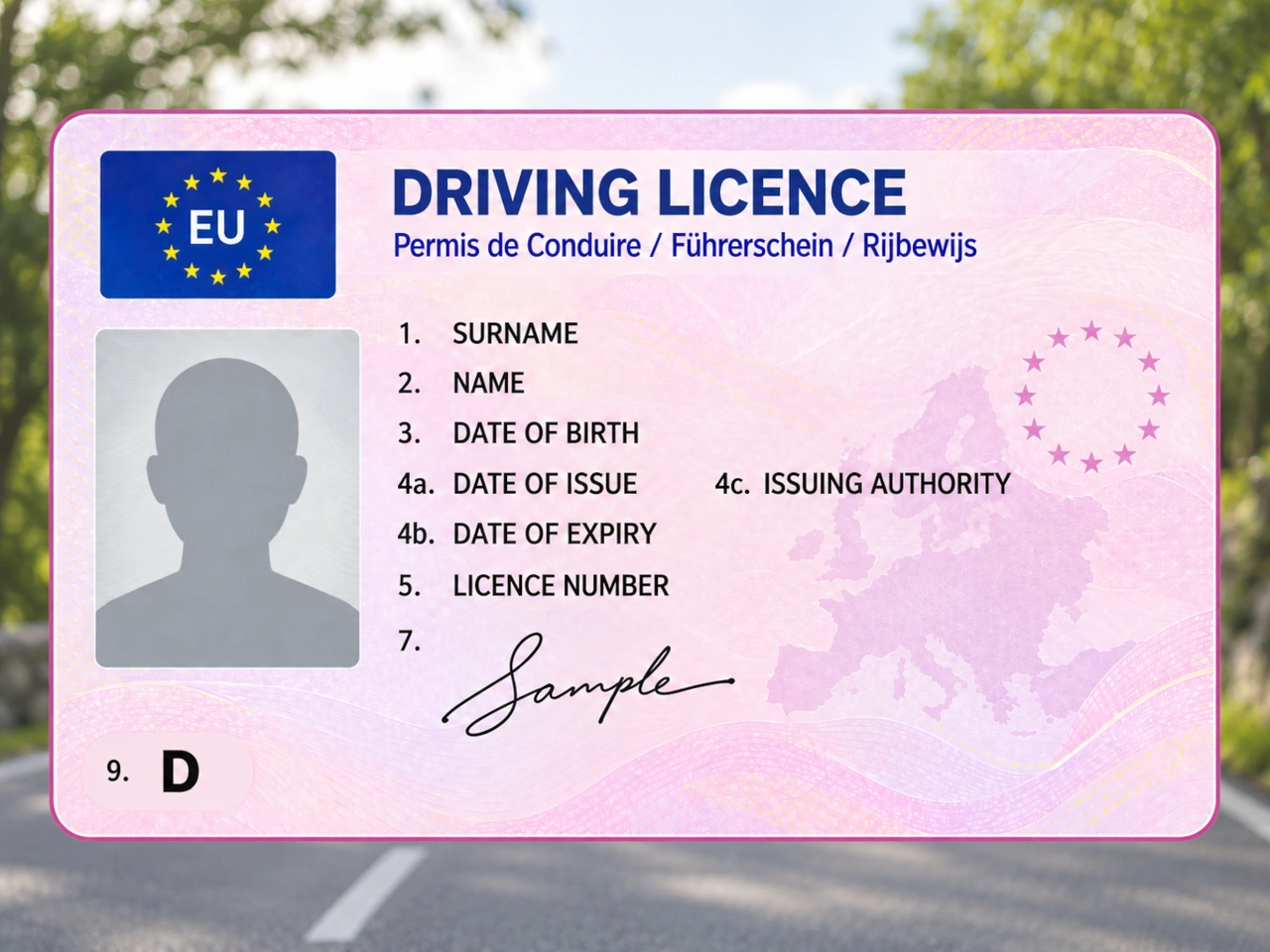
465. Which vehicle type is mainly associated with driving licence D?
Driving licence D is mainly associated with buses. Category D1 covers smaller buses, D covers larger buses, and D1E and DE allow heavier trailers.
AI-generated by Rijbewijs-online.be • WCIT • CC BY-SA
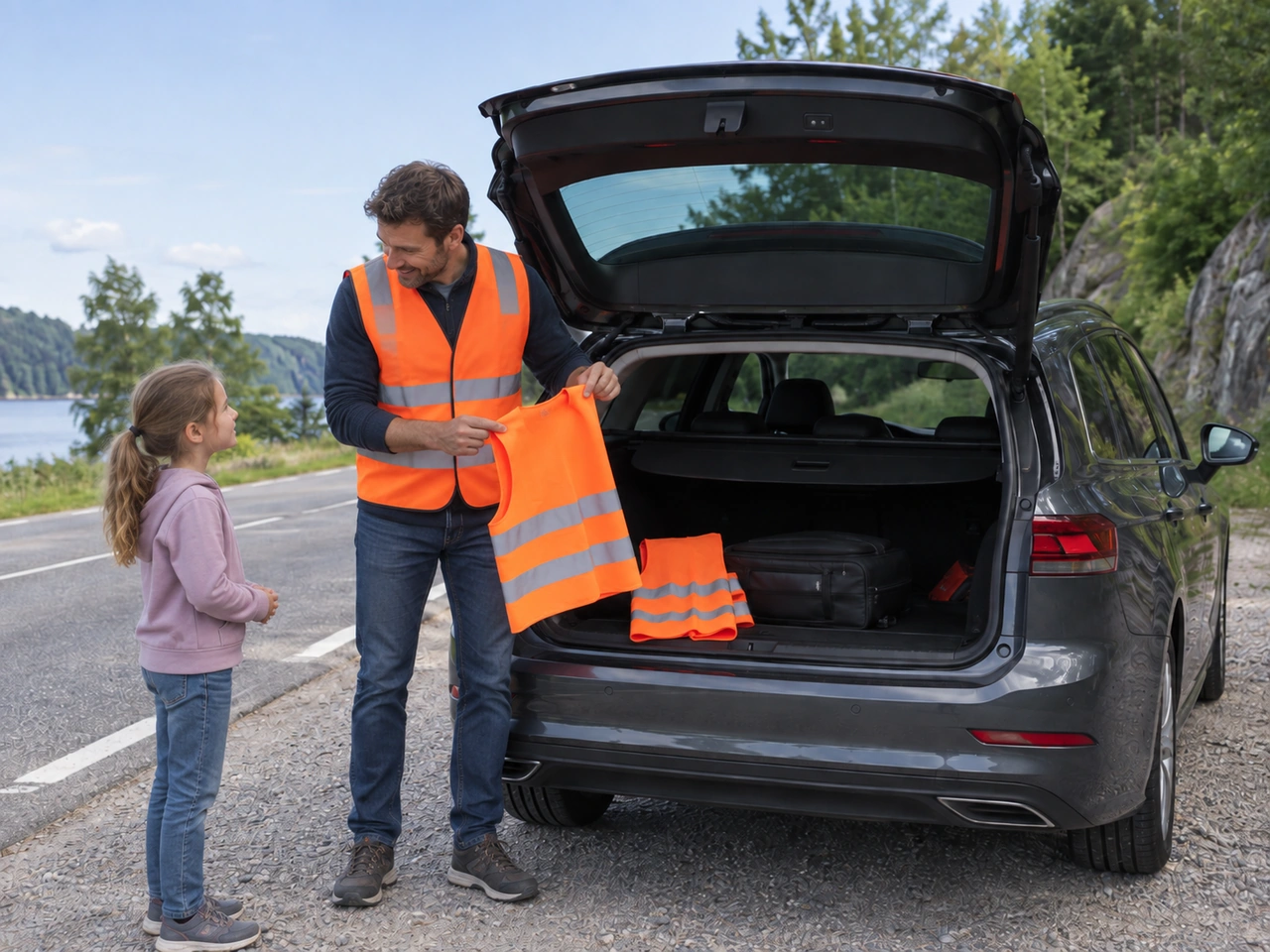
466. Is a high-visibility vest required in cars in Brussels?
Cars in Brussels are required to carry a high-visibility vest.
AI-generated by Rijbewijs-online.be • WCIT • CC BY-SA
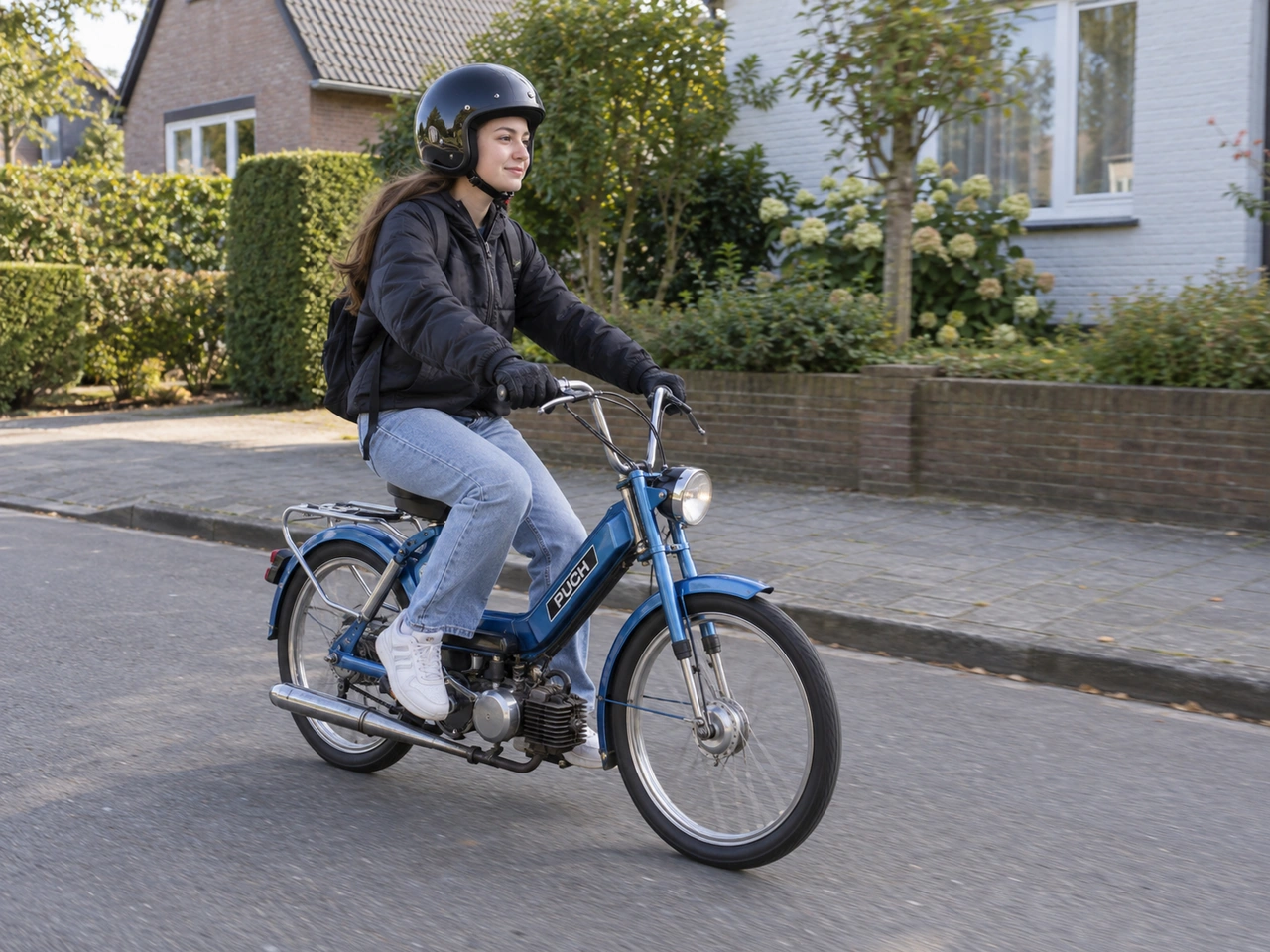
467. Which Belgian moped class is limited to a maximum design speed of 25 km/h?
A Belgian class A moped has a maximum design speed of no more than 25 km/h. It may be ridden from the age of 16 without a driving licence.
AI-generated by Rijbewijs-online.be • WCIT • CC BY-SA
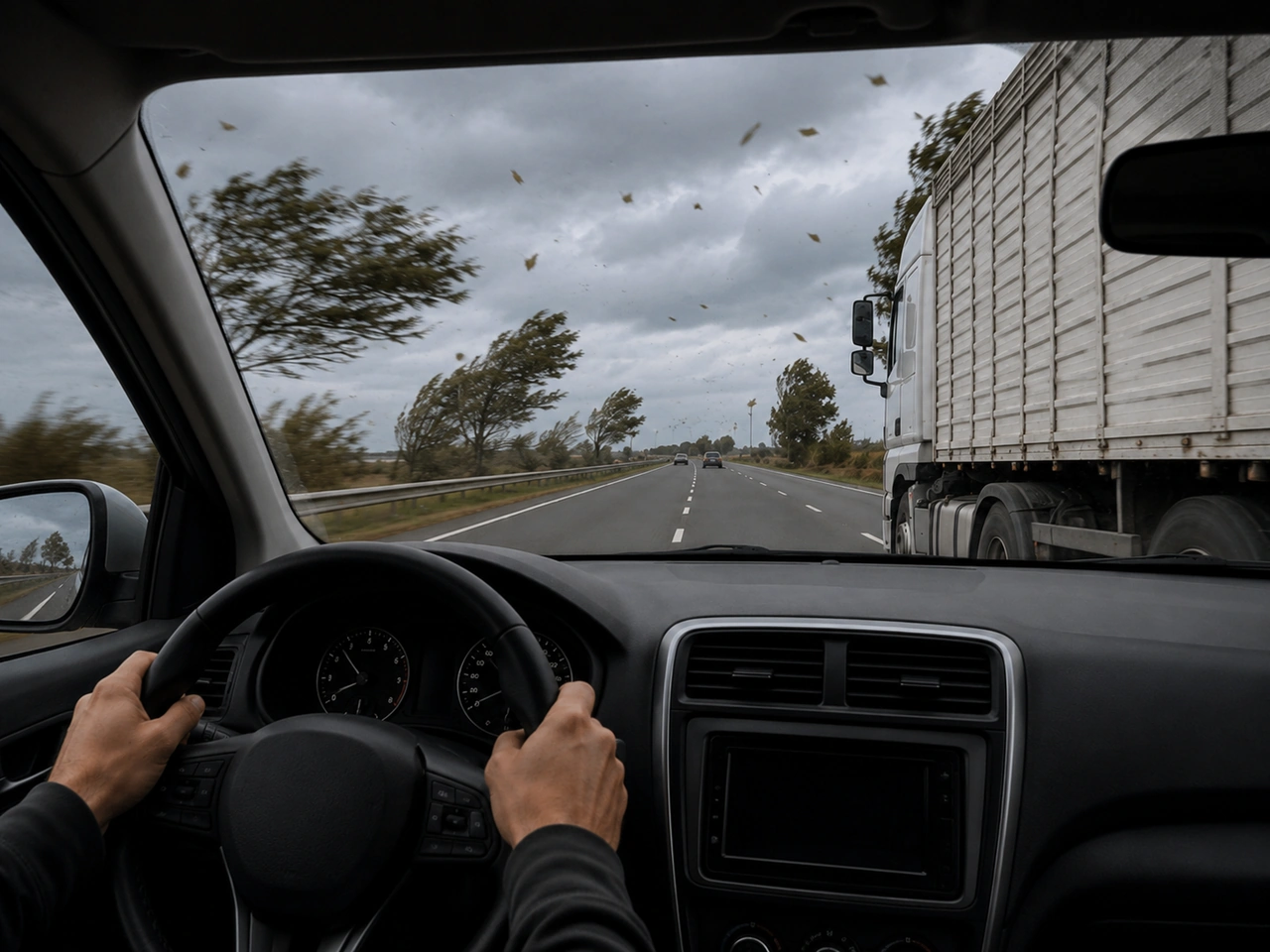
468. How should you pass a large vehicle in strong winds?
Large vehicles can block wind and then expose you to strong gusts when you pass them.
AI-generated by Rijbewijs-online.be • WCIT • CC BY-SA
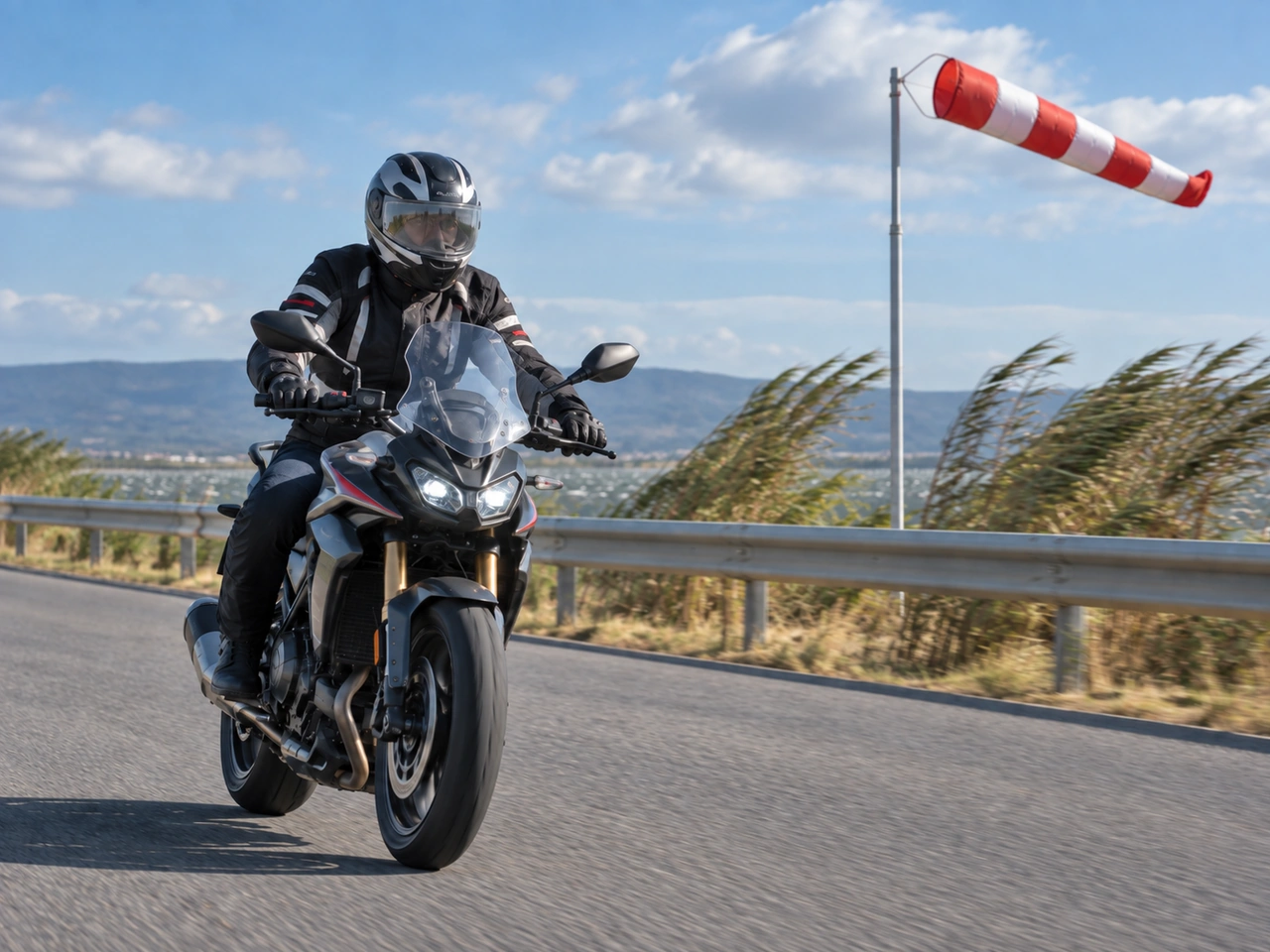
469. What should a motorcyclist do in strong crosswinds?
Strong crosswinds can push a motorcycle sideways and sudden gusts can affect its stability. Reduce speed, keep a steady grip on the handlebars and allow extra space, especially on exposed roads, bridges, or when passing gaps and large vehicles.
AI-generated by Rijbewijs-online.be • WCIT • CC BY-SA
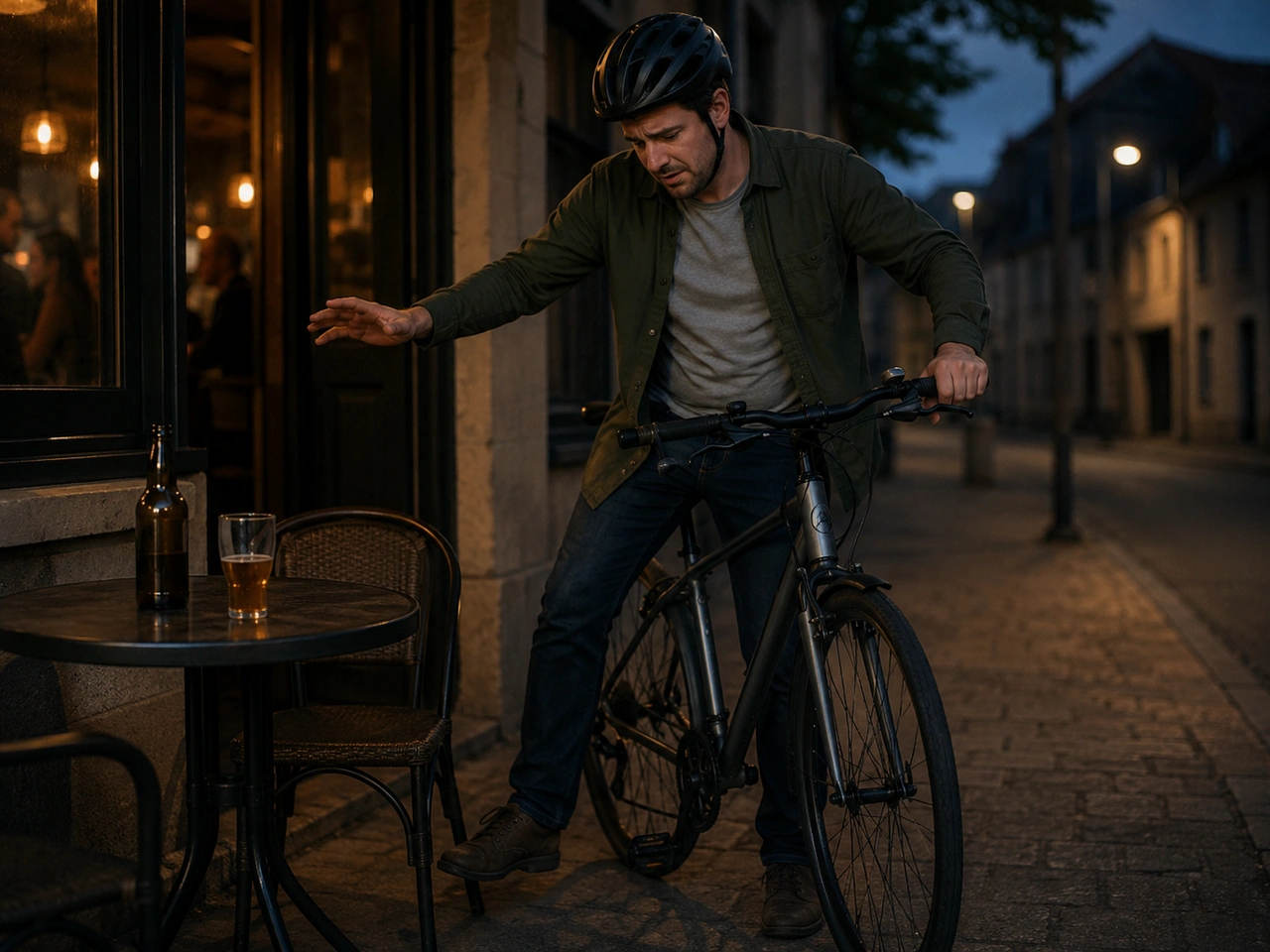
470. Why is riding a bicycle after drinking alcohol dangerous?
Alcohol can make it harder to balance, steer, judge distances, and react to hazards. Riding a bicycle while impaired may also be against the law.
AI-generated by Rijbewijs-online.be • WCIT • CC BY-SA
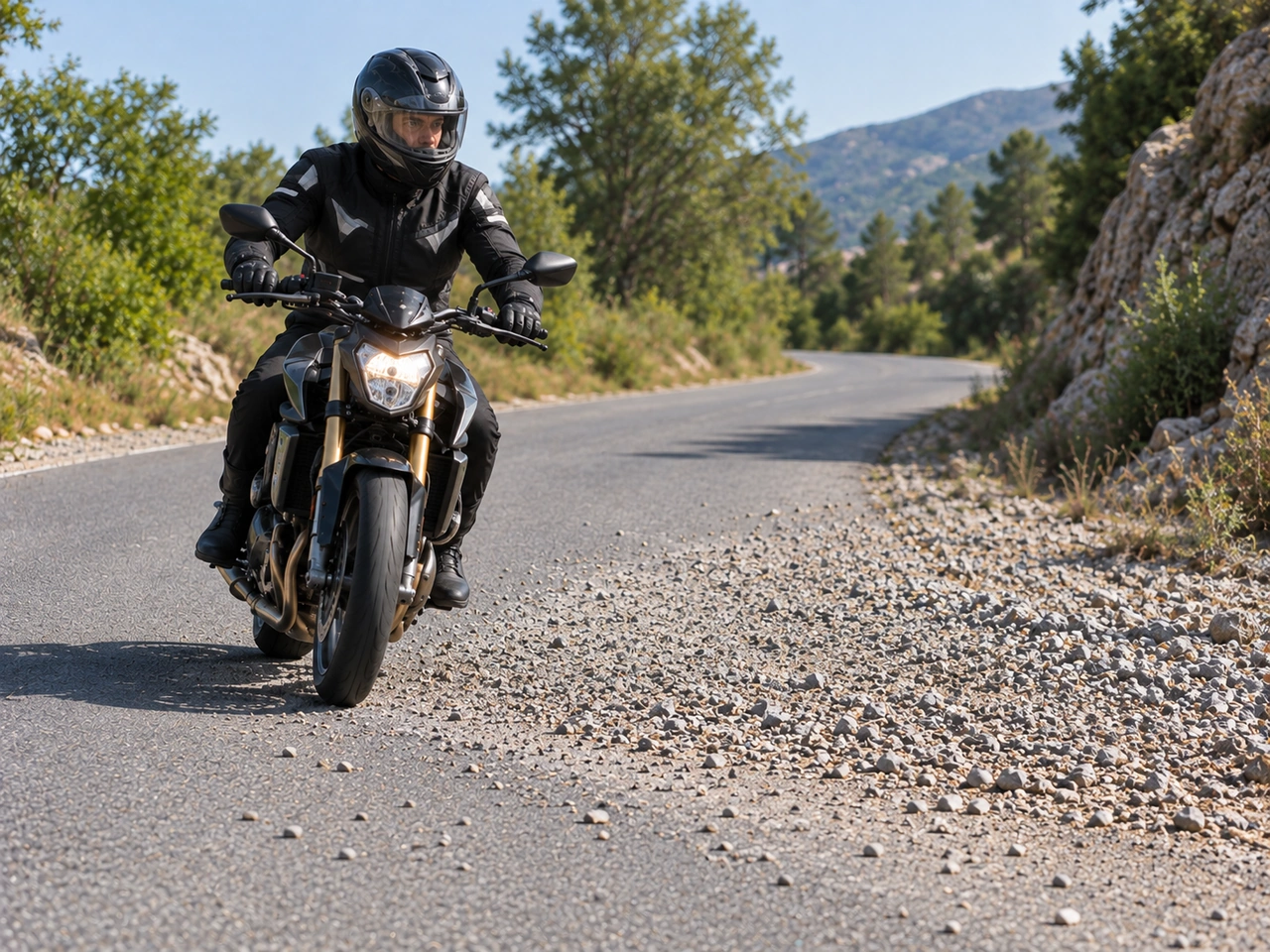
471. What should a motorcyclist do when approaching loose gravel?
Loose gravel can significantly reduce tyre grip. Reduce speed before reaching it, keep the motorcycle as upright as practical, and avoid sudden braking, acceleration or steering while crossing the loose surface.
AI-generated by Rijbewijs-online.be • WCIT • CC BY-SA
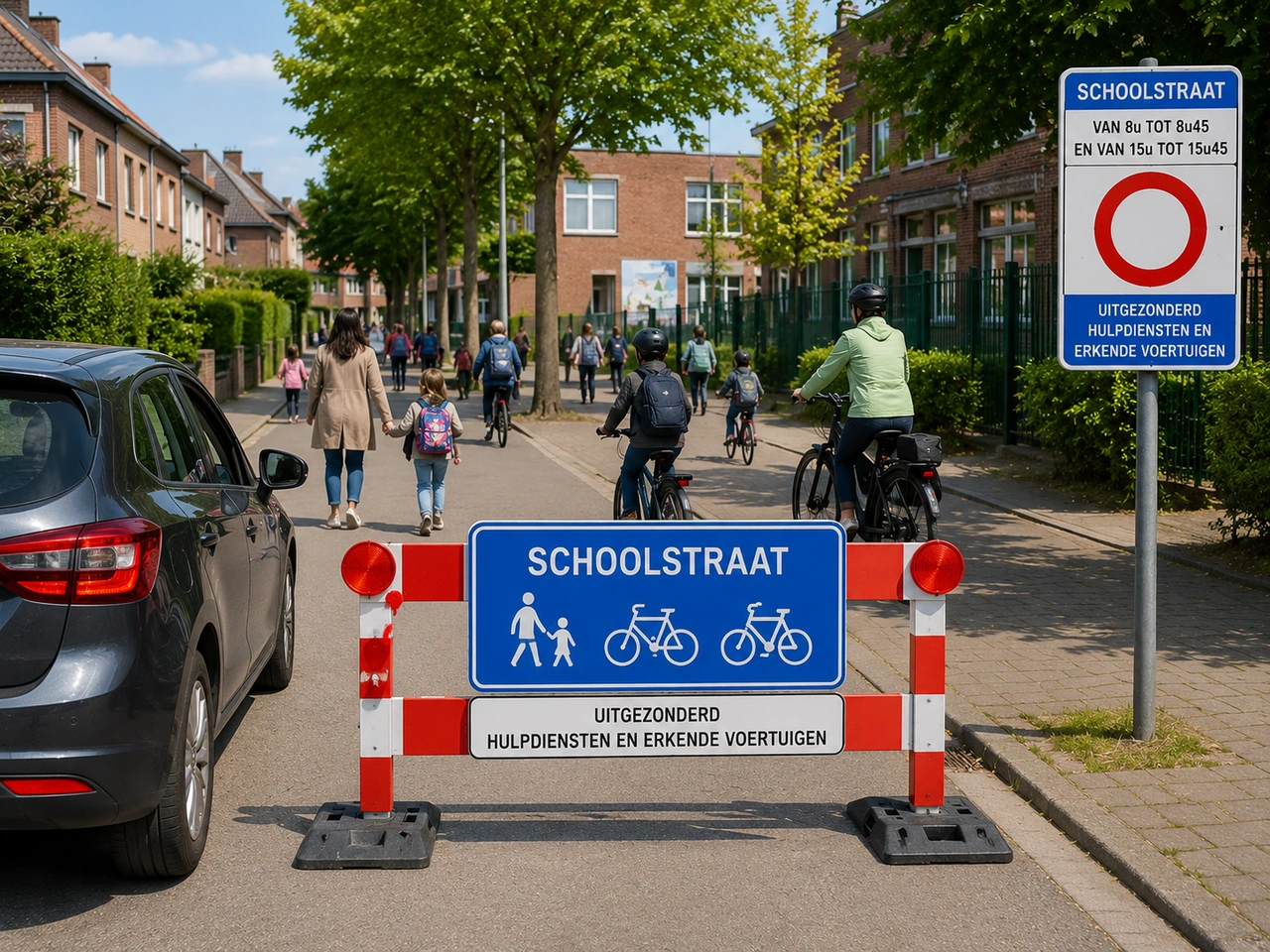
472. Who may normally use a Belgian school street while its restriction is active?
A school street is normally reserved for pedestrians, bicycles, and speed pedelecs. Emergency vehicles and specially authorised vehicles may be exceptions.
AI-generated by Rijbewijs-online.be • WCIT • CC BY-SA
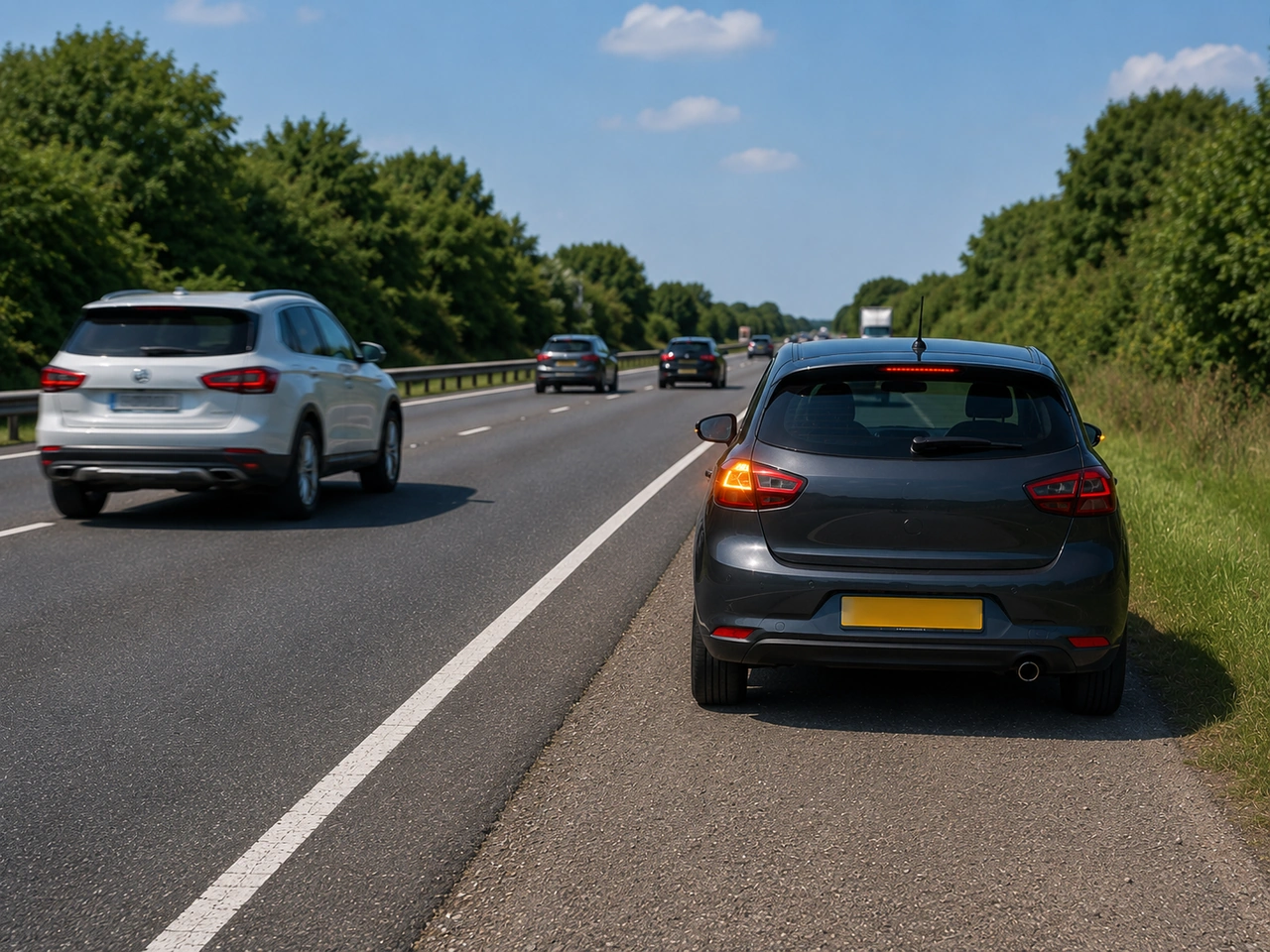
473. What should you do before rejoining traffic after a breakdown?
Check mirrors and blind spots, signal clearly, and build up speed safely without causing approaching traffic to brake suddenly.
AI-generated by Rijbewijs-online.be • WCIT • CC BY-SA
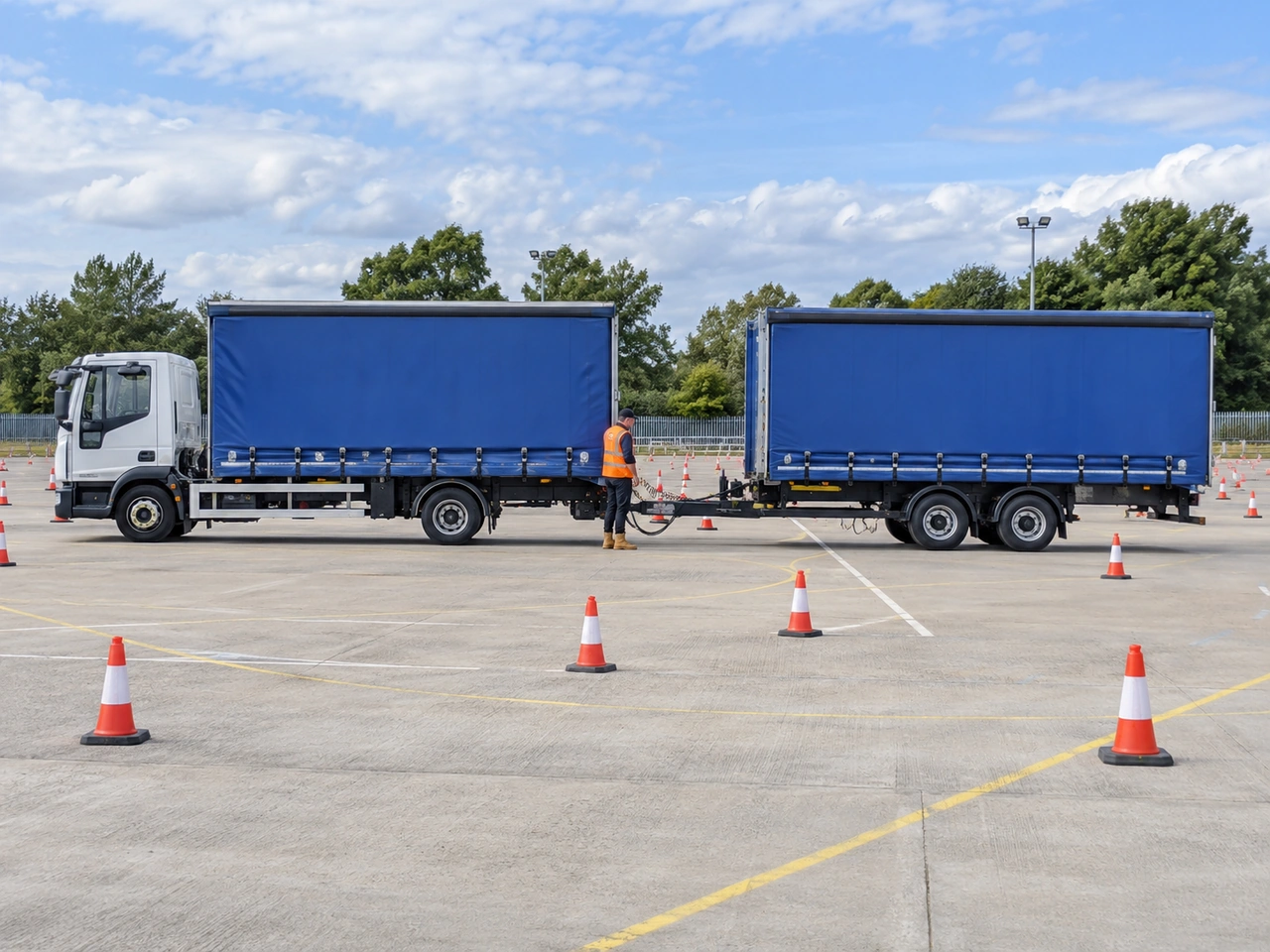
474. What is the minimum licence for a 12,000 kg C1 combination with a trailer over 750 kg?
Category C1E covers a category C1 vehicle towing a trailer or semi-trailer over 750 kg, provided the maximum authorised mass of the combination does not exceed 12,000 kg.
AI-generated by Rijbewijs-online.be • WCIT • CC BY-SA
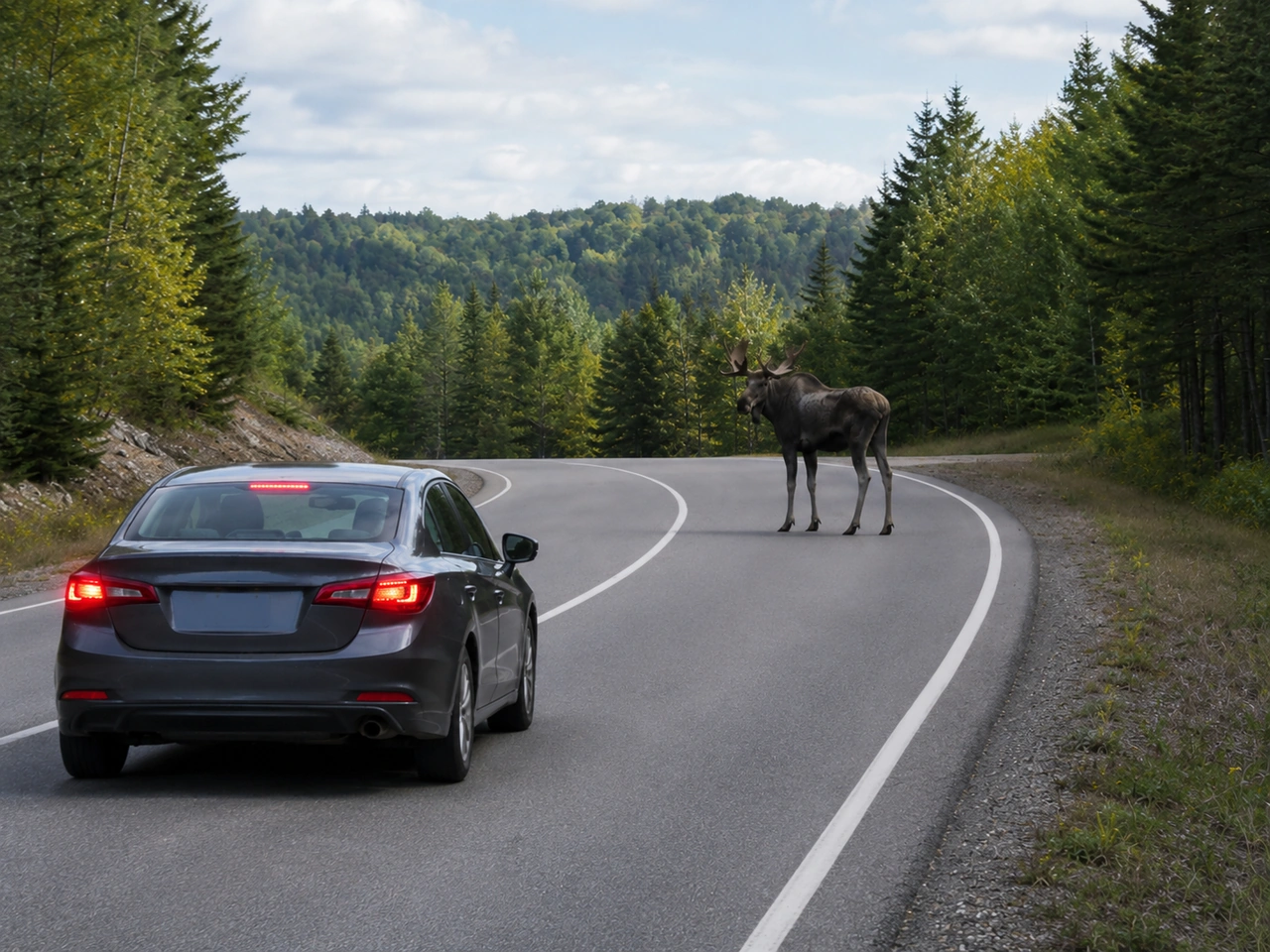
475. What should you do if a large animal suddenly enters your path?
If a large animal enters the road, brake firmly while keeping the vehicle under control. Avoid sudden swerving, as this can cause you to lose control or collide with other traffic.
AI-generated by Rijbewijs-online.be • WCIT • CC BY-SA
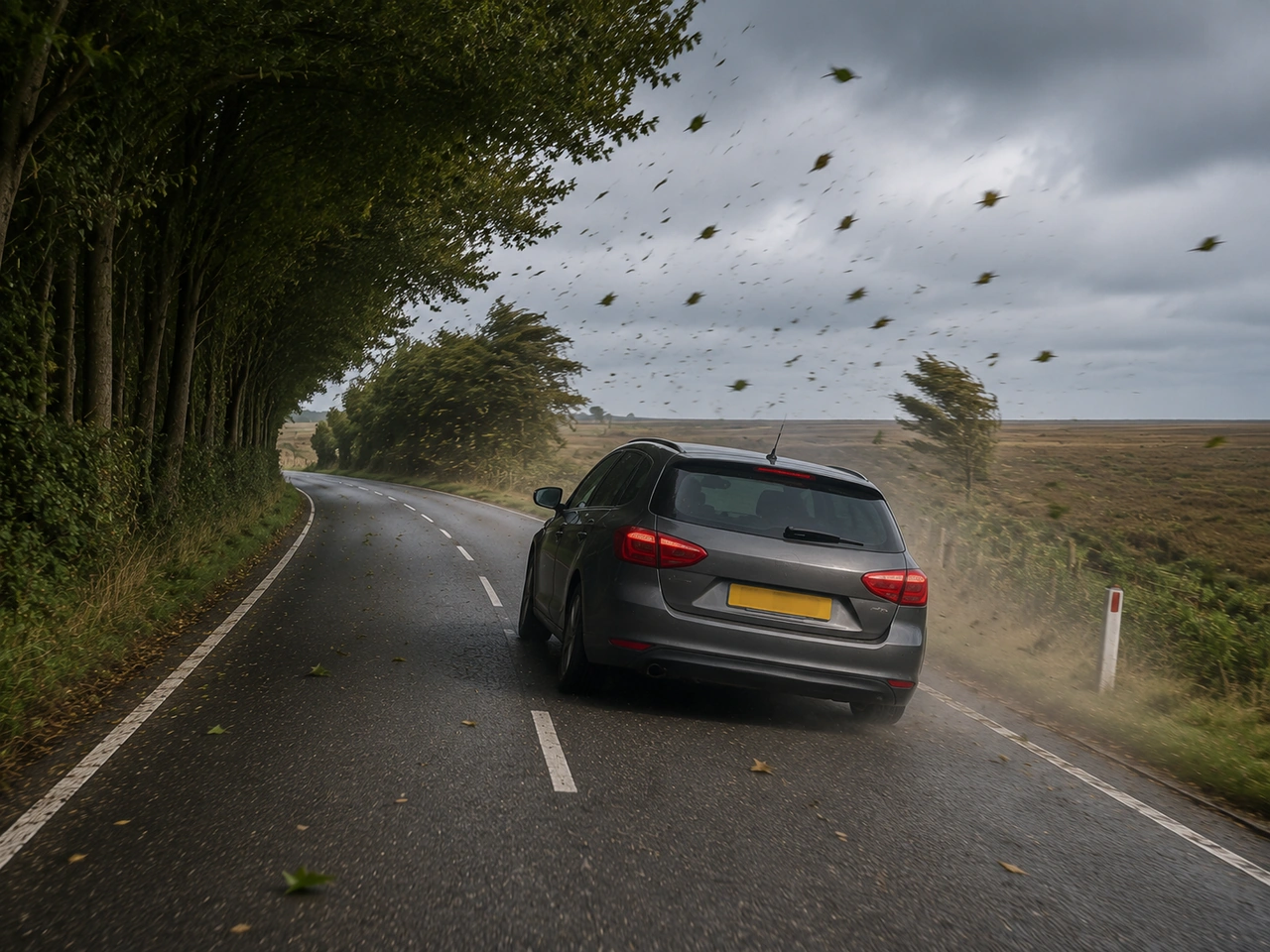
476. What should you expect when leaving a sheltered area during strong winds?
Buildings, trees, and other obstacles can block wind. When you leave shelter, a sudden gust may push your vehicle.
AI-generated by Rijbewijs-online.be • WCIT • CC BY-SA
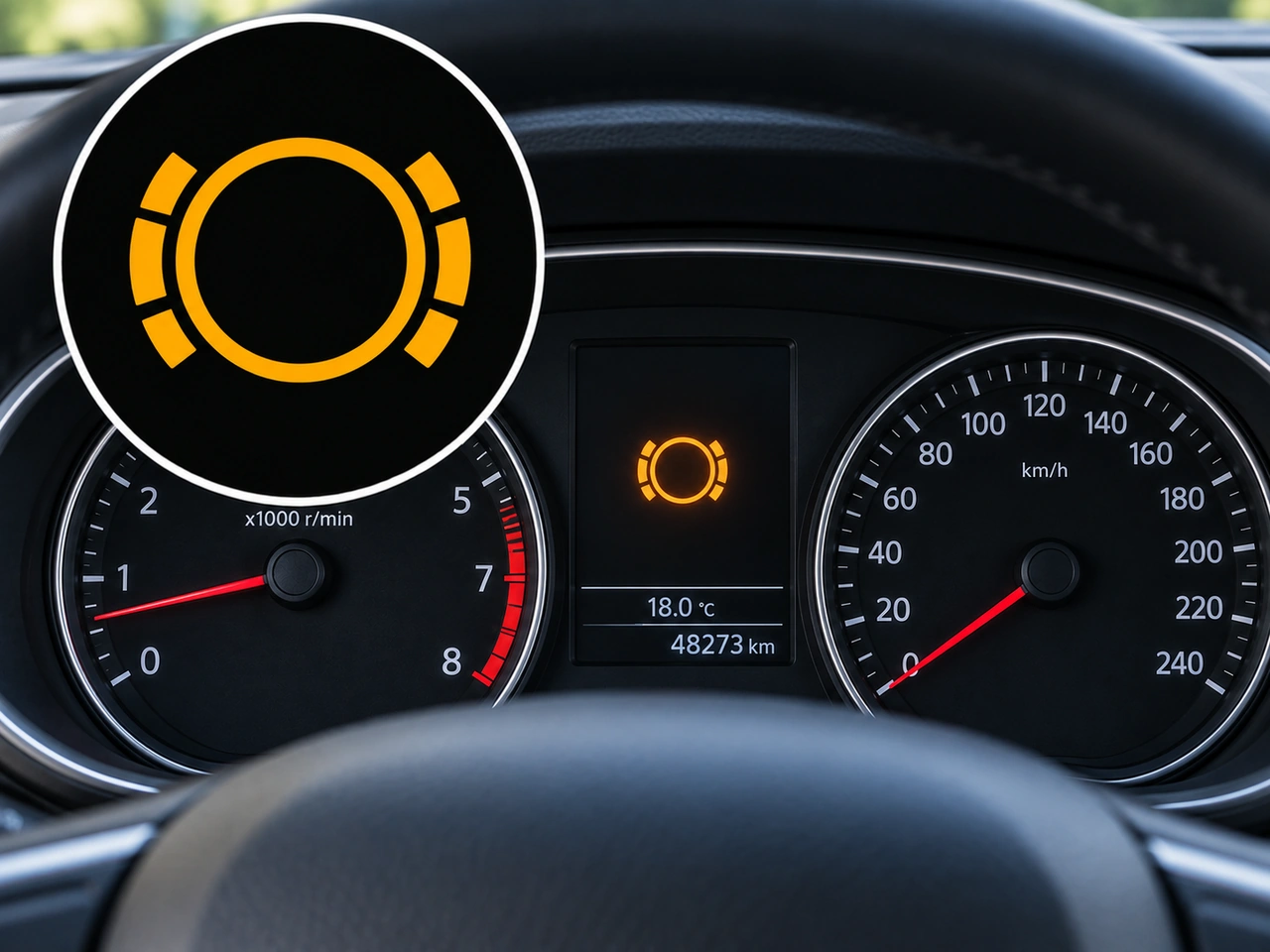
477. What does this dashboard symbol indicate?
This symbol indicates that the brake pads may be worn and should be inspected. Continuing to drive with excessively worn brake pads can reduce braking performance and damage other brake components.
AI-generated by Rijbewijs-online.be • WCIT • CC BY-SA
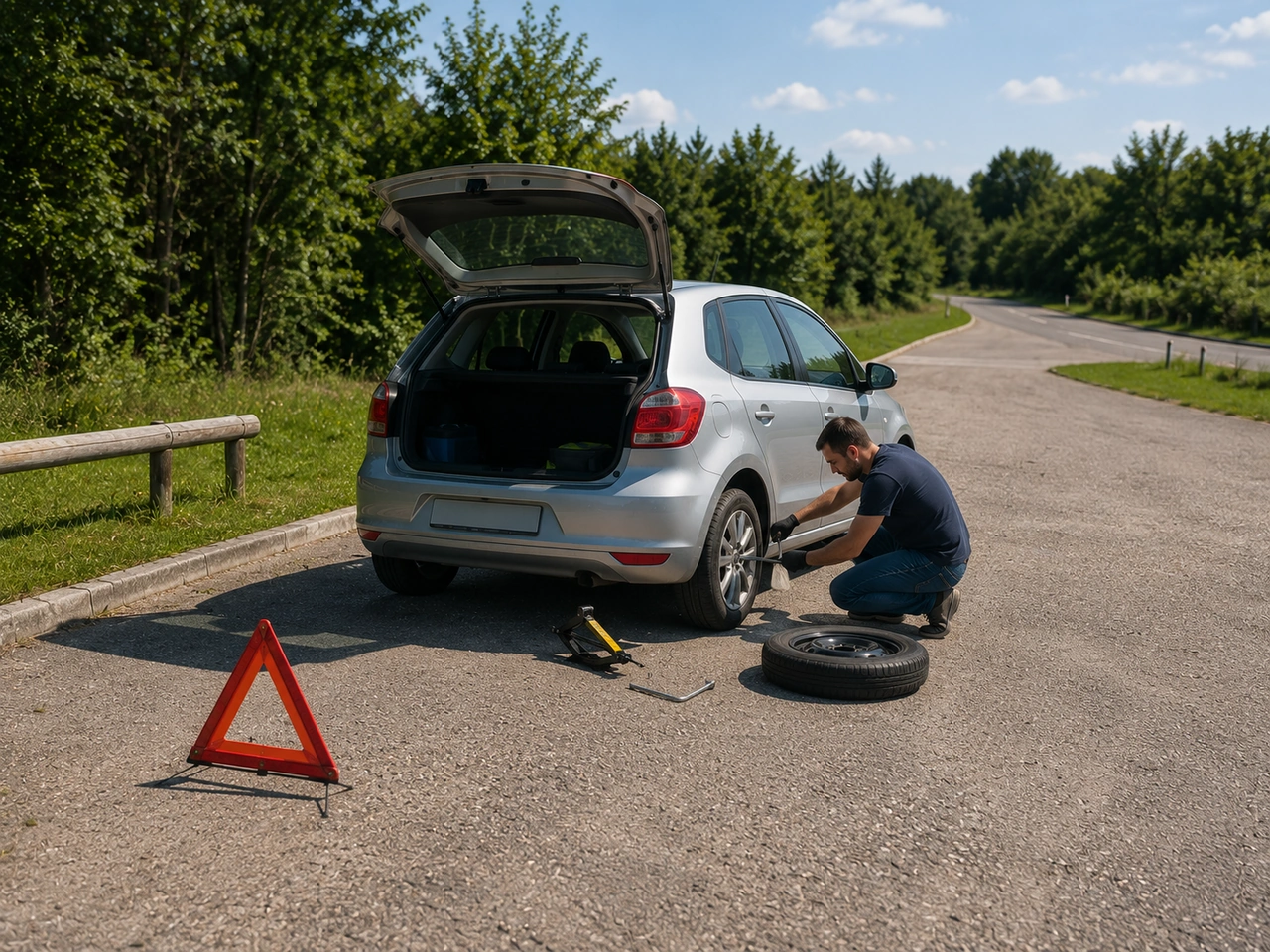
478. Where should you change a wheel after a puncture?
The vehicle must be stable and protected from traffic. Apply the parking brake and follow the manufacturer's wheel-changing instructions.
AI-generated by Rijbewijs-online.be • WCIT • CC BY-SA
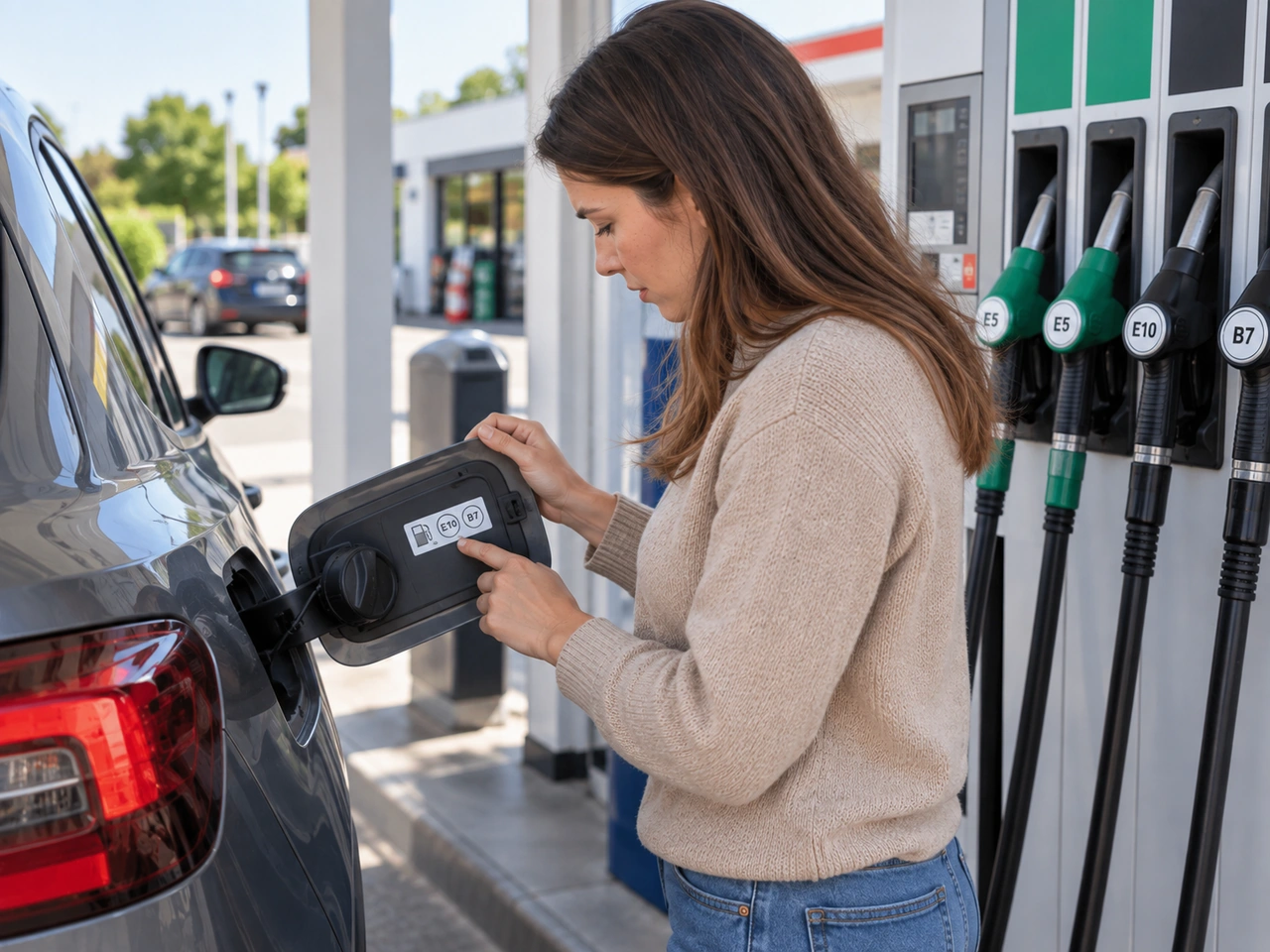
479. How can you check which fuel is suitable for your vehicle?
Before refuelling, check which fuel type the vehicle requires. The correct fuel is often shown inside the fuel-filler flap, on or near the fuel cap, or in the vehicle information or owner's manual. Do not rely only on nozzle colours, as these can vary between filling stations and countries.
AI-generated by Rijbewijs-online.be • WCIT • CC BY-SA
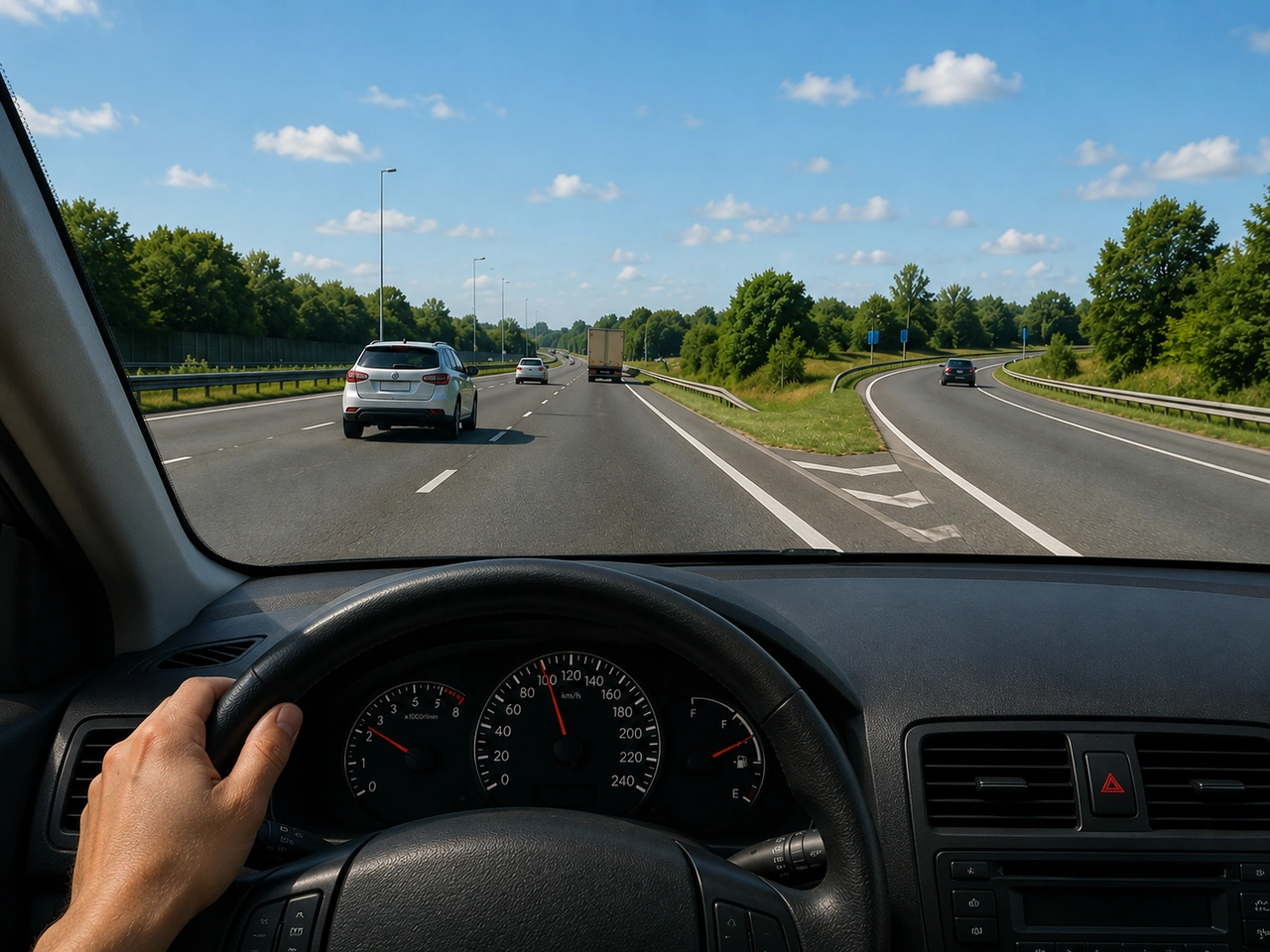
480. What should you do if you miss your motorway exit?
Never reverse or make a sudden manoeuvre. Continue safely and change your route at the next suitable exit.
AI-generated by Rijbewijs-online.be • WCIT • CC BY-SA
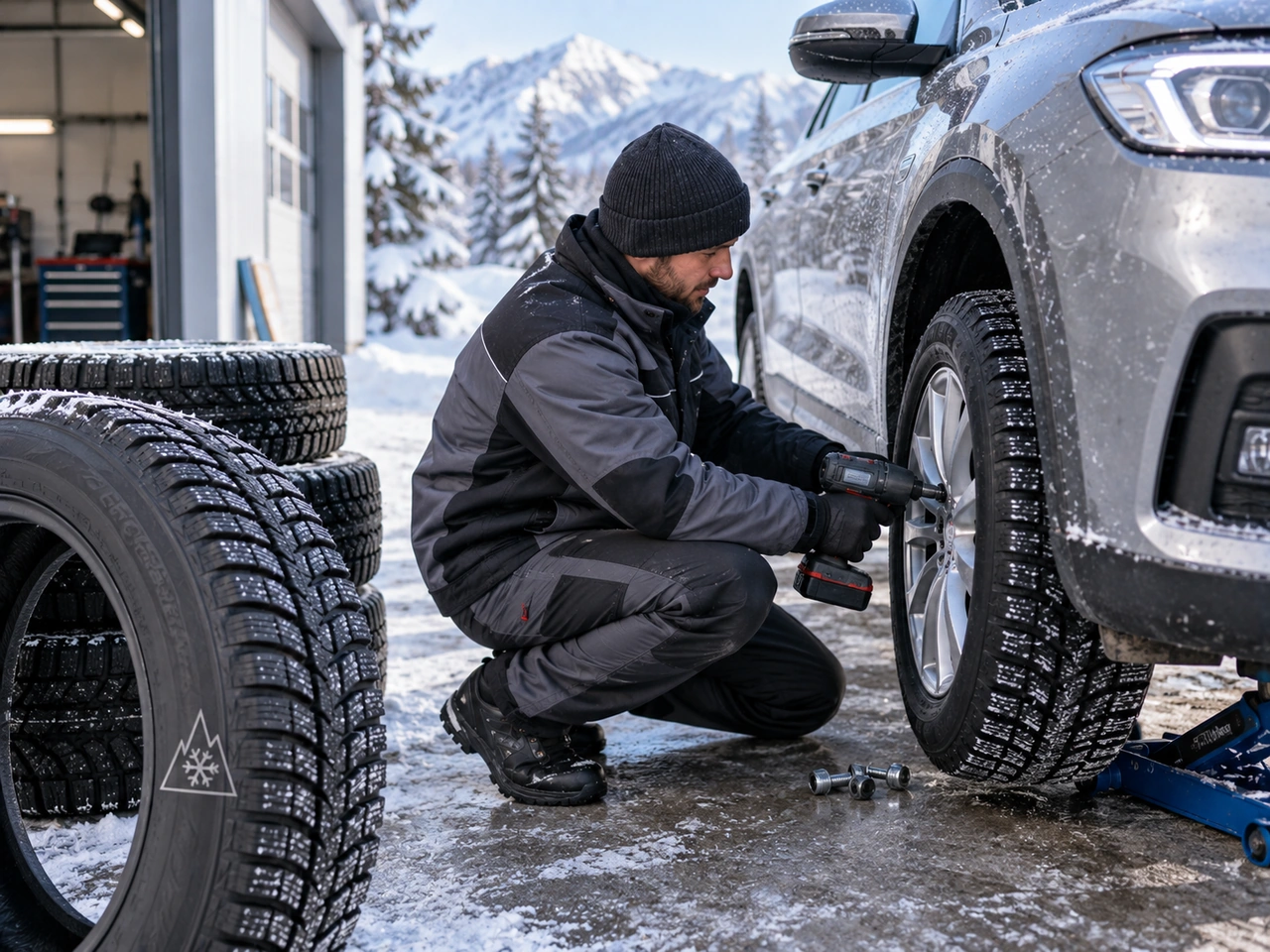
481. Are winter tyres generally required in Brussels?
Winter tyres are not generally required for cars in Brussels, although they may still be recommended or required in specific situations.
AI-generated by Rijbewijs-online.be • WCIT • CC BY-SA
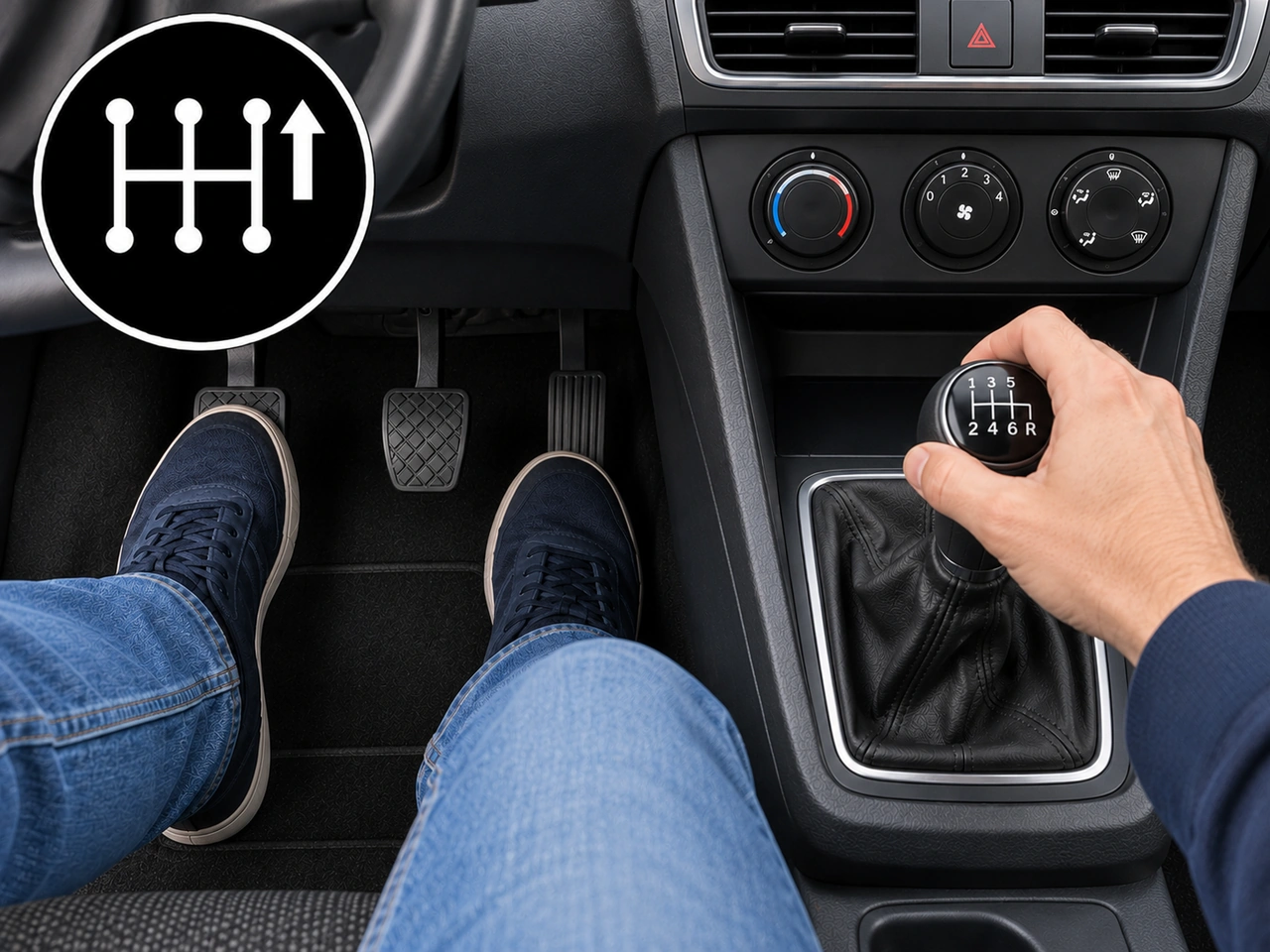
482. What should you normally do with the accelerator when changing to a higher gear?
When changing to a higher gear, ease off the accelerator as you press the clutch and select the next gear. Release the clutch smoothly and then apply the accelerator progressively.
AI-generated by Rijbewijs-online.be • WCIT • CC BY-SA
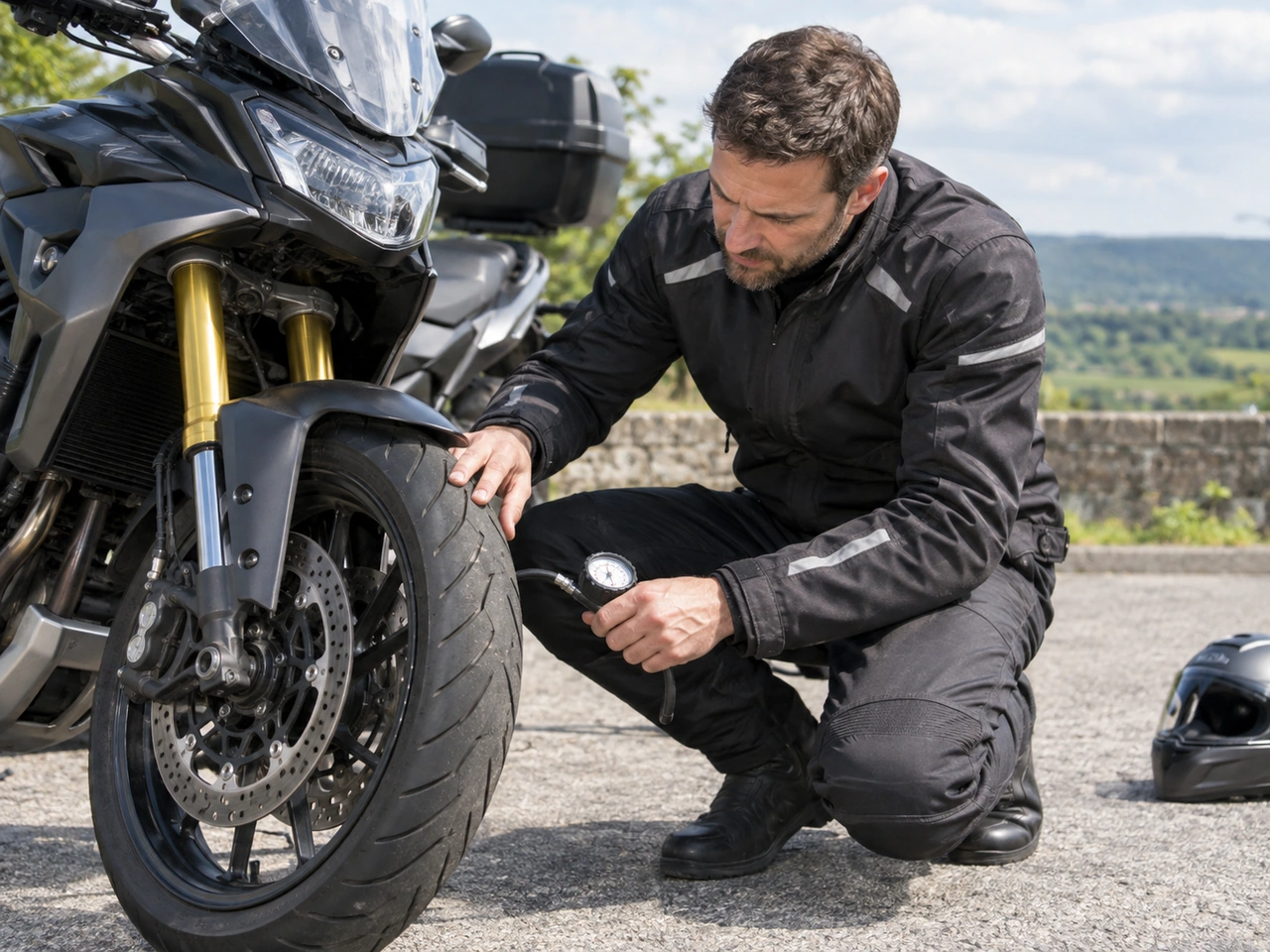
483. Why are tyre condition and pressure especially important on a motorcycle?
A motorcycle relies on a relatively small area of tyre contact with the road. Correct tyre pressure, tread and condition are important for grip, steering, stability and braking. Check the tyres regularly and follow the manufacturer's recommended pressures.
AI-generated by Rijbewijs-online.be • WCIT • CC BY-SA
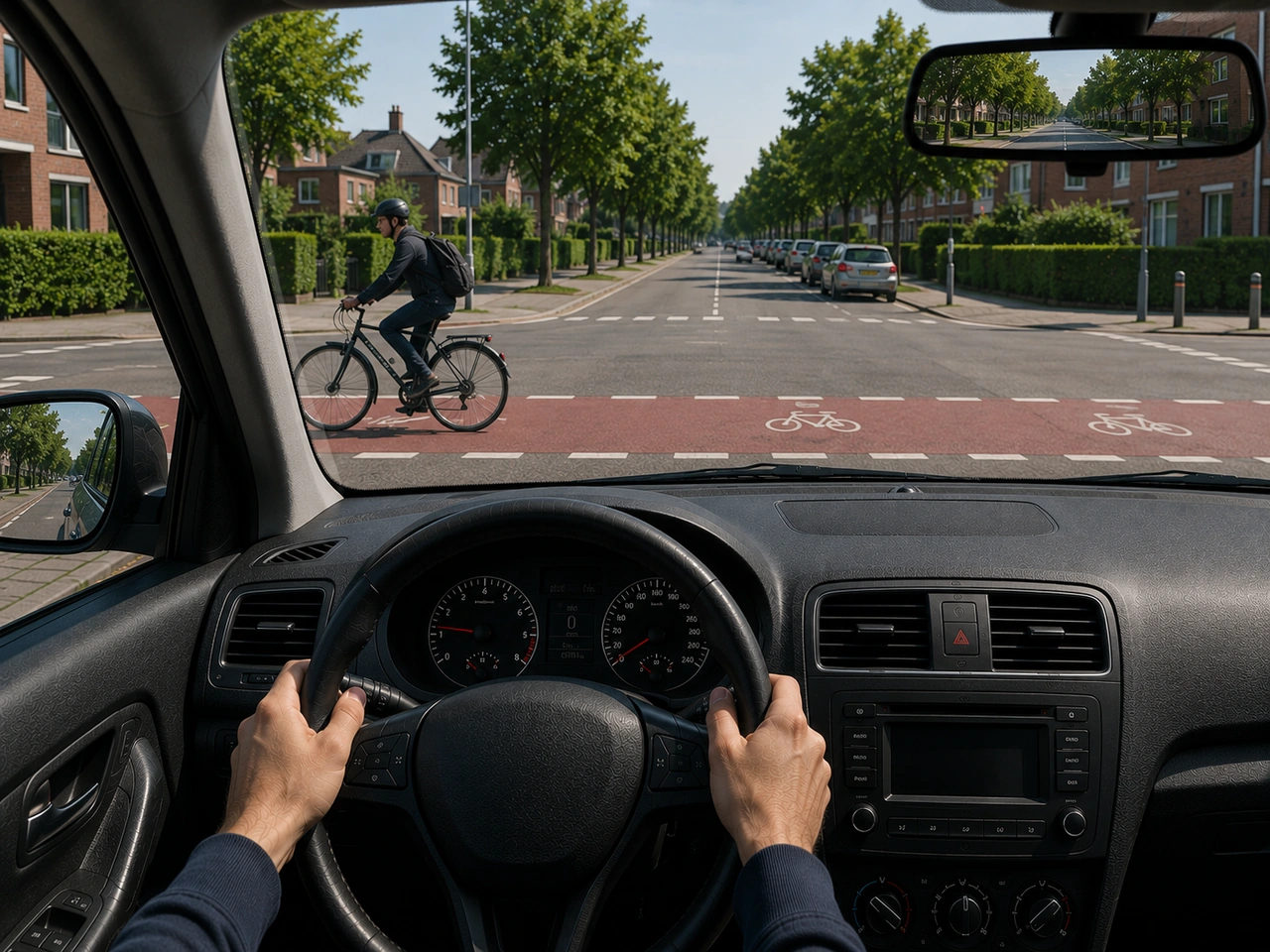
484. What should you do before turning across a cycle lane?
Cyclists may be beside or behind you when you turn. Check mirrors and blind spots, signal clearly, and turn only when it is safe.
AI-generated by Rijbewijs-online.be • WCIT • CC BY-SA
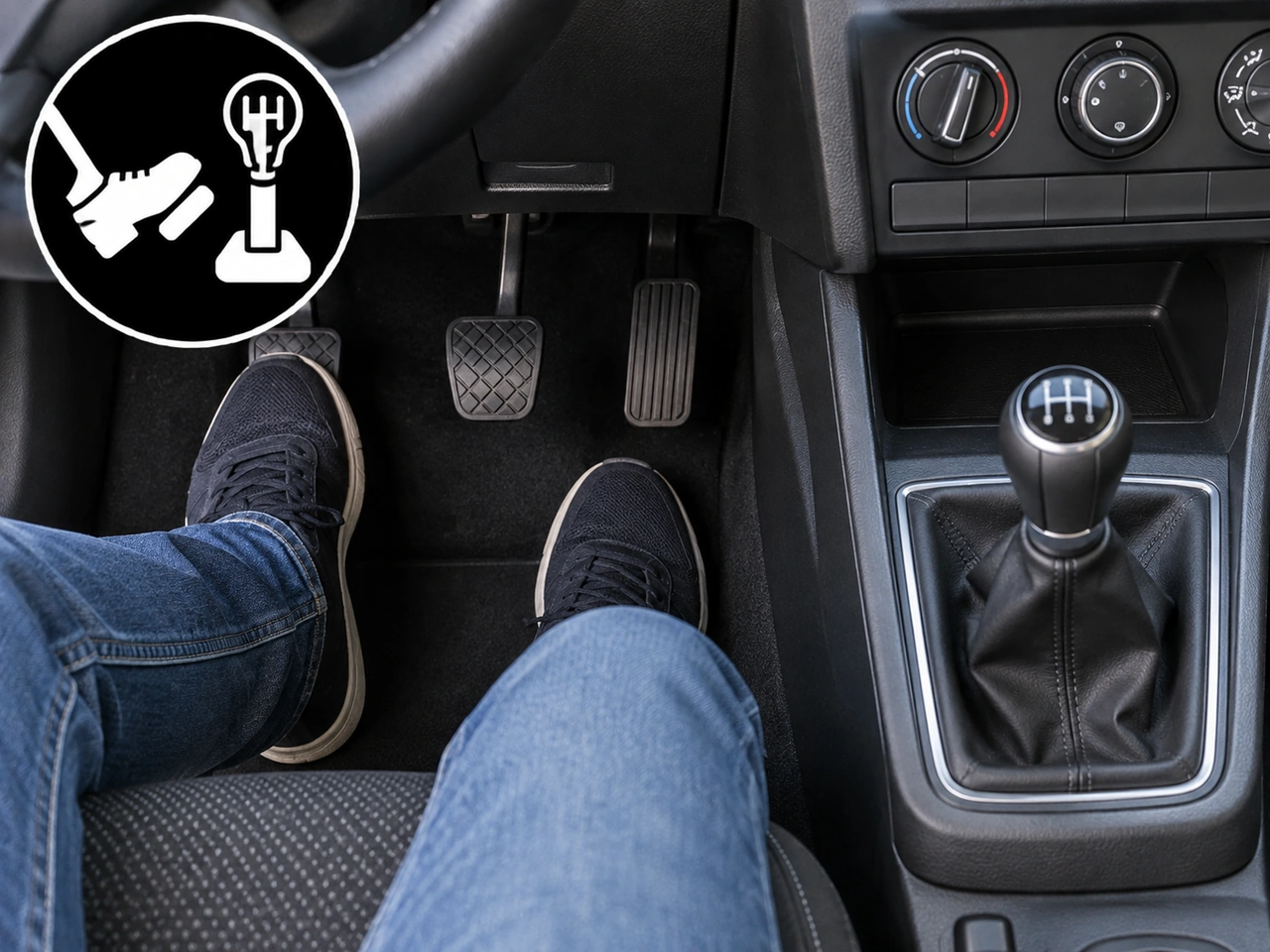
485. What should you check before starting a manual vehicle?
Before starting a manual vehicle, make sure the gearbox is in neutral and press the clutch pedal. This helps prevent the vehicle from moving unexpectedly when the engine starts.
AI-generated by Rijbewijs-online.be • WCIT • CC BY-SA
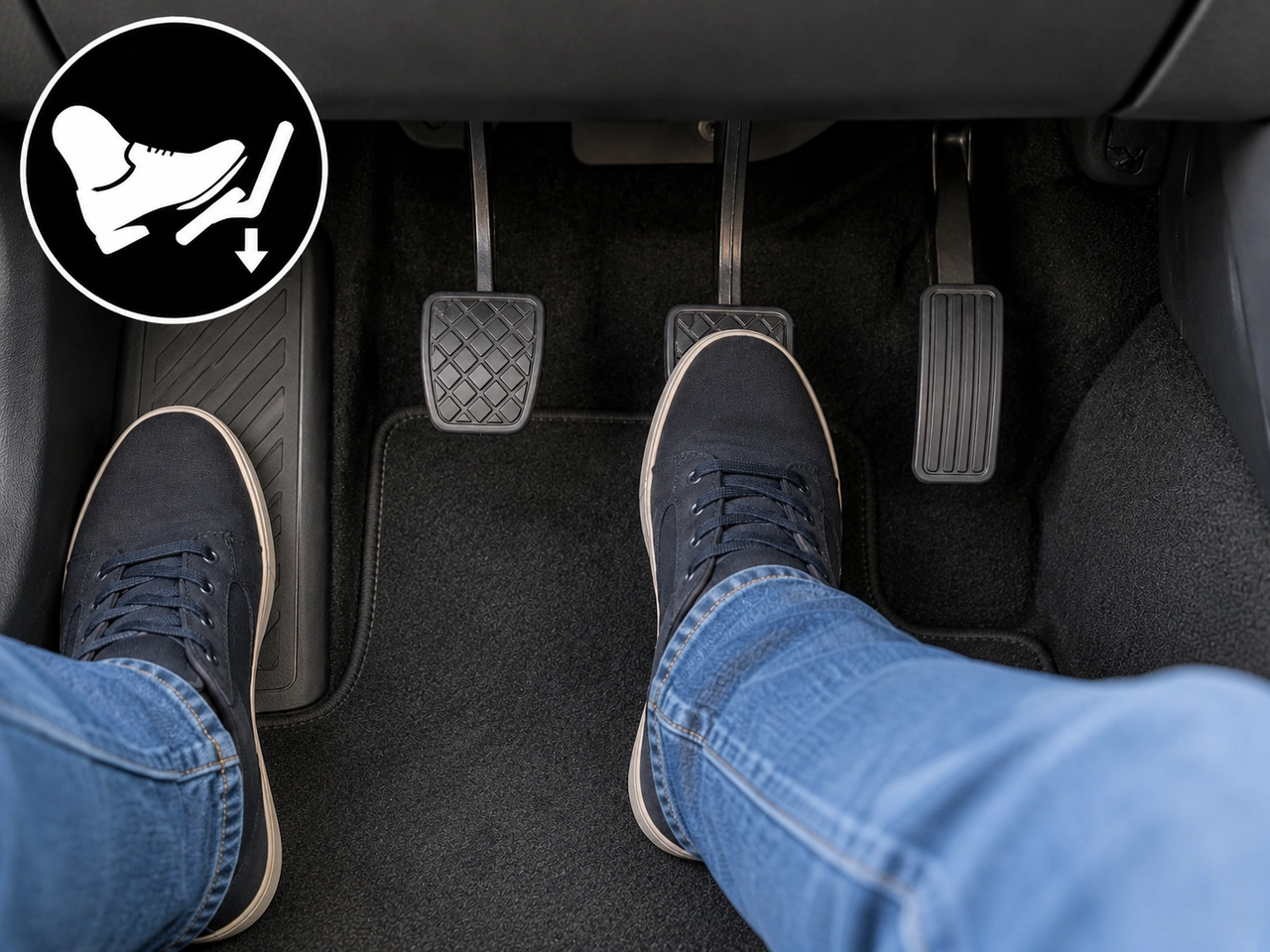
486. How should you normally apply the brake pedal for a smooth stop?
For normal braking, apply the brake pedal progressively and smoothly. As the vehicle comes to a stop, easing the pressure slightly can help avoid a sudden jerk.
AI-generated by Rijbewijs-online.be • WCIT • CC BY-SA
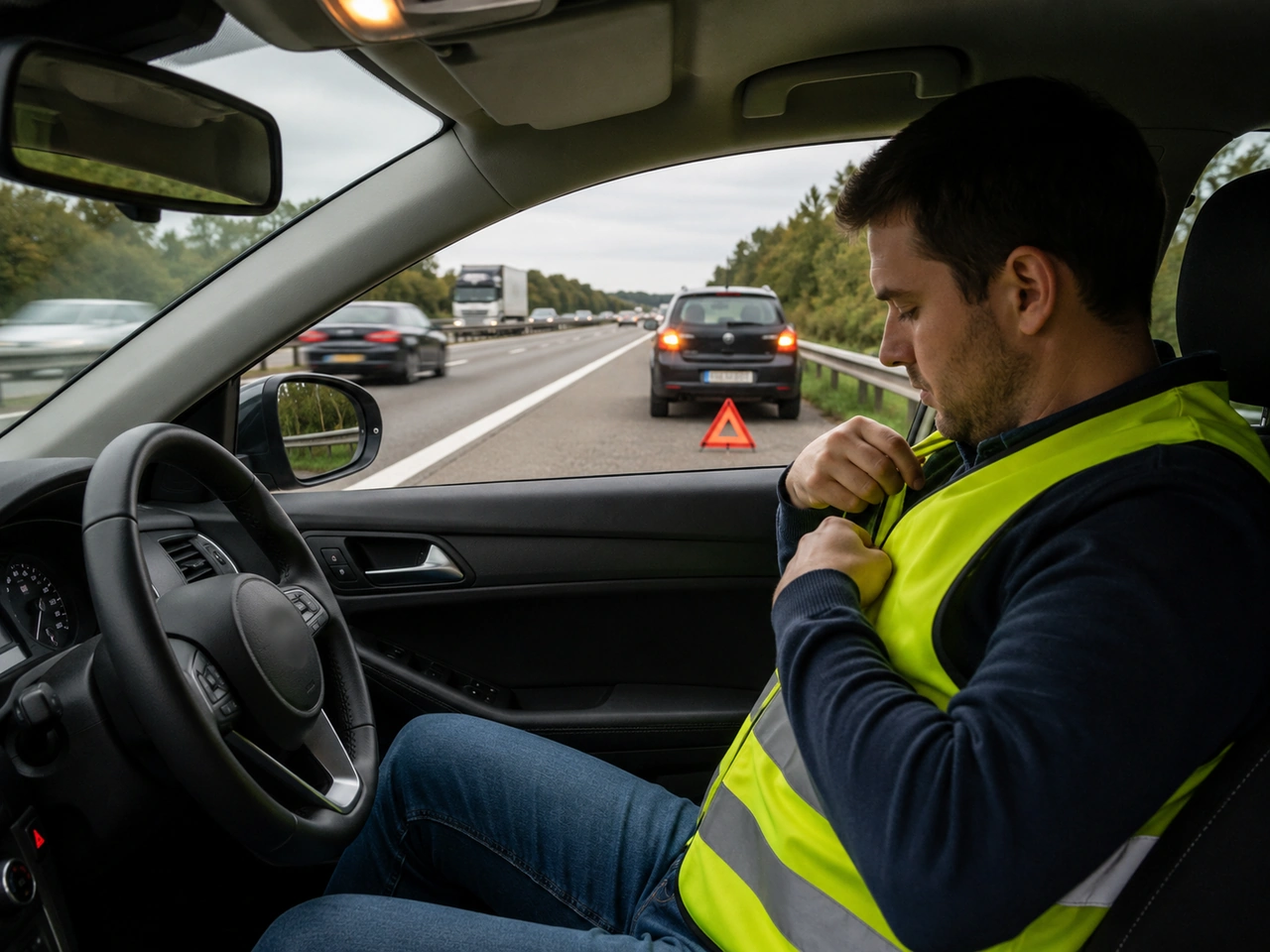
487. When must a driver wear a reflective vest after a motorway breakdown?
On motorways and express roads, the driver must wear a reflective safety vest when leaving a broken-down vehicle that is stopped where stopping or parking is prohibited.
AI-generated by Rijbewijs-online.be • WCIT • CC BY-SA
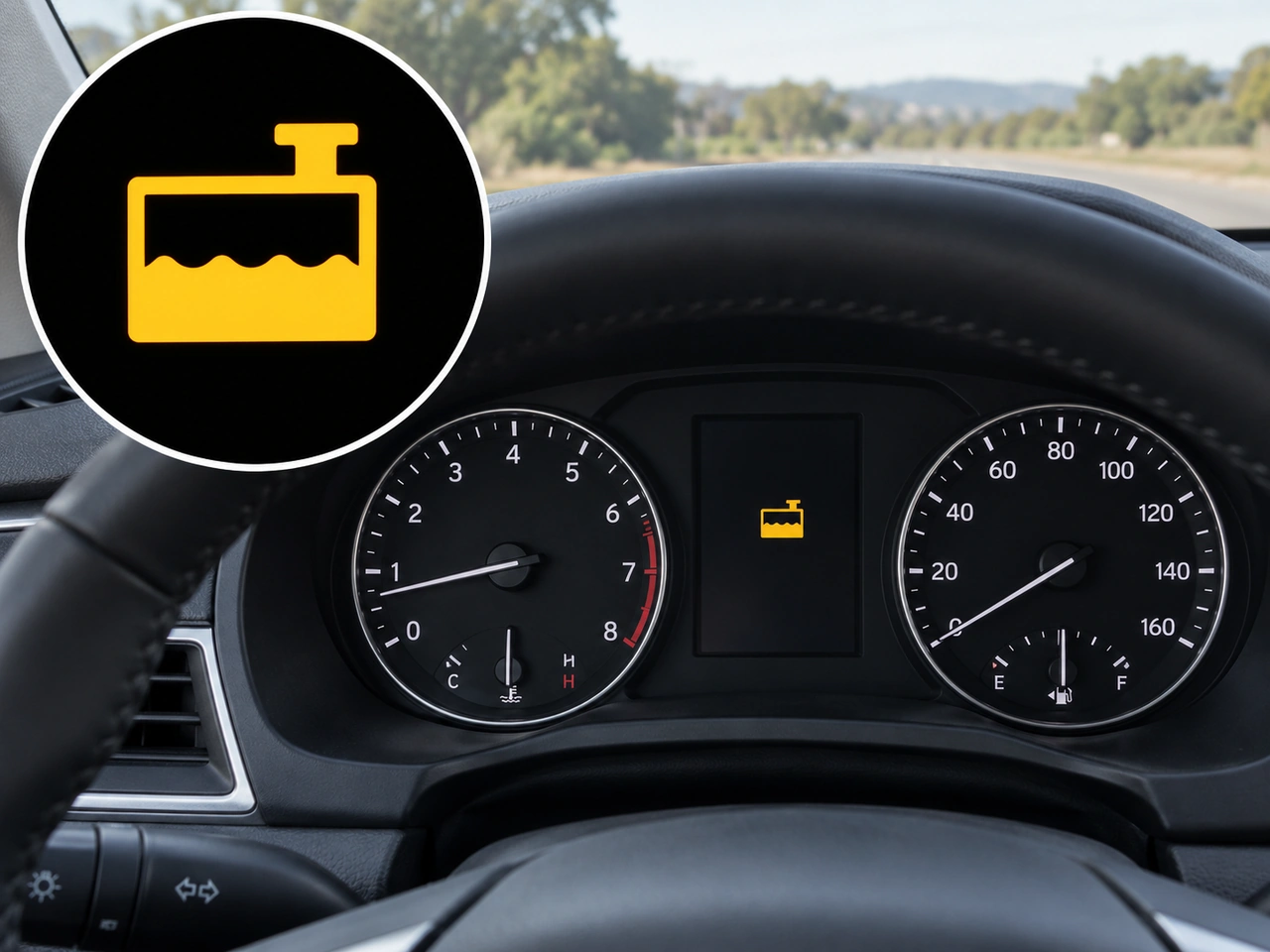
488. What does this dashboard symbol indicate?
This symbol indicates that the engine coolant level is low. Check the coolant level when the engine is cool and refill it with the correct coolant if necessary.
AI-generated by Rijbewijs-online.be • WCIT • CC BY-SA
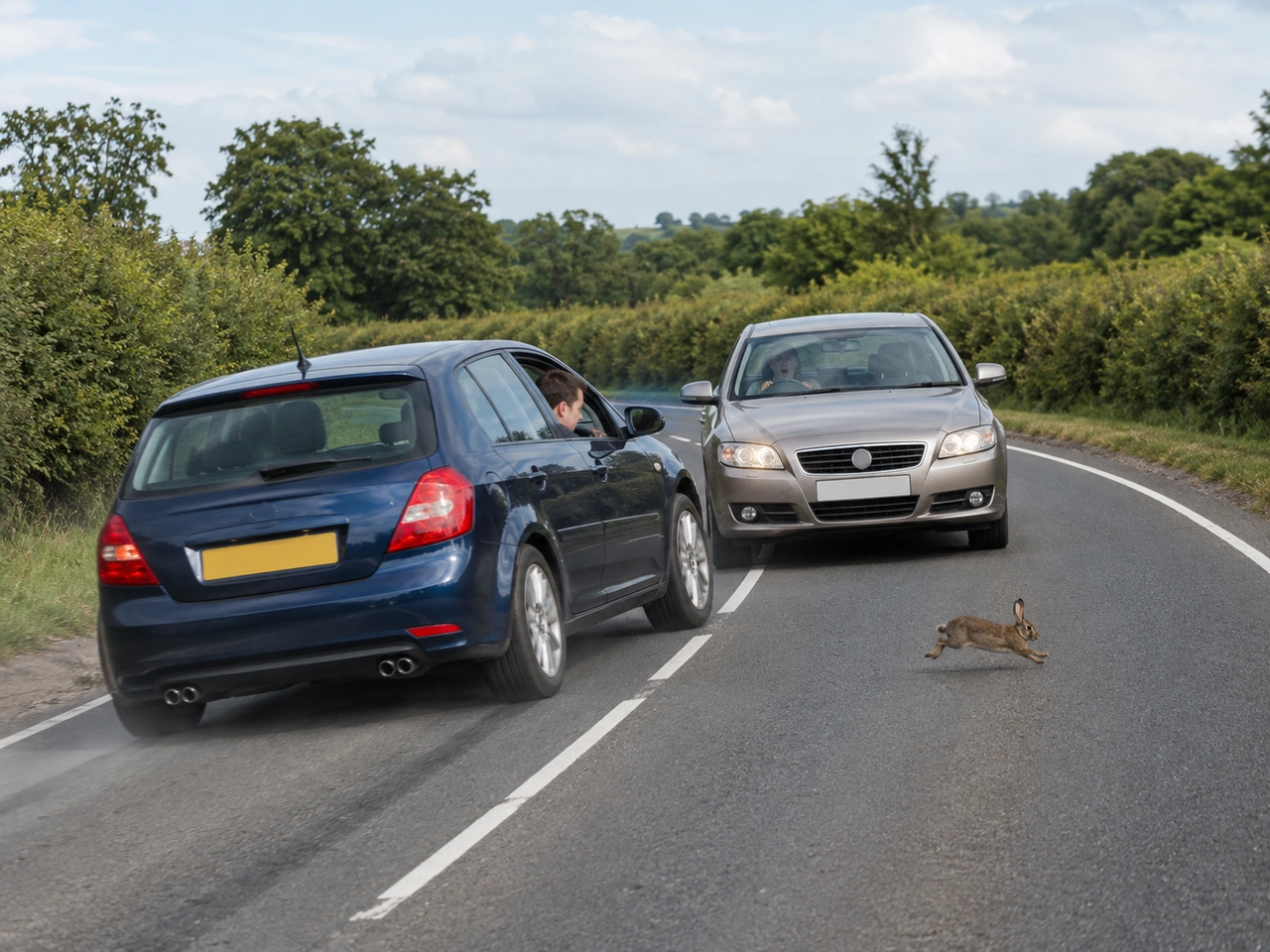
489. Why can swerving suddenly to avoid a small animal be dangerous?
A sudden swerve can take you into another lane, off the road, or into nearby traffic.
AI-generated by Rijbewijs-online.be • WCIT • CC BY-SA
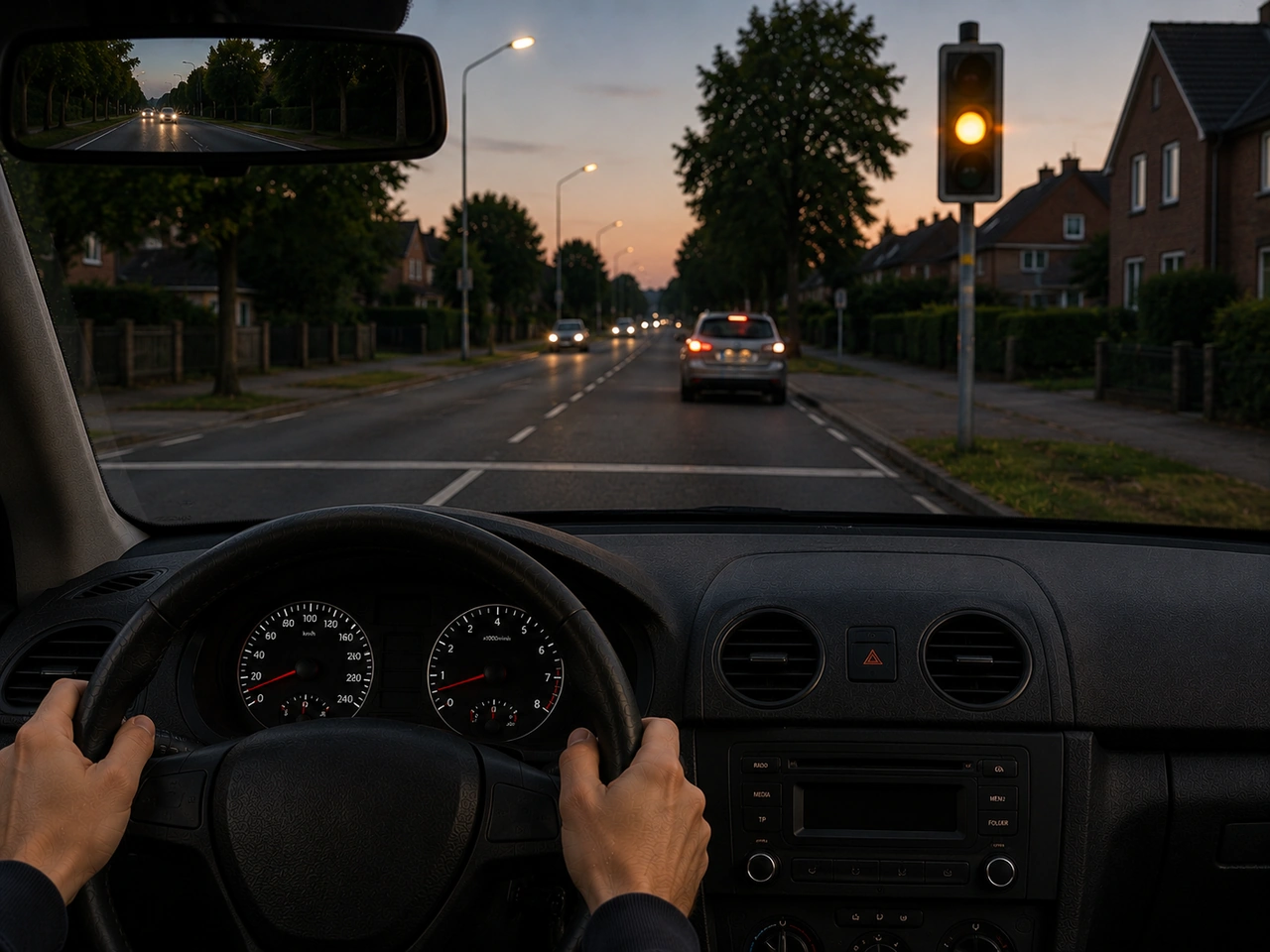
490. What should you do when traffic lights change to amber as you approach?
An amber light warns that the signal is changing. Stop if it is safe, but avoid sudden braking that could cause danger behind you.
AI-generated by Rijbewijs-online.be • WCIT • CC BY-SA
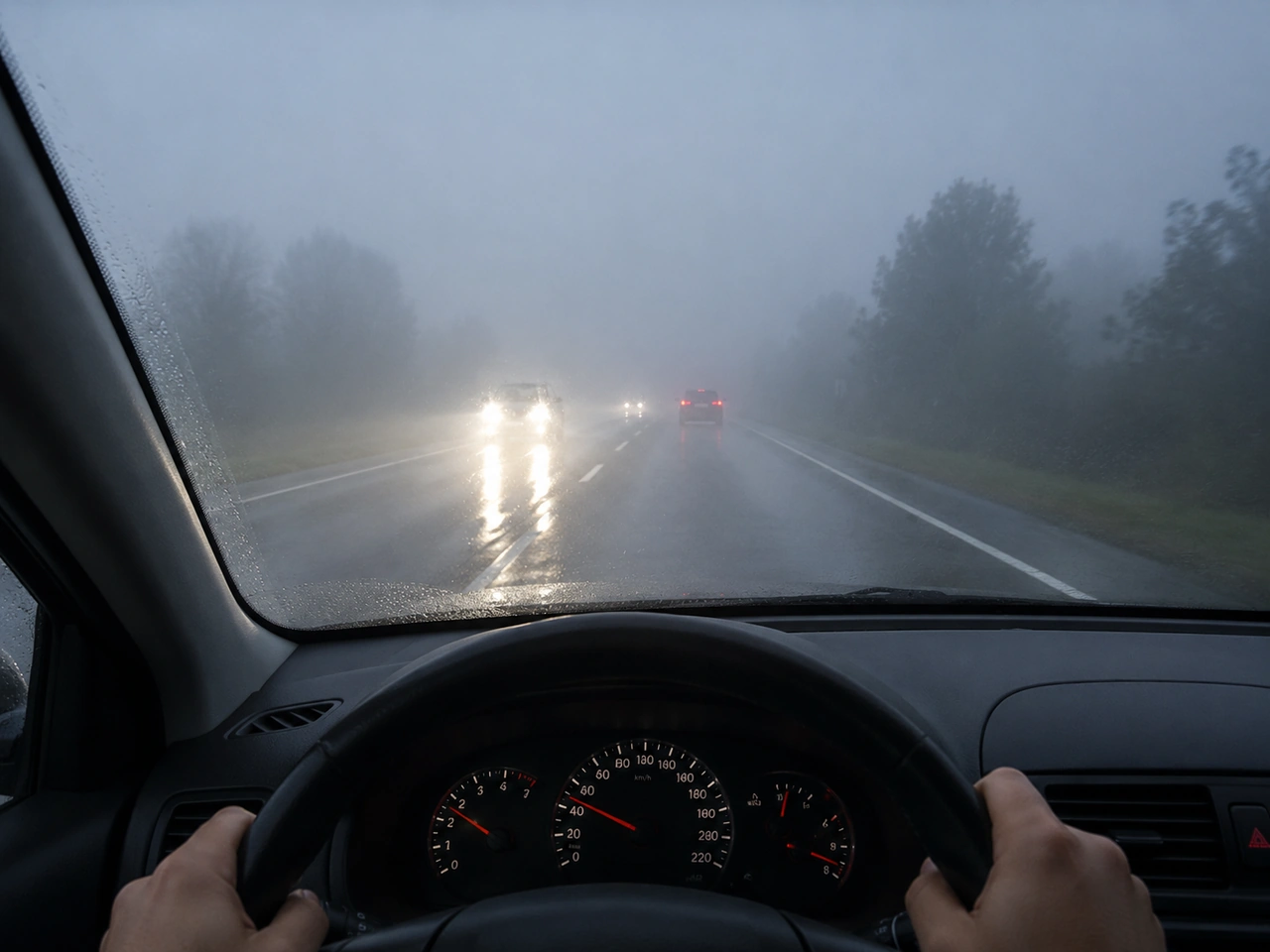
491. Why should you use headlights in poor visibility?
Headlights help you see the road and make your vehicle more visible to other road users in fog, rain, darkness, or poor weather.
AI-generated by Rijbewijs-online.be • WCIT • CC BY-SA
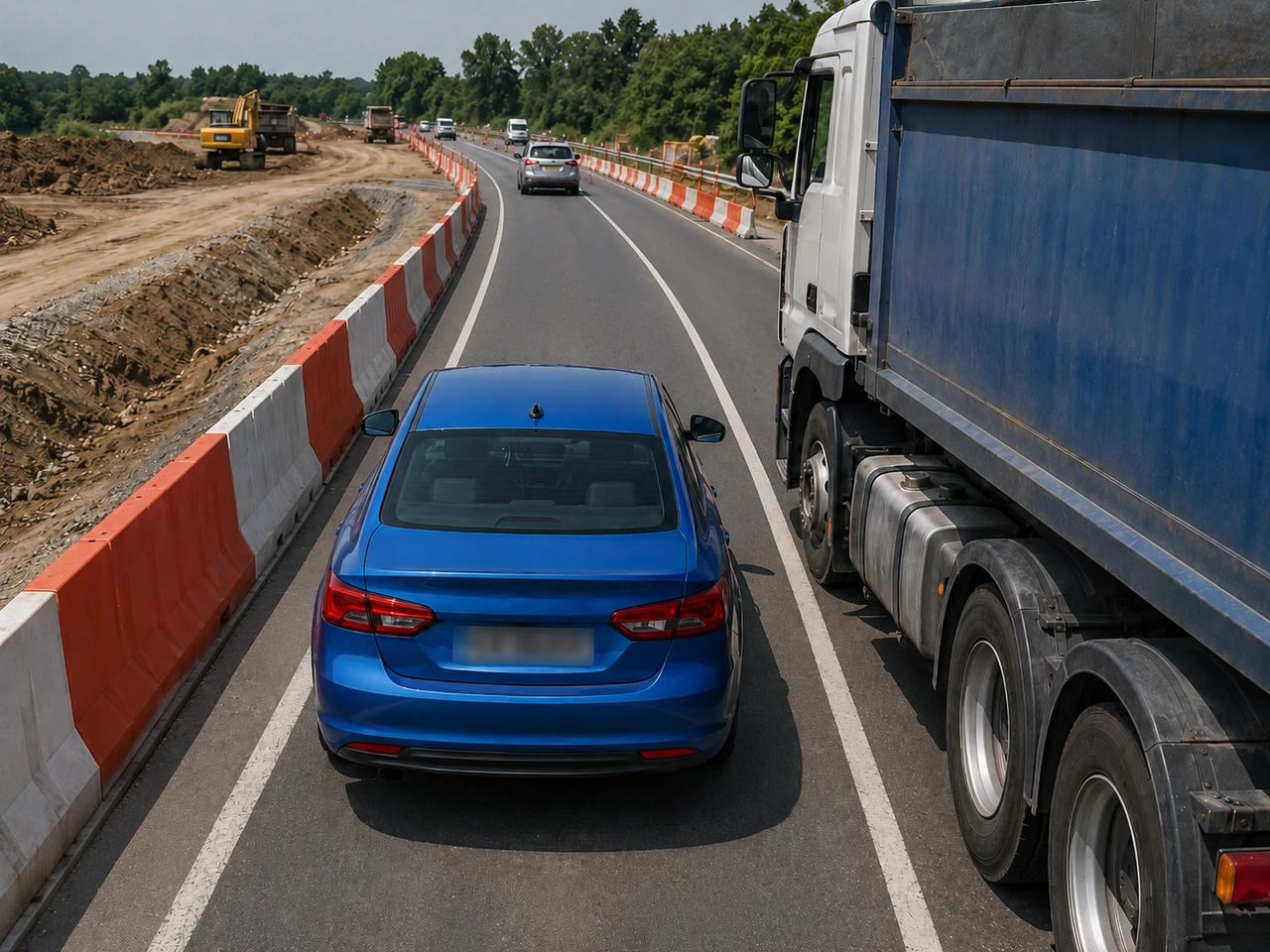
492. What should you expect when lanes become narrower in roadworks?
Narrow lanes leave less room for error. Keep a steady position, avoid drifting toward barriers or nearby vehicles, and reduce speed if necessary.
AI-generated by Rijbewijs-online.be • WCIT • CC BY-SA
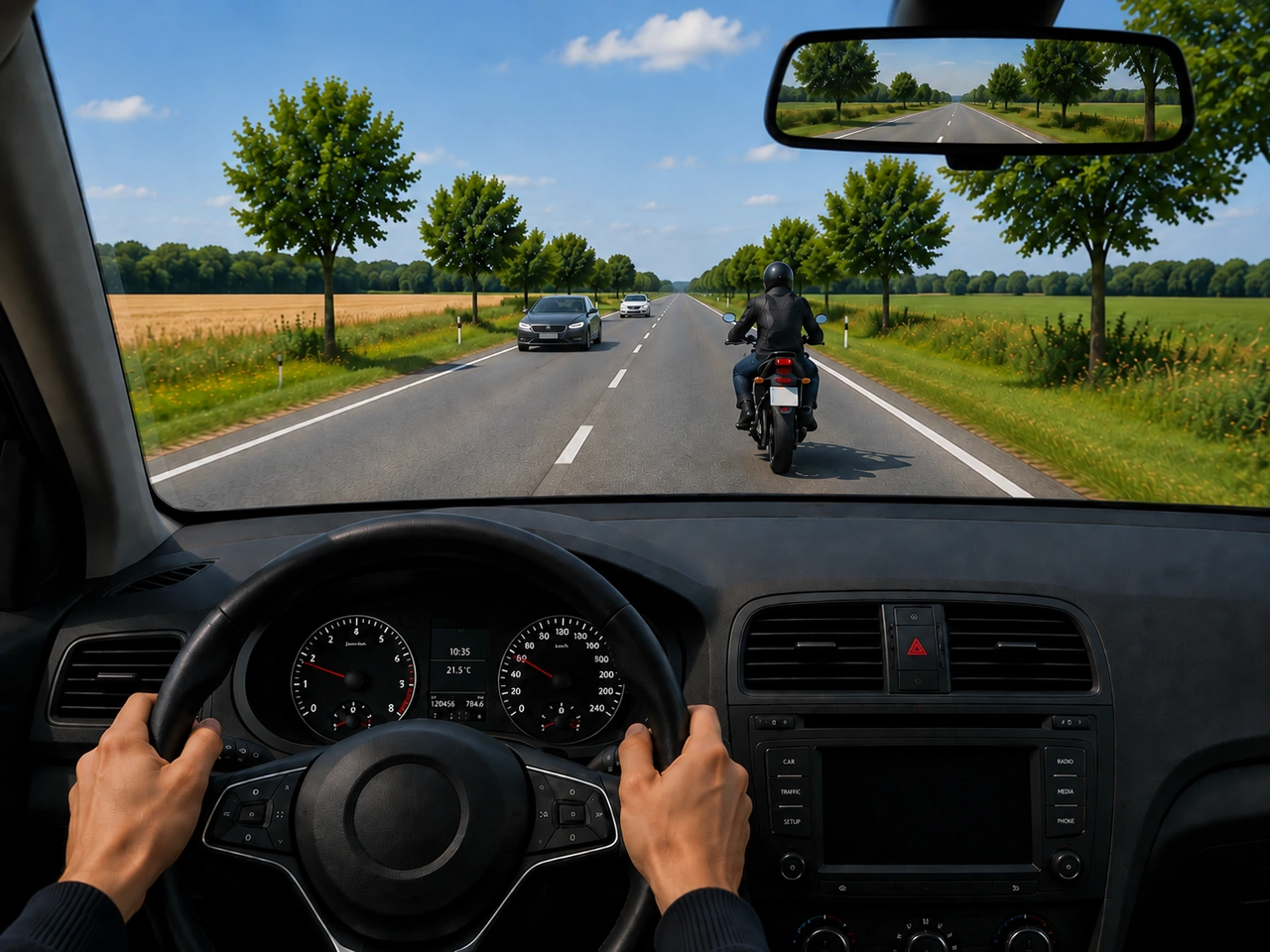
493. Why should you leave extra space behind a motorcycle?
Motorcyclists are more exposed than car drivers. Extra following distance gives you more time to react safely.
AI-generated by Rijbewijs-online.be • WCIT • CC BY-SA
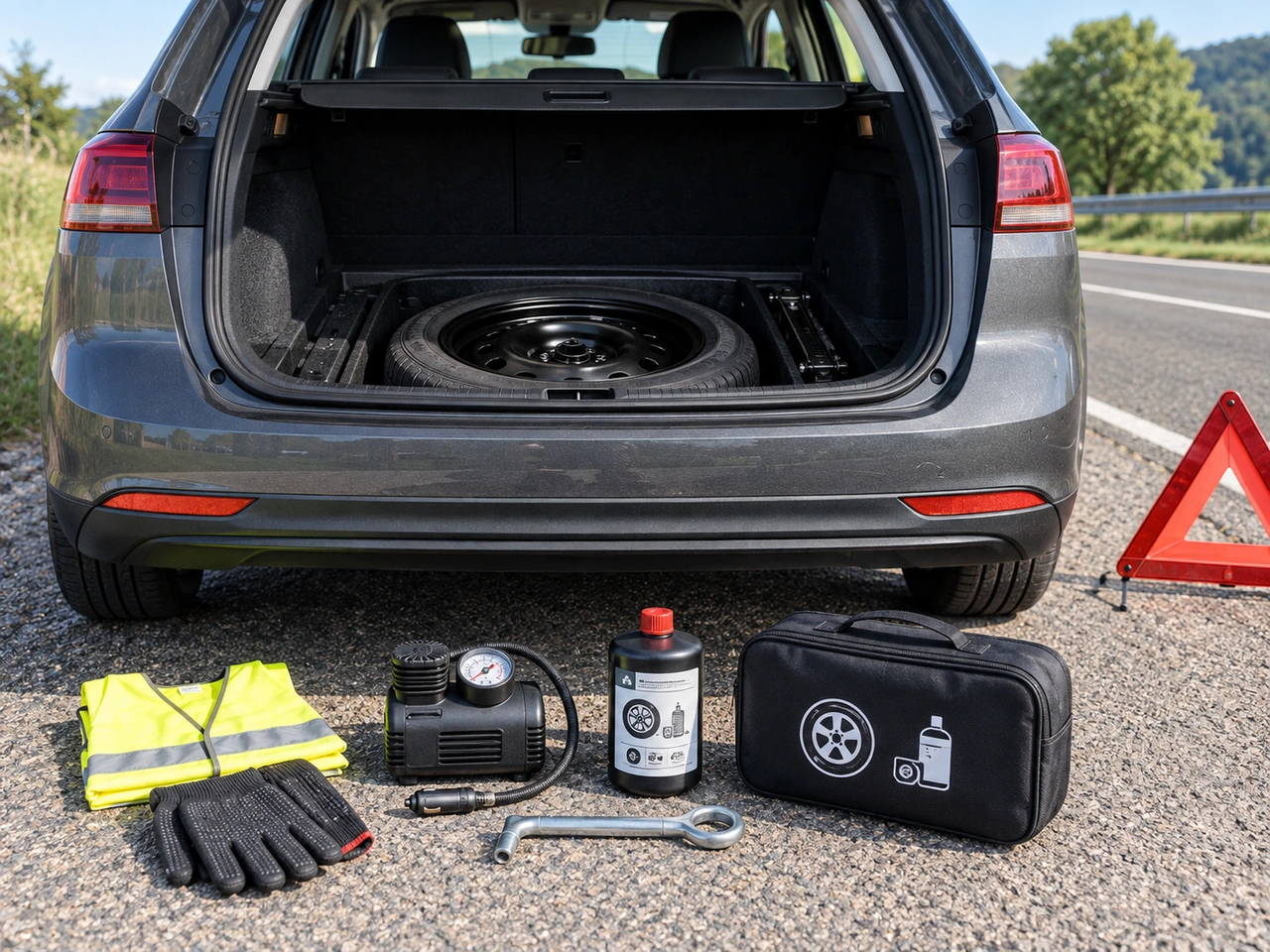
494. Must cars carry equipment for dealing with a puncture in Brussels?
Cars in Brussels are not generally required to carry a spare wheel or tyre repair kit.
AI-generated by Rijbewijs-online.be • WCIT • CC BY-SA
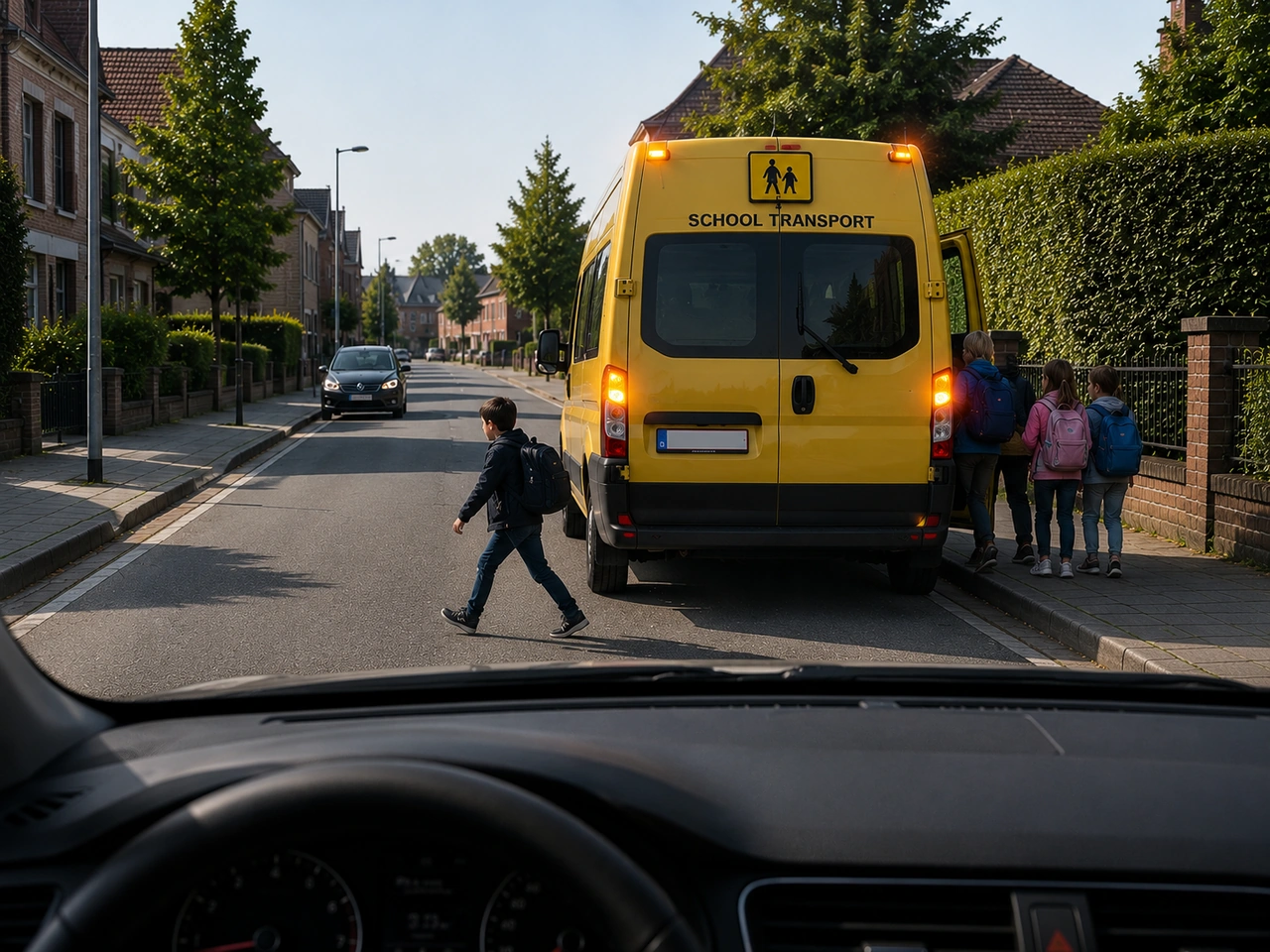
495. What should you do when a school-transport vehicle uses all its indicators?
When a marked school-transport vehicle uses all its direction indicators to show that children are entering or leaving, approaching drivers must be especially careful, reduce speed considerably, and stop if necessary.
AI-generated by Rijbewijs-online.be • WCIT • CC BY-SA
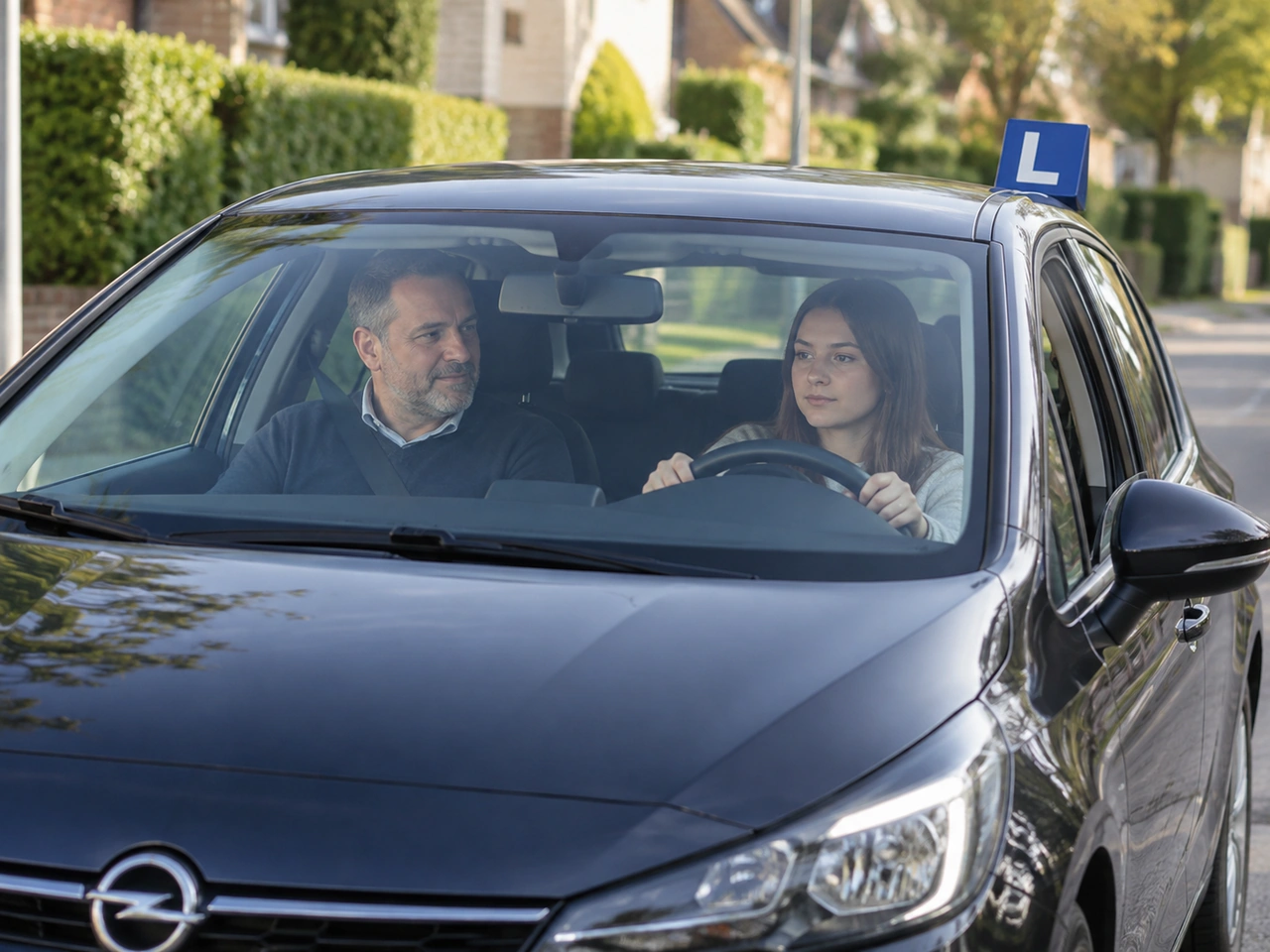
496. At what age can you obtain a Belgian provisional licence M36?
A Belgian provisional driving licence M36 may be obtained from the age of 17. The learner must drive with an authorised guide.
AI-generated by Rijbewijs-online.be • WCIT • CC BY-SA
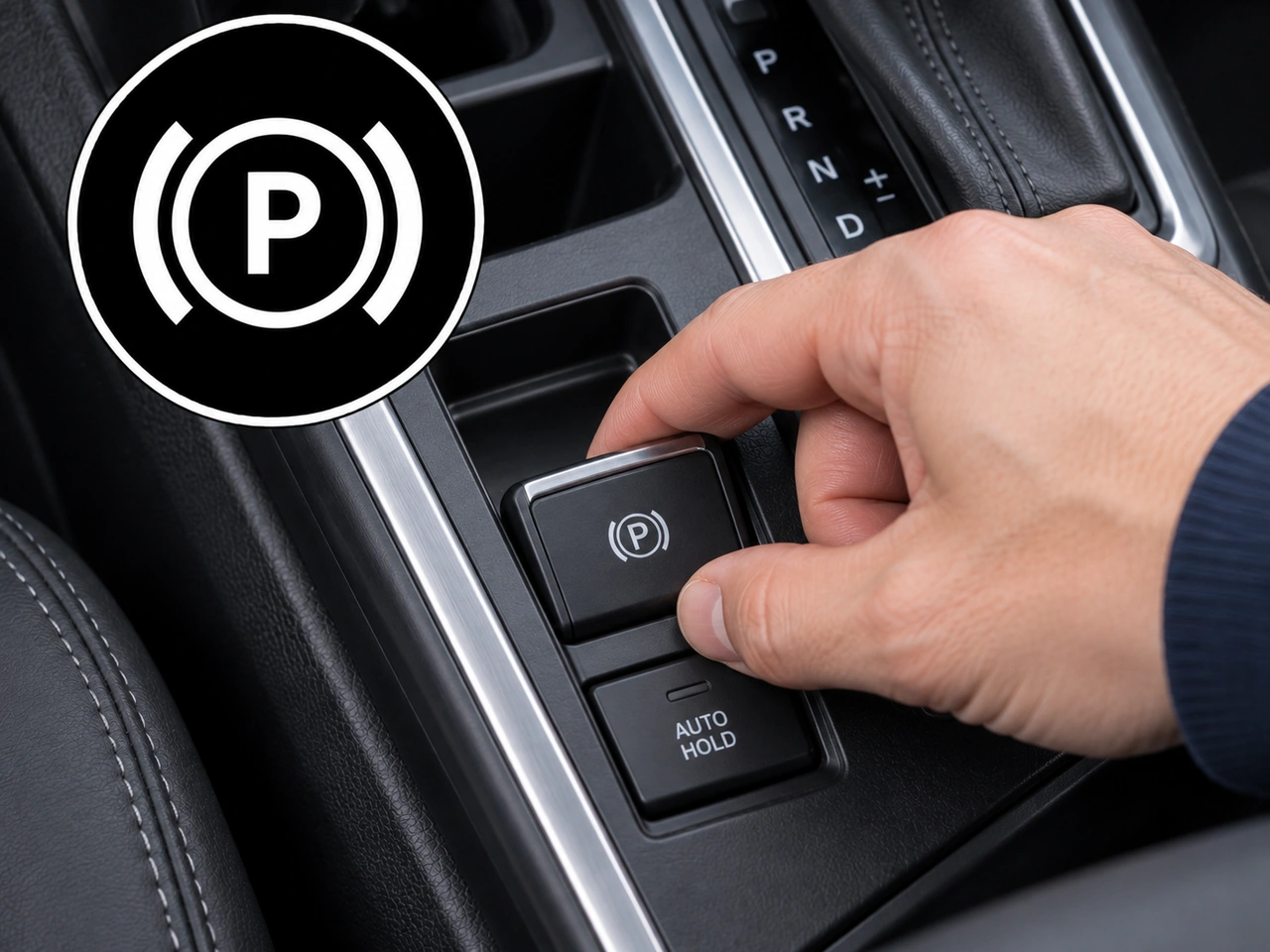
497. What does this vehicle-control symbol indicate?
This control operates the electronic parking brake. Pulling or pressing the switch applies or releases the parking brake, depending on the vehicle.
AI-generated by Rijbewijs-online.be • WCIT • CC BY-SA
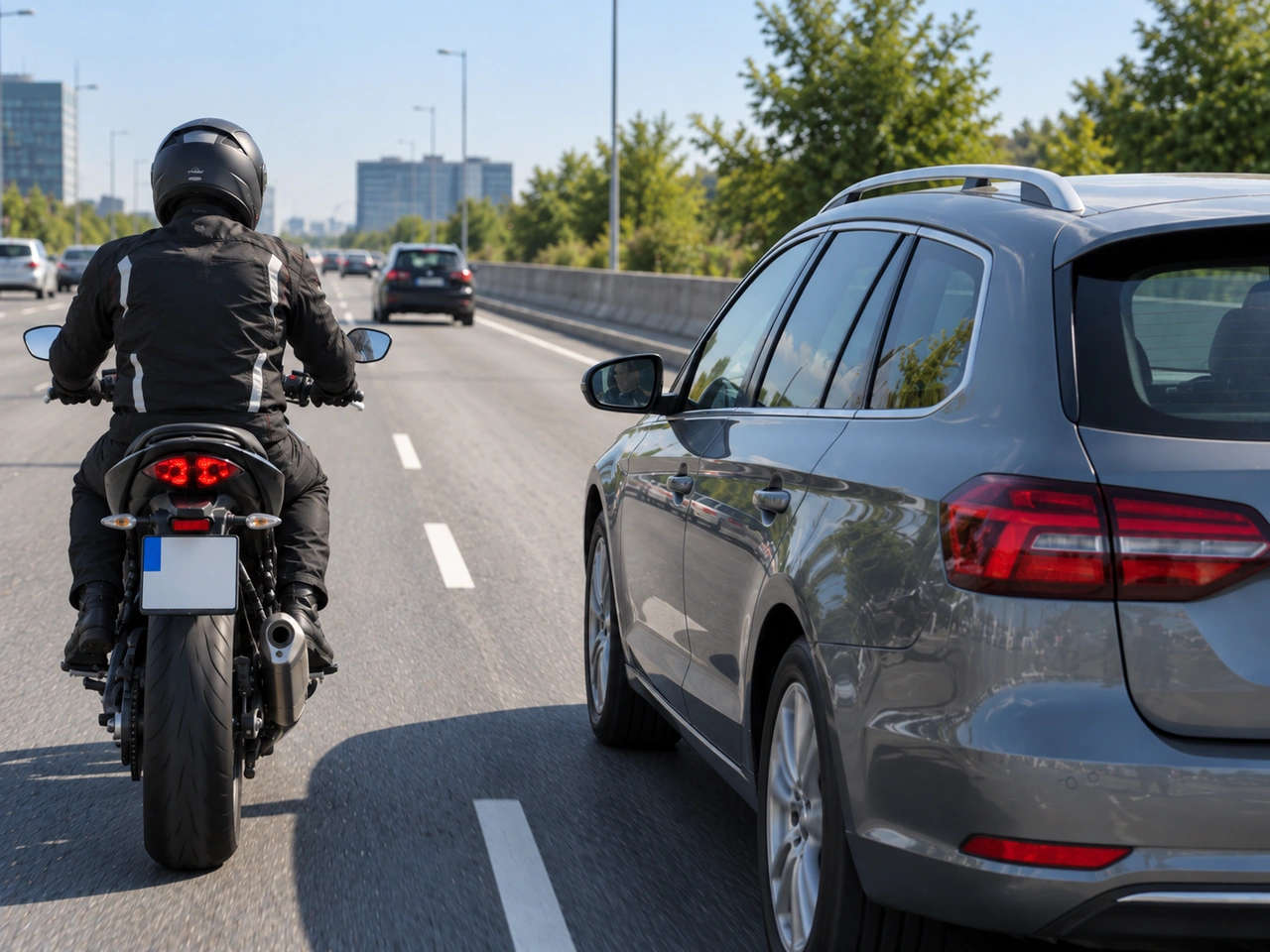
498. Why should a motorcyclist avoid riding in another vehicle's blind spot?
Motorcycles can be difficult to see, particularly when they remain in another vehicle's blind spot. Avoid staying alongside a vehicle where the driver may not see you, and choose a position where you are more likely to be visible.
AI-generated by Rijbewijs-online.be • WCIT • CC BY-SA
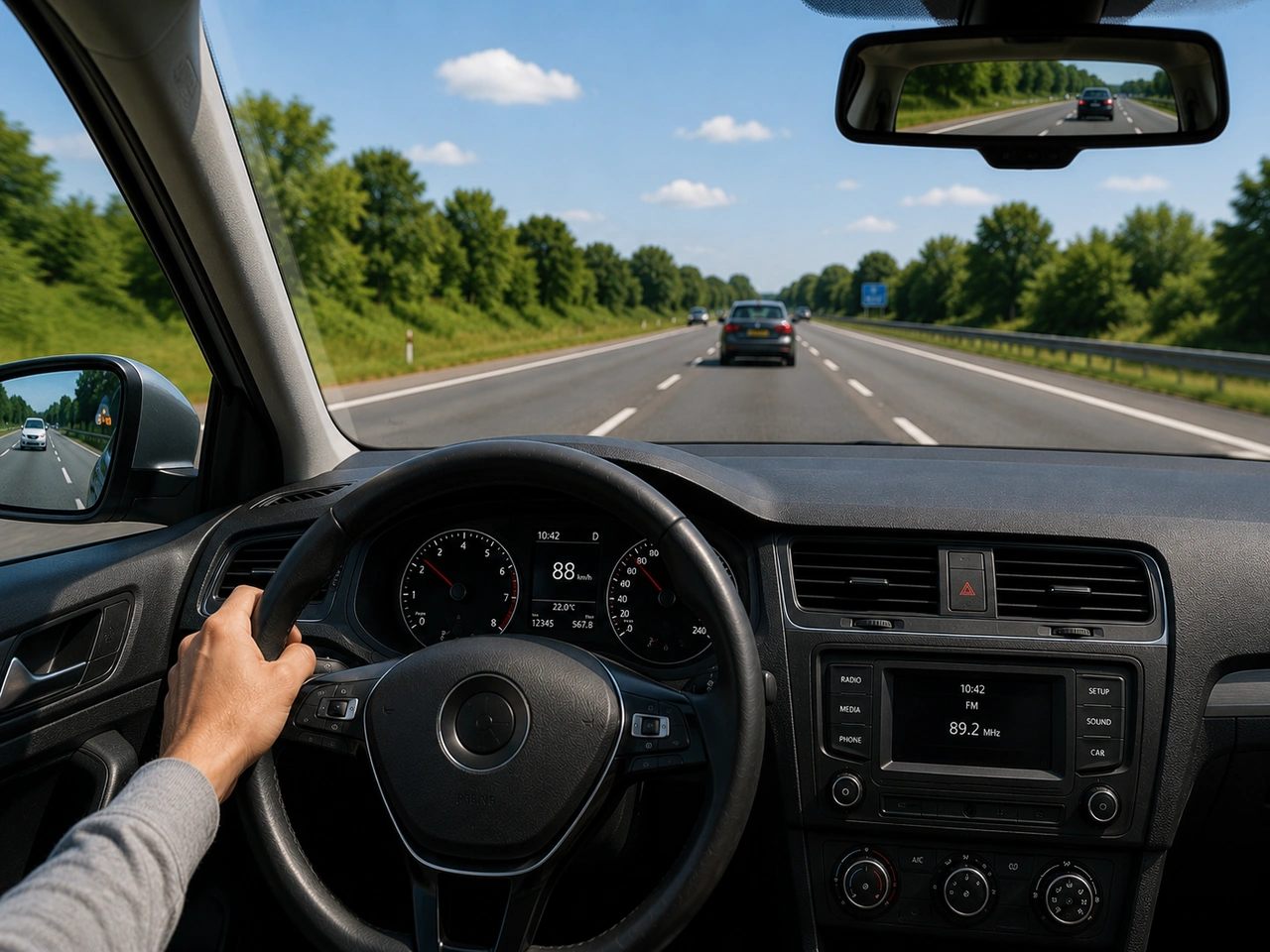
499. You should check your mirrors before changing lanes.
Checking your mirrors helps you see surrounding traffic before moving into another lane.
AI-generated by Rijbewijs-online.be • WCIT • CC BY-SA
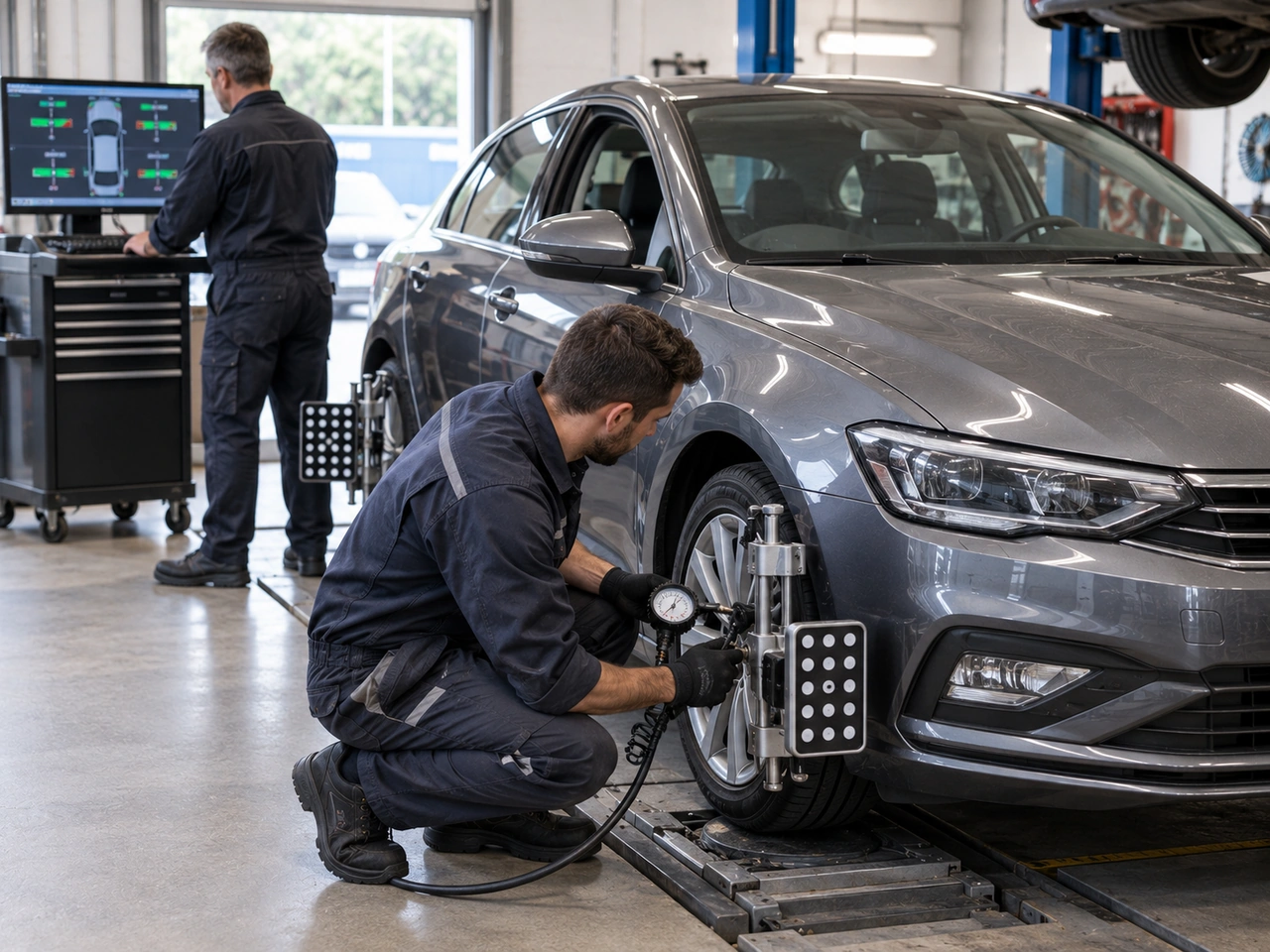
500. What should you do if the vehicle consistently pulls to one side?
Persistent pulling can be caused by incorrect tyre pressure, wheel misalignment, suspension wear, or a braking fault. It should not be ignored.
AI-generated by Rijbewijs-online.be • WCIT • CC BY-SA