


QuizTraffic rulesSwitzerland
This interesting quiz helps you test your knowledge in a clear and visual way. With easy multiple-choice questions, you can quickly build confidence and learn new facts while keeping it simple, interactive, and fun.
 Traffic signs
 Traffic rules
 Switzerland
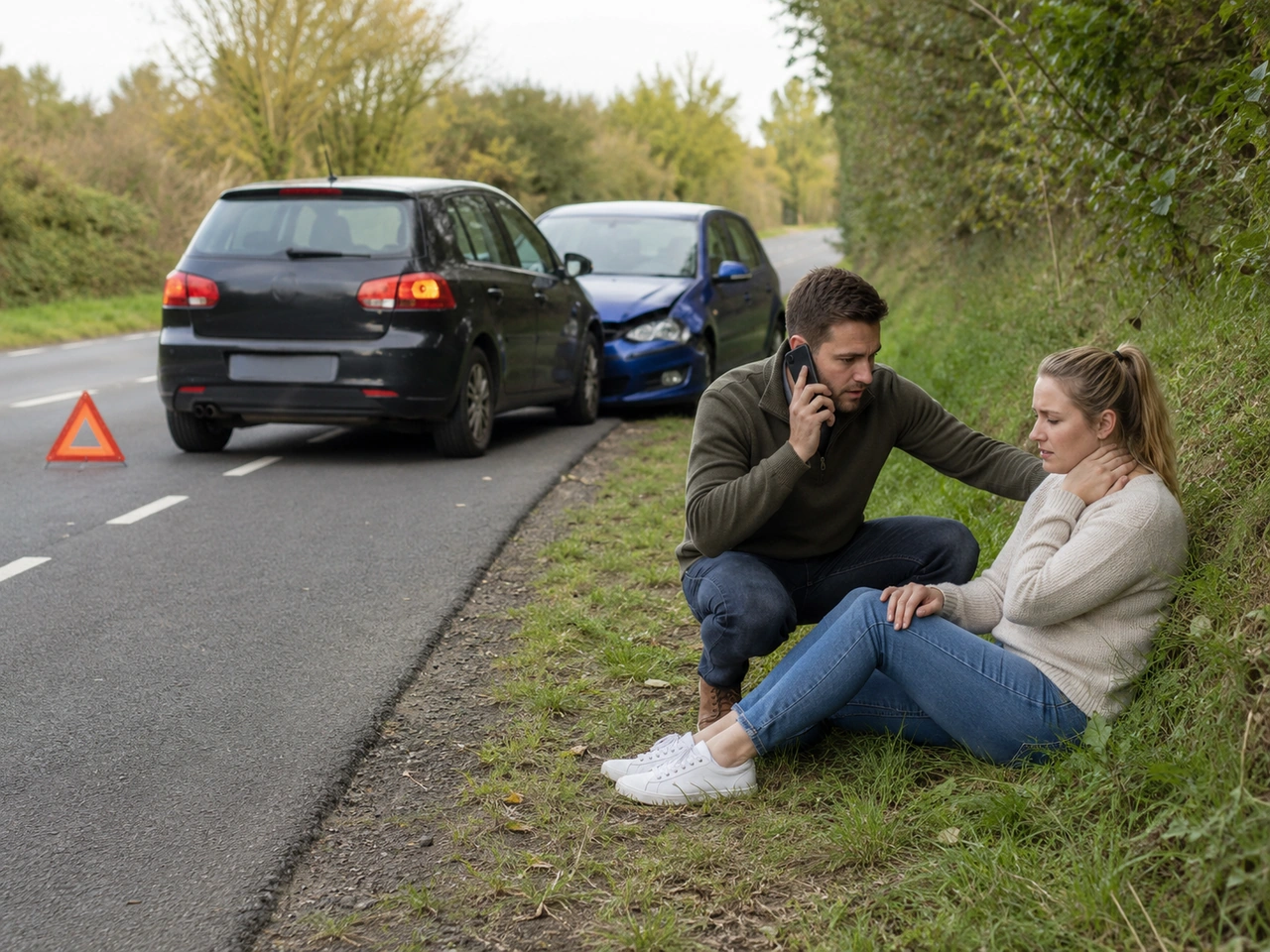
551. What should you do if someone is injured in a road collision?
Moving an injured person can worsen spinal or other injuries. Keep them calm, protect them from further danger, and provide first aid only within your level of training.
AI-generated by Rijbewijs-online.be • WCIT • CC BY-SA

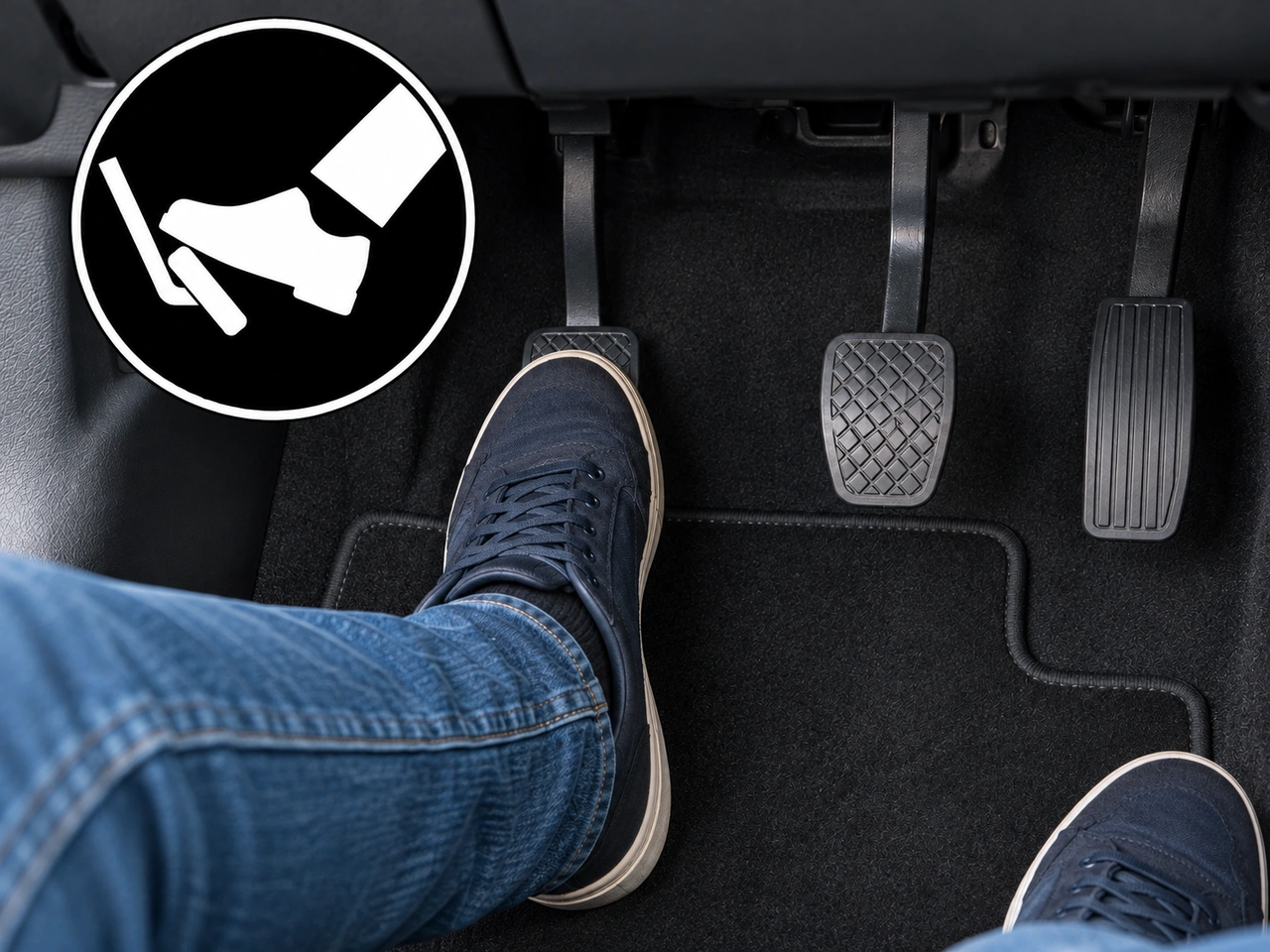
552. Why should you press the clutch pedal fully when changing gear?
Pressing the clutch pedal fully disengages the engine from the transmission, allowing the gear to be changed smoothly and reducing unnecessary wear on the gearbox and clutch.
AI-generated by Rijbewijs-online.be • WCIT • CC BY-SA
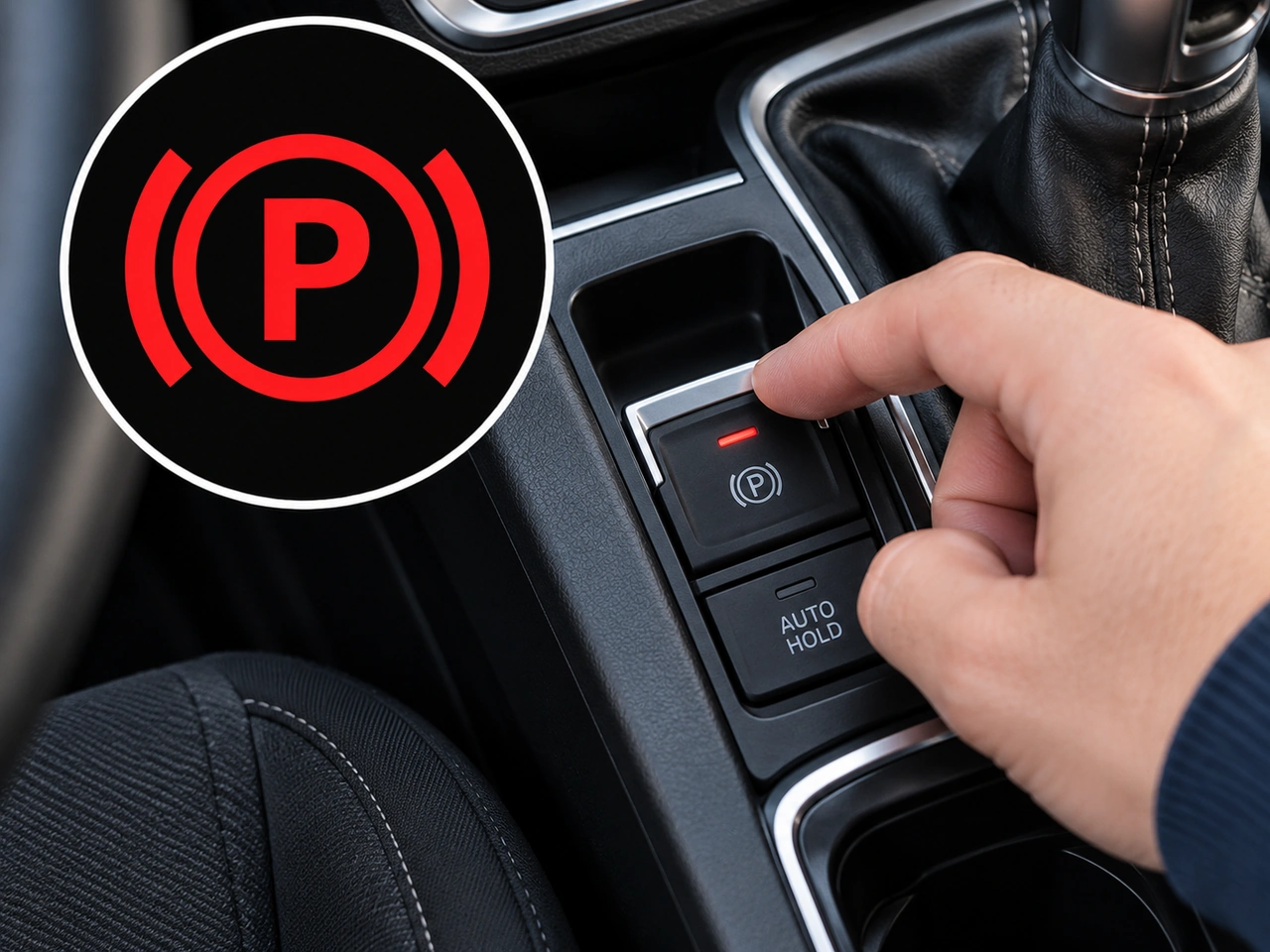
553. What does this dashboard symbol indicate?
This symbol indicates that the parking brake is applied. It should normally go out when the parking brake is fully released.
AI-generated by Rijbewijs-online.be • WCIT • CC BY-SA
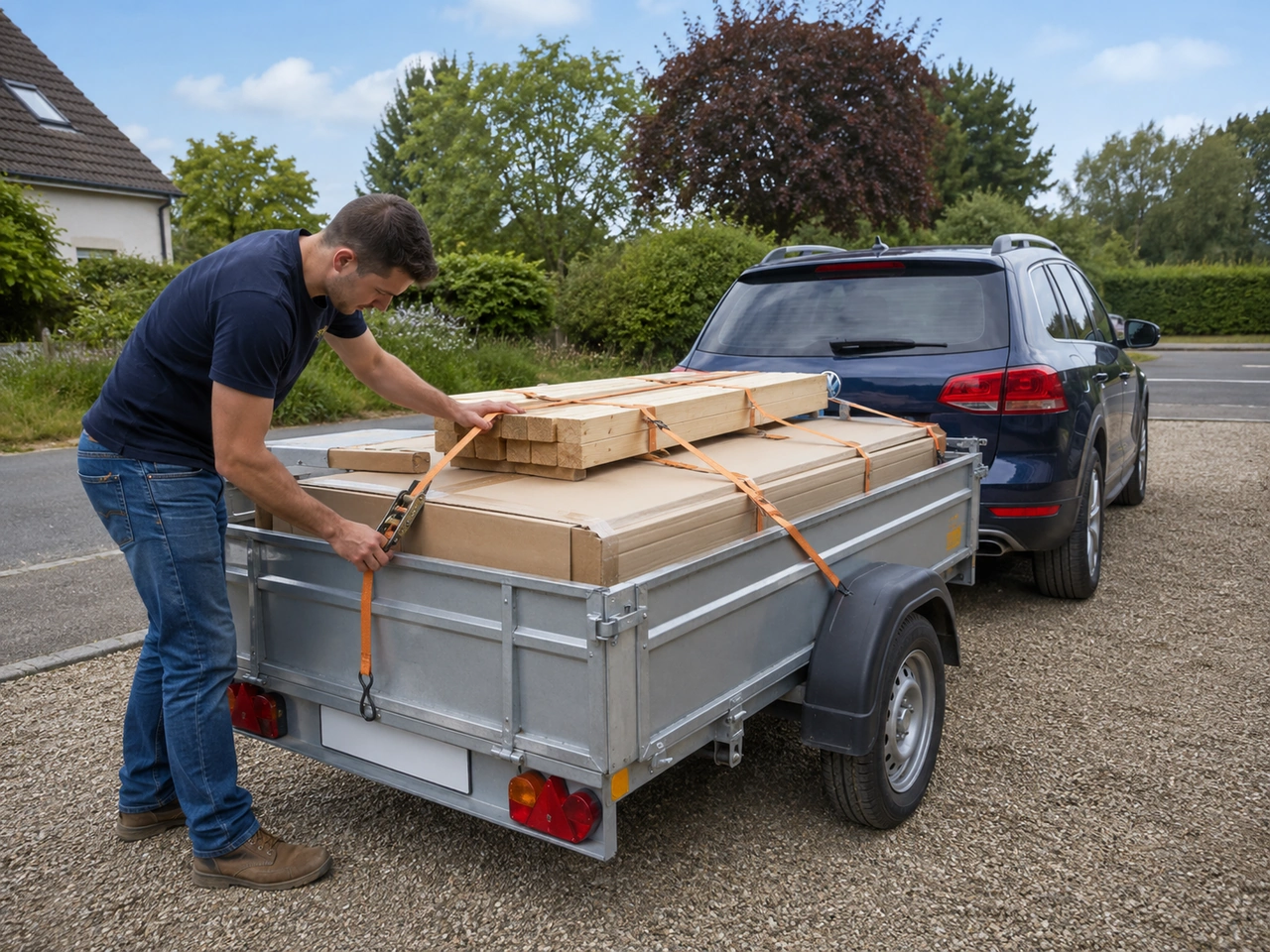
554. What should you do before driving with a load?
An unsecured load can shift, affect vehicle control, or fall into the road. Check that everything is safely restrained before moving.
AI-generated by Rijbewijs-online.be • WCIT • CC BY-SA
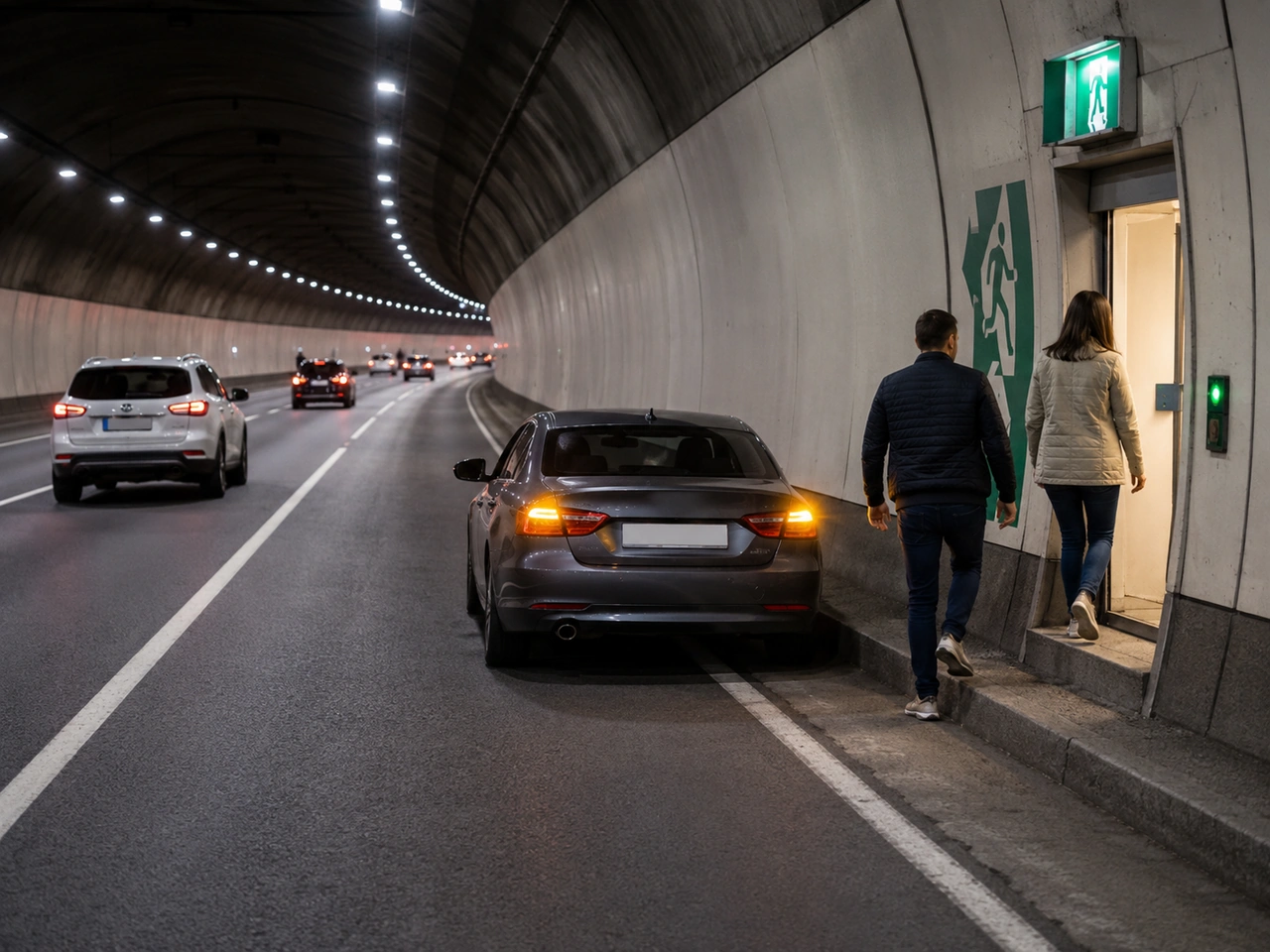
555. Where should you go after safely leaving a disabled vehicle in a tunnel?
Move away from live traffic and use a marked emergency exit, refuge area, or protected walkway where available.
AI-generated by Rijbewijs-online.be • WCIT • CC BY-SA
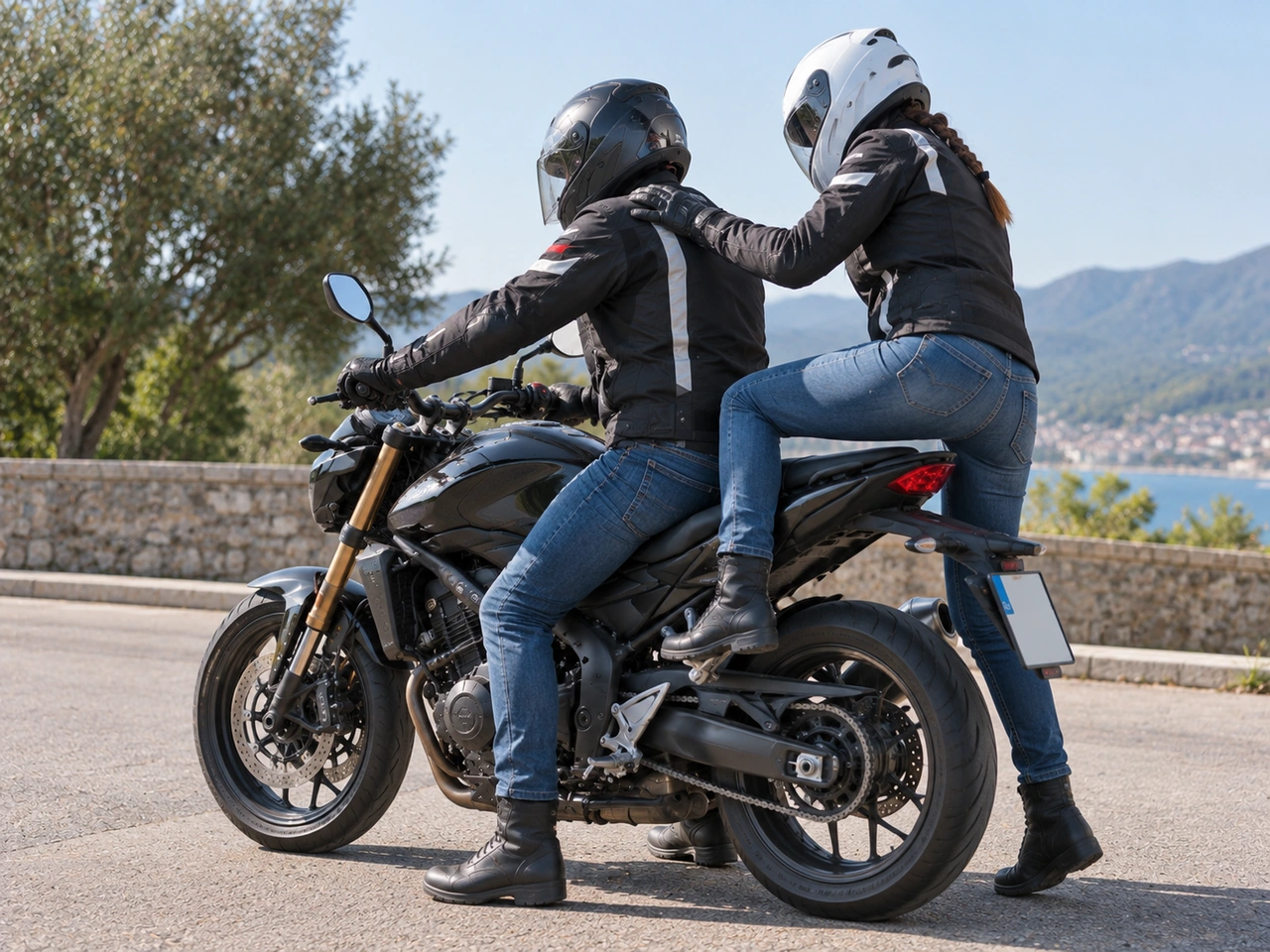
556. When should a passenger get on or off a motorcycle?
A passenger getting on or off can shift the motorcycle's balance suddenly. The motorcycle should be stationary and stable, and the passenger should wait until the rider is ready and prepared to support the extra movement.
AI-generated by Rijbewijs-online.be • WCIT • CC BY-SA
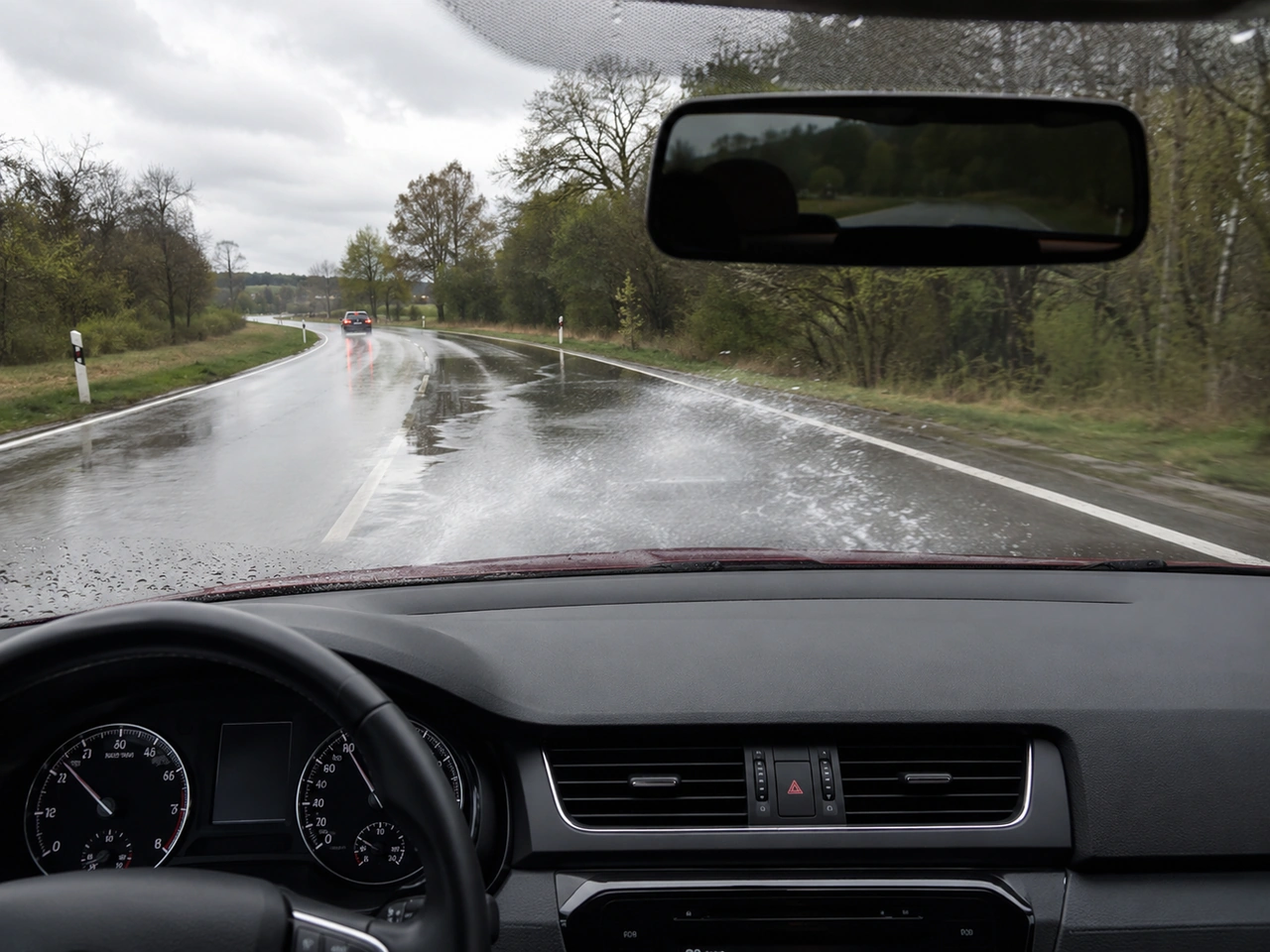
557. Why is it dangerous to drive through standing water at speed?
Driving too fast through water can cause aquaplaning, where the tyres lose grip and the driver may lose control.
AI-generated by Rijbewijs-online.be • WCIT • CC BY-SA
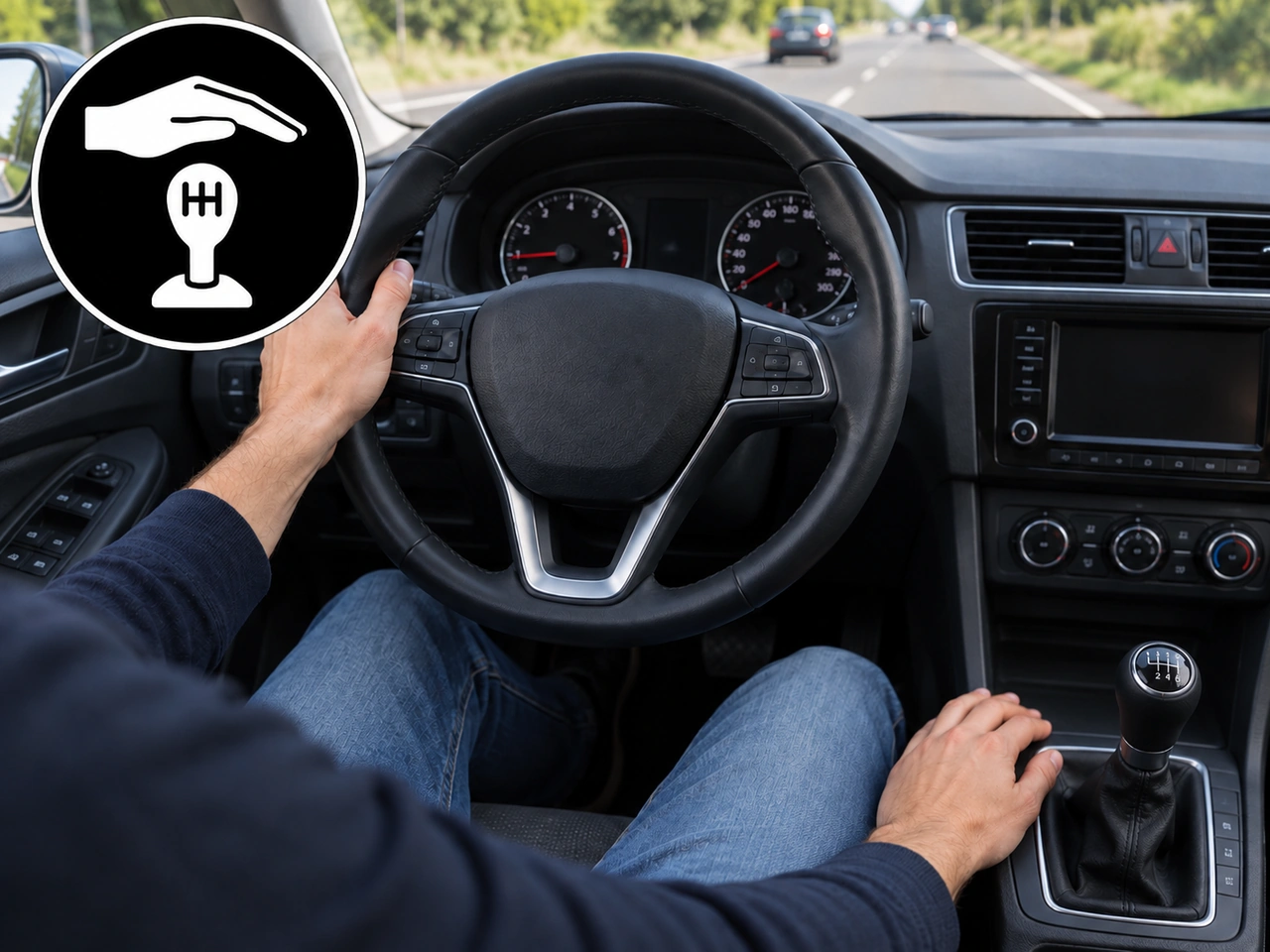
558. Why should you avoid resting your hand on the gear lever while driving?
Resting your hand on the gear lever can place unnecessary pressure on parts of the gear-selection mechanism and contribute to wear. Keep both hands on the steering wheel when you are not changing gear.
AI-generated by Rijbewijs-online.be • WCIT • CC BY-SA
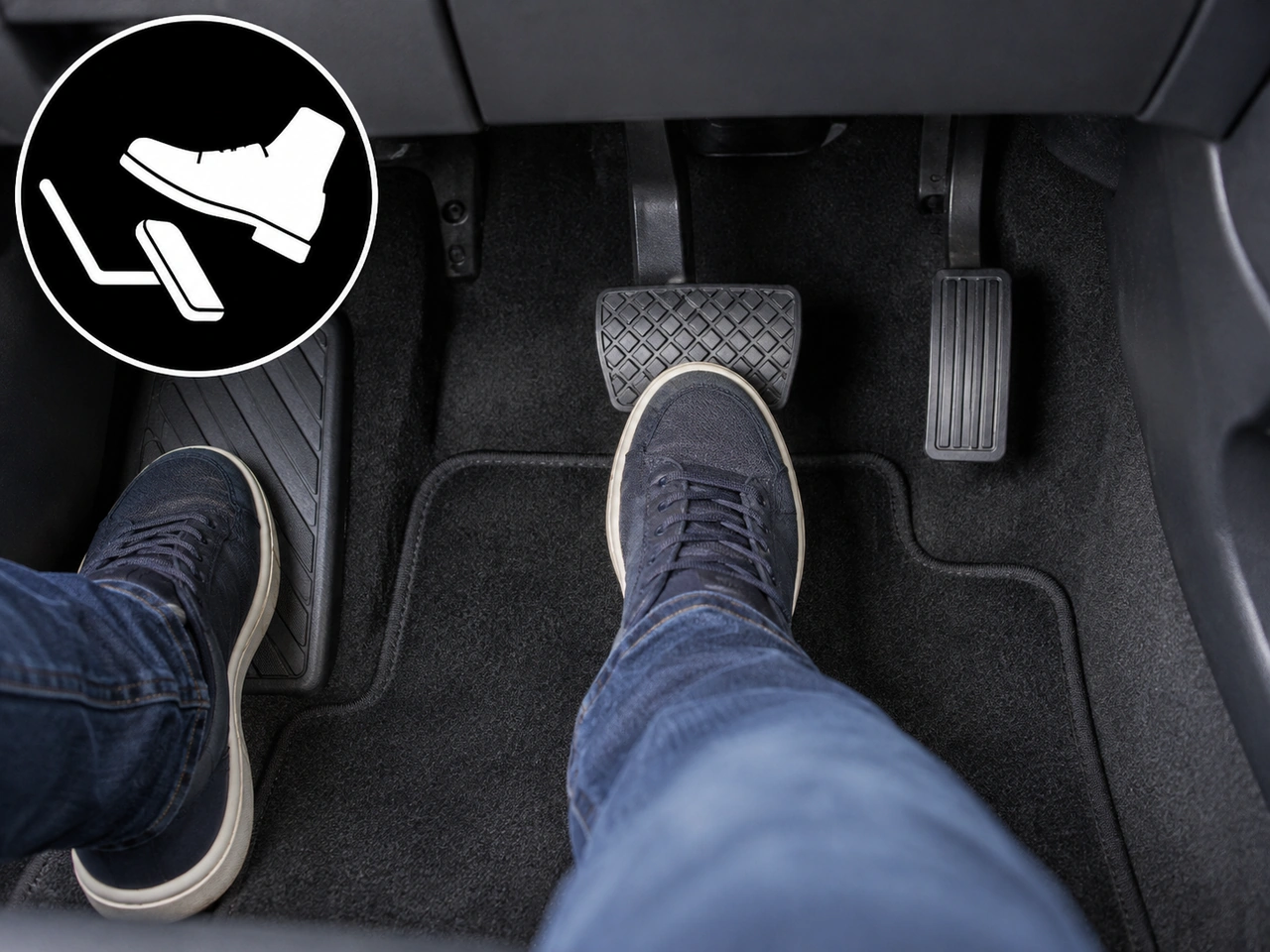
559. What does it mean to cover the brake pedal?
To cover the brake, move your right foot over the brake pedal without pressing it, so you are ready to brake quickly if a hazard develops.
AI-generated by Rijbewijs-online.be • WCIT • CC BY-SA
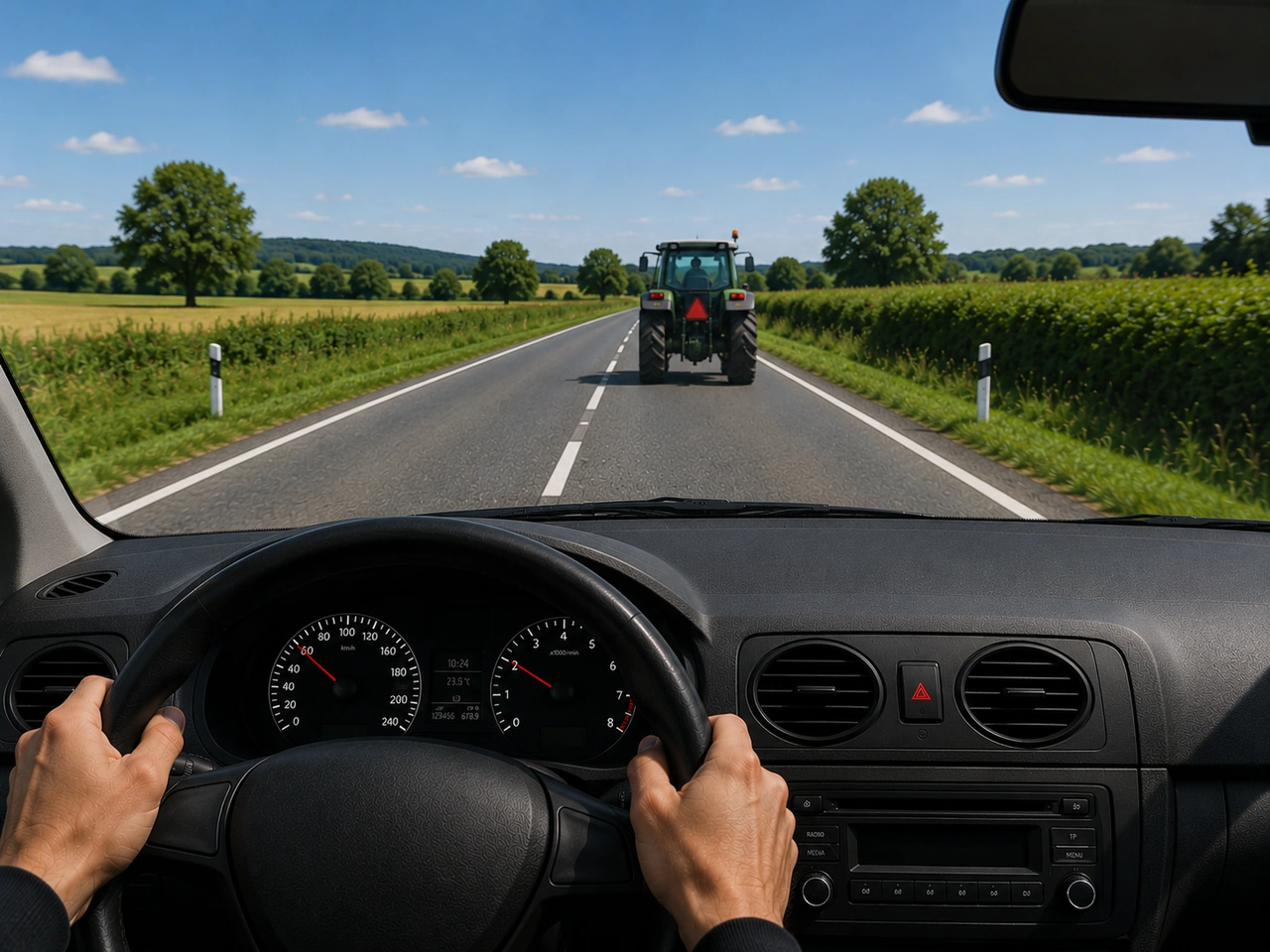
560. What should you do before overtaking a slow-moving vehicle?
Before overtaking, make sure you have enough visibility, space, and time. Signal clearly before moving out, do not exceed the speed limit, and never overtake if the road ahead is not clear.
AI-generated by Rijbewijs-online.be • WCIT • CC BY-SA
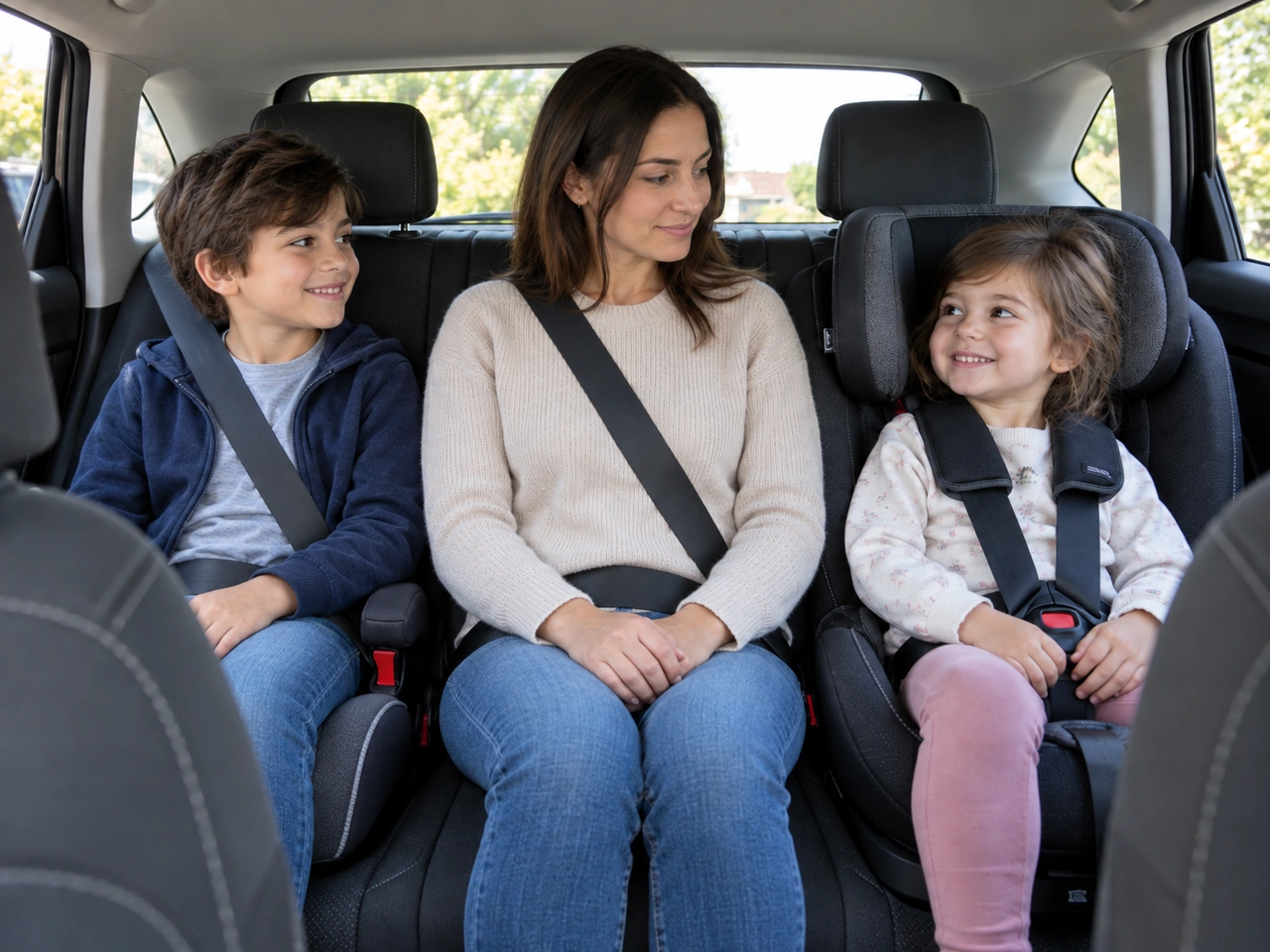
561. Should rear-seat passengers be securely restrained?
Rear-seat passengers should be securely restrained using seat belts or suitable child restraints as appropriate. Proper restraint reduces the risk of serious injury and prevents occupants from being thrown around or forwards in a collision.
AI-generated by Rijbewijs-online.be • WCIT • CC BY-SA
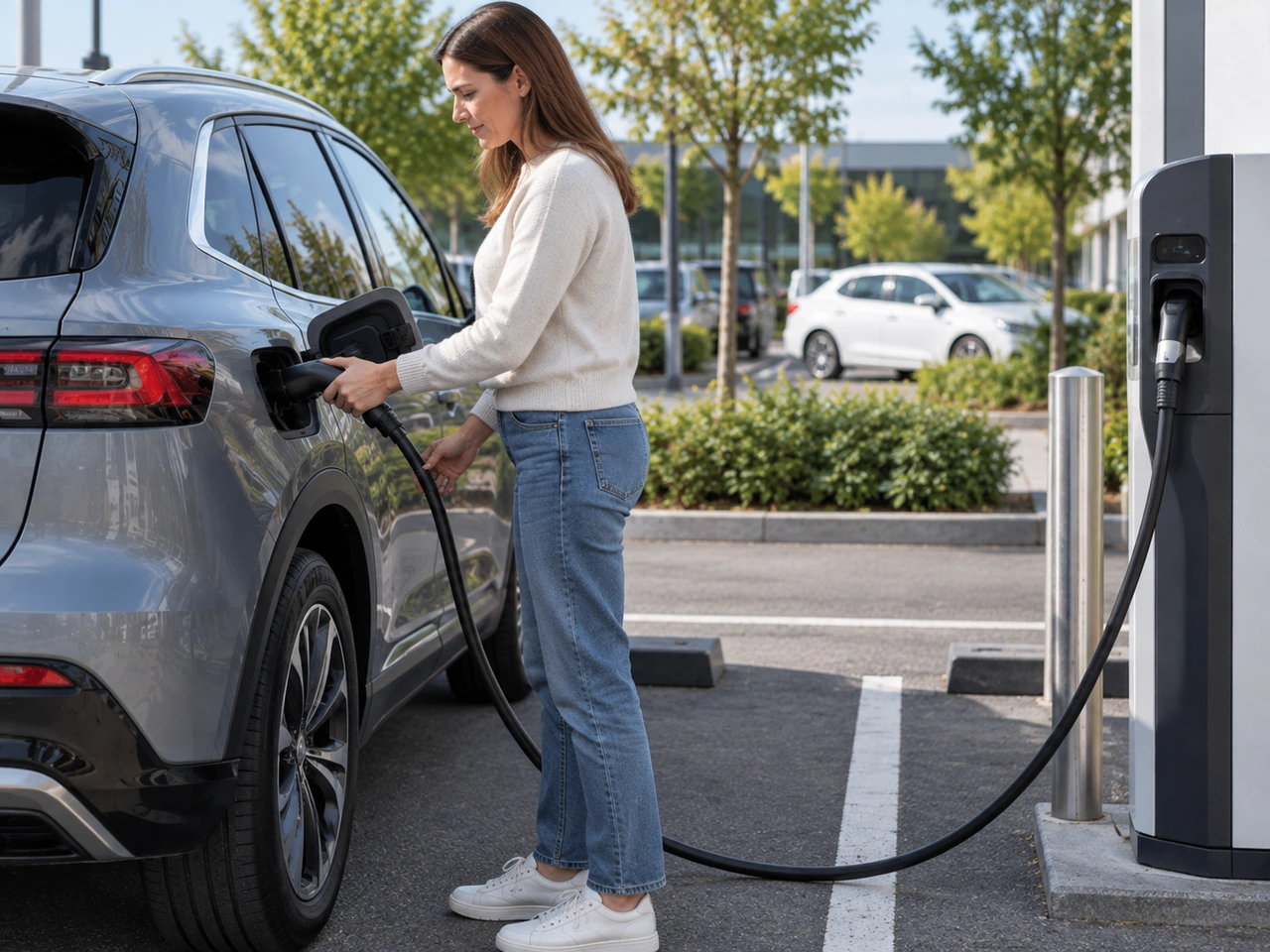
562. What should you do before driving away after charging an electric vehicle?
Before driving away, disconnect the charging cable correctly and return it to the charger or store it securely in the vehicle, as appropriate. Close the charging port and check that the area around the vehicle is clear.
AI-generated by Rijbewijs-online.be • WCIT • CC BY-SA
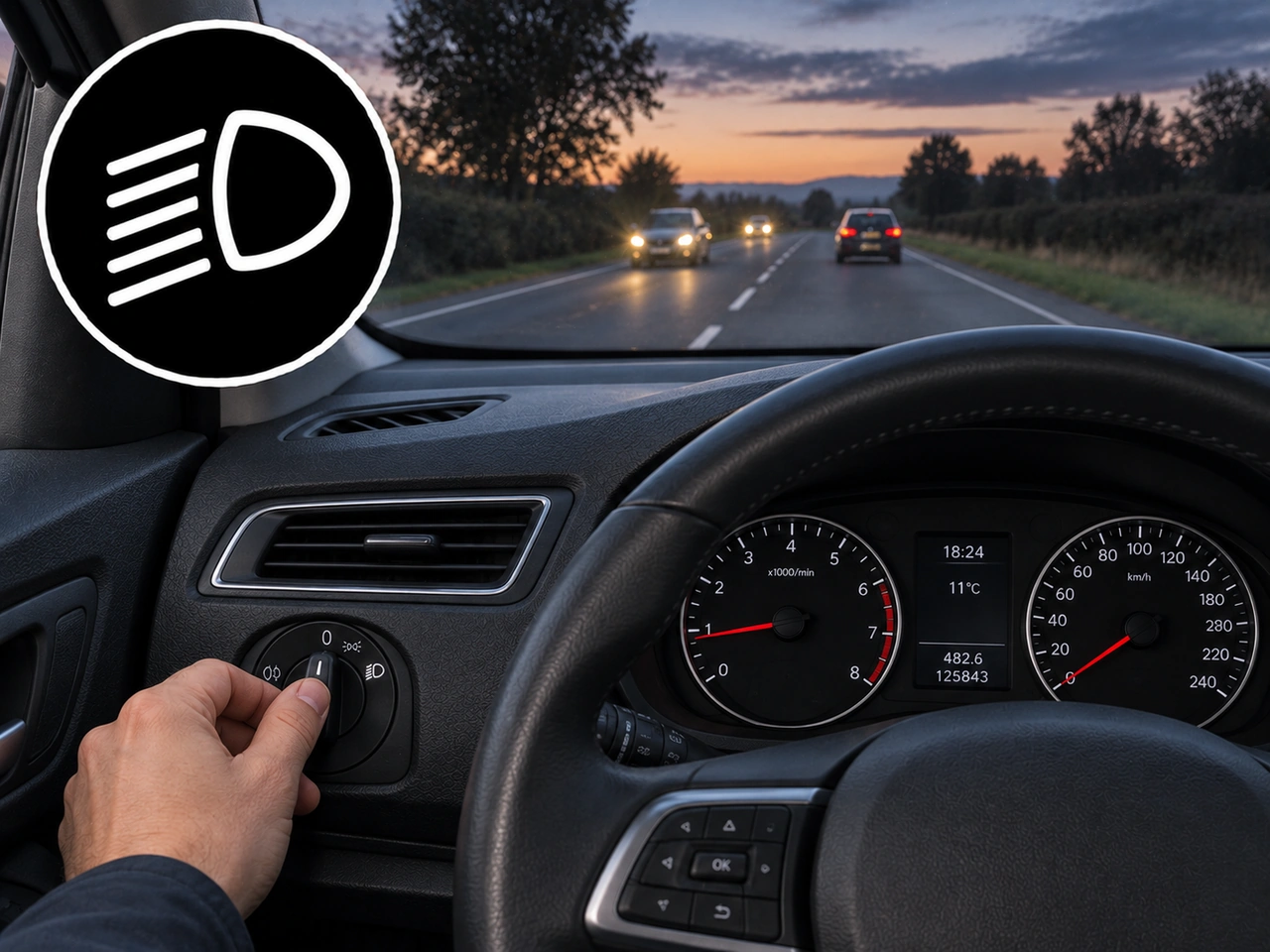
563. Which control is normally used to switch on the dipped headlights?
The lighting control is normally used to switch on the dipped headlights. Depending on the vehicle, it may be a rotary switch or part of a lighting stalk.
AI-generated by Rijbewijs-online.be • WCIT • CC BY-SA
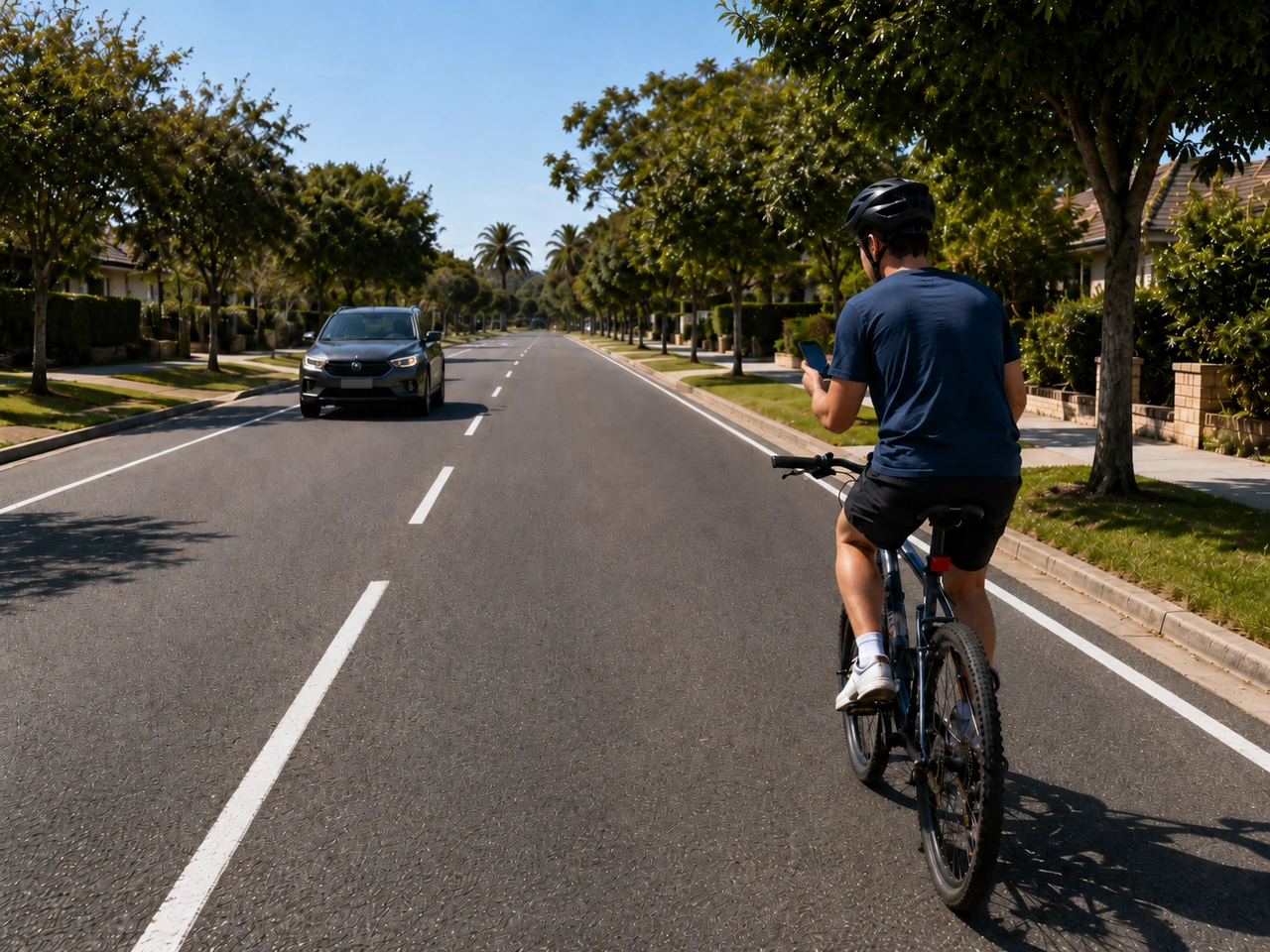
564. Why should cyclists avoid using a handheld phone?
Using a phone can distract you and may prevent you from steering, braking, or reacting properly.
AI-generated by Rijbewijs-online.be • WCIT • CC BY-SA
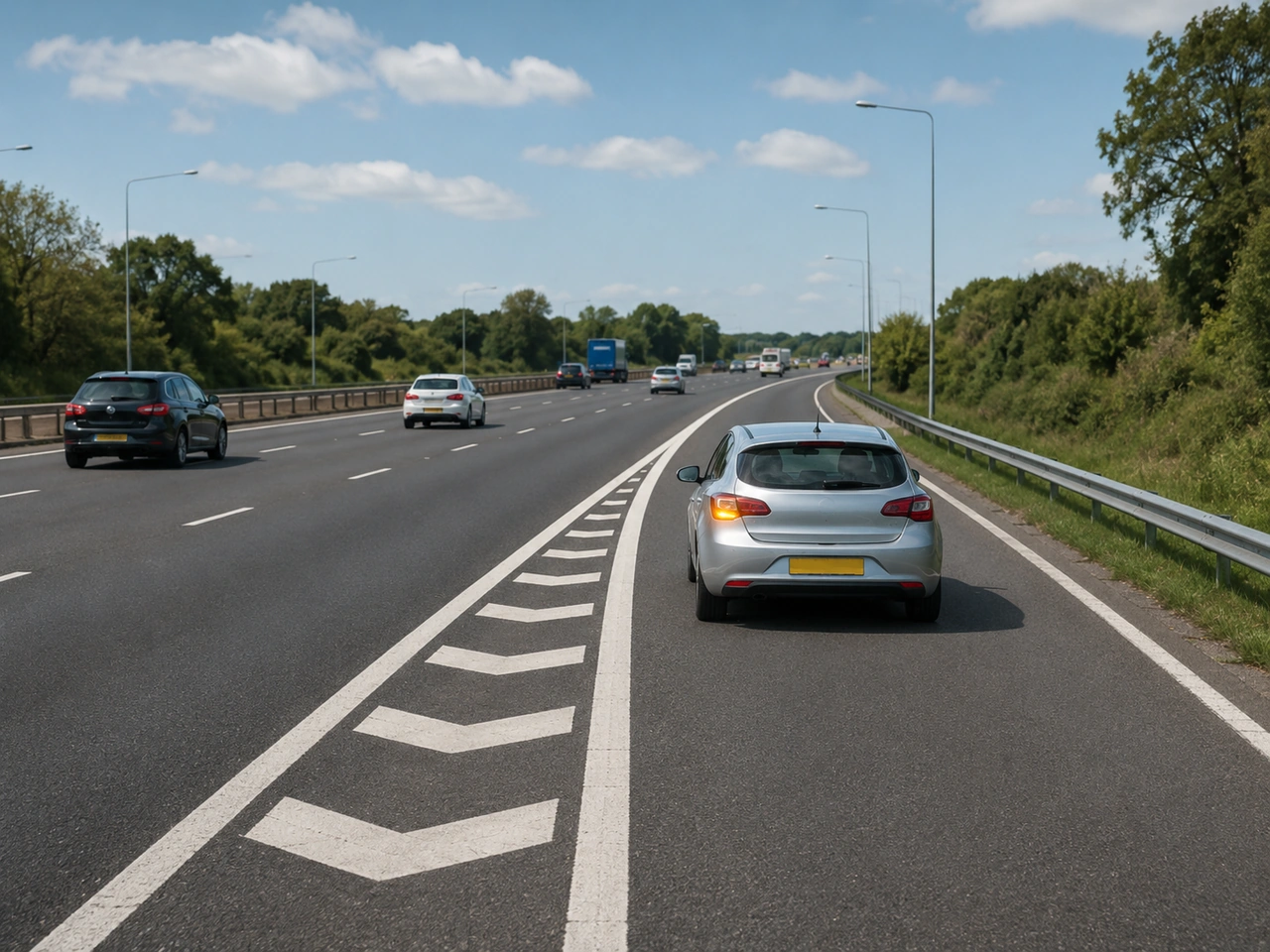
565. What should you do before joining a motorway?
Observe motorway traffic early, signal clearly, and merge only when there is a safe gap.
AI-generated by Rijbewijs-online.be • WCIT • CC BY-SA
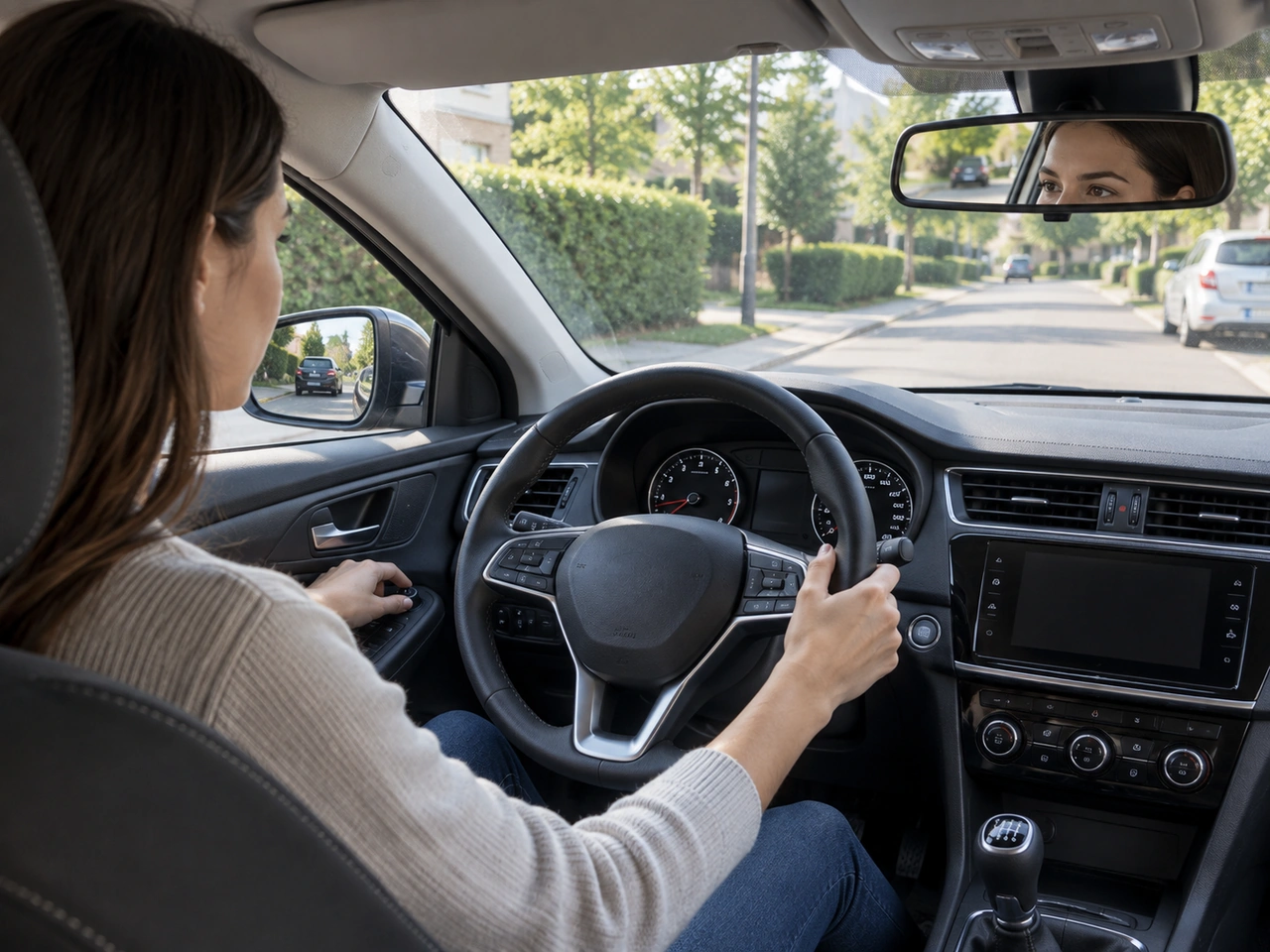
566. Why should you adjust the seat and mirrors correctly before driving?
A correct driving position helps you operate the pedals and steering comfortably and maintain proper control. Correctly adjusted mirrors improve your view around the vehicle and help reduce blind spots. Adjust both before starting your journey.
AI-generated by Rijbewijs-online.be • WCIT • CC BY-SA
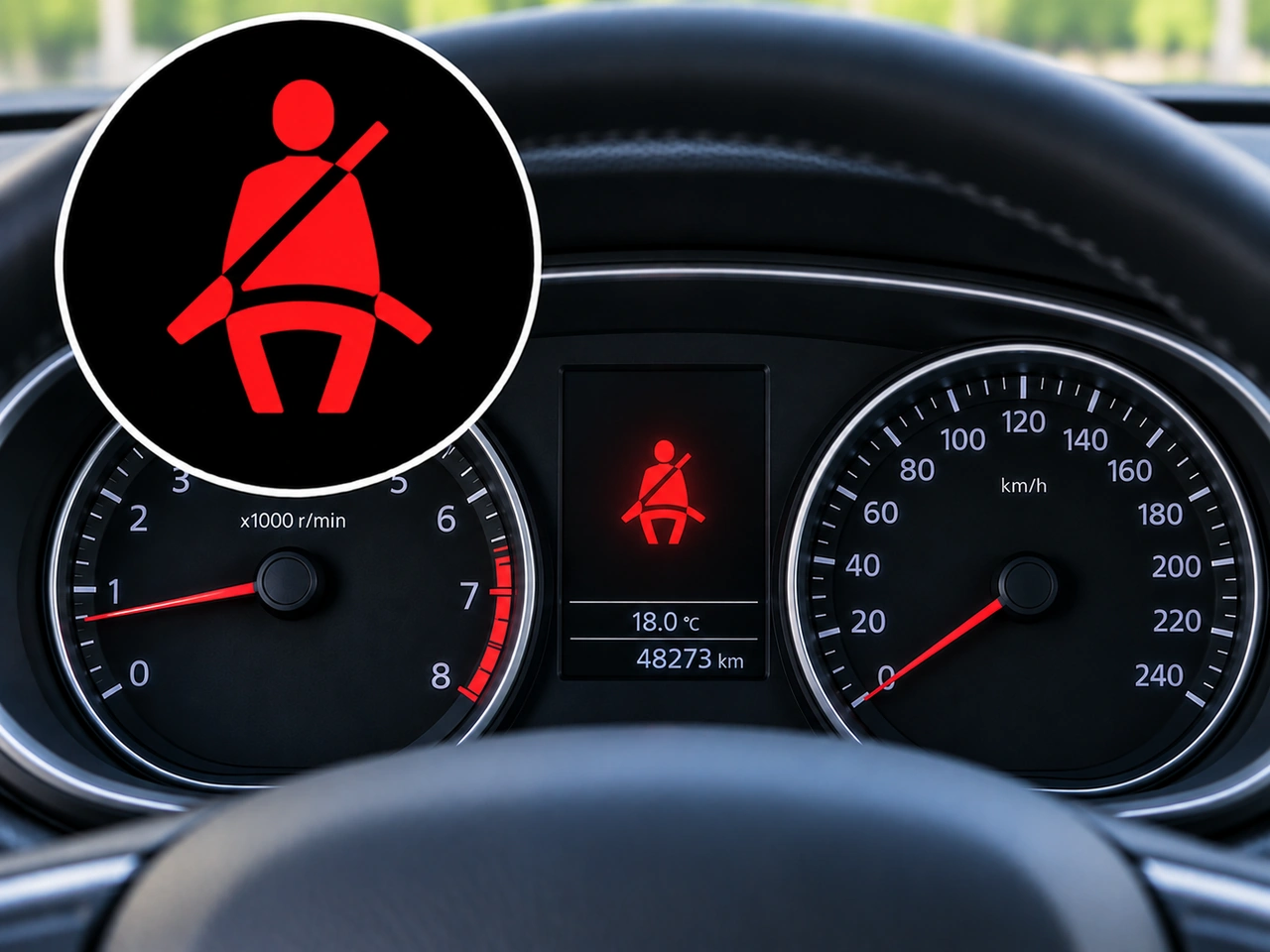
567. What does this dashboard symbol indicate?
This symbol is a seat-belt reminder. It indicates that the driver or another detected occupant has not fastened their seat belt.
AI-generated by Rijbewijs-online.be • WCIT • CC BY-SA
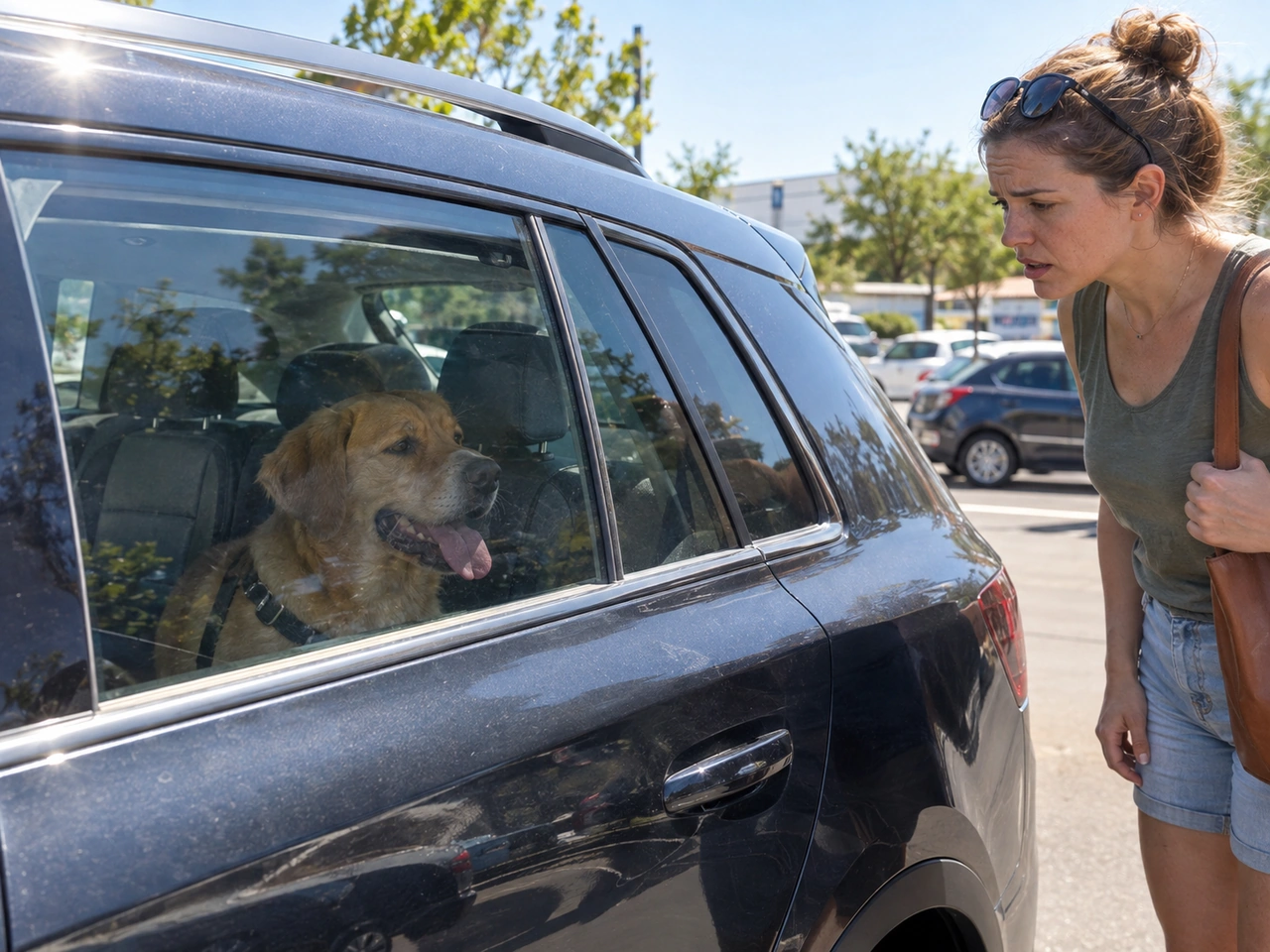
568. Why should you never leave a child or pet alone in a parked vehicle on a warm day?
The inside of a parked vehicle can heat up rapidly, even when the outside temperature does not feel extreme. Children and animals are particularly vulnerable to overheating and heatstroke. Leaving a window partly open does not make the vehicle safe.
AI-generated by Rijbewijs-online.be • WCIT • CC BY-SA
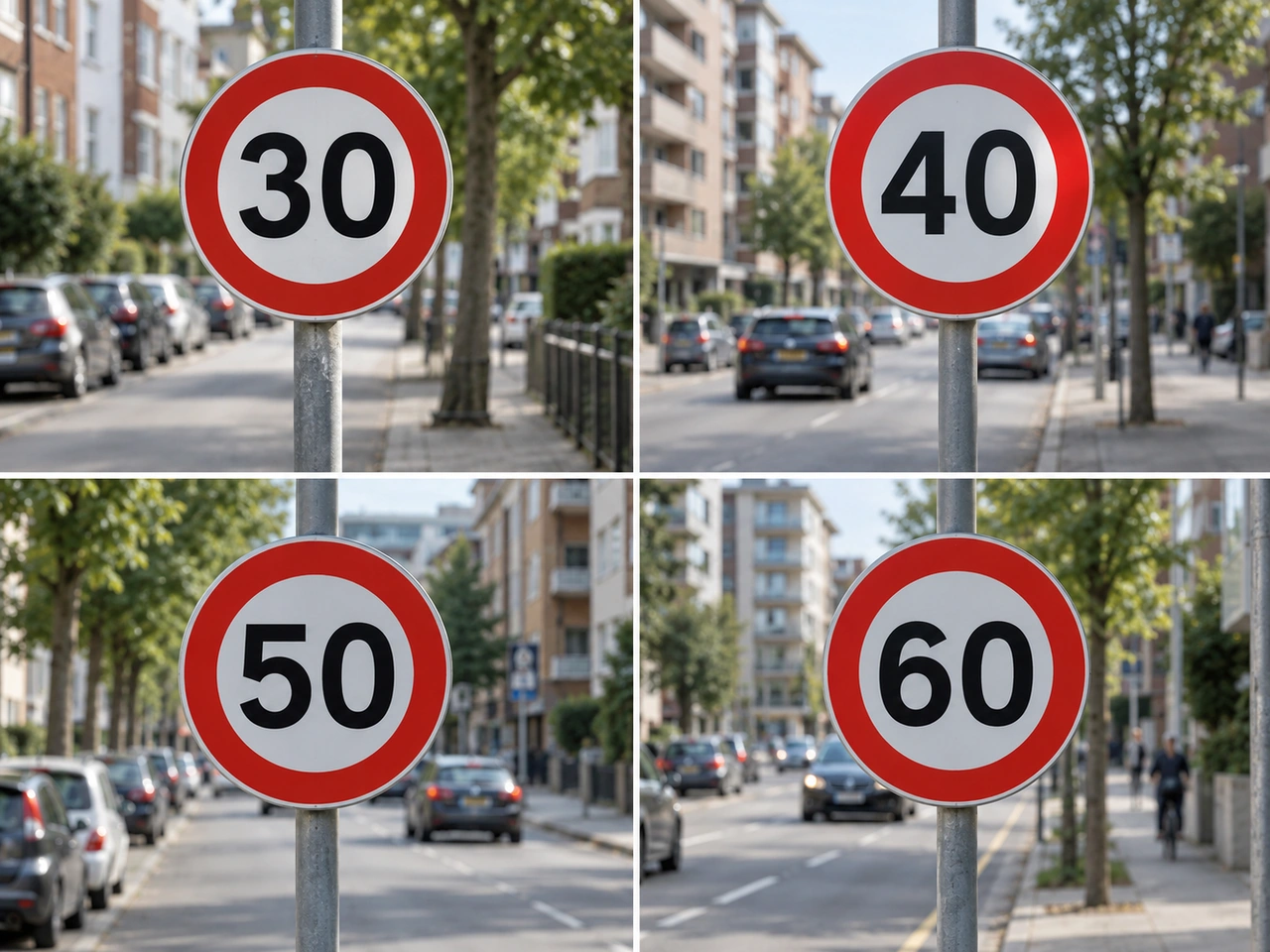
569. What is the general speed limit for cars in built-up areas in Switzerland?
The general speed limit for cars in built-up areas in Switzerland is 50 km/h, unless signs indicate otherwise.
AI-generated by Rijbewijs-online.be • WCIT • CC BY-SA
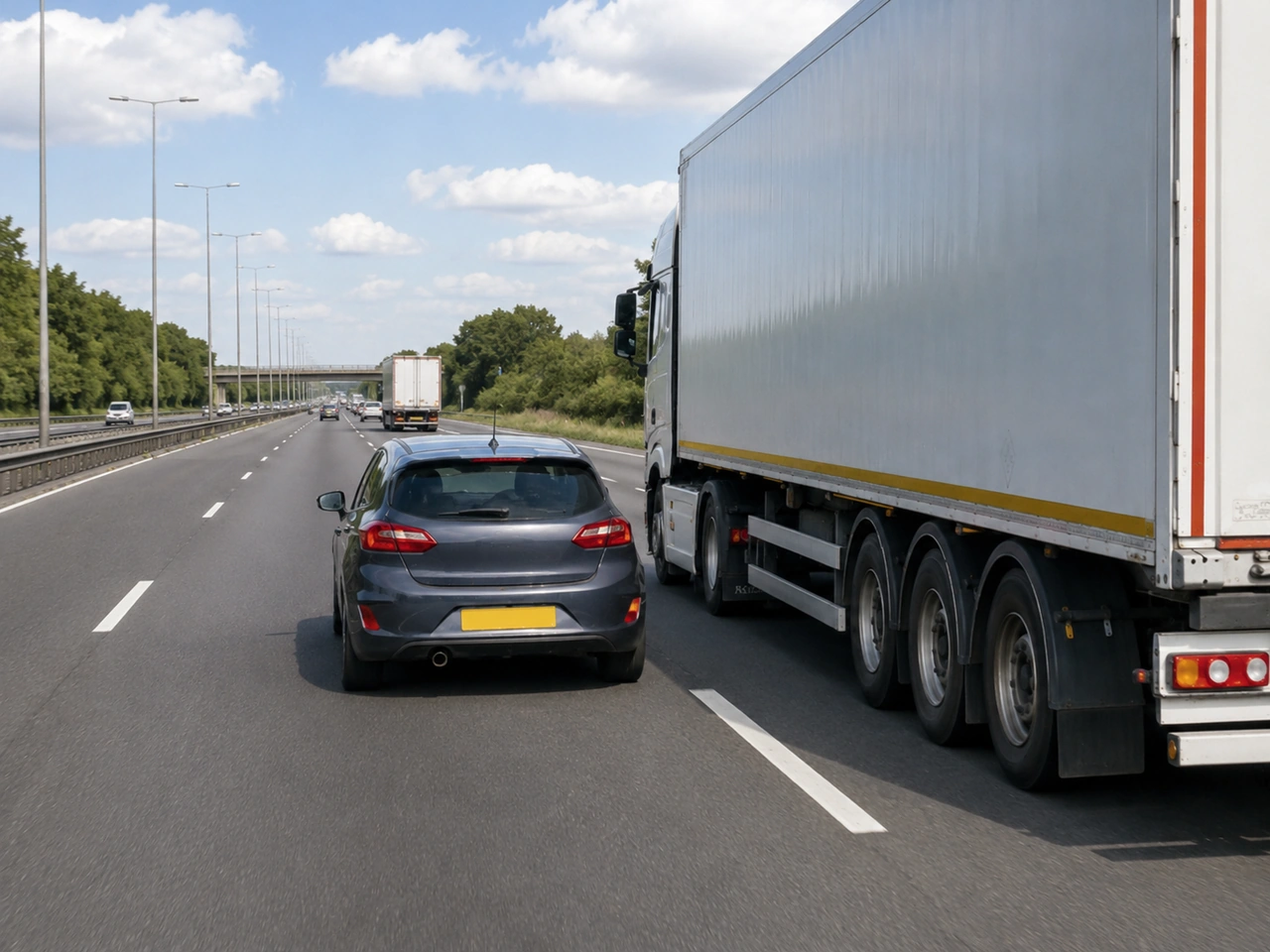
570. Why should you avoid remaining beside a large vehicle on a motorway?
Large vehicles have significant blind spots. Avoid travelling alongside them longer than necessary.
AI-generated by Rijbewijs-online.be • WCIT • CC BY-SA
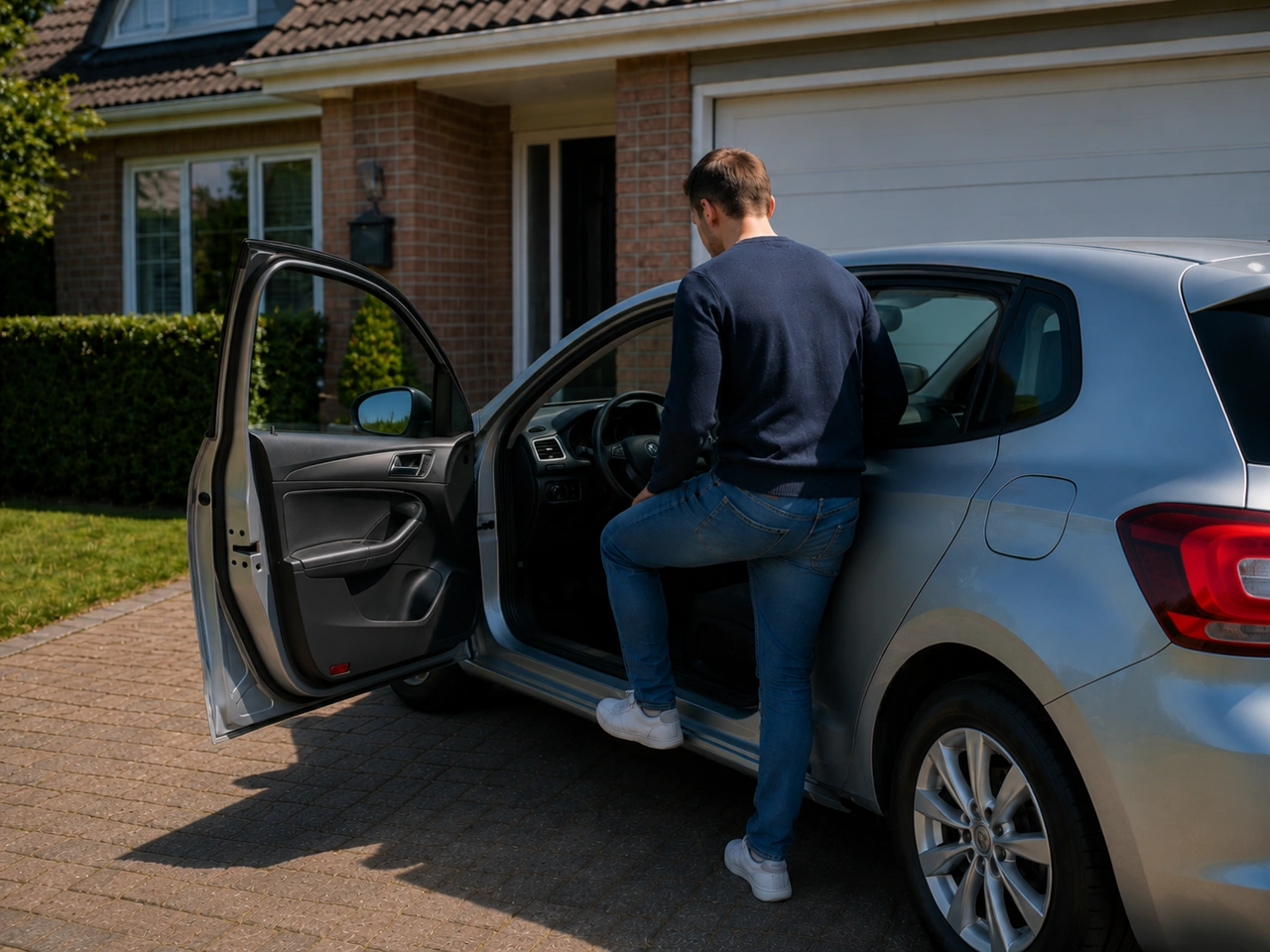
571. When should you fasten your seat belt?
Fasten your seat belt before the vehicle starts moving and keep it fastened throughout the journey. Make sure your passengers are also safely seated and properly restrained.
AI-generated by Rijbewijs-online.be • WCIT • CC BY-SA
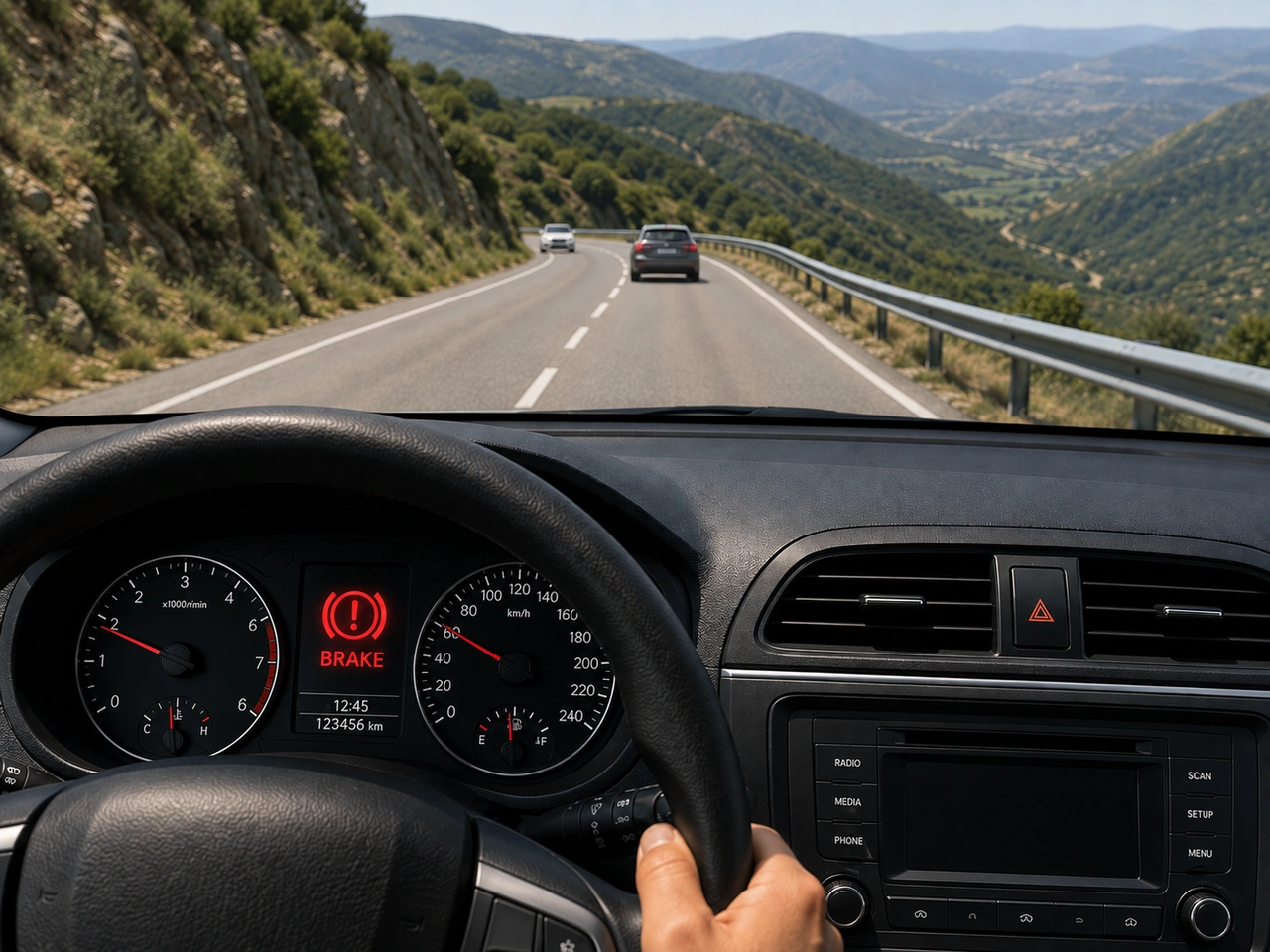
572. What should you do if the brakes fade during a long descent?
Continuous braking can cause overheating and reduced braking performance. A lower gear provides engine braking and reduces demand on the brakes.
AI-generated by Rijbewijs-online.be • WCIT • CC BY-SA
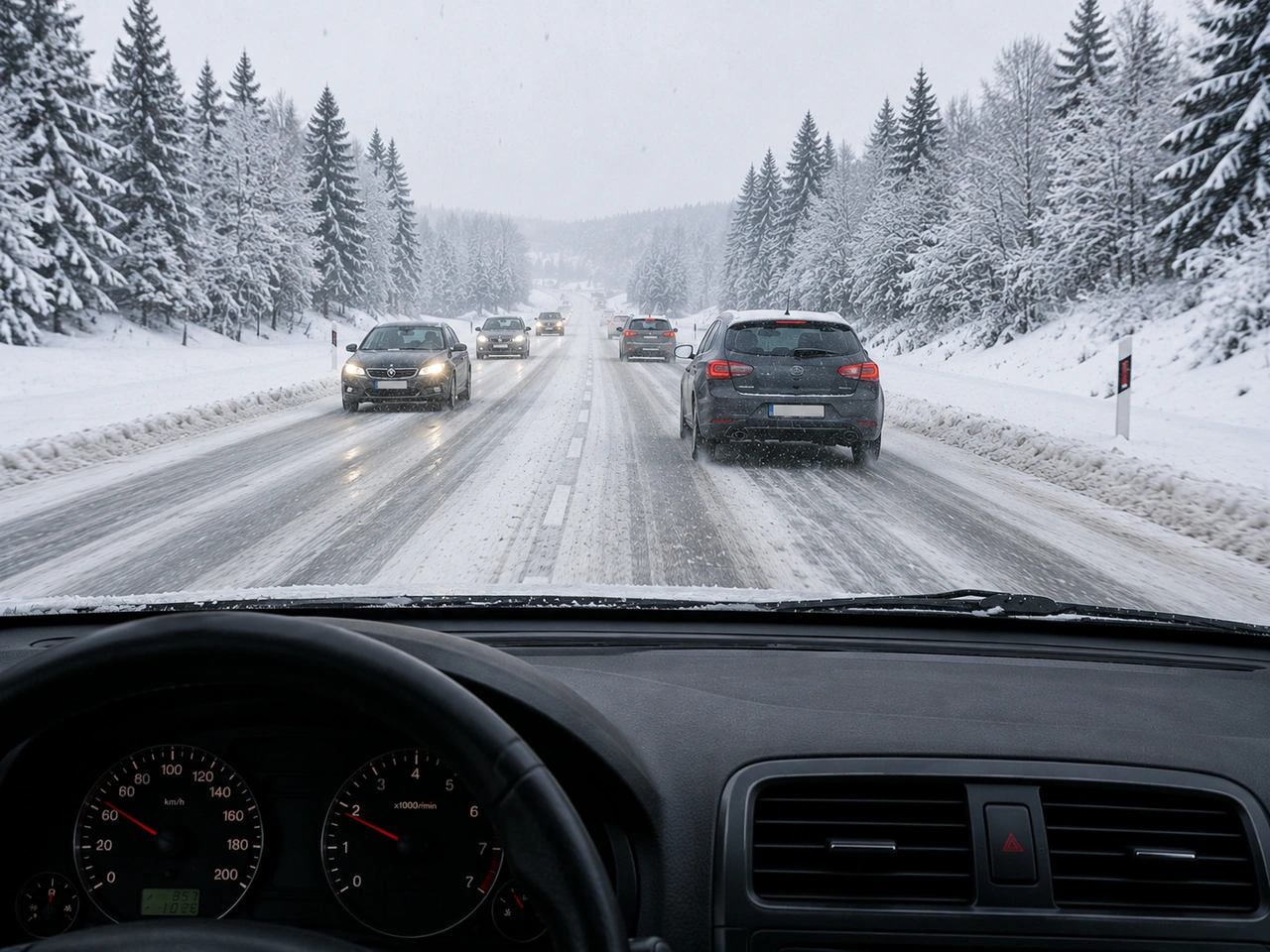
573. What should you do when the road is covered with snow or ice?
Snow and ice greatly reduce tyre grip. Lower speed, extra distance, and gentle steering, braking, and acceleration help maintain control.
AI-generated by Rijbewijs-online.be • WCIT • CC BY-SA
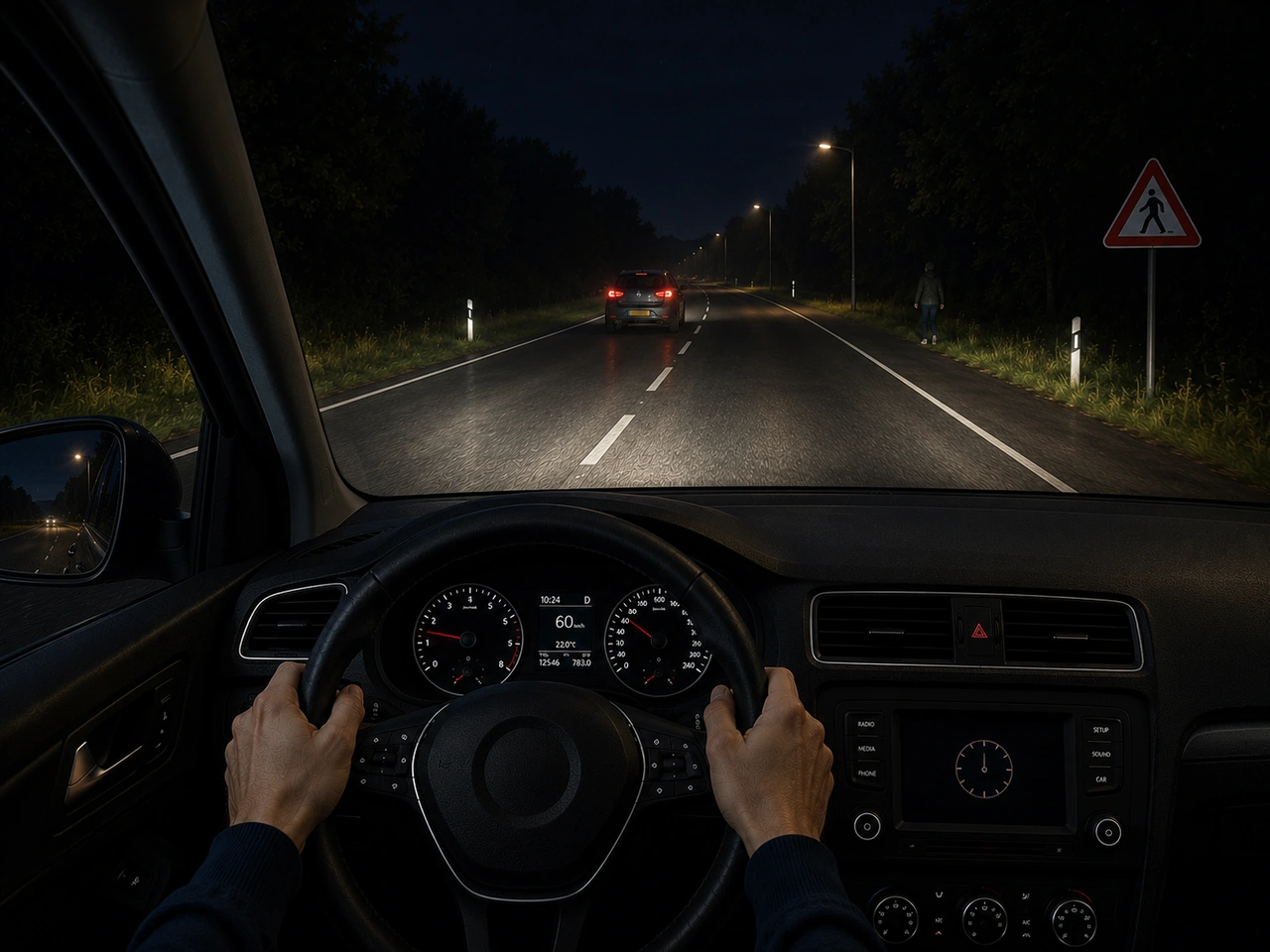
574. Why should you be extra careful at night?
At night, it is harder to see pedestrians, cyclists, road markings, and hazards. Reduce speed and use the correct lights.
AI-generated by Rijbewijs-online.be • WCIT • CC BY-SA
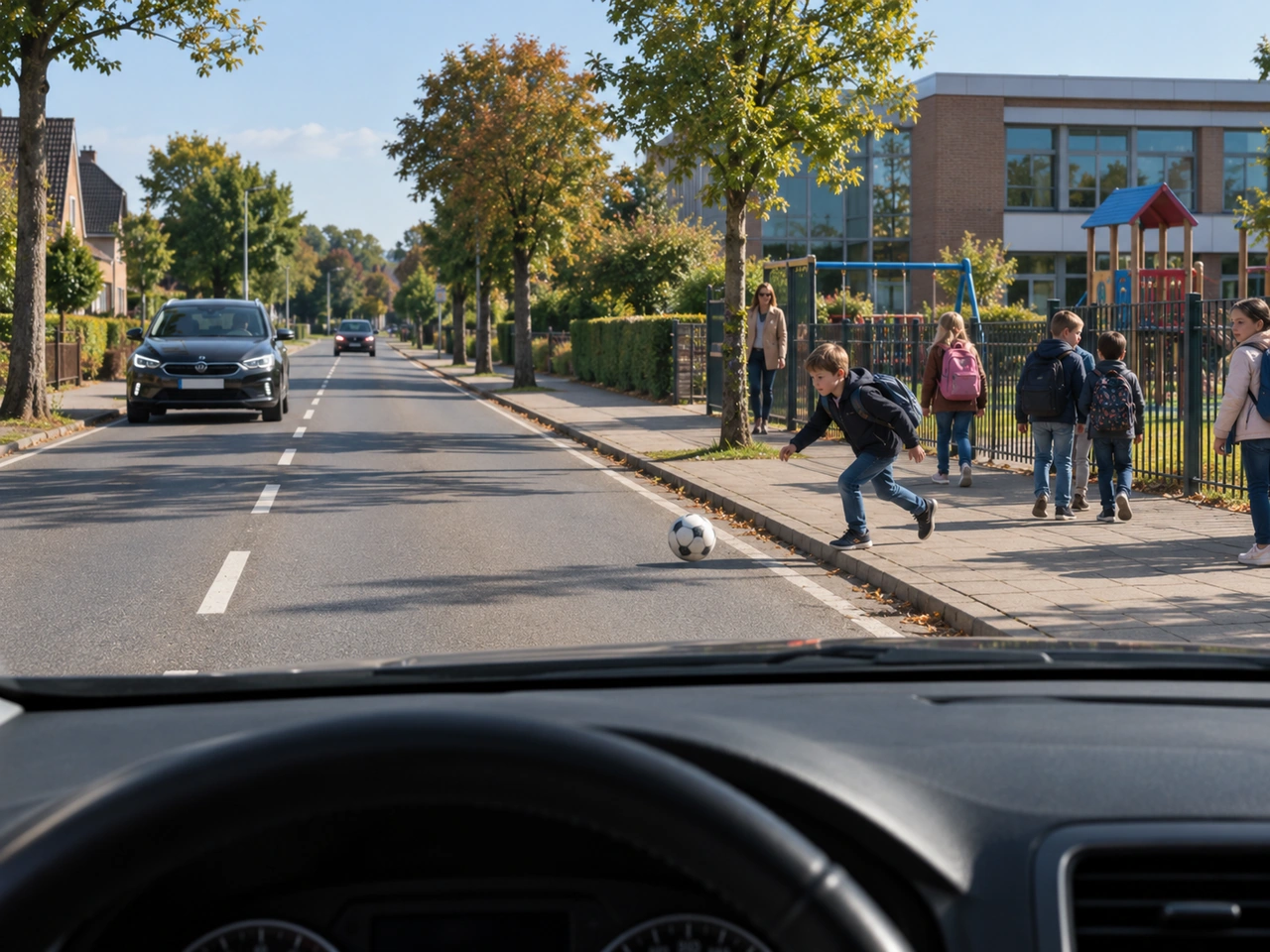
575. Why should you slow down near schools or playgrounds?
Children may suddenly cross the road or move unexpectedly, so drivers should slow down and stay alert near schools and playgrounds.
AI-generated by Rijbewijs-online.be • WCIT • CC BY-SA
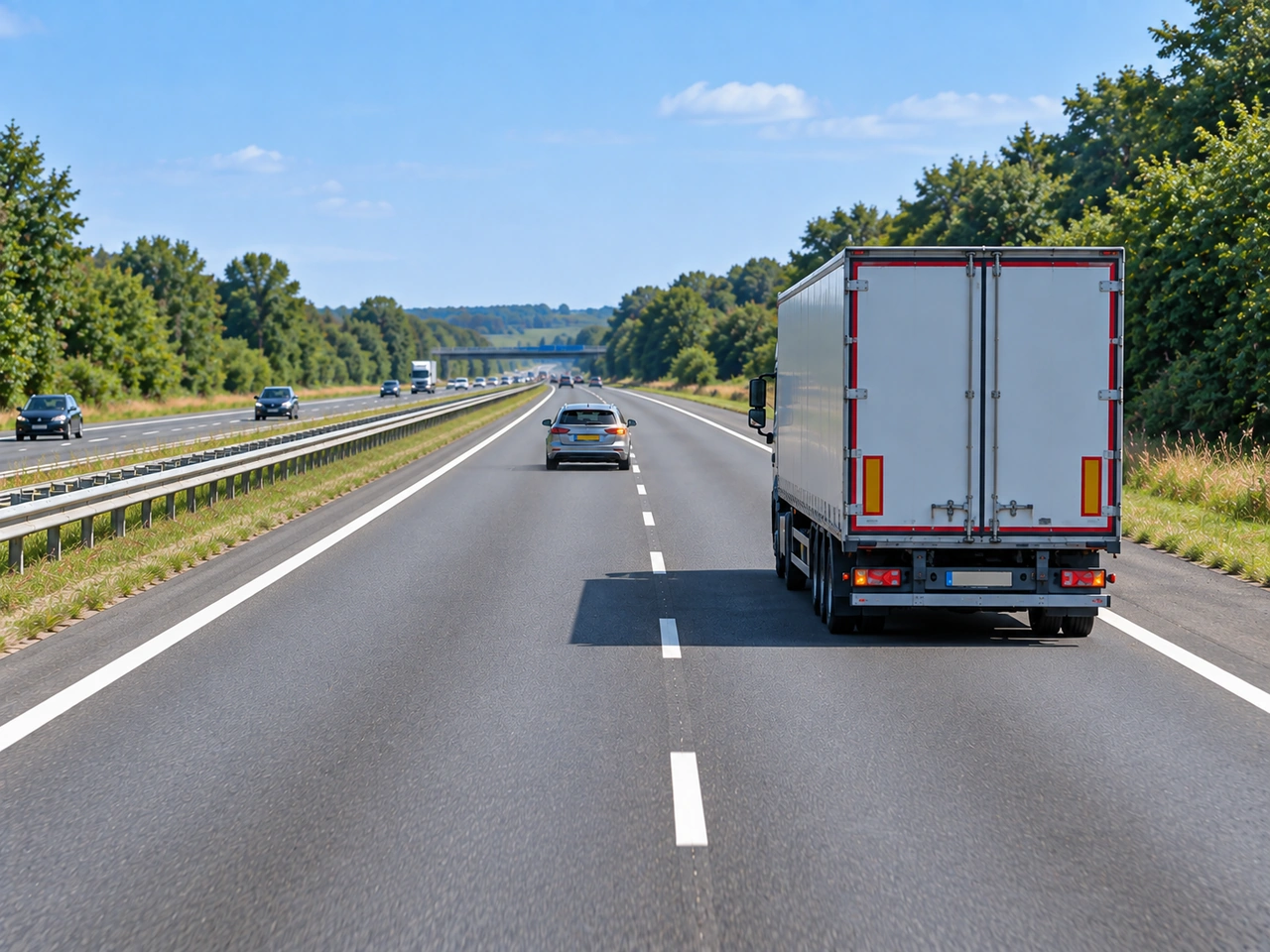
576. What should you normally do after completing an overtake?
After overtaking, return to the normal driving lane when you have passed the other vehicle by a safe distance. Check your mirrors, signal when appropriate, and avoid moving back too soon.
AI-generated by Rijbewijs-online.be • WCIT • CC BY-SA
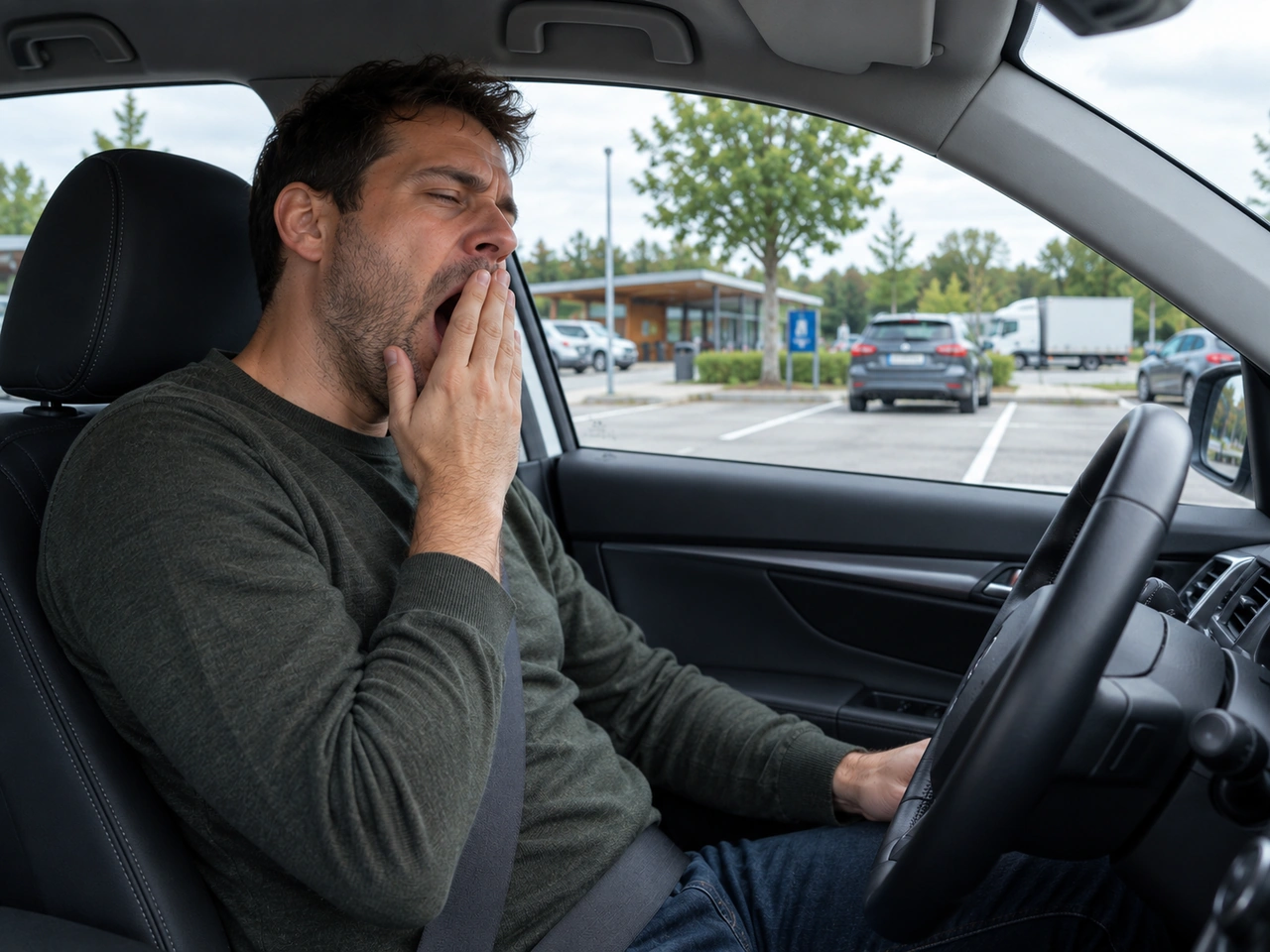
577. Which signs may indicate that you are becoming too tired to drive safely?
Warning signs of driver fatigue can include repeated yawning, heavy eyelids, difficulty concentrating, wandering thoughts, and trouble maintaining a steady road position. These signs mean you should stop and rest before continuing.
AI-generated by Rijbewijs-online.be • WCIT • CC BY-SA
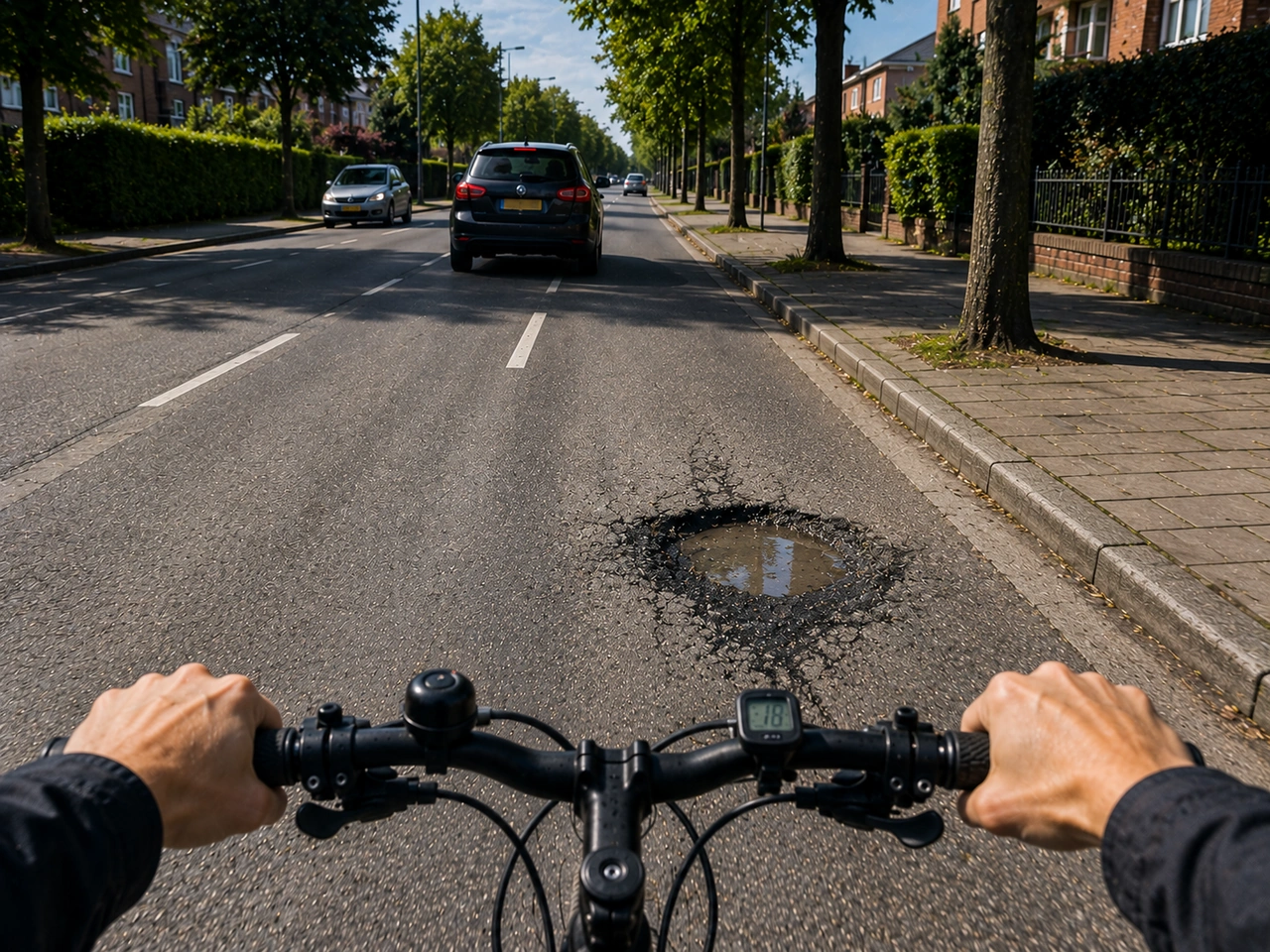
578. How should a cyclist react to a pothole?
Sudden swerving can place you in the path of traffic. Check your surroundings and change direction gradually.
AI-generated by Rijbewijs-online.be • WCIT • CC BY-SA
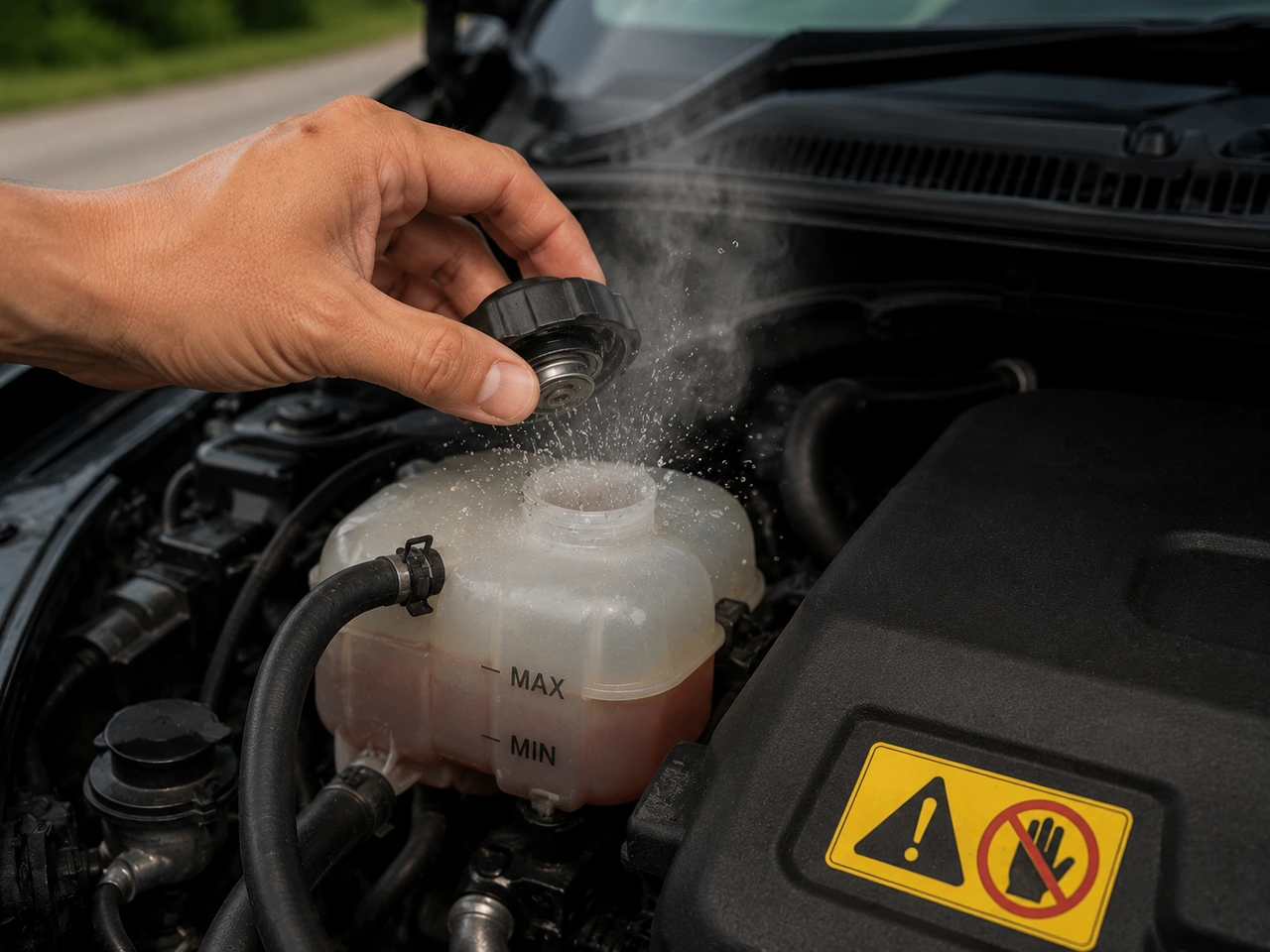
579. Why should you avoid removing the coolant cap while the engine is hot?
A hot cooling system may remain under pressure. Allow the engine to cool and follow the manufacturer's instructions before checking or adding coolant.
AI-generated by Rijbewijs-online.be • WCIT • CC BY-SA
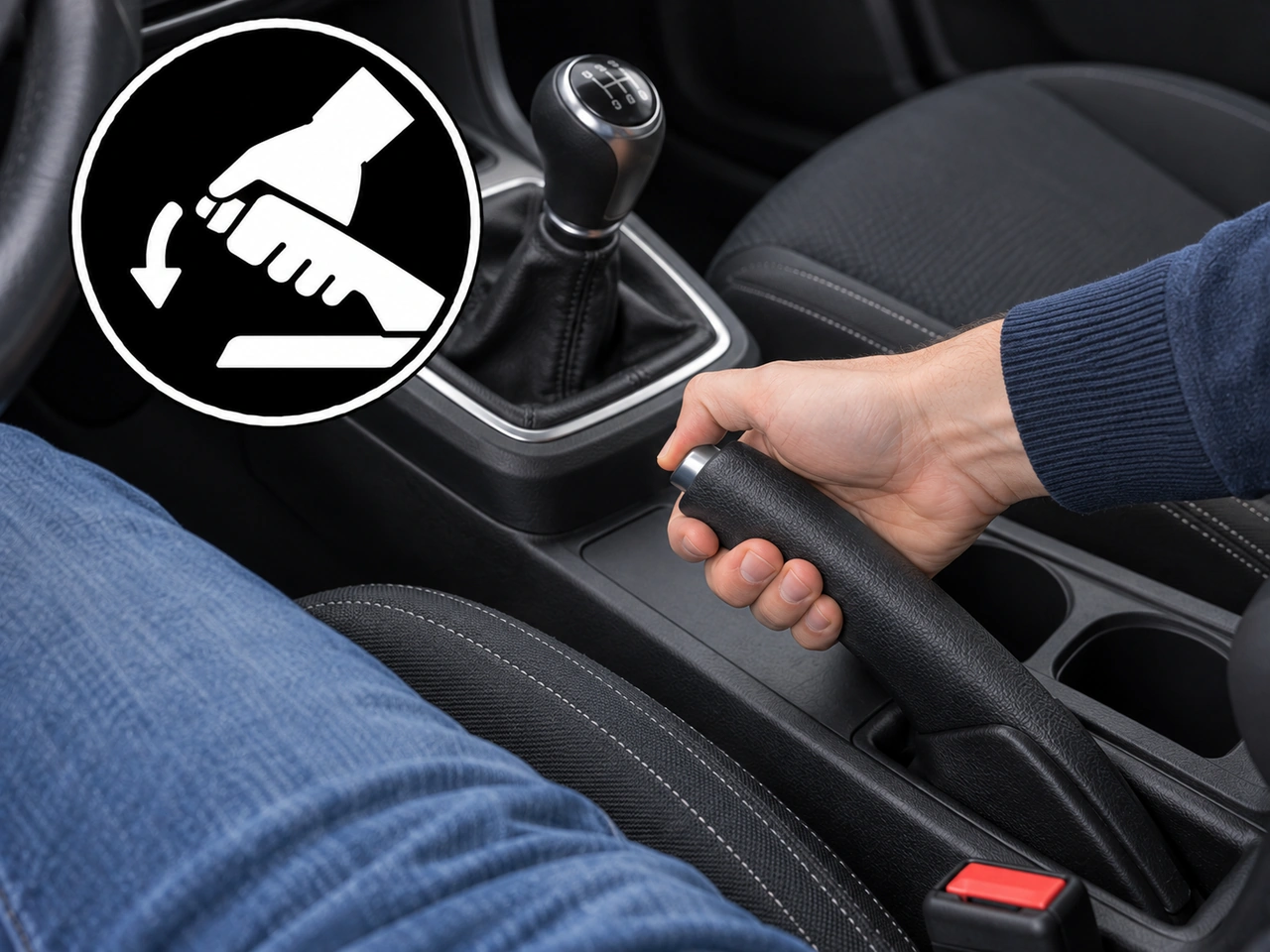
580. What should you do with a manual parking brake before driving away?
The manual parking brake should be released fully before driving away. Driving with it partly applied can cause unnecessary brake wear and overheating.
AI-generated by Rijbewijs-online.be • WCIT • CC BY-SA
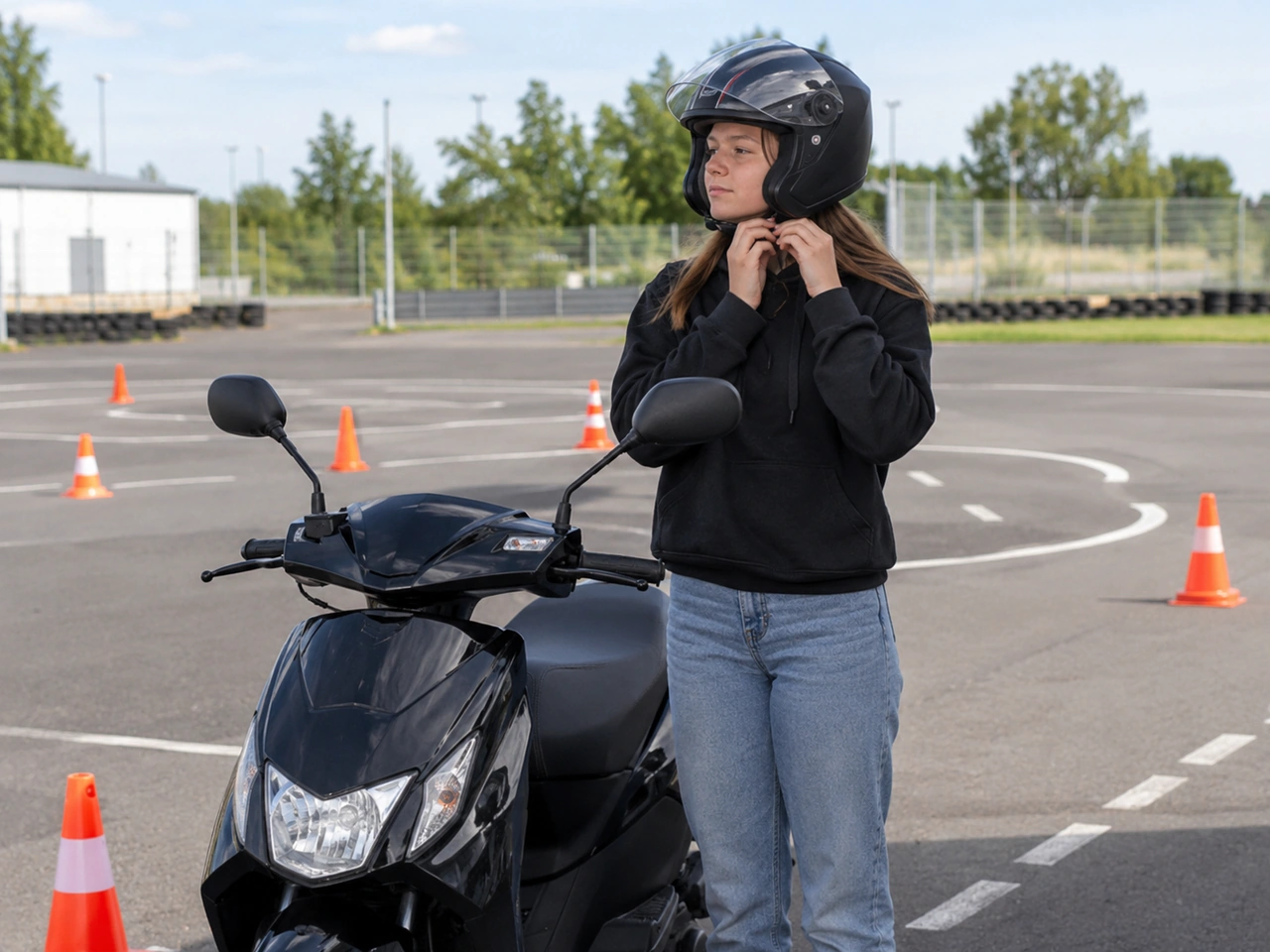
581. What is the minimum age for riding a moped in Switzerland?
The minimum age for riding a moped in Switzerland is generally 14 years.
AI-generated by Rijbewijs-online.be • WCIT • CC BY-SA
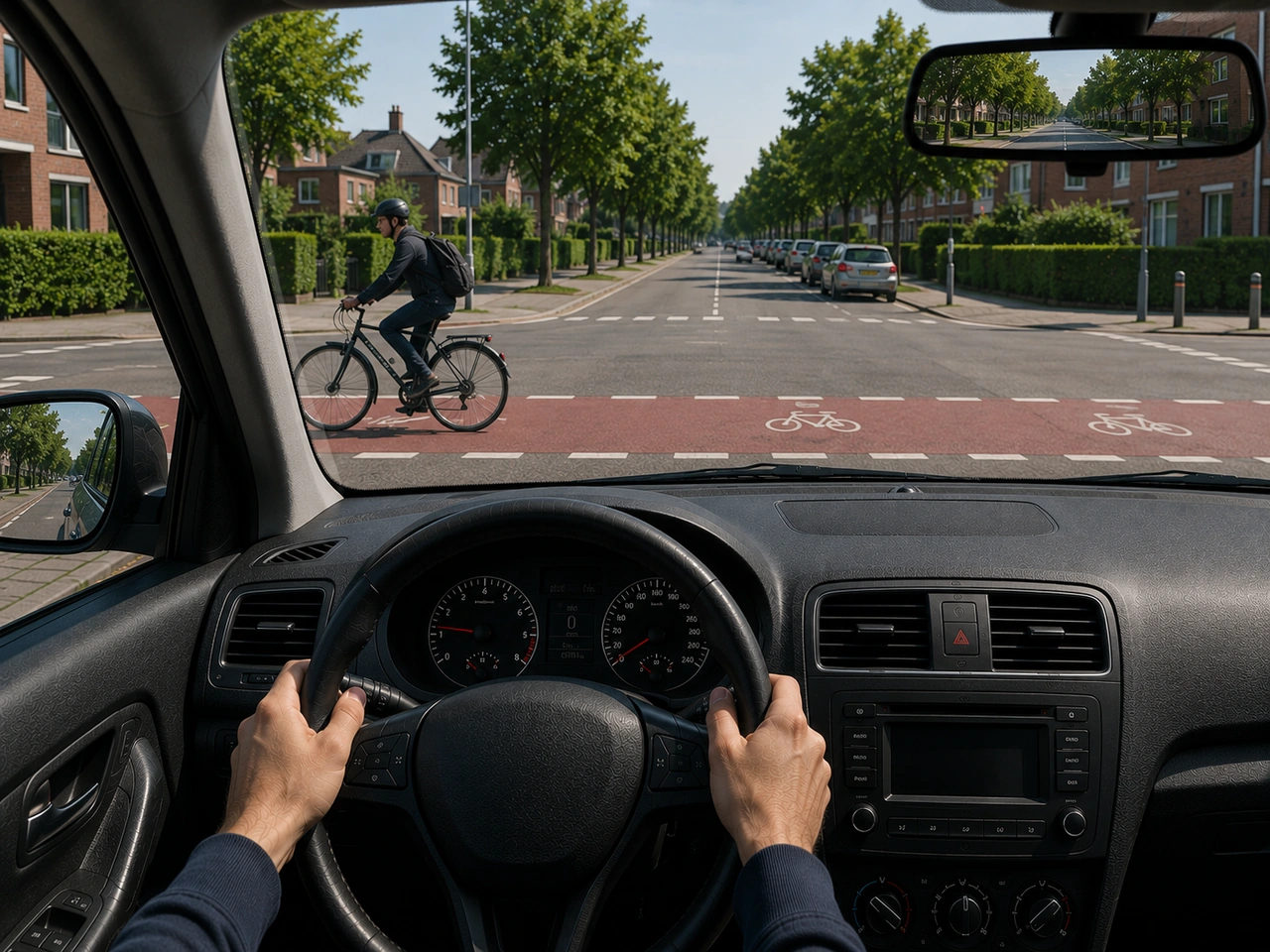
582. What should you do before turning across a cycle lane?
Cyclists may be beside or behind you when you turn. Check mirrors and blind spots, signal clearly, and turn only when it is safe.
AI-generated by Rijbewijs-online.be • WCIT • CC BY-SA
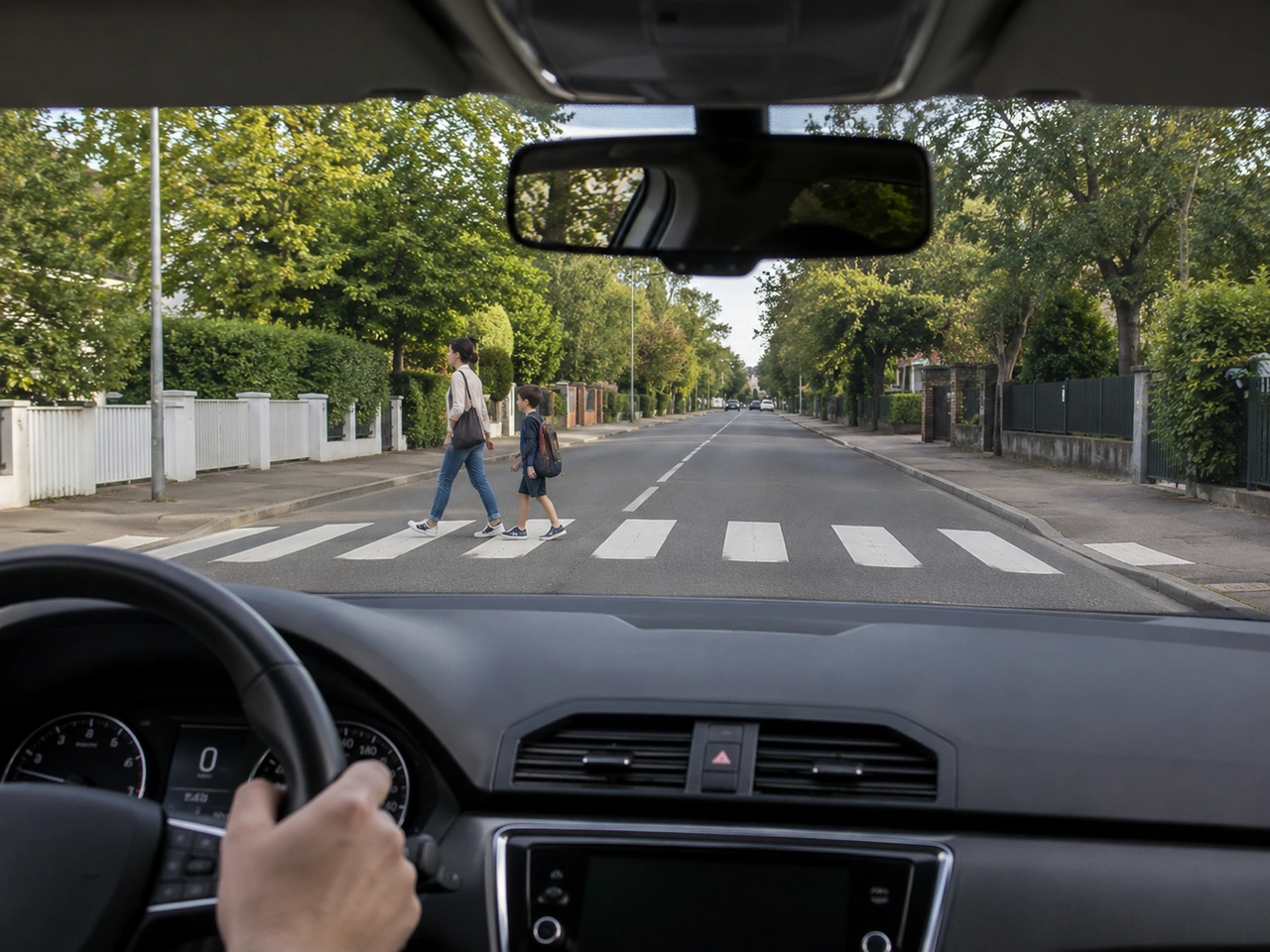
583. What is the purpose of a pedestrian crossing?
Pedestrian crossings provide a designated place where people can safely cross the road.
AI-generated by Rijbewijs-online.be • WCIT • CC BY-SA
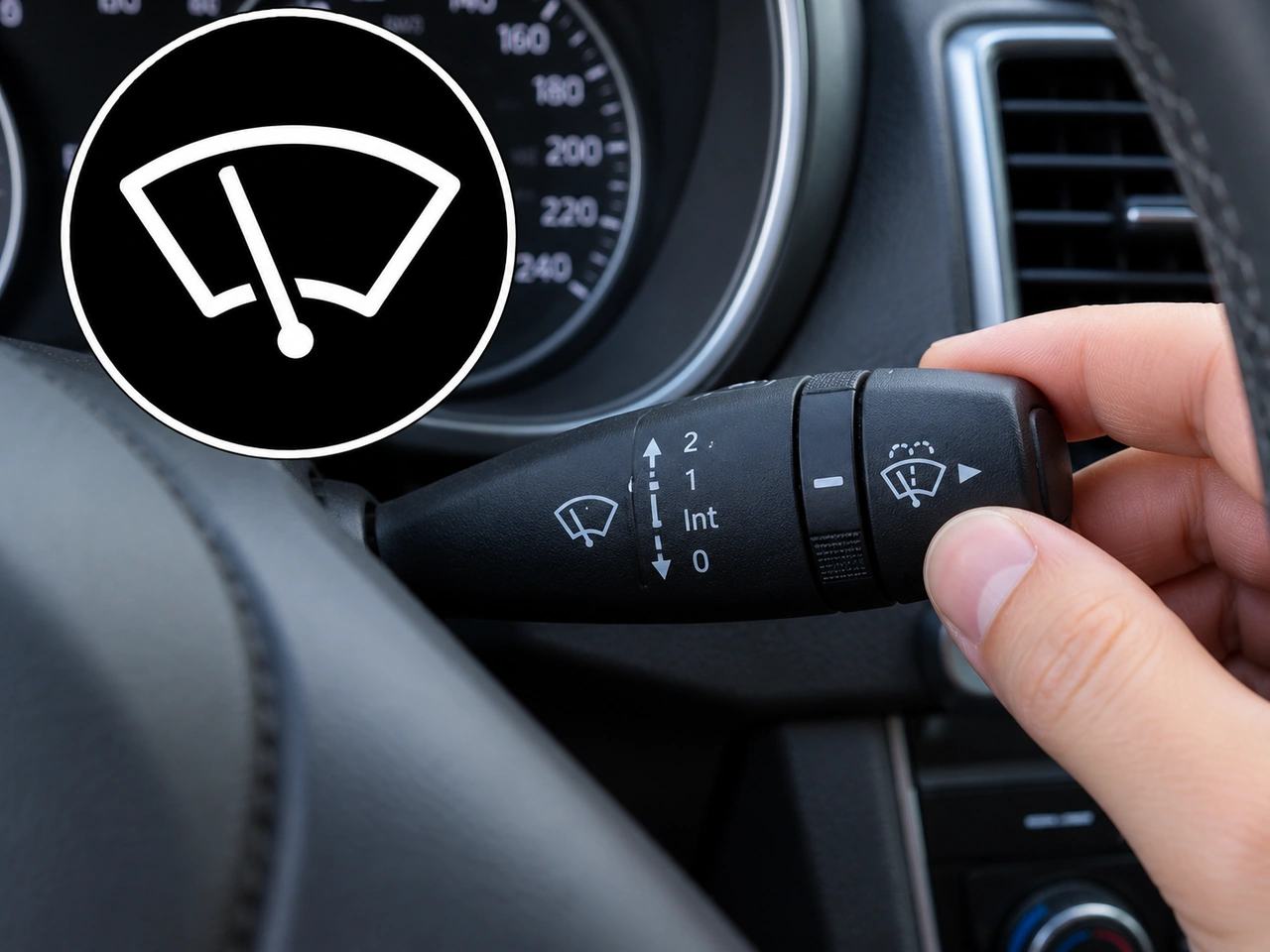
584. What does this vehicle-control symbol indicate?
This symbol relates to the windscreen wipers. The control allows the driver to select an appropriate wiping mode or speed for the amount of rain and visibility conditions.
AI-generated by Rijbewijs-online.be • WCIT • CC BY-SA
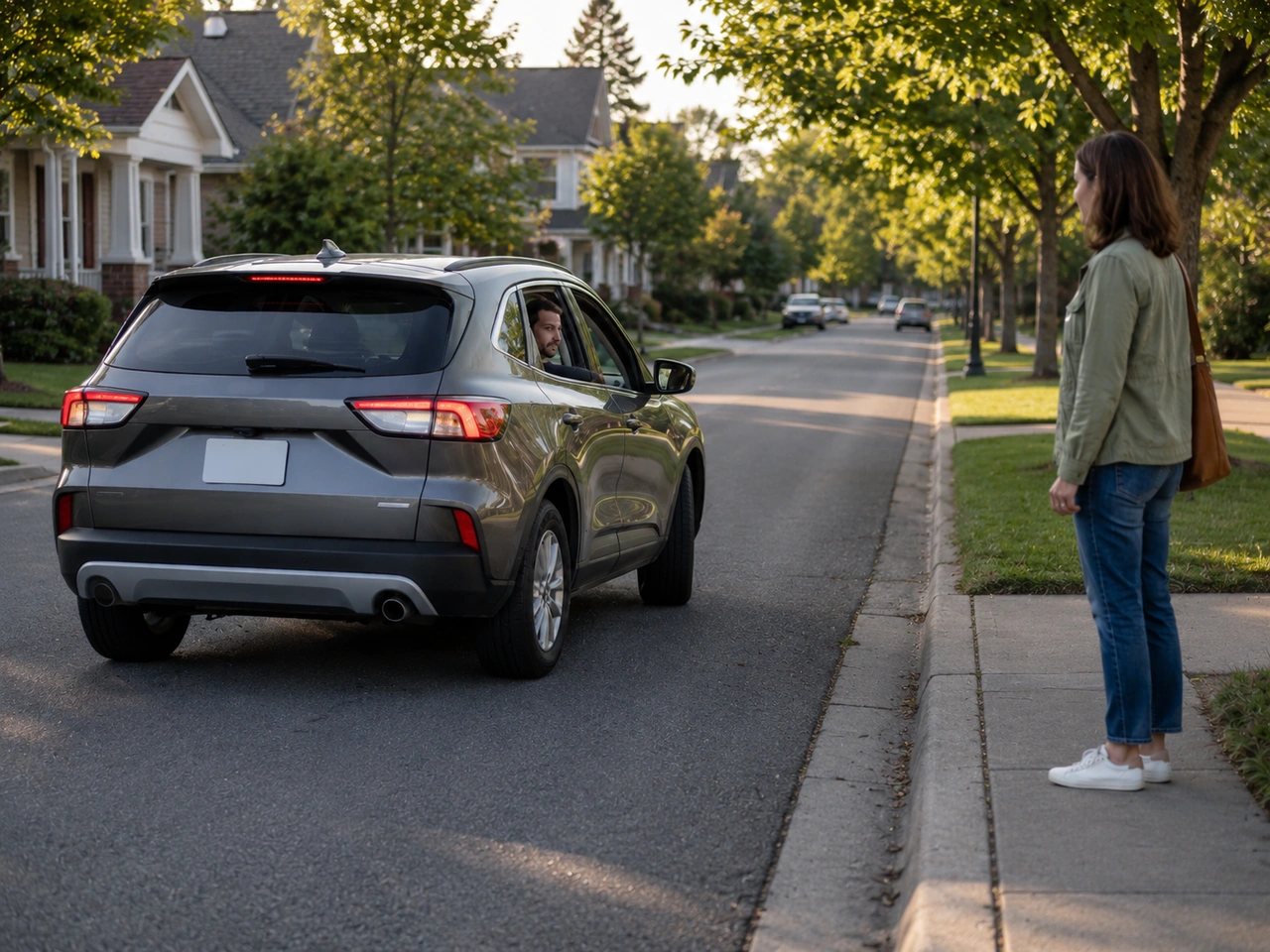
585. What should you do if a vehicle is reversing near you?
Reversing vehicles have blind spots. Stay away from the vehicle and make sure the driver can see you.
AI-generated by Rijbewijs-online.be • WCIT • CC BY-SA
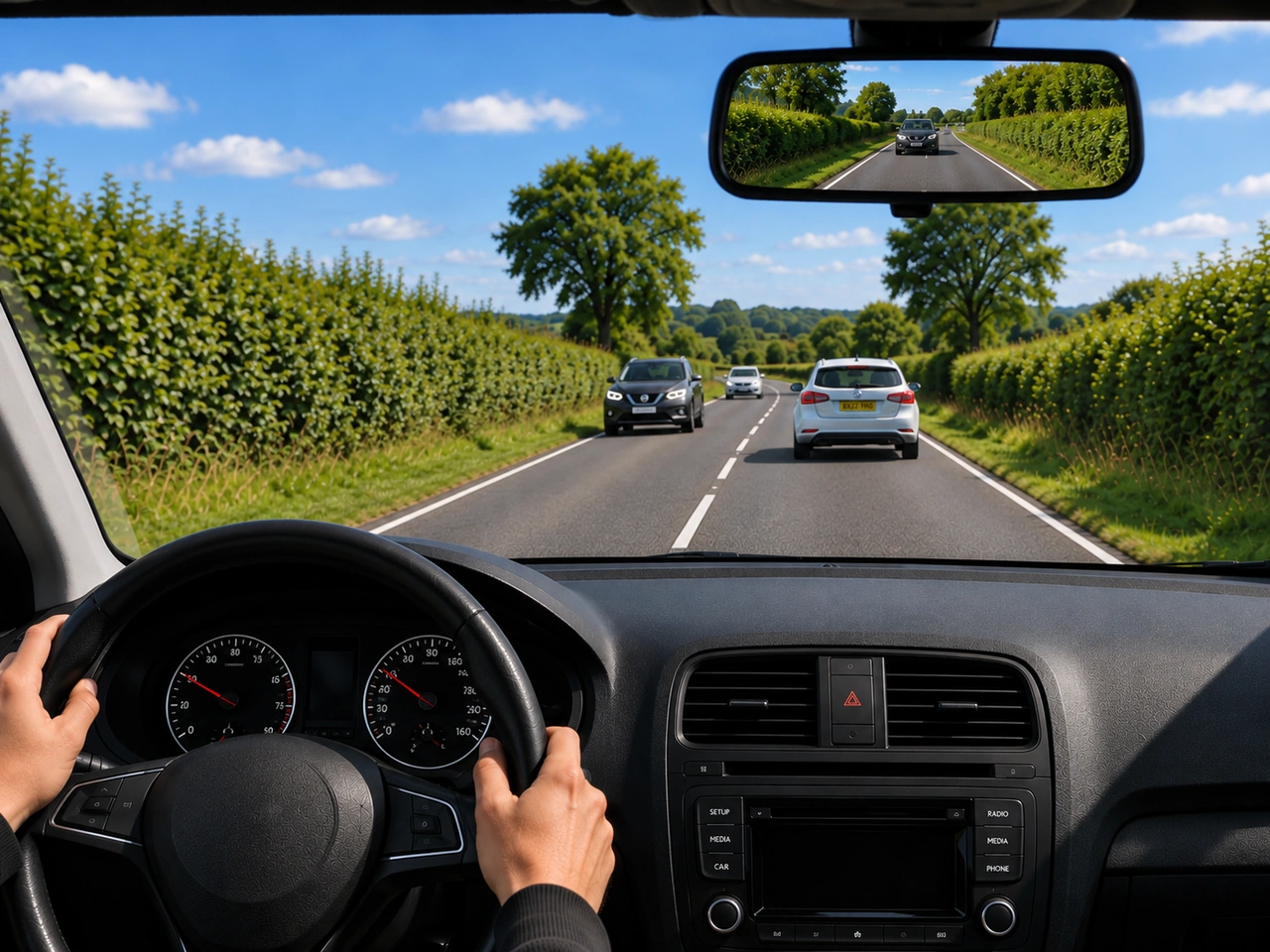
586. Why should you check your mirrors before braking?
Checking your mirrors helps you understand what is happening behind you and anticipate how following traffic may react. In an emergency, do not delay necessary braking.
AI-generated by Rijbewijs-online.be • WCIT • CC BY-SA
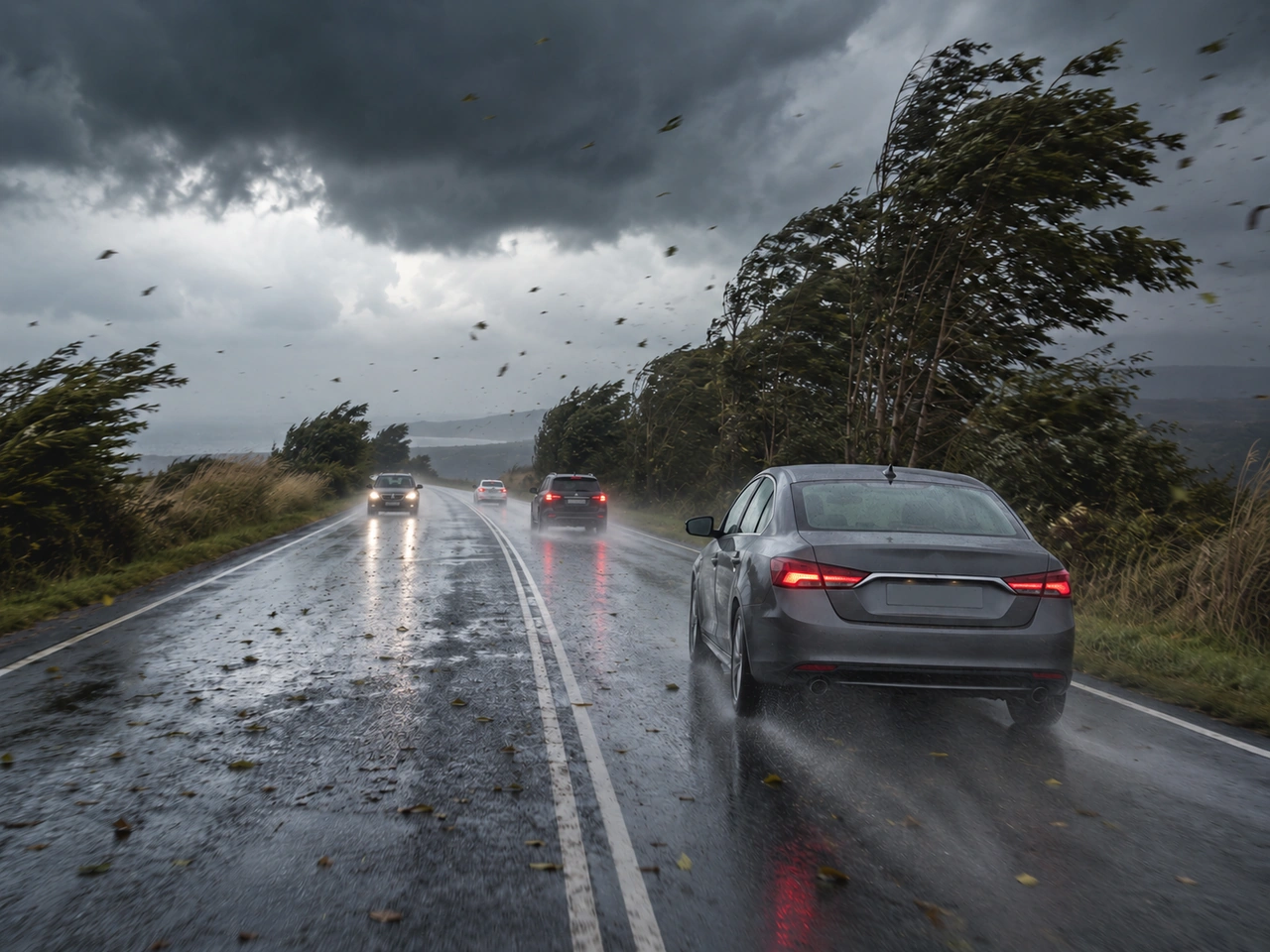
587. Why should you hold the steering wheel firmly during strong gusts?
A firm but relaxed grip helps you respond safely to sudden changes caused by wind.
AI-generated by Rijbewijs-online.be • WCIT • CC BY-SA
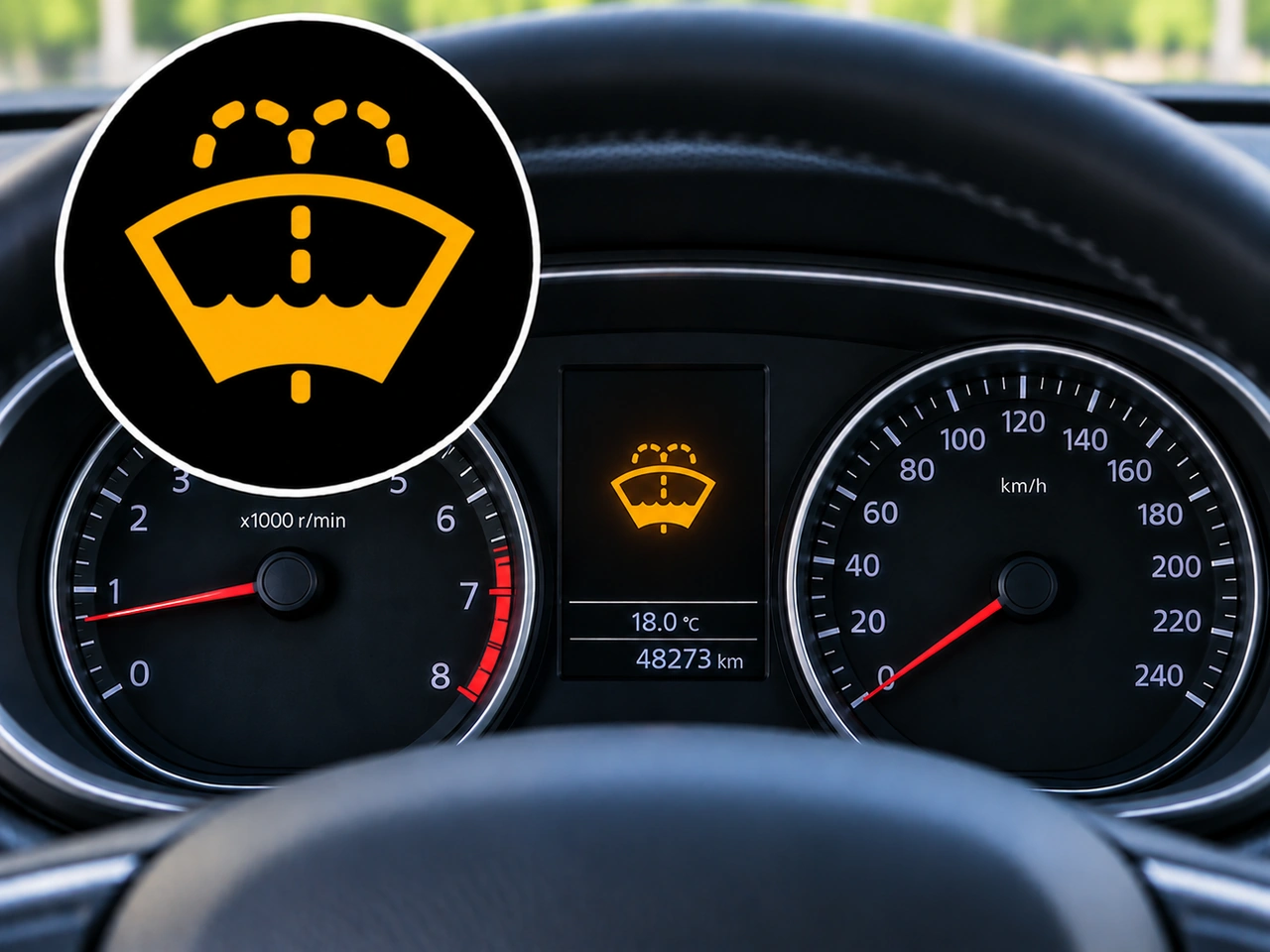
588. What does this dashboard symbol indicate?
This symbol indicates that the windscreen washer fluid level is low. Refill the washer-fluid reservoir with suitable fluid when possible.
AI-generated by Rijbewijs-online.be • WCIT • CC BY-SA
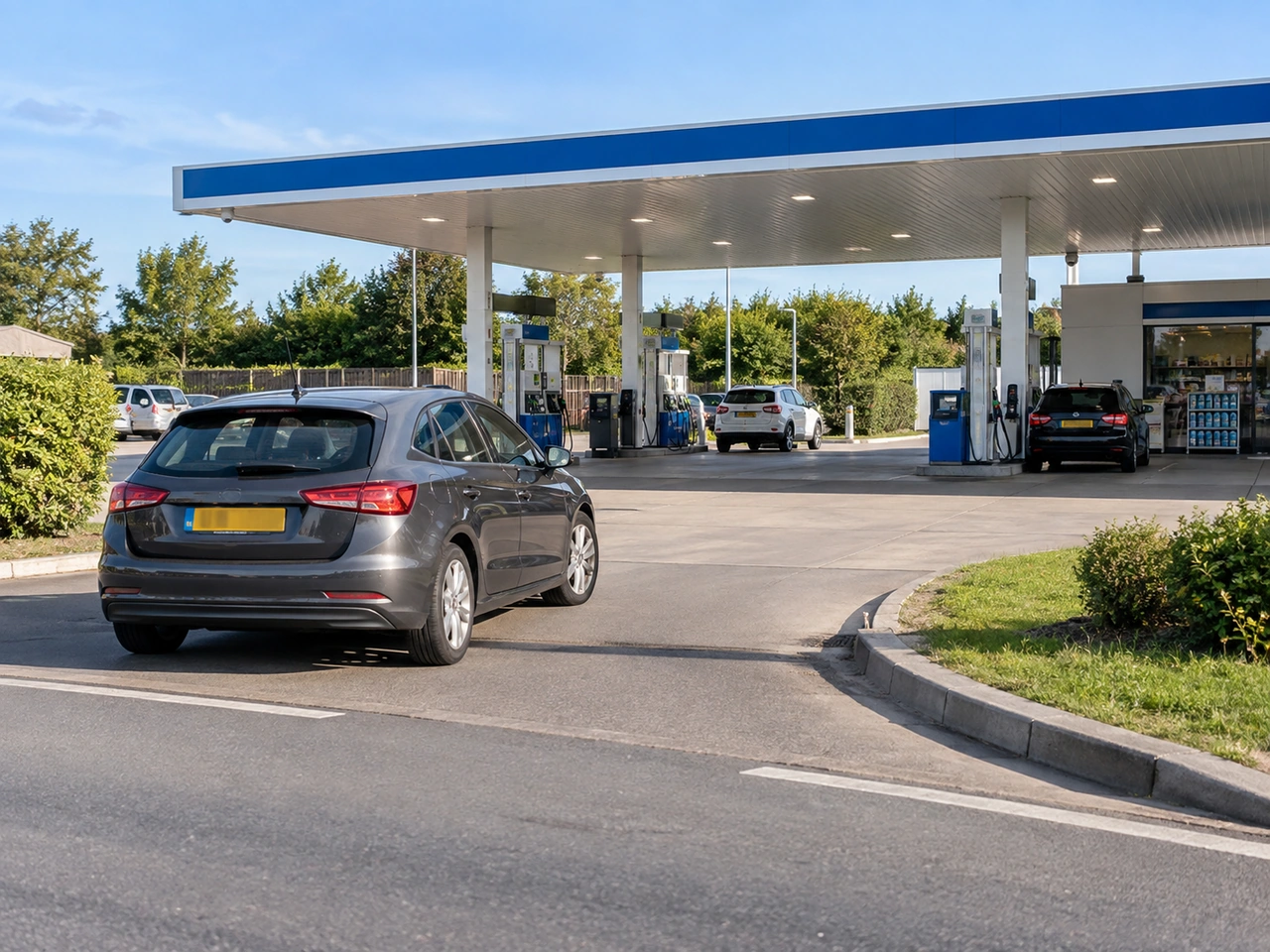
589. How should you position your vehicle beside a fuel pump?
Position the vehicle so the fuel filler is close to the pump and the hose can reach without being stretched tightly across or around the vehicle. Stop within the designated refuelling area and leave enough space to use the pump safely.
AI-generated by Rijbewijs-online.be • WCIT • CC BY-SA
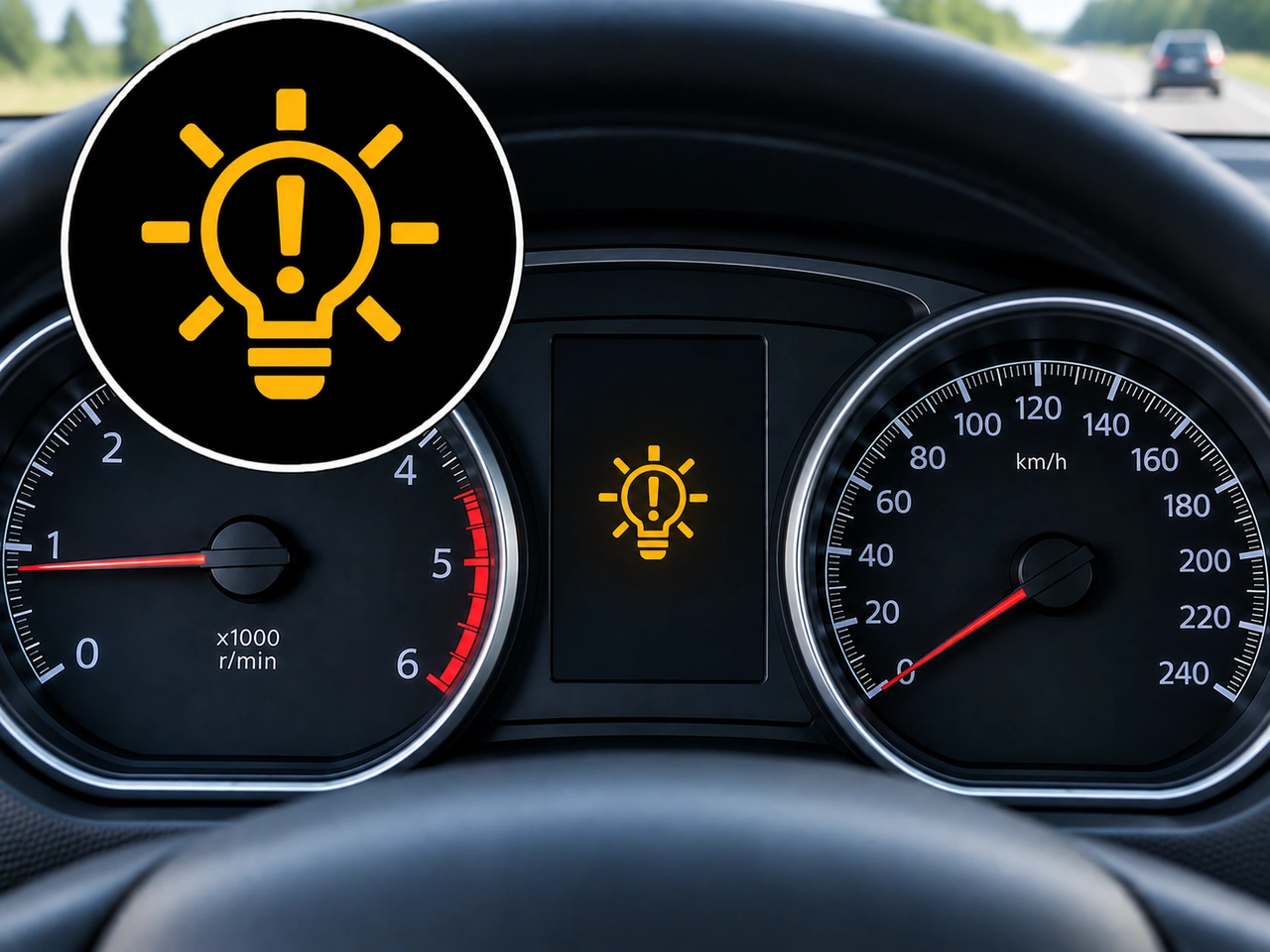
590. What does this dashboard symbol indicate?
This symbol indicates a possible failure of an exterior vehicle light, such as a headlight, tail light, brake light or indicator. Check the vehicle's exterior lights and replace or repair any faulty light.
AI-generated by Rijbewijs-online.be • WCIT • CC BY-SA
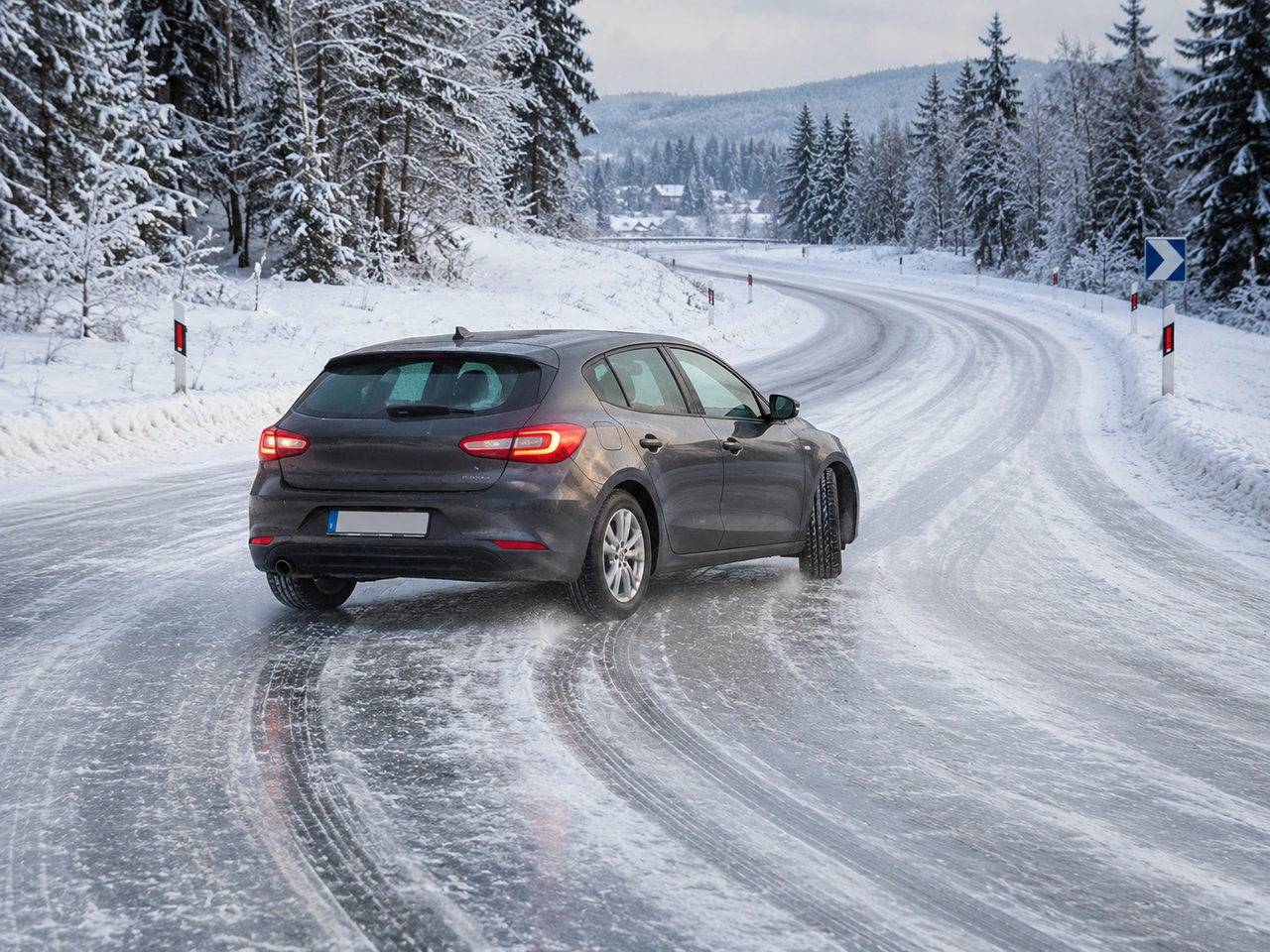
591. What should you do if your vehicle begins to skid on ice?
Avoid sudden braking or steering. Look where you want to go and use gentle controls while the tyres regain grip.
AI-generated by Rijbewijs-online.be • WCIT • CC BY-SA
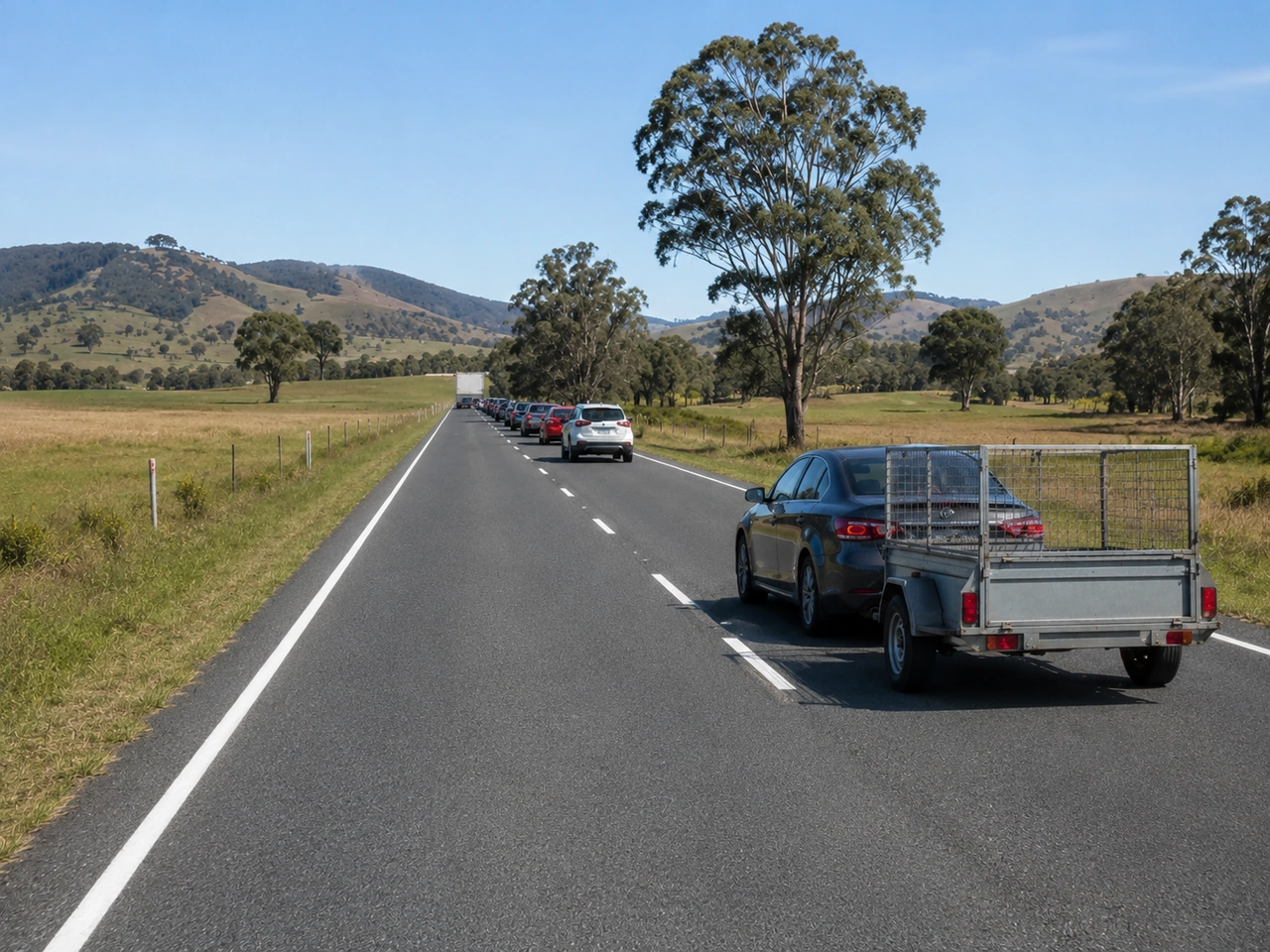
592. Why should you leave extra following distance when towing?
Towing adds weight and can increase stopping distance. Extra space gives you more time to react and brake smoothly.
AI-generated by Rijbewijs-online.be • WCIT • CC BY-SA
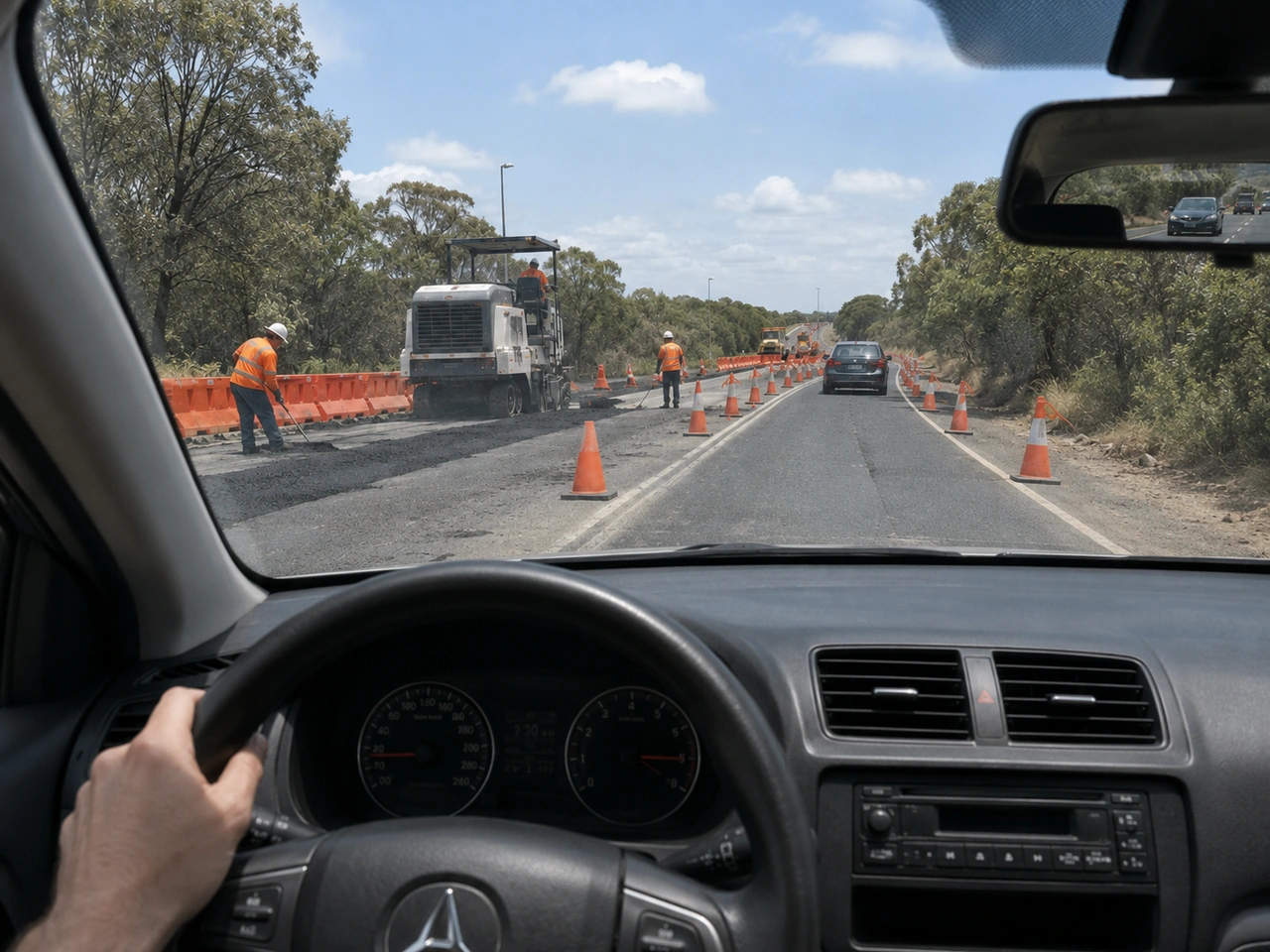
593. Why should you reduce speed when approaching roadworks?
Roadworks can involve workers, machinery, changing lane layouts, and uneven surfaces. Lower speed gives you more time to react.
AI-generated by Rijbewijs-online.be • WCIT • CC BY-SA
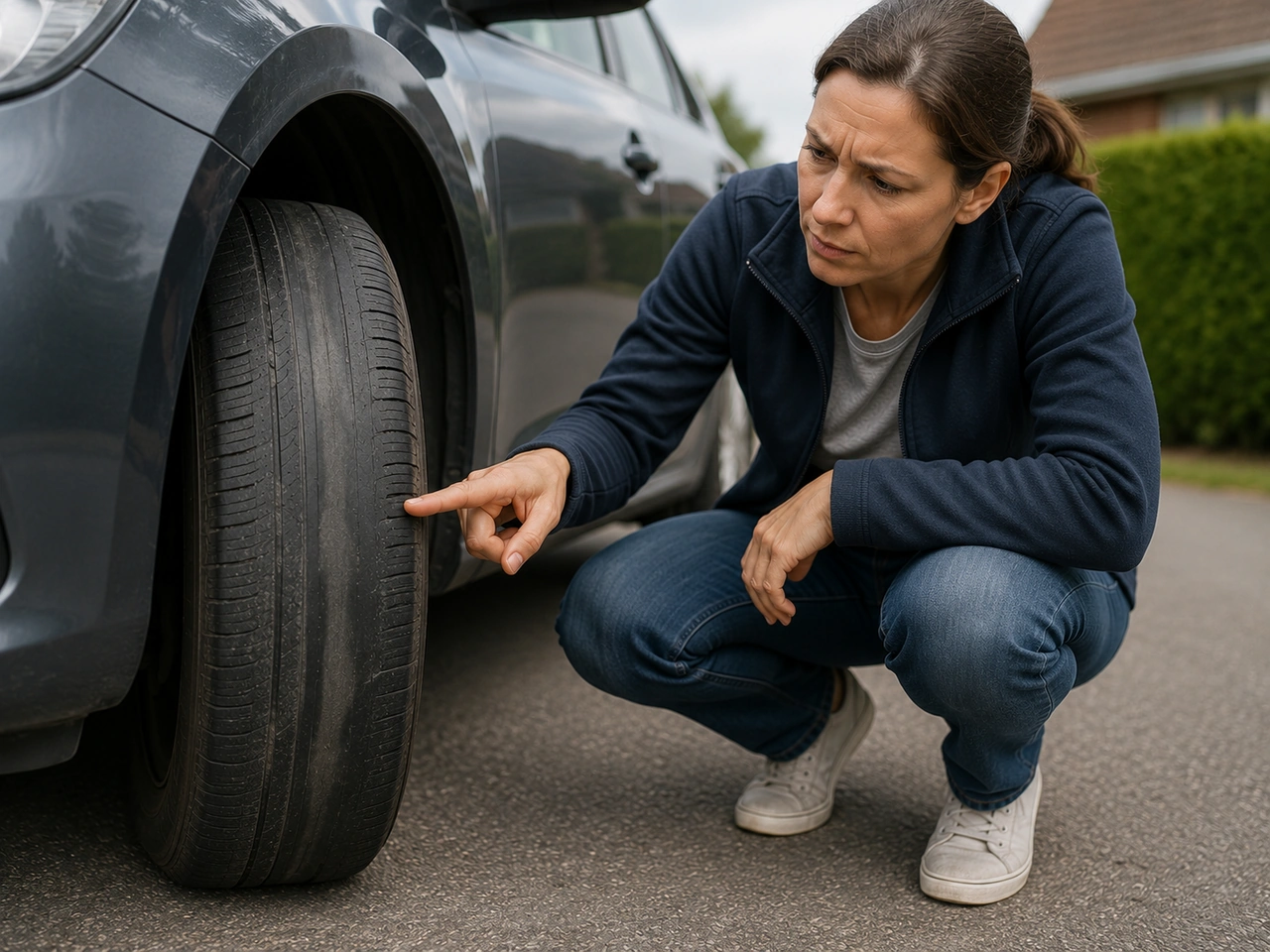
594. What can uneven tyre wear indicate?
Uneven wear may result from incorrect tyre pressure, wheel misalignment, worn suspension parts, or a brake that is not releasing properly.
AI-generated by Rijbewijs-online.be • WCIT • CC BY-SA
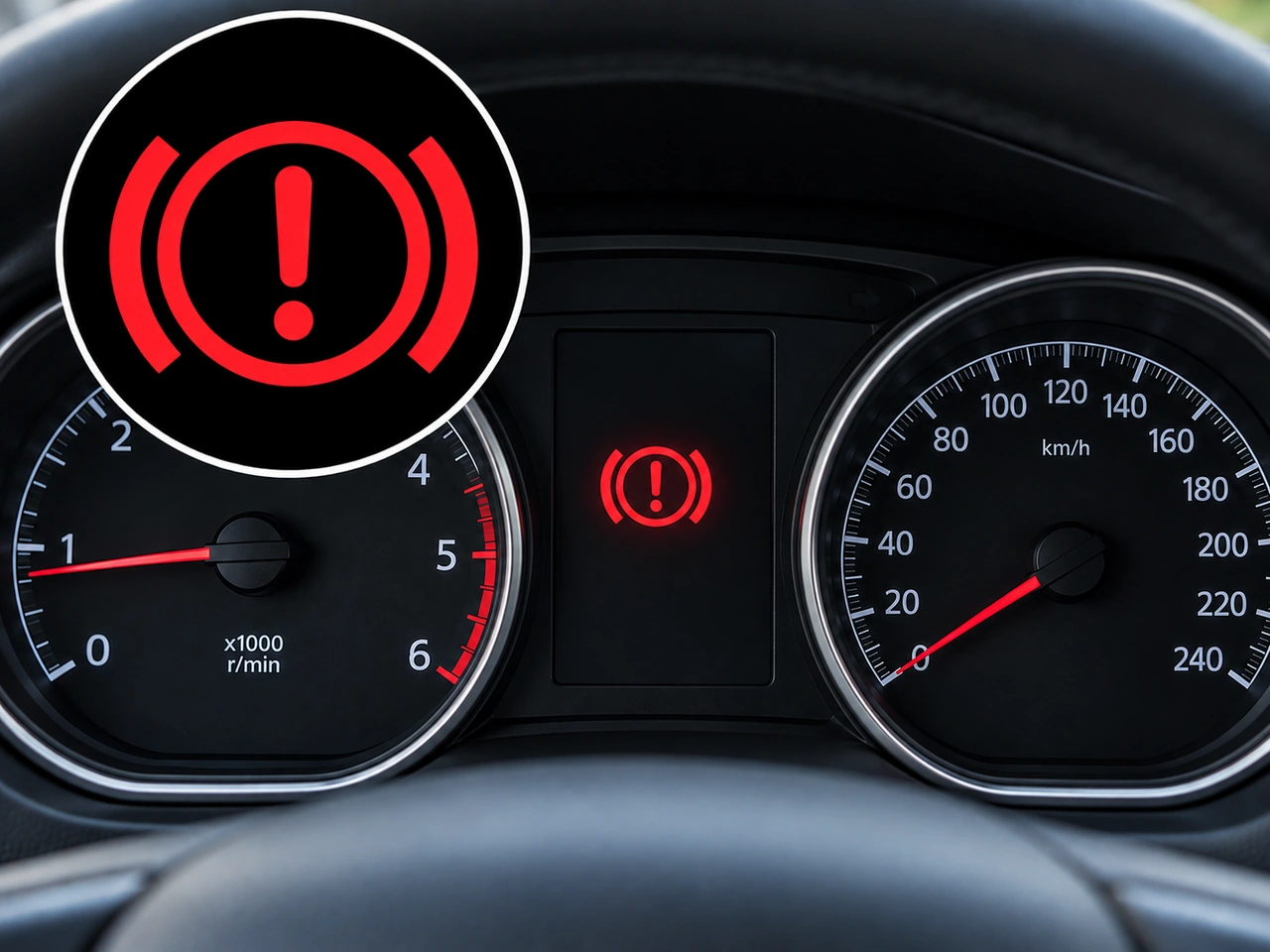
595. What does this dashboard symbol indicate?
This symbol indicates a possible brake-system fault. If it remains illuminated after the parking brake is released, stop safely and have the braking system checked.
AI-generated by Rijbewijs-online.be • WCIT • CC BY-SA
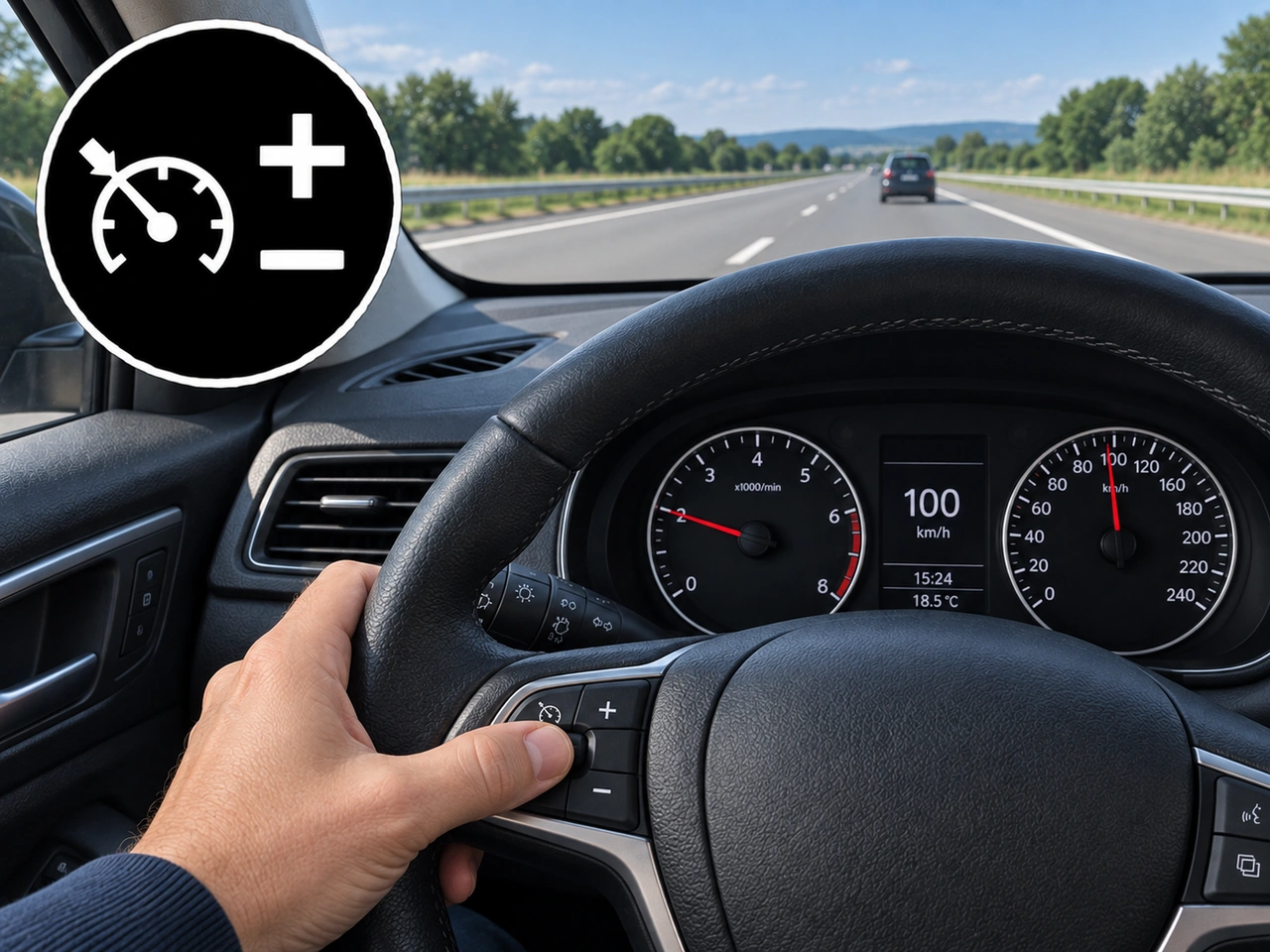
596. What do the + and − controls of cruise control normally do?
When cruise control is active, the + and − controls normally increase or decrease the selected cruising speed. The amount of each adjustment can vary between vehicles.
AI-generated by Rijbewijs-online.be • WCIT • CC BY-SA
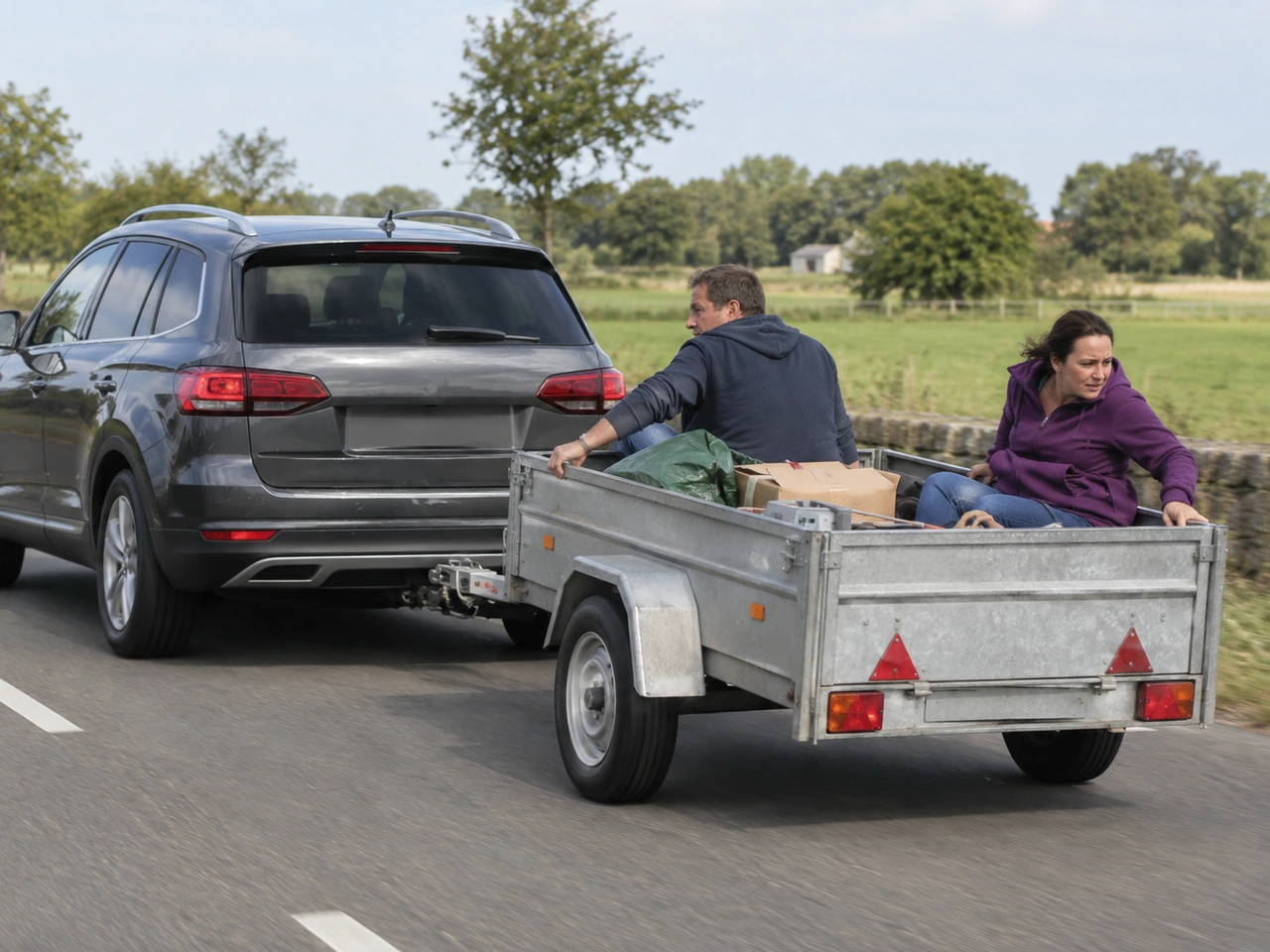
597. Should passengers travel in an ordinary goods trailer?
An ordinary goods trailer is not designed to carry passengers and normally has no suitable seats or restraint systems. Passengers should travel in seating positions designed and approved for carrying people. Special passenger-carrying trailers may be subject to different local rules.
AI-generated by Rijbewijs-online.be • WCIT • CC BY-SA
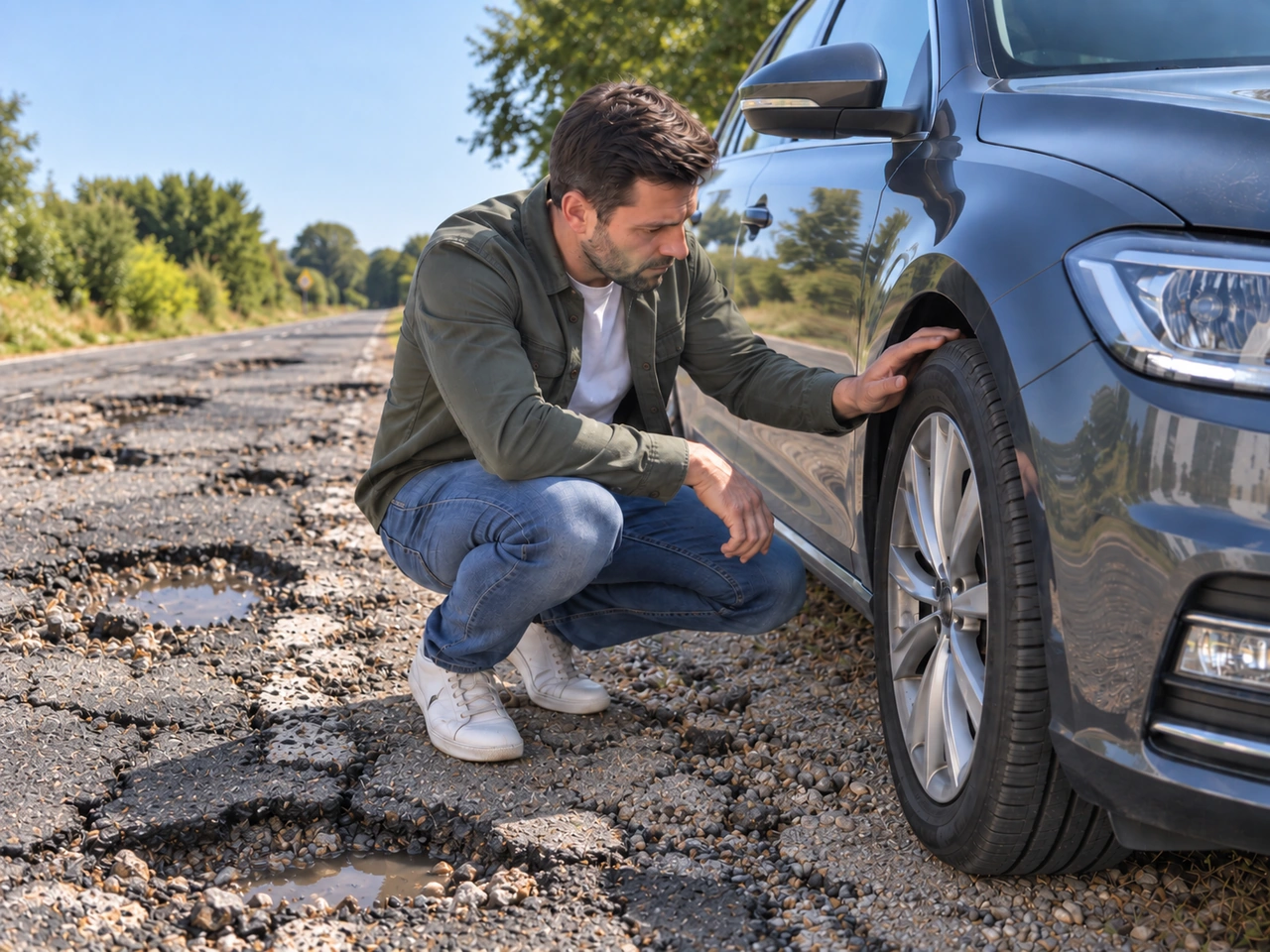
598. What should you do after hitting a deep pothole hard?
A hard impact with a pothole can damage tyres, wheel rims, steering, suspension, or wheel alignment. When it is safe to stop, inspect the tyres and wheels and pay attention to unusual vibration, pulling, or steering changes. Have the vehicle checked if you suspect damage.
AI-generated by Rijbewijs-online.be • WCIT • CC BY-SA
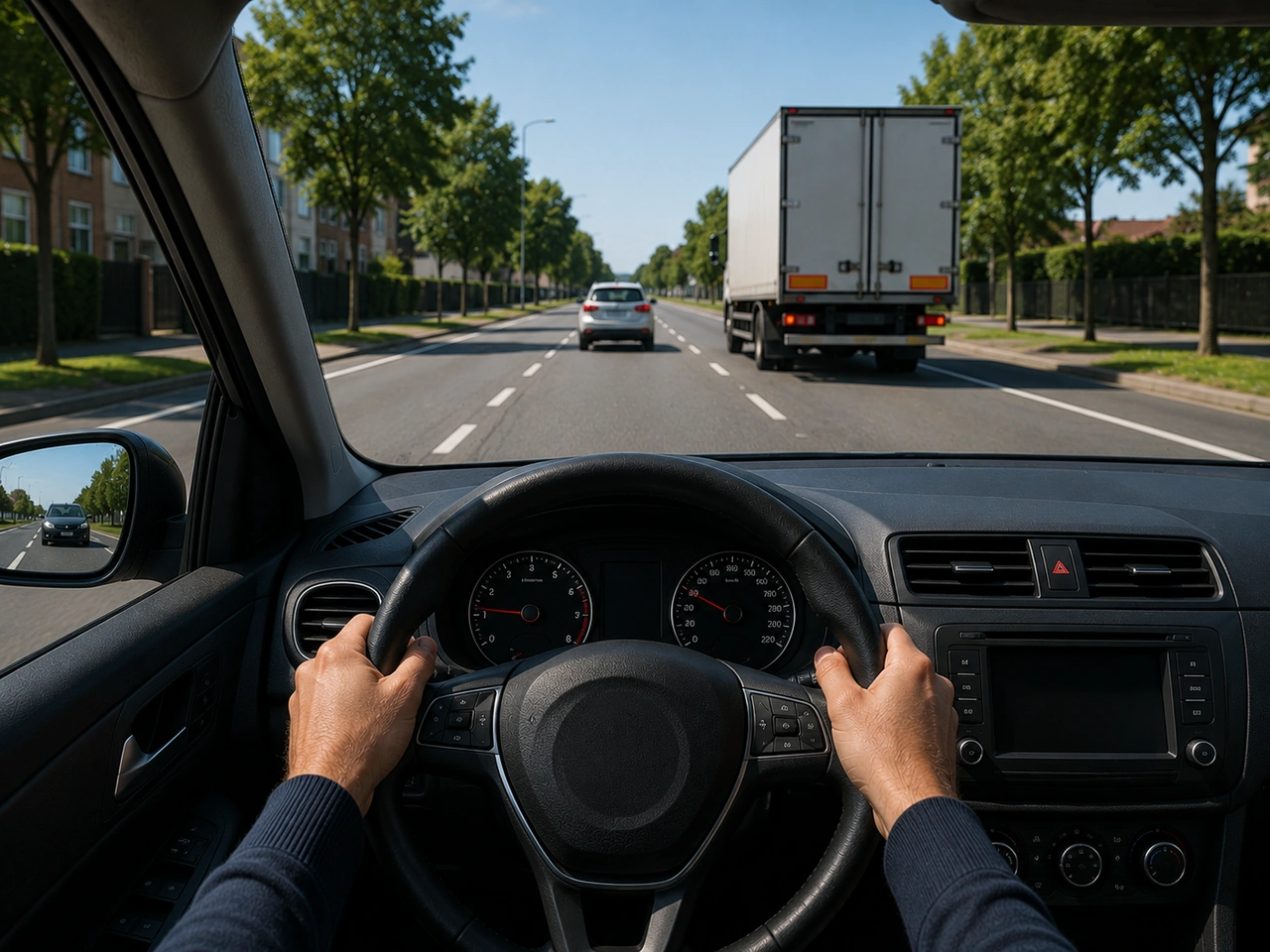
599. You should stay focused on the road and avoid unnecessary distractions.
Distractions reduce awareness and reaction time, making driving more dangerous.
AI-generated by Rijbewijs-online.be • WCIT • CC BY-SA
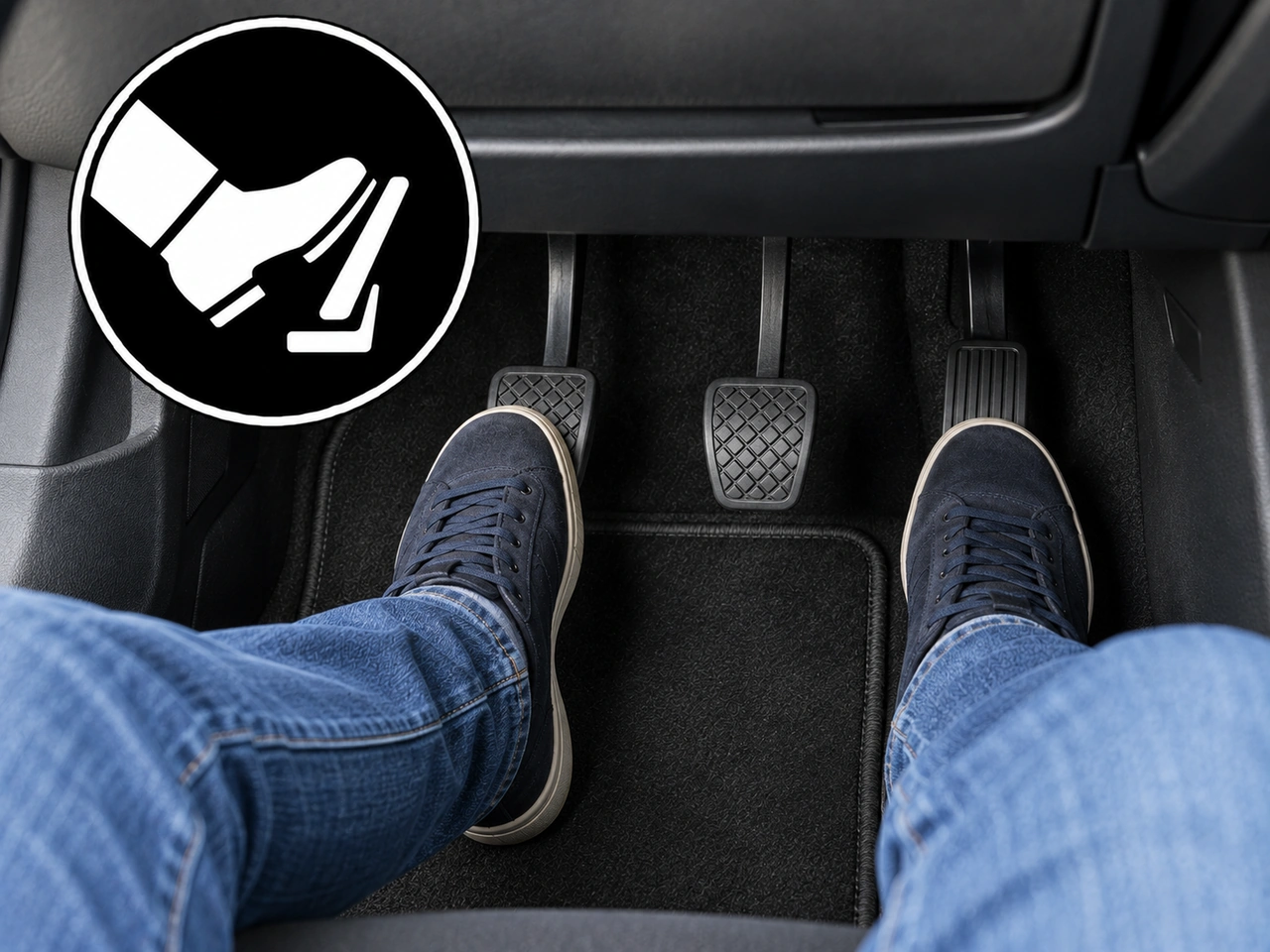
600. What is the clutch biting point?
The clutch biting point is reached as the clutch pedal is released and the clutch begins to transmit power from the engine to the transmission. Controlling this point helps the driver move off smoothly.
AI-generated by Rijbewijs-online.be • WCIT • CC BY-SA
