


QuizTraffic rulesSwitzerland
This interesting quiz helps you test your knowledge in a clear and visual way. With easy multiple-choice questions, you can quickly build confidence and learn new facts while keeping it simple, interactive, and fun.
 Traffic signs
 Traffic rules
 Switzerland
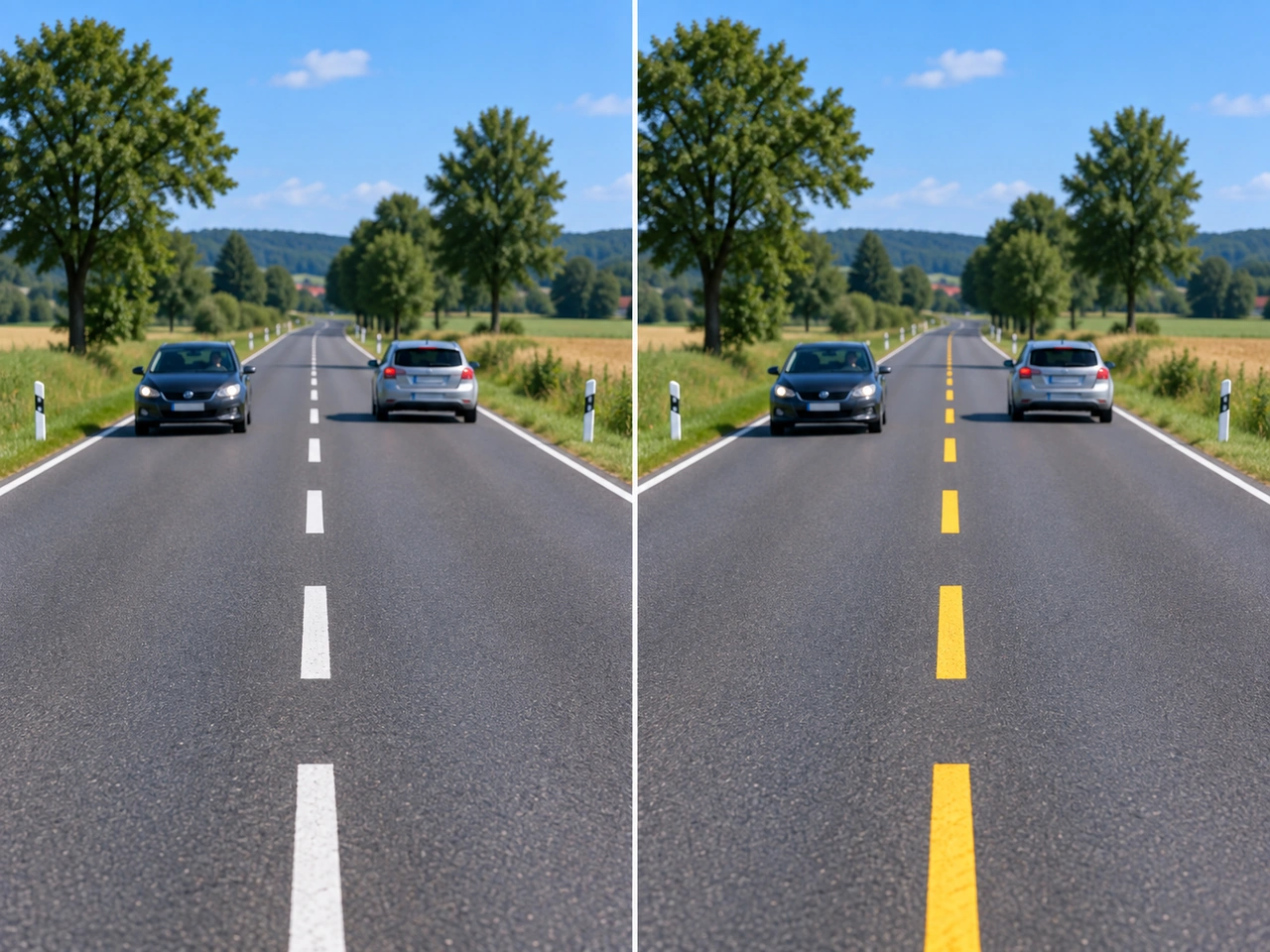
101. What colour is normally used for the centre line separating opposing traffic in Switzerland?
Roads in Switzerland normally use a white centre line to separate traffic travelling in opposite directions.
AI-generated by Rijbewijs-online.be • WCIT • CC BY-SA

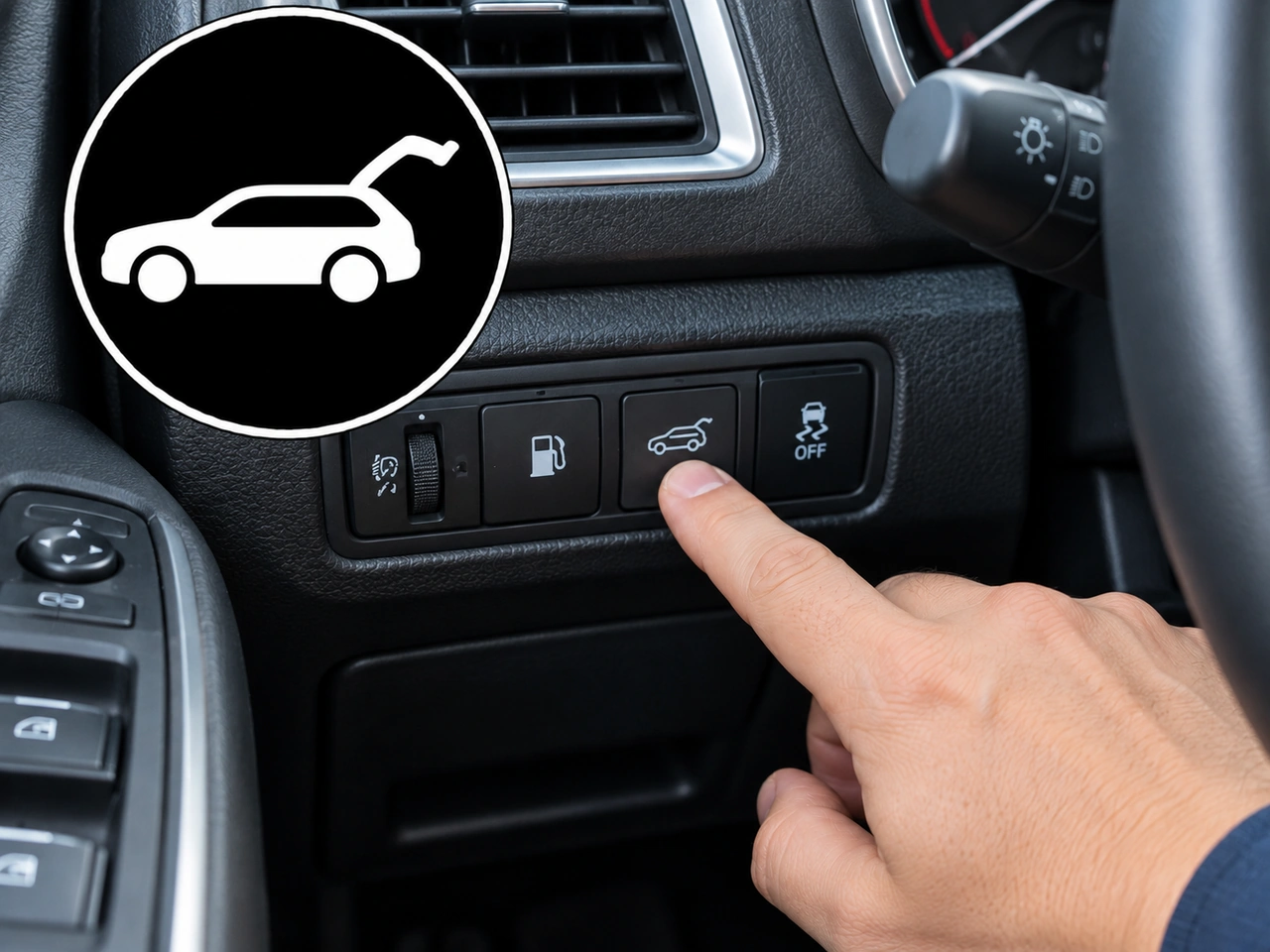
102. What does this vehicle-control symbol indicate?
This symbol indicates the boot or tailgate release. Operating the control unlocks or opens the luggage compartment, depending on the vehicle.
AI-generated by Rijbewijs-online.be • WCIT • CC BY-SA
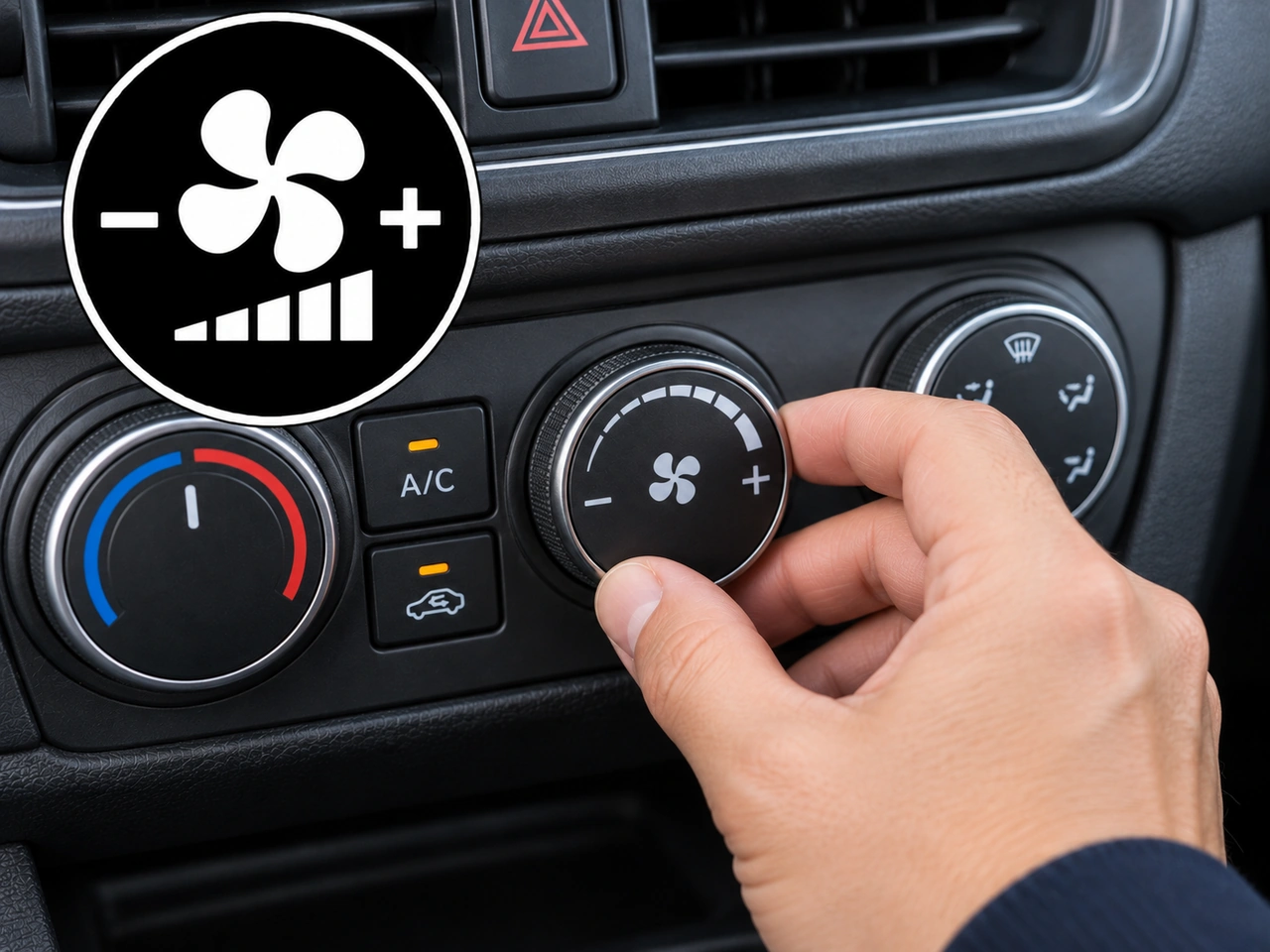
103. What does this vehicle-control symbol indicate?
This control adjusts the cabin ventilation fan speed. Increasing the setting moves more air through the vehicle's ventilation and climate-control system.
AI-generated by Rijbewijs-online.be • WCIT • CC BY-SA
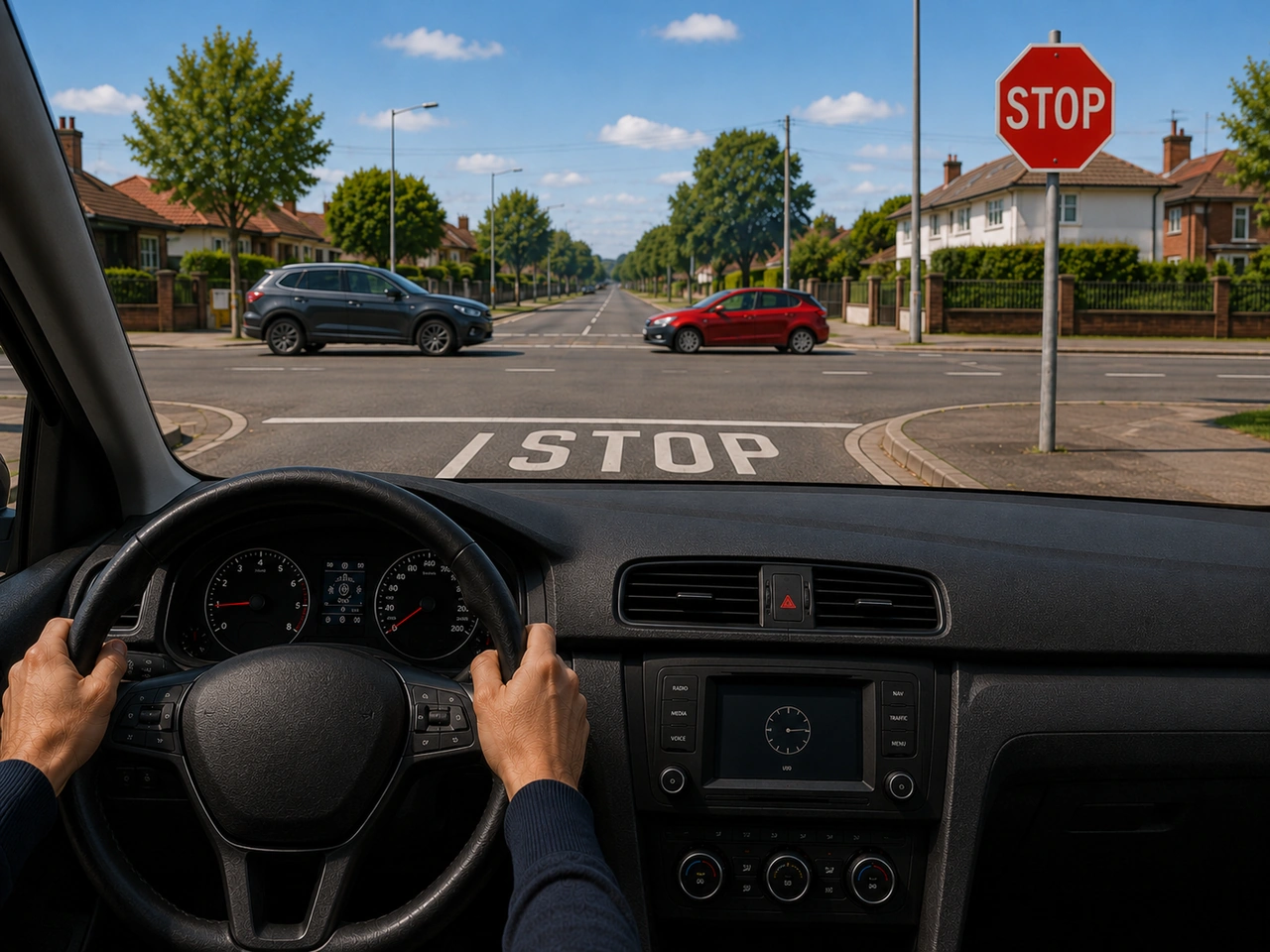
104. What should you do when approaching a stop sign?
A stop sign requires you to come to a complete stop at the required position. Check carefully for other road users and proceed only when it is safe.
AI-generated by Rijbewijs-online.be • WCIT • CC BY-SA
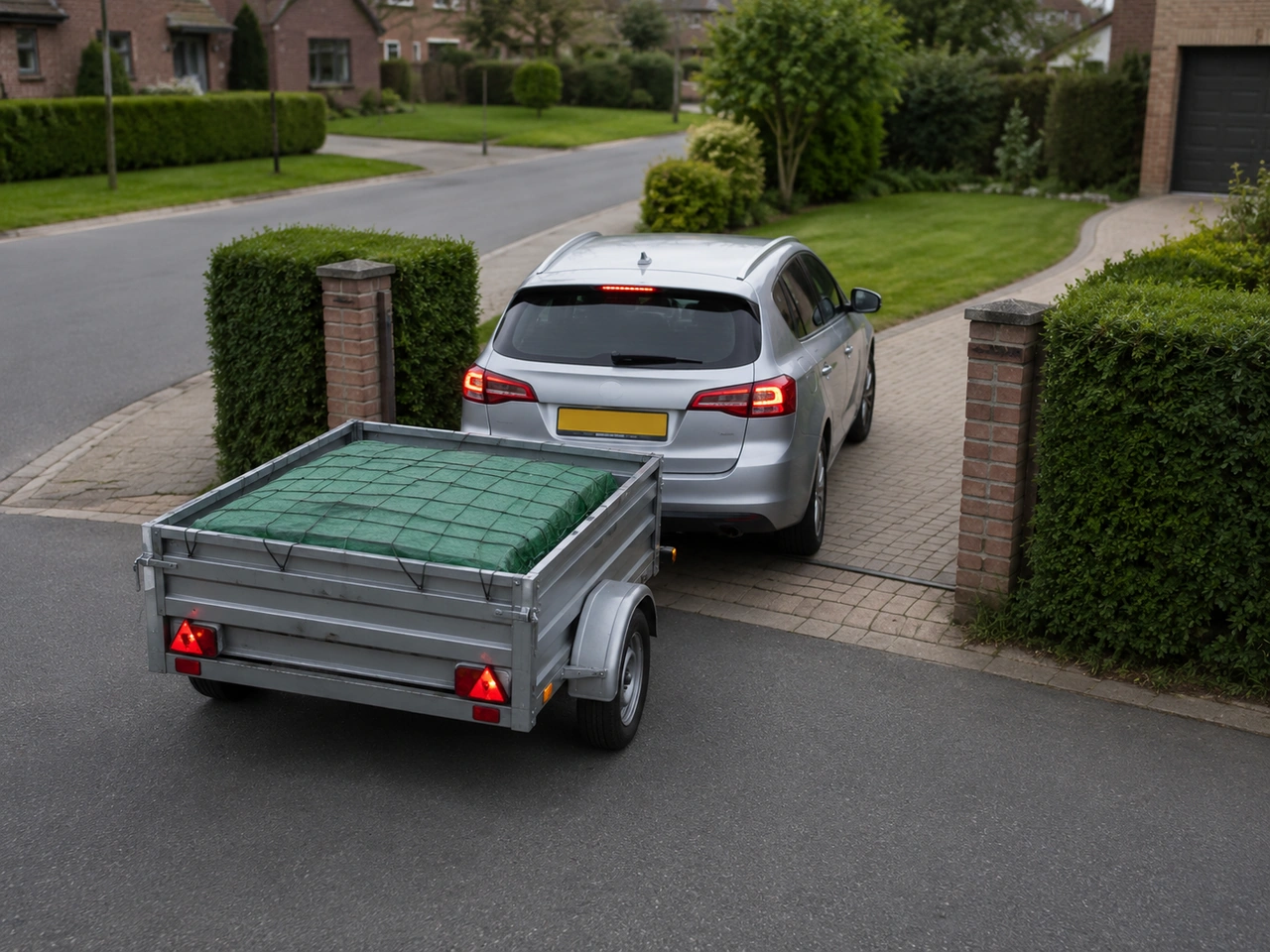
105. What should you do when reversing with a trailer?
Trailers react quickly to steering while reversing. Move slowly, observe carefully, and use a guide only from a safe visible position.
AI-generated by Rijbewijs-online.be • WCIT • CC BY-SA
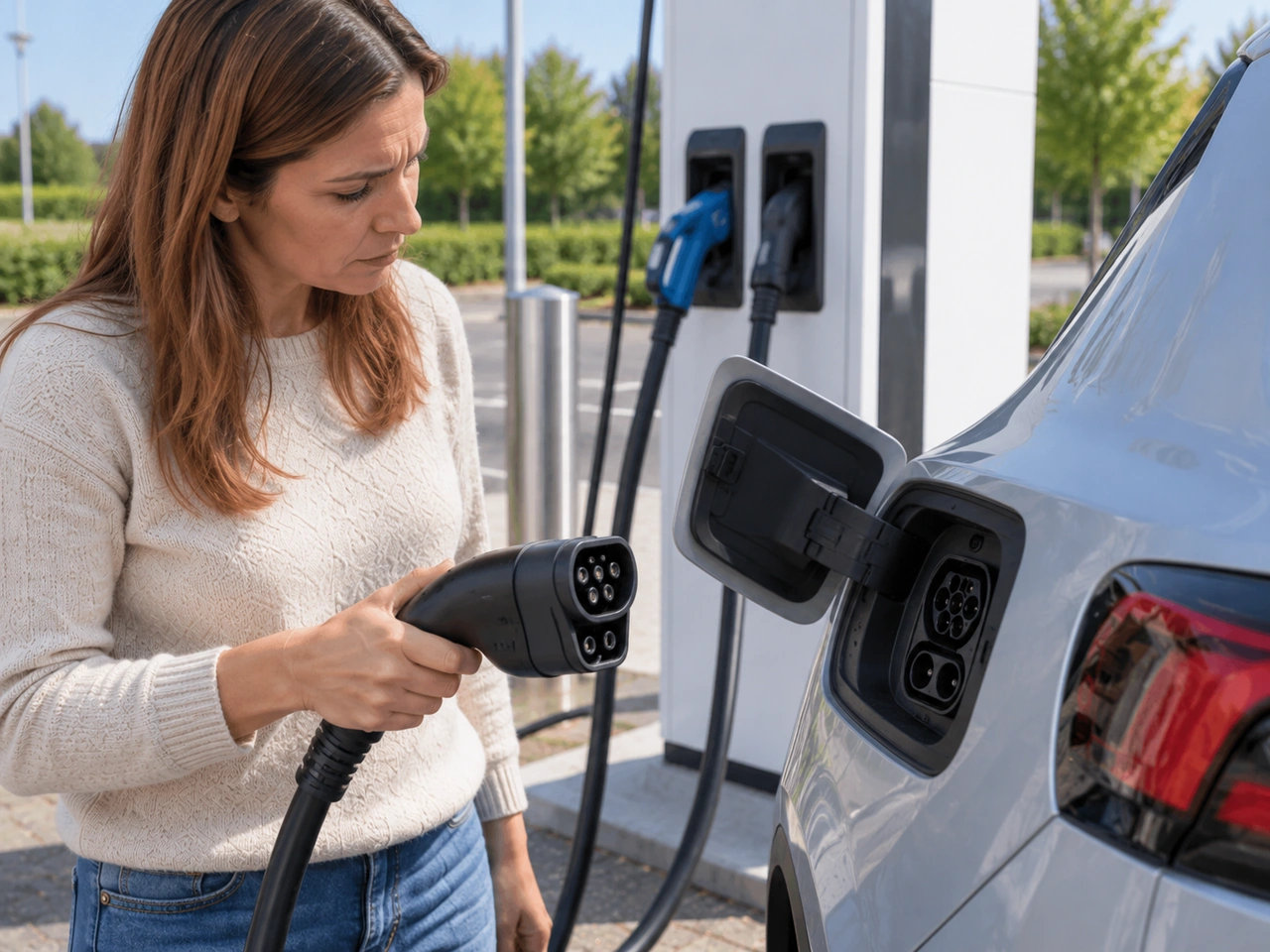
106. What should you check before connecting an electric vehicle to a charger?
Charging connectors and charging capabilities can vary between vehicles and charging stations. Use compatible charging equipment that is suitable for the vehicle and follow the vehicle and charger manufacturer's instructions.
AI-generated by Rijbewijs-online.be • WCIT • CC BY-SA
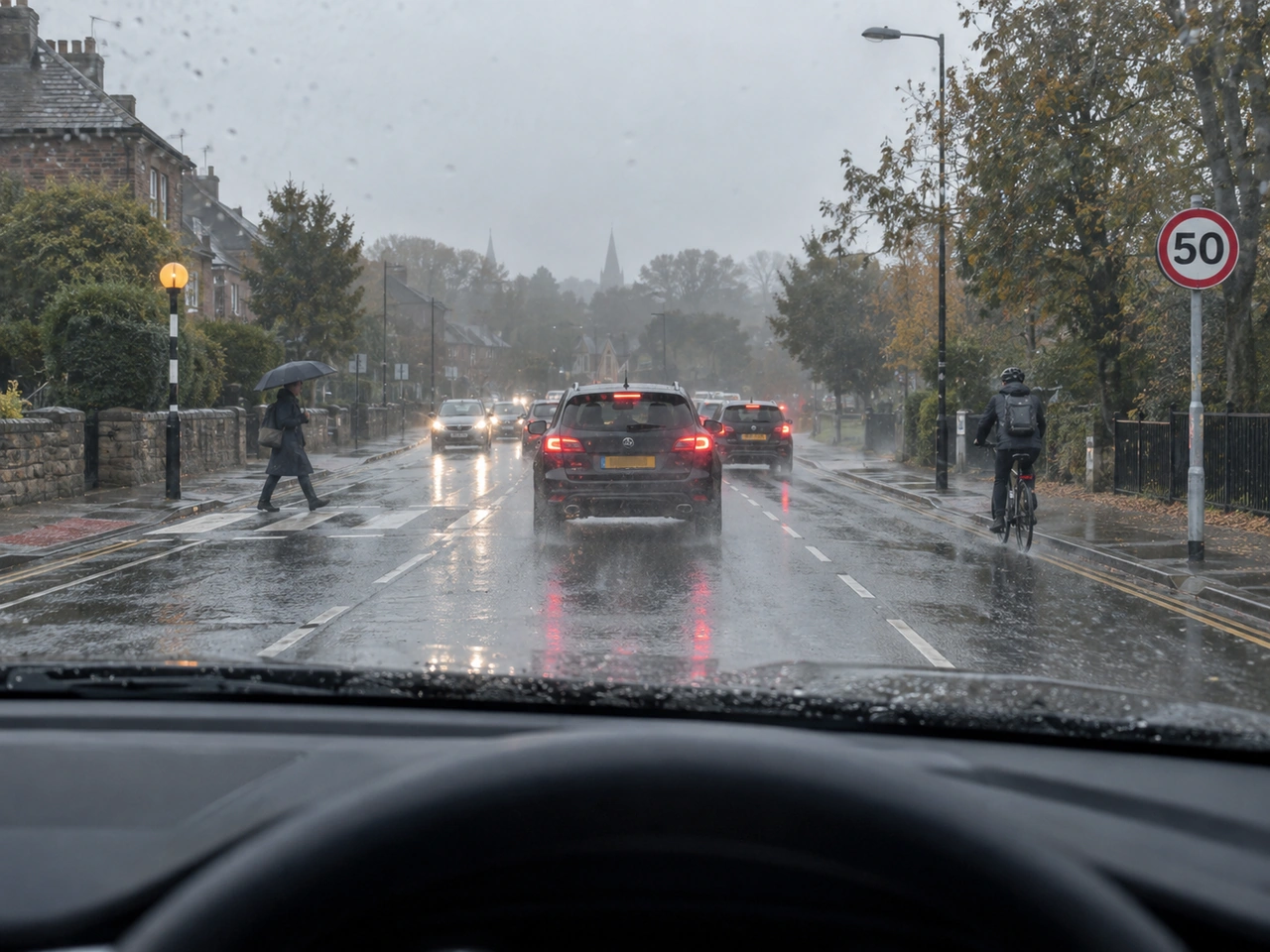
107. Does driving at the speed limit always mean your speed is safe?
A speed limit is a maximum permitted speed, not a target. You may need to drive more slowly because of traffic, poor visibility, weather, road conditions, pedestrians, cyclists, or other hazards.
AI-generated by Rijbewijs-online.be • WCIT • CC BY-SA
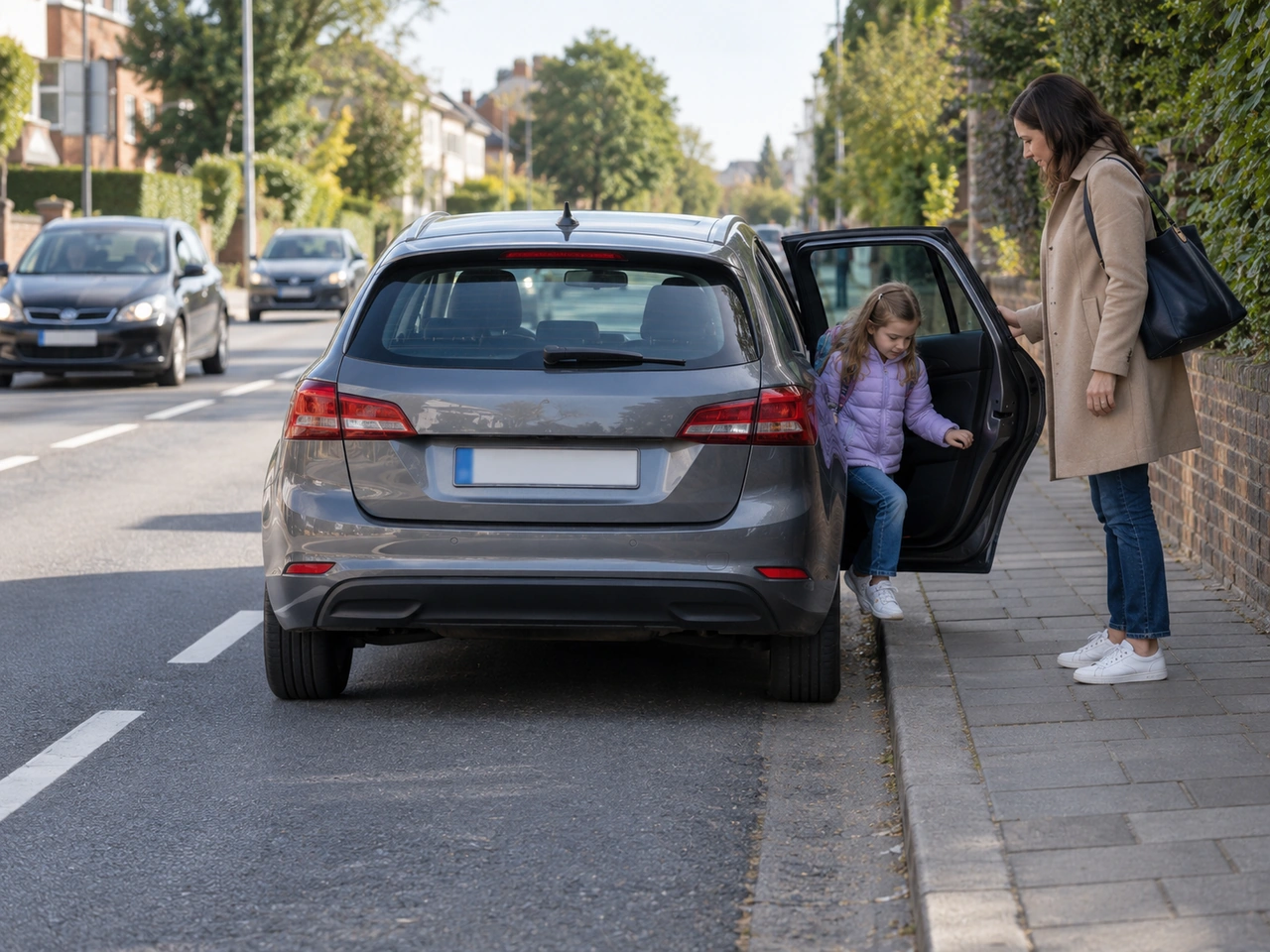
108. Where should passengers get in or out of a vehicle when possible?
Passengers should get in or out on the side away from moving traffic whenever possible. This is particularly important for children, who may not recognise approaching traffic or other road users. Before opening any door, check that it is safe.
AI-generated by Rijbewijs-online.be • WCIT • CC BY-SA
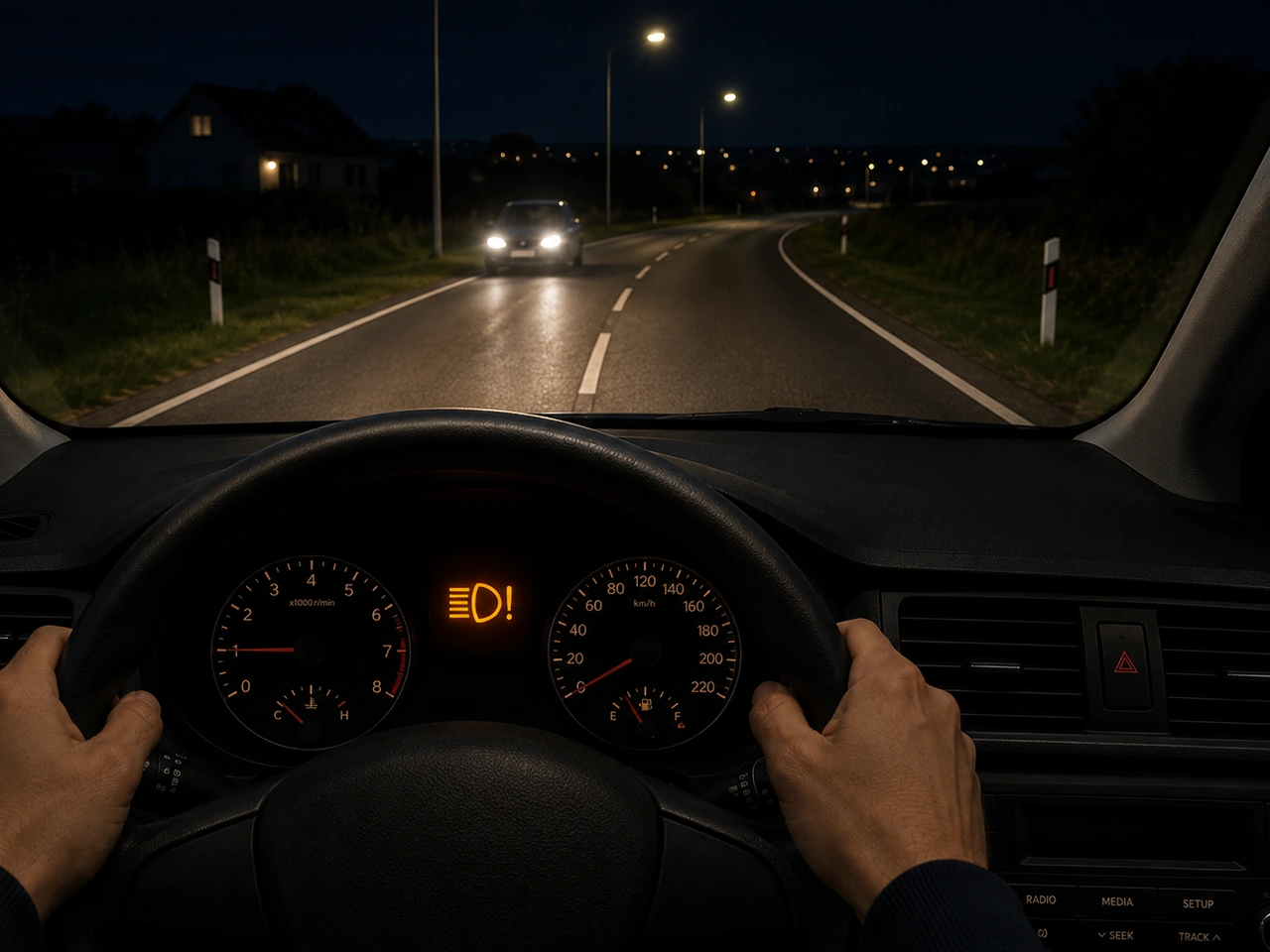
109. What should you do if your headlights fail while driving at night?
Without effective headlights, you may not see hazards and other road users may not see you. Stop in a safe location as soon as possible.
AI-generated by Rijbewijs-online.be • WCIT • CC BY-SA
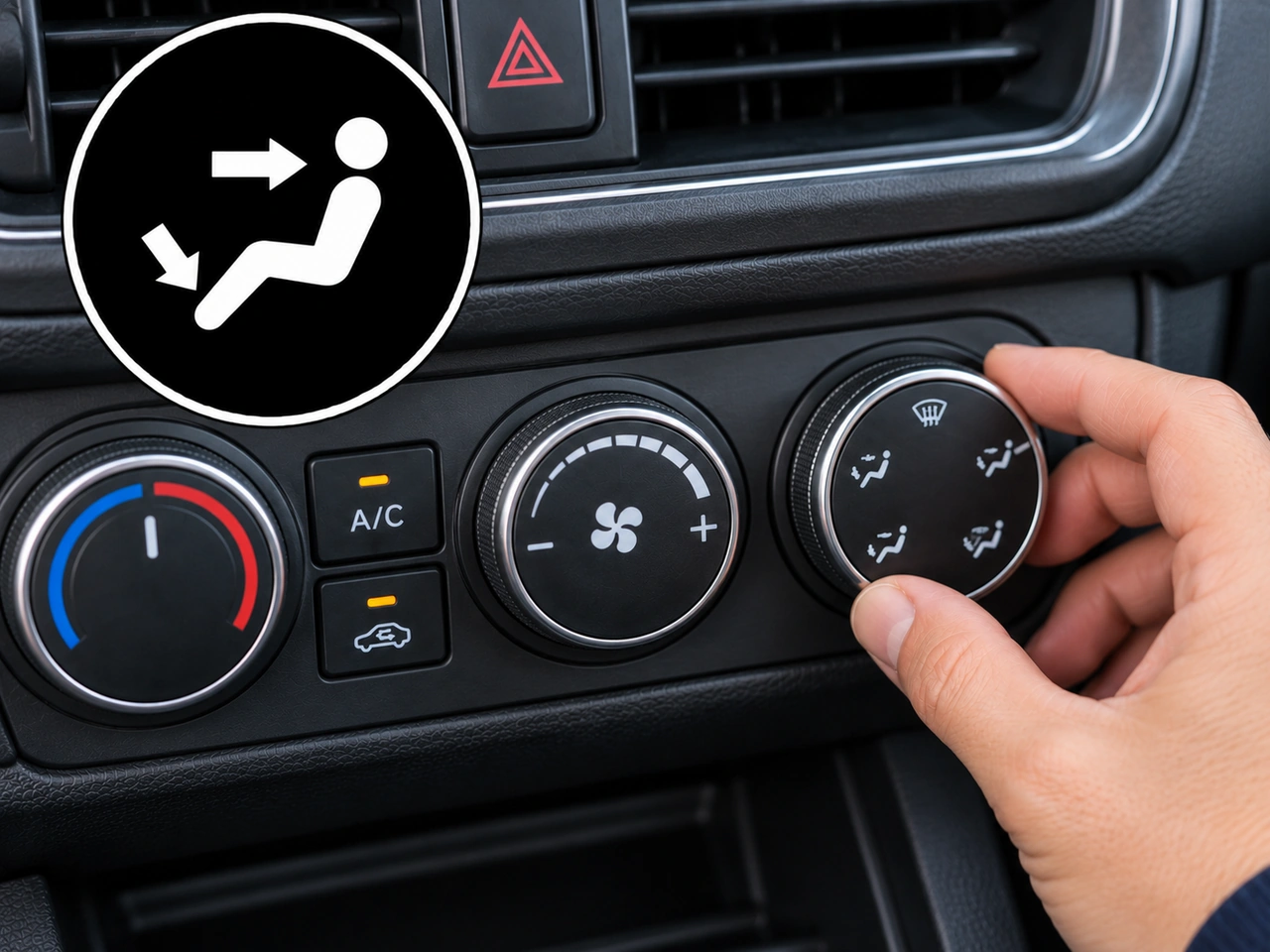
110. What does this vehicle-control symbol indicate?
This control selects the direction of the ventilation airflow, such as towards the face, feet or windscreen.
AI-generated by Rijbewijs-online.be • WCIT • CC BY-SA
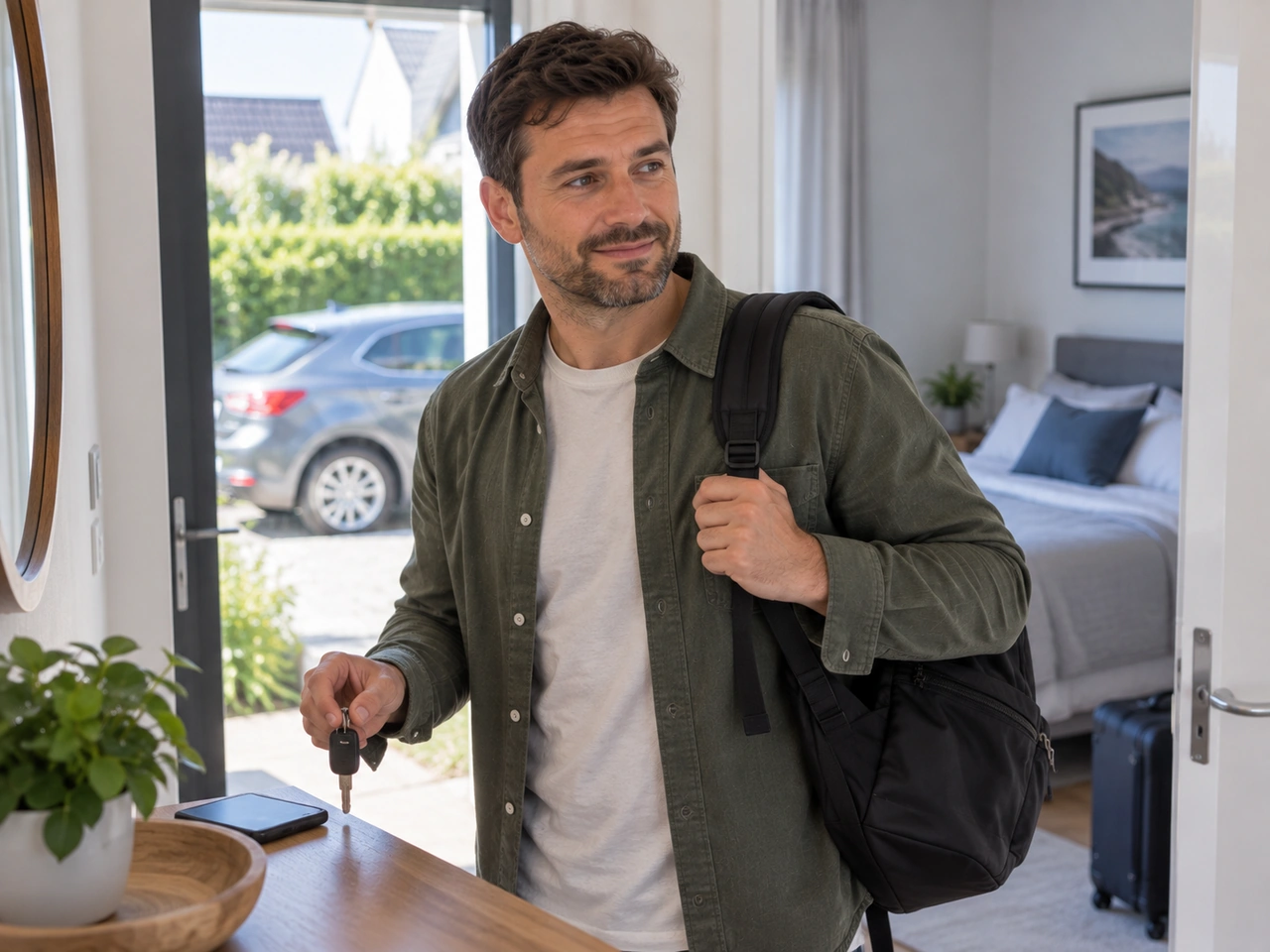
111. What should you do before a long journey to reduce the risk of driver fatigue?
Getting enough sleep before a long journey helps reduce the risk of driver fatigue. Plan breaks in advance and avoid starting a long drive when you are already tired.
AI-generated by Rijbewijs-online.be • WCIT • CC BY-SA
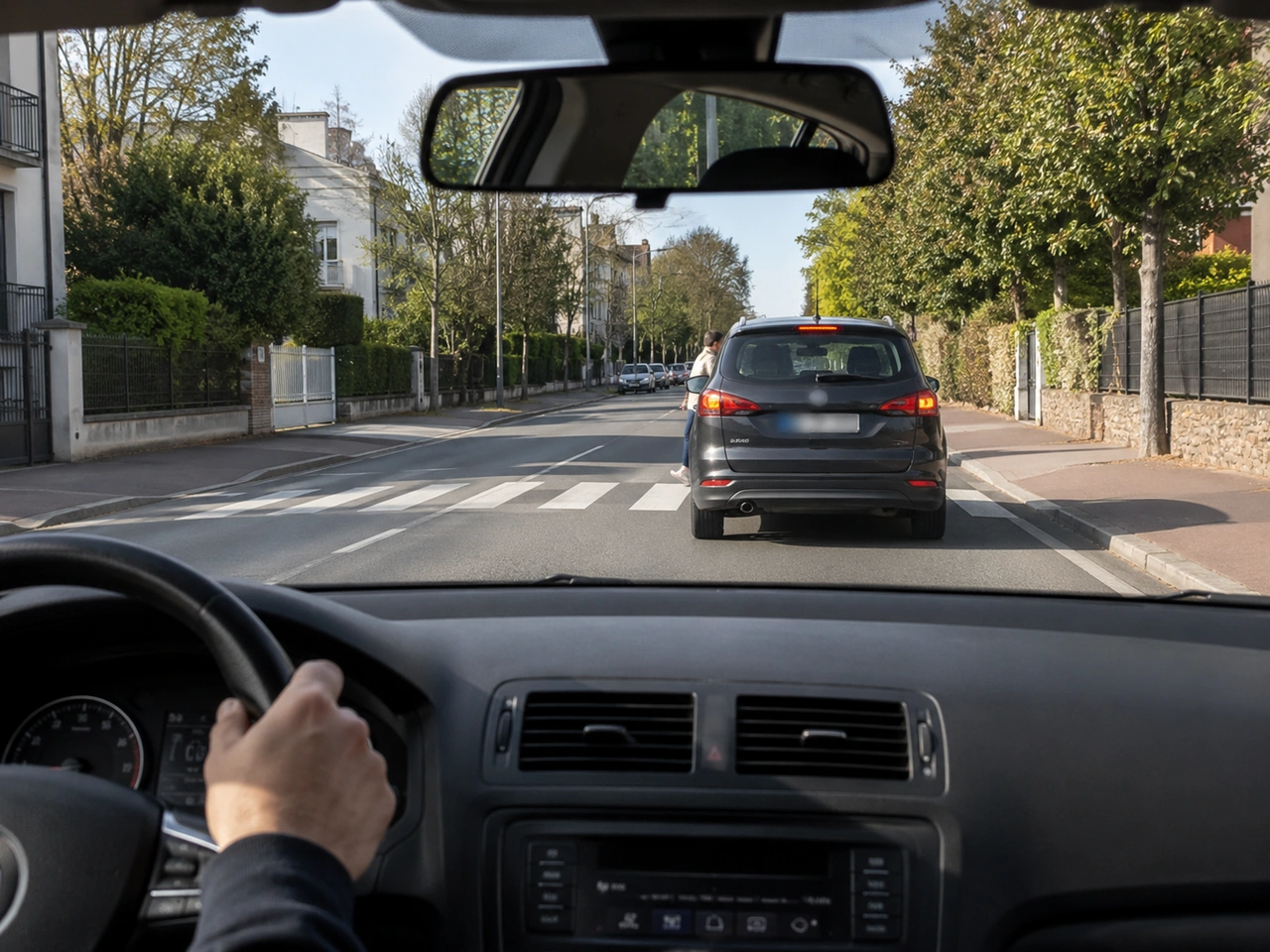
112. Why should you avoid overtaking when approaching a pedestrian crossing?
A vehicle slowing or stopping near a pedestrian crossing may be hiding someone who is crossing. Overtaking could put you directly into the pedestrian's path.
AI-generated by Rijbewijs-online.be • WCIT • CC BY-SA
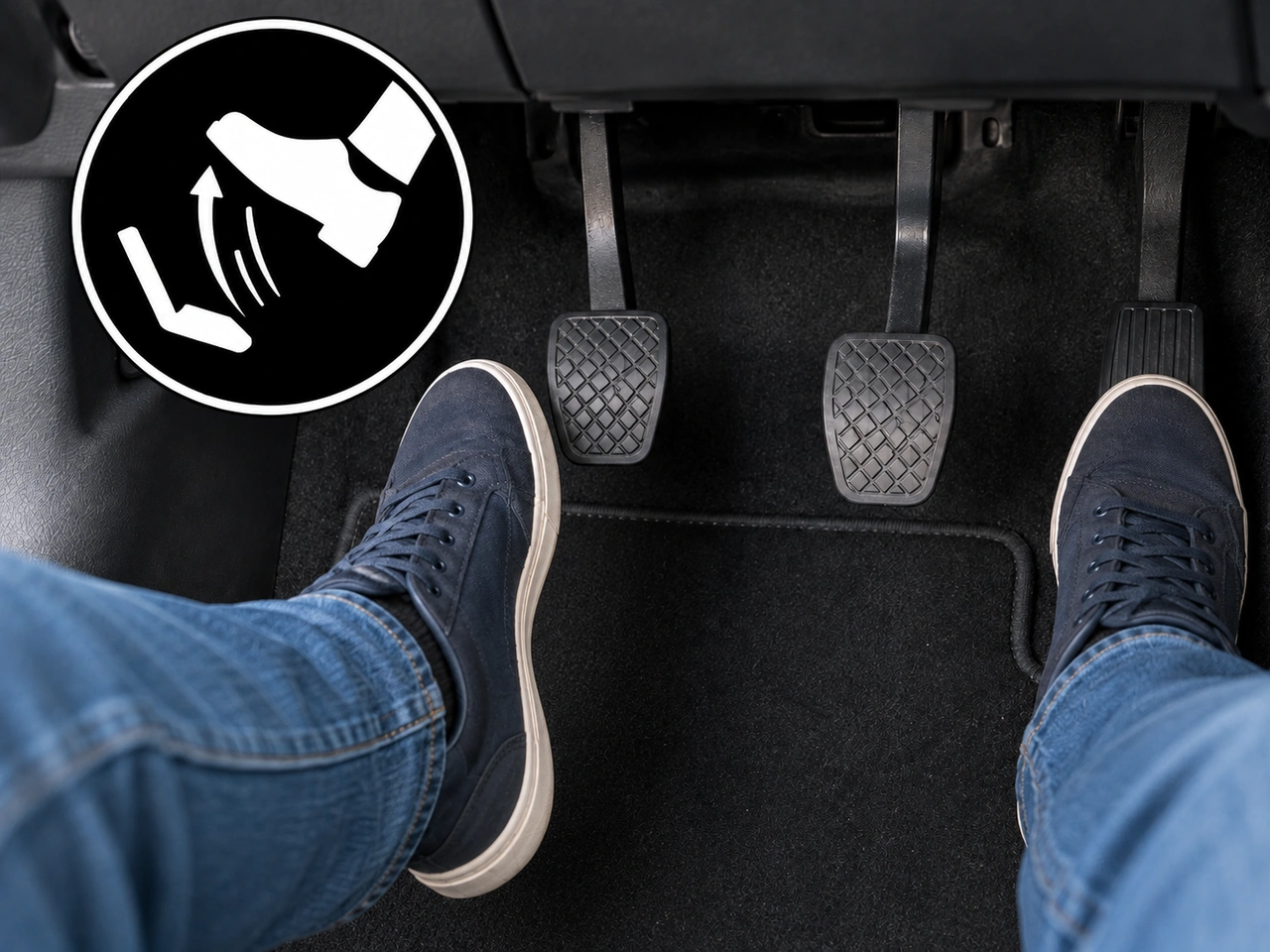
113. What may happen if you release the clutch too quickly when moving off?
Releasing the clutch pedal too quickly when moving off can cause the engine to stall. Release the clutch smoothly through the biting point while applying the accelerator progressively.
AI-generated by Rijbewijs-online.be • WCIT • CC BY-SA
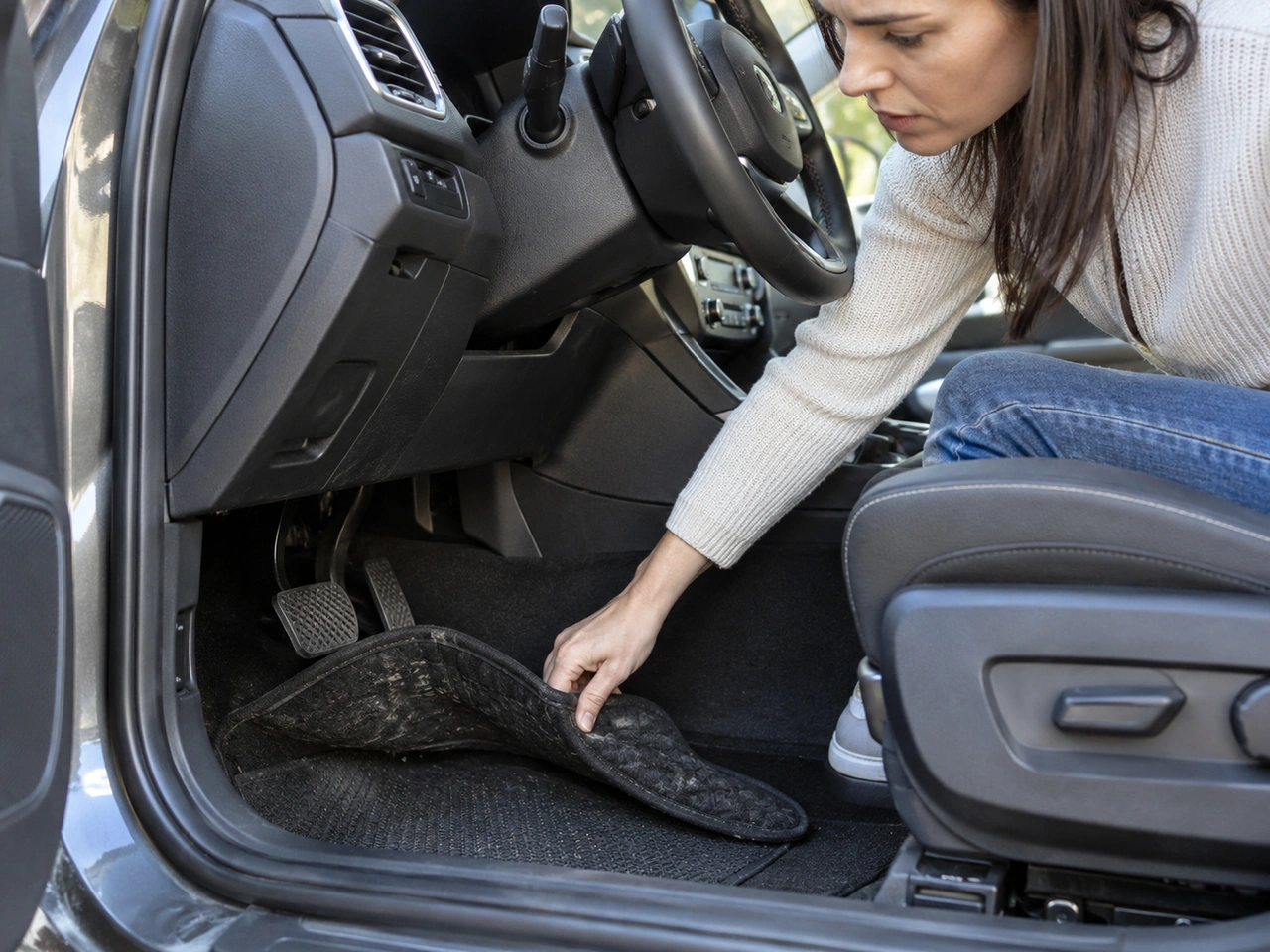
114. Why should the driver's floor mat be properly secured?
A loose or incorrectly fitted floor mat can move into the pedal area and interfere with the accelerator, brake, or clutch. Make sure the driver's floor mat is correctly fitted, secured, and does not obstruct any pedal.
AI-generated by Rijbewijs-online.be • WCIT • CC BY-SA
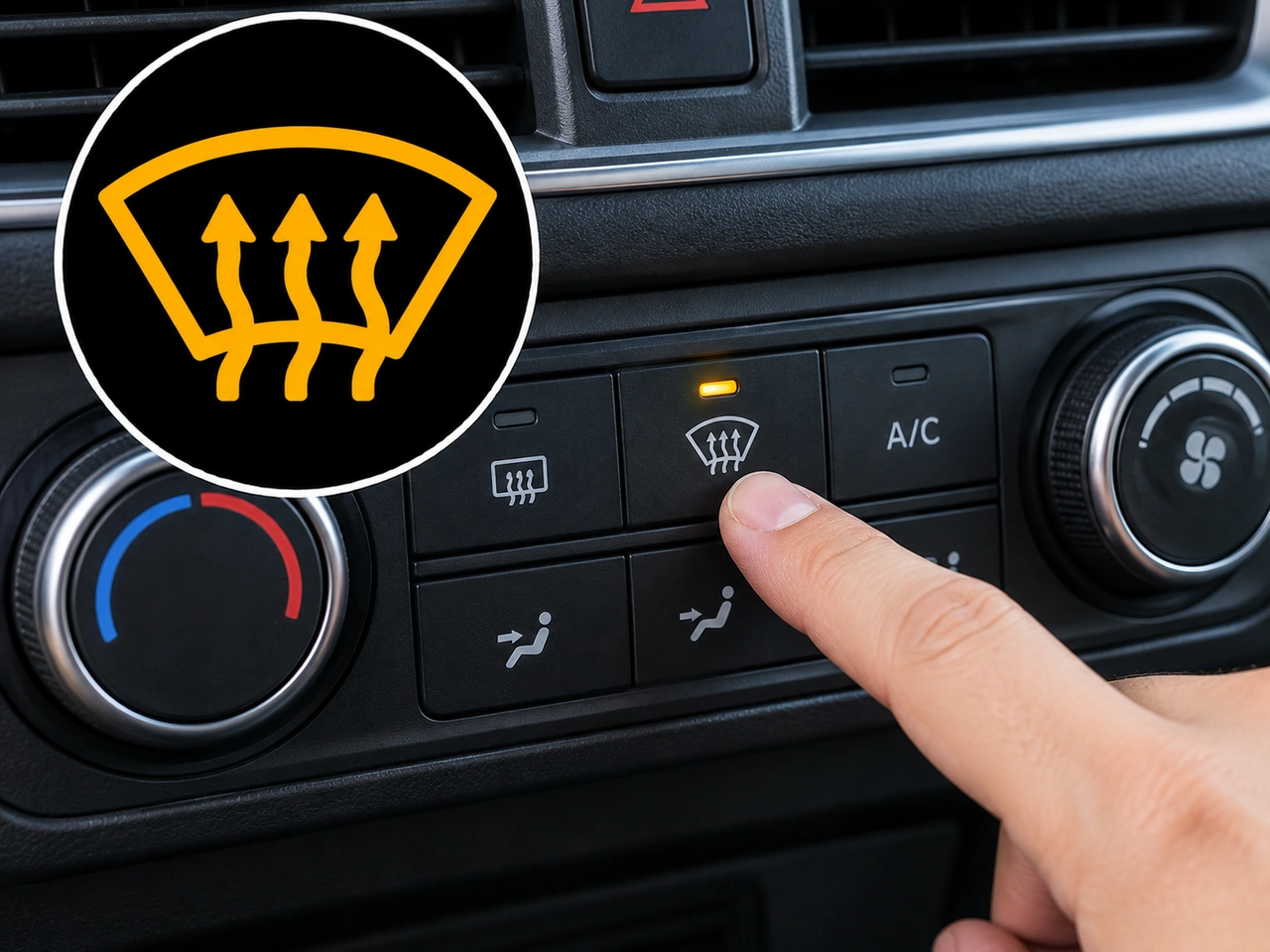
115. What does this dashboard symbol indicate?
This symbol indicates the front windscreen demister. It directs airflow towards the windscreen to help clear condensation, mist or frost and restore a clear view.
AI-generated by Rijbewijs-online.be • WCIT • CC BY-SA
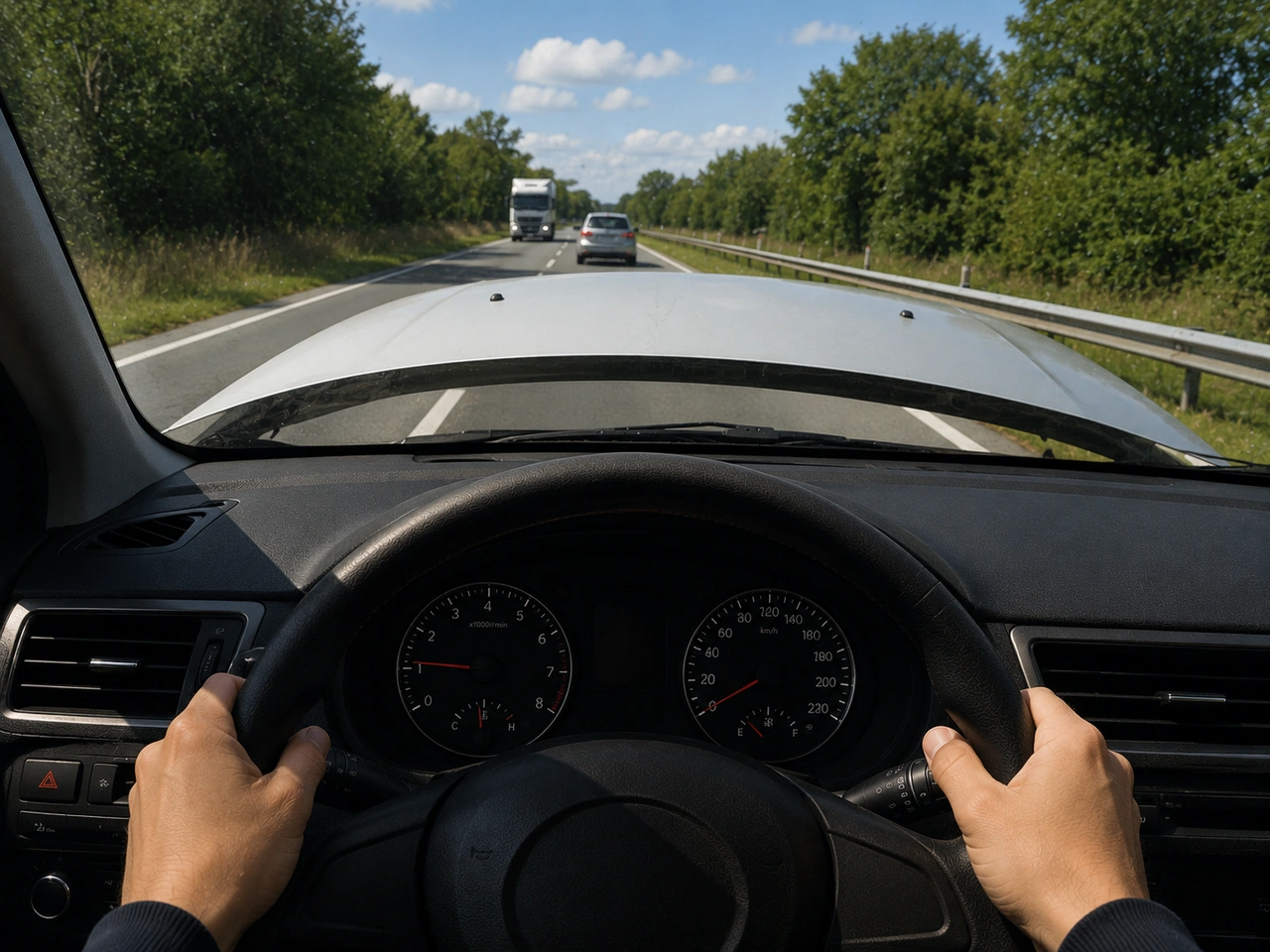
116. What should you do if the bonnet suddenly opens while you are driving?
The bonnet may completely obstruct your view. Avoid sudden movements, use the road markings or available gap to maintain direction, and stop safely.
AI-generated by Rijbewijs-online.be • WCIT • CC BY-SA
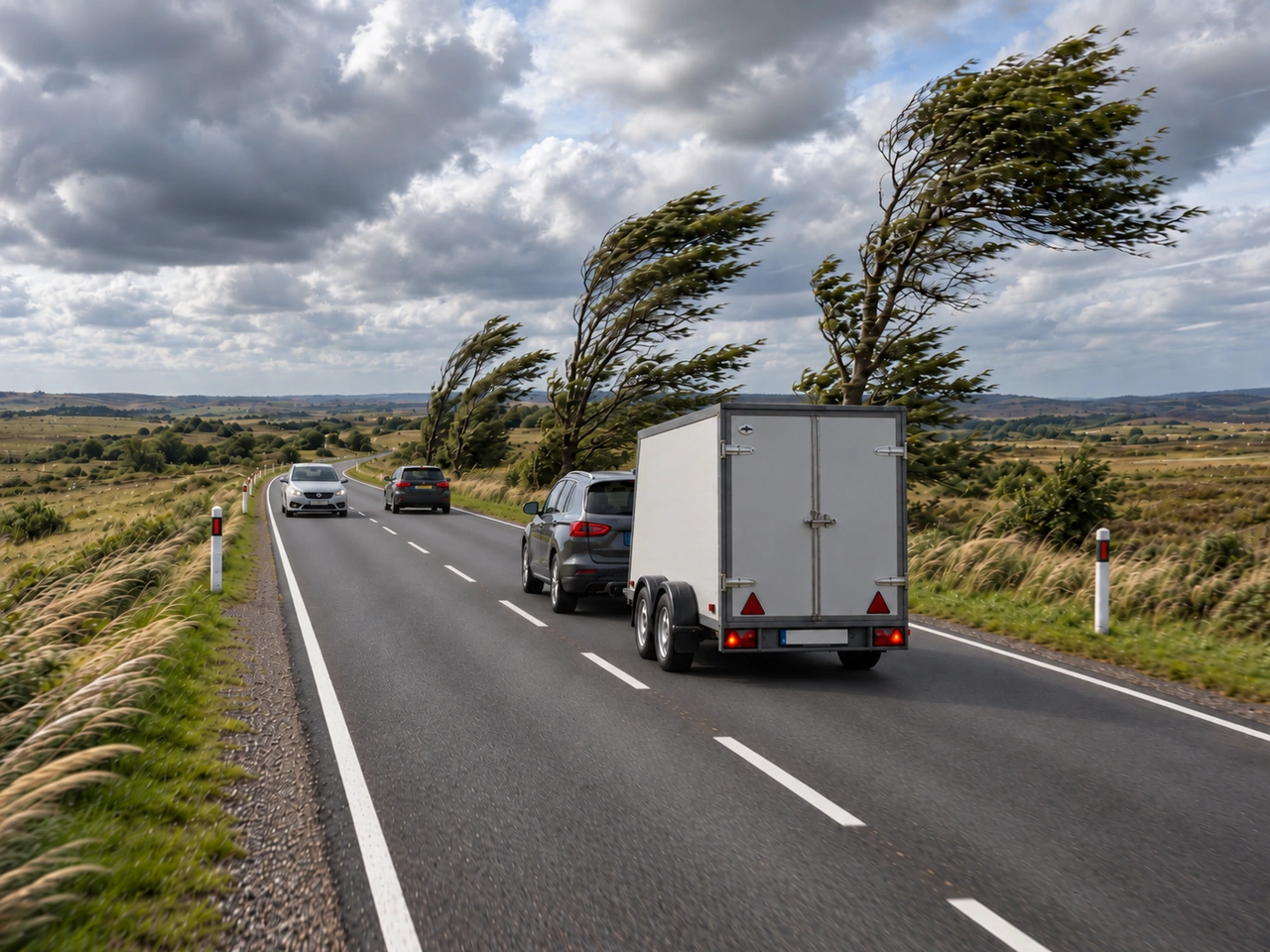
117. How can strong crosswinds affect a vehicle towing a trailer?
Trailers have large side surfaces and may be affected strongly by wind, especially on bridges and exposed roads.
AI-generated by Rijbewijs-online.be • WCIT • CC BY-SA
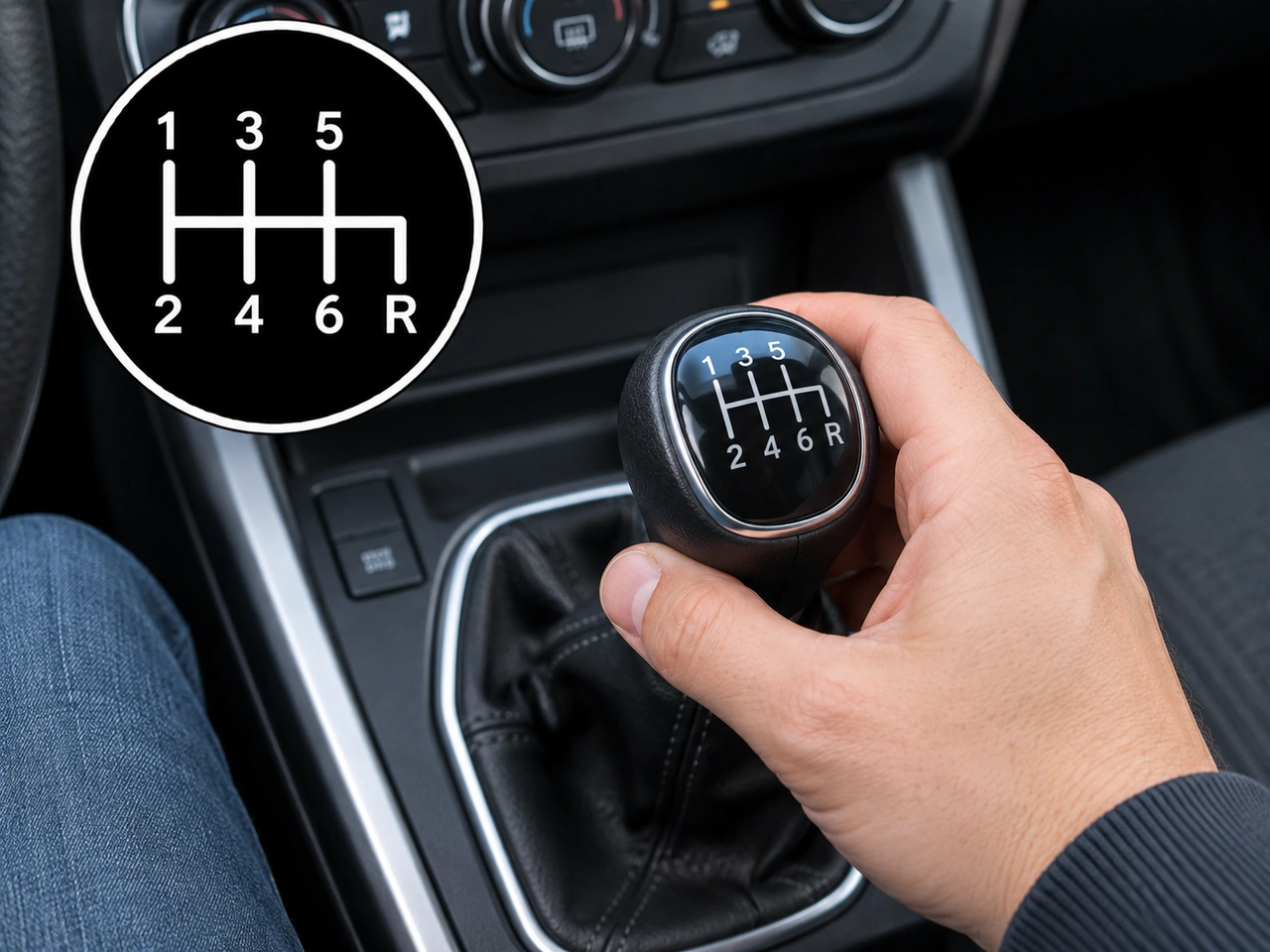
118. Which gear is used to drive a manual vehicle backwards?
Select R (Reverse) when you need to drive a manual vehicle backwards. The vehicle should be stationary before Reverse is selected.
AI-generated by Rijbewijs-online.be • WCIT • CC BY-SA
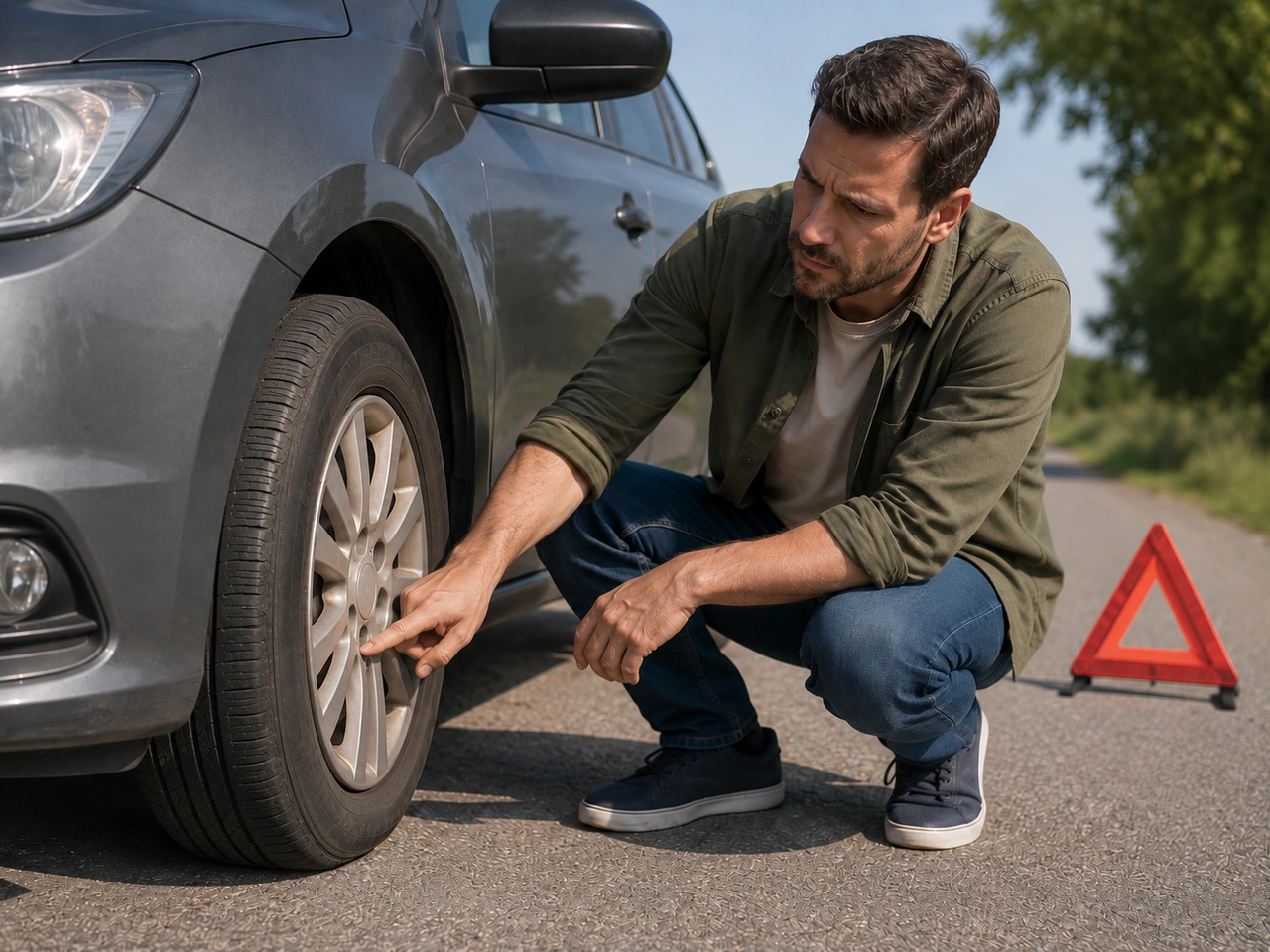
119. What should you do if a tyre has a deep cut, bulge, or exposed cords?
Cuts, bulges, and exposed cords can indicate serious structural damage. The tyre may fail suddenly and should not be used normally.
AI-generated by Rijbewijs-online.be • WCIT • CC BY-SA
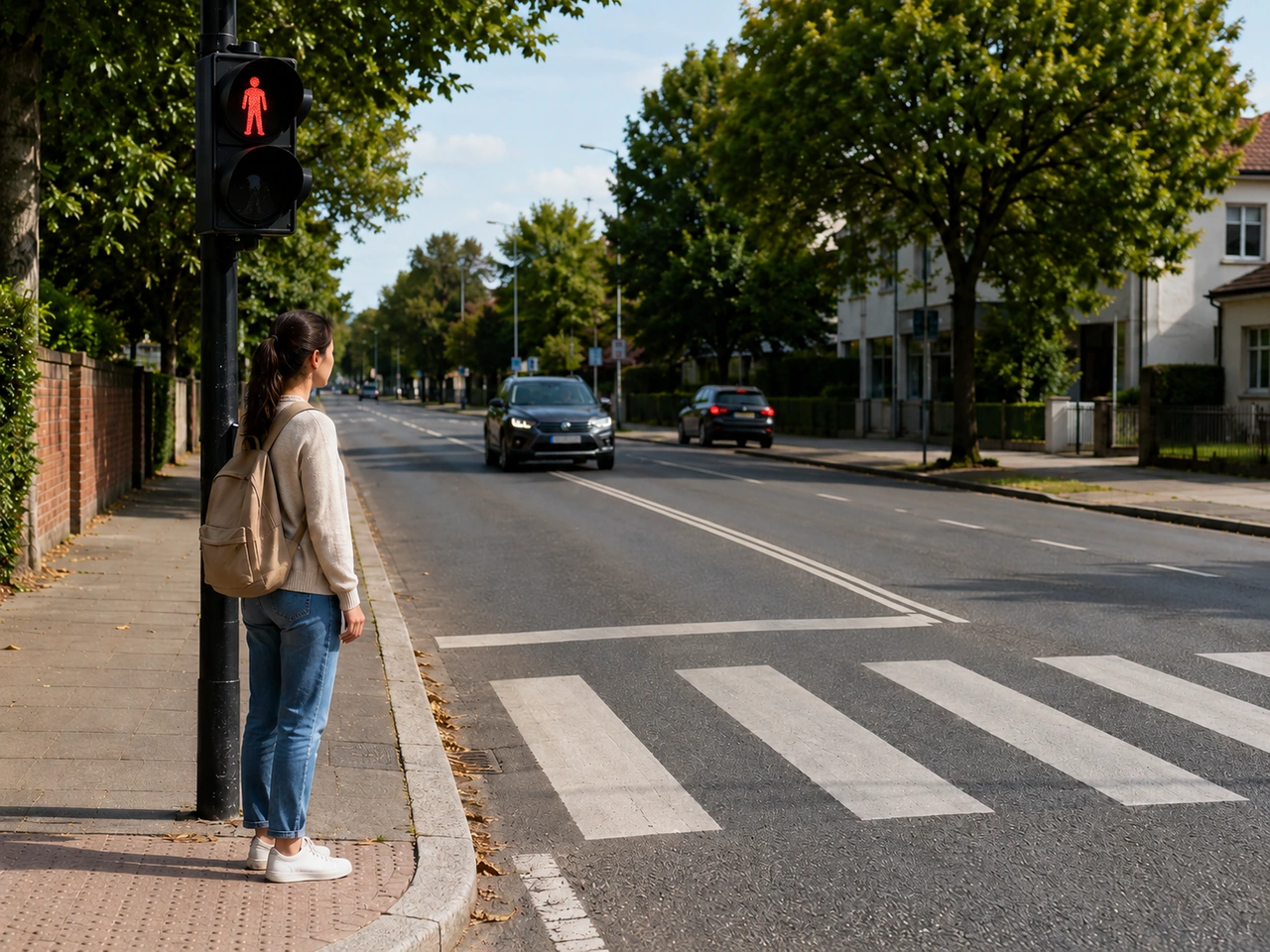
120. What should you do if the pedestrian light is red?
A red pedestrian signal means you should wait before crossing.
AI-generated by Rijbewijs-online.be • WCIT • CC BY-SA
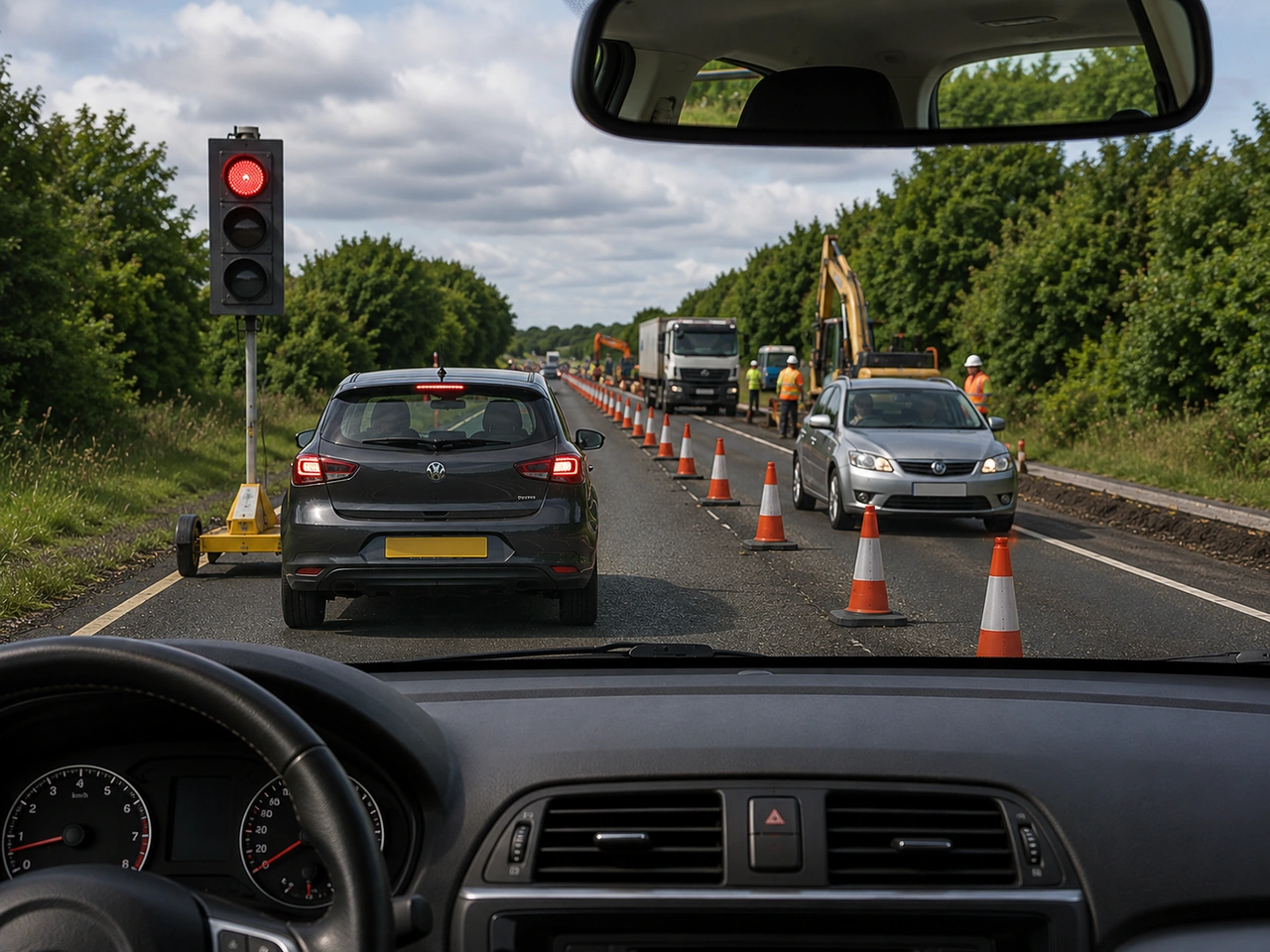
121. What should you do when temporary traffic lights show red?
Temporary traffic signals must be obeyed like permanent signals. Stop and wait until you are permitted to continue.
AI-generated by Rijbewijs-online.be • WCIT • CC BY-SA
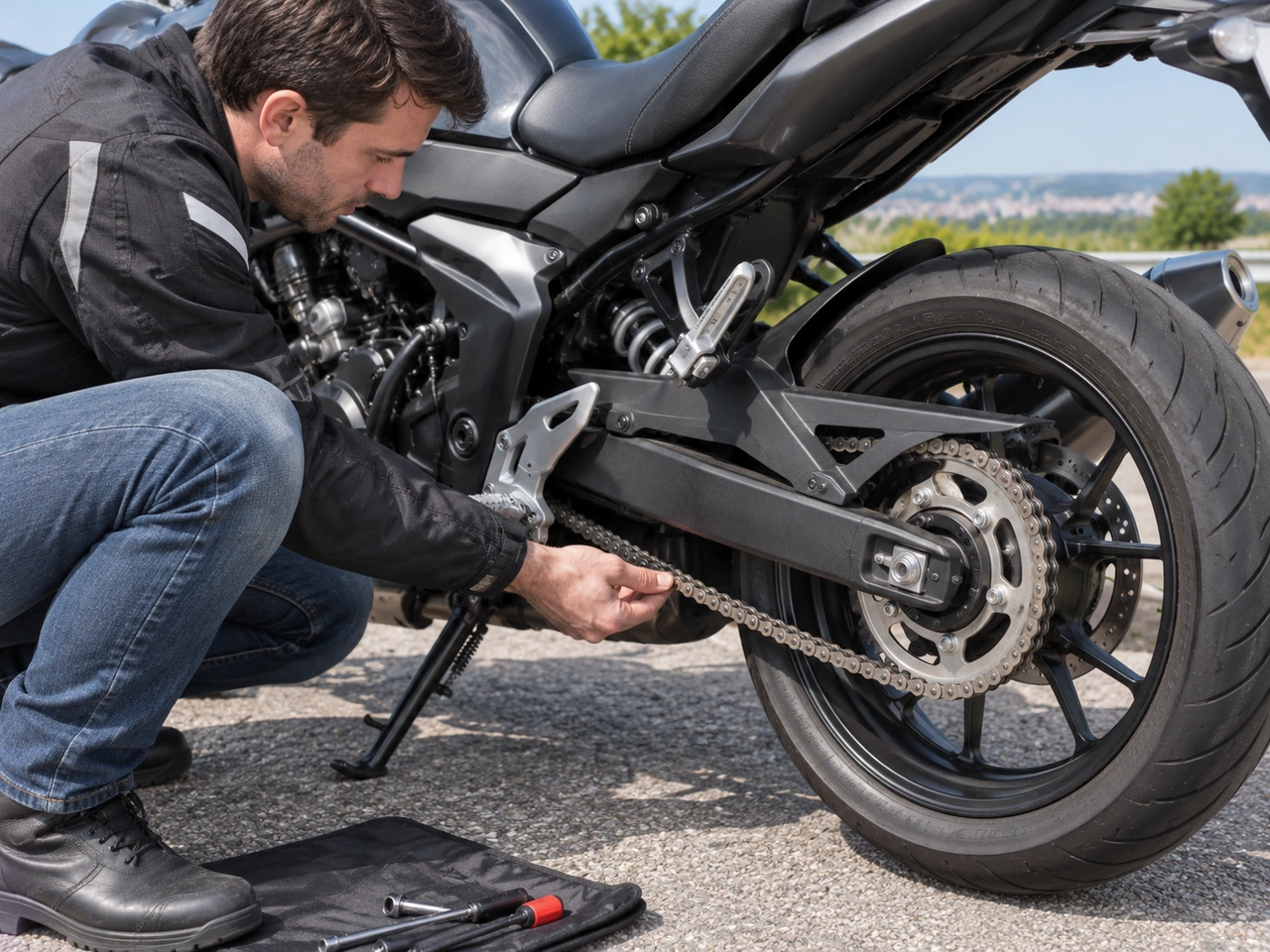
122. What should you do if a motorcycle's drive chain is too loose?
A loose drive chain can affect power transmission, damage components, or come off the sprockets. The chain should have the correct tension and lubrication specified by the motorcycle manufacturer. A chain that is too tight can also cause damage.
AI-generated by Rijbewijs-online.be • WCIT • CC BY-SA
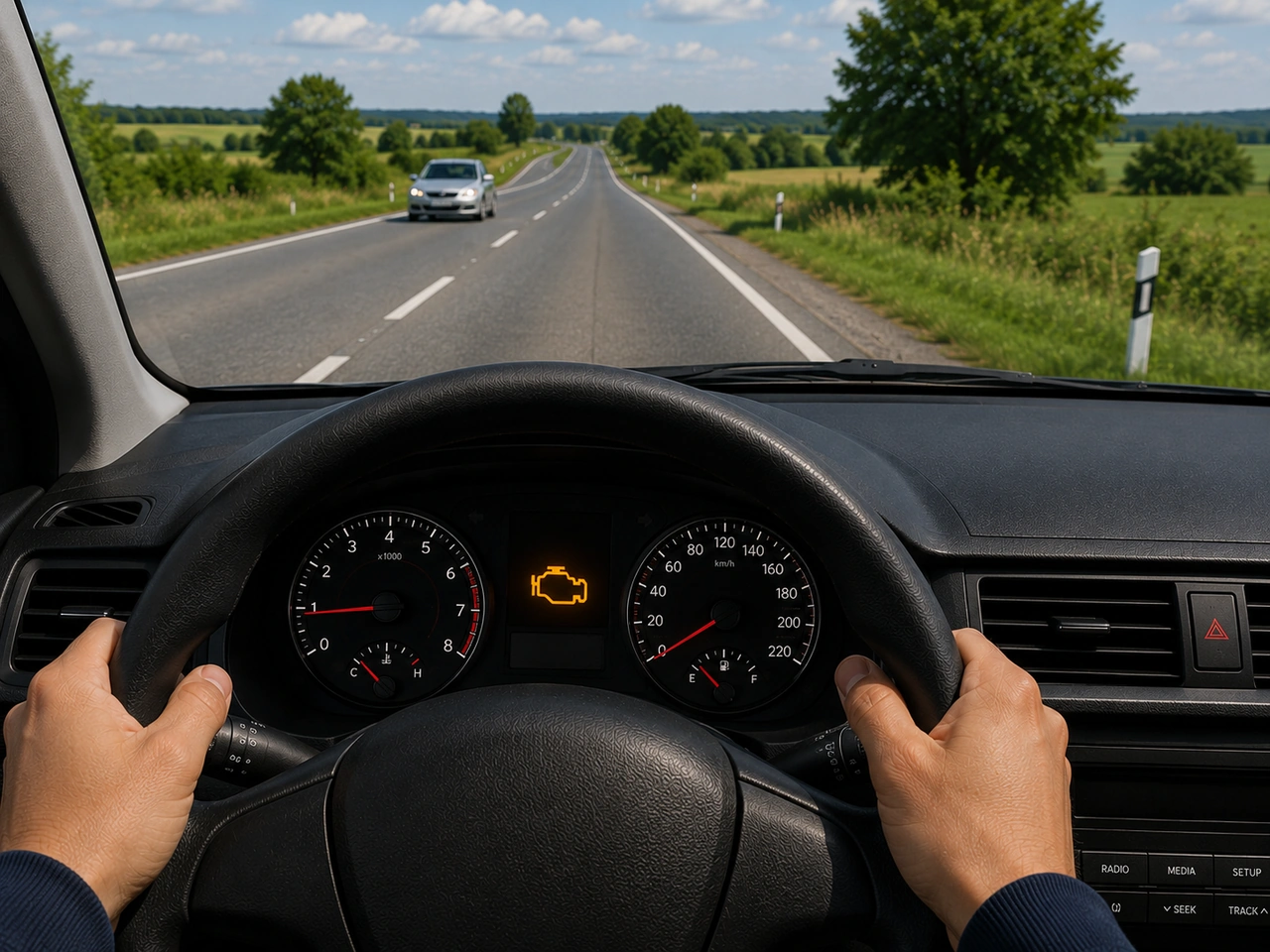
123. What should you expect if the engine suddenly stalls while the vehicle is moving?
Power assistance may be reduced when the engine stops. Keep control, use the hazard lights if needed, and steer toward a safe stopping area.
AI-generated by Rijbewijs-online.be • WCIT • CC BY-SA
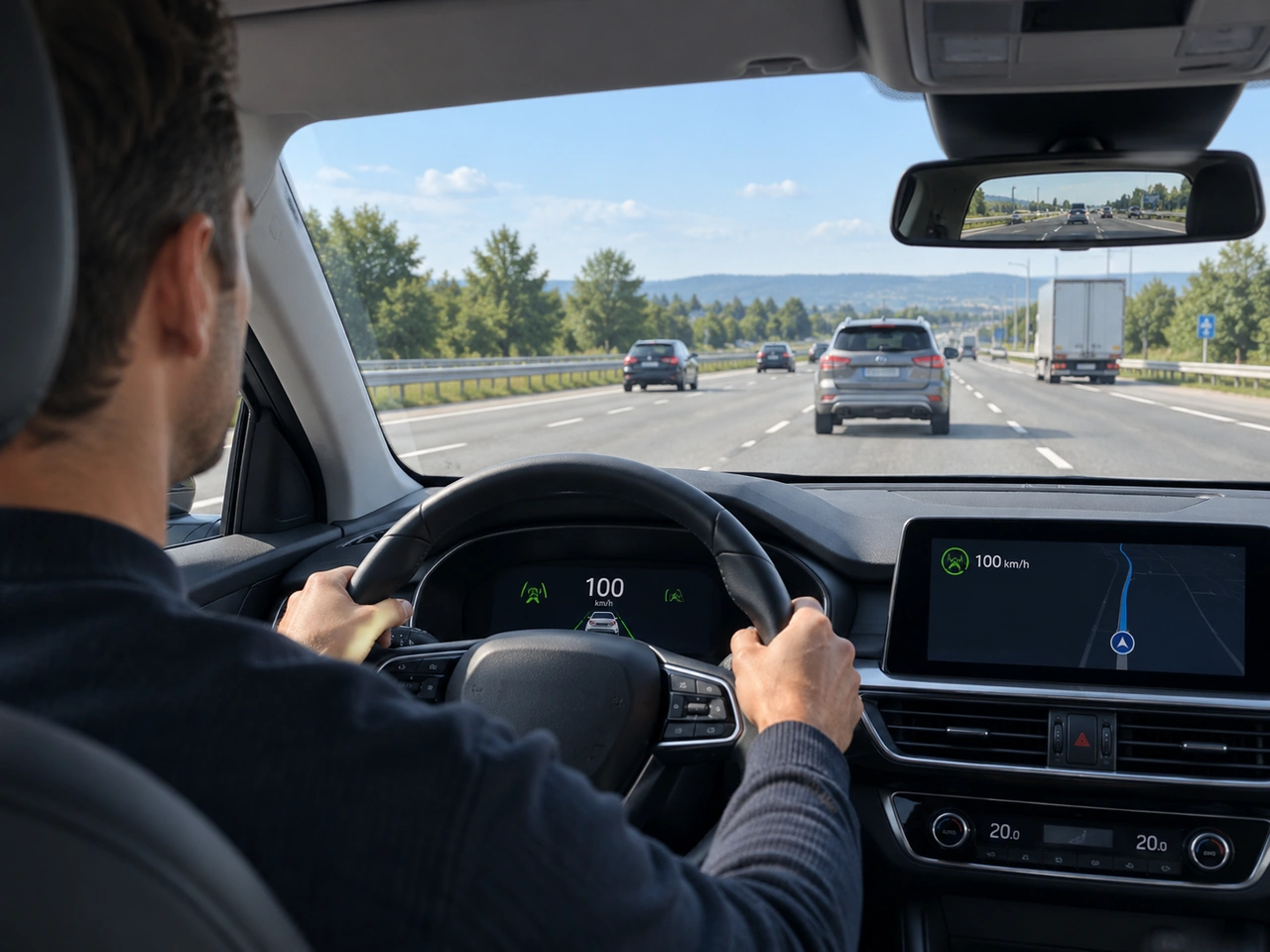
124. What should you remember when using driver-assistance systems?
Driver-assistance systems can help with tasks such as maintaining speed, monitoring lanes, or warning about hazards, but they do not replace the driver. Stay attentive, monitor the road and traffic, and be ready to take control whenever necessary.
AI-generated by Rijbewijs-online.be • WCIT • CC BY-SA
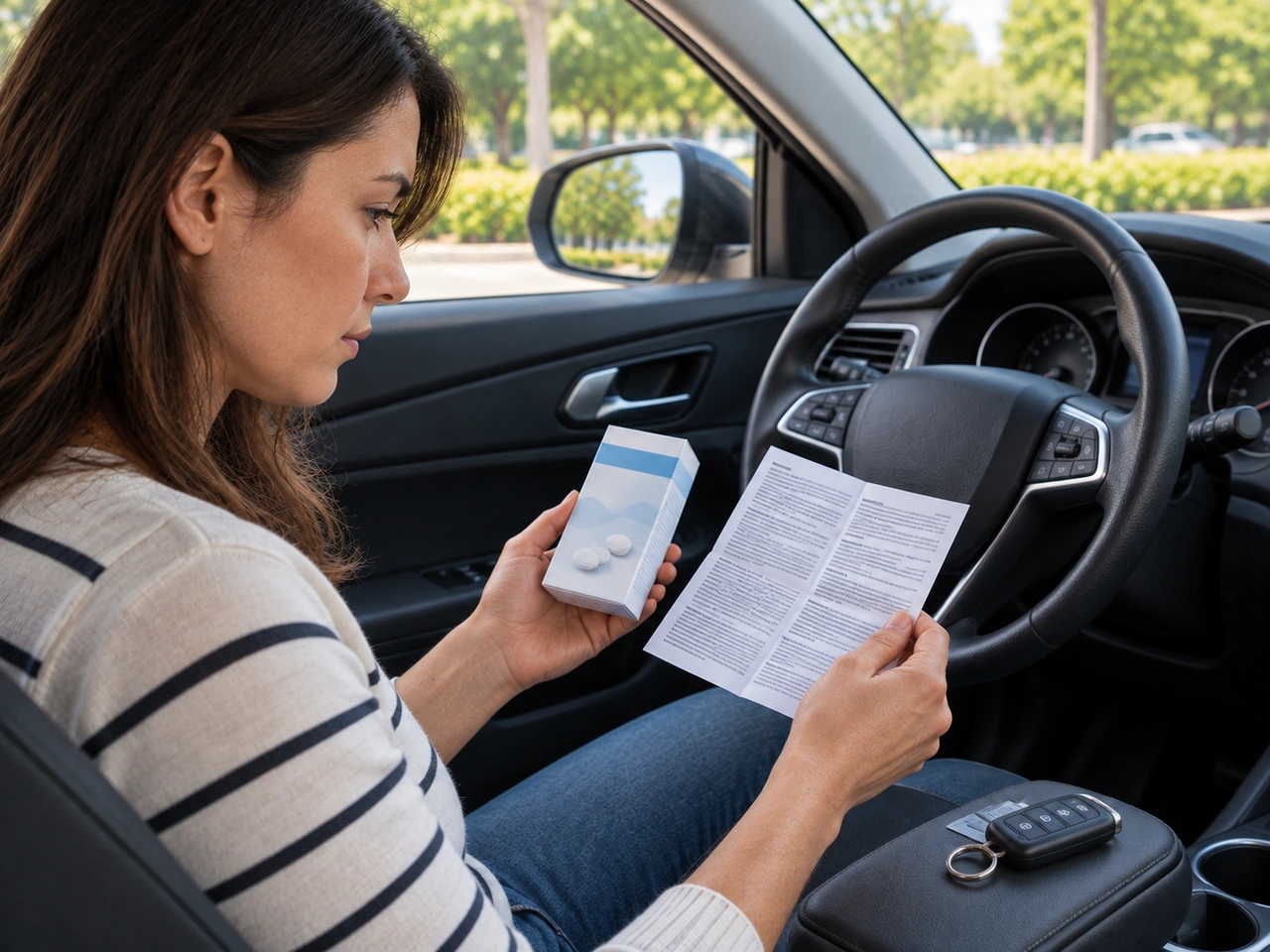
125. What should you do before driving after taking medicine?
Some medicines can affect driving ability by causing drowsiness, dizziness, blurred vision, slower reactions, or reduced concentration. Check the label or patient information and follow advice from your doctor or pharmacist before driving.
AI-generated by Rijbewijs-online.be • WCIT • CC BY-SA
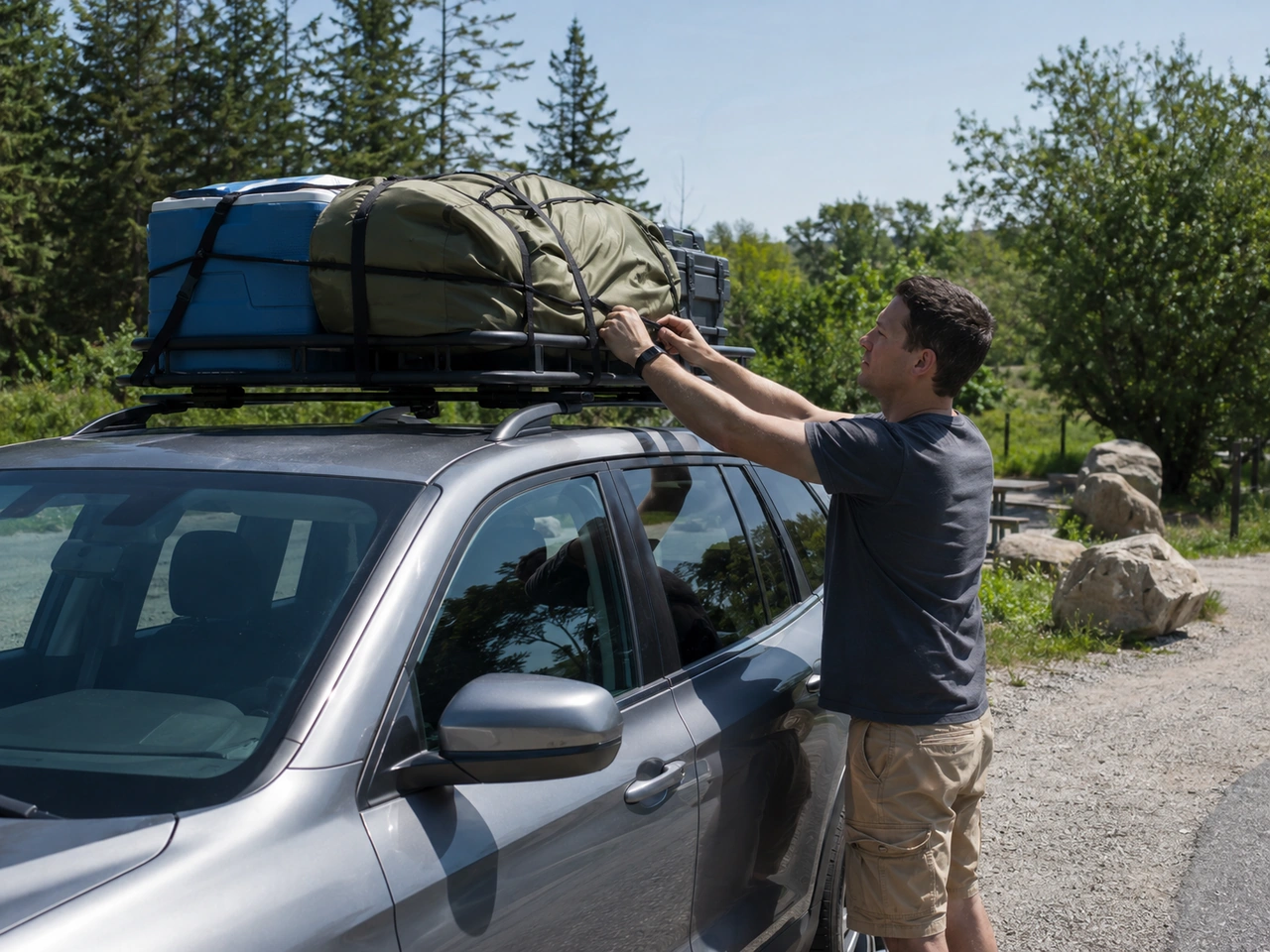
126. Why must a roof load be securely attached?
A roof load is exposed to strong airflow and movement. It must be restrained correctly and kept within the permitted limits.
AI-generated by Rijbewijs-online.be • WCIT • CC BY-SA
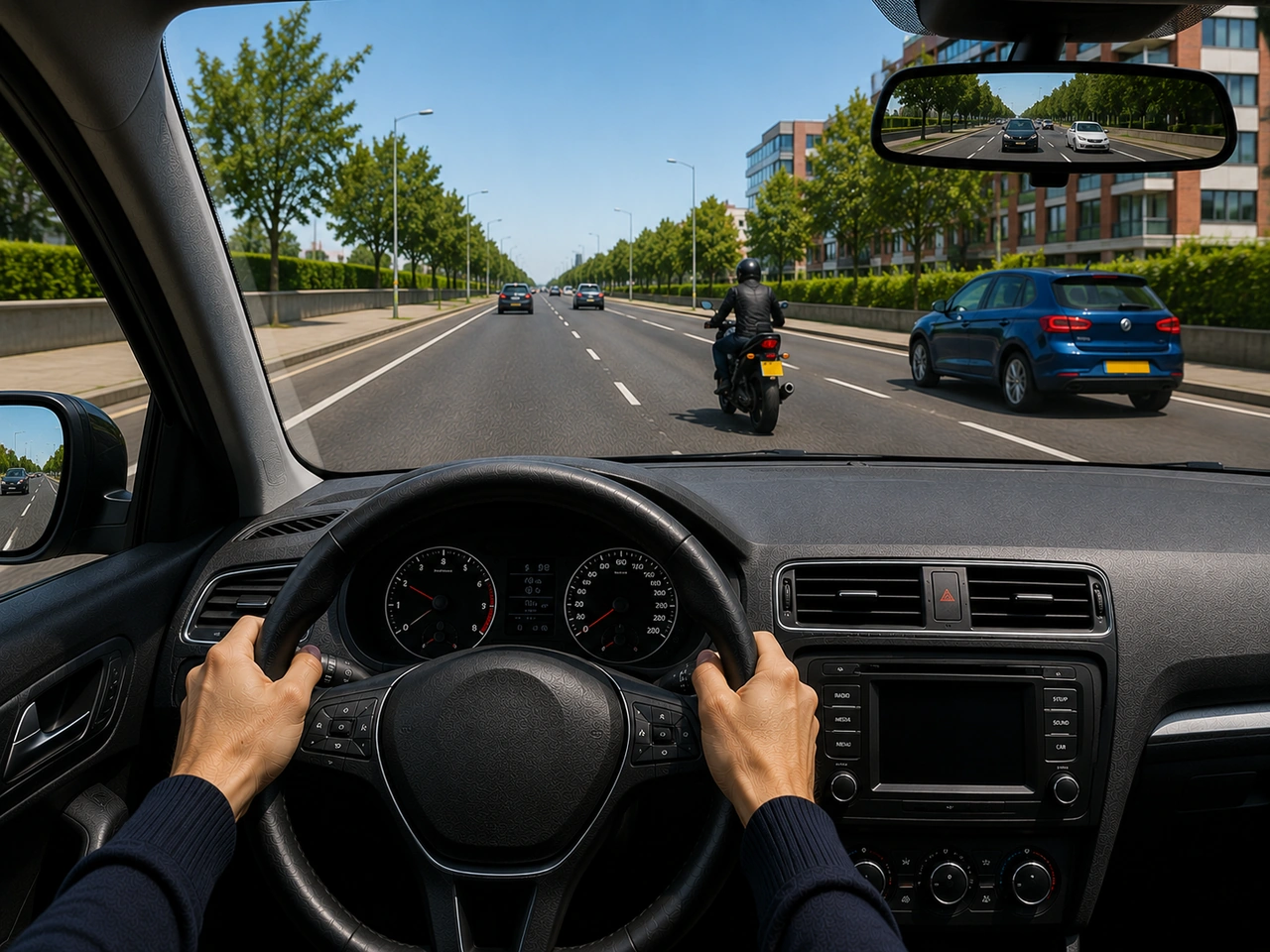
127. Why should you check for motorcyclists before changing lanes?
Motorcyclists are smaller and can be hidden in blind spots. Check mirrors, signal, and look carefully before changing lanes.
AI-generated by Rijbewijs-online.be • WCIT • CC BY-SA
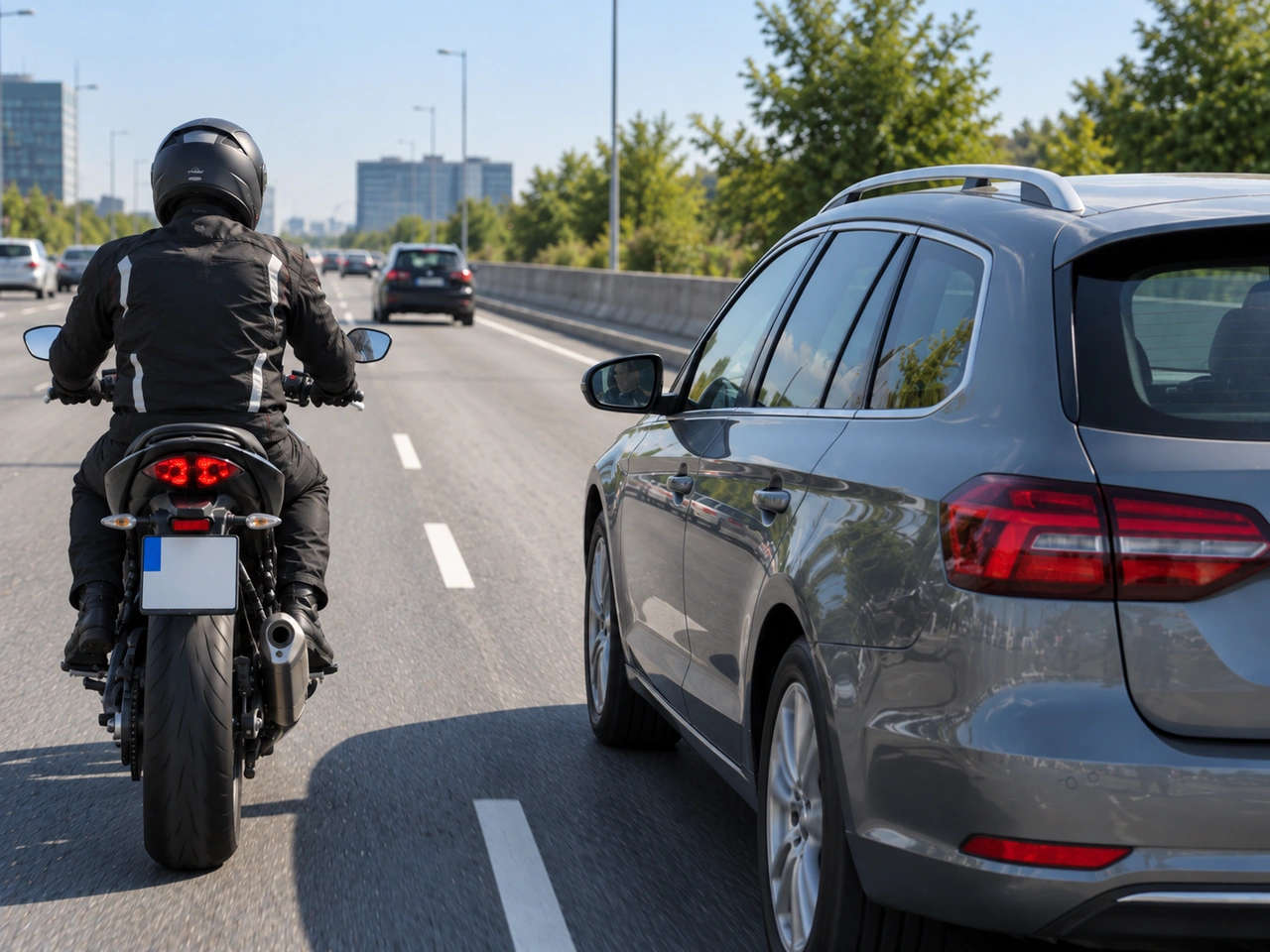
128. Why should a motorcyclist avoid riding in another vehicle's blind spot?
Motorcycles can be difficult to see, particularly when they remain in another vehicle's blind spot. Avoid staying alongside a vehicle where the driver may not see you, and choose a position where you are more likely to be visible.
AI-generated by Rijbewijs-online.be • WCIT • CC BY-SA
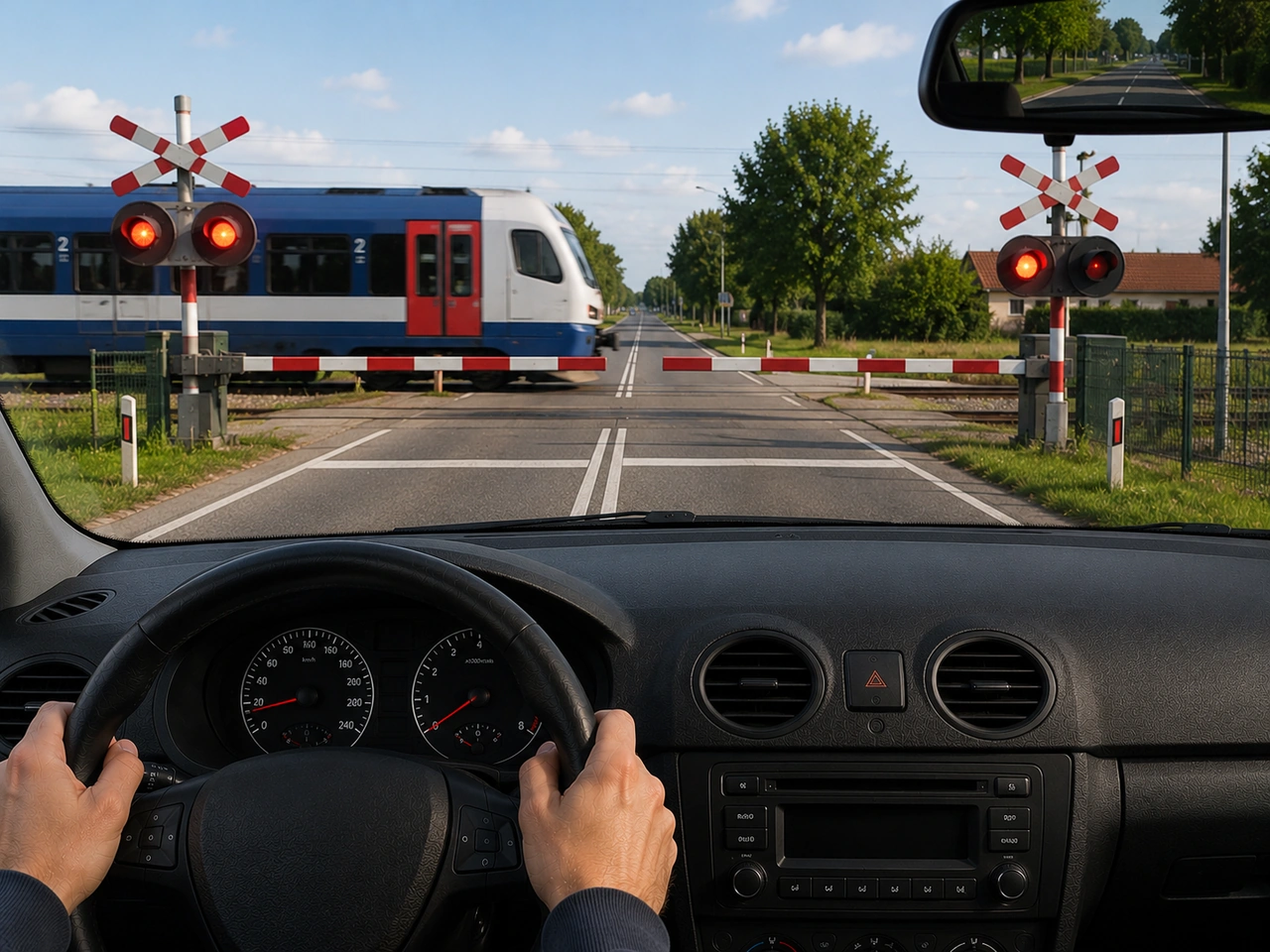
129. What should you do at a railway crossing with warning lights flashing?
Flashing warning lights mean a train may be approaching. Stop before the crossing and wait until the warning has ended and the crossing is clear.
AI-generated by Rijbewijs-online.be • WCIT • CC BY-SA
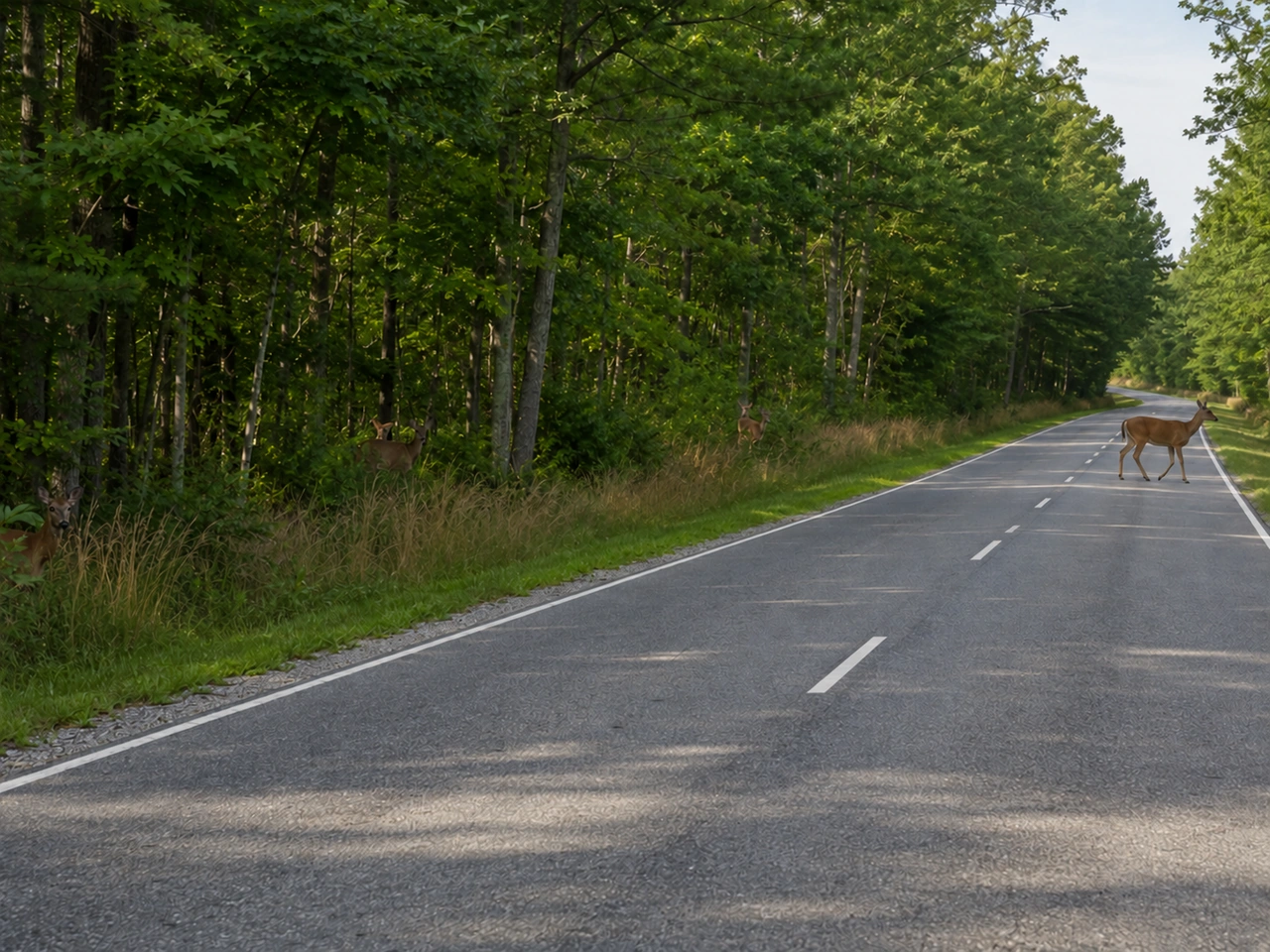
130. What should you expect after one wild animal crosses the road?
Many animals travel in groups. Slow down and continue watching both sides of the road.
AI-generated by Rijbewijs-online.be • WCIT • CC BY-SA
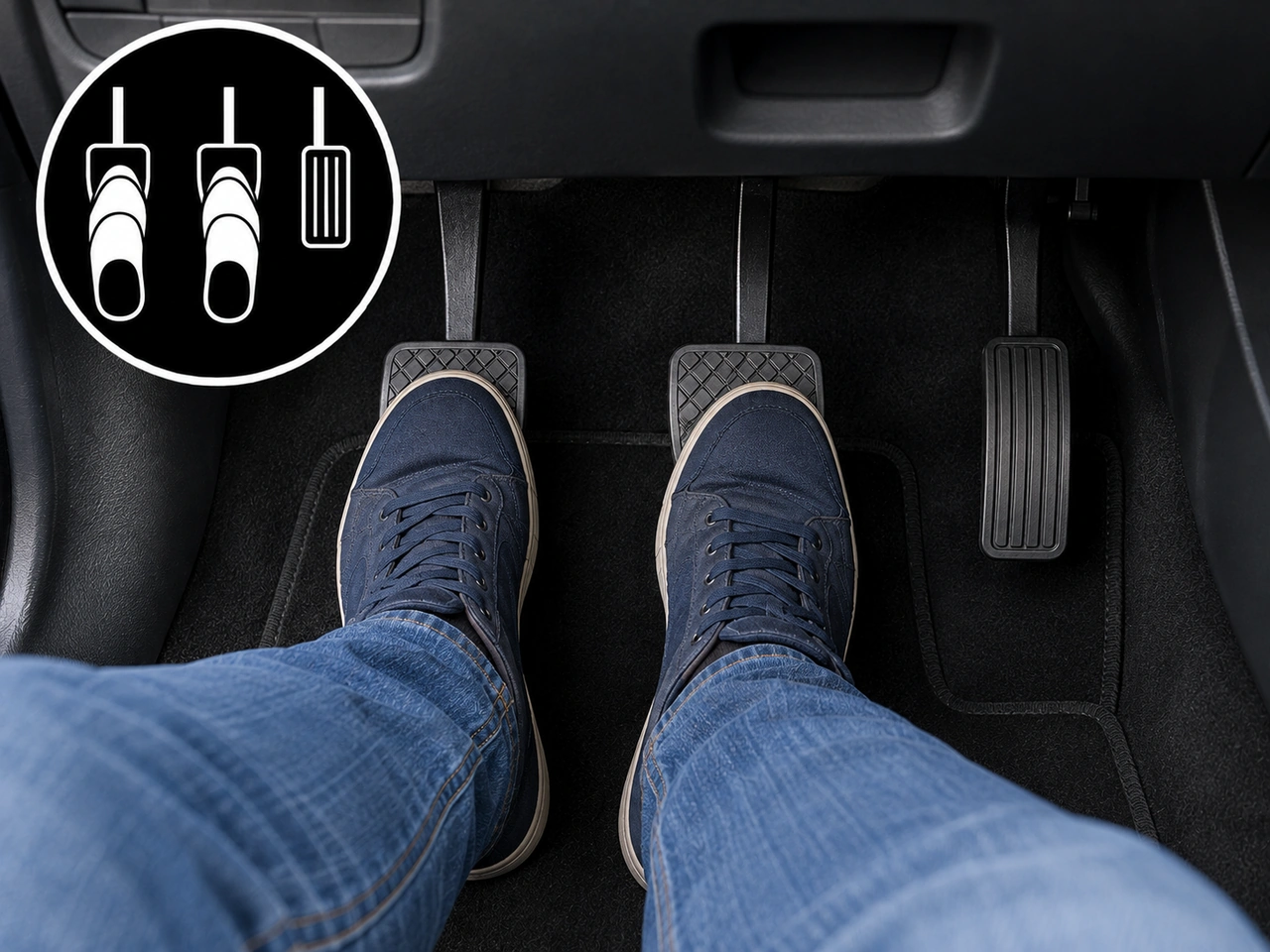
131. What should you do with the clutch during emergency braking in a manual vehicle?
During emergency braking in a manual vehicle, maintain firm pressure on the brake and press the clutch pedal fully so the engine does not stall as the vehicle slows. Do not reduce braking pressure while operating the clutch.
AI-generated by Rijbewijs-online.be • WCIT • CC BY-SA
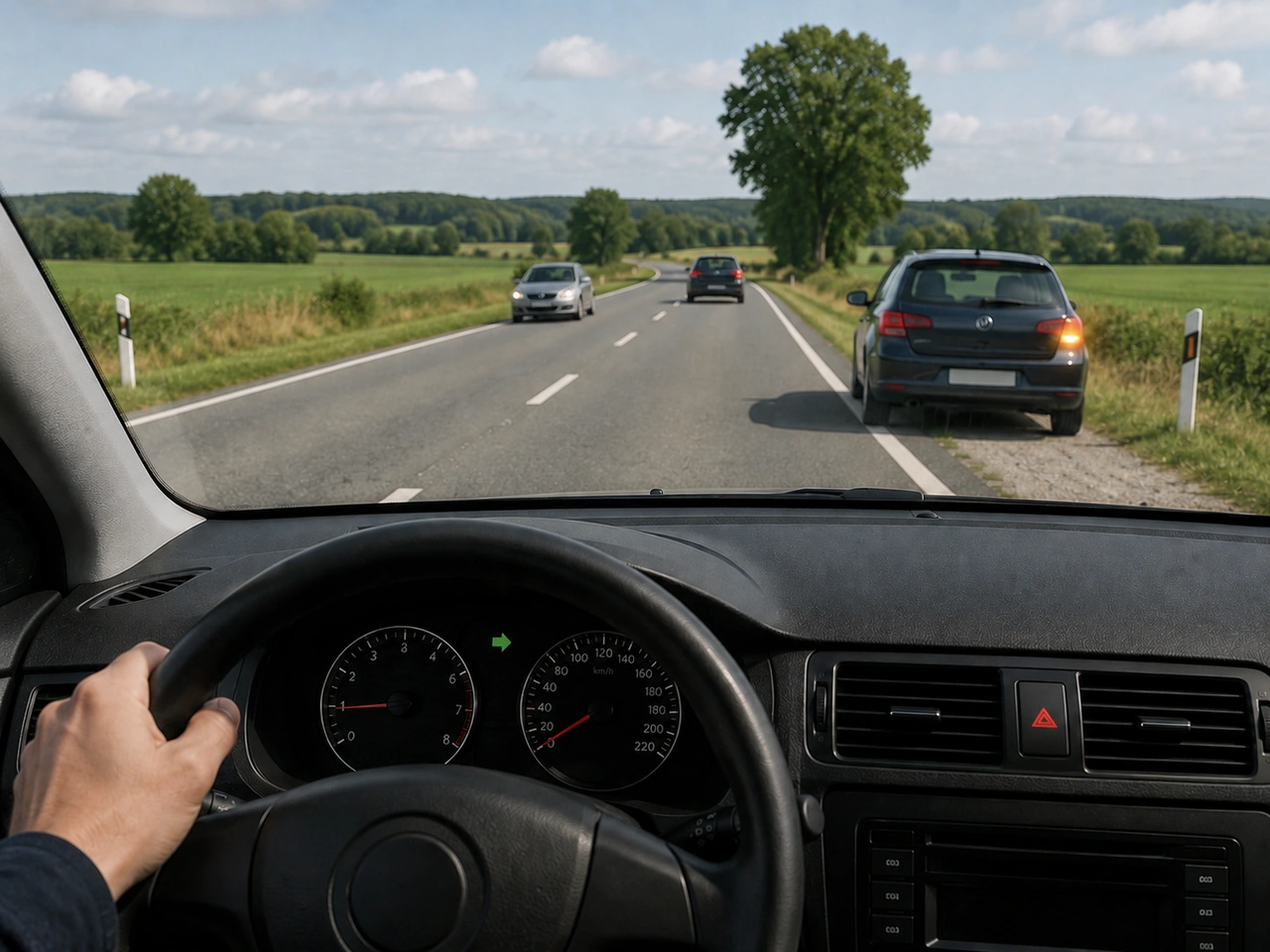
132. What should you do if your vehicle develops a serious fault while driving?
Your first priority is to keep control of the vehicle. Reduce speed smoothly and move out of the path of traffic where possible, signalling when appropriate. Avoid harsh steering or braking unless necessary.
AI-generated by Rijbewijs-online.be • WCIT • CC BY-SA
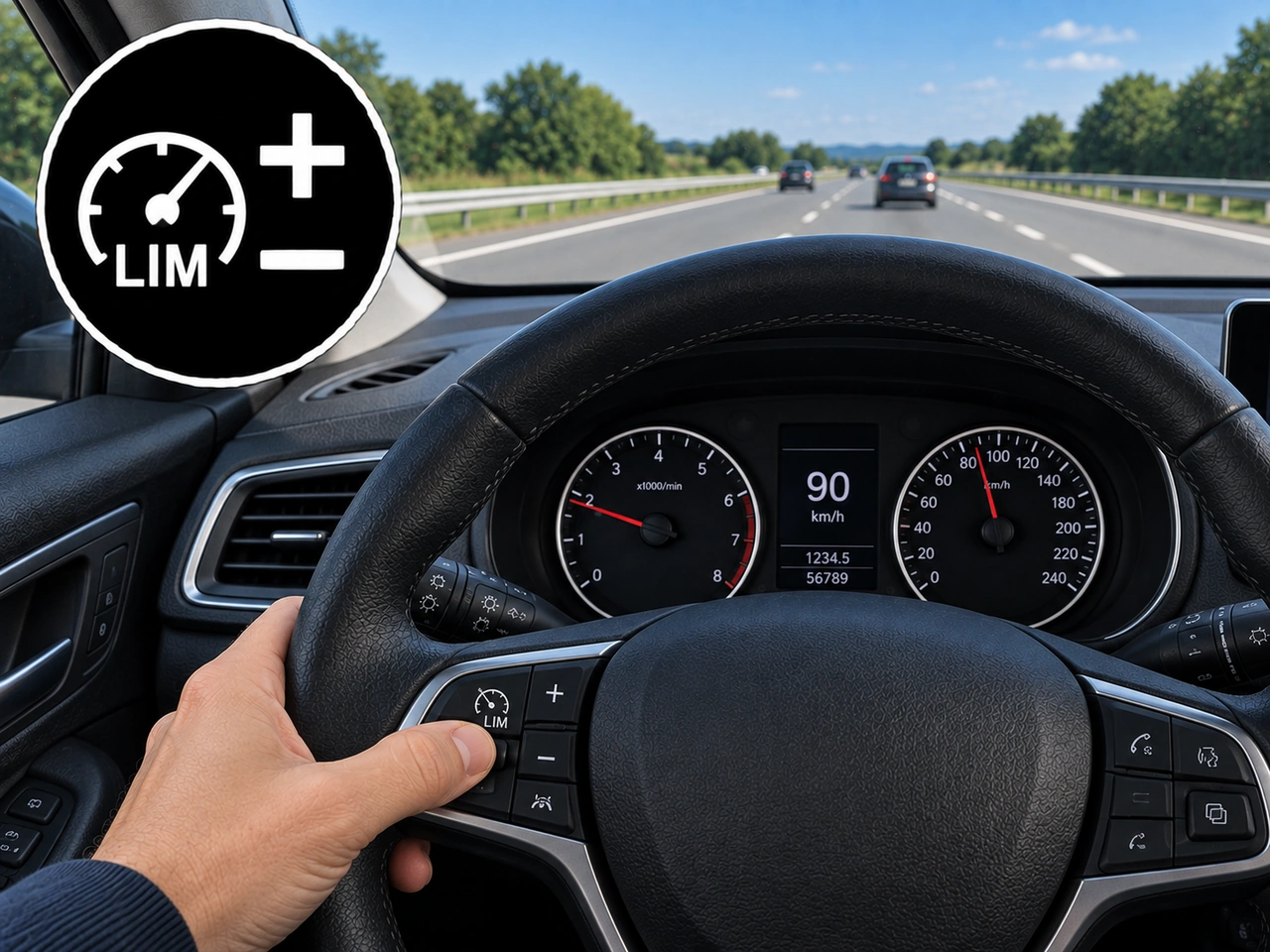
133. What do the + and − controls normally adjust when the speed limiter is active?
When the speed limiter is active, the + and − controls normally increase or decrease the selected maximum speed. The exact adjustment steps can vary between vehicles.
AI-generated by Rijbewijs-online.be • WCIT • CC BY-SA
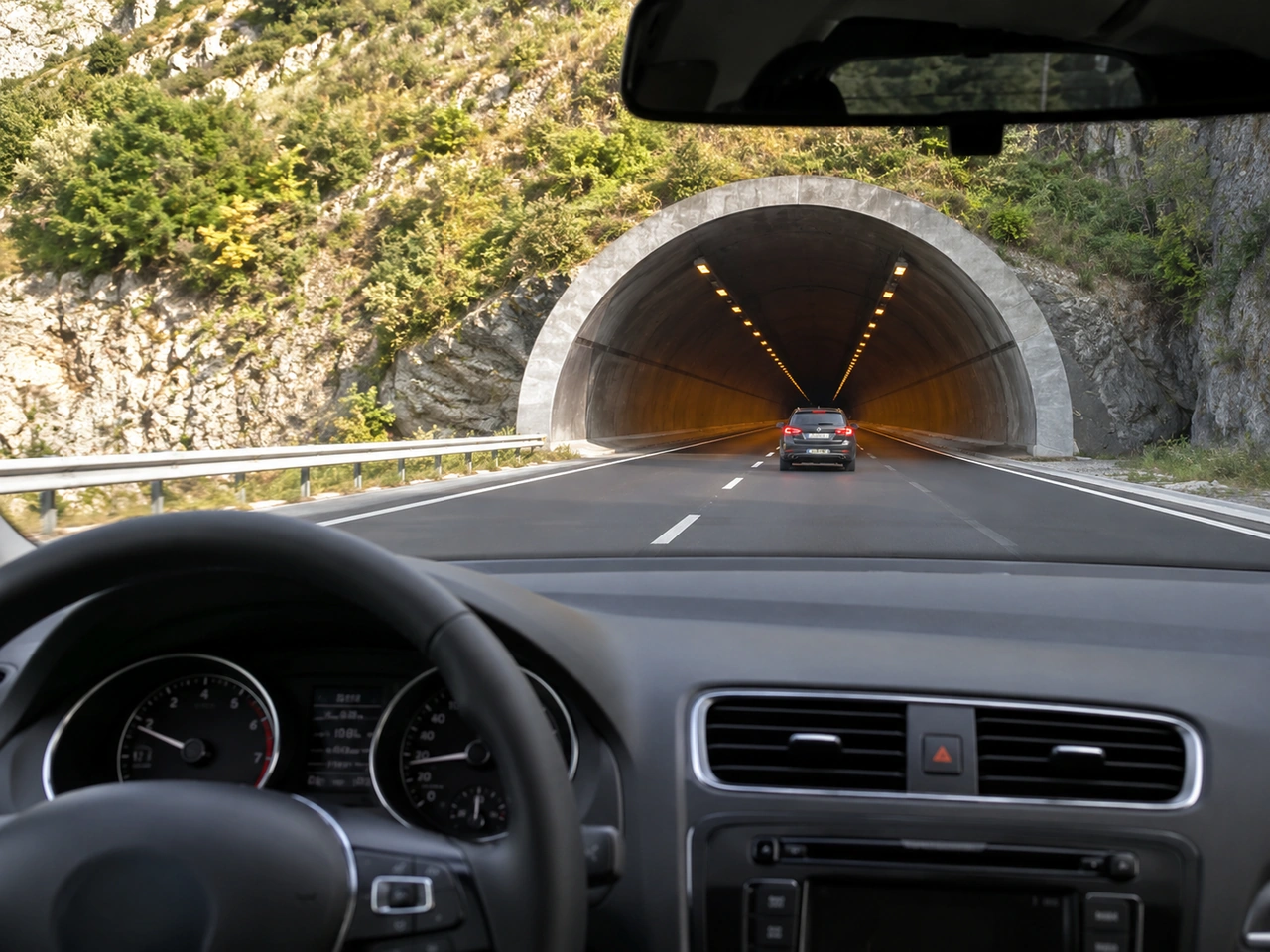
134. What should you do when approaching a tunnel?
When entering a tunnel, use the correct lights, keep enough distance, and stay alert for slower traffic.
AI-generated by Rijbewijs-online.be • WCIT • CC BY-SA
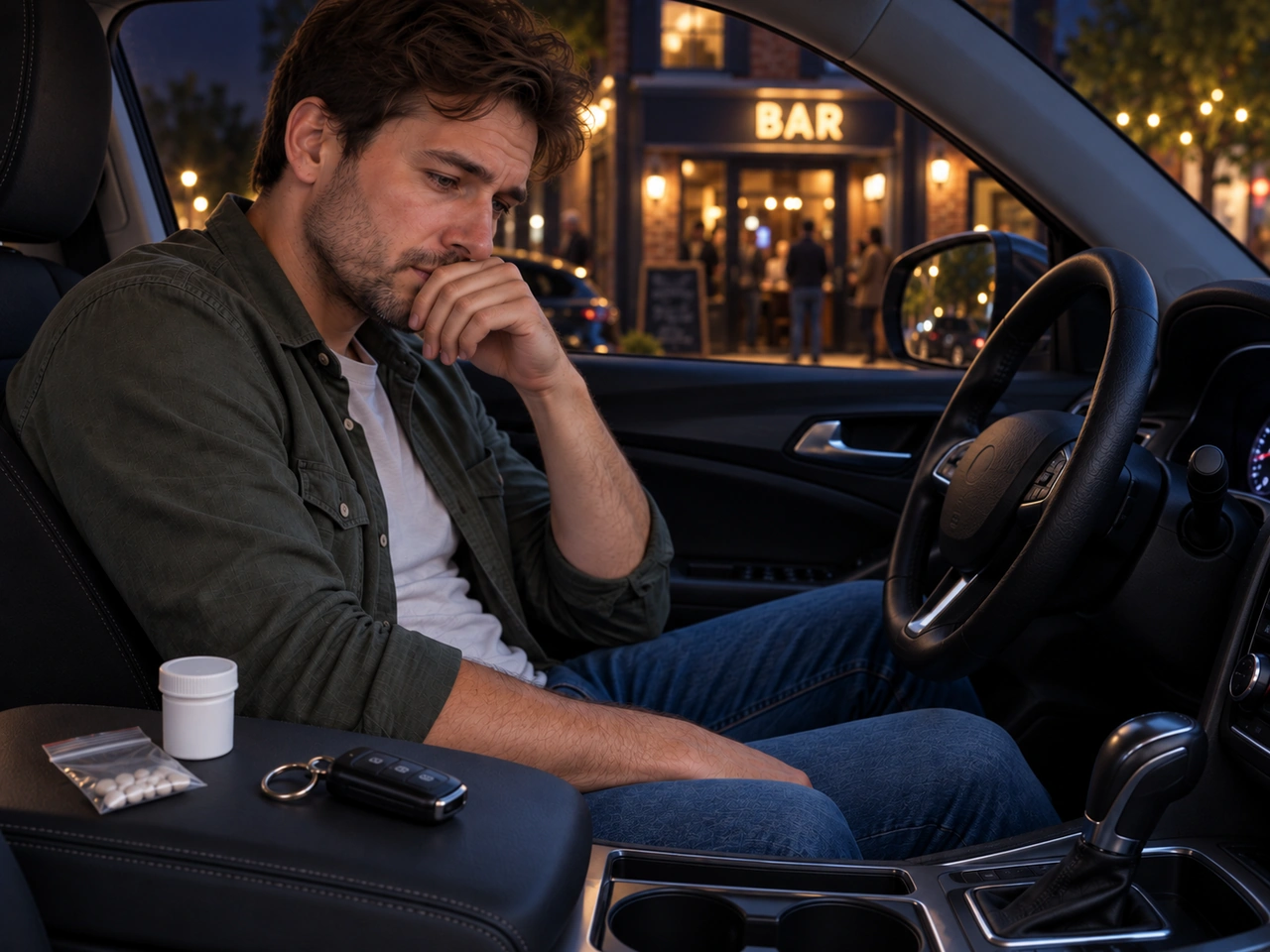
135. What should you do if you have taken drugs that may impair your driving?
Drugs can impair judgement, coordination, concentration, and reaction time. Their effects can be unpredictable and may continue after you feel that the main effects have passed. Do not drive while impaired.
AI-generated by Rijbewijs-online.be • WCIT • CC BY-SA
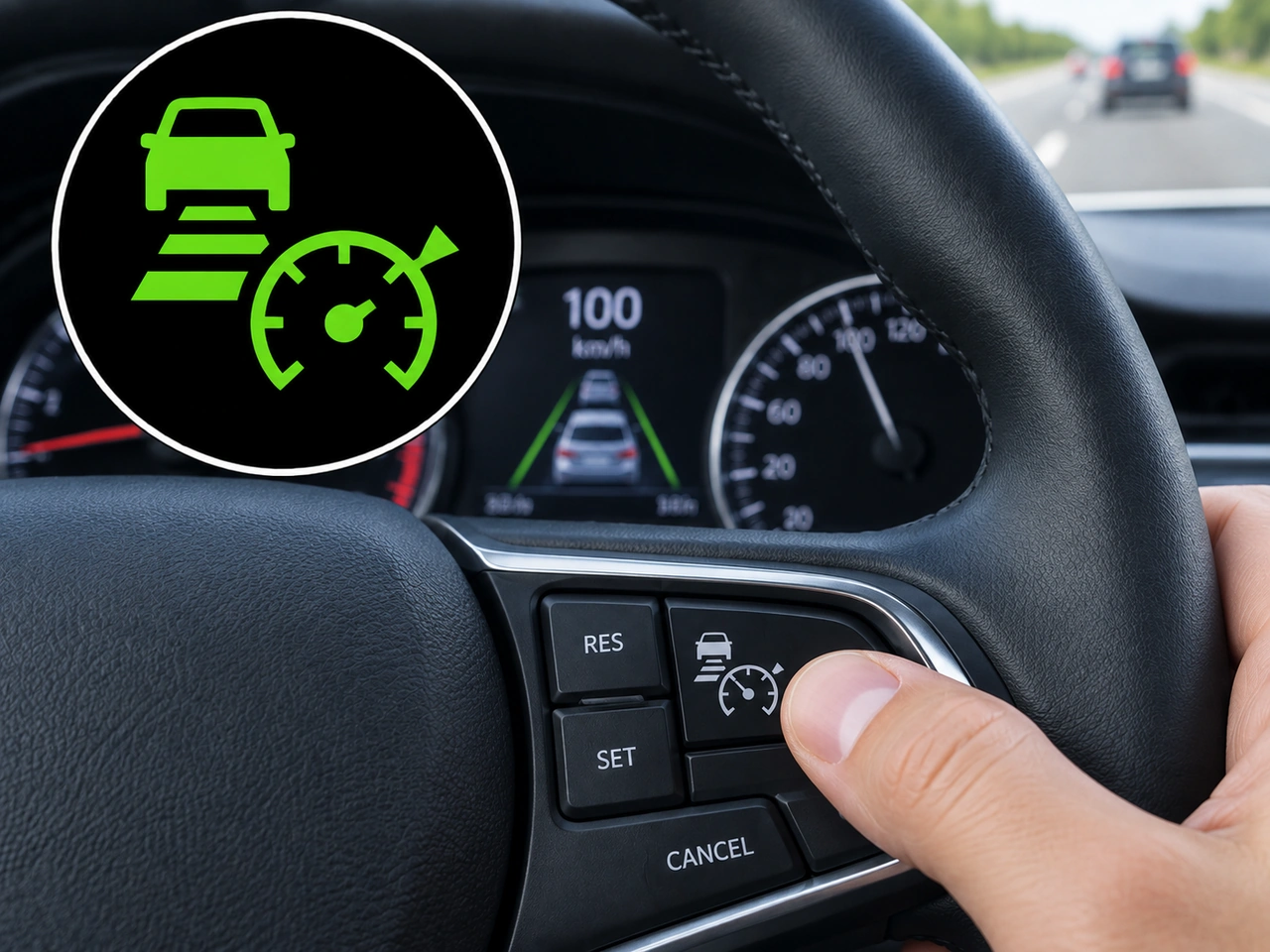
136. What does this dashboard symbol indicate?
This symbol relates to adaptive cruise control (ACC). The system can maintain a selected speed and automatically adjust the vehicle's speed to help maintain a set distance from traffic ahead.
AI-generated by Rijbewijs-online.be • WCIT • CC BY-SA
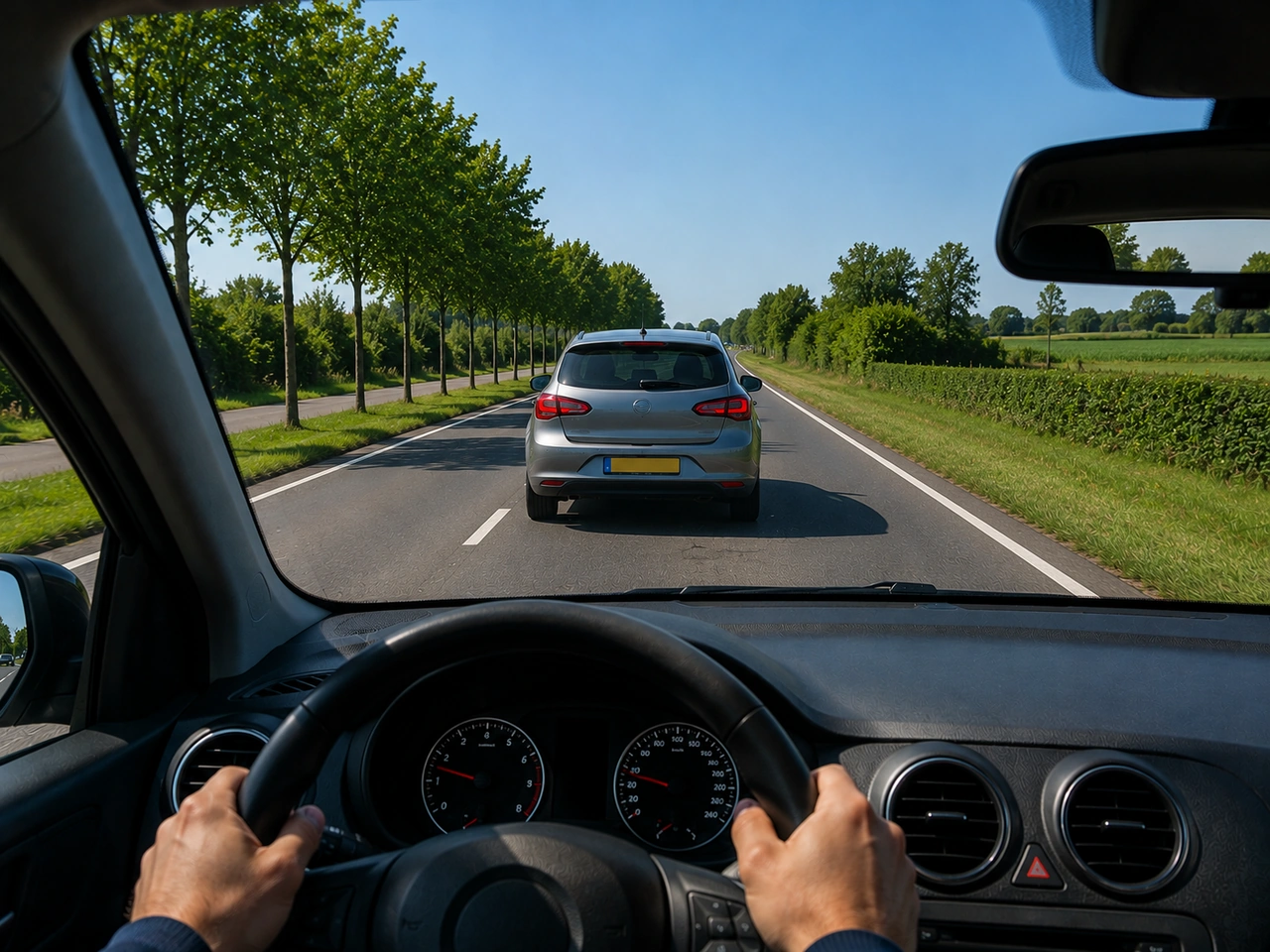
137. Why should you not drive too close behind another vehicle?
Driving too close, or tailgating, reduces the time and space available to react and increases the risk of a rear-end collision. Use defensive driving and keep a safe following distance.
AI-generated by Rijbewijs-online.be • WCIT • CC BY-SA
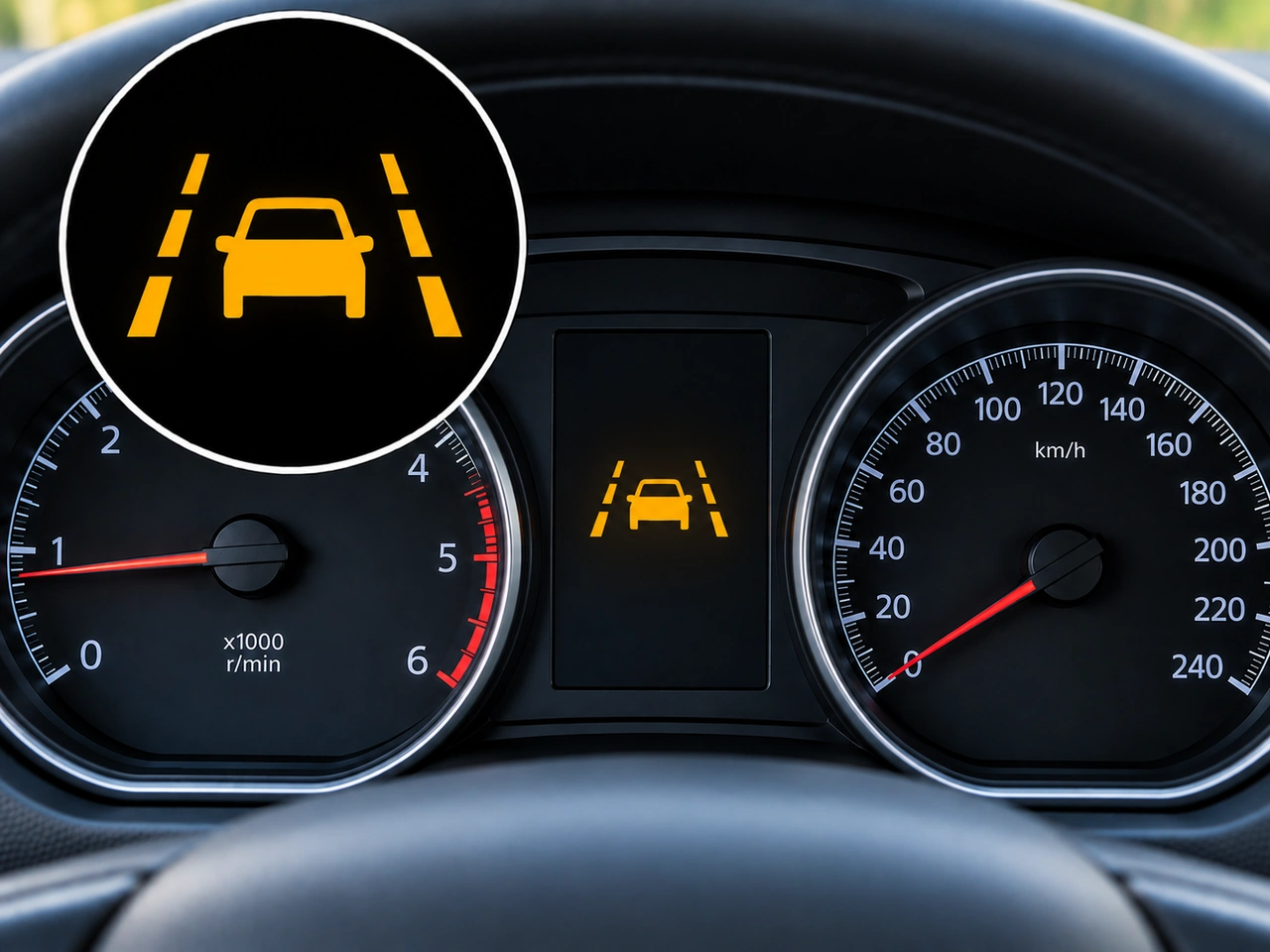
138. What does this dashboard symbol indicate?
This symbol relates to the lane-departure warning or lane-keeping system. The system monitors the vehicle's position within its lane and may warn the driver if the vehicle begins to leave the lane unintentionally.
AI-generated by Rijbewijs-online.be • WCIT • CC BY-SA
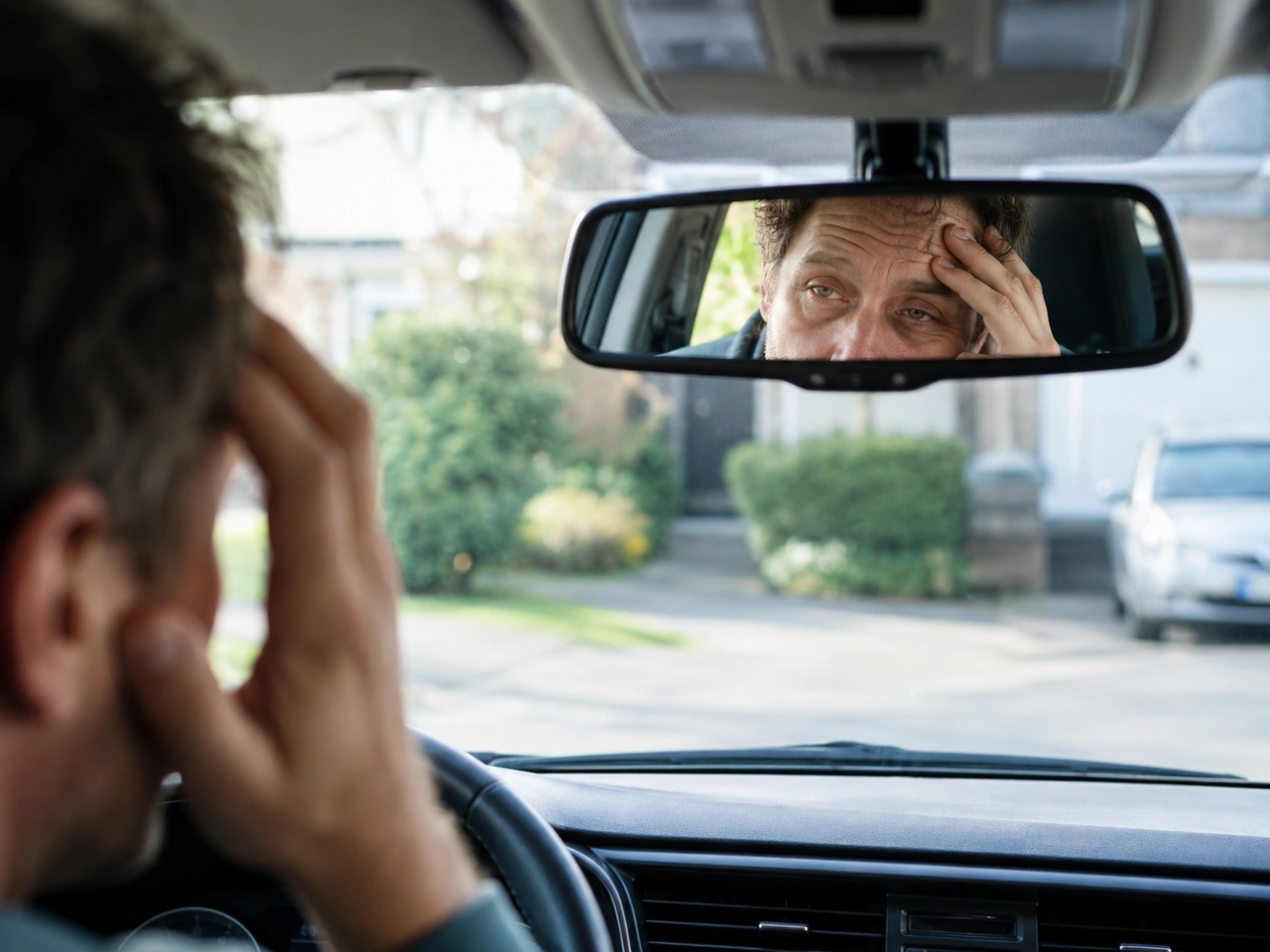
139. Can you assume that you are safe to drive the morning after drinking?
The body needs time to process alcohol. Sleeping, eating, showering, or drinking coffee does not instantly remove it.
AI-generated by Rijbewijs-online.be • WCIT • CC BY-SA
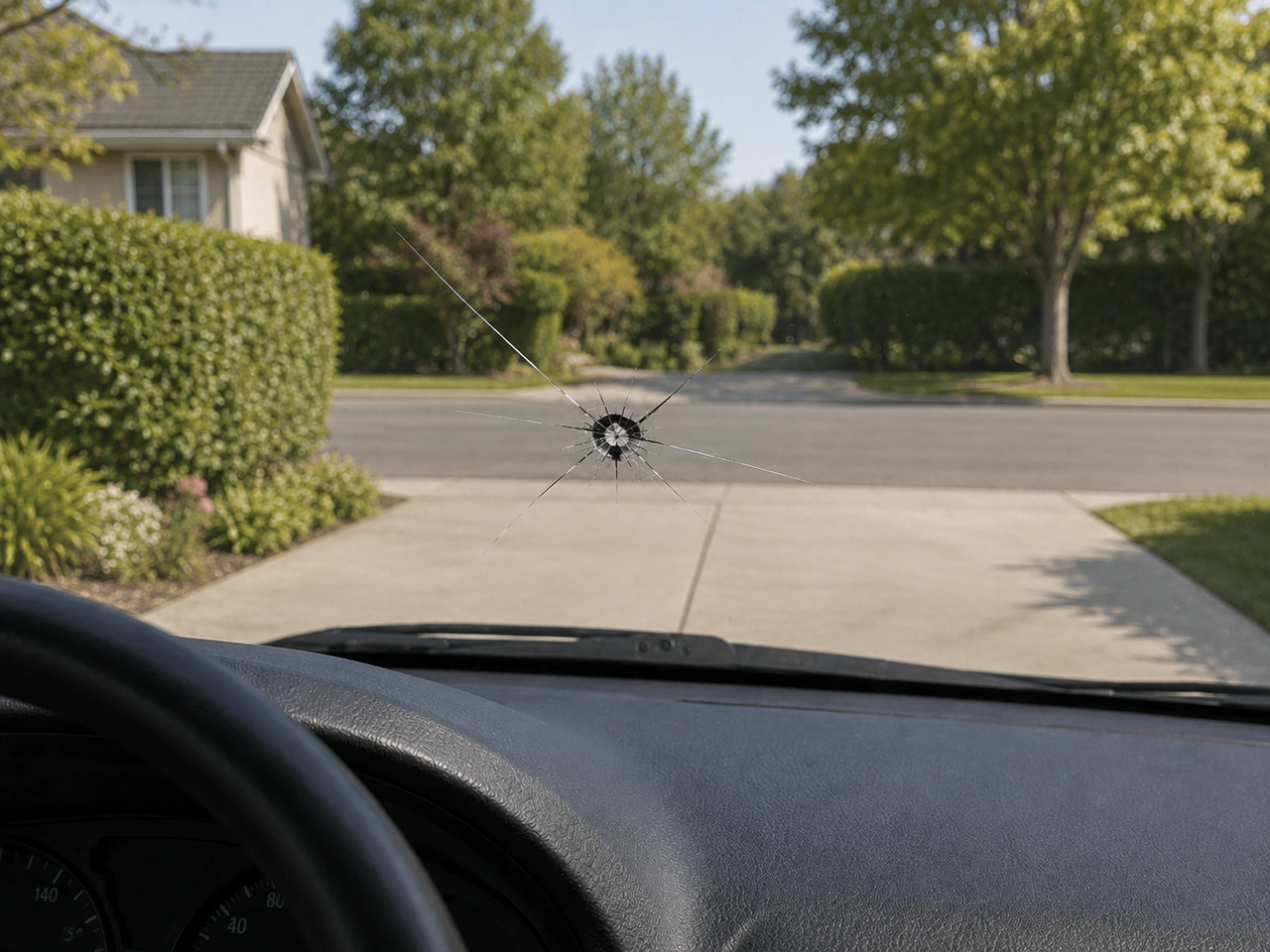
140. What should you do about a chip in the windscreen?
A chip can obstruct your view, weaken the glass, and develop into a larger crack. Have it checked and repaired promptly.
AI-generated by Rijbewijs-online.be • WCIT • CC BY-SA
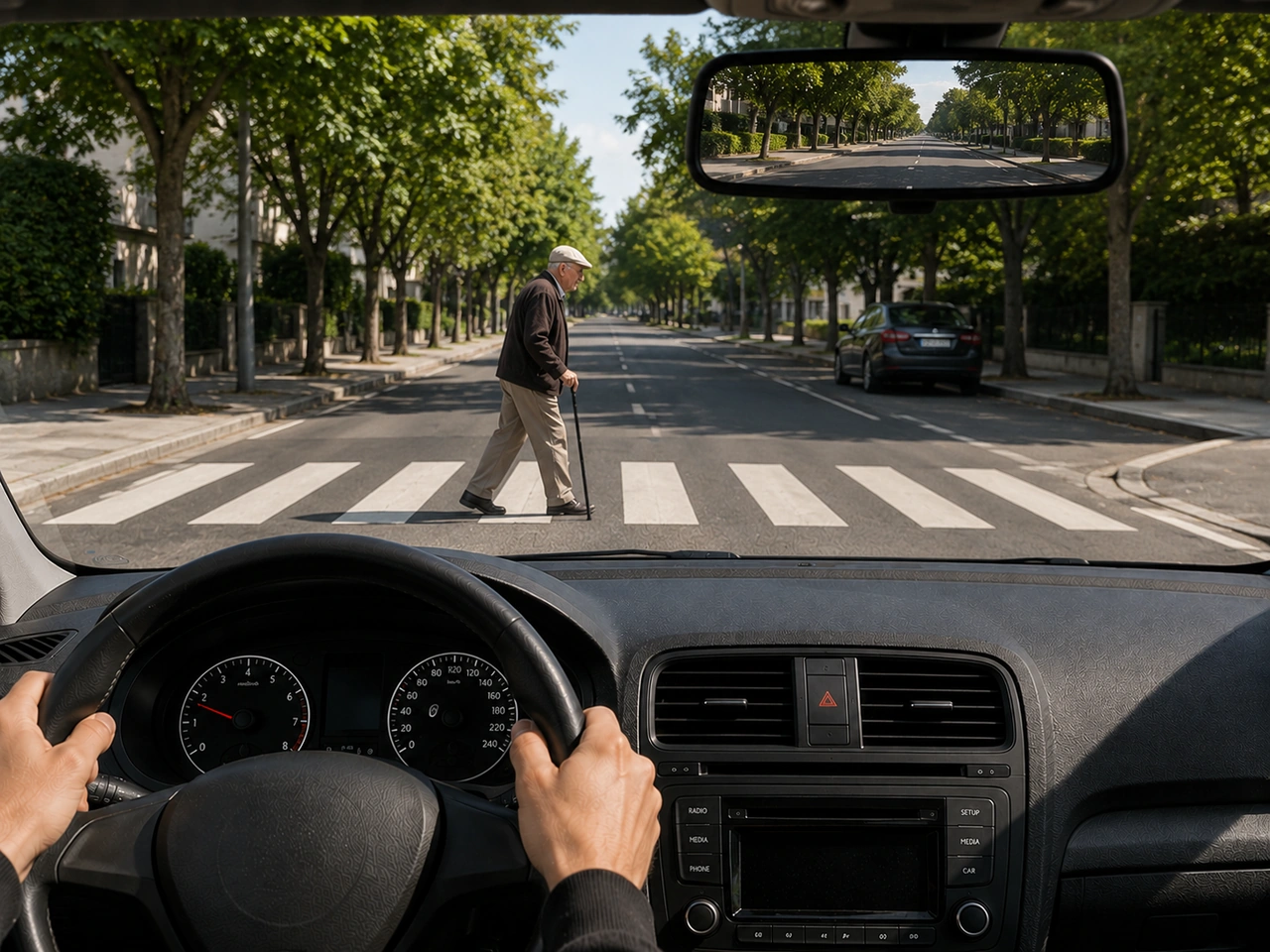
141. What should you do if a pedestrian is crossing slowly?
Some pedestrians may need more time to cross. Stay patient, keep a safe distance, and do not pressure them.
AI-generated by Rijbewijs-online.be • WCIT • CC BY-SA
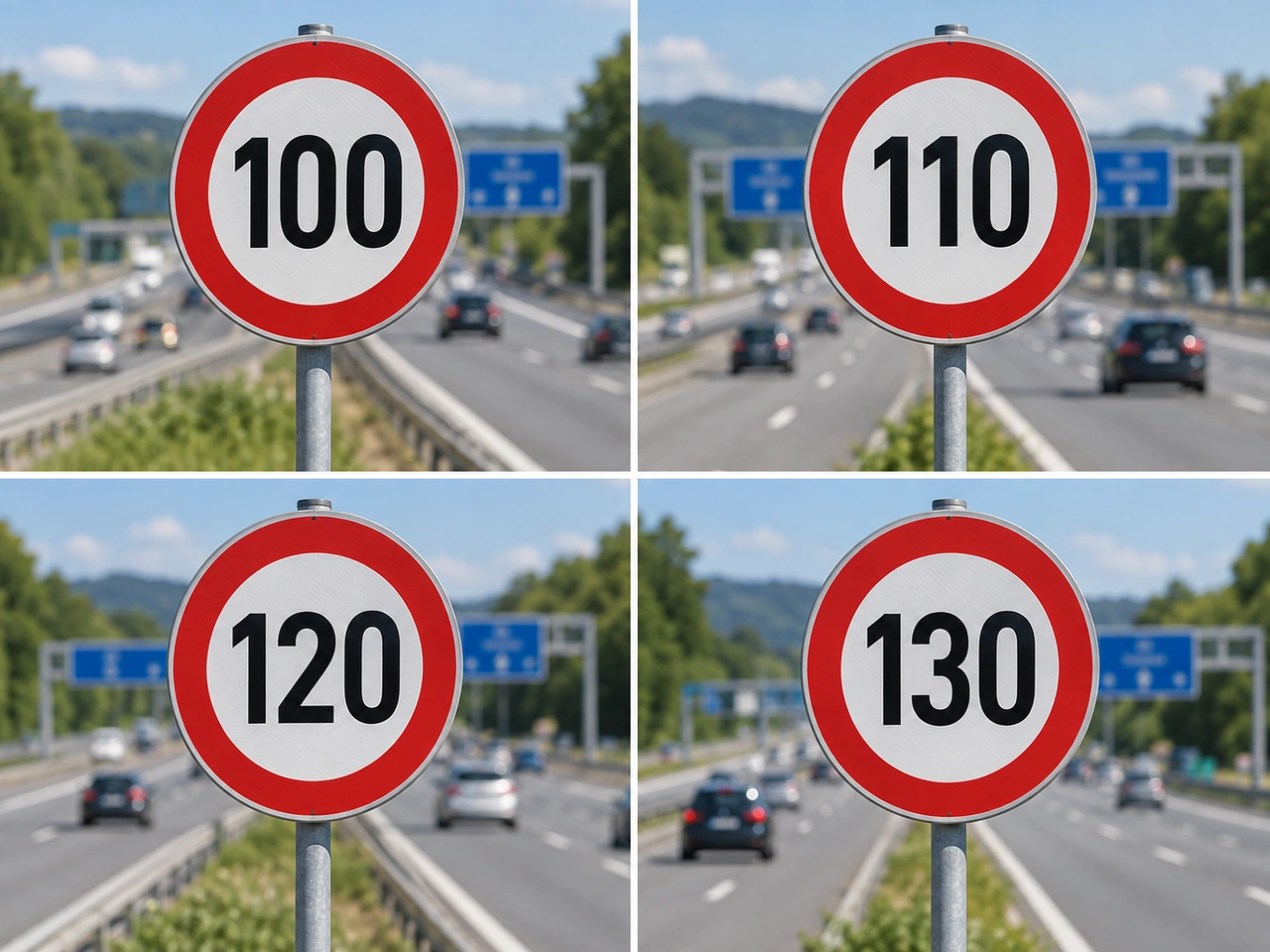
142. What is the general motorway speed limit for cars in Switzerland?
The general motorway speed limit for cars in Switzerland is 120 km/h, unless signs indicate otherwise.
AI-generated by Rijbewijs-online.be • WCIT • CC BY-SA
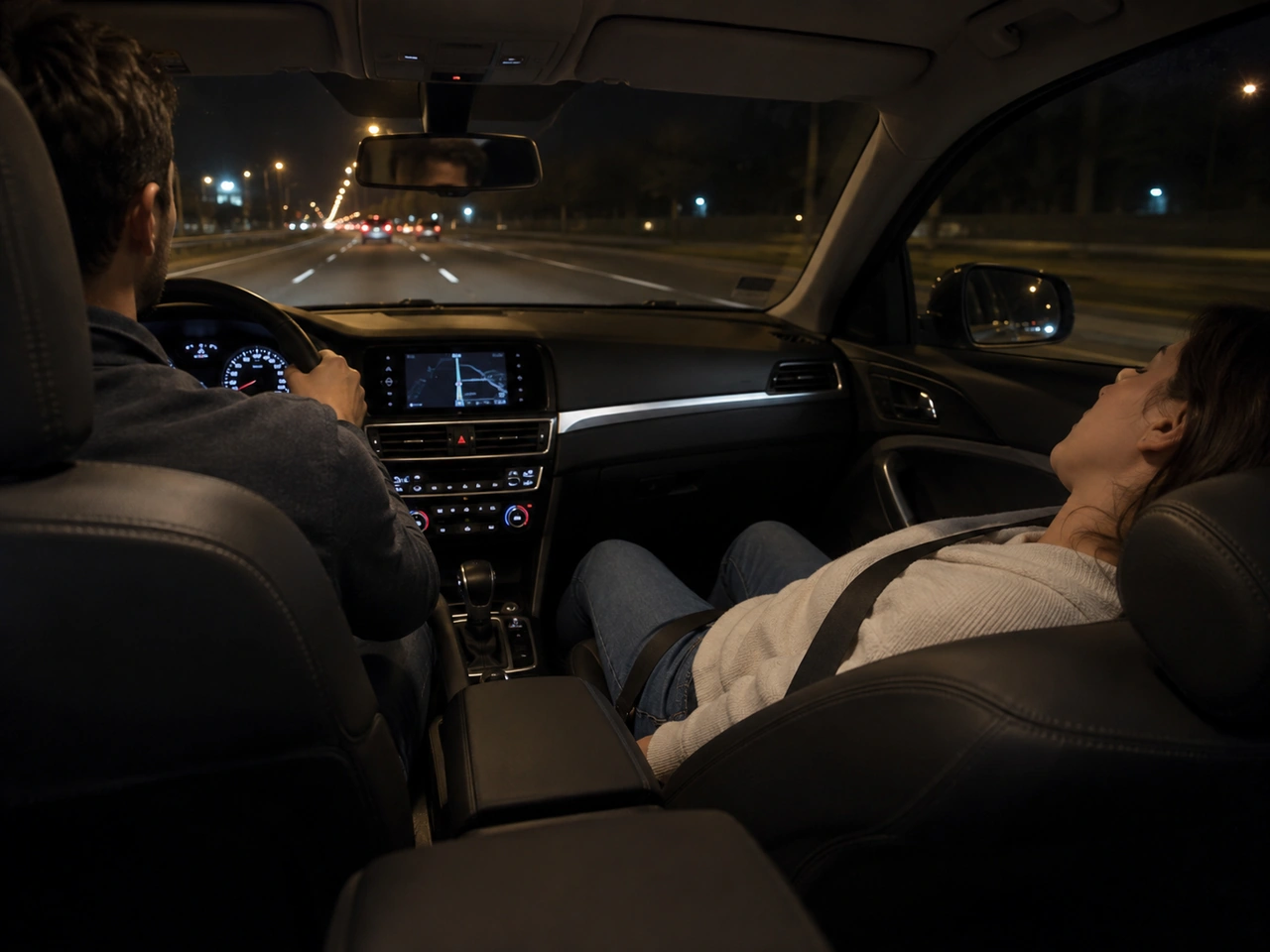
143. Why should you avoid travelling with the seatback excessively reclined?
An excessively reclined seat can affect how the seat belt fits and restrains your body and may increase the risk of sliding under the lap belt in a collision. Sit in a reasonably upright position so the lap belt stays low across the hips and the shoulder belt lies correctly across the chest.
AI-generated by Rijbewijs-online.be • WCIT • CC BY-SA
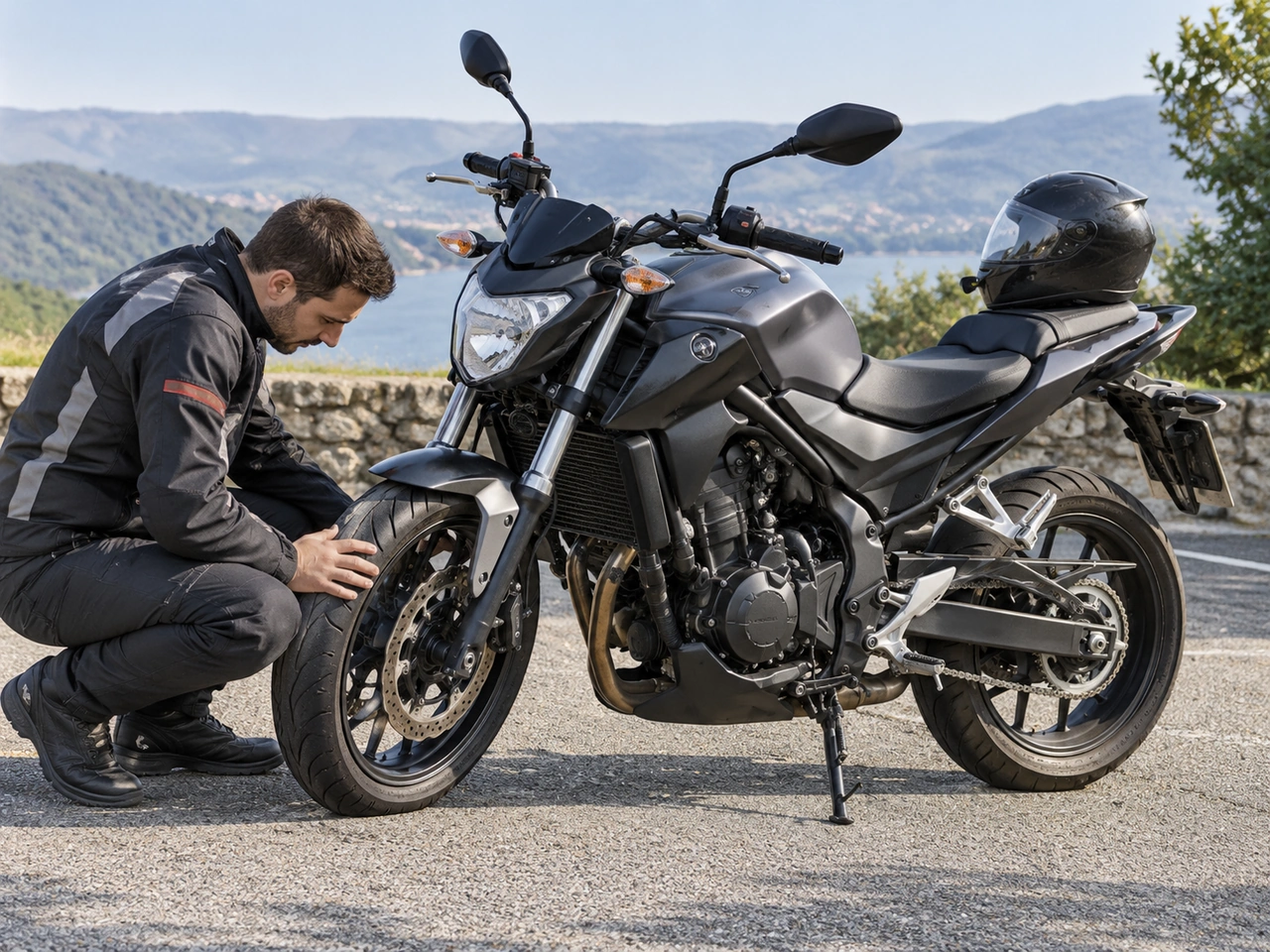
144. What should you check before starting a motorcycle journey?
Before riding, carry out a basic safety check. Check the tyres, brakes, lights, steering and controls, and inspect the drive chain, belt or other drive components where applicable. Finding a problem before setting off can prevent a breakdown or loss of control.
AI-generated by Rijbewijs-online.be • WCIT • CC BY-SA
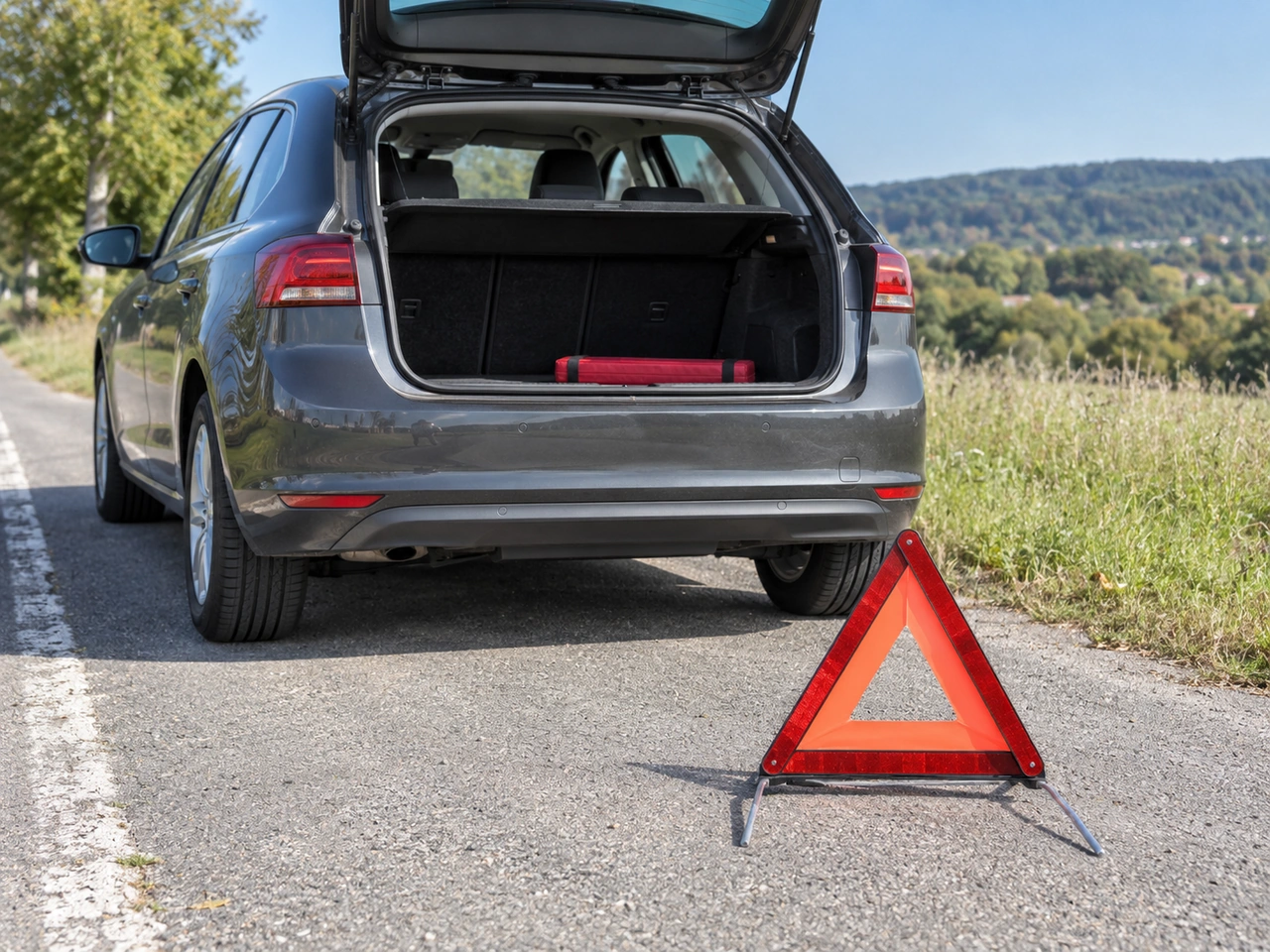
145. Is a warning triangle required in cars in Switzerland?
Cars in Switzerland are required to carry a warning triangle.
AI-generated by Rijbewijs-online.be • WCIT • CC BY-SA
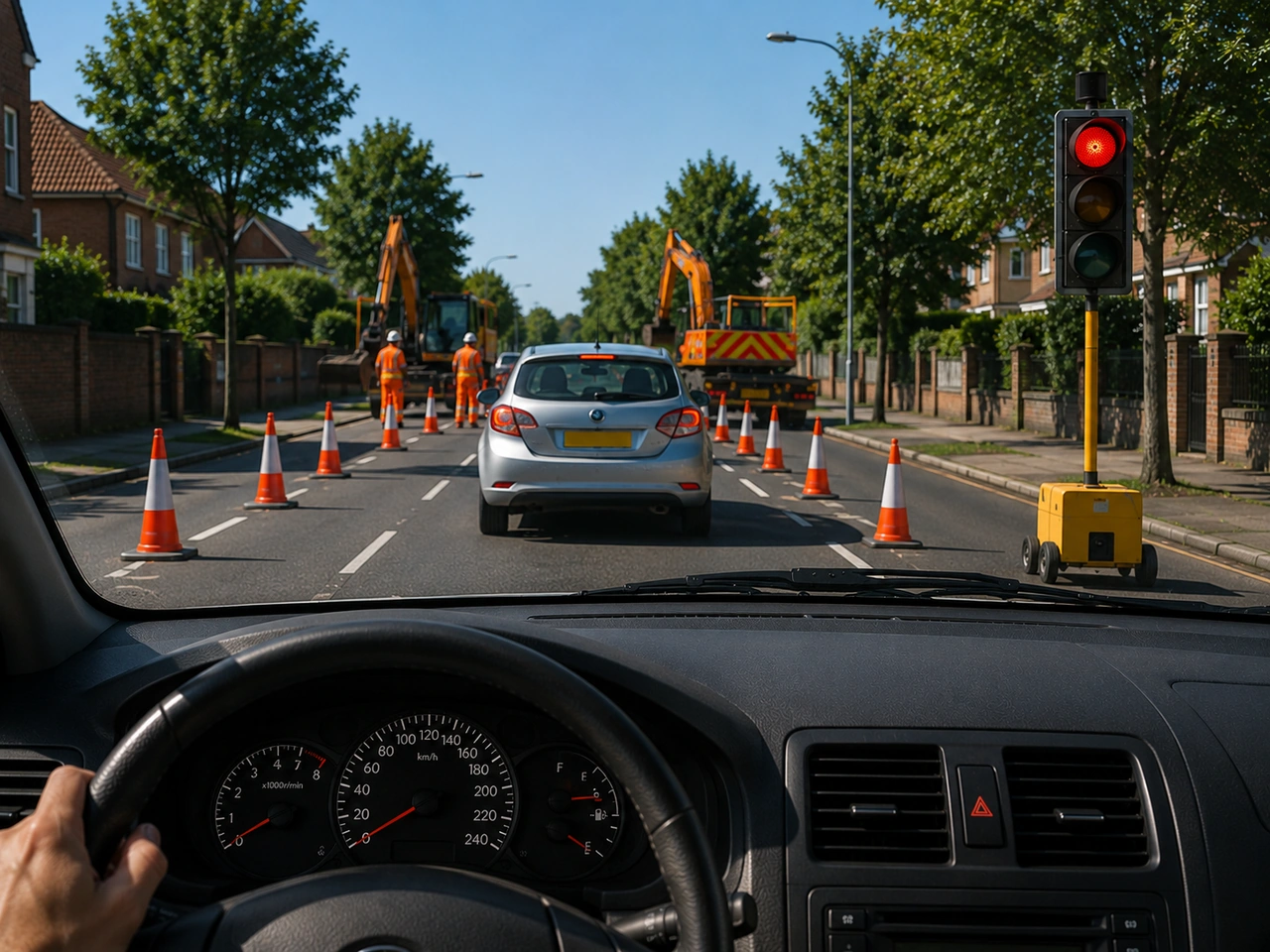
146. What should you do when roadworks are ahead?
Roadworks can create narrow lanes, workers near traffic, uneven surfaces, and temporary rules. Slow down and follow the signs.
AI-generated by Rijbewijs-online.be • WCIT • CC BY-SA
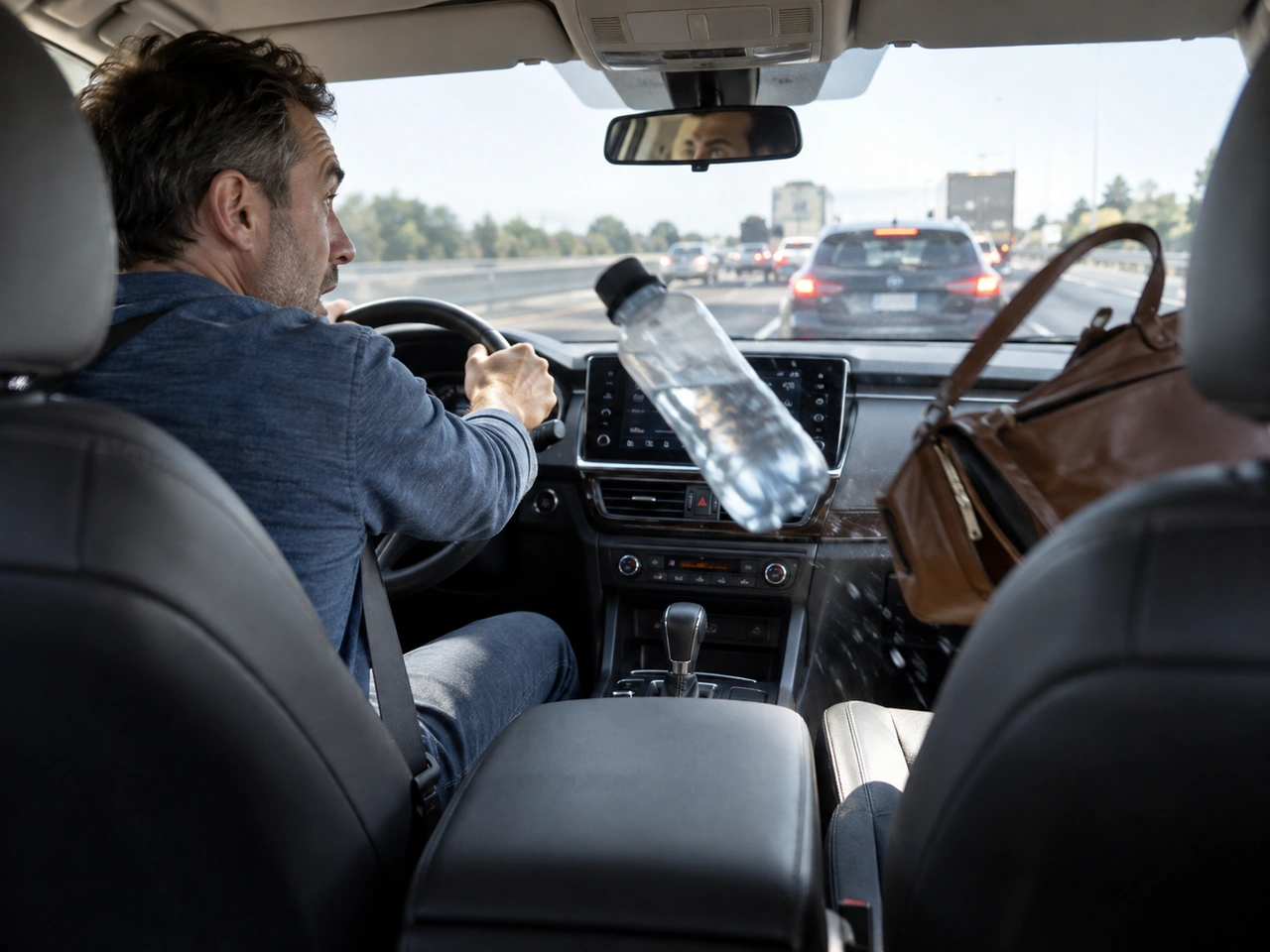
147. Why should loose items inside a vehicle be secured?
Loose objects can move or be thrown forwards during sudden braking or a collision. Secure luggage and other items so they cannot injure occupants or interfere with the driver or vehicle controls.
AI-generated by Rijbewijs-online.be • WCIT • CC BY-SA
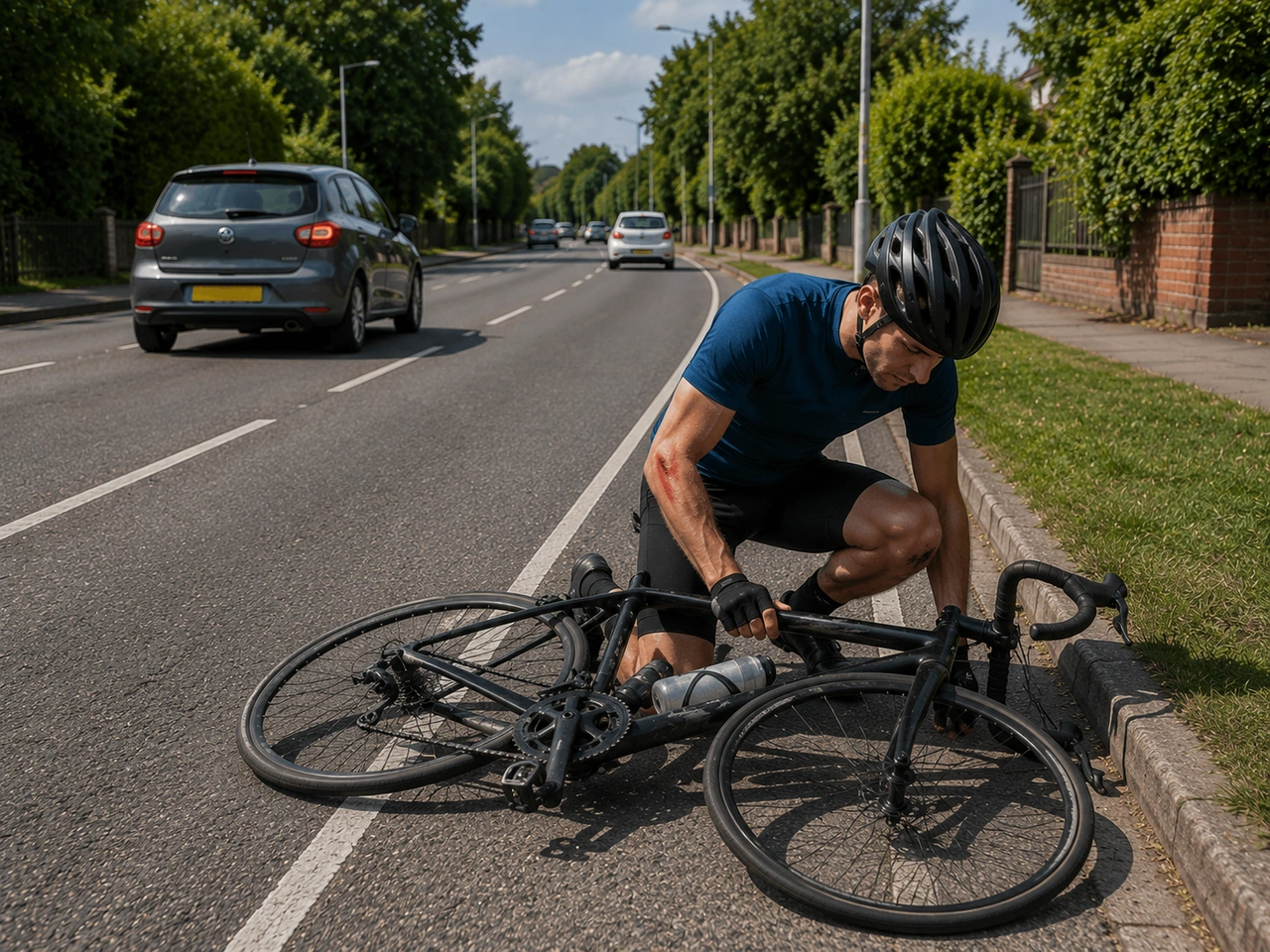
148. What should cyclists do after a collision or hard fall?
A fall can damage the brakes, wheels, frame, handlebars, or helmet. Injuries may also not be immediately obvious.
AI-generated by Rijbewijs-online.be • WCIT • CC BY-SA
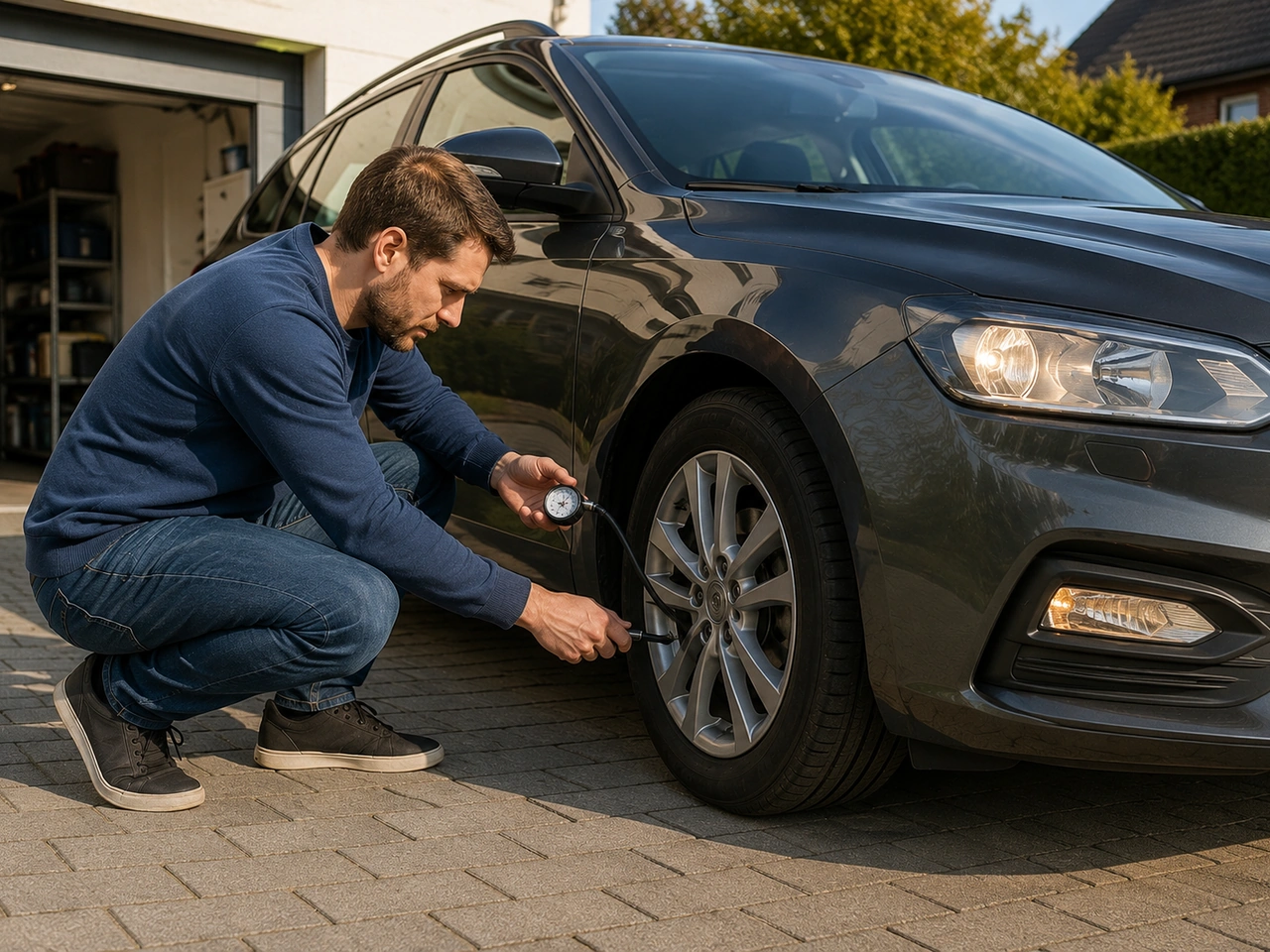
149. How should tyre pressure normally be checked?
Tyre pressure rises as tyres become warm. Check them when cold and use the pressure specified on the vehicle label or in the owner's manual.
AI-generated by Rijbewijs-online.be • WCIT • CC BY-SA
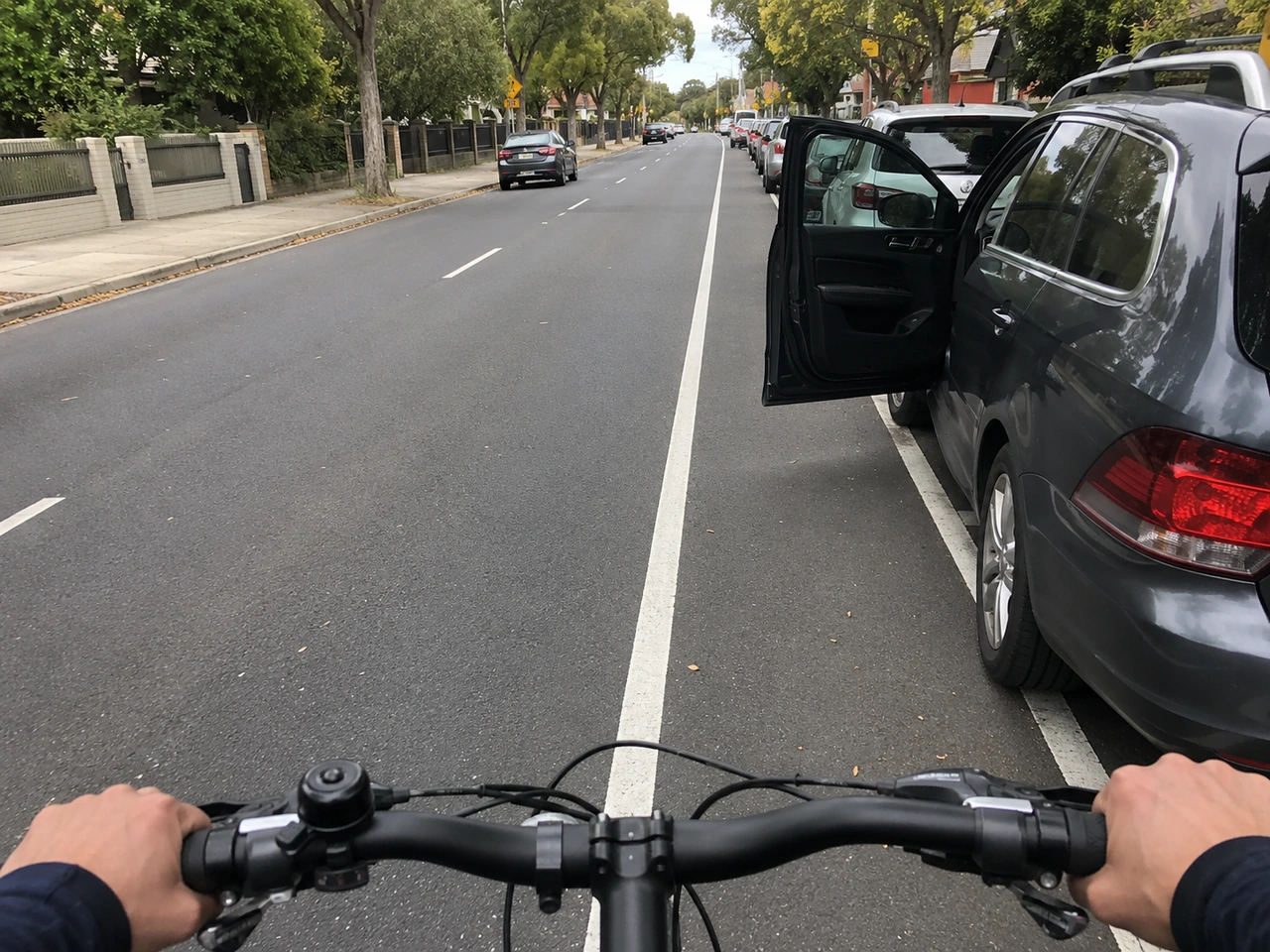
150. Why should you leave space when cycling beside parked cars?
A driver or passenger may open a door without seeing you. Leaving space reduces the risk of a dooring collision.
AI-generated by Rijbewijs-online.be • WCIT • CC BY-SA