


QuizTraffic rulesSwitzerland
This interesting quiz helps you test your knowledge in a clear and visual way. With easy multiple-choice questions, you can quickly build confidence and learn new facts while keeping it simple, interactive, and fun.
 Traffic signs
 Traffic rules
 Switzerland
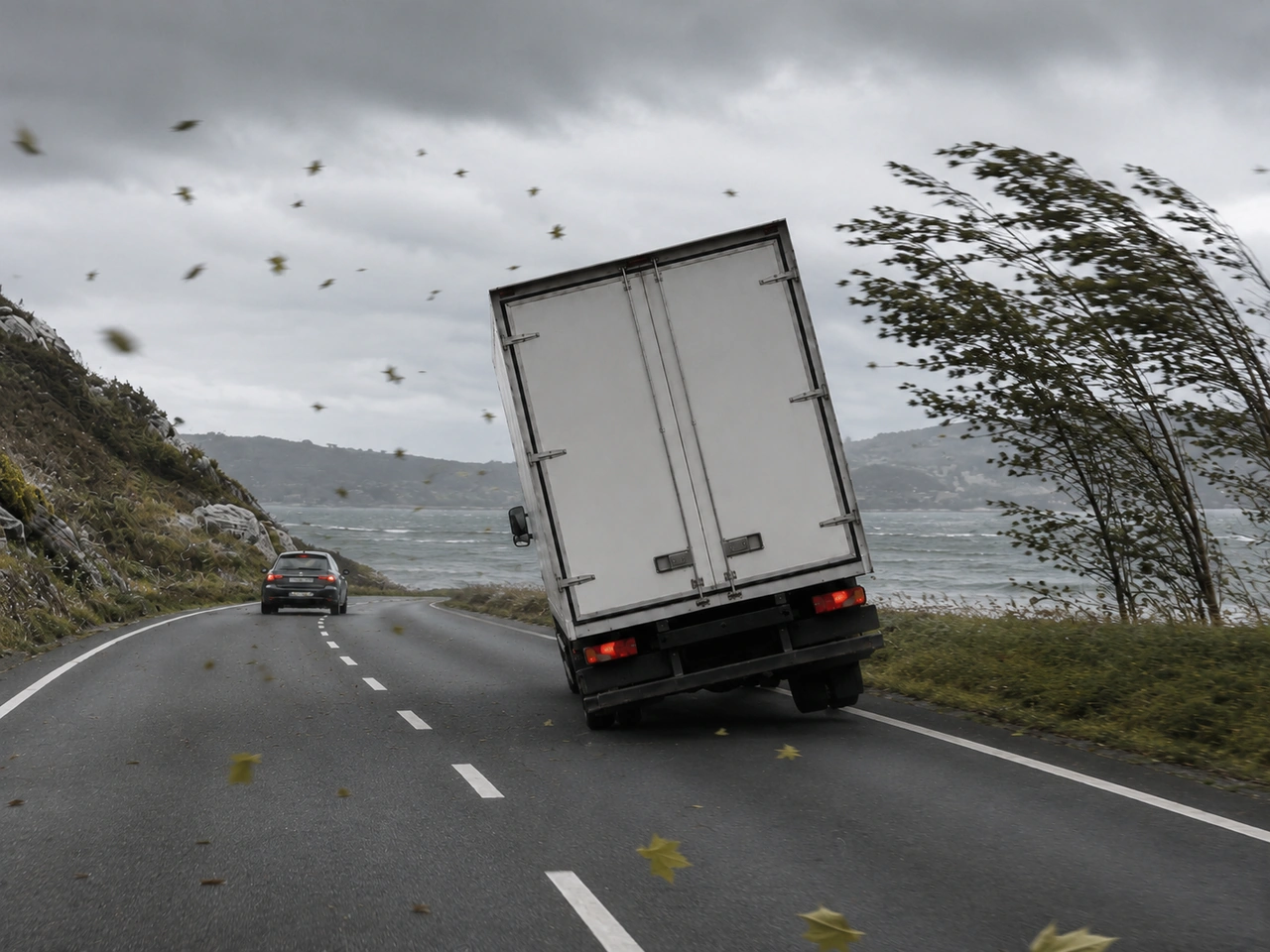
451. Which vehicles are especially vulnerable to strong crosswinds?
High-sided vehicles can be pushed sideways because of their large side area. Cyclists and motorcyclists can also be strongly affected by sudden gusts.
AI-generated by Rijbewijs-online.be • WCIT • CC BY-SA

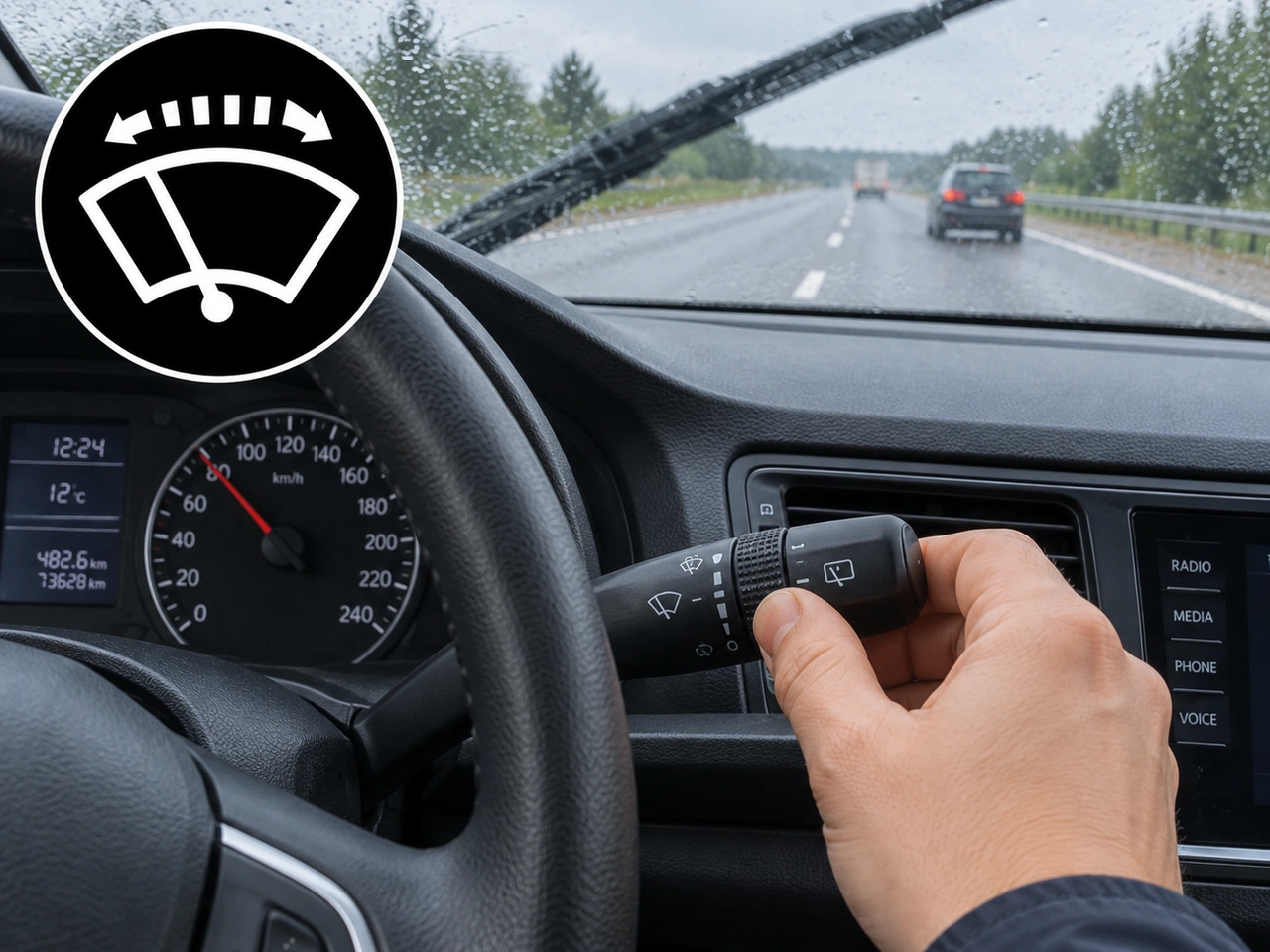
452. What does the intermittent wiper interval control adjust?
The intermittent wiper interval control adjusts the time between windscreen-wiper sweeps, allowing the driver to match the wiping frequency to light rain or spray.
AI-generated by Rijbewijs-online.be • WCIT • CC BY-SA
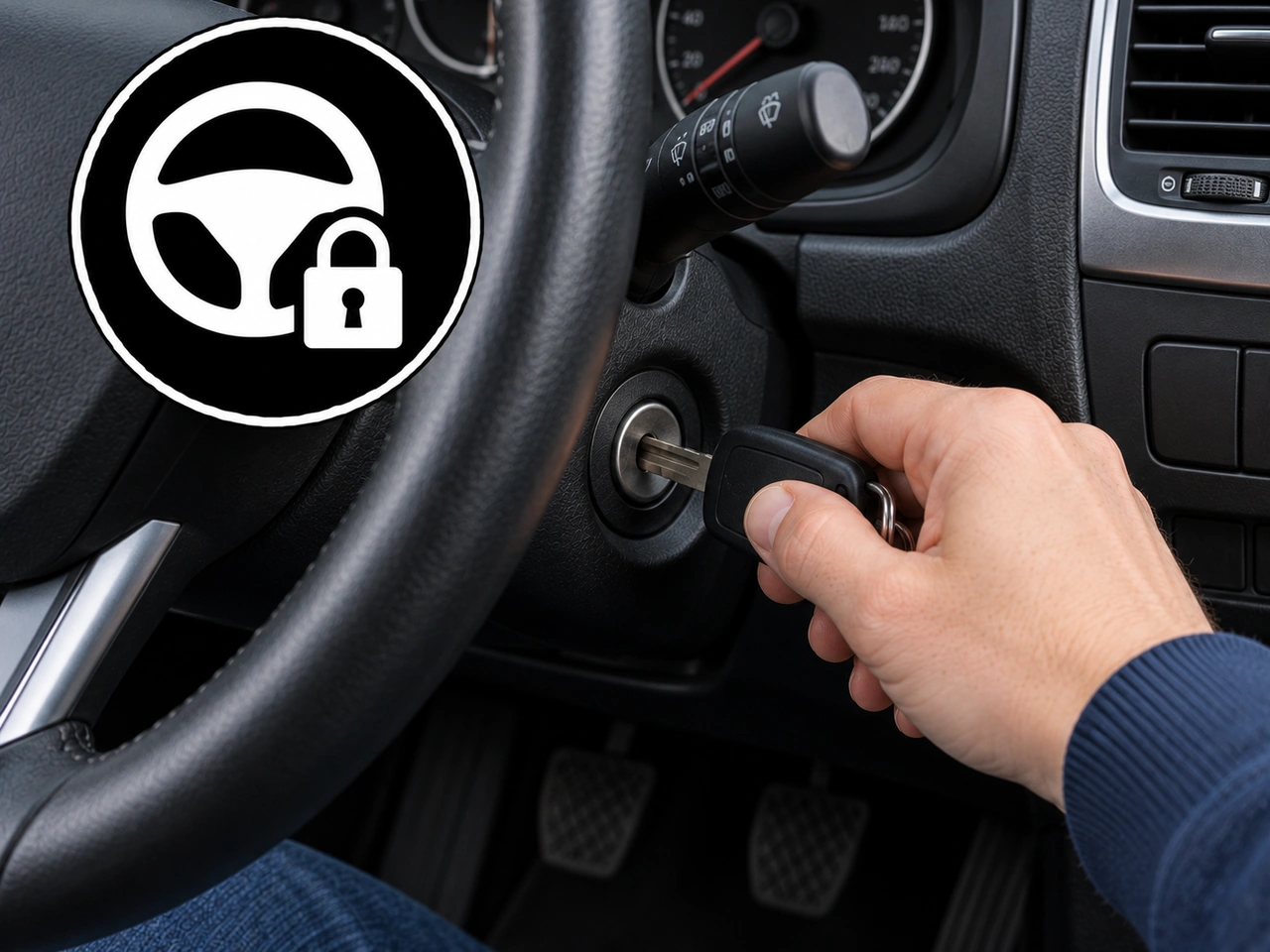
453. What may happen to the steering when the ignition key is removed?
On vehicles fitted with a steering lock, removing the ignition key may allow the steering lock to engage. Never remove the key while the vehicle is moving.
AI-generated by Rijbewijs-online.be • WCIT • CC BY-SA
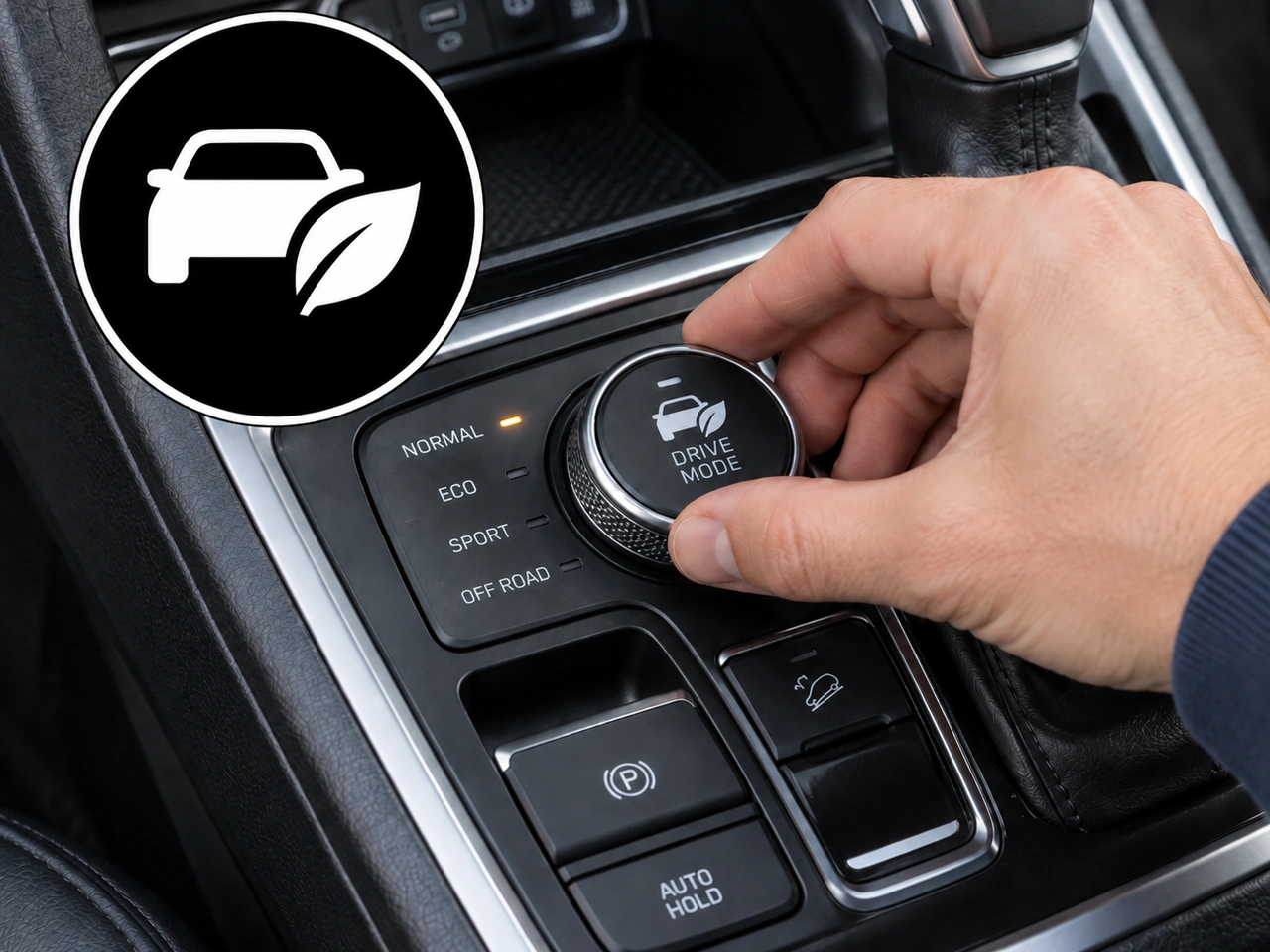
454. What does this vehicle-control symbol indicate?
This control selects a driving mode. Depending on the vehicle, different modes can alter characteristics such as accelerator response, steering assistance, transmission behaviour or energy use.
AI-generated by Rijbewijs-online.be • WCIT • CC BY-SA
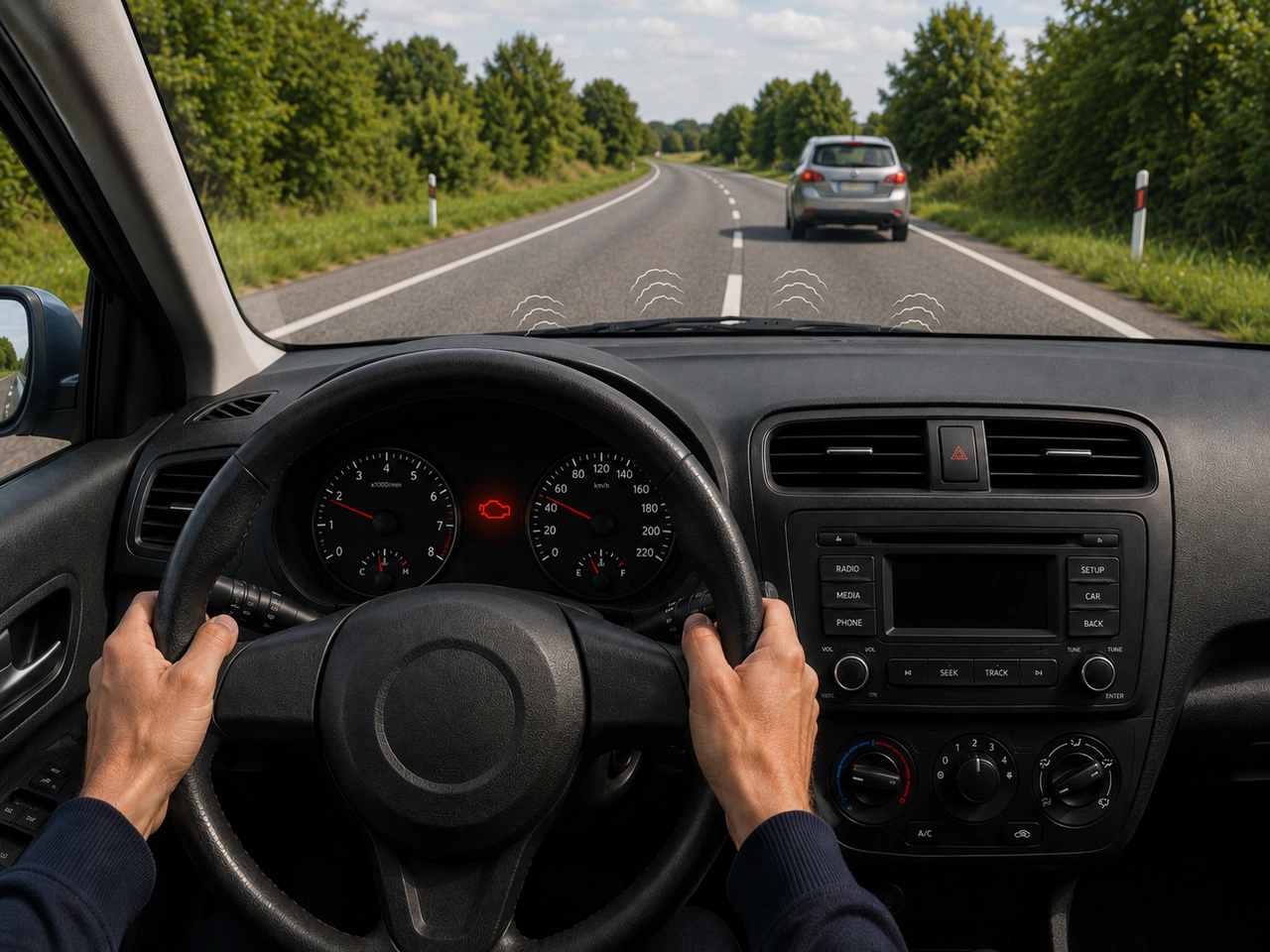
455. What should you do if a red warning light appears with an unusual noise?
A red warning combined with an unusual noise may indicate a serious fault. Continuing could cause damage or loss of control.
AI-generated by Rijbewijs-online.be • WCIT • CC BY-SA
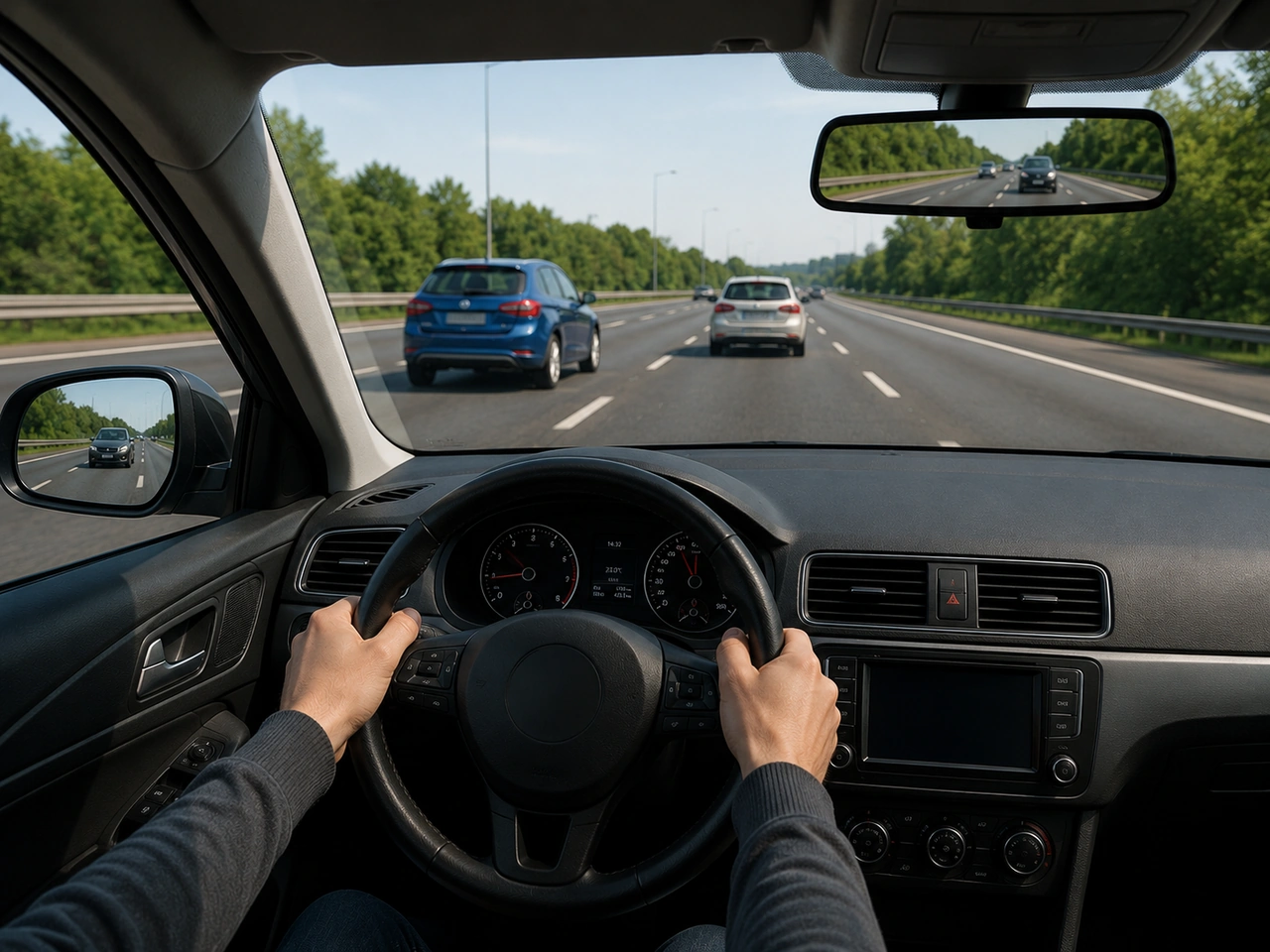
456. What should you do before changing lanes?
Always check your mirrors, look over your shoulder if necessary, and make sure it is safe before changing lanes.
AI-generated by Rijbewijs-online.be • WCIT • CC BY-SA
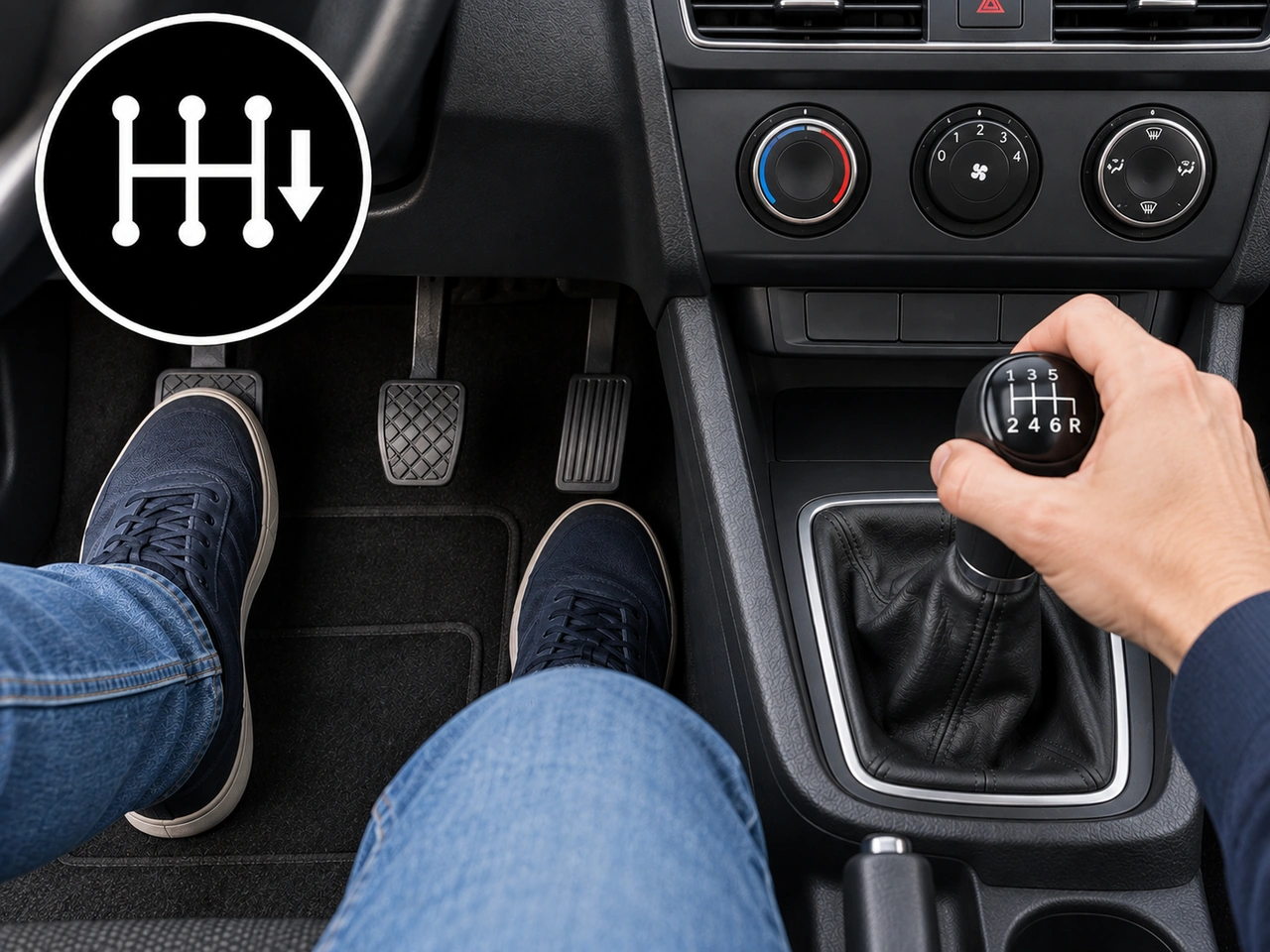
457. What should you consider before selecting a lower gear in a manual vehicle?
Before selecting a lower gear, make sure the vehicle's speed is suitable for that gear. Selecting too low a gear at excessive speed can cause harsh engine braking and place unnecessary stress on the drivetrain.
AI-generated by Rijbewijs-online.be • WCIT • CC BY-SA
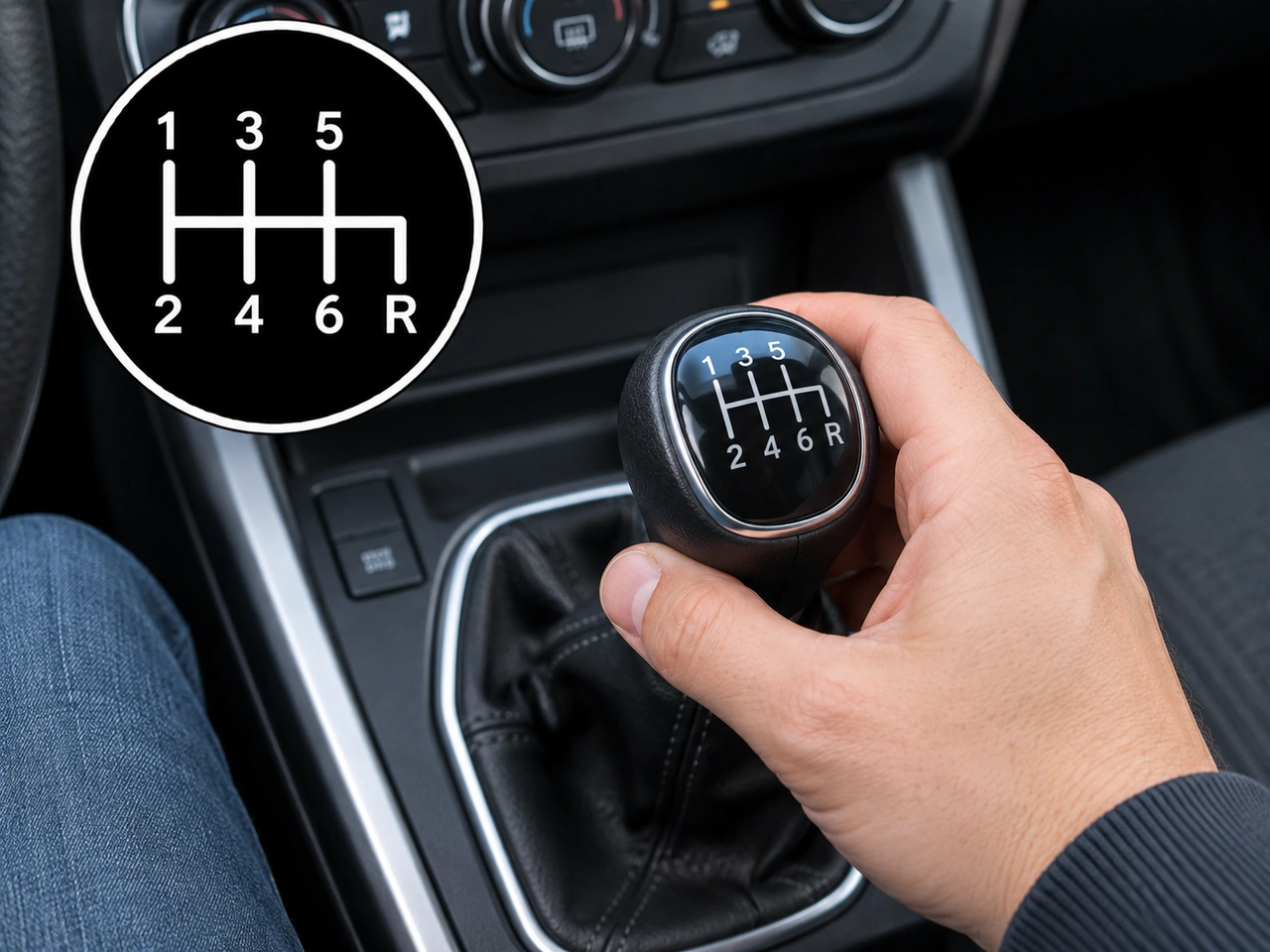
458. Which gear is normally used when moving off from a standstill?
1st gear is normally used when moving off from a standstill because it provides the greatest pulling power at low speed.
AI-generated by Rijbewijs-online.be • WCIT • CC BY-SA
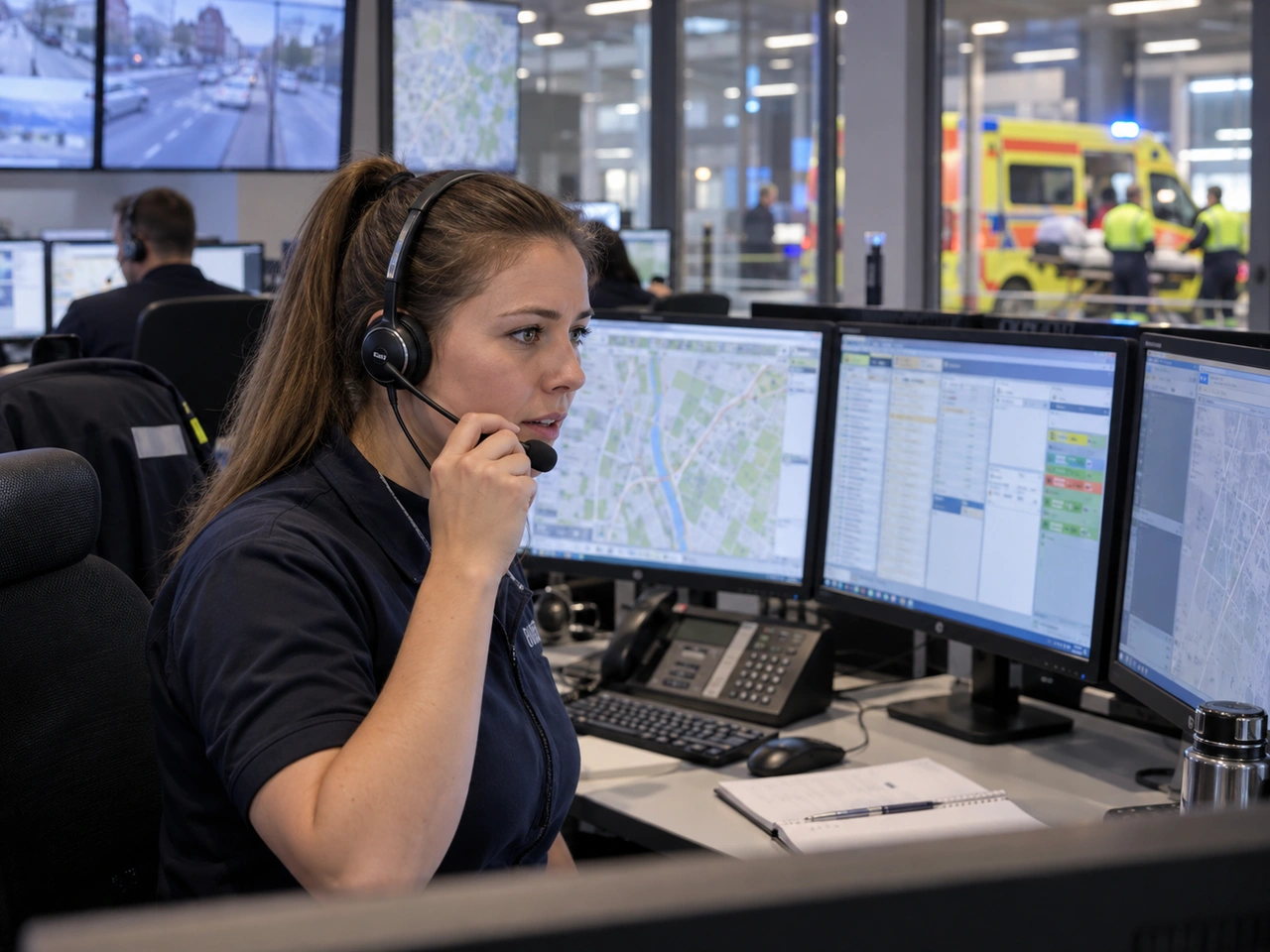
459. What is the main emergency number in Switzerland?
The main emergency number in Switzerland is 112.
AI-generated by Rijbewijs-online.be • WCIT • CC BY-SA
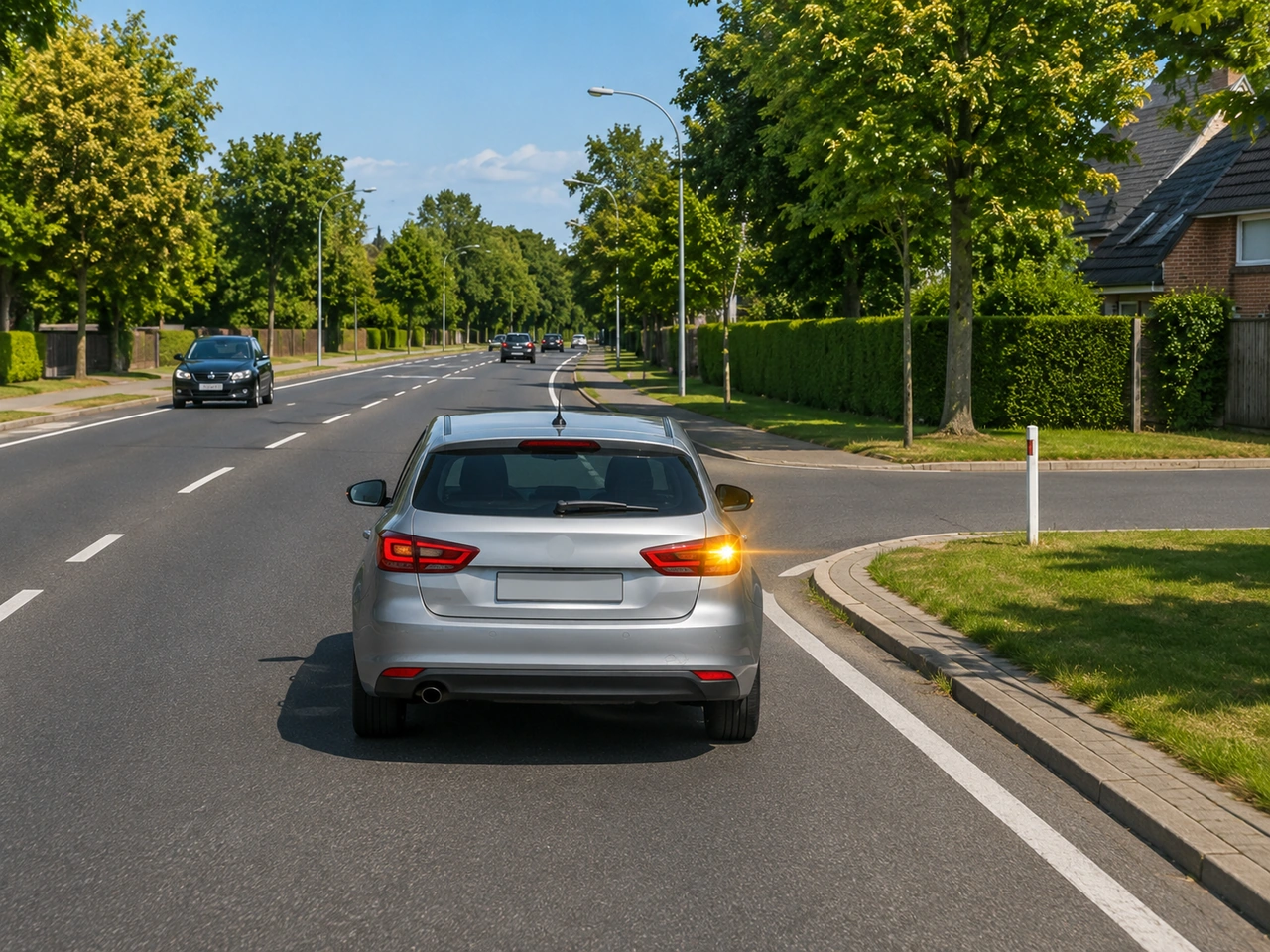
460. Why should you use your indicator before turning?
Indicators help other drivers, cyclists, and pedestrians understand your intentions in time.
AI-generated by Rijbewijs-online.be • WCIT • CC BY-SA
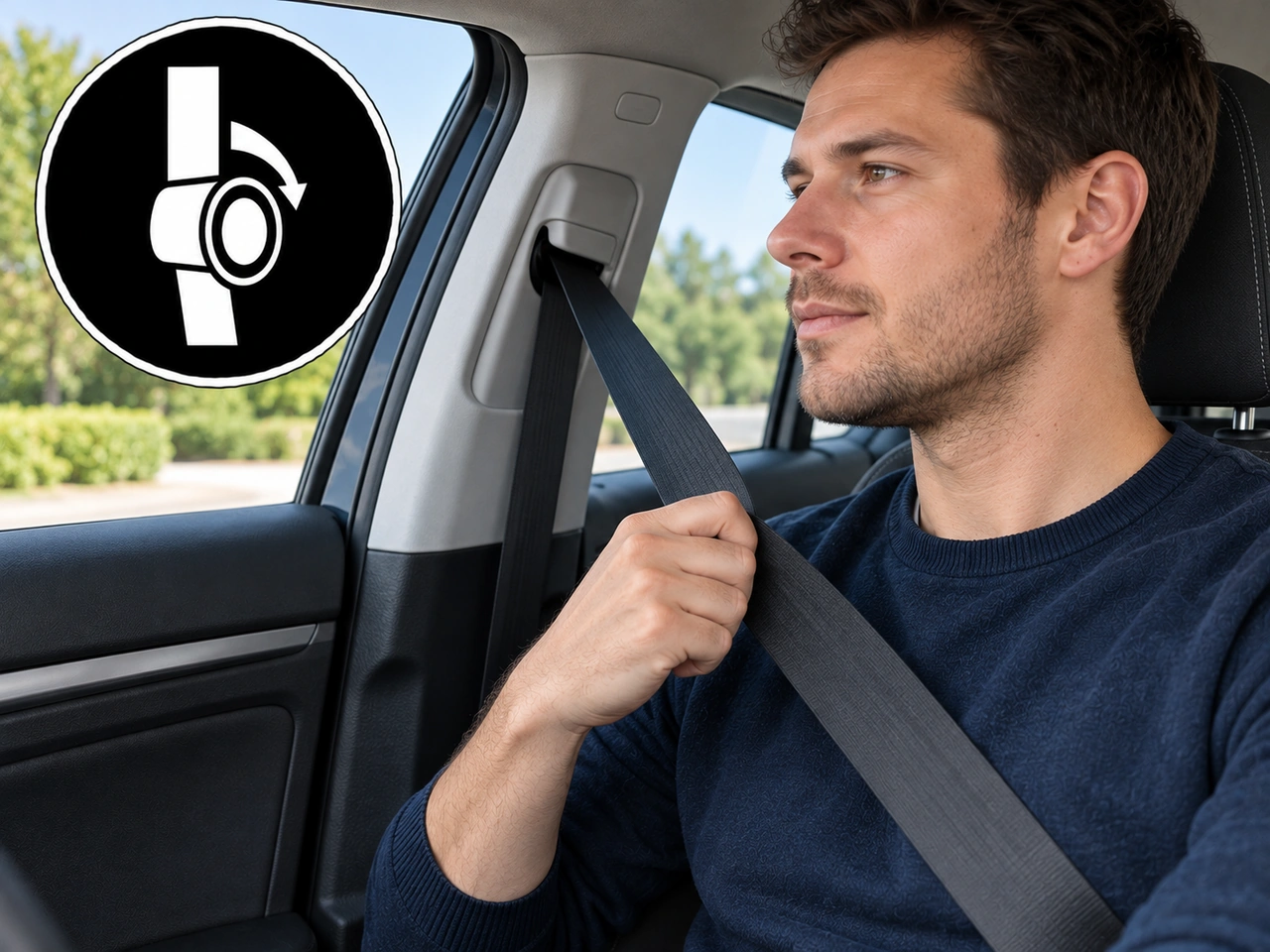
461. What is the purpose of the seat-belt retractor?
The seat-belt retractor takes up slack and helps keep the belt properly positioned against the body. It allows normal movement but can lock during sudden braking, rapid belt movement or a collision.
AI-generated by Rijbewijs-online.be • WCIT • CC BY-SA
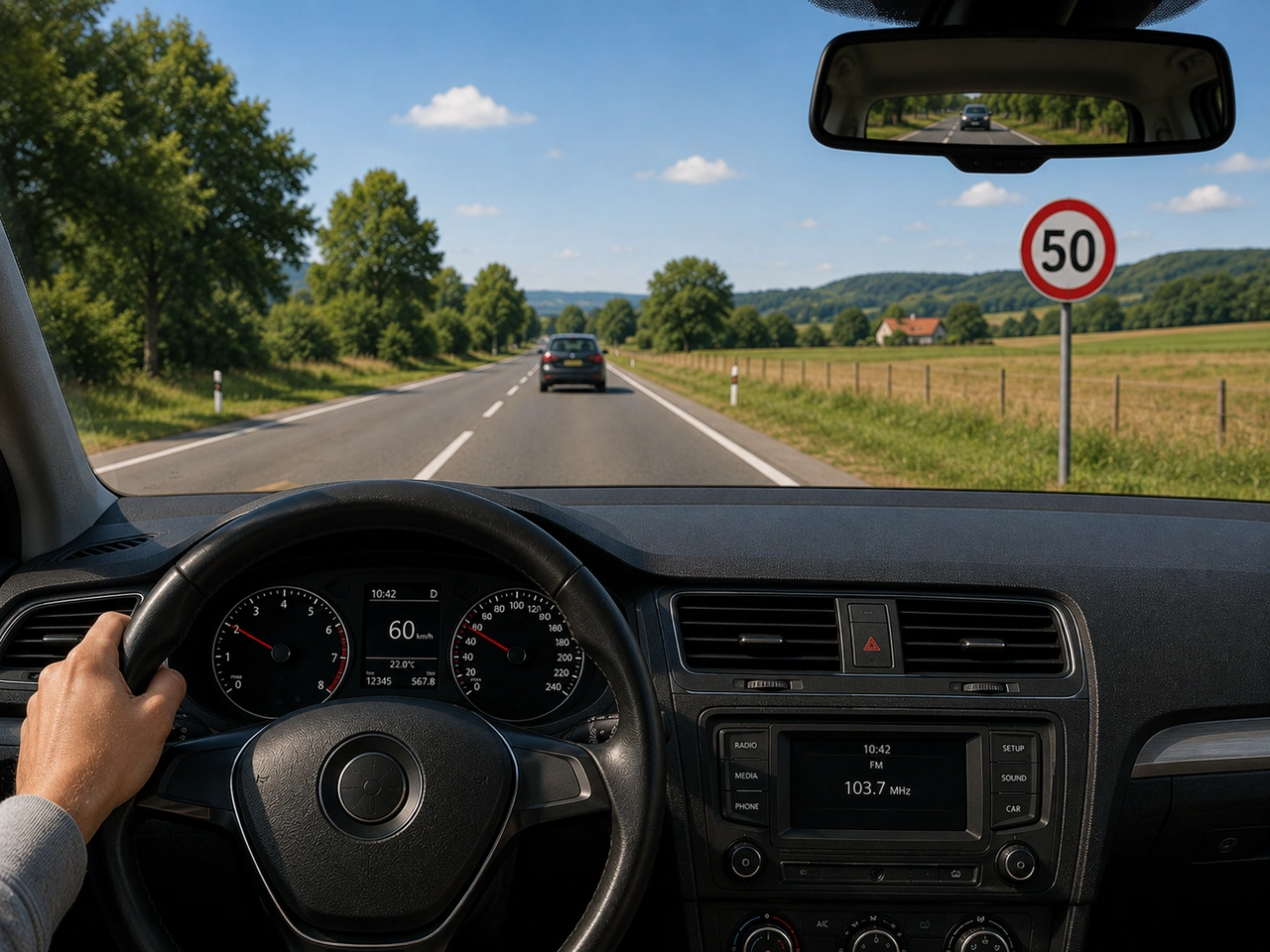
462. Speed limits only apply when there is heavy traffic.
Speed limits apply at all times unless a different limit is clearly indicated.
AI-generated by Rijbewijs-online.be • WCIT • CC BY-SA
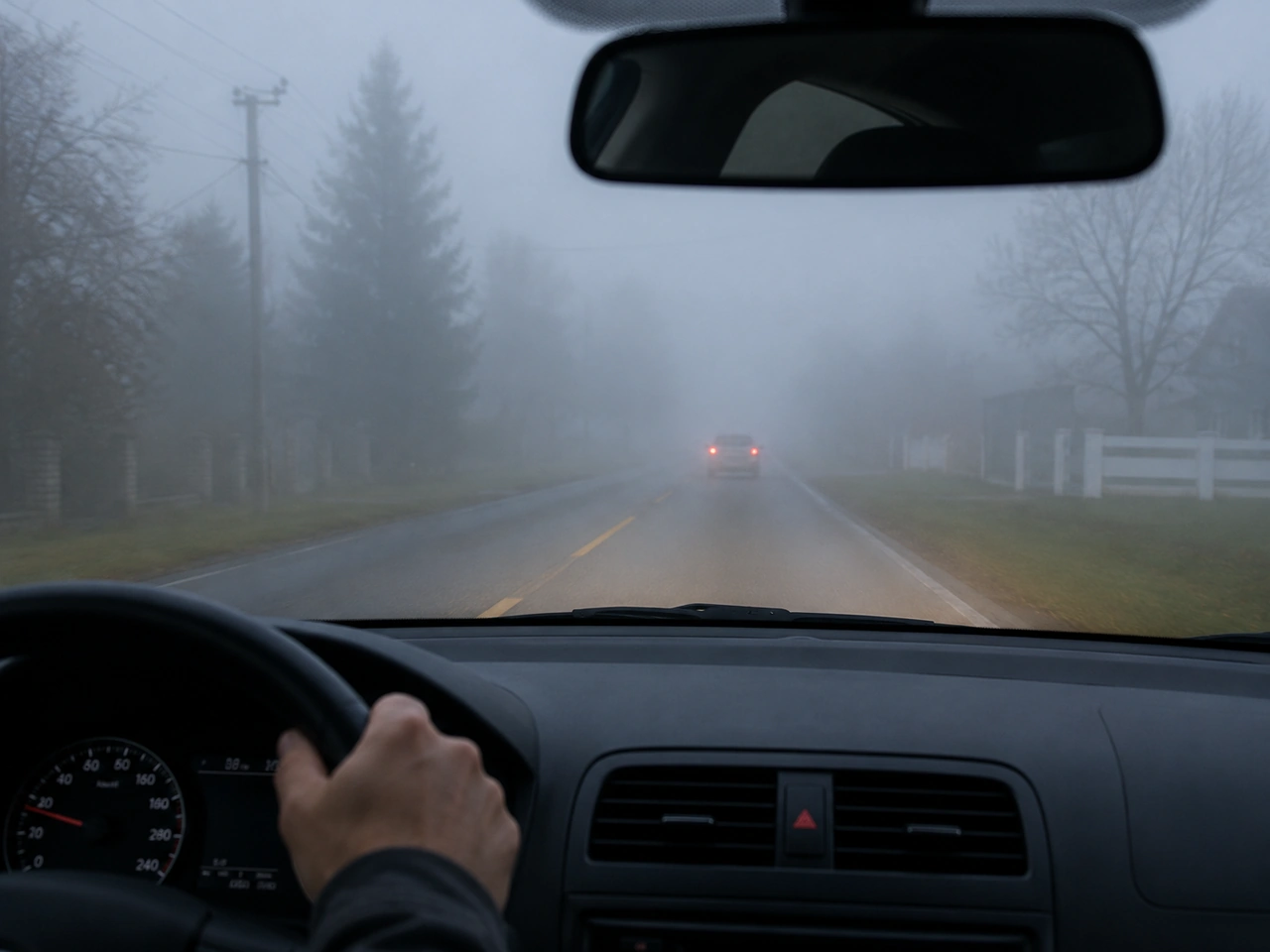
463. What should you do if visibility is reduced by fog?
Fog makes it harder to see and be seen. Reduce speed, increase following distance, and use the correct lights.
AI-generated by Rijbewijs-online.be • WCIT • CC BY-SA
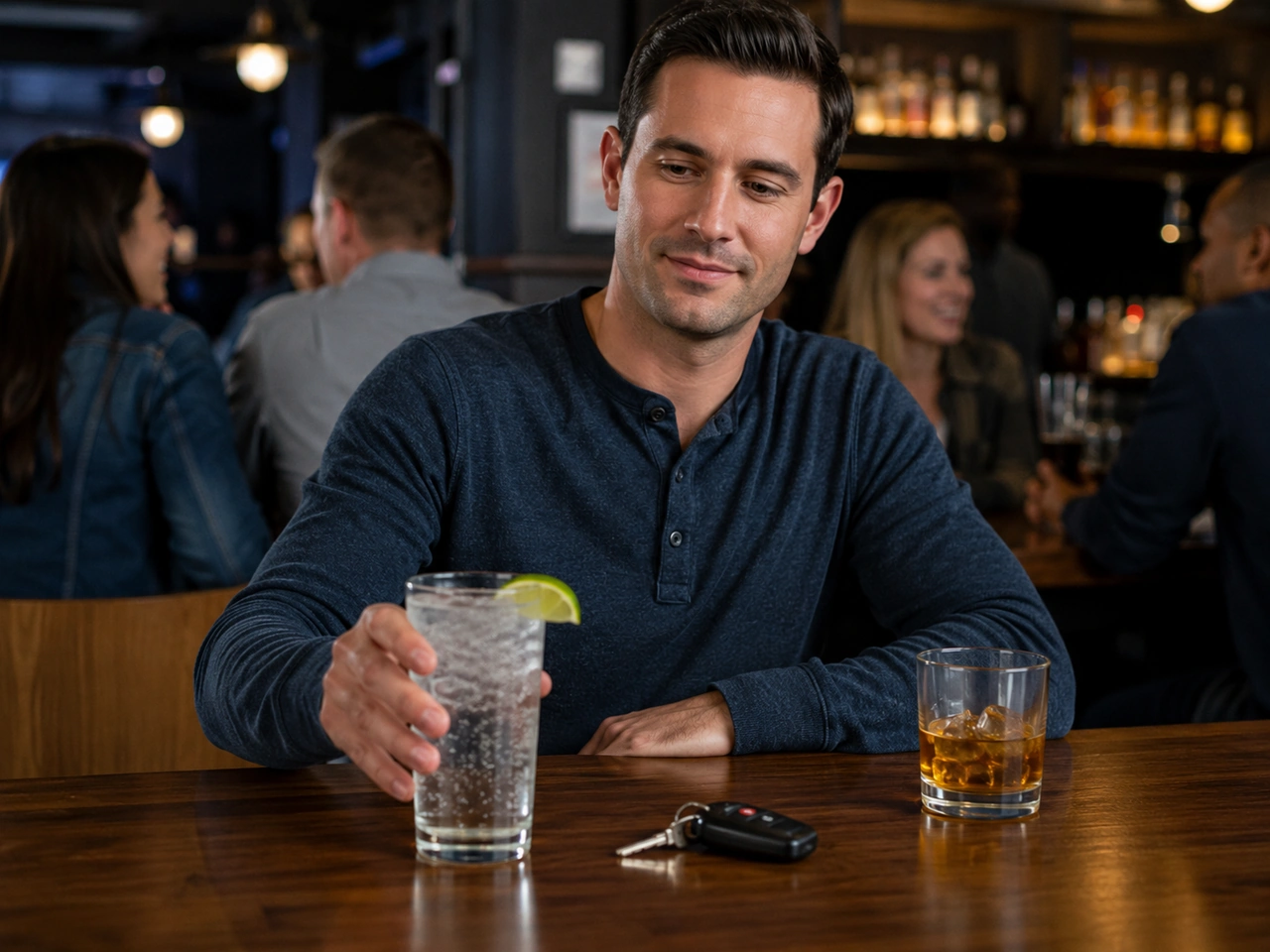
464. What should a designated driver do?
A designated driver should remain sober so they can drive safely and respond properly to traffic conditions.
AI-generated by Rijbewijs-online.be • WCIT • CC BY-SA
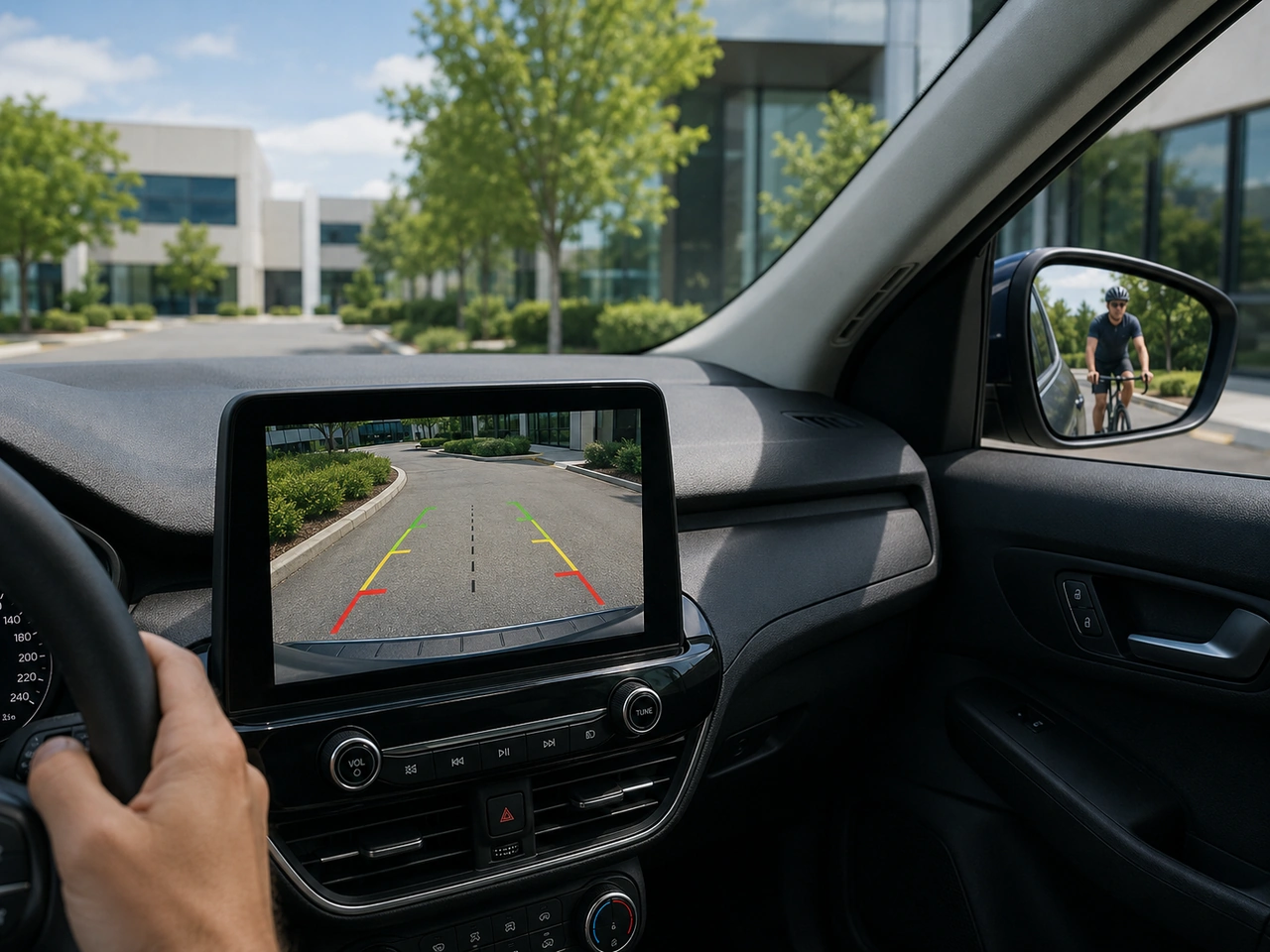
465. Why should you not rely only on a reversing camera?
Reversing cameras can help, but they may have blind spots and limited coverage. Always check your mirrors and surroundings, look around where possible, and reverse slowly.
AI-generated by Rijbewijs-online.be • WCIT • CC BY-SA
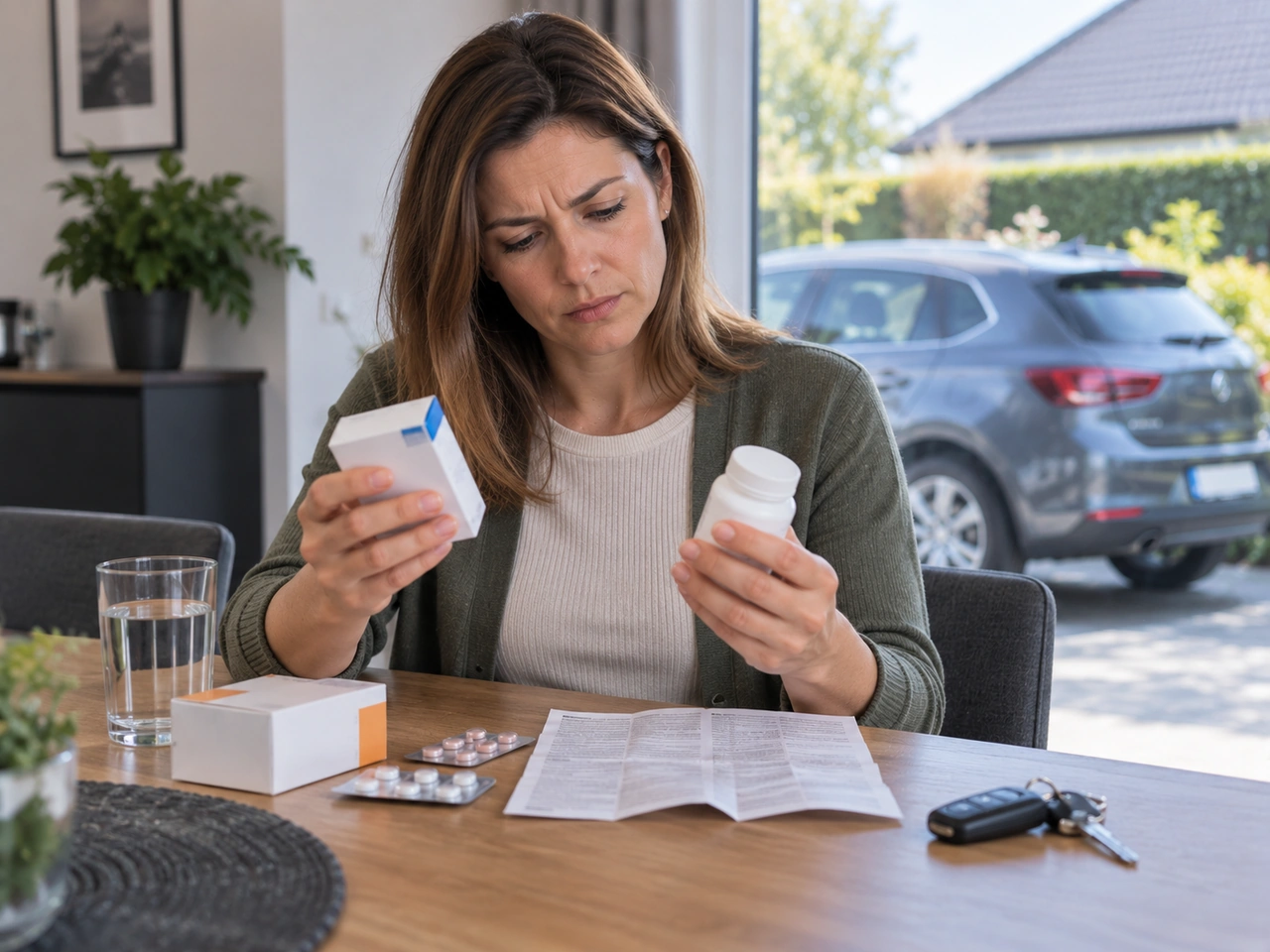
466. Why should you be careful when taking more than one medicine before driving?
Different medicines can interact or have combined side effects such as drowsiness, dizziness, blurred vision, or slower reactions. Check the instructions and seek advice from a doctor or pharmacist if you are unsure whether it is safe to drive.
AI-generated by Rijbewijs-online.be • WCIT • CC BY-SA
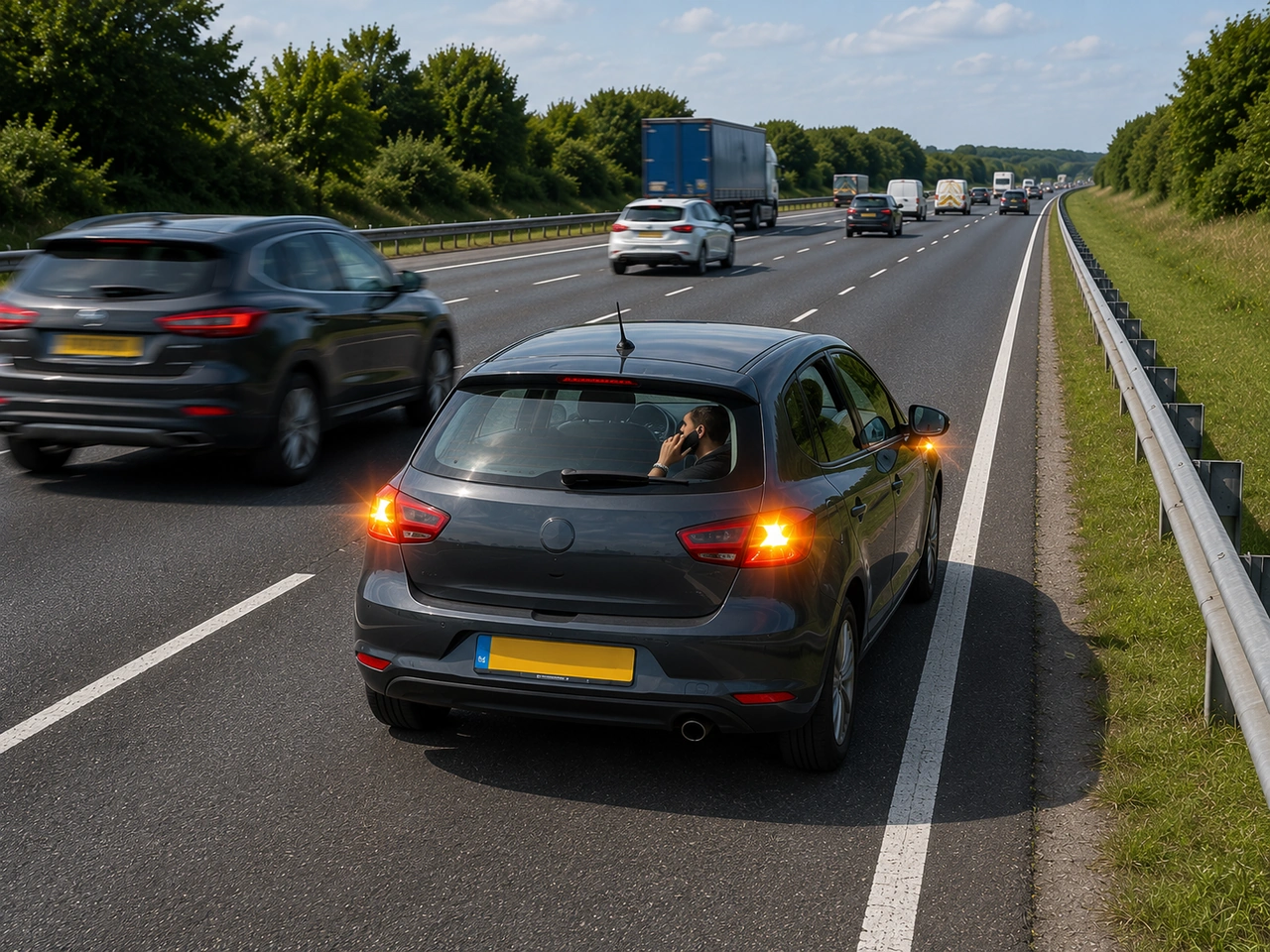
467. What should you do if it is unsafe to leave a stranded vehicle?
If leaving the vehicle would put you in greater danger, remain restrained, make the vehicle visible, contact the emergency services, and follow their instructions.
AI-generated by Rijbewijs-online.be • WCIT • CC BY-SA
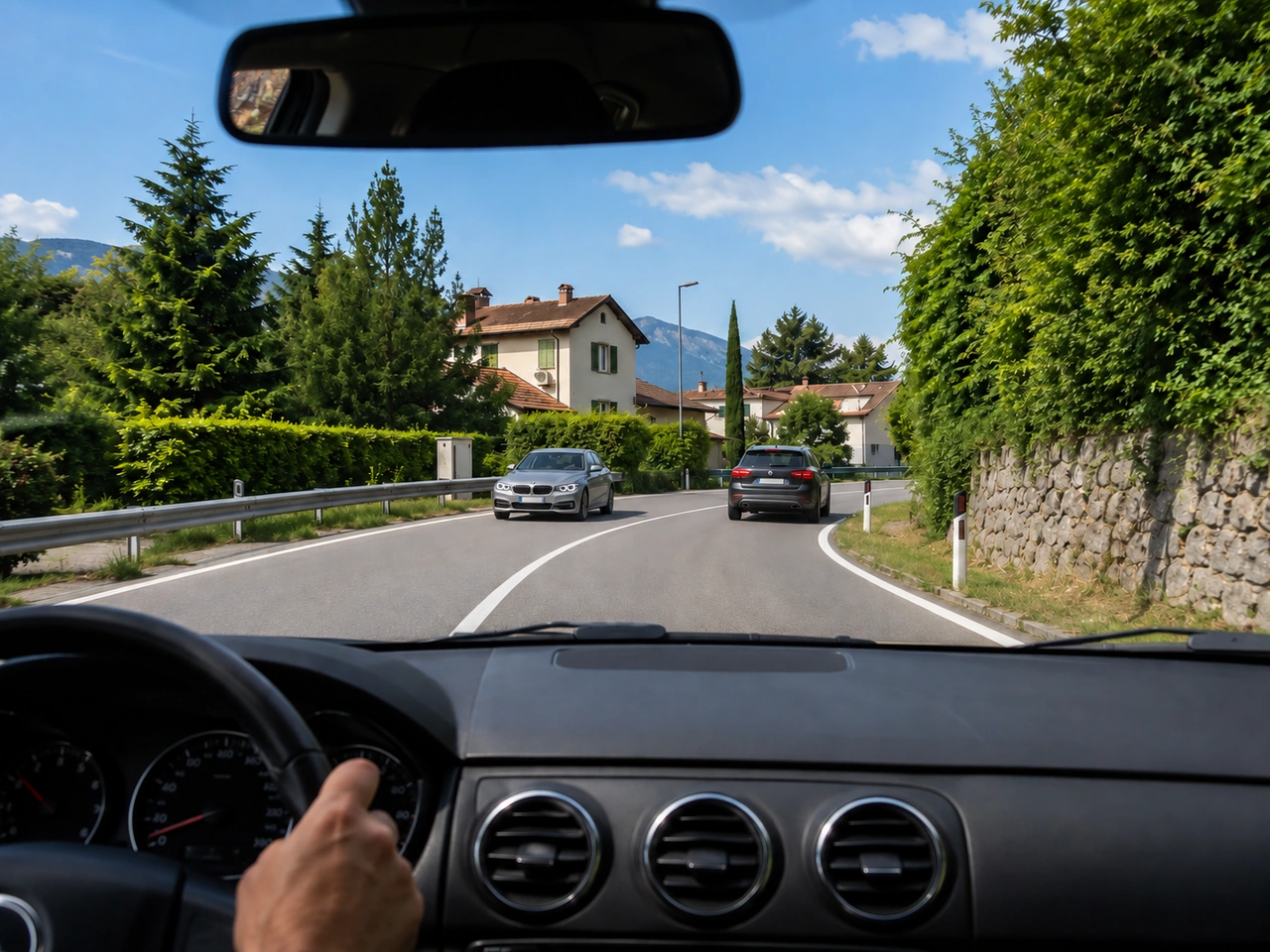
468. Why should you slow down before a sharp bend?
Sharp bends reduce your view and can make the vehicle harder to control, so you should slow down before entering the bend.
AI-generated by Rijbewijs-online.be • WCIT • CC BY-SA
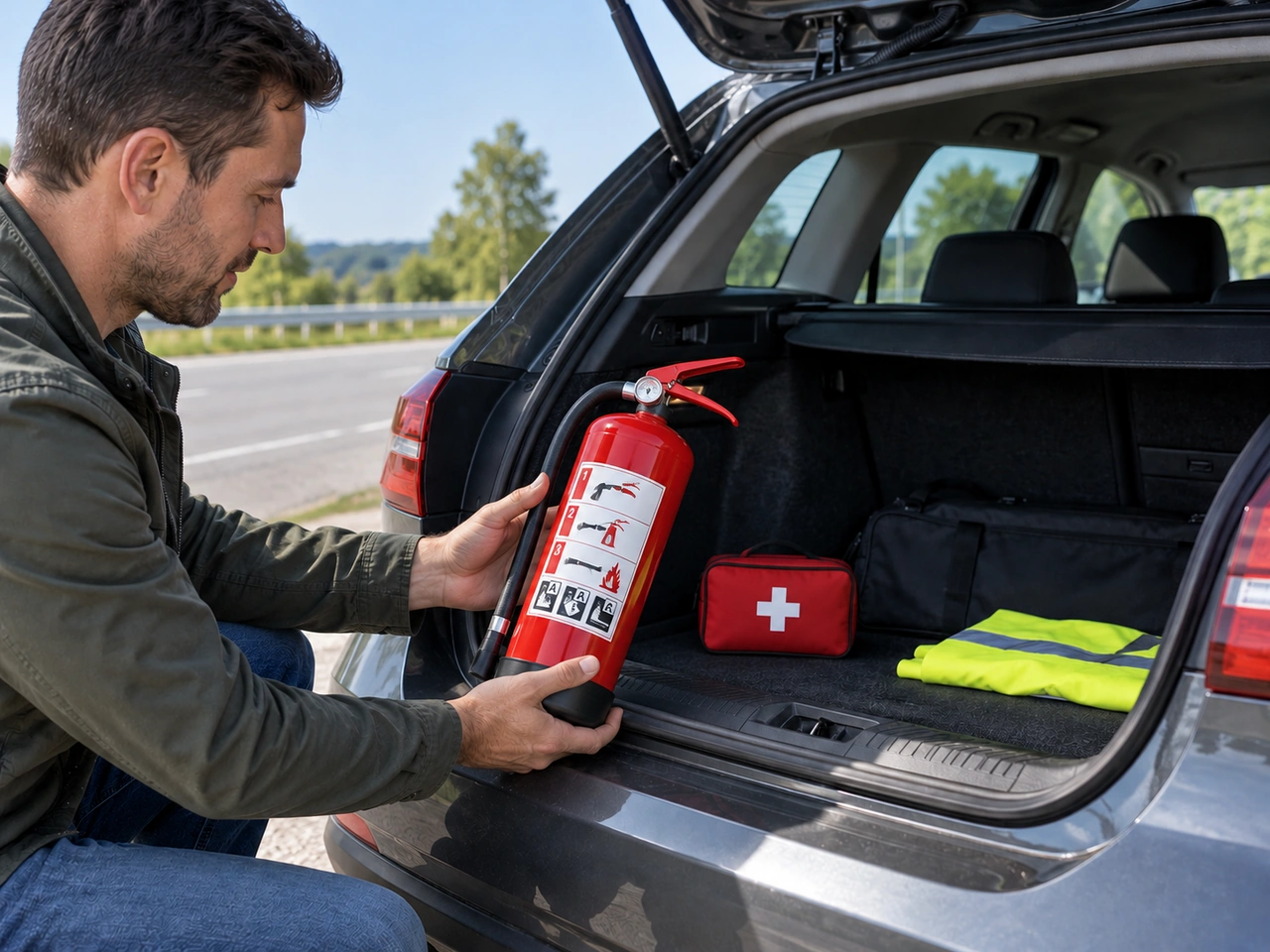
469. Is a fire extinguisher required in cars in Switzerland?
Cars in Switzerland are not generally required to carry a fire extinguisher.
AI-generated by Rijbewijs-online.be • WCIT • CC BY-SA
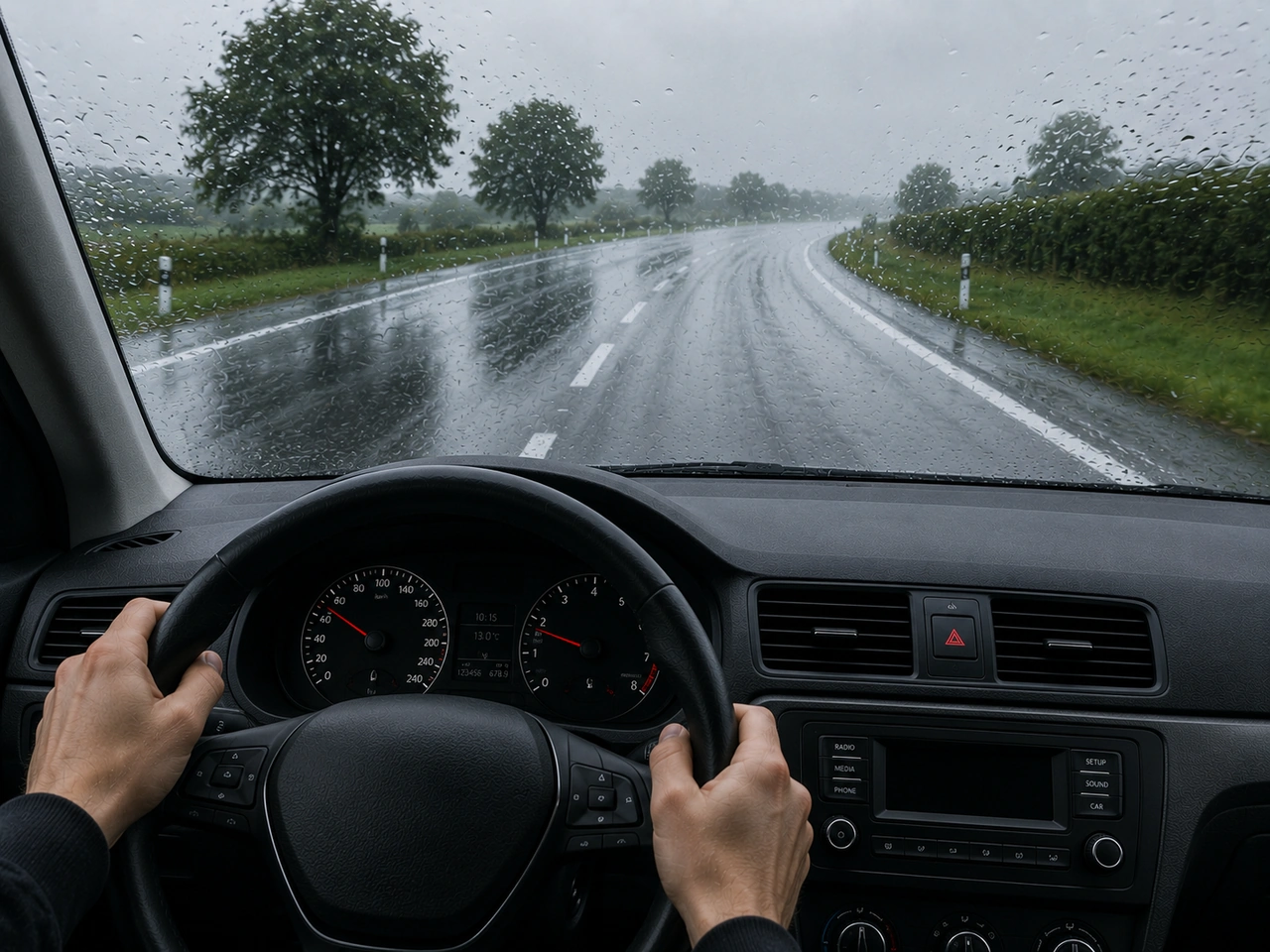
470. What should you do if your vehicle begins to aquaplane?
Aquaplaning happens when the tyres lose contact with the road surface. Ease off the accelerator, avoid sudden movements, and wait for grip to return.
AI-generated by Rijbewijs-online.be • WCIT • CC BY-SA
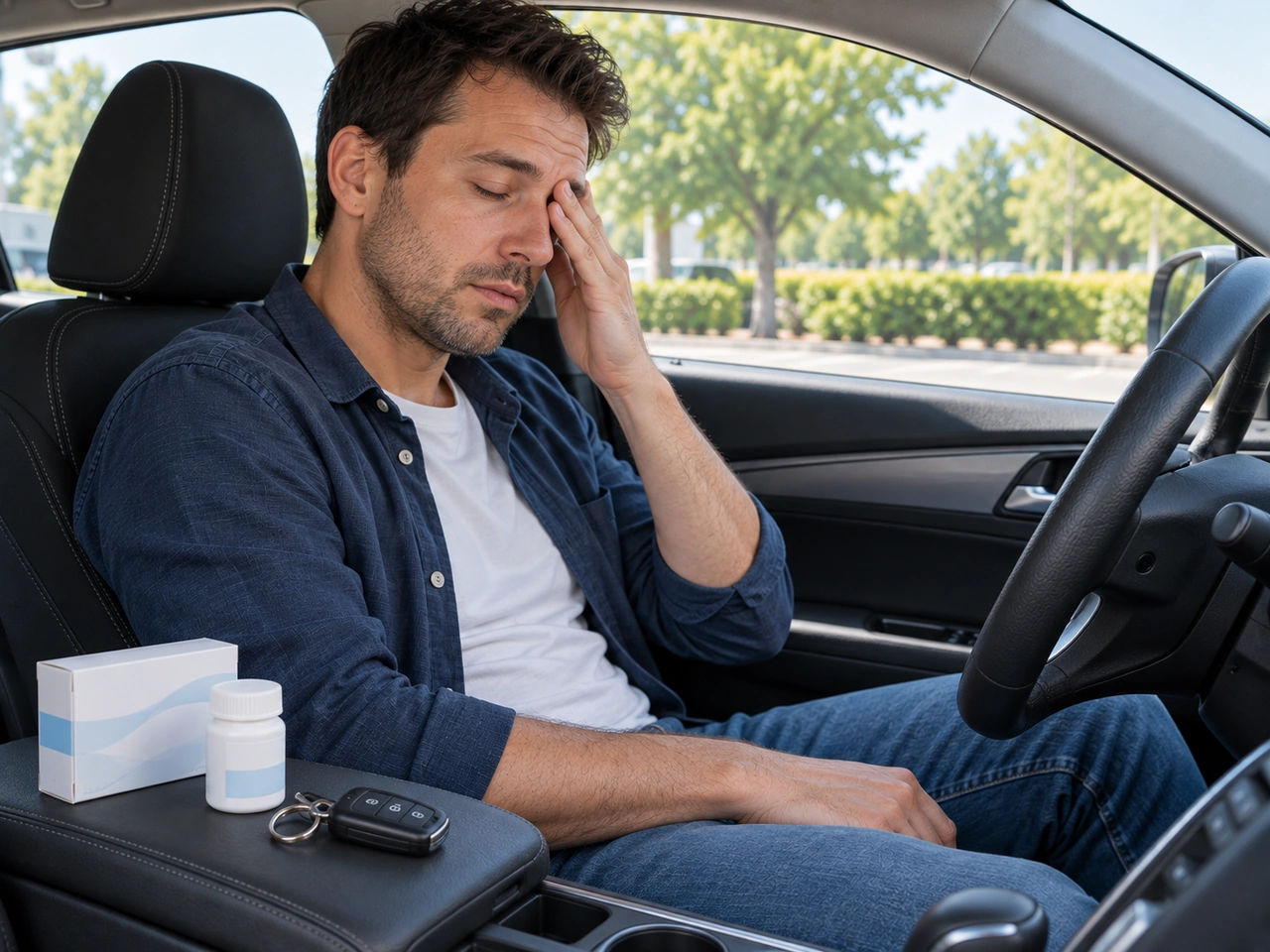
471. What should you do if medicine makes you feel drowsy?
If a medicine causes drowsiness, your concentration, judgement, and reaction time may be reduced. Do not drive until you are fit to do so and the effect has passed.
AI-generated by Rijbewijs-online.be • WCIT • CC BY-SA
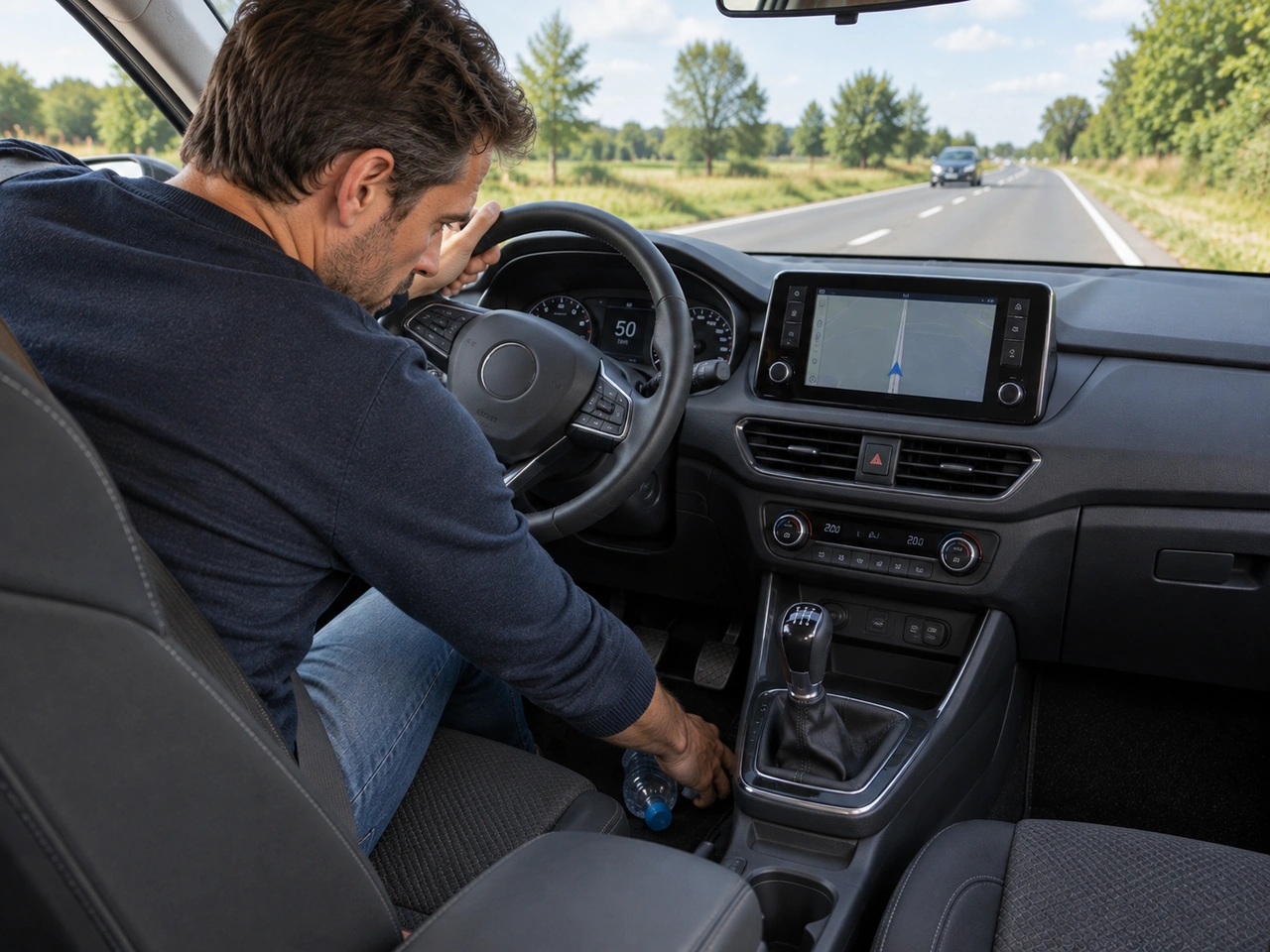
472. What should you do if an object falls into the driver's footwell while driving?
Do not reach down for an object while driving, as this takes your attention away from the road and can affect vehicle control. If something falls into the driver's footwell, keep control of the vehicle and stop somewhere safe before removing it.
AI-generated by Rijbewijs-online.be • WCIT • CC BY-SA

473. What should you do if a friend who has been drinking wants to drive?
Preventing an impaired person from driving can protect them, their passengers, and other road users. Arrange a sober driver, taxi, public transport, or accommodation.
AI-generated by Rijbewijs-online.be • WCIT • CC BY-SA
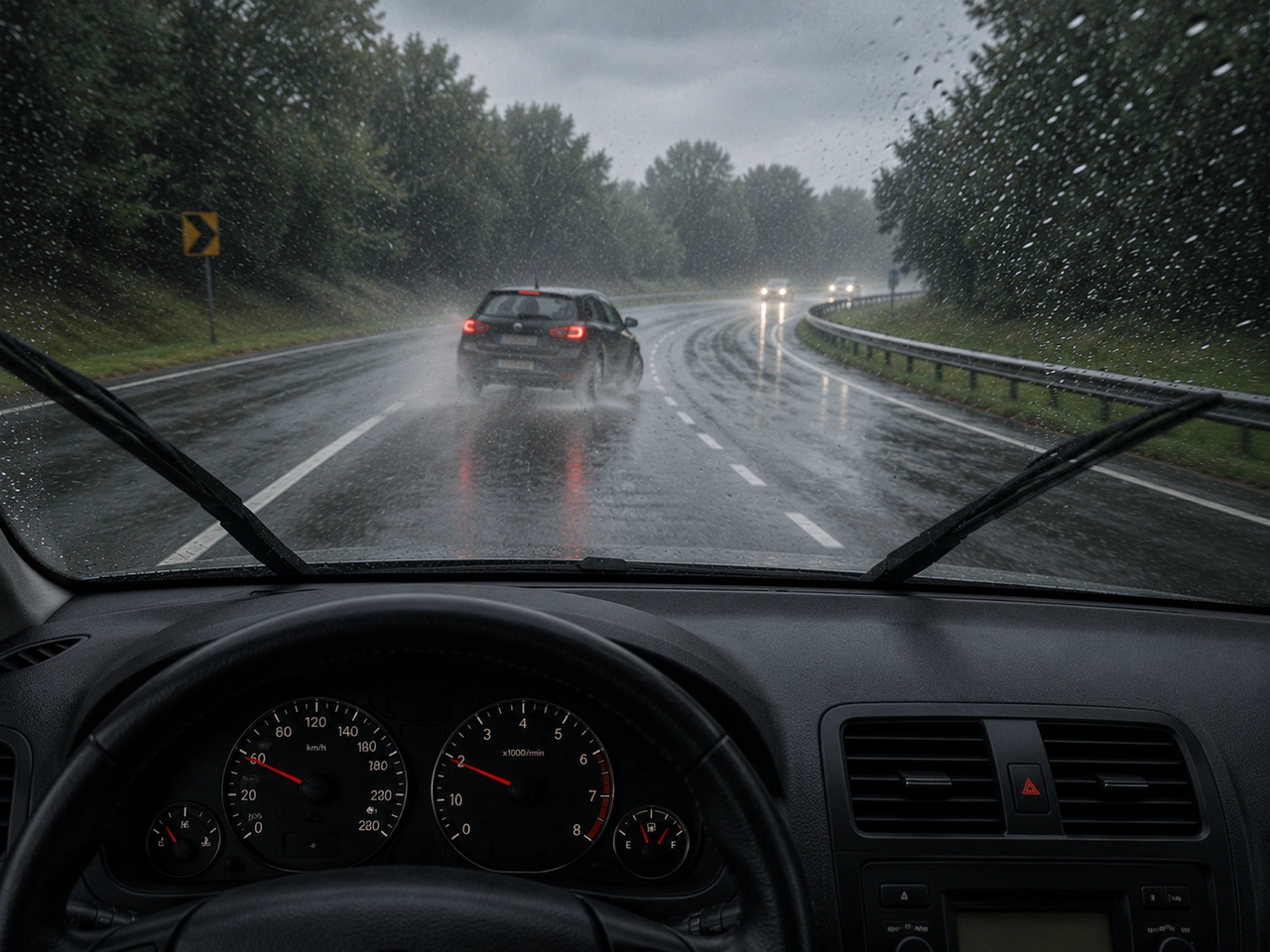
474. What should you avoid if your vehicle loses grip on a wet road?
Abrupt inputs can upset the vehicle further. Smooth control gives the tyres a better chance to regain grip.
AI-generated by Rijbewijs-online.be • WCIT • CC BY-SA
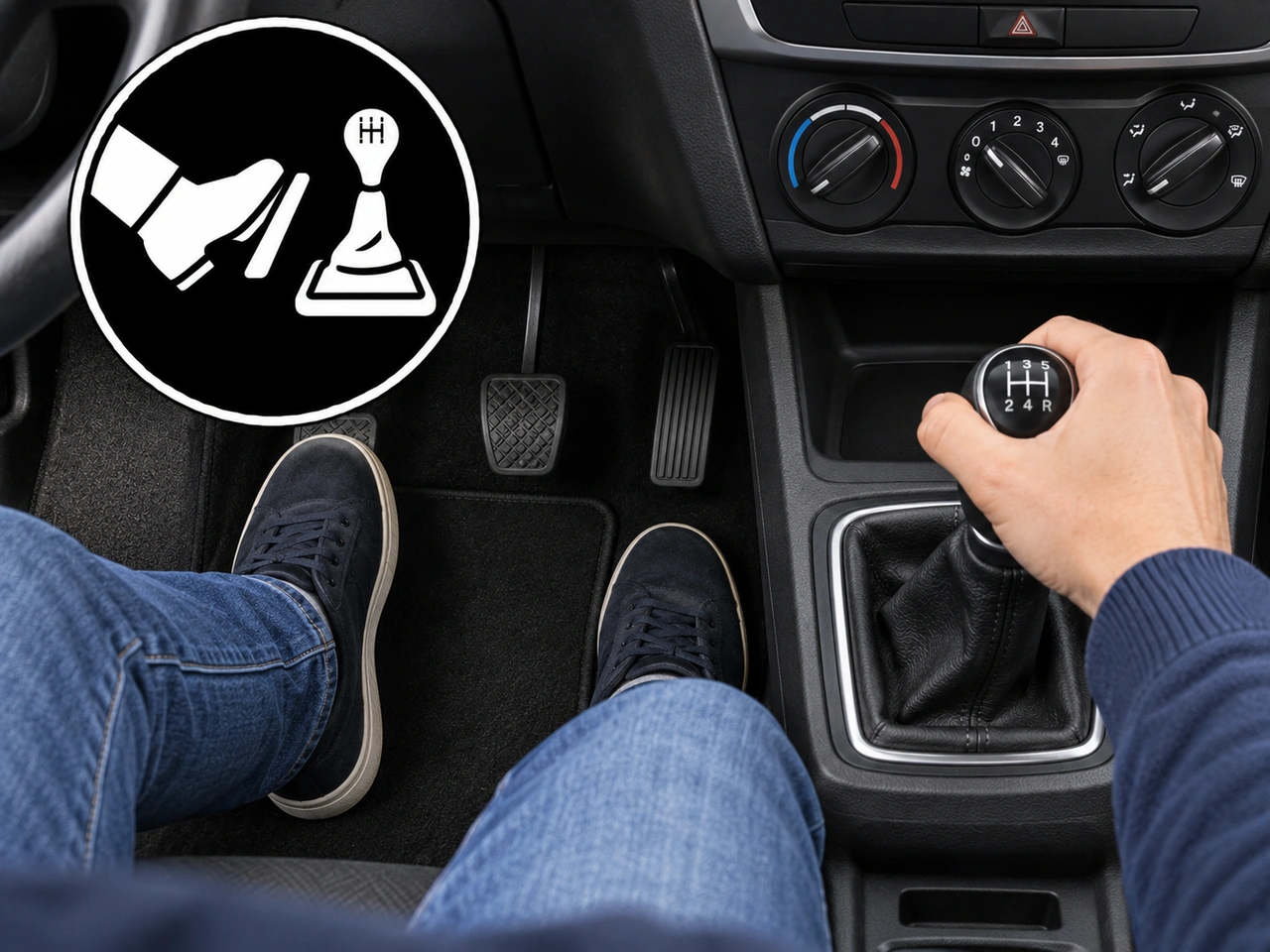
475. What should you normally do before changing gear in a manual vehicle?
Pressing the clutch pedal disconnects the engine from the transmission so that another gear can be selected. After changing gear, the clutch should be released smoothly.
AI-generated by Rijbewijs-online.be • WCIT • CC BY-SA
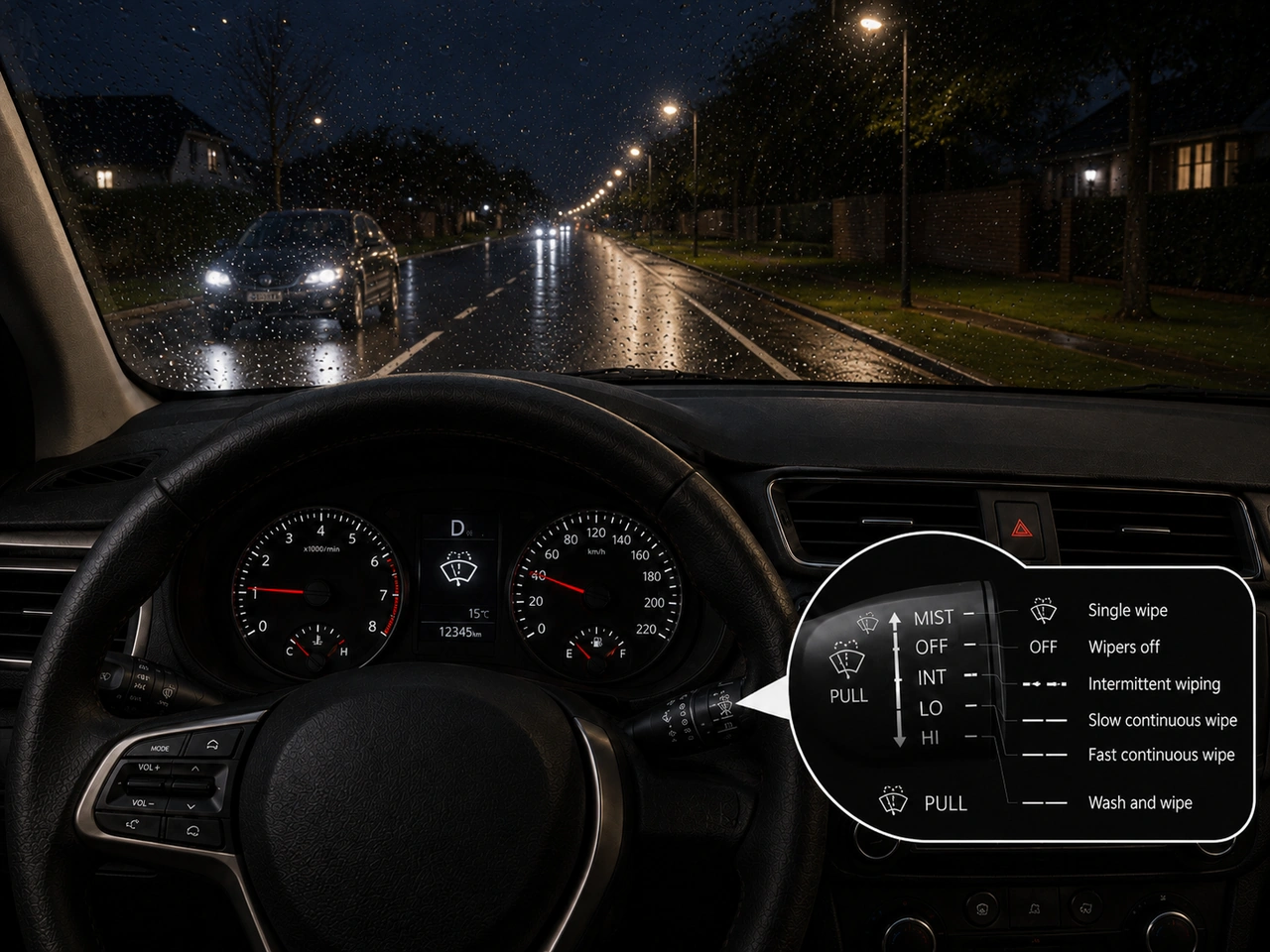
476. What should you do if the windscreen wipers stop working during heavy rain?
Do not continue when you cannot see clearly. Slow down smoothly and stop somewhere protected from traffic.
AI-generated by Rijbewijs-online.be • WCIT • CC BY-SA
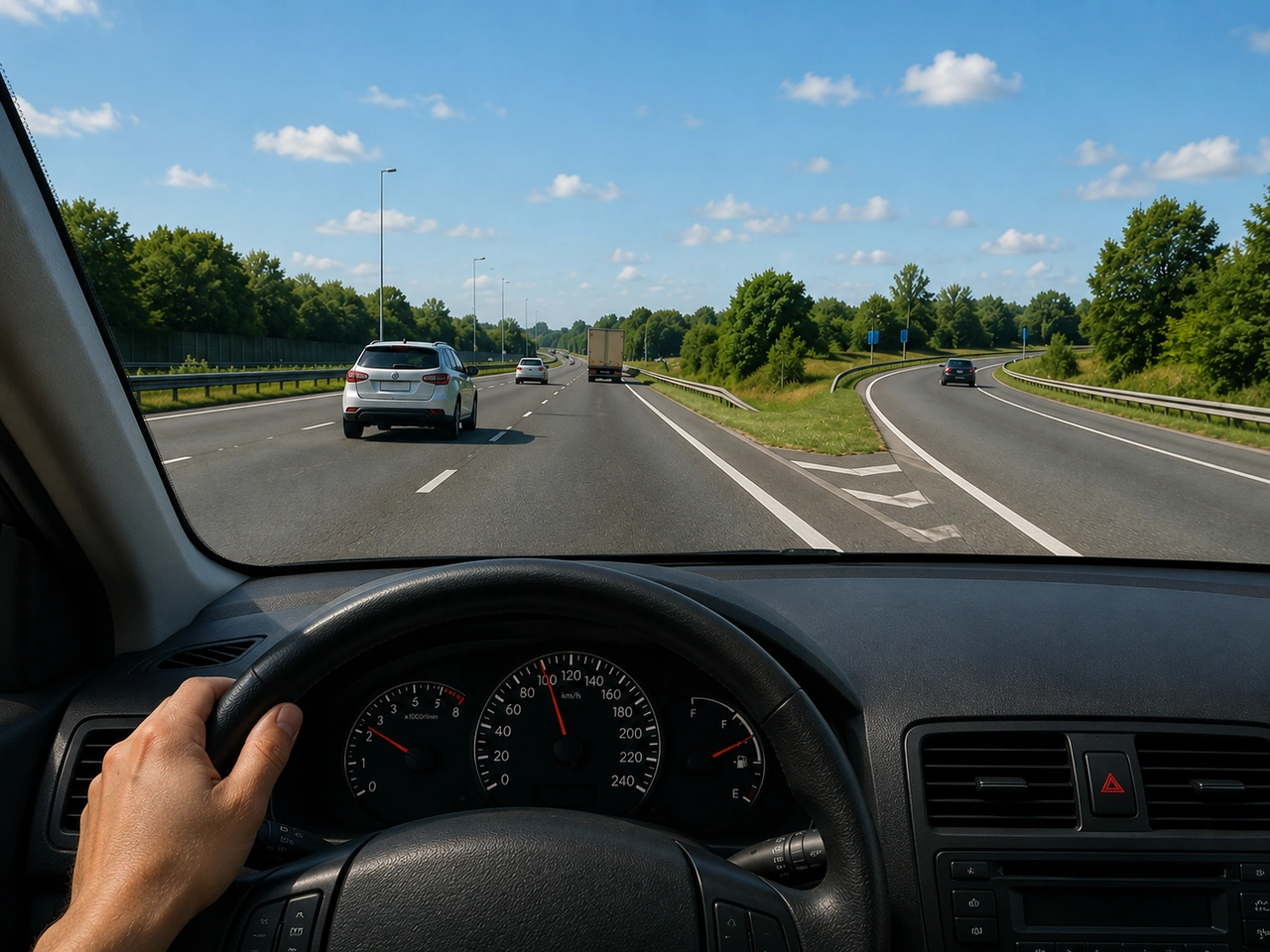
477. What should you do if you miss your motorway exit?
Never reverse or make a sudden manoeuvre. Continue safely and change your route at the next suitable exit.
AI-generated by Rijbewijs-online.be • WCIT • CC BY-SA
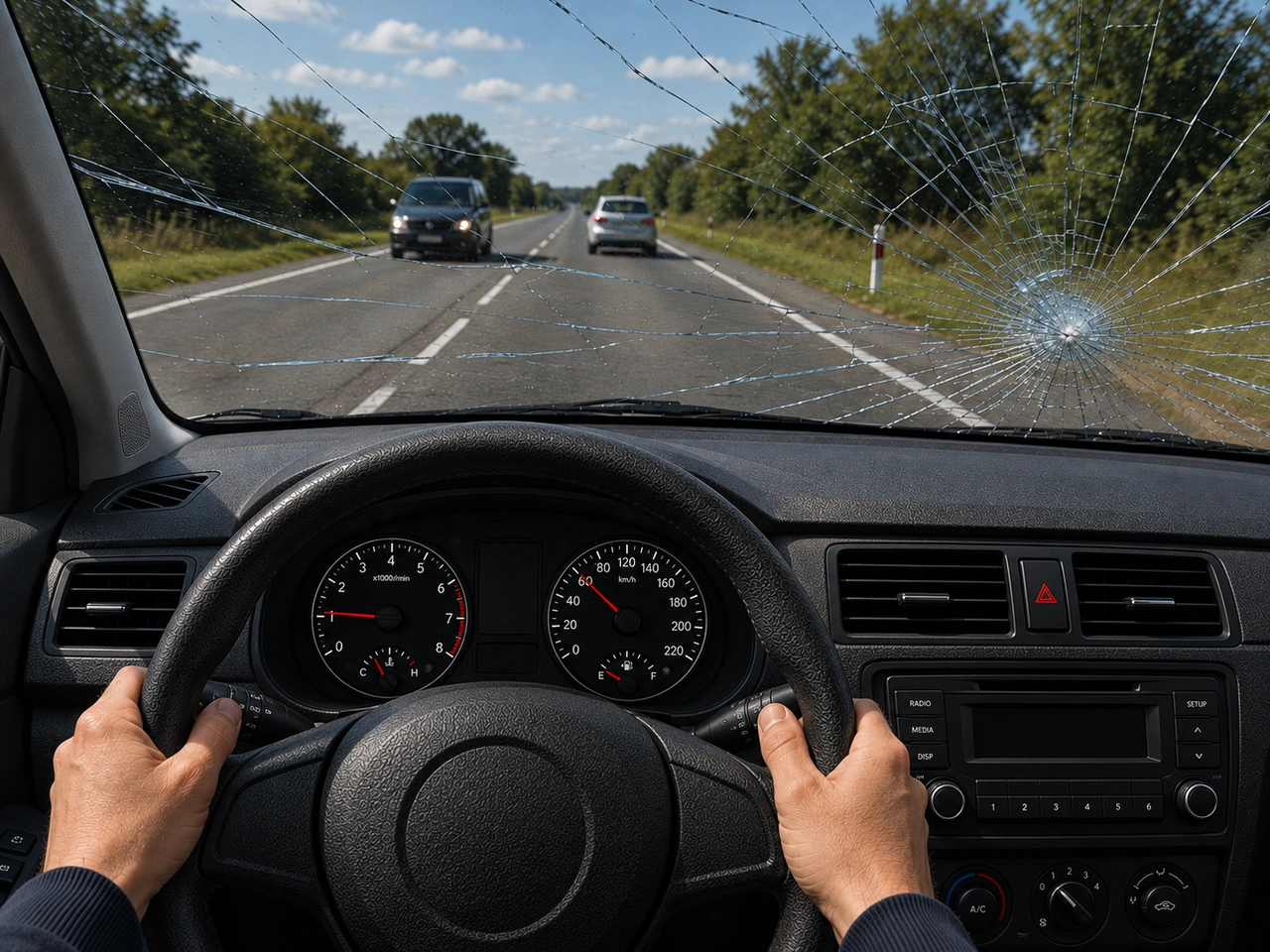
478. What should you do if the windscreen becomes damaged while driving?
Severe damage can obstruct your view and weaken the glass. Do not continue if you cannot see the road clearly.
AI-generated by Rijbewijs-online.be • WCIT • CC BY-SA
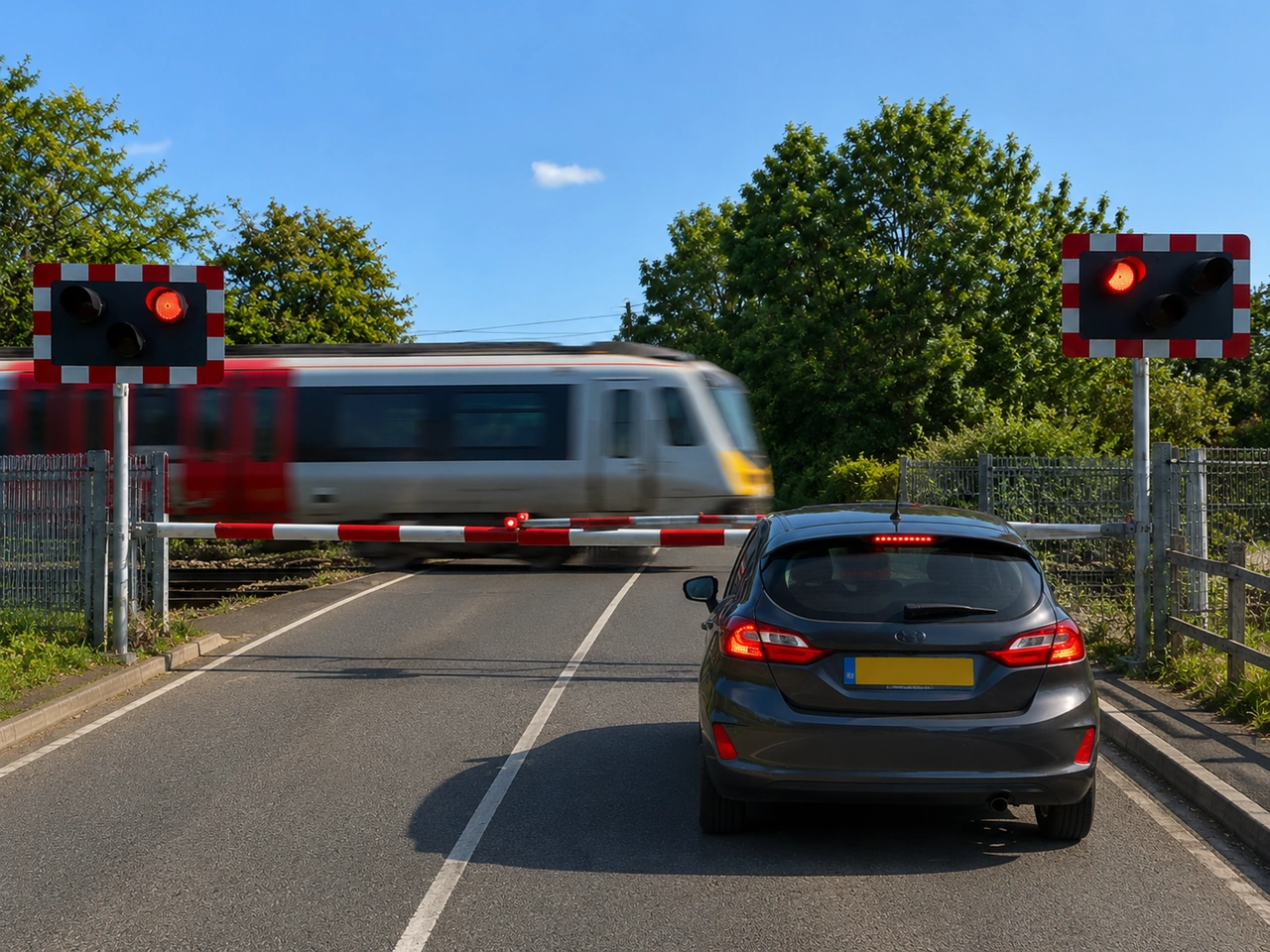
479. What should you do at a railway crossing when the barriers are closing?
Never enter a railway crossing when barriers are closing or warning signals are active. Stop and wait until it is safe.
AI-generated by Rijbewijs-online.be • WCIT • CC BY-SA
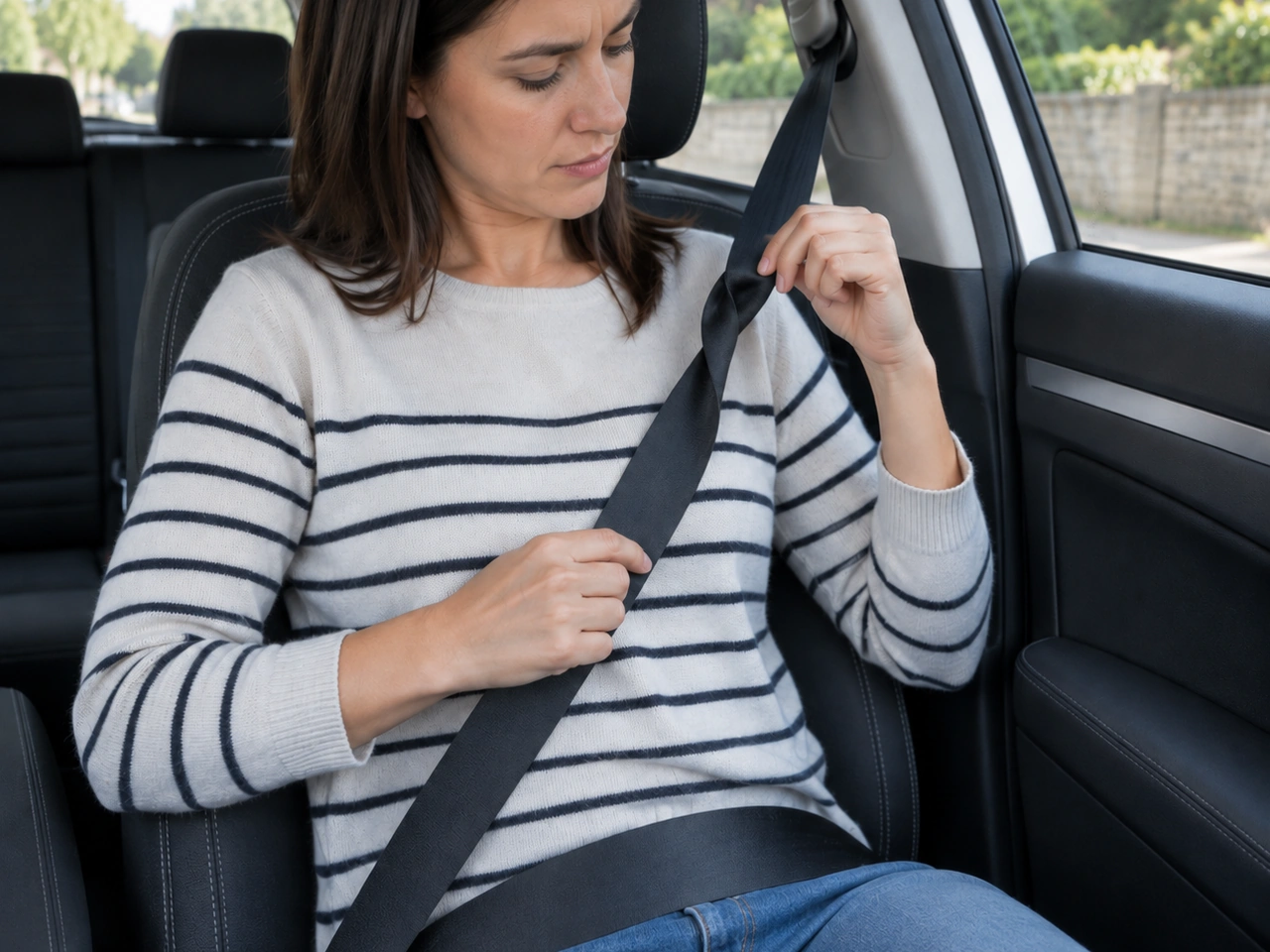
480. Why should a seat belt not be twisted when worn?
A seat belt should lie flat against the body without twists. A twisted belt concentrates force over a smaller area and may provide less effective protection in a collision.
AI-generated by Rijbewijs-online.be • WCIT • CC BY-SA
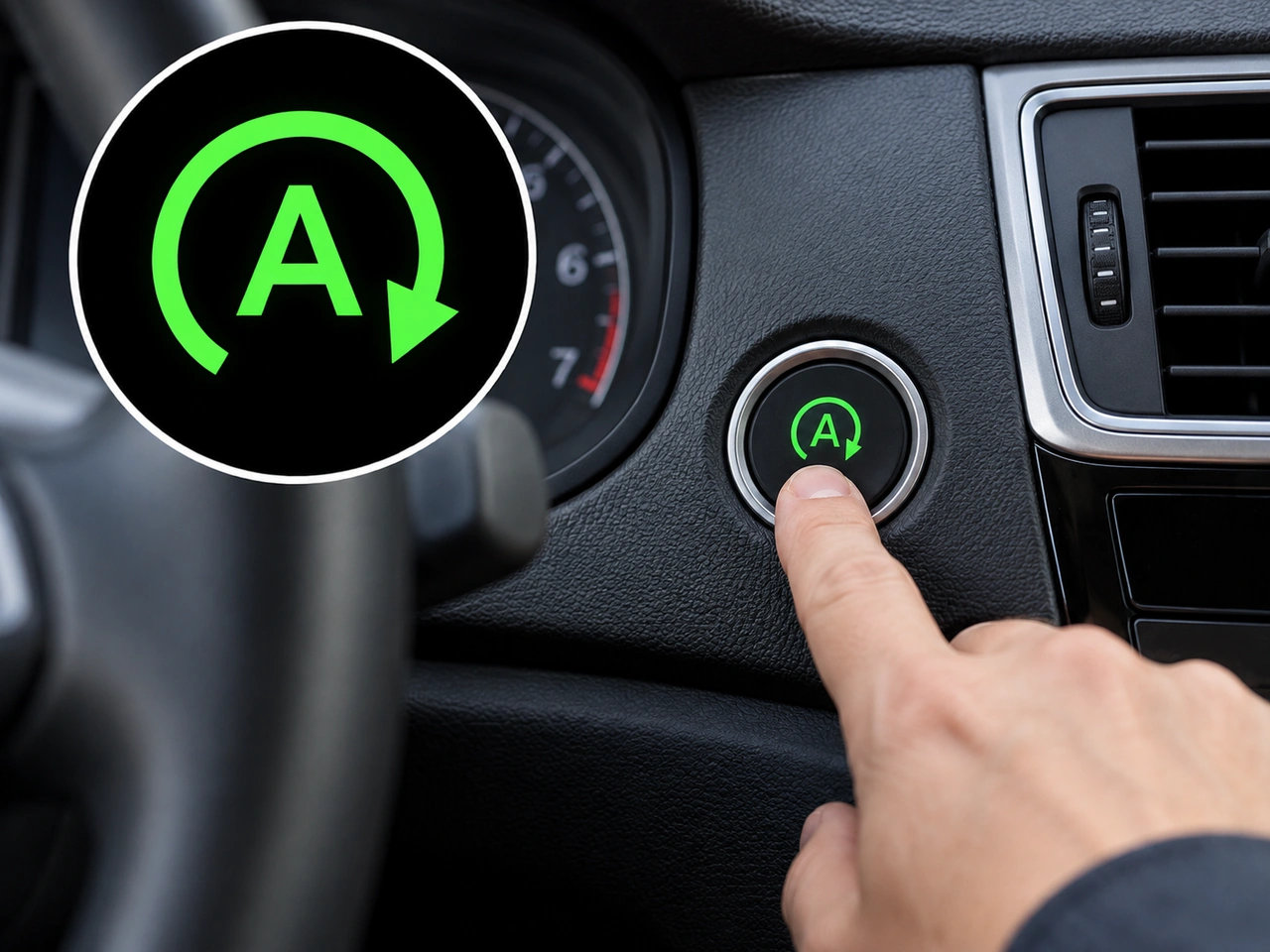
481. What does this dashboard symbol indicate?
This symbol relates to the automatic start-stop system, which can switch the engine off temporarily while the vehicle is stationary and restart it when driving resumes. The exact colour and appearance may vary between vehicles.
AI-generated by Rijbewijs-online.be • WCIT • CC BY-SA
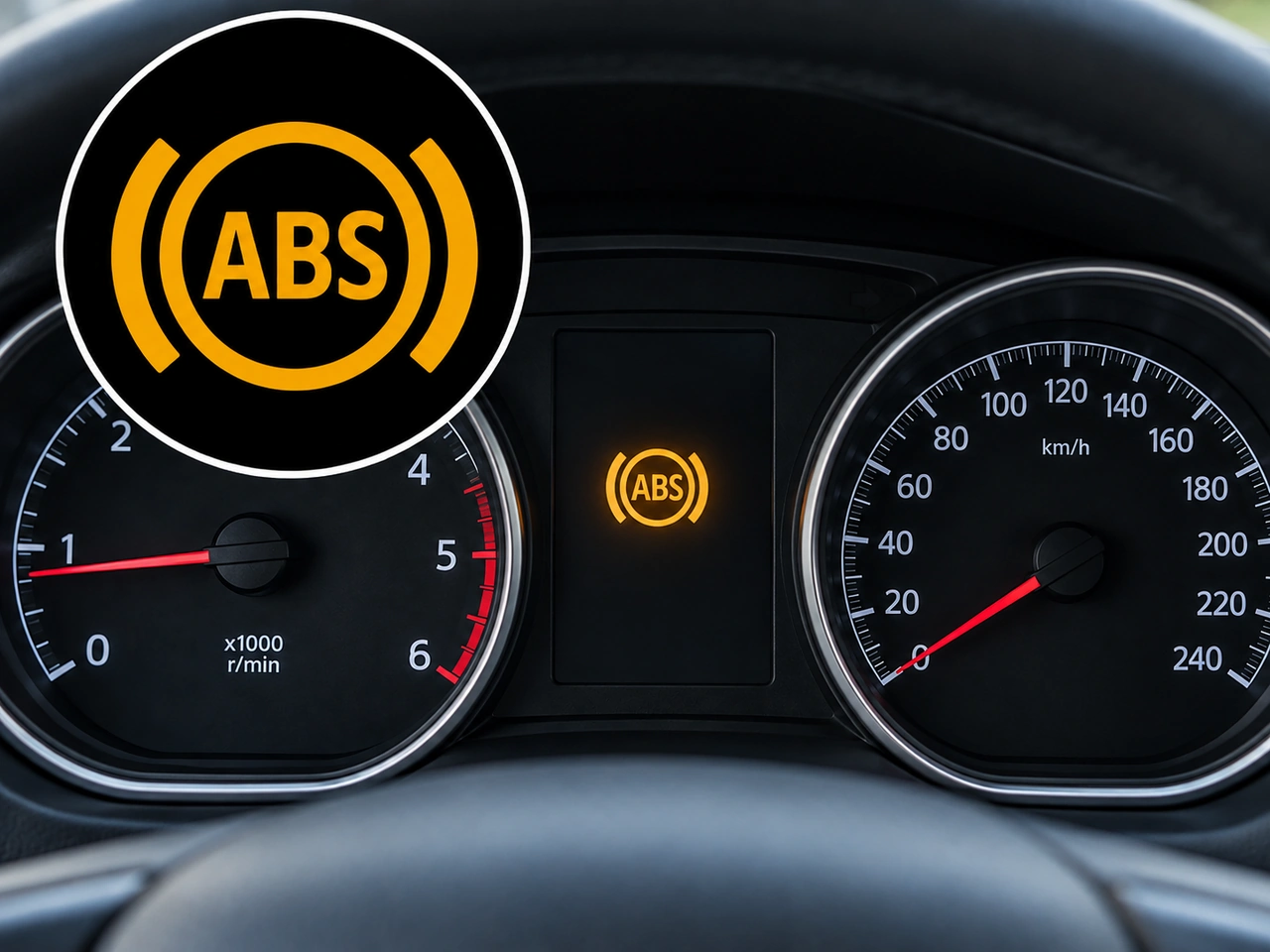
482. What does this dashboard symbol indicate?
This symbol indicates a possible fault with the anti-lock braking system (ABS). Normal braking may still be available, but ABS may not operate during heavy braking, so the system should be checked.
AI-generated by Rijbewijs-online.be • WCIT • CC BY-SA
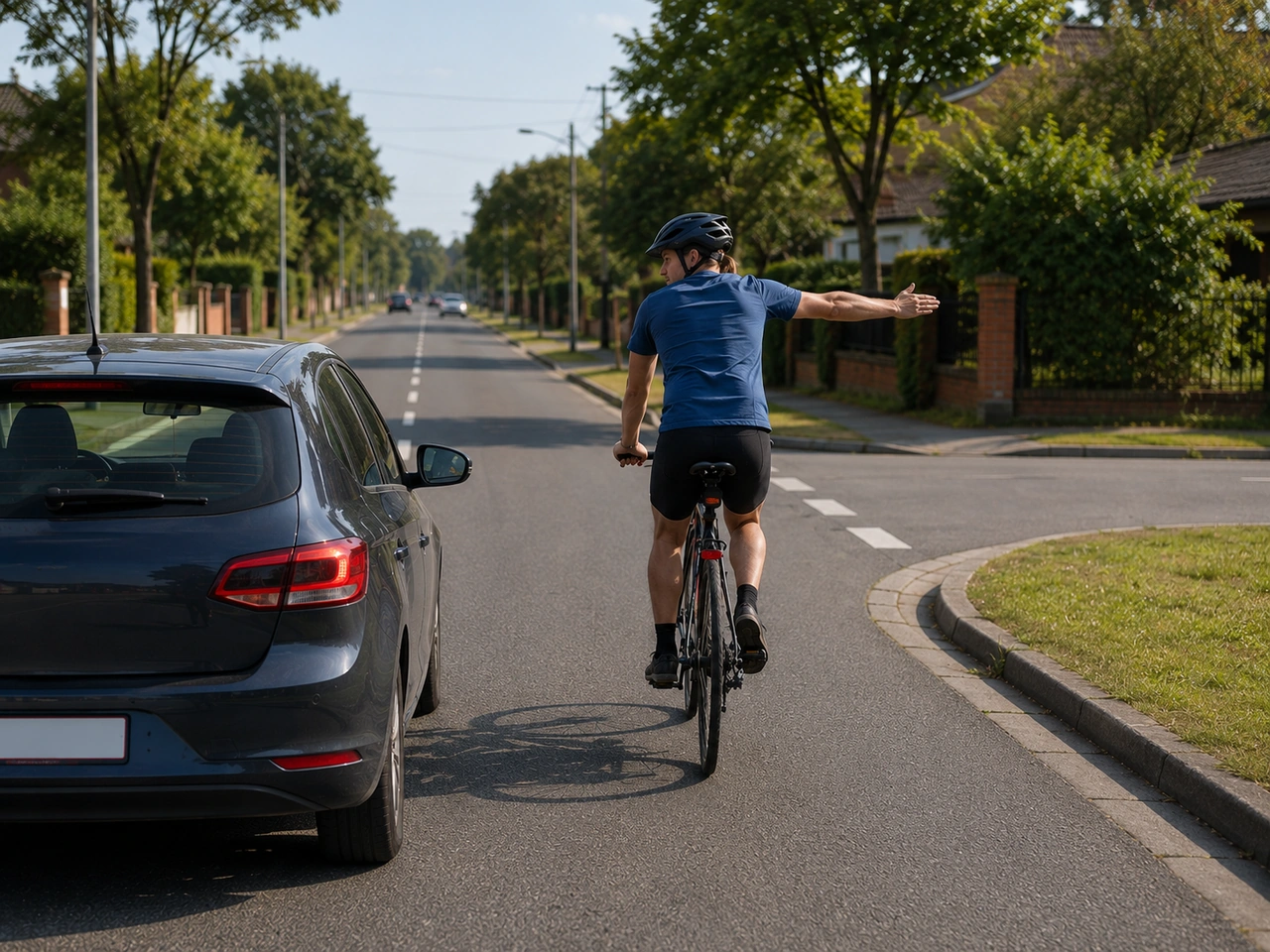
483. What should cyclists do before turning or changing position on the road?
Checking behind and signalling gives other road users time to understand what you intend to do.
AI-generated by Rijbewijs-online.be • WCIT • CC BY-SA
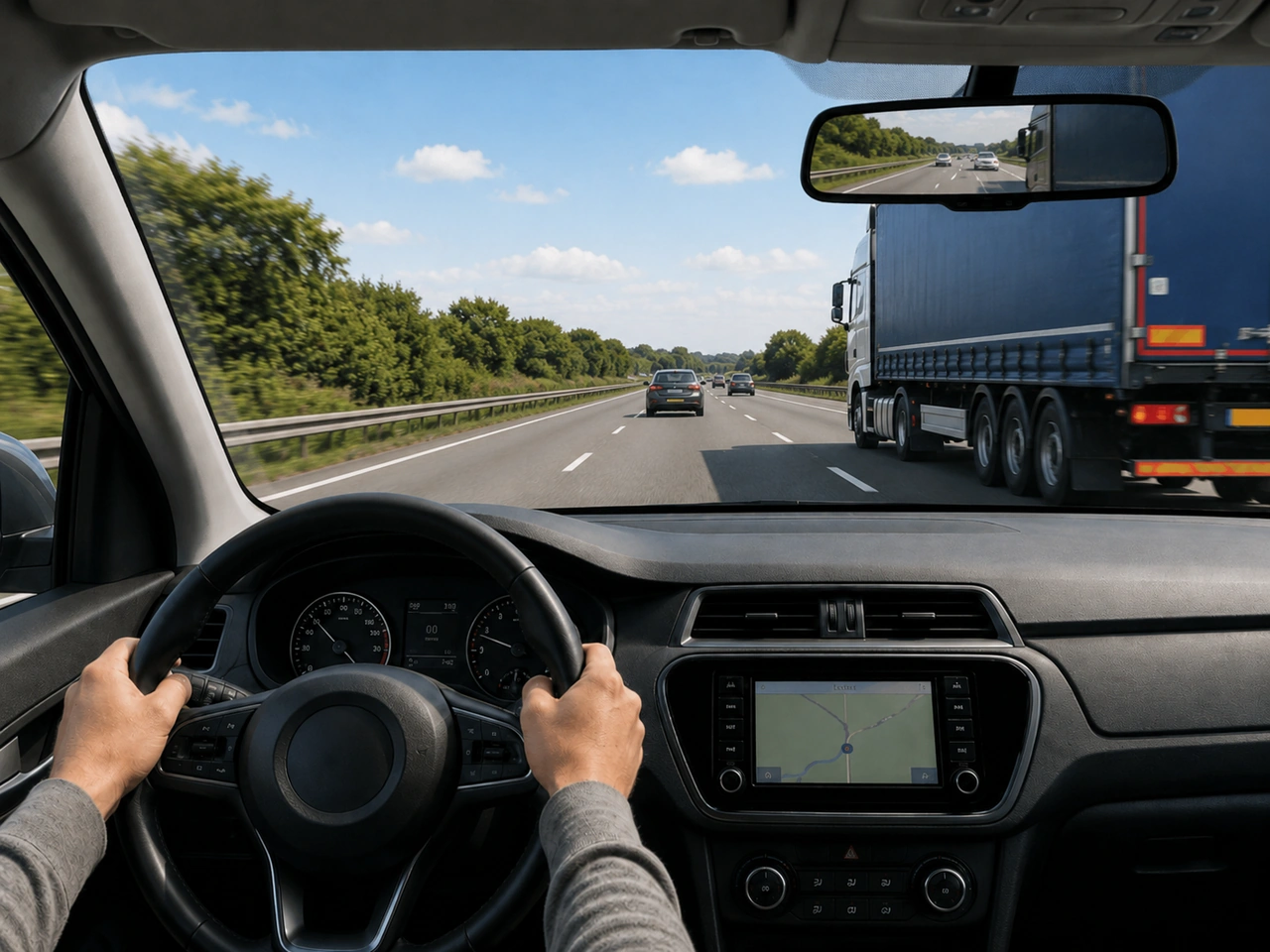
484. It is safer to drive faster than the speed limit when overtaking.
You must still drive safely and obey traffic laws. Speeding increases risk and is not automatically justified by overtaking.
AI-generated by Rijbewijs-online.be • WCIT • CC BY-SA
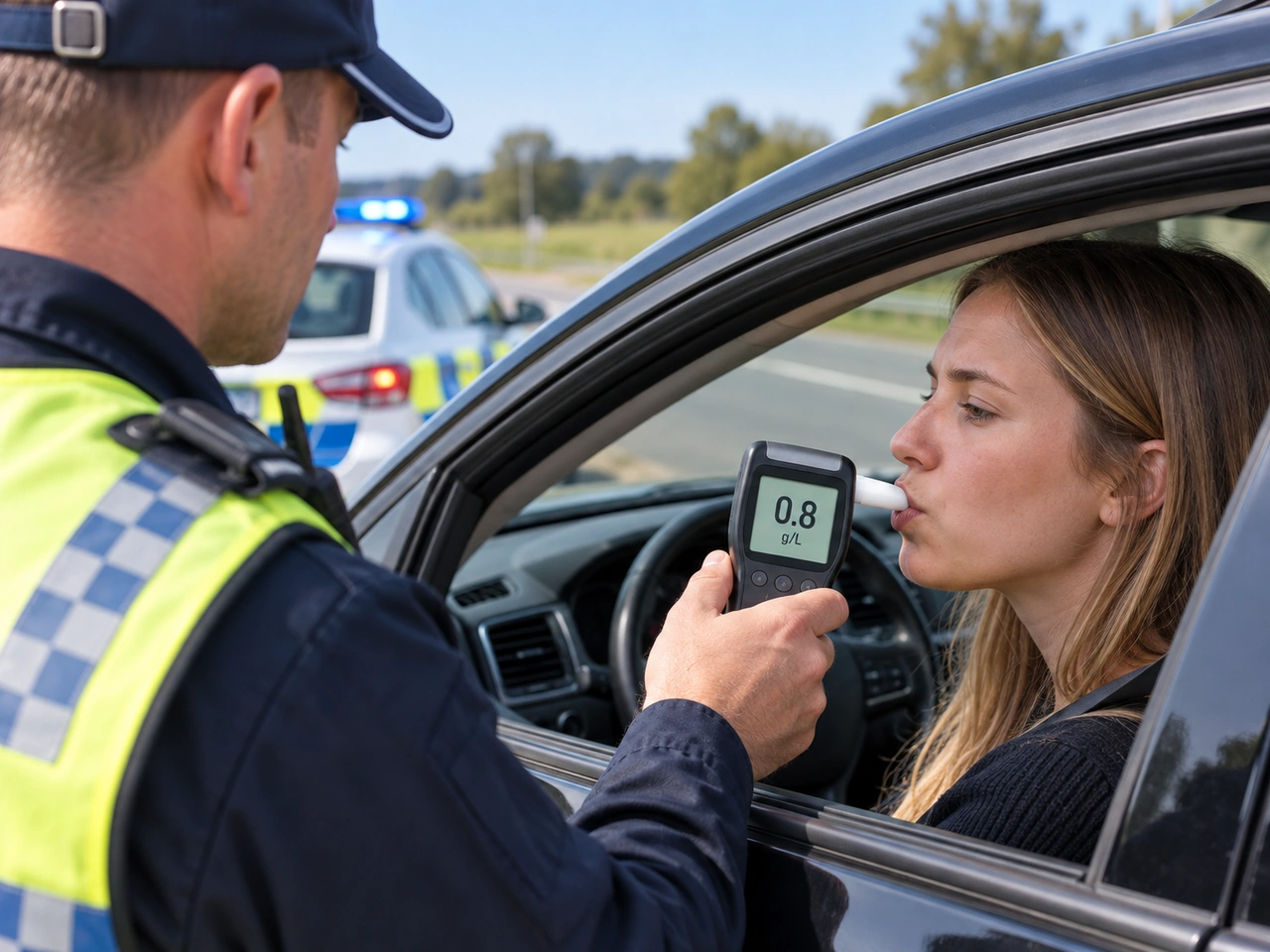
485. What is the legal blood alcohol limit for ordinary drivers in Switzerland?
The legal blood alcohol limit for ordinary drivers in Switzerland is 0.5 g/L.
AI-generated by Rijbewijs-online.be • WCIT • CC BY-SA
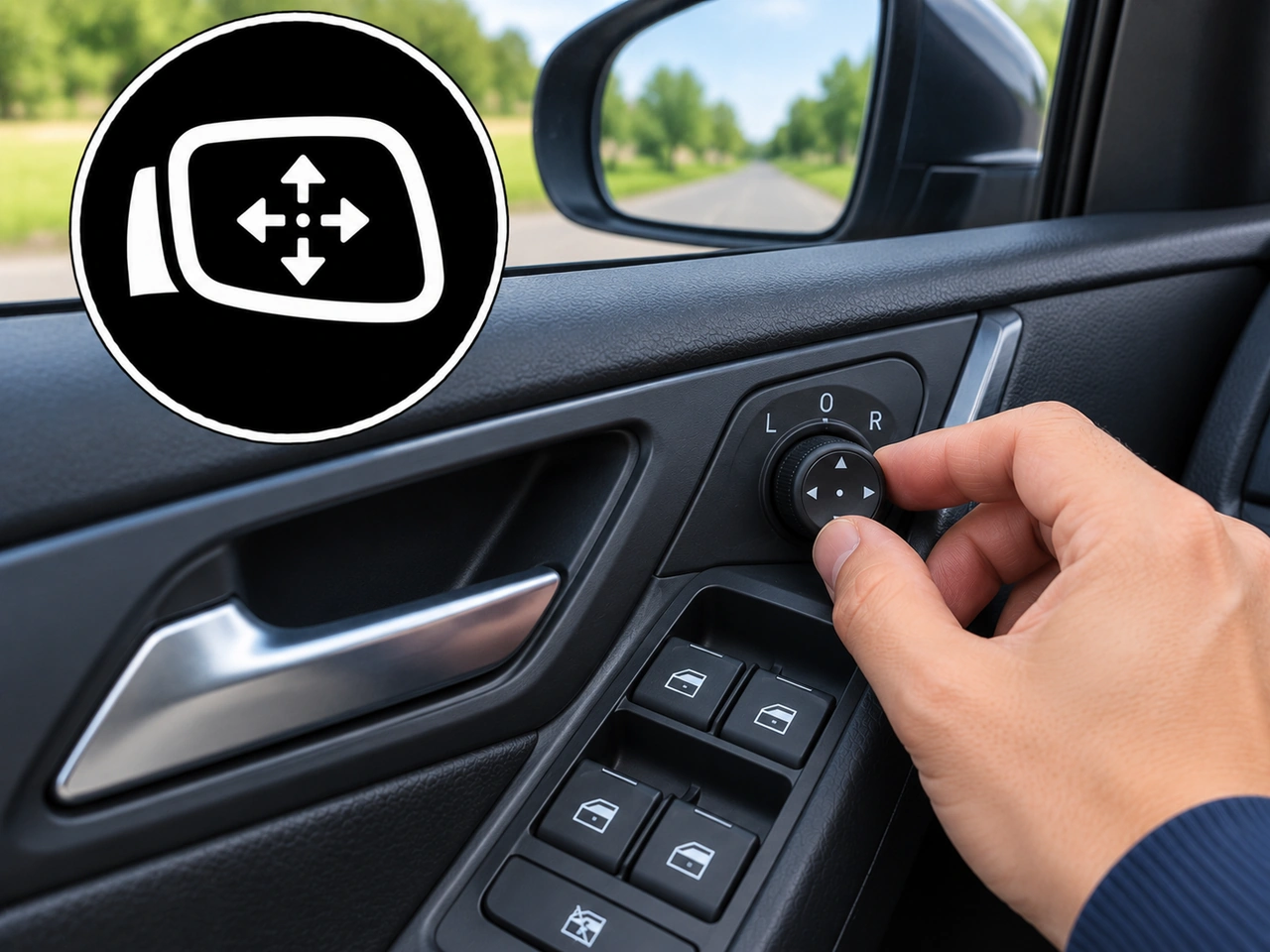
486. What does this vehicle-control symbol indicate?
This control adjusts the vehicle's exterior mirrors. The driver normally selects the left or right mirror and then moves the control to change its angle.
AI-generated by Rijbewijs-online.be • WCIT • CC BY-SA
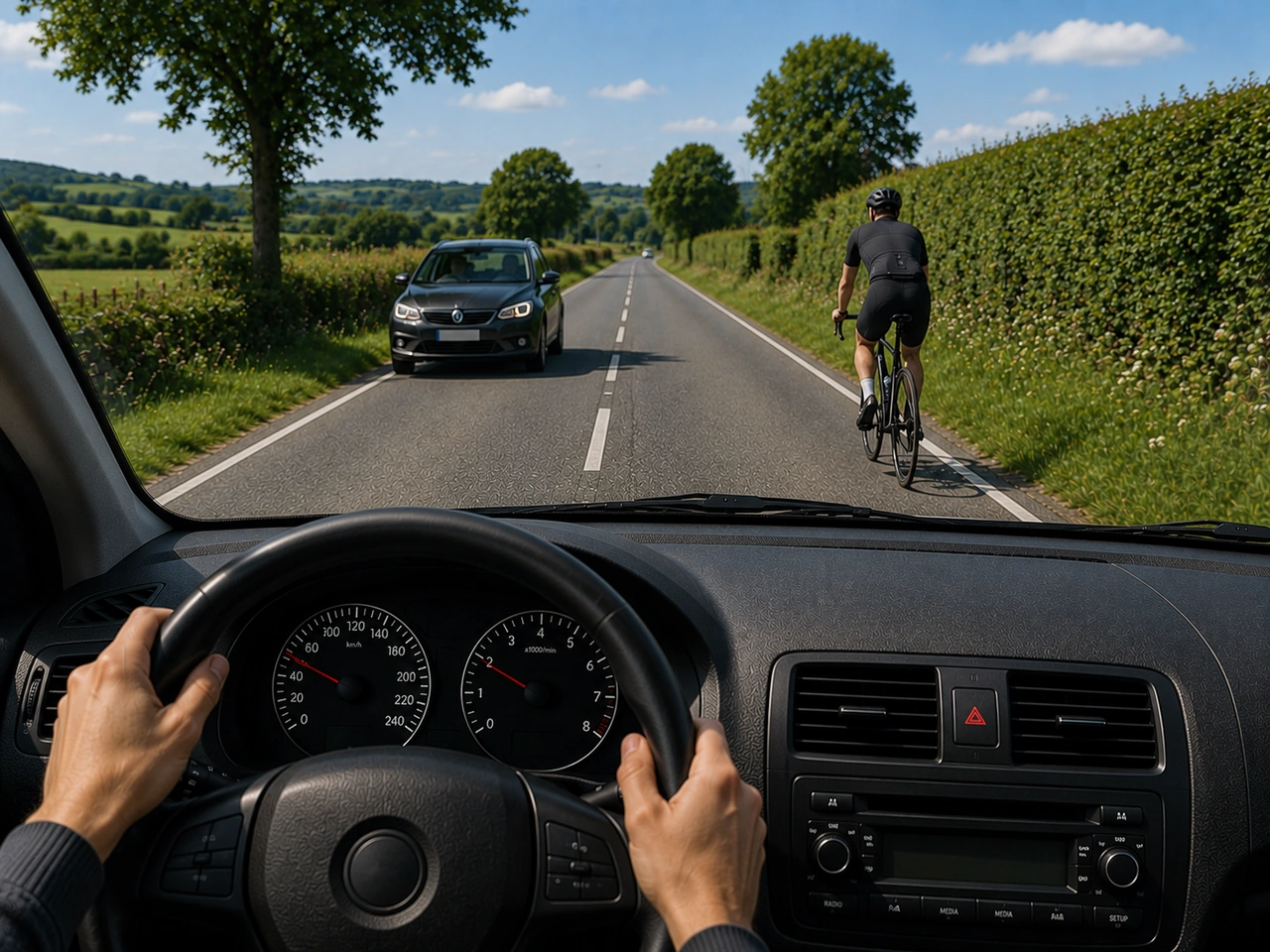
487. What should you do when following a cyclist on a narrow road?
Cyclists may need to avoid potholes, drains, or wind gusts. Keep distance and only pass when you can leave plenty of space.
AI-generated by Rijbewijs-online.be • WCIT • CC BY-SA
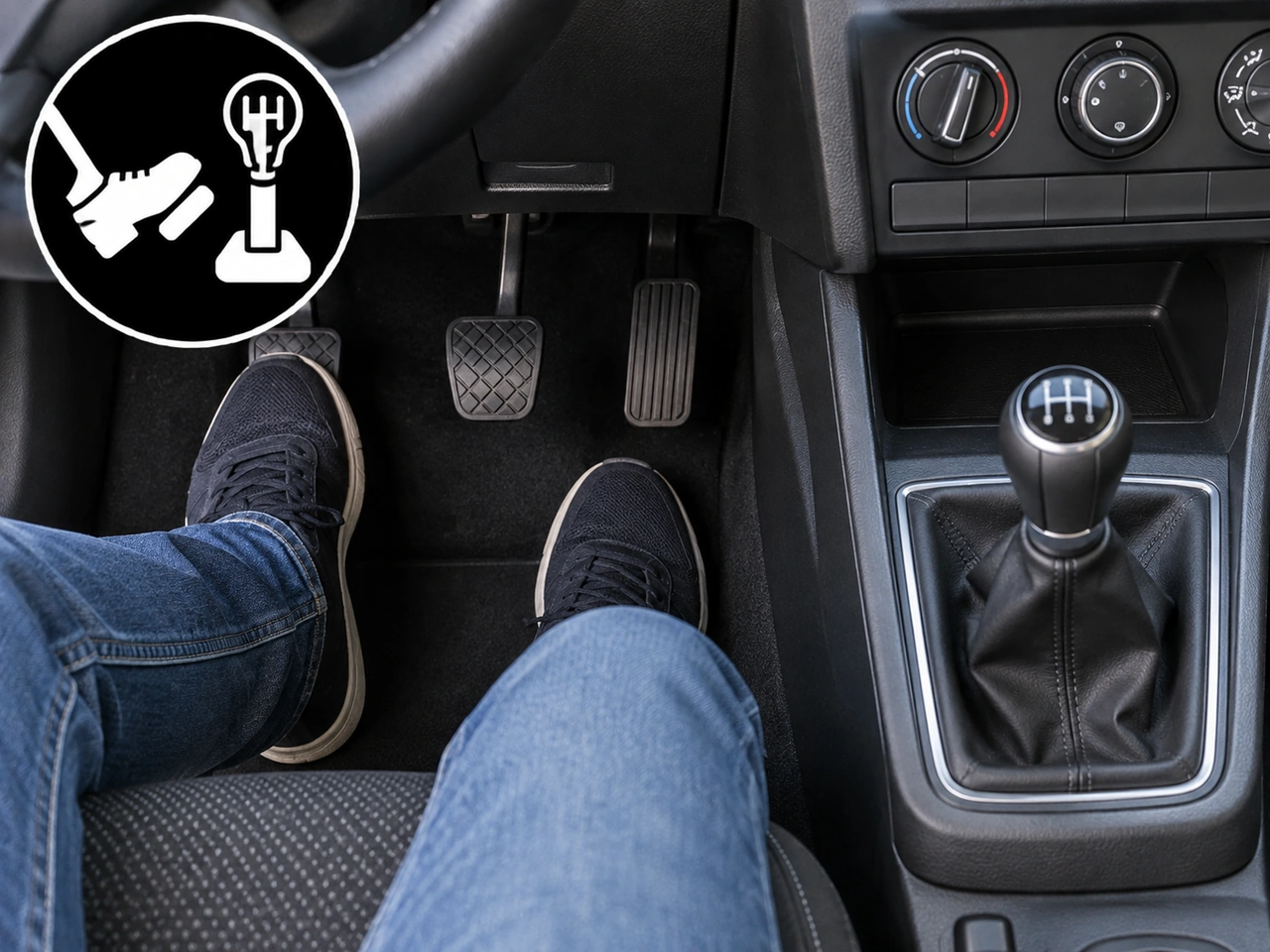
488. What should you check before starting a manual vehicle?
Before starting a manual vehicle, make sure the gearbox is in neutral and press the clutch pedal. This helps prevent the vehicle from moving unexpectedly when the engine starts.
AI-generated by Rijbewijs-online.be • WCIT • CC BY-SA
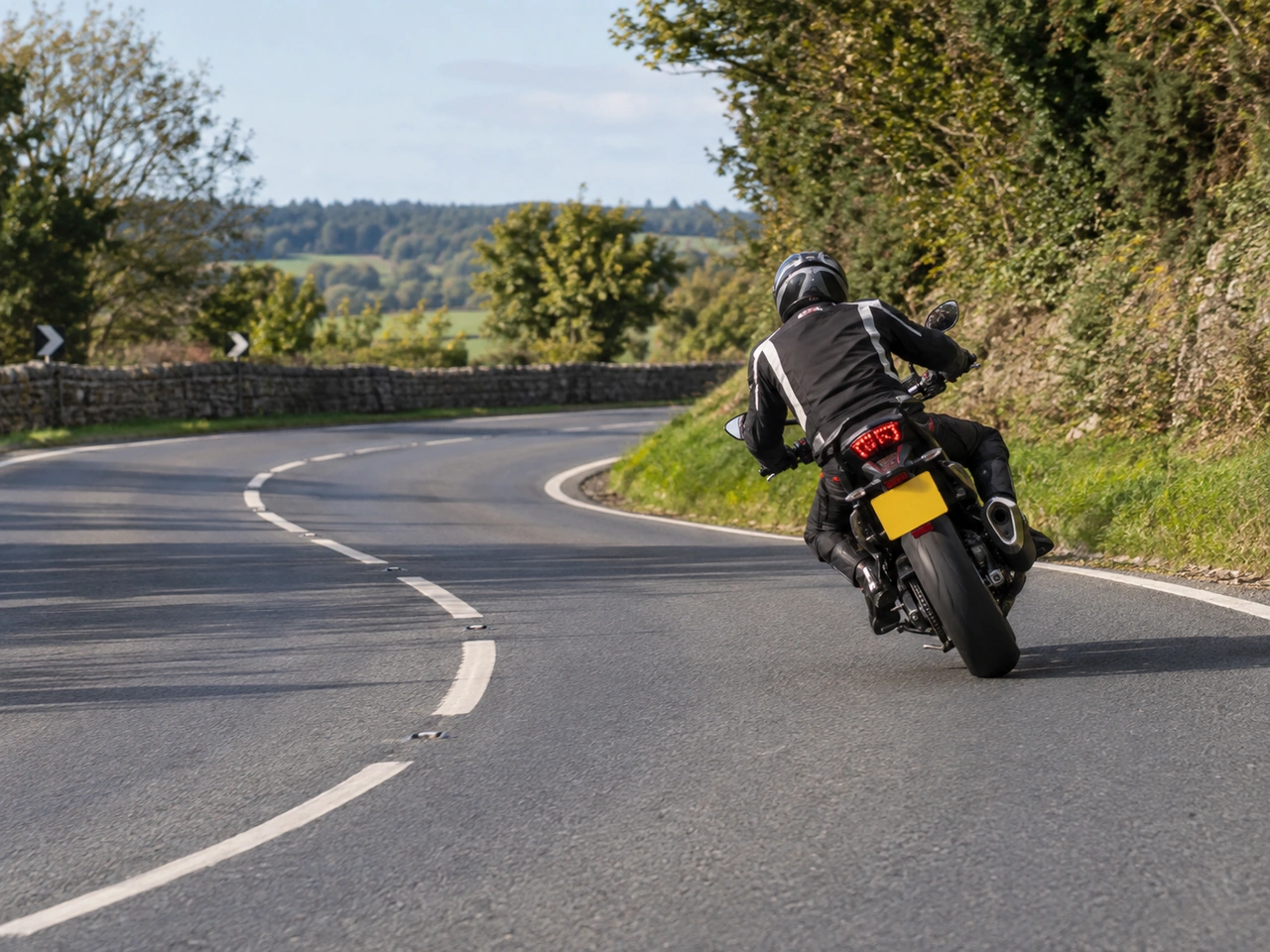
489. Why should hard braking be avoided while a motorcycle is leaning in a bend?
When a motorcycle is leaning, the tyres are already using grip to turn. Hard braking can demand additional grip and may reduce stability. Whenever possible, adjust speed before the bend and use smooth, controlled inputs while cornering.
AI-generated by Rijbewijs-online.be • WCIT • CC BY-SA
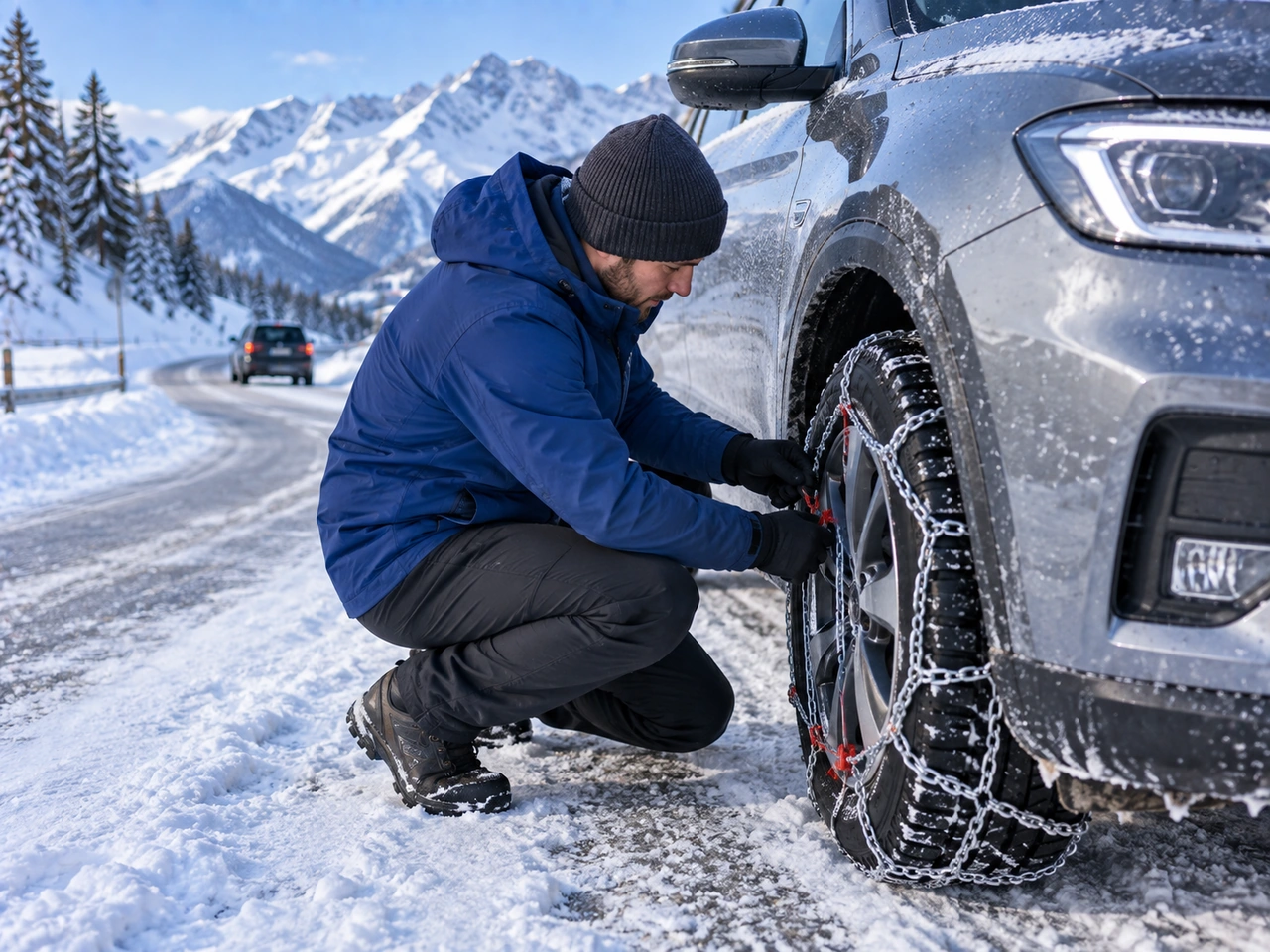
490. When are snow chains required in Switzerland?
Snow chains must be used in Switzerland when required by road signs.
AI-generated by Rijbewijs-online.be • WCIT • CC BY-SA
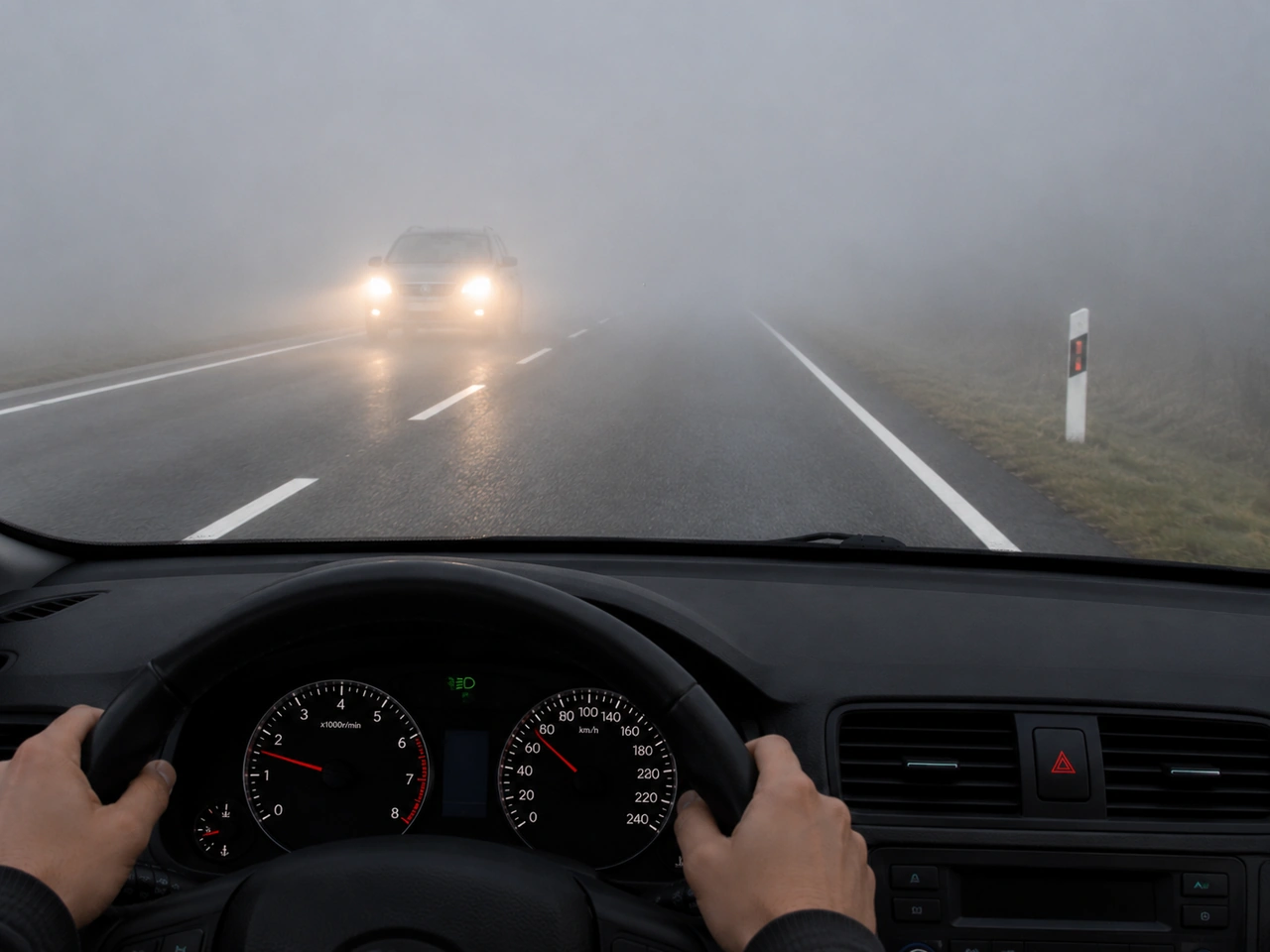
491. Why can fog make it difficult to judge the speed of other vehicles?
Fog reduces visual information, making it harder to judge how far away another vehicle is and how quickly it is approaching.
AI-generated by Rijbewijs-online.be • WCIT • CC BY-SA
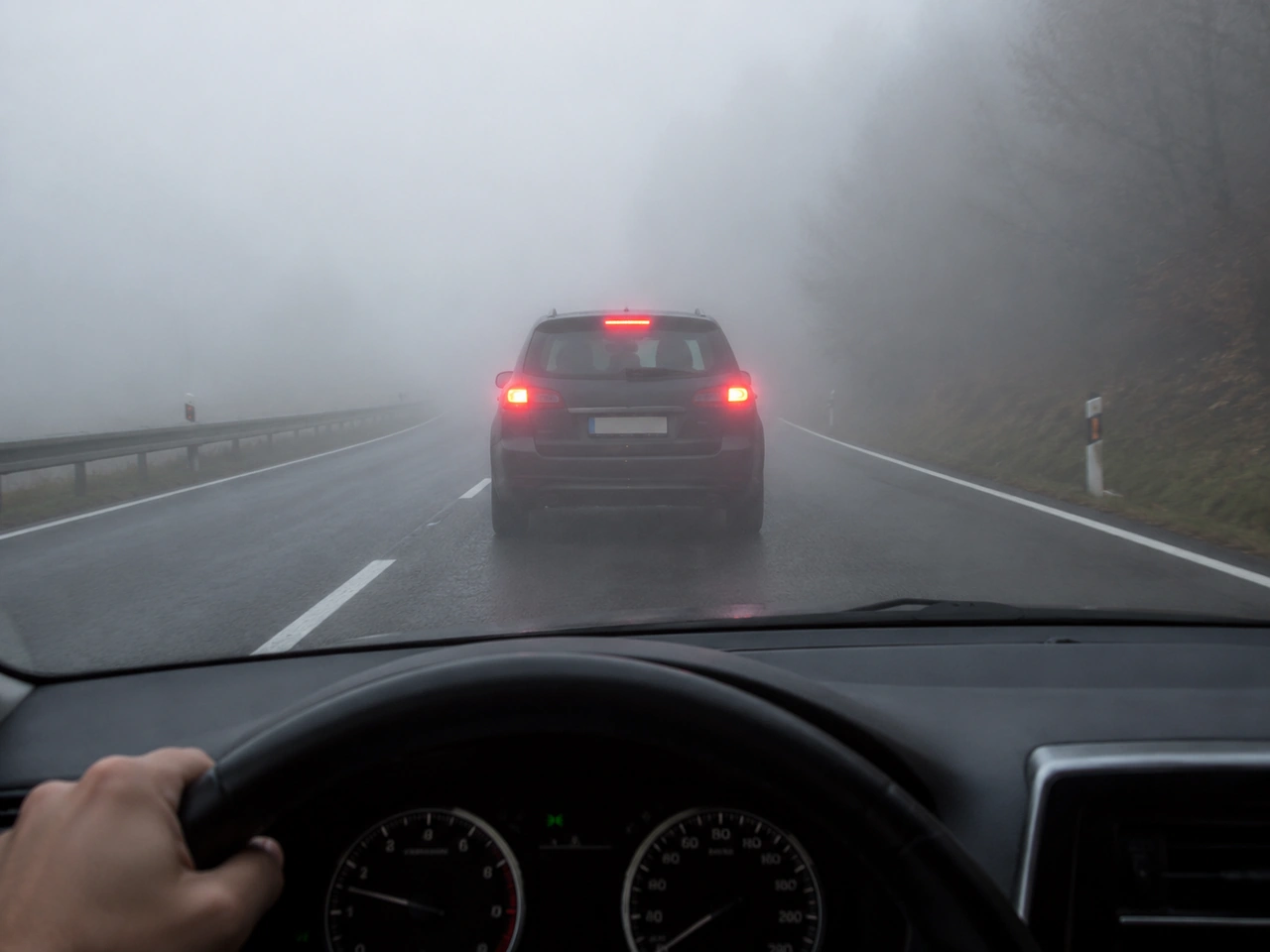
492. Why should you avoid following another vehicle too closely in fog?
Following too closely reduces your reaction time and can lead to a collision if the vehicle ahead slows unexpectedly.
AI-generated by Rijbewijs-online.be • WCIT • CC BY-SA
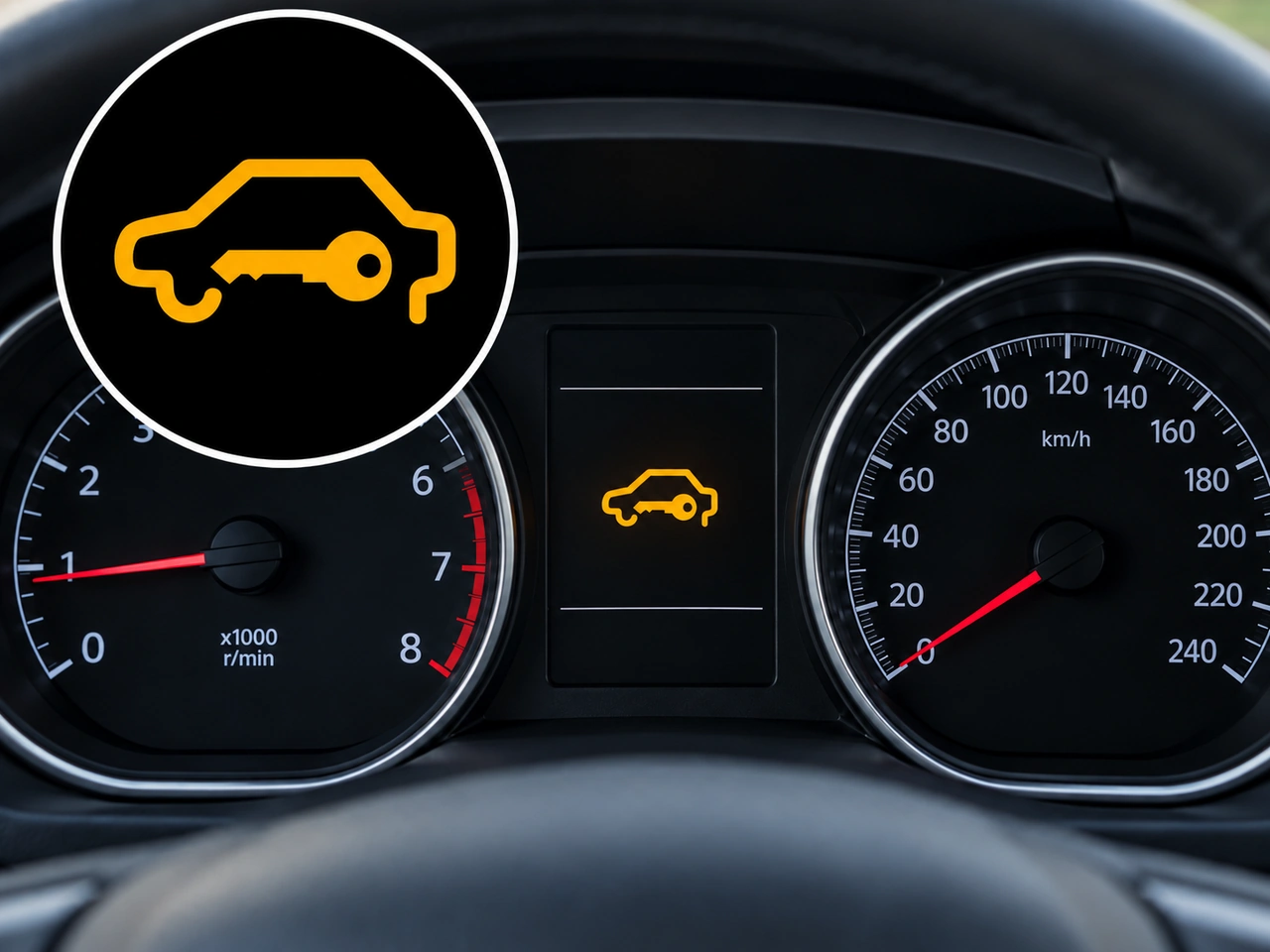
493. What does this dashboard symbol indicate?
This symbol relates to the vehicle's immobiliser or anti-theft system. If it remains illuminated or flashes unexpectedly, the vehicle may not recognise the key or there may be a fault in the security system.
AI-generated by Rijbewijs-online.be • WCIT • CC BY-SA
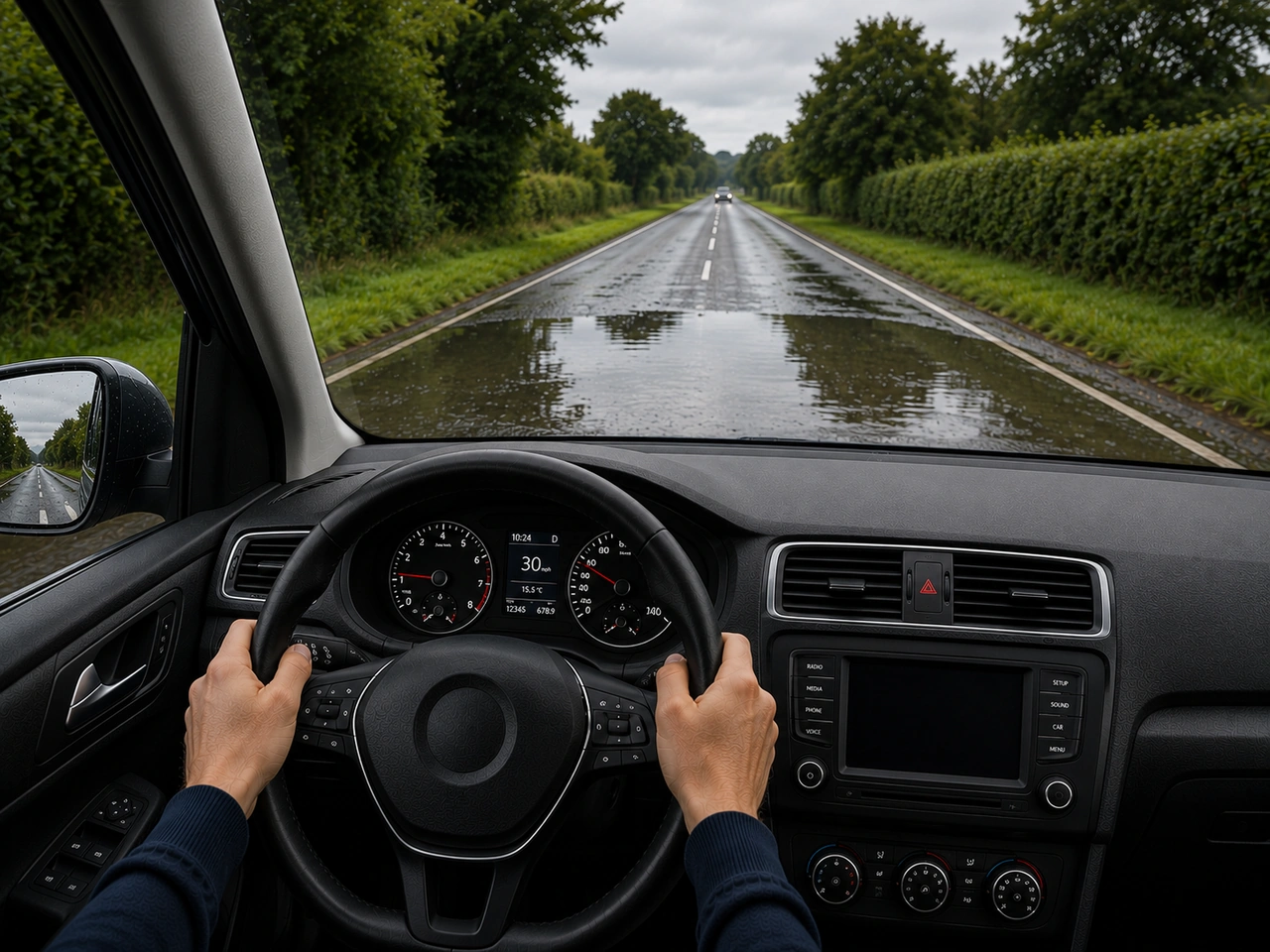
494. What should you do before driving through a puddle?
Large puddles can hide holes, reduce grip, or cause water to splash onto pedestrians or other vehicles. Slow down and proceed carefully.
AI-generated by Rijbewijs-online.be • WCIT • CC BY-SA
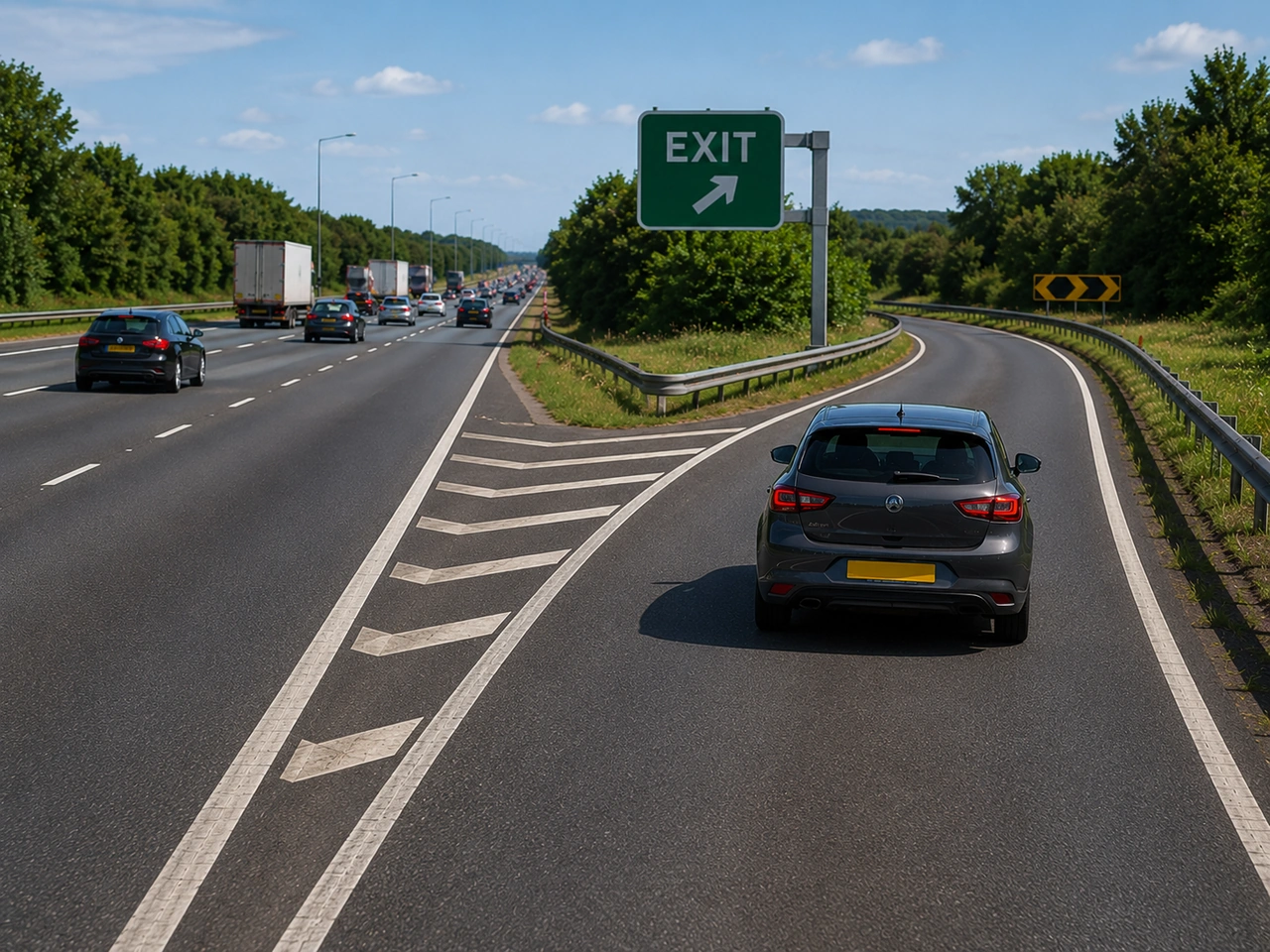
495. What should you do before leaving a motorway?
Plan your exit early, move into the correct lane safely, and reduce speed after entering the exit road where appropriate.
AI-generated by Rijbewijs-online.be • WCIT • CC BY-SA
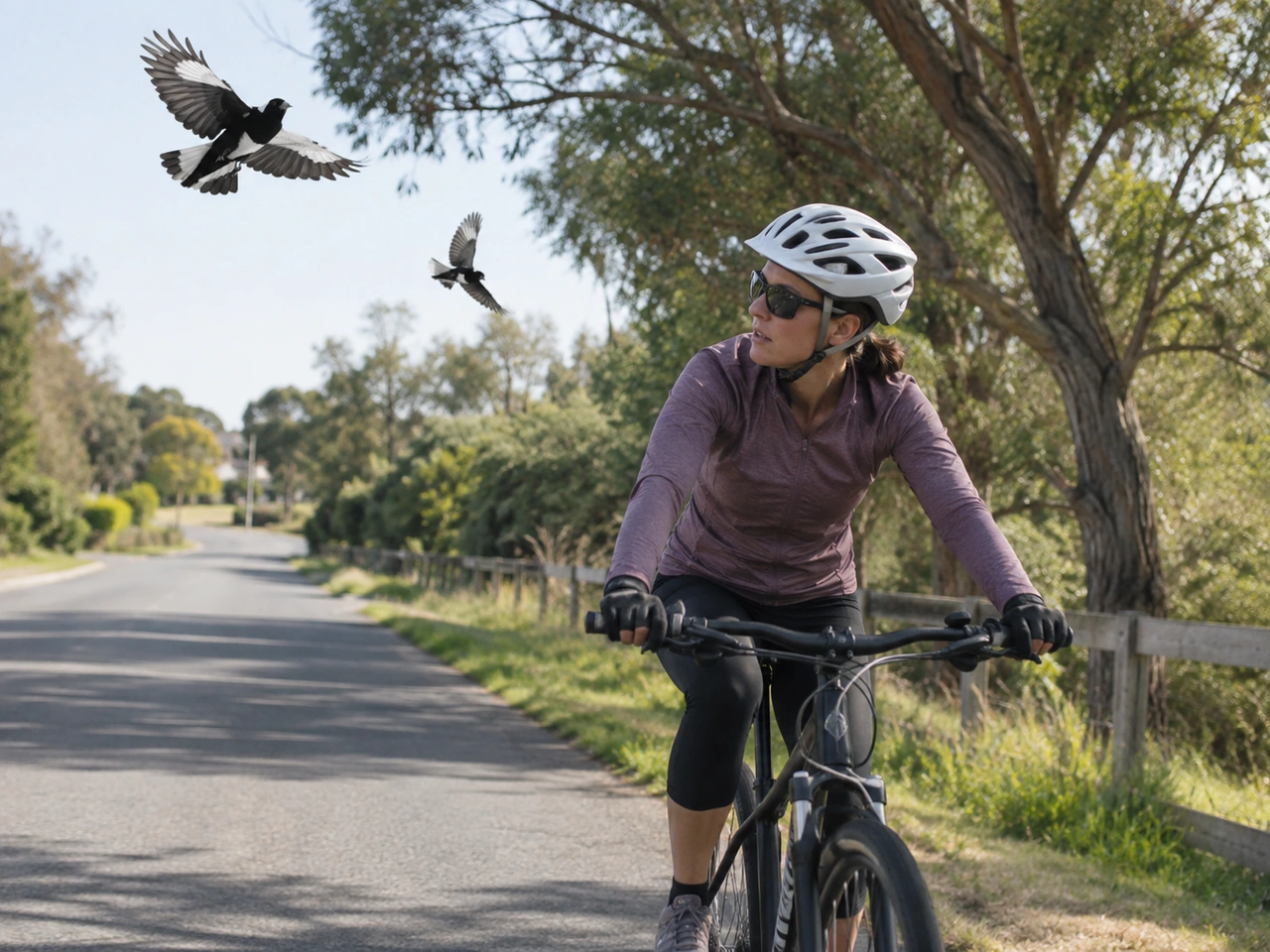
496. What should you do if birds are swooping at you while cycling?
Some birds become territorial during the breeding season and may swoop people near their nests. Stay calm, avoid provoking or approaching the birds, and leave the area safely. If necessary and safe, dismount and walk your bicycle through or away from the area while keeping your helmet on.
AI-generated by Rijbewijs-online.be • WCIT • CC BY-SA
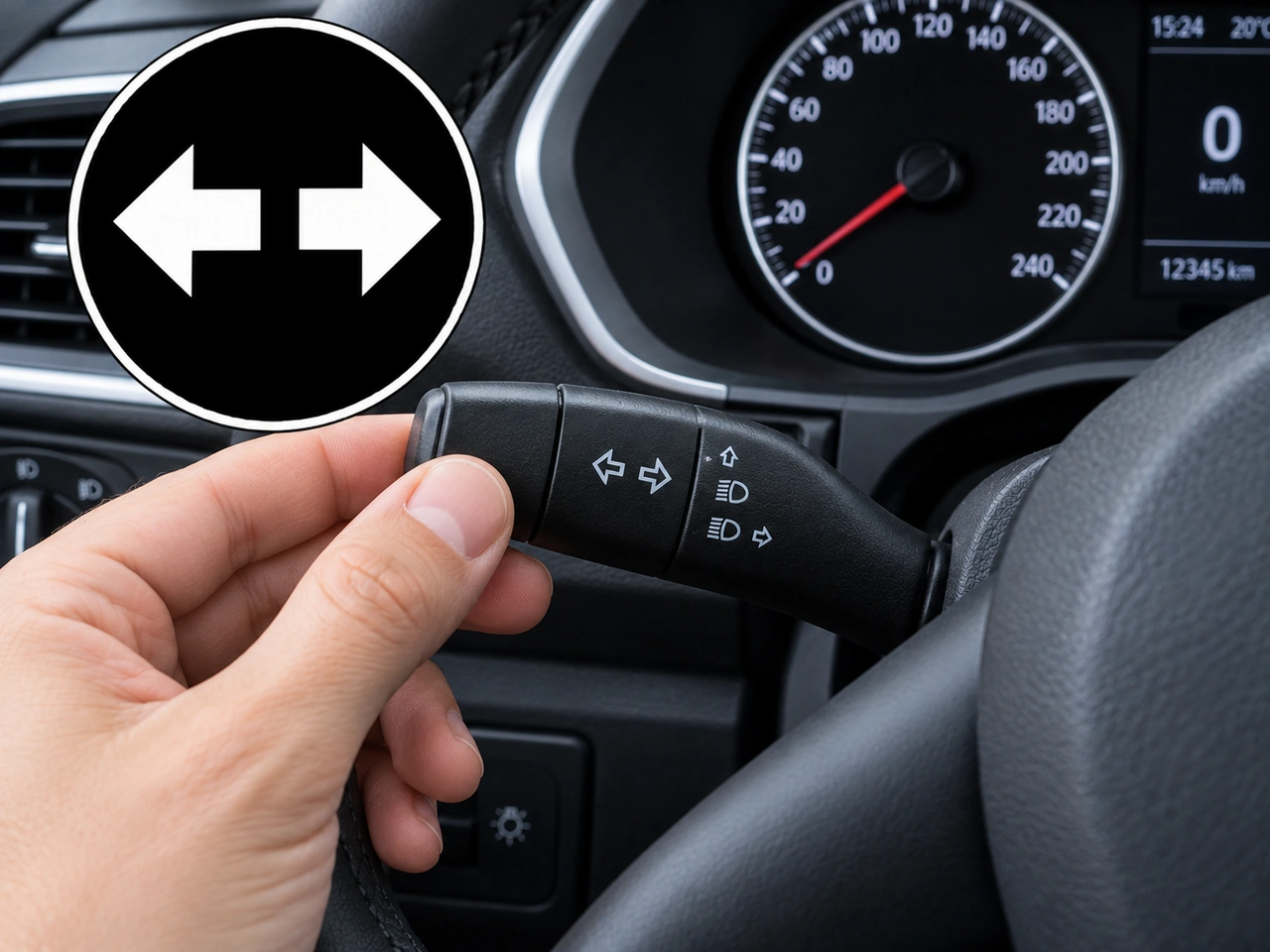
497. Which control is normally used to operate the direction indicators?
The direction indicators are normally operated using a stalk beside the steering wheel. Moving the stalk up or down activates the indicators on the corresponding side of the vehicle.
AI-generated by Rijbewijs-online.be • WCIT • CC BY-SA
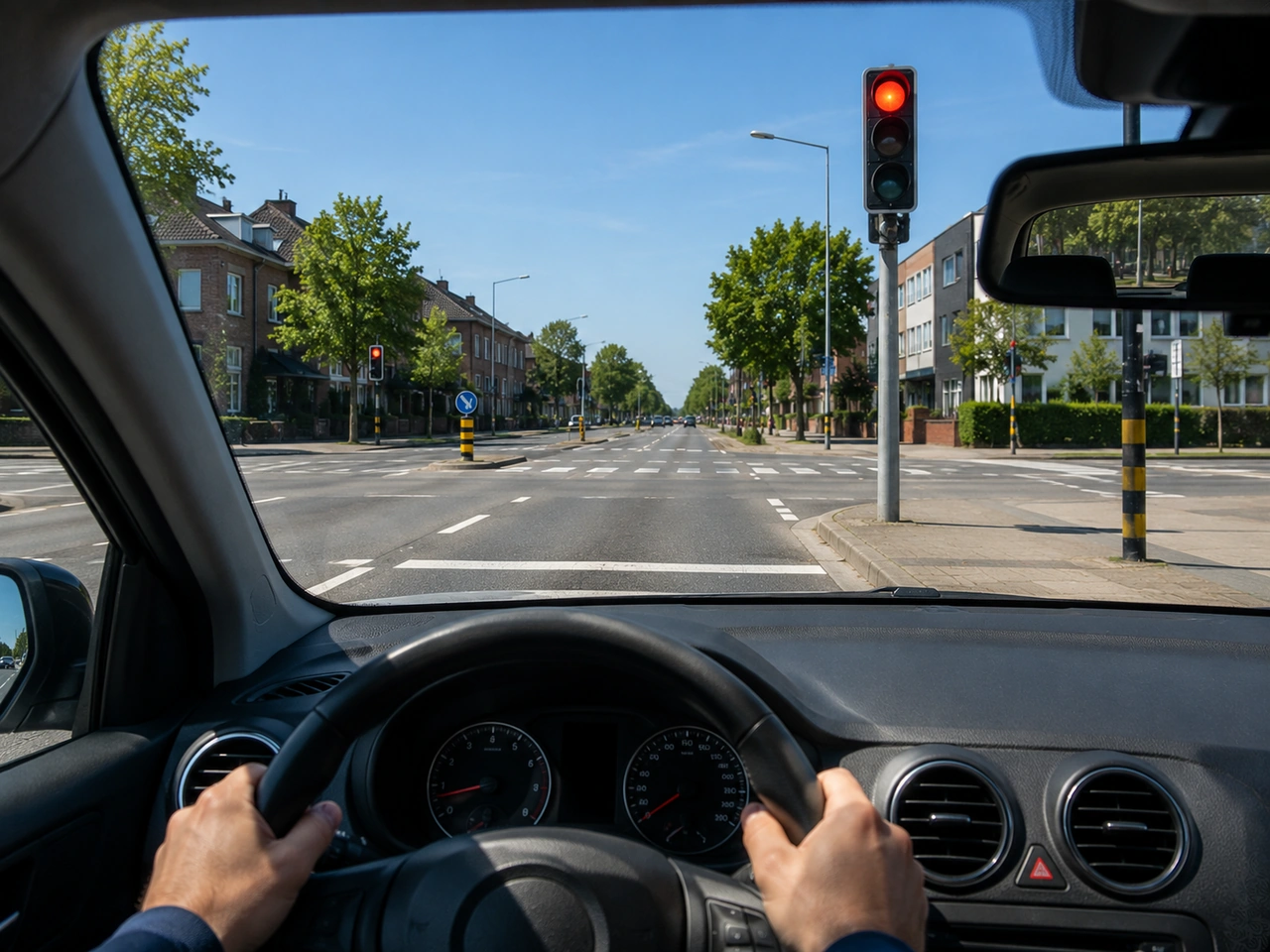
498. What should you do when a traffic light turns red?
A red traffic light means you must stop before the stop line, pedestrian crossing, or intersection unless a sign or signal indicates otherwise.
AI-generated by Rijbewijs-online.be • WCIT • CC BY-SA
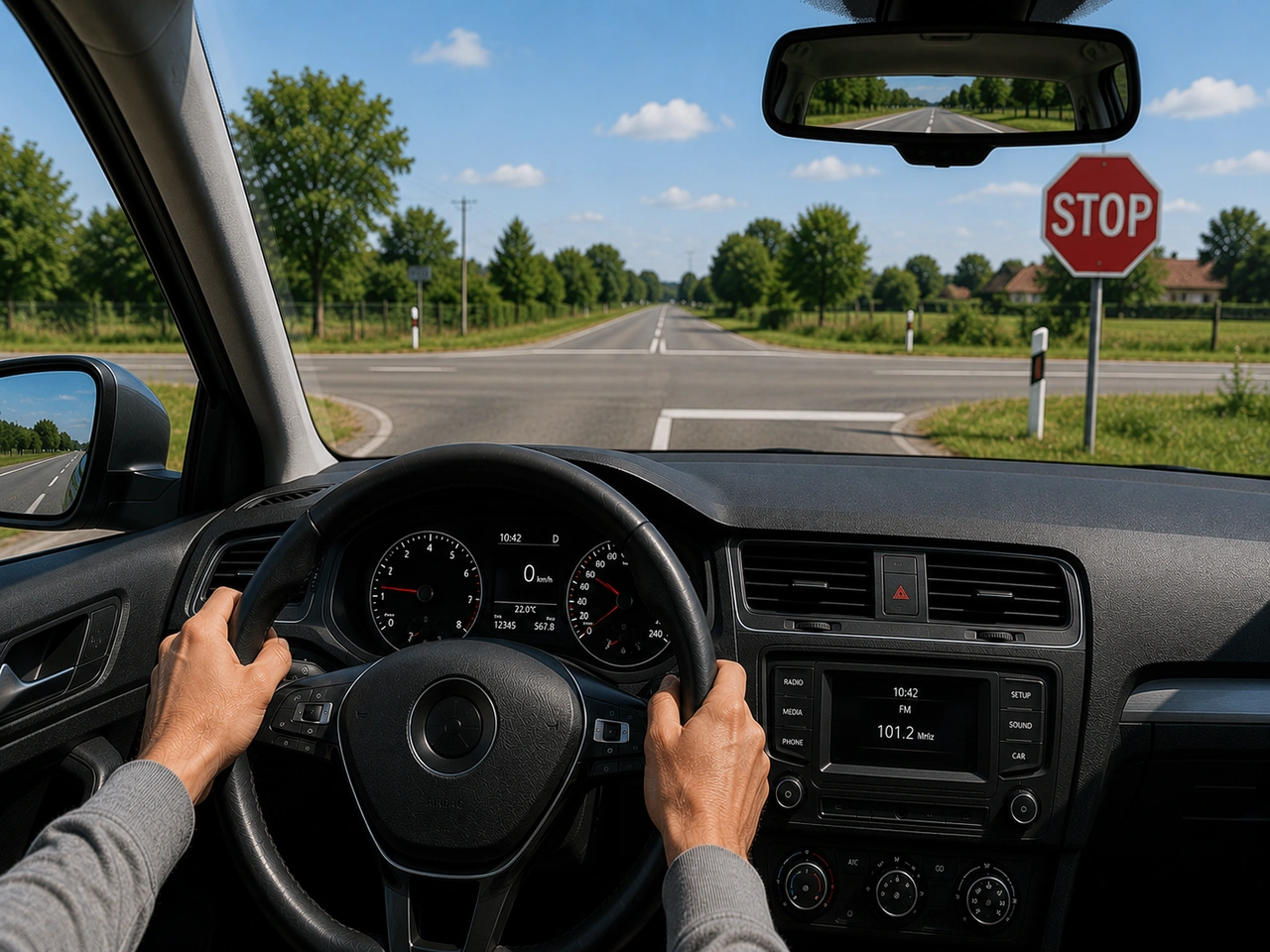
499. You may ignore a stop sign if the road looks empty.
A stop sign means you must come to a complete stop, even if no other traffic is visible.
AI-generated by Rijbewijs-online.be • WCIT • CC BY-SA
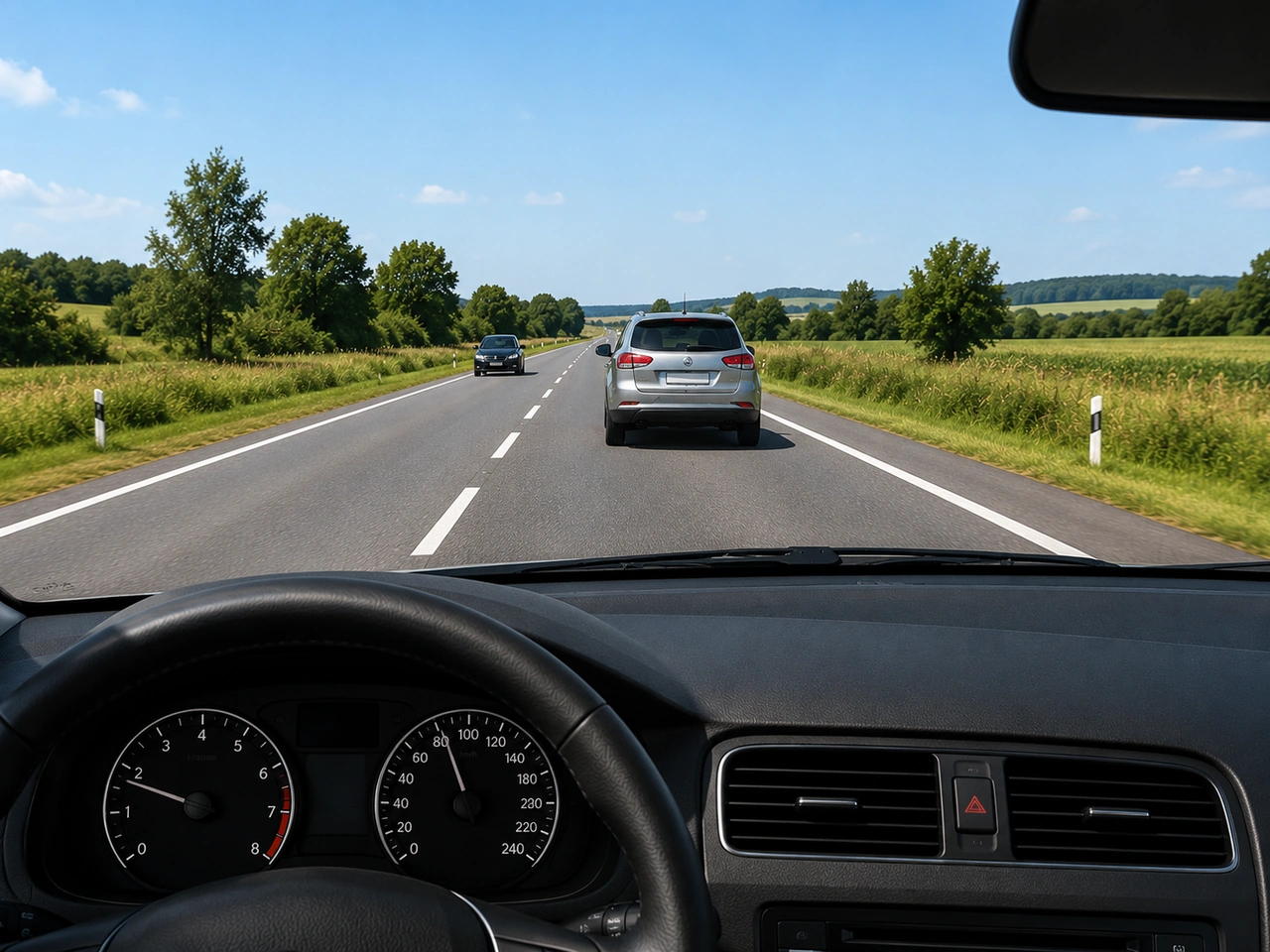
500. Why should you keep a safe following distance?
A safe following distance gives you enough time to react if the vehicle in front slows down or stops suddenly.
AI-generated by Rijbewijs-online.be • WCIT • CC BY-SA