


QuizTraffic rulesGermany
This interesting quiz helps you test your knowledge in a clear and visual way. With easy multiple-choice questions, you can quickly build confidence and learn new facts while keeping it simple, interactive, and fun.
 Traffic signs
 Traffic rules
 Germany
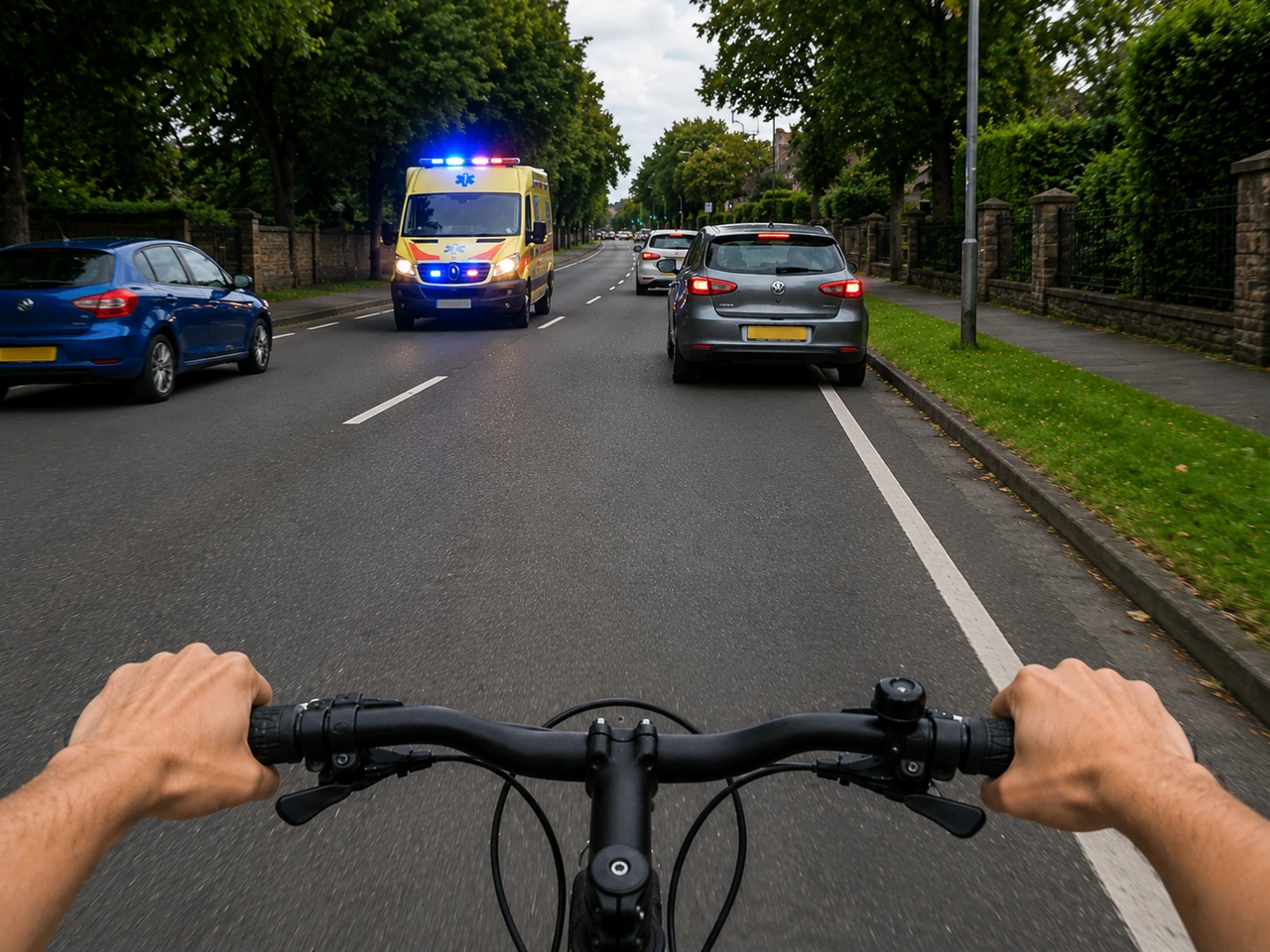
351. What should cyclists do when an emergency vehicle with lights and siren approaches?
Emergency vehicles need a clear route. Move predictably and stop only where doing so is safe.
AI-generated by Rijbewijs-online.be • WCIT • CC BY-SA

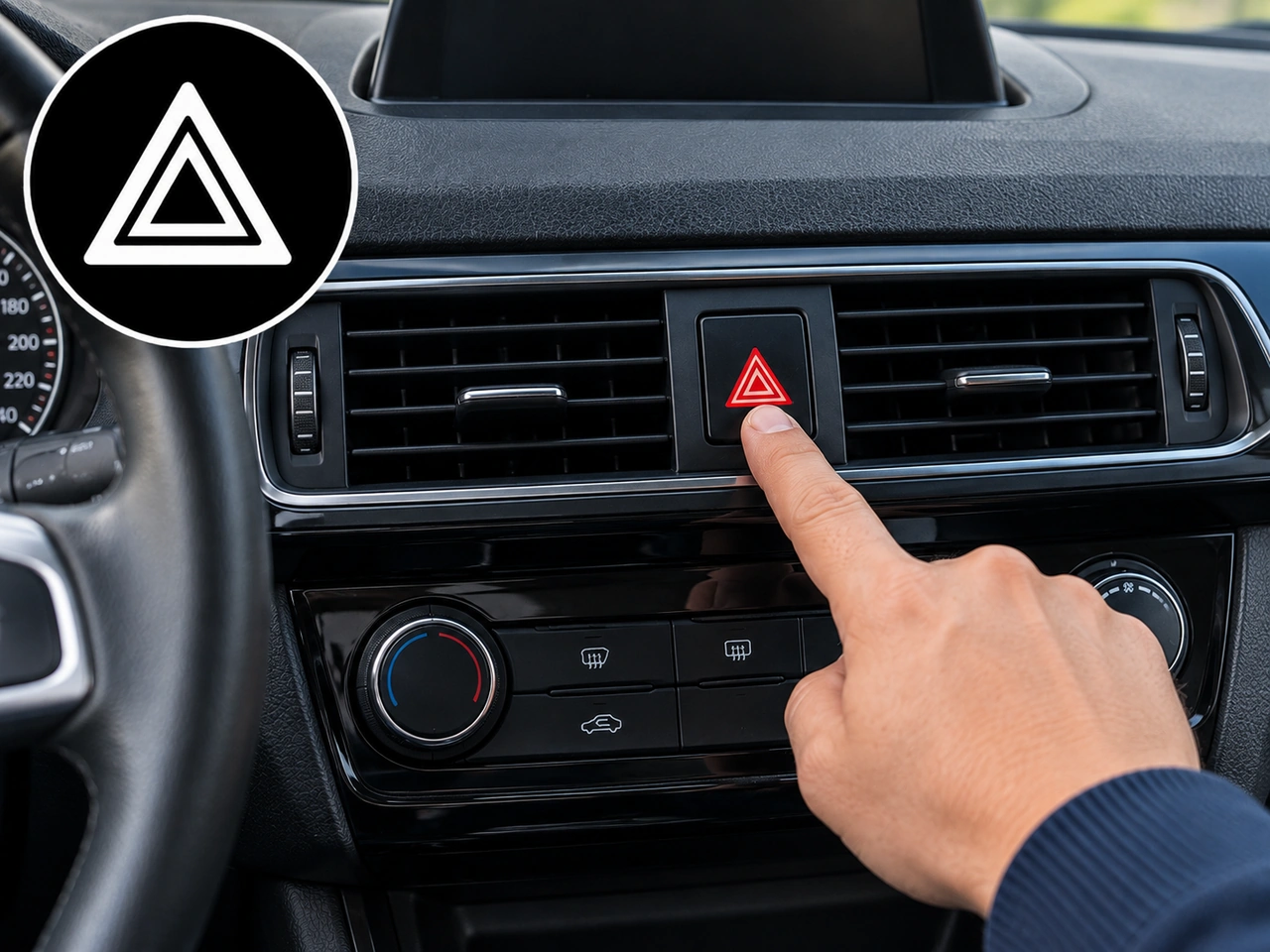
352. Which control activates all direction indicators at the same time?
The hazard warning light switch activates all direction indicators at the same time to warn other road users of a hazard or emergency.
AI-generated by Rijbewijs-online.be • WCIT • CC BY-SA
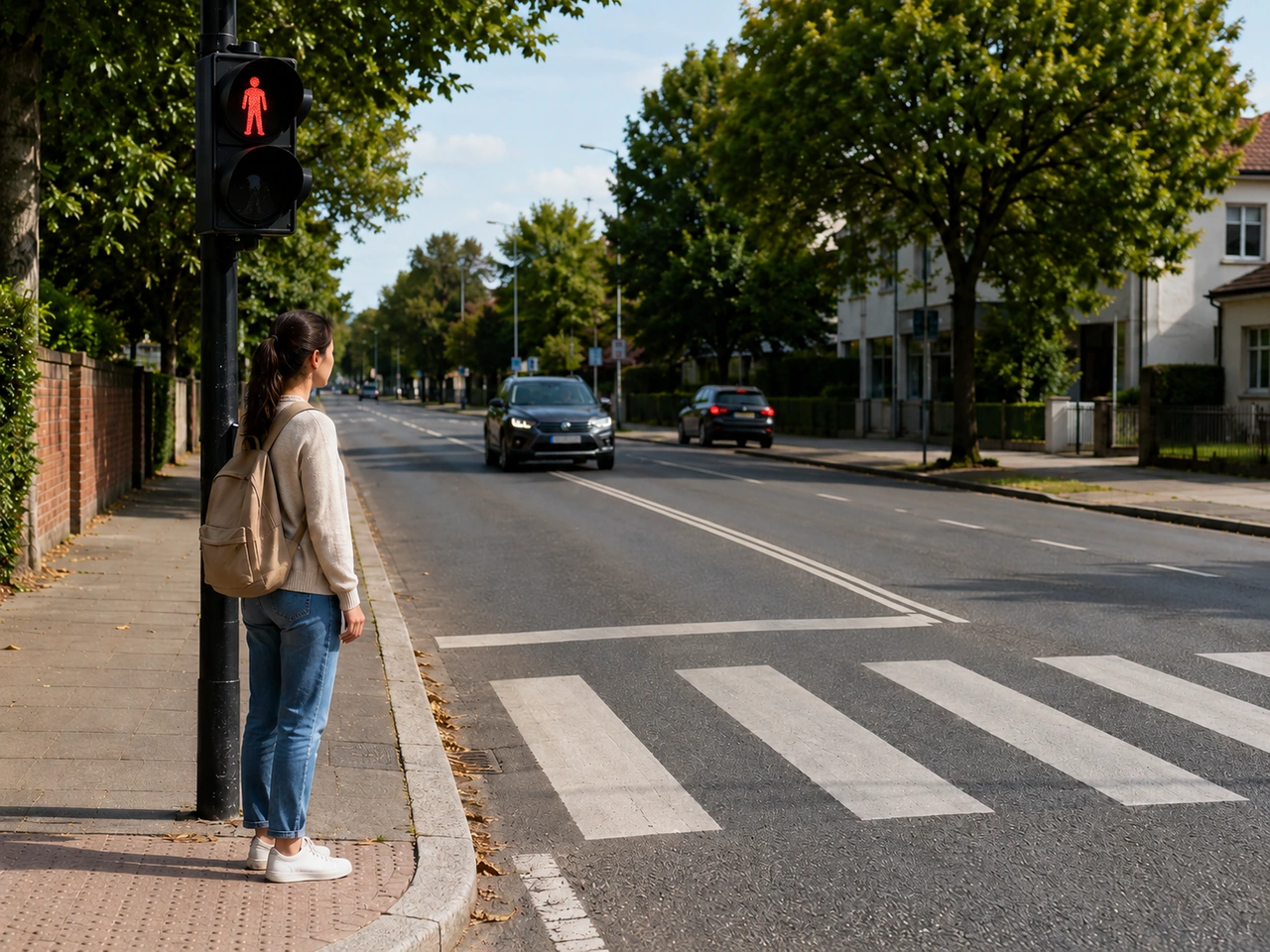
353. What should you do if the pedestrian light is red?
A red pedestrian signal means you should wait before crossing.
AI-generated by Rijbewijs-online.be • WCIT • CC BY-SA
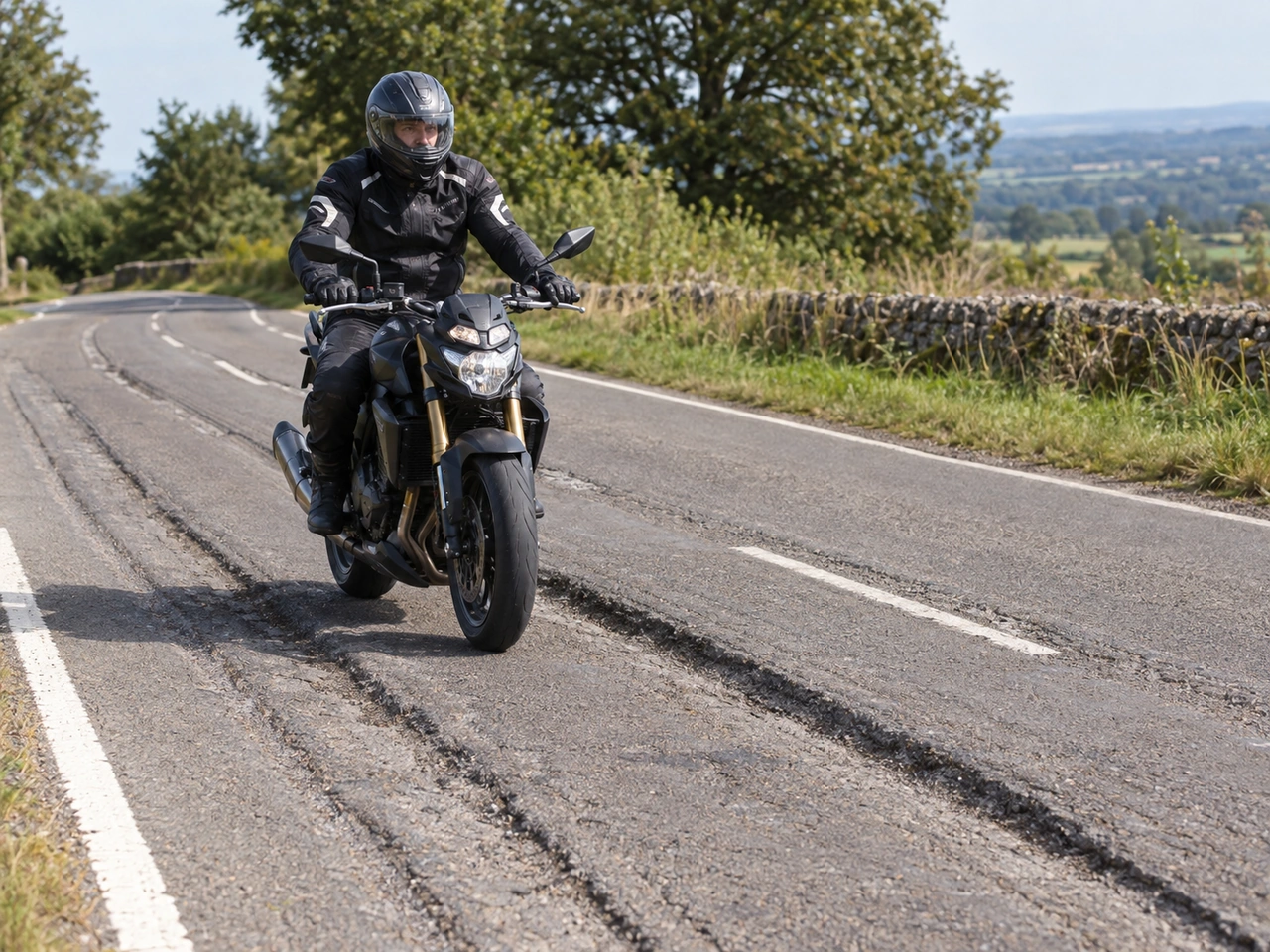
354. How should a motorcyclist react to grooves or ruts in the road?
Longitudinal grooves or ruts can affect a motorcycle's steering and may make the wheels follow the uneven surface. Reduce speed where necessary, keep a relaxed but steady grip and avoid sudden braking, acceleration or steering corrections.
AI-generated by Rijbewijs-online.be • WCIT • CC BY-SA
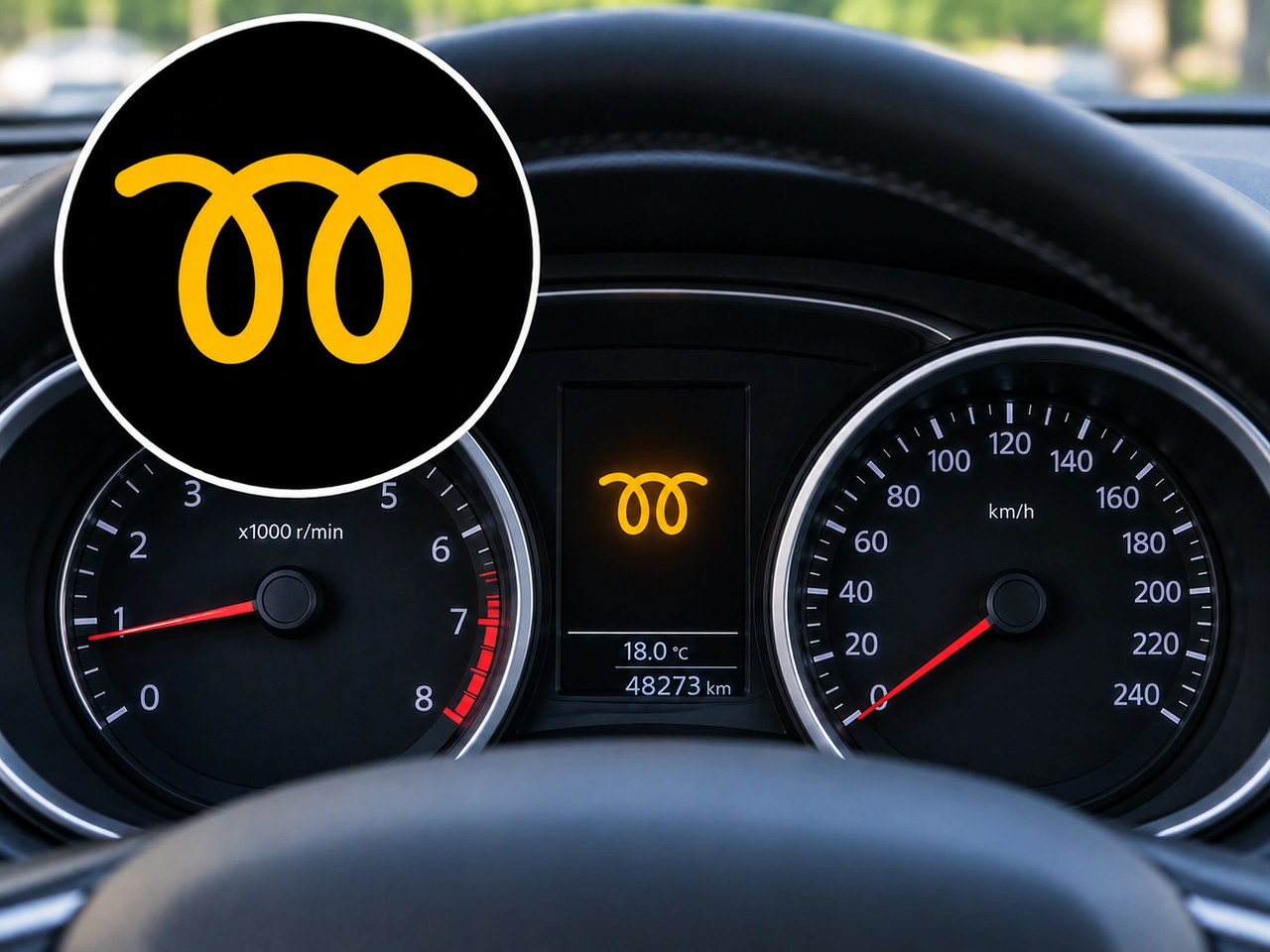
355. What does this dashboard symbol indicate?
This symbol indicates the diesel glow-plug preheating system. In a diesel vehicle, wait for the light to go out before starting the engine when required. If it remains illuminated or flashes while driving, it may indicate a fault.
AI-generated by Rijbewijs-online.be • WCIT • CC BY-SA
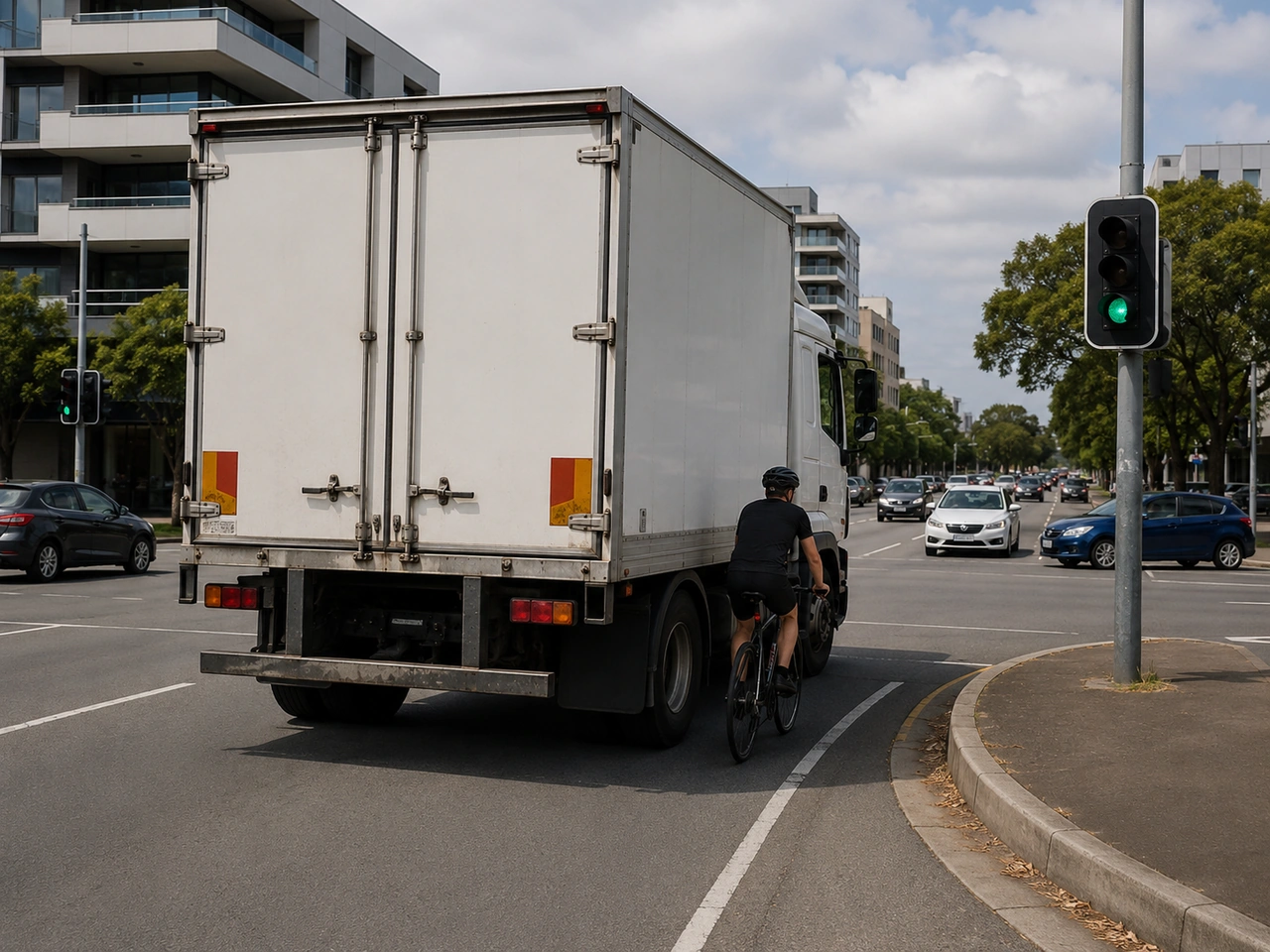
356. Why should cyclists avoid riding in a large vehicle's blind spot?
Buses and trucks have large areas where the driver cannot see cyclists, especially beside the vehicle and near turns.
AI-generated by Rijbewijs-online.be • WCIT • CC BY-SA
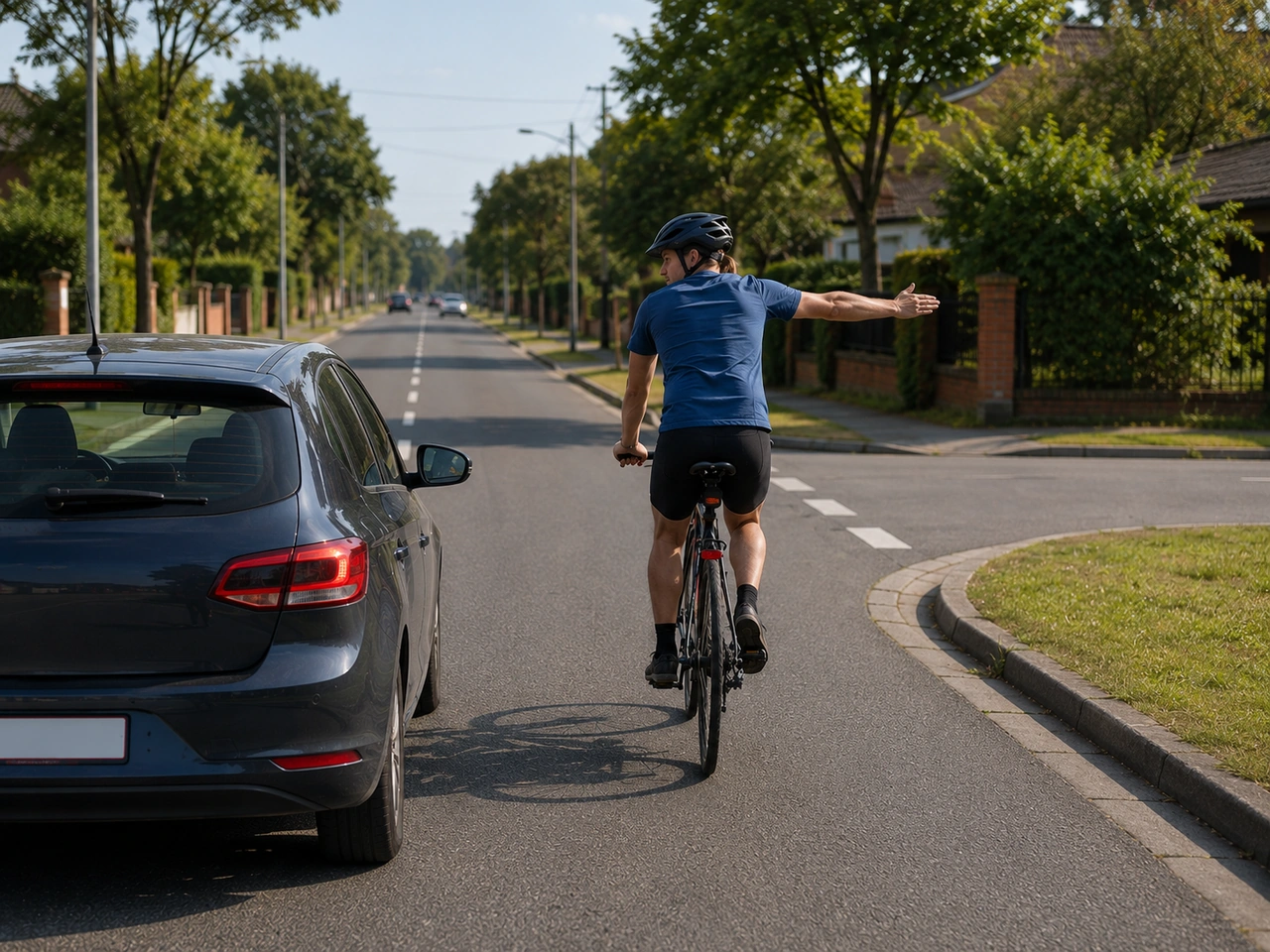
357. What should cyclists do before turning or changing position on the road?
Checking behind and signalling gives other road users time to understand what you intend to do.
AI-generated by Rijbewijs-online.be • WCIT • CC BY-SA
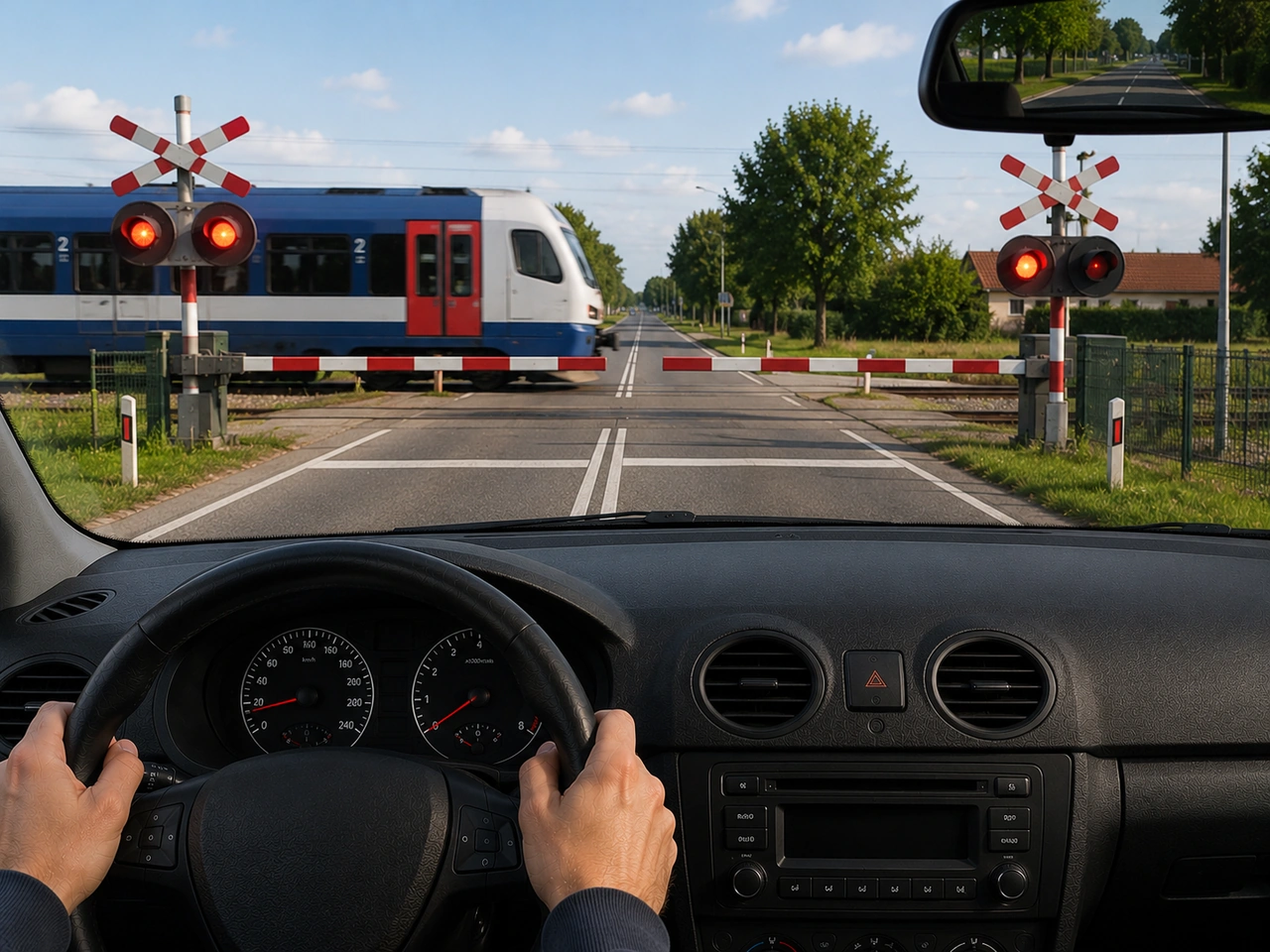
358. What should you do at a railway crossing with warning lights flashing?
Flashing warning lights mean a train may be approaching. Stop before the crossing and wait until the warning has ended and the crossing is clear.
AI-generated by Rijbewijs-online.be • WCIT • CC BY-SA
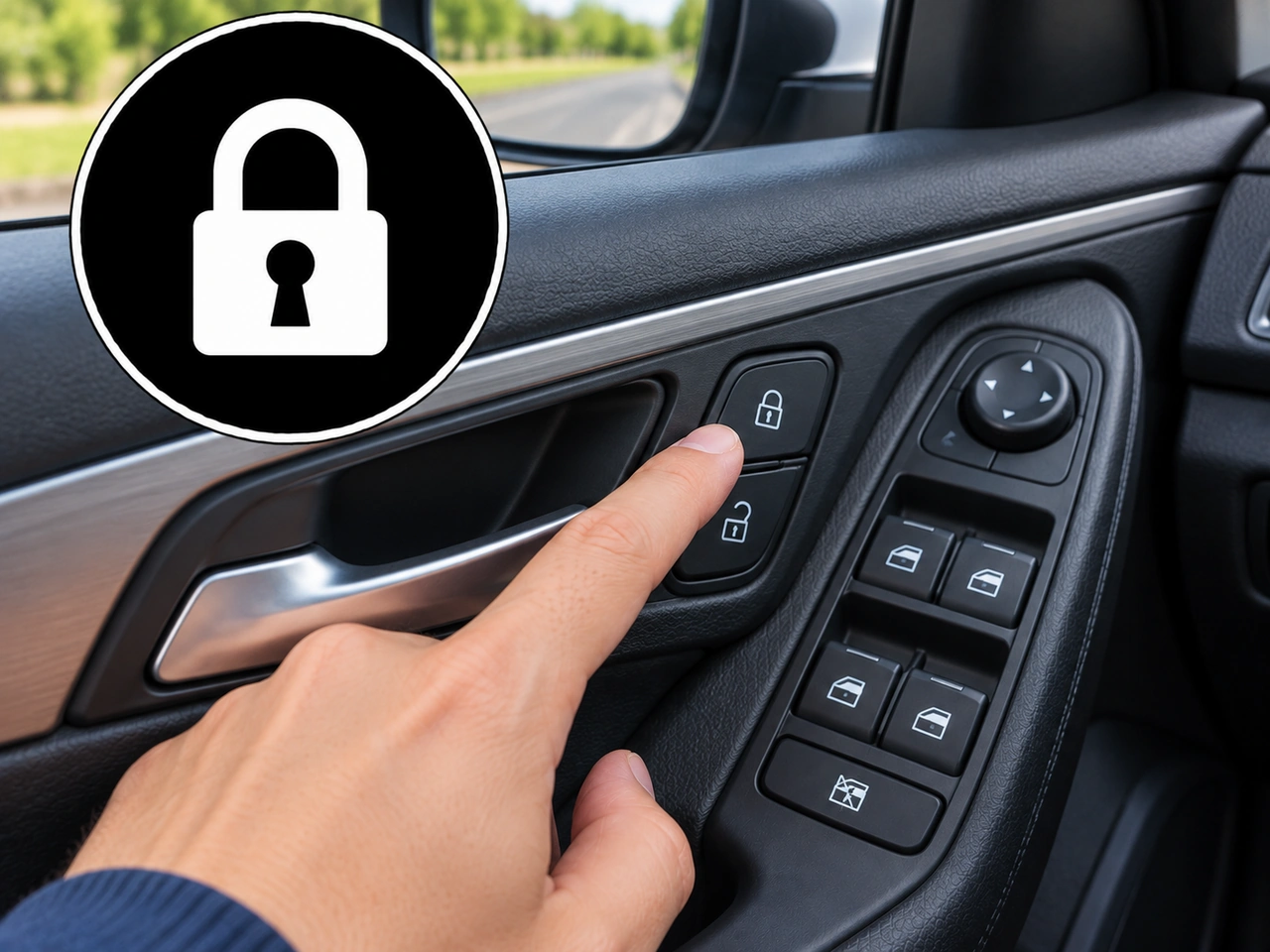
359. What does this vehicle-control symbol indicate?
This control operates the vehicle's central door locking system. Pressing it locks or unlocks the vehicle's doors, depending on the current lock state.
AI-generated by Rijbewijs-online.be • WCIT • CC BY-SA
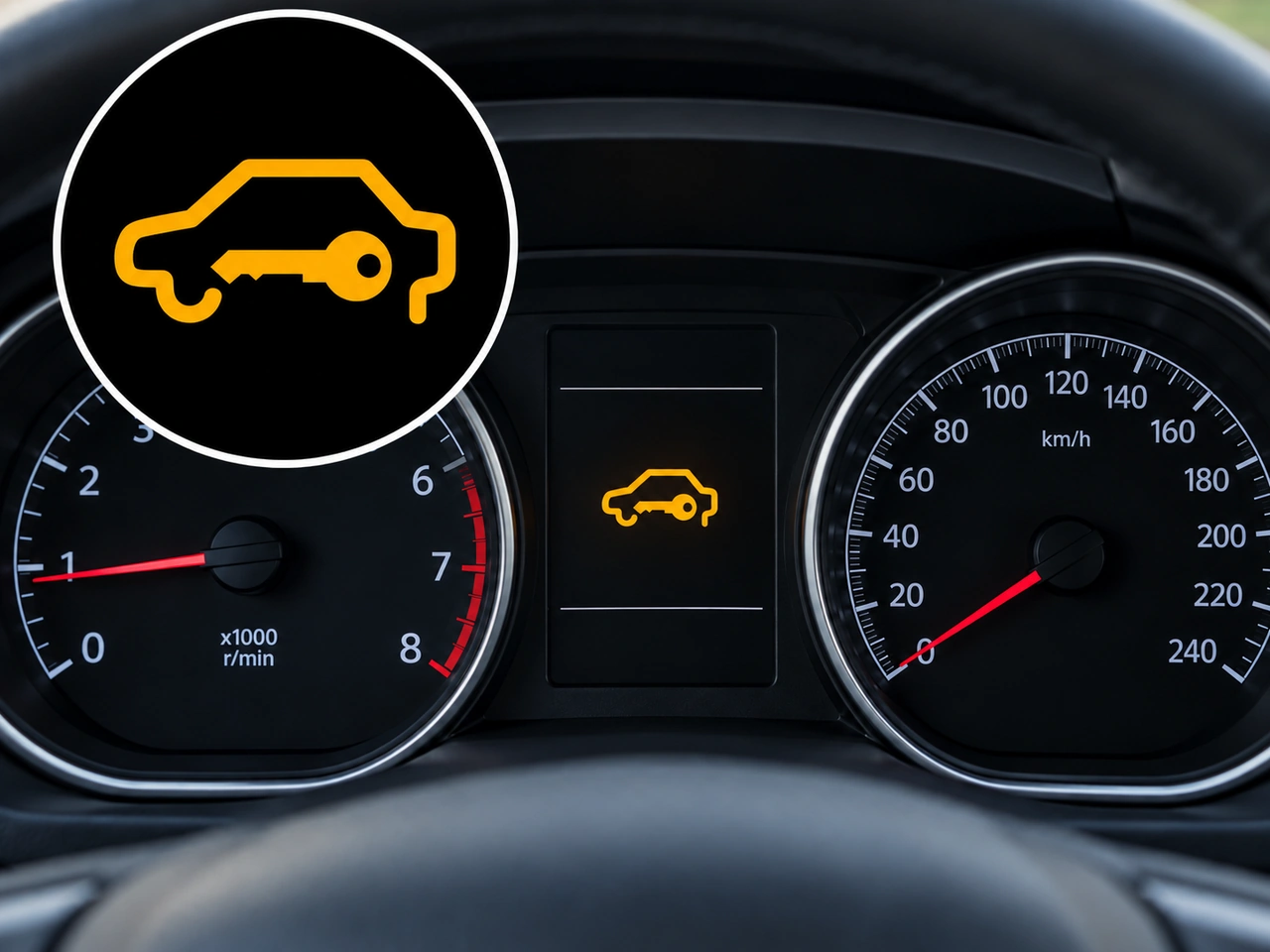
360. What does this dashboard symbol indicate?
This symbol relates to the vehicle's immobiliser or anti-theft system. If it remains illuminated or flashes unexpectedly, the vehicle may not recognise the key or there may be a fault in the security system.
AI-generated by Rijbewijs-online.be • WCIT • CC BY-SA
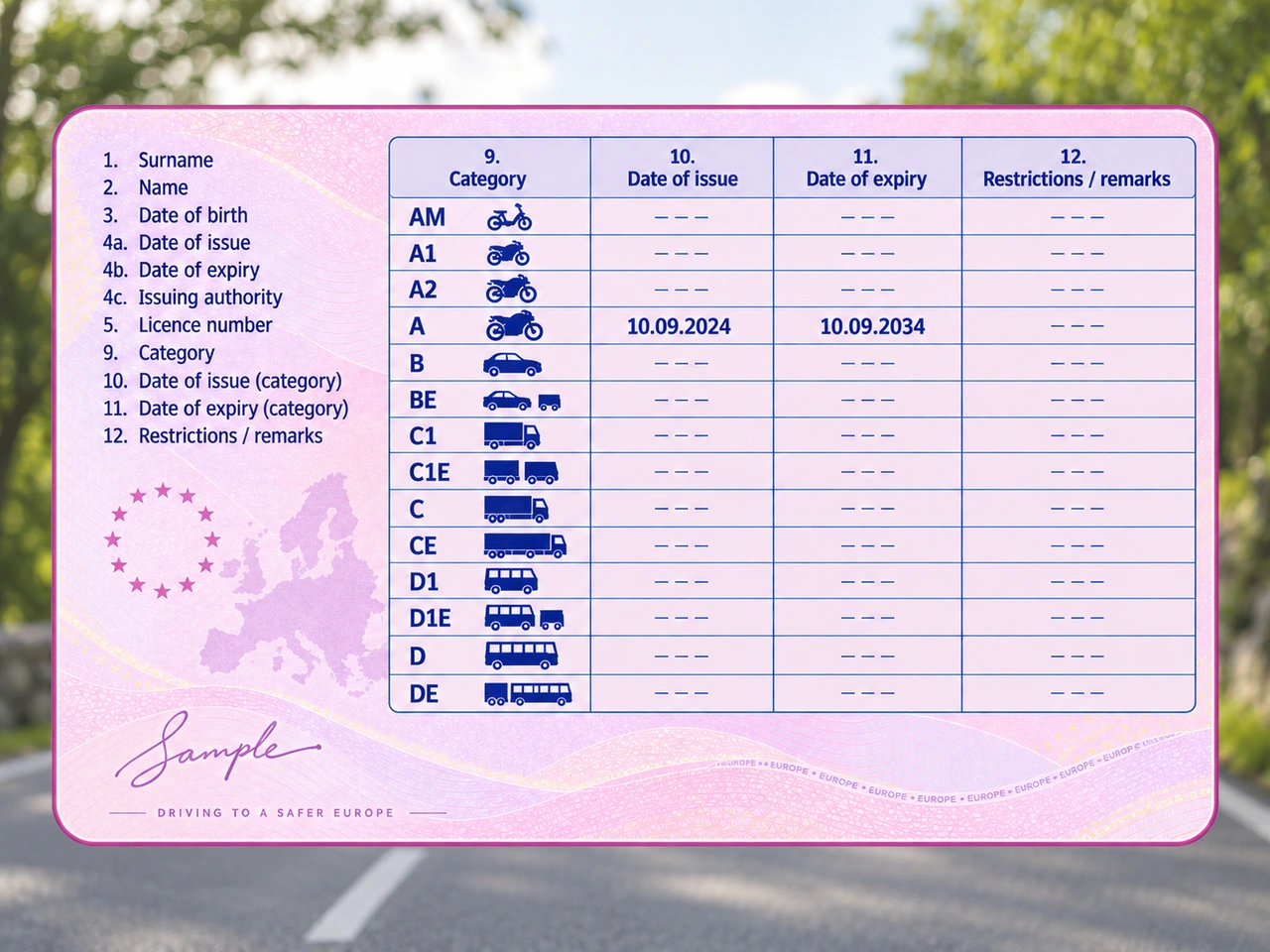
361. Which motorcycles are covered by driving licence A?
Category A covers motorcycles without the power restrictions that apply to categories A1 and A2. It also covers powered tricycles with power exceeding 15 kW.
AI-generated by Rijbewijs-online.be • WCIT • CC BY-SA
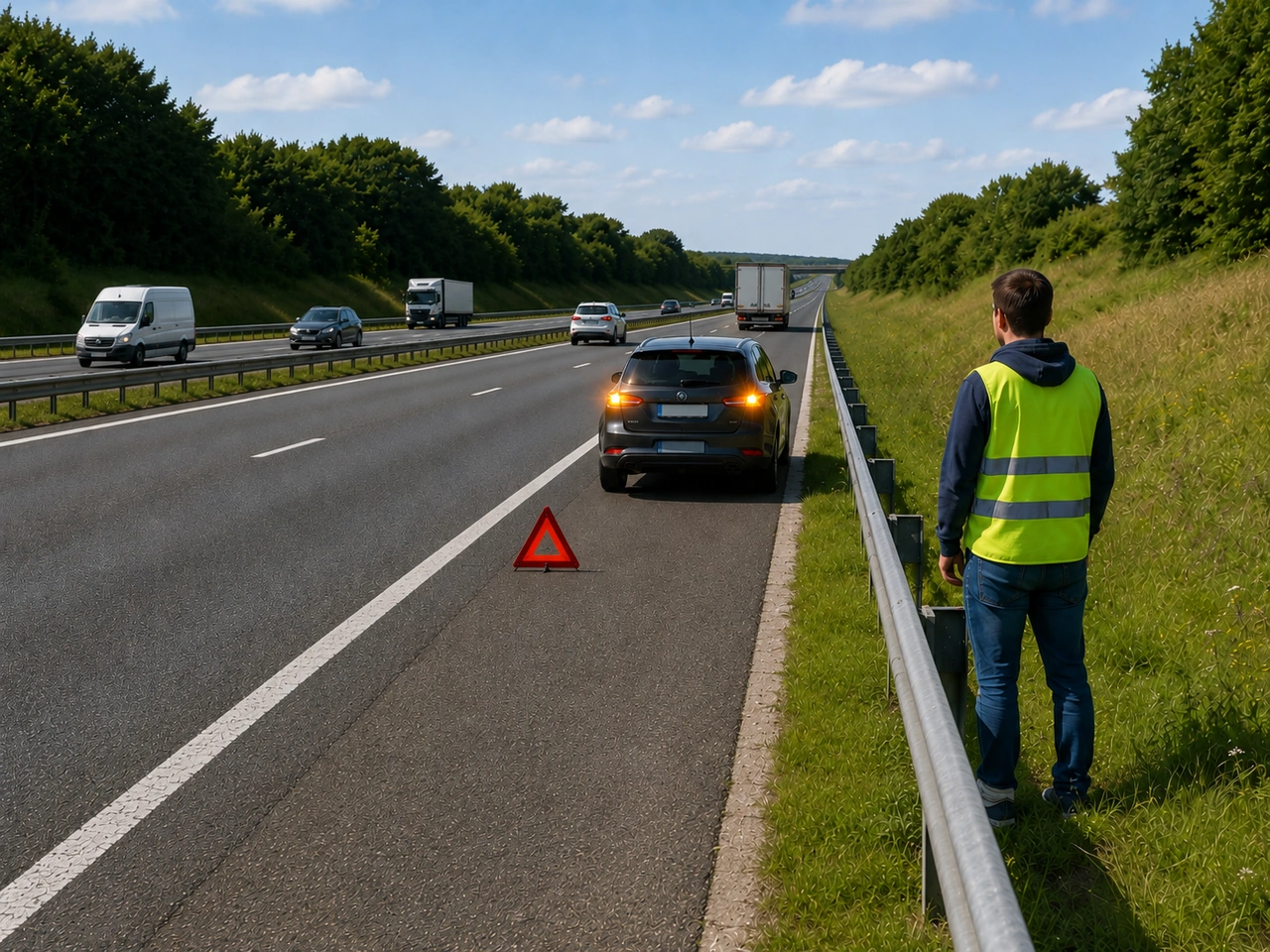
362. Where should you normally wait after a breakdown on a high-speed road?
A stationary vehicle can be struck by passing traffic. Waiting behind a barrier provides better protection.
AI-generated by Rijbewijs-online.be • WCIT • CC BY-SA
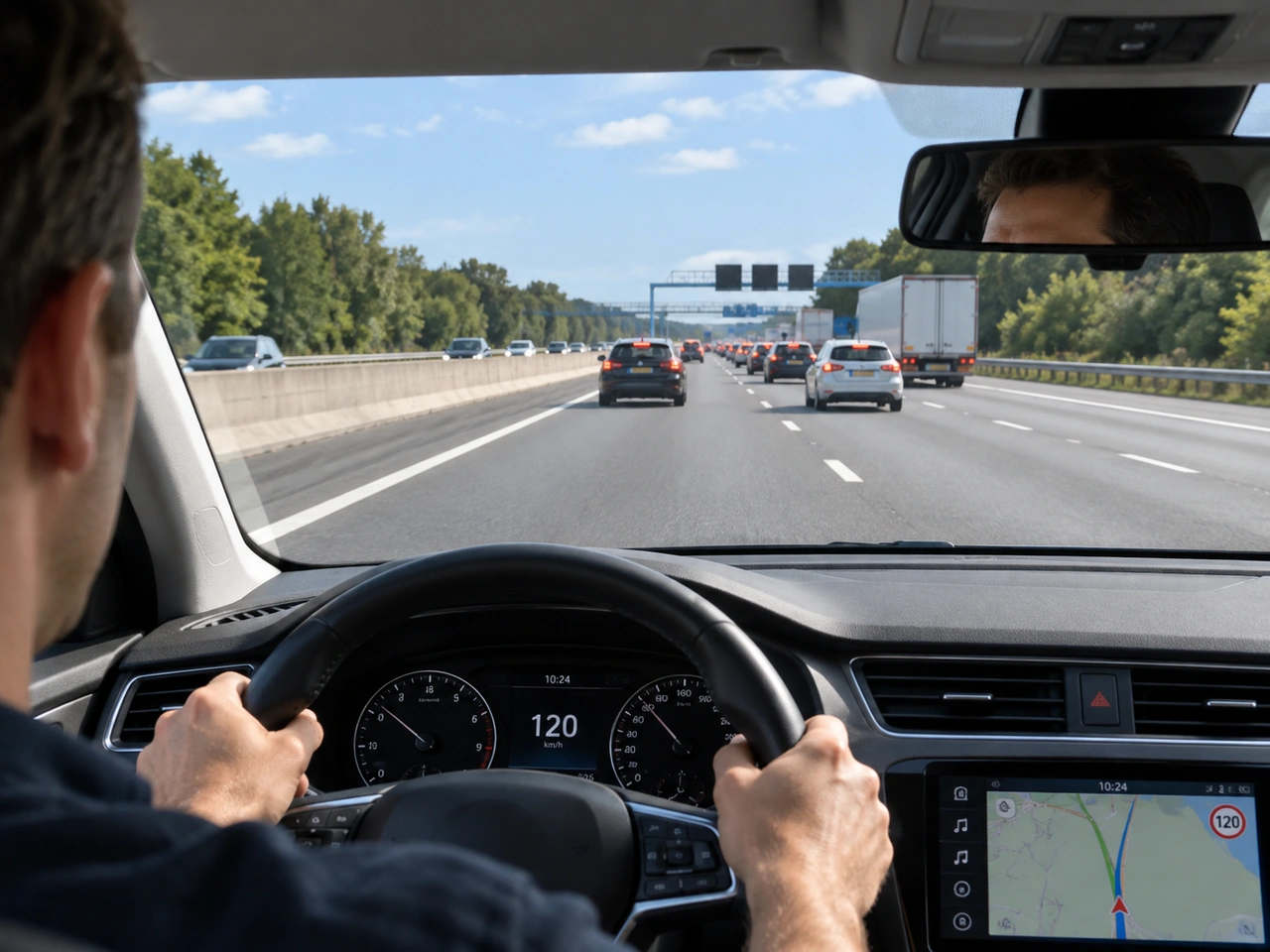
363. How does higher speed affect a vehicle's stopping distance?
As speed increases, the vehicle travels farther while the driver reacts and requires more distance to brake. This means the total stopping distance increases significantly as speed rises.
AI-generated by Rijbewijs-online.be • WCIT • CC BY-SA
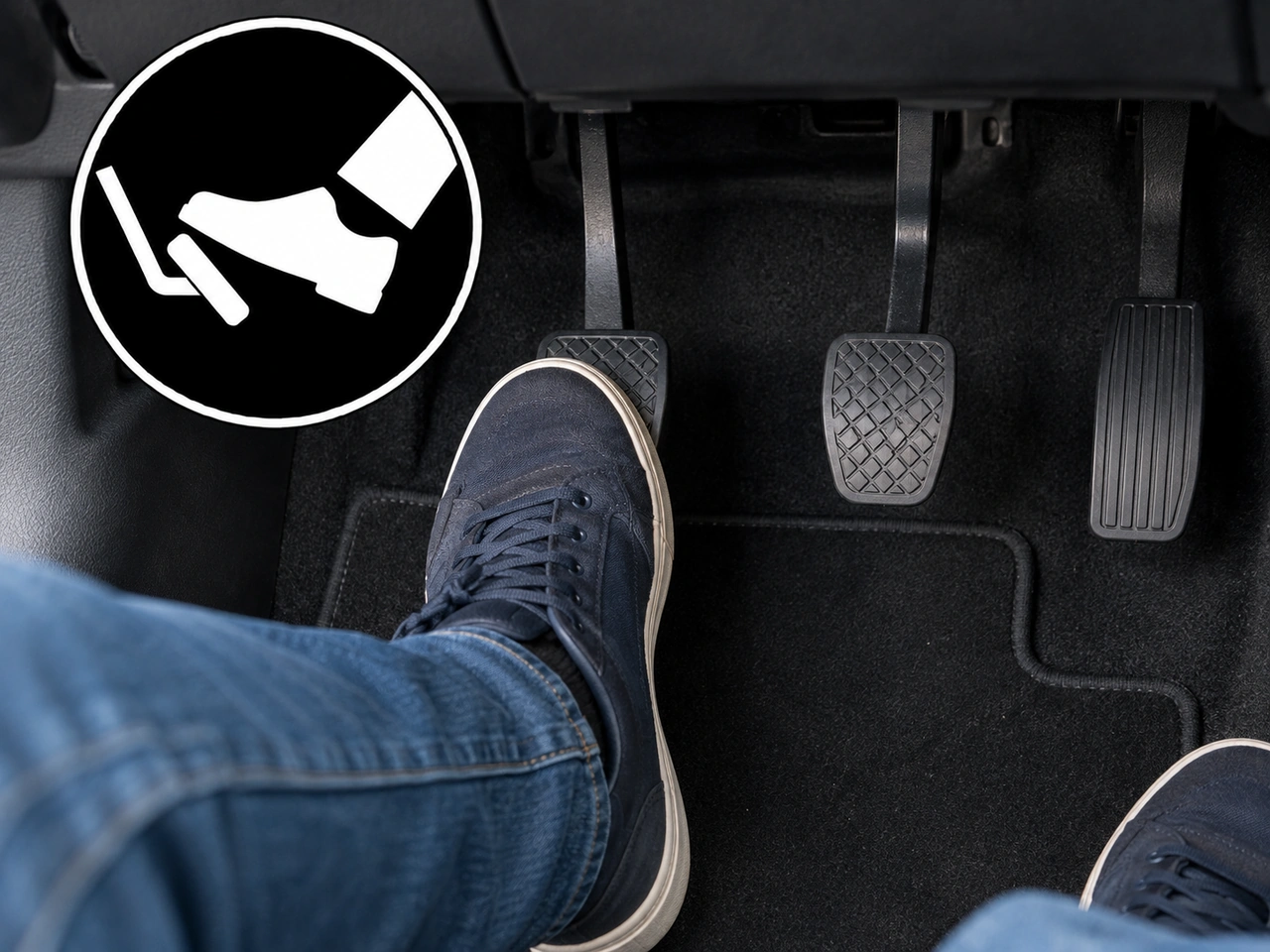
364. What is the purpose of the clutch pedal in a manual vehicle?
Pressing the clutch pedal temporarily disconnects the engine from the transmission, allowing the driver to change gear or stop without stalling the engine.
AI-generated by Rijbewijs-online.be • WCIT • CC BY-SA
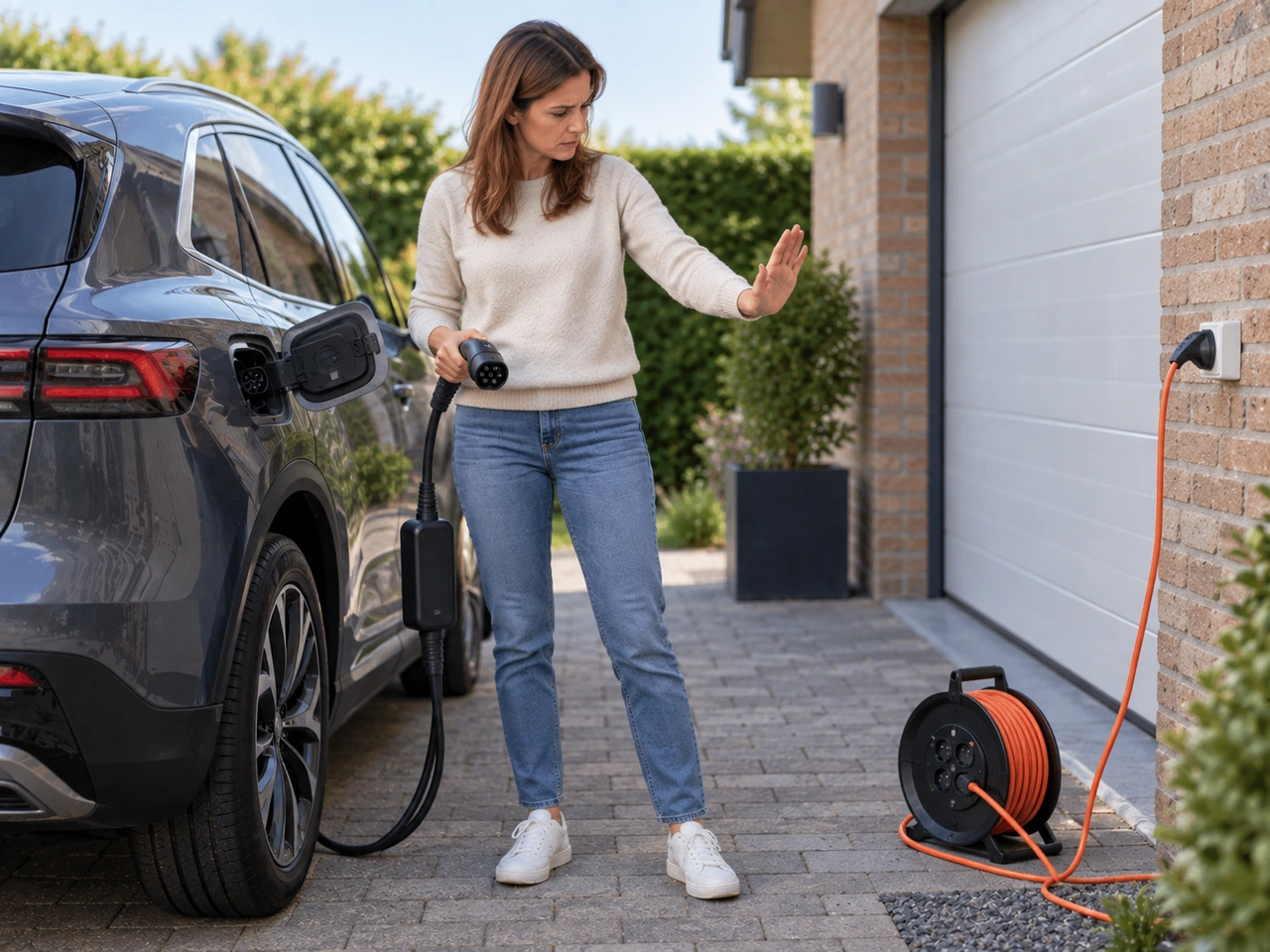
365. Why should you avoid using an ordinary extension lead to charge an electric vehicle?
An ordinary household extension lead may not be designed for the sustained electrical load required for EV charging and can overheat. Use suitable approved charging equipment and follow the vehicle and charging-equipment manufacturer's instructions.
AI-generated by Rijbewijs-online.be • WCIT • CC BY-SA
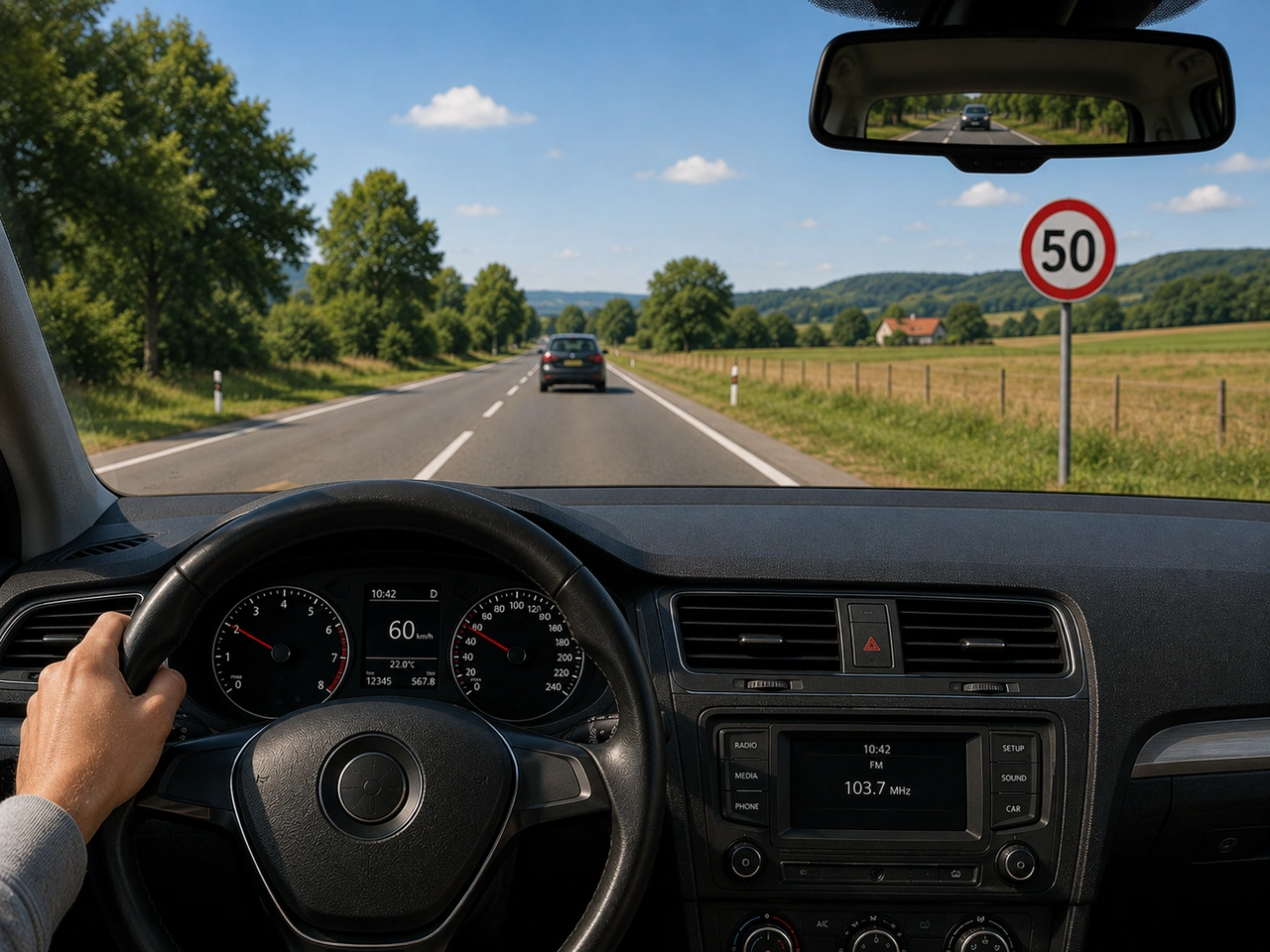
366. Speed limits only apply when there is heavy traffic.
Speed limits apply at all times unless a different limit is clearly indicated.
AI-generated by Rijbewijs-online.be • WCIT • CC BY-SA
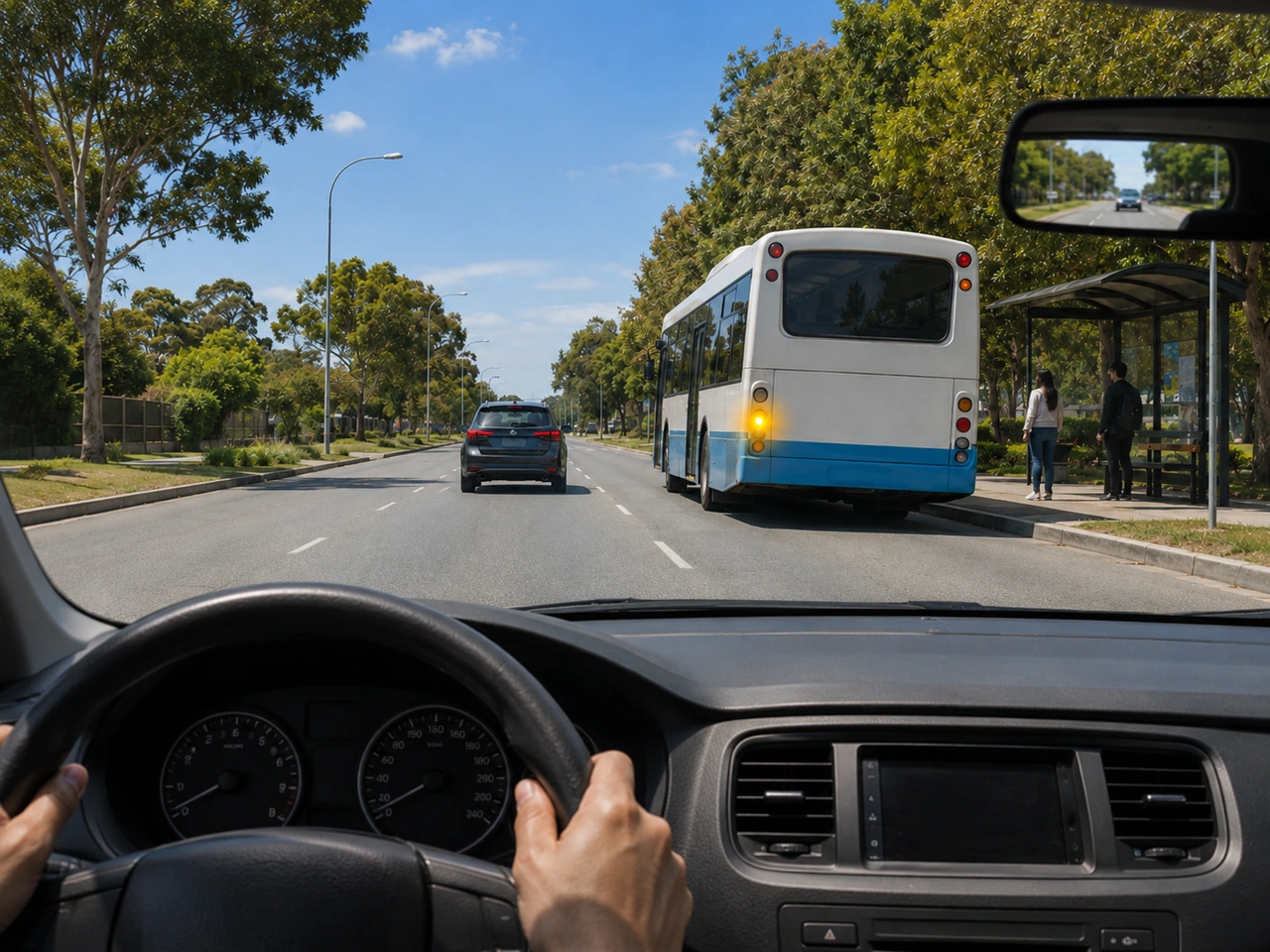
367. What should you do when a bus signals to pull away from a bus stop?
Buses may pull away after picking up passengers. Slow down, check the traffic situation, and allow space when it is safe.
AI-generated by Rijbewijs-online.be • WCIT • CC BY-SA
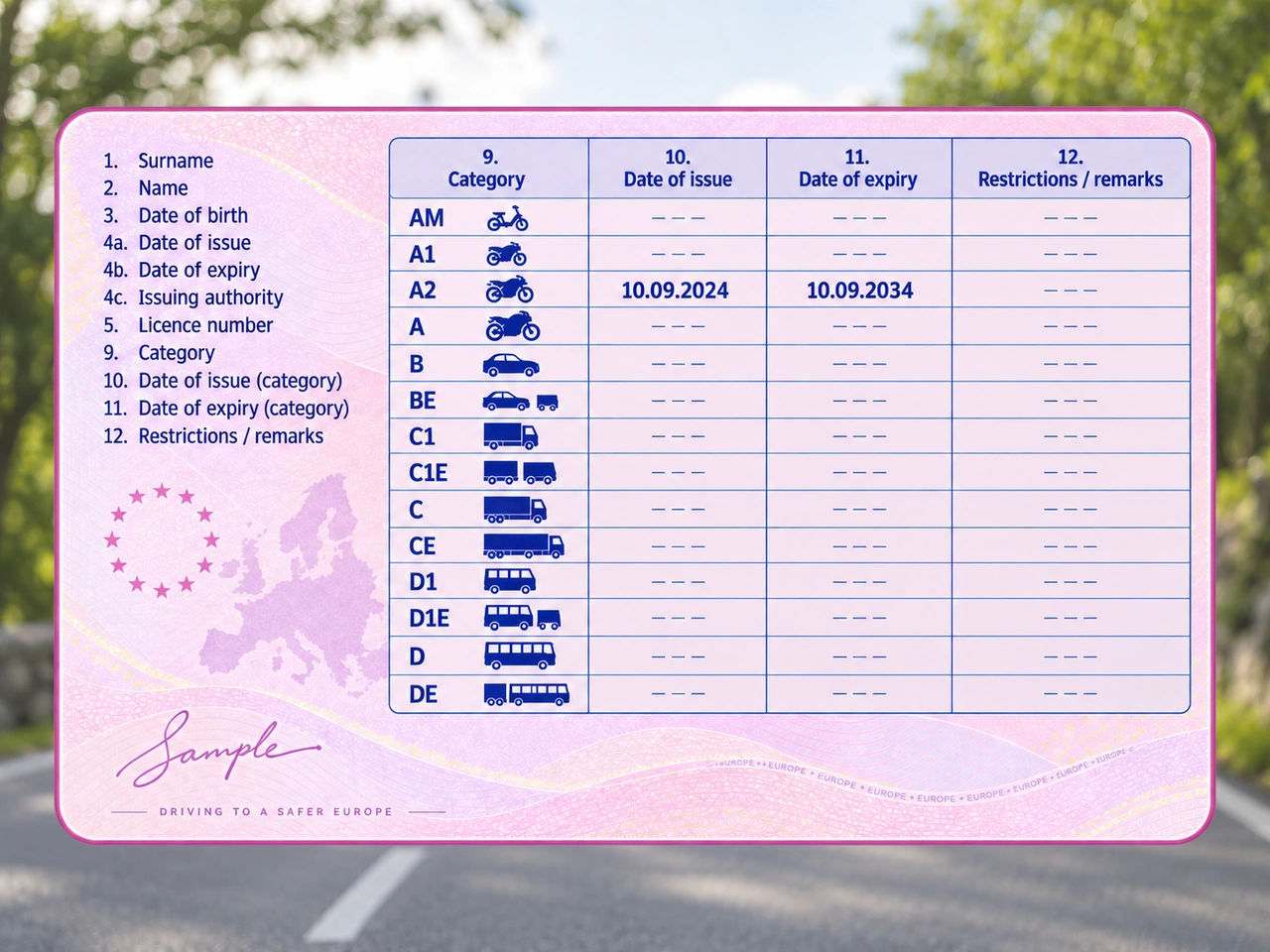
368. Which motorcycles are covered by driving licence A2?
Category A2 covers motorcycles with power not exceeding 35 kW and a power-to-weight ratio not exceeding 0.2 kW/kg. The motorcycle must not be derived from a vehicle with more than double its power.
AI-generated by Rijbewijs-online.be • WCIT • CC BY-SA
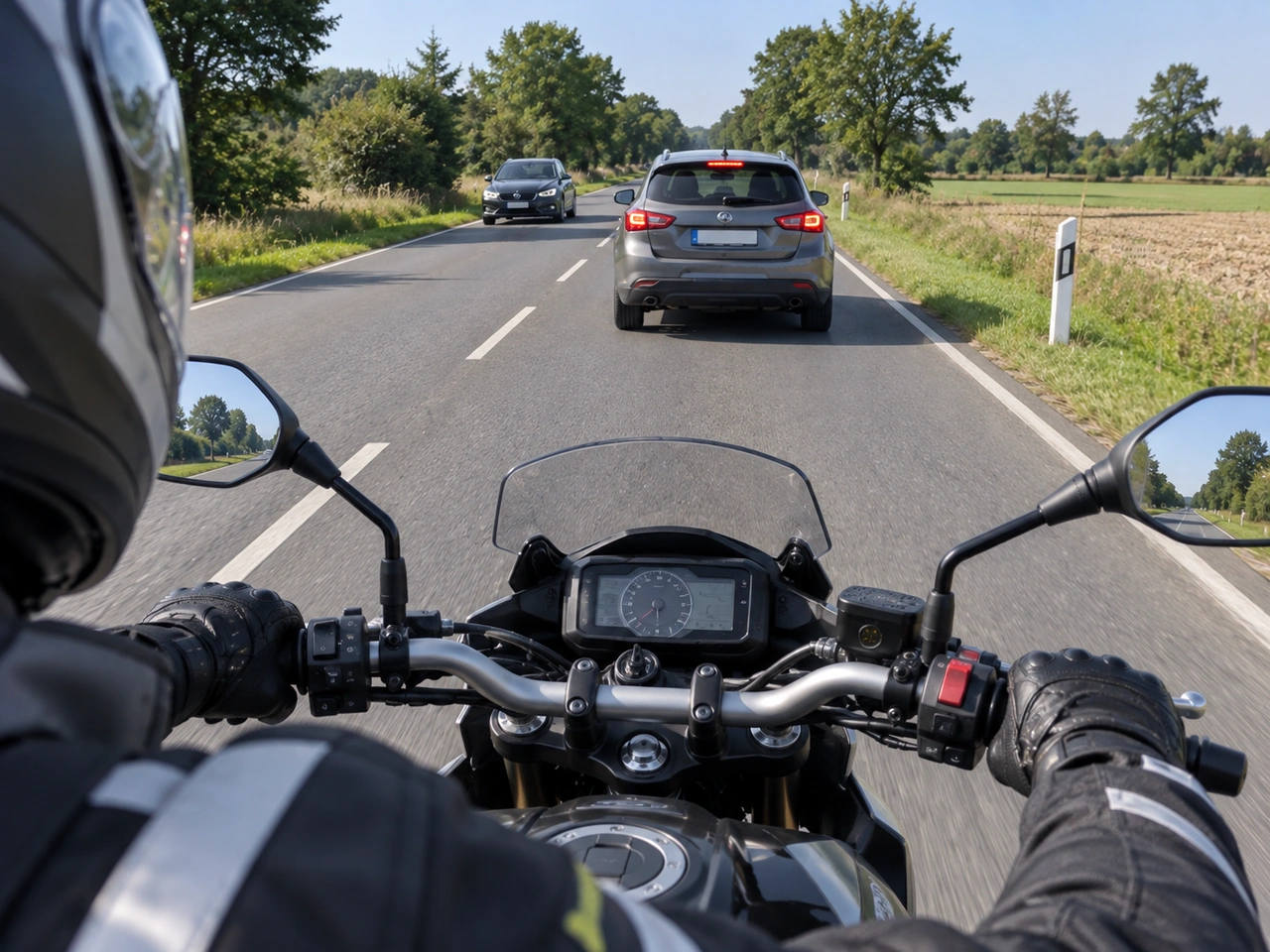
369. How should you normally brake on a motorcycle?
During normal braking, use both the front and rear brakes smoothly and progressively. The front brake normally provides much of the braking force, while the rear brake also helps slow and stabilise the motorcycle. Sudden or poorly balanced braking can reduce stability or cause a wheel to lose grip.
AI-generated by Rijbewijs-online.be • WCIT • CC BY-SA
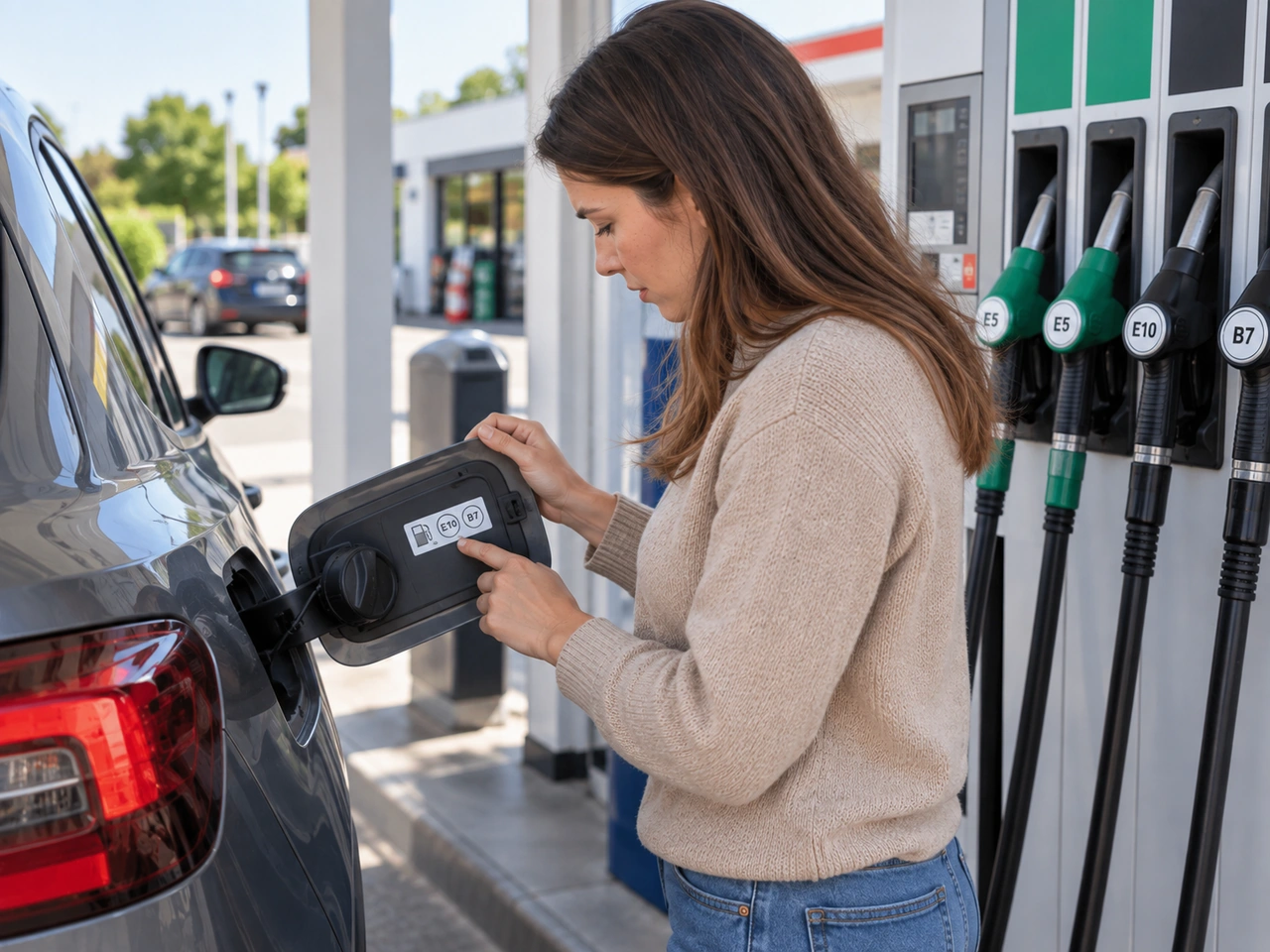
370. How can you check which fuel is suitable for your vehicle?
Before refuelling, check which fuel type the vehicle requires. The correct fuel is often shown inside the fuel-filler flap, on or near the fuel cap, or in the vehicle information or owner's manual. Do not rely only on nozzle colours, as these can vary between filling stations and countries.
AI-generated by Rijbewijs-online.be • WCIT • CC BY-SA
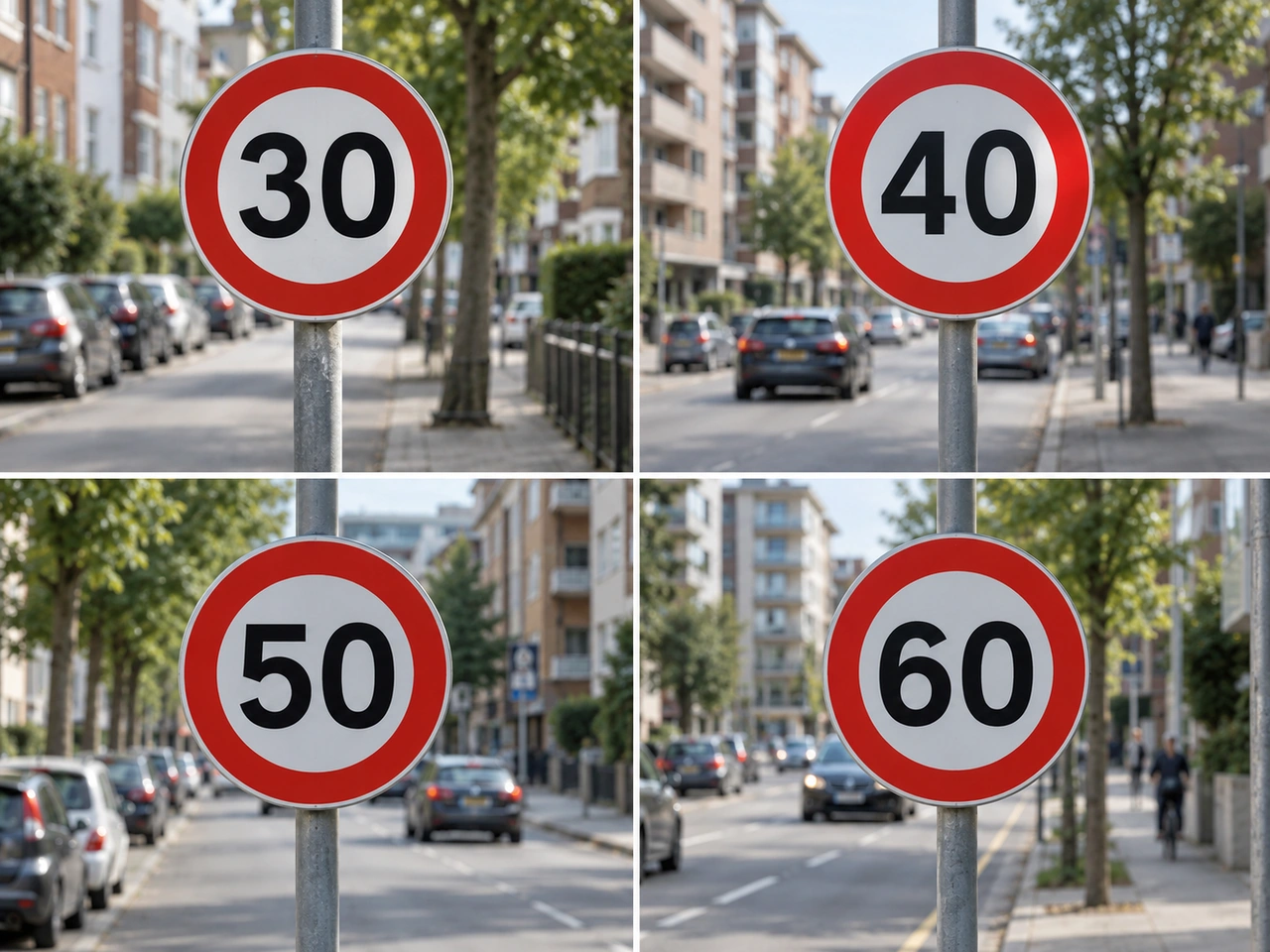
371. What is the general speed limit for cars in built-up areas in Germany?
The general speed limit for cars in built-up areas in Germany is 50 km/h, unless signs indicate otherwise.
AI-generated by Rijbewijs-online.be • WCIT • CC BY-SA
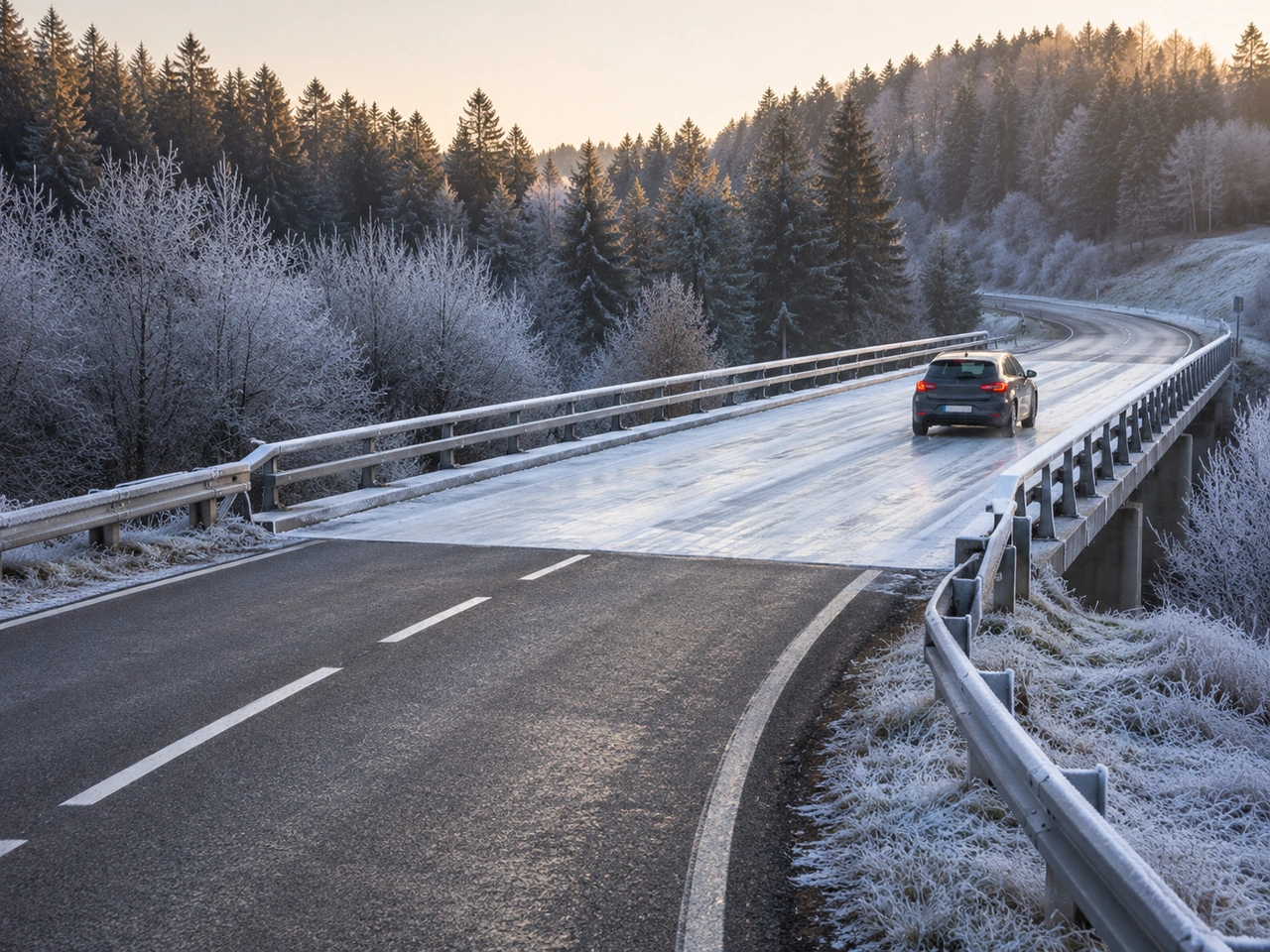
372. Why can bridges and overpasses become icy before nearby roads?
Bridges lose heat from both their upper and lower surfaces, so they can freeze before roads built directly on the ground.
AI-generated by Rijbewijs-online.be • WCIT • CC BY-SA
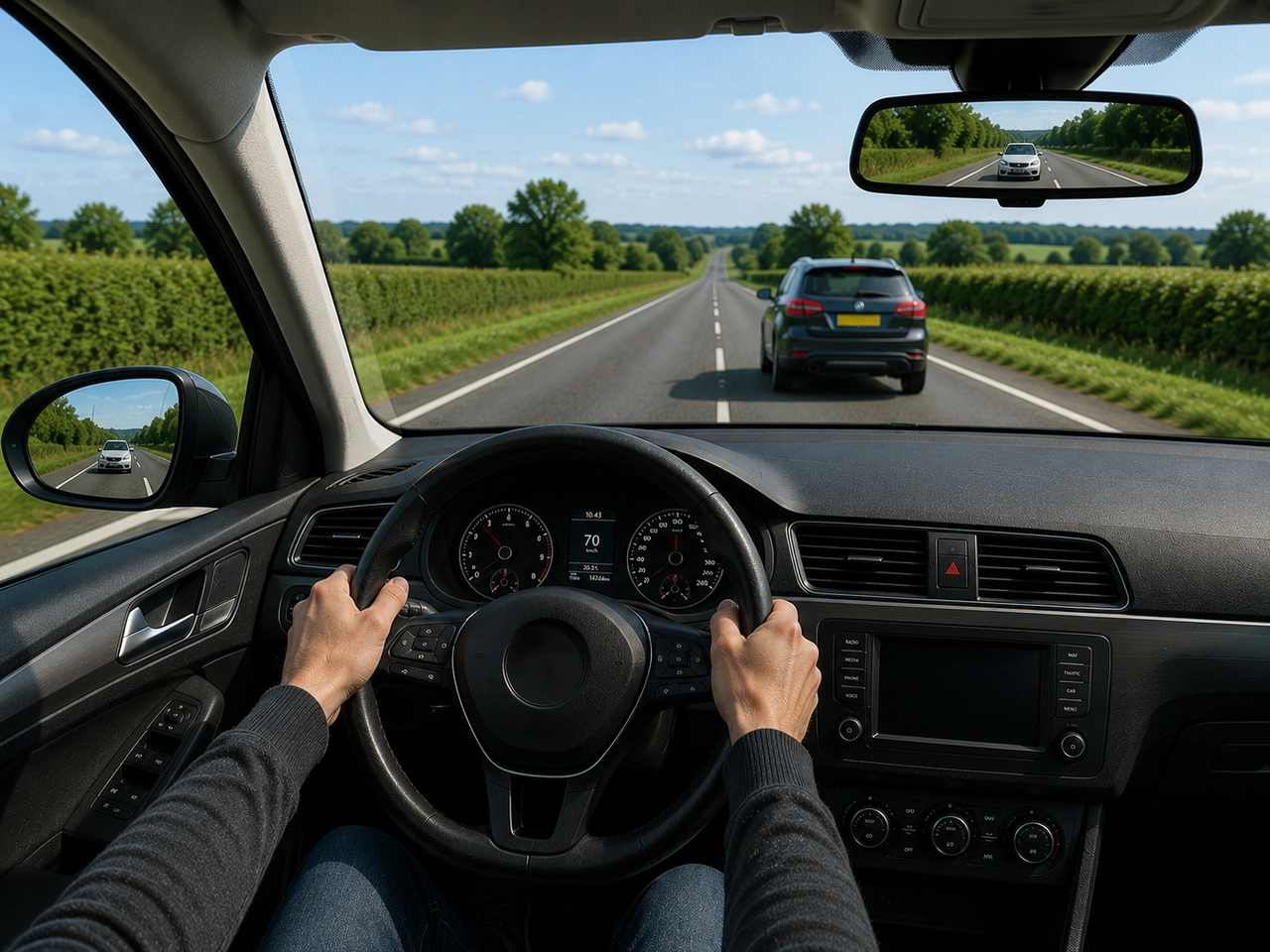
373. What should you do before overtaking another vehicle?
Before overtaking, check the road, mirrors, blind spots, signs, and markings, use your indicator, and only overtake when it is safe and permitted.
AI-generated by Rijbewijs-online.be • WCIT • CC BY-SA
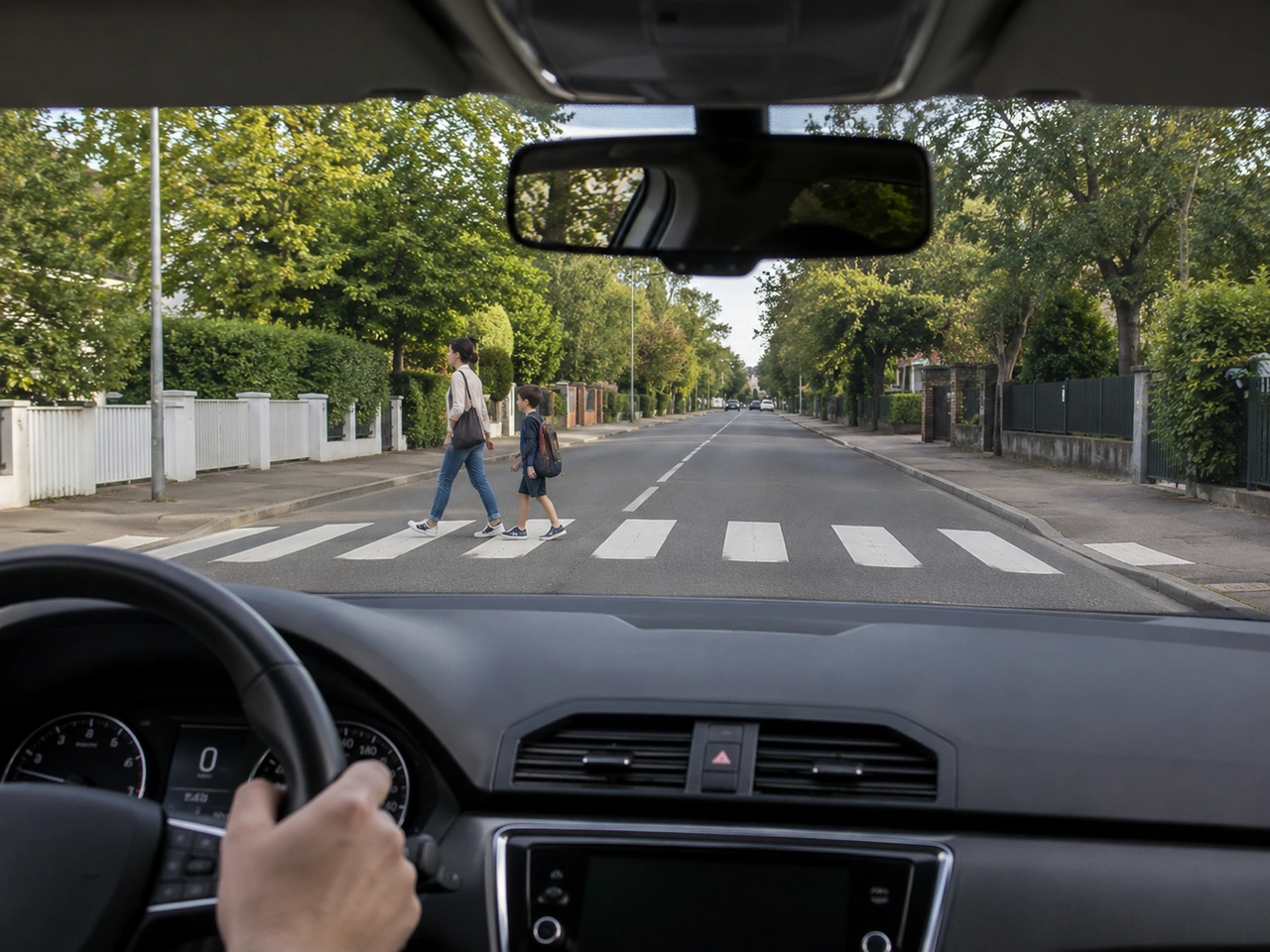
374. What is the purpose of a pedestrian crossing?
Pedestrian crossings provide a designated place where people can safely cross the road.
AI-generated by Rijbewijs-online.be • WCIT • CC BY-SA
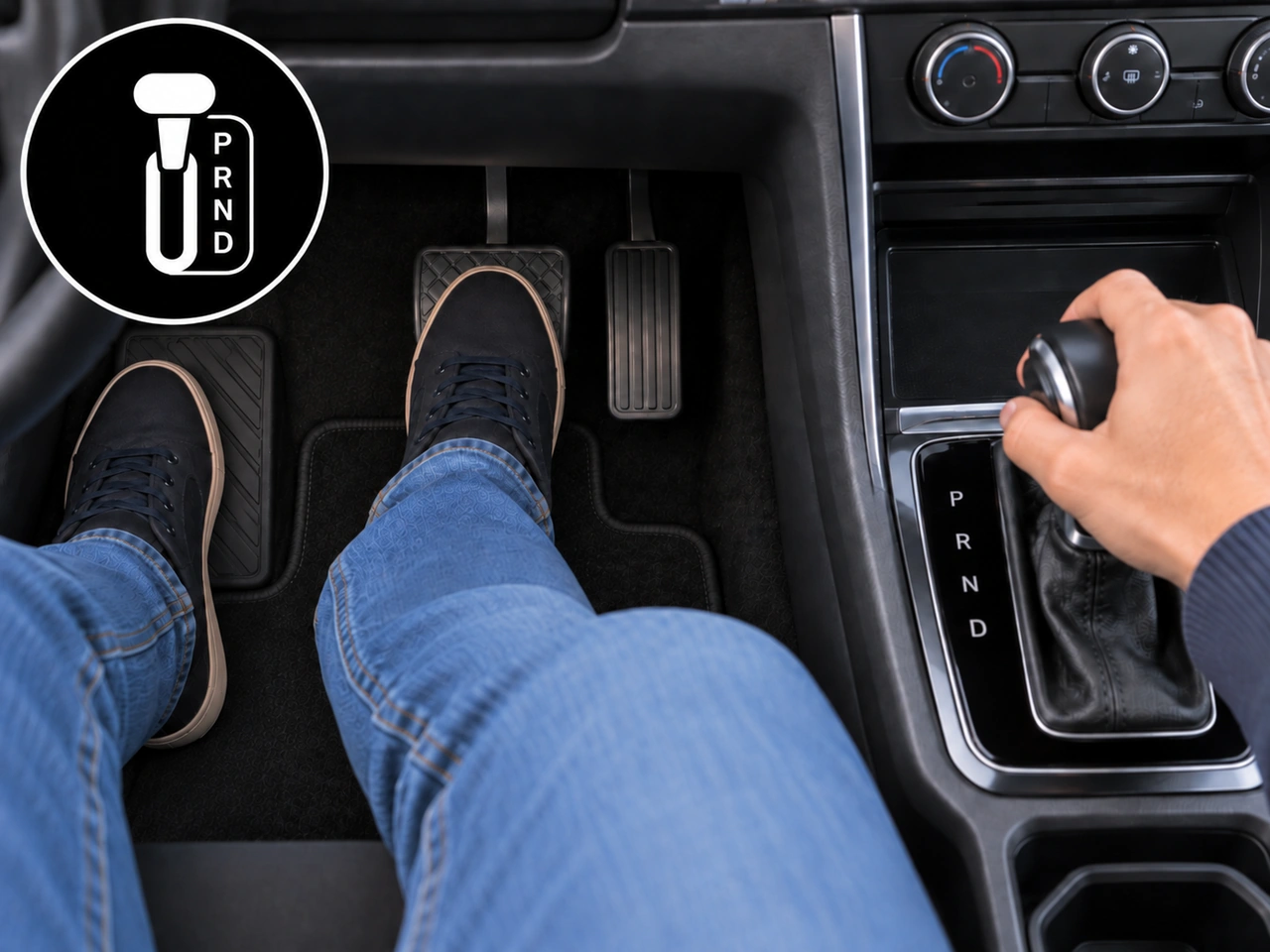
375. What should you normally do before selecting D or R in an automatic vehicle?
Before selecting D (Drive) or R (Reverse), keep the brake pedal pressed to prevent the vehicle from moving unexpectedly when the gear is engaged.
AI-generated by Rijbewijs-online.be • WCIT • CC BY-SA
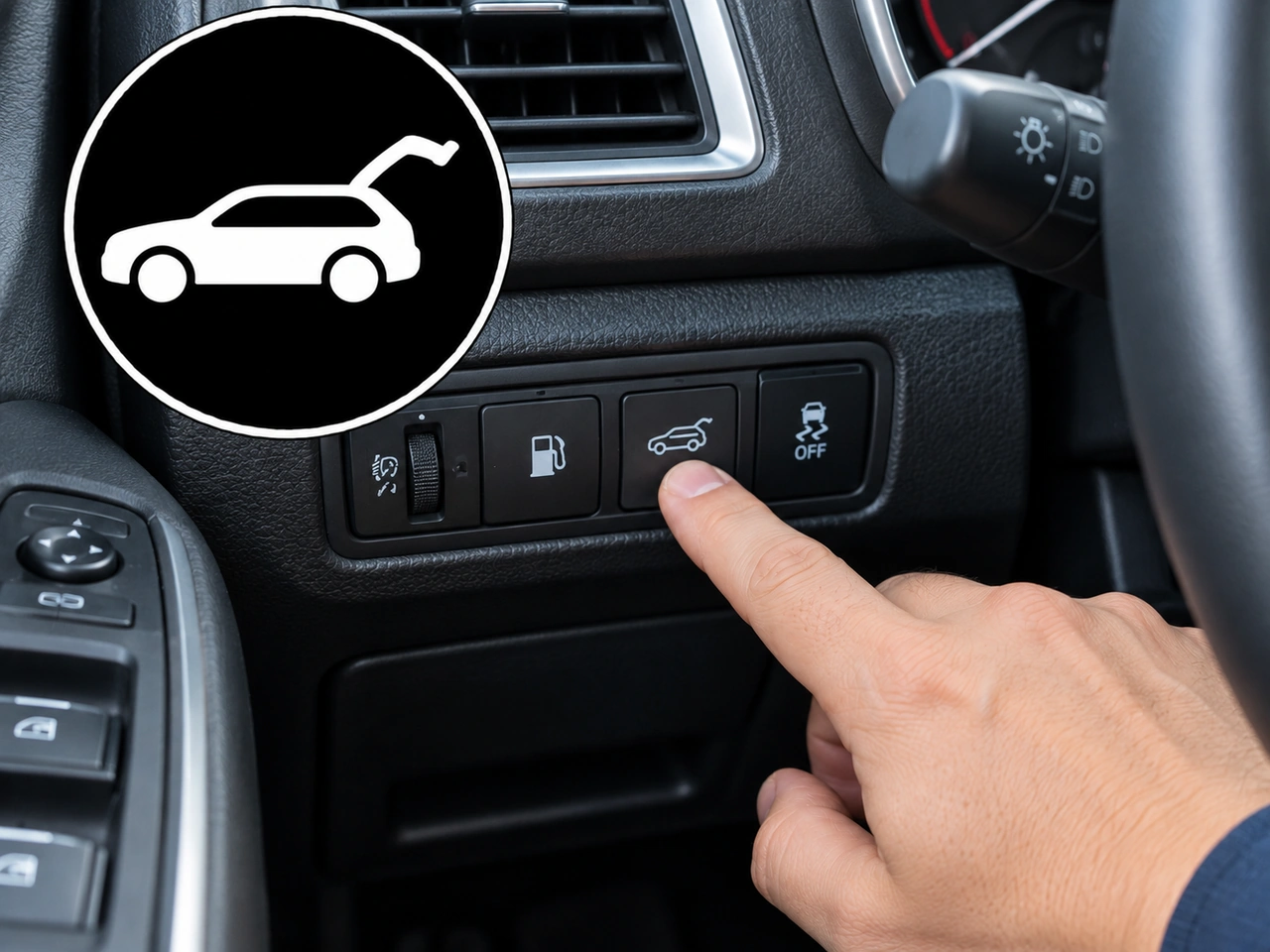
376. What does this vehicle-control symbol indicate?
This symbol indicates the boot or tailgate release. Operating the control unlocks or opens the luggage compartment, depending on the vehicle.
AI-generated by Rijbewijs-online.be • WCIT • CC BY-SA
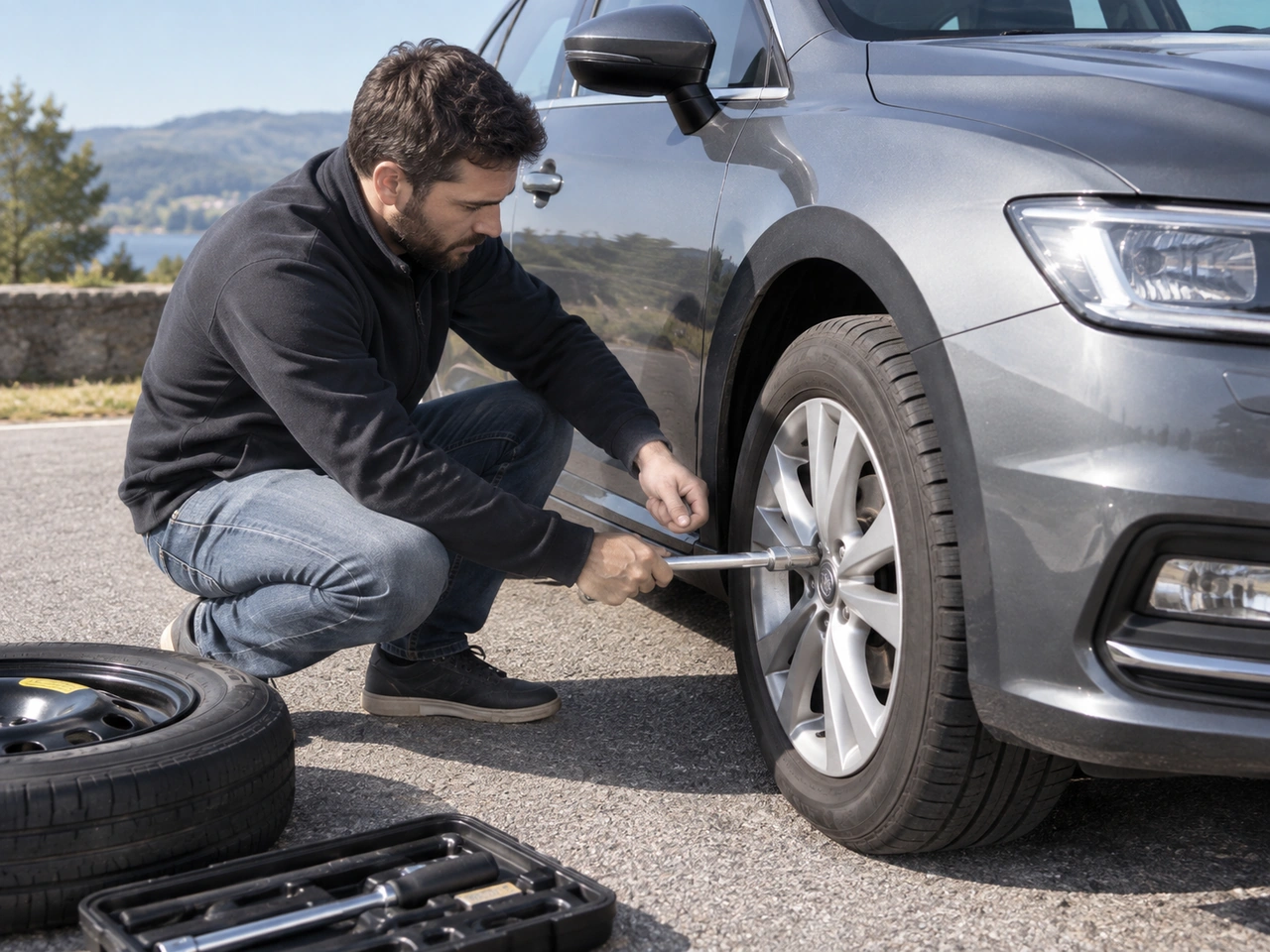
377. What should you check after fitting a wheel?
After fitting a wheel, make sure the wheel nuts are tightened correctly using the manufacturer's specified procedure and torque. Incorrectly tightened wheel nuts can loosen or damage the wheel. Recheck them later if the vehicle or wheel manufacturer recommends it.
AI-generated by Rijbewijs-online.be • WCIT • CC BY-SA
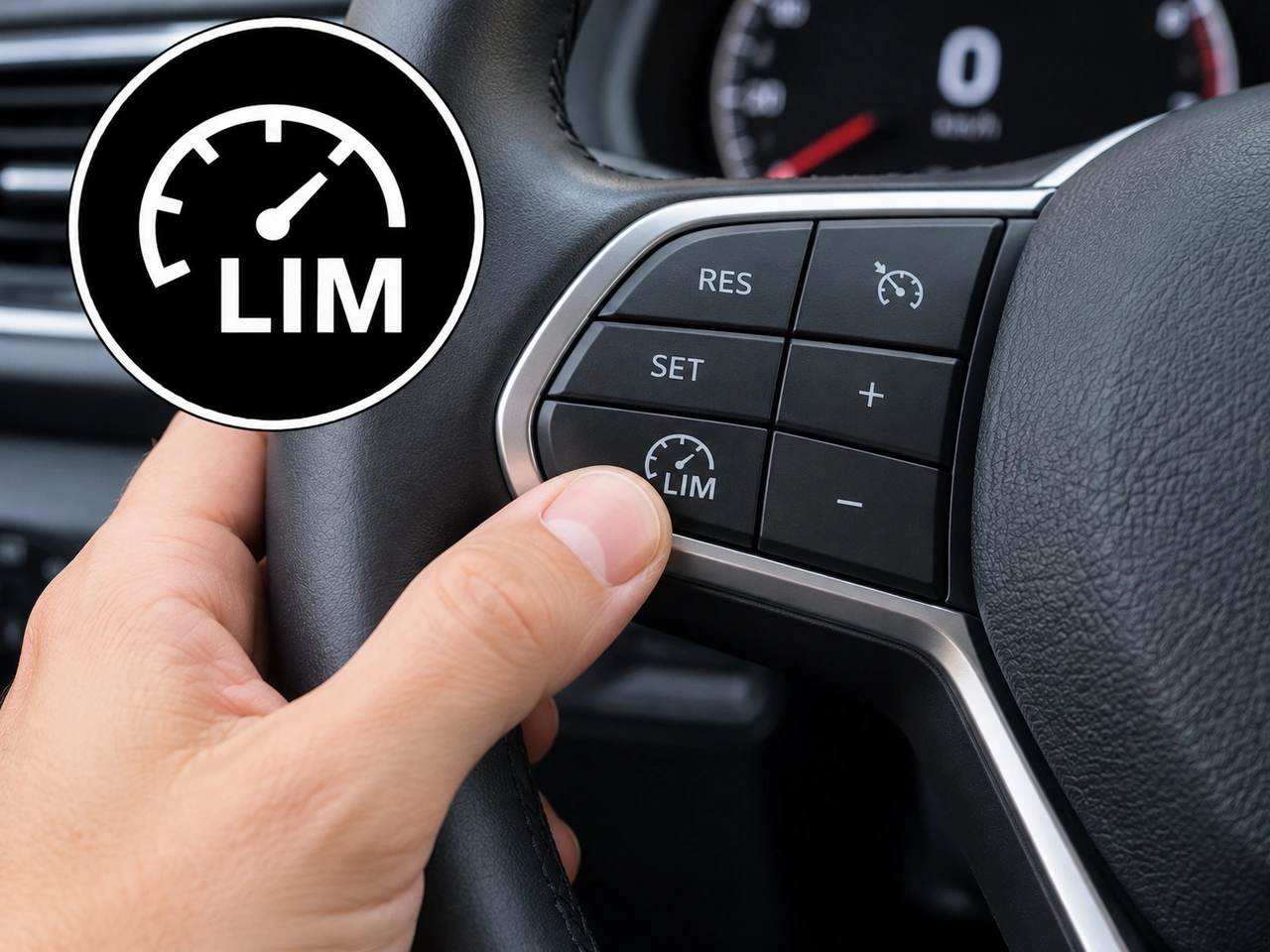
378. What does this vehicle-control symbol indicate?
The speed limiter allows the driver to set a maximum speed that the vehicle should not normally exceed while the accelerator is being used.
AI-generated by Rijbewijs-online.be • WCIT • CC BY-SA
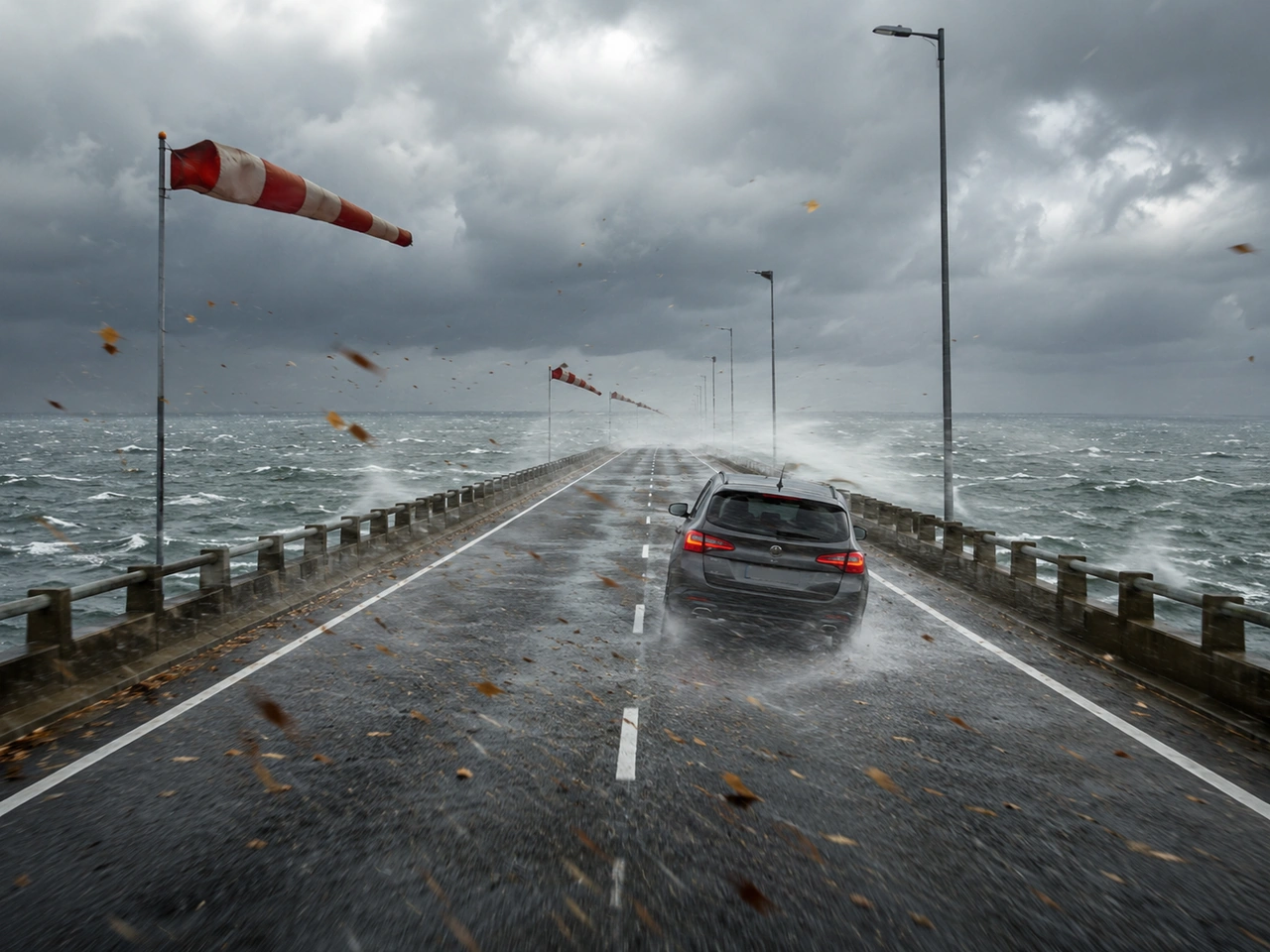
379. Why can bridges be dangerous in strong winds?
Bridges are often open and exposed, allowing strong winds to affect vehicles more suddenly.
AI-generated by Rijbewijs-online.be • WCIT • CC BY-SA
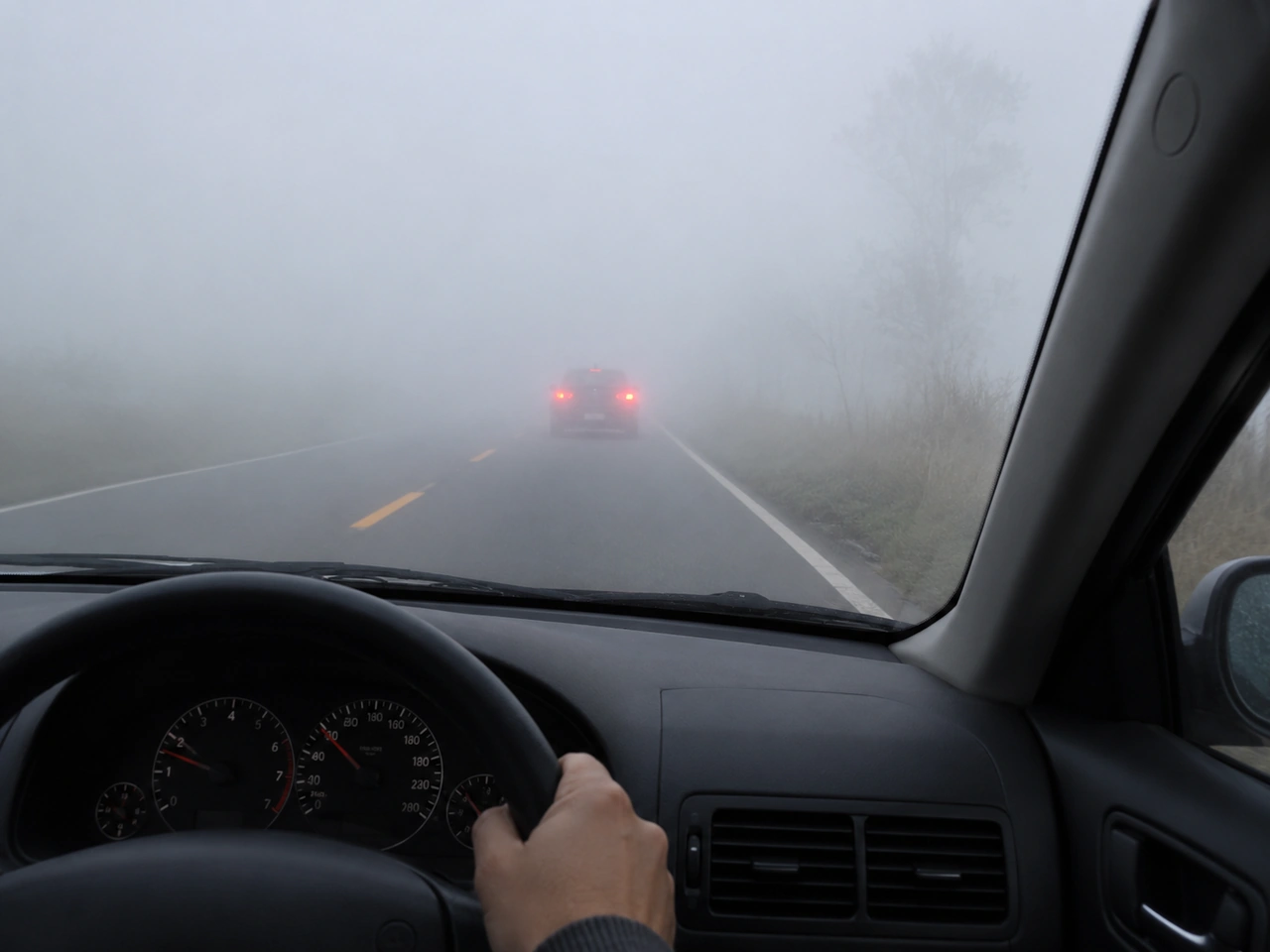
380. Why should you reduce speed in fog?
Fog can hide obstacles, pedestrians, and other vehicles. Lower speed gives you more time to react.
AI-generated by Rijbewijs-online.be • WCIT • CC BY-SA
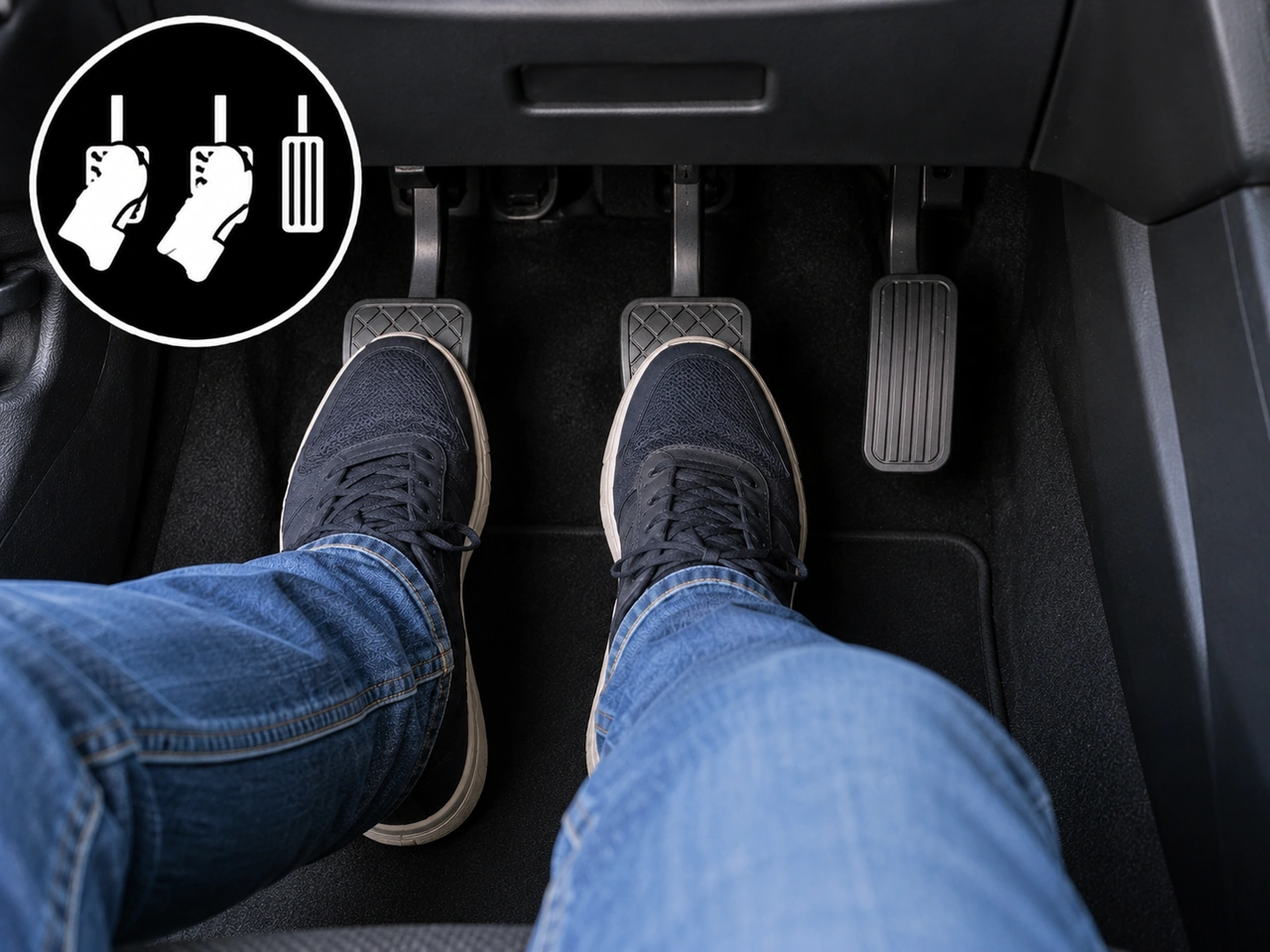
381. What should you do with the clutch when bringing a manual vehicle to a stop?
When stopping a manual vehicle, brake normally and press the clutch pedal before the engine speed becomes too low and the engine stalls. Avoid pressing the clutch unnecessarily early, as this reduces engine braking.
AI-generated by Rijbewijs-online.be • WCIT • CC BY-SA
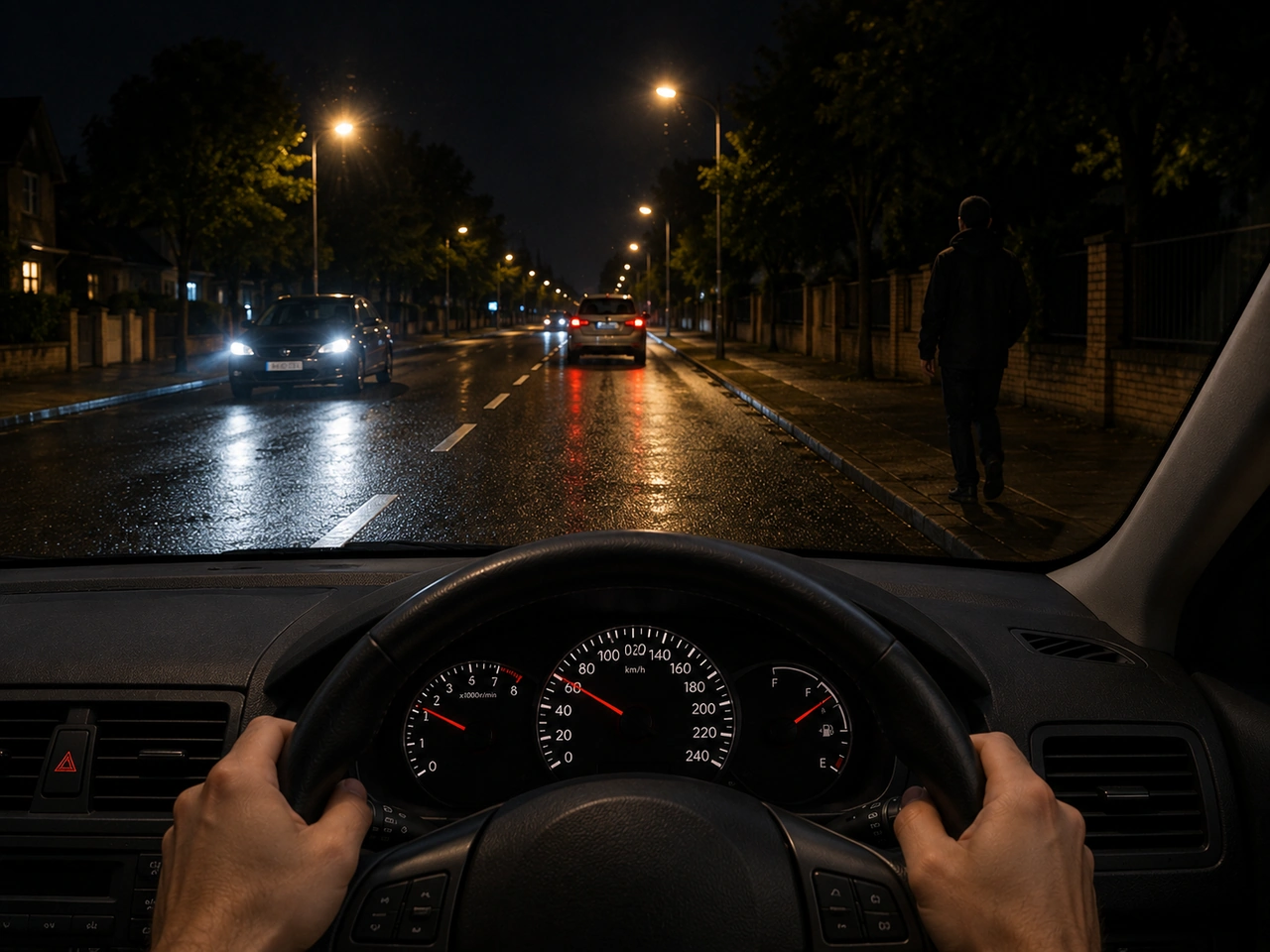
382. Why should you avoid wearing dark clothing at night?
Dark clothing makes pedestrians harder to see in low-light conditions. Bright or reflective clothing improves visibility.
AI-generated by Rijbewijs-online.be • WCIT • CC BY-SA
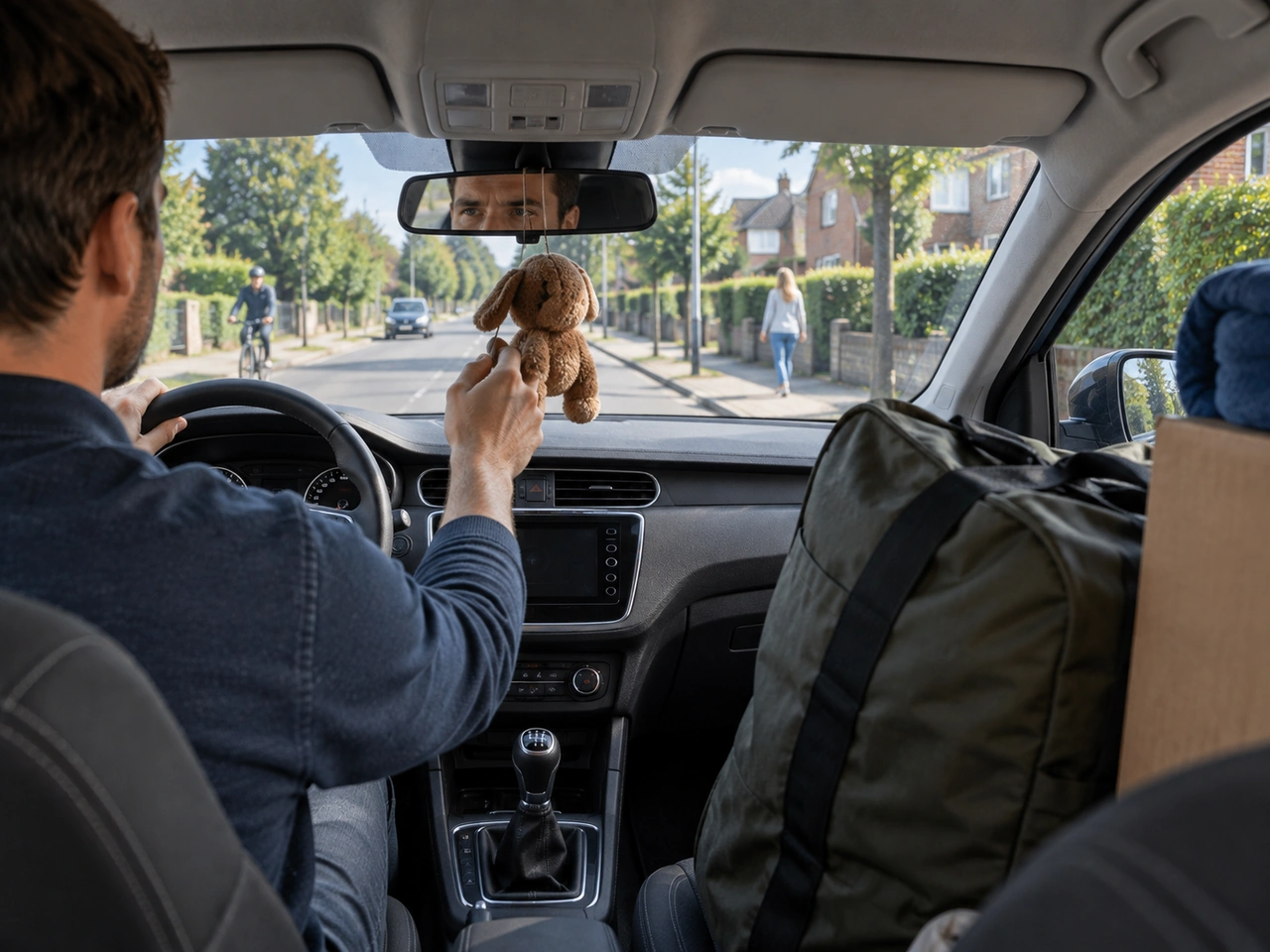
383. Why must luggage or other objects not obstruct the driver's view?
The driver must have a clear view of the road and surroundings. Luggage, decorations, or other objects that obstruct the windscreen, windows, or mirrors can hide pedestrians, cyclists, vehicles, signs, or other hazards.
AI-generated by Rijbewijs-online.be • WCIT • CC BY-SA
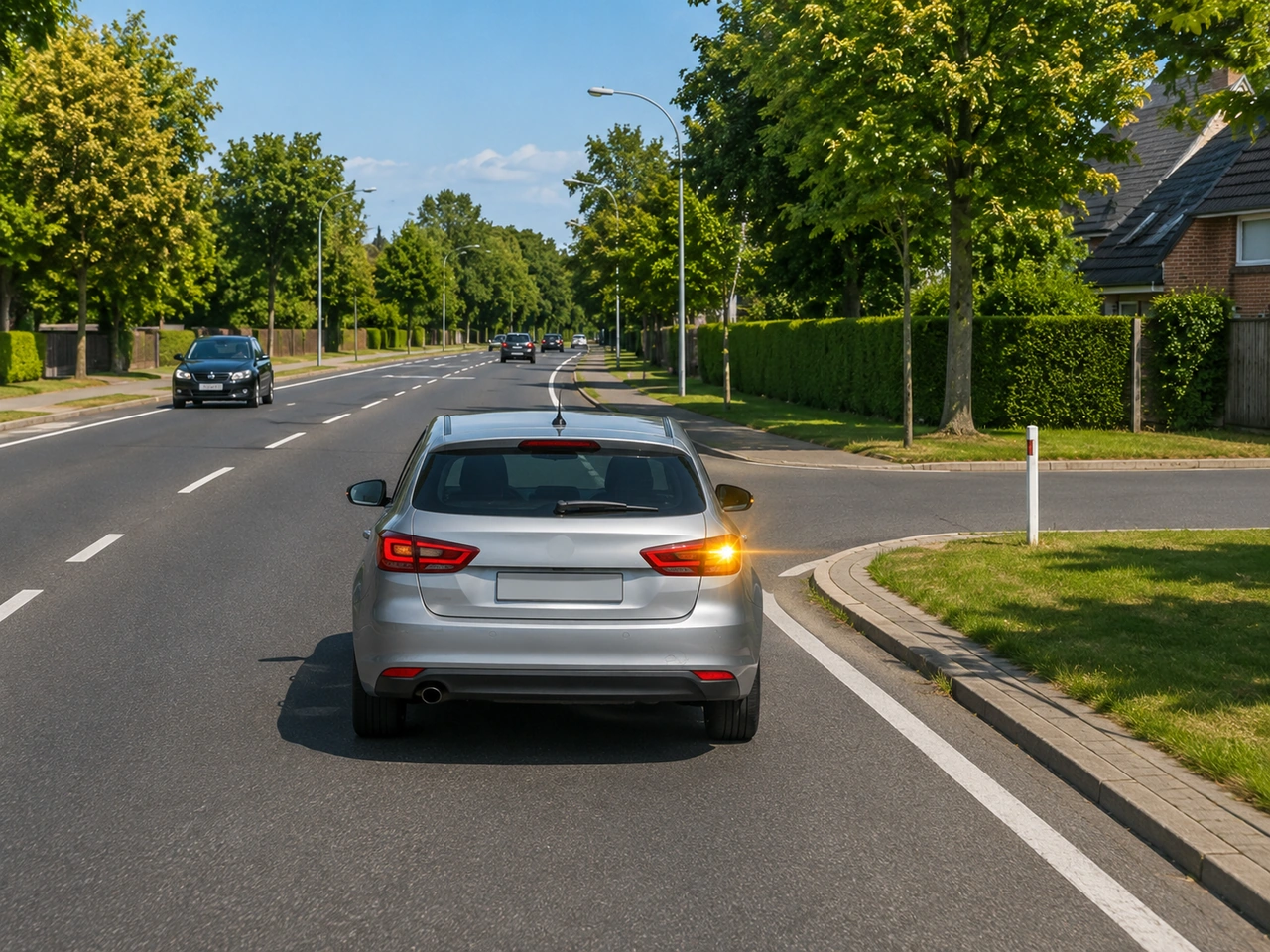
384. Why should you use your indicator before turning?
Indicators help other drivers, cyclists, and pedestrians understand your intentions in time.
AI-generated by Rijbewijs-online.be • WCIT • CC BY-SA
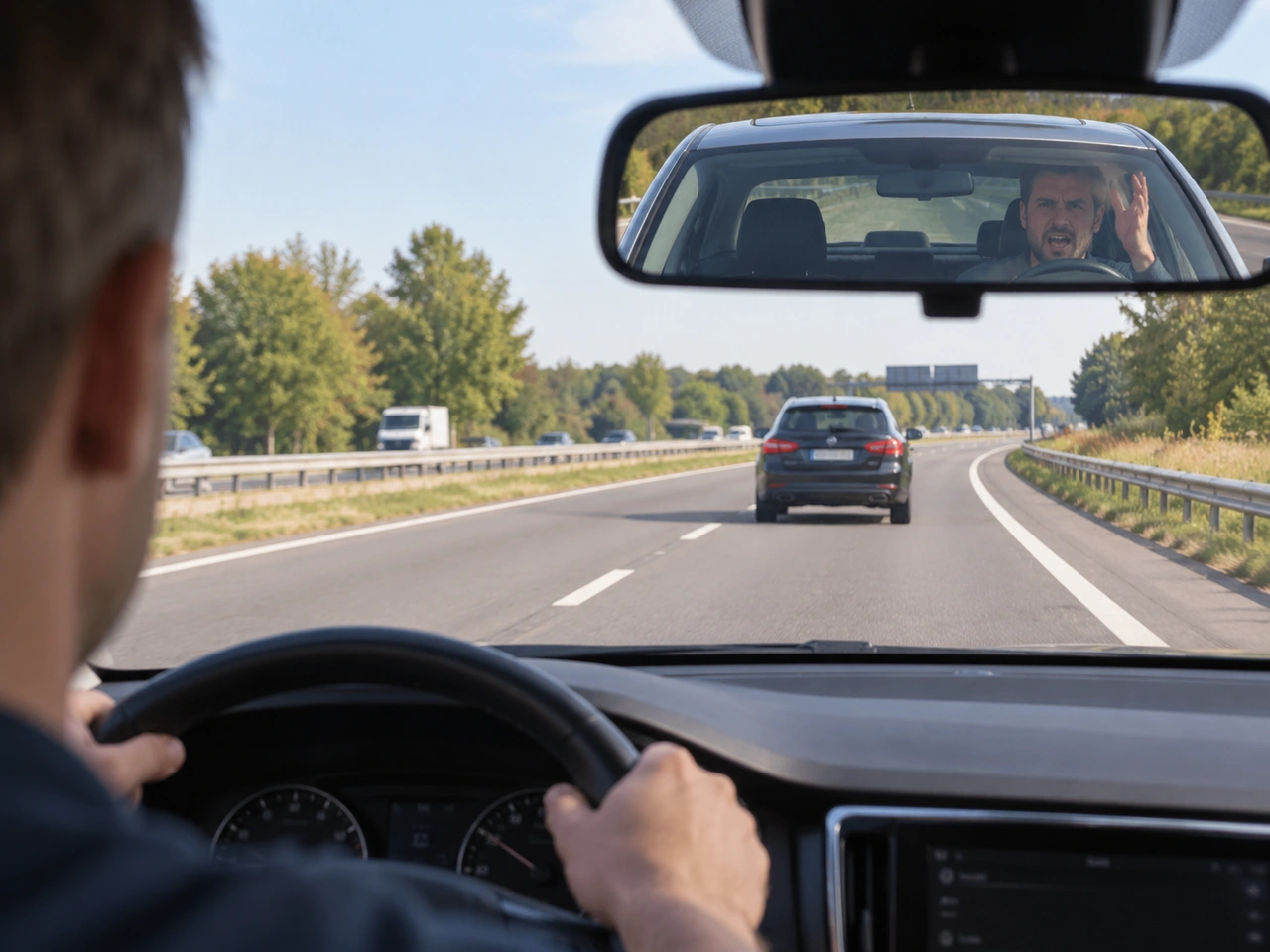
385. What should you do if another driver behaves aggressively towards you?
If another driver behaves aggressively, do not retaliate or become involved in a confrontation. Stay calm, increase the distance between you, and let the other vehicle move away when possible. If you feel threatened, go to a safe public place and seek appropriate assistance.
AI-generated by Rijbewijs-online.be • WCIT • CC BY-SA
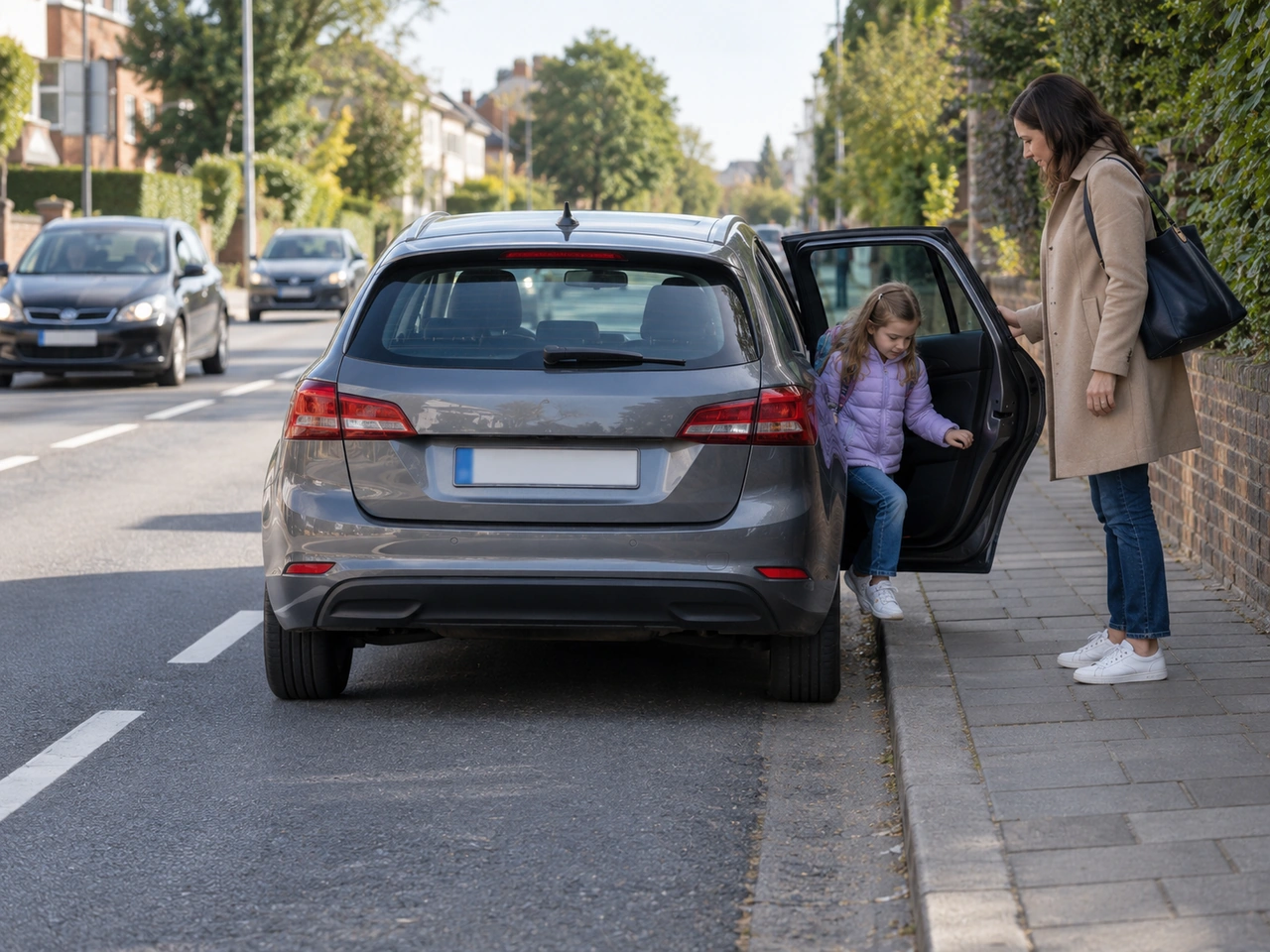
386. Where should passengers get in or out of a vehicle when possible?
Passengers should get in or out on the side away from moving traffic whenever possible. This is particularly important for children, who may not recognise approaching traffic or other road users. Before opening any door, check that it is safe.
AI-generated by Rijbewijs-online.be • WCIT • CC BY-SA
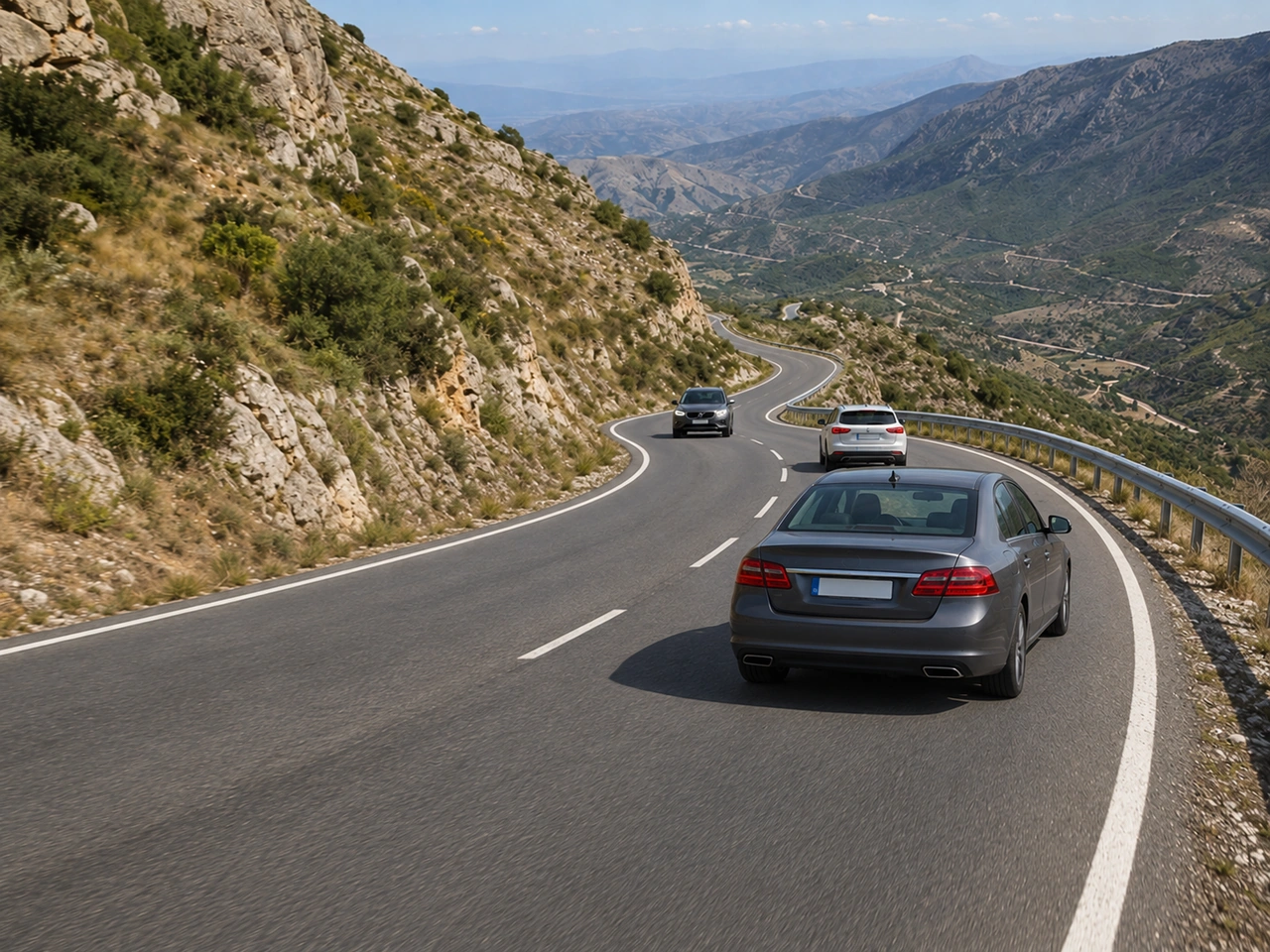
387. What can happen if you use the brakes continuously on a long descent?
Continuous braking can cause the brakes to overheat and fade, reducing braking performance. Use a lower gear to help control speed with engine braking.
AI-generated by Rijbewijs-online.be • WCIT • CC BY-SA
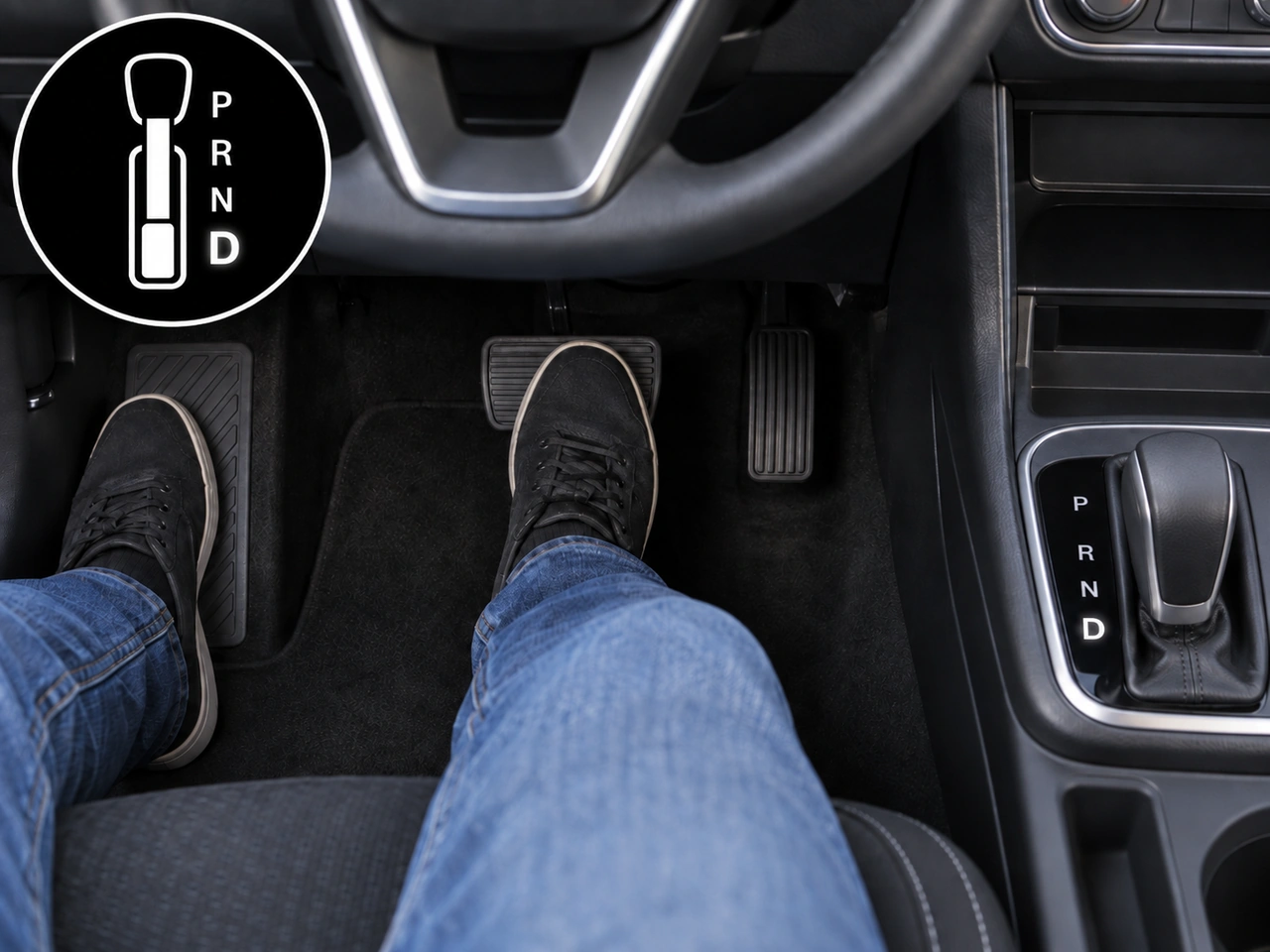
388. What should you do when an automatic vehicle is stationary in D?
An automatic vehicle may creep forward when D (Drive) is selected, even without pressing the accelerator. Keep the brake pedal pressed while stationary to prevent unintended movement.
AI-generated by Rijbewijs-online.be • WCIT • CC BY-SA
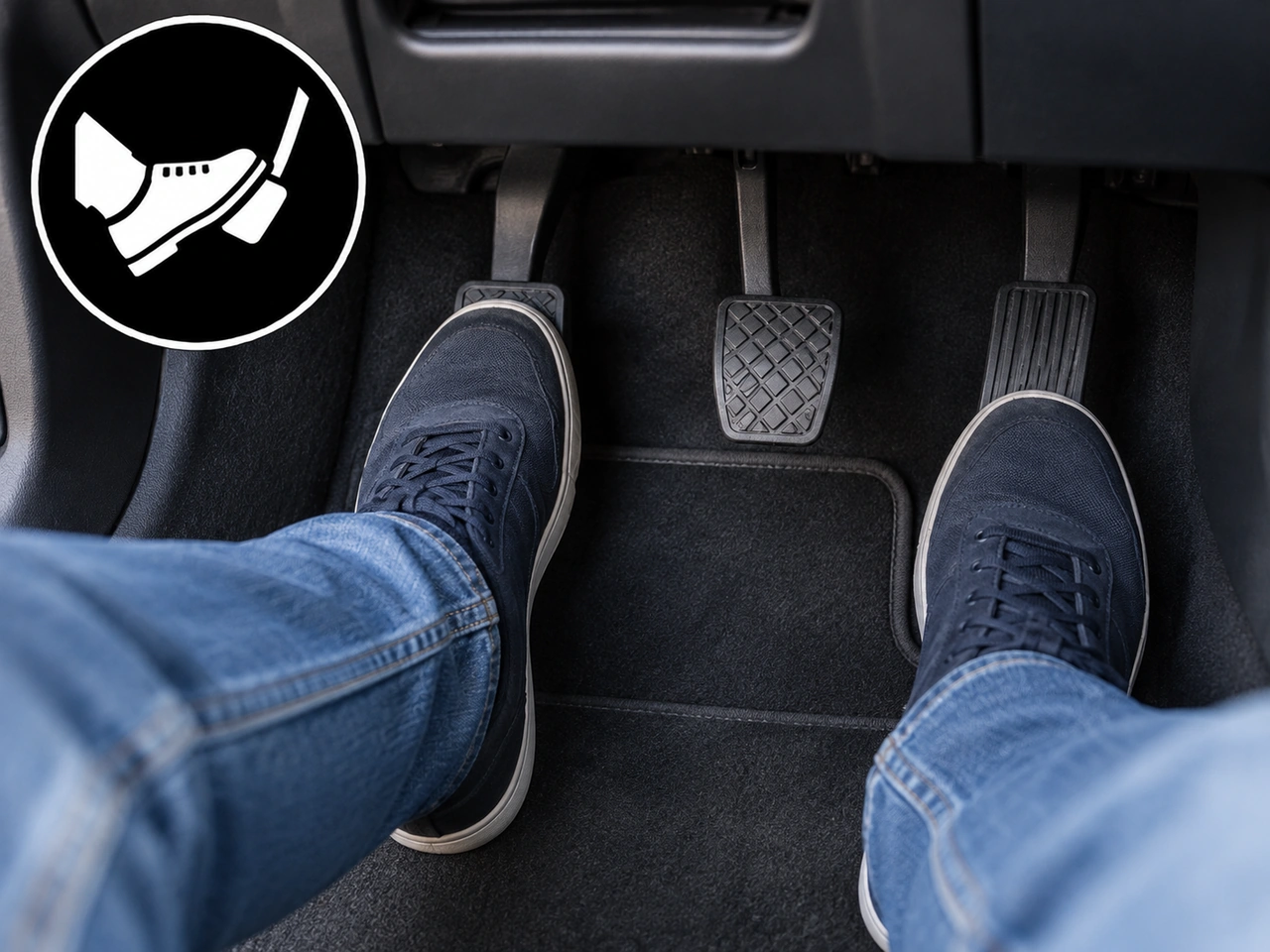
389. Why should you avoid keeping the clutch pedal pressed while driving?
Keeping the clutch pedal pressed while the vehicle is moving disconnects the engine from the transmission. This reduces engine braking and can reduce your control of the vehicle.
AI-generated by Rijbewijs-online.be • WCIT • CC BY-SA
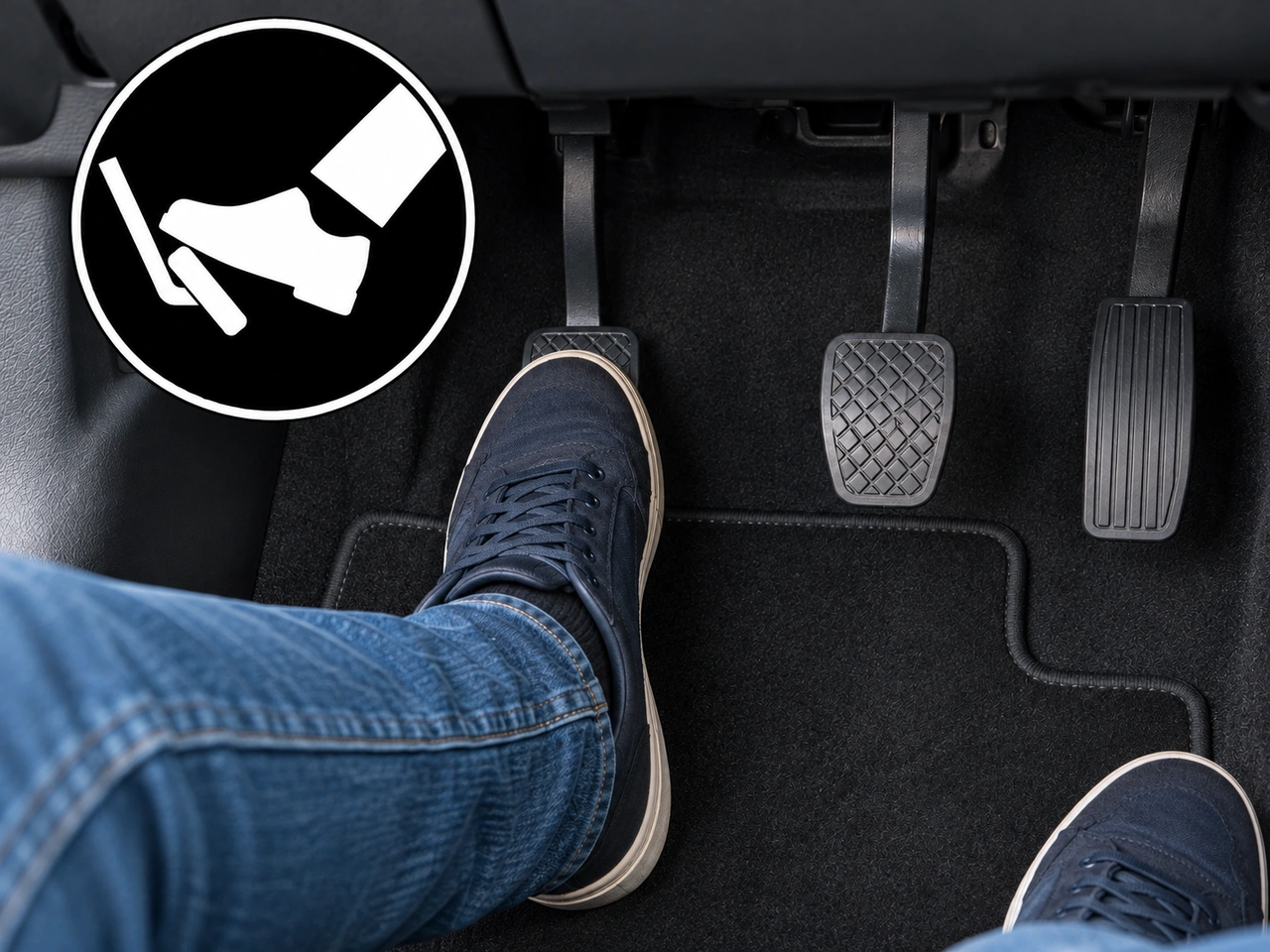
390. Why should you press the clutch pedal fully when changing gear?
Pressing the clutch pedal fully disengages the engine from the transmission, allowing the gear to be changed smoothly and reducing unnecessary wear on the gearbox and clutch.
AI-generated by Rijbewijs-online.be • WCIT • CC BY-SA
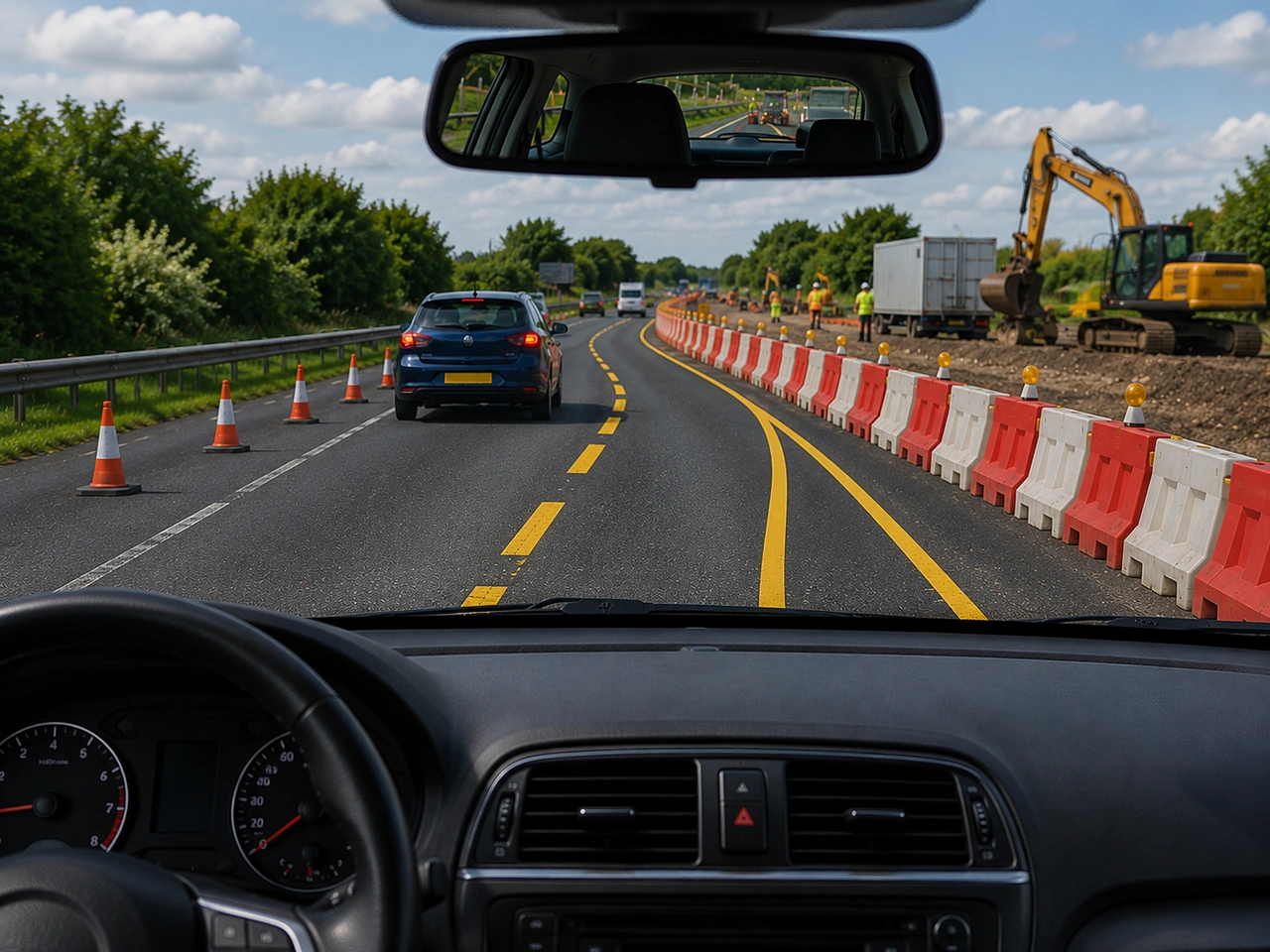
391. Which road markings should you follow through roadworks?
Temporary road markings may replace the normal lane layout during roadworks. Follow the markings and signs that currently guide traffic.
AI-generated by Rijbewijs-online.be • WCIT • CC BY-SA
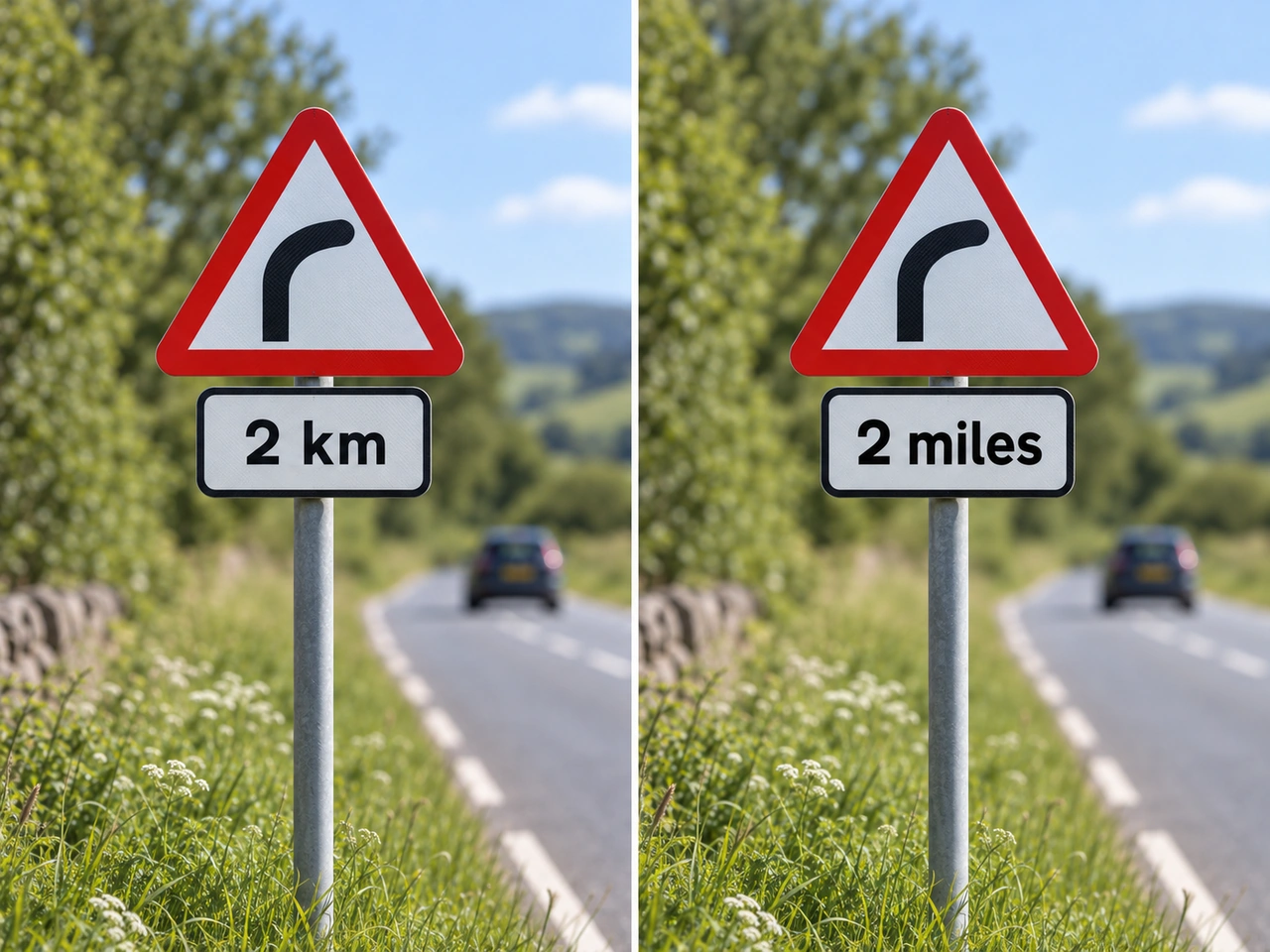
392. Which distance unit is used on road signs in Germany?
Road distances in Germany are normally shown in kilometres.
AI-generated by Rijbewijs-online.be • WCIT • CC BY-SA
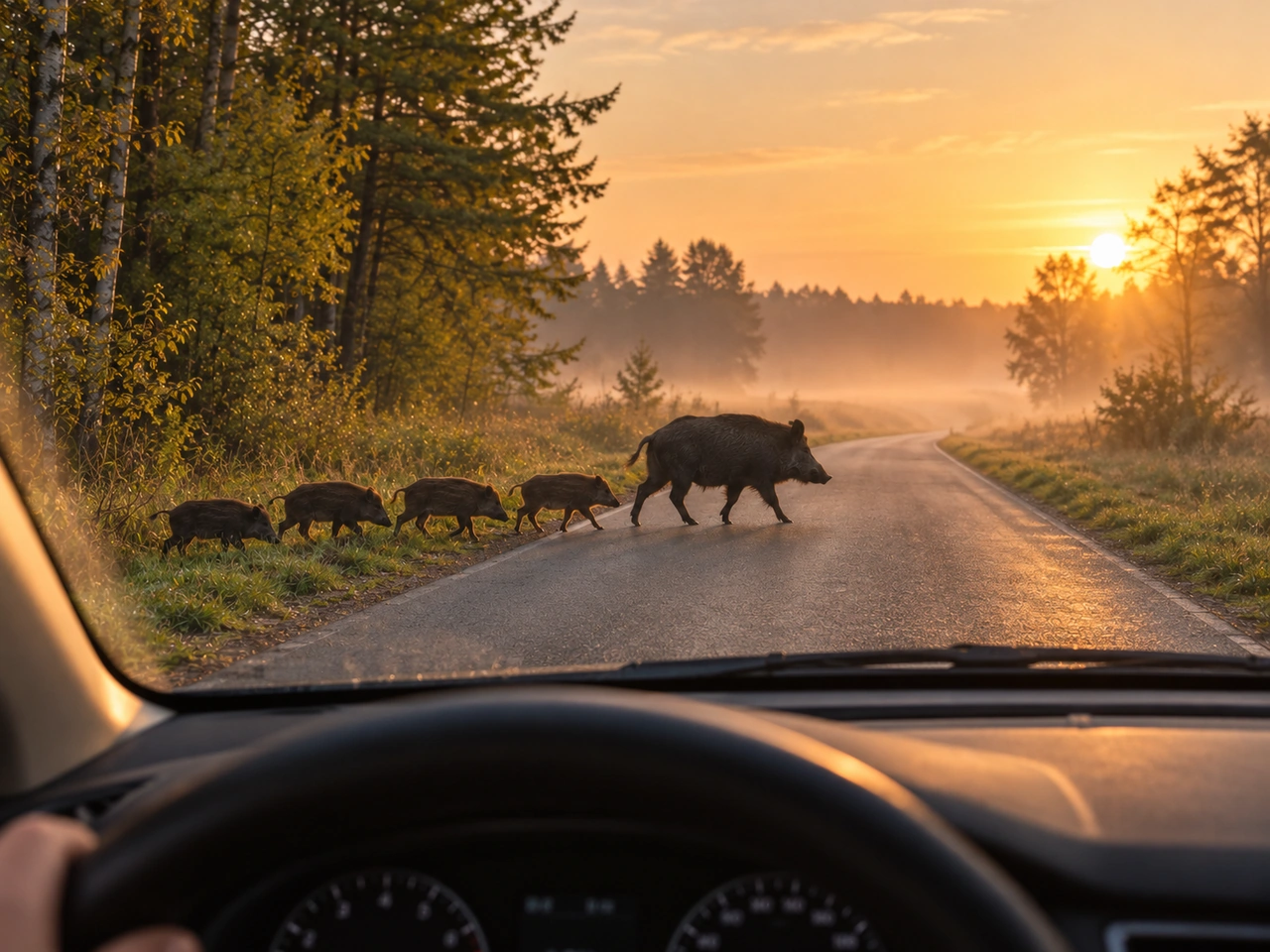
393. Why should you be especially alert for wild animals at dawn and dusk?
Many wild animals are most active around dawn and dusk, when visibility may also be reduced.
AI-generated by Rijbewijs-online.be • WCIT • CC BY-SA
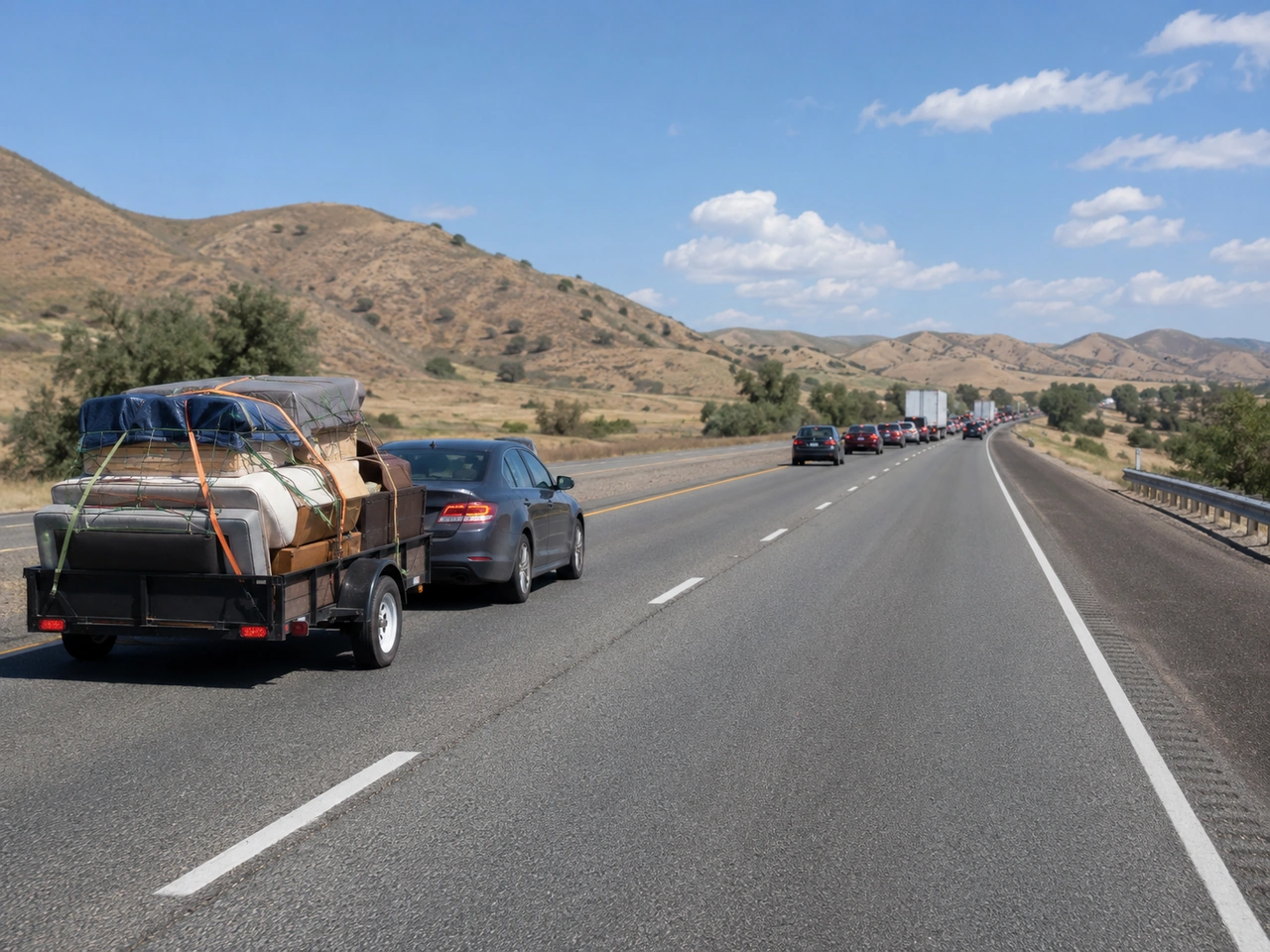
394. How can a heavy load affect stopping distance?
A heavily loaded vehicle has more mass and may require additional distance to slow down or stop safely.
AI-generated by Rijbewijs-online.be • WCIT • CC BY-SA
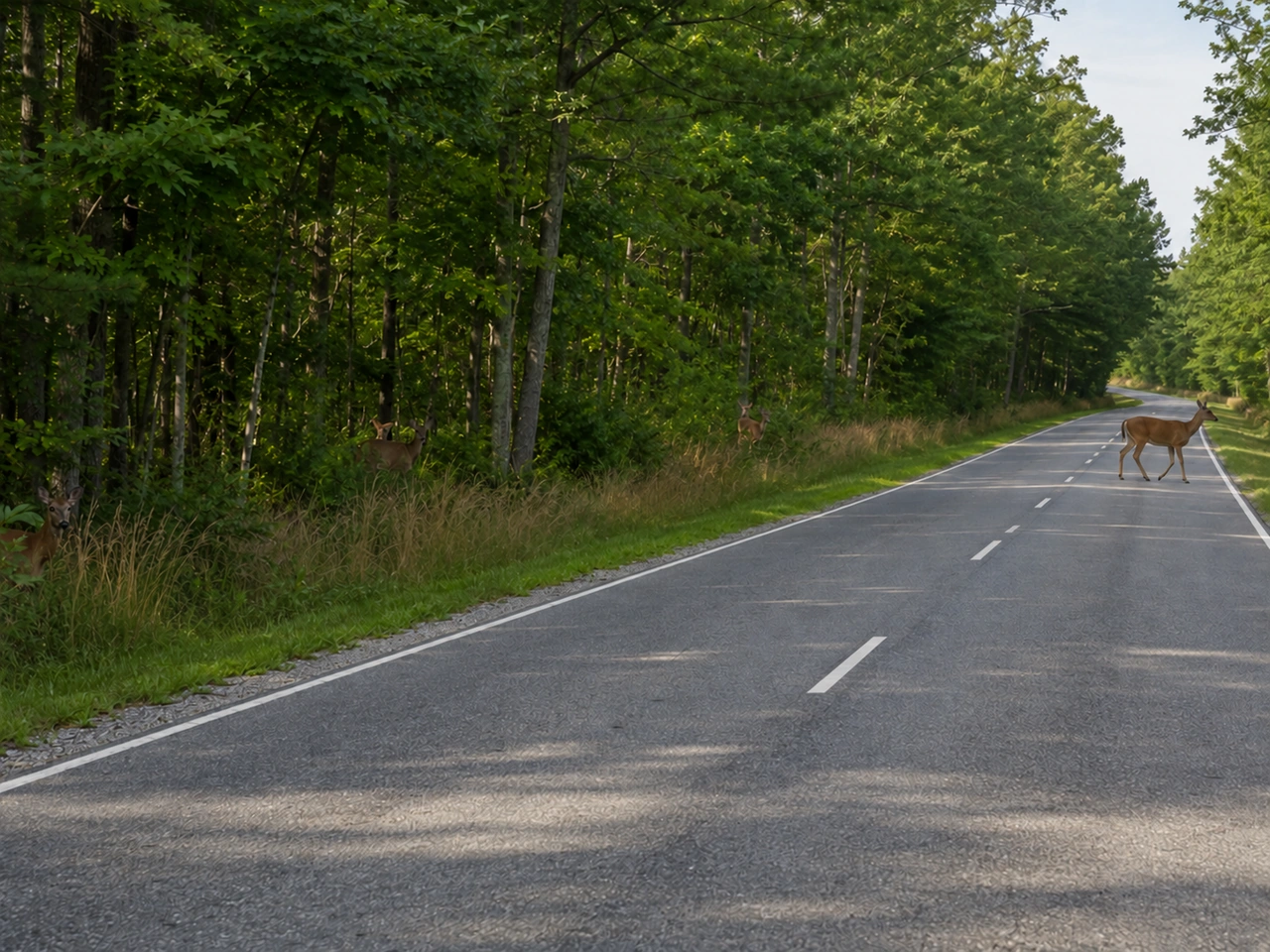
395. What should you expect after one wild animal crosses the road?
Many animals travel in groups. Slow down and continue watching both sides of the road.
AI-generated by Rijbewijs-online.be • WCIT • CC BY-SA
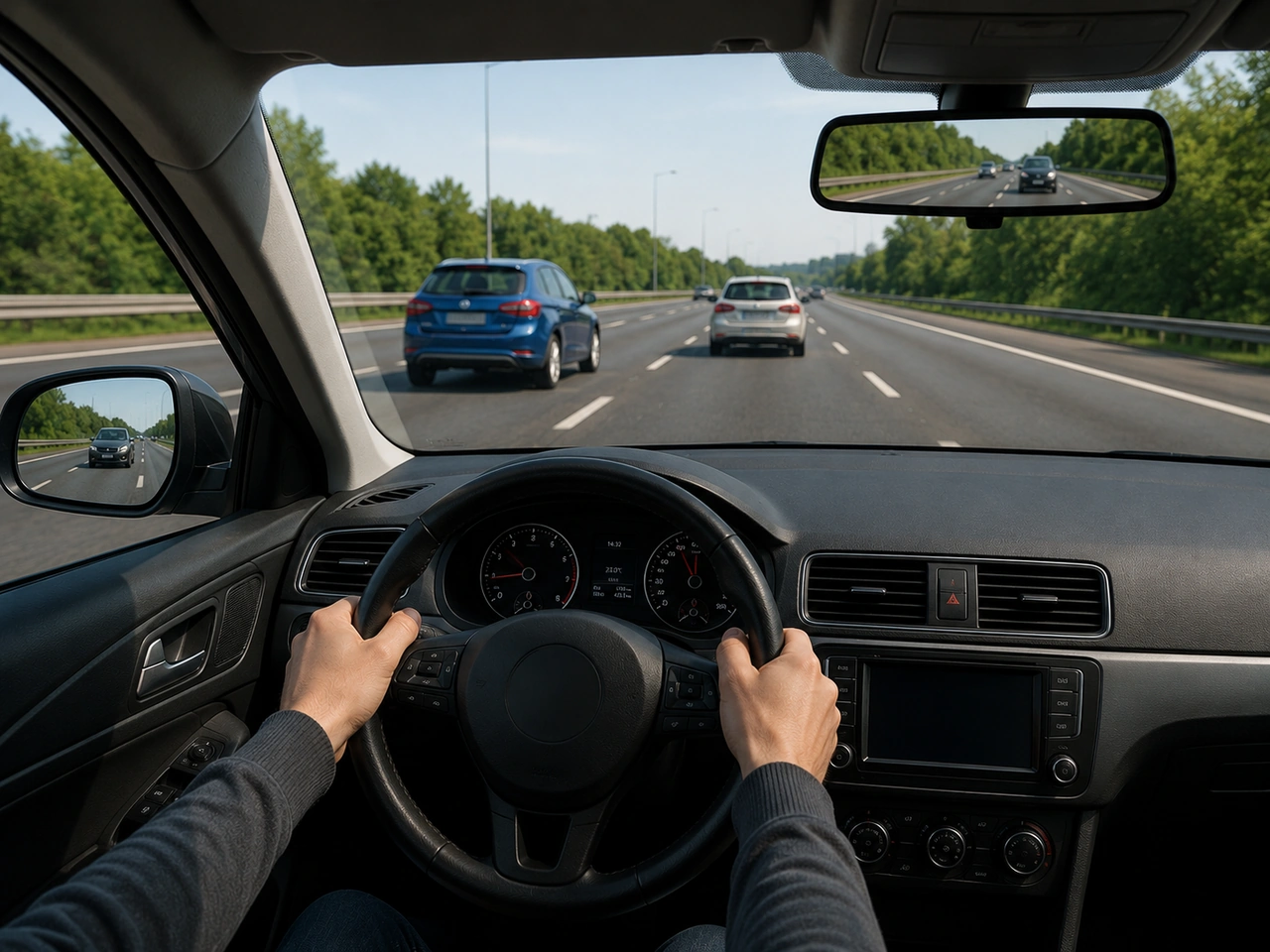
396. What should you do before changing lanes?
Always check your mirrors, look over your shoulder if necessary, and make sure it is safe before changing lanes.
AI-generated by Rijbewijs-online.be • WCIT • CC BY-SA
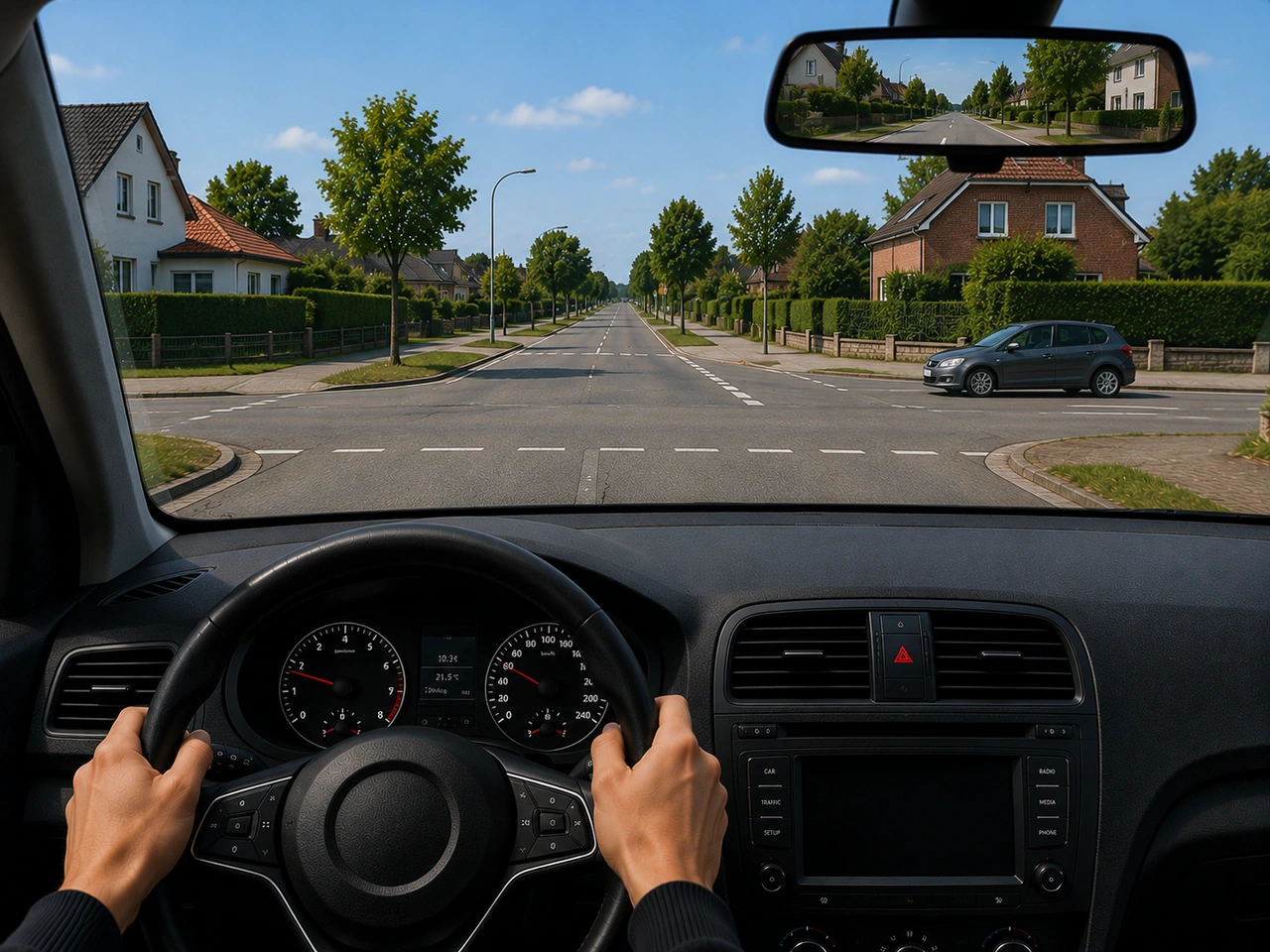
397. What should you do if you are unsure who has priority at a junction?
If priority is unclear, reduce speed, observe carefully, and avoid entering the junction until you are sure it is safe.
AI-generated by Rijbewijs-online.be • WCIT • CC BY-SA
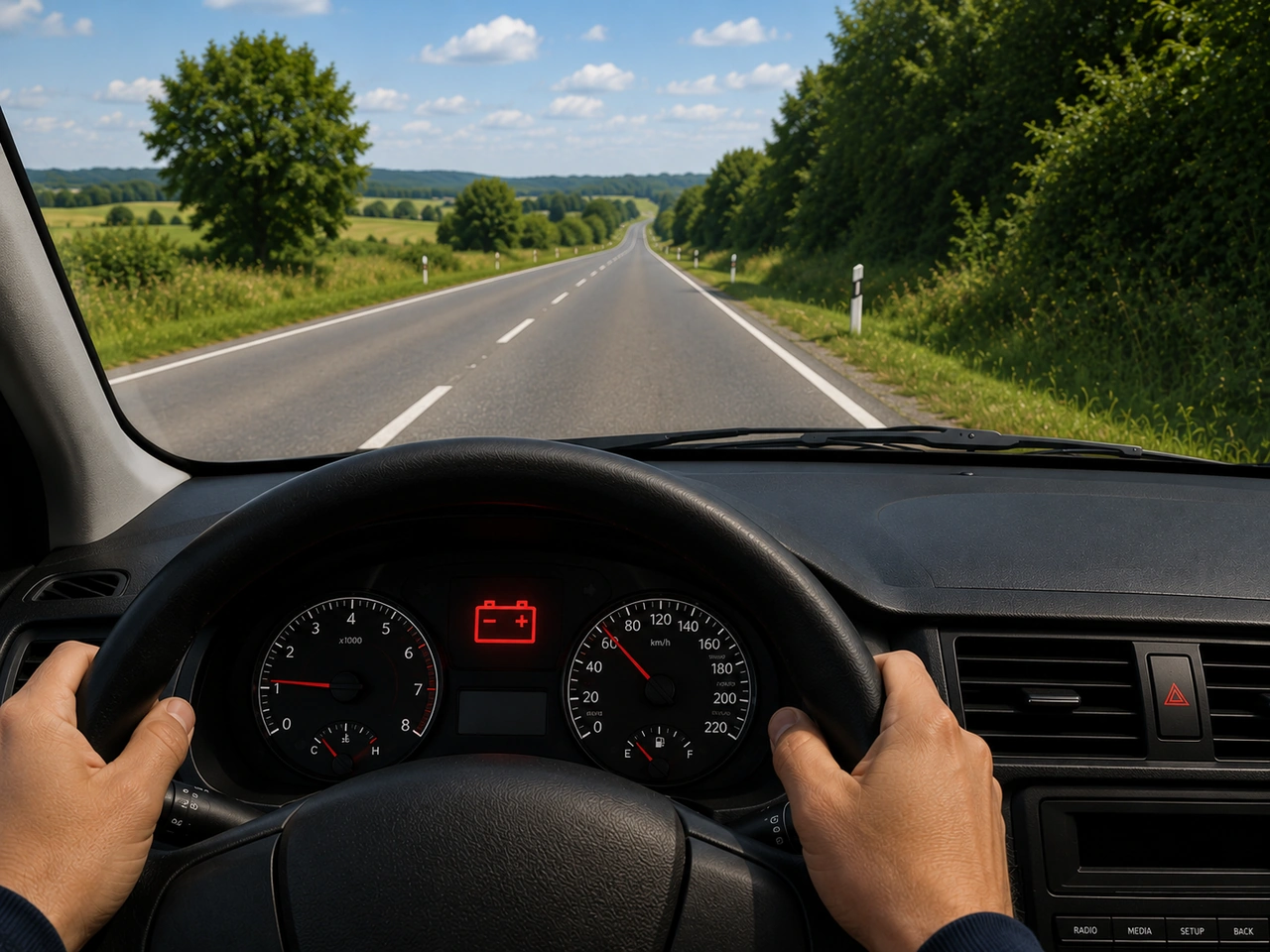
398. What should you do if the charging-system warning light comes on?
The alternator or charging system may have failed. The vehicle may stop once the remaining battery charge is exhausted.
AI-generated by Rijbewijs-online.be • WCIT • CC BY-SA
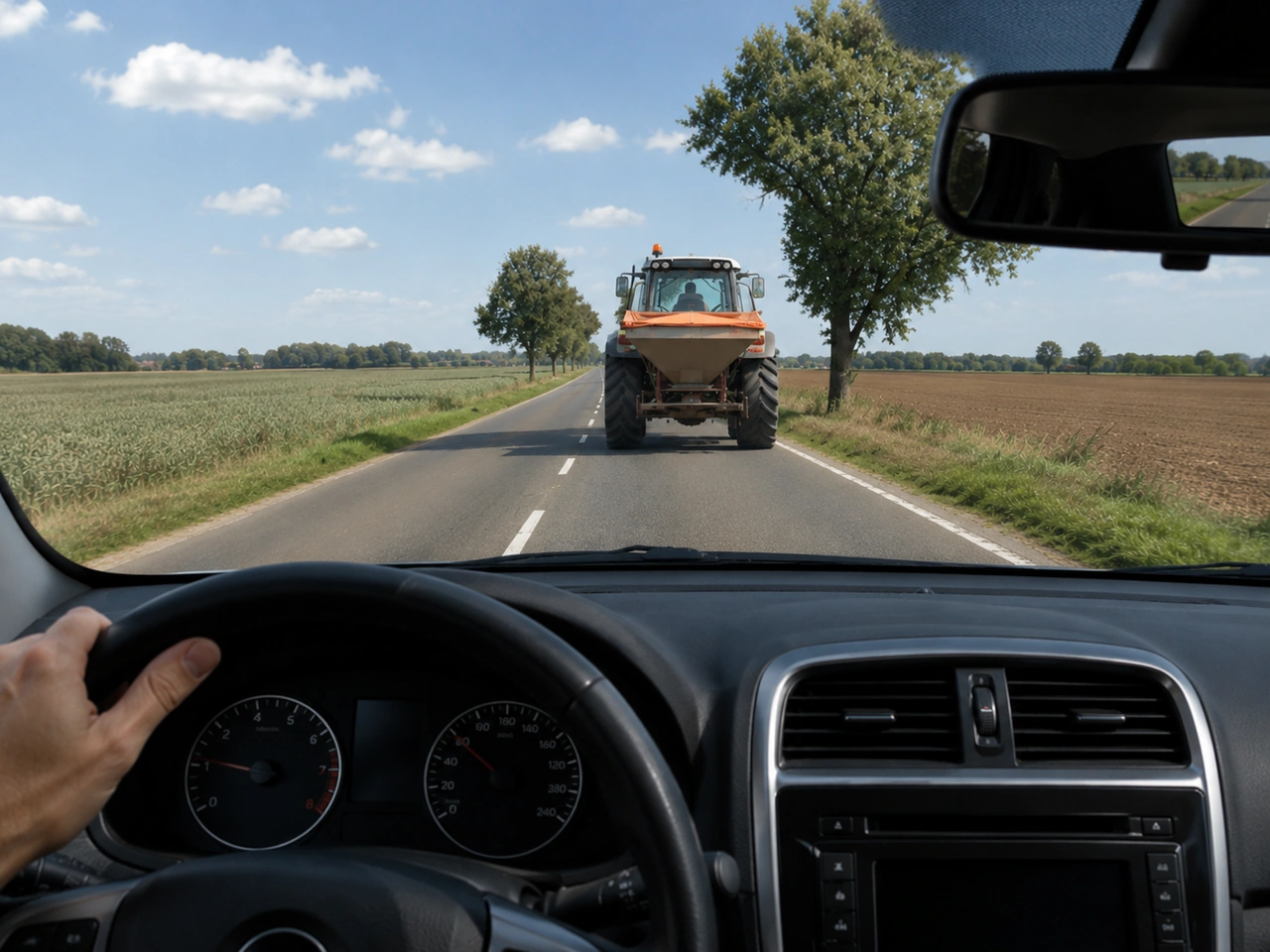
399. What should you do if you approach slow-moving farm machinery?
Farm machinery may be wide, slow, or turn unexpectedly. Keep distance and only overtake when you have a clear view and enough space.
AI-generated by Rijbewijs-online.be • WCIT • CC BY-SA
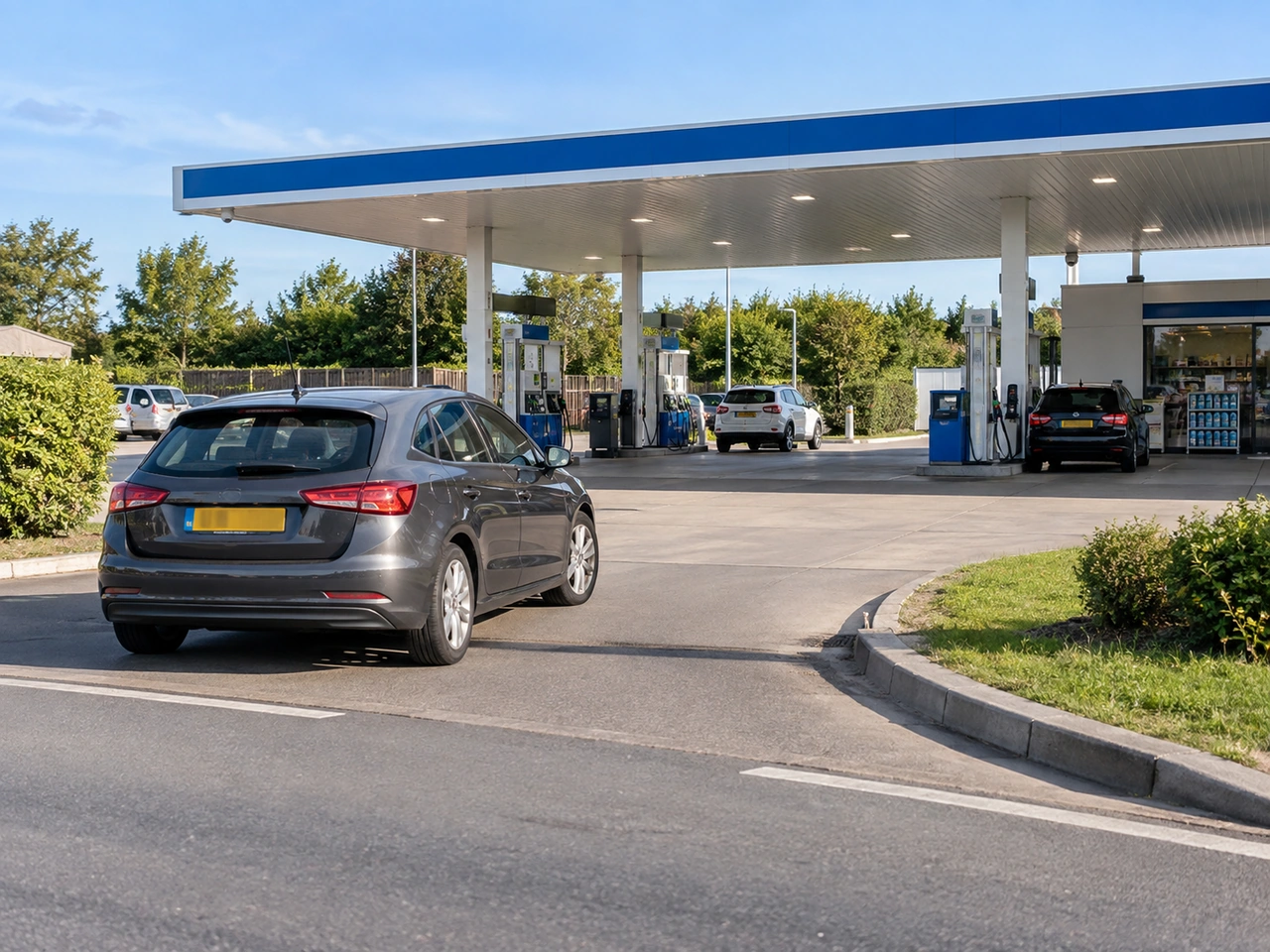
400. How should you position your vehicle beside a fuel pump?
Position the vehicle so the fuel filler is close to the pump and the hose can reach without being stretched tightly across or around the vehicle. Stop within the designated refuelling area and leave enough space to use the pump safely.
AI-generated by Rijbewijs-online.be • WCIT • CC BY-SA