


QuizTraffic rulesFinland
This interesting quiz helps you test your knowledge in a clear and visual way. With easy multiple-choice questions, you can quickly build confidence and learn new facts while keeping it simple, interactive, and fun.
 Traffic signs
 Traffic rules
 Finland
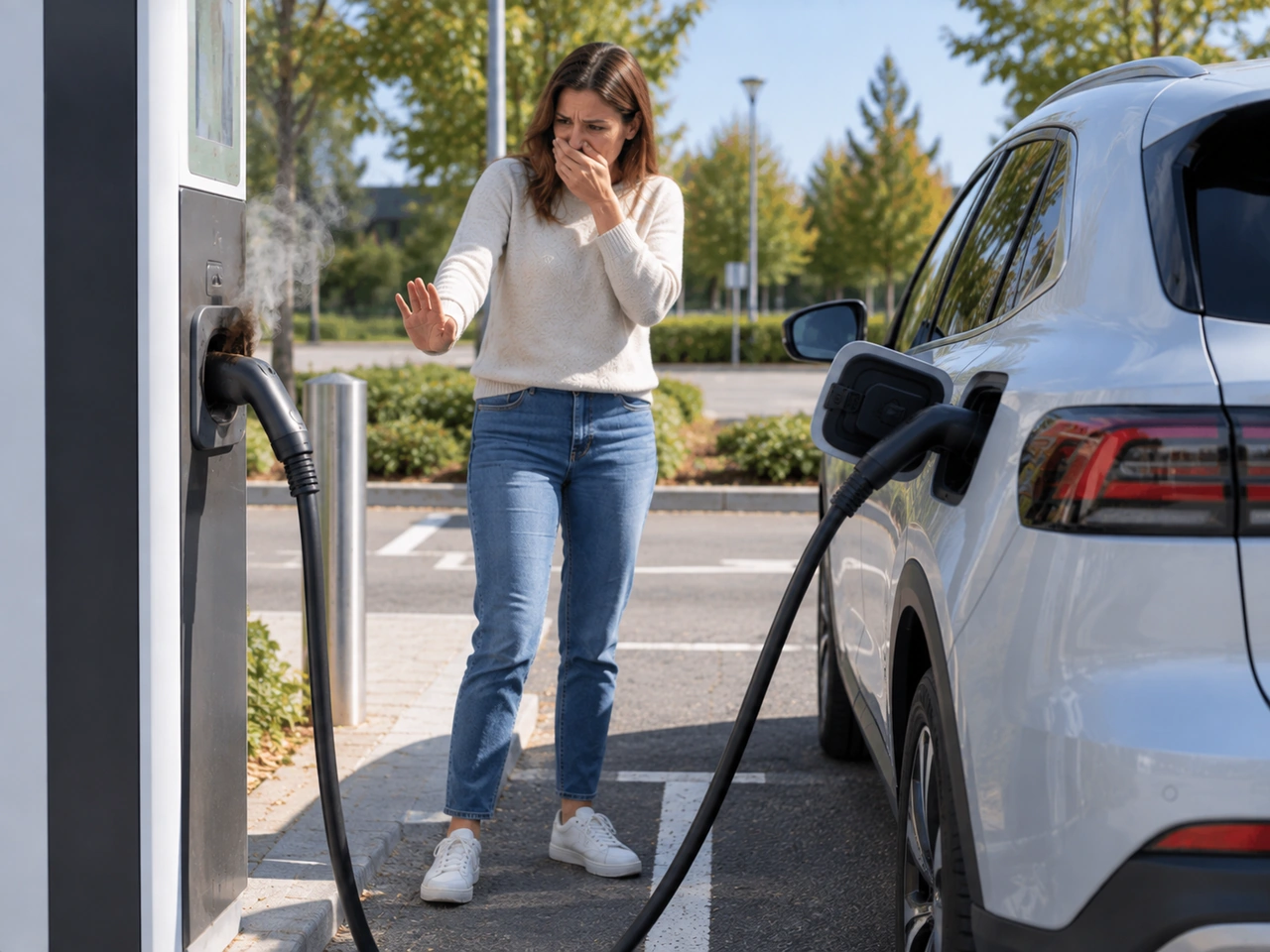
151. What should you do if EV charging equipment becomes unusually hot or smells burnt?
Unusual heat, a burning smell, smoke, sparks, or repeated charging faults can indicate an electrical problem. Stop using the charging equipment if it is safe to do so, keep clear of anything damaged or overheating, and report the fault or seek appropriate assistance.
AI-generated by Rijbewijs-online.be • WCIT • CC BY-SA

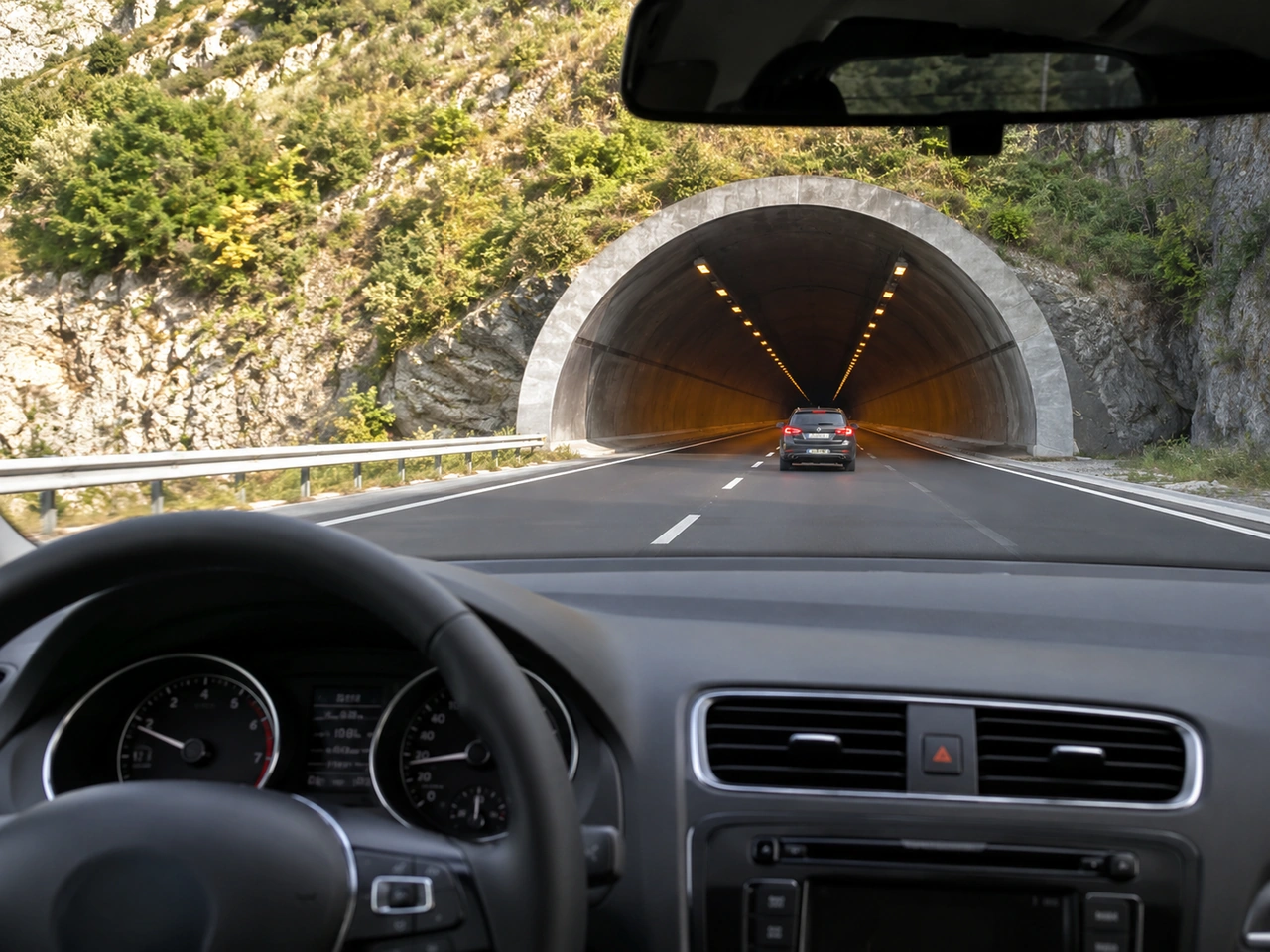
152. What should you do when approaching a tunnel?
When entering a tunnel, use the correct lights, keep enough distance, and stay alert for slower traffic.
AI-generated by Rijbewijs-online.be • WCIT • CC BY-SA
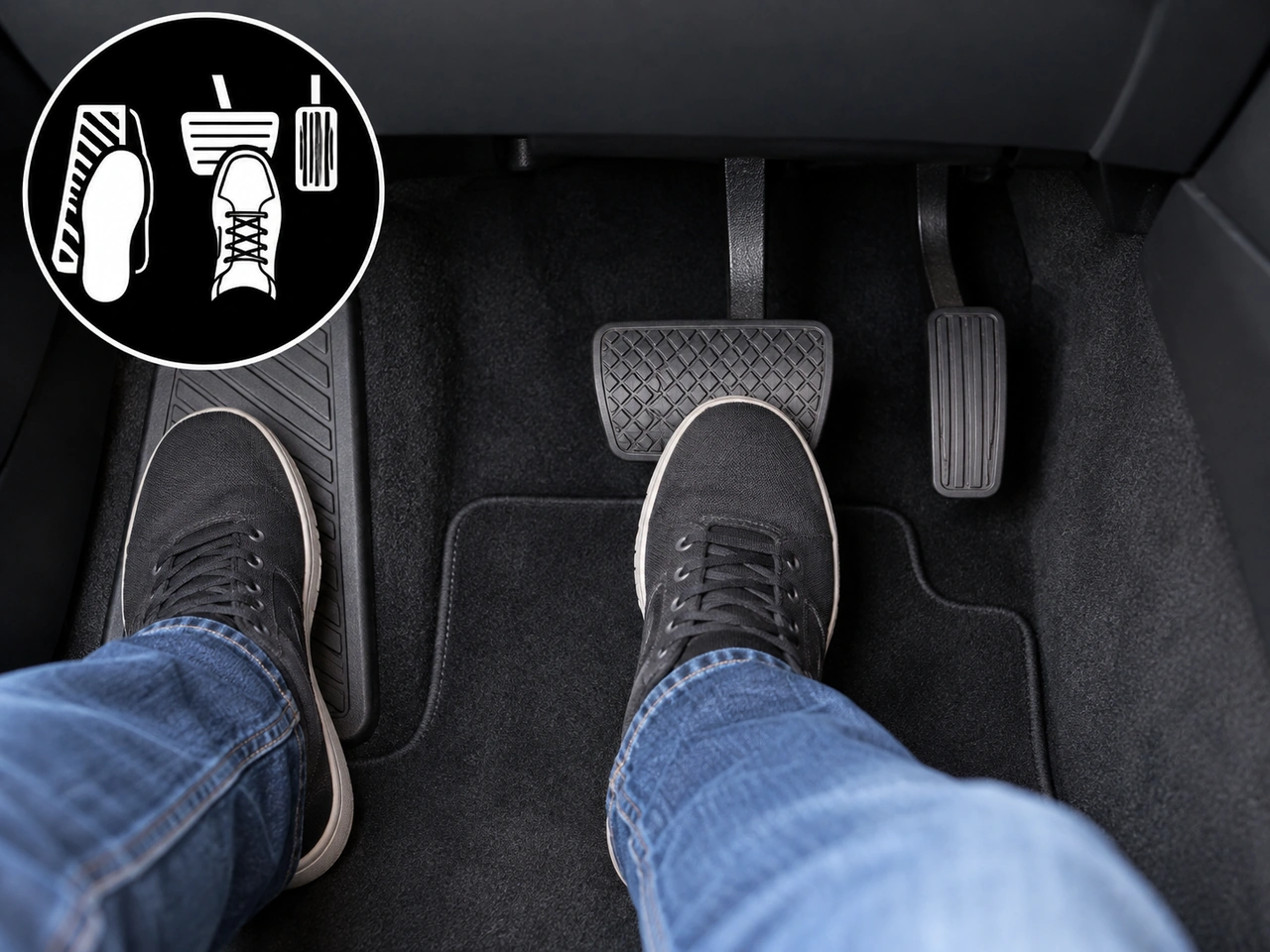
153. Which foot should normally operate the brake and accelerator in an automatic vehicle?
In an automatic vehicle, the right foot should normally operate both the brake and accelerator pedals. The left foot should rest on the footrest to reduce the risk of pressing both pedals at the same time.
AI-generated by Rijbewijs-online.be • WCIT • CC BY-SA
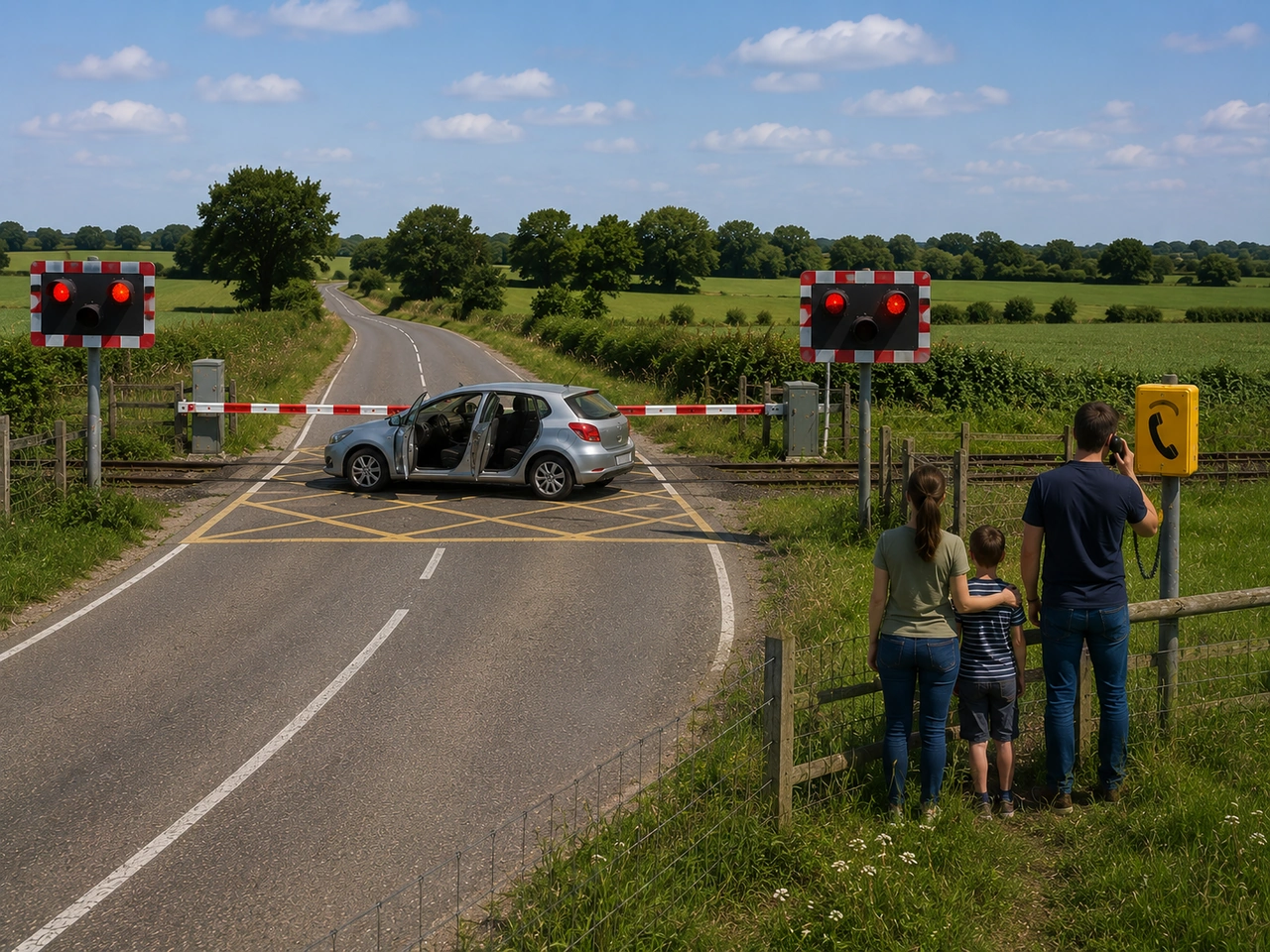
154. What should you do if your vehicle becomes stuck on a railway crossing?
Move everyone well away from the tracks. Use the crossing emergency telephone or displayed contact information where available, or contact the emergency services immediately.
AI-generated by Rijbewijs-online.be • WCIT • CC BY-SA
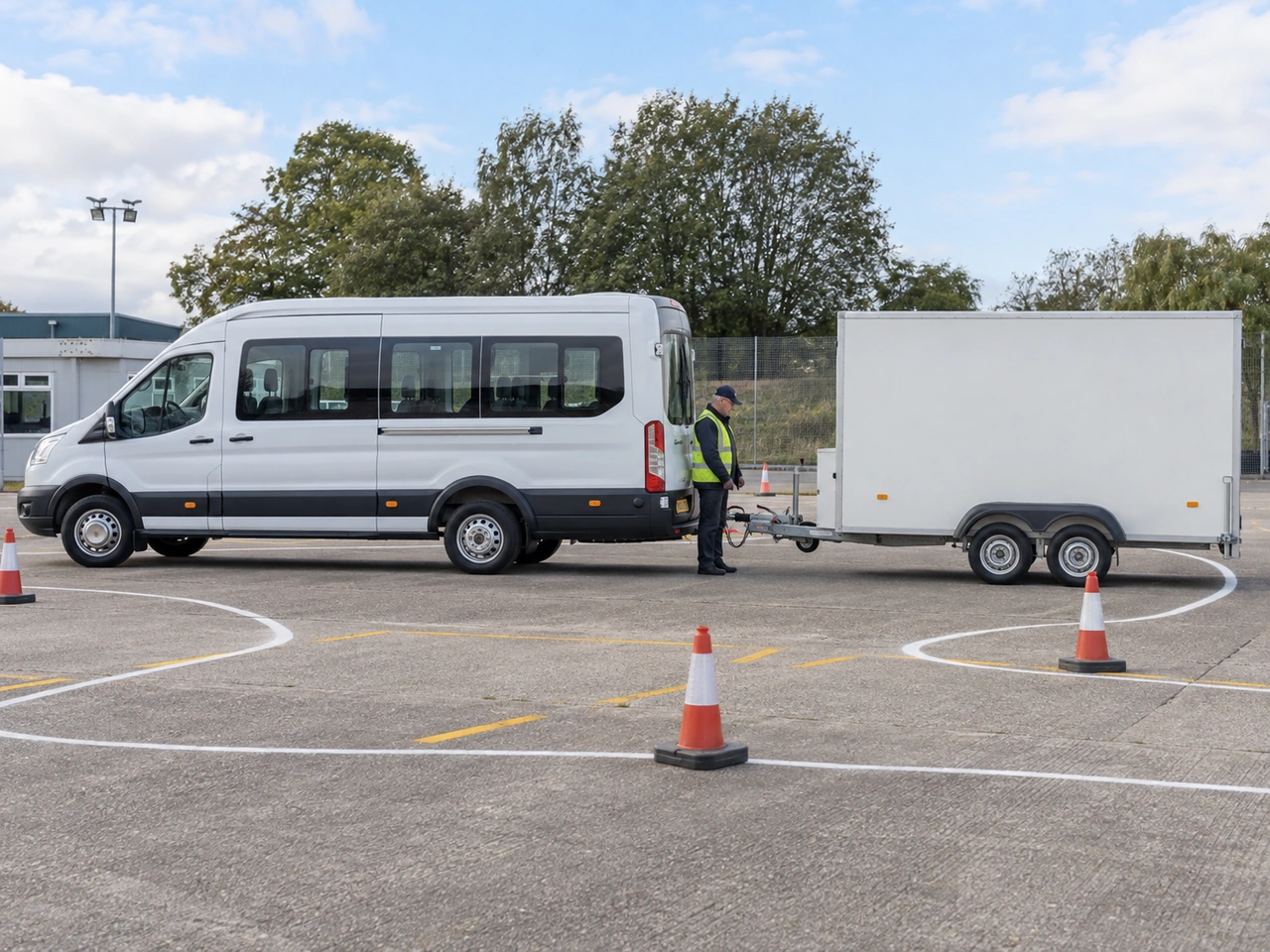
155. What is the minimum licence for a D1 minibus towing a trailer over 750 kg?
Category D1 permits a trailer with a maximum authorised mass of up to 750 kg. A D1 vehicle towing a trailer above 750 kg requires category D1E.
AI-generated by Rijbewijs-online.be • WCIT • CC BY-SA
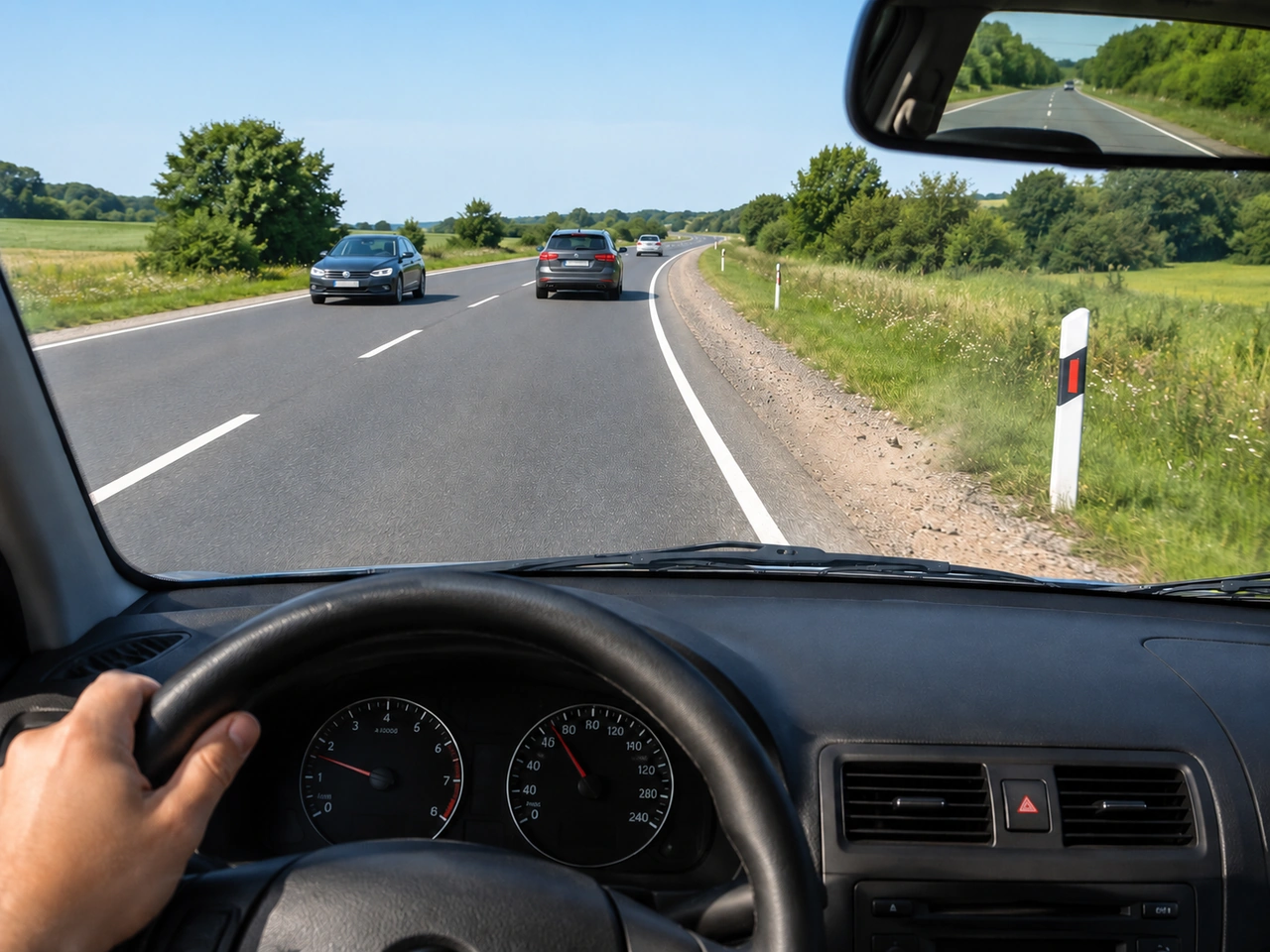
156. What should you do if your vehicle begins to drift onto the shoulder?
If you drift onto the shoulder, avoid sudden steering or braking. Slow gently and return to the road smoothly when it is safe.
AI-generated by Rijbewijs-online.be • WCIT • CC BY-SA
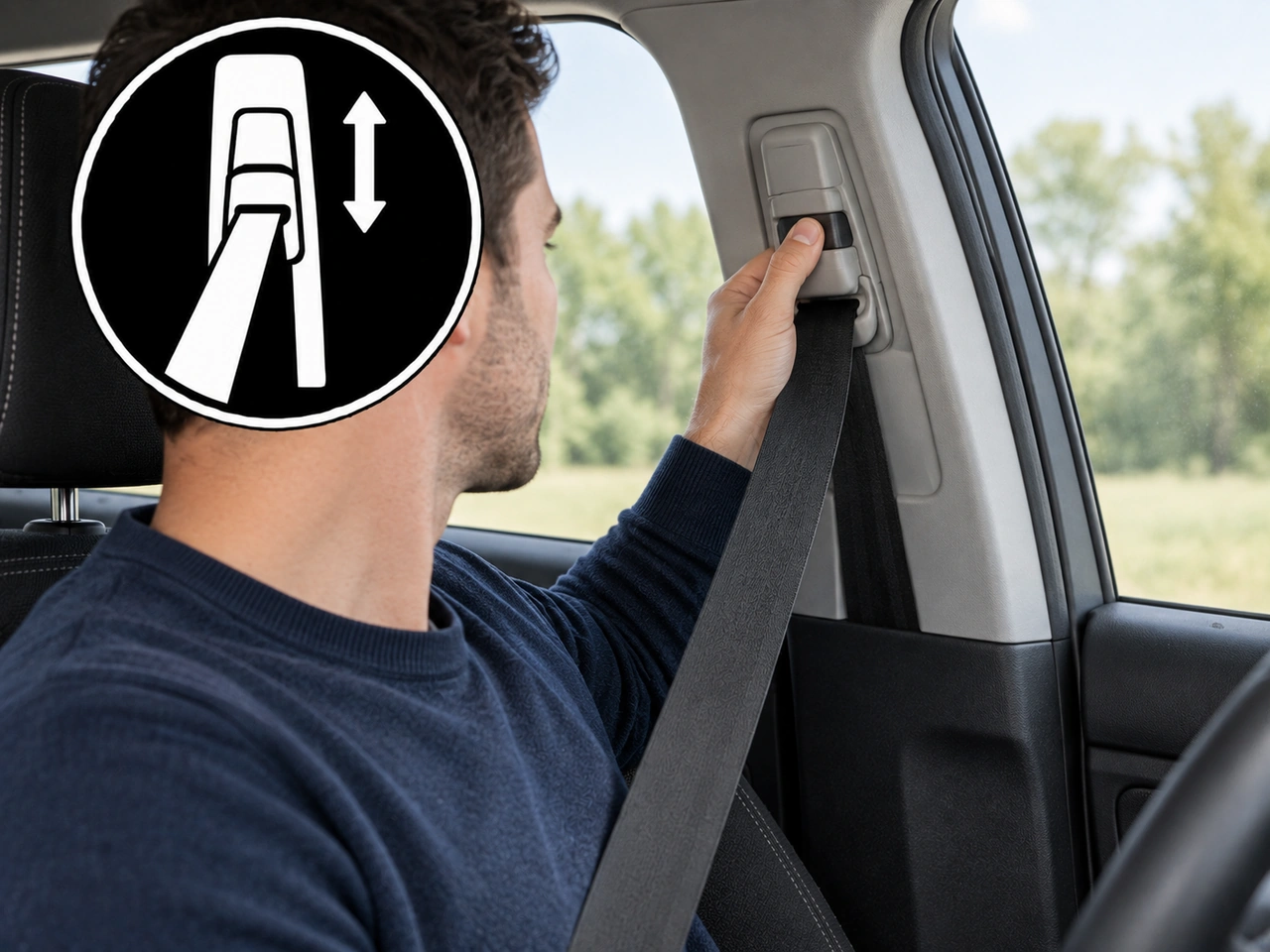
157. Why should the seat-belt height be adjusted correctly?
The seat-belt height adjustment helps position the shoulder belt correctly across the chest and shoulder. It should not run across the neck or under the arm.
AI-generated by Rijbewijs-online.be • WCIT • CC BY-SA
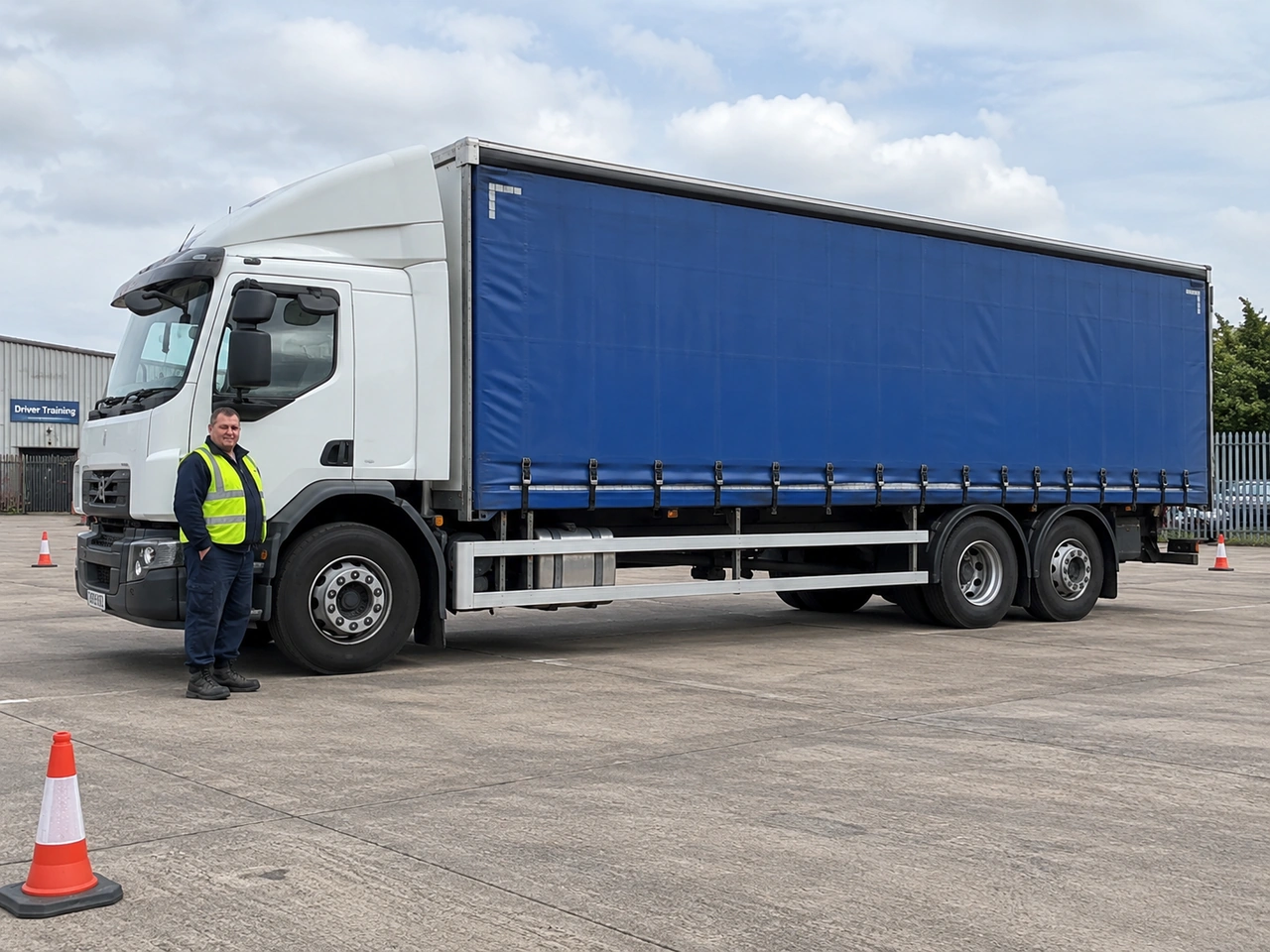
158. What is the minimum licence for a goods vehicle over 7,500 kg maximum authorised mass?
Category C1 is limited to vehicles with a maximum authorised mass not exceeding 7,500 kg. A goods vehicle above this limit requires category C.
AI-generated by Rijbewijs-online.be • WCIT • CC BY-SA
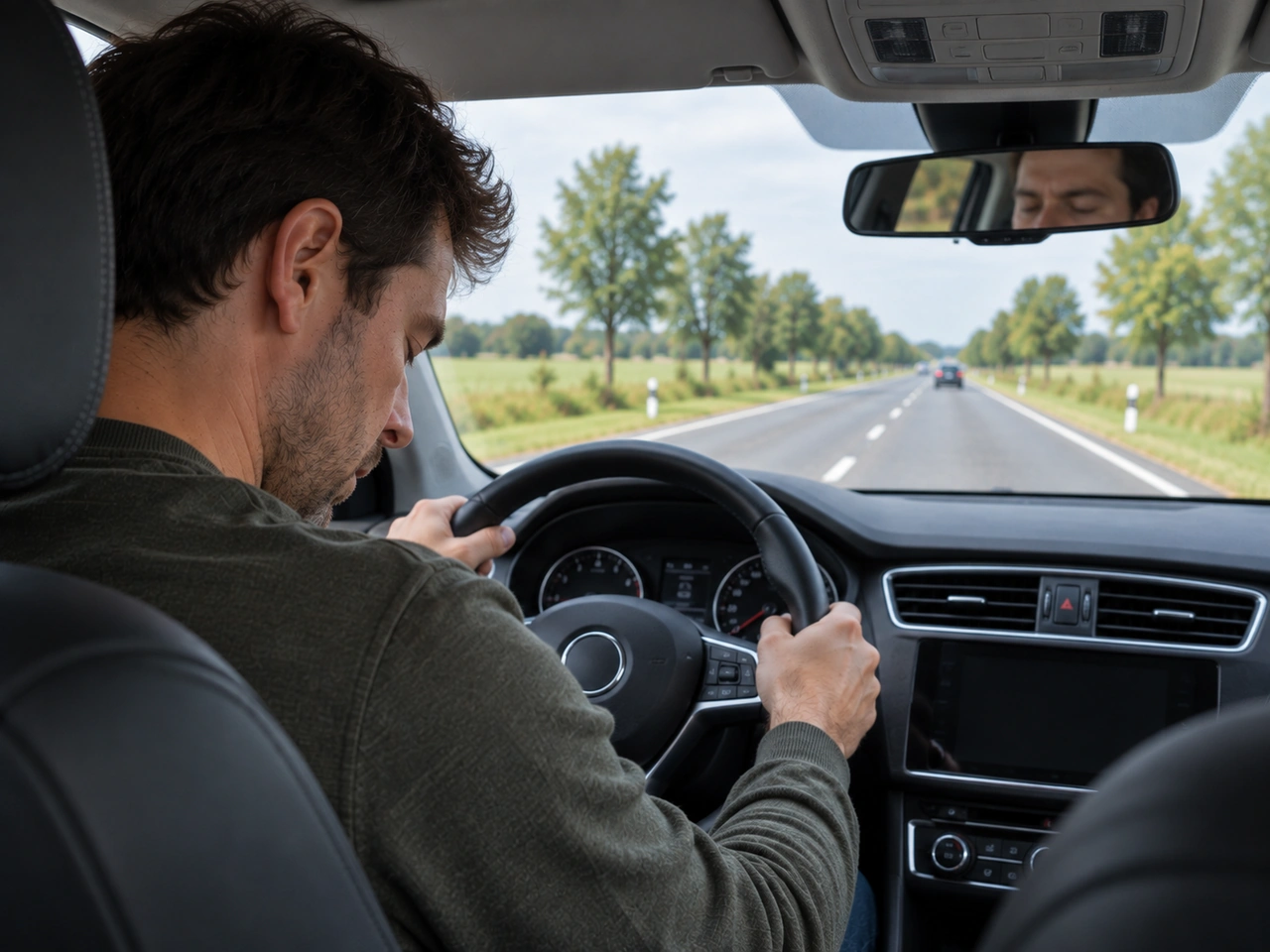
159. Why is a microsleep especially dangerous while driving?
A microsleep is a brief, involuntary episode of sleep that can last for a few seconds. During that time, you may lose awareness of the road and travel a considerable distance without reacting to hazards.
AI-generated by Rijbewijs-online.be • WCIT • CC BY-SA
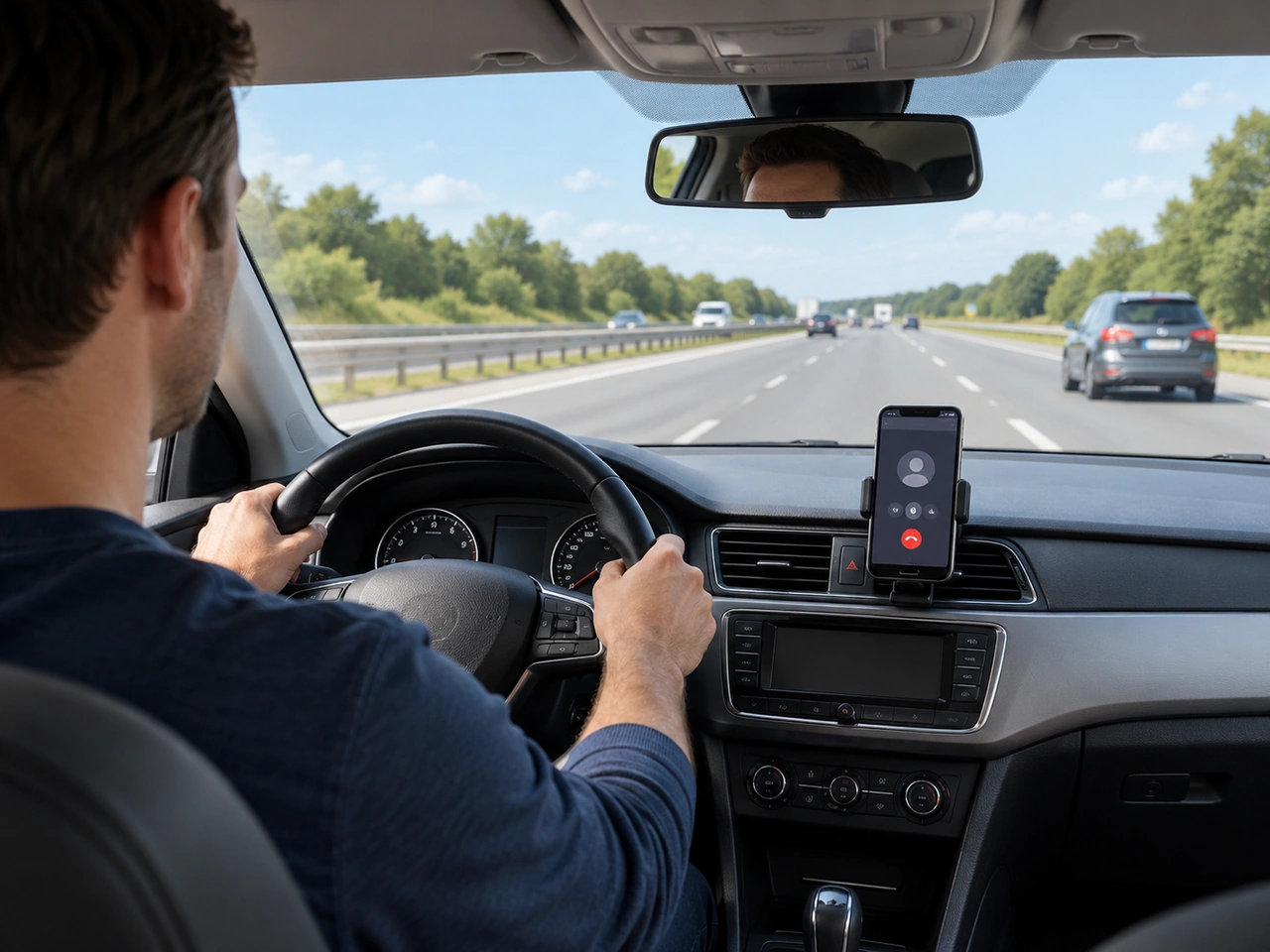
160. How may drivers normally use a phone while driving in Finland?
When phone use while driving is permitted in Finland, drivers must generally use a hands-free system rather than holding the phone.
AI-generated by Rijbewijs-online.be • WCIT • CC BY-SA
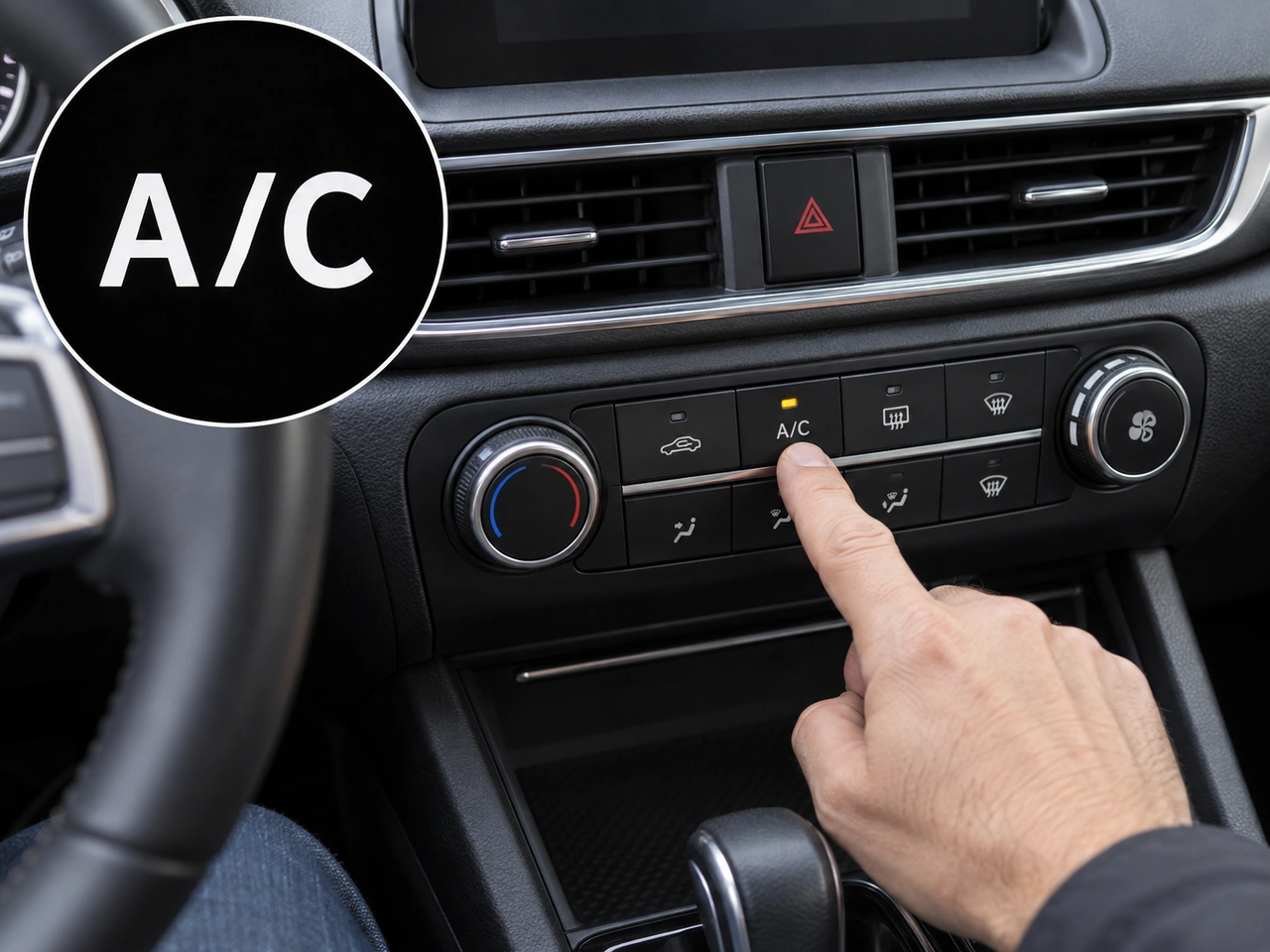
161. What does this vehicle-control symbol indicate?
The A/C symbol controls the vehicle's air-conditioning system. Air conditioning can cool and dehumidify the air inside the vehicle, which can also help clear mist from the windows.
AI-generated by Rijbewijs-online.be • WCIT • CC BY-SA
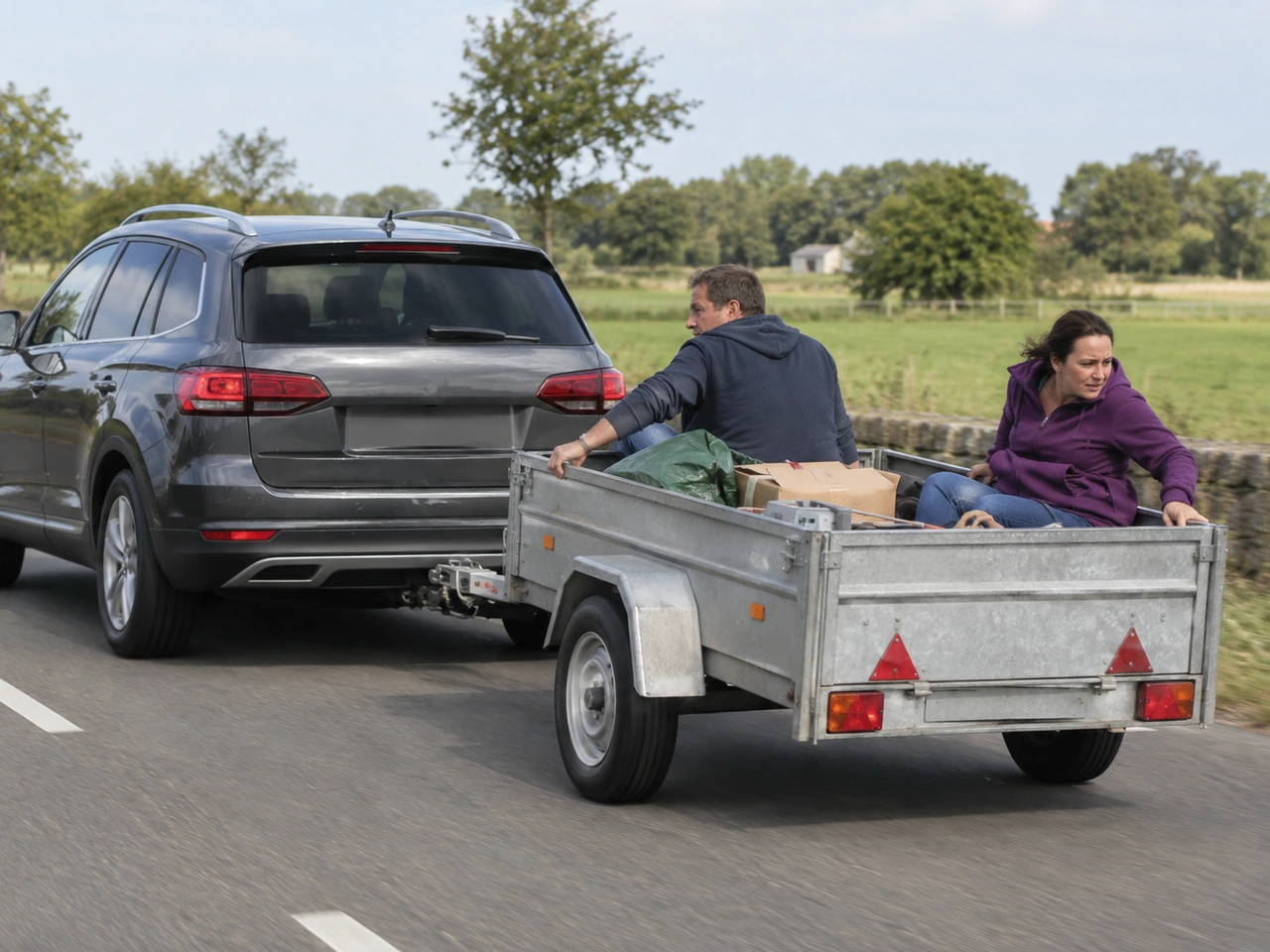
162. Should passengers travel in an ordinary goods trailer?
An ordinary goods trailer is not designed to carry passengers and normally has no suitable seats or restraint systems. Passengers should travel in seating positions designed and approved for carrying people. Special passenger-carrying trailers may be subject to different local rules.
AI-generated by Rijbewijs-online.be • WCIT • CC BY-SA
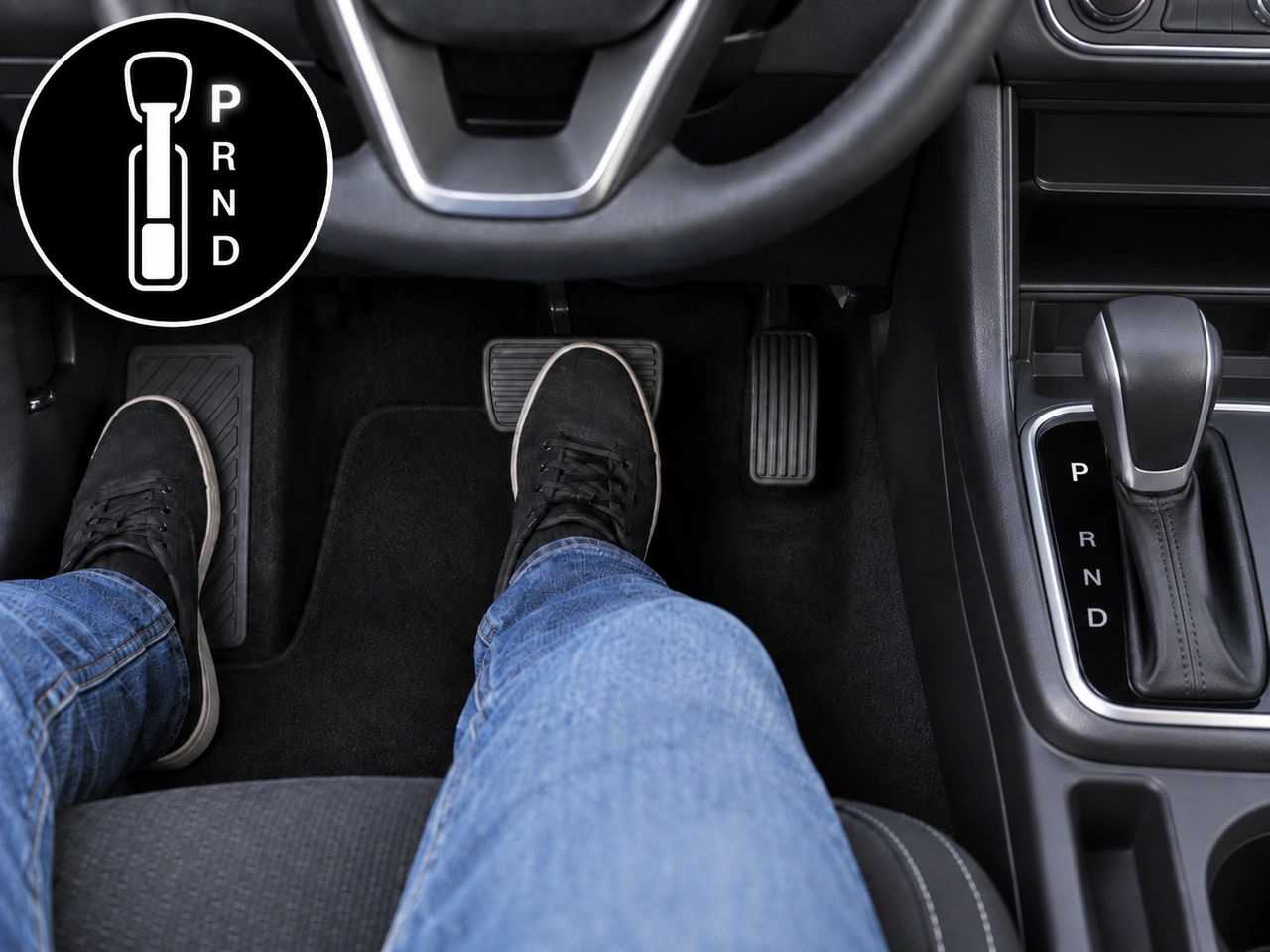
163. What should you normally select before leaving an automatic vehicle parked?
Select P (Park) before leaving an automatic vehicle parked. Park locks the transmission to help prevent the vehicle from rolling; the parking brake should also be applied.
AI-generated by Rijbewijs-online.be • WCIT • CC BY-SA
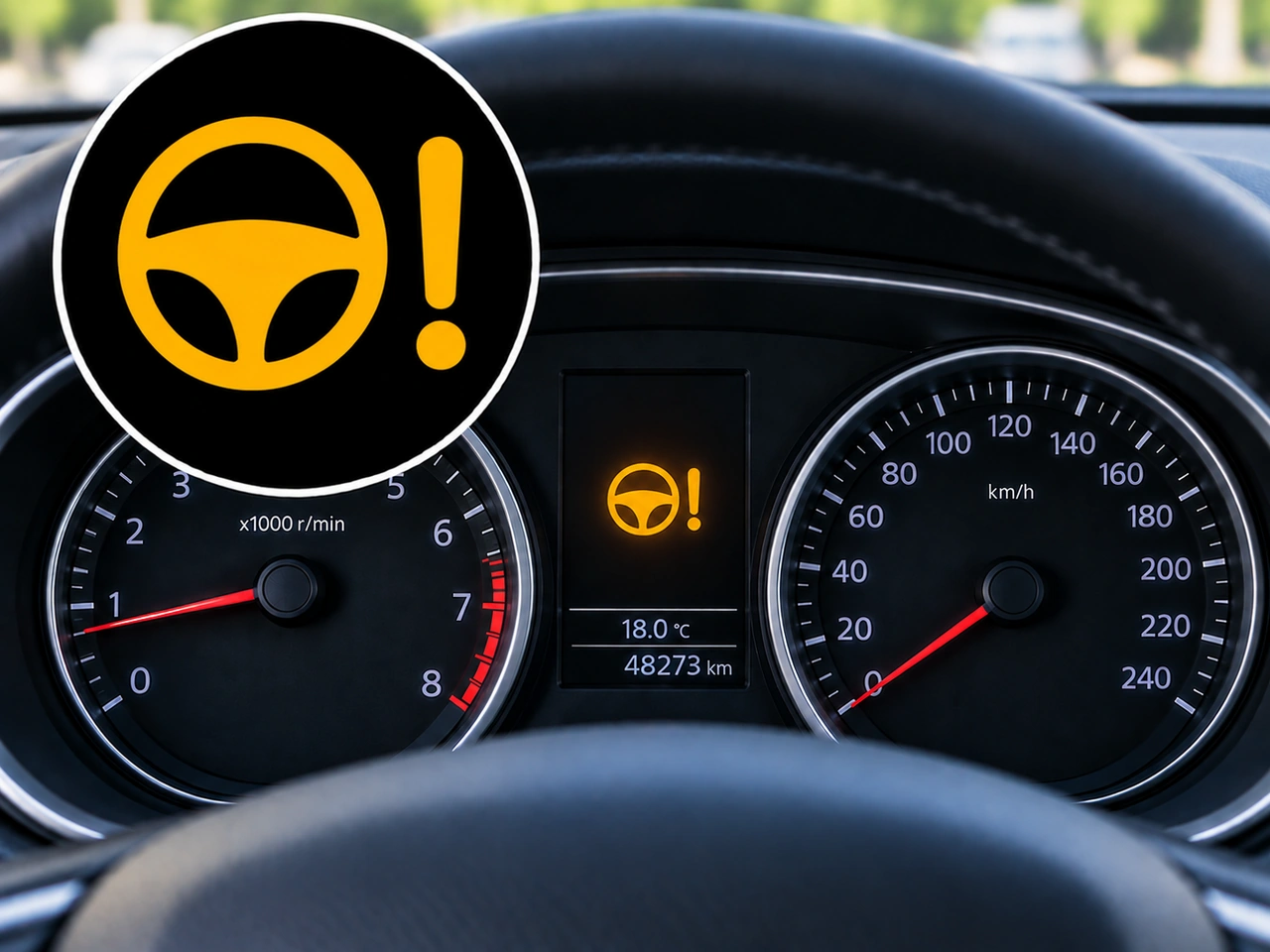
164. What does this dashboard symbol indicate?
This symbol indicates a possible fault with the power-steering system. Steering assistance may be reduced or unavailable, making the steering wheel harder to turn.
AI-generated by Rijbewijs-online.be • WCIT • CC BY-SA
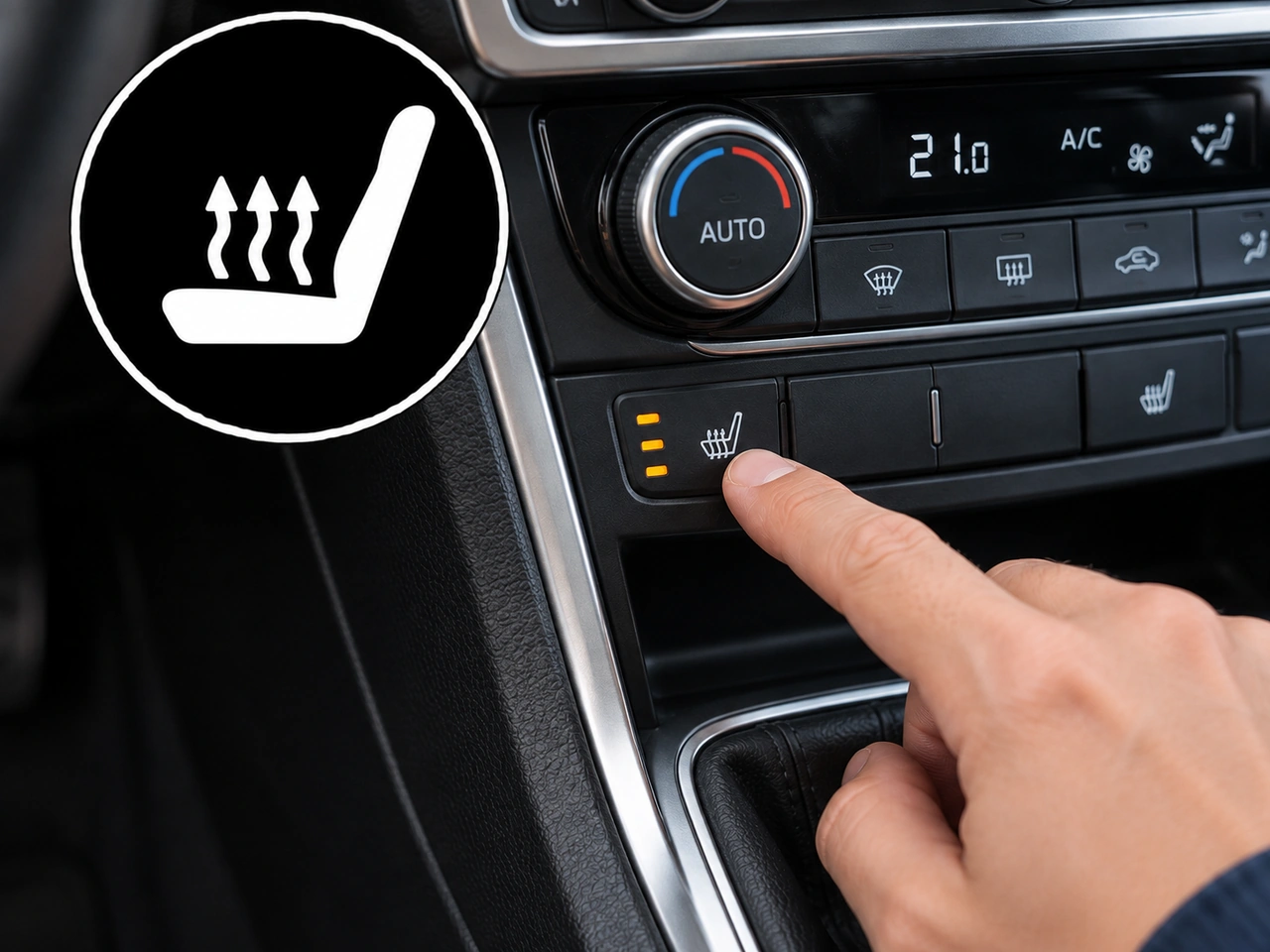
165. What does this vehicle-control symbol indicate?
This control activates the seat heating, which warms the seat cushion and, on many vehicles, the backrest. Several heat levels may be available.
AI-generated by Rijbewijs-online.be • WCIT • CC BY-SA
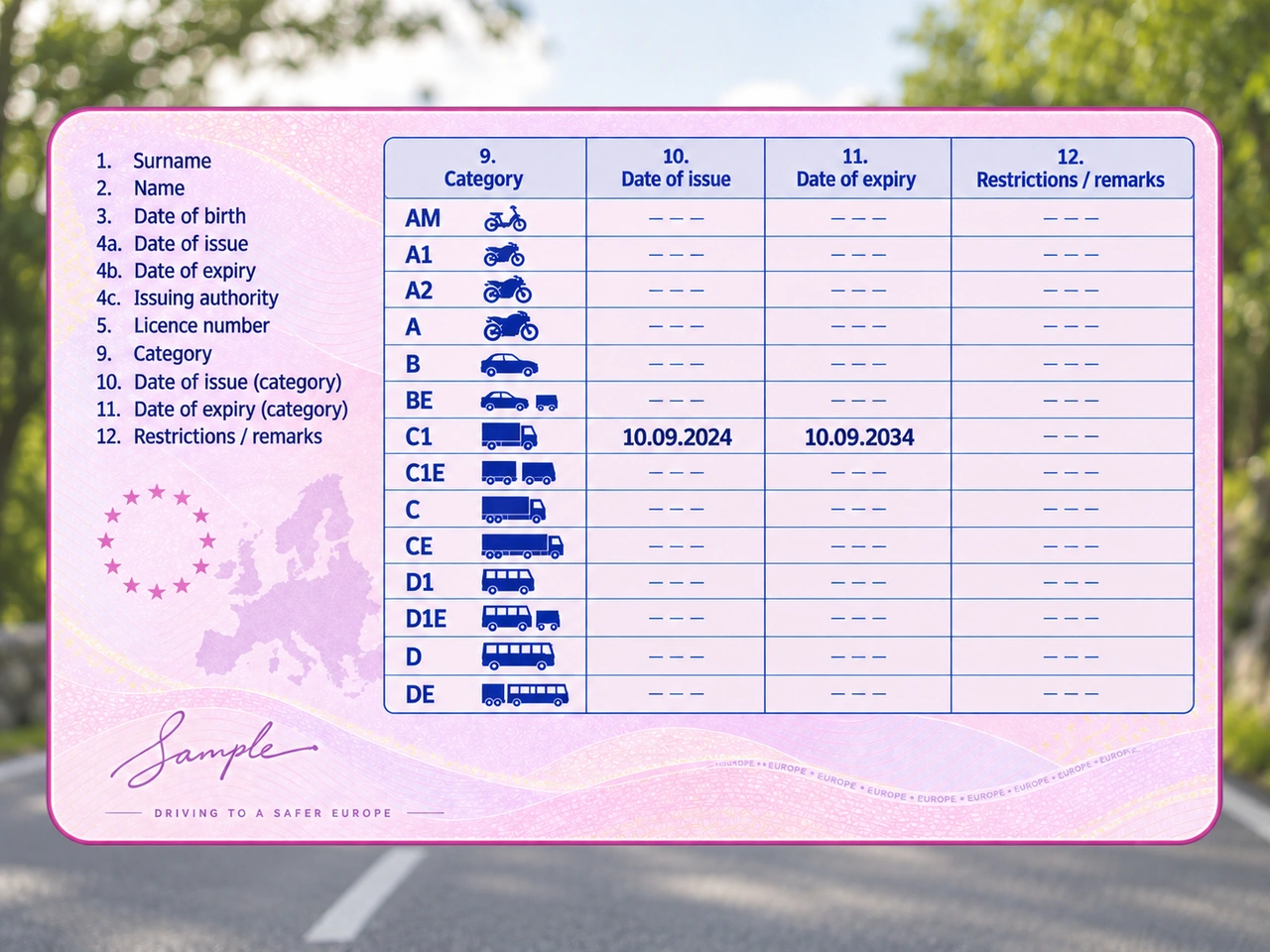
166. Which vehicles are covered by driving licence C1?
Category C1 covers motor vehicles, other than buses, with a maximum authorised mass above 3,500 kg and not exceeding 7,500 kg. They may carry no more than eight passengers in addition to the driver and may tow a trailer up to 750 kg.
AI-generated by Rijbewijs-online.be • WCIT • CC BY-SA
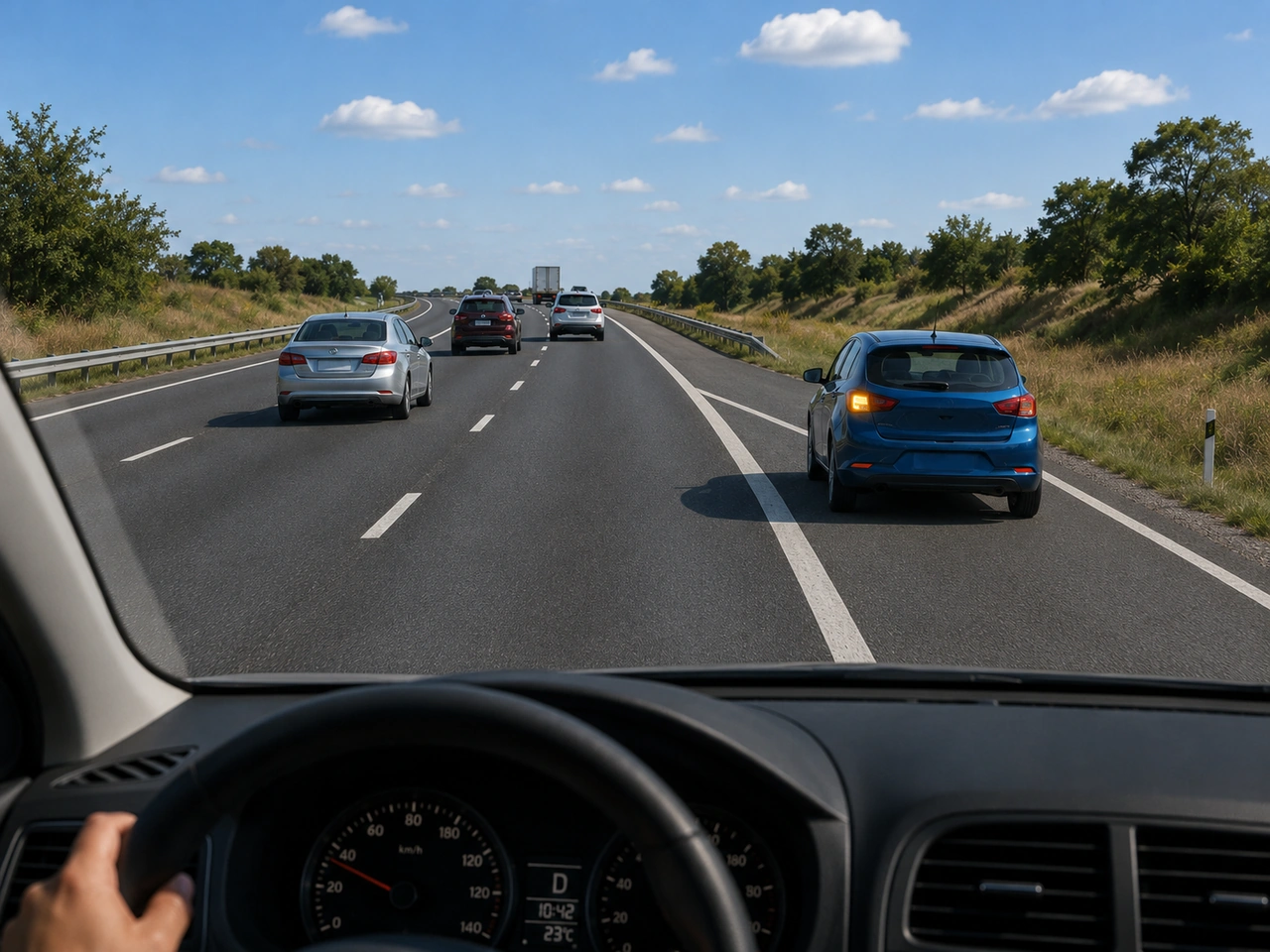
167. What should you do when joining a motorway from an entry lane?
Use the entry lane to build a suitable speed, check carefully, signal, and merge only when it is safe.
AI-generated by Rijbewijs-online.be • WCIT • CC BY-SA
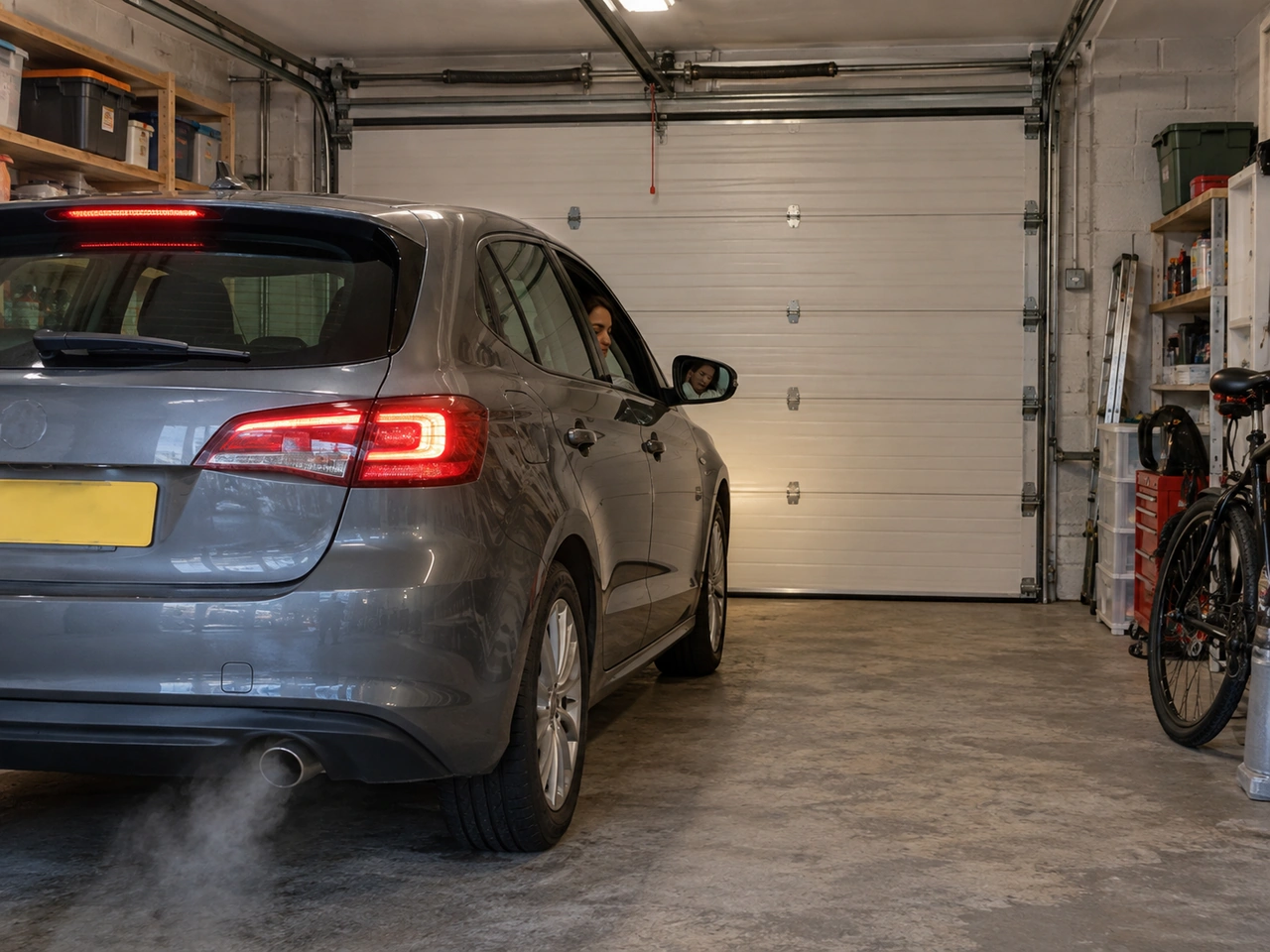
168. Why should you never leave a petrol or diesel engine running in an enclosed space?
Exhaust gases from petrol and diesel engines can contain carbon monoxide, a poisonous gas that can build up quickly in an enclosed or poorly ventilated space. Never leave the engine running inside a closed garage or similar area.
AI-generated by Rijbewijs-online.be • WCIT • CC BY-SA
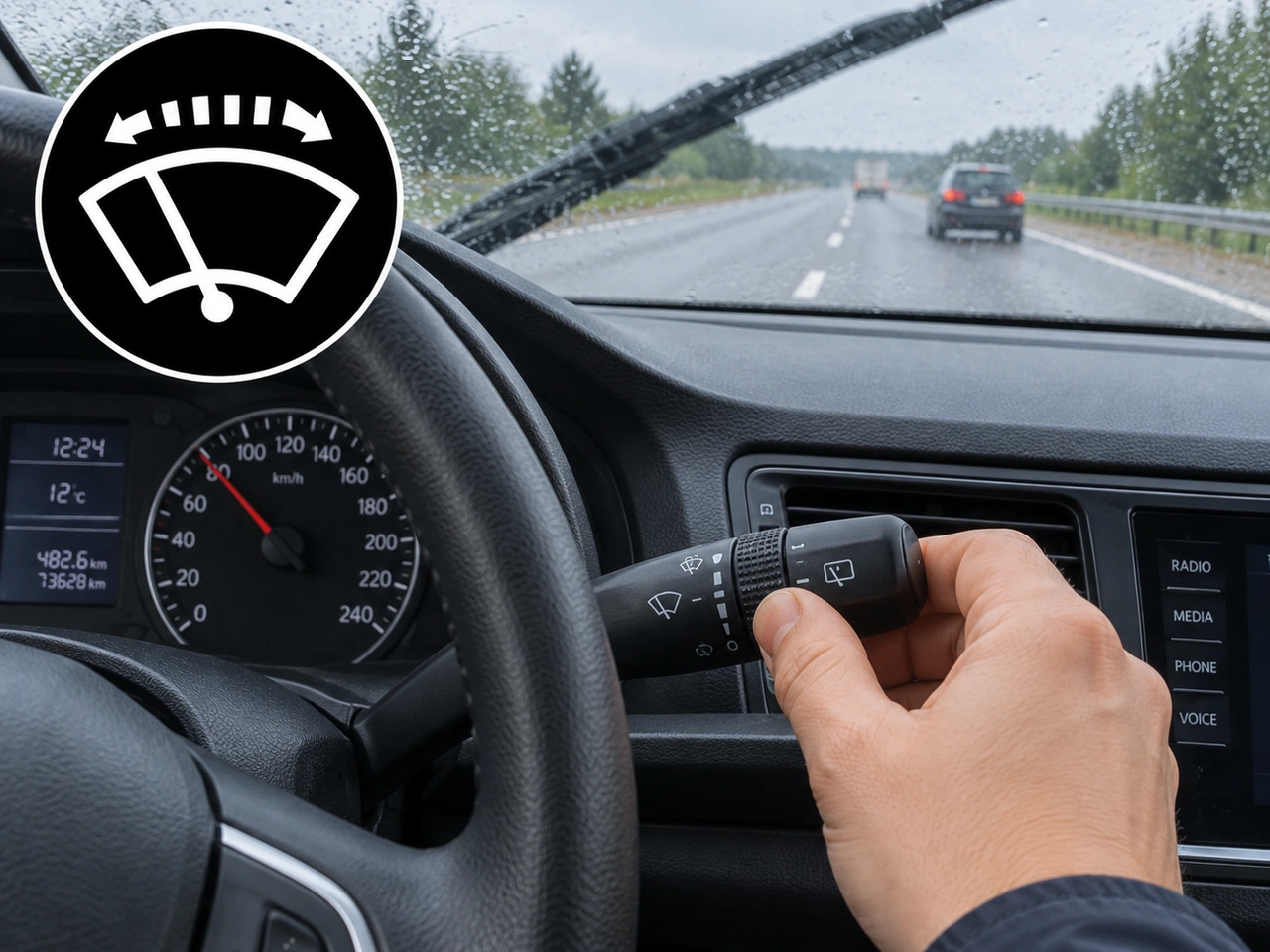
169. What does the intermittent wiper interval control adjust?
The intermittent wiper interval control adjusts the time between windscreen-wiper sweeps, allowing the driver to match the wiping frequency to light rain or spray.
AI-generated by Rijbewijs-online.be • WCIT • CC BY-SA
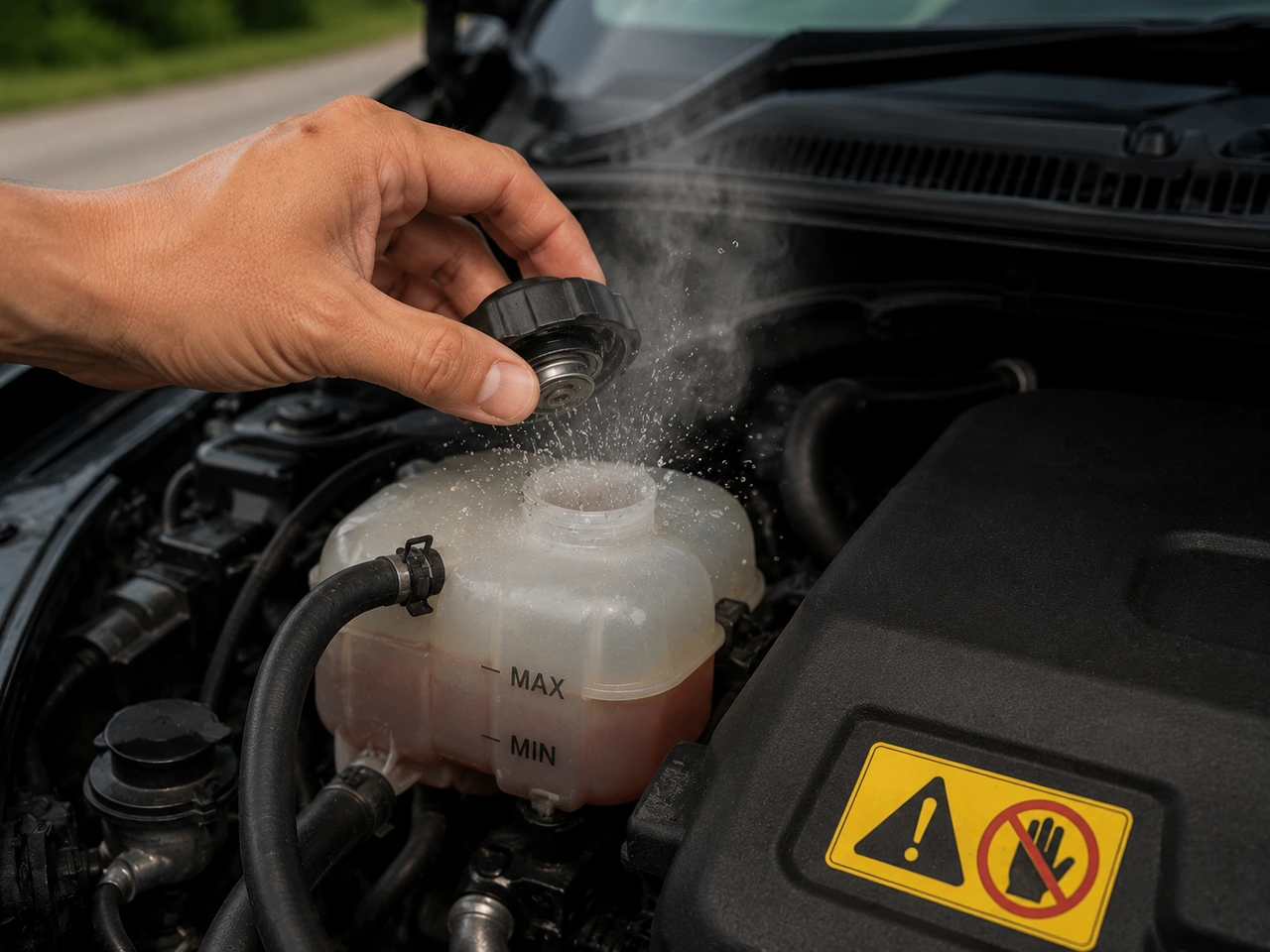
170. Why should you avoid removing the coolant cap while the engine is hot?
A hot cooling system may remain under pressure. Allow the engine to cool and follow the manufacturer's instructions before checking or adding coolant.
AI-generated by Rijbewijs-online.be • WCIT • CC BY-SA
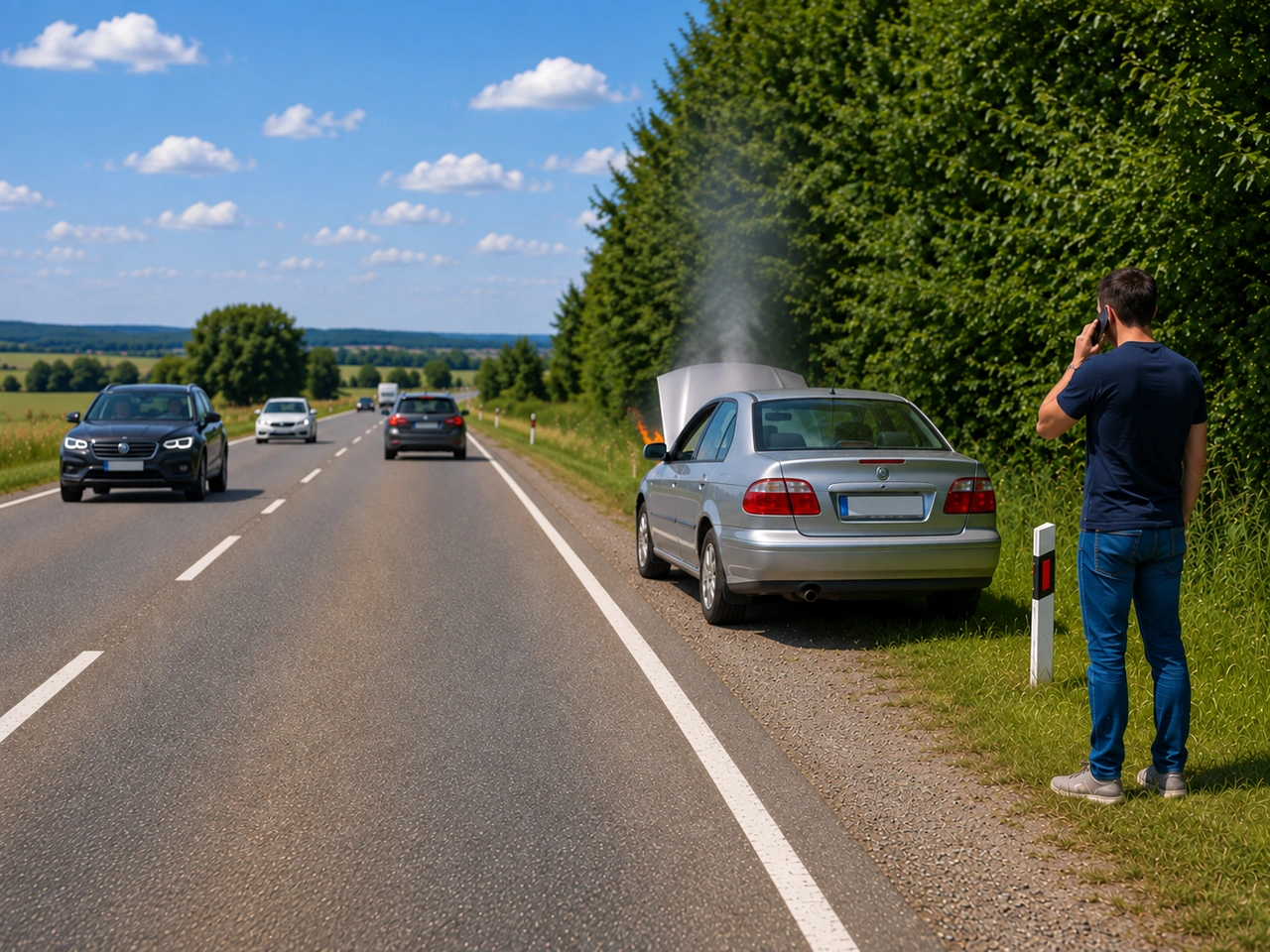
171. What should you do if your vehicle catches fire?
Move everyone well away from the vehicle and call emergency services. If the fire is small and it is safe to do so, use a suitable fire extinguisher. Opening the bonnet fully can supply additional oxygen and cause the fire to intensify.
AI-generated by Rijbewijs-online.be • WCIT • CC BY-SA
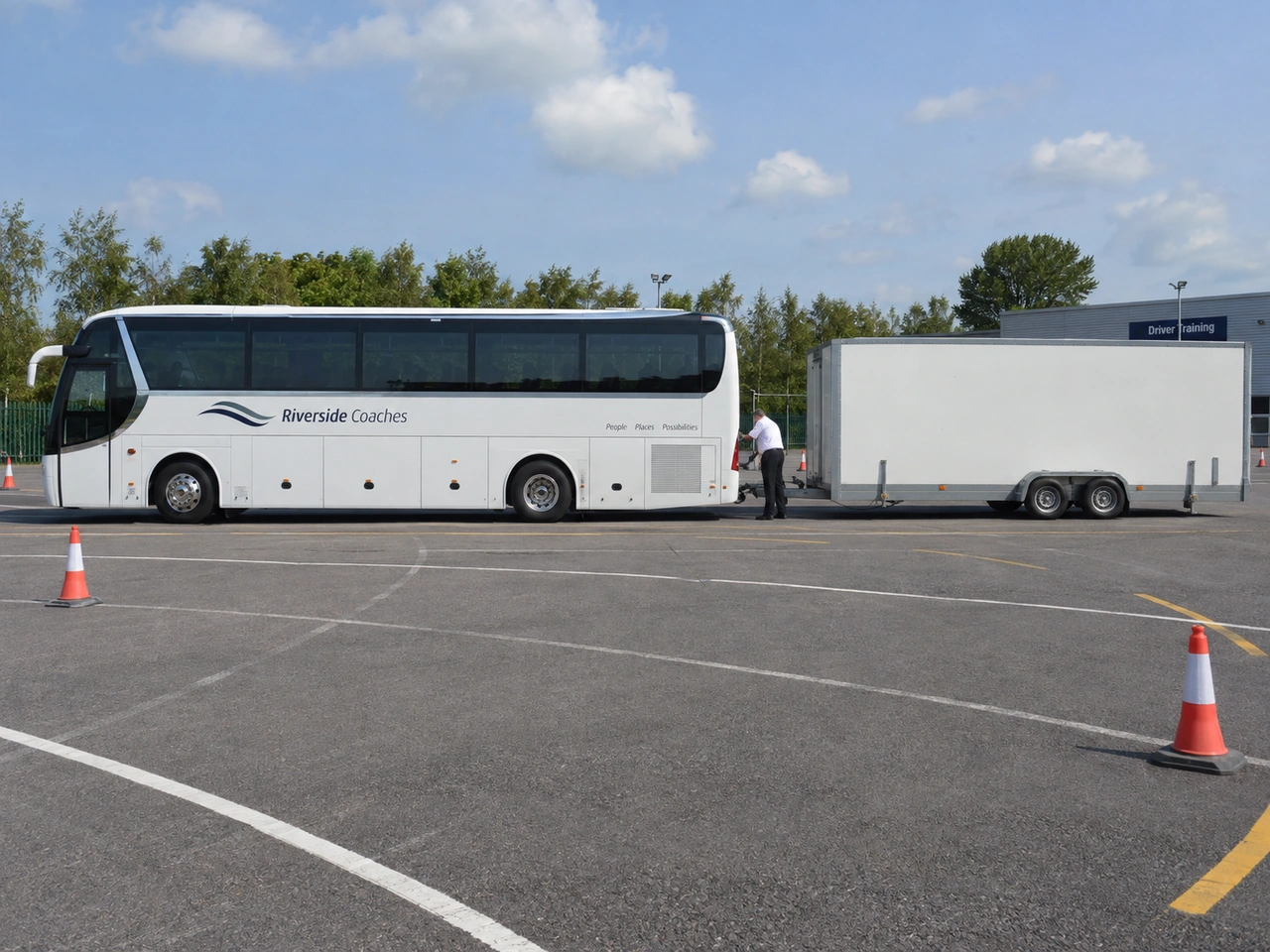
172. What is the minimum licence for a D bus towing a trailer over 750 kg?
Category D permits a trailer with a maximum authorised mass of up to 750 kg. A category D vehicle towing a trailer above 750 kg requires category DE.
AI-generated by Rijbewijs-online.be • WCIT • CC BY-SA
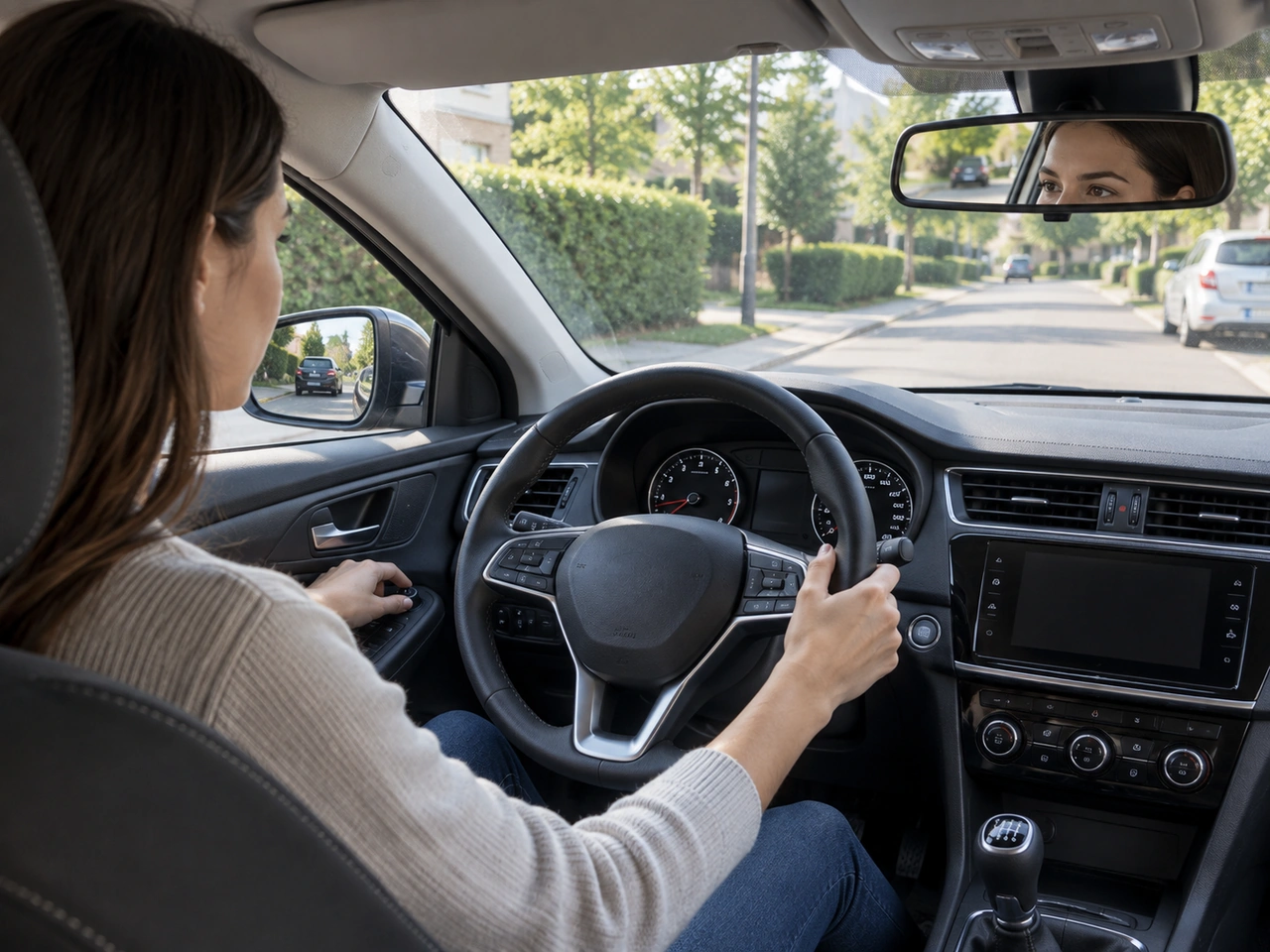
173. Why should you adjust the seat and mirrors correctly before driving?
A correct driving position helps you operate the pedals and steering comfortably and maintain proper control. Correctly adjusted mirrors improve your view around the vehicle and help reduce blind spots. Adjust both before starting your journey.
AI-generated by Rijbewijs-online.be • WCIT • CC BY-SA
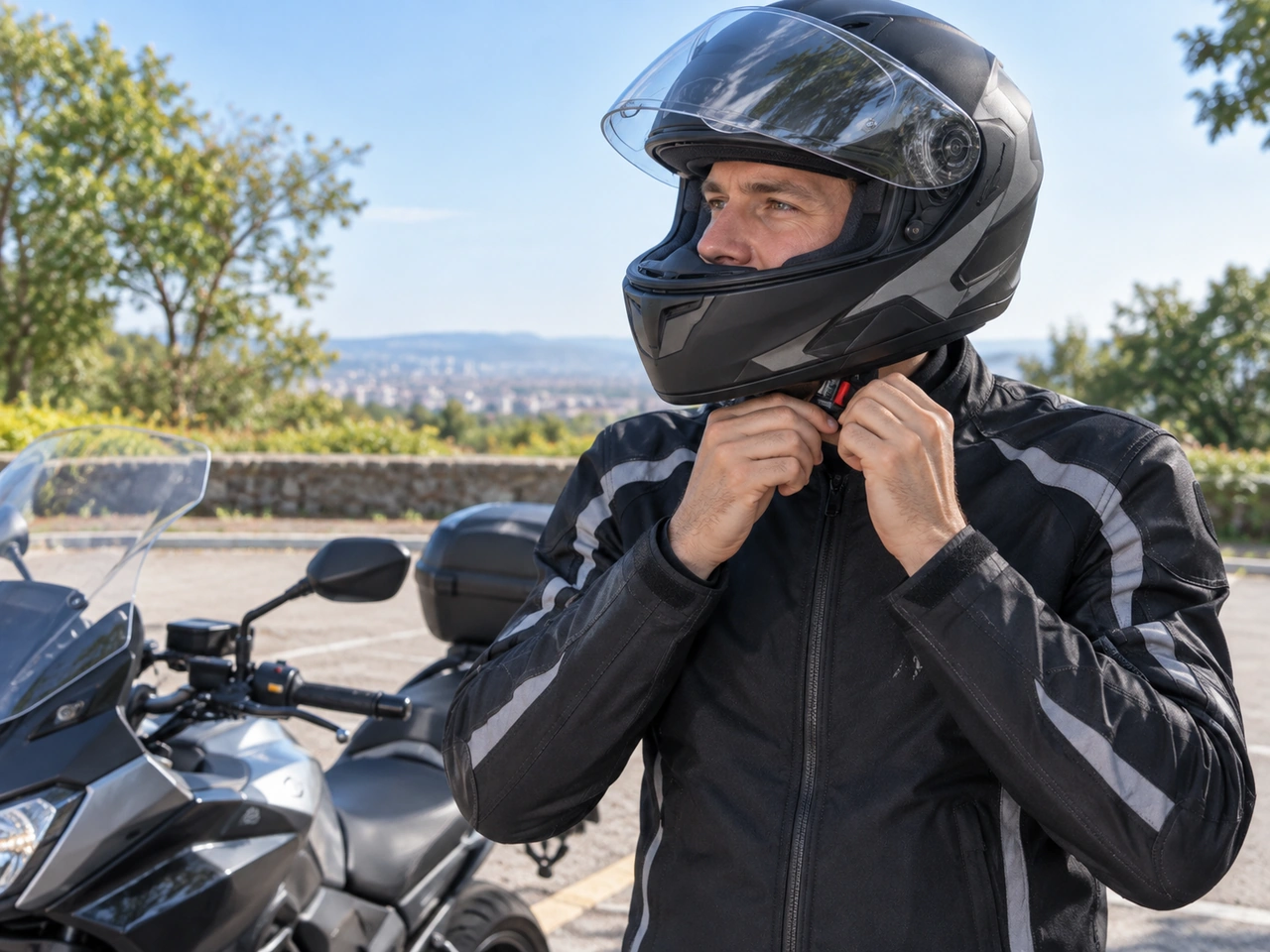
174. Why should a motorcycle helmet be worn correctly and securely fastened?
A correctly fitted and securely fastened motorcycle helmet helps protect the rider's head and can reduce the risk and severity of head injury in a collision or fall.
AI-generated by Rijbewijs-online.be • WCIT • CC BY-SA
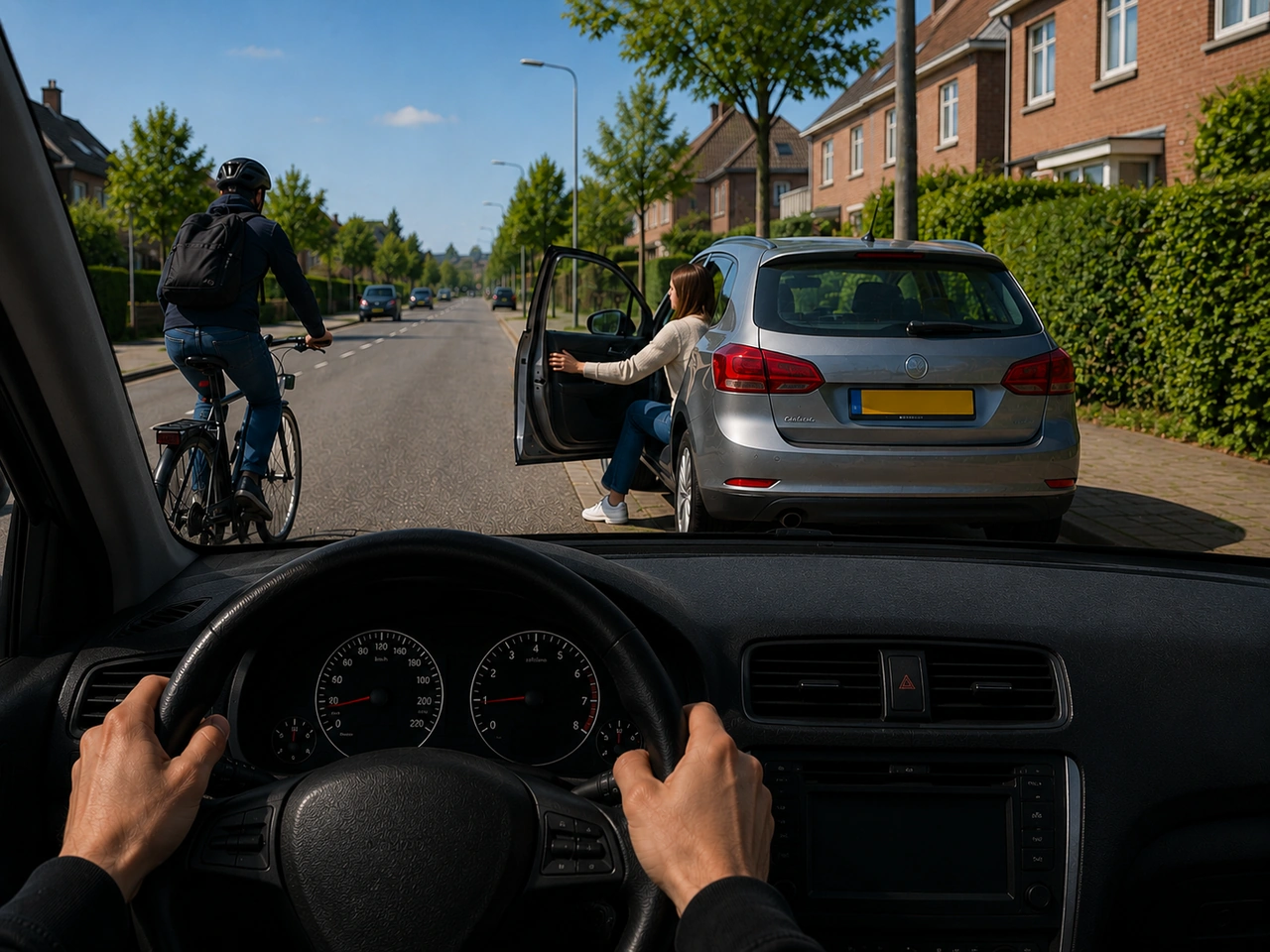
175. What should you do before opening your car door near traffic?
Before opening a car door, check carefully for cyclists, pedestrians, and vehicles to avoid causing a collision.
AI-generated by Rijbewijs-online.be • WCIT • CC BY-SA
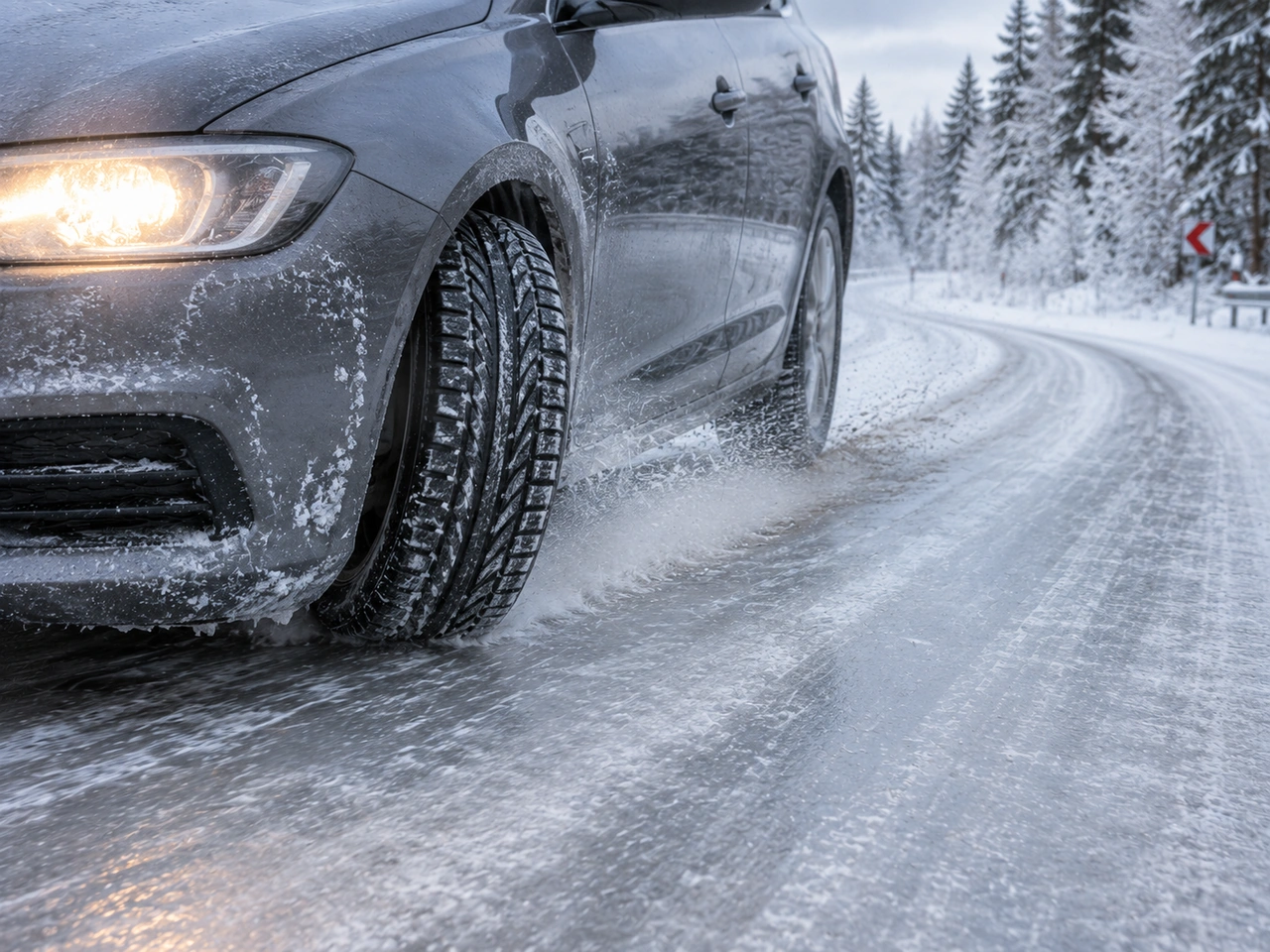
176. Why should you avoid sudden steering movements on snow or ice?
Abrupt steering can overwhelm the limited grip available on a slippery surface. Steering smoothly helps keep the vehicle stable.
AI-generated by Rijbewijs-online.be • WCIT • CC BY-SA
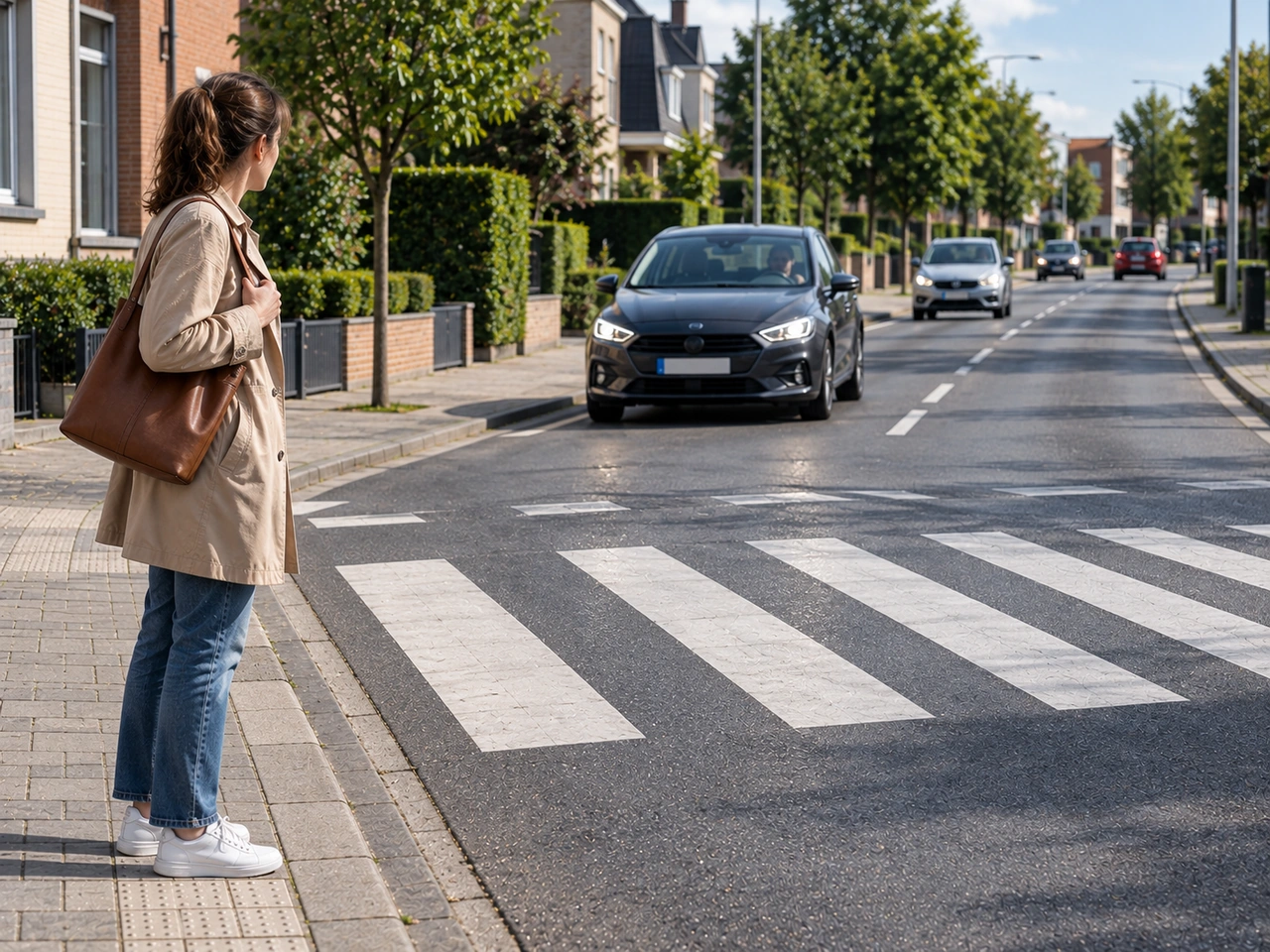
177. What should you do before using a pedestrian crossing?
Even at a pedestrian crossing, make sure approaching drivers have seen you and are able to stop before you cross.
AI-generated by Rijbewijs-online.be • WCIT • CC BY-SA
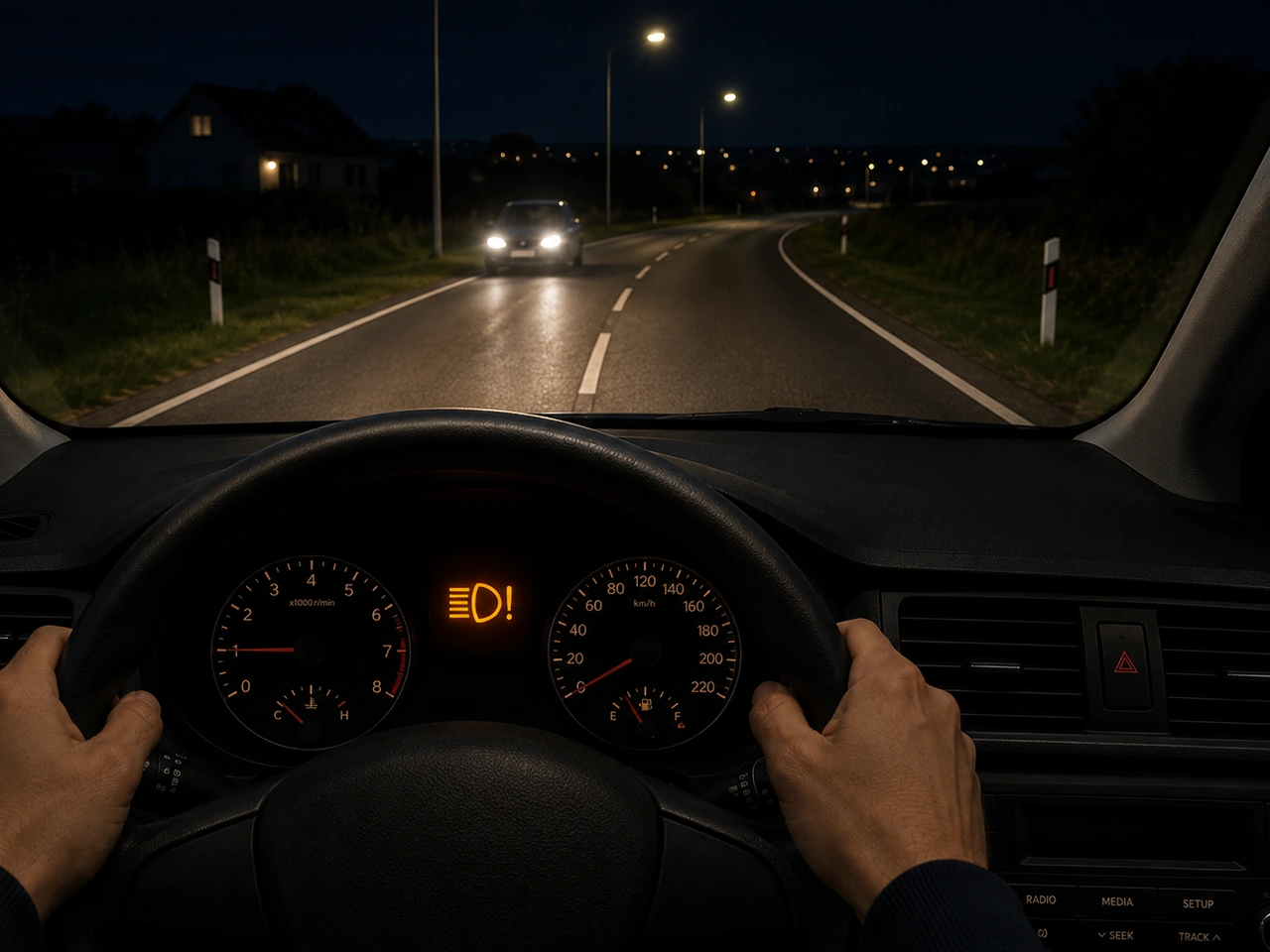
178. What should you do if your headlights fail while driving at night?
Without effective headlights, you may not see hazards and other road users may not see you. Stop in a safe location as soon as possible.
AI-generated by Rijbewijs-online.be • WCIT • CC BY-SA
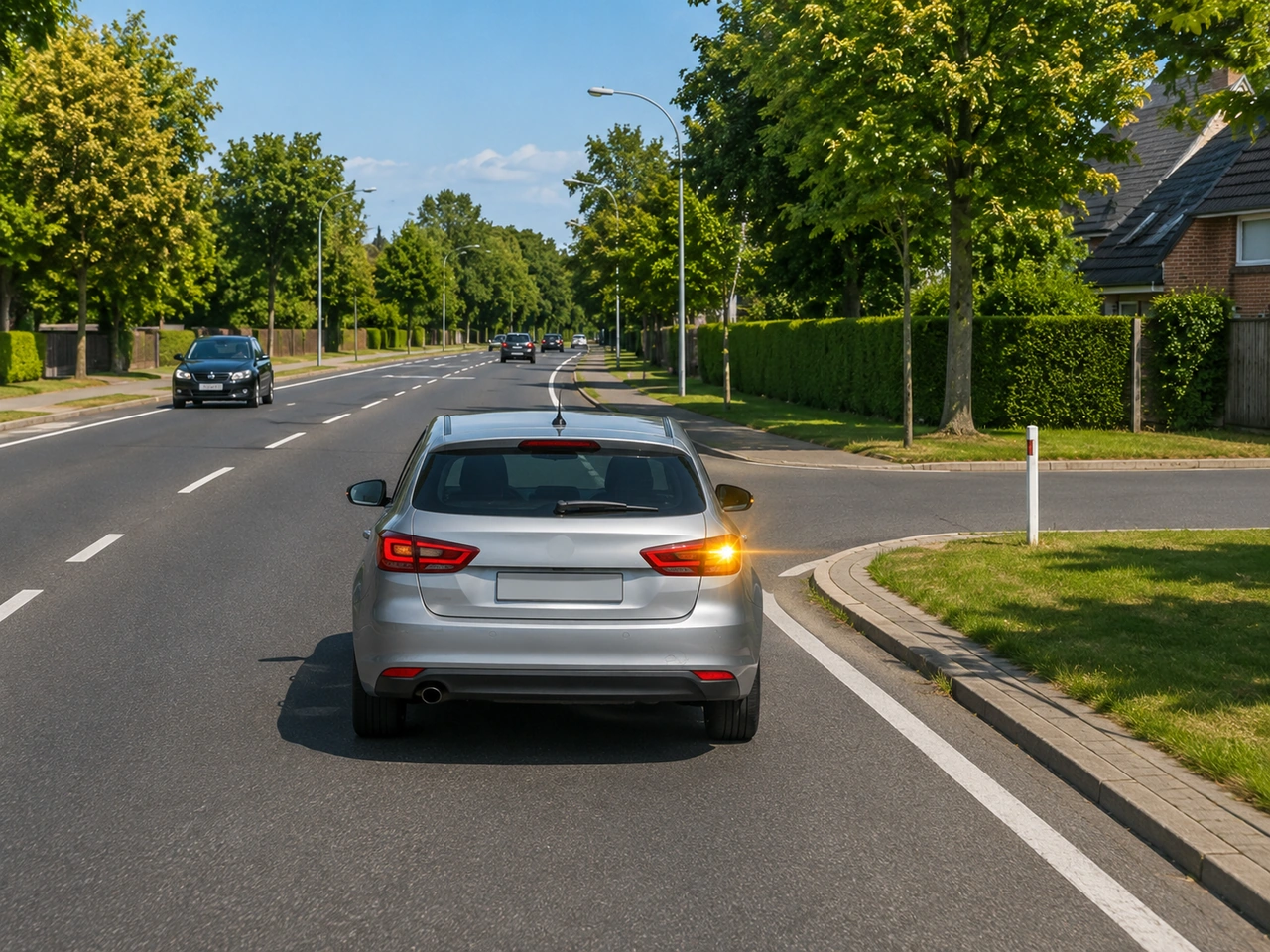
179. Why should you use your indicator before turning?
Indicators help other drivers, cyclists, and pedestrians understand your intentions in time.
AI-generated by Rijbewijs-online.be • WCIT • CC BY-SA
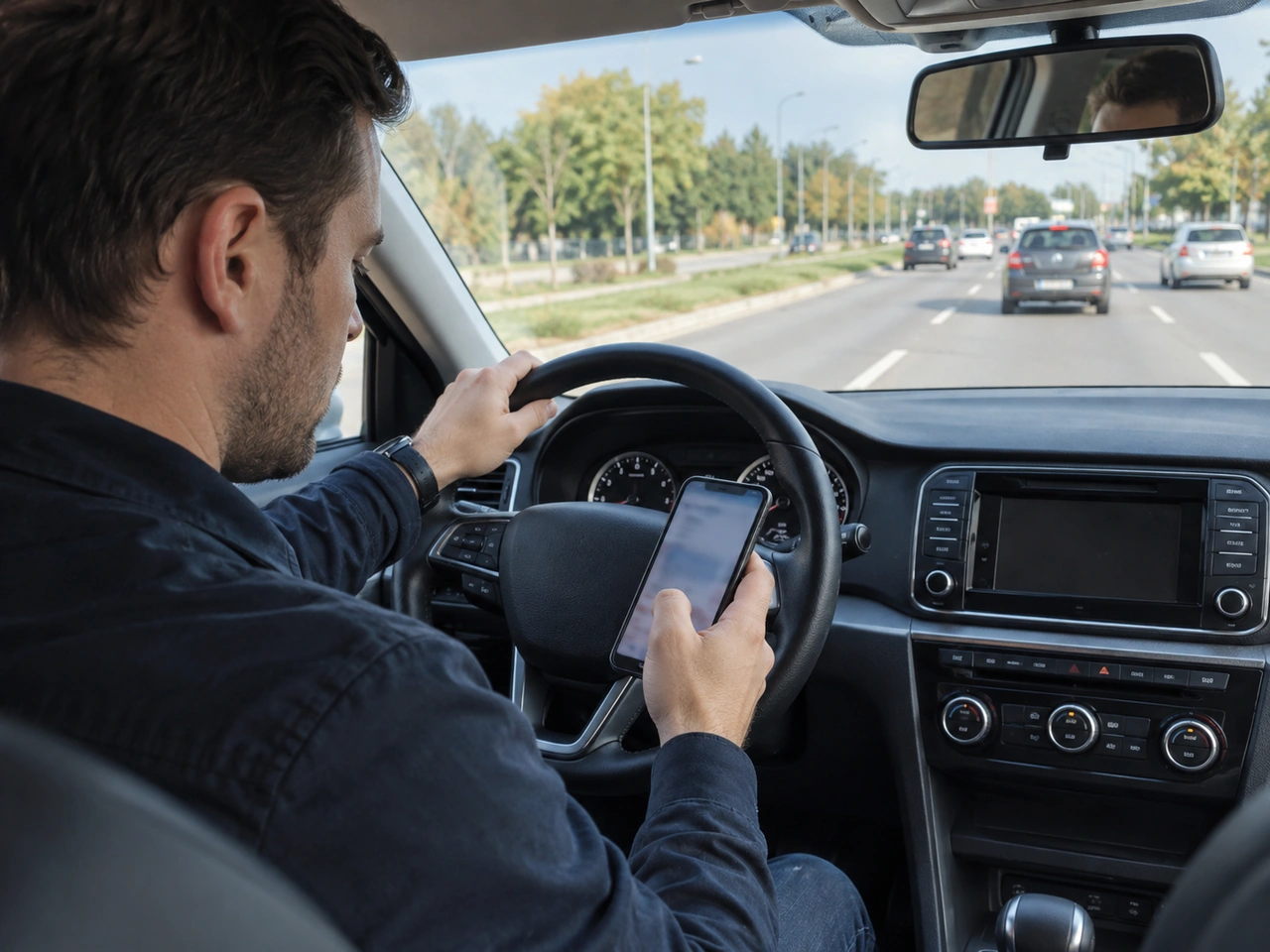
180. Why should you avoid using a phone while driving?
Using a phone while driving reduces attention, reaction time, and control of the vehicle. A hands-free system may reduce the need to handle the phone, but the conversation itself can still be distracting.
AI-generated by Rijbewijs-online.be • WCIT • CC BY-SA
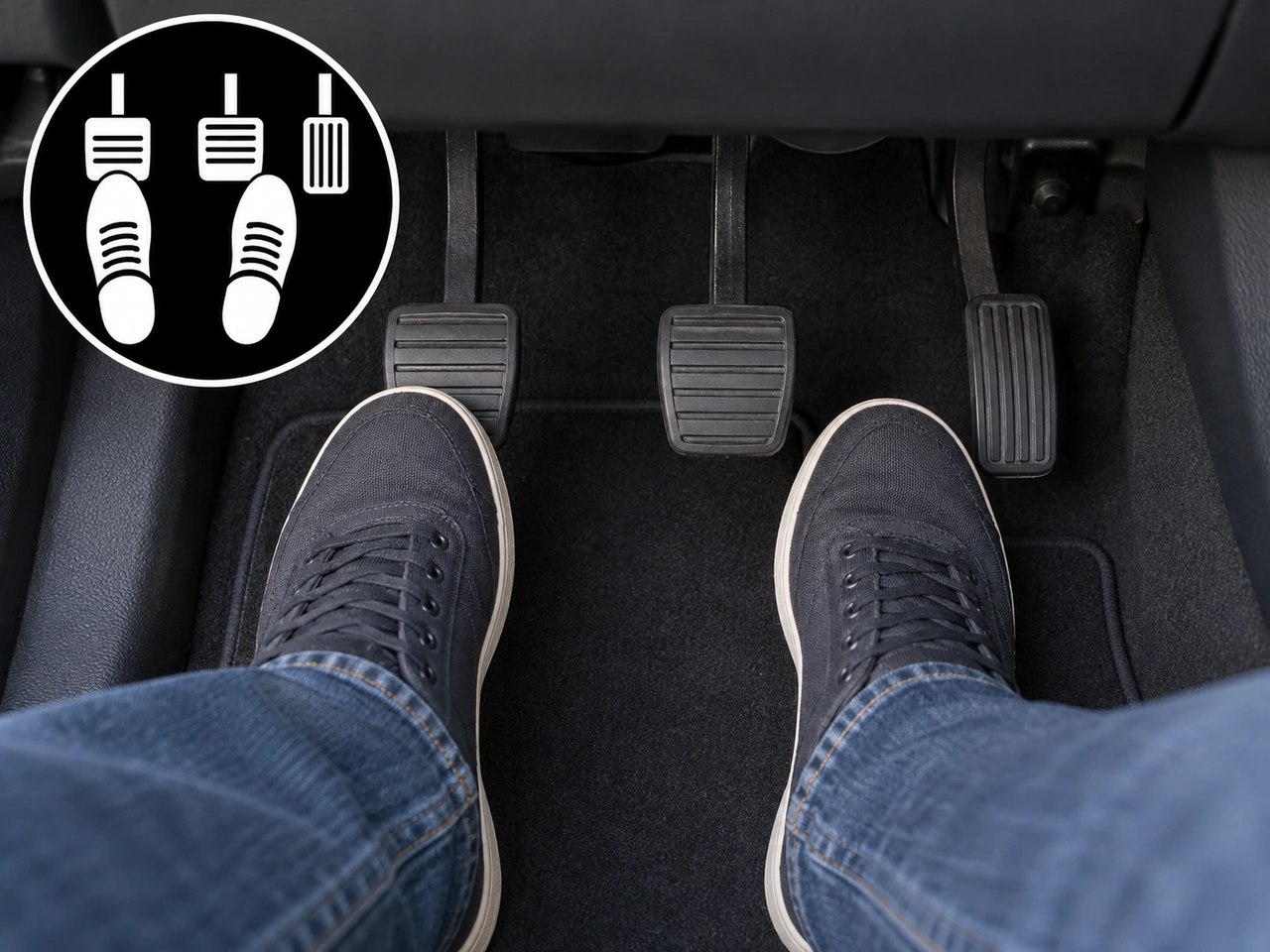
181. Which foot normally operates the brake and accelerator in a manual vehicle?
In a manual vehicle, the right foot normally operates both the brake and accelerator pedals, while the left foot operates the clutch.
AI-generated by Rijbewijs-online.be • WCIT • CC BY-SA
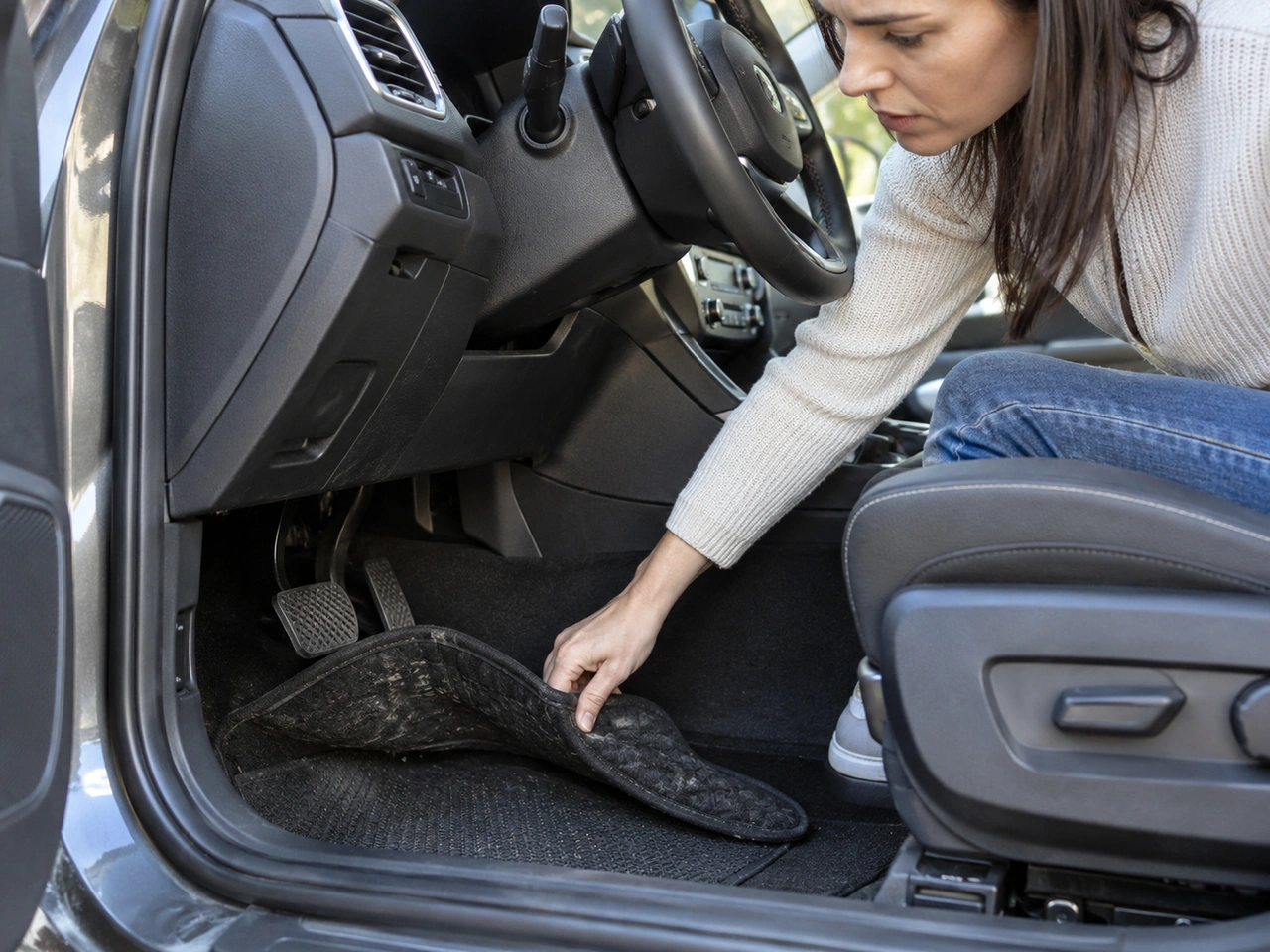
182. Why should the driver's floor mat be properly secured?
A loose or incorrectly fitted floor mat can move into the pedal area and interfere with the accelerator, brake, or clutch. Make sure the driver's floor mat is correctly fitted, secured, and does not obstruct any pedal.
AI-generated by Rijbewijs-online.be • WCIT • CC BY-SA
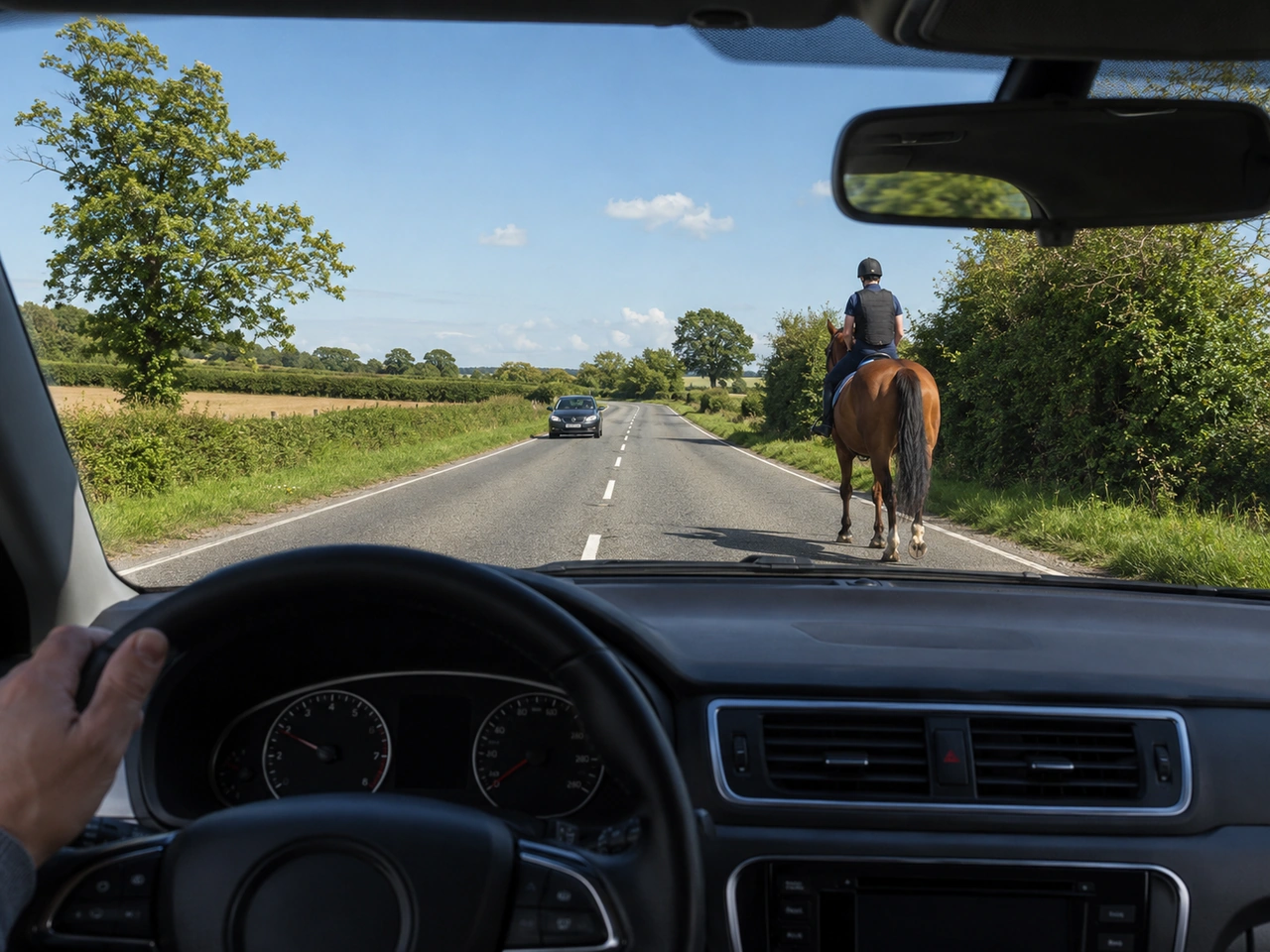
183. What should you do when passing a horse rider?
Horses can be startled by noise or sudden movement. Slow down, pass carefully, and leave enough space.
AI-generated by Rijbewijs-online.be • WCIT • CC BY-SA
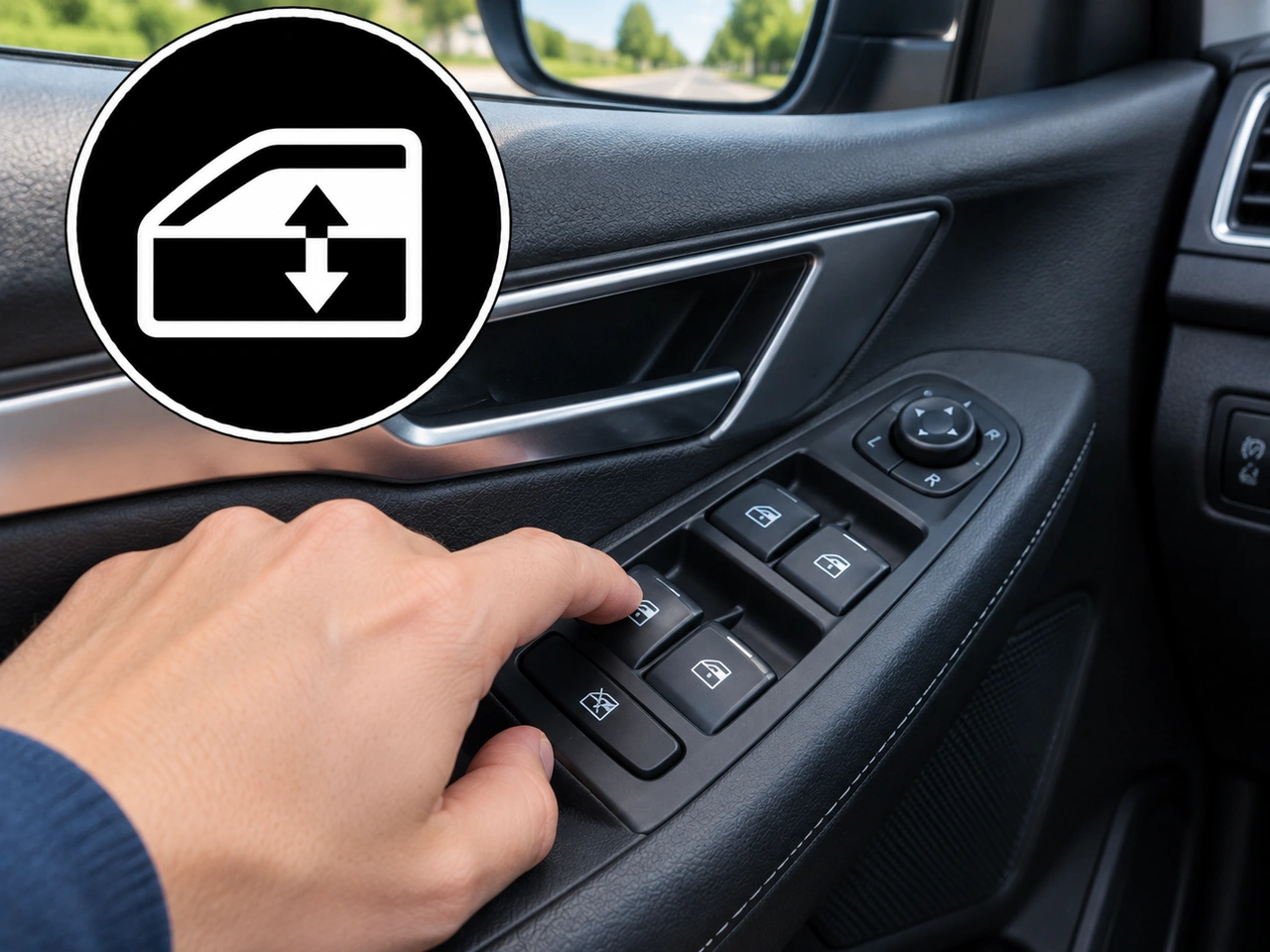
184. What does this vehicle-control symbol indicate?
This control operates the vehicle's electric windows. Pressing or pulling the switch lowers or raises the corresponding window.
AI-generated by Rijbewijs-online.be • WCIT • CC BY-SA
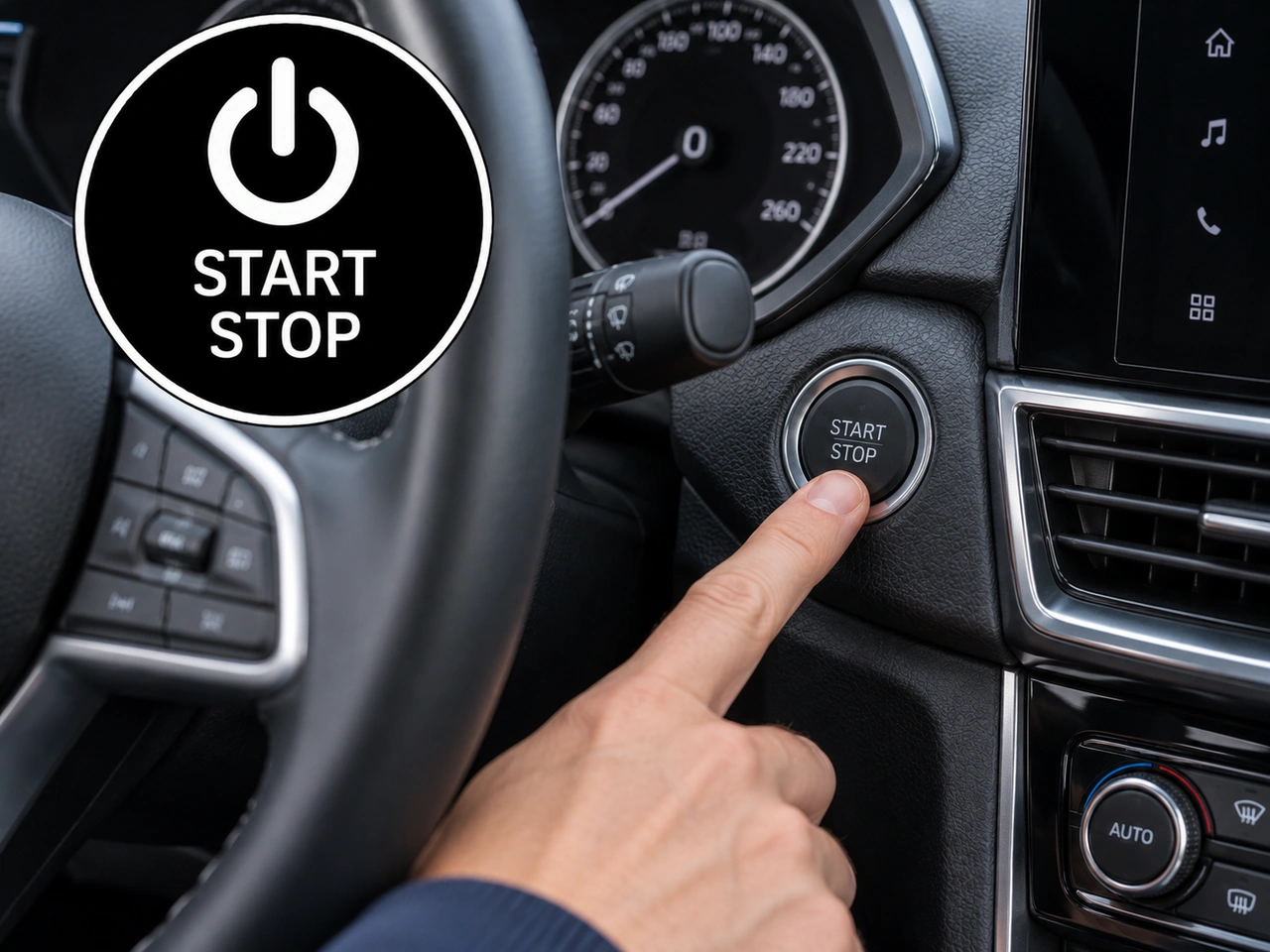
185. What does this vehicle-control button operate?
The engine start/stop button is used to start or switch off the vehicle's engine or electric drive system. Starting the vehicle normally also requires the brake or clutch pedal to be pressed.
AI-generated by Rijbewijs-online.be • WCIT • CC BY-SA
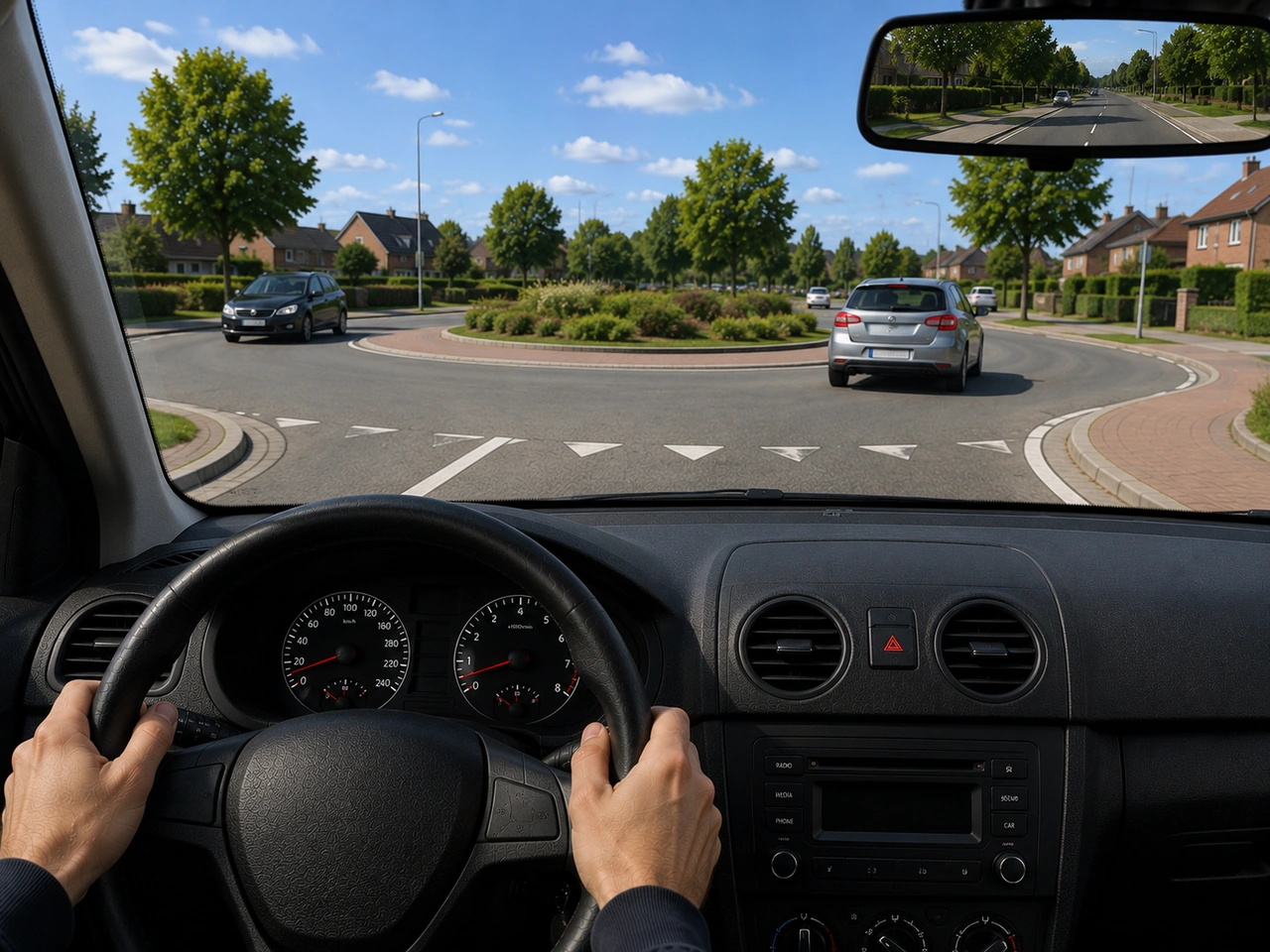
186. What should you do when entering a roundabout?
When approaching a roundabout, reduce your speed, observe traffic, follow the signs and local priority rules, and enter only when it is safe.
AI-generated by Rijbewijs-online.be • WCIT • CC BY-SA
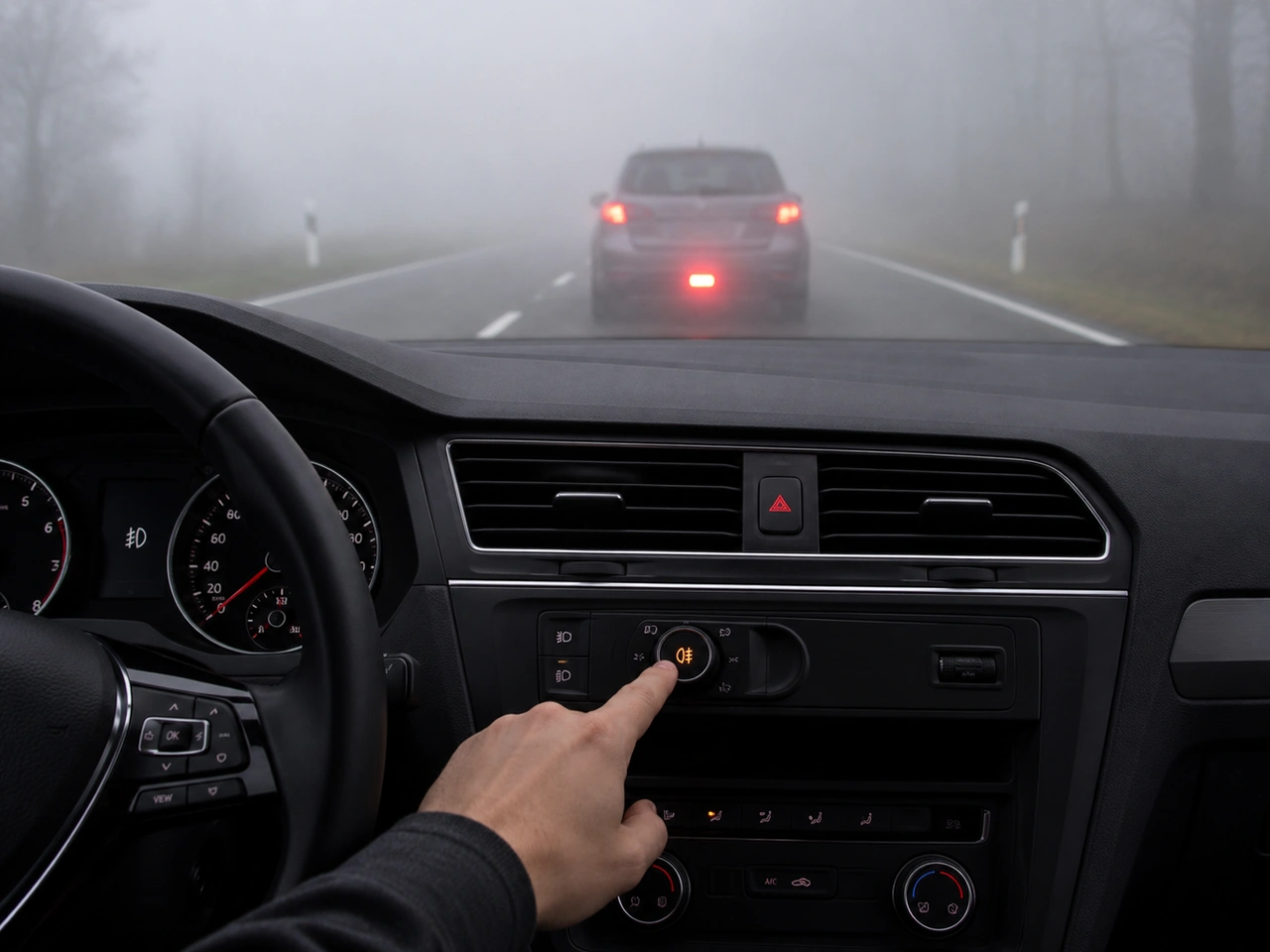
187. When should you use rear fog lights?
Rear fog lights are very bright and should only be used when visibility is poor enough to require them.
AI-generated by Rijbewijs-online.be • WCIT • CC BY-SA
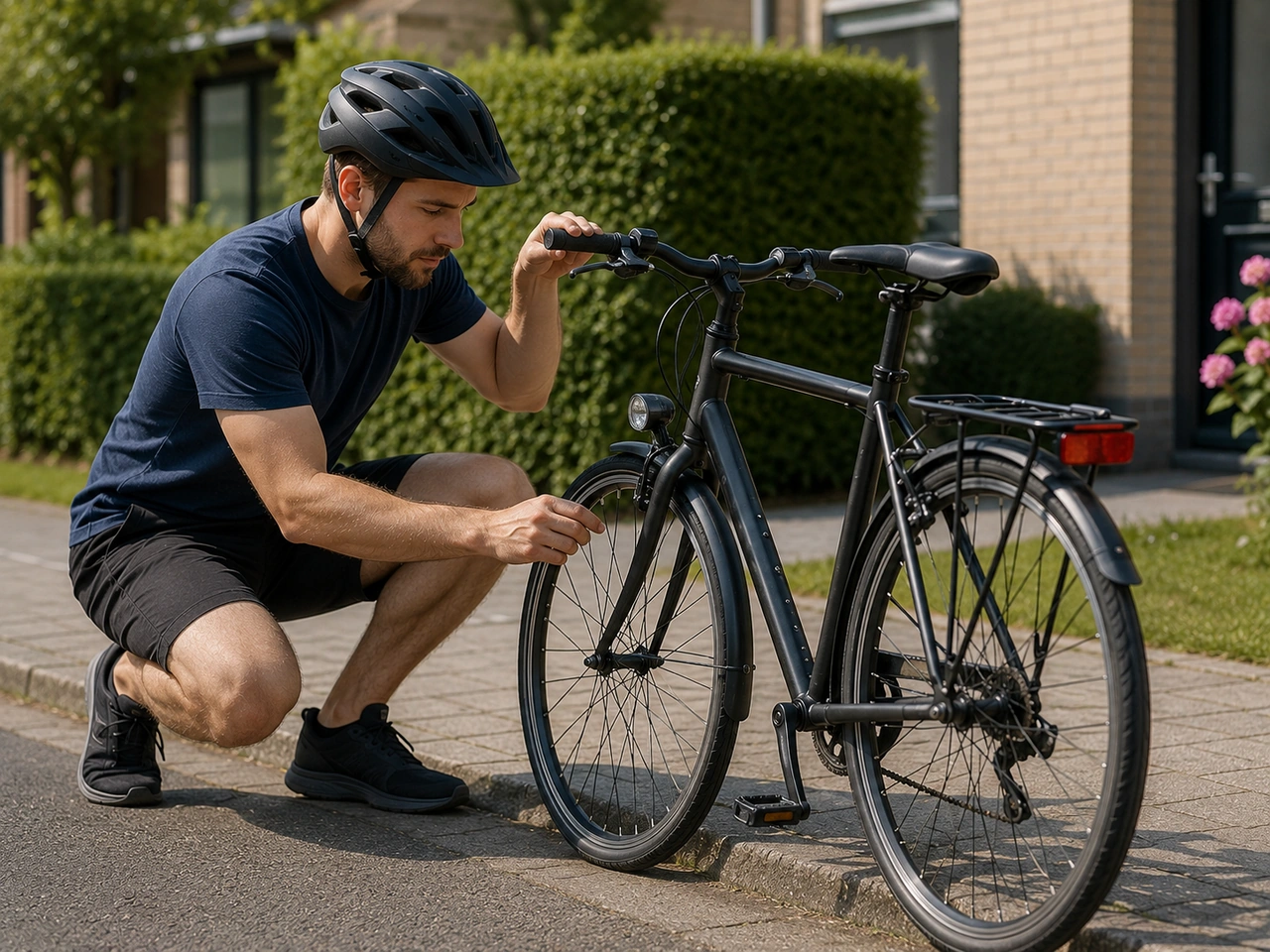
188. What should you check before starting a bicycle journey?
A basic safety check can reveal problems with the brakes, tyres, lights, or steering before they cause an accident.
AI-generated by Rijbewijs-online.be • WCIT • CC BY-SA
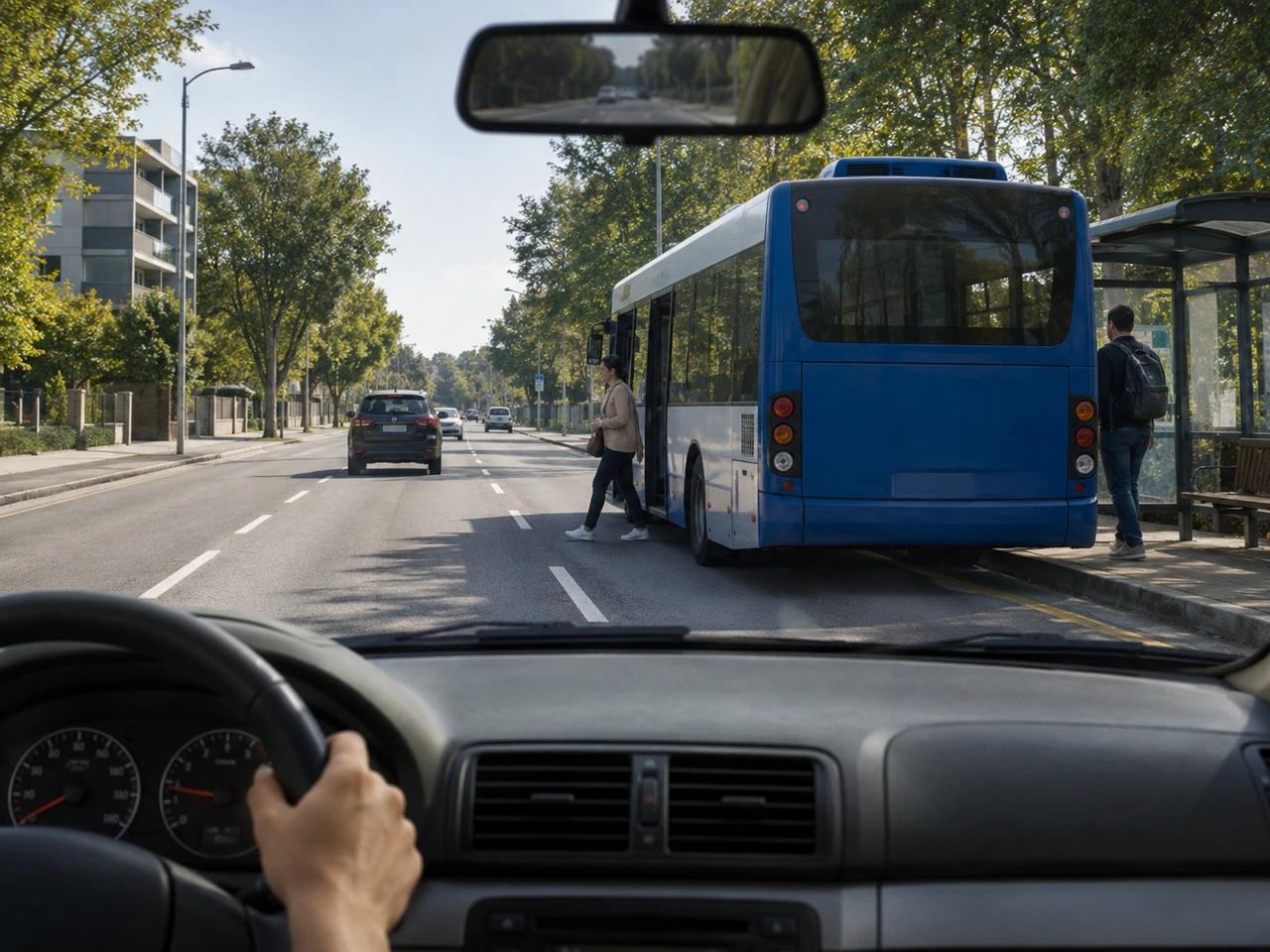
189. Why should you be careful when driving beside a bus at a stop?
Stopped buses can hide pedestrians, and passengers may cross unexpectedly. Slow down and be ready to react.
AI-generated by Rijbewijs-online.be • WCIT • CC BY-SA
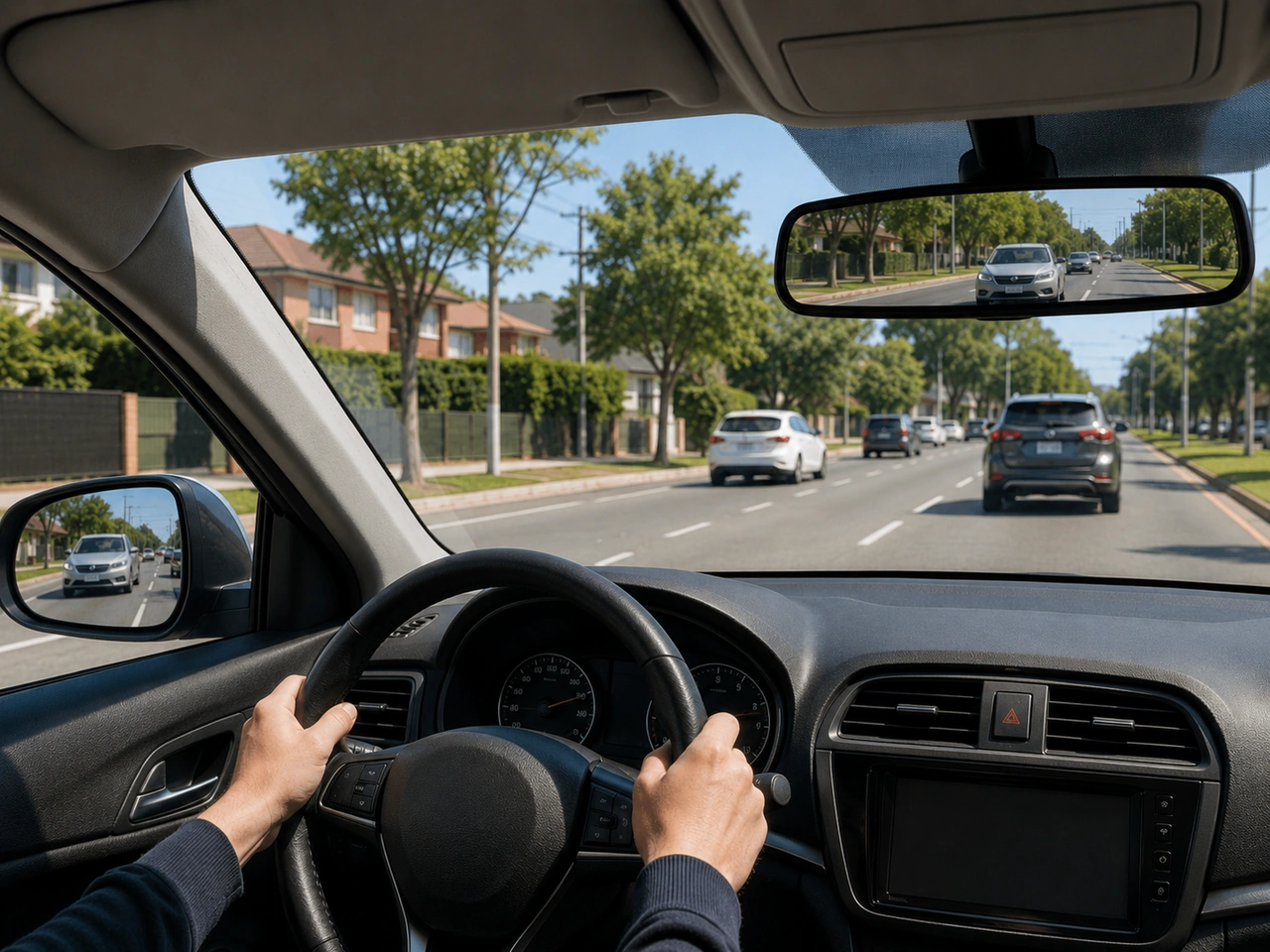
190. Why should you check your mirrors regularly while driving?
Regular mirror checks help you understand what is happening behind and beside your vehicle.
AI-generated by Rijbewijs-online.be • WCIT • CC BY-SA
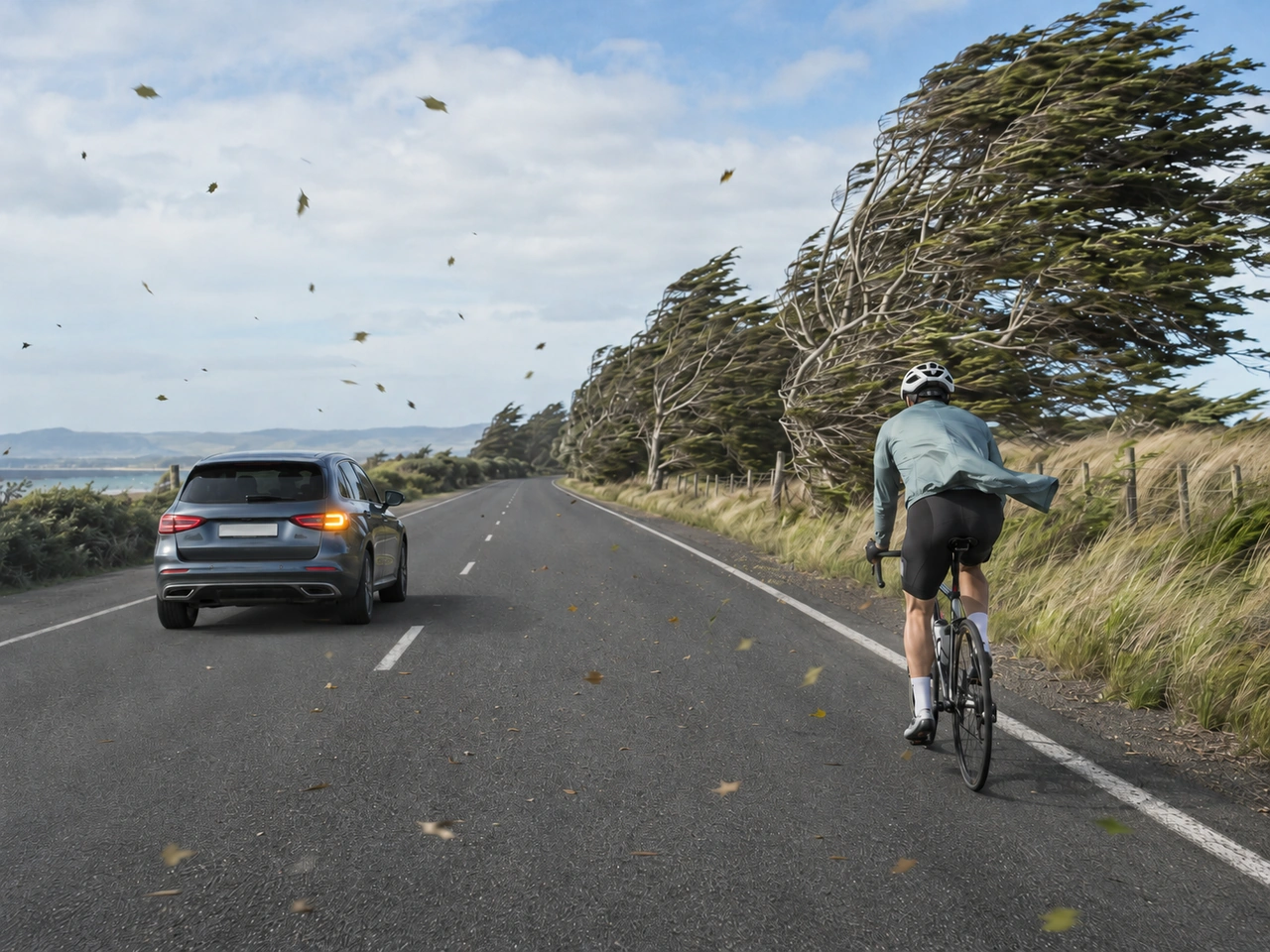
191. Why should you leave extra space when passing cyclists in strong winds?
Strong gusts can affect cyclists' balance and direction. Extra passing space reduces the risk of a collision.
AI-generated by Rijbewijs-online.be • WCIT • CC BY-SA
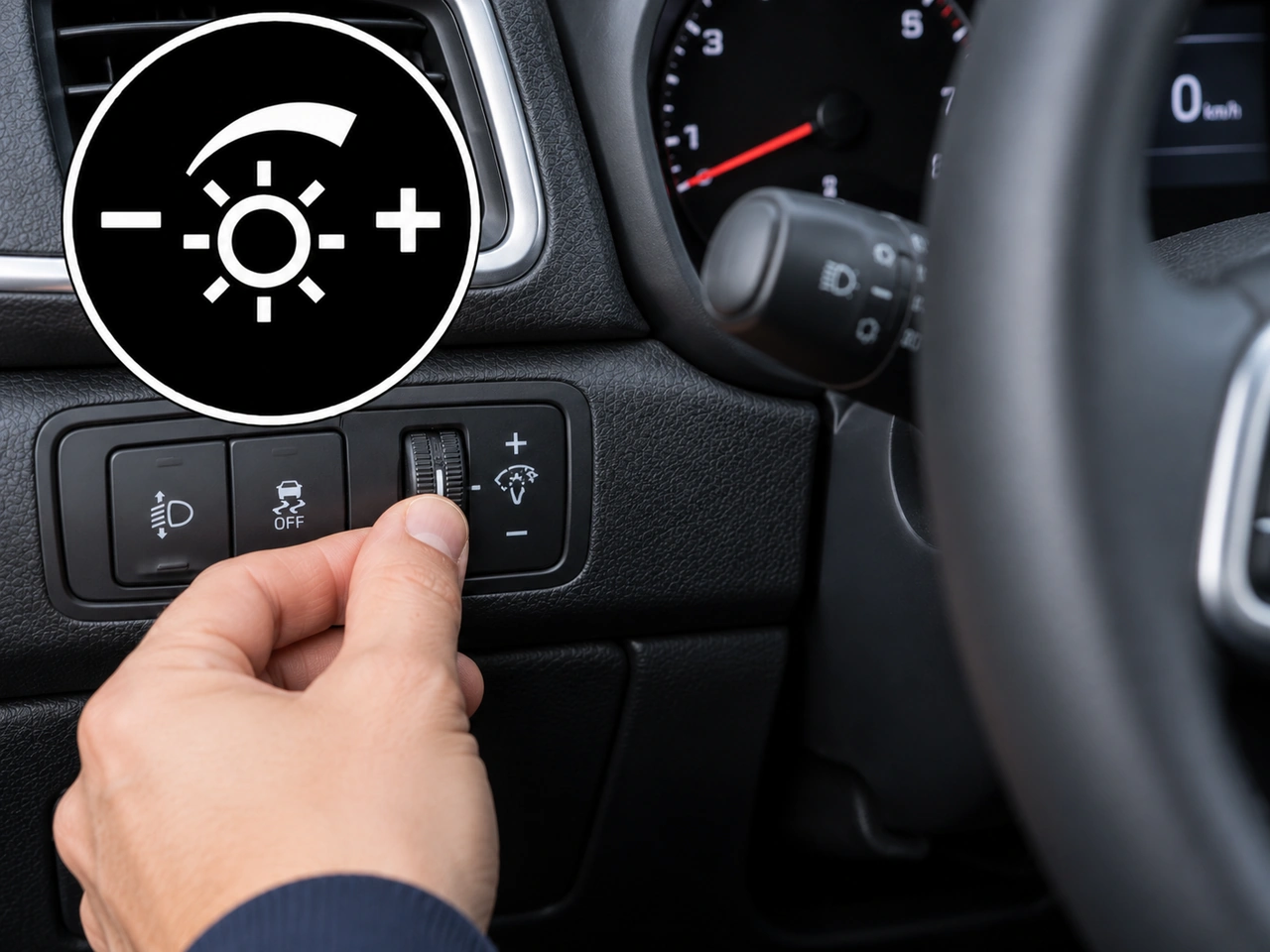
192. What does this vehicle-control symbol indicate?
This control adjusts the brightness of the instrument panel and dashboard illumination, allowing the driver to reduce or increase the lighting level.
AI-generated by Rijbewijs-online.be • WCIT • CC BY-SA
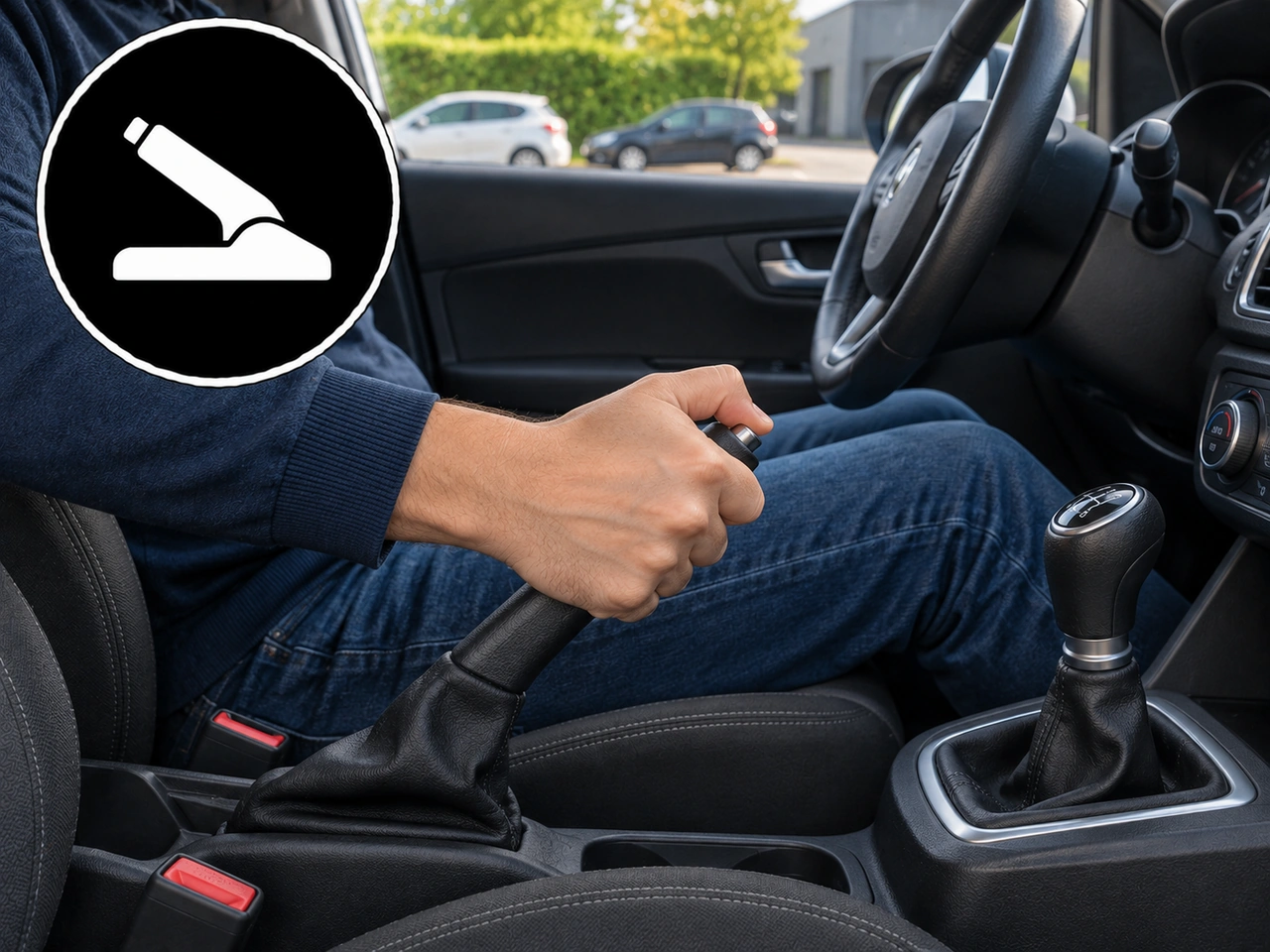
193. What should you do with the parking brake before leaving a parked vehicle?
Before leaving a parked vehicle, apply the parking brake securely to help prevent unintended movement. Also select the appropriate gear or transmission position for parking.
AI-generated by Rijbewijs-online.be • WCIT • CC BY-SA
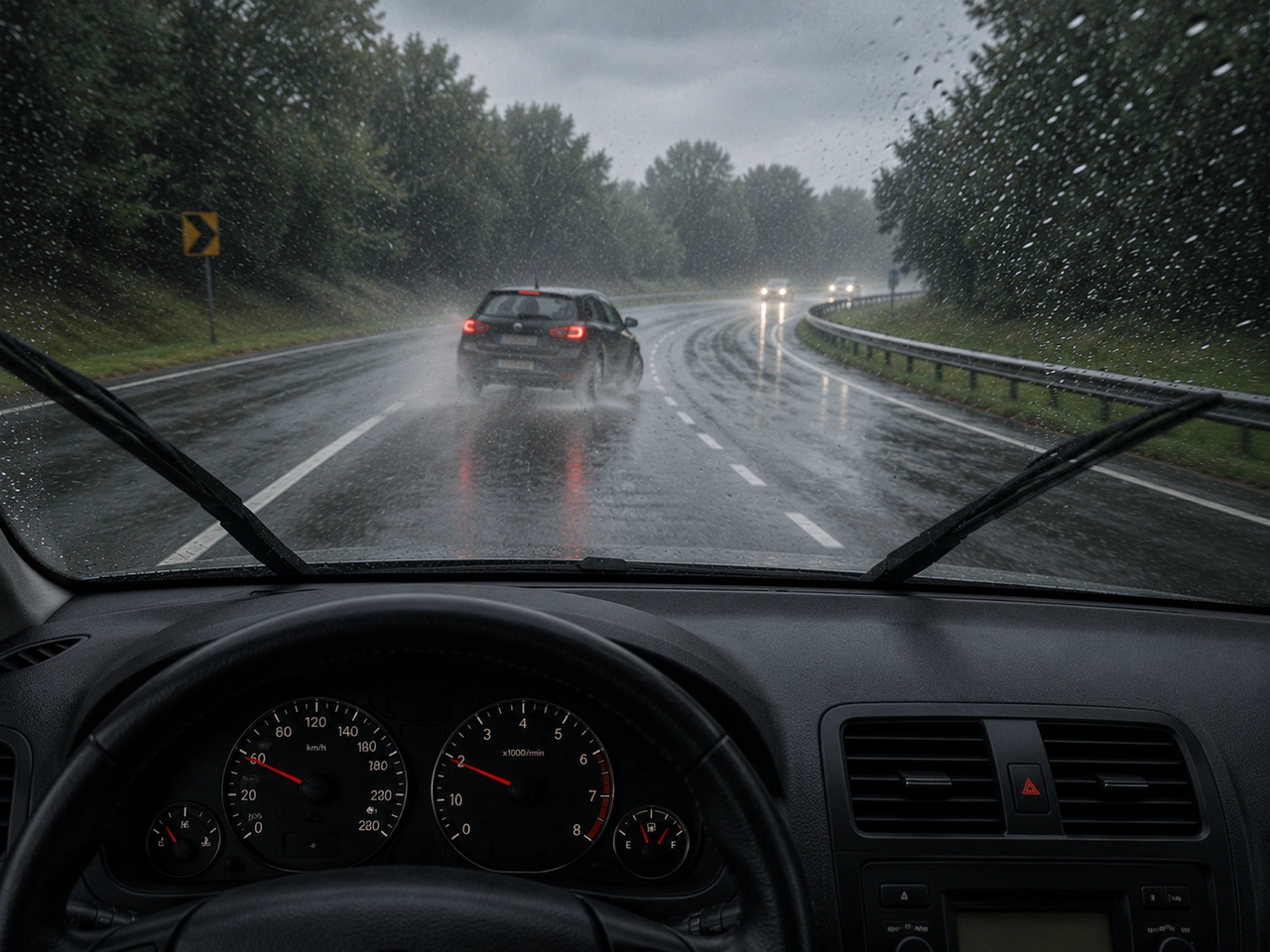
194. What should you avoid if your vehicle loses grip on a wet road?
Abrupt inputs can upset the vehicle further. Smooth control gives the tyres a better chance to regain grip.
AI-generated by Rijbewijs-online.be • WCIT • CC BY-SA
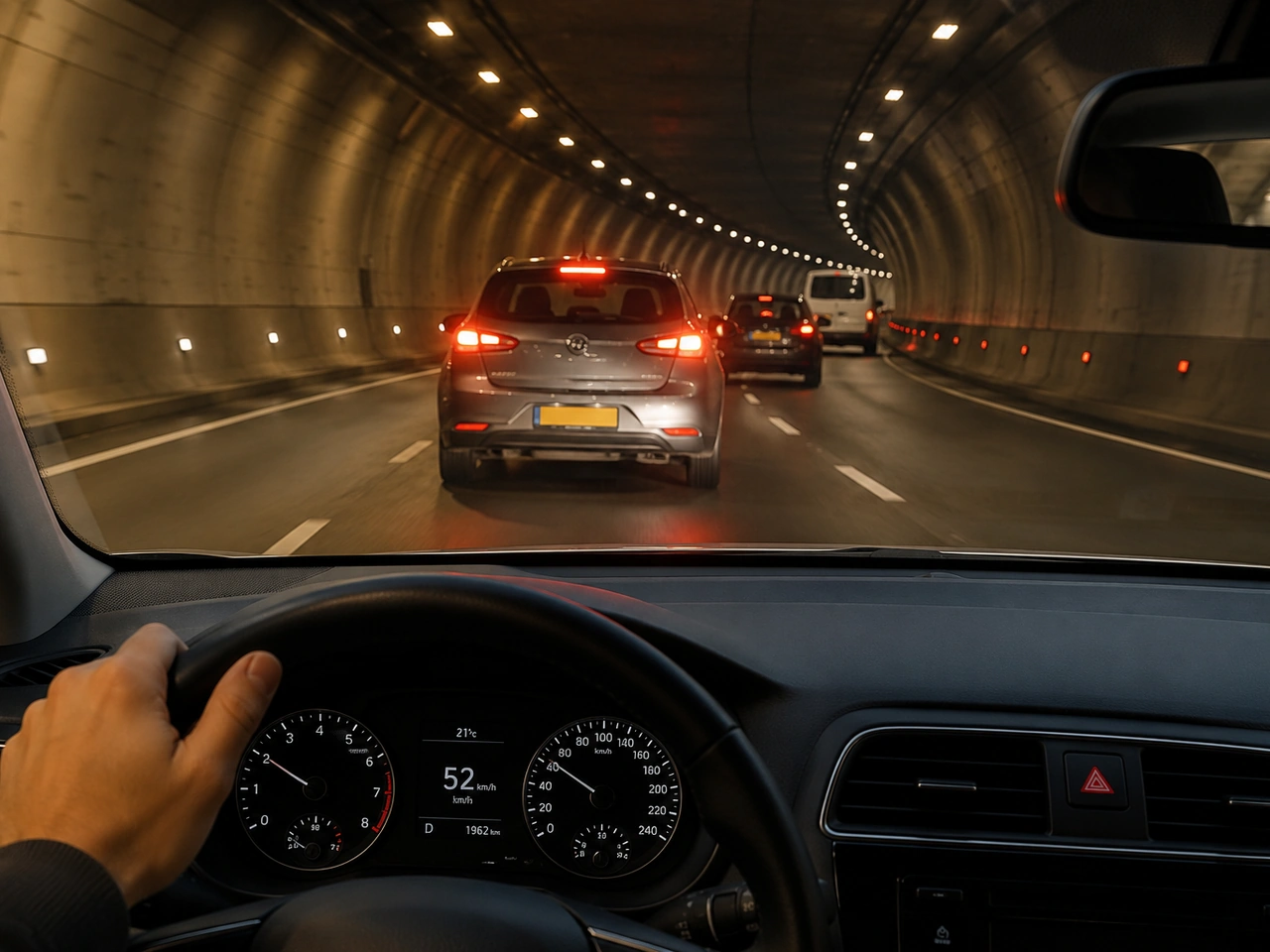
195. Why should you leave a safe following distance inside a tunnel?
Limited space and visibility can make incidents inside tunnels especially dangerous. A safe gap gives you more time to react.
AI-generated by Rijbewijs-online.be • WCIT • CC BY-SA
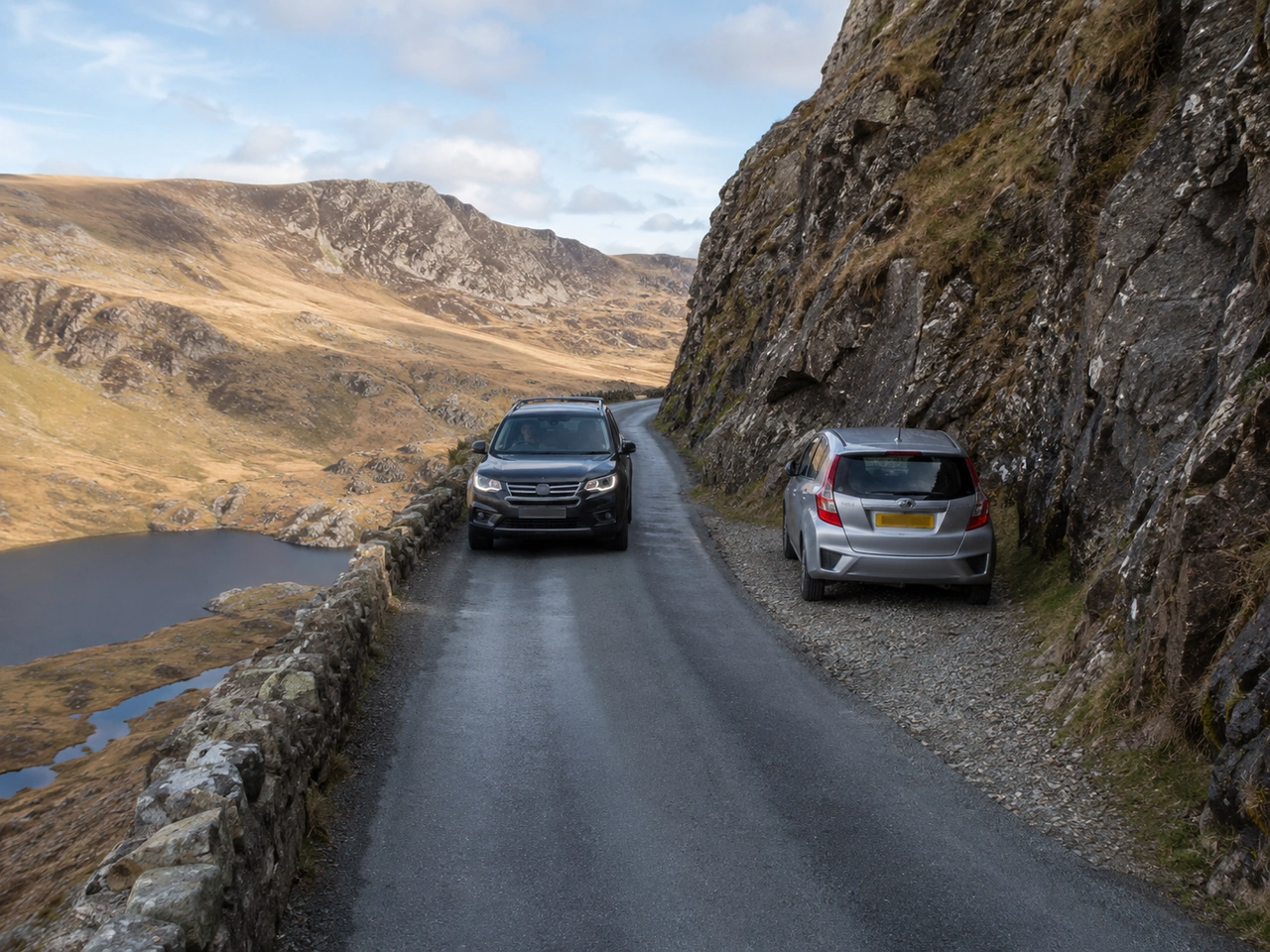
196. What should you do when meeting another vehicle on a narrow mountain road?
Narrow mountain roads may not provide enough space for two vehicles. Reduce speed and cooperate to pass safely.
AI-generated by Rijbewijs-online.be • WCIT • CC BY-SA

197. What should you do if a friend who has been drinking wants to drive?
Preventing an impaired person from driving can protect them, their passengers, and other road users. Arrange a sober driver, taxi, public transport, or accommodation.
AI-generated by Rijbewijs-online.be • WCIT • CC BY-SA
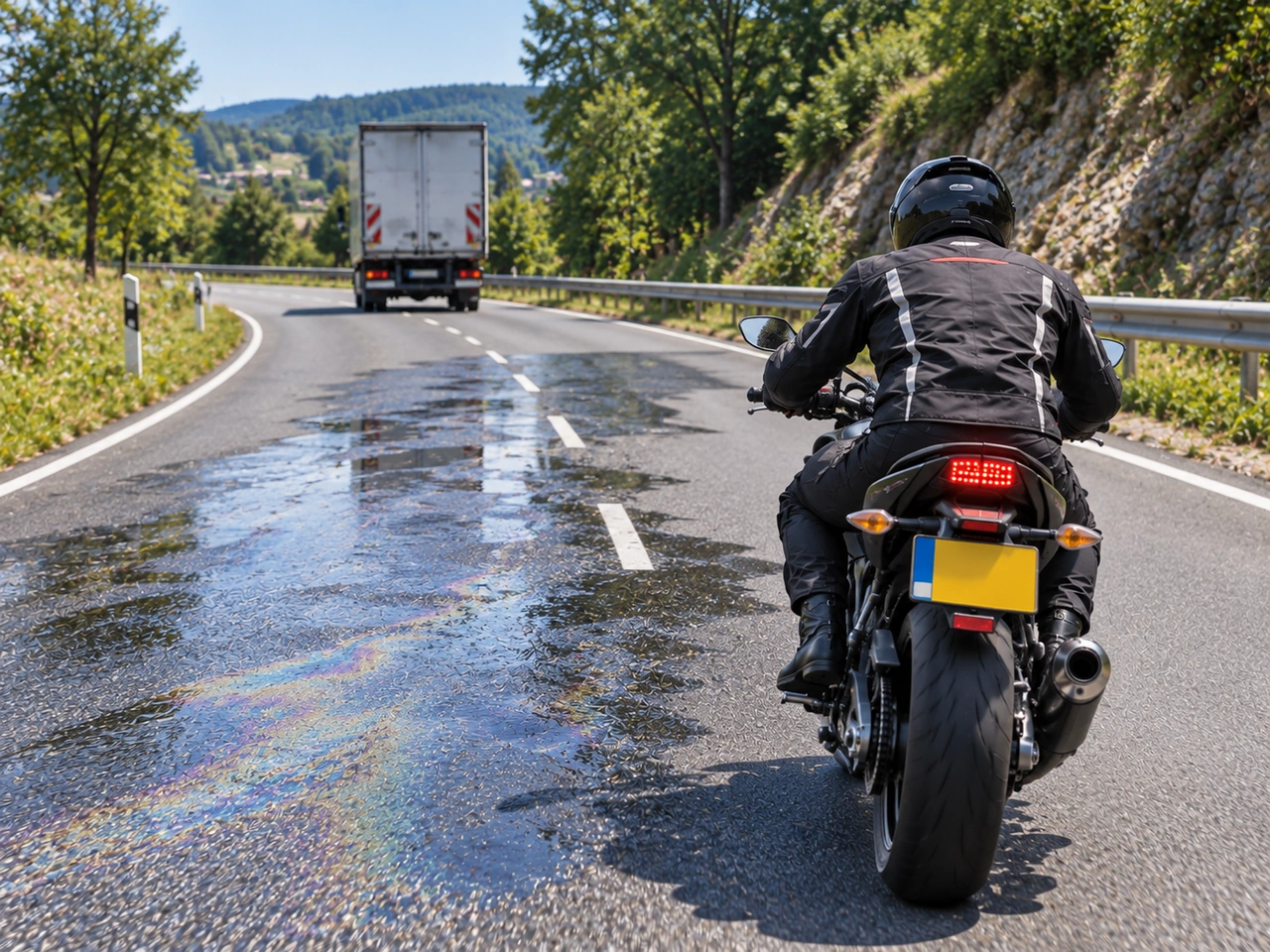
198. Why should you take extra care if oil or diesel is spilled on the road?
Oil, diesel and other fluids can create a very slippery road surface, particularly for motorcycles and bicycles. Reduce speed, avoid sudden braking or steering and keep the vehicle as stable as possible when crossing a contaminated area.
AI-generated by Rijbewijs-online.be • WCIT • CC BY-SA
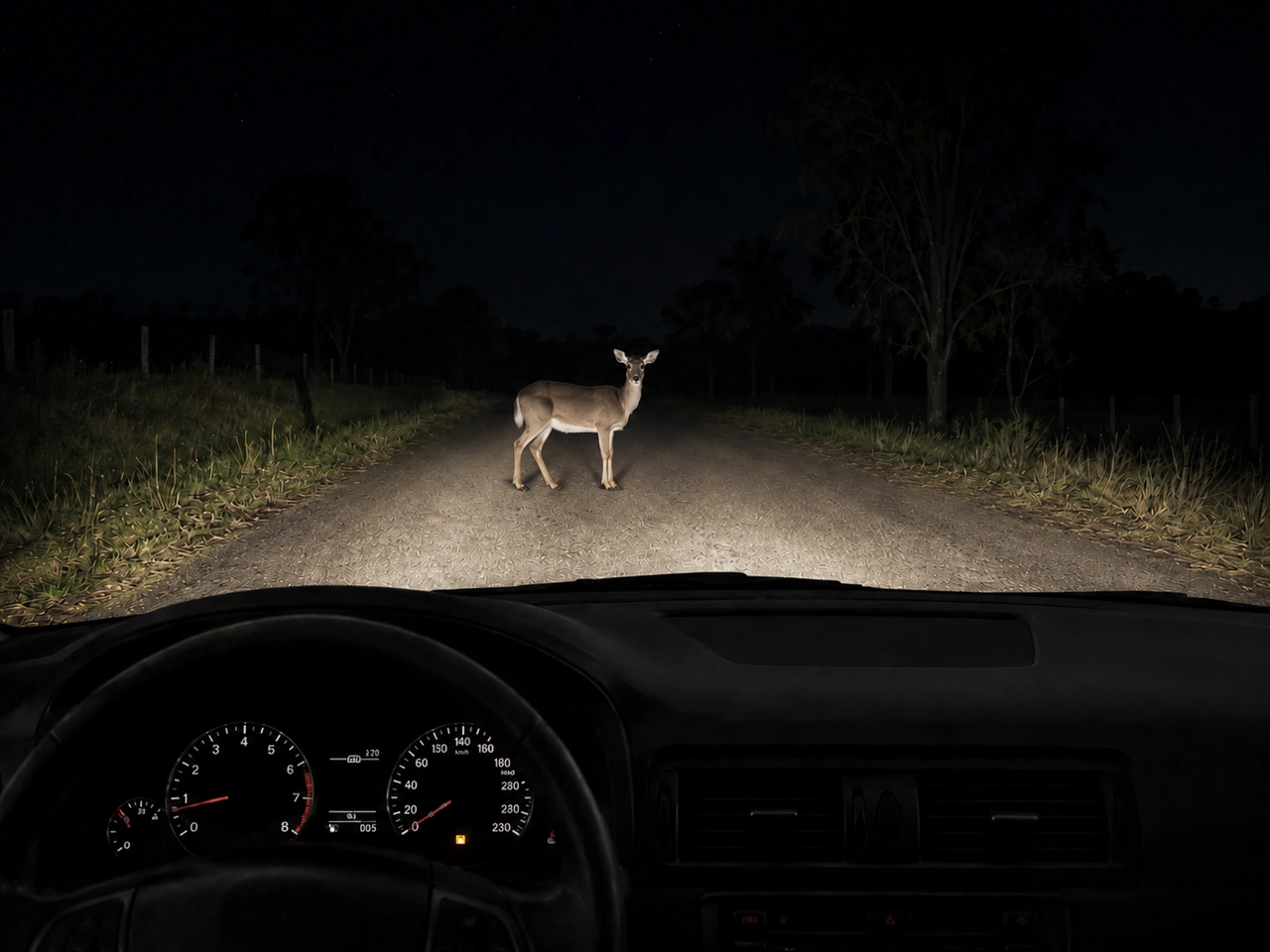
199. What should you do if an animal is standing on the road at night?
Animals may freeze, turn back, or move unpredictably when caught in vehicle headlights.
AI-generated by Rijbewijs-online.be • WCIT • CC BY-SA
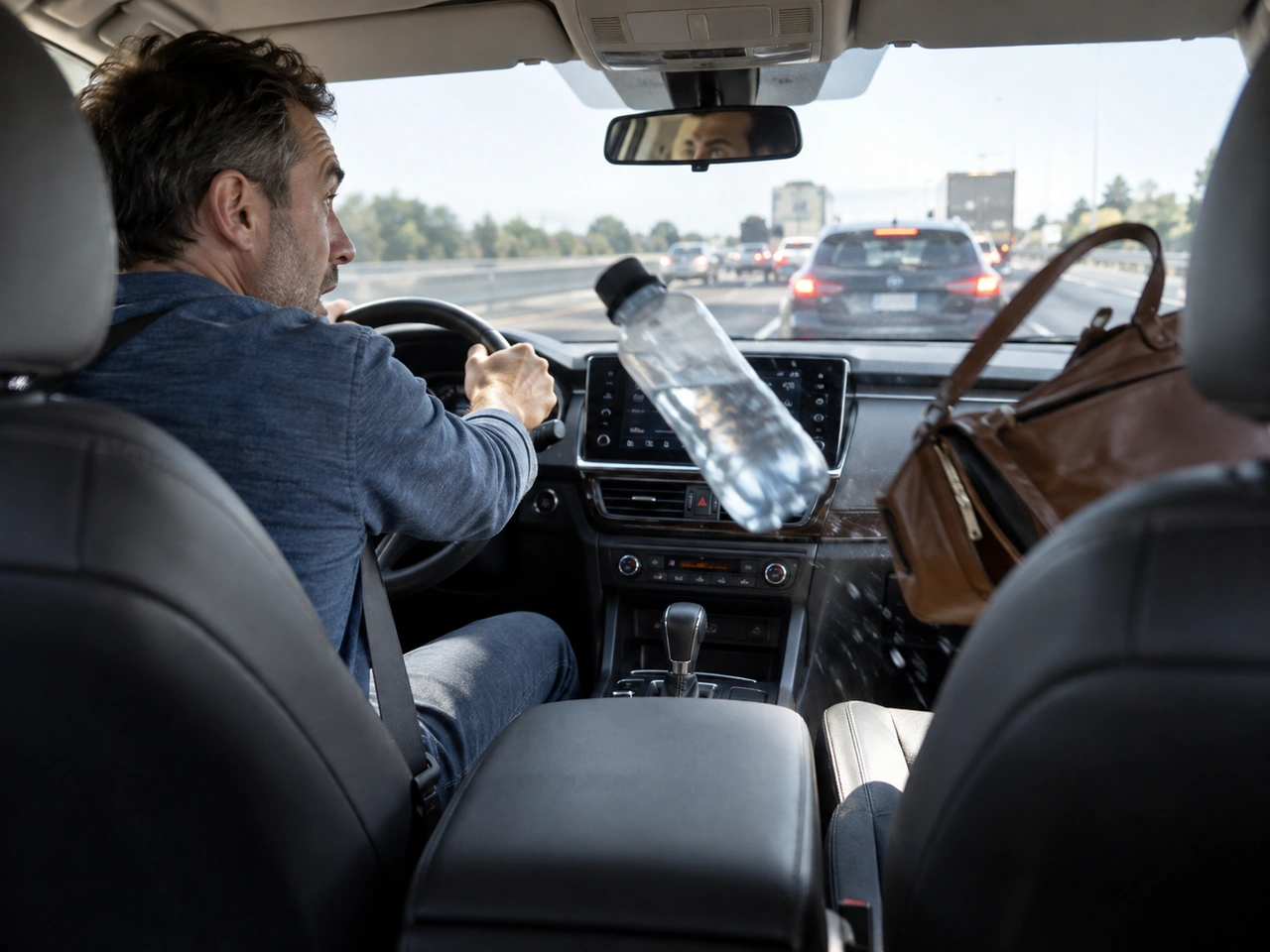
200. Why should loose items inside a vehicle be secured?
Loose objects can move or be thrown forwards during sudden braking or a collision. Secure luggage and other items so they cannot injure occupants or interfere with the driver or vehicle controls.
AI-generated by Rijbewijs-online.be • WCIT • CC BY-SA