


QuizTraffic rulesIceland
Test your knowledge with our multiple-choice quiz. Learn from each answer and improve your understanding of the traffic rules and road signs of Iceland.
 Traffic signs
 Traffic rules
 Iceland
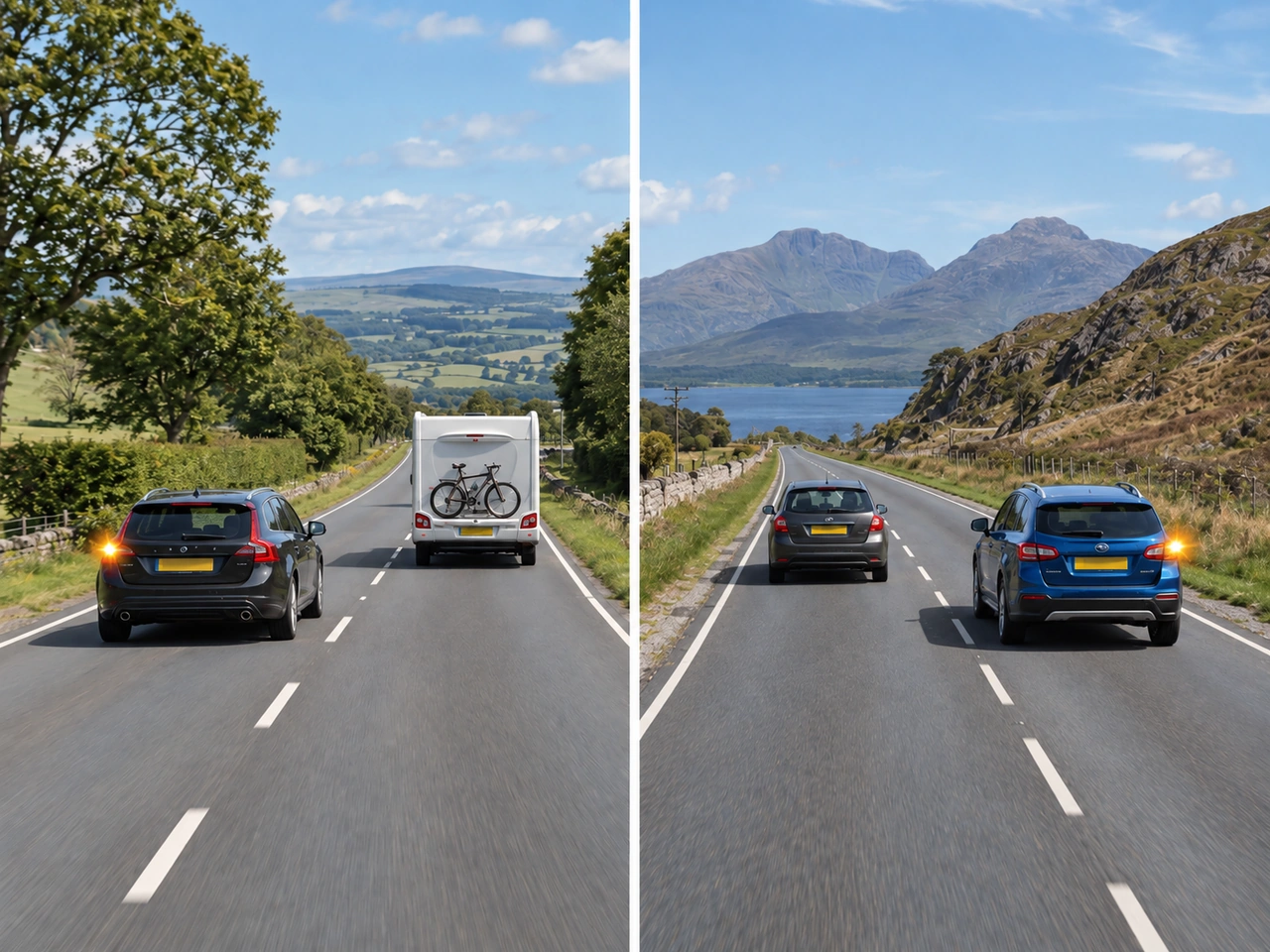
51. Which side is normally used for overtaking in Iceland?
Drivers normally overtake on the left-hand side in Iceland.
AI-generated by Rijbewijs-online.be • WCIT • CC BY-SA

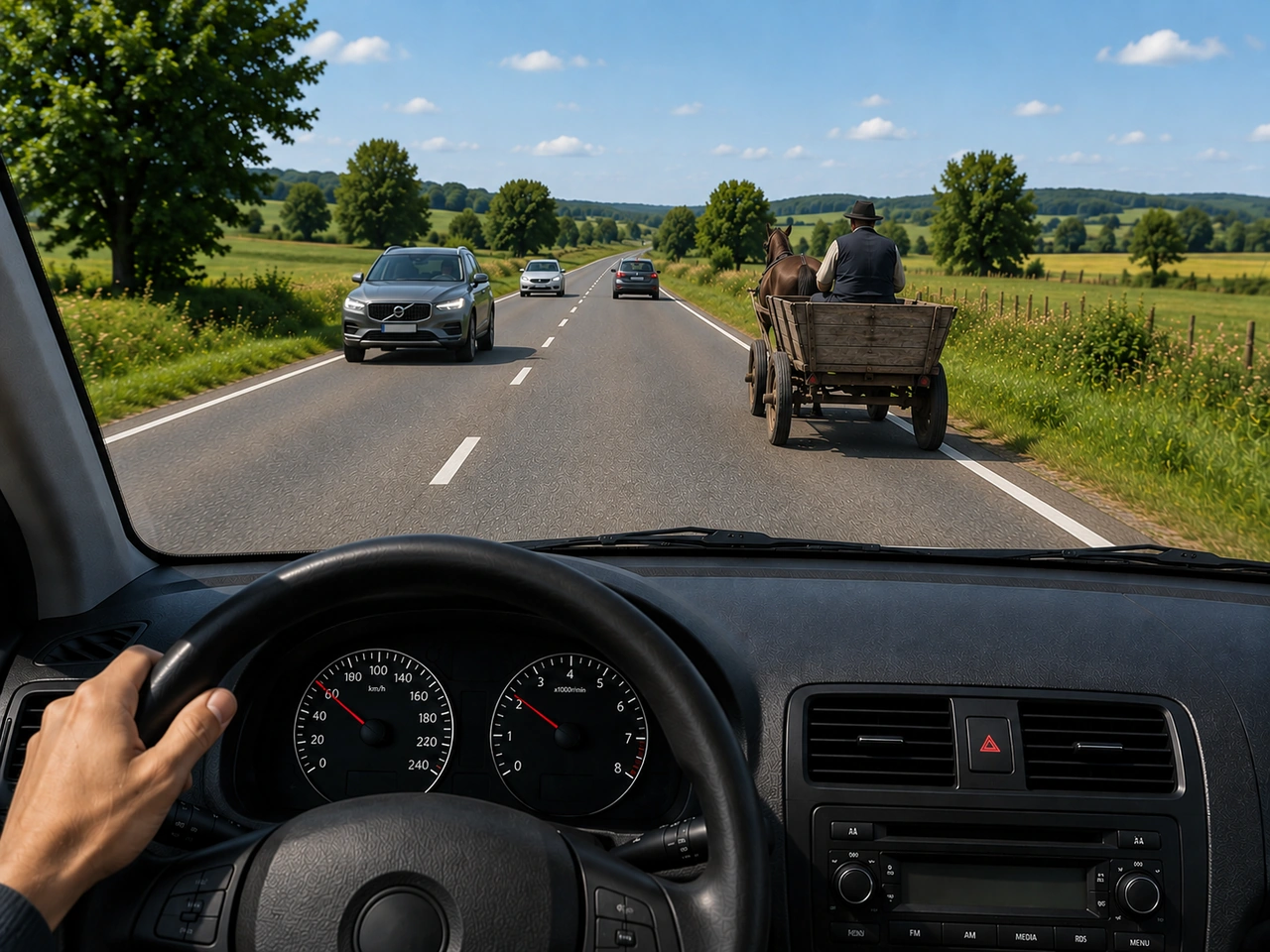
52. What should you do if you are approaching an animal-drawn vehicle?
Animals can be startled by noise or sudden movement. Reduce speed, keep distance, and pass only when it is safe.
AI-generated by Rijbewijs-online.be • WCIT • CC BY-SA
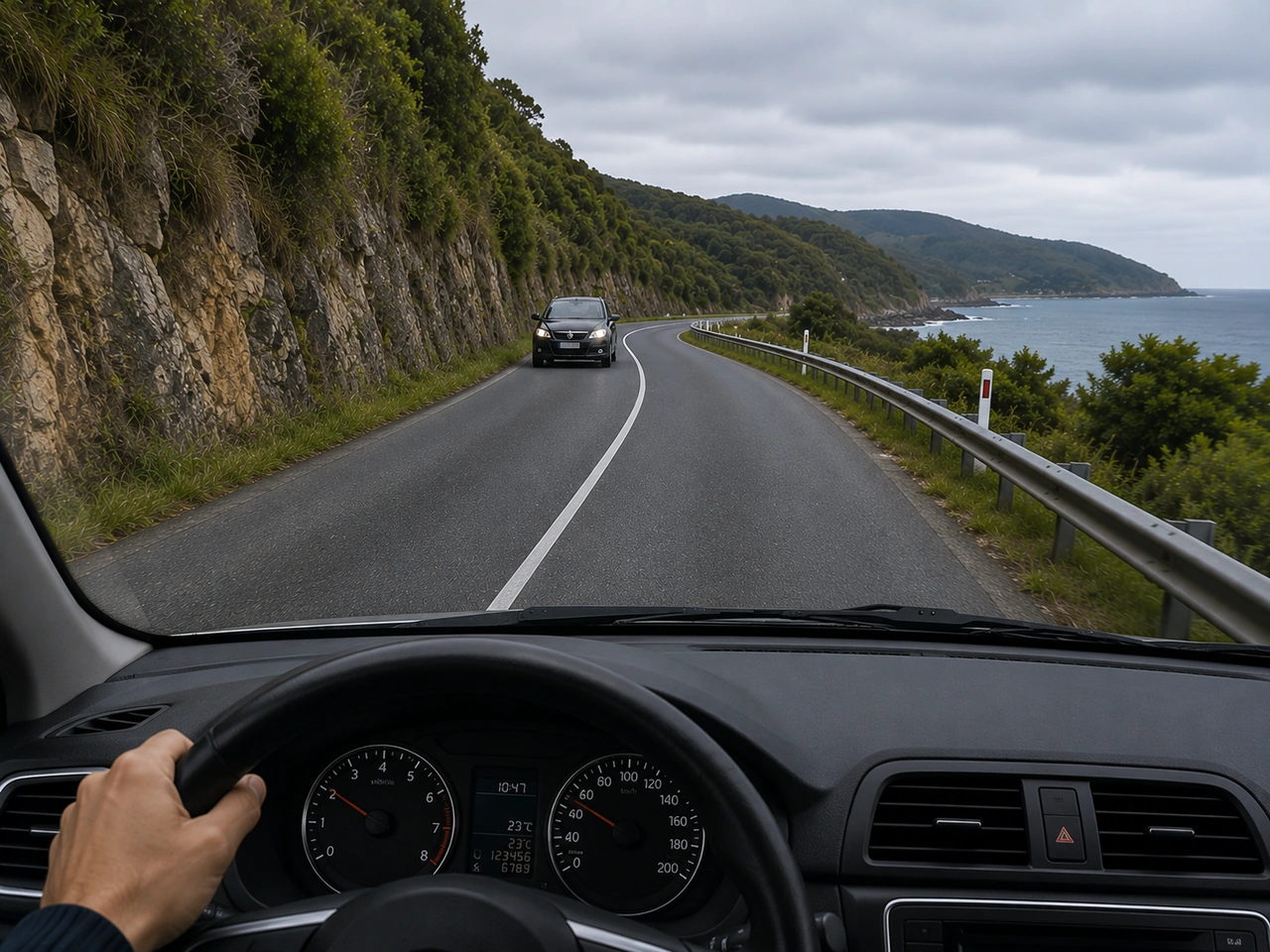
53. What should you do when approaching a curve with poor visibility?
A curve can hide oncoming traffic, obstacles, cyclists, or pedestrians. Reduce speed and keep a safe position.
AI-generated by Rijbewijs-online.be • WCIT • CC BY-SA
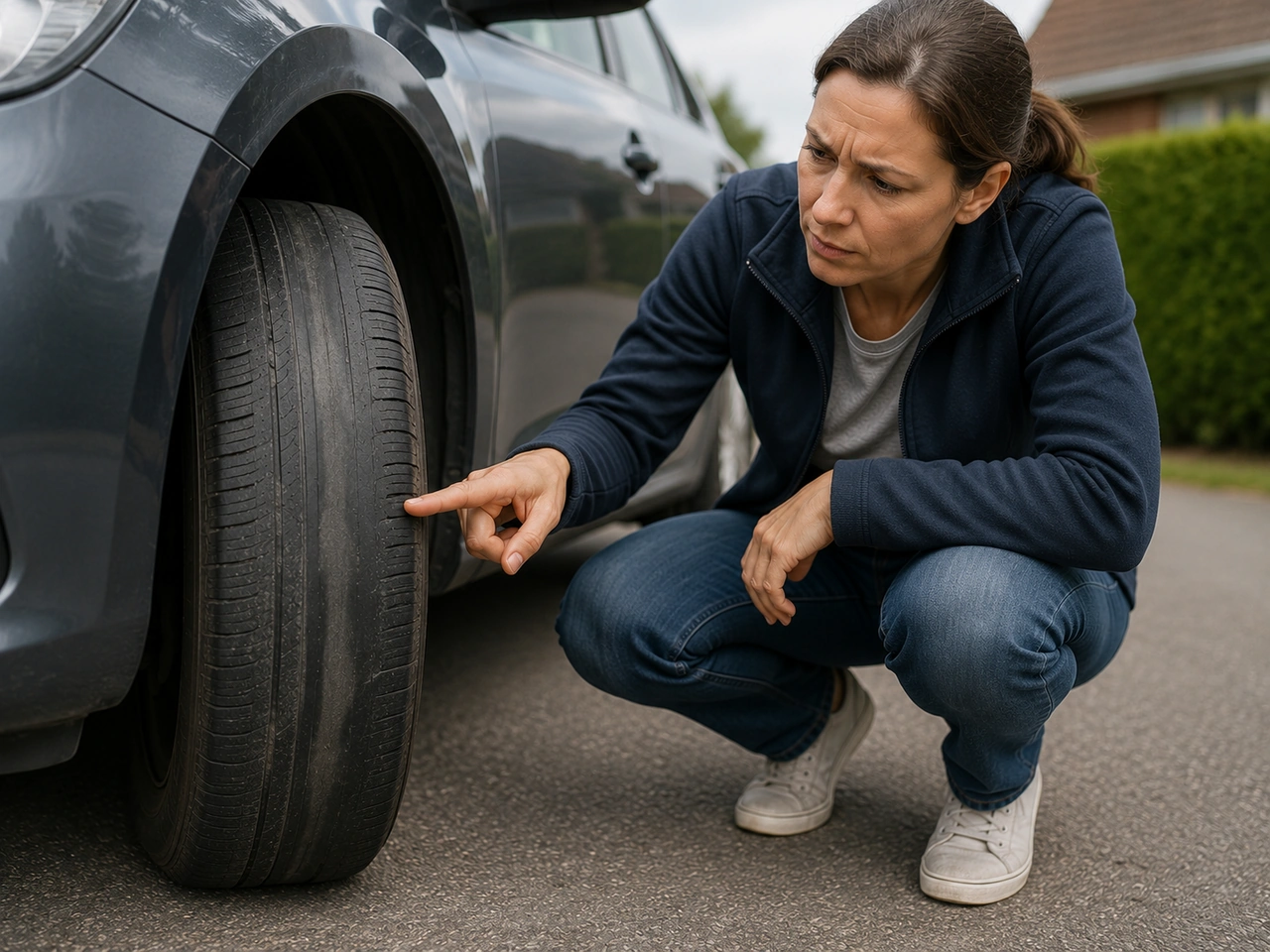
54. What can uneven tyre wear indicate?
Uneven wear may result from incorrect tyre pressure, wheel misalignment, worn suspension parts, or a brake that is not releasing properly.
AI-generated by Rijbewijs-online.be • WCIT • CC BY-SA
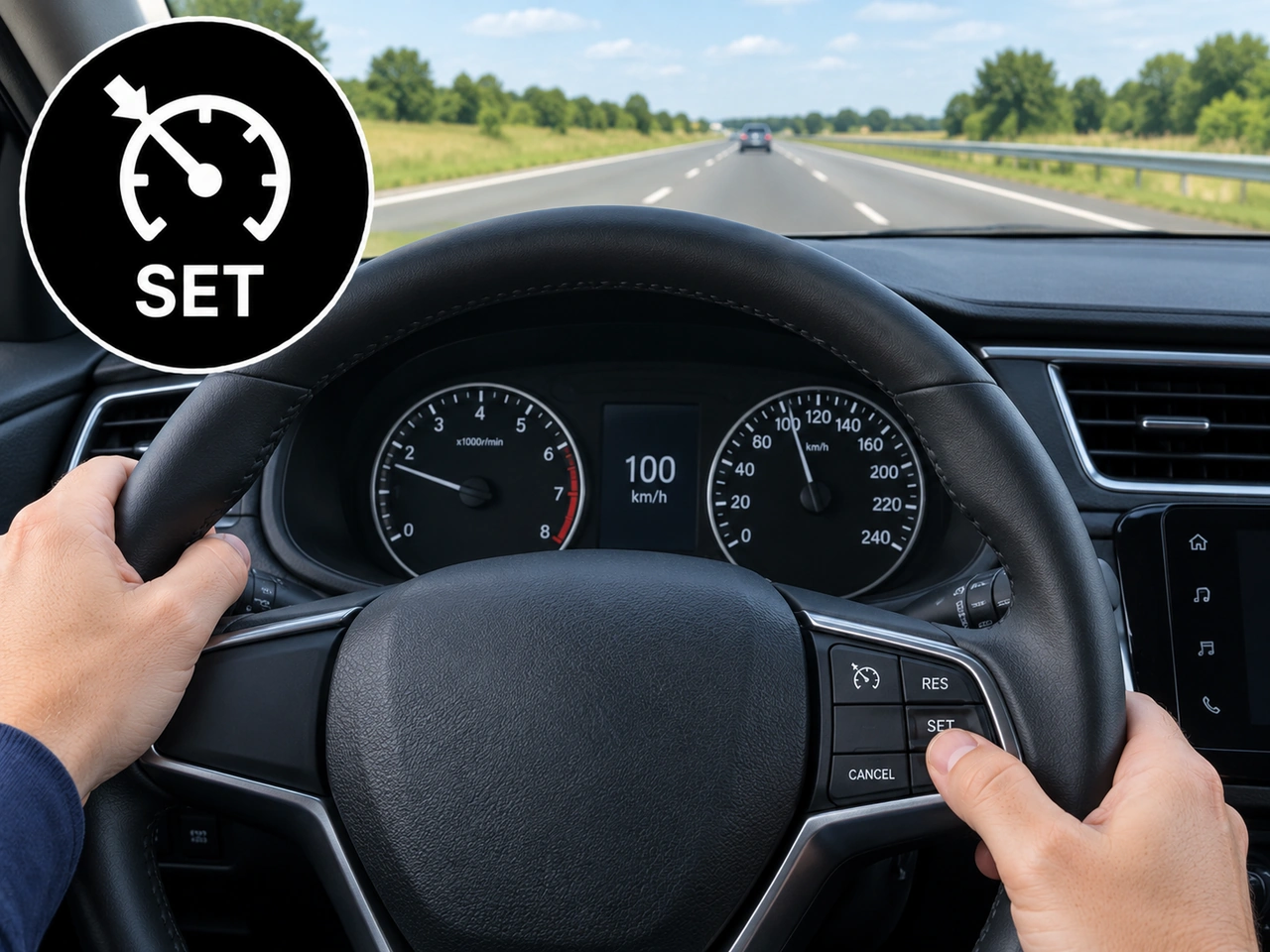
55. What does the SET function of cruise control normally do?
The SET function normally stores the vehicle's current speed as the cruise-control speed. Use it only when the road, traffic, and driving conditions are suitable.
AI-generated by Rijbewijs-online.be • WCIT • CC BY-SA
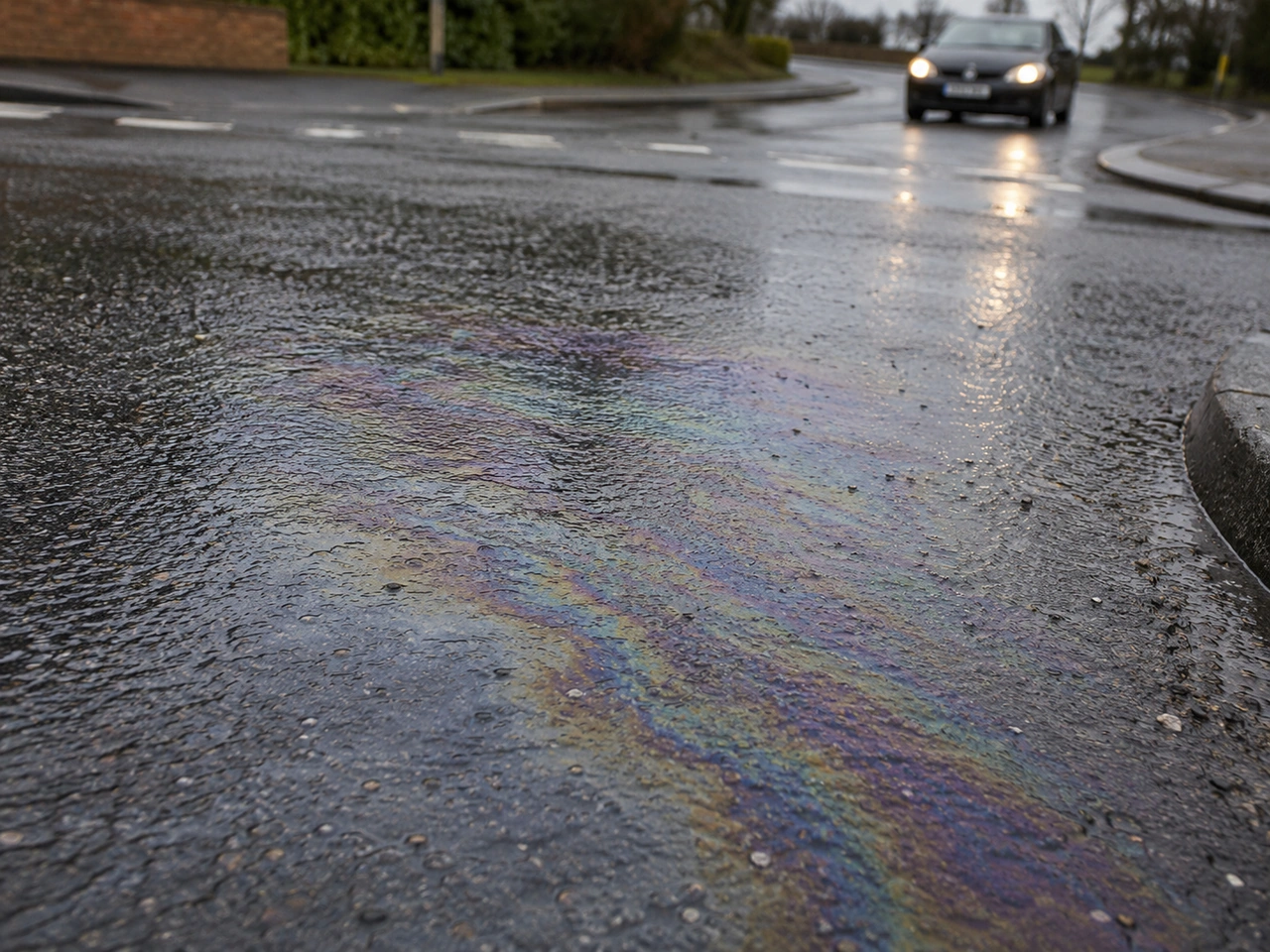
56. Why are roads especially slippery during rain after a dry period?
After a dry period, oil and dirt can build up on the road. The first rain mixes with them and can make the surface very slippery.
AI-generated by Rijbewijs-online.be • WCIT • CC BY-SA
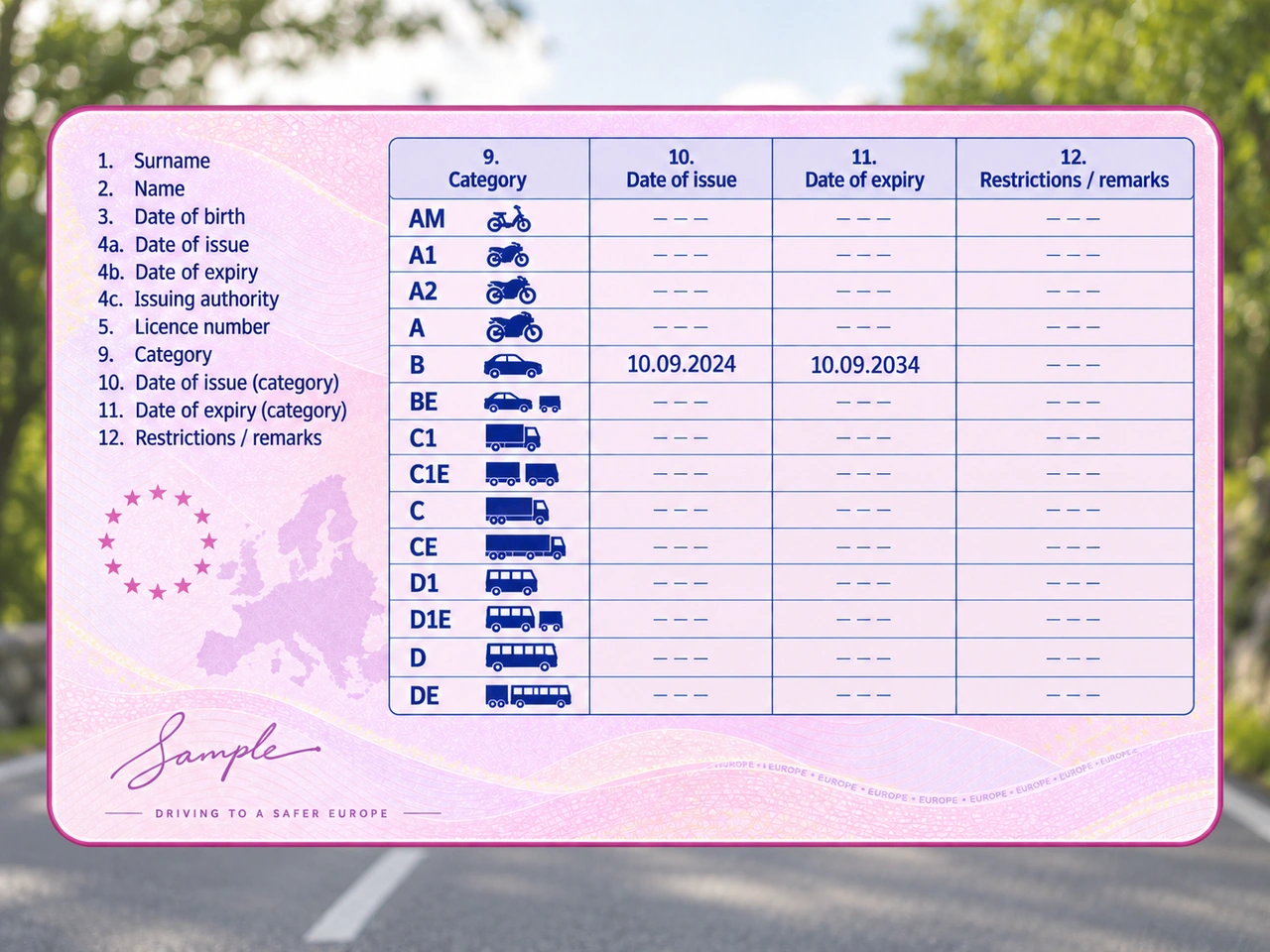
57. Which vehicles are normally covered by driving licence B?
Category B normally covers motor vehicles with a maximum authorised mass of no more than 3,500 kg and designed to carry no more than eight passengers in addition to the driver. Trailer rules depend on the trailer and combined authorised mass.
AI-generated by Rijbewijs-online.be • WCIT • CC BY-SA
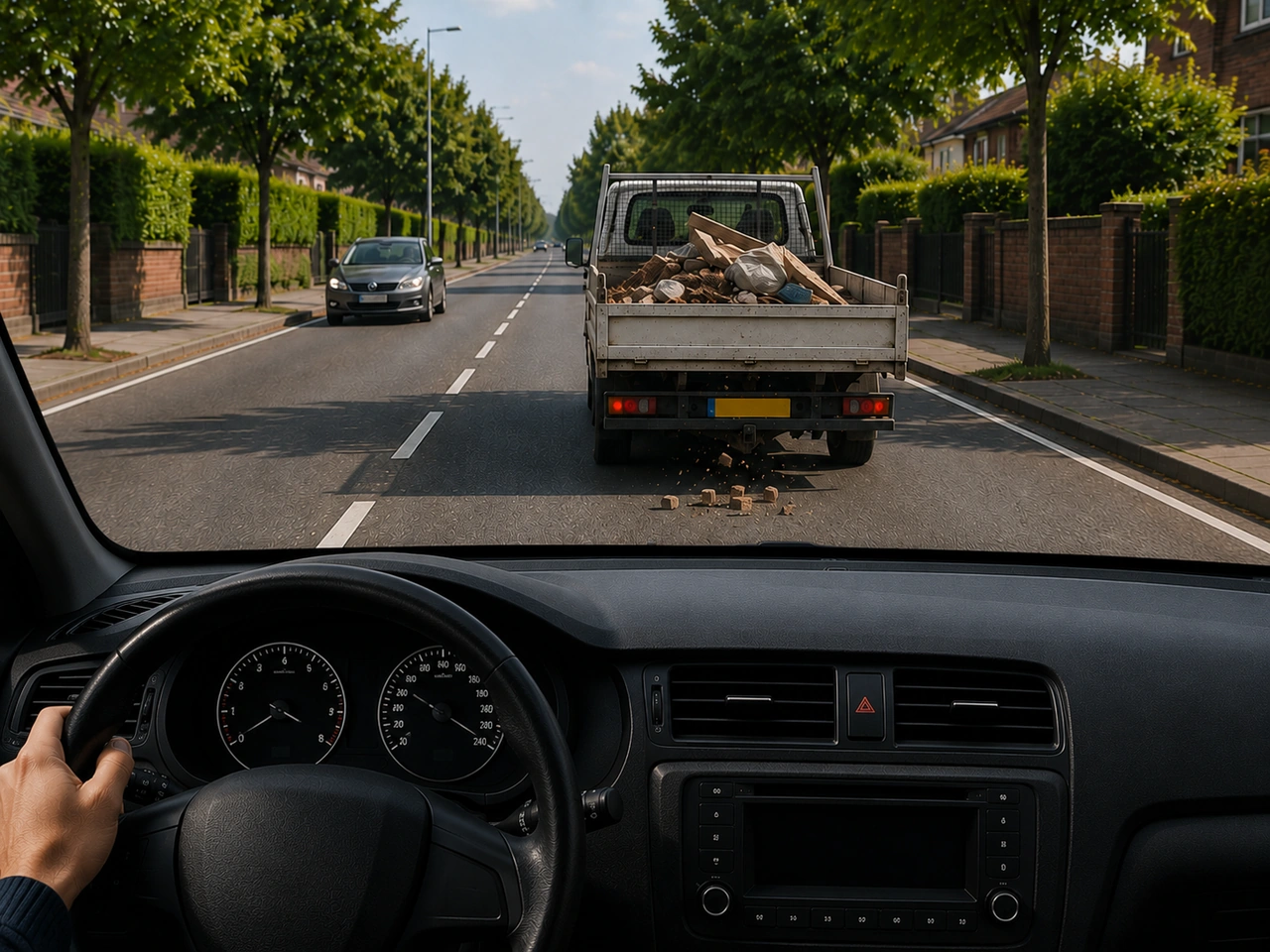
58. Why should you be cautious when following a vehicle carrying a loose load?
A poorly secured load can fall or shift suddenly. Keep extra distance and avoid following too closely.
AI-generated by Rijbewijs-online.be • WCIT • CC BY-SA
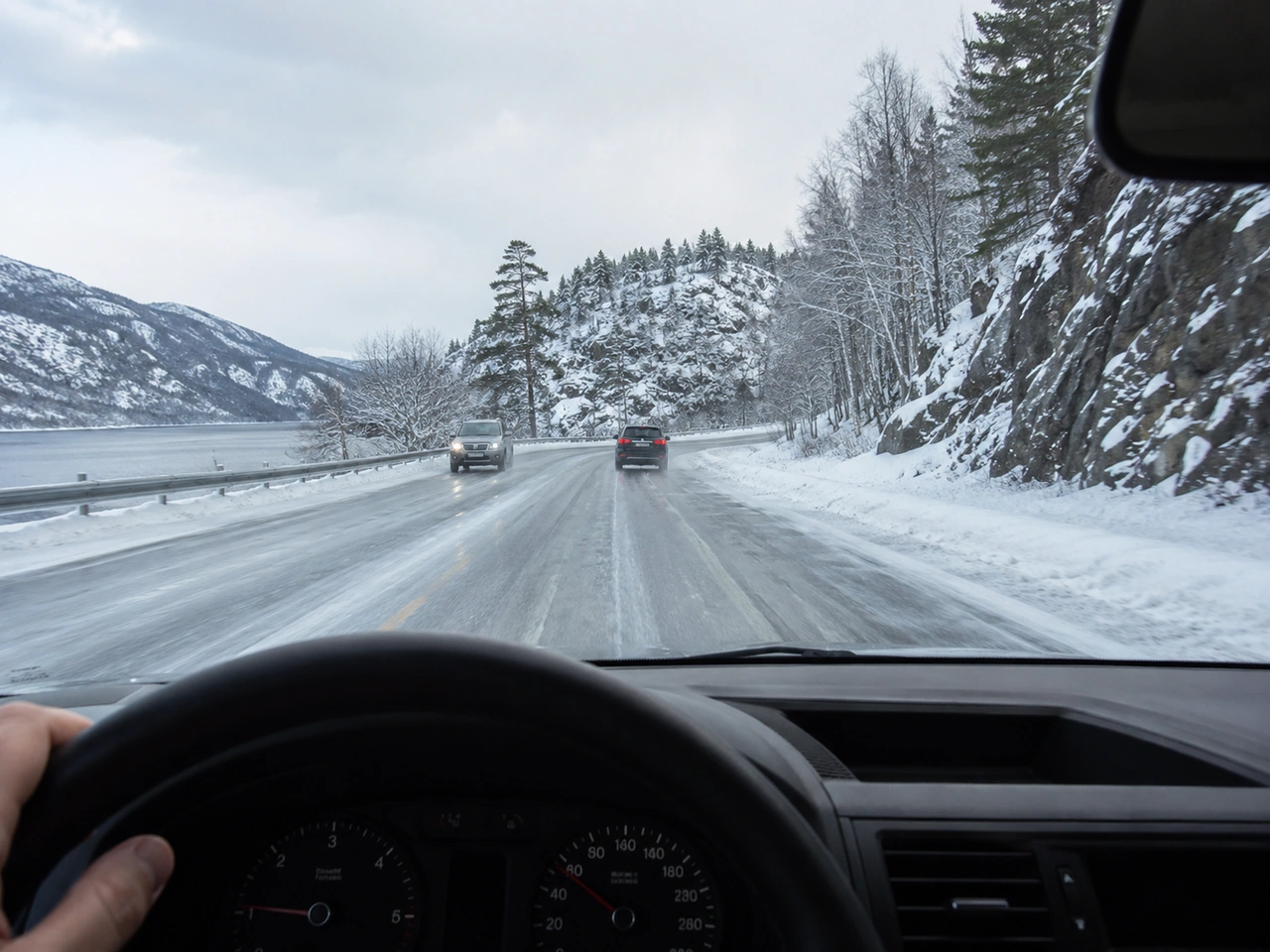
59. How should you brake on a slippery road?
Sudden braking can cause the wheels to lose grip. Smooth, progressive braking reduces the risk of skidding.
AI-generated by Rijbewijs-online.be • WCIT • CC BY-SA
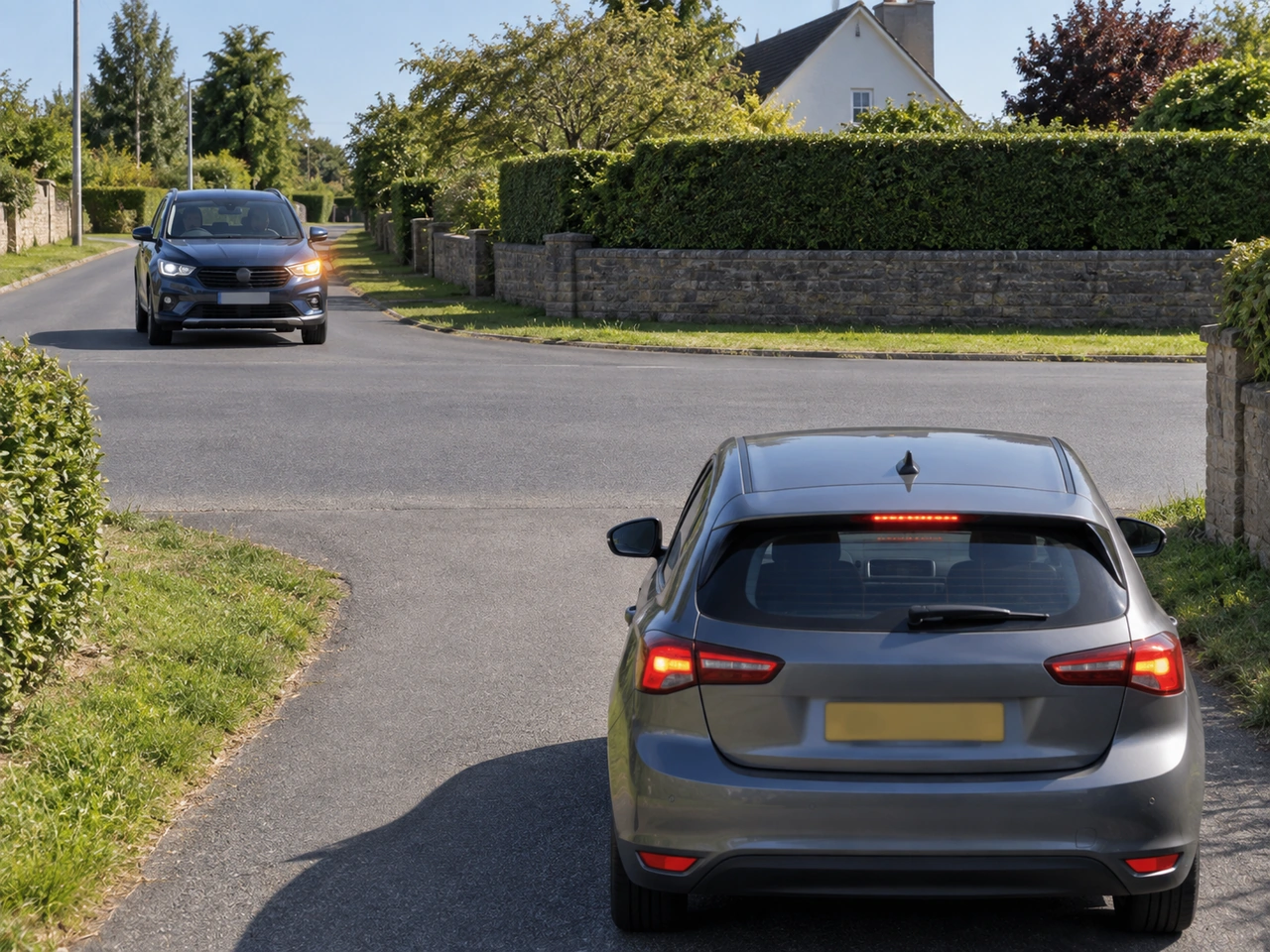
60. What should you do if another vehicle is signalling to turn?
An indicator shows an intention, but it does not guarantee that the driver will turn. The signal may have been left on accidentally or the driver's intentions may change. Observe the vehicle's speed and position and proceed only when you are sure it is safe.
AI-generated by Rijbewijs-online.be • WCIT • CC BY-SA
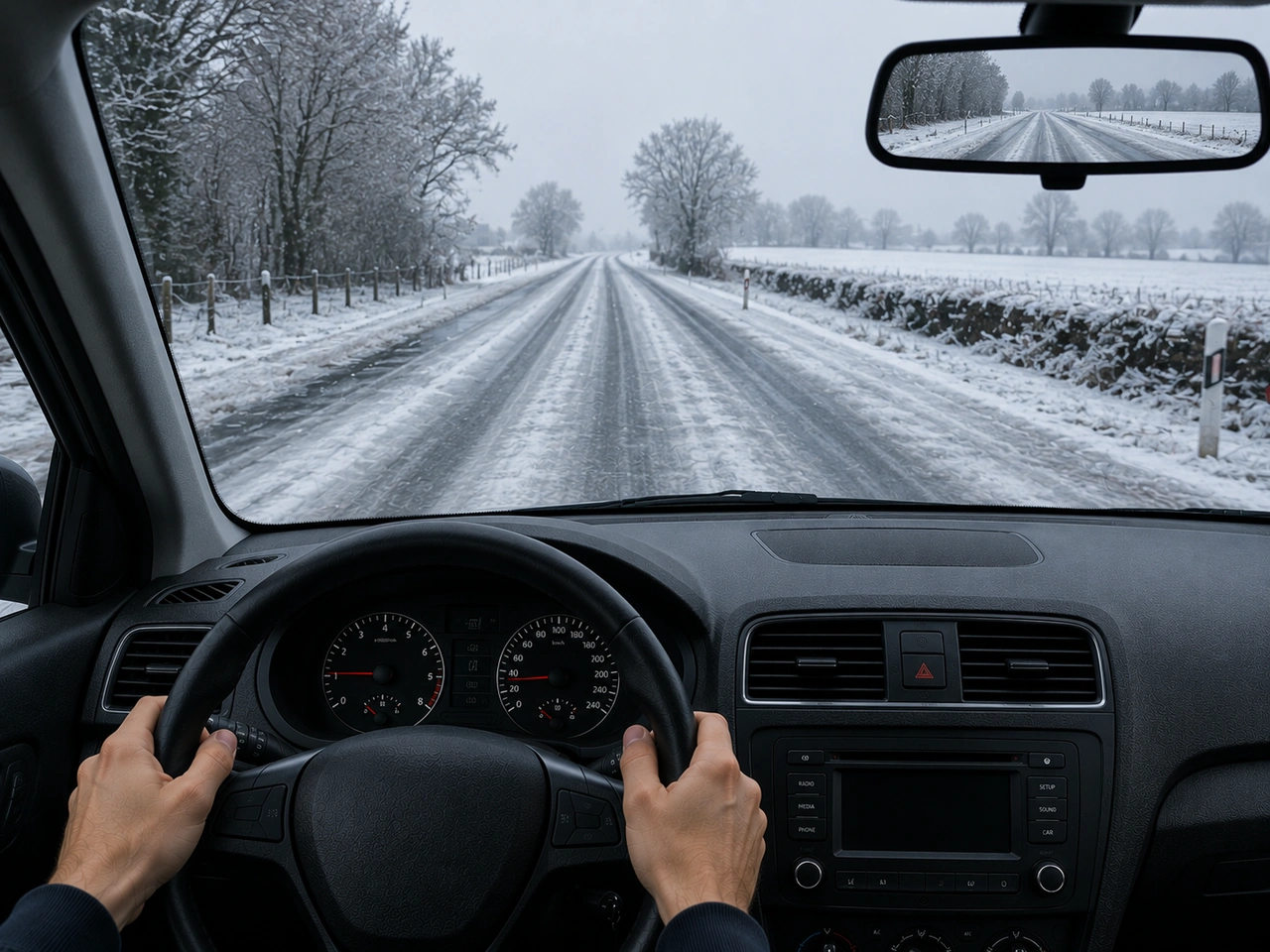
61. What should you do when driving on icy roads?
Ice greatly reduces tyre grip. Drive gently, keep extra distance, and avoid sudden movements that could cause a skid.
AI-generated by Rijbewijs-online.be • WCIT • CC BY-SA
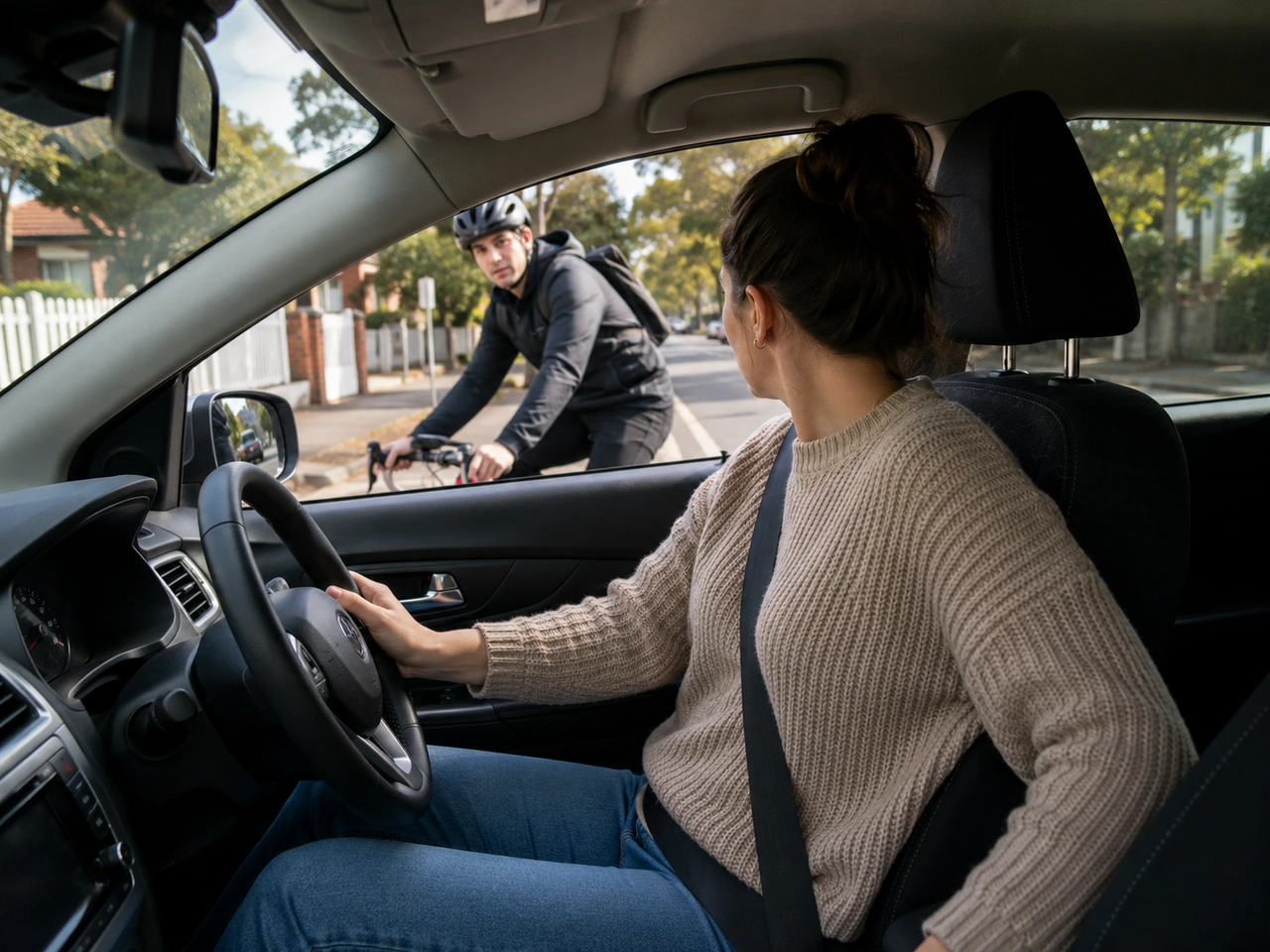
62. Why should you check blind spots before moving off?
Mirrors do not show every area around your vehicle. A blind-spot check can reveal cyclists, pedestrians, motorcyclists, or vehicles before you move off.
AI-generated by Rijbewijs-online.be • WCIT • CC BY-SA
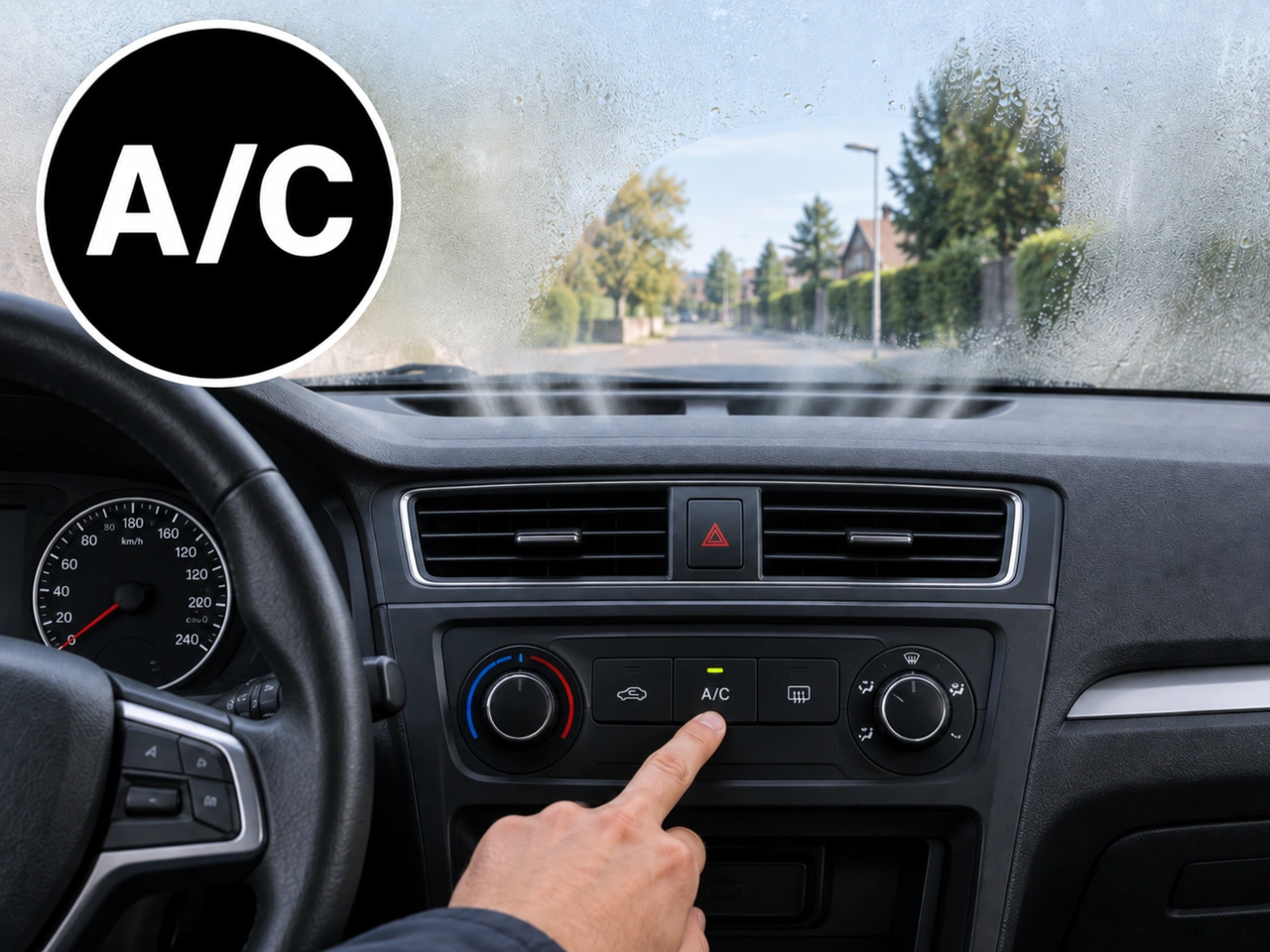
63. How can air conditioning help demist the windows?
Using the air conditioning can help demist the windows because it removes moisture from the cabin air. Directing this drier air towards the windscreen can clear condensation more quickly.
AI-generated by Rijbewijs-online.be • WCIT • CC BY-SA
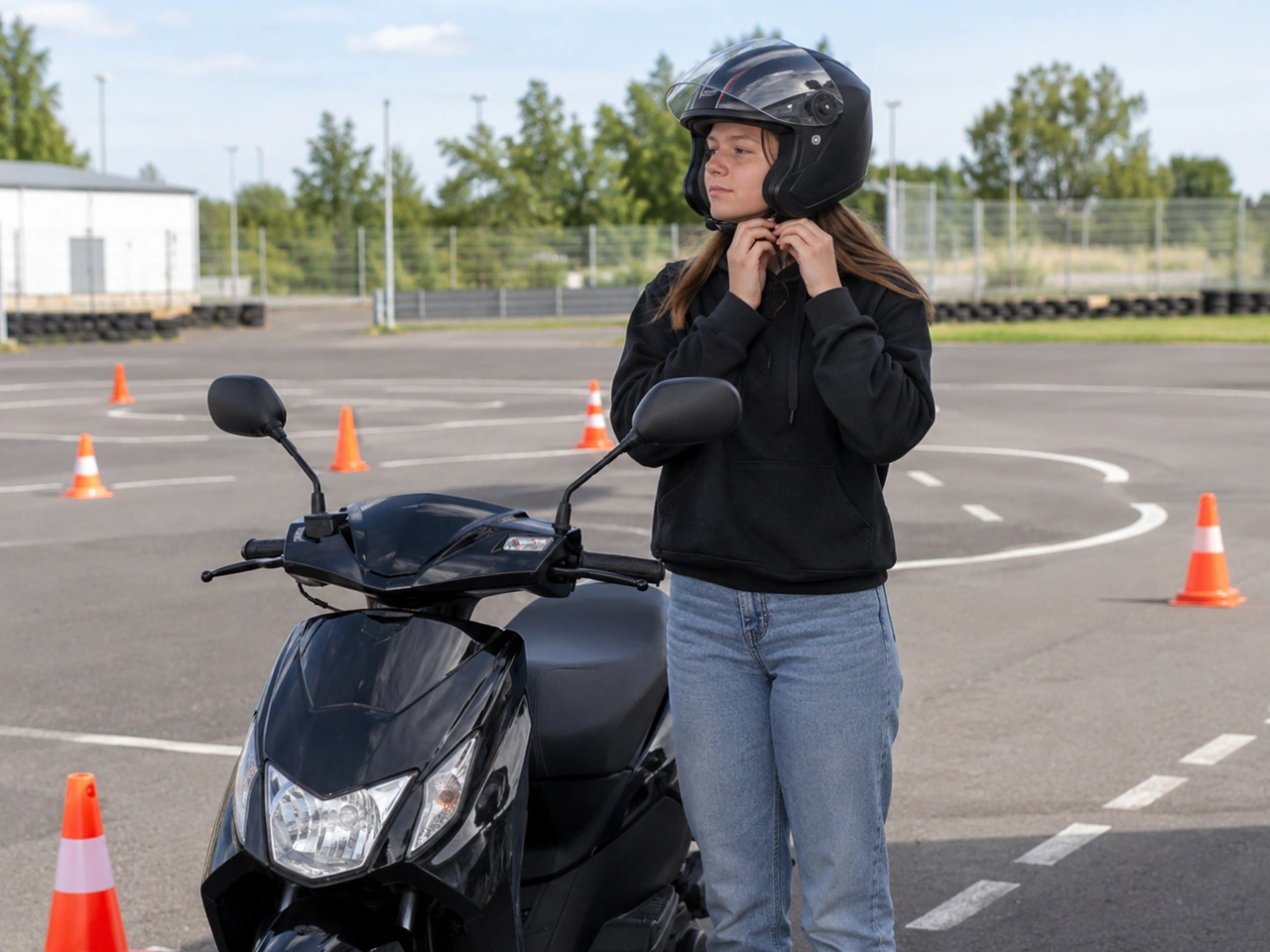
64. What is the minimum age for riding a moped in Iceland?
The minimum age for riding a moped in Iceland is generally 15 years.
AI-generated by Rijbewijs-online.be • WCIT • CC BY-SA
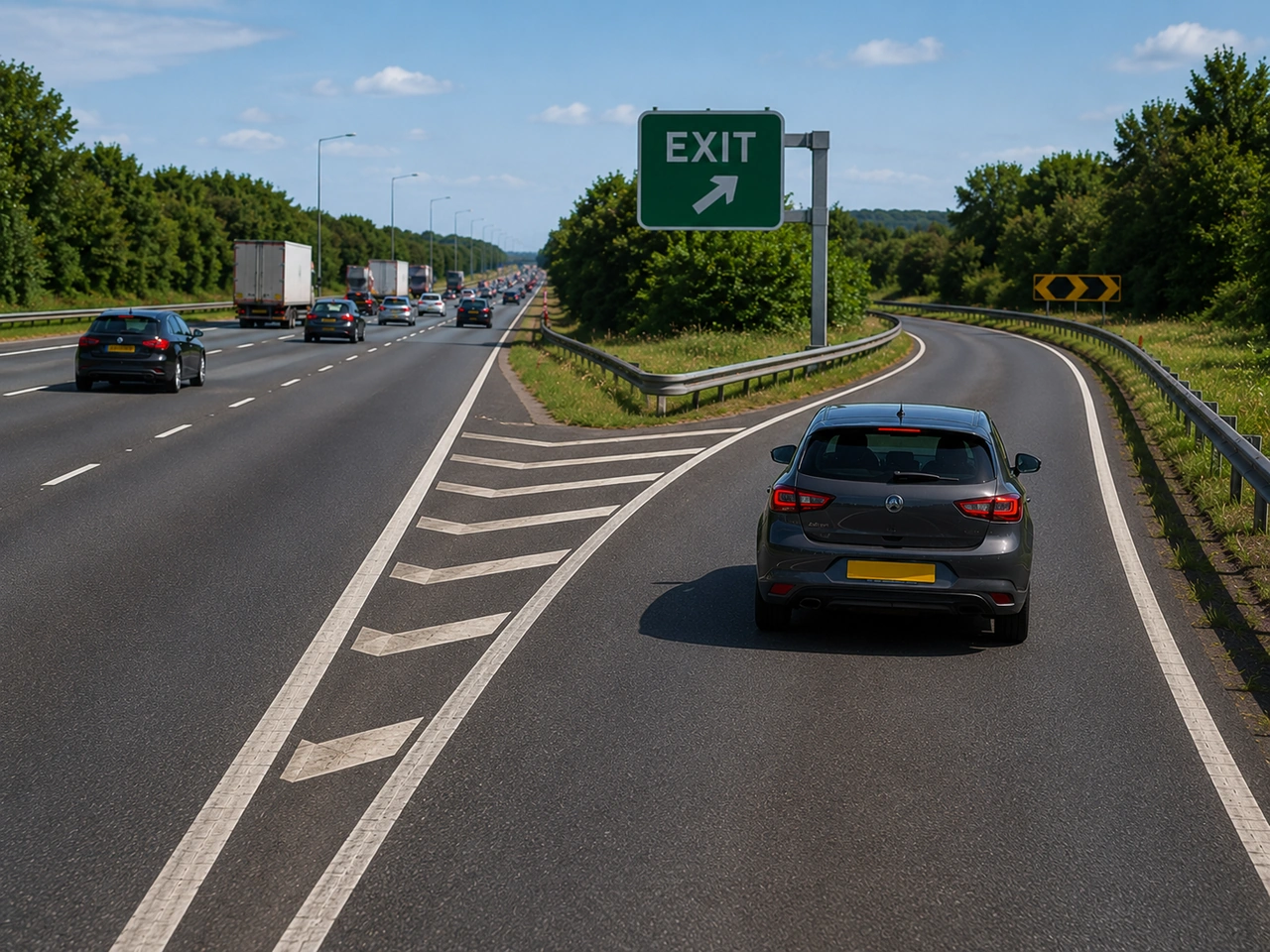
65. What should you do before leaving a motorway?
Plan your exit early, move into the correct lane safely, and reduce speed after entering the exit road where appropriate.
AI-generated by Rijbewijs-online.be • WCIT • CC BY-SA
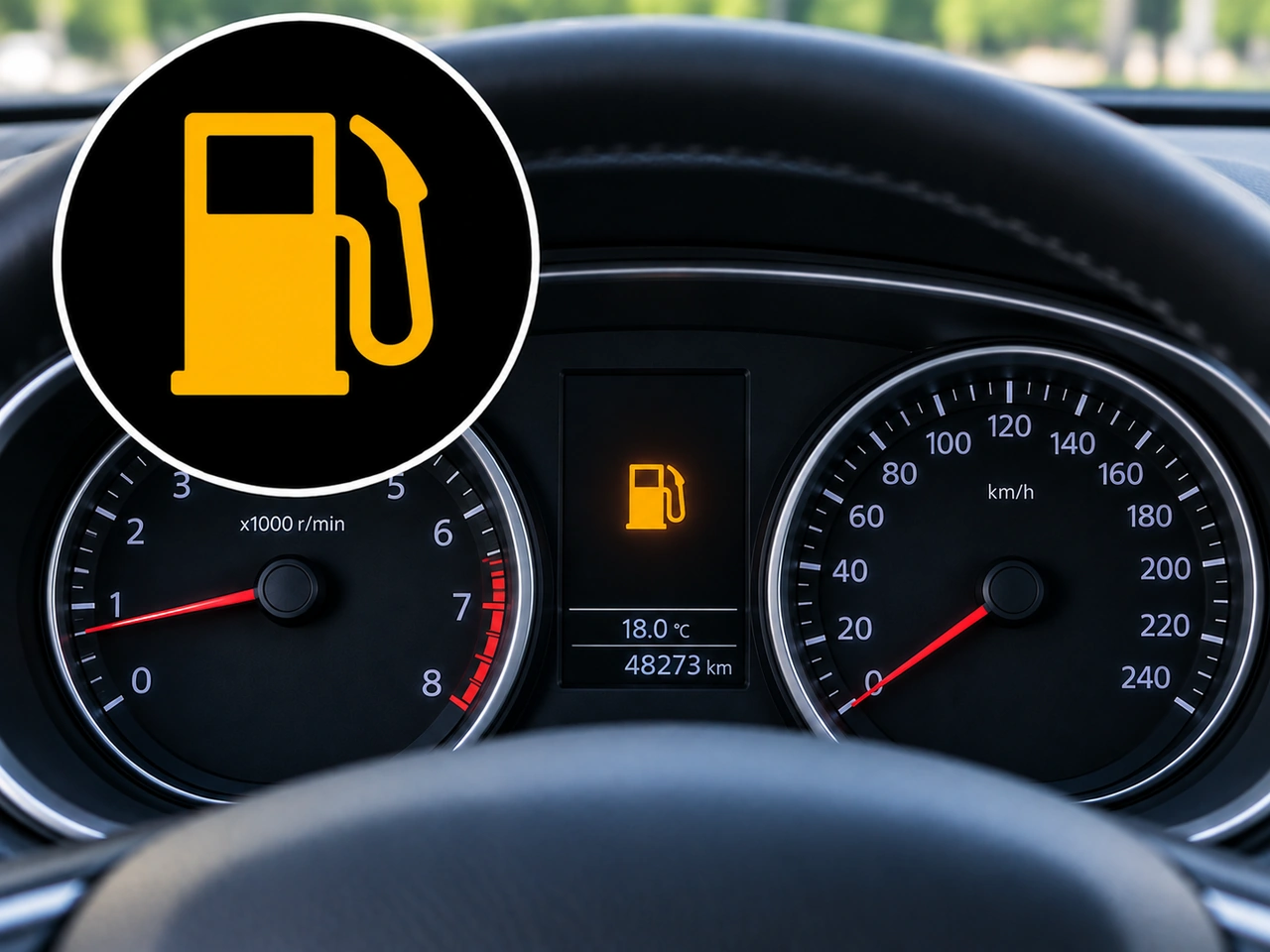
66. What does this dashboard symbol indicate?
This symbol indicates that the fuel level is low. Refuel soon to reduce the risk of running out of fuel.
AI-generated by Rijbewijs-online.be • WCIT • CC BY-SA
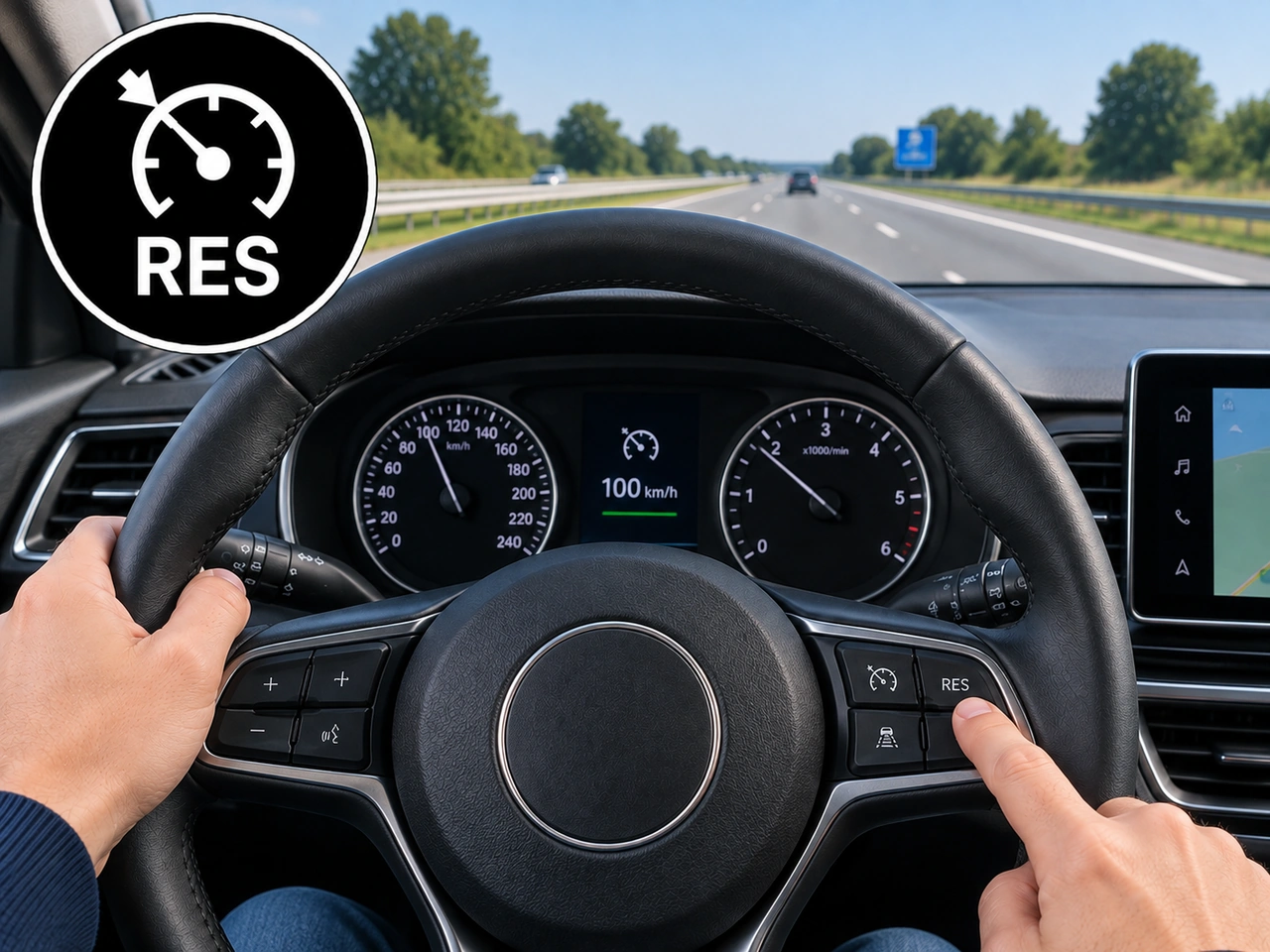
67. What does the resume function of cruise control normally do?
The resume function normally returns the vehicle to the previously set cruise-control speed after the system has been temporarily disengaged. The driver should use it only when traffic and road conditions are suitable.
AI-generated by Rijbewijs-online.be • WCIT • CC BY-SA
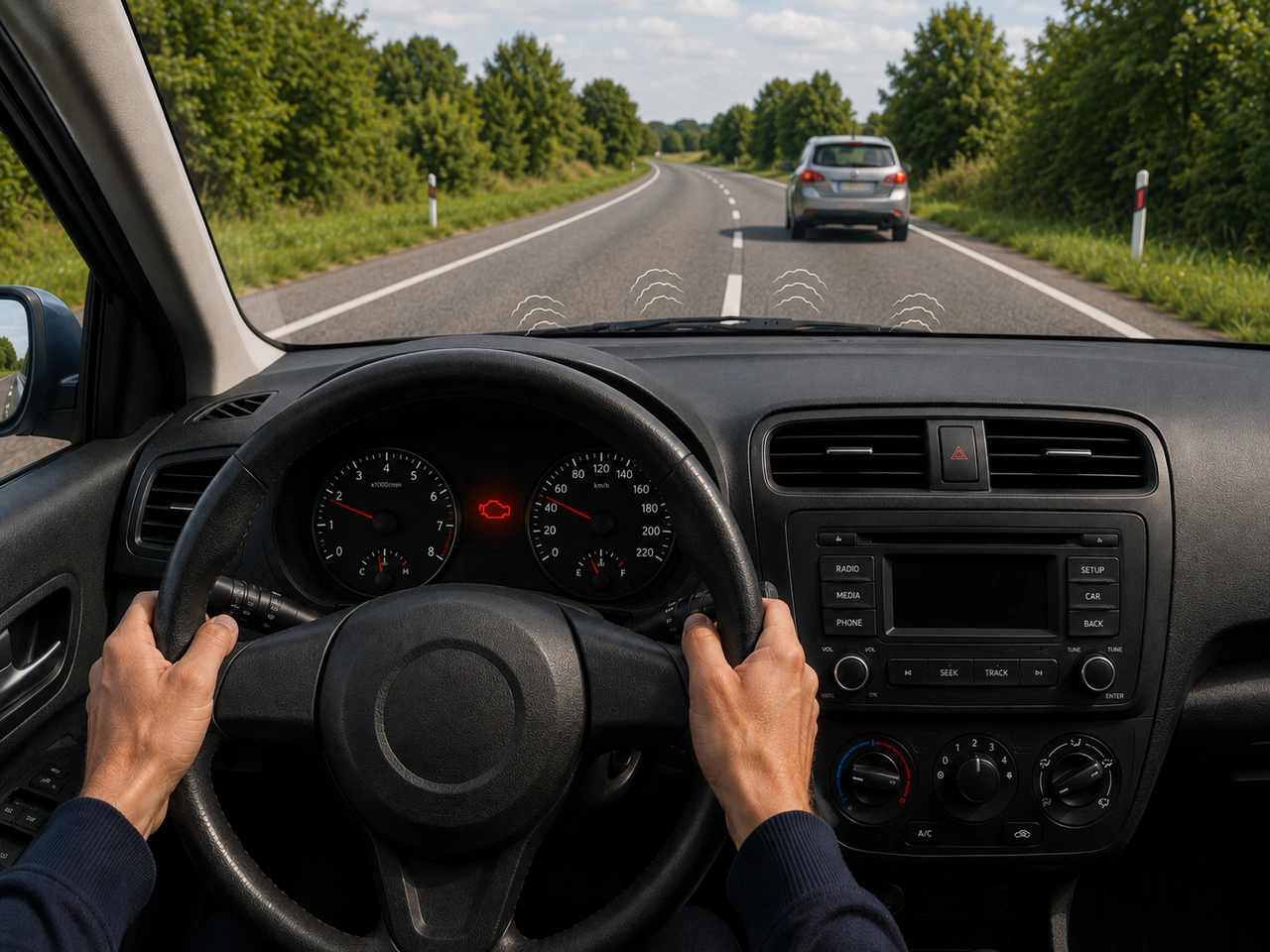
68. What should you do if a red warning light appears with an unusual noise?
A red warning combined with an unusual noise may indicate a serious fault. Continuing could cause damage or loss of control.
AI-generated by Rijbewijs-online.be • WCIT • CC BY-SA
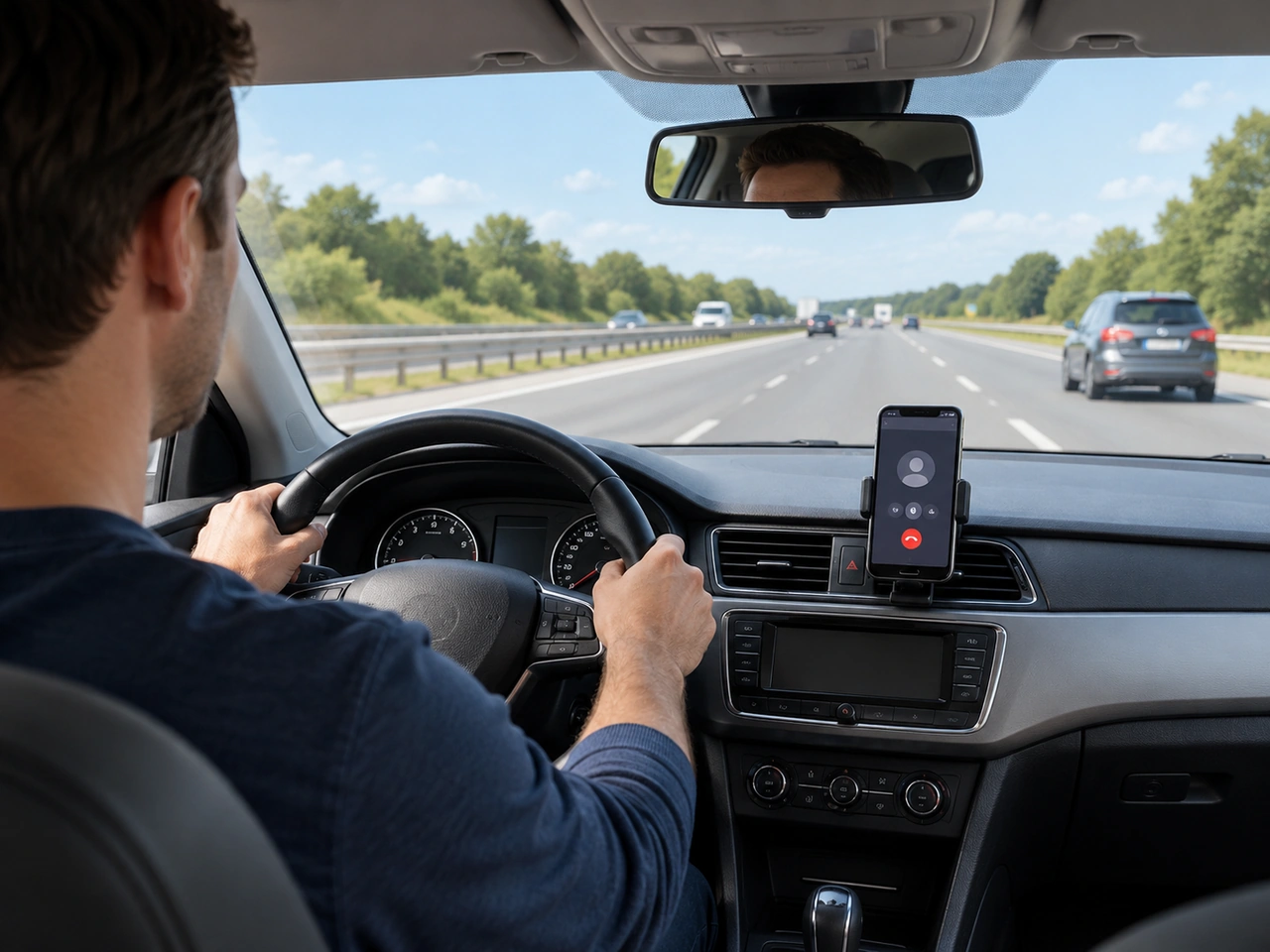
69. How may drivers normally use a phone while driving in Iceland?
When phone use while driving is permitted in Iceland, drivers must generally use a hands-free system rather than holding the phone.
AI-generated by Rijbewijs-online.be • WCIT • CC BY-SA
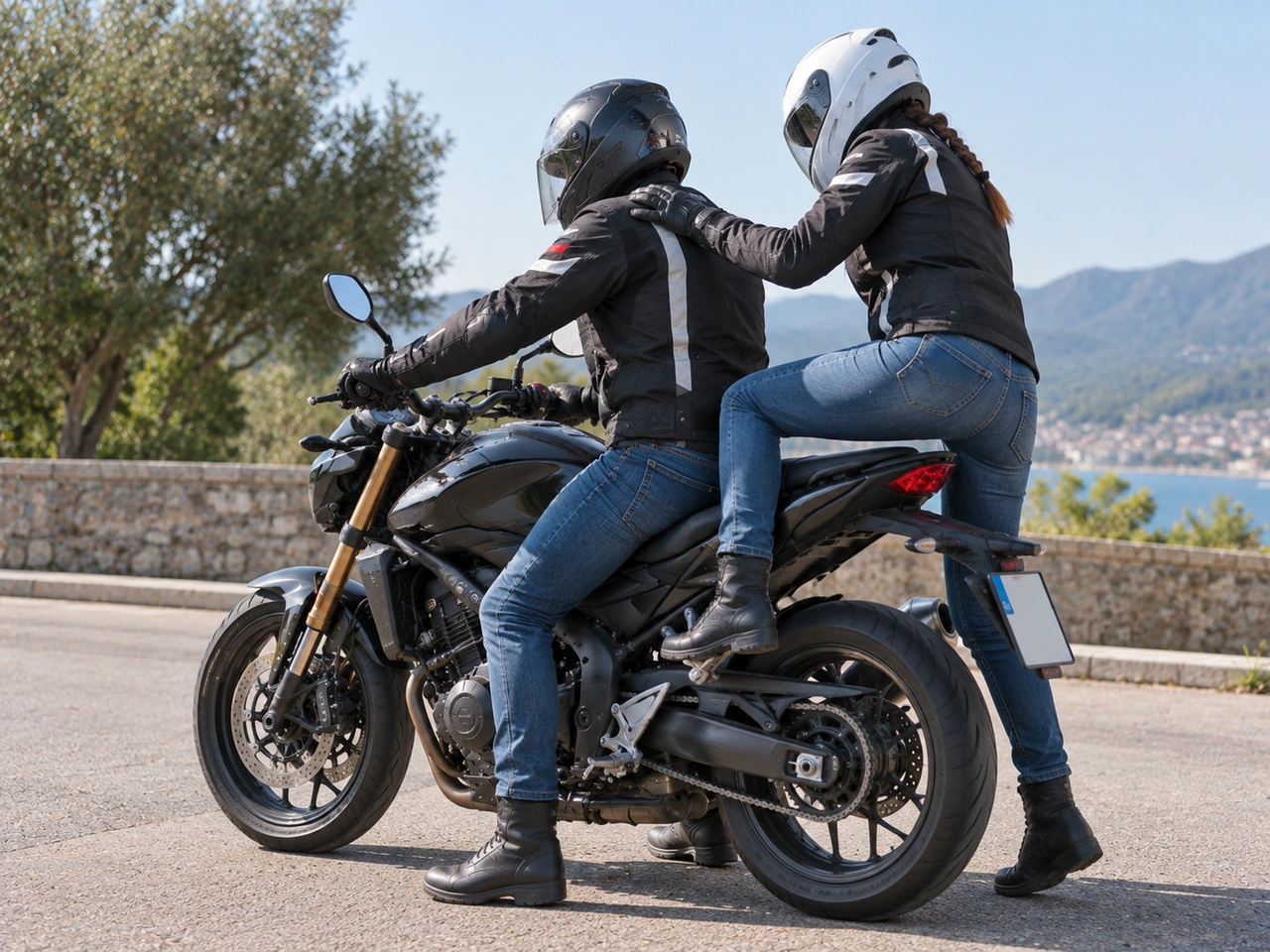
70. When should a passenger get on or off a motorcycle?
A passenger getting on or off can shift the motorcycle's balance suddenly. The motorcycle should be stationary and stable, and the passenger should wait until the rider is ready and prepared to support the extra movement.
AI-generated by Rijbewijs-online.be • WCIT • CC BY-SA
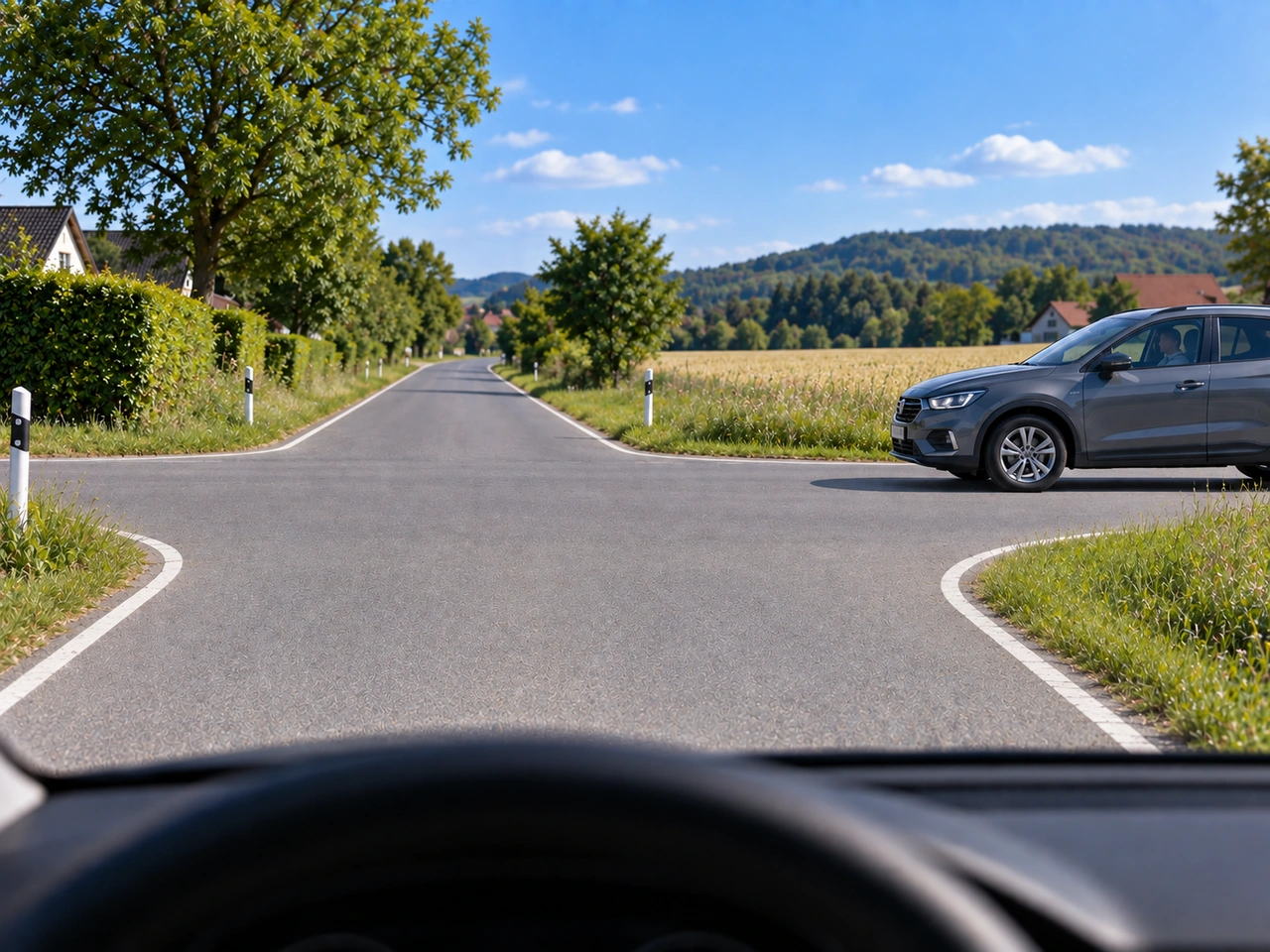
71. Who generally has priority at an uncontrolled intersection in Iceland?
At an uncontrolled intersection in Iceland, you generally give way to traffic approaching from the right.
AI-generated by Rijbewijs-online.be • WCIT • CC BY-SA
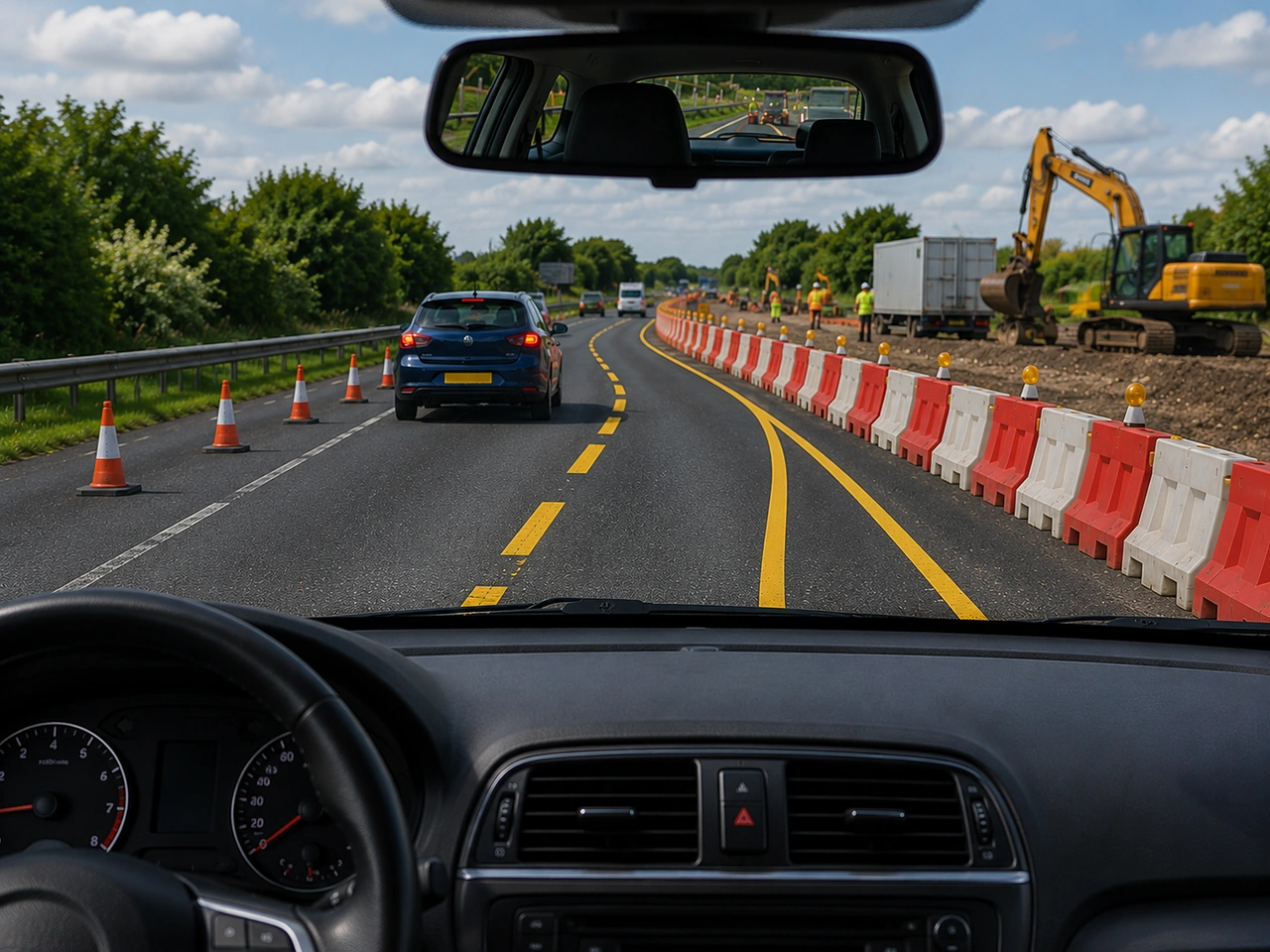
72. Which road markings should you follow through roadworks?
Temporary road markings may replace the normal lane layout during roadworks. Follow the markings and signs that currently guide traffic.
AI-generated by Rijbewijs-online.be • WCIT • CC BY-SA
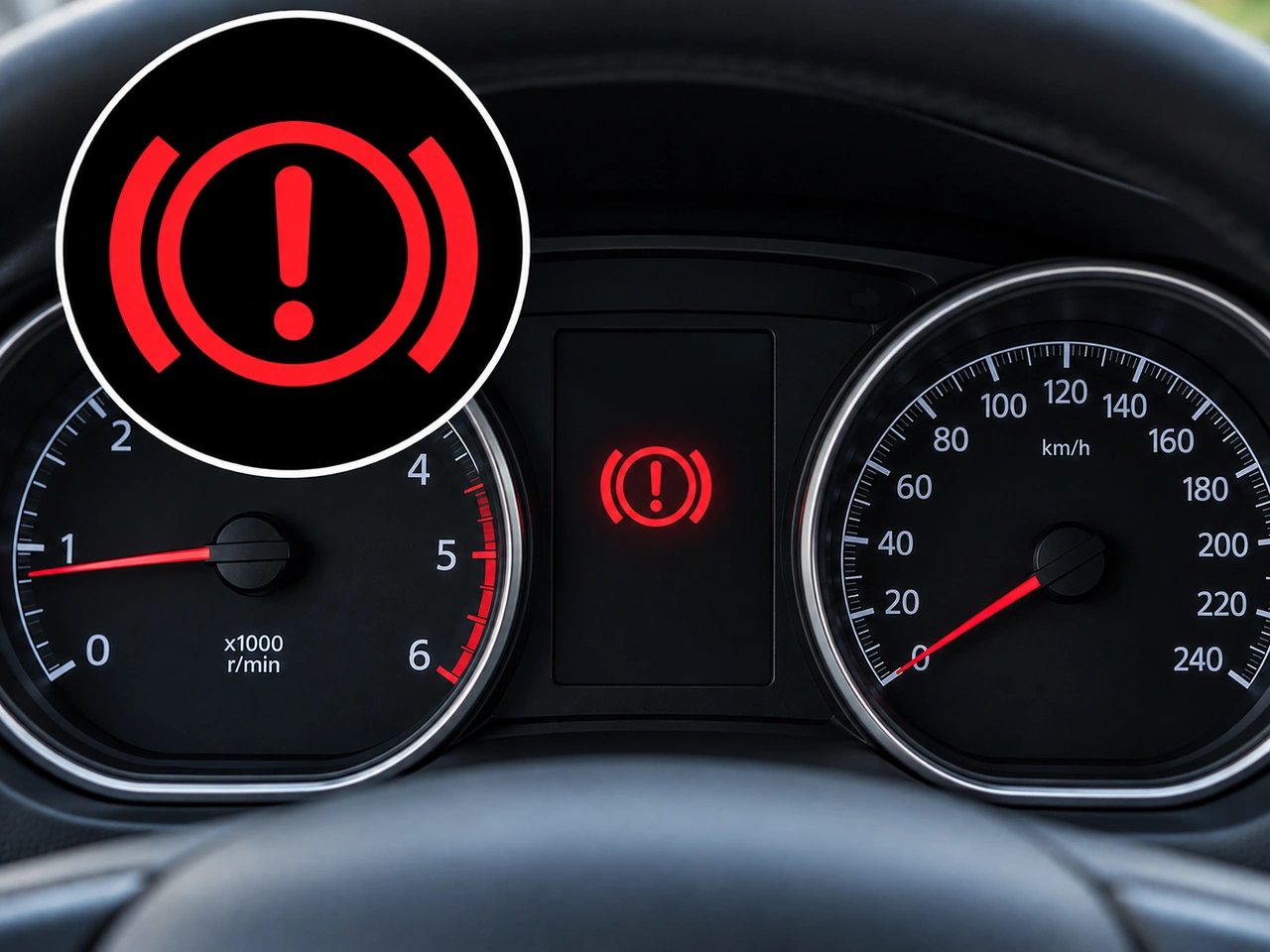
73. What does this dashboard symbol indicate?
This symbol indicates a possible brake-system fault. If it remains illuminated after the parking brake is released, stop safely and have the braking system checked.
AI-generated by Rijbewijs-online.be • WCIT • CC BY-SA
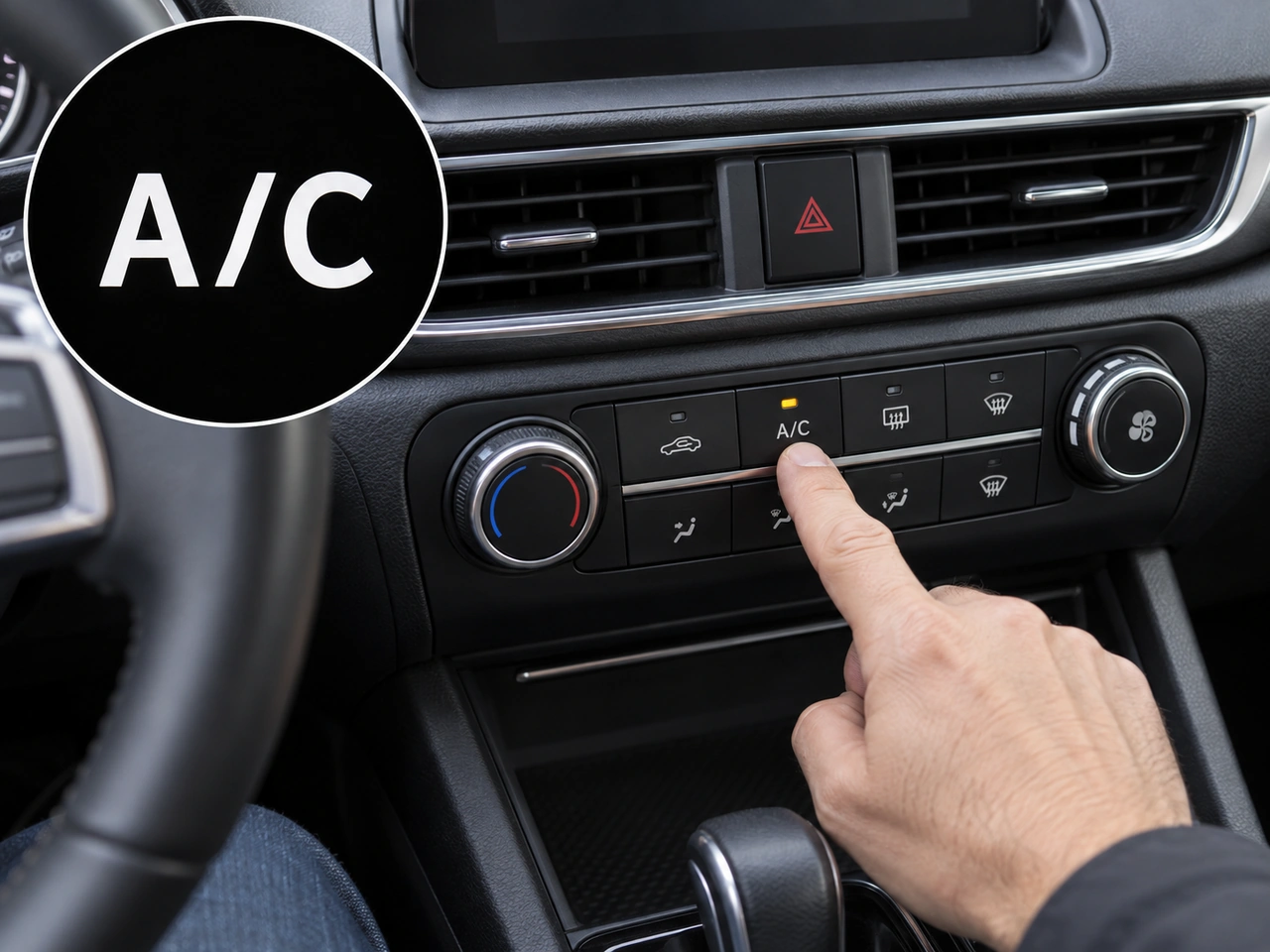
74. What does this vehicle-control symbol indicate?
The A/C symbol controls the vehicle's air-conditioning system. Air conditioning can cool and dehumidify the air inside the vehicle, which can also help clear mist from the windows.
AI-generated by Rijbewijs-online.be • WCIT • CC BY-SA
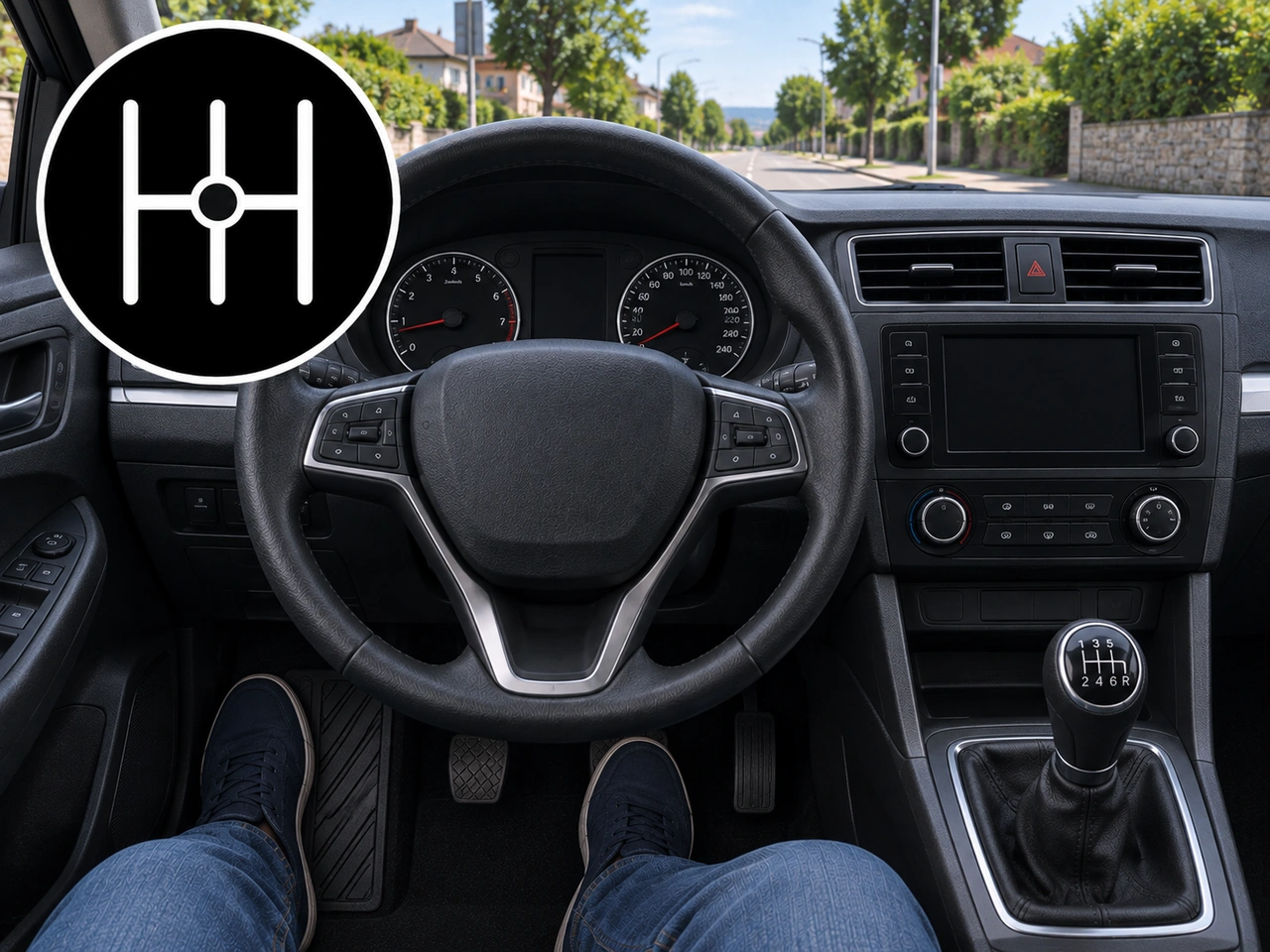
75. What should you normally do with the gearbox during a longer stop in a manual vehicle?
During a longer stop, selecting neutral and releasing the clutch can reduce unnecessary strain on the clutch release mechanism. Keep the vehicle securely held with the brake or parking brake as appropriate.
AI-generated by Rijbewijs-online.be • WCIT • CC BY-SA
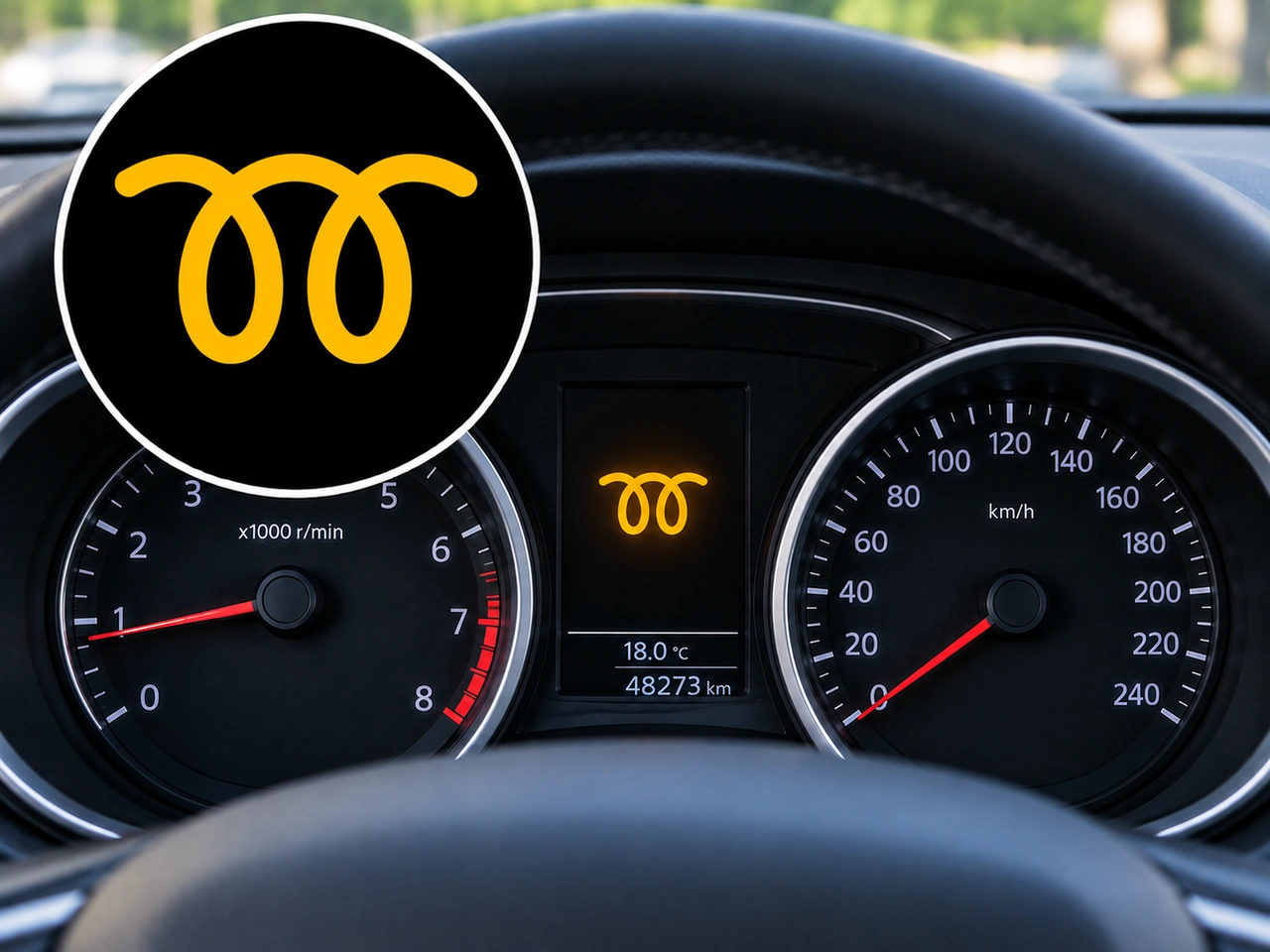
76. What does this dashboard symbol indicate?
This symbol indicates the diesel glow-plug preheating system. In a diesel vehicle, wait for the light to go out before starting the engine when required. If it remains illuminated or flashes while driving, it may indicate a fault.
AI-generated by Rijbewijs-online.be • WCIT • CC BY-SA
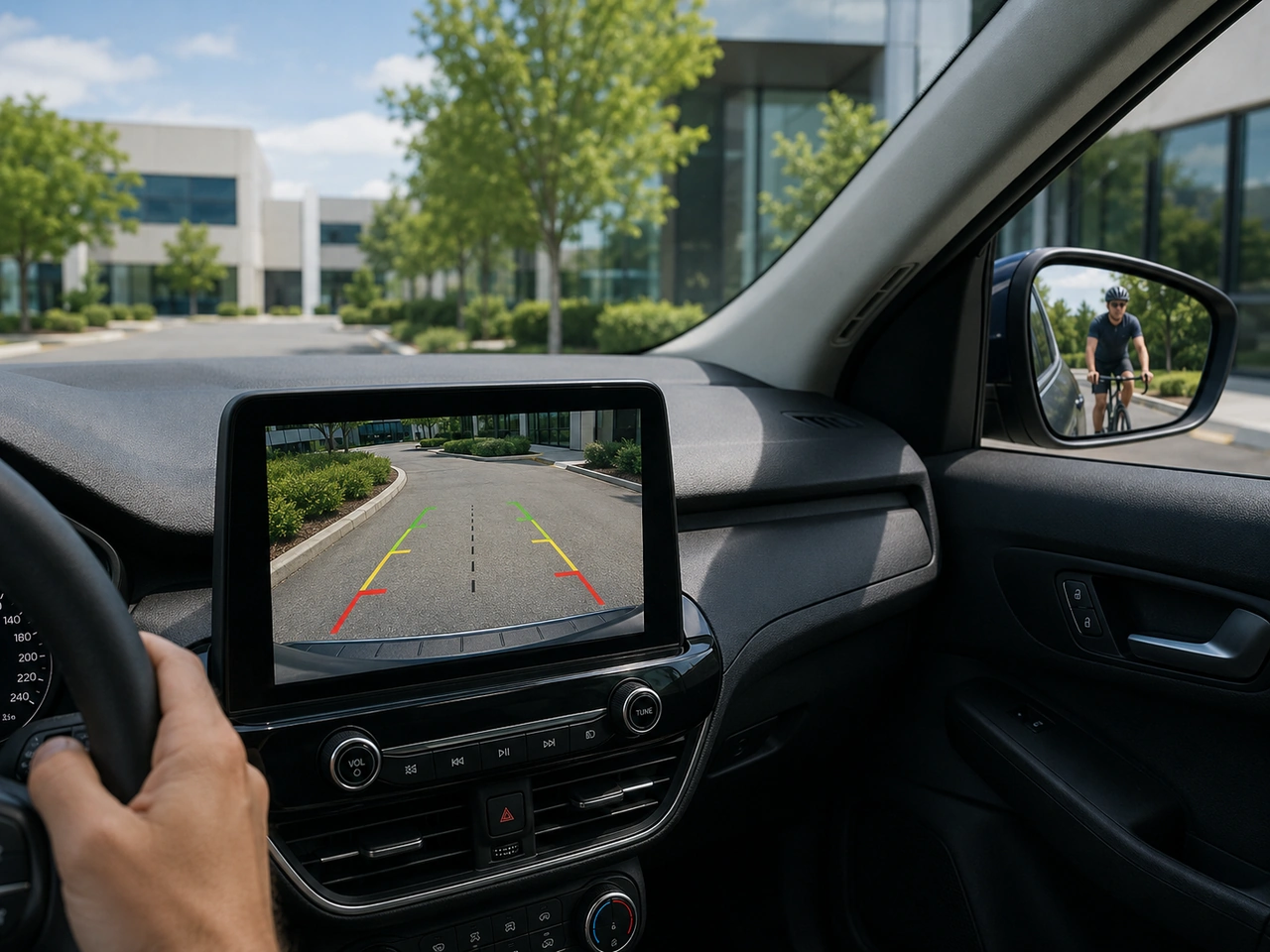
77. Why should you not rely only on a reversing camera?
Reversing cameras can help, but they may have blind spots and limited coverage. Always check your mirrors and surroundings, look around where possible, and reverse slowly.
AI-generated by Rijbewijs-online.be • WCIT • CC BY-SA
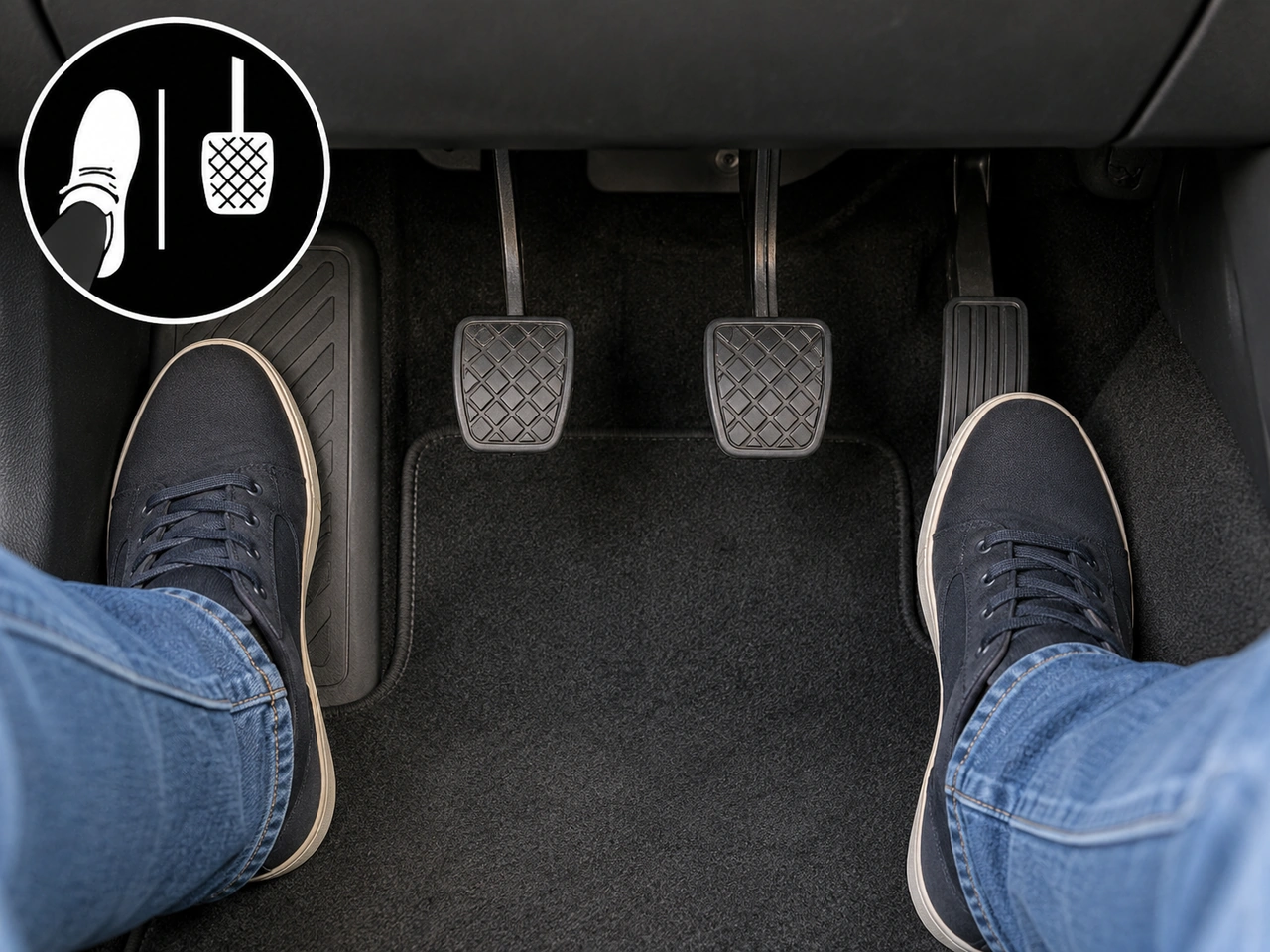
78. Why should you avoid resting your foot on the clutch pedal while driving?
Resting your foot on the clutch pedal can apply slight pressure to the clutch mechanism and cause unnecessary wear. Keep your left foot off the clutch when it is not needed.
AI-generated by Rijbewijs-online.be • WCIT • CC BY-SA
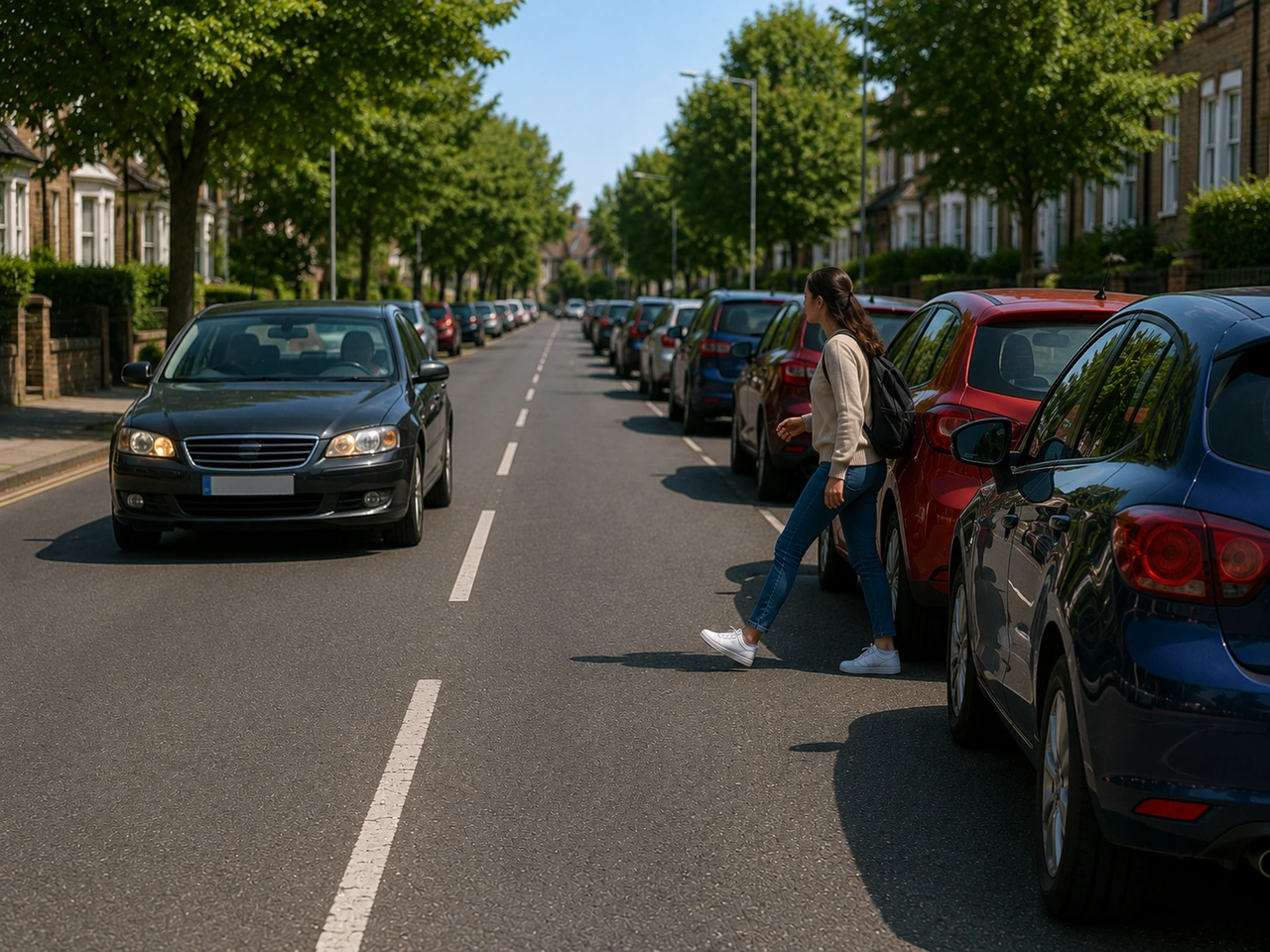
79. Why is it dangerous to cross between parked cars?
Parked vehicles can block the view between pedestrians and drivers. This makes it harder to see approaching traffic and harder for drivers to see you.
AI-generated by Rijbewijs-online.be • WCIT • CC BY-SA
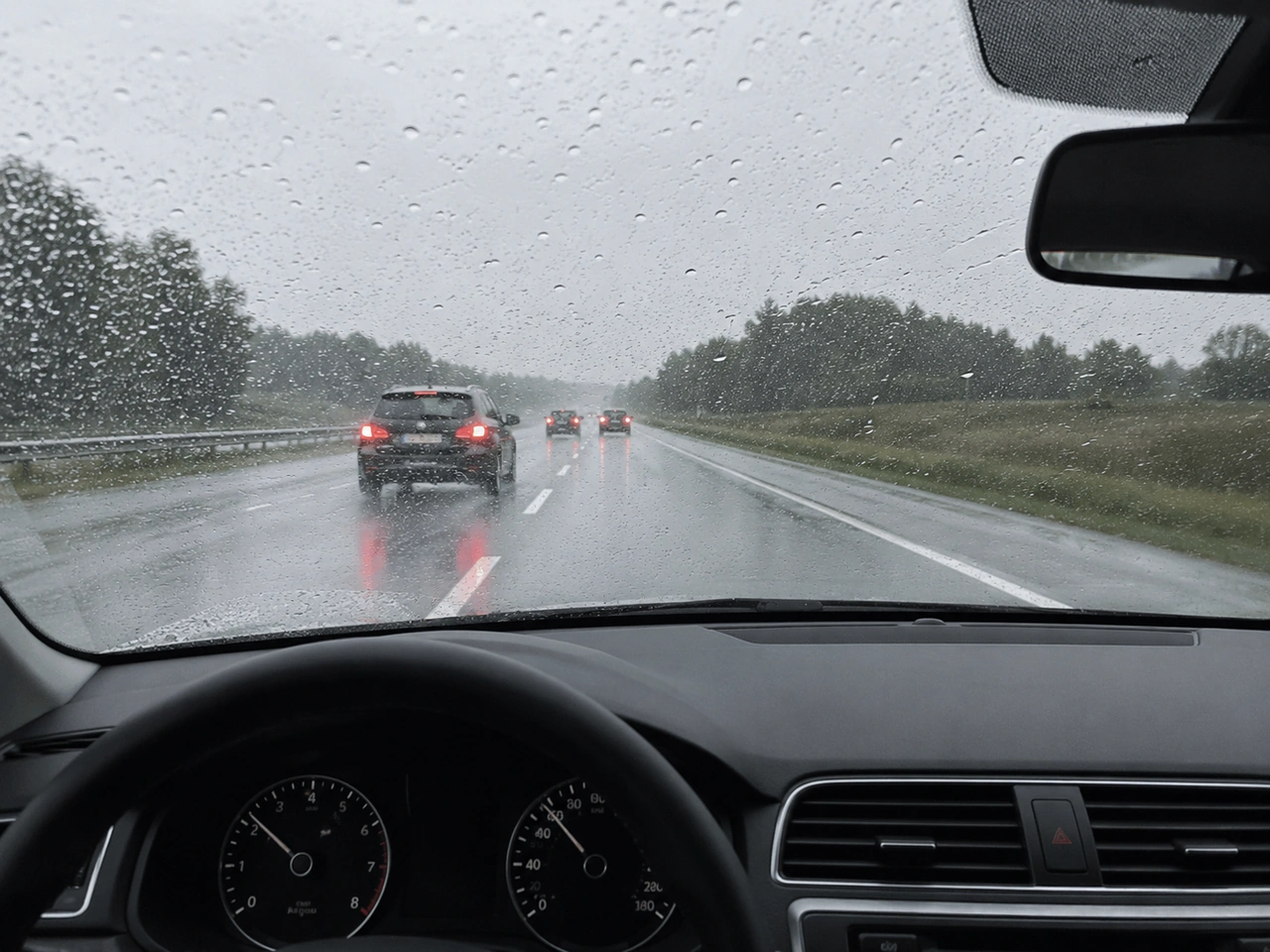
80. Rain can reduce tyre grip and increase stopping distance.
Wet roads reduce traction, so your vehicle may need more distance to stop safely.
AI-generated by Rijbewijs-online.be • WCIT • CC BY-SA
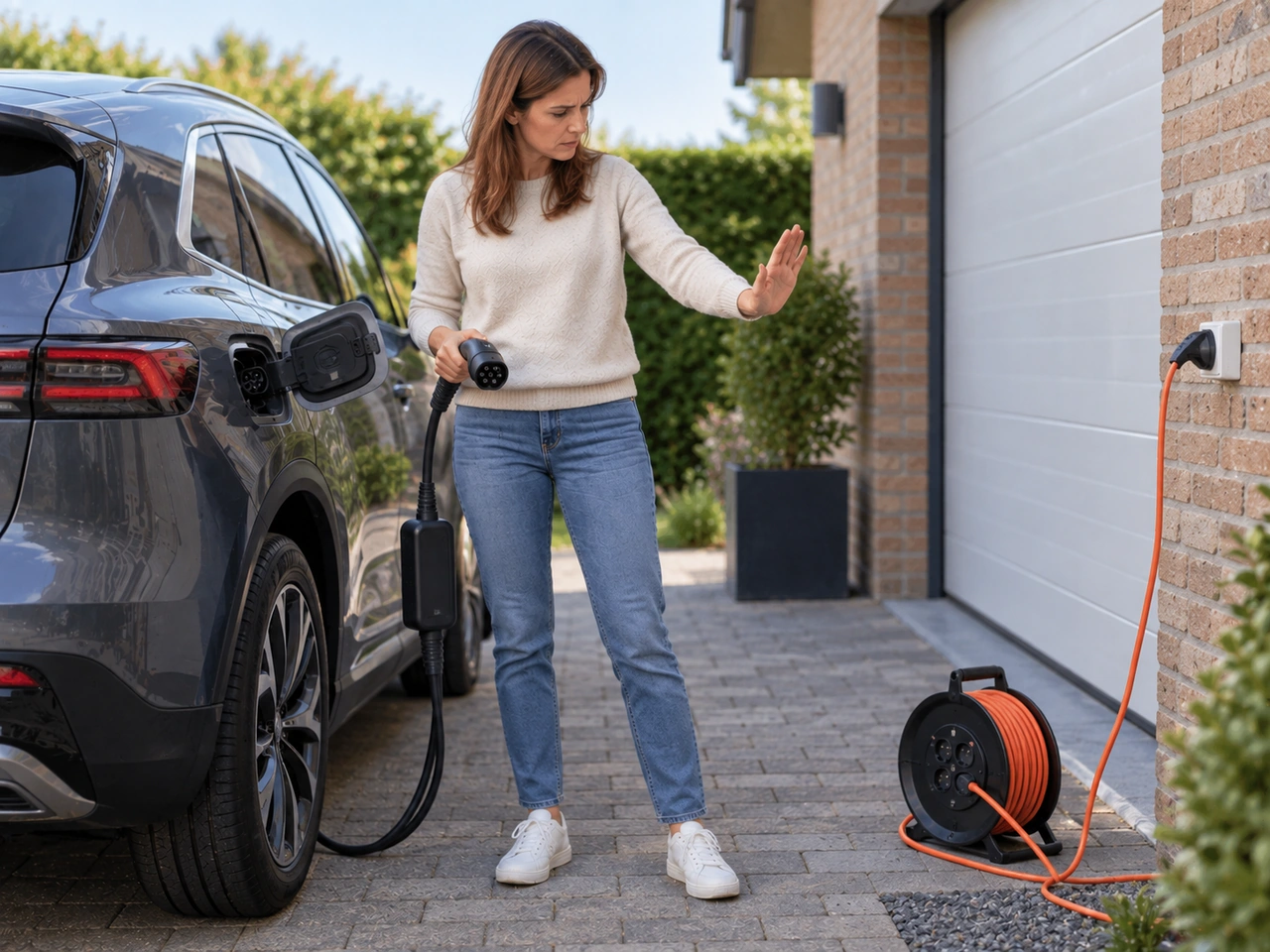
81. Why should you avoid using an ordinary extension lead to charge an electric vehicle?
An ordinary household extension lead may not be designed for the sustained electrical load required for EV charging and can overheat. Use suitable approved charging equipment and follow the vehicle and charging-equipment manufacturer's instructions.
AI-generated by Rijbewijs-online.be • WCIT • CC BY-SA
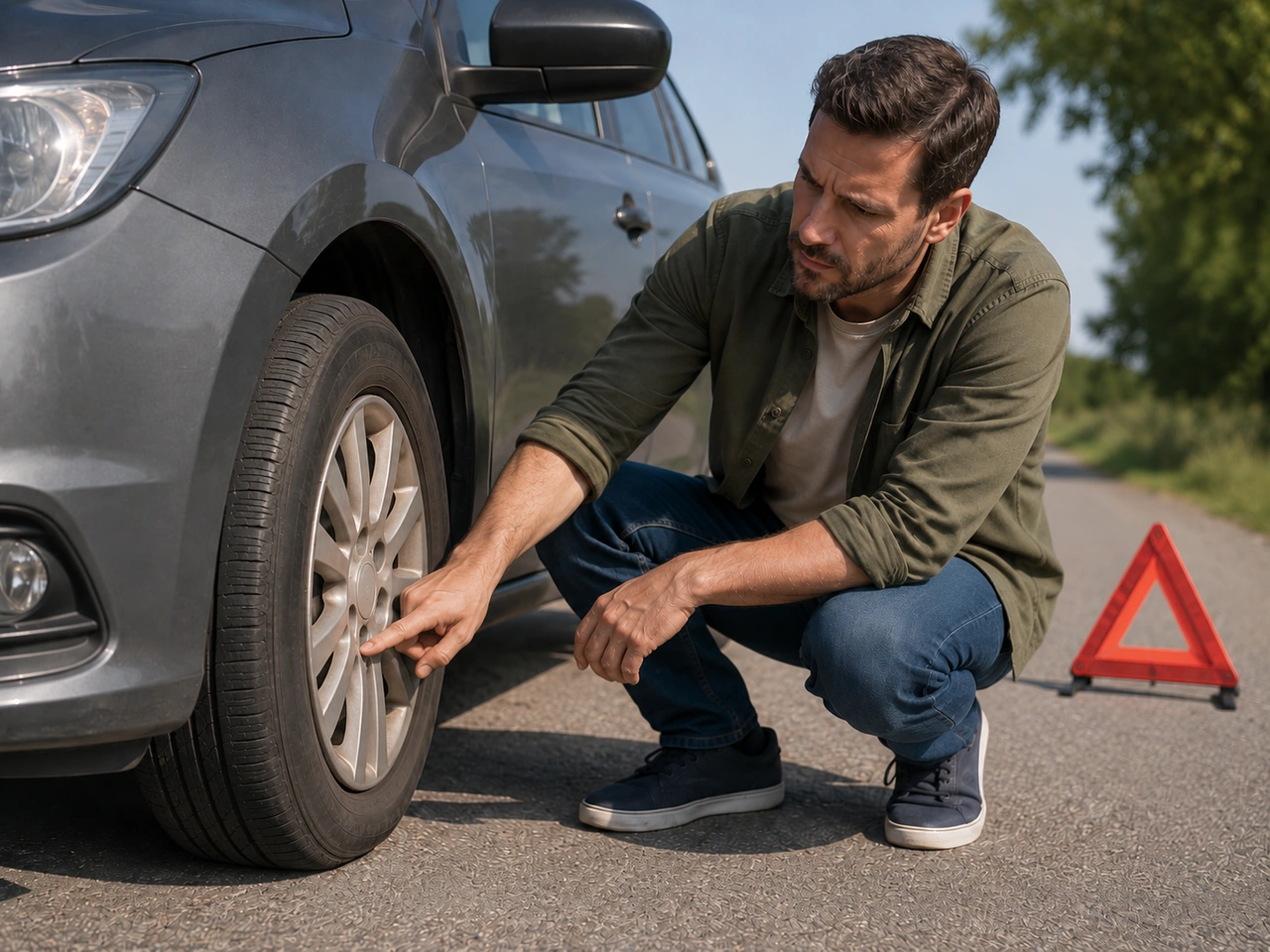
82. What should you do if a tyre has a deep cut, bulge, or exposed cords?
Cuts, bulges, and exposed cords can indicate serious structural damage. The tyre may fail suddenly and should not be used normally.
AI-generated by Rijbewijs-online.be • WCIT • CC BY-SA
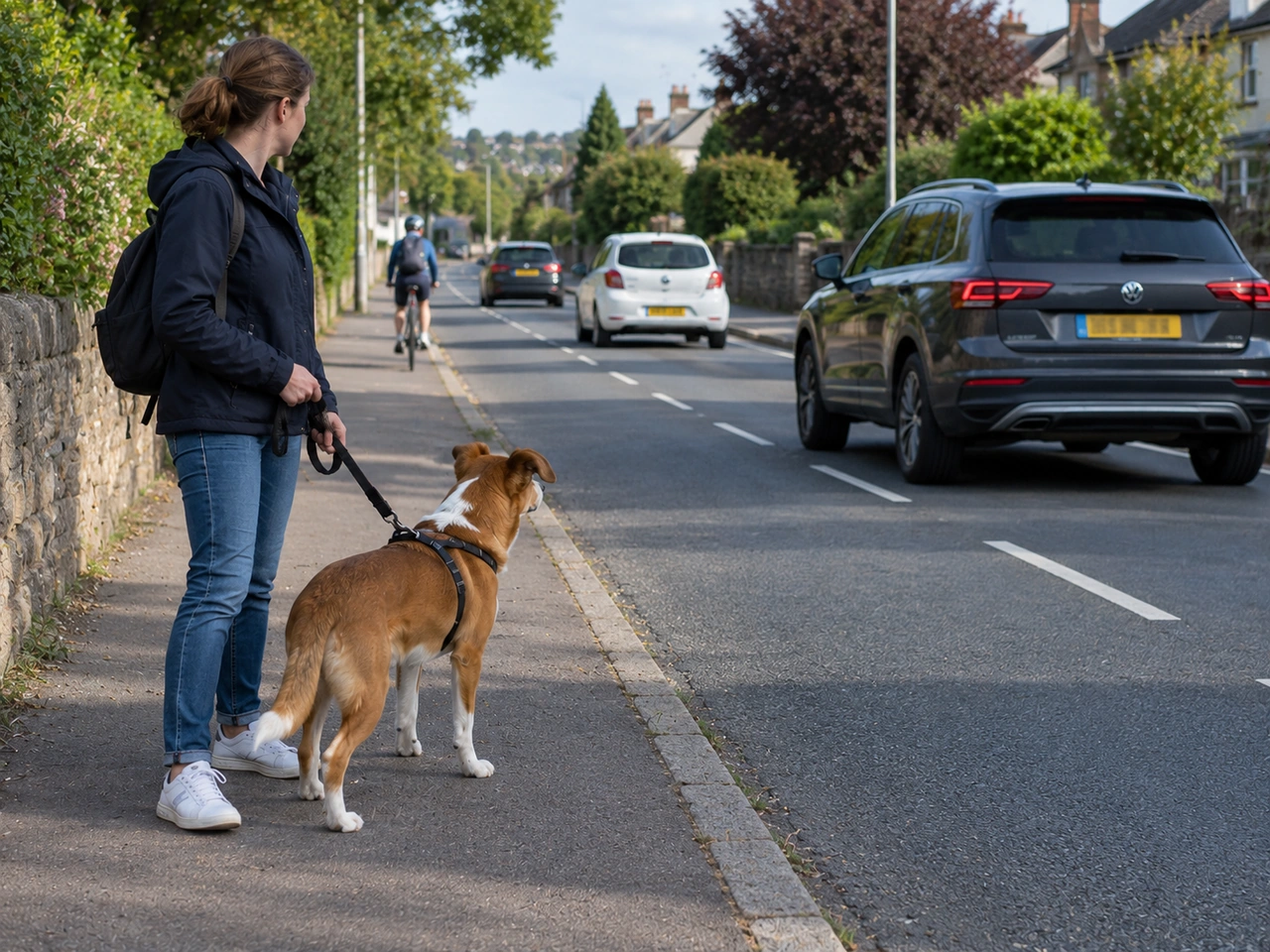
83. Why should you keep a dog on a leash near traffic?
Dogs can react unpredictably to vehicles, people, noises, or other animals. Keeping a dog under close control on a leash near traffic reduces the risk of it suddenly entering the road and endangering itself or other road users.
AI-generated by Rijbewijs-online.be • WCIT • CC BY-SA
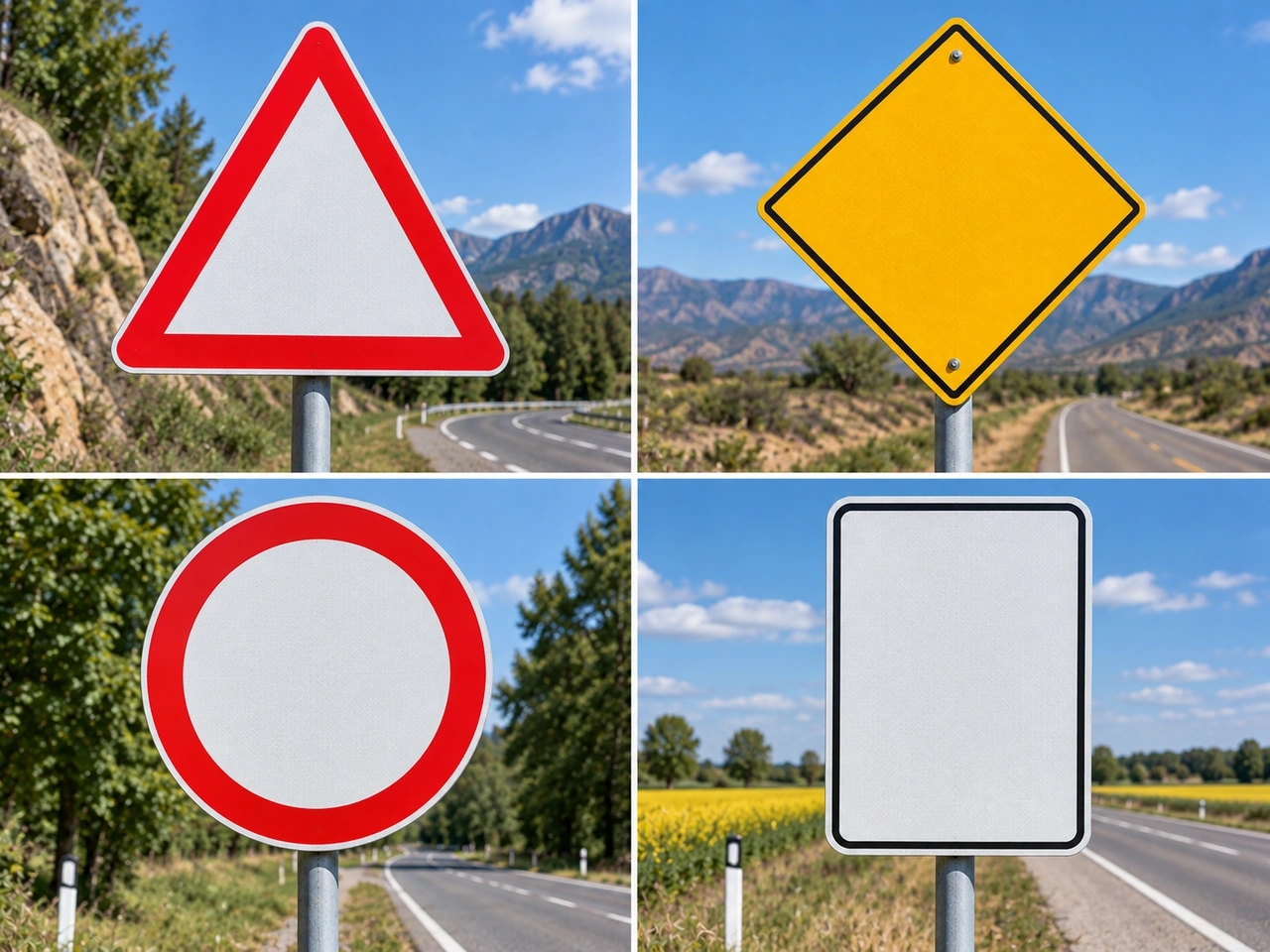
84. What shape are most warning signs in Iceland?
Most warning signs in Iceland are triangular.
AI-generated by Rijbewijs-online.be • WCIT • CC BY-SA
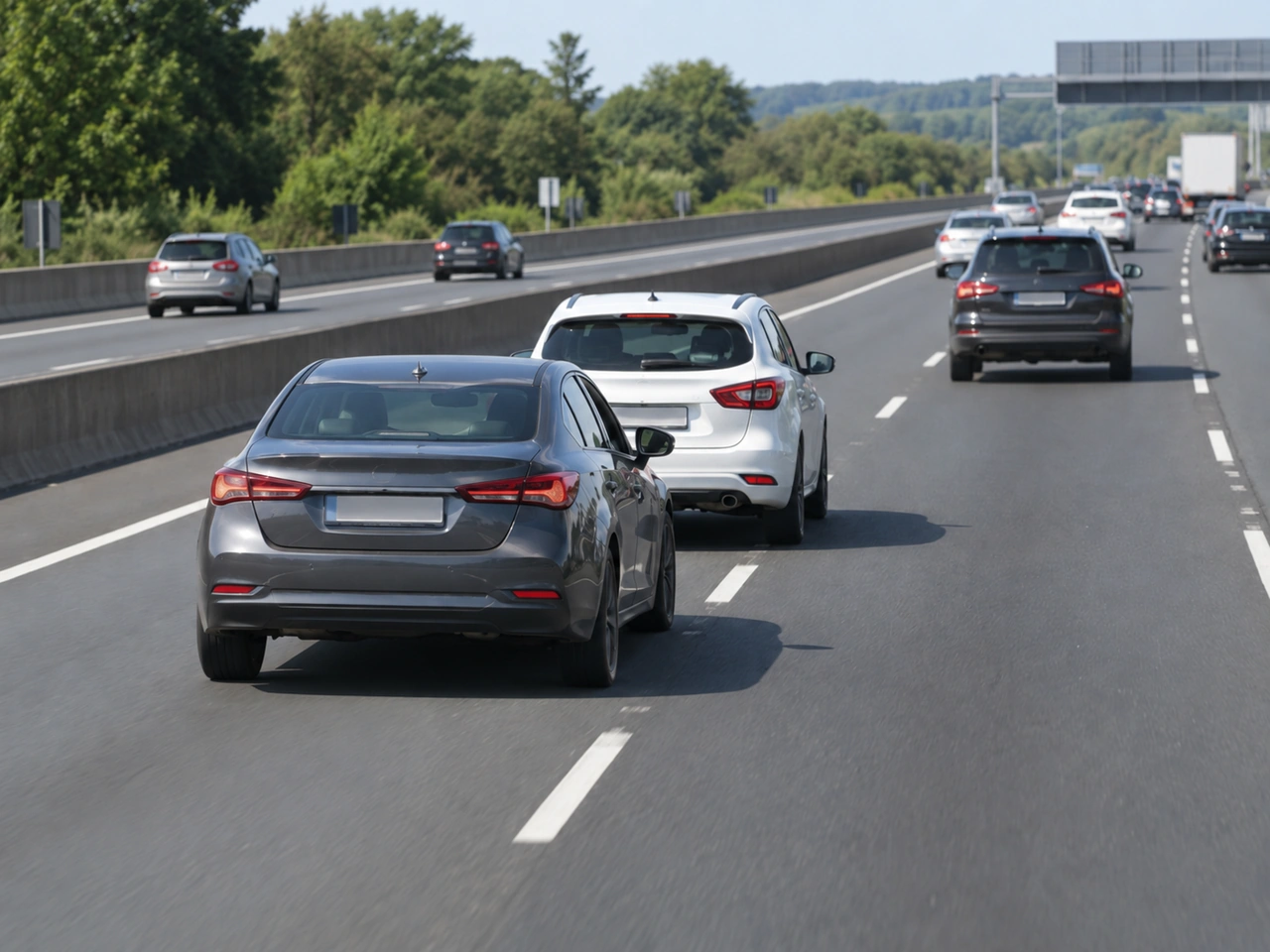
85. What is the main safety risk of aggressive driving?
Aggressive driving, such as tailgating, speeding, or sudden lane changes, reduces safety margins and increases the risk of crashes and conflict with other road users.
AI-generated by Rijbewijs-online.be • WCIT • CC BY-SA
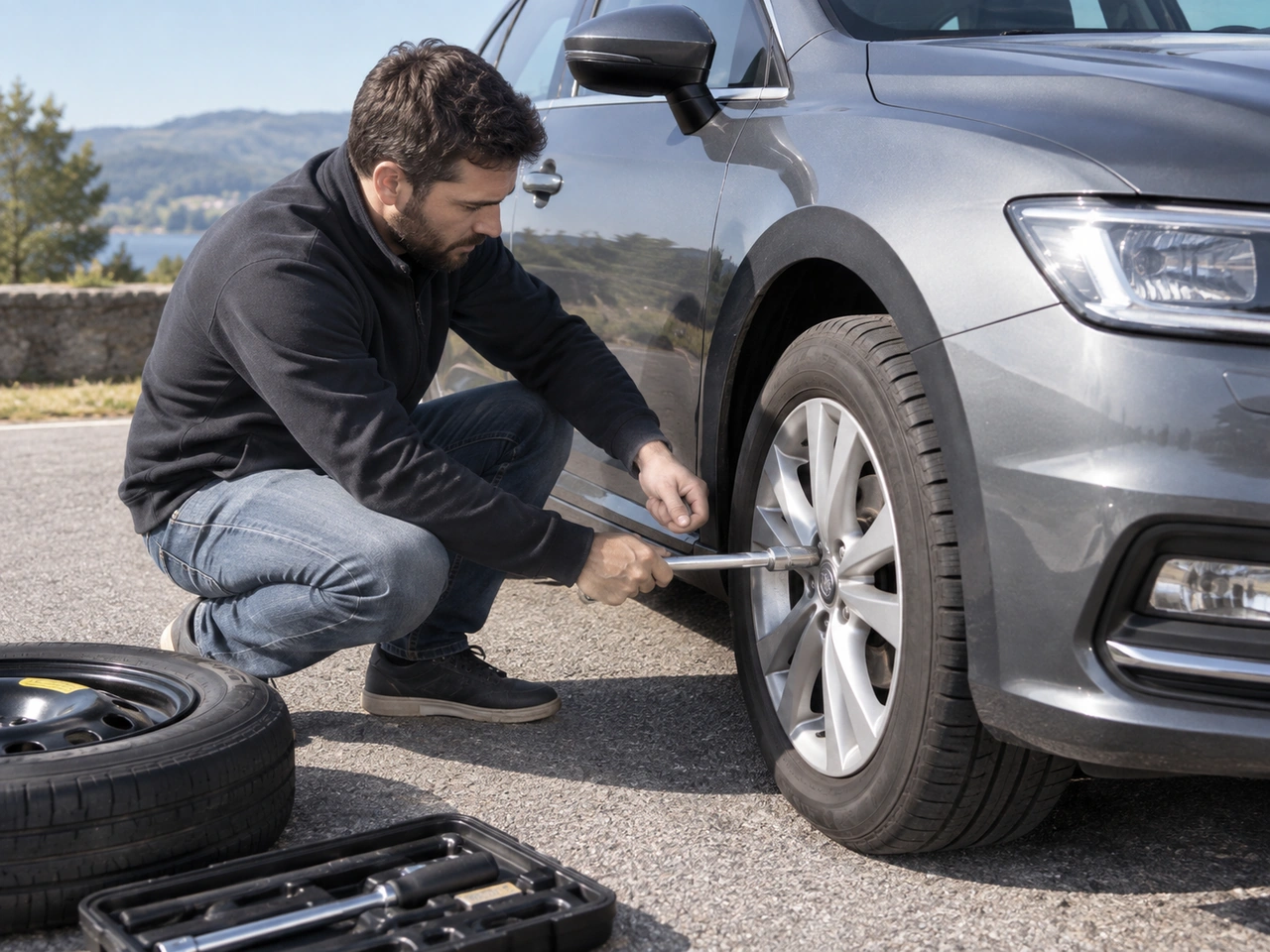
86. What should you check after fitting a wheel?
After fitting a wheel, make sure the wheel nuts are tightened correctly using the manufacturer's specified procedure and torque. Incorrectly tightened wheel nuts can loosen or damage the wheel. Recheck them later if the vehicle or wheel manufacturer recommends it.
AI-generated by Rijbewijs-online.be • WCIT • CC BY-SA
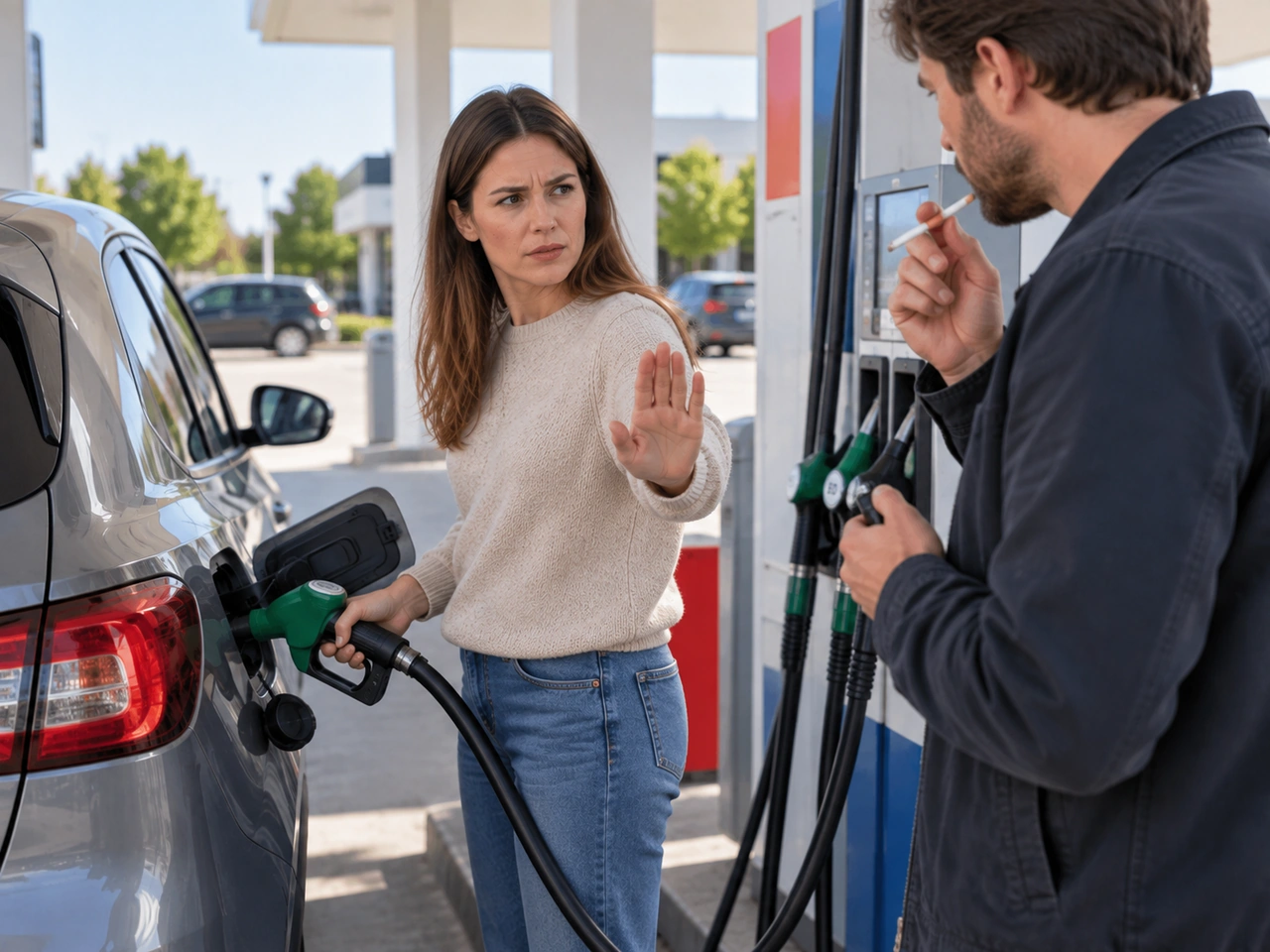
87. Why must you avoid smoking or open flames at a filling station?
Petrol and other fuels can produce flammable vapours. Smoking, open flames, sparks, or other ignition sources can ignite these vapours and cause a serious fire. Follow all filling-station safety rules while refuelling.
AI-generated by Rijbewijs-online.be • WCIT • CC BY-SA
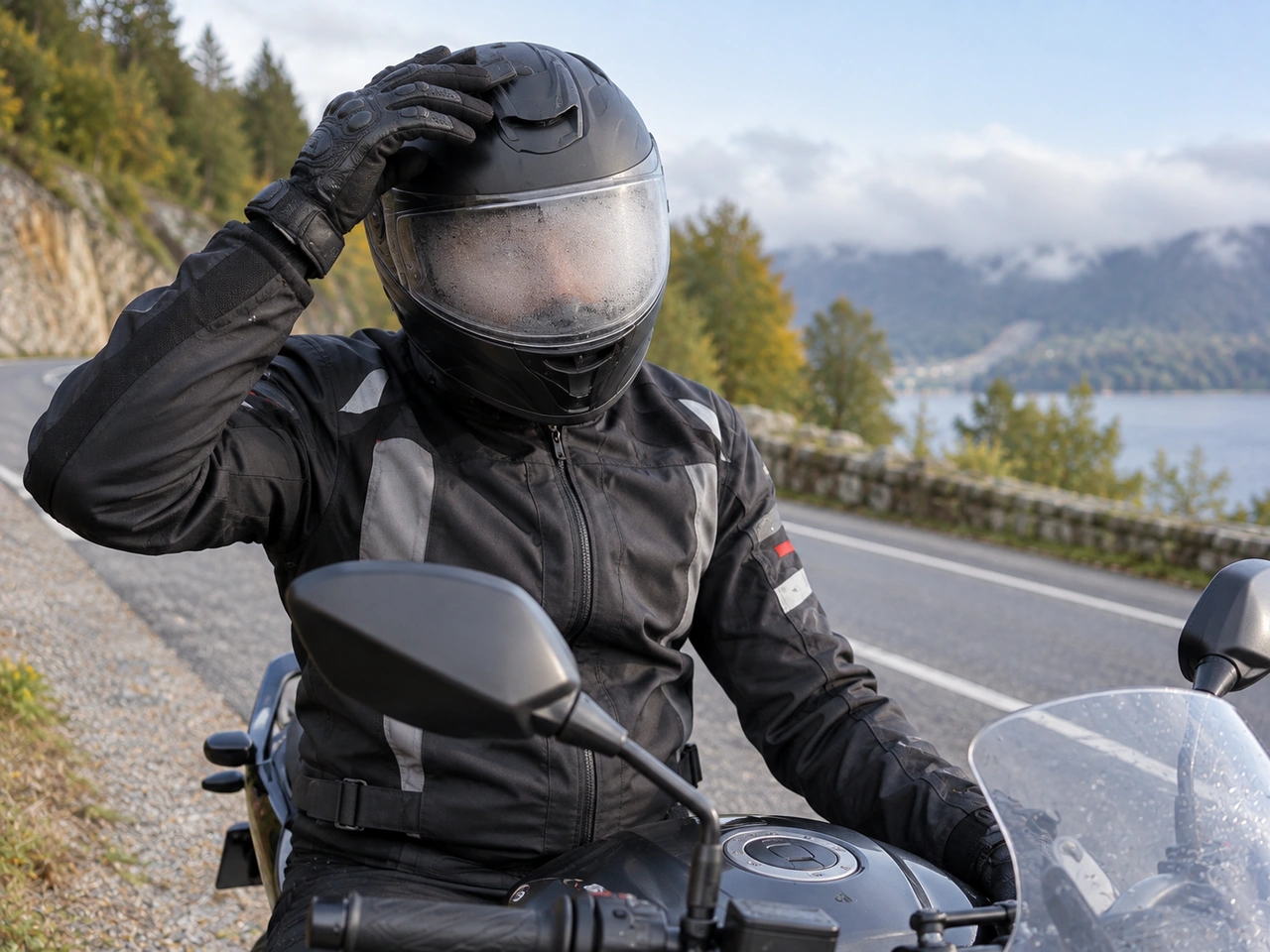
88. What should you do if your motorcycle helmet visor starts to fog?
A fogged visor can seriously reduce your view of the road. Reduce speed and use the helmet's ventilation, demisting or anti-fog features where available. If you cannot restore a clear view safely, stop in a safe place before continuing.
AI-generated by Rijbewijs-online.be • WCIT • CC BY-SA
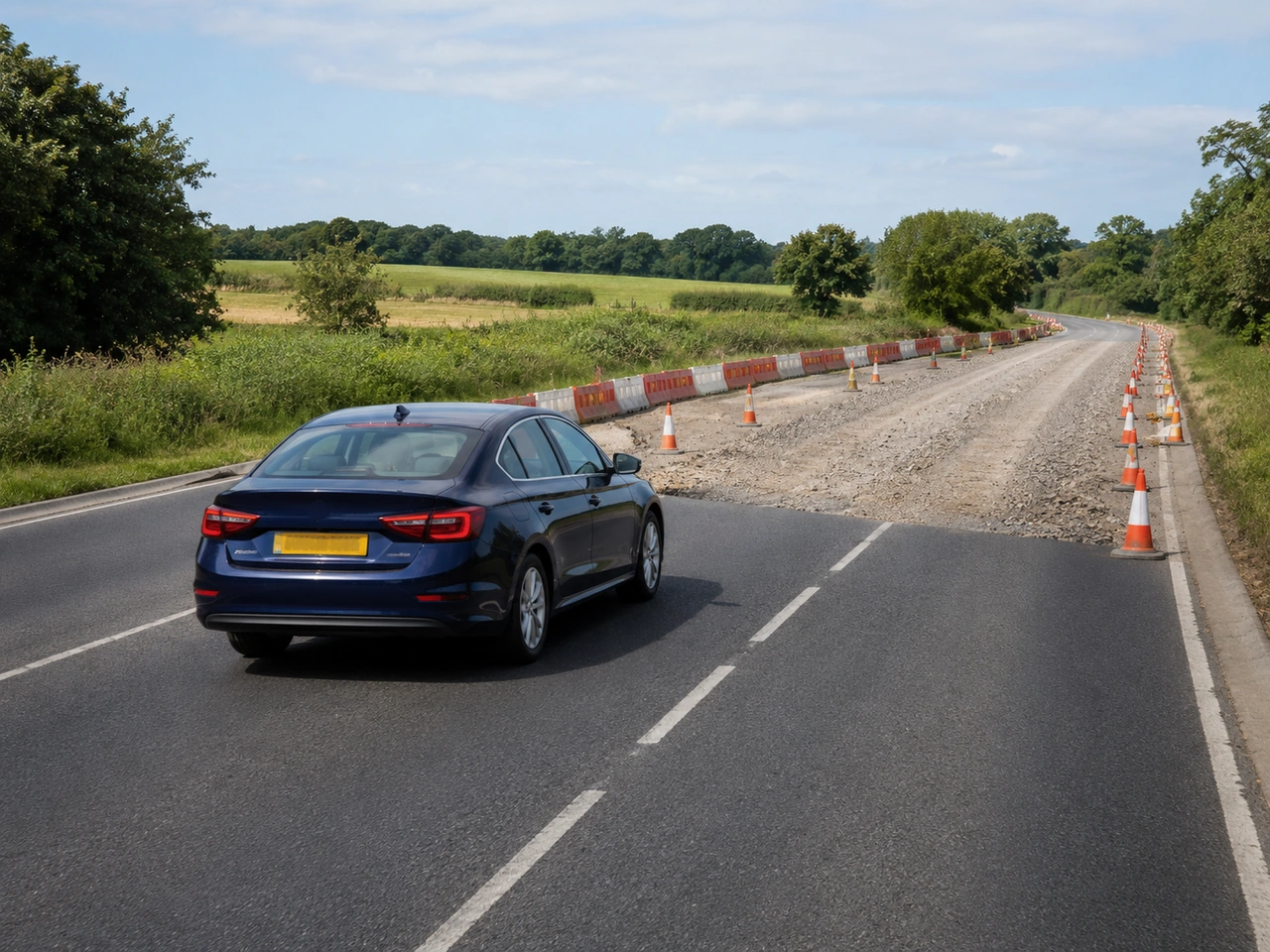
89. Why can temporary road surfaces increase stopping distance?
Temporary surfaces may provide less grip than normal asphalt. Reduce speed and allow more distance for braking.
AI-generated by Rijbewijs-online.be • WCIT • CC BY-SA
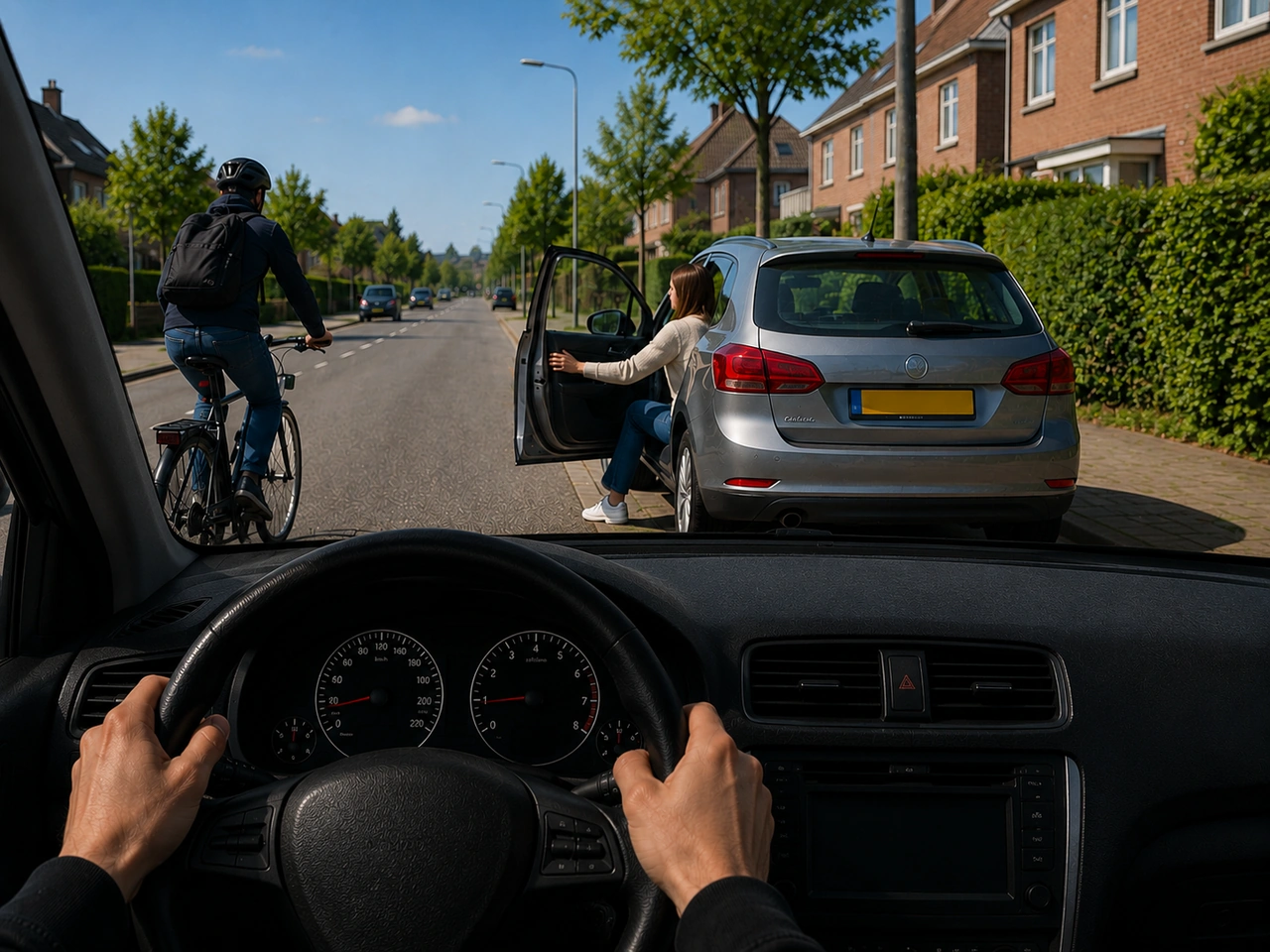
90. What should you do before opening your car door near traffic?
Before opening a car door, check carefully for cyclists, pedestrians, and vehicles to avoid causing a collision.
AI-generated by Rijbewijs-online.be • WCIT • CC BY-SA
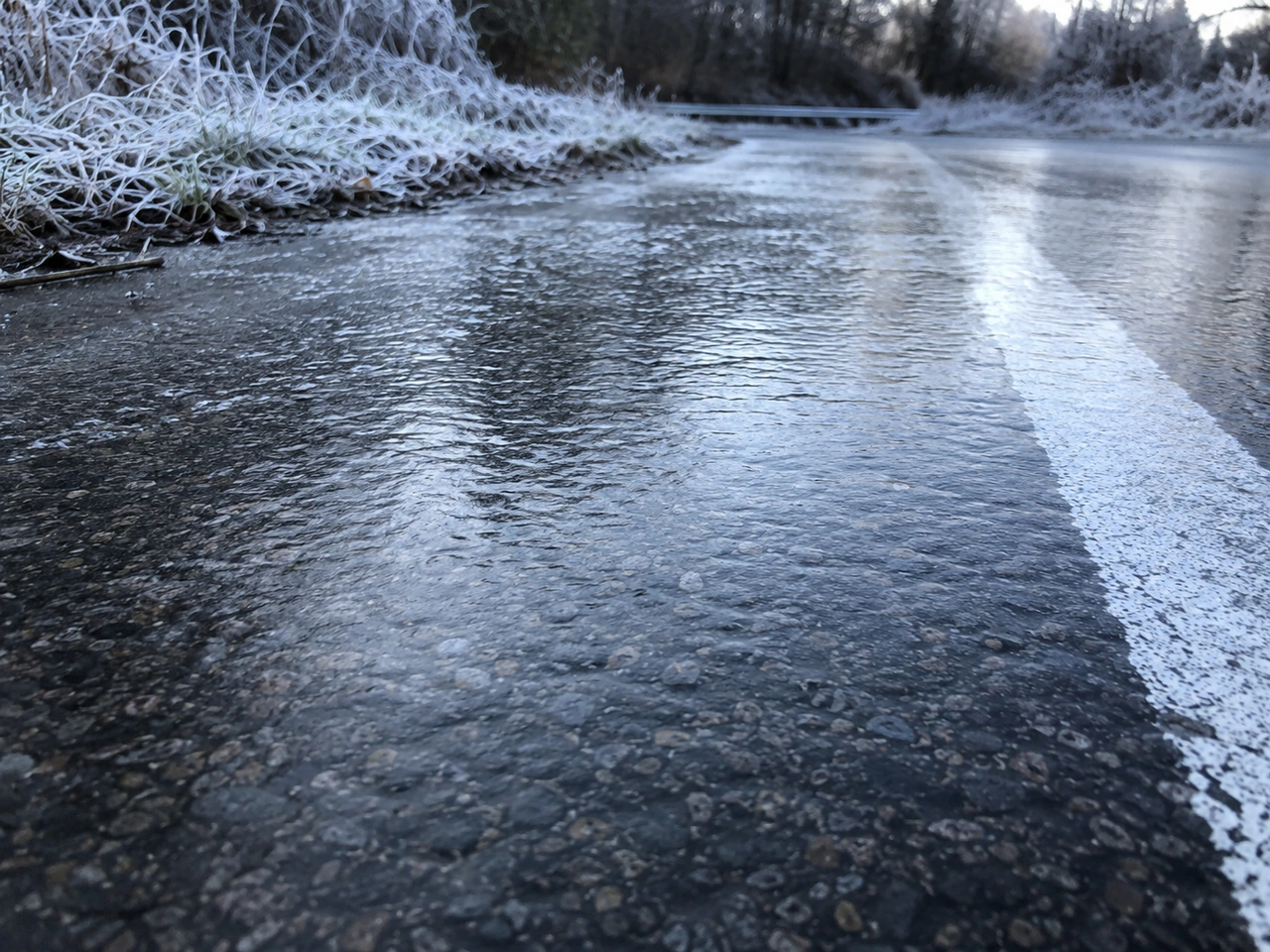
91. What is black ice?
Black ice is difficult to detect because the road surface may look merely wet. It can cause a sudden and severe loss of grip.
AI-generated by Rijbewijs-online.be • WCIT • CC BY-SA
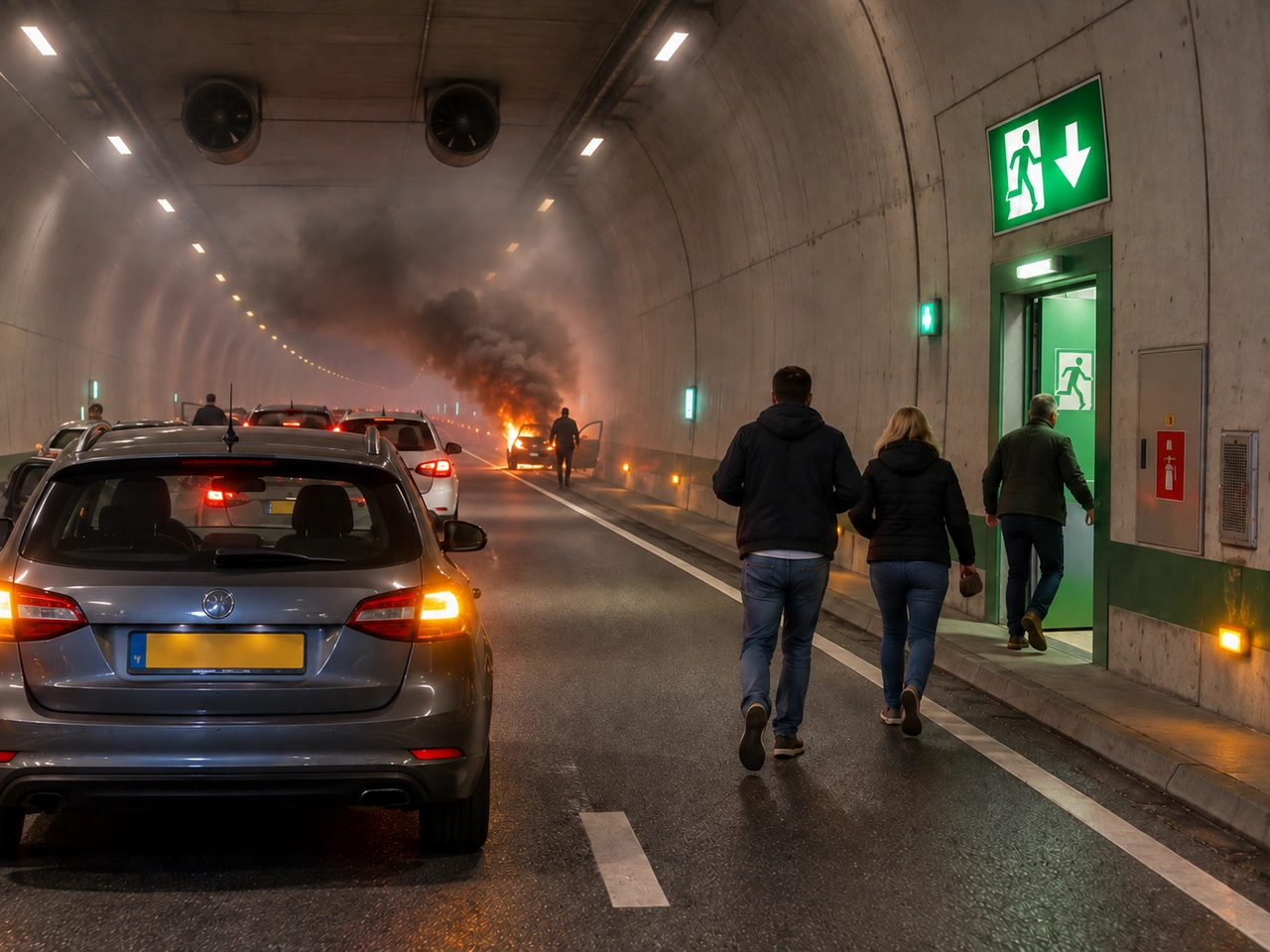
92. What should you do if you see smoke or fire inside a tunnel?
If it is safe to drive out of the tunnel, do so. If you cannot continue safely, stop, switch off the engine, leave the vehicle, and use the marked emergency exits or refuge routes. Follow tunnel-control instructions.
AI-generated by Rijbewijs-online.be • WCIT • CC BY-SA
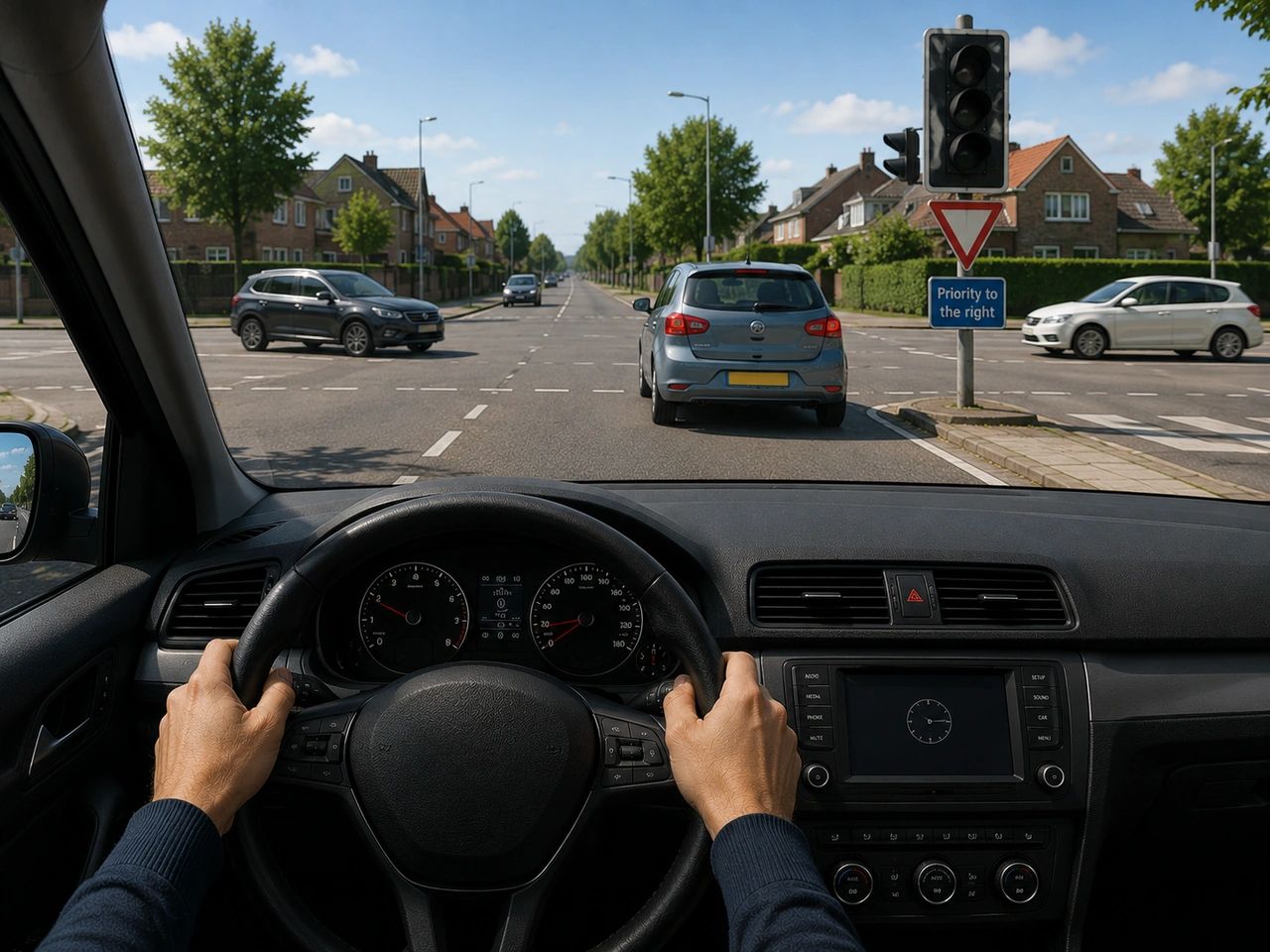
93. What should you do when traffic lights are not working?
If traffic lights are not working, slow down, observe carefully, and follow signs, road markings, or local priority rules.
AI-generated by Rijbewijs-online.be • WCIT • CC BY-SA
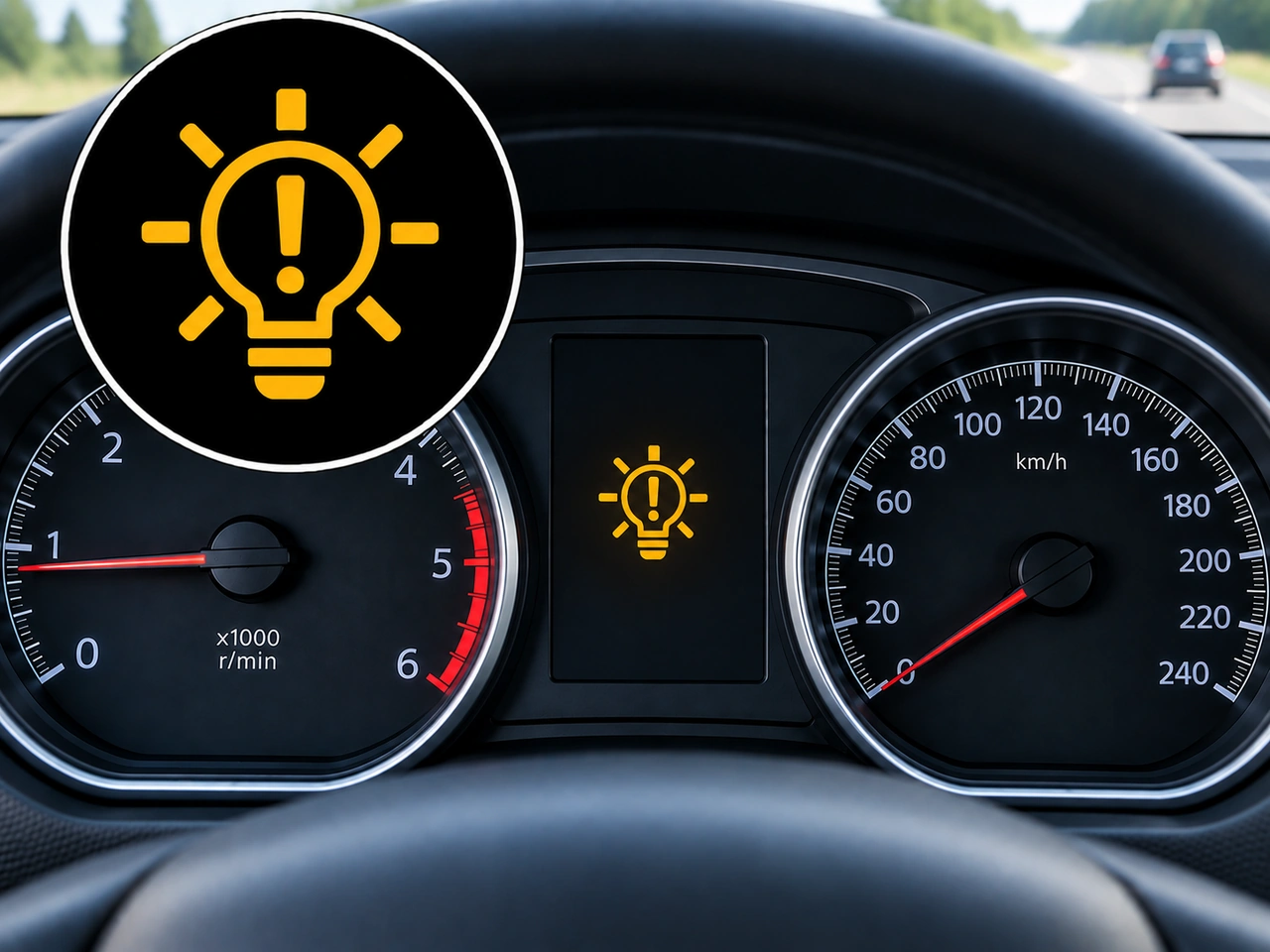
94. What does this dashboard symbol indicate?
This symbol indicates a possible failure of an exterior vehicle light, such as a headlight, tail light, brake light or indicator. Check the vehicle's exterior lights and replace or repair any faulty light.
AI-generated by Rijbewijs-online.be • WCIT • CC BY-SA
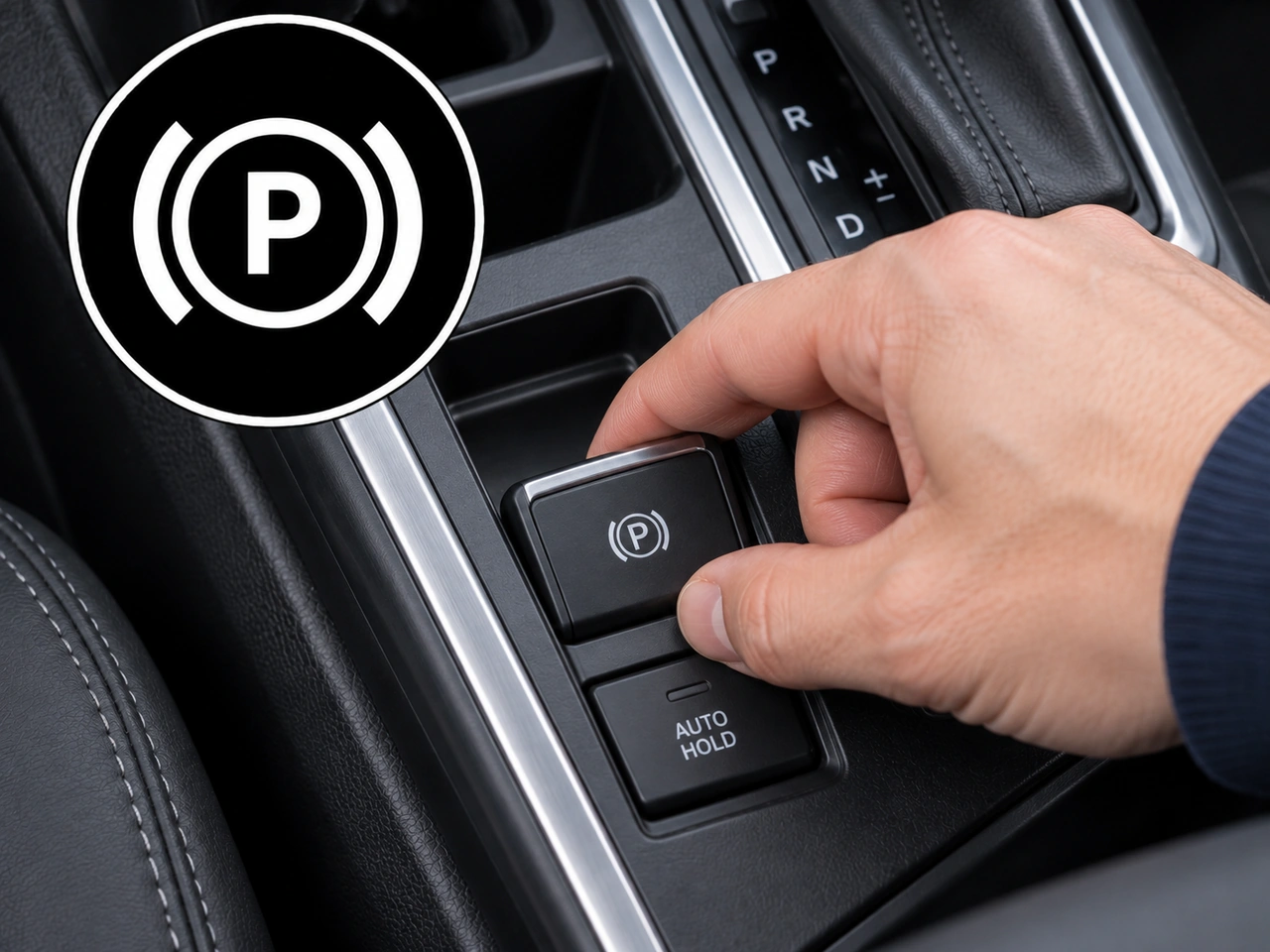
95. What does this vehicle-control symbol indicate?
This control operates the electronic parking brake. Pulling or pressing the switch applies or releases the parking brake, depending on the vehicle.
AI-generated by Rijbewijs-online.be • WCIT • CC BY-SA
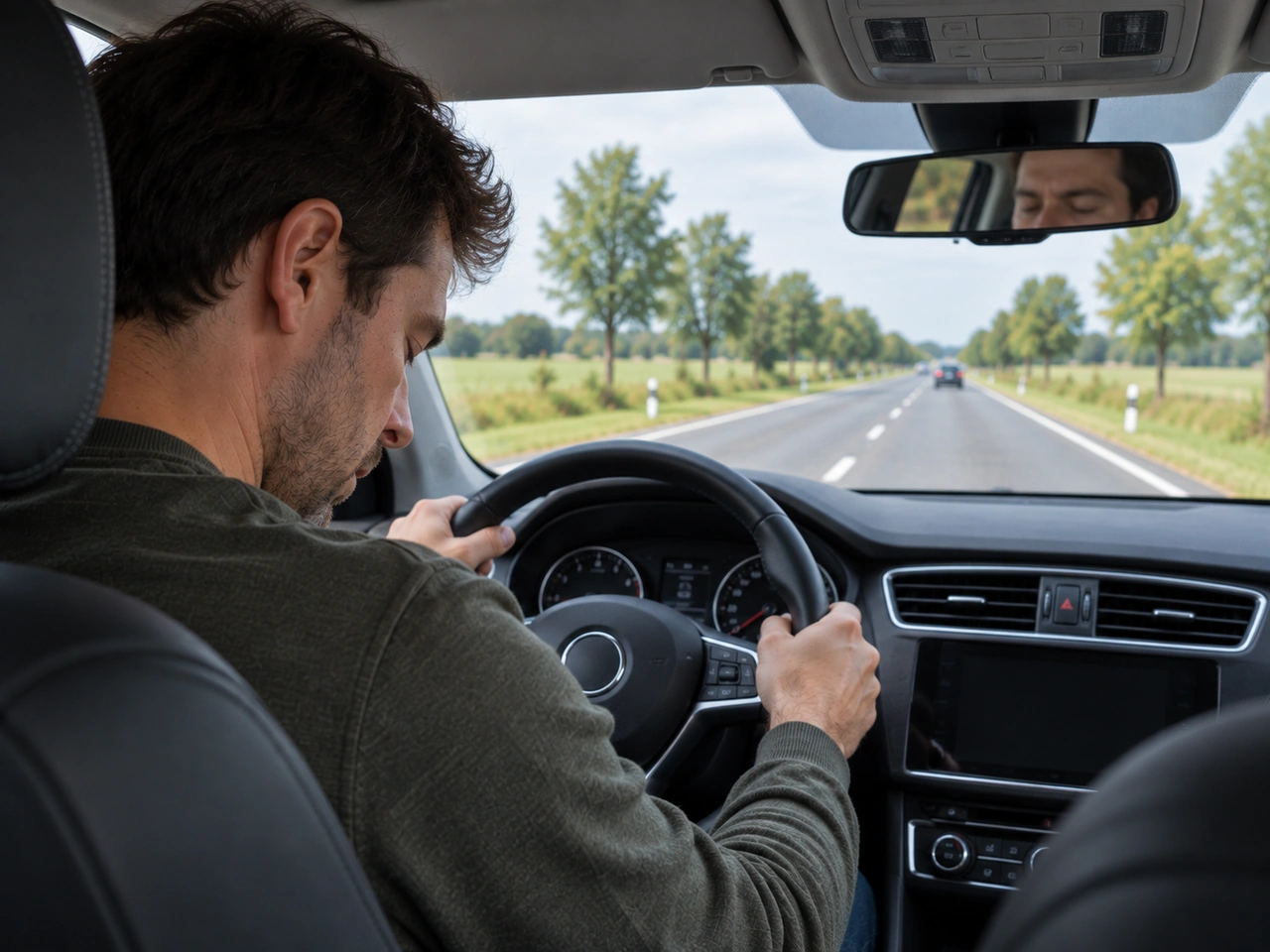
96. Why is a microsleep especially dangerous while driving?
A microsleep is a brief, involuntary episode of sleep that can last for a few seconds. During that time, you may lose awareness of the road and travel a considerable distance without reacting to hazards.
AI-generated by Rijbewijs-online.be • WCIT • CC BY-SA
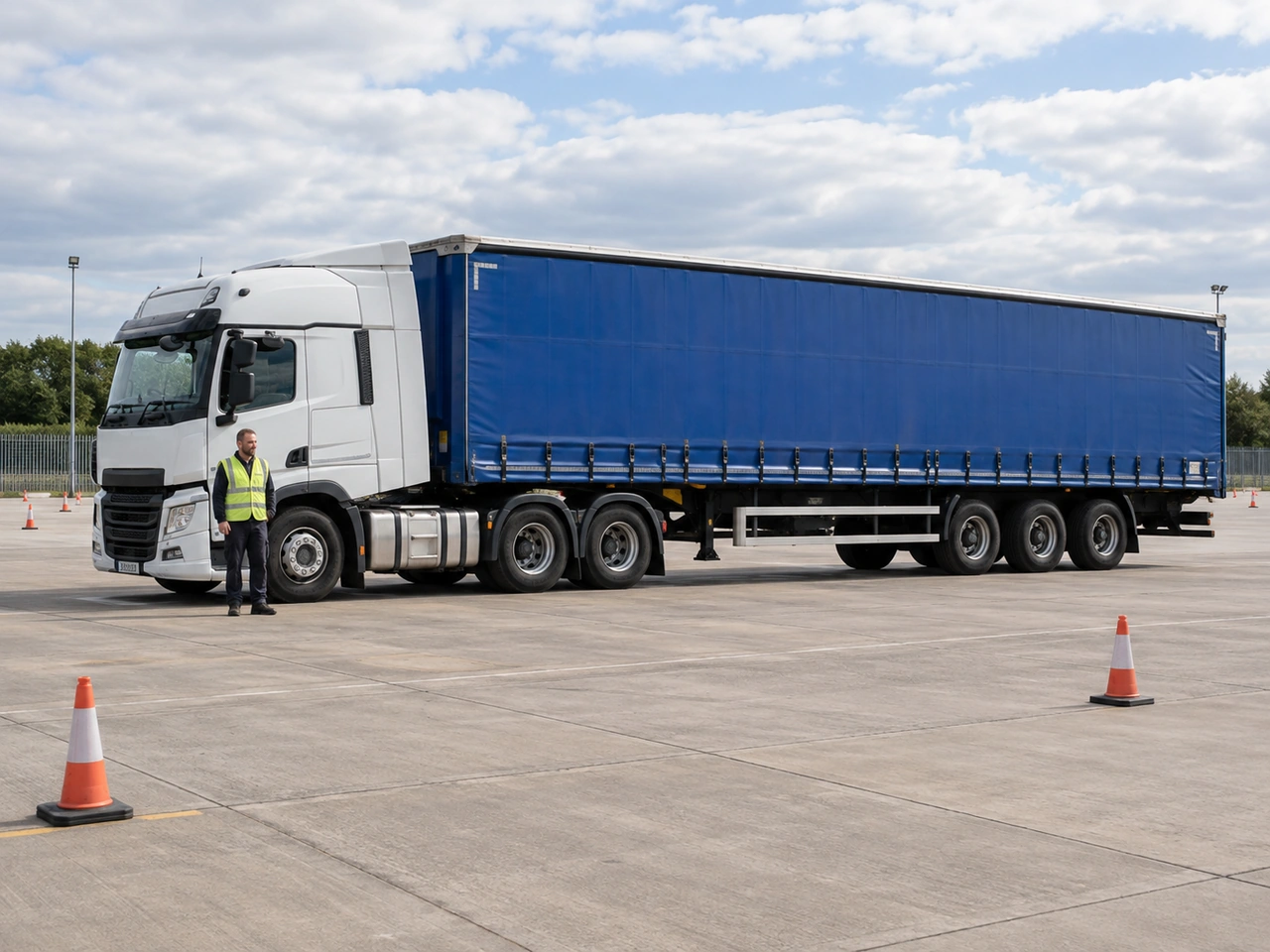
97. What is the minimum licence for a C vehicle towing a trailer over 750 kg?
Category C permits a trailer with a maximum authorised mass of up to 750 kg. A category C vehicle towing a trailer or semi-trailer above 750 kg requires category CE.
AI-generated by Rijbewijs-online.be • WCIT • CC BY-SA
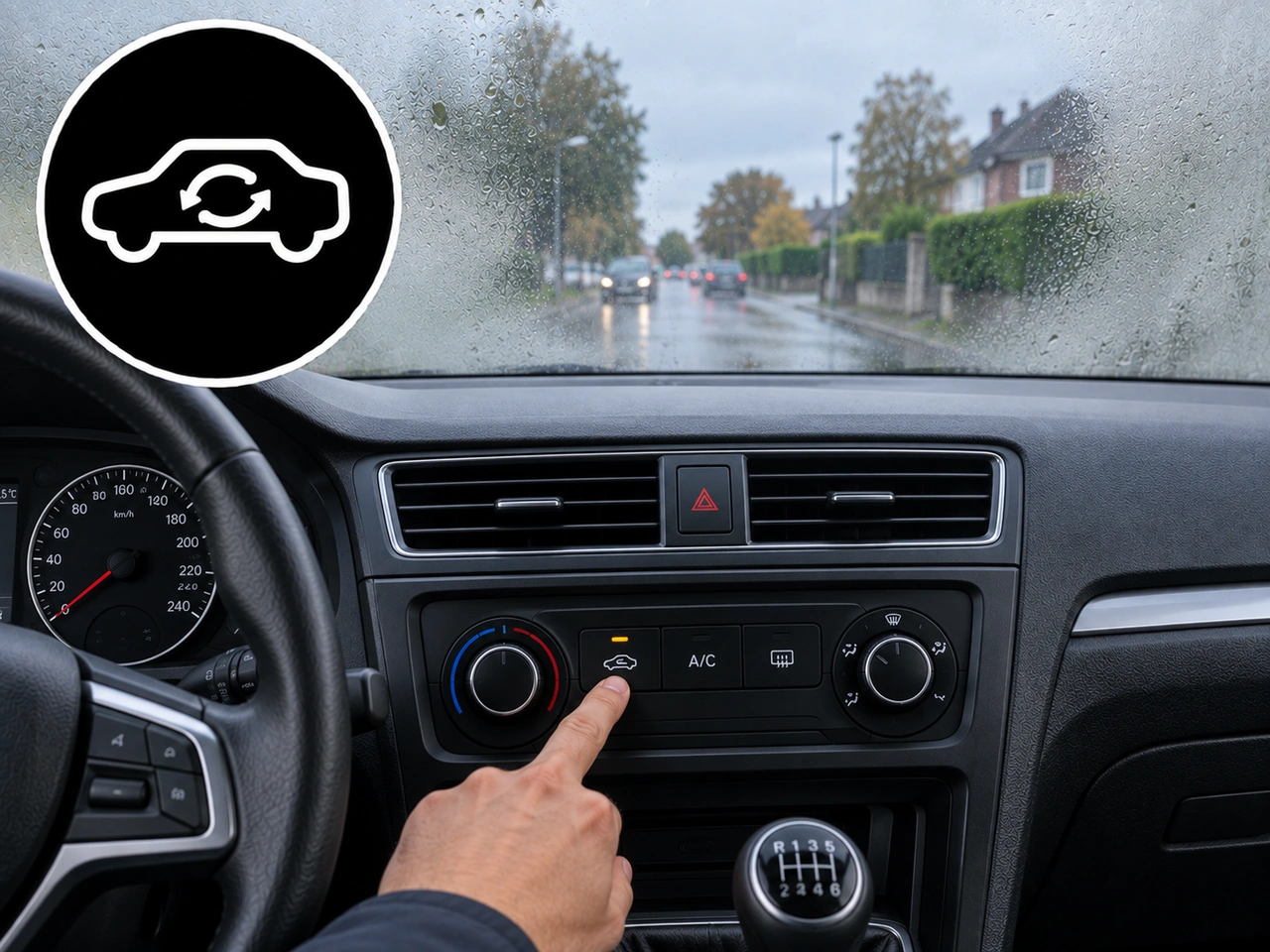
98. Why should you avoid using air recirculation for too long in damp conditions?
Using air recirculation for too long in damp conditions can allow moisture to build up inside the vehicle and increase window misting, especially when the air conditioning is not dehumidifying the air. Switching to fresh outside air can help clear condensation.
AI-generated by Rijbewijs-online.be • WCIT • CC BY-SA
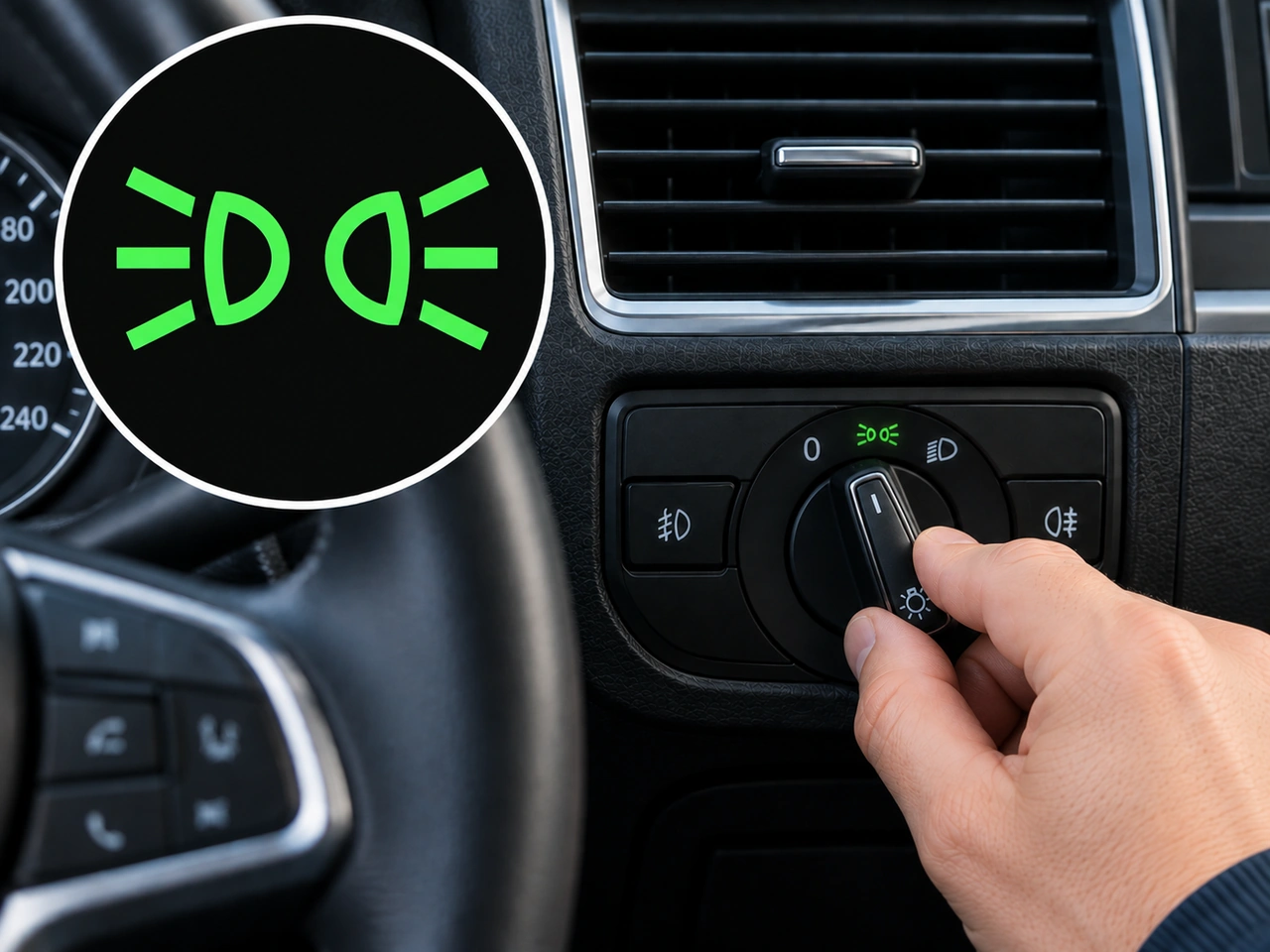
99. What does this dashboard symbol indicate?
This symbol indicates that the sidelights, also known as position or parking lights, are switched on. They help make the vehicle visible to other road users but provide little illumination of the road ahead.
AI-generated by Rijbewijs-online.be • WCIT • CC BY-SA
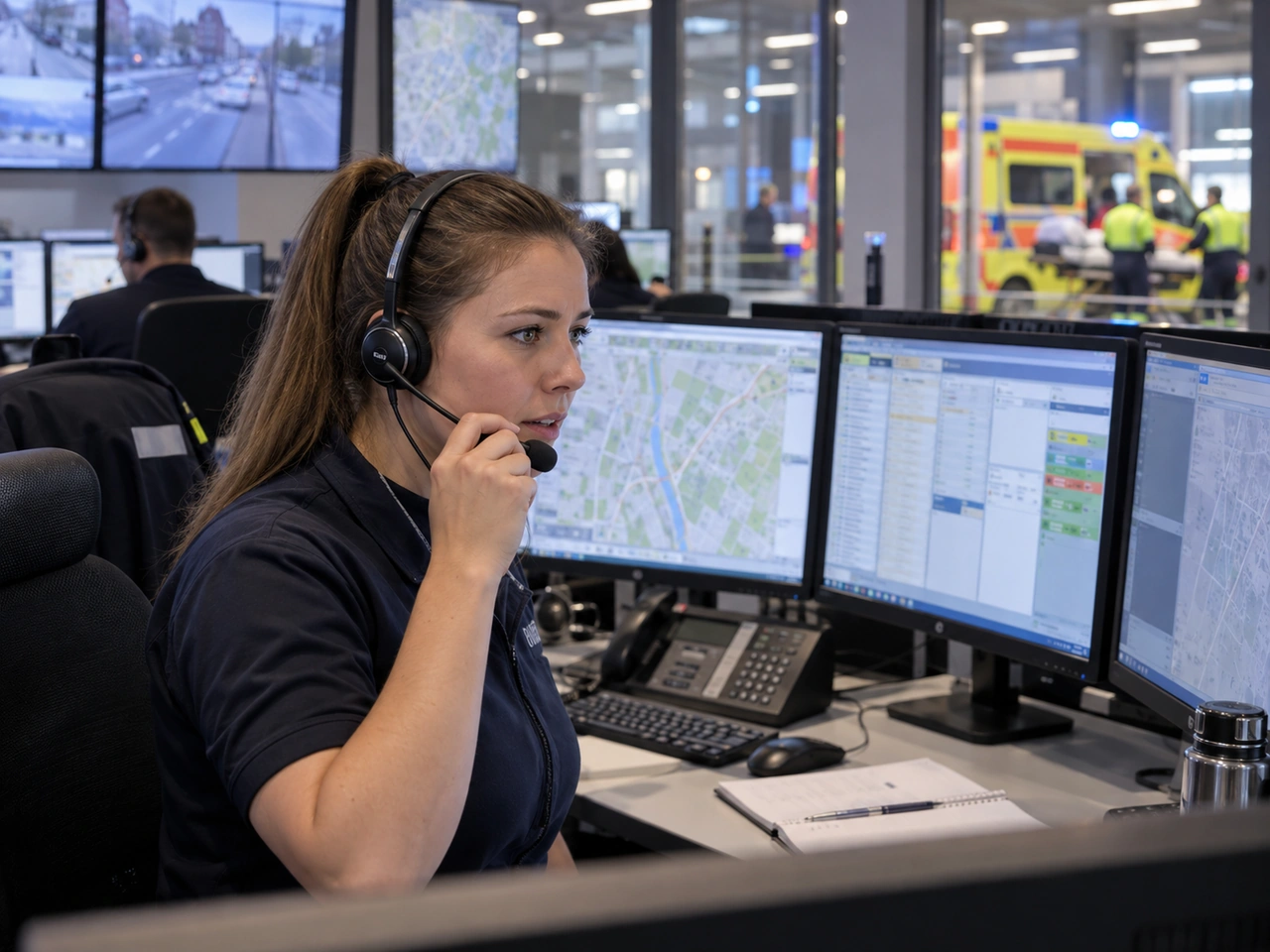
100. What is the main emergency number in Iceland?
The main emergency number in Iceland is 112.
AI-generated by Rijbewijs-online.be • WCIT • CC BY-SA