


QuizTraffic rulesNetherlands
This interesting quiz helps you test your knowledge in a clear and visual way. With easy multiple-choice questions, you can quickly build confidence and learn new facts while keeping it simple, interactive, and fun.
 Traffic signs
 Traffic rules
 Netherlands
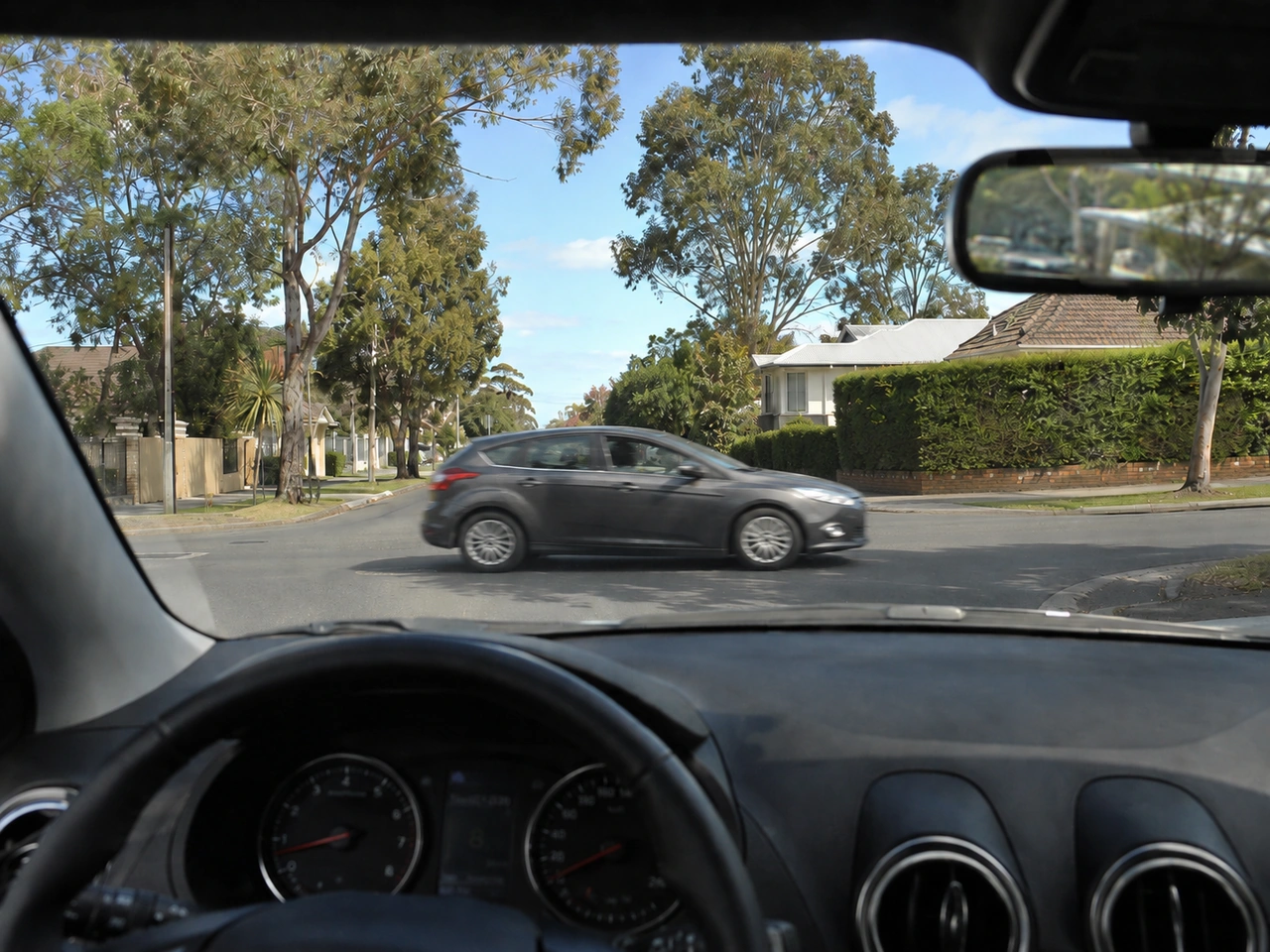
151. What should you do if another driver does not give way when they should?
Even if you have priority, safety comes first. Slow down, stay calm, and avoid creating a dangerous situation.
AI-generated by Rijbewijs-online.be • WCIT • CC BY-SA

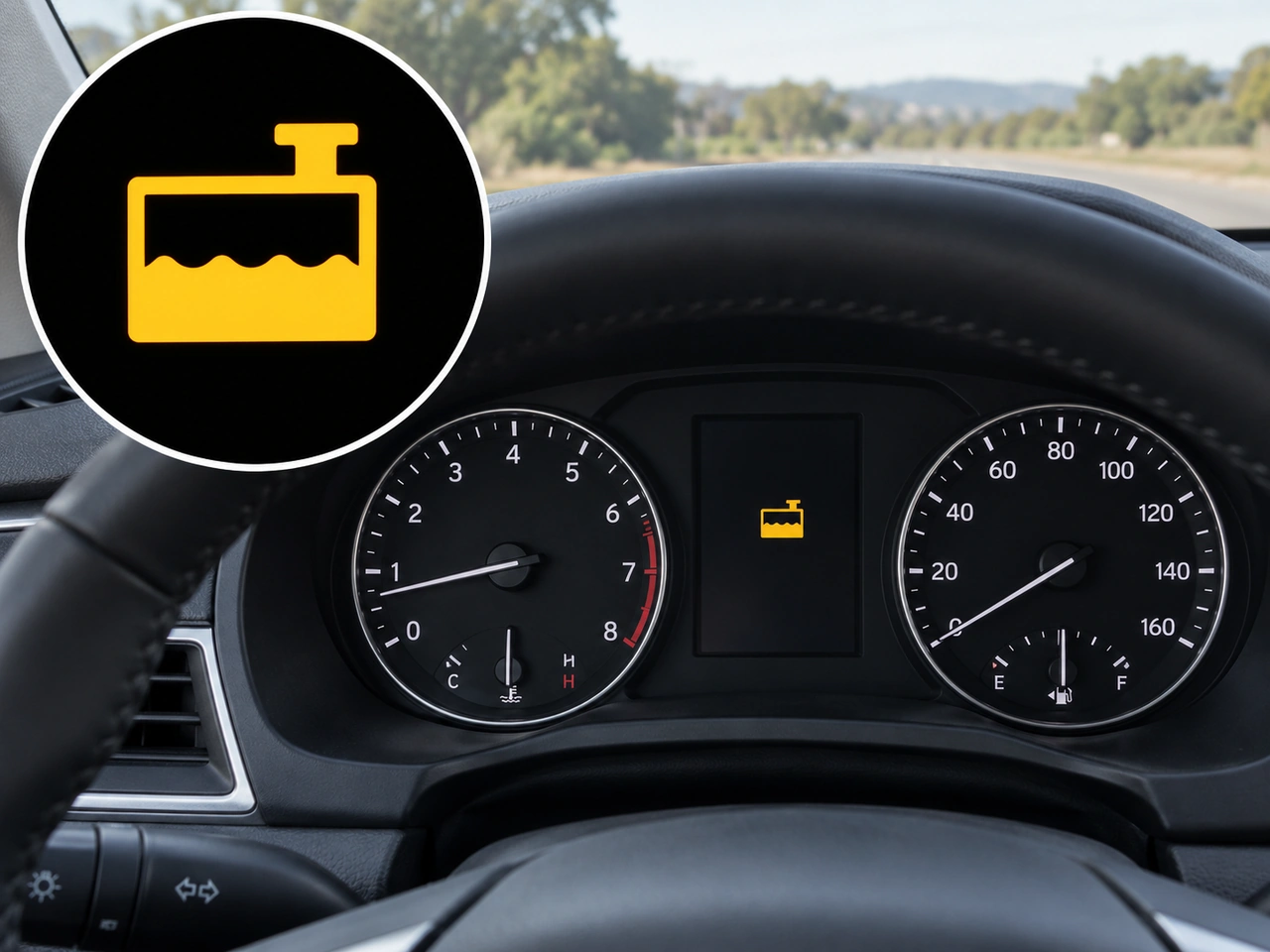
152. What does this dashboard symbol indicate?
This symbol indicates that the engine coolant level is low. Check the coolant level when the engine is cool and refill it with the correct coolant if necessary.
AI-generated by Rijbewijs-online.be • WCIT • CC BY-SA
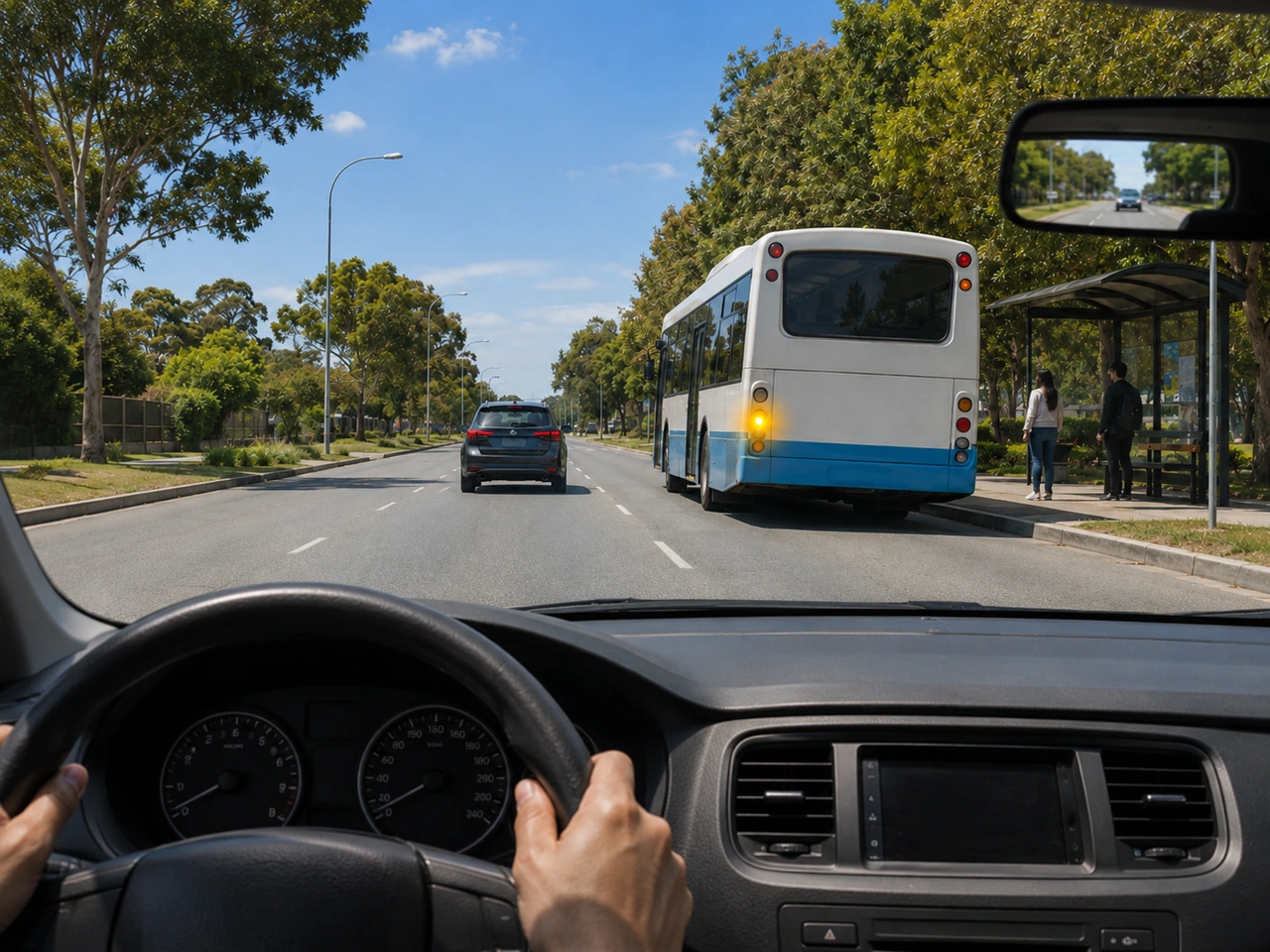
153. What should you do when a bus signals to pull away from a bus stop?
Buses may pull away after picking up passengers. Slow down, check the traffic situation, and allow space when it is safe.
AI-generated by Rijbewijs-online.be • WCIT • CC BY-SA
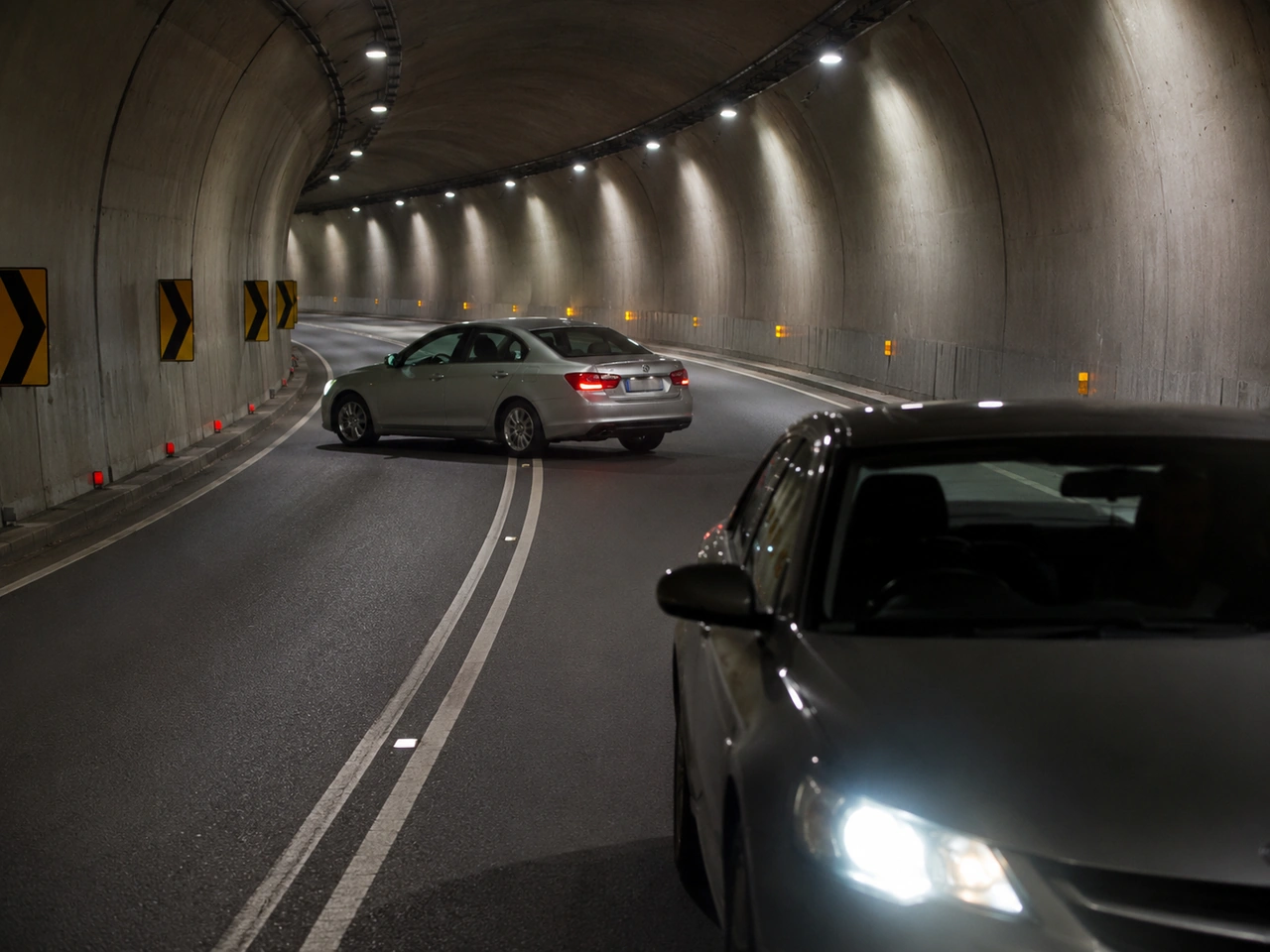
154. Why should you never reverse or make a U-turn inside a tunnel unless directed?
Other drivers may not expect a vehicle to reverse or turn around. Only change direction when instructed by police or tunnel staff.
AI-generated by Rijbewijs-online.be • WCIT • CC BY-SA
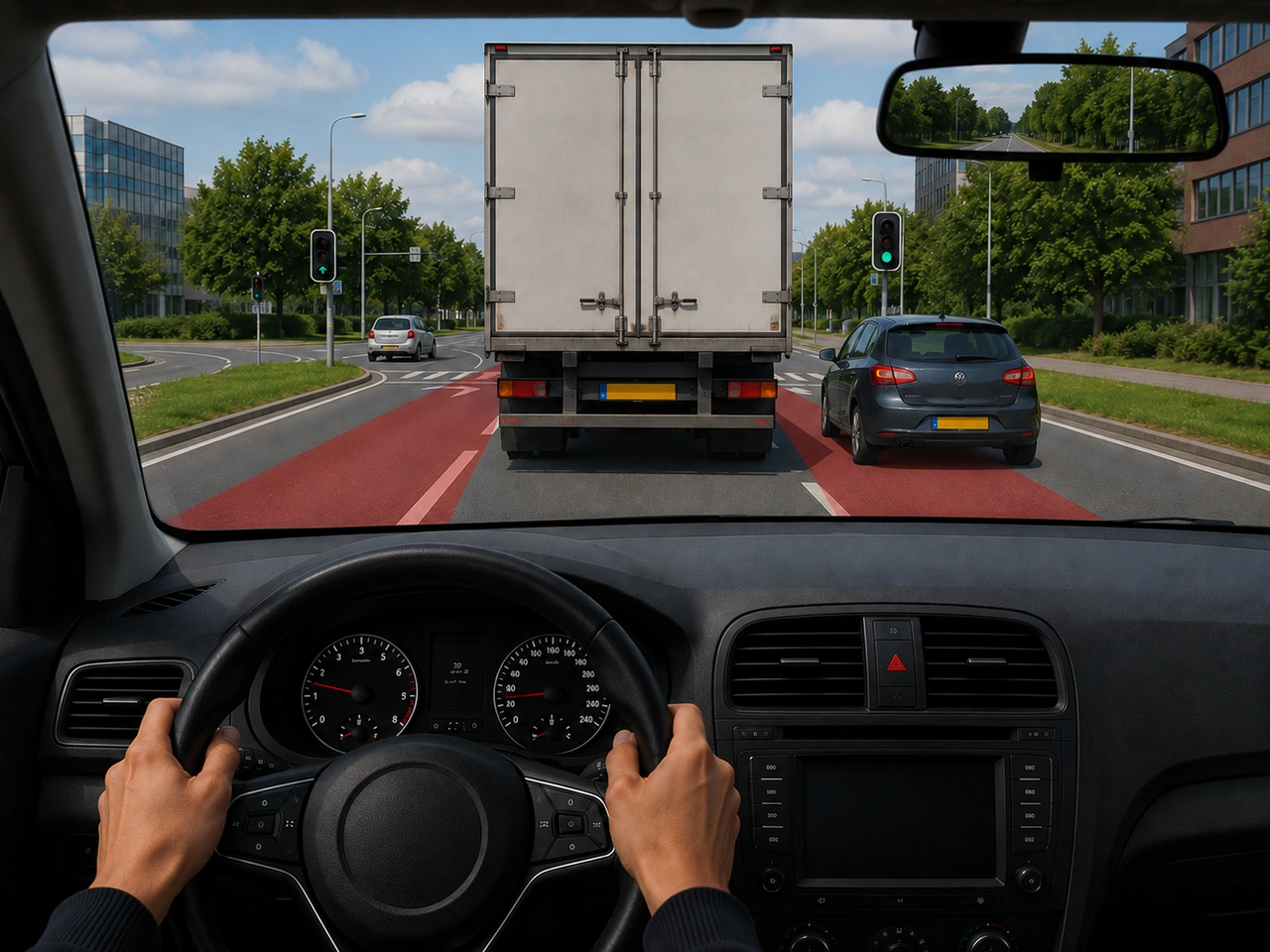
155. Why should you avoid stopping in a blind spot of a large vehicle?
Large vehicles have bigger blind spots. If you stop where the driver cannot see you, you may be at risk when the vehicle moves or turns.
AI-generated by Rijbewijs-online.be • WCIT • CC BY-SA
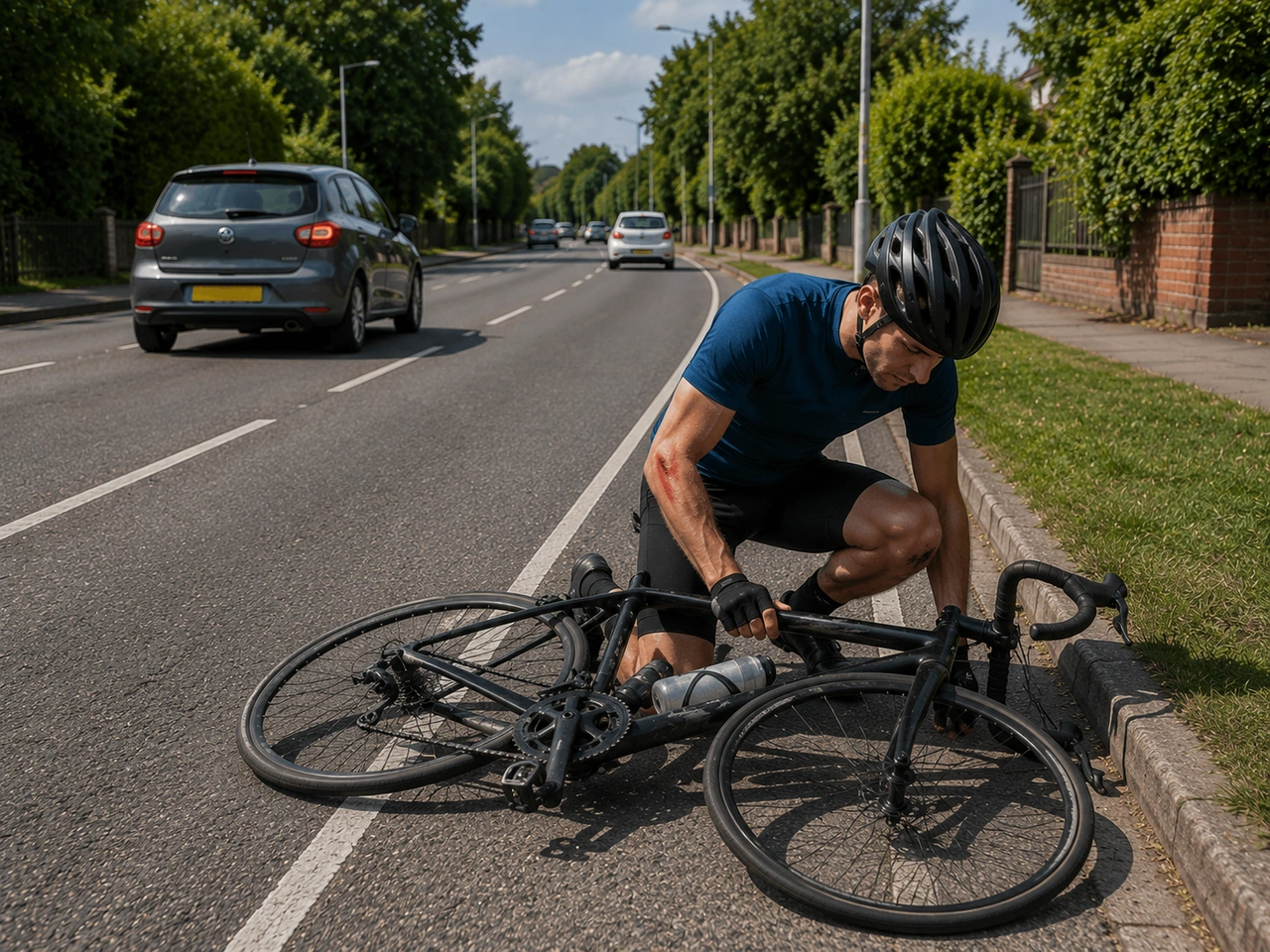
156. What should cyclists do after a collision or hard fall?
A fall can damage the brakes, wheels, frame, handlebars, or helmet. Injuries may also not be immediately obvious.
AI-generated by Rijbewijs-online.be • WCIT • CC BY-SA
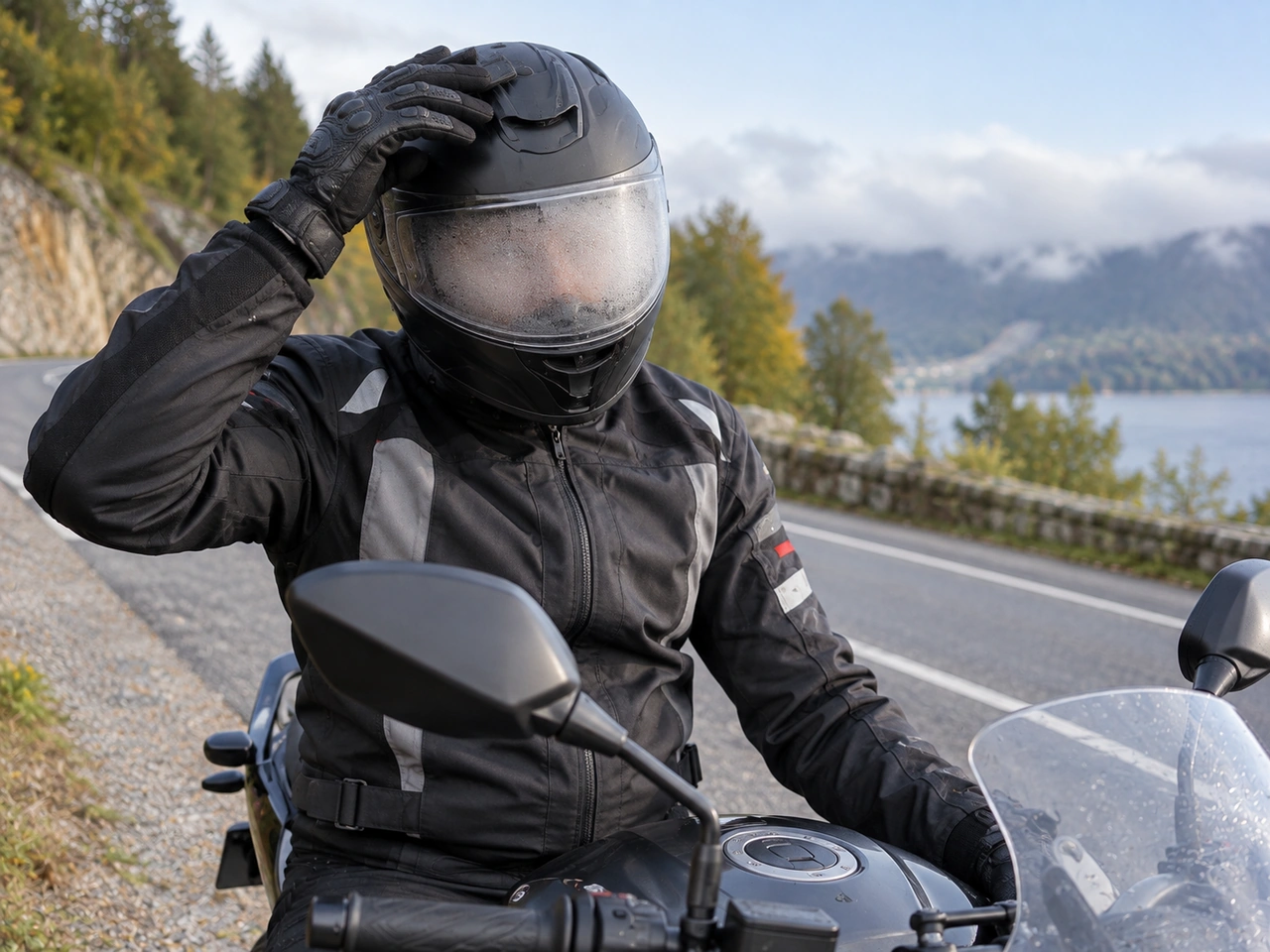
157. What should you do if your motorcycle helmet visor starts to fog?
A fogged visor can seriously reduce your view of the road. Reduce speed and use the helmet's ventilation, demisting or anti-fog features where available. If you cannot restore a clear view safely, stop in a safe place before continuing.
AI-generated by Rijbewijs-online.be • WCIT • CC BY-SA
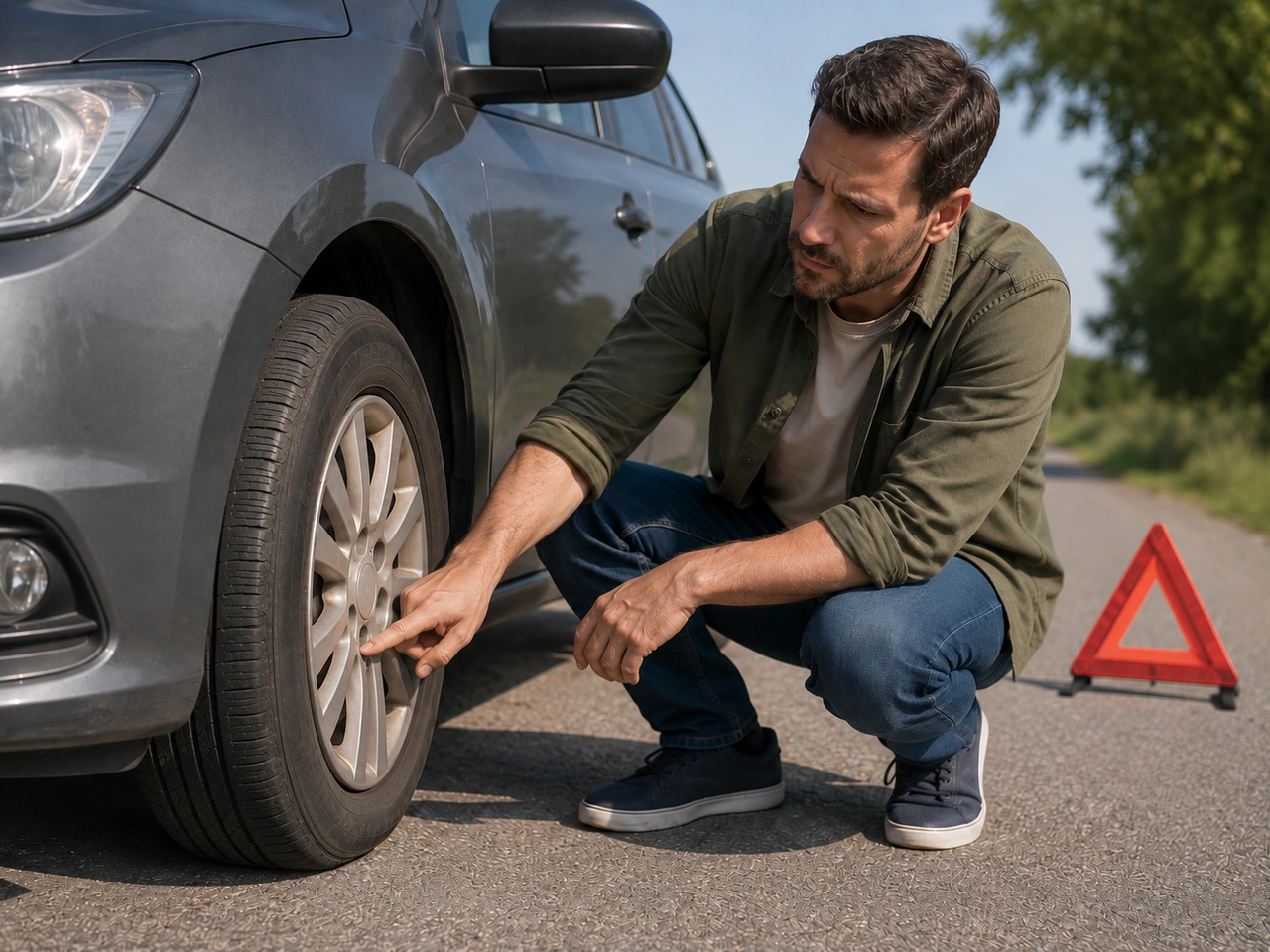
158. What should you do if a tyre has a deep cut, bulge, or exposed cords?
Cuts, bulges, and exposed cords can indicate serious structural damage. The tyre may fail suddenly and should not be used normally.
AI-generated by Rijbewijs-online.be • WCIT • CC BY-SA
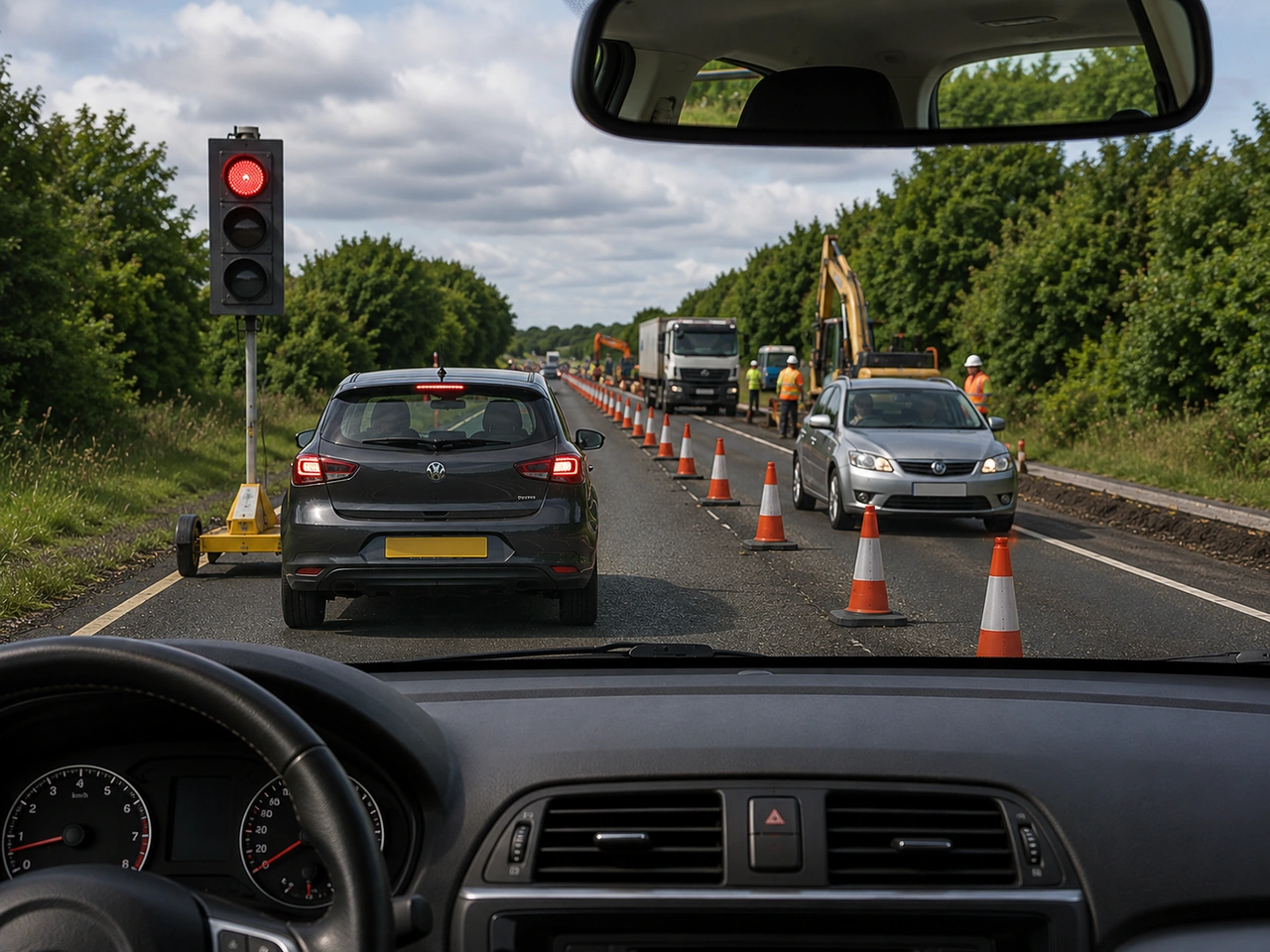
159. What should you do when temporary traffic lights show red?
Temporary traffic signals must be obeyed like permanent signals. Stop and wait until you are permitted to continue.
AI-generated by Rijbewijs-online.be • WCIT • CC BY-SA
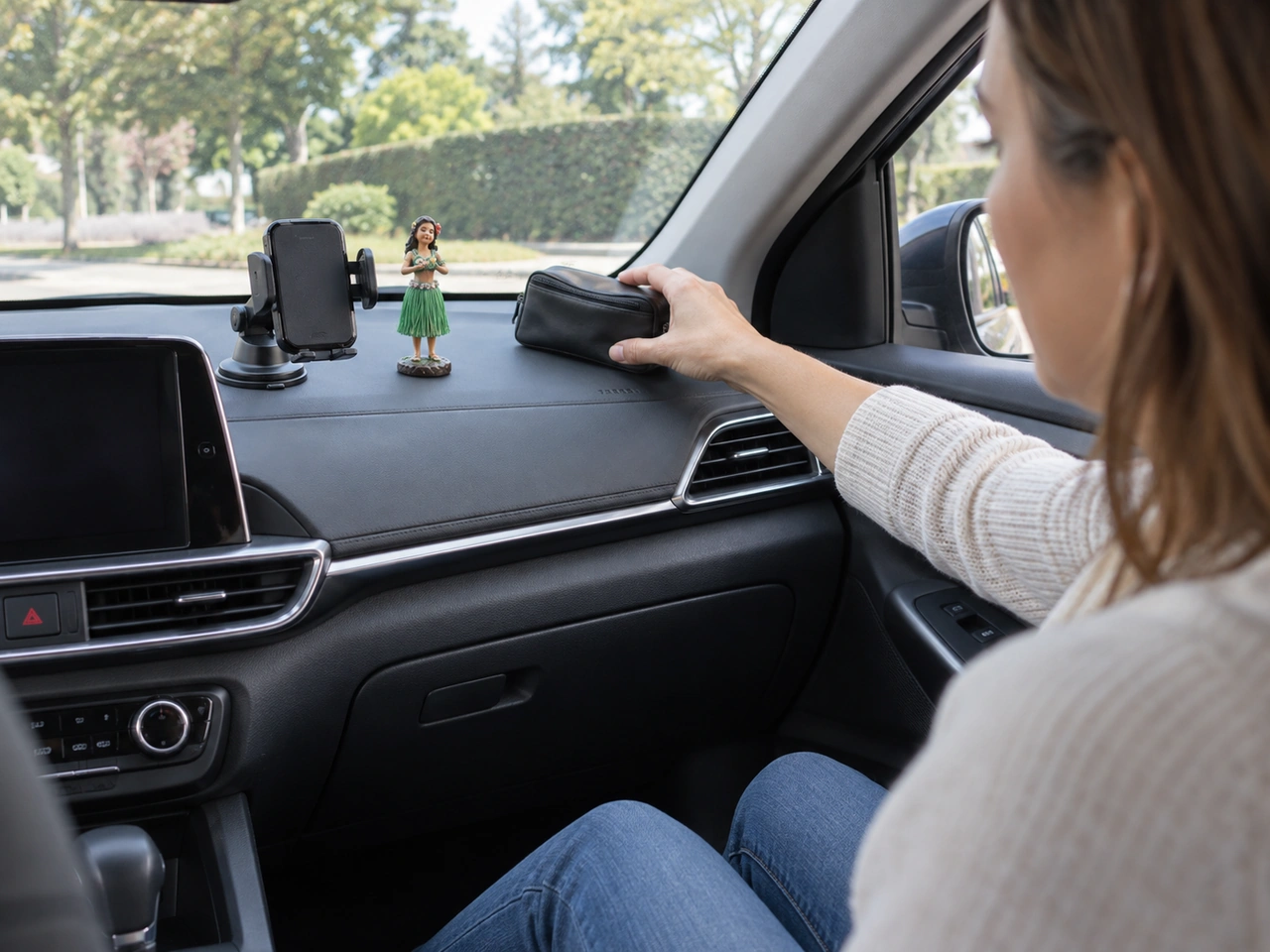
160. Why should you avoid placing objects on or over an airbag cover?
Do not place or attach objects over an airbag cover or in an airbag's deployment area. They may interfere with the airbag as it inflates and could be thrown towards occupants when the airbag deploys.
AI-generated by Rijbewijs-online.be • WCIT • CC BY-SA
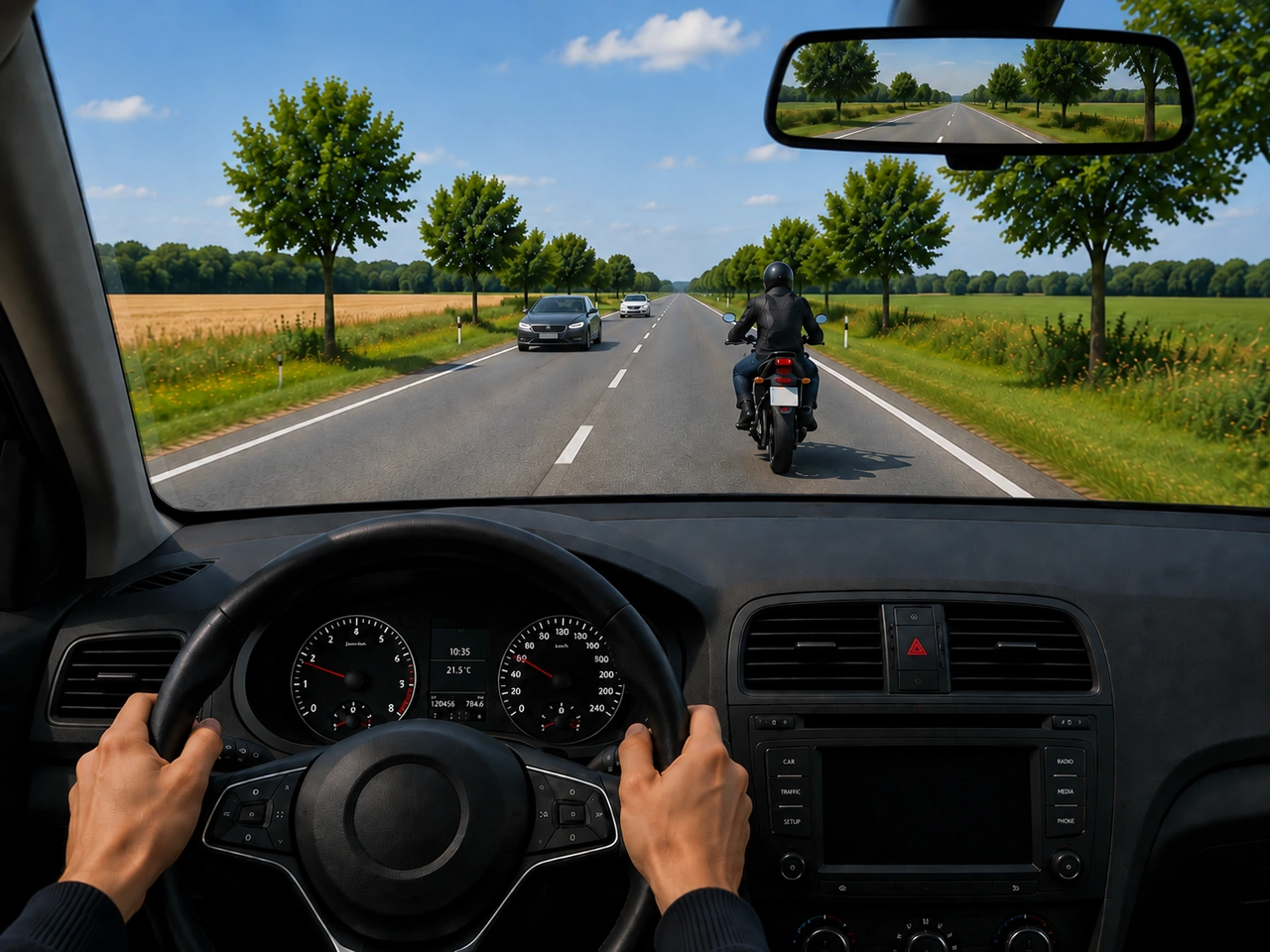
161. Why should you leave extra space behind a motorcycle?
Motorcyclists are more exposed than car drivers. Extra following distance gives you more time to react safely.
AI-generated by Rijbewijs-online.be • WCIT • CC BY-SA
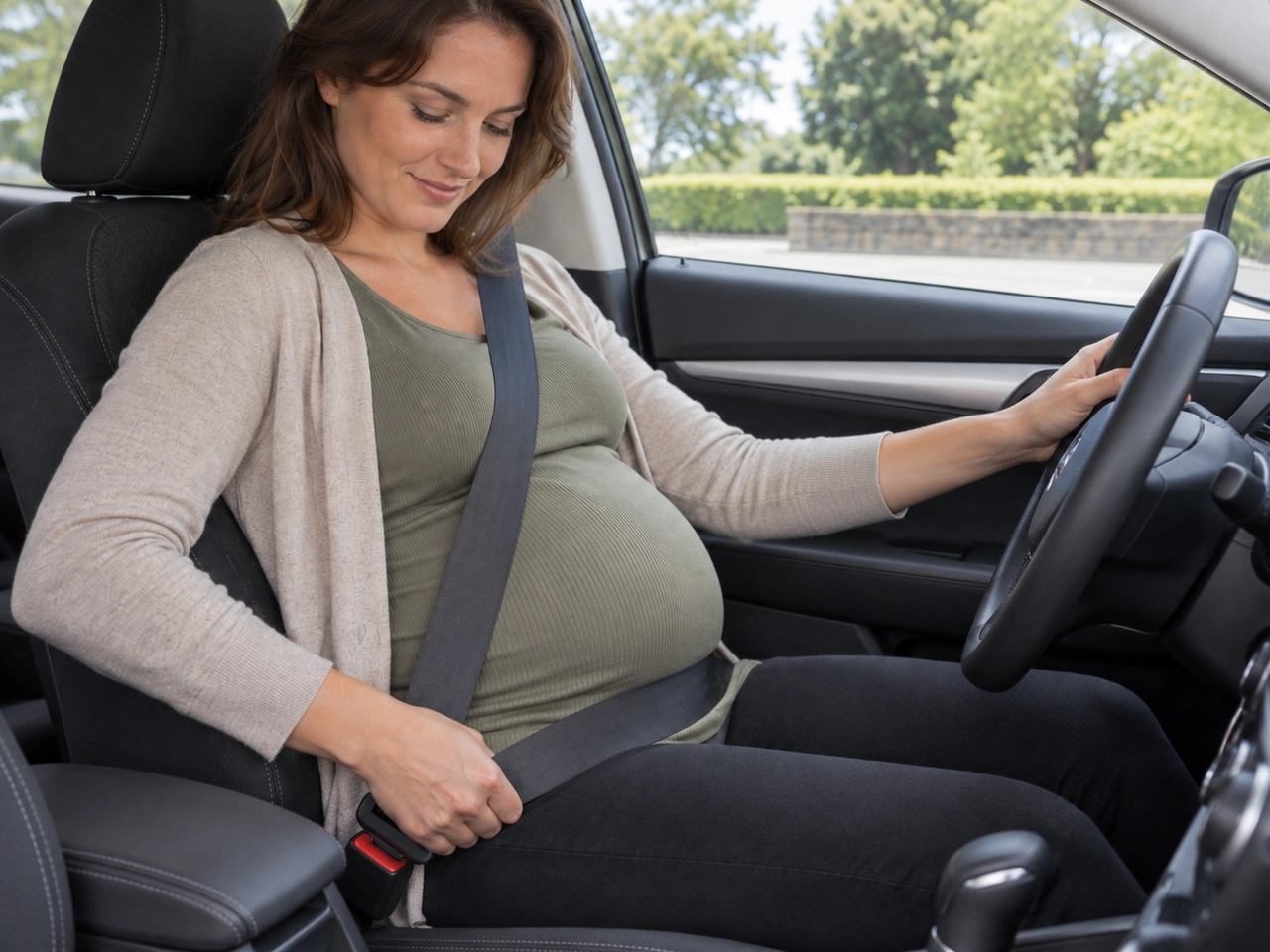
162. How should a three-point seat belt normally be worn during pregnancy?
During pregnancy, a three-point seat belt should be worn correctly. The lap belt should sit low across the hips, below the abdomen, while the shoulder belt should pass across the chest and to the side of the abdomen. The belt should fit snugly and should not be placed behind the back or under the arm.
AI-generated by Rijbewijs-online.be • WCIT • CC BY-SA
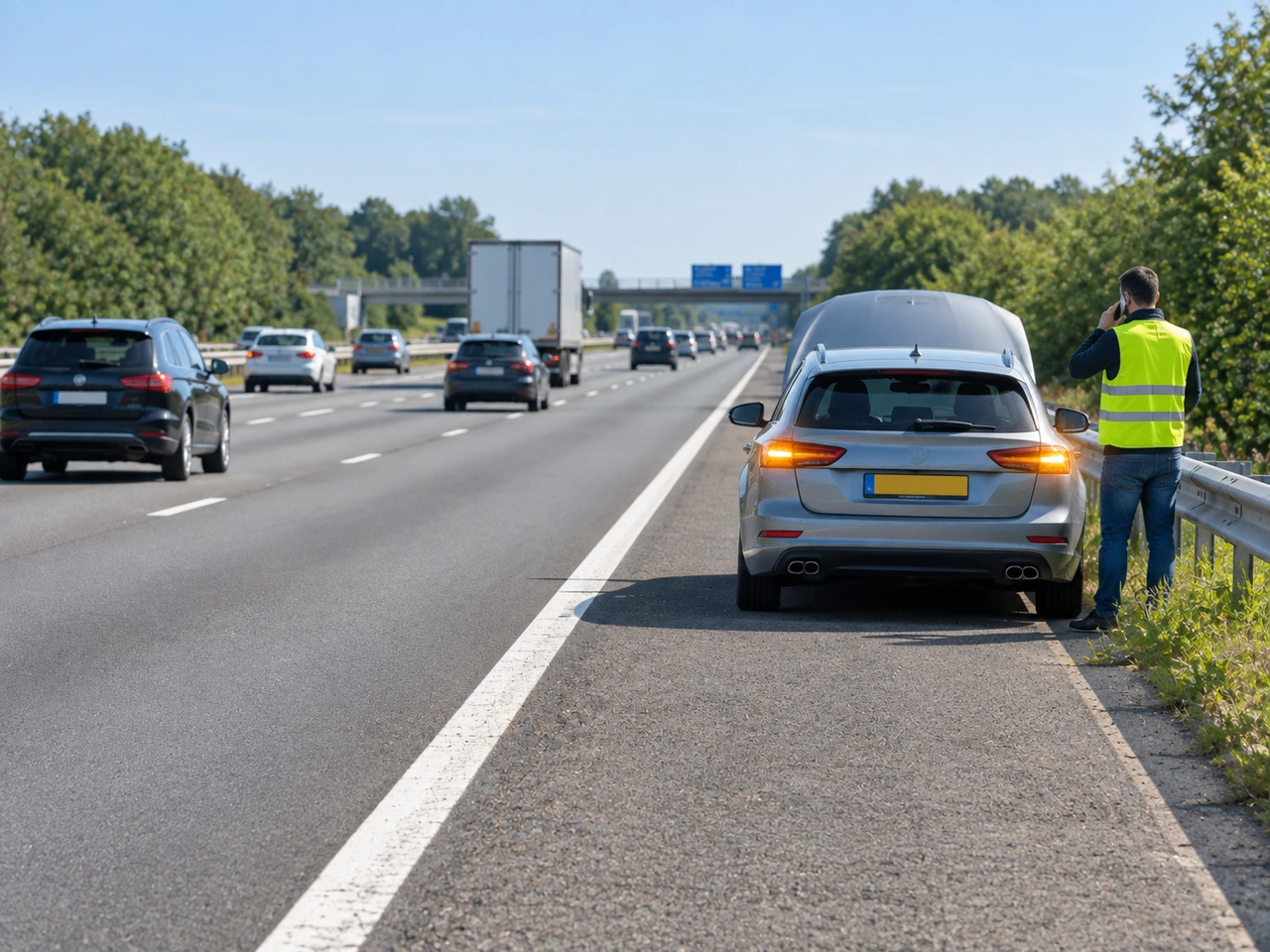
163. What is the main purpose of a motorway emergency lane or hard shoulder?
A motorway emergency lane or hard shoulder is primarily intended for emergencies and breakdowns, not normal driving. In some places it may be opened temporarily as a traffic lane when signs or signals specifically permit this.
AI-generated by Rijbewijs-online.be • WCIT • CC BY-SA
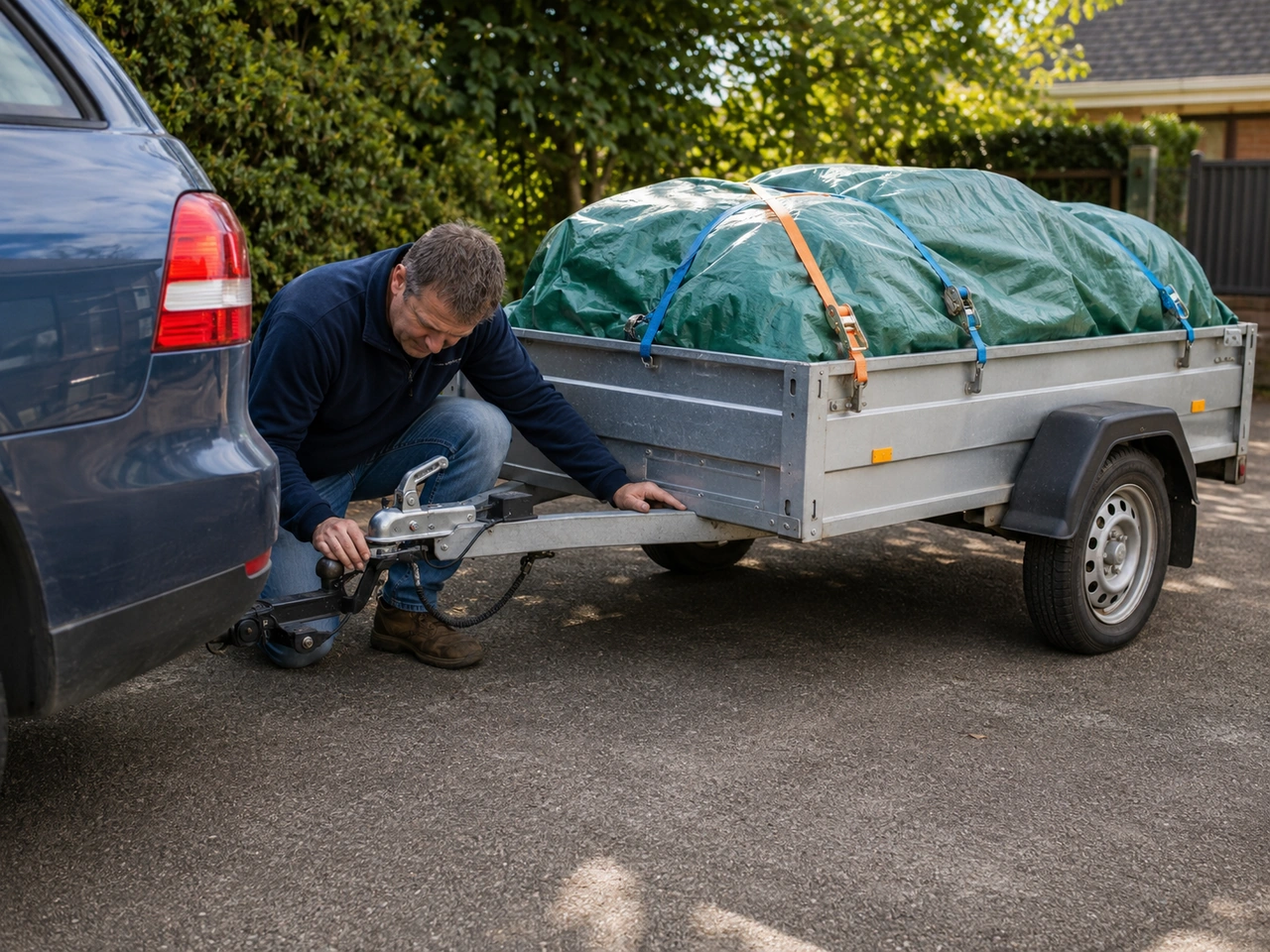
164. What should you check before towing a trailer?
The trailer must be correctly connected and roadworthy. Its lights, tyres, safety connections, and load should all be checked.
AI-generated by Rijbewijs-online.be • WCIT • CC BY-SA
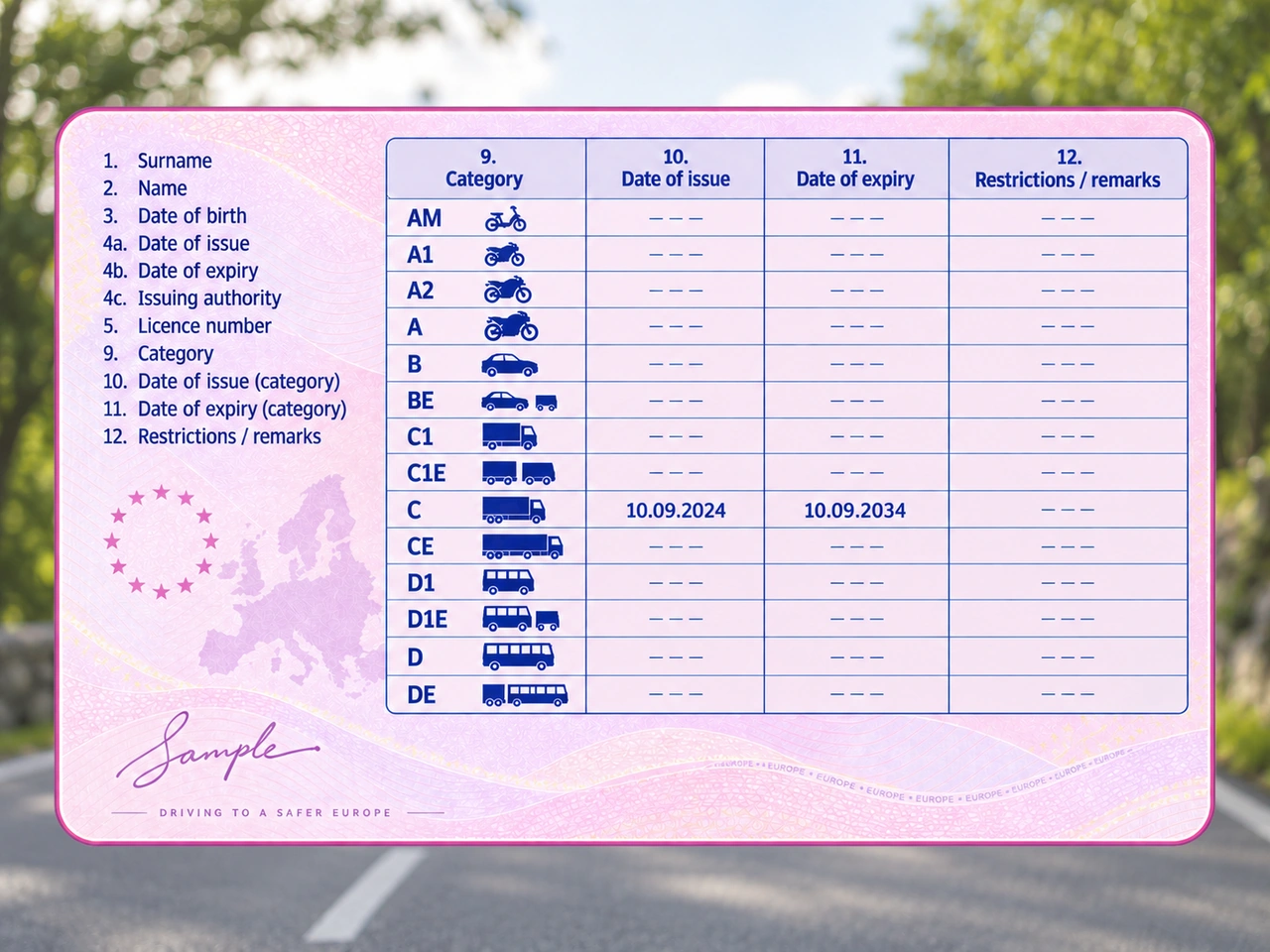
165. Which vehicles are covered by driving licence C?
Category C covers motor vehicles, other than categories D1 and D, with a maximum authorised mass above 3,500 kg and designed to carry no more than eight passengers in addition to the driver. A trailer up to 750 kg may be towed.
AI-generated by Rijbewijs-online.be • WCIT • CC BY-SA
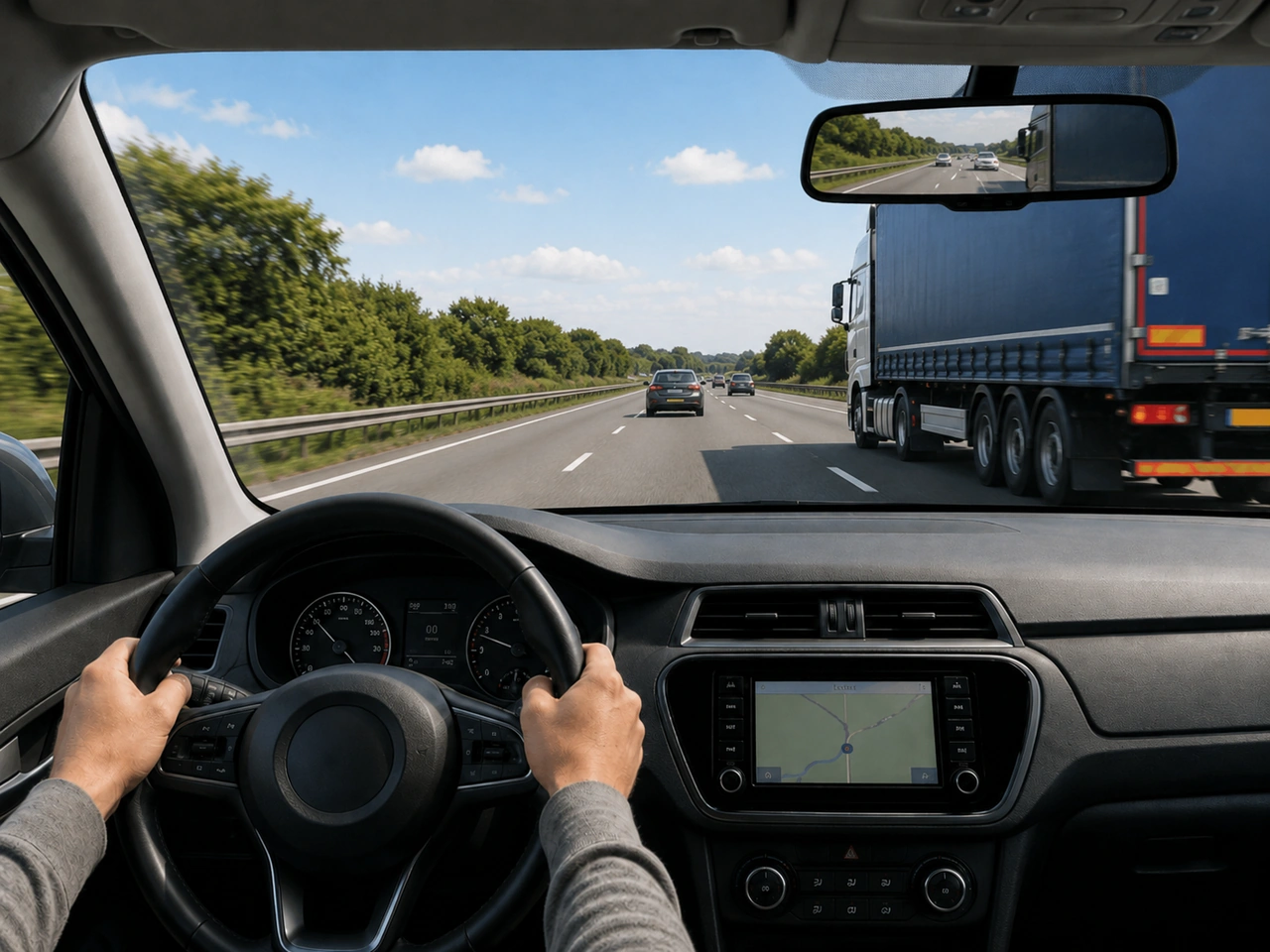
166. It is safer to drive faster than the speed limit when overtaking.
You must still drive safely and obey traffic laws. Speeding increases risk and is not automatically justified by overtaking.
AI-generated by Rijbewijs-online.be • WCIT • CC BY-SA
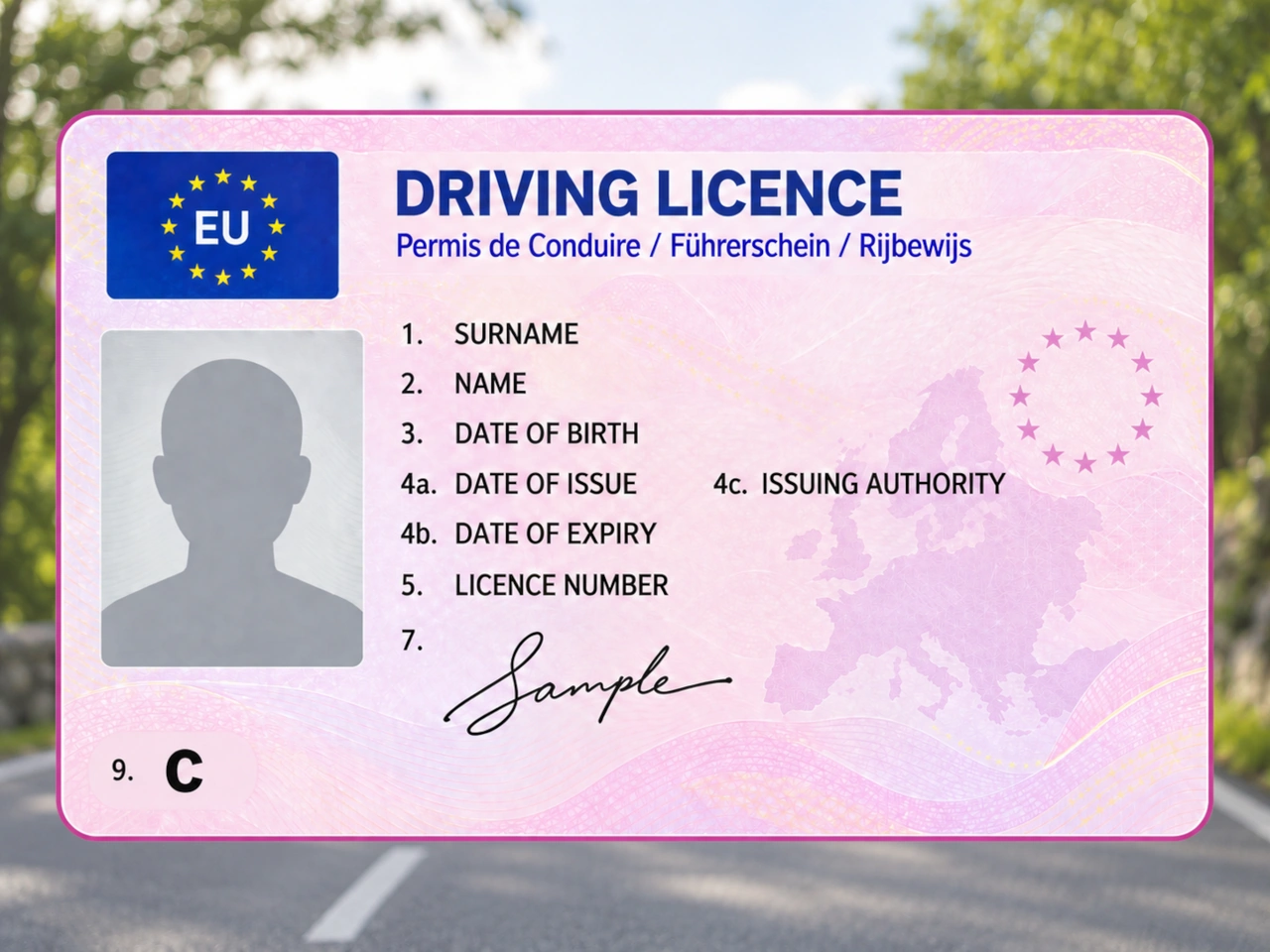
167. Which vehicle type is mainly associated with driving licence C?
Driving licence C is mainly associated with trucks. Category C1 covers smaller heavy vehicles, C covers larger heavy vehicles, and C1E and CE allow heavier trailers.
AI-generated by Rijbewijs-online.be • WCIT • CC BY-SA
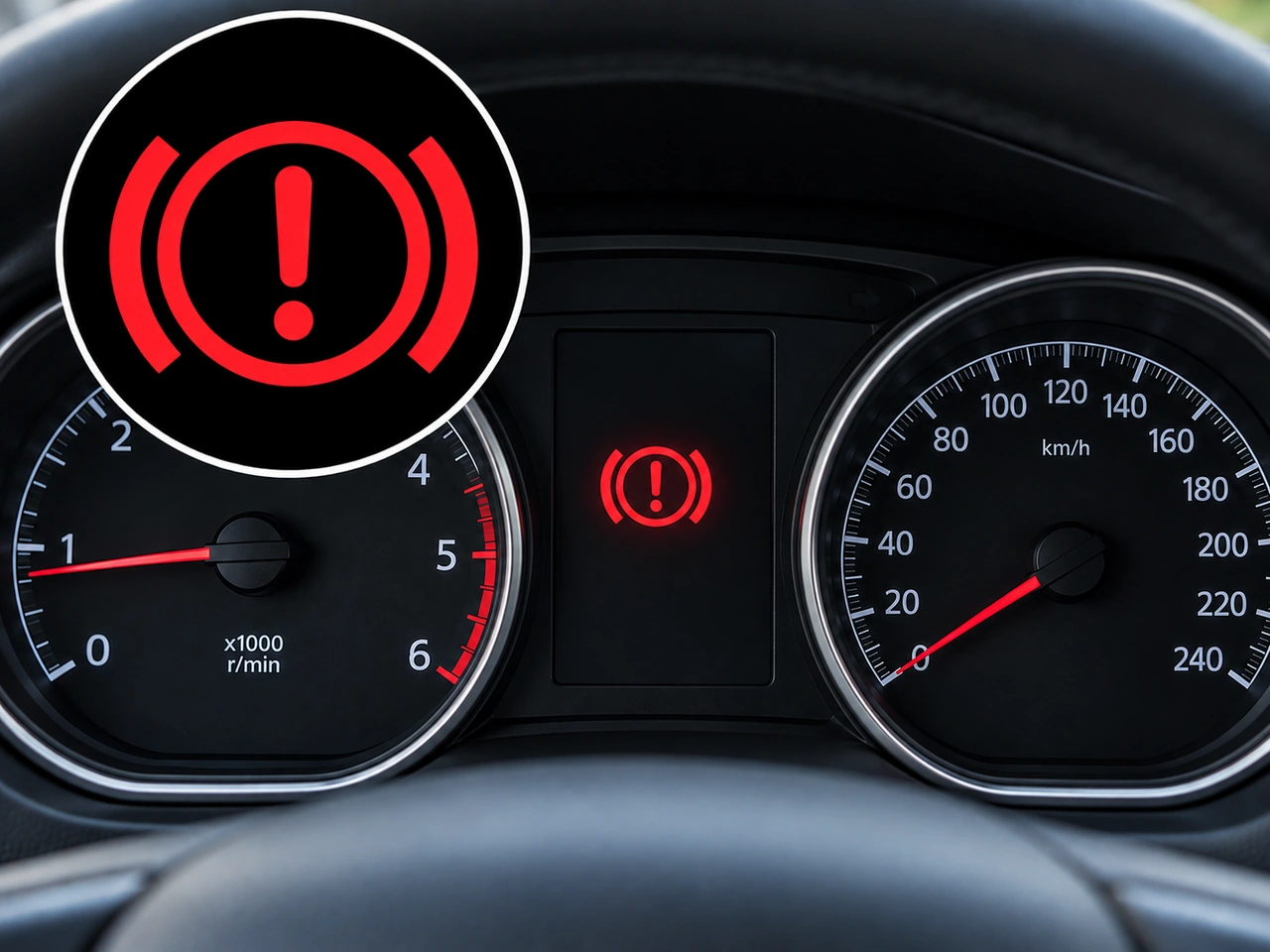
168. What does this dashboard symbol indicate?
This symbol indicates a possible brake-system fault. If it remains illuminated after the parking brake is released, stop safely and have the braking system checked.
AI-generated by Rijbewijs-online.be • WCIT • CC BY-SA
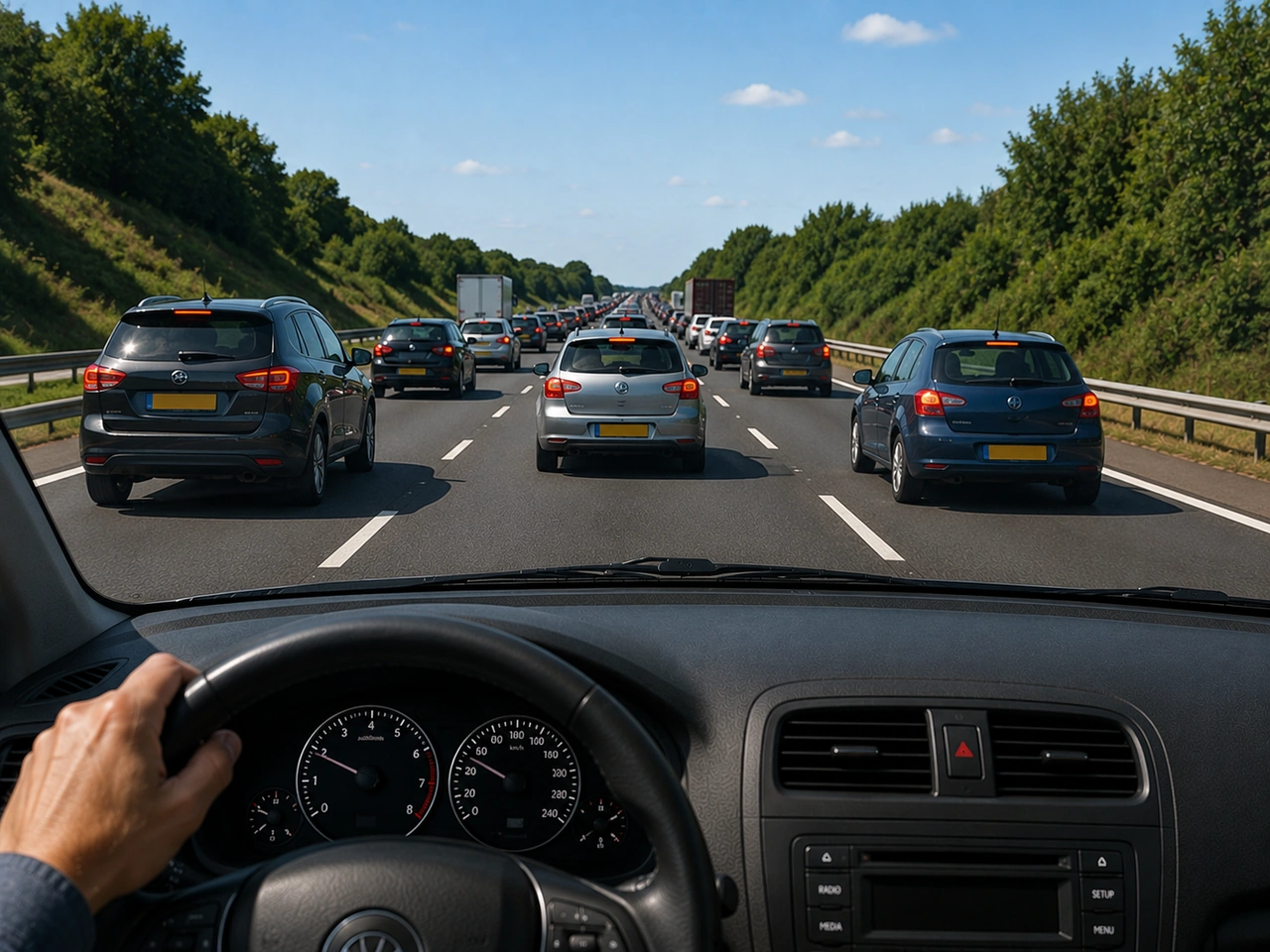
169. What should you do if traffic suddenly slows on a motorway?
When traffic slows suddenly, reduce speed smoothly, keep a safe distance, and use hazard lights if needed to warn following traffic.
AI-generated by Rijbewijs-online.be • WCIT • CC BY-SA
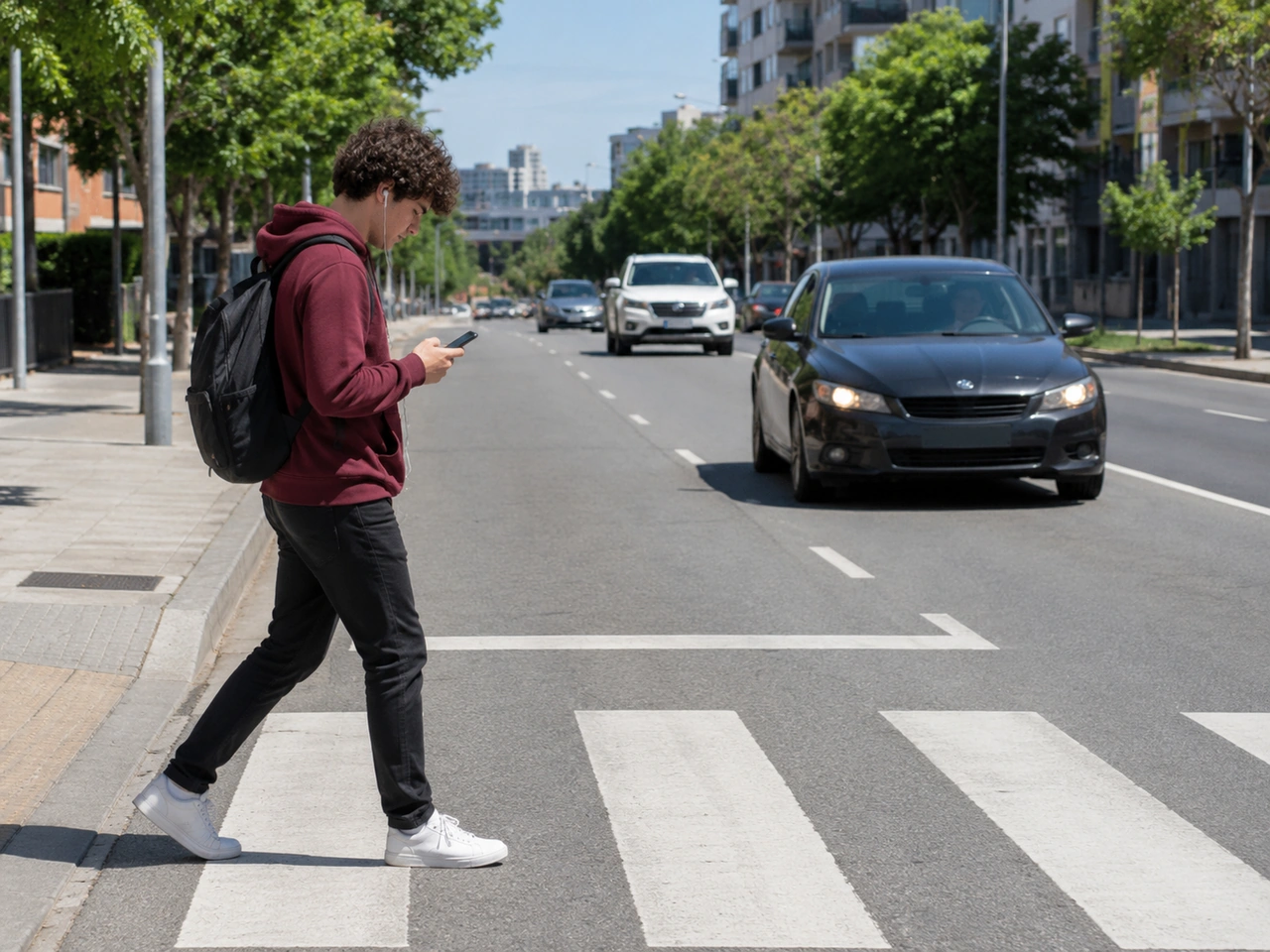
170. Why is it dangerous to cross while listening to loud music?
Loud music can reduce your awareness of vehicles, bicycles, horns, and other warning sounds.
AI-generated by Rijbewijs-online.be • WCIT • CC BY-SA
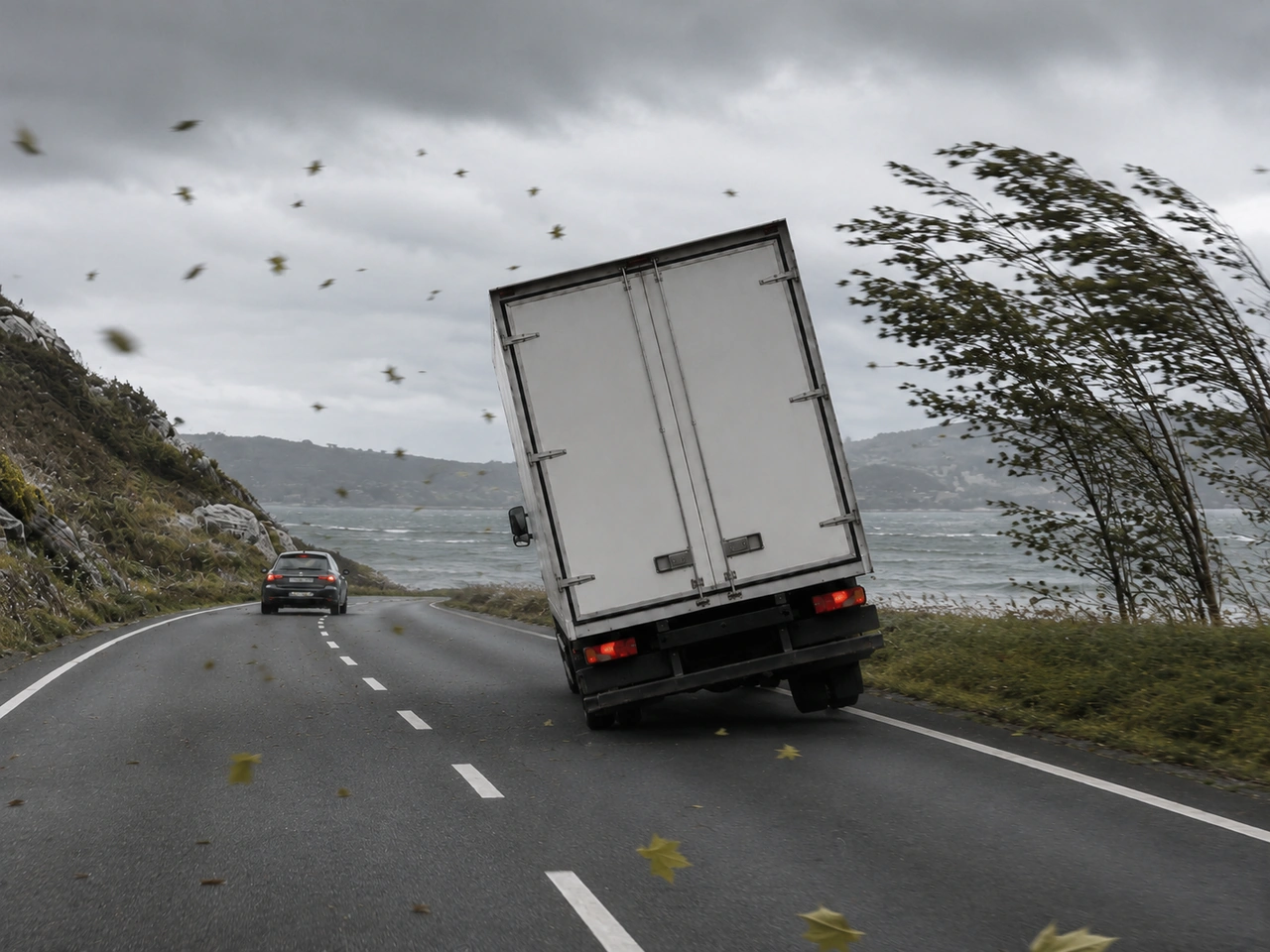
171. Which vehicles are especially vulnerable to strong crosswinds?
High-sided vehicles can be pushed sideways because of their large side area. Cyclists and motorcyclists can also be strongly affected by sudden gusts.
AI-generated by Rijbewijs-online.be • WCIT • CC BY-SA
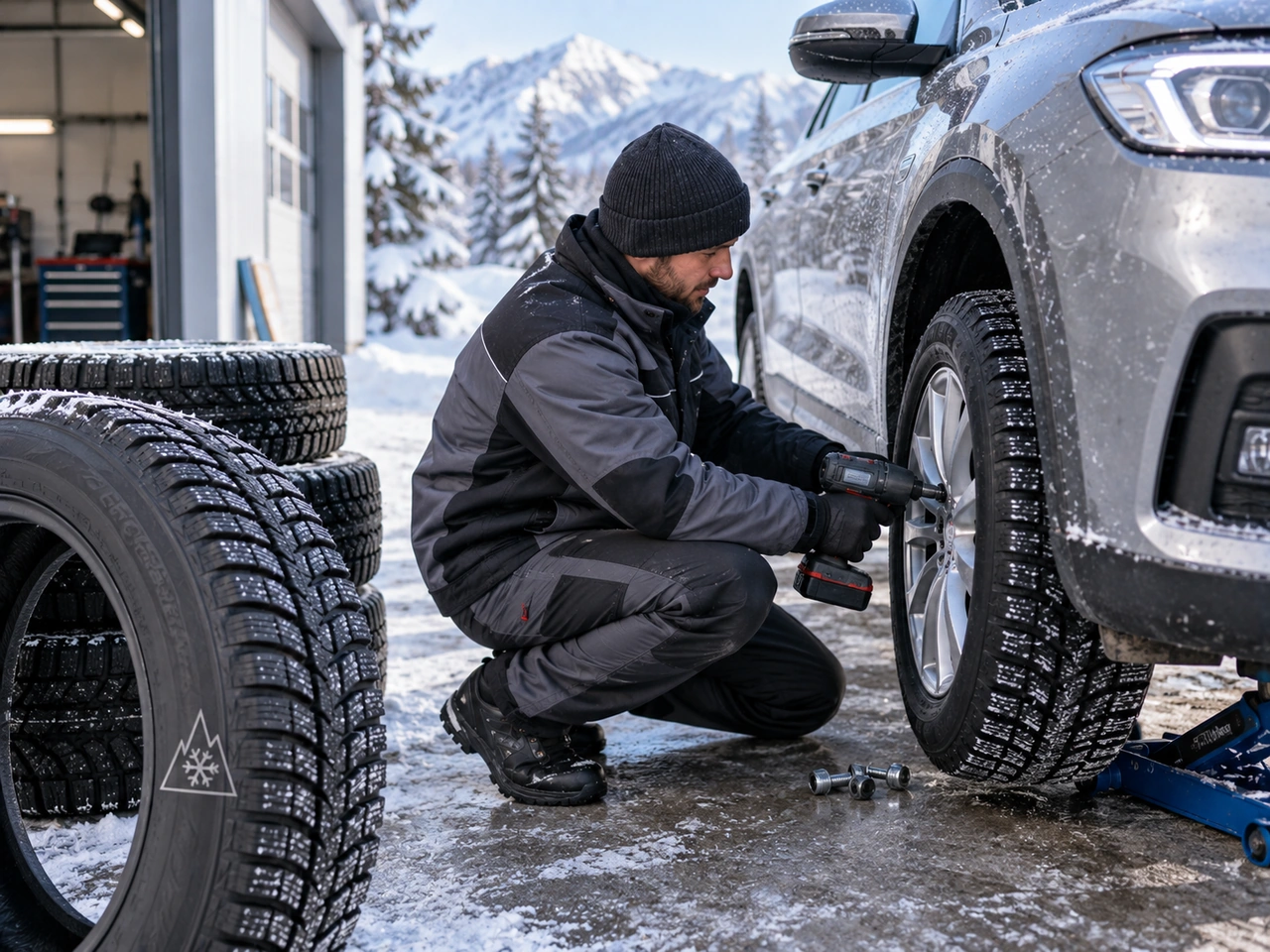
172. Are winter tyres generally required in Netherlands?
Winter tyres are not generally required for cars in Netherlands, although they may still be recommended or required in specific situations.
AI-generated by Rijbewijs-online.be • WCIT • CC BY-SA
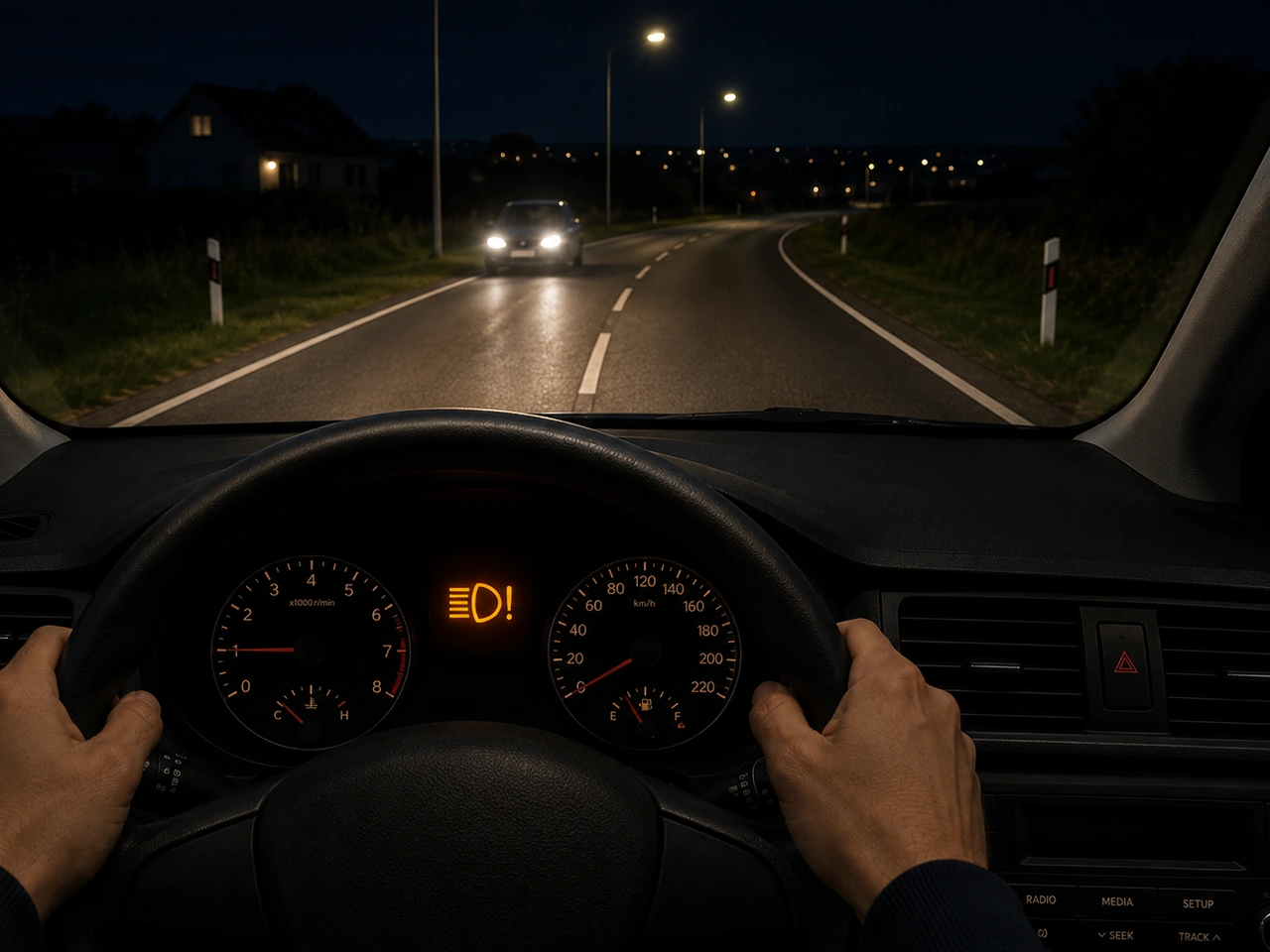
173. What should you do if your headlights fail while driving at night?
Without effective headlights, you may not see hazards and other road users may not see you. Stop in a safe location as soon as possible.
AI-generated by Rijbewijs-online.be • WCIT • CC BY-SA
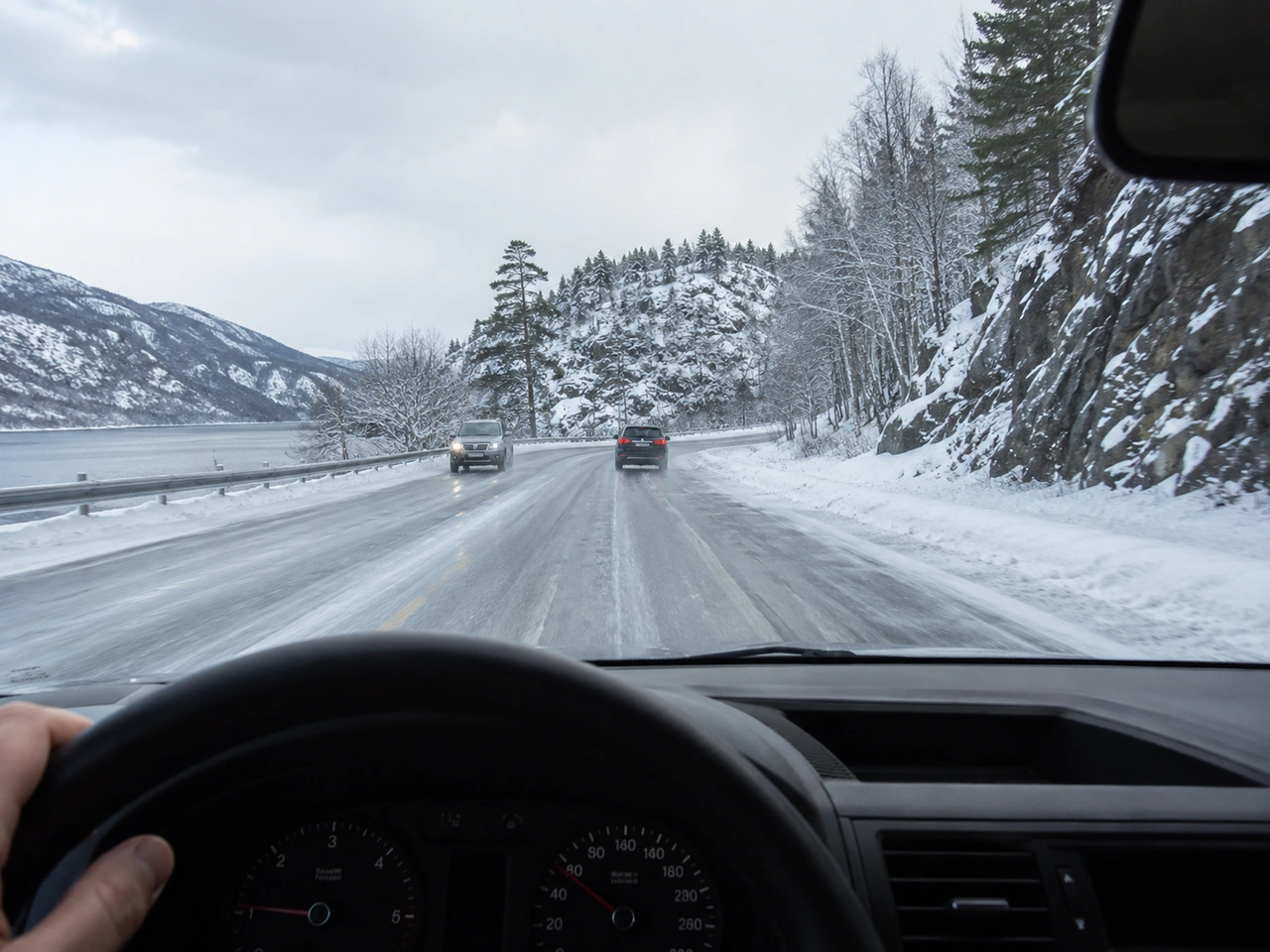
174. How should you brake on a slippery road?
Sudden braking can cause the wheels to lose grip. Smooth, progressive braking reduces the risk of skidding.
AI-generated by Rijbewijs-online.be • WCIT • CC BY-SA
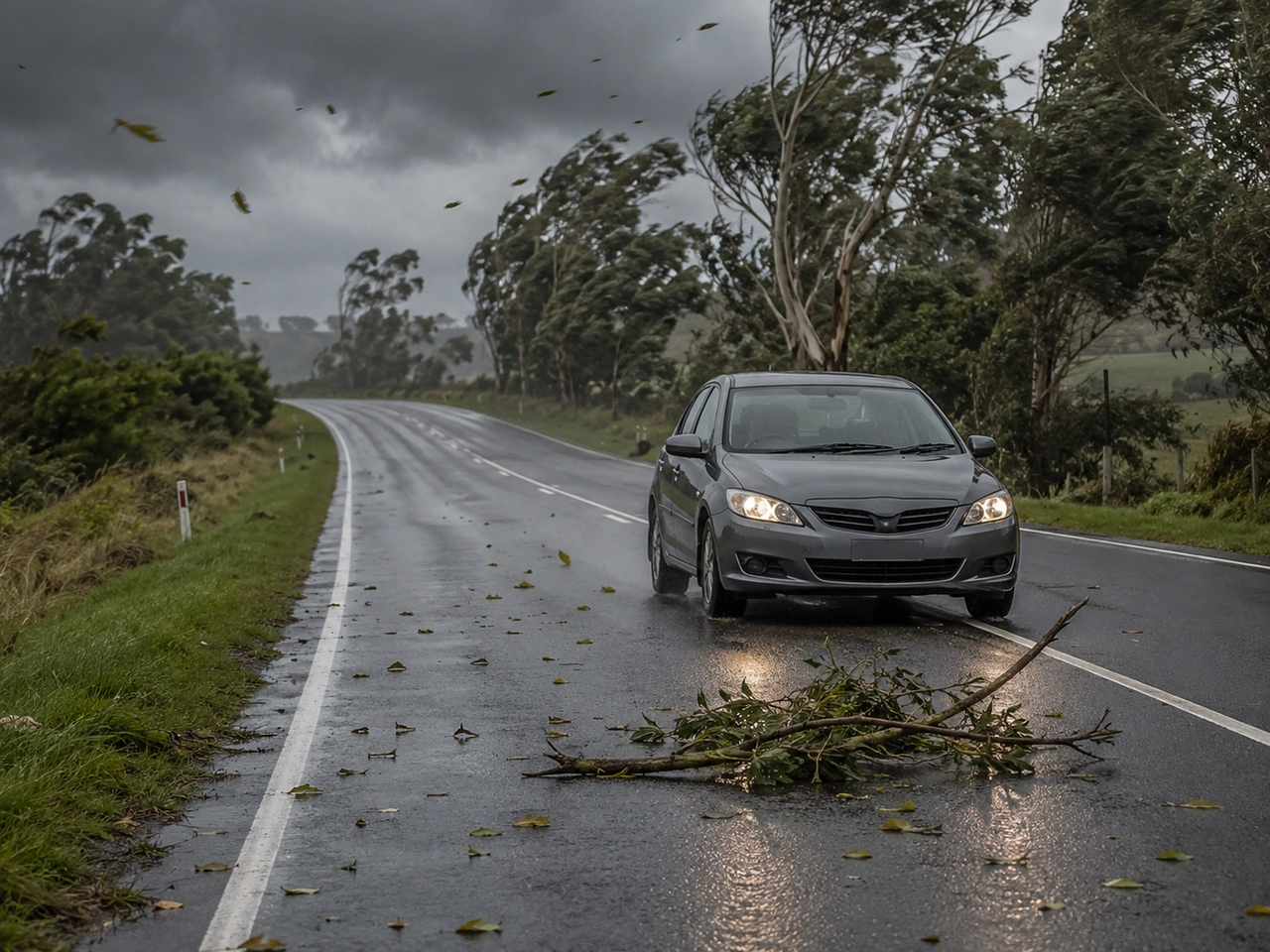
175. What should you do when branches or debris are blowing onto the road?
Wind can blow unexpected obstacles onto the road. Reduce speed and avoid them safely.
AI-generated by Rijbewijs-online.be • WCIT • CC BY-SA
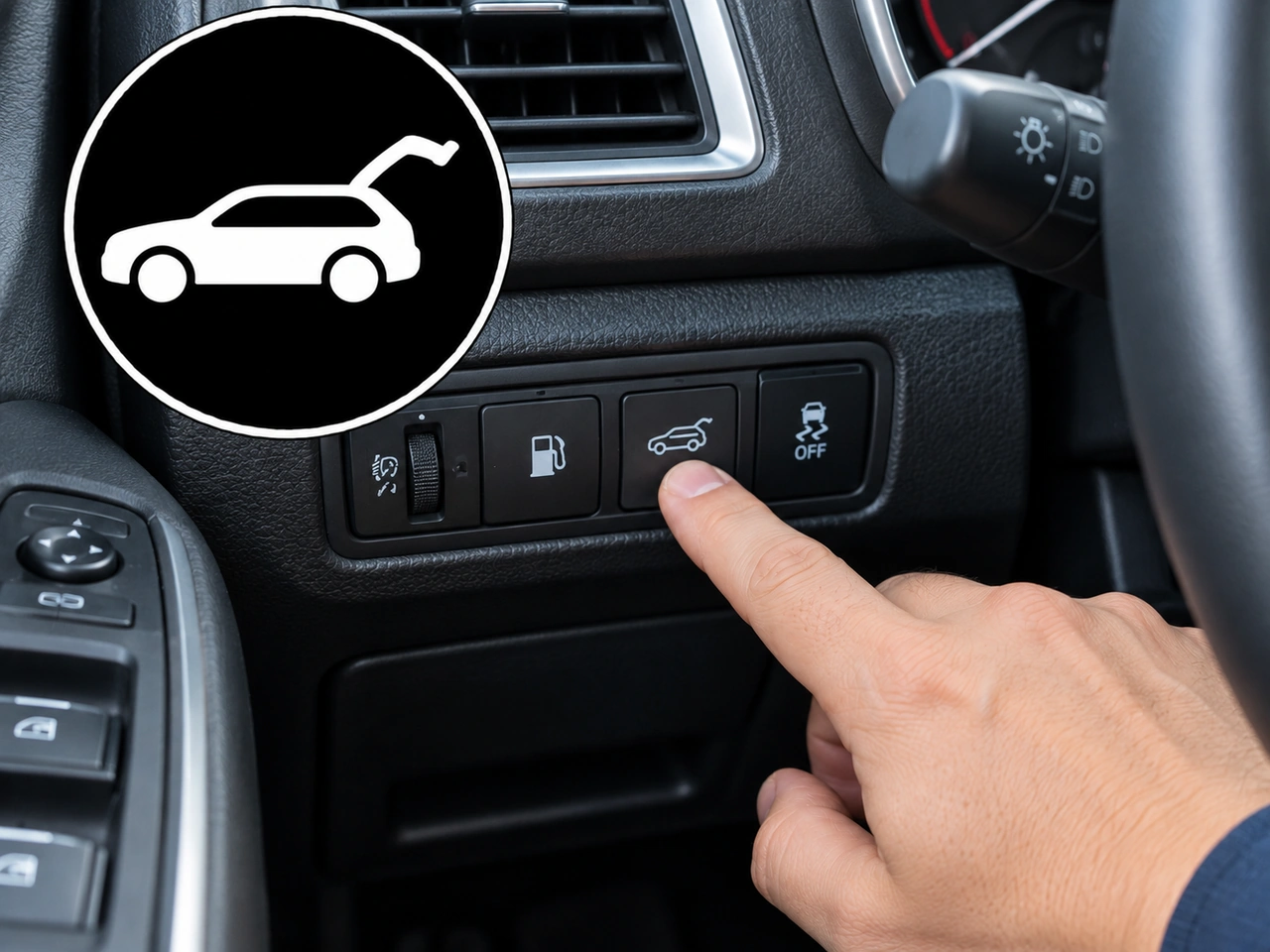
176. What does this vehicle-control symbol indicate?
This symbol indicates the boot or tailgate release. Operating the control unlocks or opens the luggage compartment, depending on the vehicle.
AI-generated by Rijbewijs-online.be • WCIT • CC BY-SA
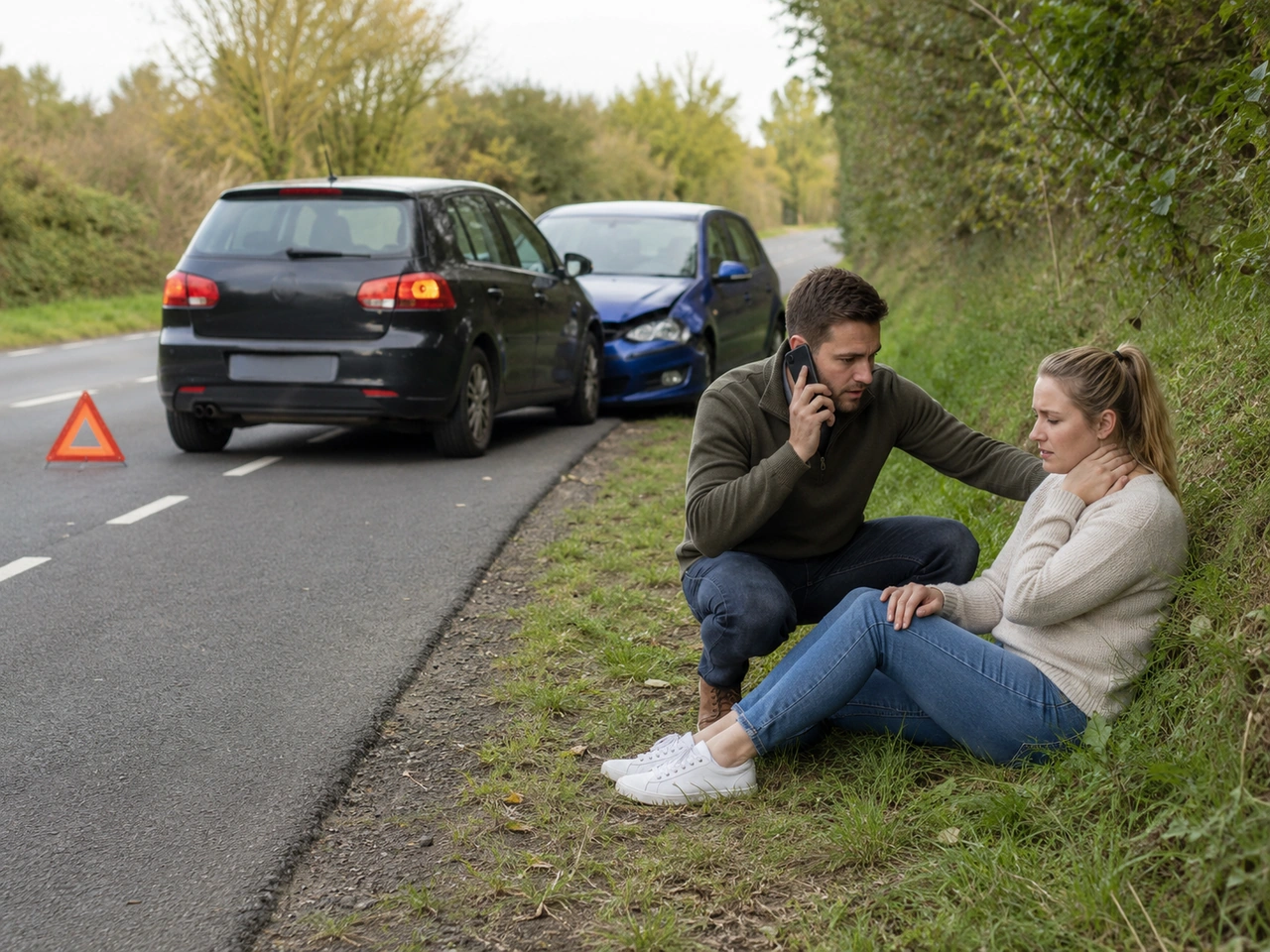
177. What should you do if someone is injured in a road collision?
Moving an injured person can worsen spinal or other injuries. Keep them calm, protect them from further danger, and provide first aid only within your level of training.
AI-generated by Rijbewijs-online.be • WCIT • CC BY-SA
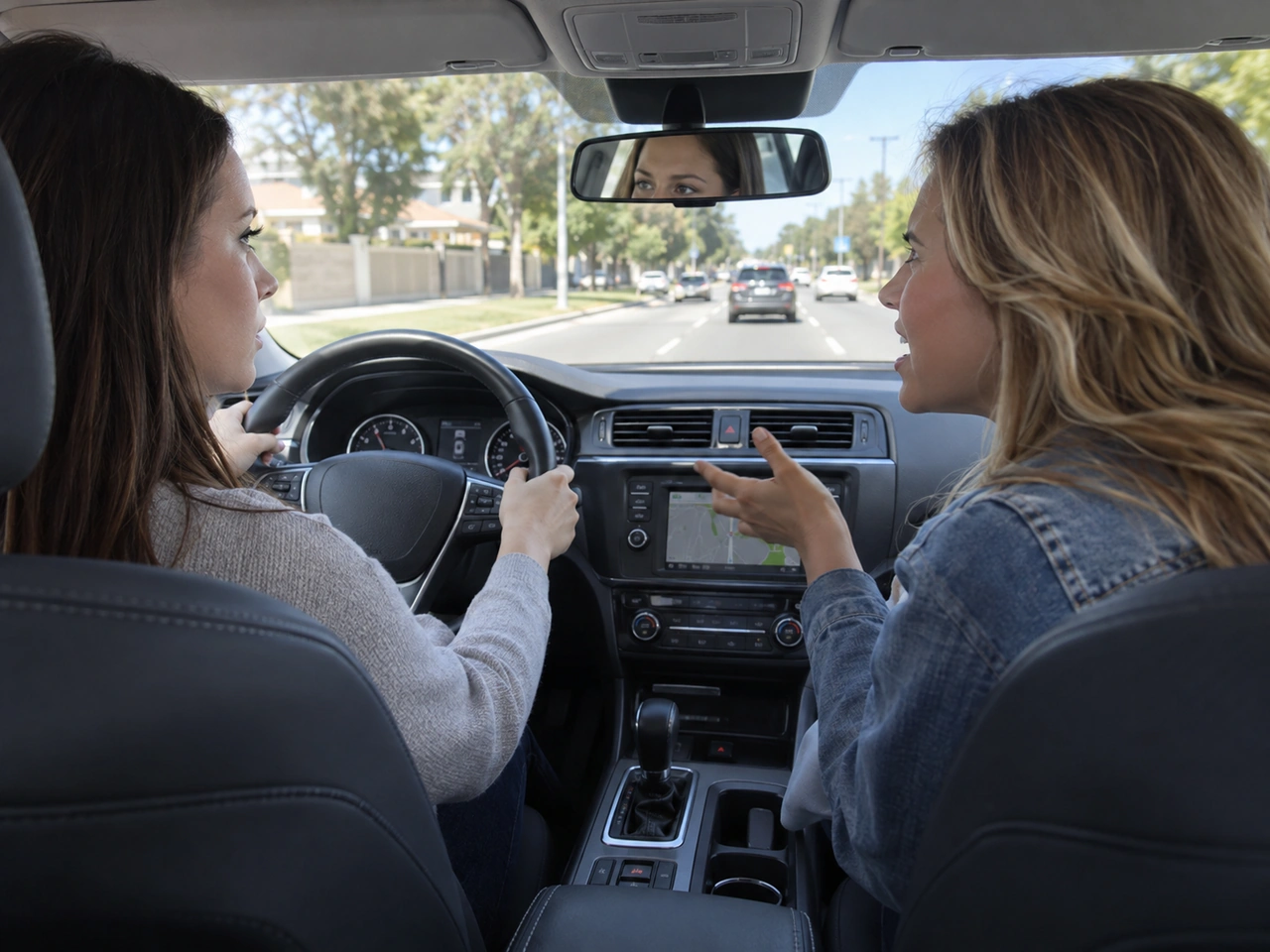
178. What should you do if passengers are distracting you while driving?
Passengers can reduce a driver's attention and concentration. If their behaviour becomes distracting, ask them to stop and keep your focus on driving. If necessary, stop somewhere safe before dealing with the situation.
AI-generated by Rijbewijs-online.be • WCIT • CC BY-SA
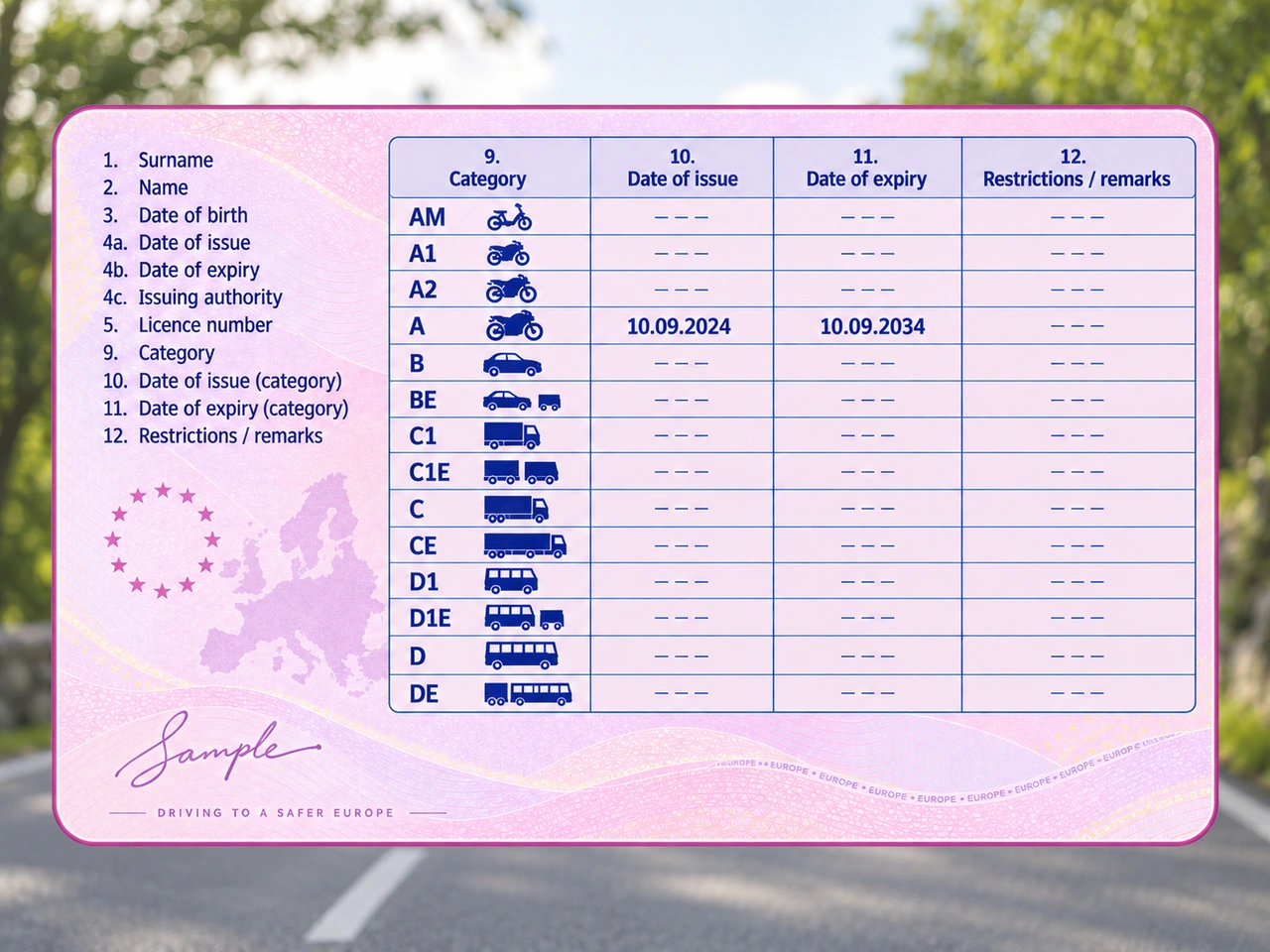
179. Which motorcycles are covered by driving licence A?
Category A covers motorcycles without the power restrictions that apply to categories A1 and A2. It also covers powered tricycles with power exceeding 15 kW.
AI-generated by Rijbewijs-online.be • WCIT • CC BY-SA
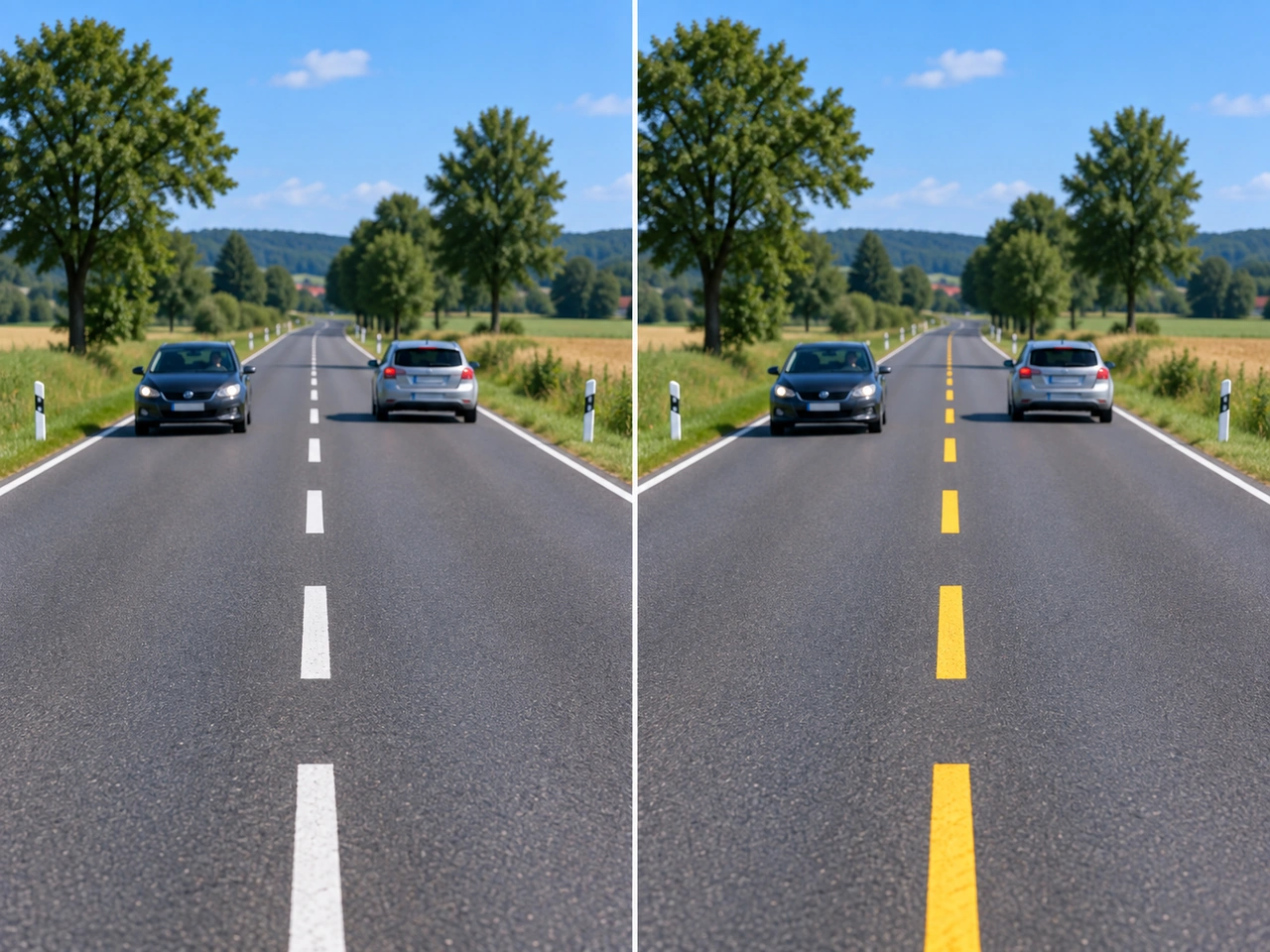
180. What colour is normally used for the centre line separating opposing traffic in Netherlands?
Roads in Netherlands normally use a white centre line to separate traffic travelling in opposite directions.
AI-generated by Rijbewijs-online.be • WCIT • CC BY-SA
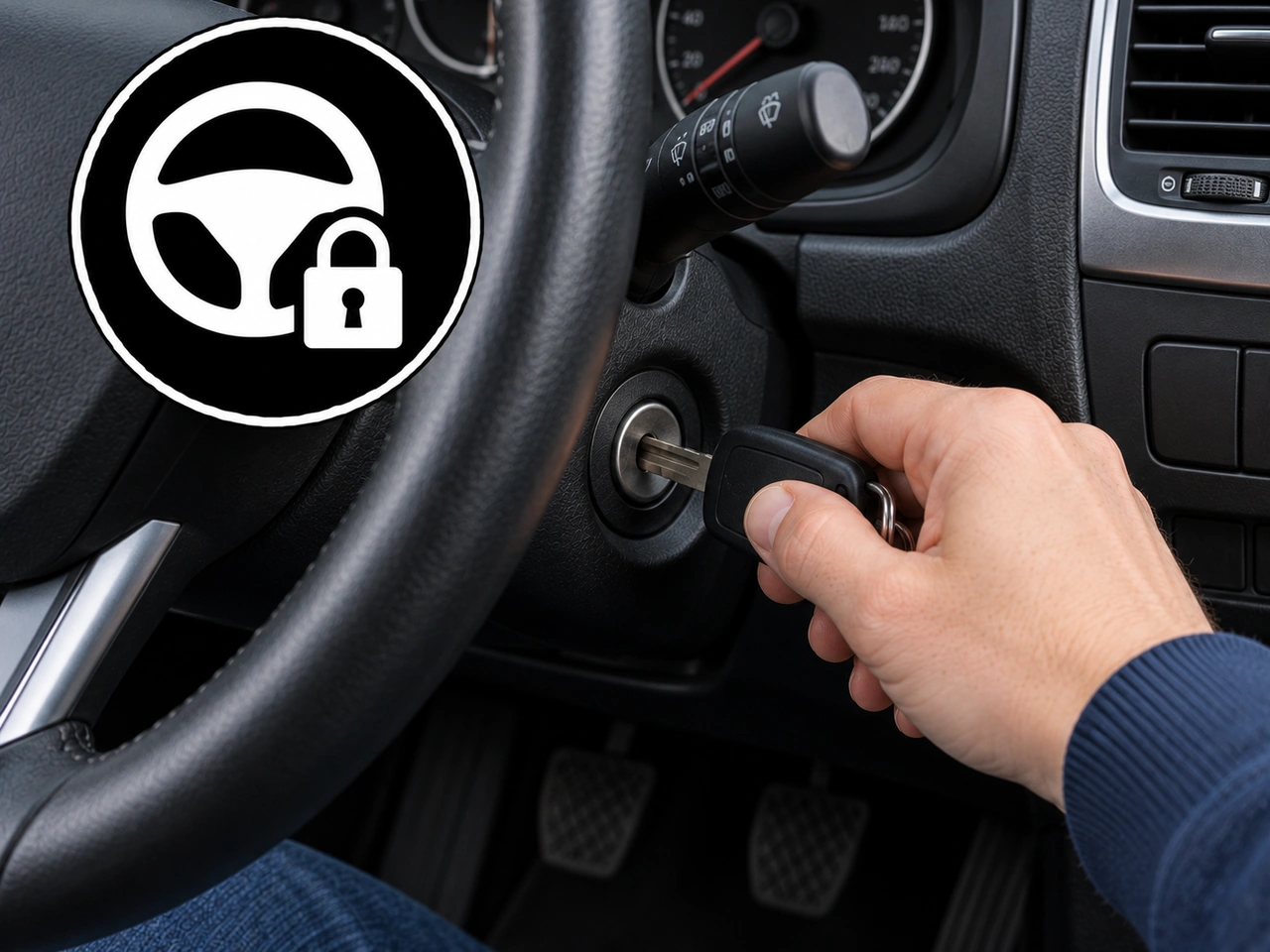
181. What may happen to the steering when the ignition key is removed?
On vehicles fitted with a steering lock, removing the ignition key may allow the steering lock to engage. Never remove the key while the vehicle is moving.
AI-generated by Rijbewijs-online.be • WCIT • CC BY-SA
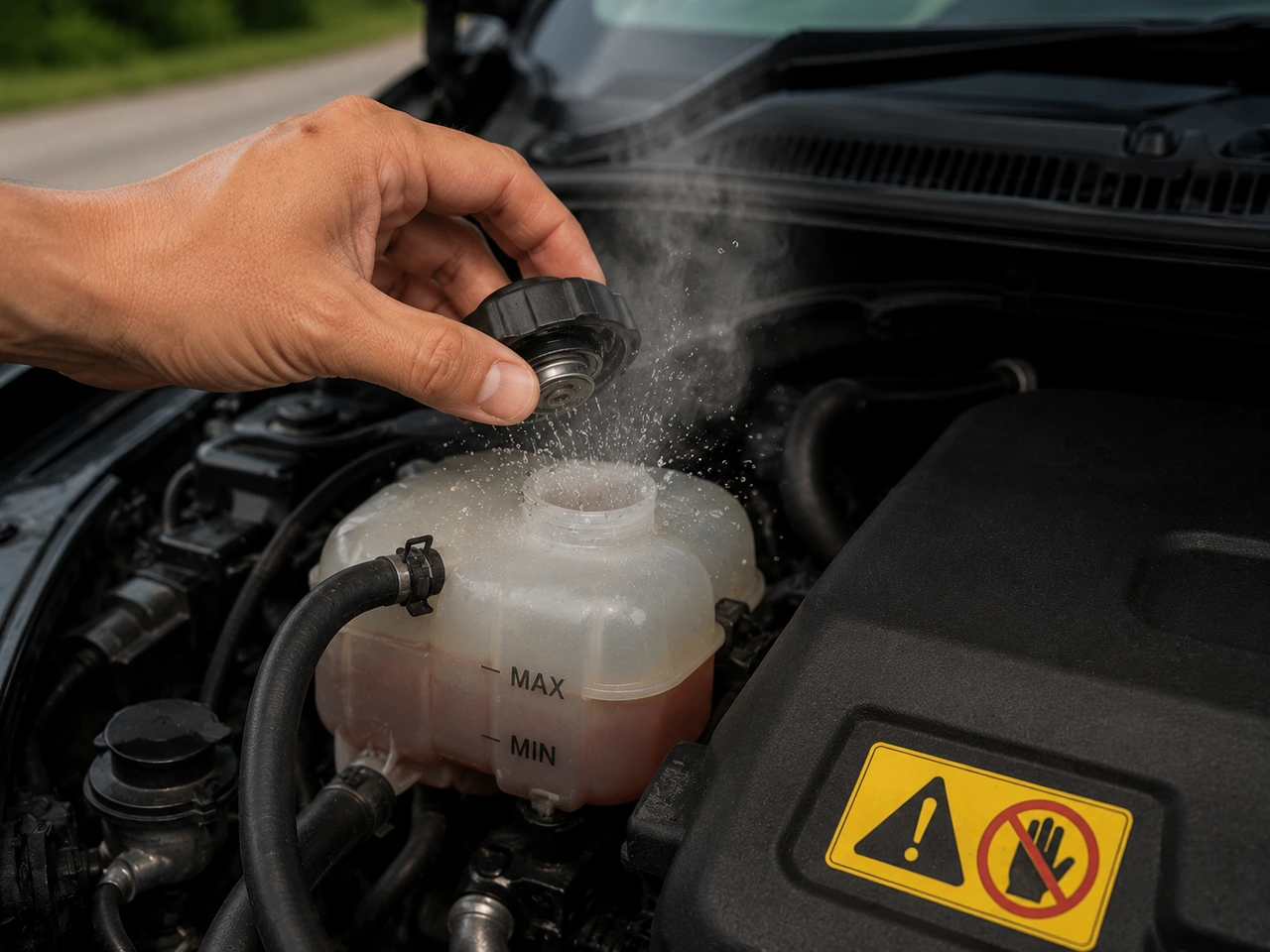
182. Why should you avoid removing the coolant cap while the engine is hot?
A hot cooling system may remain under pressure. Allow the engine to cool and follow the manufacturer's instructions before checking or adding coolant.
AI-generated by Rijbewijs-online.be • WCIT • CC BY-SA
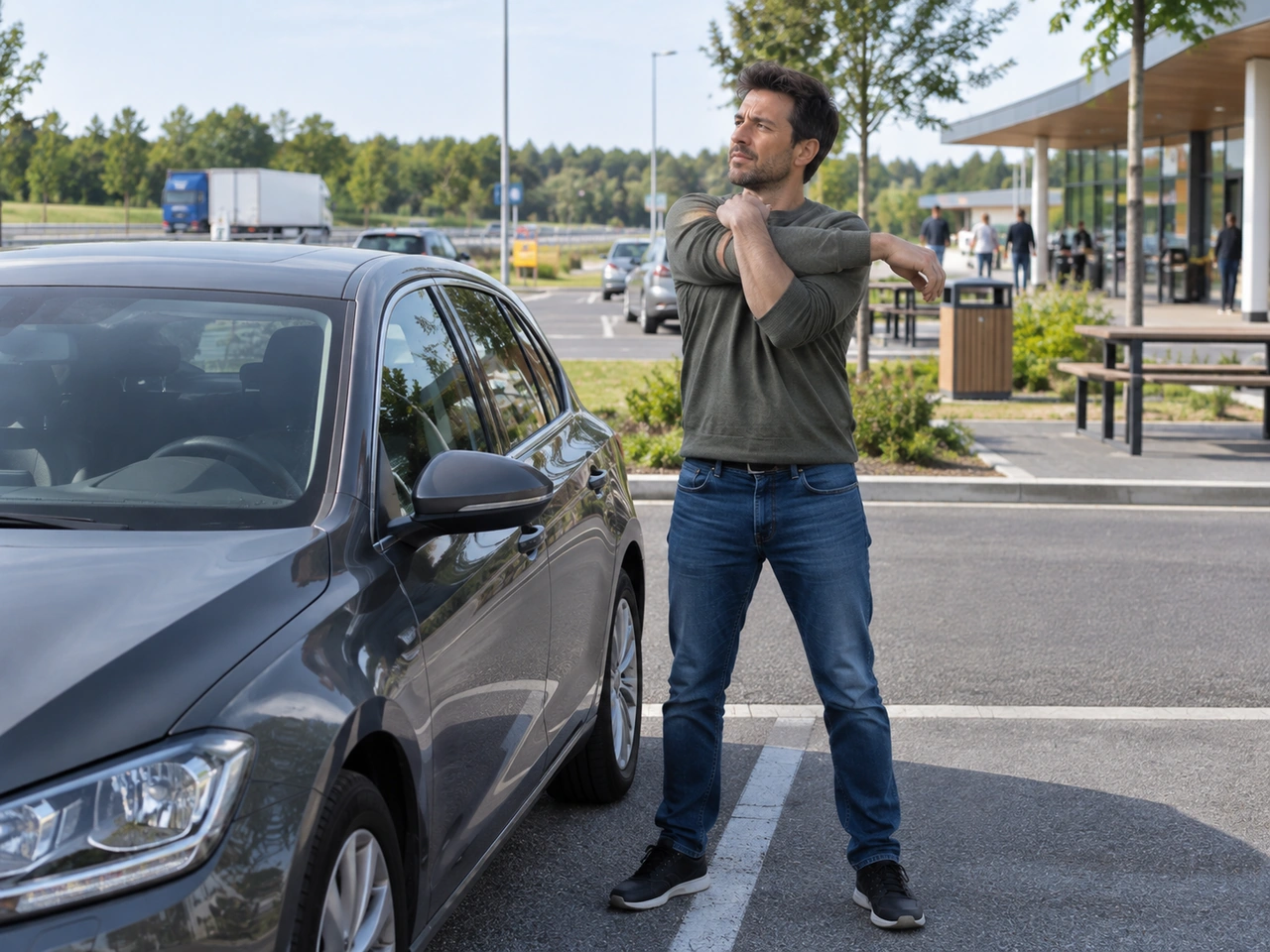
183. Why should you take regular breaks during a long journey?
Regular breaks during a long journey help reduce fatigue and maintain concentration. Do not wait until you are struggling to stay awake before stopping to rest.
AI-generated by Rijbewijs-online.be • WCIT • CC BY-SA
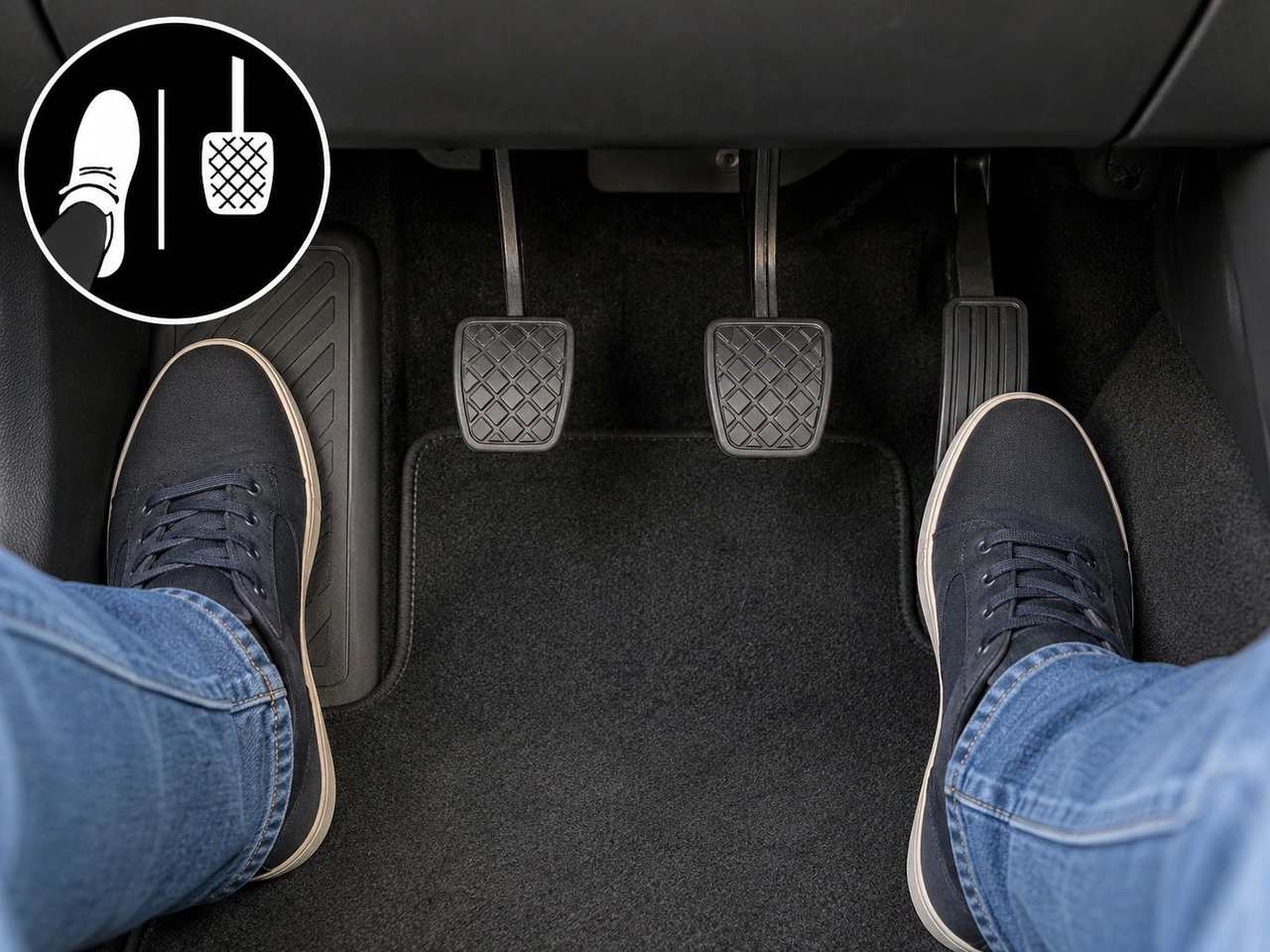
184. Why should you avoid resting your foot on the clutch pedal while driving?
Resting your foot on the clutch pedal can apply slight pressure to the clutch mechanism and cause unnecessary wear. Keep your left foot off the clutch when it is not needed.
AI-generated by Rijbewijs-online.be • WCIT • CC BY-SA
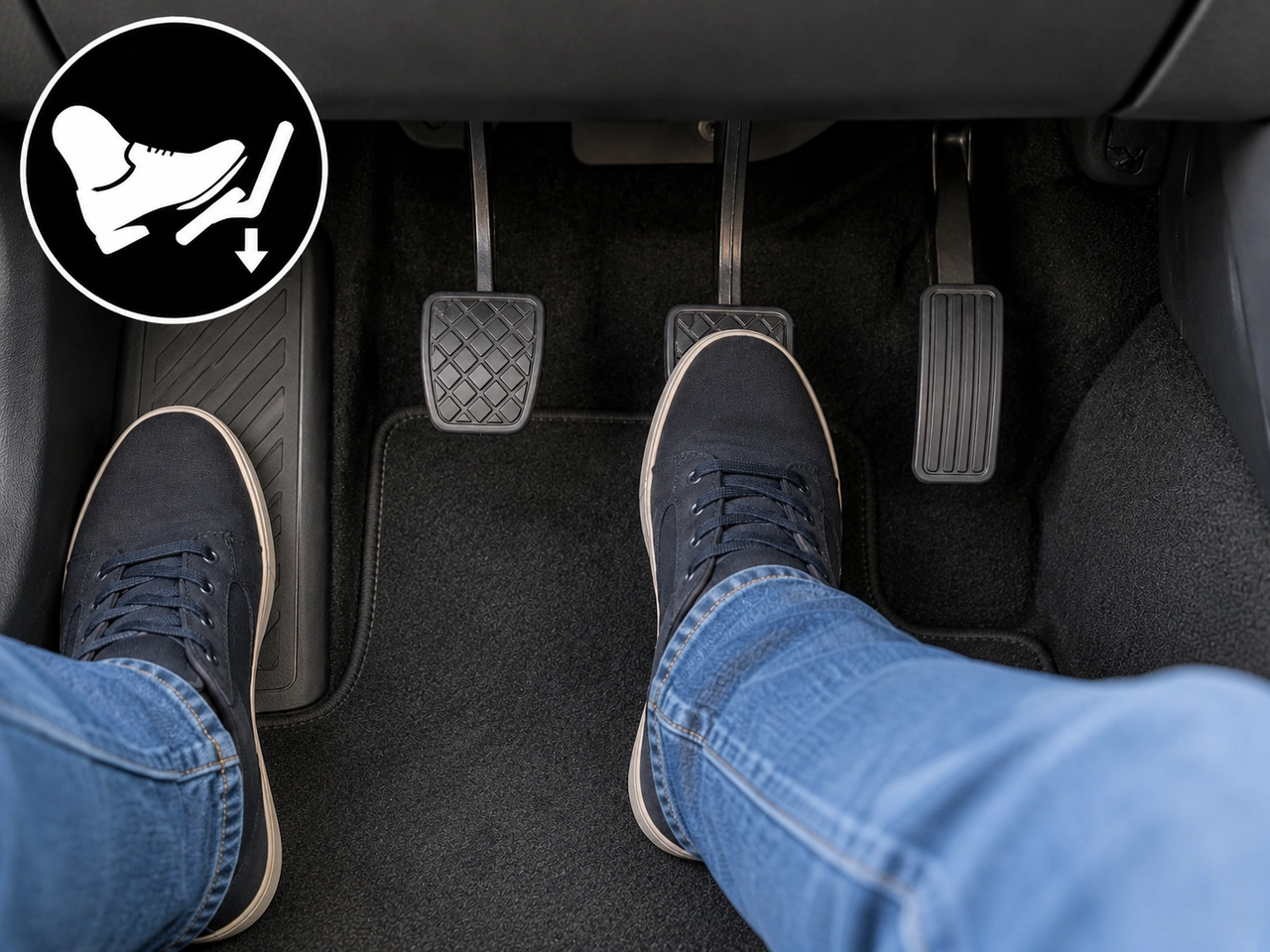
185. How should you normally apply the brake pedal for a smooth stop?
For normal braking, apply the brake pedal progressively and smoothly. As the vehicle comes to a stop, easing the pressure slightly can help avoid a sudden jerk.
AI-generated by Rijbewijs-online.be • WCIT • CC BY-SA
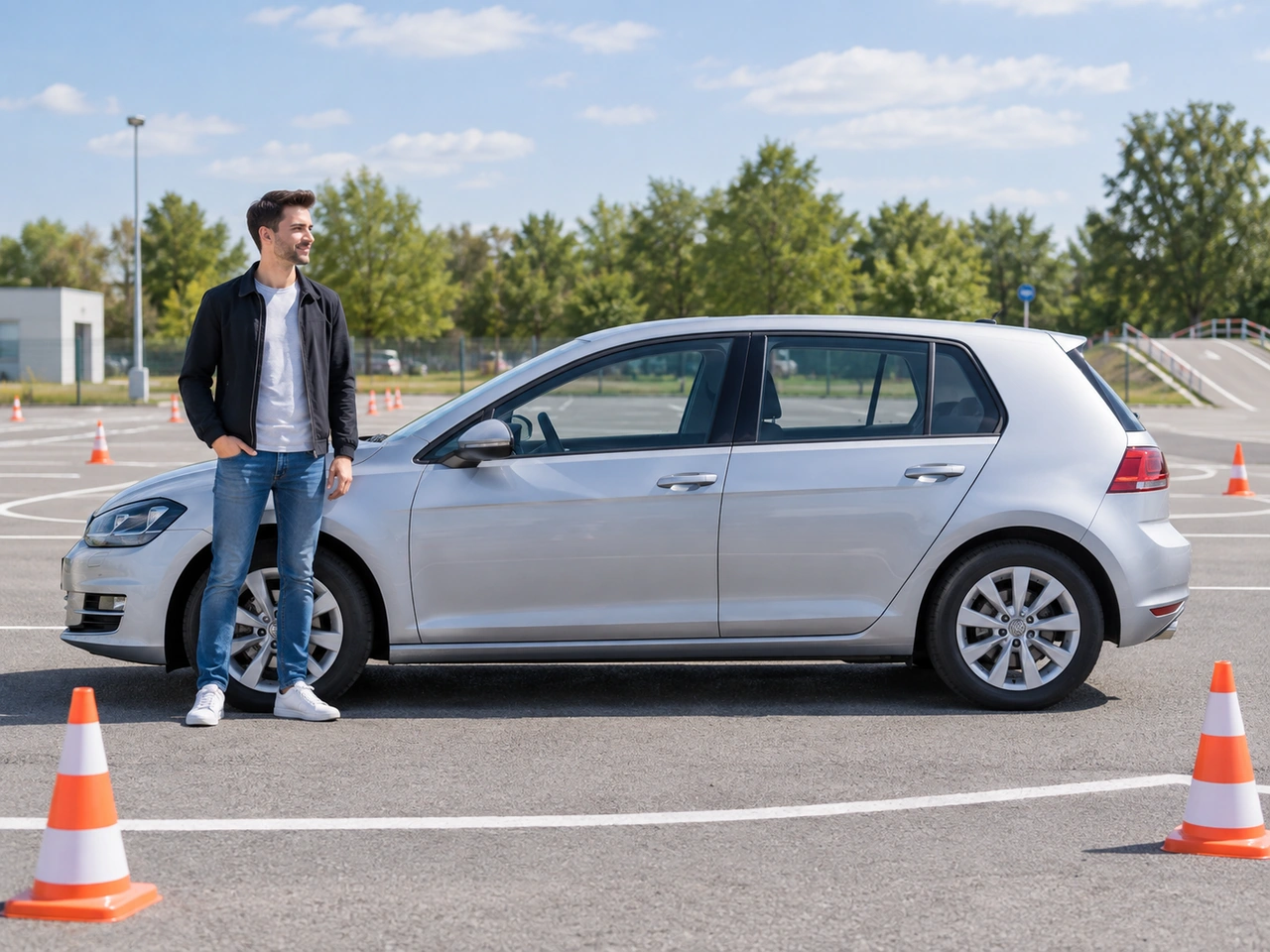
186. What is the minimum licence for a car with a maximum authorised mass of 3,500 kg?
Category B normally covers motor vehicles with a maximum authorised mass not exceeding 3,500 kg and designed to carry no more than eight passengers in addition to the driver.
AI-generated by Rijbewijs-online.be • WCIT • CC BY-SA
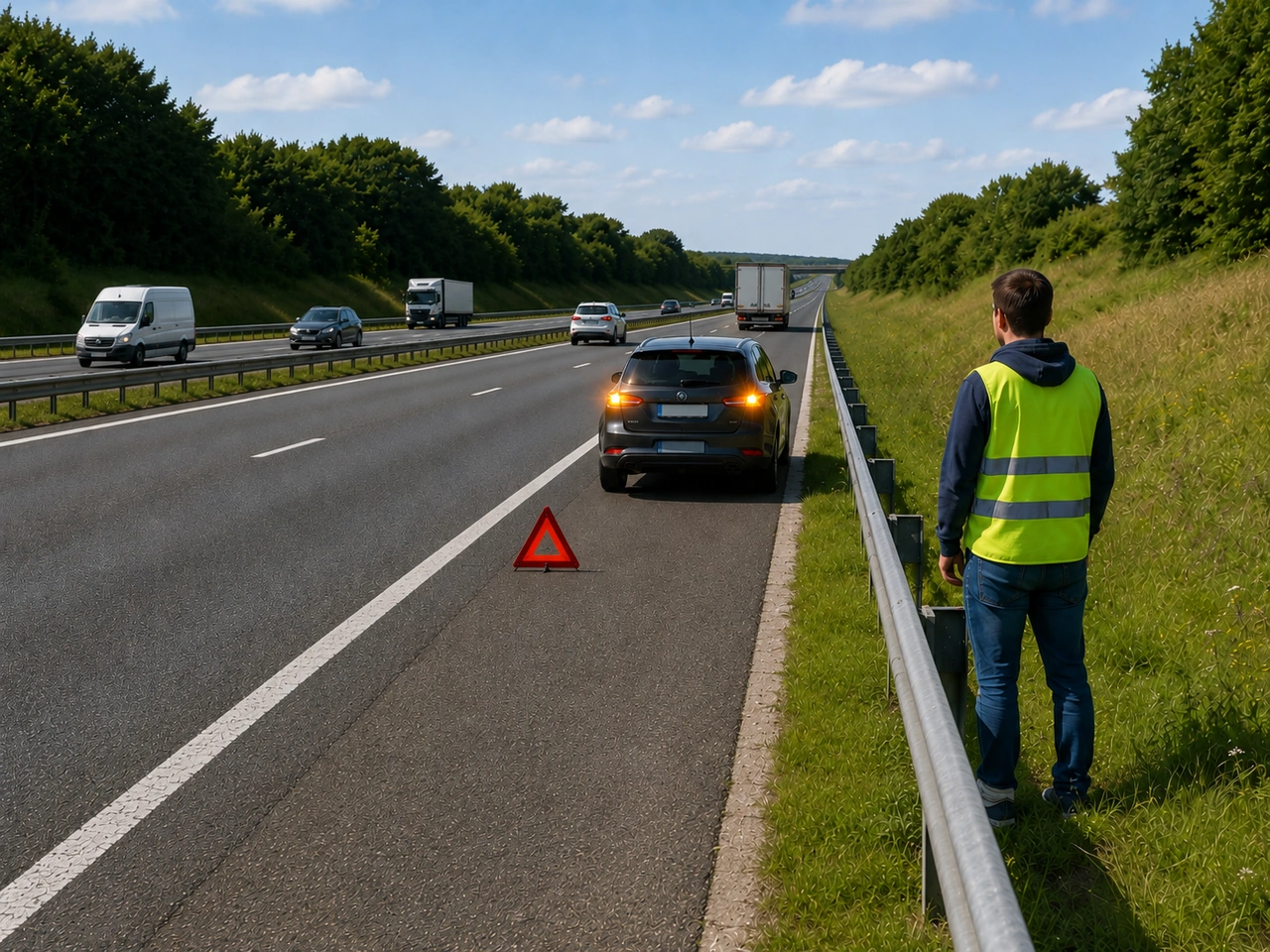
187. Where should you normally wait after a breakdown on a high-speed road?
A stationary vehicle can be struck by passing traffic. Waiting behind a barrier provides better protection.
AI-generated by Rijbewijs-online.be • WCIT • CC BY-SA
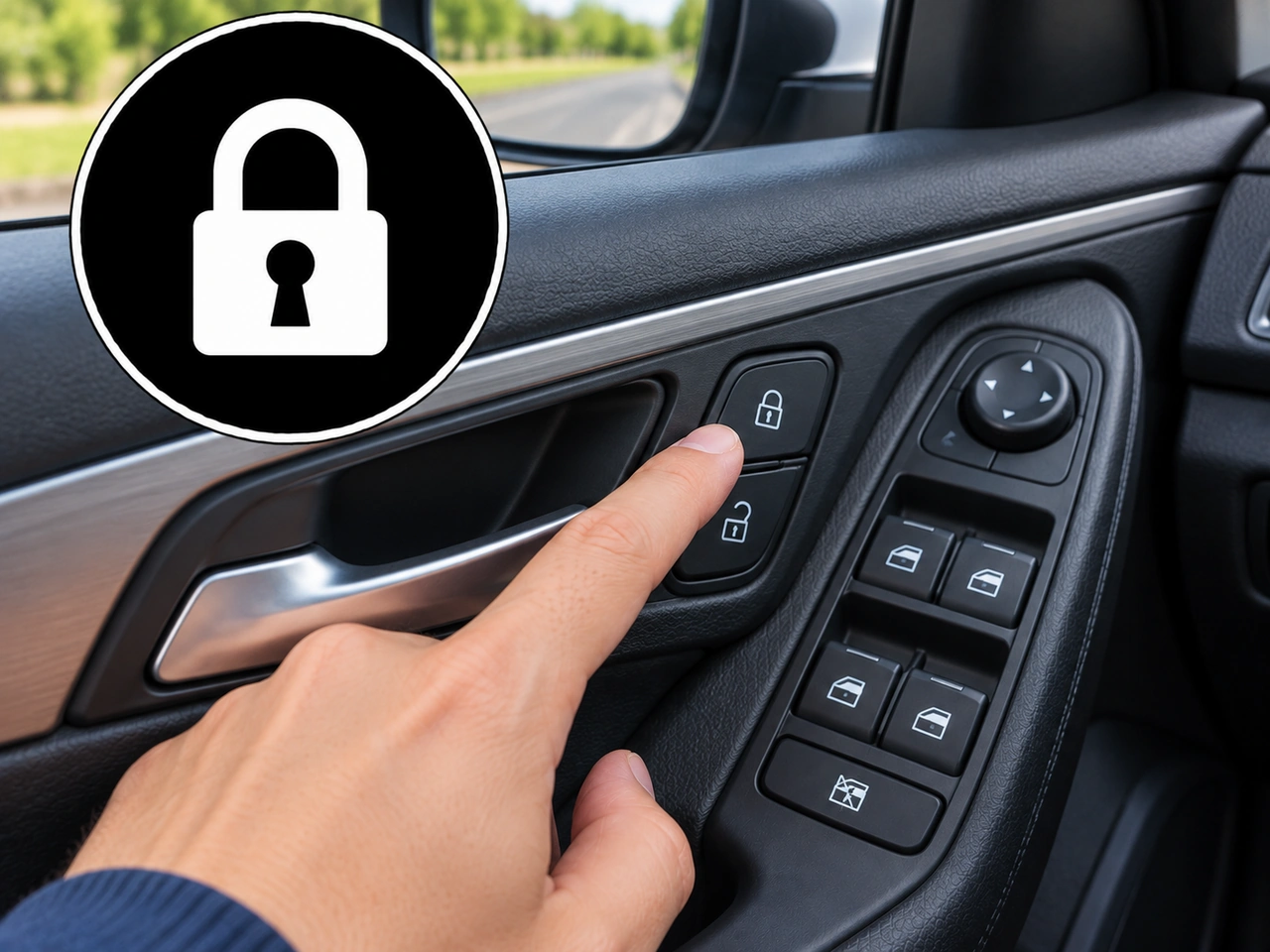
188. What does this vehicle-control symbol indicate?
This control operates the vehicle's central door locking system. Pressing it locks or unlocks the vehicle's doors, depending on the current lock state.
AI-generated by Rijbewijs-online.be • WCIT • CC BY-SA
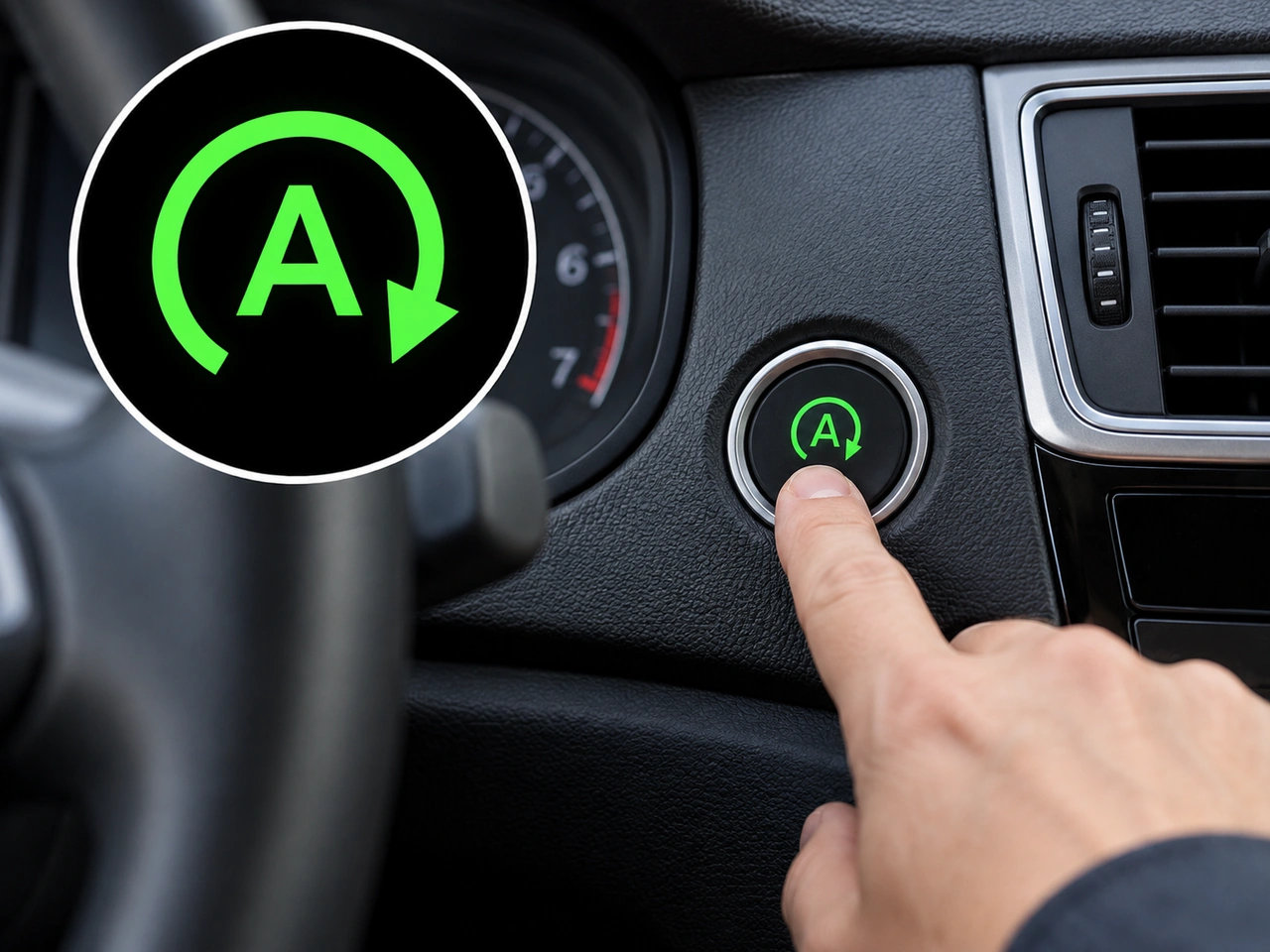
189. What does this dashboard symbol indicate?
This symbol relates to the automatic start-stop system, which can switch the engine off temporarily while the vehicle is stationary and restart it when driving resumes. The exact colour and appearance may vary between vehicles.
AI-generated by Rijbewijs-online.be • WCIT • CC BY-SA
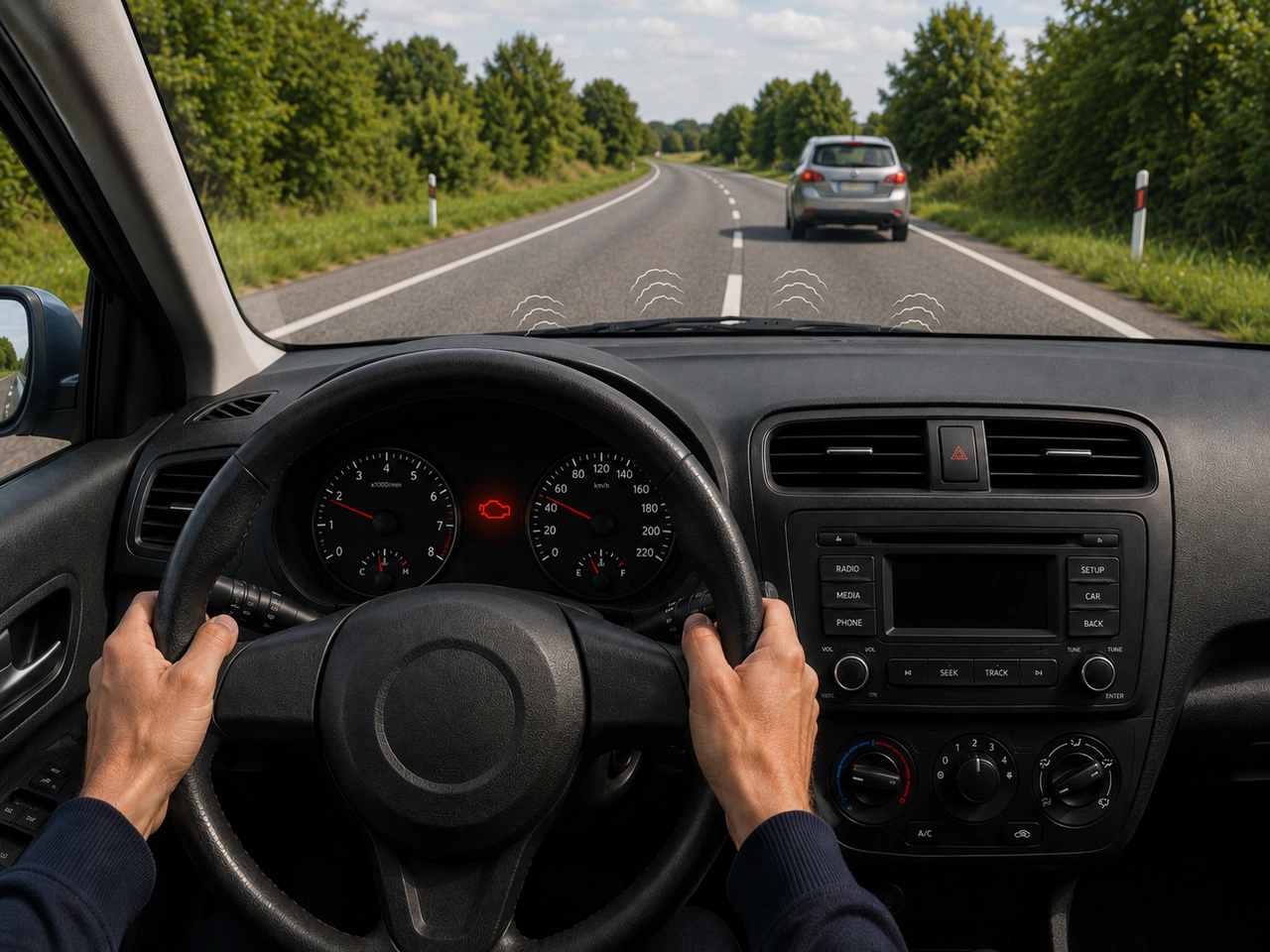
190. What should you do if a red warning light appears with an unusual noise?
A red warning combined with an unusual noise may indicate a serious fault. Continuing could cause damage or loss of control.
AI-generated by Rijbewijs-online.be • WCIT • CC BY-SA
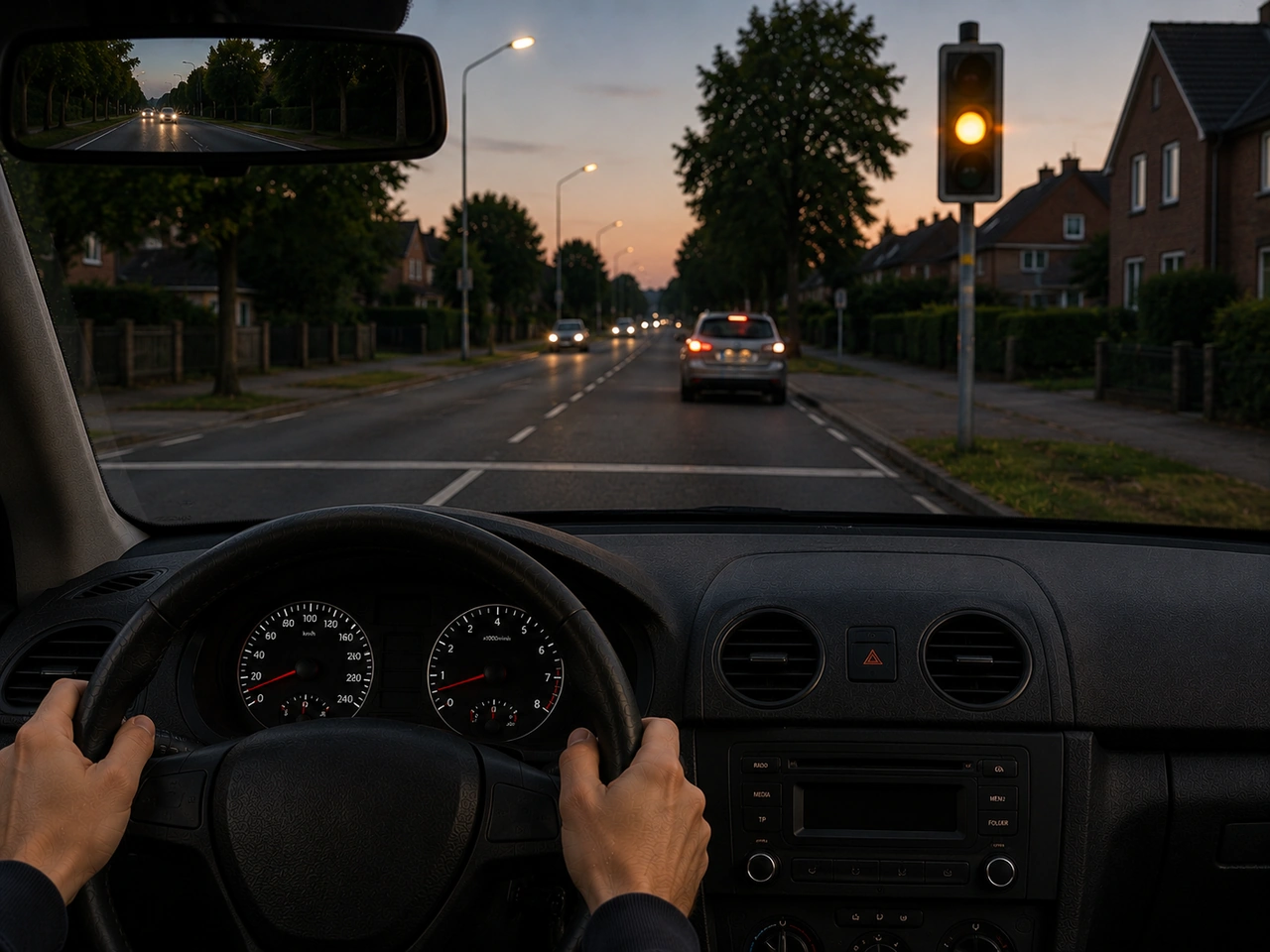
191. What should you do when traffic lights change to amber as you approach?
An amber light warns that the signal is changing. Stop if it is safe, but avoid sudden braking that could cause danger behind you.
AI-generated by Rijbewijs-online.be • WCIT • CC BY-SA
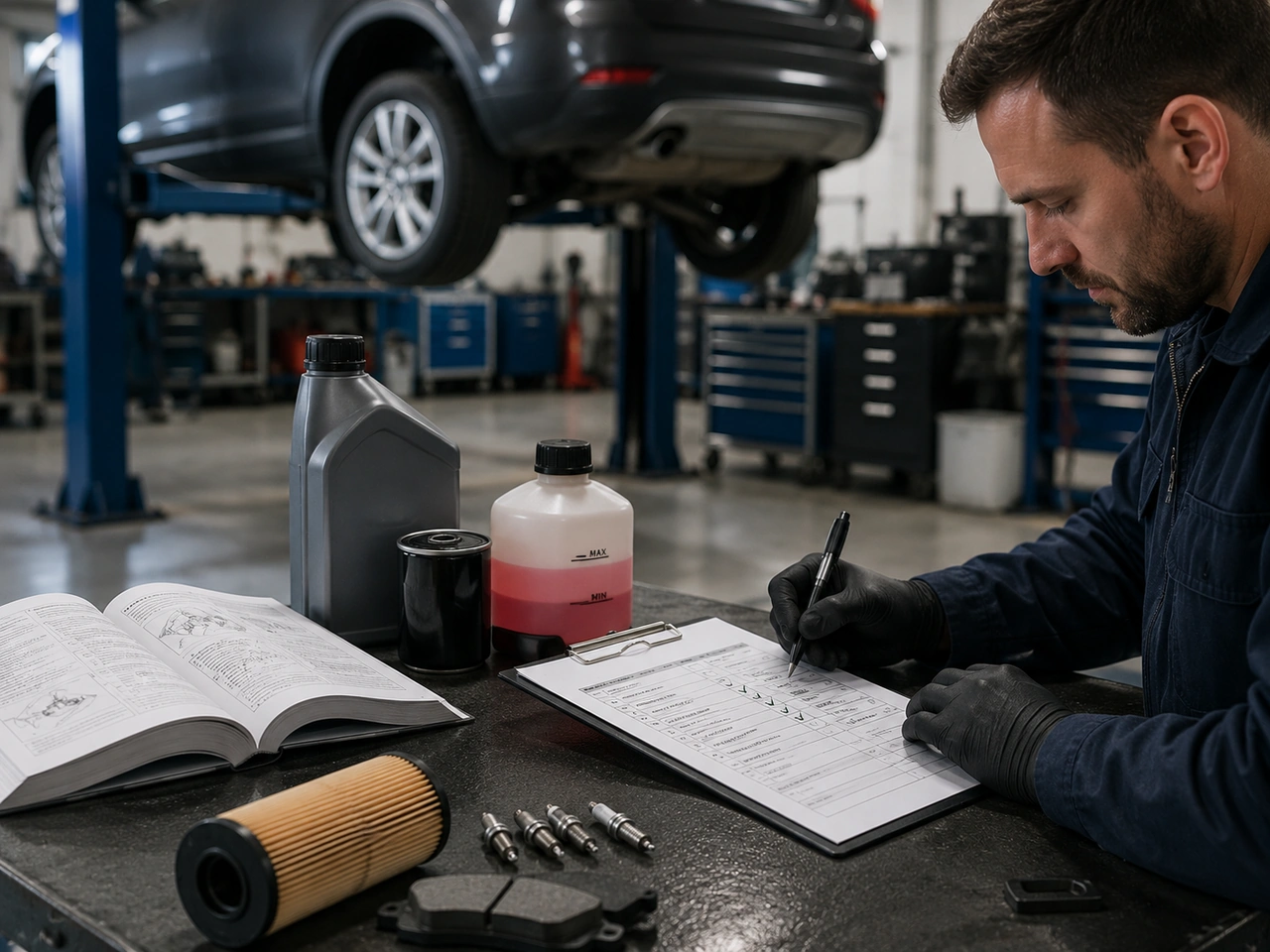
192. Why should you follow the manufacturer's service schedule?
Scheduled servicing helps ensure that brakes, tyres, fluids, filters, steering, suspension, and other important systems are checked and maintained before faults become more serious.
AI-generated by Rijbewijs-online.be • WCIT • CC BY-SA
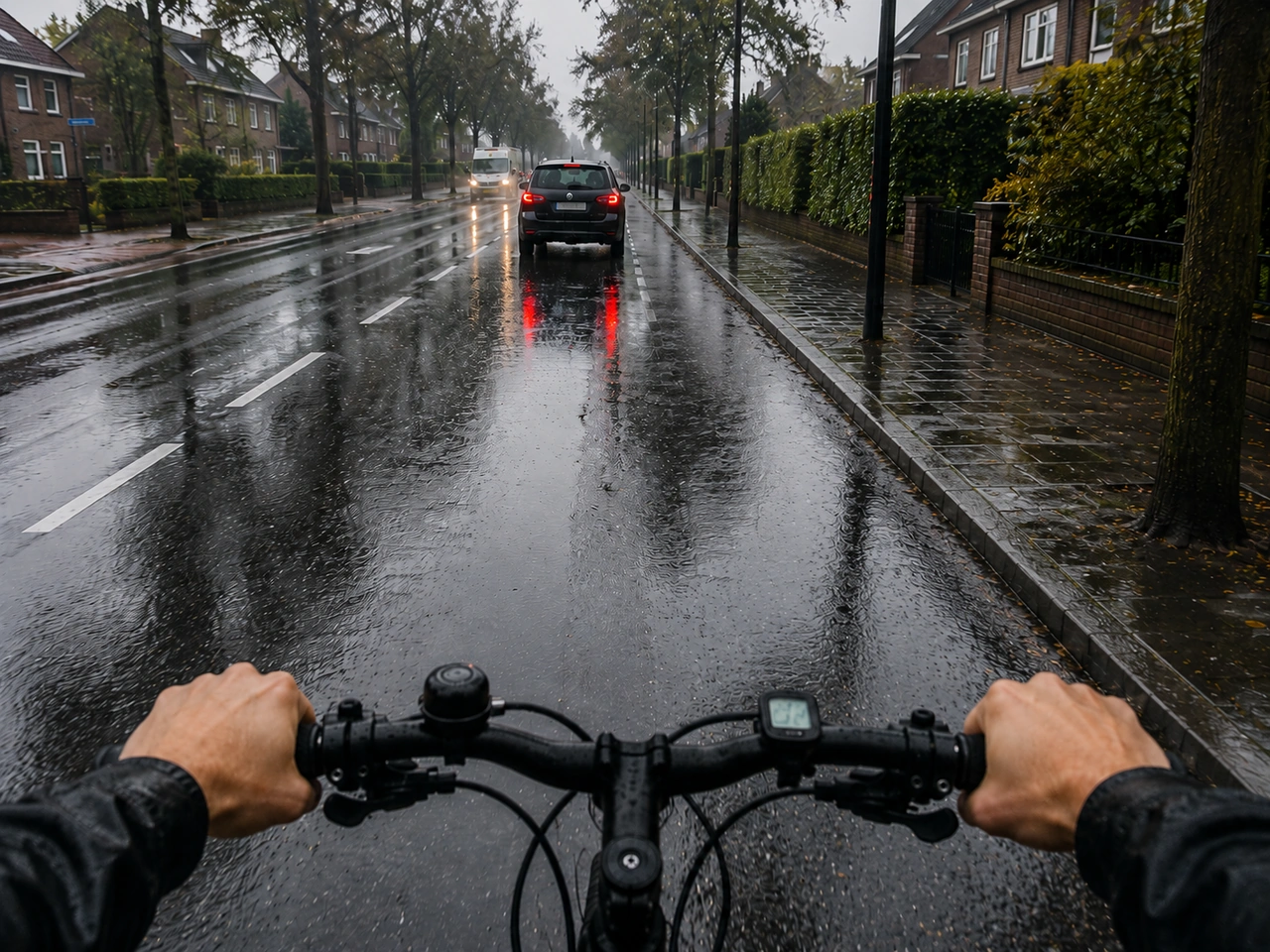
193. How should cyclists brake on a wet road?
Wet surfaces reduce grip and increase stopping distance. Smooth, early braking helps prevent skidding.
AI-generated by Rijbewijs-online.be • WCIT • CC BY-SA
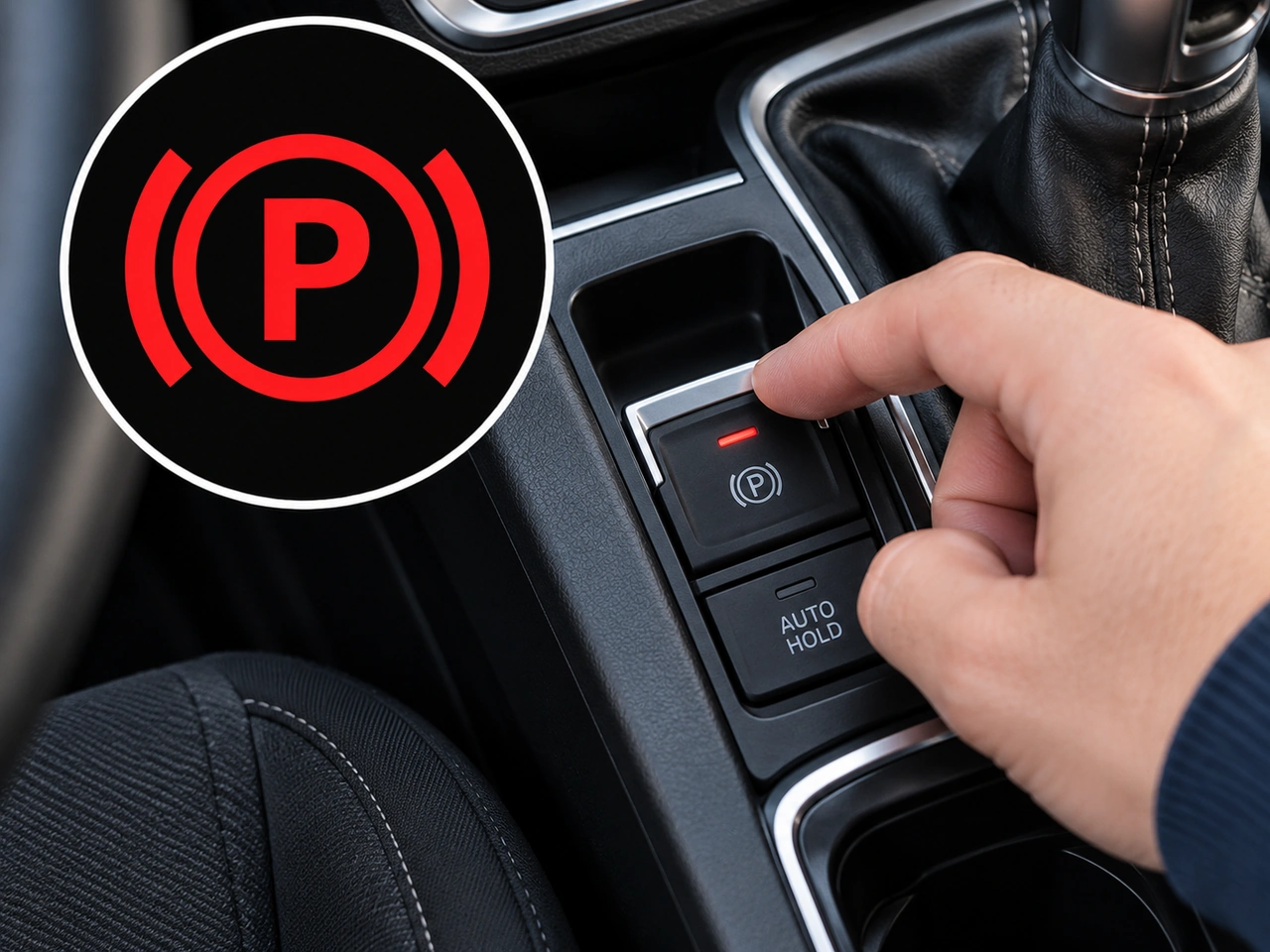
194. What does this dashboard symbol indicate?
This symbol indicates that the parking brake is applied. It should normally go out when the parking brake is fully released.
AI-generated by Rijbewijs-online.be • WCIT • CC BY-SA
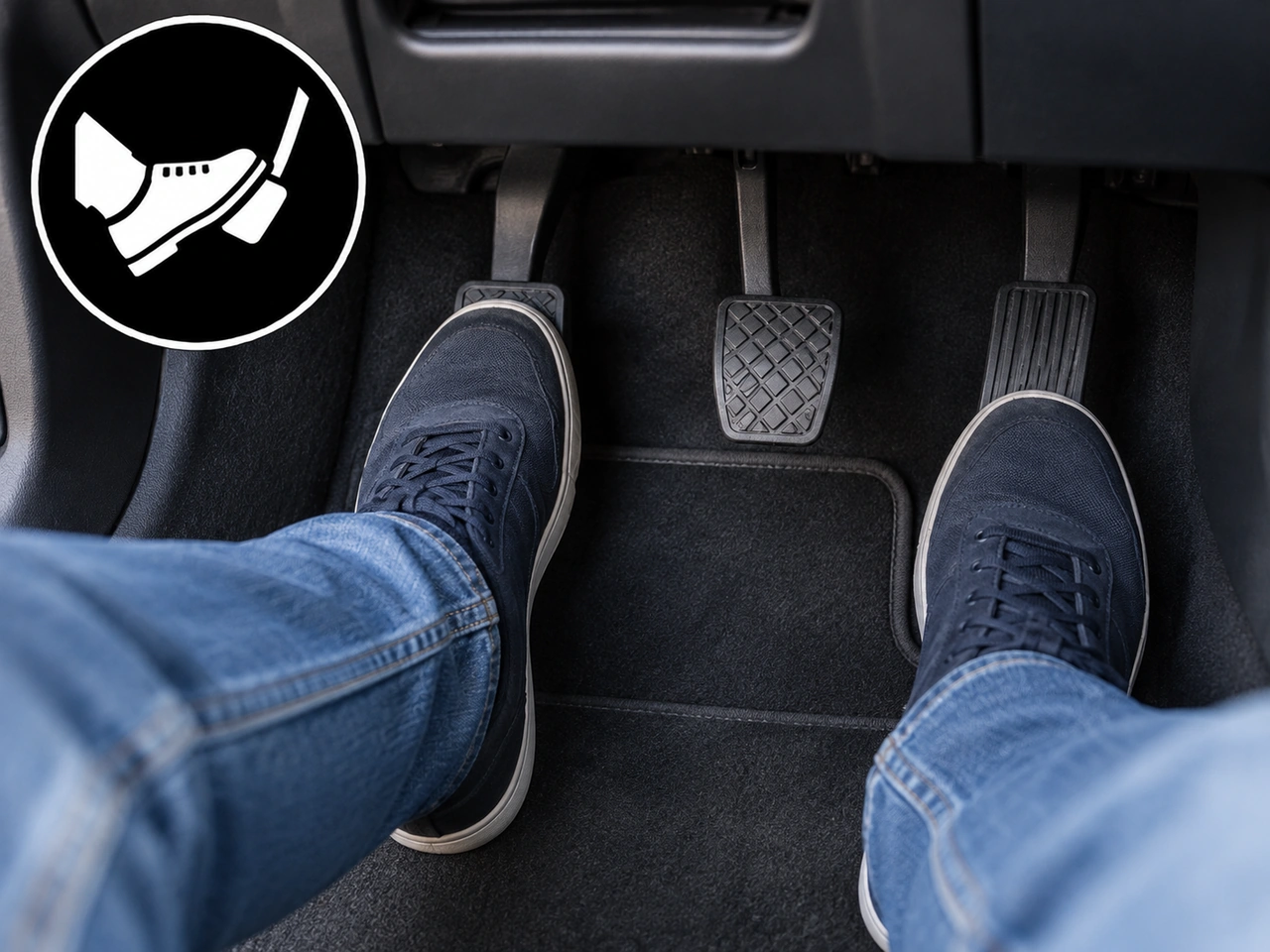
195. Why should you avoid keeping the clutch pedal pressed while driving?
Keeping the clutch pedal pressed while the vehicle is moving disconnects the engine from the transmission. This reduces engine braking and can reduce your control of the vehicle.
AI-generated by Rijbewijs-online.be • WCIT • CC BY-SA
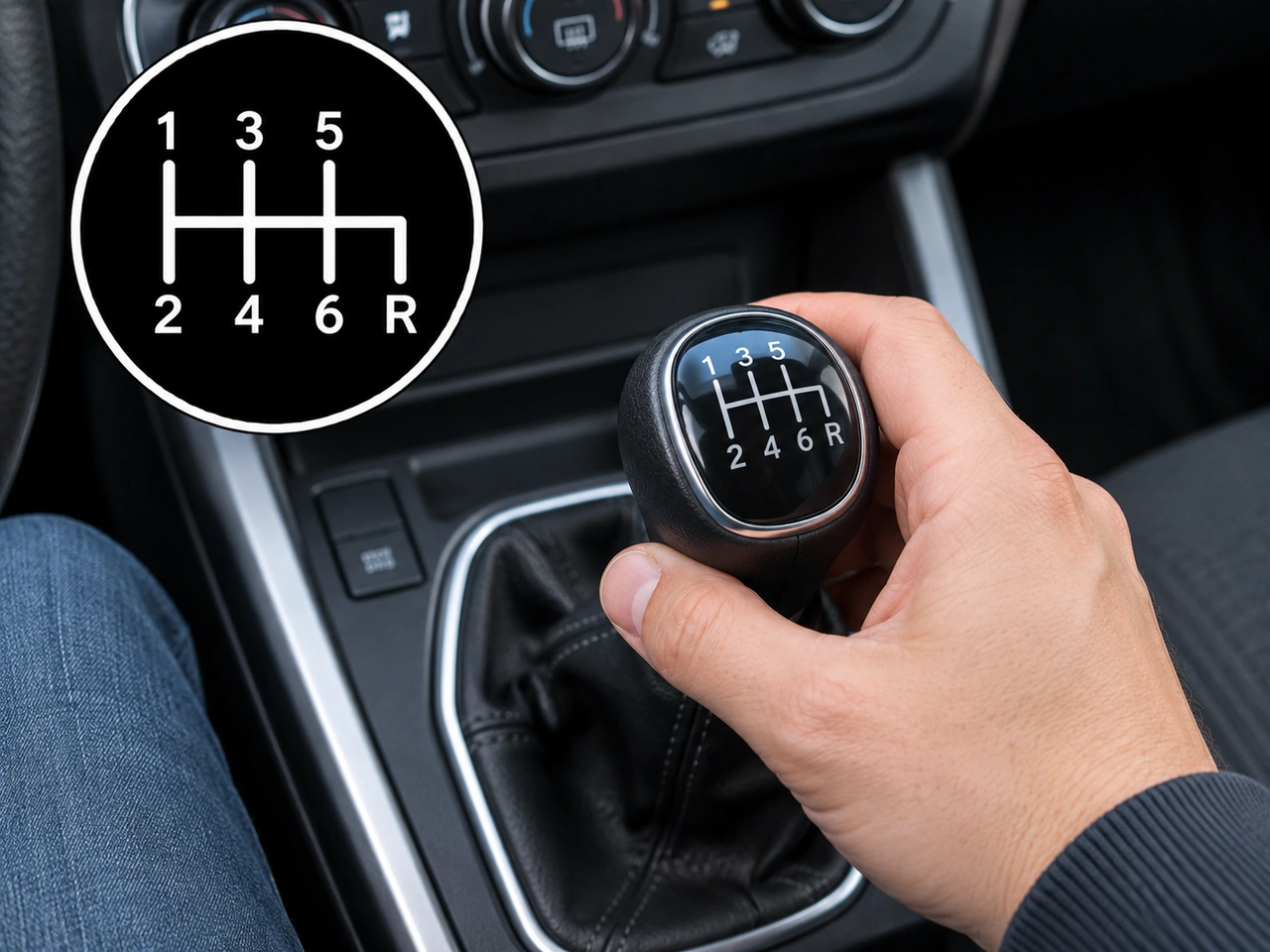
196. Which gear is used to drive a manual vehicle backwards?
Select R (Reverse) when you need to drive a manual vehicle backwards. The vehicle should be stationary before Reverse is selected.
AI-generated by Rijbewijs-online.be • WCIT • CC BY-SA
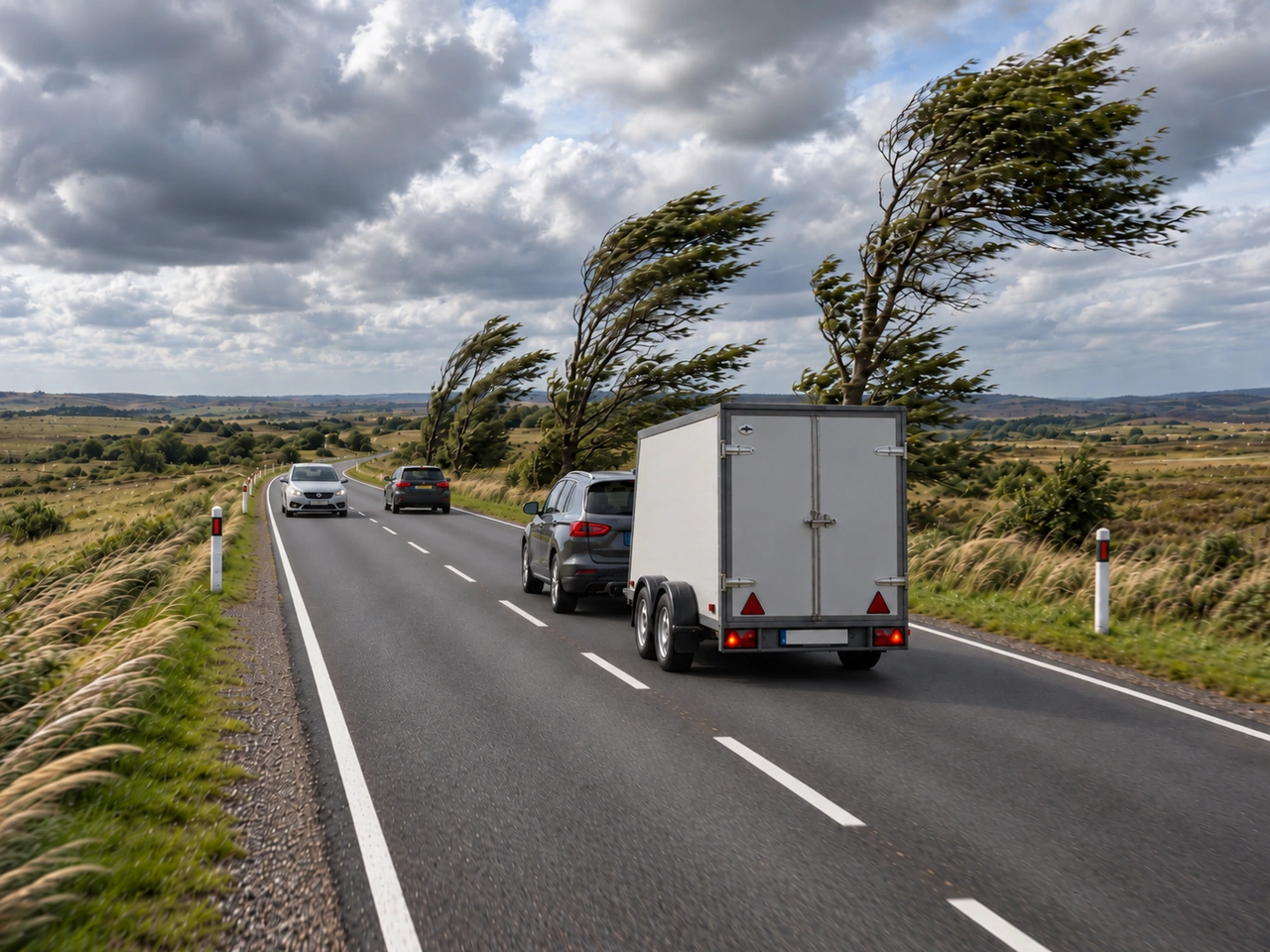
197. How can strong crosswinds affect a vehicle towing a trailer?
Trailers have large side surfaces and may be affected strongly by wind, especially on bridges and exposed roads.
AI-generated by Rijbewijs-online.be • WCIT • CC BY-SA
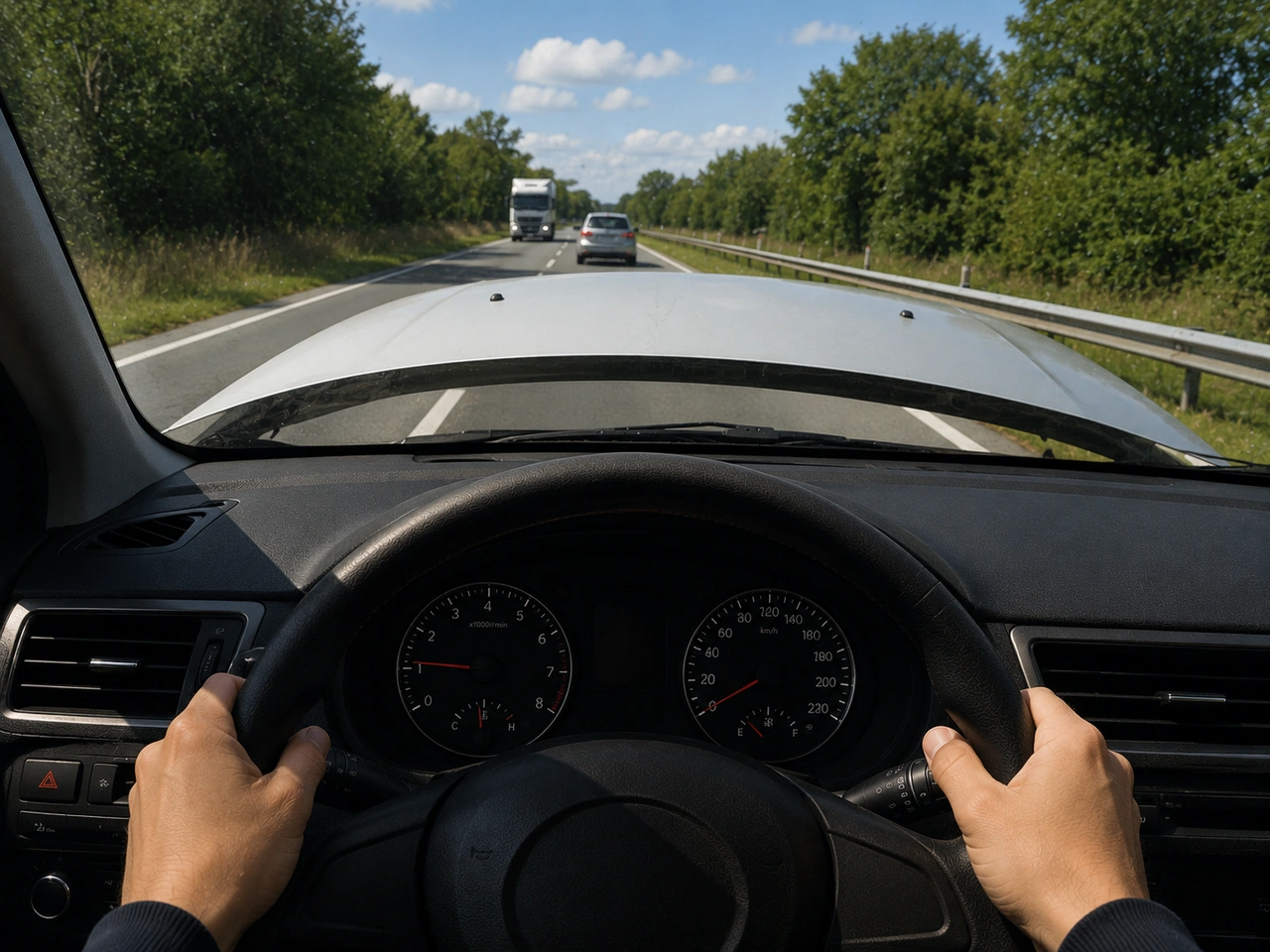
198. What should you do if the bonnet suddenly opens while you are driving?
The bonnet may completely obstruct your view. Avoid sudden movements, use the road markings or available gap to maintain direction, and stop safely.
AI-generated by Rijbewijs-online.be • WCIT • CC BY-SA
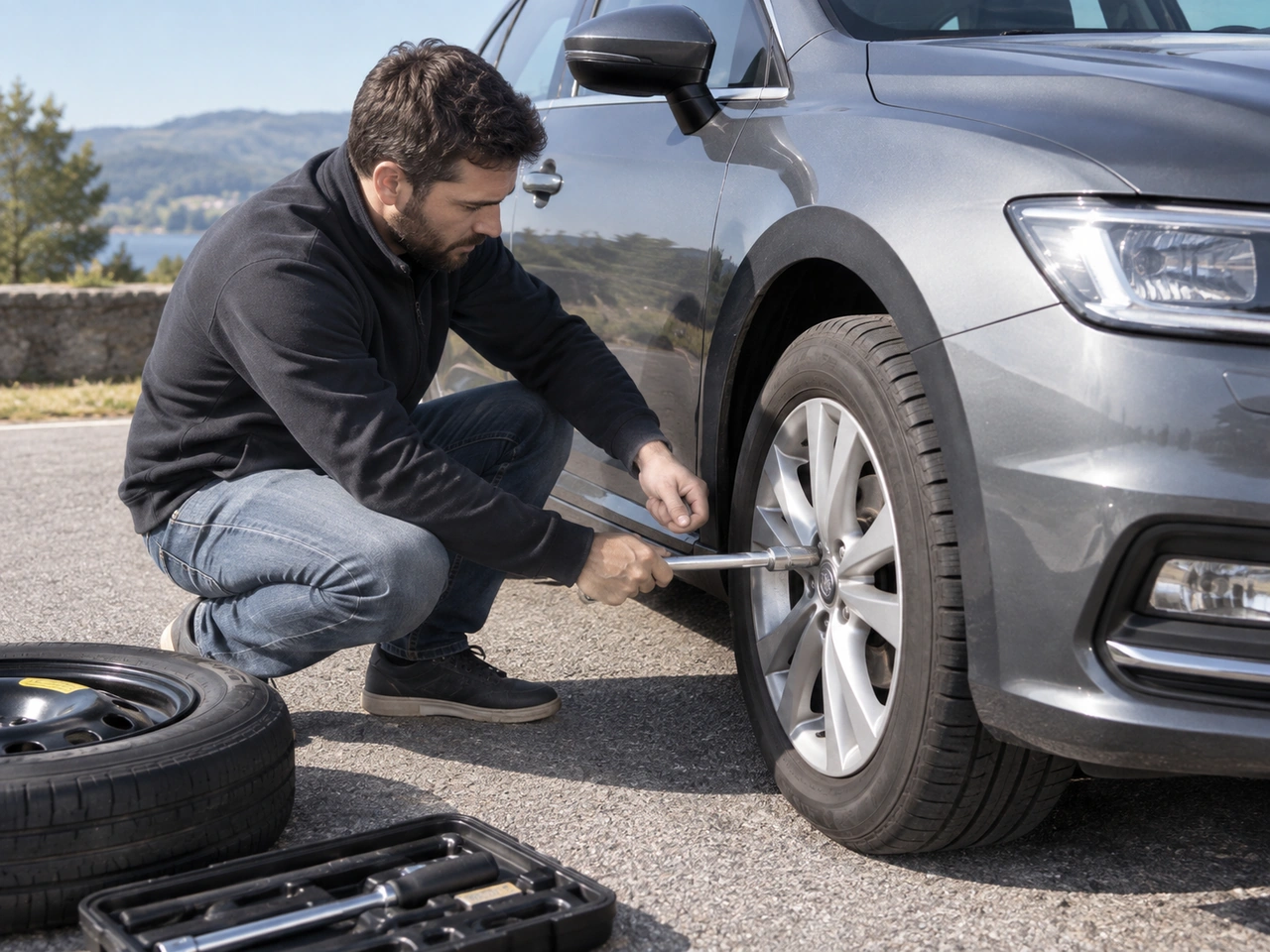
199. What should you check after fitting a wheel?
After fitting a wheel, make sure the wheel nuts are tightened correctly using the manufacturer's specified procedure and torque. Incorrectly tightened wheel nuts can loosen or damage the wheel. Recheck them later if the vehicle or wheel manufacturer recommends it.
AI-generated by Rijbewijs-online.be • WCIT • CC BY-SA
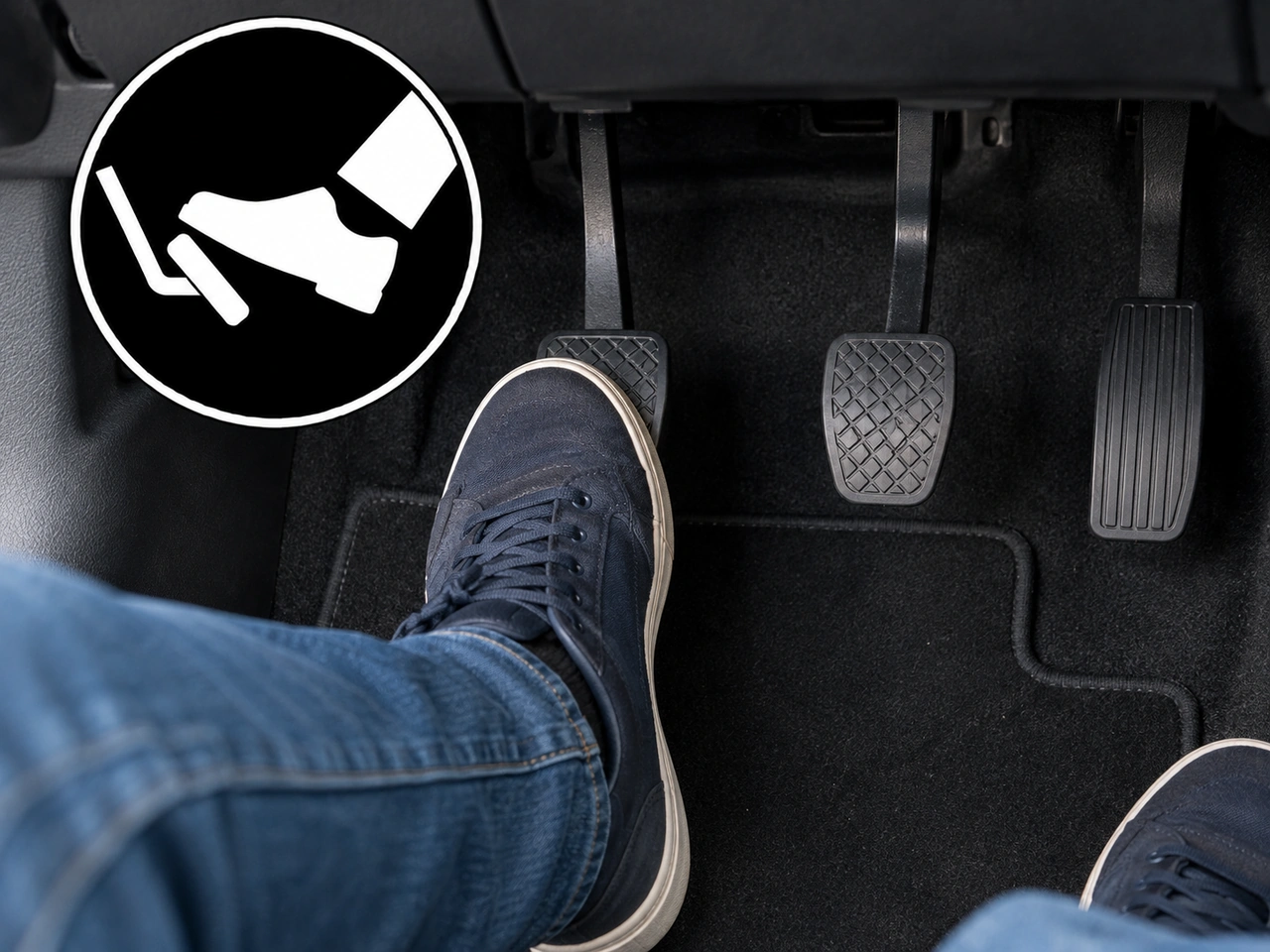
200. What is the purpose of the clutch pedal in a manual vehicle?
Pressing the clutch pedal temporarily disconnects the engine from the transmission, allowing the driver to change gear or stop without stalling the engine.
AI-generated by Rijbewijs-online.be • WCIT • CC BY-SA