


QuizTraffic rulesPeru
This interesting quiz helps you test your knowledge in a clear and visual way. With easy multiple-choice questions, you can quickly build confidence and learn new facts while keeping it simple, interactive, and fun.
 Traffic signs
 Traffic rules
 Peru
Peru
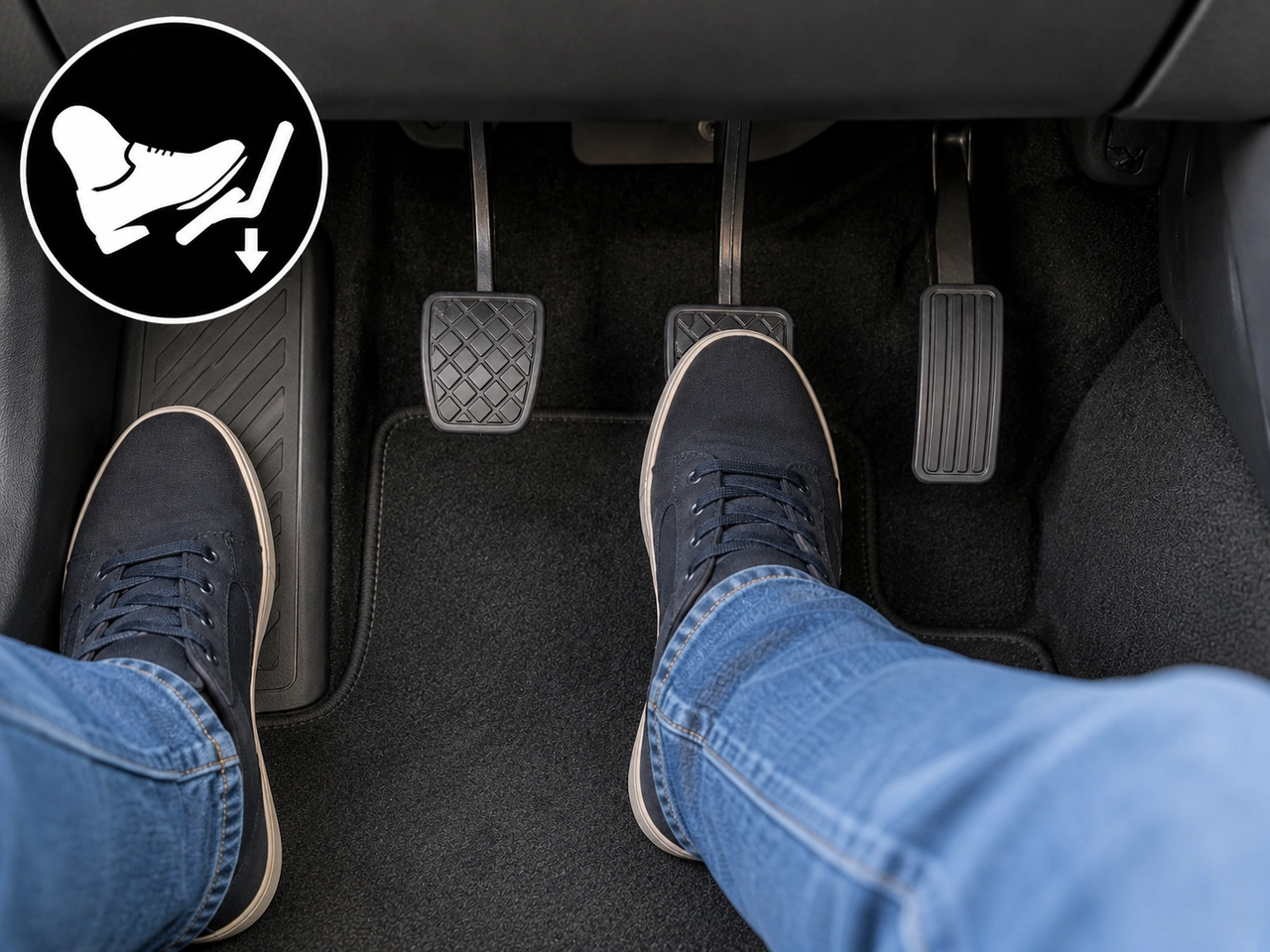
151. How should you normally apply the brake pedal for a smooth stop?
For normal braking, apply the brake pedal progressively and smoothly. As the vehicle comes to a stop, easing the pressure slightly can help avoid a sudden jerk.
AI-generated by Rijbewijs-online.be • WCIT • CC BY-SA

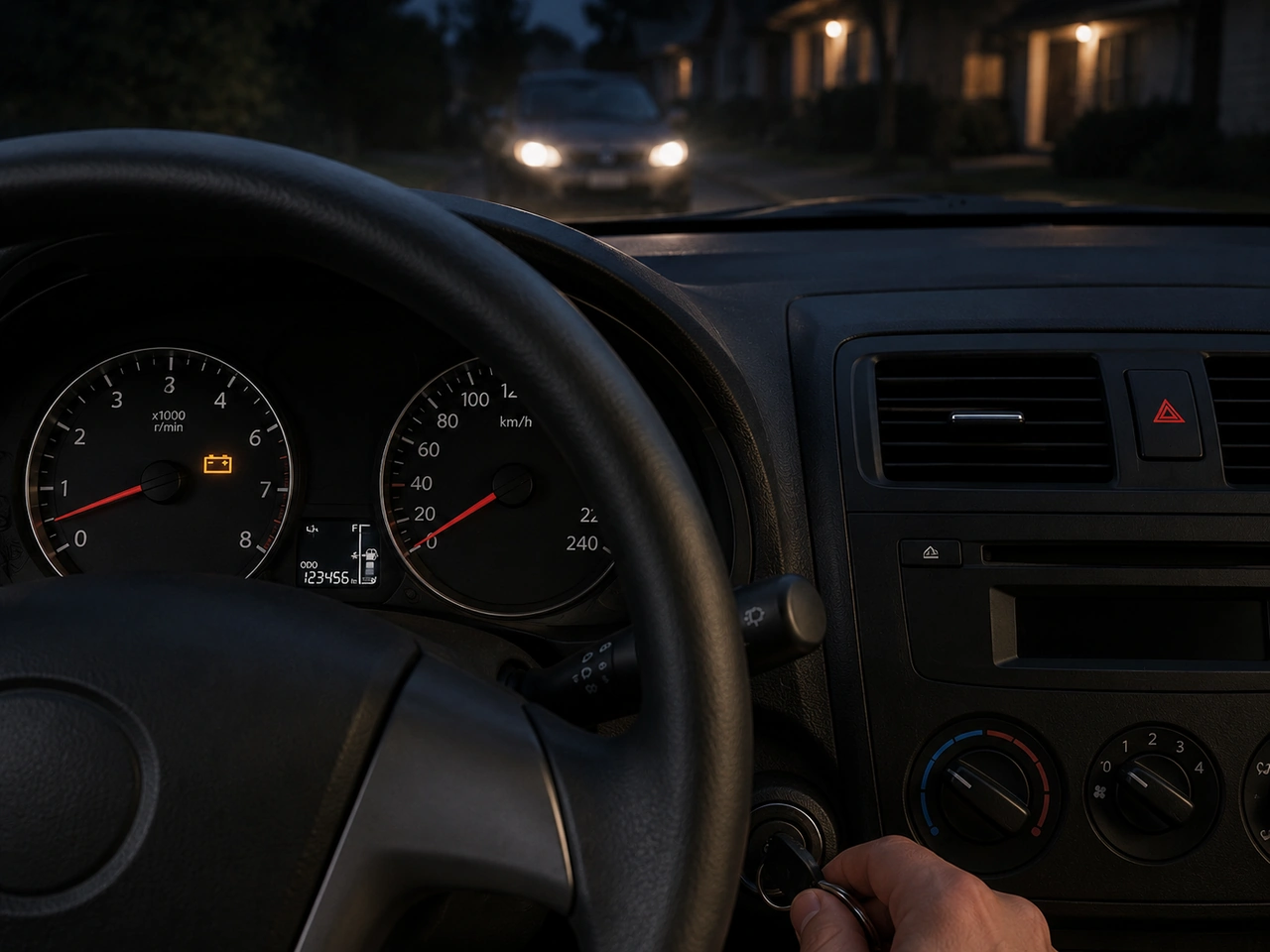
152. What can slow engine cranking or dim lights indicate?
Slow starting, dim lights, or repeated battery warnings can indicate a weak battery, poor electrical connection, or a fault in the charging system.
AI-generated by Rijbewijs-online.be • WCIT • CC BY-SA
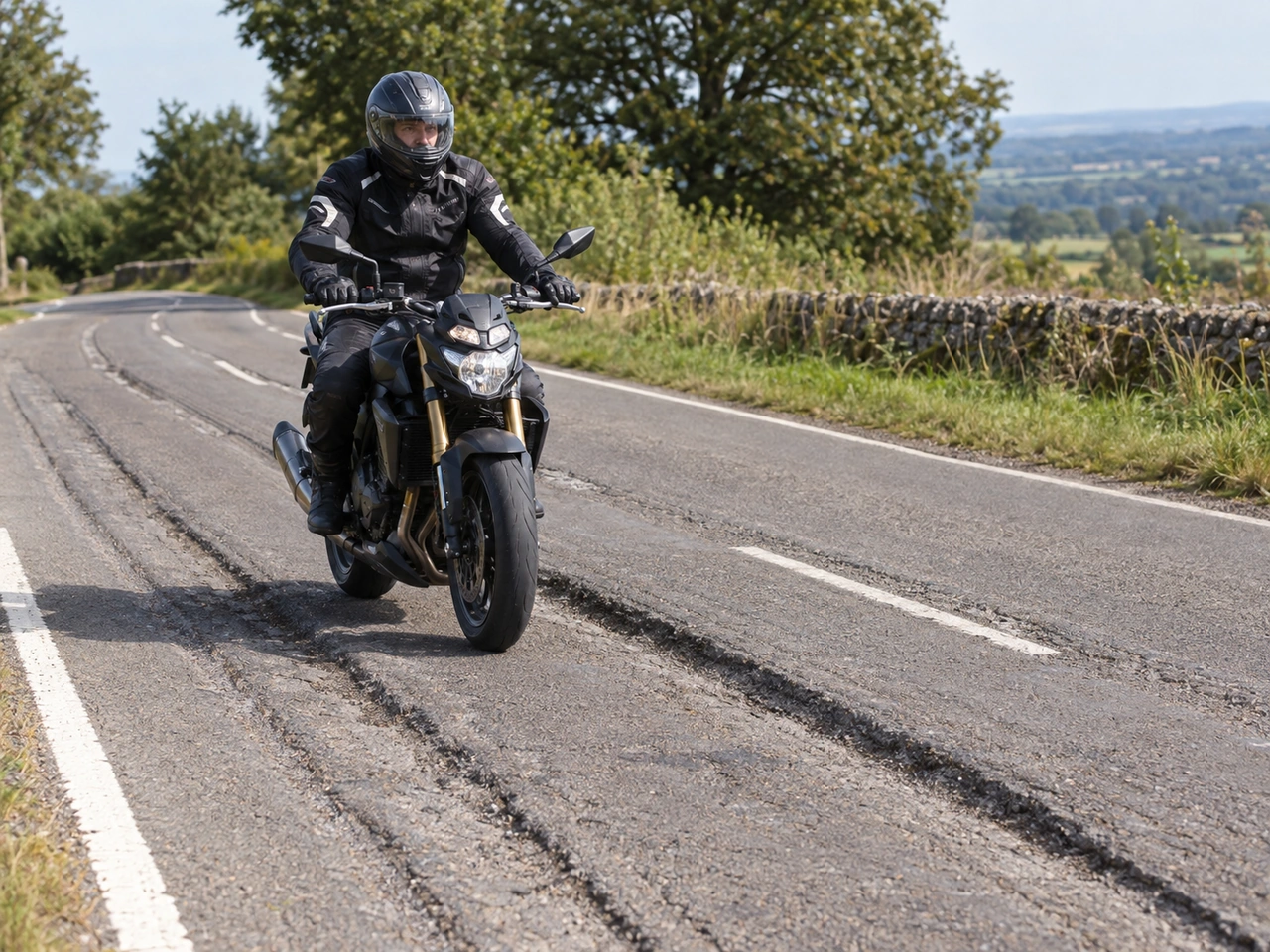
153. How should a motorcyclist react to grooves or ruts in the road?
Longitudinal grooves or ruts can affect a motorcycle's steering and may make the wheels follow the uneven surface. Reduce speed where necessary, keep a relaxed but steady grip and avoid sudden braking, acceleration or steering corrections.
AI-generated by Rijbewijs-online.be • WCIT • CC BY-SA
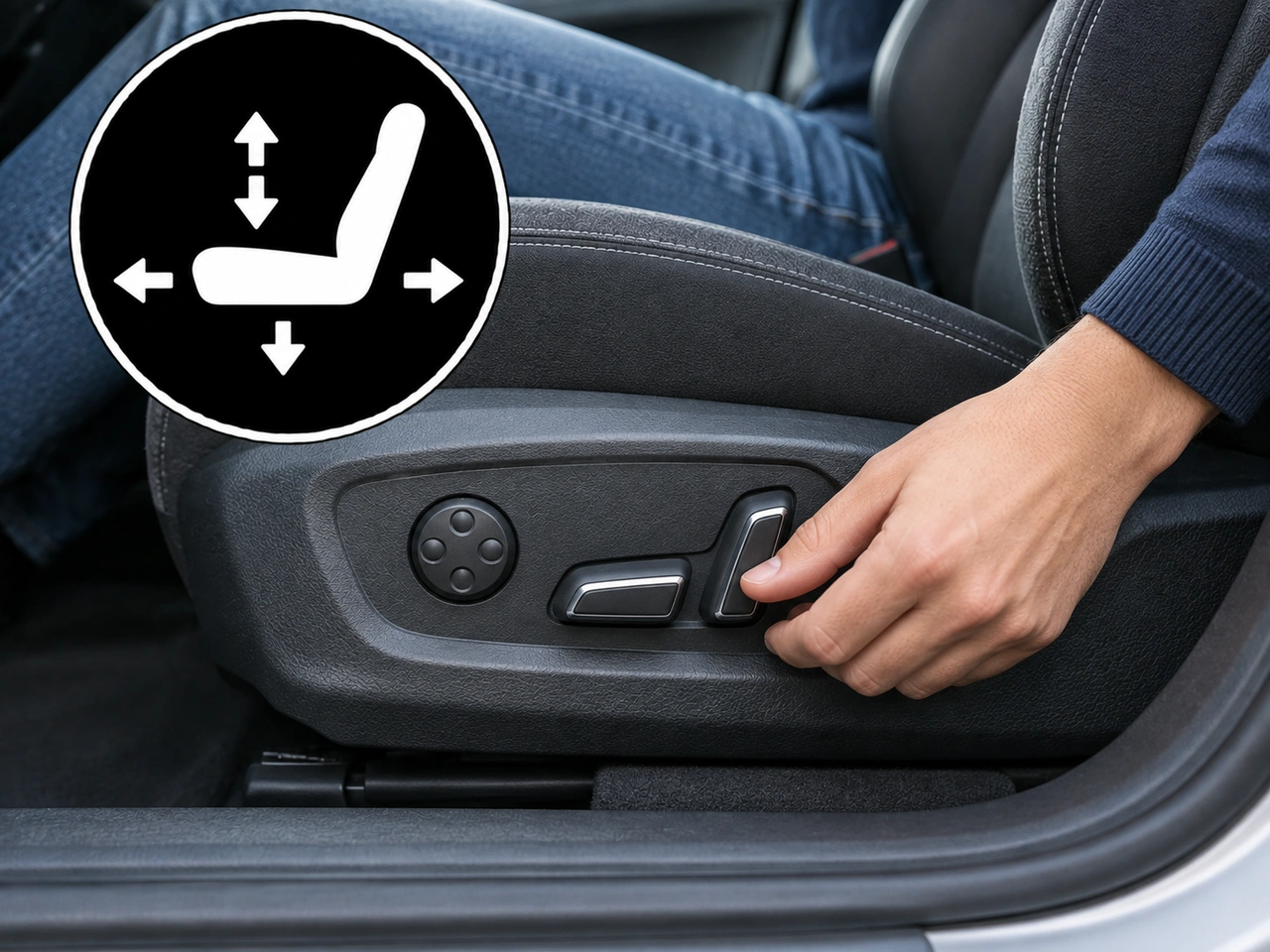
154. What does this vehicle-control symbol indicate?
This control adjusts the position of the seat. Depending on the vehicle, it may move the seat forwards or backwards, raise or lower it, or change the backrest angle.
AI-generated by Rijbewijs-online.be • WCIT • CC BY-SA
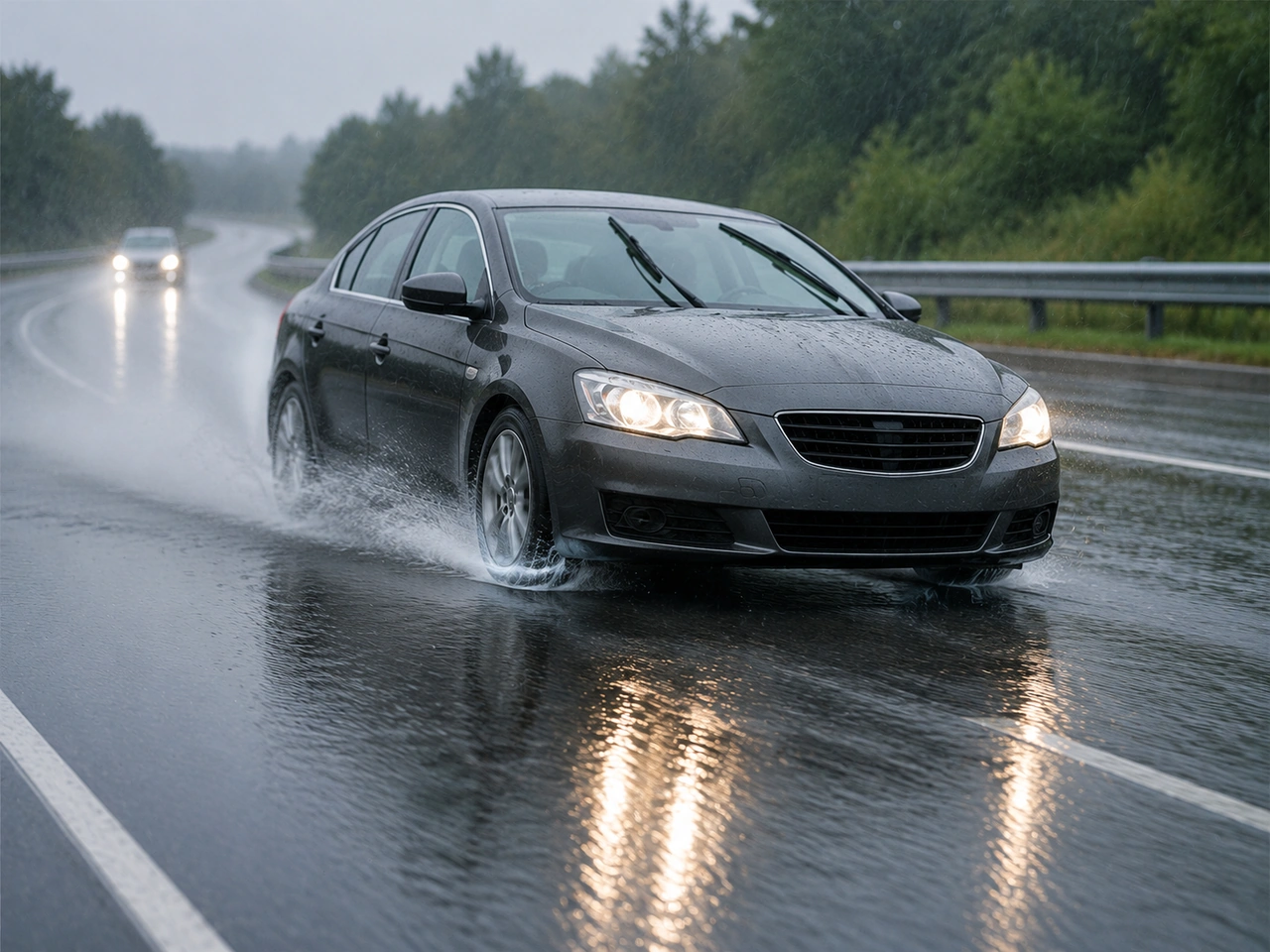
155. What is aquaplaning?
Aquaplaning occurs when water builds up between the tyres and the road, causing a loss of grip and control. The risk increases at higher speeds.
AI-generated by Rijbewijs-online.be • WCIT • CC BY-SA
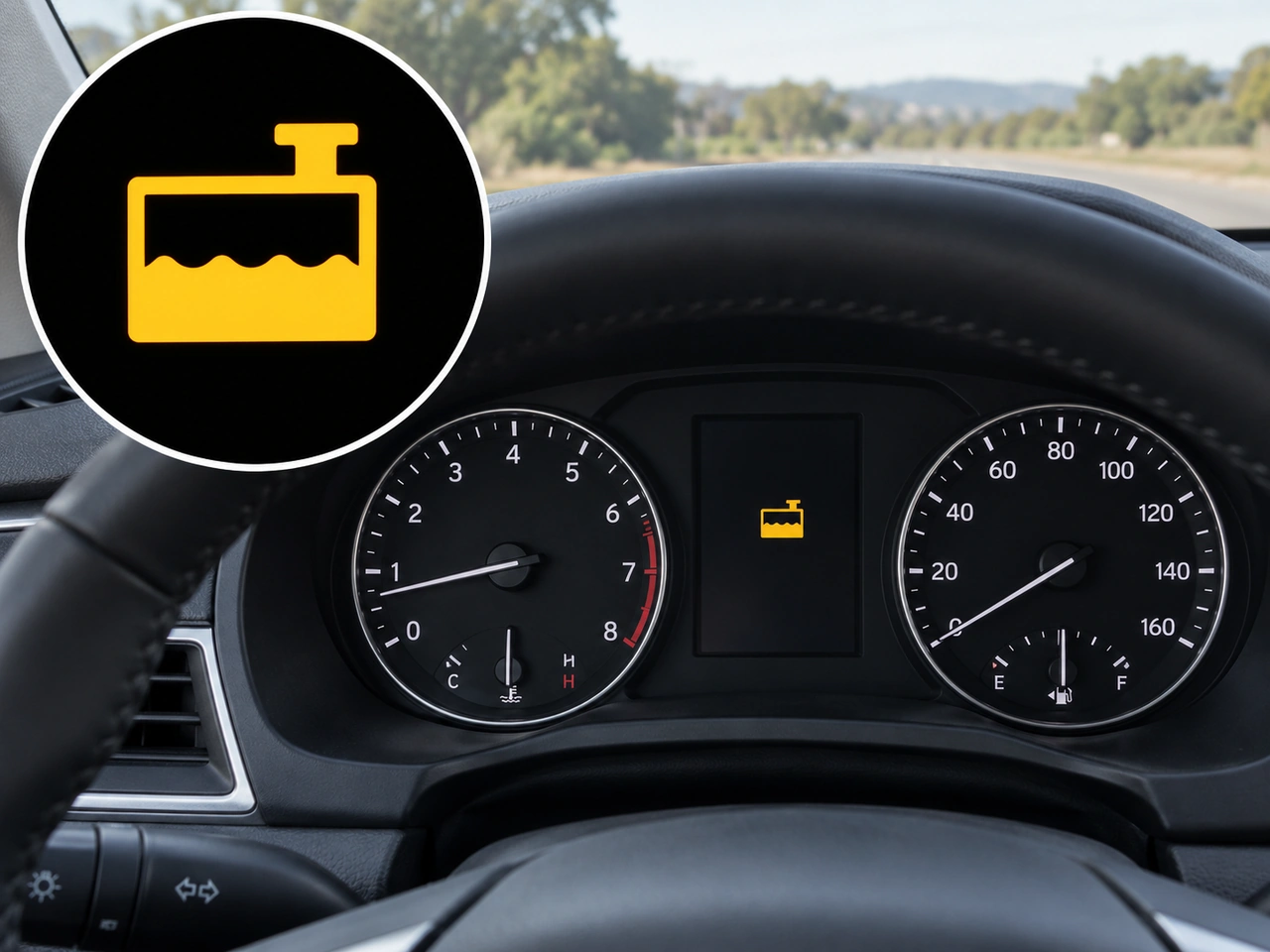
156. What does this dashboard symbol indicate?
This symbol indicates that the engine coolant level is low. Check the coolant level when the engine is cool and refill it with the correct coolant if necessary.
AI-generated by Rijbewijs-online.be • WCIT • CC BY-SA
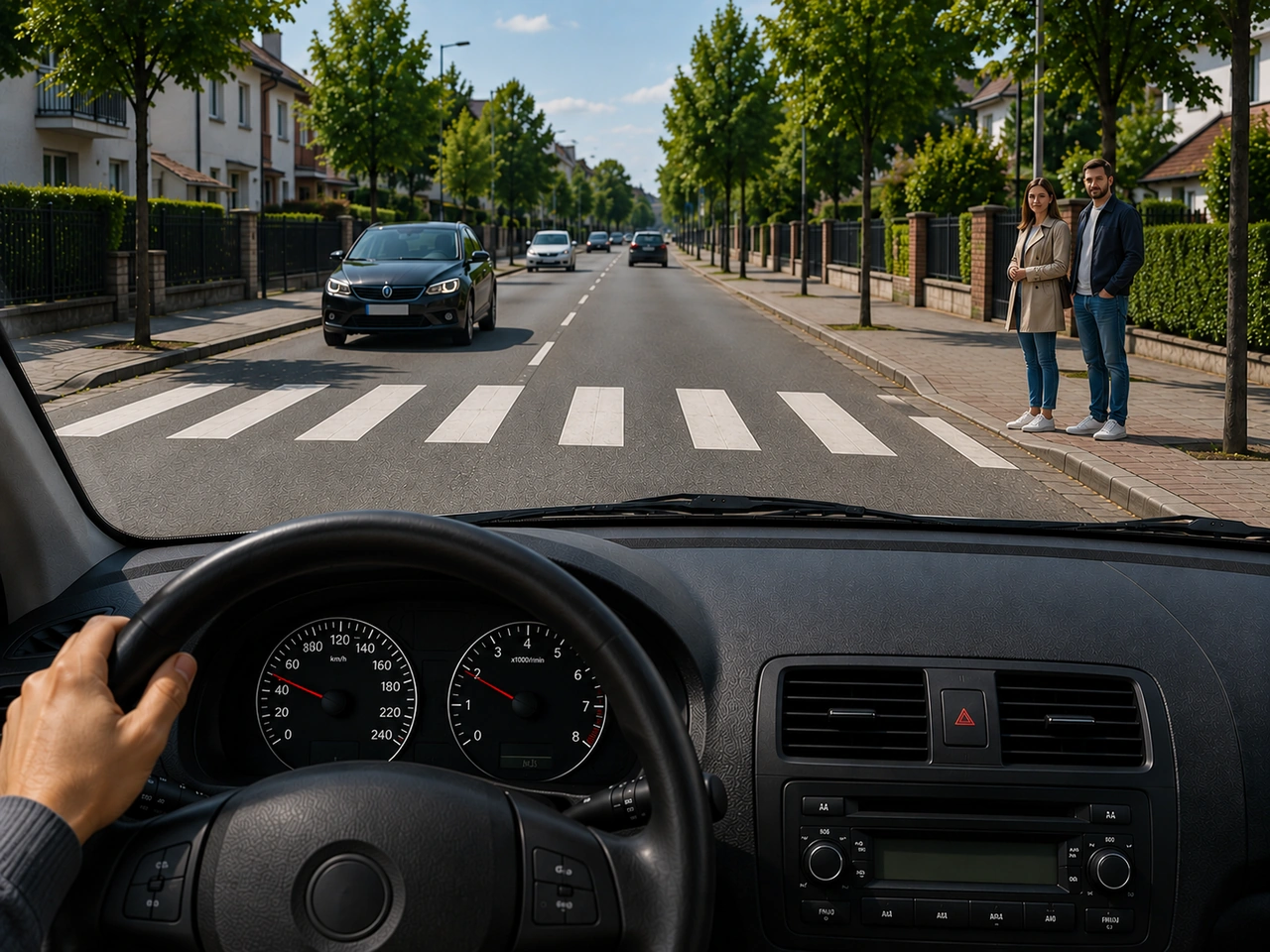
157. What should you do when people are waiting at a pedestrian crossing?
When people are waiting near a pedestrian crossing, reduce your speed and be ready to stop. Pedestrians may begin crossing at any moment.
AI-generated by Rijbewijs-online.be • WCIT • CC BY-SA
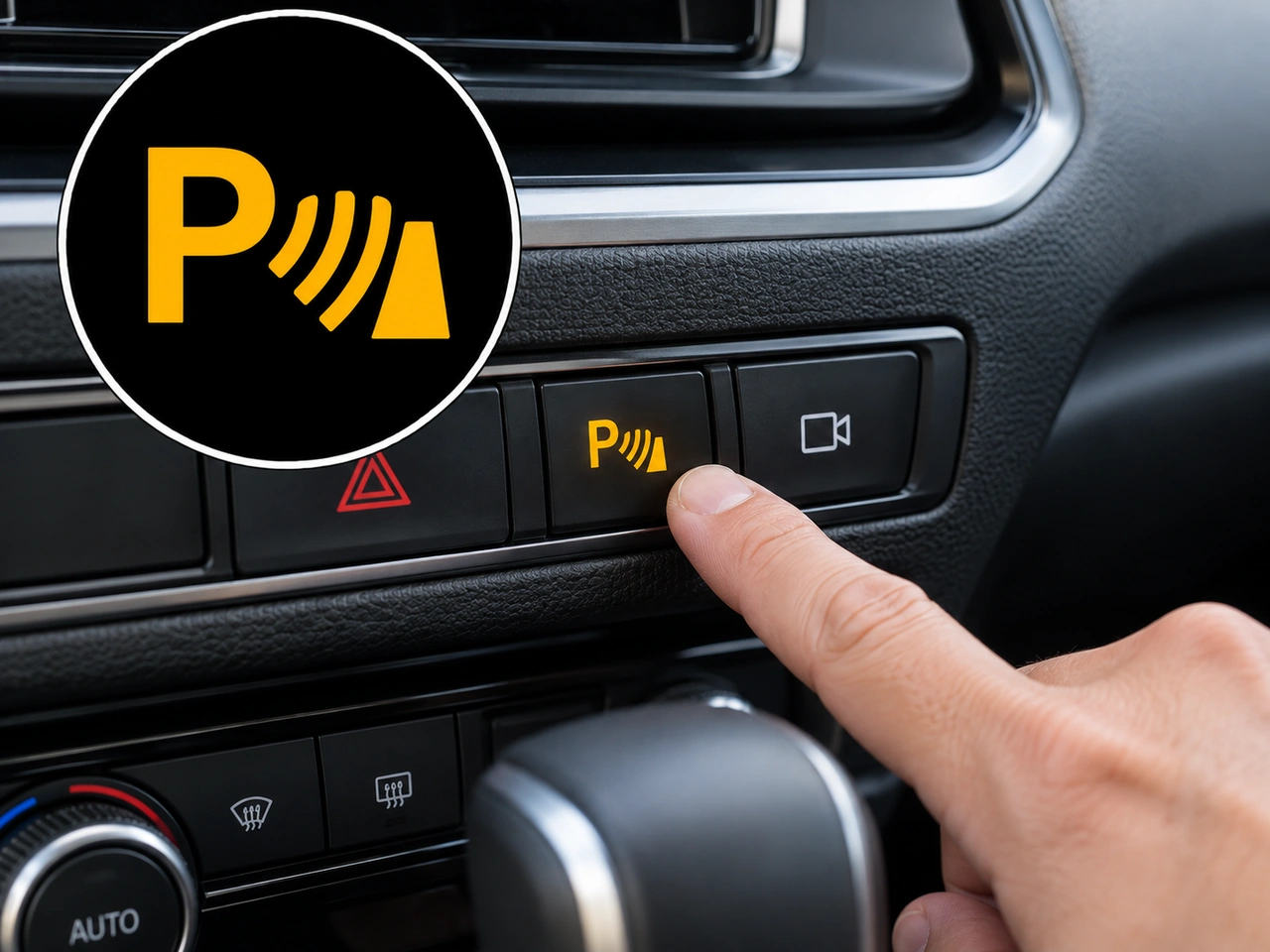
158. What does this dashboard symbol indicate?
This symbol relates to the vehicle's parking assistance system. Depending on the vehicle, the system may use sensors or cameras to detect obstacles and assist the driver while parking.
AI-generated by Rijbewijs-online.be • WCIT • CC BY-SA
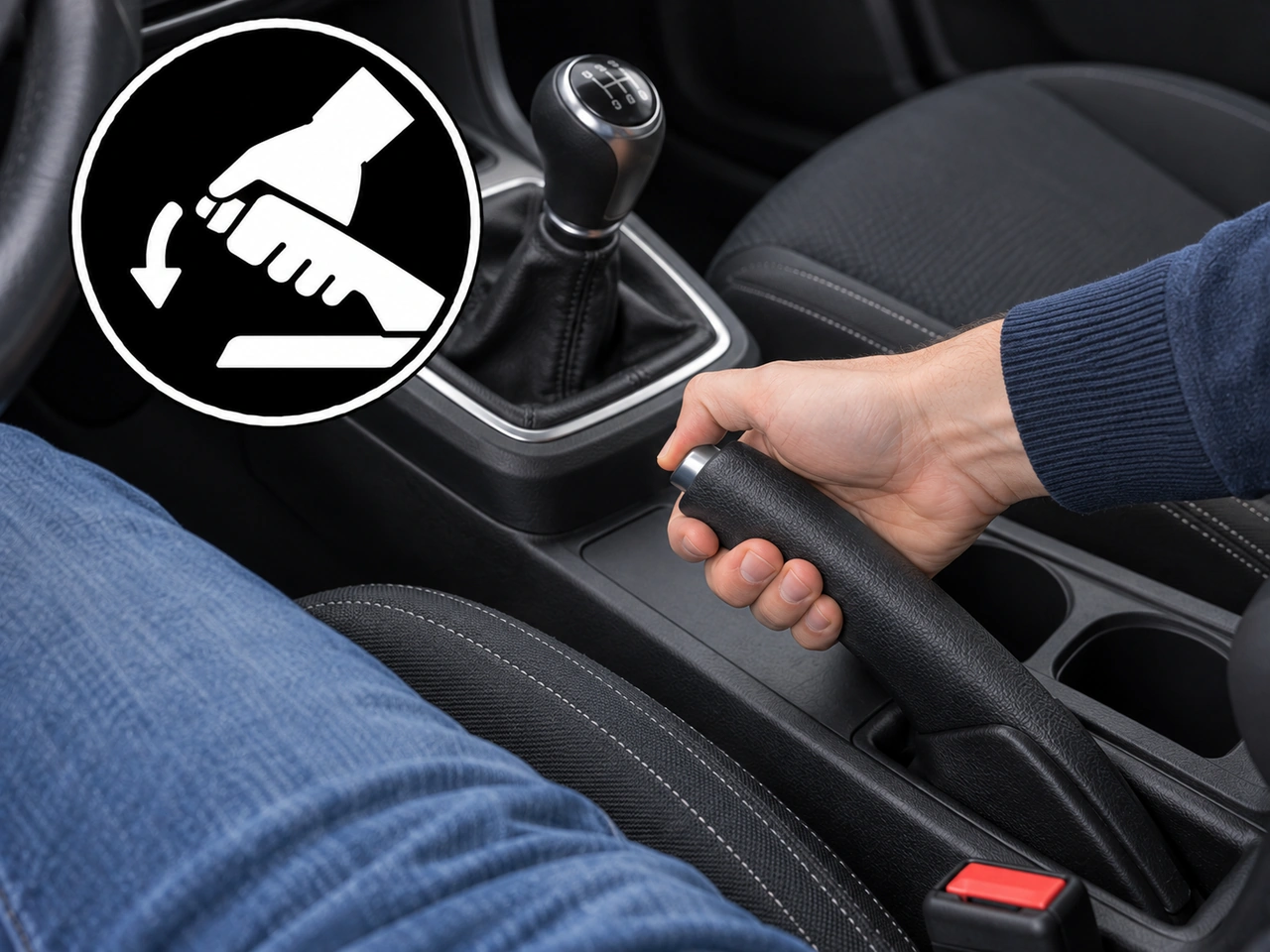
159. What should you do with a manual parking brake before driving away?
The manual parking brake should be released fully before driving away. Driving with it partly applied can cause unnecessary brake wear and overheating.
AI-generated by Rijbewijs-online.be • WCIT • CC BY-SA
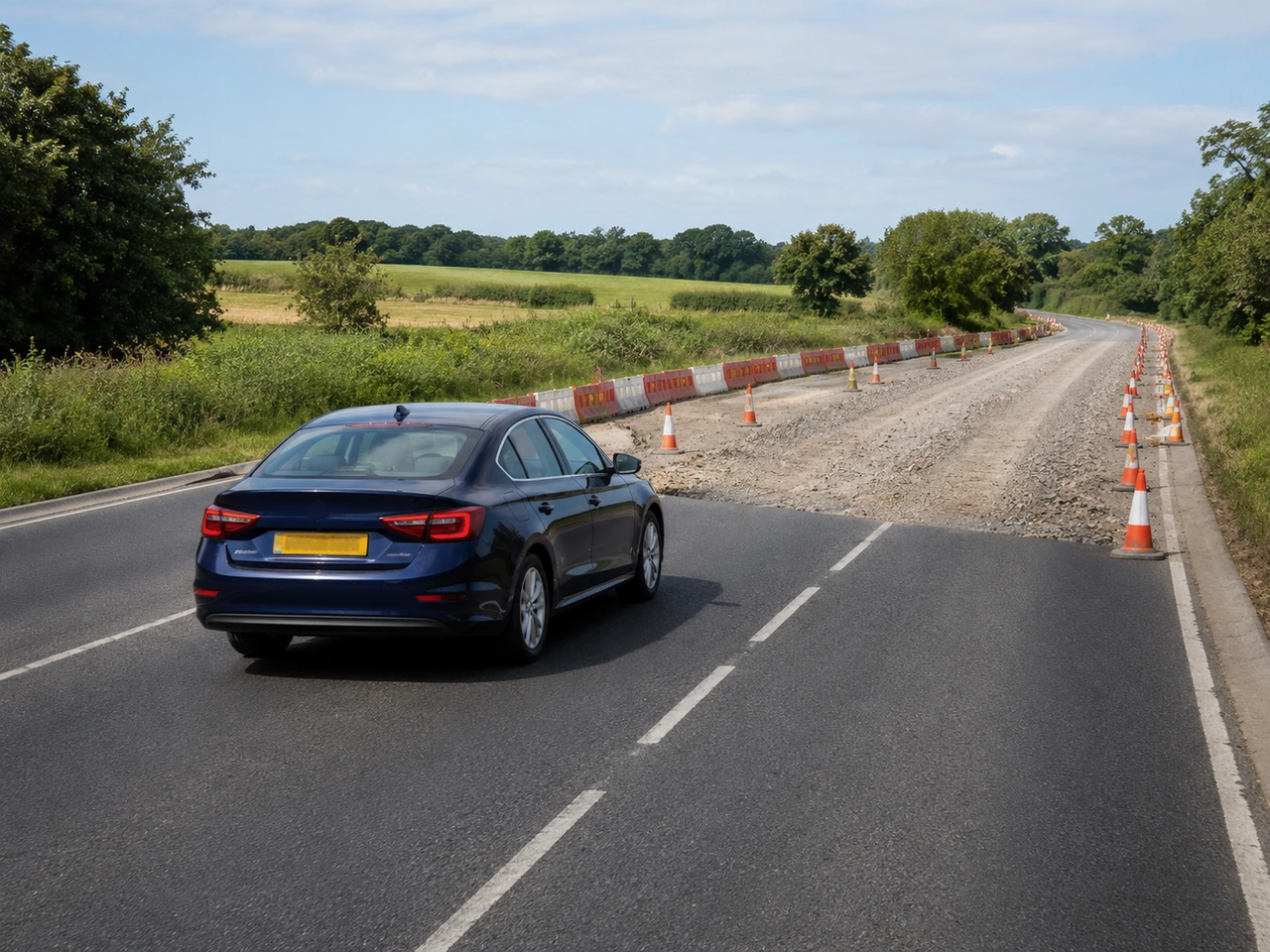
160. Why can temporary road surfaces increase stopping distance?
Temporary surfaces may provide less grip than normal asphalt. Reduce speed and allow more distance for braking.
AI-generated by Rijbewijs-online.be • WCIT • CC BY-SA
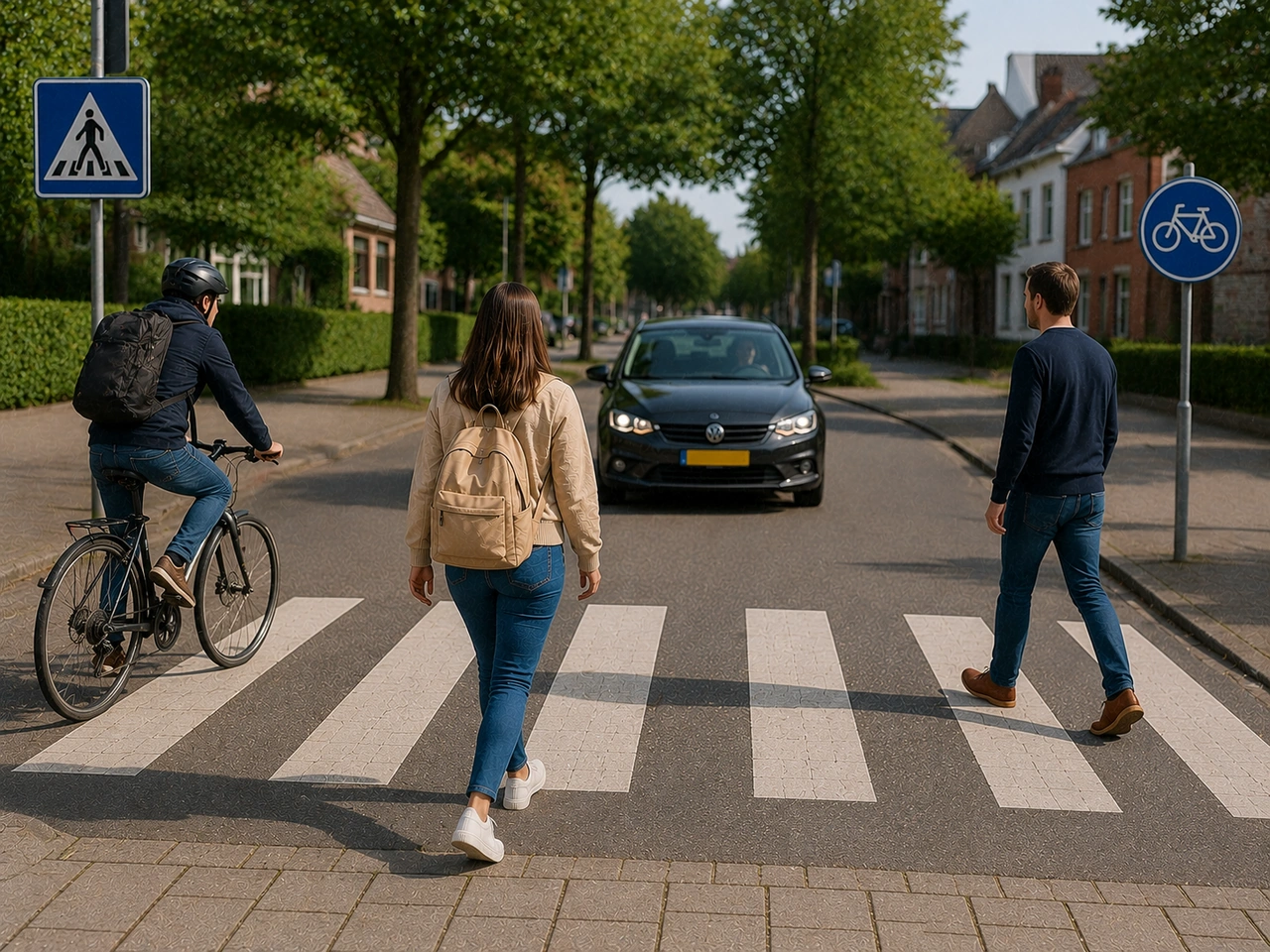
161. Who is responsible for staying safe when crossing the road?
Road safety is a shared responsibility. Pedestrians, drivers, and cyclists all need to stay alert and follow the rules.
AI-generated by Rijbewijs-online.be • WCIT • CC BY-SA
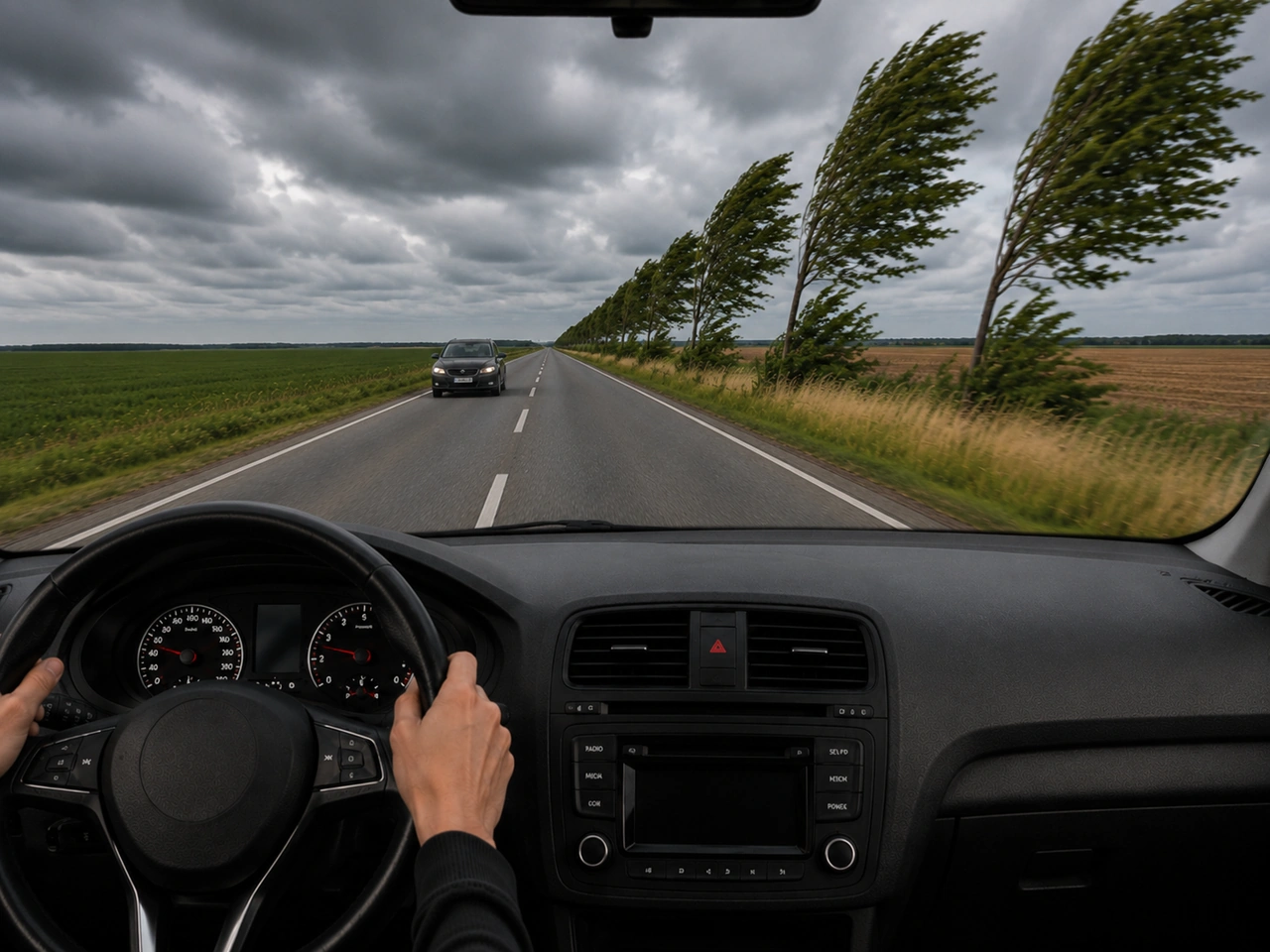
162. What should you do when driving in strong wind?
Strong wind can affect vehicle control, especially near open areas, bridges, large vehicles, cyclists, and motorcyclists.
AI-generated by Rijbewijs-online.be • WCIT • CC BY-SA
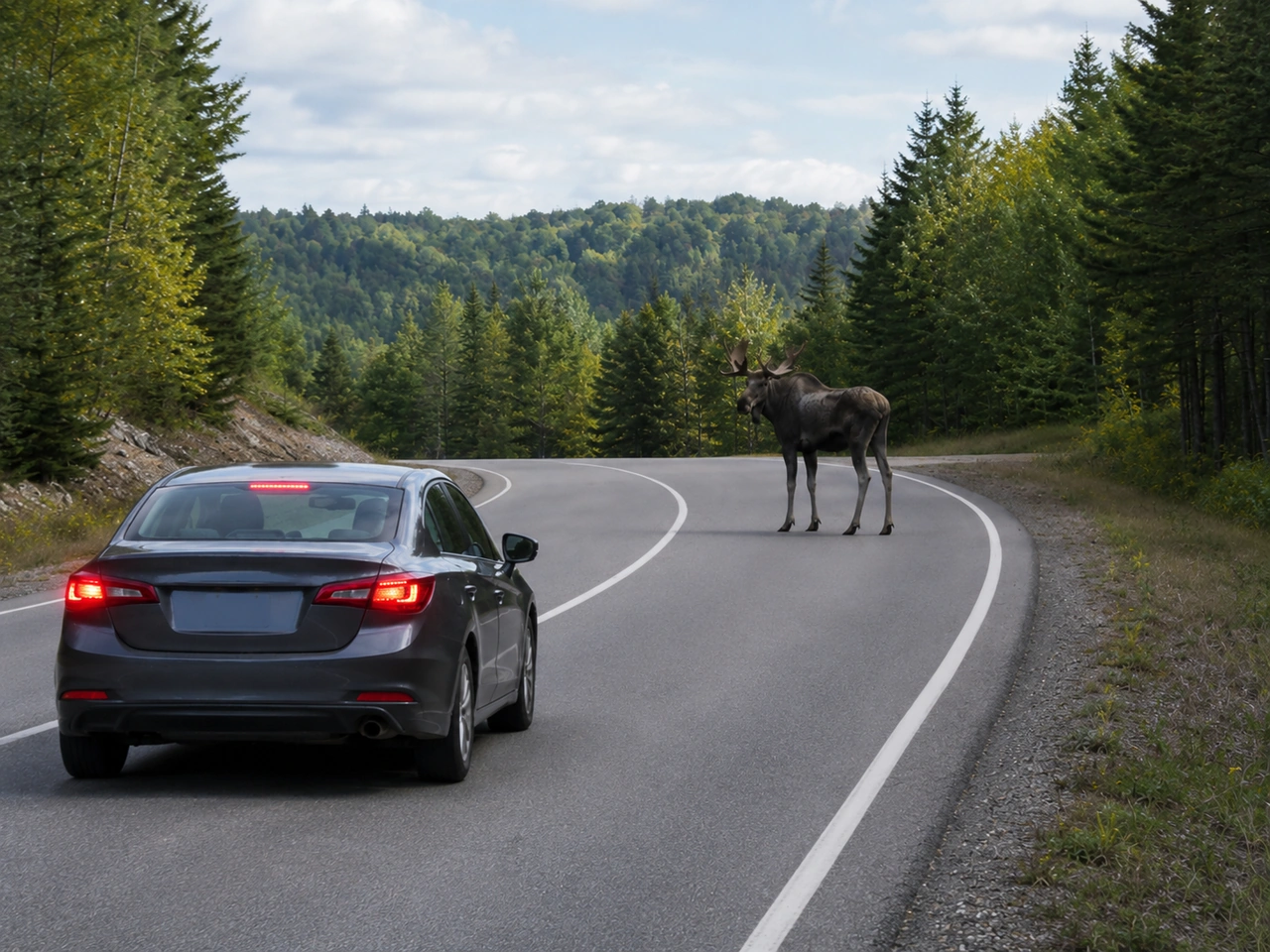
163. What should you do if a large animal suddenly enters your path?
If a large animal enters the road, brake firmly while keeping the vehicle under control. Avoid sudden swerving, as this can cause you to lose control or collide with other traffic.
AI-generated by Rijbewijs-online.be • WCIT • CC BY-SA
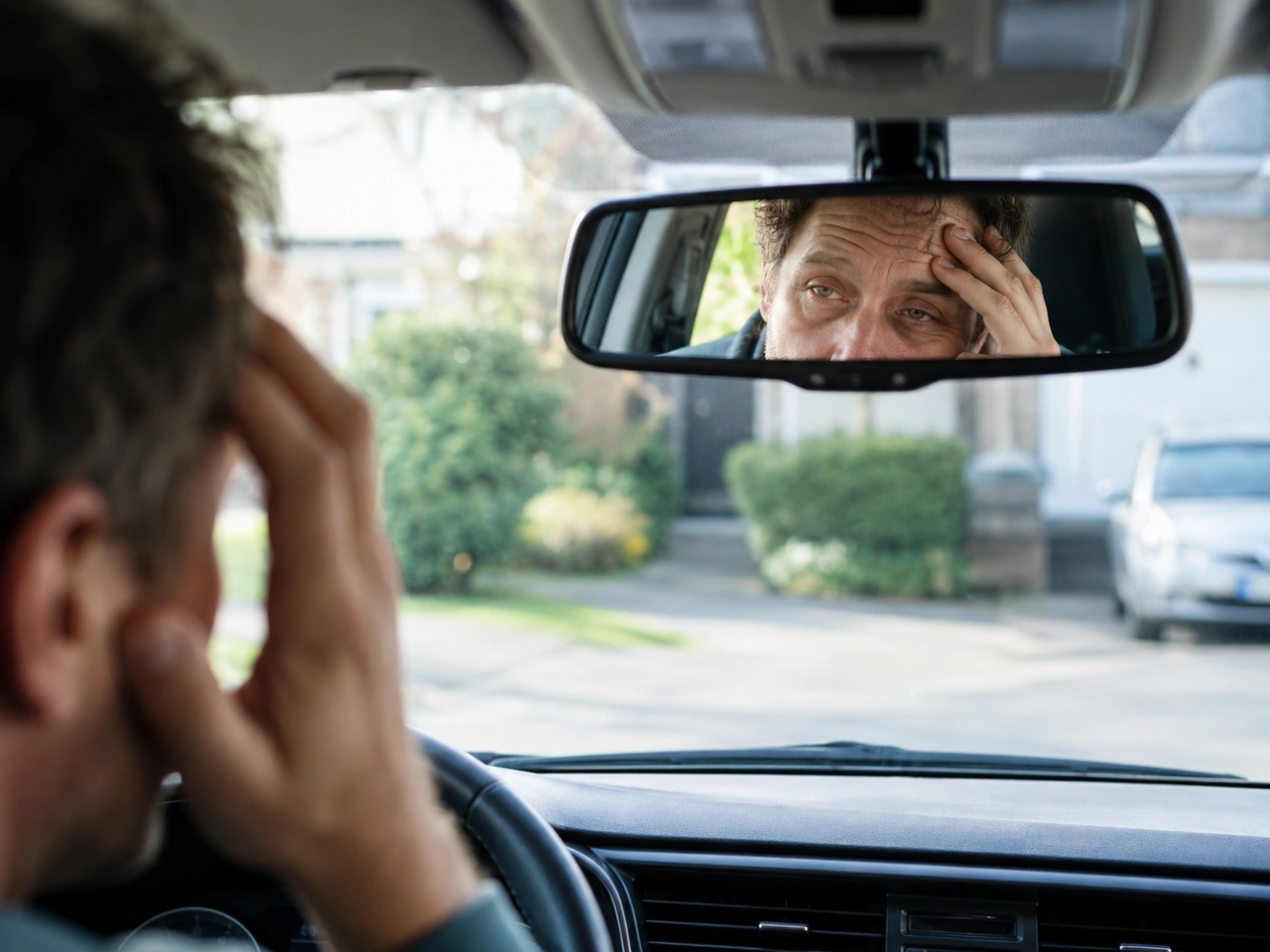
164. Can you assume that you are safe to drive the morning after drinking?
The body needs time to process alcohol. Sleeping, eating, showering, or drinking coffee does not instantly remove it.
AI-generated by Rijbewijs-online.be • WCIT • CC BY-SA
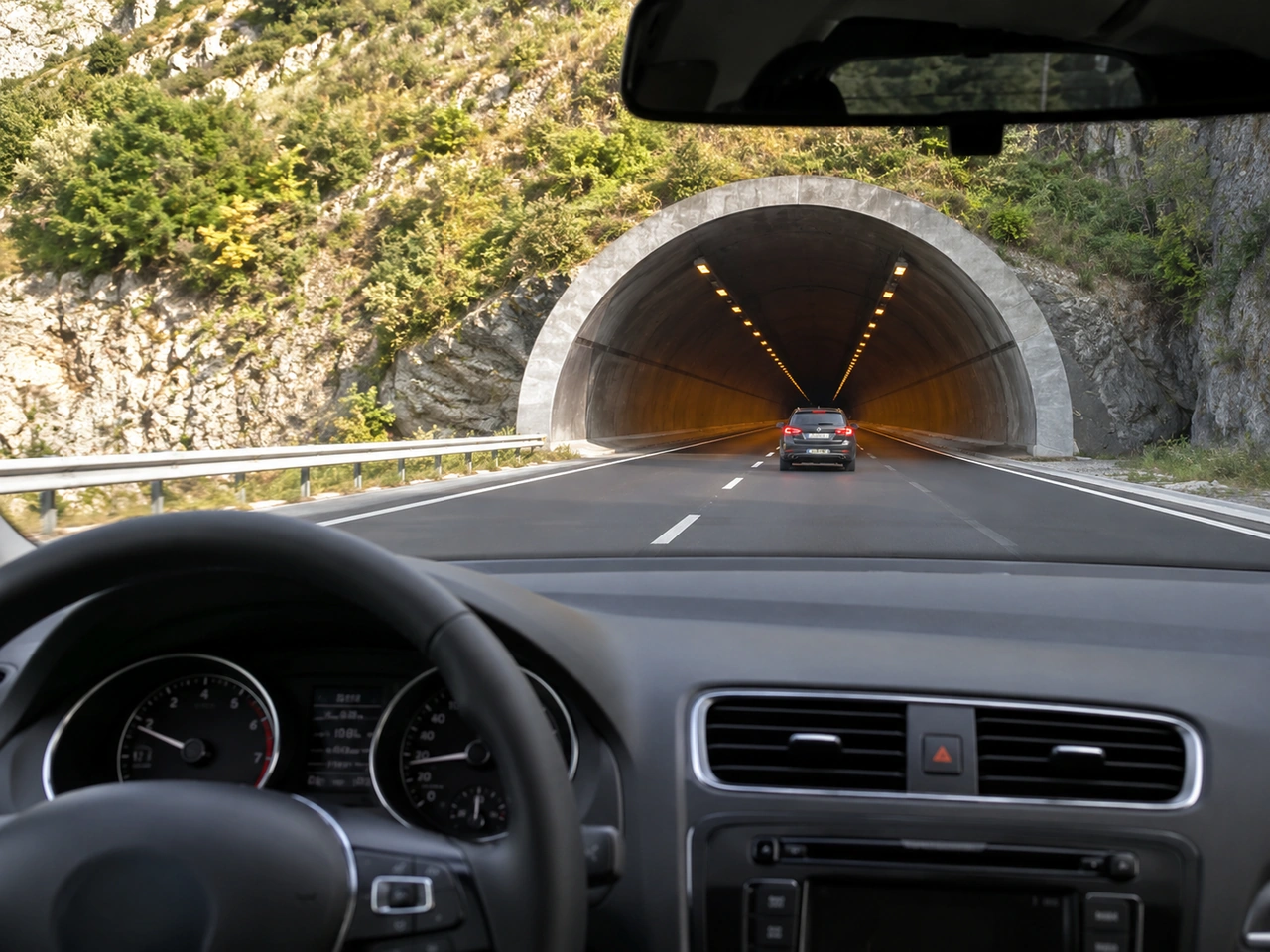
165. What should you do when approaching a tunnel?
When entering a tunnel, use the correct lights, keep enough distance, and stay alert for slower traffic.
AI-generated by Rijbewijs-online.be • WCIT • CC BY-SA
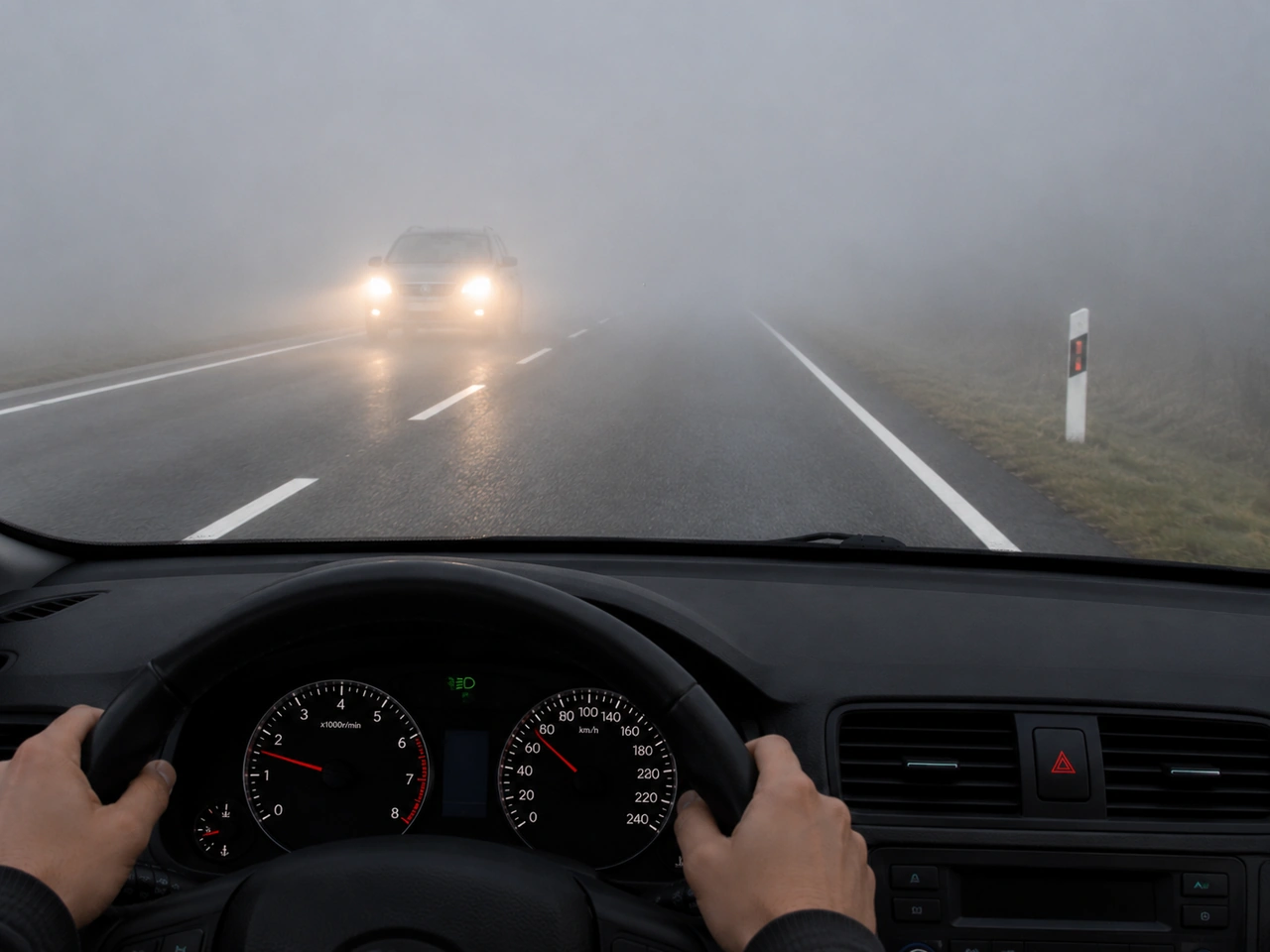
166. Why can fog make it difficult to judge the speed of other vehicles?
Fog reduces visual information, making it harder to judge how far away another vehicle is and how quickly it is approaching.
AI-generated by Rijbewijs-online.be • WCIT • CC BY-SA
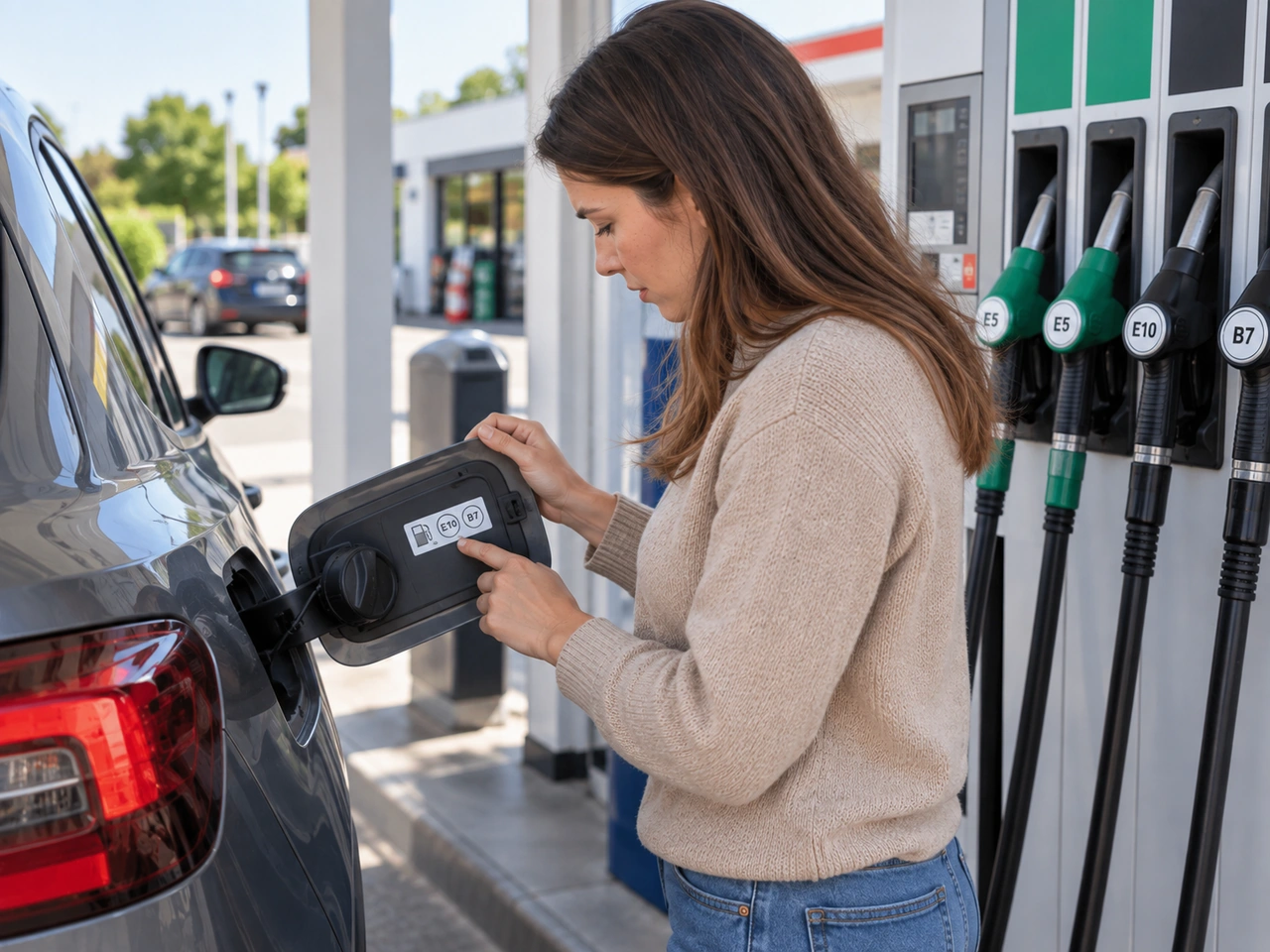
167. How can you check which fuel is suitable for your vehicle?
Before refuelling, check which fuel type the vehicle requires. The correct fuel is often shown inside the fuel-filler flap, on or near the fuel cap, or in the vehicle information or owner's manual. Do not rely only on nozzle colours, as these can vary between filling stations and countries.
AI-generated by Rijbewijs-online.be • WCIT • CC BY-SA
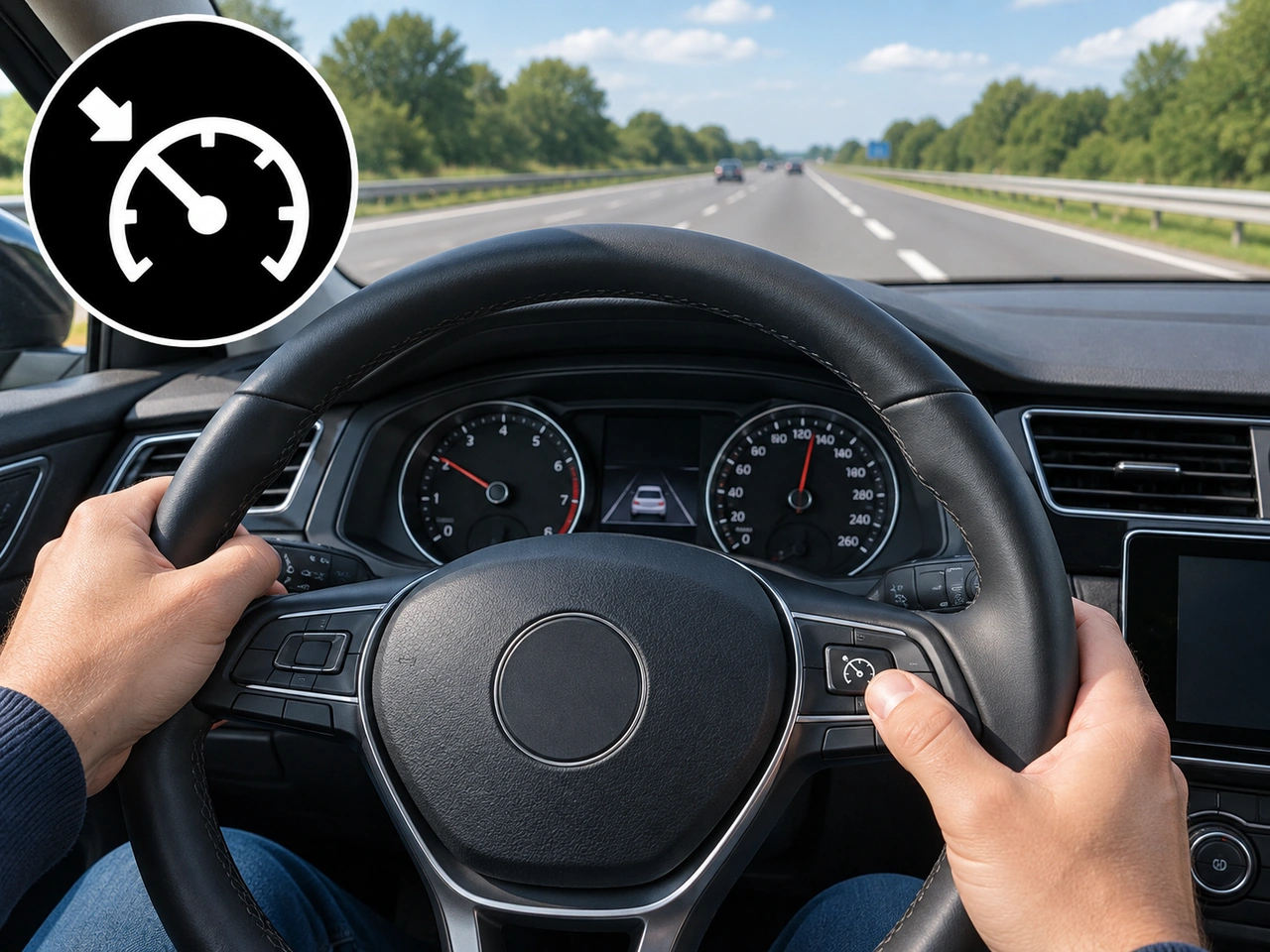
168. What is the purpose of cruise control?
Cruise control can maintain a selected speed without the driver continuously pressing the accelerator. The driver must remain attentive and ready to brake or take control when necessary.
AI-generated by Rijbewijs-online.be • WCIT • CC BY-SA
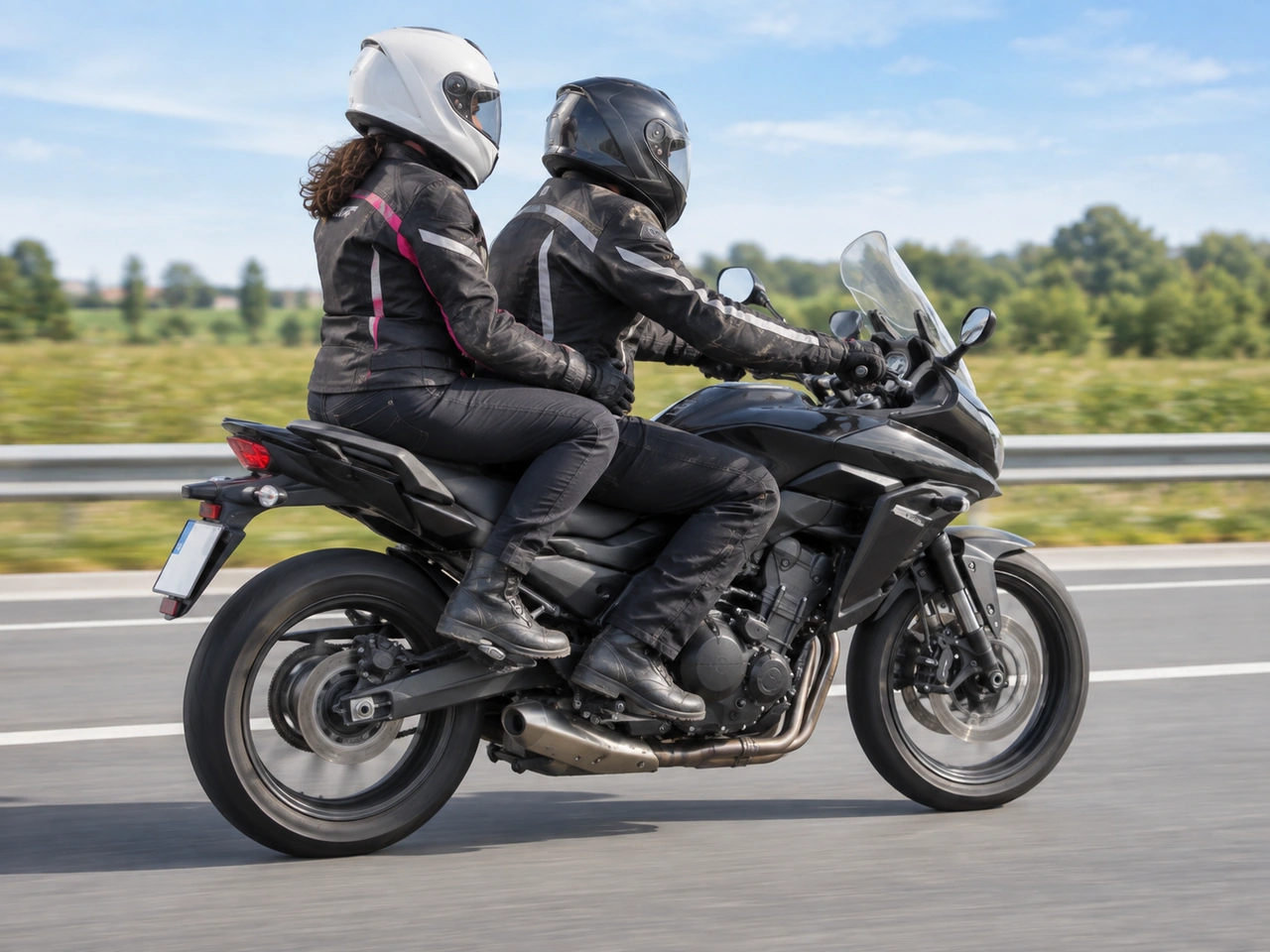
169. How should a passenger normally sit on a motorcycle?
A motorcycle passenger should sit securely on the designated passenger seat, keep both feet on the footrests and avoid sudden movements that could affect the motorcycle's balance and stability.
AI-generated by Rijbewijs-online.be • WCIT • CC BY-SA
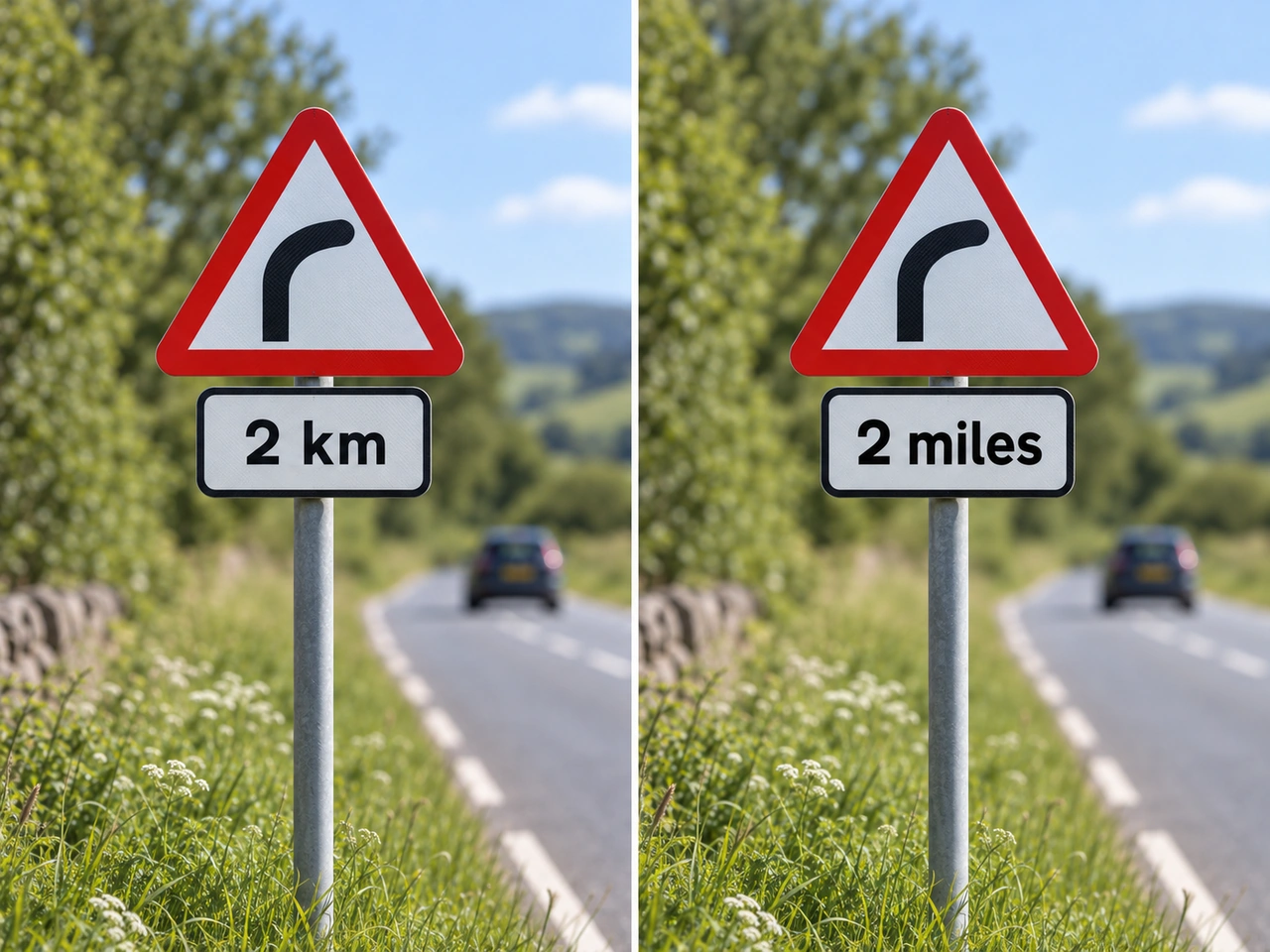
170. Which distance unit is used on road signs in Peru?
Road distances in Peru are normally shown in kilometres.
AI-generated by Rijbewijs-online.be • WCIT • CC BY-SA
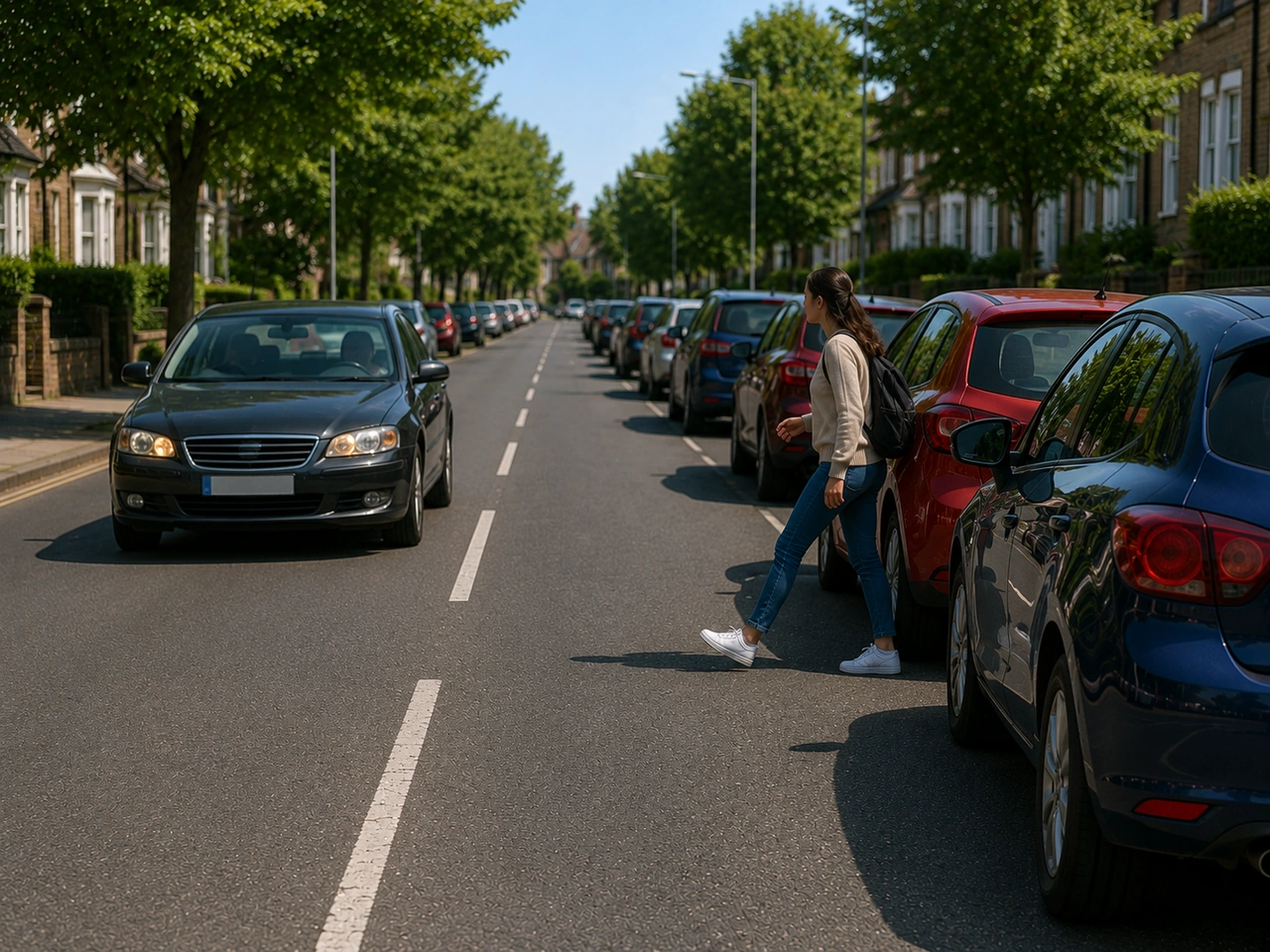
171. Why is it dangerous to cross between parked cars?
Parked vehicles can block the view between pedestrians and drivers. This makes it harder to see approaching traffic and harder for drivers to see you.
AI-generated by Rijbewijs-online.be • WCIT • CC BY-SA
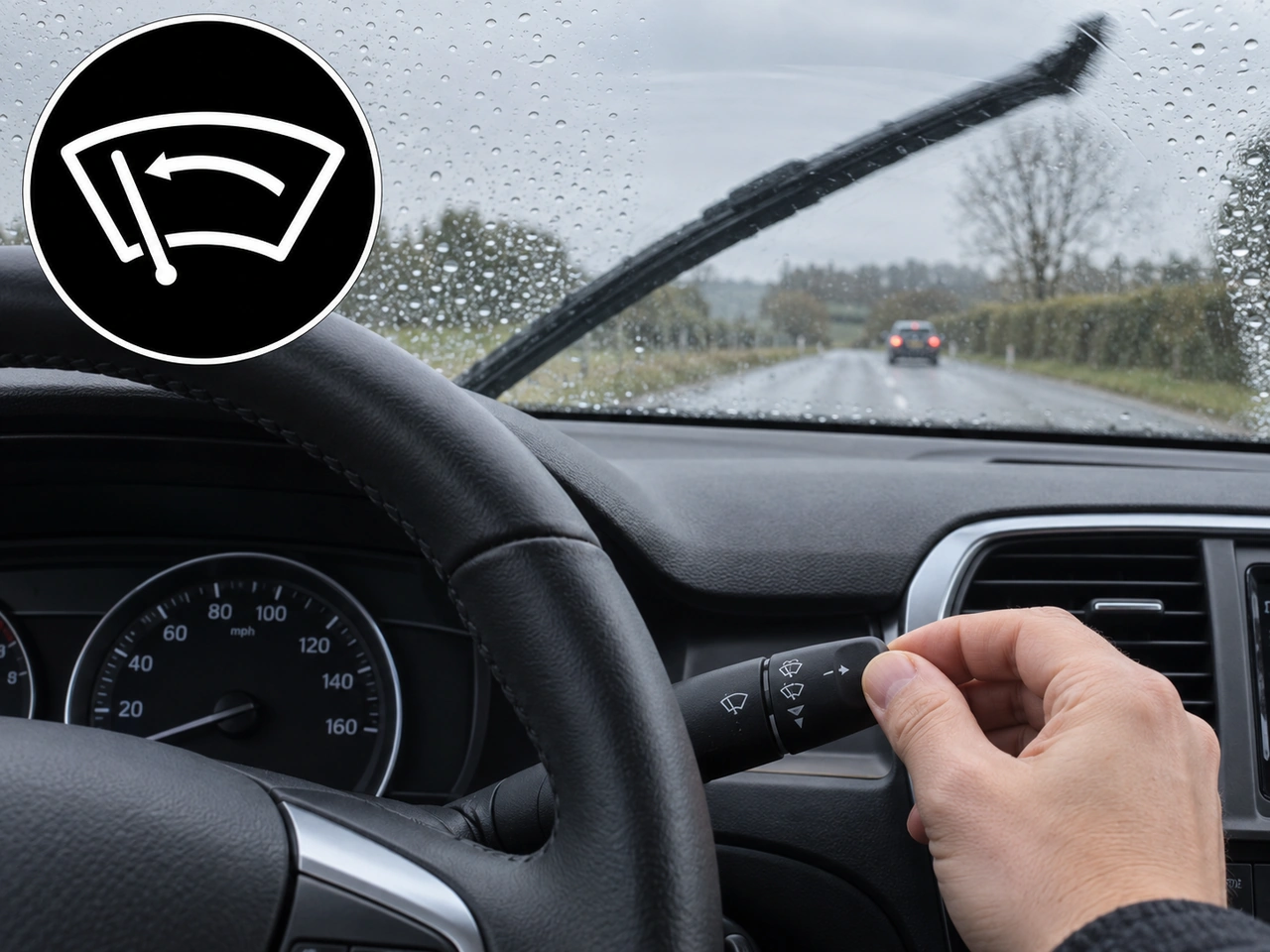
172. What does the single-wipe position of the windscreen-wiper control do?
The single-wipe position operates the windscreen wipers for one sweep and then stops. It is useful when only a small amount of water or spray needs to be cleared from the windscreen.
AI-generated by Rijbewijs-online.be • WCIT • CC BY-SA
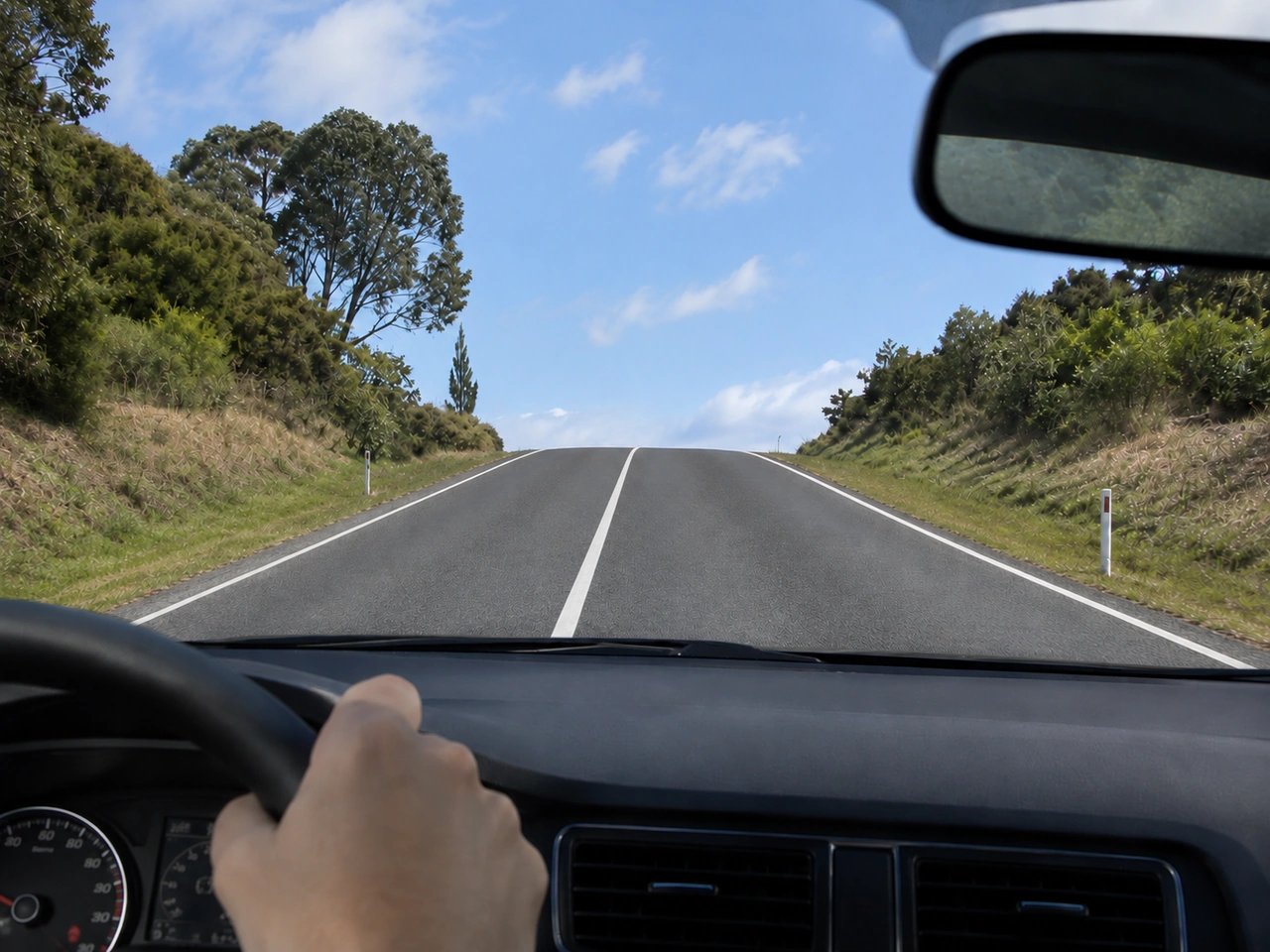
173. What should you do when approaching a hill crest?
A hill crest can hide vehicles, cyclists, pedestrians, or obstacles. Reduce speed and stay in your lane.
AI-generated by Rijbewijs-online.be • WCIT • CC BY-SA
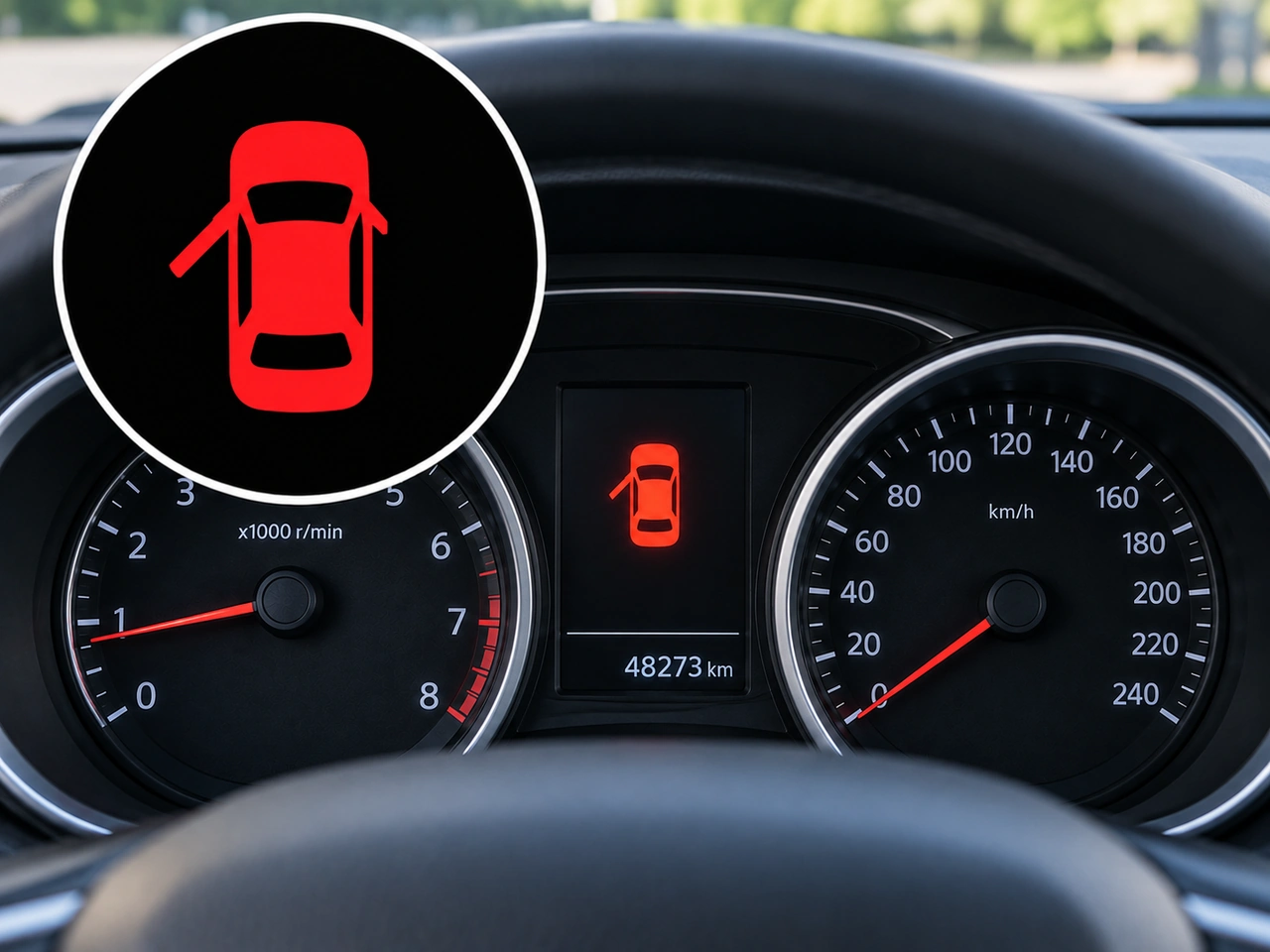
174. What does this dashboard symbol indicate?
This symbol indicates that one or more vehicle doors are not fully closed. Check that all doors are securely shut before driving.
AI-generated by Rijbewijs-online.be • WCIT • CC BY-SA
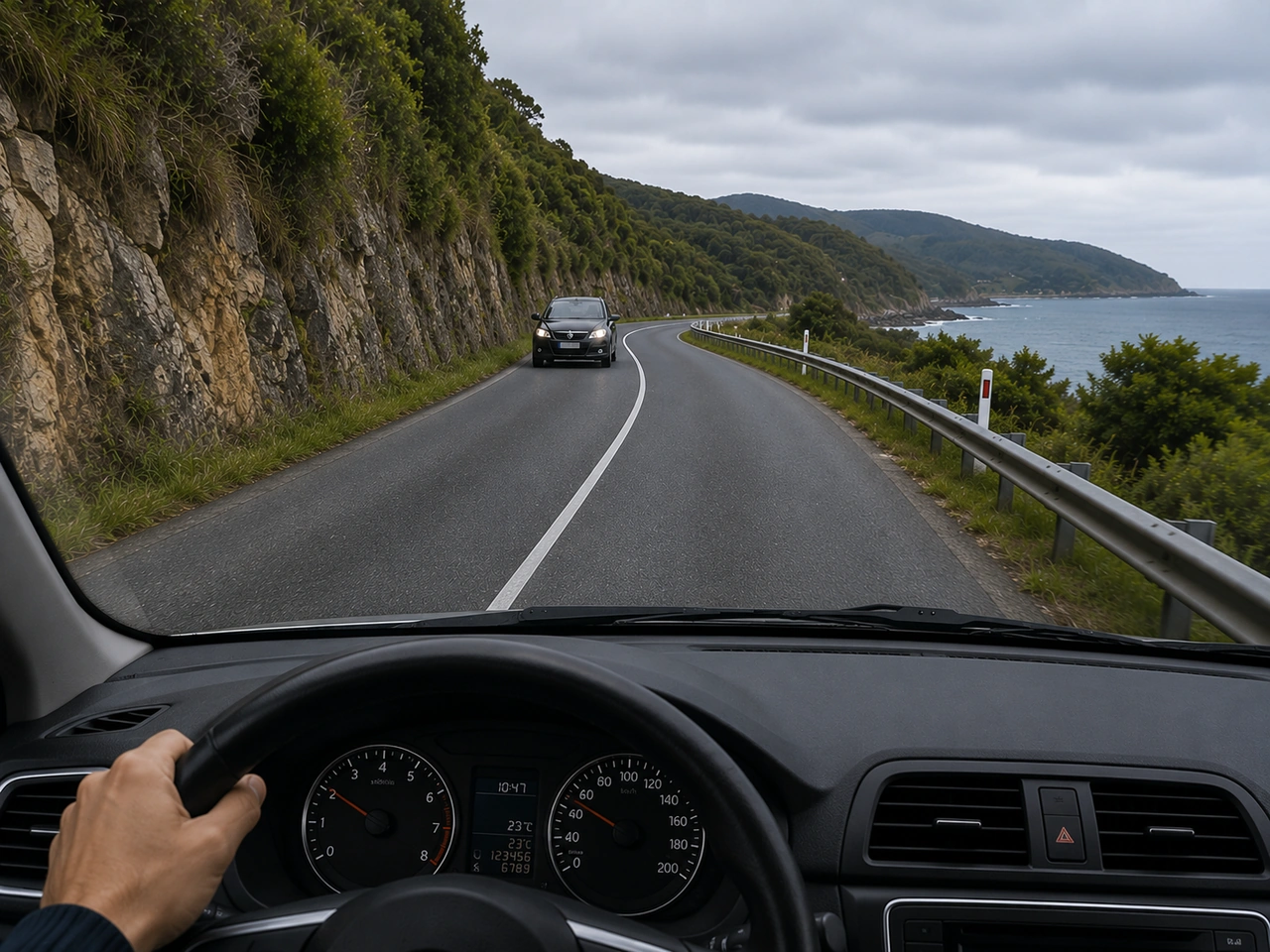
175. What should you do when approaching a curve with poor visibility?
A curve can hide oncoming traffic, obstacles, cyclists, or pedestrians. Reduce speed and keep a safe position.
AI-generated by Rijbewijs-online.be • WCIT • CC BY-SA
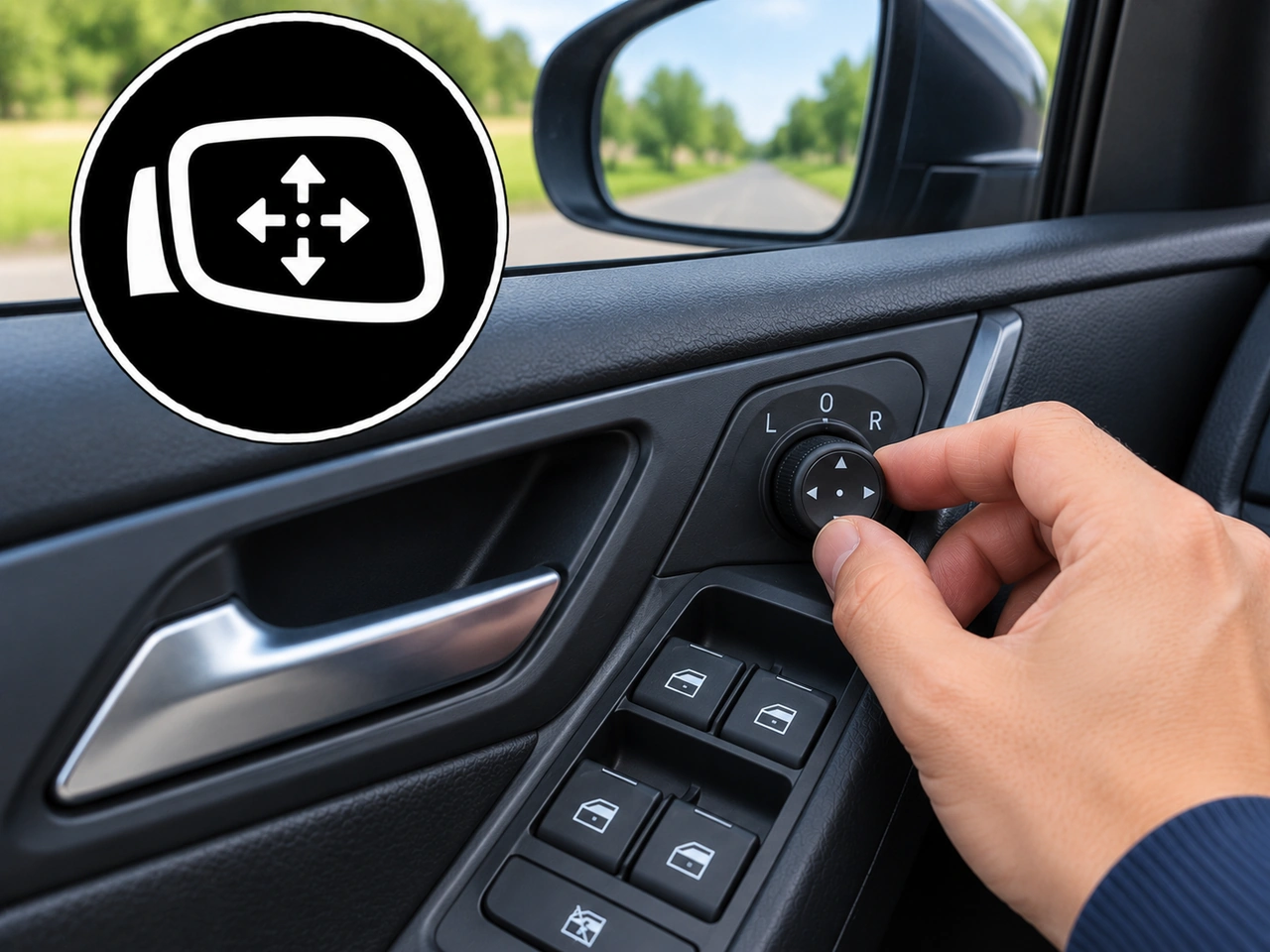
176. What does this vehicle-control symbol indicate?
This control adjusts the vehicle's exterior mirrors. The driver normally selects the left or right mirror and then moves the control to change its angle.
AI-generated by Rijbewijs-online.be • WCIT • CC BY-SA
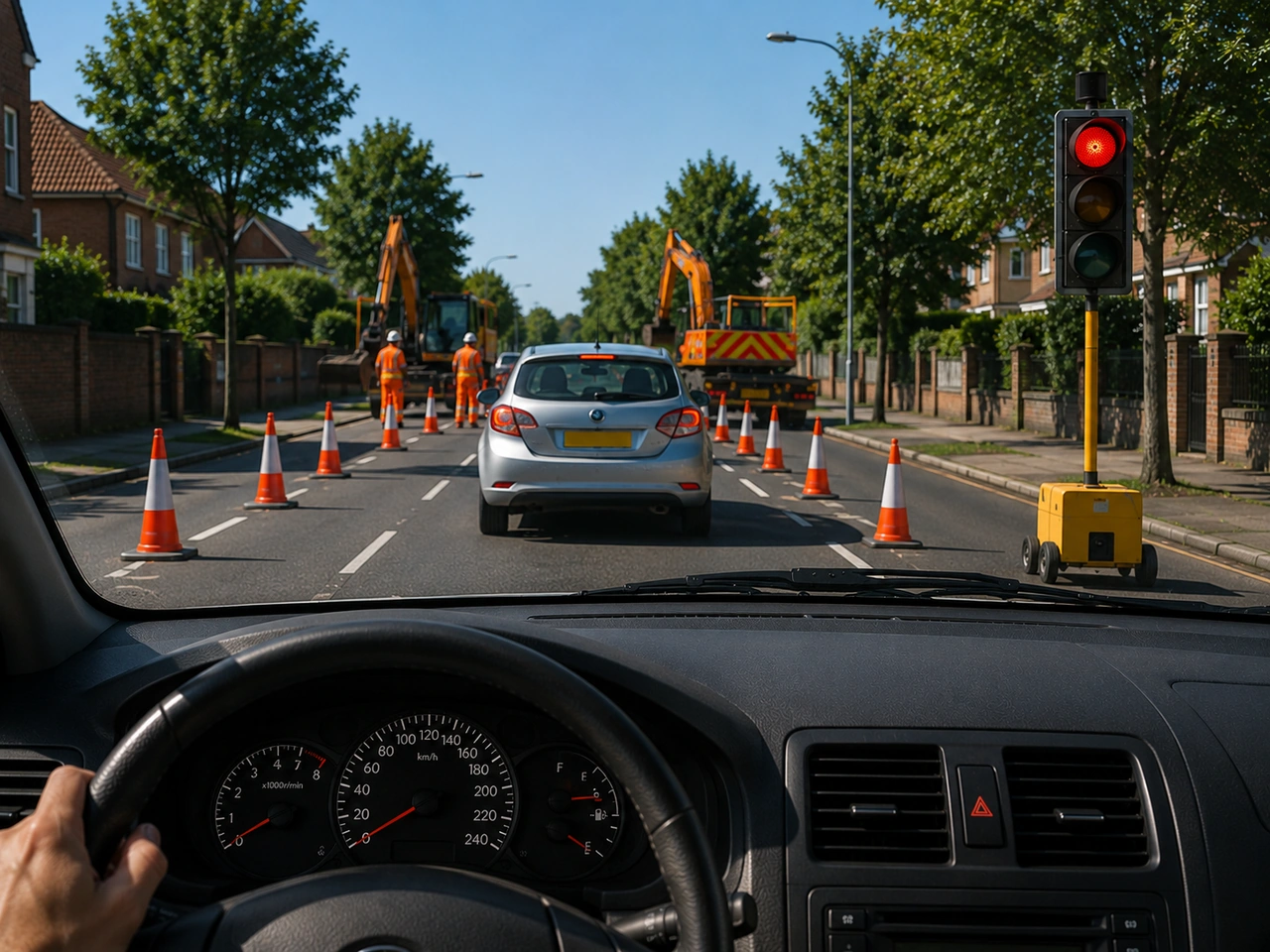
177. What should you do when roadworks are ahead?
Roadworks can create narrow lanes, workers near traffic, uneven surfaces, and temporary rules. Slow down and follow the signs.
AI-generated by Rijbewijs-online.be • WCIT • CC BY-SA
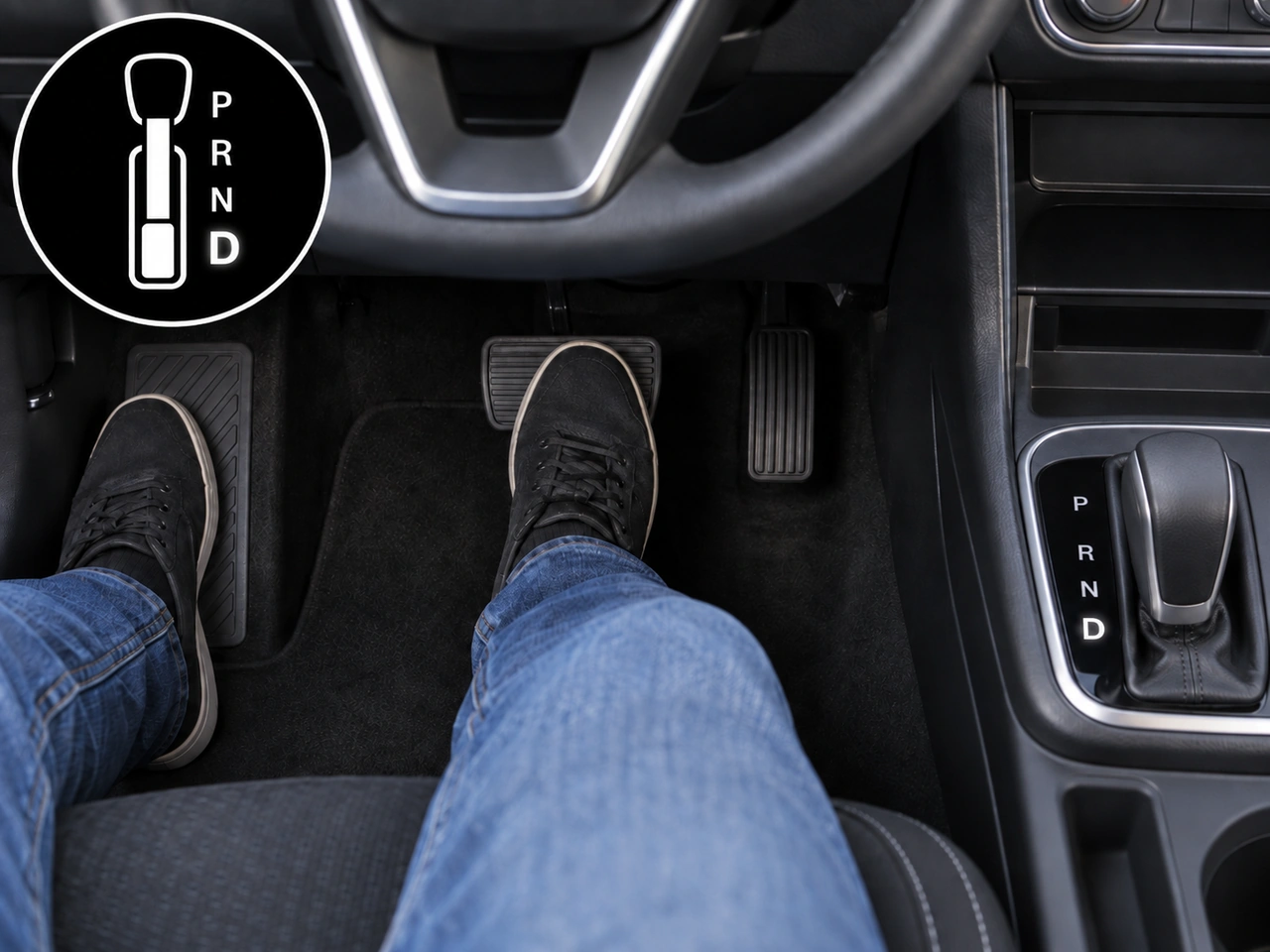
178. What should you do when an automatic vehicle is stationary in D?
An automatic vehicle may creep forward when D (Drive) is selected, even without pressing the accelerator. Keep the brake pedal pressed while stationary to prevent unintended movement.
AI-generated by Rijbewijs-online.be • WCIT • CC BY-SA
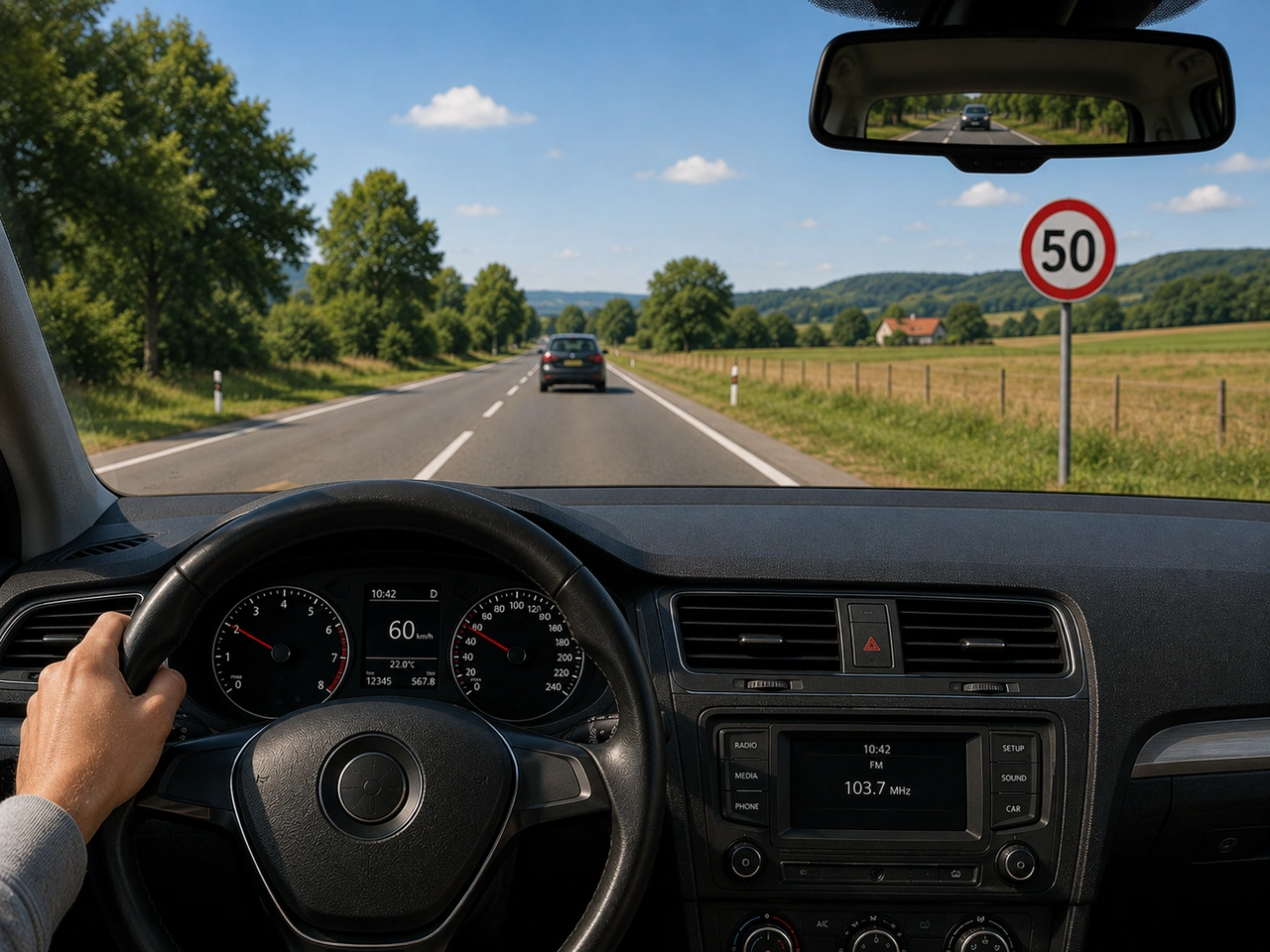
179. Speed limits only apply when there is heavy traffic.
Speed limits apply at all times unless a different limit is clearly indicated.
AI-generated by Rijbewijs-online.be • WCIT • CC BY-SA
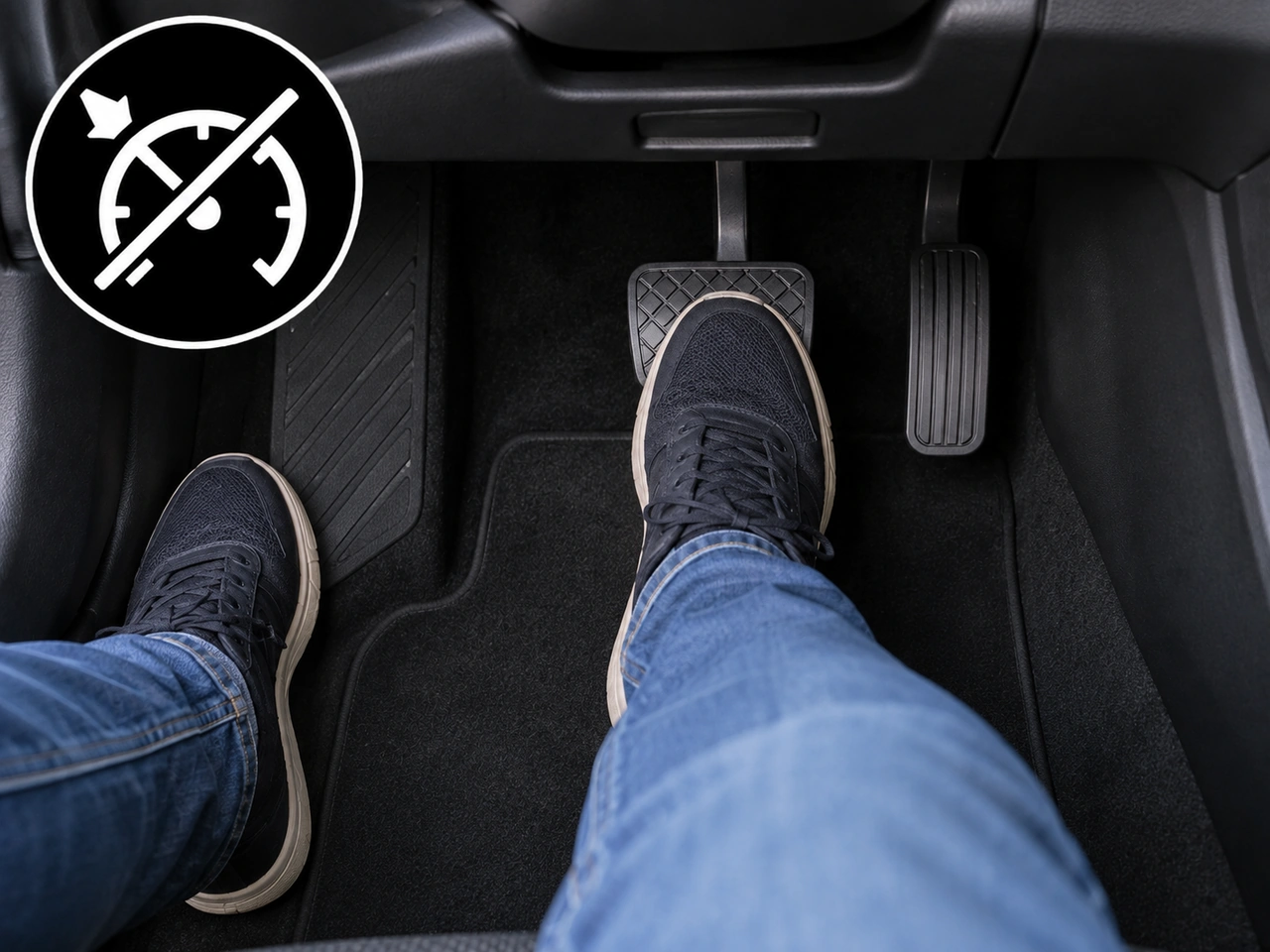
180. What normally happens to cruise control when you press the brake pedal?
Pressing the brake pedal normally cancels or temporarily disengages cruise control, returning speed control to the driver.
AI-generated by Rijbewijs-online.be • WCIT • CC BY-SA
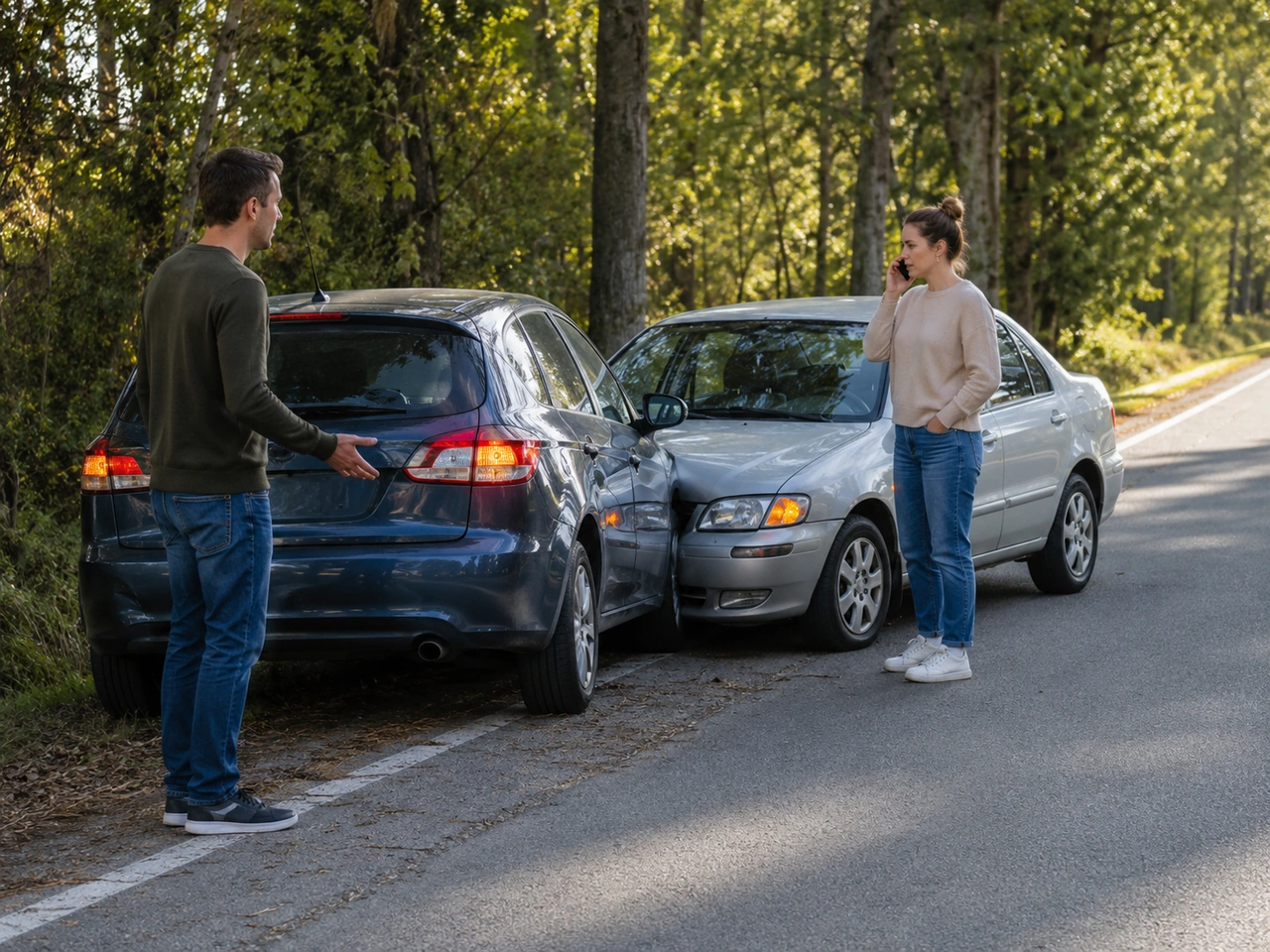
181. What should you do first after a collision?
Stop the vehicle, warn other traffic where appropriate, assess immediate danger and injuries, and contact the emergency services when needed. Exchange any details required by local law.
AI-generated by Rijbewijs-online.be • WCIT • CC BY-SA
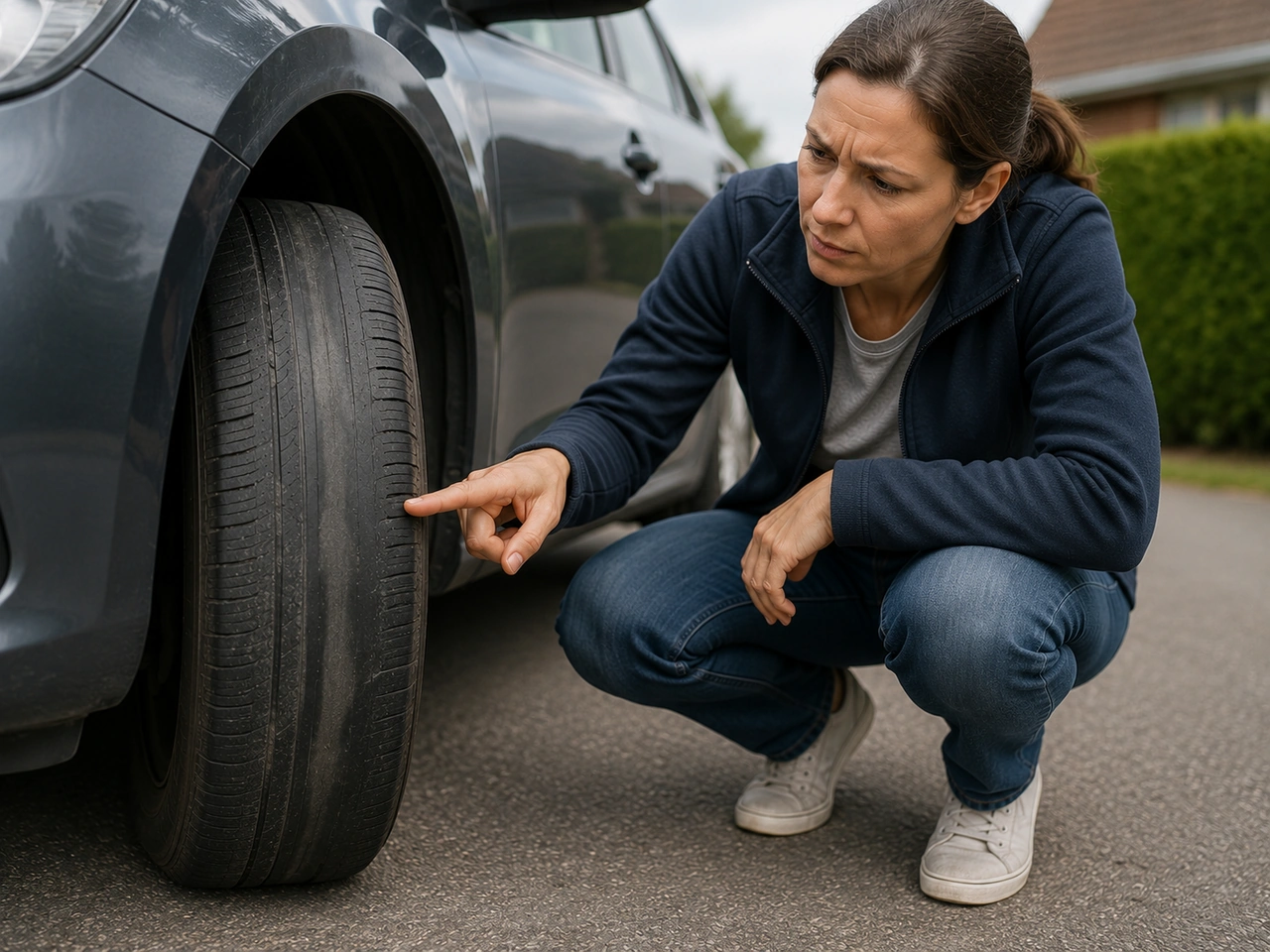
182. What can uneven tyre wear indicate?
Uneven wear may result from incorrect tyre pressure, wheel misalignment, worn suspension parts, or a brake that is not releasing properly.
AI-generated by Rijbewijs-online.be • WCIT • CC BY-SA
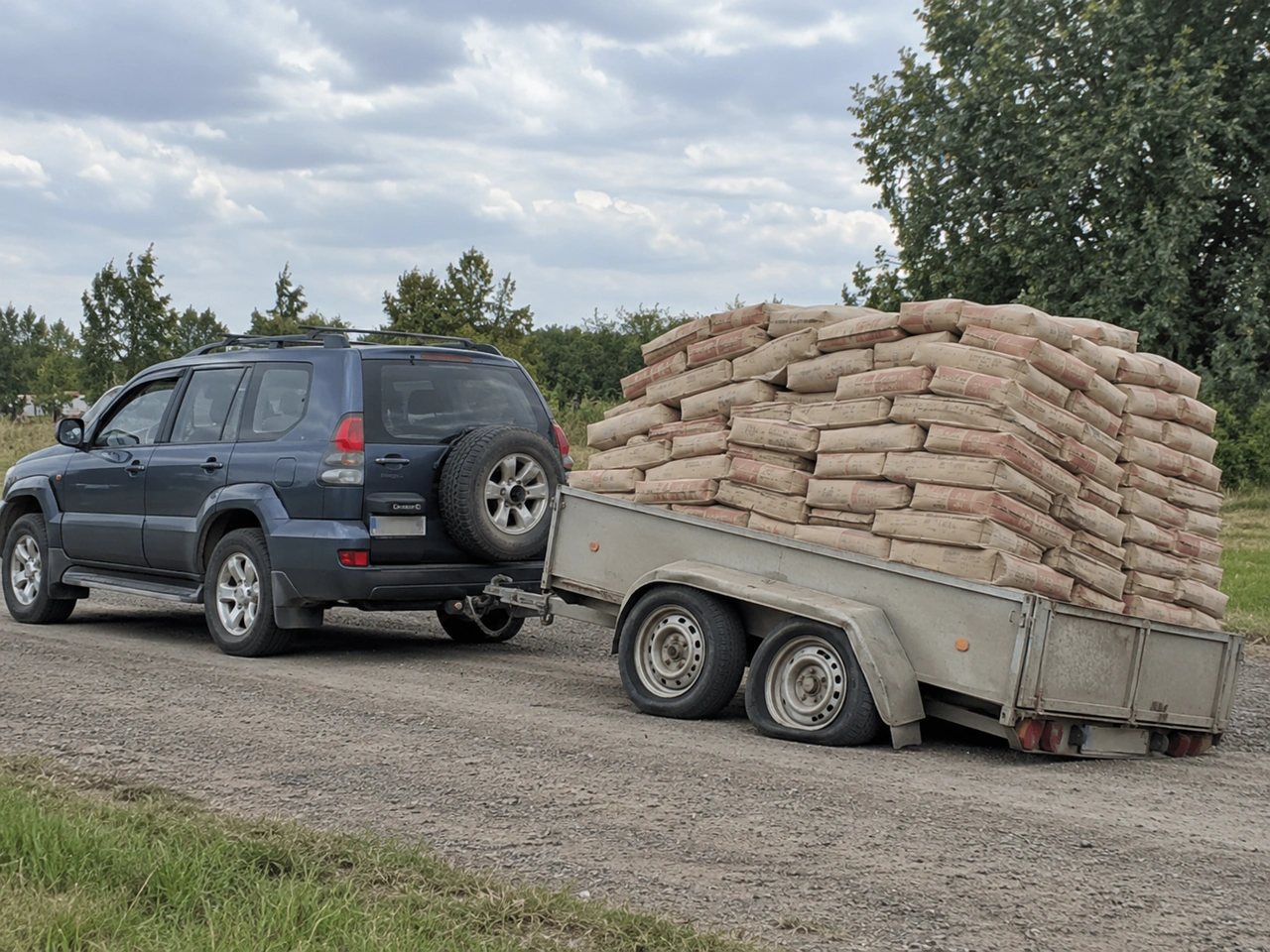
183. Why should you avoid overloading a trailer?
Overloading can affect braking, steering, tyres, suspension, and trailer stability. Always remain within permitted limits. After loading, check that the load is secure and correctly distributed before starting your journey.
AI-generated by Rijbewijs-online.be • WCIT • CC BY-SA
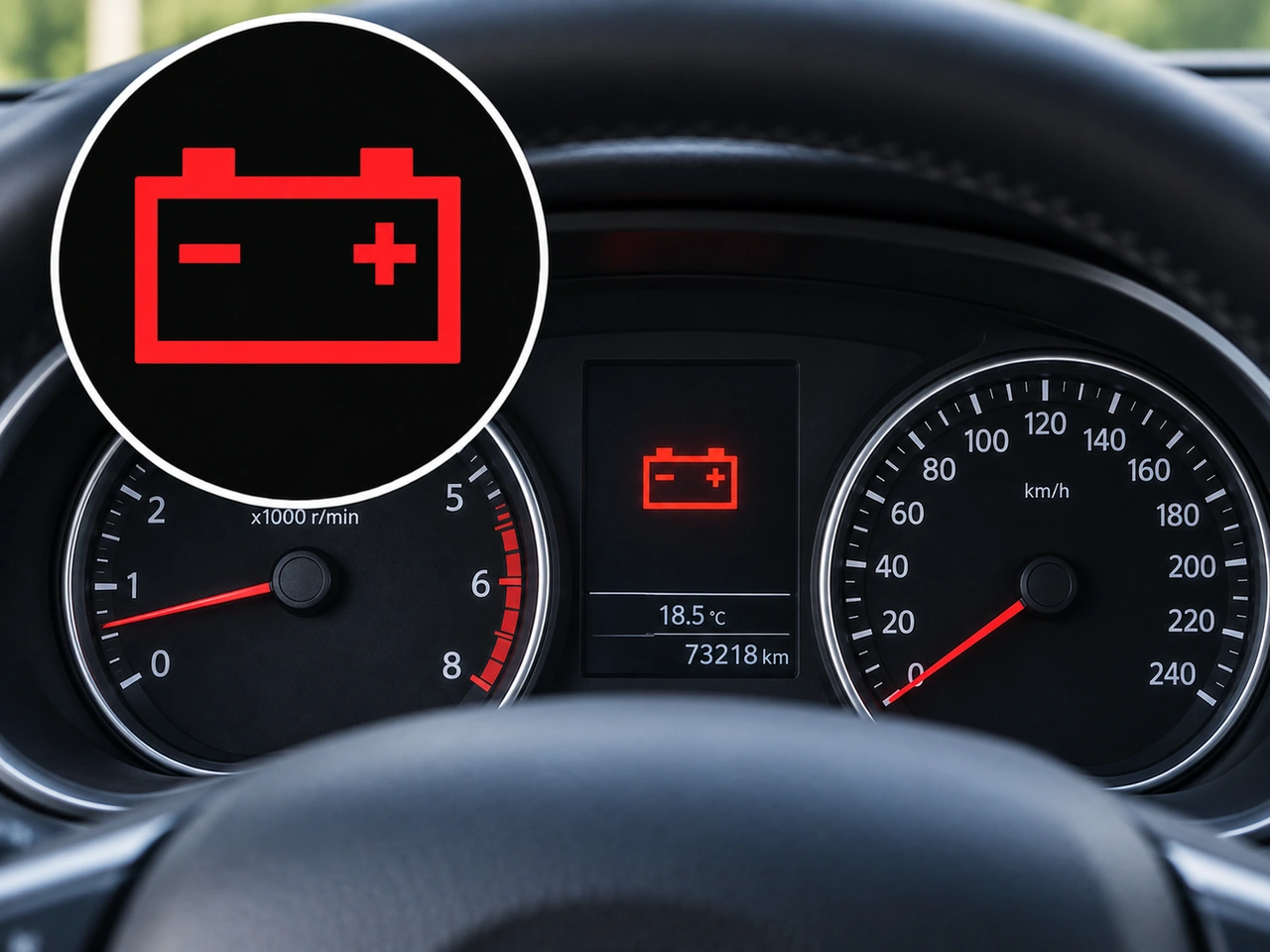
184. What does this dashboard symbol indicate?
This symbol indicates a problem with the vehicle's charging system. If it remains illuminated while the engine is running, the battery may not be charging correctly because of a fault with the alternator, battery, wiring, or related components.
AI-generated by Rijbewijs-online.be • WCIT • CC BY-SA
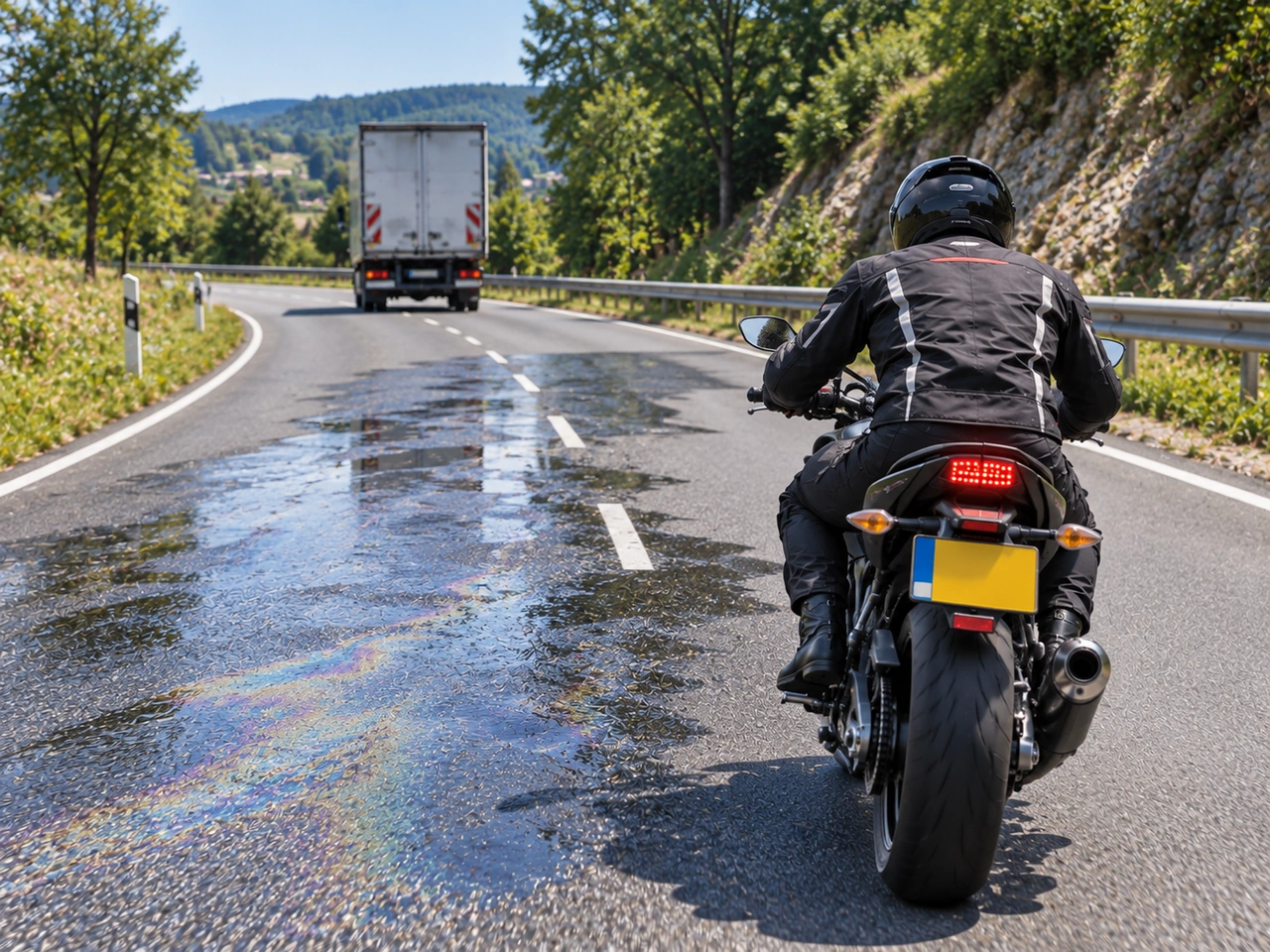
185. Why should you take extra care if oil or diesel is spilled on the road?
Oil, diesel and other fluids can create a very slippery road surface, particularly for motorcycles and bicycles. Reduce speed, avoid sudden braking or steering and keep the vehicle as stable as possible when crossing a contaminated area.
AI-generated by Rijbewijs-online.be • WCIT • CC BY-SA
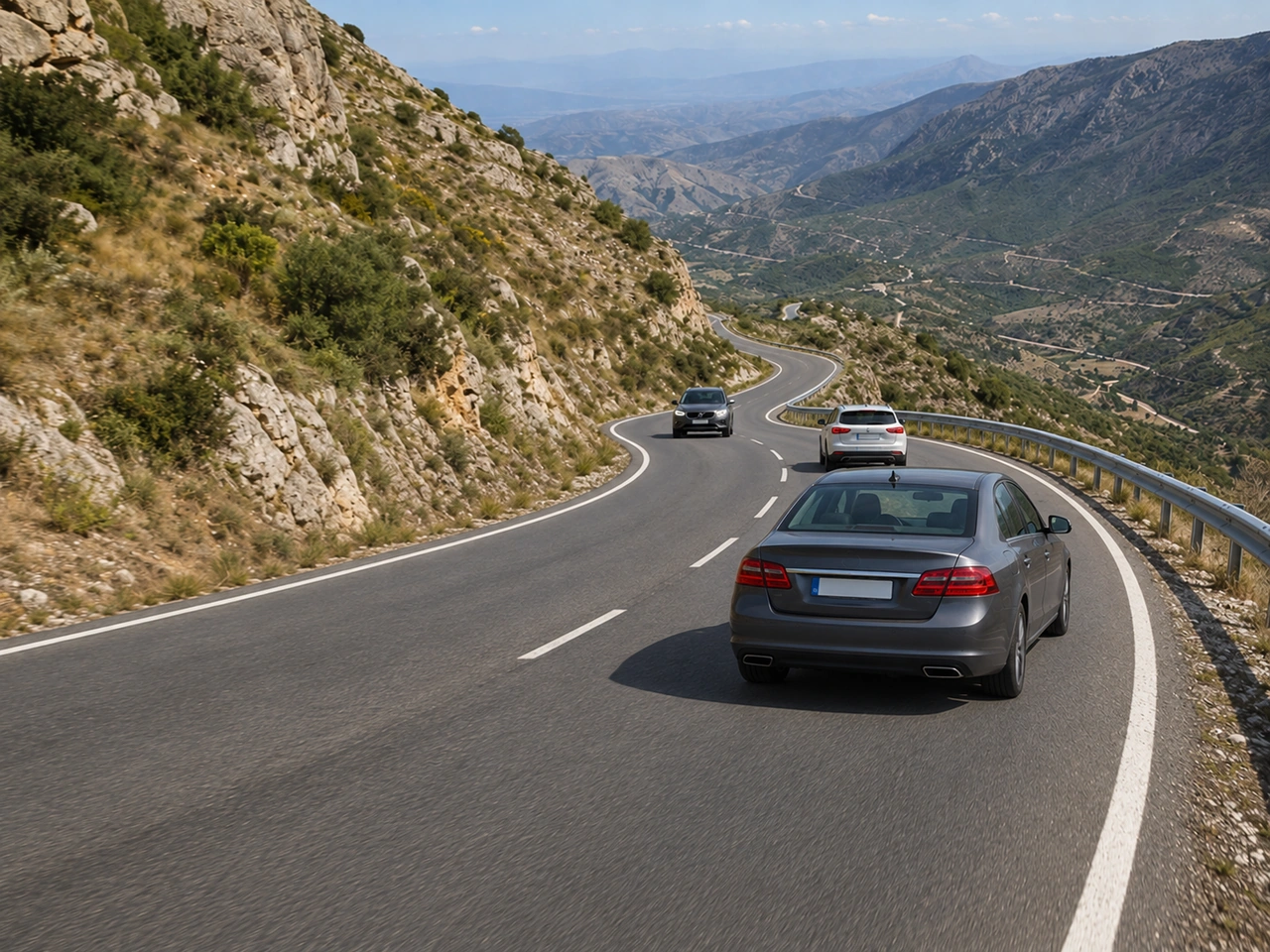
186. What can happen if you use the brakes continuously on a long descent?
Continuous braking can cause the brakes to overheat and fade, reducing braking performance. Use a lower gear to help control speed with engine braking.
AI-generated by Rijbewijs-online.be • WCIT • CC BY-SA
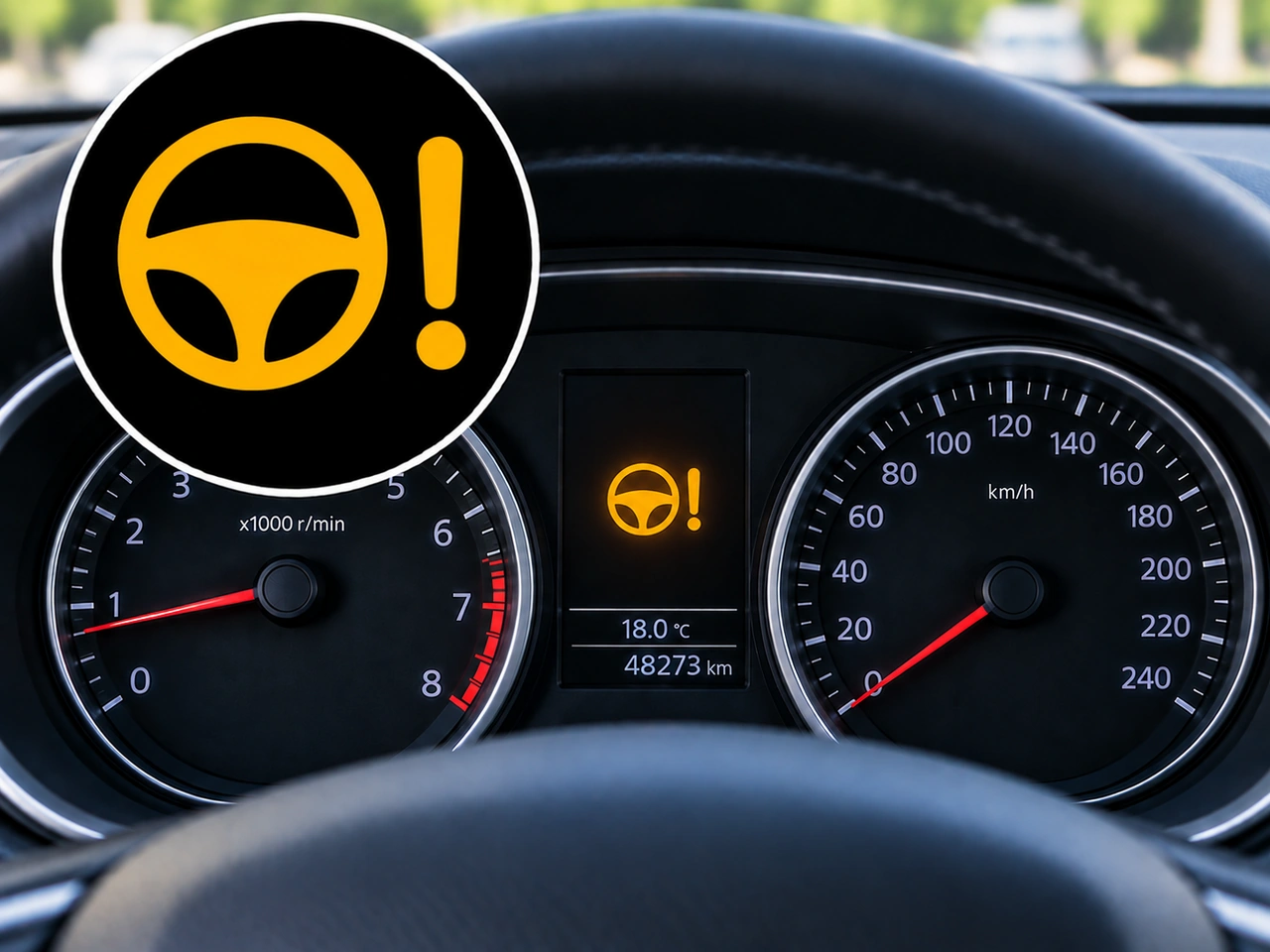
187. What does this dashboard symbol indicate?
This symbol indicates a possible fault with the power-steering system. Steering assistance may be reduced or unavailable, making the steering wheel harder to turn.
AI-generated by Rijbewijs-online.be • WCIT • CC BY-SA
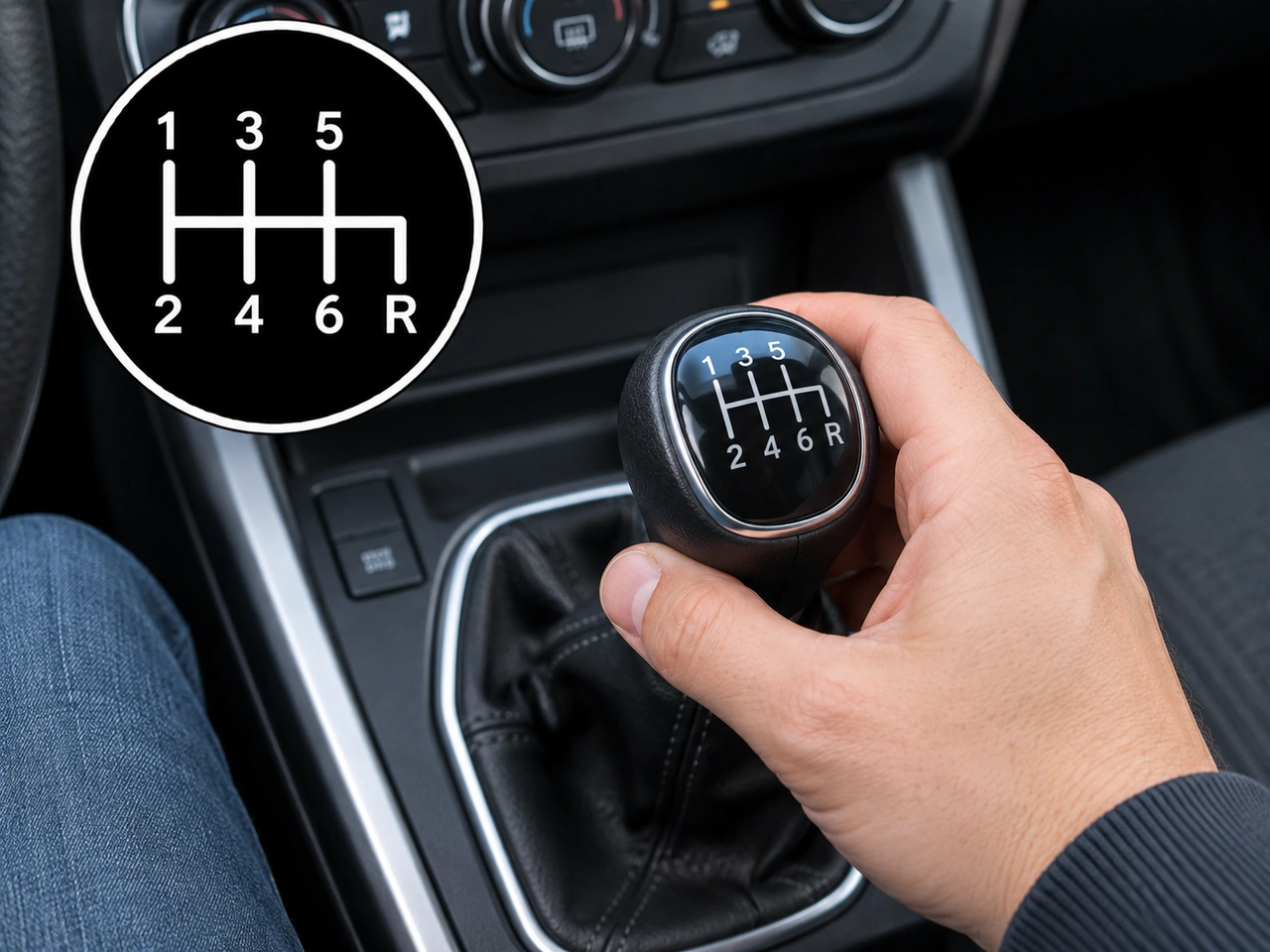
188. Which gear is normally used when moving off from a standstill?
1st gear is normally used when moving off from a standstill because it provides the greatest pulling power at low speed.
AI-generated by Rijbewijs-online.be • WCIT • CC BY-SA
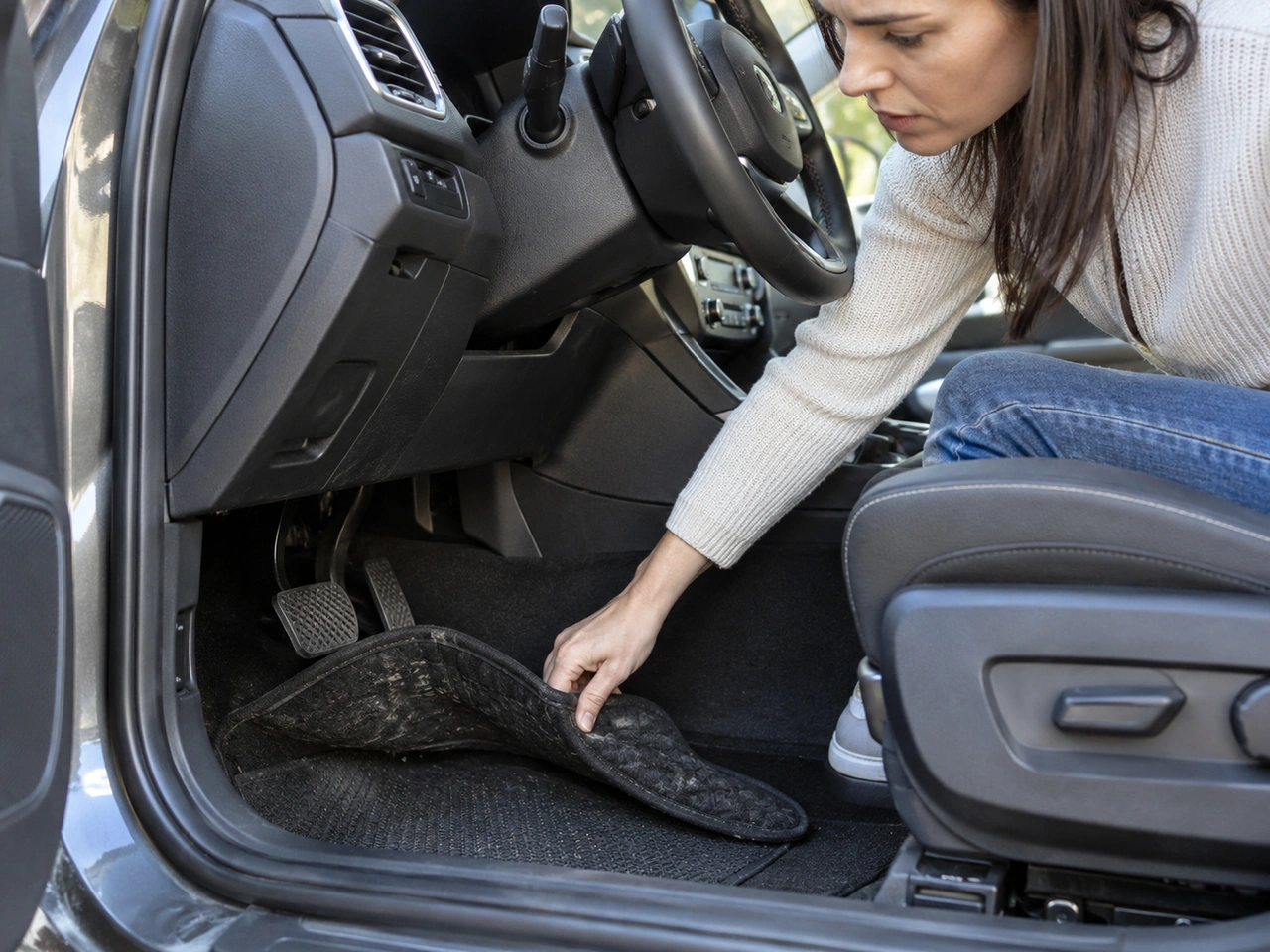
189. Why should the driver's floor mat be properly secured?
A loose or incorrectly fitted floor mat can move into the pedal area and interfere with the accelerator, brake, or clutch. Make sure the driver's floor mat is correctly fitted, secured, and does not obstruct any pedal.
AI-generated by Rijbewijs-online.be • WCIT • CC BY-SA
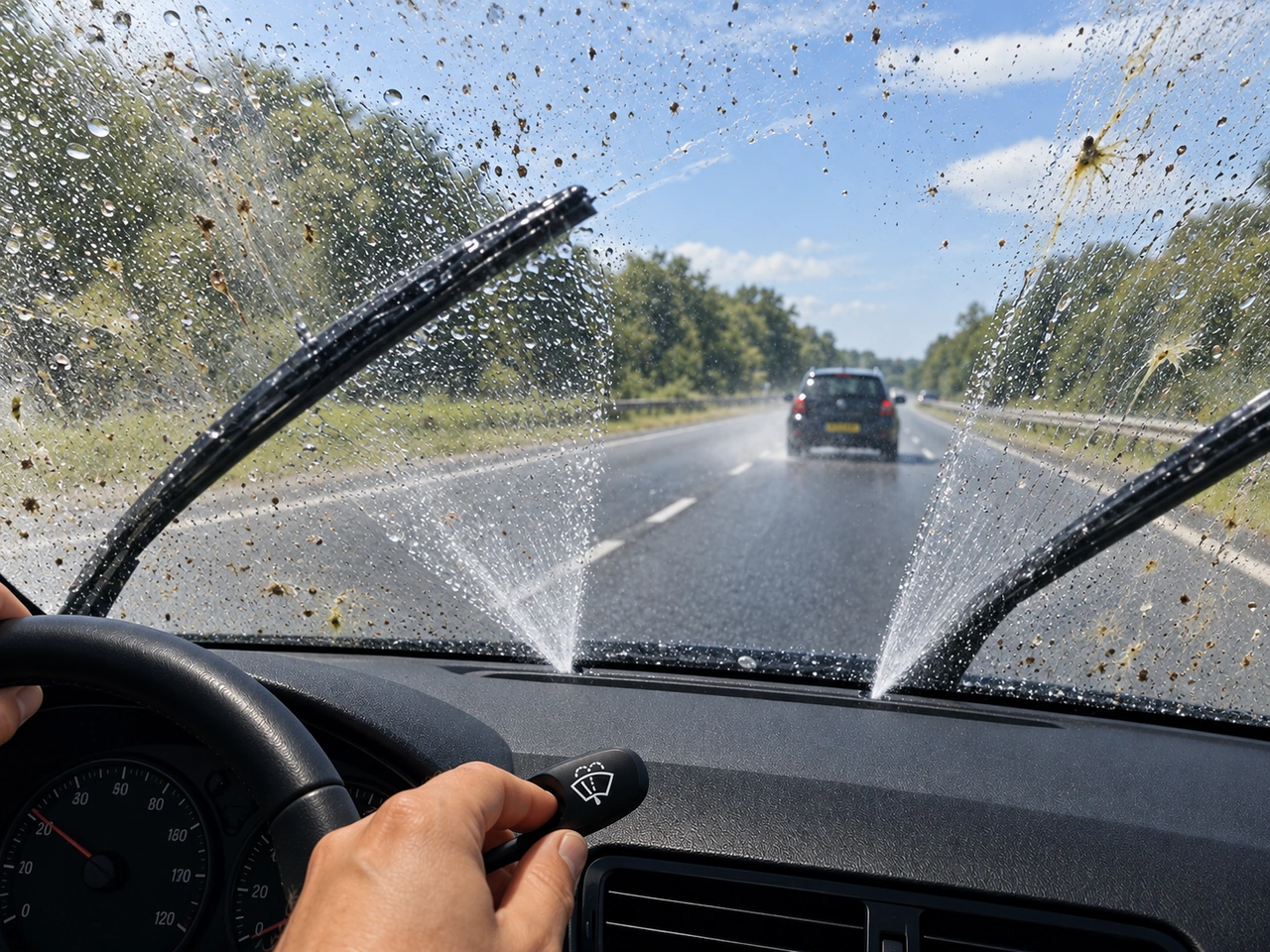
190. Why should the windscreen washer reservoir contain suitable washer fluid?
A clear windscreen is essential for safe observation. Suitable washer fluid helps clean the glass and may provide protection against freezing in cold conditions.
AI-generated by Rijbewijs-online.be • WCIT • CC BY-SA
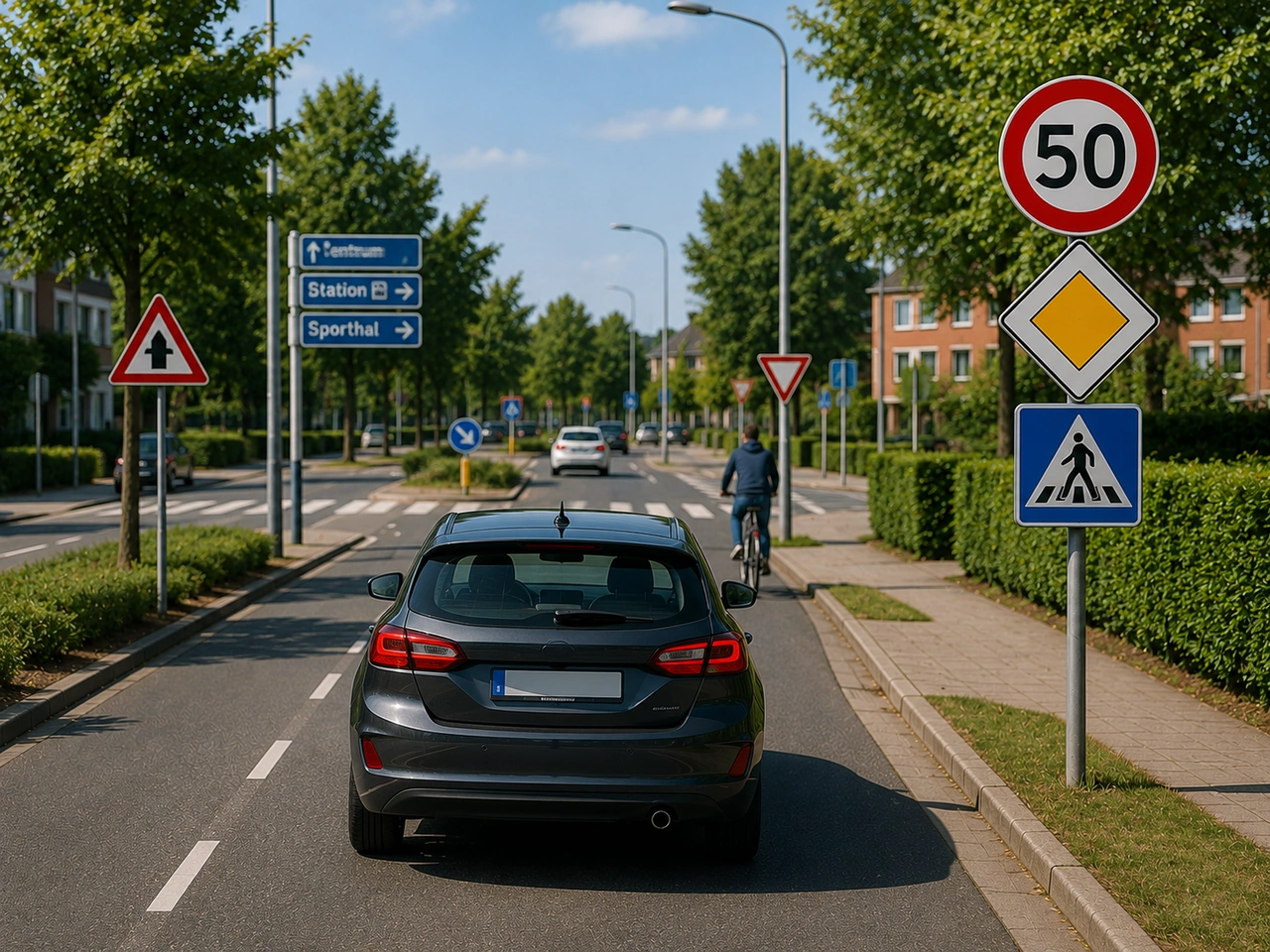
191. Why should you obey traffic signs?
Traffic signs help organise traffic and improve safety for drivers, cyclists, and pedestrians.
AI-generated by Rijbewijs-online.be • WCIT • CC BY-SA
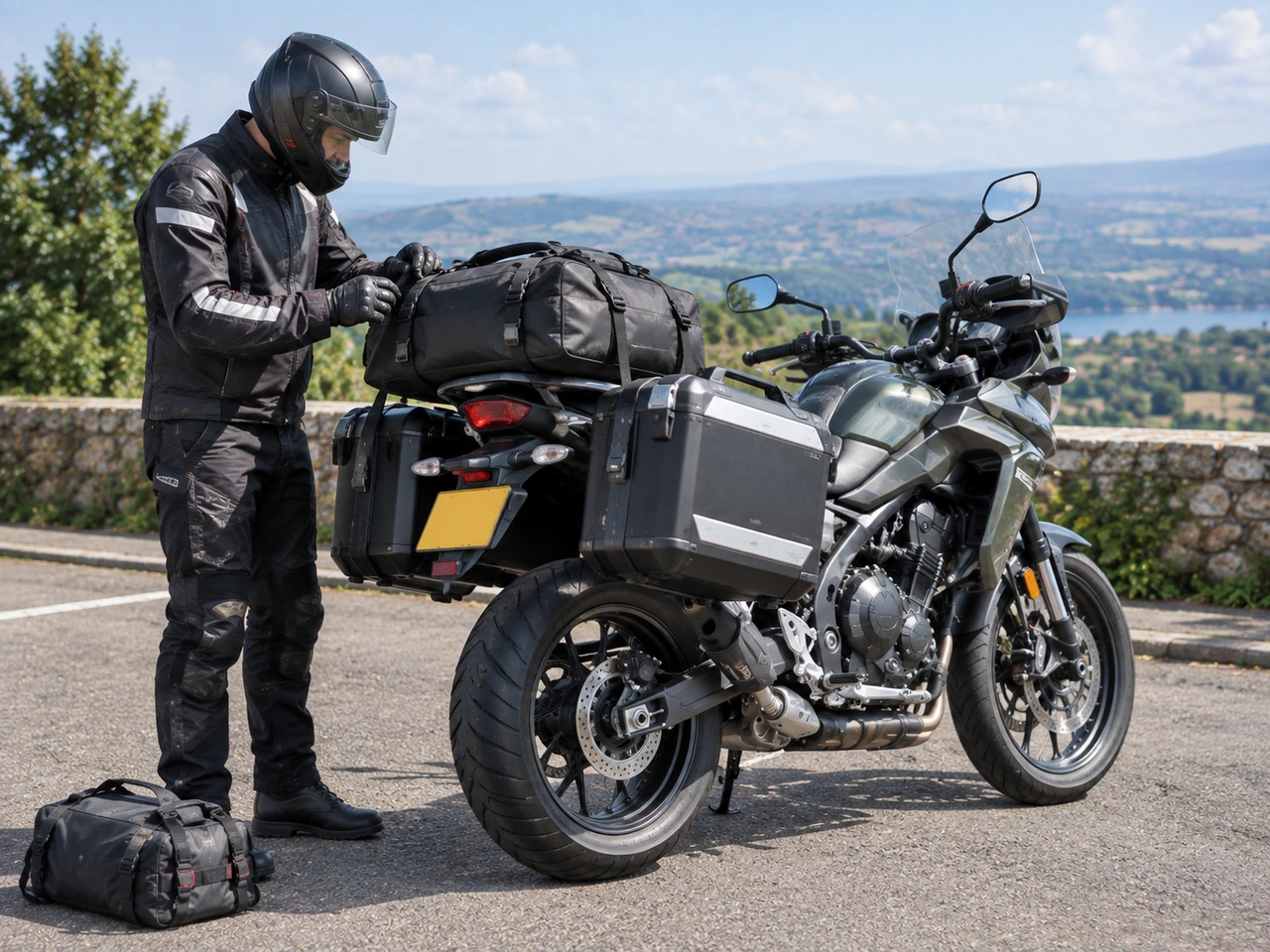
192. How should luggage be carried on a motorcycle?
Motorcycle luggage should be securely fastened and sensibly distributed. A loose, uneven or badly positioned load can affect balance, steering and braking, or become caught in moving parts.
AI-generated by Rijbewijs-online.be • WCIT • CC BY-SA
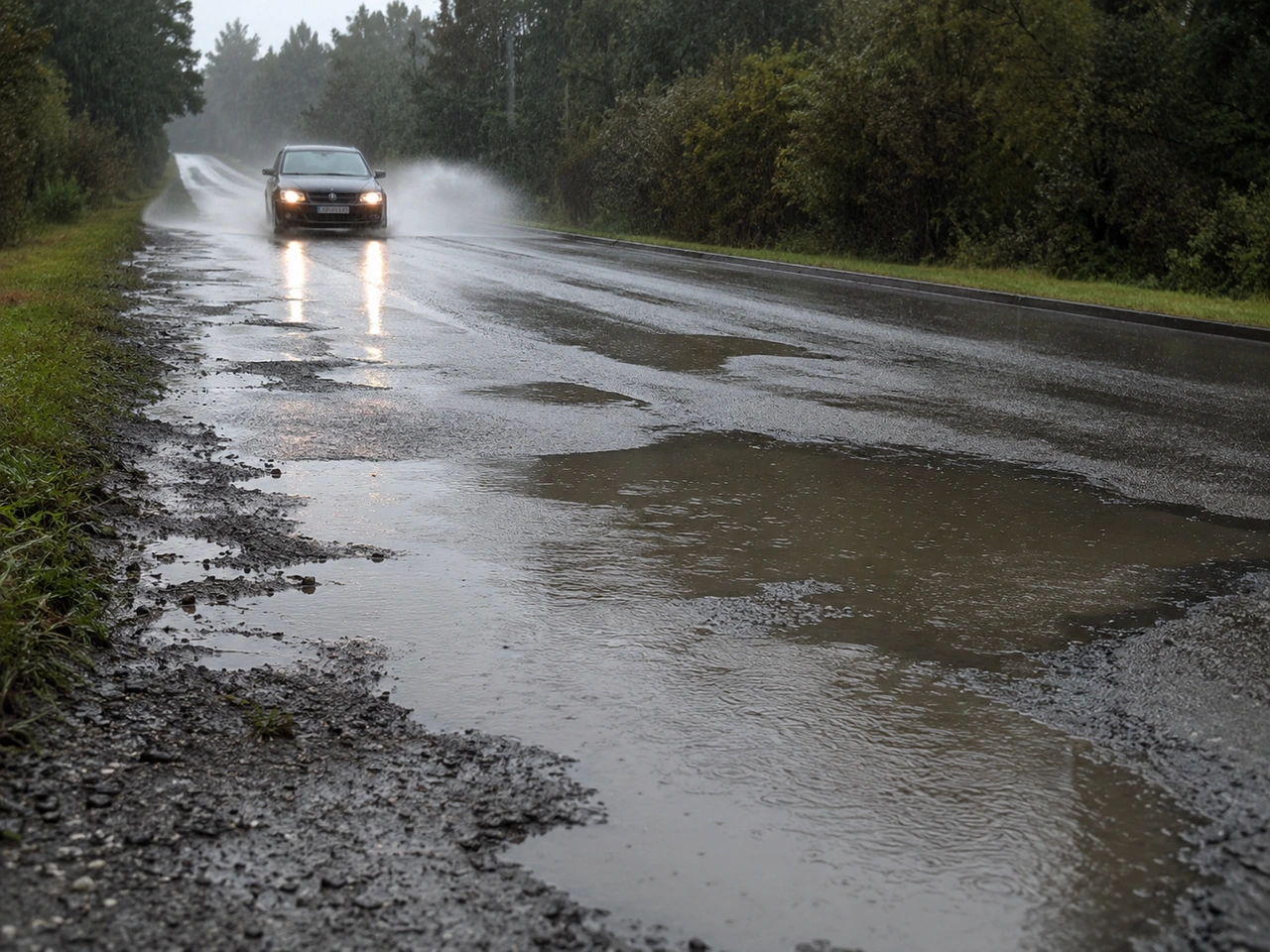
193. Which roads are most likely to cause aquaplaning?
Standing water can collect in dips, ruts, or puddles, increasing the chance that tyres will lose grip.
AI-generated by Rijbewijs-online.be • WCIT • CC BY-SA
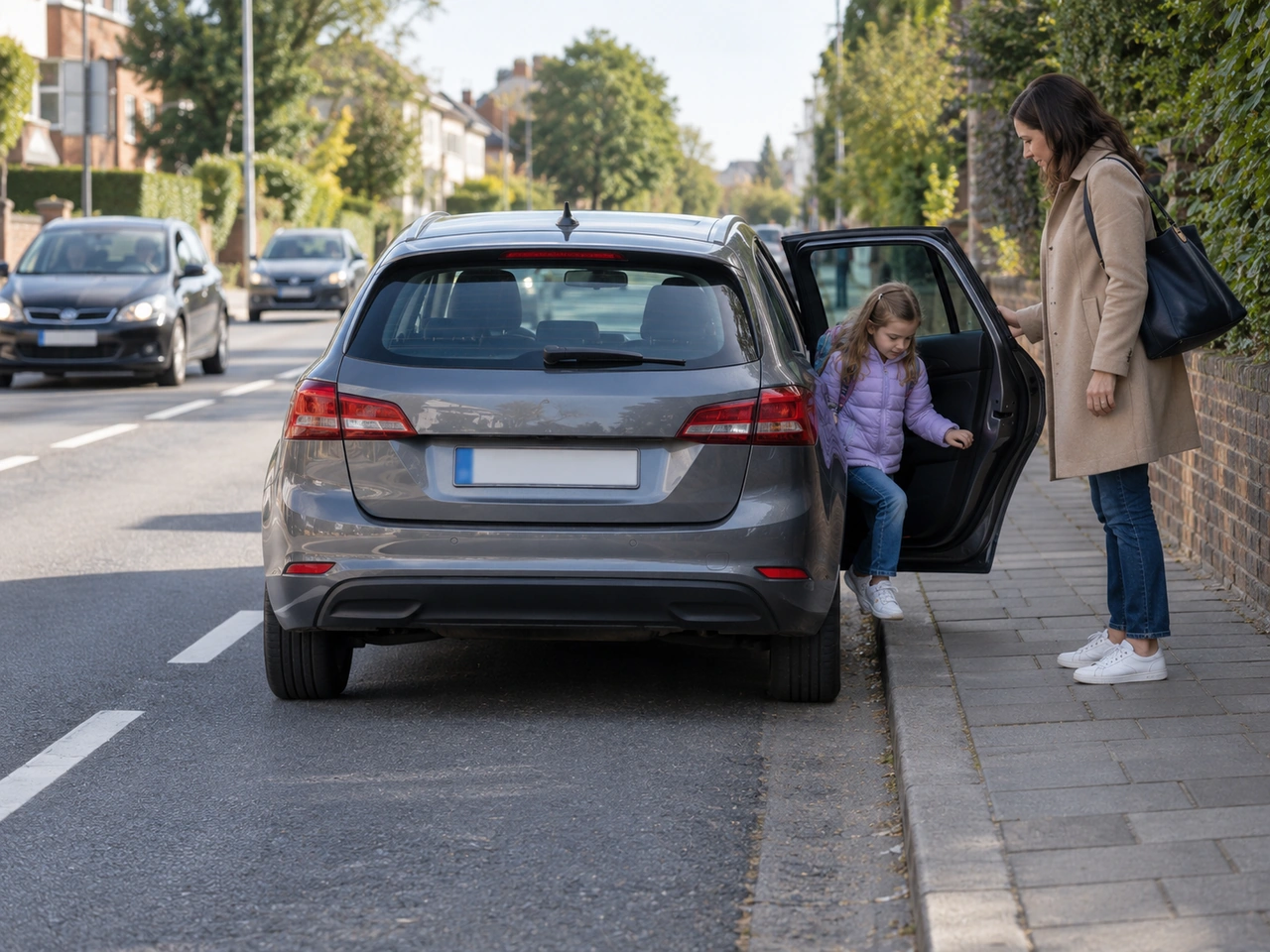
194. Where should passengers get in or out of a vehicle when possible?
Passengers should get in or out on the side away from moving traffic whenever possible. This is particularly important for children, who may not recognise approaching traffic or other road users. Before opening any door, check that it is safe.
AI-generated by Rijbewijs-online.be • WCIT • CC BY-SA
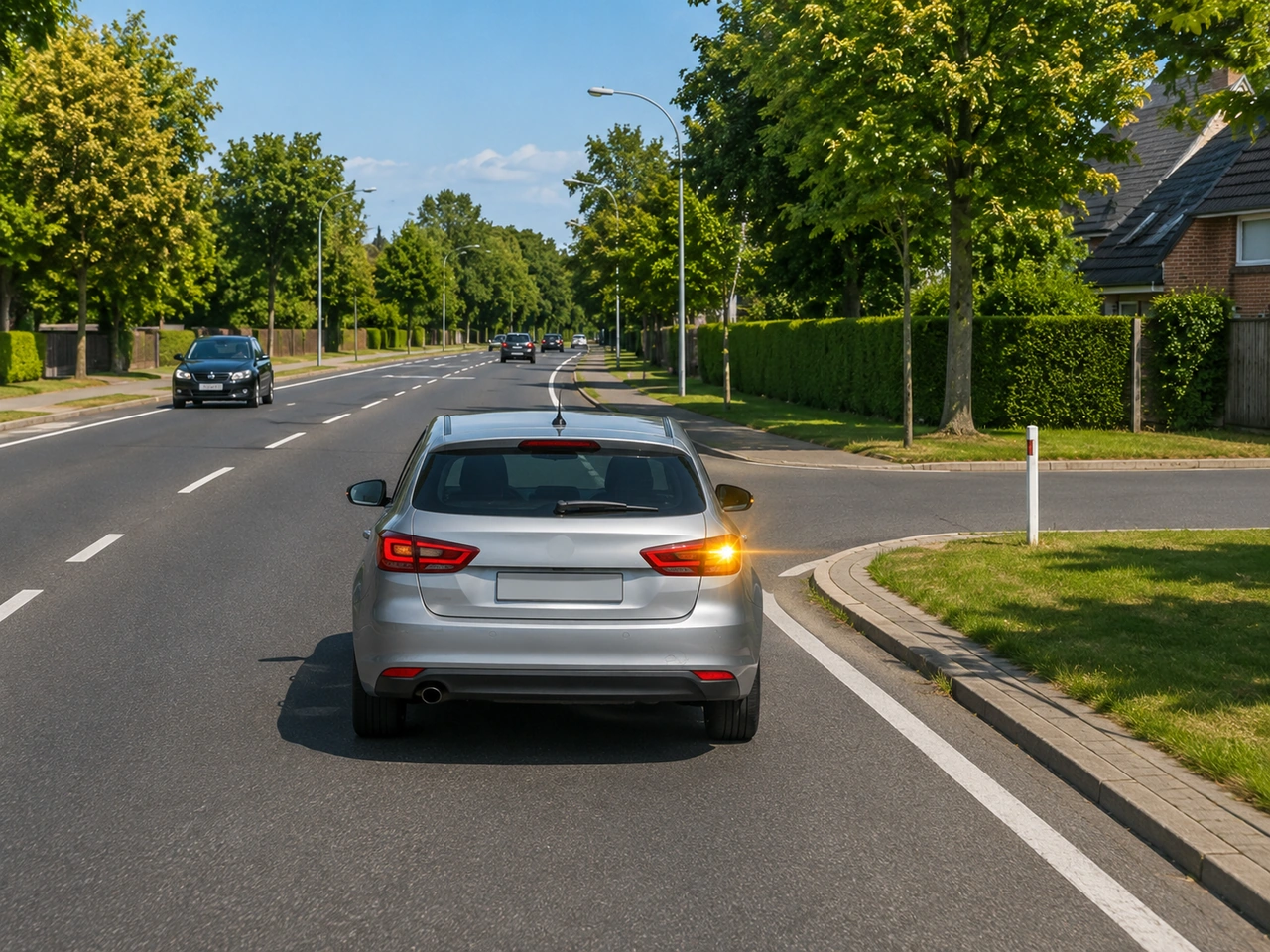
195. Why should you use your indicator before turning?
Indicators help other drivers, cyclists, and pedestrians understand your intentions in time.
AI-generated by Rijbewijs-online.be • WCIT • CC BY-SA
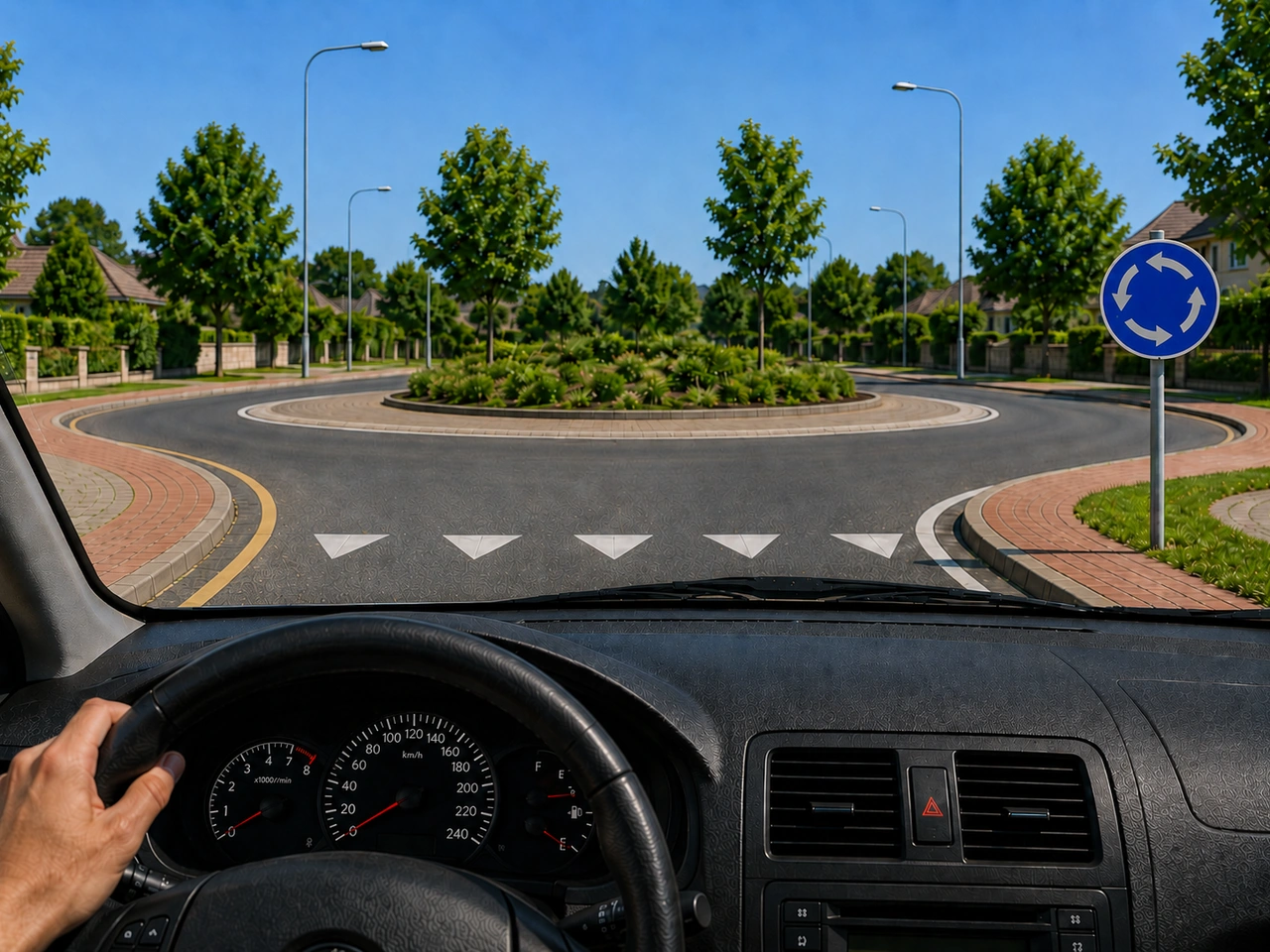
196. What should you do before entering a roundabout?
Before entering a roundabout, reduce your speed, observe traffic, and give way according to the local rules.
AI-generated by Rijbewijs-online.be • WCIT • CC BY-SA
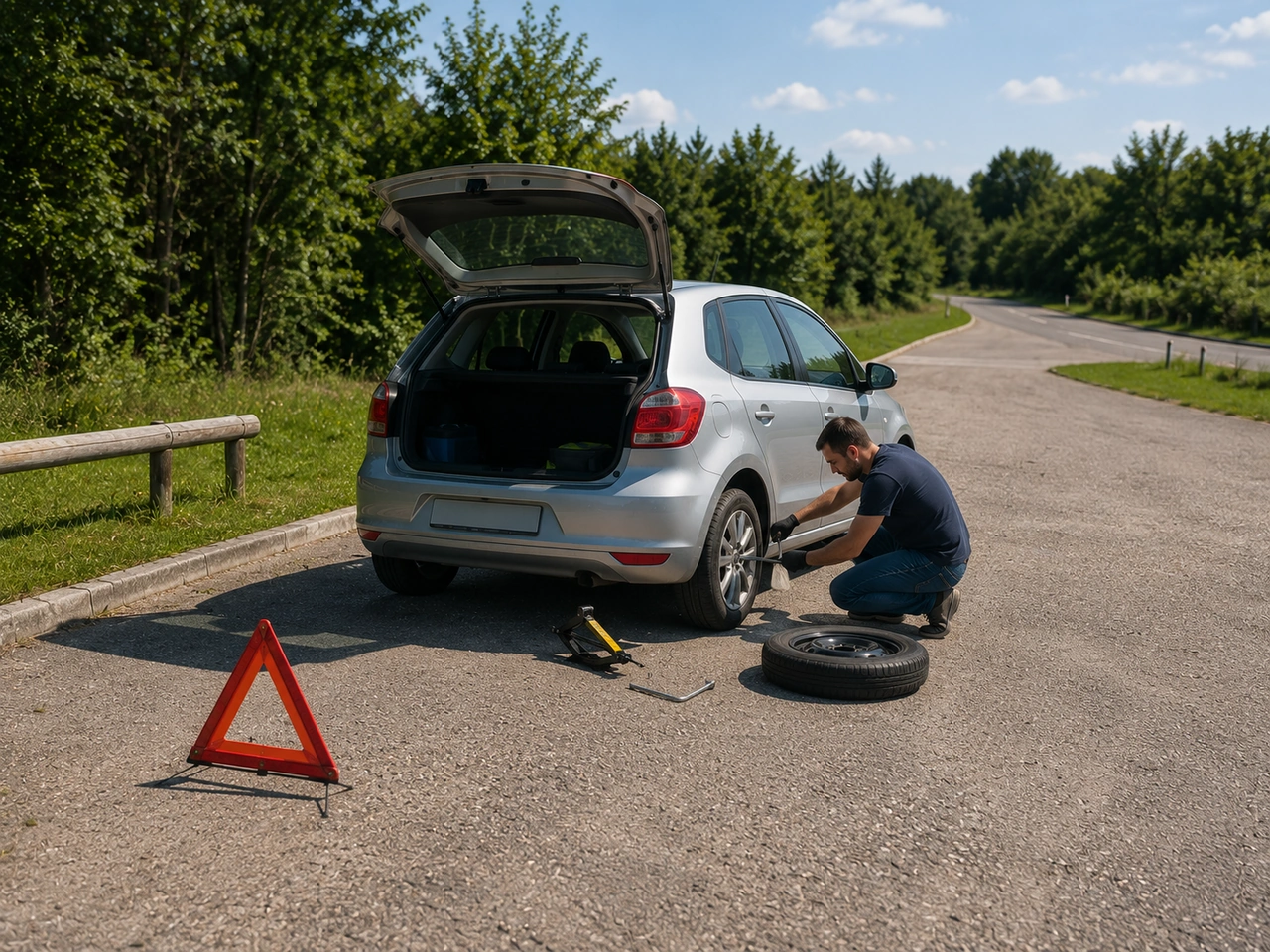
197. Where should you change a wheel after a puncture?
The vehicle must be stable and protected from traffic. Apply the parking brake and follow the manufacturer's wheel-changing instructions.
AI-generated by Rijbewijs-online.be • WCIT • CC BY-SA
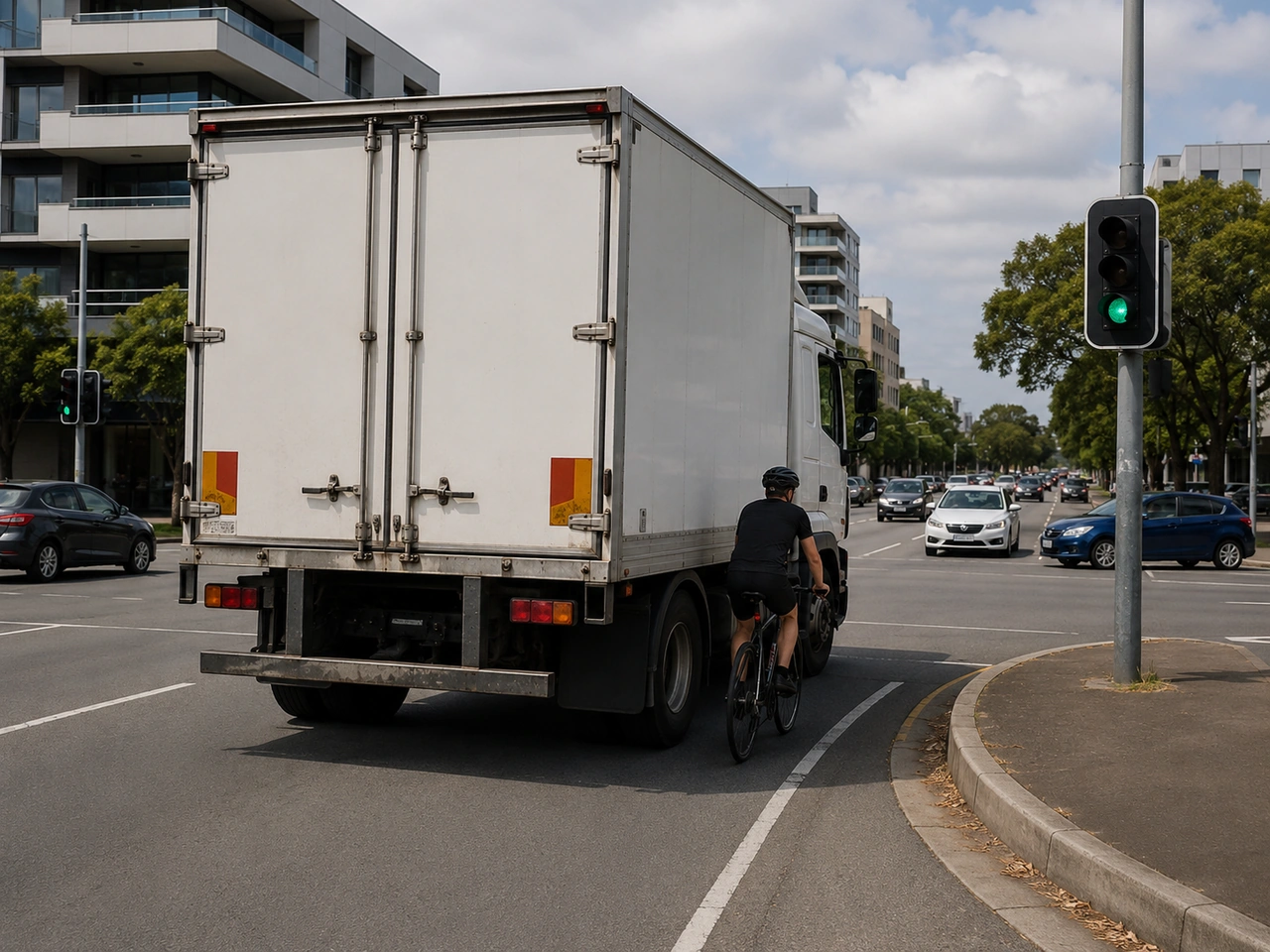
198. Why should cyclists avoid riding in a large vehicle's blind spot?
Buses and trucks have large areas where the driver cannot see cyclists, especially beside the vehicle and near turns.
AI-generated by Rijbewijs-online.be • WCIT • CC BY-SA
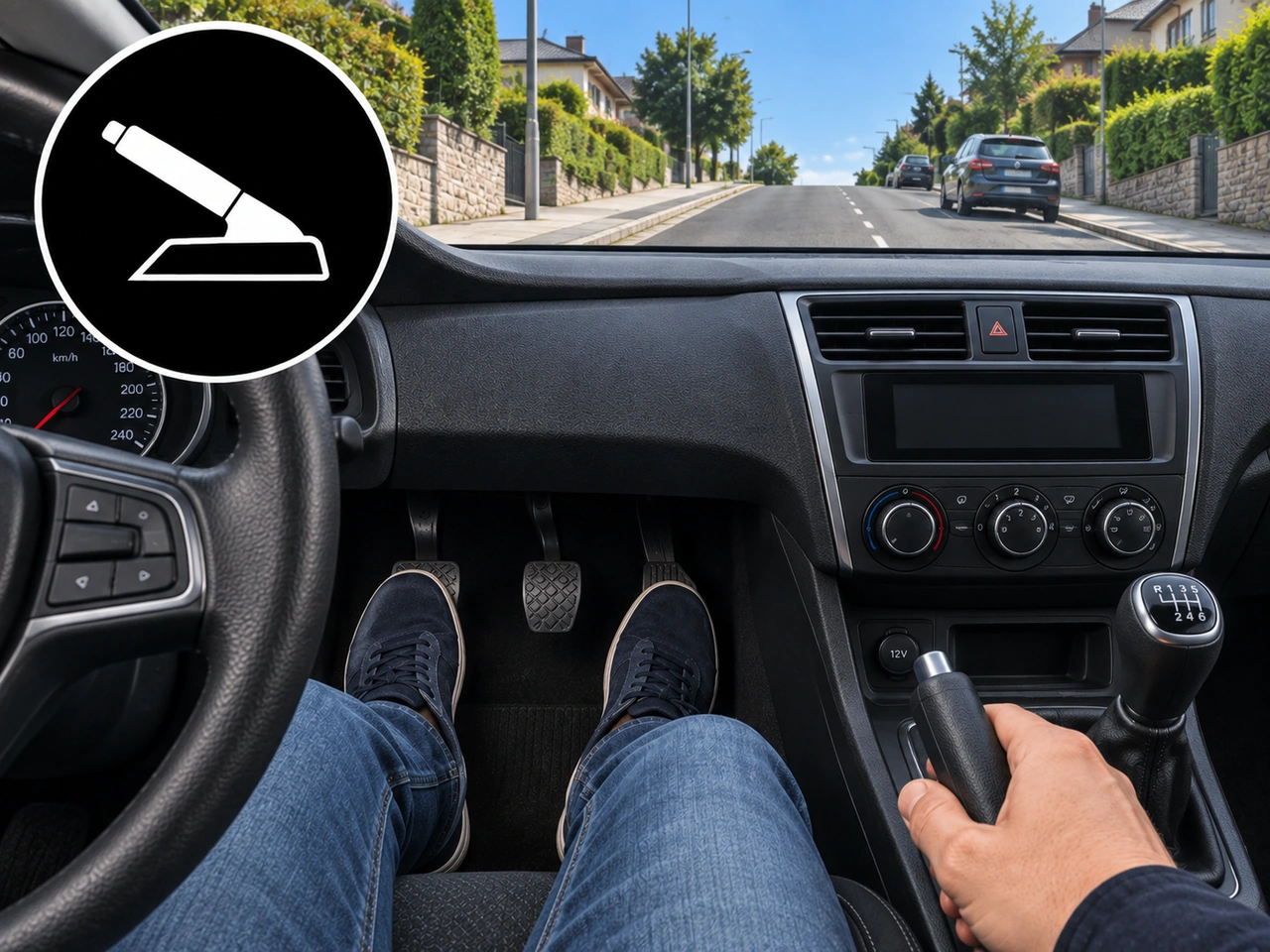
199. How can the parking brake help when moving off uphill?
When moving off uphill, the parking brake can hold the vehicle stationary while you prepare to move. Release it smoothly once the clutch reaches the biting point and sufficient power is applied.
AI-generated by Rijbewijs-online.be • WCIT • CC BY-SA
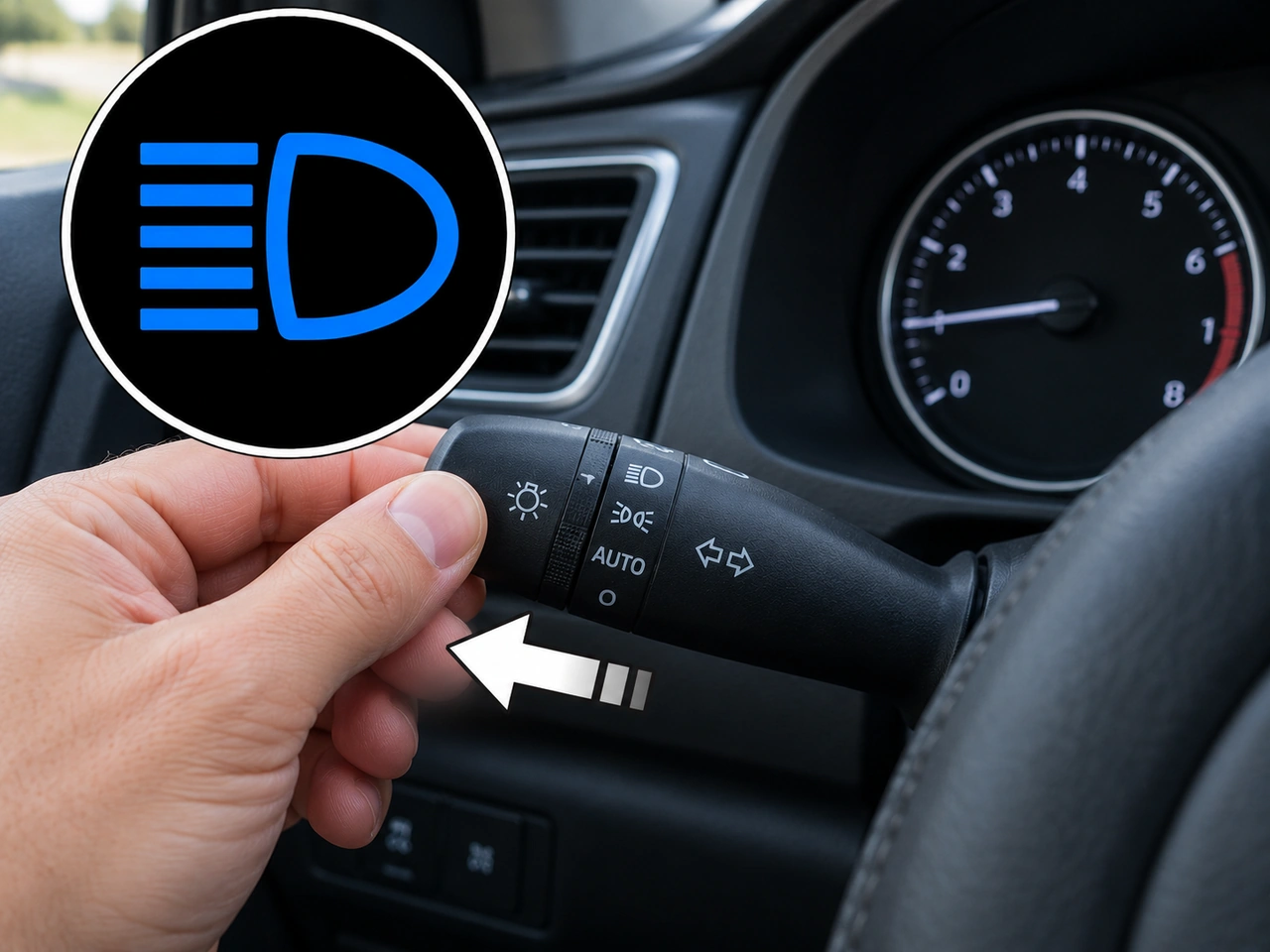
200. What does pulling the lighting stalk towards you normally do?
Pulling the lighting stalk towards you normally flashes the main-beam headlights. This briefly illuminates the main beam while the stalk is held or operated.
AI-generated by Rijbewijs-online.be • WCIT • CC BY-SA