Traffic signsPortugal
 Traffic rules
 Portugal
 Priority signs
 Warning signs
 Prohibitory signs
 Mandatory signs
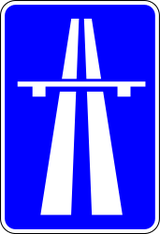 Information signs
 Additional signs
Traffic signs
A traffic sign is a standardised visual symbol placed along roads to guide, warn, or regulate drivers, cyclists, and pedestrians. These signs provide essential information about road conditions, rules, directions, and potential hazards, helping to ensure safety and smooth traffic flow. They come in various shapes and colours—such as triangular warning signs, circular prohibitory or mandatory signs, and rectangular information signs—each designed for quick recognition and clear understanding.

151. Road with one-way traffic
This traffic sign indicates a road with one-way traffic. Vehicular traffic may travel only in the permitted direction, subject to any exceptions indicated by traffic signs or local rules.

152. End of the road with one-way traffic
This traffic sign indicates the end of the road with one-way traffic. The preceding one-way traffic arrangement ends at this point. Follow the traffic signs and road layout that apply beyond the sign.

153. Ramp destination
This traffic sign gives information about the destination reached via the ramp. The displayed destination indicates where the ramp leads.

154. Overview of the lanes and their direction
This traffic sign gives an overview of the lanes and their direction. The diagram shows how the traffic lanes are arranged and how they continue, divide or merge.

155. Start of a new lane
This traffic sign indicates the start of a new traffic lane. The displayed road layout shows where the additional lane begins and how the traffic lanes continue.

156. Route to be followed in order to turn left
This traffic sign indicates the route to use for a left turn. Follow the indicated route instead of turning left directly at this point.

157. Information about the directions of the roundabout
This traffic sign gives information about directions at a roundabout. The diagram shows the available exits and the destinations reached from them.

158. Junction layout, directions and destinations
This traffic sign shows the junction layout, directions and destinations. The diagram shows how the roads are arranged and which direction leads to each indicated destination or route.

159. End of a lane
This traffic sign indicates the end of a lane. The displayed lane arrangement shows which lane ends and how the remaining traffic lanes continue.

160. Parking allowed
This traffic sign indicates that parking is allowed. Vehicles may be parked in the area covered by the sign subject to any indicated conditions, restrictions or local parking rules.

161. Start of a parking zone
This traffic sign indicates the start of a parking zone. The parking rules indicated for the zone apply throughout it according to the applicable signs and local regulations.

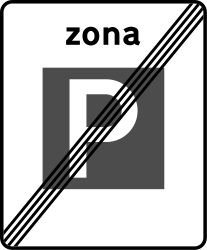
162. End of the parking zone
This traffic sign indicates the end of the parking zone. The parking rules associated with that zone end at this point. Other parking restrictions or conditions may still apply.
163. Crossroad shape
This traffic sign shows the shape or layout of an upcoming junction. The diagram indicates how the approaching road and connecting roads are arranged.

164. Crossroad shape
This traffic sign shows the shape or layout of an upcoming junction. The diagram indicates how the approaching road and connecting roads are arranged.

165. Local buses allowed
This supplementary sign indicates that local buses are allowed where the main traffic sign would otherwise restrict their access or use. The buses qualifying as local services depend on the applicable local rules.
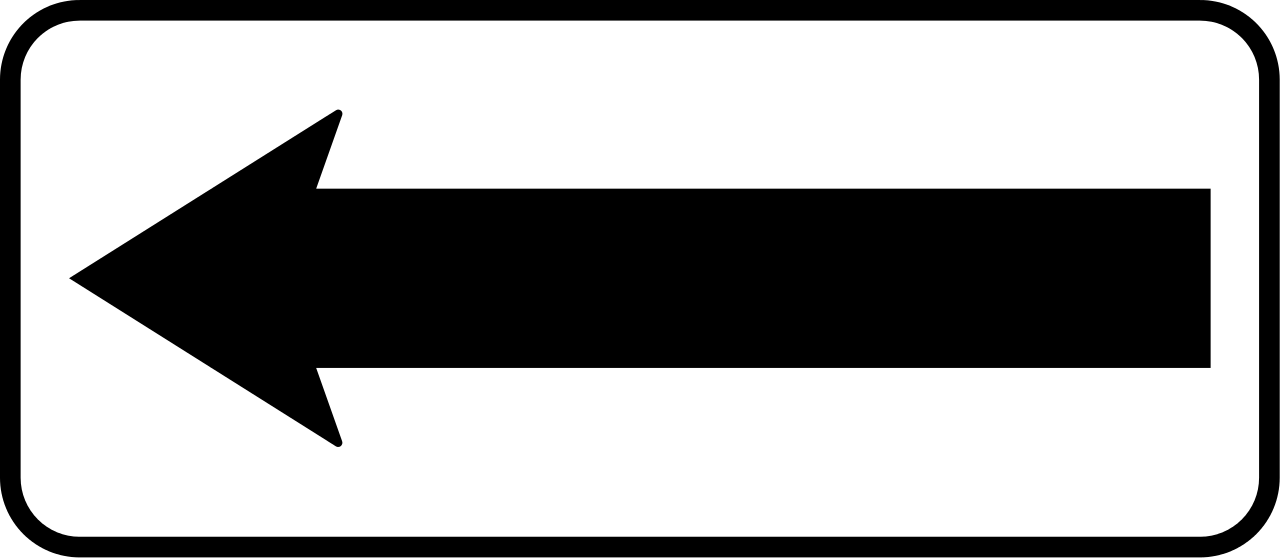
166. To the left
This supplementary sign indicates that the main traffic sign applies in the direction shown by the arrow, to the left.
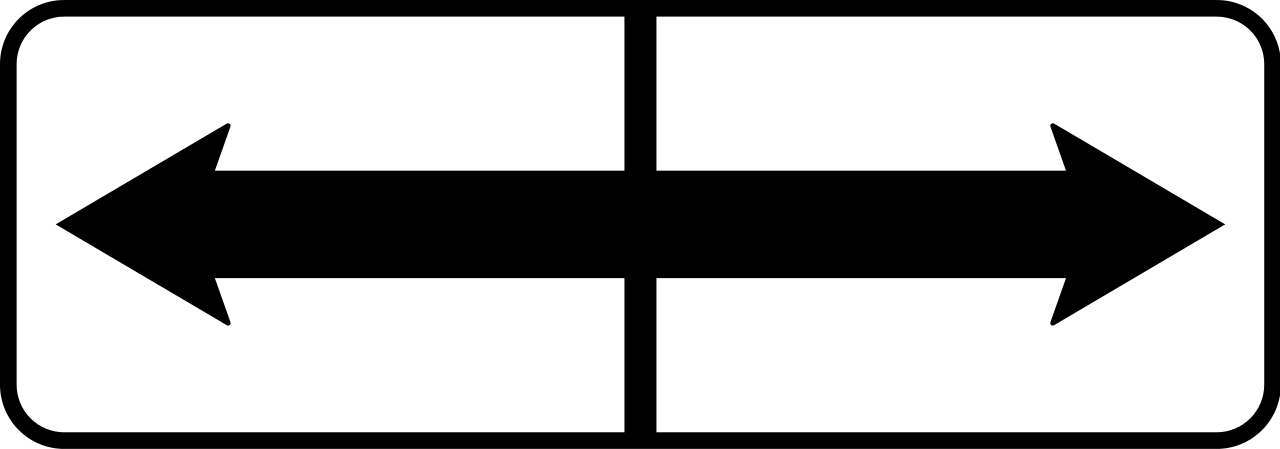
167. To the left or right
This supplementary sign indicates that the main traffic sign applies in both directions shown by the arrows, to the left and right.
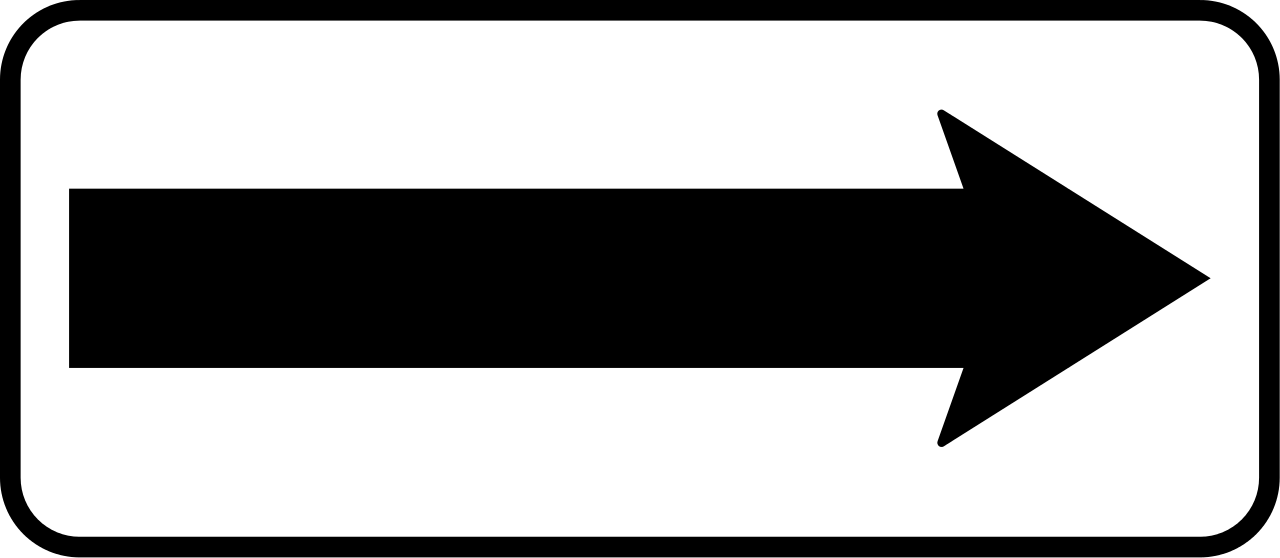
168. To the right
This supplementary sign indicates that the main traffic sign applies in the direction shown by the arrow, to the right.
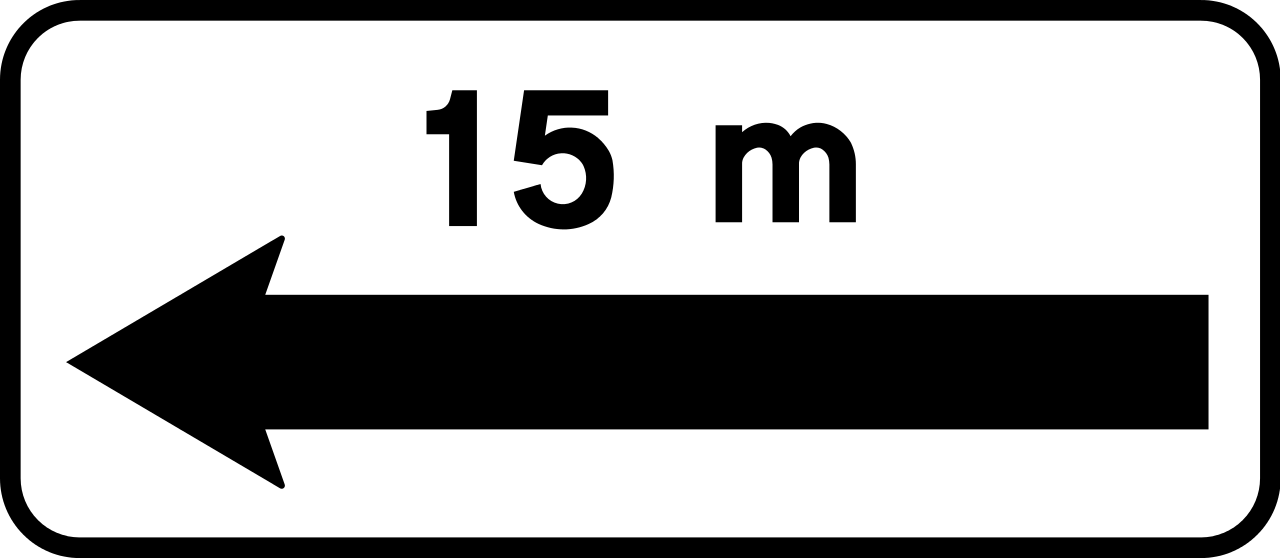
169. metres to the left
This supplementary sign indicates that the main traffic sign refers to a location the indicated distance to the left.
170. metres to the left or right
This supplementary sign indicates that the main traffic sign refers to locations the indicated distance to the left and right.
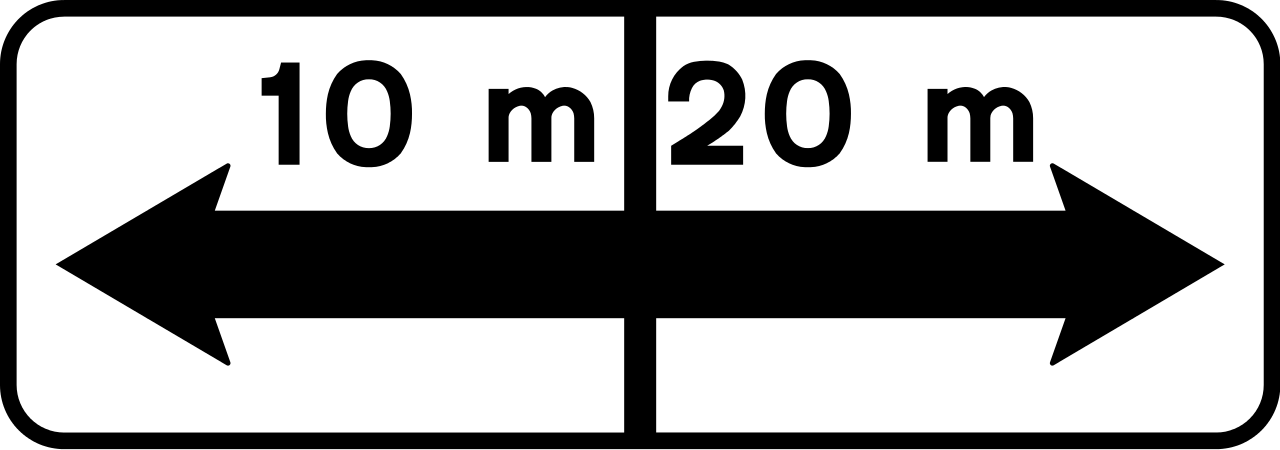
171. metres to the right
This supplementary sign indicates that the main traffic sign refers to a location the indicated distance to the right.
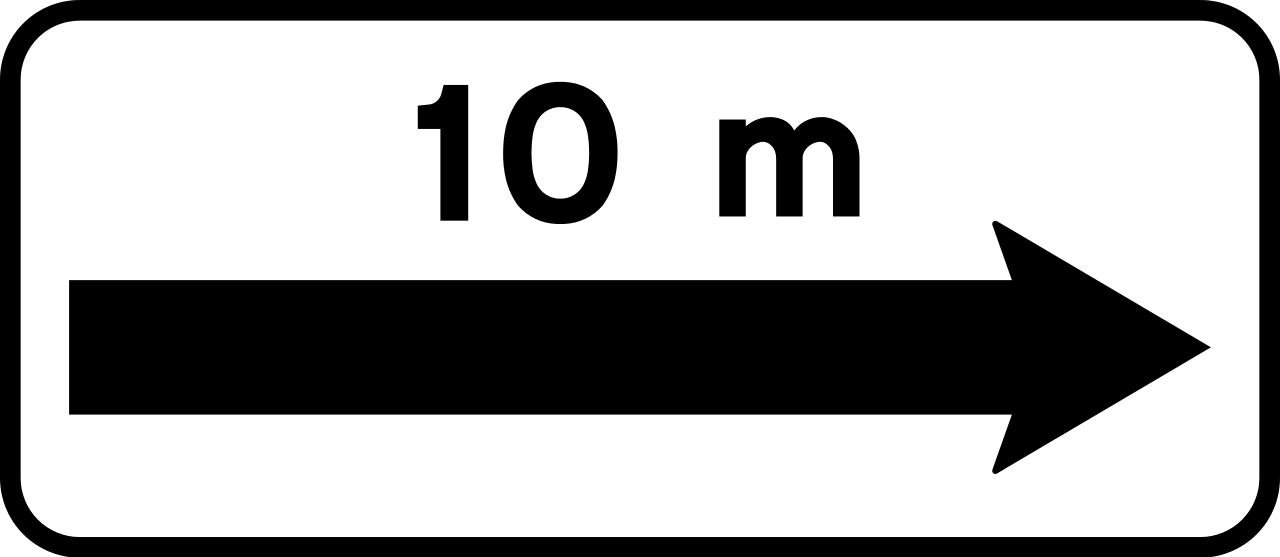
172. Start of regulation
This supplementary sign indicates the start of the regulation shown by the main traffic sign. The regulation begins at this point.

173. Continuation of regulation
This supplementary sign indicates the continuation or reminder of the regulation shown by the main traffic sign.
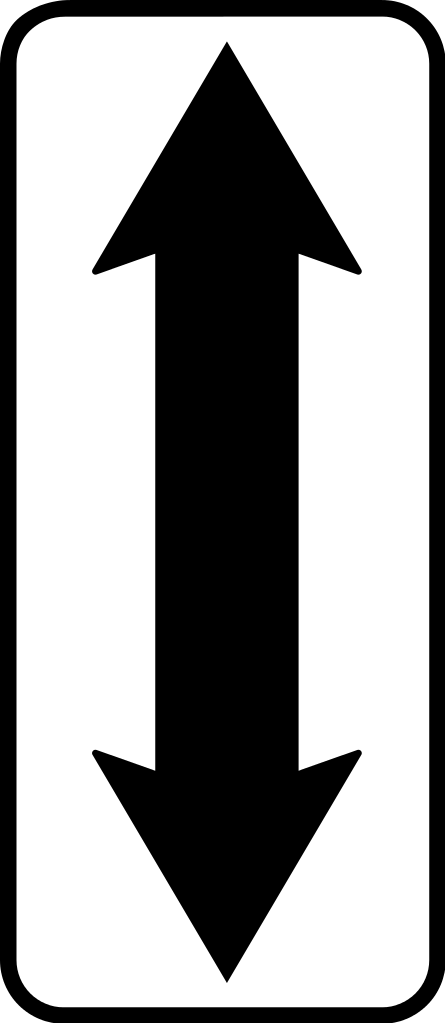
174. End of regulation
This supplementary sign indicates the end of the regulation shown by the main traffic sign. The regulation ends at this point.
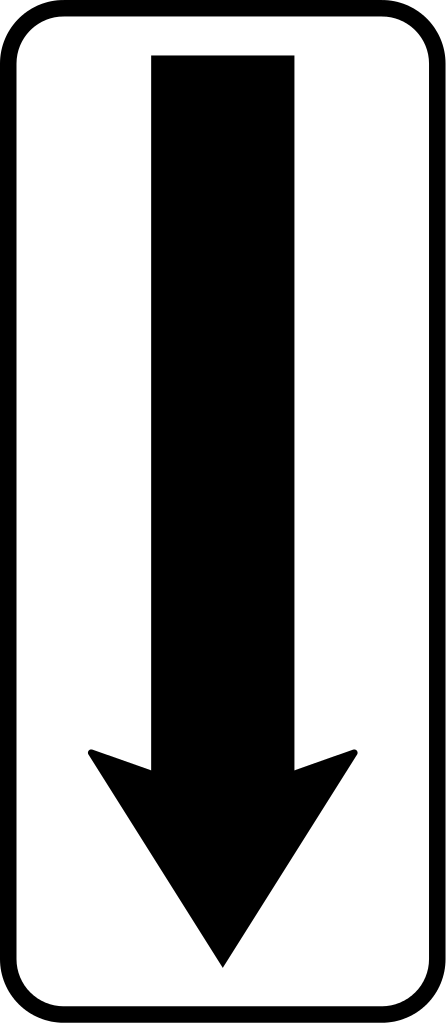
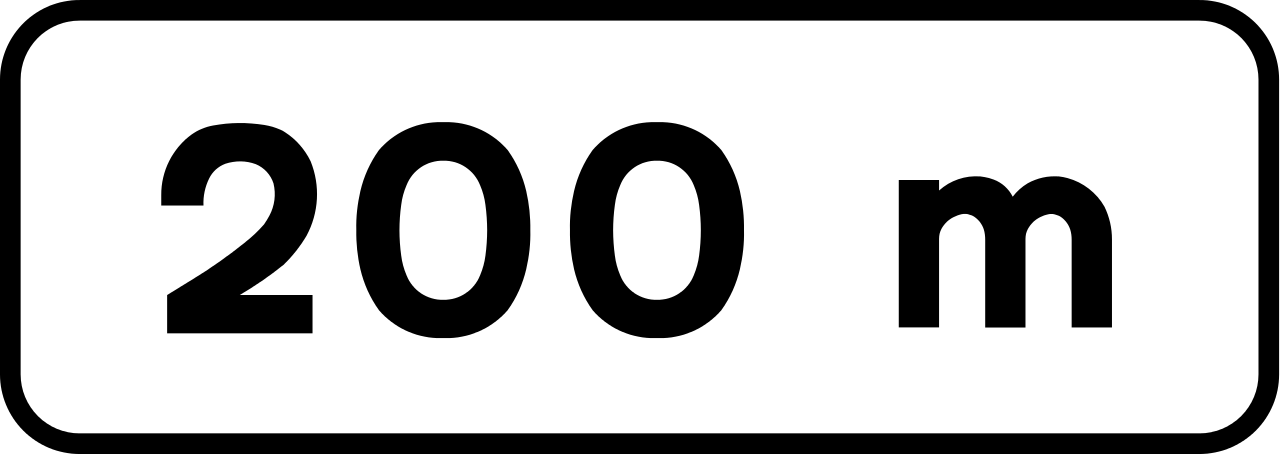
175. metres ahead
This supplementary sign indicates the distance from the main traffic sign to the point where the indicated danger, regulation or information begins. The distance is shown in metres.
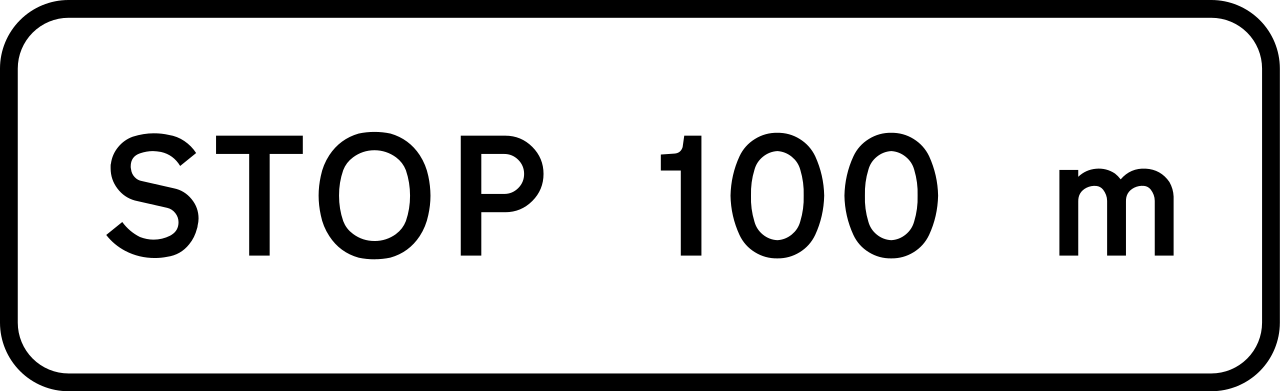
176. Stop metres ahead
This supplementary sign announces a STOP sign at the indicated distance ahead. The displayed value shows the distance to the upcoming STOP sign.
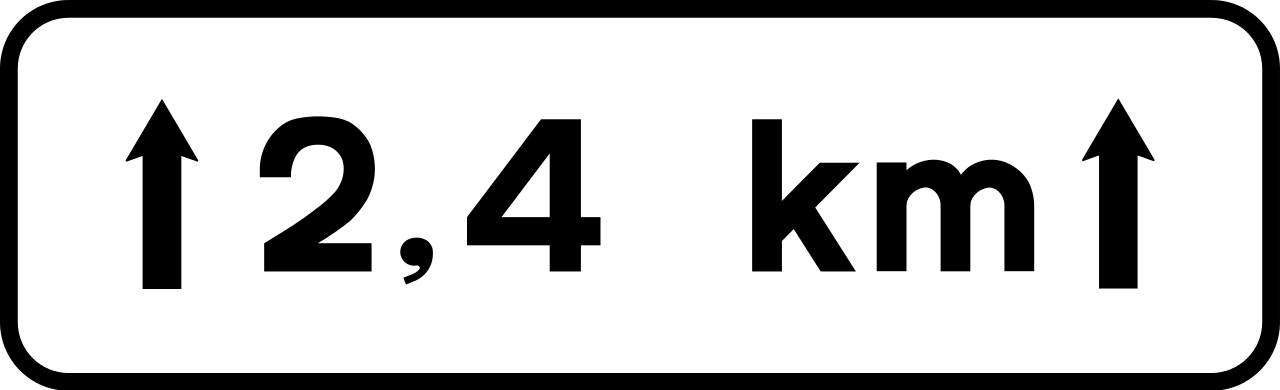
177. For kilometres
This supplementary sign indicates the length of the section to which the main traffic sign applies. The length is shown in kilometres.
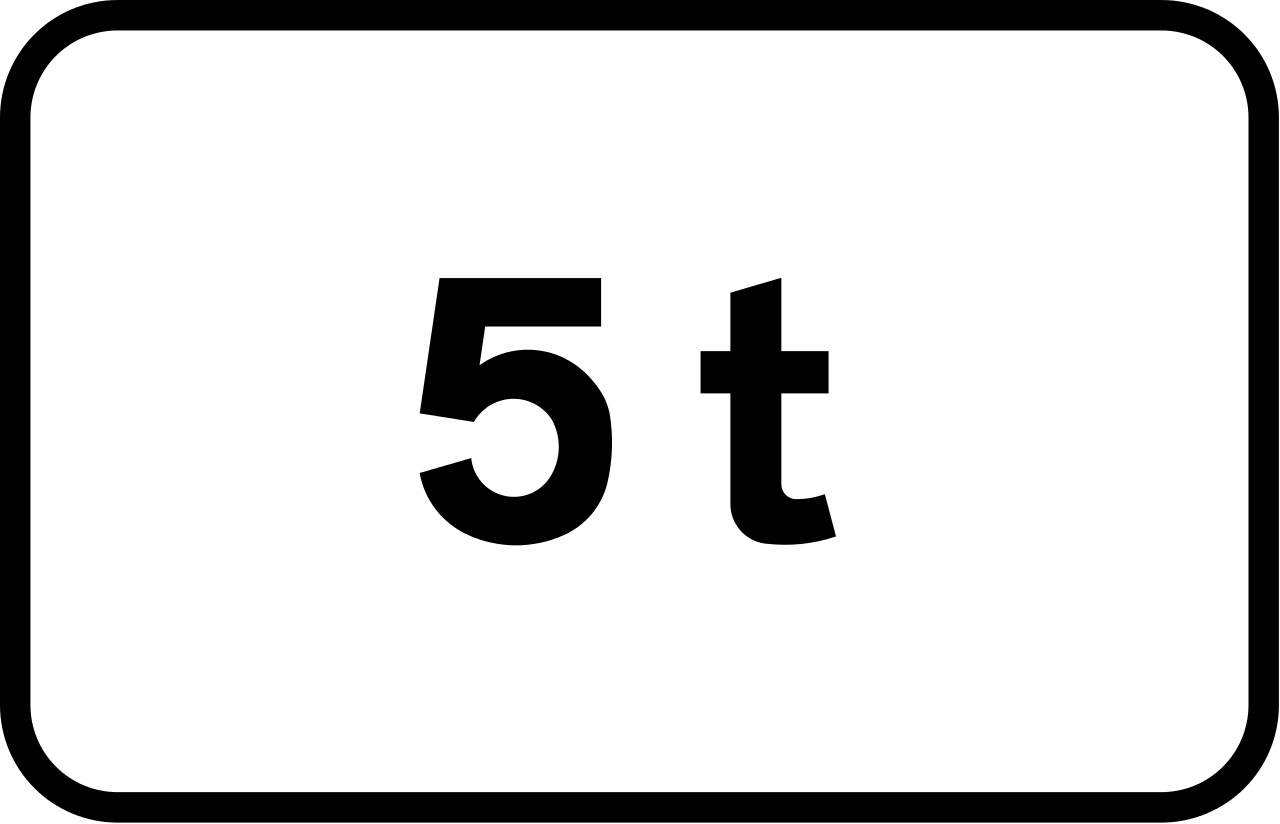
178. Indicated mass
This supplementary sign shows an indicated vehicle mass. Read it together with the main traffic sign to determine how the mass value affects the applicable rule or restriction.
179. Junction shape
This supplementary sign shows the shape or layout of the upcoming junction.
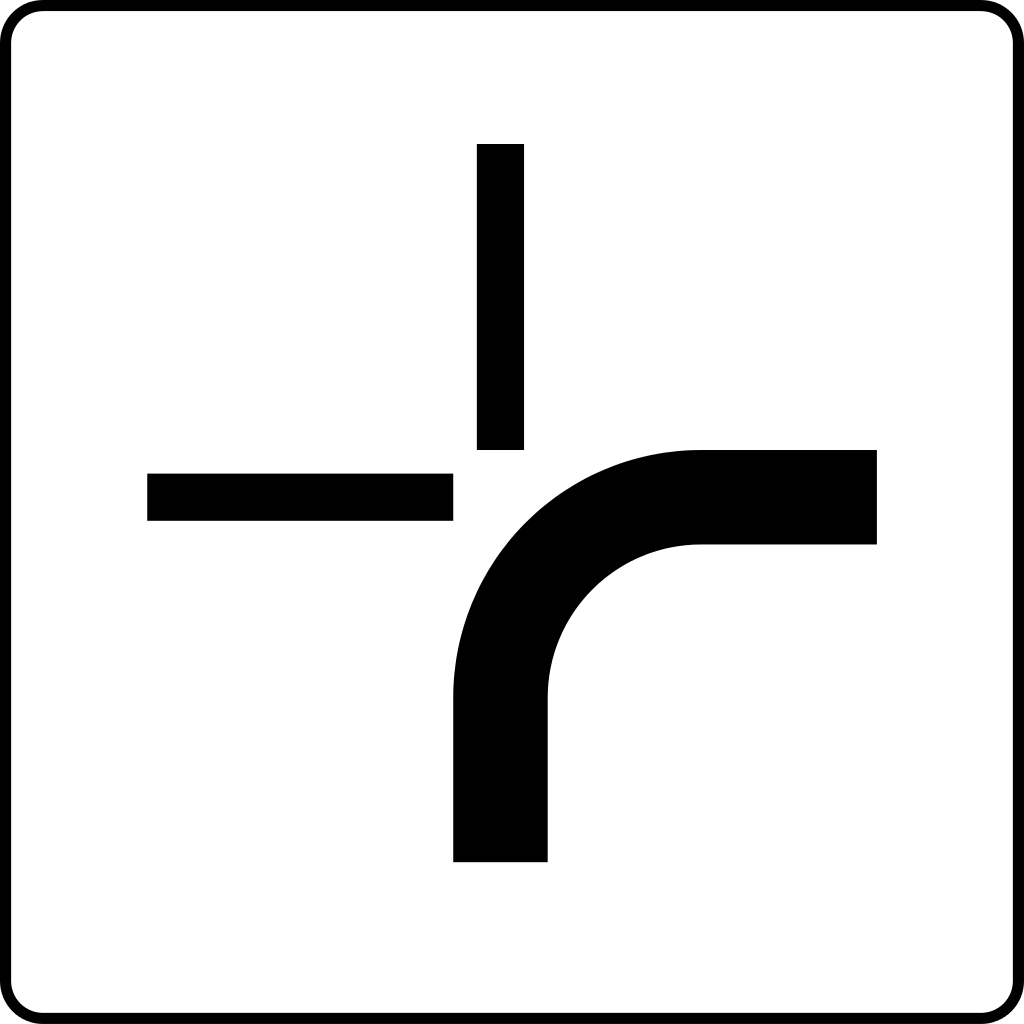
180. Junction shape
This supplementary sign shows the shape or layout of the upcoming junction.
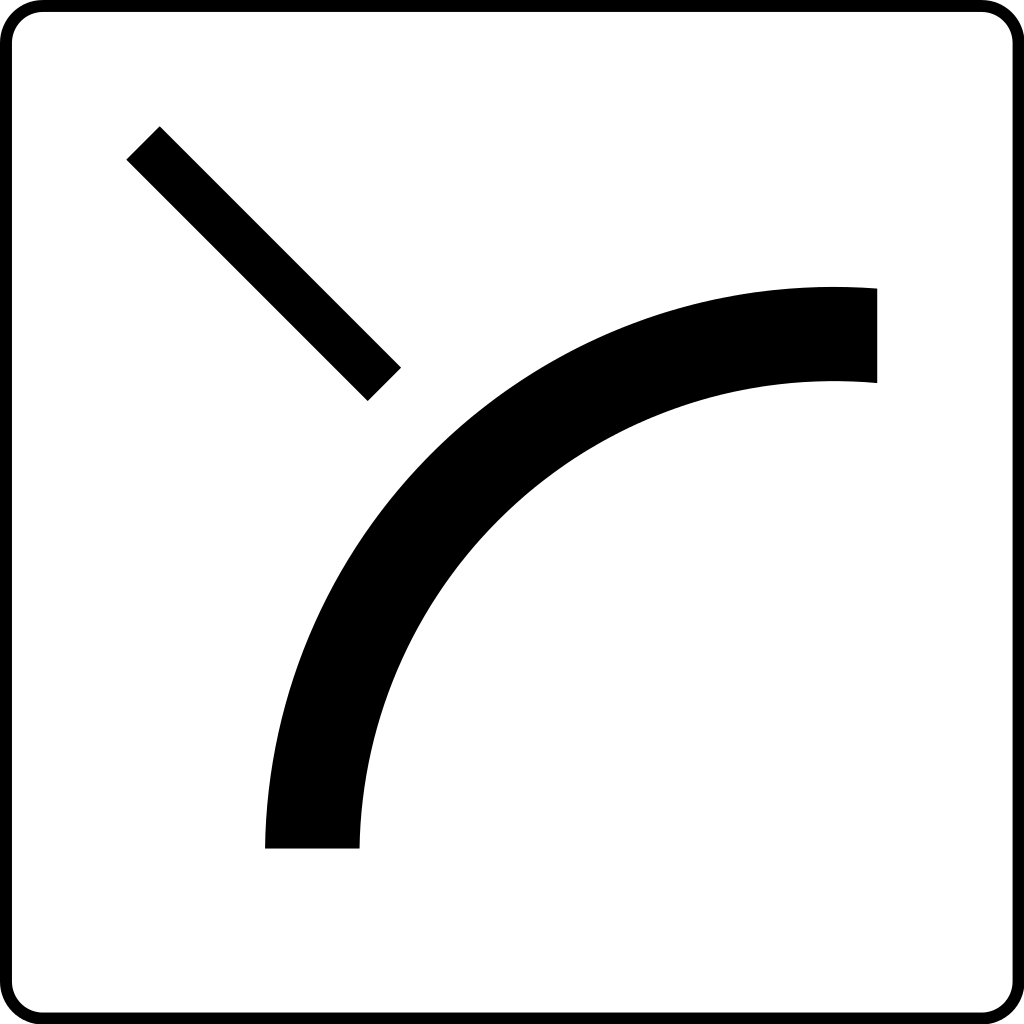
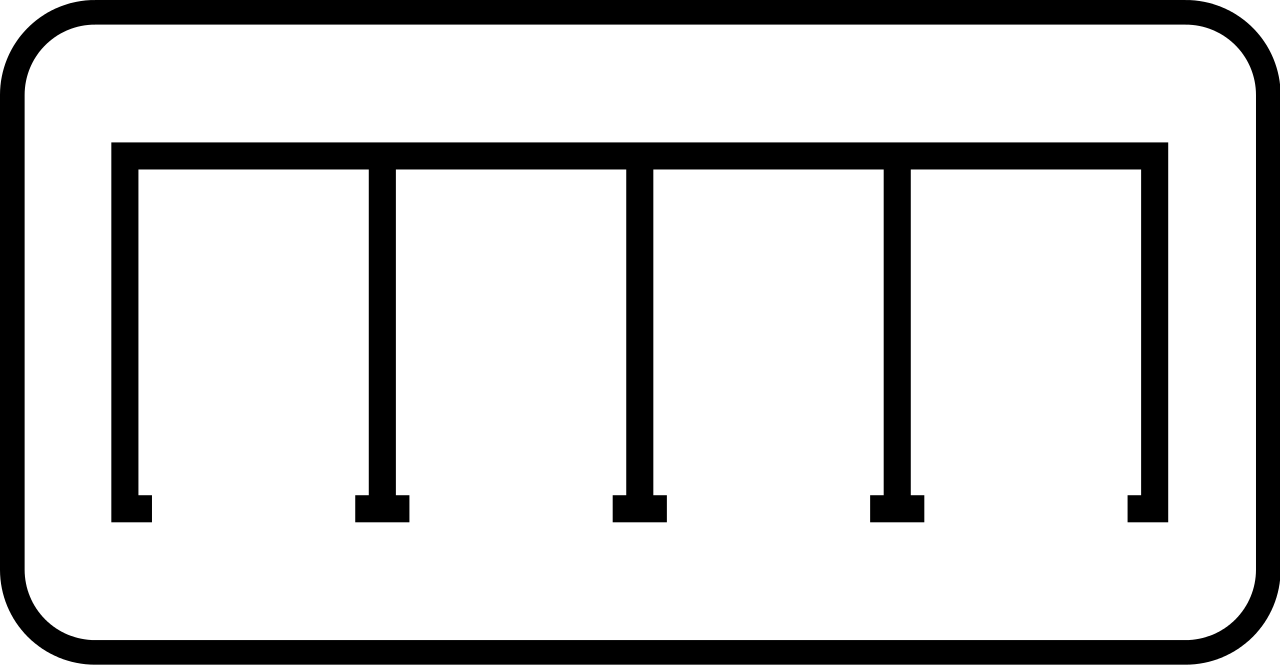
181. Perpendicular parking
This supplementary sign indicates that vehicles must park perpendicular to the kerb, as shown.
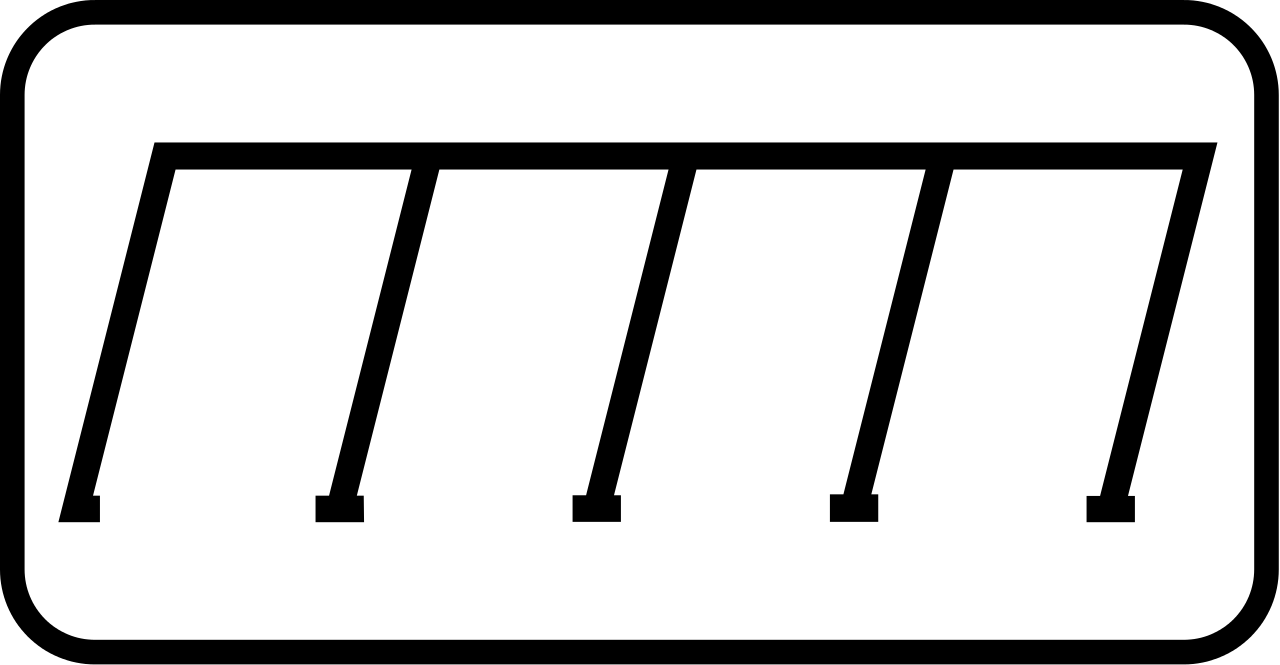
182. Angle parking to the right
This supplementary sign indicates that vehicles must park at an angle to the right, as shown.
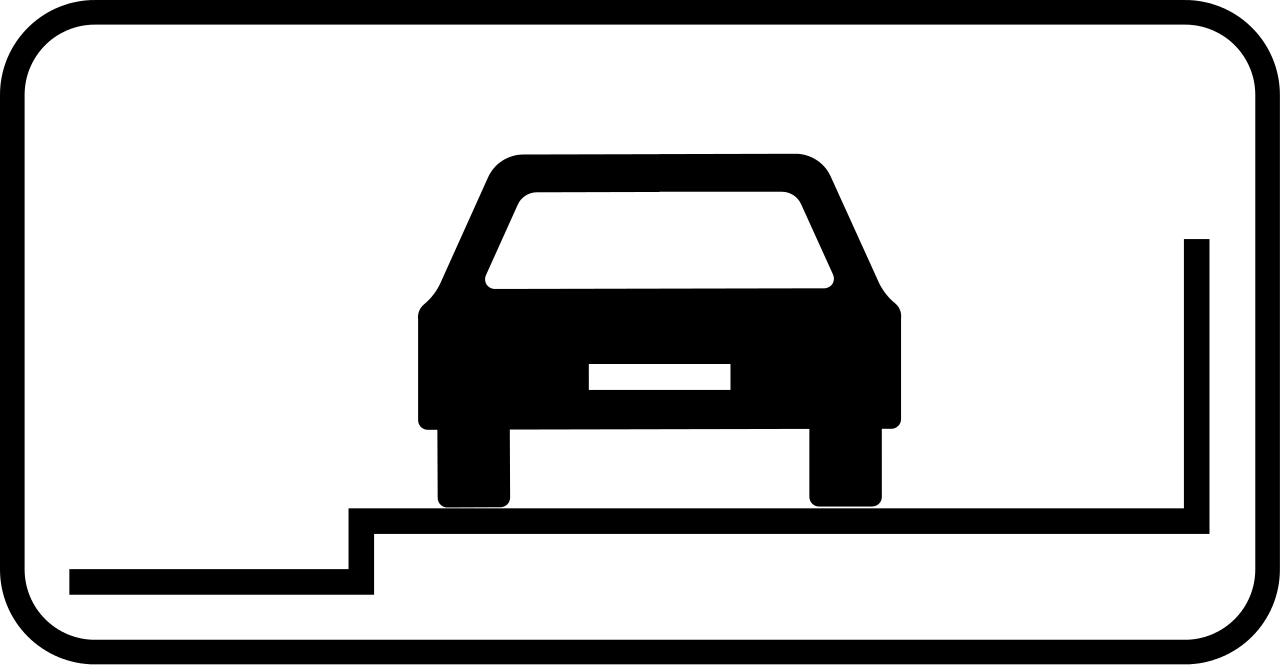
183. Parallel parking on pavement
This supplementary sign indicates that vehicles may park parallel to the kerb on the pavement or verge, as shown.
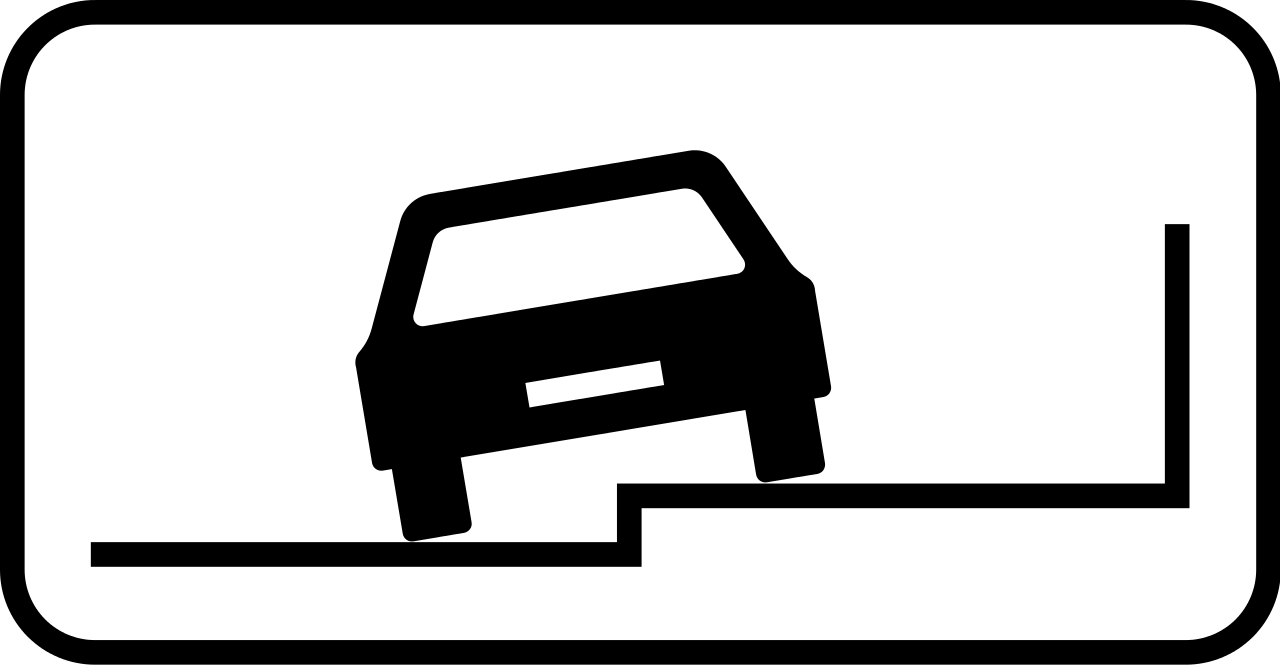
184. Parallel parking partially on pavement
This supplementary sign indicates that vehicles may park parallel to the kerb with part of the vehicle on the pavement or verge and part on the roadway, as shown.
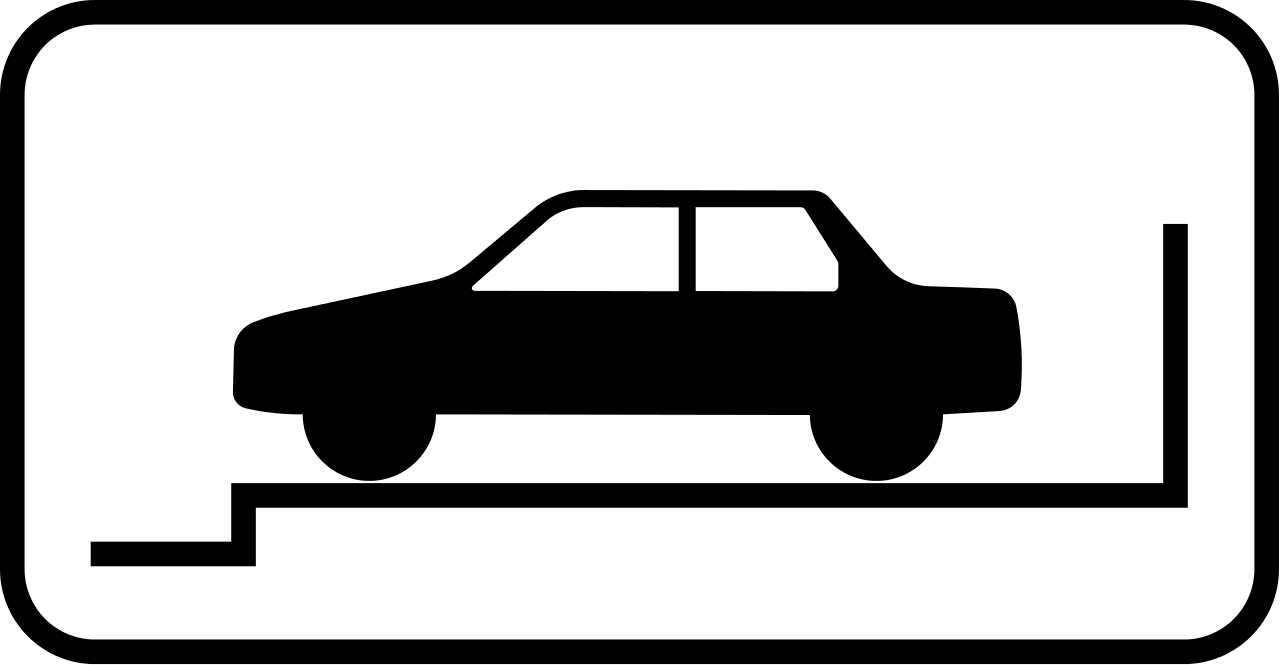
185. Perpendicular parking on pavement
This supplementary sign indicates that vehicles may park perpendicular to the kerb on the pavement or verge, as shown.
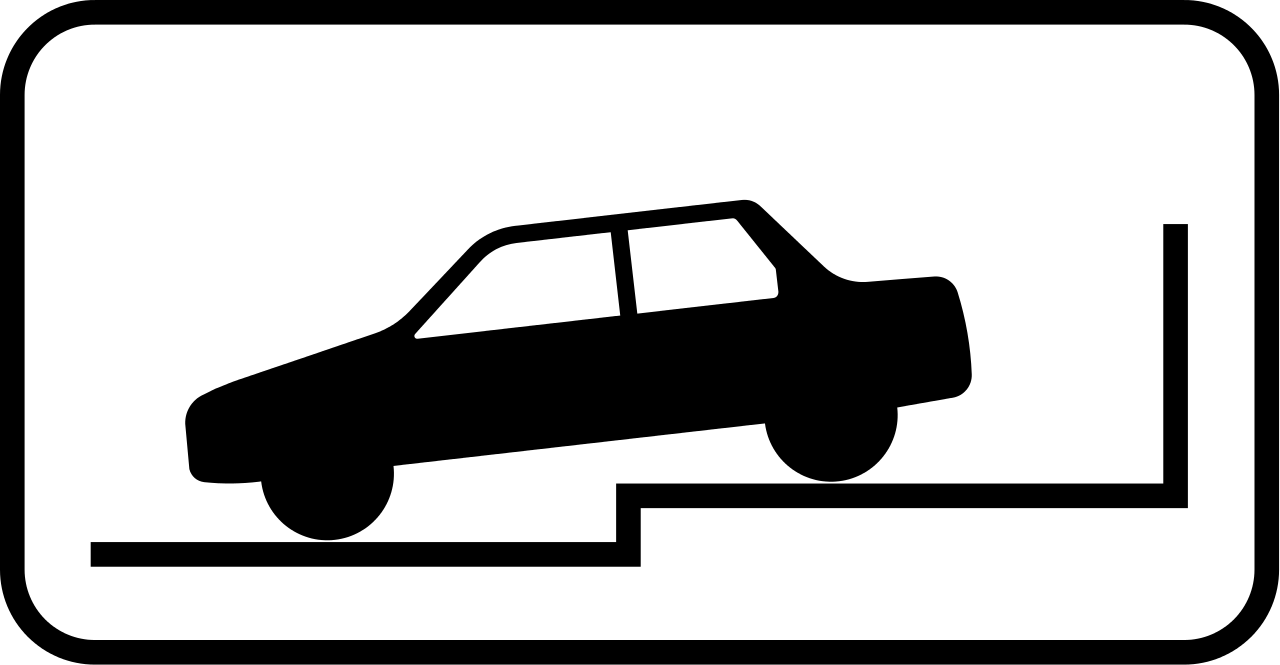
186. Perpendicular parking partially on pavement
This supplementary sign indicates that vehicles may park perpendicular to the kerb with part of the vehicle on the pavement or verge and part on the roadway, as shown.
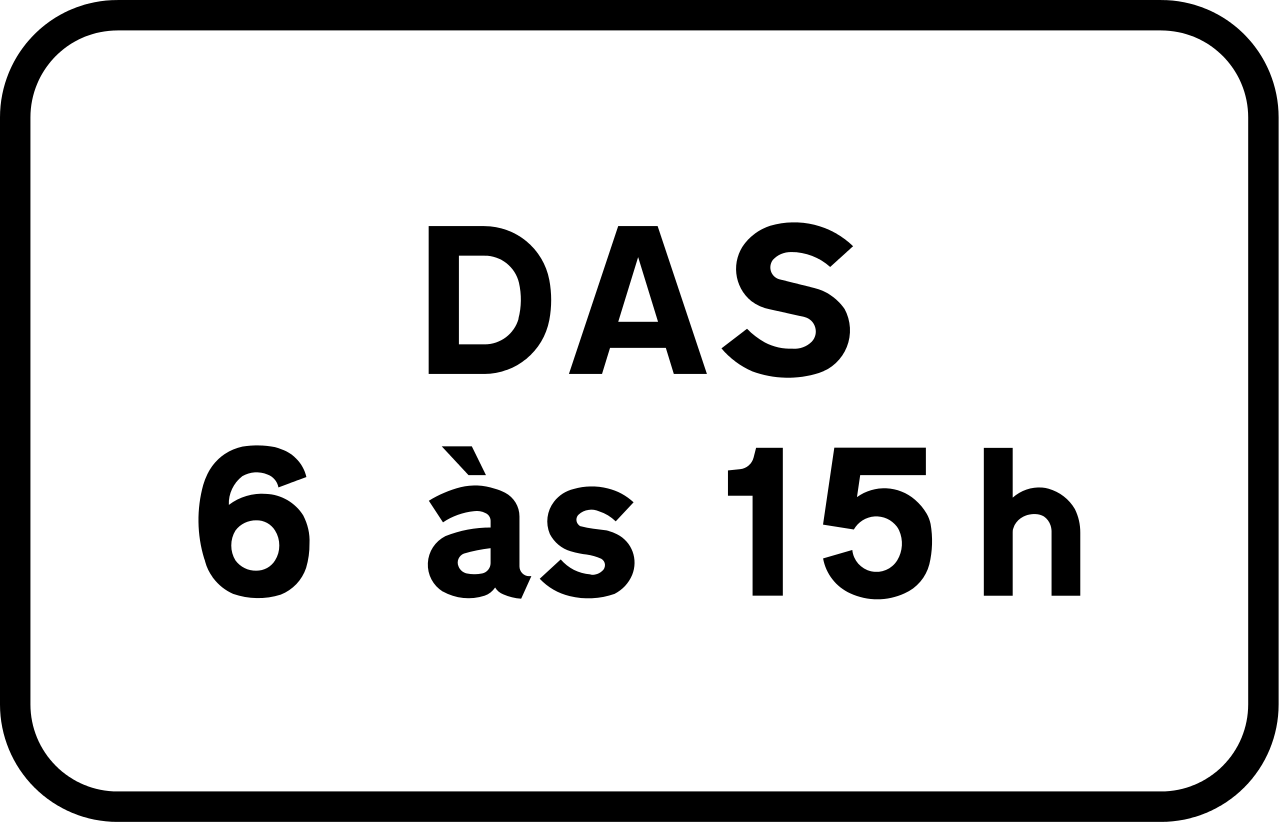
187. During the time shown
This supplementary sign indicates that the main traffic sign applies during the time shown.
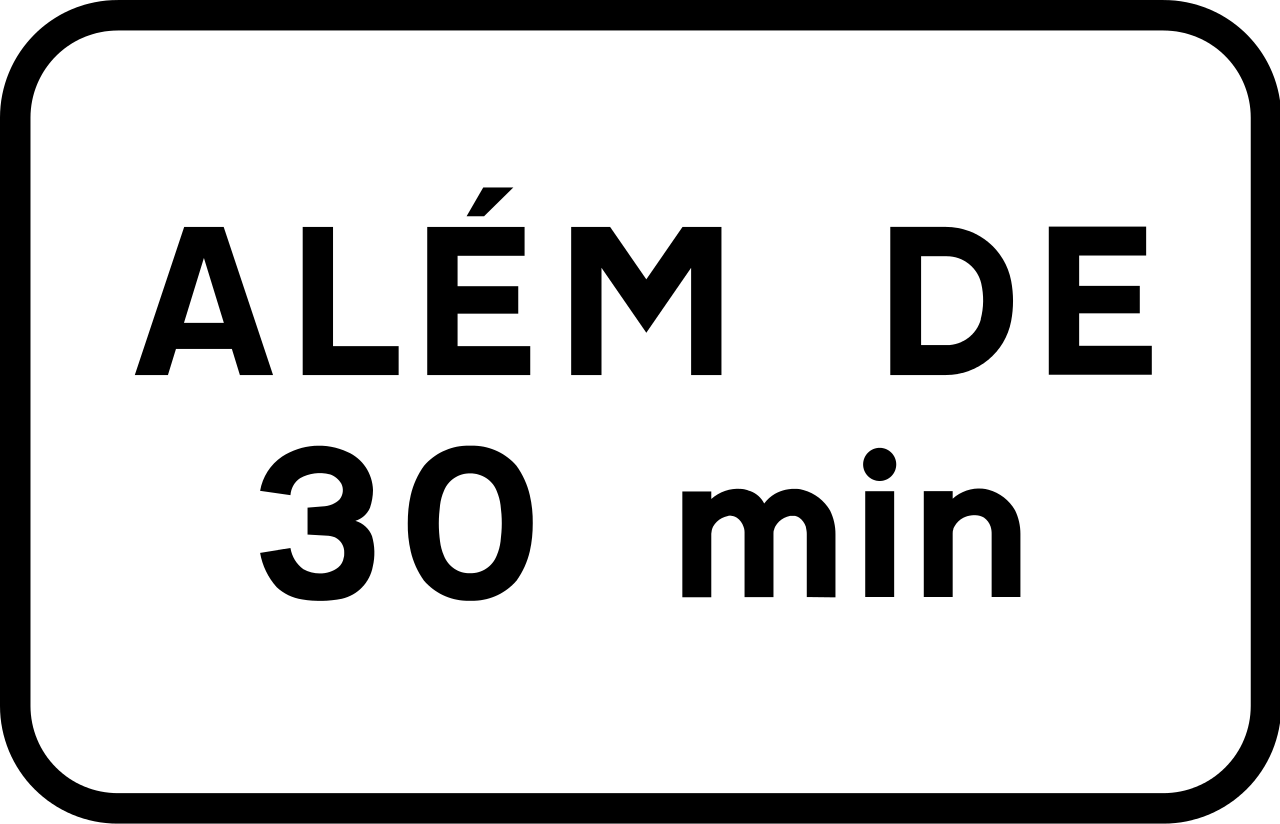
188. For the number of minutes shown
This supplementary sign indicates that the main traffic sign applies for the number of minutes shown.
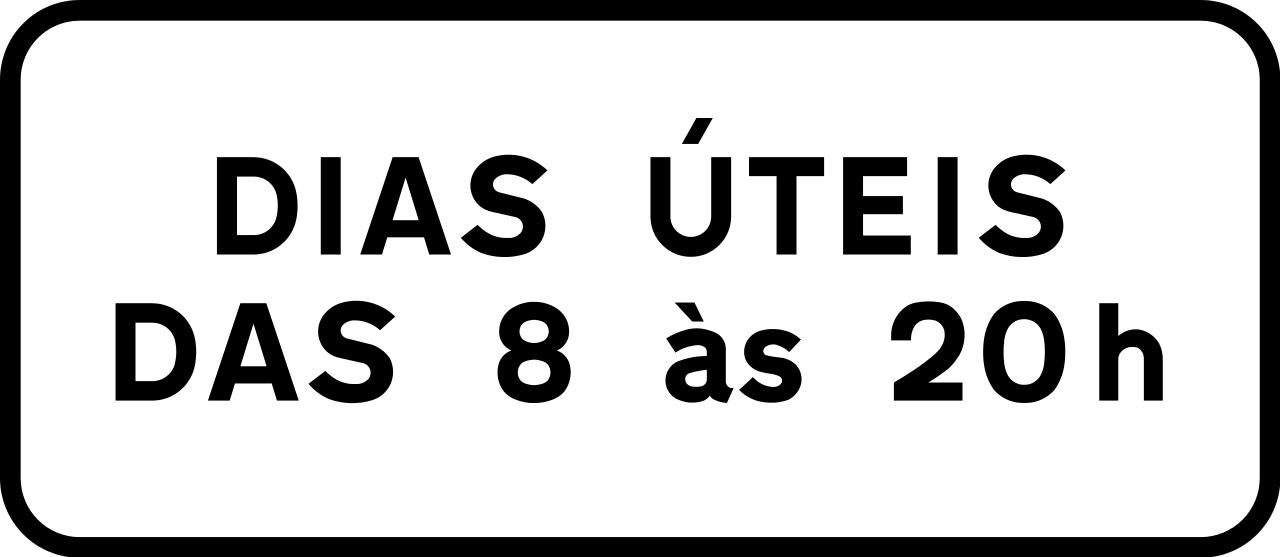
189. On working days during the time shown
This supplementary sign indicates that the main traffic sign applies on working days during the time shown.
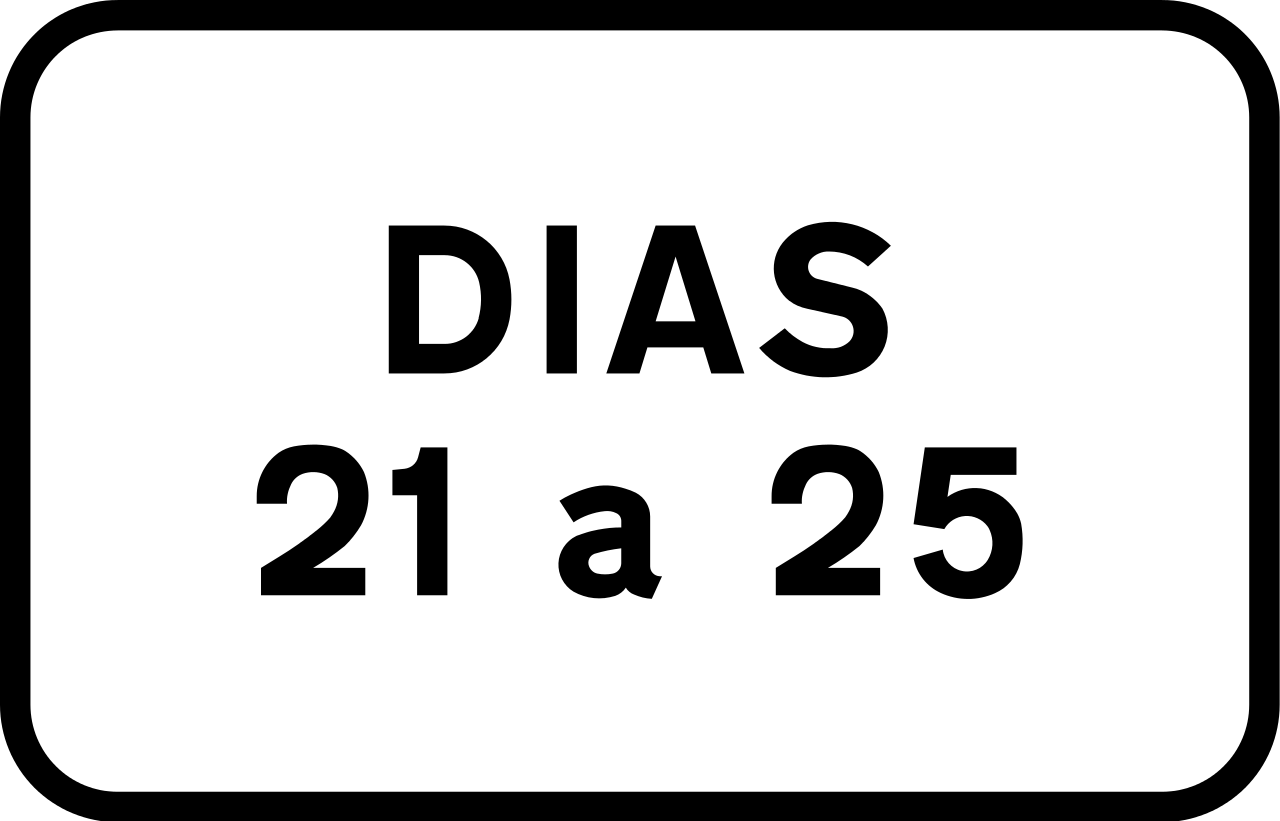
190. On the days shown
This supplementary sign indicates that the main traffic sign applies on the days shown.
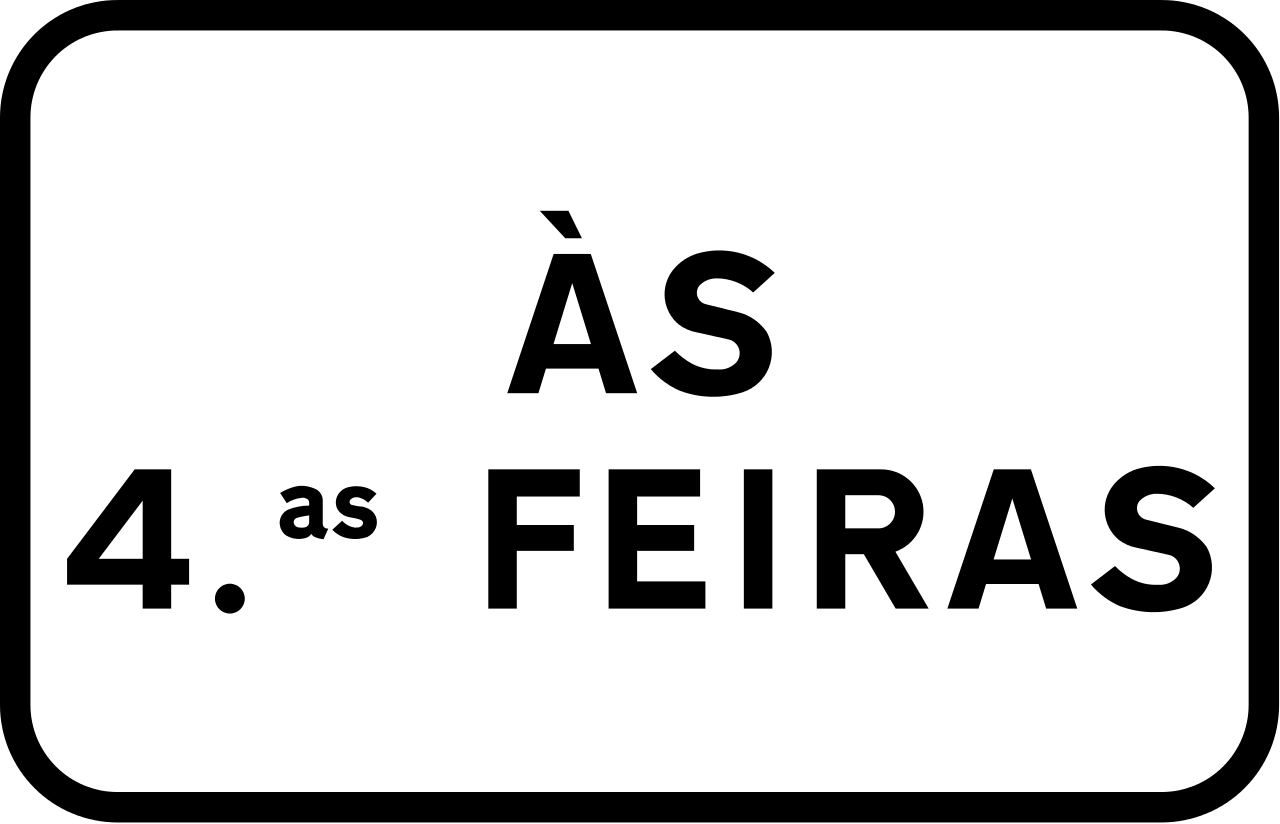
191. On Wednesdays
This supplementary sign indicates that the main traffic sign applies on Wednesdays.
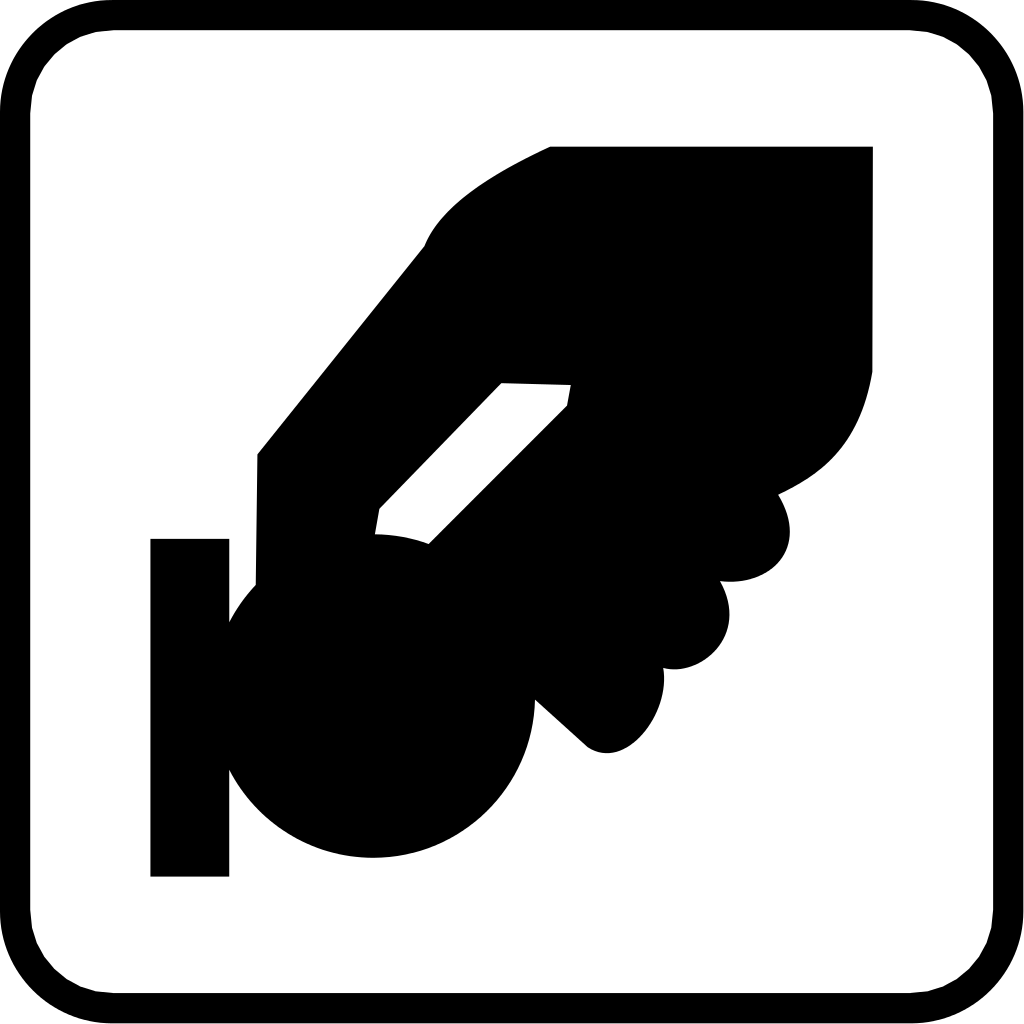
192. Paid parking
This supplementary sign indicates that parking is subject to payment.
193. Ice
This supplementary sign warns that the road surface may be icy.

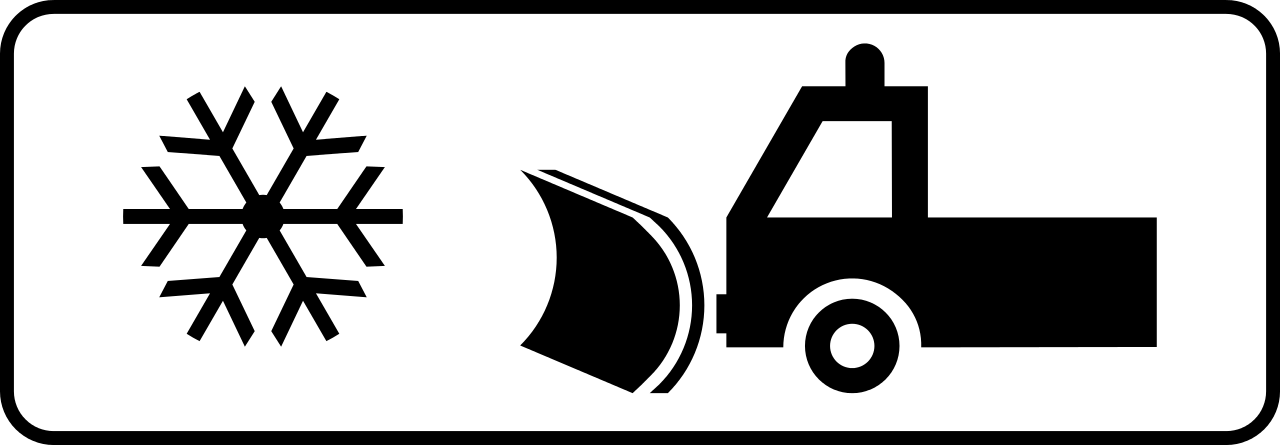
194. Snowplough
This supplementary sign warns that snowploughs may be operating on the road ahead.
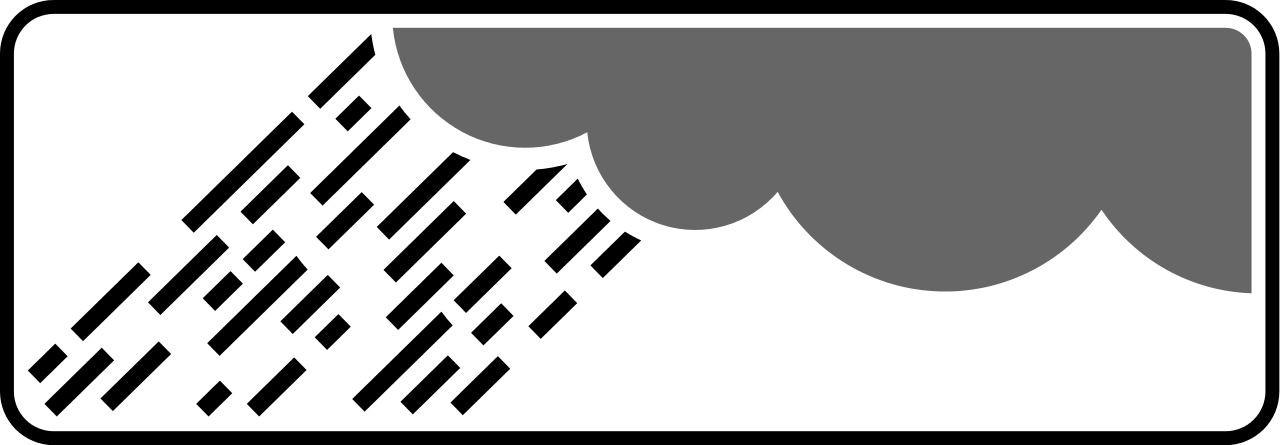
195. Wet
This supplementary sign warns that the road surface may be wet and slippery.
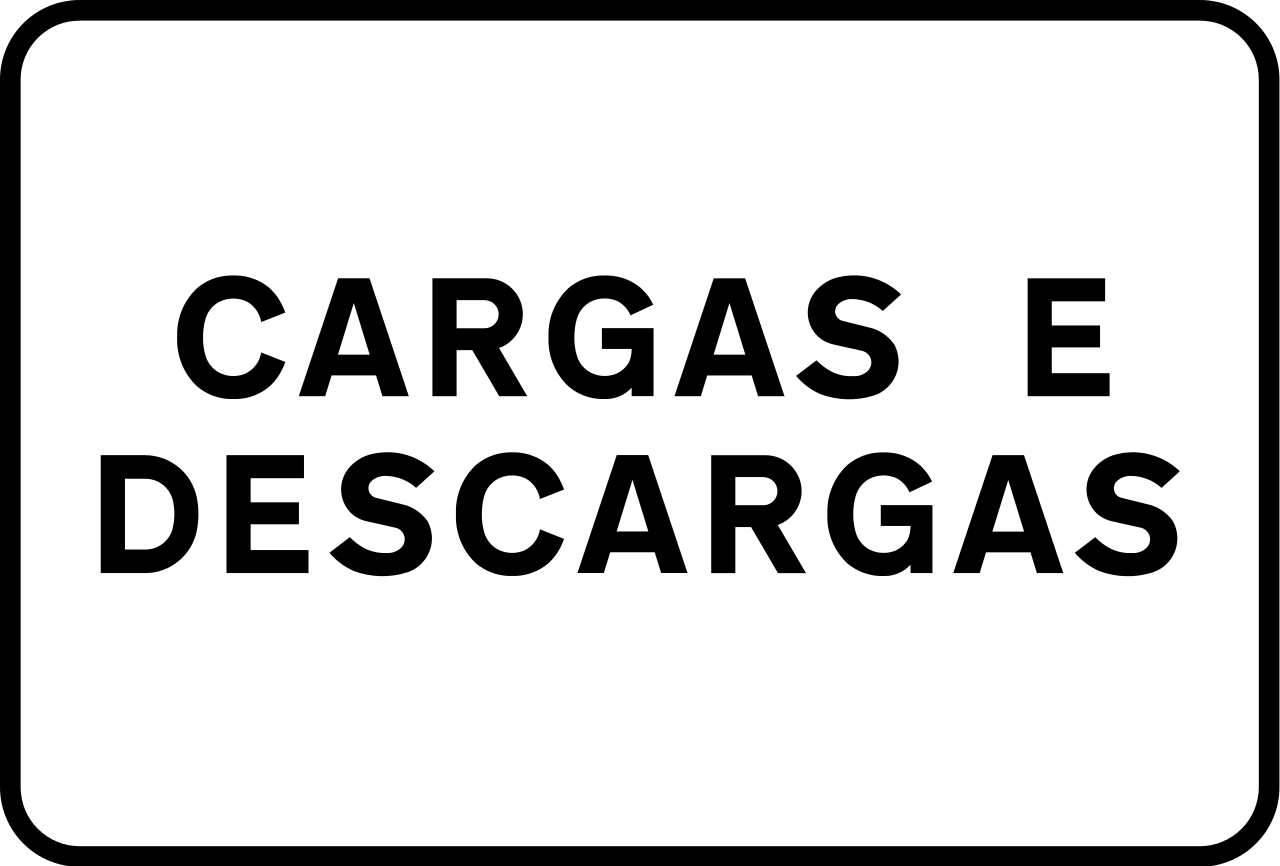
196. Loading zone
This supplementary sign indicates an area reserved for loading and unloading goods.