


QuizTraffic rulesSerbia
This interesting quiz helps you test your knowledge in a clear and visual way. With easy multiple-choice questions, you can quickly build confidence and learn new facts while keeping it simple, interactive, and fun.
 Traffic signs
 Traffic rules
 Serbia
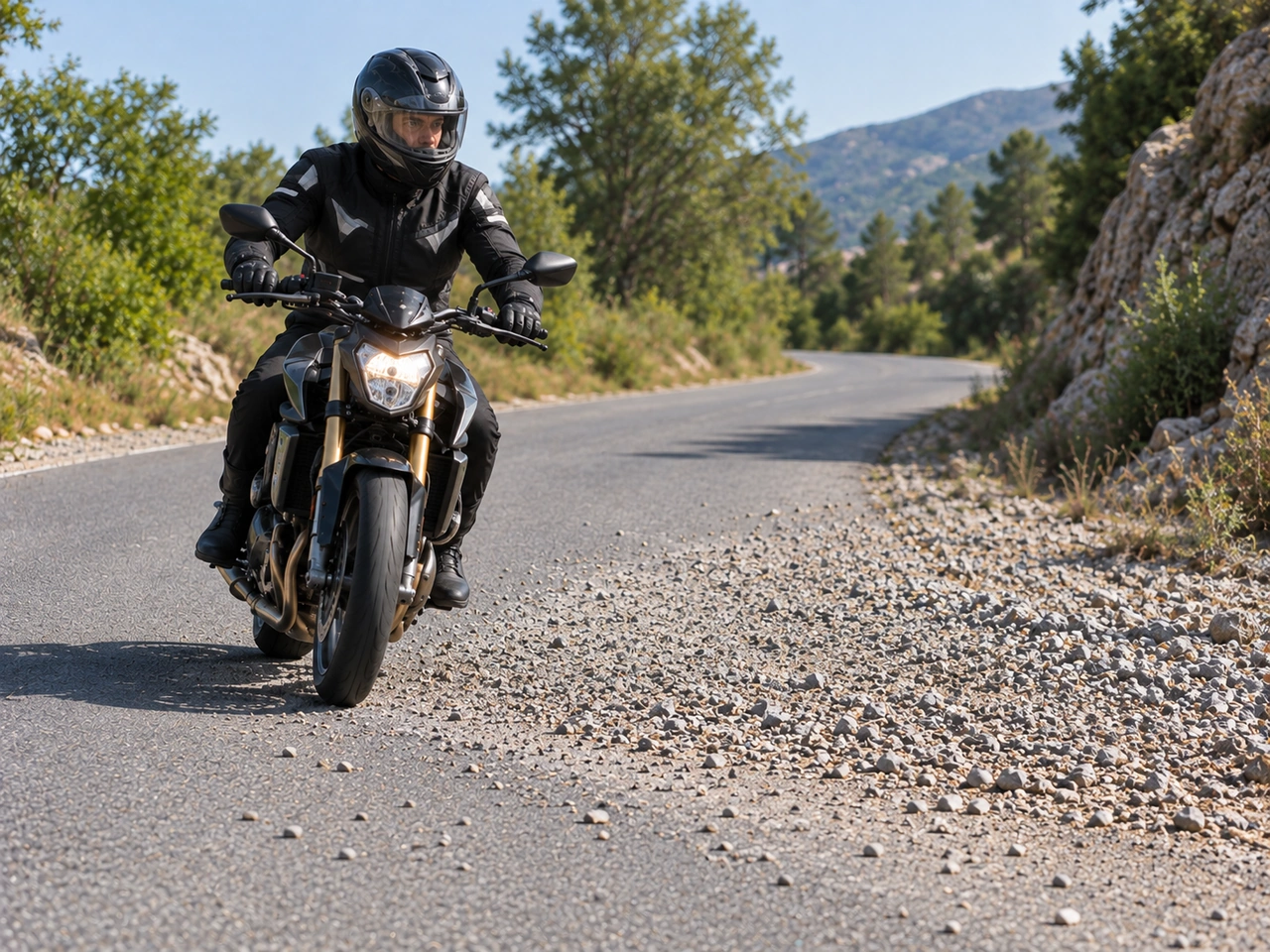
301. What should a motorcyclist do when approaching loose gravel?
Loose gravel can significantly reduce tyre grip. Reduce speed before reaching it, keep the motorcycle as upright as practical, and avoid sudden braking, acceleration or steering while crossing the loose surface.
AI-generated by Rijbewijs-online.be • WCIT • CC BY-SA

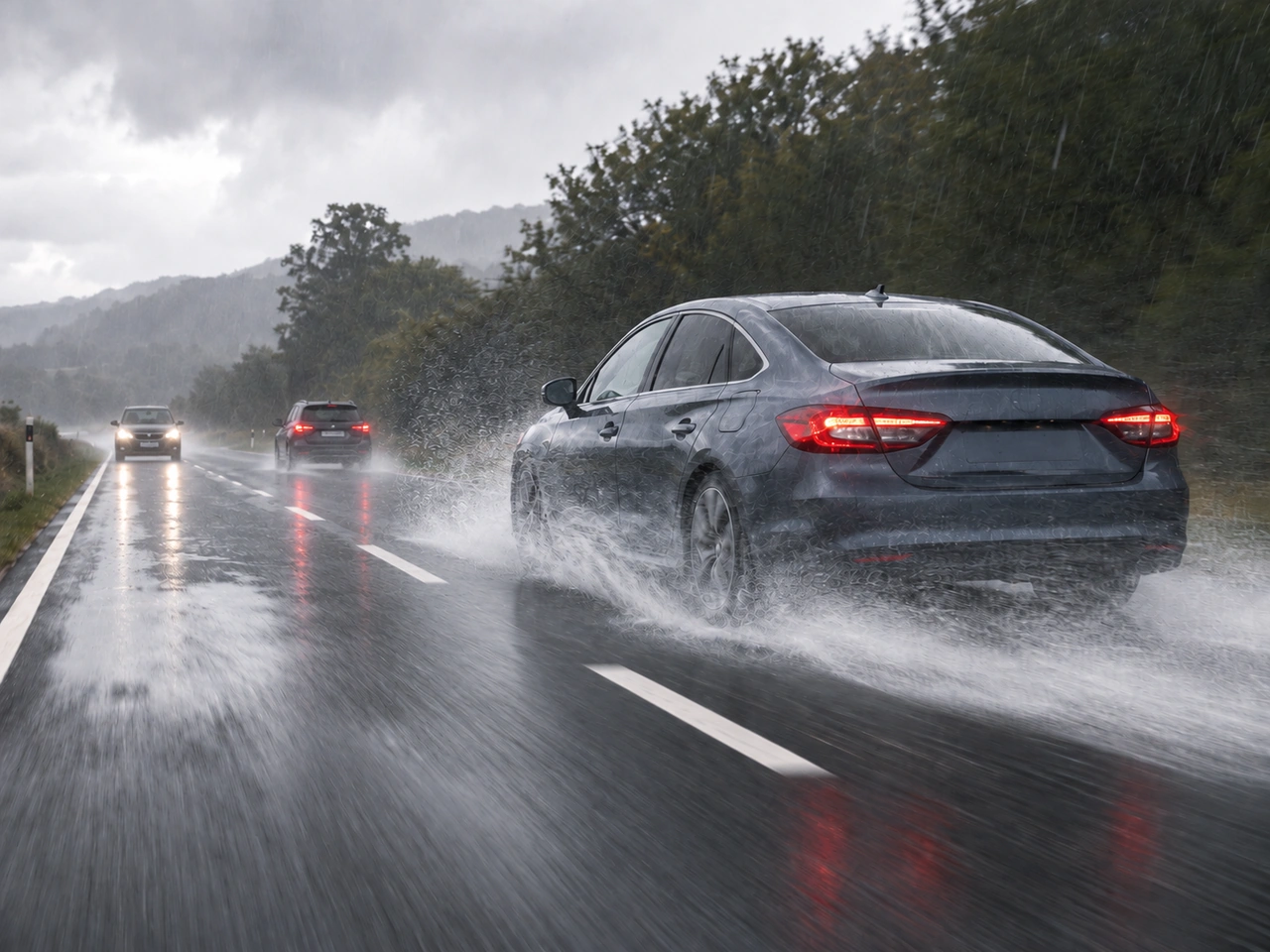
302. Why does higher speed increase the risk of aquaplaning?
At higher speeds, the tyres may not disperse water effectively, making it easier for the vehicle to lose contact with the road.
AI-generated by Rijbewijs-online.be • WCIT • CC BY-SA
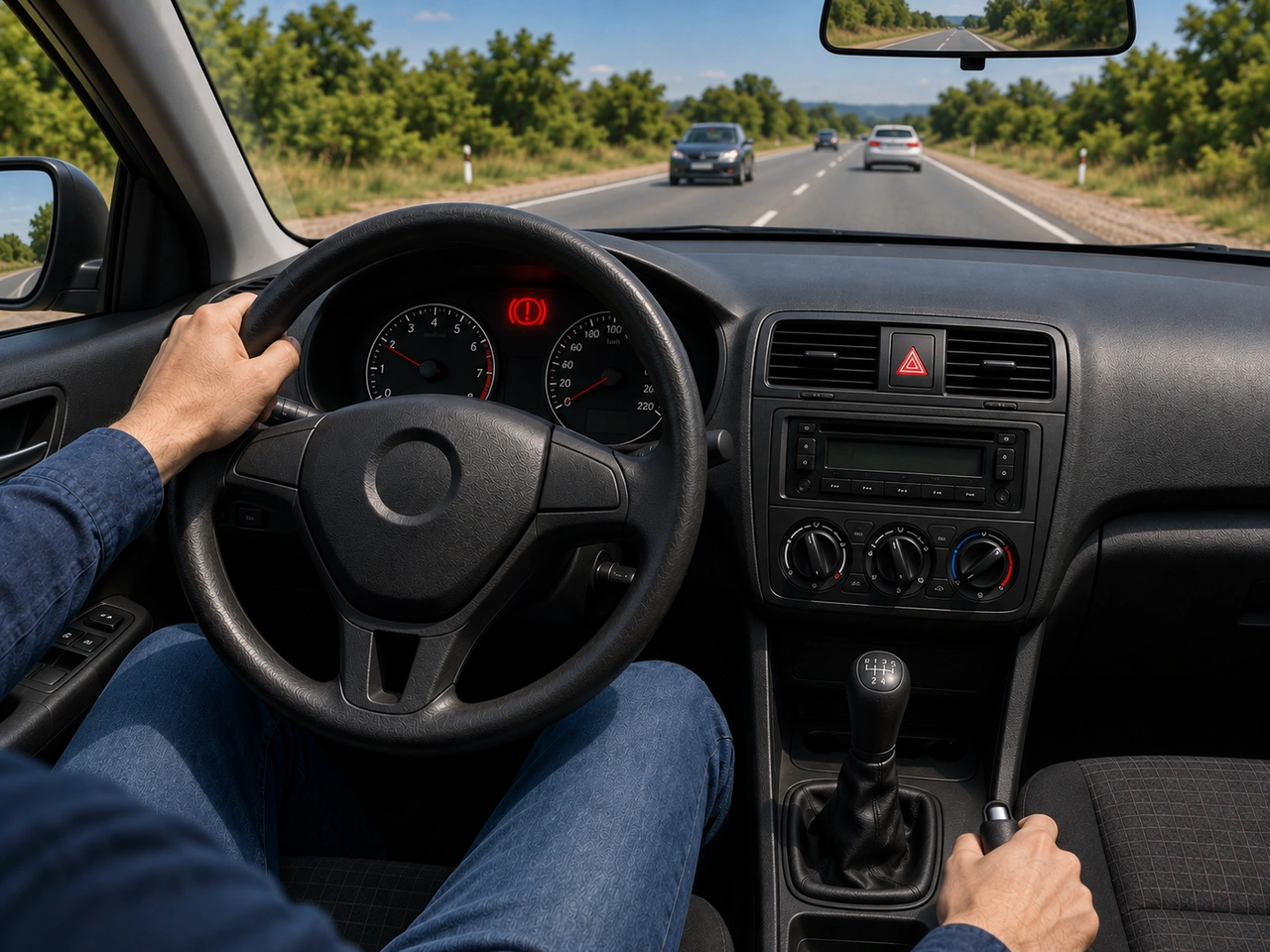
303. What should you do if the service brakes fail while driving?
Remain calm, warn other road users, and use other available braking methods to reduce speed. This may include engine braking or a lower gear, and careful use of the parking or emergency brake according to the vehicle's design. Steer toward the safest available stopping area.
AI-generated by Rijbewijs-online.be • WCIT • CC BY-SA
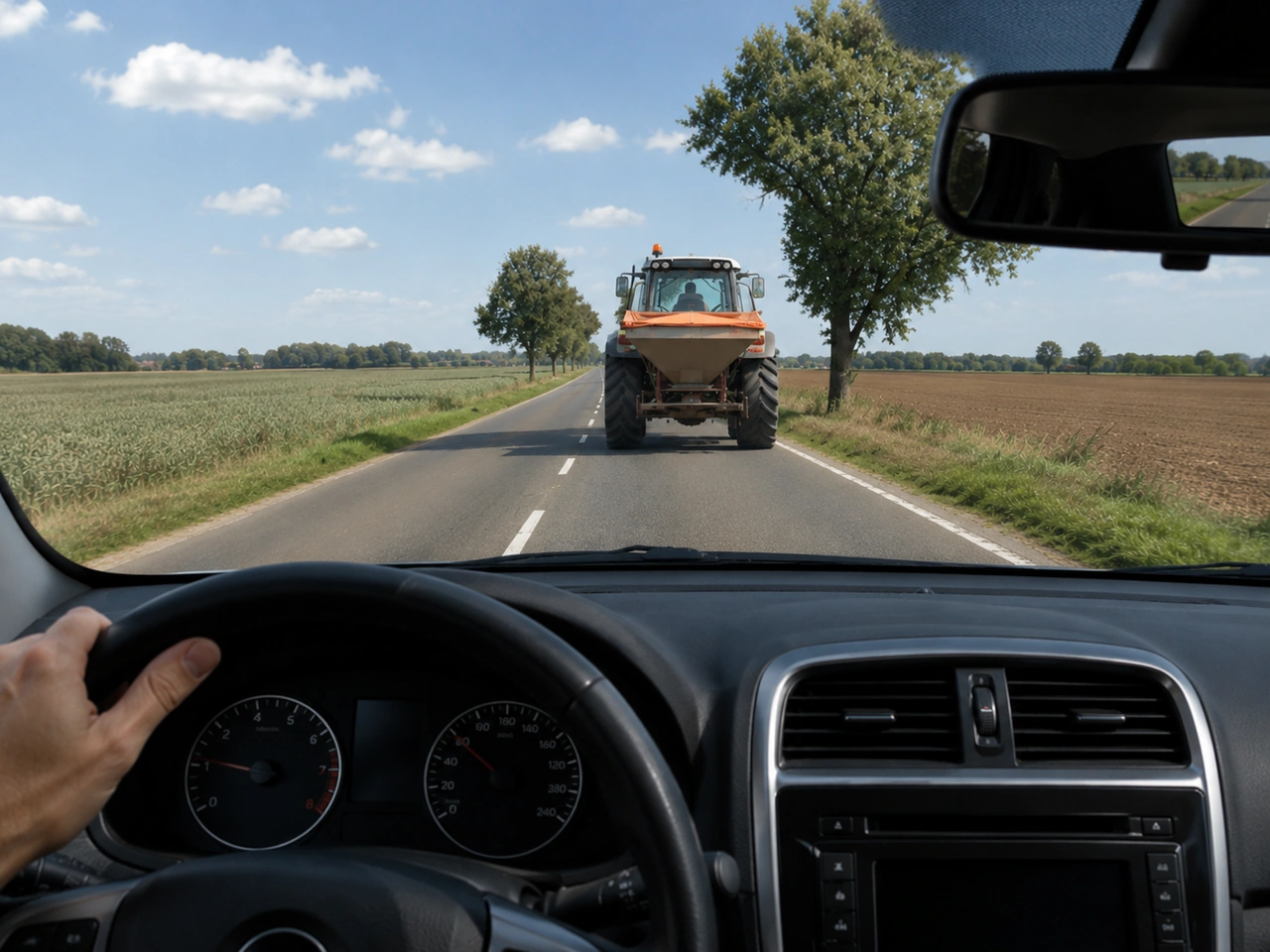
304. What should you do if you approach slow-moving farm machinery?
Farm machinery may be wide, slow, or turn unexpectedly. Keep distance and only overtake when you have a clear view and enough space.
AI-generated by Rijbewijs-online.be • WCIT • CC BY-SA
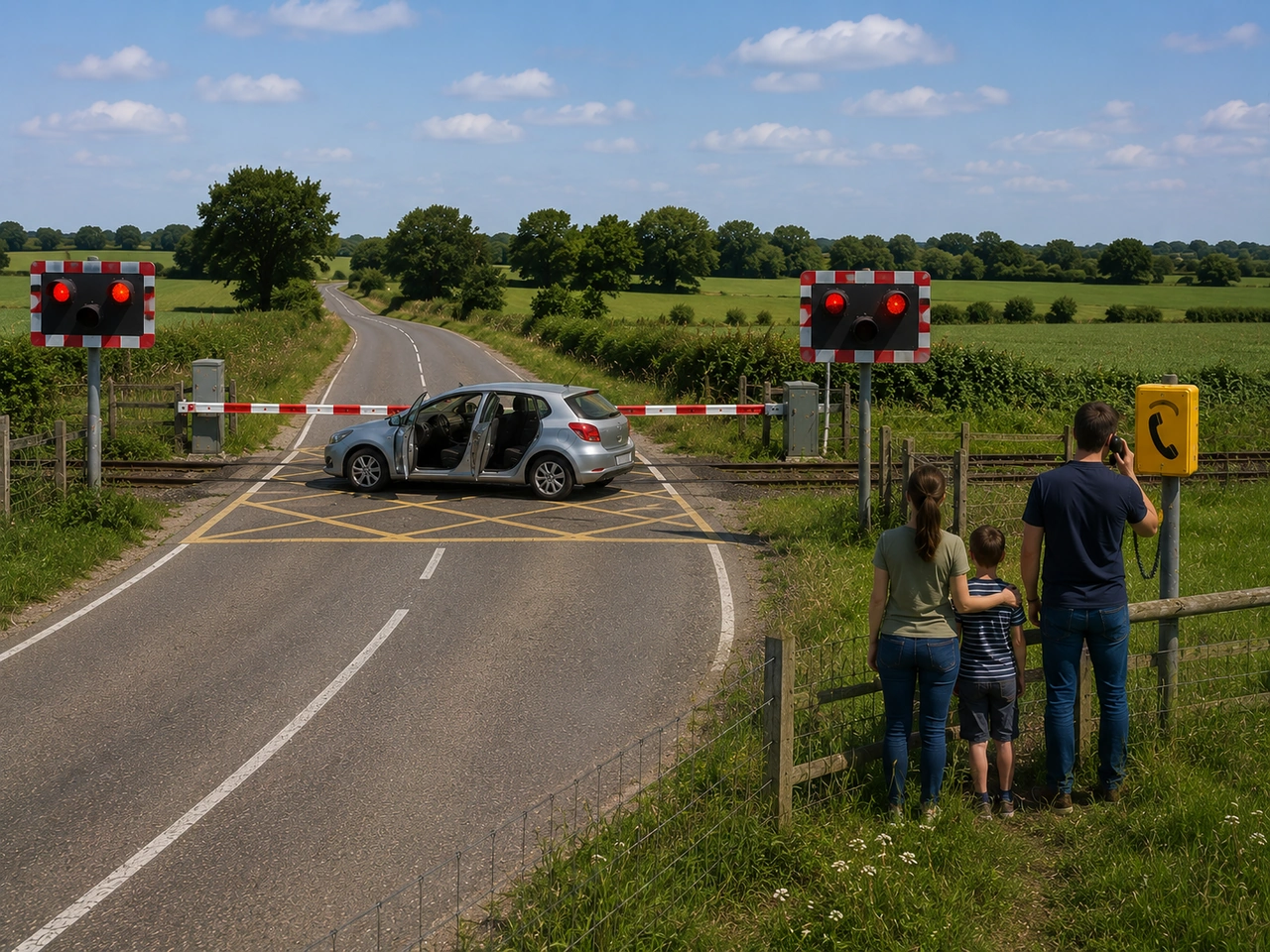
305. What should you do if your vehicle becomes stuck on a railway crossing?
Move everyone well away from the tracks. Use the crossing emergency telephone or displayed contact information where available, or contact the emergency services immediately.
AI-generated by Rijbewijs-online.be • WCIT • CC BY-SA
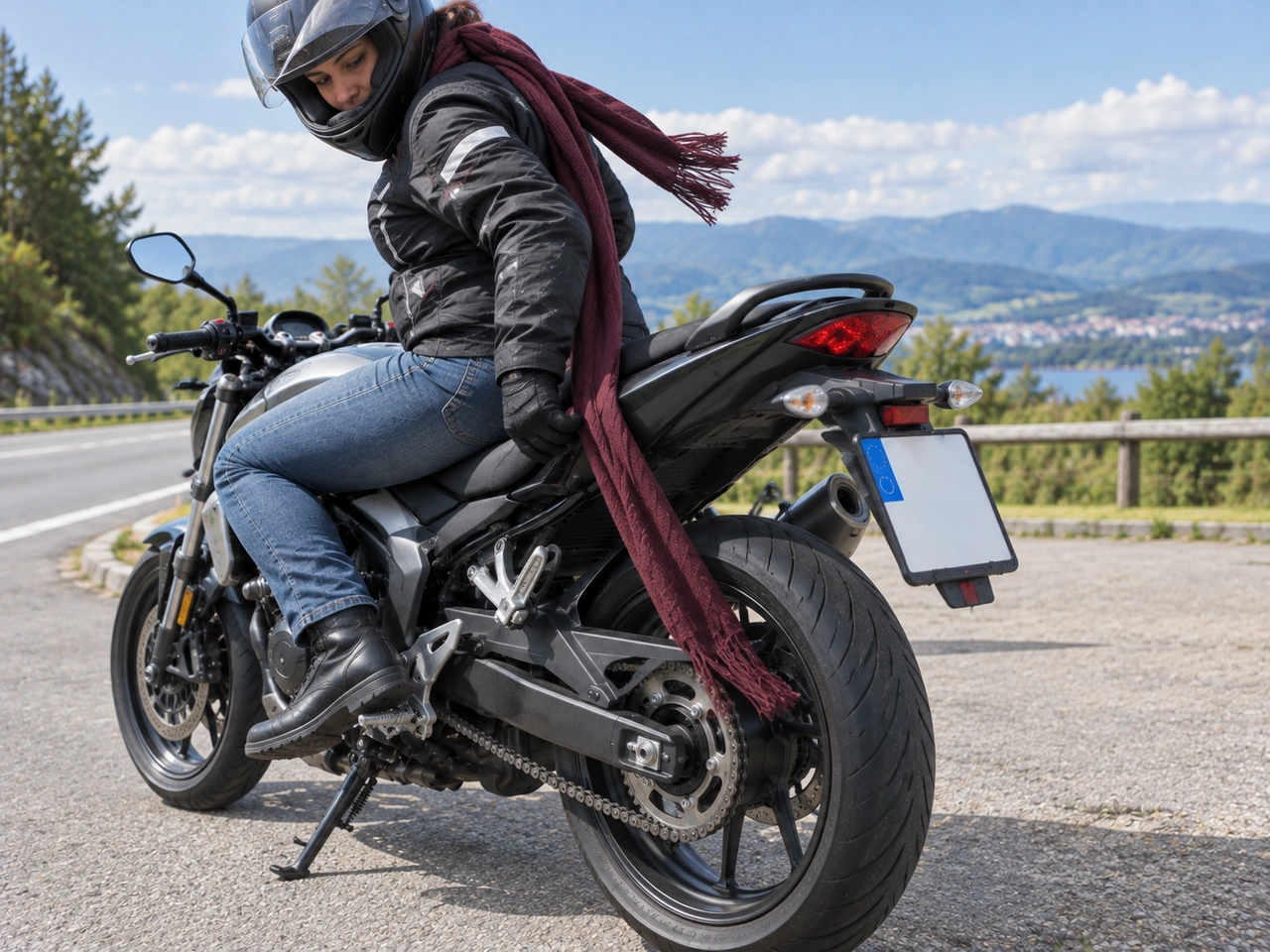
306. Why should loose clothing be avoided when riding a motorcycle?
Loose clothing, straps or scarves can flap in the wind or become caught in moving parts such as the chain or wheel. Motorcycle clothing should fit securely and should not have loose items that could interfere with safe riding.
AI-generated by Rijbewijs-online.be • WCIT • CC BY-SA
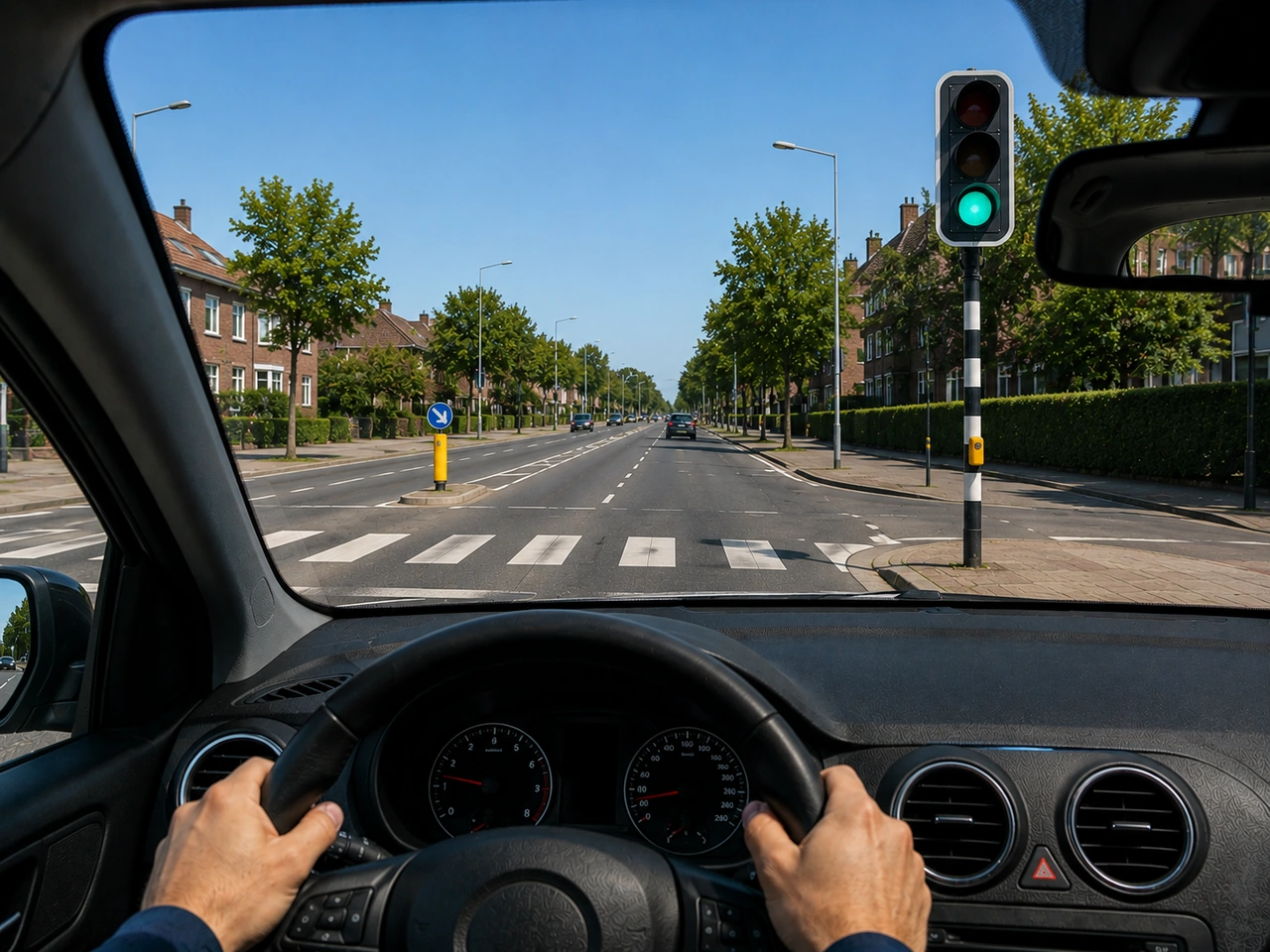
307. What does a green traffic light mean?
A green light allows you to continue, but you must still watch for pedestrians, cyclists, and other road users.
AI-generated by Rijbewijs-online.be • WCIT • CC BY-SA
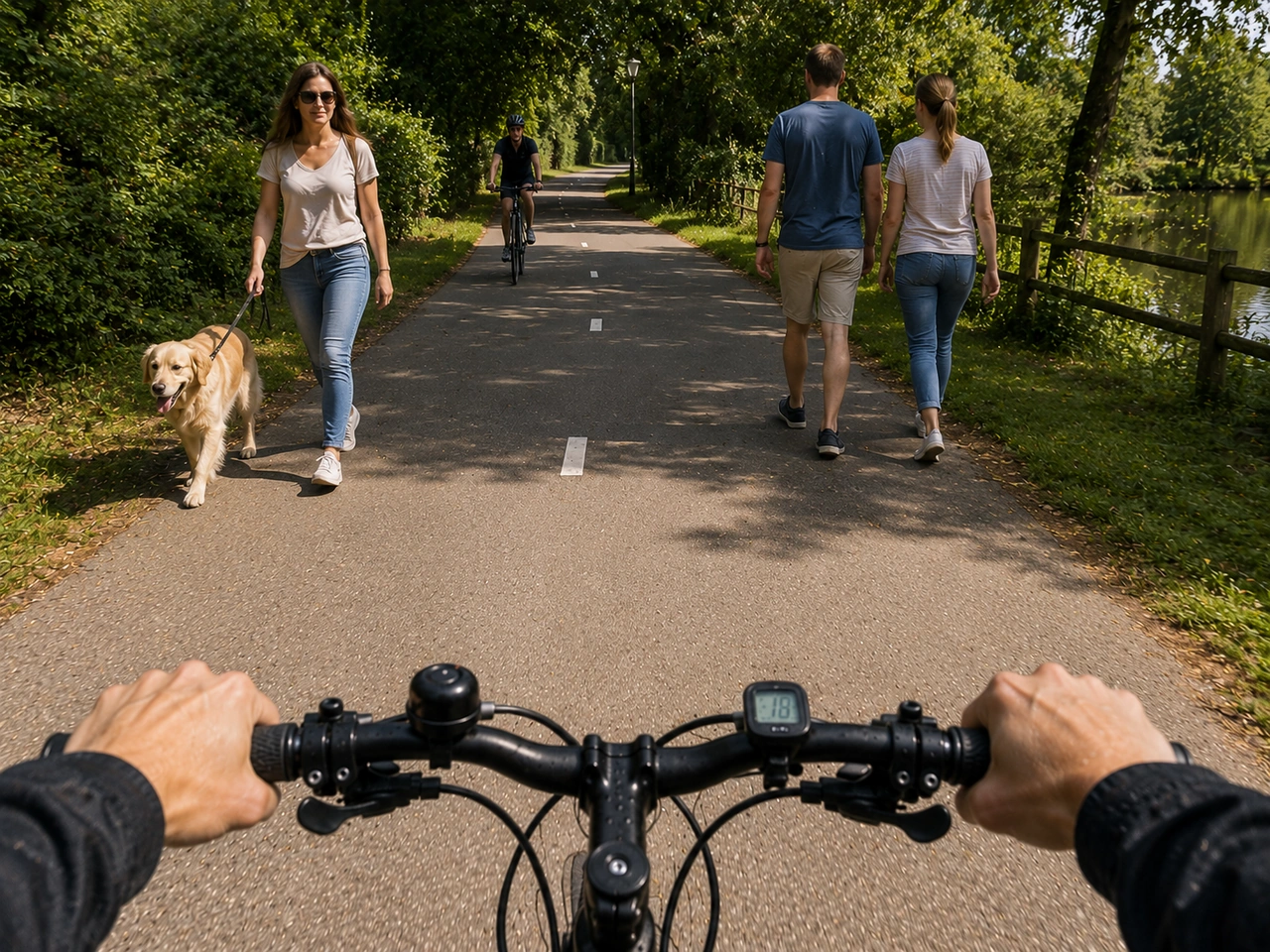
308. What should cyclists do when passing pedestrians on a shared path?
Pedestrians may change direction unexpectedly. A warning and safe passing distance reduce the risk of a collision.
AI-generated by Rijbewijs-online.be • WCIT • CC BY-SA
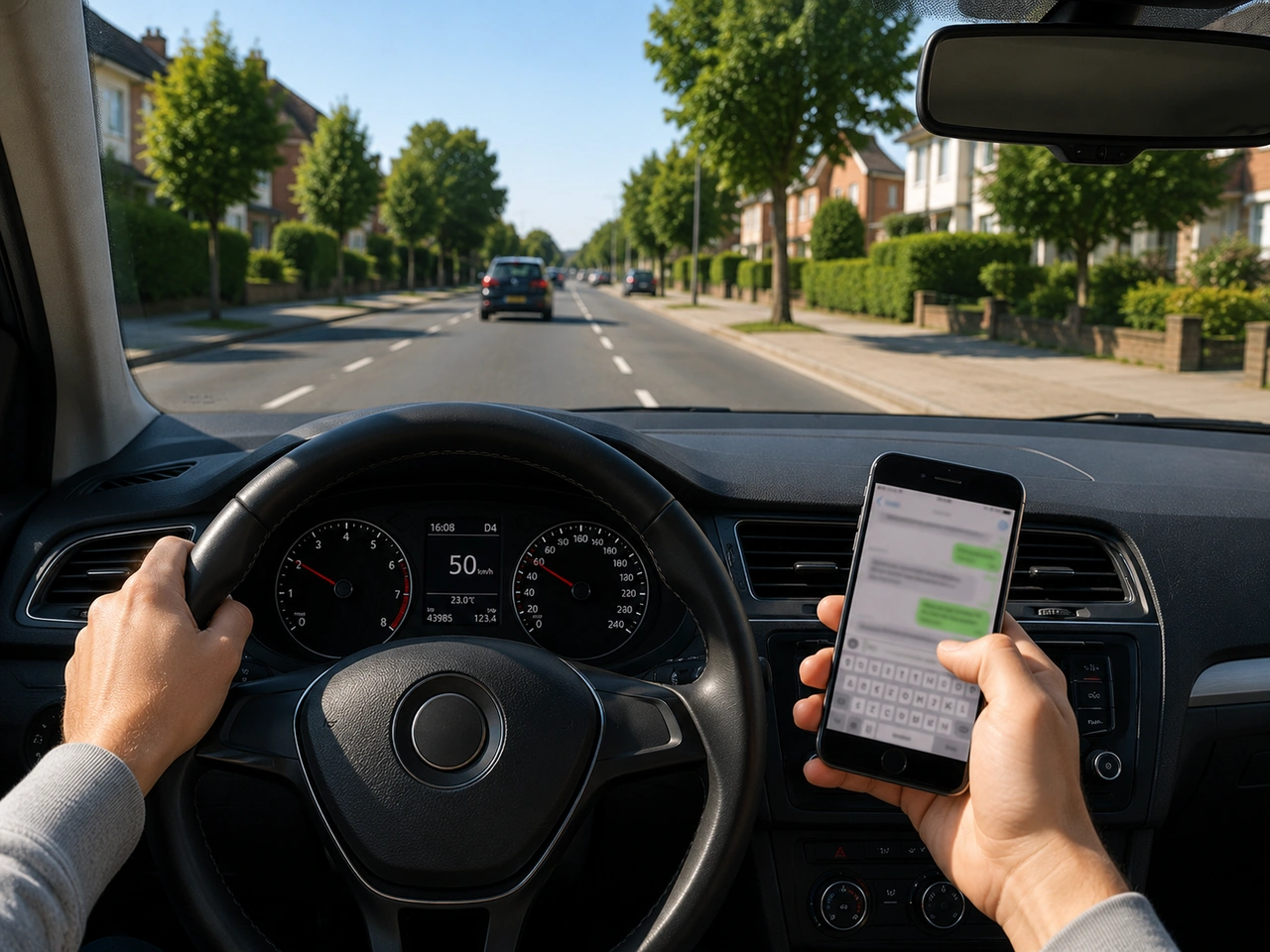
309. It is safe to look at your phone briefly while driving.
Using your phone while driving is distracting and dangerous, even for a very short moment.
AI-generated by Rijbewijs-online.be • WCIT • CC BY-SA
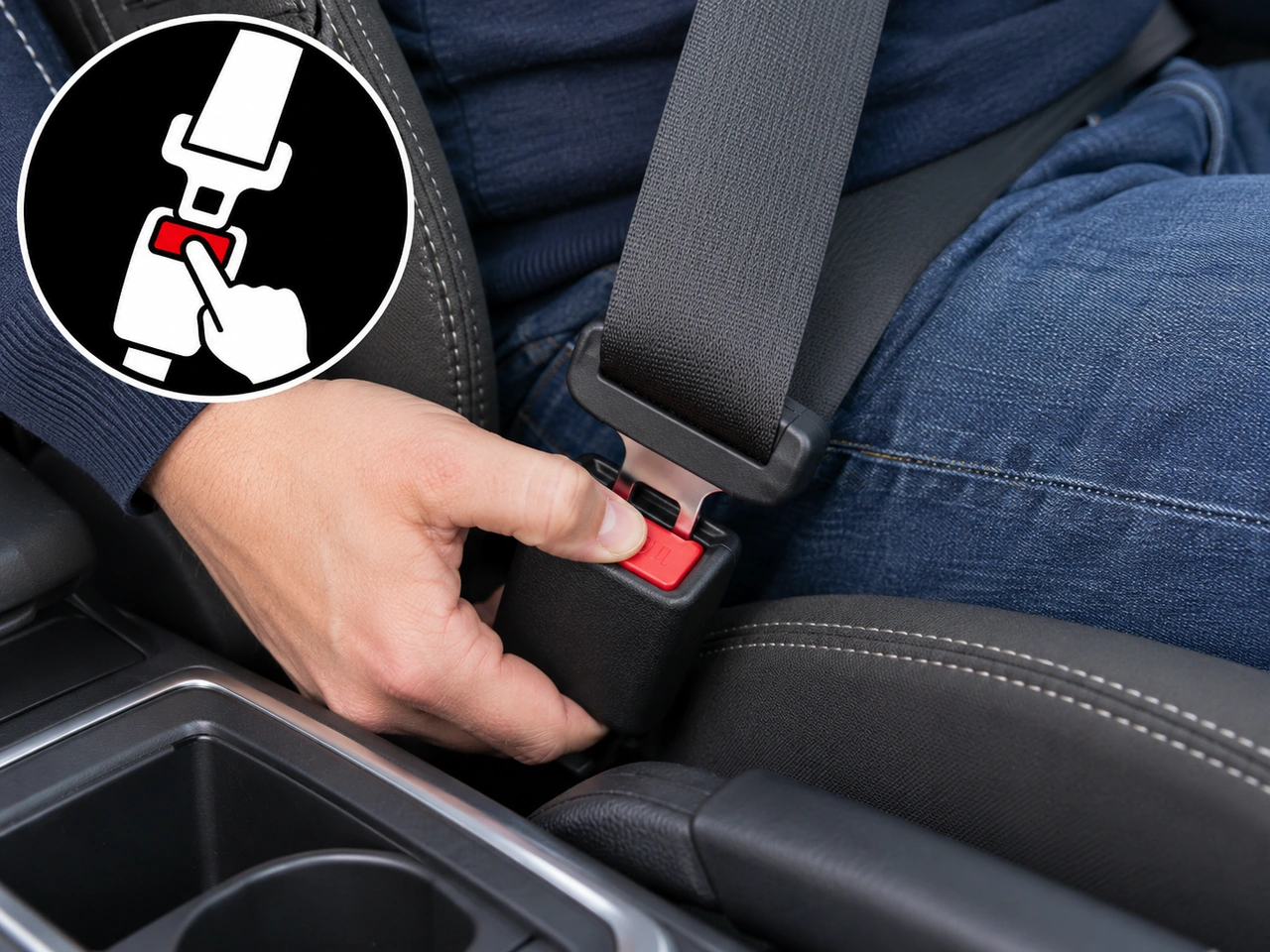
310. What is the button on a seat-belt buckle used for?
Pressing the button on the seat-belt buckle releases the latch so the belt can be unfastened. Keep the seat belt fastened whenever required while the vehicle is moving.
AI-generated by Rijbewijs-online.be • WCIT • CC BY-SA
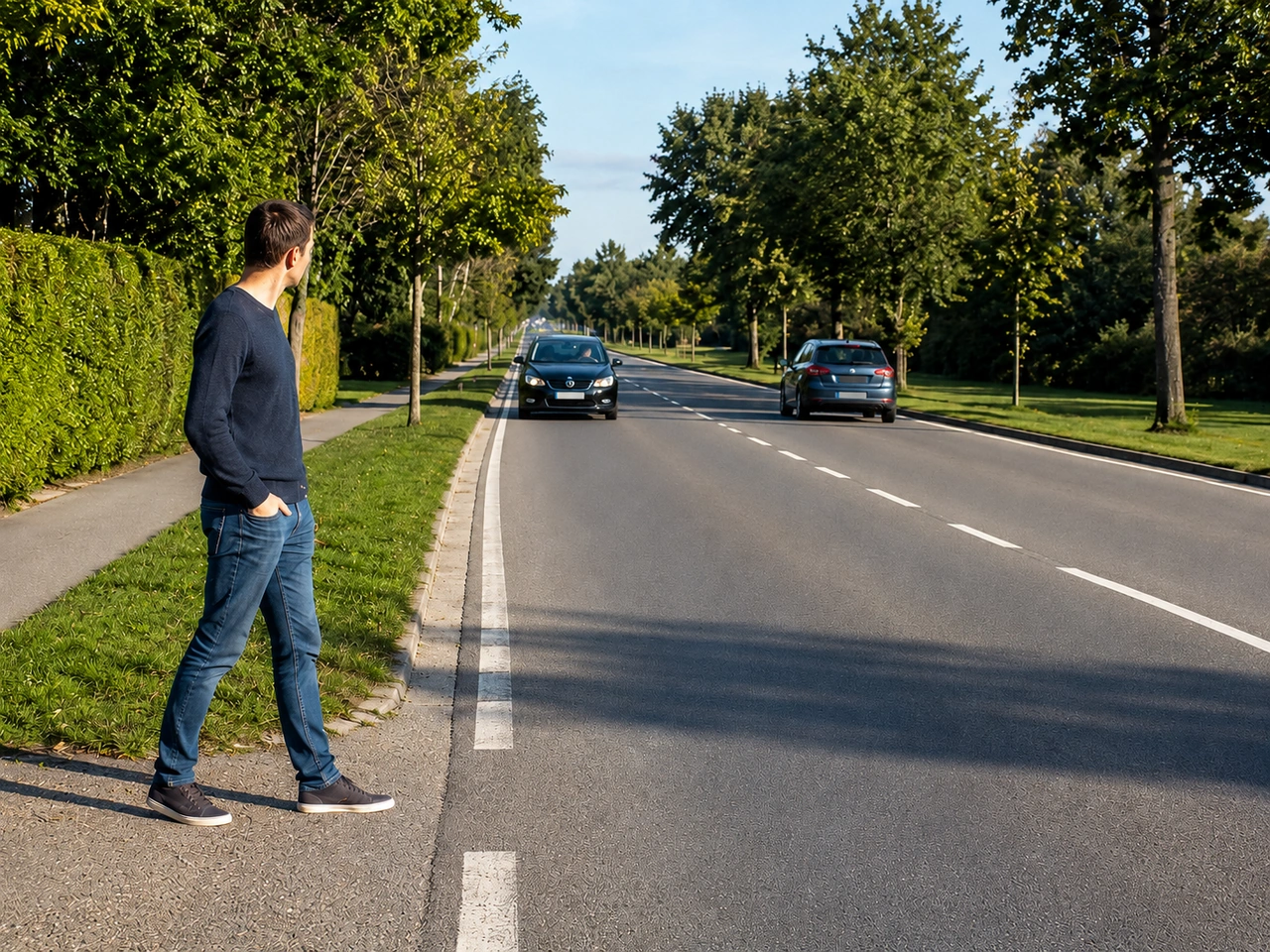
311. What should you do when crossing a road with no marked crossing nearby?
If there is no marked crossing nearby, choose a safe place where you can clearly see approaching traffic.
AI-generated by Rijbewijs-online.be • WCIT • CC BY-SA
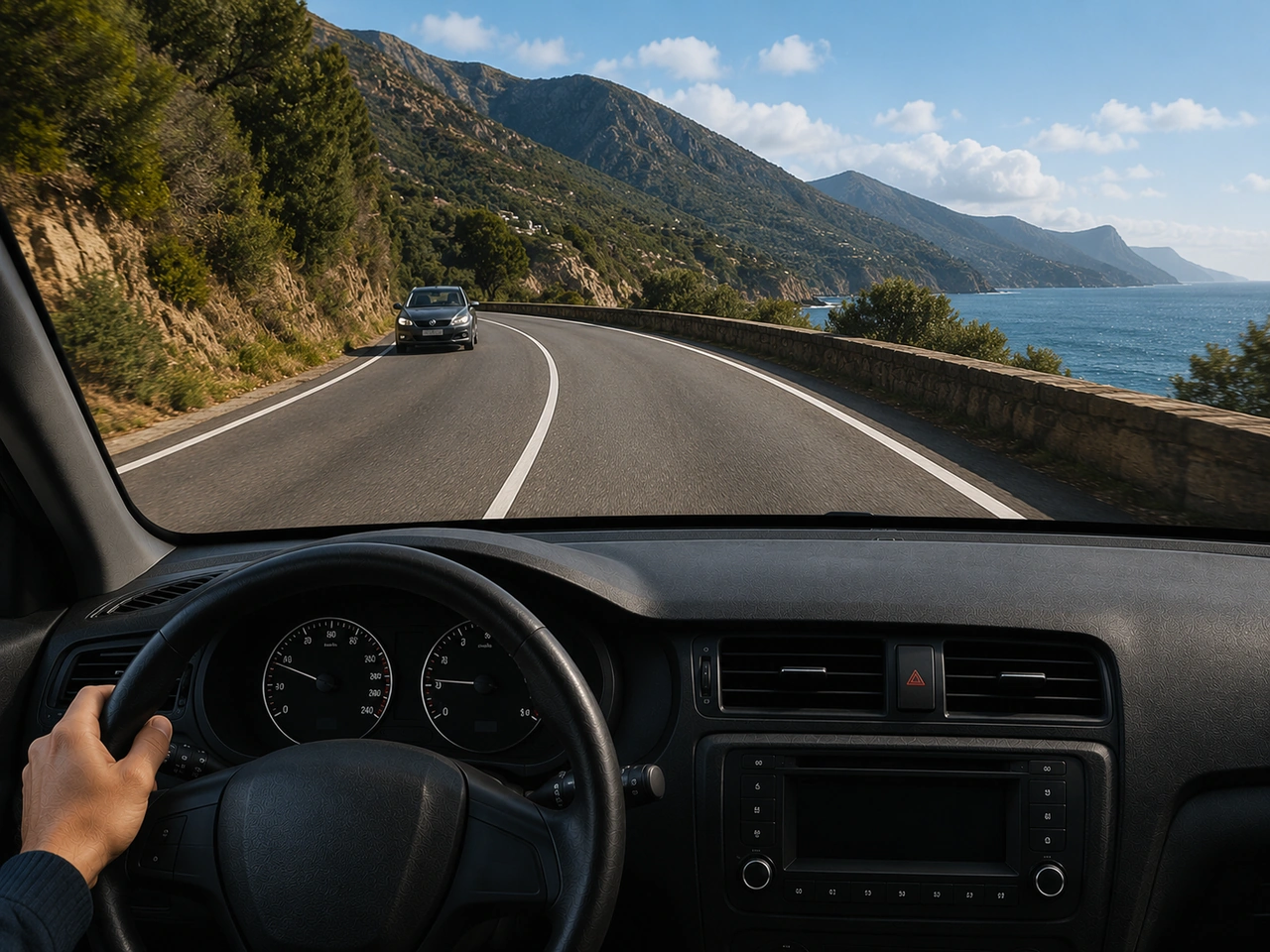
312. Why should you avoid braking hard on a curve?
Hard braking on a curve can upset the vehicle's balance and reduce grip. Slow down before the curve and steer smoothly.
AI-generated by Rijbewijs-online.be • WCIT • CC BY-SA
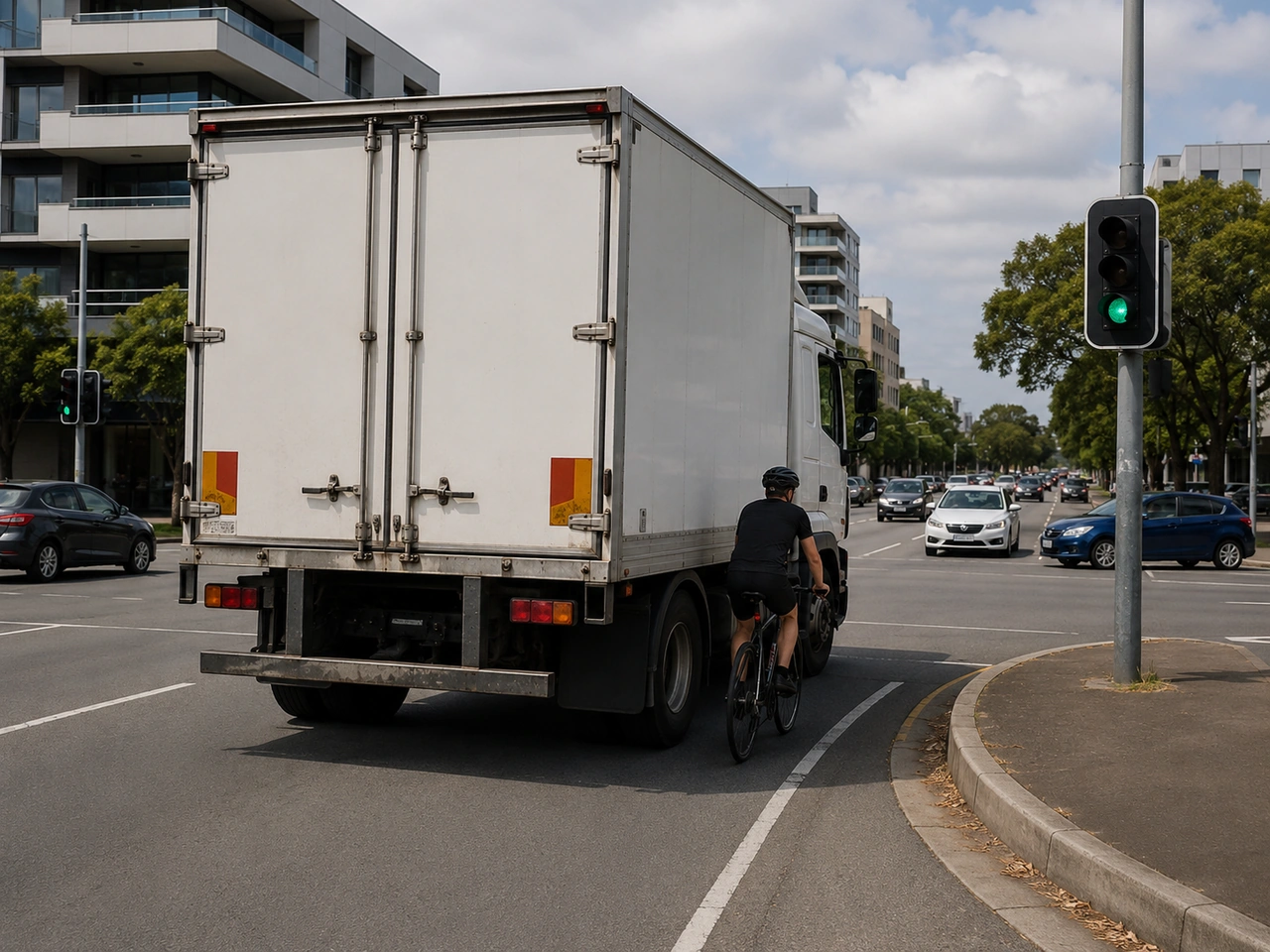
313. Why should cyclists avoid riding in a large vehicle's blind spot?
Buses and trucks have large areas where the driver cannot see cyclists, especially beside the vehicle and near turns.
AI-generated by Rijbewijs-online.be • WCIT • CC BY-SA
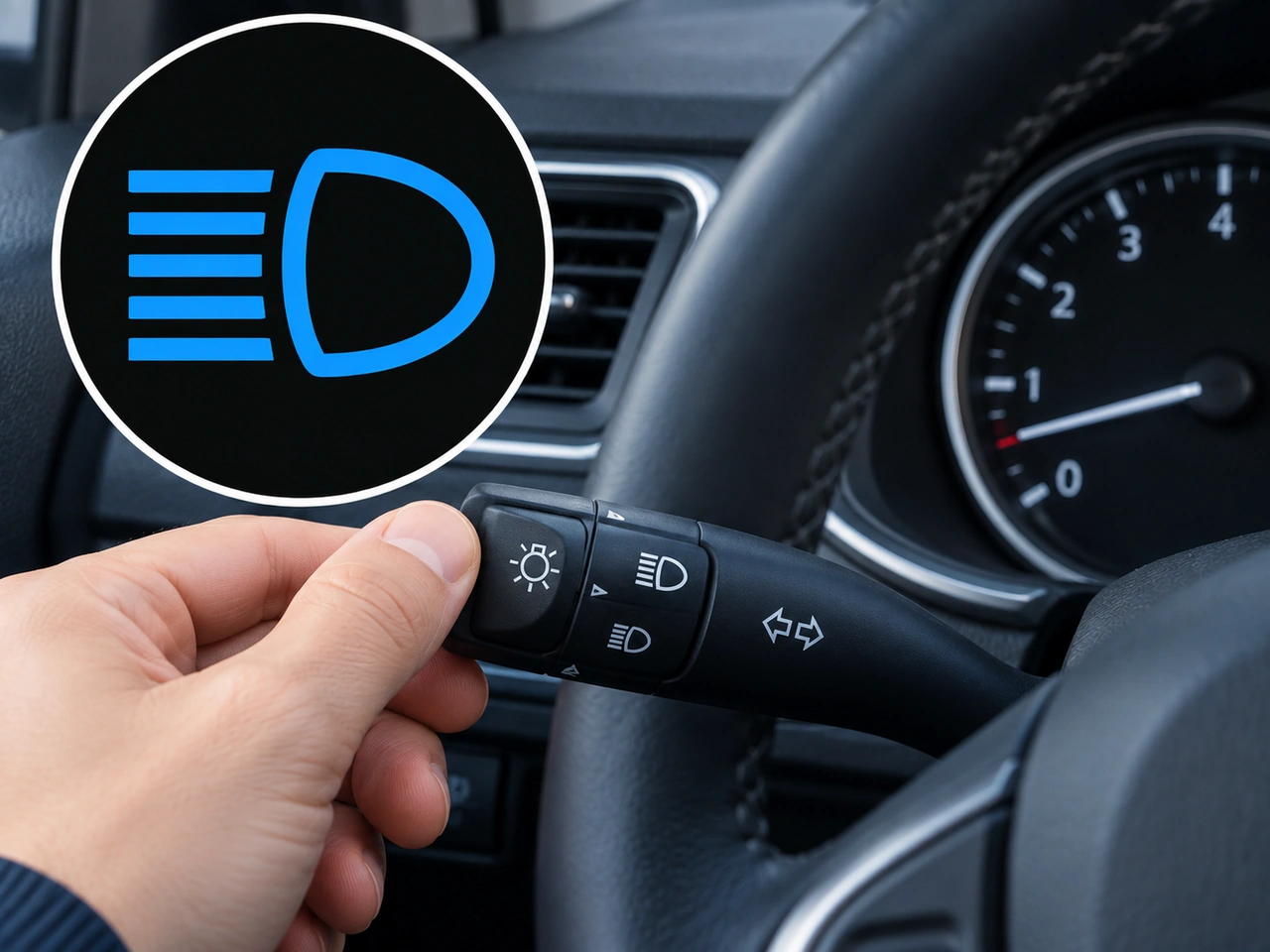
314. What does this dashboard symbol indicate?
This symbol indicates that the main beam headlights are switched on. Main beam illuminates the road farther ahead but can dazzle other road users, so it should be changed to dipped headlights when necessary.
AI-generated by Rijbewijs-online.be • WCIT • CC BY-SA
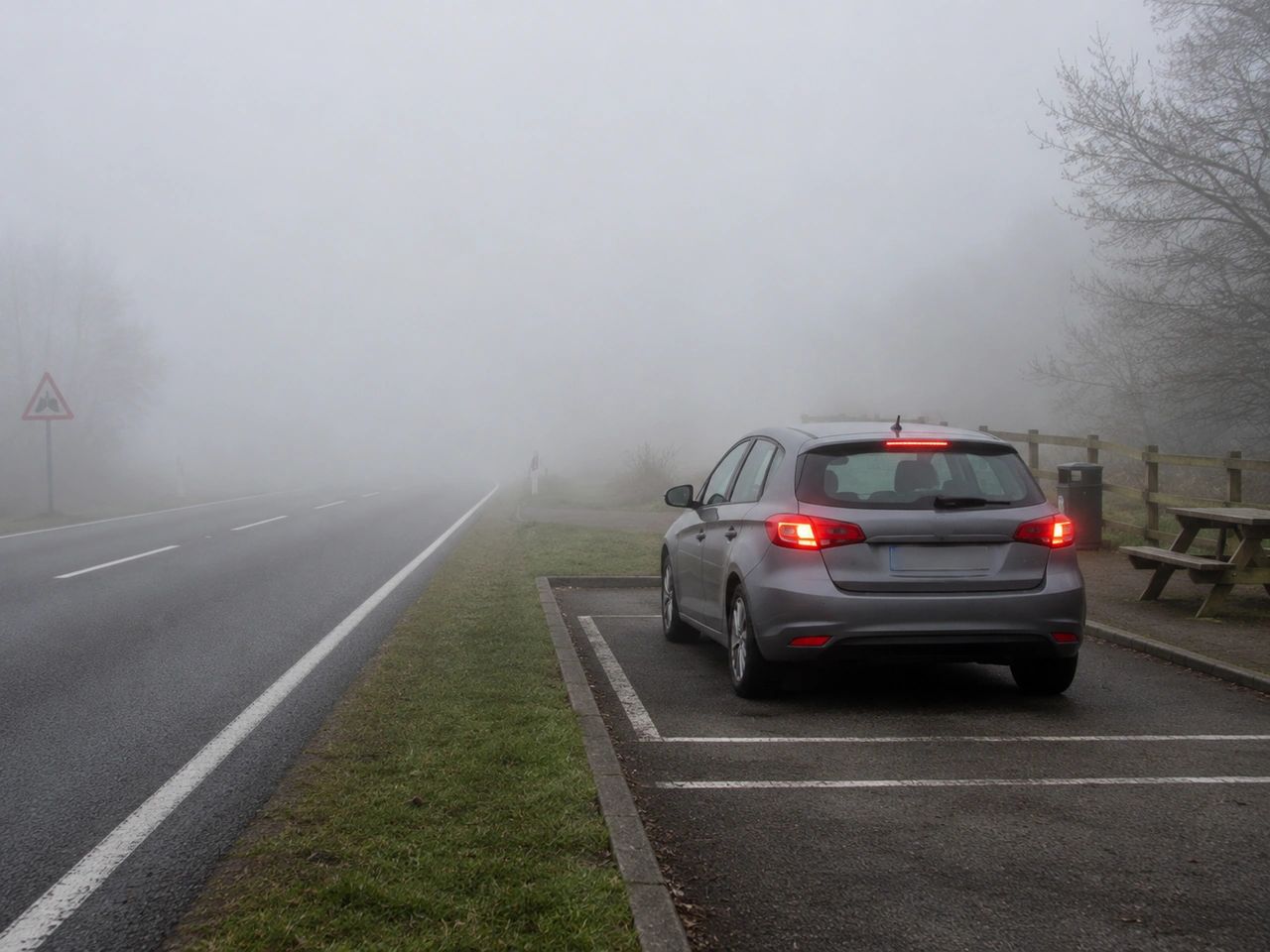
315. What should you do if fog becomes so thick that you cannot see safely?
If visibility becomes dangerously poor, find a safe place to stop rather than continuing without being able to see clearly.
AI-generated by Rijbewijs-online.be • WCIT • CC BY-SA
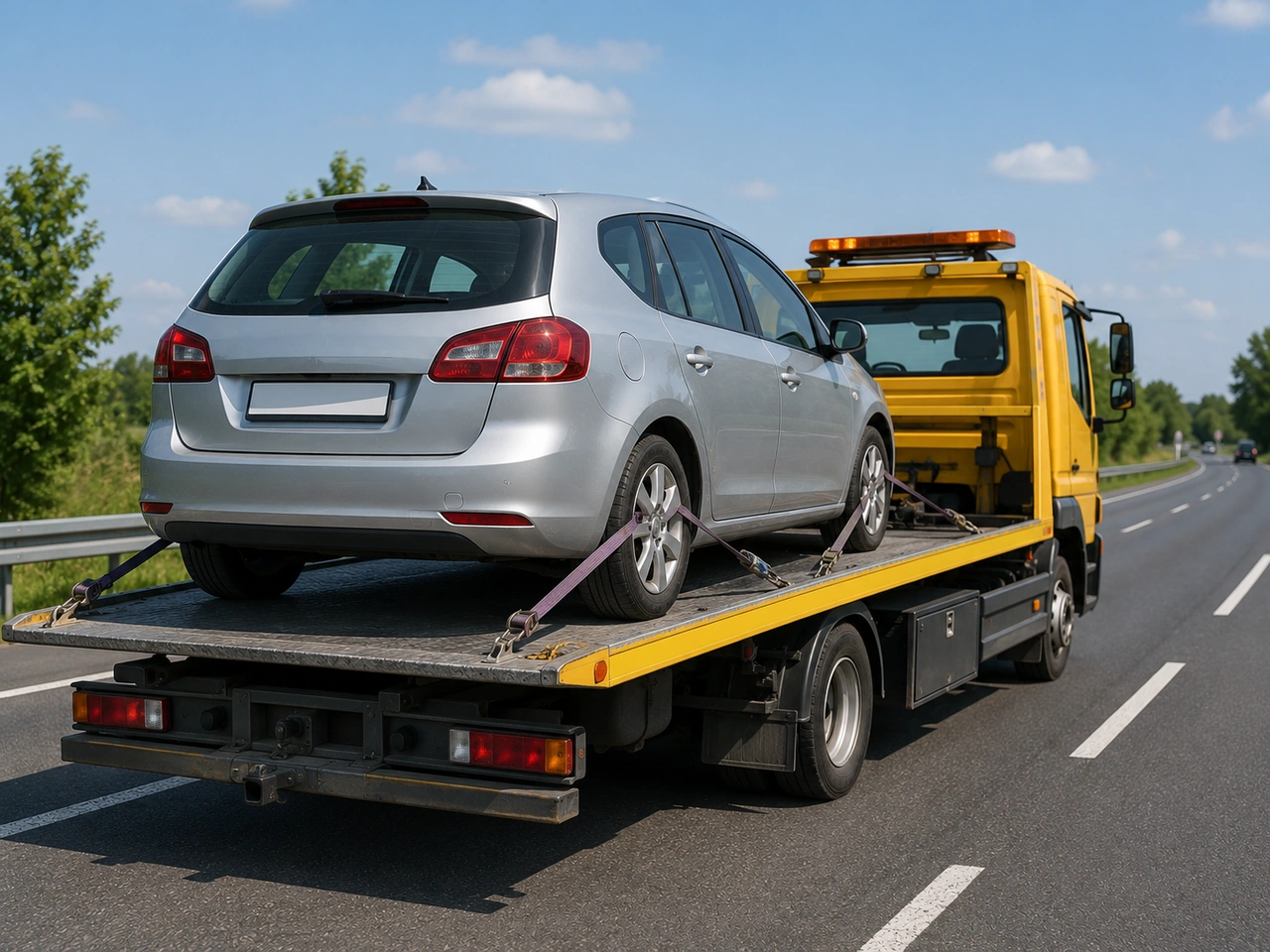
316. How should a disabled vehicle be towed?
Incorrect towing can damage the vehicle or cause loss of control. Follow the manufacturer's instructions and local rules, and use professional recovery when the correct procedure is uncertain.
AI-generated by Rijbewijs-online.be • WCIT • CC BY-SA
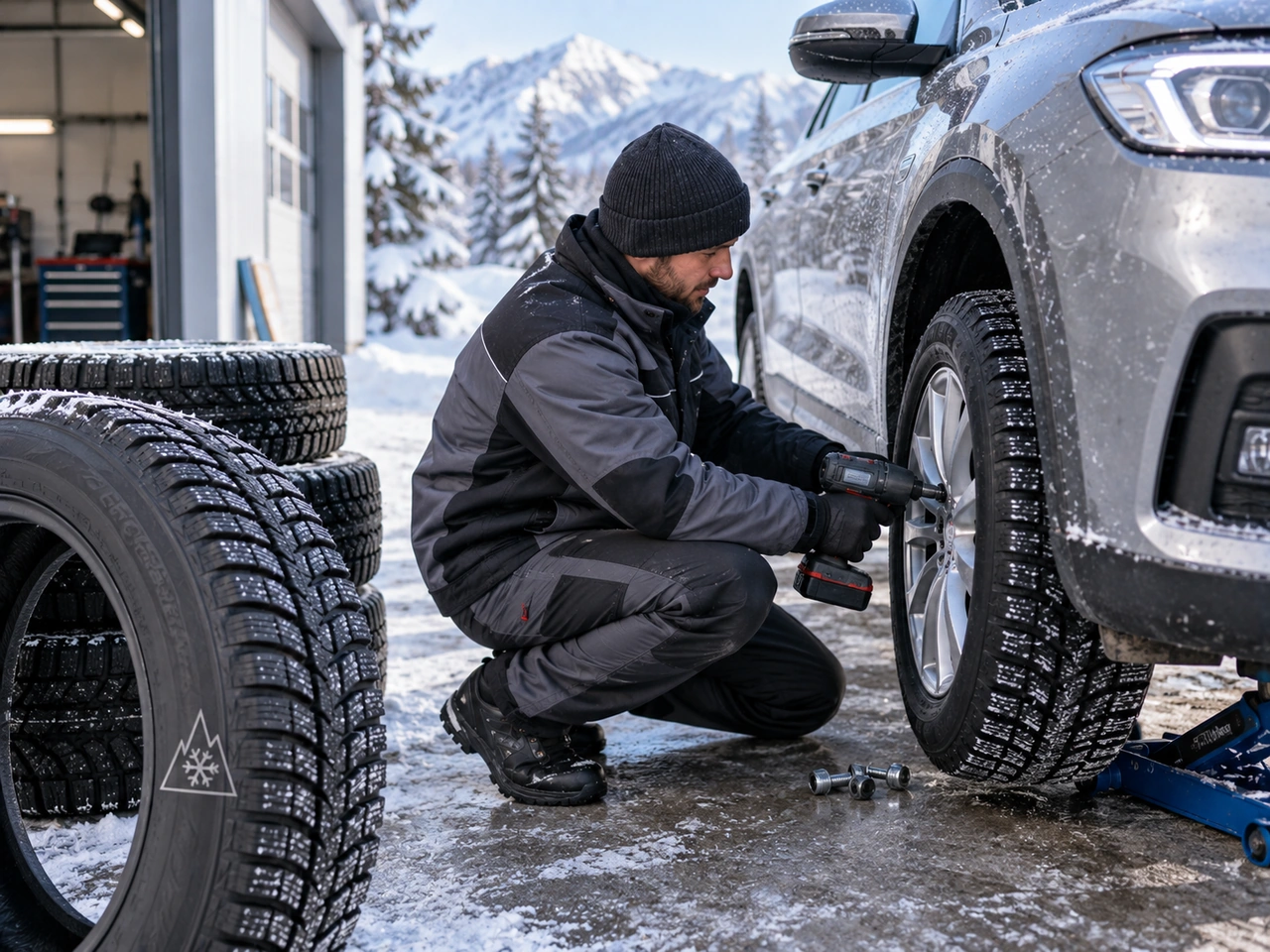
317. When are winter tyres required in Serbia?
Winter tyres are required in Serbia during a defined winter period when winter conditions are present.
AI-generated by Rijbewijs-online.be • WCIT • CC BY-SA
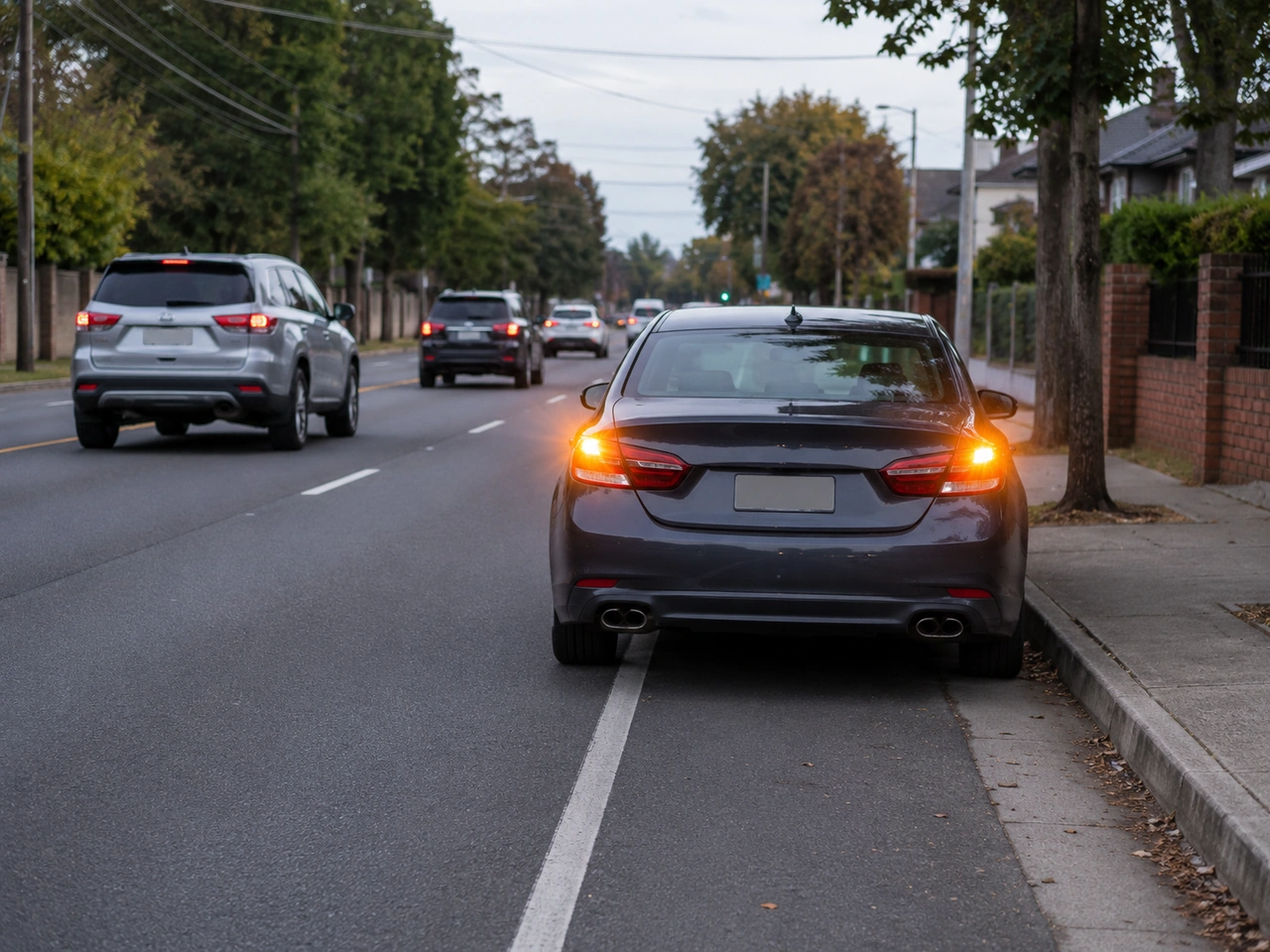
318. You may park anywhere as long as you leave your hazard lights on.
Hazard lights are used to warn other road users of a hazard or an unexpectedly stopped vehicle. They do not make illegal or unsafe parking acceptable.
AI-generated by Rijbewijs-online.be • WCIT • CC BY-SA
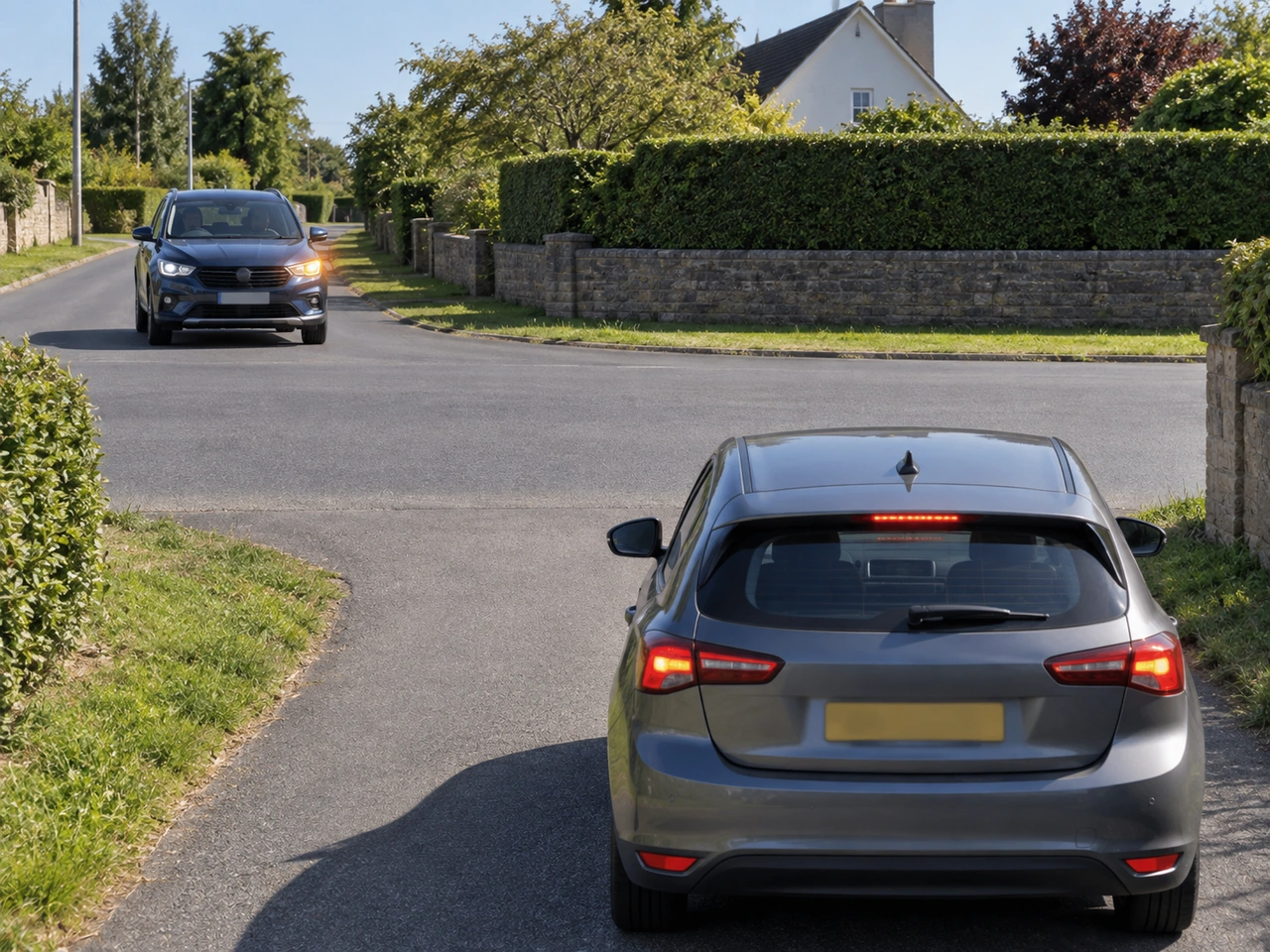
319. What should you do if another vehicle is signalling to turn?
An indicator shows an intention, but it does not guarantee that the driver will turn. The signal may have been left on accidentally or the driver's intentions may change. Observe the vehicle's speed and position and proceed only when you are sure it is safe.
AI-generated by Rijbewijs-online.be • WCIT • CC BY-SA
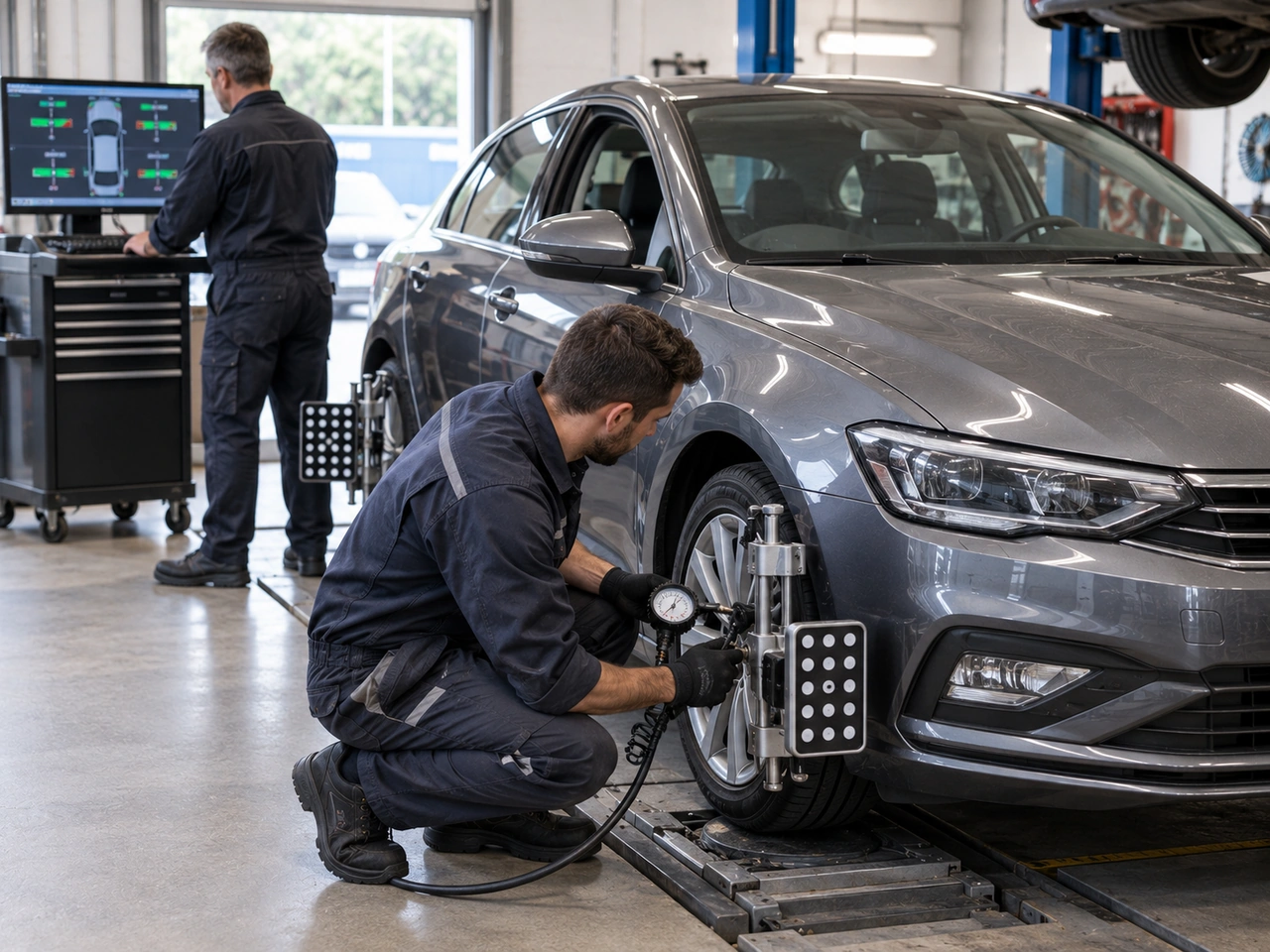
320. What should you do if the vehicle consistently pulls to one side?
Persistent pulling can be caused by incorrect tyre pressure, wheel misalignment, suspension wear, or a braking fault. It should not be ignored.
AI-generated by Rijbewijs-online.be • WCIT • CC BY-SA
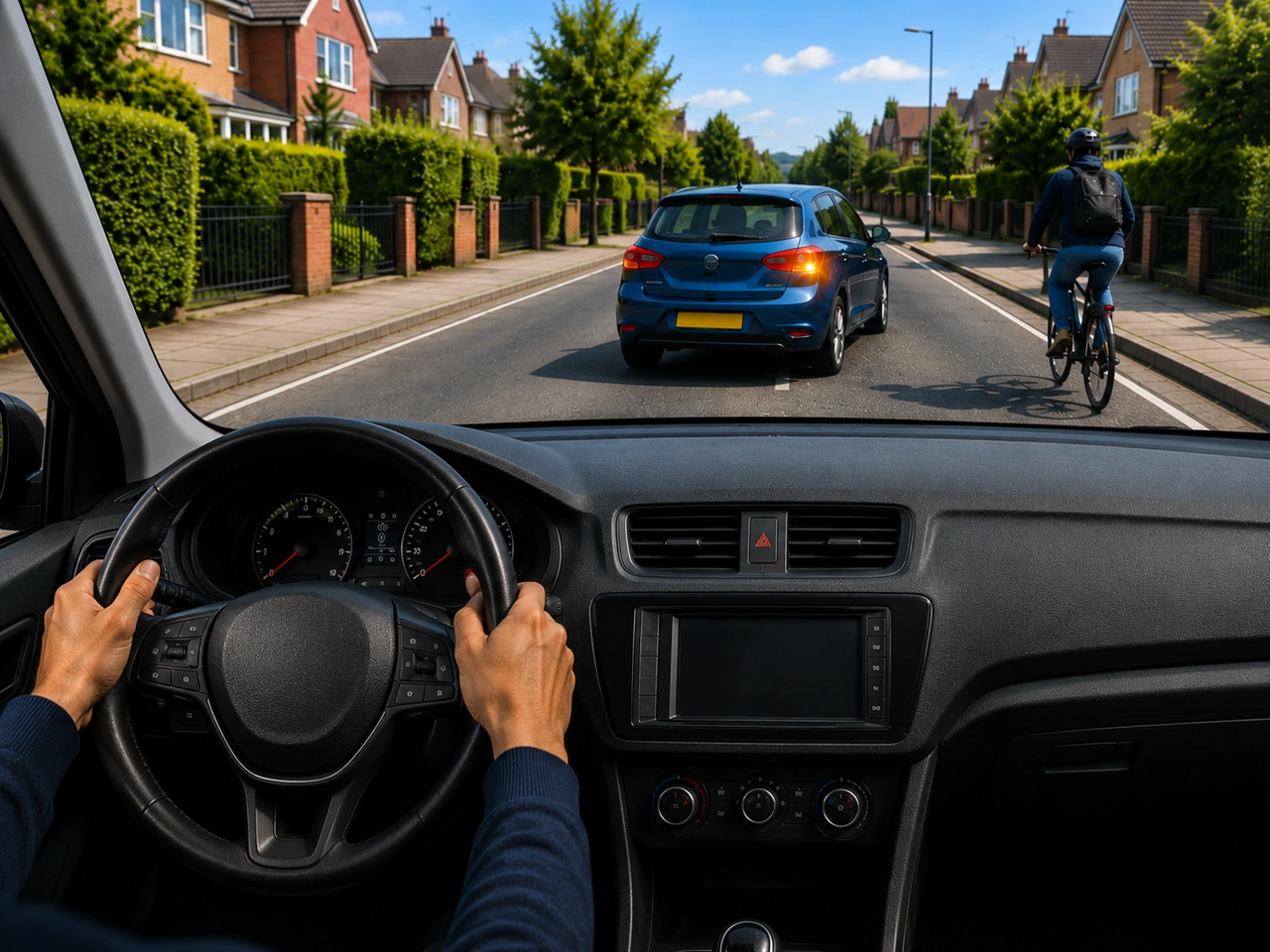
321. What should you do if another road user makes a mistake?
Road users can make mistakes. Staying calm and reacting safely helps prevent crashes.
AI-generated by Rijbewijs-online.be • WCIT • CC BY-SA
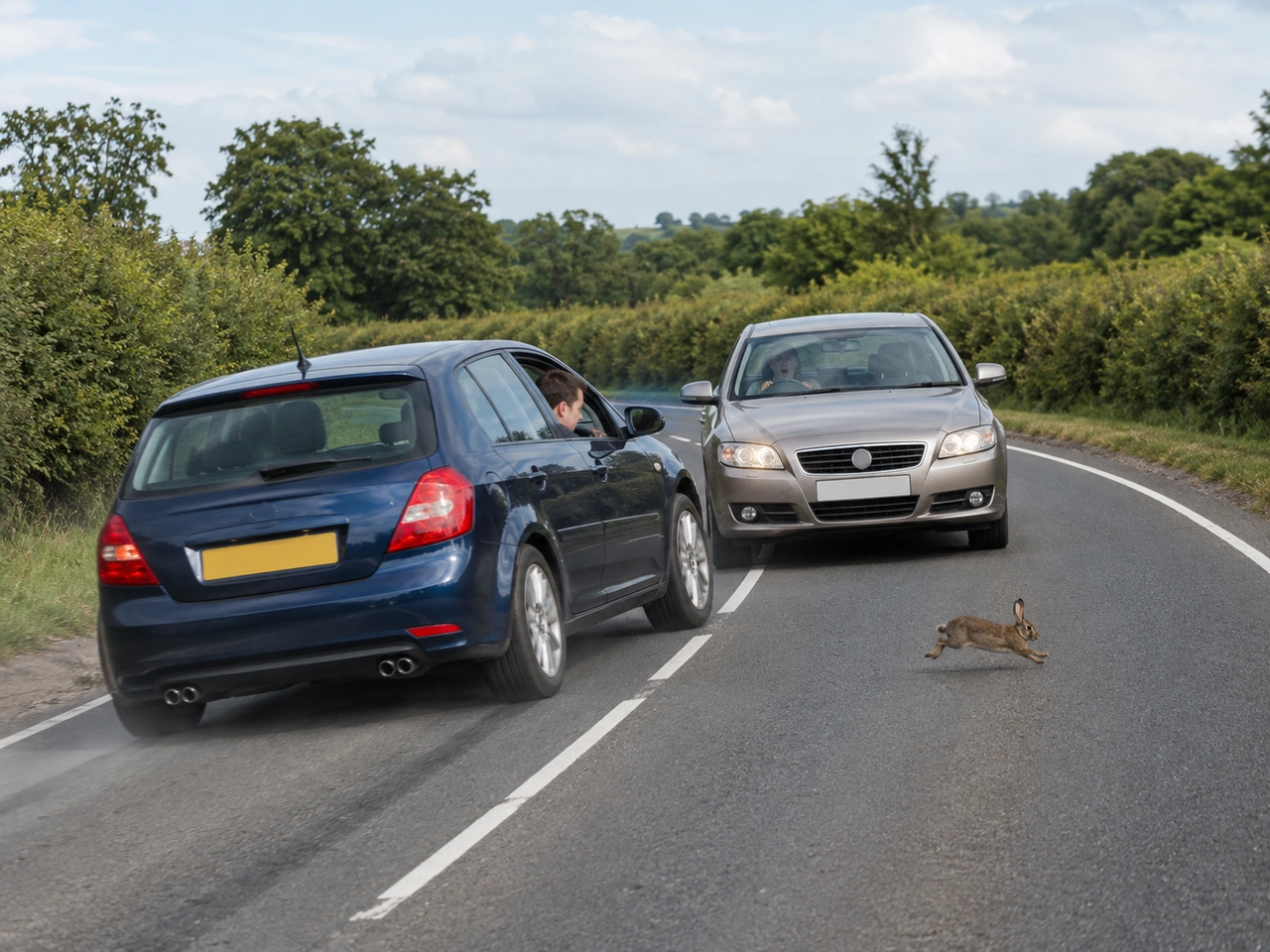
322. Why can swerving suddenly to avoid a small animal be dangerous?
A sudden swerve can take you into another lane, off the road, or into nearby traffic.
AI-generated by Rijbewijs-online.be • WCIT • CC BY-SA
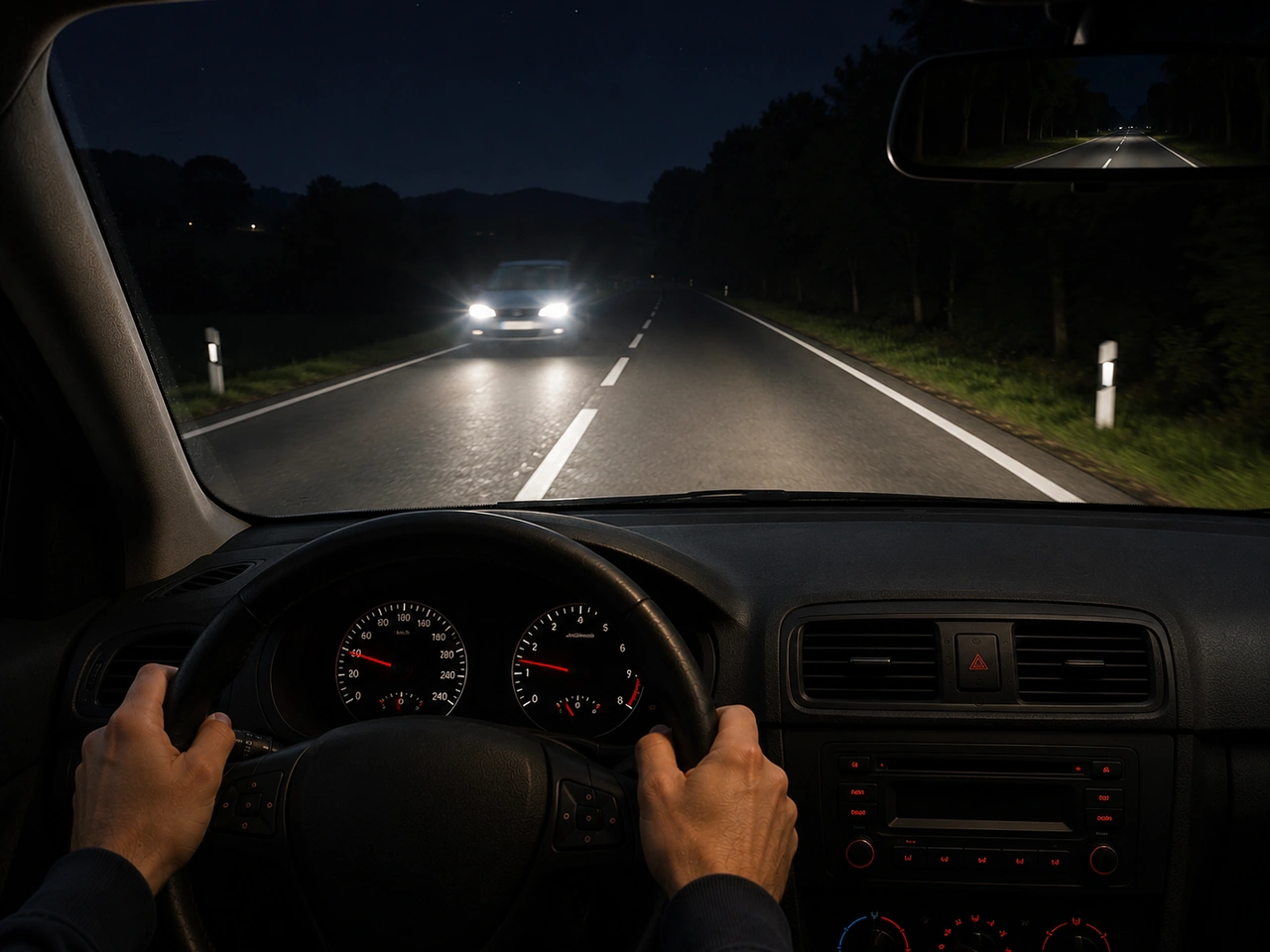
323. What should you do if oncoming headlights dazzle you at night?
Bright headlights can reduce your vision. Avoid staring at them, slow down if needed, and use the road edge or lane markings to guide you safely.
AI-generated by Rijbewijs-online.be • WCIT • CC BY-SA
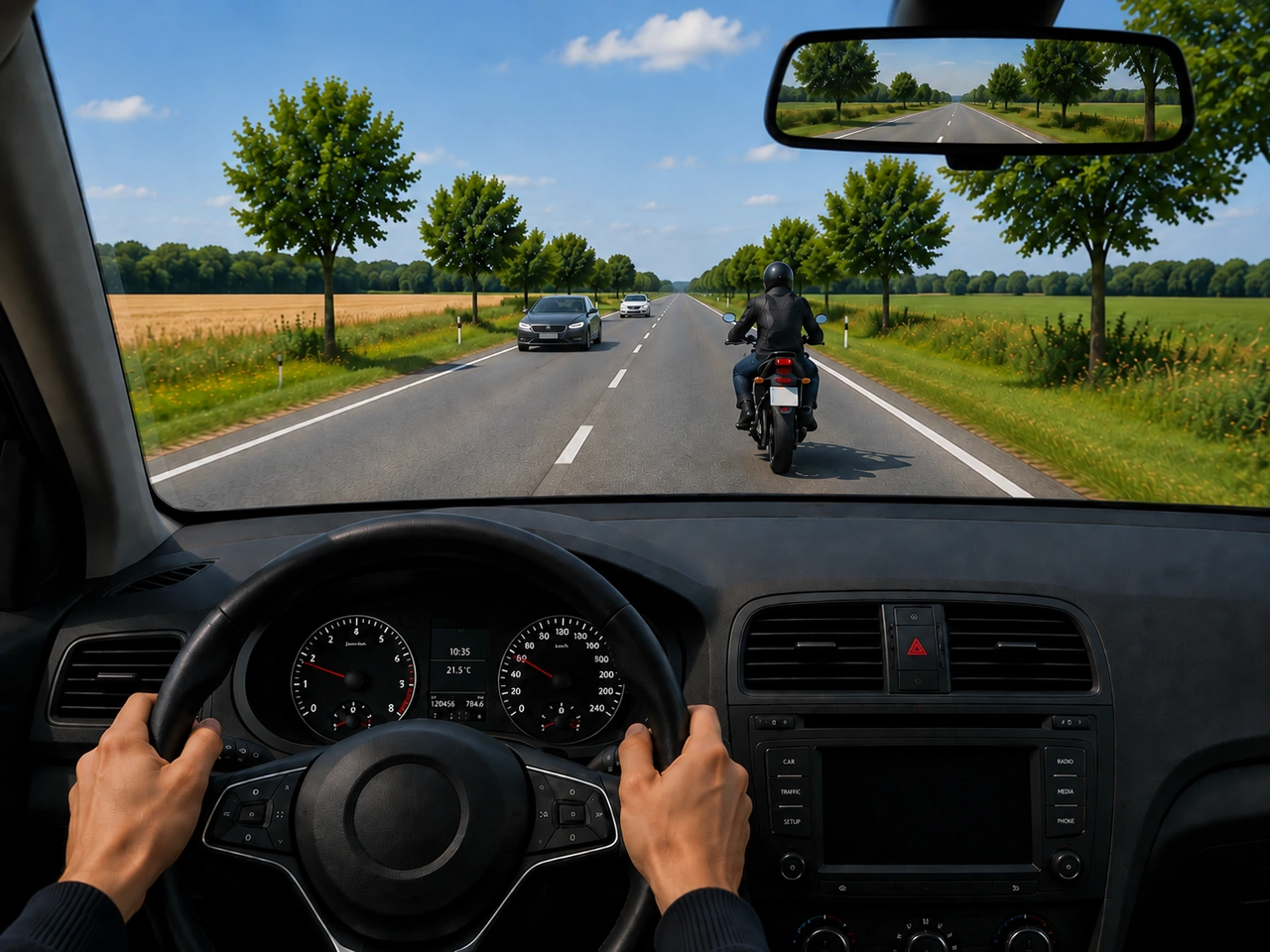
324. Why should you leave extra space behind a motorcycle?
Motorcyclists are more exposed than car drivers. Extra following distance gives you more time to react safely.
AI-generated by Rijbewijs-online.be • WCIT • CC BY-SA
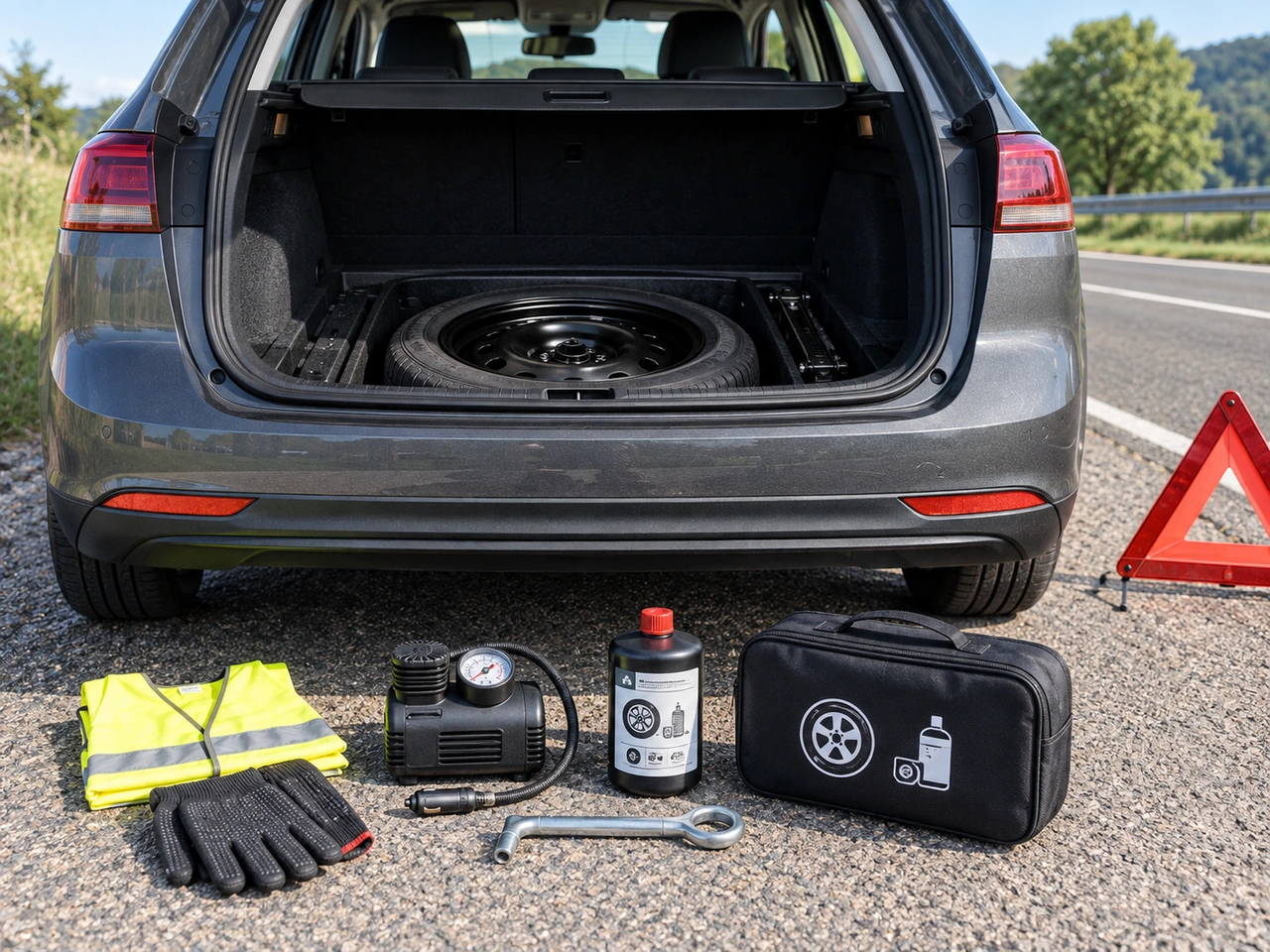
325. Must cars carry equipment for dealing with a puncture in Serbia?
Cars in Serbia are generally required to carry equipment for dealing with a puncture, such as a spare wheel or tyre repair kit.
AI-generated by Rijbewijs-online.be • WCIT • CC BY-SA
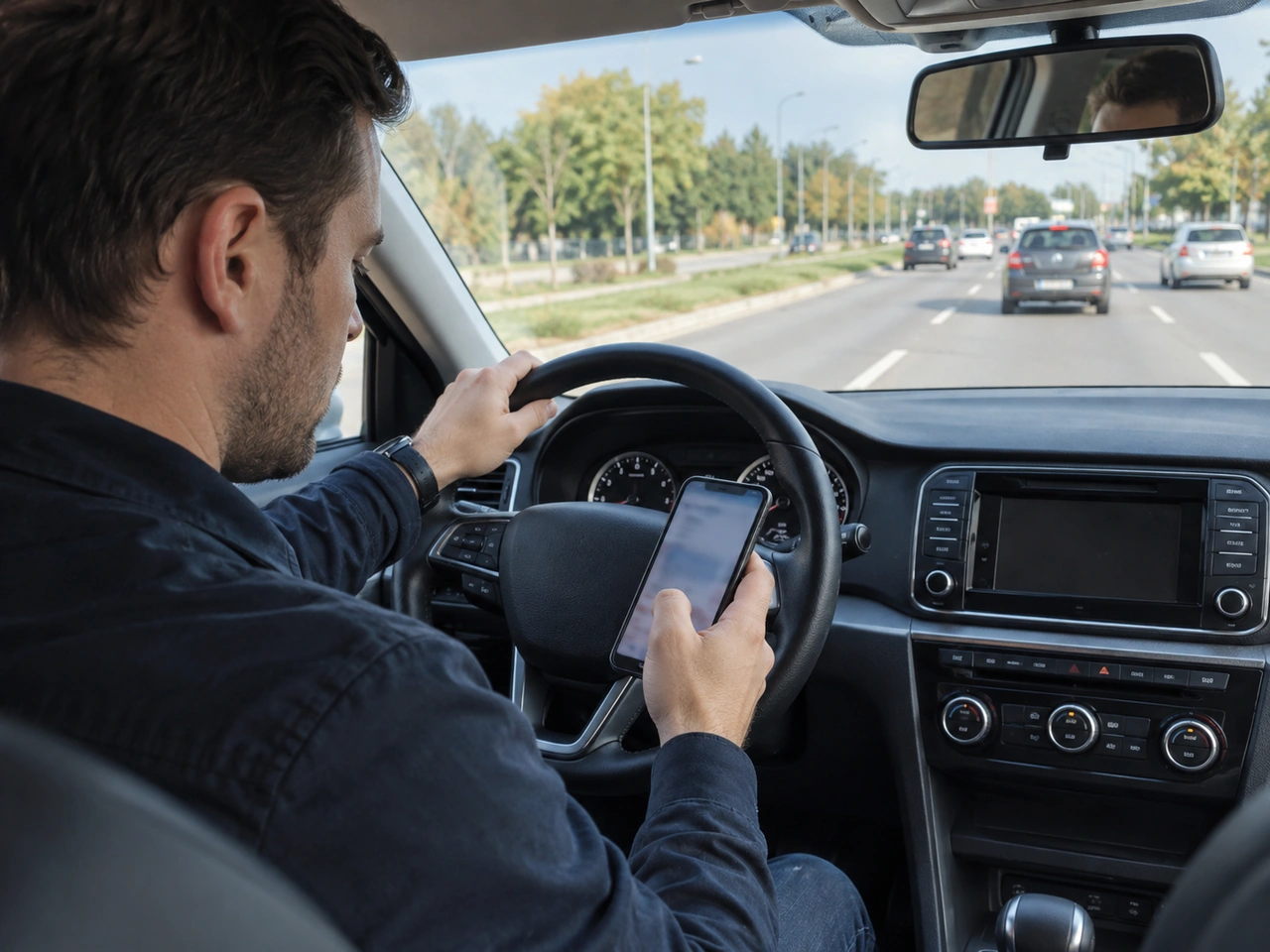
326. Why should you avoid using a phone while driving?
Using a phone while driving reduces attention, reaction time, and control of the vehicle. A hands-free system may reduce the need to handle the phone, but the conversation itself can still be distracting.
AI-generated by Rijbewijs-online.be • WCIT • CC BY-SA
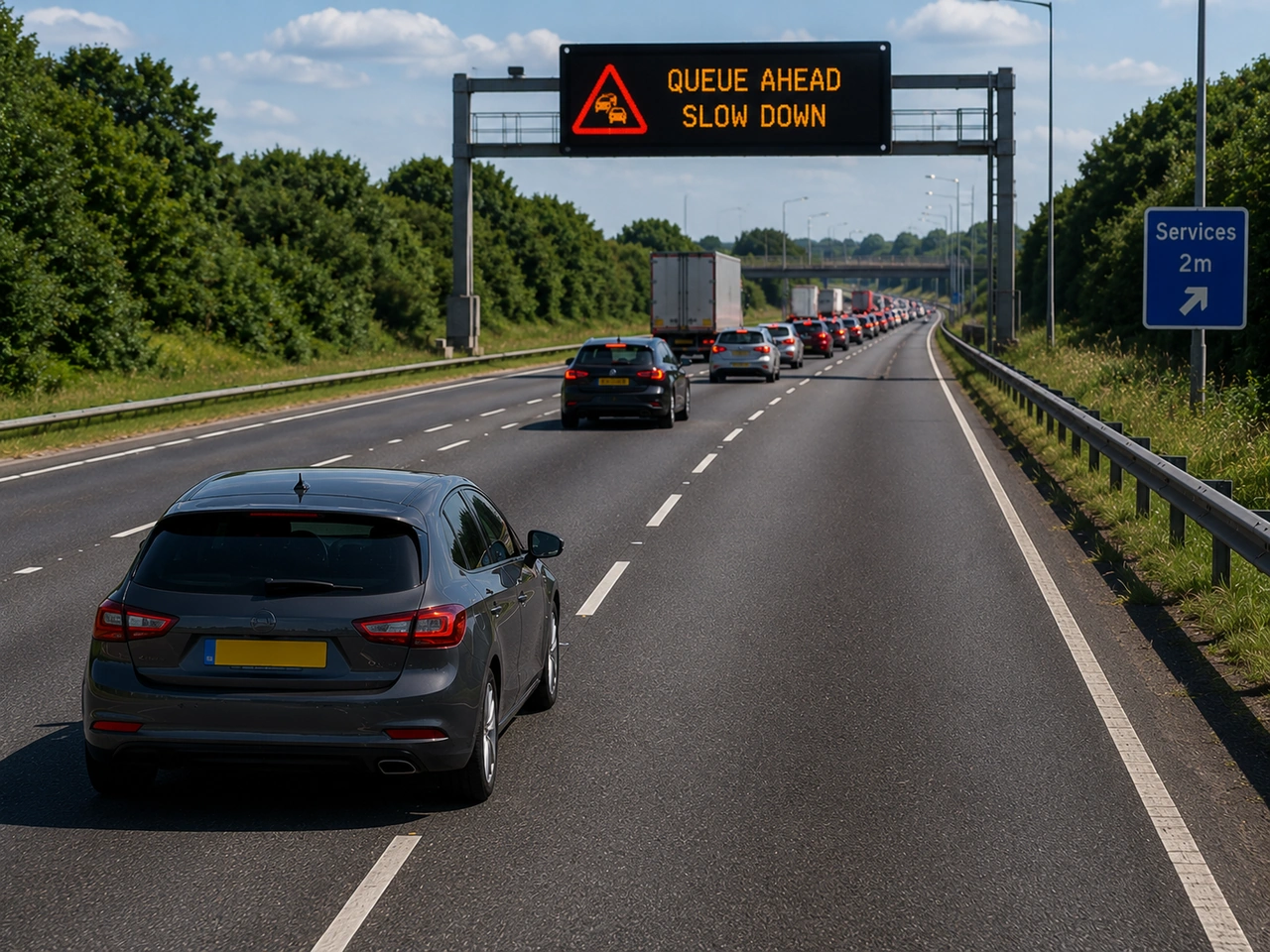
327. Why is a larger following distance needed at motorway speeds?
At higher speeds, you travel farther during your reaction time and need more distance to brake. A larger gap gives you more time and space to stop safely.
AI-generated by Rijbewijs-online.be • WCIT • CC BY-SA
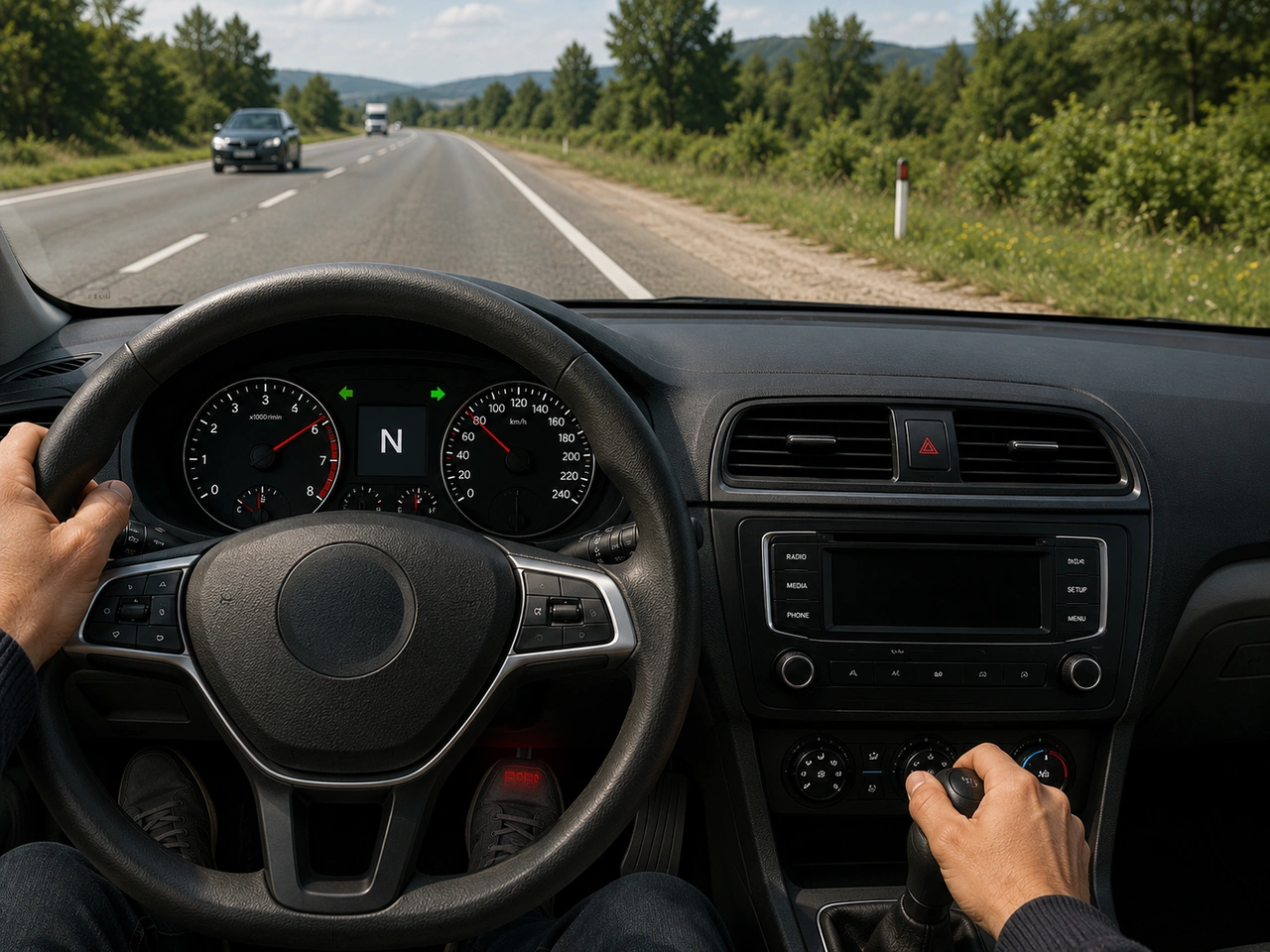
328. What should you do if the accelerator becomes stuck while you are driving?
Selecting neutral disconnects engine power from the wheels. Brake firmly, maintain steering control, and switch off the engine after stopping safely.
AI-generated by Rijbewijs-online.be • WCIT • CC BY-SA
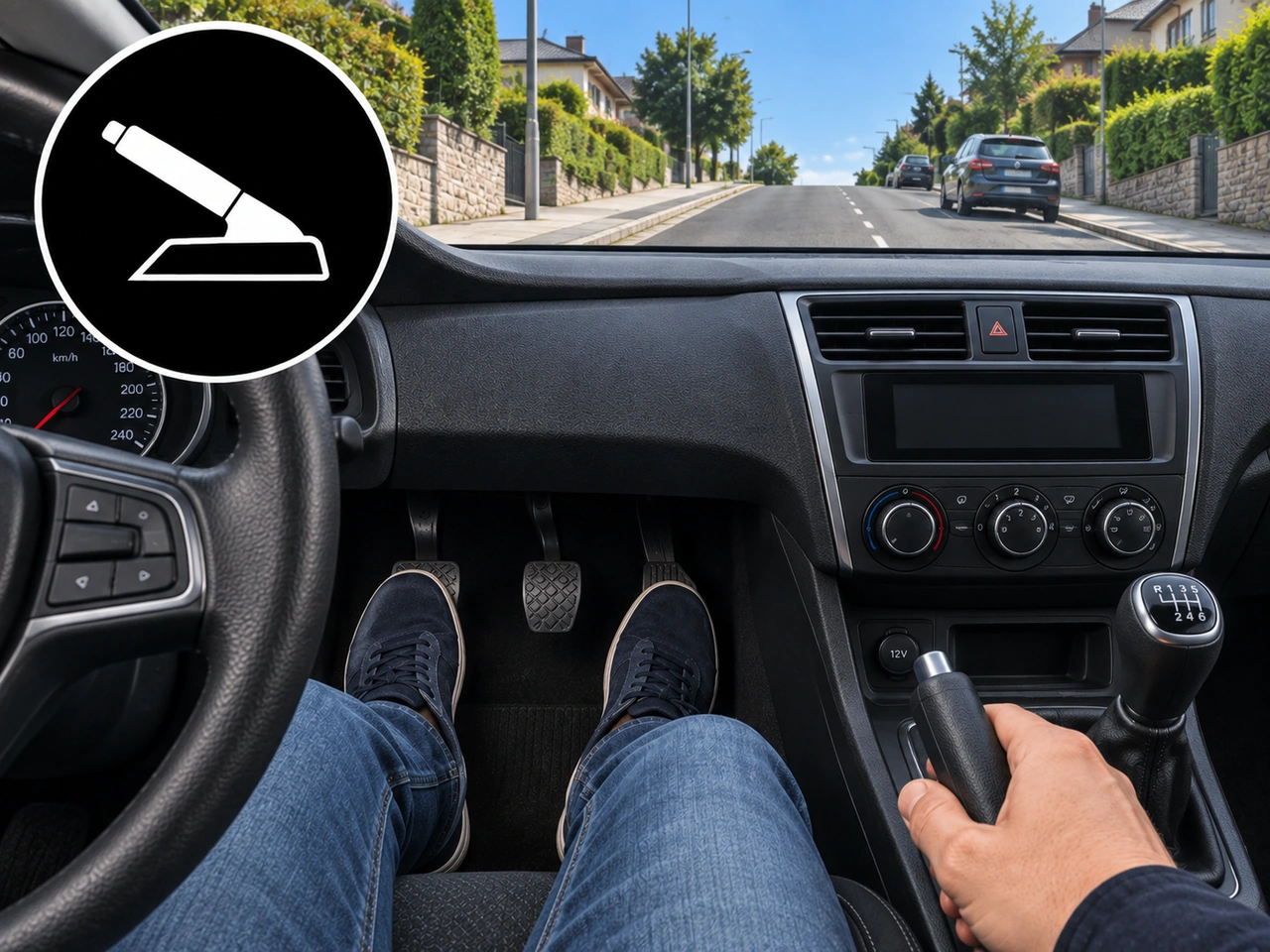
329. How can the parking brake help when moving off uphill?
When moving off uphill, the parking brake can hold the vehicle stationary while you prepare to move. Release it smoothly once the clutch reaches the biting point and sufficient power is applied.
AI-generated by Rijbewijs-online.be • WCIT • CC BY-SA
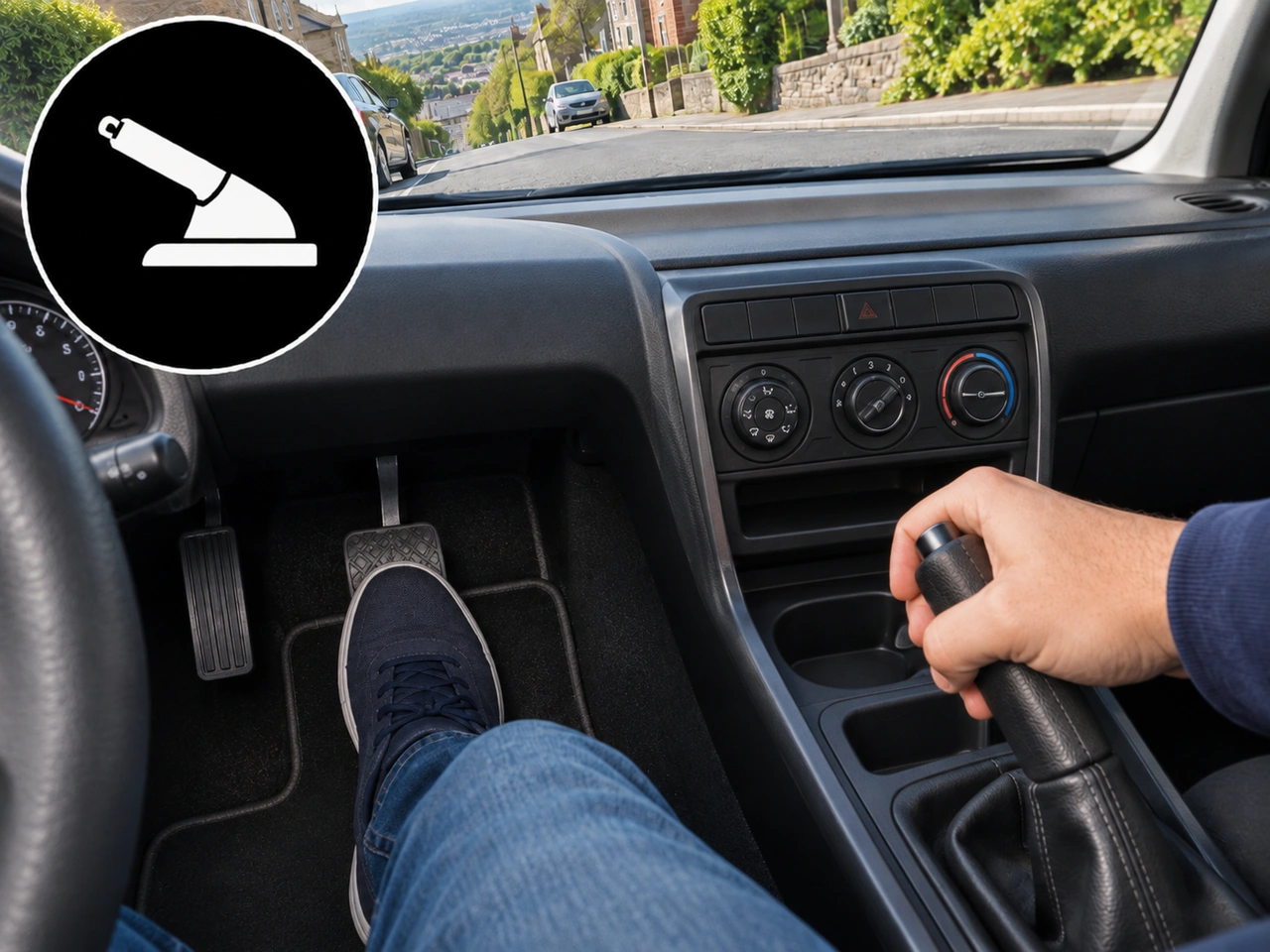
330. What should you do before releasing the parking brake on a slope?
Before releasing the parking brake on a slope, make sure the vehicle cannot roll unexpectedly. Use the service brake or, when moving off in a manual vehicle, establish the clutch biting point and sufficient power before releasing the parking brake.
AI-generated by Rijbewijs-online.be • WCIT • CC BY-SA
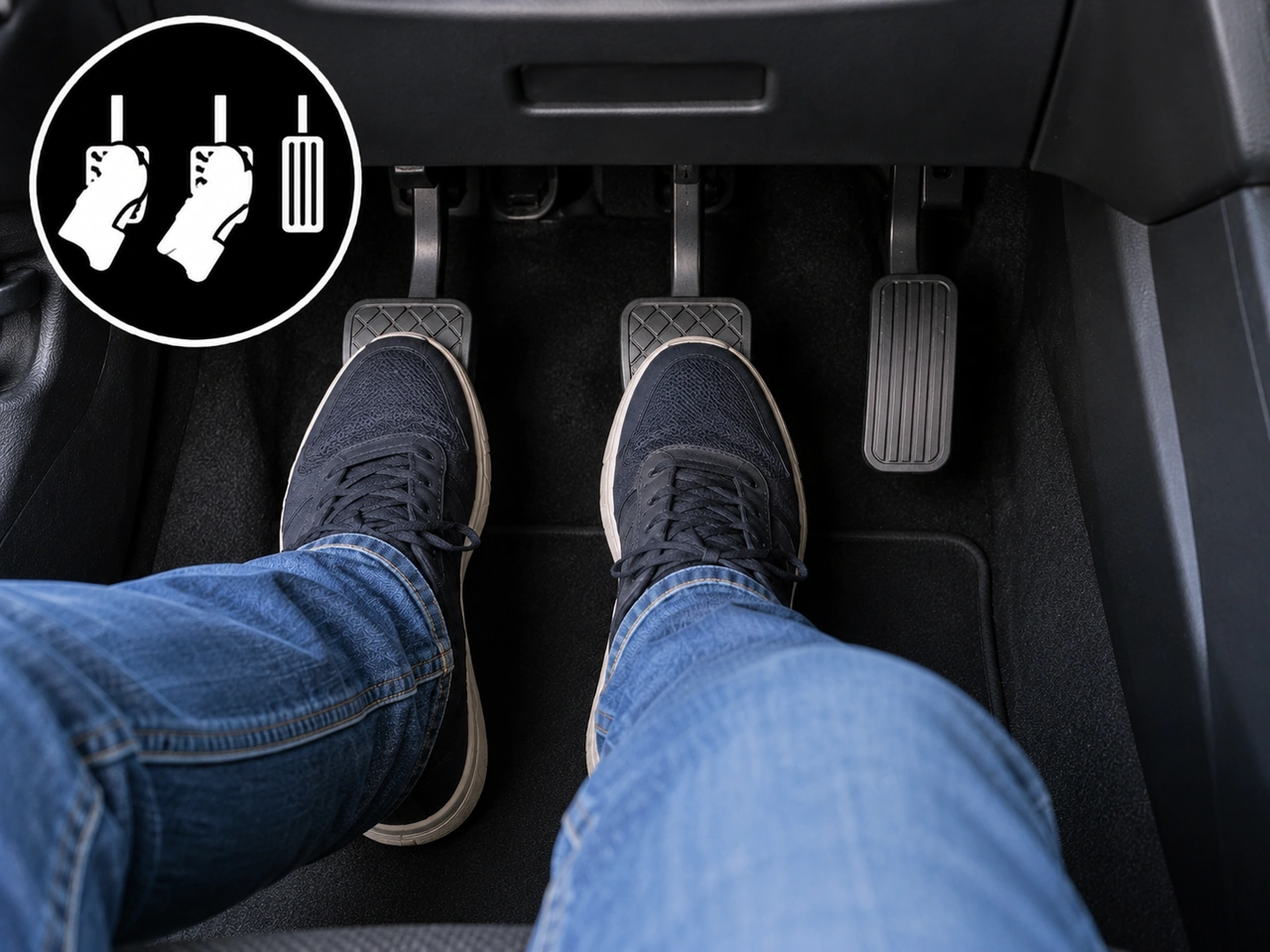
331. What should you do with the clutch when bringing a manual vehicle to a stop?
When stopping a manual vehicle, brake normally and press the clutch pedal before the engine speed becomes too low and the engine stalls. Avoid pressing the clutch unnecessarily early, as this reduces engine braking.
AI-generated by Rijbewijs-online.be • WCIT • CC BY-SA
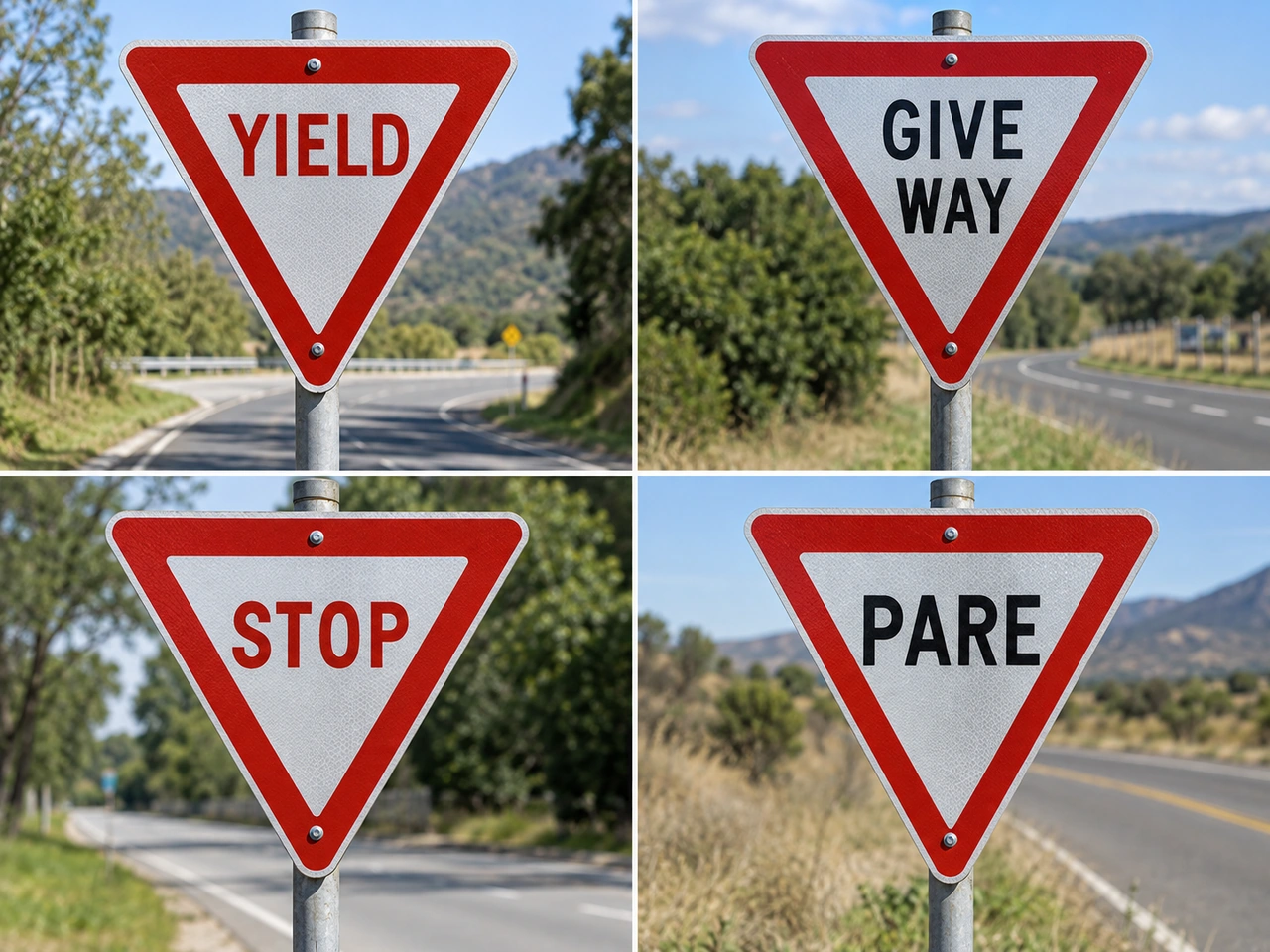
332. What wording is commonly shown on give-way signs in Serbia?
Give-way signs in Serbia normally use the inverted triangular symbol without wording.
AI-generated by Rijbewijs-online.be • WCIT • CC BY-SA
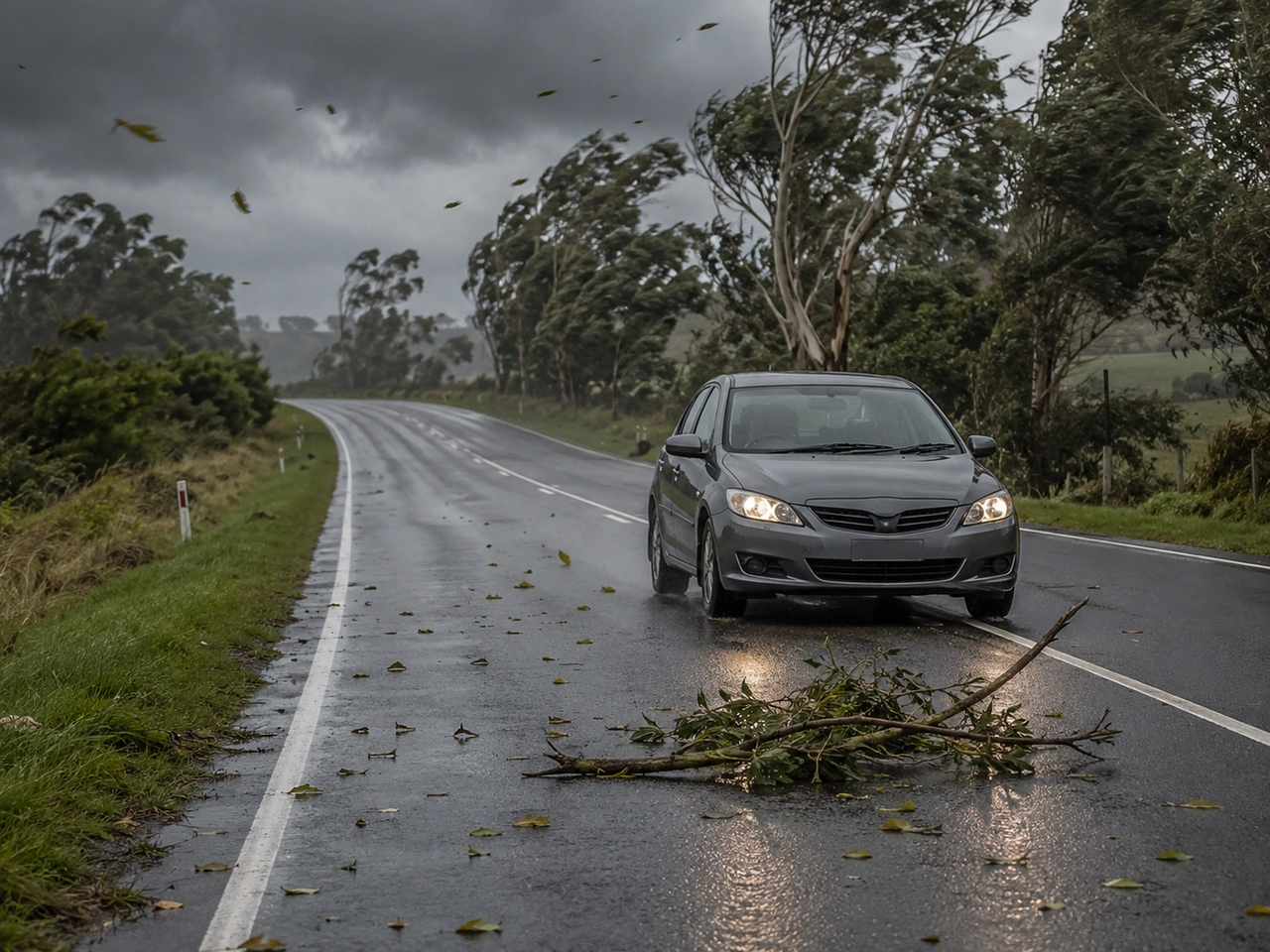
333. What should you do when branches or debris are blowing onto the road?
Wind can blow unexpected obstacles onto the road. Reduce speed and avoid them safely.
AI-generated by Rijbewijs-online.be • WCIT • CC BY-SA
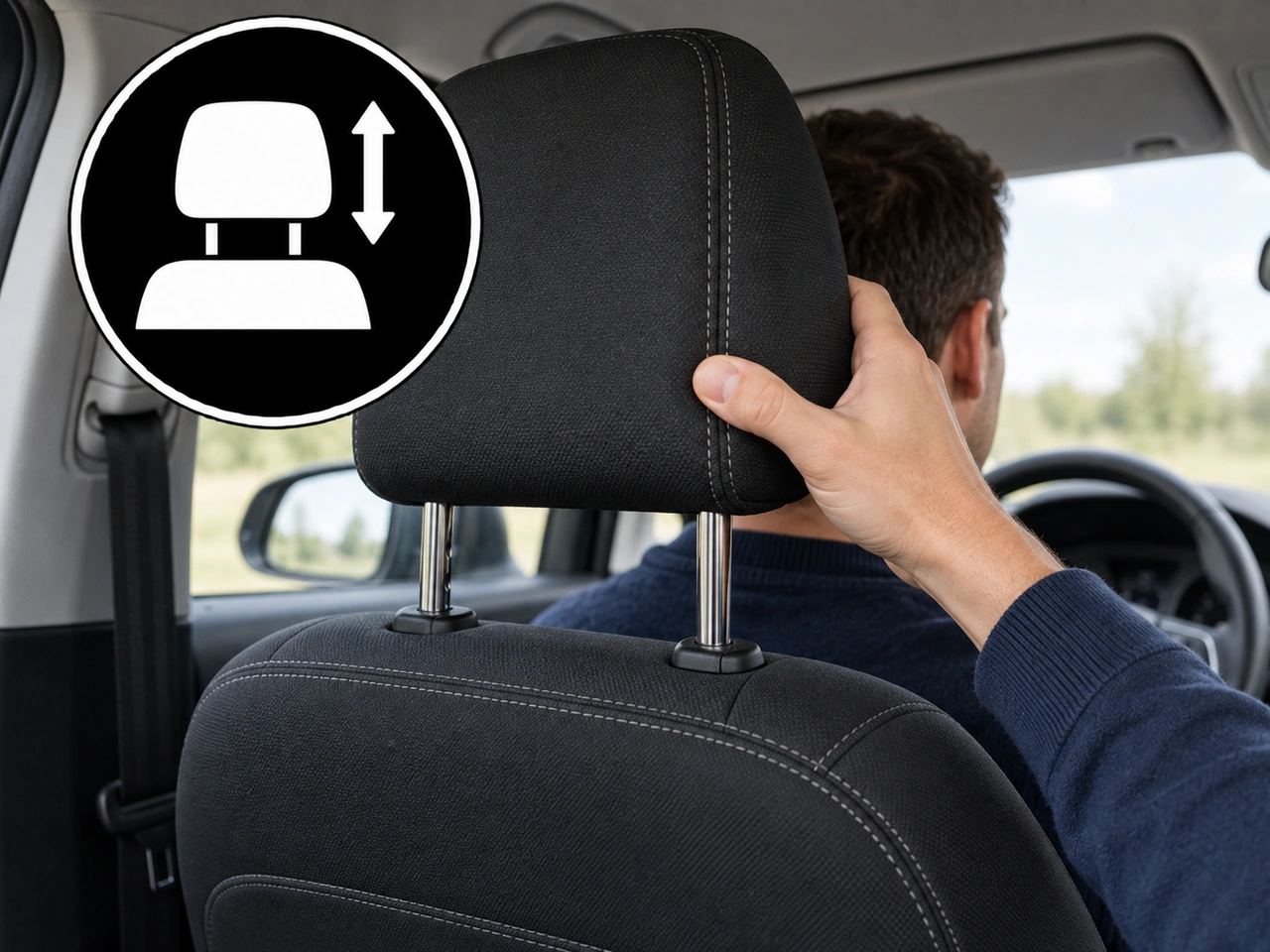
334. Why should the head restraint be adjusted correctly?
A correctly adjusted head restraint helps support the head and can reduce the risk of neck injury, especially in a rear-end collision. The top of the restraint should normally be level with the top of the head.
AI-generated by Rijbewijs-online.be • WCIT • CC BY-SA
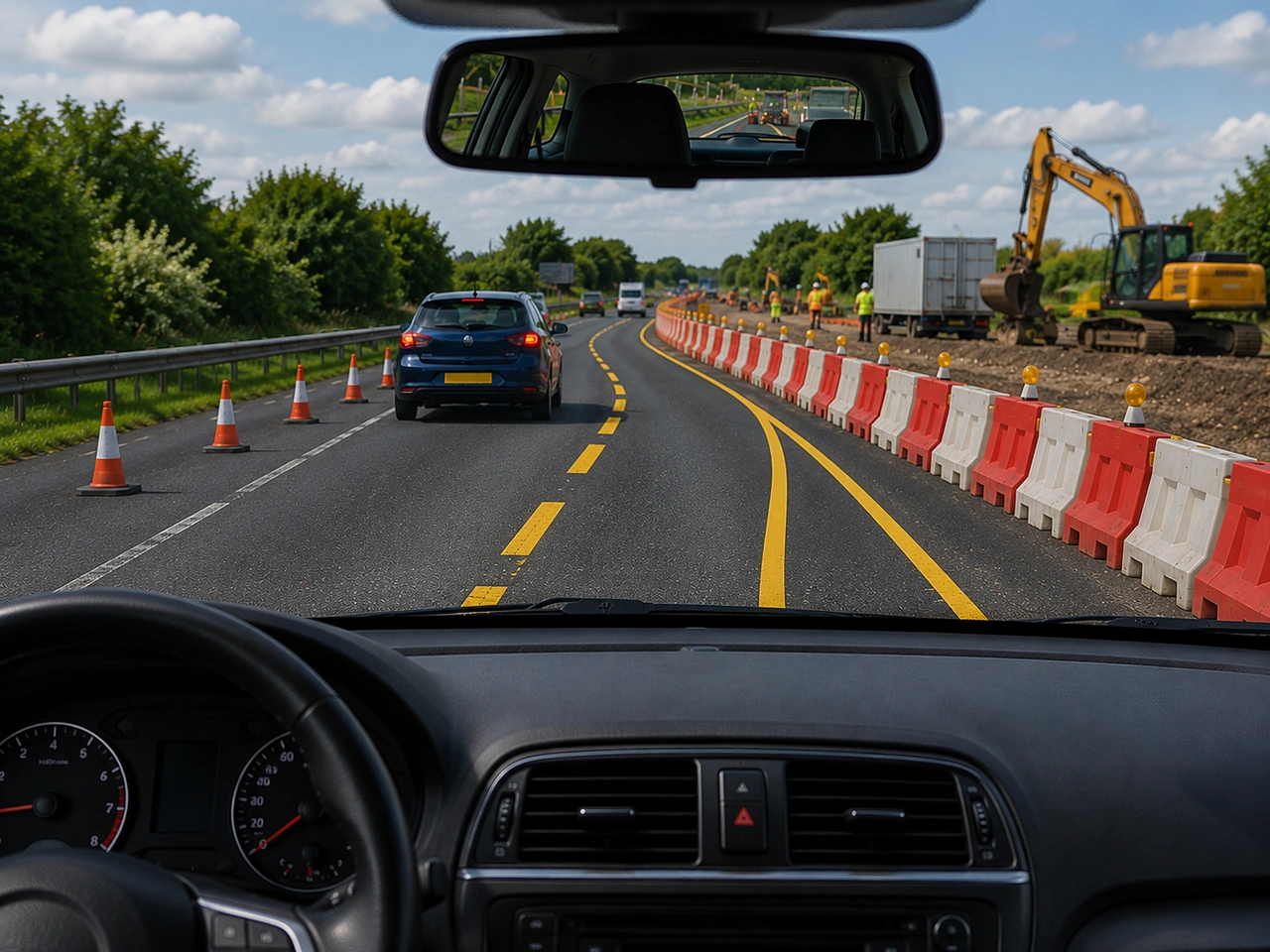
335. Which road markings should you follow through roadworks?
Temporary road markings may replace the normal lane layout during roadworks. Follow the markings and signs that currently guide traffic.
AI-generated by Rijbewijs-online.be • WCIT • CC BY-SA
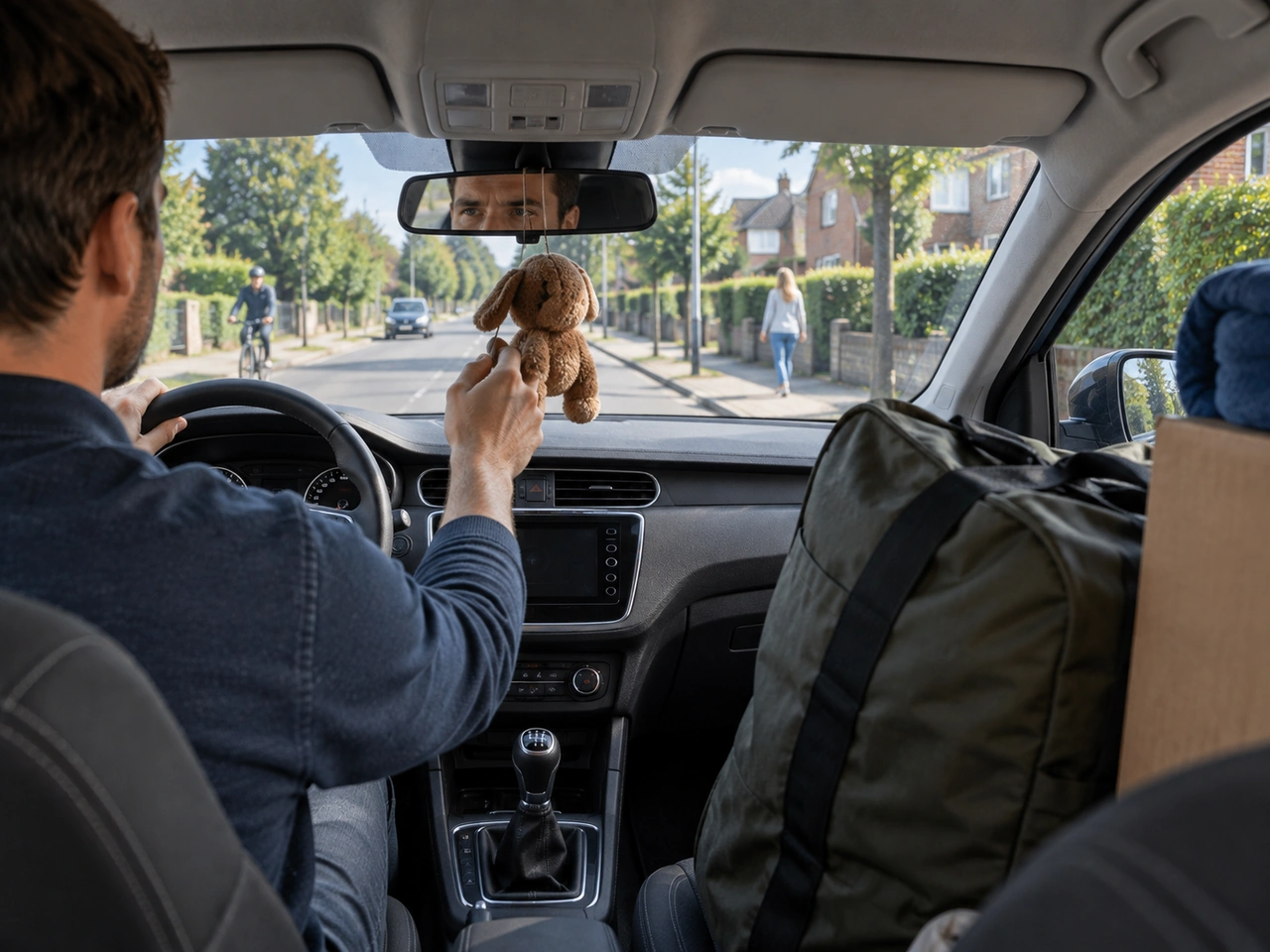
336. Why must luggage or other objects not obstruct the driver's view?
The driver must have a clear view of the road and surroundings. Luggage, decorations, or other objects that obstruct the windscreen, windows, or mirrors can hide pedestrians, cyclists, vehicles, signs, or other hazards.
AI-generated by Rijbewijs-online.be • WCIT • CC BY-SA
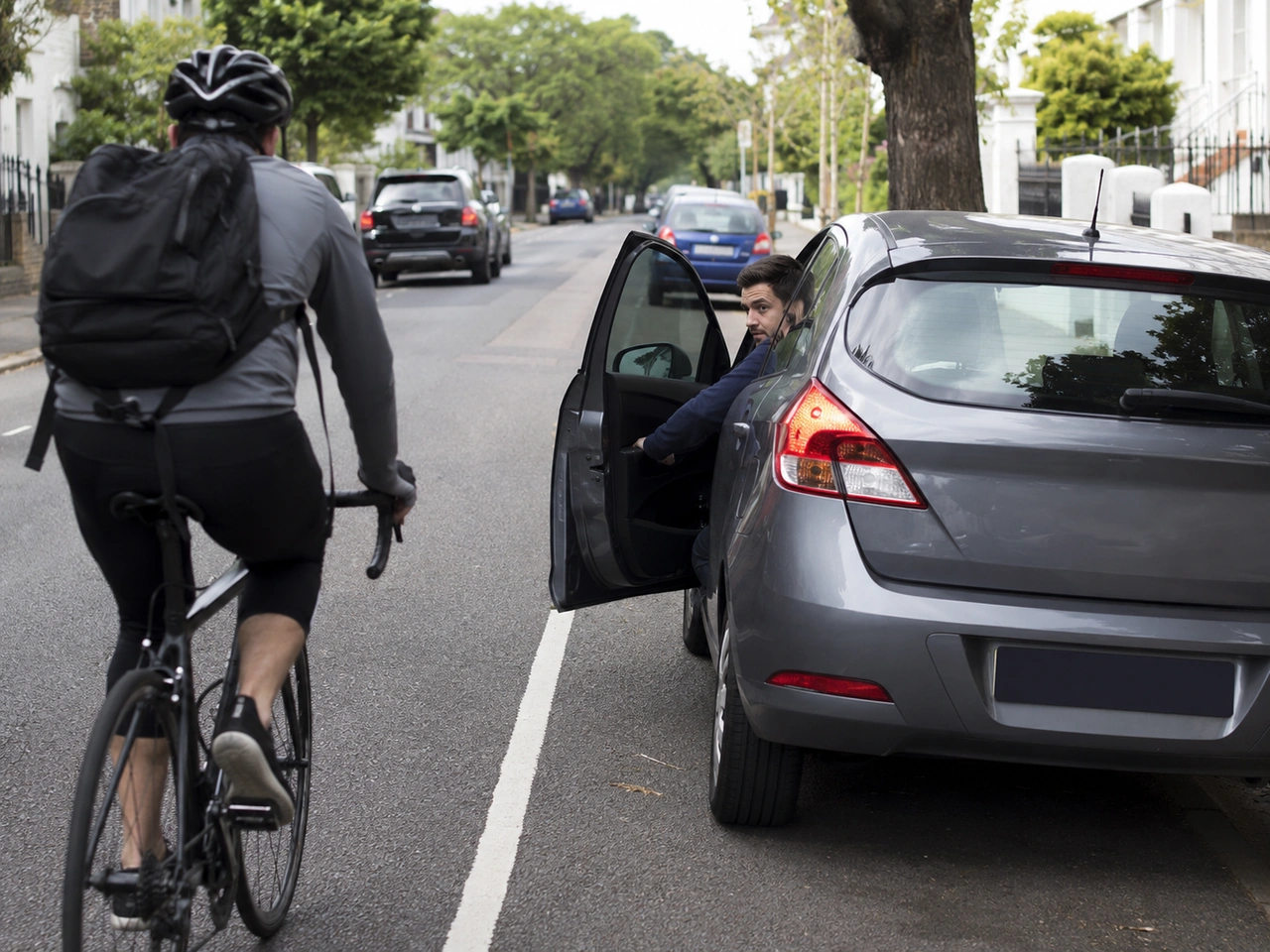
337. You do not need to look for cyclists when opening your car door.
You should always check for cyclists, motorcyclists, and other road users before opening a door.
AI-generated by Rijbewijs-online.be • WCIT • CC BY-SA
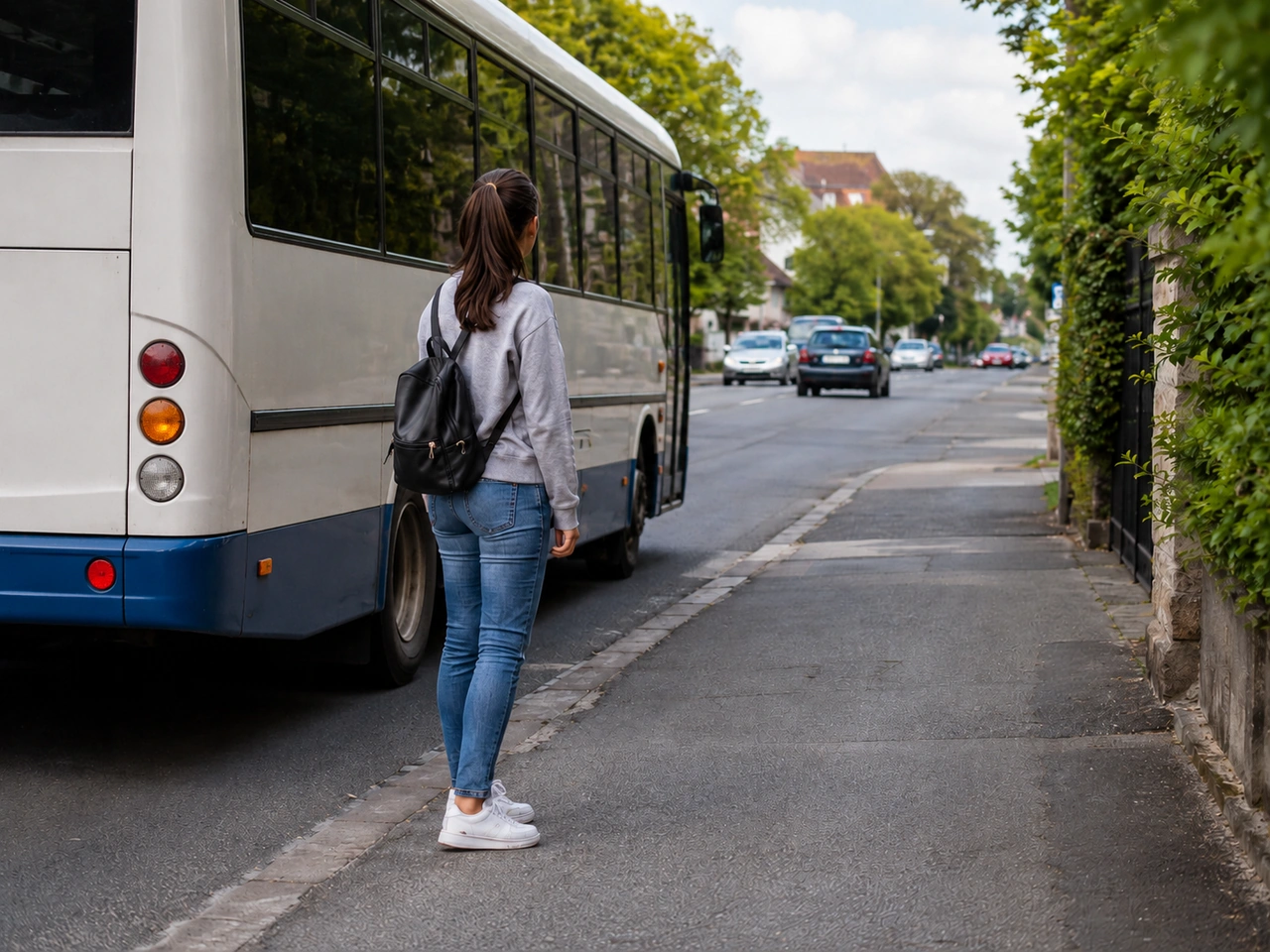
338. What should you do before crossing behind a bus or large vehicle?
Large vehicles can block your view and hide you from drivers. Wait until you can clearly see the road before crossing.
AI-generated by Rijbewijs-online.be • WCIT • CC BY-SA
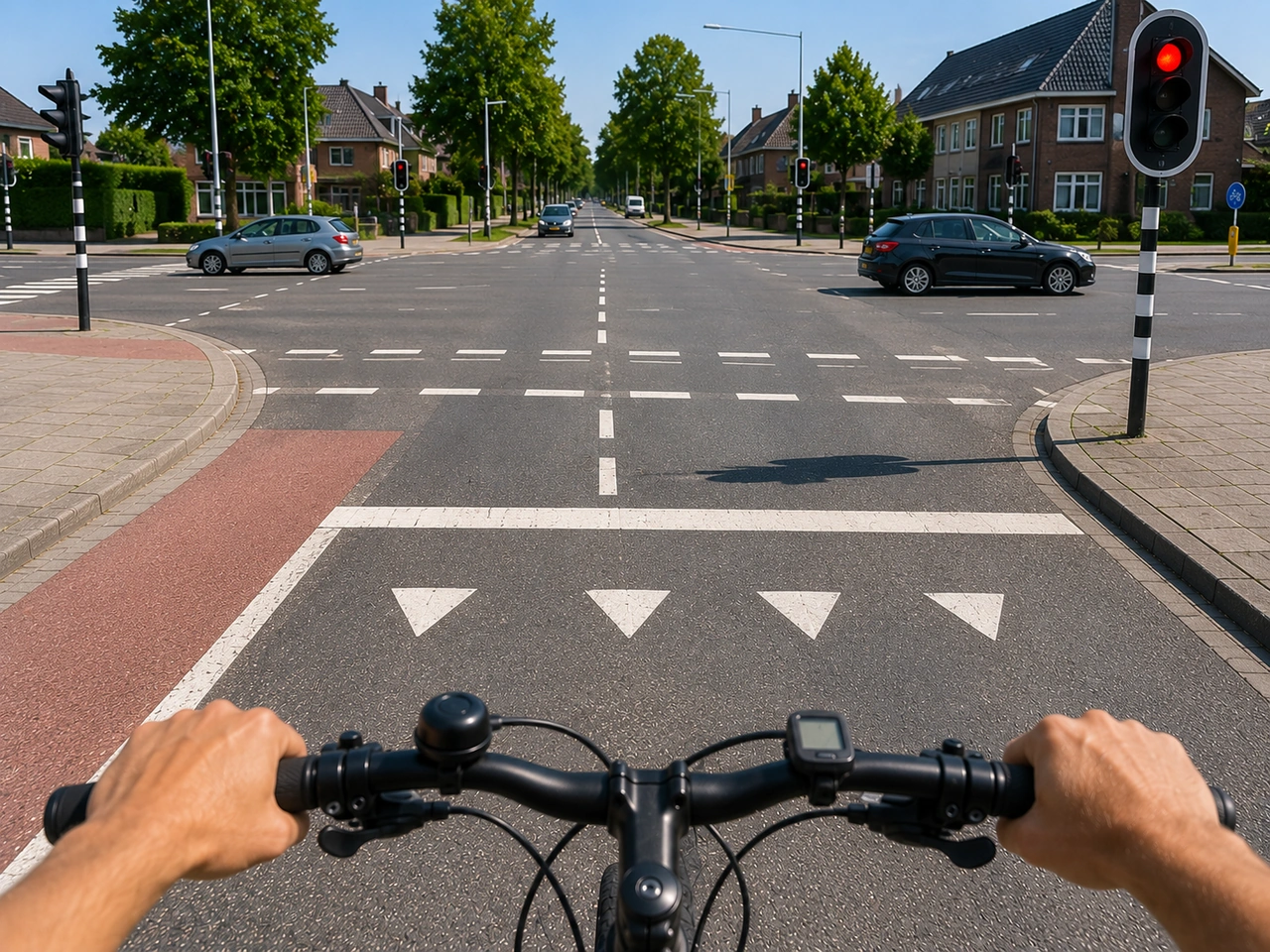
339. What should cyclists do when approaching a junction?
Junctions create conflict points between road users. Slowing down gives you more time to see hazards and react safely.
AI-generated by Rijbewijs-online.be • WCIT • CC BY-SA
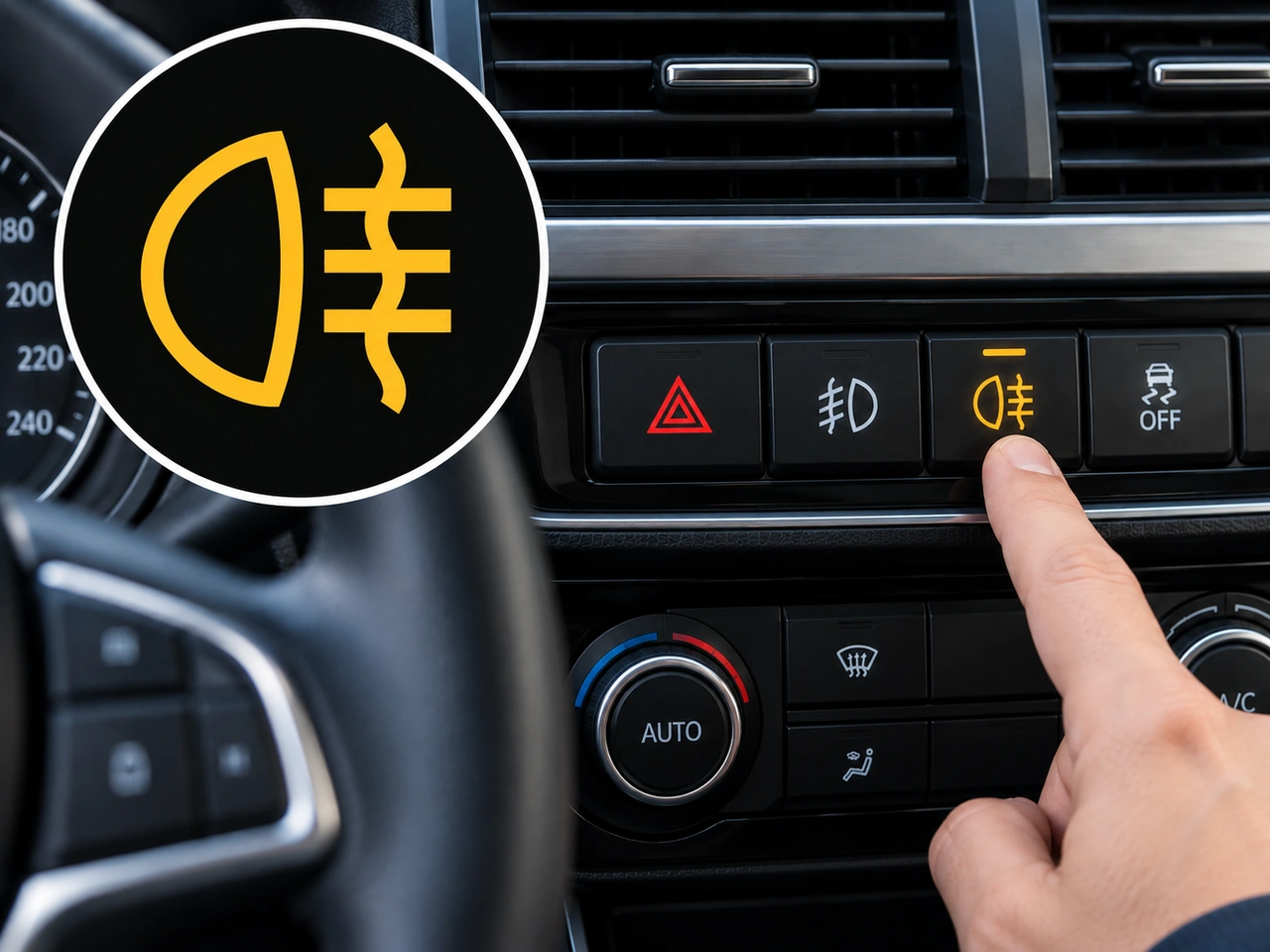
340. What does this dashboard symbol indicate?
This symbol indicates that the rear fog lights are switched on. Rear fog lights make the vehicle more visible from behind in conditions of severely reduced visibility, but they can dazzle other road users when used unnecessarily.
AI-generated by Rijbewijs-online.be • WCIT • CC BY-SA
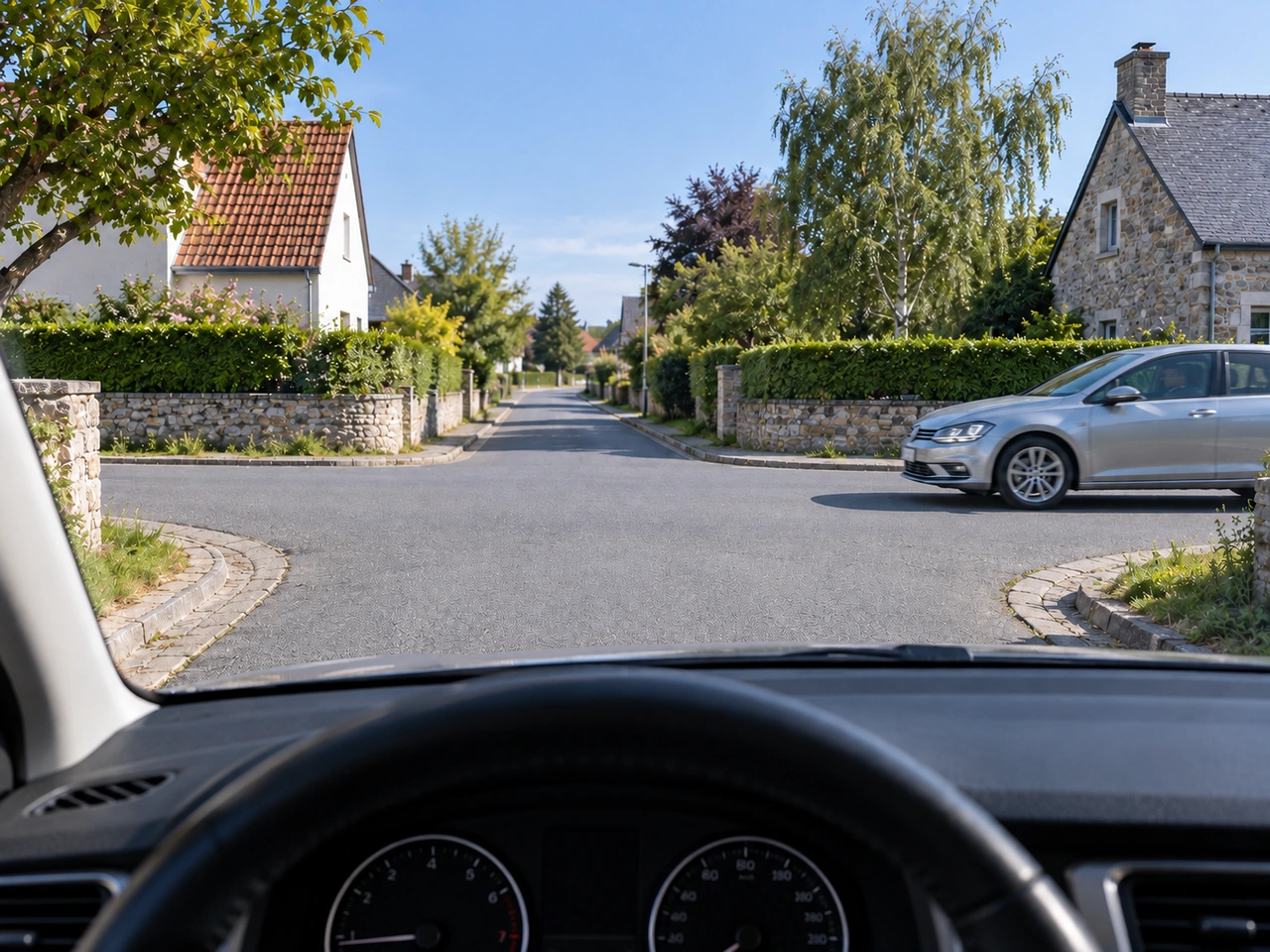
341. Does the priority-to-the-right rule apply in Serbia?
In Serbia, the priority-to-the-right rule generally applies at uncontrolled intersections.
AI-generated by Rijbewijs-online.be • WCIT • CC BY-SA
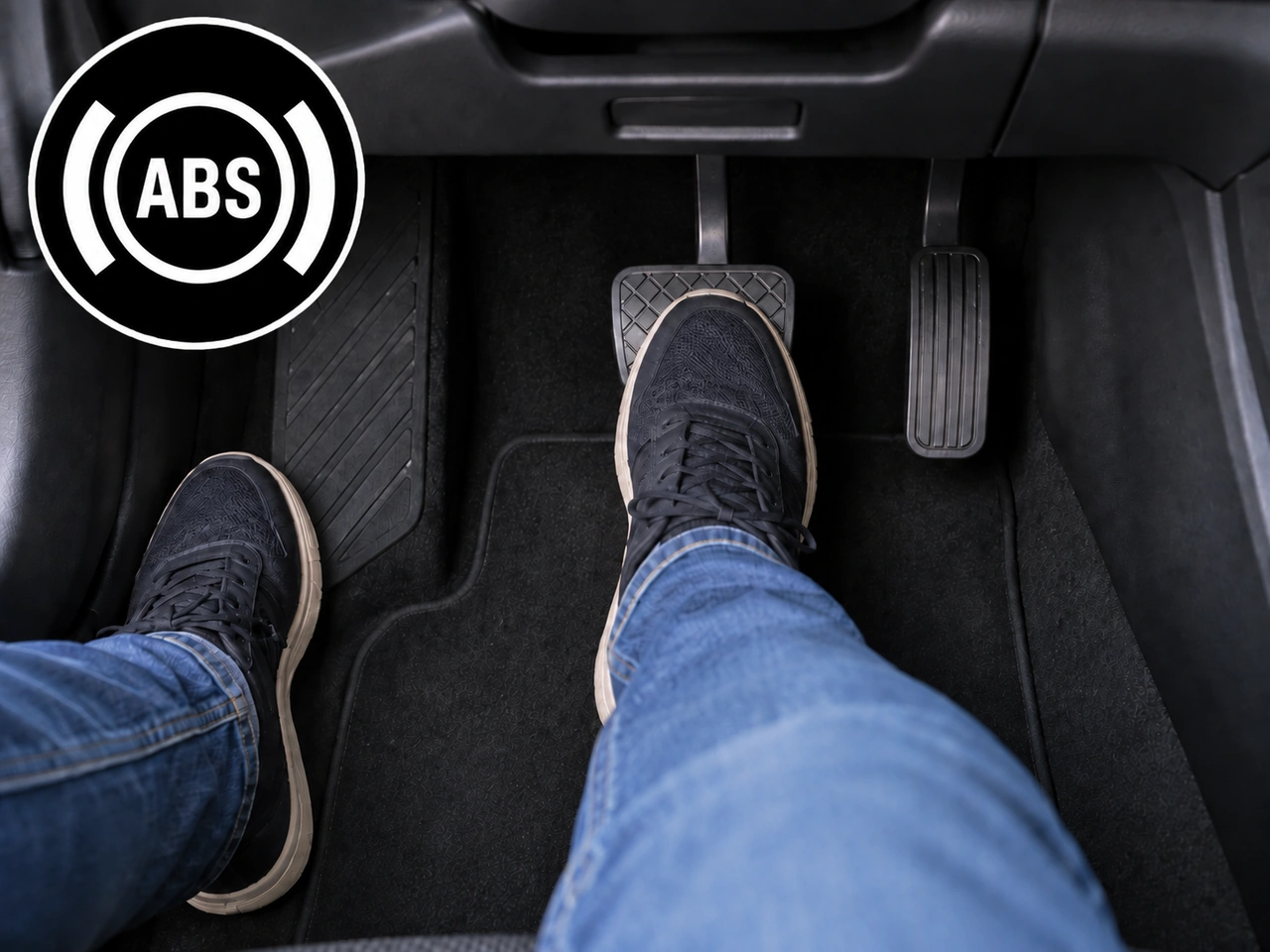
342. How should you use the brake pedal during emergency braking in a vehicle with ABS?
During emergency braking with ABS, press the brake pedal firmly and keep it pressed. Pulsation or vibration through the pedal can be normal while ABS is operating, so do not pump or release the brake.
AI-generated by Rijbewijs-online.be • WCIT • CC BY-SA
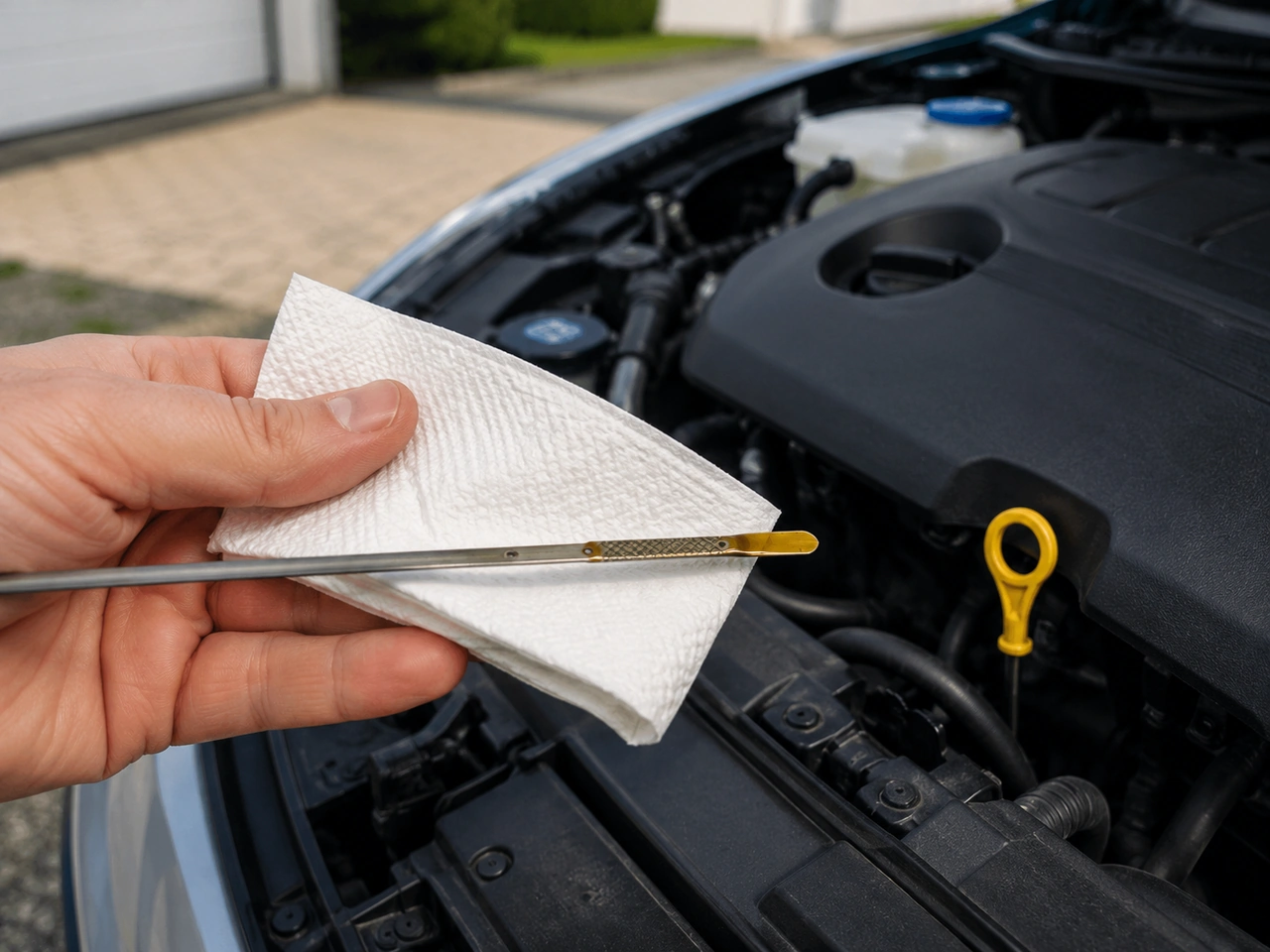
343. How should you check the engine oil level?
Use the dipstick or electronic oil-level system as described in the owner's manual. The engine is usually switched off, and the vehicle should be standing on level ground.
AI-generated by Rijbewijs-online.be • WCIT • CC BY-SA
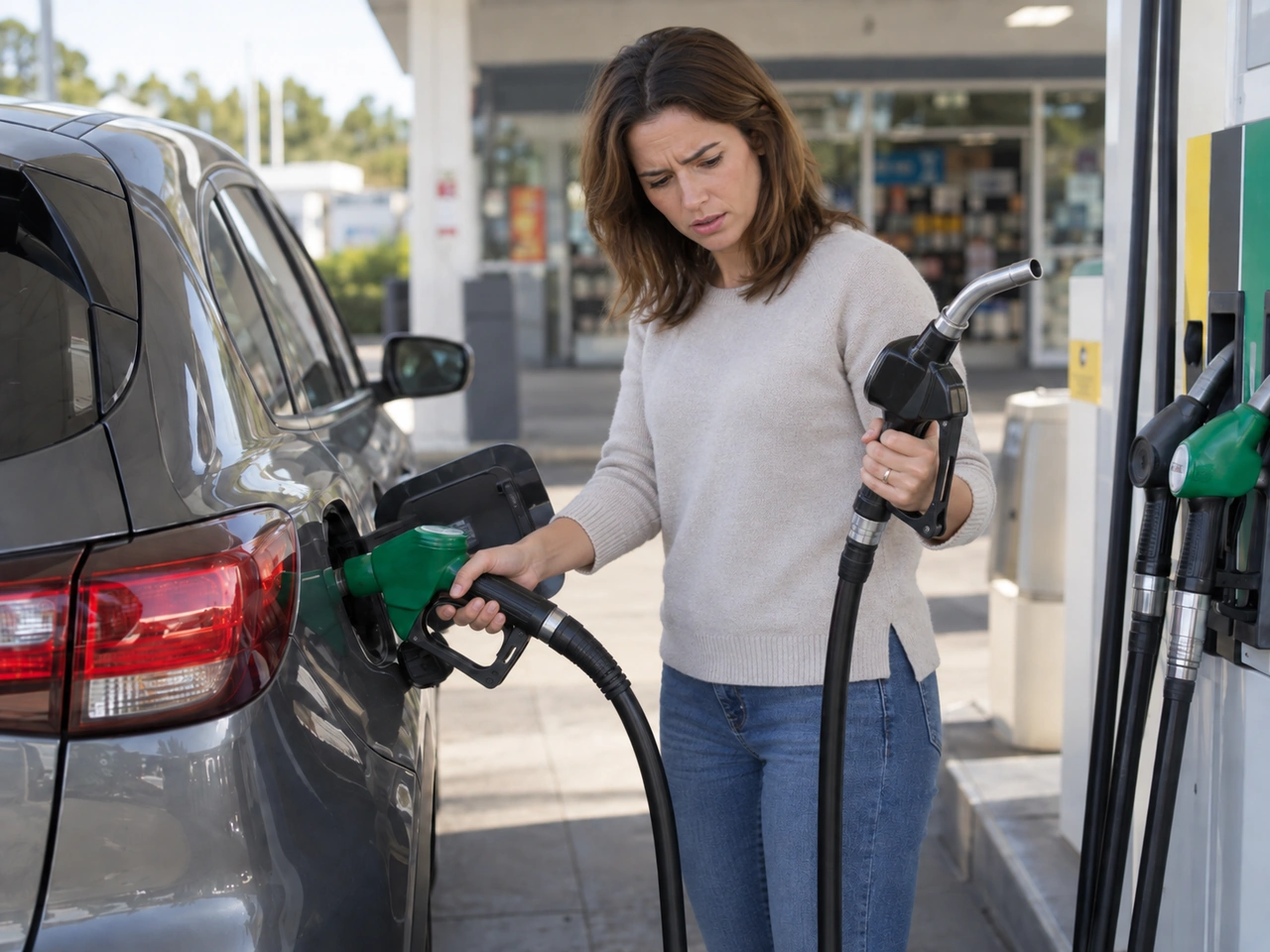
344. What should you do if you realise you have put the wrong fuel in your vehicle?
If you have used the wrong fuel, do not start the engine. Starting it can circulate the incorrect fuel and cause further damage. If possible, avoid switching on the ignition and seek appropriate roadside or workshop assistance.
AI-generated by Rijbewijs-online.be • WCIT • CC BY-SA
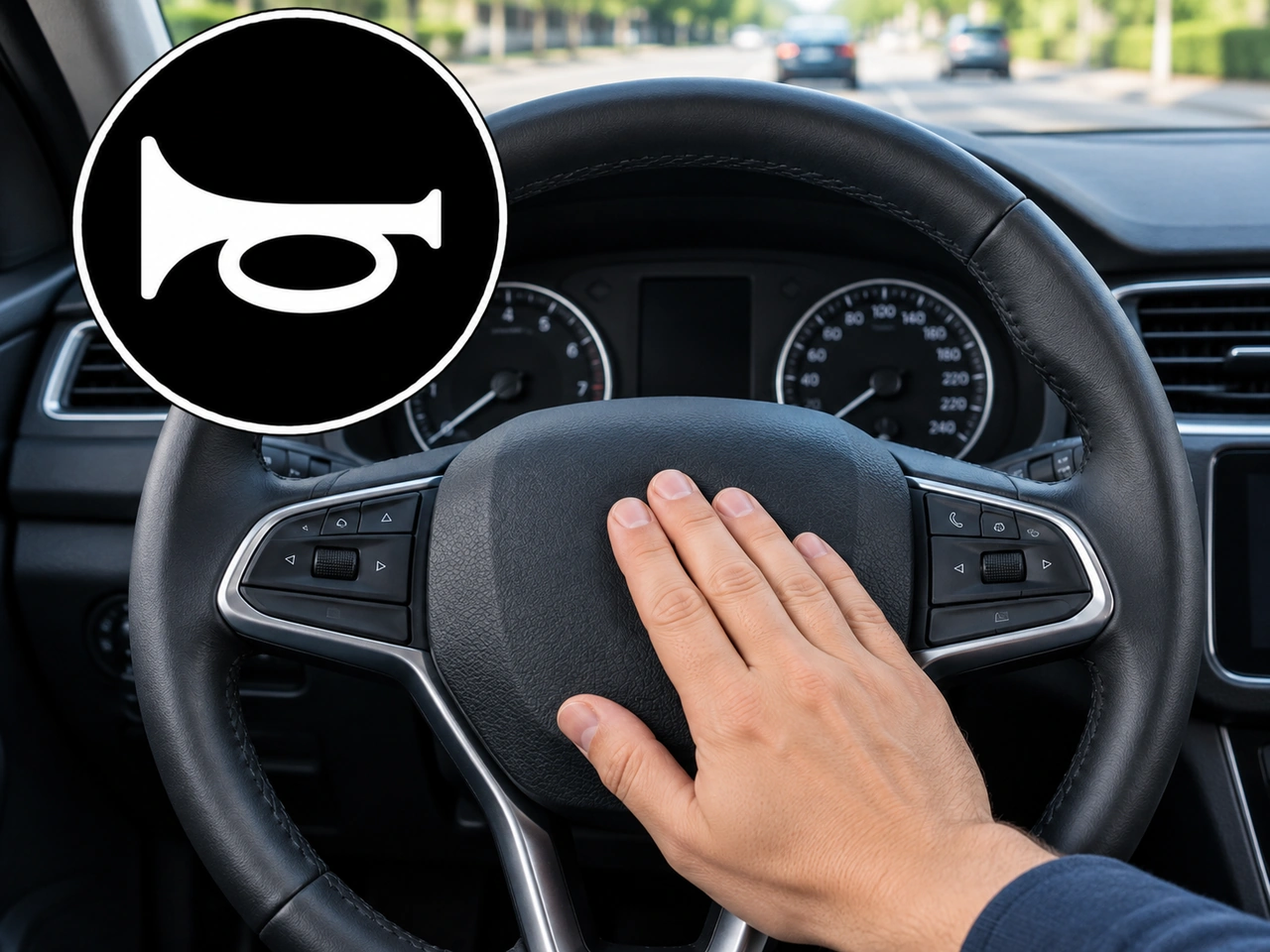
345. What does this vehicle-control symbol indicate?
This symbol indicates the horn control. The horn is used to warn other road users of your presence when necessary.
AI-generated by Rijbewijs-online.be • WCIT • CC BY-SA
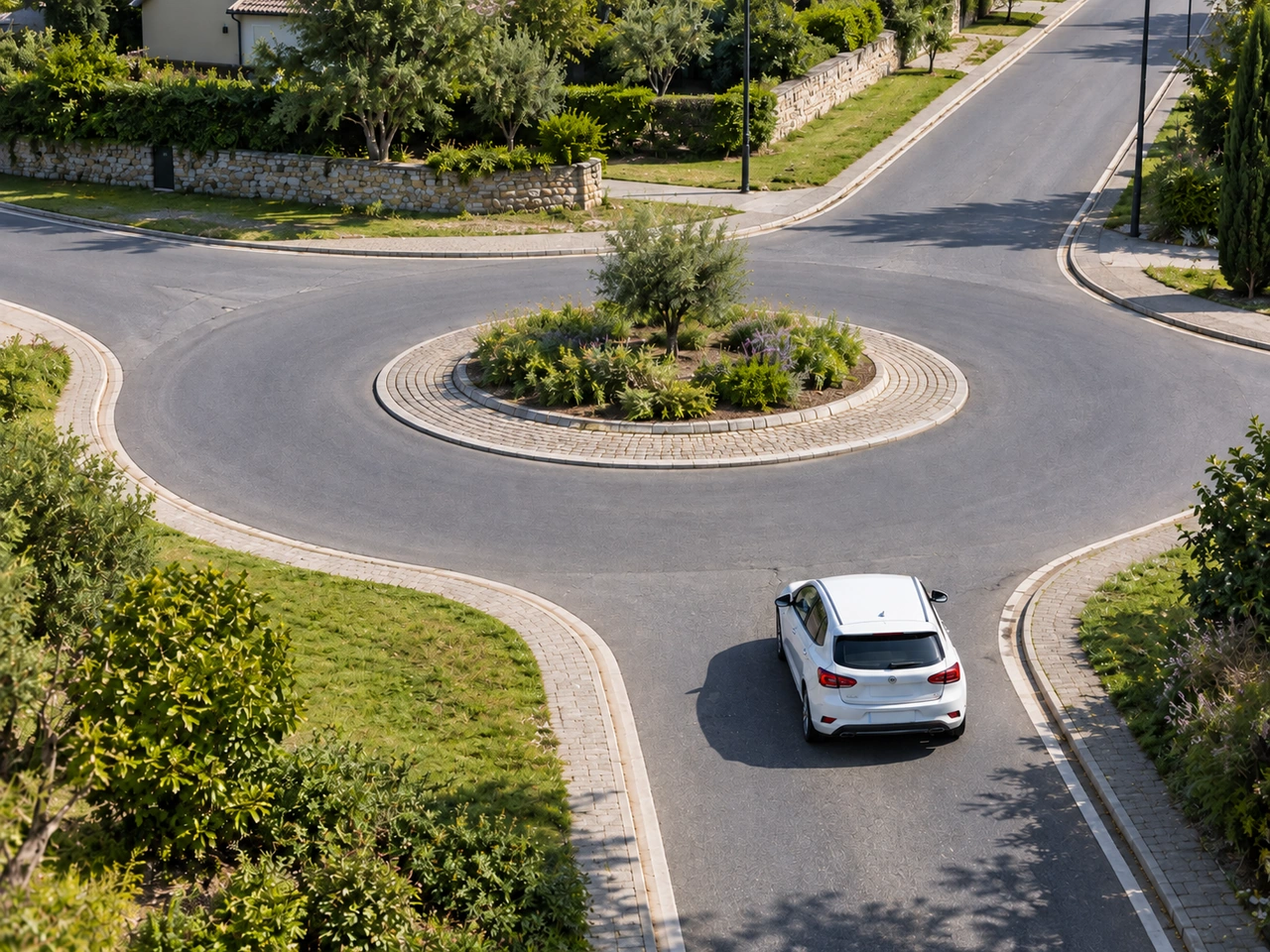
346. Who normally has priority at roundabouts in Serbia?
In Serbia, traffic entering a roundabout normally gives way to traffic already circulating.
AI-generated by Rijbewijs-online.be • WCIT • CC BY-SA
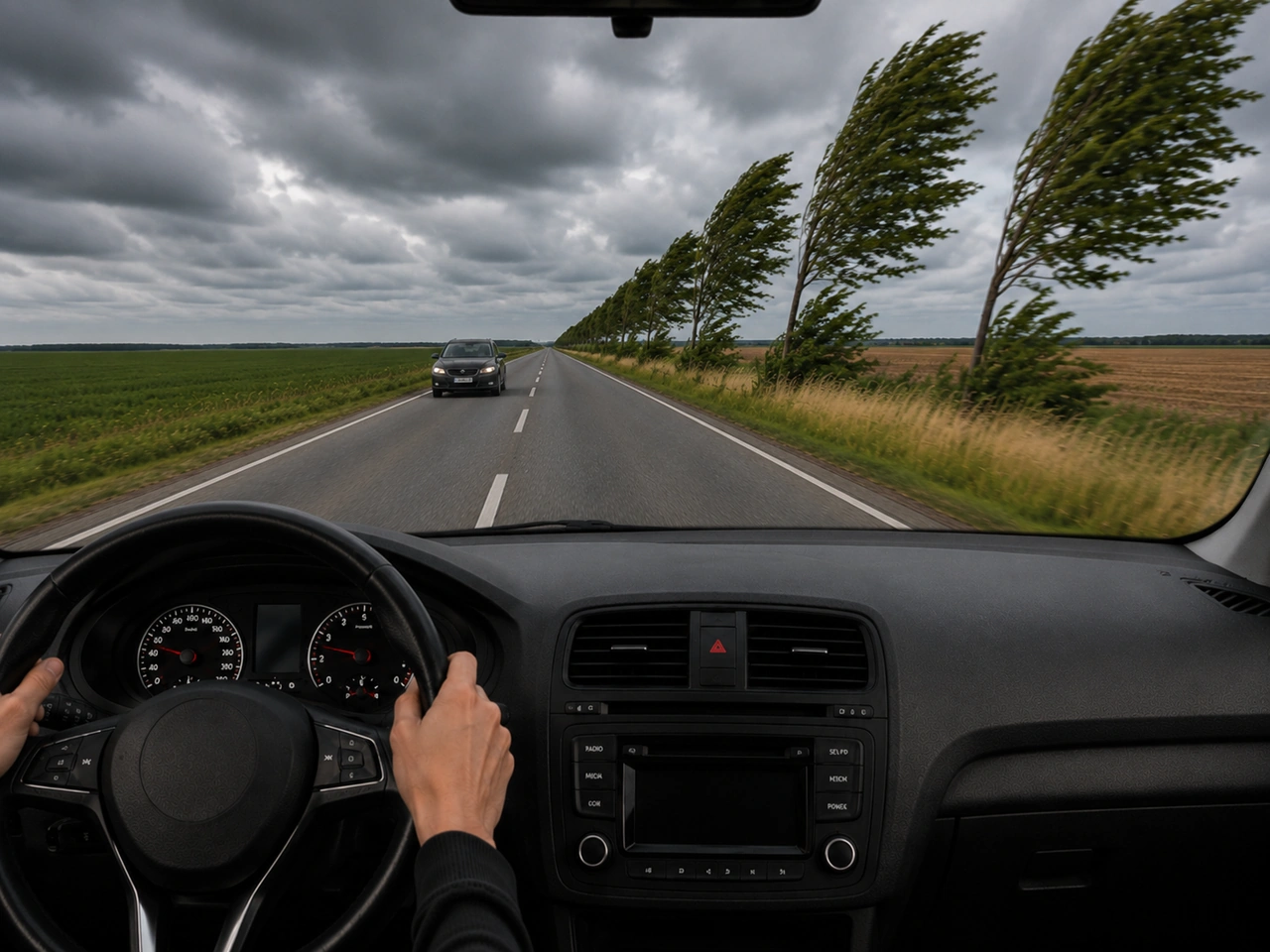
347. What should you do when driving in strong wind?
Strong wind can affect vehicle control, especially near open areas, bridges, large vehicles, cyclists, and motorcyclists.
AI-generated by Rijbewijs-online.be • WCIT • CC BY-SA
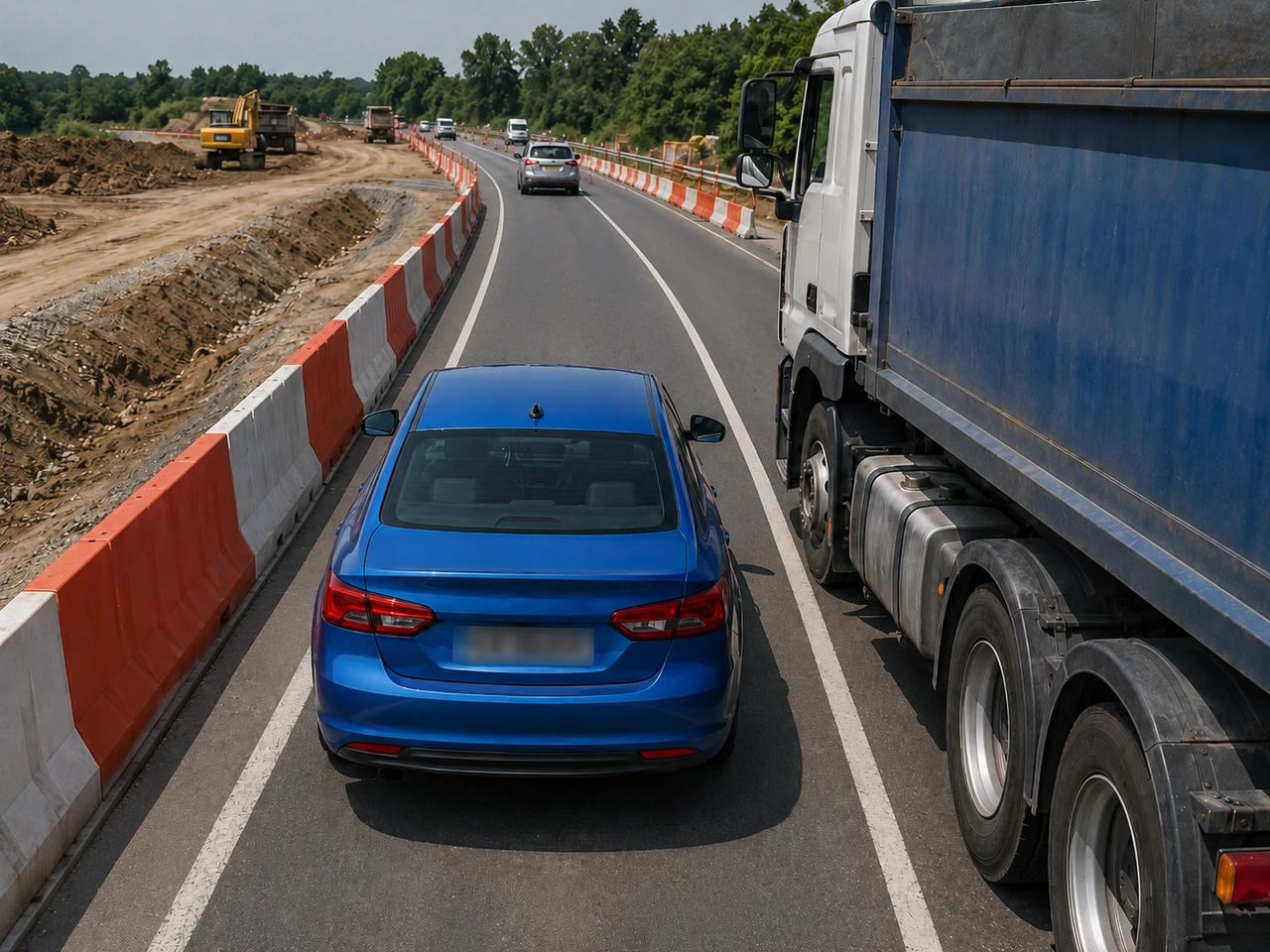
348. What should you expect when lanes become narrower in roadworks?
Narrow lanes leave less room for error. Keep a steady position, avoid drifting toward barriers or nearby vehicles, and reduce speed if necessary.
AI-generated by Rijbewijs-online.be • WCIT • CC BY-SA
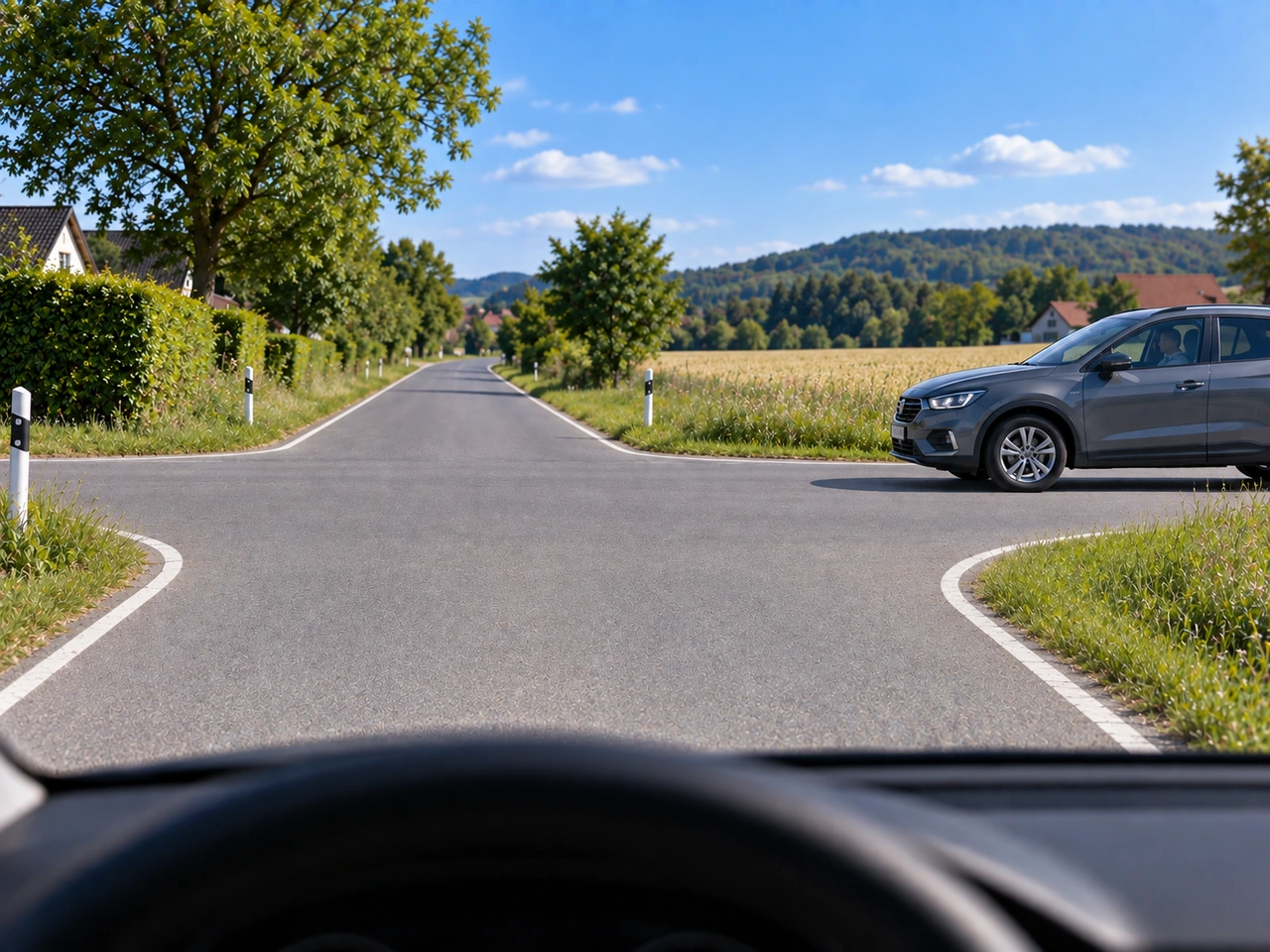
349. Who generally has priority at an uncontrolled intersection in Serbia?
At an uncontrolled intersection in Serbia, you generally give way to traffic approaching from the right.
AI-generated by Rijbewijs-online.be • WCIT • CC BY-SA
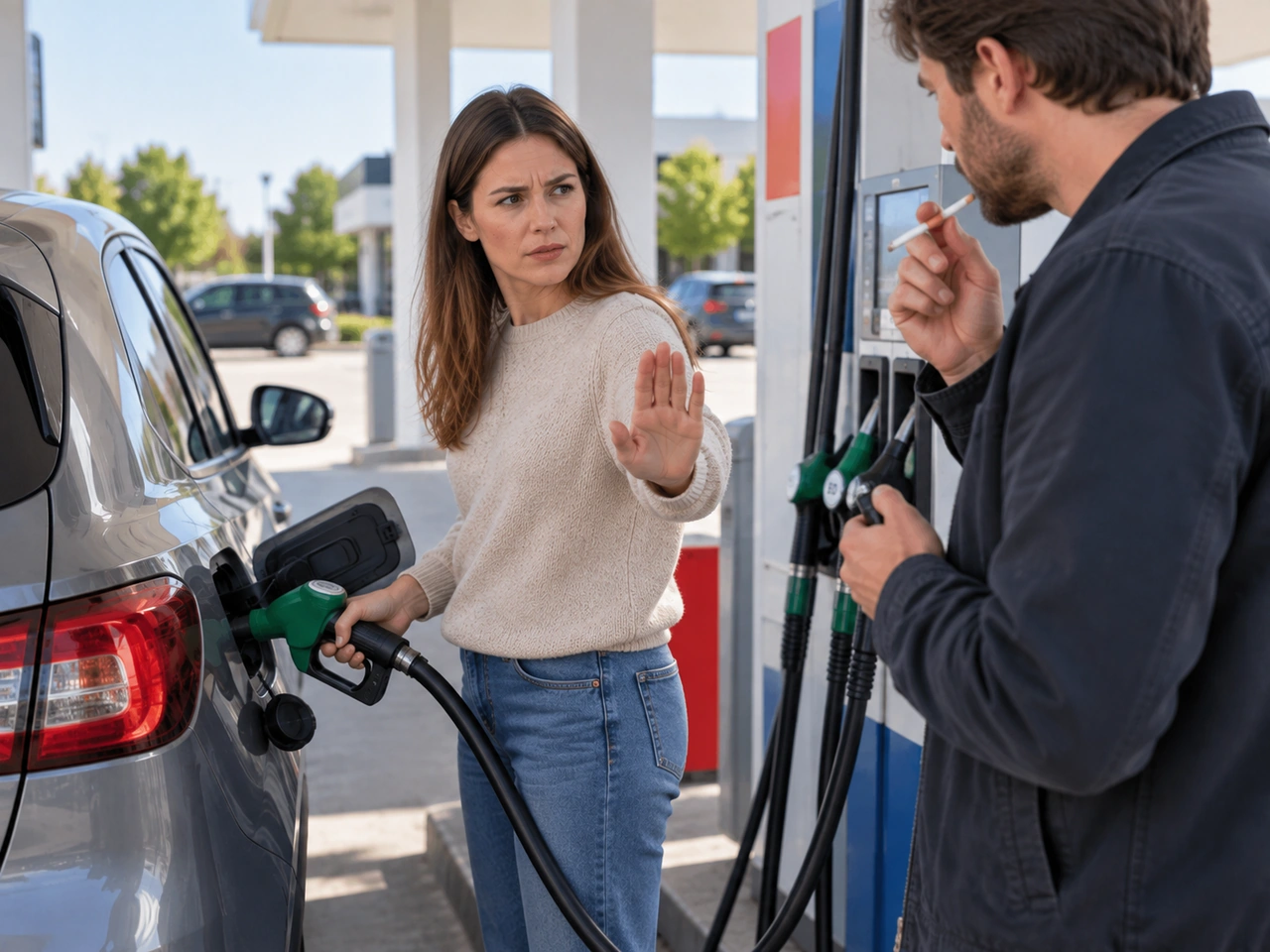
350. Why must you avoid smoking or open flames at a filling station?
Petrol and other fuels can produce flammable vapours. Smoking, open flames, sparks, or other ignition sources can ignite these vapours and cause a serious fire. Follow all filling-station safety rules while refuelling.
AI-generated by Rijbewijs-online.be • WCIT • CC BY-SA