


QuizTraffic rulesSlovakia
This interesting quiz helps you test your knowledge in a clear and visual way. With easy multiple-choice questions, you can quickly build confidence and learn new facts while keeping it simple, interactive, and fun.
 Traffic signs
 Traffic rules
 Slovakia
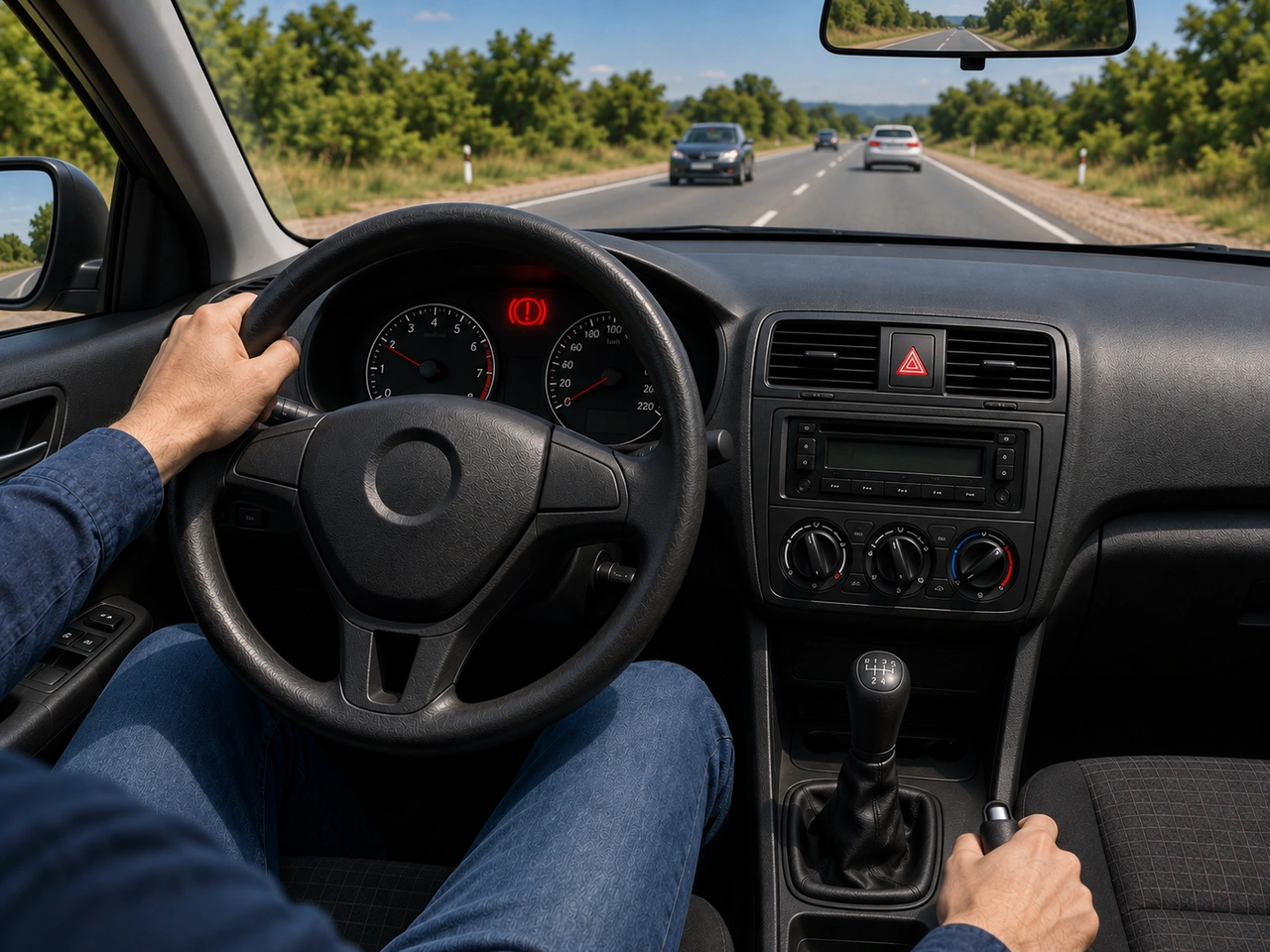
301. What should you do if the service brakes fail while driving?
Remain calm, warn other road users, and use other available braking methods to reduce speed. This may include engine braking or a lower gear, and careful use of the parking or emergency brake according to the vehicle's design. Steer toward the safest available stopping area.
AI-generated by Rijbewijs-online.be • WCIT • CC BY-SA

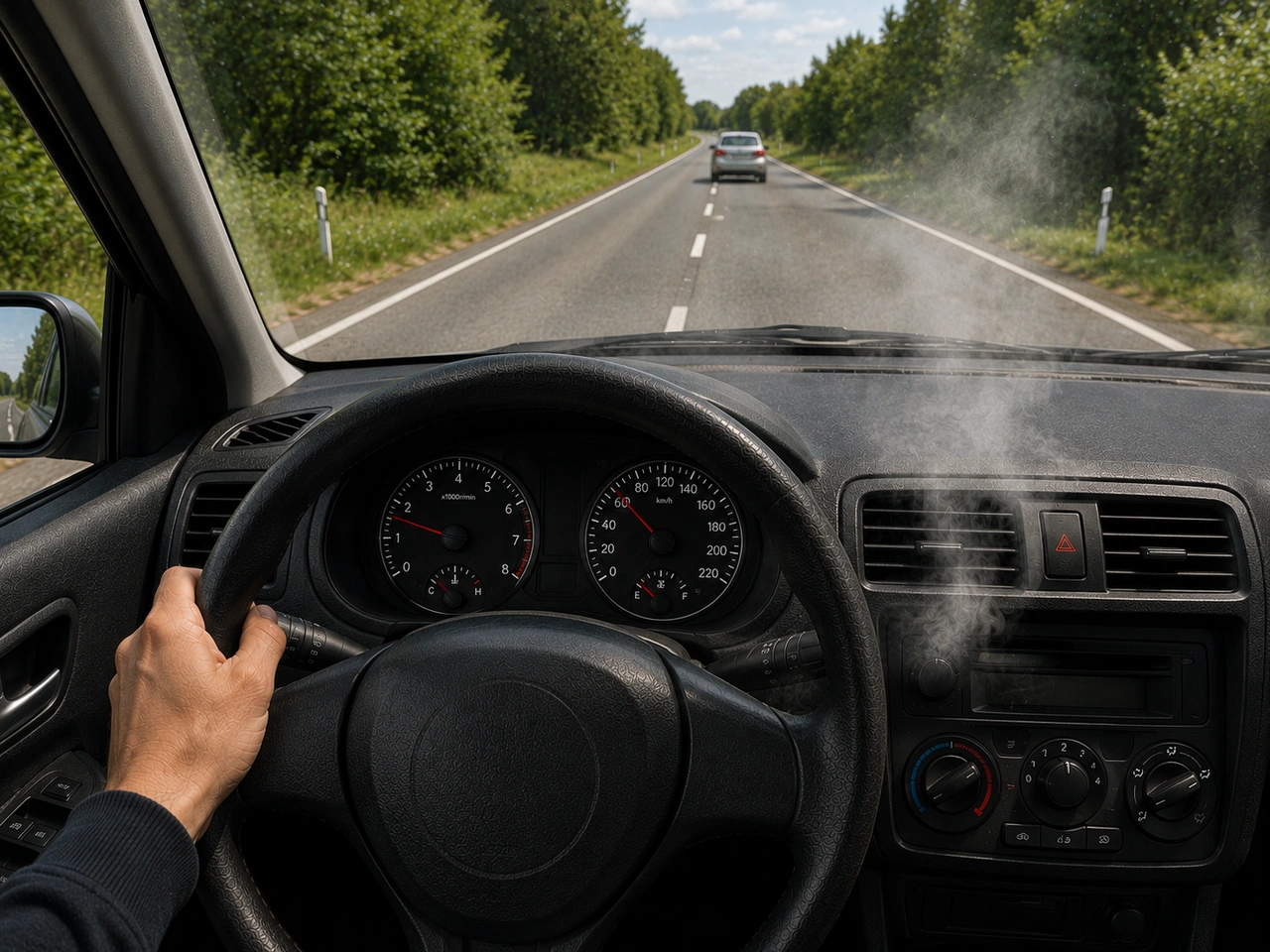
302. What should you do if exhaust fumes begin entering the car?
Exhaust gases may contain carbon monoxide, which is poisonous and may not be visible. The exhaust system should be inspected before the vehicle is used again.
AI-generated by Rijbewijs-online.be • WCIT • CC BY-SA
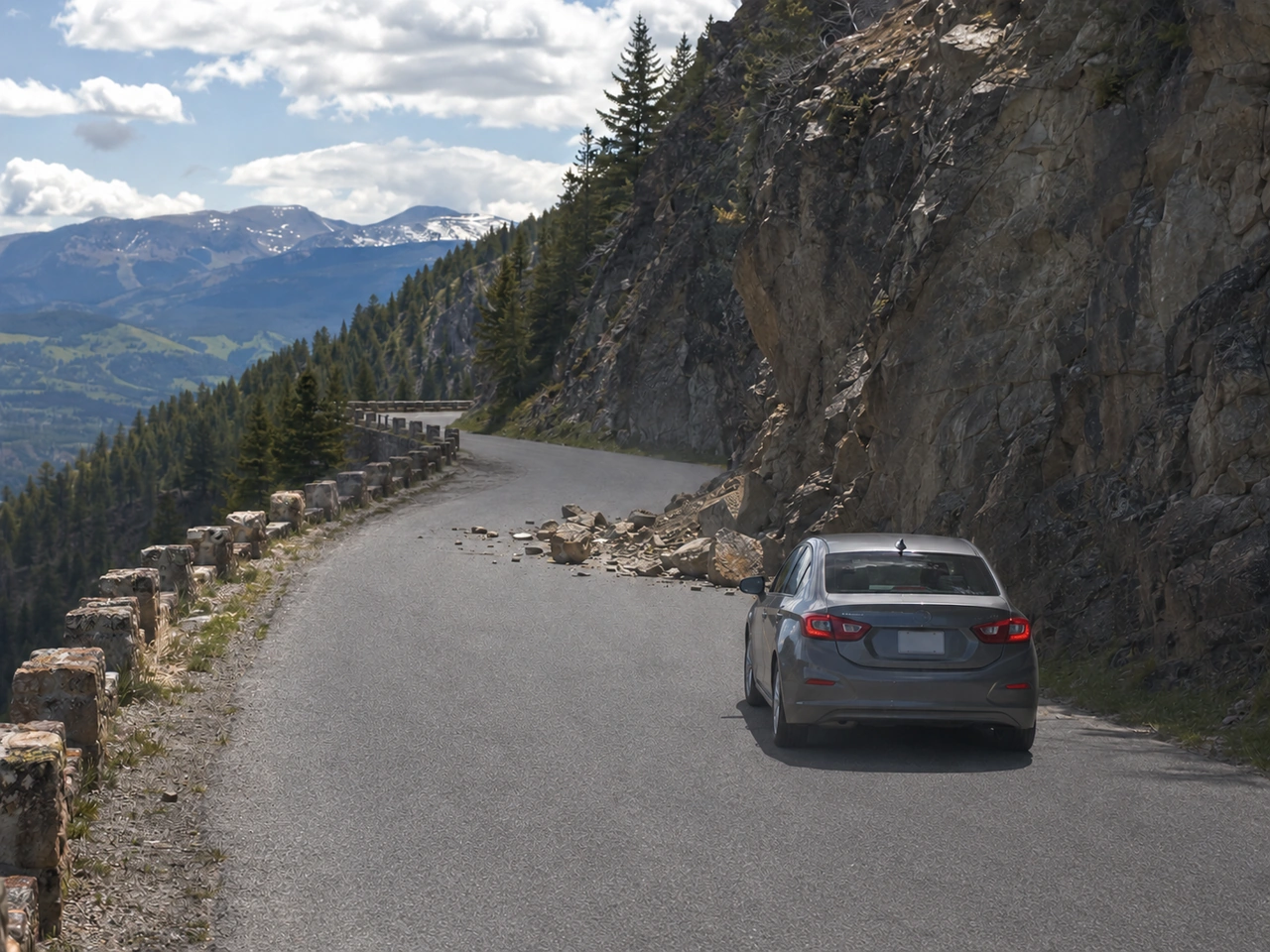
303. What should you do if you see fallen rocks on a mountain road?
Loose rocks can damage tyres, affect steering, or block part of the road. Reduce speed and avoid sudden movements. If rocks are actively falling, do not enter or stop in the danger area. Keep a safe distance and, if necessary, wait in a safe place until it is safe to continue.
AI-generated by Rijbewijs-online.be • WCIT • CC BY-SA
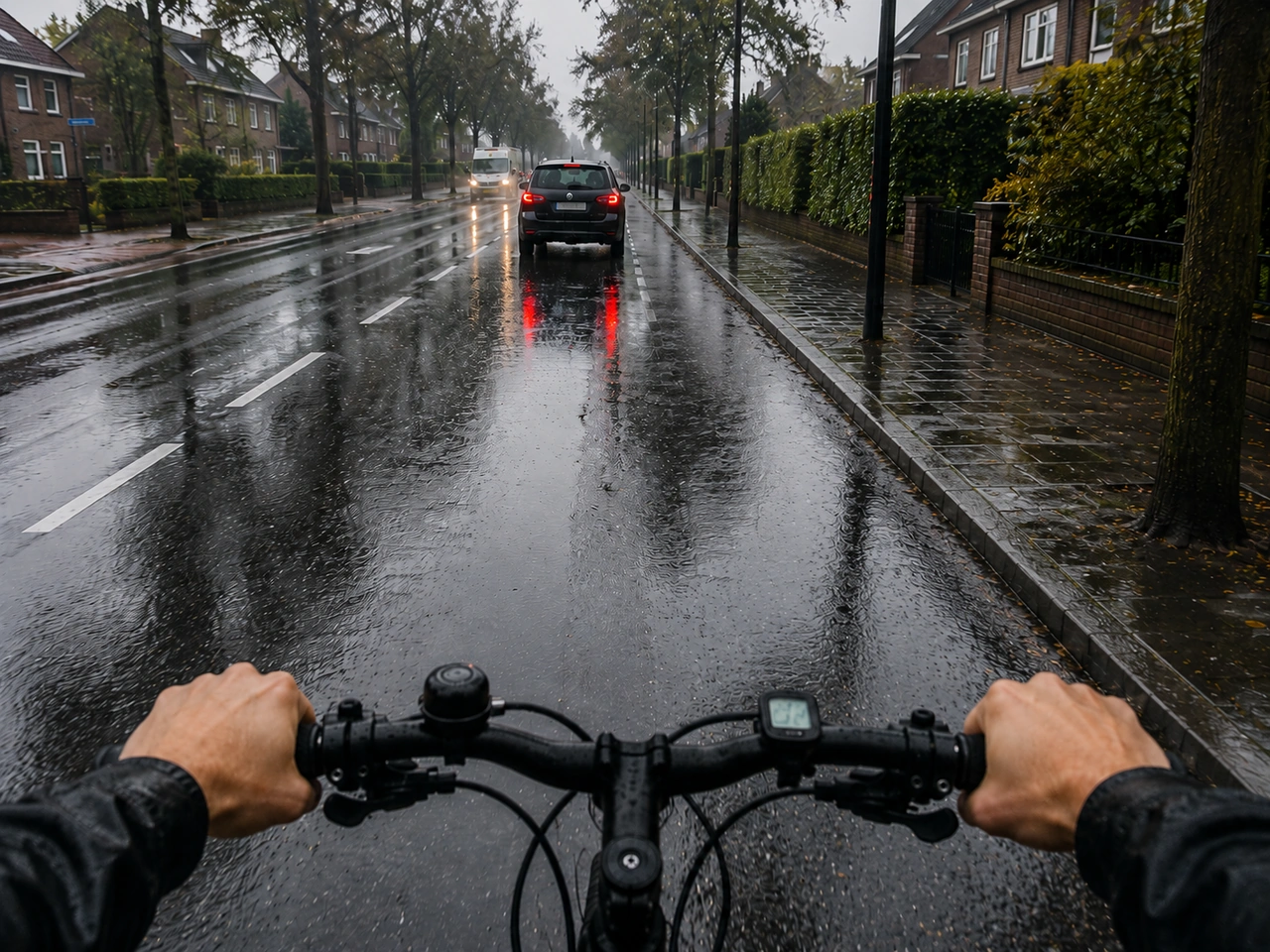
304. How should cyclists brake on a wet road?
Wet surfaces reduce grip and increase stopping distance. Smooth, early braking helps prevent skidding.
AI-generated by Rijbewijs-online.be • WCIT • CC BY-SA
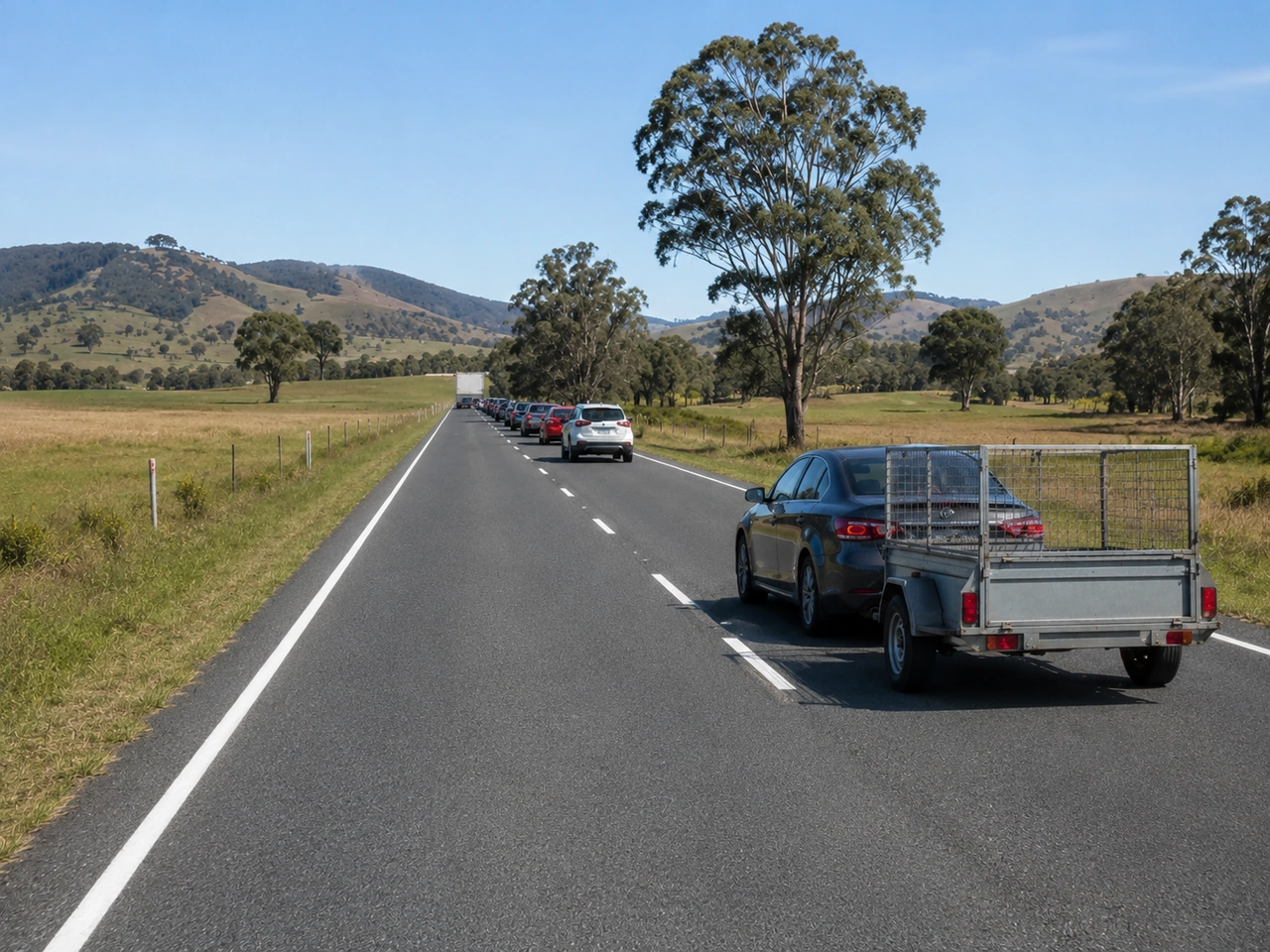
305. Why should you leave extra following distance when towing?
Towing adds weight and can increase stopping distance. Extra space gives you more time to react and brake smoothly.
AI-generated by Rijbewijs-online.be • WCIT • CC BY-SA
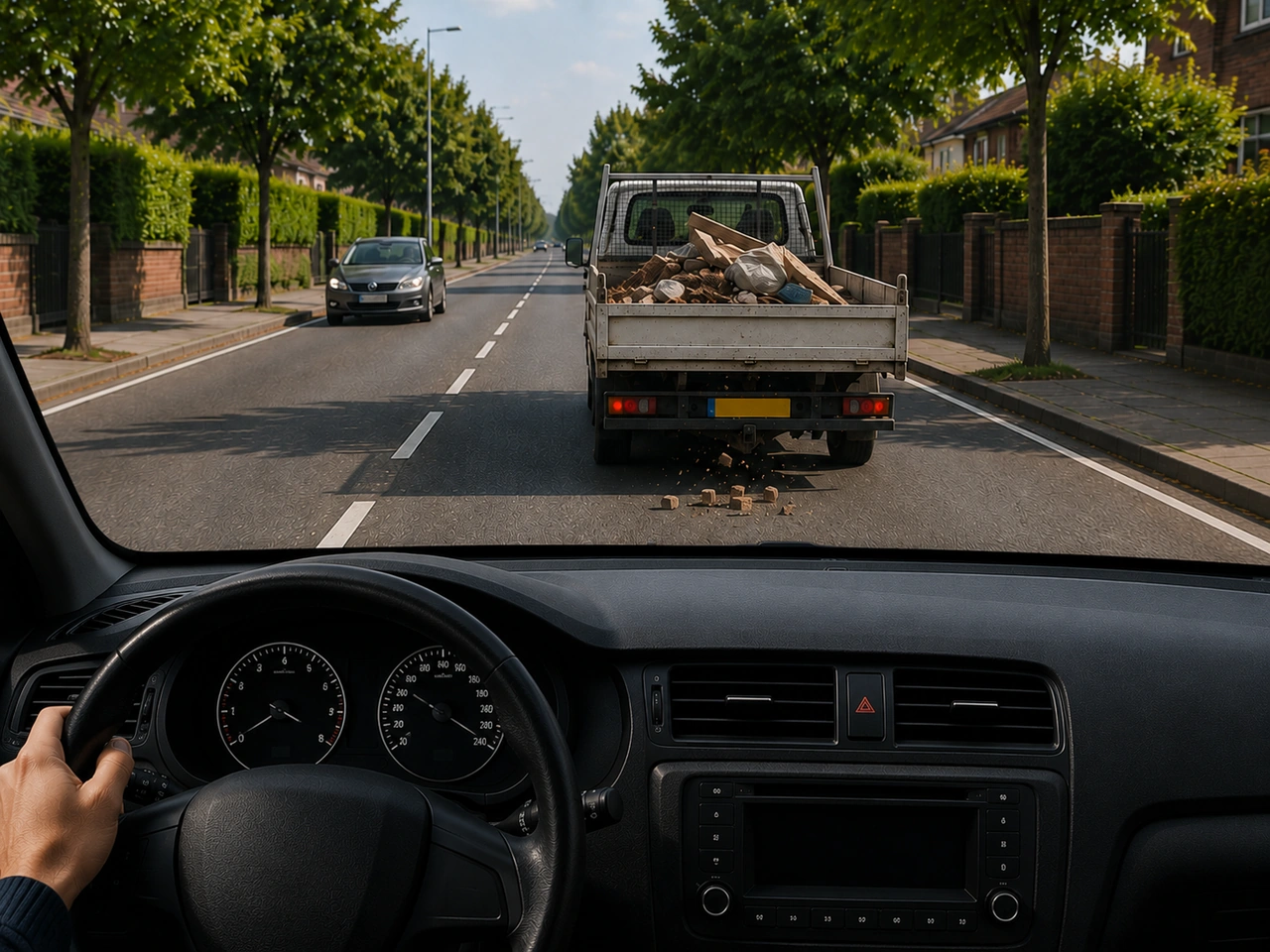
306. Why should you be cautious when following a vehicle carrying a loose load?
A poorly secured load can fall or shift suddenly. Keep extra distance and avoid following too closely.
AI-generated by Rijbewijs-online.be • WCIT • CC BY-SA
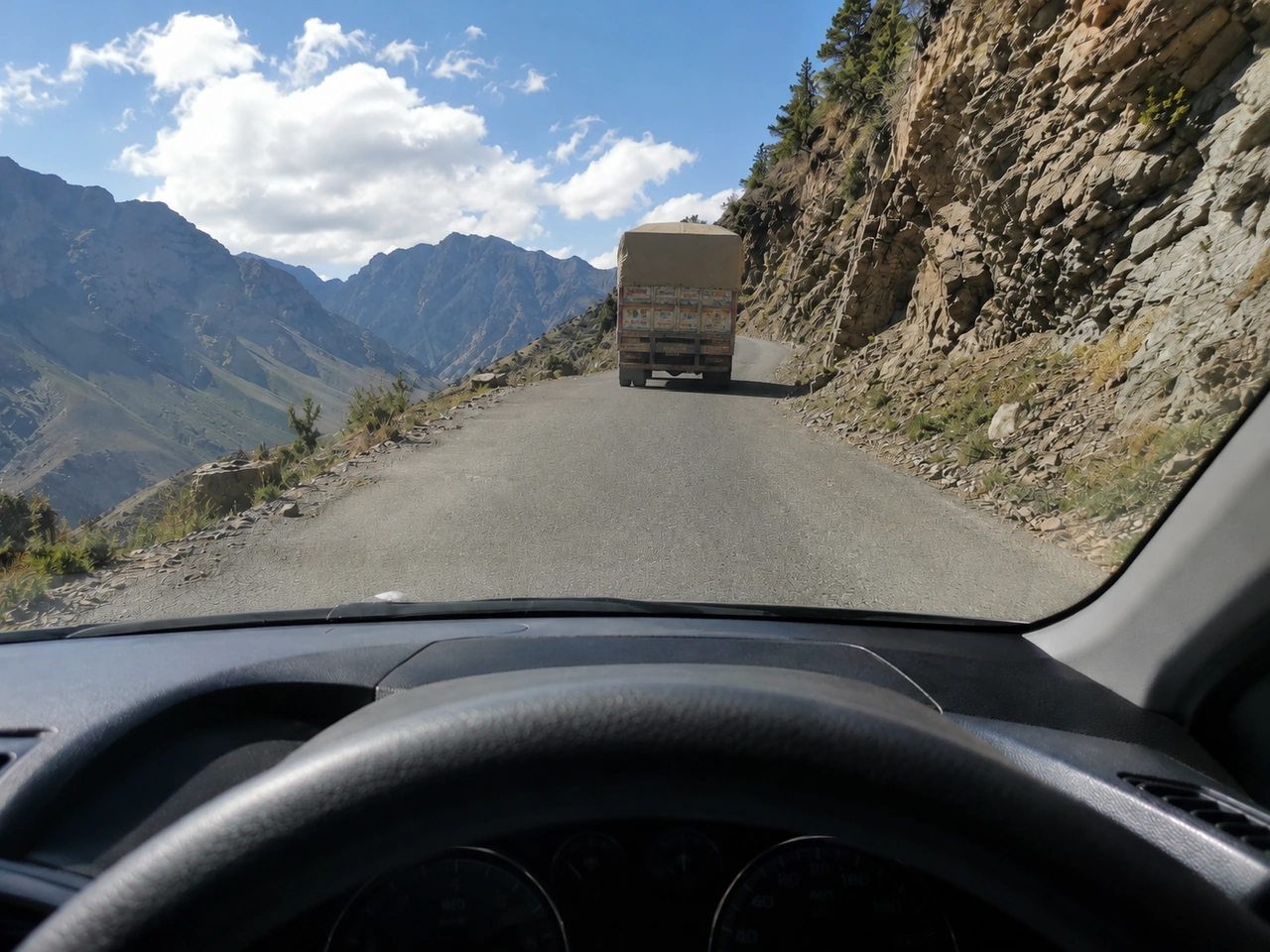
307. What should you do if your vehicle begins rolling backward on a steep incline?
Stop the vehicle under control, apply the parking brake if necessary, and prepare to move away again safely.
AI-generated by Rijbewijs-online.be • WCIT • CC BY-SA
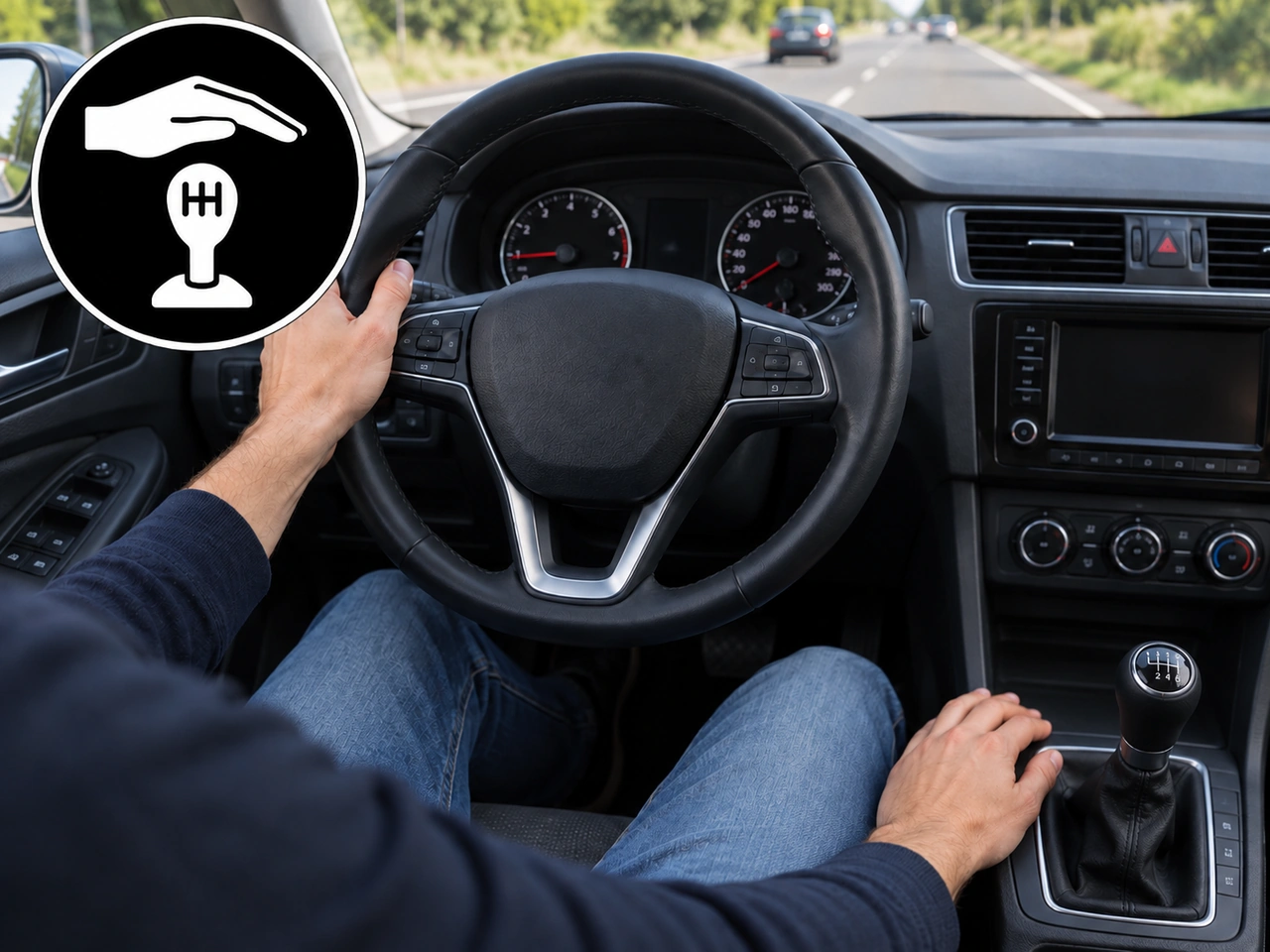
308. Why should you avoid resting your hand on the gear lever while driving?
Resting your hand on the gear lever can place unnecessary pressure on parts of the gear-selection mechanism and contribute to wear. Keep both hands on the steering wheel when you are not changing gear.
AI-generated by Rijbewijs-online.be • WCIT • CC BY-SA
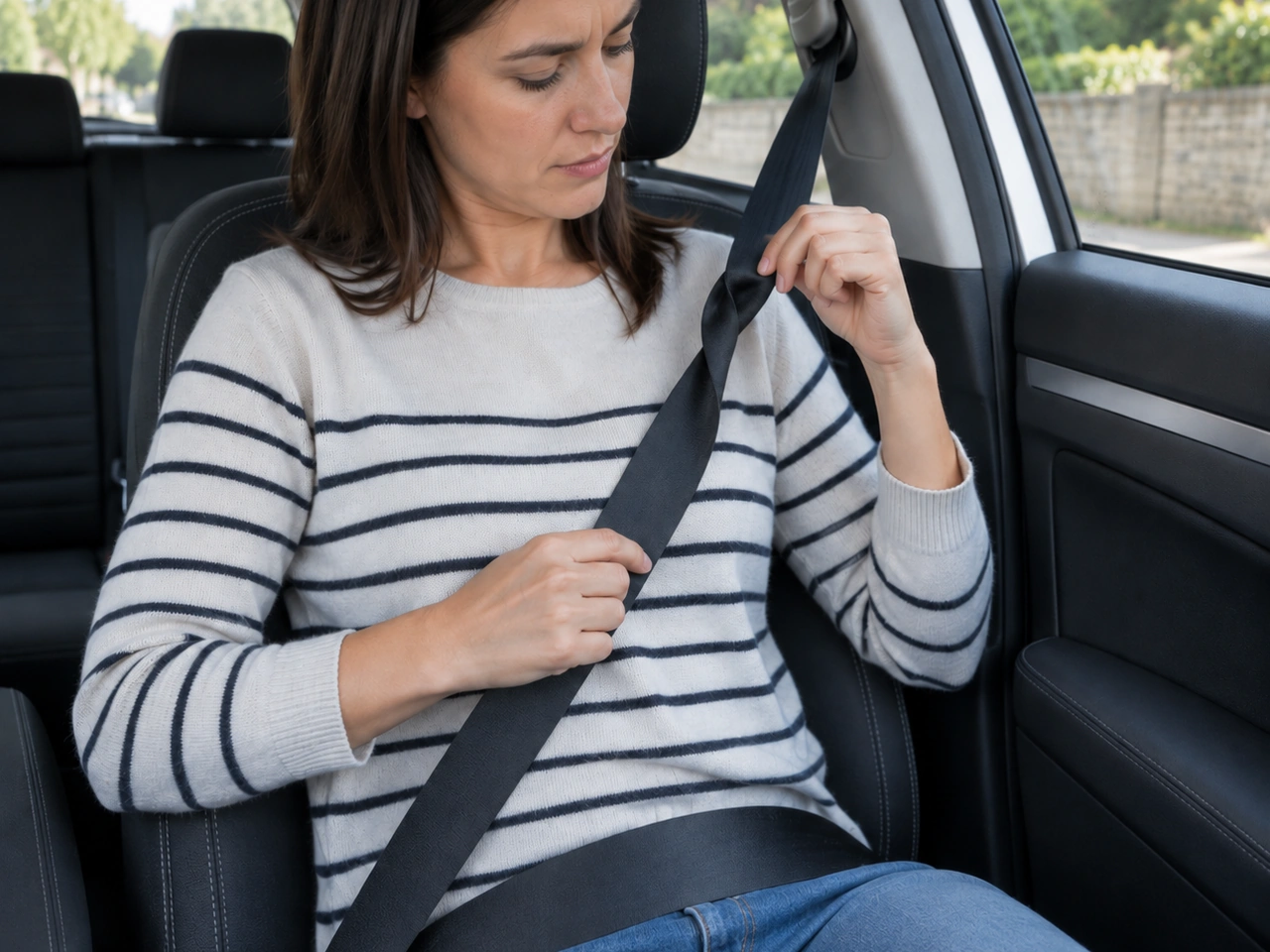
309. Why should a seat belt not be twisted when worn?
A seat belt should lie flat against the body without twists. A twisted belt concentrates force over a smaller area and may provide less effective protection in a collision.
AI-generated by Rijbewijs-online.be • WCIT • CC BY-SA
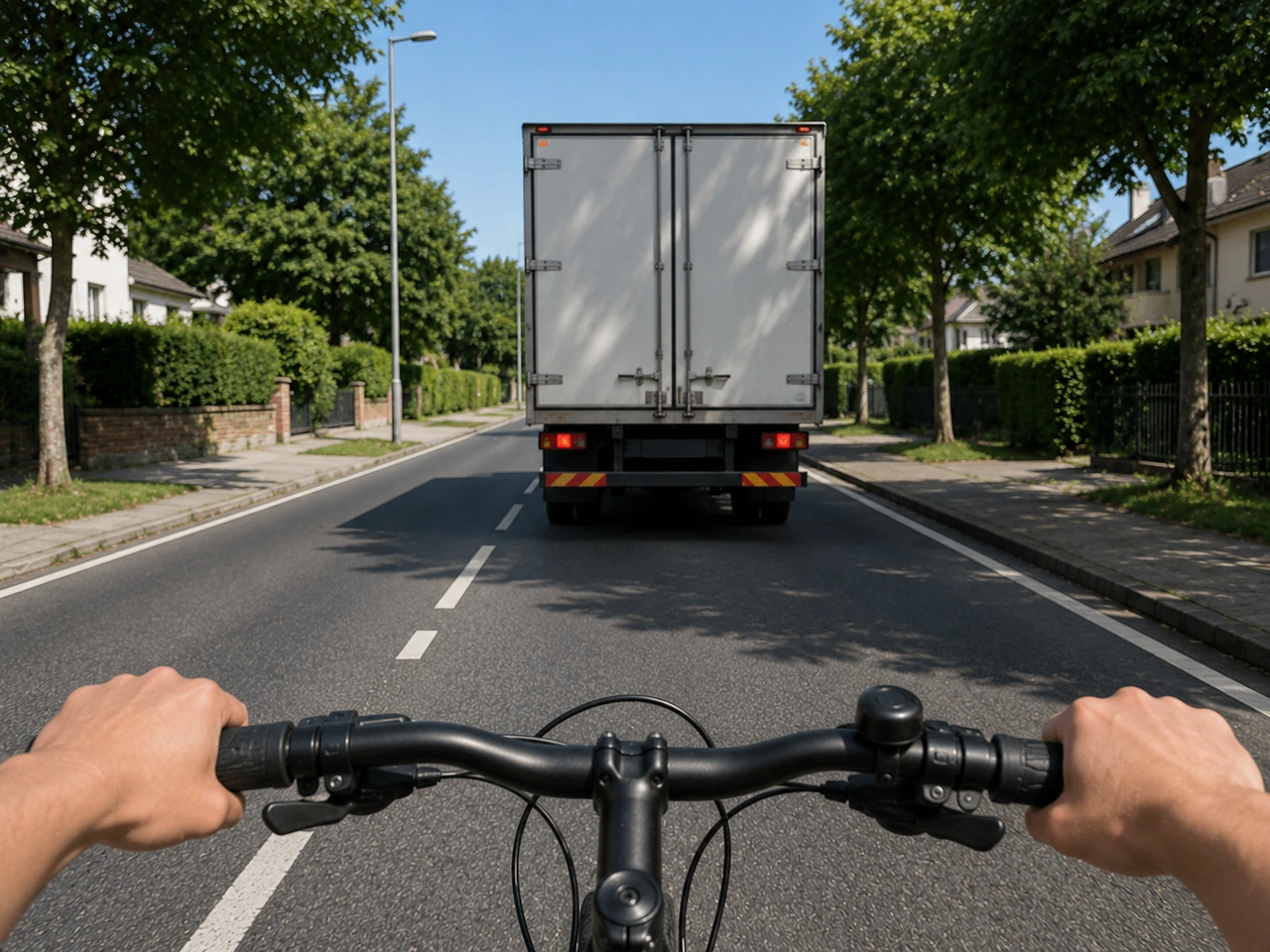
310. What should cyclists do near a large vehicle that may be turning?
Large vehicles need extra space to turn and may move across a cyclist's path. Remaining behind is usually safer.
AI-generated by Rijbewijs-online.be • WCIT • CC BY-SA
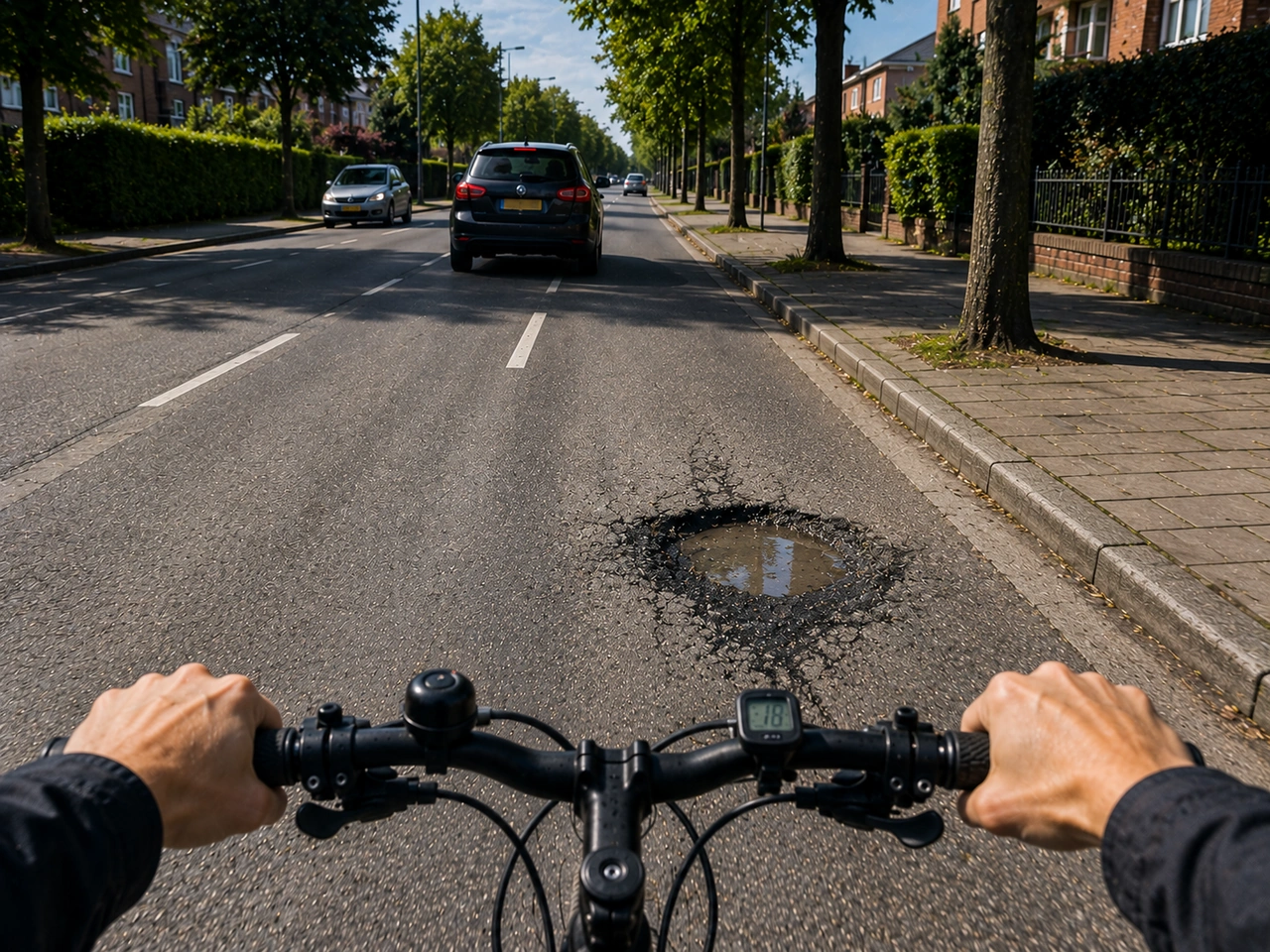
311. How should a cyclist react to a pothole?
Sudden swerving can place you in the path of traffic. Check your surroundings and change direction gradually.
AI-generated by Rijbewijs-online.be • WCIT • CC BY-SA
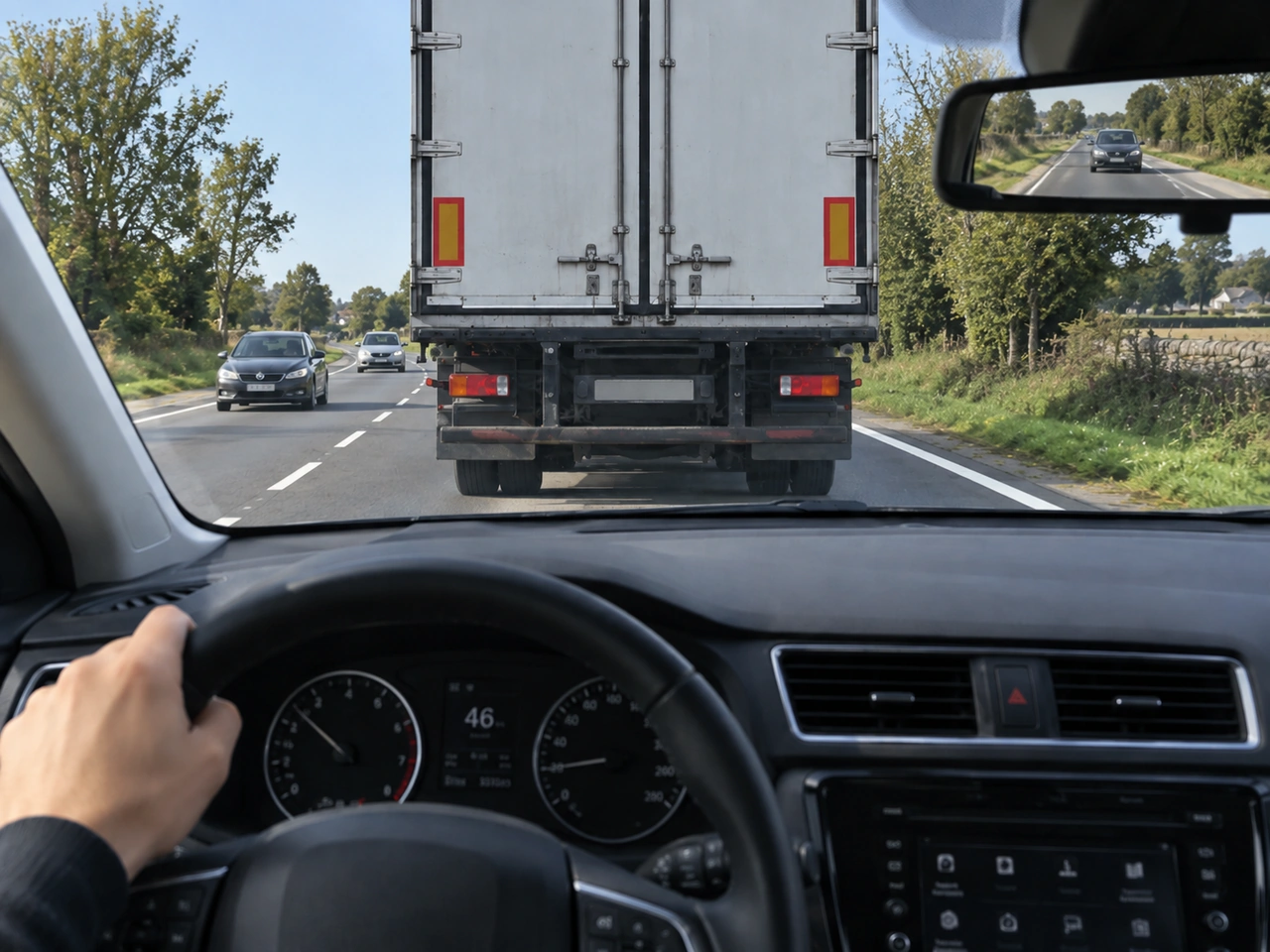
312. Why should you leave extra space when following a large vehicle?
A large vehicle can block your view of traffic, signs, junctions, or hazards ahead. Leaving extra space improves your view and gives you more time to react if traffic slows or a hazard develops.
AI-generated by Rijbewijs-online.be • WCIT • CC BY-SA
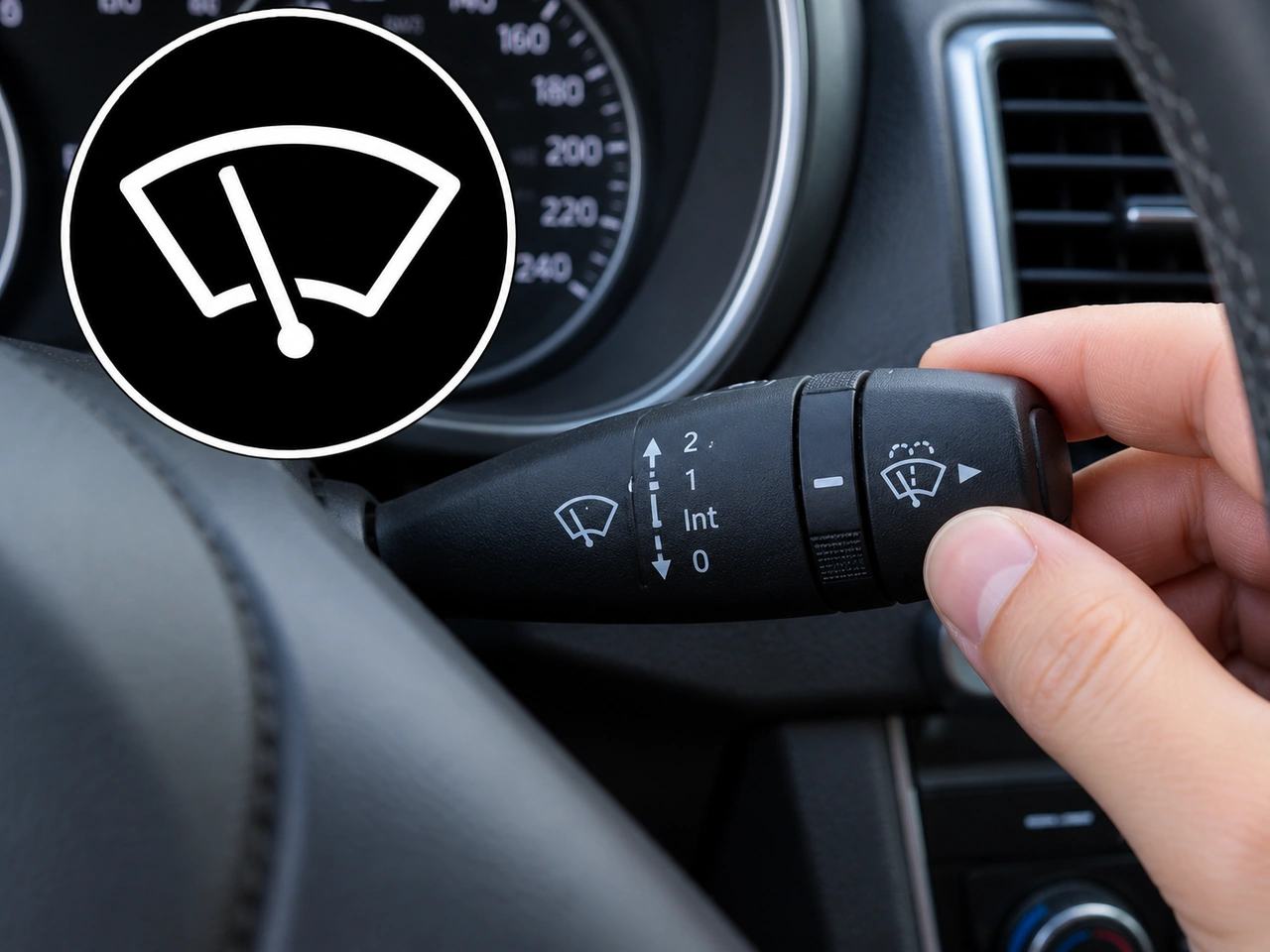
313. What does this vehicle-control symbol indicate?
This symbol relates to the windscreen wipers. The control allows the driver to select an appropriate wiping mode or speed for the amount of rain and visibility conditions.
AI-generated by Rijbewijs-online.be • WCIT • CC BY-SA
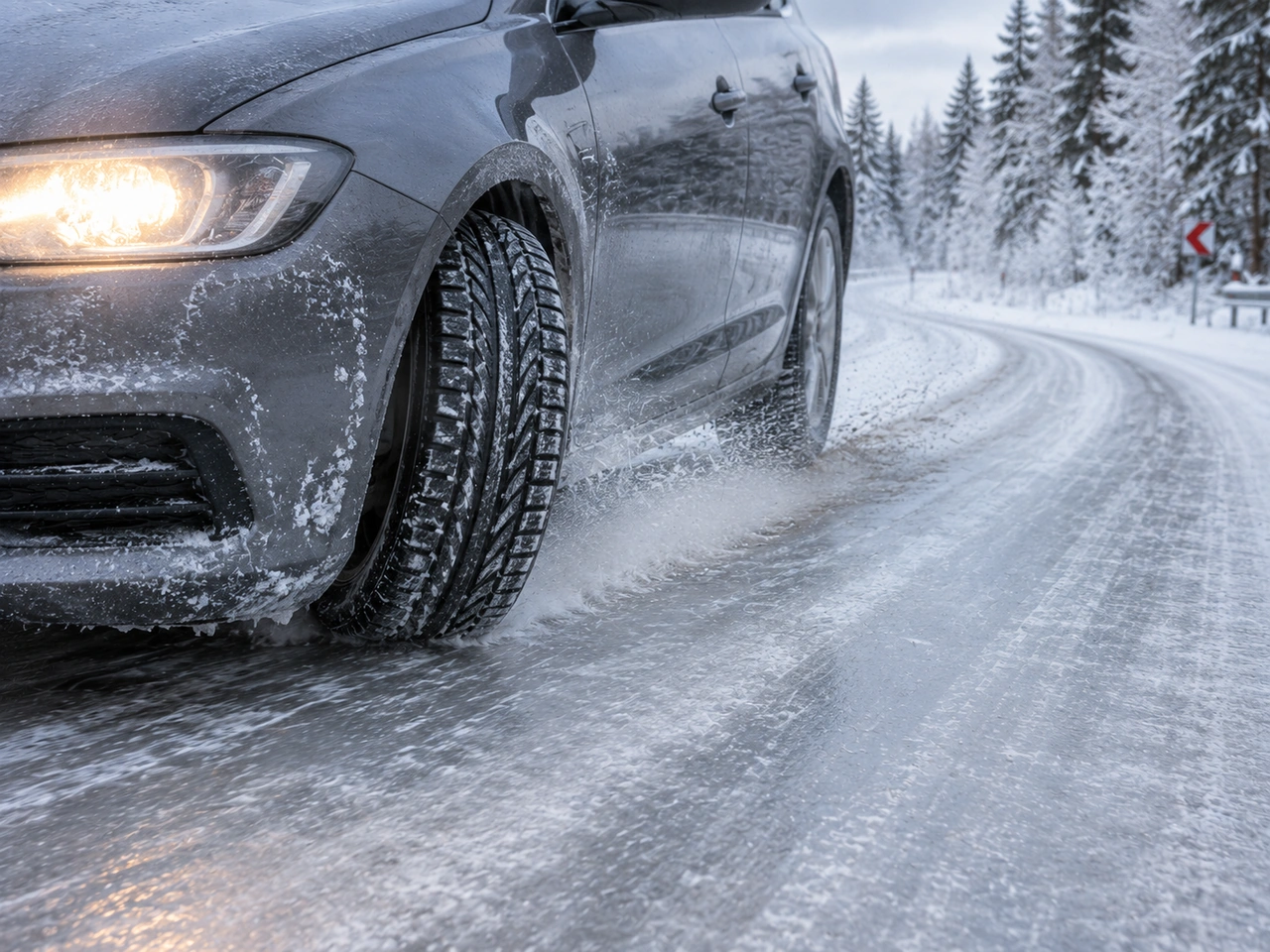
314. Why should you avoid sudden steering movements on snow or ice?
Abrupt steering can overwhelm the limited grip available on a slippery surface. Steering smoothly helps keep the vehicle stable.
AI-generated by Rijbewijs-online.be • WCIT • CC BY-SA
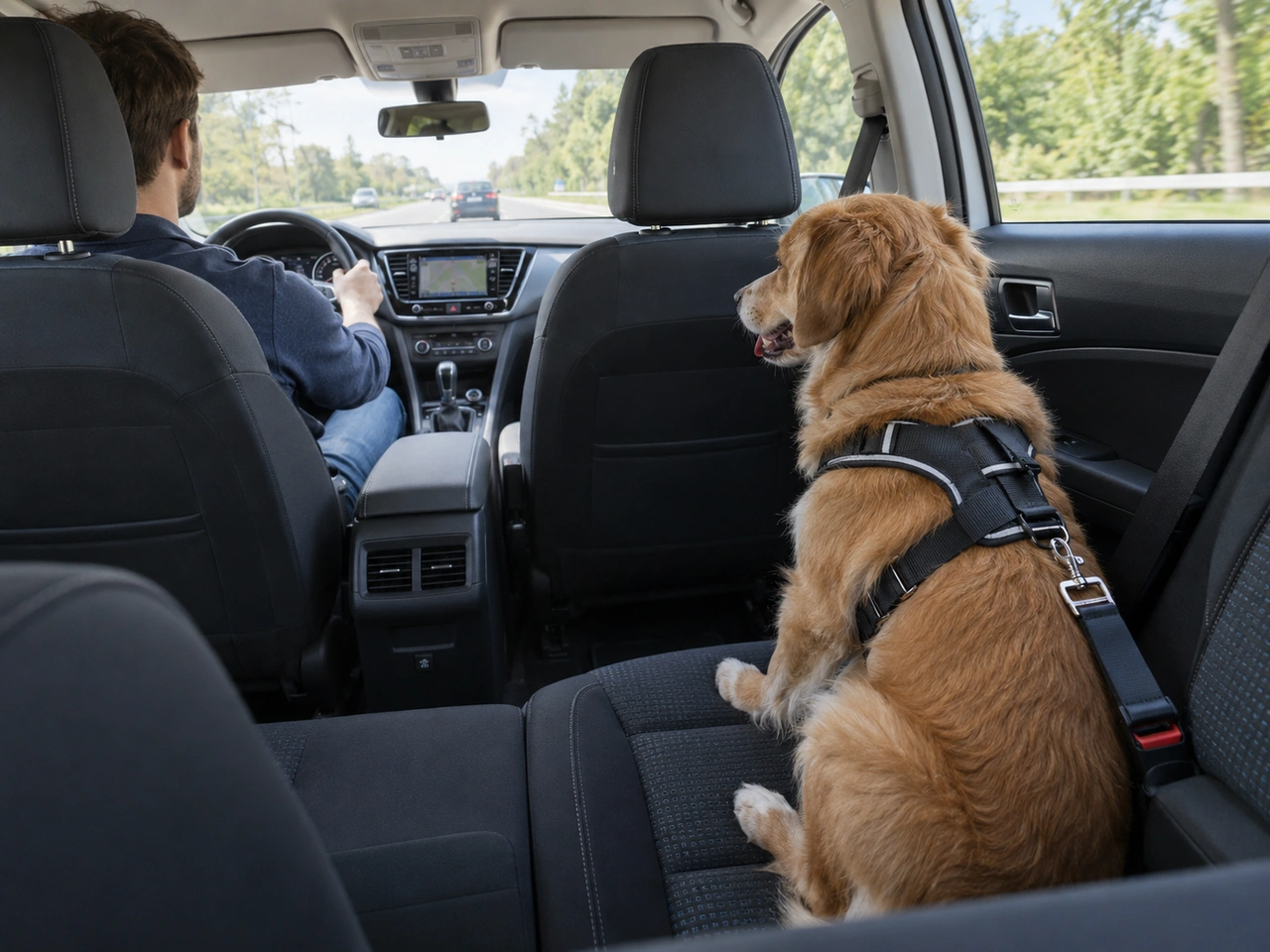
315. How should pets be carried safely in a vehicle?
A pet moving freely inside a vehicle can distract the driver and may be thrown around during sudden braking or a collision. Use a suitable carrier, harness, barrier, or other secure restraint appropriate for the animal and vehicle.
AI-generated by Rijbewijs-online.be • WCIT • CC BY-SA
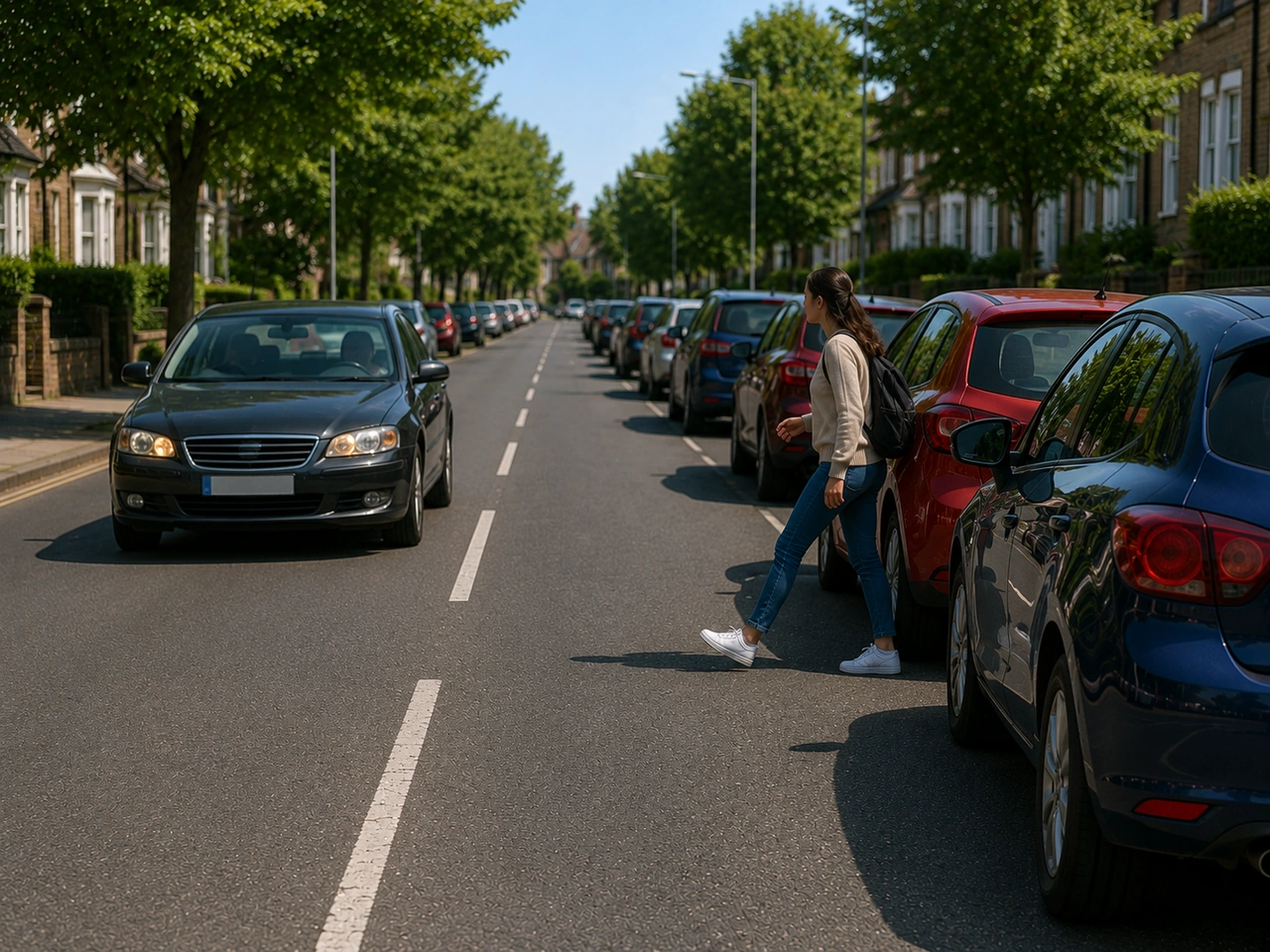
316. Why is it dangerous to cross between parked cars?
Parked vehicles can block the view between pedestrians and drivers. This makes it harder to see approaching traffic and harder for drivers to see you.
AI-generated by Rijbewijs-online.be • WCIT • CC BY-SA
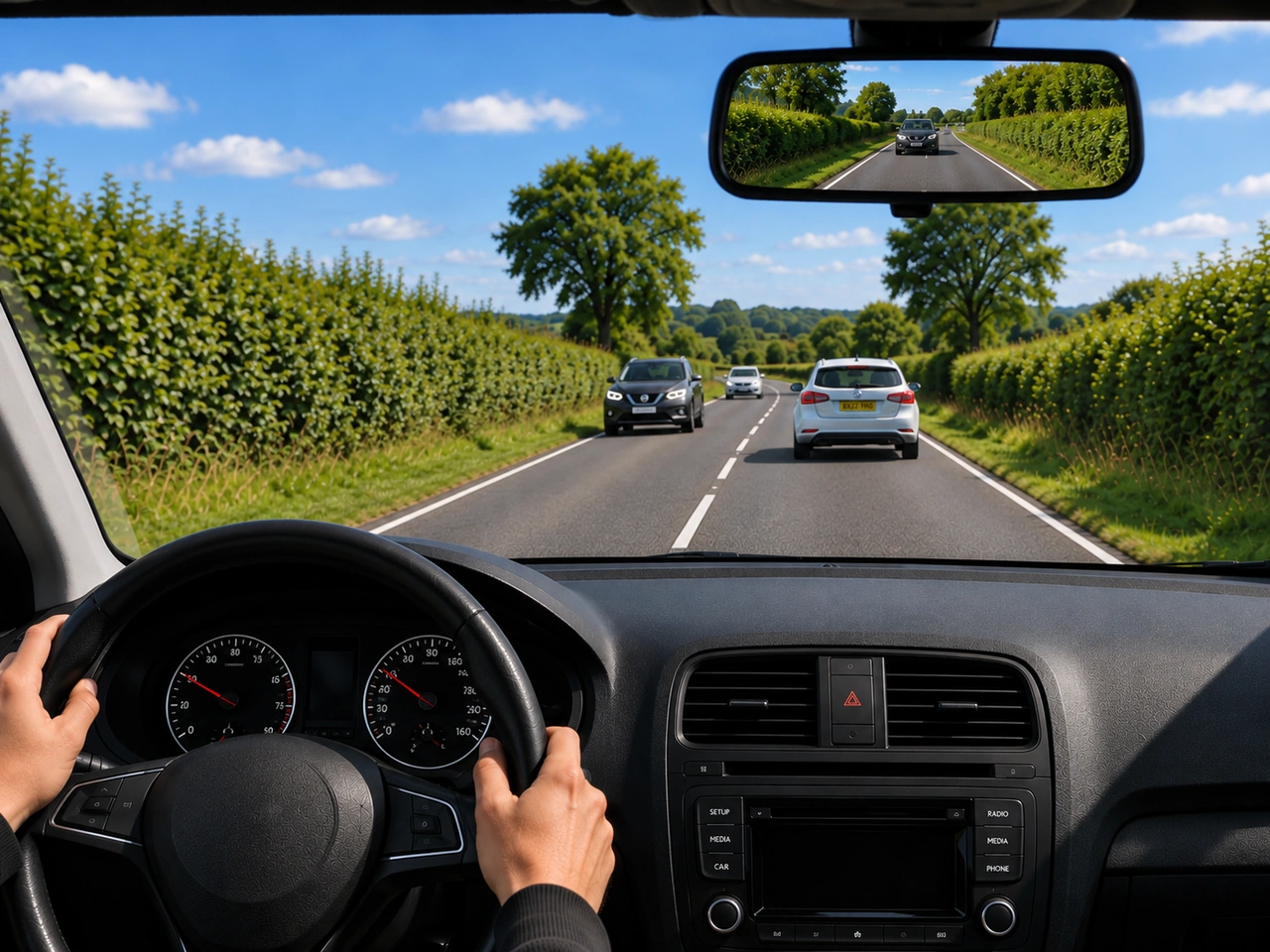
317. Why should you check your mirrors before braking?
Checking your mirrors helps you understand what is happening behind you and anticipate how following traffic may react. In an emergency, do not delay necessary braking.
AI-generated by Rijbewijs-online.be • WCIT • CC BY-SA
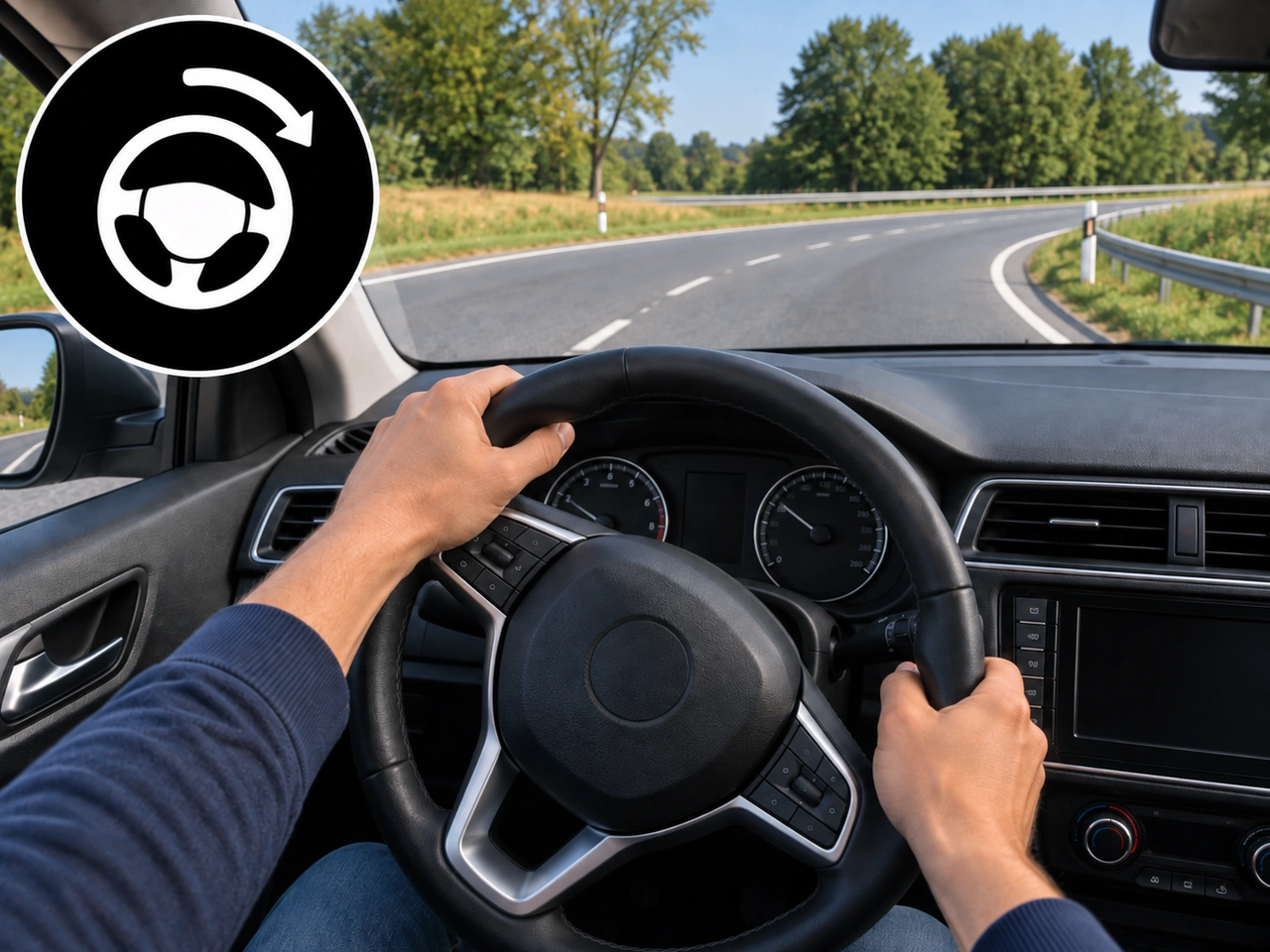
318. What should you do with the steering wheel after completing a turn?
After completing a turn, guide the steering wheel smoothly back towards the straight-ahead position while maintaining control. Do not allow the wheel to spin freely through your hands.
AI-generated by Rijbewijs-online.be • WCIT • CC BY-SA
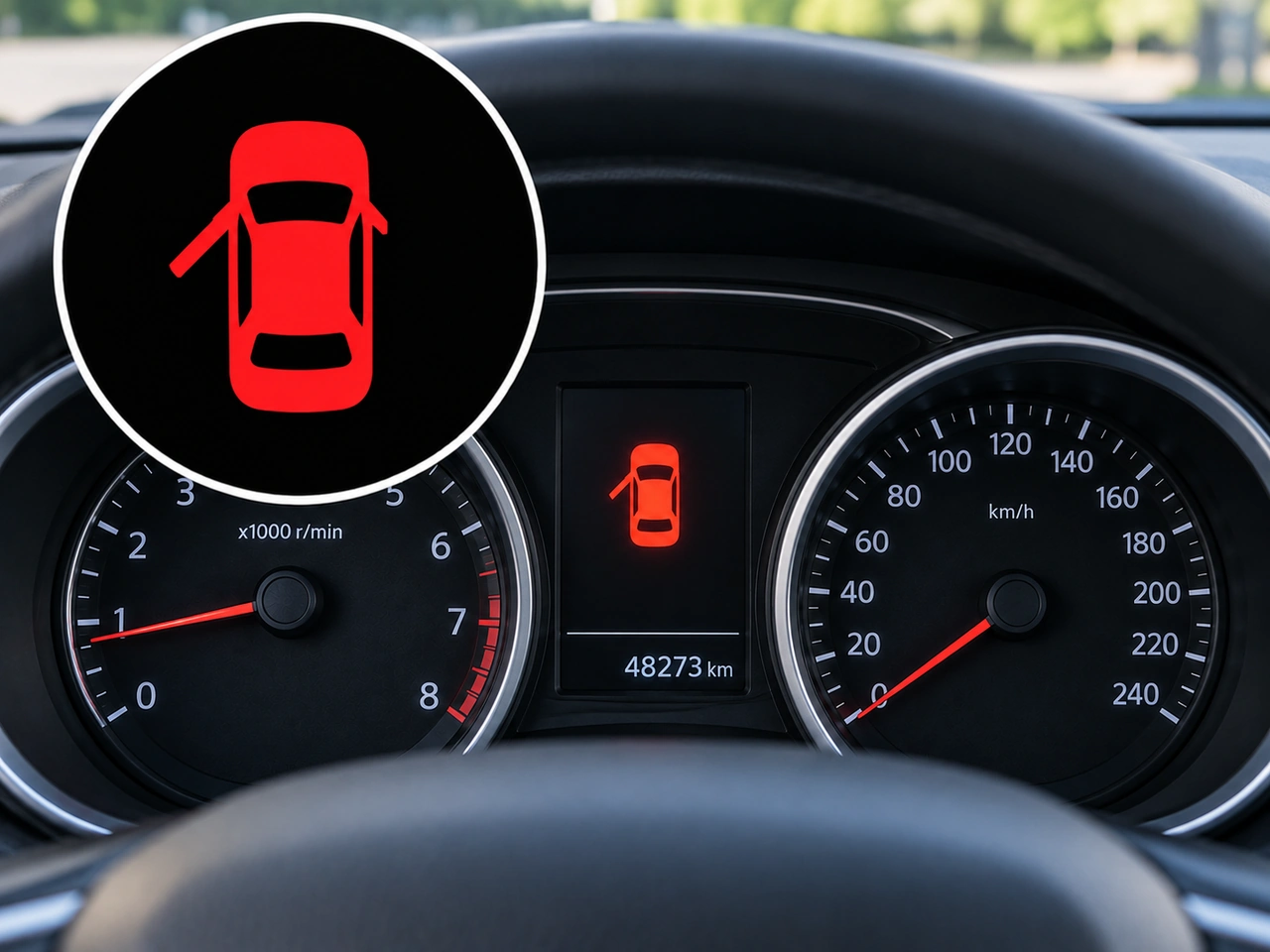
319. What does this dashboard symbol indicate?
This symbol indicates that one or more vehicle doors are not fully closed. Check that all doors are securely shut before driving.
AI-generated by Rijbewijs-online.be • WCIT • CC BY-SA
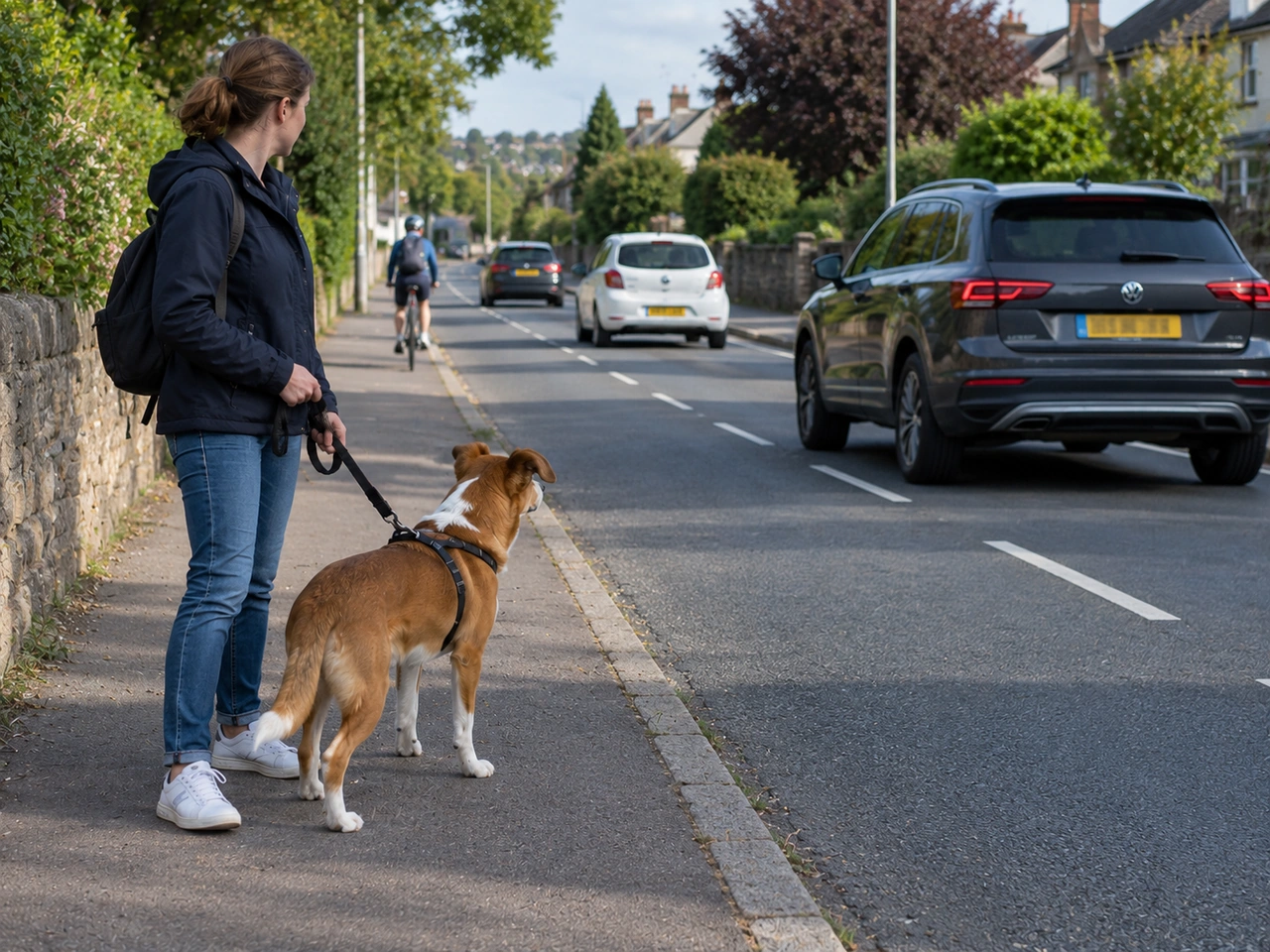
320. Why should you keep a dog on a leash near traffic?
Dogs can react unpredictably to vehicles, people, noises, or other animals. Keeping a dog under close control on a leash near traffic reduces the risk of it suddenly entering the road and endangering itself or other road users.
AI-generated by Rijbewijs-online.be • WCIT • CC BY-SA
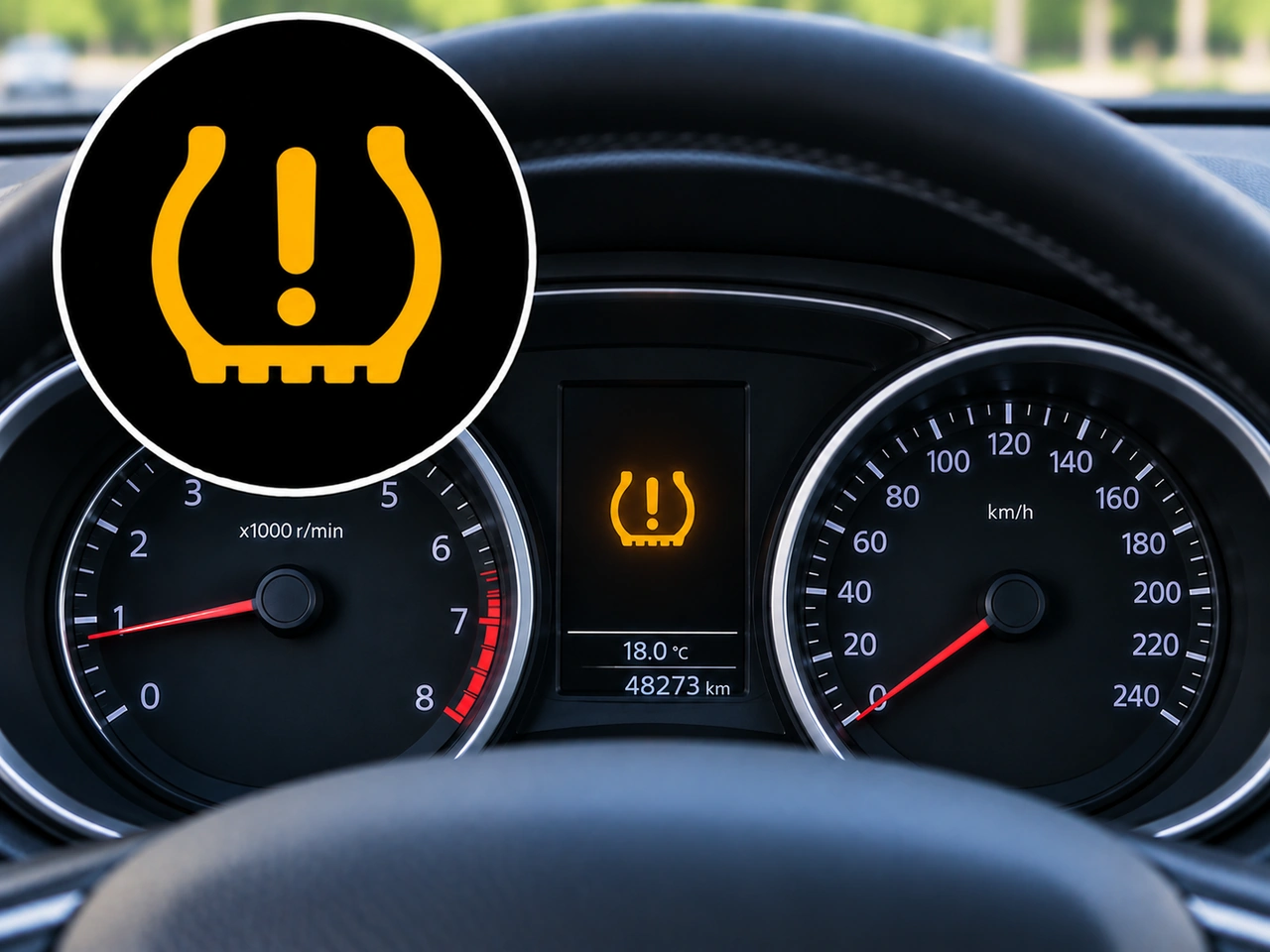
321. What does this dashboard symbol indicate?
This symbol indicates that one or more tyres may have low pressure. Check the tyre pressures and inspect the tyres for damage or a puncture.
AI-generated by Rijbewijs-online.be • WCIT • CC BY-SA
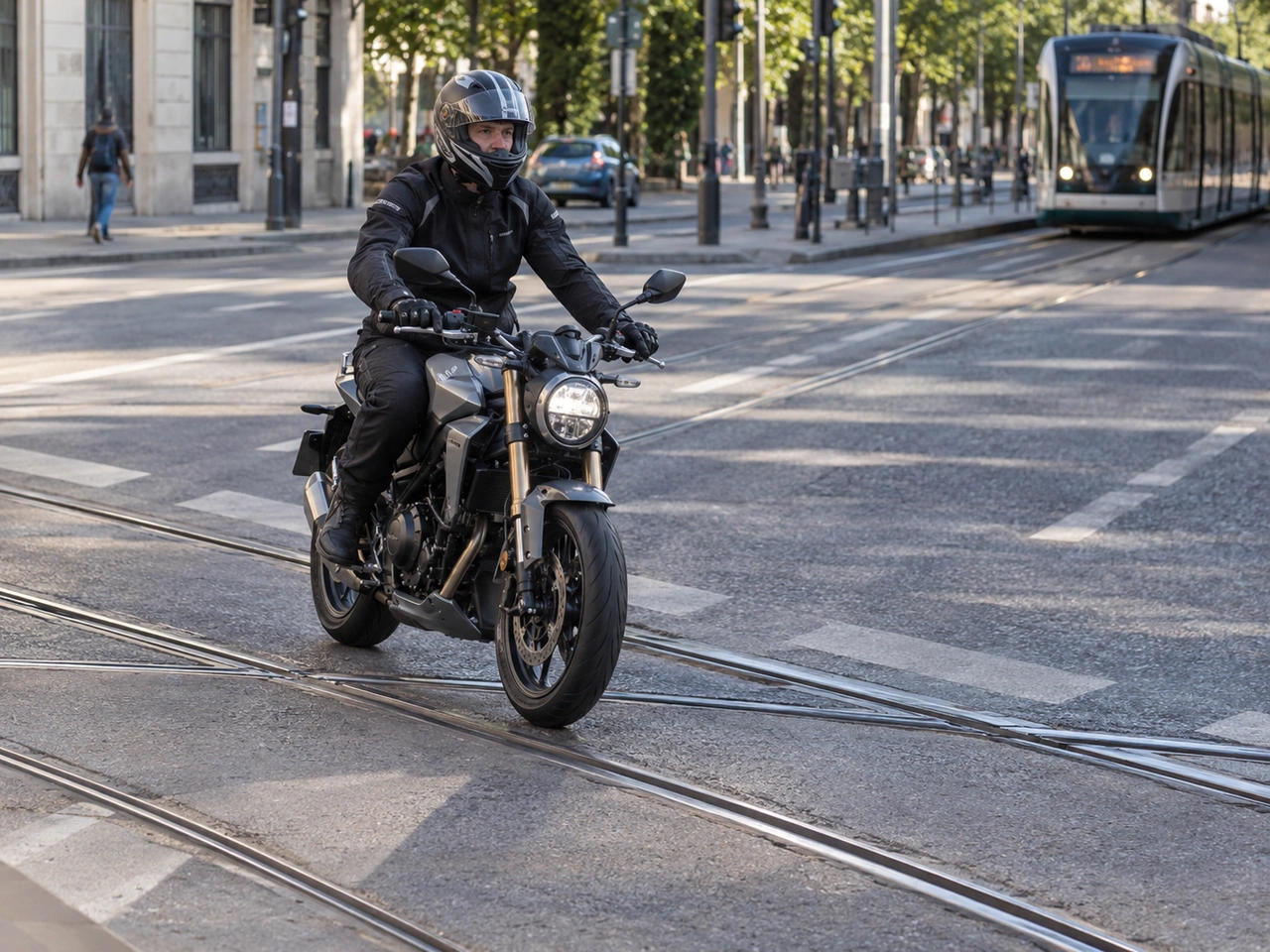
322. How should a motorcyclist cross tram or railway rails?
Rails can be slippery and can catch a motorcycle tyre, especially when wet. Cross them at a sufficiently large angle, as close to perpendicular as practical, and avoid sudden braking, acceleration or steering while crossing.
AI-generated by Rijbewijs-online.be • WCIT • CC BY-SA
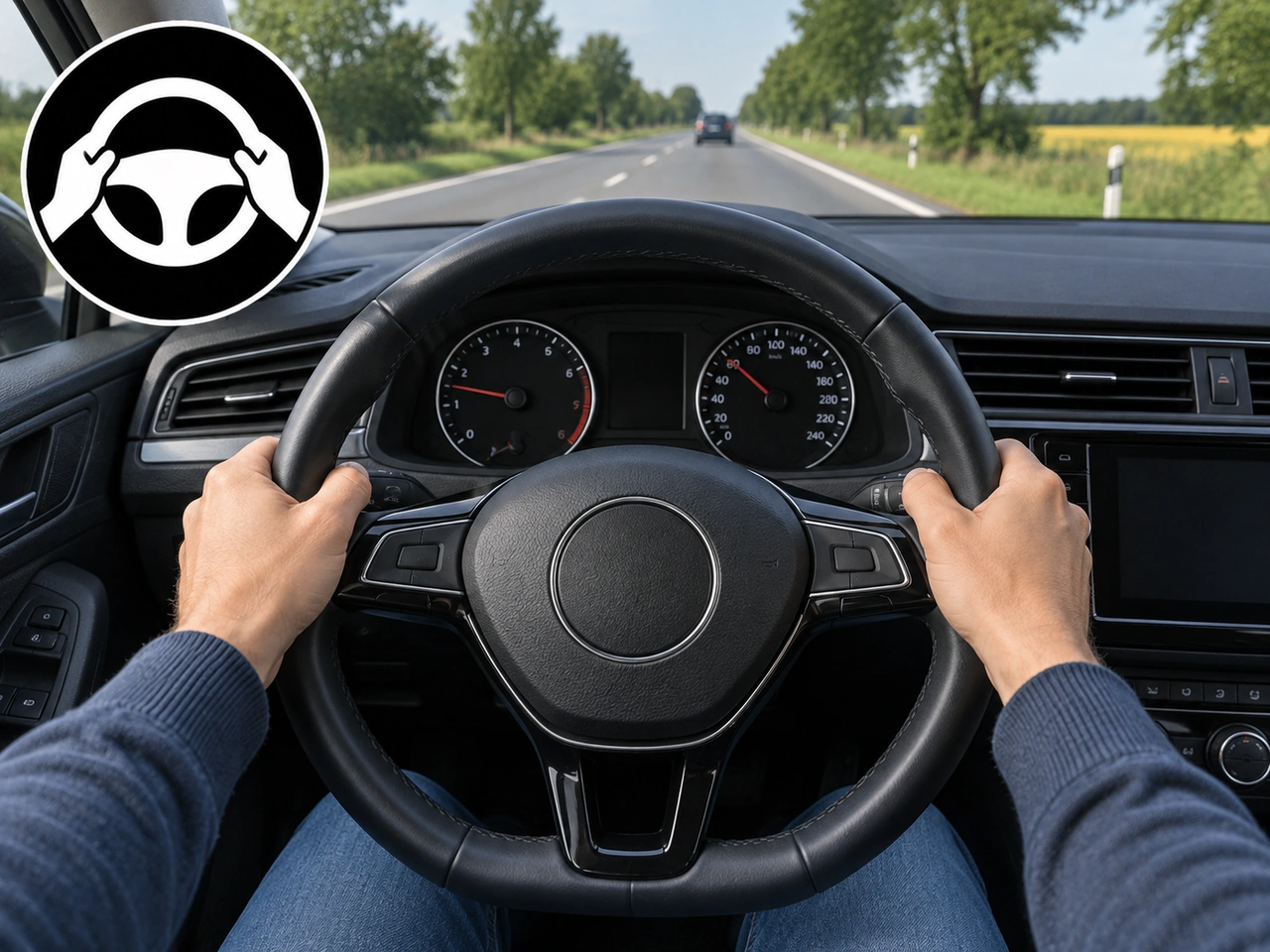
323. How should you normally hold the steering wheel while driving?
Hold the steering wheel with both hands in a balanced position so that you can steer smoothly and react quickly. A position around nine and three o'clock generally provides good control.
AI-generated by Rijbewijs-online.be • WCIT • CC BY-SA
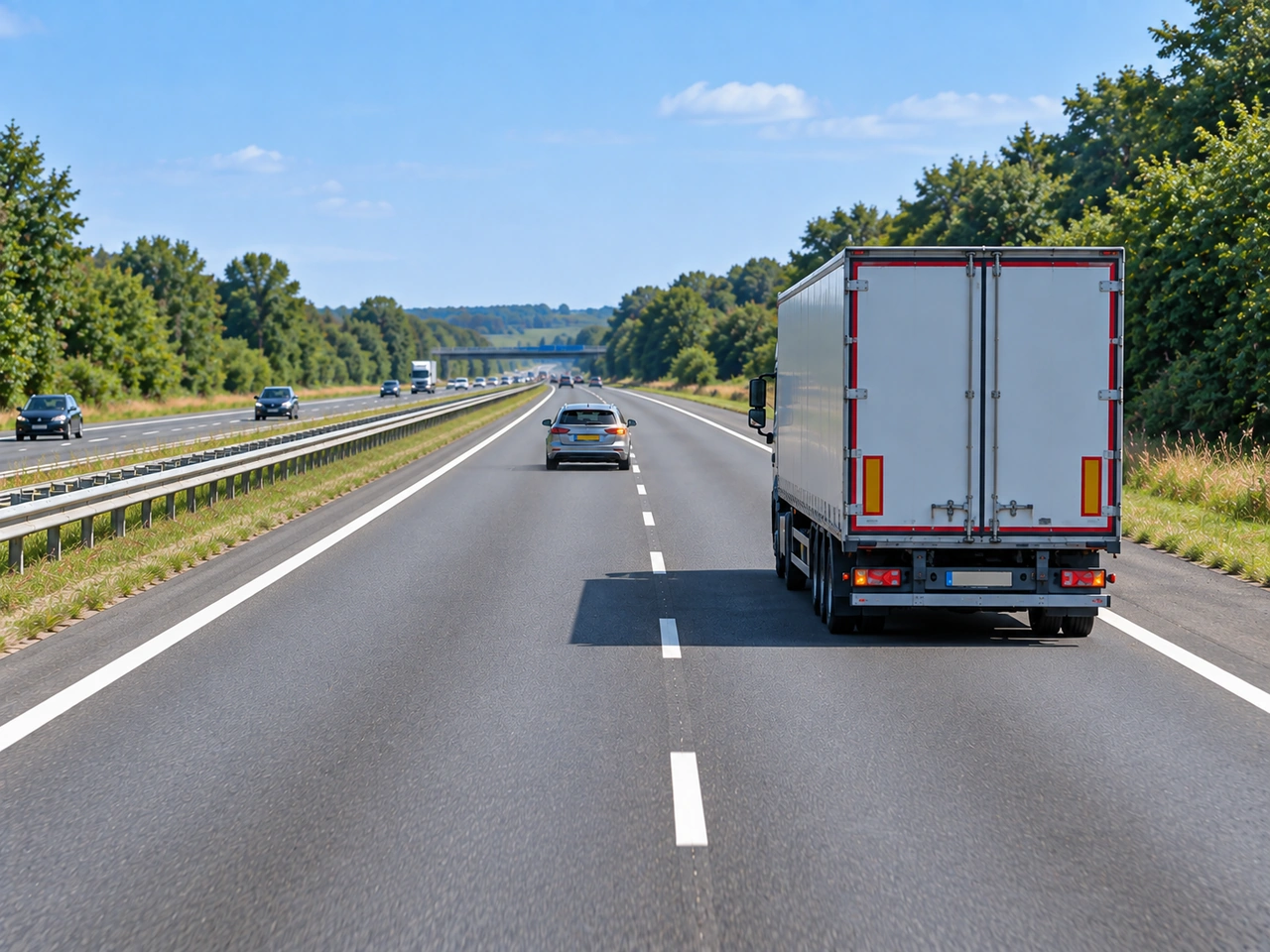
324. What should you normally do after completing an overtake?
After overtaking, return to the normal driving lane when you have passed the other vehicle by a safe distance. Check your mirrors, signal when appropriate, and avoid moving back too soon.
AI-generated by Rijbewijs-online.be • WCIT • CC BY-SA
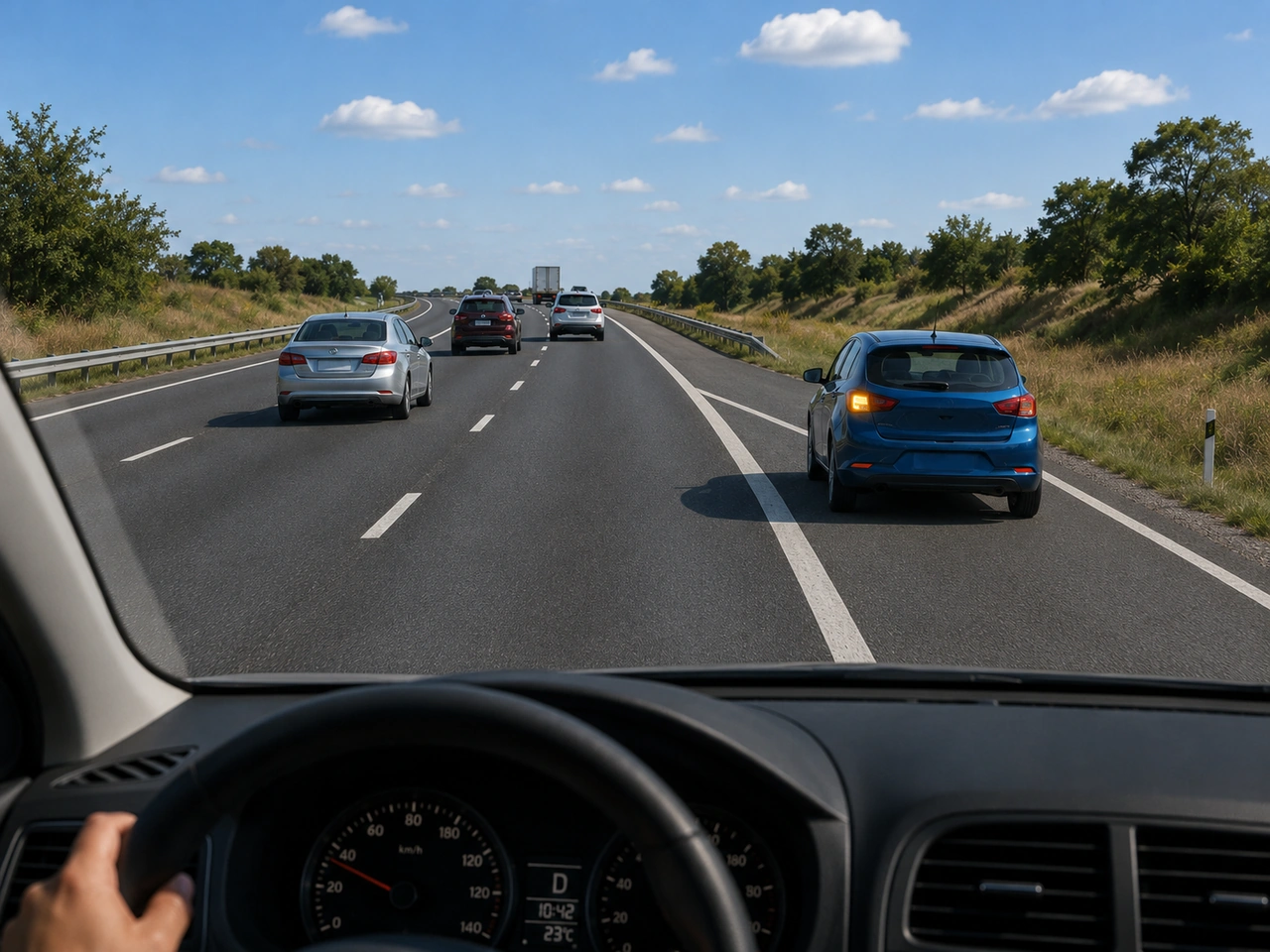
325. What should you do when joining a motorway from an entry lane?
Use the entry lane to build a suitable speed, check carefully, signal, and merge only when it is safe.
AI-generated by Rijbewijs-online.be • WCIT • CC BY-SA
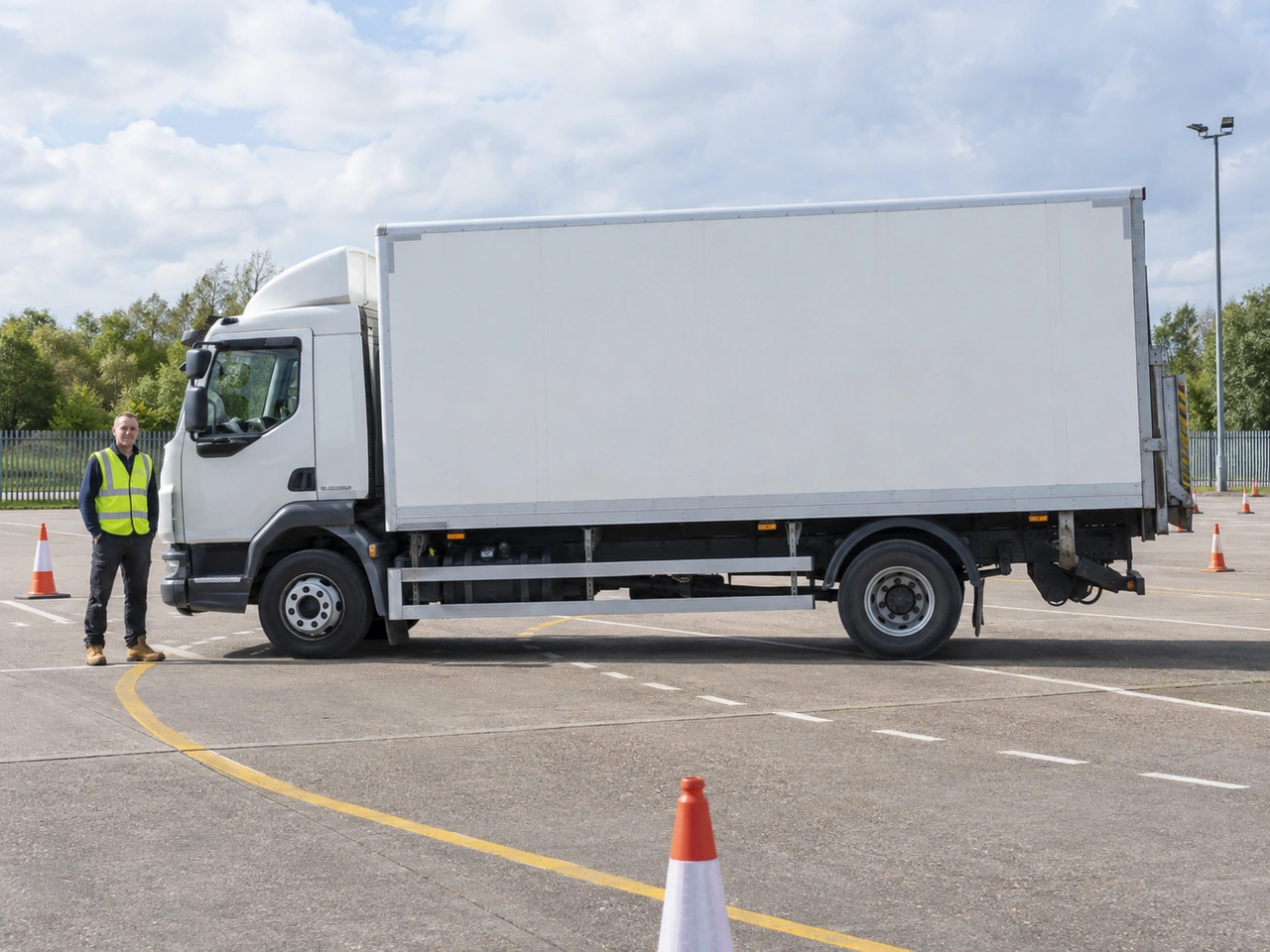
326. What is the minimum licence for a goods vehicle with a 7,500 kg maximum authorised mass?
Category C1 covers motor vehicles, other than categories D1 and D, with a maximum authorised mass above 3,500 kg and not exceeding 7,500 kg.
AI-generated by Rijbewijs-online.be • WCIT • CC BY-SA
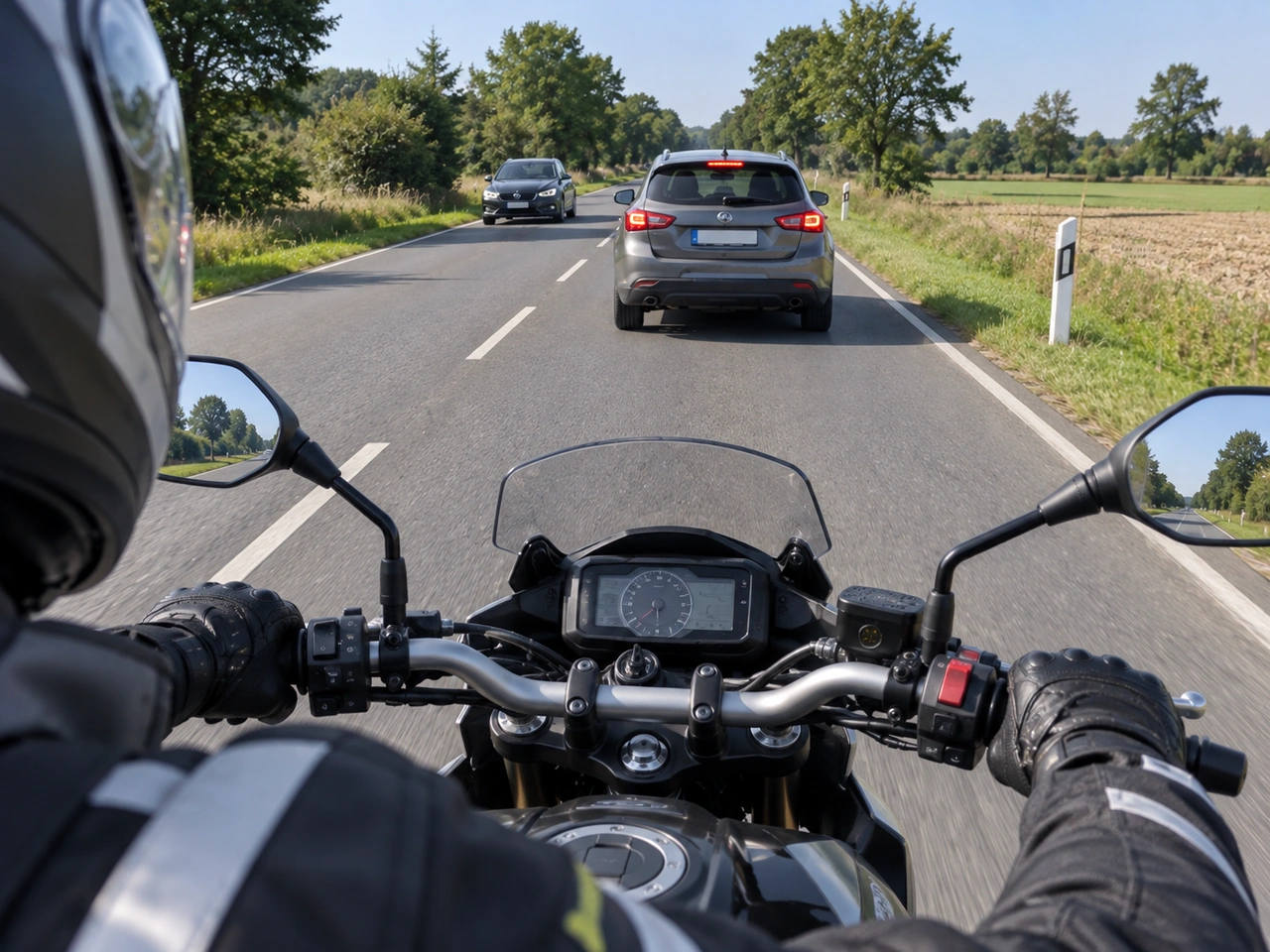
327. How should you normally brake on a motorcycle?
During normal braking, use both the front and rear brakes smoothly and progressively. The front brake normally provides much of the braking force, while the rear brake also helps slow and stabilise the motorcycle. Sudden or poorly balanced braking can reduce stability or cause a wheel to lose grip.
AI-generated by Rijbewijs-online.be • WCIT • CC BY-SA
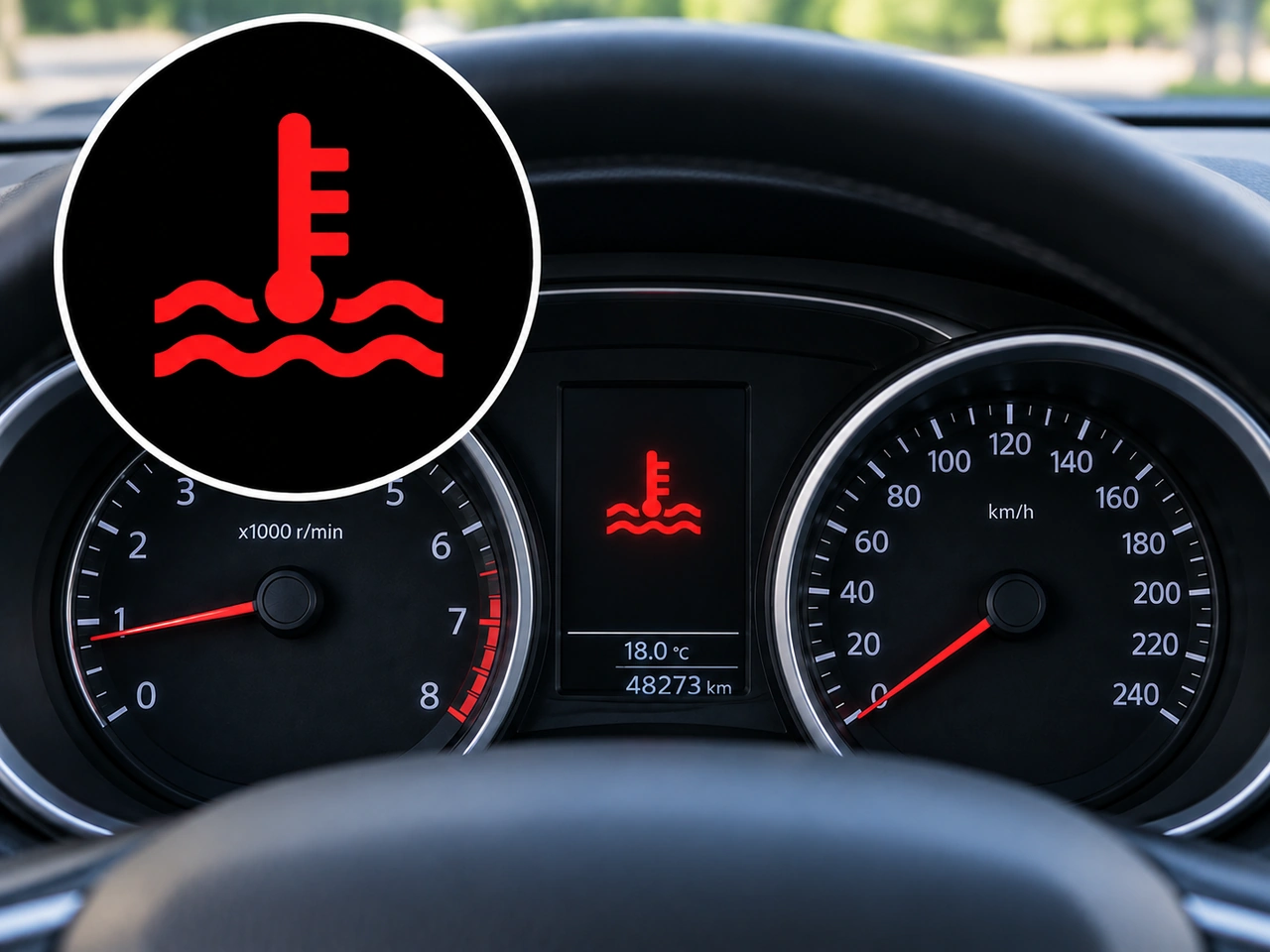
328. What does this dashboard symbol indicate?
This symbol indicates that the engine coolant temperature is too high. If it illuminates while driving, stop safely and allow the engine to cool before investigating the cause.
AI-generated by Rijbewijs-online.be • WCIT • CC BY-SA
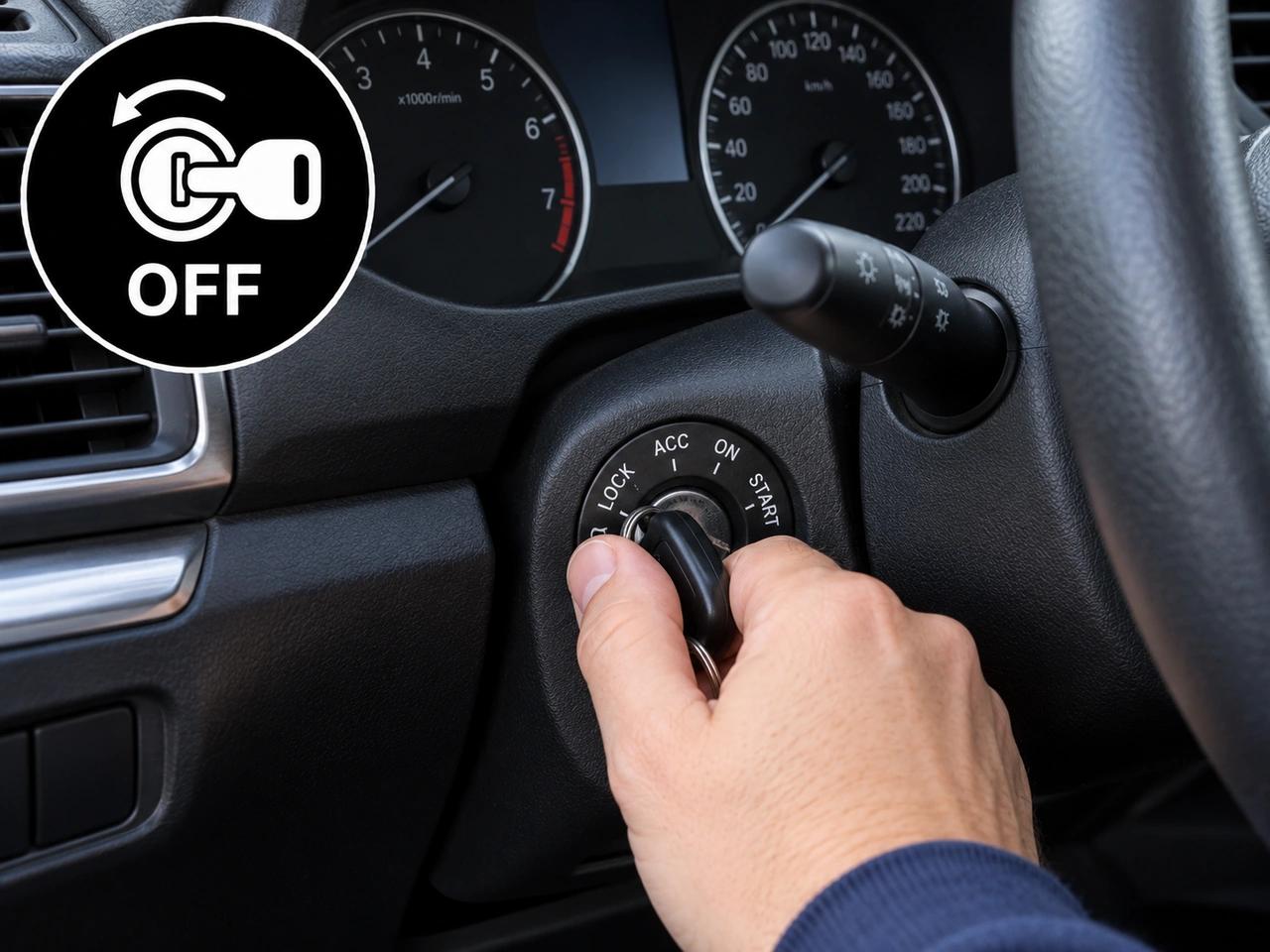
329. What does turning a traditional ignition switch to OFF normally do?
Turning a traditional ignition switch to OFF switches off the engine and ignition systems. The key can then normally be moved to the LOCK position and removed.
AI-generated by Rijbewijs-online.be • WCIT • CC BY-SA
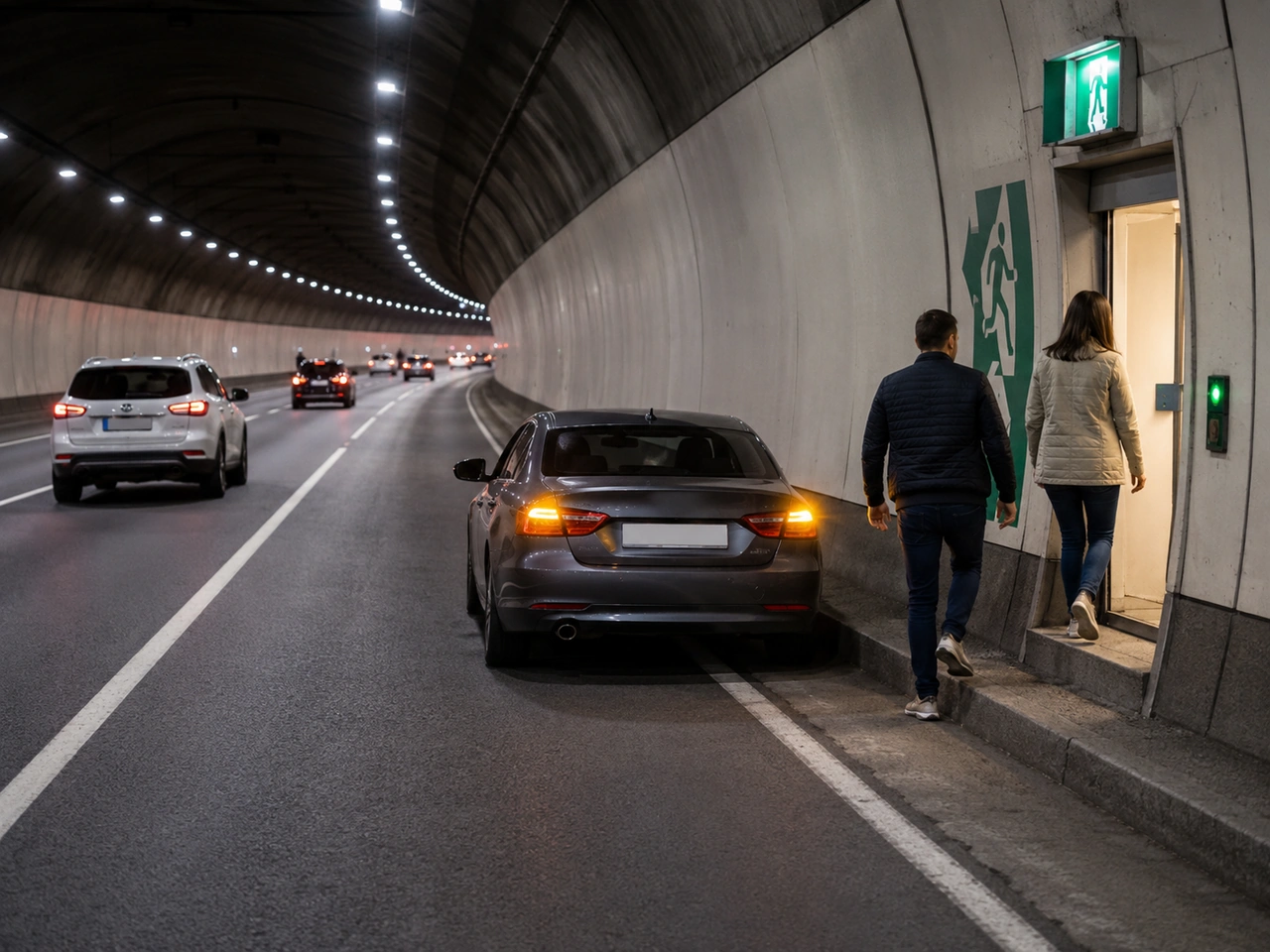
330. Where should you go after safely leaving a disabled vehicle in a tunnel?
Move away from live traffic and use a marked emergency exit, refuge area, or protected walkway where available.
AI-generated by Rijbewijs-online.be • WCIT • CC BY-SA
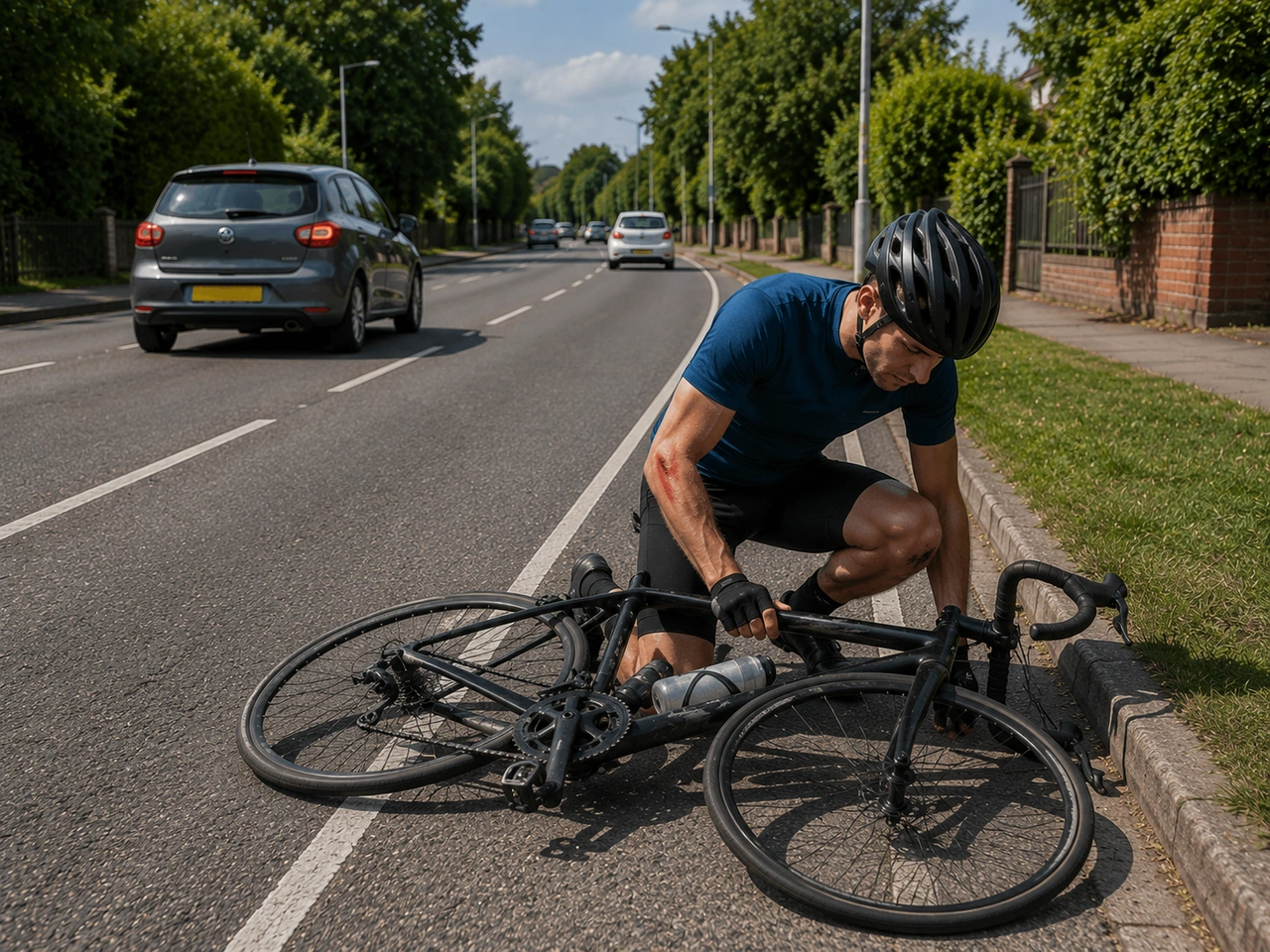
331. What should cyclists do after a collision or hard fall?
A fall can damage the brakes, wheels, frame, handlebars, or helmet. Injuries may also not be immediately obvious.
AI-generated by Rijbewijs-online.be • WCIT • CC BY-SA
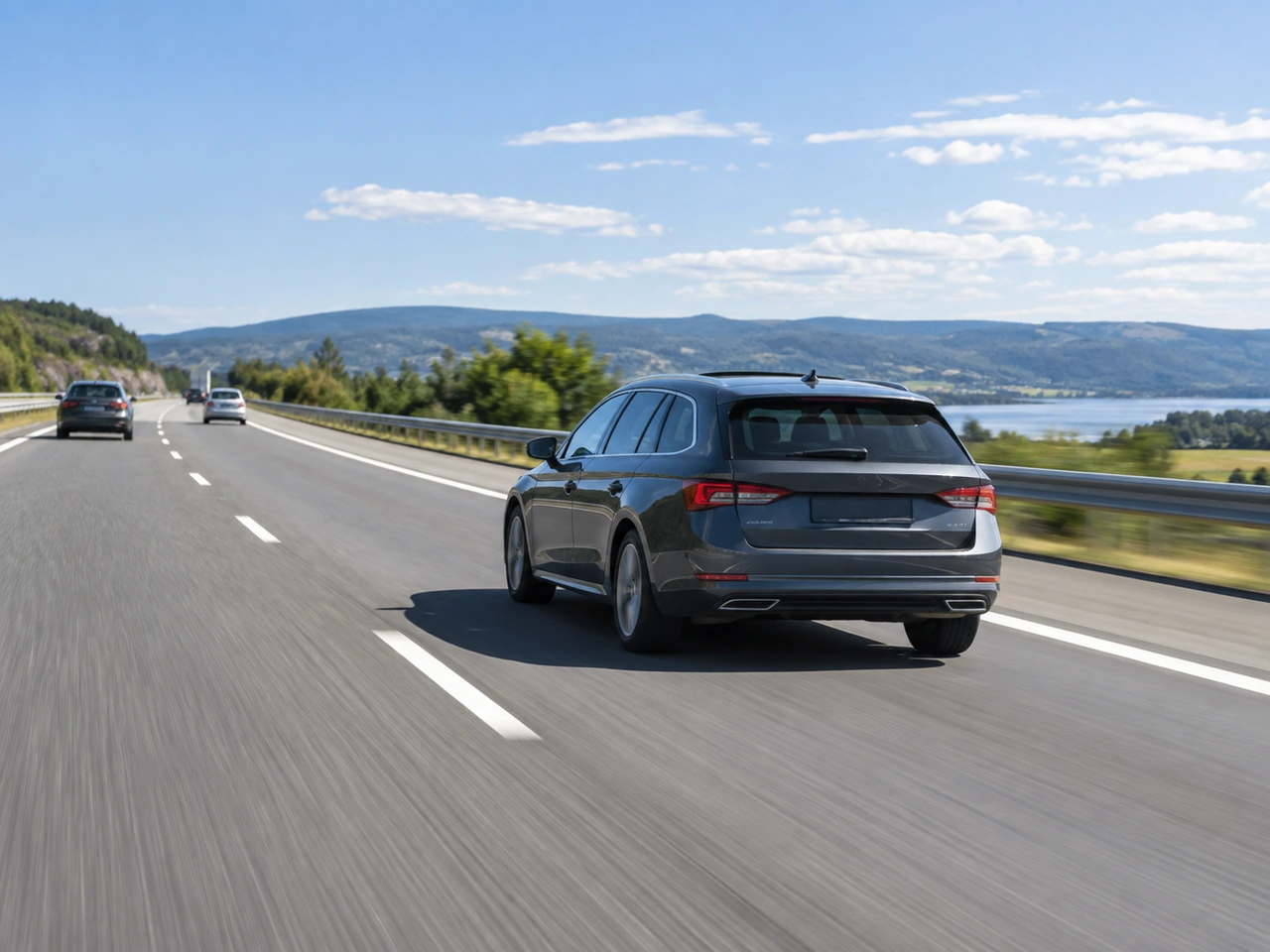
332. How can higher speed affect fuel or energy consumption?
As speed increases, aerodynamic resistance generally rises, so the vehicle needs more energy to maintain that speed. Driving smoothly at an appropriate speed can therefore reduce fuel or energy consumption.
AI-generated by Rijbewijs-online.be • WCIT • CC BY-SA
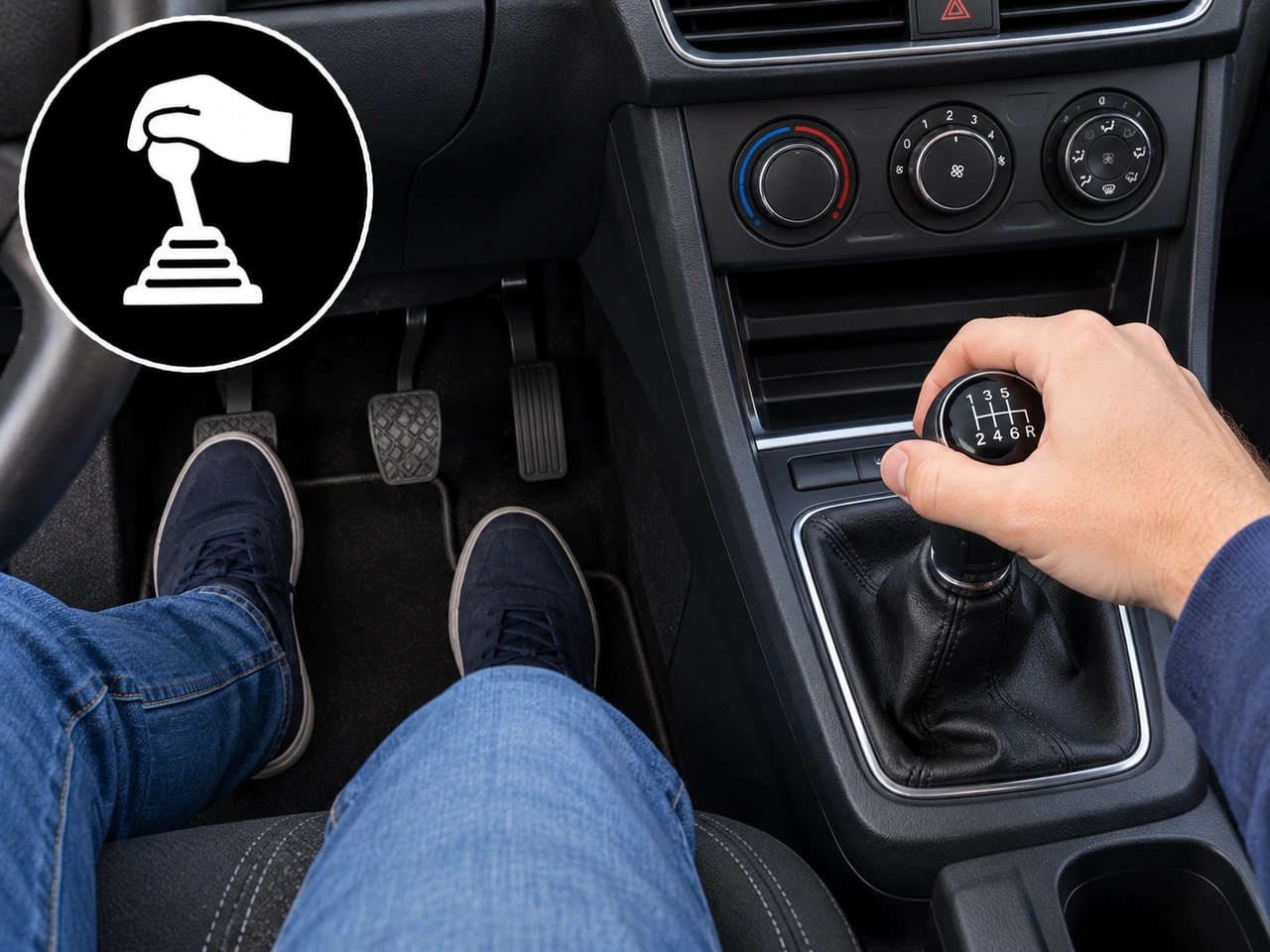
333. What should you do if a gear does not engage easily in a manual vehicle?
If a gear does not engage easily, do not force the gear lever. Make sure the clutch is fully pressed and the vehicle's speed is suitable for the gear before trying again.
AI-generated by Rijbewijs-online.be • WCIT • CC BY-SA
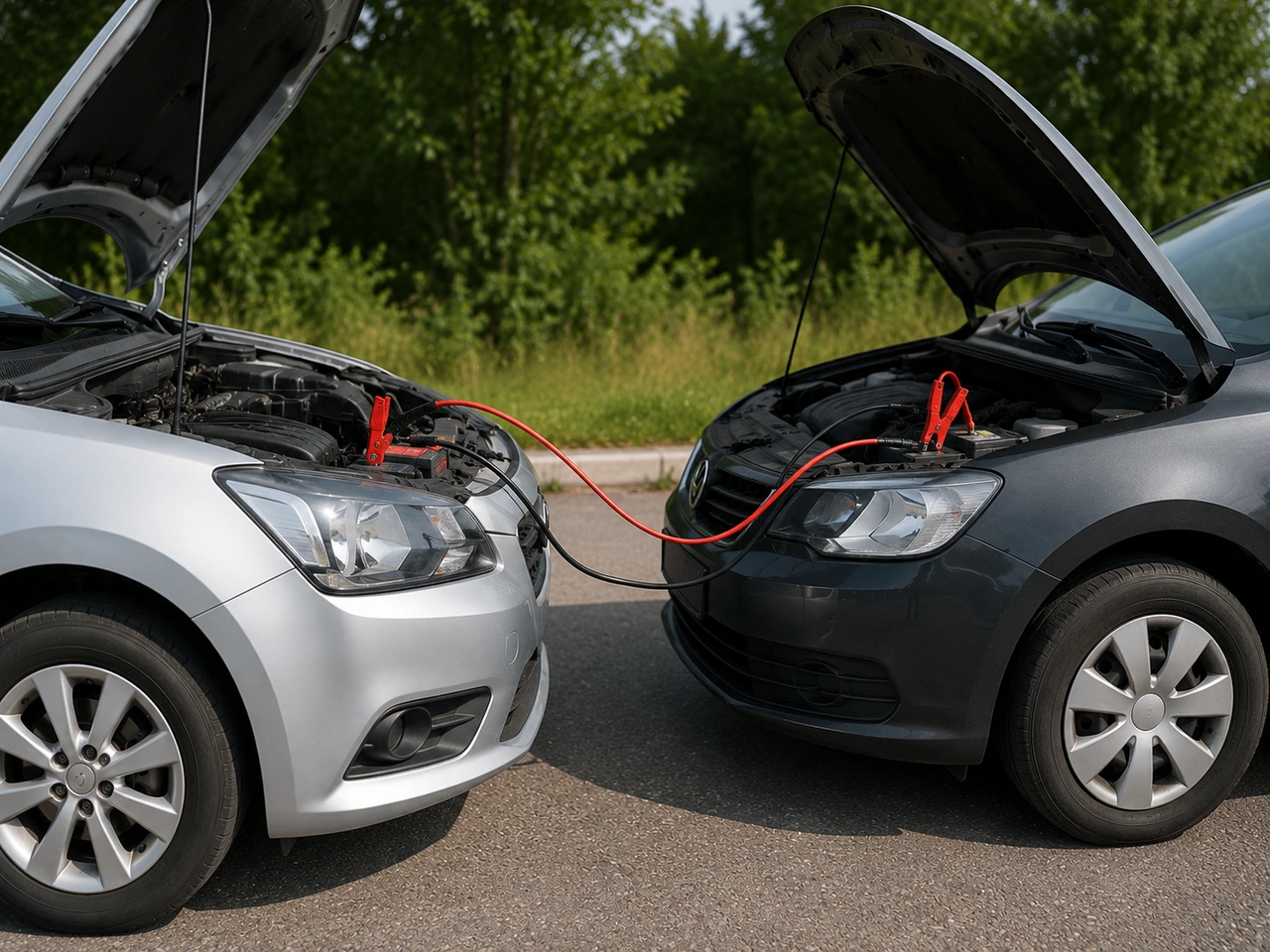
334. What should you do before attempting to jump-start a vehicle?
Incorrect jump-starting can damage electrical systems, cause sparks, or make a battery explode. Connect the leads in the correct order before starting the vehicles, and follow the manufacturer's procedure exactly.
AI-generated by Rijbewijs-online.be • WCIT • CC BY-SA
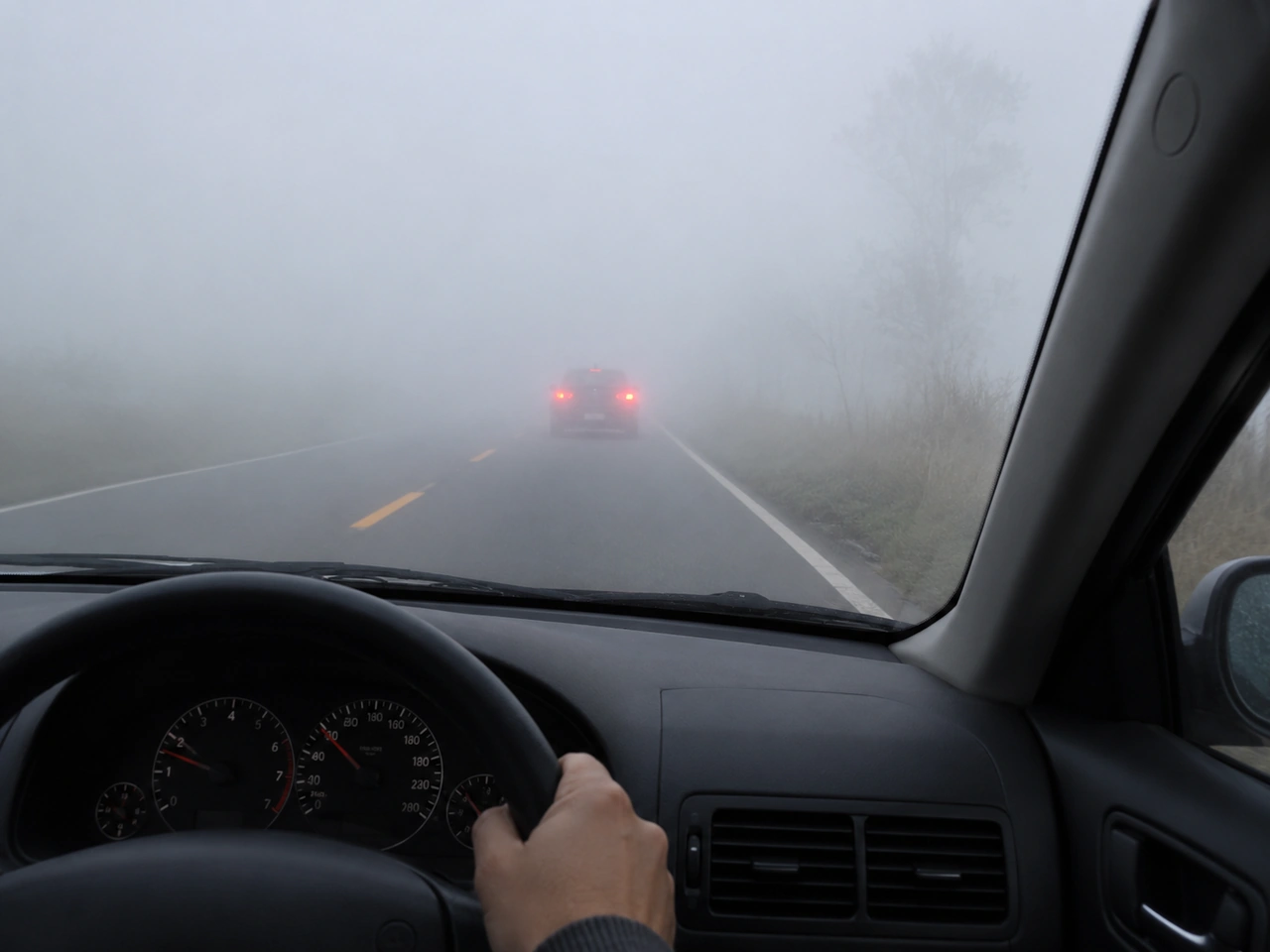
335. Why should you reduce speed in fog?
Fog can hide obstacles, pedestrians, and other vehicles. Lower speed gives you more time to react.
AI-generated by Rijbewijs-online.be • WCIT • CC BY-SA
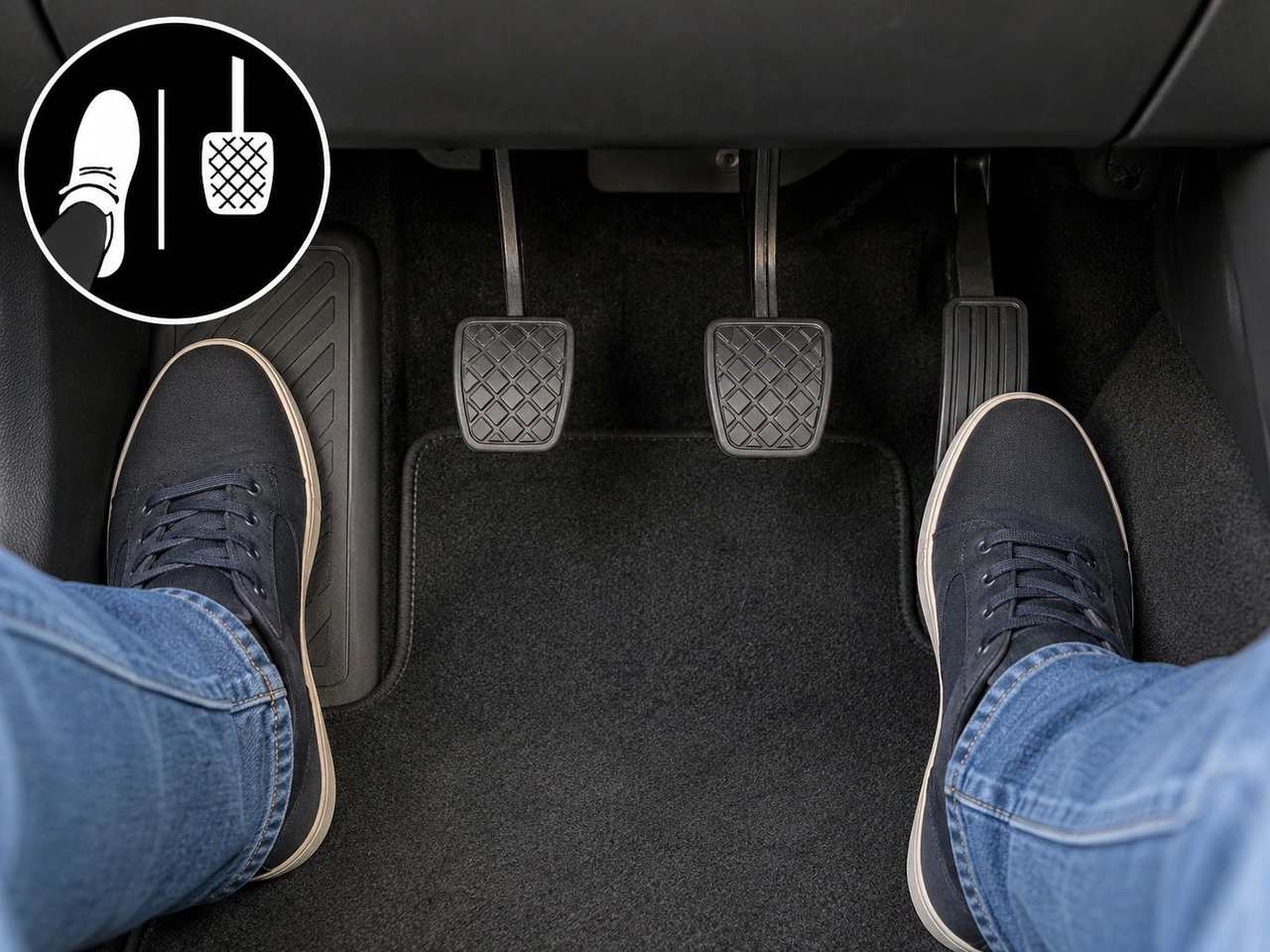
336. Why should you avoid resting your foot on the clutch pedal while driving?
Resting your foot on the clutch pedal can apply slight pressure to the clutch mechanism and cause unnecessary wear. Keep your left foot off the clutch when it is not needed.
AI-generated by Rijbewijs-online.be • WCIT • CC BY-SA
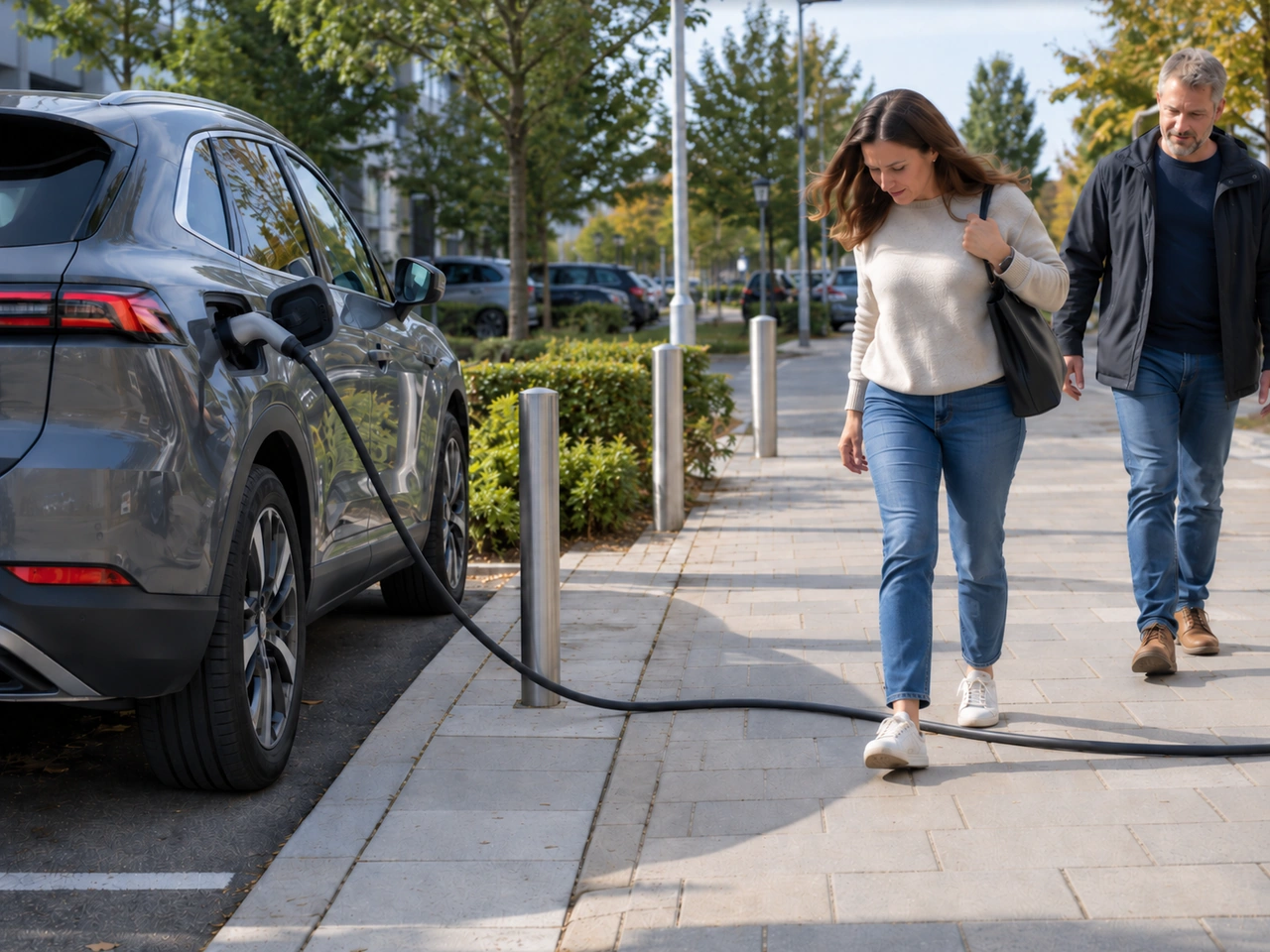
337. How should an EV charging cable be positioned where pedestrians may pass?
An EV charging cable should be positioned so it does not create a trip hazard or unnecessarily obstruct pedestrians. Where a cable must cross a walking route, use an appropriate approved cable-management or protection system and follow local requirements.
AI-generated by Rijbewijs-online.be • WCIT • CC BY-SA
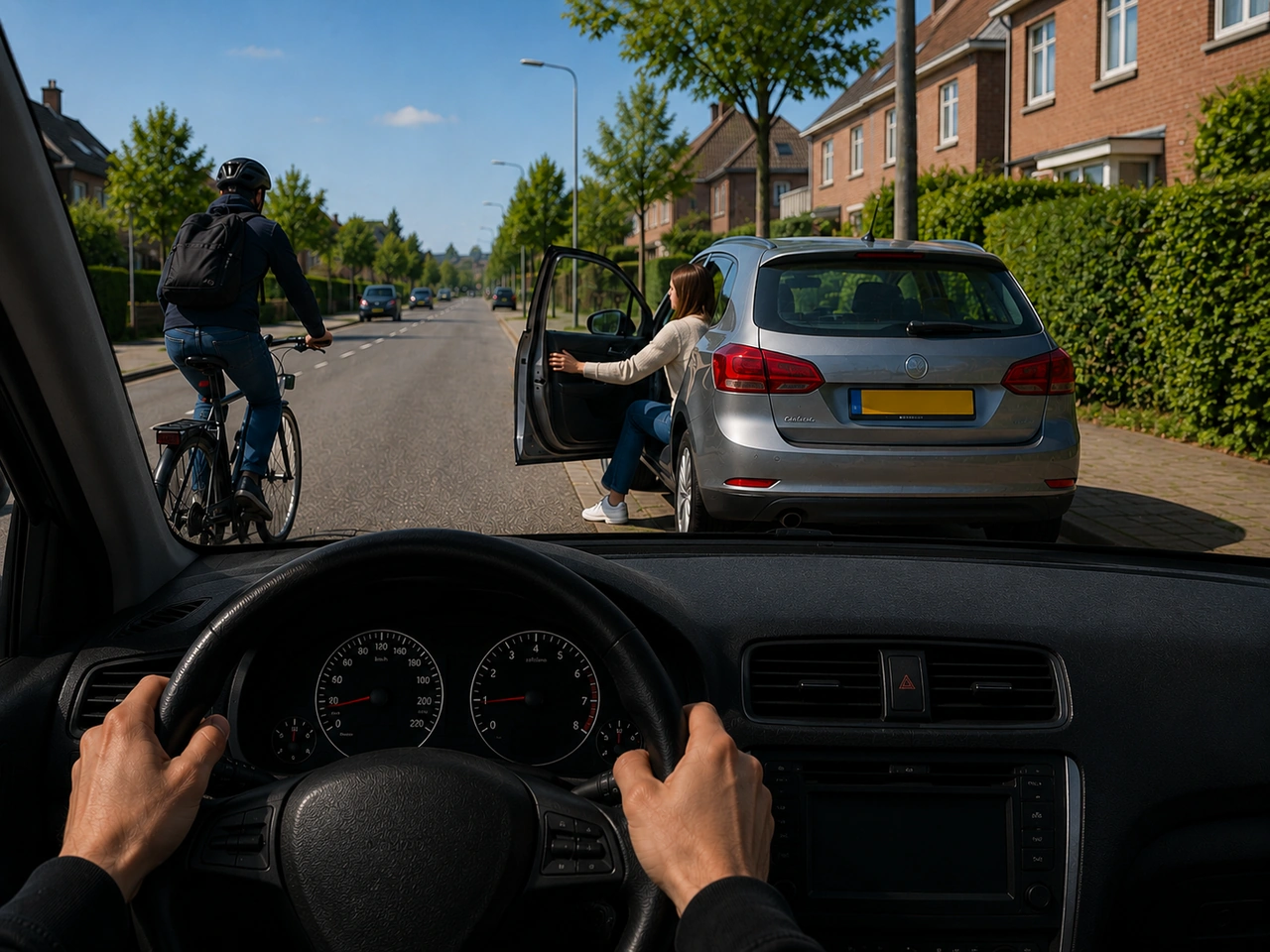
338. What should you do before opening your car door near traffic?
Before opening a car door, check carefully for cyclists, pedestrians, and vehicles to avoid causing a collision.
AI-generated by Rijbewijs-online.be • WCIT • CC BY-SA
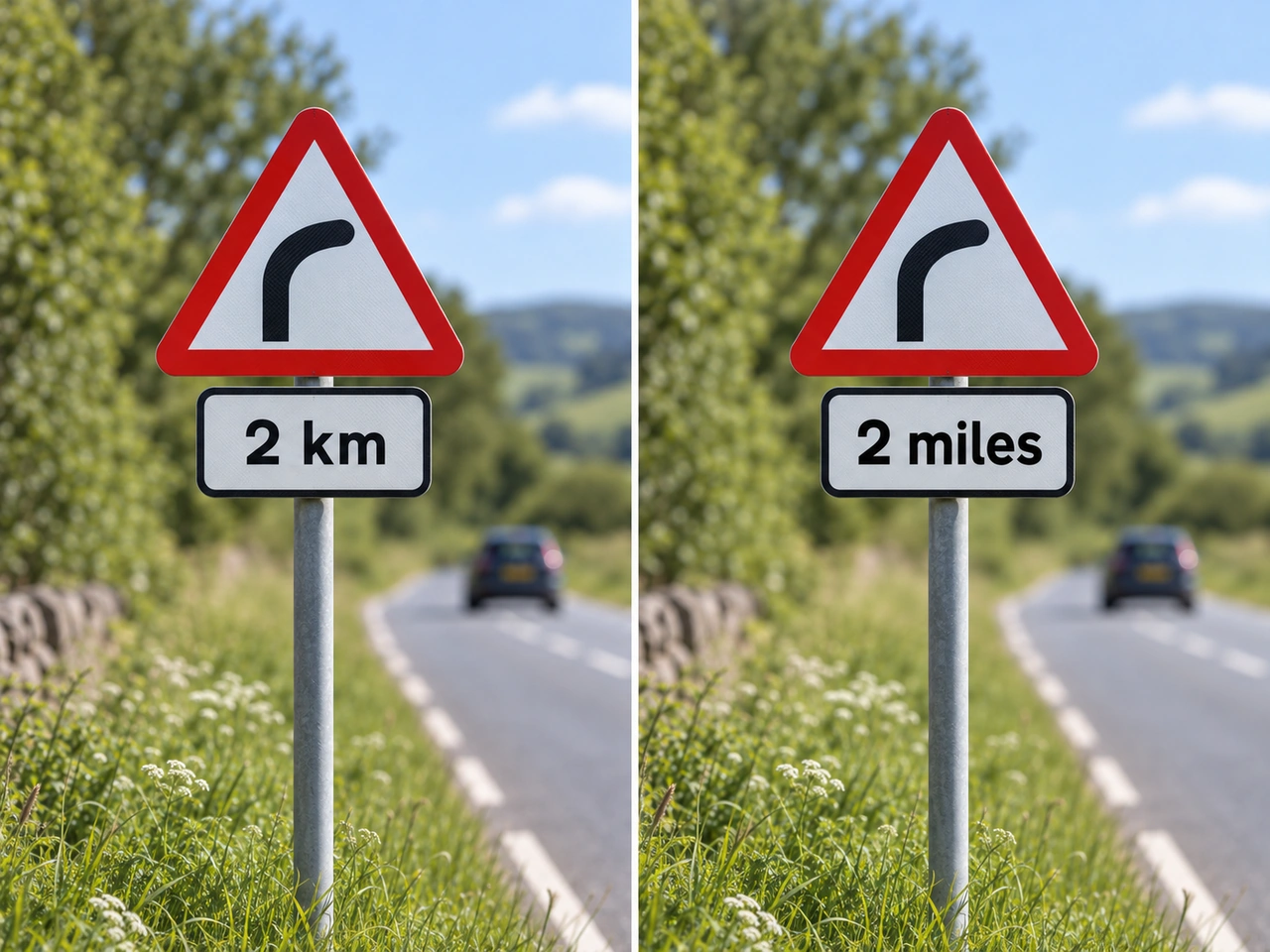
339. Which distance unit is used on road signs in Slovakia?
Road distances in Slovakia are normally shown in kilometres.
AI-generated by Rijbewijs-online.be • WCIT • CC BY-SA
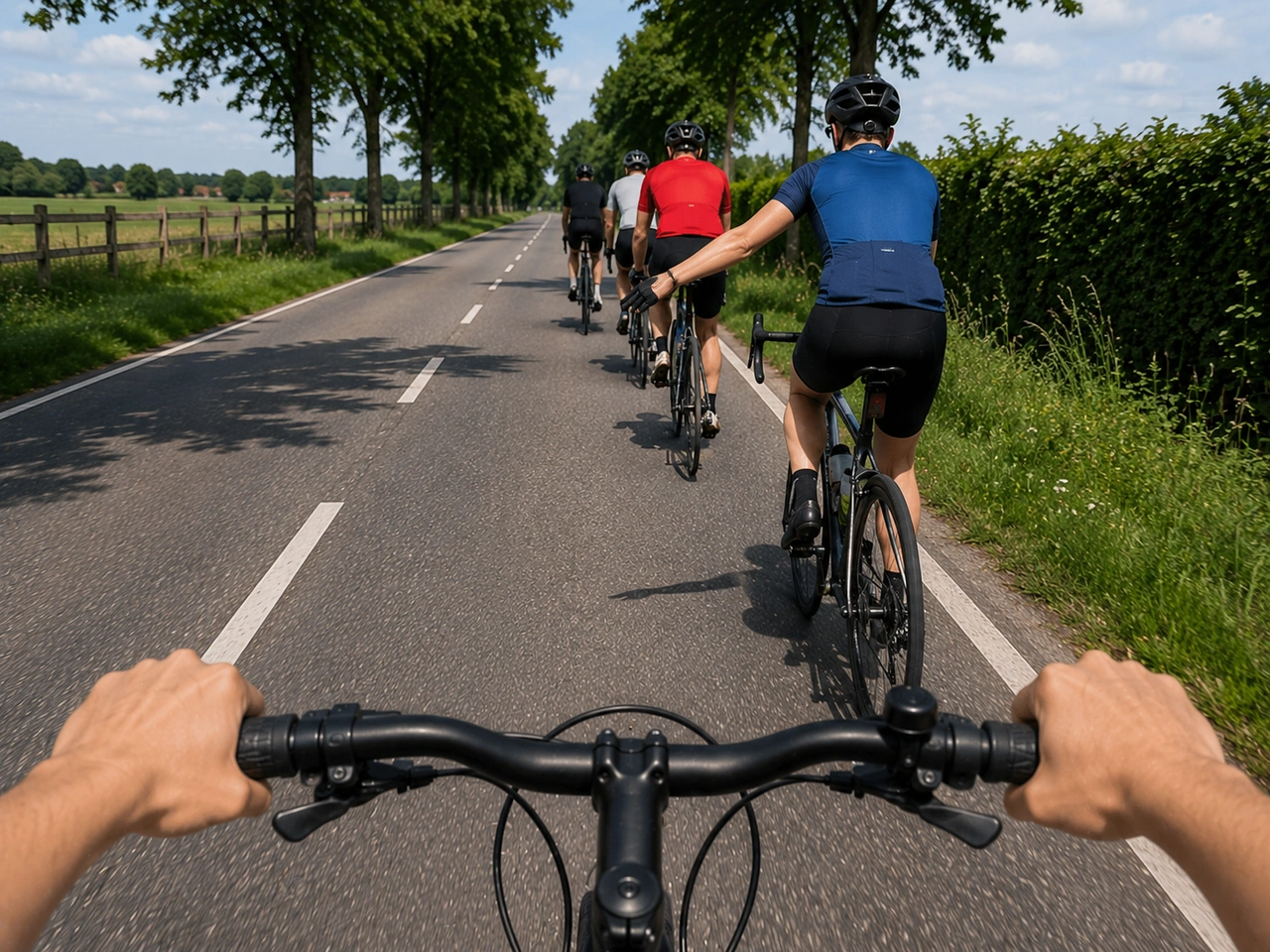
340. How should cyclists ride when travelling in a group?
Safe spacing and communication help group members respond to braking, turns, obstacles, and changing traffic conditions.
AI-generated by Rijbewijs-online.be • WCIT • CC BY-SA
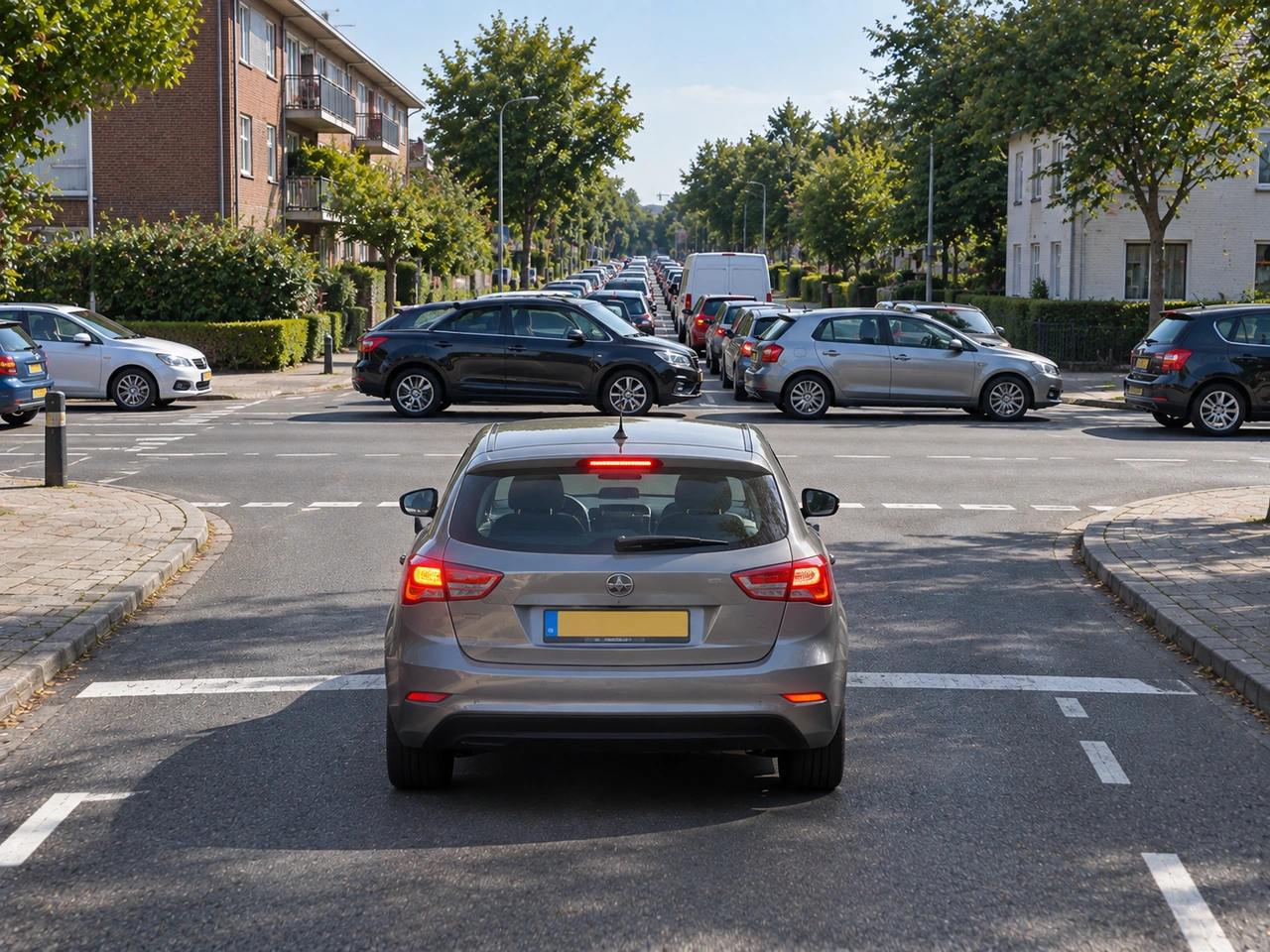
341. What should you do if traffic ahead is blocking a junction?
Do not enter a junction if traffic ahead prevents you from clearing it safely. Waiting before the junction helps avoid blocking crossing traffic, pedestrians, cyclists, or other road users.
AI-generated by Rijbewijs-online.be • WCIT • CC BY-SA
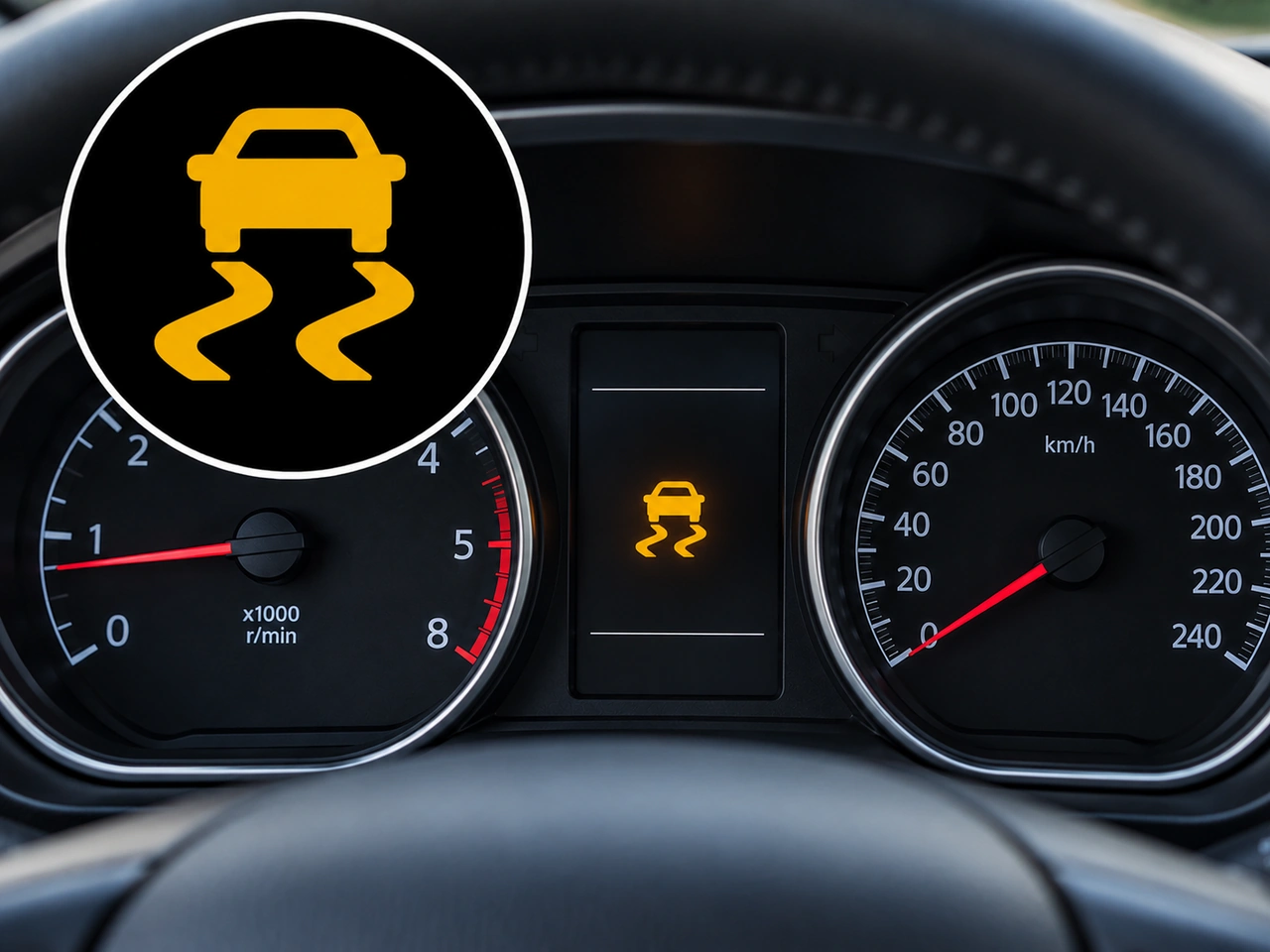
342. What does this dashboard symbol indicate?
This symbol relates to the electronic stability control (ESC) system. It may flash when the system is actively helping to maintain stability. If it remains illuminated, the system may be switched off or have a fault.
AI-generated by Rijbewijs-online.be • WCIT • CC BY-SA
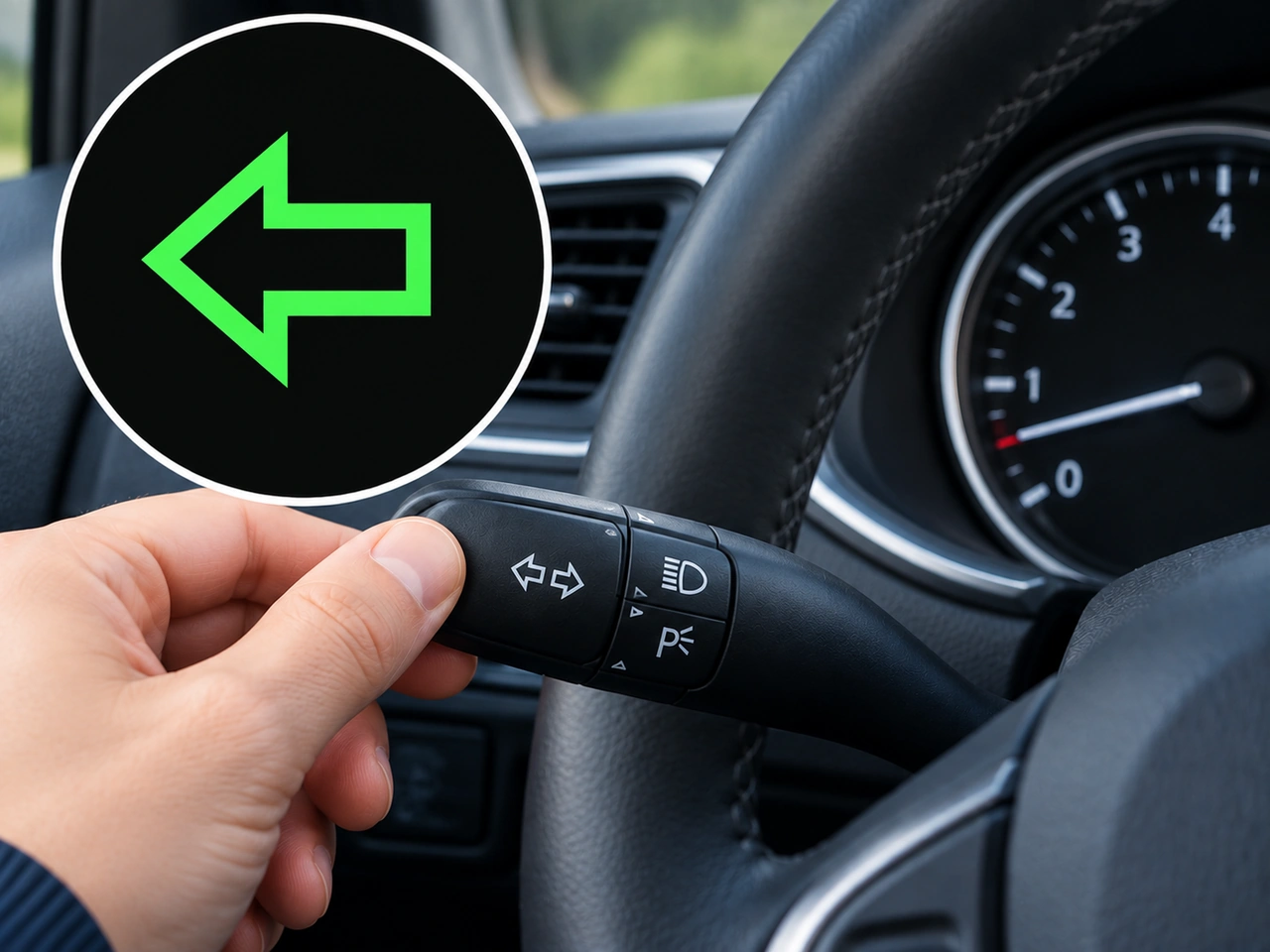
343. What does this dashboard symbol indicate?
This symbol indicates that a direction indicator is operating. The flashing indicator shows the direction in which the driver intends to turn or change position on the road.
AI-generated by Rijbewijs-online.be • WCIT • CC BY-SA
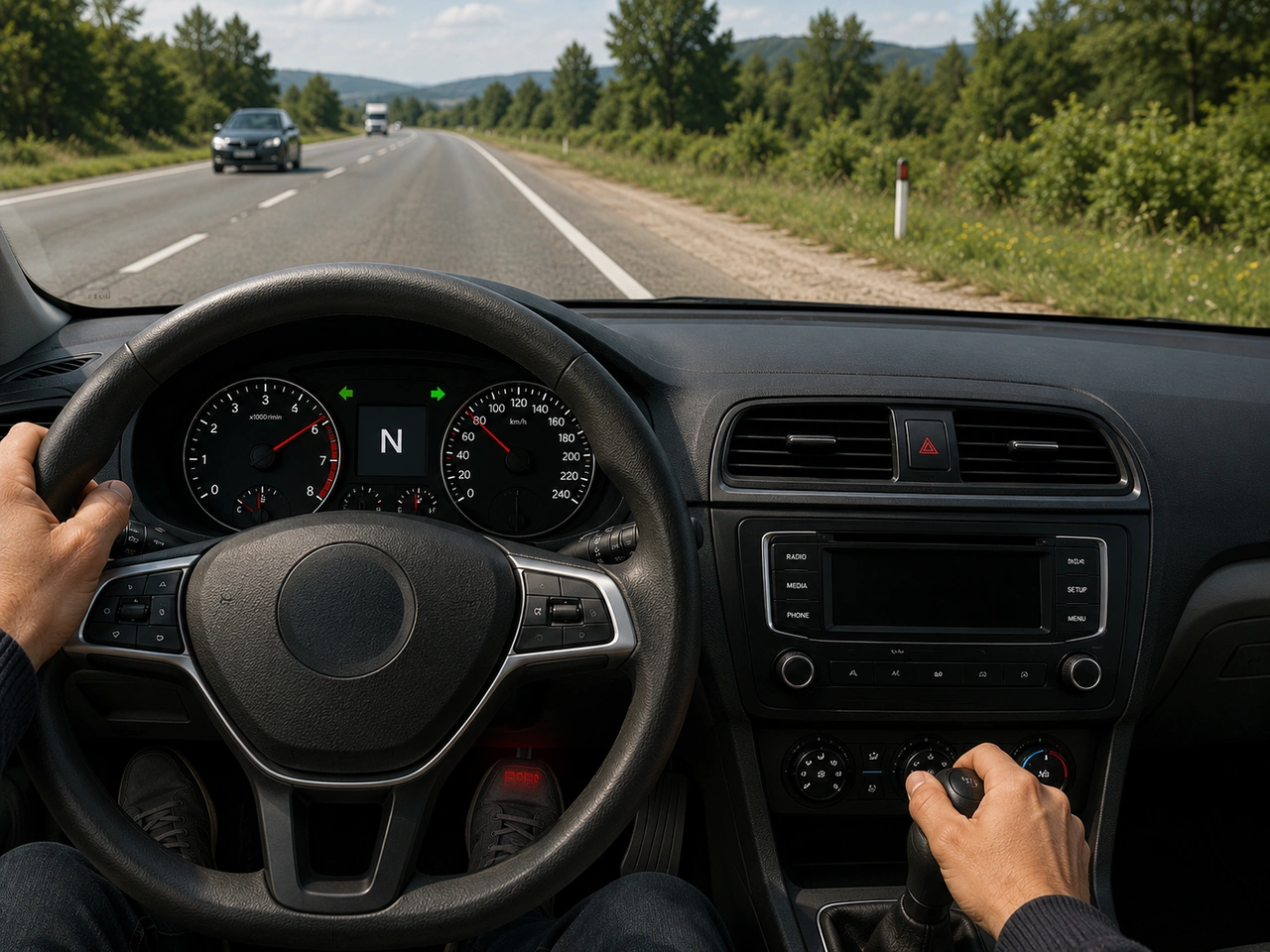
344. What should you do if the accelerator becomes stuck while you are driving?
Selecting neutral disconnects engine power from the wheels. Brake firmly, maintain steering control, and switch off the engine after stopping safely.
AI-generated by Rijbewijs-online.be • WCIT • CC BY-SA
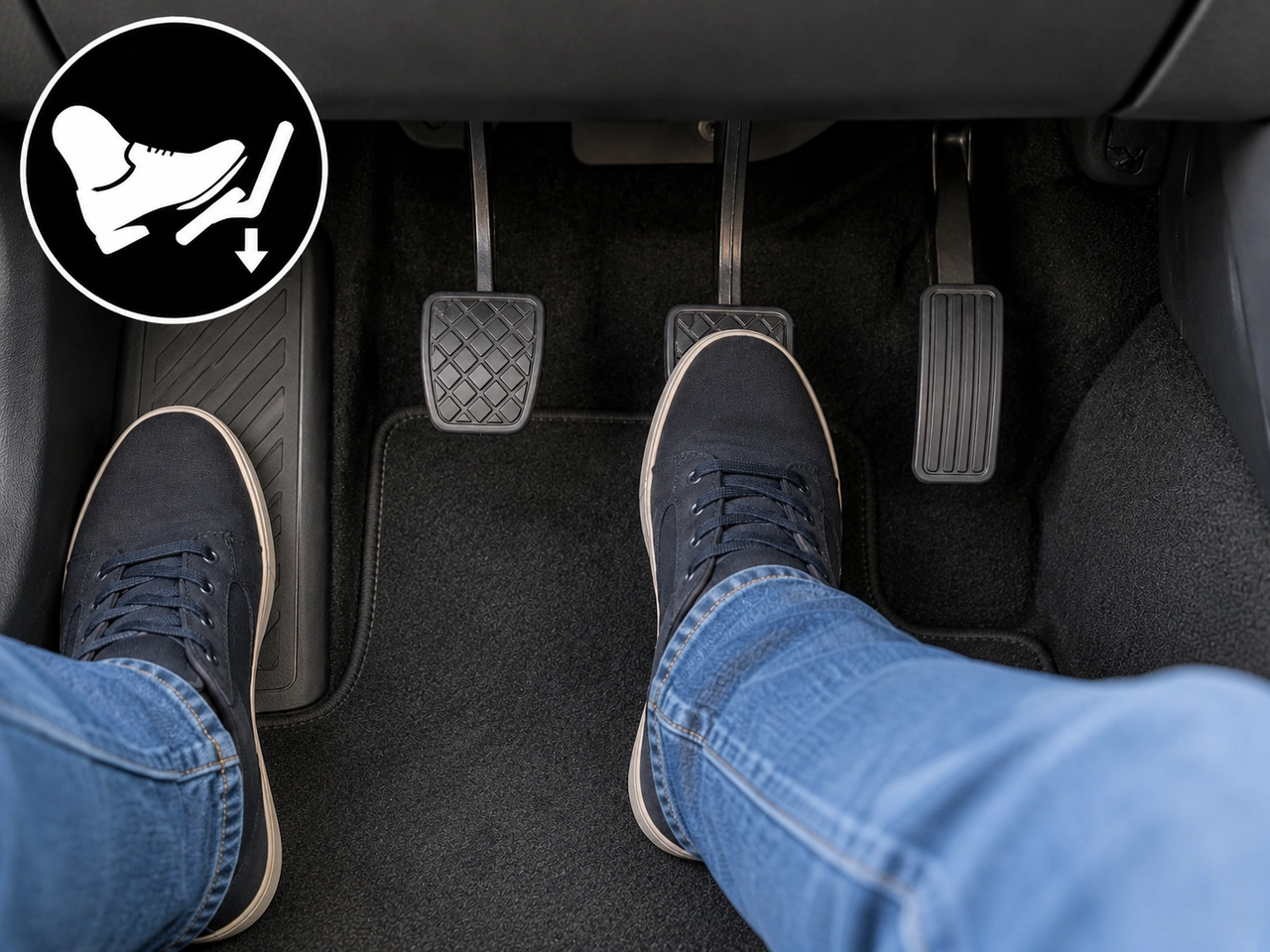
345. How should you normally apply the brake pedal for a smooth stop?
For normal braking, apply the brake pedal progressively and smoothly. As the vehicle comes to a stop, easing the pressure slightly can help avoid a sudden jerk.
AI-generated by Rijbewijs-online.be • WCIT • CC BY-SA
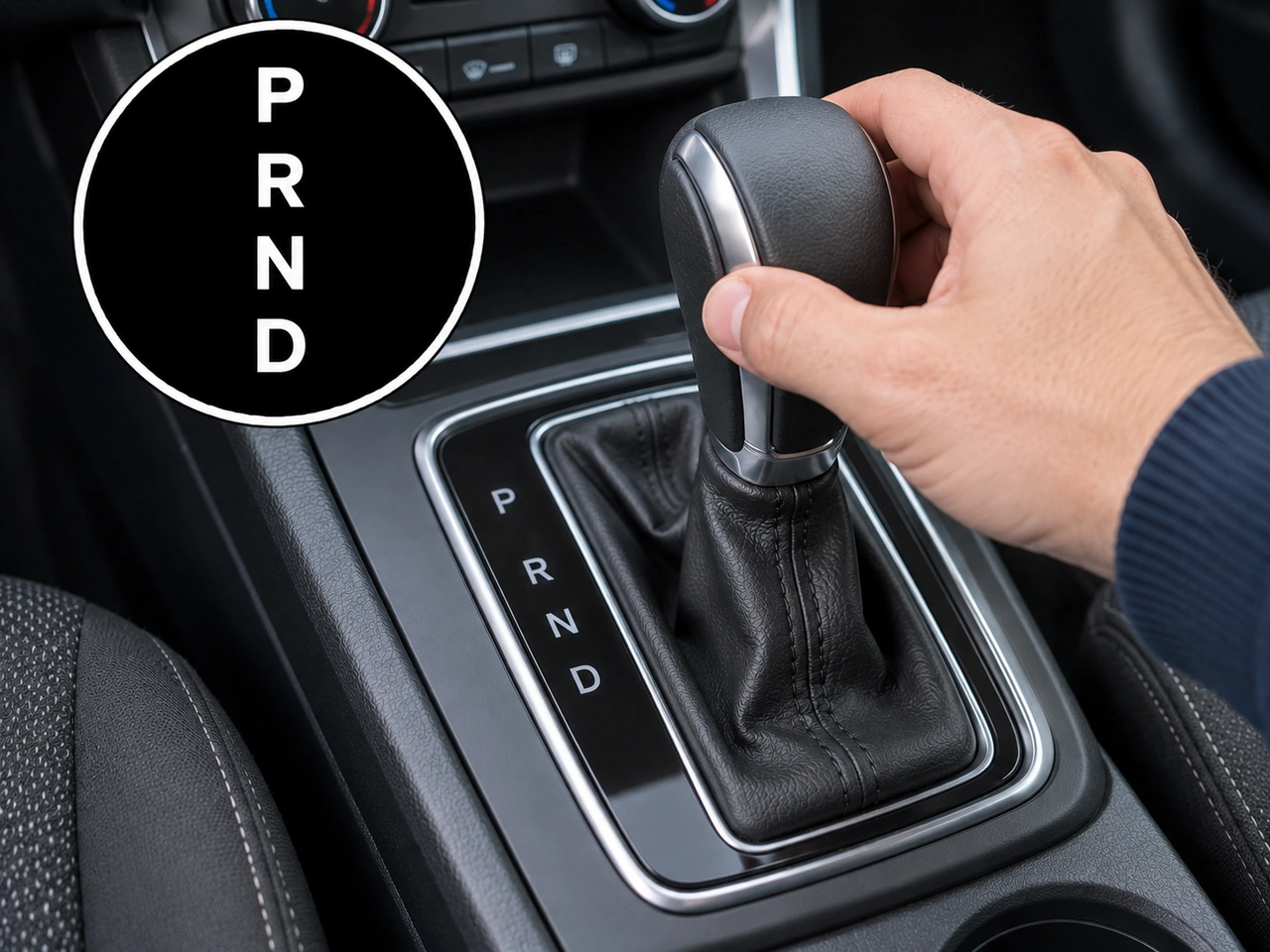
346. Which selector position prevents drive being transmitted to the wheels?
Select N (Neutral) when drive should not be transmitted to the wheels. Unlike Park, Neutral does not lock the transmission to prevent the vehicle from rolling.
AI-generated by Rijbewijs-online.be • WCIT • CC BY-SA
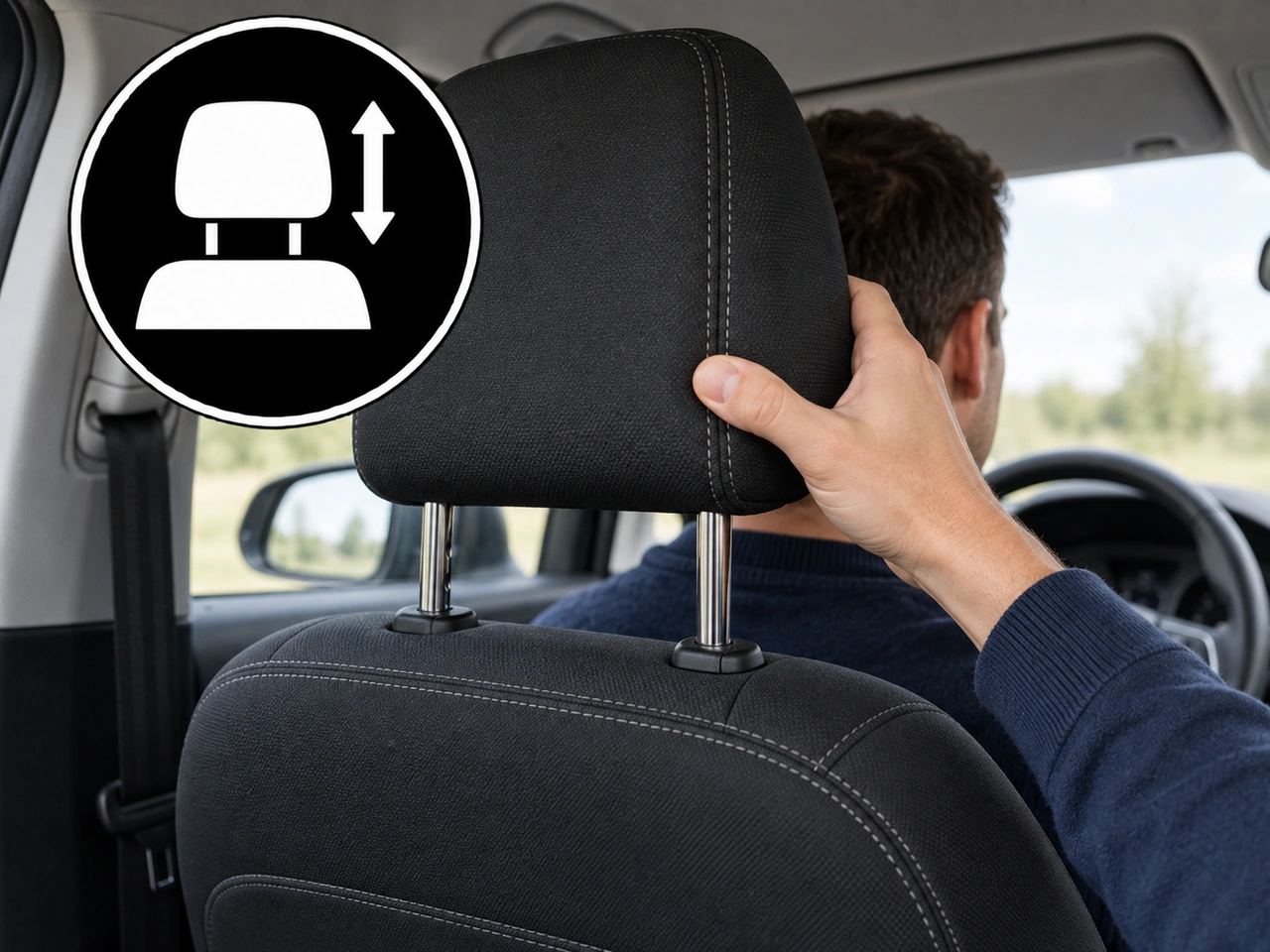
347. Why should the head restraint be adjusted correctly?
A correctly adjusted head restraint helps support the head and can reduce the risk of neck injury, especially in a rear-end collision. The top of the restraint should normally be level with the top of the head.
AI-generated by Rijbewijs-online.be • WCIT • CC BY-SA
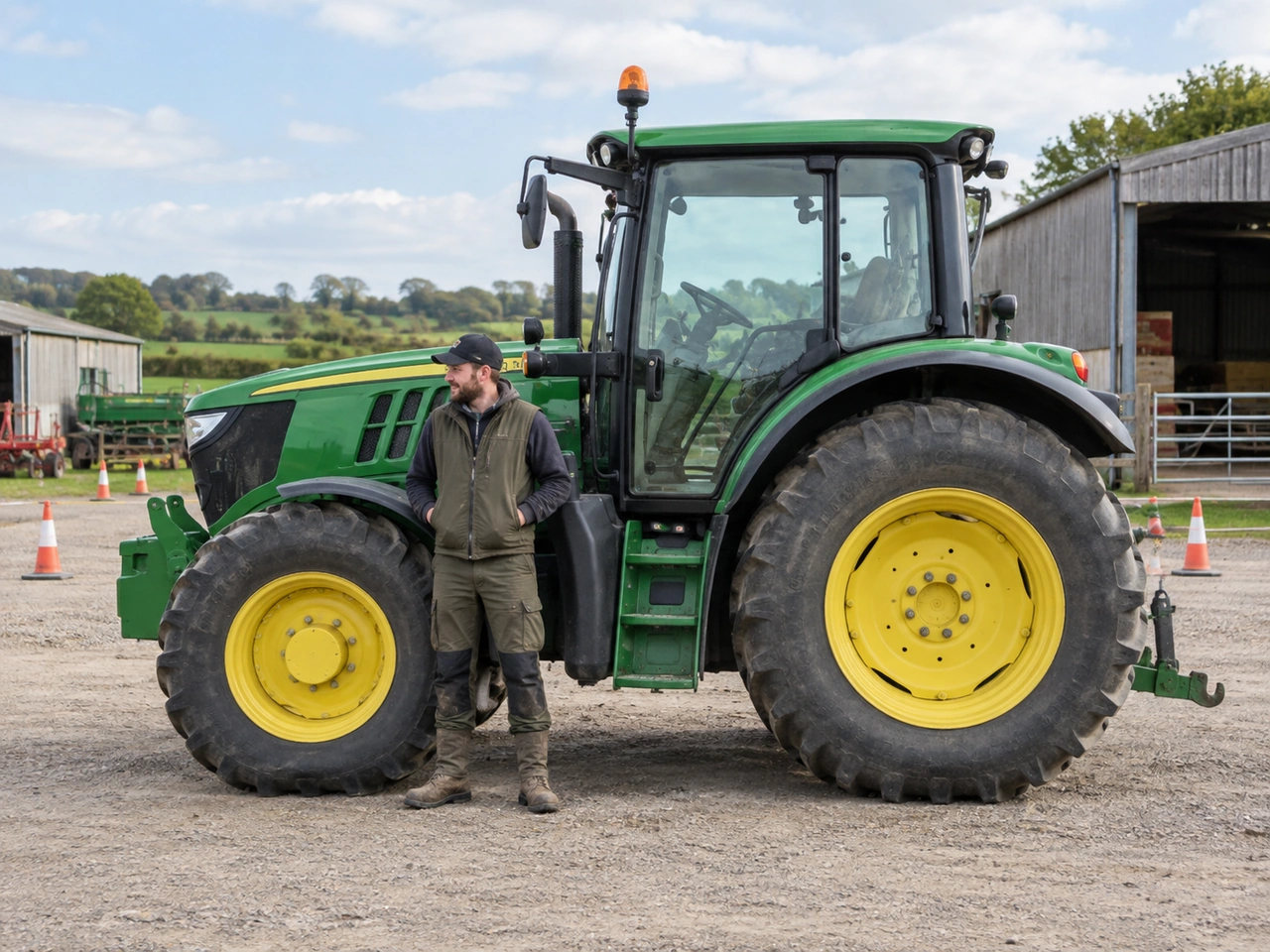
348. Which EU driving licence category is used for tractors?
There is no single harmonised EU driving licence category for agricultural or forestry tractors. The required licence depends on national rules. For example, Belgium uses category G, the Netherlands category T, and Germany categories L and T.
AI-generated by Rijbewijs-online.be • WCIT • CC BY-SA
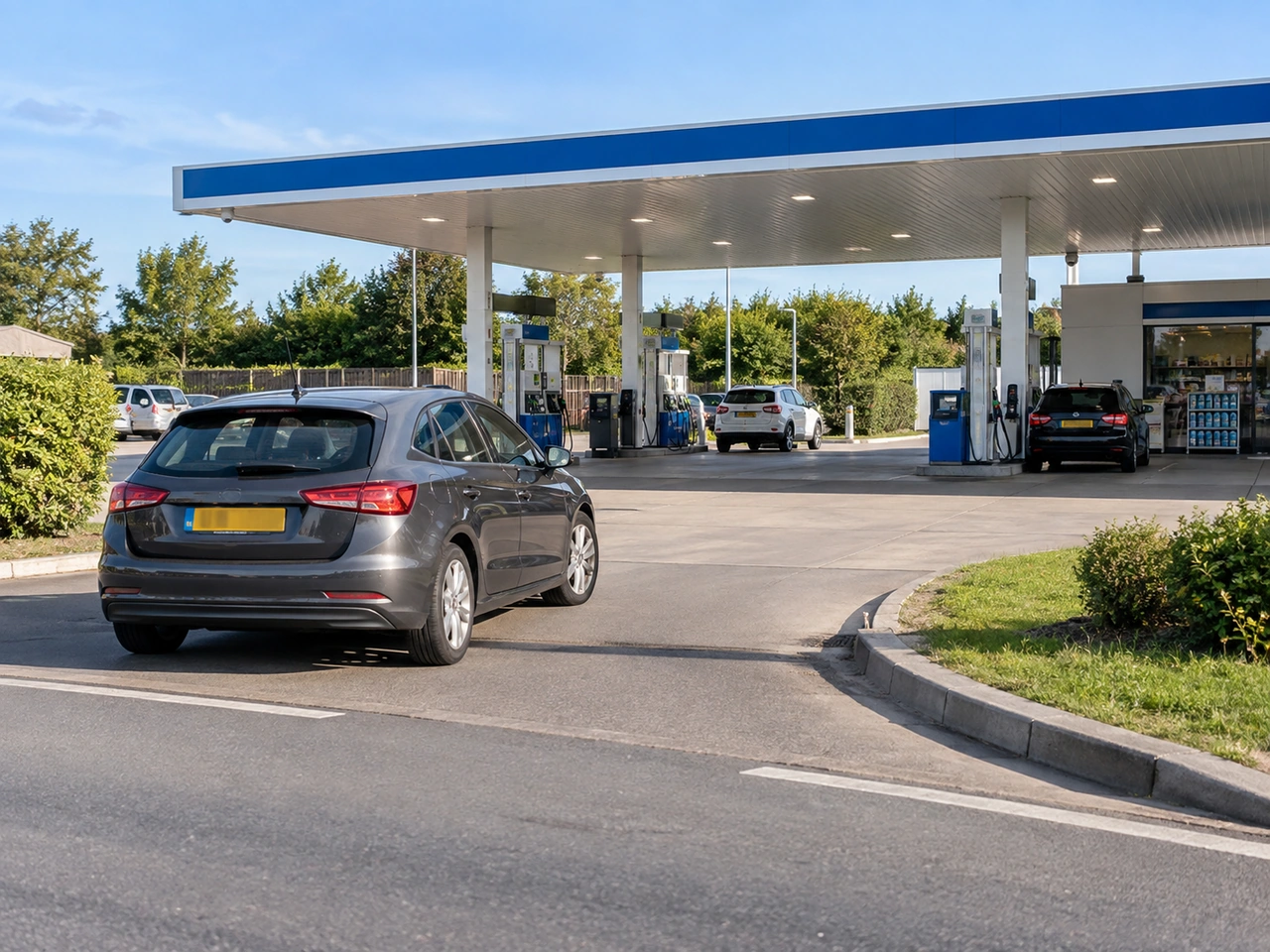
349. How should you position your vehicle beside a fuel pump?
Position the vehicle so the fuel filler is close to the pump and the hose can reach without being stretched tightly across or around the vehicle. Stop within the designated refuelling area and leave enough space to use the pump safely.
AI-generated by Rijbewijs-online.be • WCIT • CC BY-SA
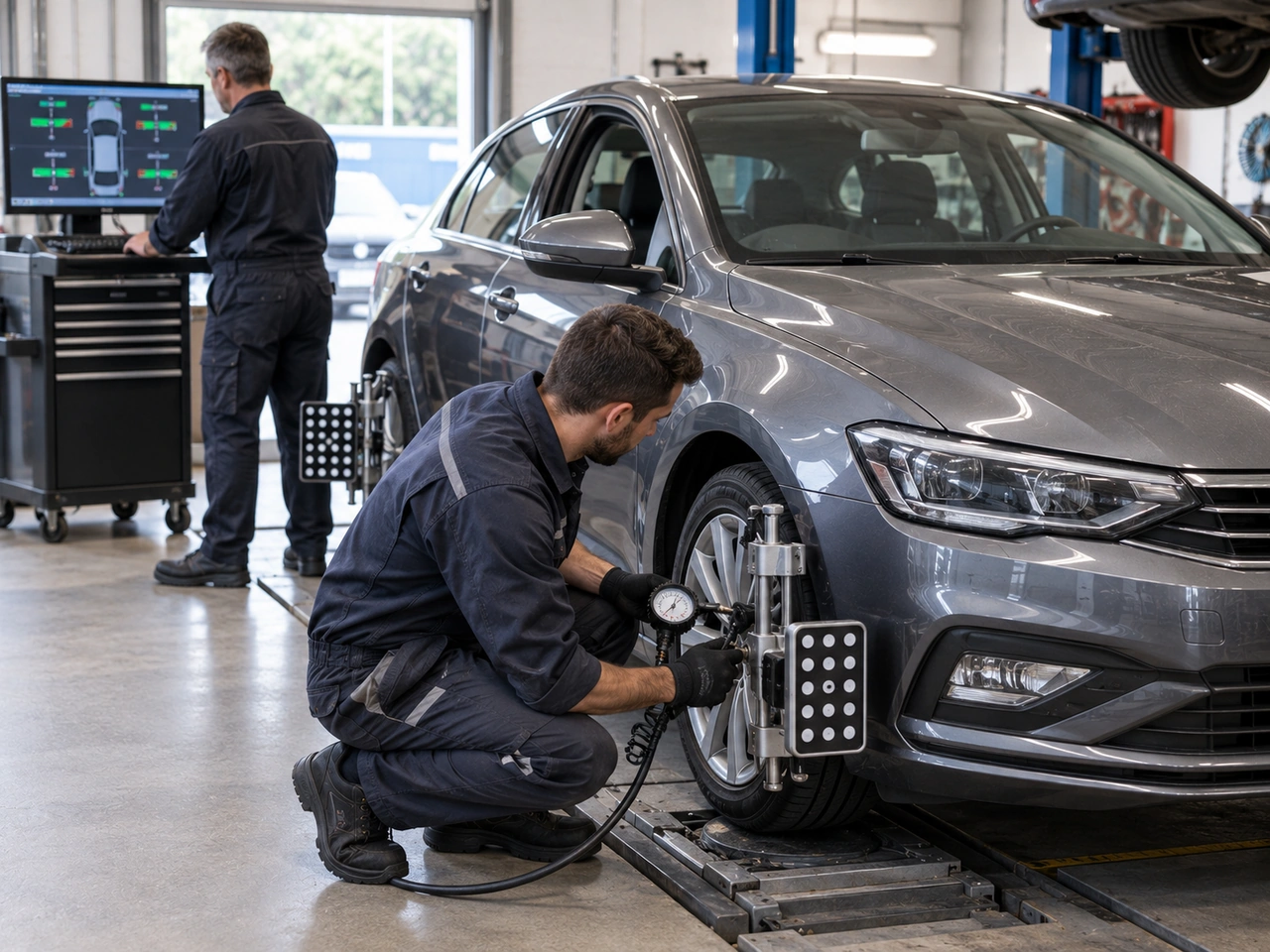
350. What should you do if the vehicle consistently pulls to one side?
Persistent pulling can be caused by incorrect tyre pressure, wheel misalignment, suspension wear, or a braking fault. It should not be ignored.
AI-generated by Rijbewijs-online.be • WCIT • CC BY-SA