


QuizTraffic rulesUkraine
This interesting quiz helps you test your knowledge in a clear and visual way. With easy multiple-choice questions, you can quickly build confidence and learn new facts while keeping it simple, interactive, and fun.
 Traffic signs
 Traffic rules
 Ukraine
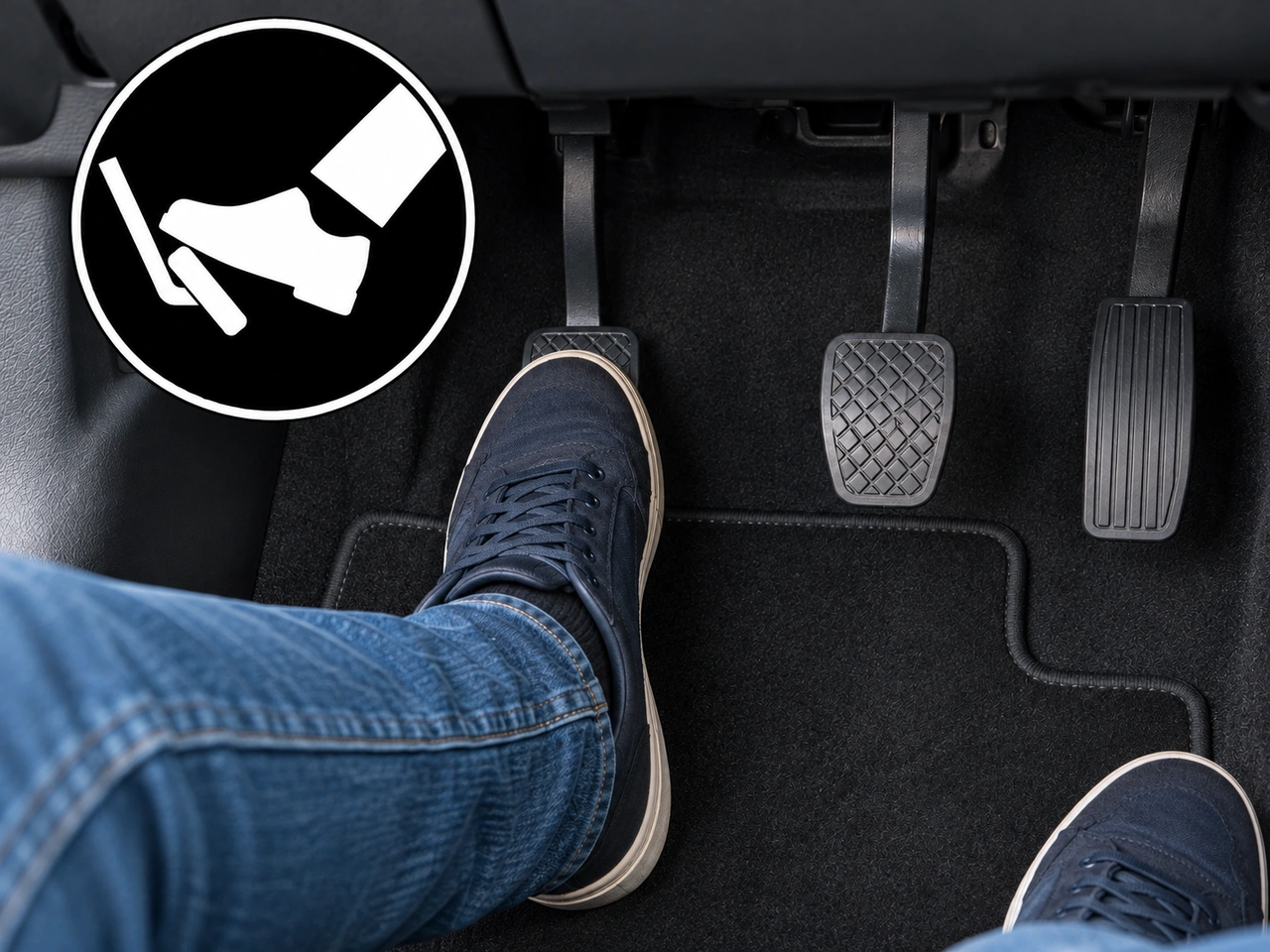
351. Why should you press the clutch pedal fully when changing gear?
Pressing the clutch pedal fully disengages the engine from the transmission, allowing the gear to be changed smoothly and reducing unnecessary wear on the gearbox and clutch.
AI-generated by Rijbewijs-online.be • WCIT • CC BY-SA

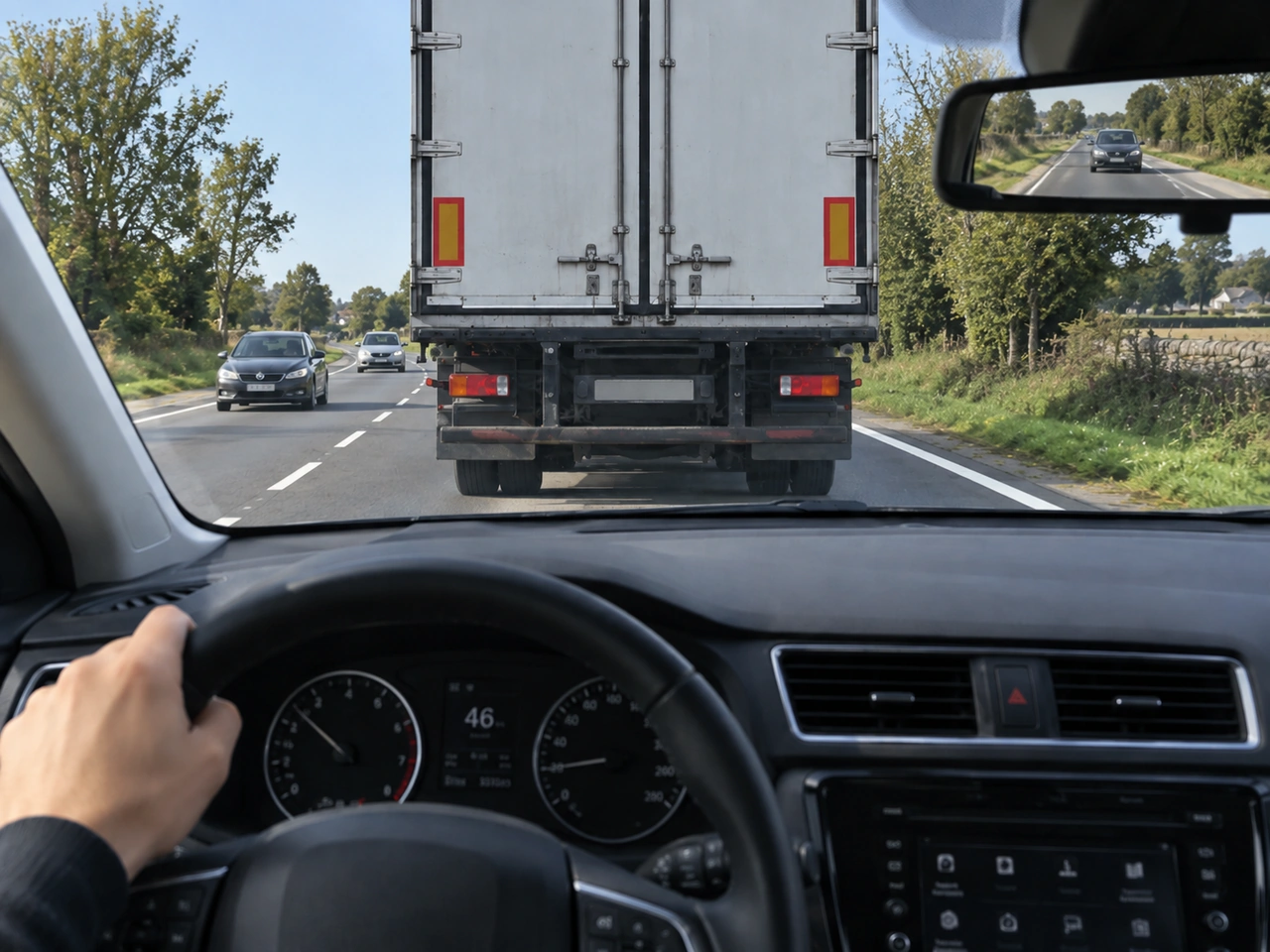
352. Why should you leave extra space when following a large vehicle?
A large vehicle can block your view of traffic, signs, junctions, or hazards ahead. Leaving extra space improves your view and gives you more time to react if traffic slows or a hazard develops.
AI-generated by Rijbewijs-online.be • WCIT • CC BY-SA
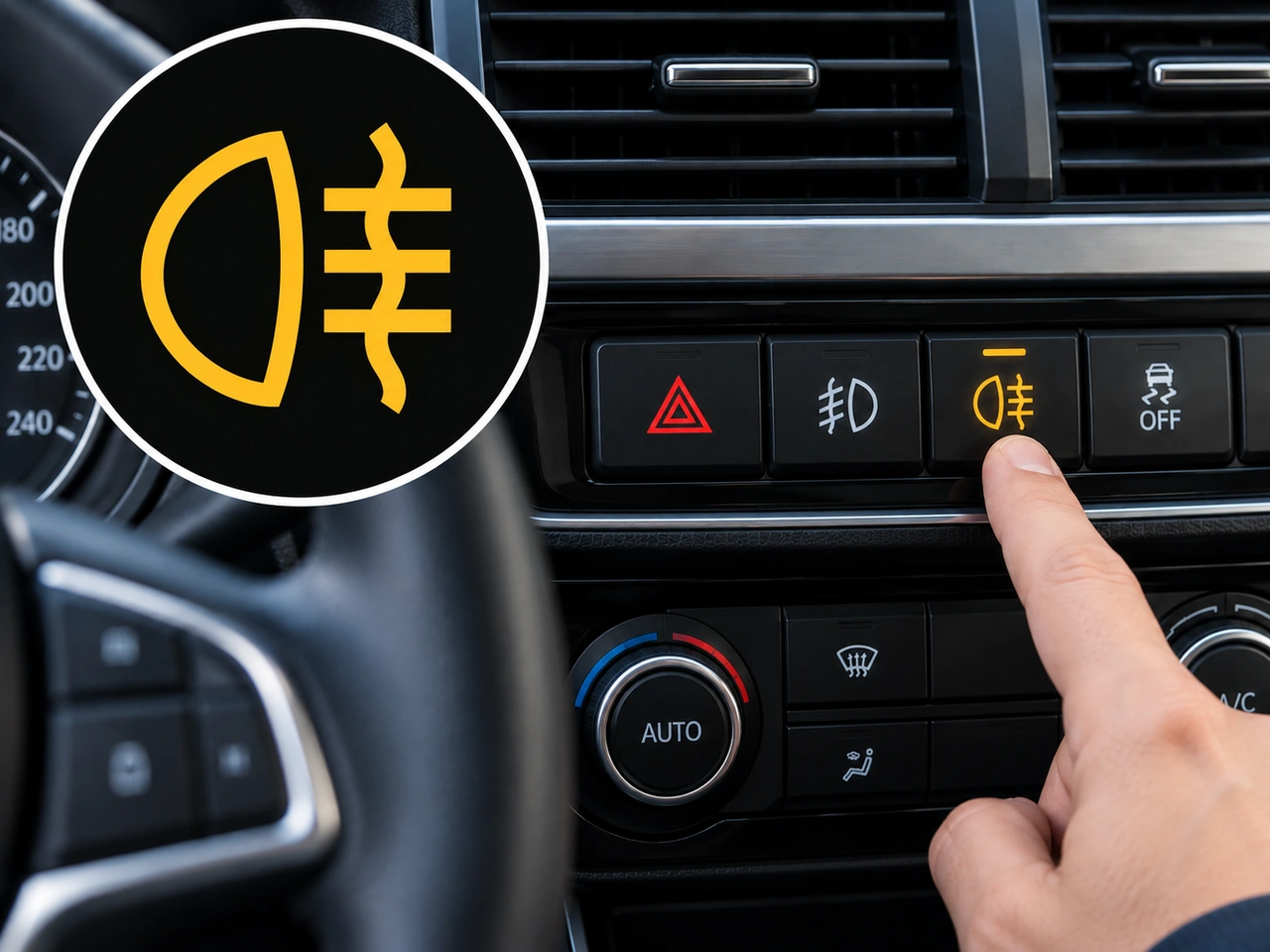
353. What does this dashboard symbol indicate?
This symbol indicates that the rear fog lights are switched on. Rear fog lights make the vehicle more visible from behind in conditions of severely reduced visibility, but they can dazzle other road users when used unnecessarily.
AI-generated by Rijbewijs-online.be • WCIT • CC BY-SA
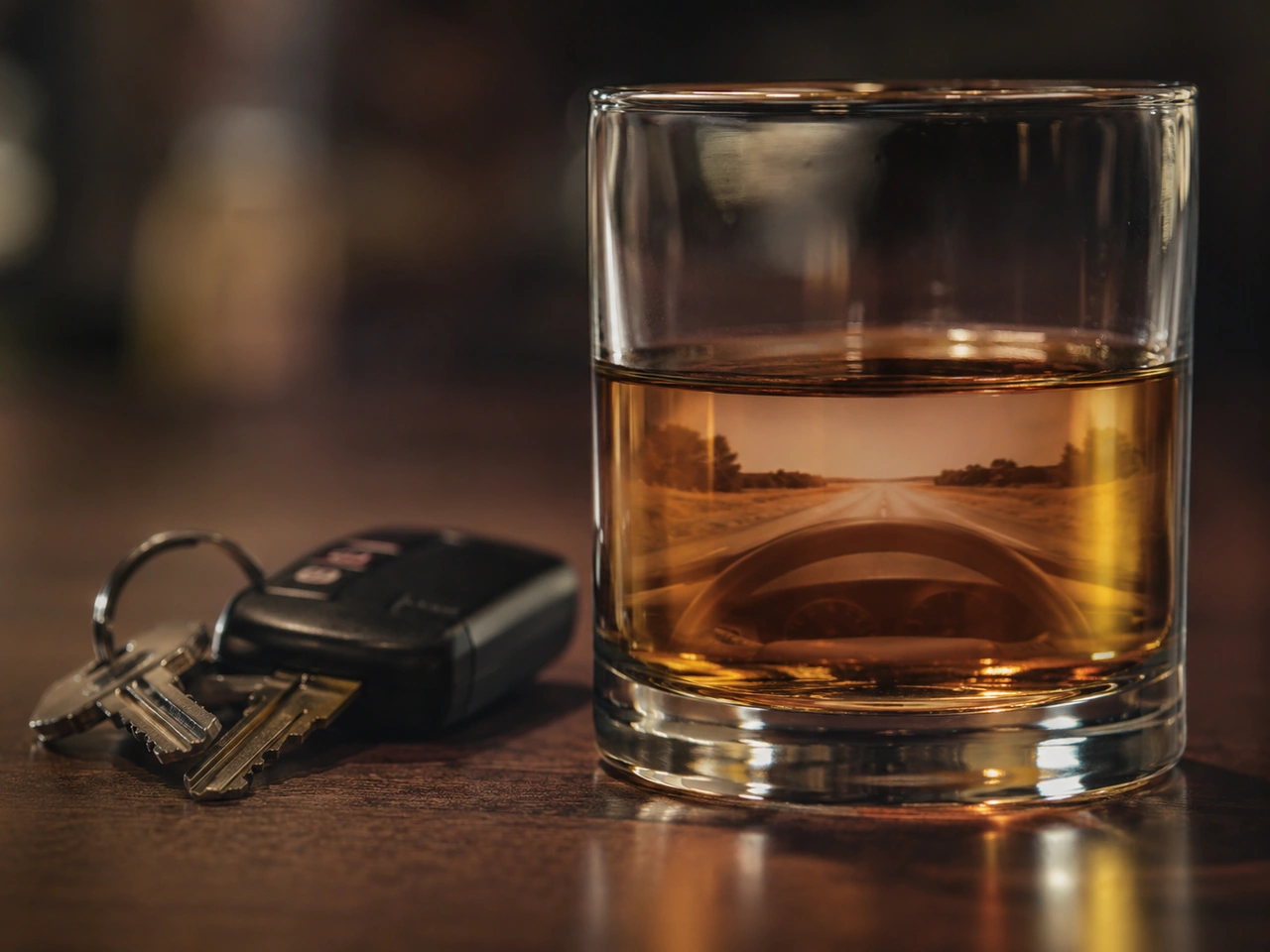
354. How can alcohol affect your driving ability?
Alcohol affects several abilities needed for safe driving, including concentration, decision-making, coordination, and hazard perception.
AI-generated by Rijbewijs-online.be • WCIT • CC BY-SA
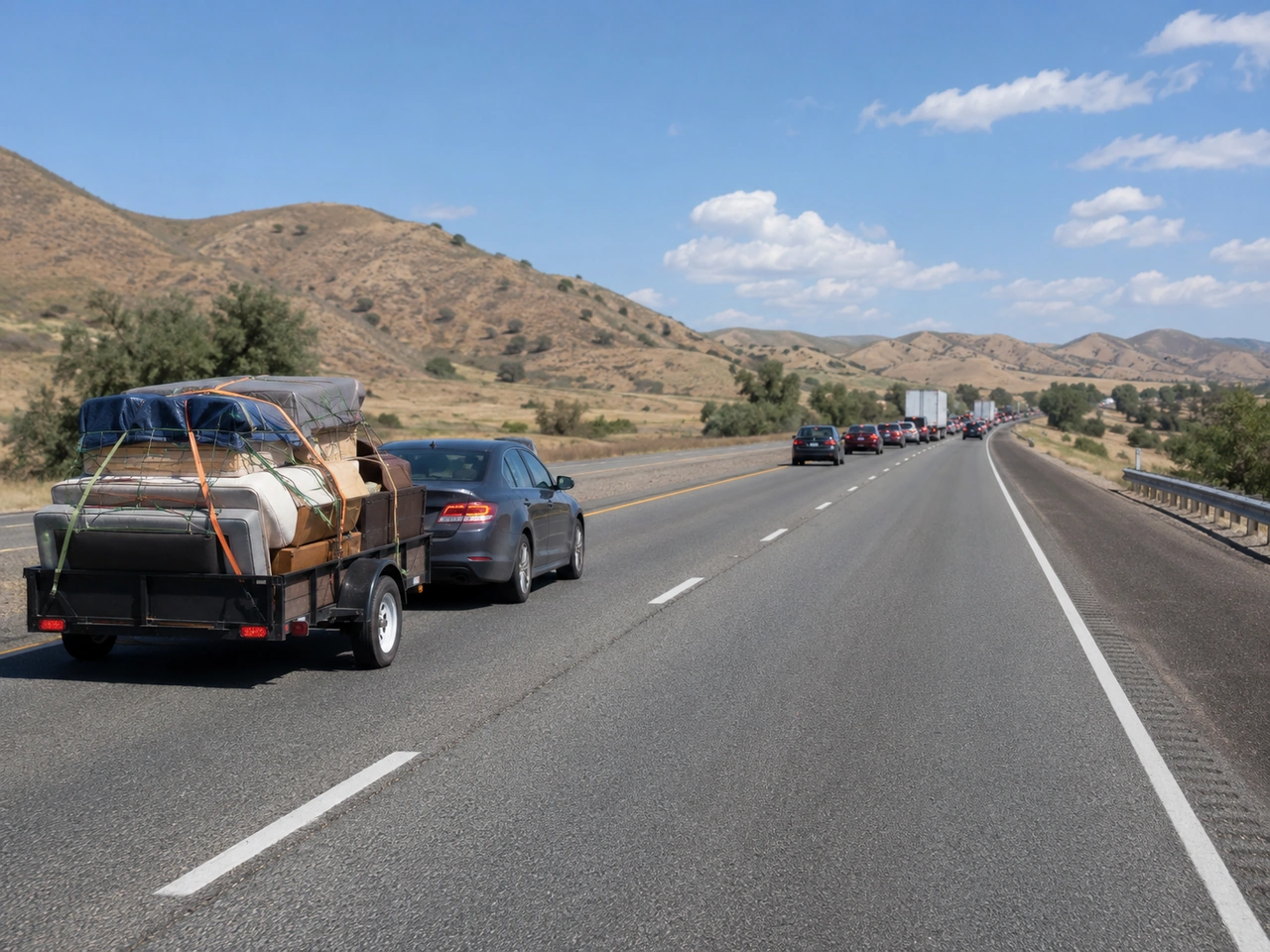
355. How can a heavy load affect stopping distance?
A heavily loaded vehicle has more mass and may require additional distance to slow down or stop safely.
AI-generated by Rijbewijs-online.be • WCIT • CC BY-SA
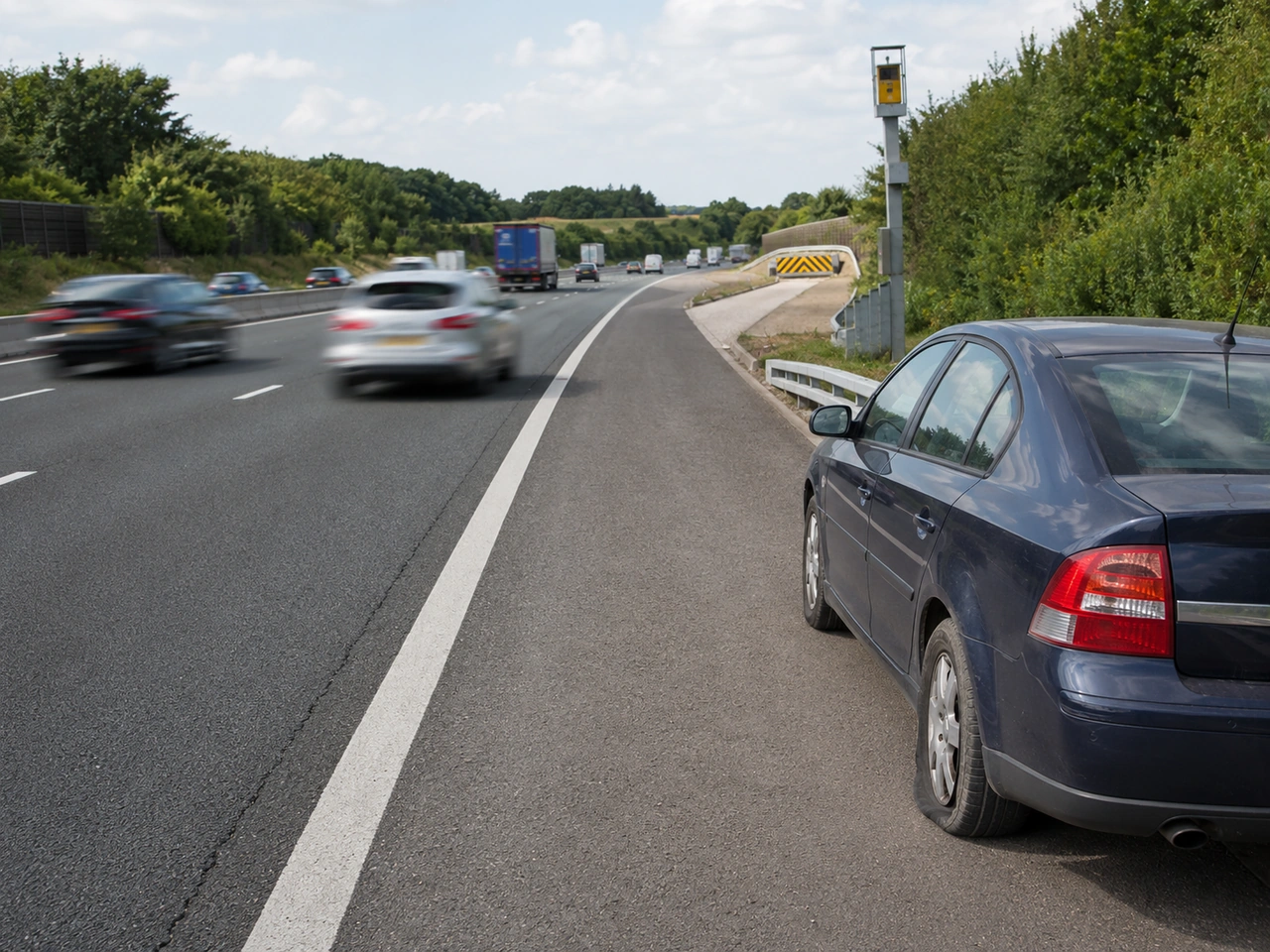
356. What should you do about a flat tyre on a high-speed road?
Changing a wheel close to high-speed traffic is extremely dangerous. Move away from traffic and use professional assistance.
AI-generated by Rijbewijs-online.be • WCIT • CC BY-SA
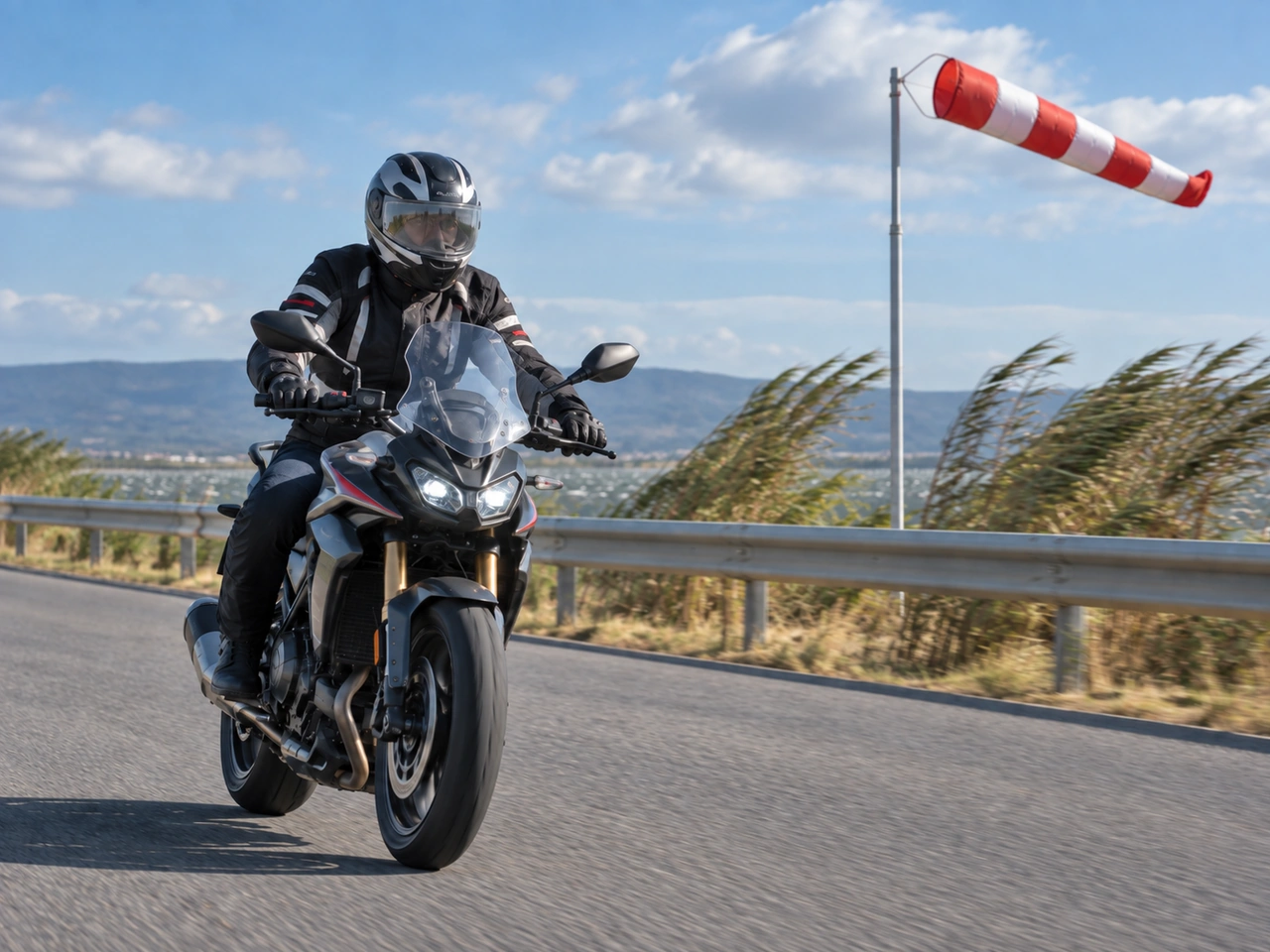
357. What should a motorcyclist do in strong crosswinds?
Strong crosswinds can push a motorcycle sideways and sudden gusts can affect its stability. Reduce speed, keep a steady grip on the handlebars and allow extra space, especially on exposed roads, bridges, or when passing gaps and large vehicles.
AI-generated by Rijbewijs-online.be • WCIT • CC BY-SA
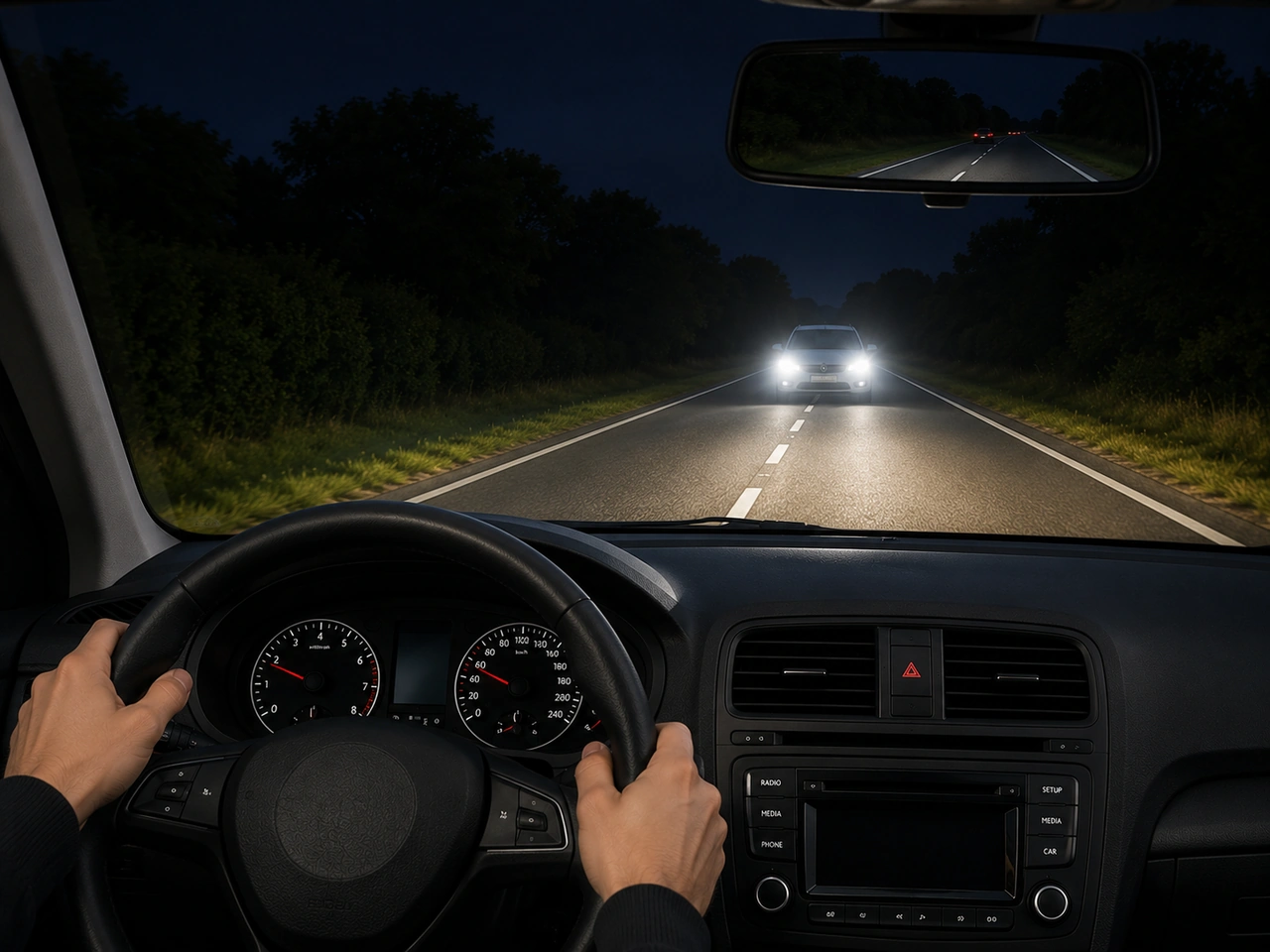
358. What should you do if your main beam could dazzle another driver?
Main beam can dazzle other road users and reduce their visibility. Switch to dipped headlights whenever your main beam could dazzle another driver.
AI-generated by Rijbewijs-online.be • WCIT • CC BY-SA
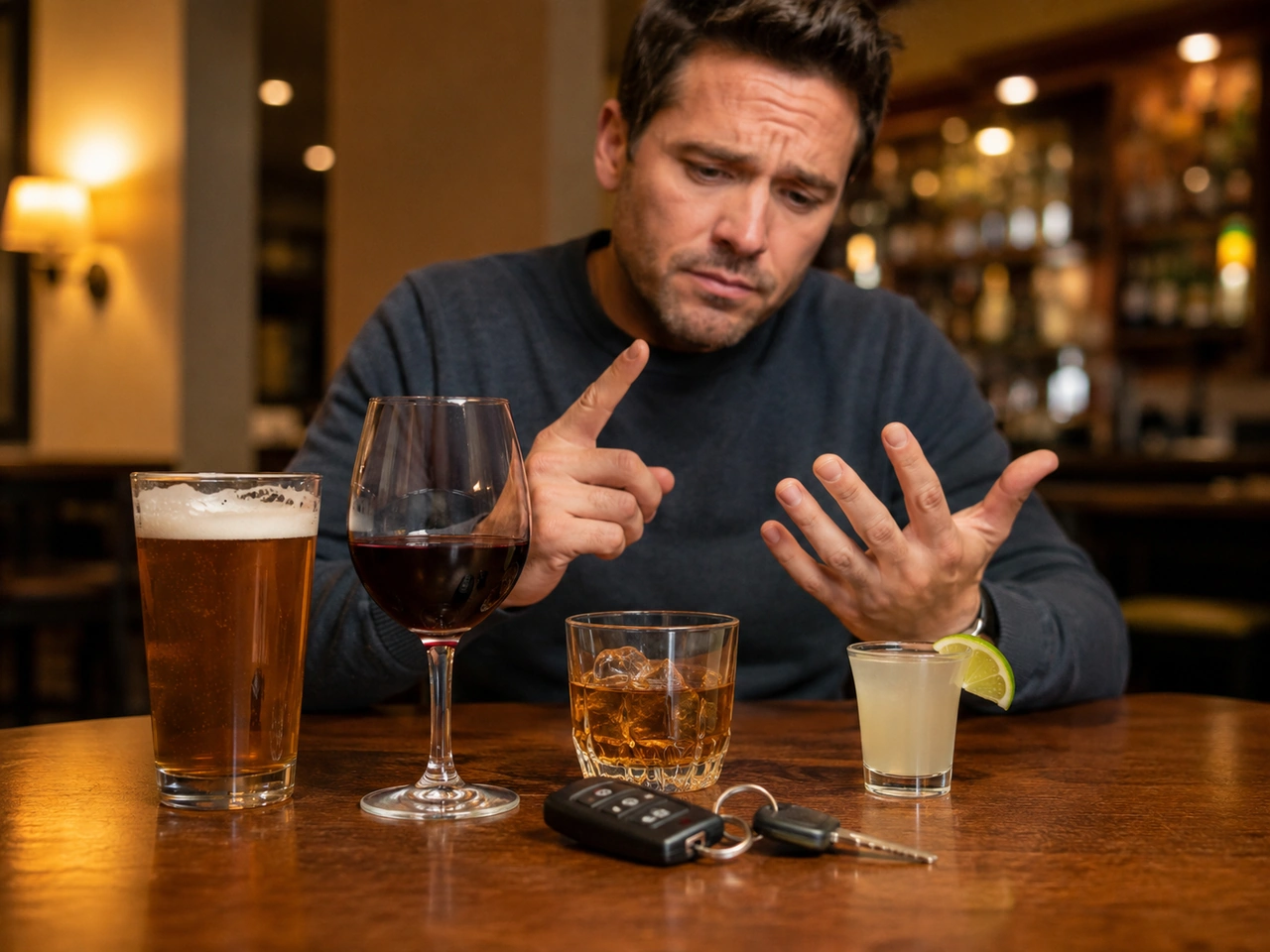
359. Why is counting drinks an unreliable way to decide whether you can drive?
Alcohol concentration and serving sizes vary, and factors such as body size, food, medication, and time can affect impairment.
AI-generated by Rijbewijs-online.be • WCIT • CC BY-SA
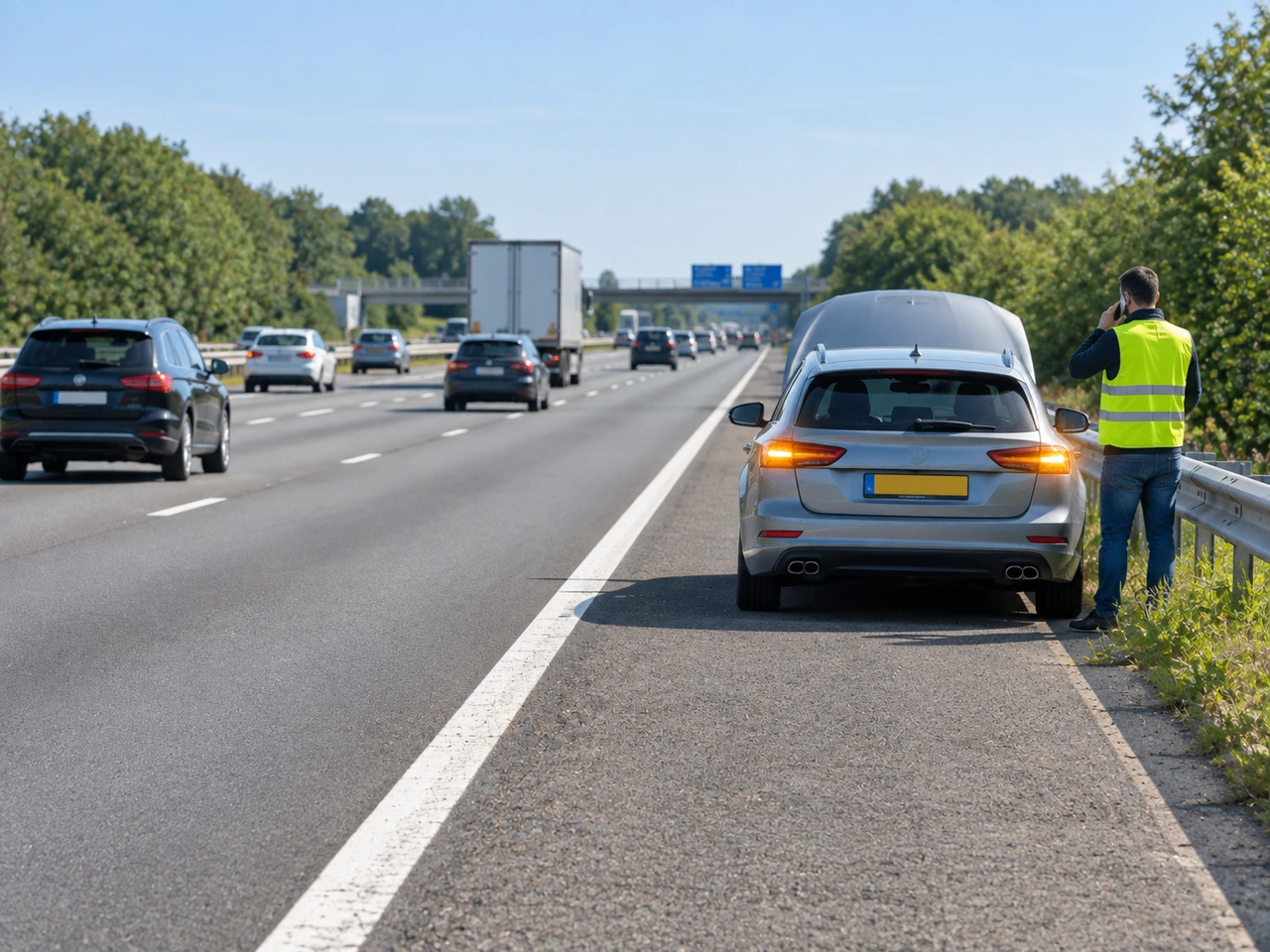
360. What is the main purpose of a motorway emergency lane or hard shoulder?
A motorway emergency lane or hard shoulder is primarily intended for emergencies and breakdowns, not normal driving. In some places it may be opened temporarily as a traffic lane when signs or signals specifically permit this.
AI-generated by Rijbewijs-online.be • WCIT • CC BY-SA
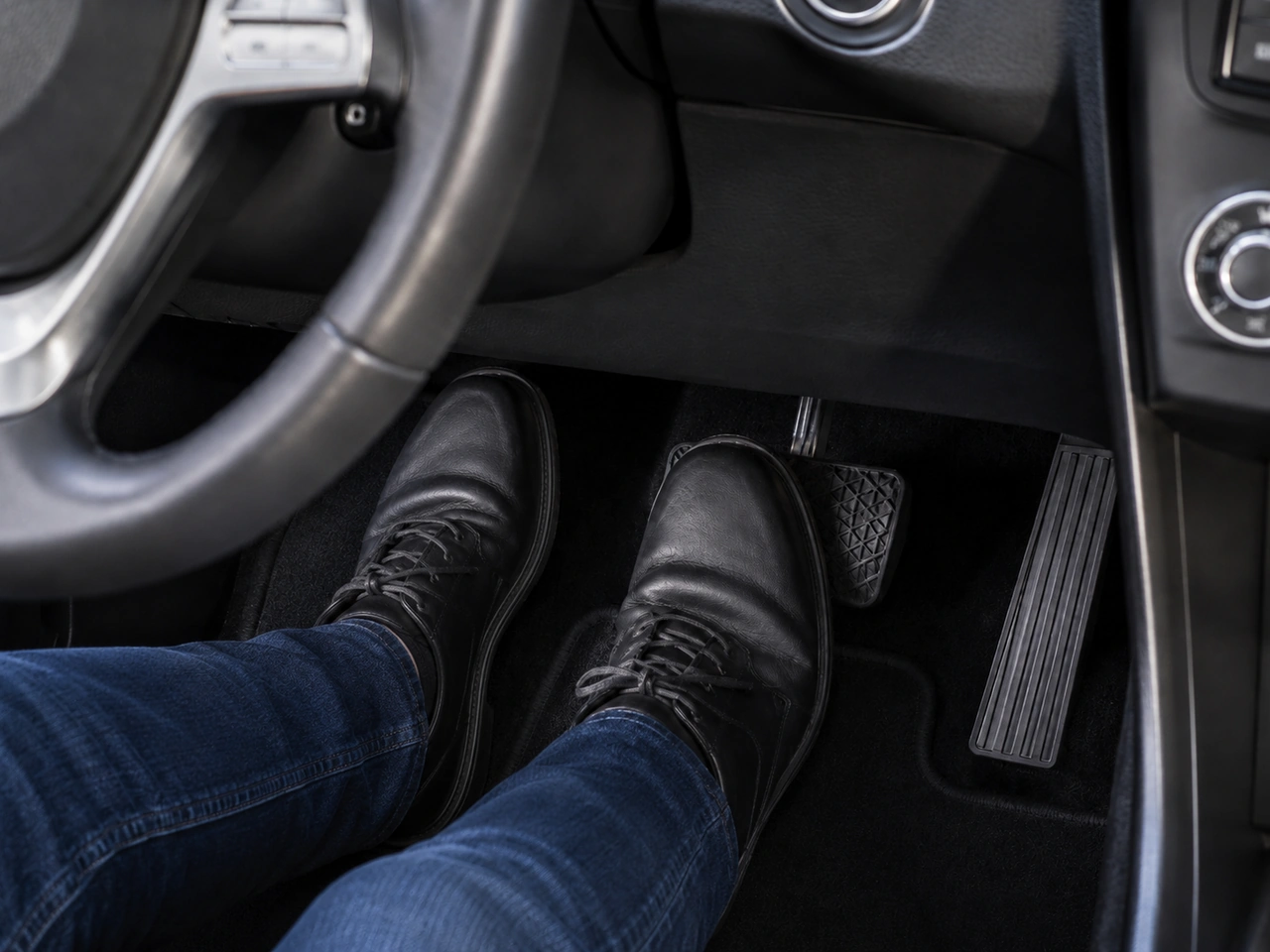
361. What should you do if the brake pedal feels unusually soft?
A soft brake pedal or increased stopping distance may indicate a serious brake fault. Do not continue driving normally until the system has been checked.
AI-generated by Rijbewijs-online.be • WCIT • CC BY-SA
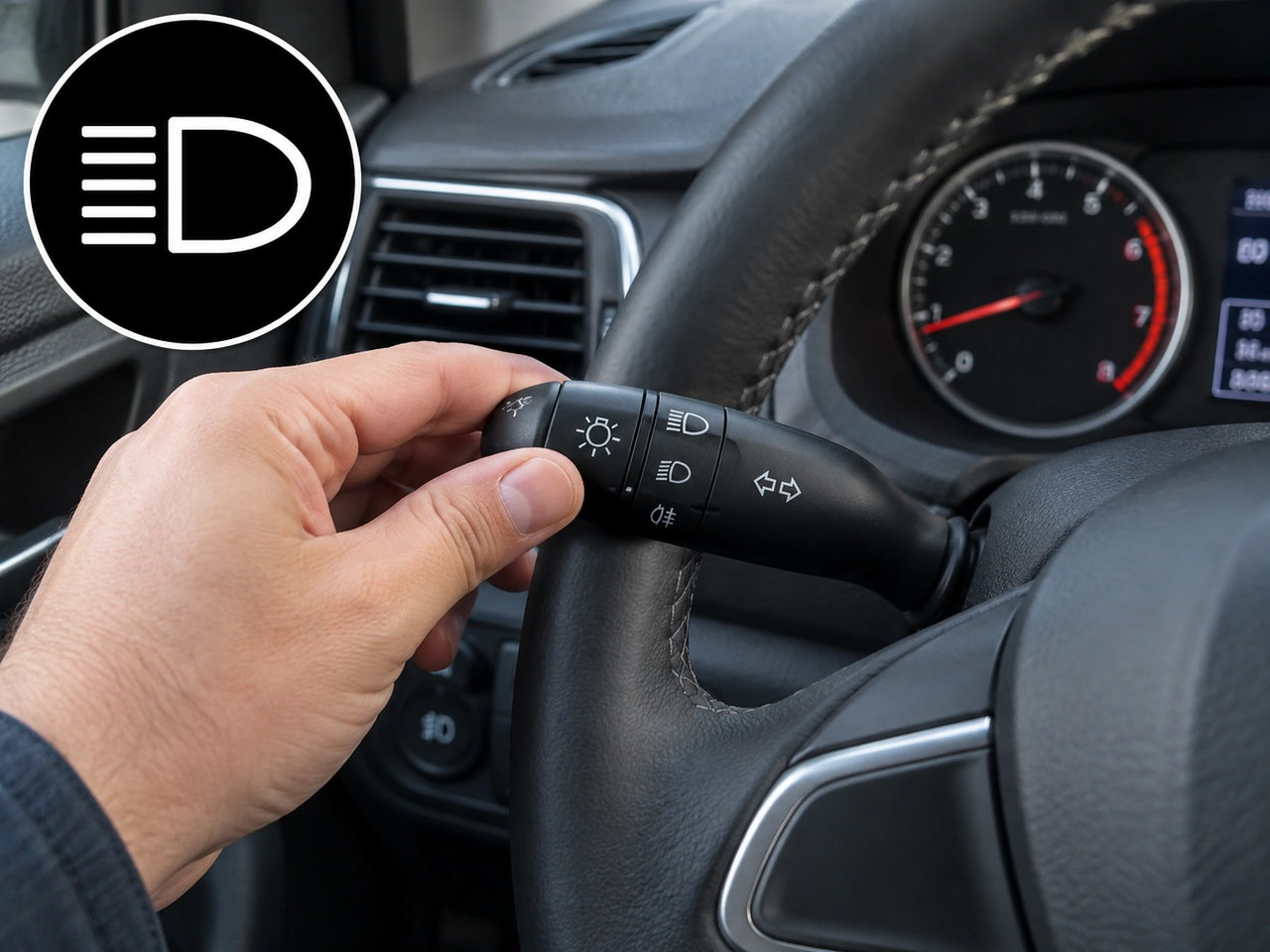
362. Which control is normally used to switch between dipped and main beam headlights?
The lighting stalk is normally used to switch between dipped and main beam headlights. The exact movement varies between vehicles, so check the vehicle controls before driving.
AI-generated by Rijbewijs-online.be • WCIT • CC BY-SA
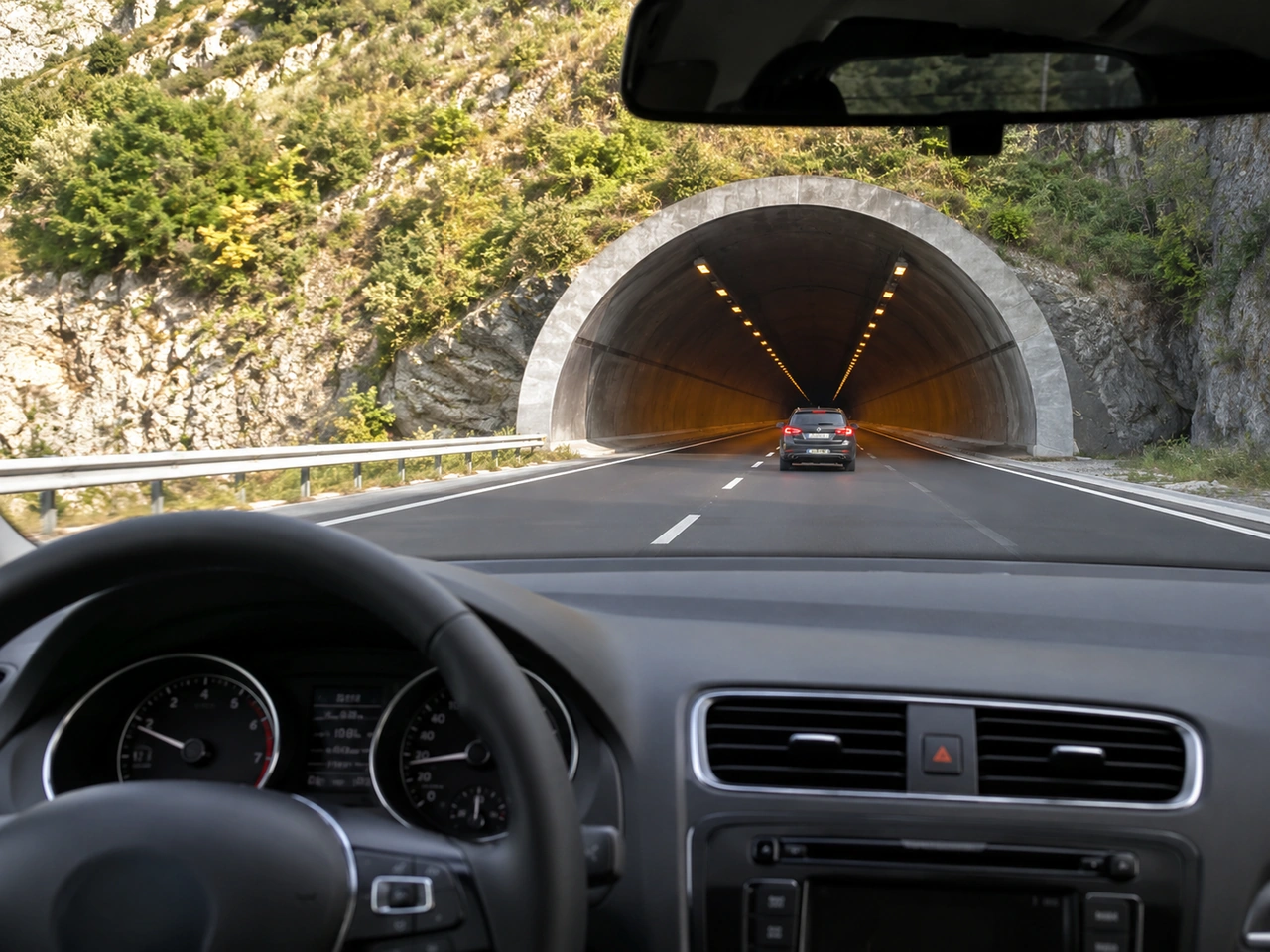
363. What should you do when approaching a tunnel?
When entering a tunnel, use the correct lights, keep enough distance, and stay alert for slower traffic.
AI-generated by Rijbewijs-online.be • WCIT • CC BY-SA
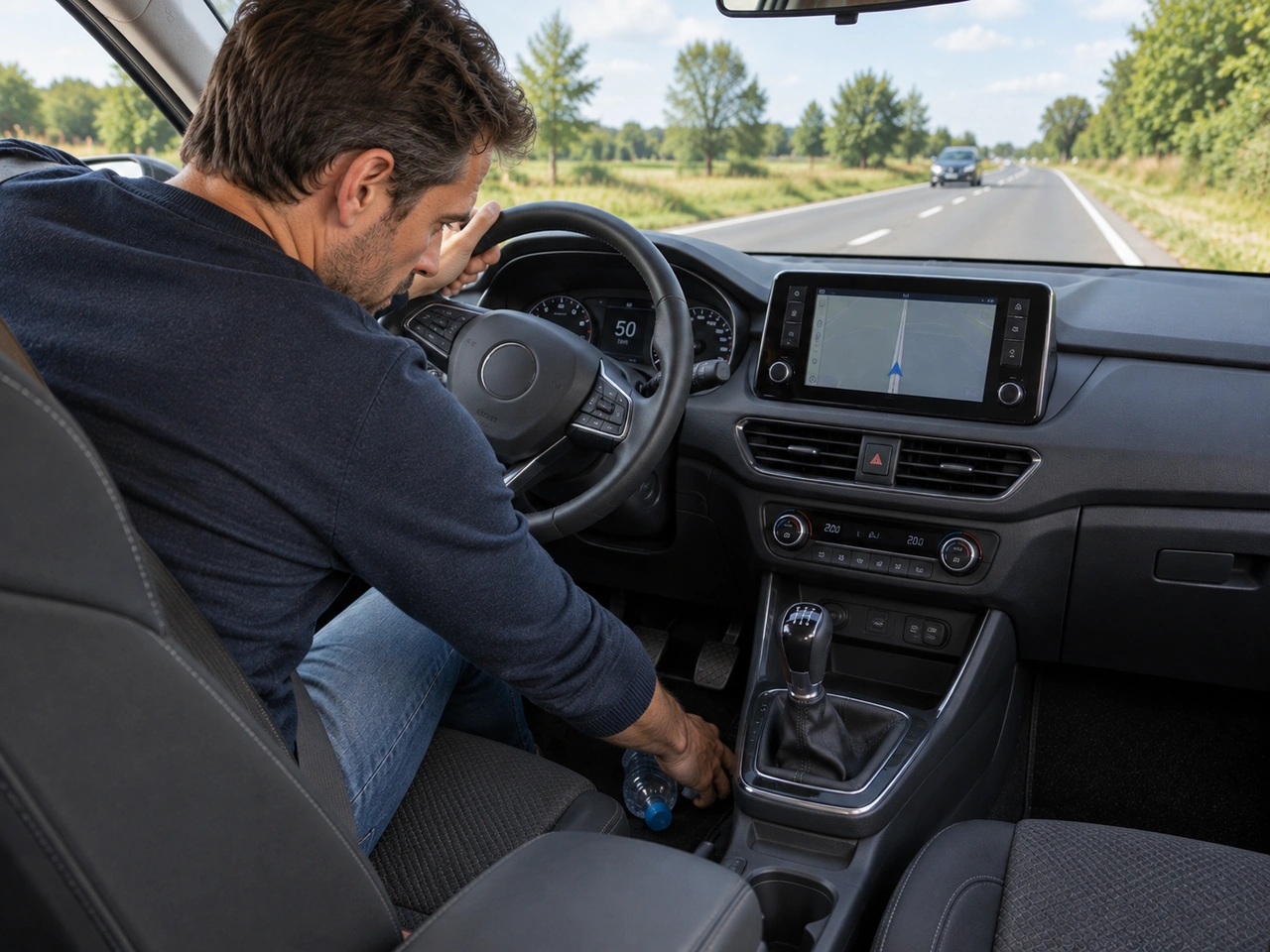
364. What should you do if an object falls into the driver's footwell while driving?
Do not reach down for an object while driving, as this takes your attention away from the road and can affect vehicle control. If something falls into the driver's footwell, keep control of the vehicle and stop somewhere safe before removing it.
AI-generated by Rijbewijs-online.be • WCIT • CC BY-SA
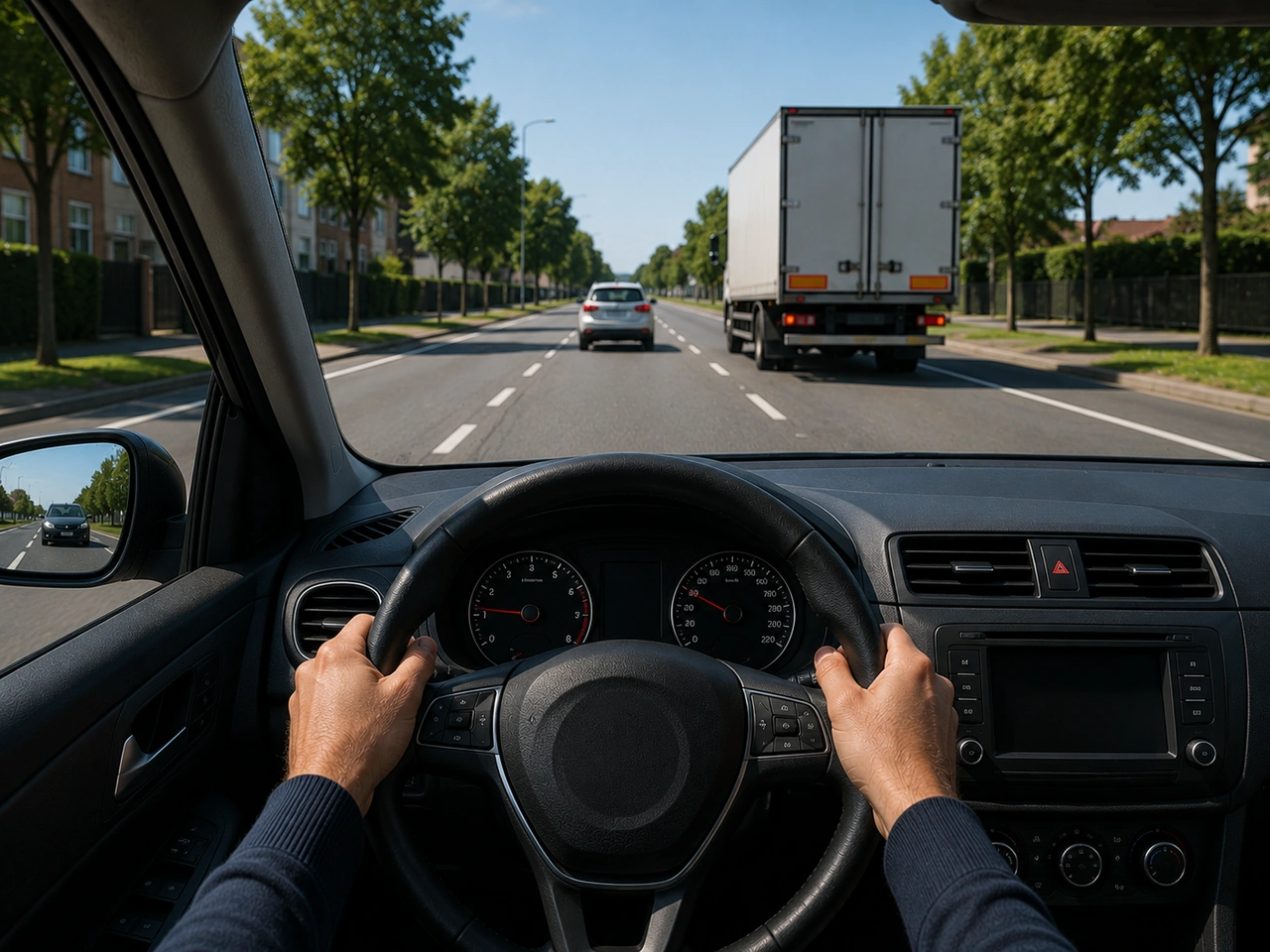
365. You should stay focused on the road and avoid unnecessary distractions.
Distractions reduce awareness and reaction time, making driving more dangerous.
AI-generated by Rijbewijs-online.be • WCIT • CC BY-SA
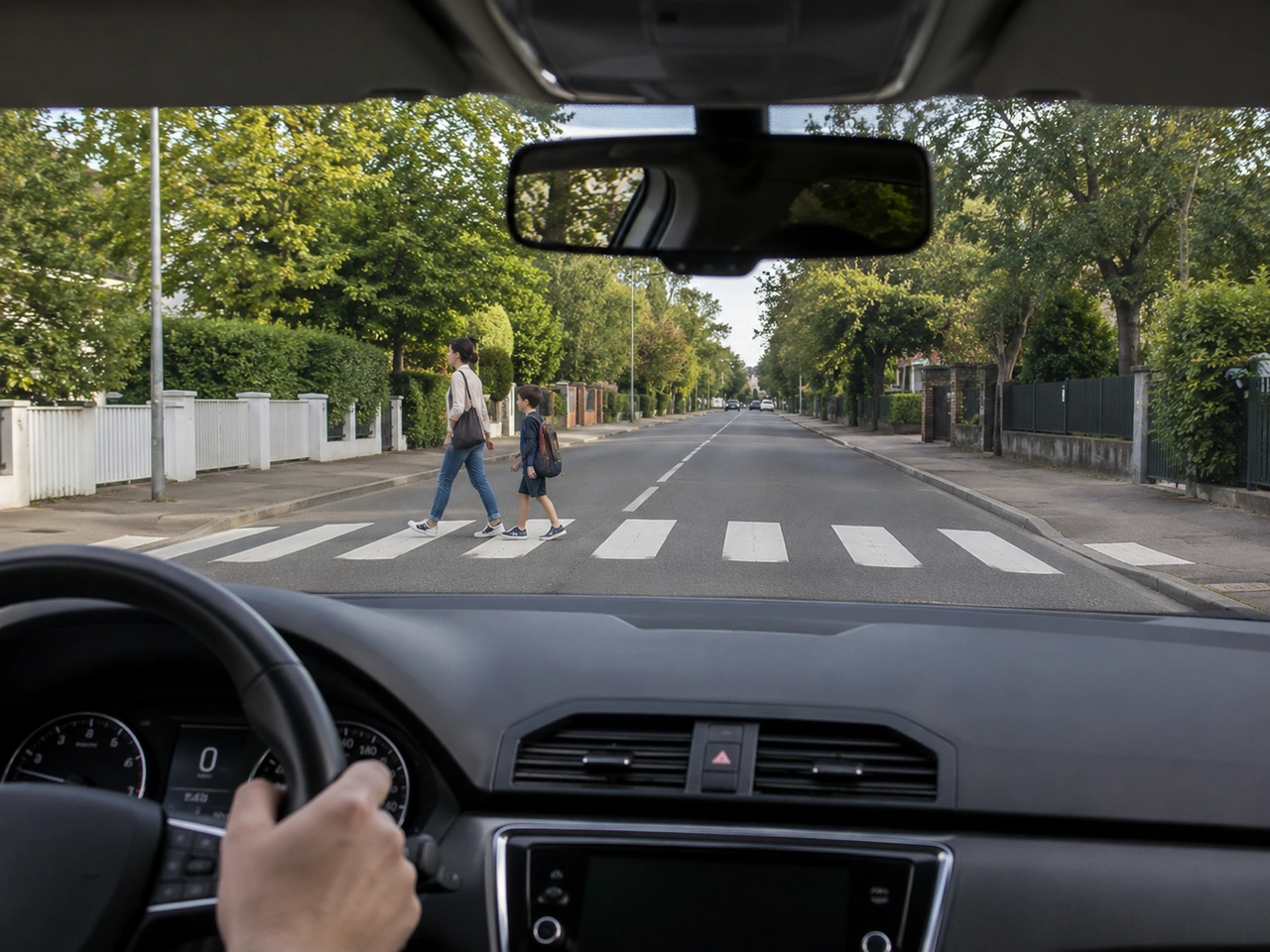
366. What is the purpose of a pedestrian crossing?
Pedestrian crossings provide a designated place where people can safely cross the road.
AI-generated by Rijbewijs-online.be • WCIT • CC BY-SA
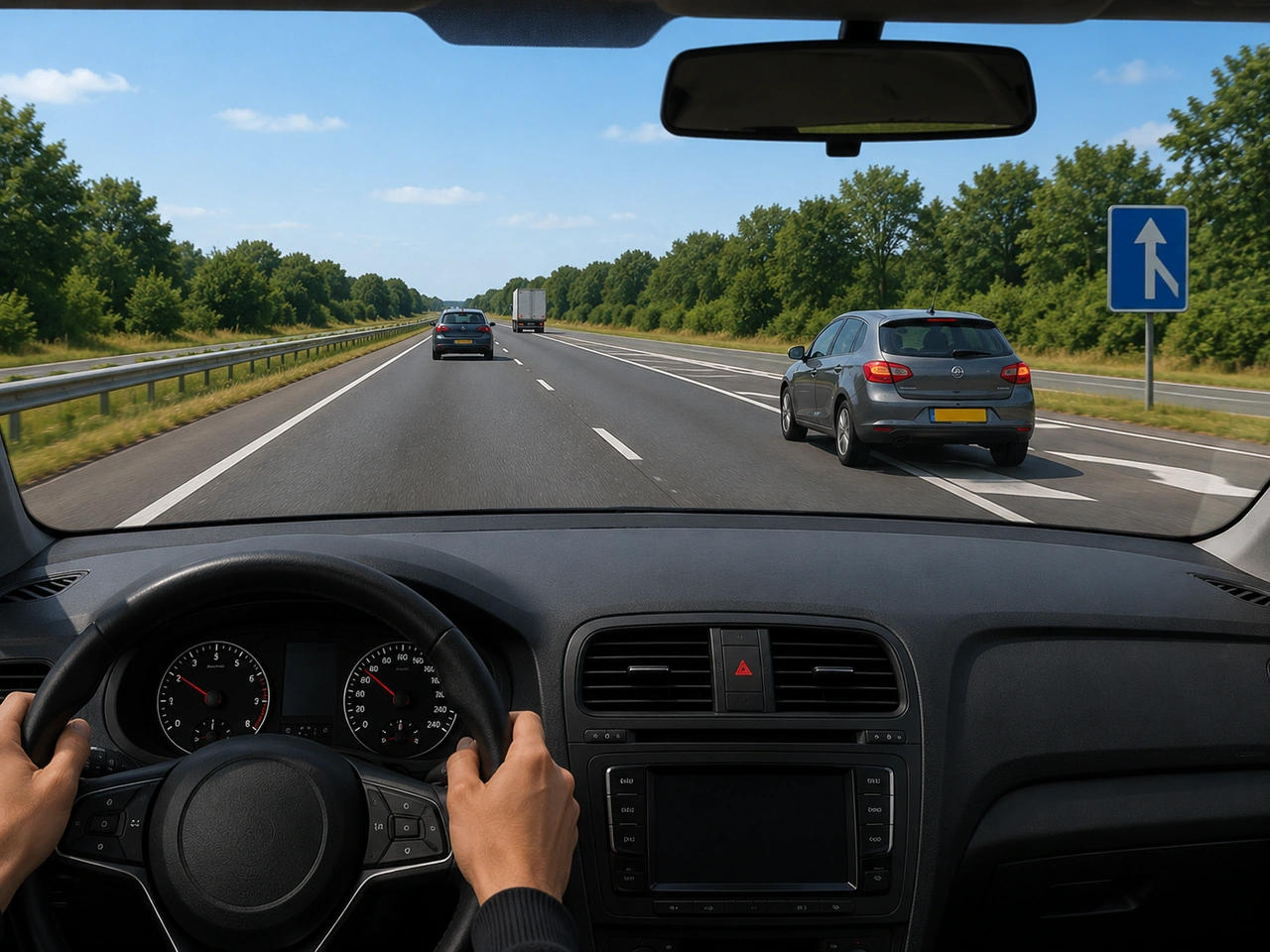
367. What should you do when traffic is merging from another lane?
When traffic merges, good observation and speed control help vehicles join safely without sudden braking or conflict.
AI-generated by Rijbewijs-online.be • WCIT • CC BY-SA
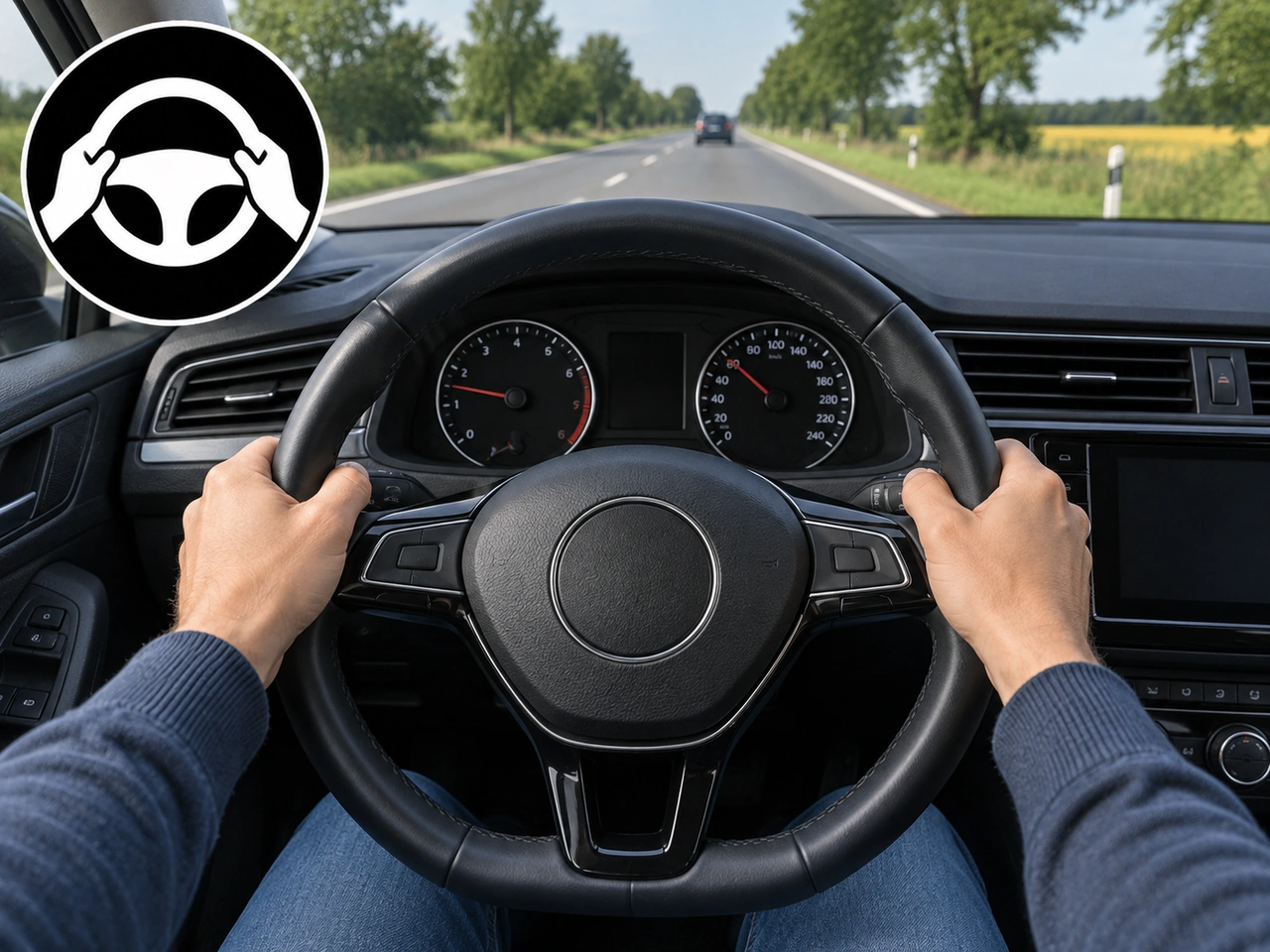
368. How should you normally hold the steering wheel while driving?
Hold the steering wheel with both hands in a balanced position so that you can steer smoothly and react quickly. A position around nine and three o'clock generally provides good control.
AI-generated by Rijbewijs-online.be • WCIT • CC BY-SA
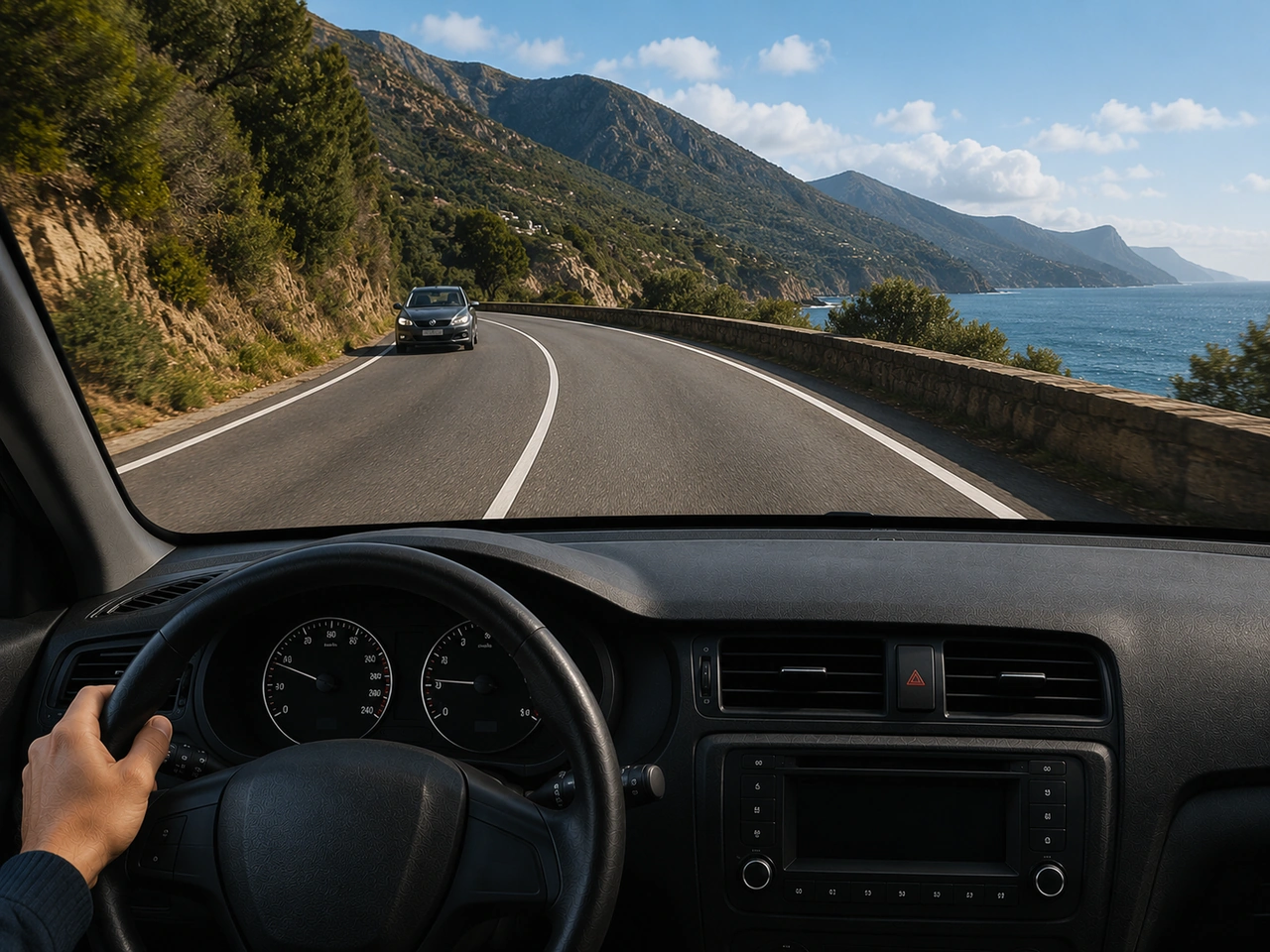
369. Why should you avoid braking hard on a curve?
Hard braking on a curve can upset the vehicle's balance and reduce grip. Slow down before the curve and steer smoothly.
AI-generated by Rijbewijs-online.be • WCIT • CC BY-SA
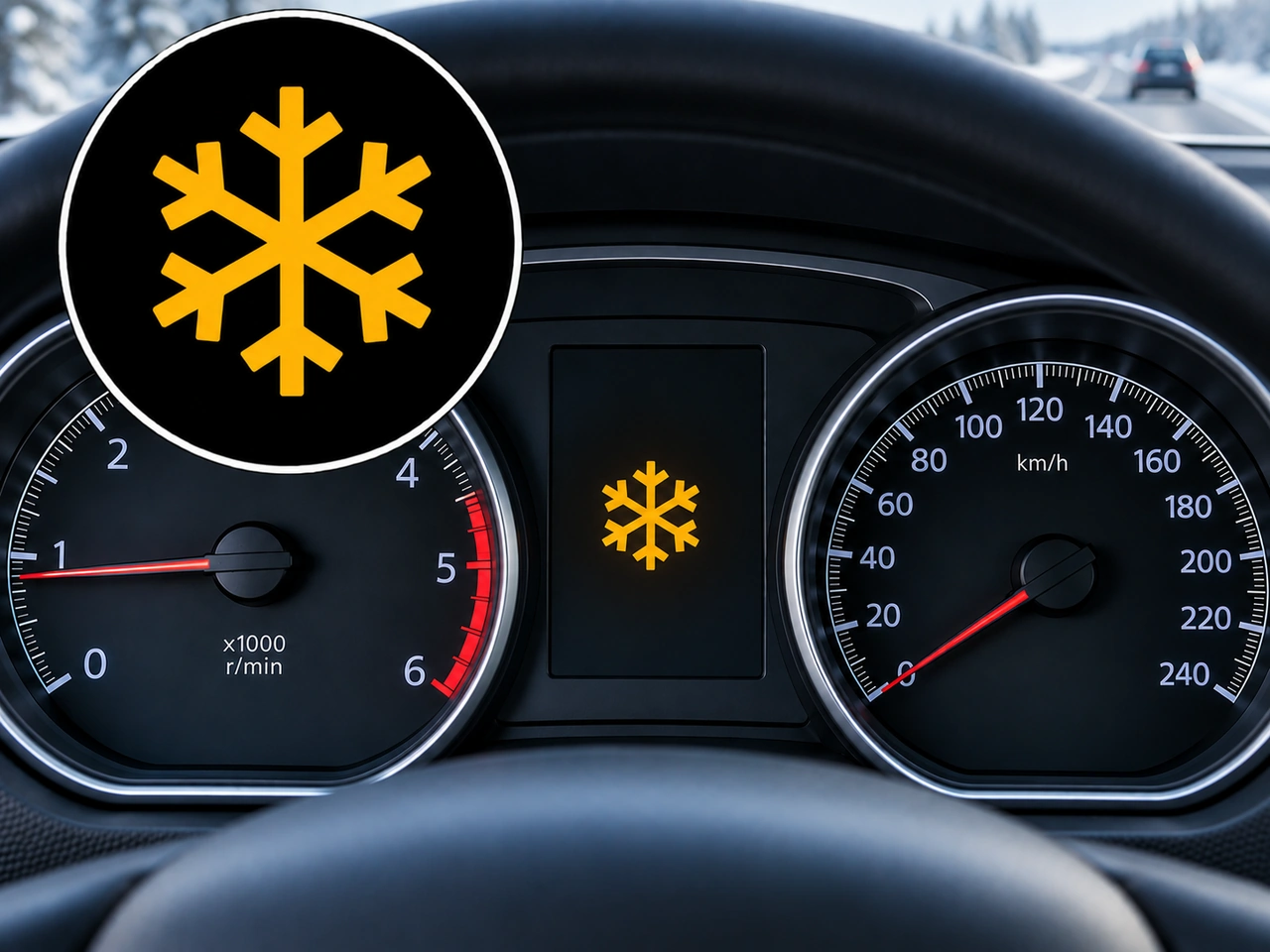
370. What does this dashboard symbol indicate?
This symbol warns that the outside temperature is low enough for ice to form. Road surfaces, especially bridges and shaded areas, may be slippery even when they appear clear.
AI-generated by Rijbewijs-online.be • WCIT • CC BY-SA
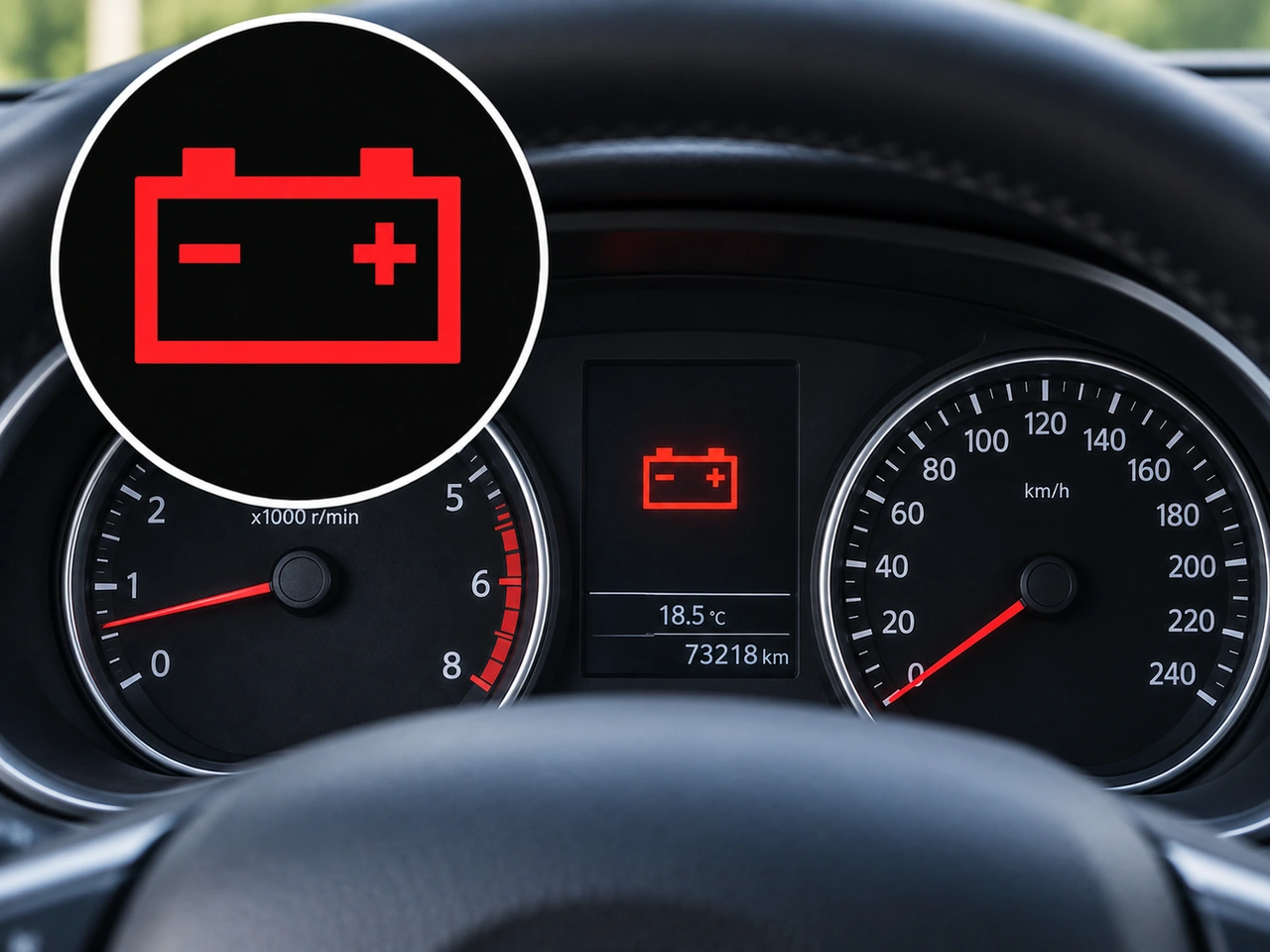
371. What does this dashboard symbol indicate?
This symbol indicates a problem with the vehicle's charging system. If it remains illuminated while the engine is running, the battery may not be charging correctly because of a fault with the alternator, battery, wiring, or related components.
AI-generated by Rijbewijs-online.be • WCIT • CC BY-SA
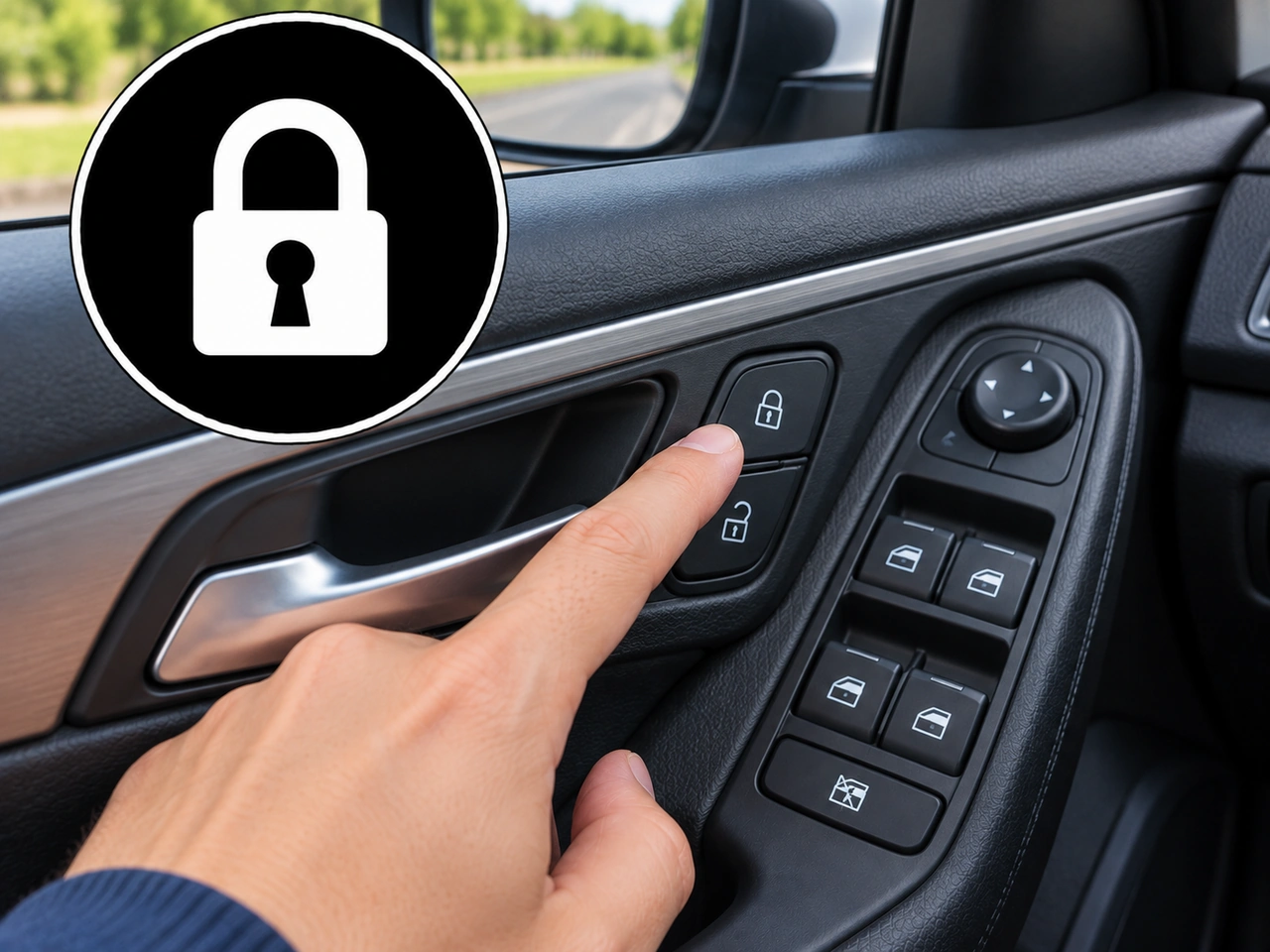
372. What does this vehicle-control symbol indicate?
This control operates the vehicle's central door locking system. Pressing it locks or unlocks the vehicle's doors, depending on the current lock state.
AI-generated by Rijbewijs-online.be • WCIT • CC BY-SA
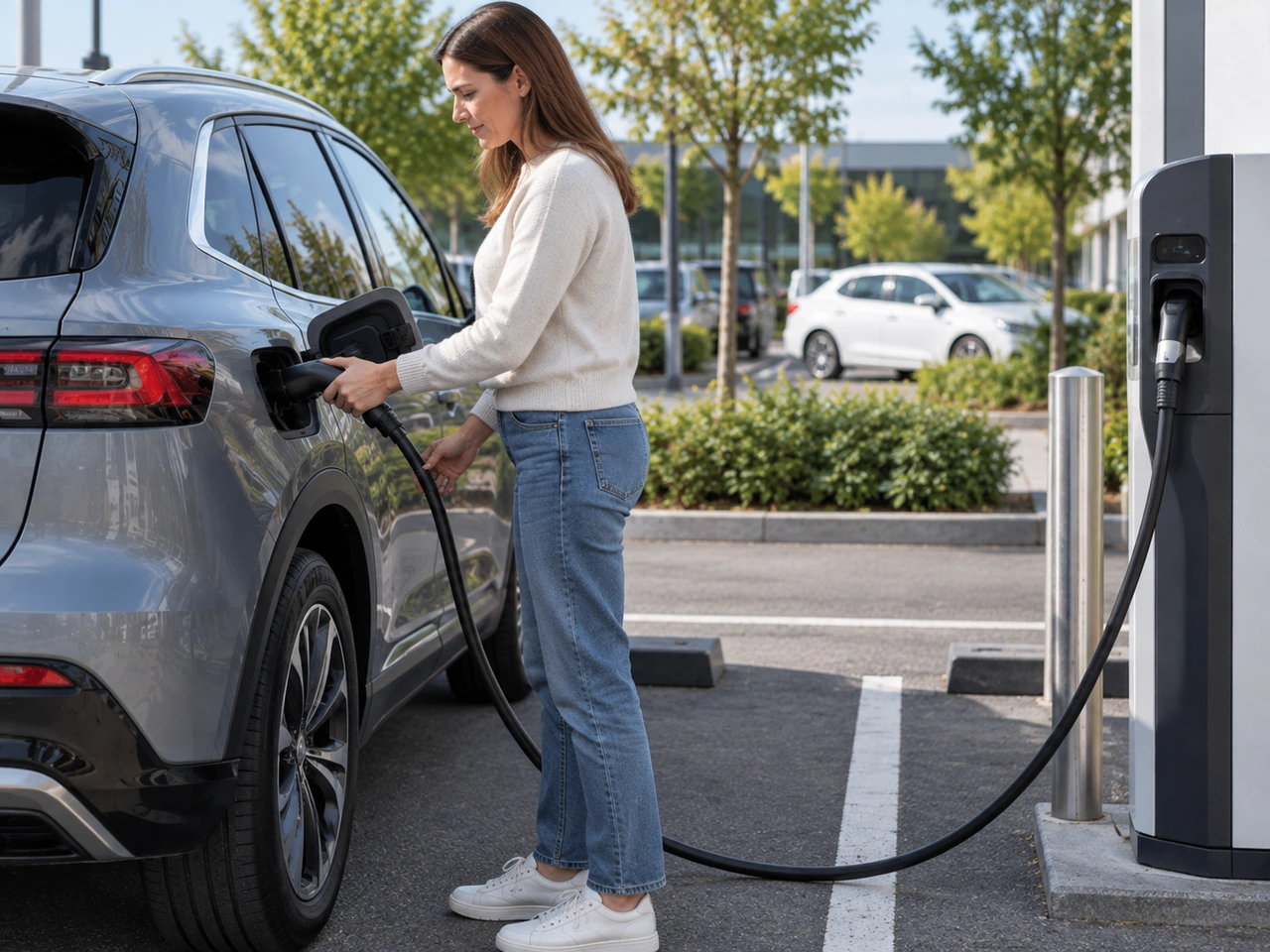
373. What should you do before driving away after charging an electric vehicle?
Before driving away, disconnect the charging cable correctly and return it to the charger or store it securely in the vehicle, as appropriate. Close the charging port and check that the area around the vehicle is clear.
AI-generated by Rijbewijs-online.be • WCIT • CC BY-SA
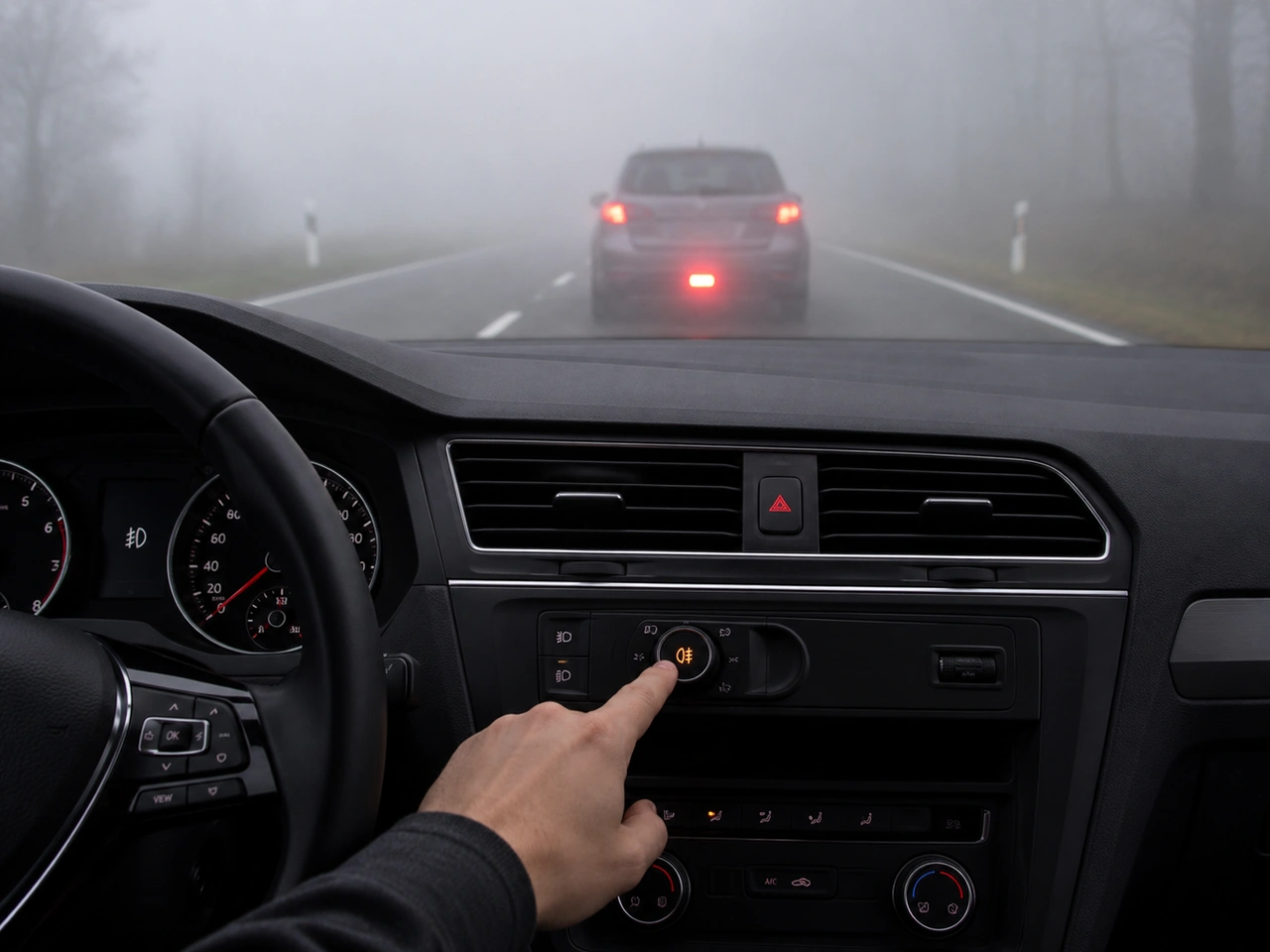
374. When should you use rear fog lights?
Rear fog lights are very bright and should only be used when visibility is poor enough to require them.
AI-generated by Rijbewijs-online.be • WCIT • CC BY-SA
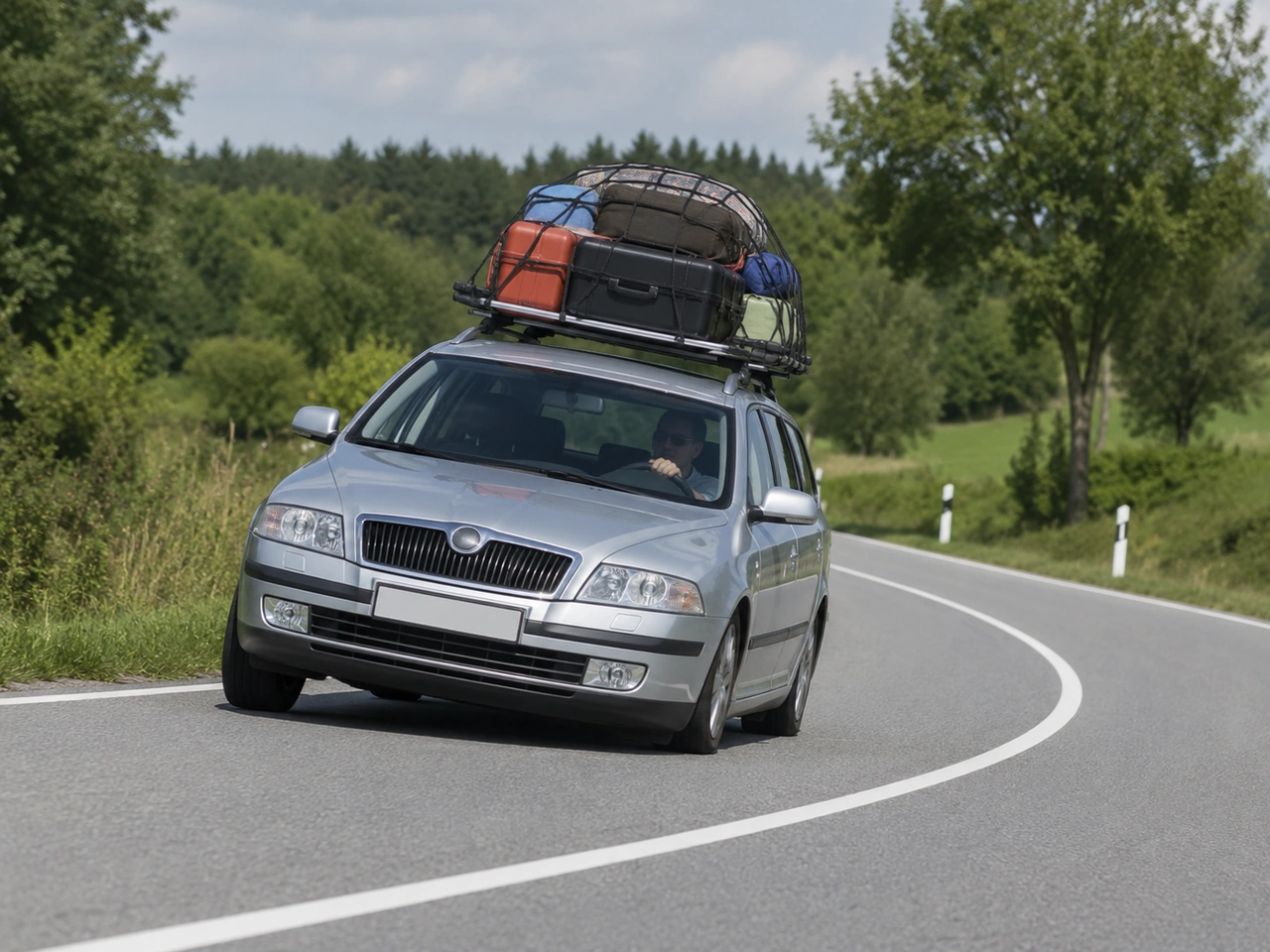
375. How can a roof load affect vehicle handling?
Weight carried high on the vehicle can increase body movement and make sudden steering or cornering less stable.
AI-generated by Rijbewijs-online.be • WCIT • CC BY-SA
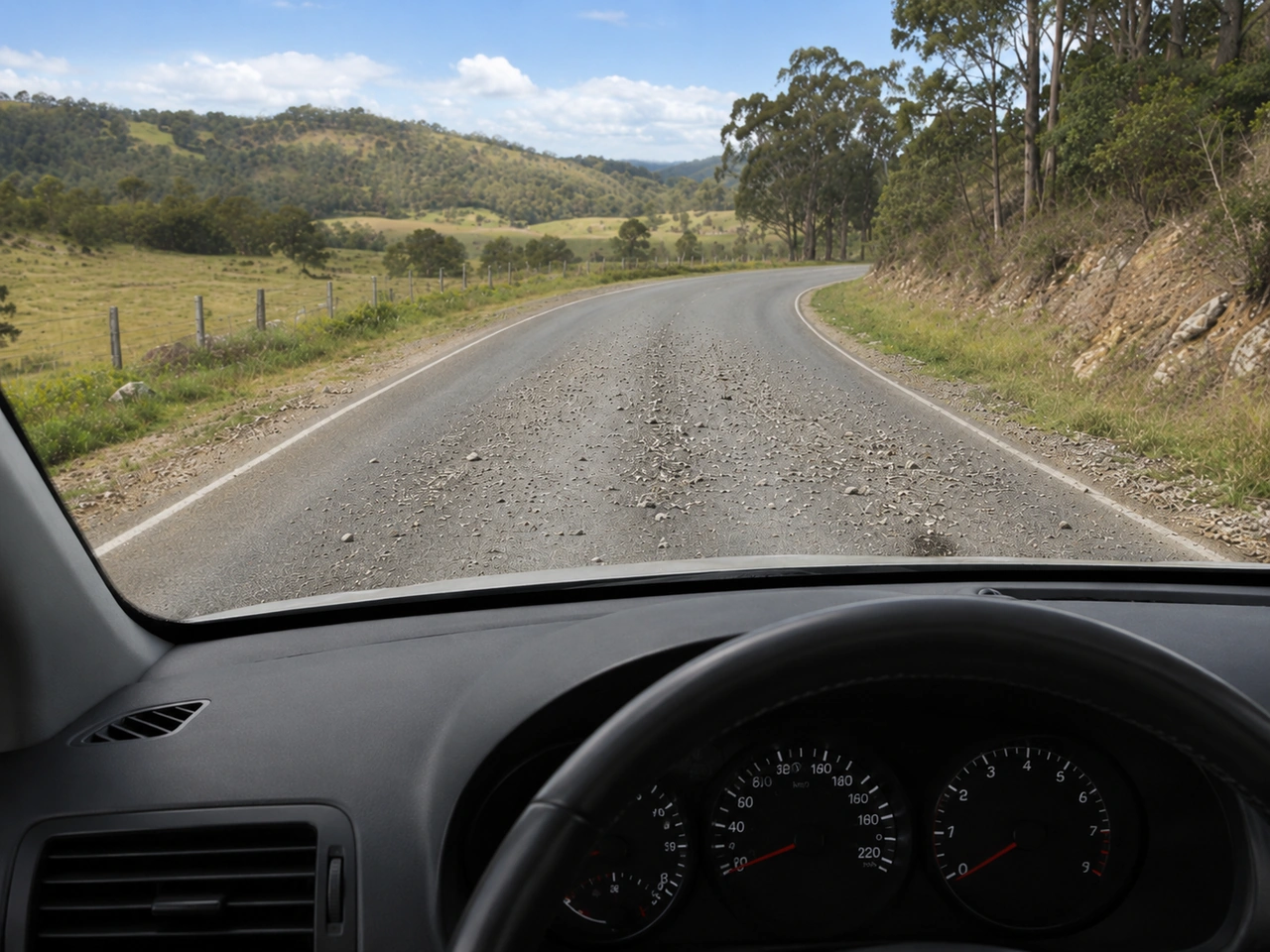
376. What should you do if you see loose gravel on the road?
Loose gravel reduces grip and can make the vehicle skid. Slow down and use smooth steering and braking.
AI-generated by Rijbewijs-online.be • WCIT • CC BY-SA
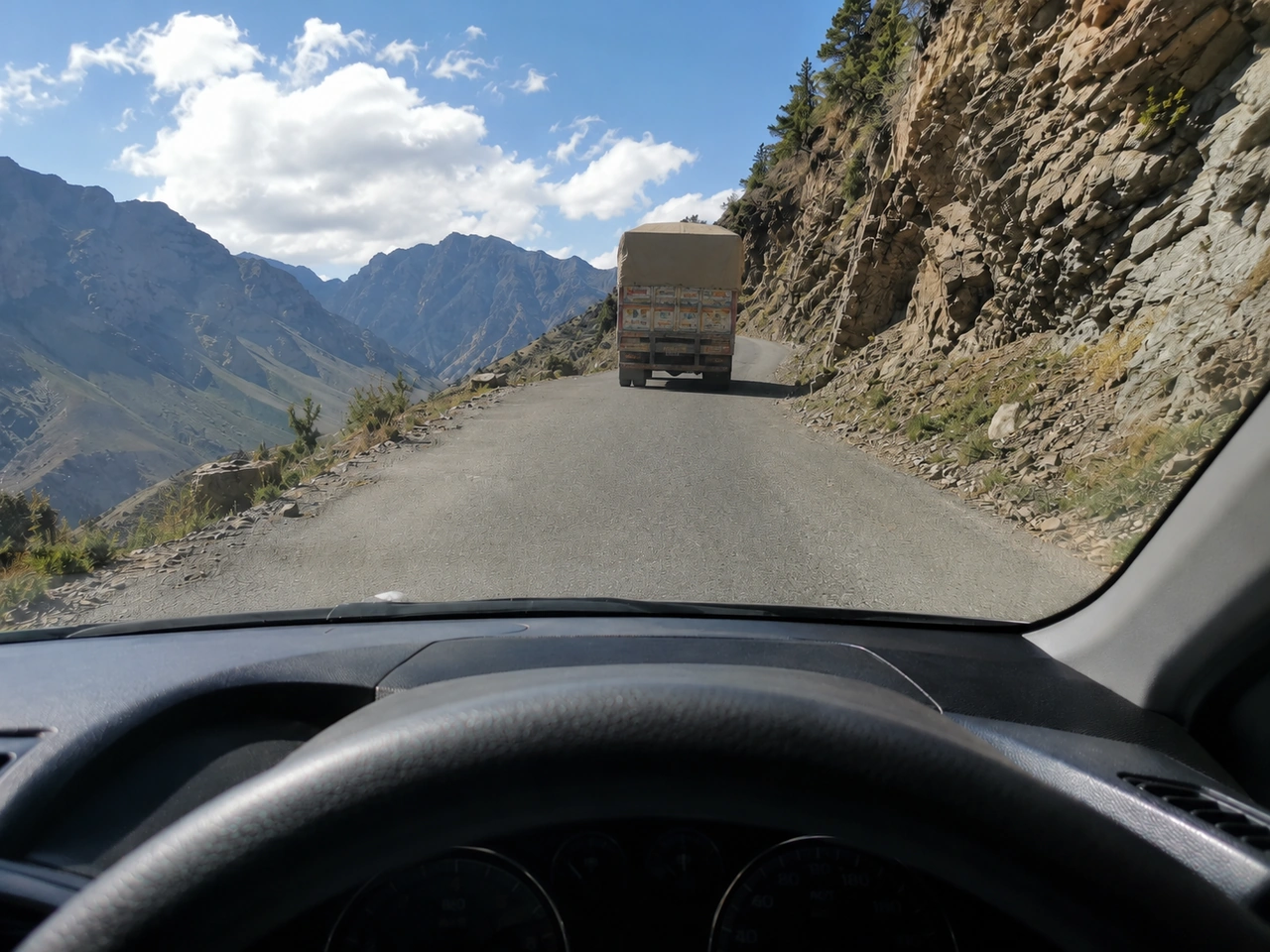
377. Why should you leave extra space behind a vehicle climbing a steep hill?
Vehicles may lose speed or briefly roll backward when starting on a steep incline. Extra space gives you more time to react.
AI-generated by Rijbewijs-online.be • WCIT • CC BY-SA
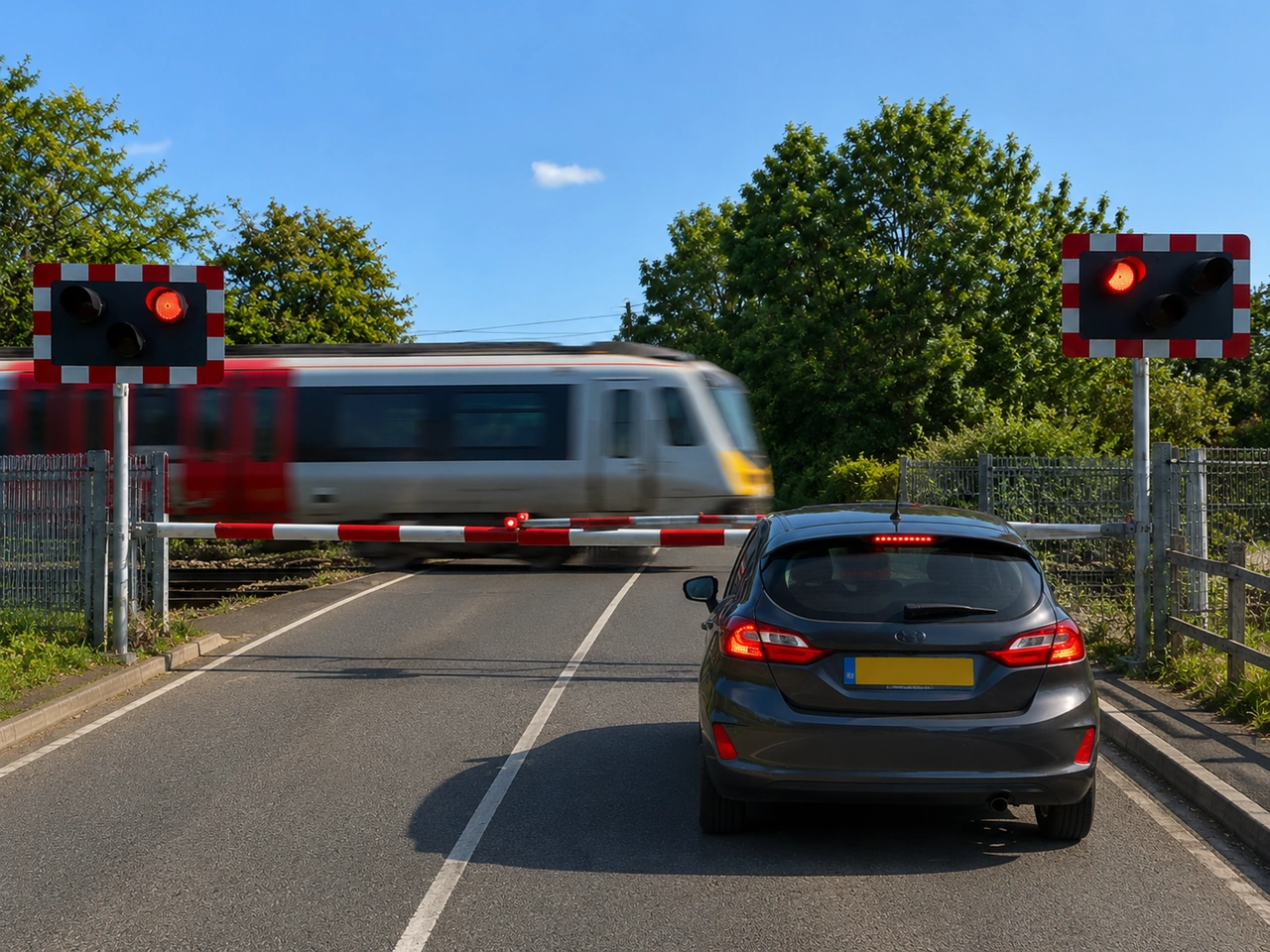
378. What should you do at a railway crossing when the barriers are closing?
Never enter a railway crossing when barriers are closing or warning signals are active. Stop and wait until it is safe.
AI-generated by Rijbewijs-online.be • WCIT • CC BY-SA
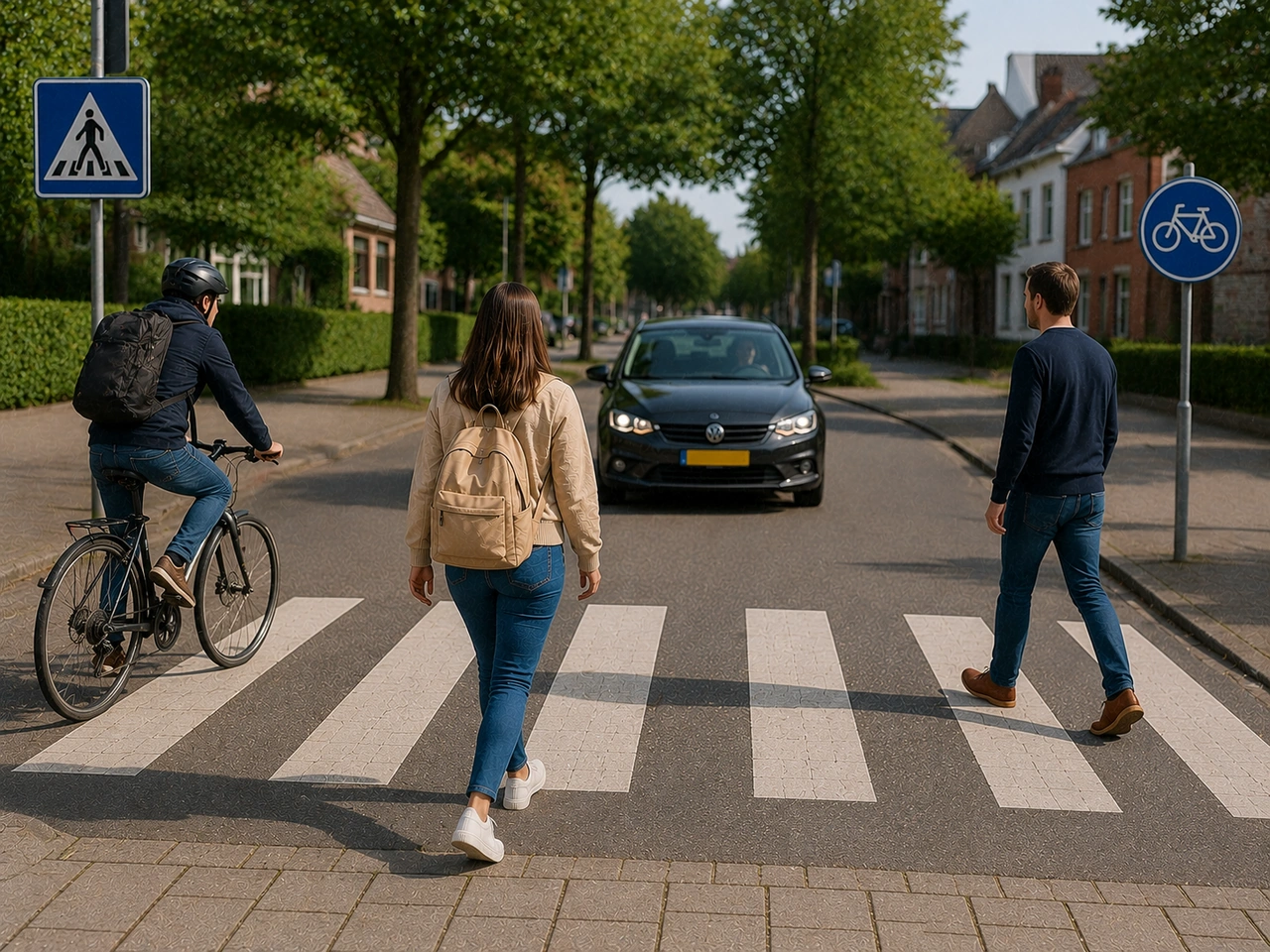
379. Who is responsible for staying safe when crossing the road?
Road safety is a shared responsibility. Pedestrians, drivers, and cyclists all need to stay alert and follow the rules.
AI-generated by Rijbewijs-online.be • WCIT • CC BY-SA
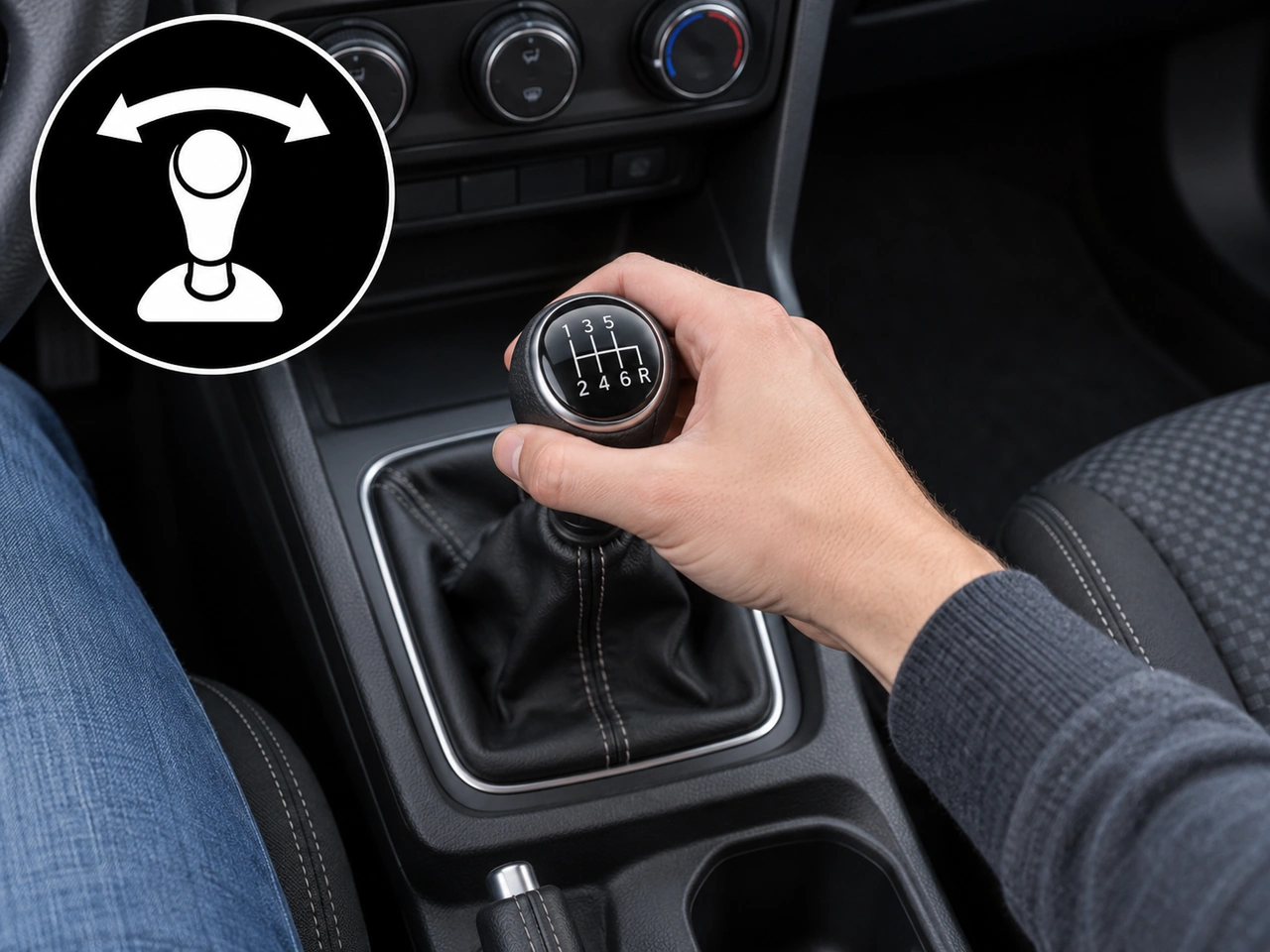
380. How can you check that a manual gearbox is in neutral?
When a manual gearbox is in neutral, the gear lever can normally be moved freely from side to side across the centre of the gear pattern. Check that neutral is selected before starting the engine when appropriate.
AI-generated by Rijbewijs-online.be • WCIT • CC BY-SA
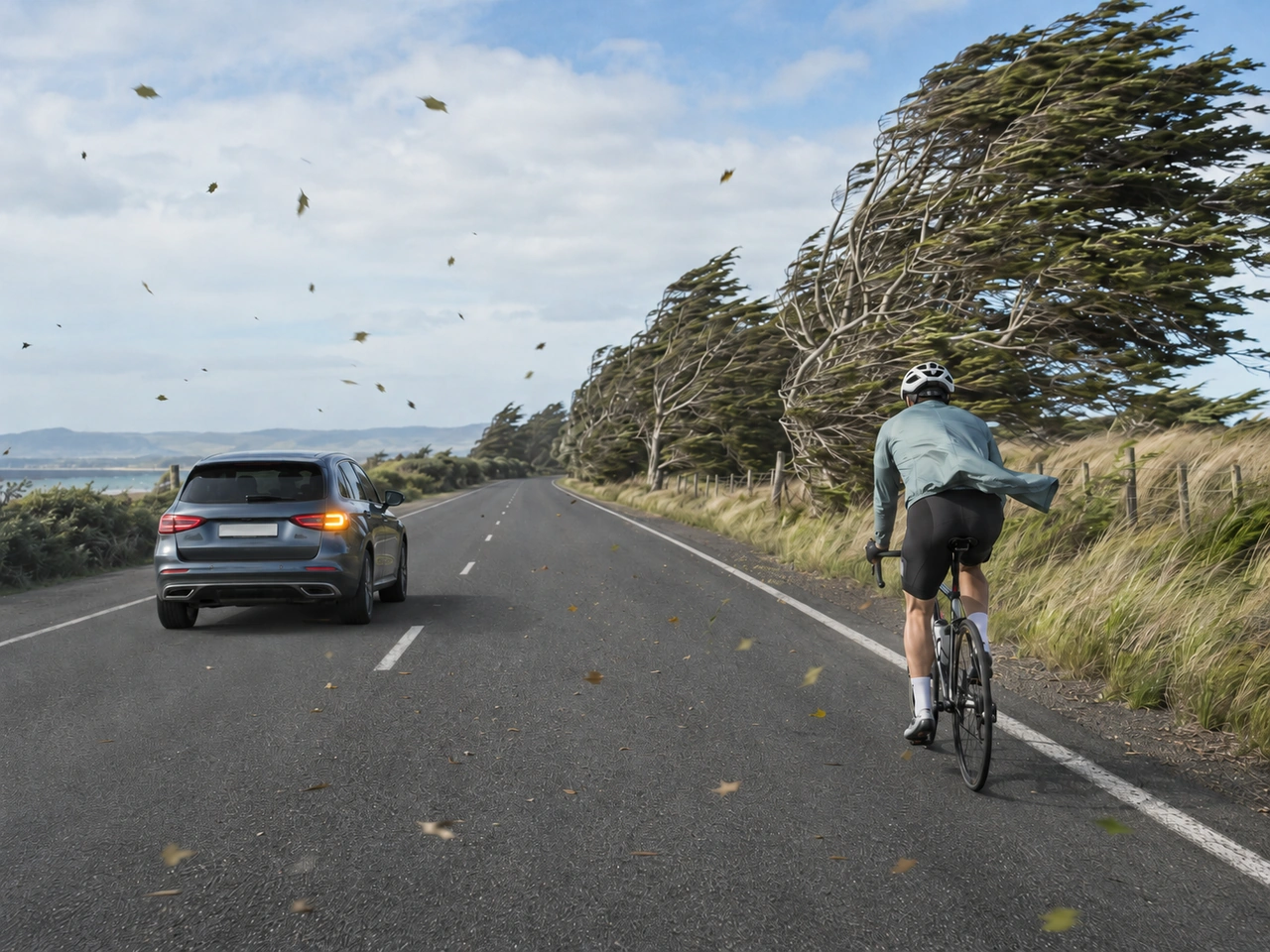
381. Why should you leave extra space when passing cyclists in strong winds?
Strong gusts can affect cyclists' balance and direction. Extra passing space reduces the risk of a collision.
AI-generated by Rijbewijs-online.be • WCIT • CC BY-SA
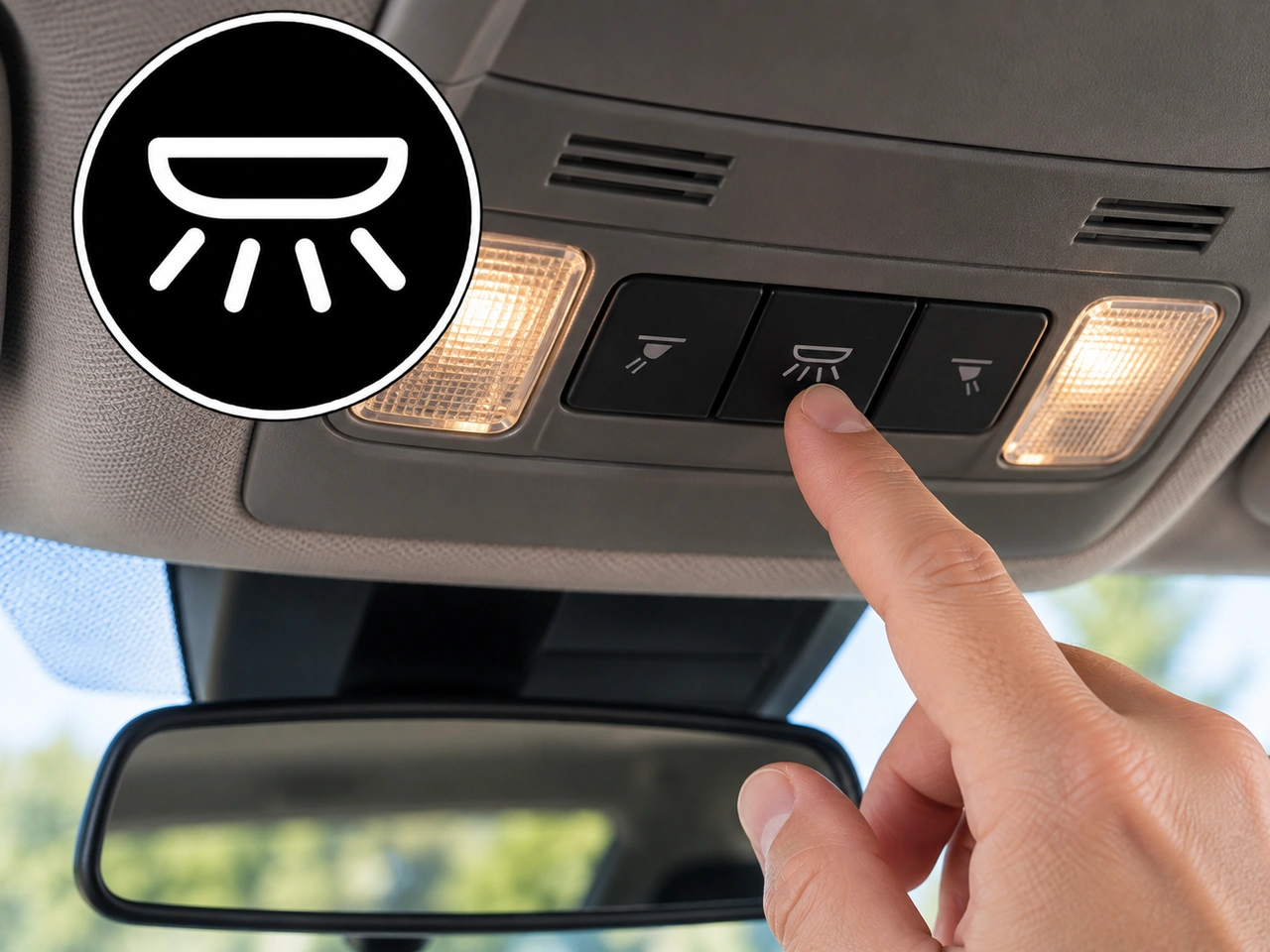
382. What does this vehicle-control symbol indicate?
This control operates the vehicle's interior lighting. Depending on the vehicle, the lights can be switched on manually or set to illuminate automatically when a door is opened.
AI-generated by Rijbewijs-online.be • WCIT • CC BY-SA
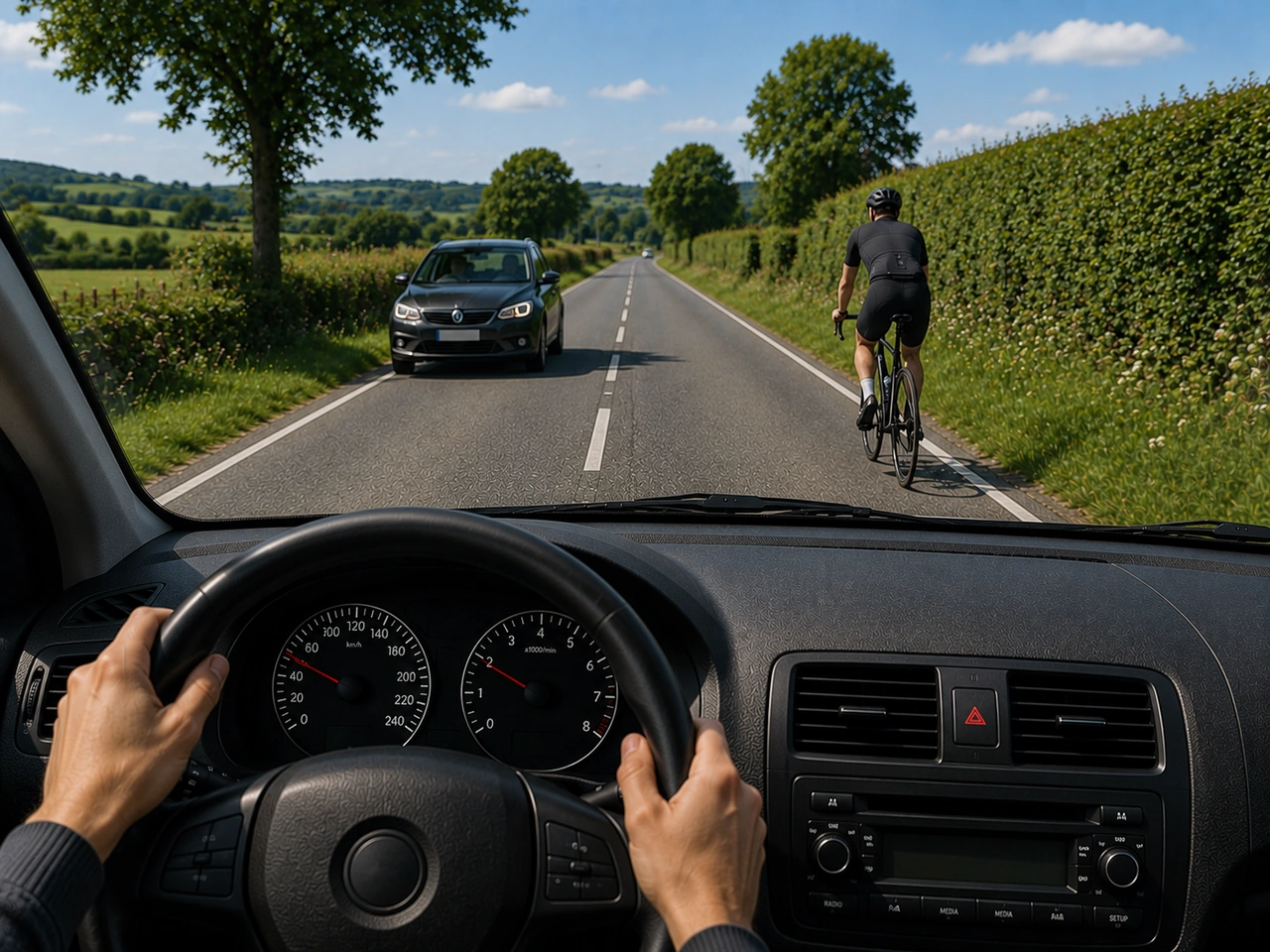
383. What should you do when following a cyclist on a narrow road?
Cyclists may need to avoid potholes, drains, or wind gusts. Keep distance and only pass when you can leave plenty of space.
AI-generated by Rijbewijs-online.be • WCIT • CC BY-SA
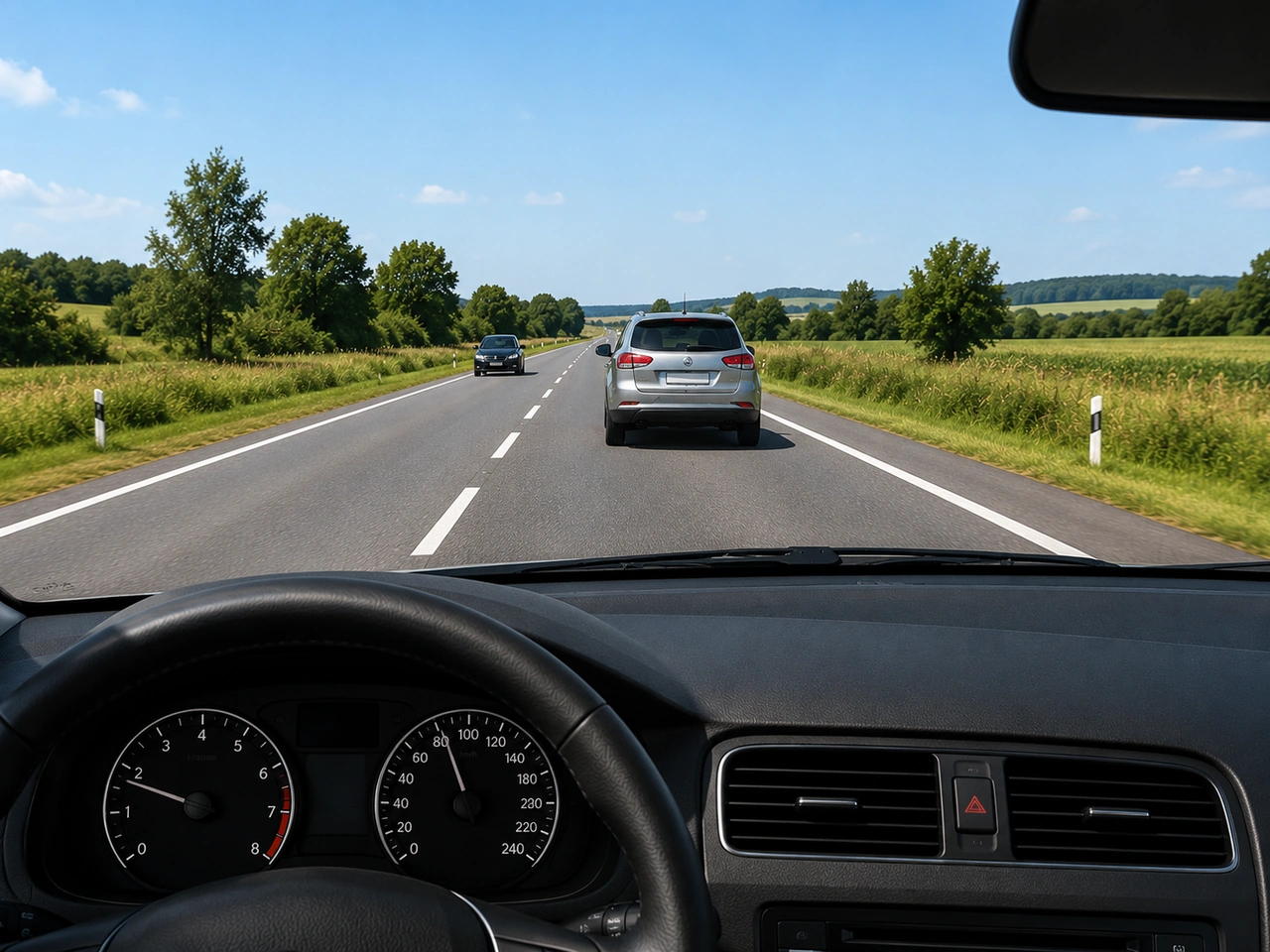
384. Why should you keep a safe following distance?
A safe following distance gives you enough time to react if the vehicle in front slows down or stops suddenly.
AI-generated by Rijbewijs-online.be • WCIT • CC BY-SA
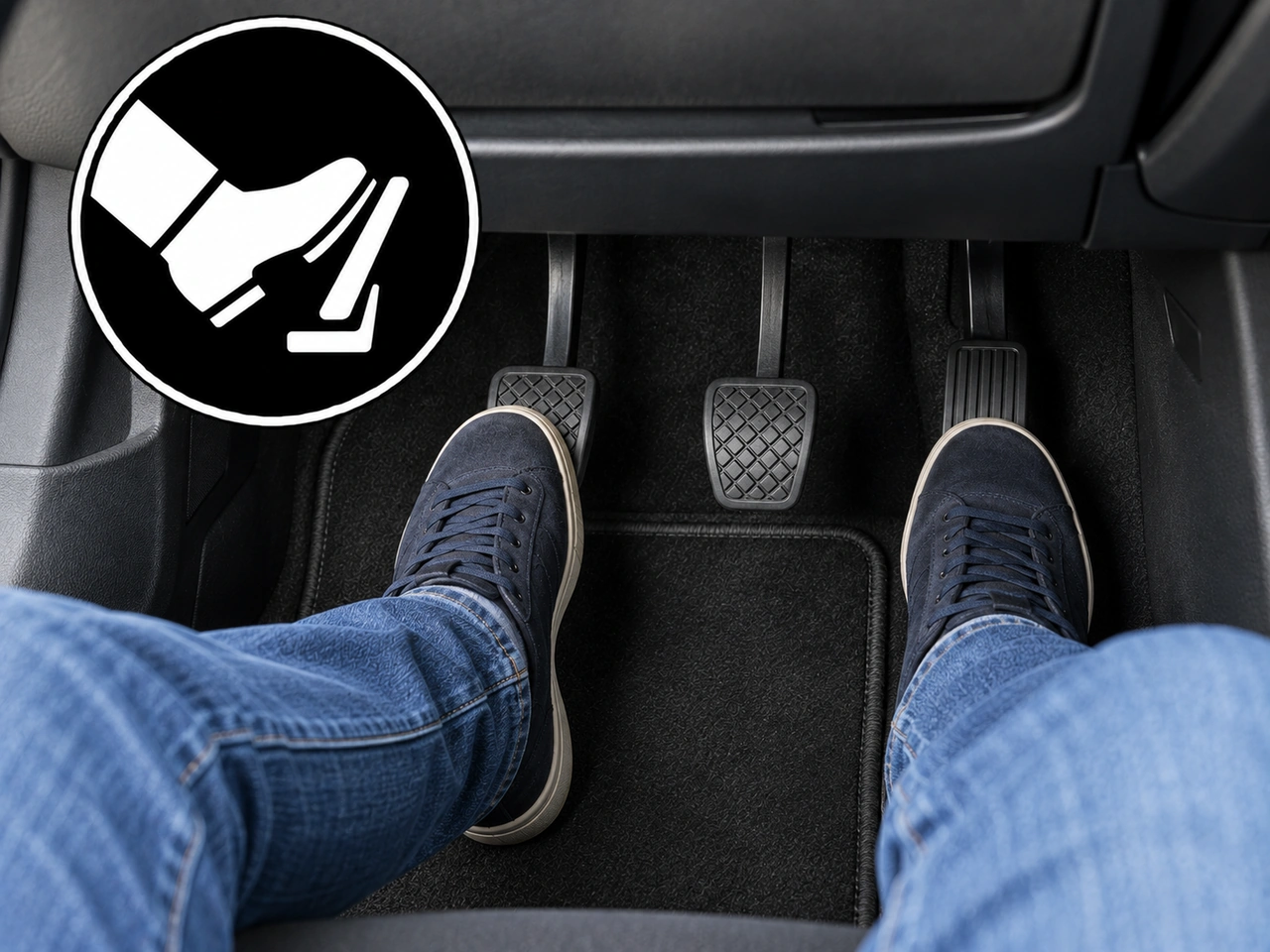
385. What is the clutch biting point?
The clutch biting point is reached as the clutch pedal is released and the clutch begins to transmit power from the engine to the transmission. Controlling this point helps the driver move off smoothly.
AI-generated by Rijbewijs-online.be • WCIT • CC BY-SA
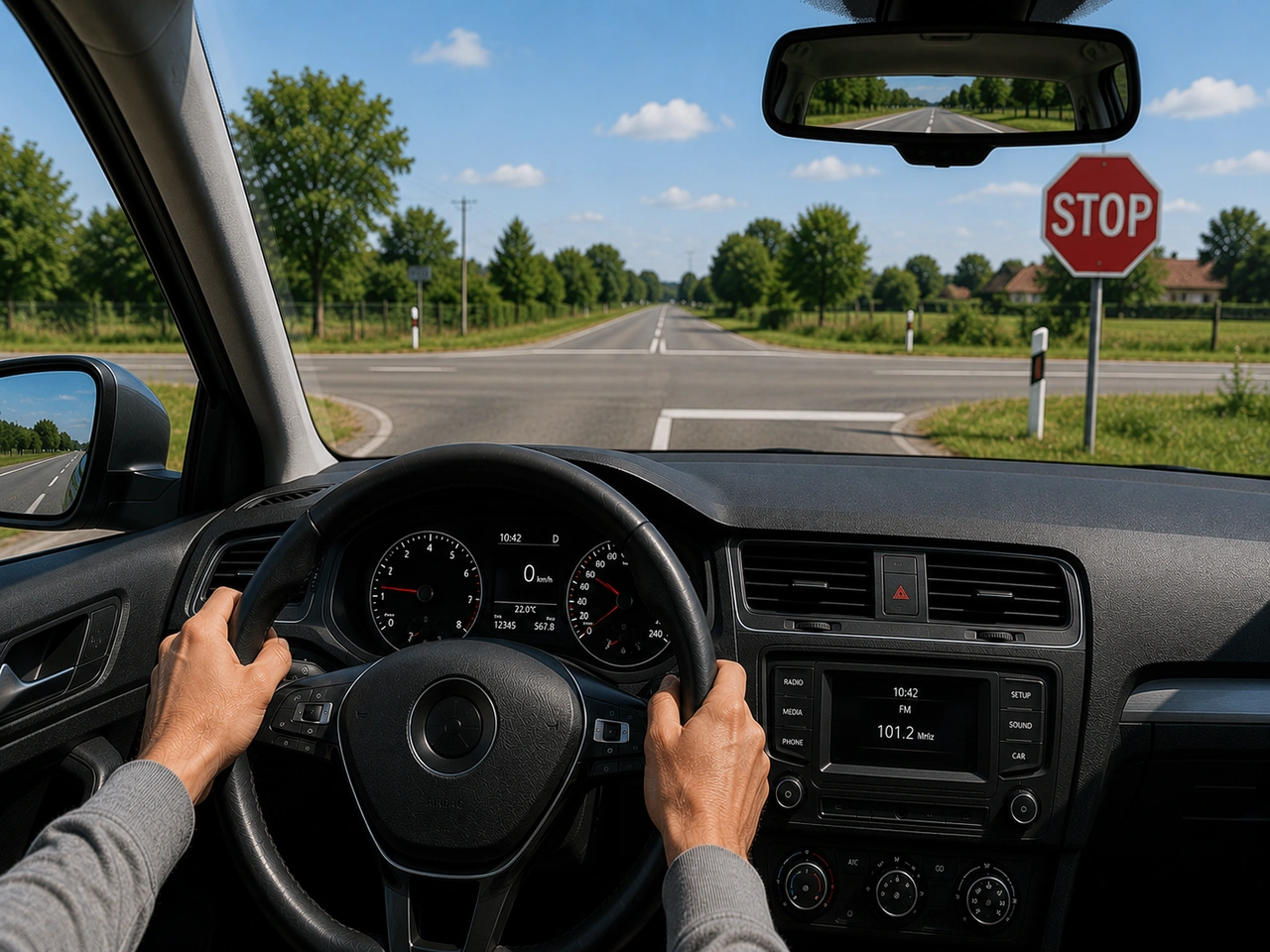
386. You may ignore a stop sign if the road looks empty.
A stop sign means you must come to a complete stop, even if no other traffic is visible.
AI-generated by Rijbewijs-online.be • WCIT • CC BY-SA
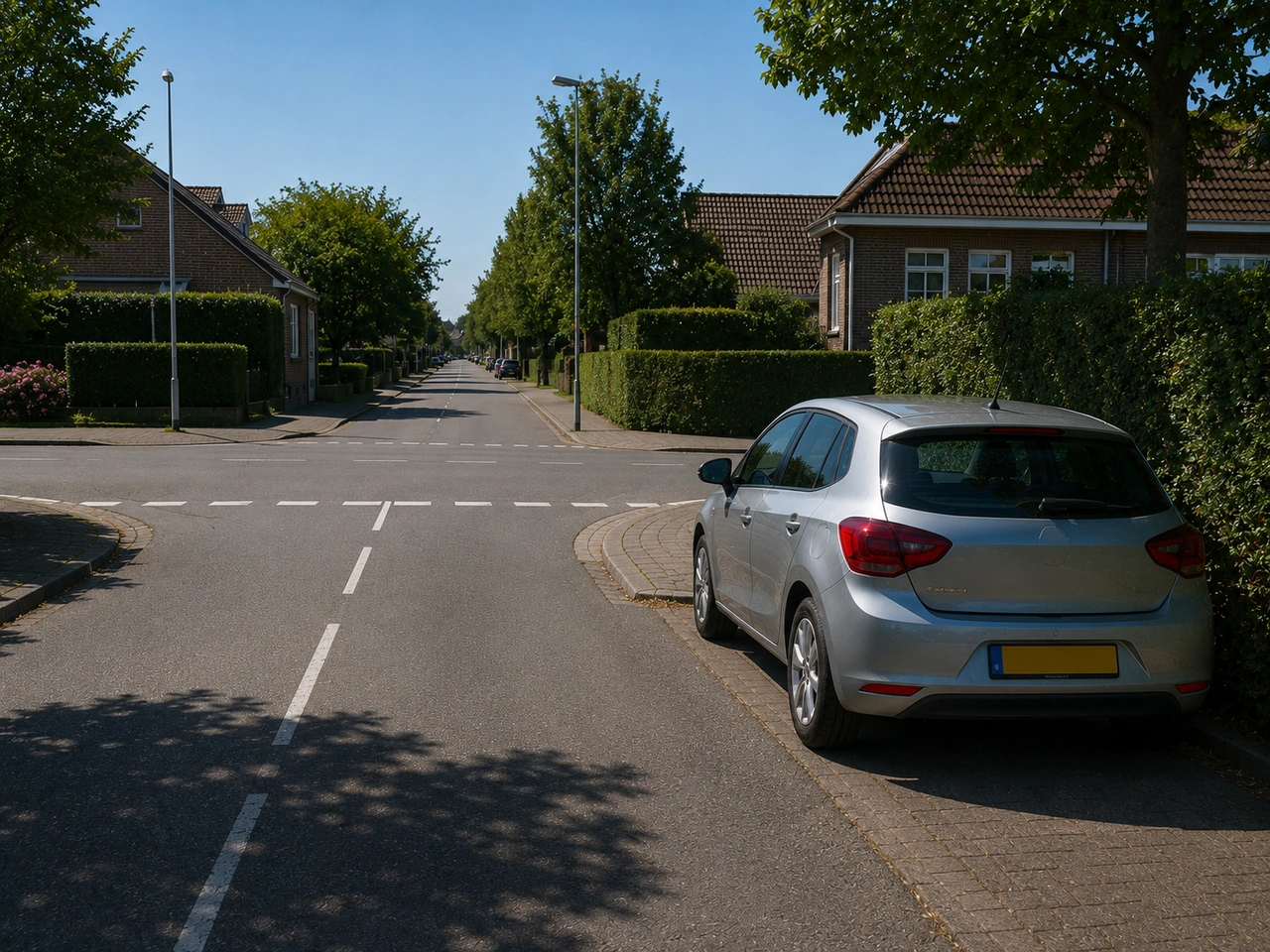
387. How can parking too close to a junction affect visibility?
Parking too close to a junction can block visibility. Drivers, cyclists, and pedestrians may have difficulty seeing each other in time.
AI-generated by Rijbewijs-online.be • WCIT • CC BY-SA
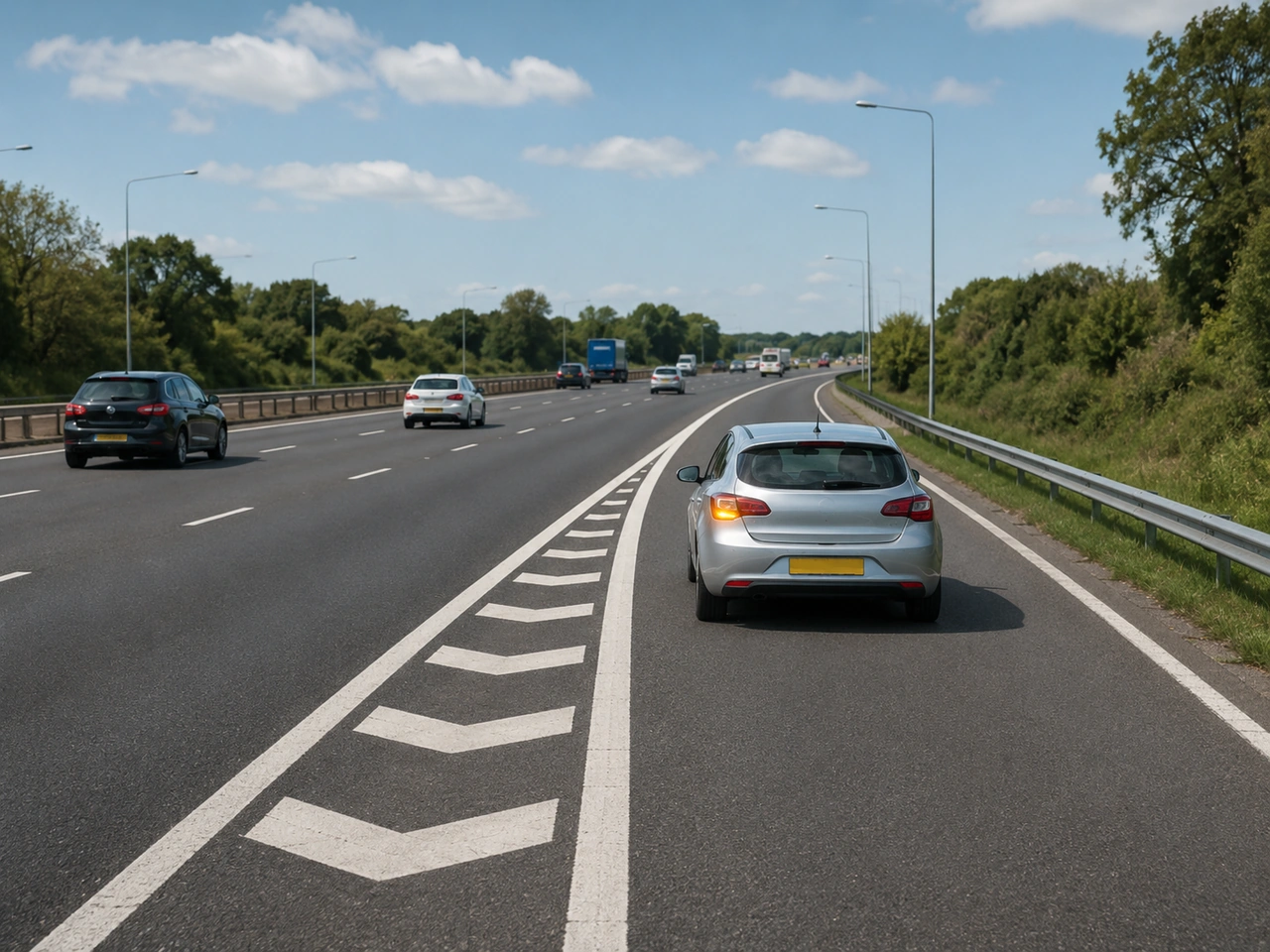
388. What should you do before joining a motorway?
Observe motorway traffic early, signal clearly, and merge only when there is a safe gap.
AI-generated by Rijbewijs-online.be • WCIT • CC BY-SA
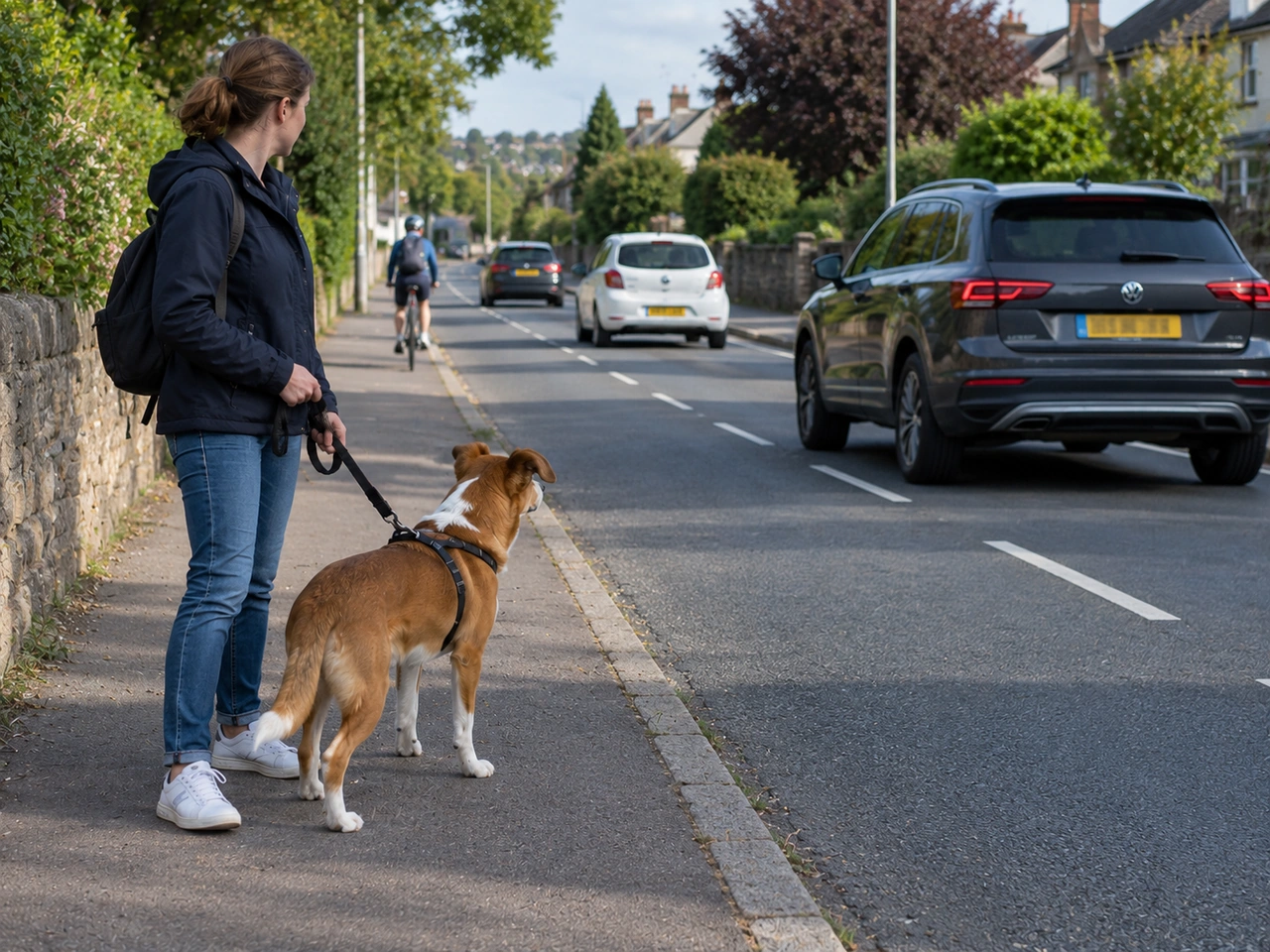
389. Why should you keep a dog on a leash near traffic?
Dogs can react unpredictably to vehicles, people, noises, or other animals. Keeping a dog under close control on a leash near traffic reduces the risk of it suddenly entering the road and endangering itself or other road users.
AI-generated by Rijbewijs-online.be • WCIT • CC BY-SA
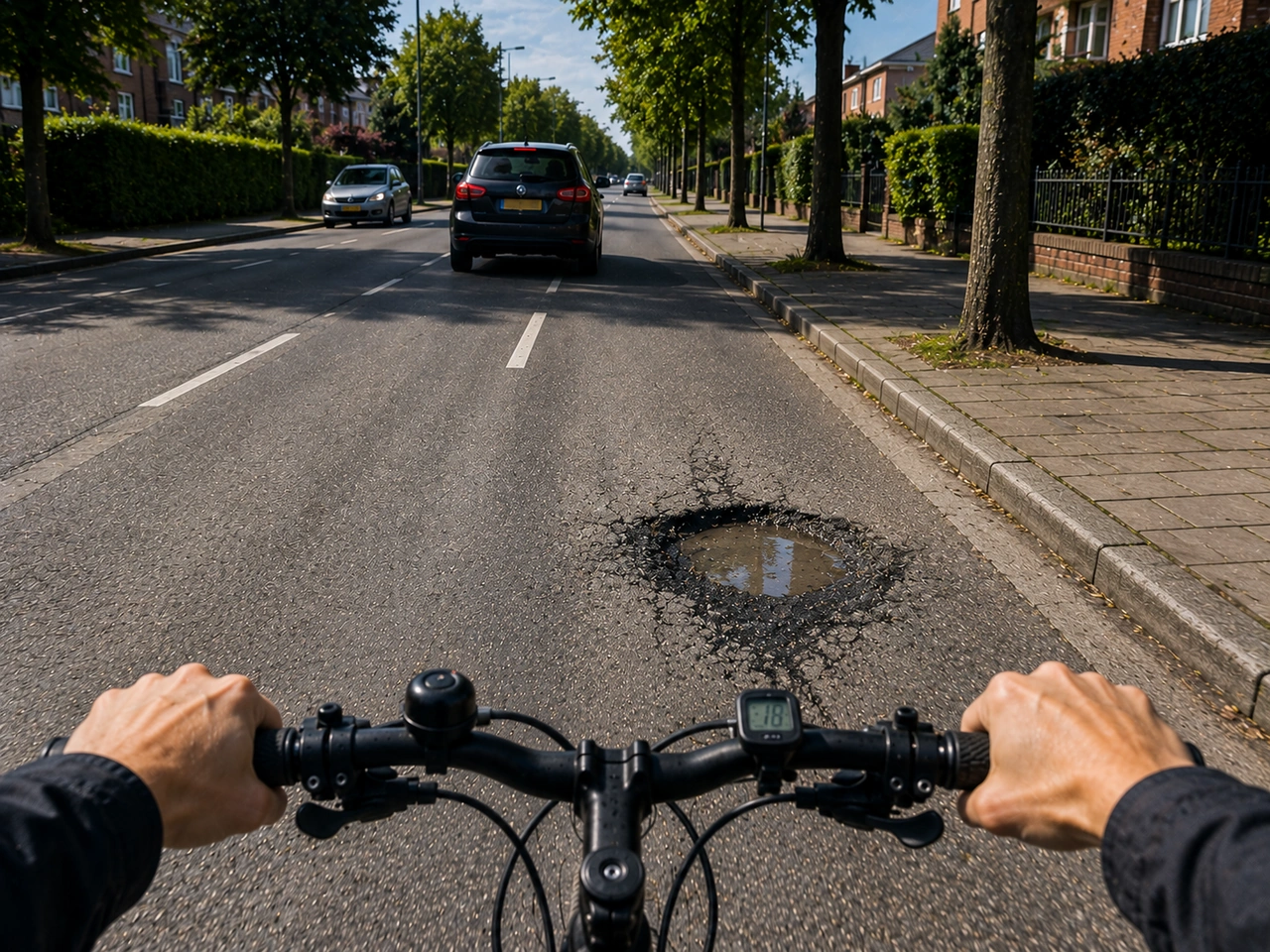
390. How should a cyclist react to a pothole?
Sudden swerving can place you in the path of traffic. Check your surroundings and change direction gradually.
AI-generated by Rijbewijs-online.be • WCIT • CC BY-SA
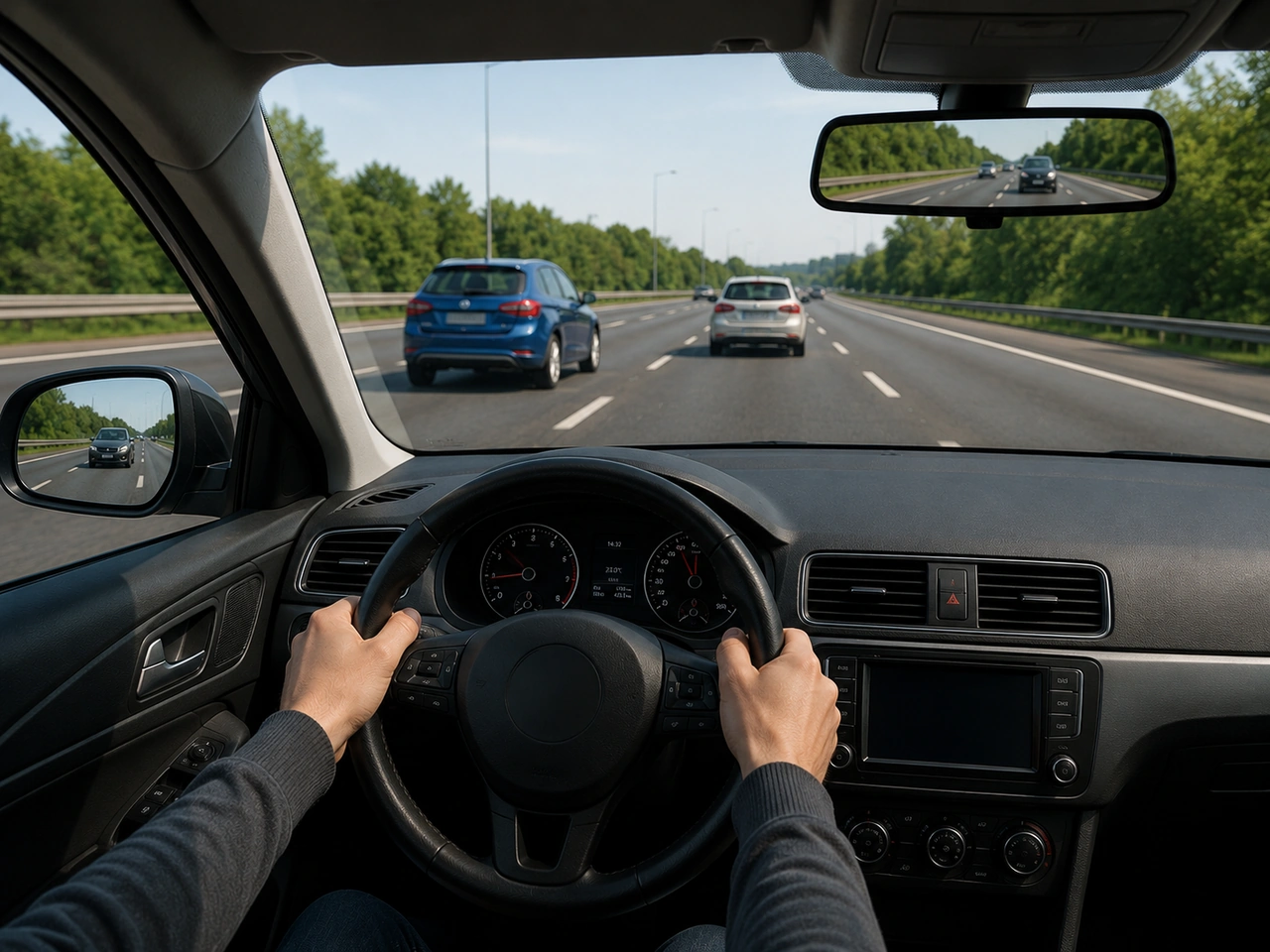
391. What should you do before changing lanes?
Always check your mirrors, look over your shoulder if necessary, and make sure it is safe before changing lanes.
AI-generated by Rijbewijs-online.be • WCIT • CC BY-SA
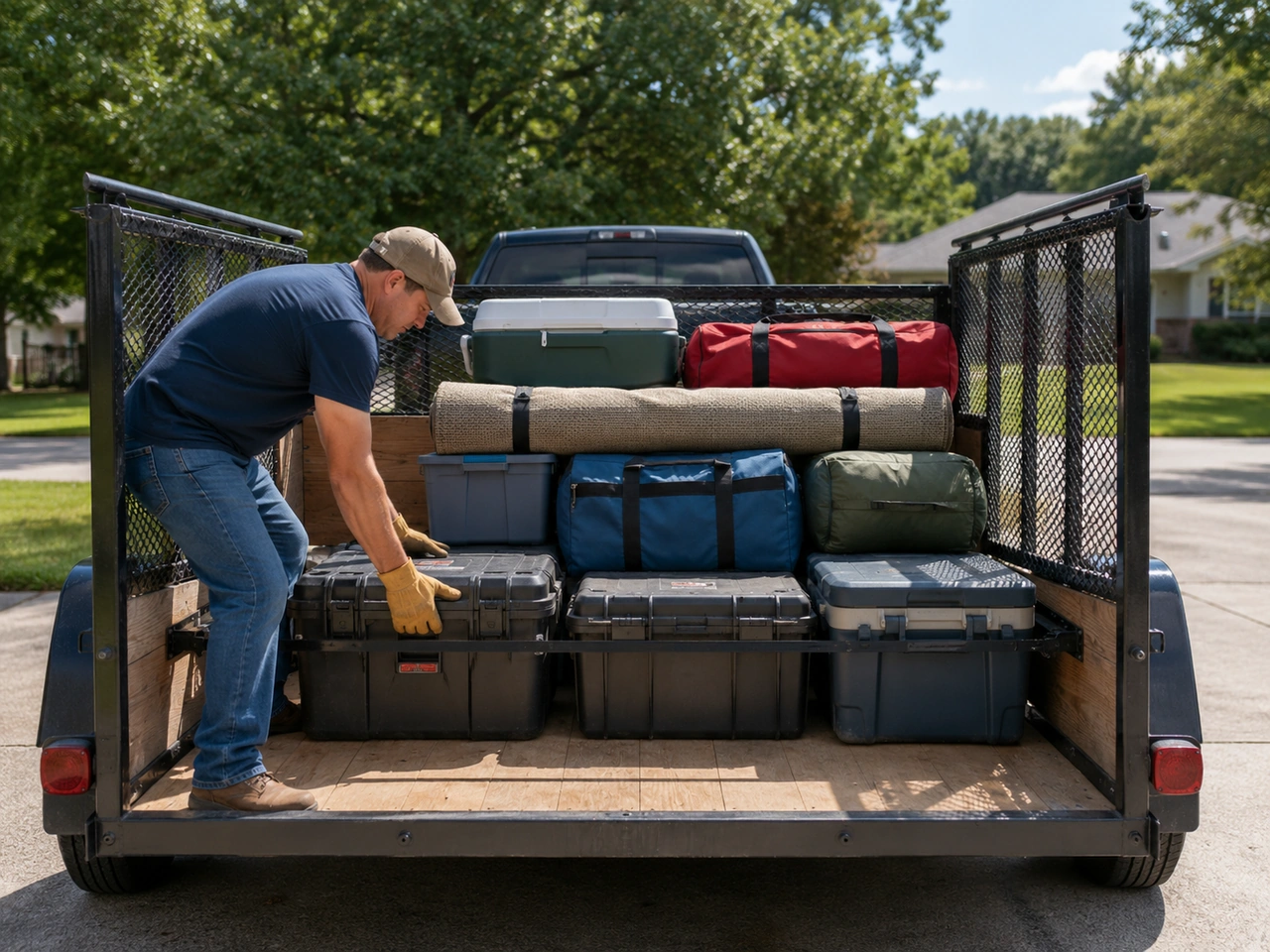
392. Why should heavy items be placed low and evenly distributed?
A high or uneven load can make the vehicle unstable, especially during braking, cornering, or sudden steering.
AI-generated by Rijbewijs-online.be • WCIT • CC BY-SA
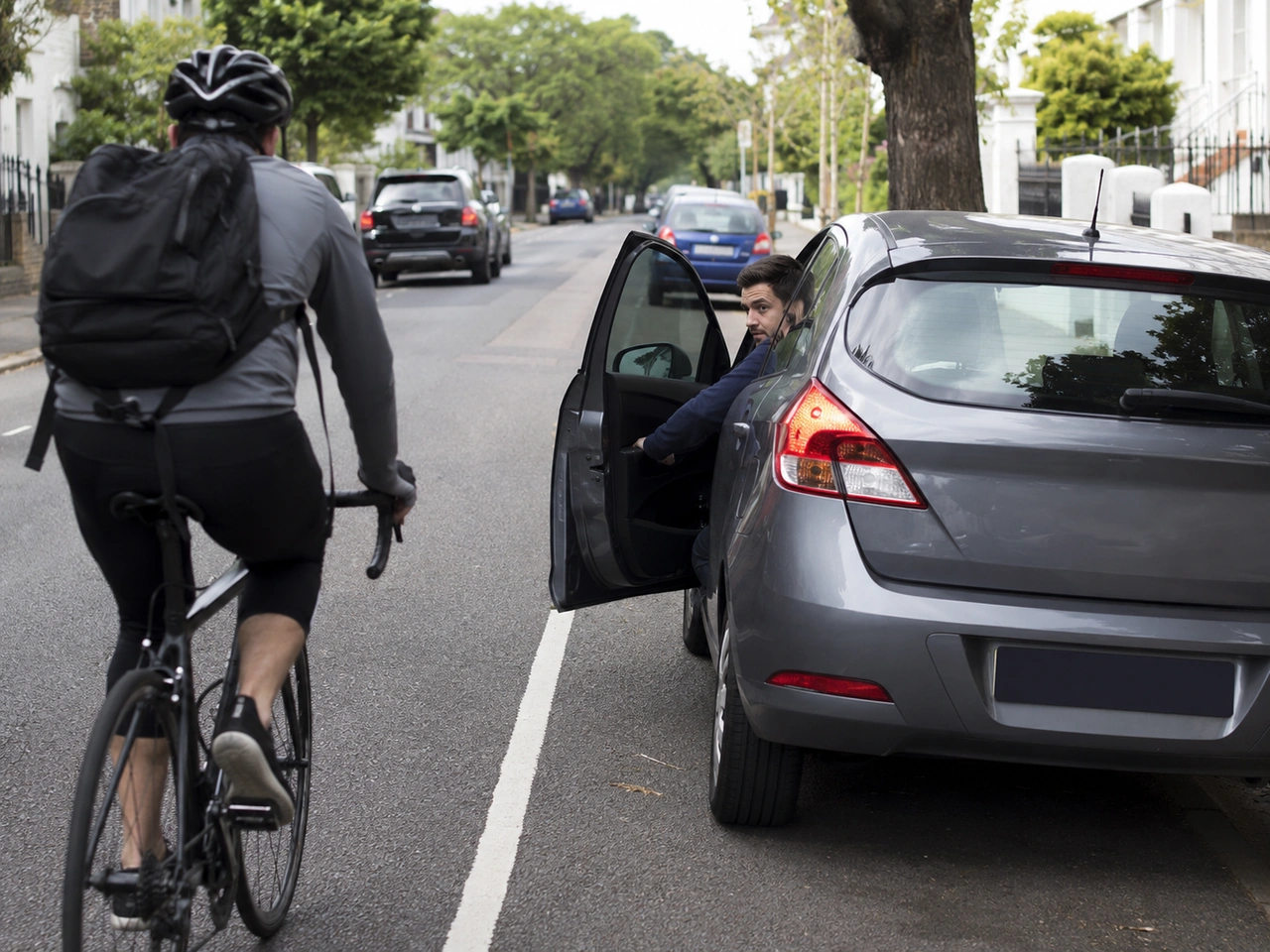
393. You do not need to look for cyclists when opening your car door.
You should always check for cyclists, motorcyclists, and other road users before opening a door.
AI-generated by Rijbewijs-online.be • WCIT • CC BY-SA
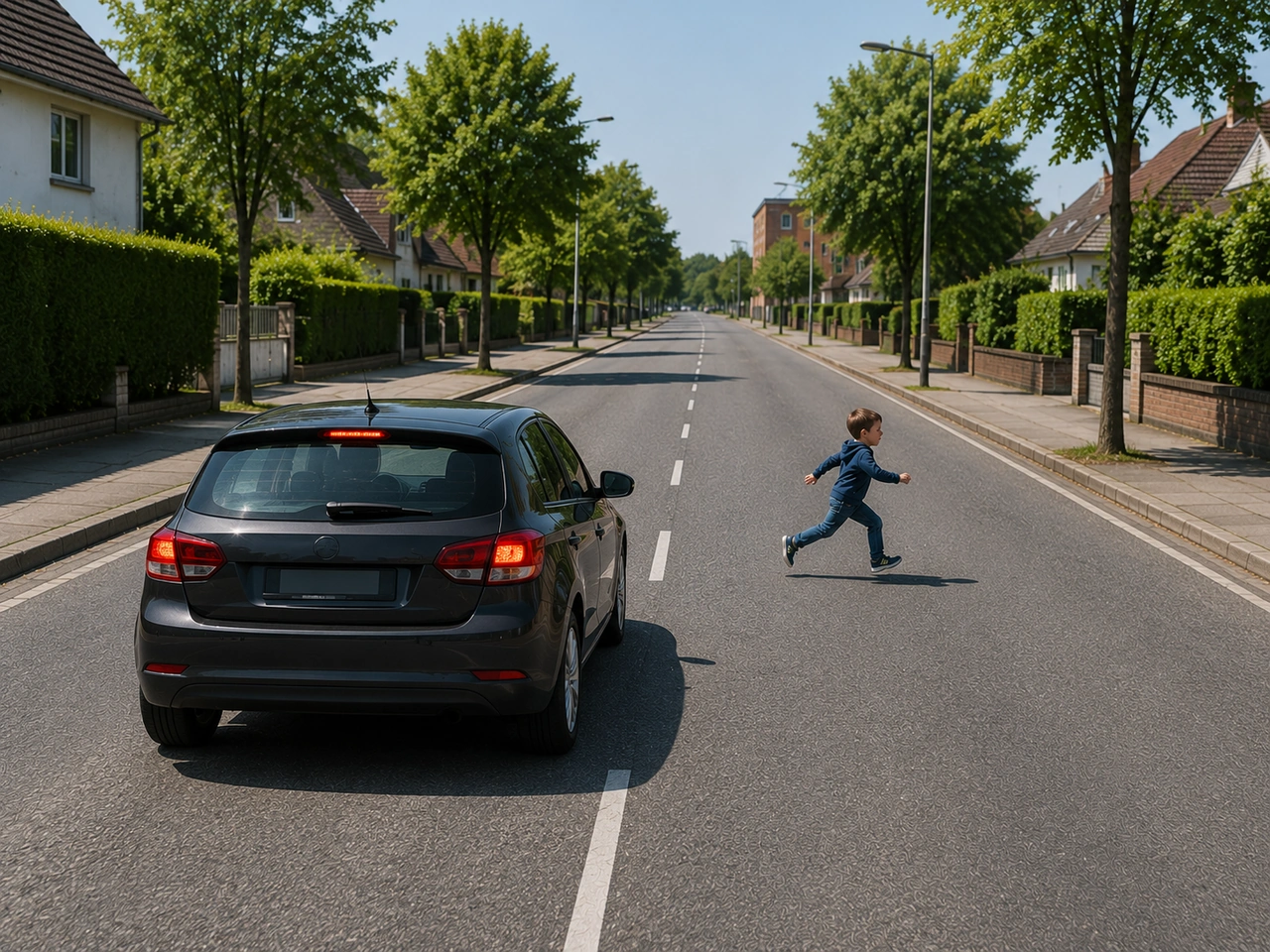
394. What should you do if a child runs onto the road ahead?
Children can act unpredictably. Brake firmly, stay alert, and be prepared for more children to follow.
AI-generated by Rijbewijs-online.be • WCIT • CC BY-SA
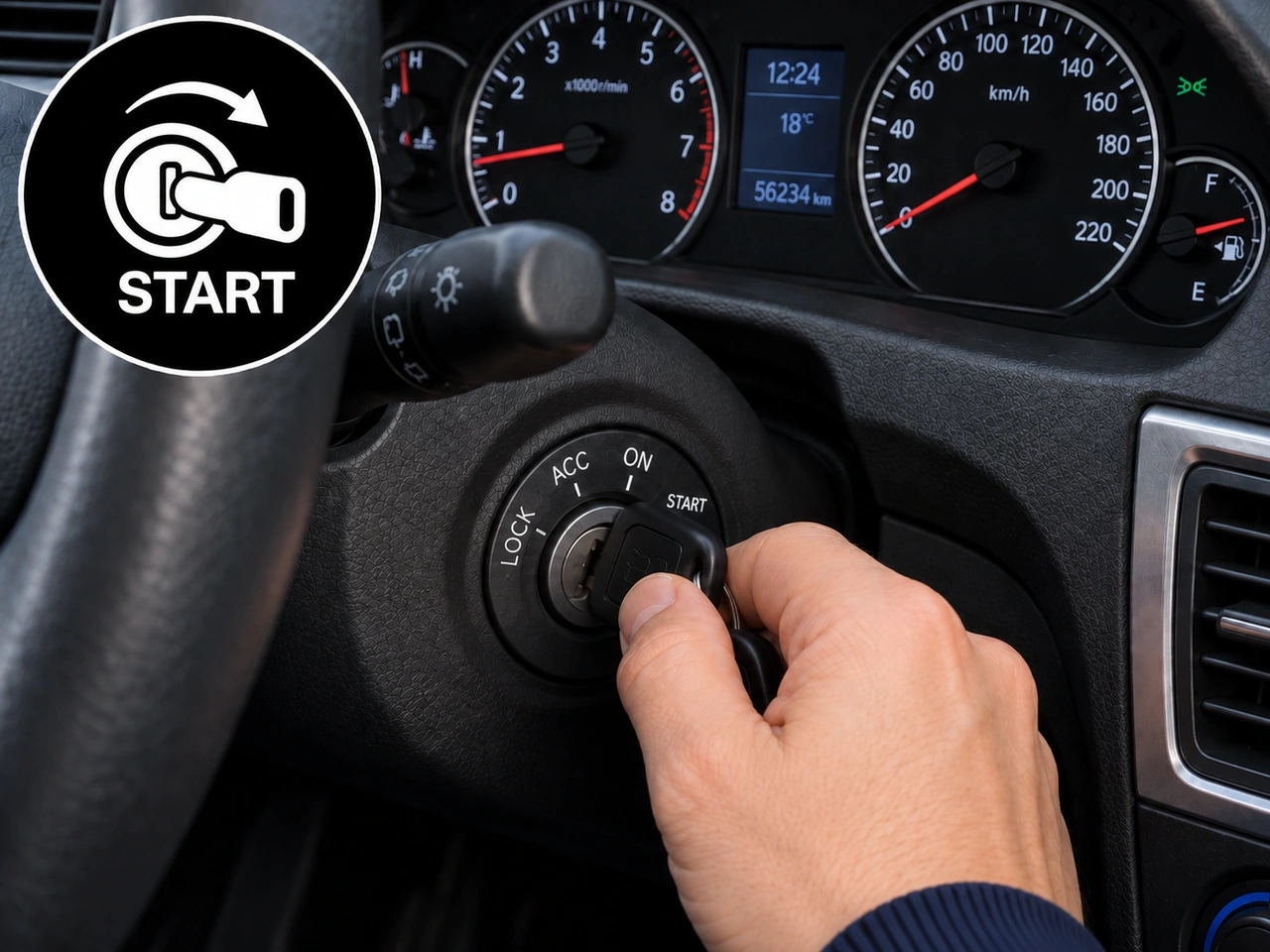
395. What should you do with the ignition key once the engine starts?
Once the engine starts, release the ignition key so it returns from START to the ON position. Holding the key in START unnecessarily can keep the starter motor engaged.
AI-generated by Rijbewijs-online.be • WCIT • CC BY-SA
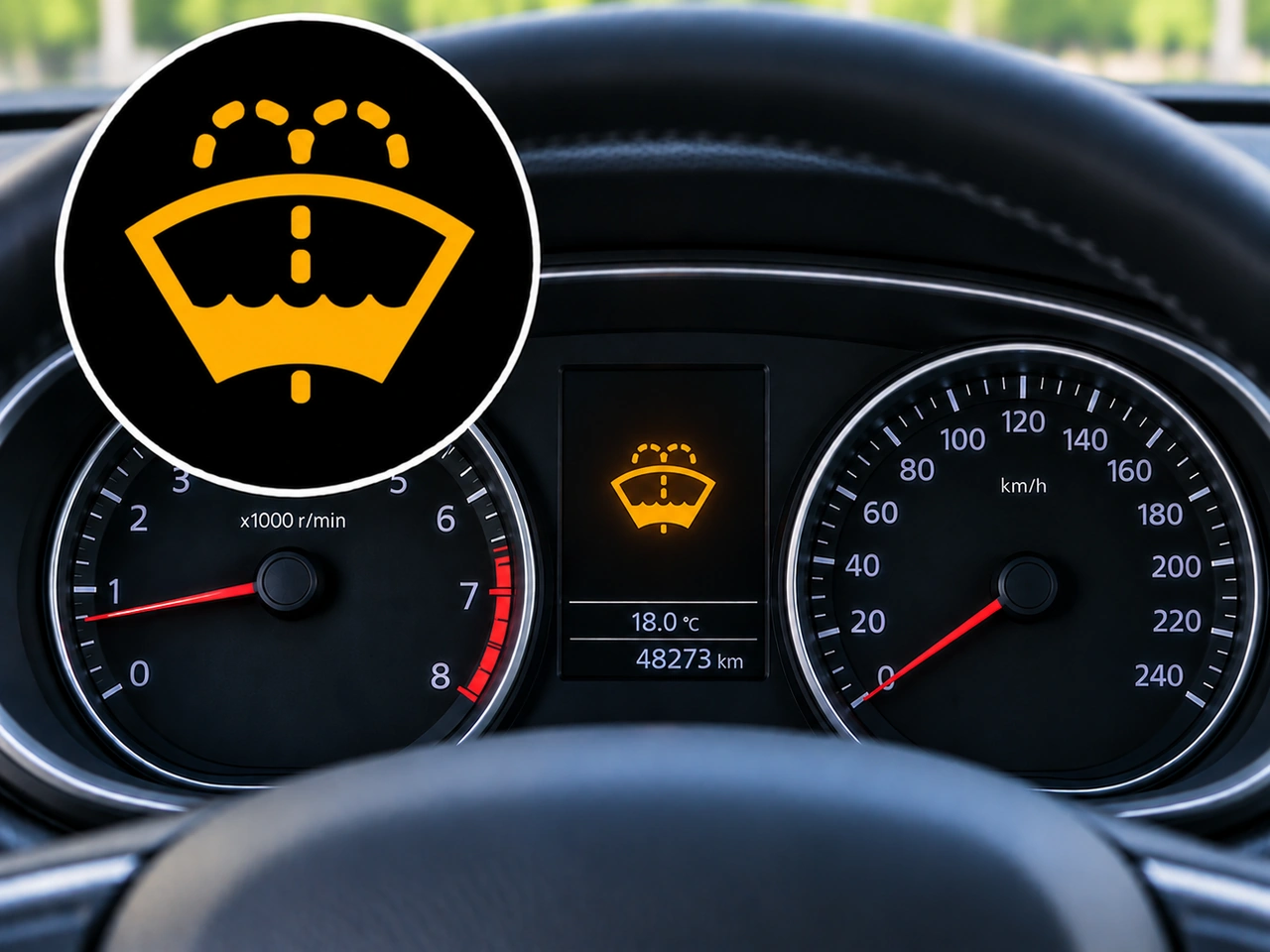
396. What does this dashboard symbol indicate?
This symbol indicates that the windscreen washer fluid level is low. Refill the washer-fluid reservoir with suitable fluid when possible.
AI-generated by Rijbewijs-online.be • WCIT • CC BY-SA
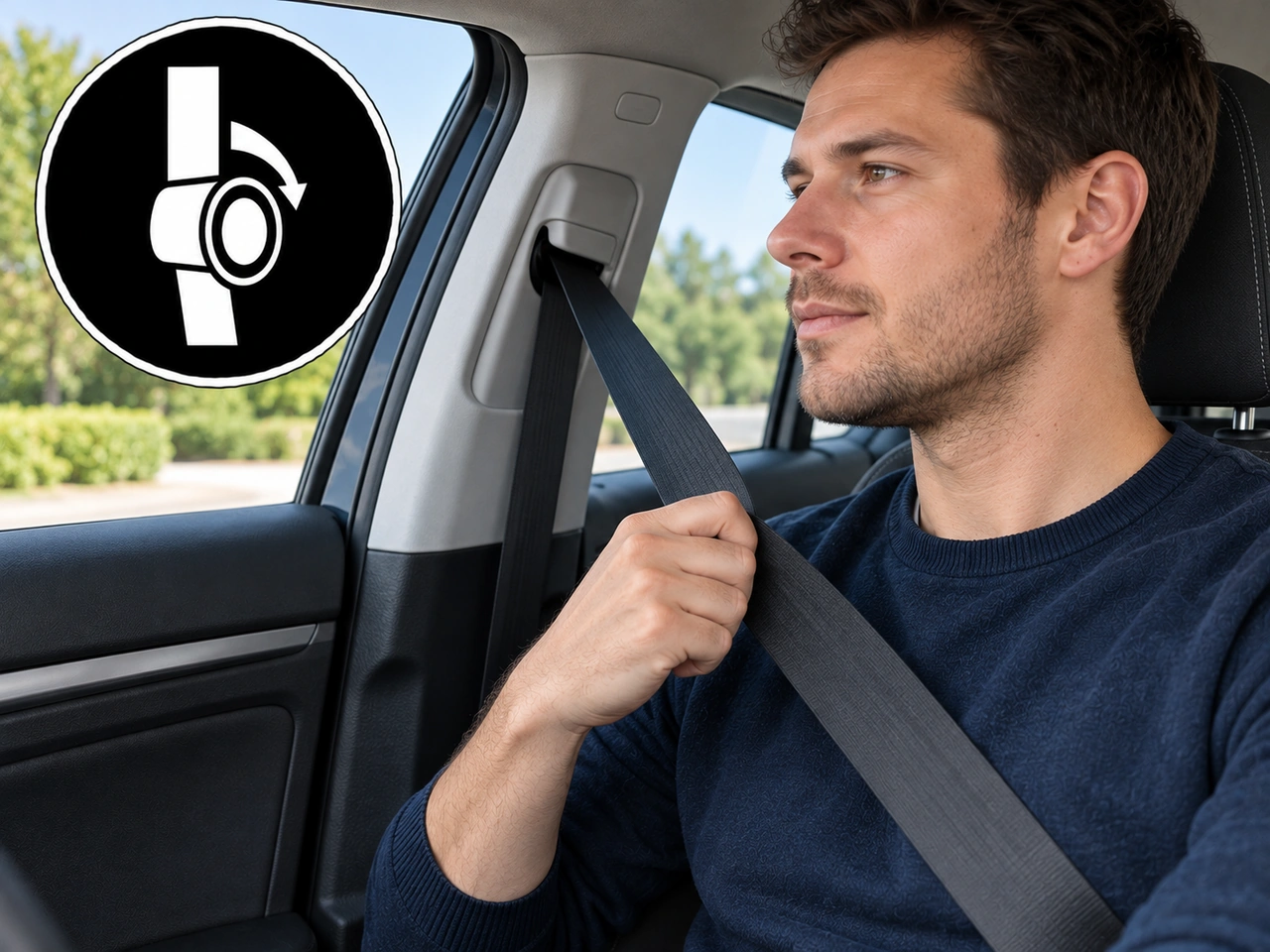
397. What is the purpose of the seat-belt retractor?
The seat-belt retractor takes up slack and helps keep the belt properly positioned against the body. It allows normal movement but can lock during sudden braking, rapid belt movement or a collision.
AI-generated by Rijbewijs-online.be • WCIT • CC BY-SA
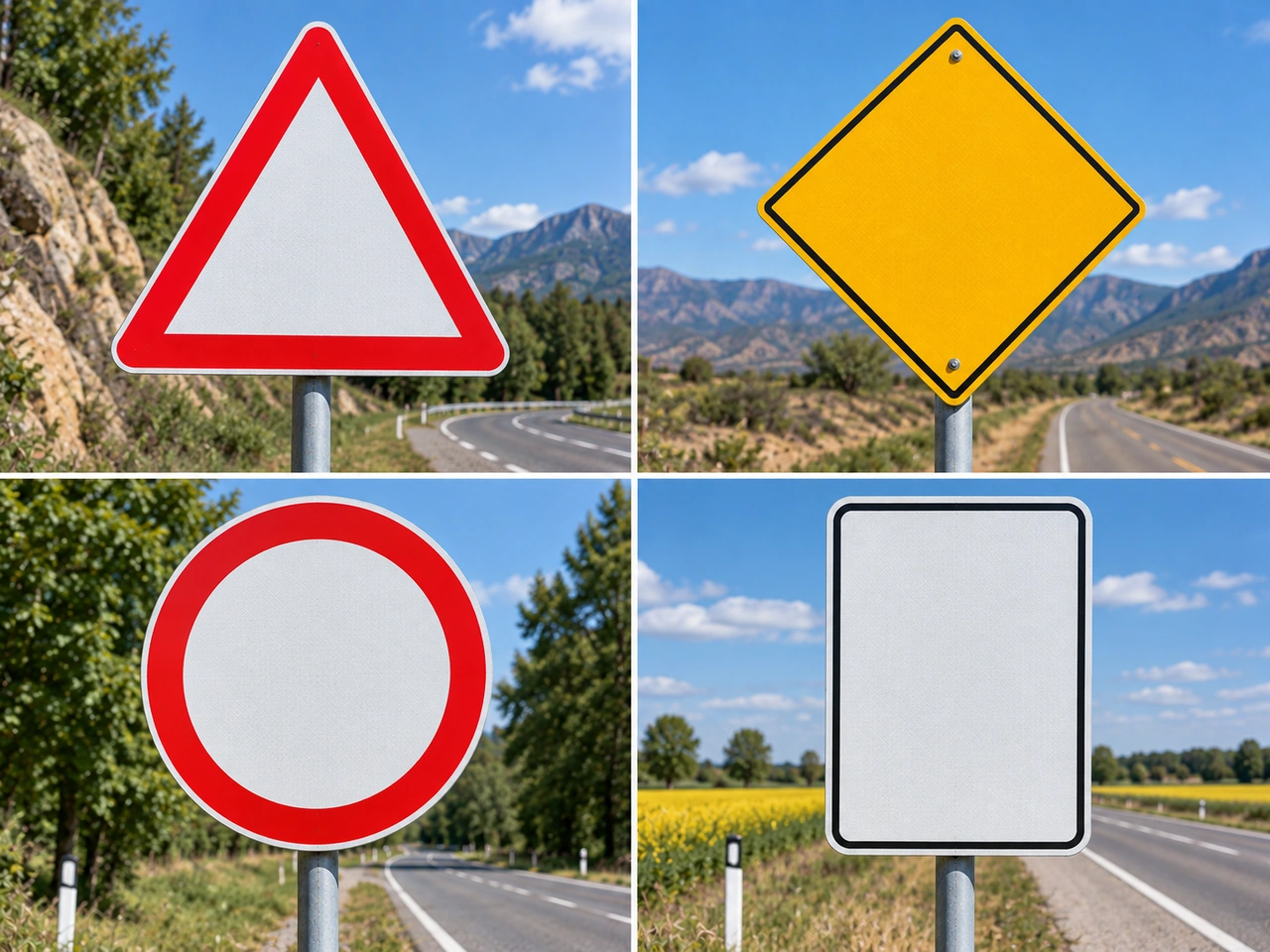
398. What shape are most warning signs in Ukraine?
Most warning signs in Ukraine are triangular.
AI-generated by Rijbewijs-online.be • WCIT • CC BY-SA
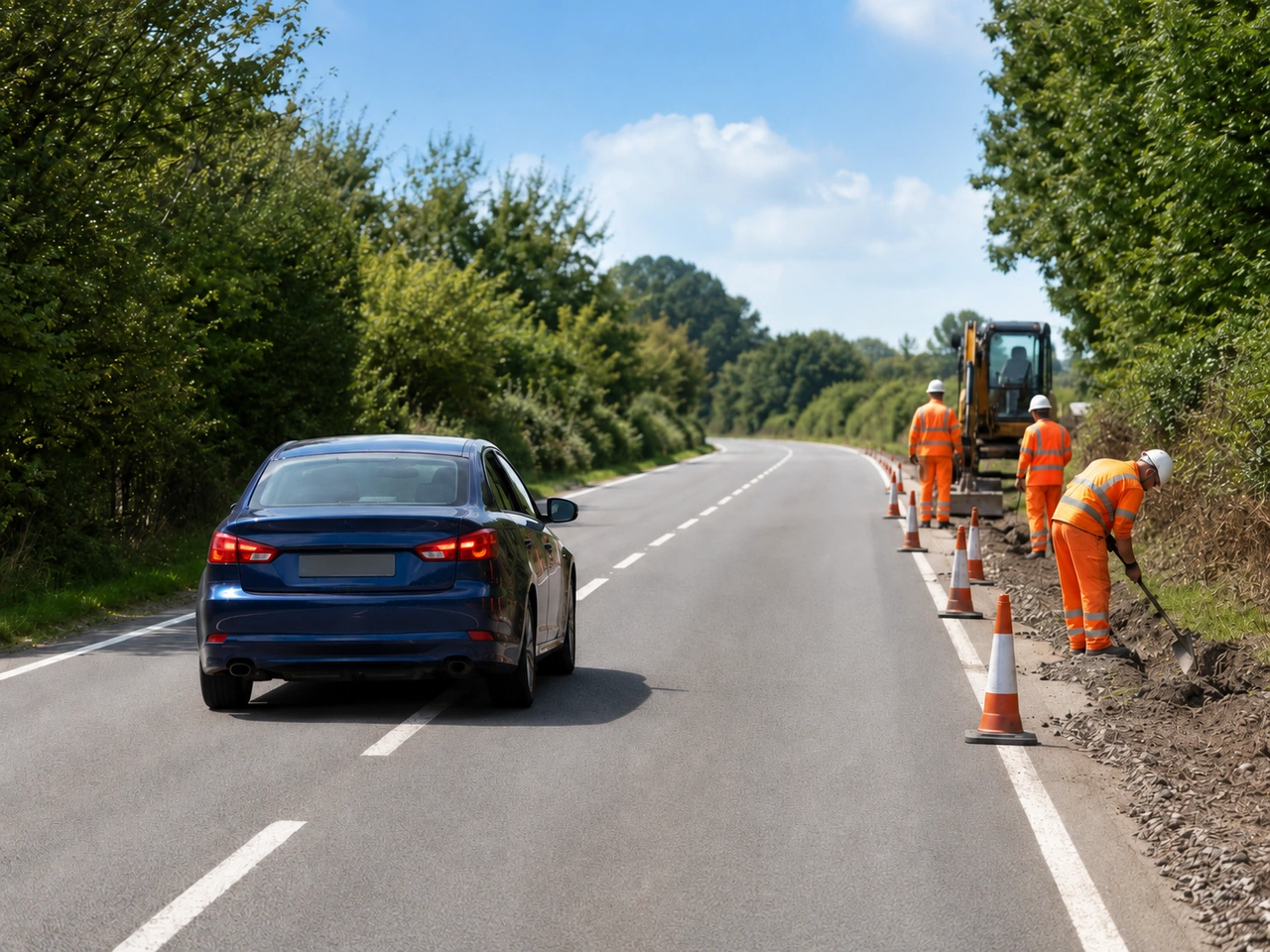
399. Why should you leave extra space when passing road workers?
Workers may be only a short distance from passing vehicles. Reduce speed and leave as much safe space as possible.
AI-generated by Rijbewijs-online.be • WCIT • CC BY-SA
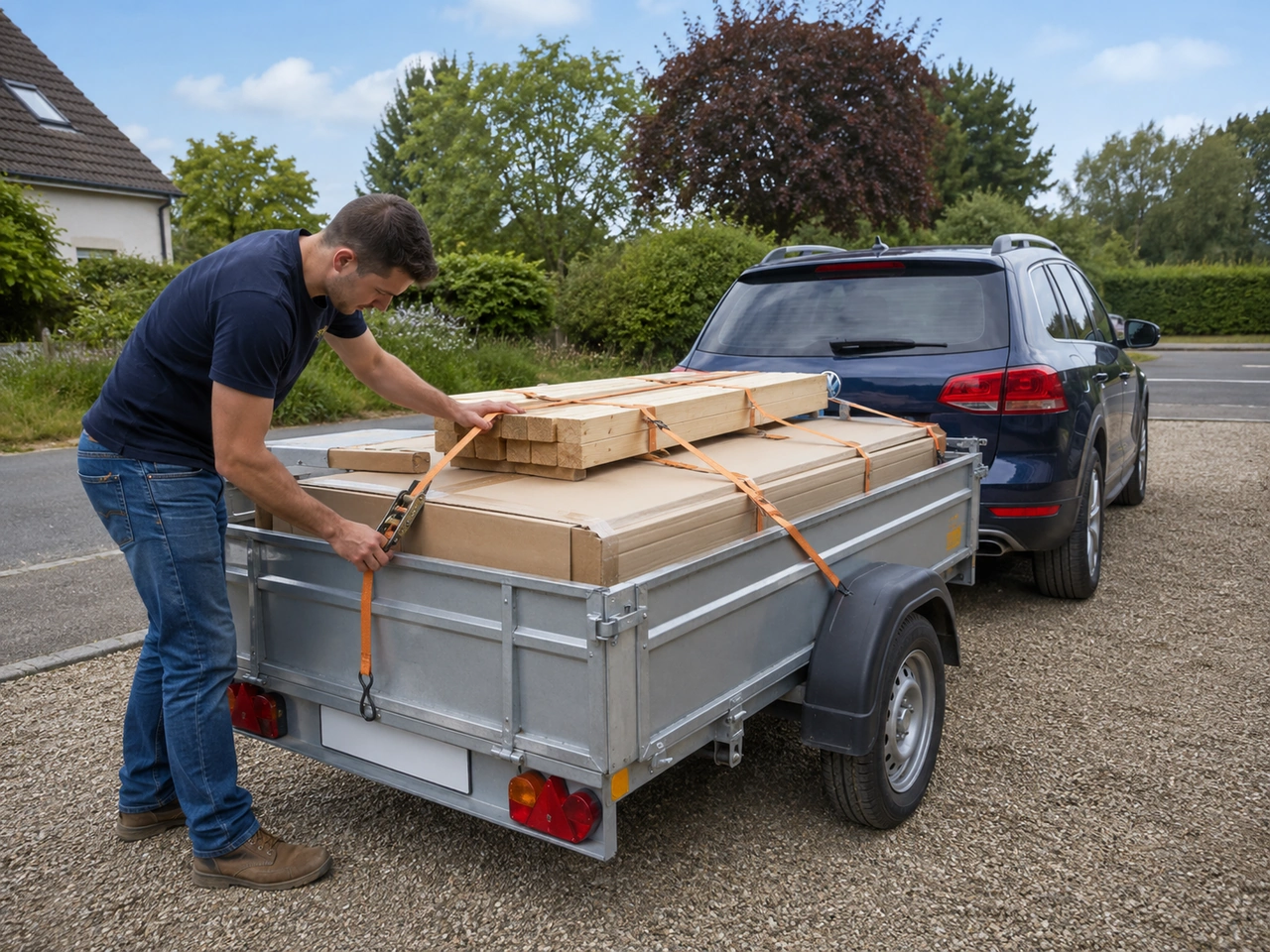
400. What should you do before driving with a load?
An unsecured load can shift, affect vehicle control, or fall into the road. Check that everything is safely restrained before moving.
AI-generated by Rijbewijs-online.be • WCIT • CC BY-SA