


QuizTraffic rulesUkraine
This interesting quiz helps you test your knowledge in a clear and visual way. With easy multiple-choice questions, you can quickly build confidence and learn new facts while keeping it simple, interactive, and fun.
 Traffic signs
 Traffic rules
 Ukraine
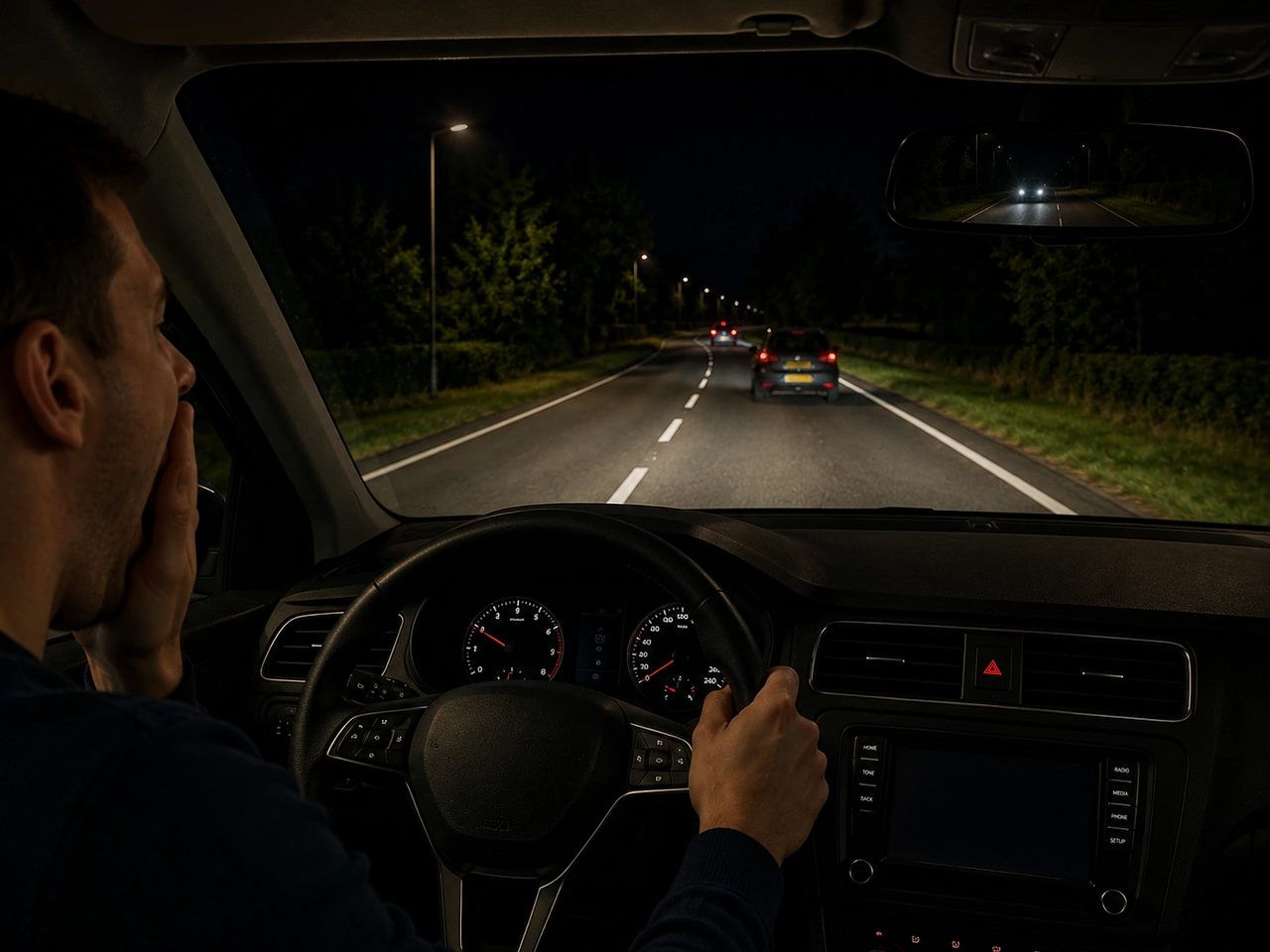
451. What should you do if you feel tired while driving?
Driving while tired reduces concentration and reaction time. Stop somewhere safe and rest before continuing.
AI-generated by Rijbewijs-online.be • WCIT • CC BY-SA

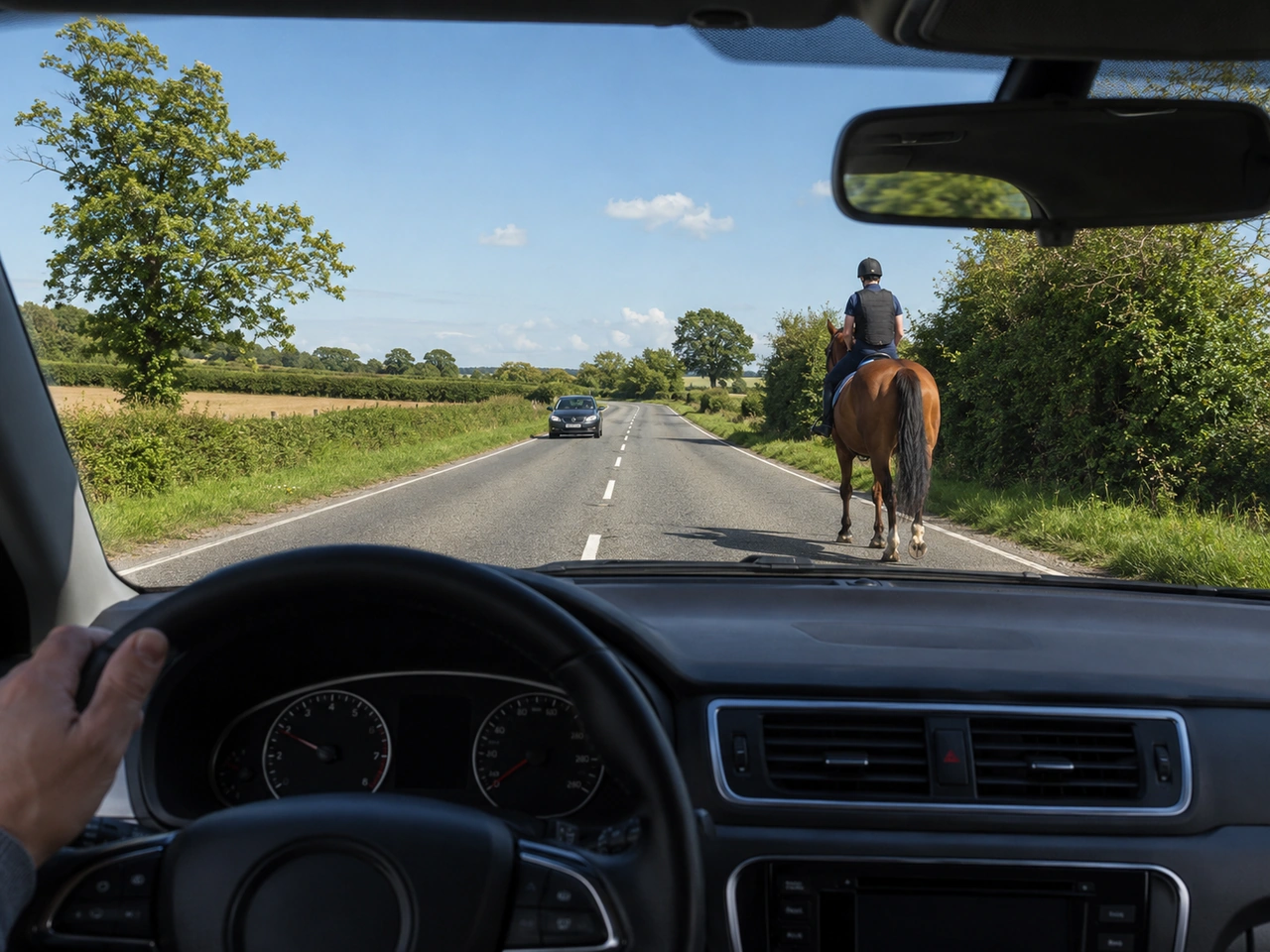
452. What should you do when passing a horse rider?
Horses can be startled by noise or sudden movement. Slow down, pass carefully, and leave enough space.
AI-generated by Rijbewijs-online.be • WCIT • CC BY-SA
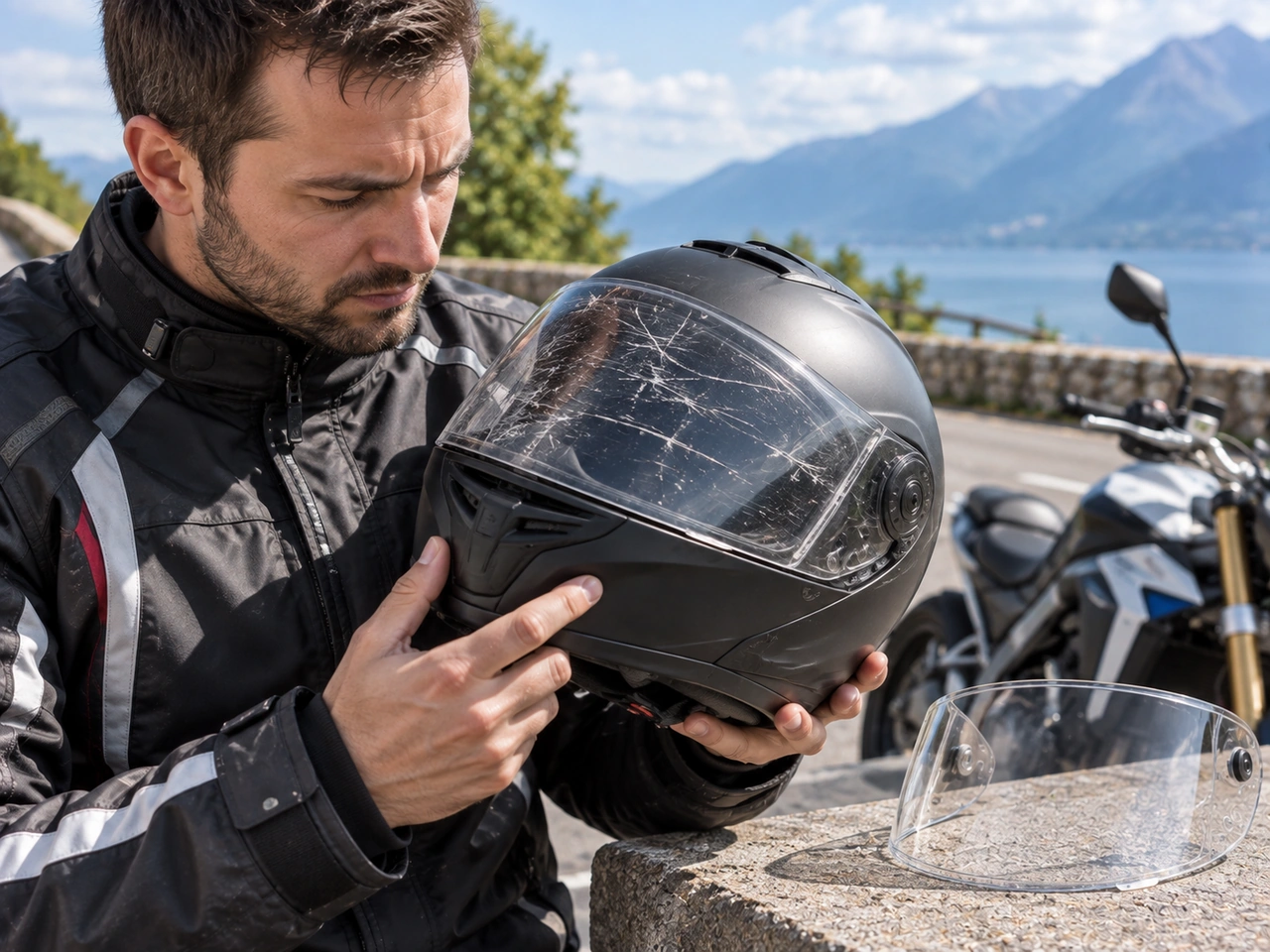
453. What should you do if a motorcycle helmet visor is badly scratched?
A badly scratched or damaged visor can reduce or distort your view, especially in bright sunlight or at night. Replace a visor that no longer provides a clear, safe view and follow the helmet manufacturer's instructions.
AI-generated by Rijbewijs-online.be • WCIT • CC BY-SA
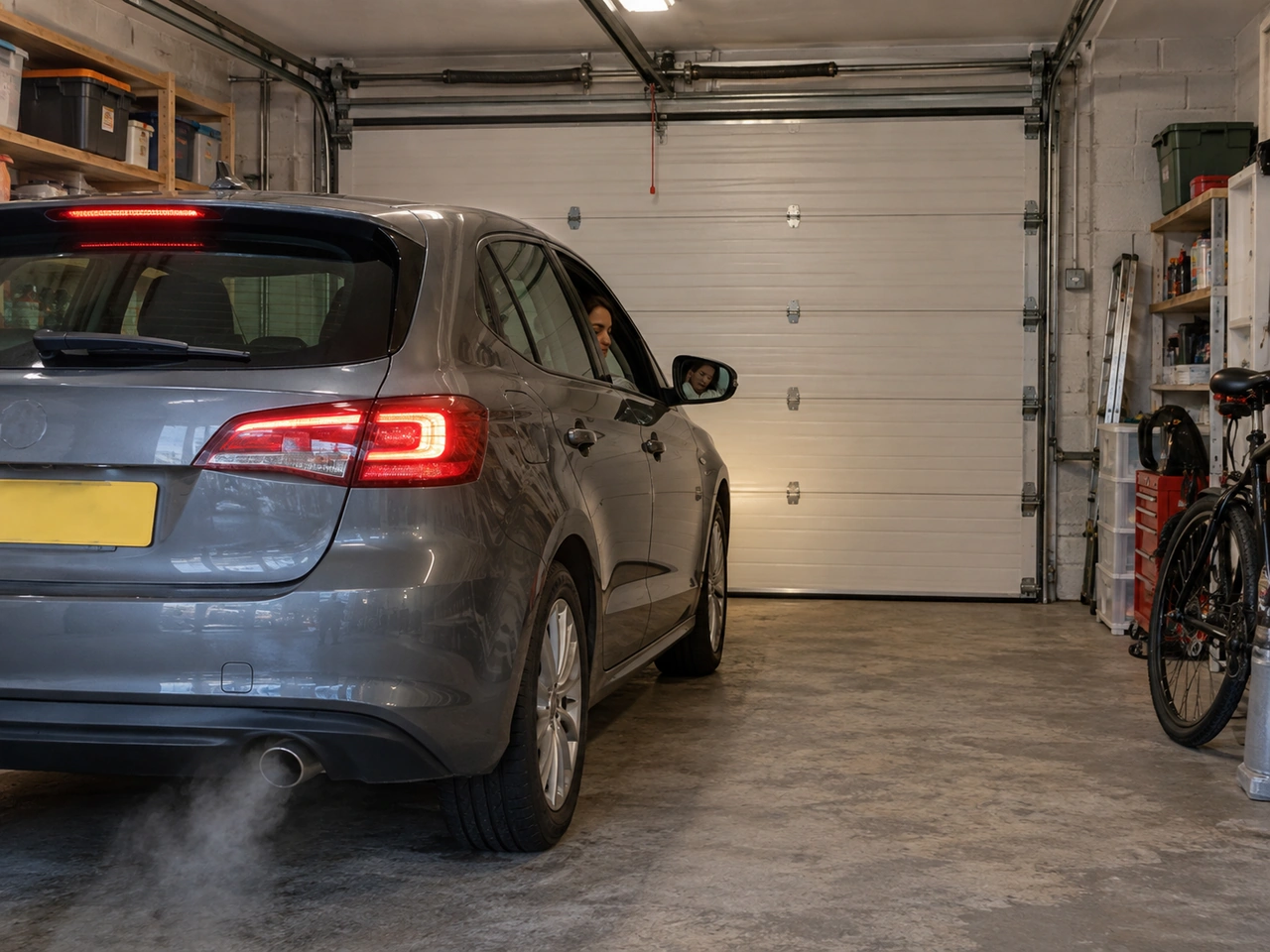
454. Why should you never leave a petrol or diesel engine running in an enclosed space?
Exhaust gases from petrol and diesel engines can contain carbon monoxide, a poisonous gas that can build up quickly in an enclosed or poorly ventilated space. Never leave the engine running inside a closed garage or similar area.
AI-generated by Rijbewijs-online.be • WCIT • CC BY-SA
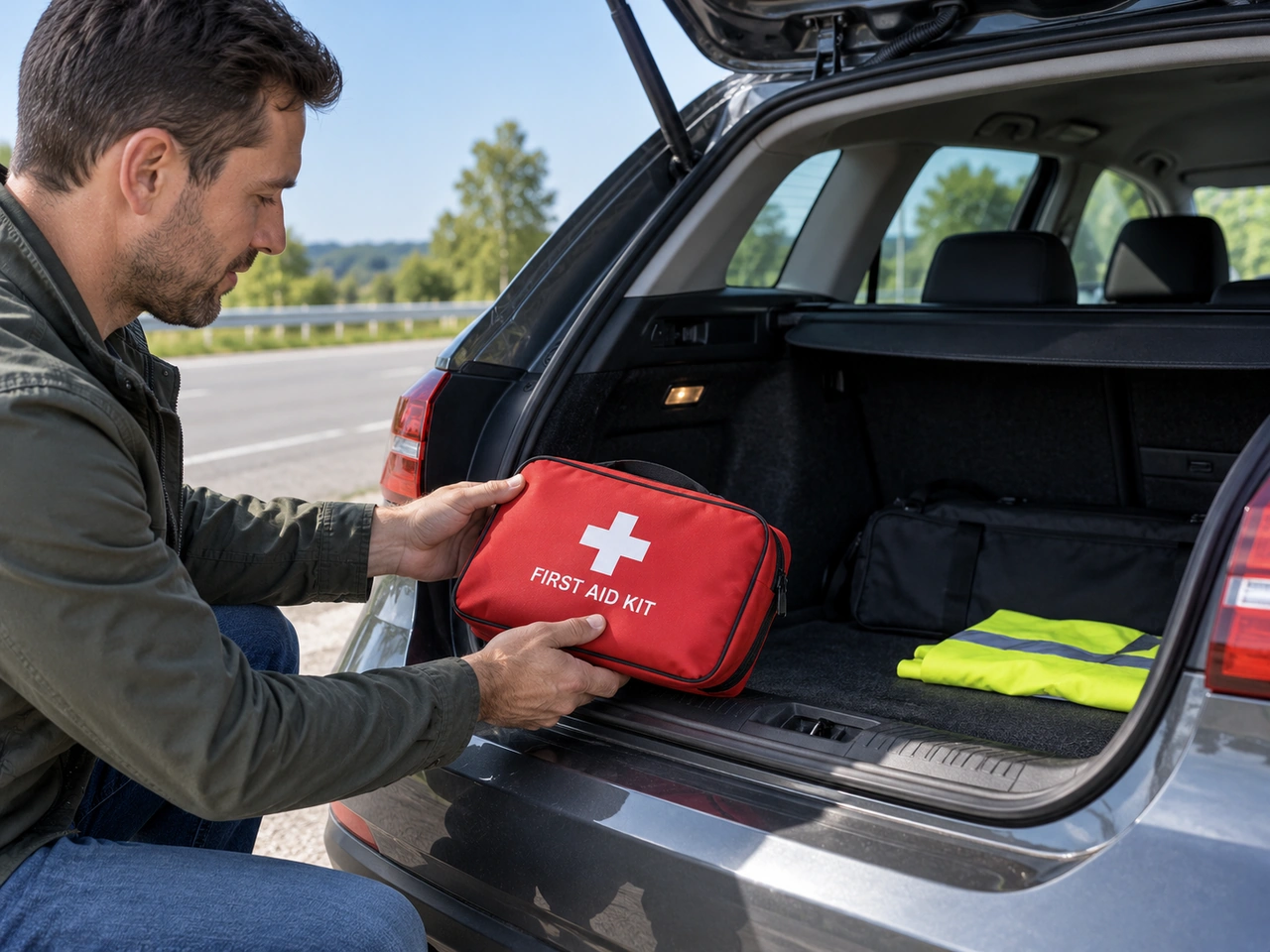
455. Is a first-aid kit required in cars in Ukraine?
Cars in Ukraine are required to carry a first-aid kit.
AI-generated by Rijbewijs-online.be • WCIT • CC BY-SA
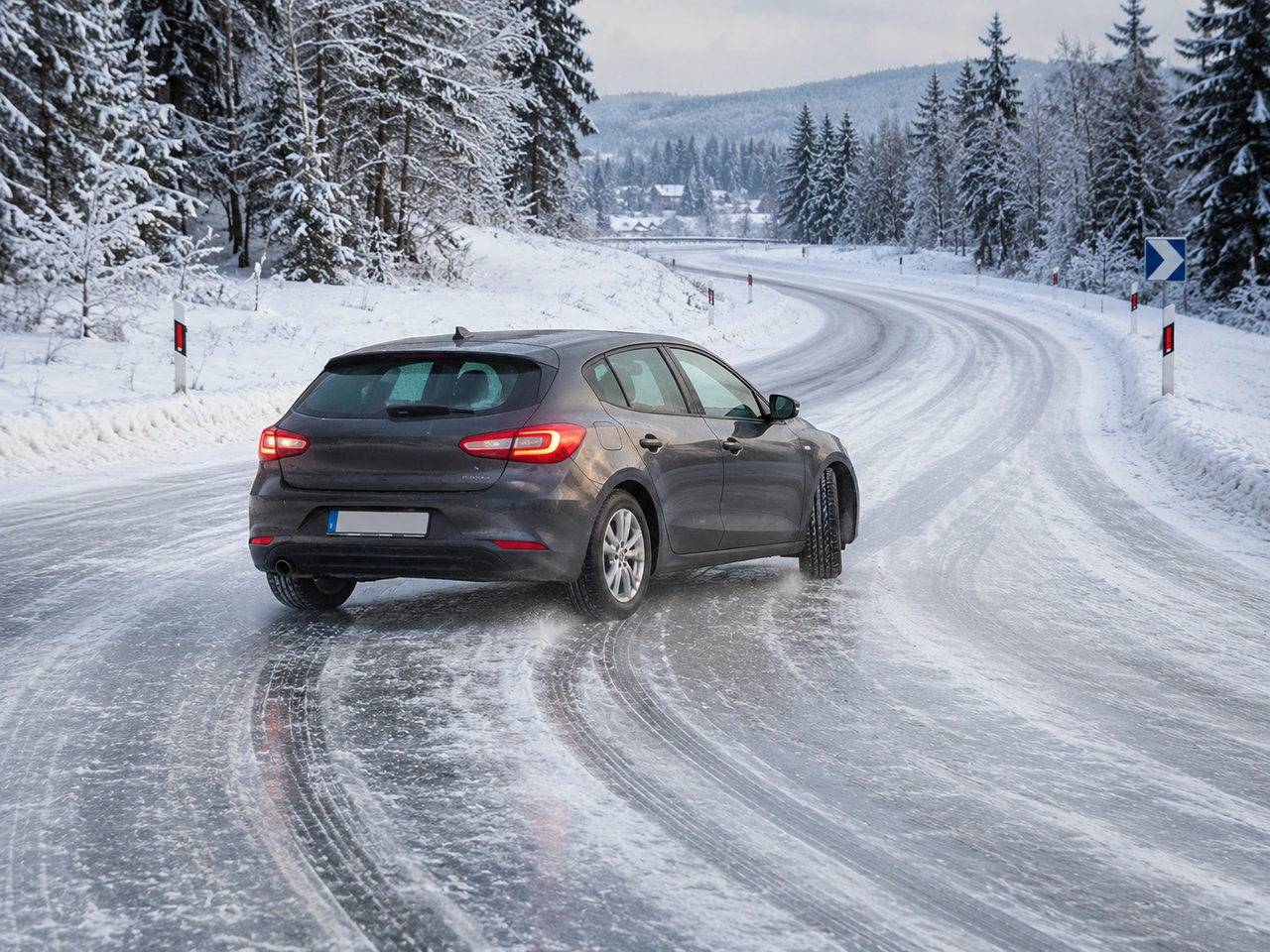
456. What should you do if your vehicle begins to skid on ice?
Avoid sudden braking or steering. Look where you want to go and use gentle controls while the tyres regain grip.
AI-generated by Rijbewijs-online.be • WCIT • CC BY-SA
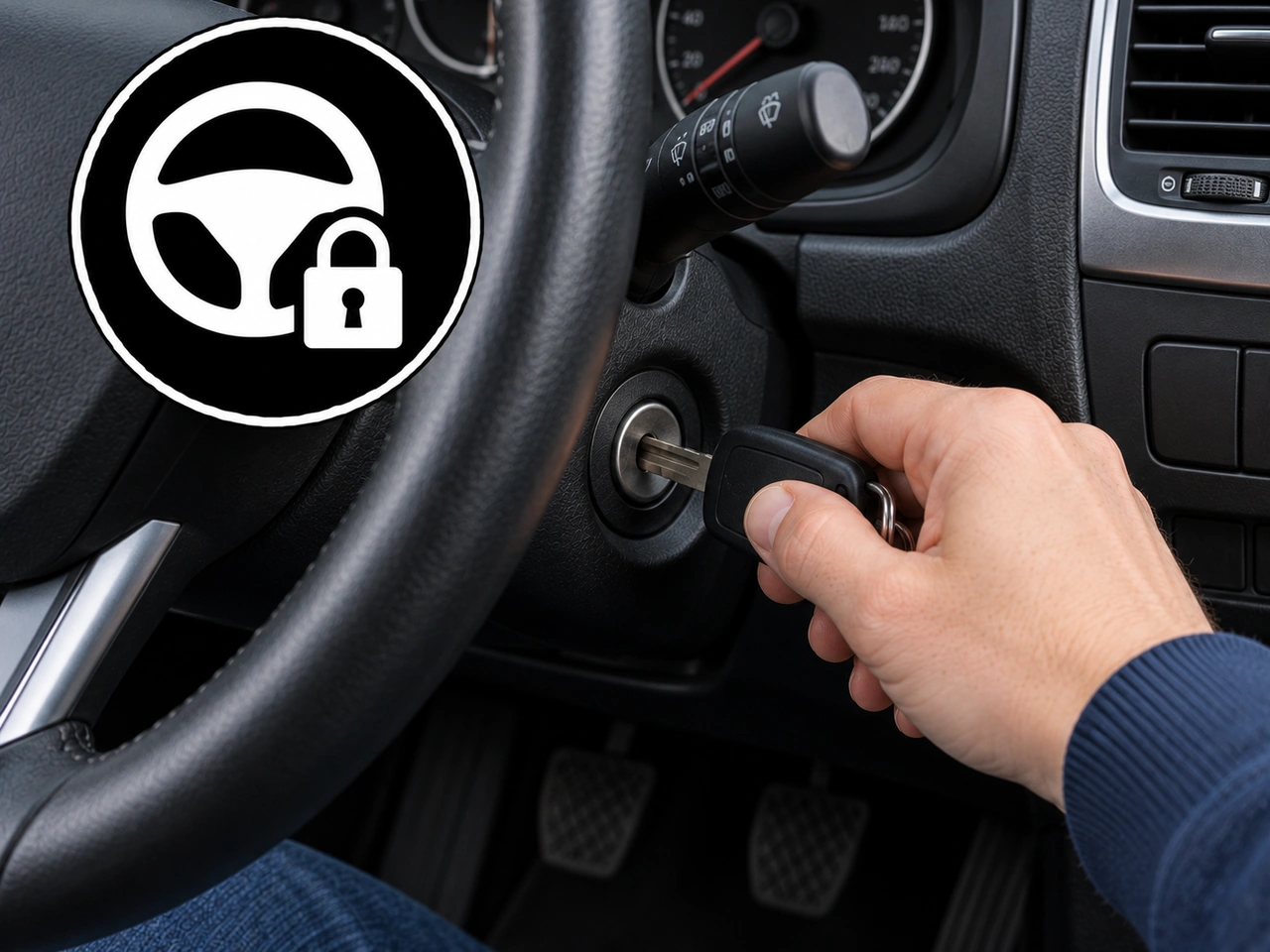
457. What may happen to the steering when the ignition key is removed?
On vehicles fitted with a steering lock, removing the ignition key may allow the steering lock to engage. Never remove the key while the vehicle is moving.
AI-generated by Rijbewijs-online.be • WCIT • CC BY-SA
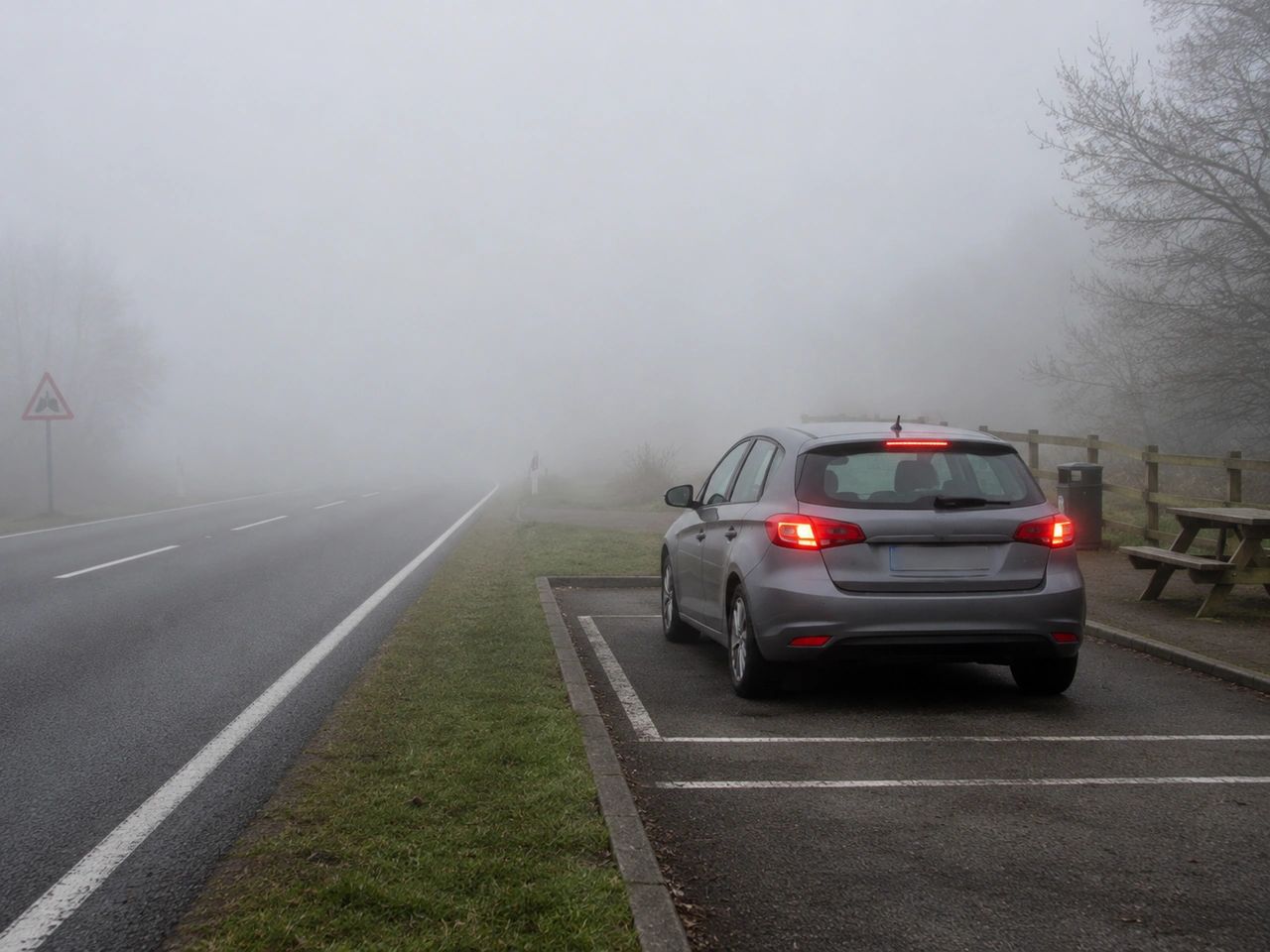
458. What should you do if fog becomes so thick that you cannot see safely?
If visibility becomes dangerously poor, find a safe place to stop rather than continuing without being able to see clearly.
AI-generated by Rijbewijs-online.be • WCIT • CC BY-SA
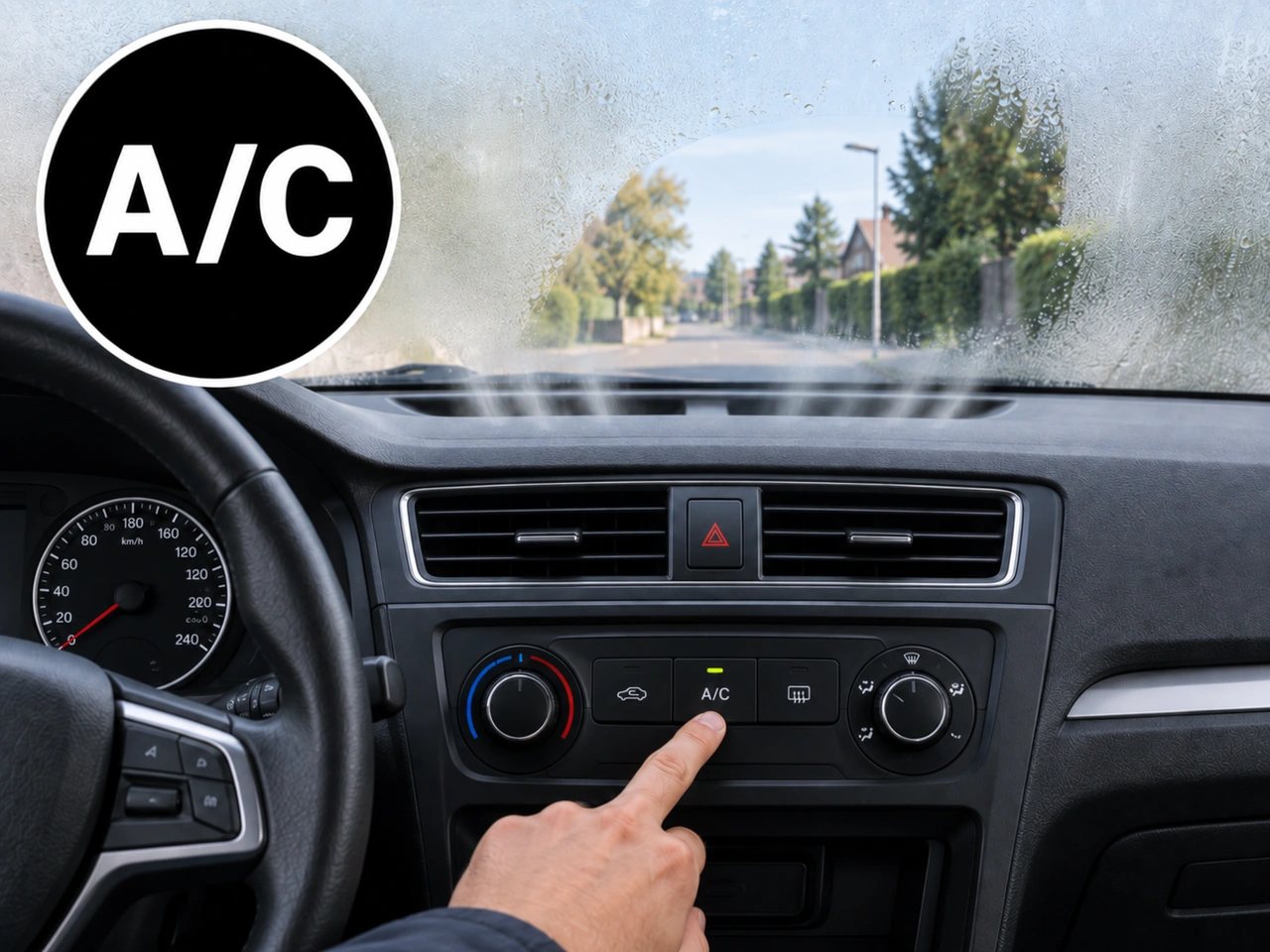
459. How can air conditioning help demist the windows?
Using the air conditioning can help demist the windows because it removes moisture from the cabin air. Directing this drier air towards the windscreen can clear condensation more quickly.
AI-generated by Rijbewijs-online.be • WCIT • CC BY-SA
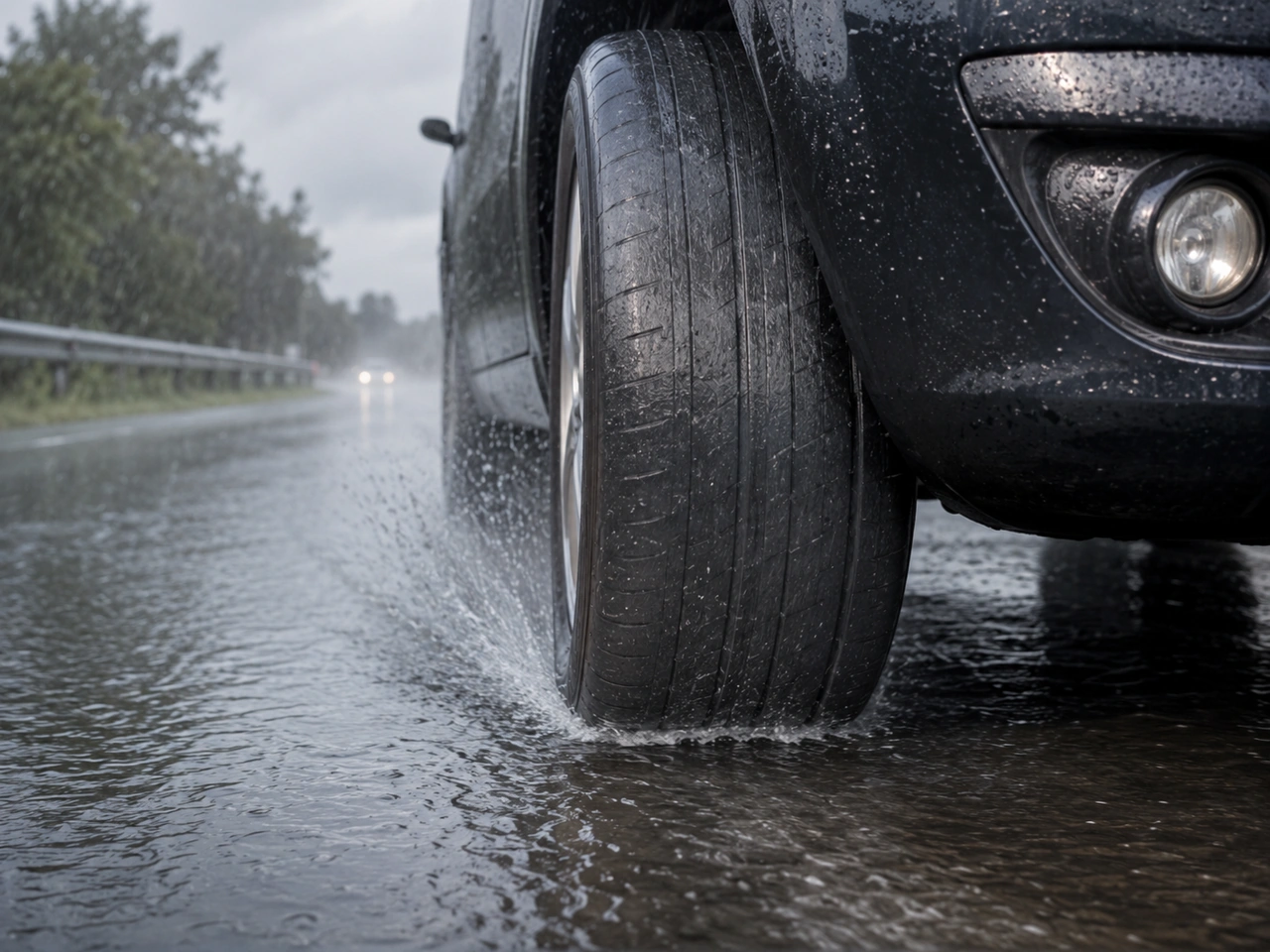
460. How can worn tyres affect driving in heavy rain?
Tyre tread helps channel water away and maintain grip. Worn tyres cannot clear water as effectively, increasing stopping distance and the risk of aquaplaning.
AI-generated by Rijbewijs-online.be • WCIT • CC BY-SA
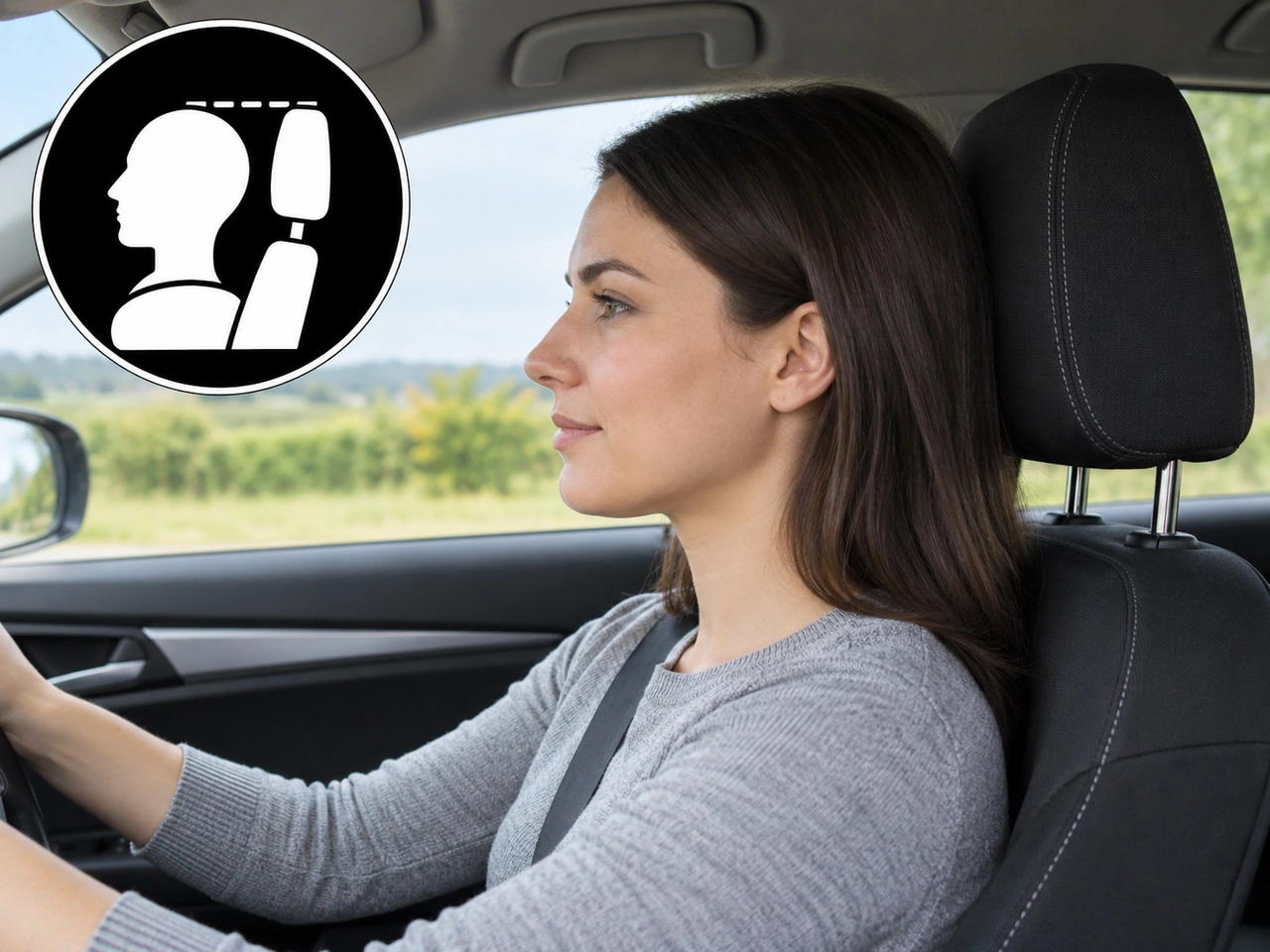
461. Where should the top of the head restraint normally be positioned?
The head restraint should normally be adjusted so that its top is approximately level with the top of the head. This helps reduce the risk of neck injury in a collision.
AI-generated by Rijbewijs-online.be • WCIT • CC BY-SA
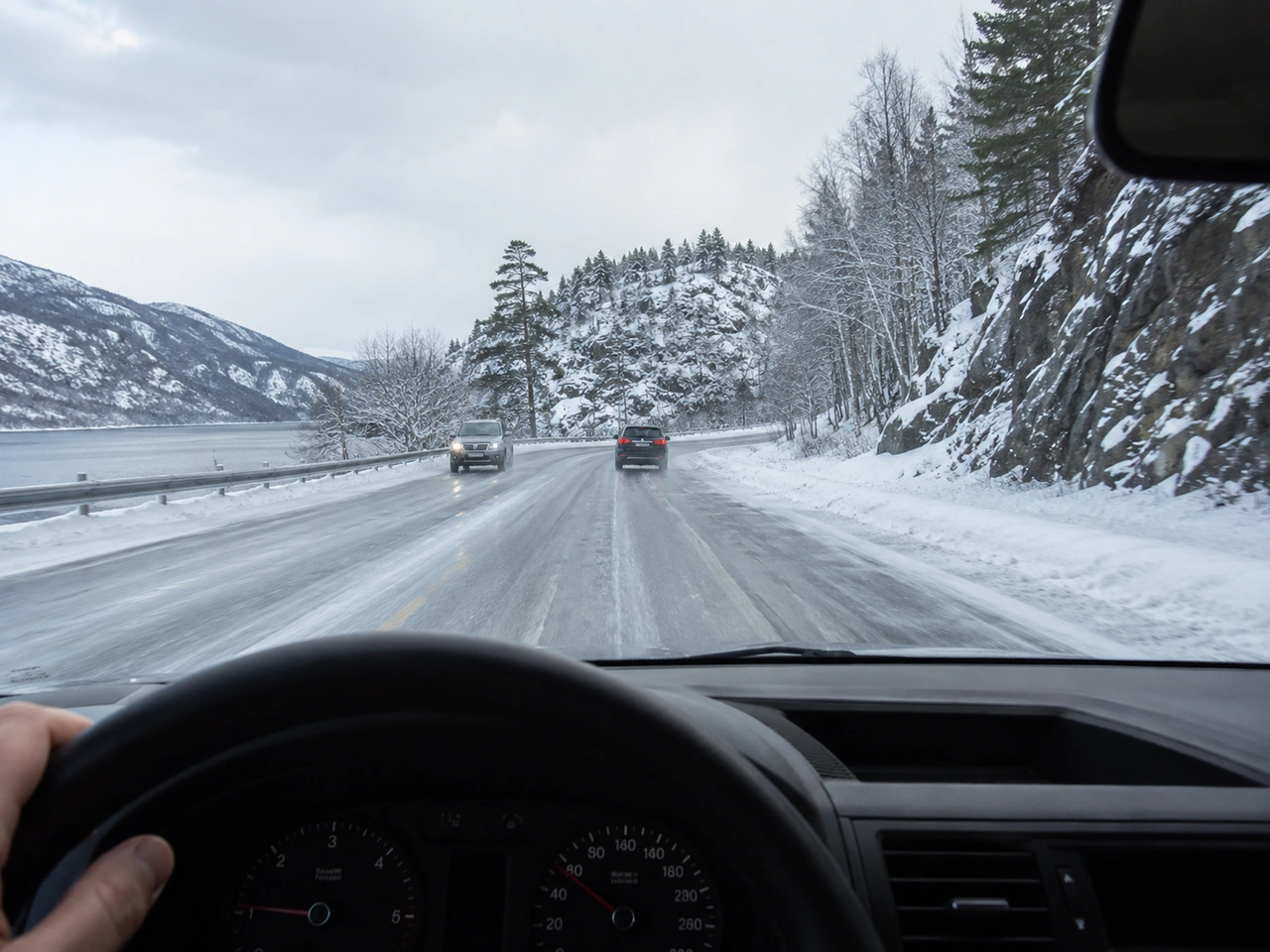
462. How should you brake on a slippery road?
Sudden braking can cause the wheels to lose grip. Smooth, progressive braking reduces the risk of skidding.
AI-generated by Rijbewijs-online.be • WCIT • CC BY-SA
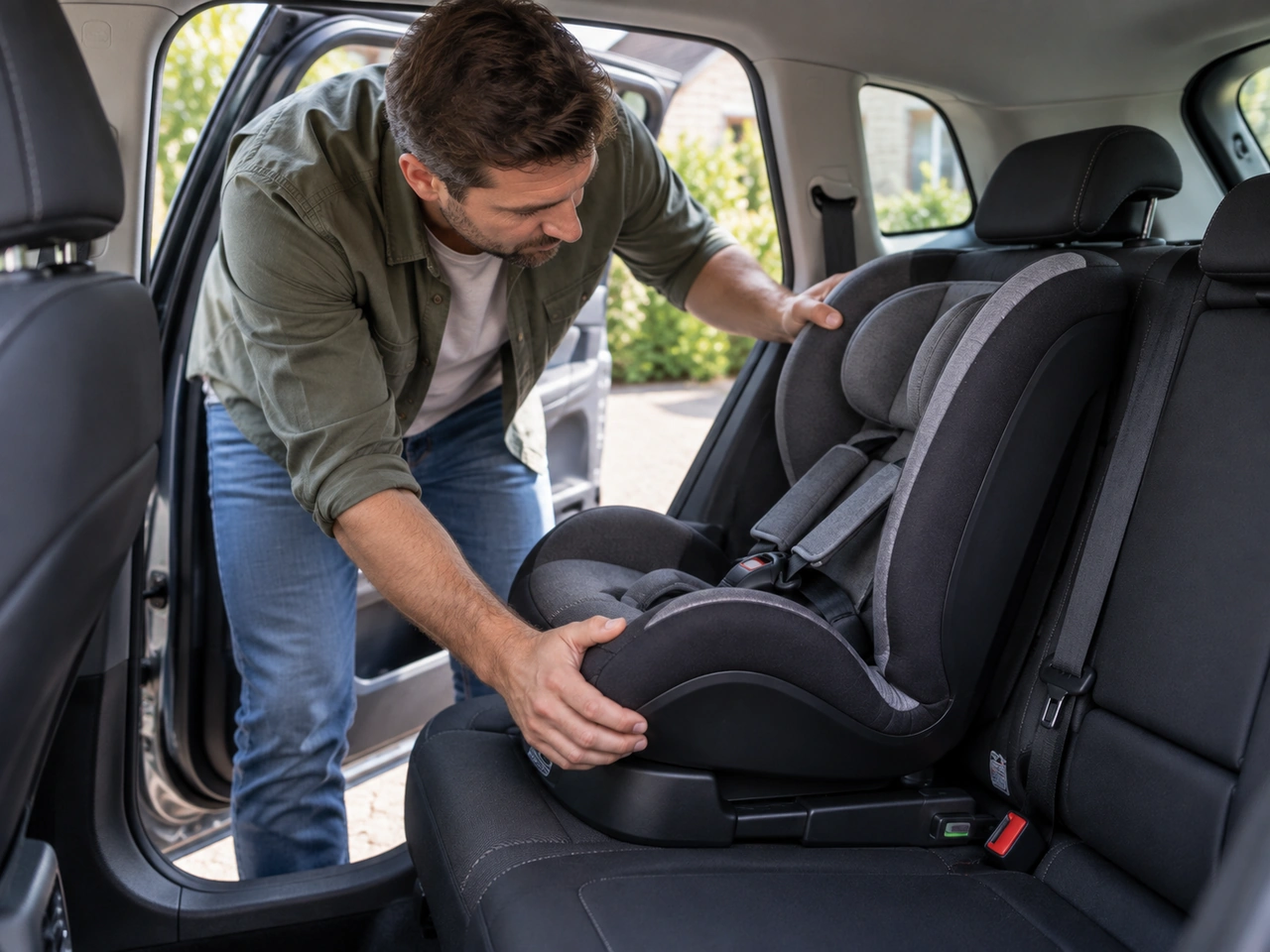
463. What should you check after fitting a child restraint?
A child restraint should be installed securely and used according to the manufacturer's instructions. Check that the seat is firmly attached, the belt or ISOFIX connection is correct, and the child is restrained properly before driving.
AI-generated by Rijbewijs-online.be • WCIT • CC BY-SA
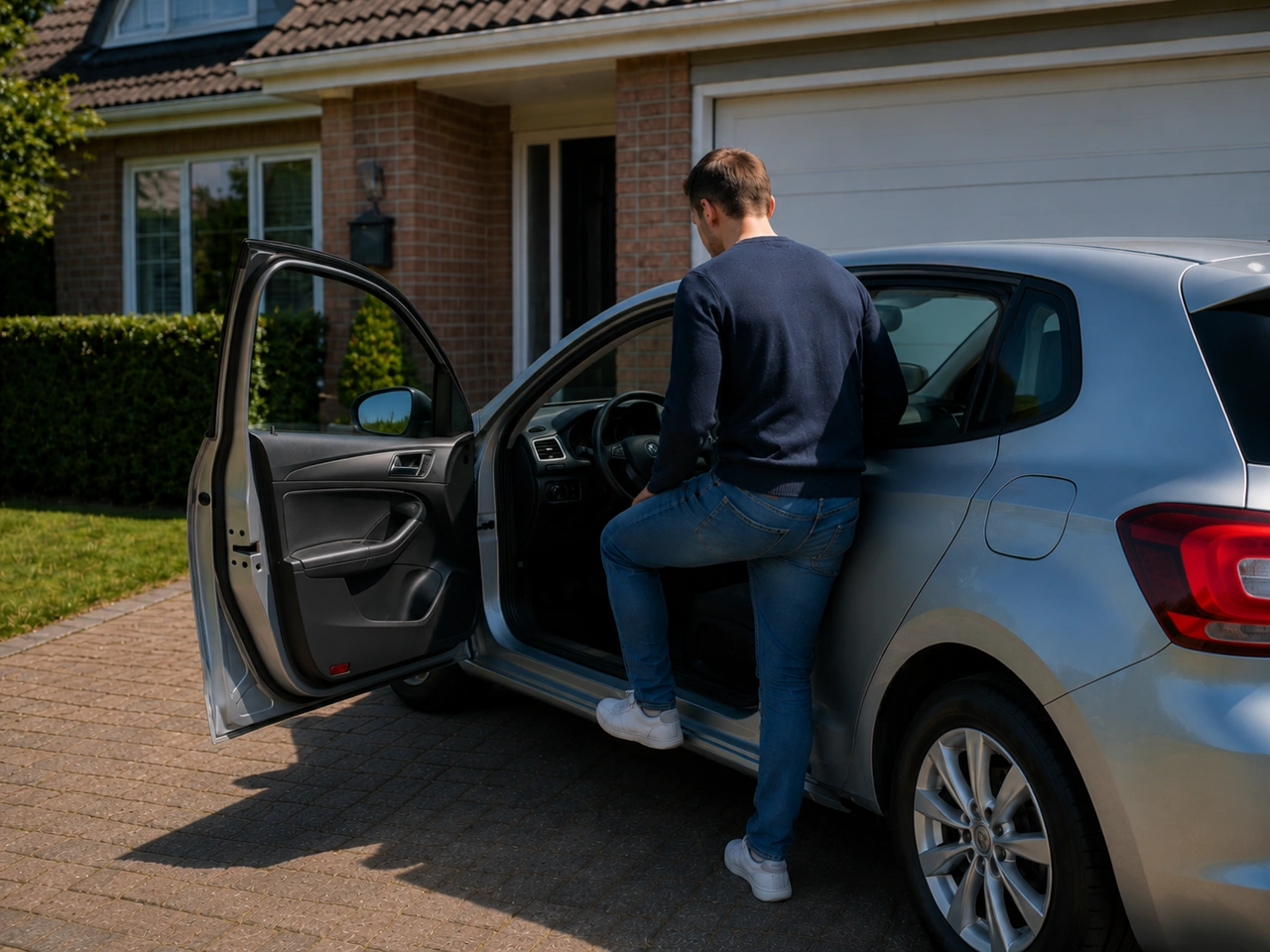
464. When should you fasten your seat belt?
Fasten your seat belt before the vehicle starts moving and keep it fastened throughout the journey. Make sure your passengers are also safely seated and properly restrained.
AI-generated by Rijbewijs-online.be • WCIT • CC BY-SA
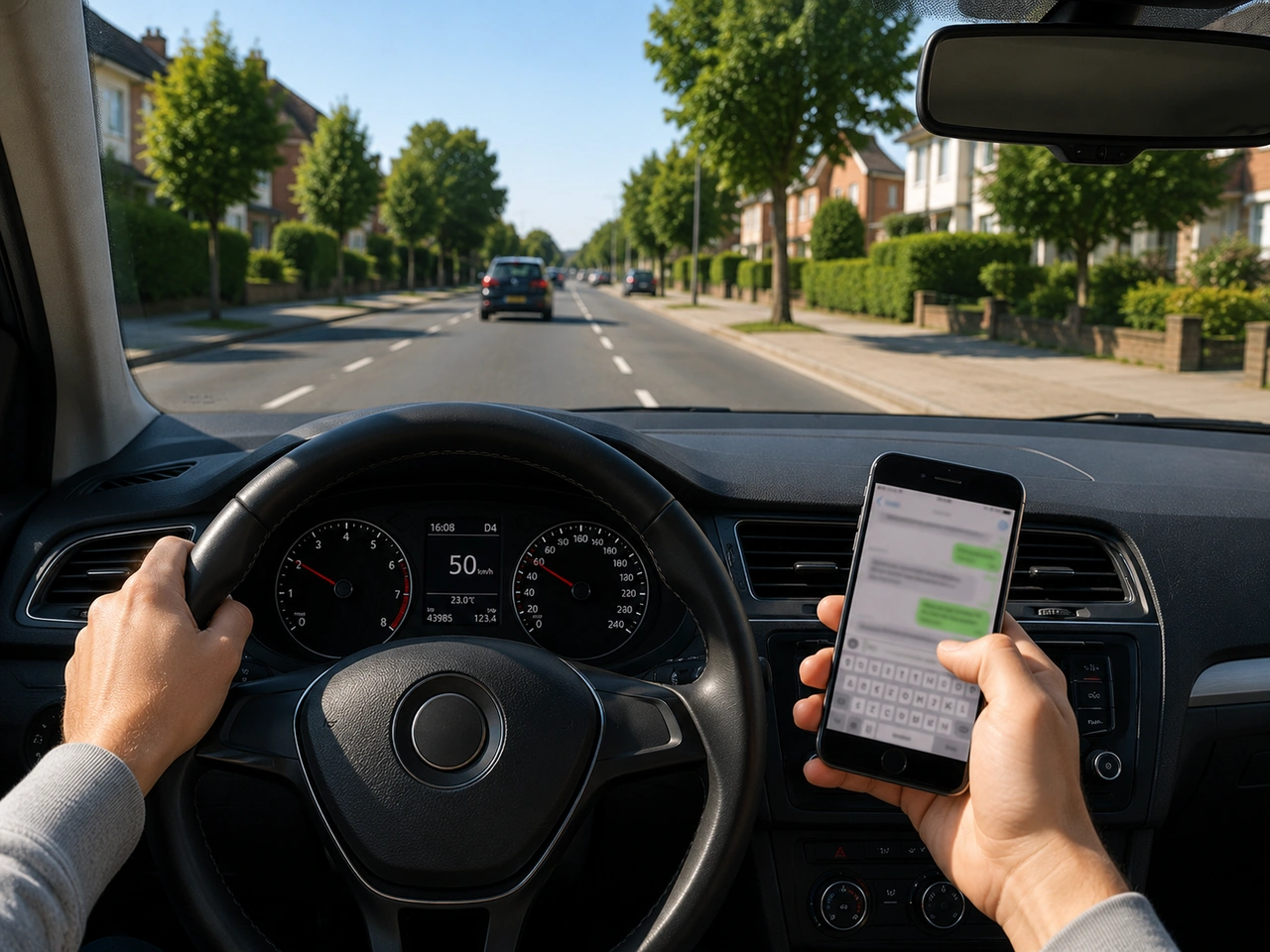
465. It is safe to look at your phone briefly while driving.
Using your phone while driving is distracting and dangerous, even for a very short moment.
AI-generated by Rijbewijs-online.be • WCIT • CC BY-SA
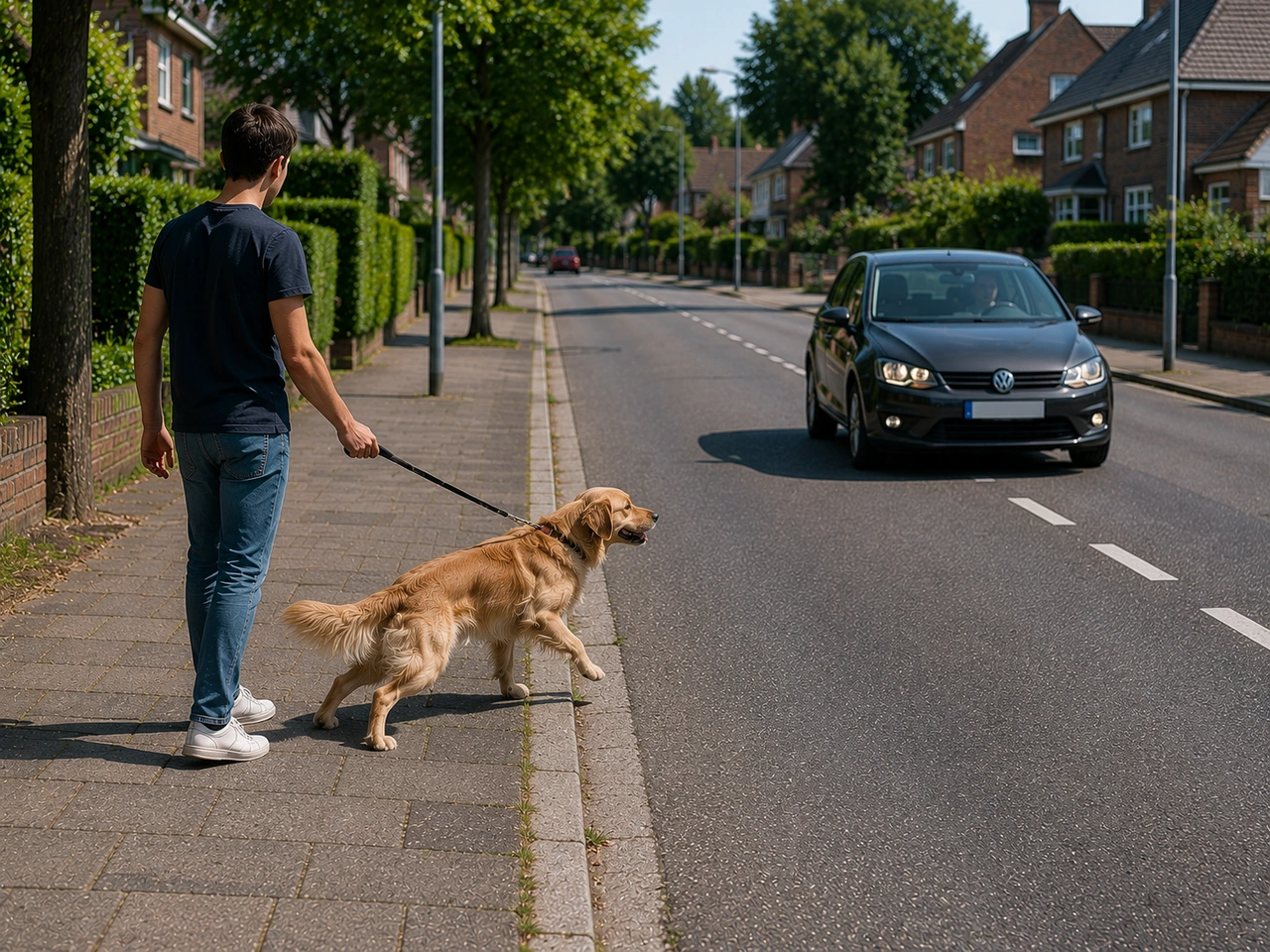
466. Why should pedestrians avoid sudden movements near traffic?
Sudden movements can surprise drivers and reduce the time they have to slow down or stop safely.
AI-generated by Rijbewijs-online.be • WCIT • CC BY-SA
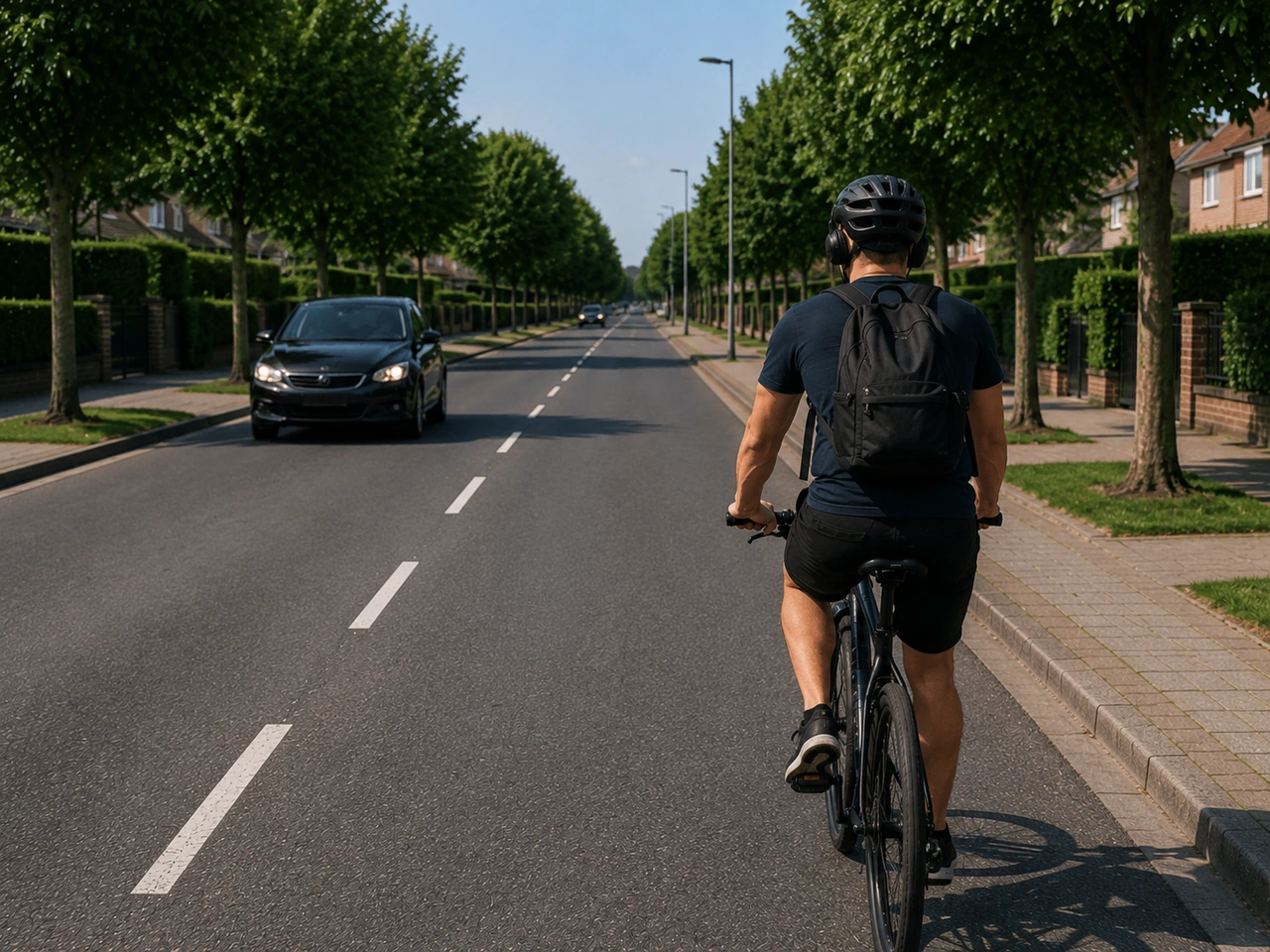
467. Why can loud music be dangerous while cycling?
Hearing approaching vehicles, bells, horns, and other warning sounds is an important part of staying aware.
AI-generated by Rijbewijs-online.be • WCIT • CC BY-SA
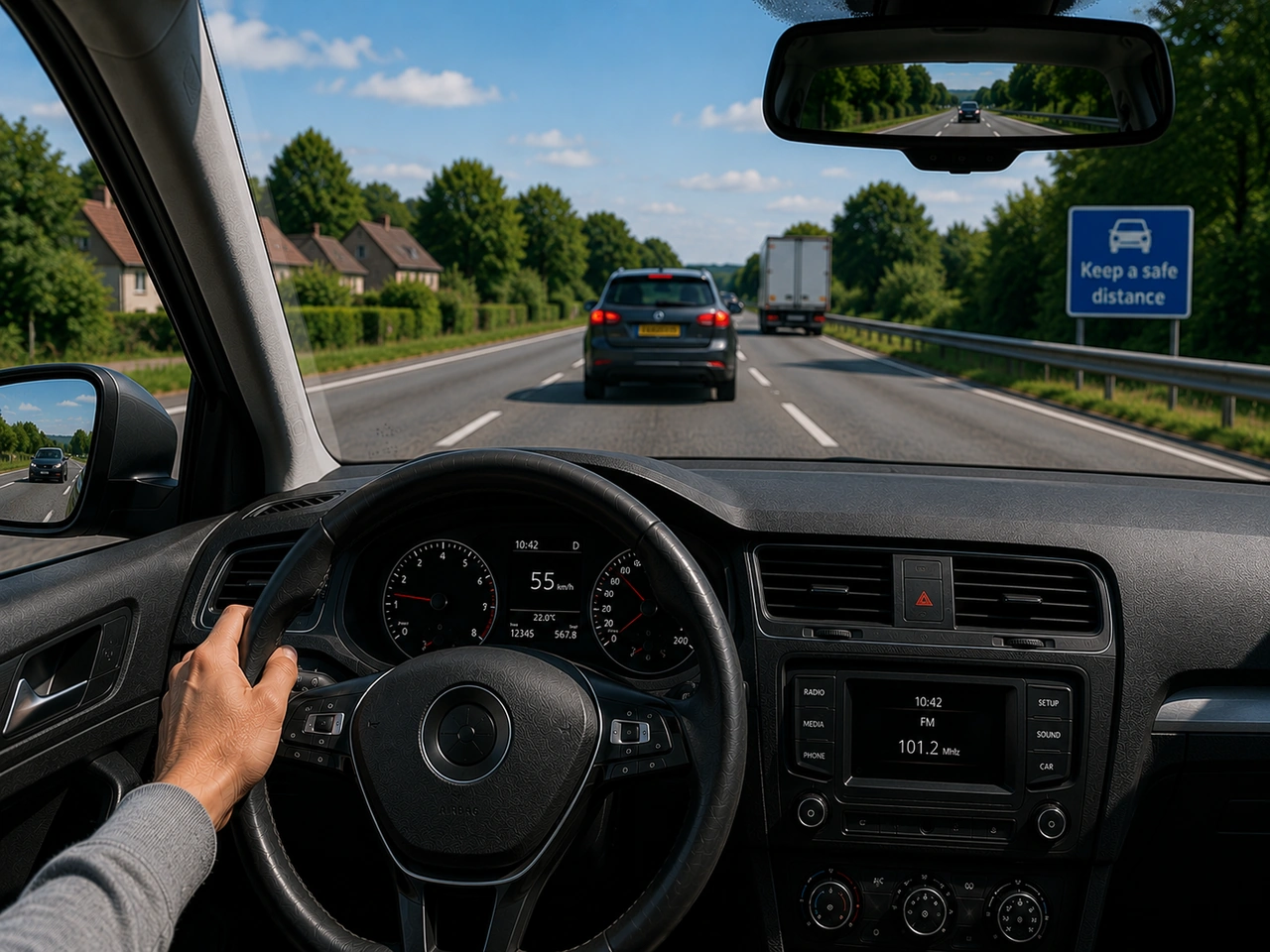
468. You should follow the vehicle in front as closely as possible in traffic.
You should keep a safe following distance so you have enough time to react if traffic slows or stops suddenly.
AI-generated by Rijbewijs-online.be • WCIT • CC BY-SA
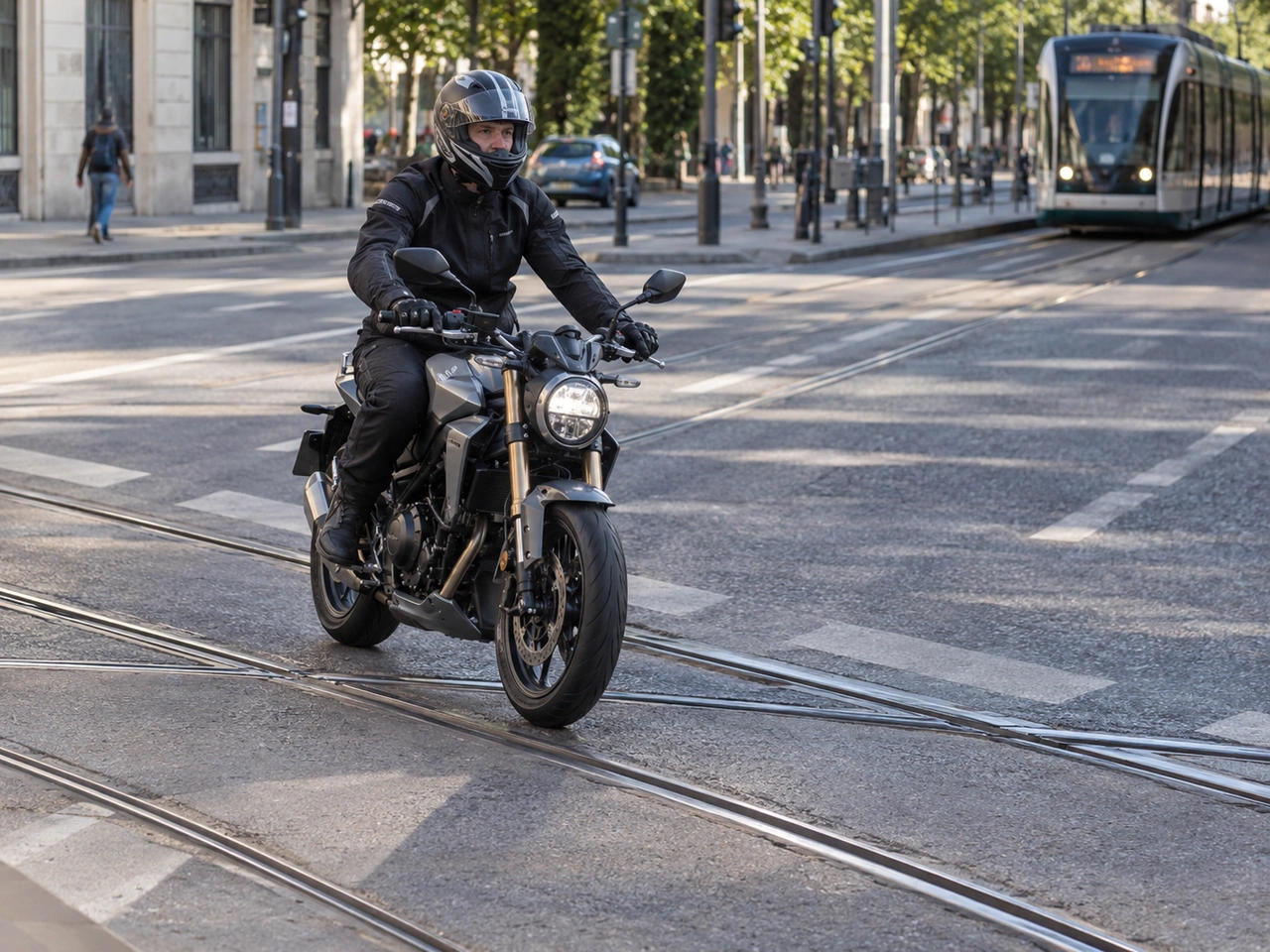
469. How should a motorcyclist cross tram or railway rails?
Rails can be slippery and can catch a motorcycle tyre, especially when wet. Cross them at a sufficiently large angle, as close to perpendicular as practical, and avoid sudden braking, acceleration or steering while crossing.
AI-generated by Rijbewijs-online.be • WCIT • CC BY-SA
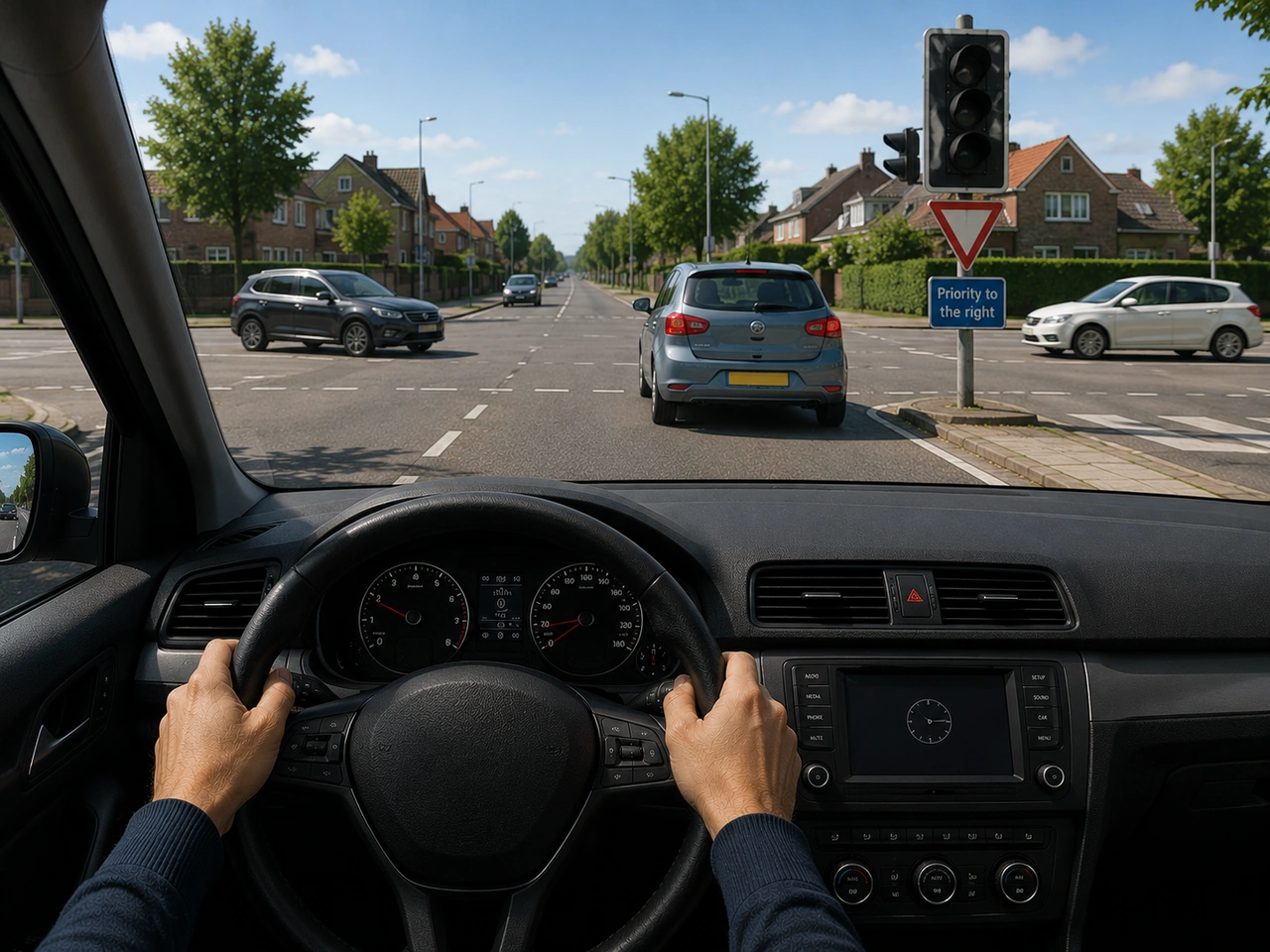
470. What should you do when traffic lights are not working?
If traffic lights are not working, slow down, observe carefully, and follow signs, road markings, or local priority rules.
AI-generated by Rijbewijs-online.be • WCIT • CC BY-SA
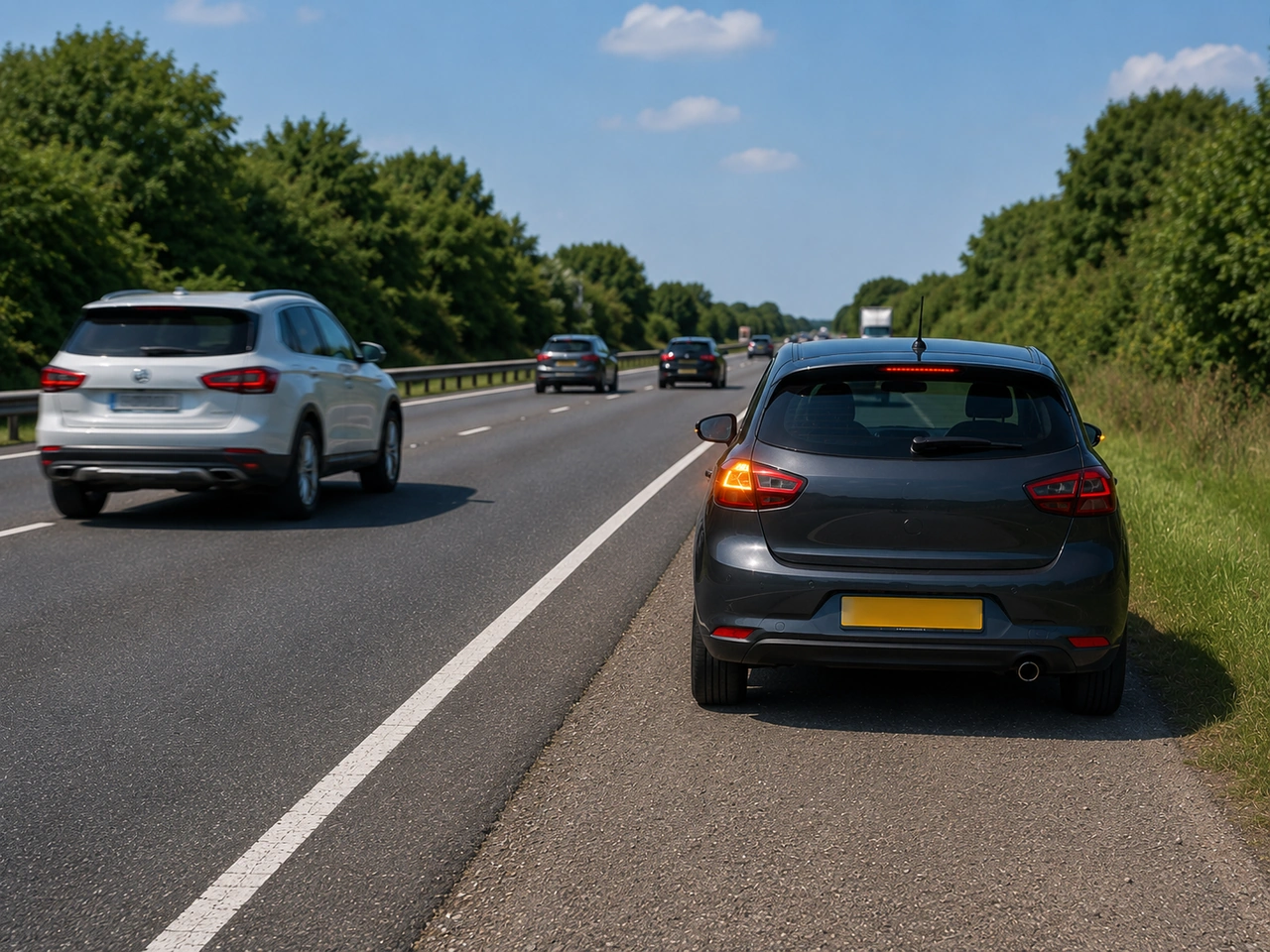
471. What should you do before rejoining traffic after a breakdown?
Check mirrors and blind spots, signal clearly, and build up speed safely without causing approaching traffic to brake suddenly.
AI-generated by Rijbewijs-online.be • WCIT • CC BY-SA
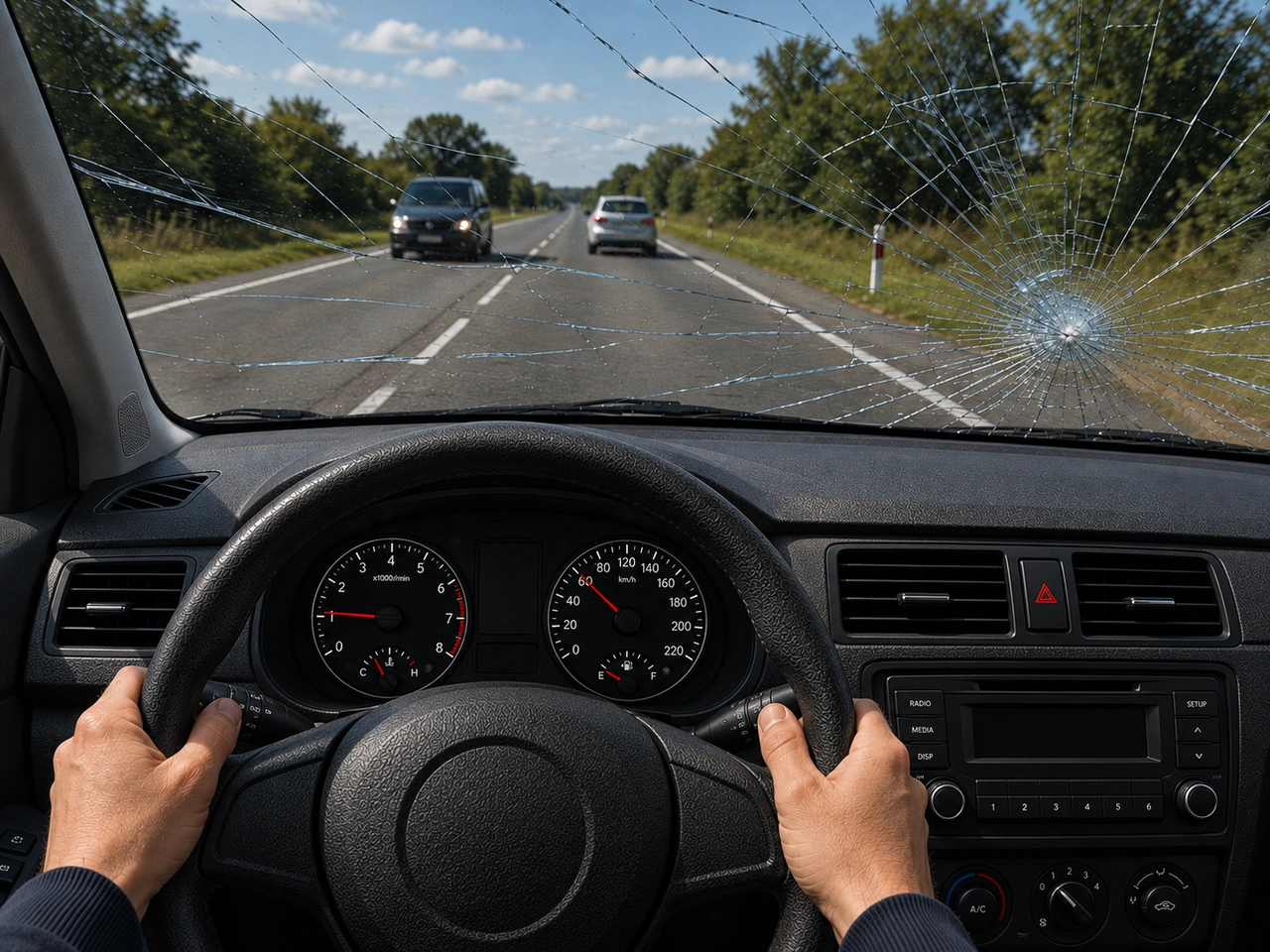
472. What should you do if the windscreen becomes damaged while driving?
Severe damage can obstruct your view and weaken the glass. Do not continue if you cannot see the road clearly.
AI-generated by Rijbewijs-online.be • WCIT • CC BY-SA
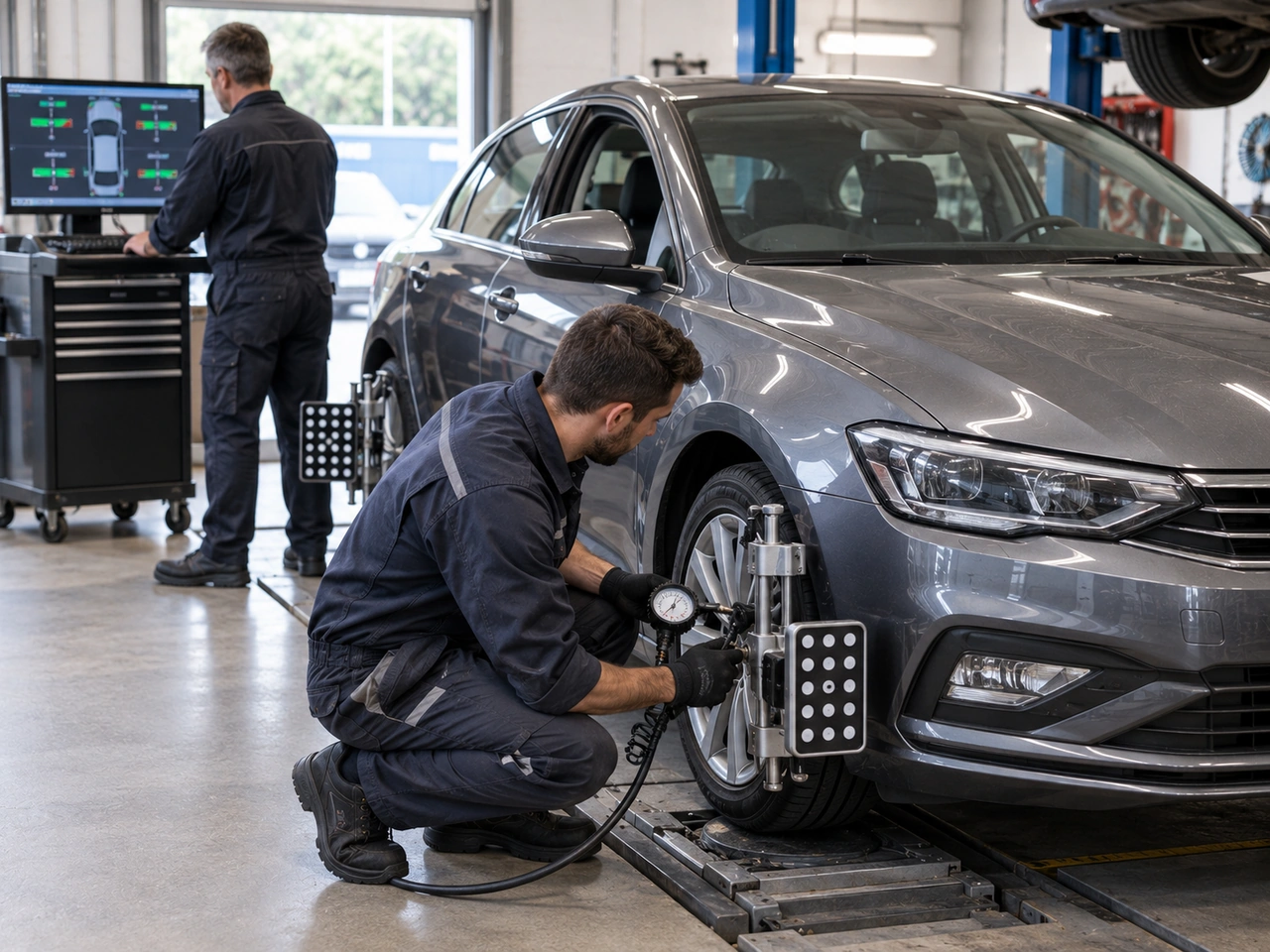
473. What should you do if the vehicle consistently pulls to one side?
Persistent pulling can be caused by incorrect tyre pressure, wheel misalignment, suspension wear, or a braking fault. It should not be ignored.
AI-generated by Rijbewijs-online.be • WCIT • CC BY-SA
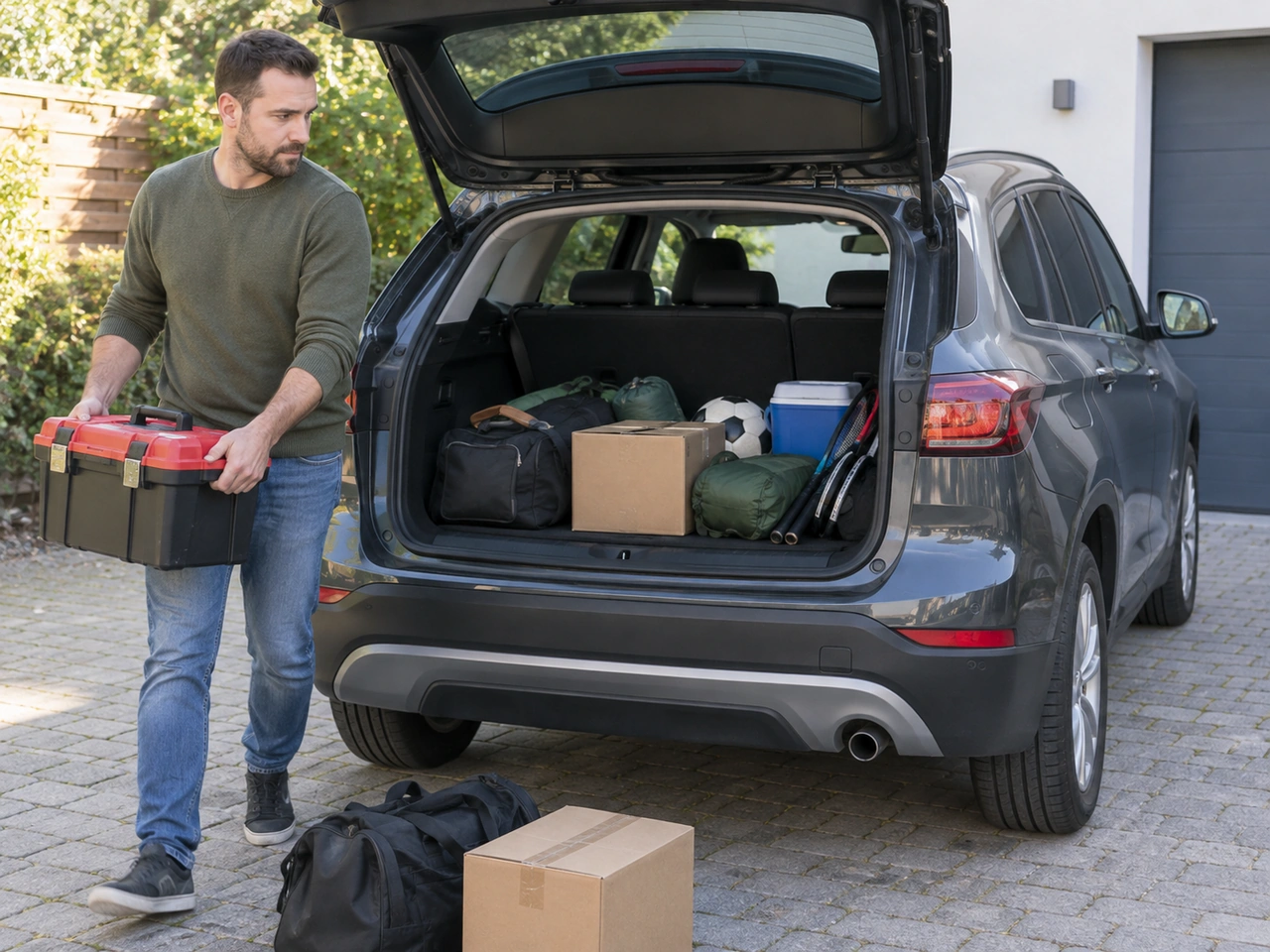
474. How can unnecessary weight affect a vehicle's energy use?
Extra weight generally requires more energy when accelerating and climbing. Removing unnecessary heavy items can help reduce fuel or energy consumption while keeping all essential equipment in the vehicle.
AI-generated by Rijbewijs-online.be • WCIT • CC BY-SA
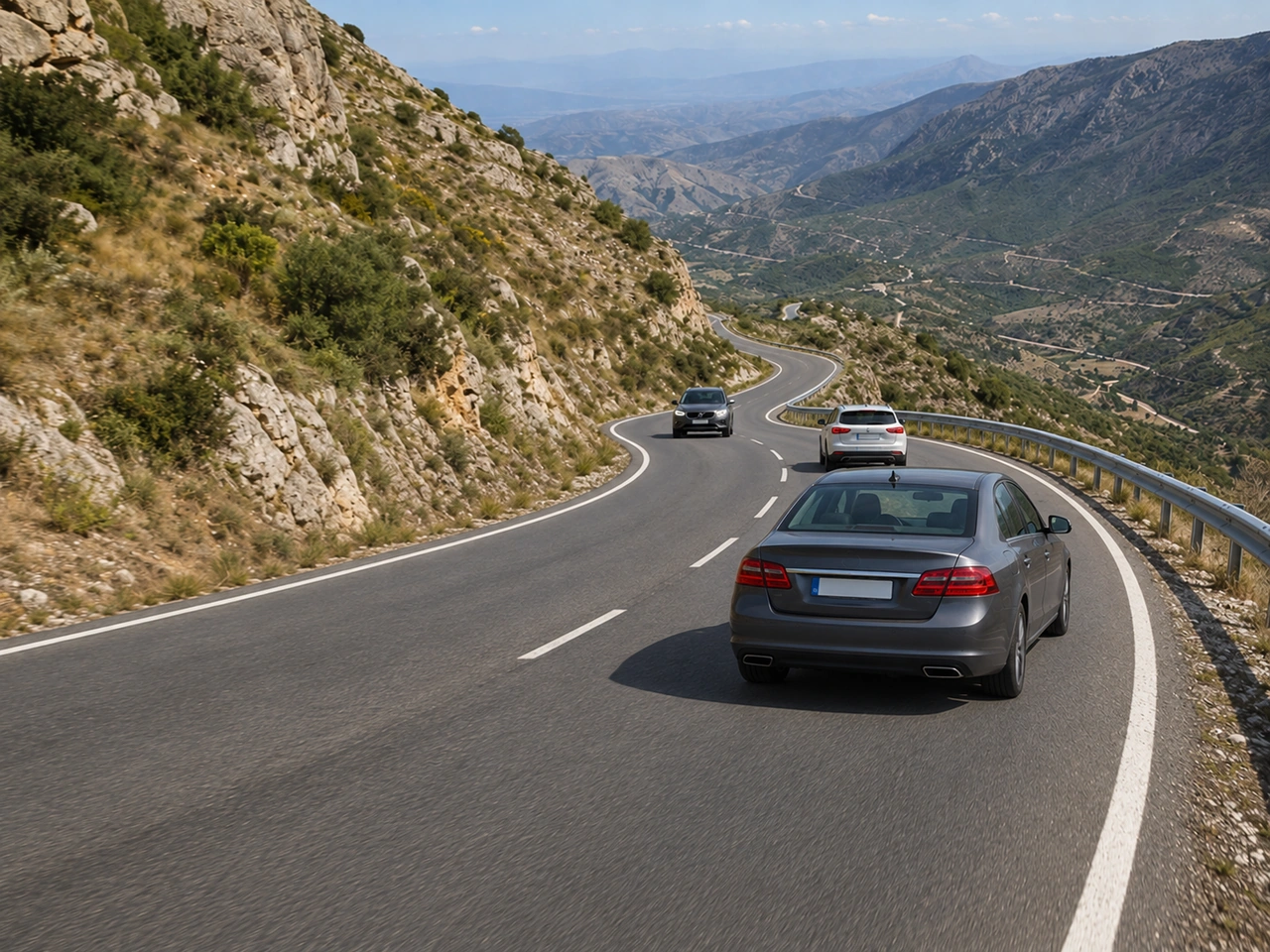
475. What can happen if you use the brakes continuously on a long descent?
Continuous braking can cause the brakes to overheat and fade, reducing braking performance. Use a lower gear to help control speed with engine braking.
AI-generated by Rijbewijs-online.be • WCIT • CC BY-SA
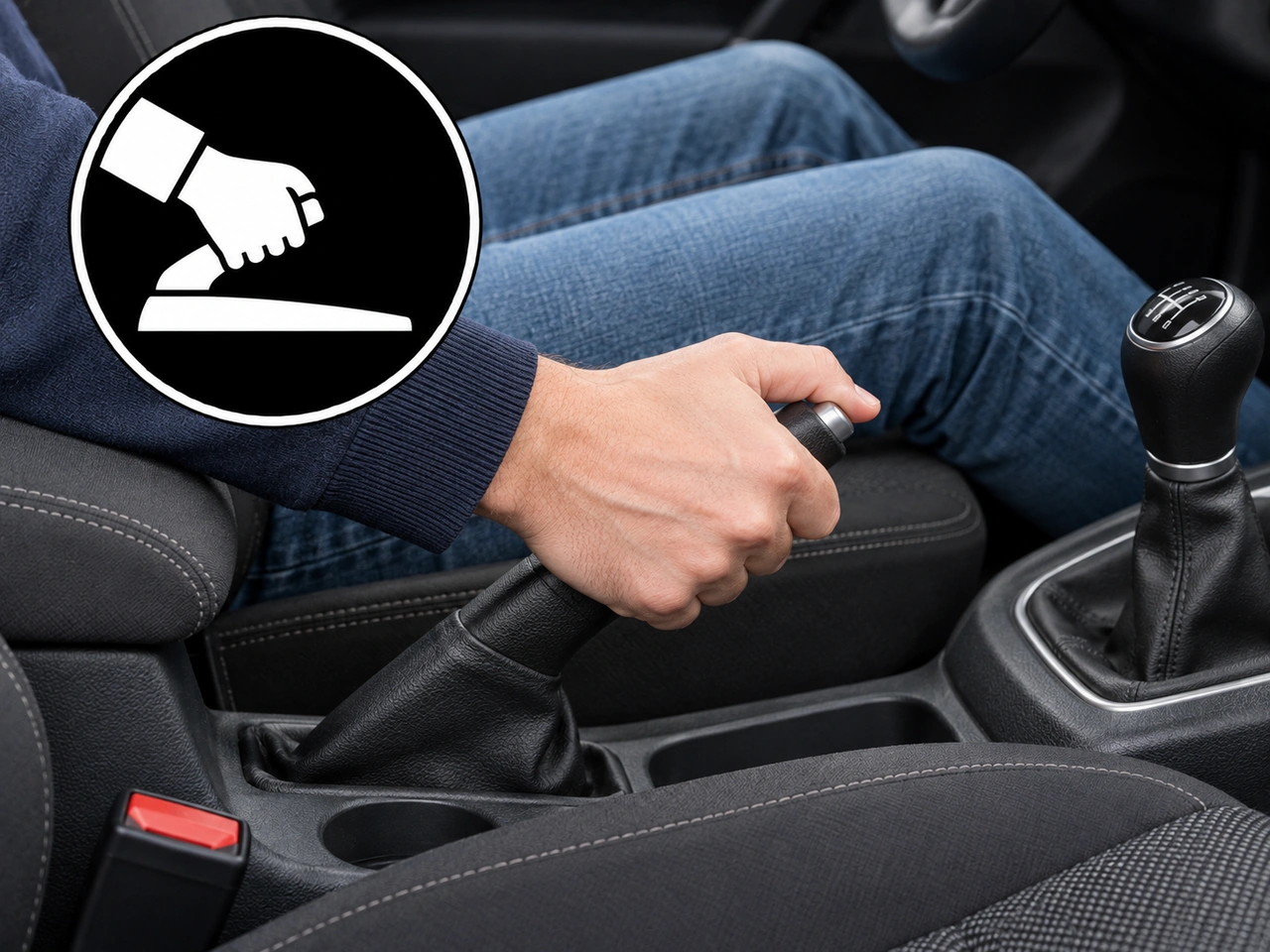
476. What is the purpose of the manual parking brake?
The manual parking brake helps keep the vehicle stationary when parked. It is normally applied by pulling up the handbrake lever and released before driving away.
AI-generated by Rijbewijs-online.be • WCIT • CC BY-SA
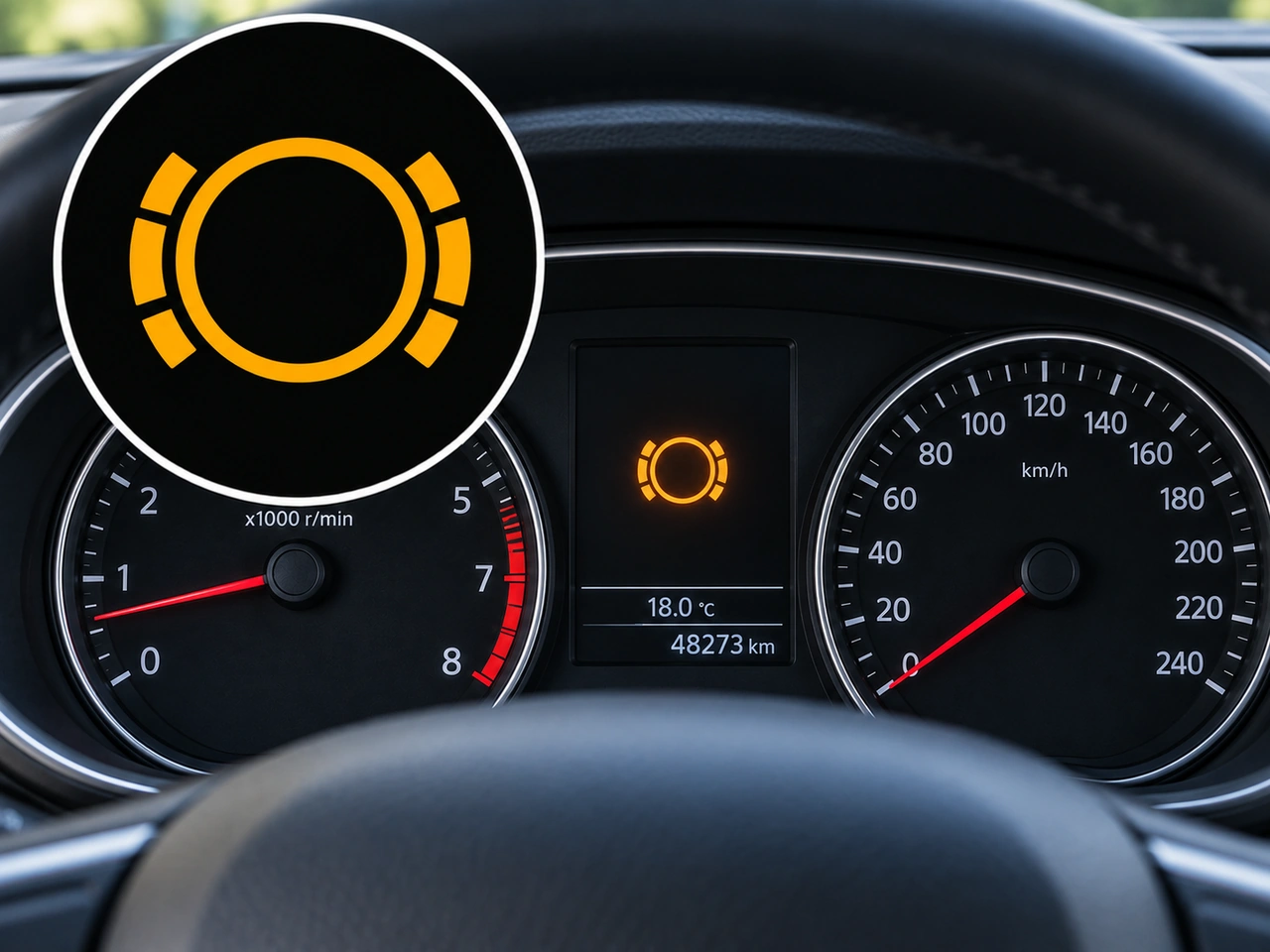
477. What does this dashboard symbol indicate?
This symbol indicates that the brake pads may be worn and should be inspected. Continuing to drive with excessively worn brake pads can reduce braking performance and damage other brake components.
AI-generated by Rijbewijs-online.be • WCIT • CC BY-SA
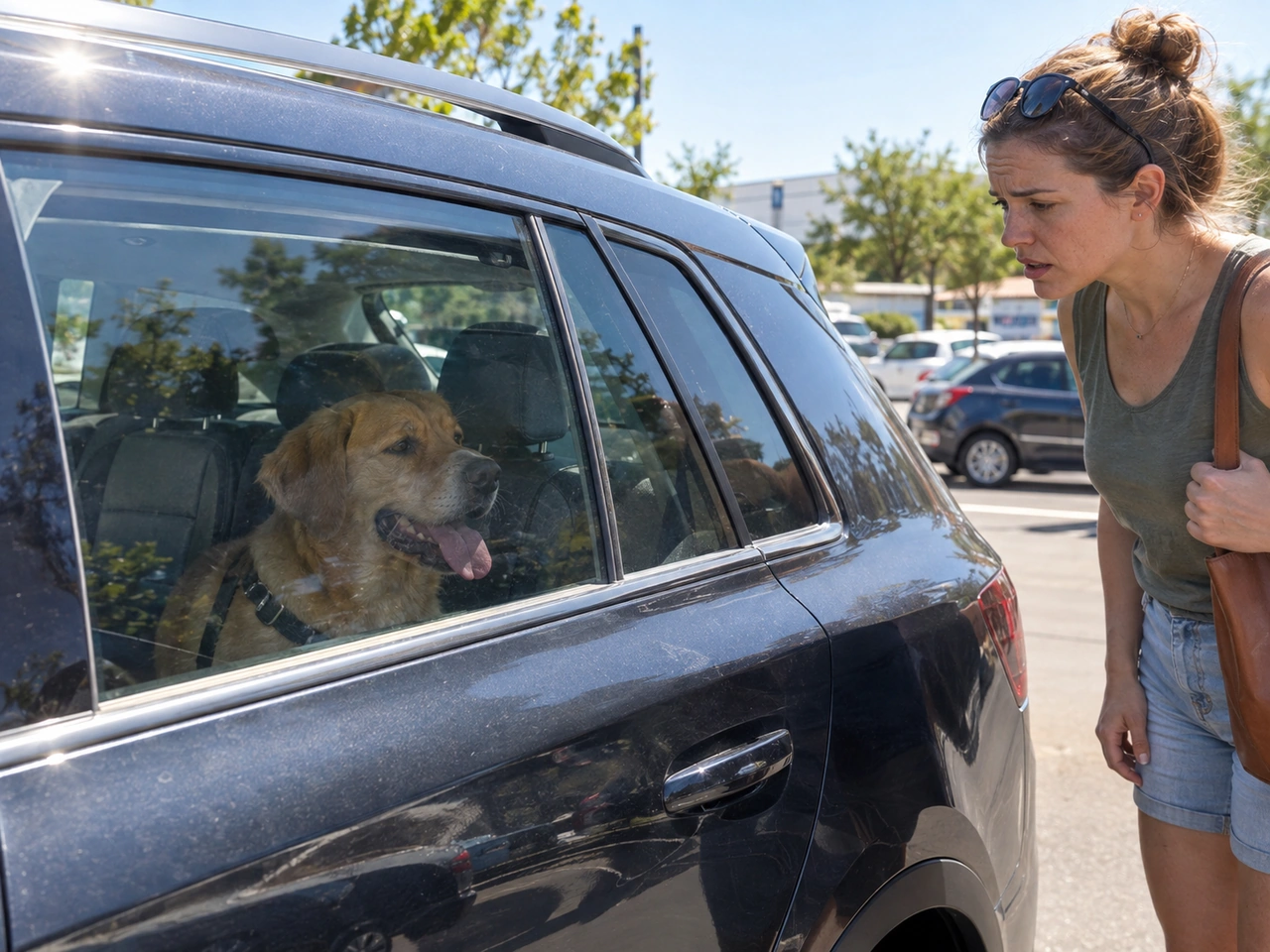
478. Why should you never leave a child or pet alone in a parked vehicle on a warm day?
The inside of a parked vehicle can heat up rapidly, even when the outside temperature does not feel extreme. Children and animals are particularly vulnerable to overheating and heatstroke. Leaving a window partly open does not make the vehicle safe.
AI-generated by Rijbewijs-online.be • WCIT • CC BY-SA
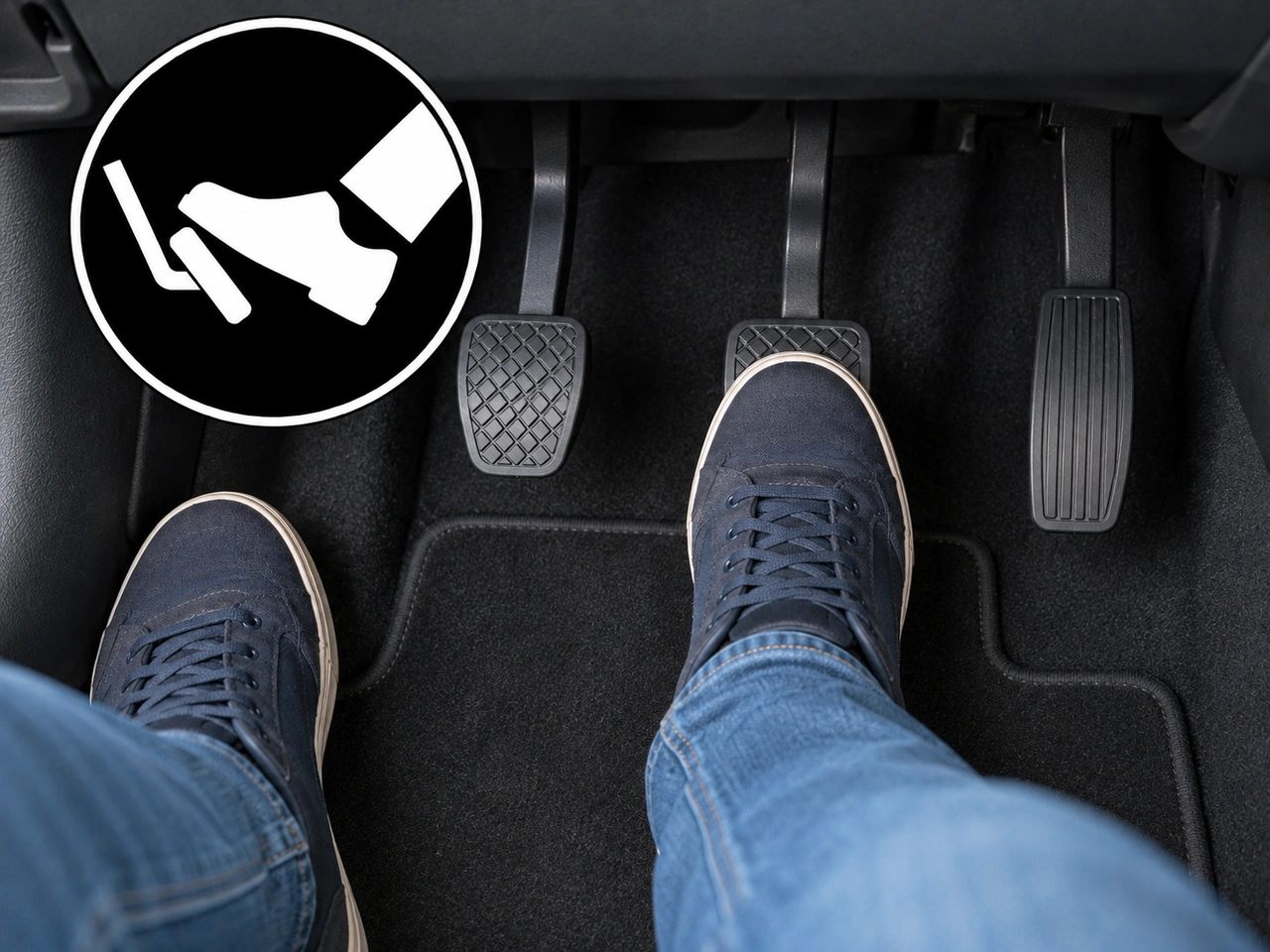
479. Which pedal is used to slow down or stop the vehicle?
The brake pedal is used to reduce the vehicle's speed or bring it to a stop. In a manual vehicle, it is the middle pedal.
AI-generated by Rijbewijs-online.be • WCIT • CC BY-SA
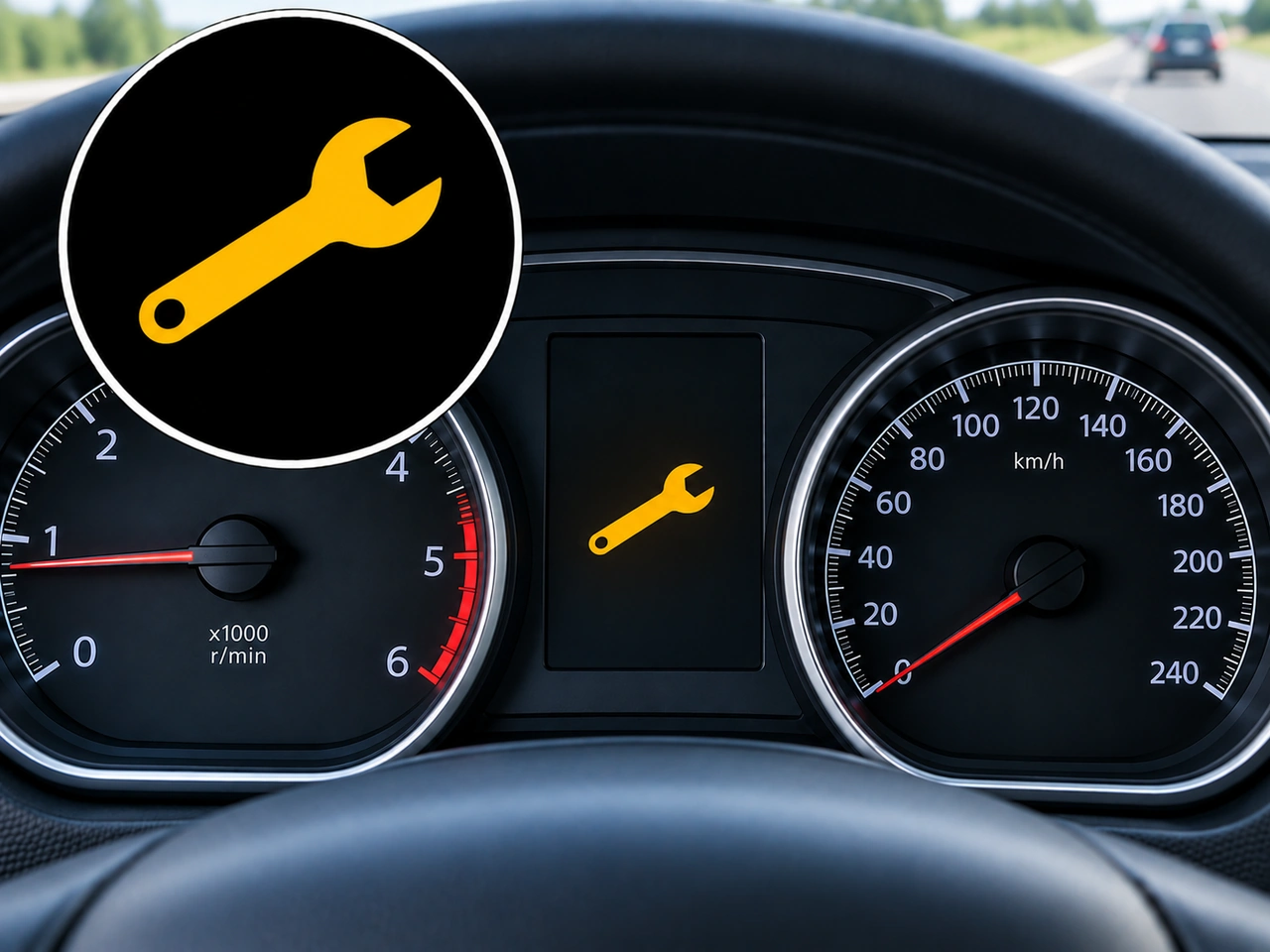
480. What does this dashboard symbol indicate?
This symbol indicates that the vehicle requires servicing or maintenance. The exact meaning and required maintenance can vary between vehicles, so check the vehicle information display or owner's manual.
AI-generated by Rijbewijs-online.be • WCIT • CC BY-SA
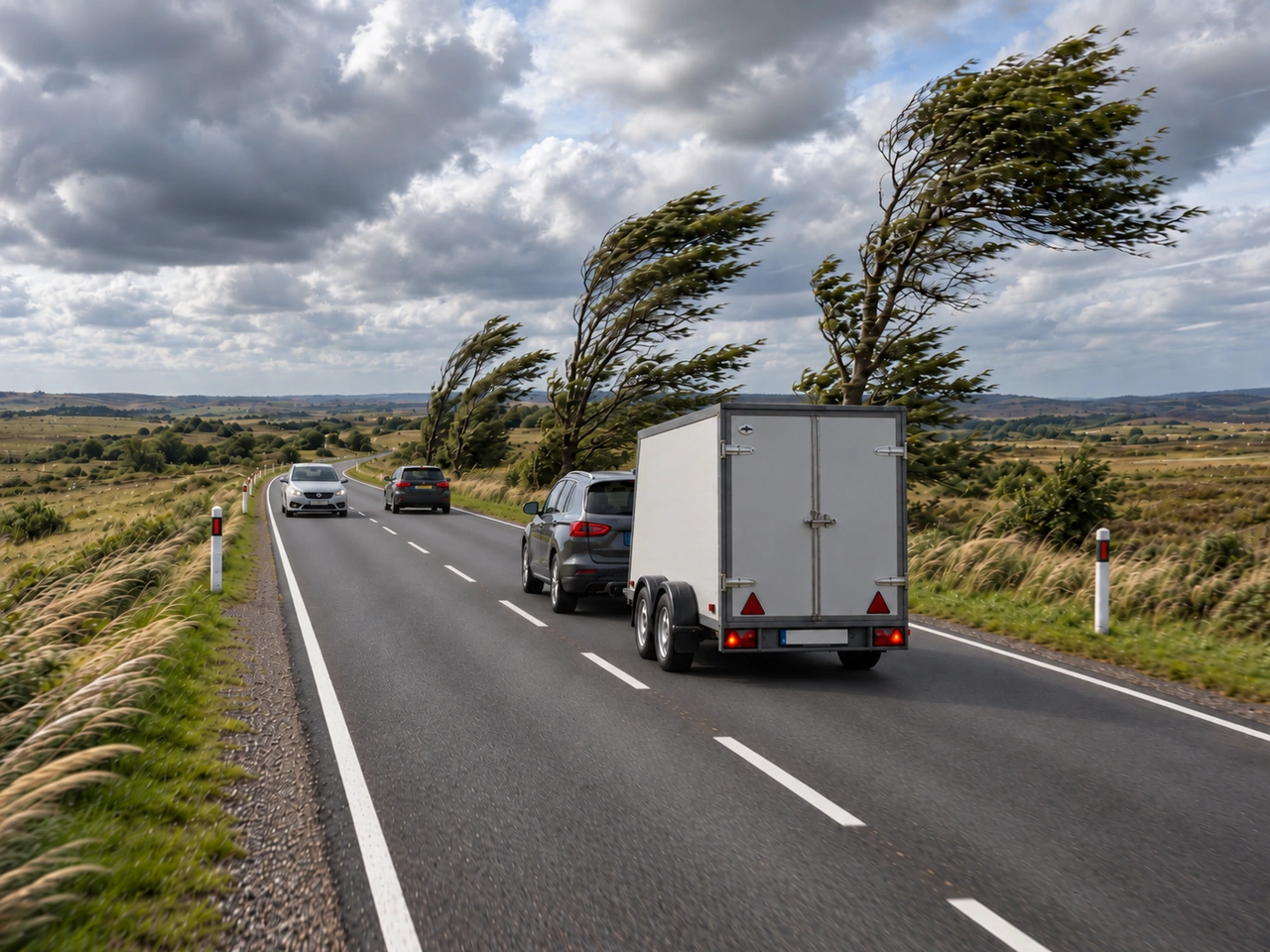
481. How can strong crosswinds affect a vehicle towing a trailer?
Trailers have large side surfaces and may be affected strongly by wind, especially on bridges and exposed roads.
AI-generated by Rijbewijs-online.be • WCIT • CC BY-SA
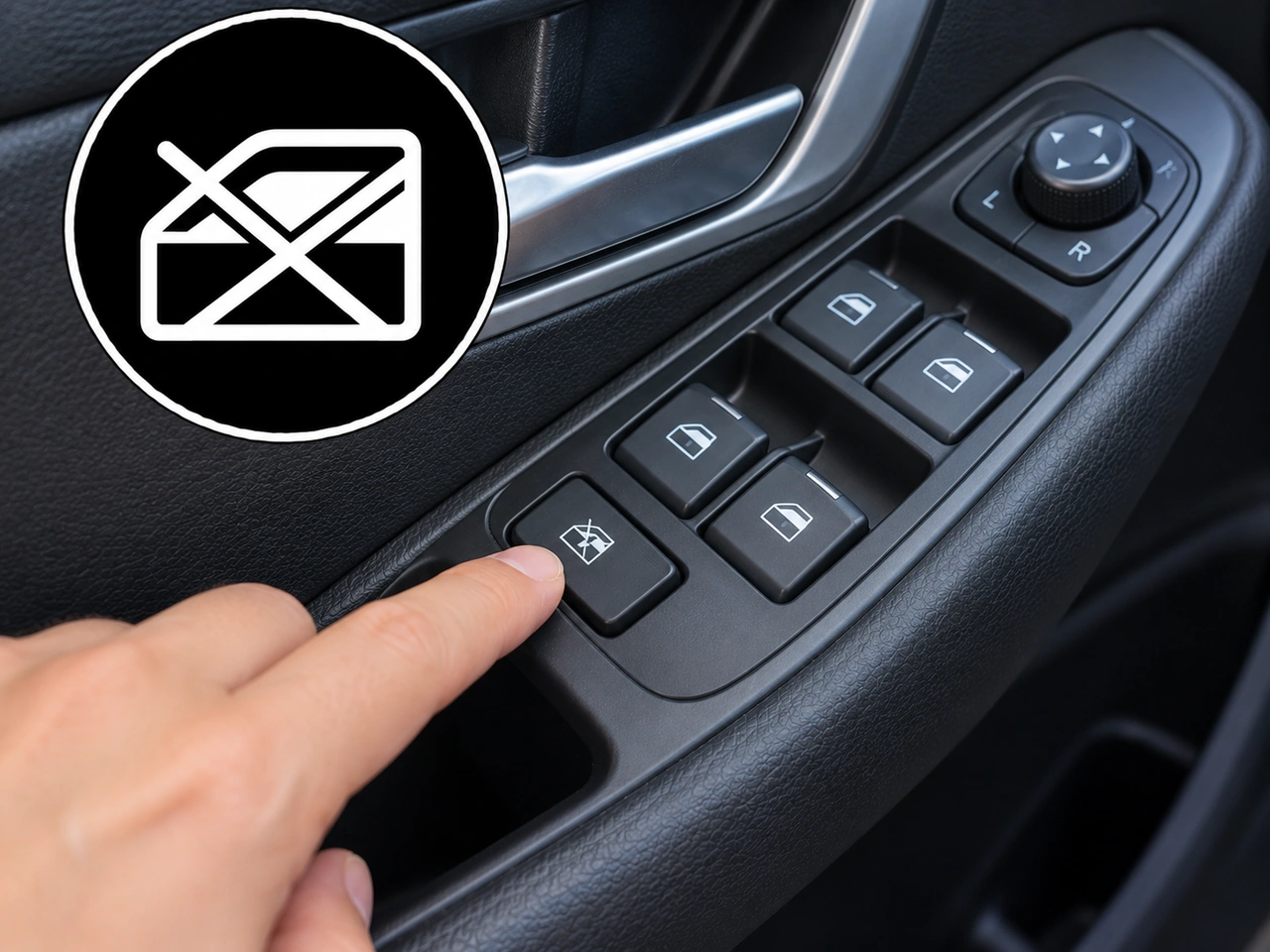
482. What does this vehicle-control symbol indicate?
This control activates the window lock, which normally prevents passengers from operating their electric windows while leaving control with the driver.
AI-generated by Rijbewijs-online.be • WCIT • CC BY-SA
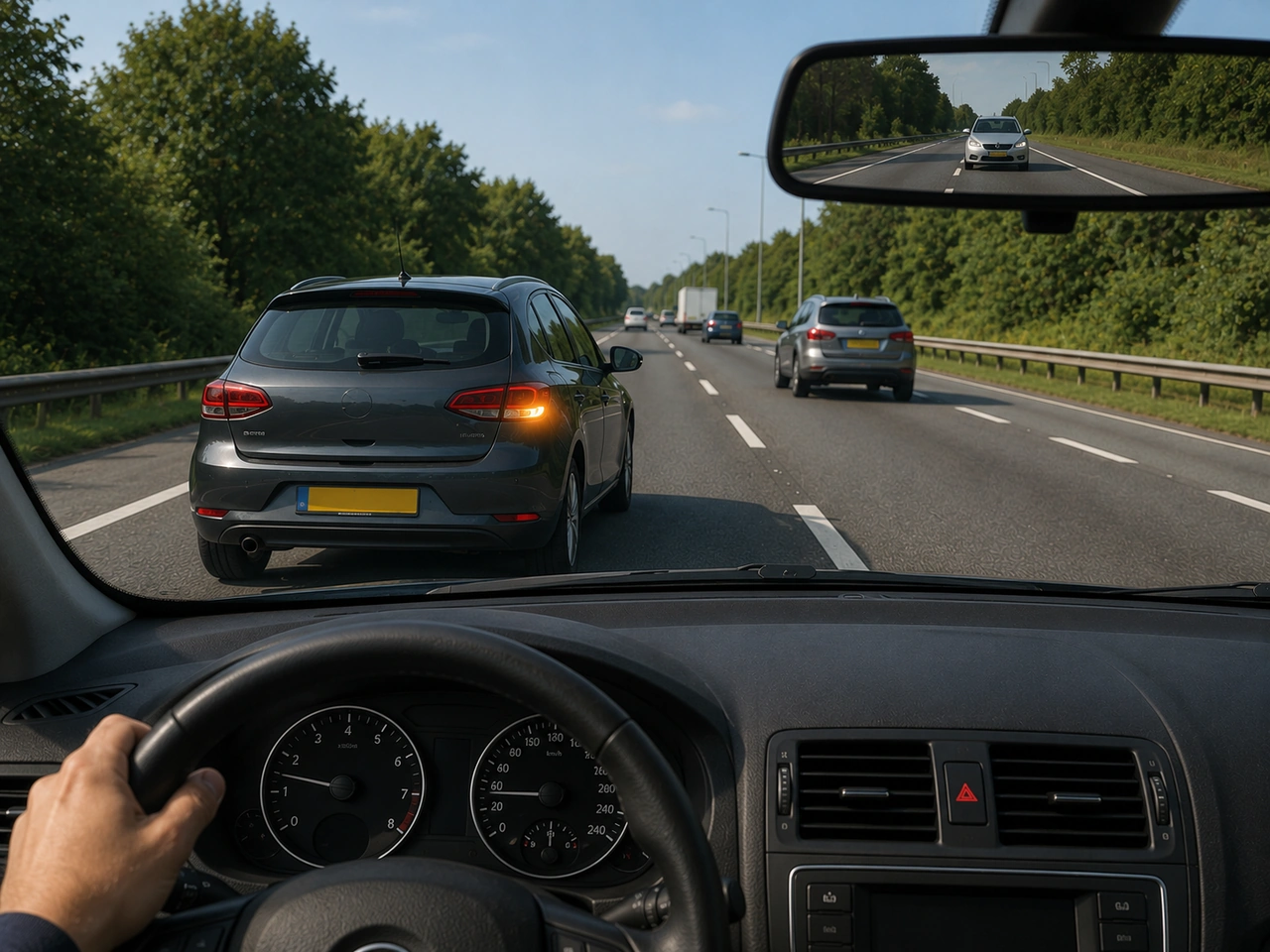
483. You should signal before turning or changing lanes.
A clear signal helps other road users understand your intentions, but you must still check that the manoeuvre can be made safely.
AI-generated by Rijbewijs-online.be • WCIT • CC BY-SA
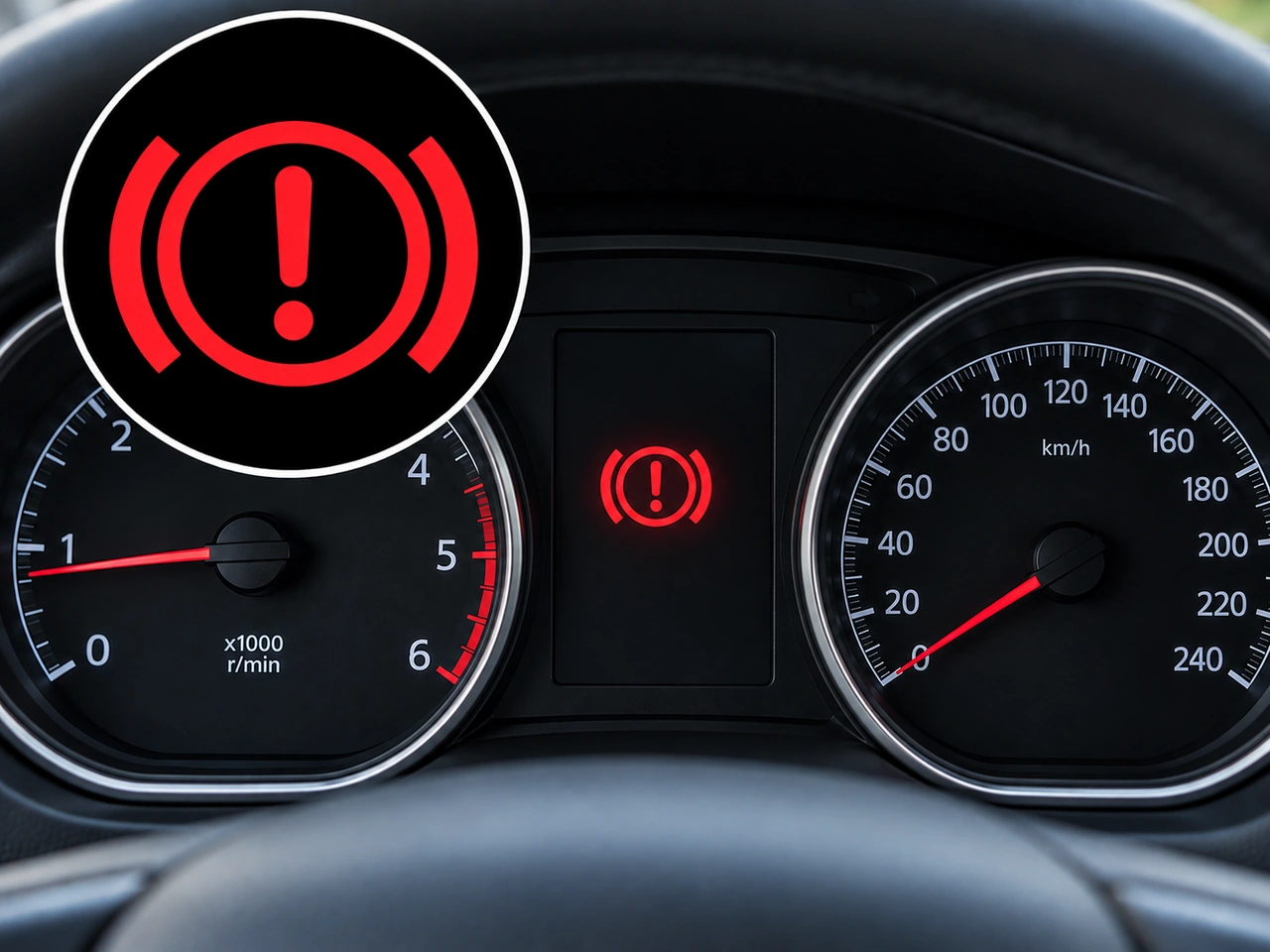
484. What does this dashboard symbol indicate?
This symbol indicates a possible brake-system fault. If it remains illuminated after the parking brake is released, stop safely and have the braking system checked.
AI-generated by Rijbewijs-online.be • WCIT • CC BY-SA
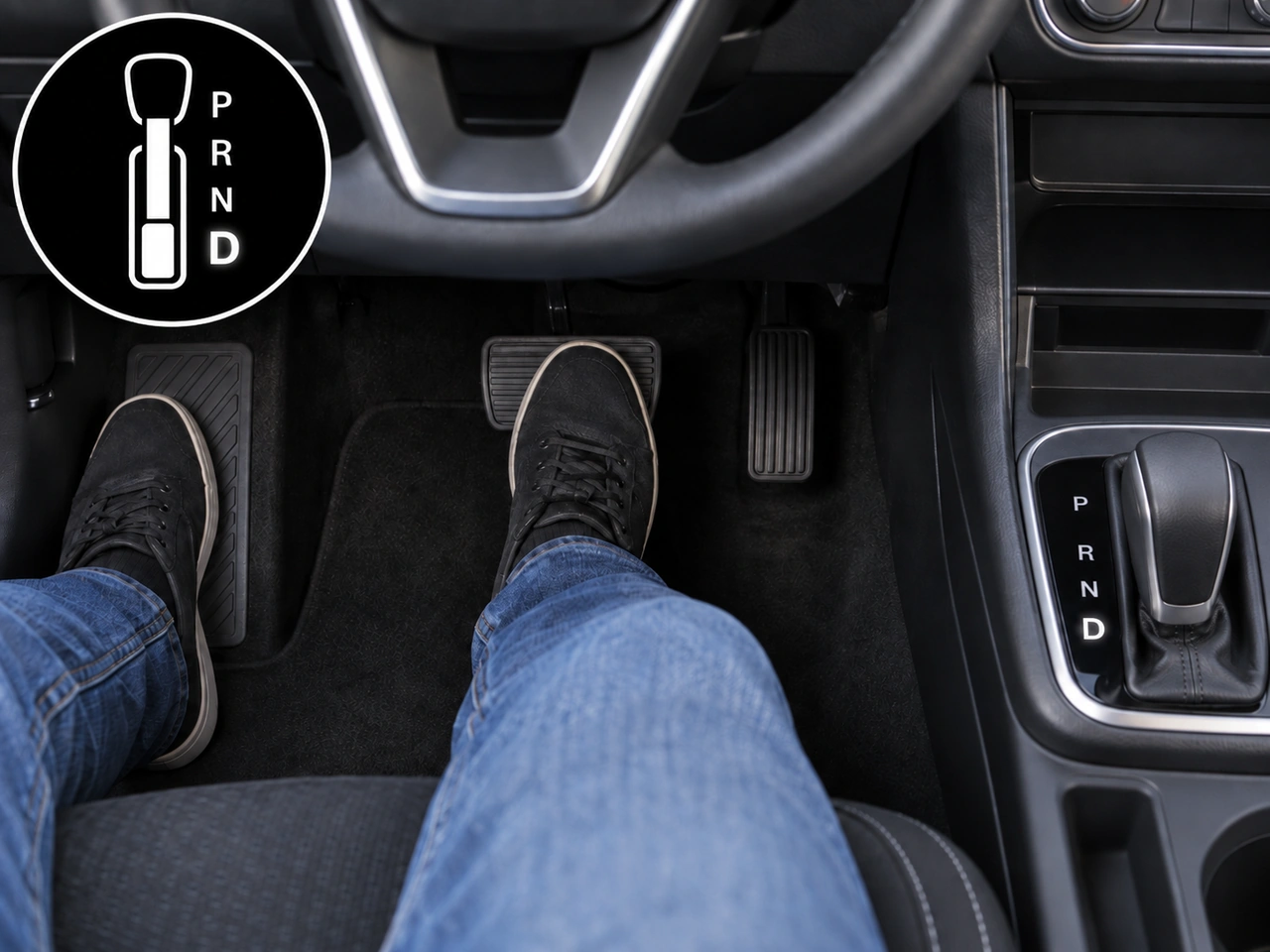
485. What should you do when an automatic vehicle is stationary in D?
An automatic vehicle may creep forward when D (Drive) is selected, even without pressing the accelerator. Keep the brake pedal pressed while stationary to prevent unintended movement.
AI-generated by Rijbewijs-online.be • WCIT • CC BY-SA
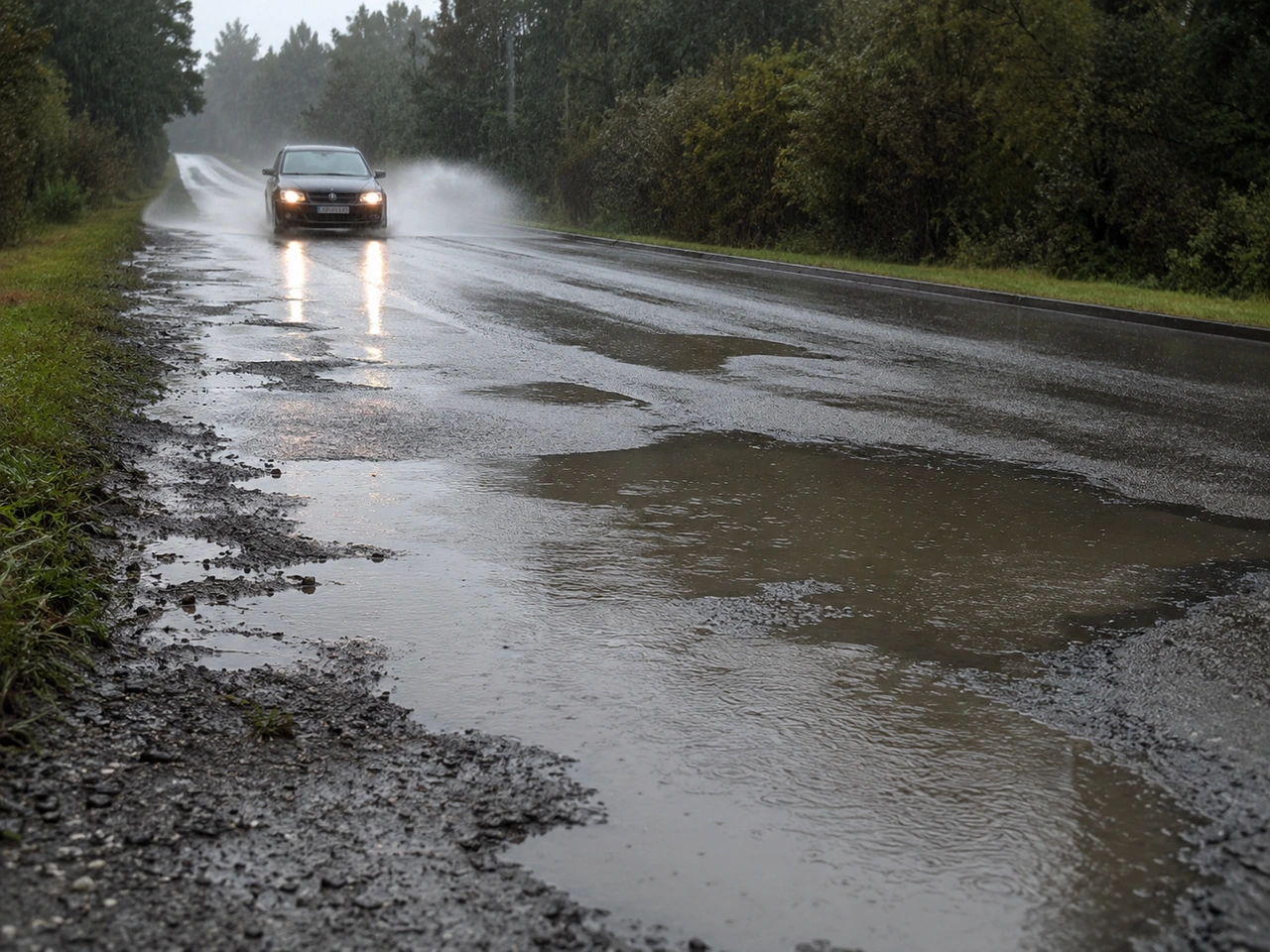
486. Which roads are most likely to cause aquaplaning?
Standing water can collect in dips, ruts, or puddles, increasing the chance that tyres will lose grip.
AI-generated by Rijbewijs-online.be • WCIT • CC BY-SA
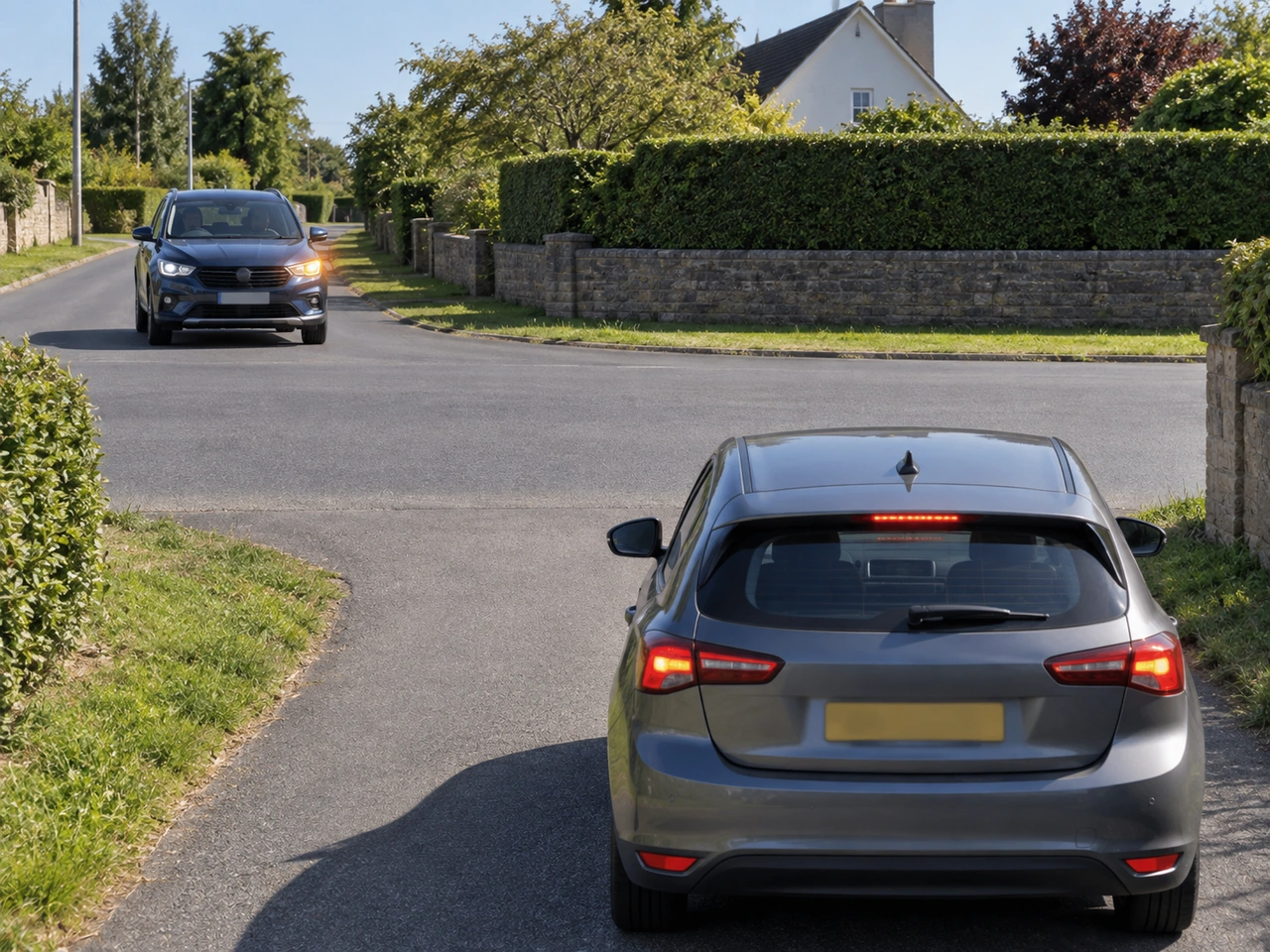
487. What should you do if another vehicle is signalling to turn?
An indicator shows an intention, but it does not guarantee that the driver will turn. The signal may have been left on accidentally or the driver's intentions may change. Observe the vehicle's speed and position and proceed only when you are sure it is safe.
AI-generated by Rijbewijs-online.be • WCIT • CC BY-SA
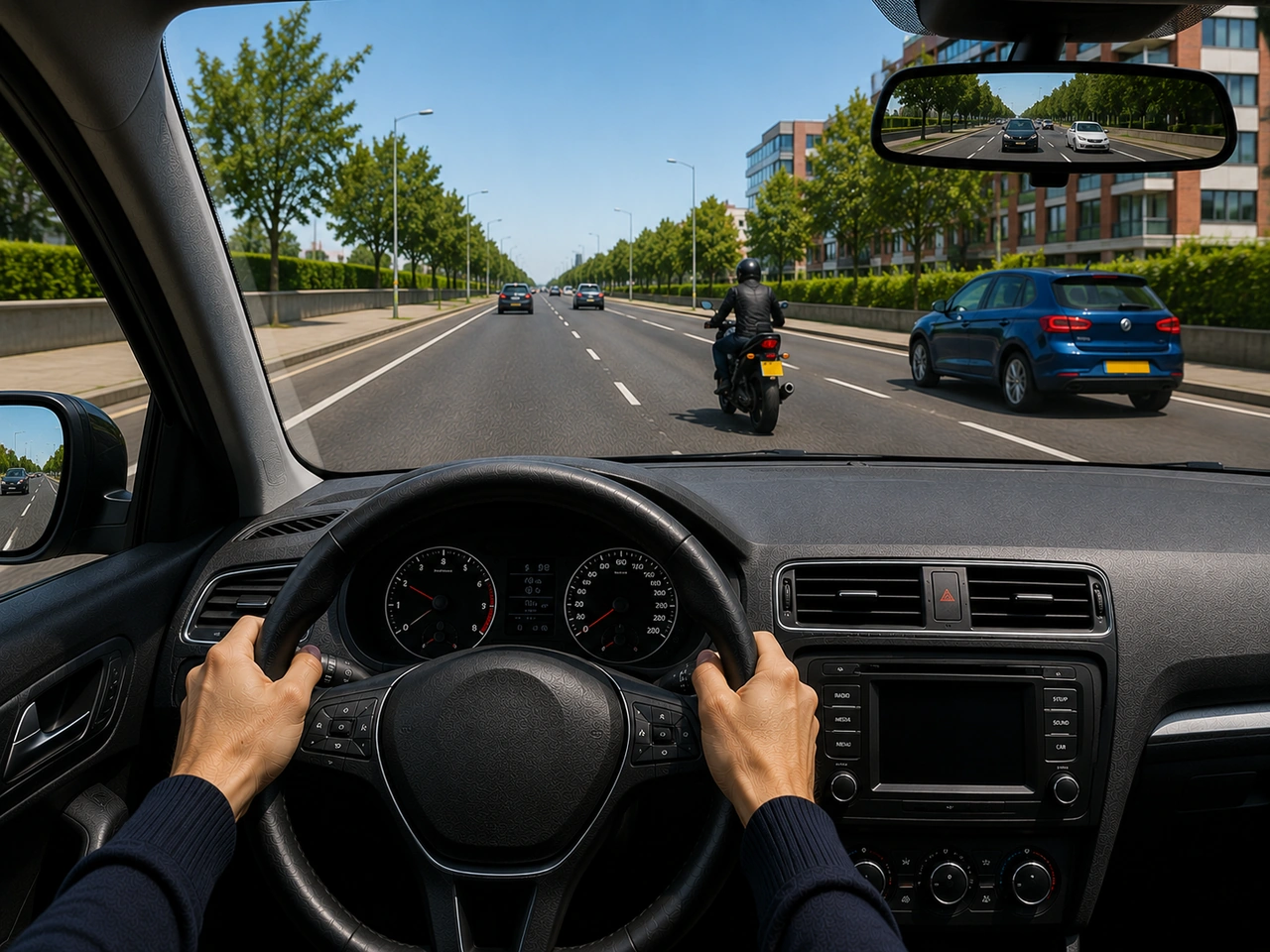
488. Why should you check for motorcyclists before changing lanes?
Motorcyclists are smaller and can be hidden in blind spots. Check mirrors, signal, and look carefully before changing lanes.
AI-generated by Rijbewijs-online.be • WCIT • CC BY-SA
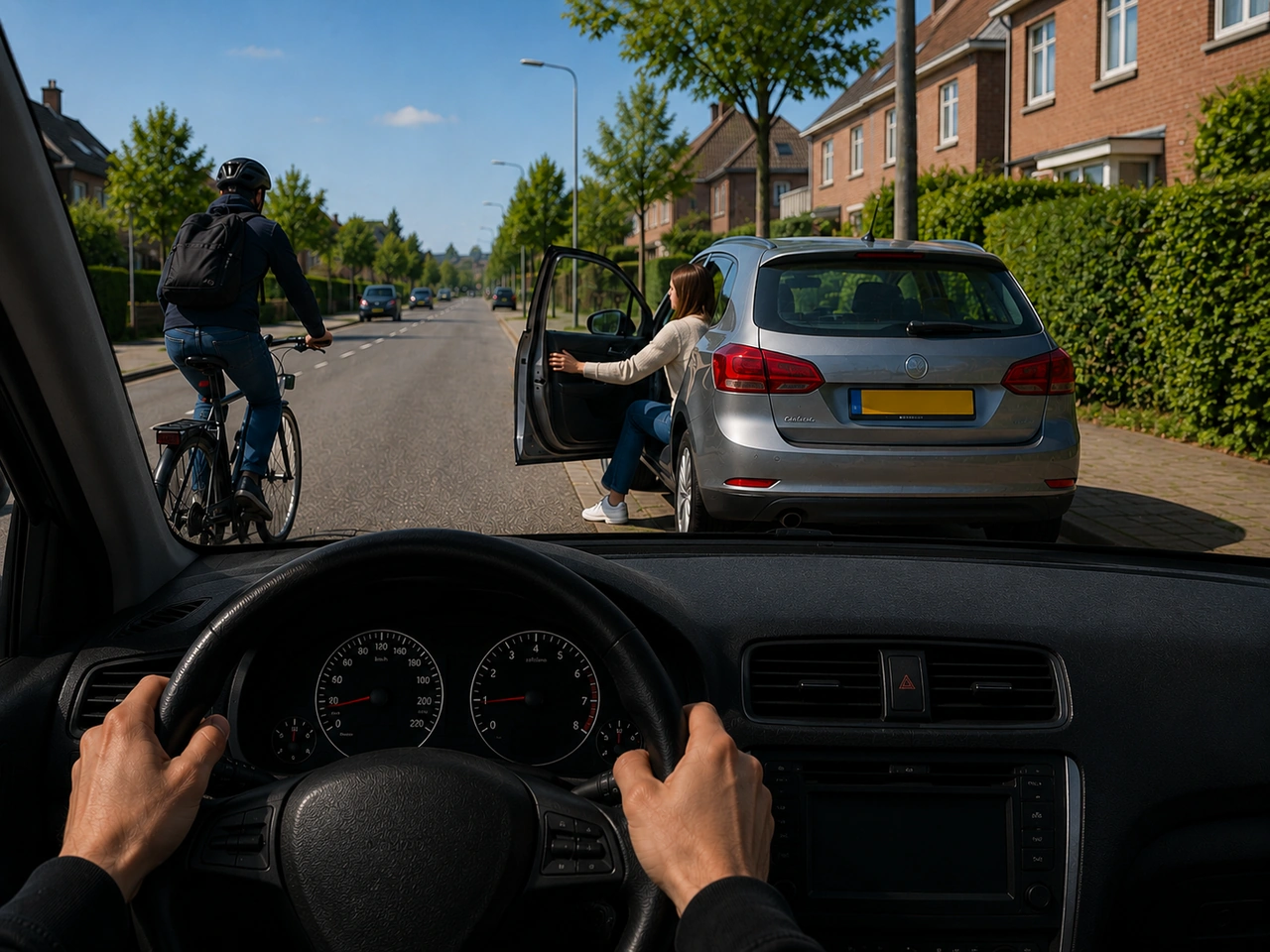
489. What should you do before opening your car door near traffic?
Before opening a car door, check carefully for cyclists, pedestrians, and vehicles to avoid causing a collision.
AI-generated by Rijbewijs-online.be • WCIT • CC BY-SA
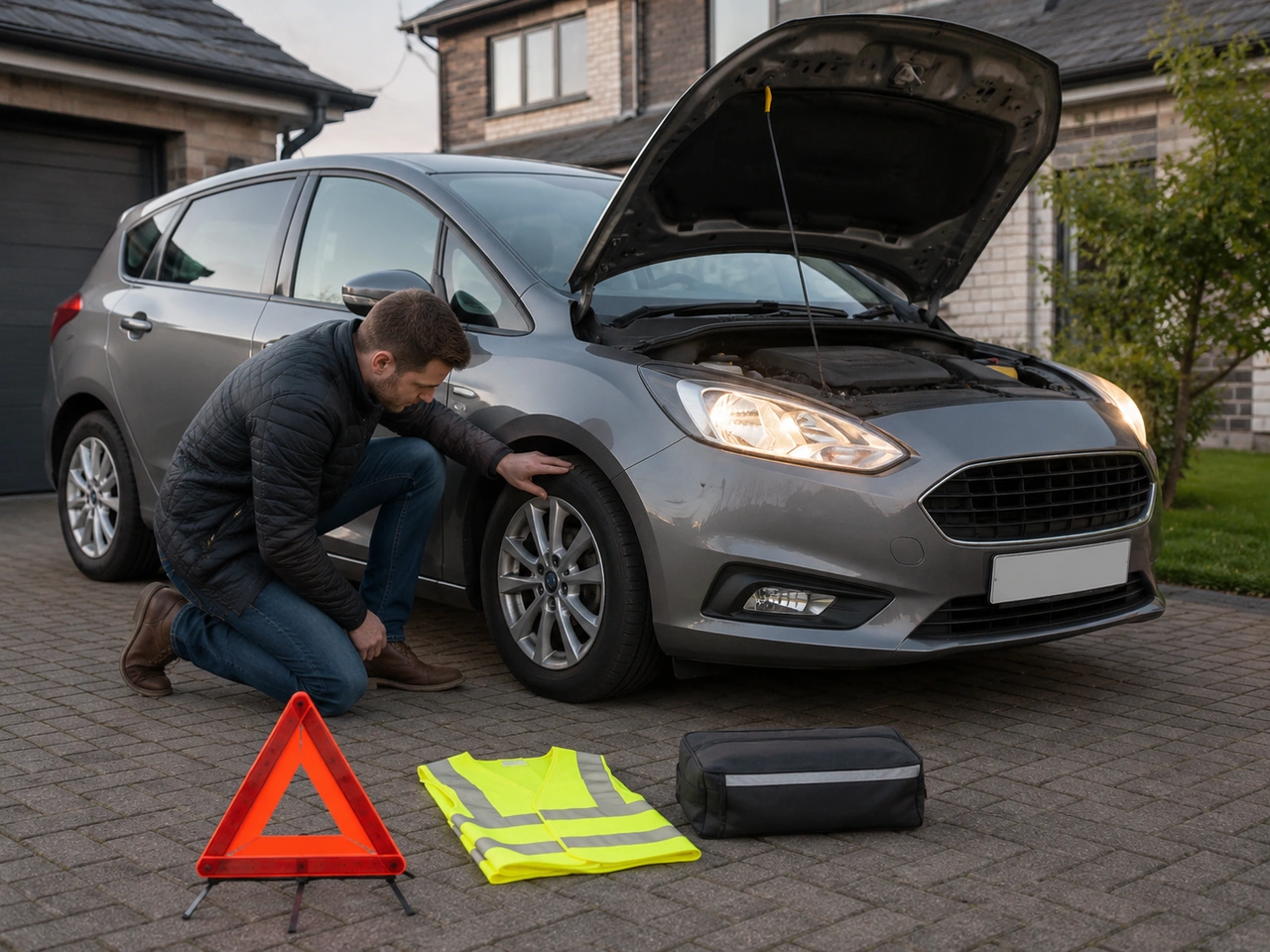
490. What should you check before starting a long journey?
A brief vehicle check can reveal tyre damage, low fluid levels, faulty lights, or visibility problems before they cause danger. Also confirm that any spare wheel or tyre-repair equipment is available and usable.
AI-generated by Rijbewijs-online.be • WCIT • CC BY-SA
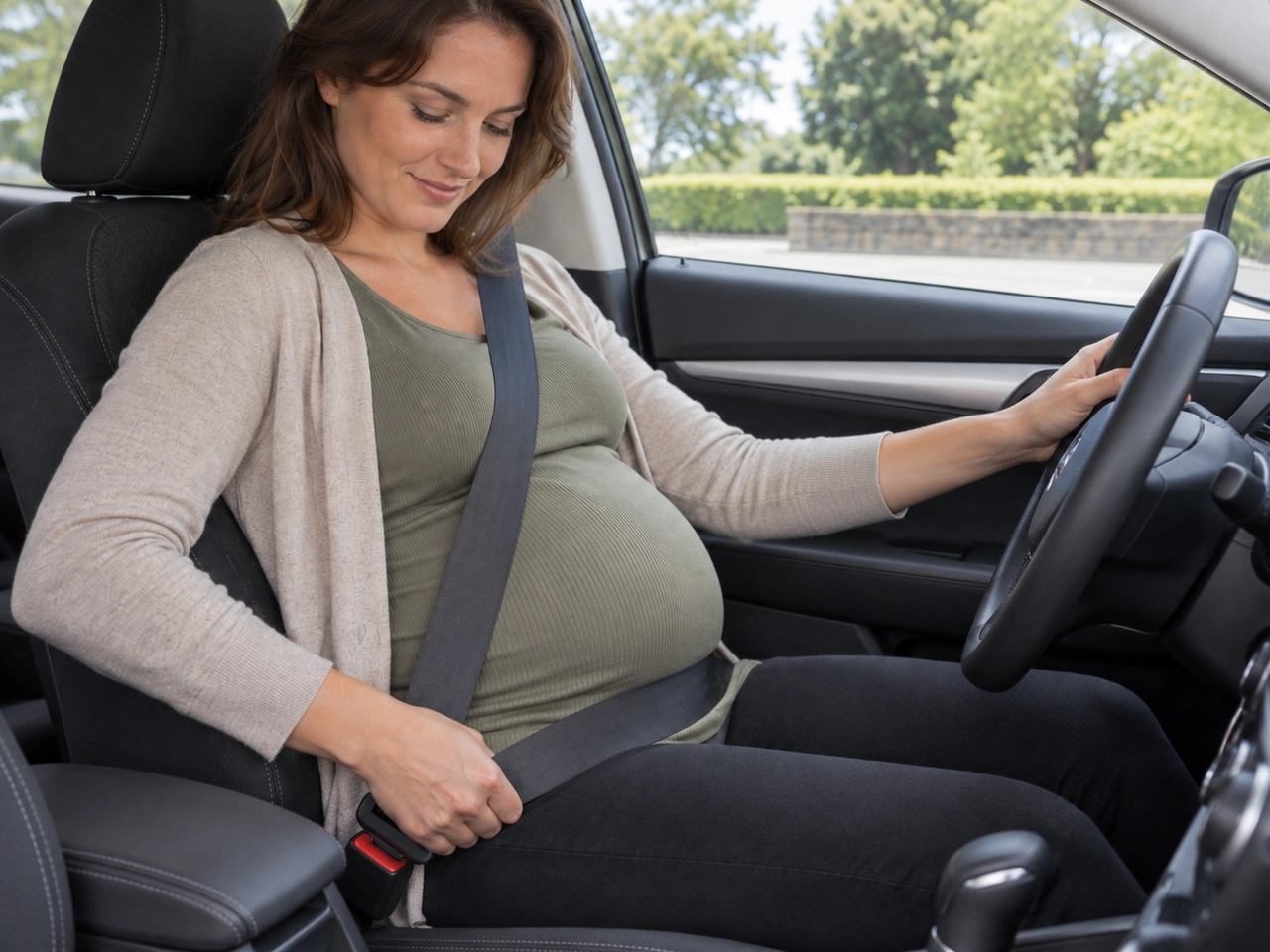
491. How should a three-point seat belt normally be worn during pregnancy?
During pregnancy, a three-point seat belt should be worn correctly. The lap belt should sit low across the hips, below the abdomen, while the shoulder belt should pass across the chest and to the side of the abdomen. The belt should fit snugly and should not be placed behind the back or under the arm.
AI-generated by Rijbewijs-online.be • WCIT • CC BY-SA
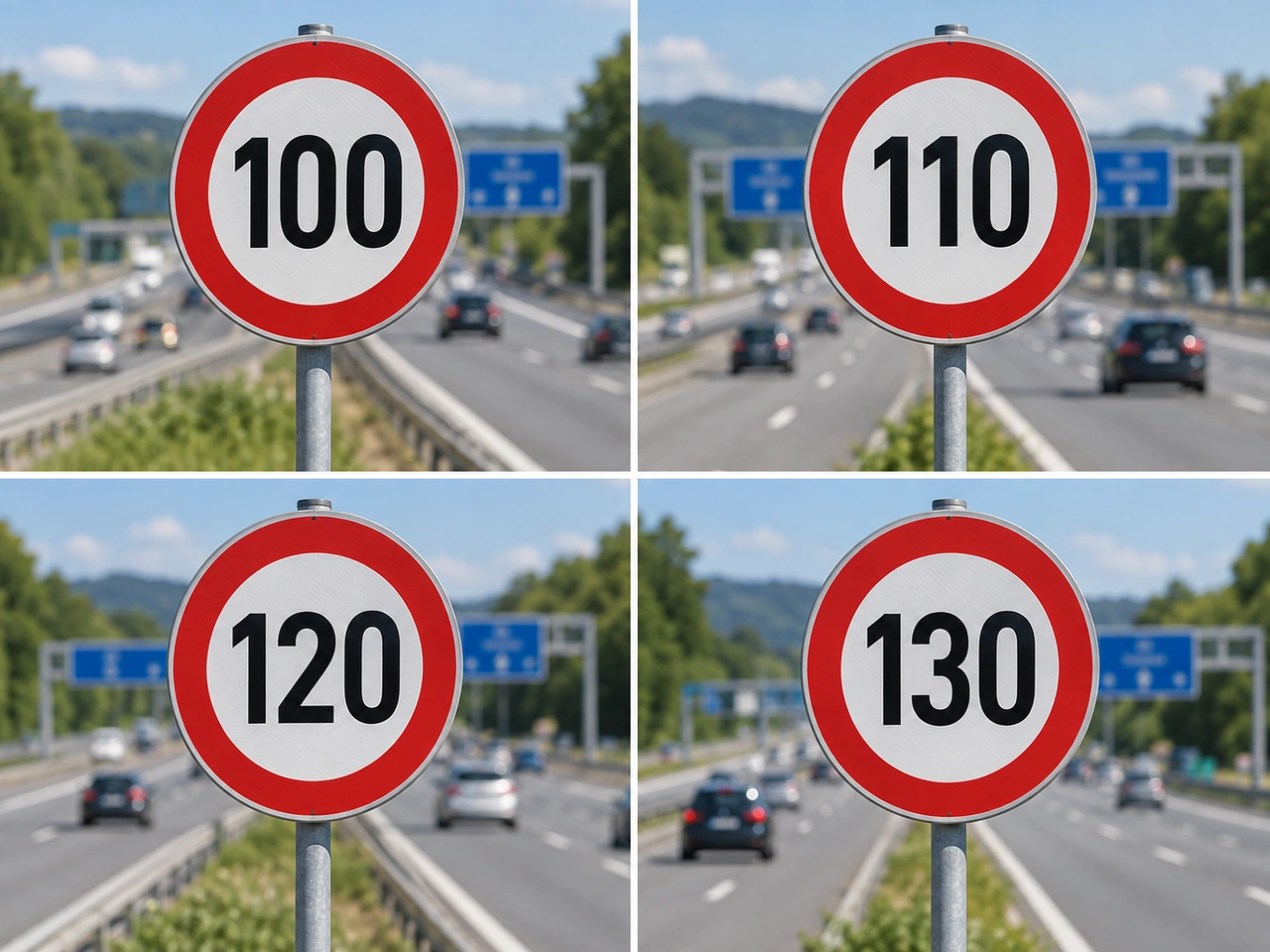
492. What is the general motorway speed limit for cars in Ukraine?
The general motorway speed limit for cars in Ukraine is 130 km/h, unless signs indicate otherwise.
AI-generated by Rijbewijs-online.be • WCIT • CC BY-SA

493. Why can mixing alcohol with medicine be dangerous for drivers?
Some prescription and non-prescription medicines can intensify alcohol-related drowsiness, dizziness, poor coordination, or reduced concentration.
AI-generated by Rijbewijs-online.be • WCIT • CC BY-SA
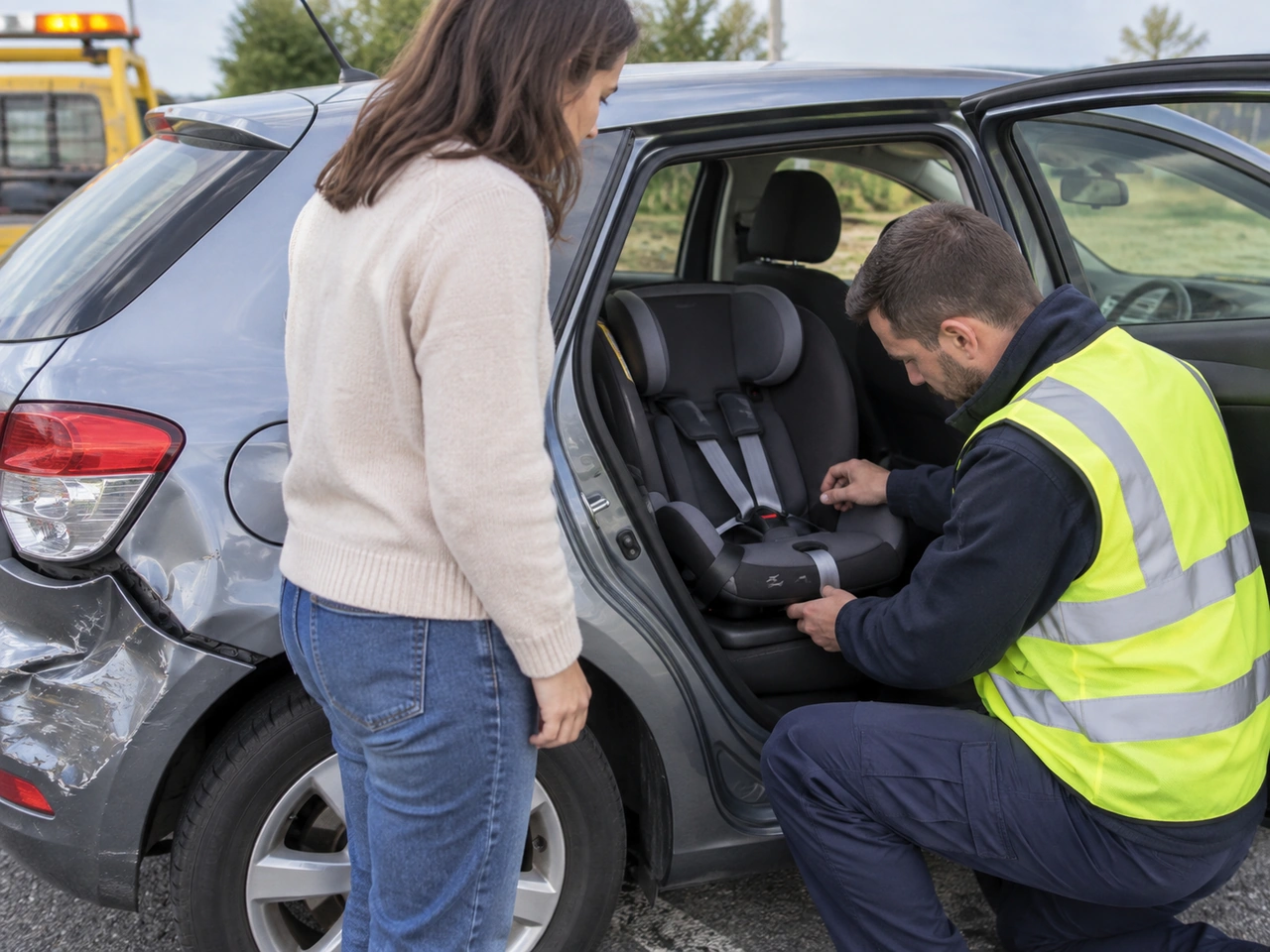
494. What should you do with a child restraint after a collision?
A child restraint may be damaged in a collision even when the damage is not obvious. Follow the manufacturer's instructions, as the restraint may need to be inspected or replaced before it is used again.
AI-generated by Rijbewijs-online.be • WCIT • CC BY-SA
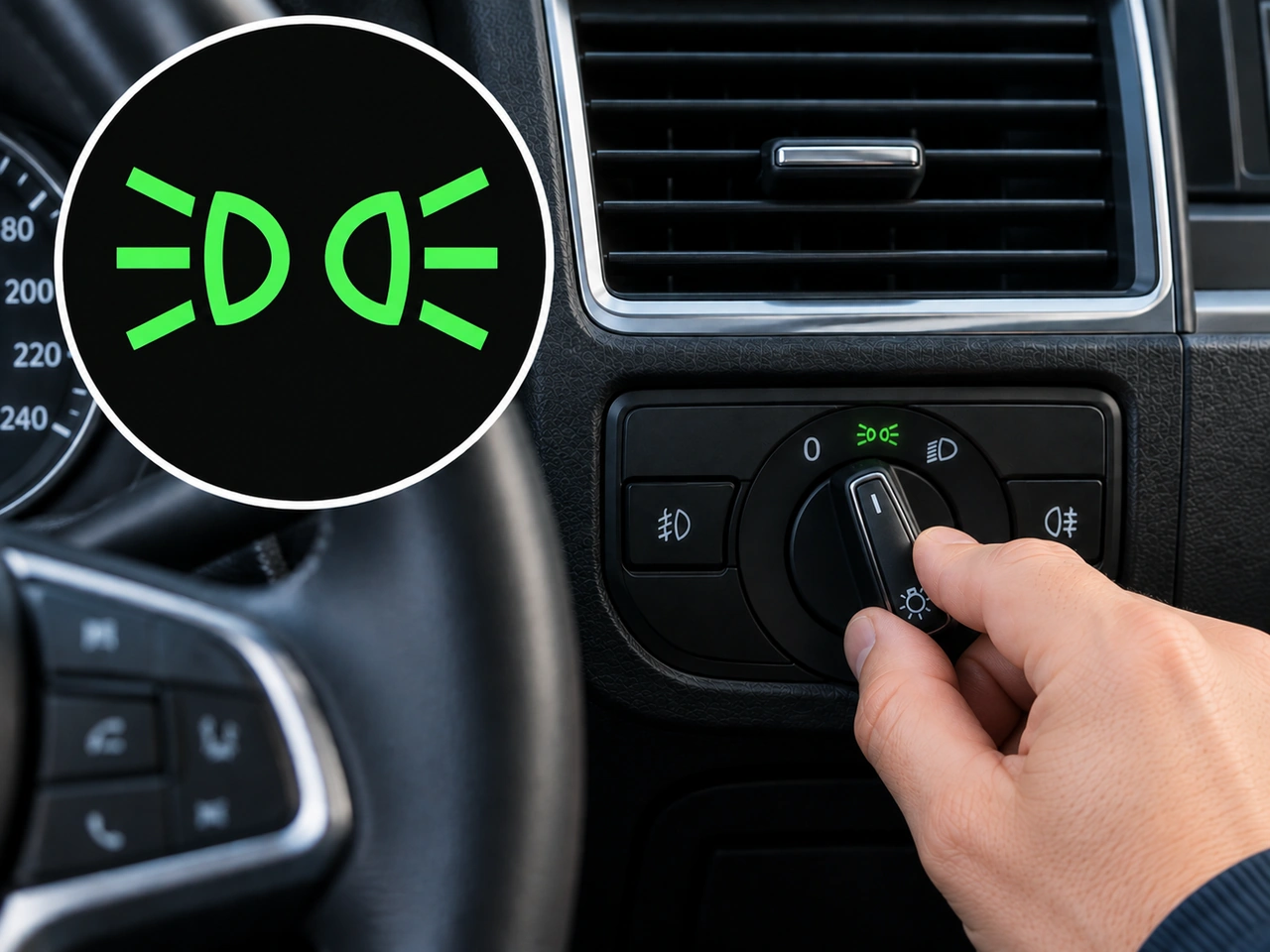
495. What does this dashboard symbol indicate?
This symbol indicates that the sidelights, also known as position or parking lights, are switched on. They help make the vehicle visible to other road users but provide little illumination of the road ahead.
AI-generated by Rijbewijs-online.be • WCIT • CC BY-SA
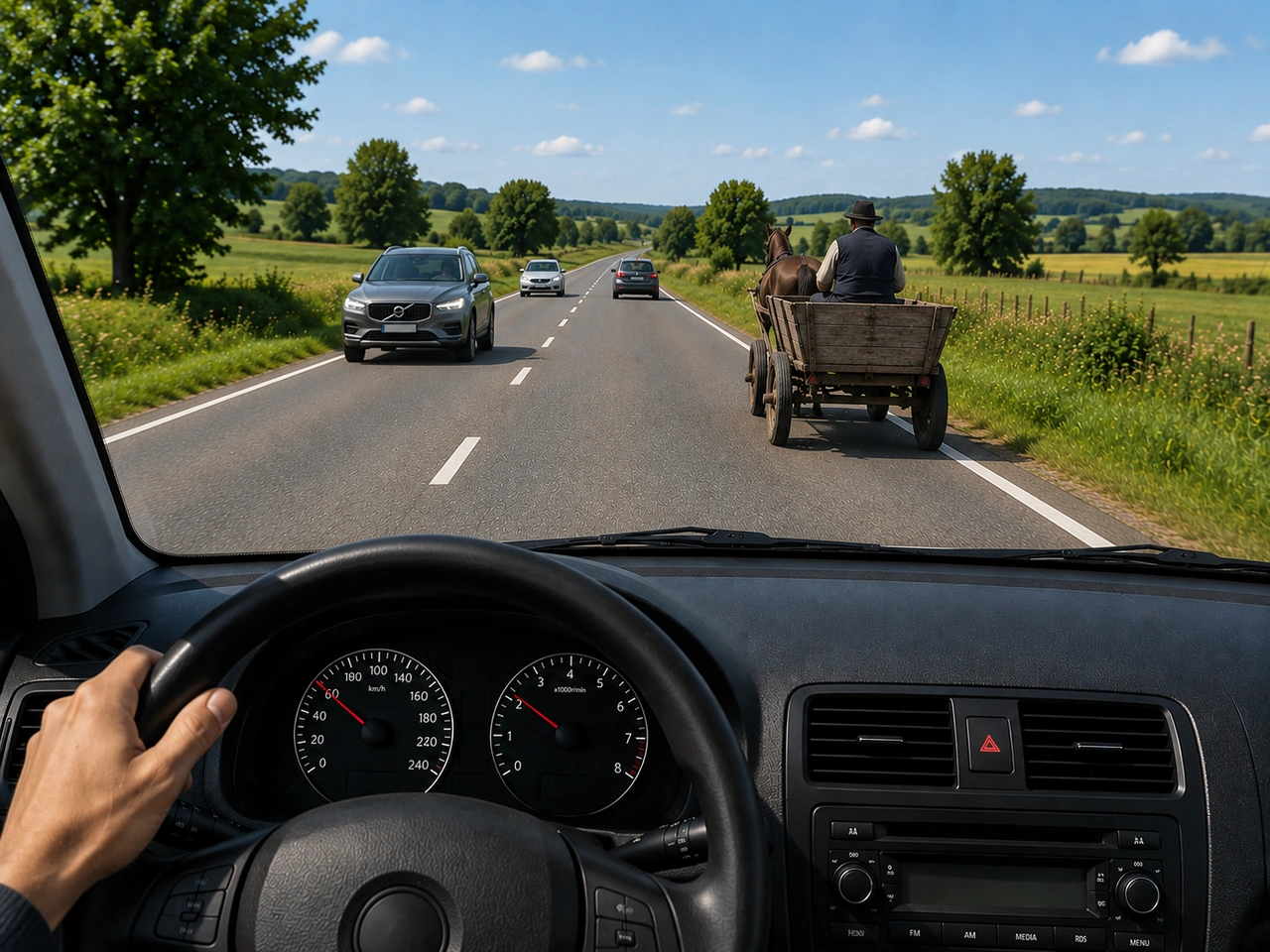
496. What should you do if you are approaching an animal-drawn vehicle?
Animals can be startled by noise or sudden movement. Reduce speed, keep distance, and pass only when it is safe.
AI-generated by Rijbewijs-online.be • WCIT • CC BY-SA
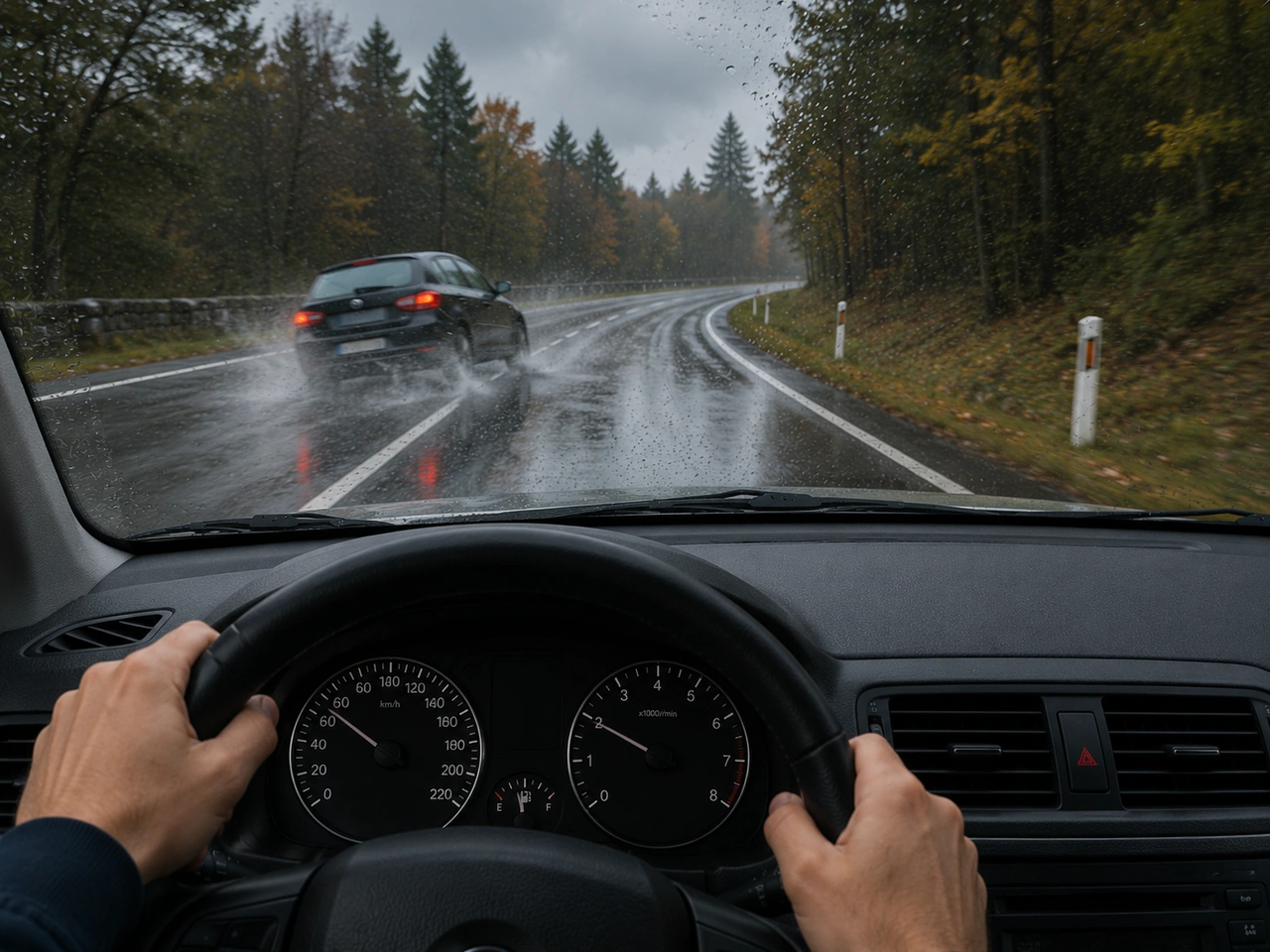
497. What should you avoid if your vehicle starts to skid?
Sudden braking, acceleration, or steering can make a skid worse. Stay calm and use smooth controls while the tyres regain grip.
AI-generated by Rijbewijs-online.be • WCIT • CC BY-SA
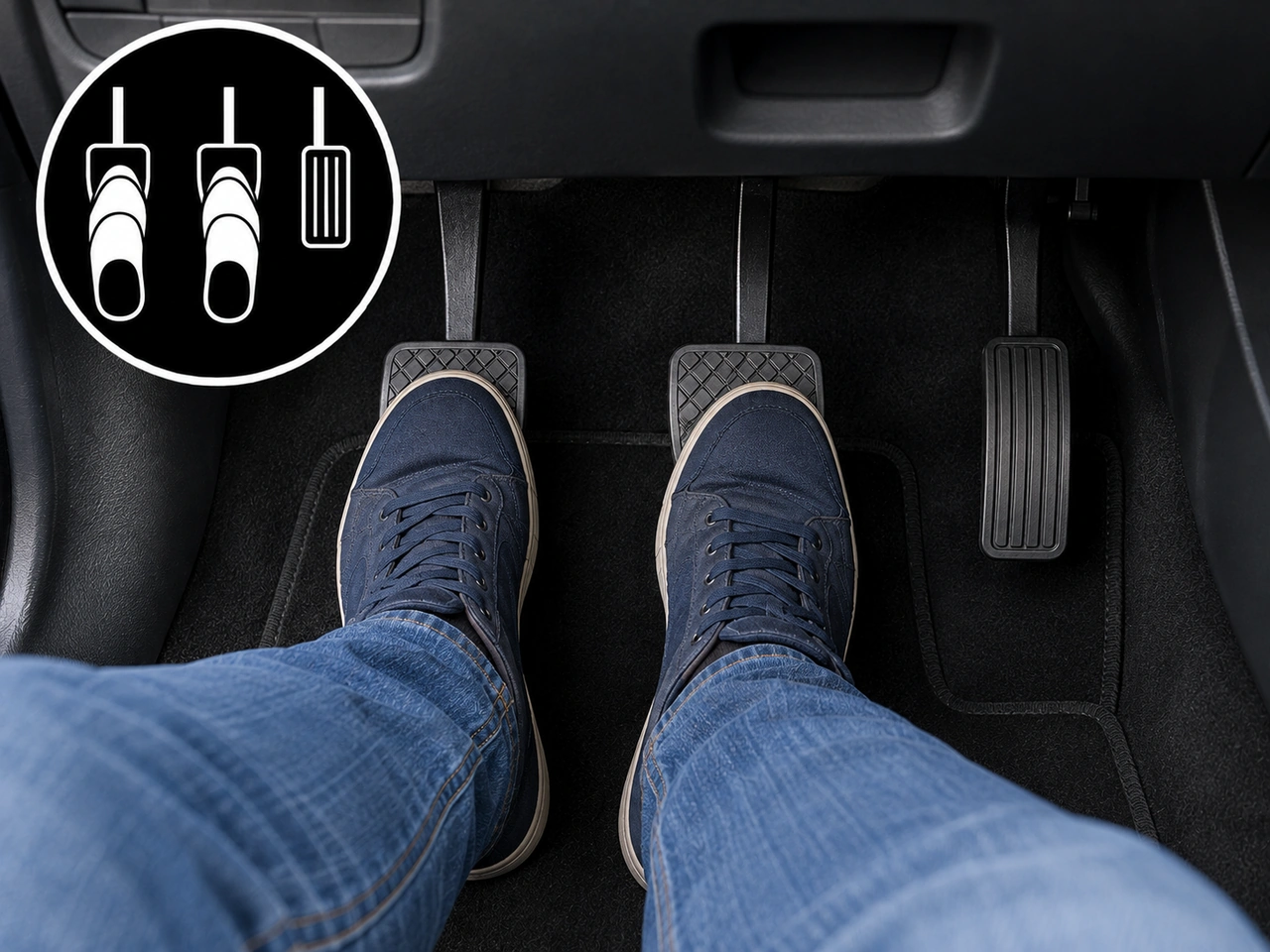
498. What should you do with the clutch during emergency braking in a manual vehicle?
During emergency braking in a manual vehicle, maintain firm pressure on the brake and press the clutch pedal fully so the engine does not stall as the vehicle slows. Do not reduce braking pressure while operating the clutch.
AI-generated by Rijbewijs-online.be • WCIT • CC BY-SA
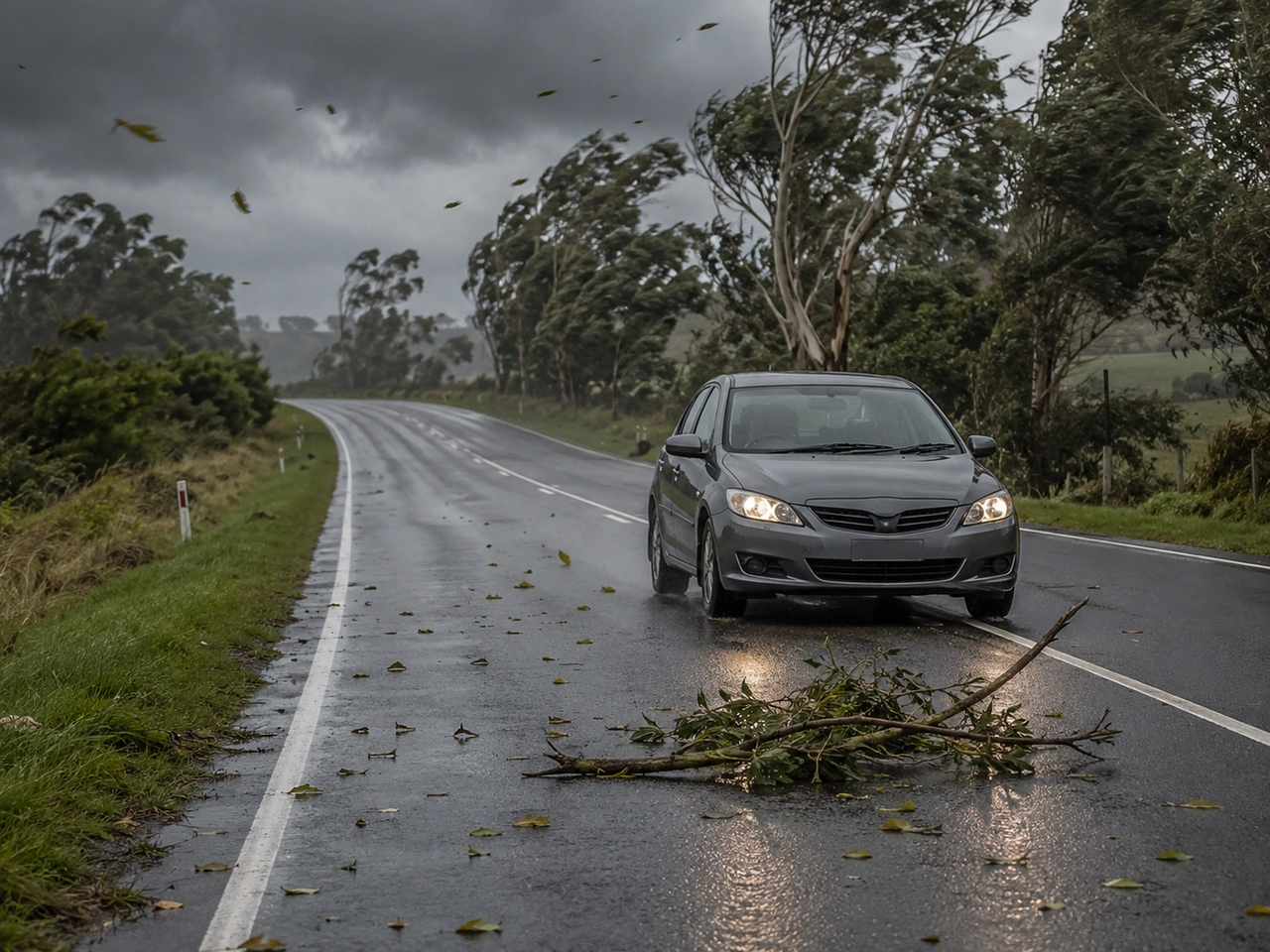
499. What should you do when branches or debris are blowing onto the road?
Wind can blow unexpected obstacles onto the road. Reduce speed and avoid them safely.
AI-generated by Rijbewijs-online.be • WCIT • CC BY-SA
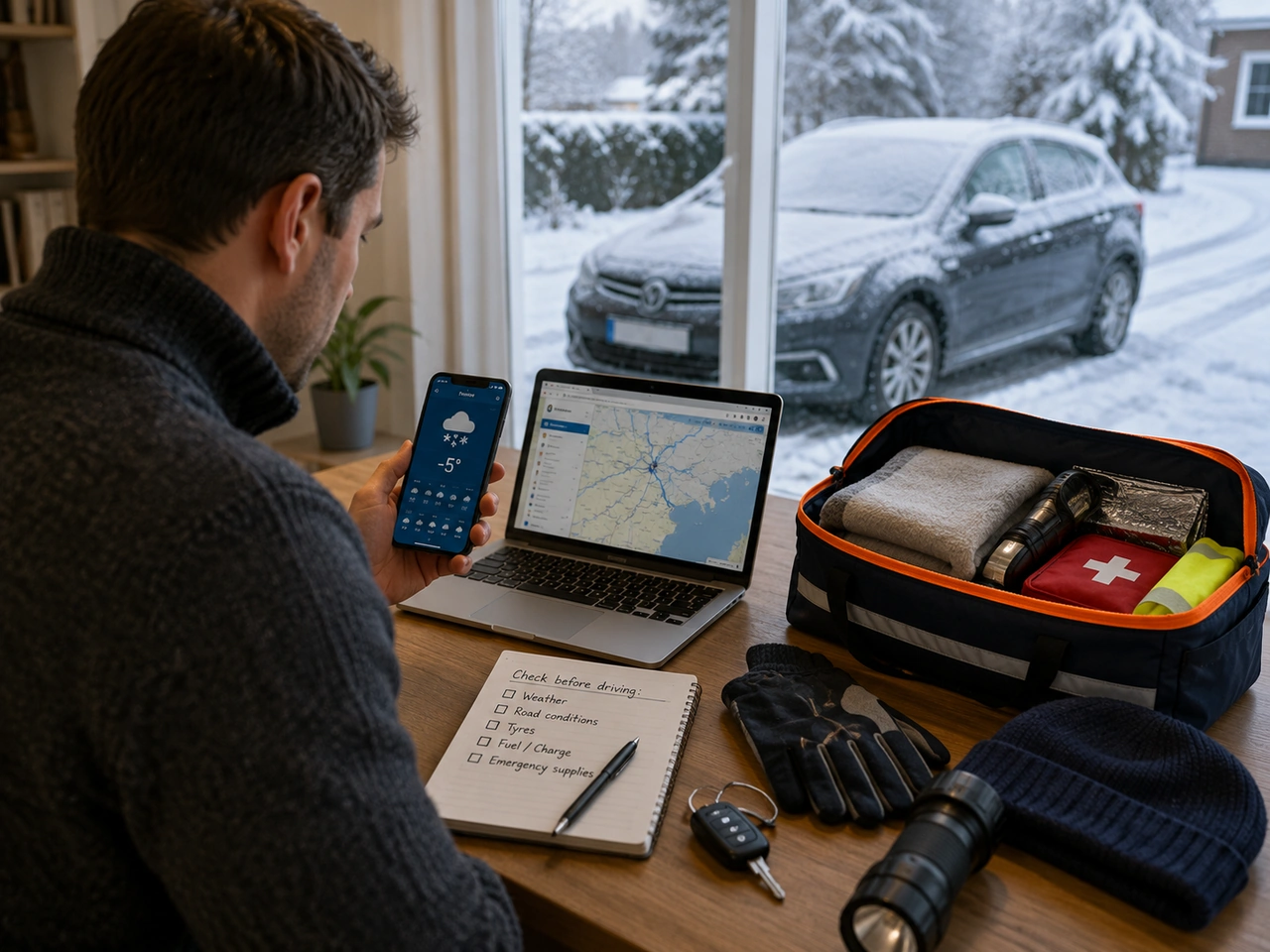
500. What should you check before beginning a journey in severe winter weather?
Check whether the journey is necessary and prepare for delays or changing conditions. Suitable tyres, sufficient fuel or charge, warm clothing, and basic emergency supplies may be important.
AI-generated by Rijbewijs-online.be • WCIT • CC BY-SA