

QuizTraffic rulesUruguay
This interesting quiz helps you test your knowledge in a clear and visual way. With easy multiple-choice questions, you can quickly build confidence and learn new facts while keeping it simple, interactive, and fun.
 Traffic signs
 Traffic rules
 Uruguay
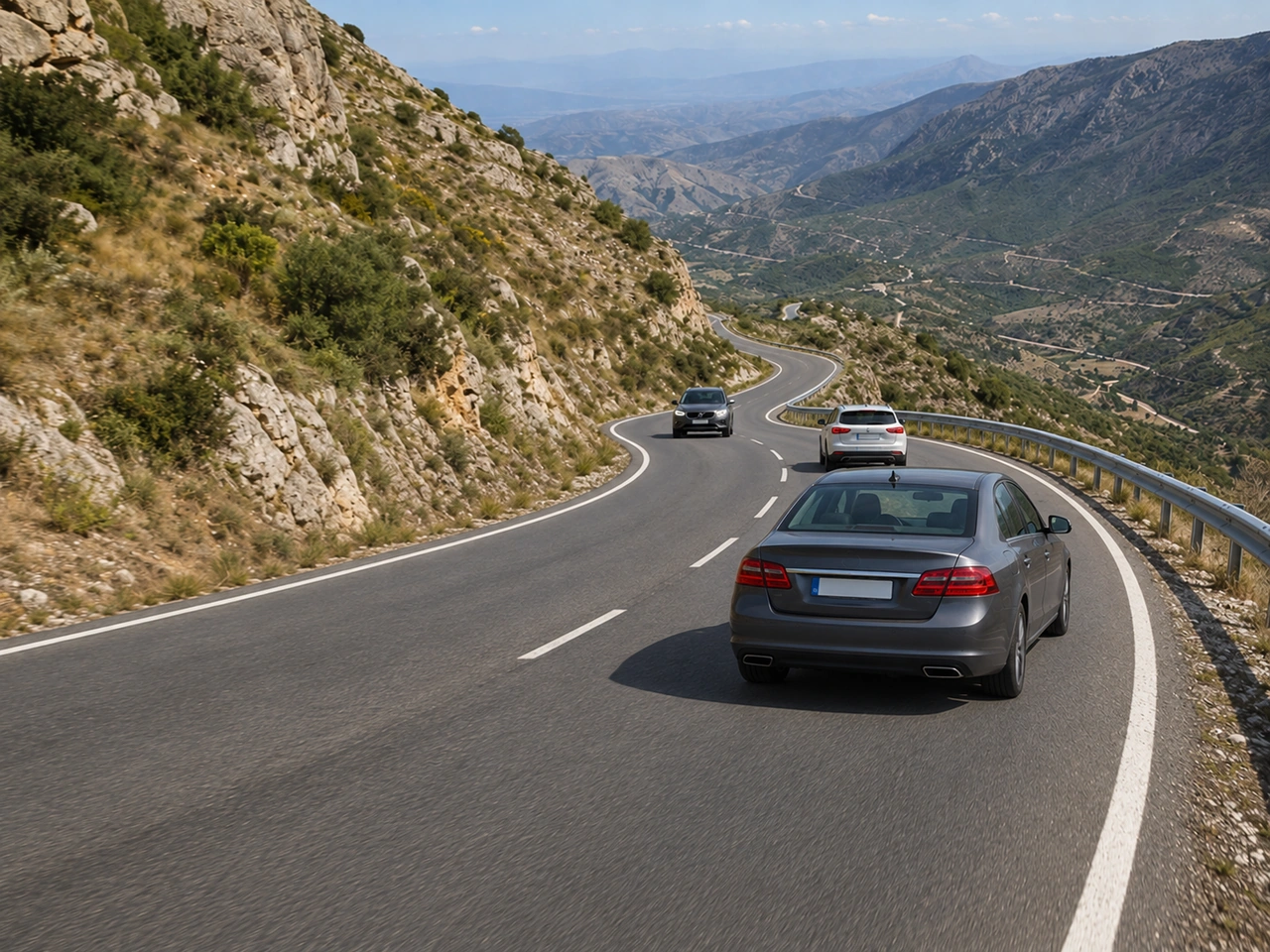
451. What can happen if you use the brakes continuously on a long descent?
Continuous braking can cause the brakes to overheat and fade, reducing braking performance. Use a lower gear to help control speed with engine braking.
AI-generated by Rijbewijs-online.be • WCIT • CC BY-SA

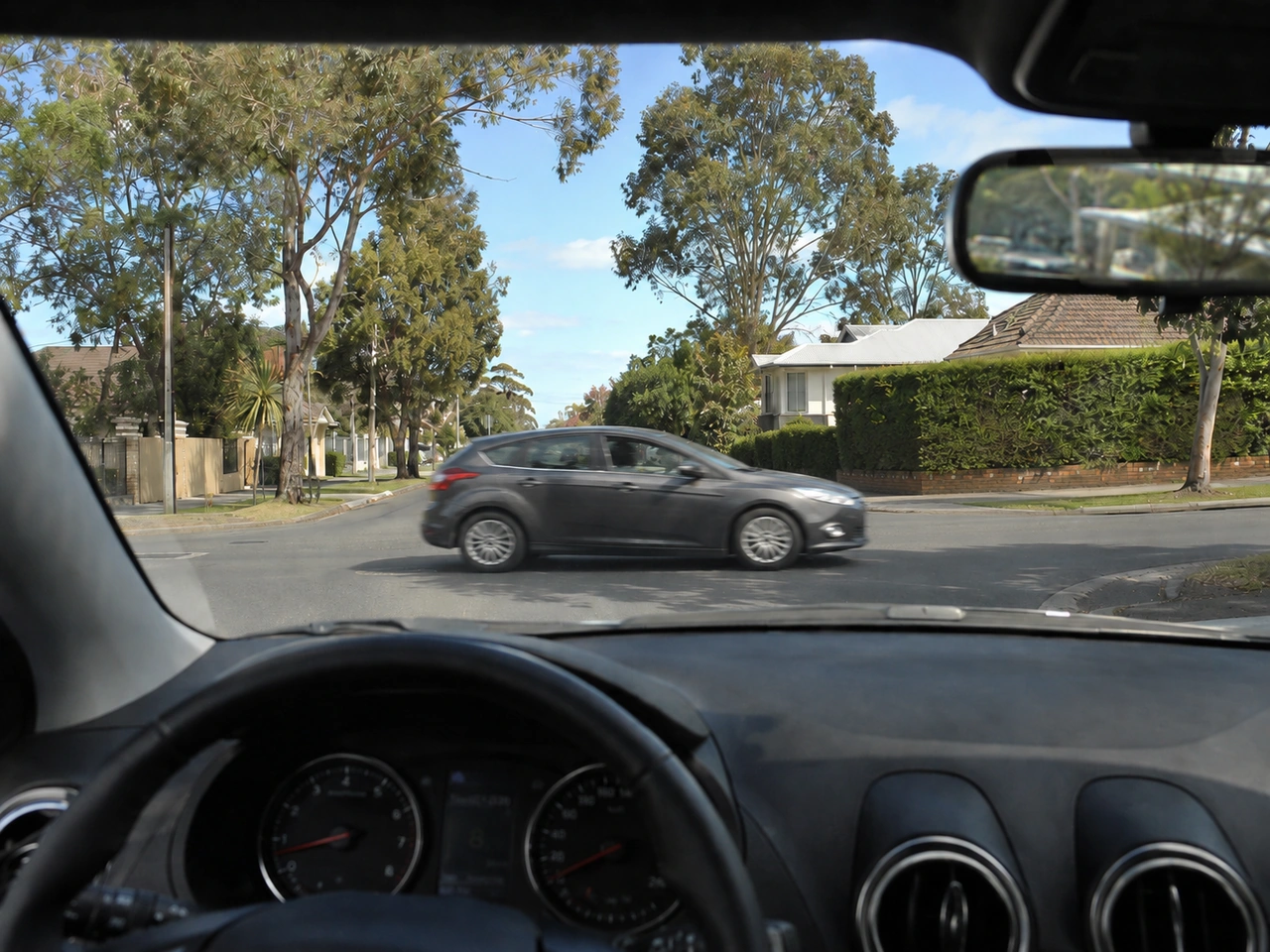
452. What should you do if another driver does not give way when they should?
Even if you have priority, safety comes first. Slow down, stay calm, and avoid creating a dangerous situation.
AI-generated by Rijbewijs-online.be • WCIT • CC BY-SA
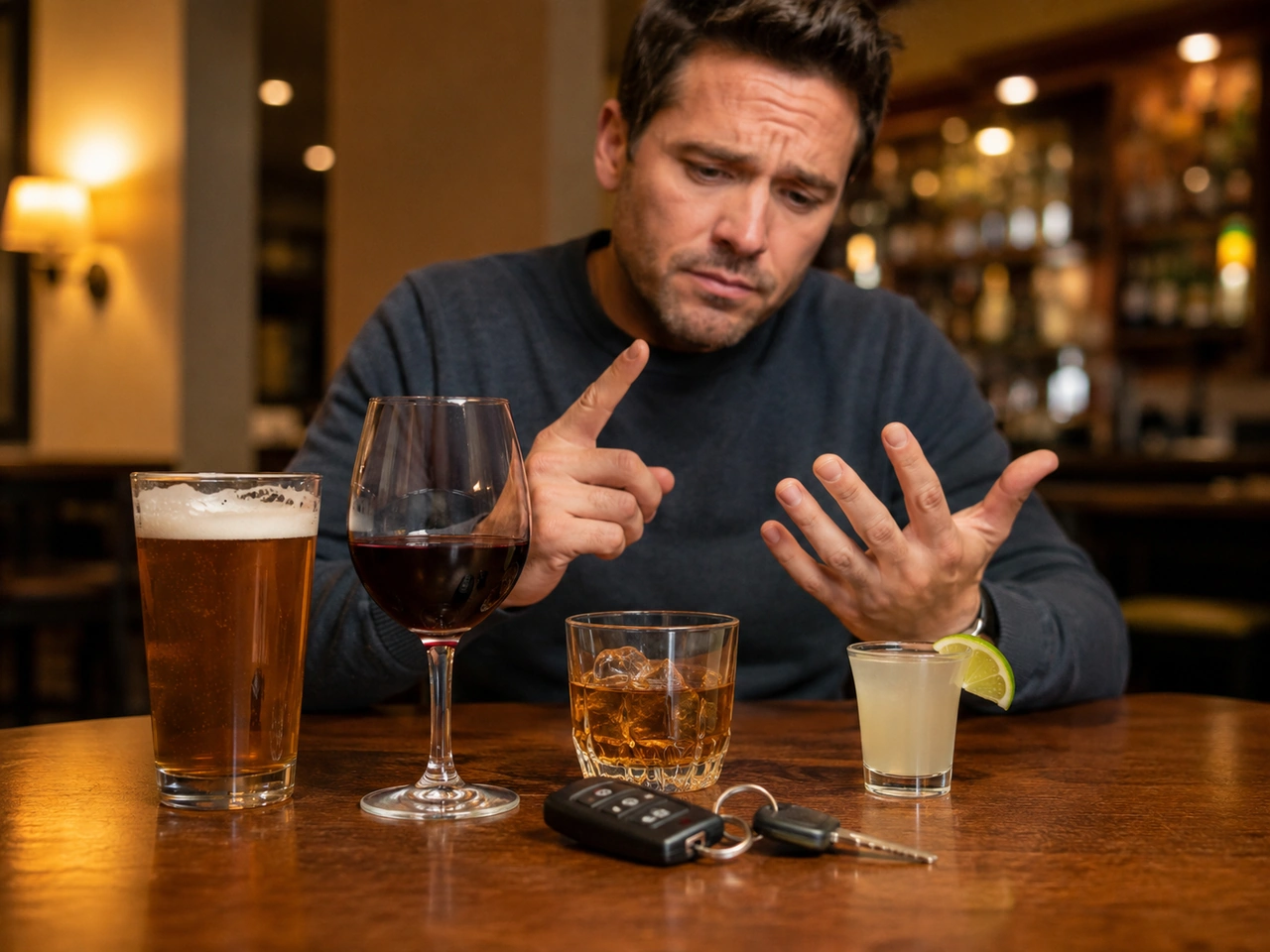
453. Why is counting drinks an unreliable way to decide whether you can drive?
Alcohol concentration and serving sizes vary, and factors such as body size, food, medication, and time can affect impairment.
AI-generated by Rijbewijs-online.be • WCIT • CC BY-SA
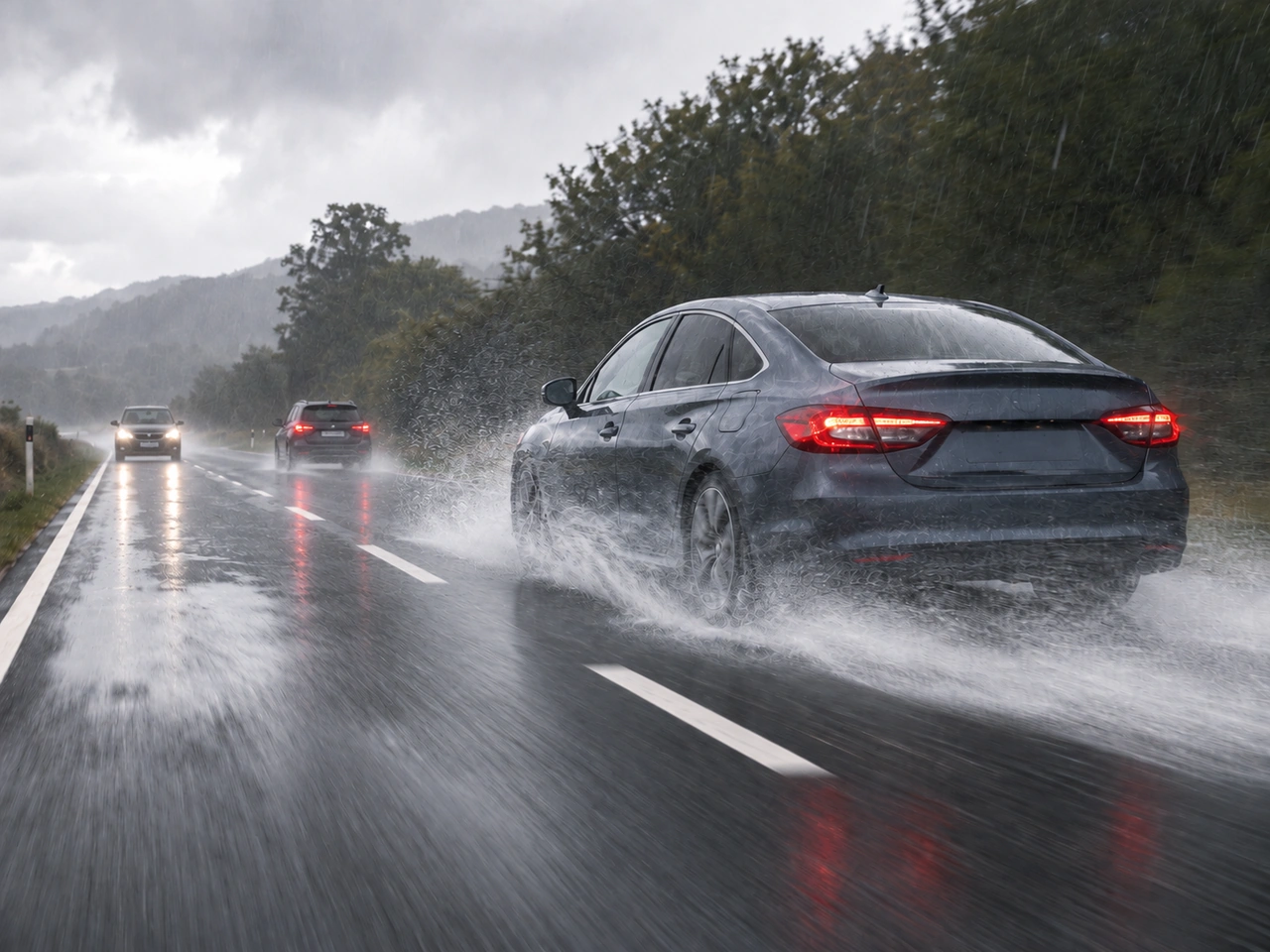
454. Why does higher speed increase the risk of aquaplaning?
At higher speeds, the tyres may not disperse water effectively, making it easier for the vehicle to lose contact with the road.
AI-generated by Rijbewijs-online.be • WCIT • CC BY-SA
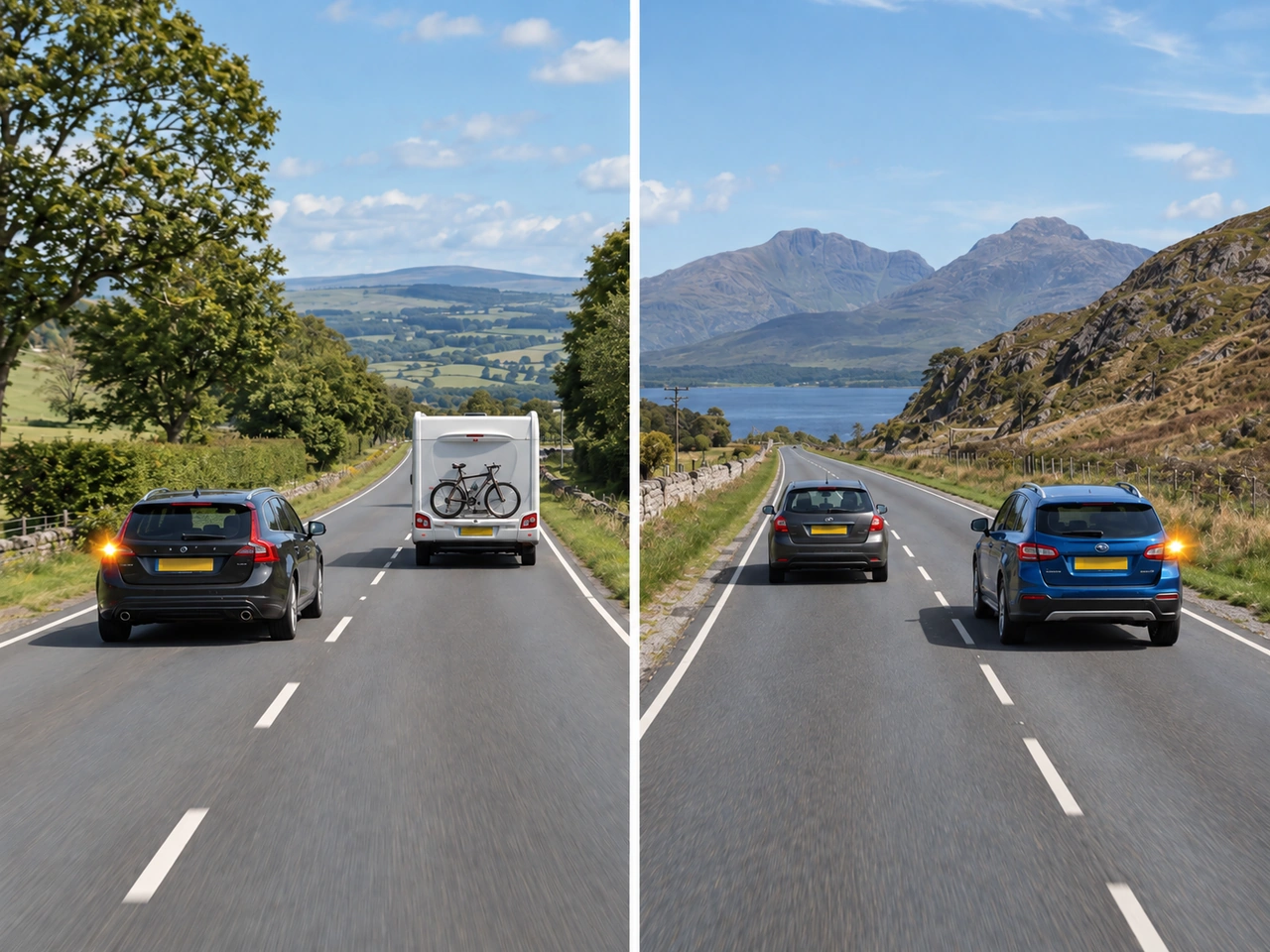
455. Which side is normally used for overtaking in Uruguay?
Drivers normally overtake on the left-hand side in Uruguay.
AI-generated by Rijbewijs-online.be • WCIT • CC BY-SA
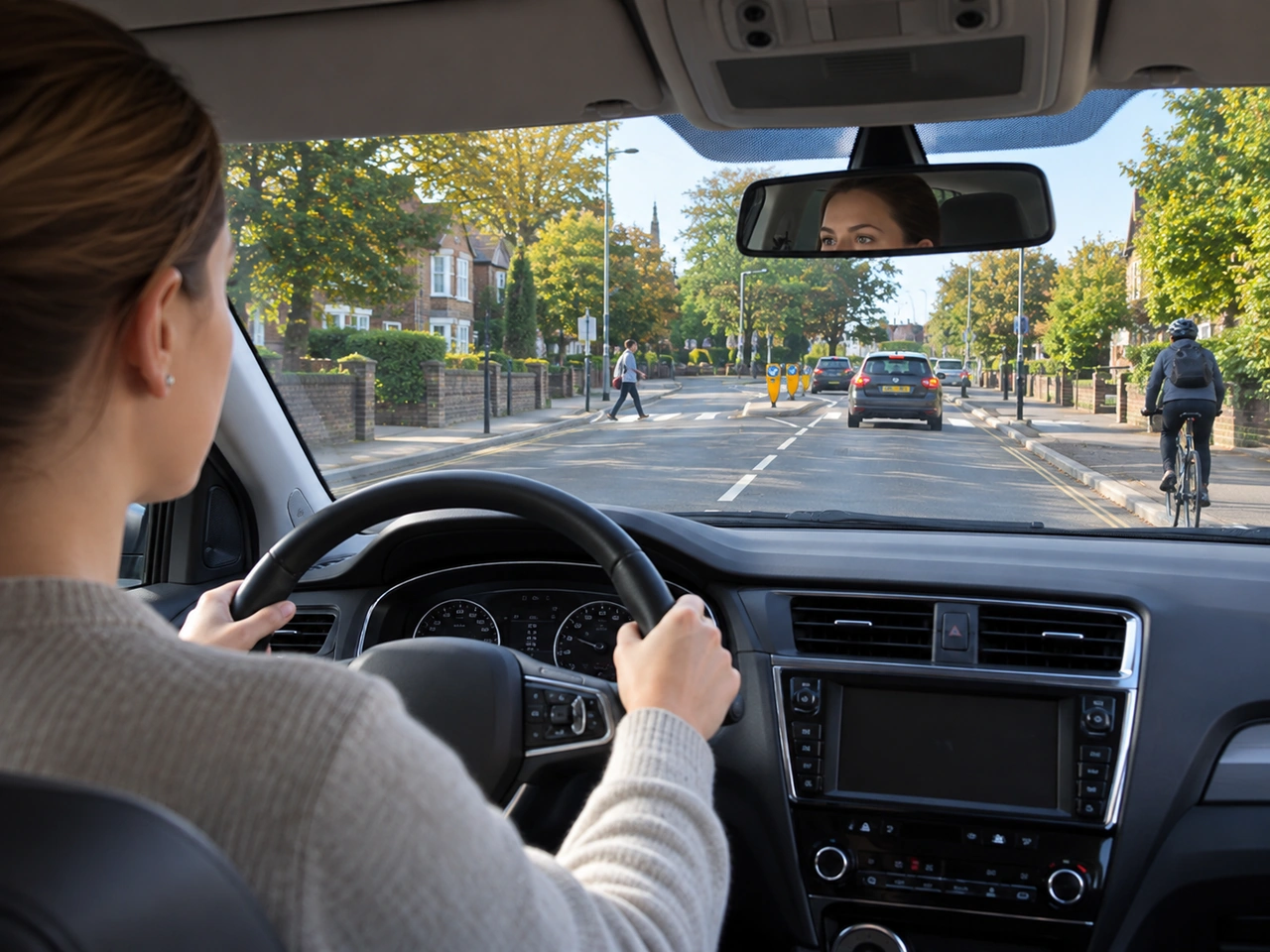
456. Why should you look well ahead while driving?
Looking well ahead helps you identify developing hazards early, such as slowing traffic, pedestrians, junctions, or changing road conditions. Earlier detection gives you more time to assess the situation and respond smoothly and safely.
AI-generated by Rijbewijs-online.be • WCIT • CC BY-SA
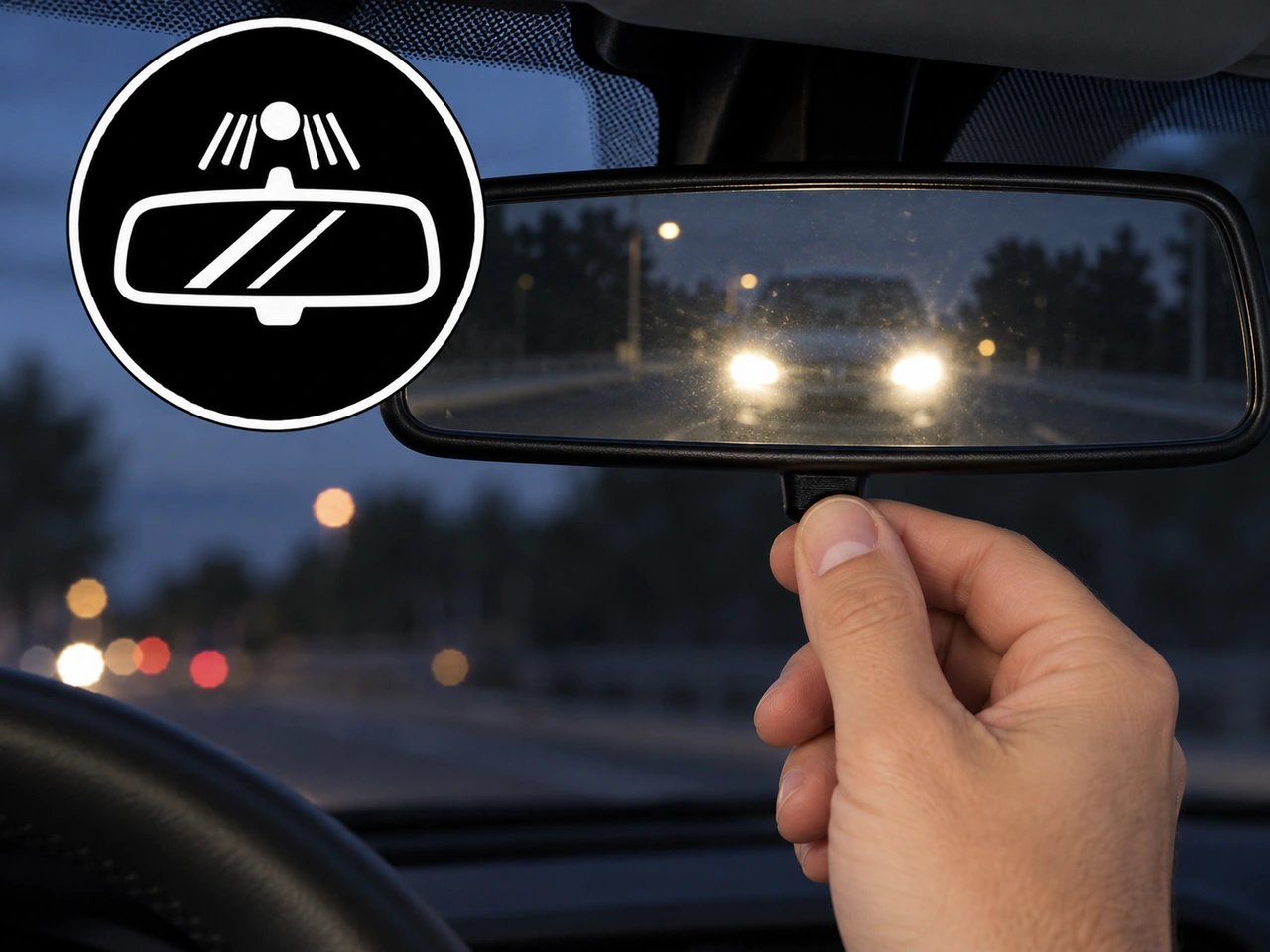
457. What is the purpose of the anti-dazzle control on the rear-view mirror?
The anti-dazzle setting reduces glare from the headlights of vehicles behind, helping the driver maintain a clear view without being dazzled.
AI-generated by Rijbewijs-online.be • WCIT • CC BY-SA
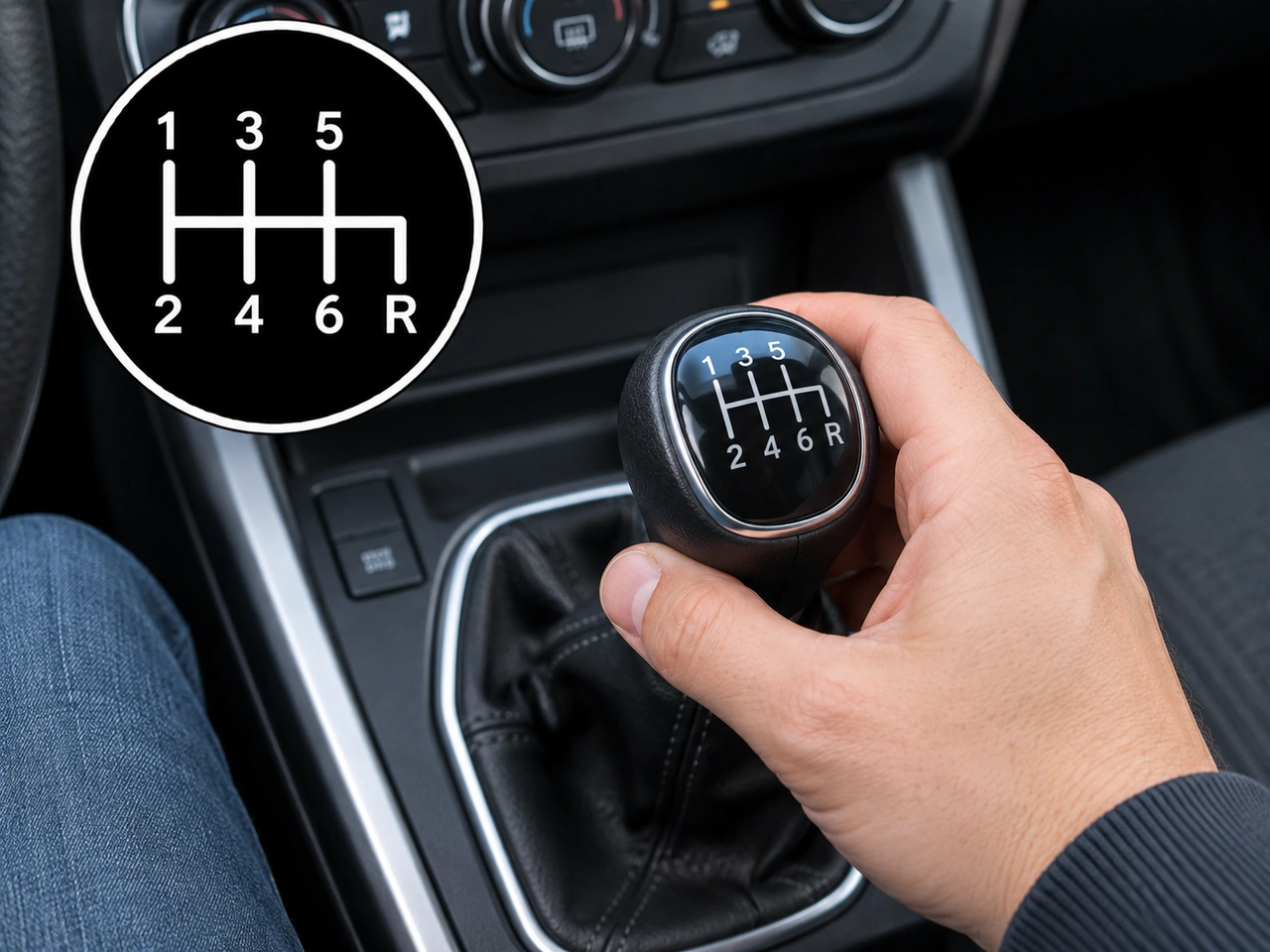
458. Which gear is used to drive a manual vehicle backwards?
Select R (Reverse) when you need to drive a manual vehicle backwards. The vehicle should be stationary before Reverse is selected.
AI-generated by Rijbewijs-online.be • WCIT • CC BY-SA
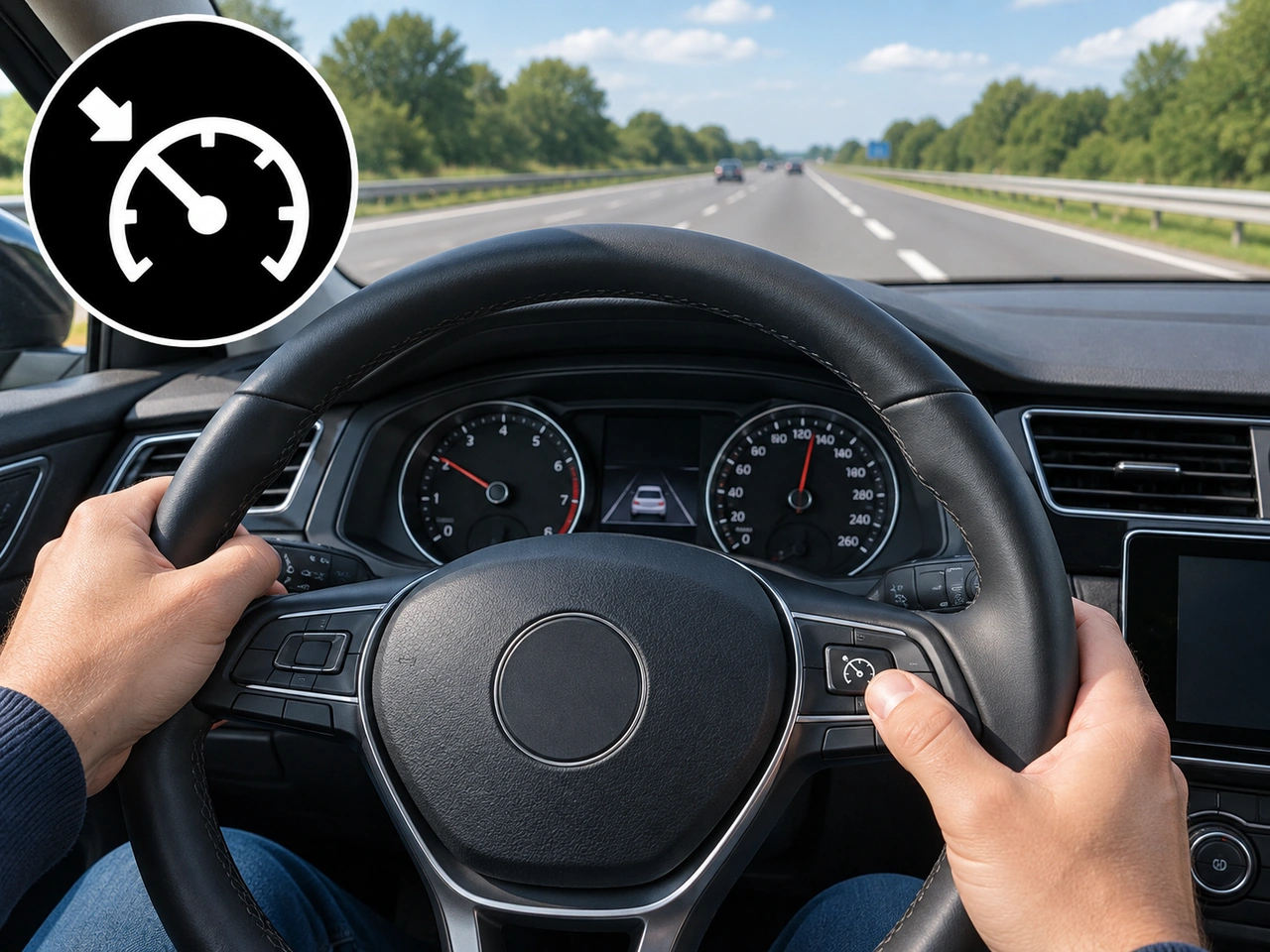
459. What is the purpose of cruise control?
Cruise control can maintain a selected speed without the driver continuously pressing the accelerator. The driver must remain attentive and ready to brake or take control when necessary.
AI-generated by Rijbewijs-online.be • WCIT • CC BY-SA
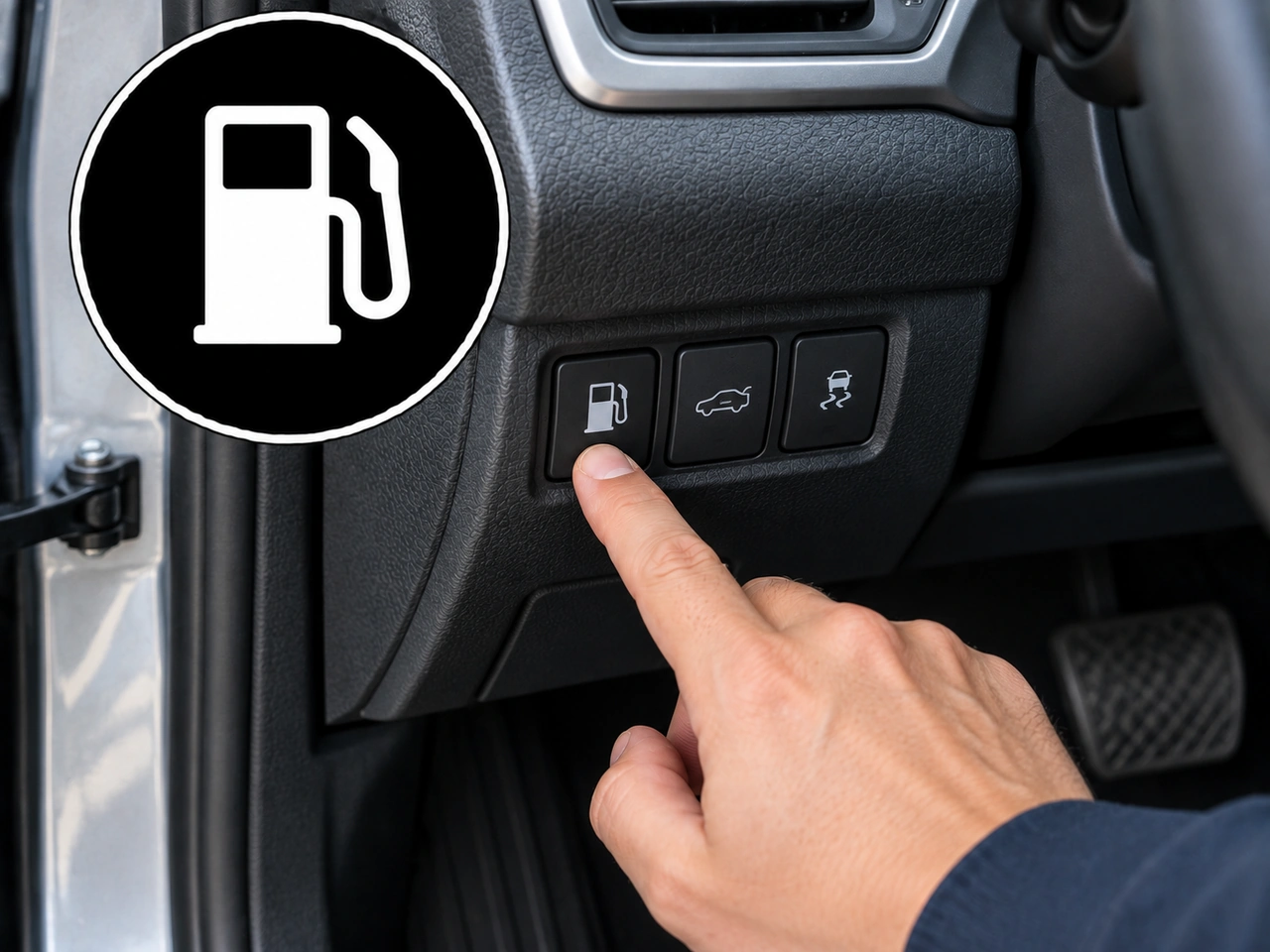
460. What does this vehicle-control symbol indicate?
This control releases the fuel-filler flap, allowing access to the vehicle's fuel filler.
AI-generated by Rijbewijs-online.be • WCIT • CC BY-SA
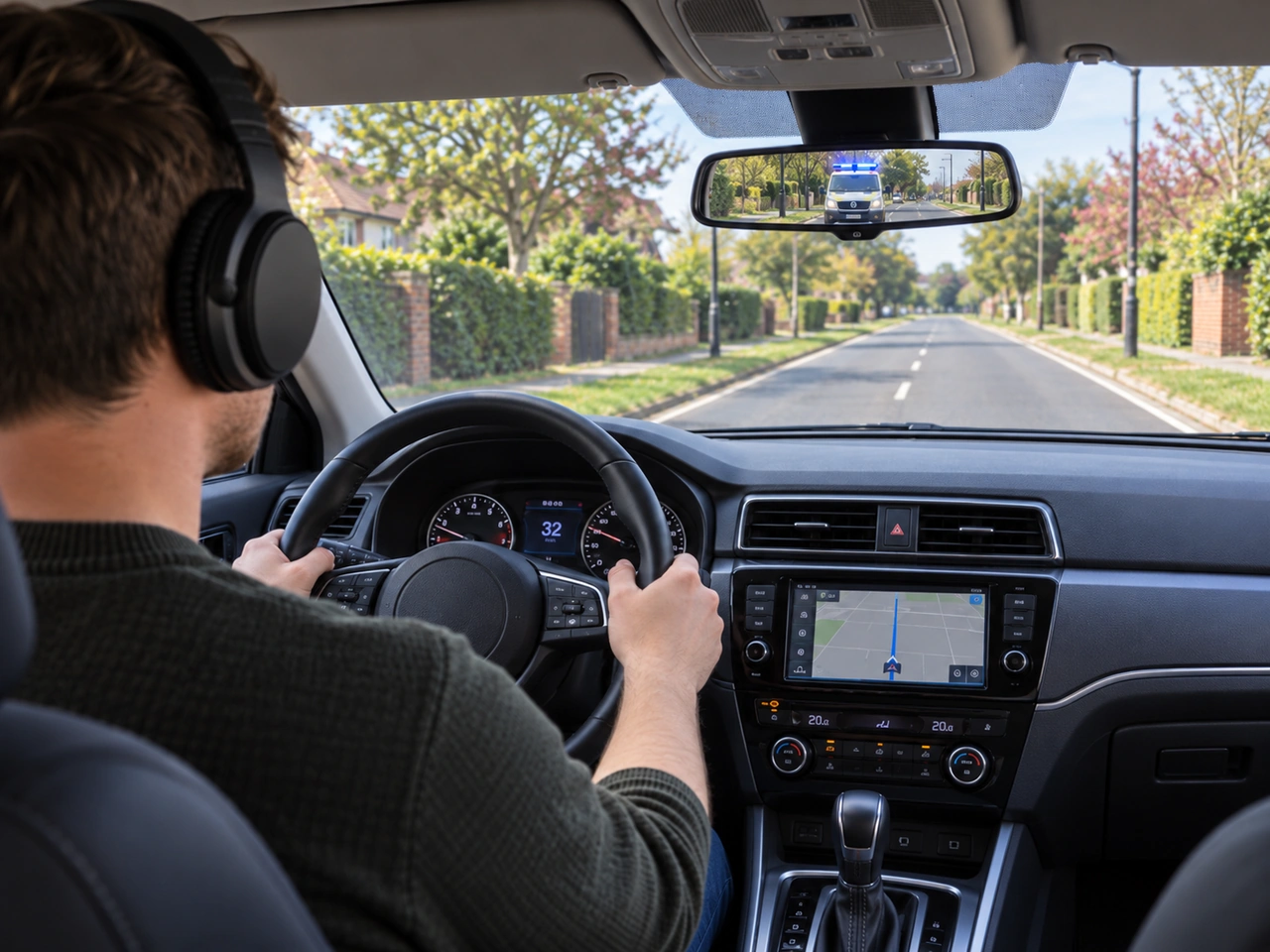
461. Why can headphones or very loud music be dangerous while driving?
Headphones or very loud music can reduce your awareness of horns, sirens, warning sounds, and surrounding traffic. Keep the volume at a level that allows you to remain aware of what is happening around the vehicle.
AI-generated by Rijbewijs-online.be • WCIT • CC BY-SA
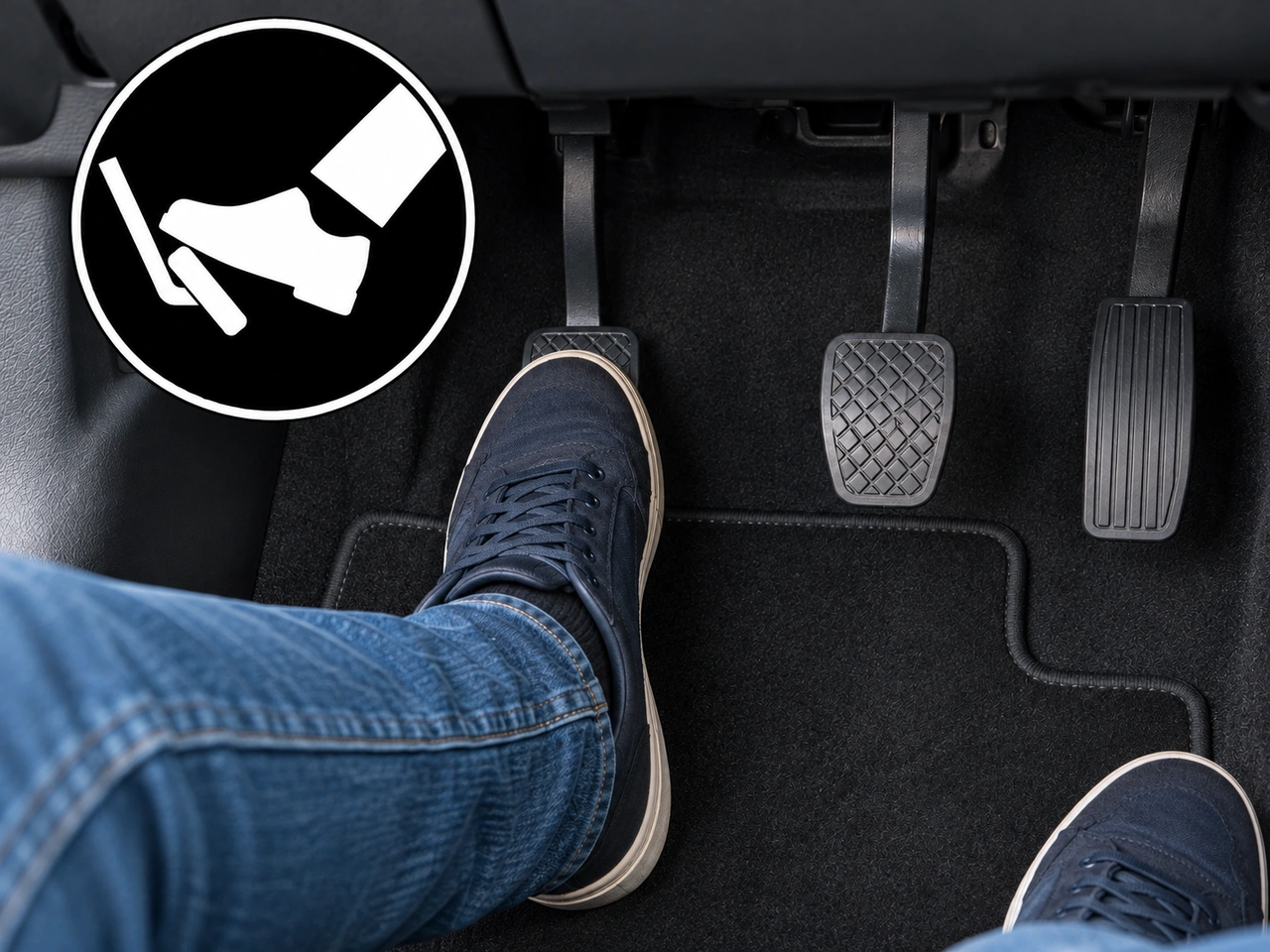
462. Why should you press the clutch pedal fully when changing gear?
Pressing the clutch pedal fully disengages the engine from the transmission, allowing the gear to be changed smoothly and reducing unnecessary wear on the gearbox and clutch.
AI-generated by Rijbewijs-online.be • WCIT • CC BY-SA
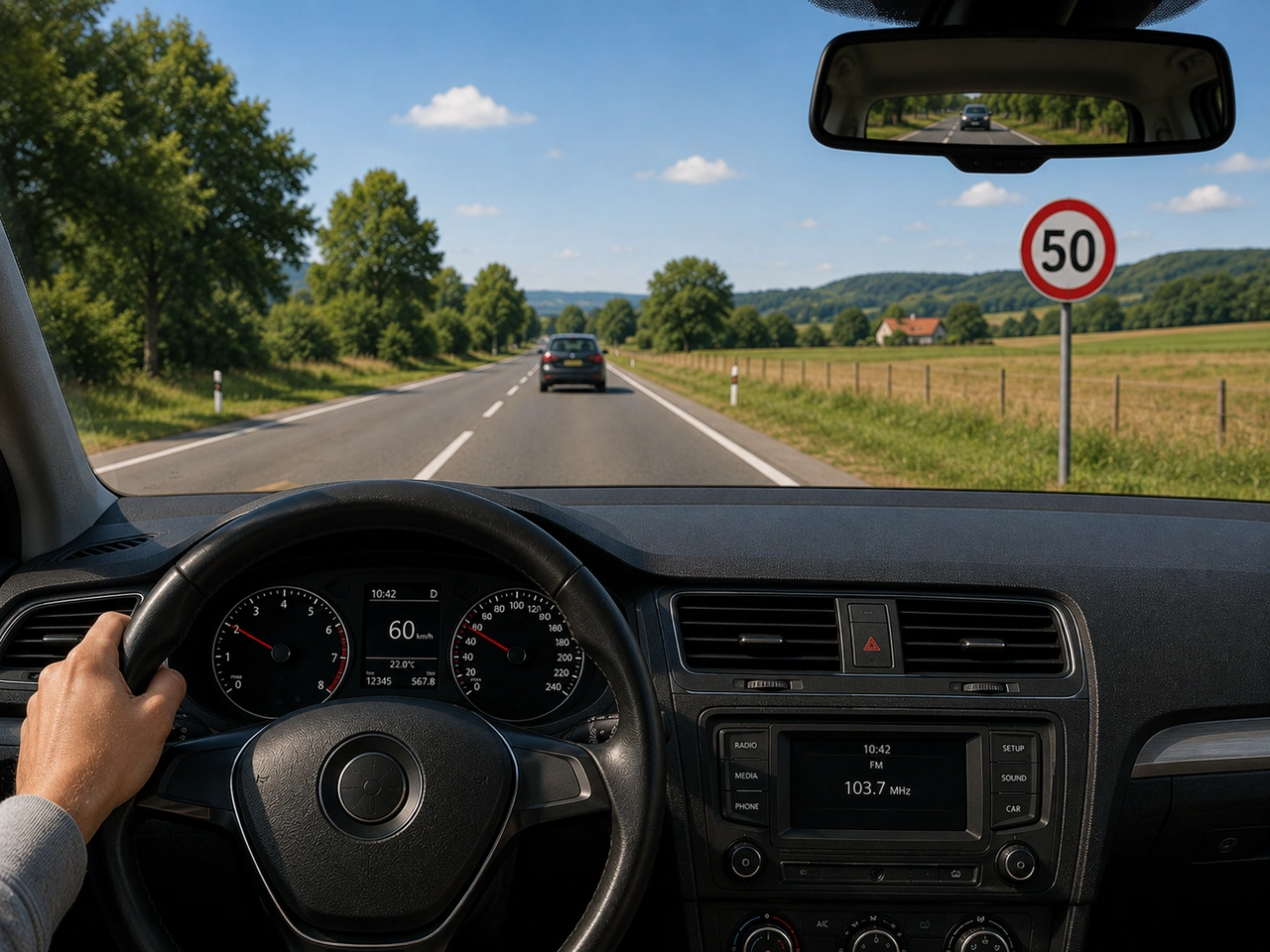
463. Speed limits only apply when there is heavy traffic.
Speed limits apply at all times unless a different limit is clearly indicated.
AI-generated by Rijbewijs-online.be • WCIT • CC BY-SA
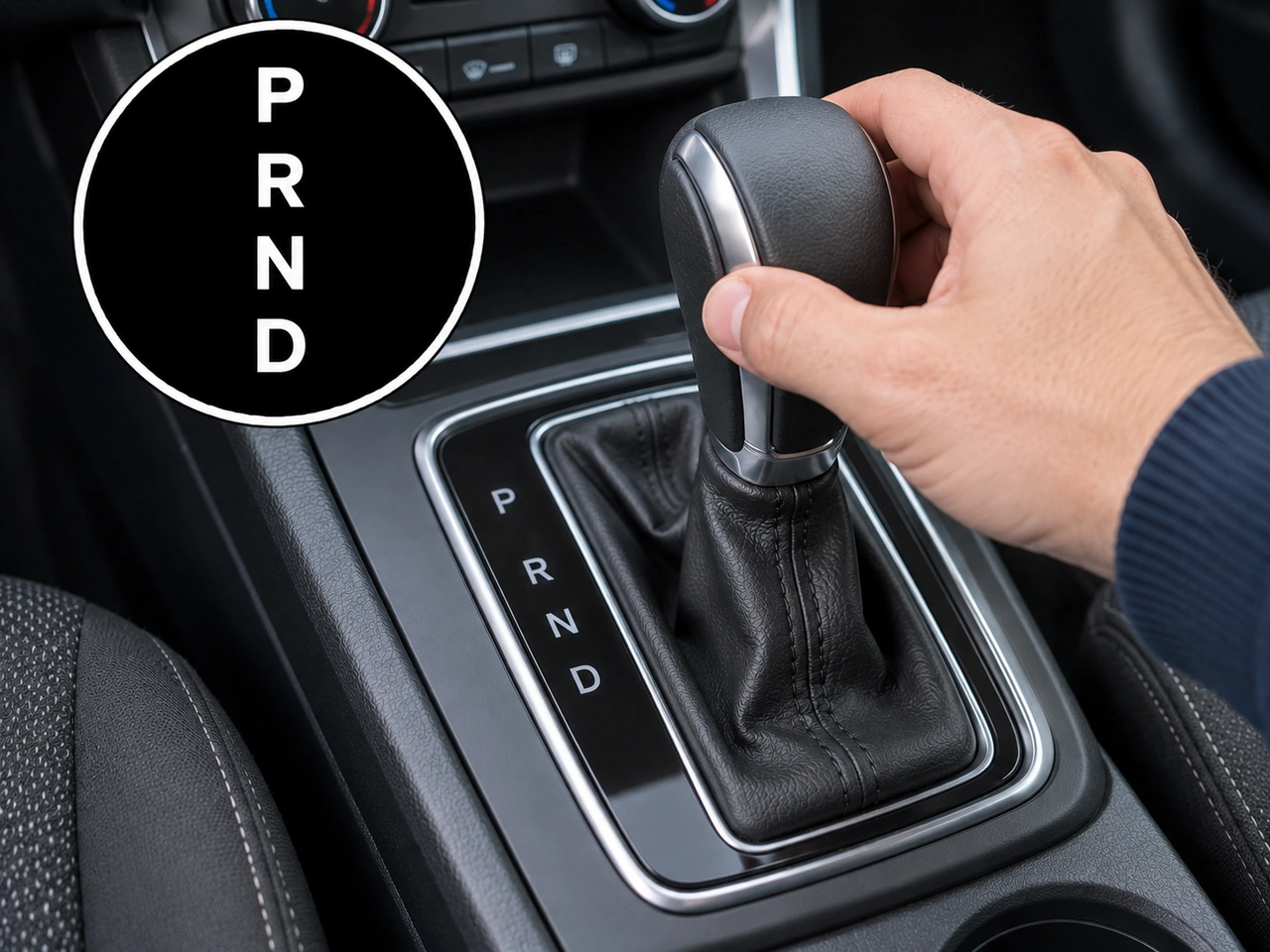
464. Which selector position is used for normal forward driving?
Select D (Drive) for normal forward driving in a vehicle with an automatic transmission. The transmission then selects the appropriate gear automatically.
AI-generated by Rijbewijs-online.be • WCIT • CC BY-SA
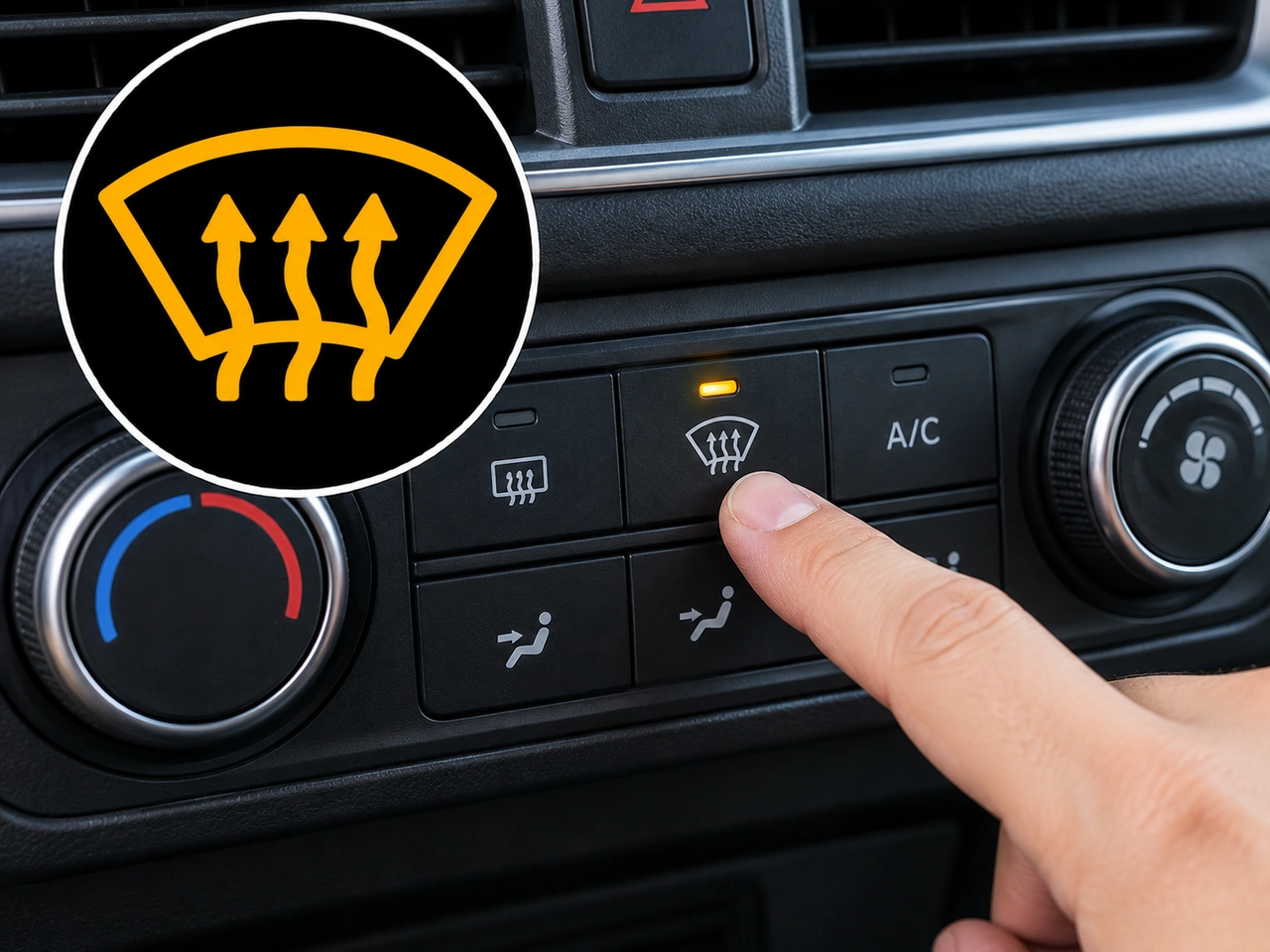
465. What does this dashboard symbol indicate?
This symbol indicates the front windscreen demister. It directs airflow towards the windscreen to help clear condensation, mist or frost and restore a clear view.
AI-generated by Rijbewijs-online.be • WCIT • CC BY-SA
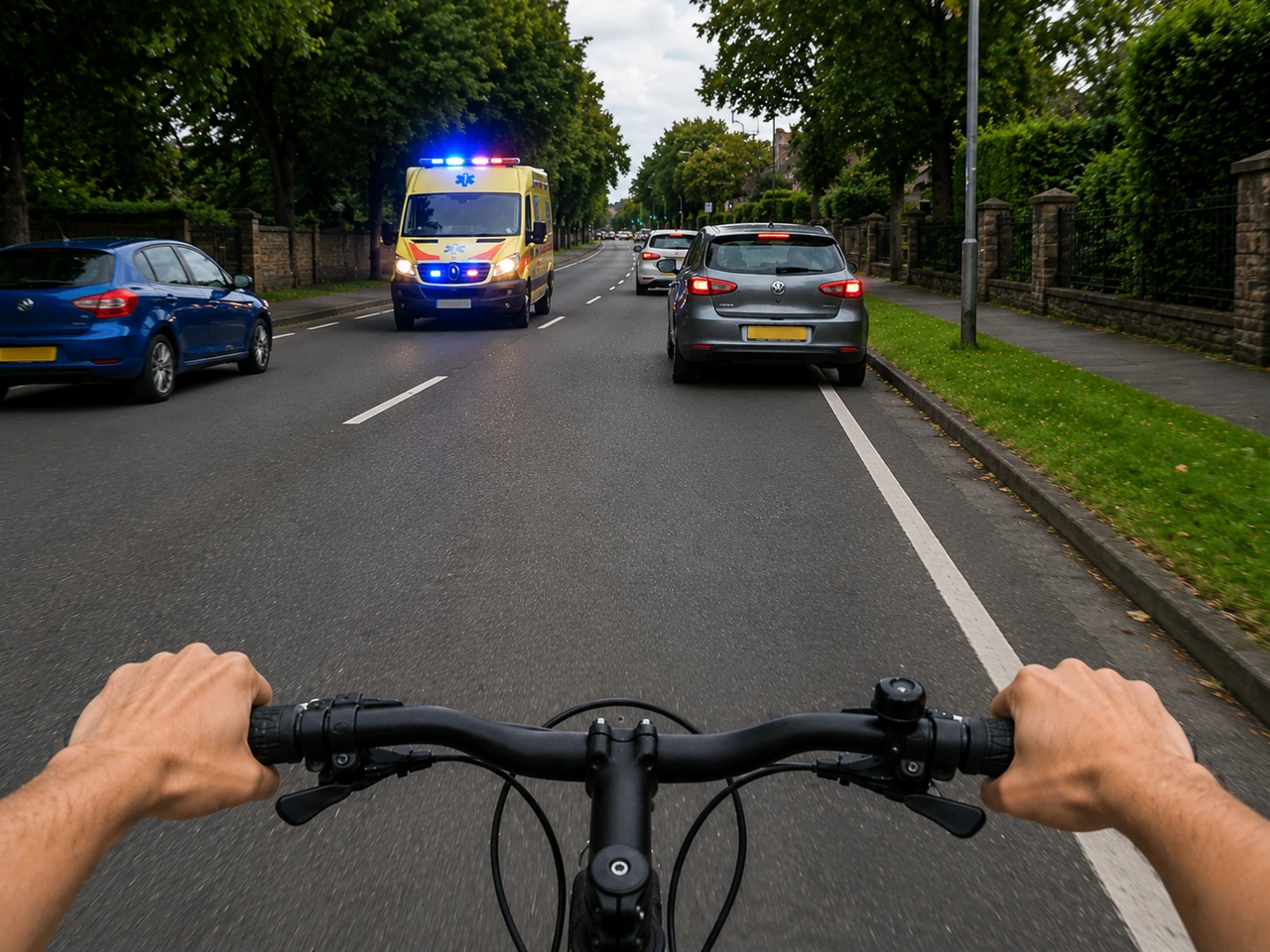
466. What should cyclists do when an emergency vehicle with lights and siren approaches?
Emergency vehicles need a clear route. Move predictably and stop only where doing so is safe.
AI-generated by Rijbewijs-online.be • WCIT • CC BY-SA
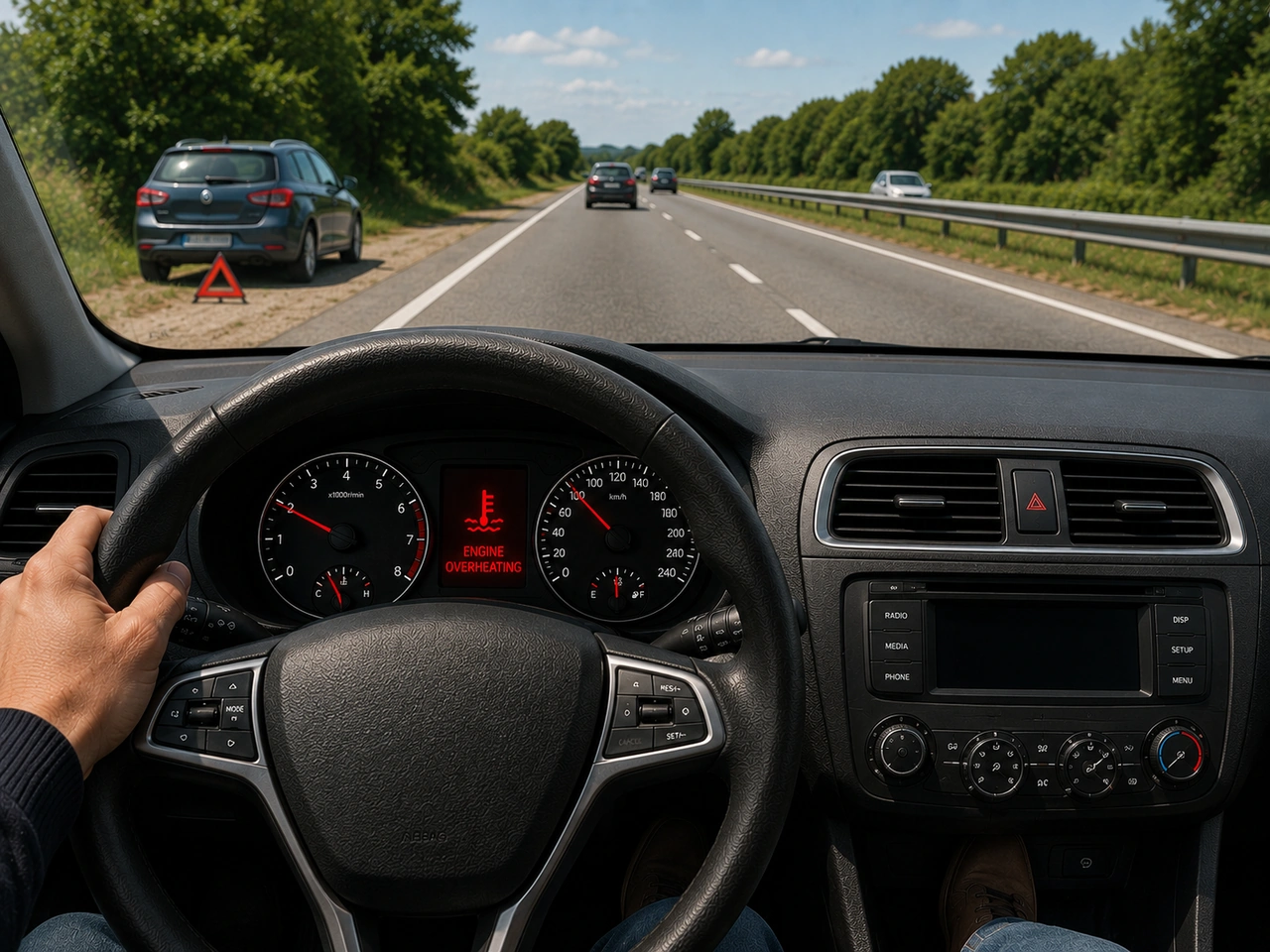
467. What should you do if the engine-temperature warning shows overheating?
Continuing to drive an overheating vehicle can cause severe damage. Allow the engine to cool and follow the manufacturer's instructions.
AI-generated by Rijbewijs-online.be • WCIT • CC BY-SA
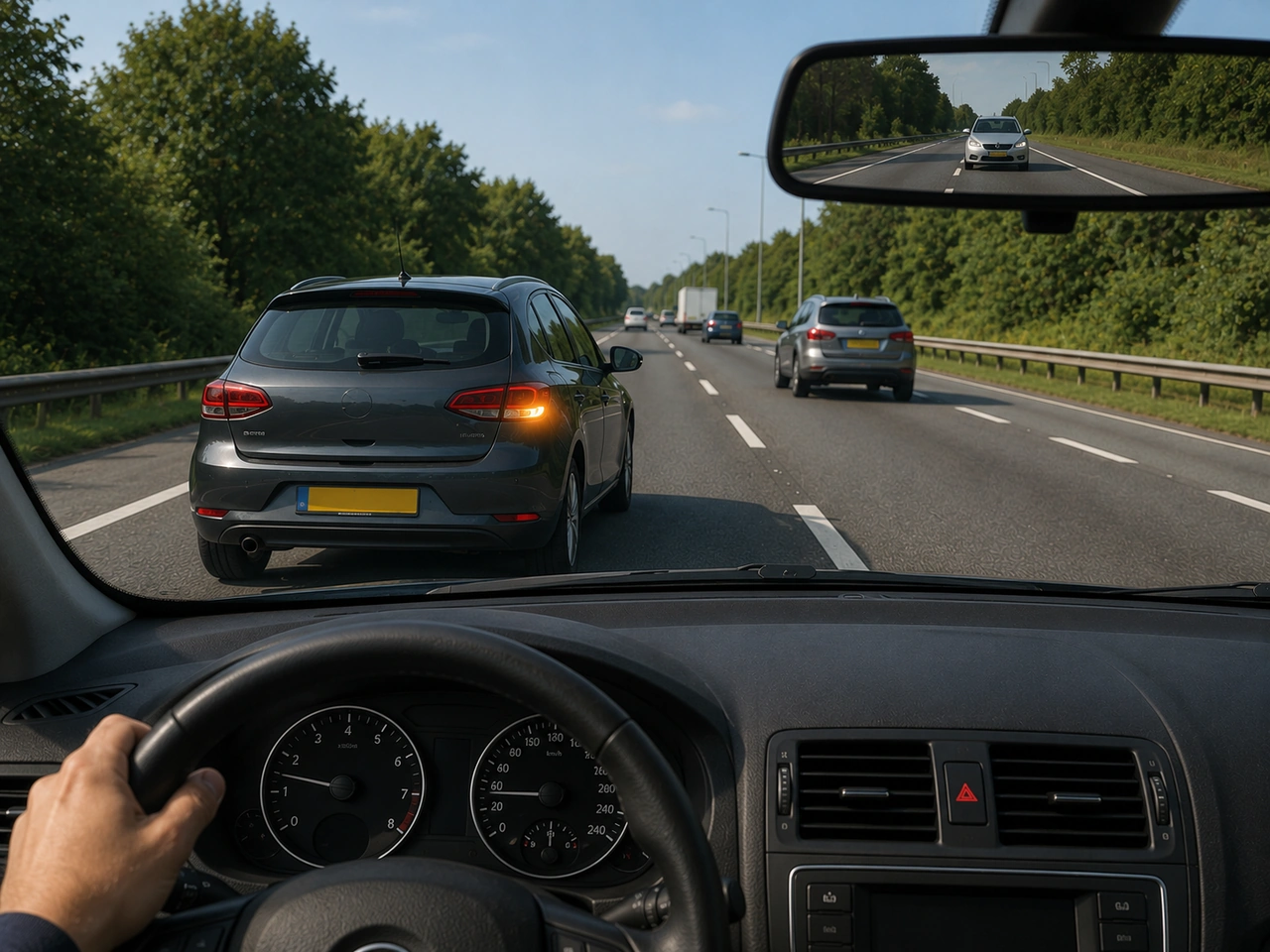
468. You should signal before turning or changing lanes.
A clear signal helps other road users understand your intentions, but you must still check that the manoeuvre can be made safely.
AI-generated by Rijbewijs-online.be • WCIT • CC BY-SA
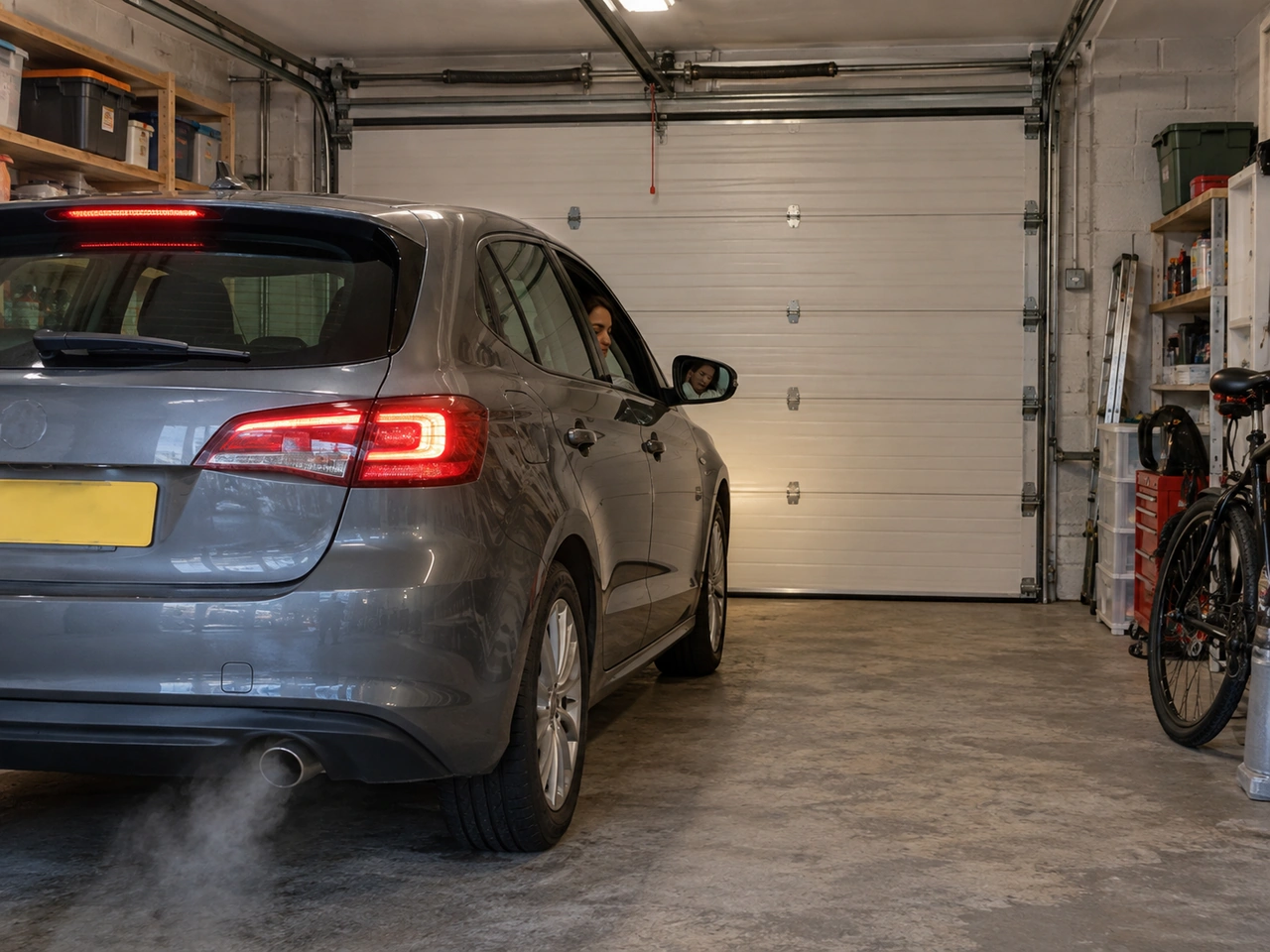
469. Why should you never leave a petrol or diesel engine running in an enclosed space?
Exhaust gases from petrol and diesel engines can contain carbon monoxide, a poisonous gas that can build up quickly in an enclosed or poorly ventilated space. Never leave the engine running inside a closed garage or similar area.
AI-generated by Rijbewijs-online.be • WCIT • CC BY-SA
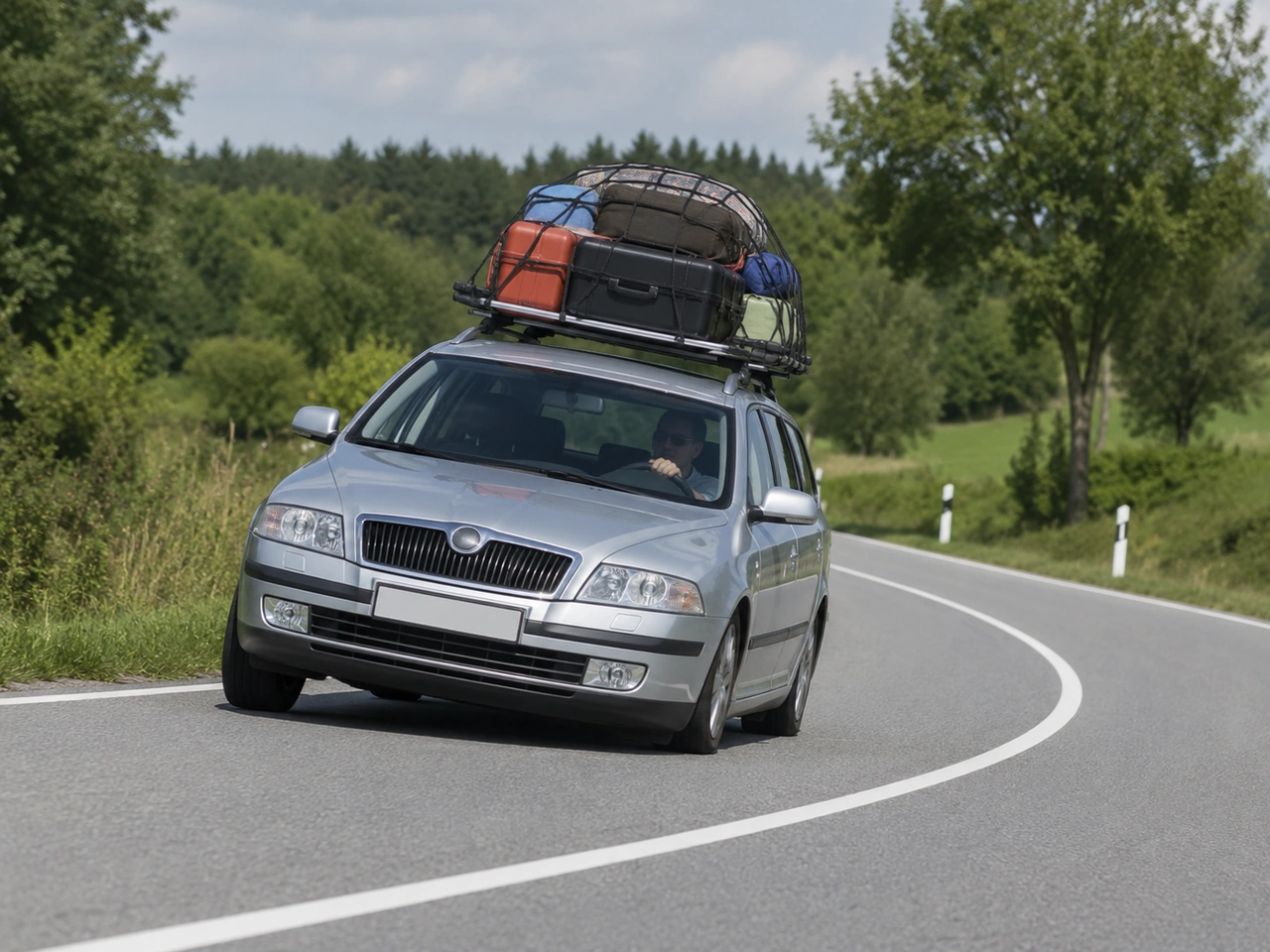
470. How can a roof load affect vehicle handling?
Weight carried high on the vehicle can increase body movement and make sudden steering or cornering less stable.
AI-generated by Rijbewijs-online.be • WCIT • CC BY-SA
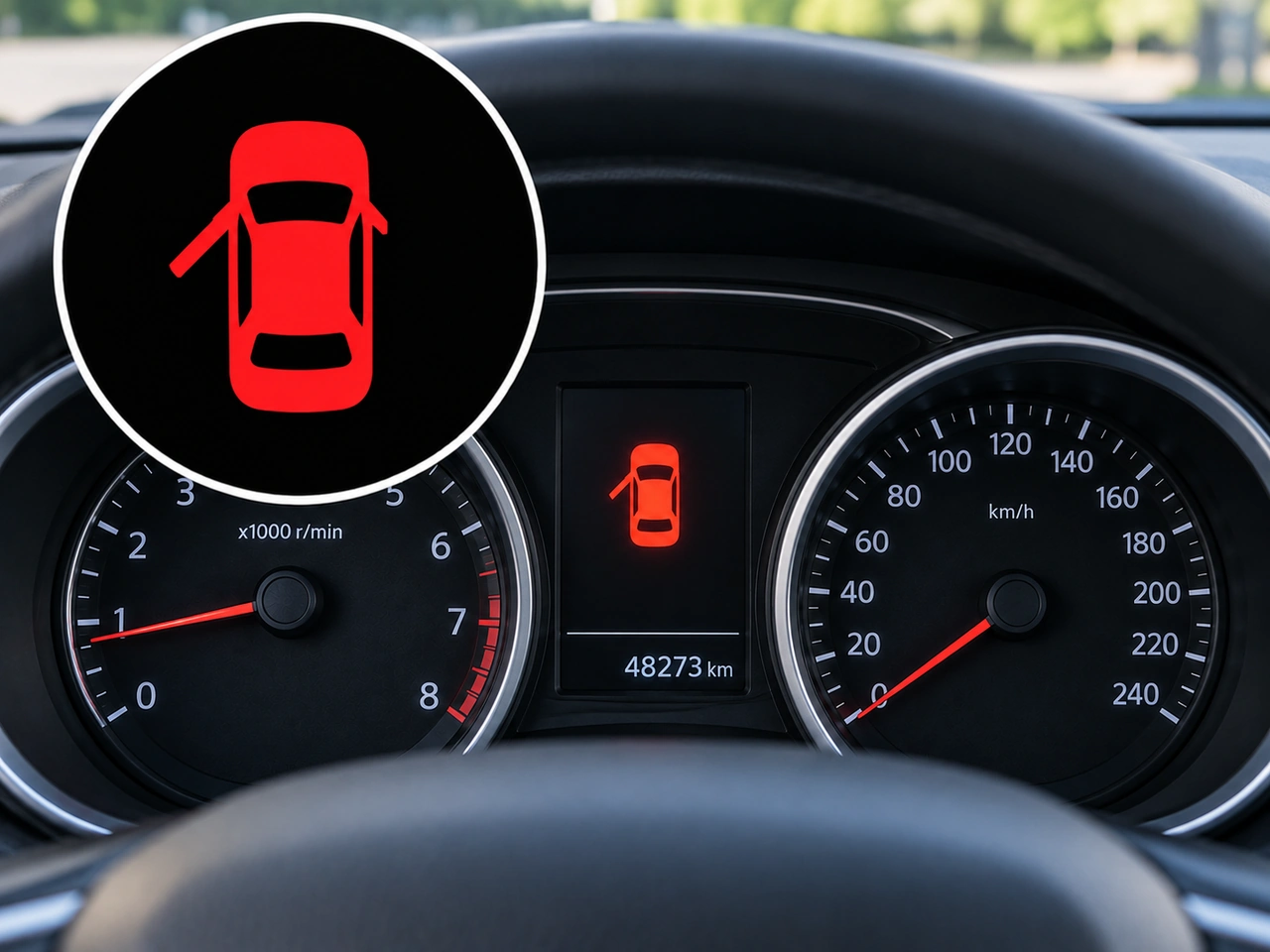
471. What does this dashboard symbol indicate?
This symbol indicates that one or more vehicle doors are not fully closed. Check that all doors are securely shut before driving.
AI-generated by Rijbewijs-online.be • WCIT • CC BY-SA
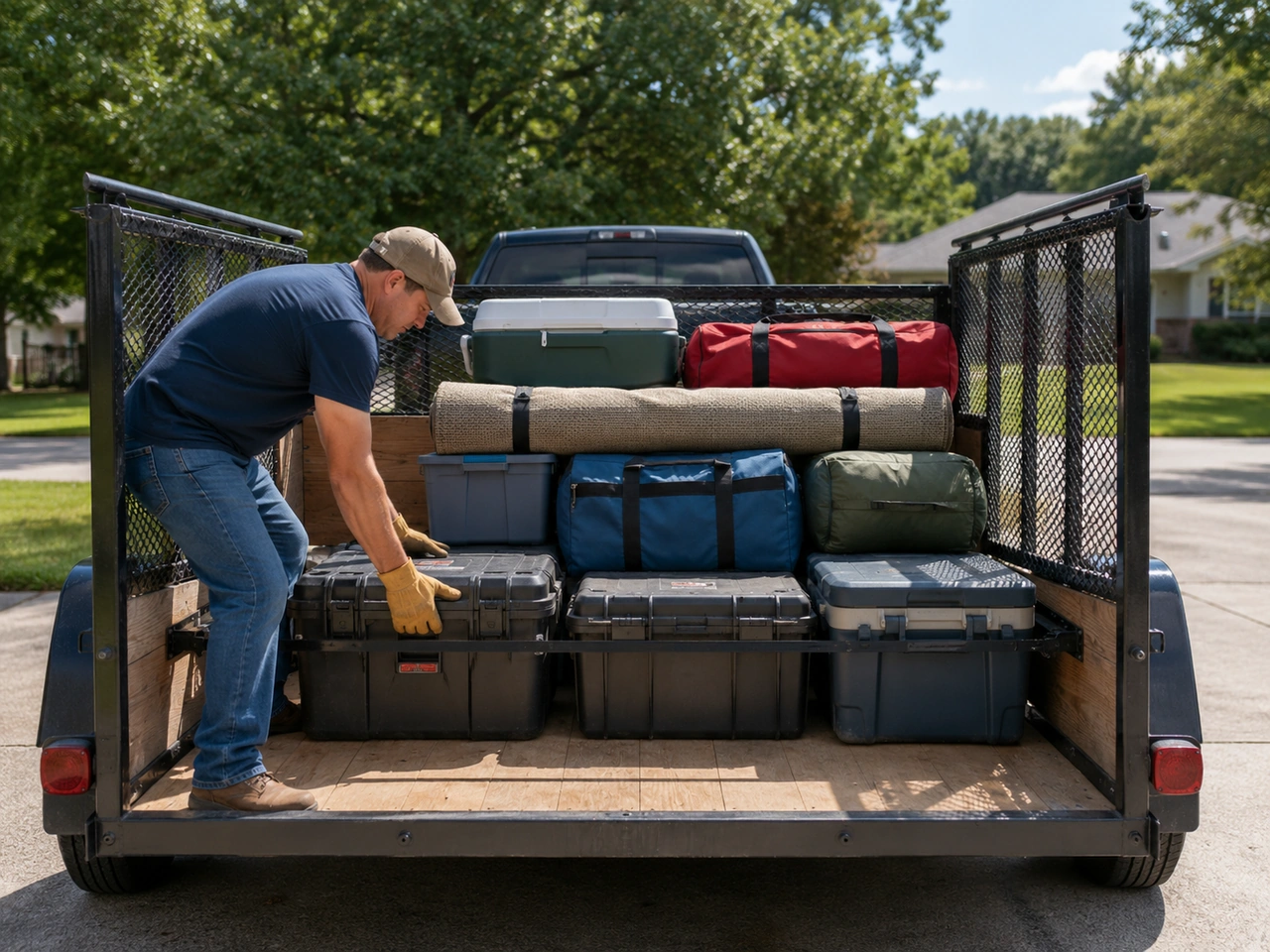
472. Why should heavy items be placed low and evenly distributed?
A high or uneven load can make the vehicle unstable, especially during braking, cornering, or sudden steering.
AI-generated by Rijbewijs-online.be • WCIT • CC BY-SA
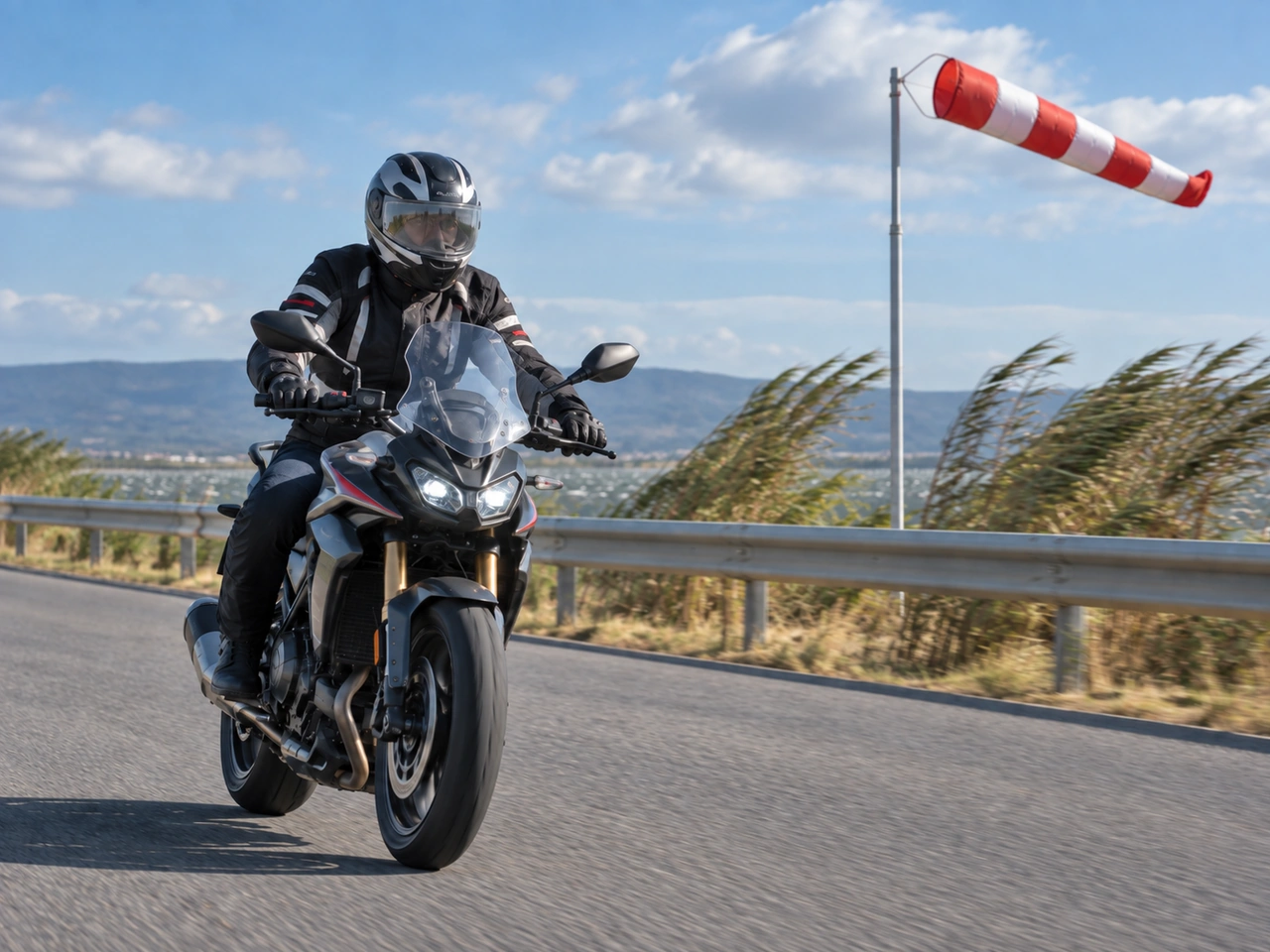
473. What should a motorcyclist do in strong crosswinds?
Strong crosswinds can push a motorcycle sideways and sudden gusts can affect its stability. Reduce speed, keep a steady grip on the handlebars and allow extra space, especially on exposed roads, bridges, or when passing gaps and large vehicles.
AI-generated by Rijbewijs-online.be • WCIT • CC BY-SA
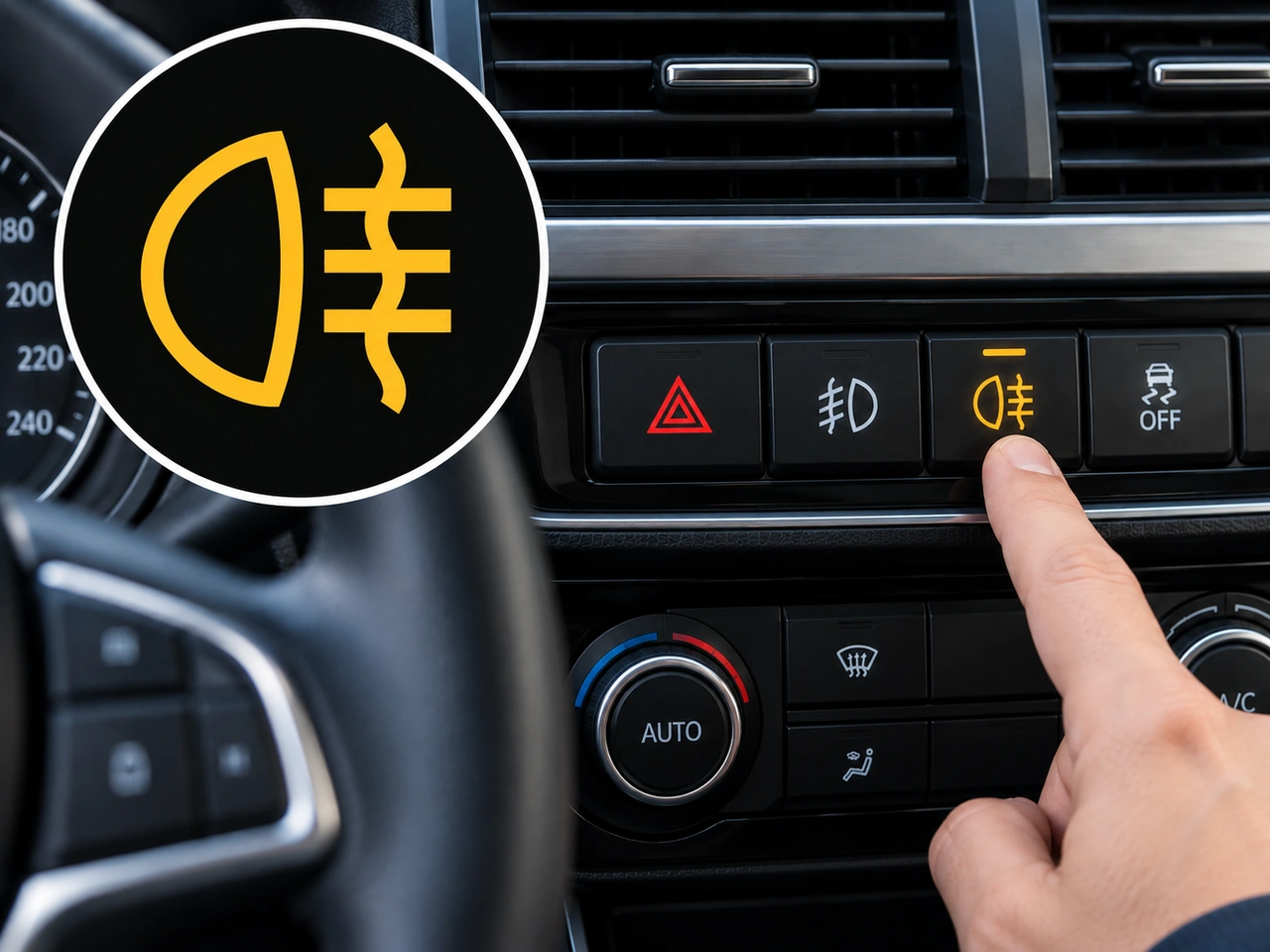
474. What does this dashboard symbol indicate?
This symbol indicates that the rear fog lights are switched on. Rear fog lights make the vehicle more visible from behind in conditions of severely reduced visibility, but they can dazzle other road users when used unnecessarily.
AI-generated by Rijbewijs-online.be • WCIT • CC BY-SA
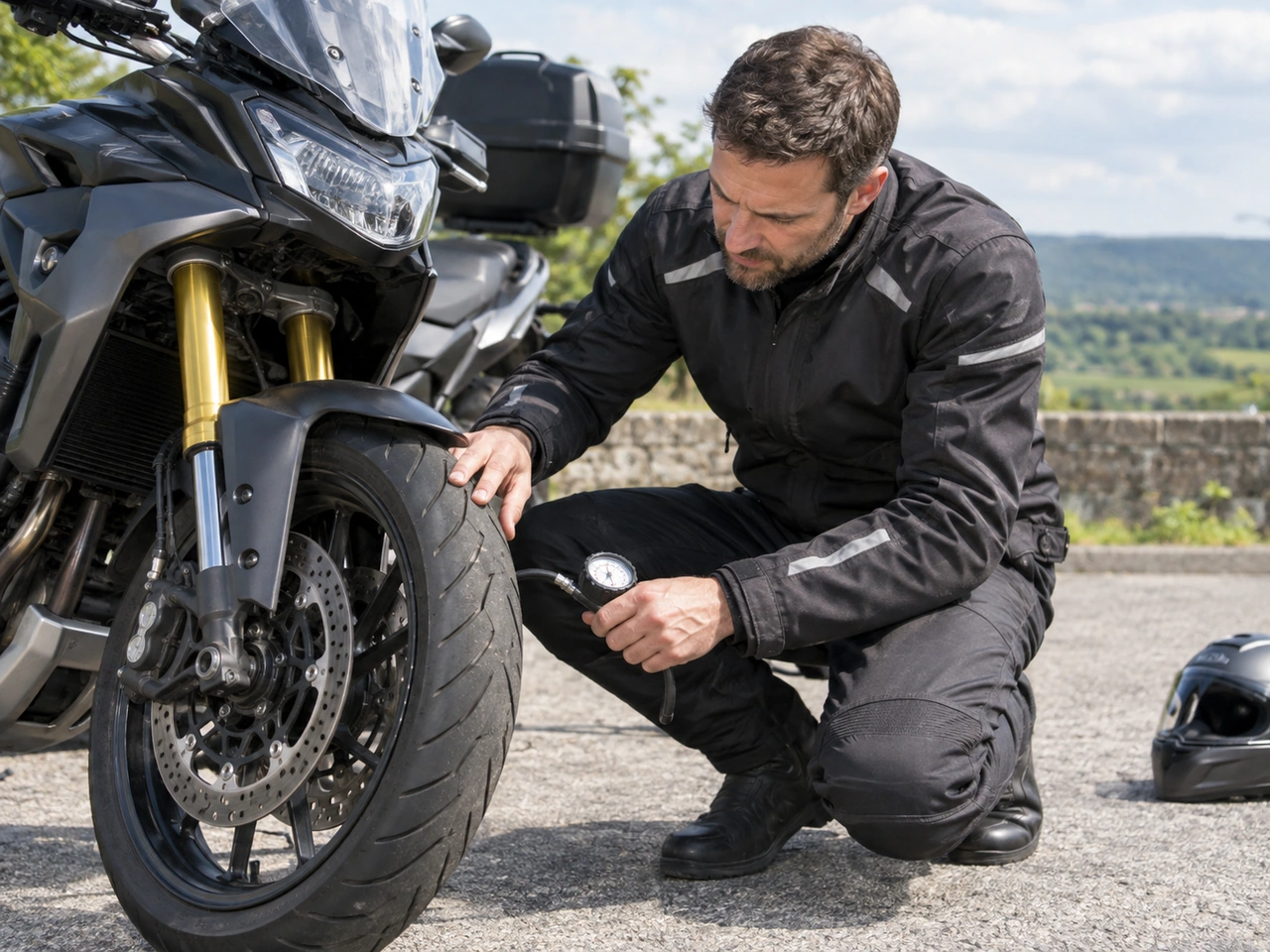
475. Why are tyre condition and pressure especially important on a motorcycle?
A motorcycle relies on a relatively small area of tyre contact with the road. Correct tyre pressure, tread and condition are important for grip, steering, stability and braking. Check the tyres regularly and follow the manufacturer's recommended pressures.
AI-generated by Rijbewijs-online.be • WCIT • CC BY-SA
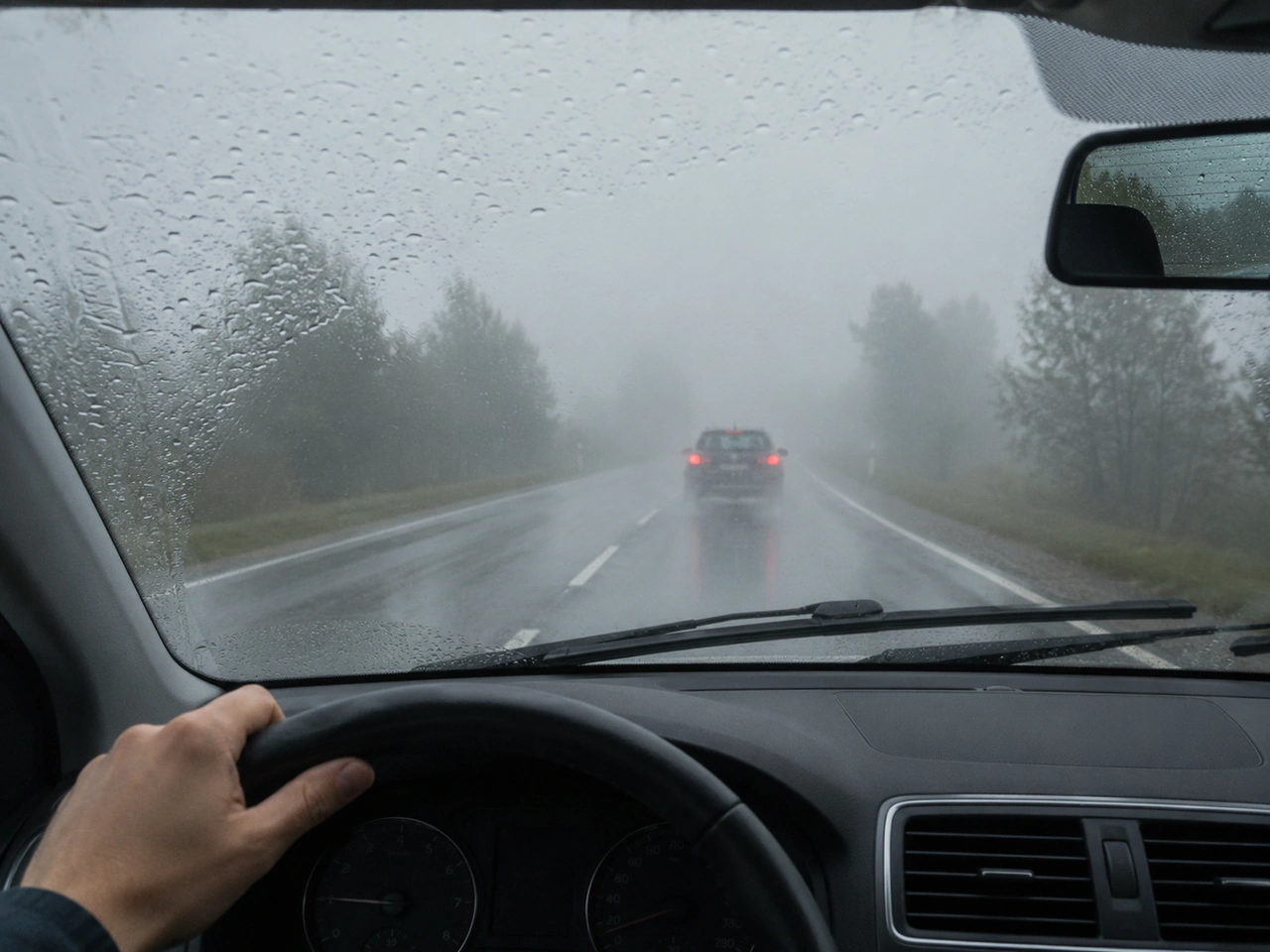
476. Why should you adjust your speed in bad weather?
Rain, snow, fog, and ice can reduce visibility and tyre grip. Lower speed gives you more time and distance to react and stop safely.
AI-generated by Rijbewijs-online.be • WCIT • CC BY-SA
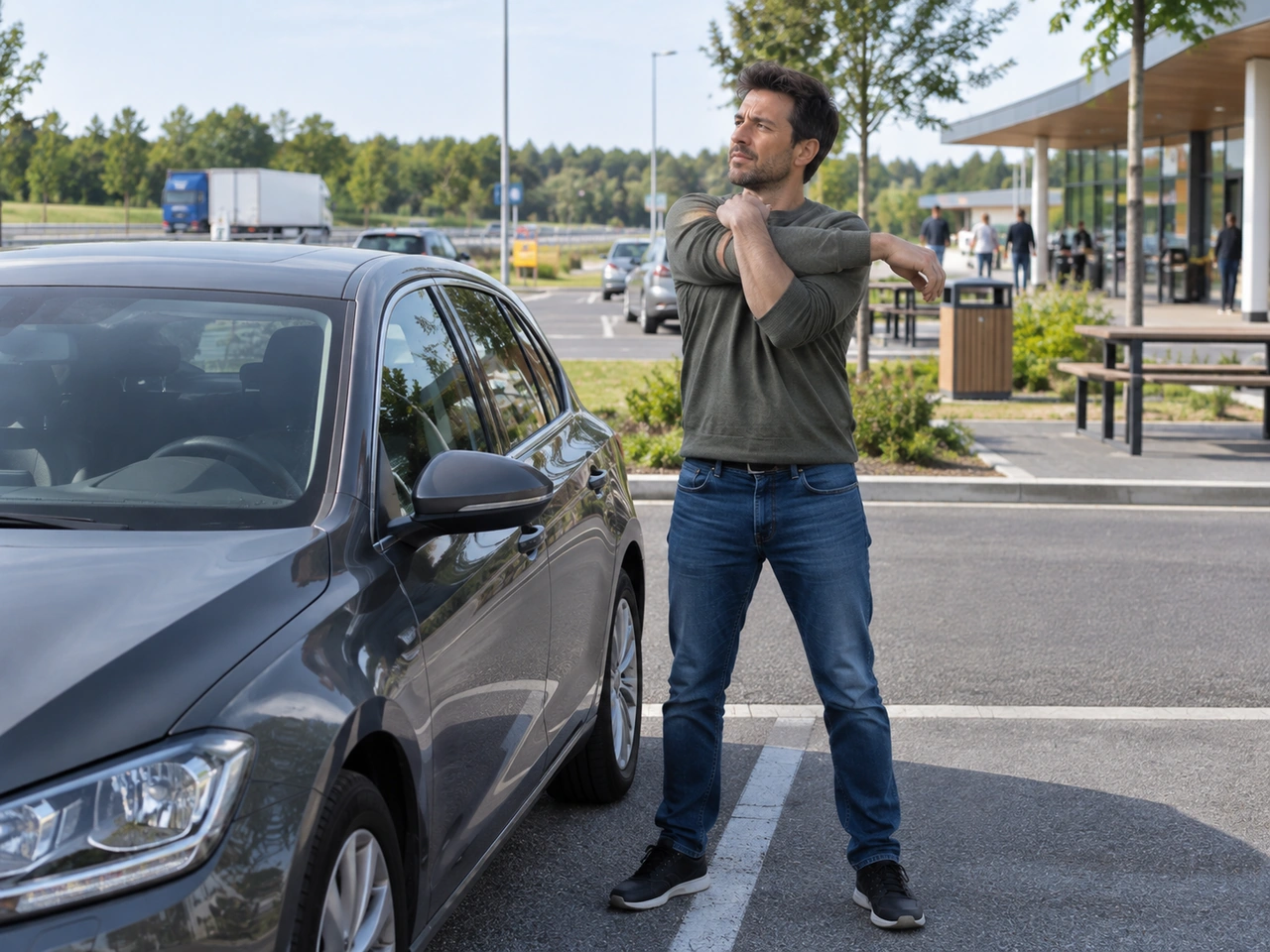
477. Why should you take regular breaks during a long journey?
Regular breaks during a long journey help reduce fatigue and maintain concentration. Do not wait until you are struggling to stay awake before stopping to rest.
AI-generated by Rijbewijs-online.be • WCIT • CC BY-SA
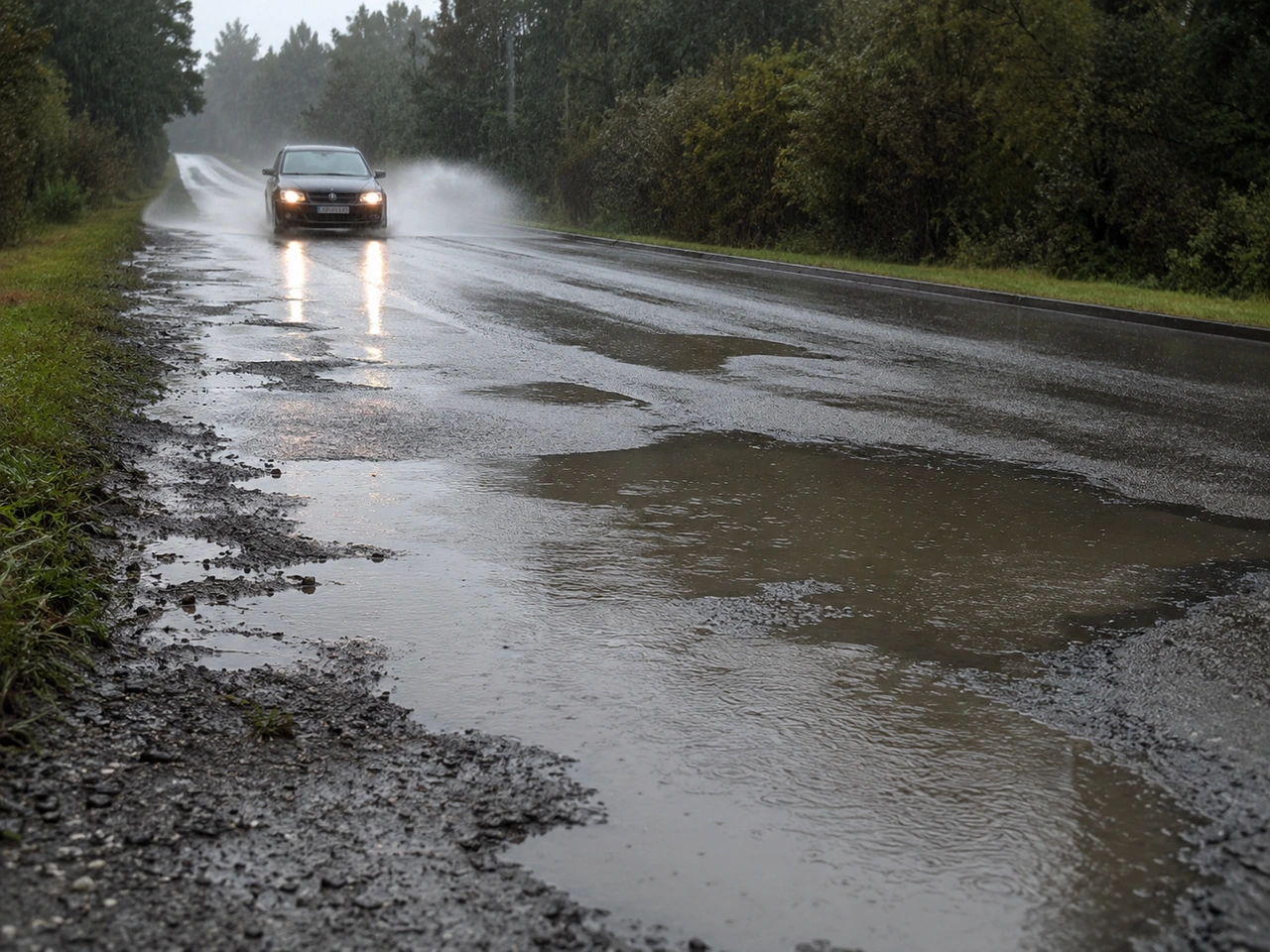
478. Which roads are most likely to cause aquaplaning?
Standing water can collect in dips, ruts, or puddles, increasing the chance that tyres will lose grip.
AI-generated by Rijbewijs-online.be • WCIT • CC BY-SA
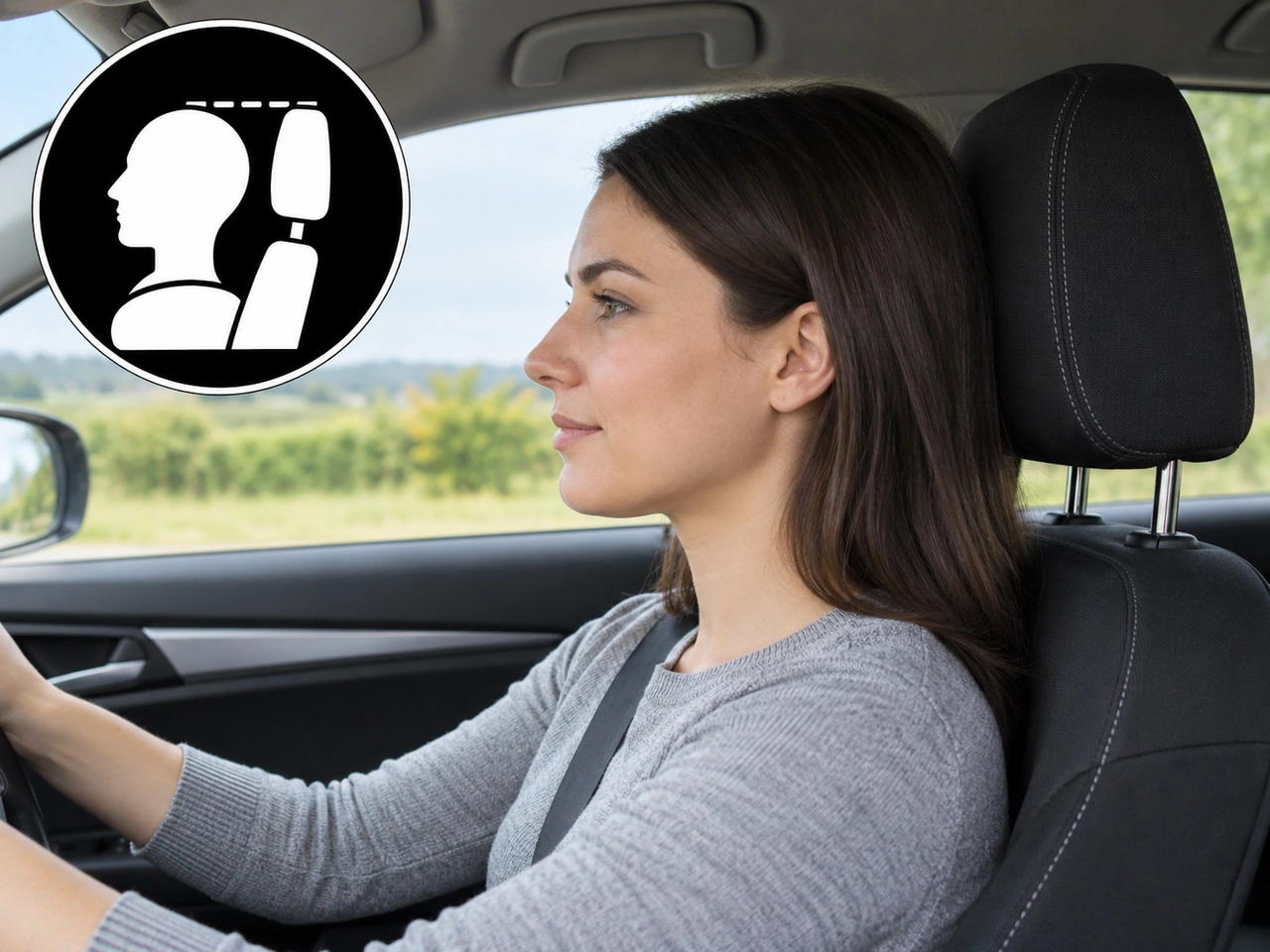
479. Where should the top of the head restraint normally be positioned?
The head restraint should normally be adjusted so that its top is approximately level with the top of the head. This helps reduce the risk of neck injury in a collision.
AI-generated by Rijbewijs-online.be • WCIT • CC BY-SA
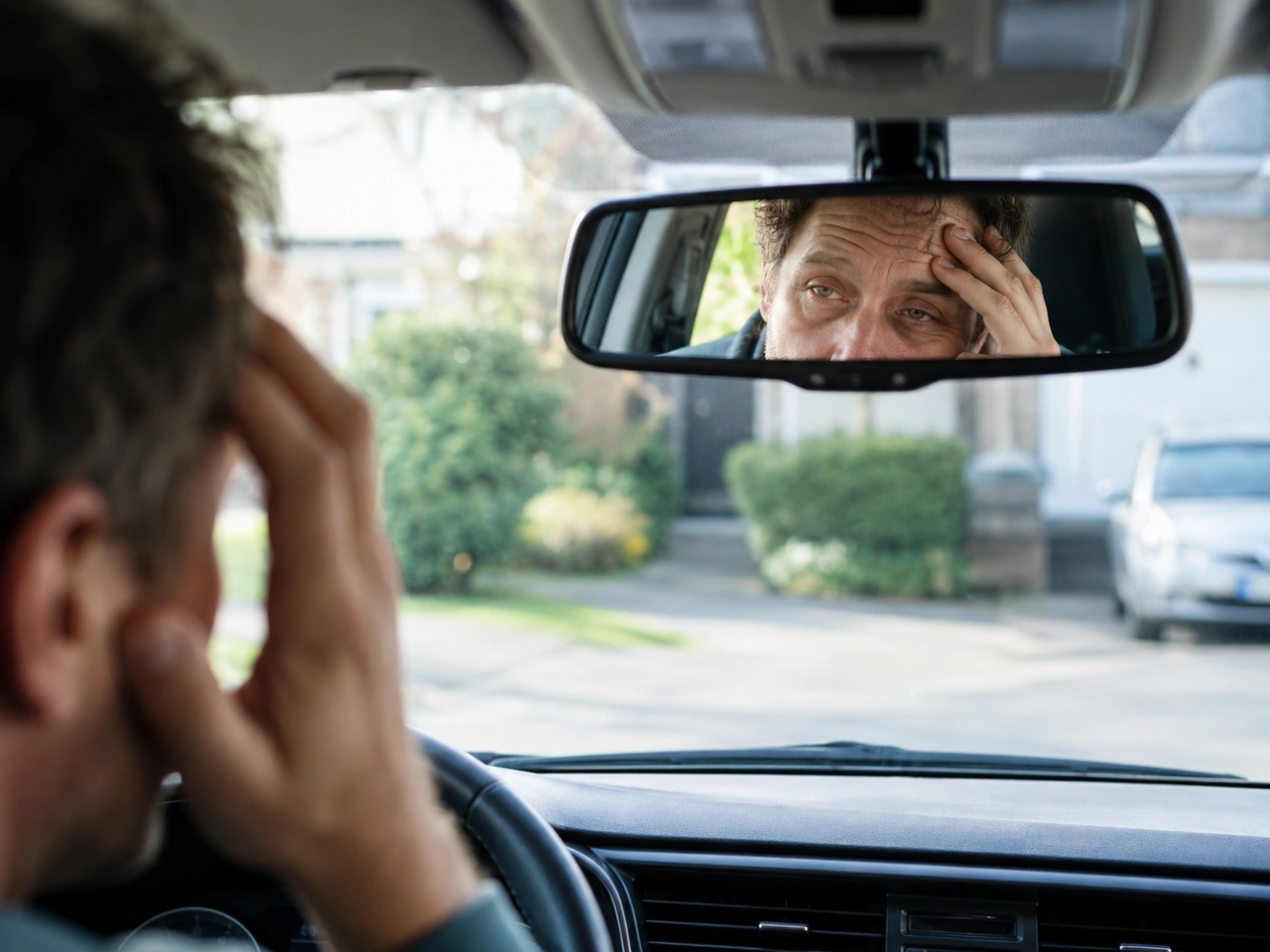
480. Can you assume that you are safe to drive the morning after drinking?
The body needs time to process alcohol. Sleeping, eating, showering, or drinking coffee does not instantly remove it.
AI-generated by Rijbewijs-online.be • WCIT • CC BY-SA
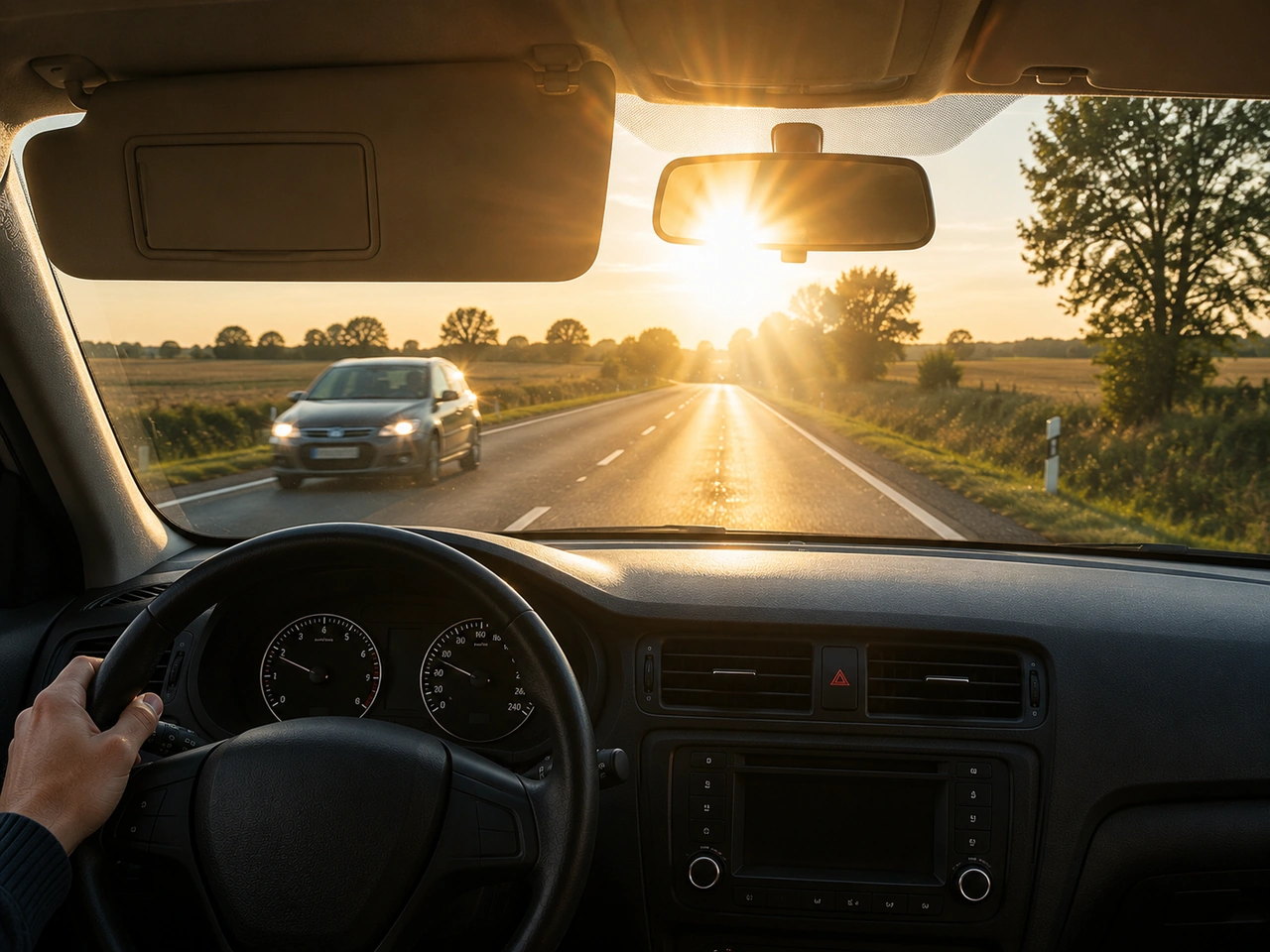
481. What should you do if you are dazzled by low sun?
Low sun can greatly reduce visibility. Slow down, increase your safety margin, and use the sun visor or sunglasses if needed.
AI-generated by Rijbewijs-online.be • WCIT • CC BY-SA
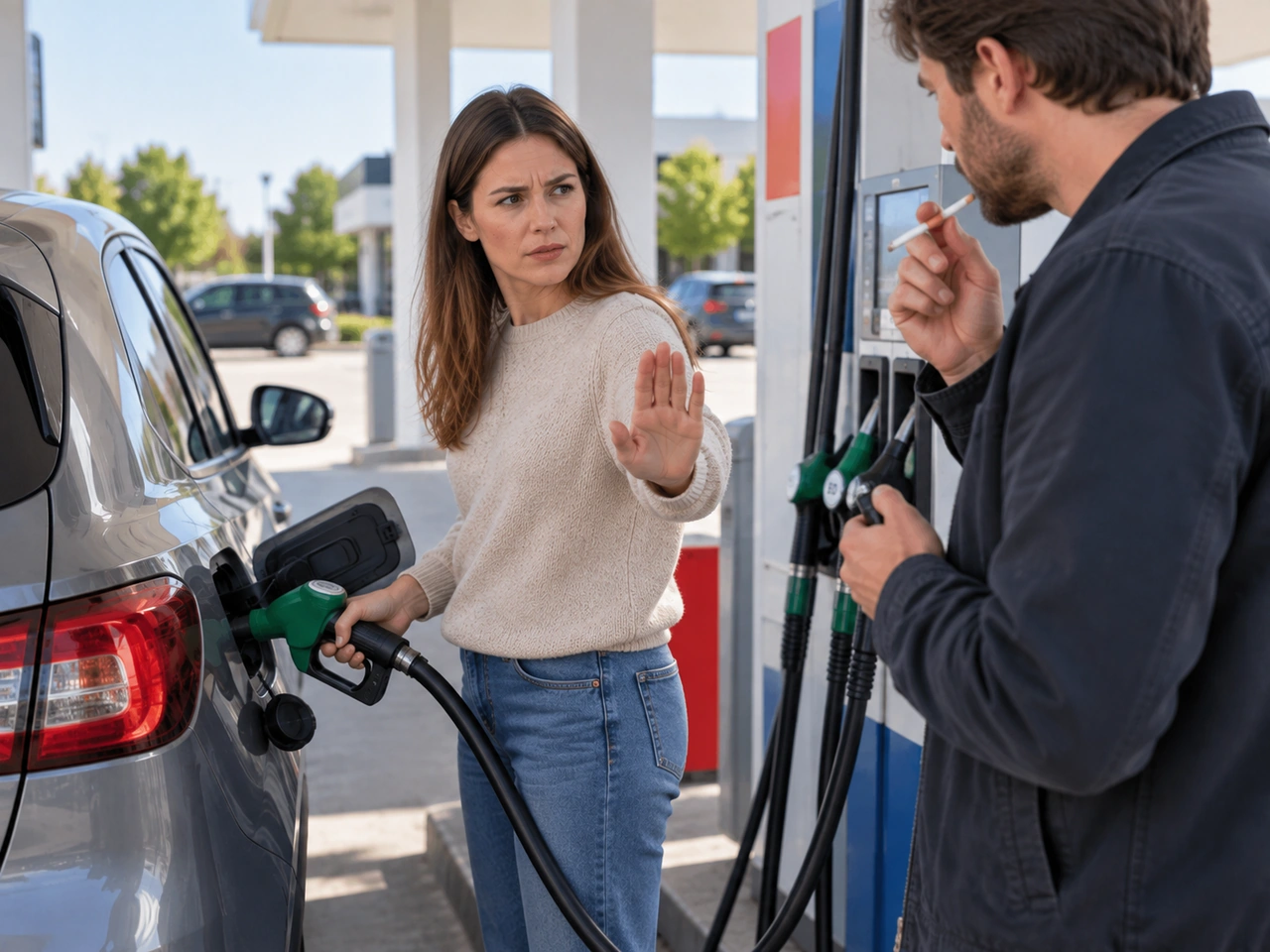
482. Why must you avoid smoking or open flames at a filling station?
Petrol and other fuels can produce flammable vapours. Smoking, open flames, sparks, or other ignition sources can ignite these vapours and cause a serious fire. Follow all filling-station safety rules while refuelling.
AI-generated by Rijbewijs-online.be • WCIT • CC BY-SA
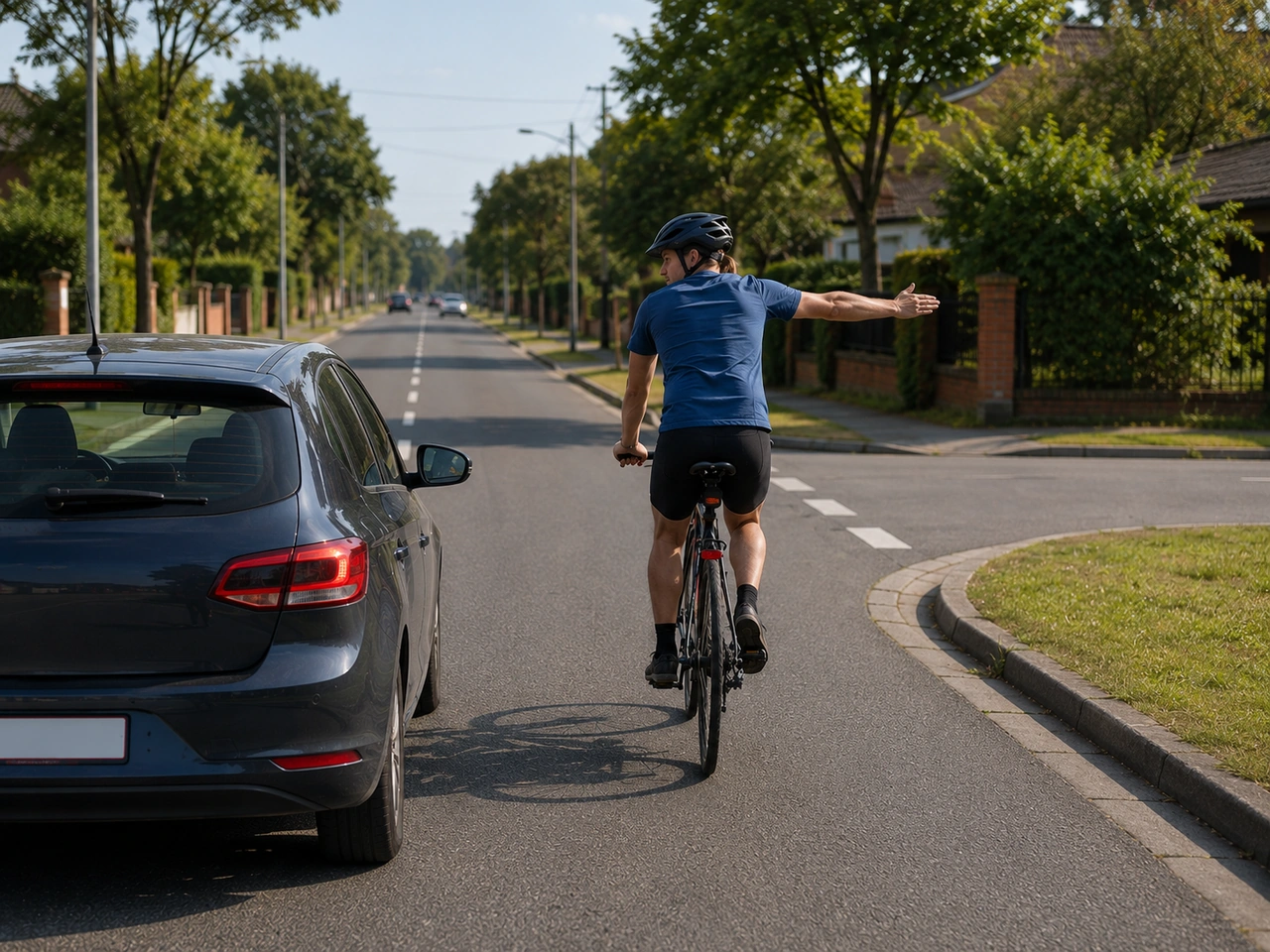
483. What should cyclists do before turning or changing position on the road?
Checking behind and signalling gives other road users time to understand what you intend to do.
AI-generated by Rijbewijs-online.be • WCIT • CC BY-SA
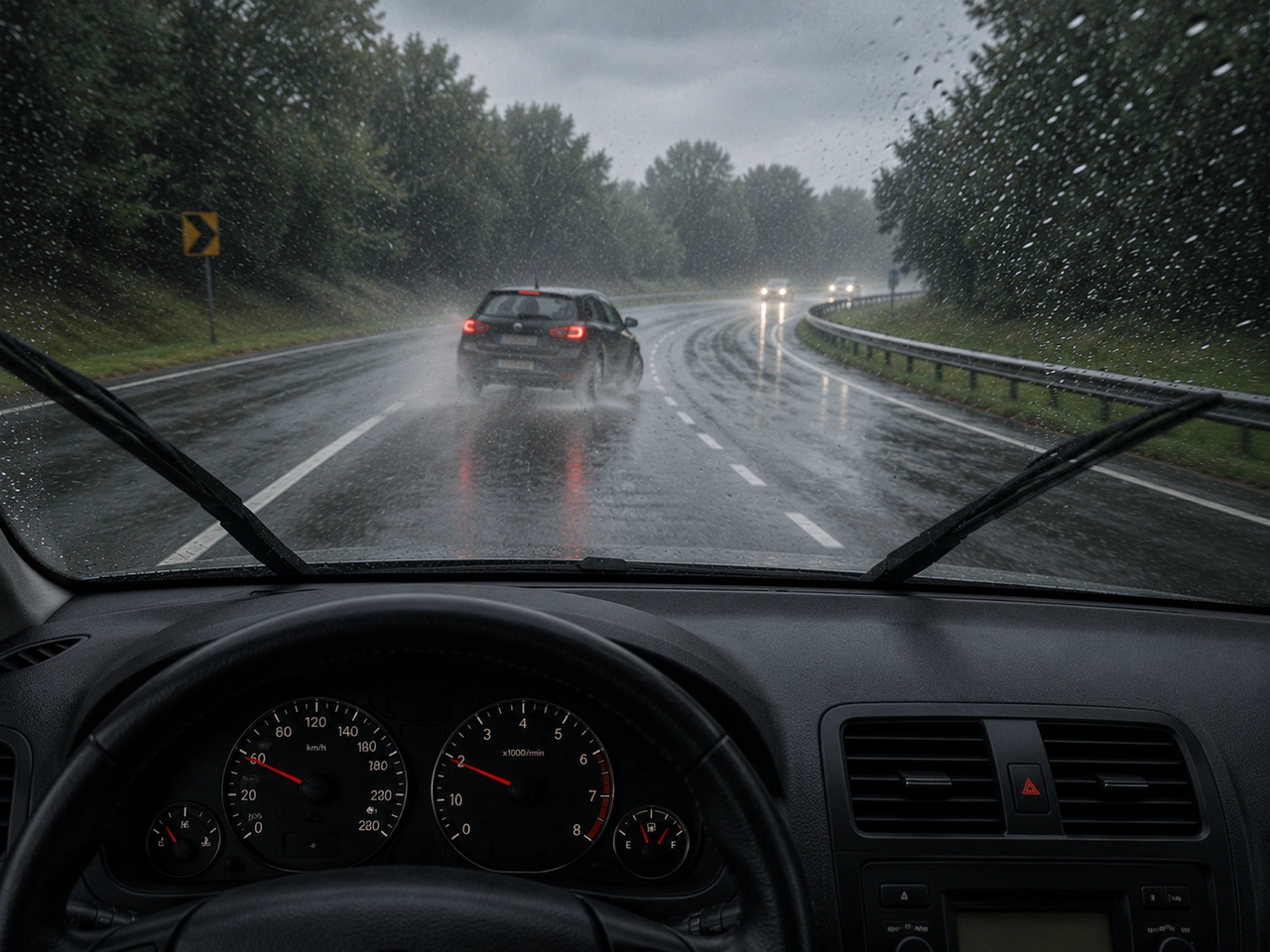
484. What should you avoid if your vehicle loses grip on a wet road?
Abrupt inputs can upset the vehicle further. Smooth control gives the tyres a better chance to regain grip.
AI-generated by Rijbewijs-online.be • WCIT • CC BY-SA
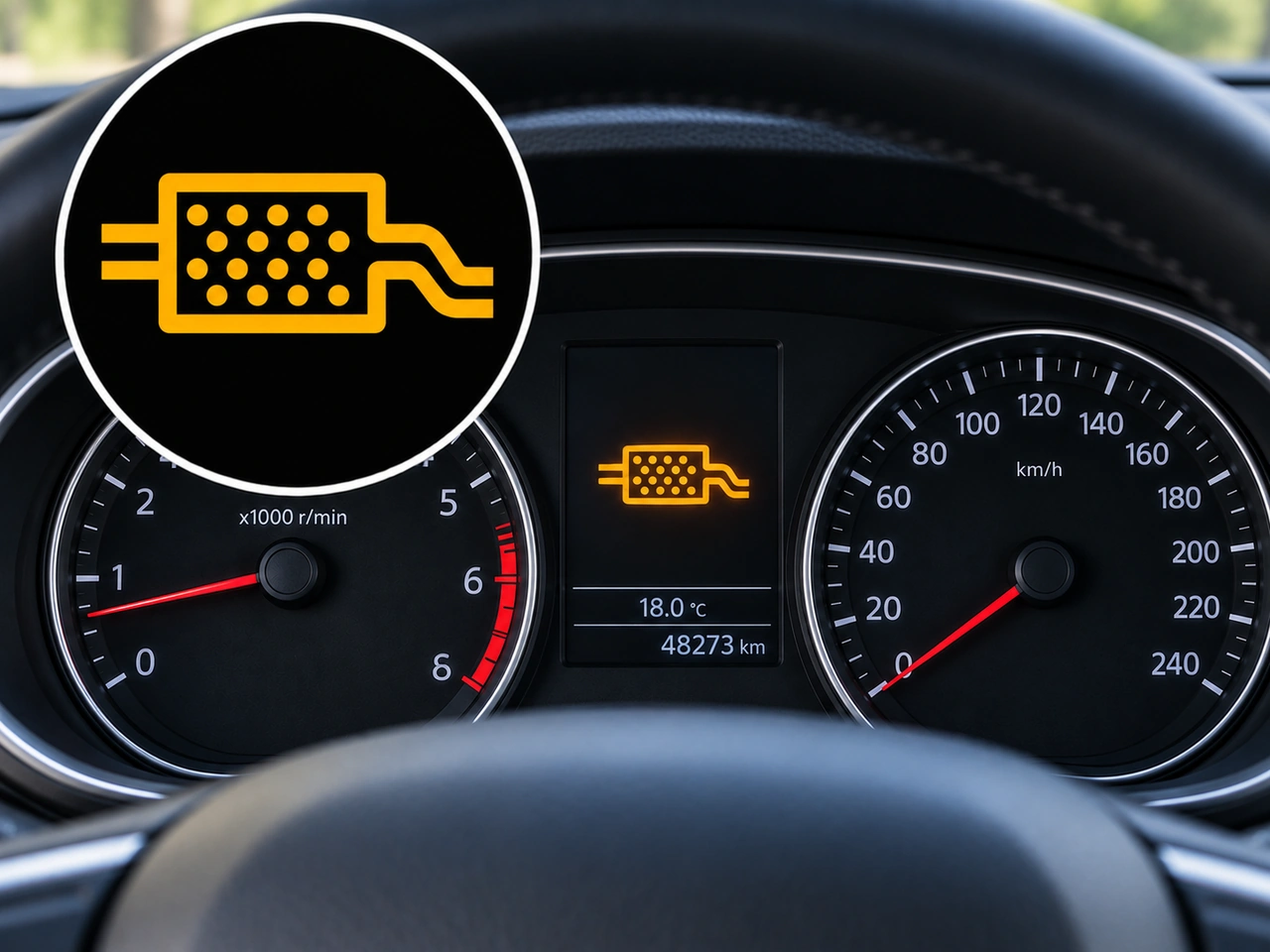
485. What does this dashboard symbol indicate?
This symbol indicates a problem with the diesel particulate filter (DPF), often because soot has accumulated in the filter. The vehicle may require regeneration or professional inspection, depending on the vehicle and warning status.
AI-generated by Rijbewijs-online.be • WCIT • CC BY-SA
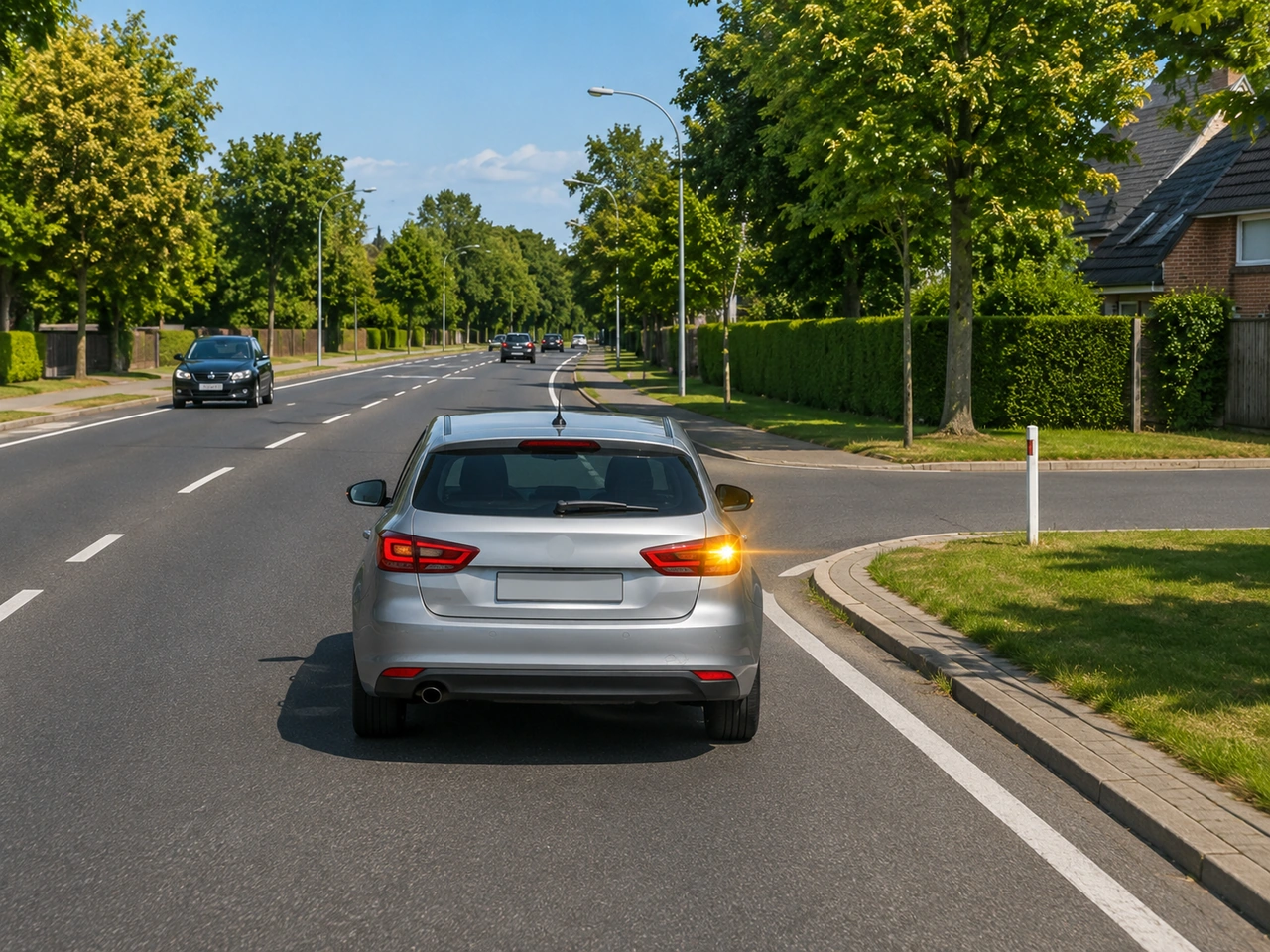
486. Why should you use your indicator before turning?
Indicators help other drivers, cyclists, and pedestrians understand your intentions in time.
AI-generated by Rijbewijs-online.be • WCIT • CC BY-SA
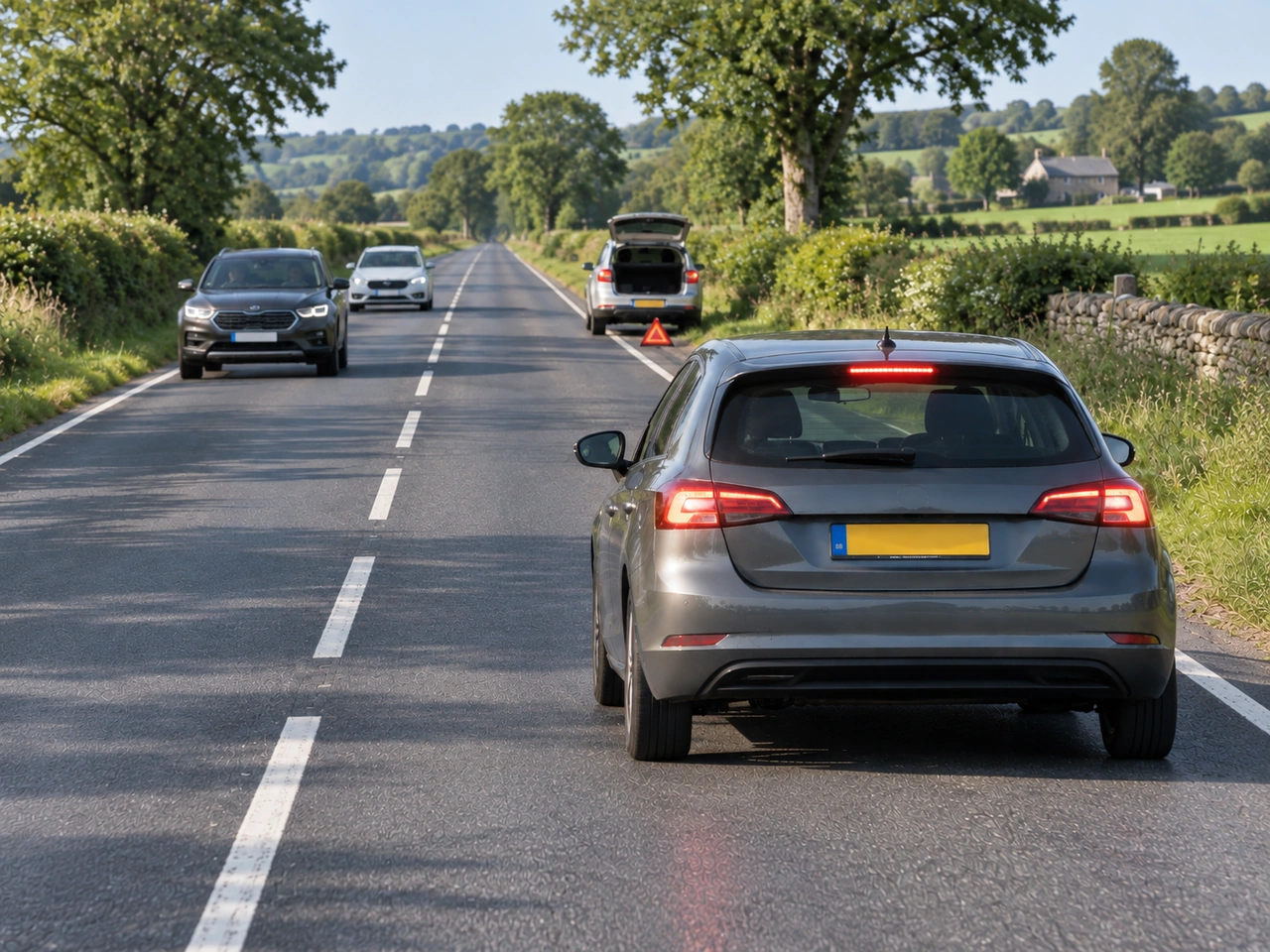
487. What makes up the total stopping distance of a vehicle?
The total stopping distance consists of the distance travelled while the driver reacts to a hazard plus the distance travelled while the vehicle is braking to a stop.
AI-generated by Rijbewijs-online.be • WCIT • CC BY-SA
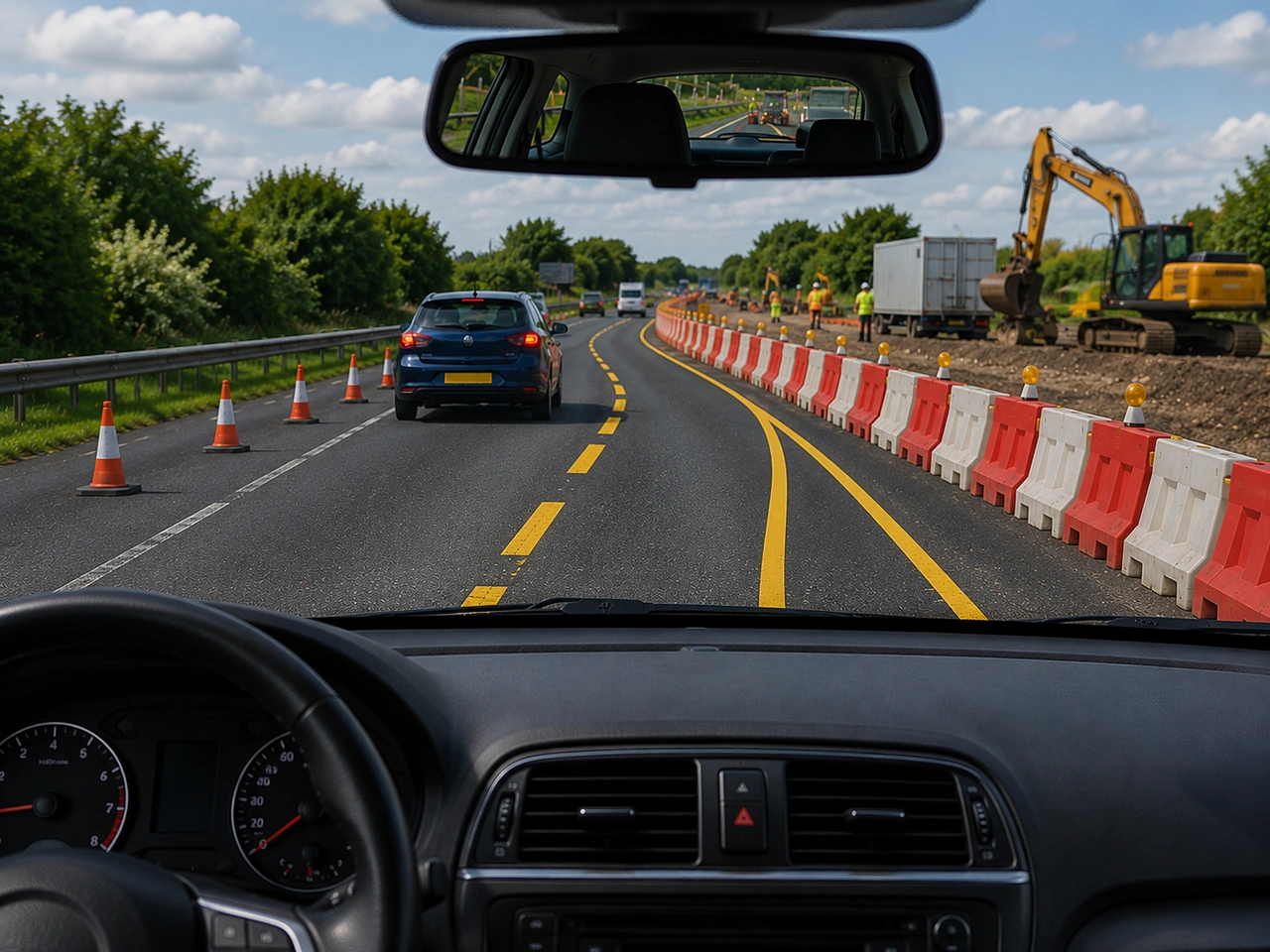
488. Which road markings should you follow through roadworks?
Temporary road markings may replace the normal lane layout during roadworks. Follow the markings and signs that currently guide traffic.
AI-generated by Rijbewijs-online.be • WCIT • CC BY-SA
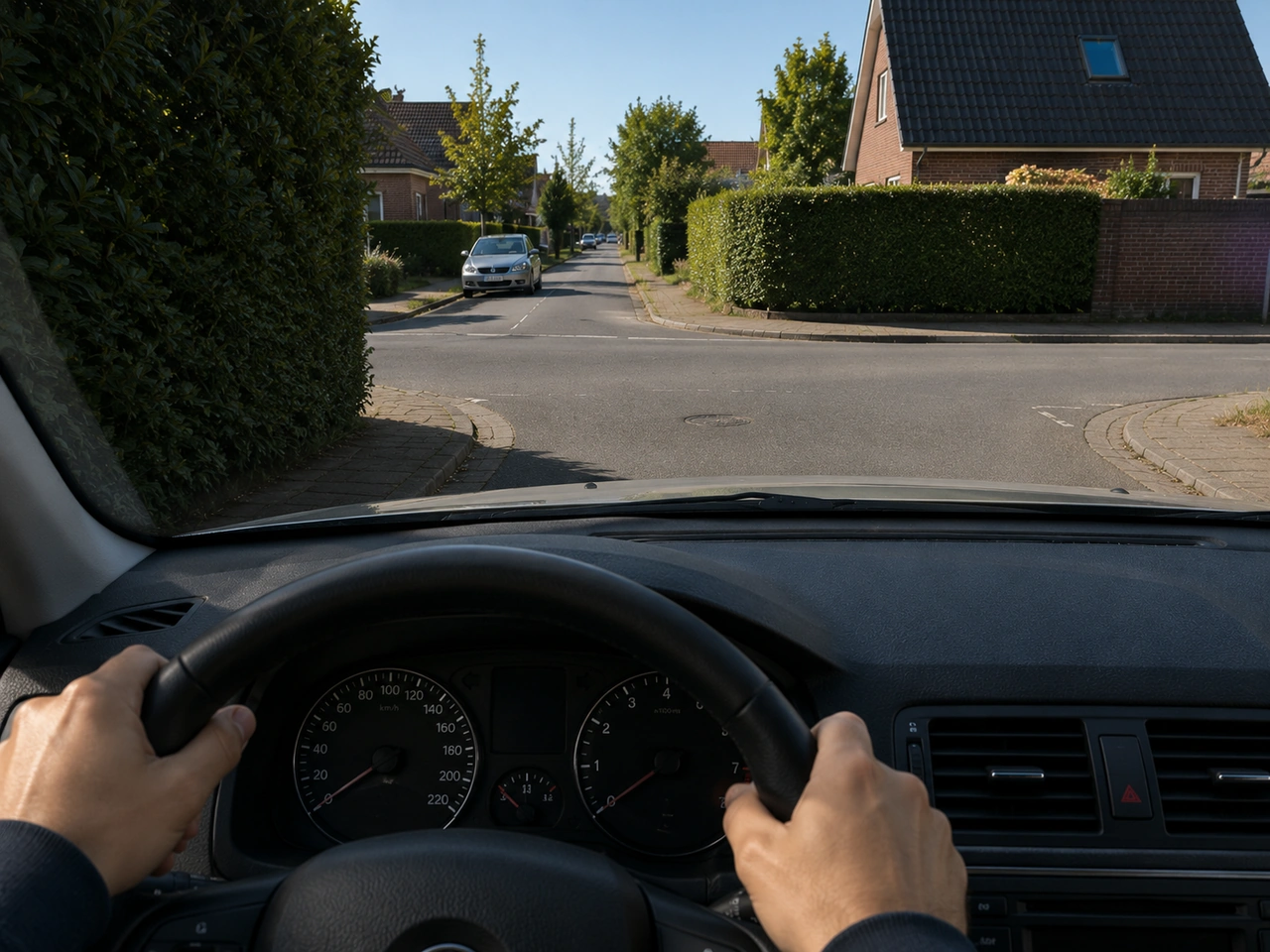
489. What should you do when your view is blocked at a junction?
If your view is blocked, slow down and make sure the way is clear before entering the junction.
AI-generated by Rijbewijs-online.be • WCIT • CC BY-SA
490. Which selector position prevents drive being transmitted to the wheels?
Select N (Neutral) when drive should not be transmitted to the wheels. Unlike Park, Neutral does not lock the transmission to prevent the vehicle from rolling.
AI-generated by Rijbewijs-online.be • WCIT • CC BY-SA
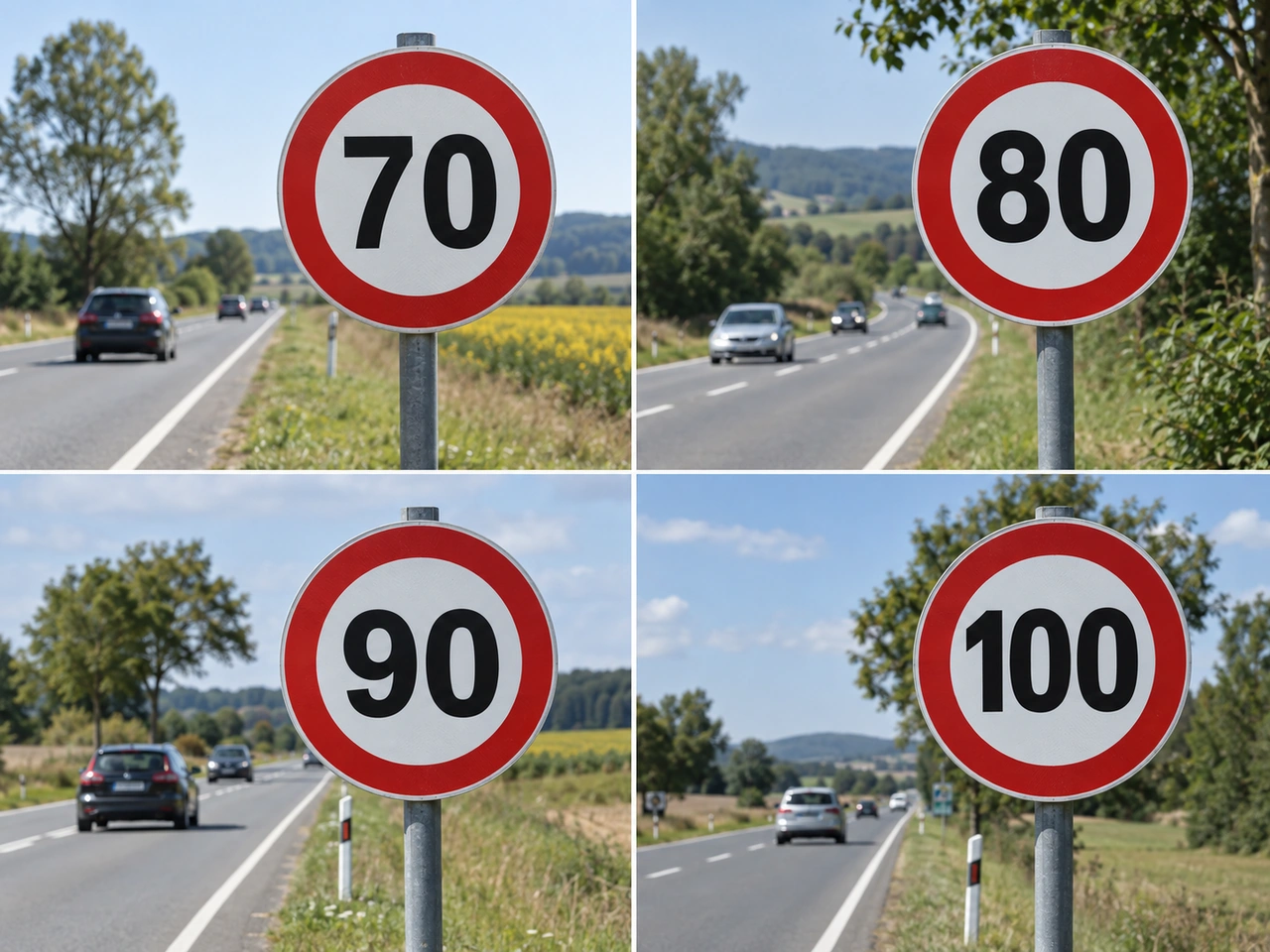
491. What is the general speed limit for cars on ordinary roads outside built-up areas in Uruguay?
In Uruguay, the general speed limit for cars on ordinary roads outside built-up areas is 90 km/h, unless signs indicate otherwise.
AI-generated by Rijbewijs-online.be • WCIT • CC BY-SA
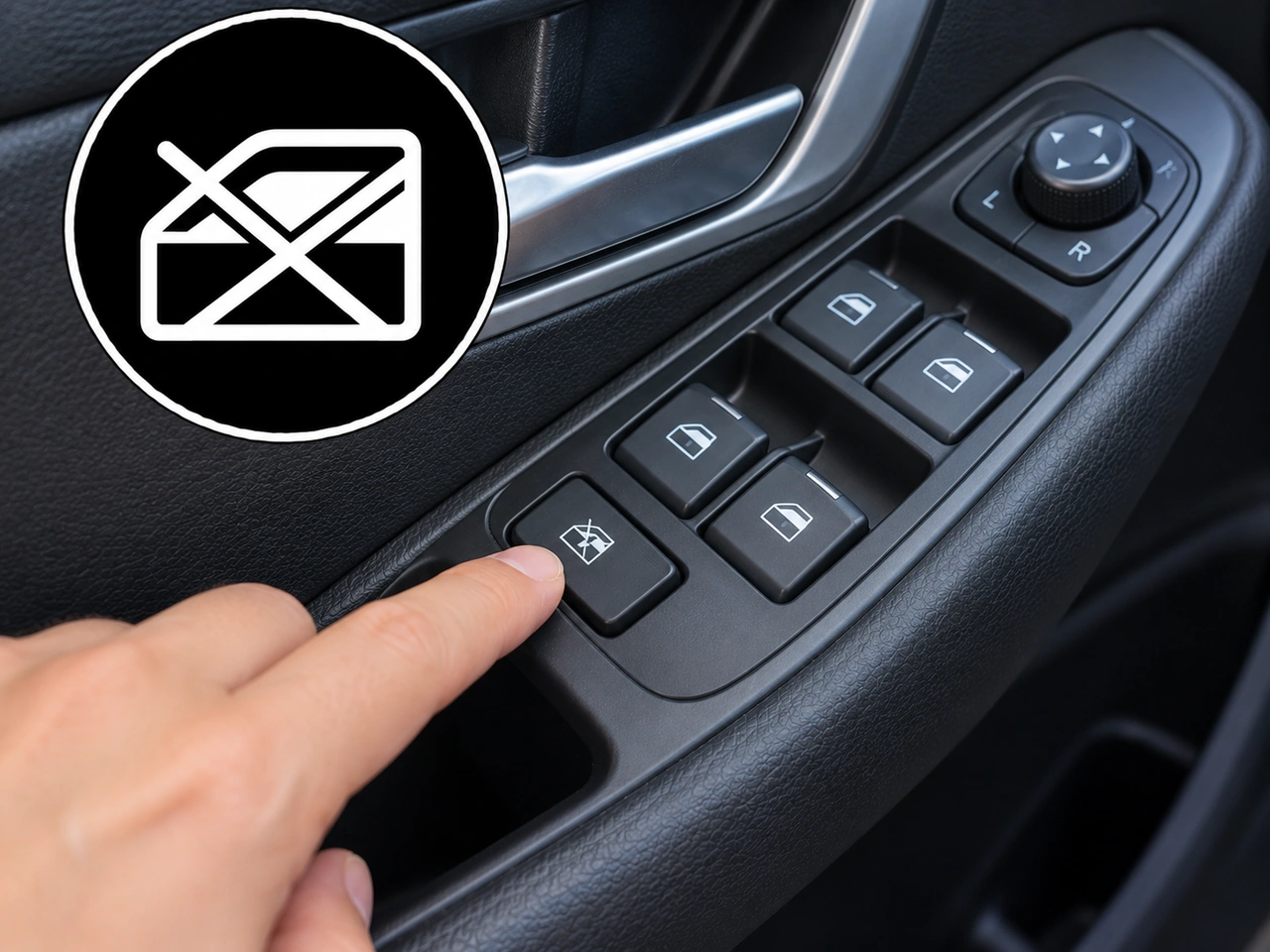
492. What does this vehicle-control symbol indicate?
This control activates the window lock, which normally prevents passengers from operating their electric windows while leaving control with the driver.
AI-generated by Rijbewijs-online.be • WCIT • CC BY-SA
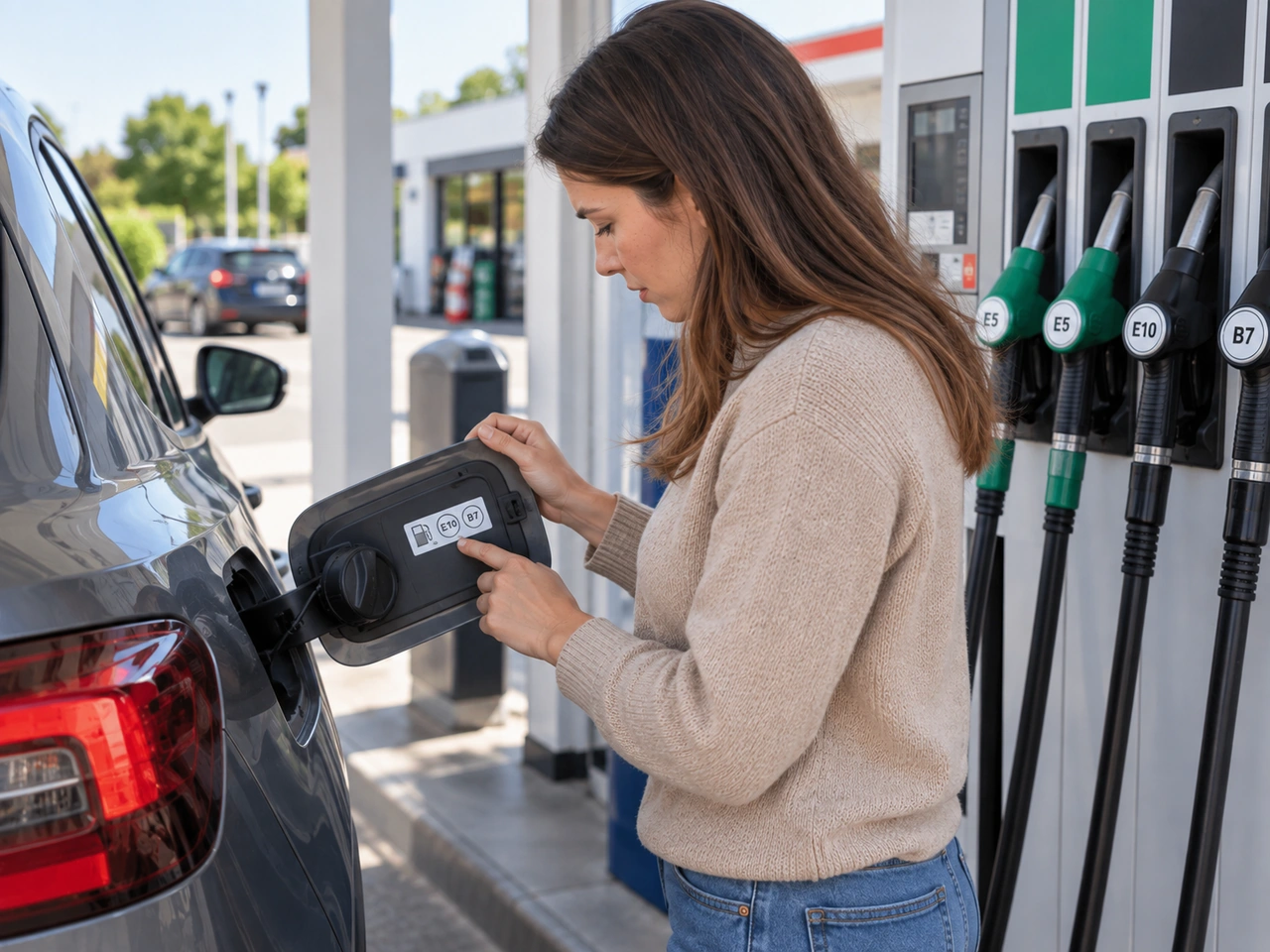
493. How can you check which fuel is suitable for your vehicle?
Before refuelling, check which fuel type the vehicle requires. The correct fuel is often shown inside the fuel-filler flap, on or near the fuel cap, or in the vehicle information or owner's manual. Do not rely only on nozzle colours, as these can vary between filling stations and countries.
AI-generated by Rijbewijs-online.be • WCIT • CC BY-SA
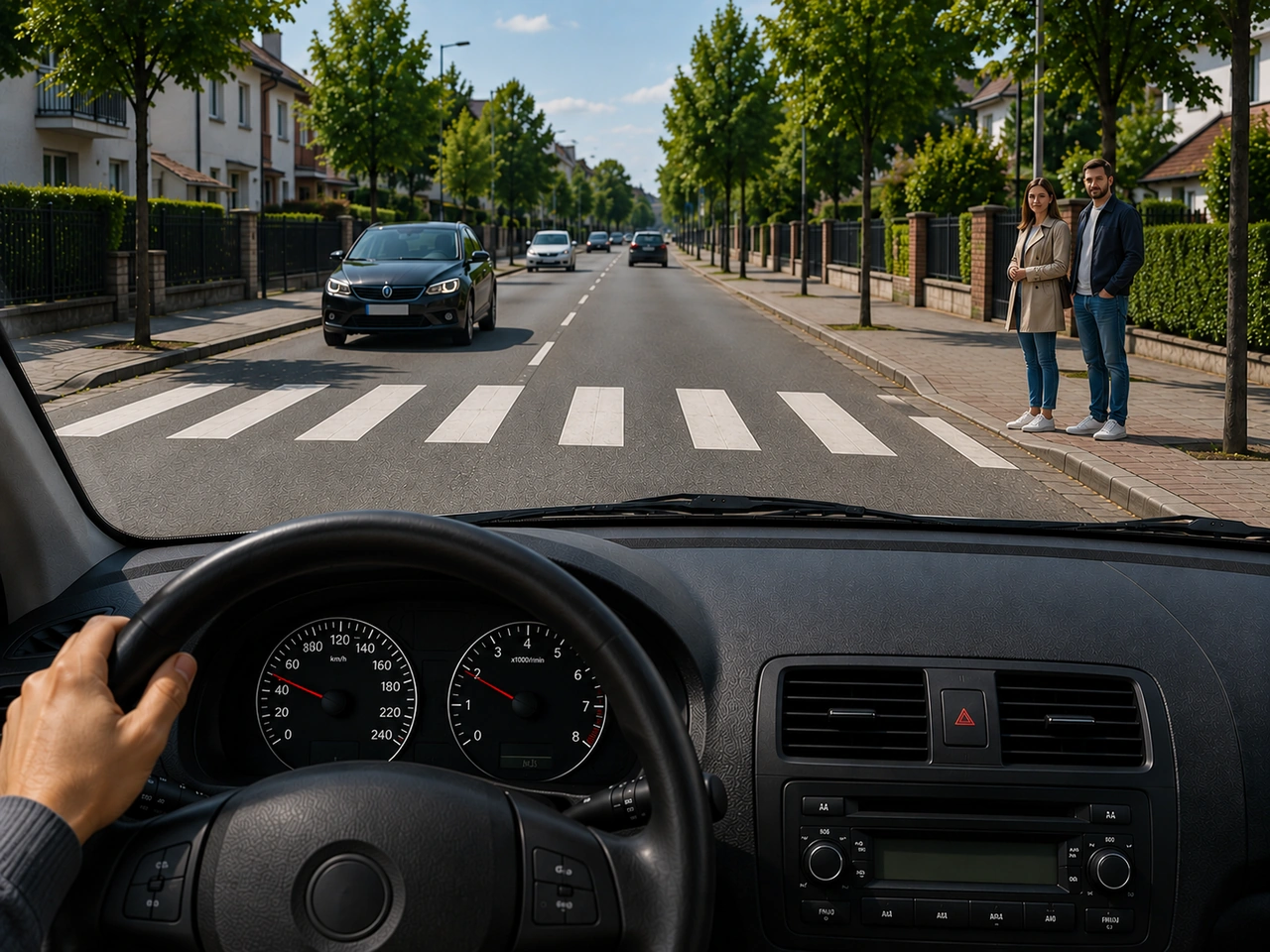
494. What should you do when people are waiting at a pedestrian crossing?
When people are waiting near a pedestrian crossing, reduce your speed and be ready to stop. Pedestrians may begin crossing at any moment.
AI-generated by Rijbewijs-online.be • WCIT • CC BY-SA
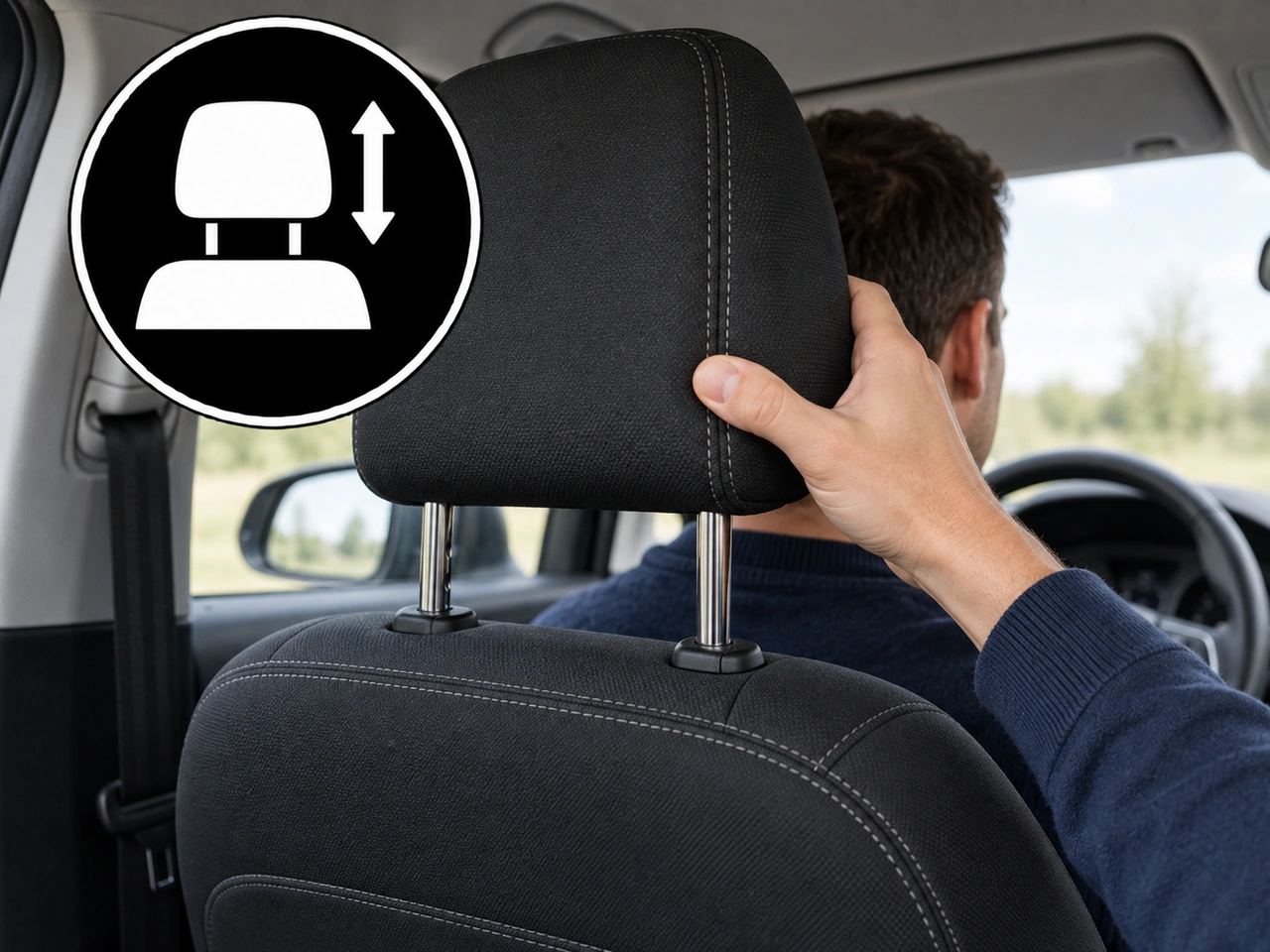
495. Why should the head restraint be adjusted correctly?
A correctly adjusted head restraint helps support the head and can reduce the risk of neck injury, especially in a rear-end collision. The top of the restraint should normally be level with the top of the head.
AI-generated by Rijbewijs-online.be • WCIT • CC BY-SA
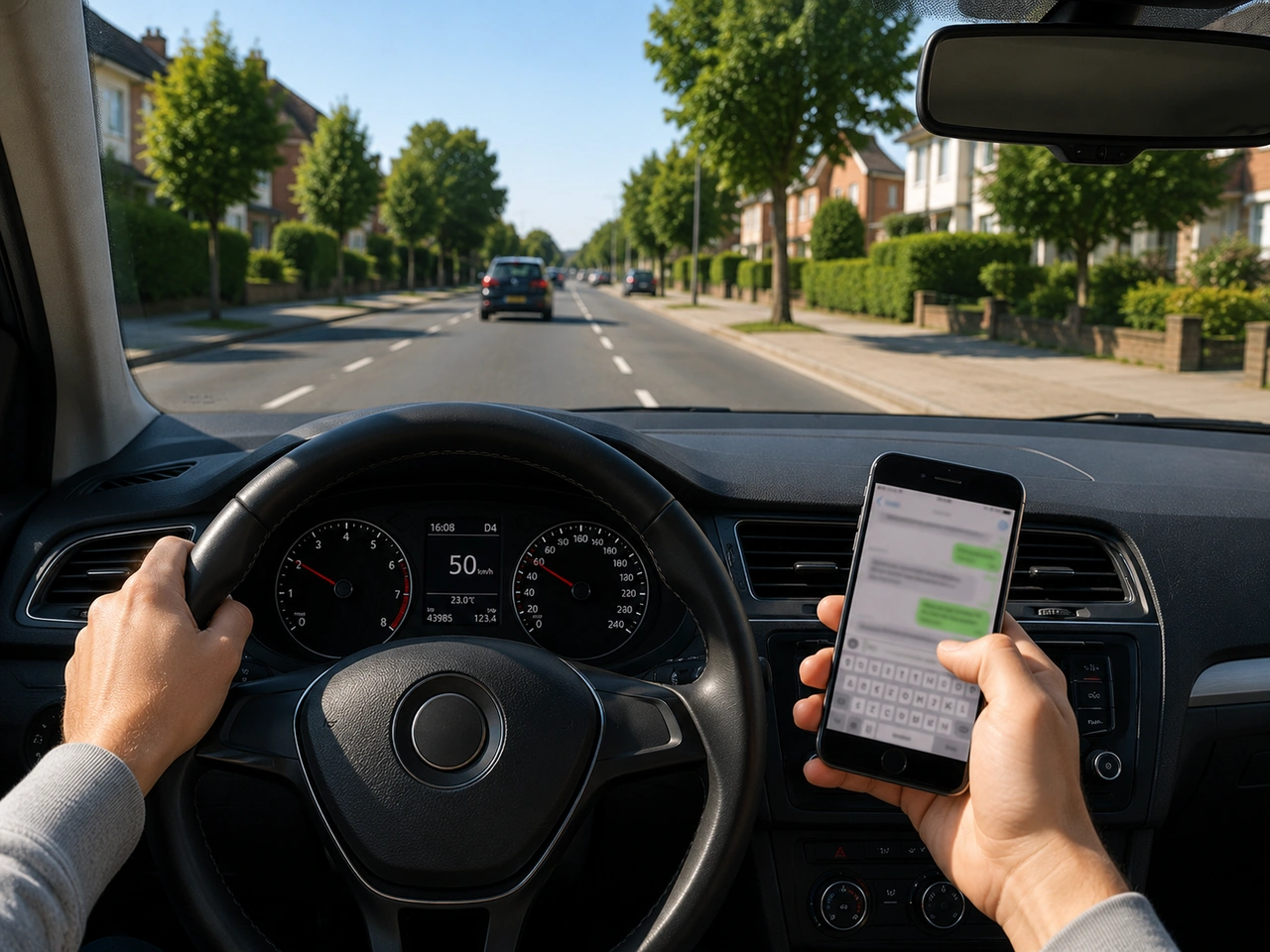
496. It is safe to look at your phone briefly while driving.
Using your phone while driving is distracting and dangerous, even for a very short moment.
AI-generated by Rijbewijs-online.be • WCIT • CC BY-SA
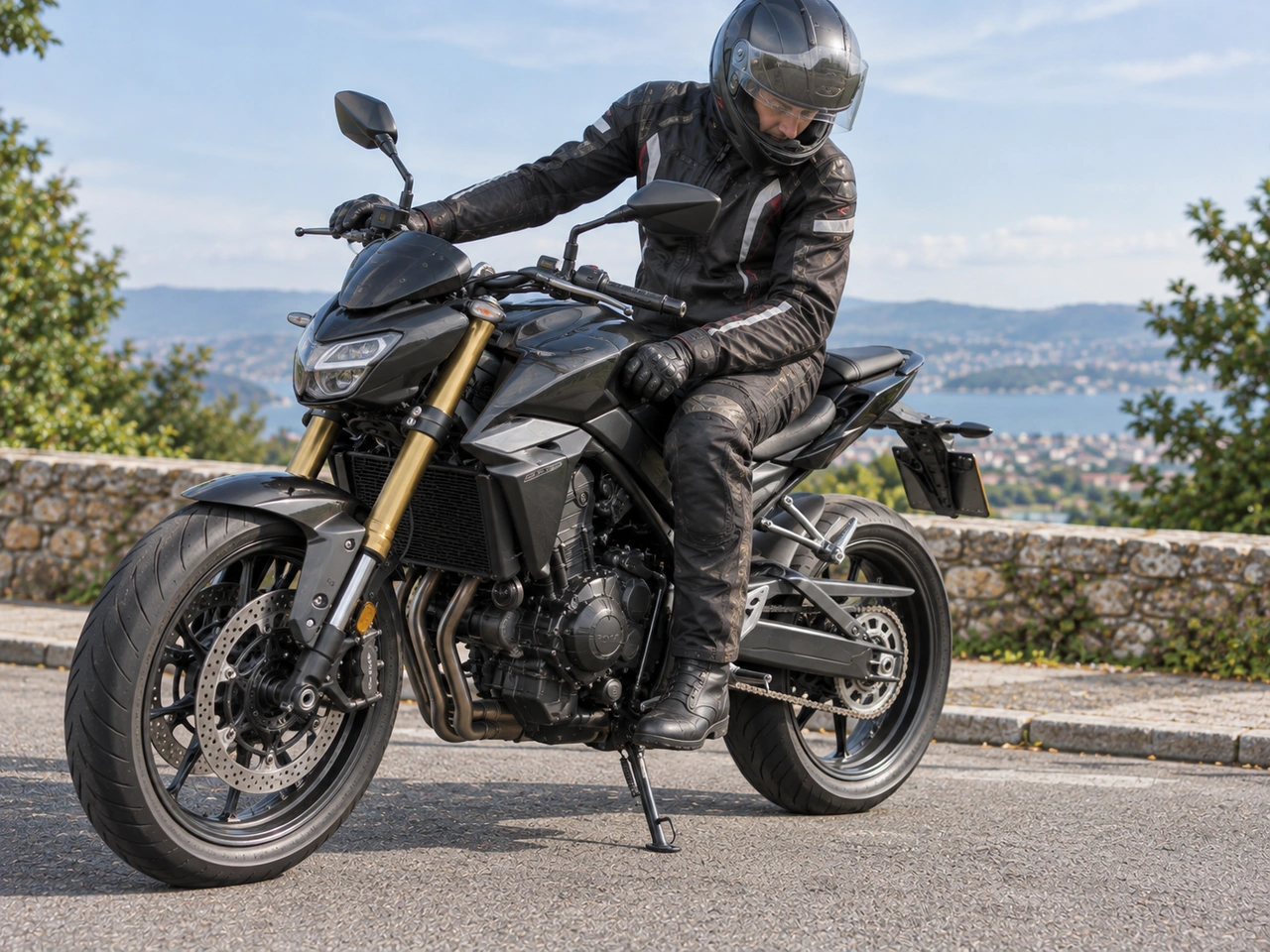
497. Should the side stand be fully raised before riding a motorcycle?
The side stand should be fully raised before riding. If it remains down, it may strike the road surface, particularly when turning, and could cause the rider to lose control.
AI-generated by Rijbewijs-online.be • WCIT • CC BY-SA
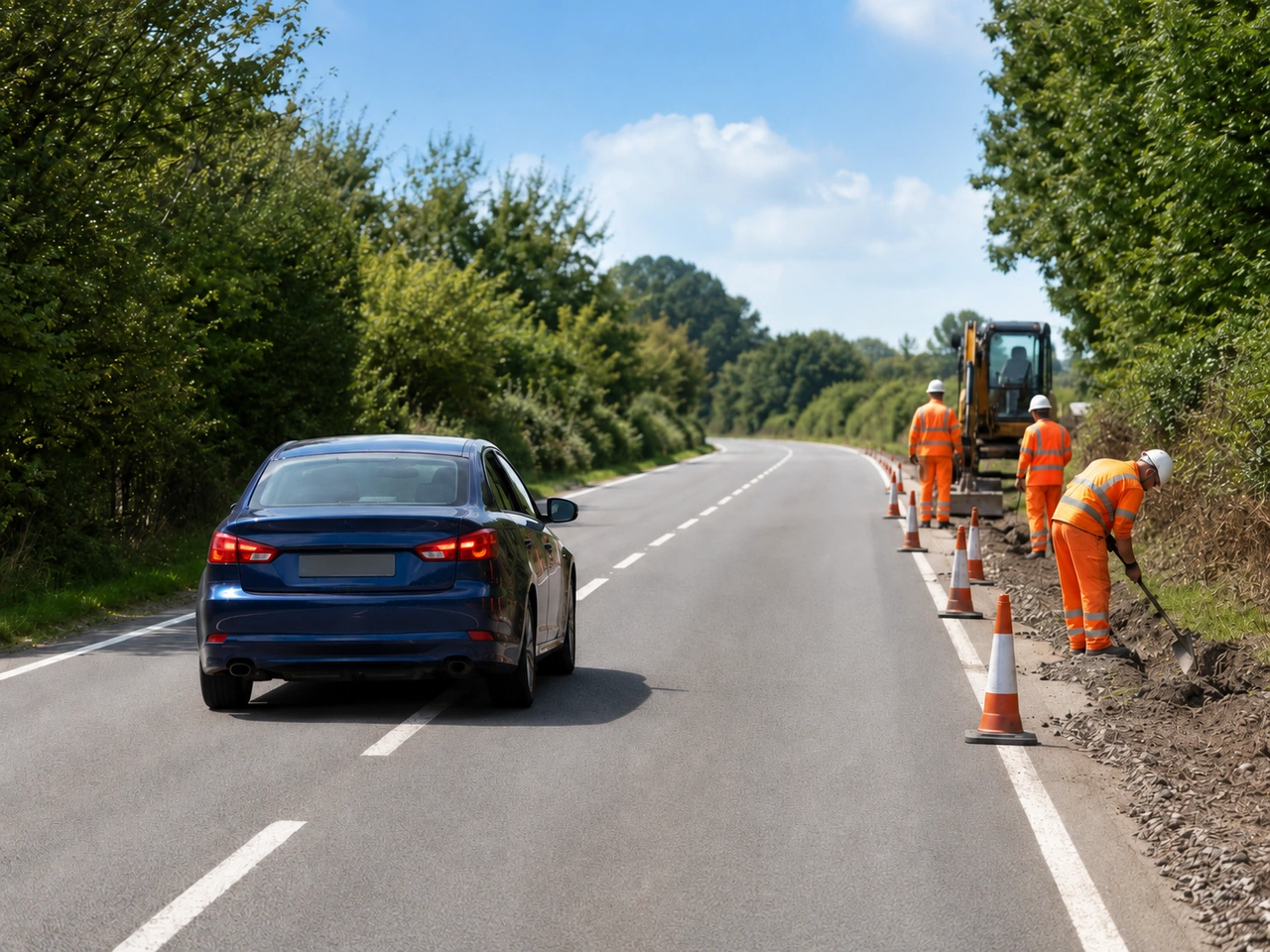
498. Why should you leave extra space when passing road workers?
Workers may be only a short distance from passing vehicles. Reduce speed and leave as much safe space as possible.
AI-generated by Rijbewijs-online.be • WCIT • CC BY-SA
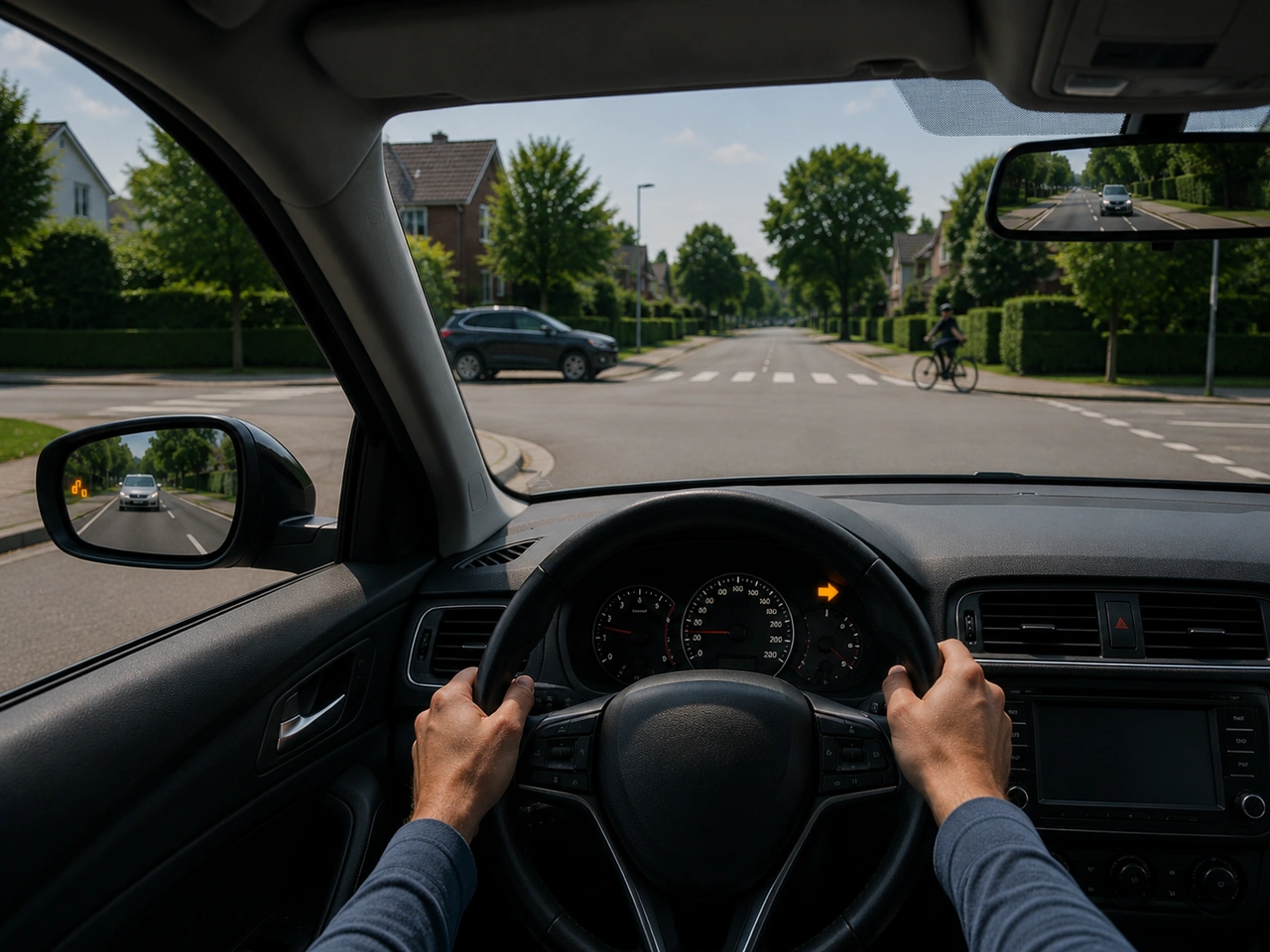
499. What should you do before making a turn?
Before turning, check your mirrors, use your indicator, and make sure the turn can be made safely.
AI-generated by Rijbewijs-online.be • WCIT • CC BY-SA
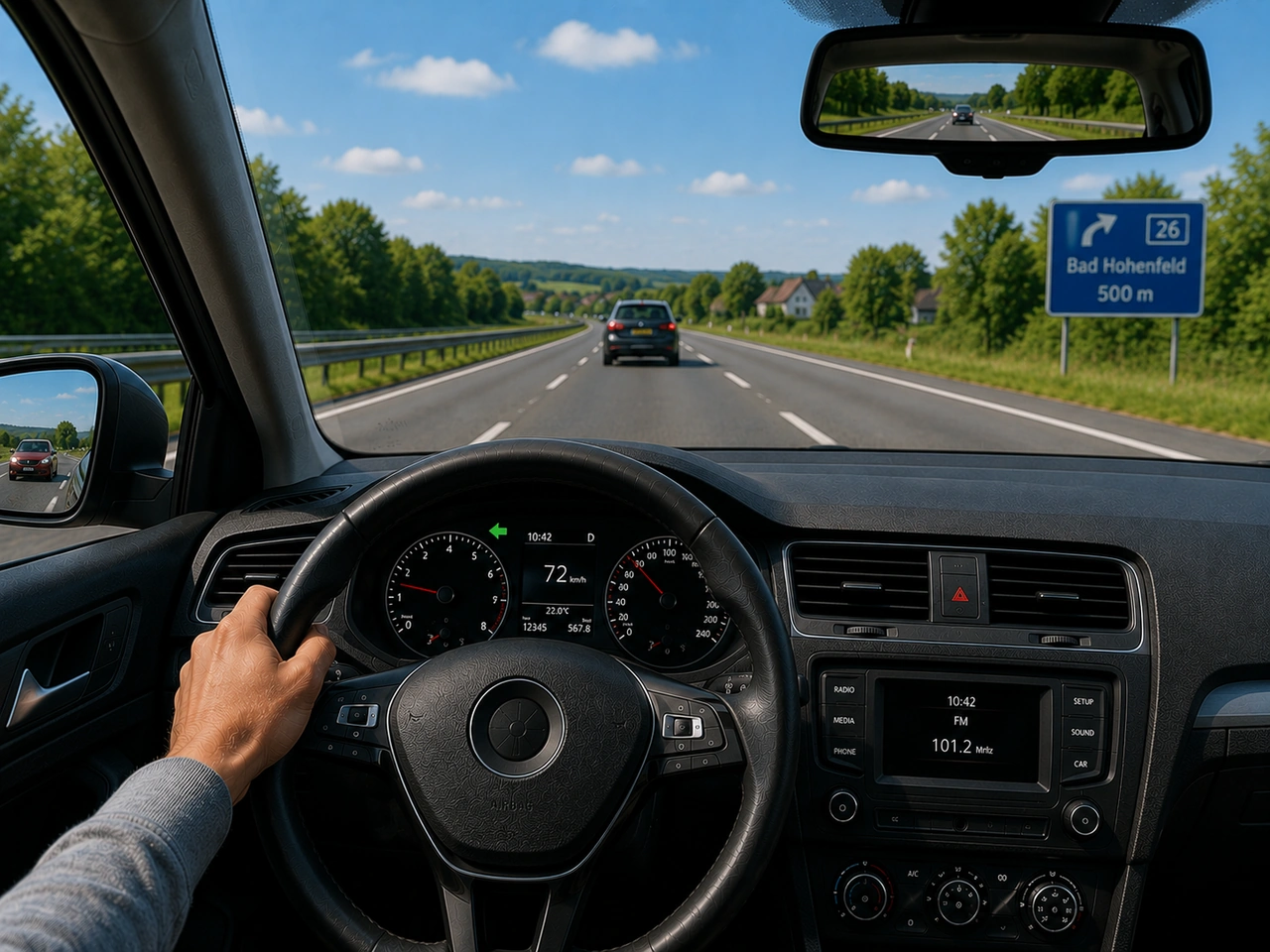
500. Using indicators helps other road users understand your intentions.
Indicators help communicate your intended direction and improve safety for everyone on the road.
AI-generated by Rijbewijs-online.be • WCIT • CC BY-SA