

QuizTraffic rulesFlanders
This interesting quiz helps you test your knowledge in a clear and visual way. With easy multiple-choice questions, you can quickly build confidence and learn new facts while keeping it simple, interactive, and fun.
 Traffic signs
 Traffic rules
 Flanders
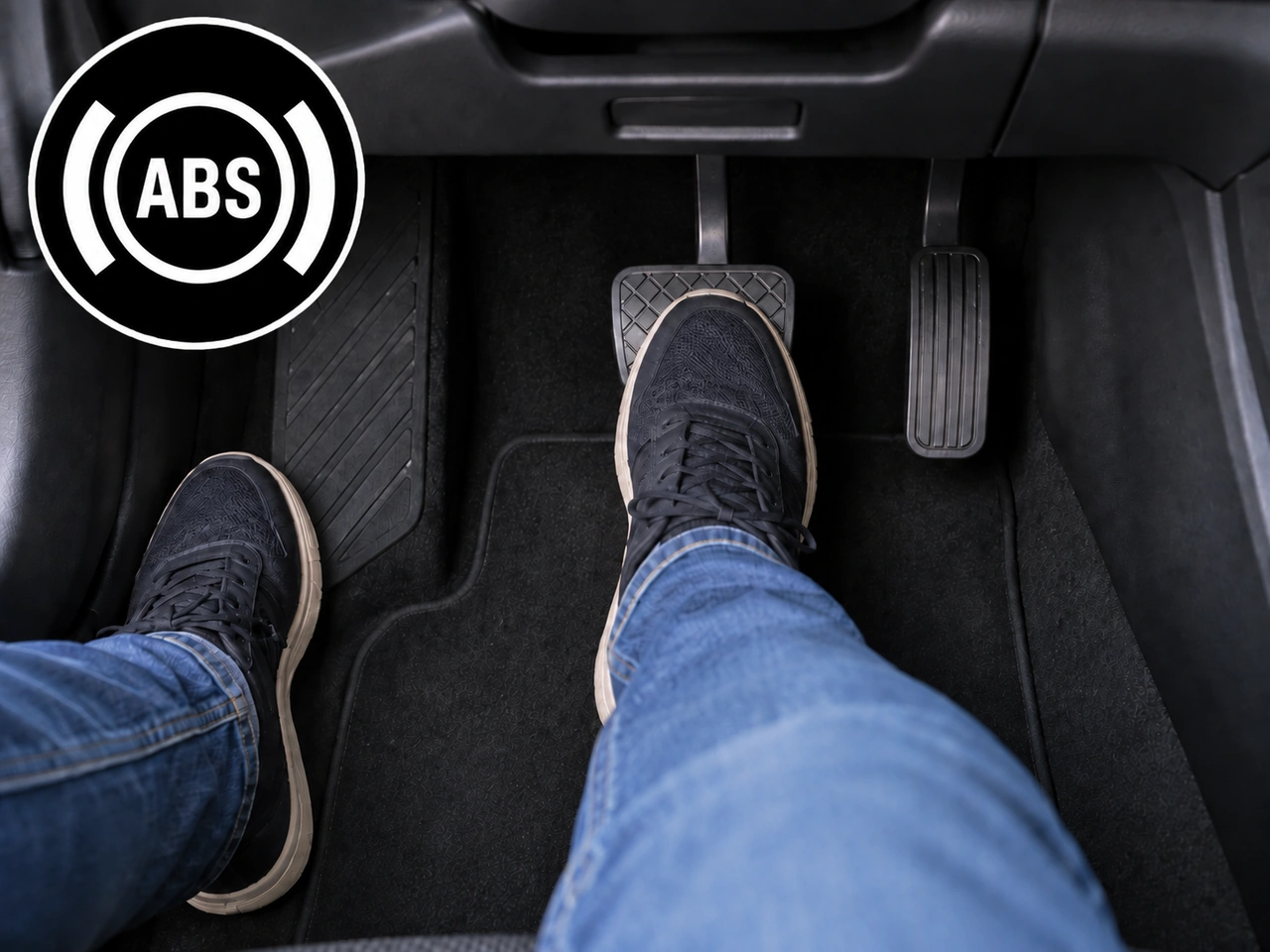
451. How should you use the brake pedal during emergency braking in a vehicle with ABS?
During emergency braking with ABS, press the brake pedal firmly and keep it pressed. Pulsation or vibration through the pedal can be normal while ABS is operating, so do not pump or release the brake.
AI-generated by Rijbewijs-online.be • WCIT • CC BY-SA

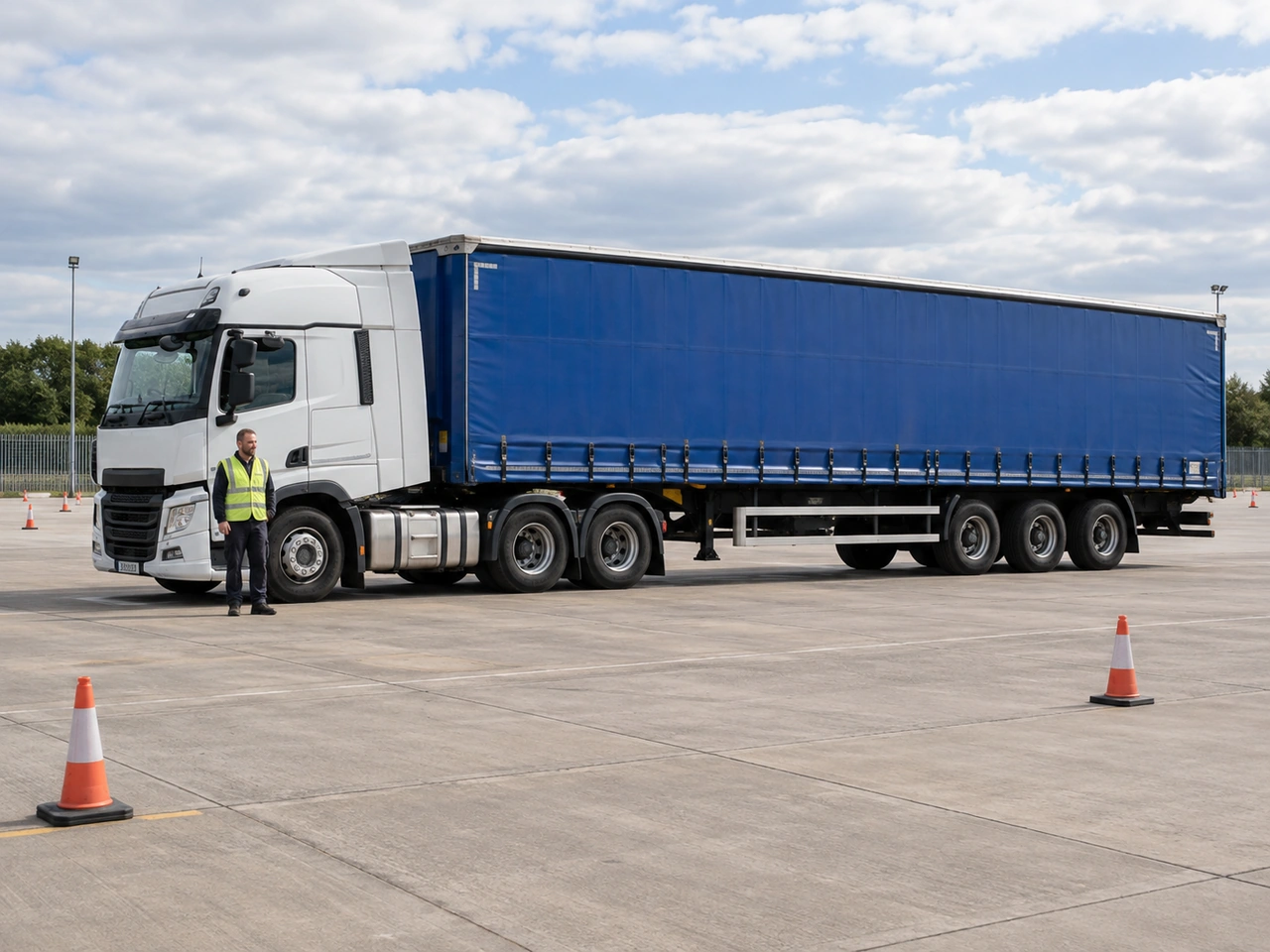
452. What is the minimum licence for a C vehicle towing a trailer over 750 kg?
Category C permits a trailer with a maximum authorised mass of up to 750 kg. A category C vehicle towing a trailer or semi-trailer above 750 kg requires category CE.
AI-generated by Rijbewijs-online.be • WCIT • CC BY-SA
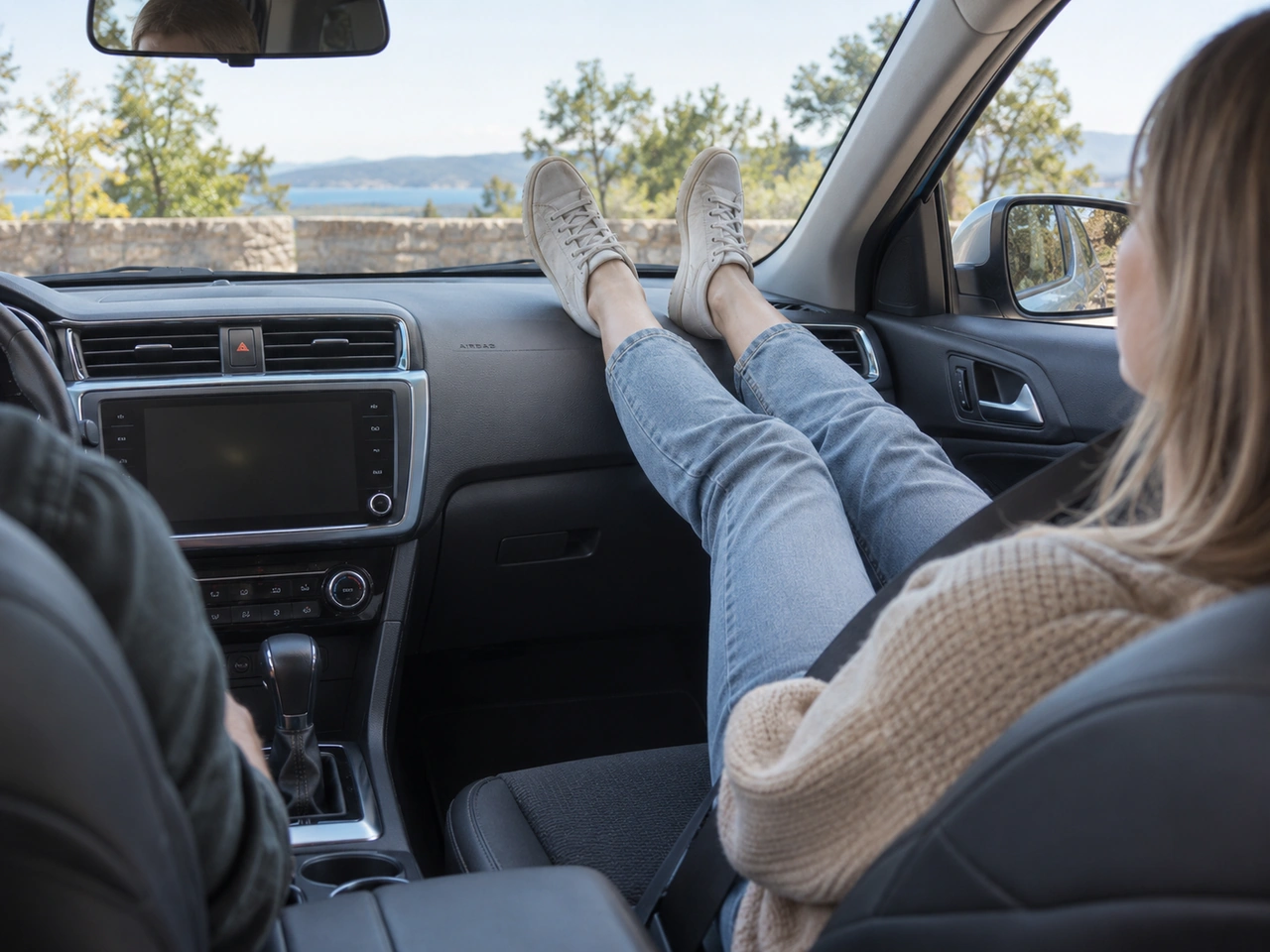
453. Why should a front passenger keep their feet off the dashboard?
A front airbag deploys very quickly and with considerable force. If a passenger has their feet or legs on the dashboard, airbag deployment can force their legs backwards and greatly increase the risk of serious injury. Passengers should sit normally with their feet in the footwell and wear their seat belts correctly. The driver should make sure everyone is seated and restrained safely before setting off.
AI-generated by Rijbewijs-online.be • WCIT • CC BY-SA
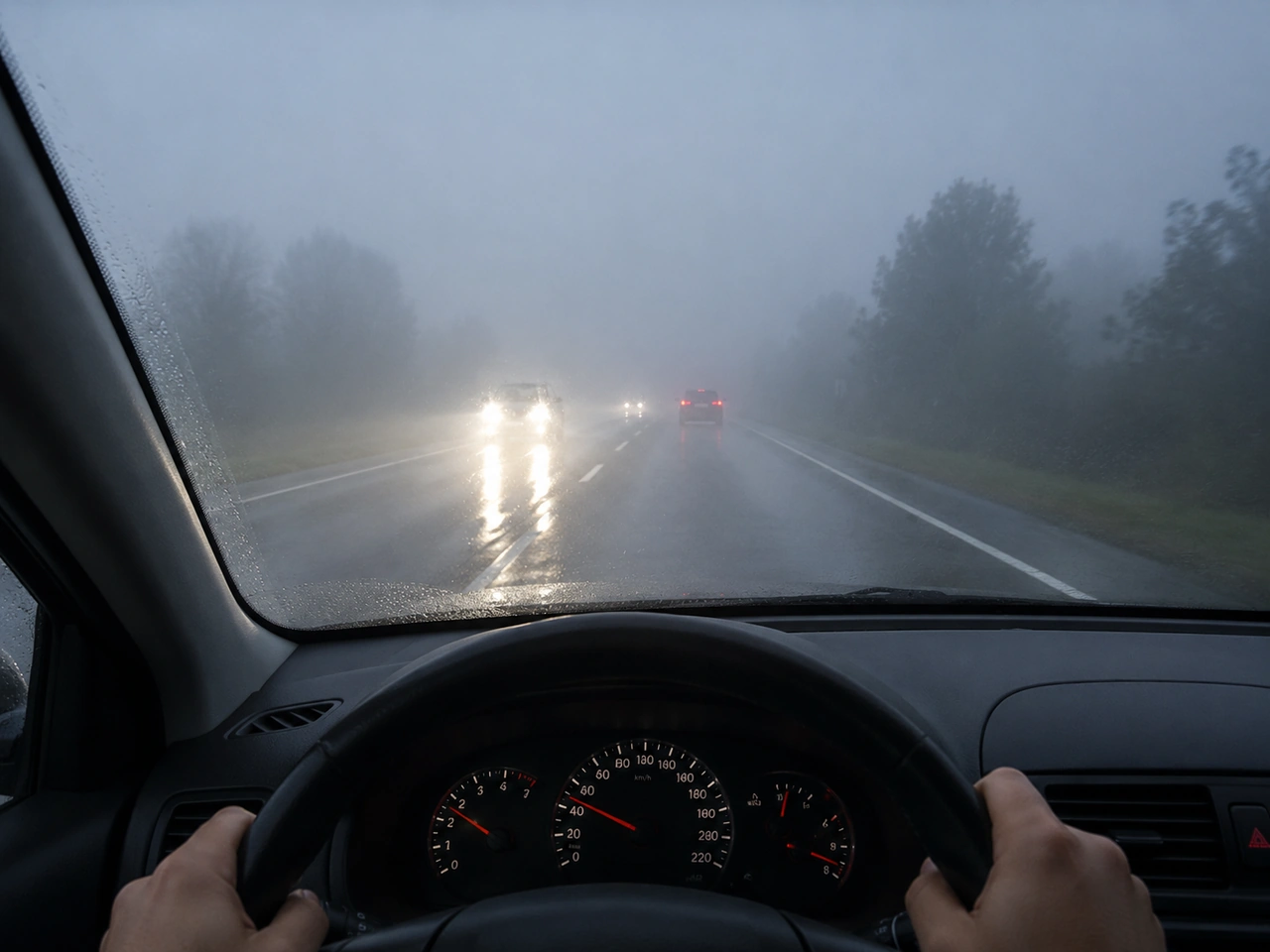
454. Why should you use headlights in poor visibility?
Headlights help you see the road and make your vehicle more visible to other road users in fog, rain, darkness, or poor weather.
AI-generated by Rijbewijs-online.be • WCIT • CC BY-SA
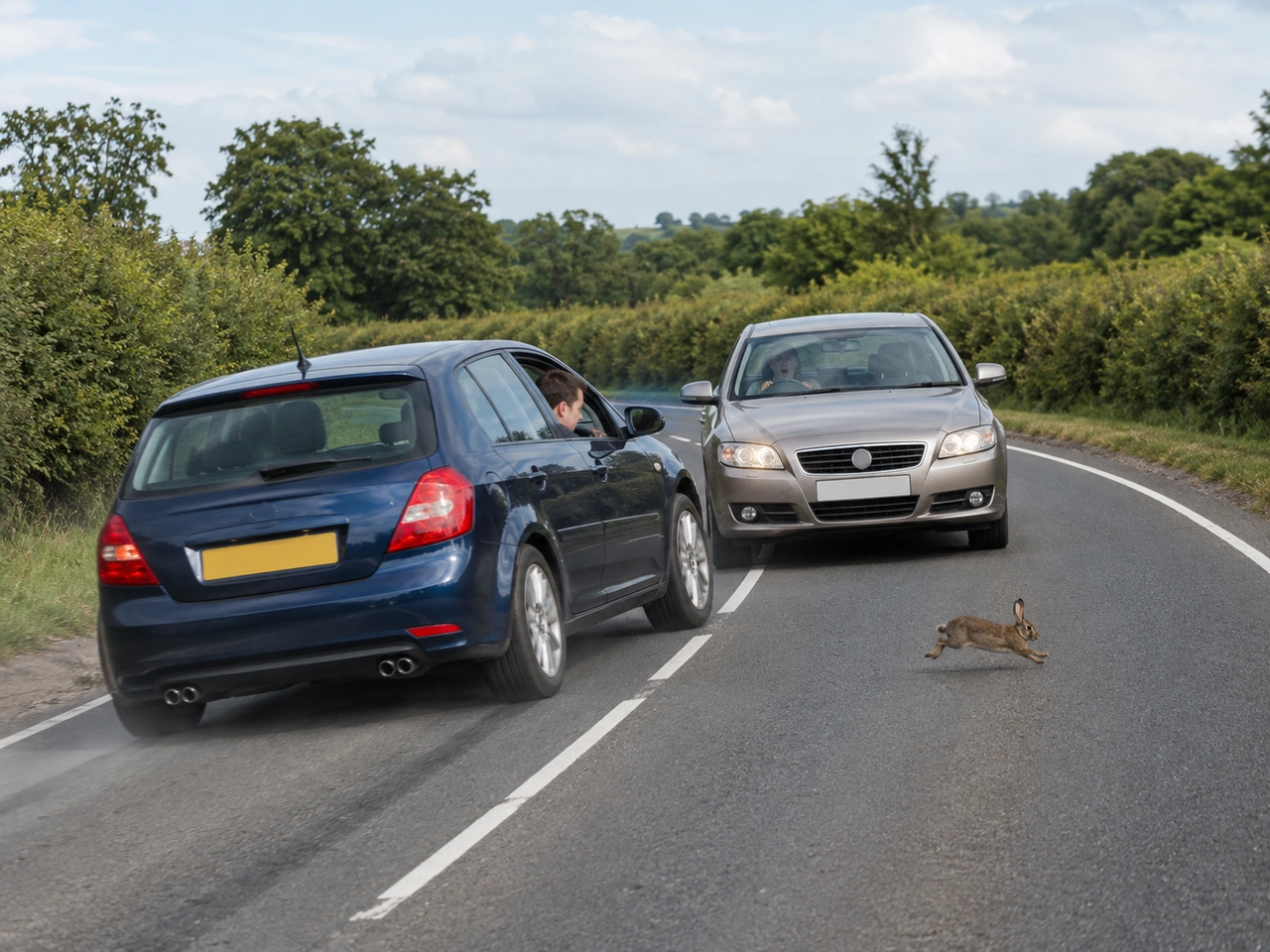
455. Why can swerving suddenly to avoid a small animal be dangerous?
A sudden swerve can take you into another lane, off the road, or into nearby traffic.
AI-generated by Rijbewijs-online.be • WCIT • CC BY-SA
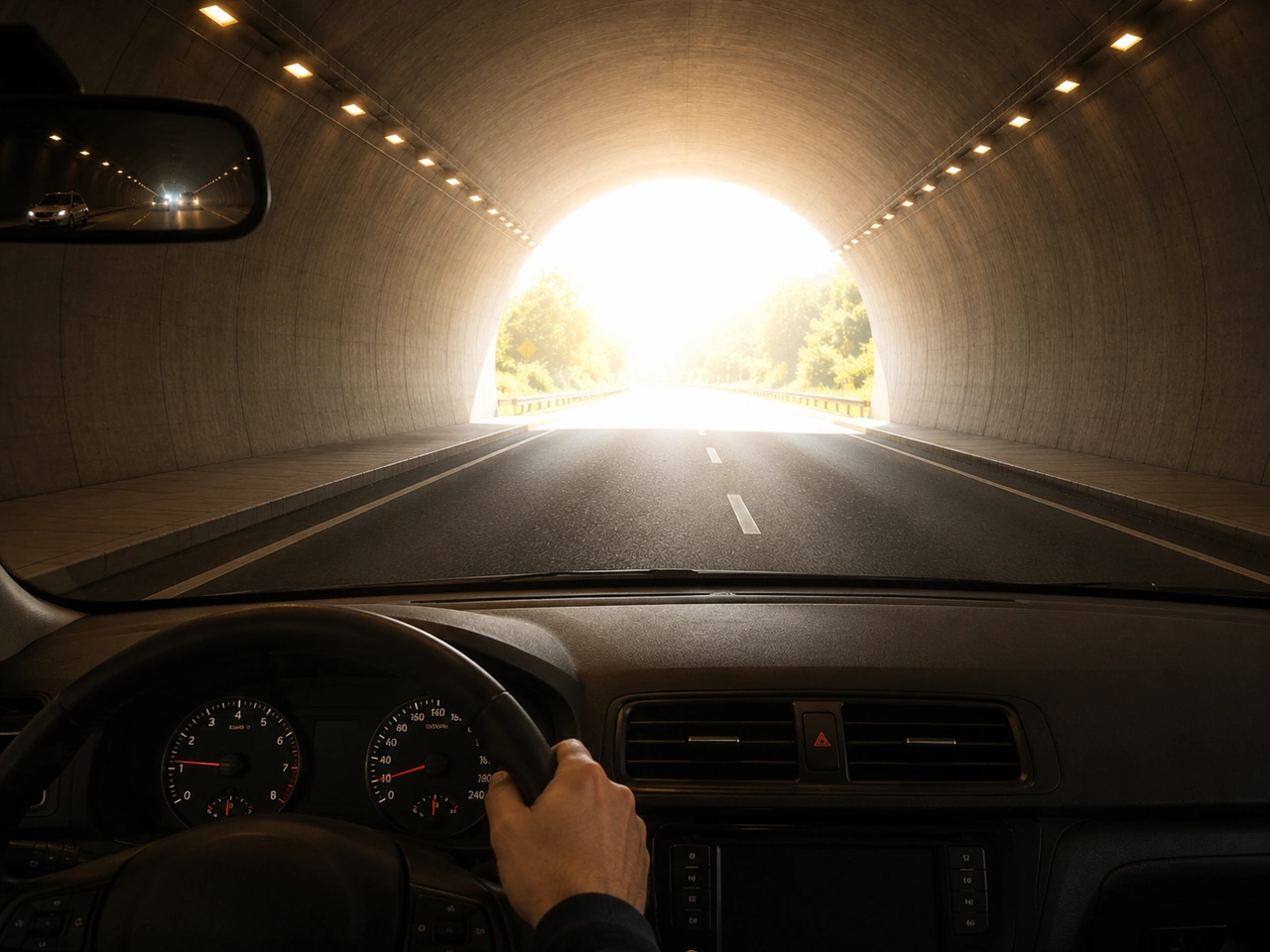
456. What should you expect when leaving a tunnel in bright sunlight?
Your eyes may need time to adjust from the darker tunnel to bright daylight. Reduce speed if necessary and remain alert.
AI-generated by Rijbewijs-online.be • WCIT • CC BY-SA
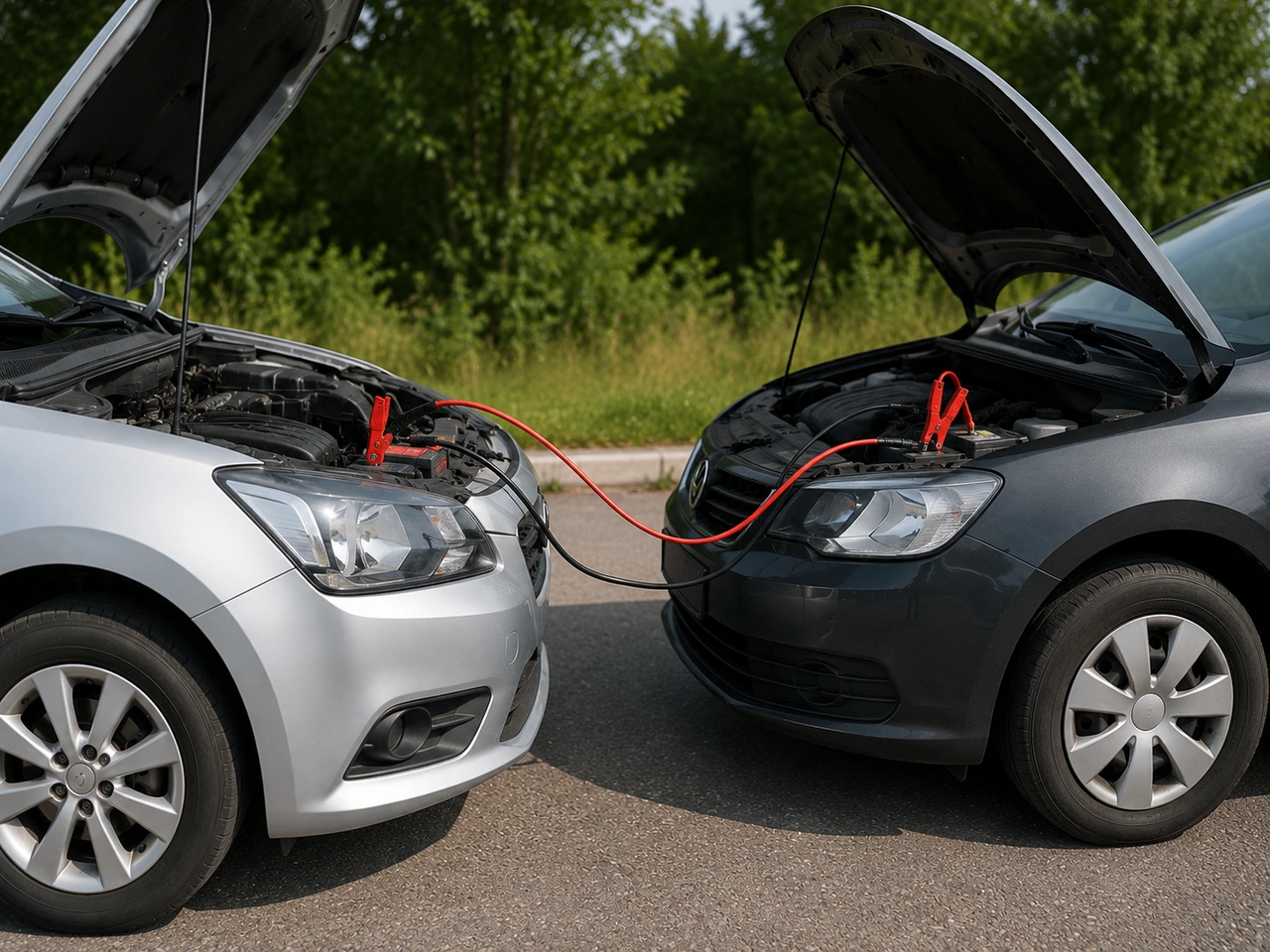
457. What should you do before attempting to jump-start a vehicle?
Incorrect jump-starting can damage electrical systems, cause sparks, or make a battery explode. Connect the leads in the correct order before starting the vehicles, and follow the manufacturer's procedure exactly.
AI-generated by Rijbewijs-online.be • WCIT • CC BY-SA
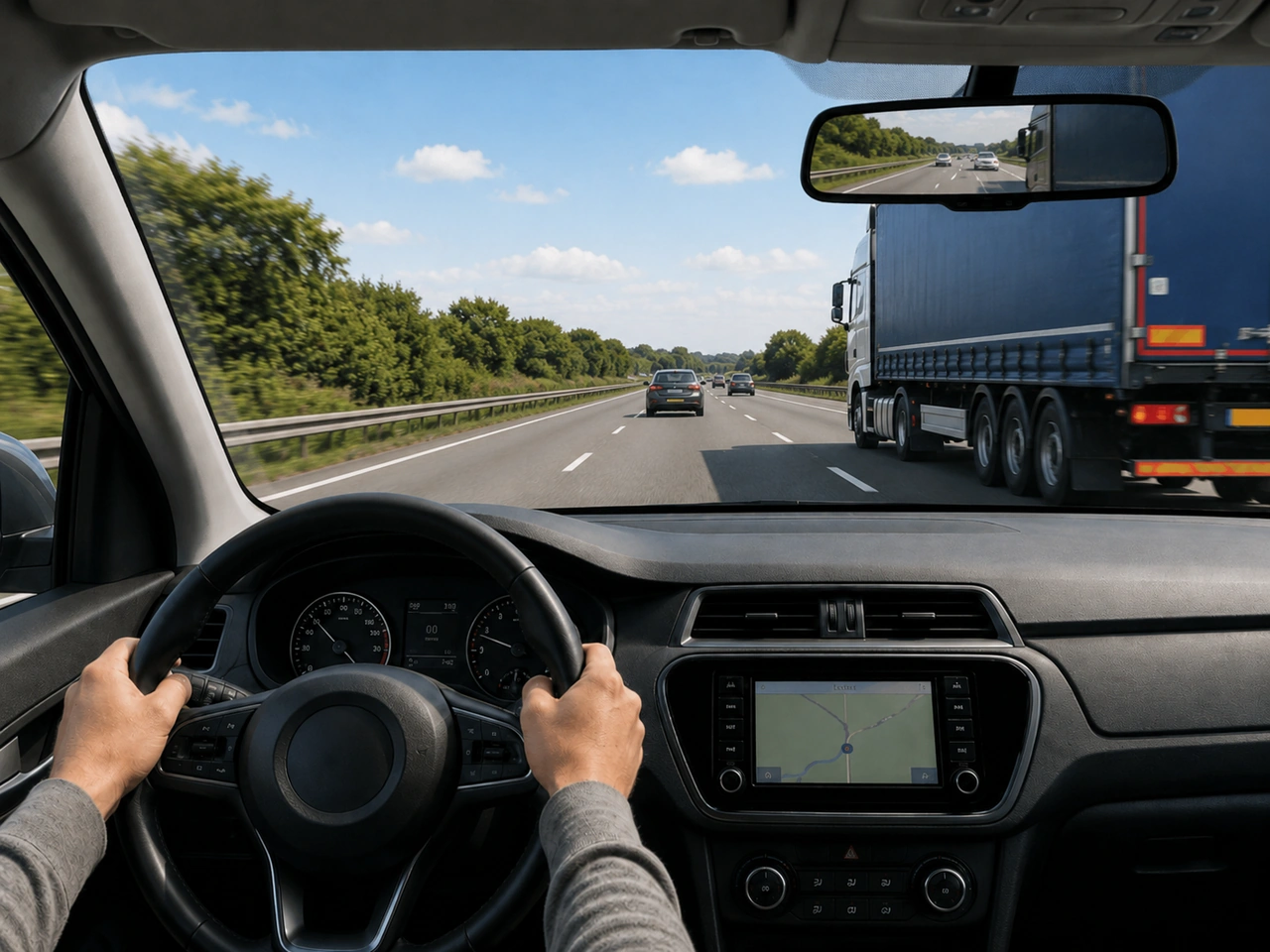
458. It is safer to drive faster than the speed limit when overtaking.
You must still drive safely and obey traffic laws. Speeding increases risk and is not automatically justified by overtaking.
AI-generated by Rijbewijs-online.be • WCIT • CC BY-SA
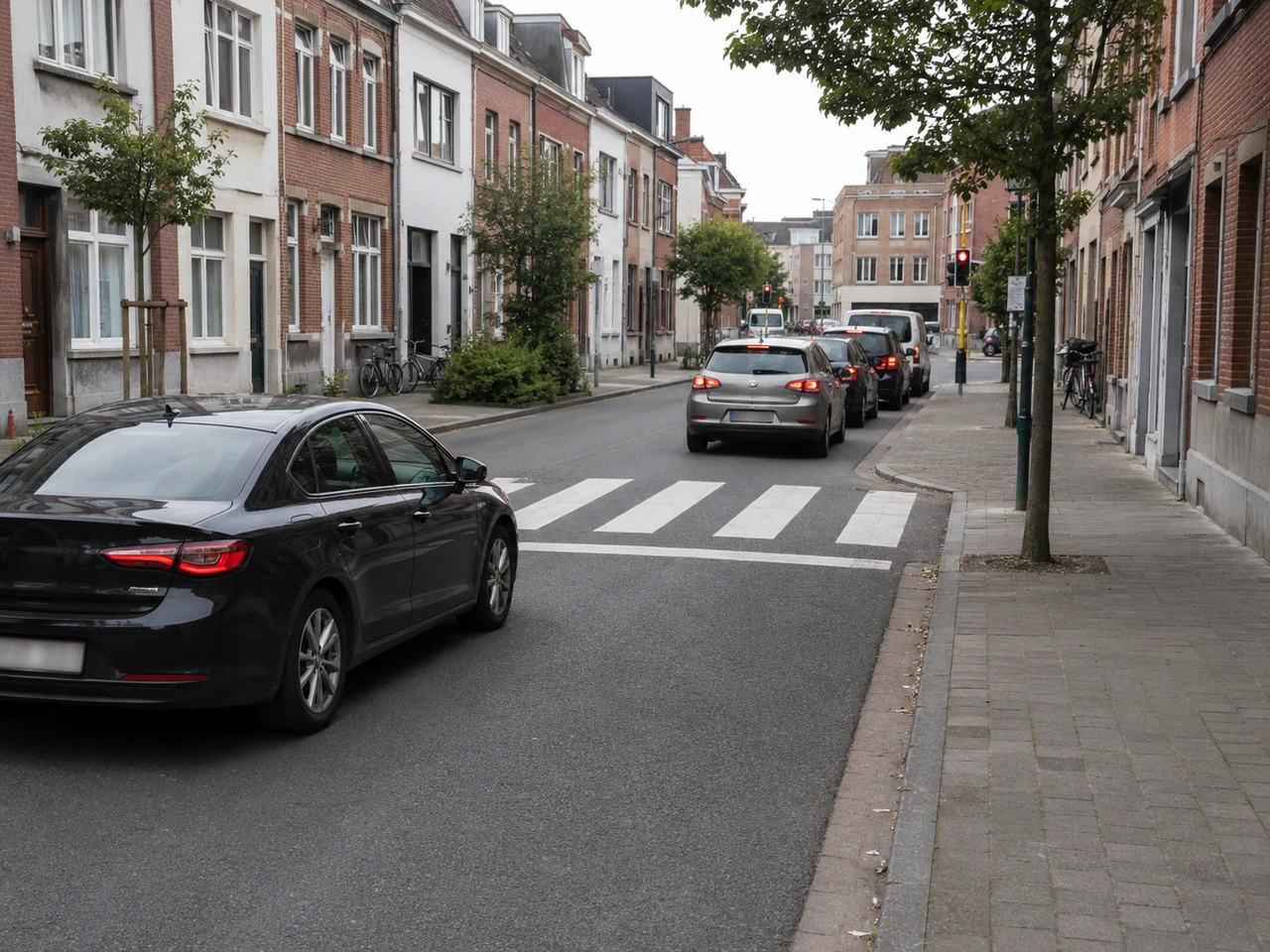
459. May you enter a pedestrian crossing when traffic ahead is blocked?
You must not enter a pedestrian crossing when congestion would probably force you to stop on it.
AI-generated by Rijbewijs-online.be • WCIT • CC BY-SA
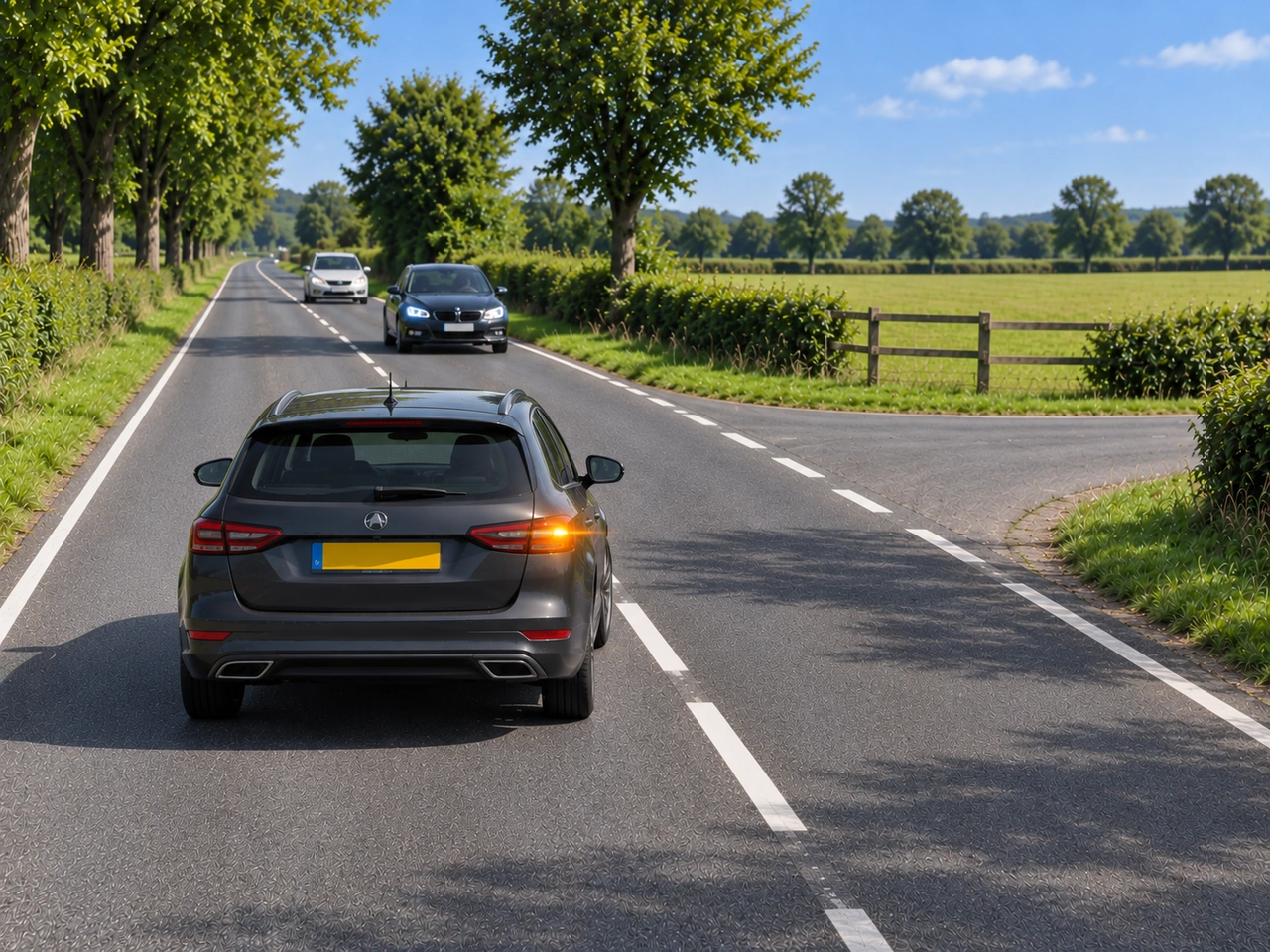
460. Why should you be careful when turning across oncoming traffic?
Turning across traffic requires careful observation. Misjudging speed or distance can lead to a serious collision.
AI-generated by Rijbewijs-online.be • WCIT • CC BY-SA
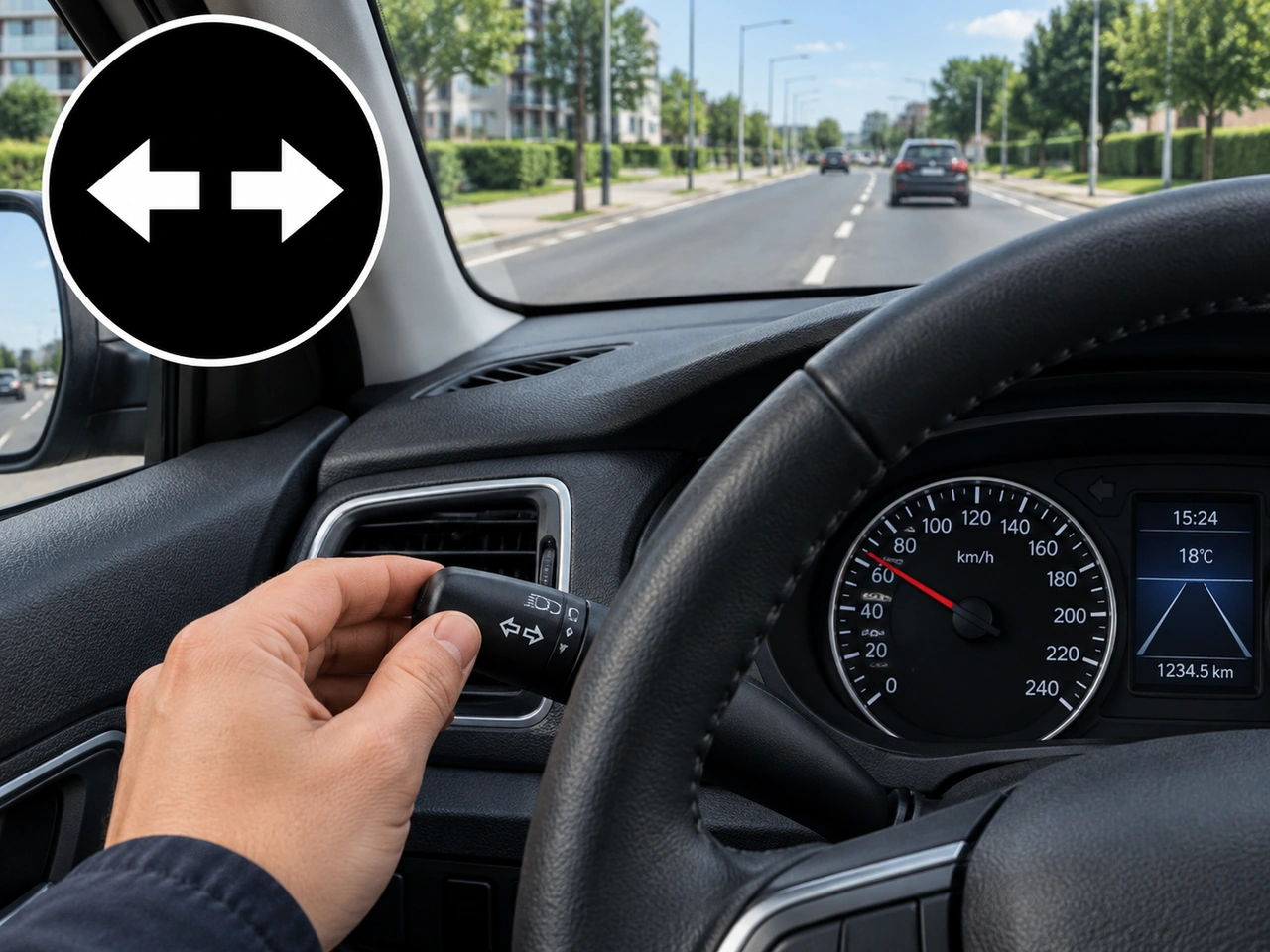
461. What should you do if a direction indicator does not cancel after a turn?
Direction indicators often cancel automatically after a turn, but if an indicator remains on, return the indicator control to its neutral position so you do not mislead other road users.
AI-generated by Rijbewijs-online.be • WCIT • CC BY-SA
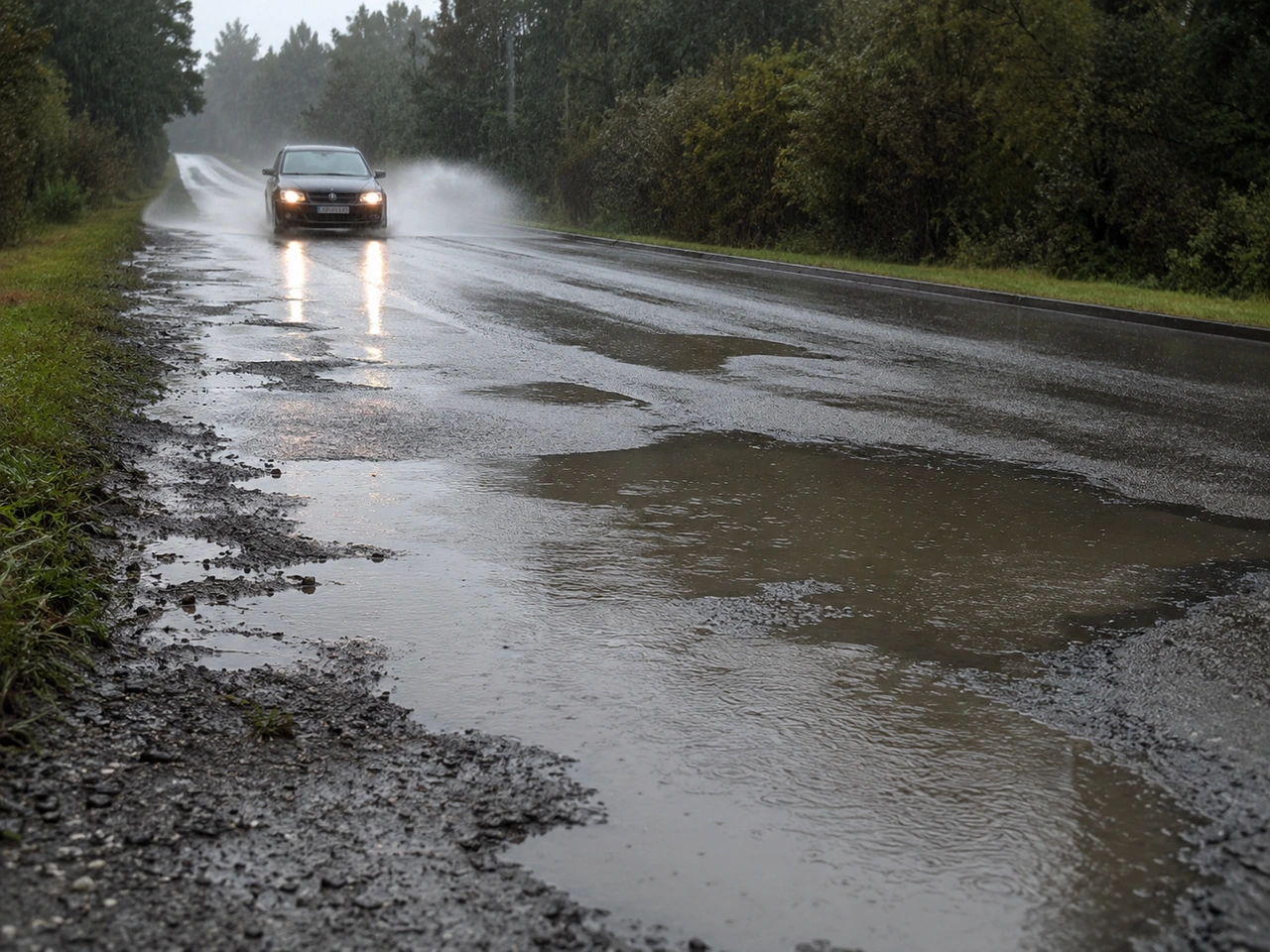
462. Which roads are most likely to cause aquaplaning?
Standing water can collect in dips, ruts, or puddles, increasing the chance that tyres will lose grip.
AI-generated by Rijbewijs-online.be • WCIT • CC BY-SA
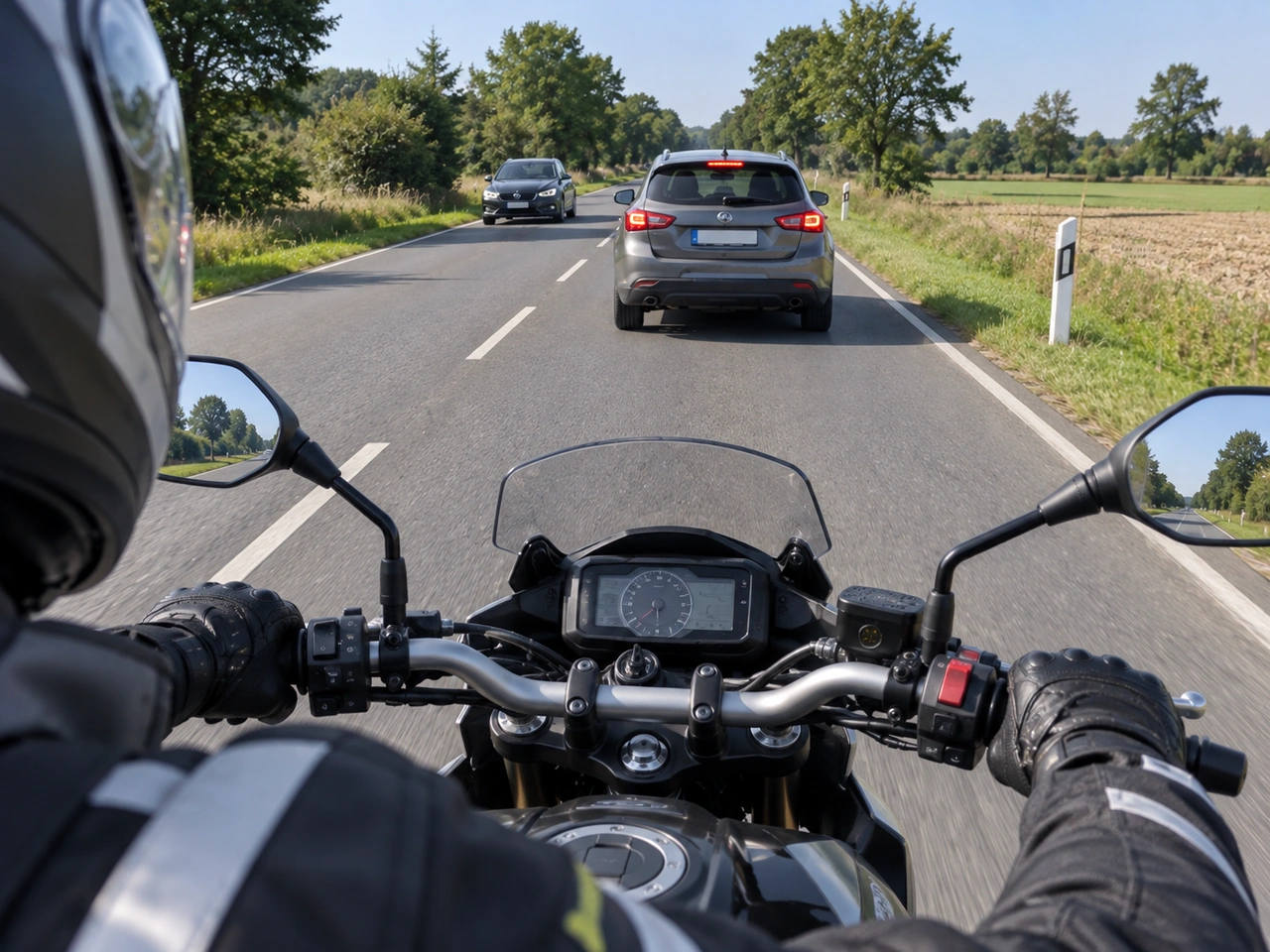
463. How should you normally brake on a motorcycle?
During normal braking, use both the front and rear brakes smoothly and progressively. The front brake normally provides much of the braking force, while the rear brake also helps slow and stabilise the motorcycle. Sudden or poorly balanced braking can reduce stability or cause a wheel to lose grip.
AI-generated by Rijbewijs-online.be • WCIT • CC BY-SA
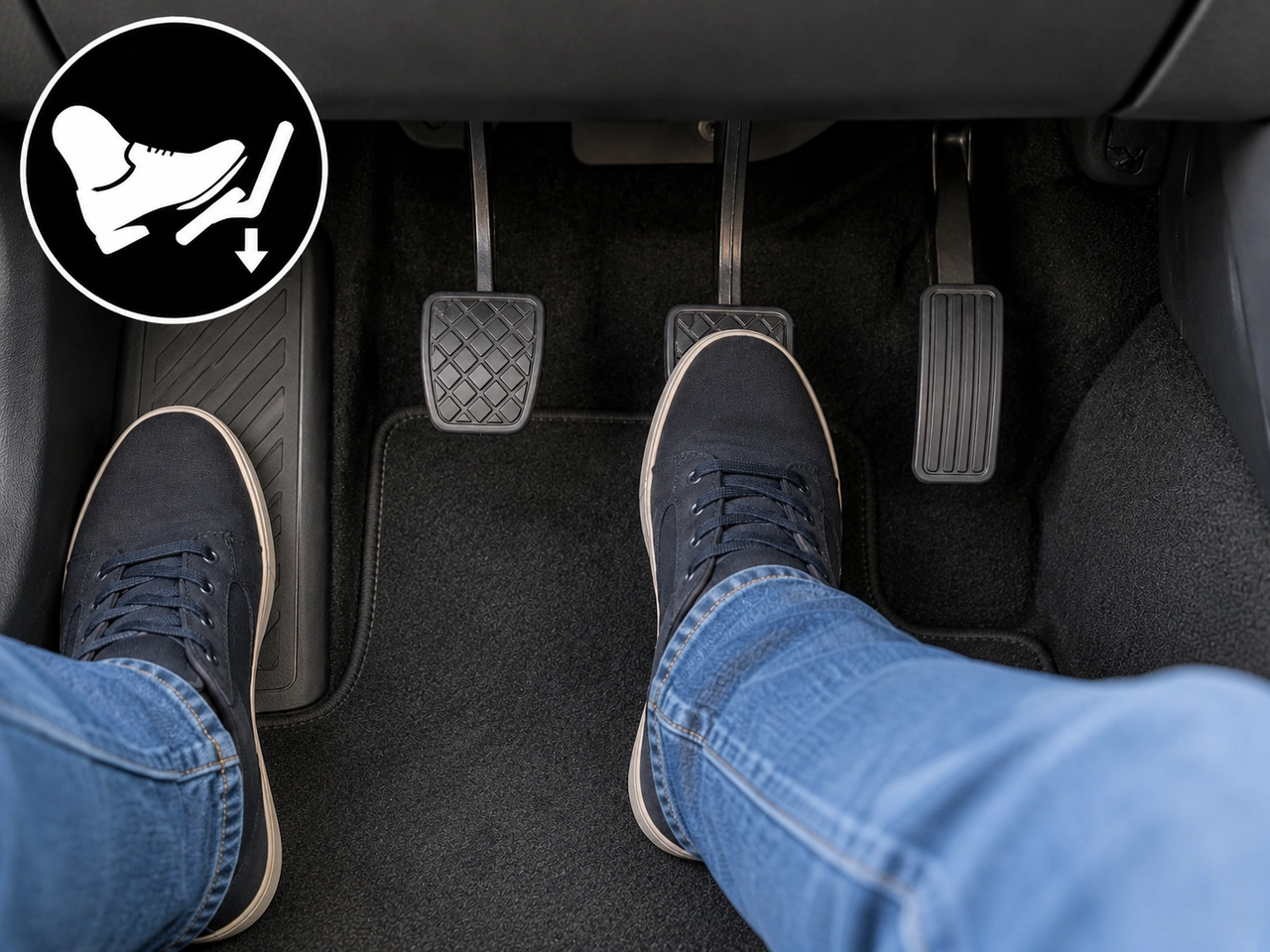
464. How should you normally apply the brake pedal for a smooth stop?
For normal braking, apply the brake pedal progressively and smoothly. As the vehicle comes to a stop, easing the pressure slightly can help avoid a sudden jerk.
AI-generated by Rijbewijs-online.be • WCIT • CC BY-SA
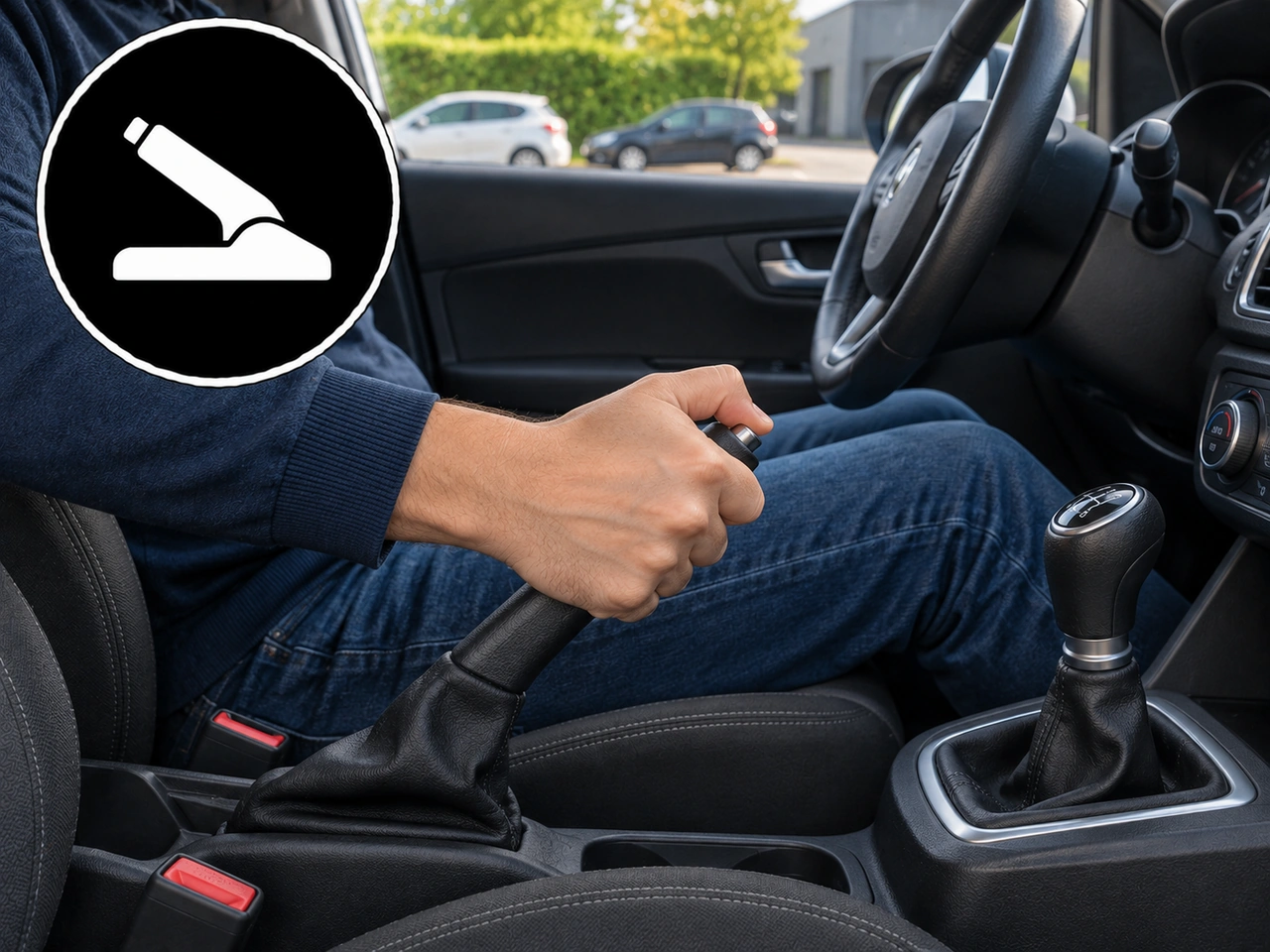
465. What should you do with the parking brake before leaving a parked vehicle?
Before leaving a parked vehicle, apply the parking brake securely to help prevent unintended movement. Also select the appropriate gear or transmission position for parking.
AI-generated by Rijbewijs-online.be • WCIT • CC BY-SA
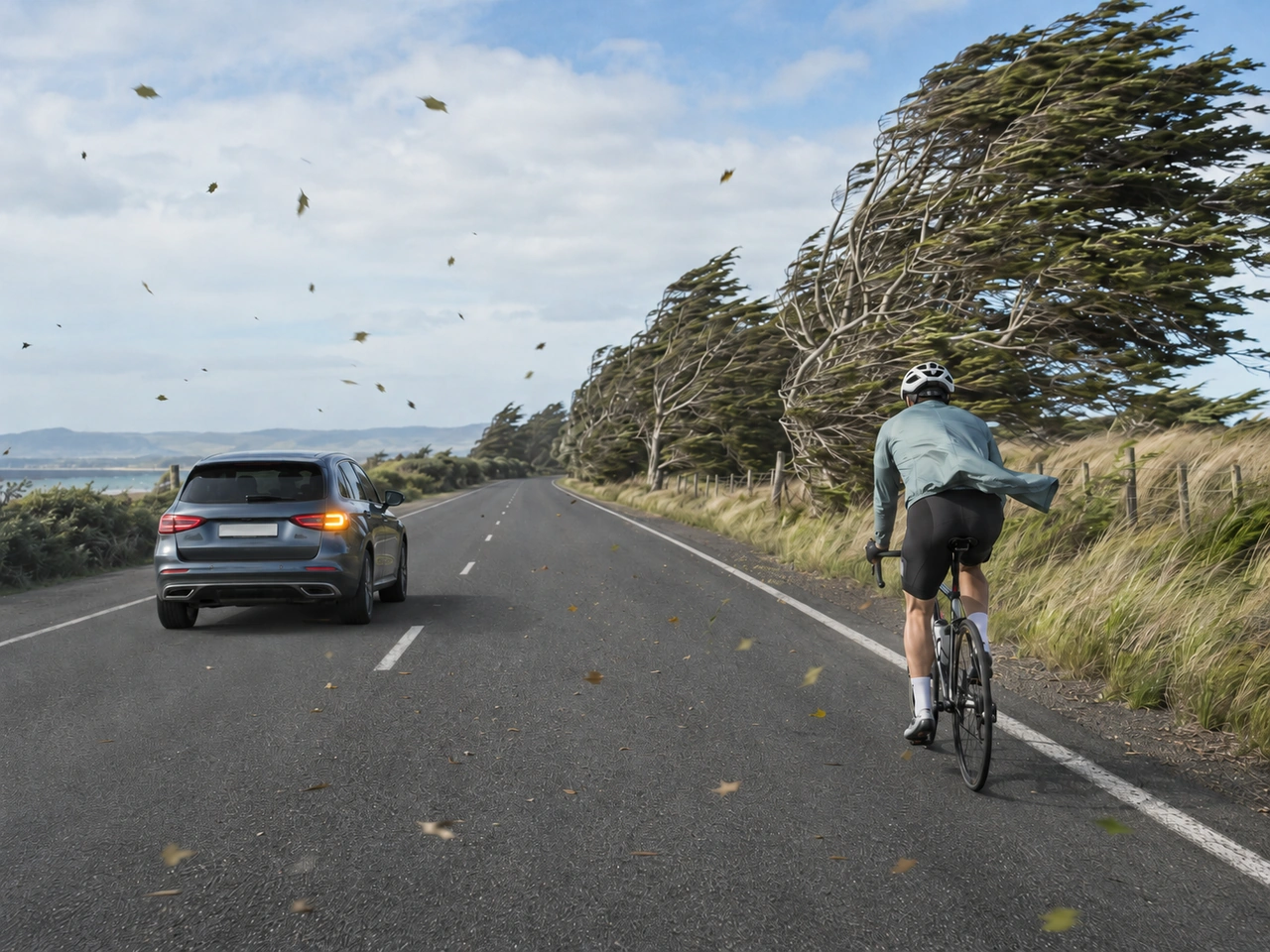
466. Why should you leave extra space when passing cyclists in strong winds?
Strong gusts can affect cyclists' balance and direction. Extra passing space reduces the risk of a collision.
AI-generated by Rijbewijs-online.be • WCIT • CC BY-SA
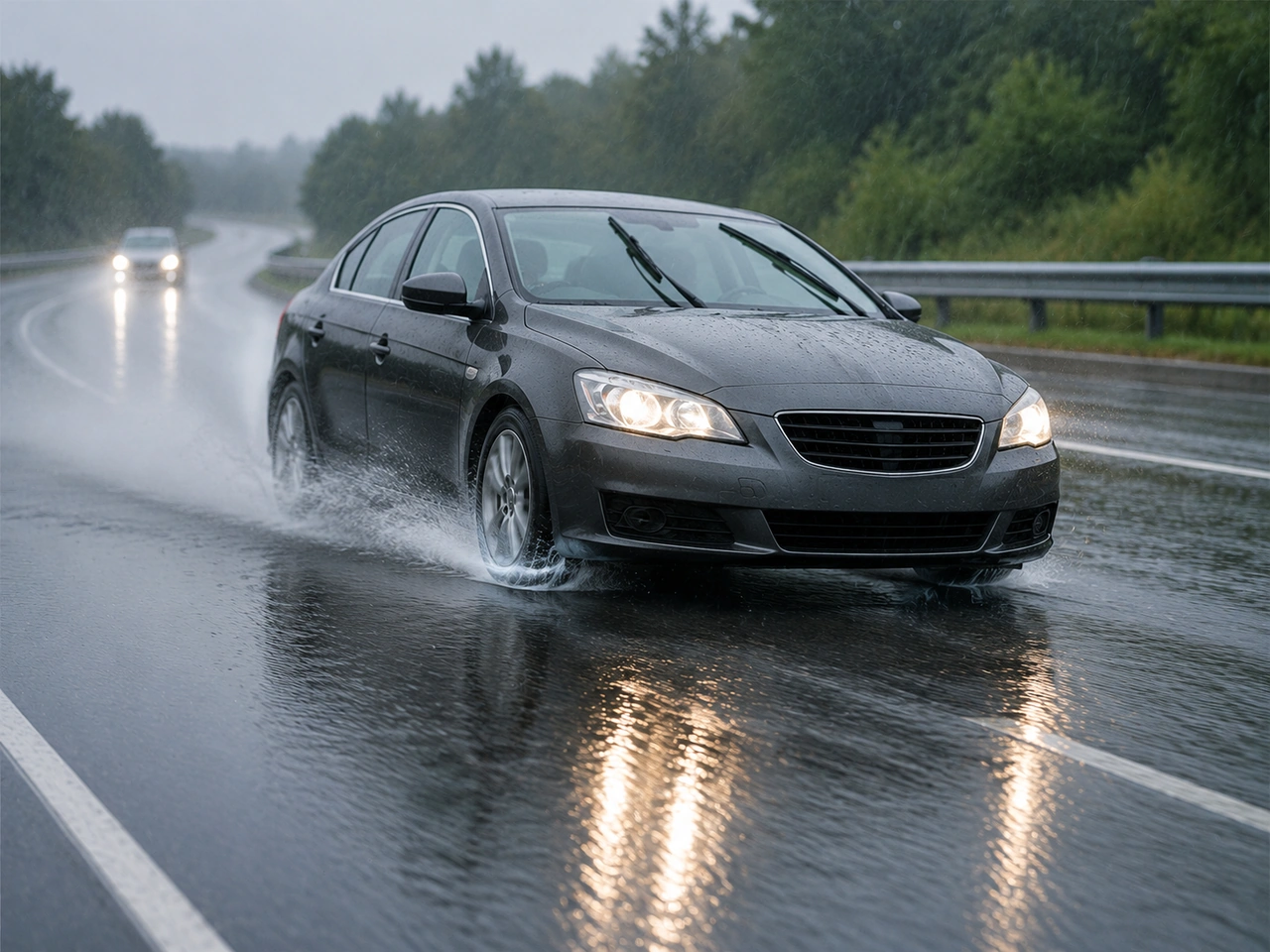
467. What is aquaplaning?
Aquaplaning occurs when water builds up between the tyres and the road, causing a loss of grip and control. The risk increases at higher speeds.
AI-generated by Rijbewijs-online.be • WCIT • CC BY-SA
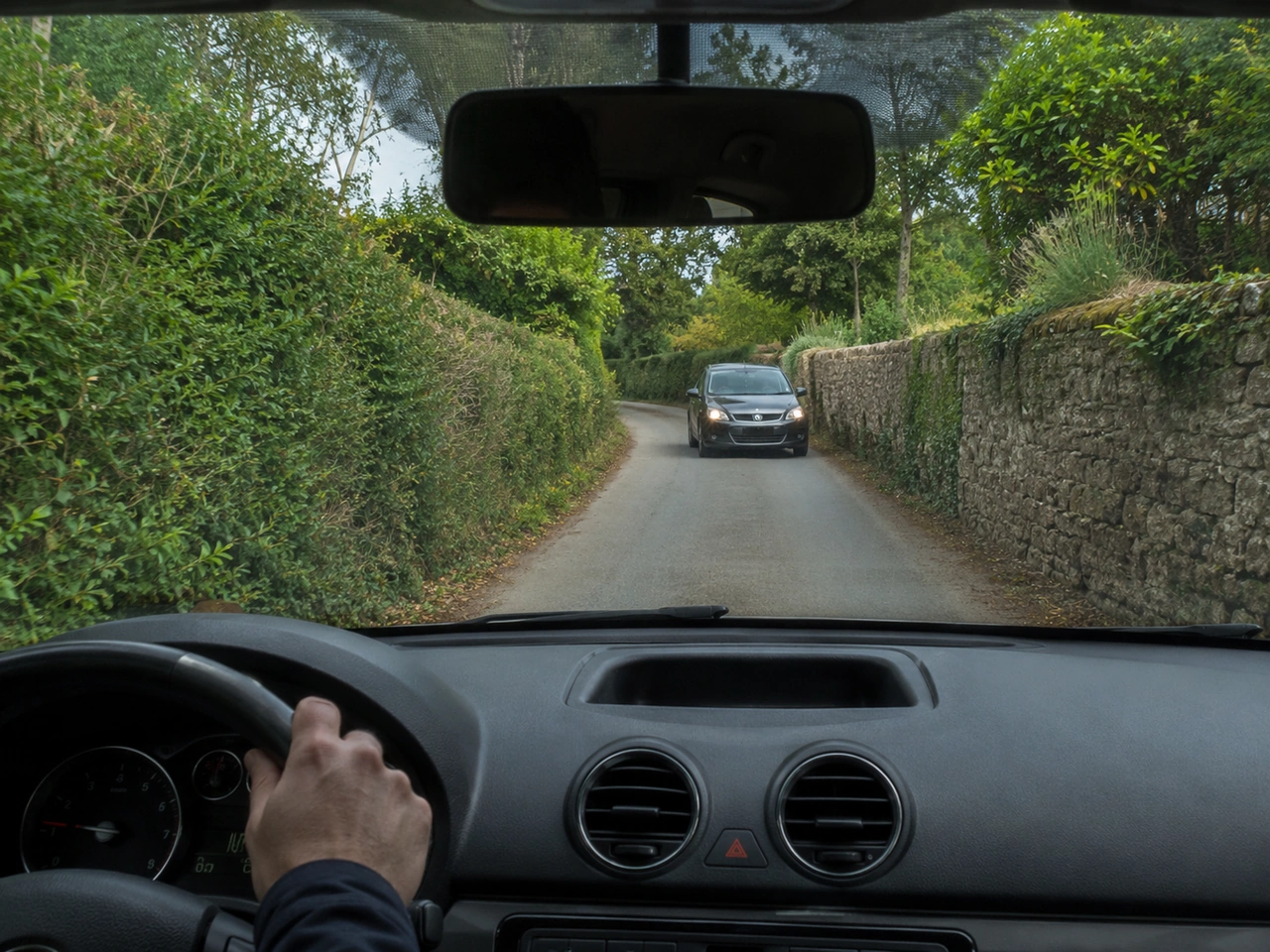
468. What should you do when approaching a narrow road with oncoming traffic?
On narrow roads, reduce speed and be prepared to stop or use a suitable passing place. Leave enough space for the oncoming vehicle and avoid forcing either vehicle into an unsafe position.
AI-generated by Rijbewijs-online.be • WCIT • CC BY-SA
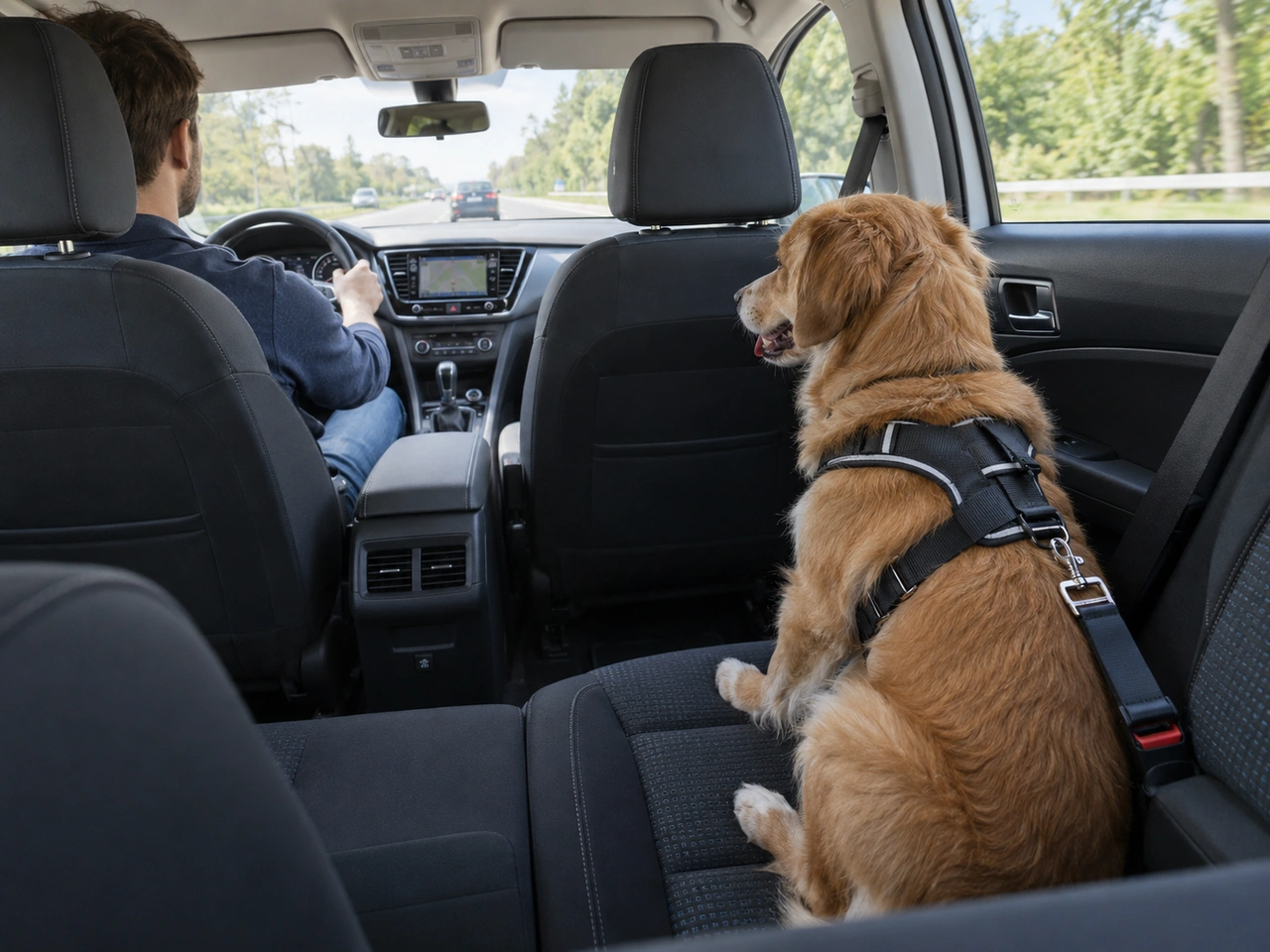
469. How should pets be carried safely in a vehicle?
A pet moving freely inside a vehicle can distract the driver and may be thrown around during sudden braking or a collision. Use a suitable carrier, harness, barrier, or other secure restraint appropriate for the animal and vehicle.
AI-generated by Rijbewijs-online.be • WCIT • CC BY-SA
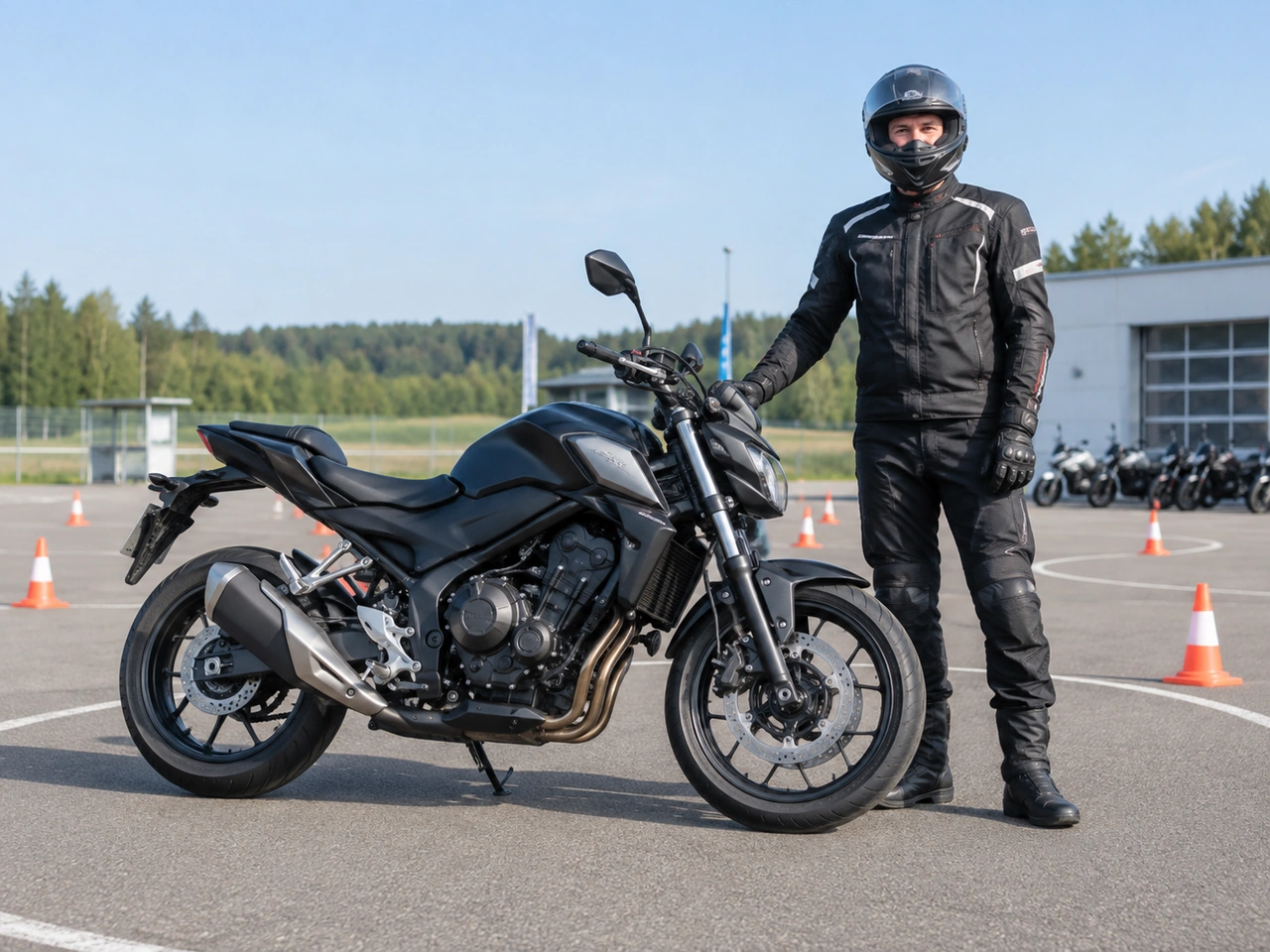
470. Which licence category is mainly associated with motorcycles?
Driving licence A is mainly associated with motorcycles. Category A1 covers lighter motorcycles, A2 covers medium-powered motorcycles, and A covers more powerful motorcycles.
AI-generated by Rijbewijs-online.be • WCIT • CC BY-SA
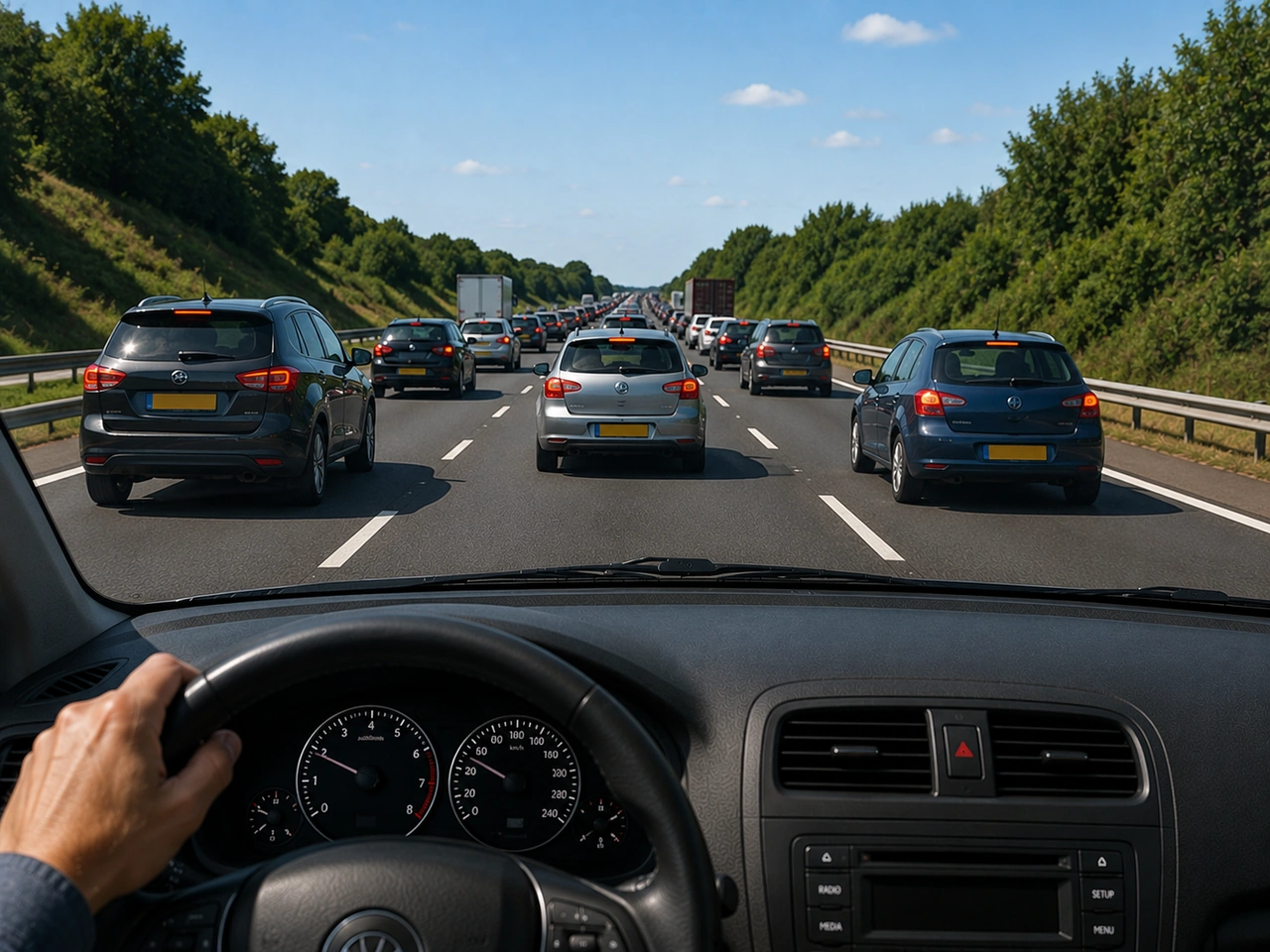
471. What should you do if traffic suddenly slows on a motorway?
When traffic slows suddenly, reduce speed smoothly, keep a safe distance, and use hazard lights if needed to warn following traffic.
AI-generated by Rijbewijs-online.be • WCIT • CC BY-SA
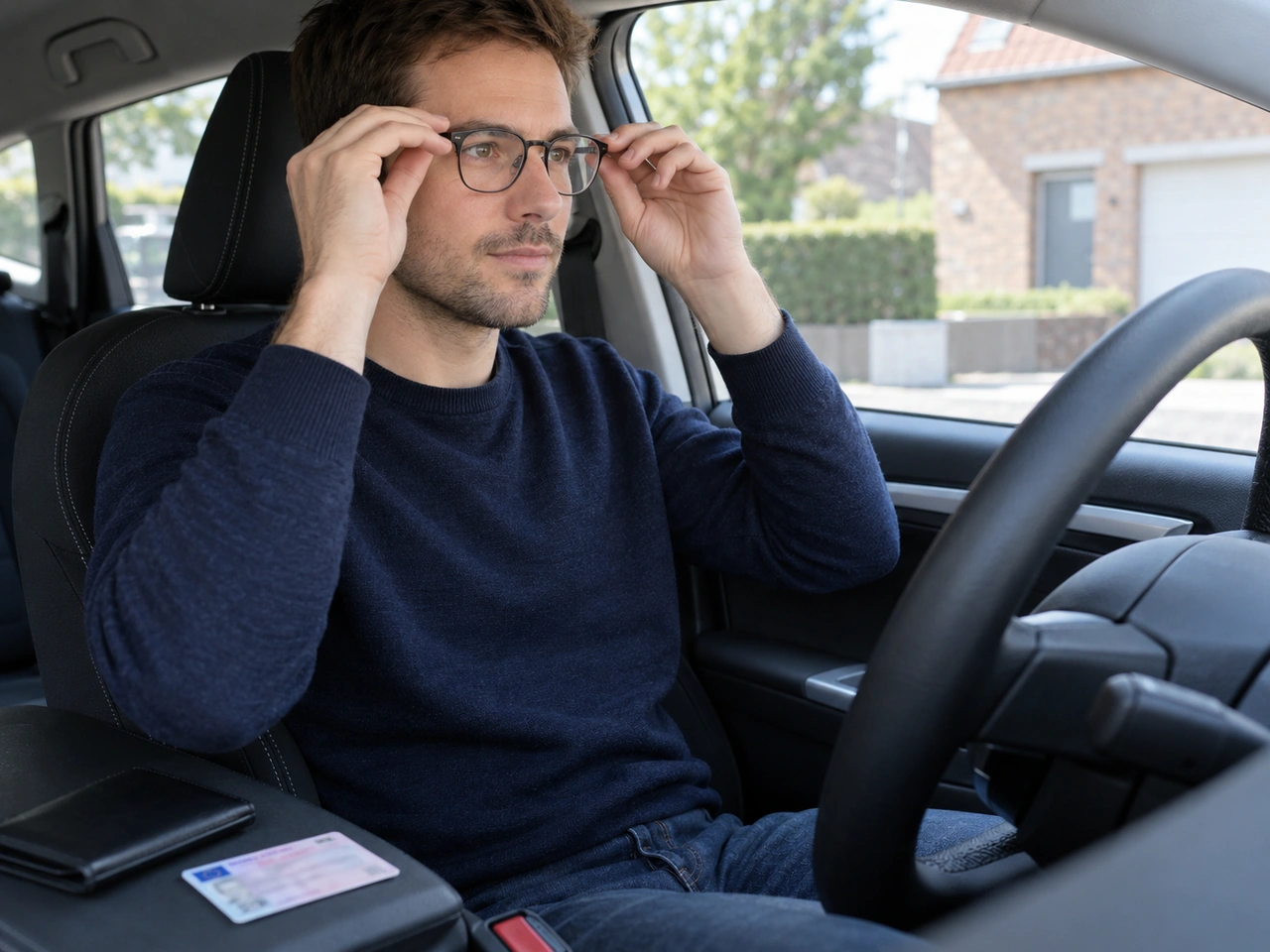
472. What does Code 01.01 on a Belgian driving licence mean?
Code 01.01 means that the driver must wear glasses when driving the relevant vehicle category.
AI-generated by Rijbewijs-online.be • WCIT • CC BY-SA
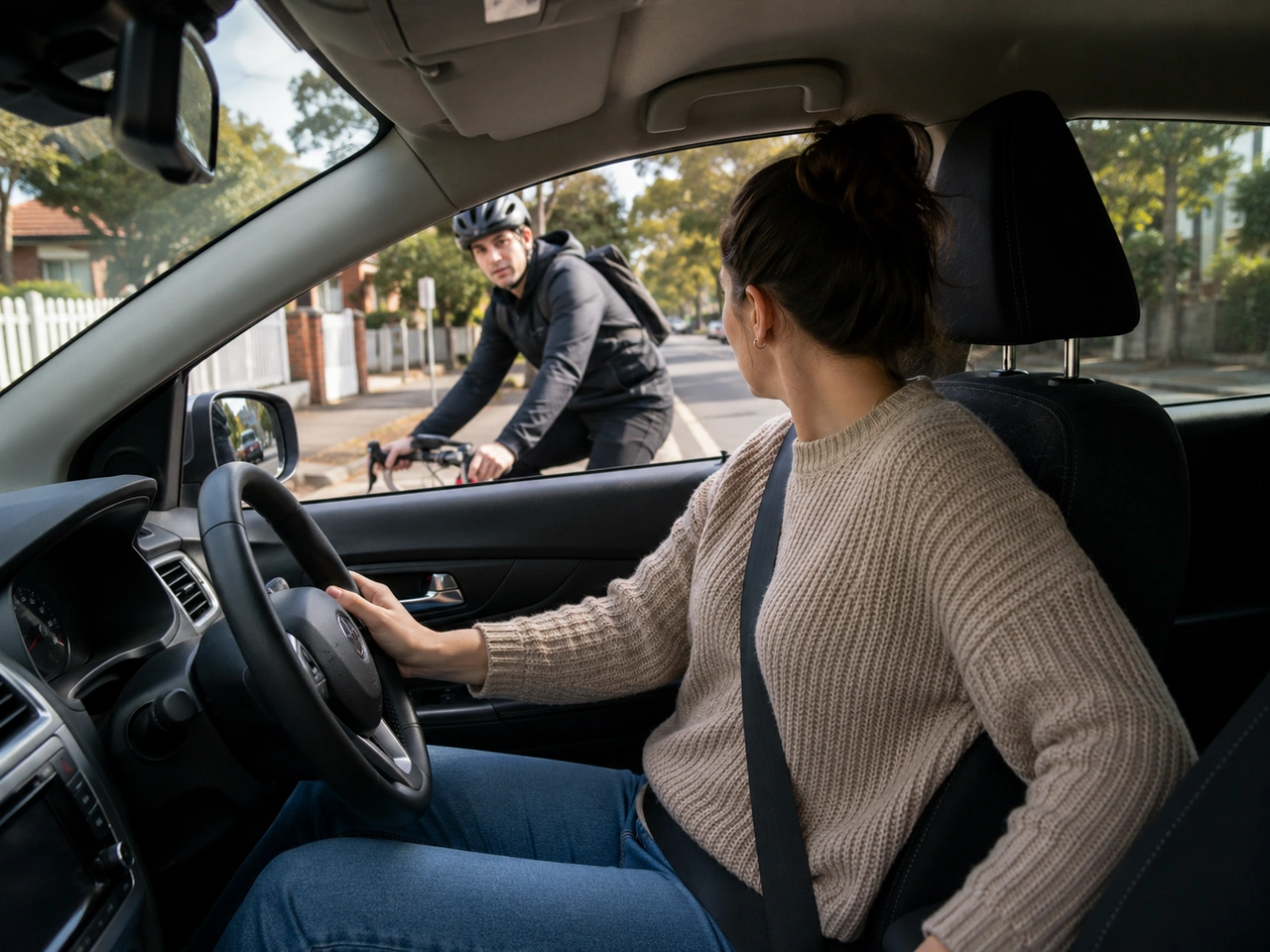
473. Why should you check blind spots before moving off?
Mirrors do not show every area around your vehicle. A blind-spot check can reveal cyclists, pedestrians, motorcyclists, or vehicles before you move off.
AI-generated by Rijbewijs-online.be • WCIT • CC BY-SA
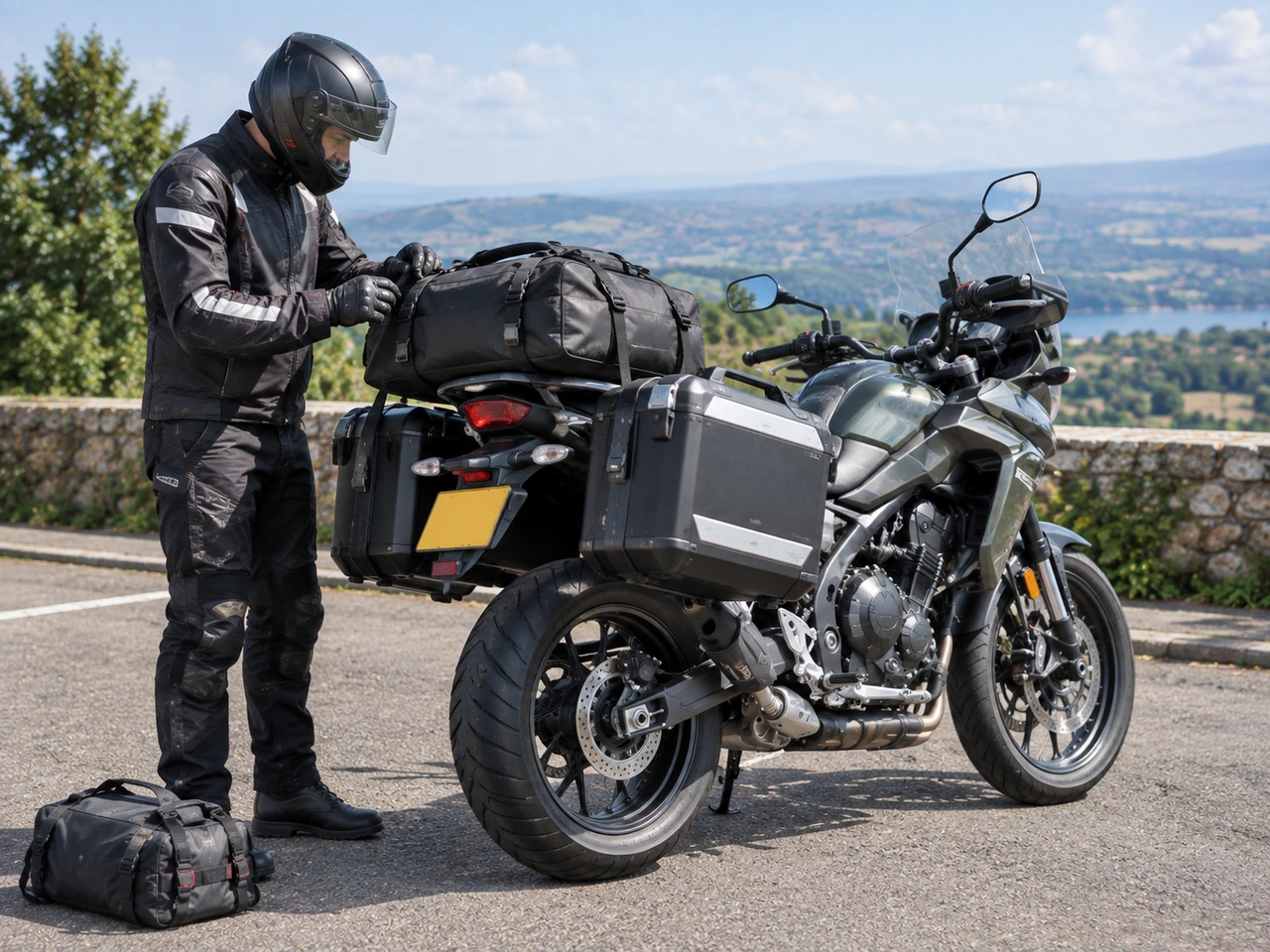
474. How should luggage be carried on a motorcycle?
Motorcycle luggage should be securely fastened and sensibly distributed. A loose, uneven or badly positioned load can affect balance, steering and braking, or become caught in moving parts.
AI-generated by Rijbewijs-online.be • WCIT • CC BY-SA
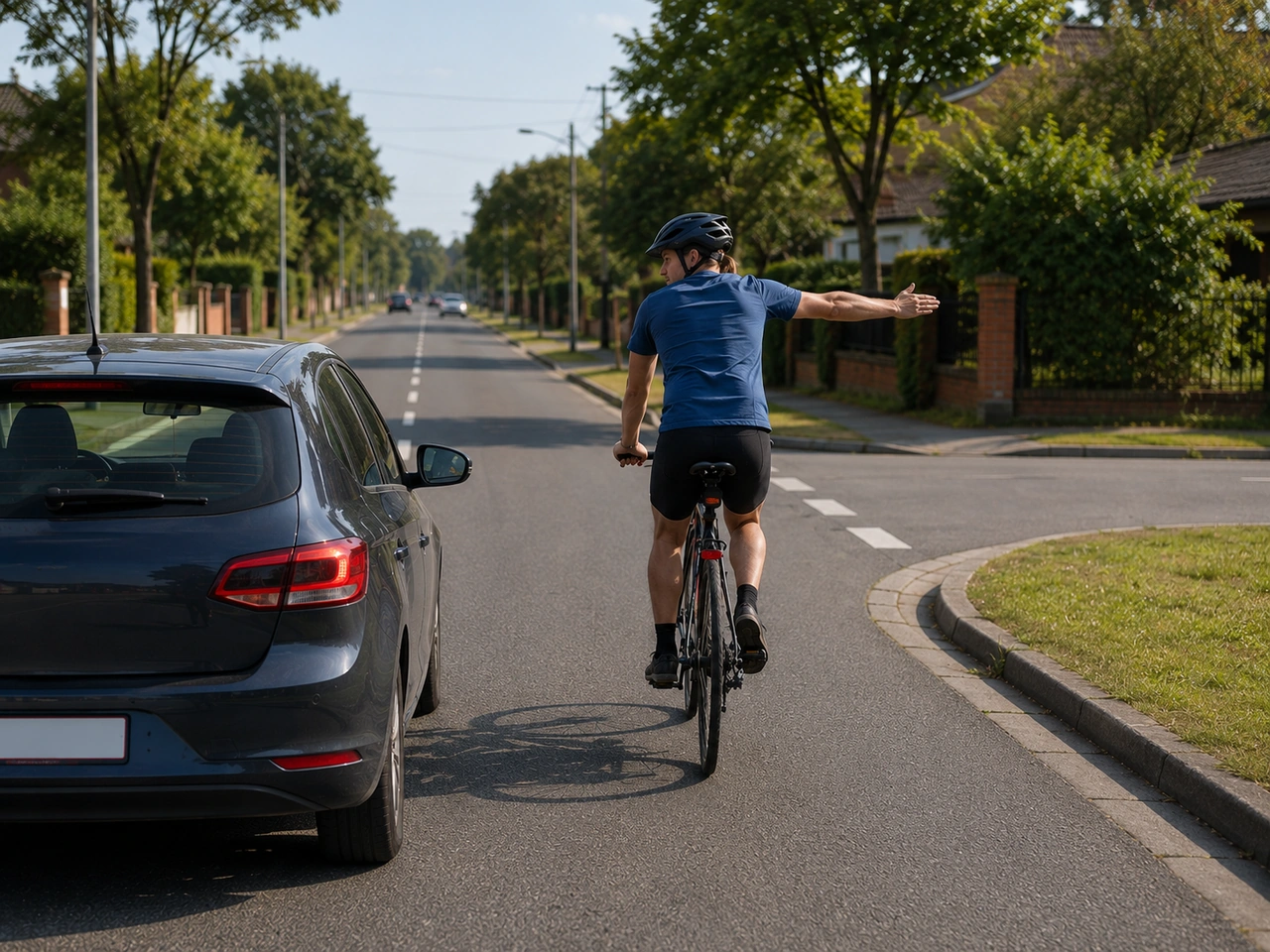
475. What should cyclists do before turning or changing position on the road?
Checking behind and signalling gives other road users time to understand what you intend to do.
AI-generated by Rijbewijs-online.be • WCIT • CC BY-SA
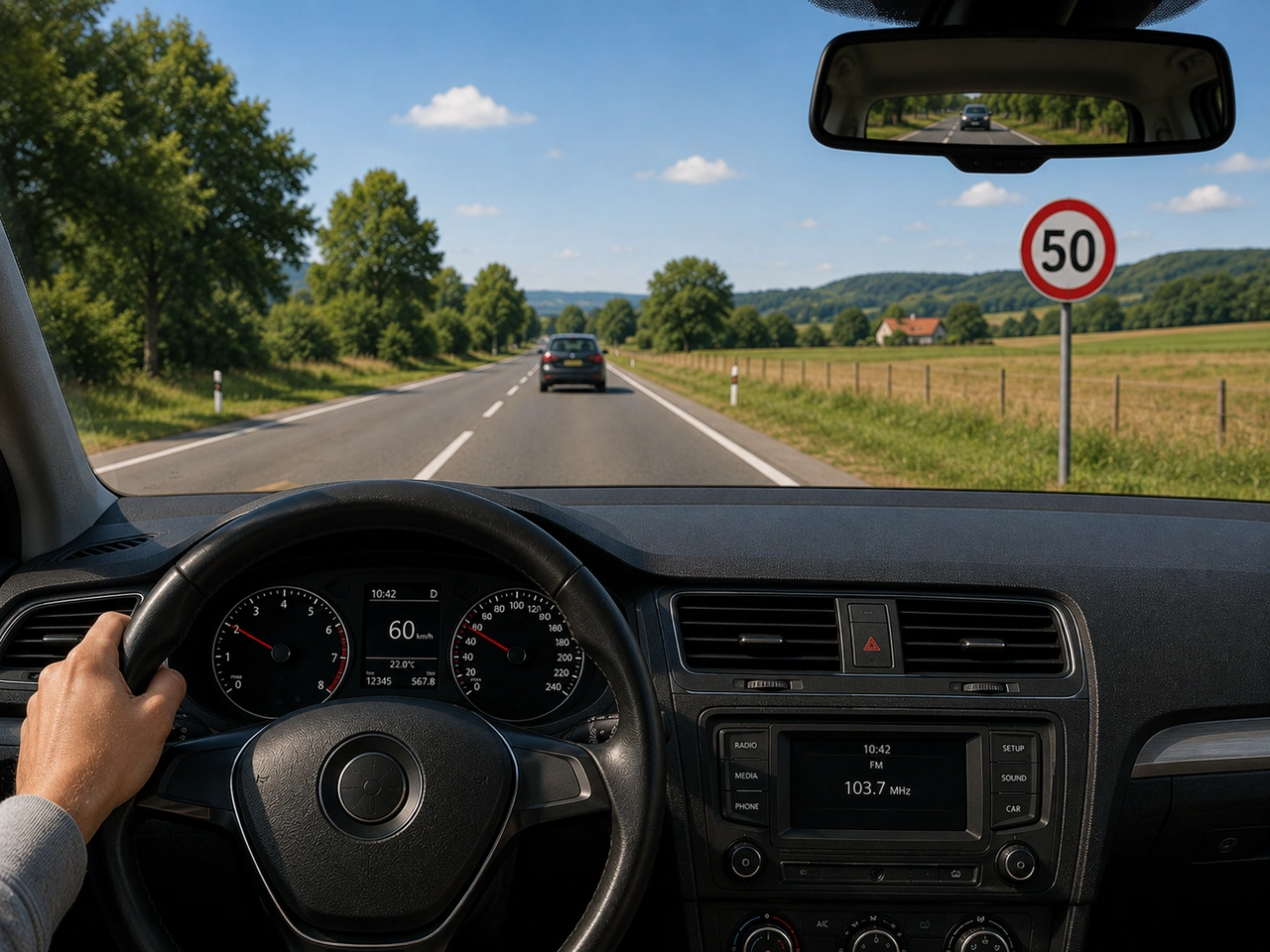
476. Speed limits only apply when there is heavy traffic.
Speed limits apply at all times unless a different limit is clearly indicated.
AI-generated by Rijbewijs-online.be • WCIT • CC BY-SA
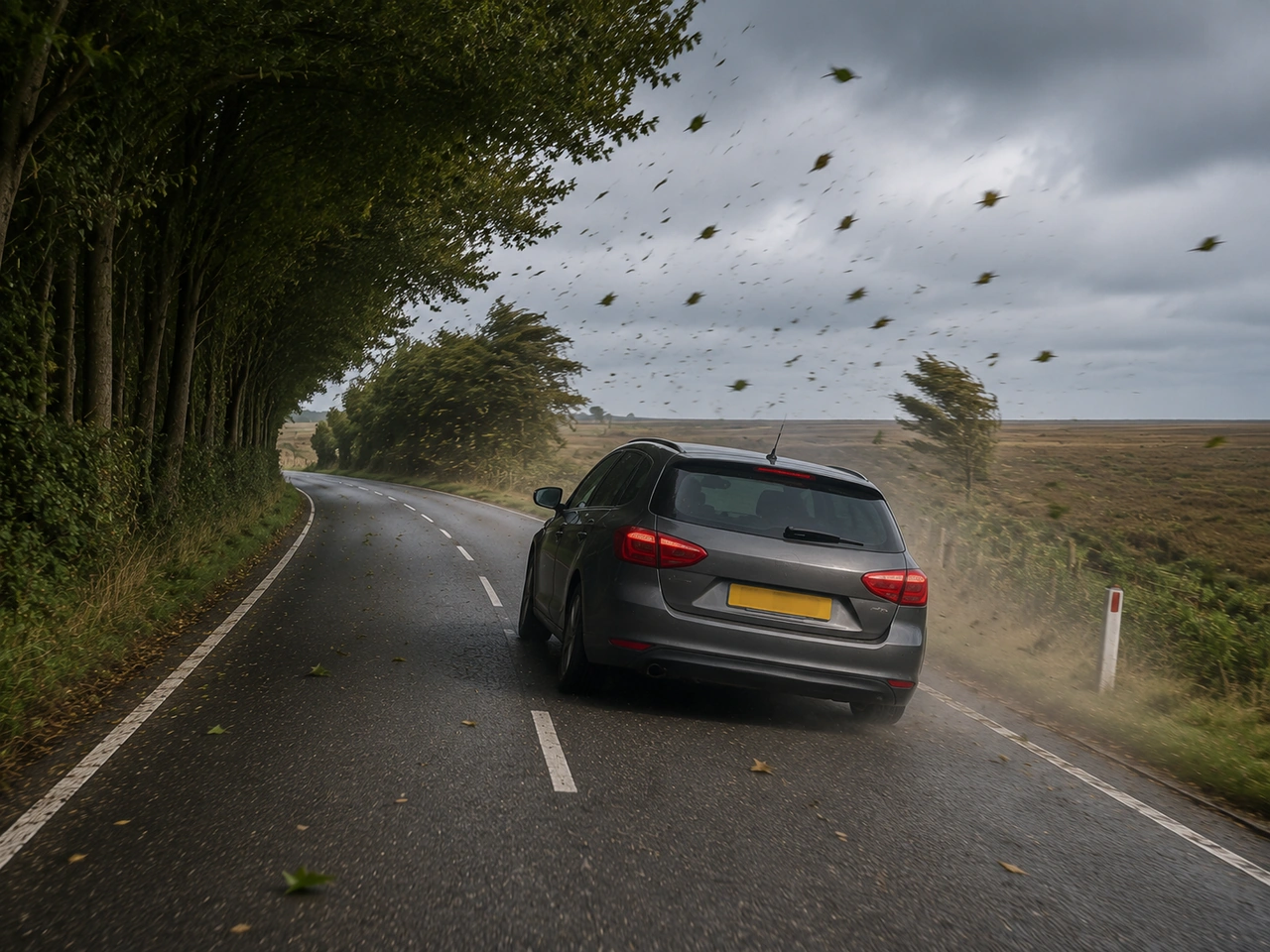
477. What should you expect when leaving a sheltered area during strong winds?
Buildings, trees, and other obstacles can block wind. When you leave shelter, a sudden gust may push your vehicle.
AI-generated by Rijbewijs-online.be • WCIT • CC BY-SA
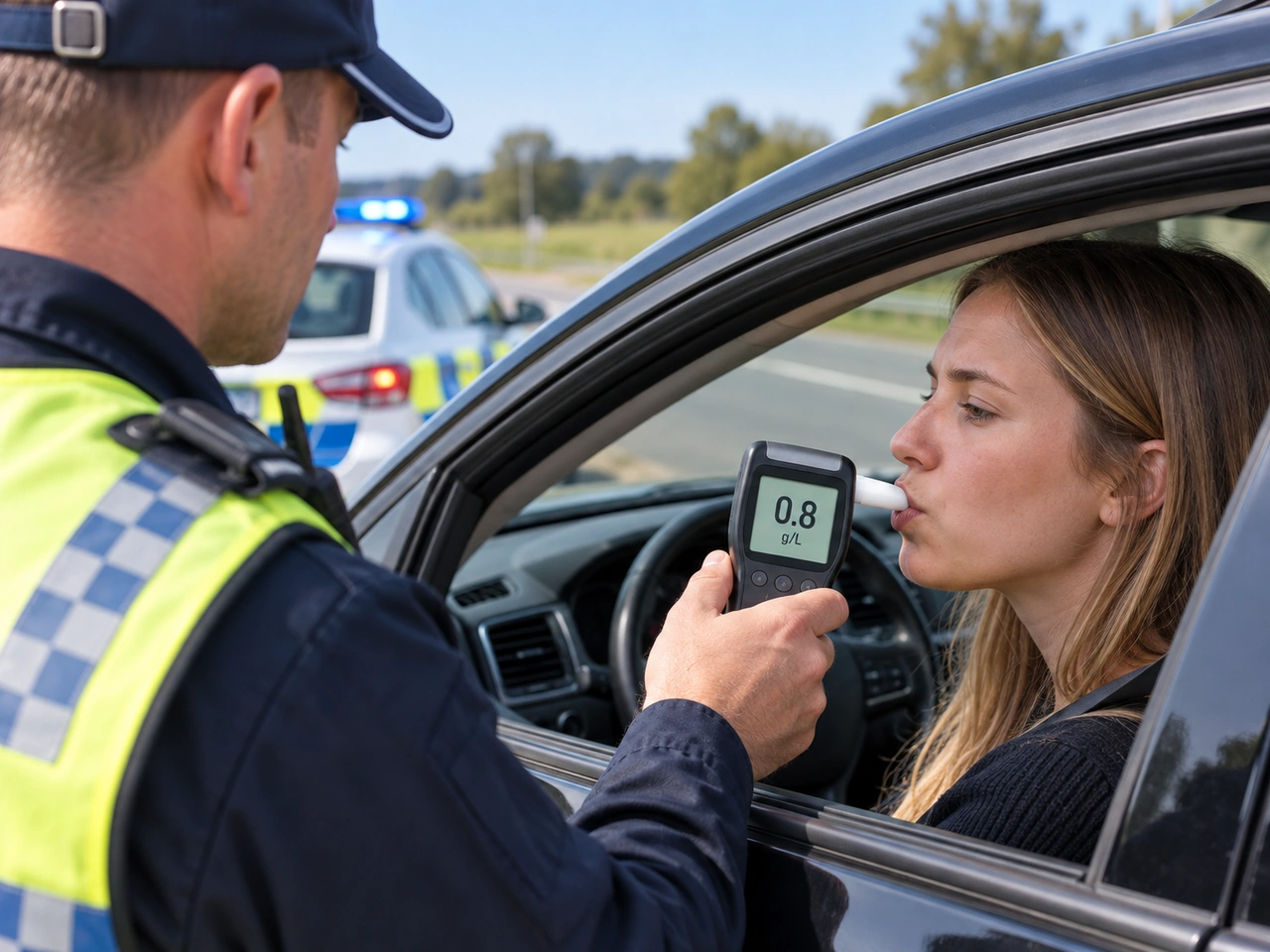
478. What is the legal blood alcohol limit for ordinary drivers in Flanders?
The legal blood alcohol limit for ordinary drivers in Flanders is 0.5 g/L.
AI-generated by Rijbewijs-online.be • WCIT • CC BY-SA
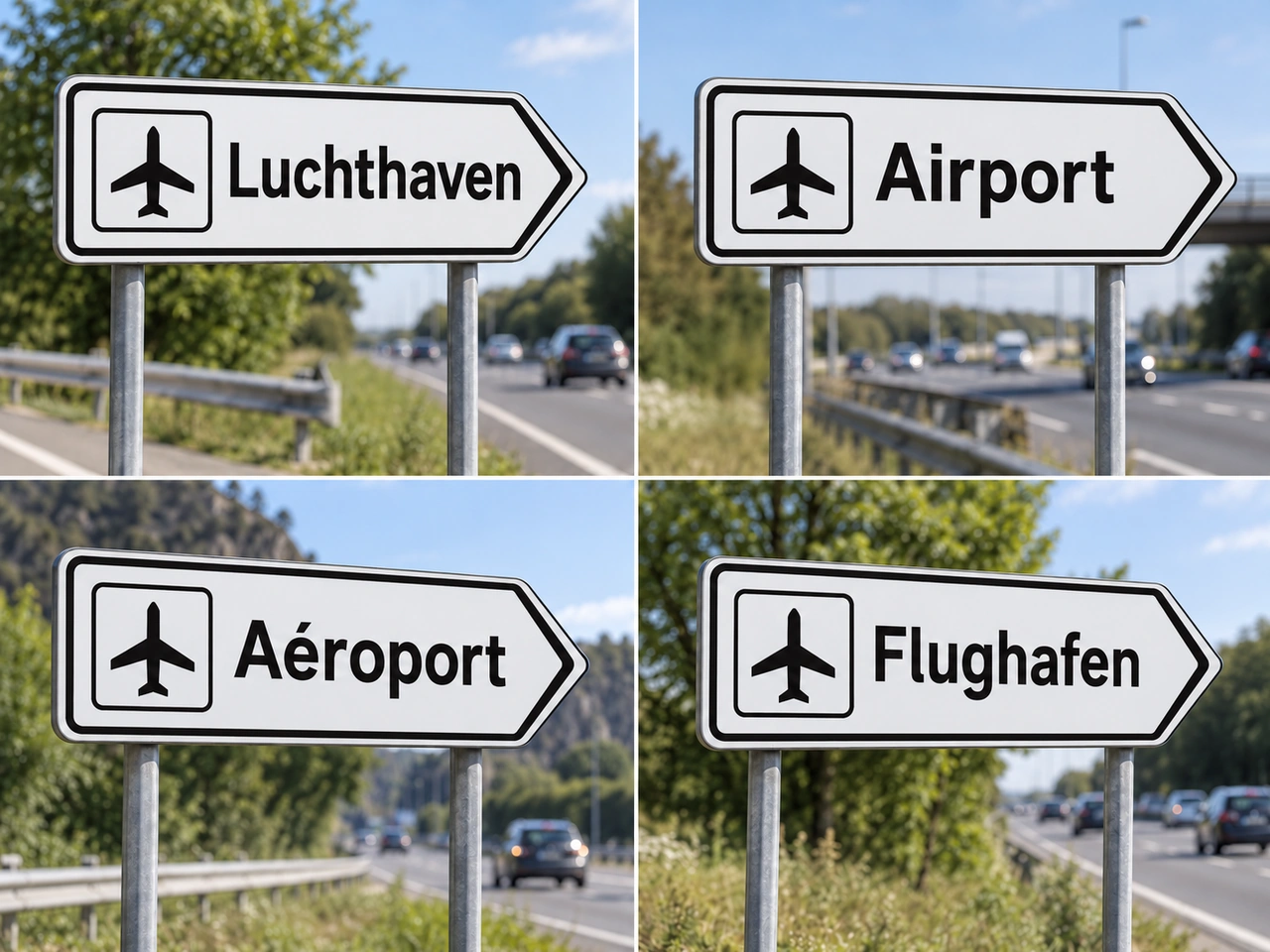
479. Which language is commonly used on text-based road signs in Flanders?
Text-based road signs in Flanders commonly use Dutch.
AI-generated by Rijbewijs-online.be • WCIT • CC BY-SA
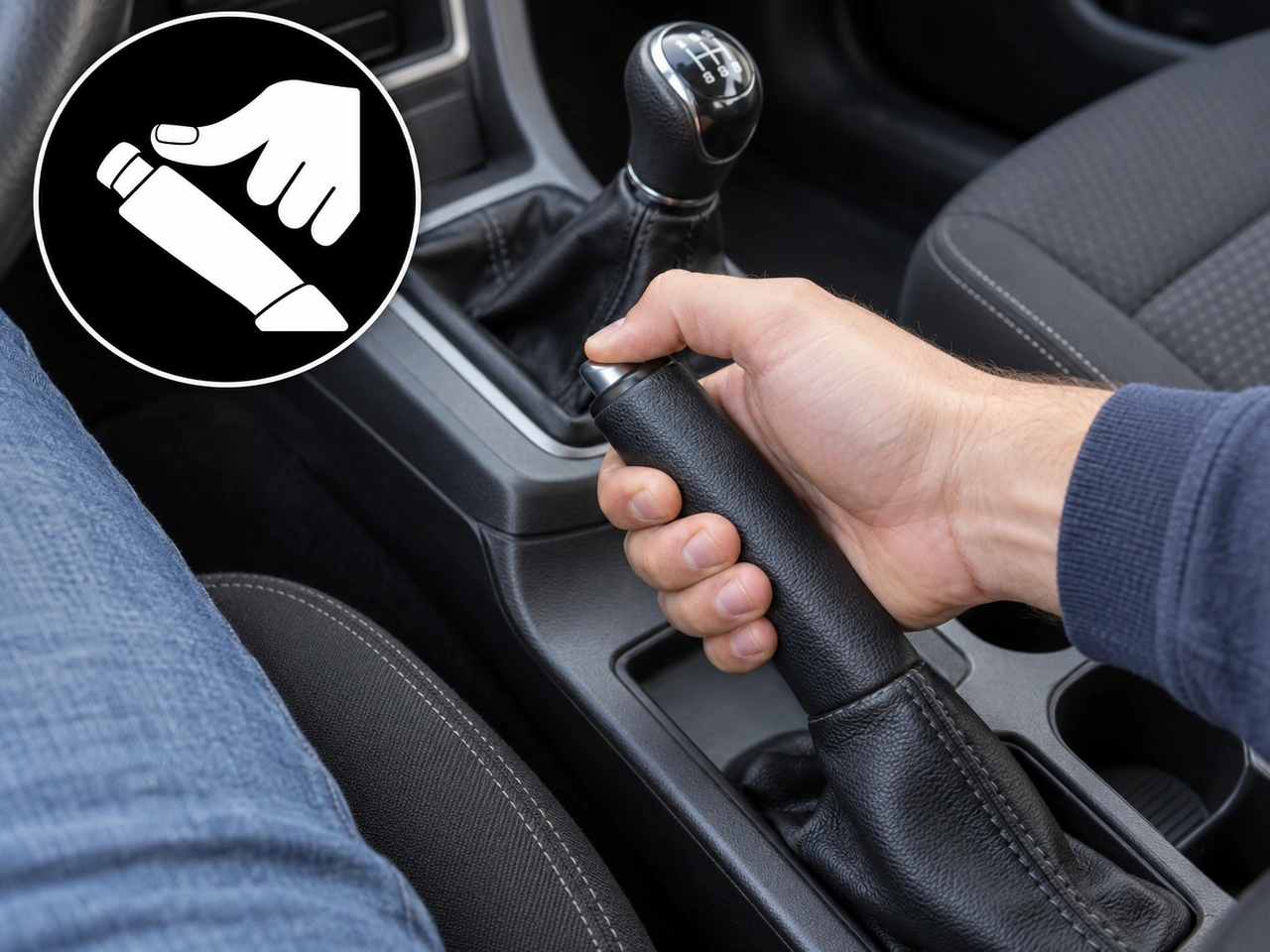
480. What is the button on a manual handbrake lever used for?
To release a manual handbrake, pull the lever up slightly, press and hold the release button, then lower the lever under control.
AI-generated by Rijbewijs-online.be • WCIT • CC BY-SA
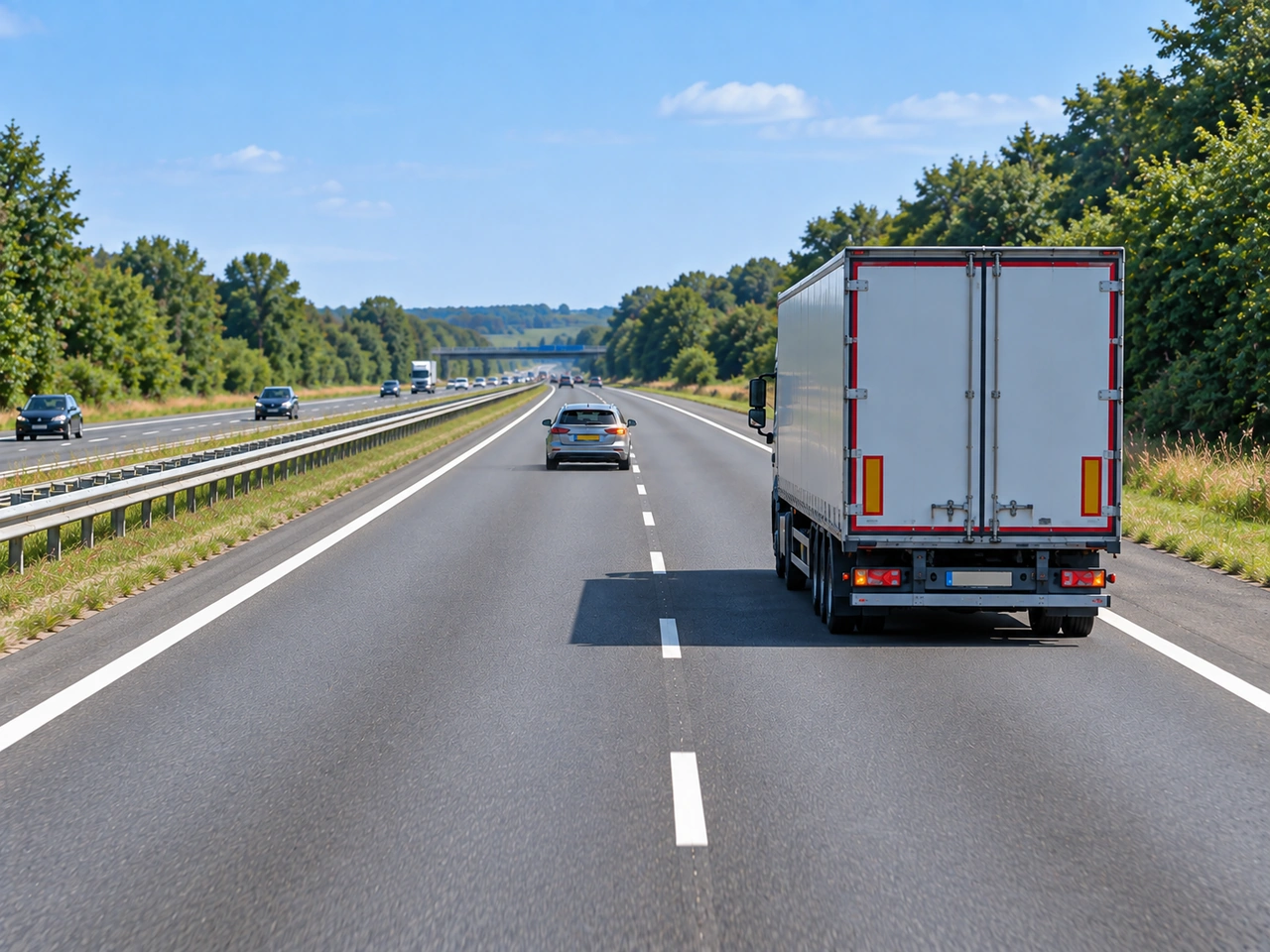
481. What should you normally do after completing an overtake?
After overtaking, return to the normal driving lane when you have passed the other vehicle by a safe distance. Check your mirrors, signal when appropriate, and avoid moving back too soon.
AI-generated by Rijbewijs-online.be • WCIT • CC BY-SA
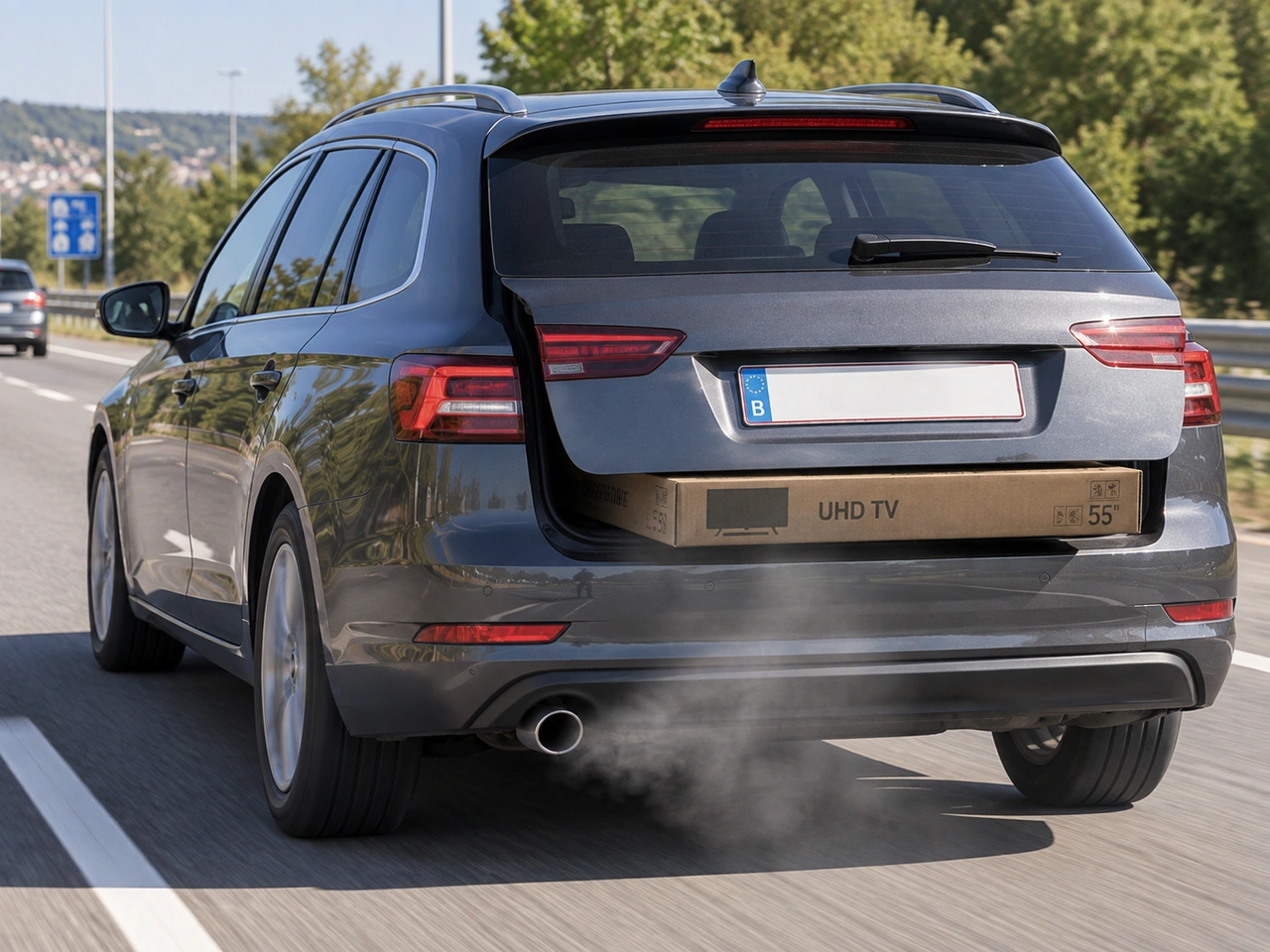
482. What is a danger of driving a petrol or diesel vehicle with the boot or tailgate open?
Driving with the boot or tailgate open can allow exhaust gases to be drawn into the vehicle. Exhaust fumes may contain carbon monoxide, which is poisonous and may be difficult to detect. Keep the luggage compartment properly closed while driving whenever possible.
AI-generated by Rijbewijs-online.be • WCIT • CC BY-SA
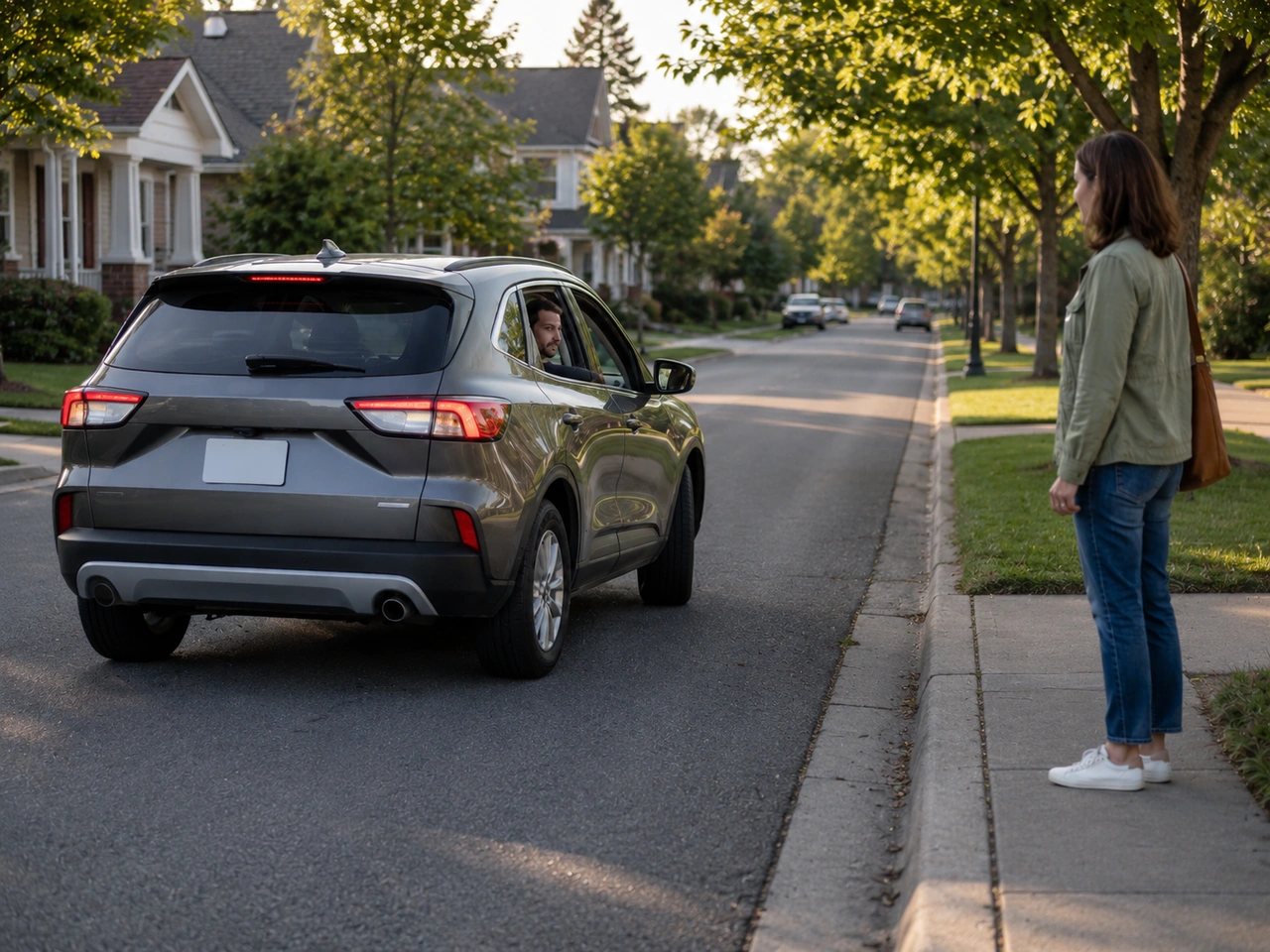
483. What should you do if a vehicle is reversing near you?
Reversing vehicles have blind spots. Stay away from the vehicle and make sure the driver can see you.
AI-generated by Rijbewijs-online.be • WCIT • CC BY-SA
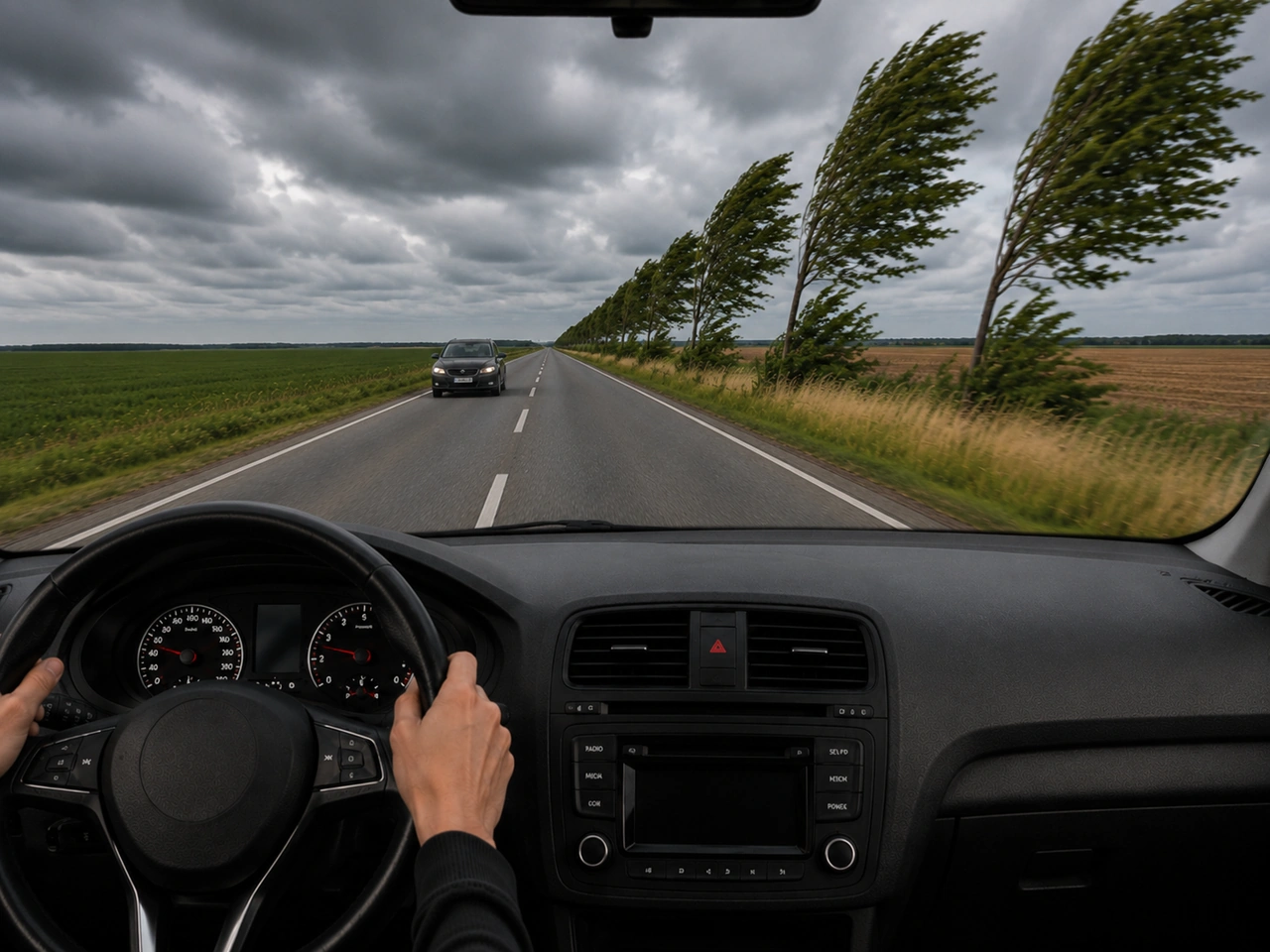
484. What should you do when driving in strong wind?
Strong wind can affect vehicle control, especially near open areas, bridges, large vehicles, cyclists, and motorcyclists.
AI-generated by Rijbewijs-online.be • WCIT • CC BY-SA
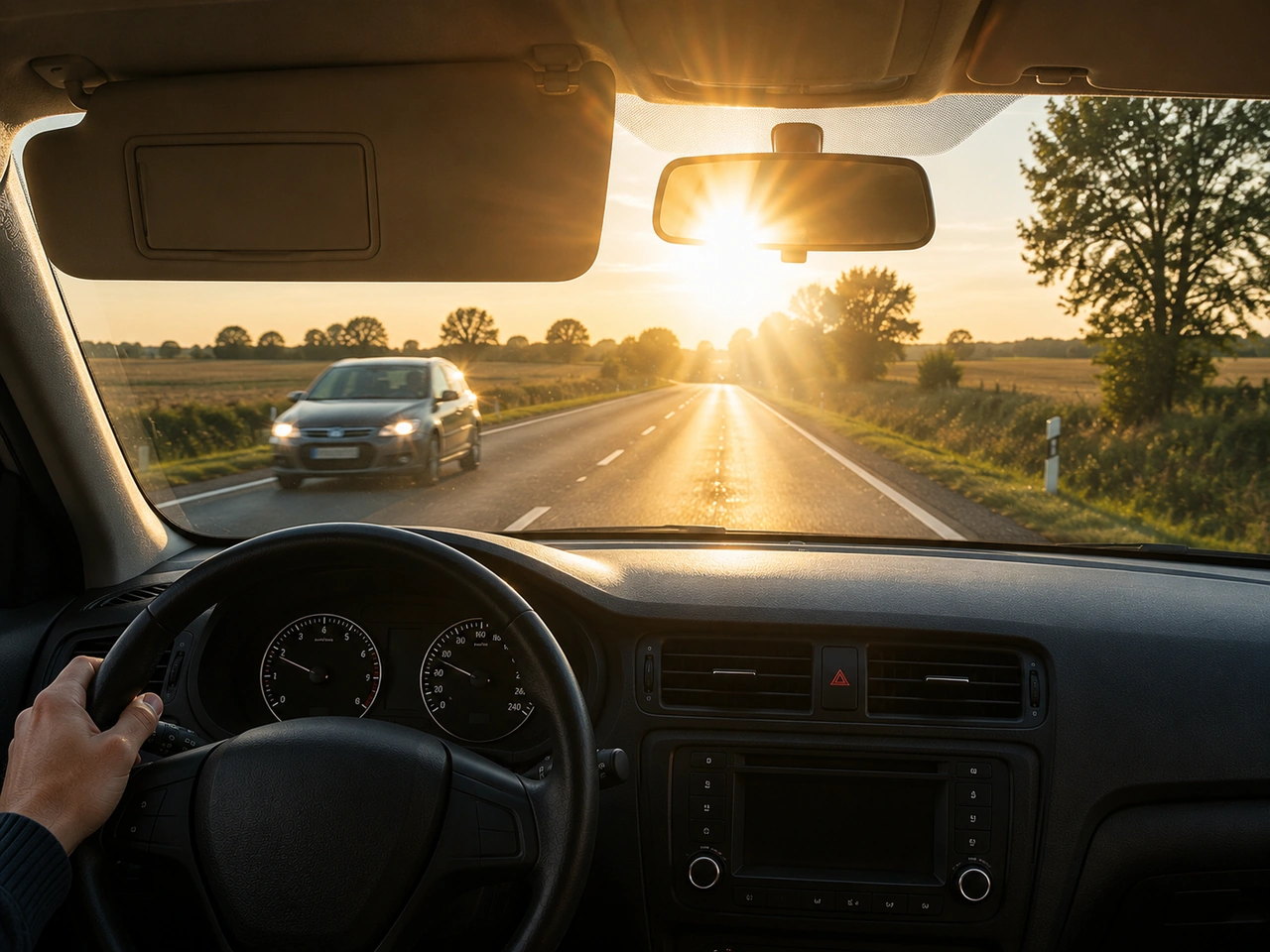
485. What should you do if you are dazzled by low sun?
Low sun can greatly reduce visibility. Slow down, increase your safety margin, and use the sun visor or sunglasses if needed.
AI-generated by Rijbewijs-online.be • WCIT • CC BY-SA
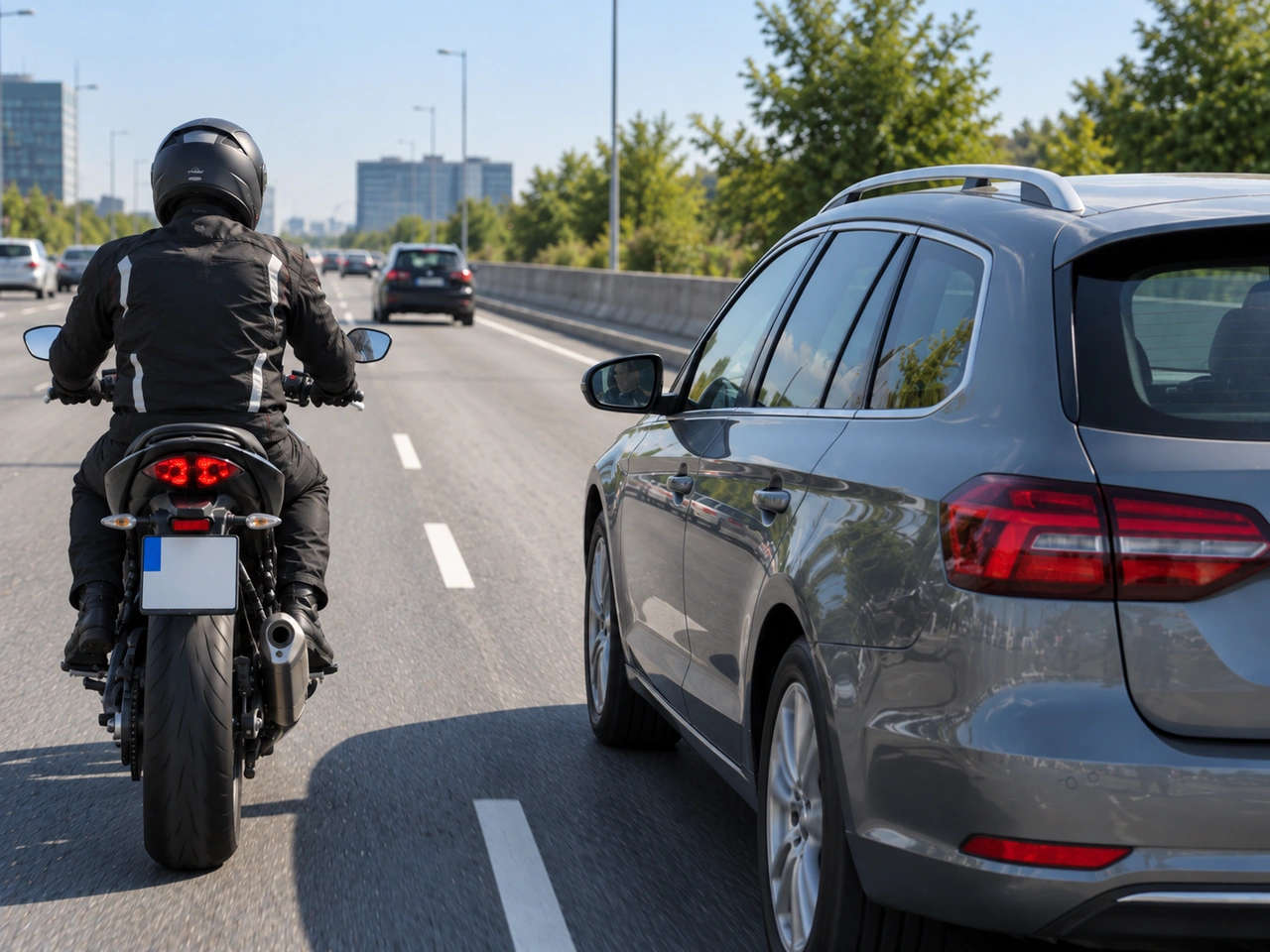
486. Why should a motorcyclist avoid riding in another vehicle's blind spot?
Motorcycles can be difficult to see, particularly when they remain in another vehicle's blind spot. Avoid staying alongside a vehicle where the driver may not see you, and choose a position where you are more likely to be visible.
AI-generated by Rijbewijs-online.be • WCIT • CC BY-SA
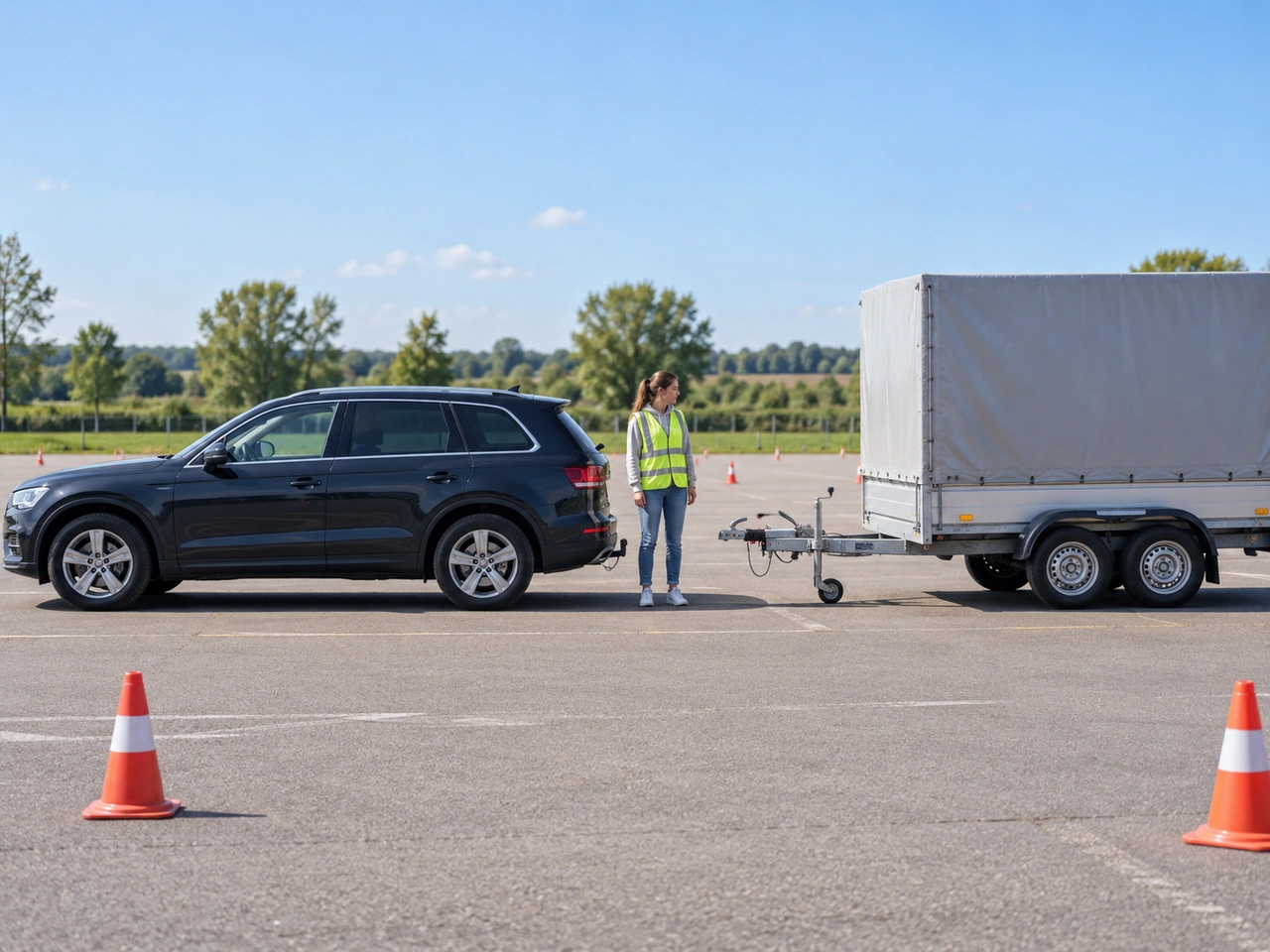
487. What licence is needed for a B vehicle towing a trailer up to 3,500 kg above 4,250 kg combined MAM?
Category BE covers a category B towing vehicle with a trailer or semi-trailer having a maximum authorised mass of up to 3,500 kg. Category B with Code 96 is limited to combinations with a maximum authorised mass of up to 4,250 kg.
AI-generated by Rijbewijs-online.be • WCIT • CC BY-SA
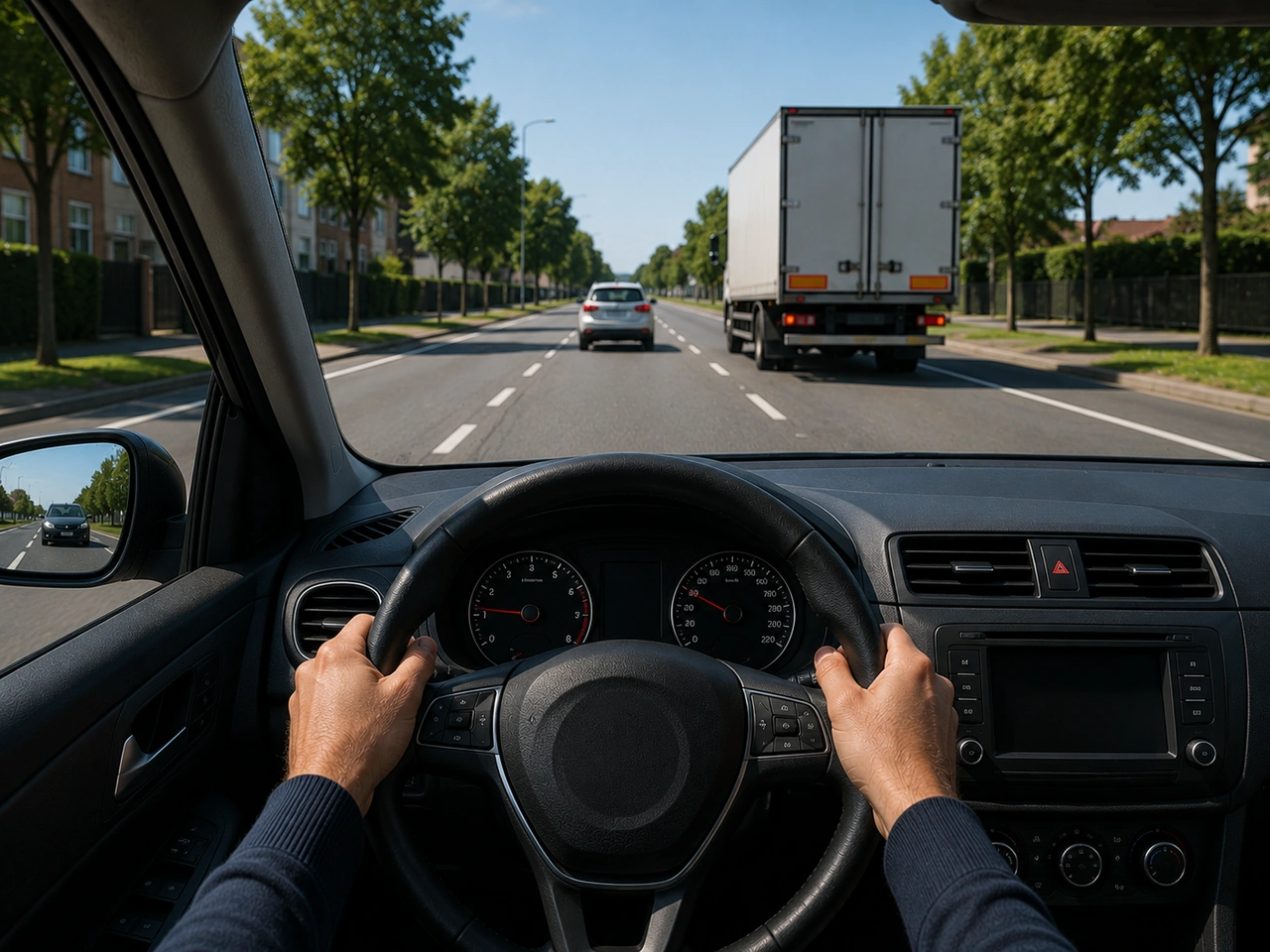
488. You should stay focused on the road and avoid unnecessary distractions.
Distractions reduce awareness and reaction time, making driving more dangerous.
AI-generated by Rijbewijs-online.be • WCIT • CC BY-SA
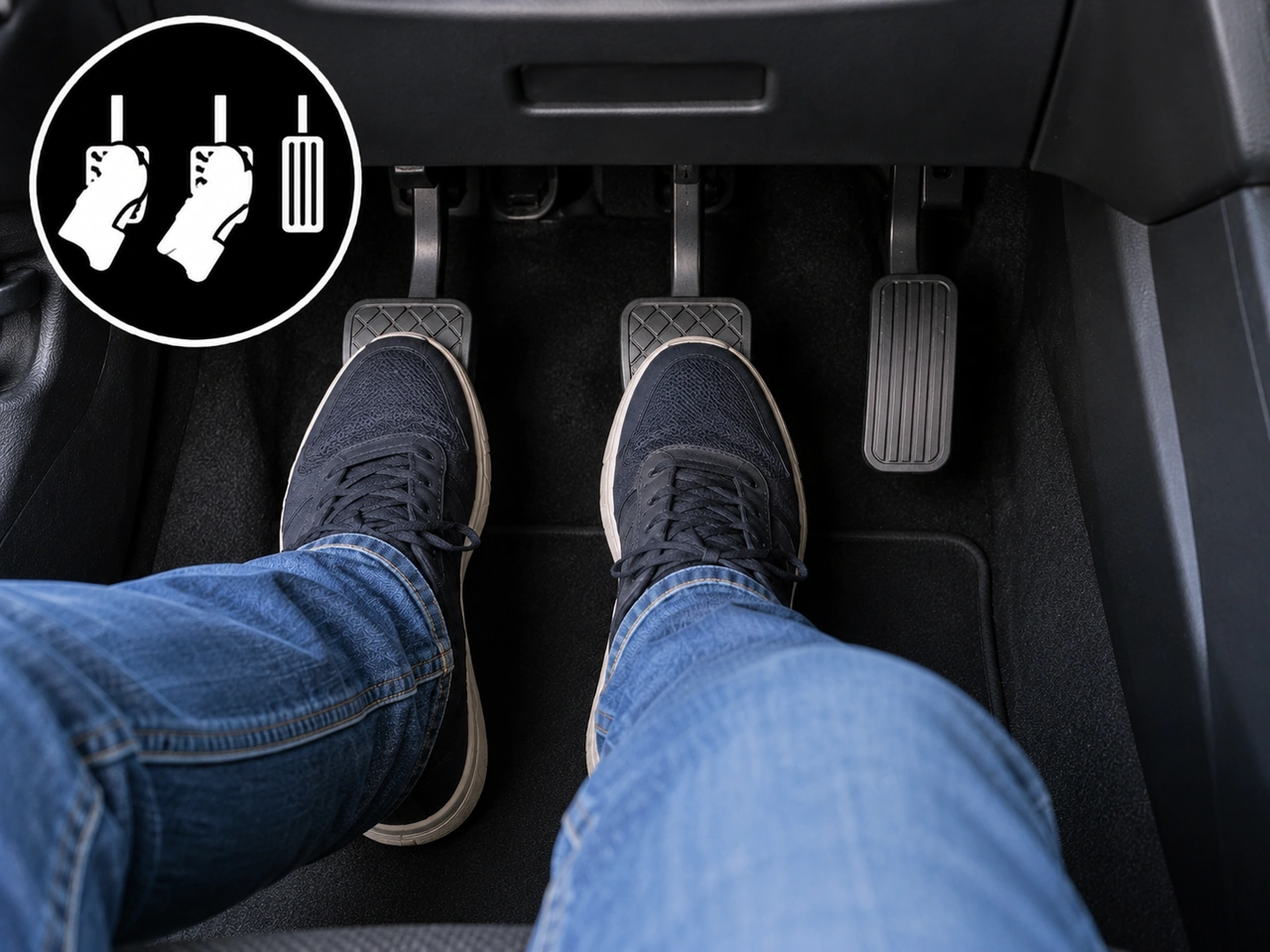
489. What should you do with the clutch when bringing a manual vehicle to a stop?
When stopping a manual vehicle, brake normally and press the clutch pedal before the engine speed becomes too low and the engine stalls. Avoid pressing the clutch unnecessarily early, as this reduces engine braking.
AI-generated by Rijbewijs-online.be • WCIT • CC BY-SA
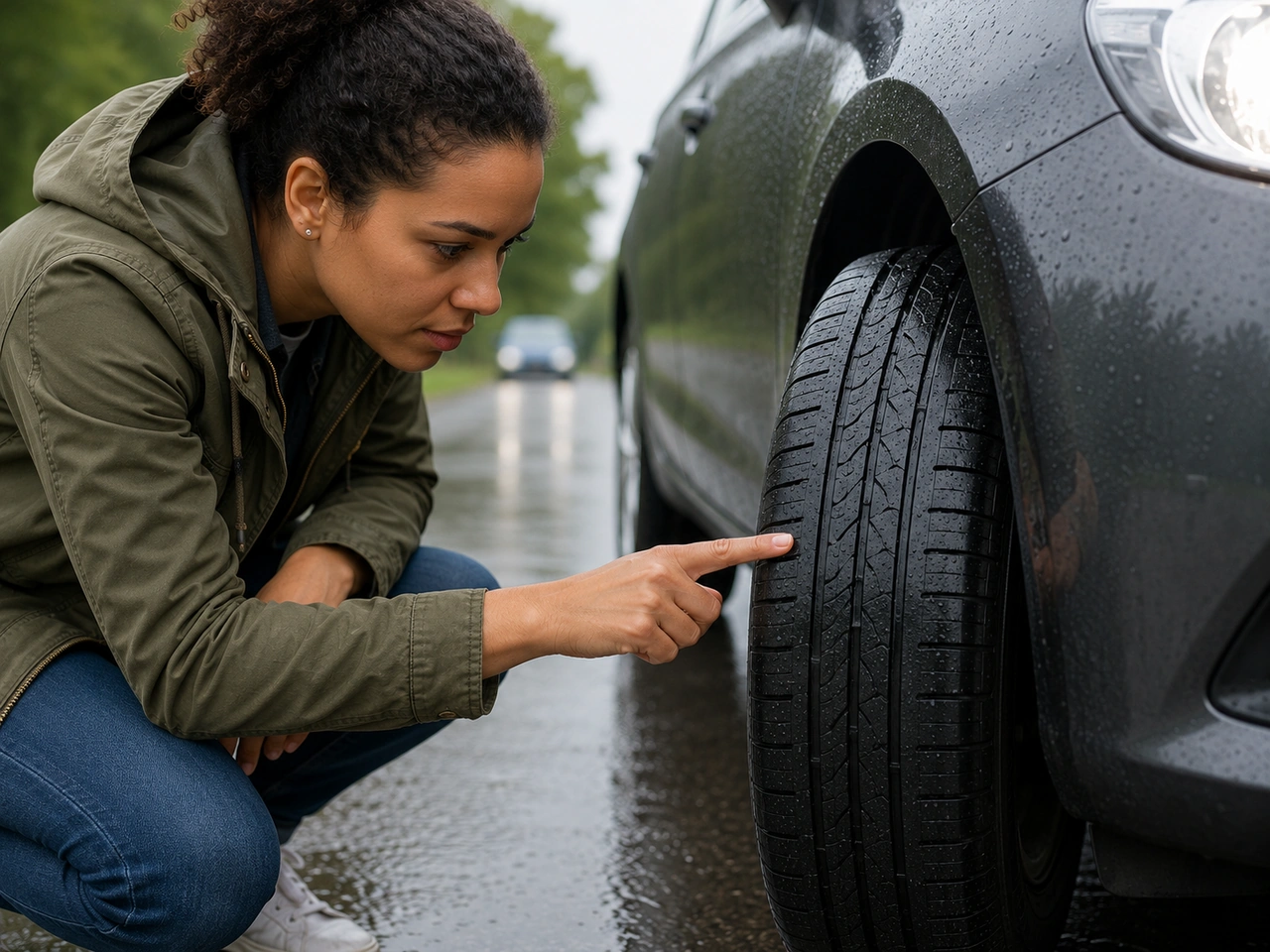
490. Why is adequate tyre tread important?
Tyre tread helps the vehicle grip the road and disperse water. Worn tread increases the risk of skidding and aquaplaning, especially in wet conditions.
AI-generated by Rijbewijs-online.be • WCIT • CC BY-SA
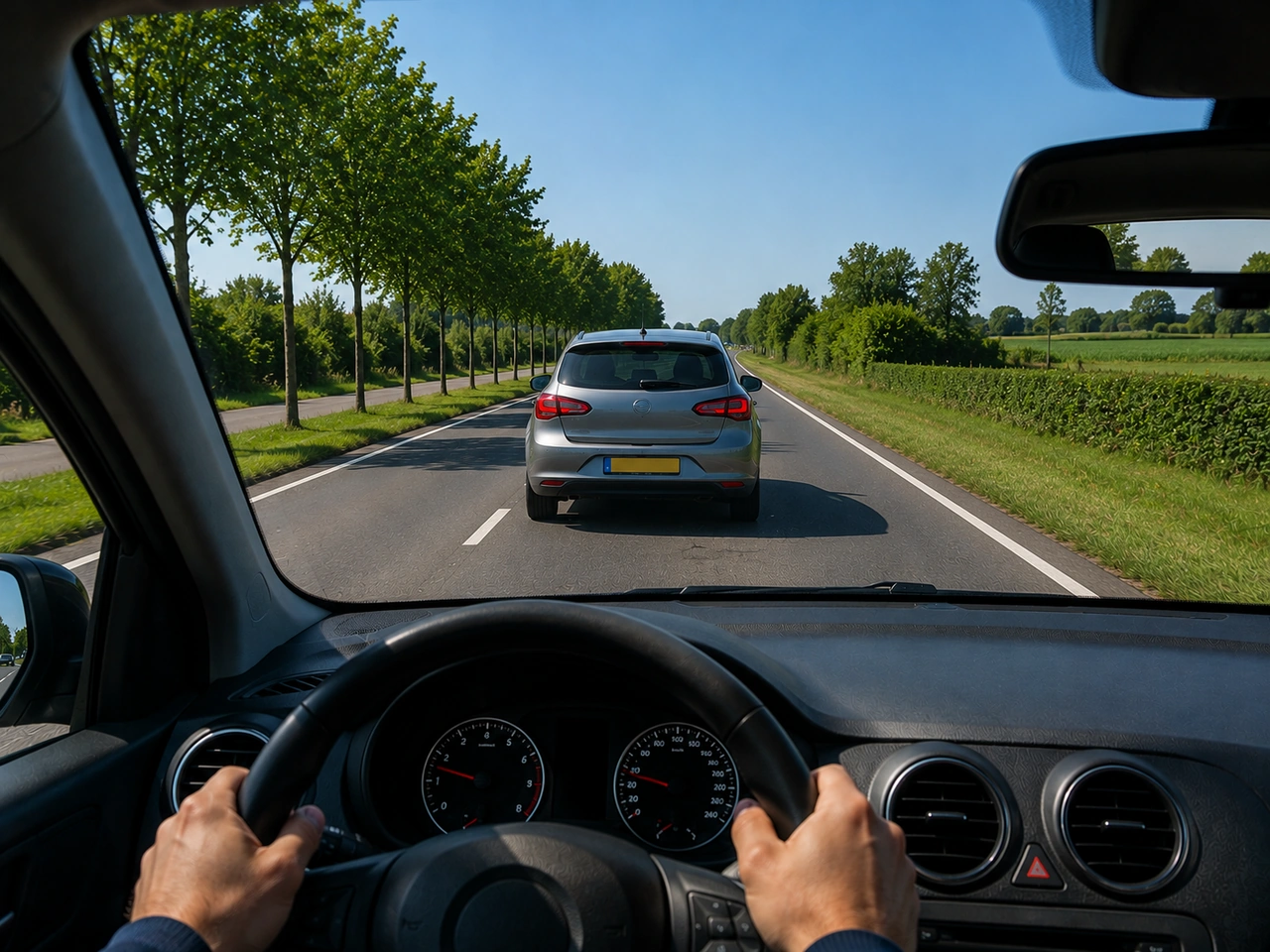
491. Why should you not drive too close behind another vehicle?
Driving too close, or tailgating, reduces the time and space available to react and increases the risk of a rear-end collision. Use defensive driving and keep a safe following distance.
AI-generated by Rijbewijs-online.be • WCIT • CC BY-SA
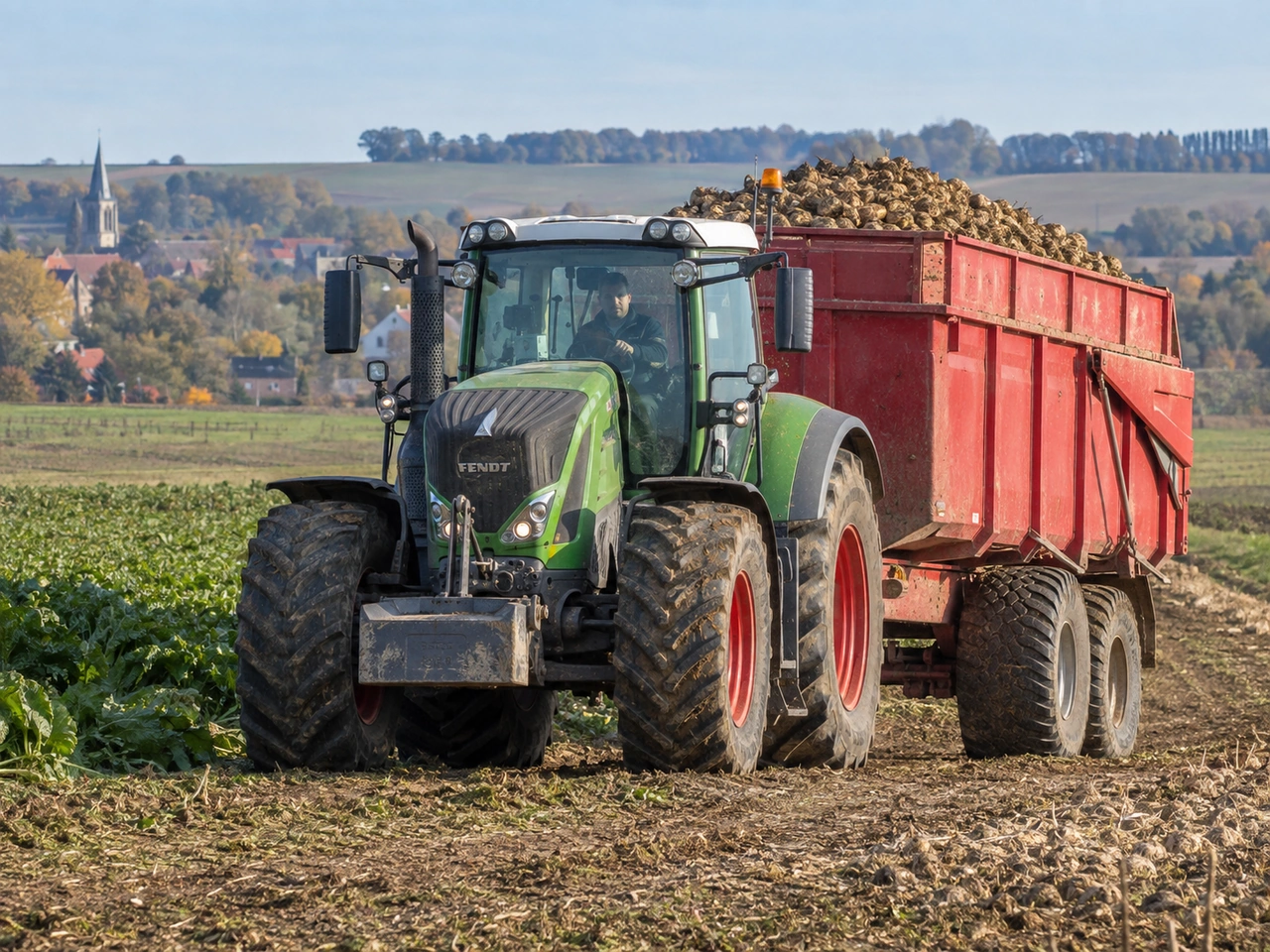
492. What is Belgian driving licence category G intended for?
Belgian category G is intended for agricultural and forestry tractors and certain agricultural machinery used for agricultural or forestry activities. It can also cover their trailers. Other licence categories may be required when such vehicles are used outside those activities.
AI-generated by Rijbewijs-online.be • WCIT • CC BY-SA
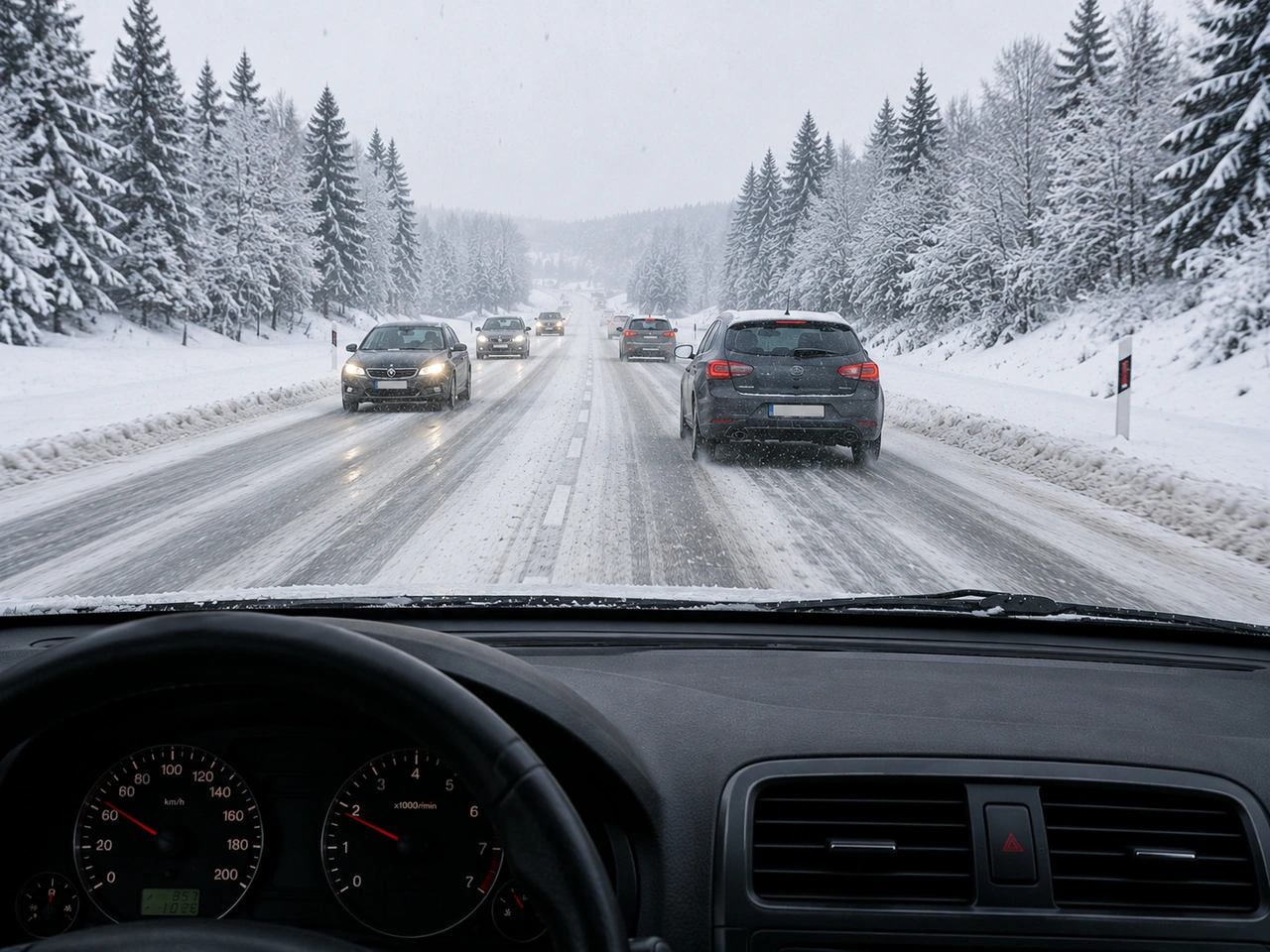
493. What should you do when the road is covered with snow or ice?
Snow and ice greatly reduce tyre grip. Lower speed, extra distance, and gentle steering, braking, and acceleration help maintain control.
AI-generated by Rijbewijs-online.be • WCIT • CC BY-SA
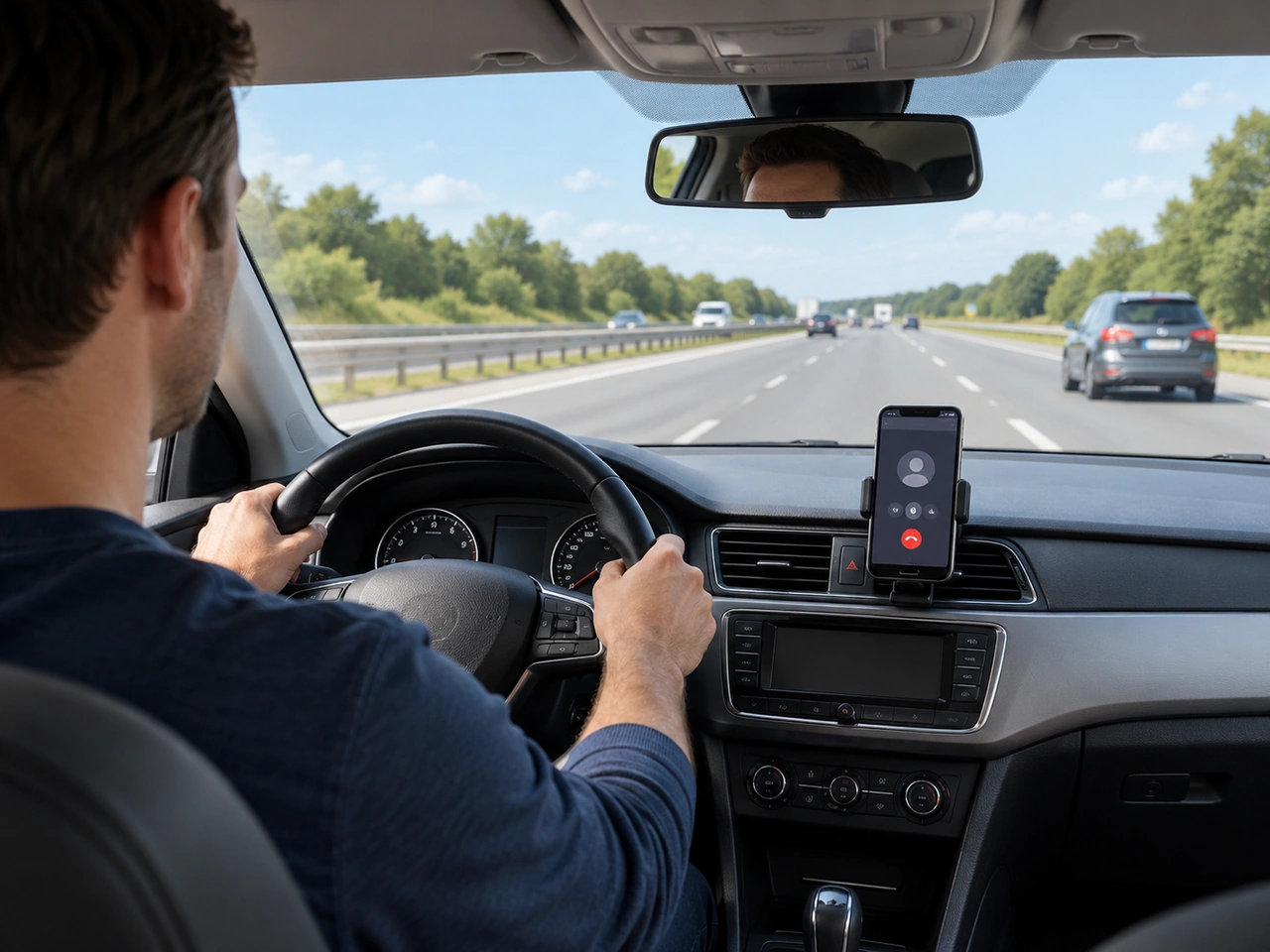
494. How may drivers normally use a phone while driving in Flanders?
When phone use while driving is permitted in Flanders, drivers must generally use a hands-free system rather than holding the phone.
AI-generated by Rijbewijs-online.be • WCIT • CC BY-SA
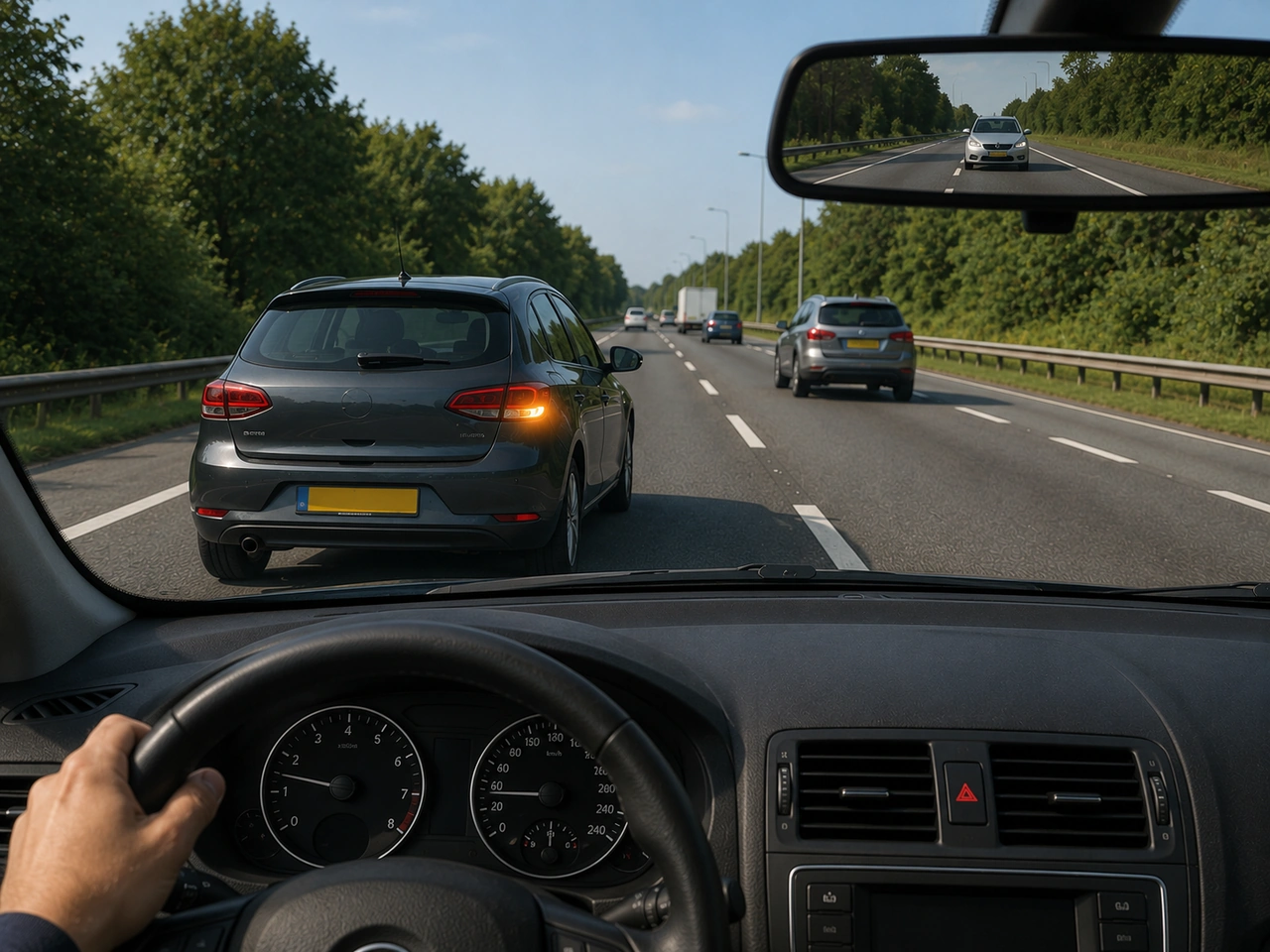
495. You should signal before turning or changing lanes.
A clear signal helps other road users understand your intentions, but you must still check that the manoeuvre can be made safely.
AI-generated by Rijbewijs-online.be • WCIT • CC BY-SA
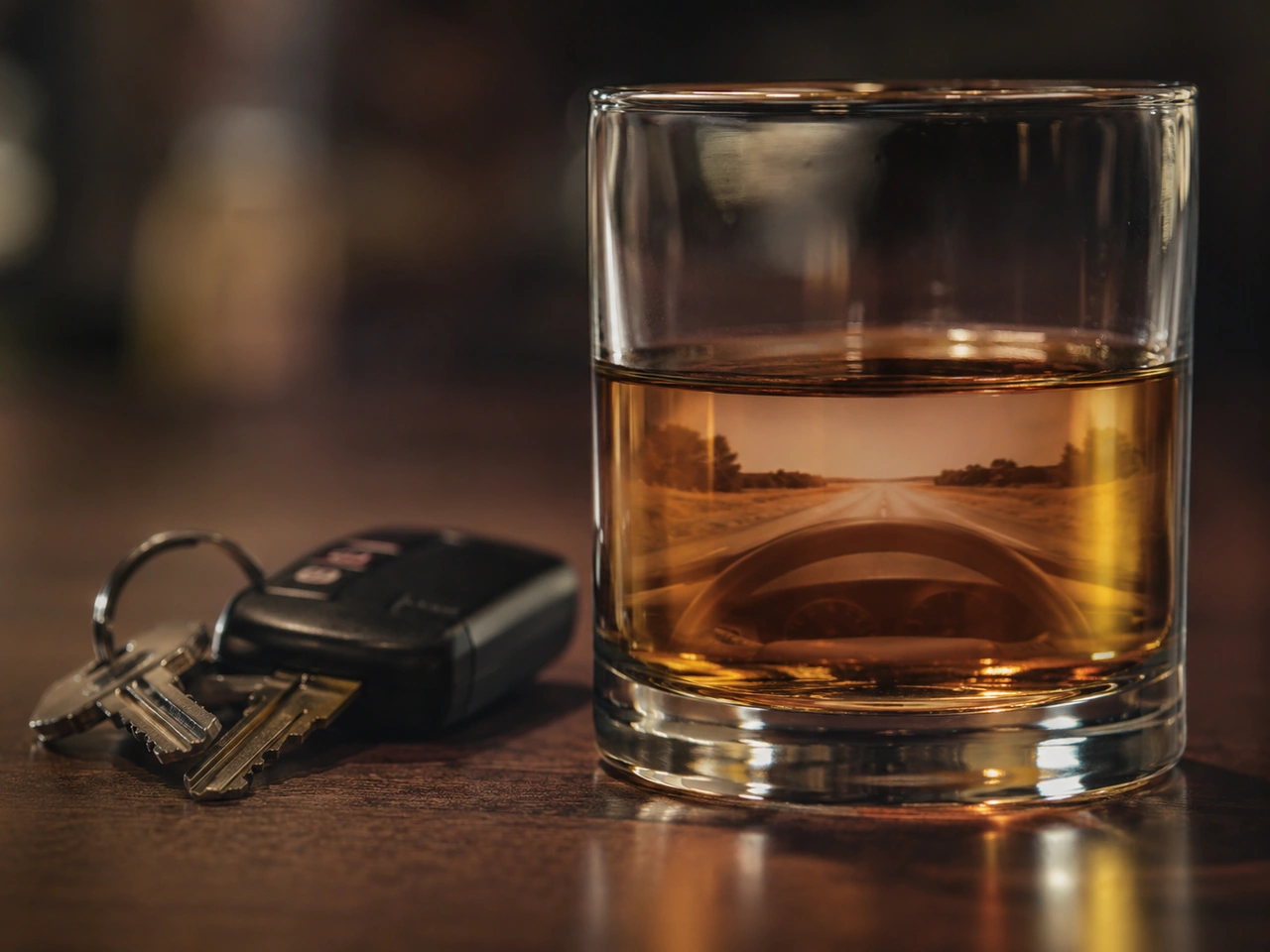
496. How can alcohol affect your driving ability?
Alcohol affects several abilities needed for safe driving, including concentration, decision-making, coordination, and hazard perception.
AI-generated by Rijbewijs-online.be • WCIT • CC BY-SA
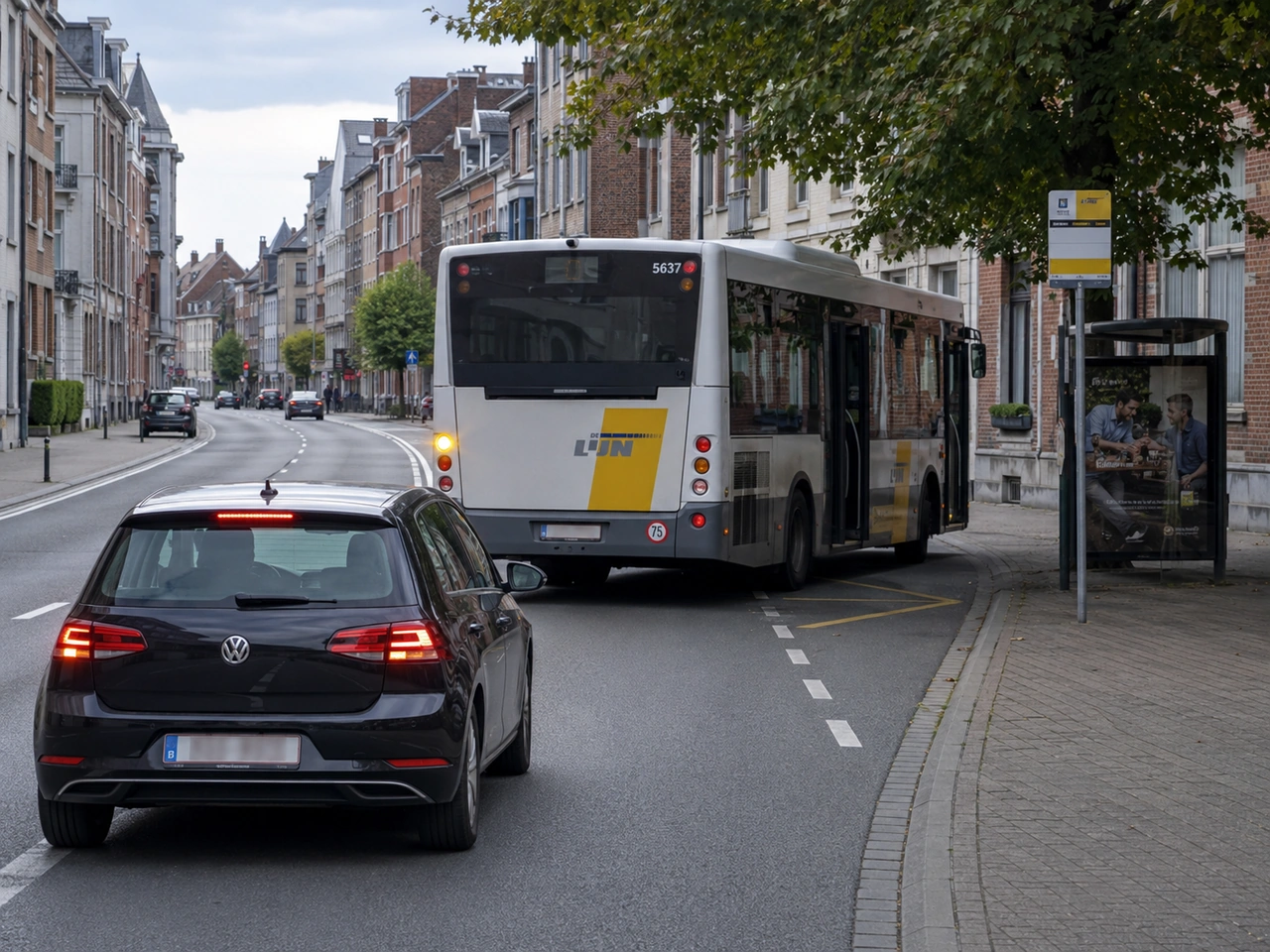
497. What should you do when a bus signals that it is leaving a stop inside a built-up area?
Inside built-up areas, a driver travelling in the same direction must allow a bus to leave its stop when the bus driver signals this intention.
AI-generated by Rijbewijs-online.be • WCIT • CC BY-SA
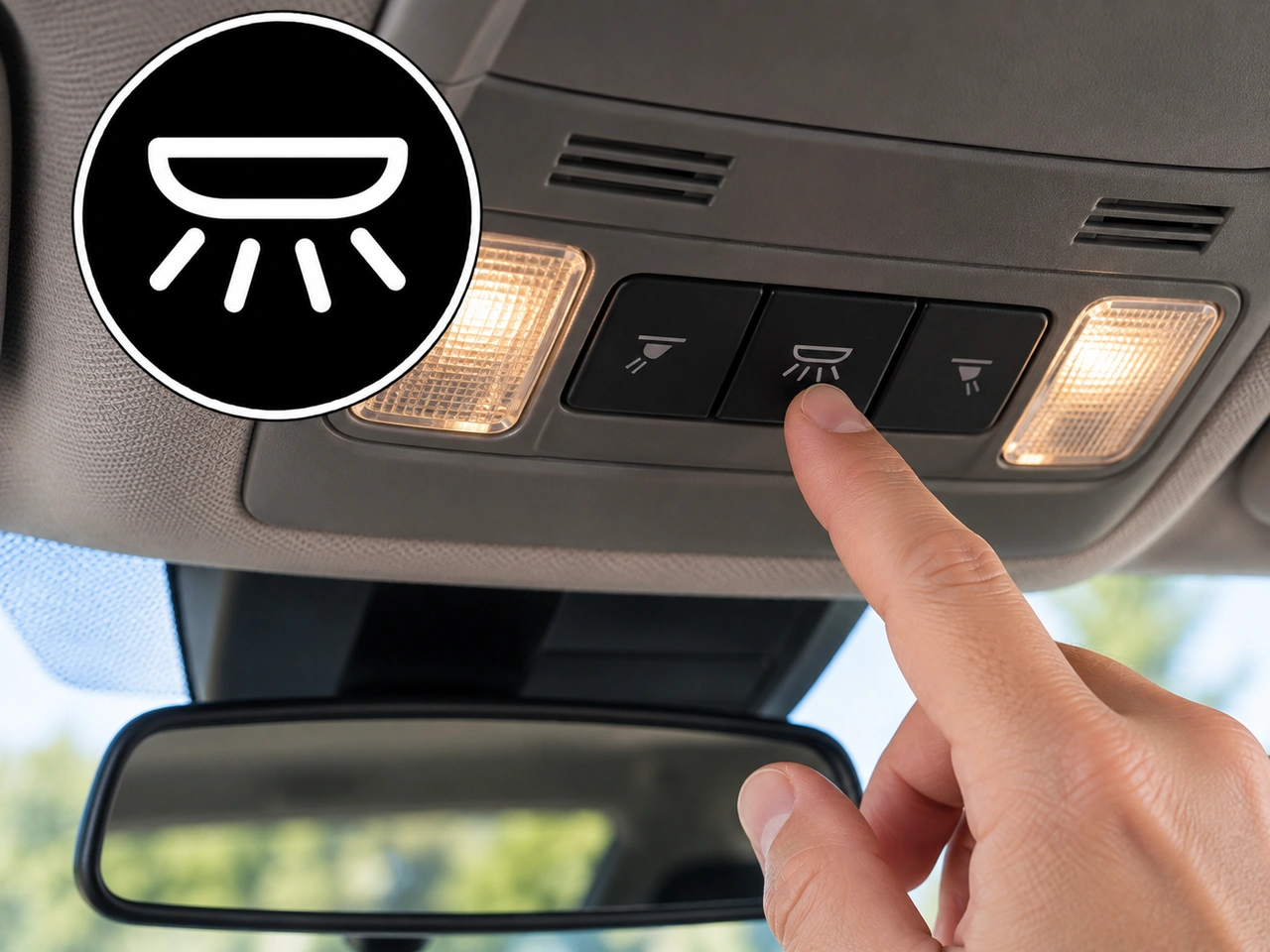
498. What does this vehicle-control symbol indicate?
This control operates the vehicle's interior lighting. Depending on the vehicle, the lights can be switched on manually or set to illuminate automatically when a door is opened.
AI-generated by Rijbewijs-online.be • WCIT • CC BY-SA
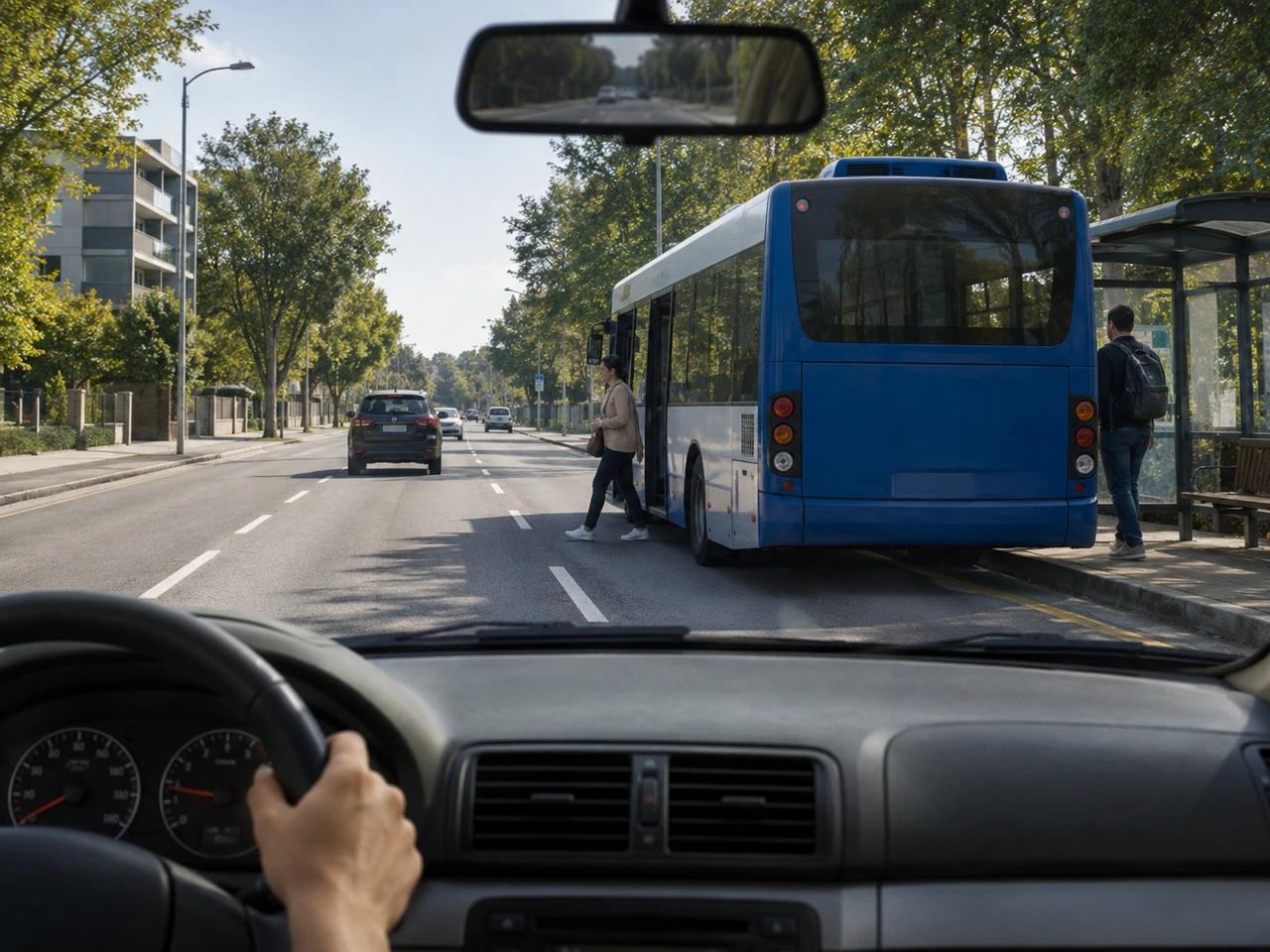
499. Why should you be careful when driving beside a bus at a stop?
Stopped buses can hide pedestrians, and passengers may cross unexpectedly. Slow down and be ready to react.
AI-generated by Rijbewijs-online.be • WCIT • CC BY-SA
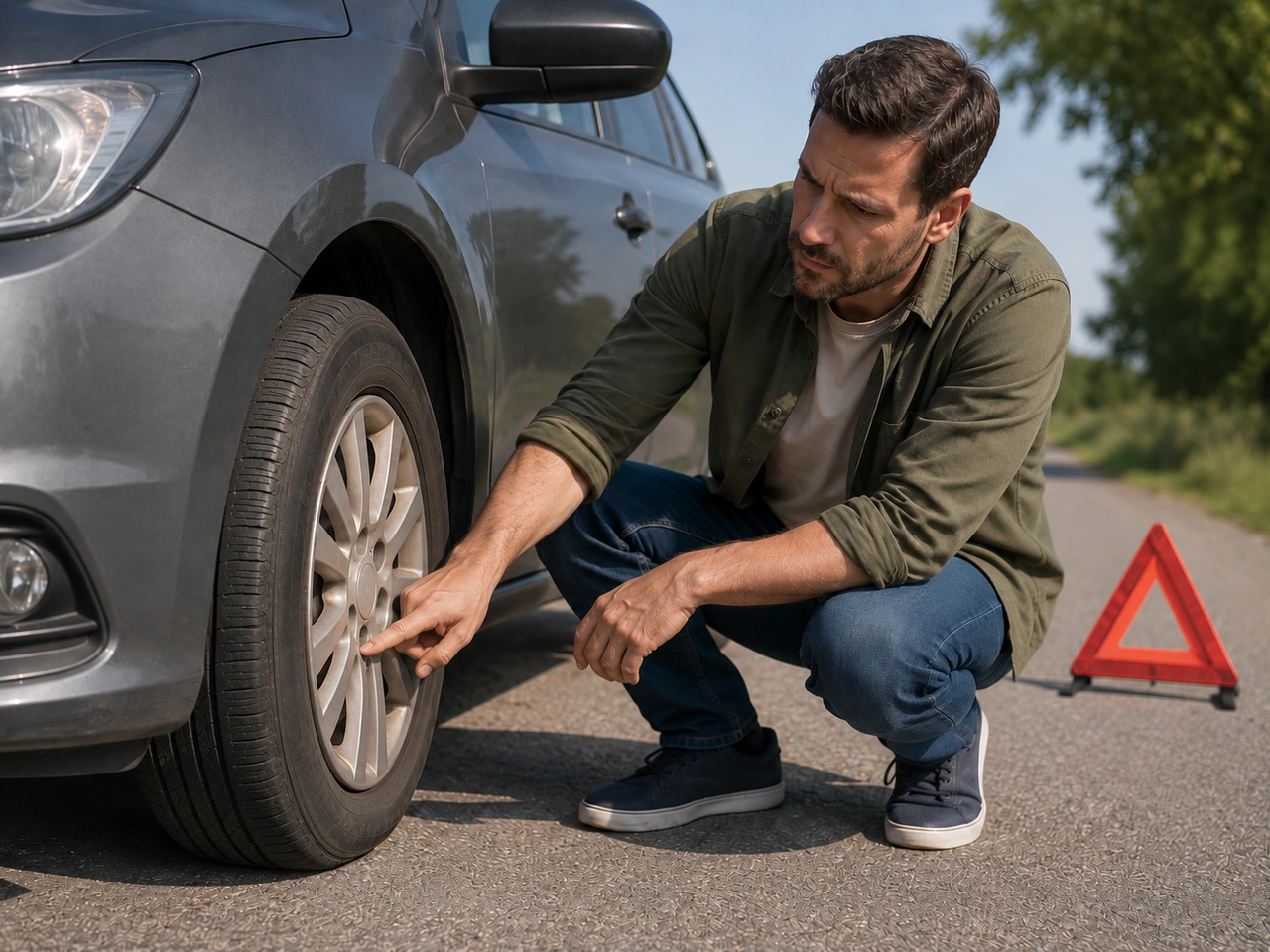
500. What should you do if a tyre has a deep cut, bulge, or exposed cords?
Cuts, bulges, and exposed cords can indicate serious structural damage. The tyre may fail suddenly and should not be used normally.
AI-generated by Rijbewijs-online.be • WCIT • CC BY-SA