


QuizTraffic rulesWallonia
This interesting quiz helps you test your knowledge in a clear and visual way. With easy multiple-choice questions, you can quickly build confidence and learn new facts while keeping it simple, interactive, and fun.
 Traffic signs
 Traffic rules
 Wallonia
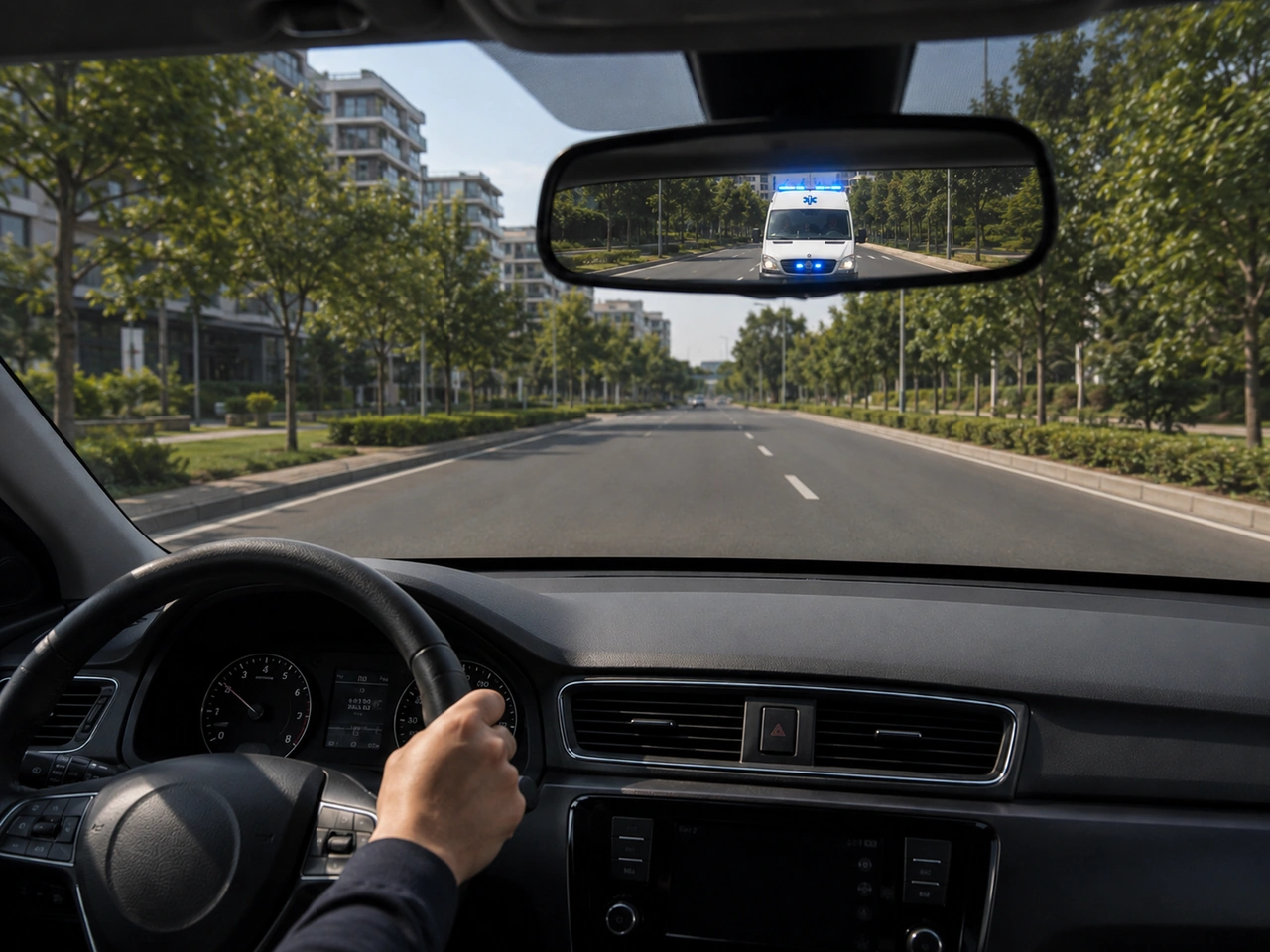
551. What should you do if an emergency vehicle approaches with lights or siren on?
When an emergency vehicle uses lights or siren, check your surroundings and make room safely without sudden or dangerous movements.
AI-generated by Rijbewijs-online.be • WCIT • CC BY-SA

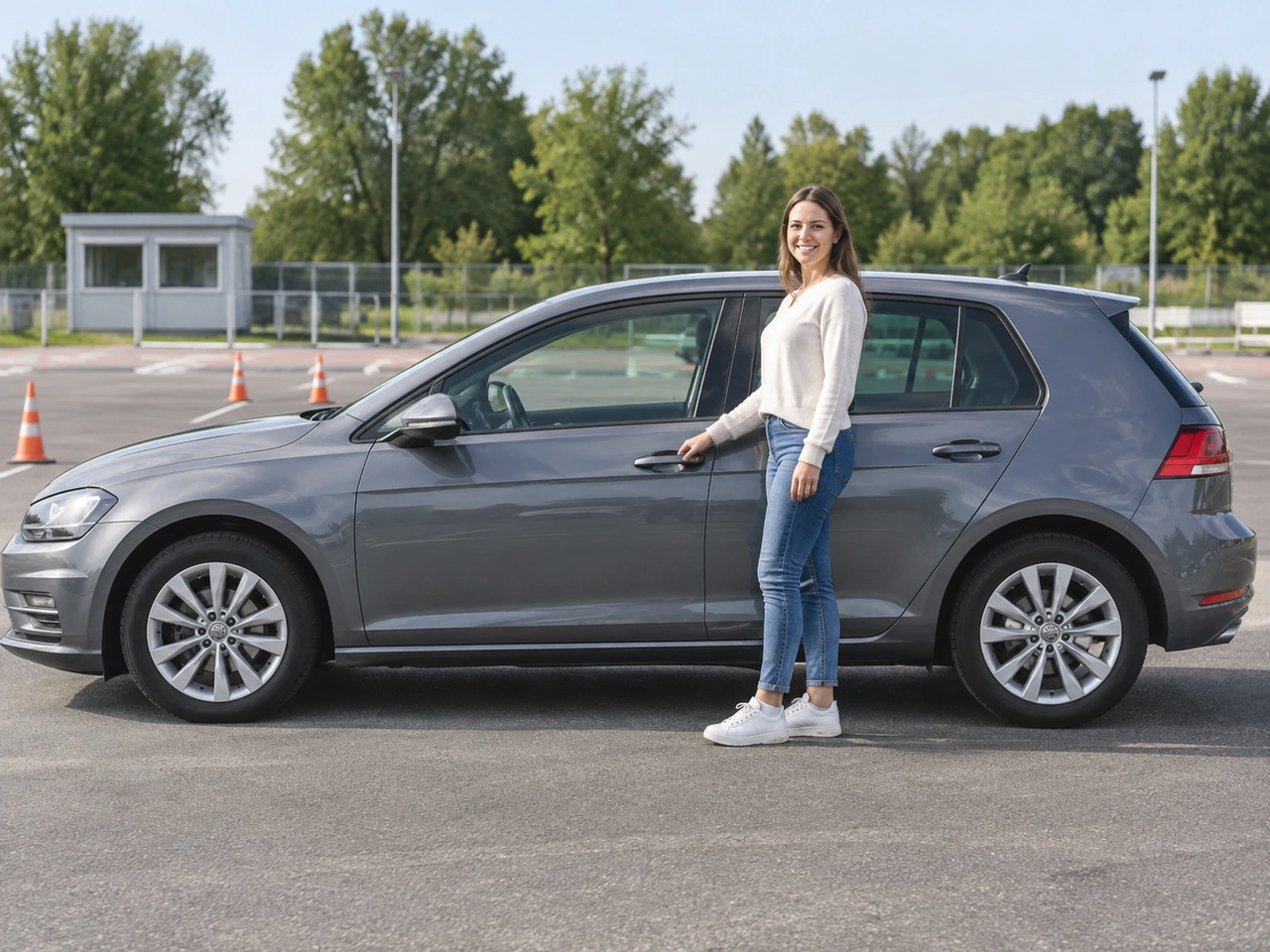
552. Which licence category is mainly associated with cars?
Driving licence B is mainly associated with cars. Category B covers ordinary cars, while category B with Code 96 and category BE allow heavier trailer combinations.
AI-generated by Rijbewijs-online.be • WCIT • CC BY-SA
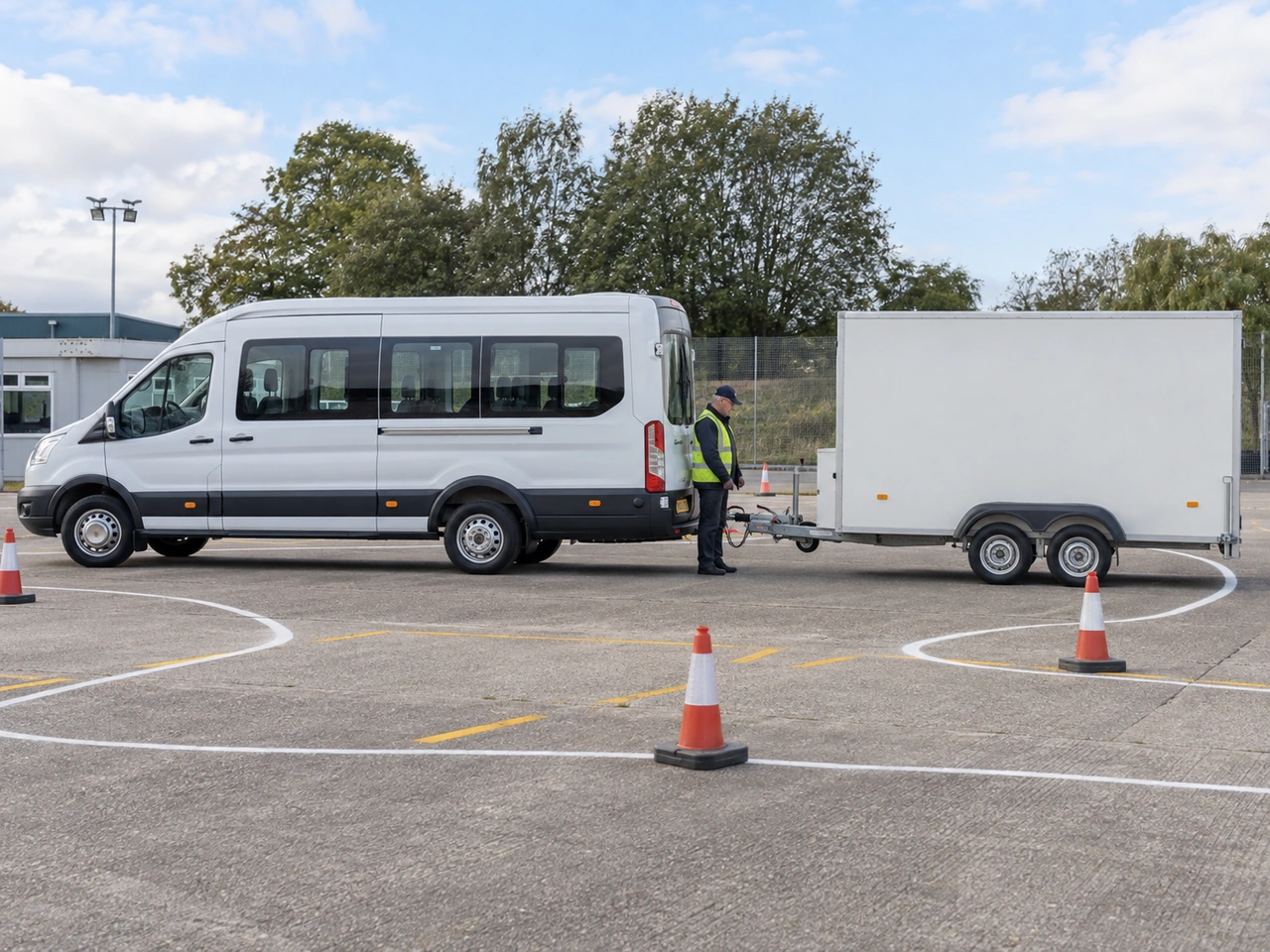
553. What is the minimum licence for a D1 minibus towing a trailer over 750 kg?
Category D1 permits a trailer with a maximum authorised mass of up to 750 kg. A D1 vehicle towing a trailer above 750 kg requires category D1E.
AI-generated by Rijbewijs-online.be • WCIT • CC BY-SA
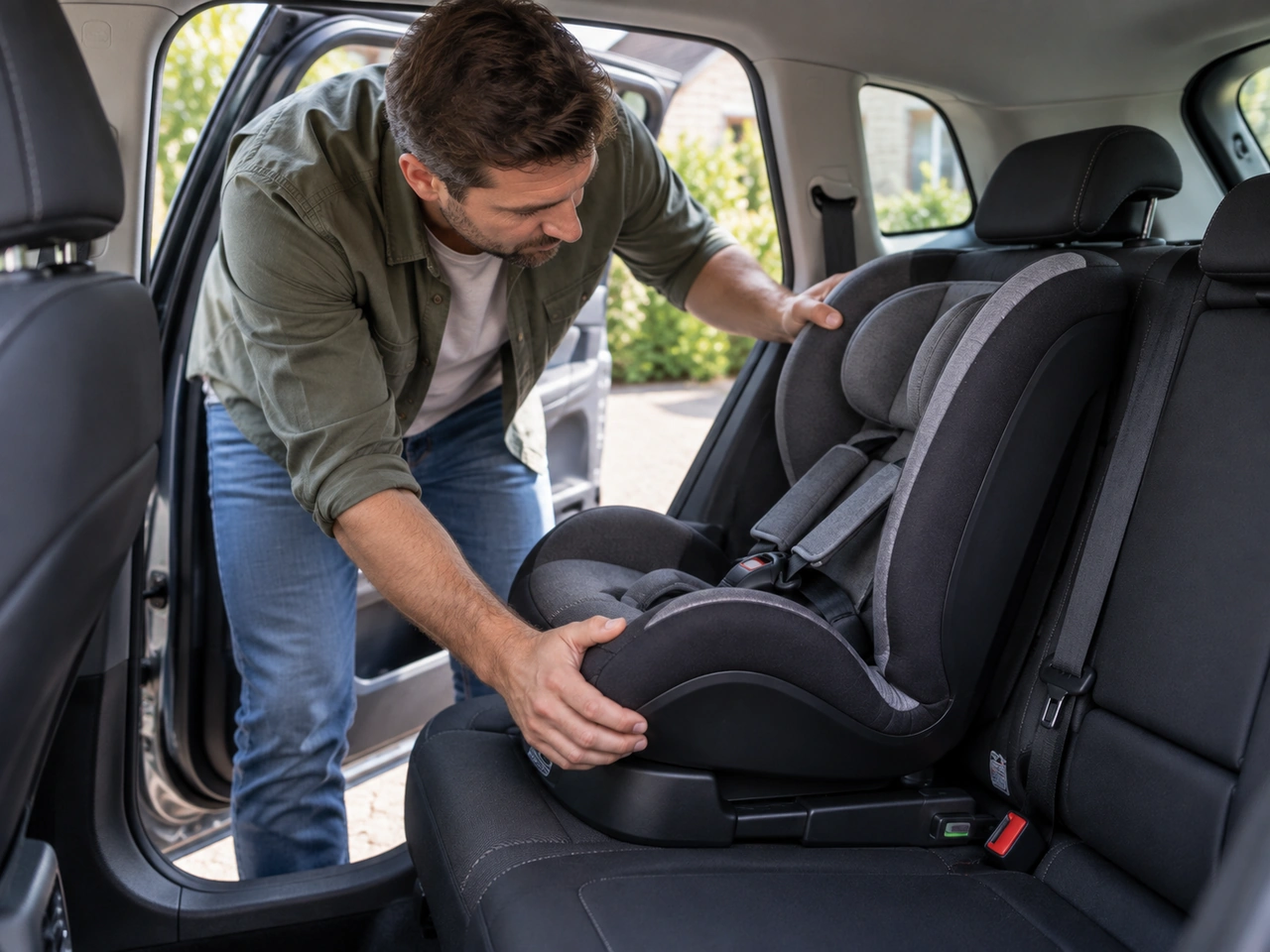
554. What should you check after fitting a child restraint?
A child restraint should be installed securely and used according to the manufacturer's instructions. Check that the seat is firmly attached, the belt or ISOFIX connection is correct, and the child is restrained properly before driving.
AI-generated by Rijbewijs-online.be • WCIT • CC BY-SA
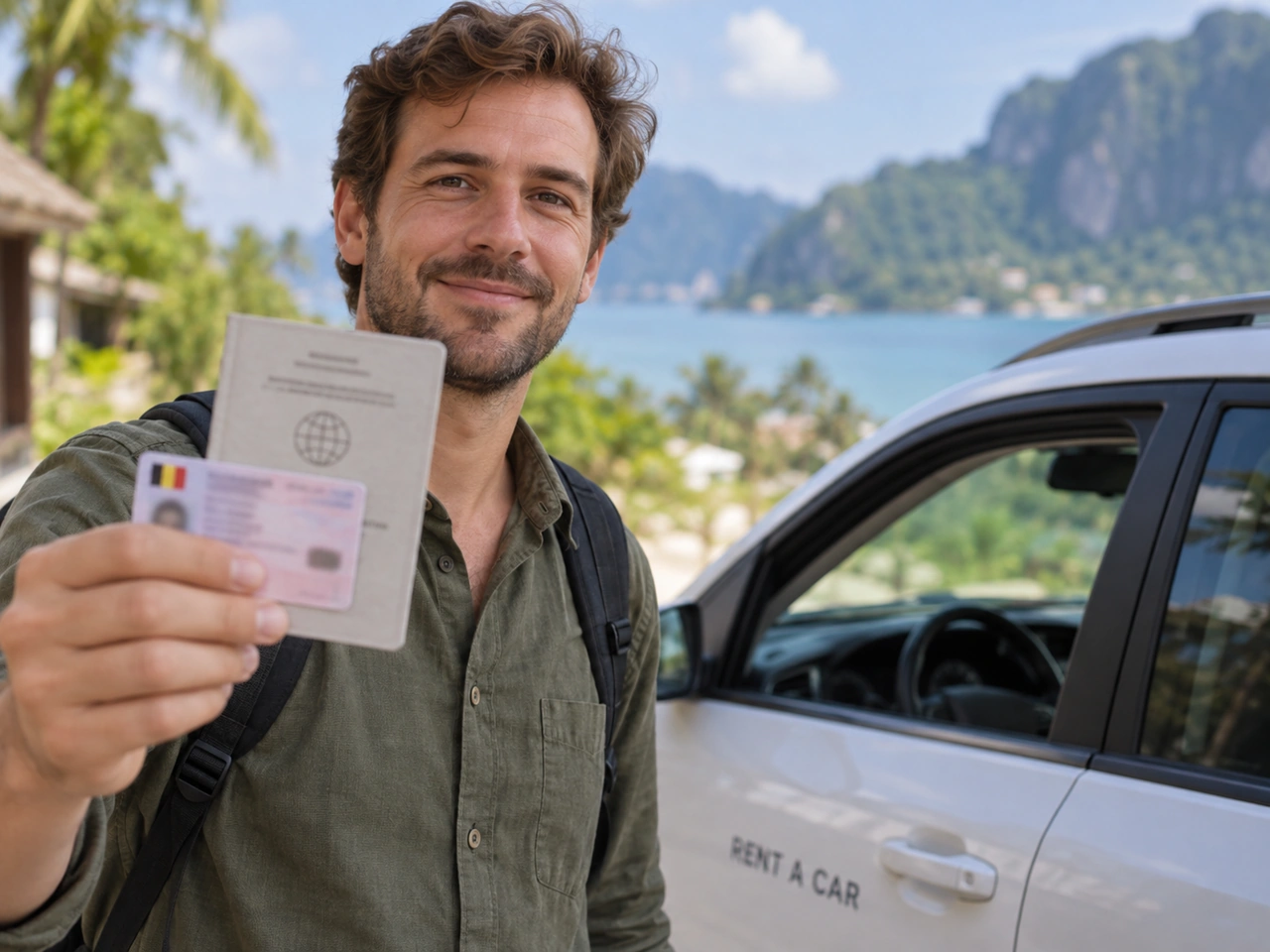
555. What is an international driving permit mainly used for?
An international driving permit is a standardised document used alongside your national driving licence when driving in countries where the national licence alone is not recognised. It does not replace your national driving licence.
AI-generated by Rijbewijs-online.be • WCIT • CC BY-SA
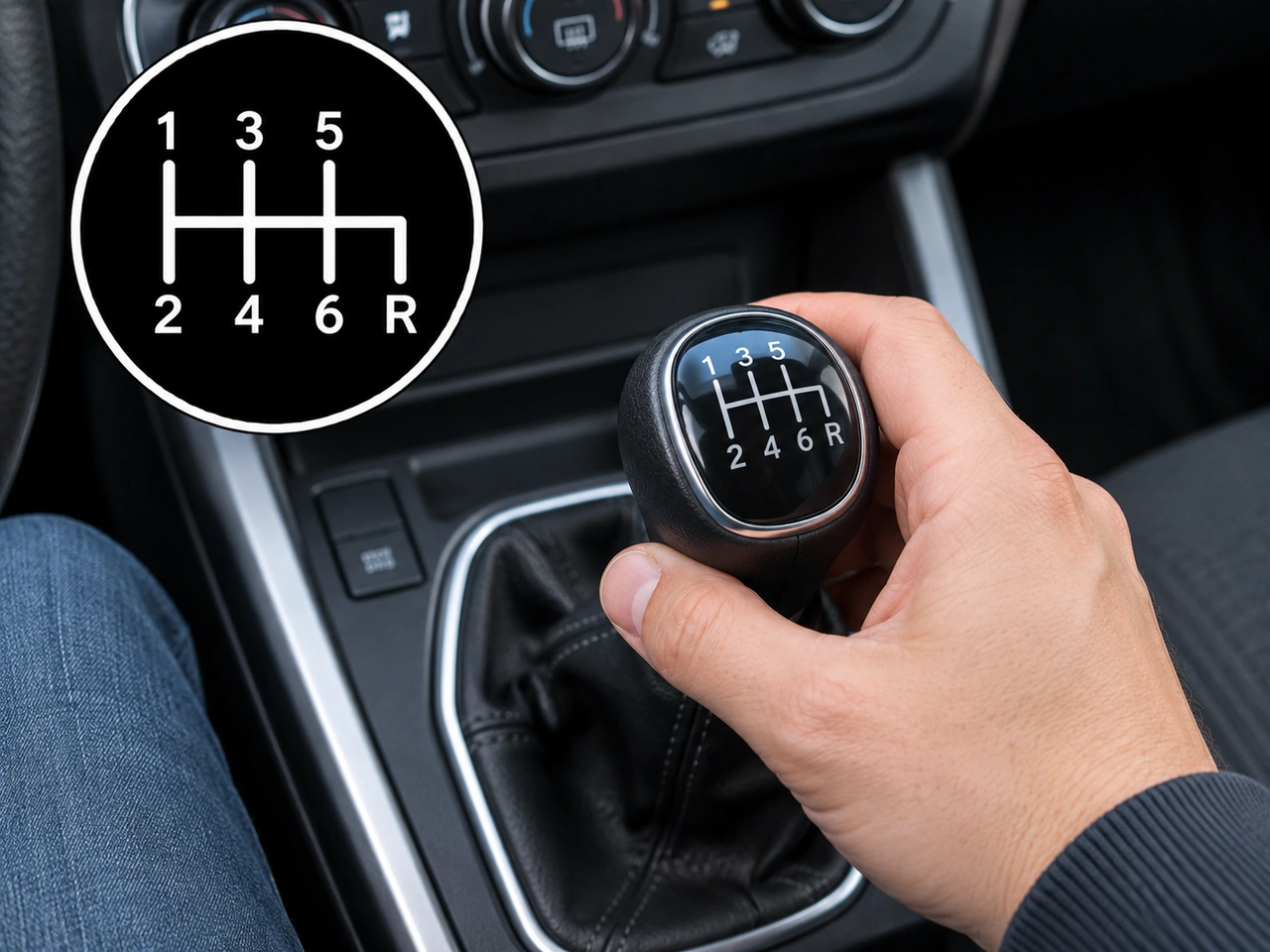
556. Which gear is used to drive a manual vehicle backwards?
Select R (Reverse) when you need to drive a manual vehicle backwards. The vehicle should be stationary before Reverse is selected.
AI-generated by Rijbewijs-online.be • WCIT • CC BY-SA
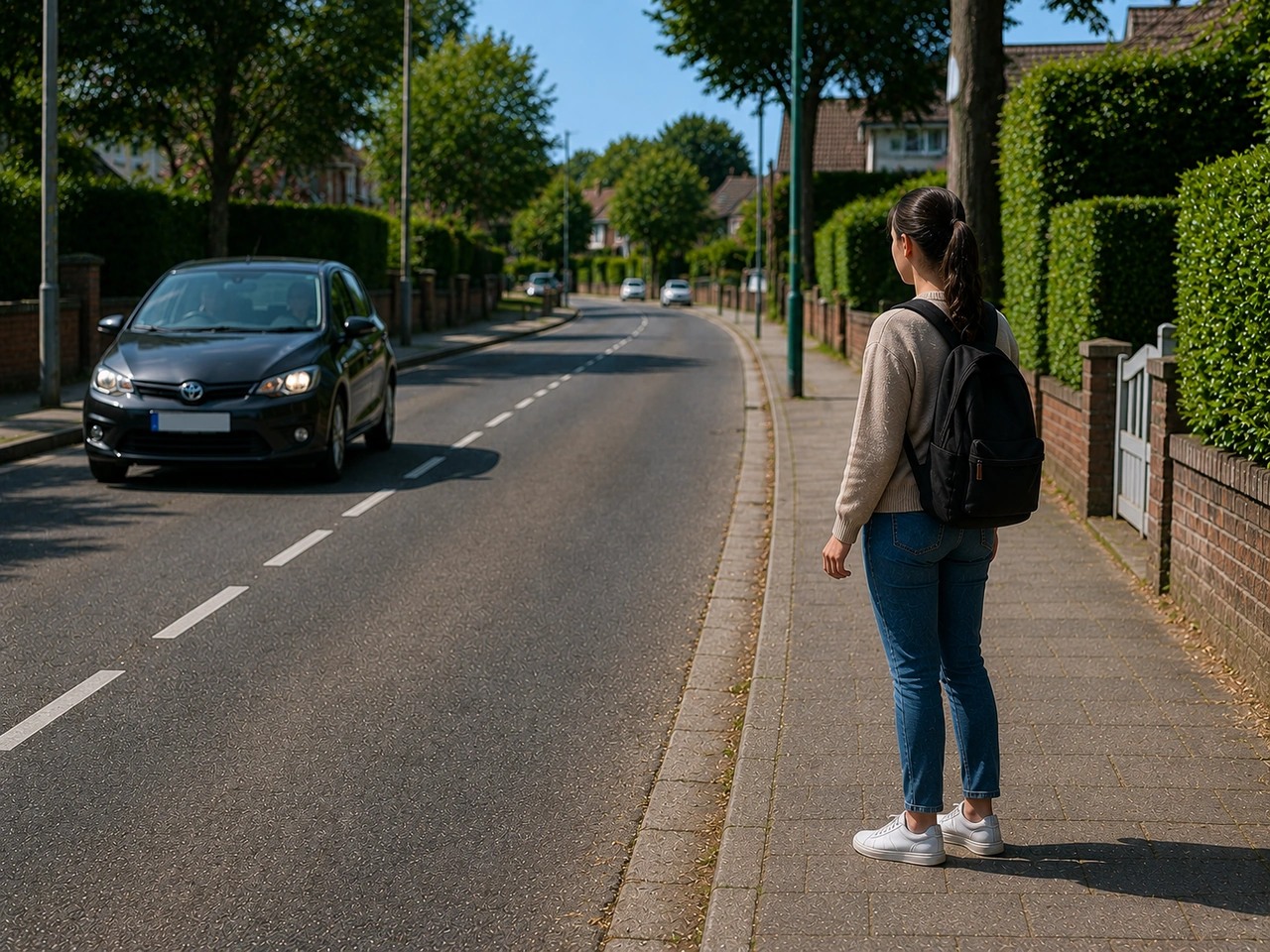
557. What is the best place to cross the road?
Use a designated crossing whenever possible. It is usually the safest place to cross the road.
AI-generated by Rijbewijs-online.be • WCIT • CC BY-SA
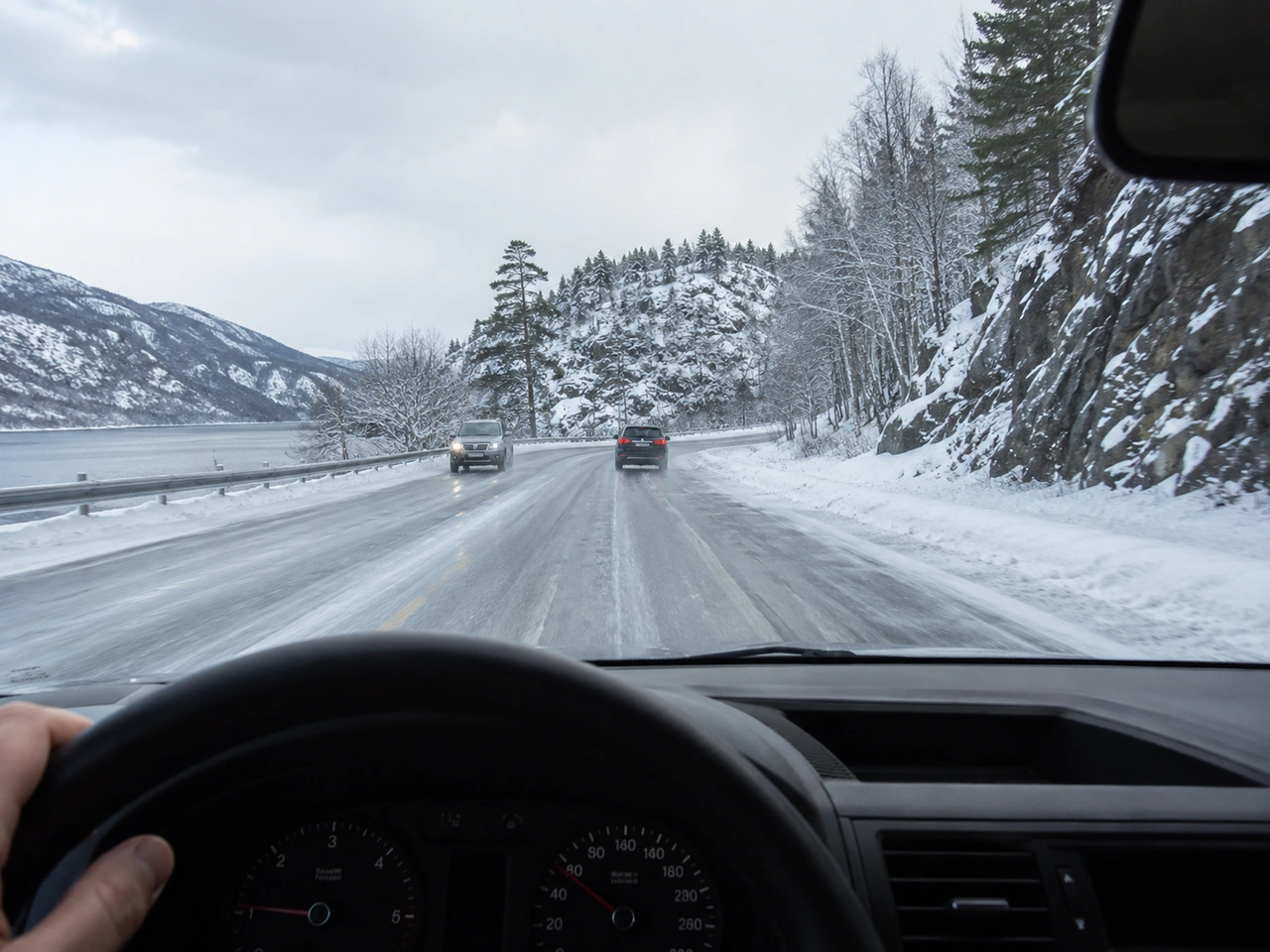
558. How should you brake on a slippery road?
Sudden braking can cause the wheels to lose grip. Smooth, progressive braking reduces the risk of skidding.
AI-generated by Rijbewijs-online.be • WCIT • CC BY-SA
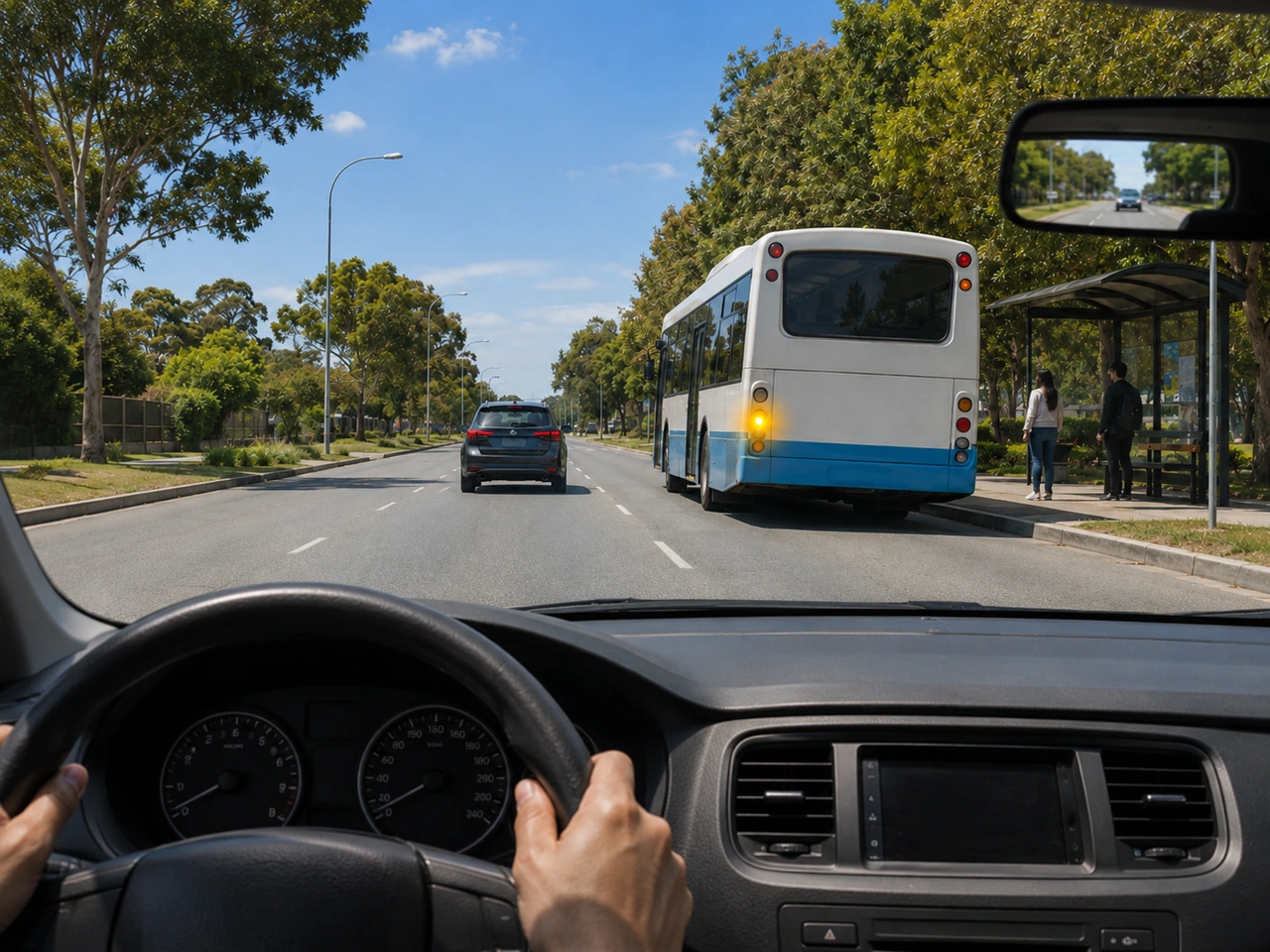
559. What should you do when a bus signals to pull away from a bus stop?
Buses may pull away after picking up passengers. Slow down, check the traffic situation, and allow space when it is safe.
AI-generated by Rijbewijs-online.be • WCIT • CC BY-SA
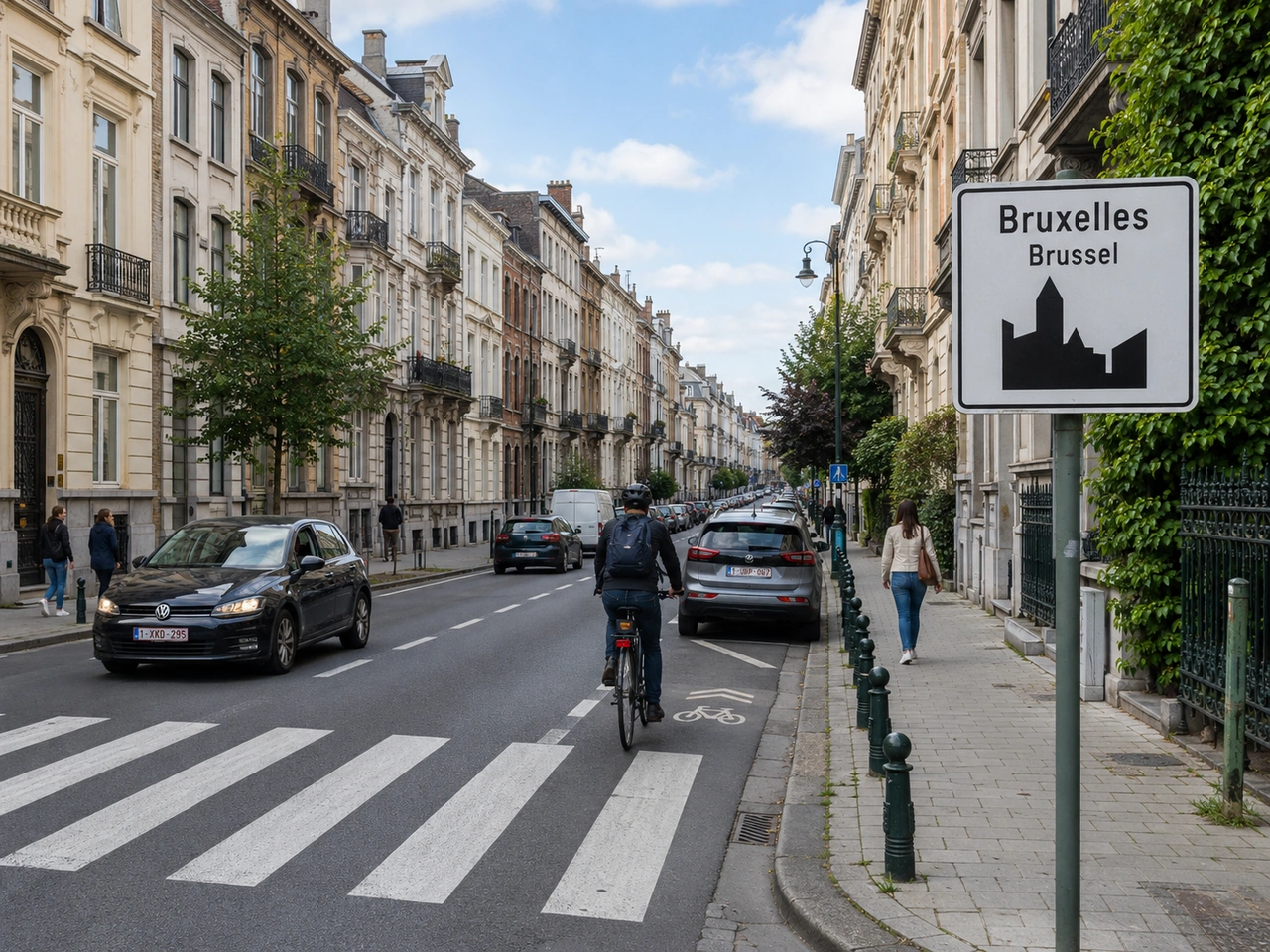
560. What is the general speed limit in built-up areas in Brussels?
In the Brussels-Capital Region, the general speed limit inside built-up areas is 30 km/h. Traffic signs may impose a different limit on particular roads.
AI-generated by Rijbewijs-online.be • WCIT • CC BY-SA
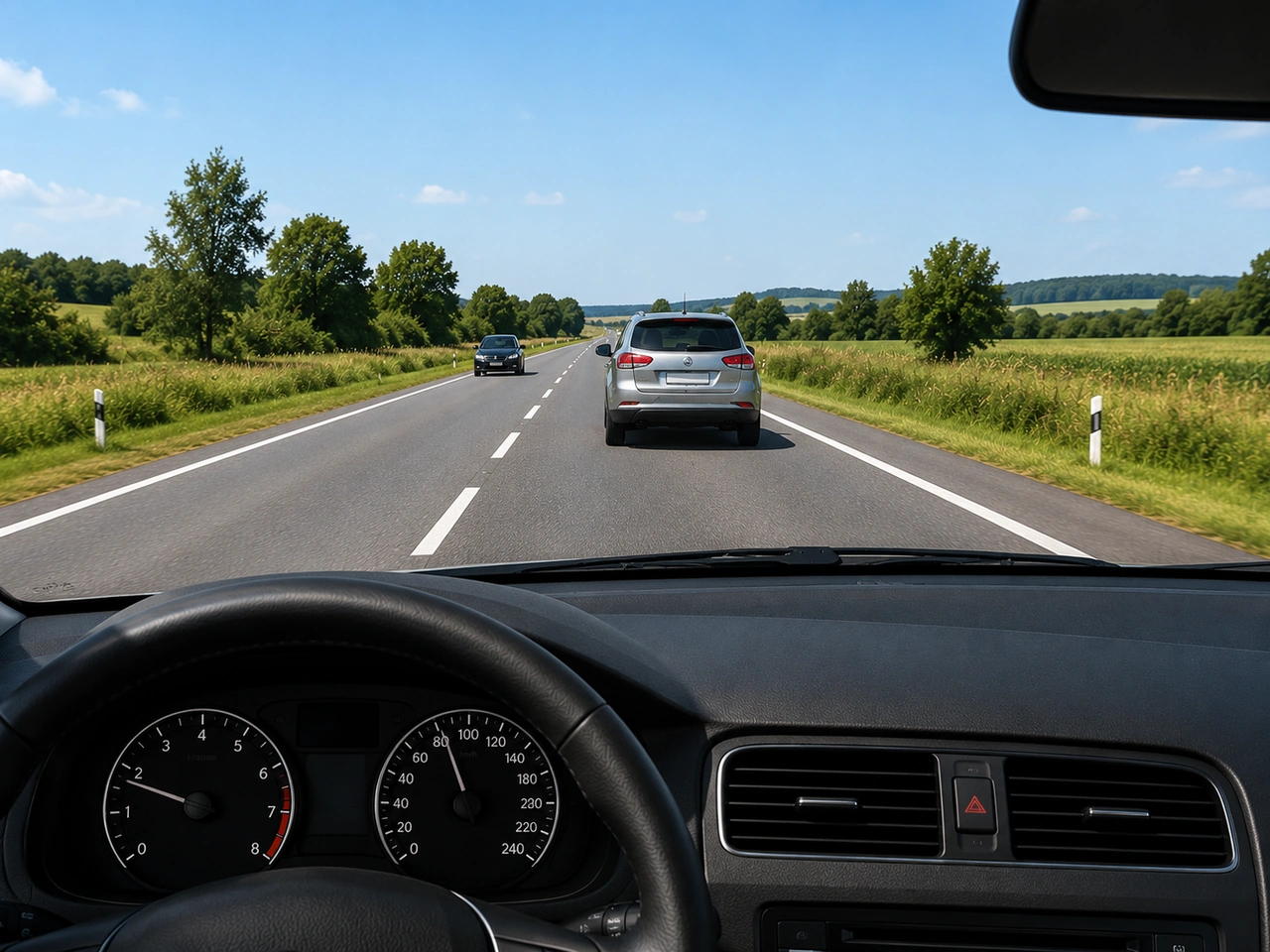
561. Why should you keep a safe following distance?
A safe following distance gives you enough time to react if the vehicle in front slows down or stops suddenly.
AI-generated by Rijbewijs-online.be • WCIT • CC BY-SA
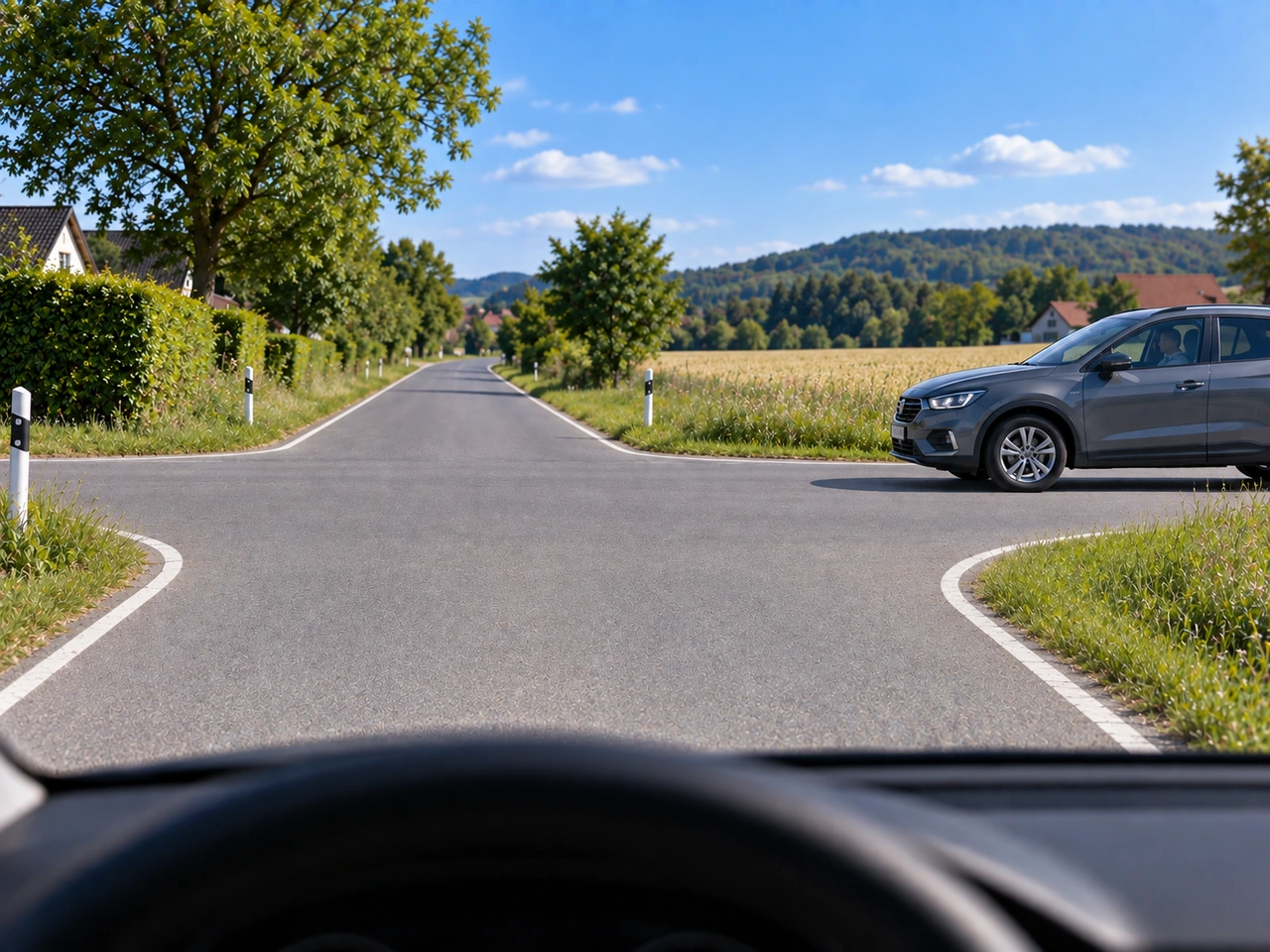
562. Who generally has priority at an uncontrolled intersection in Wallonia?
At an uncontrolled intersection in Wallonia, you generally give way to traffic approaching from the right.
AI-generated by Rijbewijs-online.be • WCIT • CC BY-SA
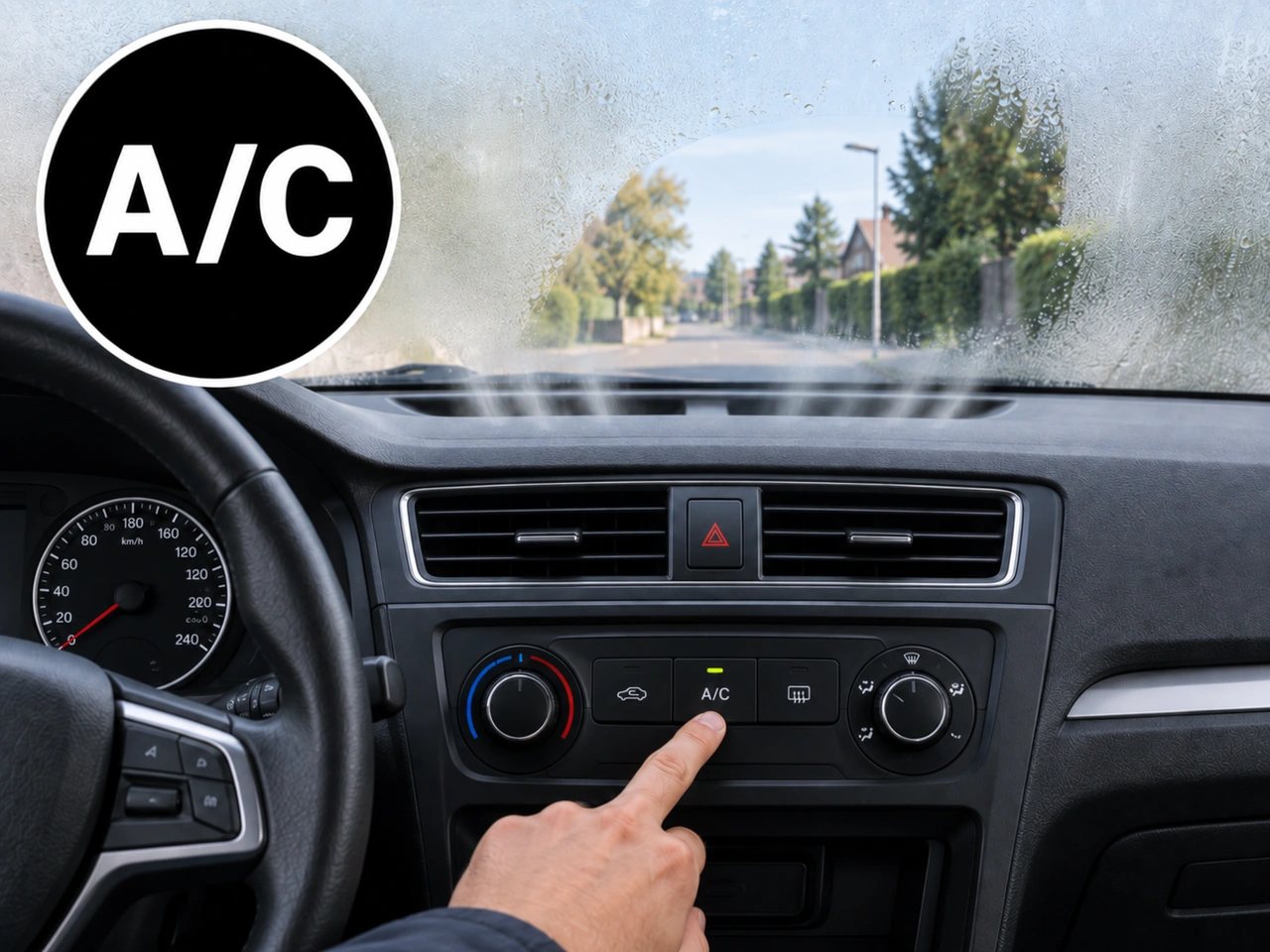
563. How can air conditioning help demist the windows?
Using the air conditioning can help demist the windows because it removes moisture from the cabin air. Directing this drier air towards the windscreen can clear condensation more quickly.
AI-generated by Rijbewijs-online.be • WCIT • CC BY-SA
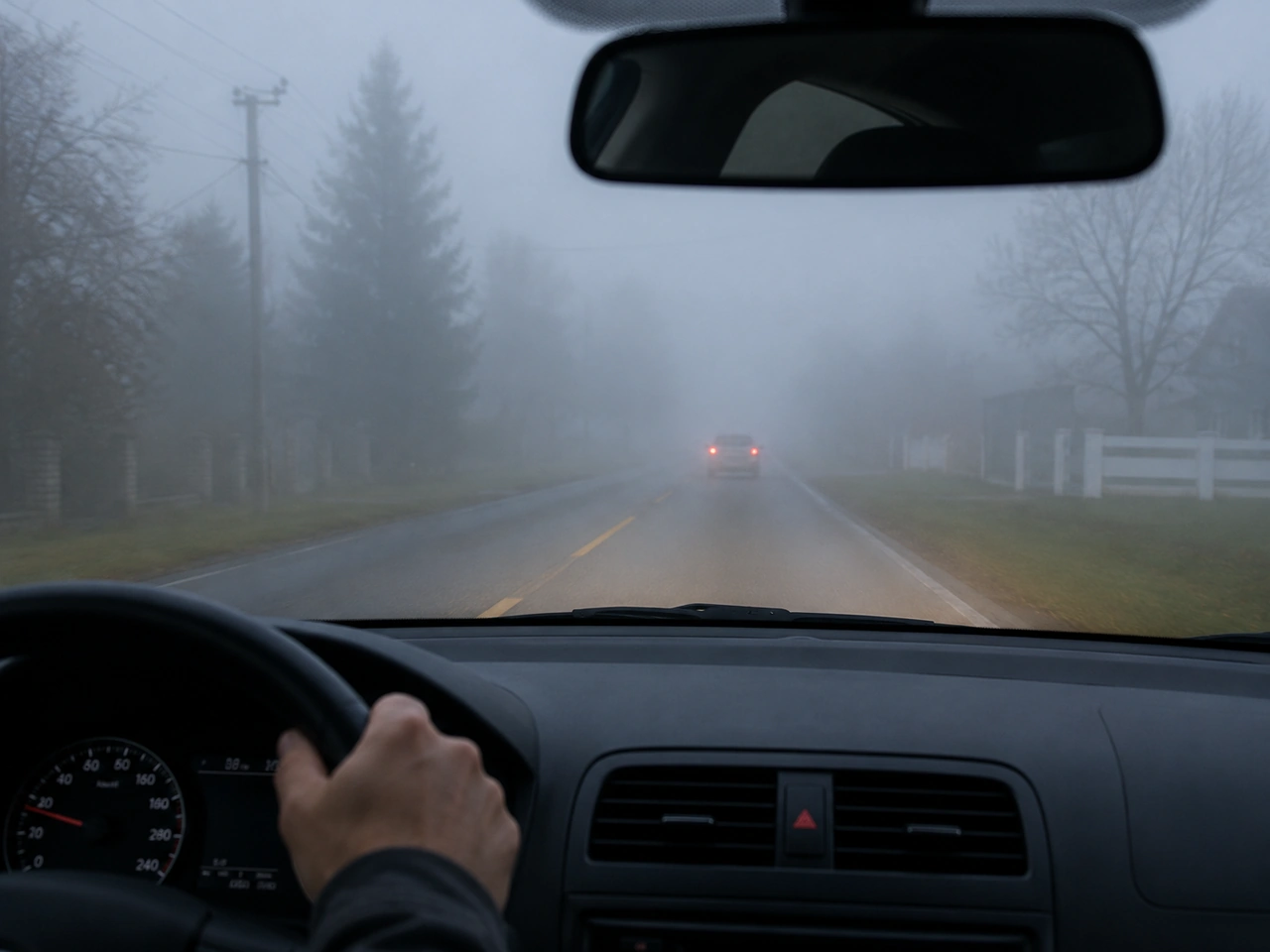
564. What should you do if visibility is reduced by fog?
Fog makes it harder to see and be seen. Reduce speed, increase following distance, and use the correct lights.
AI-generated by Rijbewijs-online.be • WCIT • CC BY-SA
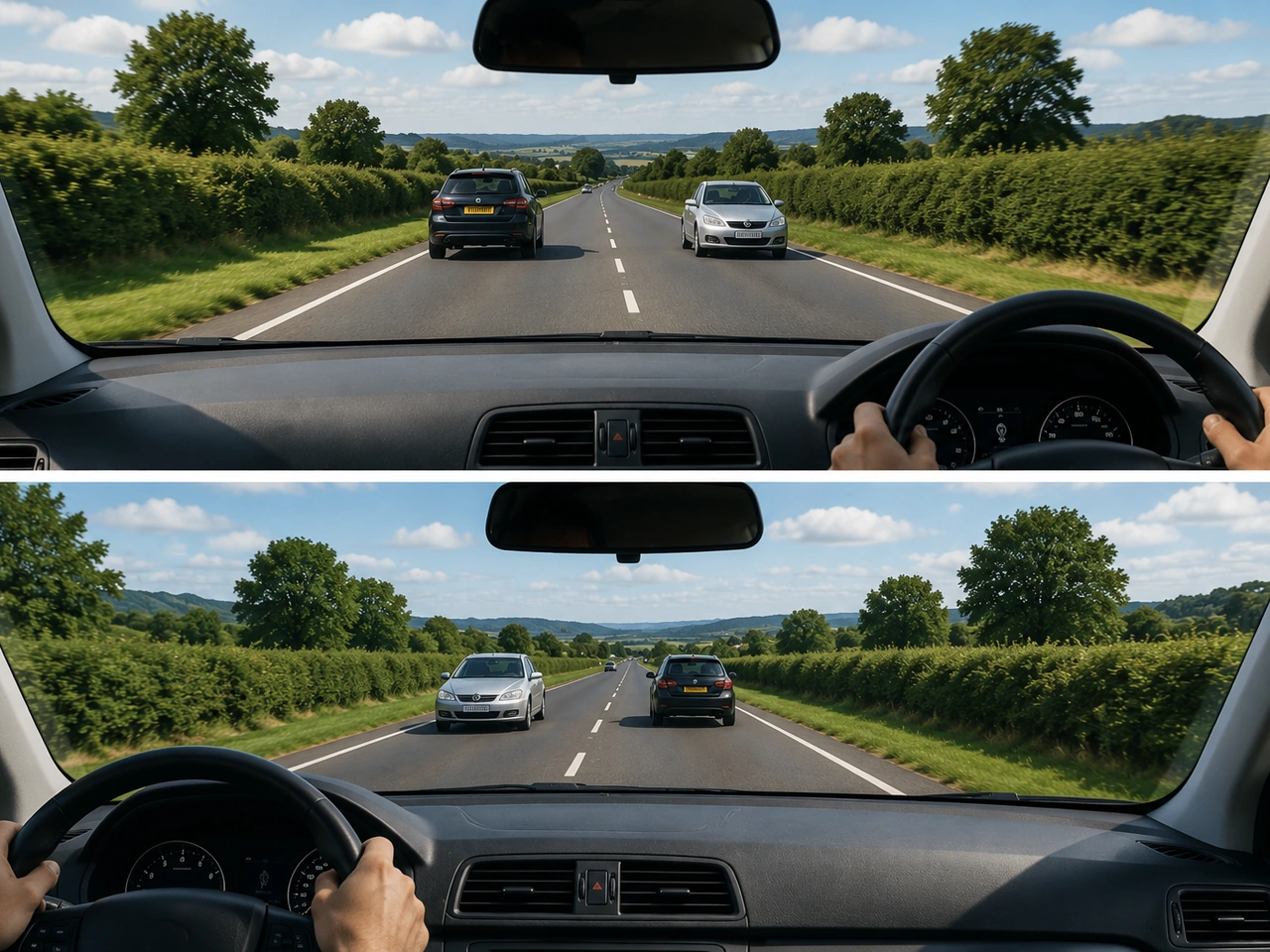
565. Which side do people drive on in Wallonia?
Traffic drives on the right-hand side of the road in Wallonia.
AI-generated by Rijbewijs-online.be • WCIT • CC BY-SA
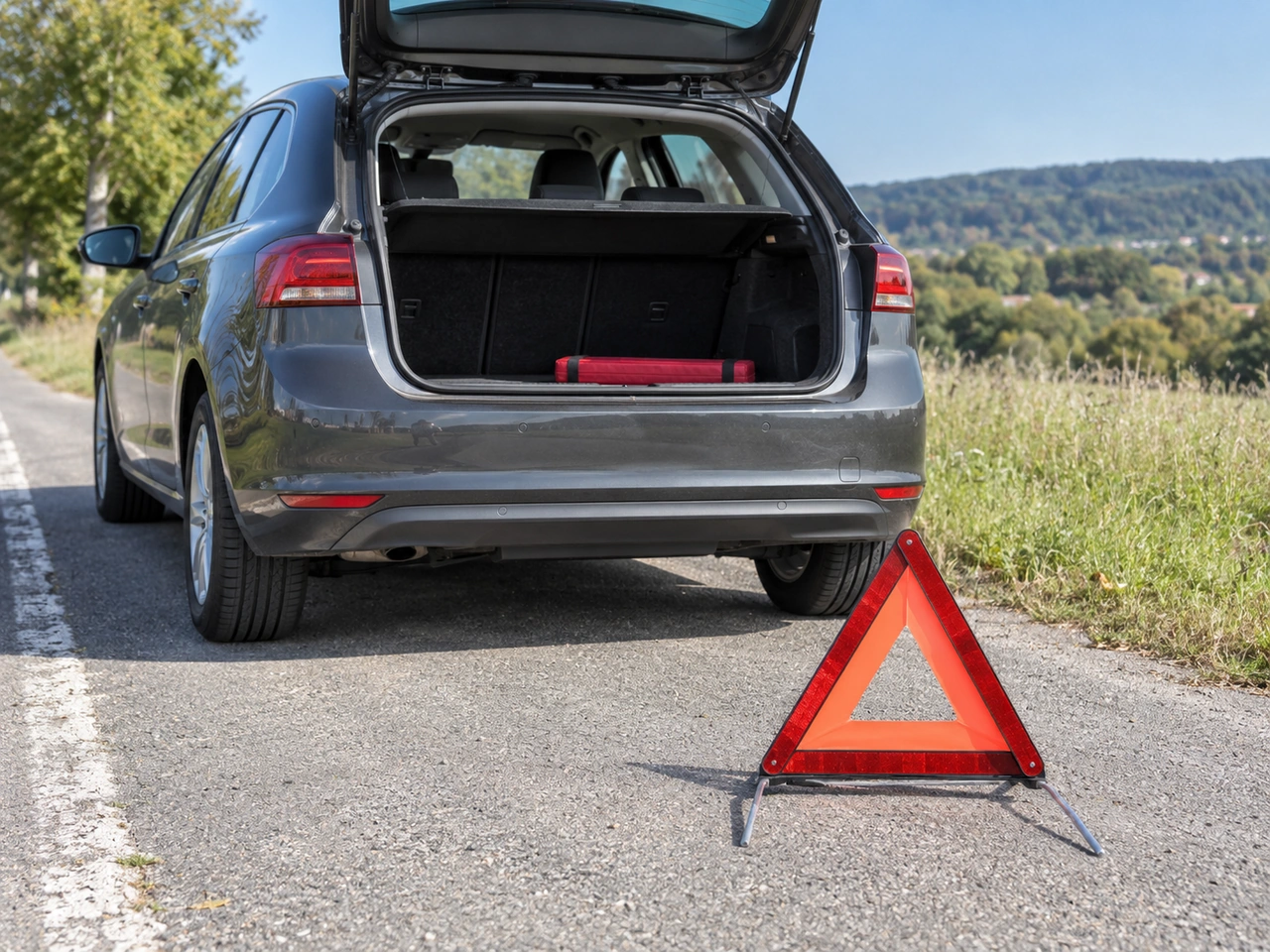
566. Is a warning triangle required in cars in Wallonia?
Cars in Wallonia are required to carry a warning triangle.
AI-generated by Rijbewijs-online.be • WCIT • CC BY-SA
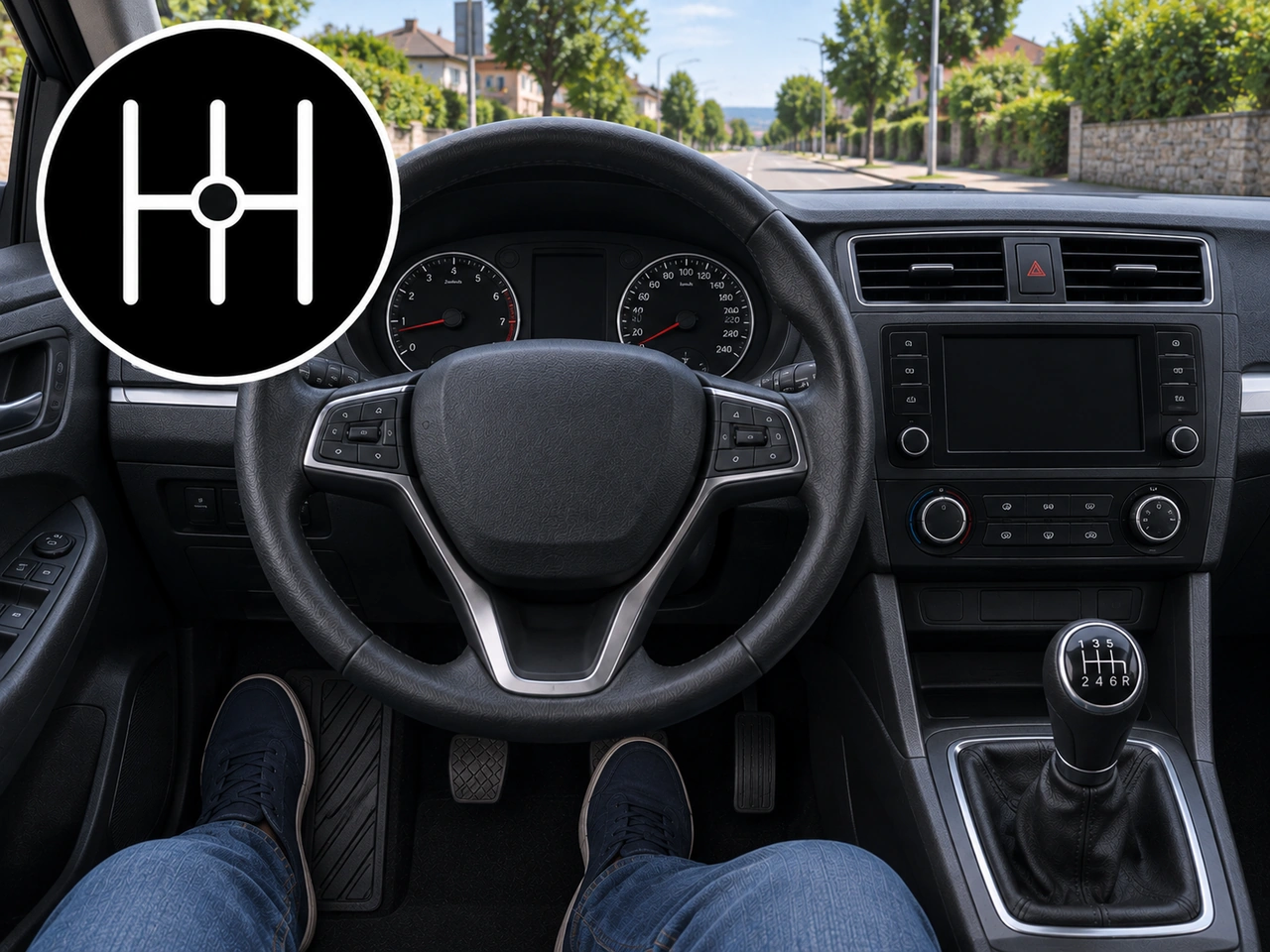
567. What should you normally do with the gearbox during a longer stop in a manual vehicle?
During a longer stop, selecting neutral and releasing the clutch can reduce unnecessary strain on the clutch release mechanism. Keep the vehicle securely held with the brake or parking brake as appropriate.
AI-generated by Rijbewijs-online.be • WCIT • CC BY-SA
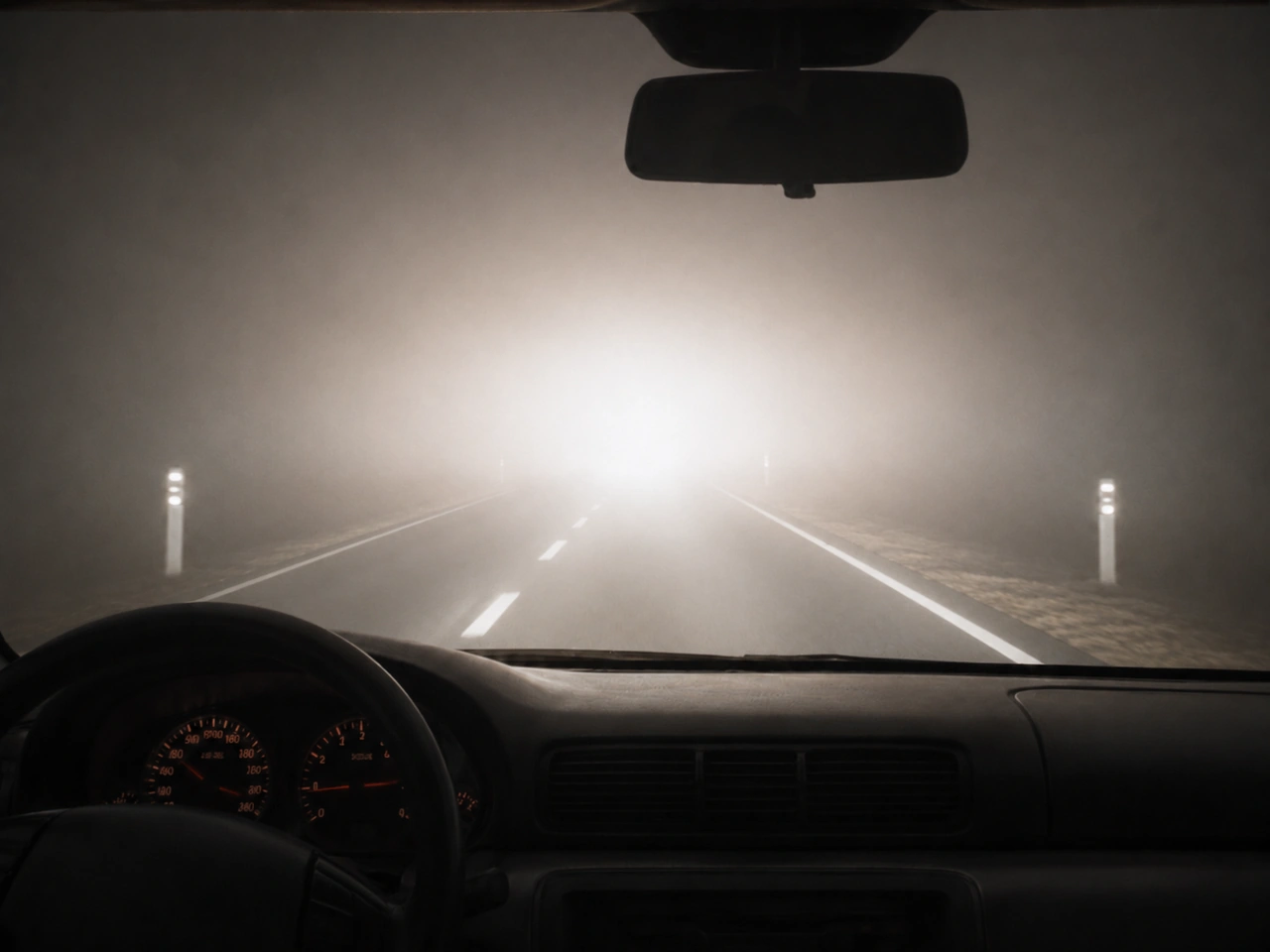
568. Why can main-beam headlights make driving in fog more difficult?
Main beam can reflect back from fog and create glare, making it harder to see the road ahead.
AI-generated by Rijbewijs-online.be • WCIT • CC BY-SA
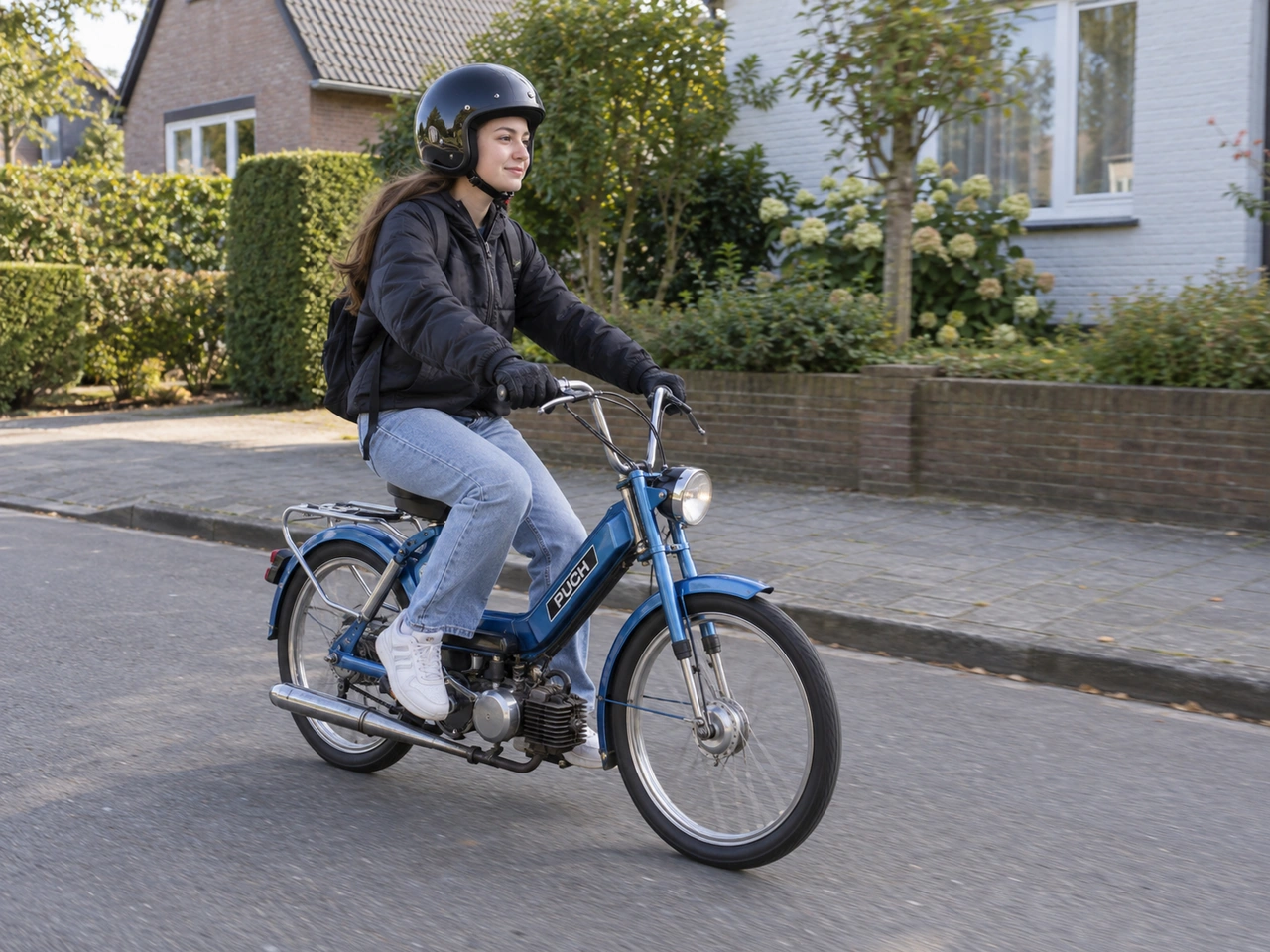
569. Which Belgian moped class is limited to a maximum design speed of 25 km/h?
A Belgian class A moped has a maximum design speed of no more than 25 km/h. It may be ridden from the age of 16 without a driving licence.
AI-generated by Rijbewijs-online.be • WCIT • CC BY-SA
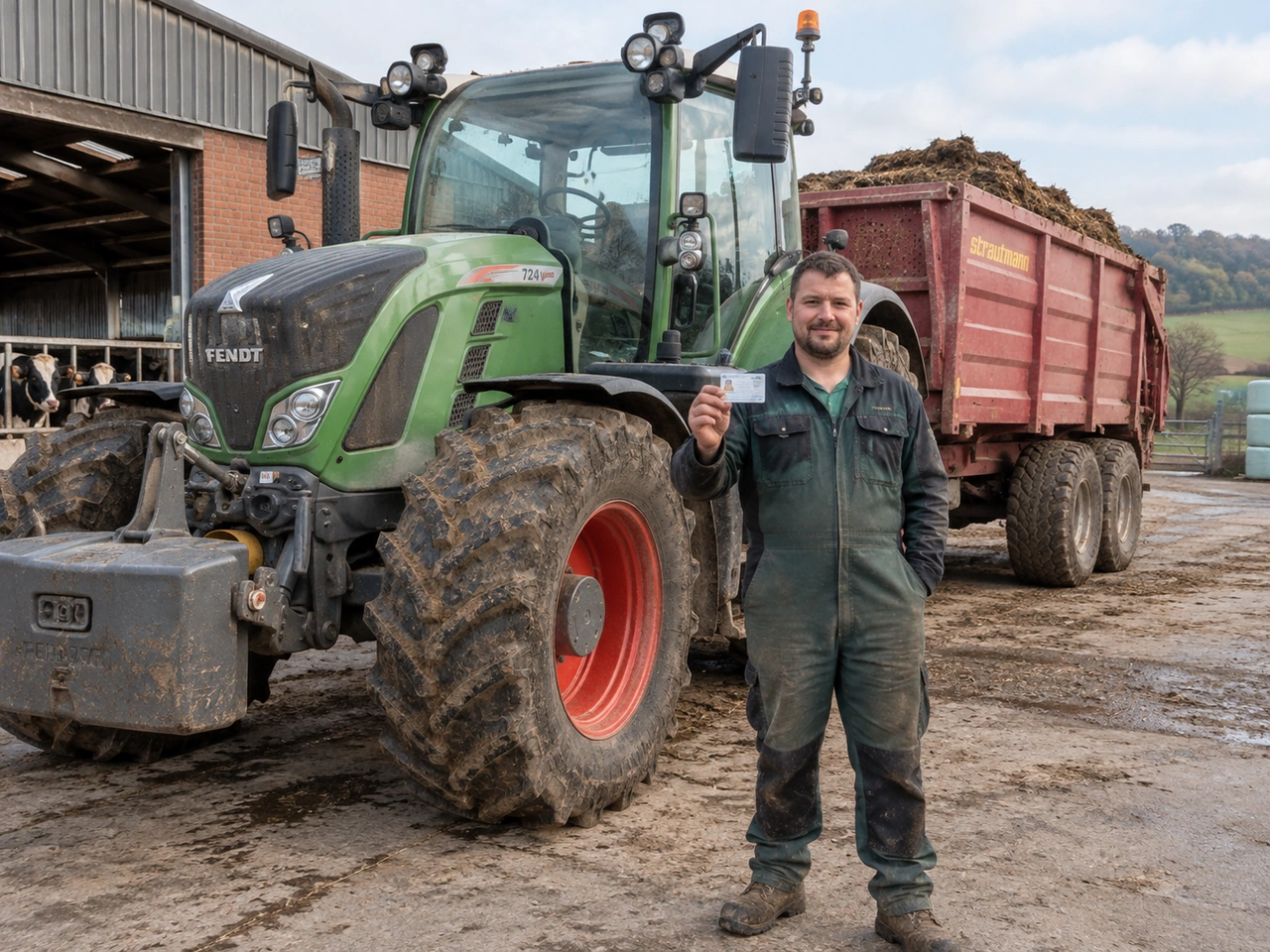
570. What Belgian licence is normally used for agricultural or forestry tractors?
Category G is intended for agricultural and forestry tractors and certain agricultural machinery used for agricultural or forestry activities. It can also cover their trailers.
AI-generated by Rijbewijs-online.be • WCIT • CC BY-SA
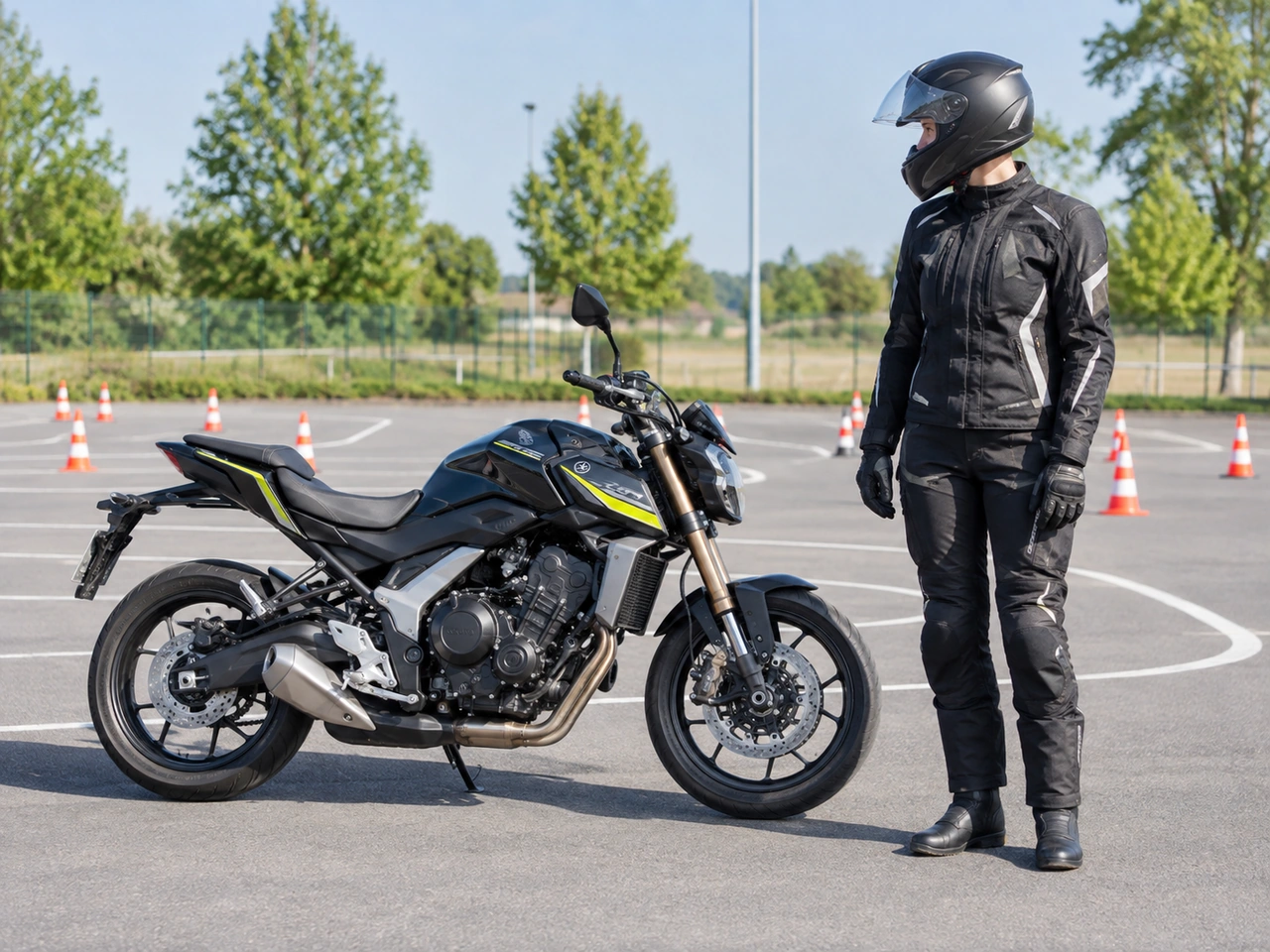
571. What is the minimum licence for a 35 kW motorcycle at 0.2 kW/kg, derived from 70 kW?
Category A2 covers motorcycles with power not exceeding 35 kW and a power-to-weight ratio not exceeding 0.2 kW/kg. The motorcycle must not be derived from a vehicle with more than double its power, so a 35 kW motorcycle may be derived from a vehicle of up to 70 kW.
AI-generated by Rijbewijs-online.be • WCIT • CC BY-SA
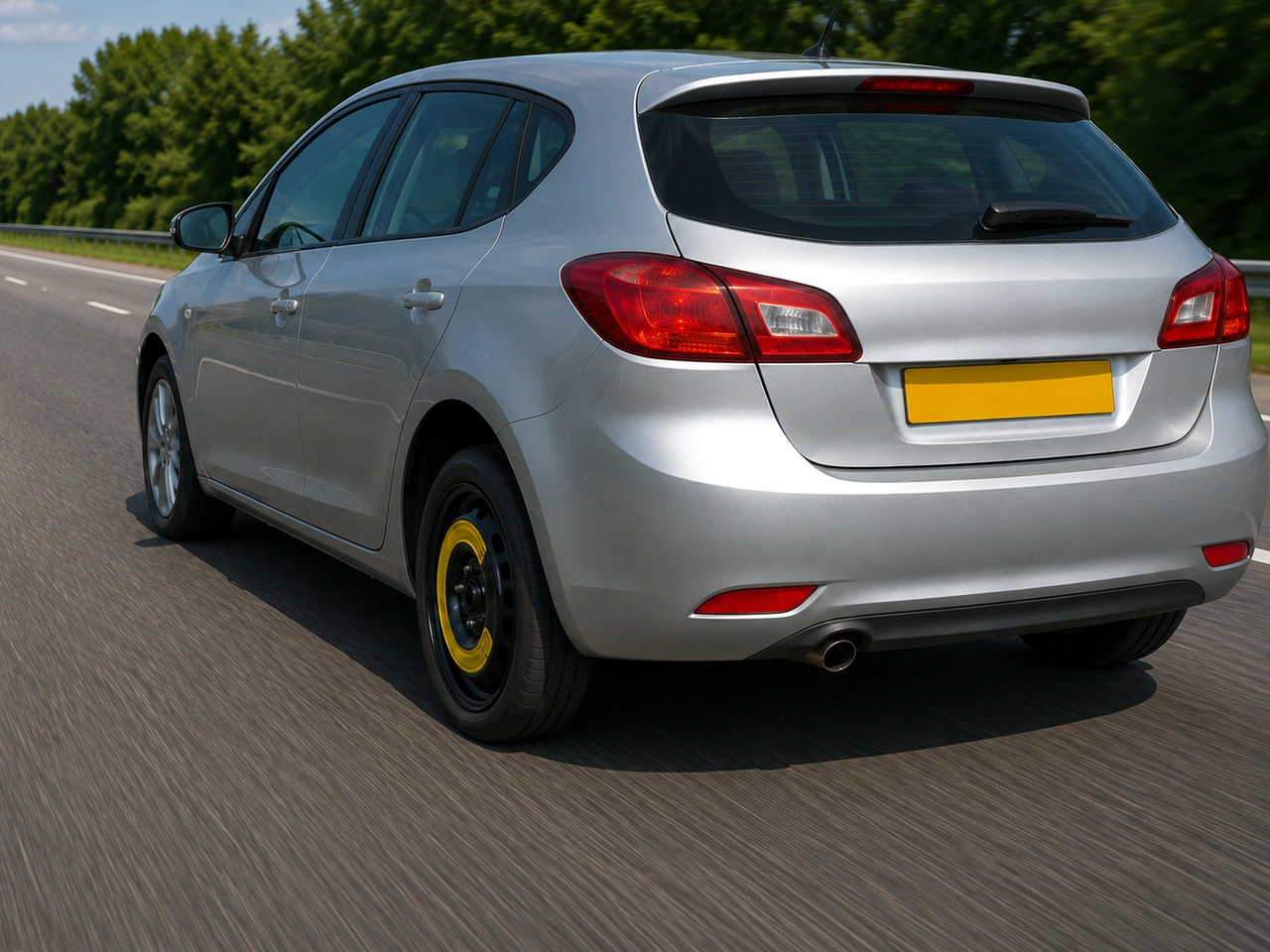
572. What should you do after fitting a temporary spare wheel?
Temporary spare wheels may have limited speed, distance, and handling capabilities. Arrange a proper repair or replacement promptly.
AI-generated by Rijbewijs-online.be • WCIT • CC BY-SA
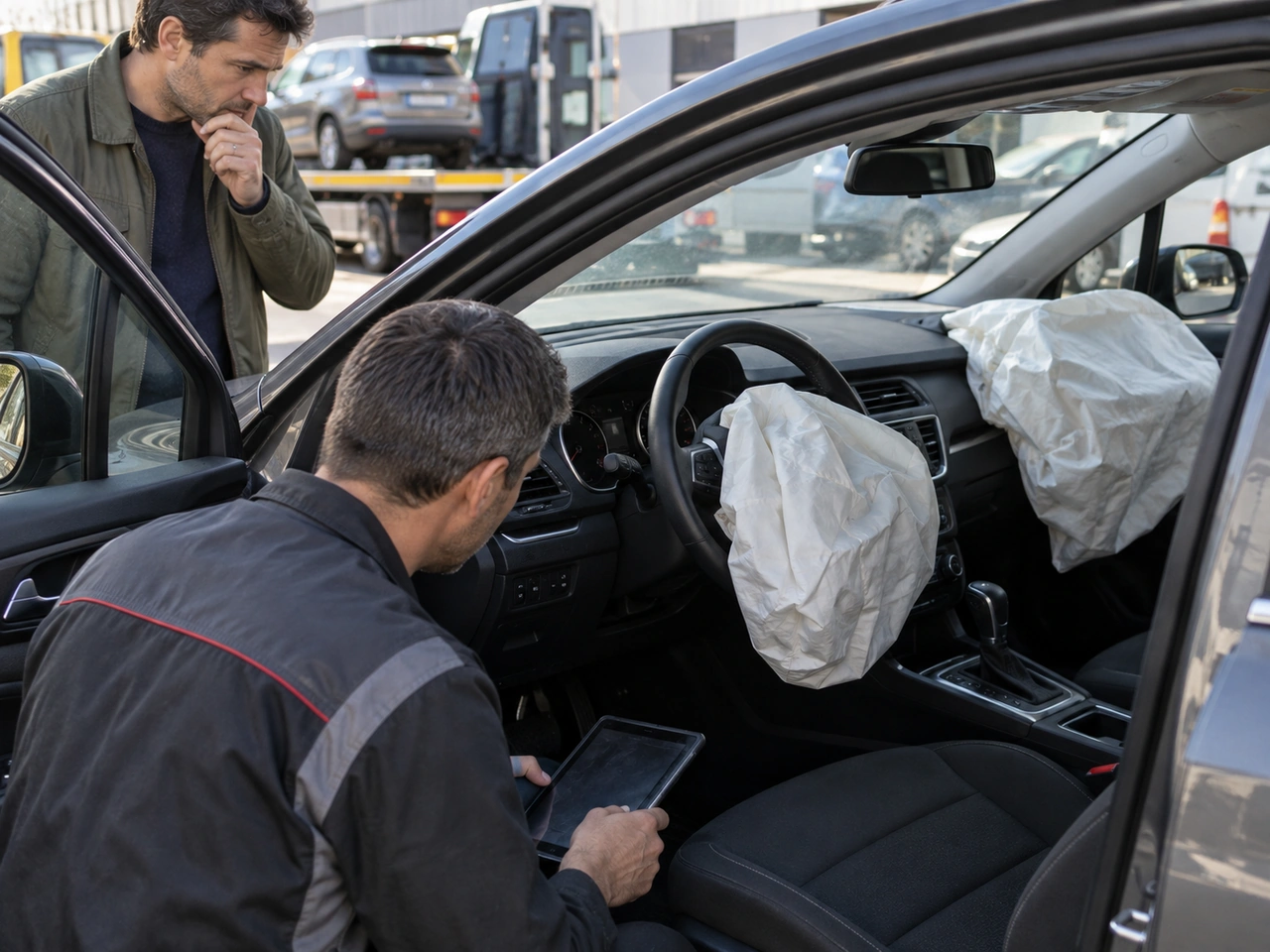
573. What should happen after an airbag has deployed?
A deployed airbag is a single-use safety component. After deployment, the restraint system should be professionally inspected and the airbag and any other affected components replaced or repaired as required before the system is relied upon again.
AI-generated by Rijbewijs-online.be • WCIT • CC BY-SA
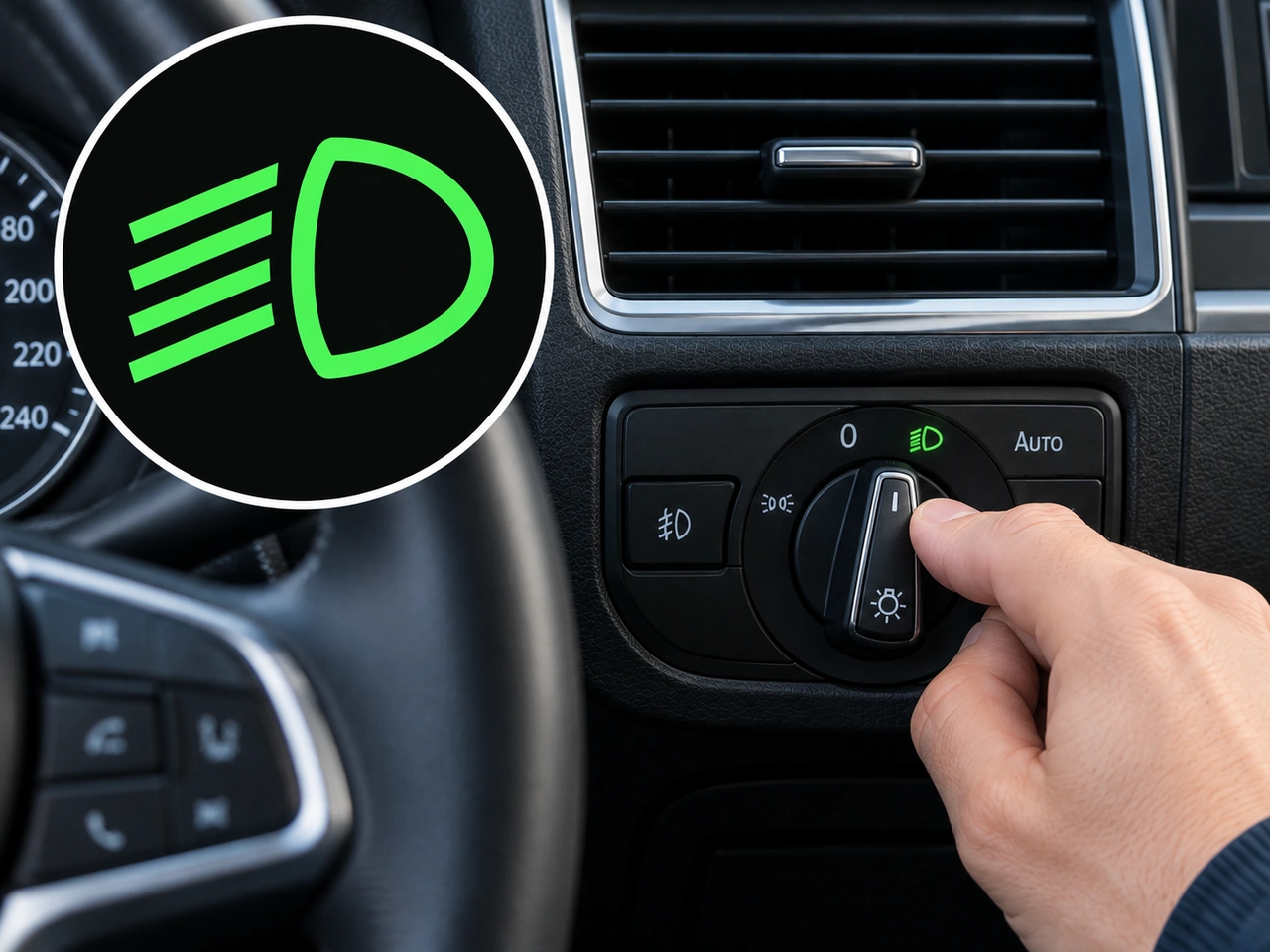
574. What does this dashboard symbol indicate?
This symbol indicates that the dipped headlights are switched on. Dipped headlights illuminate the road ahead while limiting glare for other road users.
AI-generated by Rijbewijs-online.be • WCIT • CC BY-SA
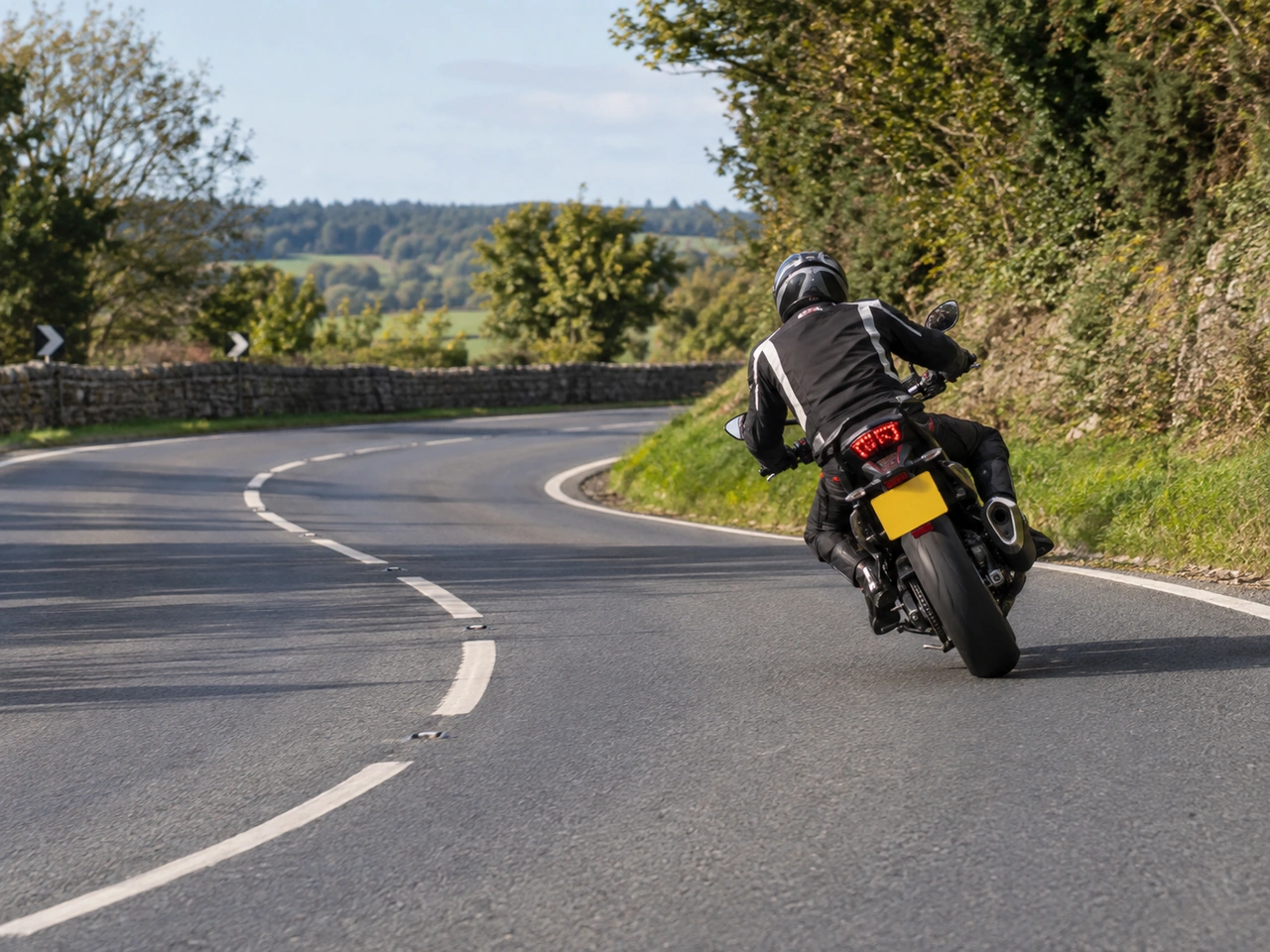
575. Why should hard braking be avoided while a motorcycle is leaning in a bend?
When a motorcycle is leaning, the tyres are already using grip to turn. Hard braking can demand additional grip and may reduce stability. Whenever possible, adjust speed before the bend and use smooth, controlled inputs while cornering.
AI-generated by Rijbewijs-online.be • WCIT • CC BY-SA
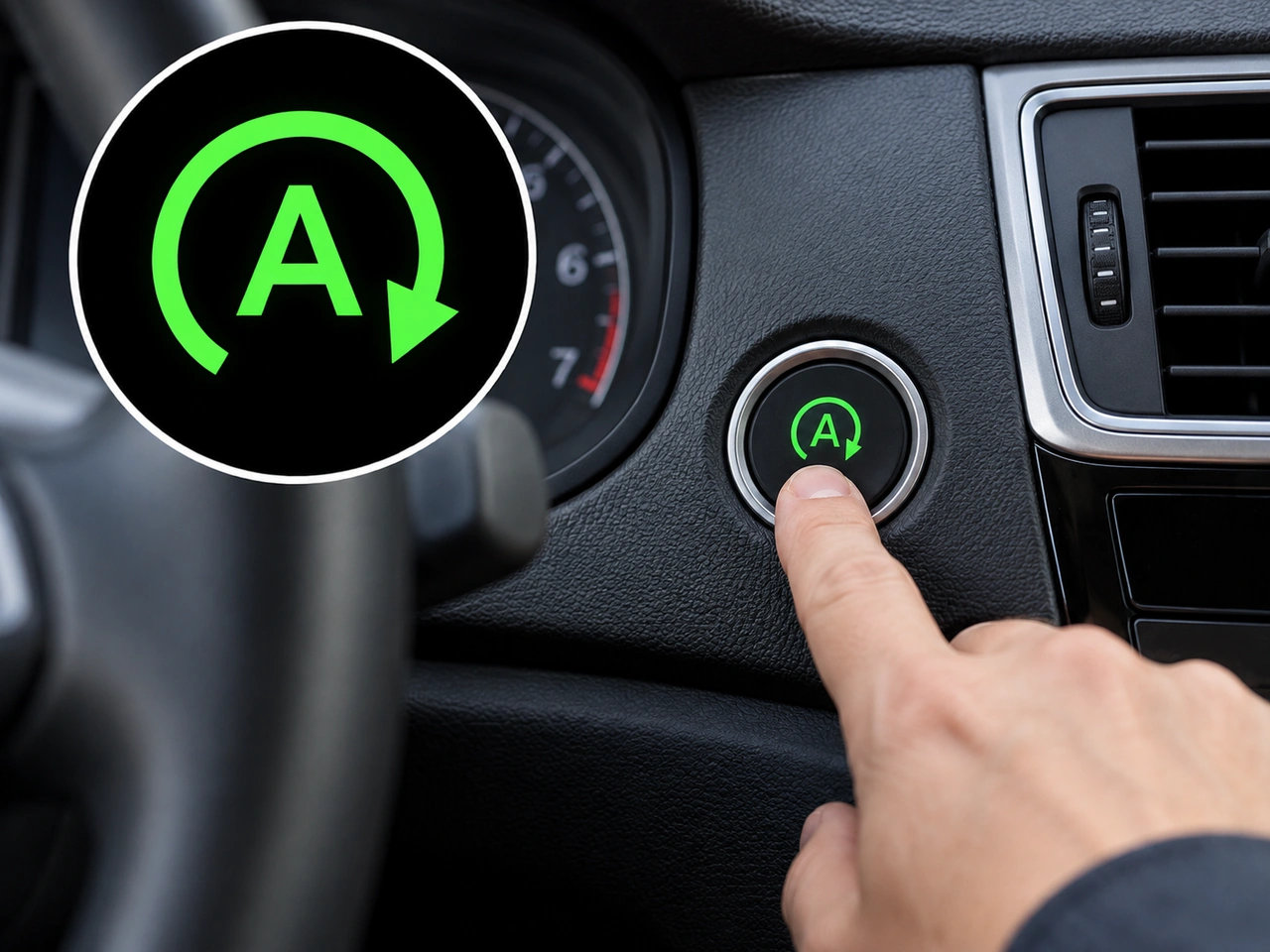
576. What does this dashboard symbol indicate?
This symbol relates to the automatic start-stop system, which can switch the engine off temporarily while the vehicle is stationary and restart it when driving resumes. The exact colour and appearance may vary between vehicles.
AI-generated by Rijbewijs-online.be • WCIT • CC BY-SA
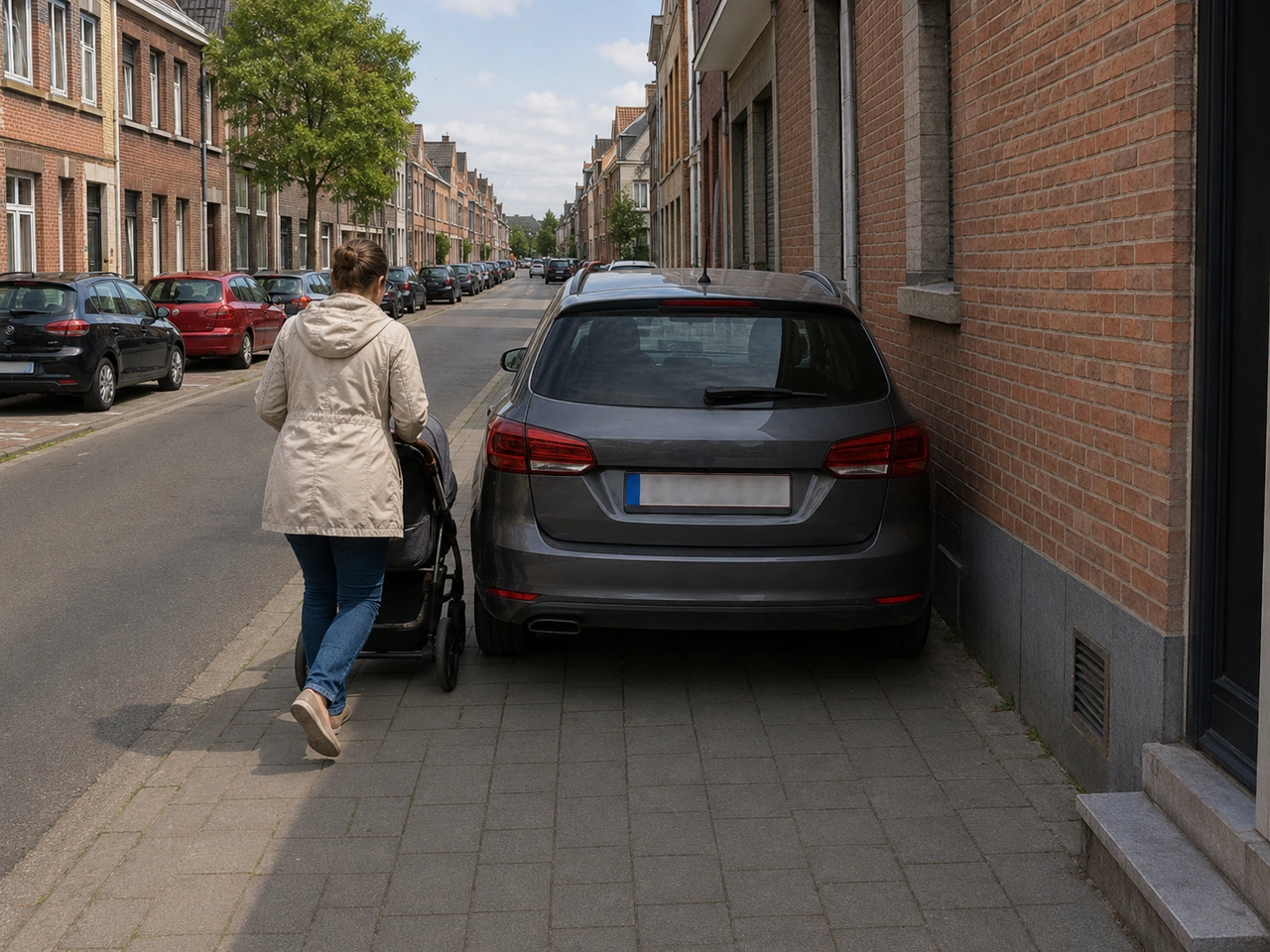
577. May you normally stop or park a car on the pavement in Belgium?
Stopping and parking a car on the pavement is normally prohibited. It is only permitted where local signs, markings, or regulations specifically allow it.
AI-generated by Rijbewijs-online.be • WCIT • CC BY-SA
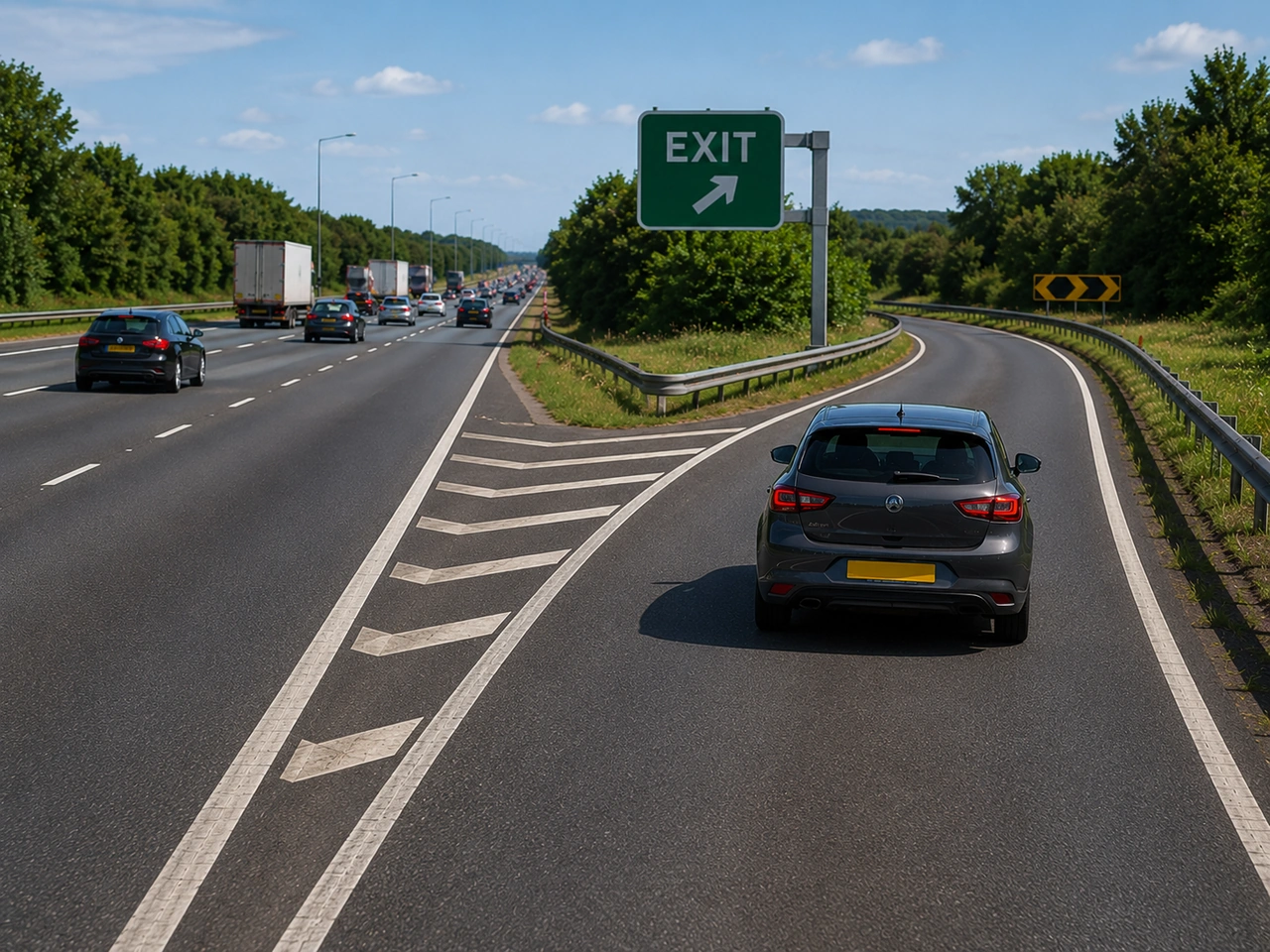
578. What should you do before leaving a motorway?
Plan your exit early, move into the correct lane safely, and reduce speed after entering the exit road where appropriate.
AI-generated by Rijbewijs-online.be • WCIT • CC BY-SA
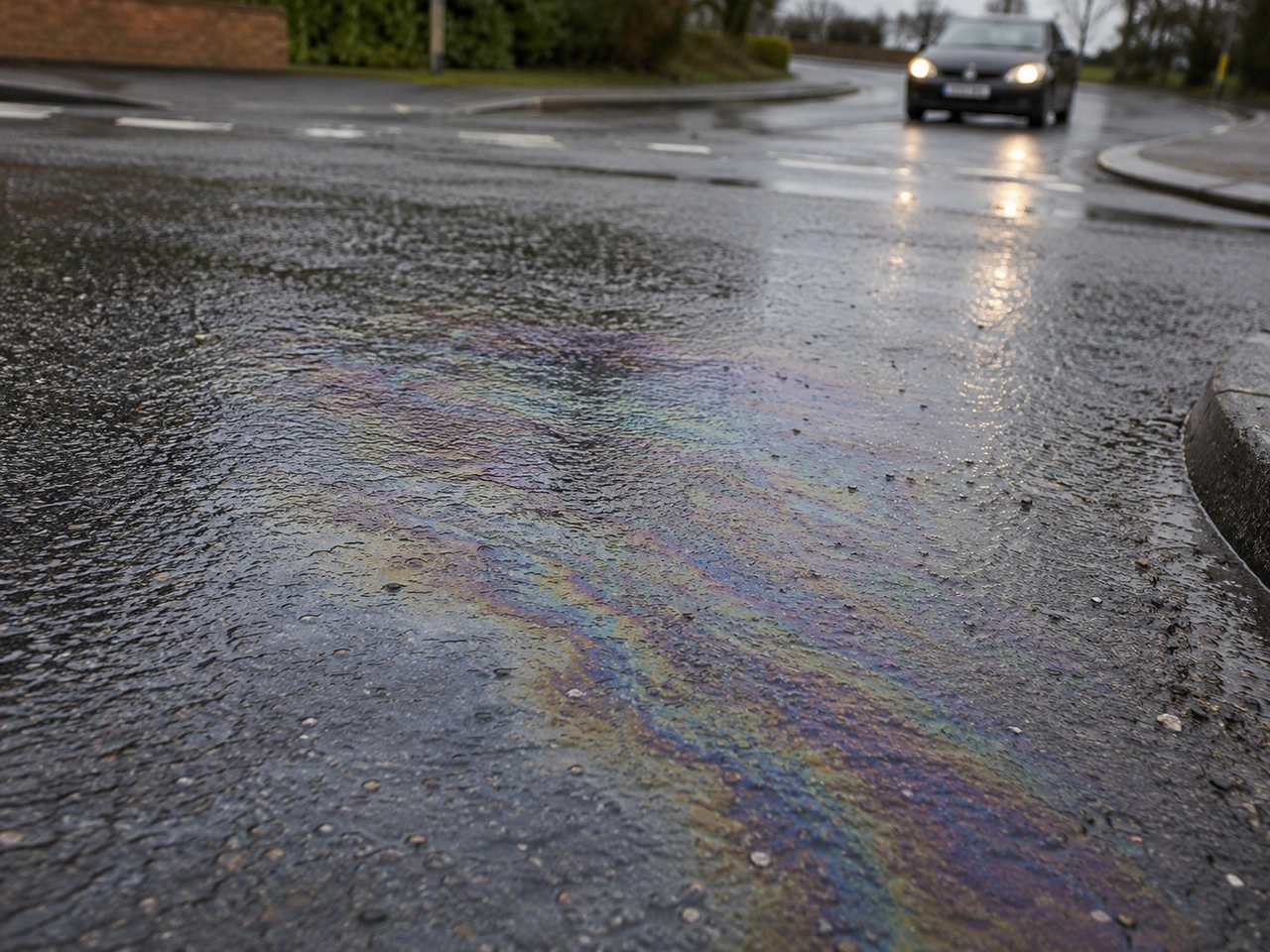
579. Why are roads especially slippery during rain after a dry period?
After a dry period, oil and dirt can build up on the road. The first rain mixes with them and can make the surface very slippery.
AI-generated by Rijbewijs-online.be • WCIT • CC BY-SA
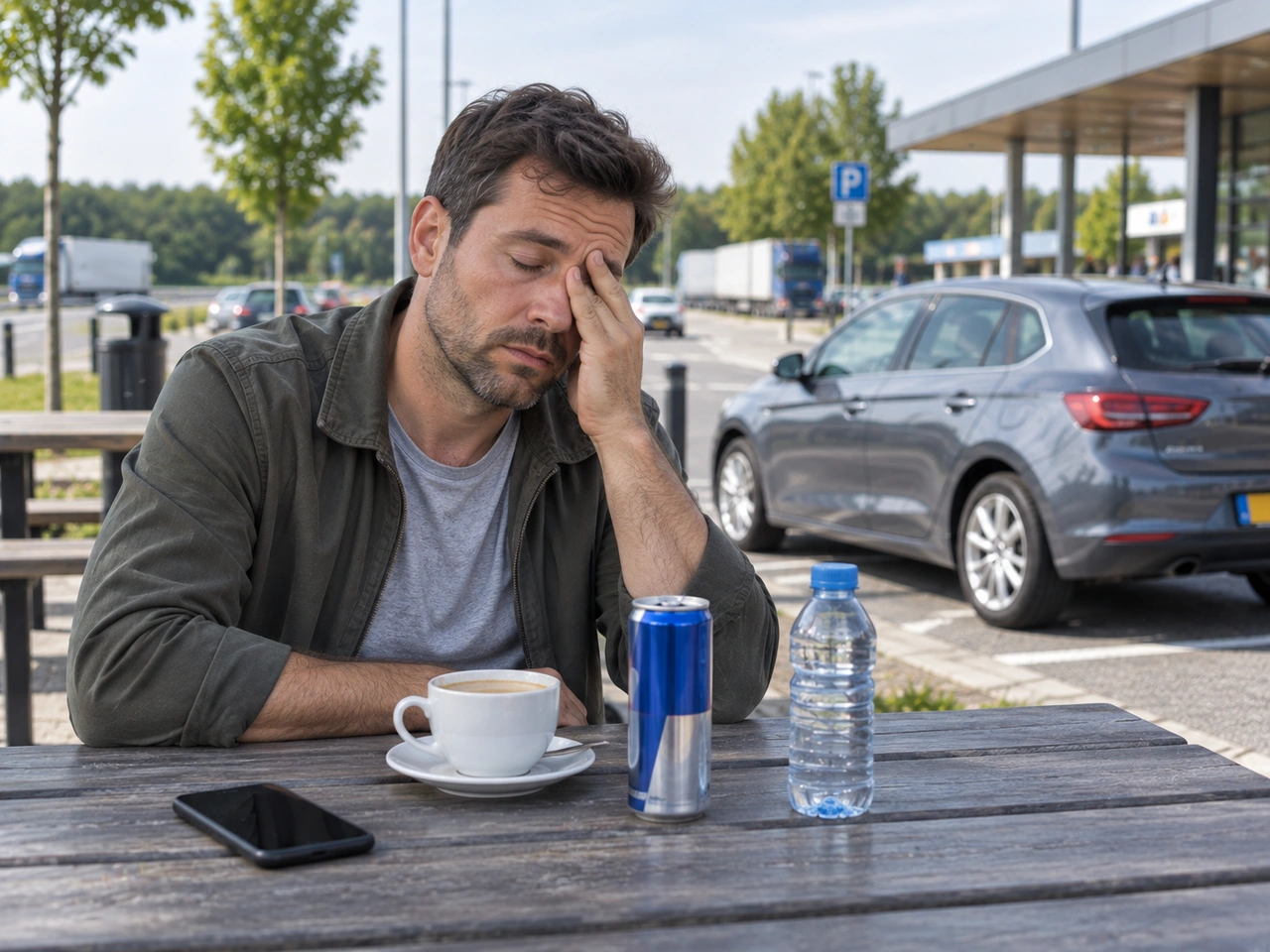
580. Can coffee, energy drinks, fresh air, or loud music replace proper rest when you are tired?
Coffee, energy drinks, fresh air, or loud music may make you feel more alert for a short time, but they do not remove fatigue. If you are too tired to drive safely, stop somewhere safe and get proper rest.
AI-generated by Rijbewijs-online.be • WCIT • CC BY-SA
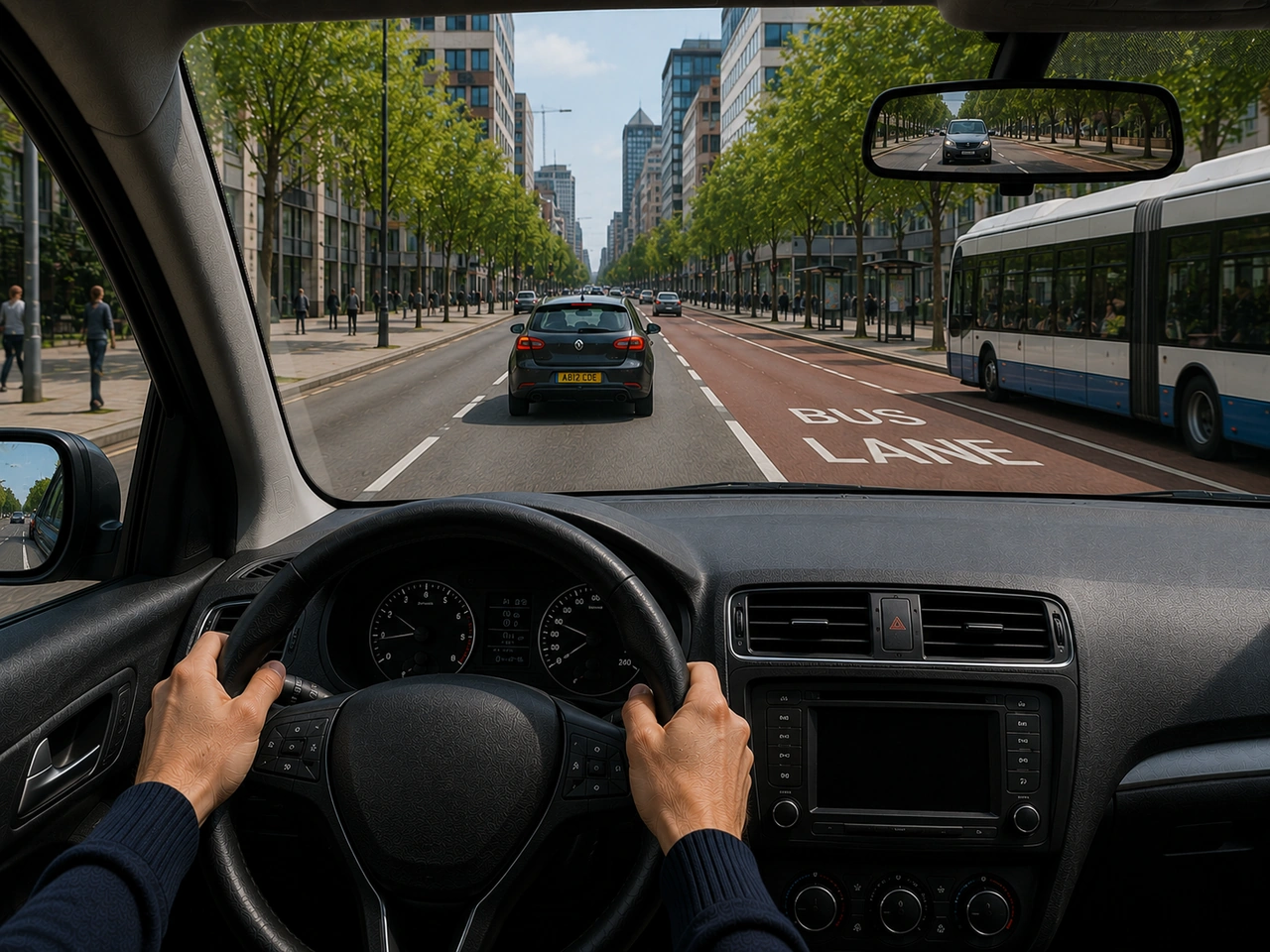
581. Why should you take extra care when crossing a tram or bus lane?
Check carefully before crossing or entering a tram or bus lane. Trams cannot steer around obstacles, and both trams and buses may need significant distance to stop.
AI-generated by Rijbewijs-online.be • WCIT • CC BY-SA
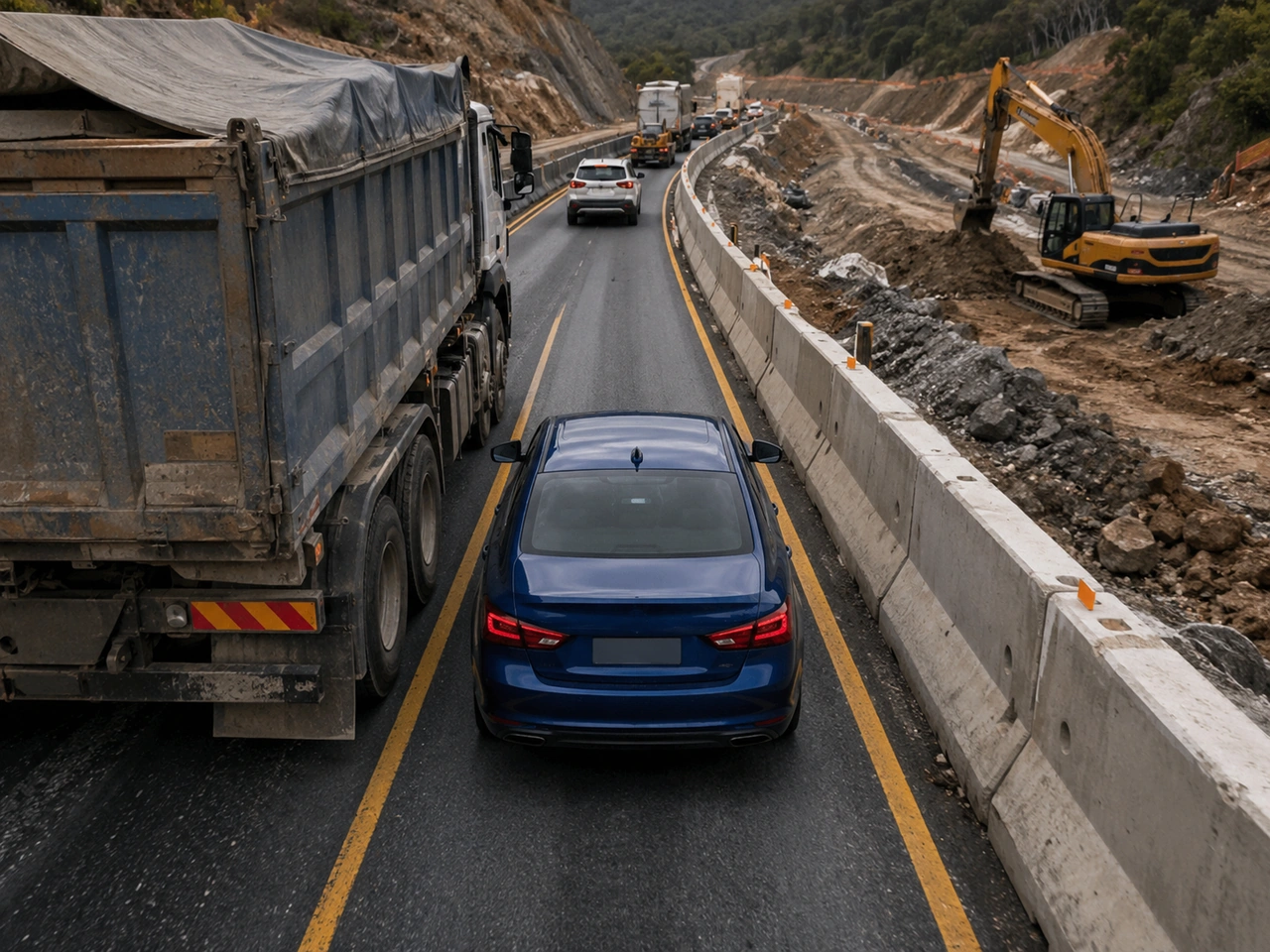
582. Why should you avoid unnecessary lane changes in roadworks?
Frequent lane changes create additional risk where space is limited and drivers are already adapting to temporary layouts.
AI-generated by Rijbewijs-online.be • WCIT • CC BY-SA
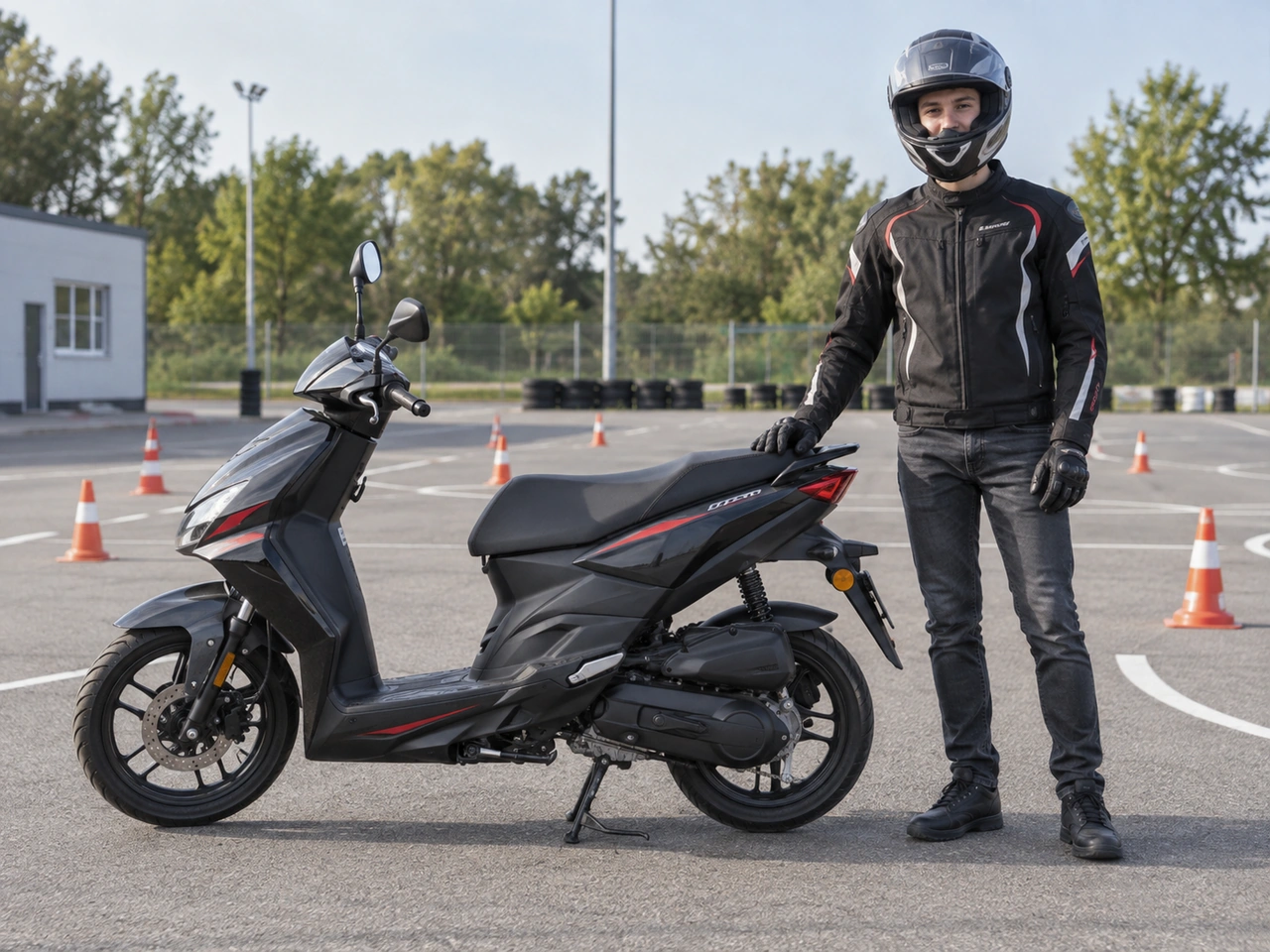
583. Which licence category is mainly associated with mopeds?
Driving licence AM is mainly associated with mopeds. Category AM covers mopeds with a design speed above 25 km/h and up to 45 km/h.
AI-generated by Rijbewijs-online.be • WCIT • CC BY-SA
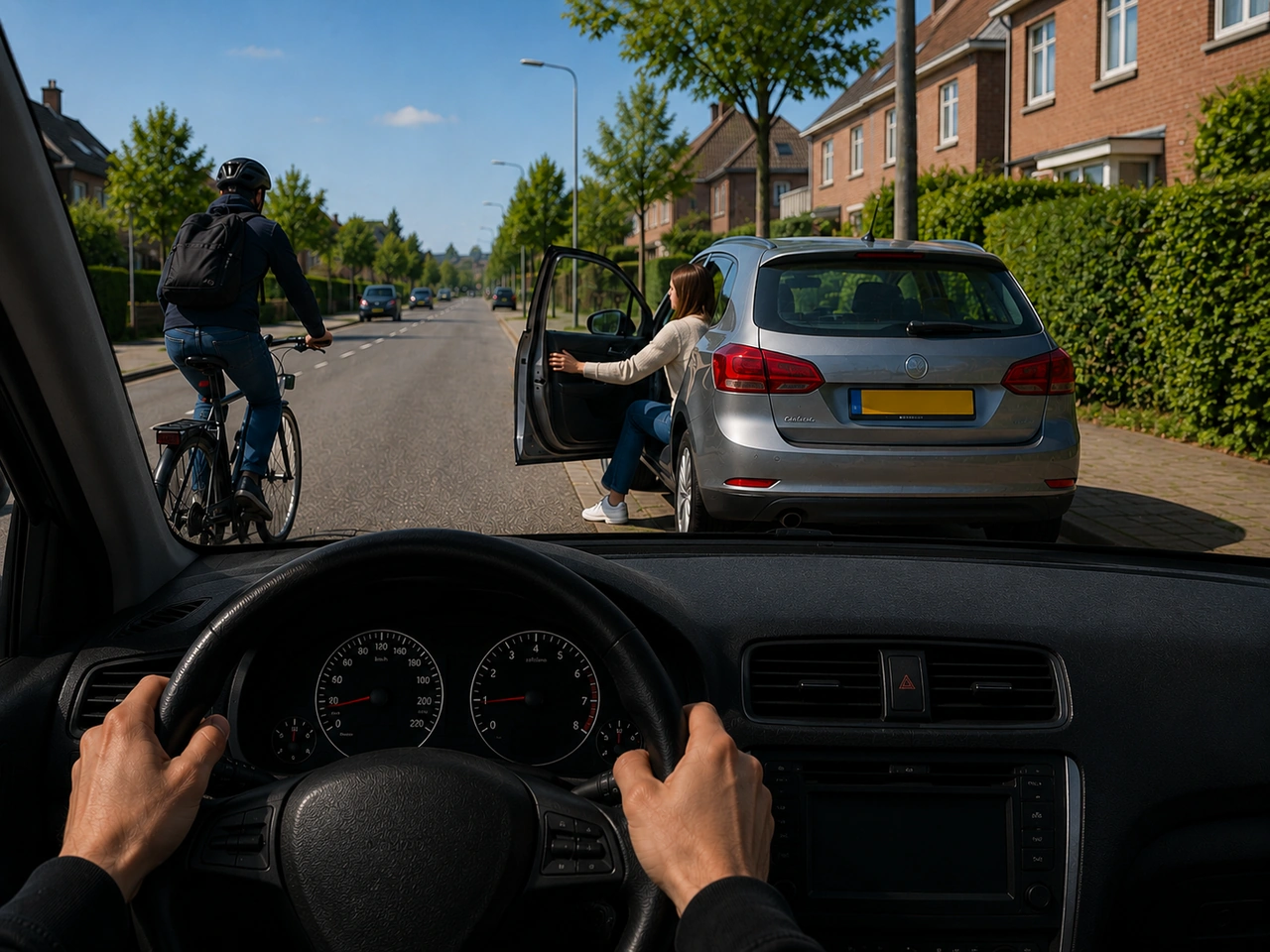
584. What should you do before opening your car door near traffic?
Before opening a car door, check carefully for cyclists, pedestrians, and vehicles to avoid causing a collision.
AI-generated by Rijbewijs-online.be • WCIT • CC BY-SA
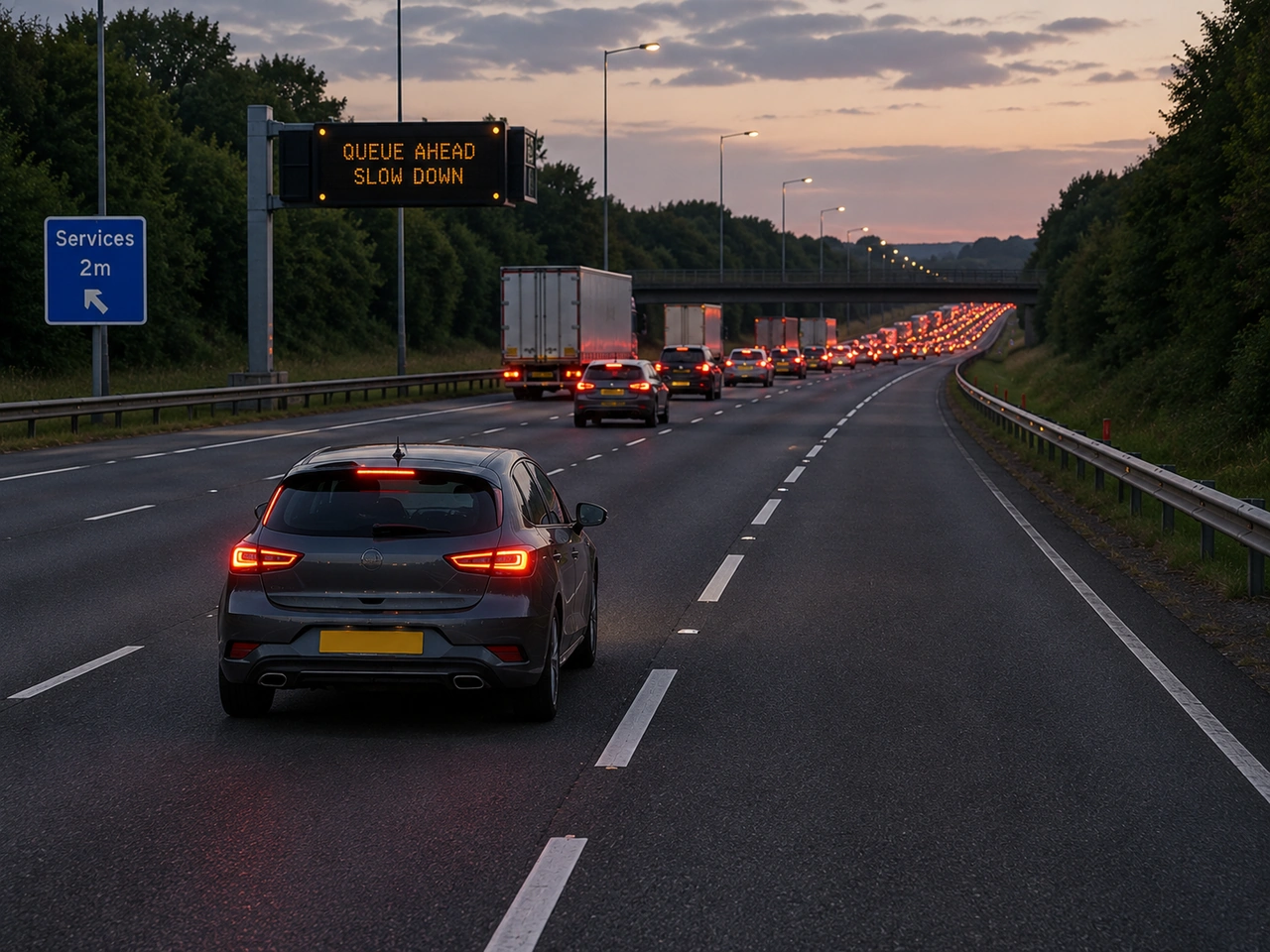
585. What should you do when approaching stationary or slow-moving traffic on a motorway?
Motorway queues can appear suddenly. Early braking gives following traffic more time to react.
AI-generated by Rijbewijs-online.be • WCIT • CC BY-SA
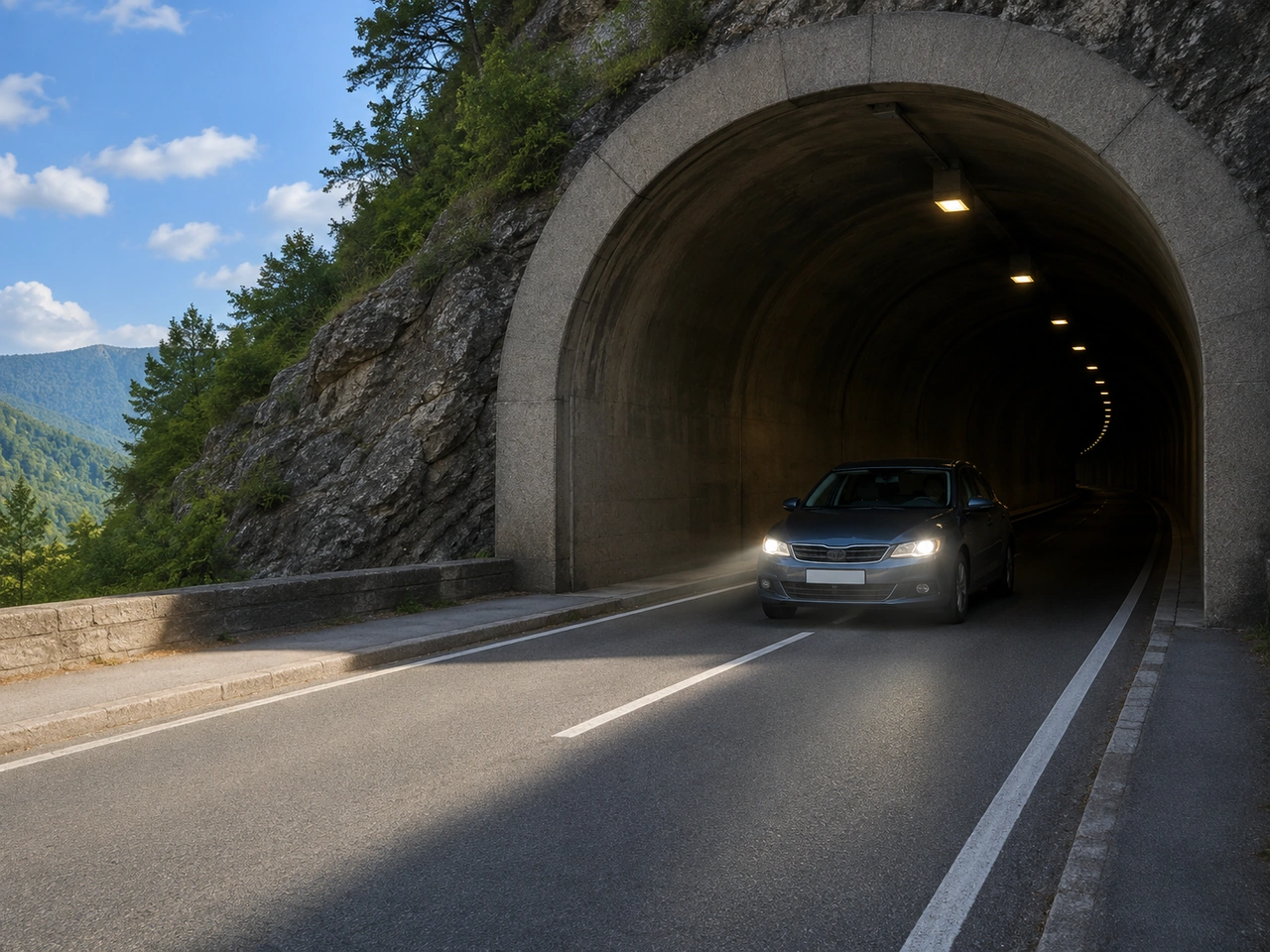
586. Why should you switch on dipped headlights before entering a tunnel?
Tunnel lighting may be much darker than daylight. Dipped headlights help you see and make your vehicle more visible.
AI-generated by Rijbewijs-online.be • WCIT • CC BY-SA
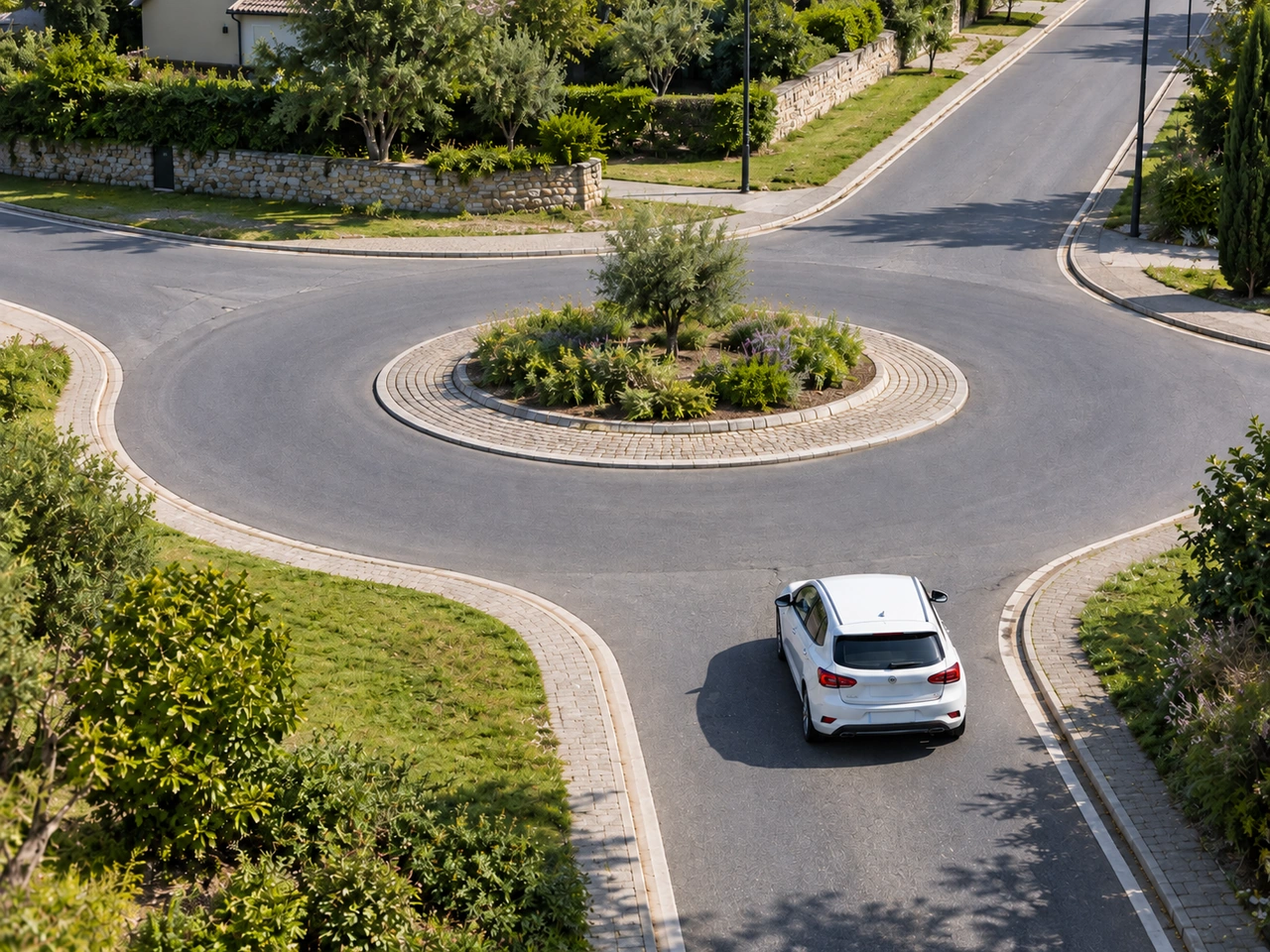
587. Who normally has priority at roundabouts in Wallonia?
In Wallonia, traffic entering a roundabout normally gives way to traffic already circulating.
AI-generated by Rijbewijs-online.be • WCIT • CC BY-SA
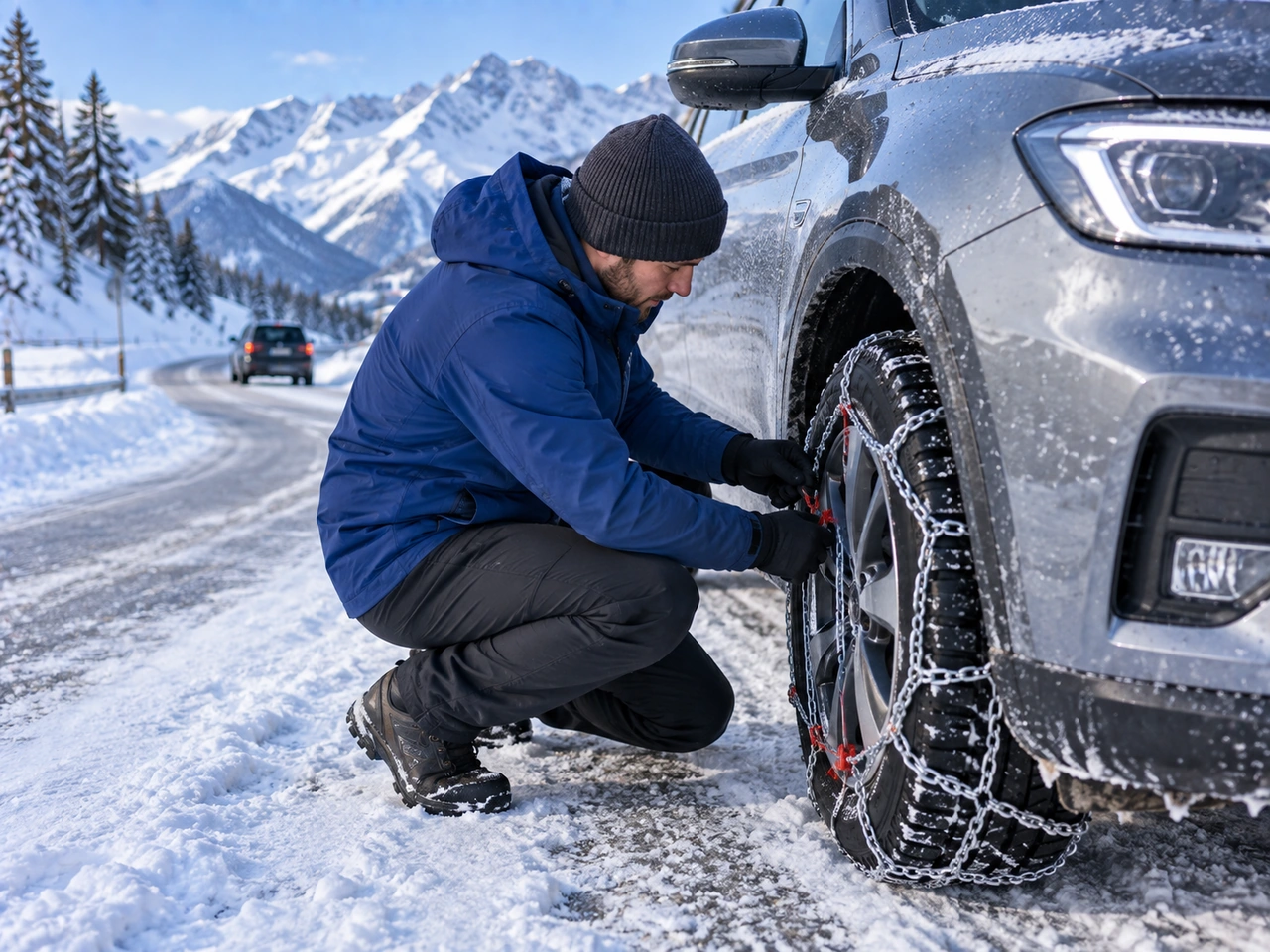
588. Are snow chains generally required in Wallonia?
Snow chains are not generally required in Wallonia, although they may be useful or required in specific conditions or locations.
AI-generated by Rijbewijs-online.be • WCIT • CC BY-SA
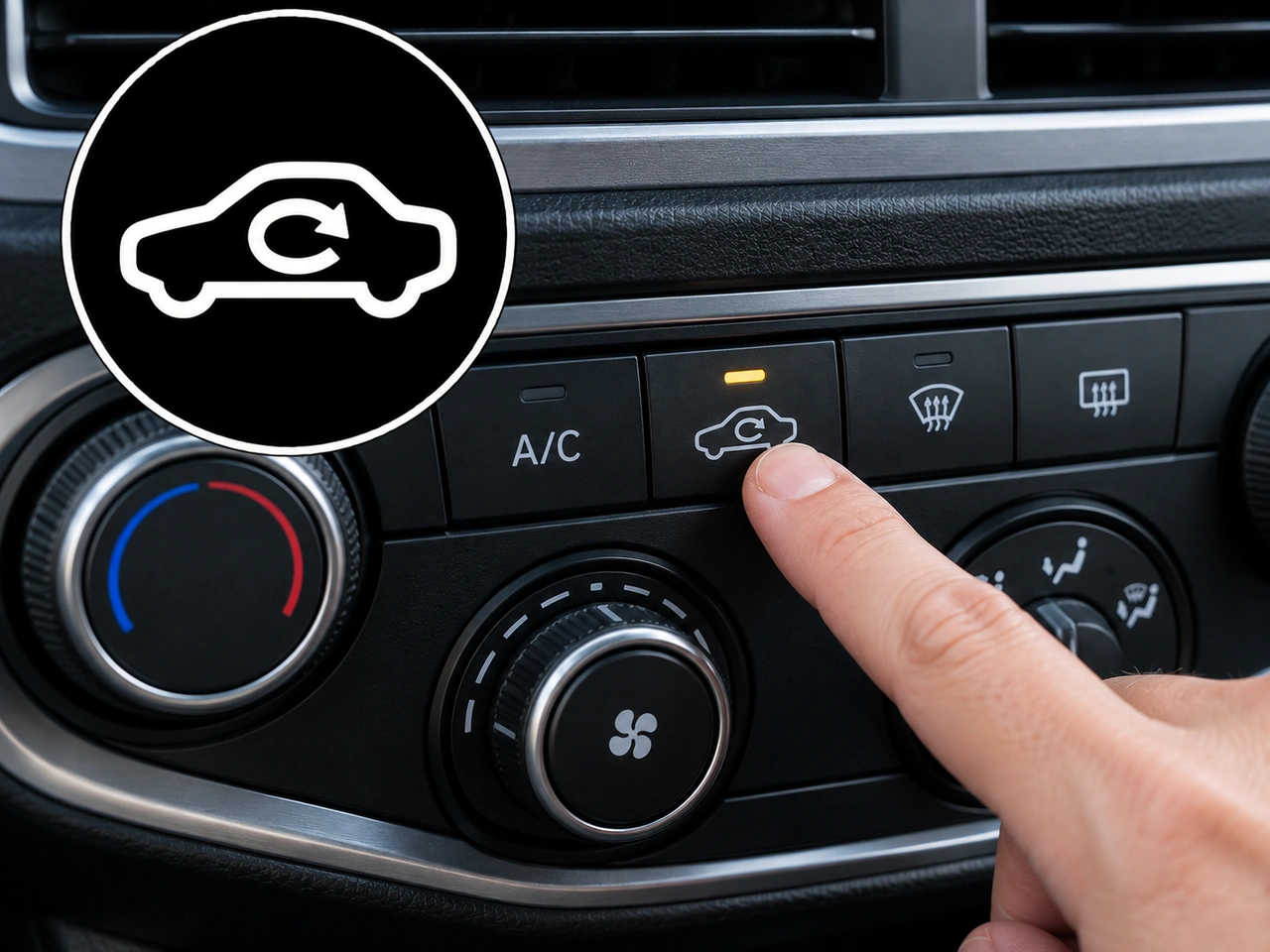
589. What does this vehicle-control symbol indicate?
This symbol activates air recirculation, which reduces the amount of outside air entering the vehicle and recirculates air already inside the cabin. It can be useful when driving through polluted air or when cooling the interior quickly.
AI-generated by Rijbewijs-online.be • WCIT • CC BY-SA
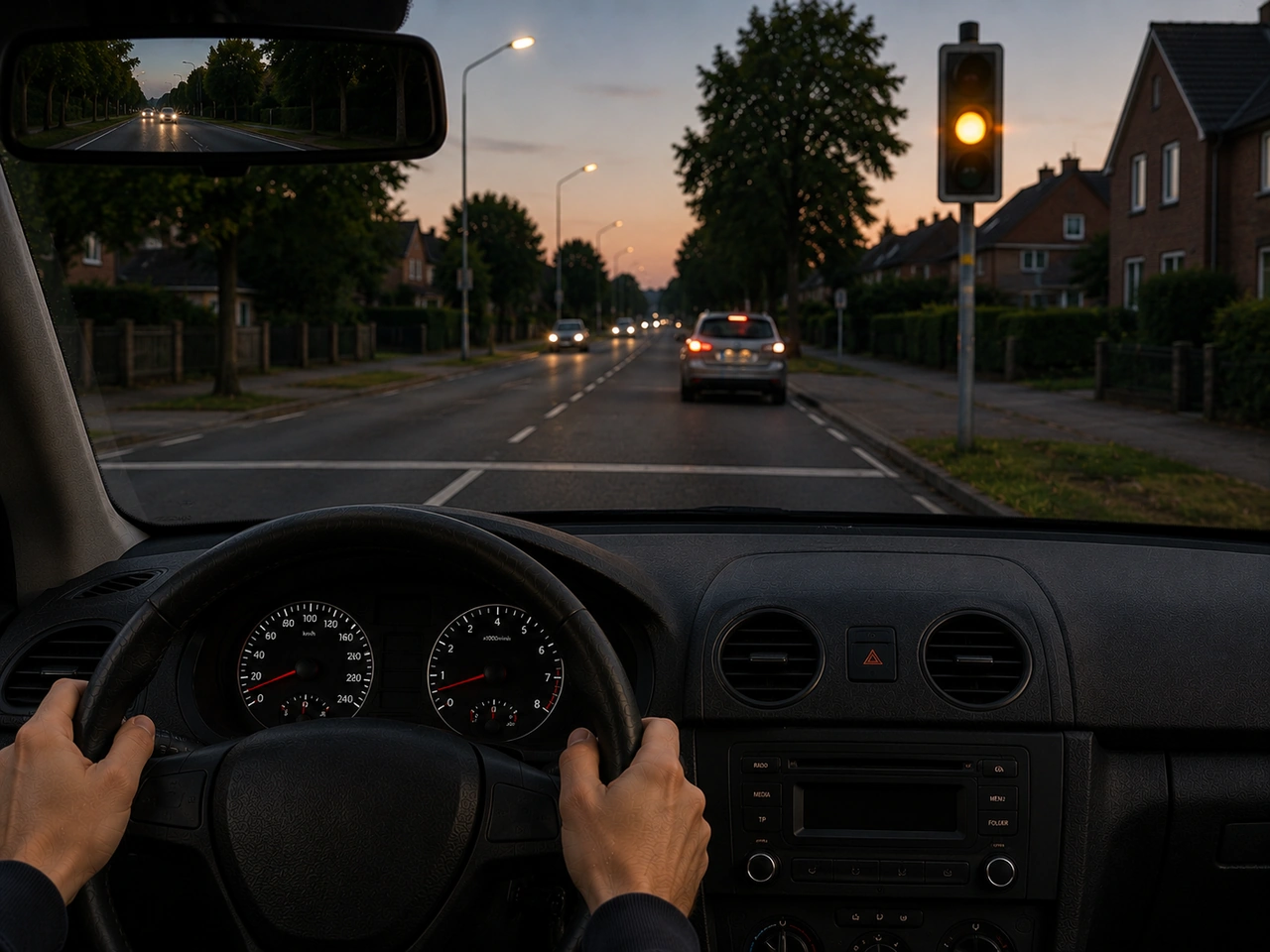
590. What should you do when traffic lights change to amber as you approach?
An amber light warns that the signal is changing. Stop if it is safe, but avoid sudden braking that could cause danger behind you.
AI-generated by Rijbewijs-online.be • WCIT • CC BY-SA
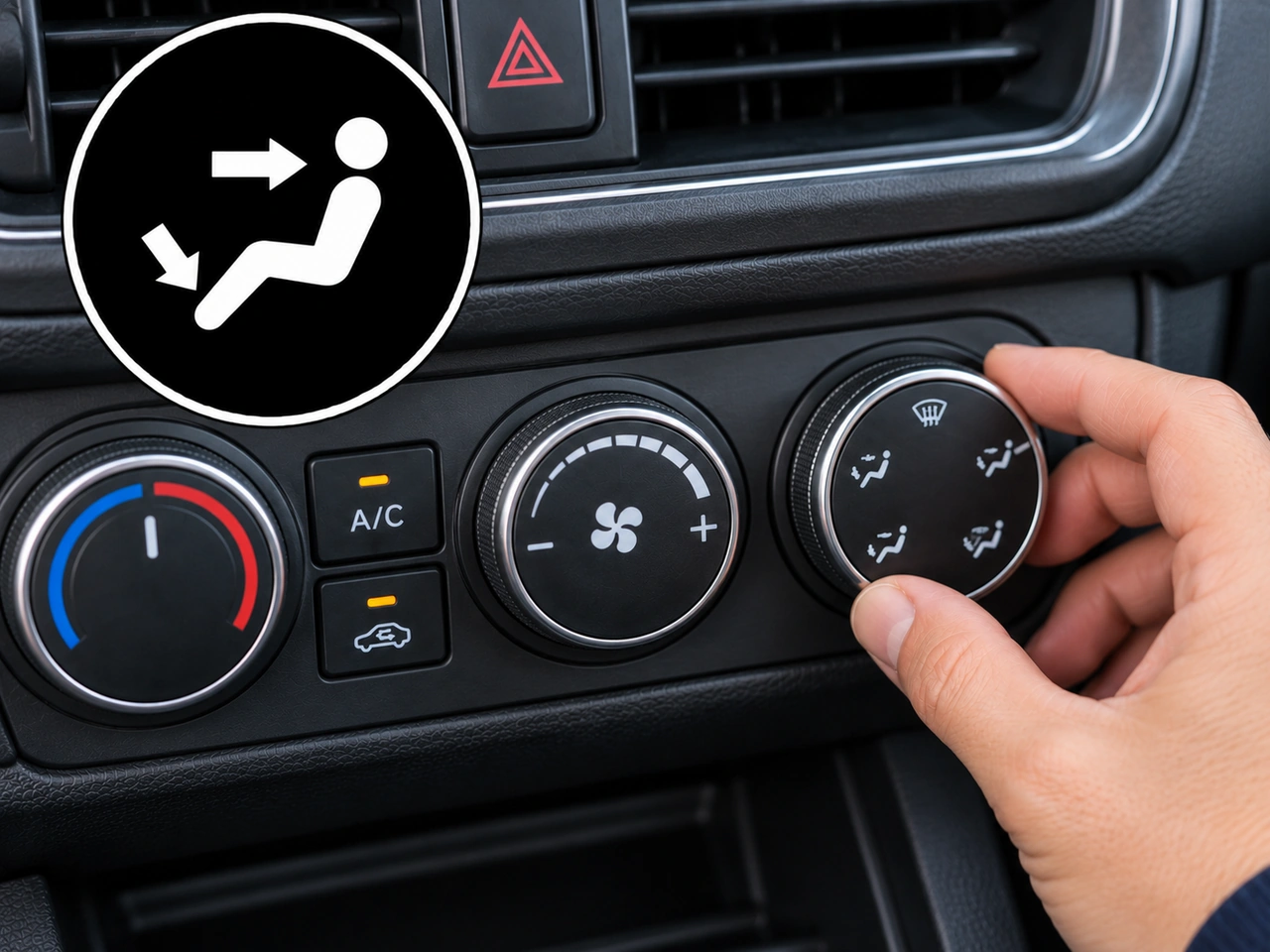
591. What does this vehicle-control symbol indicate?
This control selects the direction of the ventilation airflow, such as towards the face, feet or windscreen.
AI-generated by Rijbewijs-online.be • WCIT • CC BY-SA
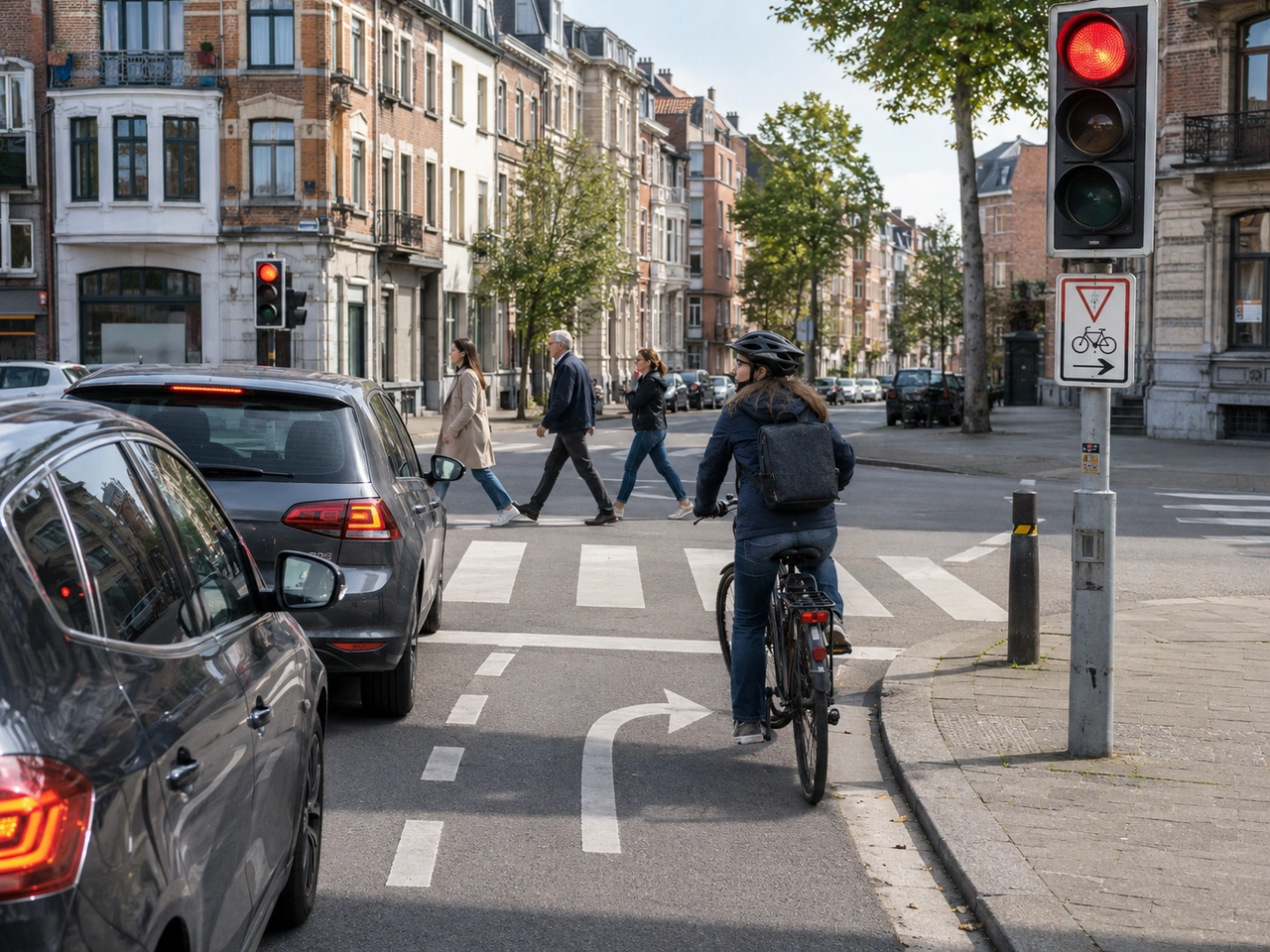
592. What may cyclists and speed-pedelec riders do at this red traffic light?
A B22 sign allows cyclists and speed-pedelec riders to turn right on red or amber. A B23 sign allows them to continue straight, but they must give way to other road users.
AI-generated by Rijbewijs-online.be • WCIT • CC BY-SA
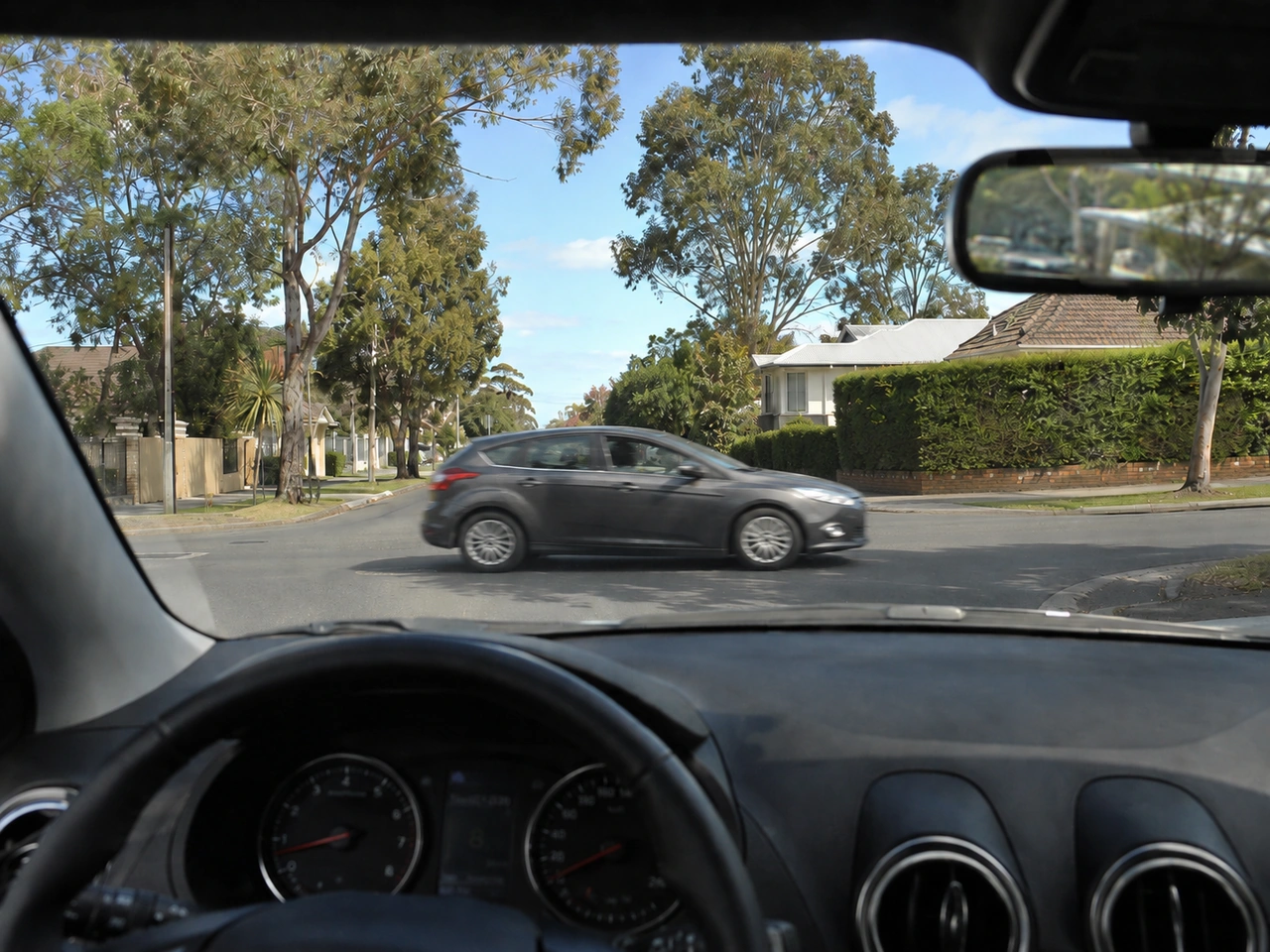
593. What should you do if another driver does not give way when they should?
Even if you have priority, safety comes first. Slow down, stay calm, and avoid creating a dangerous situation.
AI-generated by Rijbewijs-online.be • WCIT • CC BY-SA
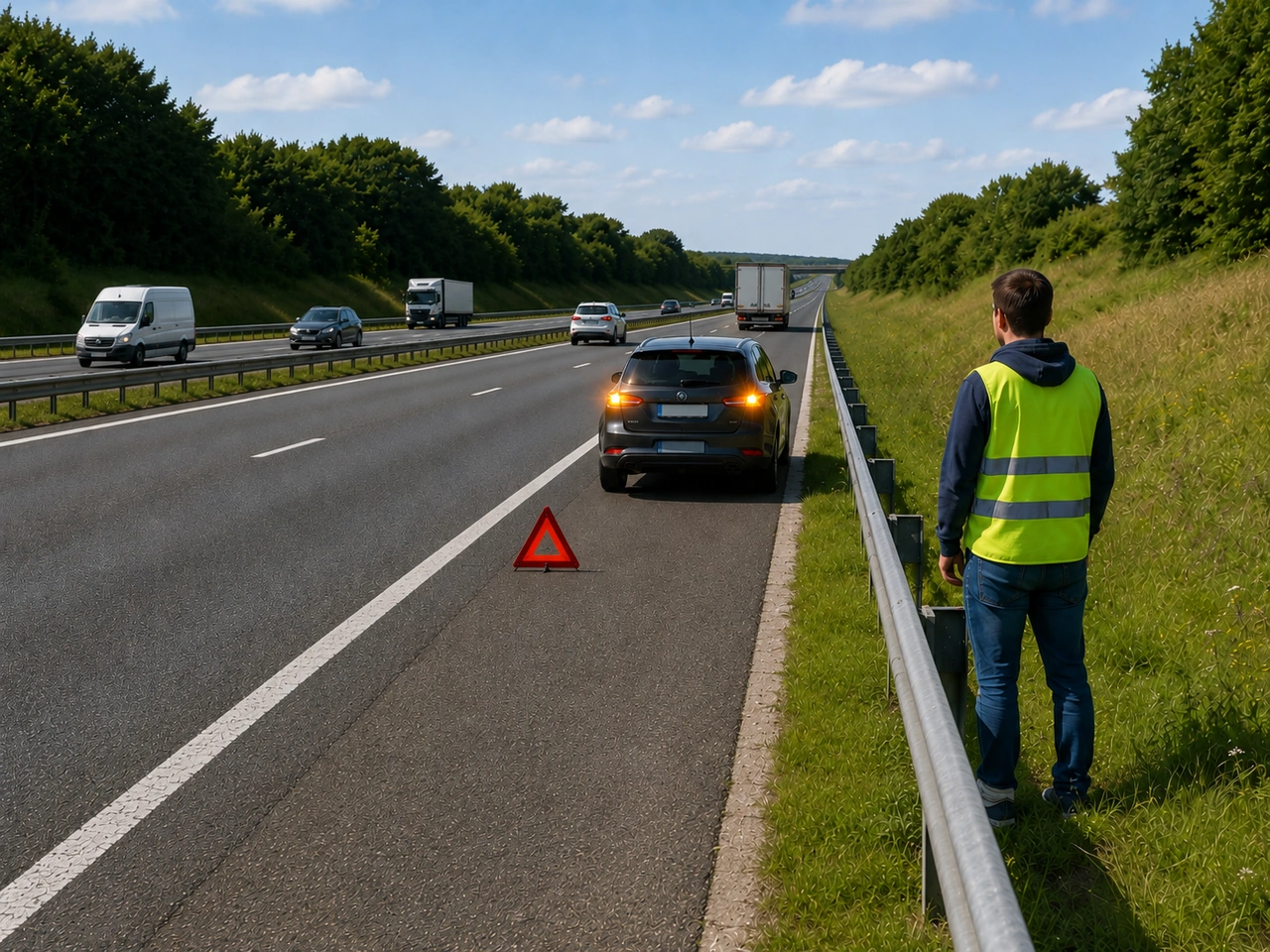
594. Where should you normally wait after a breakdown on a high-speed road?
A stationary vehicle can be struck by passing traffic. Waiting behind a barrier provides better protection.
AI-generated by Rijbewijs-online.be • WCIT • CC BY-SA
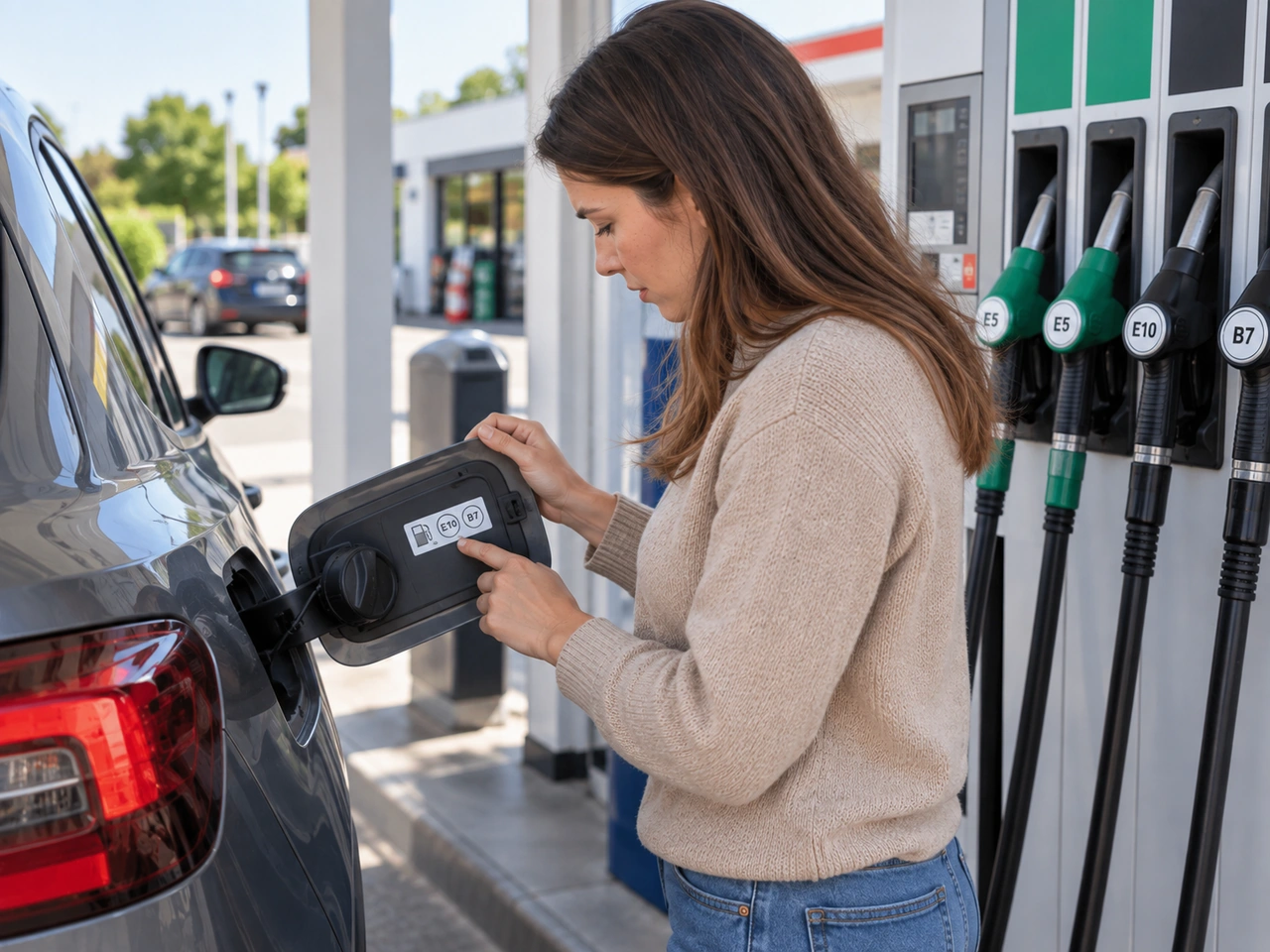
595. How can you check which fuel is suitable for your vehicle?
Before refuelling, check which fuel type the vehicle requires. The correct fuel is often shown inside the fuel-filler flap, on or near the fuel cap, or in the vehicle information or owner's manual. Do not rely only on nozzle colours, as these can vary between filling stations and countries.
AI-generated by Rijbewijs-online.be • WCIT • CC BY-SA
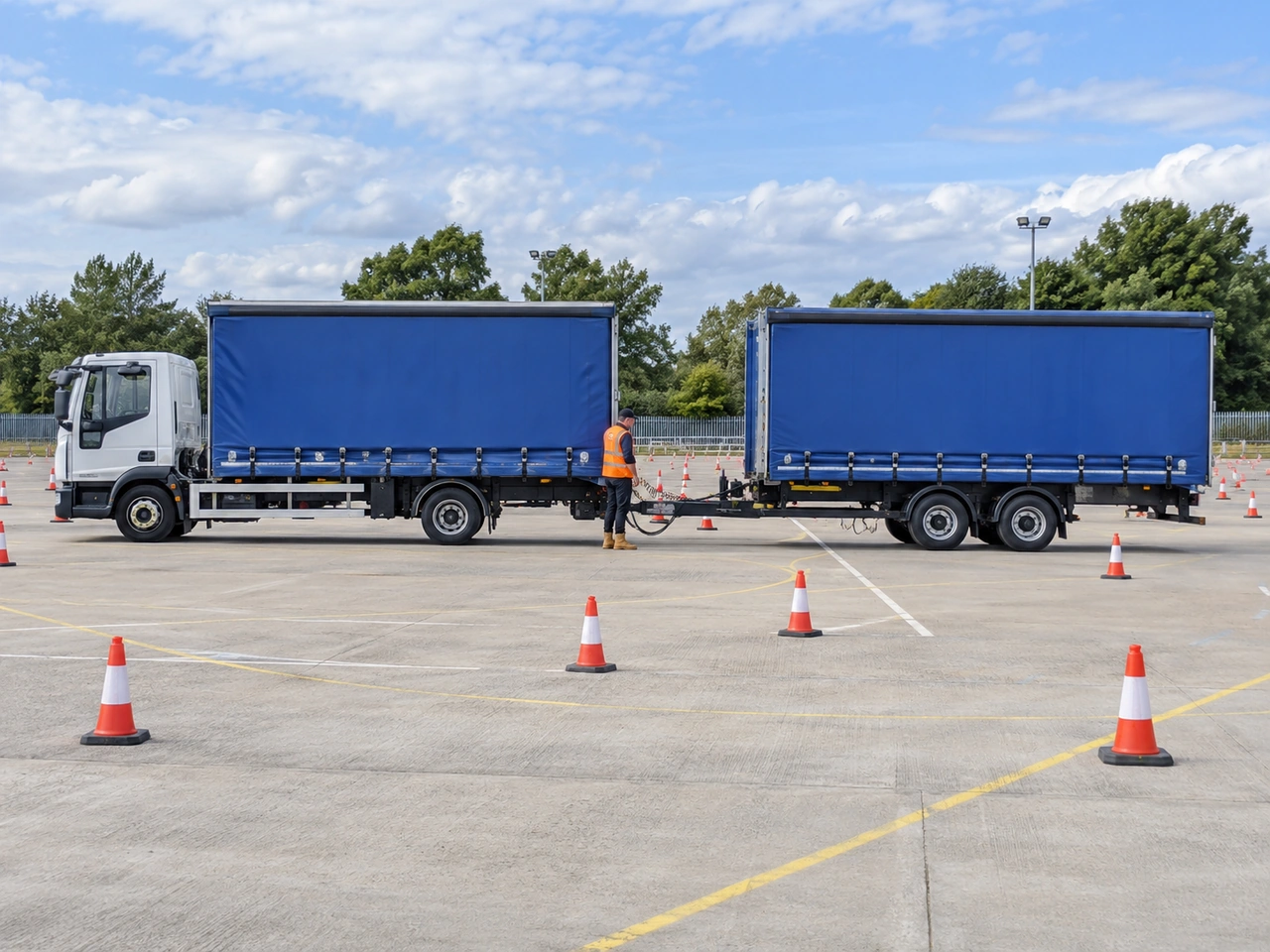
596. What is the minimum licence for a 12,000 kg C1 combination with a trailer over 750 kg?
Category C1E covers a category C1 vehicle towing a trailer or semi-trailer over 750 kg, provided the maximum authorised mass of the combination does not exceed 12,000 kg.
AI-generated by Rijbewijs-online.be • WCIT • CC BY-SA
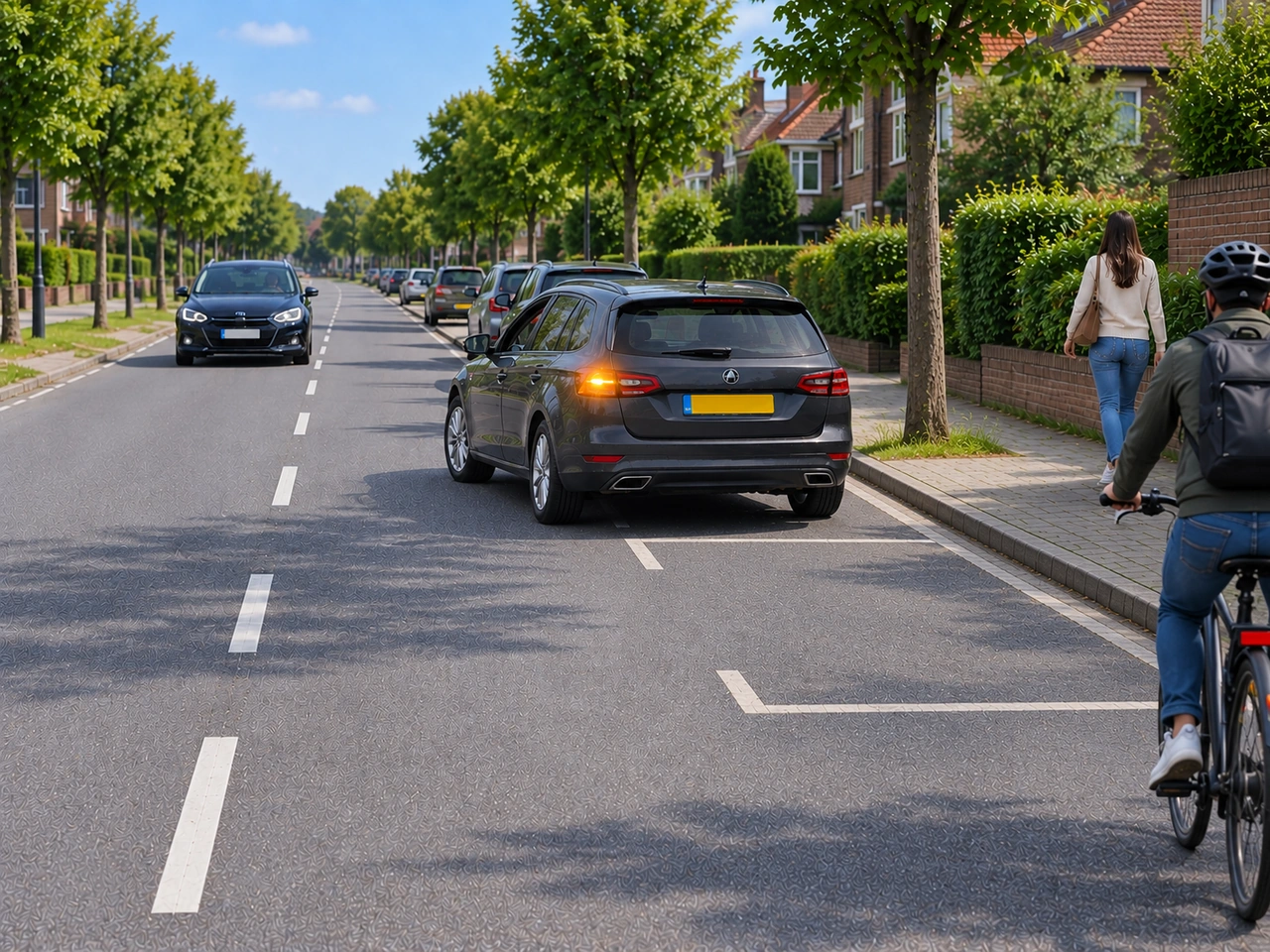
597. Who must you give way to when leaving a parking place?
Leaving a parking place is a manoeuvre. A driver performing a manoeuvre must give way to all other road users.
AI-generated by Rijbewijs-online.be • WCIT • CC BY-SA
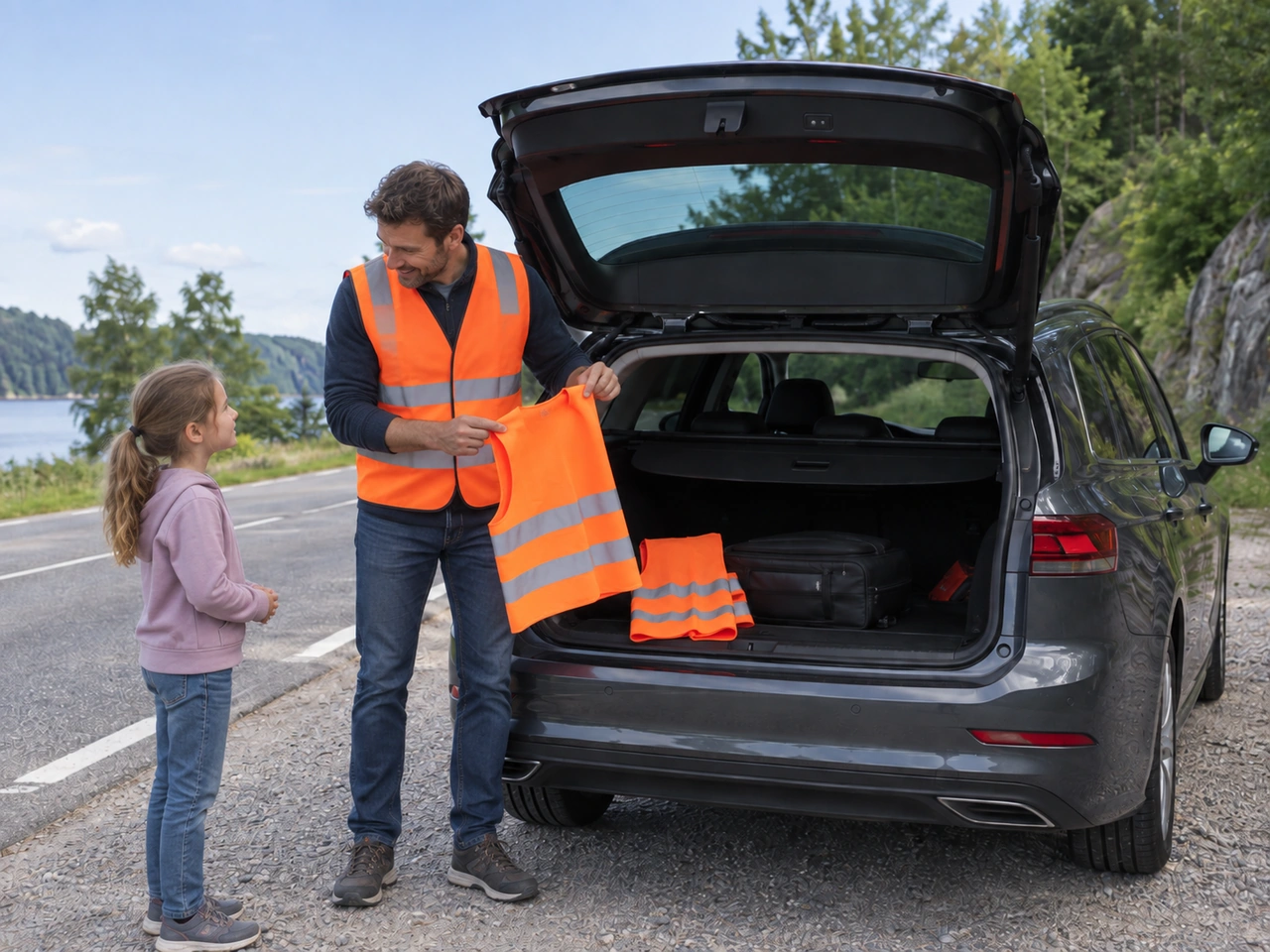
598. Is a high-visibility vest required in cars in Wallonia?
Cars in Wallonia are required to carry a high-visibility vest.
AI-generated by Rijbewijs-online.be • WCIT • CC BY-SA
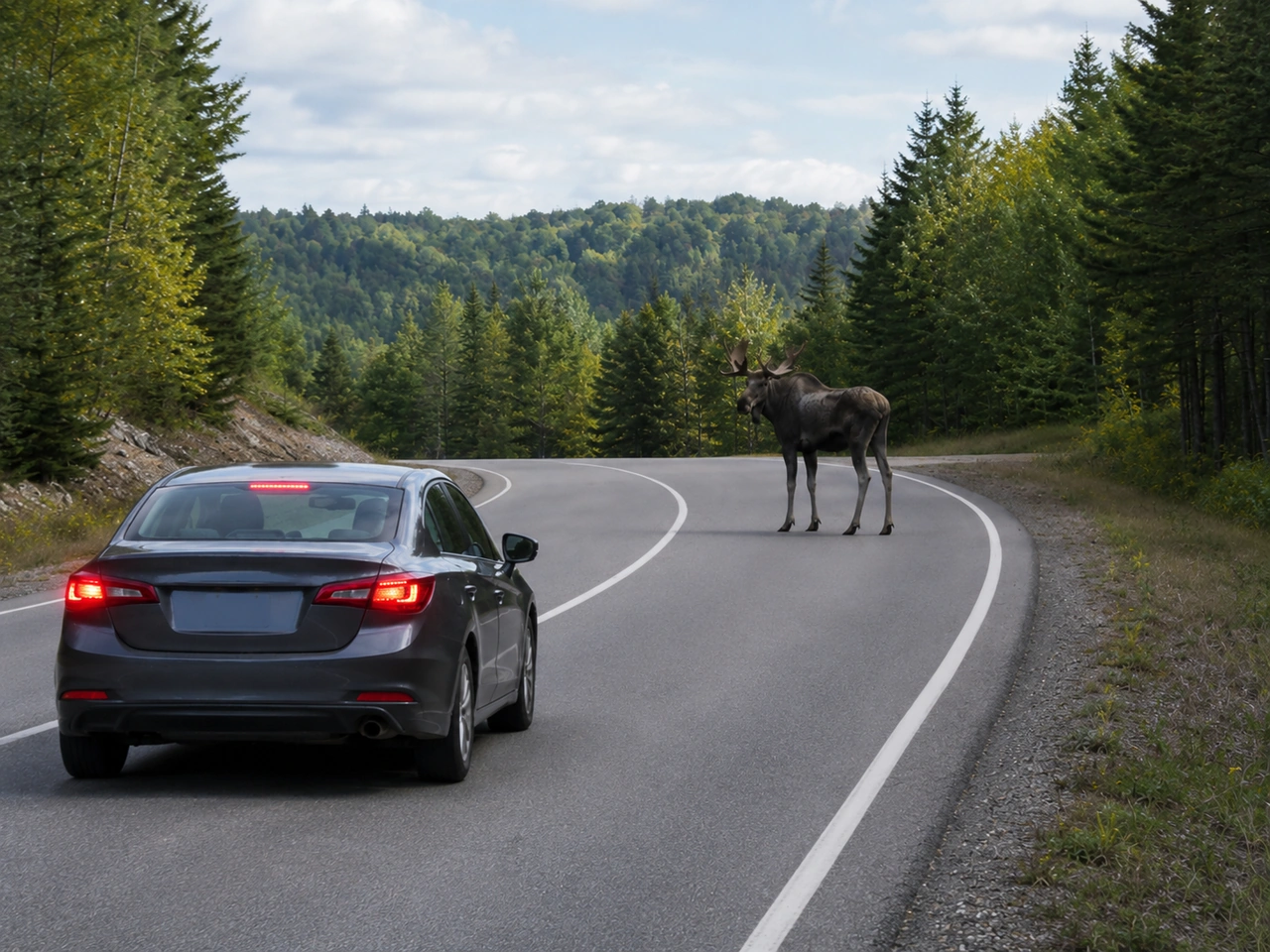
599. What should you do if a large animal suddenly enters your path?
If a large animal enters the road, brake firmly while keeping the vehicle under control. Avoid sudden swerving, as this can cause you to lose control or collide with other traffic.
AI-generated by Rijbewijs-online.be • WCIT • CC BY-SA
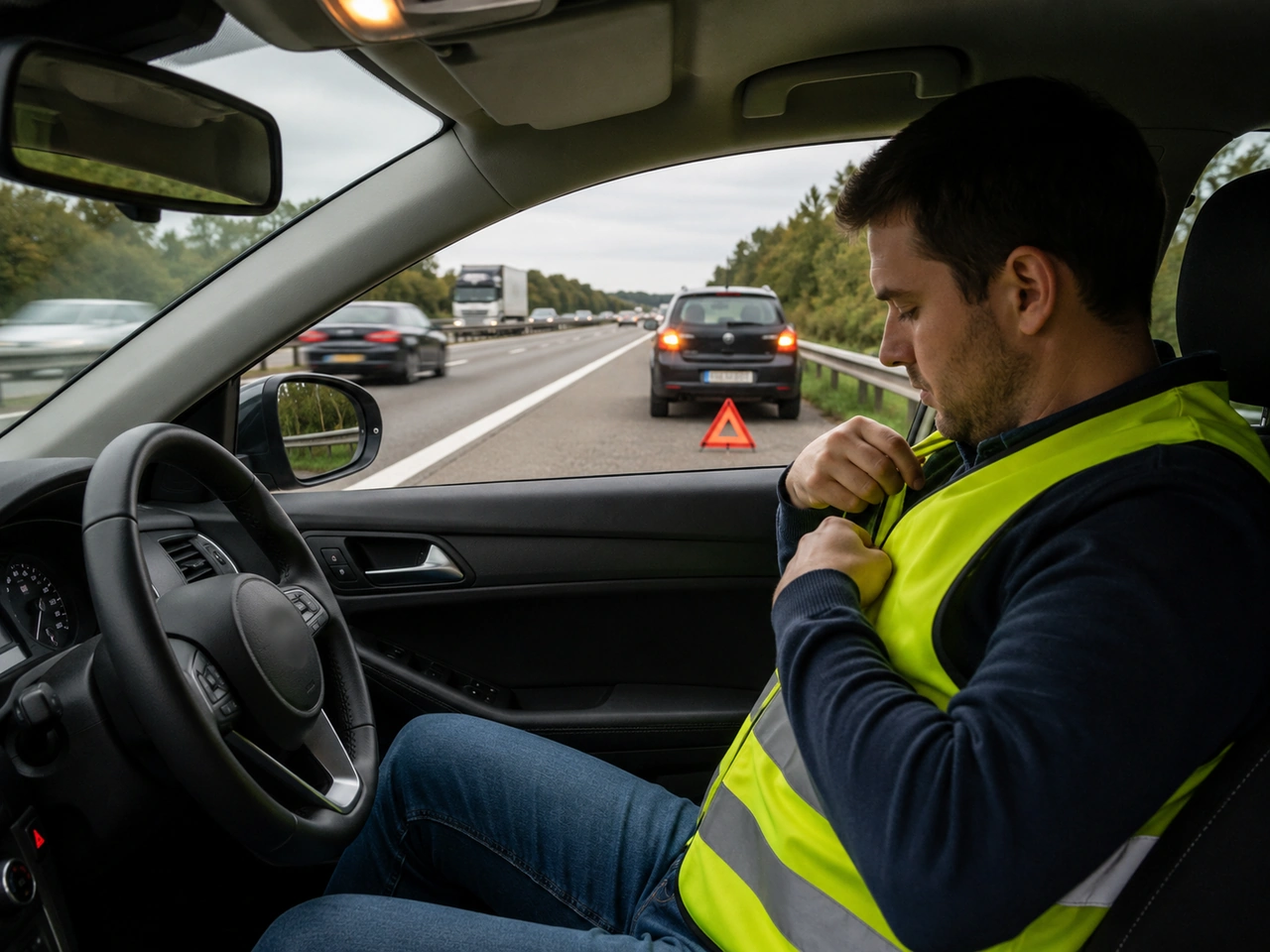
600. When must a driver wear a reflective vest after a motorway breakdown?
On motorways and express roads, the driver must wear a reflective safety vest when leaving a broken-down vehicle that is stopped where stopping or parking is prohibited.
AI-generated by Rijbewijs-online.be • WCIT • CC BY-SA