


QuizTraffic rulesWallonia
This interesting quiz helps you test your knowledge in a clear and visual way. With easy multiple-choice questions, you can quickly build confidence and learn new facts while keeping it simple, interactive, and fun.
 Traffic signs
 Traffic rules
 Wallonia
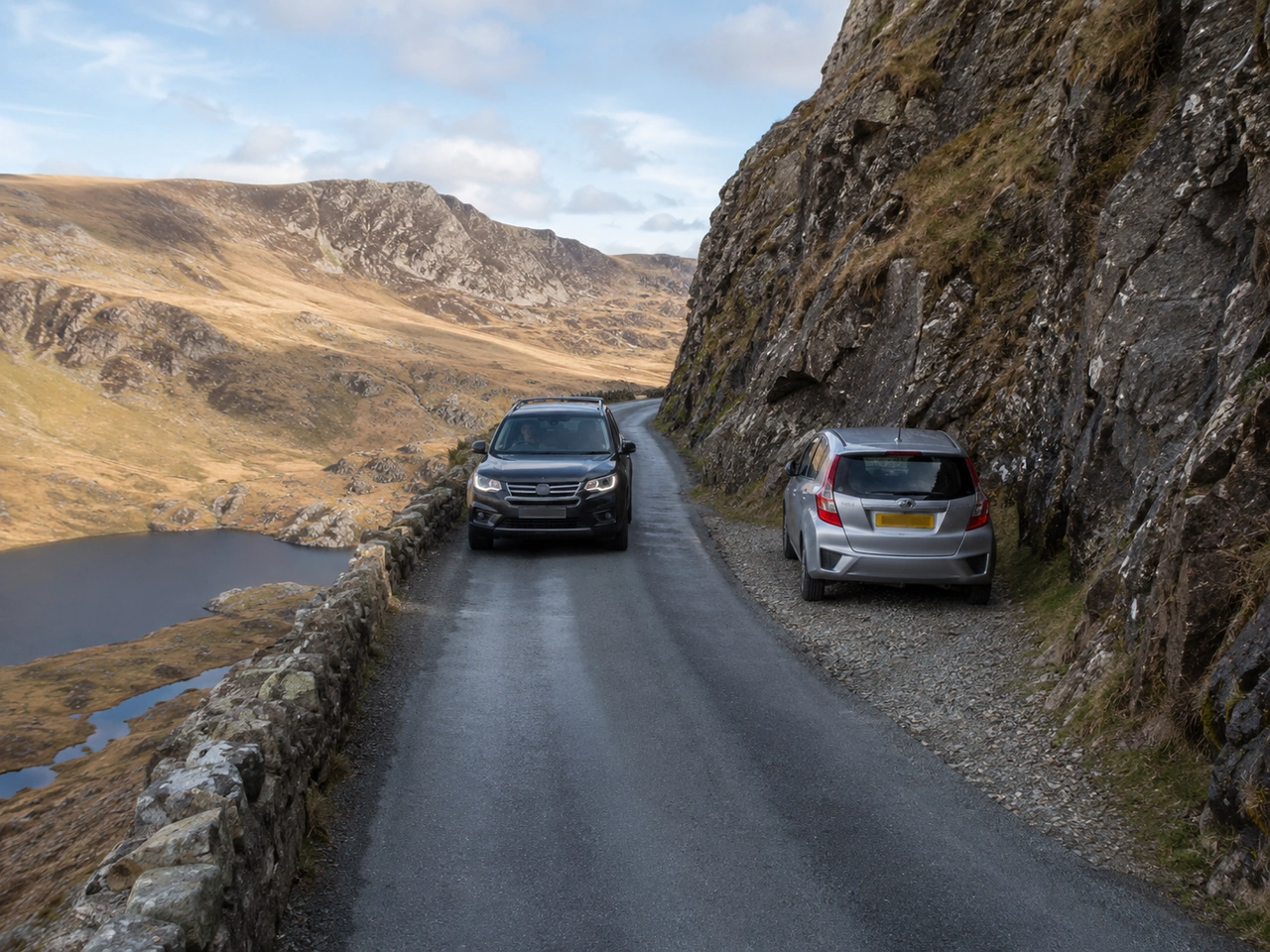
151. What should you do when meeting another vehicle on a narrow mountain road?
Narrow mountain roads may not provide enough space for two vehicles. Reduce speed and cooperate to pass safely.
AI-generated by Rijbewijs-online.be • WCIT • CC BY-SA

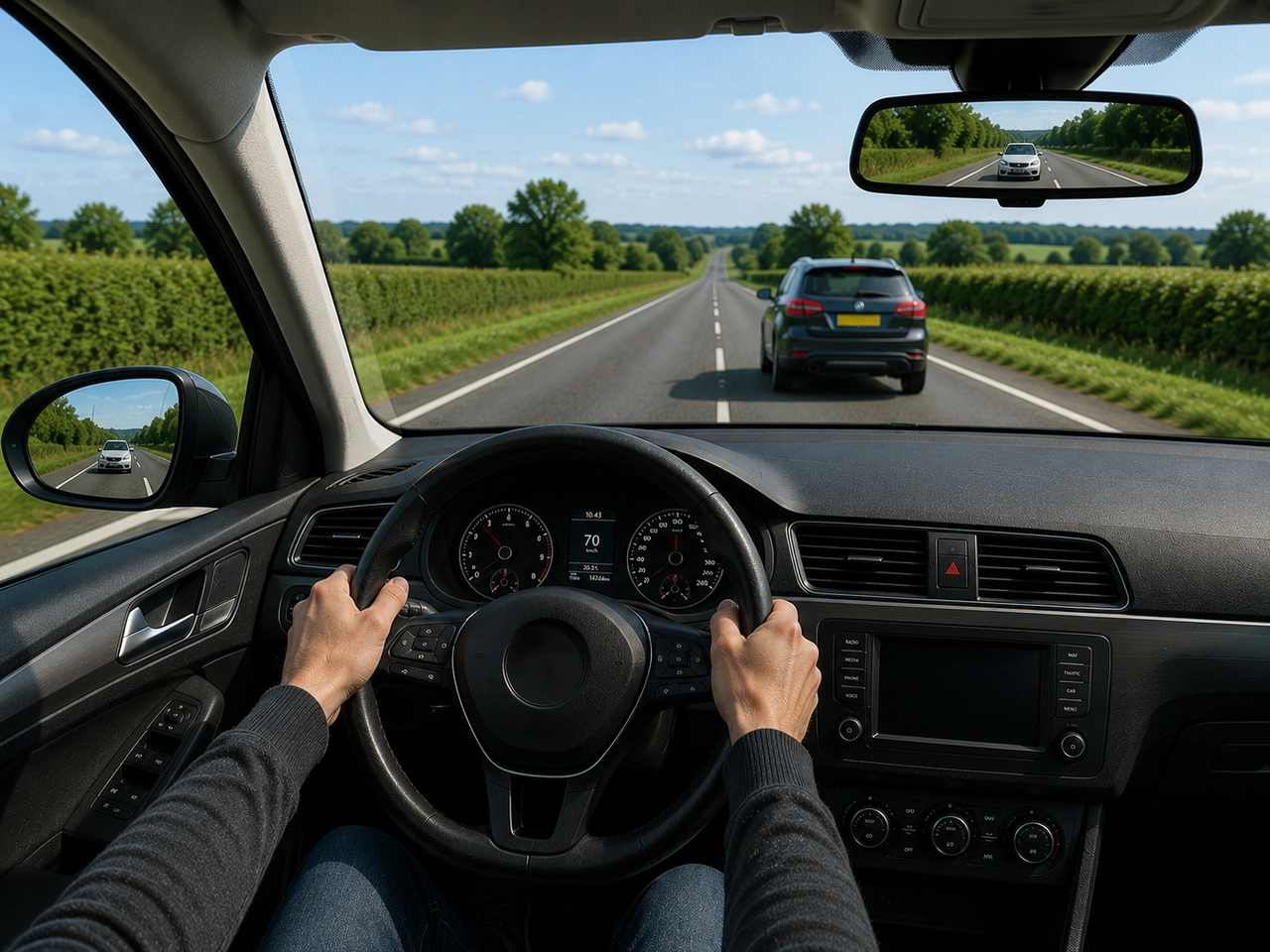
152. What should you do before overtaking another vehicle?
Before overtaking, check the road, mirrors, blind spots, signs, and markings, use your indicator, and only overtake when it is safe and permitted.
AI-generated by Rijbewijs-online.be • WCIT • CC BY-SA
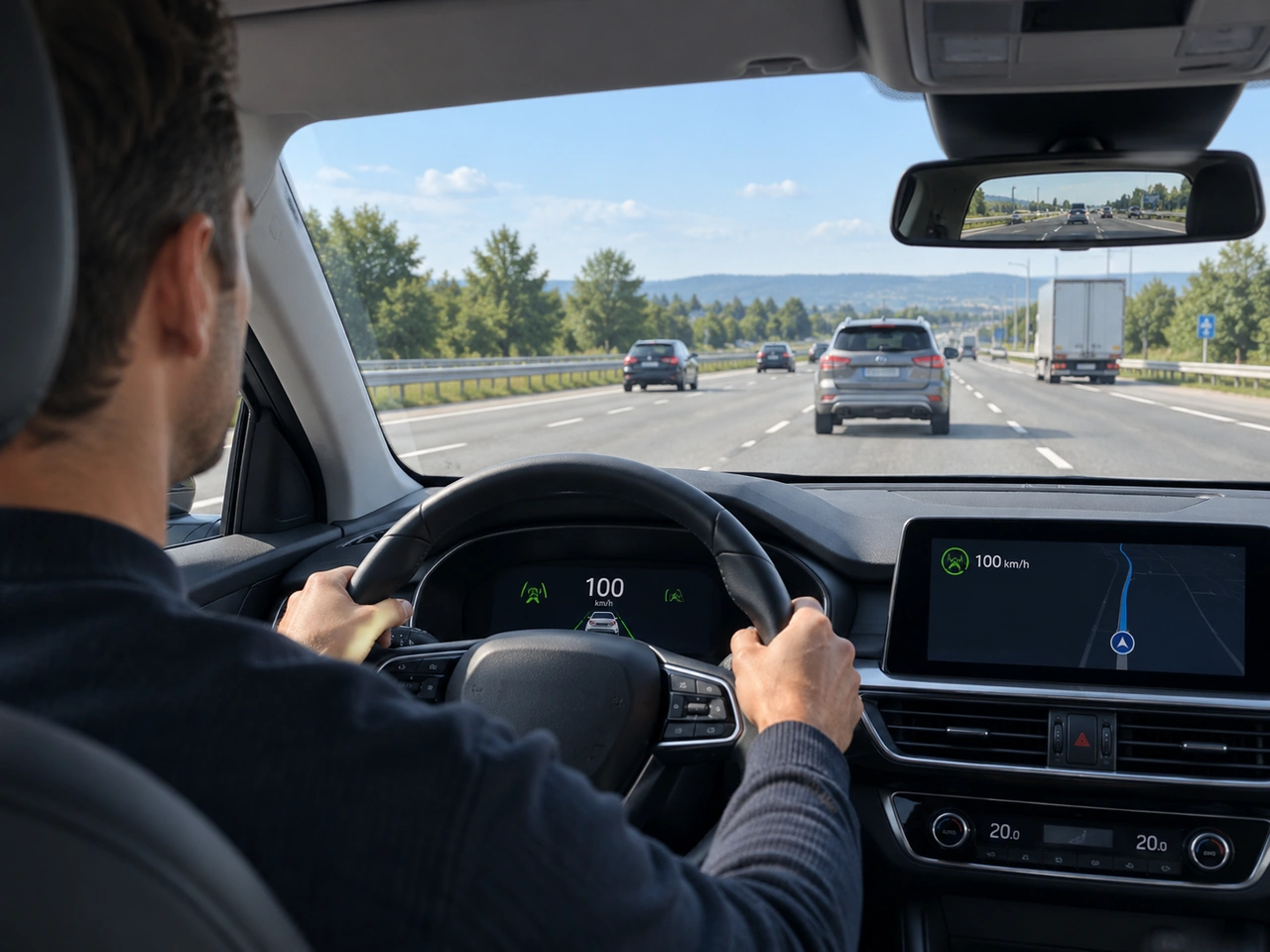
153. What should you remember when using driver-assistance systems?
Driver-assistance systems can help with tasks such as maintaining speed, monitoring lanes, or warning about hazards, but they do not replace the driver. Stay attentive, monitor the road and traffic, and be ready to take control whenever necessary.
AI-generated by Rijbewijs-online.be • WCIT • CC BY-SA
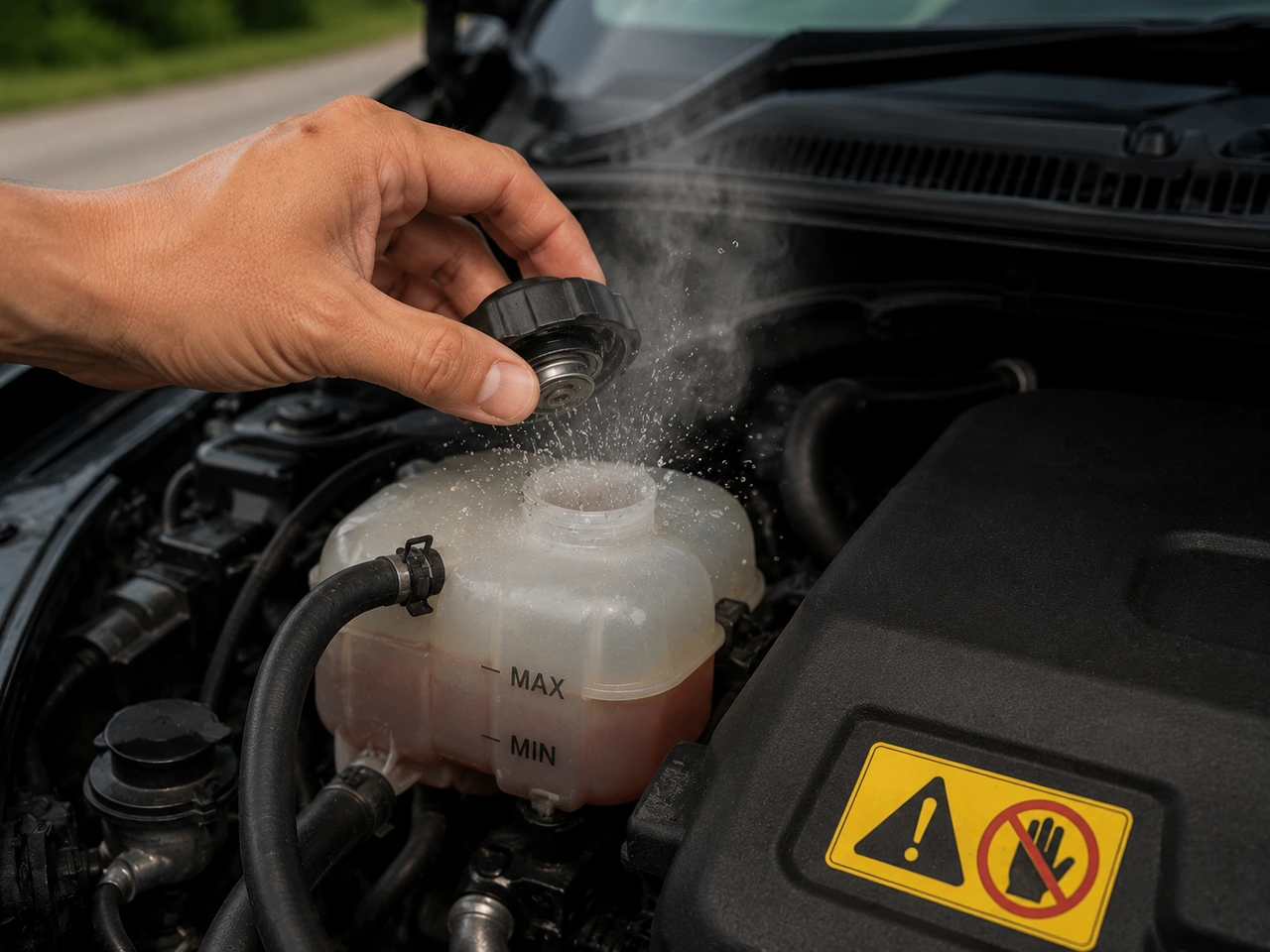
154. Why should you avoid removing the coolant cap while the engine is hot?
A hot cooling system may remain under pressure. Allow the engine to cool and follow the manufacturer's instructions before checking or adding coolant.
AI-generated by Rijbewijs-online.be • WCIT • CC BY-SA
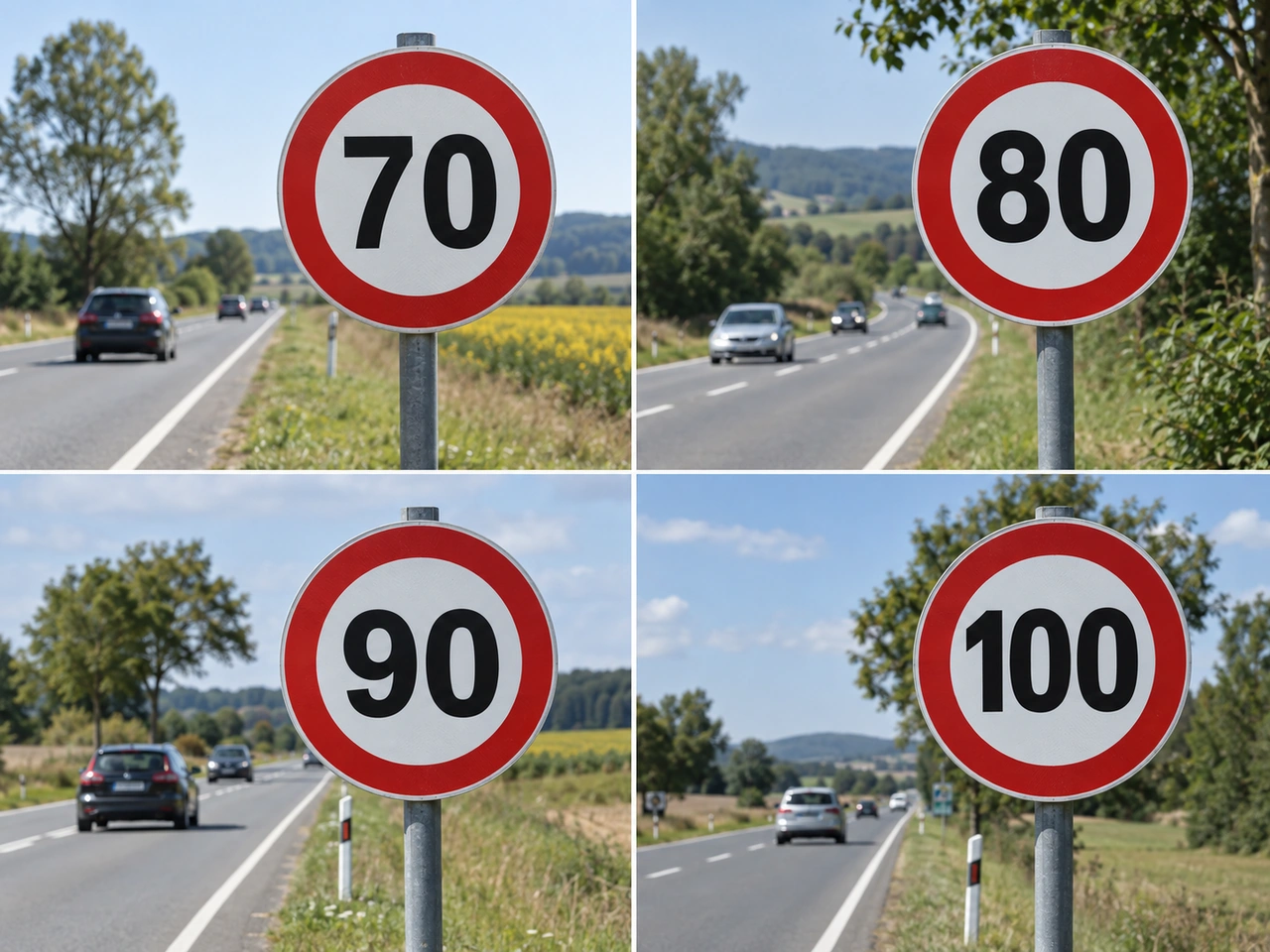
155. What is the general speed limit for cars on ordinary roads outside built-up areas in Wallonia?
In Wallonia, the general speed limit for cars on ordinary roads outside built-up areas is 90 km/h, unless signs indicate otherwise.
AI-generated by Rijbewijs-online.be • WCIT • CC BY-SA
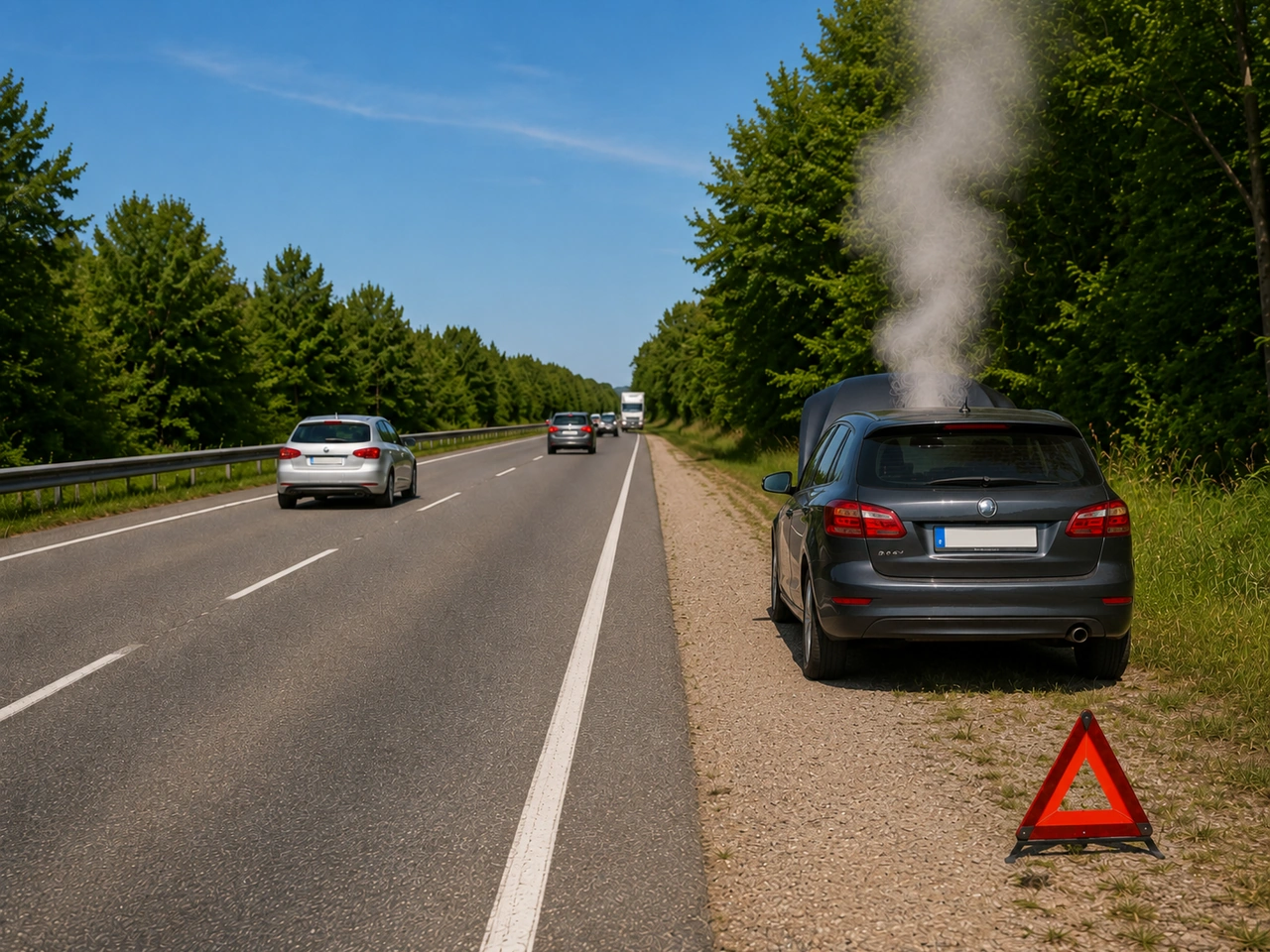
156. What should you do if steam begins coming from underneath the bonnet?
Steam can indicate an overheated and pressurised cooling system. Do not remove the coolant cap while the system is hot.
AI-generated by Rijbewijs-online.be • WCIT • CC BY-SA
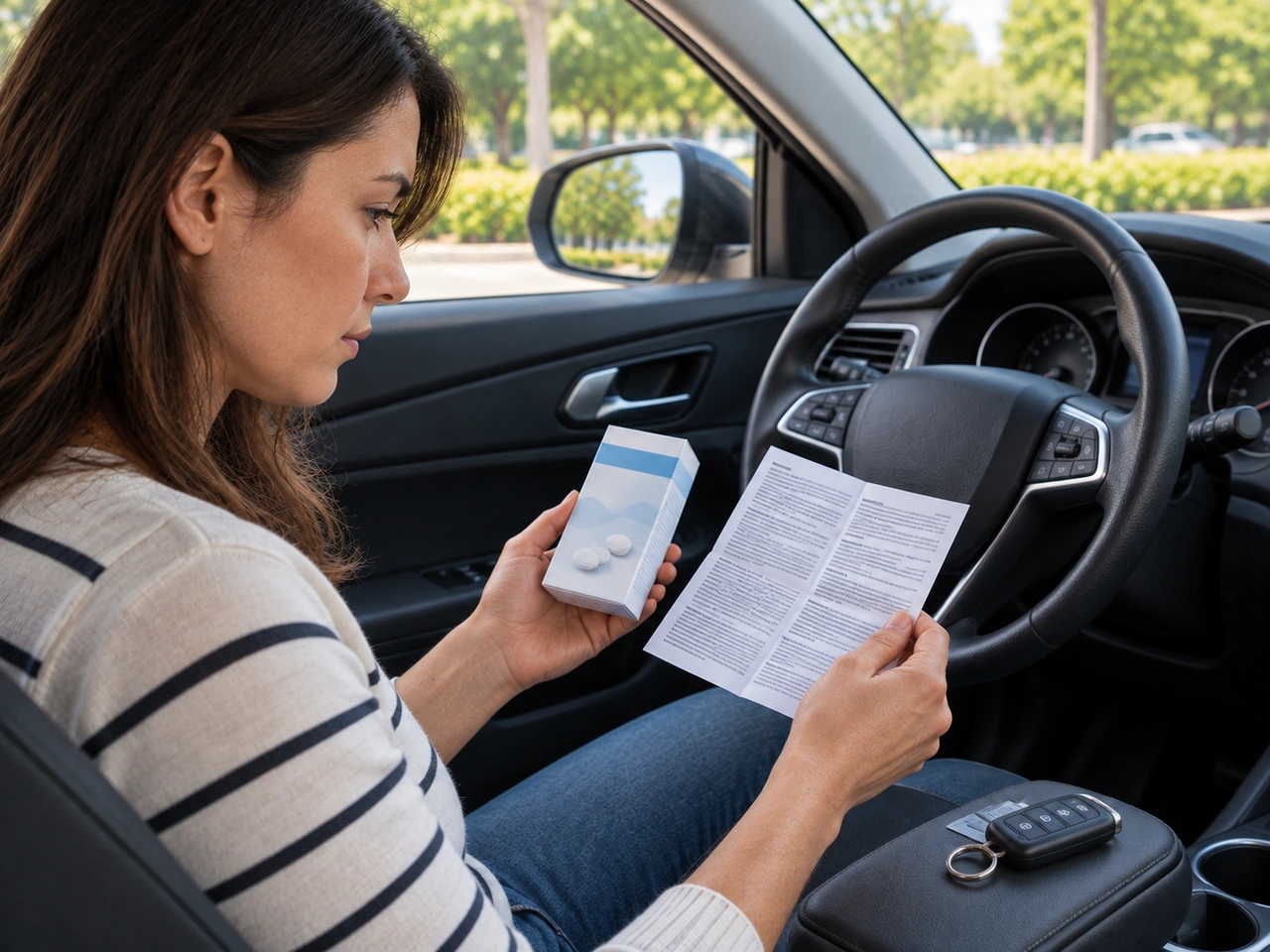
157. What should you do before driving after taking medicine?
Some medicines can affect driving ability by causing drowsiness, dizziness, blurred vision, slower reactions, or reduced concentration. Check the label or patient information and follow advice from your doctor or pharmacist before driving.
AI-generated by Rijbewijs-online.be • WCIT • CC BY-SA
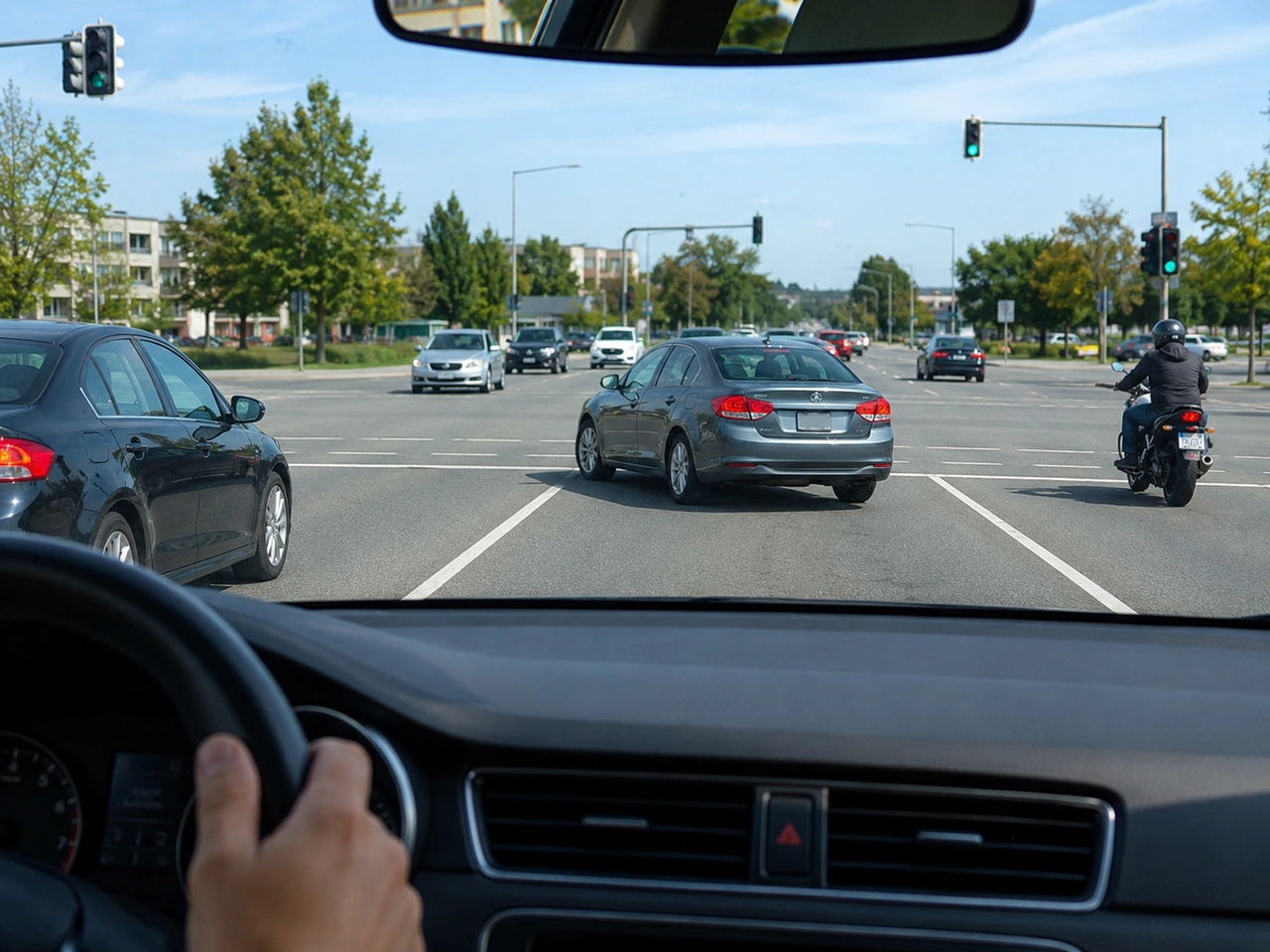
158. Why should you avoid changing lanes inside an intersection?
Changing lanes inside an intersection can surprise drivers, cyclists, and pedestrians. It is safer to choose the correct lane before entering.
AI-generated by Rijbewijs-online.be • WCIT • CC BY-SA
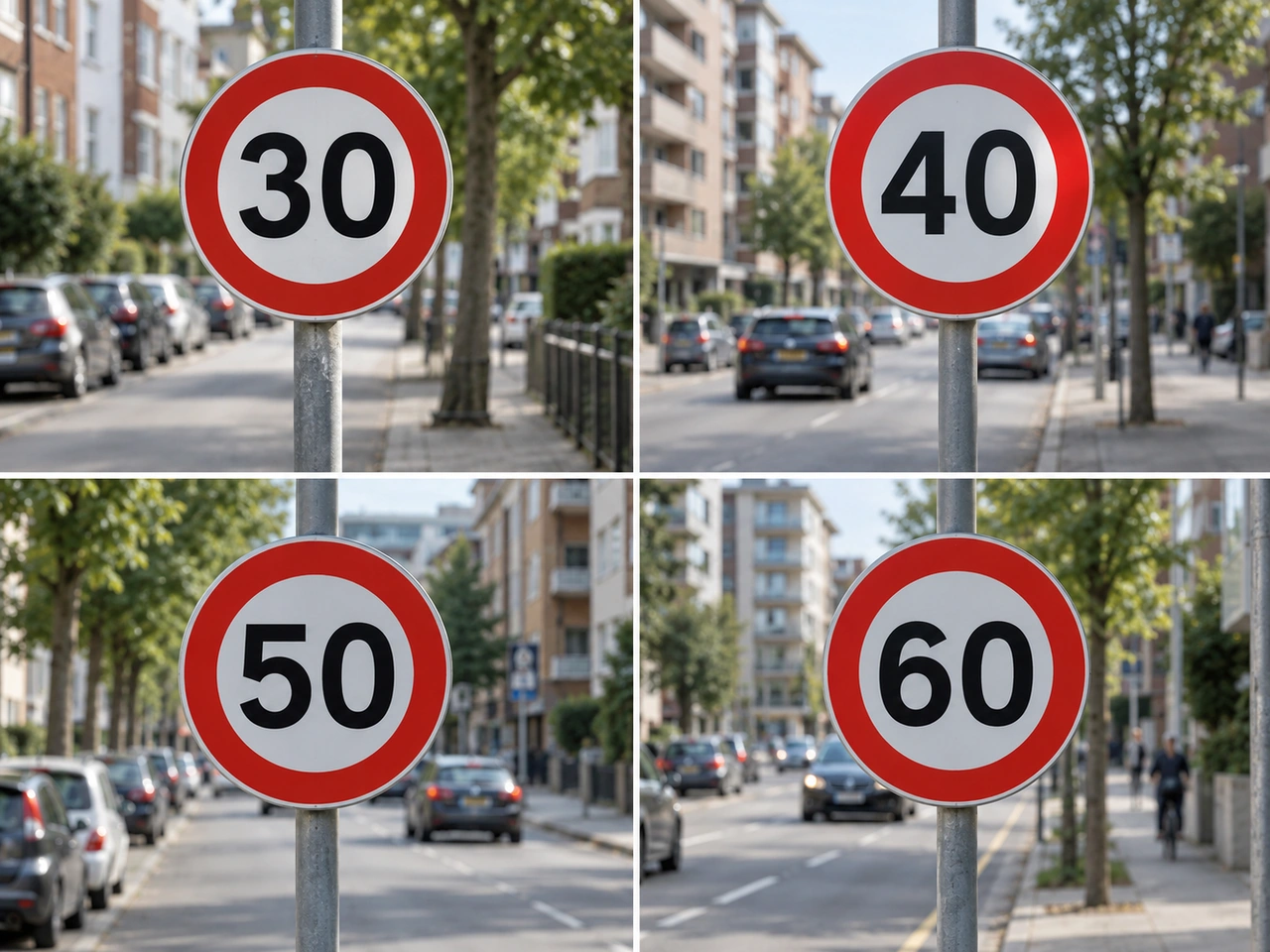
159. What is the general speed limit for cars in built-up areas in Wallonia?
The general speed limit for cars in built-up areas in Wallonia is 50 km/h, unless signs indicate otherwise.
AI-generated by Rijbewijs-online.be • WCIT • CC BY-SA
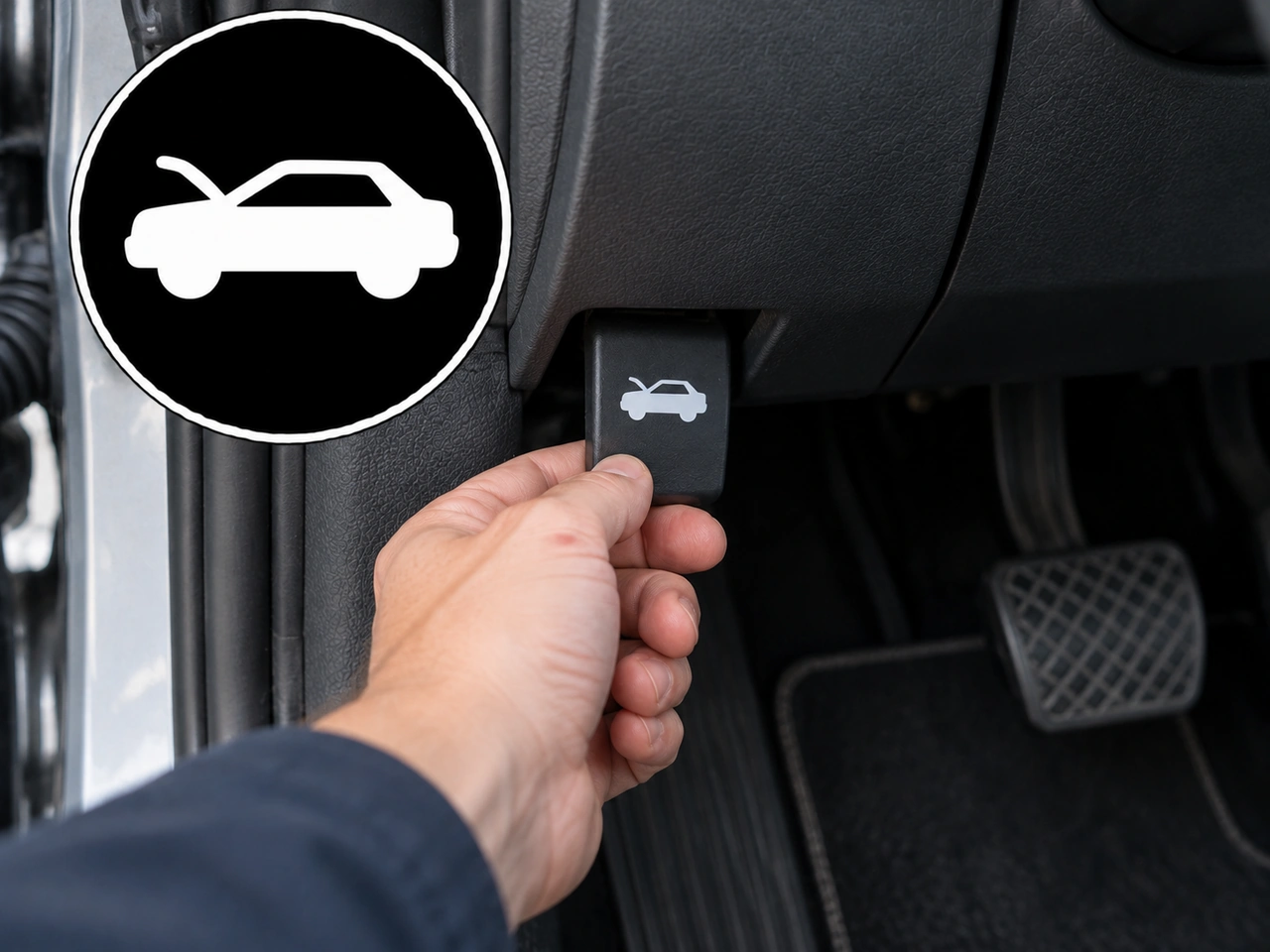
160. What does this vehicle-control symbol indicate?
This control releases the bonnet so that it can be opened. A secondary safety catch under the bonnet normally has to be released before it can be fully raised.
AI-generated by Rijbewijs-online.be • WCIT • CC BY-SA
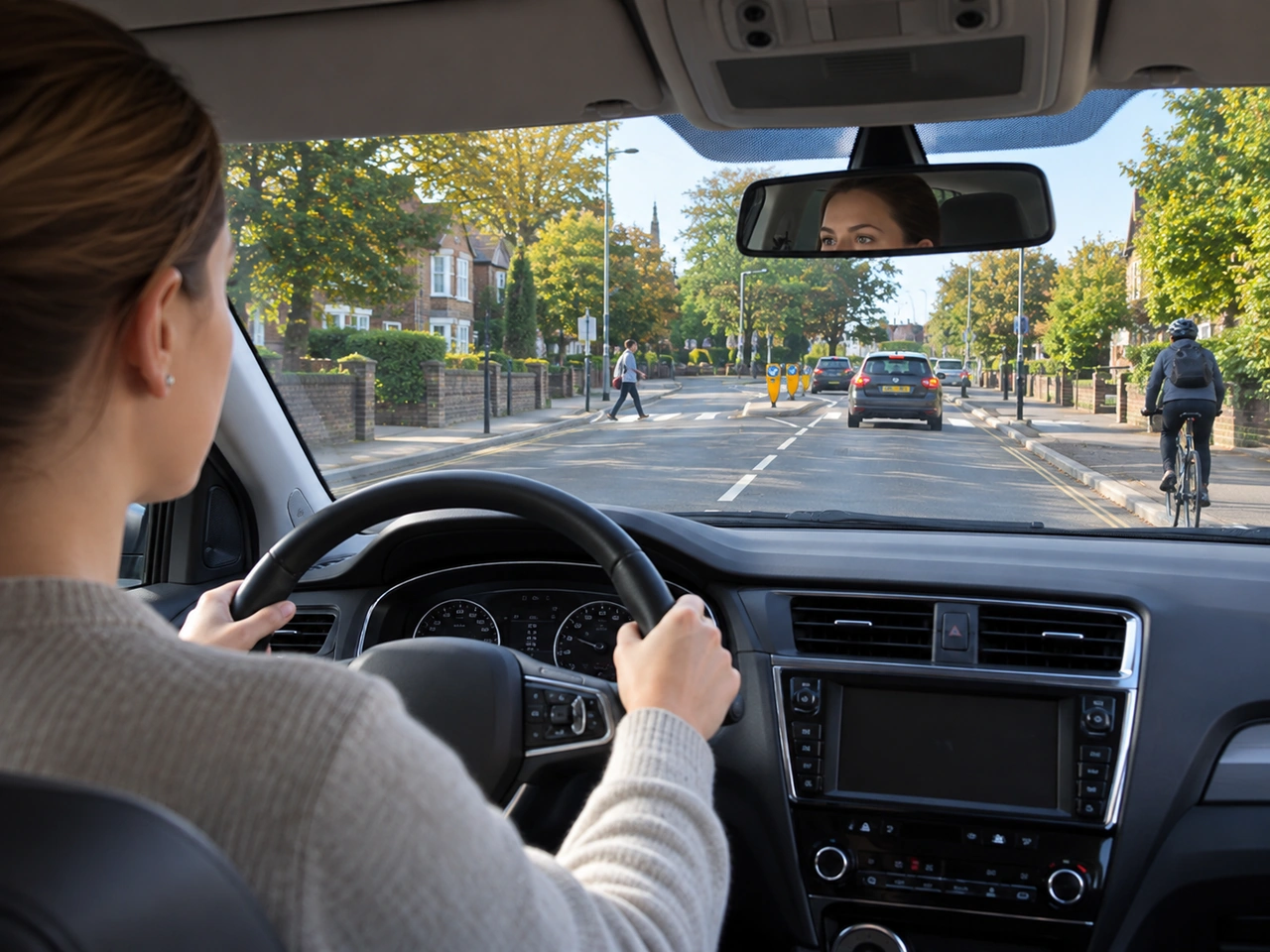
161. Why should you look well ahead while driving?
Looking well ahead helps you identify developing hazards early, such as slowing traffic, pedestrians, junctions, or changing road conditions. Earlier detection gives you more time to assess the situation and respond smoothly and safely.
AI-generated by Rijbewijs-online.be • WCIT • CC BY-SA
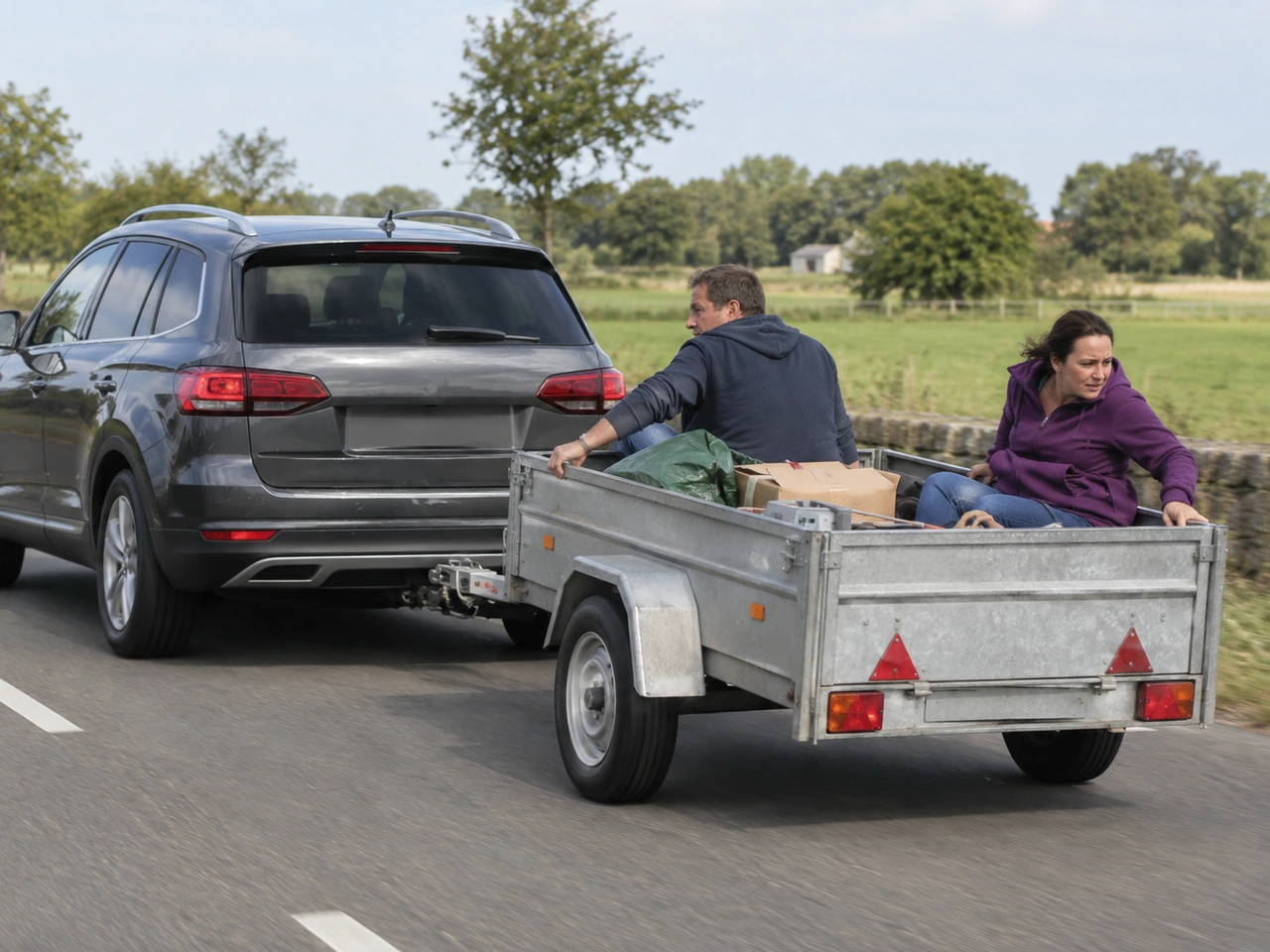
162. Should passengers travel in an ordinary goods trailer?
An ordinary goods trailer is not designed to carry passengers and normally has no suitable seats or restraint systems. Passengers should travel in seating positions designed and approved for carrying people. Special passenger-carrying trailers may be subject to different local rules.
AI-generated by Rijbewijs-online.be • WCIT • CC BY-SA
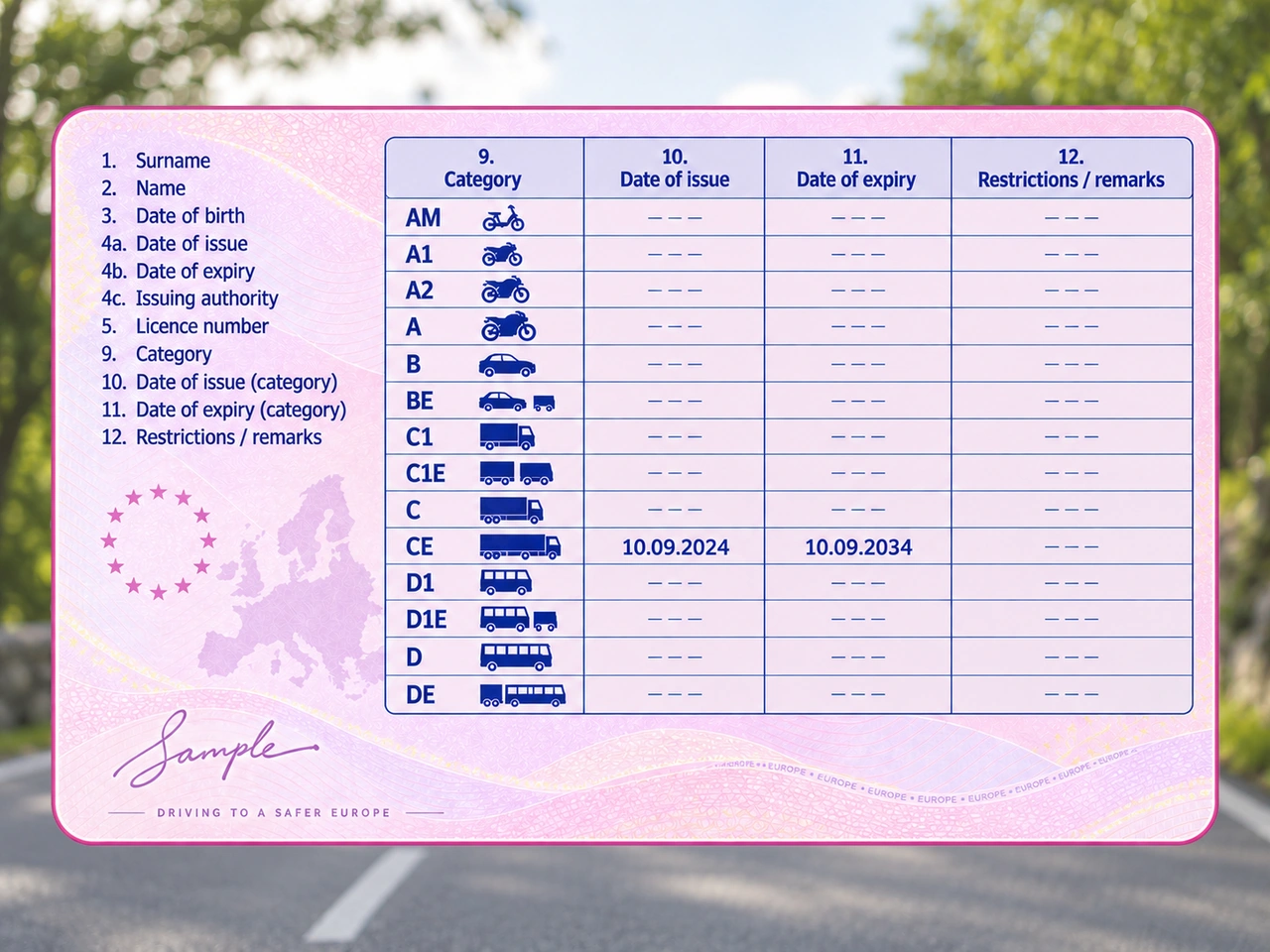
163. Which vehicle combination is covered by driving licence CE?
Category CE covers combinations consisting of a category C towing vehicle and a trailer or semi-trailer with a maximum authorised mass above 750 kg.
AI-generated by Rijbewijs-online.be • WCIT • CC BY-SA
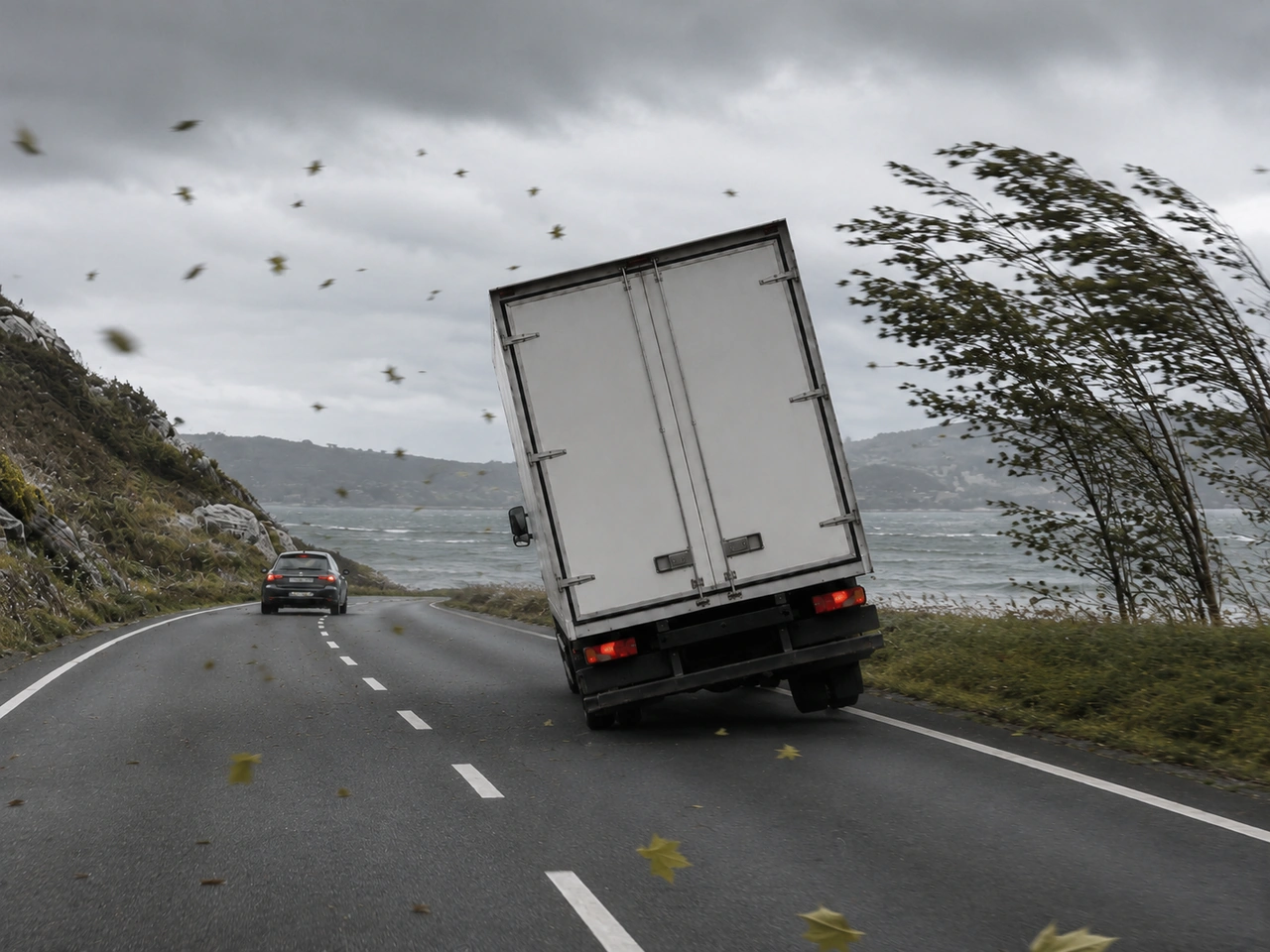
164. Which vehicles are especially vulnerable to strong crosswinds?
High-sided vehicles can be pushed sideways because of their large side area. Cyclists and motorcyclists can also be strongly affected by sudden gusts.
AI-generated by Rijbewijs-online.be • WCIT • CC BY-SA
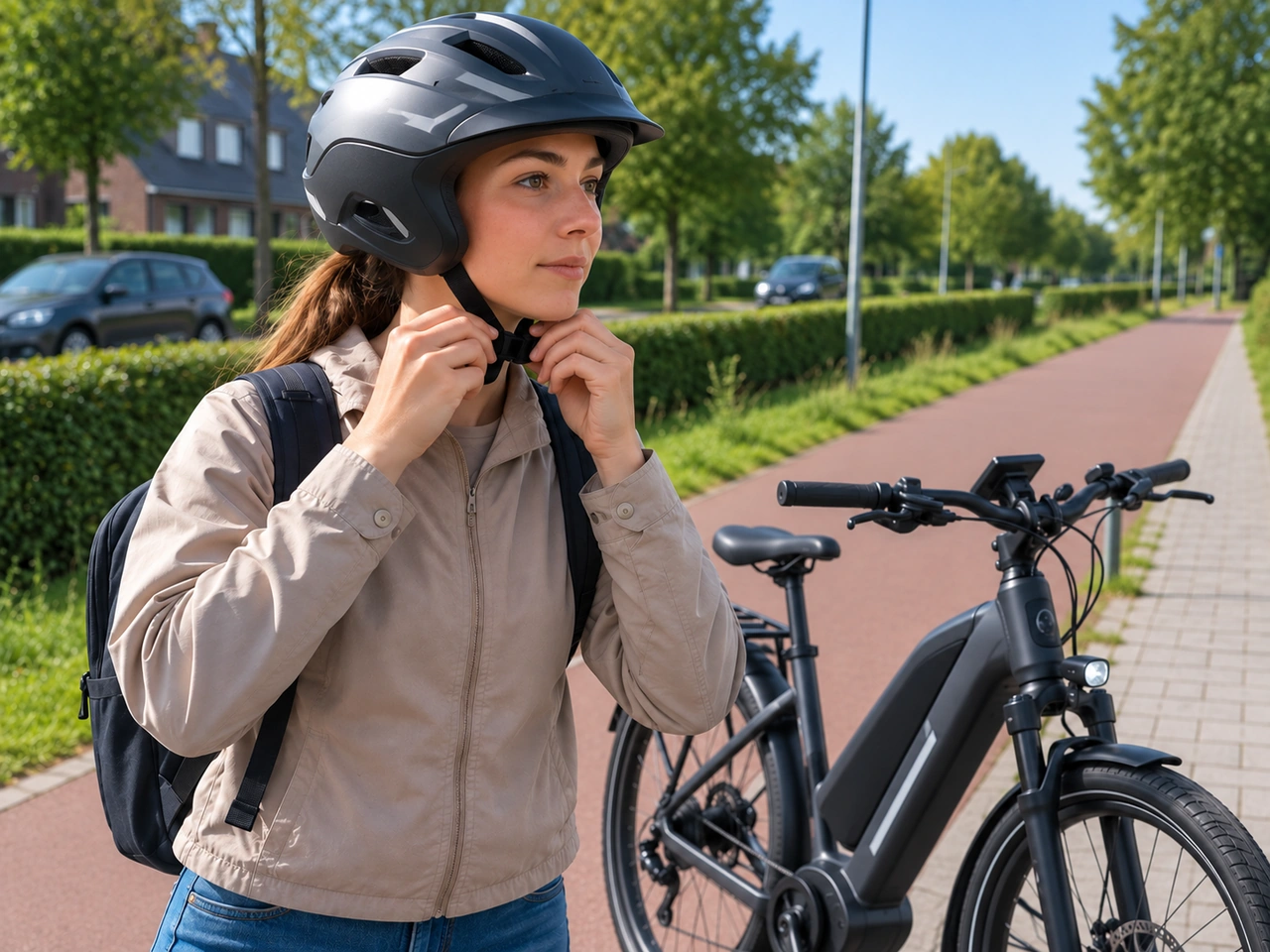
165. What helmet must a speed-pedelec rider wear in Belgium?
A speed-pedelec rider must wear either an approved moped helmet or a bicycle helmet that provides additional protection to the temples and the back of the head.
AI-generated by Rijbewijs-online.be • WCIT • CC BY-SA
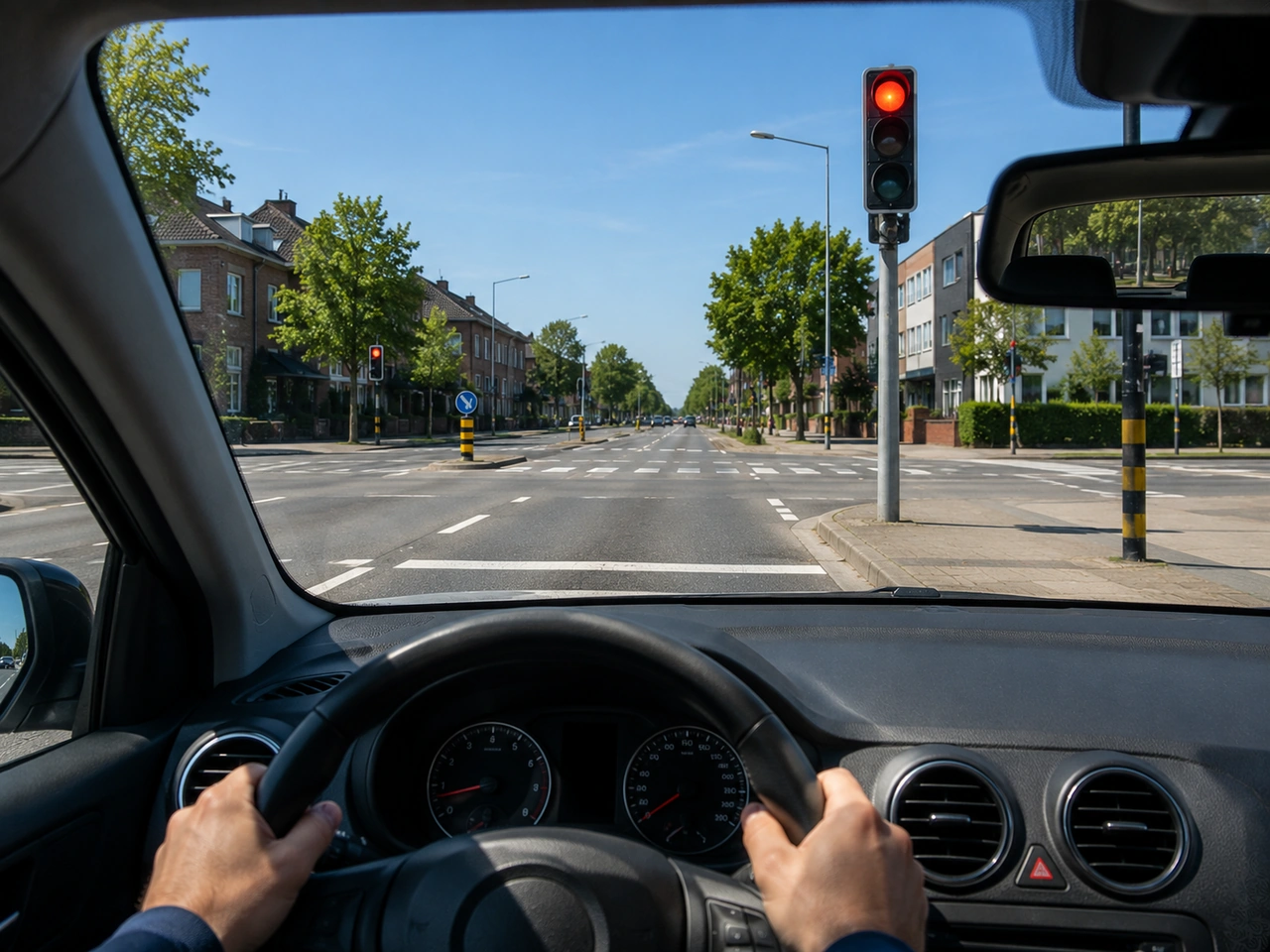
166. What should you do when a traffic light turns red?
A red traffic light means you must stop before the stop line, pedestrian crossing, or intersection unless a sign or signal indicates otherwise.
AI-generated by Rijbewijs-online.be • WCIT • CC BY-SA
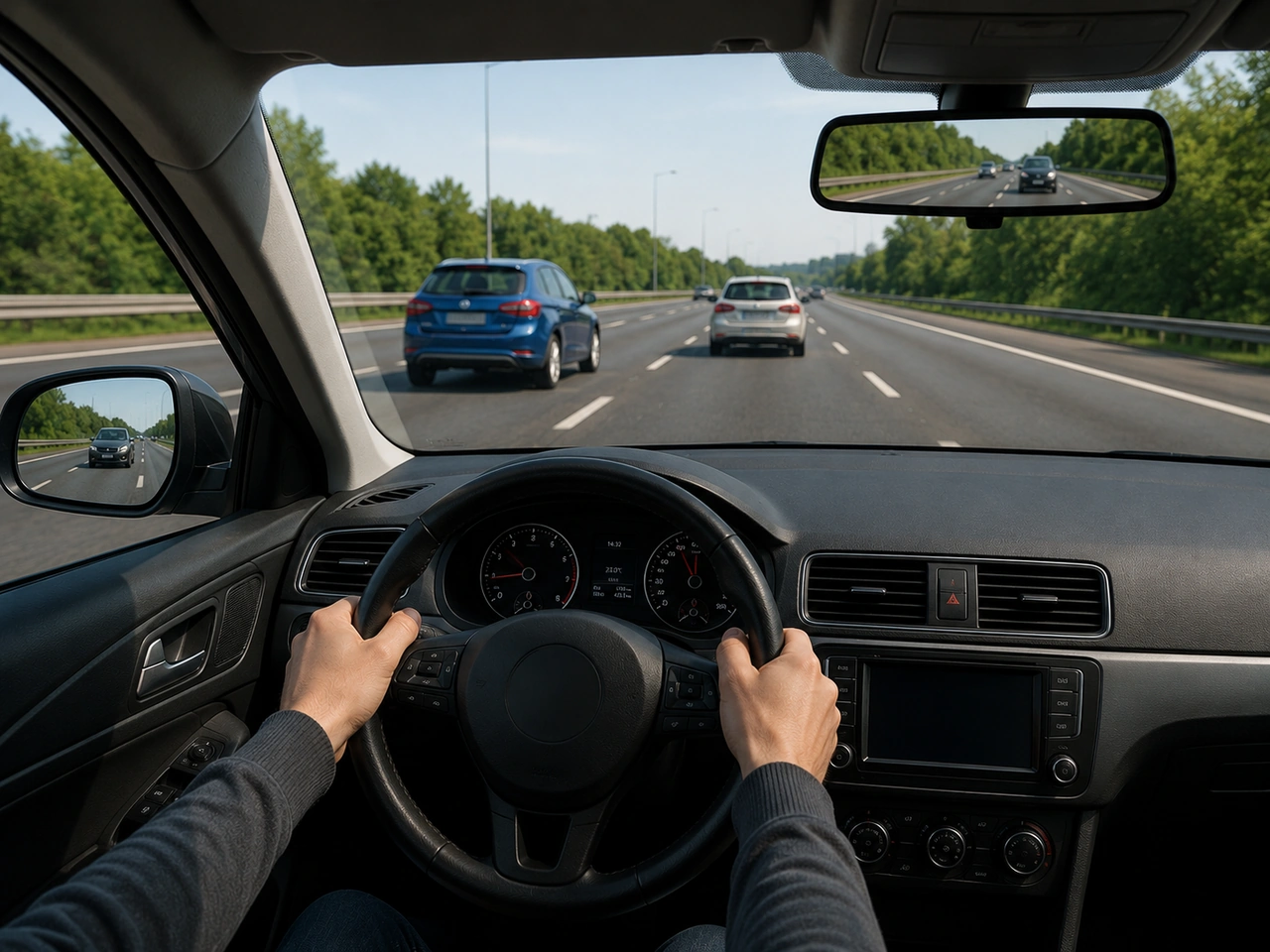
167. What should you do before changing lanes?
Always check your mirrors, look over your shoulder if necessary, and make sure it is safe before changing lanes.
AI-generated by Rijbewijs-online.be • WCIT • CC BY-SA
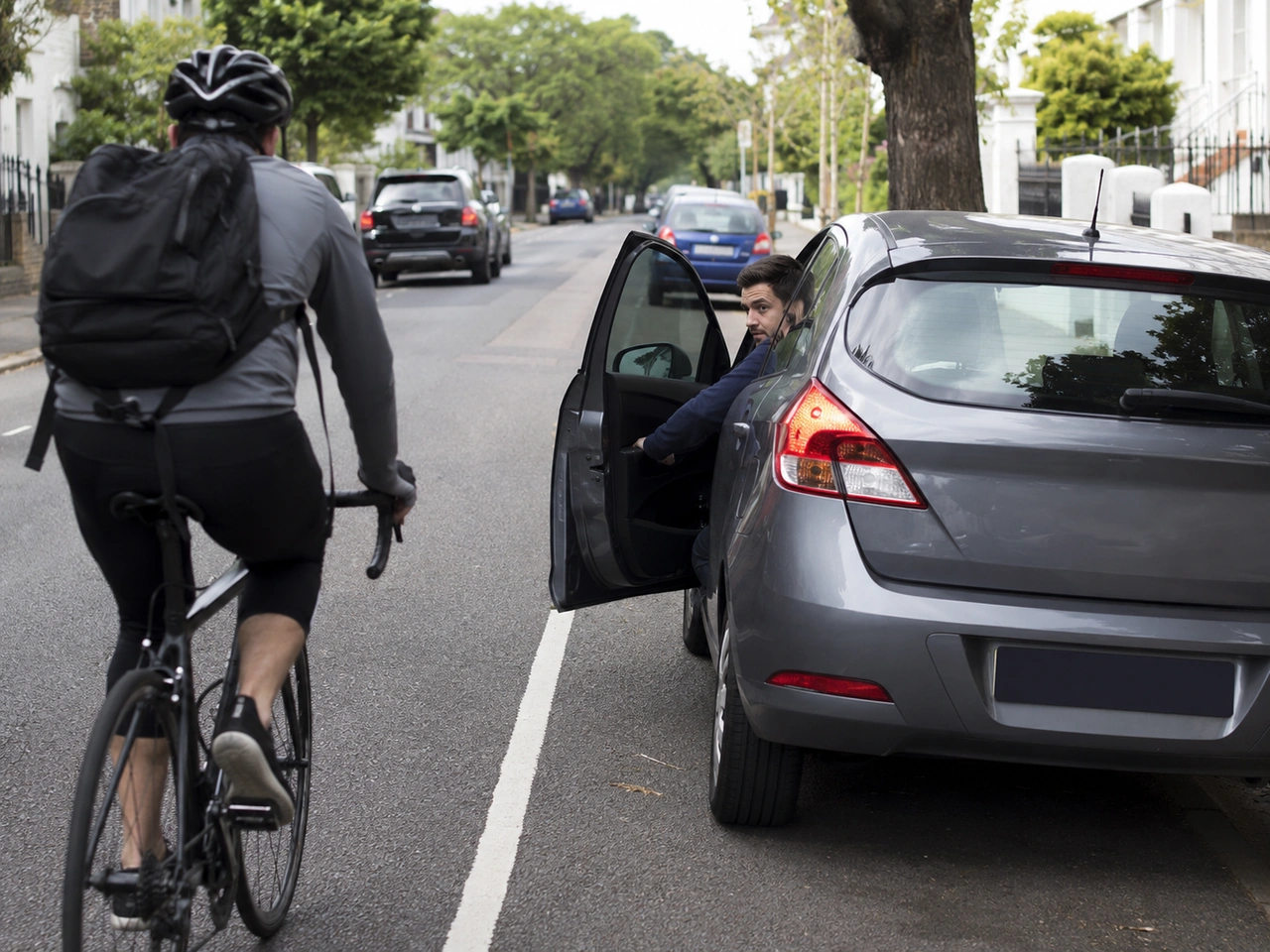
168. You do not need to look for cyclists when opening your car door.
You should always check for cyclists, motorcyclists, and other road users before opening a door.
AI-generated by Rijbewijs-online.be • WCIT • CC BY-SA
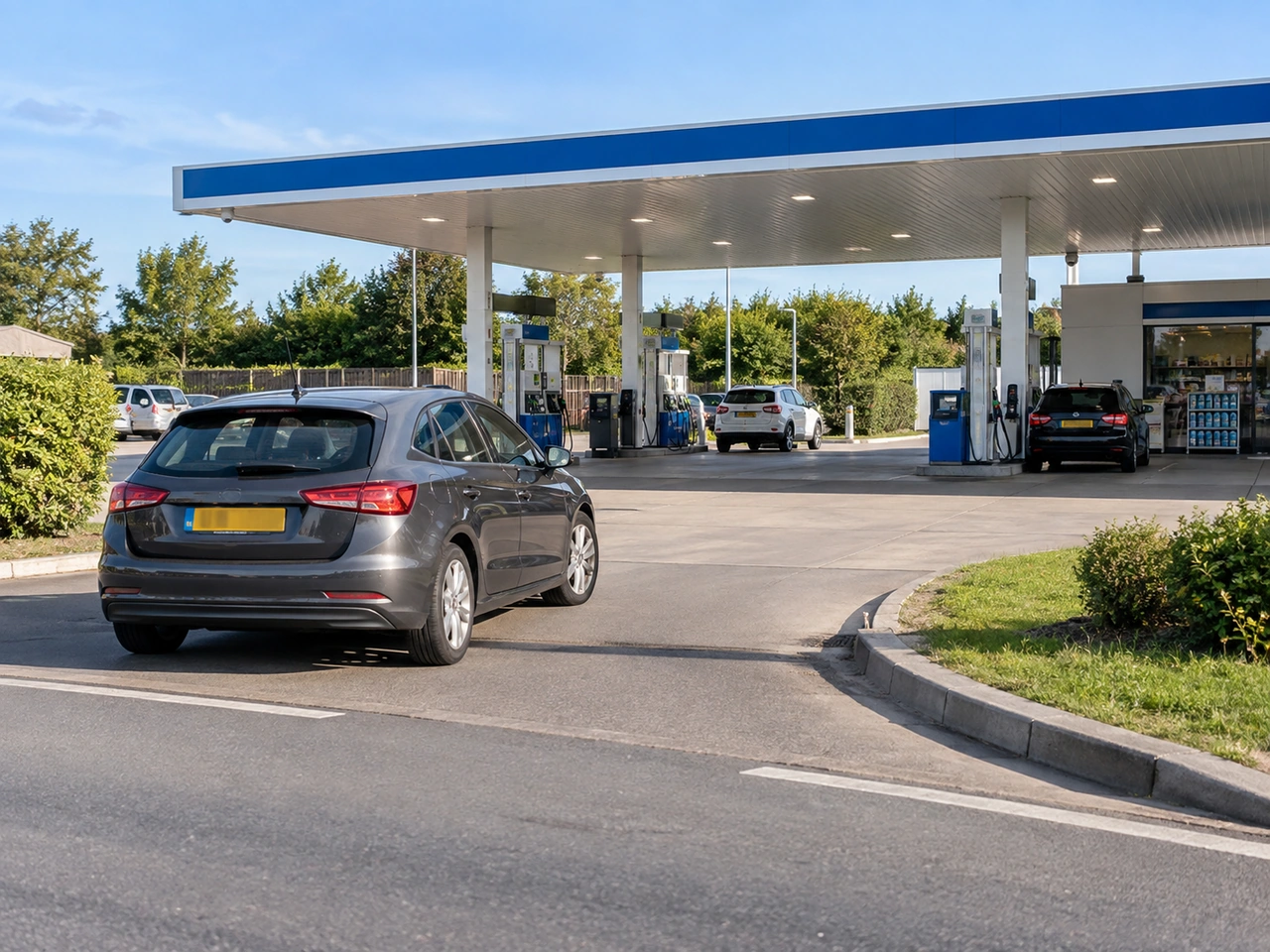
169. How should you position your vehicle beside a fuel pump?
Position the vehicle so the fuel filler is close to the pump and the hose can reach without being stretched tightly across or around the vehicle. Stop within the designated refuelling area and leave enough space to use the pump safely.
AI-generated by Rijbewijs-online.be • WCIT • CC BY-SA
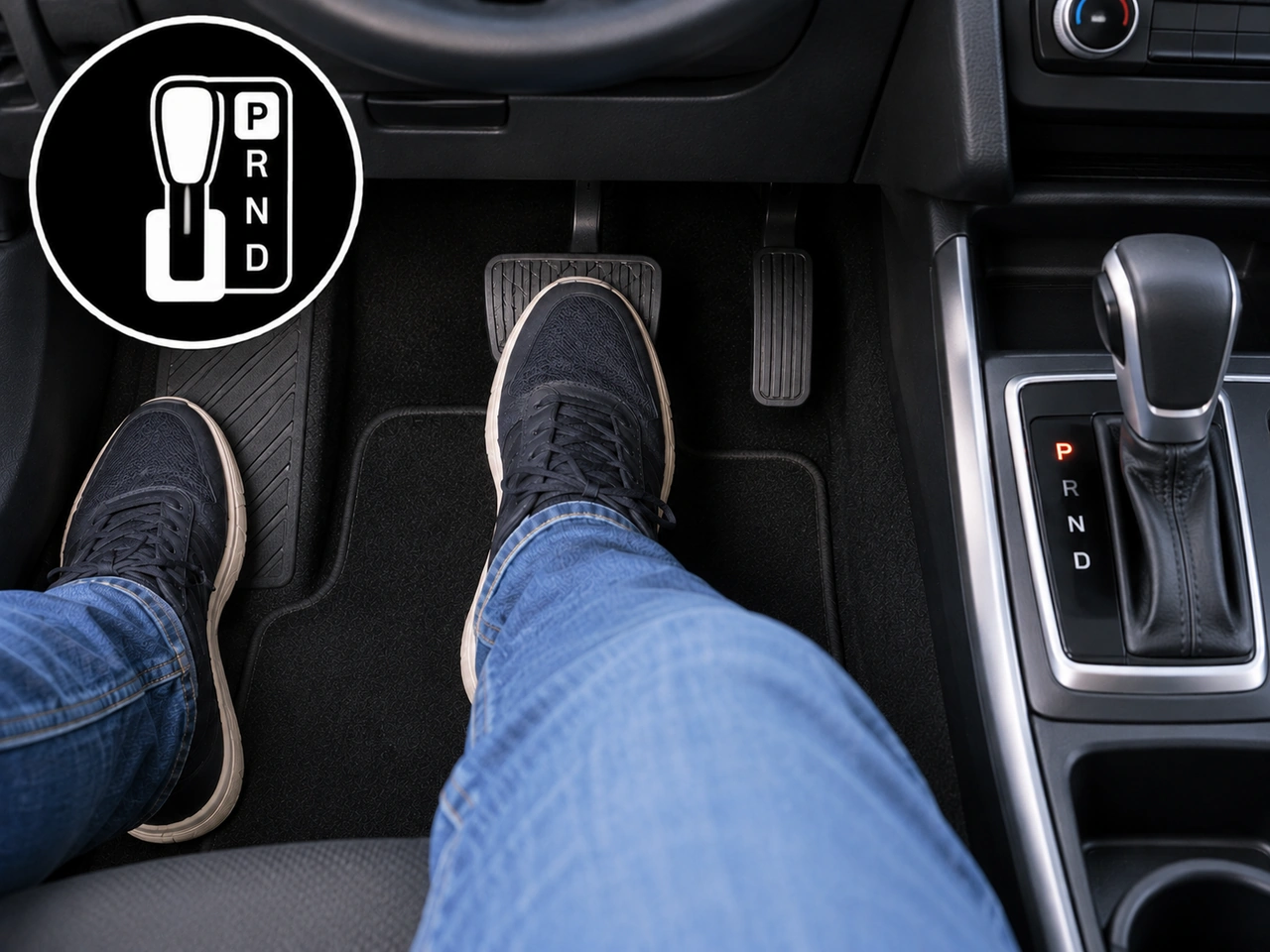
170. What should you normally do before starting an automatic vehicle?
Before starting an automatic vehicle, make sure P (Park) or N (Neutral) is selected and press the brake pedal. Many automatic vehicles will only allow the engine to start when these conditions are met.
AI-generated by Rijbewijs-online.be • WCIT • CC BY-SA
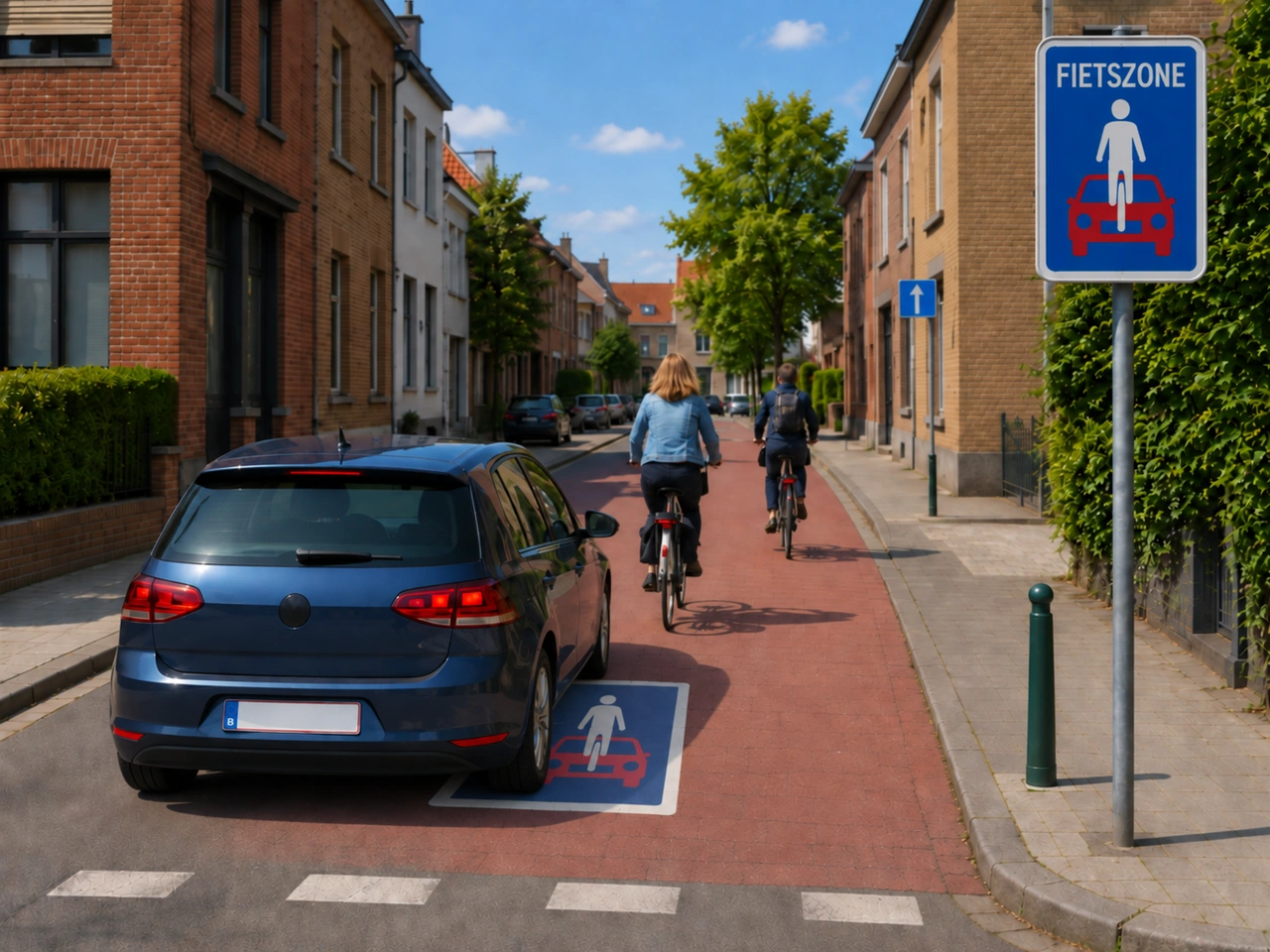
171. What rule applies to motor vehicles inside a Belgian cycle zone?
Motor vehicles may enter a cycle zone, but they may not overtake cyclists. The maximum speed throughout the zone is 30 km/h.
AI-generated by Rijbewijs-online.be • WCIT • CC BY-SA
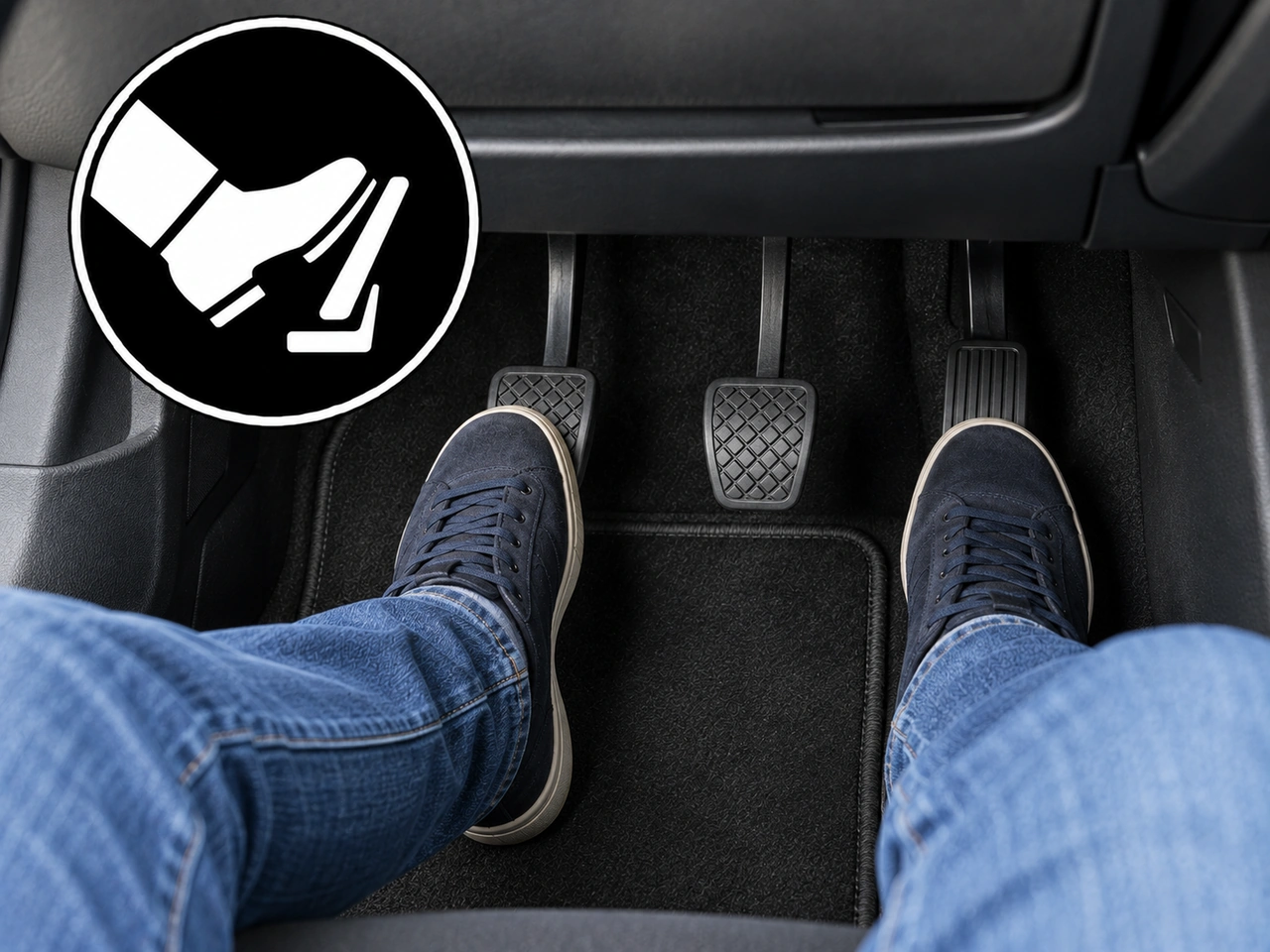
172. What is the clutch biting point?
The clutch biting point is reached as the clutch pedal is released and the clutch begins to transmit power from the engine to the transmission. Controlling this point helps the driver move off smoothly.
AI-generated by Rijbewijs-online.be • WCIT • CC BY-SA
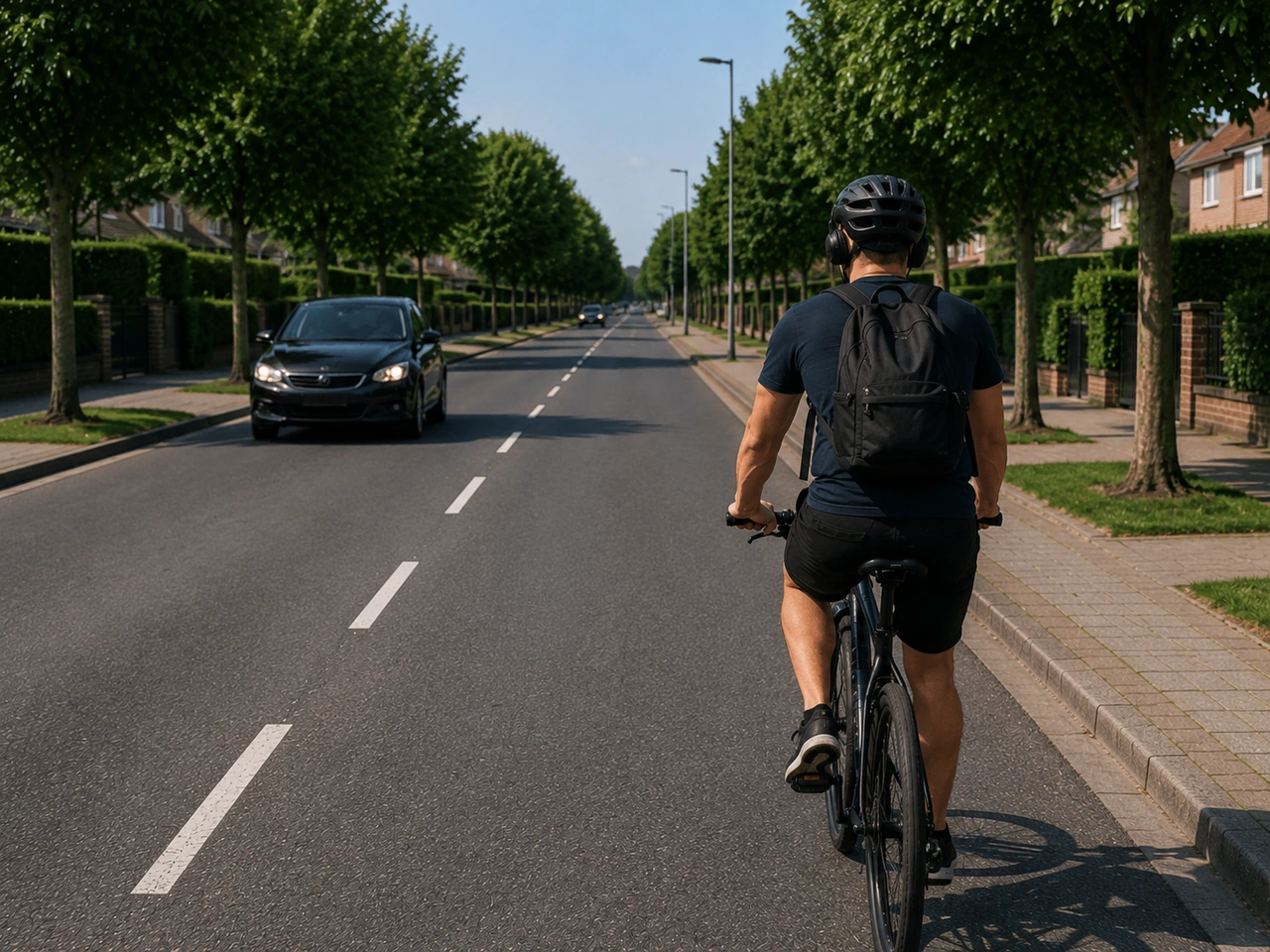
173. Why can loud music be dangerous while cycling?
Hearing approaching vehicles, bells, horns, and other warning sounds is an important part of staying aware.
AI-generated by Rijbewijs-online.be • WCIT • CC BY-SA
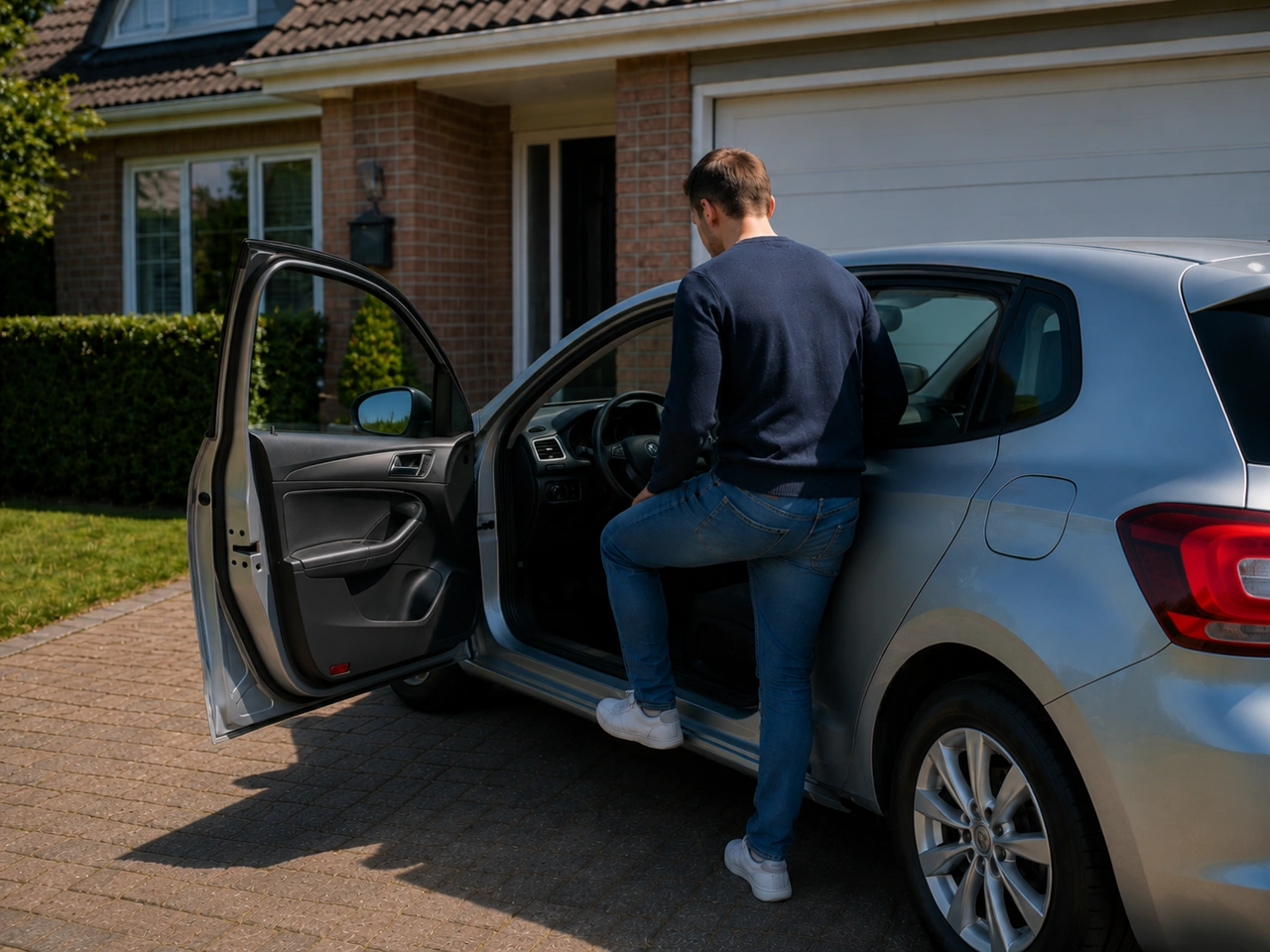
174. When should you fasten your seat belt?
Fasten your seat belt before the vehicle starts moving and keep it fastened throughout the journey. Make sure your passengers are also safely seated and properly restrained.
AI-generated by Rijbewijs-online.be • WCIT • CC BY-SA
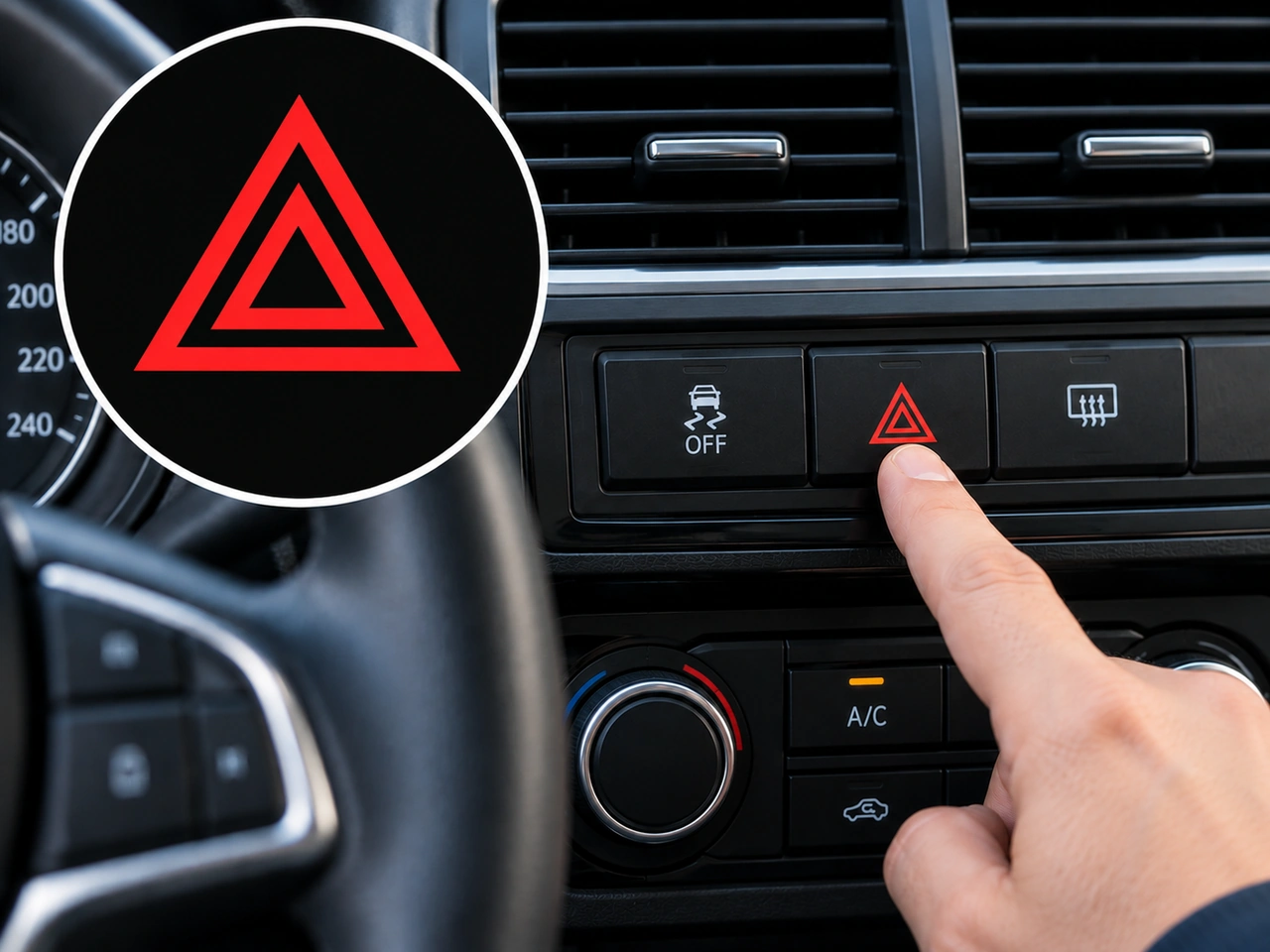
175. What does this dashboard symbol indicate?
This symbol indicates the hazard warning lights. When activated, all direction indicators flash simultaneously to warn other road users of a hazard or unusual situation.
AI-generated by Rijbewijs-online.be • WCIT • CC BY-SA
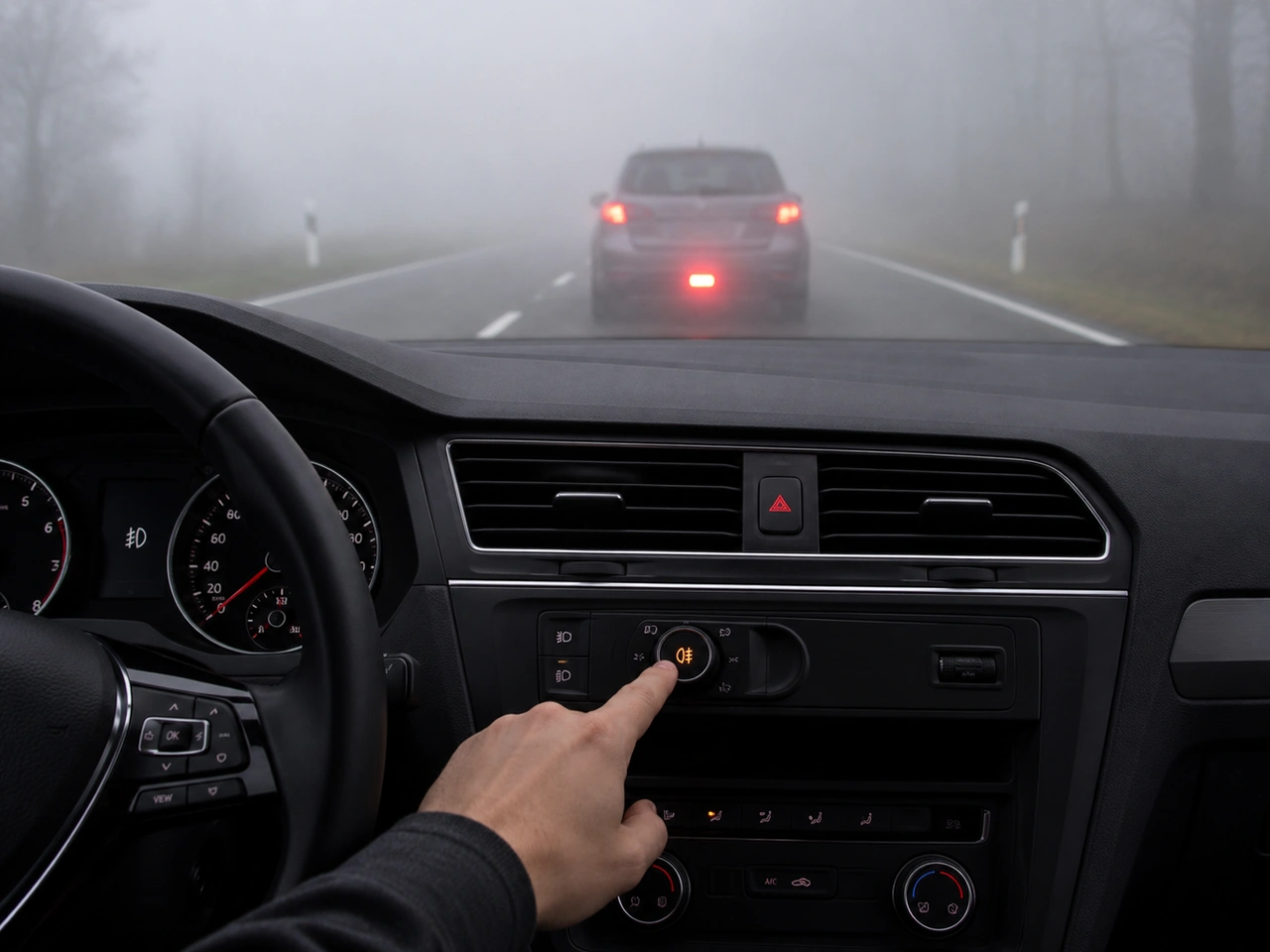
176. When should you use rear fog lights?
Rear fog lights are very bright and should only be used when visibility is poor enough to require them.
AI-generated by Rijbewijs-online.be • WCIT • CC BY-SA
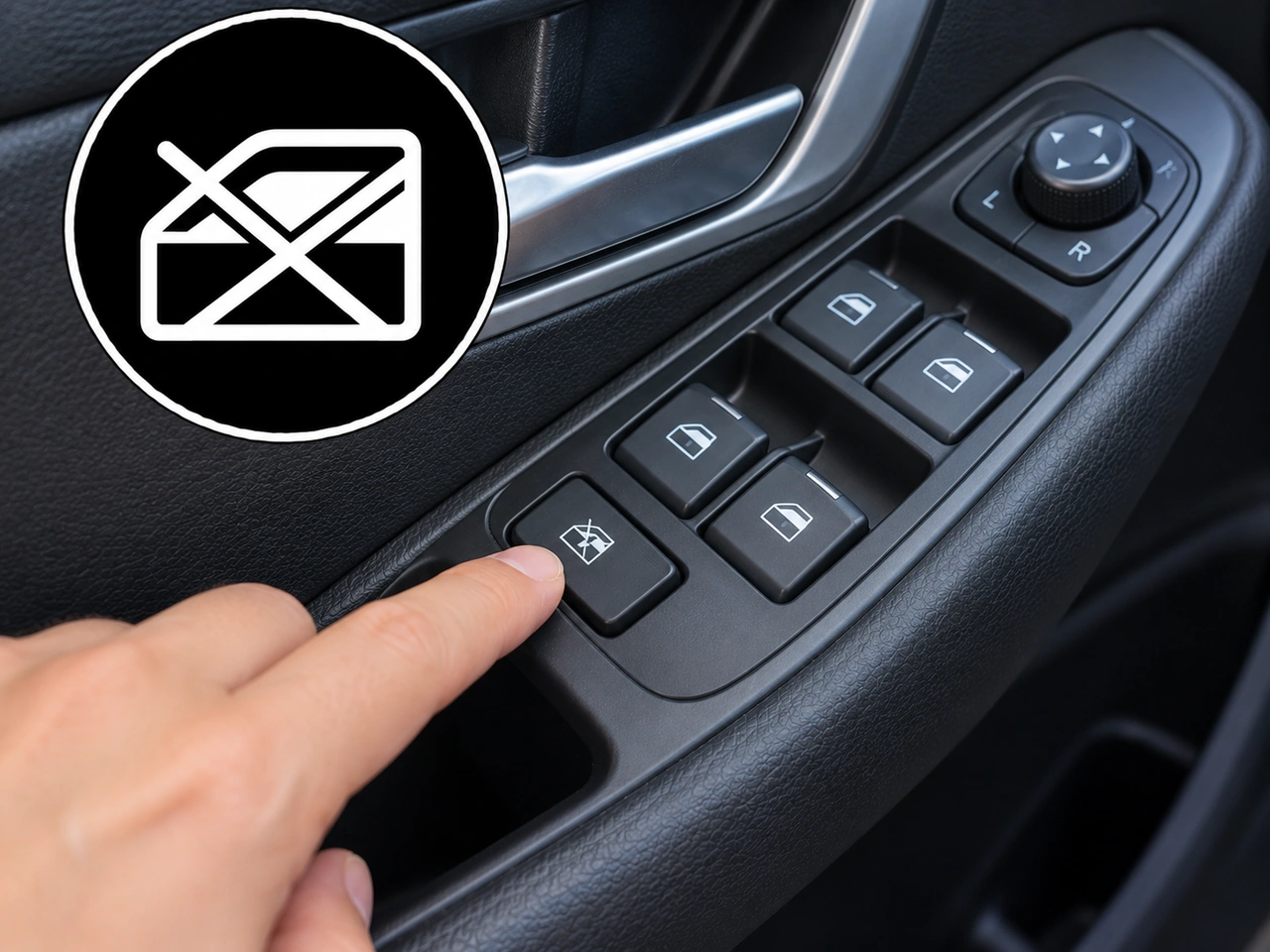
177. What does this vehicle-control symbol indicate?
This control activates the window lock, which normally prevents passengers from operating their electric windows while leaving control with the driver.
AI-generated by Rijbewijs-online.be • WCIT • CC BY-SA
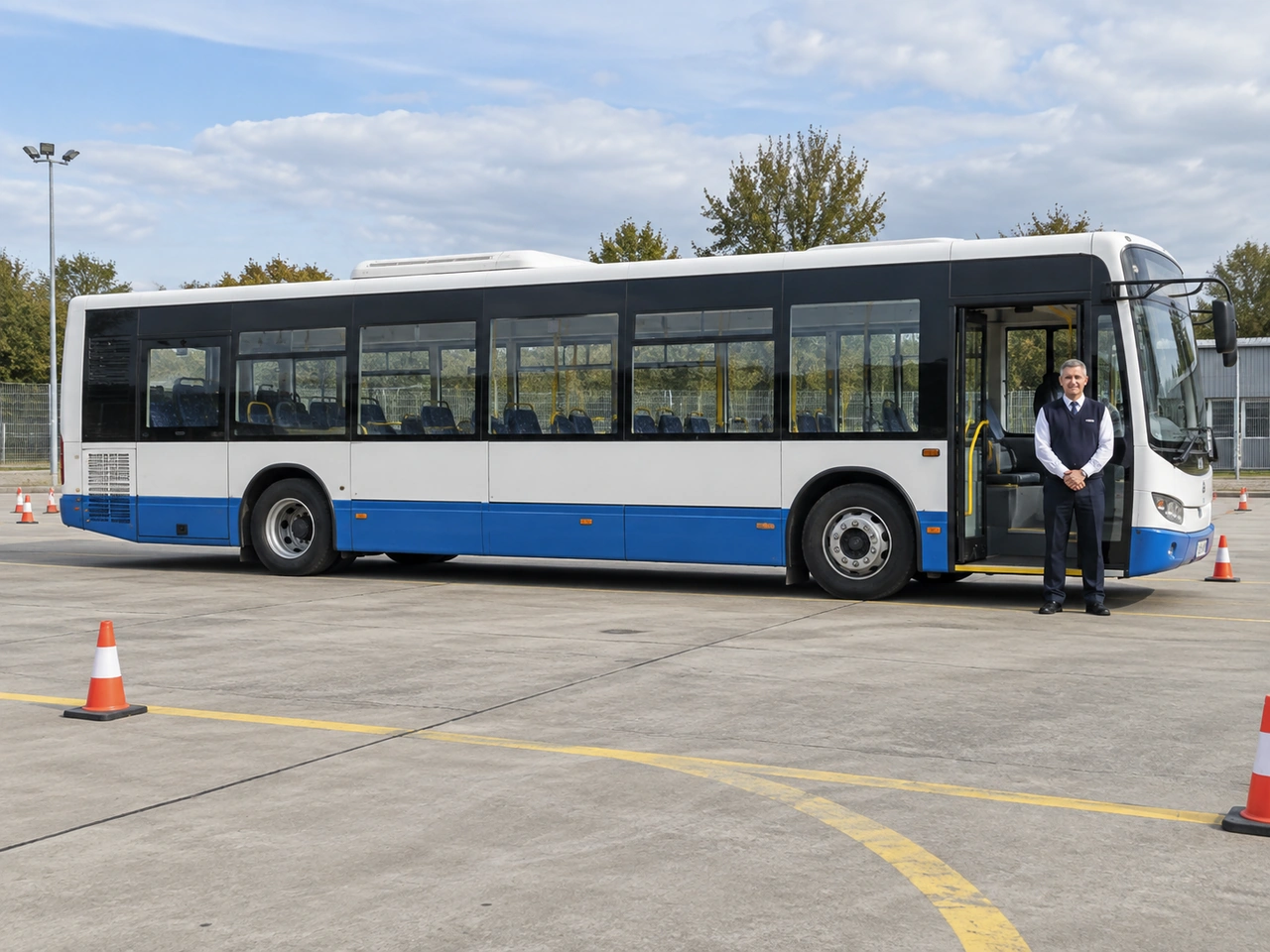
178. Which licence category is mainly associated with buses?
Driving licence D is mainly associated with buses. Category D1 covers smaller buses, D covers larger buses, and D1E and DE allow heavier trailers.
AI-generated by Rijbewijs-online.be • WCIT • CC BY-SA
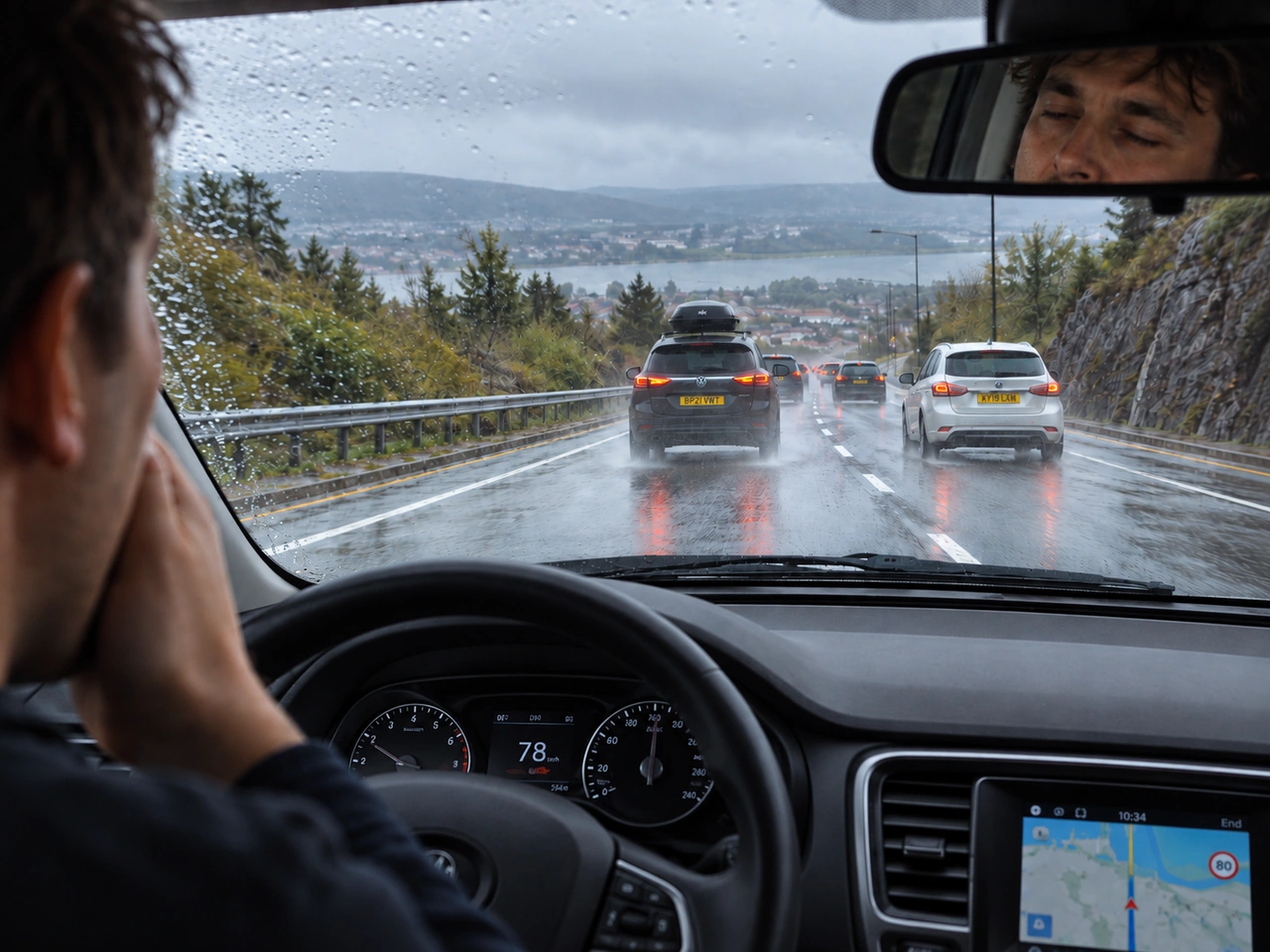
179. Which factors can increase a vehicle's stopping distance?
Stopping distance can increase because of higher speed, slower driver reactions, reduced tyre grip, poor weather or road conditions, worn tyres, weak brakes, or a heavier vehicle. Both the driver's reaction distance and the vehicle's braking distance can be affected.
AI-generated by Rijbewijs-online.be • WCIT • CC BY-SA
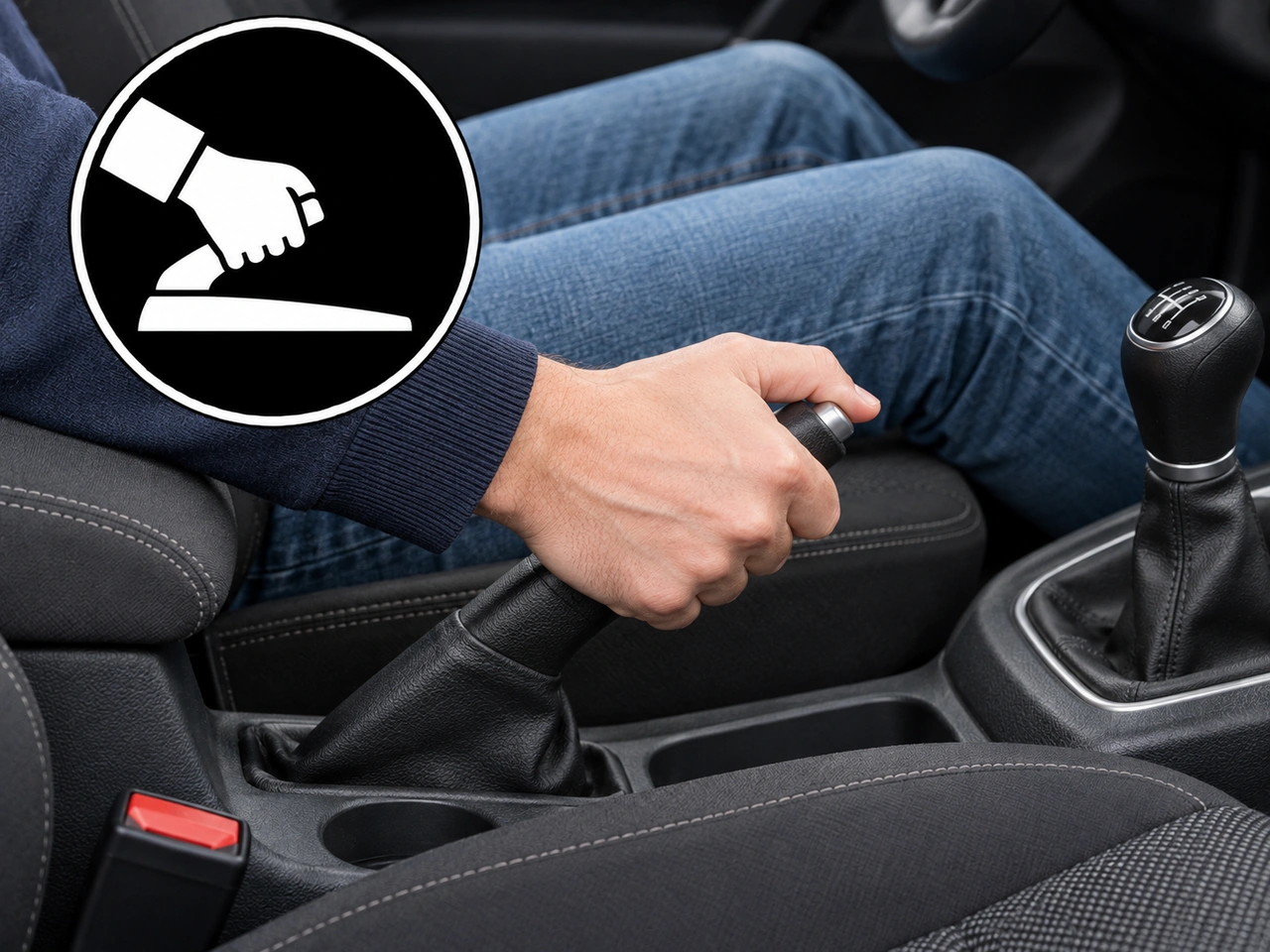
180. What is the purpose of the manual parking brake?
The manual parking brake helps keep the vehicle stationary when parked. It is normally applied by pulling up the handbrake lever and released before driving away.
AI-generated by Rijbewijs-online.be • WCIT • CC BY-SA
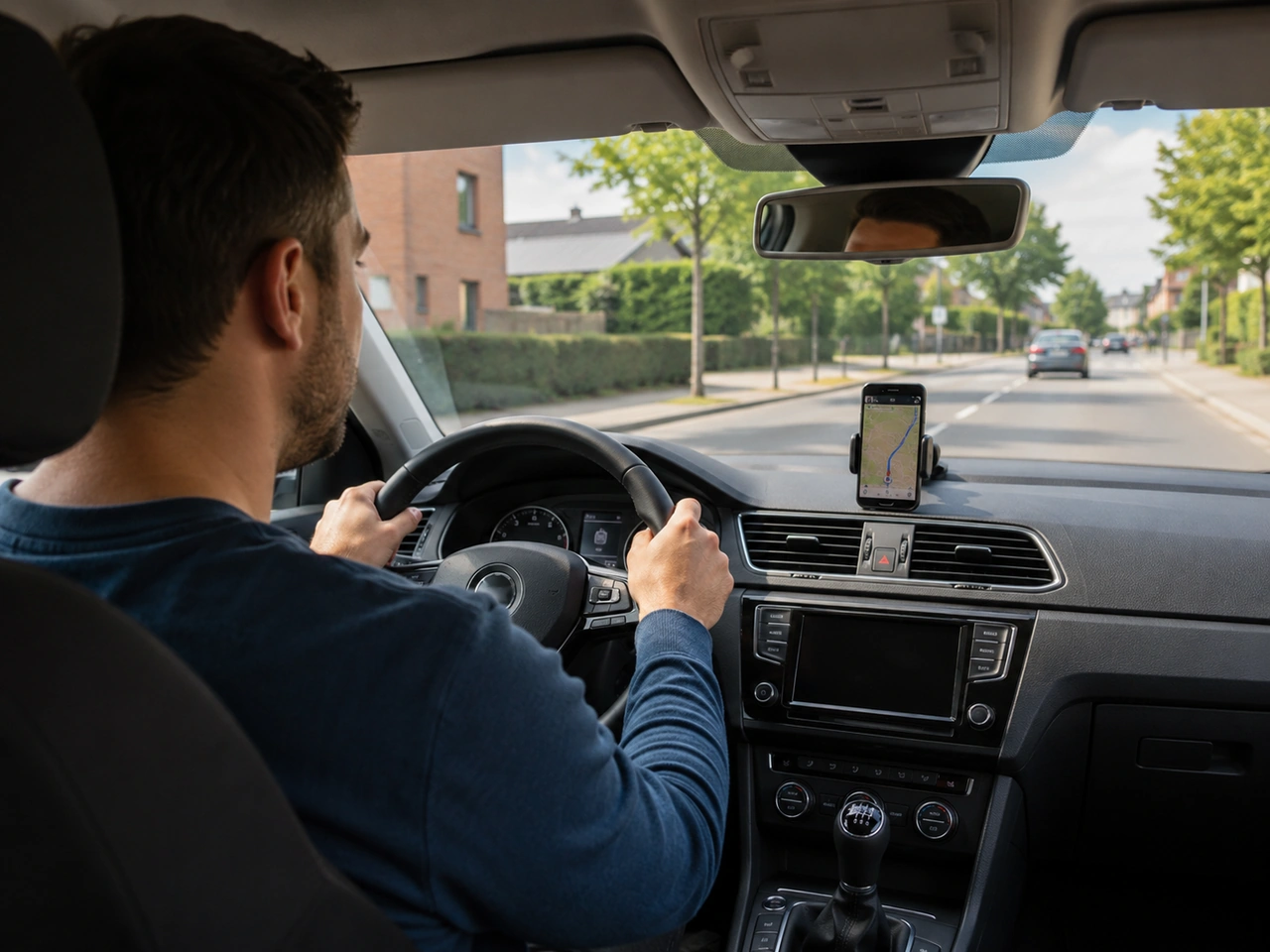
181. When may a driver use or handle a mobile electronic device with a screen?
A driver may not use, hold, or manipulate a mobile screen device while driving unless it is secured in a suitable holder. The restriction does not apply while the vehicle is legally stopped or parked. Waiting at a red light or in traffic does not count as being stopped.
AI-generated by Rijbewijs-online.be • WCIT • CC BY-SA
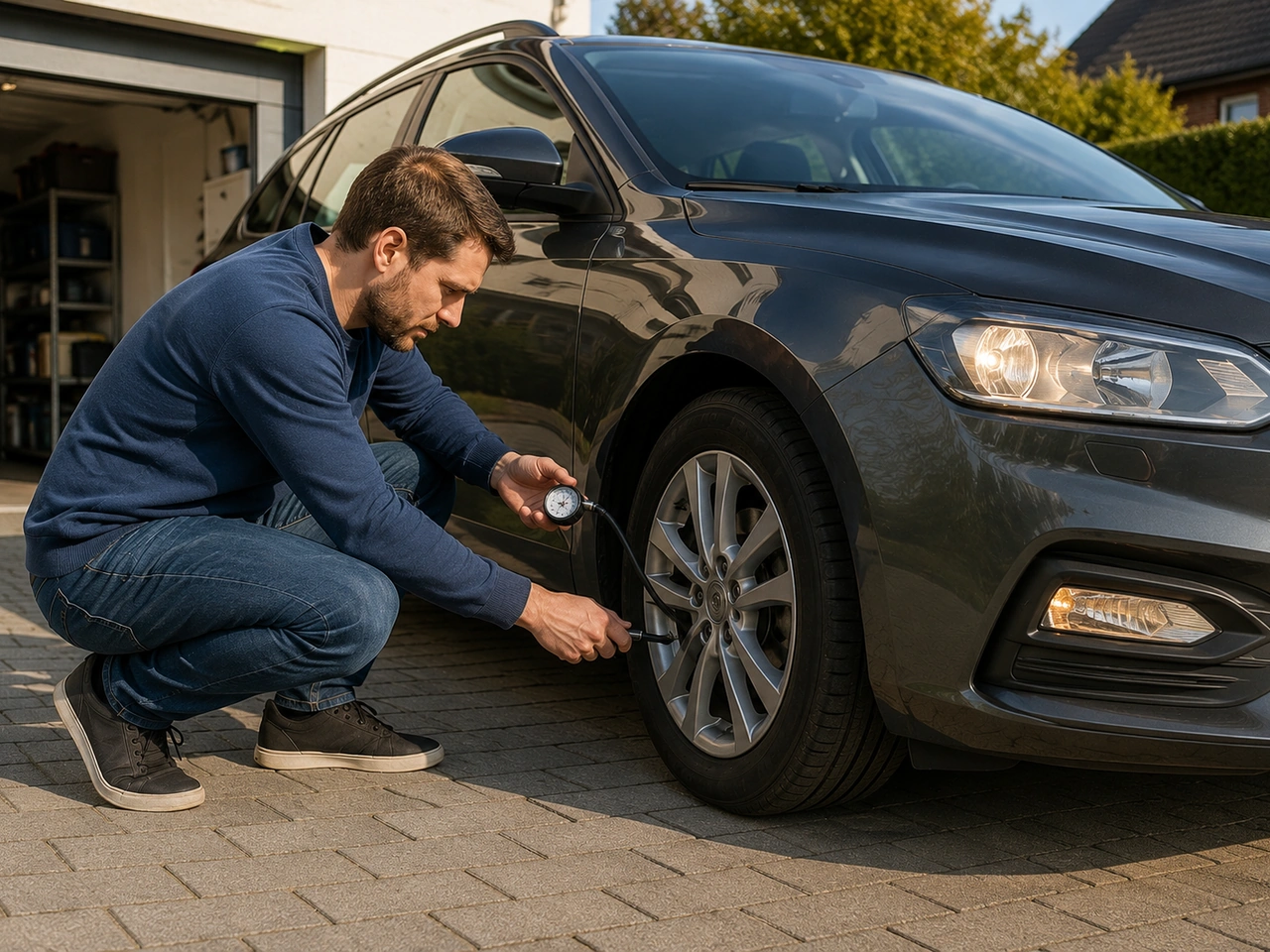
182. How should tyre pressure normally be checked?
Tyre pressure rises as tyres become warm. Check them when cold and use the pressure specified on the vehicle label or in the owner's manual.
AI-generated by Rijbewijs-online.be • WCIT • CC BY-SA
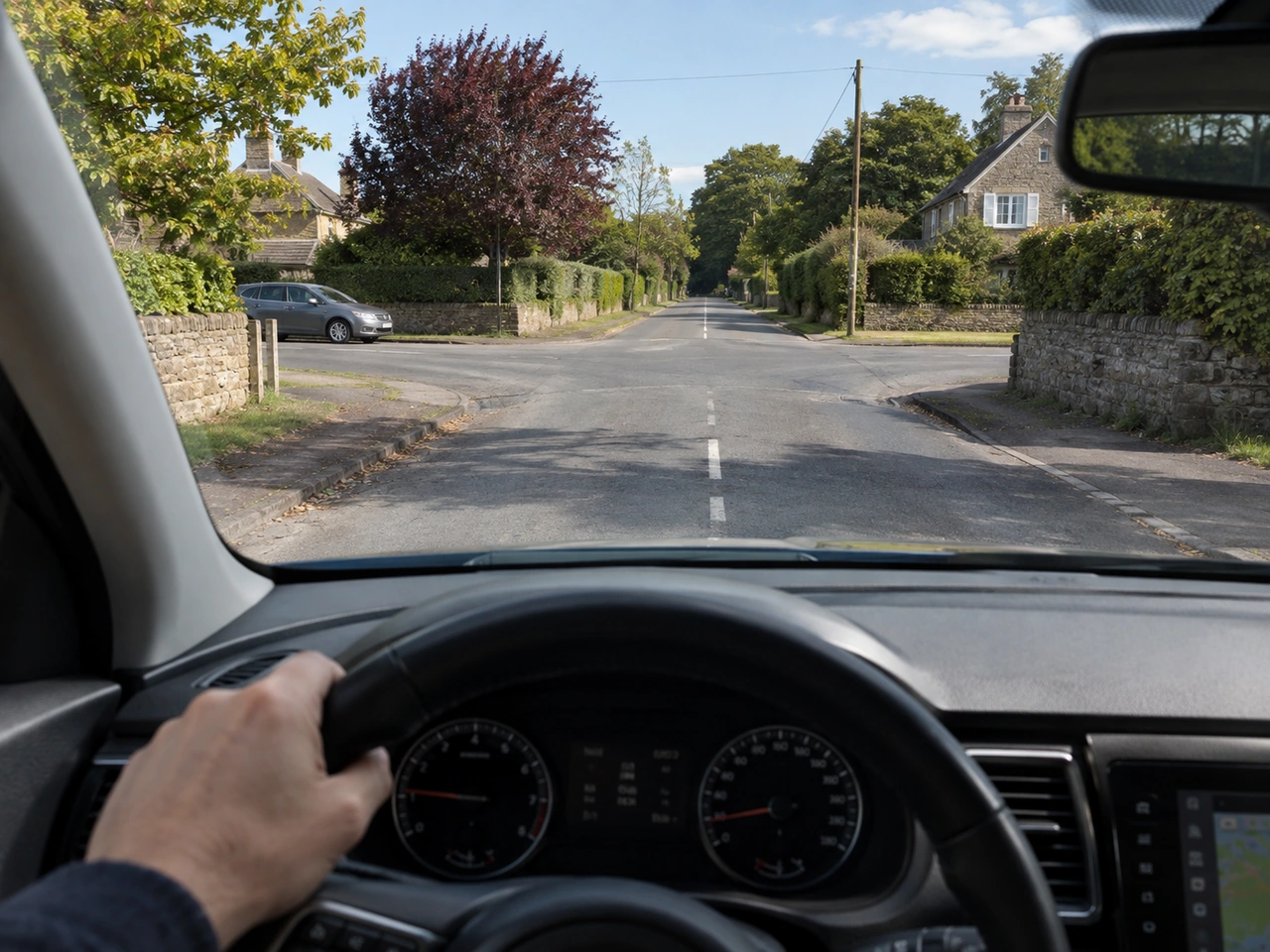
183. What should you do when approaching an uncontrolled junction?
At an uncontrolled junction, priority may not be obvious. Reduce speed, check carefully, and only enter when you are sure it is safe.
AI-generated by Rijbewijs-online.be • WCIT • CC BY-SA
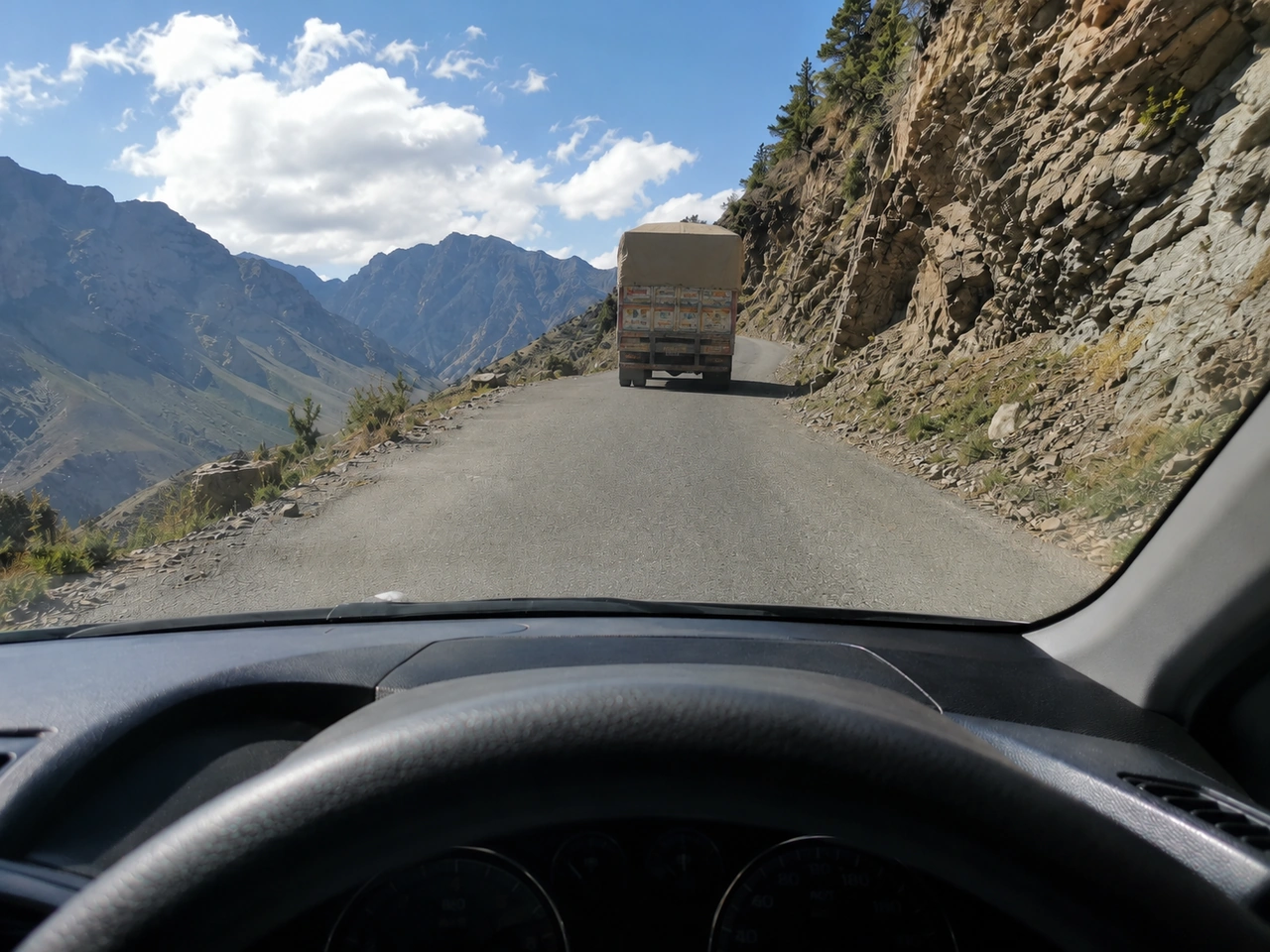
184. Why should you leave extra space behind a vehicle climbing a steep hill?
Vehicles may lose speed or briefly roll backward when starting on a steep incline. Extra space gives you more time to react.
AI-generated by Rijbewijs-online.be • WCIT • CC BY-SA
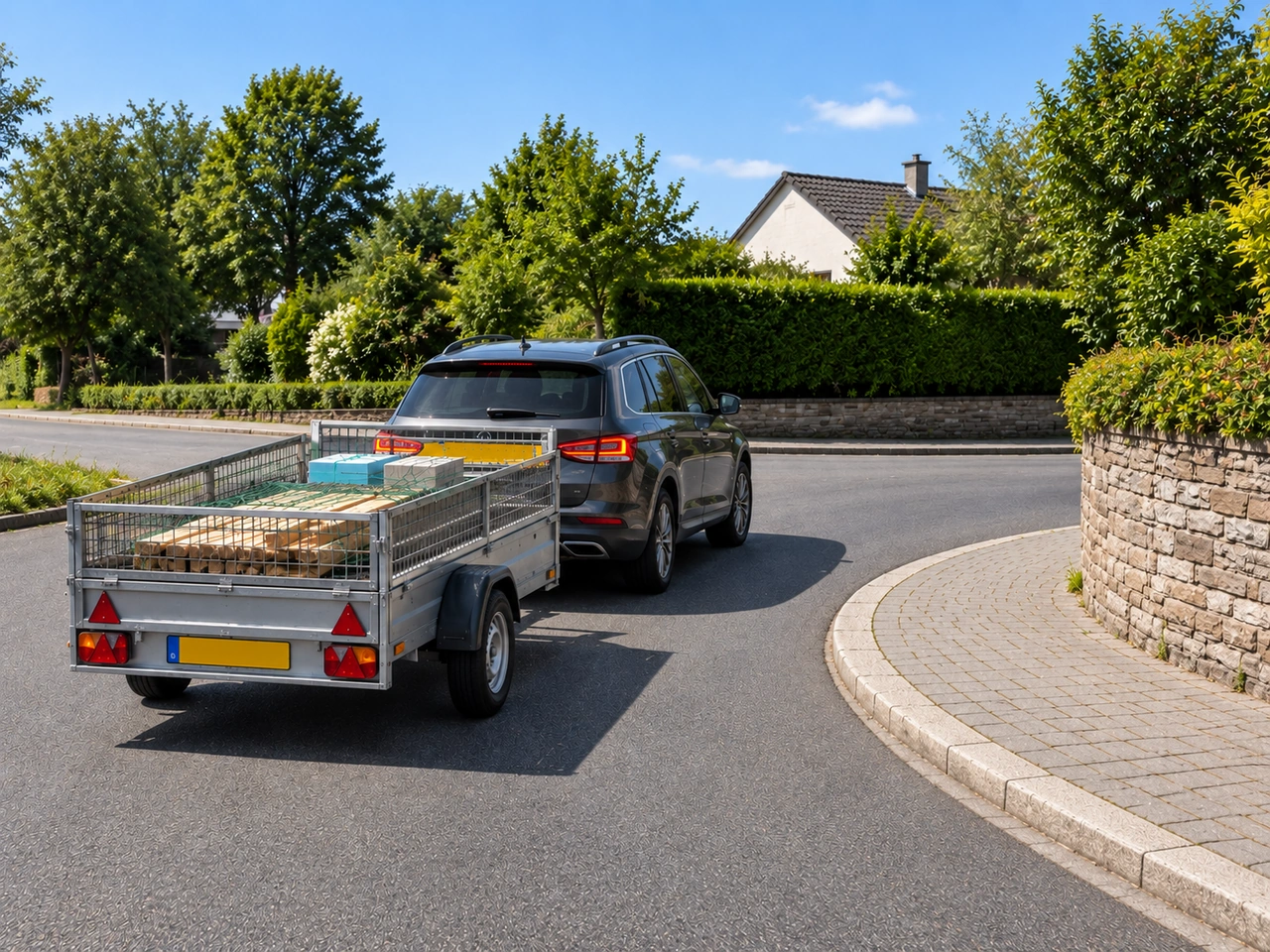
185. Why must you take wider turns when towing a trailer?
Trailer wheels cut closer to the inside of a turn. Allow enough clearance from kerbs, signs, pedestrians, and other vehicles.
AI-generated by Rijbewijs-online.be • WCIT • CC BY-SA
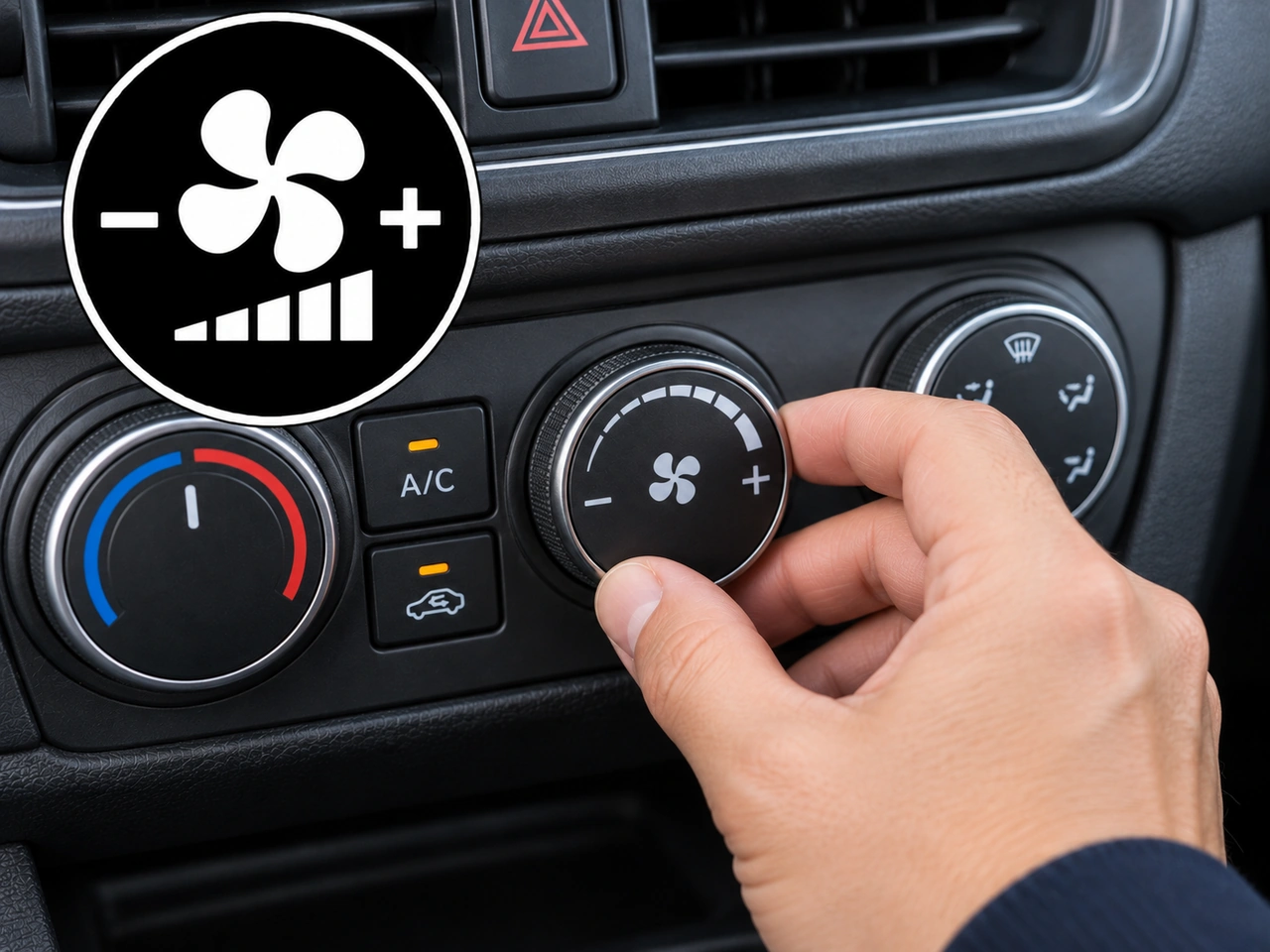
186. What does this vehicle-control symbol indicate?
This control adjusts the cabin ventilation fan speed. Increasing the setting moves more air through the vehicle's ventilation and climate-control system.
AI-generated by Rijbewijs-online.be • WCIT • CC BY-SA
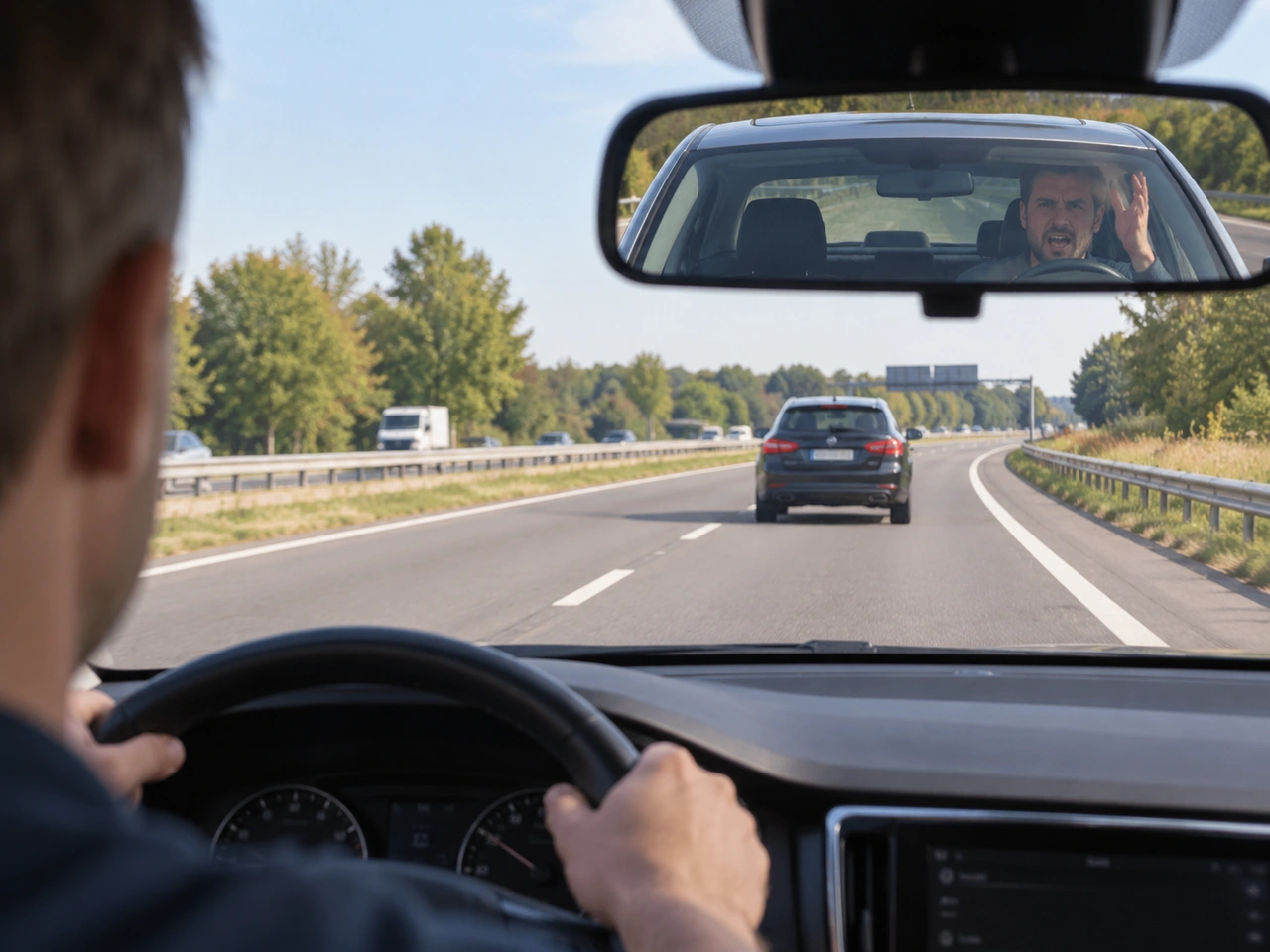
187. What should you do if another driver behaves aggressively towards you?
If another driver behaves aggressively, do not retaliate or become involved in a confrontation. Stay calm, increase the distance between you, and let the other vehicle move away when possible. If you feel threatened, go to a safe public place and seek appropriate assistance.
AI-generated by Rijbewijs-online.be • WCIT • CC BY-SA
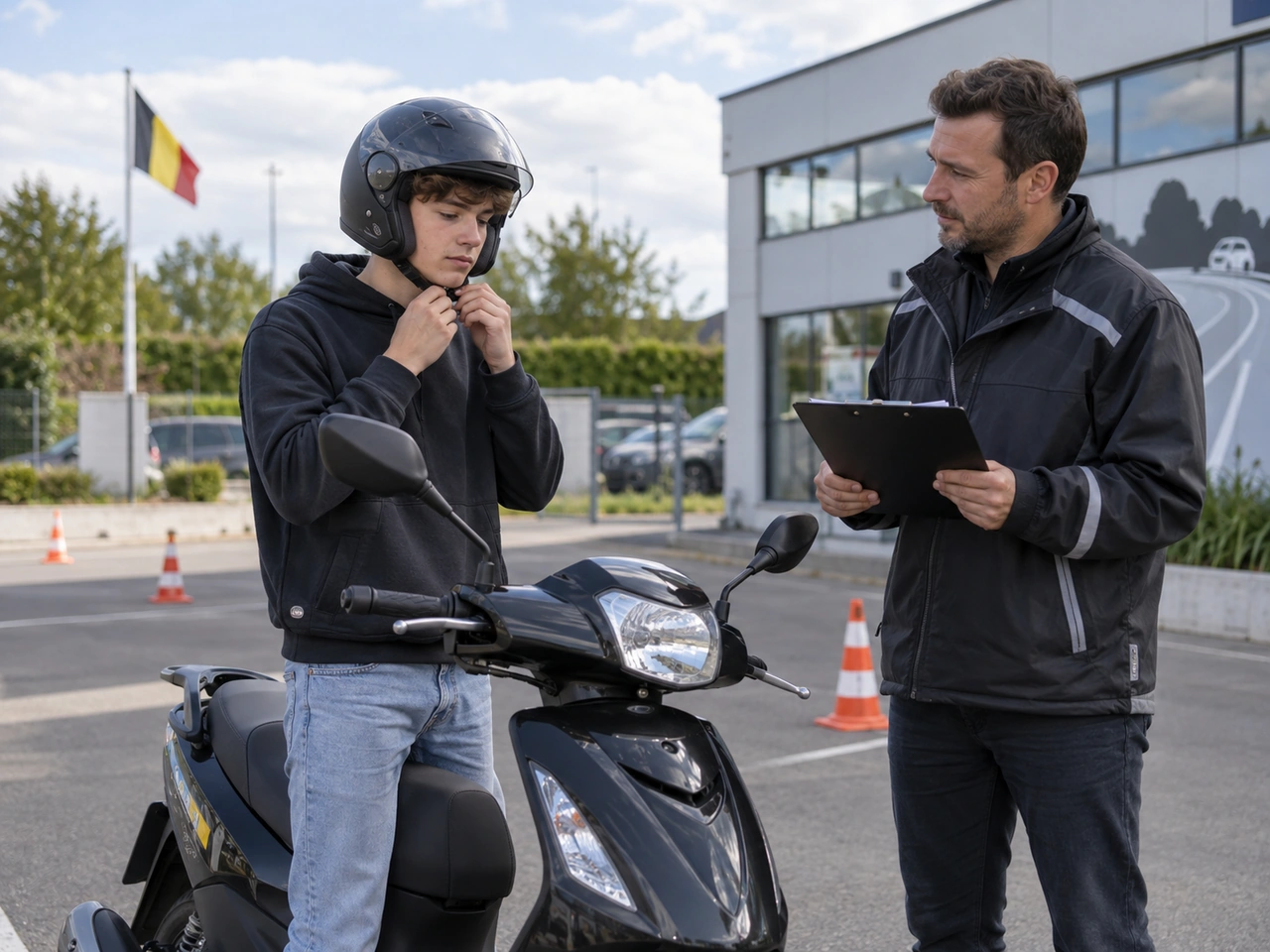
188. At what age can you obtain a Belgian driving licence AM?
Driving licence AM may be obtained from the age of 16 in Belgium.
AI-generated by Rijbewijs-online.be • WCIT • CC BY-SA
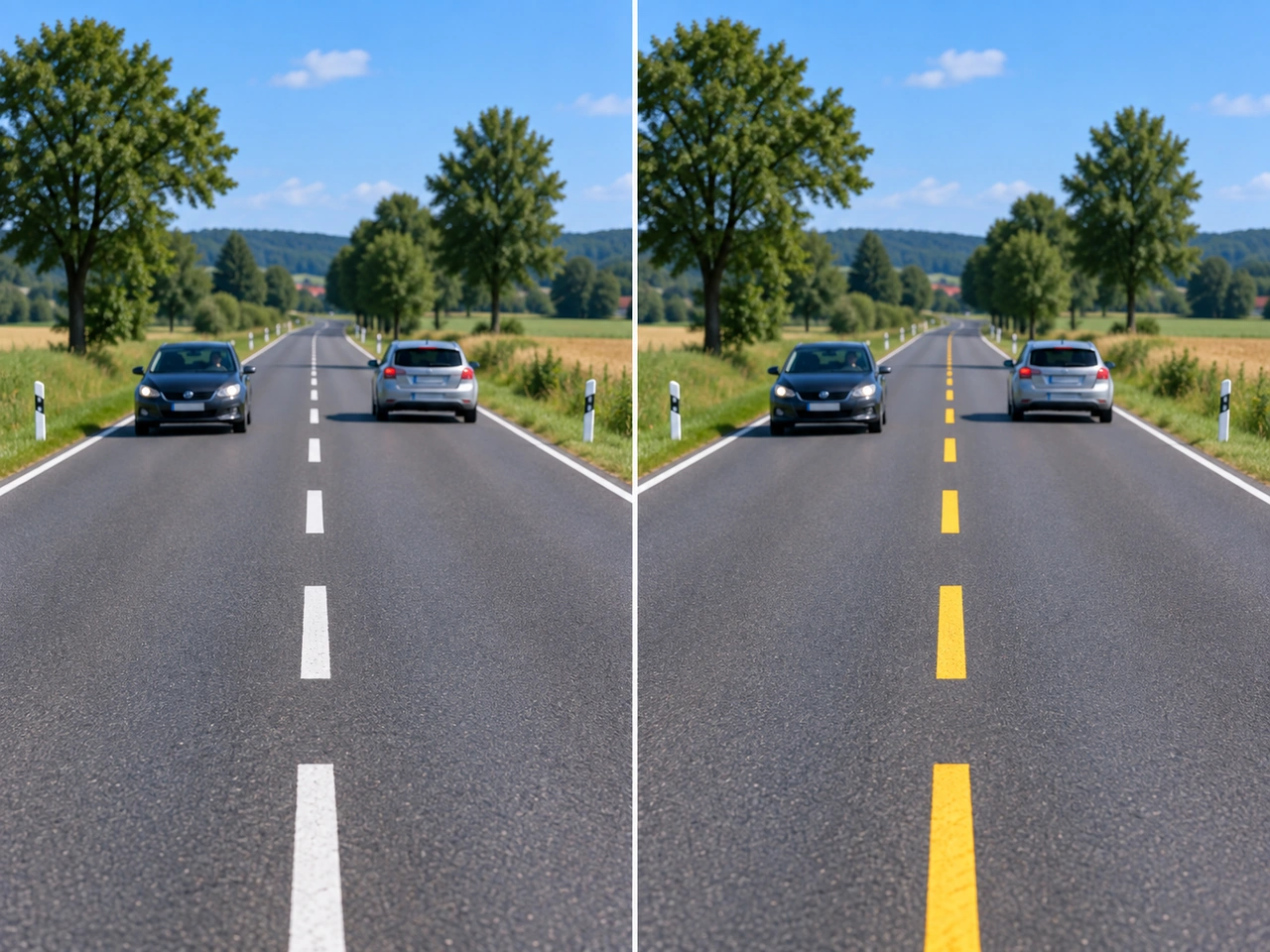
189. What colour is normally used for the centre line separating opposing traffic in Wallonia?
Roads in Wallonia normally use a white centre line to separate traffic travelling in opposite directions.
AI-generated by Rijbewijs-online.be • WCIT • CC BY-SA
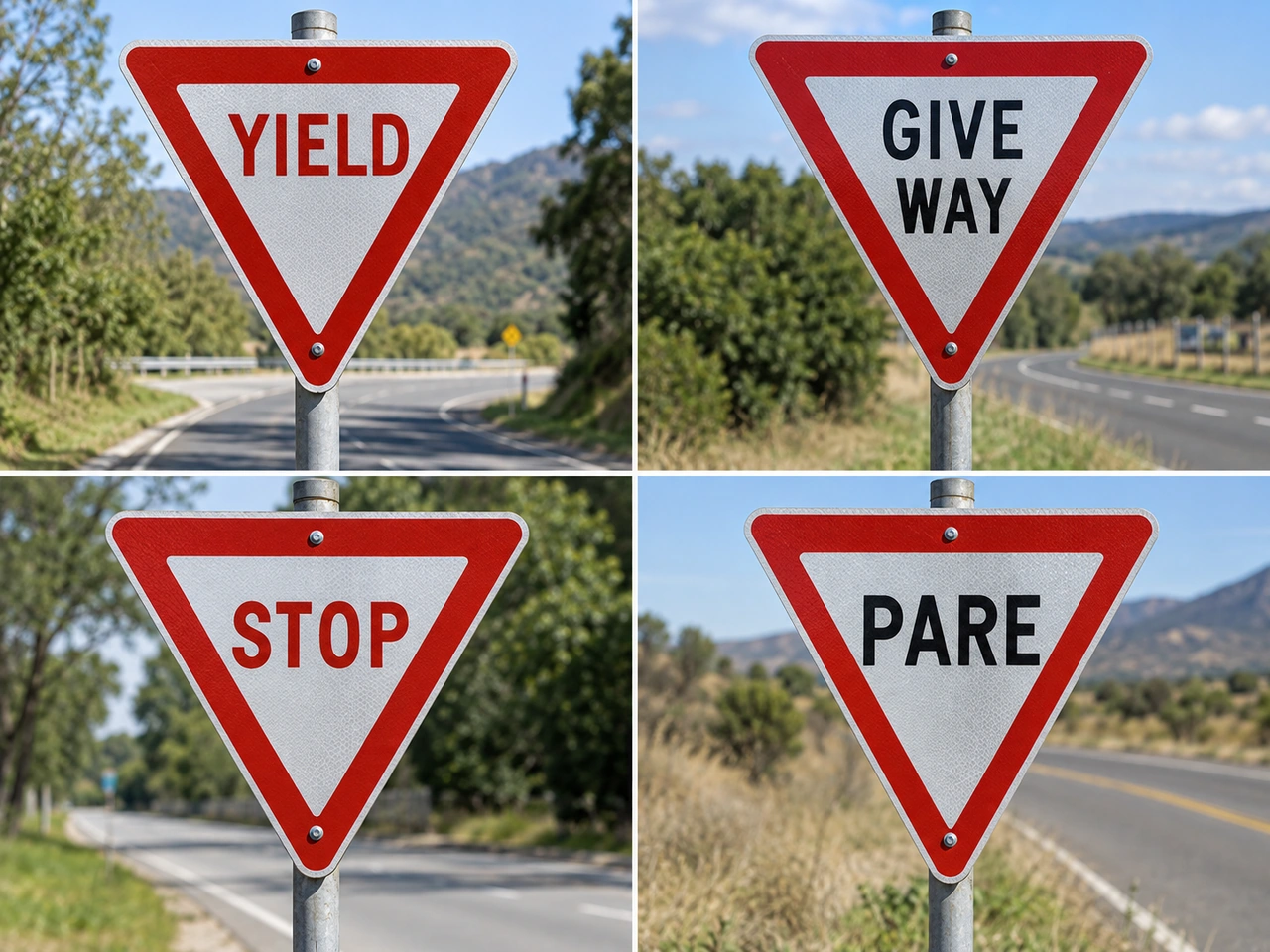
190. What wording is commonly shown on give-way signs in Wallonia?
Give-way signs in Wallonia normally use the inverted triangular symbol without wording.
AI-generated by Rijbewijs-online.be • WCIT • CC BY-SA
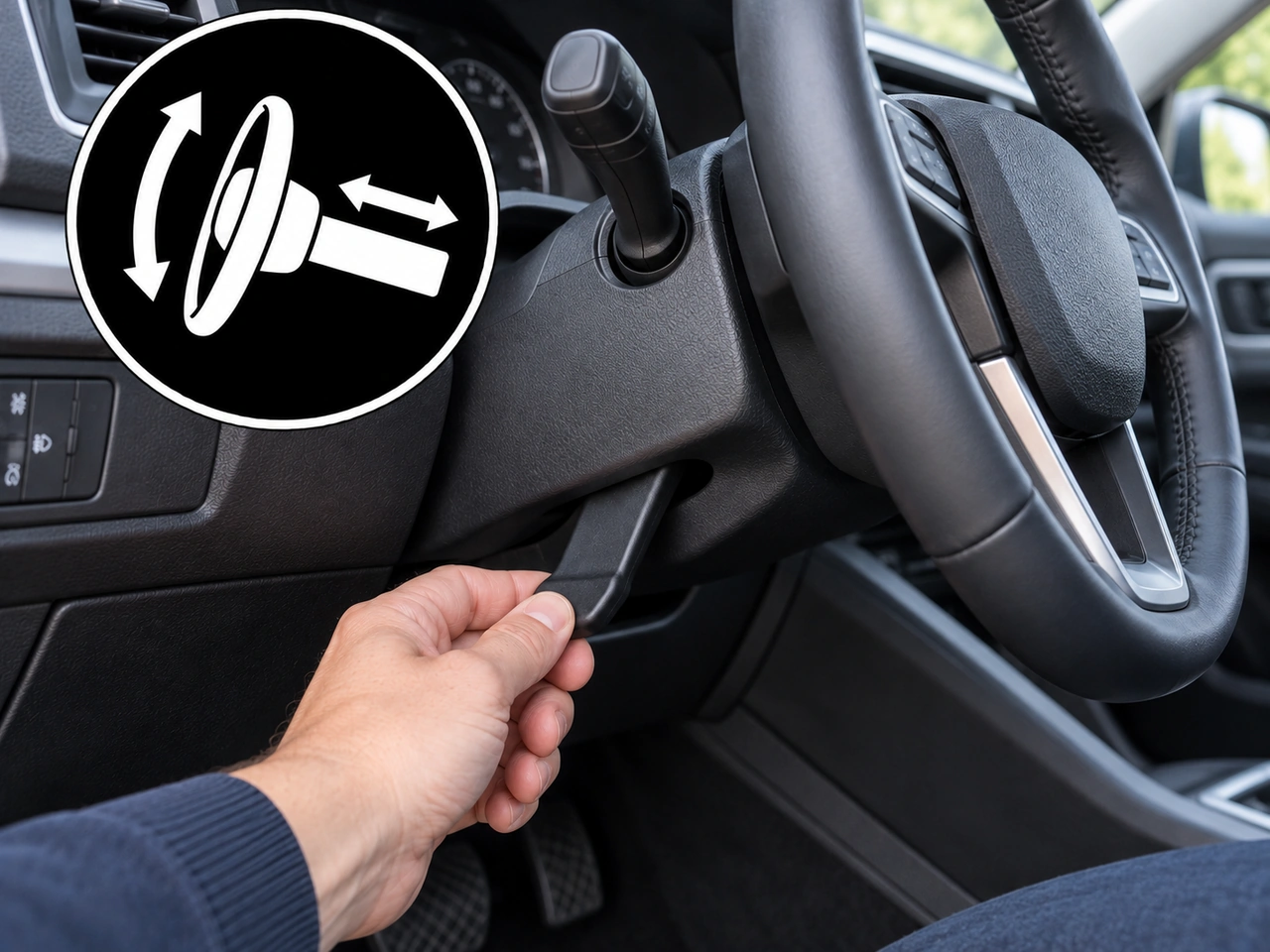
191. What does this vehicle-control symbol indicate?
This control adjusts the position of the steering wheel. Depending on the vehicle, the steering wheel may be moved up or down and forwards or backwards to obtain a safe and comfortable driving position.
AI-generated by Rijbewijs-online.be • WCIT • CC BY-SA
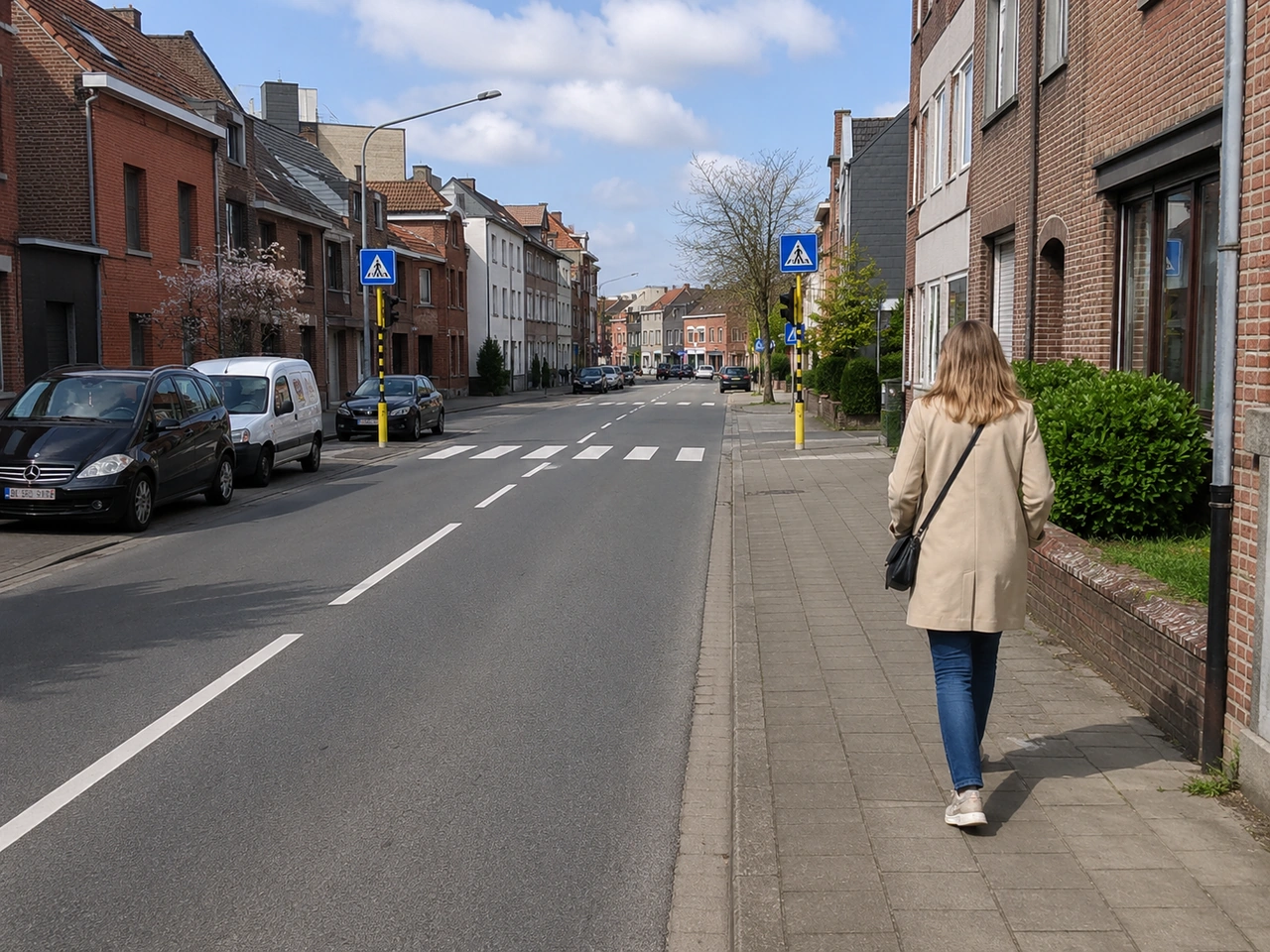
192. When must a pedestrian use a nearby pedestrian crossing in Belgium?
A pedestrian must use a pedestrian crossing when one is located within approximately 20 metres.
AI-generated by Rijbewijs-online.be • WCIT • CC BY-SA
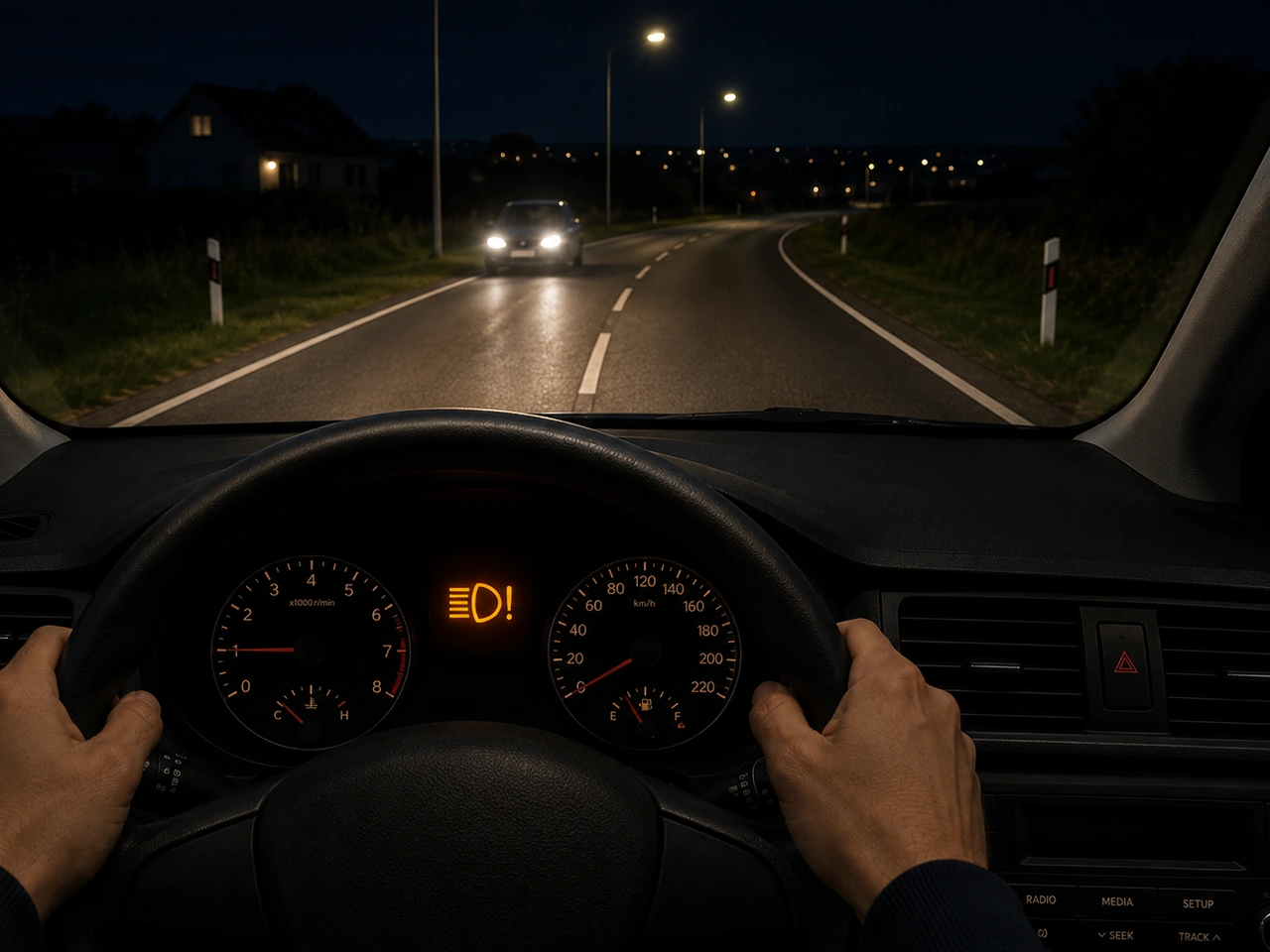
193. What should you do if your headlights fail while driving at night?
Without effective headlights, you may not see hazards and other road users may not see you. Stop in a safe location as soon as possible.
AI-generated by Rijbewijs-online.be • WCIT • CC BY-SA
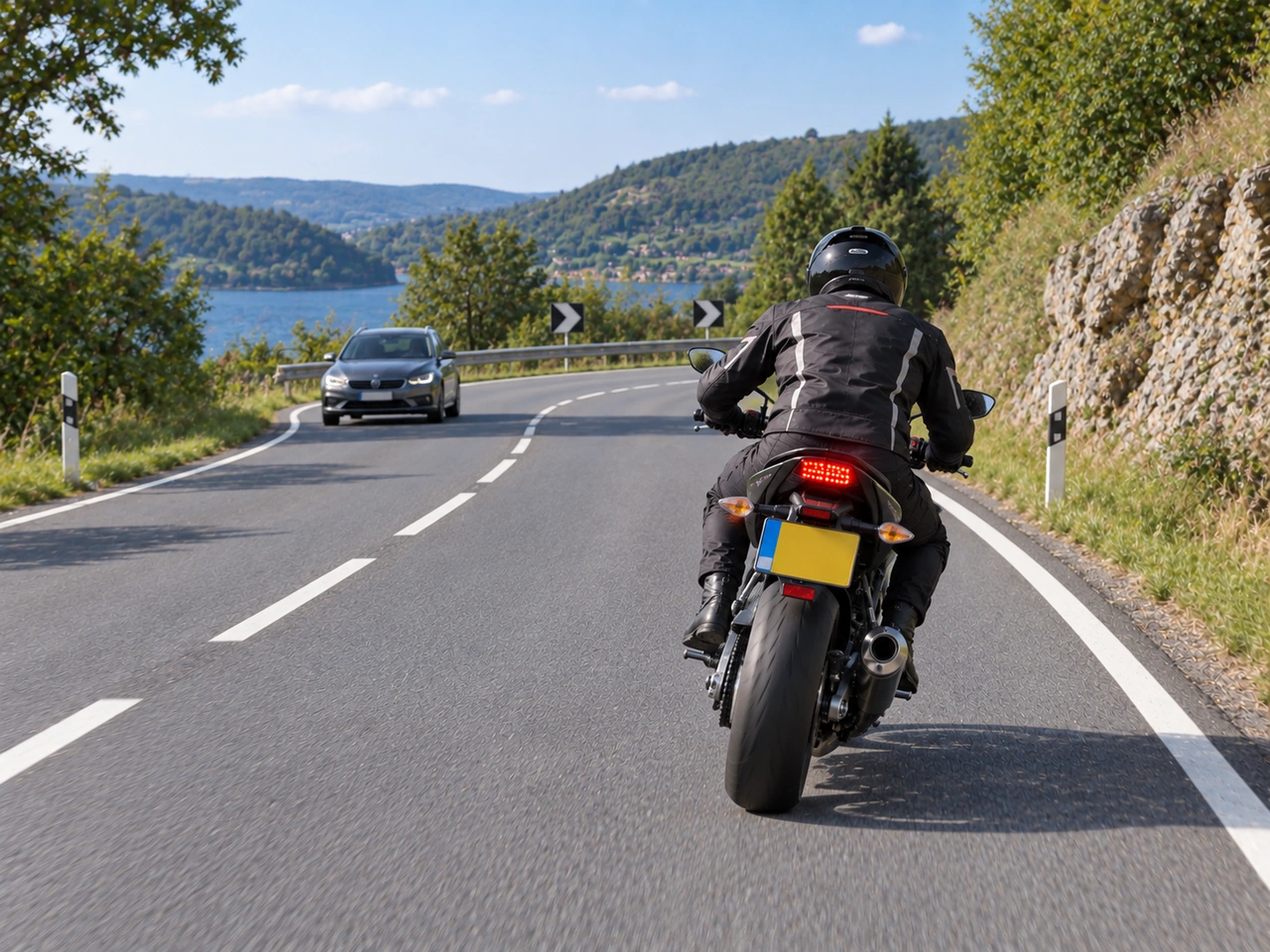
194. What should a motorcyclist do before entering a bend?
Adjust your speed before entering the bend so you can steer smoothly and remain within a safe position. Look through the bend towards where you want to travel and be prepared for hazards that may be hidden from view.
AI-generated by Rijbewijs-online.be • WCIT • CC BY-SA
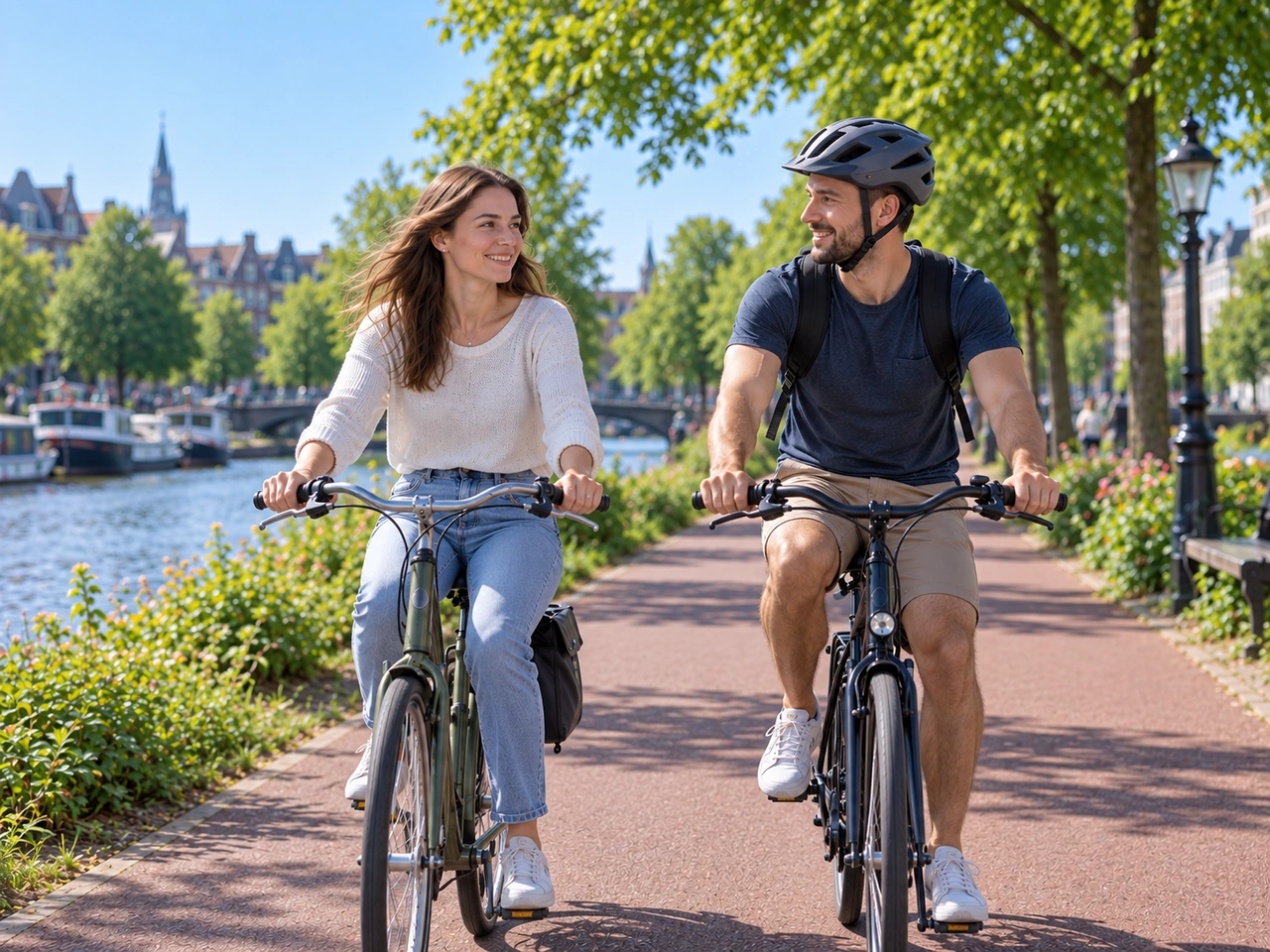
195. Are bicycle helmets generally required in Wallonia?
Bicycle helmets are not generally required for all cyclists in Wallonia, although specific age or regional rules may apply.
AI-generated by Rijbewijs-online.be • WCIT • CC BY-SA
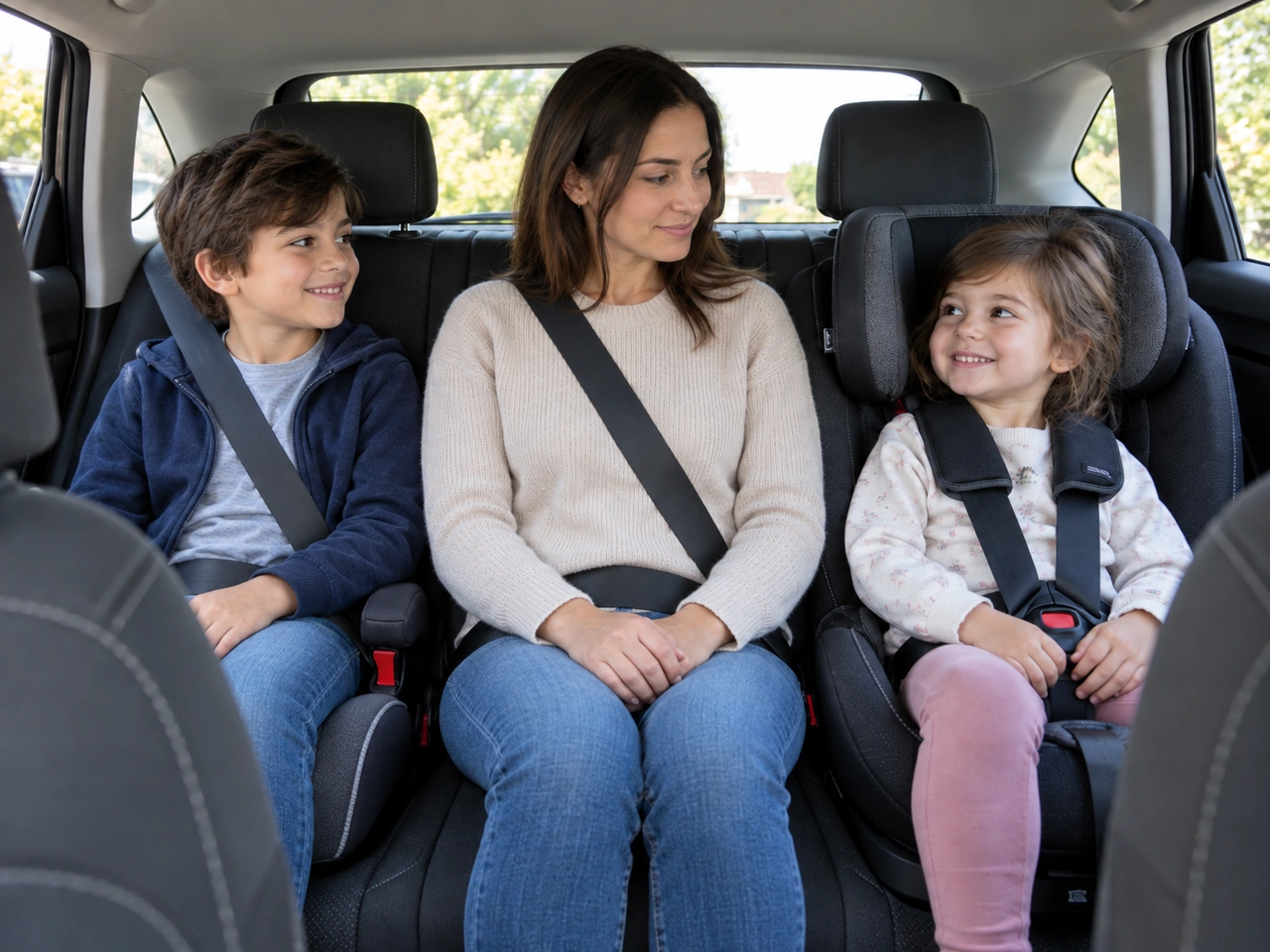
196. Should rear-seat passengers be securely restrained?
Rear-seat passengers should be securely restrained using seat belts or suitable child restraints as appropriate. Proper restraint reduces the risk of serious injury and prevents occupants from being thrown around or forwards in a collision.
AI-generated by Rijbewijs-online.be • WCIT • CC BY-SA
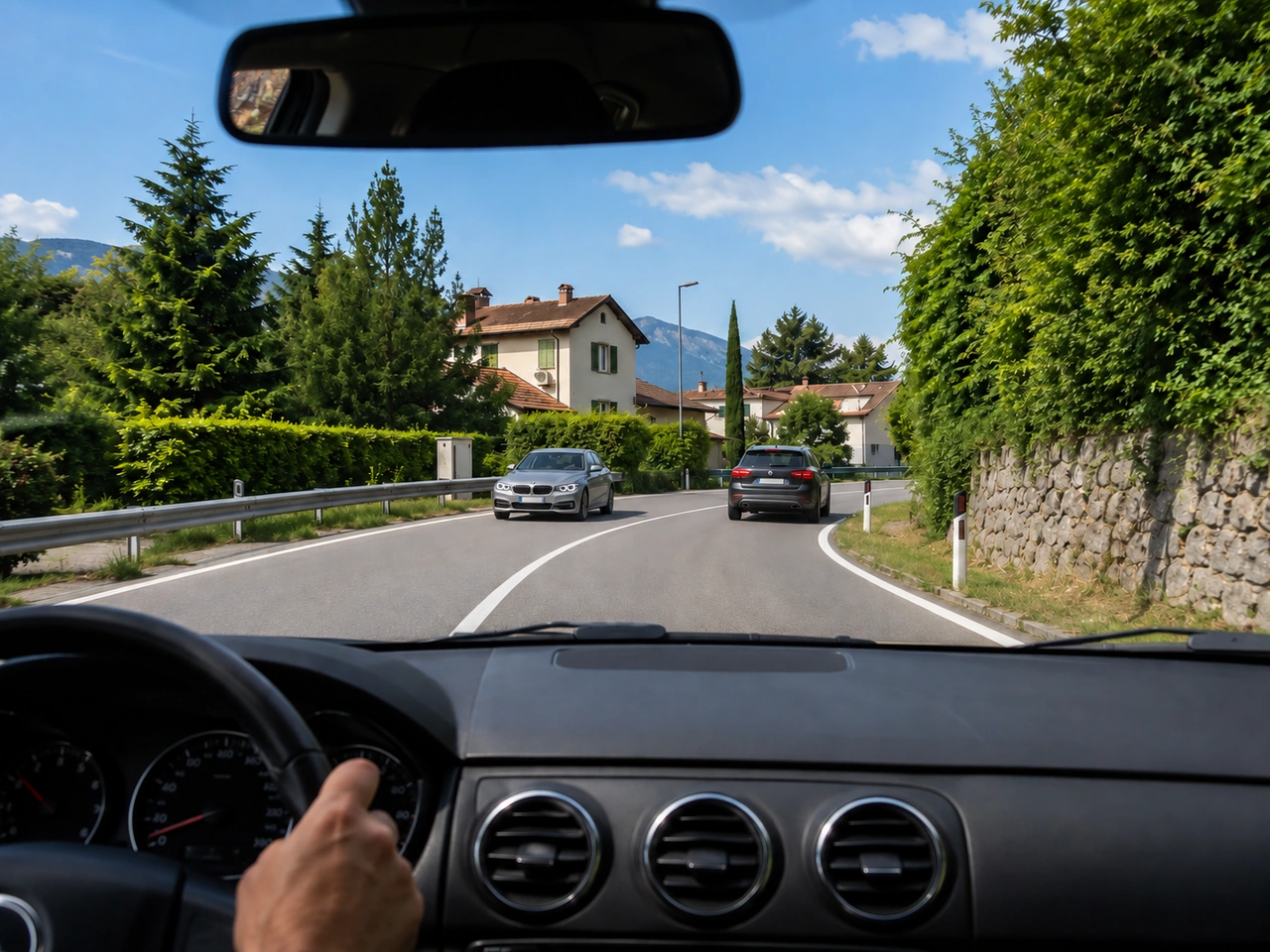
197. Why should you slow down before a sharp bend?
Sharp bends reduce your view and can make the vehicle harder to control, so you should slow down before entering the bend.
AI-generated by Rijbewijs-online.be • WCIT • CC BY-SA
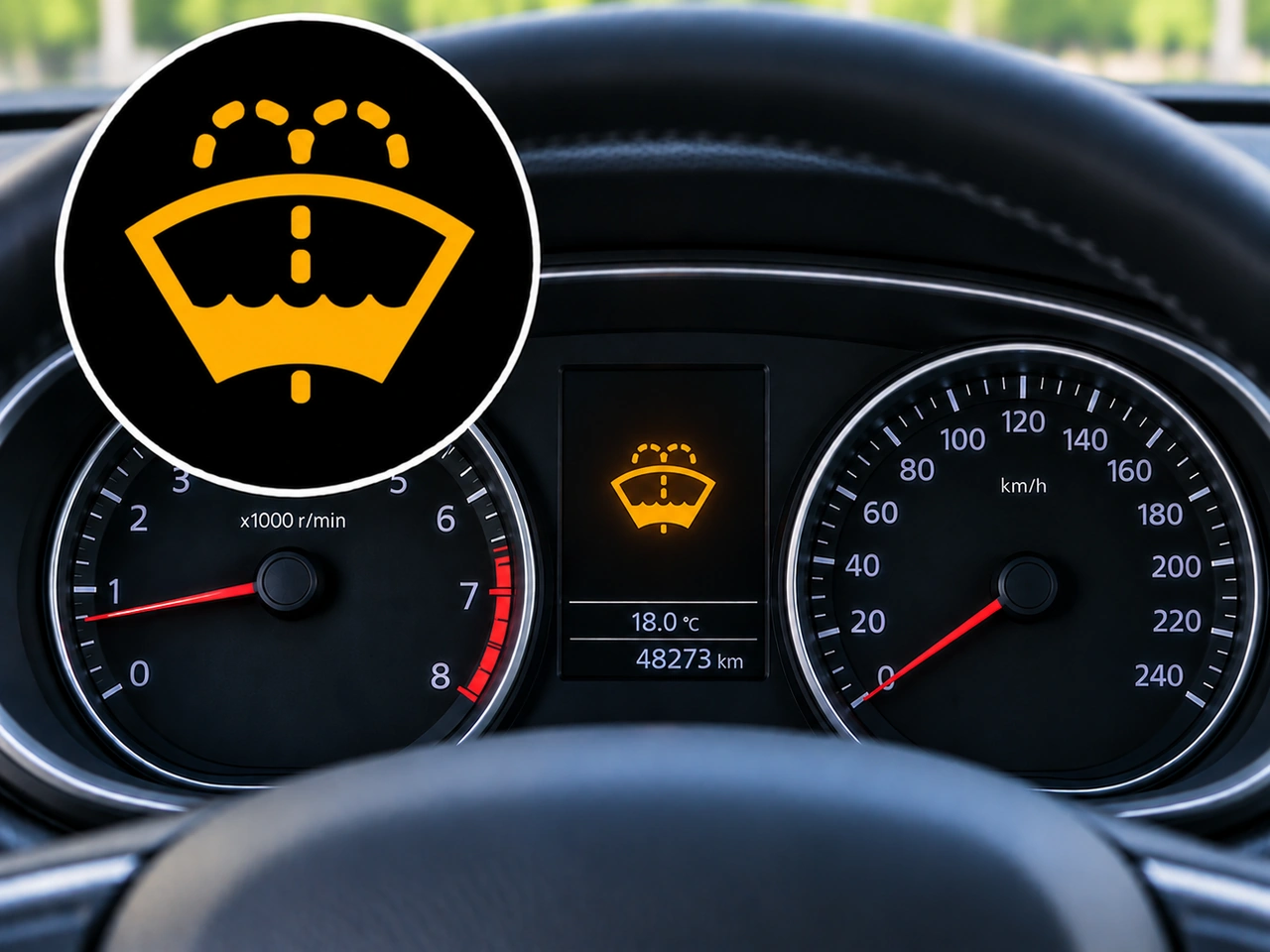
198. What does this dashboard symbol indicate?
This symbol indicates that the windscreen washer fluid level is low. Refill the washer-fluid reservoir with suitable fluid when possible.
AI-generated by Rijbewijs-online.be • WCIT • CC BY-SA
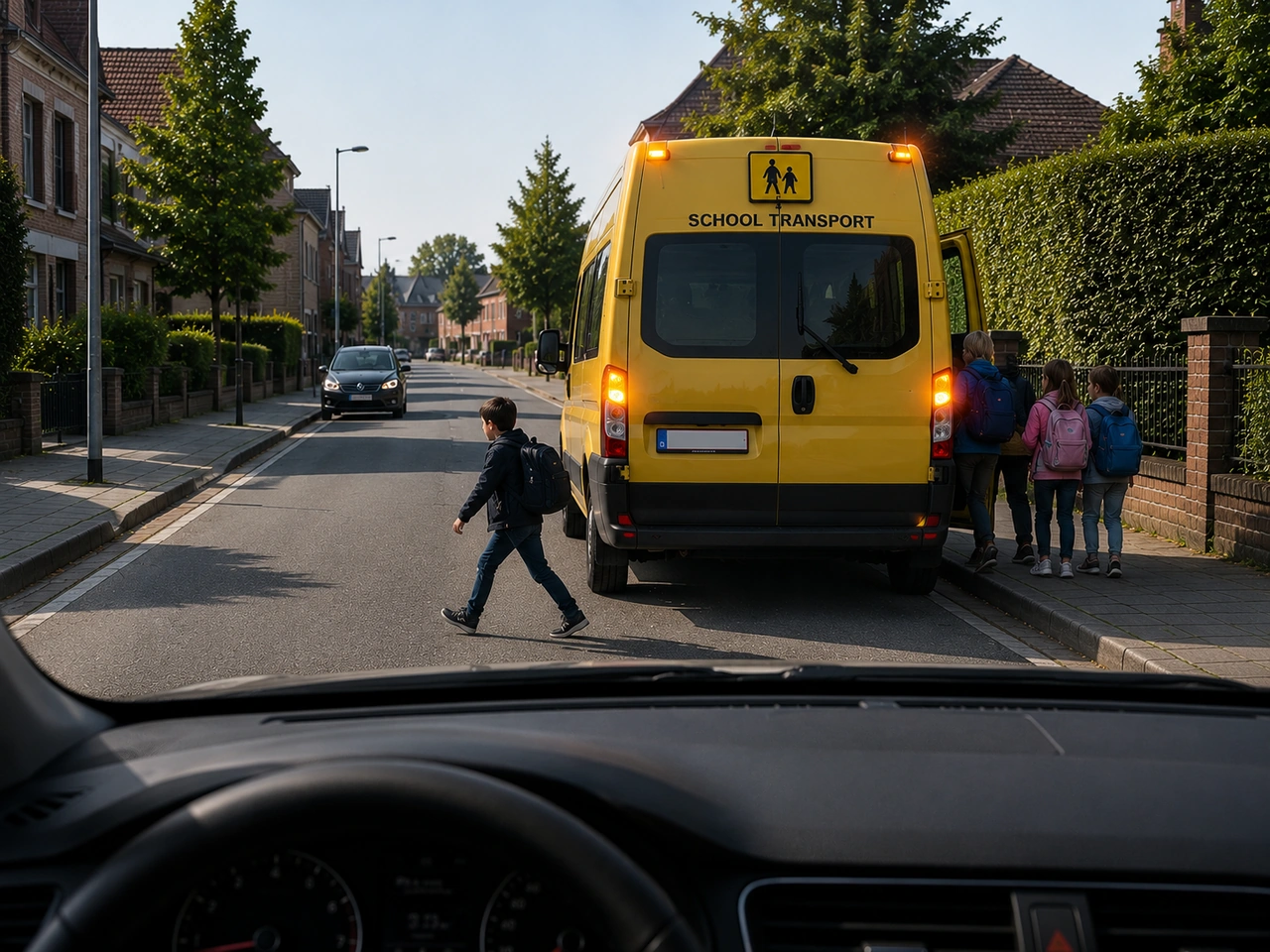
199. What should you do when a school-transport vehicle uses all its indicators?
When a marked school-transport vehicle uses all its direction indicators to show that children are entering or leaving, approaching drivers must be especially careful, reduce speed considerably, and stop if necessary.
AI-generated by Rijbewijs-online.be • WCIT • CC BY-SA
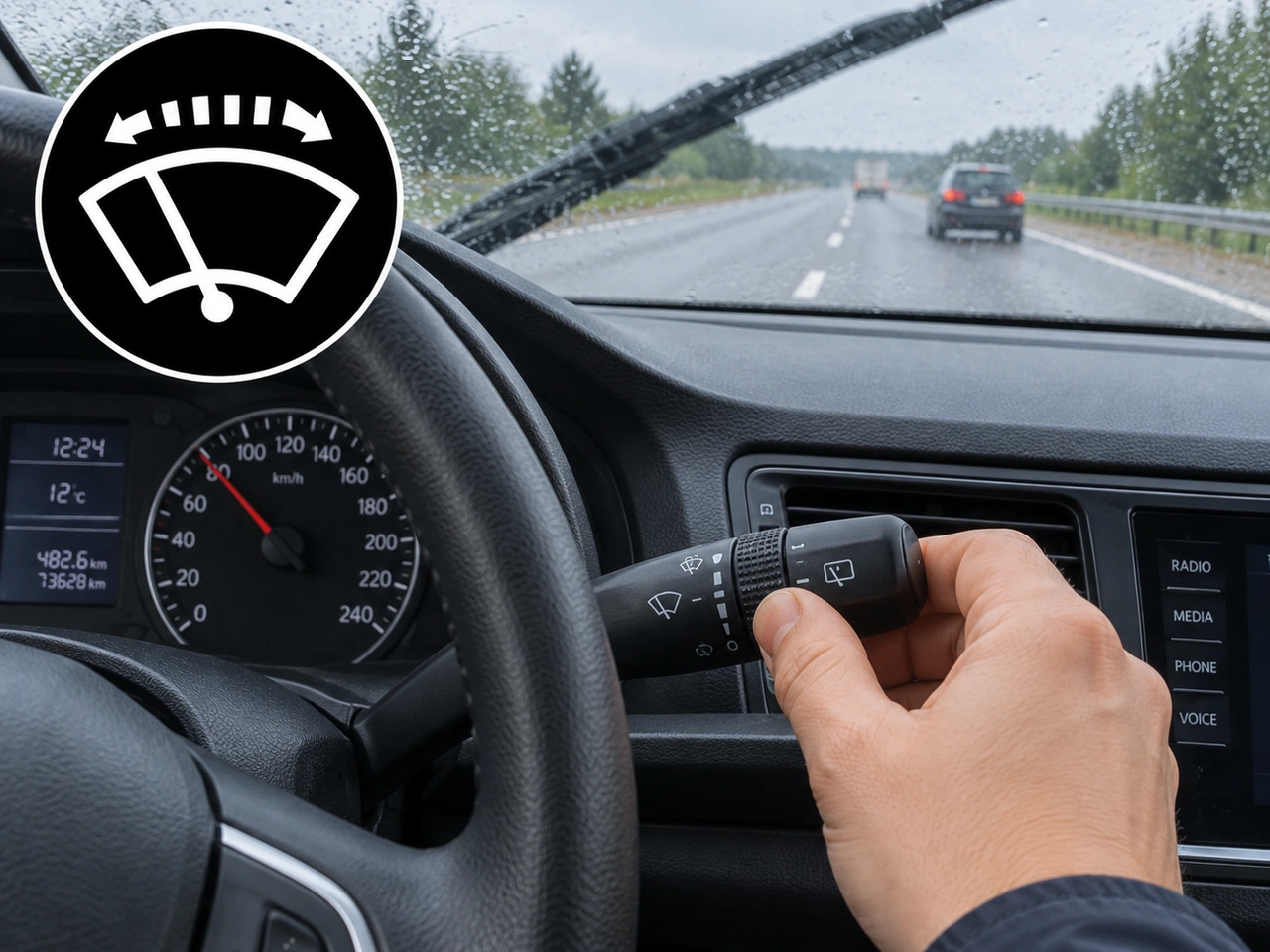
200. What does the intermittent wiper interval control adjust?
The intermittent wiper interval control adjusts the time between windscreen-wiper sweeps, allowing the driver to match the wiping frequency to light rain or spray.
AI-generated by Rijbewijs-online.be • WCIT • CC BY-SA