

道路標識世界
 交通ルール
交通ルール
 世界
世界
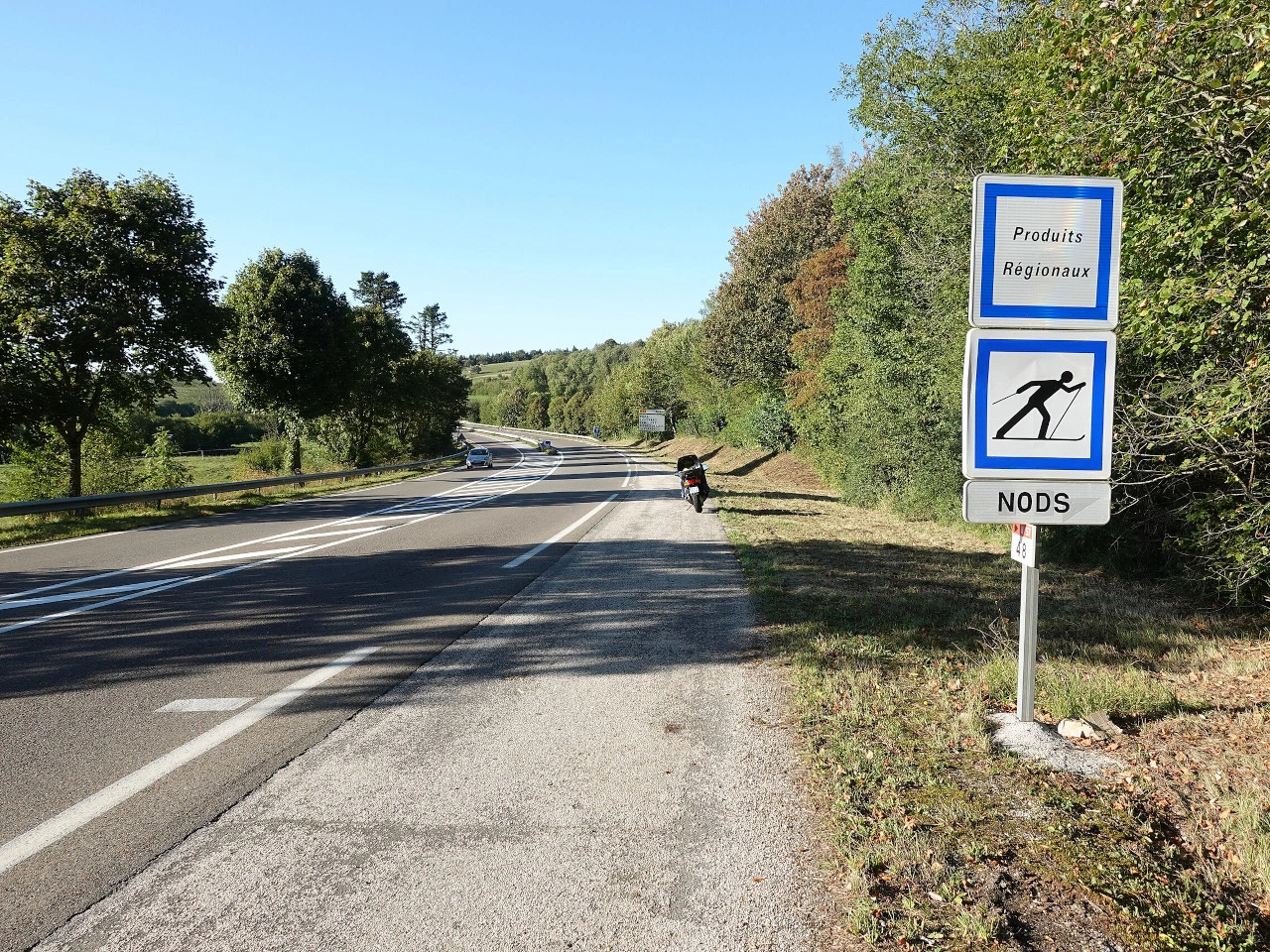
151. スキールート
スキールートは、アルペンスキーコースやクロスカントリールートなどスキー用に指定された経路です。ウィンタースポーツ地域や山岳地帯で、ゲレンデ、リゾート、リフト、レクリエーション網を結びます。
色マーカー、記号、路線番号、方向標識で示されることがあります。難易度区分、利用可能者、表示方法は国やスキー場によって異なります。
What is a ski route?
A ski route is a designated route intended for skiing, such as an alpine or cross-country skiing route.
How are ski routes marked?
They may be indicated by coloured markers, skiing symbols, arrows or route numbers. The marking system depends on the country and ski area.
Are ski-route signs traffic signs?
Not necessarily. Many ski-route markers form part of a recreational trail system rather than ordinary road-traffic regulation.

152. 冬季装備区間
冬季装備区間は、雪、氷、その他の冬季条件により、車両へ指定の冬季装備が求められる区域または道路区間です。国の規則により、冬用タイヤ、スノーチェーン、その他認可された滑り止め装置が必要になります。
区域の開始・終了は交通標識または一時的な冬季条件標識で示される場合があります。対象車両と、季節中常時適用か特定の天候条件時のみ適用かを確認する必要があります。
What is a winter equipment zone?
A winter equipment zone is an area where vehicles may be required to use specified winter equipment such as winter tyres or snow chains.
What equipment can be required in a winter equipment zone?
Depending on the country and conditions, requirements may include winter tyres, snow chains or other approved traction equipment.
Does a winter equipment requirement always apply throughout winter?
Not necessarily. Some requirements apply during a fixed seasonal period, while others apply only when snow, ice or particular road conditions are present.
153. 観光地
観光地は、文化、歴史、レクリエーション、自然、娯楽などを目的に訪問者が向かう場所です。記念碑、城、博物館、景勝地、遊園地などが含まれます。
目的地への案内には観光標識や方面案内標識が使われます。色、記号、表示される施設の種類は国によって異なります。
What is a tourist attraction?
A tourist attraction is a place that visitors travel to because of its cultural, historical, natural, recreational or entertainment value.
What are examples of tourist attractions?
Examples include monuments, castles, museums, scenic locations, cultural sites, amusement parks and recreational destinations.
Can tourist attractions be indicated by road signs?
Yes. Many countries use tourist or direction signs to guide travellers toward important attractions and places of interest.
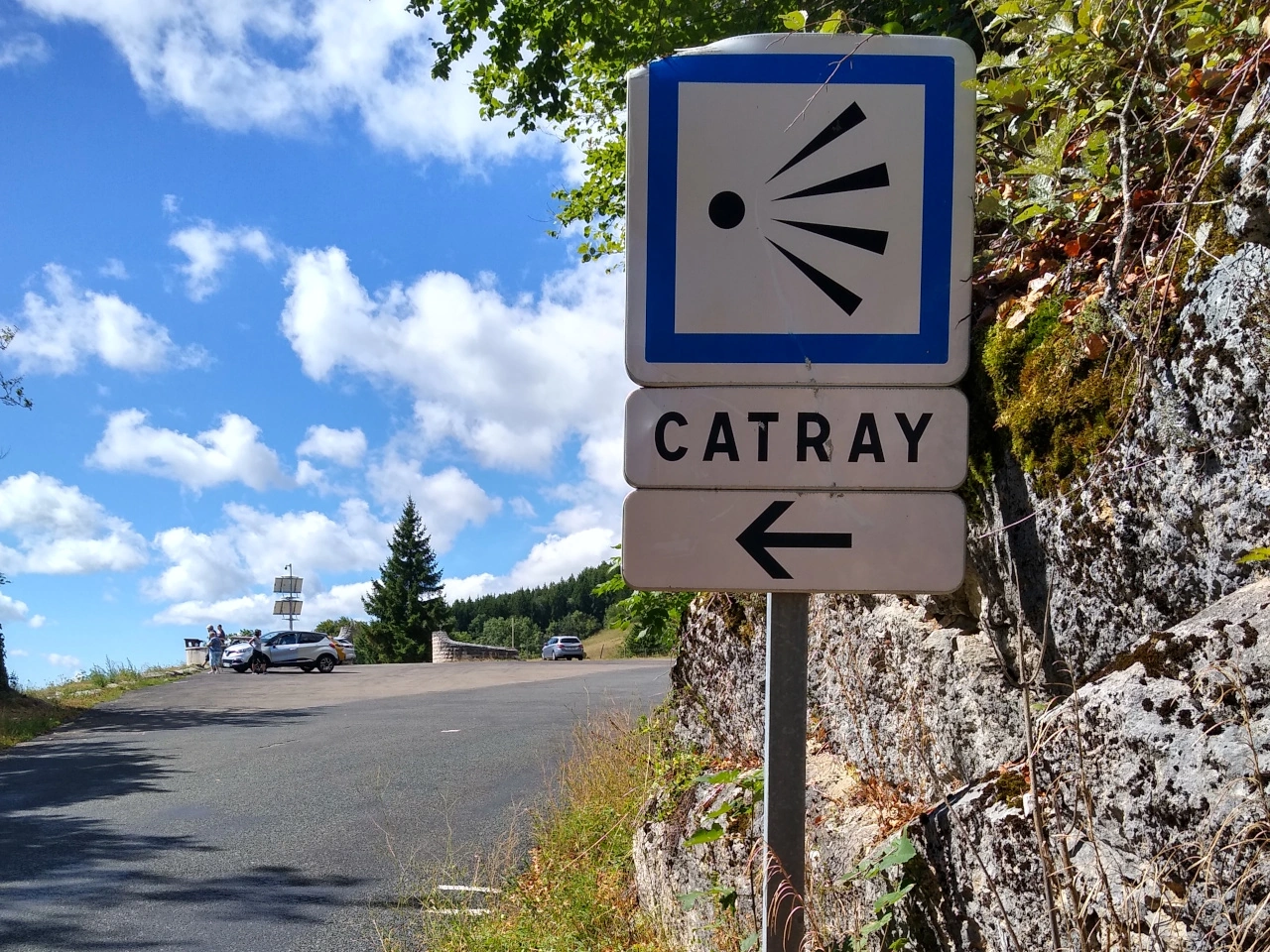
154. 展望所
展望所は、周囲の景観を眺めるため旅行者が立ち寄れる指定場所です。山岳道路、海岸路、河川谷など景観・文化的価値のある場所に設けられます。
駐車場、展望台、ベンチ、案内板などを備える場合があり、観光・方面標識で案内されます。
What is a viewpoint?
A viewpoint is a designated location that provides visitors with a scenic or notable view of the surrounding landscape.
Where are viewpoints commonly located?
Viewpoints are commonly found along mountain roads, coastlines, valleys, scenic routes and other areas with notable landscapes.
Can viewpoints be indicated by road signs?
Yes. Tourist or direction signs may guide travellers toward scenic viewpoints, although the signs and symbols used vary between countries.
155. クラクション
クラクションは、危険を警告したり、安全上必要な場合に他の道路利用者の注意を引くための音響装置です。多くの自動車ではハンドルから操作する電気式ホーンが装備されています。交通法規では、特に市街地や住宅地で不必要・過度な使用が制限されるのが一般的です。そのためクラクションはいら立ちを表したり挨拶するためではなく、警告装置として使用します。
What is a car horn?
A car horn is a sound-producing warning device used to alert other road users when their attention is needed for safety.
When should you use the horn?
The horn should generally be used when a sound warning is necessary to help prevent danger or an accident. The exact circumstances in which horn use is permitted depend on local traffic laws.
Can you use the horn to show annoyance?
Generally, no. A horn is intended as a safety warning device, and unnecessary or excessive use may be prohibited by local traffic rules.
Can you use the horn at night?
Rules for using the horn at night vary between countries. Some traffic laws restrict sound signals at night and require drivers to use their lights instead, except when there is immediate danger.
Can a vehicle horn be modified?
Vehicle horns may have to meet technical requirements for their sound and operation. Horns that imitate emergency-service sirens or otherwise fail applicable vehicle standards may be prohibited.
Is the horn checked during a vehicle inspection?
In countries with periodic technical inspections, the operation and condition of the horn may be checked as part of the vehicle's safety equipment.
156. 軸重制限
軸重制限は、車両の1本の車軸へかかる最大許容重量です。車両全体の重量とは別に、1本の車軸と車輪が道路へ伝える荷重を制限します。
橋や道路を過大荷重から保護し、安全な車両運行にも役立ちます。総重量制限を守っていても、積荷配分が不適切なら軸重制限を超えることがあります。
What does an axle weight limit mean?
An axle weight limit specifies the maximum permitted load carried by an individual axle or axle group. A vehicle exceeding the indicated axle load may not use the restricted road or structure.
Is axle weight the same as total vehicle weight?
No. Total vehicle weight is the combined weight of the entire vehicle and its load, while axle weight is the portion of that weight supported by a particular axle. Both limits may apply at the same time.
Why are axle weight limits used?
They help prevent excessive stress on roads and structures such as bridges. They also ensure that vehicle loads are distributed safely between the axles.
157. ナンバープレート
ナンバープレート(登録番号標または車両番号標)は、登録当局から車両へ割り当てられた固有の登録識別番号を表示するプレートです。車両登録、交通取締、税、保険、駐車管理などで車両を識別するために使われます。
外観、形式、取付位置、必要枚数は国や車種で異なります。必要なプレートを正しく取り付け、はっきり見え、読み取れる状態に保ち、紛失、盗難、破損、交換時には現地規則に従います。
What is a licence plate?
A licence plate is a plate displaying the registration identifier assigned to a vehicle. It allows authorities and other authorised systems to identify the vehicle's registration.
Is a licence plate the same as a registration plate?
Yes. Licence plate, registration plate and number plate are different terms commonly used for the plate displaying a vehicle's official registration number.
Does every vehicle need a licence plate?
Most motor vehicles used on public roads must display one or more registration plates, but requirements differ for motorcycles, trailers, agricultural vehicles and other special vehicle categories.
Do vehicles need both front and rear licence plates?
This depends on the country and vehicle type. Cars commonly require front and rear plates, while motorcycles and certain other vehicles may require only a rear plate.
Must a licence plate remain visible?
Yes. A required registration plate must normally remain clearly visible and readable. It should not be hidden by luggage, dirt, accessories or other objects.
Can you modify a licence plate?
Generally no. Changing the characters, colours, dimensions or appearance of an official plate may make it invalid or illegal. Plates and authorised reproductions must comply with local specifications.
What should you do if a licence plate is lost or stolen?
Follow the local reporting and replacement procedure. Many countries require the loss or theft to be reported to the police or vehicle-registration authority before a replacement plate can be issued.
Can you drive with a damaged licence plate?
A plate must remain legible and compliant with local requirements. If damage prevents it from being read or makes it invalid, it should be replaced according to the local registration procedure.
Can a licence plate be personalised?
Some countries allow motorists to request a personalised registration combination. The available characters, formats and prohibited combinations are determined by the registration authority.
Does a licence plate stay with the vehicle when it is sold?
This varies between countries. In some systems the plate remains with the vehicle, while in others it remains associated with the registered holder and may be retained or returned when the vehicle is sold.
158. 充電ステーション
充電ステーションは、電気自動車またはプラグインハイブリッド車のバッテリーを電源へ接続して充電できる1基以上の充電器を備えた場所です。公道沿い、駐車場、サービスエリア、私有地などに設置されます。
充電スペースは充電中の車両専用の場合があり、駐車制限、時間制限、料金などの条件が適用されます。現地の標識、駐車規則、充電設備の指示に従います。
What is a charging station?
A charging station is a location where electric vehicles can be connected to an electricity supply to recharge their batteries. A station may contain one or several individual charging points.
Who can use an electric-vehicle charging station?
Charging stations are intended for vehicles that can be externally charged, such as battery-electric vehicles and plug-in hybrid vehicles. The exact vehicle categories permitted may be indicated by local signs or operator conditions.
Is a charging space an ordinary parking space?
Not necessarily. A space beside a charger may be reserved for electric vehicles or vehicles that are charging. Drivers must check the signs and markings before parking there.
Can a petrol or diesel vehicle park at a charging station?
Not where the parking space is officially reserved for electric vehicles. An ordinary parking space located near a charger may be different, so the applicable signs and markings determine who may park there.
Can an electric vehicle park at a charging point without charging?
This depends on the local traffic and parking rules. Many charging spaces require the vehicle to be connected to the charger, even if the vehicle itself is electric.
Do you have to pay to use a charging station?
Charging may be free or subject to payment. The price and payment method are determined by the charging operator, while separate parking charges may also apply.
Can a charging station have a maximum parking time?
Yes. Traffic signs, parking regulations or charging conditions may establish a maximum duration to encourage drivers to move their vehicles and make the charger available to others.
Must you move the vehicle when charging is finished?
Follow the local parking rules and charging conditions. Some locations require vehicles to leave after charging or impose additional fees or time limits when the charging session has ended.
Does using a charger override ordinary parking restrictions?
No. A charging station does not allow a driver to ignore no-parking rules, reserved spaces, time limits or other traffic regulations. The vehicle must still be legally parked.
Are all charging stations equally fast?
No. Charging stations can provide different charging powers. Some are intended for longer parking periods, while high-power chargers can recharge compatible vehicles much more quickly.
159. 一般危険
一般危険警戒標識は、より具体的な警戒標識で表せない前方の危険を知らせます。補助標識、文字、記号などで具体的な危険内容が示される場合があります。
運転者は注意を高め、前方を確認し、危険と周囲の状況に合わせて速度を調整します。標識の形や危険の示し方は国によって異なるため、現地の交通標識と規則に従います。
What does a general danger warning sign mean?
A general danger warning sign indicates that there is a hazard ahead that is not represented by a more specific warning sign in the local traffic-sign system.
What kind of danger can the sign indicate?
It can be used for unusual or uncommon hazards for which no dedicated warning symbol exists. The nature of the danger may be explained by an additional panel, symbol or message.
How can you know what the danger is?
Look for a supplementary panel, text or symbol accompanying the warning sign. It may describe the hazard or provide information needed to understand the warning.
What should you do when you see a general danger warning sign?
Increase your attention, observe the road and surroundings carefully and adapt your speed where necessary so that you can respond safely to the hazard.
Does the sign impose a specific speed limit?
Not normally. A warning sign alerts road users to danger rather than establishing a numerical speed limit. A separate speed-limit sign may be provided where a specific maximum speed is required.
Why is a general warning sign used instead of a specific warning sign?
It is used when the traffic-sign system does not contain a specific symbol that accurately represents the particular hazard.
Can the danger be temporary?
Yes. A general warning sign may be used for either a temporary or continuing hazard, depending on local signing rules and the circumstances.
Can a supplementary panel indicate the distance to the danger?
Yes. Depending on the country's traffic-sign system, an additional panel may indicate the distance to the hazard, the length of the dangerous section or other useful information.
Does a general danger sign give anyone priority?
No. A danger warning sign does not by itself change the priority rules. Drivers must continue to follow traffic lights, priority signs and the normal right-of-way rules.
Does the warning end immediately after the sign?
Not necessarily. The sign normally warns of a hazard ahead of the sign, and the dangerous situation may extend over a section of road. Supplementary information may indicate its location or length.
160. 天候
天候は視界、グリップ、車両操作へ大きく影響します。雨、霧、雪、氷、強風、強い日差しはいずれも事故リスクを高めます。状況に合わせて速度と車間距離を調整し、滑りやすい道路で急な操舵・制動を避け、視界低下時は適切なライトを使用します。表示速度以下でも、天候や路面に対して速すぎる場合があります。
How does weather affect driving?
Weather can reduce visibility, tyre grip and vehicle control. Rain, snow, ice, fog, strong wind and bright sunlight may require drivers to reduce speed and increase their following distance.
Should you drive slower in bad weather?
Yes. Drivers should adapt their speed to the weather, visibility and road conditions. The posted speed limit is a maximum and may still be too fast in poor conditions.
Why should you increase the following distance in bad weather?
Wet, snowy or icy roads can increase stopping distances. A larger following distance gives the driver more time and space to react and stop safely.
What should you do when driving in heavy rain?
Reduce speed, increase your following distance, use the appropriate lights and avoid sudden steering or braking. Heavy rain can reduce visibility and increase the risk of aquaplaning.
What should you do when driving in fog?
Reduce speed, increase your following distance and use the appropriate lights. Avoid relying on the vehicle ahead as a guide and make sure you can stop within the distance you can clearly see.
What should you do when driving on snow or ice?
Drive slowly and smoothly, increase the following distance and avoid sudden acceleration, steering or braking. Tyre grip can be greatly reduced on snow and ice.
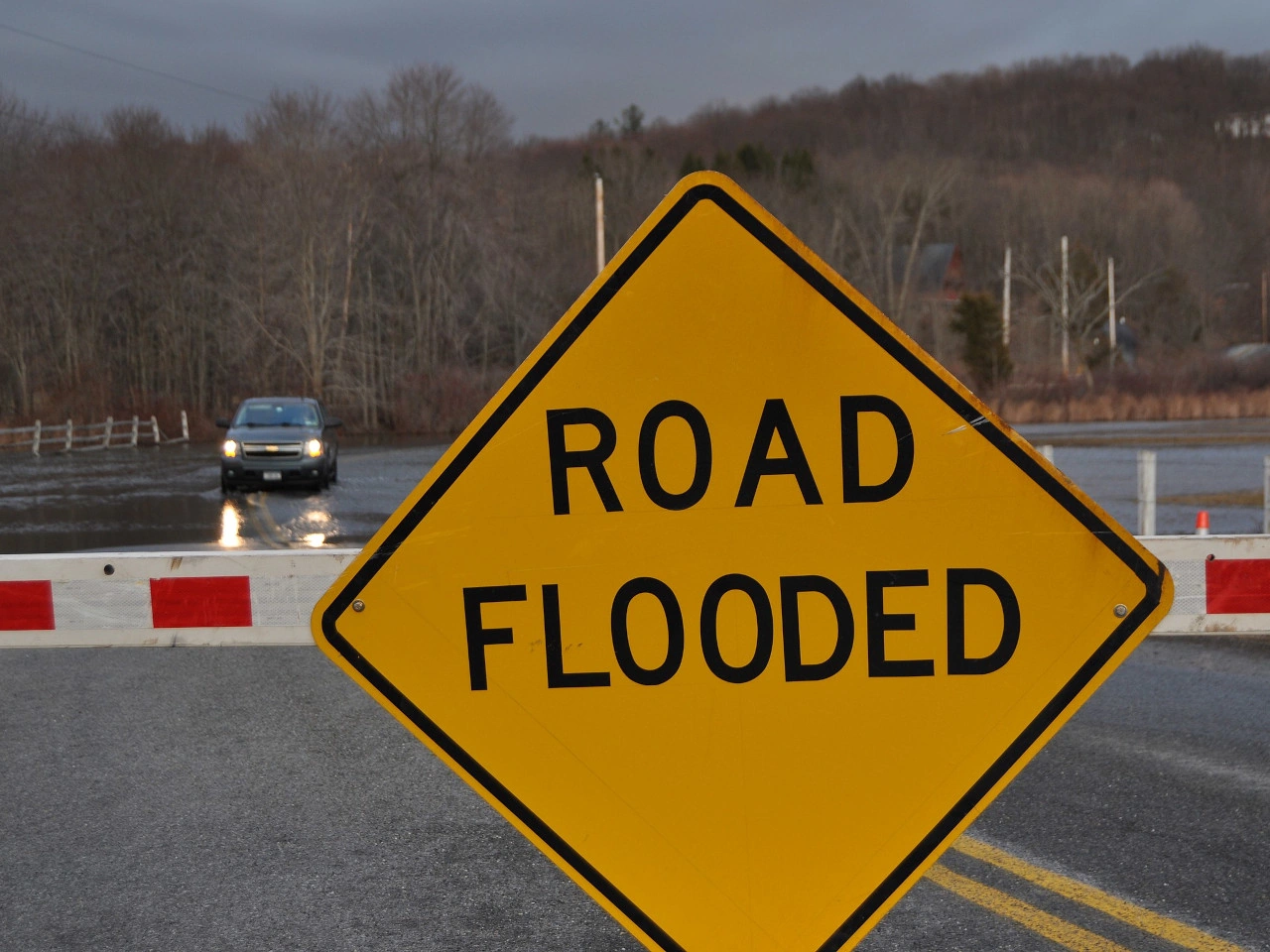
161. 洪水・冠水
洪水・冠水は、大雨、河川氾濫、排水不良、高潮などで水が道路を覆う、または覆う恐れがある状態です。水によりタイヤのグリップが低下し、穴や破片が隠れ、水深や流れの強さを判断しにくくなるため急速に危険になります。
接近時は減速して慎重に状況を判断し、警告標識や通行止めに従う必要があります。水深や路面状態が不明な場合は進入せず、別ルートを使う方が安全です。
Why is flooding dangerous for road traffic?
Floodwater can reduce grip, hide damage or debris, affect vehicle control and make the actual depth of the water difficult to judge.
Should you drive through a flooded road?
Only when it is clearly safe and permitted. If the depth, current or road condition is uncertain, drivers should avoid entering the flooded section and find another route.
How can flooding be indicated to drivers?
Authorities may use warning signs, temporary traffic signs, barriers or road-closure signs to warn drivers or prevent access to a flooded road.
162. 見通しの悪い頂上
見通しの悪い頂上は、上り勾配の路面が視線を遮り、丘の先が十分見えない場所です。車両、自転車、歩行者、カーブ、障害物が頂上を越えるまで見えないことがあります。
接近時は減速し、正しい位置を保ち、十分な前方視界がないときは追い越さない必要があります。頂上の先に現れる交通や障害物へ安全に対応できるようにします。
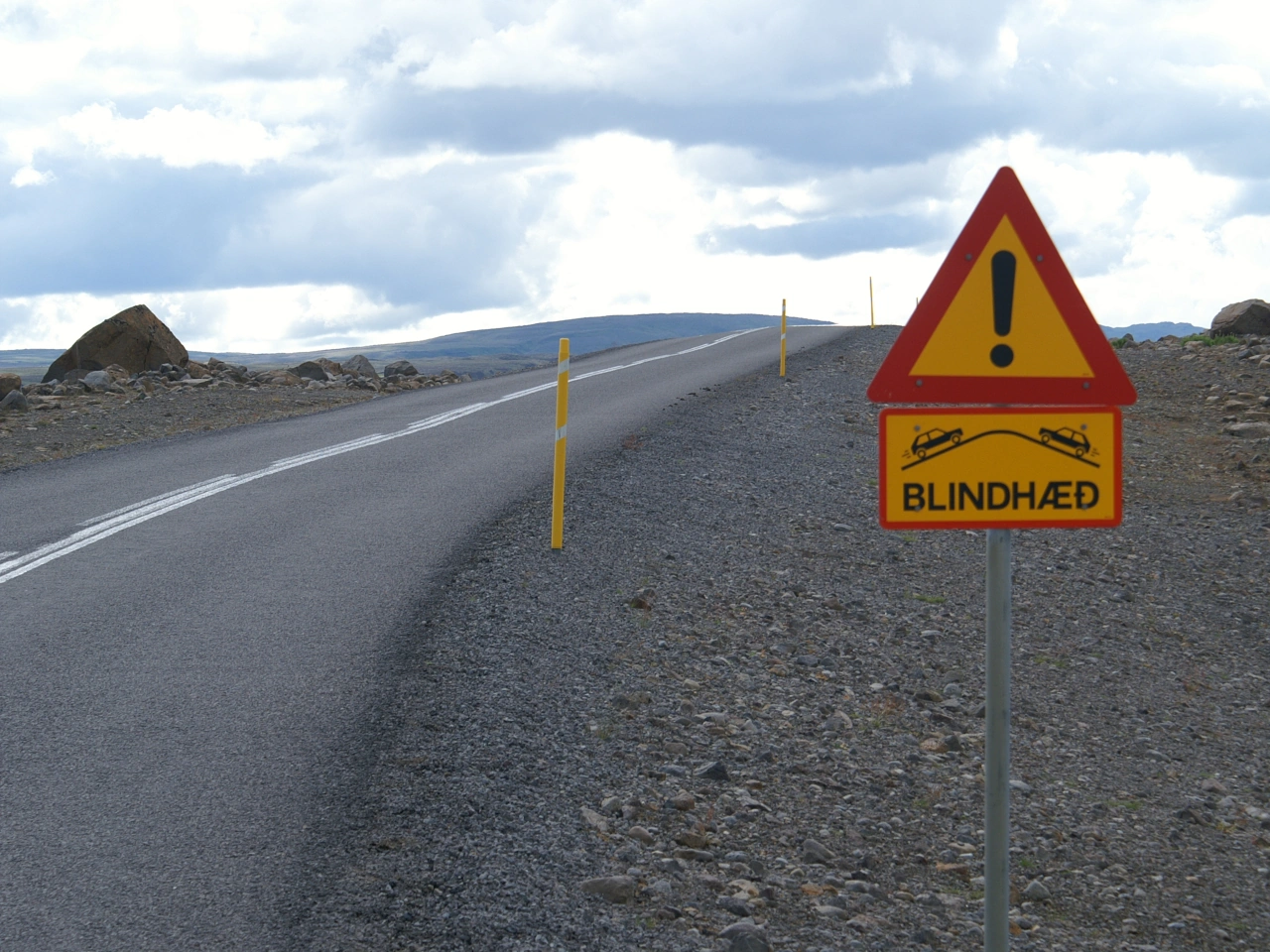
What is a blind summit?
A blind summit is the crest of a hill where the driver's view of the road beyond the summit is restricted.
Why is a blind summit dangerous?
Vehicles, pedestrians, cyclists, bends or obstacles may be hidden beyond the crest, leaving drivers less time to react.
Should you overtake near a blind summit?
Generally, no when visibility is insufficient. Drivers should avoid entering the path of opposing traffic unless they have a clear view and overtaking is permitted by the applicable traffic rules.
163. トンネル区分
トンネル区分は、危険物を運ぶ車両が道路トンネルを通行できるか判断する分類です。ADR制度では危険物輸送への制限に応じてカテゴリーAからEに分類されます。
カテゴリーAにはADRトンネル制限がなく、B、C、D、Eでは輸送危険物の潜在的影響に応じて段階的に広い制限が課されます。危険物運転者は、トンネル区分と積荷のトンネル制限コードを照合する必要があります。
What is an ADR tunnel category?
An ADR tunnel category determines which dangerous-goods transports are permitted or prohibited from passing through a particular road tunnel.
What do tunnel categories A to E mean?
Category A has no ADR tunnel restrictions. Categories B, C, D and E impose increasingly extensive restrictions on dangerous goods that could cause consequences such as explosions, toxic releases or major fires.
Do tunnel categories apply to ordinary passenger cars?
Normally, no. ADR tunnel categories specifically regulate vehicles carrying dangerous goods covered by the ADR rules. Other vehicles must still obey the normal traffic and tunnel regulations.
164. 仮設標識
仮設標識は、工事、事故、イベント、迂回、車線閉鎖など一時的な状況のため、限られた期間に道路利用者を規制、警告、案内する標識です。
運転者は仮設標識と現在有効な交通配置に従う必要があります。不要になった標識は、矛盾する指示を与えないよう通常、撤去、覆い隠し、無効化されます。
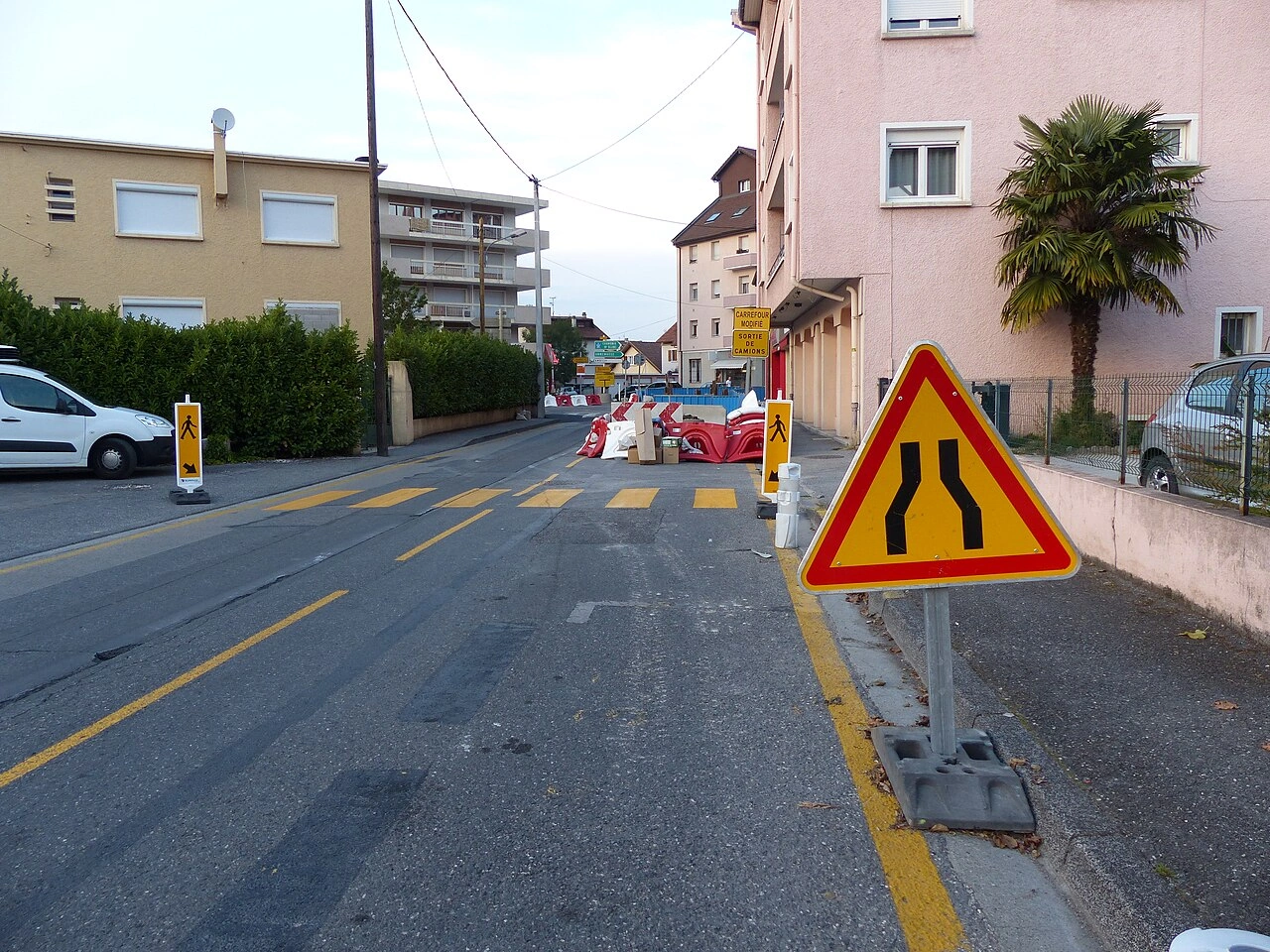
What is a temporary traffic sign?
A temporary traffic sign is a sign installed for a limited period to regulate, warn or direct traffic because of temporary road conditions.
Where are temporary signs commonly used?
They are commonly used at roadworks, accidents, temporary closures, diversions and special events.
What happens when a temporary sign is no longer needed?
It should normally be removed, covered or otherwise made ineffective so that it does not confuse road users or conflict with the normal traffic arrangement.
165. 張り出した樹木
張り出した樹木は、枝が道路、自転車道、歩道の上へ伸び、通行可能な高さを減らしたり危険を生じたりする樹木です。低い枝はトラック、バス、自転車、歩行者に危険で、標識や信号、視界を遮ることもあります。
接近時は減速し、通行可能な高さを確認し、急な操作を避ける必要があります。特に背の高い車両は車道上へ張り出す枝に注意します。
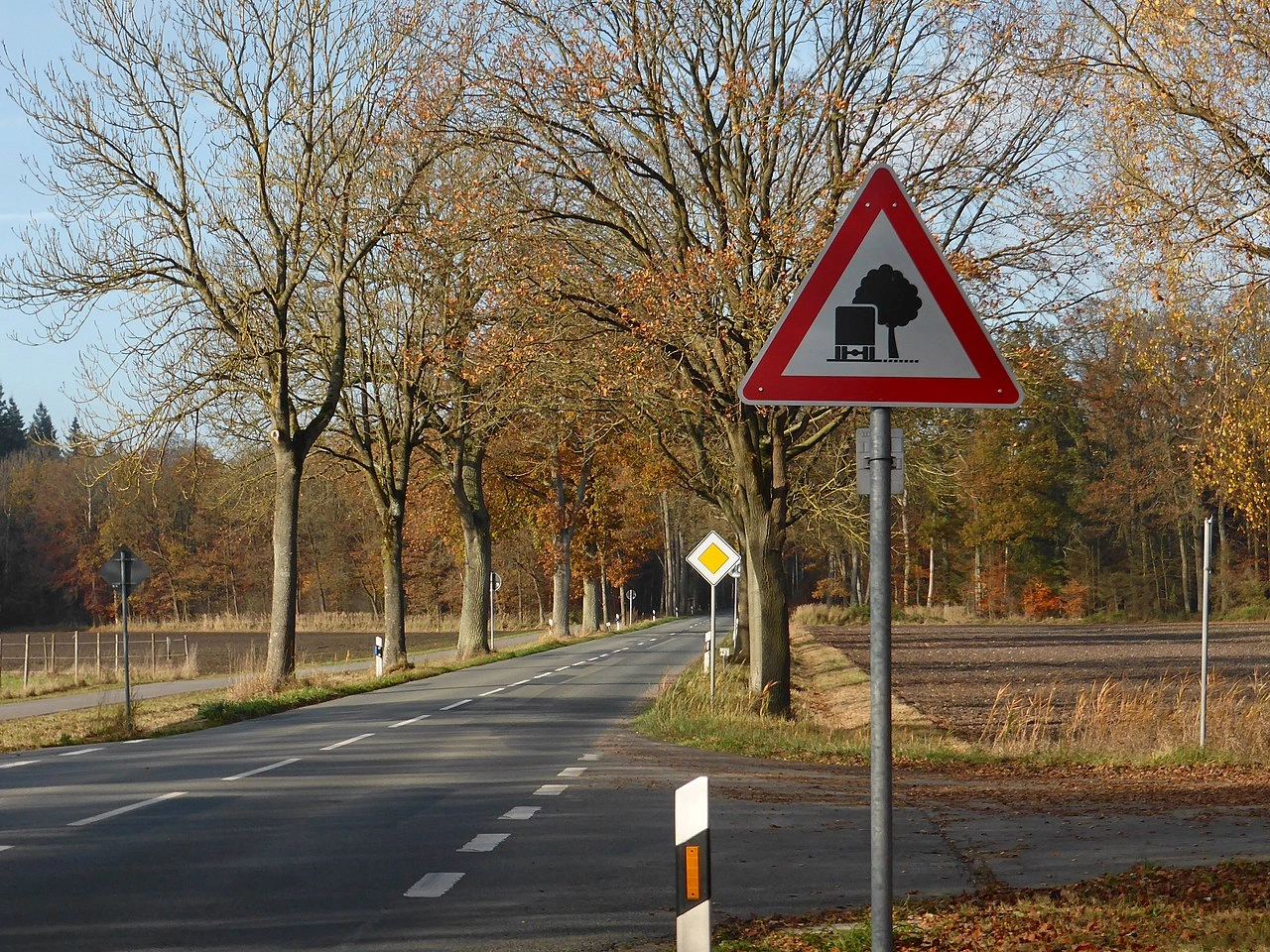
What are hanging trees?
Hanging trees are trees or branches that extend over or toward a road, cycle path or footpath and may interfere with the safe passage of road users.
Why can overhanging branches be dangerous?
They can reduce vertical or lateral clearance, obstruct signs or signals and create a collision hazard, particularly for tall vehicles, cyclists and pedestrians.
What should drivers do near low overhanging branches?
Drivers should slow down, check the available clearance and pass only when it can be done safely. They should avoid swerving suddenly into another lane or toward other road users.
166. 道路の窪み
道路の窪みは、比較的短い距離で路面が下がり、その後再び上がる区間です。視界や車両安定性へ影響し、水がたまって前方状況を判断しにくくなることがあります。
接近時は必要に応じて減速し、車両を安定させ、窪み内やその先に隠れた車両、歩行者、自転車、滞水に注意します。
What is a dip in the road?
A dip is a short depression in the road surface where the road falls and then rises again.
Why can a road dip be dangerous?
A dip can reduce visibility, affect vehicle stability and hide road users or obstacles. Water may also collect in the lowest part of the depression.
How should you drive through a dip?
Approach at a suitable speed, keep the vehicle under control and be prepared for hazards that may not be visible until you enter or leave the dip.
167. 赤信号時の右左折
赤信号時の右左折は、赤信号にもかかわらず、特定方向へ進むことを一部道路利用者へ認める交通規則・信号制度です。多くの場合、停止または譲った後に右折・左折を認めますが、手順は国によって異なります。
赤信号時の右左折は世界共通で許可されるものではありません。一般的に認める国、特定標識・信号がある場合だけ認める国、全面禁止の国があります。進行前に現地の信号、標識、優先規則、歩行者・自転車横断に従います。
What does turn on red mean?
Turn on red means that a road user may proceed in a specified turning direction despite a red traffic light when local law or a specific sign or signal permits it.
Is turning on red allowed everywhere?
No. Some countries permit certain turns on red, while others prohibit them unless a special sign or signal provides an exception.
Do you have to stop before turning on red?
This depends on the local traffic rules. In some jurisdictions a complete stop is required before turning, while other systems use a give-way rule or a separate signal that permits the movement.
Do you have priority when turning on red?
Usually no. A road user permitted to proceed against a red light generally has to give way to traffic, pedestrians and cyclists who are lawfully moving through the intersection.
Can pedestrians have priority over a vehicle turning on red?
Yes. Drivers must check pedestrian crossings carefully and give way where required before making the permitted turn.
Can cyclists be allowed to pass a red light when motorists cannot?
Yes. Some countries use special signs or bicycle signals that allow cyclists to turn or continue in a specified direction while the main traffic light remains red.
Does a green arrow beside a red light allow you to proceed?
Where the local signal system provides this arrangement, a green arrow may permit movement only in the direction indicated even though the main signal remains red. Applicable give-way rules must still be followed.
Can a sign prohibit turning on red?
Yes. In countries where turning on red is normally permitted, a specific sign may prohibit the manoeuvre at particular intersections.
Can you turn left on red?
This depends entirely on the country and road layout. Some jurisdictions permit particular left turns on red, while many do not. Never assume that a rule allowing a right turn also permits a left turn.
What should you do if you are unsure whether turning on red is allowed?
Remain stopped until a signal clearly permits you to proceed. Never pass a red light based only on what is permitted in another country.
168. 高電圧
高電圧は、感電、火傷、死亡感電の重大な危険がある高い電圧で動作する電気設備を指します。変電所、送電線、鉄道・トラム設備などに存在します。
高電圧設備のある場所は通常電気危険警告標識で示されます。露出電気設備から離れ、バリアと安全距離を守り、許可なく制限区域へ入ってはいけません。
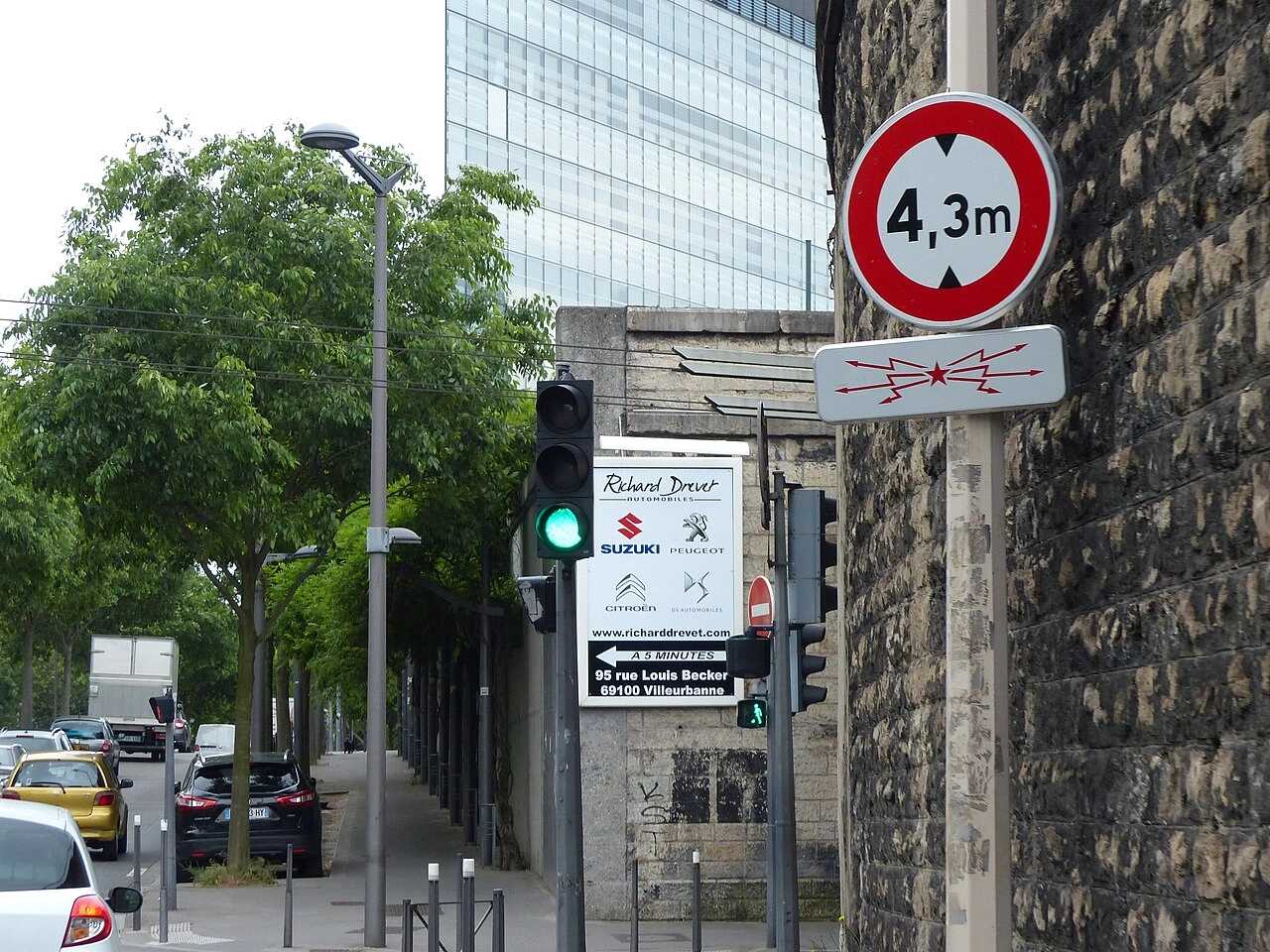
What does high voltage mean?
High voltage refers to electrical installations operating at voltage levels that can create a serious risk of electric shock, burns or electrocution.
Where can high-voltage equipment be found?
It may be found at power lines, substations, railway and tram infrastructure, industrial facilities and other electrical installations.
What should you do when you see a high-voltage warning?
Keep away from the electrical equipment, respect barriers and safety distances and do not enter restricted areas or touch electrical installations.
169. トラム専用軌道・車線
トラム専用軌道・車線は、主にトラムが使用する道路部分または独立軌道です。他交通から物理的に分離される場合や、道路内にありながらトラムなど特定の許可車両だけに予約される場合があります。
標識、路面表示、交通規則で許可されない限り進入・妨害してはいけません。トラムは障害物を避けて操舵できないため、軌道を横切る際や近くを走る際は特に注意します。
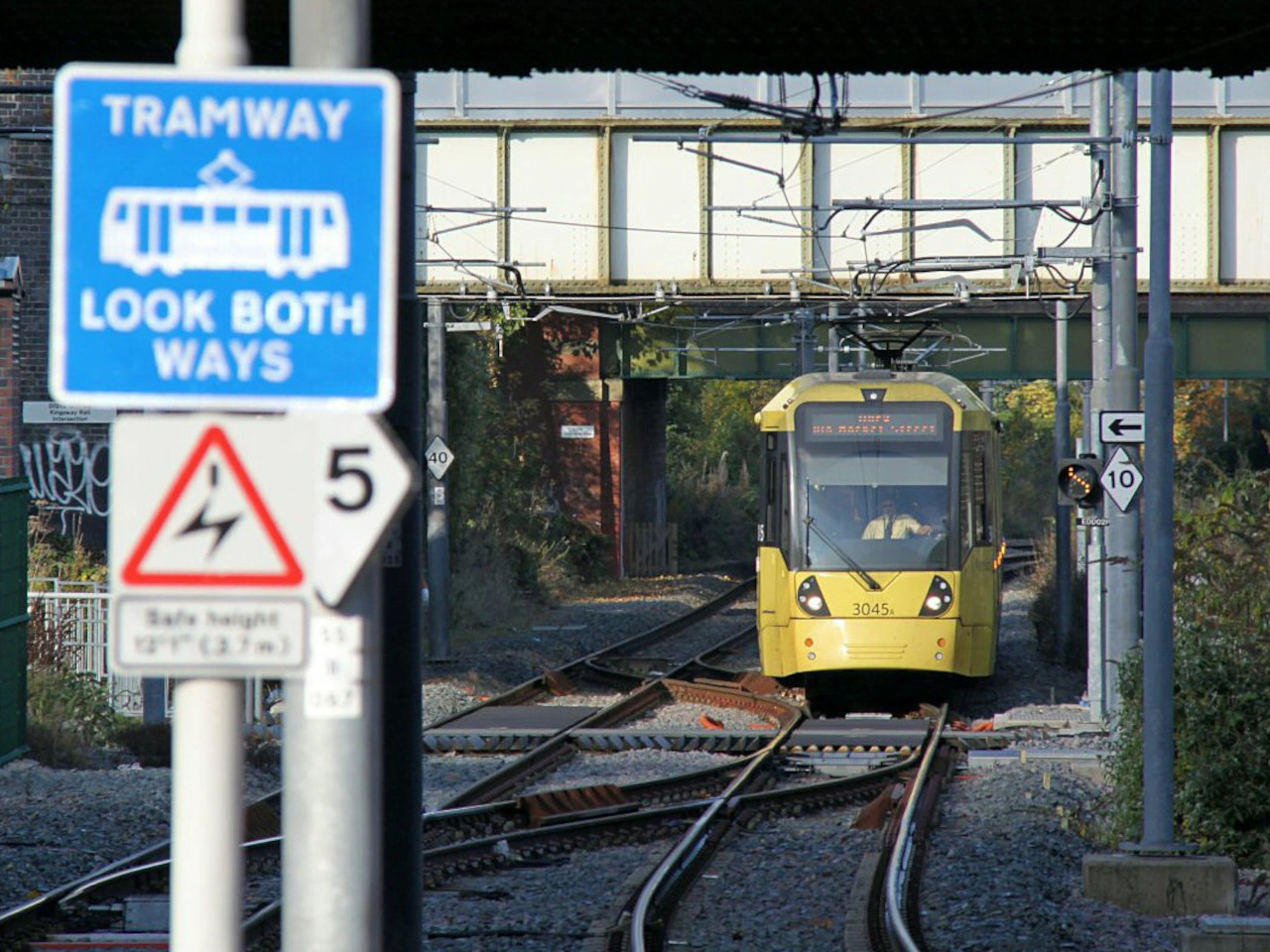
What is a tram lane?
A tram lane is a lane or track area intended primarily for trams and other authorised public-transport vehicles.
Can other vehicles use a tram lane?
It depends on the country and the signs provided. Some tram lanes are exclusively reserved for trams, while others may also be used by buses, taxis, cyclists or other authorised vehicles.
Can you cross a tram lane?
Usually, where permitted and necessary. Drivers may be allowed to cross tram tracks to turn, enter a property or cross an intersection, but they must follow the applicable signs and priority rules.
170. 鉄道安全
鉄道安全は、列車、鉄道設備、鉄道と接する人々の事故を防ぐ規則、制度、予防措置を指します。安全な列車運行、信号、線路保護、踏切安全、不正侵入防止などが含まれます。
道路利用者は踏切で特に注意し、遮断機、警報灯、警報音、交通標識に従う必要があります。線路は指定場所だけで横断し、安全に完全通過できる場合にのみ進みます。
What is rail safety?
Rail safety covers the rules, equipment and precautions intended to prevent accidents involving trains, railway infrastructure and people.
Why are railway crossings particularly important for rail safety?
Railway crossings bring road users and railway vehicles into the same location. Road users must therefore obey the warning systems and never enter when a train is approaching or the crossing cannot be cleared safely.
Can you walk along railway tracks?
Normally, no. Railway tracks are operational transport infrastructure and should be entered only at authorised crossing points or where access is specifically permitted.
171. 乗馬道
乗馬道は、主に騎手のために指定された経路です。森林道、地方の小道、馬道など、乗馬が許可・推奨される経路を通ります。
騎手記号、方向マーカー、ルート標識で示される場合があります。共用または横断する他の道路利用者は馬の近くで特に注意し、驚かせる行動を避けます。
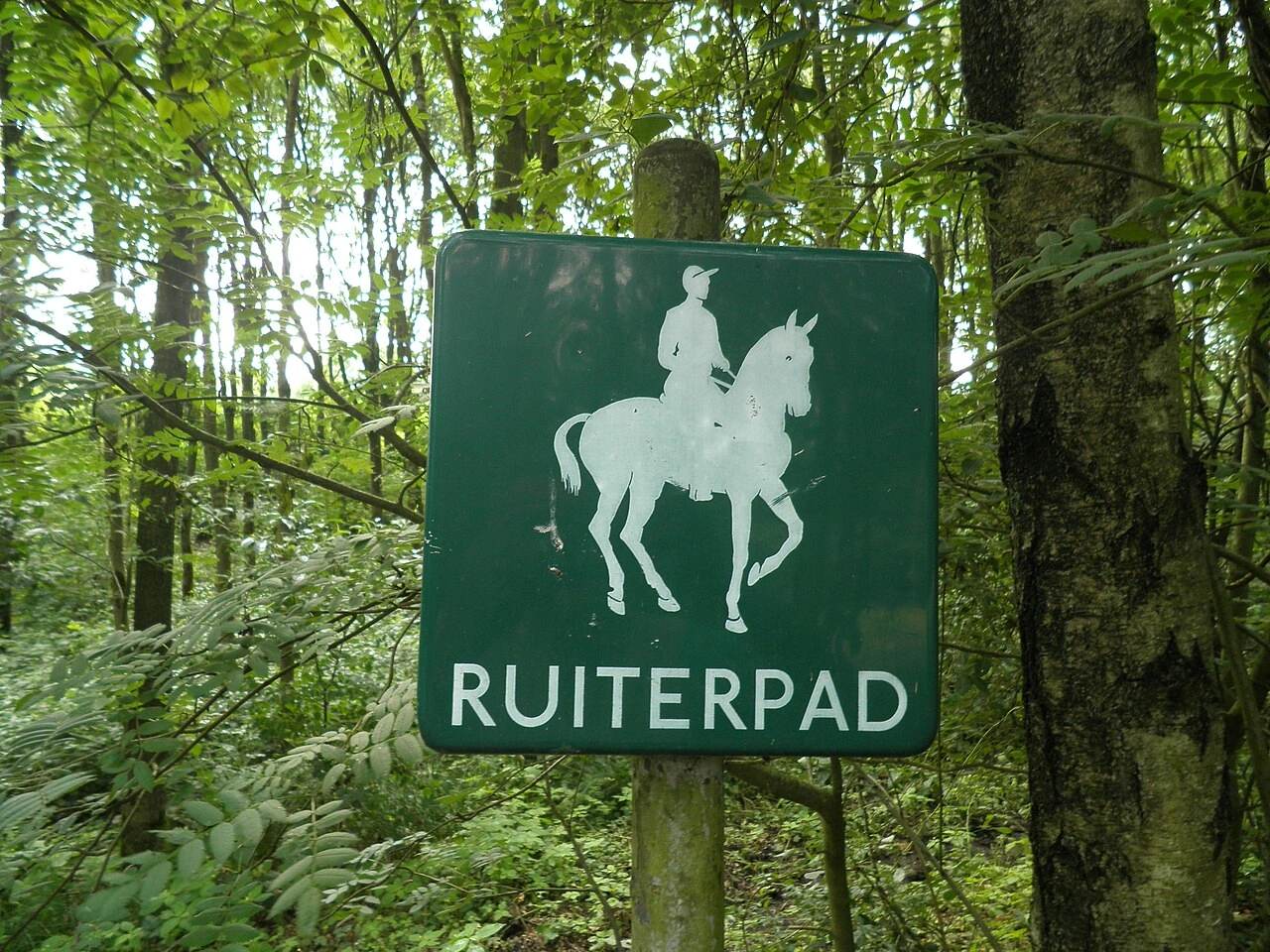
What is an equestrian trail?
An equestrian trail is a designated path or route intended primarily for people travelling on horseback.
Where are equestrian trails commonly found?
They are commonly found on forest paths, rural tracks, recreational routes and bridleways where horse riding is permitted.
Can other road users use an equestrian trail?
It depends on the route and local rules. Some trails are reserved for horse riders, while others are shared with pedestrians, cyclists or other authorised users.
172. 馬
馬は、人が乗る、引く、馬車などを引かせることがある大型家畜です。公道、乗馬道、地方道路、横断場所で騎手や馬車が他交通と接することがあります。
運転者は馬へ近づく際、減速し、十分な間隔を取り、急な音や動きを避ける必要があります。騎手や馬を扱う人も適用交通規則に従います。
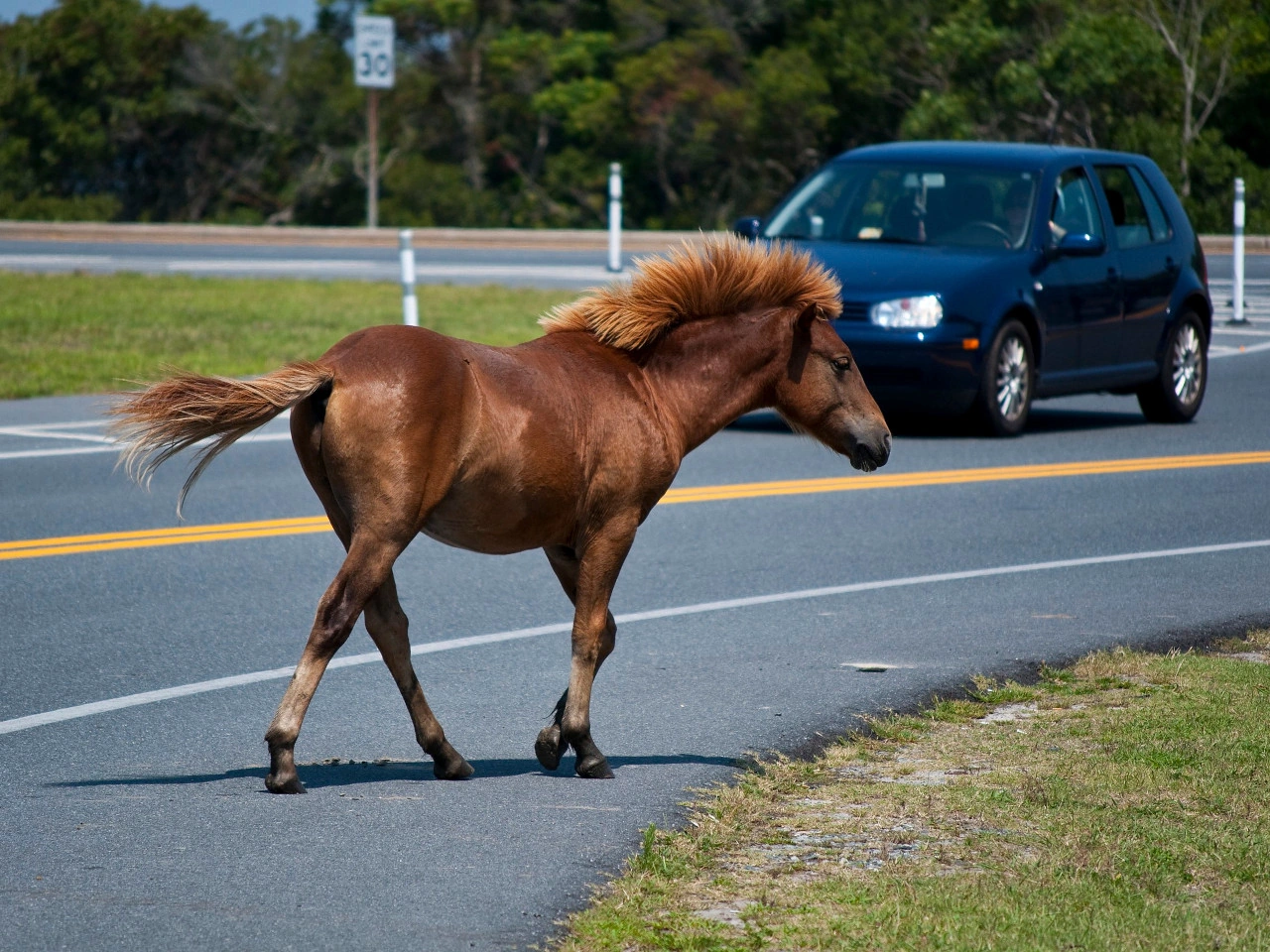
Can horses use public roads?
Yes, where local traffic rules permit. Horses may be ridden, led or used with animal-drawn vehicles on public roads and designated routes.
How should drivers behave near a horse?
Drivers should slow down, leave plenty of space and pass calmly, avoiding unnecessary horn use, sudden acceleration or other actions that could frighten the horse.
Are horse riders considered road users?
Yes. Horse riders using a road are road users and must follow the traffic rules that apply to riders and animals in that country.
173. 身分証明書
身分証明書は、本人の身元を証明する公的文書です。通常、政府などの権限ある機関が発行し、氏名、生年月日、写真、固有番号などが記載されます。
本人確認、行政手続、旅行、サービス利用などで必要になります。所持・携帯義務、記載事項、渡航文書としての利用可否は国によって異なります。
What is an identity card?
An identity card is an official document used to prove who a person is. It is normally issued by a government or other competent authority.
What information is shown on an identity card?
Identity cards commonly contain information such as the holder's name, photograph, date of birth and identification or document number. The exact information varies between countries.
Do you have to carry an identity card?
This depends on the country. Some countries require residents or citizens above a certain age to carry official identification, while others require identification only in particular circumstances.
Can police ask to see your identity card?
Yes, where permitted by local law. Police and other authorised officials may require a person to identify themselves in circumstances such as traffic enforcement, investigations or other official checks.
Is an identity card the same as a driving licence?
No. An identity card primarily proves a person's identity, while a driving licence proves that the holder is authorised to drive particular categories of motor vehicle. A country may require drivers to carry both documents.
Can an identity card replace a driving licence?
No. Proof of identity does not by itself give a person permission to drive. A driver must hold the appropriate valid driving licence when one is required.
Can an identity card be used for international travel?
Some identity cards are accepted as travel documents between certain countries, while other journeys require a passport. Travellers should check the entry requirements for their destination.
What should you do if your identity card is lost or stolen?
Report the loss or theft according to the procedure of the issuing country so that the document can be cancelled or blocked and a replacement can be requested.
Can you use an expired identity card?
An expired card may no longer be accepted as valid identification or as a travel document. The holder should renew the document according to the rules of the issuing authority.
Is an electronic identity card different from an ordinary identity card?
An electronic identity card contains an electronic chip in addition to the information visible on the card. Depending on the national system, the chip may allow secure electronic identification or access to online government services.
174. 火災危険
火災危険標識は、地域内または周辺で火災リスクが高いことを知らせます。乾燥植生、可燃物など火災が起きやすい条件や追加注意が必要な場所で使われます。
標識の外観と法的効力は国によって異なります。運転者は火災原因となる行為を避け、付随規制に従い、煙、炎、緊急活動へ注意します。
What does a fire risk sign mean?
It warns that conditions in or near the area create an increased risk of fire. Drivers should take extra care and avoid anything that could ignite vegetation, fuel or other flammable material.
Does a fire risk sign always prohibit access?
No. A warning sign by itself normally warns of a hazard rather than automatically closing the road. Access may nevertheless be restricted by additional signs, barriers or instructions when the fire danger is particularly high.
What should you do when you see a fire risk sign?
Remain alert, obey any accompanying restrictions and avoid actions that could cause a fire. If there is an active fire or smoke affecting the road, reduce your exposure to the danger and follow instructions from emergency services or road authorities.
175. 地域交通
地域交通は、単に通過するのではなく、旅程の開始・終了や区域内での立寄りのため特定道路・区域へ進入する必要がある交通です。不要な通過交通を減らすため「地域交通のみ」と制限される道路があります。
正確な意味は国の交通規則によりますが、通常、居住者、訪問者、配送、区域内サービス車両などを含みます。
What does local traffic mean?
Local traffic generally means vehicles that have a legitimate reason to enter a particular street or area, such as reaching a home, business, delivery address or other destination located there.
Is local traffic the same as through traffic?
No. Through traffic passes through an area without having a destination or other necessary stop there. A restriction allowing only local traffic is normally intended to prevent this type of unnecessary through traffic.
Who may enter a road restricted to local traffic?
This depends on national rules and the signs in place. Residents, visitors, deliveries, emergency services and certain service vehicles are commonly permitted, but the precise categories vary between countries.