


VerkehrsregelnArgentinien
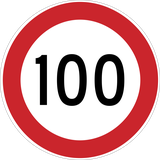 Verkehrsregeln
 Argentinien
1. Argentinien
Argentinien erstreckt sich entlang des südlichen Teils Südamerikas vom subtropischen Norden bis nach Patagonien; die Anden bilden einen großen Teil der Westgrenze zu Chile. Es gilt Rechtsverkehr. Große Entfernungen prägen das Fahren im Land, mit Strecken durch die Pampas, trockene Regionen und dünn besiedelte Gebiete Patagoniens. In den Anden und südlichen Provinzen können Schnee und Eis im Winter Straßen und Gebirgspässe beeinträchtigen, und auf bestimmten Strecken kann das Mitführen oder Montieren von Schneeketten verpflichtend werden.
Das argentinische nationale Verkehrsgesetz bildet einen gemeinsamen Rahmen für Verkehrsregeln, wobei Provinzen und Gemeinden zusätzliche oder abweichende lokale Anforderungen haben können. Es gibt keine landesweite Vignette; auf ausgewählten Autobahnen und Straßen wird Maut erhoben, und TelePASE wird im Zuge des Übergangs zu automatischer und Free-Flow-Maut zunehmend eingesetzt. Auf Nationalstraßen müssen Abblendlicht oder Tagfahrlicht tagsüber ebenso wie nachts eingeschaltet bleiben. Schriftliche Straßeninformationen erscheinen hauptsächlich auf Spanisch.
Auf welcher Straßenseite fährt man in Argentinien?
Fahren Sie auf der rechten Straßenseite.
Auf welcher Seite wird in Argentinien überholt?
Überholen Sie normalerweise links. Rechtsüberholen ist nur in bestimmten Situationen erlaubt, etwa wenn das vorausfahrende Fahrzeug links abbiegt oder wenn sich bei Stau die linke Fahrzeugreihe langsamer bewegt.
Wie lautet die Notrufnummer in Argentinien?
Rufen Sie 911 für allgemeine Notfallhilfe an.
Sind die Verkehrsregeln in ganz Argentinien gleich?
Nicht vollständig. Das nationale Verkehrsgesetz bildet den wichtigsten Rahmen, aber Provinzen, Gemeinden und die Stadt Buenos Aires können zusätzliche oder abweichende örtliche Regeln haben. Beachten Sie stets lokale Beschilderung und Vorschriften.
Welche Alkoholgrenze gilt für Fahrer in Argentinien?
Nach dem nationalen Verkehrsgesetz gilt in Argentinien Null Alkohol: 0,0. Wo das nationale Gesetz gilt, ist das Fahren jeglicher Fahrzeuge mit einer Alkoholkonzentration über null verboten. Wegen der dezentralisierten Zuständigkeit sind zusätzlich Provinz- und Ortsvorschriften zu prüfen.
Wie hoch ist die allgemeine Geschwindigkeitsbegrenzung auf städtischen Straßen in Argentinien?
Nach dem nationalen Verkehrsgesetz beträgt die allgemeine Höchstgeschwindigkeit auf städtischen Straßen 40 km/h, sofern keine andere Begrenzung ausgeschildert ist.
Wie hoch ist die allgemeine Geschwindigkeitsbegrenzung auf städtischen Avenidas in Argentinien?
Der nationale allgemeine Höchstwert auf städtischen Avenidas beträgt 60 km/h, vorbehaltlich örtlich ausgeschilderter oder rechtsgebietsspezifischer Werte.
Wie hoch ist die allgemeine Geschwindigkeitsbegrenzung auf Landstraßen in Argentinien?
Für Motorräder, Pkw und leichte Nutzfahrzeuge beträgt der nationale Höchstwert außerorts grundsätzlich 110 km/h. Für Busse, Lkw und bestimmte andere Fahrzeugklassen gelten niedrigere Werte.
Wie hoch ist die Geschwindigkeitsbegrenzung auf Semiautopistas in Argentinien?
Pkw und Motorräder dürfen nach dem nationalen Verkehrsgesetz auf einer Semiautopista grundsätzlich bis zu 120 km/h fahren, sofern keine niedrigere Begrenzung ausgeschildert ist.
Wie hoch ist die Geschwindigkeitsbegrenzung auf Autopistas in Argentinien?
Für Pkw und Motorräder beträgt der nationale Höchstwert auf einer Autopista grundsätzlich 130 km/h. Örtliche Autobahnbegrenzungen können niedriger sein; beachten Sie die Beschilderung.
Gibt es in Argentinien besondere niedrigere Geschwindigkeitsbegrenzungen?
Ja. Im nationalen Rahmen gelten höchstens 30 km/h an einer ungeregelten innerörtlichen Kreuzung, 20 km/h an einem ungesicherten Bahnübergang und 20 km/h nahe Schulen, Sportanlagen und anderen stark besuchten Orten während ihrer Nutzung. Durch Ortschaften führende Routen sind grundsätzlich auf 60 km/h begrenzt, sofern nichts anderes ausgeschildert ist.
Benötigt man in Argentinien eine Vignette?
Nein. Argentinien hat keine landesweite Vignette. Maut wird nur auf bestimmten Straßen, Autobahnen und anderen konzessionierten Abschnitten erhoben.
Wie werden Straßenmauten in Argentinien bezahlt?
Die Zahlung hängt von Straße und Betreiber ab. TelePASE ist auf Mautstraßen und Autobahnen weit verbreitet; einige Einrichtungen haben weiterhin manuelle Zahlspuren. Argentinien führt zunehmend automatische und Free-Flow-Maut ein.
Können ausländisch zugelassene Fahrzeuge TelePASE in Argentinien nutzen?
Ja. Seit 2026 können ausländische Privatpersonen und Unternehmen ausländisch zugelassene Fahrzeuge für TelePASE registrieren und für teilnehmende Straßen eine internationale Zahlungsmethode hinterlegen.
Muss man in Argentinien tagsüber Licht verwenden?
Auf Nationalstraßen müssen Abblendlicht oder Tagfahrlicht tagsüber und nachts unabhängig vom natürlichen Licht eingeschaltet bleiben.
Sind Sicherheitsgurte in Argentinien vorgeschrieben?
Ja. Alle Insassen müssen den vorgeschriebenen Sicherheitsgurt benutzen, wenn das Fahrzeug damit ausgestattet ist.
Sind Kindersitze in Argentinien vorgeschrieben?
Nach dem nationalen Rahmen müssen Kinder unter 10 Jahren auf dem Rücksitz in einem zugelassenen, ihrem Gewicht und ihrer Größe entsprechenden Kinderrückhaltesystem mitfahren. Örtliche Rechtsgebiete können zusätzliche Anforderungen festlegen.
Sind Motorradhelme in Argentinien vorgeschrieben?
Ja. Motorradfahrer und Mitfahrer müssen einen zugelassenen Helm tragen.
Ist beim Motorradfahren in Argentinien Augenschutz erforderlich?
Hat ein Motorrad keine Windschutzscheibe, muss der Fahrer zusätzlich zum vorgeschriebenen Helm geeigneten Augenschutz verwenden.
Darf man beim Fahren in Argentinien ein Mobiltelefon benutzen?
Das Fahren mit Kopfhörern oder manuell bedienten Kommunikationssystemen ist nach dem nationalen Verkehrsgesetz verboten. Ein Mobiltelefon darf während der Fahrt nicht in der Hand gehalten oder manuell benutzt werden.
Wer hat an einer ungeregelten Kreuzung in Argentinien Vorfahrt?
Grundsätzlich muss Verkehr von rechts Vorfahrt erhalten. Es bestehen festgelegte Ausnahmen, darunter entgegenstehende Verkehrszeichen, Züge, Einsatzfahrzeuge, Verkehr auf einer Semiautopista und Fußgänger, die einen Überweg ordnungsgemäß benutzen.
Wer hat in Argentinien im Kreisverkehr Vorfahrt?
Ein Fahrzeug, das bereits im Kreisverkehr fährt, hat Vorfahrt vor einem einfahrenden Fahrzeug, sofern Verkehrszeichen nichts anderes bestimmen.
Haben Fußgänger an Überwegen in Argentinien Vorrang?
Ja. Fahrer müssen Fußgängern Vorfahrt gewähren, die einen Fußgängerüberweg oder einen anderen besonders markierten Fußgängerbereich ordnungsgemäß überqueren, und nötigenfalls anhalten, um sie nicht zu gefährden.
Wer hat auf einer schmalen steilen Straße in Argentinien Vorfahrt?
Auf einer schmalen Steigung, auf der zwei Fahrzeuge nicht sicher aneinander vorbeifahren können, muss grundsätzlich das bergab fahrende Fahrzeug zurücksetzen, damit das bergauf fahrende weiterfahren kann. Eine Ausnahme gilt, wenn das bergab fahrende Fahrzeug einen Anhänger zieht und das bergauf fahrende nicht.
Darf man in Argentinien frei hupen?
Nein. Die Hupe darf grundsätzlich nur zur Warnung vor Gefahr oder gegebenenfalls außerorts verwendet werden. Unnötiges Hupen ist verboten.
Welche Verkehrsteilnehmer dürfen Autopistas in Argentinien nicht benutzen?
Auf Autopistas sind Fußgänger, muskelbetriebene Fahrzeuge, Fuhrwerke, Mopeds und Spezialmaschinen verboten. Gewöhnliche Motorräder fallen nicht unter dieses allgemeine Verbot.
Welche Sicherheitsausrüstung muss ein Auto in Argentinien mitführen?
Ein Kraftfahrzeug muss einen vorschriftsmäßigen Feuerlöscher und tragbare Warnbaken mitführen. Motorräder sind von diesen besonderen Ausrüstungspflichten ausgenommen.
Ist Kraftfahrzeugversicherung in Argentinien vorgeschrieben?
Ja. Pkw, Motorräder, Anhänger und Sattelanhänger benötigen eine Pflichtversicherung für Schäden an Dritten.
Benötigen Fahrzeuge in Argentinien eine technische Untersuchung?
Fahrzeuge unterliegen einer Revisión Técnica Obligatoria (RTO) oder dem entsprechenden System des jeweiligen Rechtsgebiets. Im 2026 aktualisierten nationalen System haben neue Privatfahrzeuge bis zu fünf Jahre bis zur ersten Untersuchung; Privatfahrzeuge bis 10 Jahre werden danach grundsätzlich alle 24 Monate und ältere alle 12 Monate geprüft. Örtliche VTV- oder Prüfregelungen können abweichen.
Dürfen Touristen in Argentinien mit einem ausländischen Führerschein fahren?
Ja, wenn der Führerschein die einschlägigen internationalen Anforderungen erfüllt. Ein gültiger nationaler Führerschein eines Staates, der dem Genfer Abkommen 1949 oder Wiener Übereinkommen 1968 angehört, kann grundsätzlich bis zu einem Jahr nach der Einreise verwendet werden. MERCOSUR-Führerscheine profitieren ebenfalls von regionaler Anerkennung für touristische Reisen.
Benötigt man in Argentinien einen Internationalen Führerschein?
Nicht immer. Argentinien erkennt geeignete nationale Führerscheine nach den einschlägigen internationalen Übereinkommen sowie konforme internationale Führerscheine an. Besucher, deren Führerschein nicht unter diese Regelungen fällt, sollten die Anforderungen vor dem Fahren prüfen.
Sind Schneeketten in Argentinien vorgeschrieben?
Es gibt keine ganzjährig landesweite Kettenpflicht, doch auf verschneiten Bergstraßen und Grenzübergängen kann das Mitführen oder Verwenden von Ketten vorgeschrieben werden. Im Winter wird das Mitführen auf verschiedenen Anden- und Patagonienrouten ausdrücklich verlangt, wenn Behörden dies anordnen.
Welche Sprachen werden auf Verkehrszeichen in Argentinien verwendet?
Argentinien verwendet ein standardisiertes nationales Verkehrzeichensystem mit international verständlichen Symbolen; schriftliche Angaben und Zielinformationen erscheinen hauptsächlich auf Spanisch.

2. Autobahn
Eine Autobahn ist eine Straße, die speziell für den motorisierten Verkehr gebaut und entsprechend ausgeschildert ist. Autobahnen haben normalerweise getrennte Richtungsfahrbahnen, kontrollierte Zu- und Abfahrten, keine direkten Zufahrten zu angrenzenden Grundstücken und keine höhengleichen Kreuzungen mit anderen Straßen, Eisenbahnen oder Wegen.
Auf Autobahnen gelten besondere Verkehrsregeln. Welche Verkehrsteilnehmer zugelassen sind, welche Geschwindigkeitsbegrenzungen und Fahrstreifenregeln gelten sowie Maut- und Notfallvorschriften unterscheiden sich je nach Land. Fahrer müssen daher die örtlichen Verkehrszeichen und Vorschriften beachten.
How can you recognise a motorway?
A motorway is normally identified by a special motorway sign at its entrance. It commonly has separate carriageways, controlled entrances and exits, and no ordinary intersections or direct access to neighbouring properties.
Who may use a motorway?
Motorways are primarily intended for motor vehicles capable of travelling safely at motorway speeds. Pedestrians, cyclists, animals and certain slow vehicles are generally prohibited, but the exact access requirements differ between countries.
What is the speed limit on a motorway?
There is no universal motorway speed limit. The applicable limit depends on the country, road section, vehicle category and driving conditions. Posted or variable speed-limit signs may replace the general national limit.
How should you enter a motorway?
Use the entrance or acceleration lane to observe motorway traffic and adjust your speed where possible. Enter only when there is a safe gap and follow the local priority and merging rules.
How should you leave a motorway?
Move into the correct lane in good time and signal when required. Enter the exit or deceleration lane before reducing your speed, unless traffic, signs or road conditions require you to slow down earlier.
Which lane should you use on a motorway?
Follow the local keep-left or keep-right rule and any lane-direction signs. Lanes closer to the centre of the motorway are commonly used for overtaking, but lane-use rules differ between countries and vehicle categories.
Can you stop on a motorway?
Voluntary stopping and parking are normally permitted only in designated parking or service areas. Drivers may still have to stop because of congestion, an emergency or another unavoidable situation.
Can you reverse or make a U-turn on a motorway?
Reversing, making a U-turn and driving against the direction of traffic are generally prohibited. If you miss an exit, continue to the next suitable exit.
What should you do if your vehicle breaks down?
Move the vehicle out of the traffic lanes when this can be done safely, activate the hazard warning lights and follow the local breakdown procedures. Leave the vehicle safely, keep away from moving traffic and use a warning triangle or safety vest where required by local law.
What is the difference between a motorway and an expressway?
A motorway normally has the highest level of access control and is governed by specific motorway rules. An expressway may have similar characteristics but may permit different road users or contain lower-standard junctions. The legal distinction varies between countries.
3. Geschwindigkeitsbegrenzung
Eine Geschwindigkeitsbegrenzung ist die gesetzlich höchstens zulässige Geschwindigkeit auf einer Straße, einem Fahrstreifen oder innerhalb eines ausgewiesenen Bereichs. Sie kann durch allgemeines Verkehrsrecht festgelegt oder durch feste, variable oder vorübergehende Verkehrszeichen angezeigt werden.
Eine Geschwindigkeitsbegrenzung ist ein Höchstwert und keine Zielgeschwindigkeit. Fahrer müssen langsamer fahren, wenn Verkehr, Sicht, Wetter, Straßenzustand, gefährdete Verkehrsteilnehmer oder der Zustand des Fahrzeugs die höchstens zulässige Geschwindigkeit unsicher machen.
What is a speed limit?
A speed limit is the maximum legal speed permitted on a road, lane or within a designated area. It does not require drivers to travel at that speed.
How can you recognise a speed limit?
A speed limit is commonly displayed as a number on a regulatory traffic sign. General limits may also apply automatically because of the country, road category, vehicle type or surrounding area, even when no speed-limit sign is present.
Is the speed limit a recommended driving speed?
No. It is the highest speed legally permitted under suitable conditions. Drivers must reduce their speed whenever travelling at the limit would be unsafe.
Can you drive more slowly than the speed limit?
Yes. Drivers should travel more slowly when required by traffic, weather, visibility, road conditions or nearby vulnerable road users. Driving unnecessarily slowly may nevertheless be prohibited when it obstructs normal traffic.
Does the same speed limit apply to every vehicle?
Not always. Lower limits may apply to heavy vehicles, buses, vehicles towing trailers, novice drivers or other vehicle categories. The lowest applicable limit must be respected.
What is a default speed limit?
A default speed limit applies automatically to a particular road type or area when no traffic sign indicates another limit. Examples include general limits for motorways, built-up areas or roads outside built-up areas.
Does a posted speed limit replace the default limit?
Usually, yes. A legally placed speed-limit sign normally introduces another maximum speed, although lower vehicle-specific or special-road limits may continue to apply.
When does a speed-limit sign take effect?
A speed restriction normally begins at the location of the sign. Drivers should reduce their speed before passing the sign so that they are already travelling within the limit when it takes effect.
When does a speed limit end?
A signed limit may end at an intersection, an end-of-limit sign, another speed-limit sign or the beginning or end of a legally defined area. The exact rule differs between countries.
Does an intersection end a speed limit?
This depends on local law. An ordinary speed restriction may end at an intersection in some countries, while a zonal speed limit normally continues across intersections until an end-of-zone sign.
What is a speed zone?
A speed zone is an area in which the displayed maximum speed applies throughout all included roads. The limit normally remains in force until the corresponding end-of-zone sign.
What is a variable speed limit?
A variable speed limit is displayed on an electronic or changeable sign and may be adjusted according to congestion, weather, incidents or roadworks. When activated, it has the same legal importance as another applicable regulatory speed sign.
Can different lanes have different speed limits?
Yes. Signs positioned above individual lanes may impose different limits on those lanes. Drivers must observe the limit applying to the lane they use.
Can a temporary speed limit apply?
Yes. Temporary limits may be introduced near roadworks, collisions, hazards or special events. Drivers must follow the temporary traffic signs and instructions that are legally in force.
May you exceed the speed limit while overtaking?
No. Overtaking does not normally permit a driver to exceed the applicable maximum speed. The manoeuvre must be completed safely while respecting the speed limit.
Do poor conditions change the legal speed limit?
Some countries impose specific lower limits in rain, snow or other conditions. Even where the numerical limit does not change, drivers must reduce their speed sufficiently for the conditions.
4. Mindestgeschwindigkeit
Eine Mindestgeschwindigkeit ist die niedrigste Geschwindigkeit, die Fahrzeuge auf einer bestimmten Straße oder unter festgelegten Bedingungen einhalten müssen. Mindestgeschwindigkeiten sollen verhindern, dass unnötig langsam fahrende Fahrzeuge den Verkehrsfluss behindern oder große Geschwindigkeitsunterschiede zwischen Verkehrsteilnehmern verursachen.
Eine Mindestgeschwindigkeit verpflichtet Fahrer nicht dazu, diese Geschwindigkeit beizubehalten, wenn Verkehr, Wetter, Sicht, Straßenzustand oder Sicherheit ein langsameres Fahren erfordern. Wie Mindestgeschwindigkeiten angezeigt und durchgesetzt werden, unterscheidet sich je nach Land.
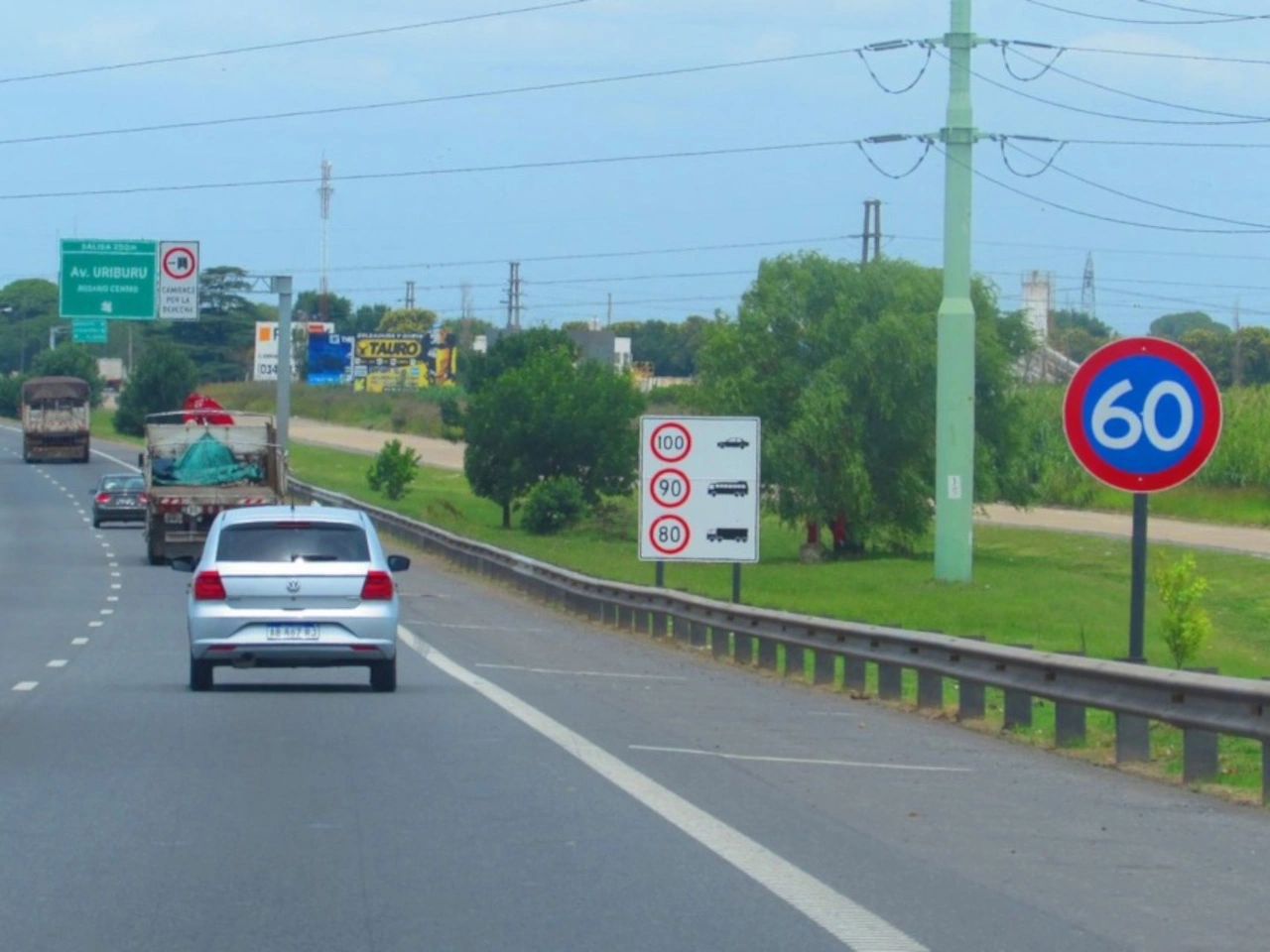
What is a minimum speed?
A minimum speed is the lowest speed that vehicles are normally required to maintain on a particular road or in a specified traffic situation.
Must you maintain the minimum speed in dangerous conditions?
No. Safety takes priority. Drivers may need to travel more slowly because of congestion, poor weather, limited visibility, roadworks or another legitimate reason.
Why are minimum speeds used?
Minimum speeds can help reduce excessive differences in speed between vehicles and prevent unnecessarily slow traffic from obstructing normal traffic flow.
5. Radweg
Ein Radweg ist ein Teil einer Straße oder eine eigenständige Strecke, die hauptsächlich oder ausschließlich für Radfahrer bestimmt ist. Er kann baulich vom Kraftfahrzeugverkehr getrennt, auf der Fahrbahn markiert oder durch Verkehrszeichen gekennzeichnet sein.
Radwege können in eine oder beide Richtungen geführt oder mit anderen Verkehrsteilnehmern gemeinsam genutzt werden. Zulässige Nutzer, Fahrtrichtung, Vorfahrtsregeln und eine mögliche Benutzungspflicht richten sich nach den örtlichen Verkehrszeichen und Vorschriften.
How can you recognise a bike path?
A bike path may be identified by a bicycle traffic sign, bicycle symbols, coloured surfacing or road markings. It may run beside the carriageway or follow a completely separate route.
Is a bike path the same as a bike lane?
Not always. A bike lane is normally marked directly on or beside the carriageway, while a bike path may be physically separated from motor traffic. The terminology and legal distinction vary between countries.
Must cyclists use a bike path?
This depends on local law and the signs displayed. Some bike paths are mandatory, while others are optional. Cyclists may also be permitted to leave a path to turn, overtake or avoid an obstruction.
Can a bike path carry traffic in both directions?
Yes. Some bike paths are two-way, but others may be used only in the direction indicated by signs, markings or their position beside the road. Cyclists should not assume that every path permits travel in both directions.
May pedestrians use a bike path?
Pedestrians may use a bike path where it is designated as a shared-use path or where local law permits it. On a cycle-only path, pedestrians may be prohibited or permitted only when no suitable pedestrian facility is available.
May mopeds or speed pedelecs use a bike path?
This depends on the country, vehicle category, road speed and traffic signs. Some bike paths permit or require certain mopeds or speed pedelecs, while others are reserved exclusively for ordinary bicycles.
May motor vehicles use a bike path?
Normally not. Motor vehicles may cross a bike path to enter another road or property where this is permitted, but they must follow the applicable priority rules and must not endanger path users.
Who has priority where a vehicle crosses a bike path?
Priority depends on the road layout, signs, signals and local law. Drivers crossing a continuous bike path commonly have to give way to its users, but cyclists approaching a separate cycle crossing may not automatically have priority before entering it.
Does a cyclist always have priority at a cycle crossing?
No. A marked cycle crossing does not universally give an approaching cyclist priority. Cyclists should enter cautiously and observe approaching traffic unless signs, signals or local rules clearly give them priority.
Is there a speed limit on a bike path?
Some countries or local authorities impose specific limits, particularly on shared paths. Even without a posted limit, cyclists must travel at a safe and considerate speed for the width, visibility and number of other users.
May you stop or park on a bike path?
Normally not. Stopping or parking on a bike path can force cyclists into motor traffic and may be expressly prohibited by law.
What should cyclists do when passing pedestrians?
Reduce speed, give a clear warning where appropriate and leave sufficient space. Pedestrians may change direction unexpectedly, especially on a shared path.
What should cyclists do when a bike path is blocked?
Slow down and check surrounding traffic before leaving the path. Avoid the obstruction safely and return to the bike path when permitted and practical.
Can cyclists ride side by side on a bike path?
This depends on local law and the available width. Even where riding side by side is permitted, cyclists must not block, endanger or unnecessarily hinder other path users.
What is the difference between a bike path and a shared-use path?
A bike path is intended primarily or exclusively for cycling. A shared-use path is legally intended for cyclists together with pedestrians or other indicated road users, who must use the space considerately.
6. Bremsschwelle
Eine Bremsschwelle ist eine erhöhte Verkehrsberuhigungsmaßnahme quer über die gesamte oder einen Teil der Straße, die Fahrer zum Verringern der Geschwindigkeit zwingt. Sie wird häufig in Wohngebieten, an Schulen, Übergängen, Parkplätzen und anderen Bereichen eingesetzt, in denen niedrige Fahrzeuggeschwindigkeiten wichtig sind.
Bremsschwellen unterscheiden sich in Form, Höhe und rechtlicher Bedeutung. Fahrer sollten sie mit niedriger, kontrollierter Geschwindigkeit anfahren und alle dazugehörigen Warnzeichen oder Geschwindigkeitsbegrenzungen beachten.
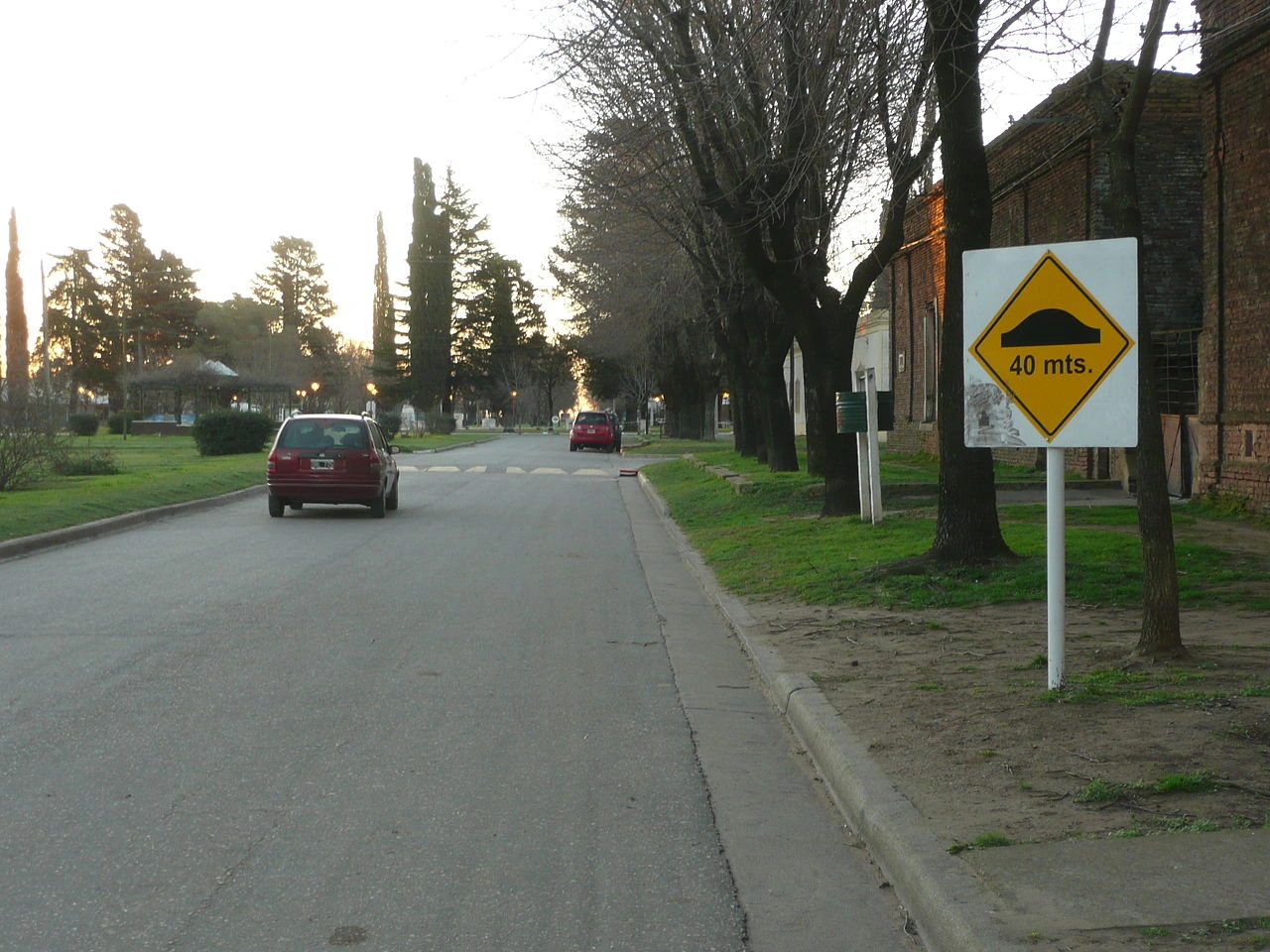
What is the purpose of a speed bump?
A speed bump is intended to physically reduce vehicle speeds. It encourages drivers to slow down in places where pedestrians, cyclists, children or local traffic may be present.
How can you recognise a speed bump?
A speed bump is a raised section extending across all or part of the road. It may be marked with contrasting paint, road markings or warning signs to make it more visible.
Is a speed bump the same as a speed table?
No. A speed bump or speed hump normally has a rounded profile. A speed table has ramps leading to a longer, flat raised section that may contain an intersection or pedestrian crossing.
Is a speed cushion the same as a speed bump?
No. A speed cushion is a narrower raised device that does not cover the full width of a traffic lane. Its design may allow buses and emergency vehicles to pass with less disturbance while still slowing smaller vehicles.
Is there a universal speed limit over a speed bump?
No. The legal speed depends on the country, traffic signs and road type. Even when no special limit applies, drivers must cross the device at a speed that is safe for the road, vehicle and passengers.
How should you approach a speed bump?
Check surrounding traffic, reduce your speed smoothly and approach in a straight line where possible. Avoid sudden braking immediately before the bump.
Should you brake while crossing a speed bump?
Most of the necessary braking should be completed before reaching the raised surface. Cross at a steady, low speed and avoid harsh braking or acceleration while the wheels are on the device.
Should you drive across a speed bump at an angle?
Normally not. Cross in the normal direction of the traffic lane unless the road layout requires otherwise. Driving diagonally may place the vehicle in the path of approaching or overtaking traffic.
May motorcycles and bicycles use a speed bump?
Yes. Riders should reduce speed, keep the vehicle stable and cross as directly as possible. Painted or wet raised surfaces may provide less grip.
Do pedestrians have priority at a speed bump?
Not automatically. A speed bump does not by itself create a pedestrian crossing. Pedestrian priority depends on crossings, traffic signals, signs and local law.
Does a speed bump change priority at an intersection?
No. The presence of a raised surface does not normally change the priority rules. Drivers must continue to follow traffic signs, signals and the ordinary intersection rules.
May you overtake on a speed bump?
Overtaking may be restricted by local law or signs. Even where it is not expressly prohibited, drivers should avoid overtaking when the raised surface, limited space or nearby vulnerable road users make the manoeuvre unsafe.
May you stop or park on a speed bump?
This depends on local law. Stopping or parking may be prohibited because the vehicle could obstruct visibility, traffic flow or the purpose of the traffic-calming device.
Can a speed bump damage a vehicle?
A correctly designed speed bump should be crossed safely at an appropriate speed. Crossing too quickly may damage tyres, wheels, suspension, bodywork or cargo and may cause passengers discomfort.
Does the road speed limit change after a speed bump?
Not necessarily. A special limit may apply only to the raised device, while a signed speed restriction or speed zone may continue beyond it. Drivers must follow the applicable signs and local rules.
Why do buses and emergency vehicles sometimes avoid speed bumps?
Raised devices can affect passenger comfort, emergency response and large vehicles. Some roads therefore use speed tables, cushions or other traffic-calming measures designed to reduce these effects.
7. Steigung oder Gefälle
Eine Steigung oder ein Gefälle ist ein Straßenabschnitt, der deutlich ansteigt oder abfällt. Ein starker Höhenunterschied kann Fahrzeuggeschwindigkeit, Bremsweg, Traktion, Sicht und die Fähigkeit schwerer oder leistungsschwacher Fahrzeuge beeinflussen, eine gleichmäßige Geschwindigkeit zu halten.
Warnzeichen können auf eine starke Steigung oder ein gefährliches Gefälle hinweisen und die Neigung in Prozent anzeigen. Fahrer sollten ihre Geschwindigkeit frühzeitig anpassen, einen geeigneten Gang wählen und mit langsamen Fahrzeugen, Kurven sowie wechselnden Straßenbedingungen rechnen.
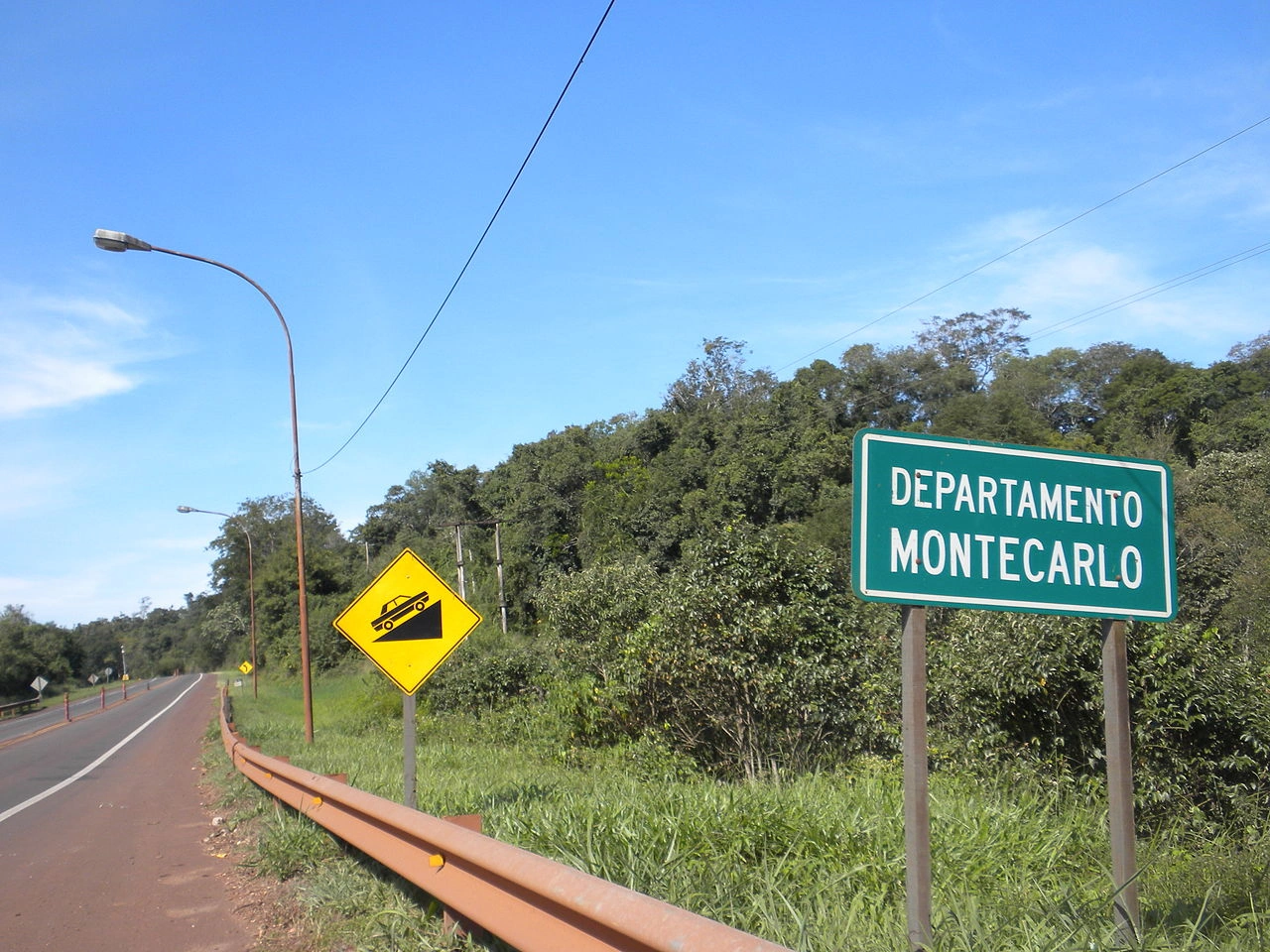
What is a road slope?
A road slope is a section of road that rises or descends over a particular distance. It may also be called a gradient, incline or decline.
How can you recognise a steep slope?
A steep slope may be indicated by a warning sign showing an ascending or descending road. The sign may also display the gradient as a percentage.
What does a gradient of 10% mean?
A gradient of 10% means that the road rises or falls approximately 10 metres for every 100 metres travelled horizontally. It does not mean that the road is inclined at 10 degrees.
What is the difference between an ascent and a descent?
An ascent rises in the direction of travel, while a descent falls in the direction of travel. The same section of road is therefore an ascent in one direction and a descent in the other.
Does a slope warning sign impose a speed limit?
Not normally. It warns of a hazard rather than setting a numerical limit. Drivers must still respect the applicable speed limit and reduce their speed further when necessary.
How should you approach a steep descent?
Reduce speed before the descent, select a suitable gear and maintain a safe following distance. Avoid allowing the vehicle to gain excessive speed.
Which gear should you use when descending?
Use a gear that provides sufficient engine braking and helps keep the vehicle at a controlled speed. The appropriate gear depends on the vehicle, gradient and road conditions.
Should you coast downhill in neutral?
No. Coasting reduces engine braking and may make it harder to control the vehicle’s speed. Keep the transmission engaged while descending.
Why should you avoid continuous heavy braking?
Continuous braking on a long descent can cause the brakes to become excessively hot and lose effectiveness. Select a suitable gear, control speed early and use the brakes progressively when needed.
What is brake fade?
Brake fade is a reduction in braking performance caused by excessive heat. It can occur when the brakes are used continuously during a long or steep descent.
How should you drive uphill?
Select a suitable gear before the engine begins to struggle and maintain a steady speed where possible. Be prepared for heavy or low-powered vehicles travelling slowly ahead.
May a vehicle lose speed on a steep ascent?
Yes. Heavy vehicles, vehicles towing trailers and low-powered vehicles may slow considerably. Other drivers should maintain a safe distance and avoid impatient manoeuvres.
May you overtake near the top of a slope?
Do not overtake when the crest prevents you from seeing far enough ahead. Overtaking near a hilltop may also be expressly prohibited by local law, signs or road markings.
Why is visibility limited near the crest of a slope?
The road surface itself may hide approaching traffic, stopped vehicles, pedestrians or other hazards beyond the crest.
Who has priority on a narrow slope?
Some countries give priority to uphill traffic, while others rely on signs or ordinary obstruction rules. Drivers must follow local law and cooperate when passing is difficult.
How should you meet another vehicle on a narrow slope?
Reduce speed and use a passing place where available. The driver who can reverse or move aside more safely should cooperate, subject to any applicable priority signs or local rules.
How do rain, snow or ice affect a slope?
They reduce traction and make acceleration, braking and steering more difficult. Increase the following distance, use smooth controls and reduce speed before entering the slope.
Why are cyclists vulnerable on slopes?
Cyclists may travel slowly and move less steadily when climbing, while they may reach high speeds when descending. Drivers should leave sufficient space and avoid overtaking without a clear view.
How should you park on a slope?
Use the parking brake, select the appropriate gear or parking position and follow local rules concerning wheel position. Make sure the vehicle cannot roll into traffic.
Can a slope affect towing?
Yes. A trailer increases the load on the engine and brakes and may affect stability. Drivers should use a suitable gear, maintain additional distance and avoid excessive speed.
8. Bushaltestelle
Eine Bushaltestelle ist ein ausgewiesener Ort, an dem Busse halten, damit Fahrgäste ein- oder aussteigen können. Sie kann durch ein Schild, einen Unterstand, eine erhöhte Plattform, Fahrbahnmarkierungen oder andere Einrichtungen des öffentlichen Verkehrs gekennzeichnet sein und sich am Fahrbahnrand oder in einer eigens angelegten Haltebucht befinden.
Fahrer sollten sich einer Bushaltestelle mit besonderer Aufmerksamkeit für Busse, Fußgänger und Fahrgäste nähern, die die Fahrbahn überqueren oder betreten. Rund um Haltestellen können Halt- oder Parkverbote gelten, um Zugänglichkeit und Sicht zu gewährleisten.
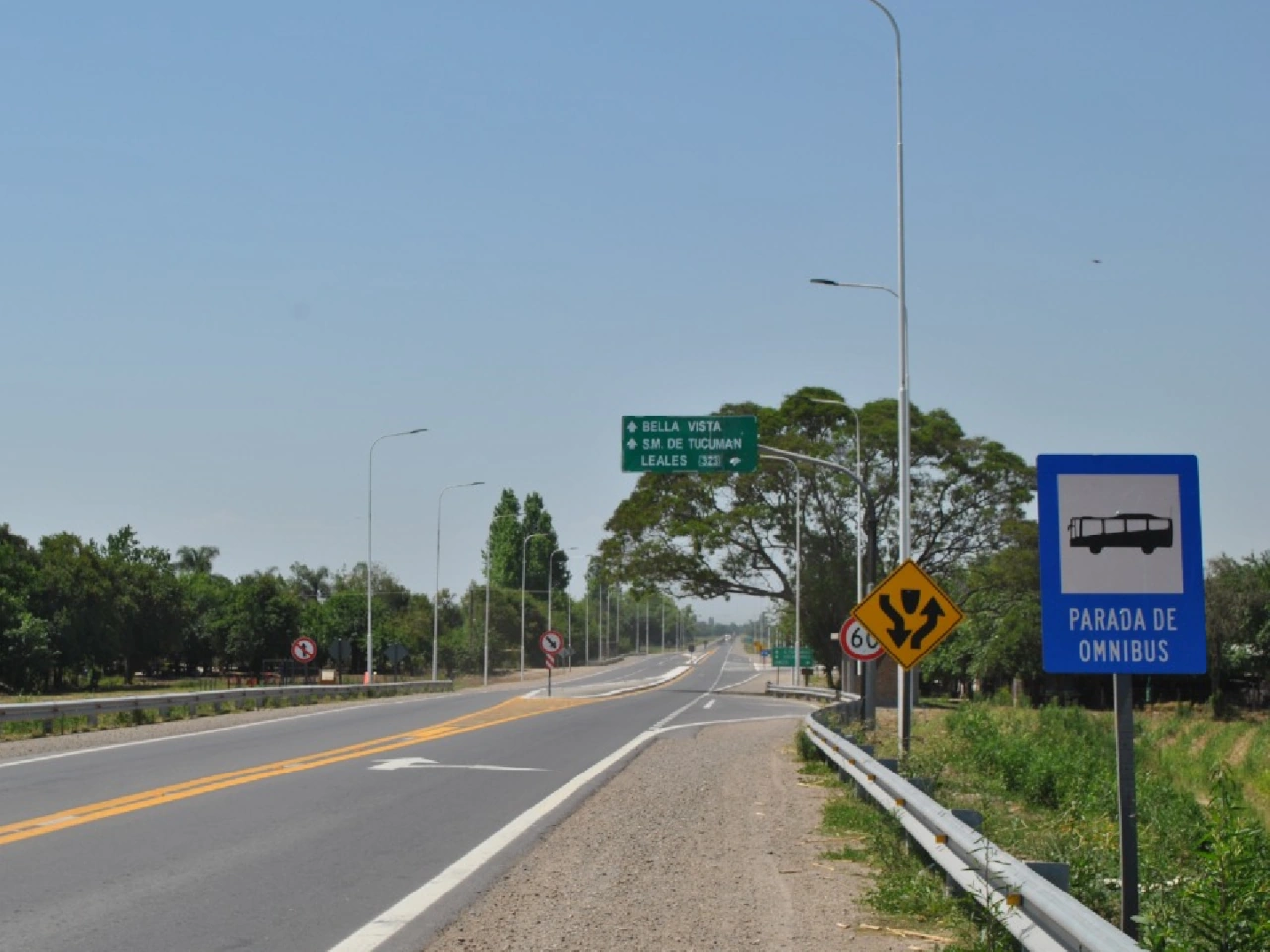
What is a bus stop?
A bus stop is a designated location where buses stop so that passengers can board or leave the vehicle.
What should you watch for near a bus stop?
Watch for buses entering or leaving the stop, passengers near the roadway and pedestrians who may cross the road.
Can you park at a bus stop?
Parking or stopping at or near a bus stop is often restricted or prohibited so that buses can reach the stop safely. The exact restrictions depend on local traffic rules.
9. Stoppschild
Ein Stoppschild verpflichtet Fahrer, vollständig anzuhalten und Vorfahrt zu gewähren, bevor sie in die vorausliegende Straße einfahren oder sie überqueren. Angehalten werden muss an der Haltlinie oder an einer anderen gesetzlich vorgeschriebenen Stelle.
Nach dem Anhalten darf der Fahrer erst weiterfahren, wenn dies sicher und ohne Behinderung bevorrechtigten Verkehrs möglich ist. Das Stoppschild verschafft dem Fahrer durch das Anhalten selbst keine Vorfahrt.
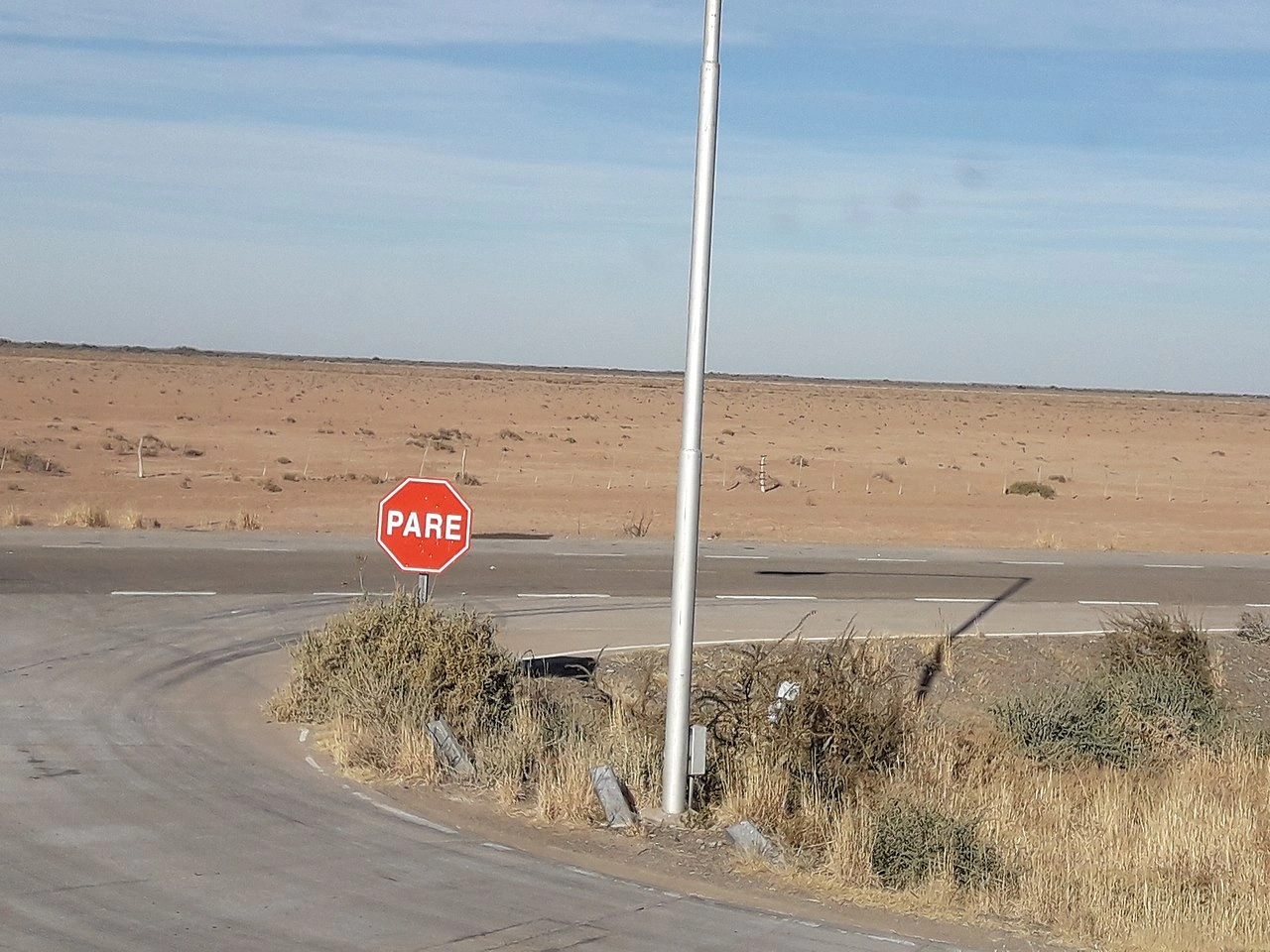
What does a stop sign mean?
A stop sign requires a driver to come to a complete stop and give way before proceeding.
How can you recognise a stop sign?
A stop sign is commonly a red octagonal sign displaying the word STOP. Some countries use another legally recognised design, so drivers must learn the signs used locally.
Must you stop when no other traffic is visible?
Yes. The obligation to stop applies even when the road appears completely clear.
What is a complete stop?
A complete stop means that the vehicle has ceased moving entirely. Merely slowing down or allowing the vehicle to continue rolling does not satisfy the requirement.
Where should you stop?
Stop before the stop line where one is provided. Without a line, stop at the legally prescribed position before entering the intersection, crossing or priority road.
May you stop beyond the stop line?
No. The required first stop must be made before the line. If visibility is limited, move forward cautiously after stopping and stop again where necessary before proceeding.
Must every vehicle in a queue stop separately?
Yes. Each driver must make an individual complete stop. Following another vehicle through without stopping is not permitted.
Does stopping give you priority?
No. After stopping, you must continue to give way to all road users who have priority.
Who must you give way to?
Give way to traffic on the road being entered or crossed and to pedestrians, cyclists or other road users who have priority under the applicable rules.
What is the difference between a stop sign and a give-way sign?
A stop sign always requires a complete stop. A give-way sign requires the driver to yield but normally allows continued movement when the road is clearly free.
May you turn after stopping?
Yes. After stopping and giving way, you may turn in any direction permitted by signs, signals, lane arrows and road markings.
May you turn right at a red traffic light after stopping?
This depends entirely on local law and traffic signs. A stop sign does not by itself permit a turn against a red light.
Does a stop sign impose a speed limit?
No. It imposes a stopping and yielding obligation. The normal posted or general speed limit remains applicable before and after the intersection.
Does a stop sign apply to cyclists?
In many countries, cyclists are drivers and must stop unless a specific sign or local rule provides an exception.
What happens at an all-way stop?
The order in which drivers may proceed depends on local rules, commonly involving arrival order, vehicle position and turning direction. Drivers should communicate cautiously and never assume another driver will yield.
What if two vehicles stop at the same time?
Apply the local priority rule and proceed only when the intentions of the other driver are clear. Avoid forcing the other vehicle to brake or change direction.
Do traffic lights override a stop sign?
Where functioning traffic lights control the same movement, they commonly take precedence over the stop sign. Local rules determine what applies when the lights are switched off or flashing.
Do instructions from a police officer override a stop sign?
Yes. Instructions from an authorised traffic officer normally take precedence over traffic signs and ordinary priority rules.
Can a temporary stop sign be legally binding?
Yes. A correctly placed temporary stop sign at roadworks, an event or another temporary traffic arrangement must be obeyed.
What should you do when the stop sign is partly hidden?
If you recognise that a stop sign applies, reduce speed and obey it. Report damaged, obscured or missing signs to the responsible road authority where appropriate.
10. Vorfahrt gewähren
Ein Vorfahrt-gewähren-Zeichen verpflichtet Fahrer, bevor sie in eine Straße einfahren, sie überqueren oder sich in sie einfädeln, bevorrechtigten Verkehr zuerst passieren zu lassen. Fahrer müssen die Geschwindigkeit verringern, den sich nähernden Verkehr beobachten und bei Bedarf anhalten.
Anders als ein Stoppschild verlangt dieses Zeichen nicht immer ein vollständiges Anhalten. Ohne anzuhalten darf nur weitergefahren werden, wenn die Strecke eindeutig frei ist und kein bevorrechtigter Verkehrsteilnehmer gezwungen wird, Geschwindigkeit oder Richtung zu ändern.
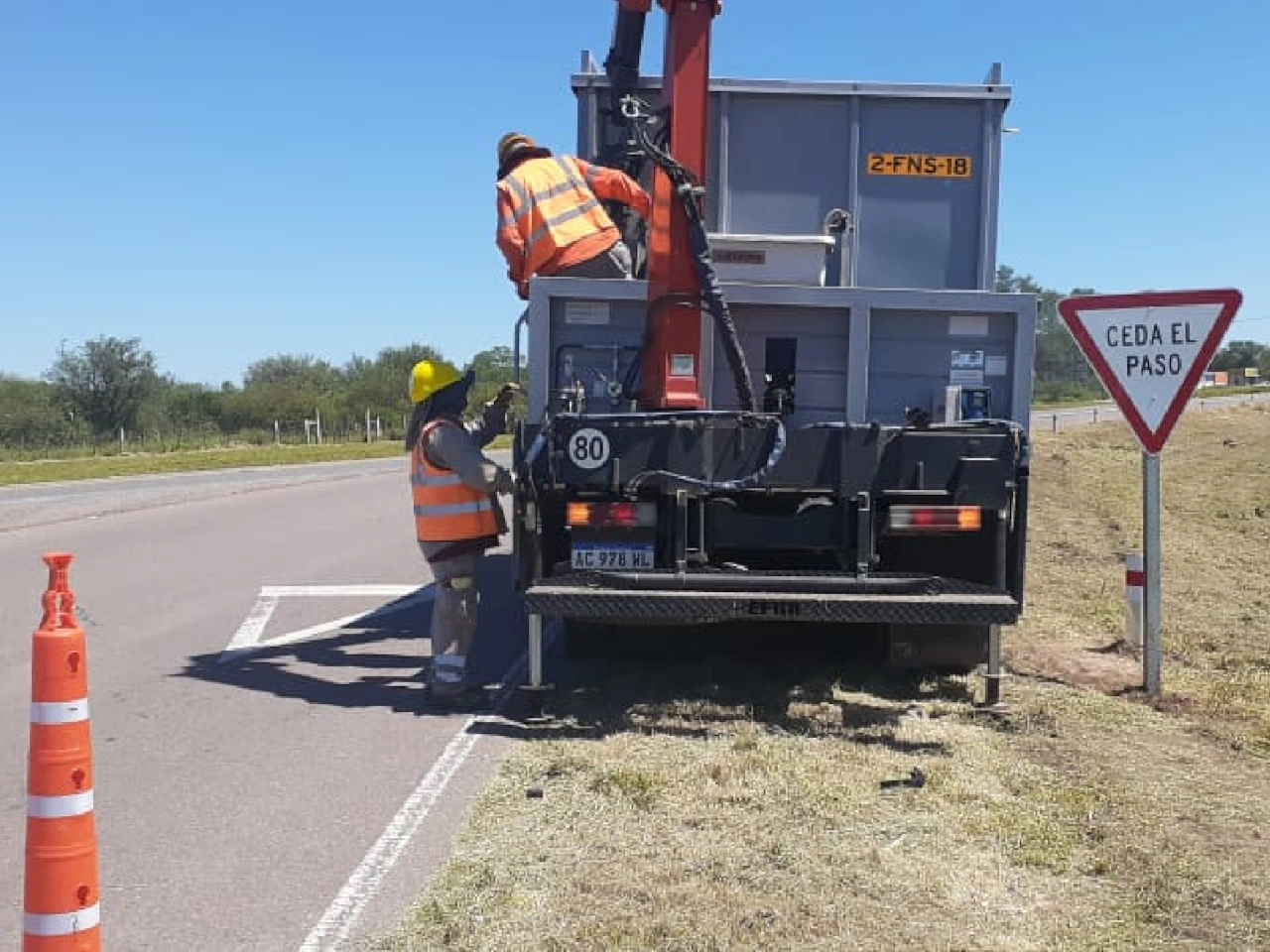
What does a give-way sign mean?
A give-way sign requires drivers to allow traffic with priority to proceed first. The driver must slow down and stop when necessary.
How can you recognise a give-way sign?
It is commonly an inverted triangular sign with a red border and a light-coloured centre. In some countries, it is called a yield sign.
Must you always stop at a give-way sign?
No. You must stop only when necessary to give way or obtain a sufficiently clear view. You may continue slowly when the road is clearly free.
What does giving way mean?
Giving way means allowing another road user to continue without being forced to brake, accelerate, stop or change direction because of your movement.
Where should you stop when necessary?
Stop before the give-way line where one is provided. Without a line, stop before entering the intersection or priority road at a position where you can observe traffic safely.
May you cross the give-way line before stopping?
You may move beyond the line only when this does not interfere with traffic that has priority. Where visibility is limited, first slow or stop at the line and then move forward cautiously.
What is the difference between give way and stop?
A stop sign always requires a complete stop. A give-way sign permits the driver to continue without stopping when the road is clearly free and it is safe to proceed.
Does slowing down satisfy the give-way requirement?
Only when slowing down is sufficient to let all priority traffic proceed safely. If another road user would be hindered, the driver must slow further or stop.
Who must you give way to?
Give way to traffic travelling on the road being entered or crossed and to any pedestrians, cyclists or other road users who have priority under the applicable rules.
Does giving way apply only to vehicles approaching from one direction?
No. Check every direction from which lawful traffic may approach, including cycle paths, one-way roads with authorised contraflow traffic and separate carriageways.
Does a give-way sign give the other road permanent priority?
The sign determines priority at the particular location. The priority arrangement at later intersections may be different unless the road is separately identified as a priority road.
Does giving way give you priority afterwards?
No. You may proceed only when it is safe. Another driver’s hesitation or courtesy does not remove your responsibility to avoid danger.
Must every vehicle in a queue give way separately?
Yes. Each driver must observe the road and make an individual decision. You may not follow another vehicle through without checking that the way remains clear.
Does a give-way sign apply to cyclists?
Normally, yes. Cyclists are generally treated as drivers and must obey the sign unless a supplementary sign or local rule provides otherwise.
Can a give-way sign apply only to cyclists?
Yes. Some countries use supplementary signs or path-specific signs to require cyclists to give way while other traffic follows a different priority arrangement.
Does a give-way sign change the speed limit?
No. It regulates priority rather than speed. Drivers must still approach slowly enough to observe traffic and stop when necessary.
Does a give-way sign change turning rules?
No. Drivers must still obey traffic lights, lane arrows, mandatory-direction signs and turning prohibitions.
How does give way work at a roundabout?
Many roundabout entrances have give-way signs requiring entering traffic to yield to vehicles already circulating. Drivers must follow the actual signs because roundabout priority rules differ between countries.
Do traffic lights override a give-way sign?
Functioning traffic lights commonly take precedence over priority signs controlling the same movement. The give-way sign may apply again when the lights are switched off or flashing, depending on local law.
Do police instructions override a give-way sign?
Yes. Instructions from an authorised traffic officer normally take precedence over traffic signs and ordinary priority rules.
What should you do when visibility is limited?
Reduce speed substantially and stop when necessary. Move forward cautiously only after giving way and checking that the road can be entered without danger.
11. Kreisverkehr
Ein Kreisverkehr ist ein Knotenpunkt, an dem der Verkehr um eine Mittelinsel in einer festgelegten Richtung geführt wird. Einfahrten werden normalerweise durch Verkehrszeichen und Fahrbahnmarkierungen geregelt; je nach Land müssen einfahrende Fahrzeuge dem bereits im Kreisverkehr fahrenden Verkehr Vorfahrt gewähren oder es gelten andere Prioritätsregeln.
Fahrer sollten sich rechtzeitig einordnen, alle Verkehrsteilnehmer beobachten und beim Verlassen entsprechend blinken. Fahrtrichtung, Einfahrtsvorfahrt, Fahrstreifennutzung sowie Regeln für Radfahrer und Fußgänger richten sich nach den örtlichen Verkehrszeichen und Vorschriften.
What is a roundabout?
A roundabout is a circular road arrangement where traffic travels in one direction around a central island before leaving through the chosen exit.
How can you recognise a roundabout?
A roundabout is normally identified by a circular-direction sign, a central island and entry roads controlled by signs, markings or local priority rules.
Which direction does traffic travel around a roundabout?
The direction depends on the country’s driving side. Traffic normally travels anticlockwise in right-hand-traffic countries and clockwise in left-hand-traffic countries.
Who has priority at a roundabout?
Priority differs between countries and roundabout designs. Entering traffic commonly gives way to traffic already circulating, but drivers must always follow the actual priority signs and signals.
Must you stop before entering a roundabout?
Not always. Stop when required by a stop sign, traffic light or approaching priority traffic. Otherwise, reduce speed and enter only when there is a safe gap.
Does a roundabout always have a give-way sign?
No. The sign arrangement depends on local law. Some circular intersections use ordinary priority rules or traffic lights instead.
How should you approach a roundabout?
Reduce speed, observe the signs and markings, choose the appropriate lane and check for pedestrians, cyclists and circulating traffic.
Which lane should you choose?
Follow the lane arrows and destination signs. As a general guide, use the lane appropriate for your exit, but exact lane-selection rules differ between countries and roundabout layouts.
May you use an inner lane?
Yes, where the road layout and local rules permit it. Before leaving, change lanes safely and give way to road users already travelling in the lane you wish to enter.
Do you need to signal when entering?
This depends on local law. Some countries require a signal for particular exits, while others require no signal when entering.
Do you need to signal when leaving?
Usually, yes. Signal in the direction of the exit early enough to inform other road users, but not so early that your intention becomes misleading.
Does signalling give you priority?
No. A direction indicator communicates your intention but does not permit you to force another road user to brake or change direction.
May you change lanes on a roundabout?
Only when the lane markings permit it and the manoeuvre can be completed safely. Check mirrors and blind spots, signal where required and give way to traffic already in the target lane.
What should you do if you miss your exit?
Continue around the roundabout and approach the exit again. Do not stop, reverse or cut suddenly across another lane.
May you drive over the central island?
Normally not. Some small roundabouts have a mountable central section intended only for vehicles that cannot otherwise negotiate the road safely.
Do cyclists have priority at a roundabout?
Priority depends on whether cyclists use the carriageway, a continuing bike path or a separate cycle crossing. Drivers and cyclists must follow the signs, markings and local priority rules.
What should drivers check before leaving?
Check mirrors and blind spots for cyclists, mopeds, motorcycles and vehicles beside you. Also check for pedestrians crossing the exit road.
Do pedestrians have priority at roundabout exits?
Pedestrian priority depends on crossings and local law. Drivers should approach exits slowly and be prepared to yield to pedestrians crossing or about to cross.
Does a roundabout have a special speed limit?
Not universally. The posted or general road limit applies, but drivers must travel slowly enough to negotiate the roundabout safely.
May you overtake on a roundabout?
Passing another vehicle may be permitted on a multilane roundabout, but drivers must remain within their lane and avoid unsafe lane changes. Local overtaking restrictions may apply.
May you stop or park on a roundabout?
Follow local signs and parking rules. Stopping or parking on the circulating roadway is commonly prohibited or unsafe because it obstructs traffic and reduces visibility.
Is every circular intersection a roundabout?
No. A circular junction may be governed by traffic lights, ordinary priority rules or another road design. Its legal status depends on its signs and local definition.
12. Fahrbahnverengung
Eine Fahrbahnverengung ist ein Abschnitt, in dem die verfügbare Breite der Straße oder Fahrbahn geringer wird. Die Verengung kann beidseitig, nur auf einer Seite oder dadurch entstehen, dass ein oder mehrere Fahrstreifen enden.
Fahrer sollten die Geschwindigkeit verringern, Gegen- und Nebenverkehr beobachten, ausreichend seitlichen Abstand halten und sich bei Bedarf einfädeln. Warnzeichen legen nicht immer die Vorfahrt fest; deshalb müssen Vorfahrtzeichen, Fahrbahnmarkierungen und örtliche Verkehrsregeln beachtet werden.
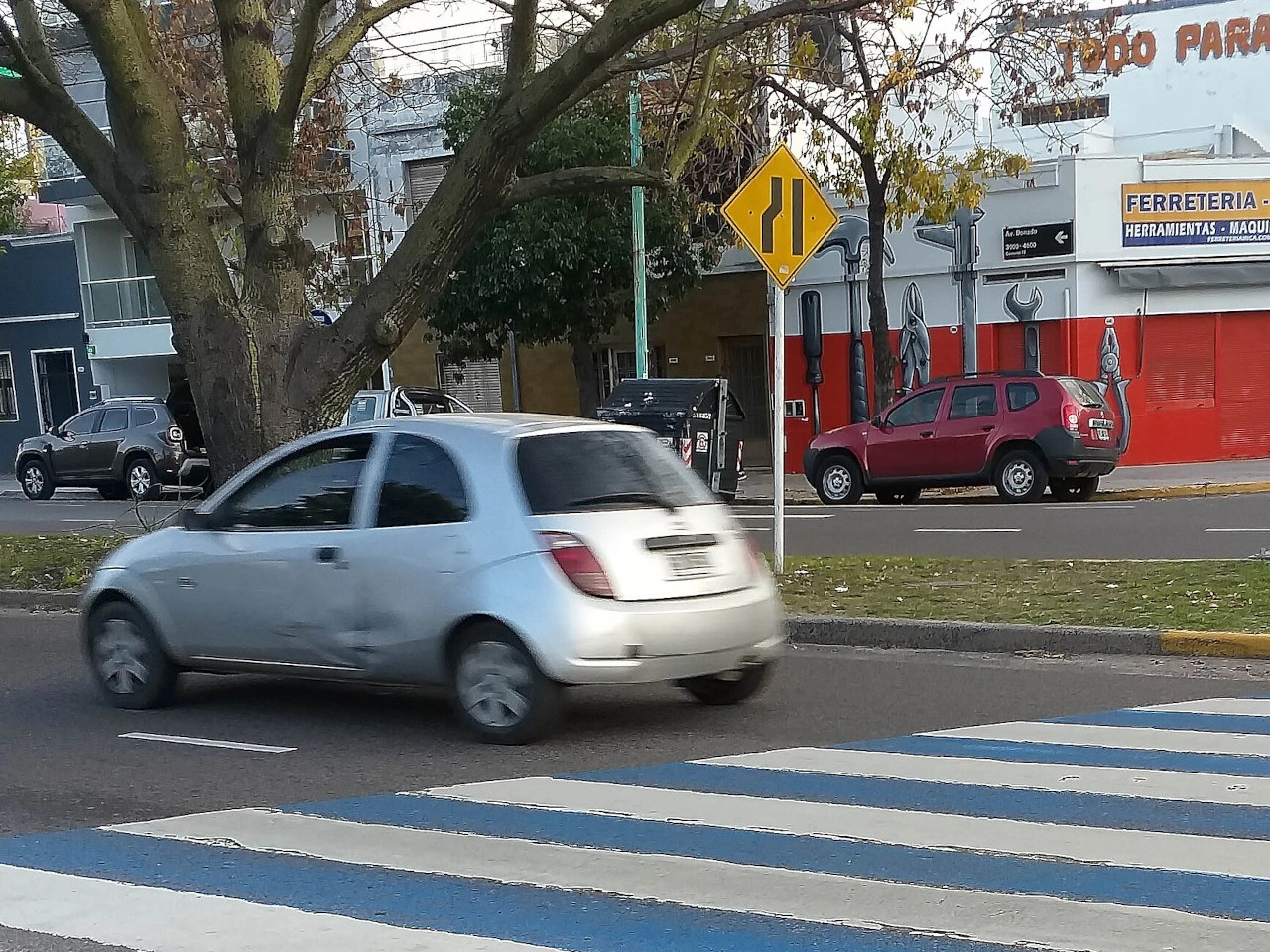
What is a road narrowing?
A road narrowing is a section where the usable width of the road becomes smaller. Traffic may have less space to pass, merge or travel beside other road users.
How can you recognise a road narrowing?
It may be indicated by a triangular warning sign showing the road edges moving closer together. The symbol may show narrowing on both sides, the left side or the right side.
What can cause a road to narrow?
A road may narrow because of a bridge, tunnel, barrier, traffic-calming measure, roadworks, parked vehicles, landslide, damaged road edge or reduction in the number of lanes.
Does a narrowing sign impose a speed limit?
No. It normally warns of danger rather than setting a numerical speed limit. Drivers must still reduce speed when necessary to pass safely.
Does a narrowing sign determine who has priority?
Not by itself. Priority may be established by separate signs, signals or local rules. Without them, drivers should approach cautiously and cooperate.
Who has priority when the obstruction is on one side?
In many countries, the driver whose side is obstructed must give way to approaching traffic. The precise rule depends on local law and any priority signs displayed.
What if the road narrows equally from both sides?
Neither direction necessarily has automatic priority. Drivers should reduce speed, assess who can pass safely and avoid entering when doing so would block approaching traffic.
What do priority signs at a narrow section mean?
One sign may require you to give way to oncoming traffic, while the corresponding sign may indicate that you have priority. Drivers must still avoid entering when the passage is already occupied or blocked.
Does having priority mean you must continue?
No. Priority is not an obligation to proceed. Slow down or stop when another vehicle is already in the narrow section or when continuing would create danger.
What should you do when another vehicle is already in the narrowing?
Allow it enough room to leave the narrow section. Do not enter if the available width is insufficient for both vehicles to pass safely.
How should you approach a road narrowing?
Check mirrors, reduce speed smoothly and observe oncoming traffic, cyclists, pedestrians and vehicles beside you. Be prepared to stop or merge.
Must you use an indicator when the road narrows?
Use an indicator when you must change lanes or move laterally. Merely following a lane that bends with the road may not require a signal under local law.
What should you do when your lane ends?
Check the adjacent lane, signal and merge safely according to the local merging rules. Do not force another driver to brake or leave the road.
What is zipper merging?
Zipper merging means that vehicles from an ending or blocked lane merge alternately with vehicles in the continuing lane, usually immediately before the narrowing during congestion.
Should you merge early during heavy congestion?
Where zipper merging applies, continue using both lanes and merge alternately near the narrowing. In free-flowing traffic, change lanes safely when a suitable gap is available.
May you overtake near a road narrowing?
A narrowing sign does not always prohibit overtaking, but overtaking should be avoided when there is insufficient width, visibility or distance to complete the manoeuvre safely.
How should you pass cyclists at a narrowing?
Wait behind the cyclist when the required passing distance cannot be maintained. Do not squeeze past or force the cyclist towards a kerb, barrier or damaged road edge.
How should large vehicles use a narrow section?
Large vehicles may need additional width and may cross lane or centre markings where legally permitted. Other drivers should leave sufficient space and avoid passing alongside them in the narrowing.
May pedestrians be present at a road narrowing?
Yes. Pavements or verges may also become narrow or blocked. Drivers should expect pedestrians or wheelchair users to enter the carriageway to pass an obstruction.
May you stop or park in a road narrowing?
Only where it is permitted and enough width remains for traffic to pass safely. Never stop or park where the vehicle would create danger, obstruct visibility or prevent other vehicles from passing.
What should you do at a temporary roadworks narrowing?
Follow temporary signs, signals, barriers and instructions from authorised workers. Temporary traffic controls may replace the normal priority or lane arrangement.
What should you do in poor visibility?
Reduce speed further, increase the following distance and be prepared for a stopped vehicle beyond the narrowing. Use the required lights without dazzling approaching road users.
13. Bahnübergang
Ein Bahnübergang ist eine Stelle, an der eine Straße oder ein Weg Bahngleise höhengleich kreuzt. Er kann durch Schranken, Warnlichter, Glocken, Verkehrszeichen oder eine Kombination dieser Einrichtungen gesichert sein.
Verkehrsteilnehmer müssen sich vorsichtig nähern und dürfen niemals einfahren, wenn sich ein Zug nähert, Warnsignale aktiv sind oder die Ausfahrt blockiert ist. Sie sollten die Gleise zügig überqueren und dürfen niemals auf den Gleisen anhalten, warten oder eingeschlossen werden.
What is a railway crossing?
A railway crossing is a place where a road or path crosses railway tracks at the same level.
What is another name for a railway crossing?
It may also be called a level crossing or, particularly in North America, a railroad crossing.
How can you recognise a railway crossing?
It may be indicated by warning signs, crossbuck signs, barriers, flashing lights, bells or road markings. The design differs between countries.
What is the difference between a crossing with and without barriers?
A protected crossing uses full or partial barriers to block road traffic when a train approaches. A crossing without barriers relies on signs, lights, bells or the road user’s own observation.
Must you always stop at a railway crossing?
Not necessarily. You must stop when required by lights, barriers, signs, an approaching train or an authorised person. At an unprotected crossing, slow down and proceed only after checking that no train is approaching.
What do flashing red lights mean?
Flashing red lights mean stop and do not enter the crossing. Remain stopped until the signal permits you to continue.
May you cross while a barrier is moving?
No. Do not enter while a barrier is lowering, rising or closed. Wait until the crossing is fully open and all prohibiting signals have stopped.
May you drive around a closed barrier?
No. Never drive, cycle or walk around or underneath a closed or moving barrier.
What does a warning bell mean?
A warning bell or audible signal normally means that the crossing is closing or that a train is approaching. Do not enter the crossing while it is sounding.
What does a flashing white light mean?
In some countries, a flashing white light indicates that the crossing equipment is operating and road users may pass when the route is clear. Its exact meaning depends on local law.
What should you do at a crossing without lights or barriers?
Reduce speed, look and listen carefully in both directions and cross only after making sure that no train or other rail vehicle is approaching.
May you cross immediately after a train has passed?
Not automatically. Another train may approach on a second track. Wait until all warning signals stop and the crossing is fully open.
What if traffic ahead is blocking the exit?
Do not enter the crossing unless there is enough room beyond the tracks for your entire vehicle. Never rely on traffic moving before a train arrives.
May you wait on the tracks?
No. Railway tracks must always remain clear. Do not stop because of congestion, traffic lights or another obstruction beyond the crossing.
May you overtake at a railway crossing?
Overtaking is often prohibited or restricted because another vehicle can obstruct the view of an approaching train or warning signal. Follow local signs and overtaking rules.
May you stop or park on a railway crossing?
No. Stopping or parking on the tracks creates an immediate and potentially fatal danger.
Do the crossing signals apply to pedestrians and cyclists?
Yes. Pedestrians and cyclists must obey barriers, lights, bells and authorised personnel in the same way as other road users.
Should cyclists ride across the tracks at an angle?
Where possible, cross the rails at an angle close to 90 degrees. Rails can trap a bicycle wheel, especially when they are wet or cross the road diagonally.
What should drivers of long vehicles check?
Make sure the entire vehicle and any trailer can clear the crossing without stopping. Consider the available space, road gradient, turning room and traffic beyond the tracks.
What should drivers of high vehicles check?
Observe all height restrictions and warning signs. Electrified railway lines may have overhead equipment that can be struck by an excessively high vehicle or load.
What should you do if the signals appear defective?
Treat the crossing with extreme caution. Do not assume that no train is approaching merely because the lights or barriers are not operating.
What should you do if your vehicle becomes stuck on the tracks?
Evacuate everyone immediately, move well away from the railway and contact the emergency services or railway operator. Do not remain in the vehicle or return for belongings.
Is a railway crossing the same as tram tracks in the road?
Not always. A railway crossing normally crosses tracks that are separate from the carriageway, while tram or street-running railway tracks may form part of the road itself.
14. Vorgeschriebene Fahrtrichtung
Ein Gebotszeichen zur Fahrtrichtung verpflichtet Fahrer, nur in die durch einen oder mehrere Pfeile angezeigte Richtung zu fahren. Es kann vorschreiben, geradeaus zu fahren, abzubiegen oder ein Hindernis auf einer bestimmten Seite zu passieren.
Das Zeichen bestimmt für sich allein weder Vorfahrt noch Geschwindigkeit. Fahrer müssen weiterhin den richtigen Fahrstreifen benutzen, bei Bedarf blinken und gemäß den örtlichen Verkehrszeichen und Vorschriften Vorfahrt gewähren.
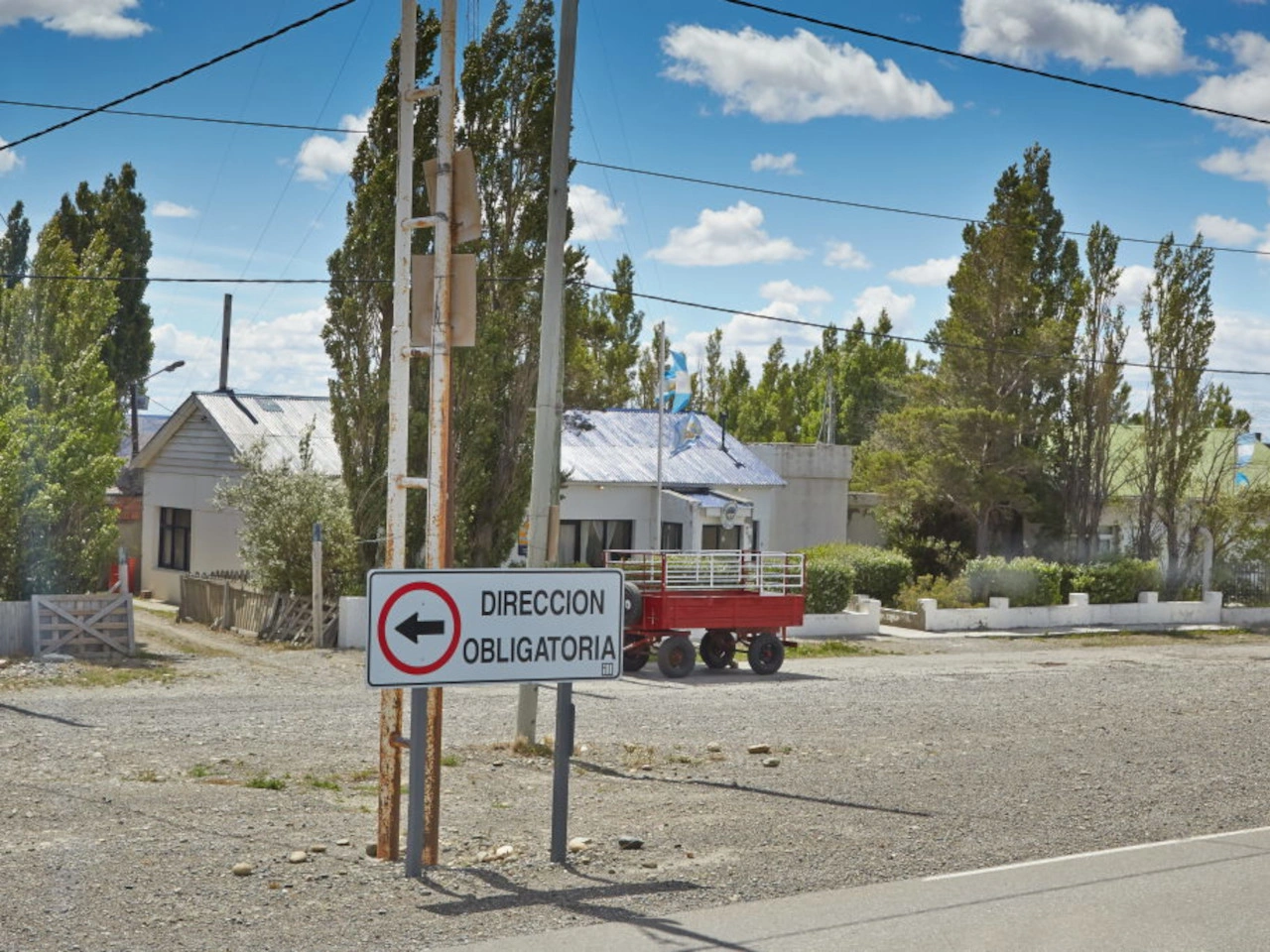
What does a mandatory-direction sign mean?
It requires drivers to follow the direction or one of the directions shown by the arrow or arrows.
How can you recognise a mandatory-direction sign?
It is commonly a blue circular sign with one or more white arrows. Colours and designs may differ in some countries.
What does an upward arrow mean?
It normally means that drivers must continue straight ahead and may not turn in another direction at that location.
What does a left or right arrow mean?
It normally requires drivers to turn or proceed in the direction shown by the arrow.
What do two arrows mean?
Drivers may choose one of the displayed directions. Any direction not shown is prohibited.
What does an arrow beside an obstacle mean?
It requires drivers to pass the traffic island, barrier, roadworks equipment or other obstruction on the side indicated by the arrow.
Is a mandatory-direction sign the same as a one-way sign?
No. A mandatory-direction sign prescribes a movement at a particular location. A one-way sign indicates the permitted direction along a road or carriageway.
Is it the same as a no-turn sign?
No. A mandatory sign states which direction must be followed, while a prohibition sign states which movement is forbidden. Both may produce a similar practical result.
Does the sign impose a speed limit?
No. Drivers must follow the applicable general, zonal or posted speed limit and reduce speed when necessary to complete the required movement safely.
Does the sign give you priority?
No. You must still obey traffic lights, priority signs and the ordinary rules concerning oncoming traffic, pedestrians, cyclists and other road users.
When does the obligation begin?
It normally applies at the sign, intersection or obstacle associated with it. An advance sign may indicate that the obligation begins farther ahead.
Can a mandatory-direction sign apply to only one lane?
Yes. When it is positioned above a particular lane or clearly associated with that lane, it normally applies only to traffic using that lane.
Can road arrows also prescribe a direction?
Yes. Lane arrows may require drivers to use a particular lane and follow one of the directions displayed within that lane.
Must you use an indicator?
Yes, when the required movement involves turning or changing position and local law requires signalling. The sign does not replace the obligation to indicate.
Does signalling give you priority?
No. An indicator communicates your intention but does not allow you to force another road user to brake or change direction.
May you make a U-turn?
Not when doing so would conflict with the mandatory direction or another prohibition. Drivers must follow the permitted route shown by the signs and markings.
May you reverse to avoid following the sign?
No. Reversing must not be used to evade a mandatory direction. Continue along a lawful route and turn around later where permitted.
Does the sign apply to cyclists?
Cyclists are normally treated as drivers and must obey the sign unless a supplementary panel or local rule expressly exempts them.
Can other road users be exempted?
Yes. Supplementary signs may exempt or separately regulate cyclists, public transport or other specified categories where local law permits this.
What if the required route is blocked?
Do not enter a closed or unsafe route. Stop where safe and follow temporary signs, traffic lights or instructions from authorised personnel.
Do traffic lights cancel a mandatory-direction sign?
Not normally. Traffic lights determine when traffic may proceed, while the mandatory-direction sign determines which movement is permitted.
Do police instructions override the sign?
Yes. Instructions from an authorised traffic officer normally take precedence over traffic signs and ordinary traffic rules.
Can a temporary mandatory-direction sign be binding?
Yes. Properly placed temporary signs at roadworks, incidents or events must be obeyed.
What is a mandatory route for dangerous-goods vehicles?
It requires vehicles carrying specified dangerous goods to follow a designated route suitable for their cargo and any applicable tunnel restrictions.
When does the mandatory direction end?
The obligation is normally completed after the driver has followed the required direction at the intersection or passed the obstacle on the indicated side.
15. Abbiegeverbot
Ein Abbiegeverbot untersagt Fahrern das Abbiegen in die durch ein Verkehrszeichen bezeichnete Richtung. Es kann an einer Kreuzung oder entlang eines bestimmten Straßenabschnitts das Linksabbiegen, Rechtsabbiegen oder Wenden verbieten.
Fahrer müssen einer zulässigen Route folgen und vorhandene Fahrstreifenpfeile oder Gebotszeichen beachten. Ein Abbiegeverbot bestimmt für sich allein weder Vorfahrt noch Geschwindigkeit; Ausnahmen für Radfahrer, öffentliche Verkehrsmittel oder andere Verkehrsteilnehmer müssen ausdrücklich angezeigt werden.
What is a turn prohibition?
A turn prohibition prevents drivers from making a particular turn or change of direction indicated by a traffic sign.
How can you recognise a turn-prohibition sign?
It is commonly a circular sign with a red border showing a crossed or barred turning arrow. The arrow indicates the movement that is prohibited.
What does a no-left-turn sign mean?
It prohibits drivers from turning left at the location or intersection to which the sign applies.
What does a no-right-turn sign mean?
It prohibits drivers from turning right at the location or intersection to which the sign applies.
What does a no-U-turn sign mean?
It prohibits drivers from turning around to travel in the opposite direction.
Is a prohibited turn the same as a mandatory direction?
No. A prohibition sign identifies a movement that may not be made. A mandatory-direction sign identifies the direction or directions that must be followed.
Is a turn prohibition the same as a no-entry sign?
No. A turn prohibition prevents a particular approach from turning into a road. A no-entry sign prohibits vehicles from entering the road from the direction where it is displayed.
Is a turn prohibition the same as one-way traffic?
No. A one-way rule controls the permitted direction along a road. A turn prohibition controls a particular movement at or near an intersection.
When does a turn prohibition apply?
It may apply at the sign, at the next intersection or throughout a stated section. Drivers must follow the sign design and the rules of the country concerned.
Can a turn prohibition be announced in advance?
Yes. An advance sign or supplementary distance panel may warn drivers that the prohibited turn is farther ahead.
Can the sign apply to only one lane?
Yes. A sign positioned above or clearly associated with one lane may apply only to drivers using that lane.
Do lane arrows also restrict turning?
Yes. Drivers must choose the correct lane and follow one of the directions displayed by its legally binding arrows.
Does a green traffic light permit a prohibited turn?
No. A green light permits traffic to proceed, but drivers must still respect turn prohibitions, lane arrows and other regulatory signs.
Does a turn prohibition change priority?
No. Drivers making another permitted movement must still follow traffic lights, priority signs and the ordinary rules concerning pedestrians, cyclists and other vehicles.
Does a turn prohibition impose a speed limit?
No. The applicable general, zonal or posted speed limit remains in force.
Must you use an indicator for a permitted turn?
Yes, where local law requires it. Signal early enough to communicate your intention and stop signalling after completing the movement.
Does signalling make a prohibited turn legal?
No. An indicator communicates an intention but cannot authorise a movement prohibited by a traffic sign.
May cyclists be exempted?
Yes. A supplementary sign may allow cyclists or other specified road users to make a turn that remains prohibited for general traffic.
May buses or taxis be exempted?
Public transport, taxis or other authorised vehicles may be exempted where a supplementary sign or local rule expressly permits the movement.
Does a no-left-turn sign also prohibit a U-turn?
Not universally. Some countries treat these as separate prohibitions. Drivers must check whether a separate no-U-turn sign or general rule applies.
May you turn into a driveway before the prohibited intersection?
This depends on the exact legal scope of the sign. A sign applying specifically to the next intersection may not regulate an earlier property entrance, but another sign or road marking may still prohibit the movement.
May you reverse to avoid the turn prohibition?
No. Do not reverse through traffic or into an intersection to evade the sign. Continue along a permitted route and change direction later where it is legal and safe.
What should you do after entering the wrong lane?
Follow the movement permitted from that lane. Do not turn suddenly across another lane or ignore the sign; continue and choose another legal route.
Can a temporary turn prohibition be binding?
Yes. Properly placed temporary signs near roadworks, incidents or events must be obeyed.
Do instructions from an authorised officer override the sign?
Yes. Follow instructions from an authorised traffic officer even when they differ from the displayed turn prohibition.
16. Schulbereich
Ein Schulbereich ist eine Straße oder Gruppe von Straßen in der Nähe einer Schule, wo viele Kinder zu Fuß gehen, Rad fahren, die Fahrbahn überqueren oder in Fahrzeuge ein- und aussteigen können. Er kann durch Warn- oder Zonenzeichen, Fahrbahnmarkierungen, Verkehrsberuhigungsmaßnahmen oder Blinklichter gekennzeichnet sein.
Besondere Geschwindigkeitsbegrenzungen, Parkverbote oder Zufahrtsregeln können dauerhaft oder nur zu den Bring- und Abholzeiten gelten. Fahrer sollten die Geschwindigkeit verringern, besonders auf Kinder achten und bremsbereit sein.
What is a school area?
A school area is a road or group of roads near a school where drivers should expect large numbers of children, pedestrians, cyclists and stopping vehicles.
How can you recognise a school area?
It may be identified by school warning signs, speed-zone signs, flashing lights, road markings, coloured surfacing or traffic-calming measures. The signs differ between countries.
Does every road beside a school have special legal rules?
No. Special school-area rules normally apply only where signs, signals or local legislation establish them.
What is the speed limit in a school area?
There is no universal school-area speed limit. The applicable limit depends on the country, region, signs and whether a variable restriction is active.
Is the school-area speed limit always active?
Some limits apply permanently, while others apply only during displayed times or when flashing or variable signs are active. Drivers must observe the actual sign arrangement.
Must you drive below the displayed limit?
Yes, when necessary. The displayed speed is a maximum. Children, congestion, poor visibility or vehicles stopping near the school may require a much lower speed.
Why are children especially vulnerable in traffic?
Children may have difficulty judging speed and distance, may be hidden by parked vehicles and may enter the road unexpectedly.
How should you approach a school area?
Reduce speed early, increase your observation and be prepared for children crossing, cyclists changing direction, vehicle doors opening and cars stopping suddenly.
Do children automatically have priority everywhere?
No. Priority depends on crossings, traffic lights, authorised crossing supervisors and local rules. Drivers must nevertheless take exceptional care to avoid endangering children.
Must you obey a school crossing supervisor?
Yes. Drivers and other road users must follow lawful instructions given by an authorised person controlling traffic for children.
May children cross away from a pedestrian crossing?
This depends on local pedestrian rules. Drivers should remain prepared for children to cross unexpectedly, even where they are required to use a nearby crossing.
Does a school sign create pedestrian priority?
Not by itself. A school warning sign alerts drivers to children but does not normally create the legal effect of a pedestrian crossing.
Does a school area change intersection priority?
No. Traffic lights, priority signs and the ordinary intersection rules remain applicable unless another traffic arrangement provides otherwise.
May you overtake in a school area?
Overtaking may be restricted by signs or local law. Even where it is permitted, drivers should not overtake when children, crossings, limited visibility or stopped vehicles make the manoeuvre unsafe.
May you stop to drop off a child?
Only where stopping is permitted and can be completed safely. Do not stop on a crossing, pavement, bike path, bus stop or another prohibited or dangerous location.
May you park near a school entrance?
Follow the parking signs and markings. Do not block entrances, pavements, bike paths, crossings, visibility or access for buses and emergency vehicles.
Why is double parking dangerous near a school?
It blocks traffic and visibility and may force children to walk between moving vehicles or enter the road from behind an obstruction.
What should you watch for near school buses?
Expect children to enter or leave the vehicle and possibly cross the road. Reduce speed and follow any special warning lights, signs or local school-bus rules.
May cyclists ride through a school area?
Normally, yes. They must follow the applicable road, bike-path, speed and priority rules. Drivers should expect inexperienced young cyclists.
Is a school area the same as a school street?
No. A school area normally remains open to traffic under special caution or speed rules. A school street temporarily restricts or excludes motor traffic during specified periods.
Is a school area the same as a Zone 30?
Not universally. A school area may form part of a Zone 30, use another speed limit or have a variable restriction that applies only at particular times.
When do the school-area rules end?
They normally end at an end sign, at the end of the stated time period or when the variable signal is no longer active. The surrounding road rules then apply.
17. Überholen
Überholen ist das Vorbeifahren an einem anderen Verkehrsteilnehmer, der sich in derselben Richtung bewegt. Dabei wird normalerweise die Position oder der Fahrstreifen gewechselt, der langsamere Verkehrsteilnehmer passiert und anschließend bei ausreichender Sicherheit wieder die vorgesehene Position eingenommen.
Vor dem Überholen sollte ein Fahrer ausreichende Sicht und genügend Raum sicherstellen, Spiegel und tote Winkel kontrollieren, bei Bedarf blinken und prüfen, dass nicht bereits ein anderer Verkehrsteilnehmer überholt. Das Manöver muss ohne Überschreiten der Geschwindigkeitsbegrenzung und ohne Gefährdung anderer Verkehrsteilnehmer abgeschlossen werden.
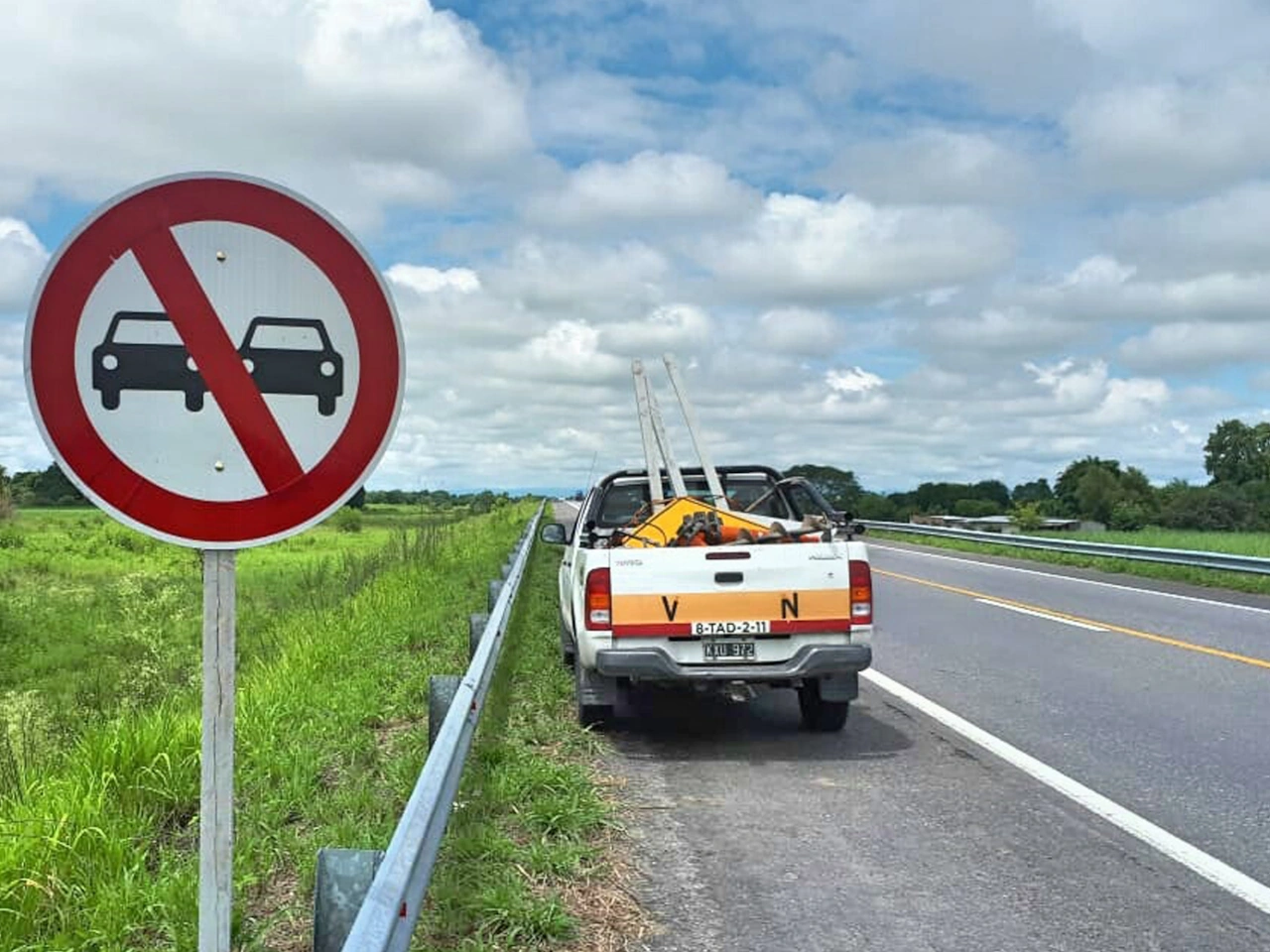
On which side should you overtake?
In right-hand traffic countries, overtaking normally takes place on the left. In left-hand traffic countries, it normally takes place on the right. National rules can provide exceptions in particular situations.
What should you check before overtaking?
Make sure there is sufficient visibility and space, check mirrors and blind spots, ensure that nobody behind has already started overtaking and confirm that you can safely return to your normal position after passing.
When should you not overtake?
Do not overtake where signs or road markings prohibit it or where visibility, approaching traffic, intersections, crossings, bends, hills or other conditions make the manoeuvre unsafe.
18. Wild- oder Viehwechsel
Eine Warnung vor querenden Tieren weist auf einen Straßenabschnitt hin, auf dem Wildtiere, Nutztiere oder Reittiere die Straße betreten oder überqueren können. Tiere können plötzlich auftauchen, sich unvorhersehbar bewegen oder bei Dunkelheit, Vegetation oder schlechtem Wetter schwer zu erkennen sein.
Fahrer sollten die Geschwindigkeit verringern, beide Straßenseiten aufmerksam beobachten und bremsbereit bleiben. Das Warnzeichen gibt Tieren nicht automatisch Vorfahrt und legt keine konkrete Geschwindigkeitsbegrenzung fest; Fahrer müssen jedoch vermeiden, Tiere zu erschrecken, zu gefährden oder mit ihnen zusammenzustoßen.
What does an animals-crossing sign mean?
It warns that animals may enter or cross the road in the area ahead.
Which animals may the sign refer to?
Depending on the symbol and local conditions, it may refer to deer, cattle, horses, sheep, goats, wild boar or other animals.
How can you recognise an animals-crossing sign?
It is commonly a triangular warning sign displaying the silhouette of an animal. The species shown may indicate the type of animal most likely to be encountered.
Does the sign mean animals are always present?
No. It indicates an increased likelihood of animals crossing, not that animals will be present every time.
Does the sign impose a speed limit?
No. The normal posted or general speed limit remains applicable, but drivers must reduce speed when necessary to react safely.
Do animals have priority because of the sign?
No automatic priority is created by the warning sign. Drivers must nevertheless avoid danger and allow animals already on the road to pass safely.
How should you approach an animal-crossing area?
Reduce speed, increase your following distance and scan the road, verges, fields and vegetation for movement or reflected eyes.
When are wild animals most likely to appear?
Animal activity is often greater around dawn, dusk and darkness, although animals may cross at any time.
Why should you expect more than one animal?
Many animals travel in groups. When one animal crosses, others may follow immediately from the same direction.
Should you sound the horn?
Avoid unnecessary horn use or engine revving because it may frighten an animal and make its movement less predictable. Use a warning only when reasonably necessary to prevent danger.
Should you use full-beam headlights?
Use the appropriate lights without dazzling other road users. When an animal is visible, reduce speed and avoid relying on full beam to make it move away.
What should you do when an animal is on the road?
Slow down smoothly, stop when necessary and allow it enough time and space to leave. Avoid sudden acceleration or aggressive steering.
Should you swerve to avoid an animal?
Avoid an uncontrolled swerve that could cause a collision with another vehicle, tree, barrier, cyclist or pedestrian. Brake firmly while maintaining control and steer only when a safe escape path is clearly available.
How should you pass livestock?
Pass only when the animals and their handlers have sufficient space. Drive slowly, avoid noise and be prepared for an animal to change direction unexpectedly.
How should you pass a horse and rider?
Reduce speed, leave a large lateral distance and pass quietly. Avoid sounding the horn, accelerating sharply or passing when oncoming traffic prevents sufficient clearance.
Must you follow instructions from an animal handler?
Follow lawful instructions from an authorised person and cooperate with handlers controlling animals on or across the road.
May you overtake near an animal crossing?
The warning sign does not necessarily prohibit overtaking, but overtaking should be avoided when animals, limited visibility or approaching traffic make the manoeuvre unsafe.
What if an animal appears behind another vehicle?
Maintain enough following distance to see beyond the vehicle ahead. Be prepared for it to brake suddenly when an animal enters the road.
What should motorcyclists and cyclists do?
Reduce speed, keep both hands firmly in control and avoid sudden movements. Animals may react unexpectedly to quiet or fast-approaching two-wheeled vehicles.
What should you do after hitting an animal?
Stop safely, activate the hazard warning lights and check for injured people. Contact the emergency services or police when necessary and do not approach a wounded wild animal, which may defend itself.
Should you move an injured or dead wild animal?
Normally not. Keep a safe distance and allow the police, wildlife authorities or an animal-rescue service to handle it.
Can animals be present without a warning sign?
Yes. Drivers remain responsible for observing the road and adjusting their speed even where no animal warning sign is displayed.
19. Kurve
Eine Kurve ist ein Straßenabschnitt, der seine Richtung nach links oder rechts ändert. Eine enge, unerwartete oder schlecht einsehbare Kurve kann die Sicht auf Gegenverkehr, stehende Fahrzeuge, Fußgänger und andere Gefahren einschränken.
Fahrer sollten vor dem Einfahren in die Kurve die Geschwindigkeit verringern, im eigenen Fahrstreifen bleiben und gleichmäßig lenken, bremsen und beschleunigen. Warnzeichen können die Richtung der ersten Kurve oder eine Folge mehrerer Kurven anzeigen.
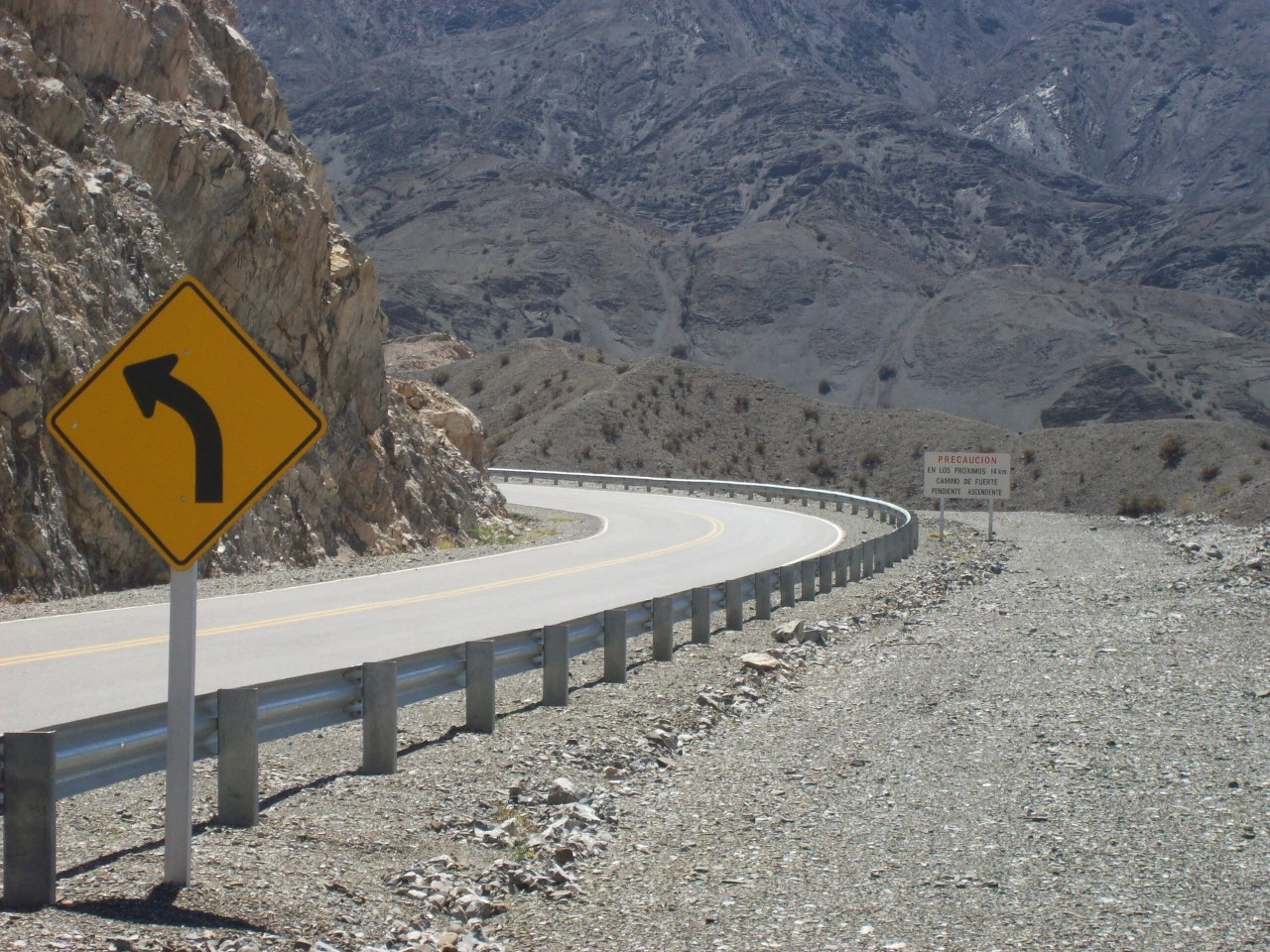
What is a road curve?
A road curve is a section where the road changes direction to the left or right.
How can you recognise a dangerous curve?
It may be indicated by a triangular warning sign showing a curved line. The symbol normally indicates whether the first curve turns left or right.
What is a double curve?
A double curve consists of two curves in opposite directions. The warning sign normally shows the direction of the first curve.
Can a sign warn of more than two curves?
Yes. A double-curve symbol may also warn of a longer sequence of successive curves. A supplementary panel may indicate the length of the winding section.
Does a curve-warning sign impose a speed limit?
No. It normally warns of danger rather than setting a numerical limit. Drivers must still reduce speed when the permitted maximum would be unsafe.
When should you reduce speed for a curve?
Reduce speed before entering the curve, while the vehicle is travelling straight and has maximum stability.
Should you brake heavily while cornering?
No. Harsh braking in a curve can reduce stability and grip. Complete most braking beforehand and use smooth adjustments where necessary.
Should you accelerate through a curve?
Maintain a controlled speed through the curve. Accelerate smoothly only when the exit becomes visible and the vehicle is stable.
Where should you look while driving through a curve?
Look towards the path you intend to follow and the visible exit of the curve. Continue checking the road surface, lane position and nearby traffic.
Must you remain in your lane?
Yes. Do not cross the centre line or cut across another lane, even when this would make the curve appear easier to negotiate.
Why is visibility limited in a curve?
Buildings, vegetation, slopes, barriers and the road alignment may hide oncoming traffic, cyclists, pedestrians, stopped vehicles or debris.
How fast should you drive through a curve?
Choose a speed that allows you to remain in your lane and stop within the distance you can see to be clear. The safe speed may be far below the legal maximum.
What is an advisory speed for a curve?
An advisory speed is a recommended safe speed for negotiating the curve under suitable conditions. It is not necessarily the legal maximum speed.
How do rain, snow or ice affect a curve?
They reduce tyre grip and increase the risk of skidding. Reduce speed earlier, use smooth controls and leave additional distance from other vehicles.
What should you do if gravel or debris is present?
Avoid sudden braking or steering. Reduce speed smoothly and follow a clear path without entering another traffic lane.
May you overtake in a curve?
Do not overtake when visibility is insufficient to see approaching traffic and complete the manoeuvre safely. Local law, signs and continuous road markings may also prohibit overtaking.
May you stop or park in a curve?
Only where it is permitted and the vehicle remains clearly visible. Stopping or parking in a poorly visible curve may create a serious hazard and is often prohibited.
Should you follow another vehicle closely through a curve?
No. Leave enough distance to react if the vehicle ahead brakes for a hidden obstruction or a sharper part of the curve.
Why should motorcyclists take extra care?
Motorcycles require grip for both cornering and braking. Riders should reduce speed before the curve, choose a stable line and avoid painted markings, gravel and slippery surfaces.
How can a curve affect a trailer or caravan?
A trailer may sway, track closer to the inside of the curve or become unstable when speed and steering inputs are excessive. Enter slowly and steer smoothly.
Why do large vehicles need more space?
Buses and trucks may move closer to lane boundaries because of their length and width. Other drivers should avoid travelling beside them through a tight curve.
What should you do if an oncoming vehicle crosses the centre line?
Reduce speed, move safely towards your side of the road and avoid a sudden manoeuvre that could cause another collision. Sound a warning only when reasonably necessary.
Does the absence of a warning sign mean every curve is safe at the speed limit?
No. Drivers must assess every curve and adapt their speed even when no warning sign is displayed.
20. Falschfahrt
Eine Falschfahrt liegt vor, wenn ein Fahrer entgegen der gesetzlich zulässigen Verkehrsrichtung fährt. Dies kann auf einer Einbahnstraße, einer baulich getrennten Straße, einer Autobahnauffahrt oder -ausfahrt oder einem anderen nur für eine Fahrtrichtung bestimmten Straßenabschnitt geschehen.
Falschfahren birgt ein extremes Risiko eines Frontalzusammenstoßes. Fahrer müssen Richtungsschilder, Einfahrt-verboten-Zeichen, Fahrstreifenpfeile und Fahrbahnmarkierungen beachten. Wer versehentlich in falscher Richtung auf eine Straße gerät, sollte die Geschwindigkeit verringern, andere Verkehrsteilnehmer warnen, an der sichersten verfügbaren Stelle anhalten und die Rettungsdienste kontaktieren.
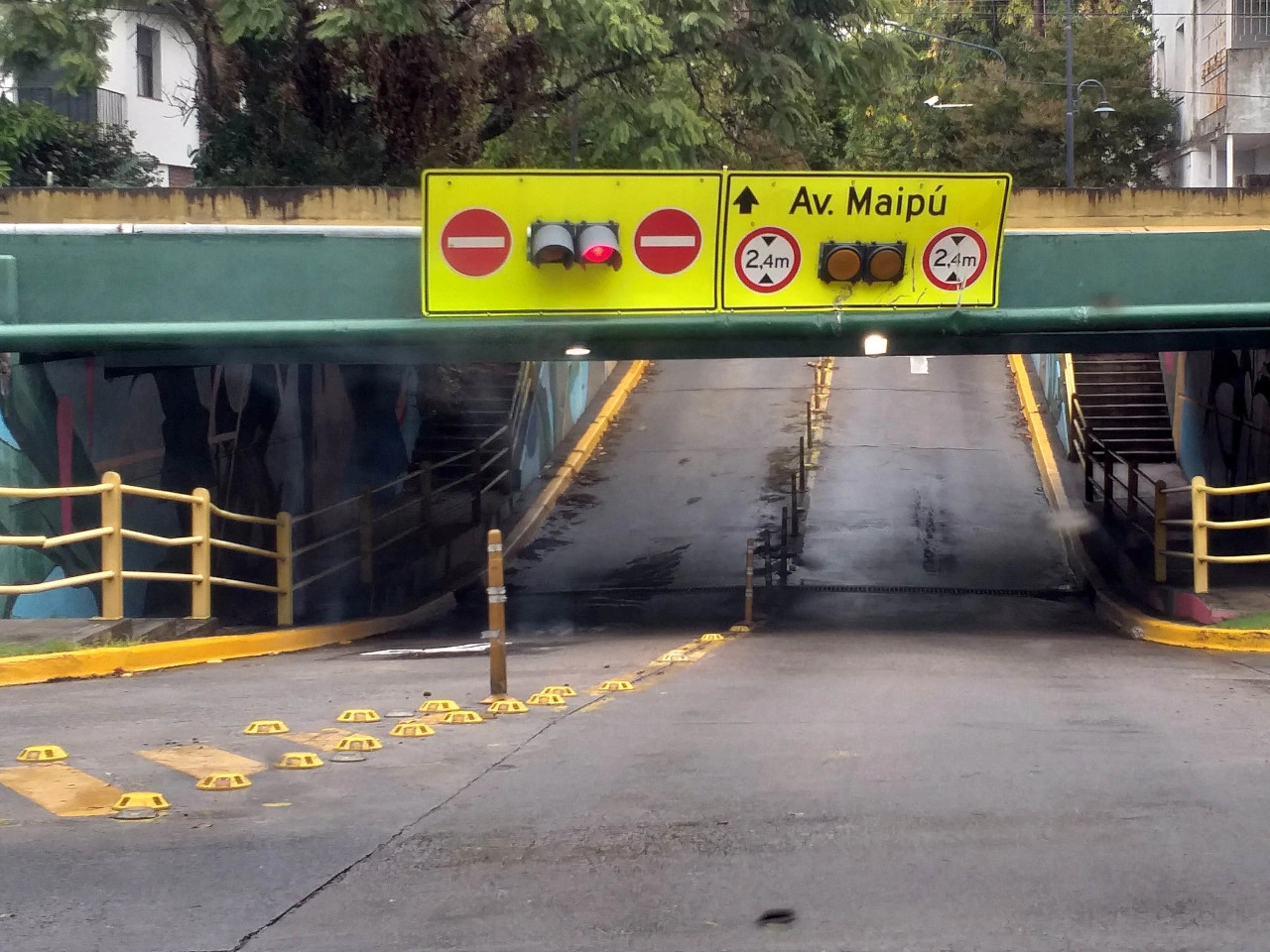
What is wrong-way driving?
Wrong-way driving means travelling against the legally permitted direction of traffic.
Where can wrong-way driving occur?
It can occur on one-way streets, divided roads, motorways, slip roads, tunnels, car parks and temporary traffic arrangements.
Why is wrong-way driving especially dangerous?
Other drivers do not expect approaching traffic in their lane, and the combined speeds can make a head-on collision extremely severe.
How can you recognise a prohibited direction?
Look for no-entry signs, one-way signs, mandatory-direction signs, lane arrows and road markings. Motorway exits may also have repeated signs or warning systems facing the wrong direction.
Is wrong-way driving the same as entering a no-entry road?
Entering past a no-entry sign can cause wrong-way driving, but the term also covers turning around on a divided road or using the wrong carriageway without passing such a sign.
Is driving against a one-way street always prohibited?
Normally, yes. However, signs may expressly permit certain road users, such as cyclists or public transport, to travel in the opposite direction.
Is authorised contraflow traffic wrong-way driving?
No. A cyclist, bus or other road user travelling in an expressly authorised contraflow lane or direction is using the road legally.
Can roadworks temporarily change the normal direction?
Yes. Temporary signs, barriers, lane signals and markings may redirect traffic onto another lane or carriageway. Follow the temporary arrangement rather than the usual road layout.
What should you do when you see a wrong-way driver?
Reduce speed immediately, keep as far as safely possible towards the outer edge of your carriageway and avoid sudden lane changes. Warn the police or emergency services as soon as this can be done safely.
Should you attempt to stop the wrong-way driver?
No. Do not block, chase or turn after the vehicle. Protect yourself and allow trained emergency services to intervene.
Should you flash your headlights?
A brief warning may help the driver recognise the error, but avoid prolonged or aggressive signalling that could cause panic or an unpredictable manoeuvre.
Should you sound the horn?
Use the horn only when reasonably necessary to warn of immediate danger. Your first priority is to reduce speed and create as much safe space as possible.
Should you stop in a live traffic lane?
Normally not. Sudden stopping may cause a rear-end collision. Slow down and move towards a safe shoulder, refuge or other protected location where possible.
What should you do after receiving a wrong-way-driver warning?
Reduce speed, stop overtaking, increase your following distance and remain in the lane or position recommended by the local authorities or warning system.
Should you continue using the overtaking lane?
Avoid unnecessary use of lanes nearest opposing or central traffic when a wrong-way driver has been reported. Follow local emergency guidance and electronic signs.
What should you do if you are driving in the wrong direction?
Slow down immediately, activate the hazard warning lights and use dipped headlights where required. Move to the safest available edge or shoulder and stop.
Should you accelerate to reach the next exit?
No. Increasing speed greatly increases the collision risk. Stop safely and wait for instructions from the police.
Should you make a U-turn across traffic?
No. Do not turn across live lanes, cross a central reservation or attempt to correct the mistake through another dangerous manoeuvre.
Should you reverse back to the entrance?
No. Reversing against traffic or along a motorway slip road creates additional danger. Stop safely and contact the emergency services.
Should you leave the vehicle after stopping?
This depends on the location and immediate danger. Remain protected from moving traffic and follow instructions from the emergency services. Do not stand in a live lane.
How should you contact the emergency services?
Stop safely before using a handheld phone. A passenger may call while the vehicle is moving when local law permits and this can be done without distracting the driver.
What information should you report?
Report the road name or number, direction, nearby exit or landmark, vehicle description and the wrong-way driver’s approximate location and direction.
What commonly causes wrong-way driving?
Possible causes include confusion at junctions, poor visibility, unfamiliar roads, impairment, navigation errors, turning around illegally or deliberately ignoring traffic signs.
How can drivers prevent entering the wrong direction?
Slow down at unfamiliar junctions, read signs before turning, verify the road layout and do not rely exclusively on navigation instructions.
Does a navigation system override traffic signs?
No. Traffic signs, signals, markings and instructions from authorised persons always take precedence over navigation guidance.
21. Straßenarbeiten
Straßenarbeiten sind Bau-, Wartungs-, Reparatur- oder Inspektionsarbeiten auf oder neben einer Straße. Sie können vorübergehend Straßenverlauf, Fahrstreifenbreiten, Geschwindigkeitsbegrenzungen, Vorfahrt, zulässige Fahrtrichtungen sowie Einrichtungen für Fußgänger oder Radfahrer verändern.
Fahrer müssen vorübergehende Verkehrszeichen, Ampeln, Absperrungen, Fahrbahnmarkierungen und Anweisungen befugter Personen befolgen. Sie sollten die Geschwindigkeit verringern, den Abstand vergrößern und auf schmale Fahrstreifen, stehenden Verkehr, Arbeiter, Maschinen und plötzliche Änderungen der Streckenführung vorbereitet sein.
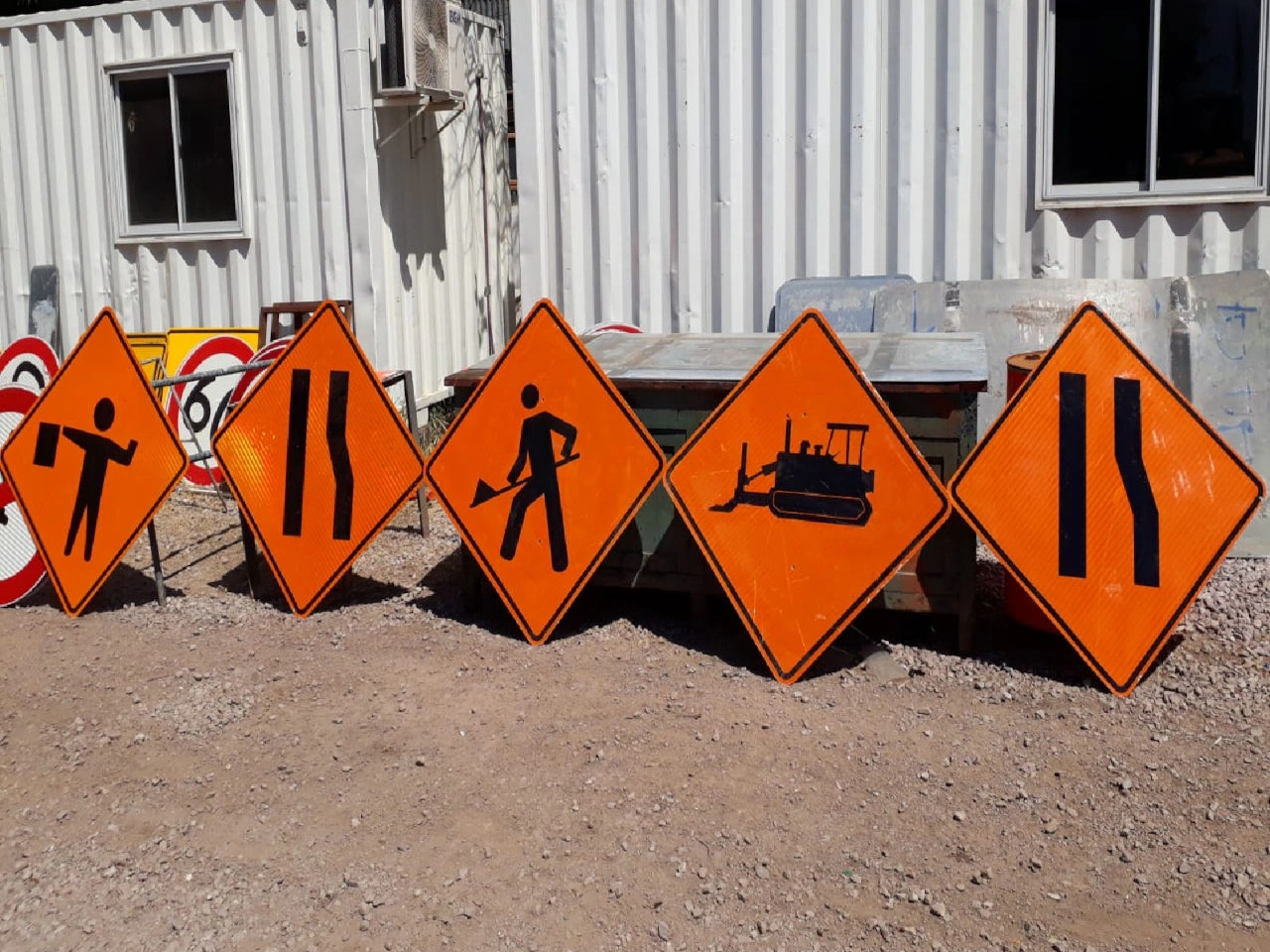
What are roadworks?
Roadworks are construction, maintenance, repair or inspection activities carried out on or beside a road.
How can you recognise roadworks?
They may be indicated by a roadworks warning sign, cones, barriers, temporary markings, flashing lights, machinery or workers.
Does a roadworks sign impose a speed limit?
No, not by itself. A separate temporary or permanent speed-limit sign establishes the legal maximum speed.
Must you drive below the speed limit?
Yes, when necessary. Narrow lanes, workers, machinery, poor surfaces, congestion or limited visibility may require a substantially lower speed.
Are temporary traffic signs legally binding?
Yes. Correctly installed temporary signs must be obeyed for as long as they are in force.
Which road markings should you follow?
Follow the temporary markings that guide traffic through the works. Local law determines how they take priority over older permanent markings.
Must you obey temporary traffic lights?
Yes. Stop at the line or signal when required and do not proceed until the applicable light permits it.
Must you obey road workers directing traffic?
Obey instructions from workers or controllers who are legally authorised to regulate traffic. Their signals may temporarily replace the ordinary traffic arrangement.
What should you do when a lane closes?
Observe the signs and lane arrows, check mirrors and blind spots and merge safely into the continuing lane.
What is zipper merging?
Zipper merging means that vehicles in an ending or blocked lane merge alternately with vehicles in the continuing lane near the narrowing during congested traffic.
Should you merge early?
This depends on local law and traffic conditions. Where zipper merging applies during congestion, use both lanes and merge near the narrowing. In flowing traffic, change lanes when a safe gap is available.
Who has priority when your lane is obstructed?
Without another traffic control, the driver whose route is obstructed commonly has to yield before moving into the path of approaching or adjacent traffic.
Can temporary lights control alternating traffic?
Yes. Temporary signals may allow only one direction at a time through a narrow section.
May you enter when the exit is blocked?
No. Do not enter a narrow section, intersection or temporary crossing when congestion may leave you stopped inside it.
May you move cones or barriers?
No. Do not move, pass around or ignore traffic-control equipment unless an authorised person instructs you to do so.
May you overtake in roadworks?
Only when signs and markings permit it and sufficient width and visibility remain. Overtaking is often unsafe in narrow or shifted lanes.
May you stop or park in roadworks?
Only where temporary and permanent signs permit it. Do not obstruct workers, machinery, emergency access or temporary pedestrian and cycle routes.
What should you watch for near workers?
Expect workers to enter the road, machinery to move or reverse and vehicles to leave the worksite. Reduce speed and leave generous space.
What should cyclists do at roadworks?
Follow the signed temporary cycle route or lane. Check surrounding traffic carefully before leaving a closed or obstructed bike path.
What should pedestrians do?
Use the designated temporary walkway or crossing and follow barriers, signs, signals and instructions from authorised personnel.
Why should you increase your following distance?
Traffic may brake suddenly because of queues, lane changes, machinery, debris or changing signals. Additional distance provides more time to react.
What should you do if your vehicle breaks down in roadworks?
Move to the safest available location where possible, activate the hazard warning lights and contact assistance. Avoid standing in a live or narrow traffic lane.
Do ordinary traffic rules still apply?
Yes. Rules concerning safe speed, following distance, signalling, priority and vulnerable road users continue to apply unless a lawful temporary arrangement changes them.
22. Höhenbegrenzung
Eine Höhenbegrenzung verbietet Fahrzeugen, deren Gesamthöhe den angegebenen Wert überschreitet, die Einfahrt oder Durchfahrt auf einem Straßenabschnitt, einer Brücke, einem Tunnel, einer Durchfahrt oder einem anderen Bauwerk. Zur Fahrzeughöhe zählen auch Ladung und über dem Fahrzeug angebrachte Ausrüstung.
Fahrer hoher Fahrzeuge müssen die genaue Höhe ihres Fahrzeugs kennen, Vorwarnungen beachten und bei Bedarf eine alternative Route wählen. Sie dürfen sich niemals allein auf eine optische Einschätzung verlassen oder unter einem Bauwerk hindurchfahren, wenn der ausreichende Höhenabstand unsicher ist.
What does a height-limit sign mean?
It prohibits vehicles whose total height exceeds the displayed value from continuing beyond the sign.
How can you recognise a height-limit sign?
It is commonly a circular regulatory sign showing a height in metres, feet or another local unit between vertical arrows.
What is included in the vehicle’s total height?
The height includes the vehicle, its load and any attached equipment, such as roof boxes, bicycles, machinery, antennas or raised loading equipment.
Does the limit apply to trailers?
Yes. Every part of a vehicle combination must fit beneath the restriction, including the towing vehicle, trailer and load.
Does the sign show the exact physical clearance?
Not necessarily. Road authorities may display a lower value than the measured clearance to provide a safety margin.
May a vehicle exactly as high as the displayed value pass?
The legal wording commonly prohibits vehicles higher than the displayed value, but drivers should not attempt to pass without a practical safety margin. Measurement errors, movement and road conditions can reduce the available clearance.
How can a vehicle’s height change?
Loading, tyre pressure, suspension settings, raised equipment, replacement tyres and road movement can alter the vehicle’s total height.
Can air suspension affect the height?
Yes. The vehicle may rise or lower depending on its suspension mode, speed and load. Use the maximum travelling height when planning the route.
Can the clearance vary between lanes?
Yes. An arched bridge, tunnel roof or overhead structure may provide different clearance in each lane. Follow lane-specific signs and markings.
Can the clearance vary across the width of one lane?
Yes. Clearance may be lower near the edge of an arch or where the road slopes sideways. Remain within the authorised marked path.
Can resurfacing reduce the available clearance?
Yes. A new road surface can raise the road level and reduce the space beneath a bridge or structure.
Can snow, water or road debris affect clearance?
Yes. Material on the road can raise the vehicle or restrict the usable route. Flooding may also conceal the road surface or another hazard.
Where are height restrictions commonly found?
They are common at bridges, tunnels, car parks, loading areas, gateways, railway structures and roads with overhead equipment.
Is a height-limit sign a warning or a prohibition?
It is normally a prohibition. A vehicle that exceeds the displayed height may not pass.
Does a height-limit sign impose a speed limit?
No. The applicable road or posted speed limit remains in force, although drivers should approach cautiously.
Does the sign change priority?
No. Traffic lights, priority signs and ordinary priority rules remain applicable.
Can a height restriction be announced in advance?
Yes. An advance sign may show the restriction and the distance to it so that high vehicles can choose another route.
What should you do when your vehicle is too high?
Do not continue. Stop where safe and follow the signed diversion or another suitable route. Do not reverse into traffic without assistance.
Should you rely on a navigation system?
No. Navigation may contain outdated or incomplete vehicle restrictions. Traffic signs and the actual road conditions always take precedence.
Should professional drivers know their vehicle’s height?
Yes. Drivers of trucks, buses, motorhomes and vehicles carrying roof loads should know and, where useful, display the vehicle’s maximum travelling height inside the cab.
What should you do when uncertain about your height?
Stop before the restriction in a safe place and verify the vehicle’s height. Choose another route when safe clearance cannot be confirmed.
May you move into another lane with greater clearance?
Only when signs and markings permit it and the manoeuvre can be completed safely. Do not cross a closed lane, continuous line or opposing traffic merely to gain clearance.
May you lower or remove equipment to pass?
Only in a safe place and when the equipment can be secured correctly afterwards. Never stop beneath the structure or in a live lane to alter the vehicle.
What should you do if your vehicle strikes a bridge?
Stop immediately where safe, activate the hazard warning lights and contact the emergency services or police. Do not continue because the vehicle, load or structure may be unstable.
Should traffic continue beneath a struck bridge?
No, when damage may have occurred. Keep away from the structure and follow instructions from the police, road authority or railway operator.
23. Ampeln
Ampeln regeln mit farbigen Lichtzeichen, Pfeilen oder Symbolen, wann Verkehrsteilnehmer fahren dürfen, sich auf das Anhalten vorbereiten müssen oder stehen bleiben müssen. Getrennte Signale können für bestimmte Richtungen, Fahrstreifen, Fußgänger, Radfahrer oder Fahrzeuge des öffentlichen Verkehrs gelten.
Grünes Licht erlaubt die Fahrt nur, wenn der Weg frei und die Bewegung ansonsten zulässig ist. Verkehrsteilnehmer müssen weiterhin Vorfahrtsregeln, Abbiegeverbote, Fahrbahnmarkierungen und Anweisungen befugter Verkehrsregler beachten.
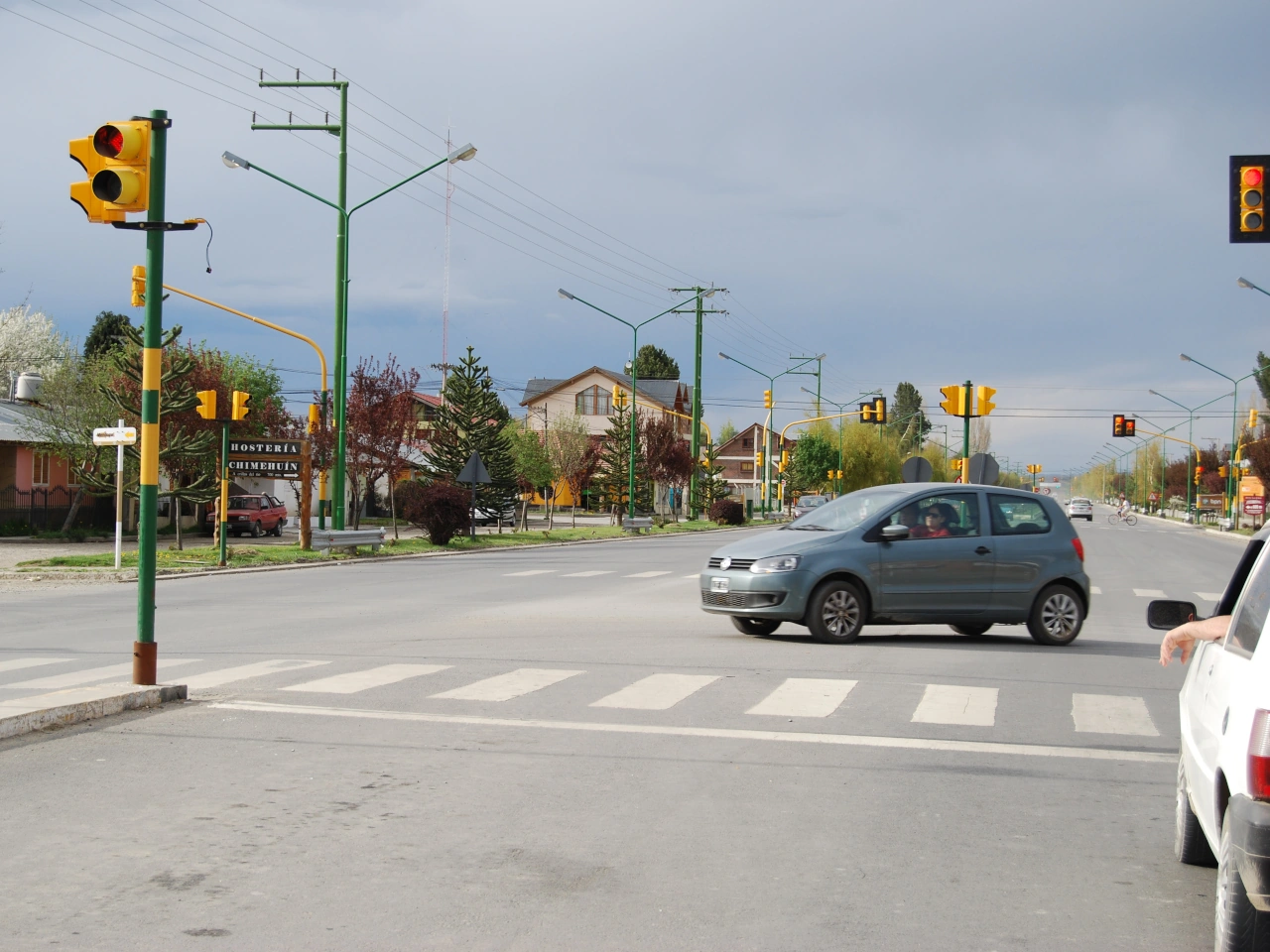
What are traffic lights?
Traffic lights are signals that use coloured lights, arrows or road-user symbols to regulate traffic movements.
What does a red traffic light mean?
A red light requires road users to stop before the stop line or signal and remain stopped until movement is permitted.
What does a steady amber light mean?
A steady amber light normally requires drivers to stop unless they are already too close to stop safely. It warns that the signal is changing to red.
What does a green traffic light mean?
A green light permits road users to pass the signal, but only when the route is clear and the intended movement is otherwise legal.
Does green mean that you have priority over everyone?
No. You may still have to give way to pedestrians, cyclists, oncoming traffic or other road users when turning or following a conditional arrow.
May you enter a blocked intersection on green?
No. Do not enter when congestion is likely to leave you stopped inside the intersection and obstructing crossing traffic.
Where should you stop at a red light?
Stop before the stop line. When no stop line is provided, stop before the traffic light or at another legally prescribed position.
May you cross the stop line and then stop?
No. The required stop must normally be completed before the stop line. Do not stop on a pedestrian or cycle crossing.
What if the light changes to amber while you are approaching?
Stop when this can be done safely. Continue only when you are already too close to stop without creating danger.
Should you accelerate to pass an amber light?
No. Do not accelerate to avoid stopping. Maintain control and stop unless doing so safely is no longer possible.
What do arrow-shaped traffic lights mean?
They have the same general meaning as circular lights, but the prohibition or permission applies only to the direction shown by the arrow.
What does a green arrow displayed with a red light mean?
It may permit travel in the indicated direction while other movements remain prohibited. Drivers may still have to give way to conflicting traffic and pedestrians.
Does a green arrow override a no-turn sign?
Not universally. Drivers must follow the complete local sign arrangement. A traffic signal does not necessarily cancel a separate regulatory prohibition.
May you turn right on red?
Only where local law or a specific sign or signal expressly permits it. There is no universal right to turn on red.
What does a flashing amber light mean?
It warns of a potential hazard and normally allows cautious passage. The ordinary priority arrangement remains applicable.
What should you do when the normal lights are flashing amber?
Reduce speed, observe the intersection carefully and follow the applicable priority signs or default priority rules.
What does a flashing red light mean?
Its meaning depends on local law. At railway crossings and some movable bridges, flashing red lights normally require road users to stop.
What do lane-control signals mean?
A red cross normally closes the lane, a green downward arrow opens it and an amber diagonal arrow instructs drivers to leave the lane in the indicated direction.
May you continue beneath a red lane-control cross?
No. Move out of the lane safely before reaching the red cross unless an authorised person or emergency rule directs otherwise.
What does an amber diagonal lane arrow mean?
It warns that the lane is closing or unavailable ahead. Drivers must move into the adjacent lane indicated by the arrow when safe.
Can separate lights apply to cyclists?
Yes. A signal displaying a bicycle symbol applies to the road users legally covered by that signal rather than to general motor traffic.
Can separate lights apply to pedestrians?
Yes. Pedestrian lights normally use red and green human figures to indicate whether pedestrians may begin crossing.
What does a flashing green pedestrian light mean?
It normally warns that the crossing period is about to end. Pedestrians who have not started should wait for the next green signal.
What if the pedestrian signal changes while someone is crossing?
A person who entered lawfully should continue without unnecessary delay. Turning drivers must allow the crossing to be completed safely.
Can buses and trams have separate traffic lights?
Yes. Public-transport signals may use bars, circles, triangles or other symbols that apply only to authorised service vehicles.
Do functioning traffic lights override priority signs?
They commonly replace the priority arrangement at that location. Priority signs may apply again when the normal signals are inactive or flashing.
Do instructions from a police officer override traffic lights?
Yes. Instructions from an authorised traffic controller normally take precedence over lights, signs, markings and ordinary rules.
What should you do when the lights are not working?
Reduce speed and follow the priority signs, temporary signals, authorised personnel or default priority rules that apply.
May you clear an intersection after the light turns red?
Yes, when you entered lawfully and must leave the intersection. Complete the movement cautiously without endangering other road users.
Does a green light impose a minimum speed?
No. Drivers may proceed but must continue at a safe and legal speed.
May you use a handheld phone while waiting at red?
This depends on local law. In many countries, a driver temporarily stopped in traffic is still considered to be driving and may not use a handheld device.
24. Staatsgrenze
Eine Staatsgrenze ist die rechtliche Grenze zwischen zwei Ländern. Ein Grenzschild kann das Land anzeigen, in das man einfährt, und daran erinnern, dass andere Verkehrsregeln, Geschwindigkeitsbegrenzungen, Verkehrszeichen, Fahrzeuganforderungen und Dokumentvorschriften gelten können.
Das Grenzschild selbst verpflichtet normalerweise nicht zum Anhalten. Pass-, Einreise- oder Zollkontrollen können an einer Kontrollstelle stattfinden; manche internationale Grenzen können aufgrund regionaler Abkommen jedoch ohne routinemäßige Kontrollen überquert werden.
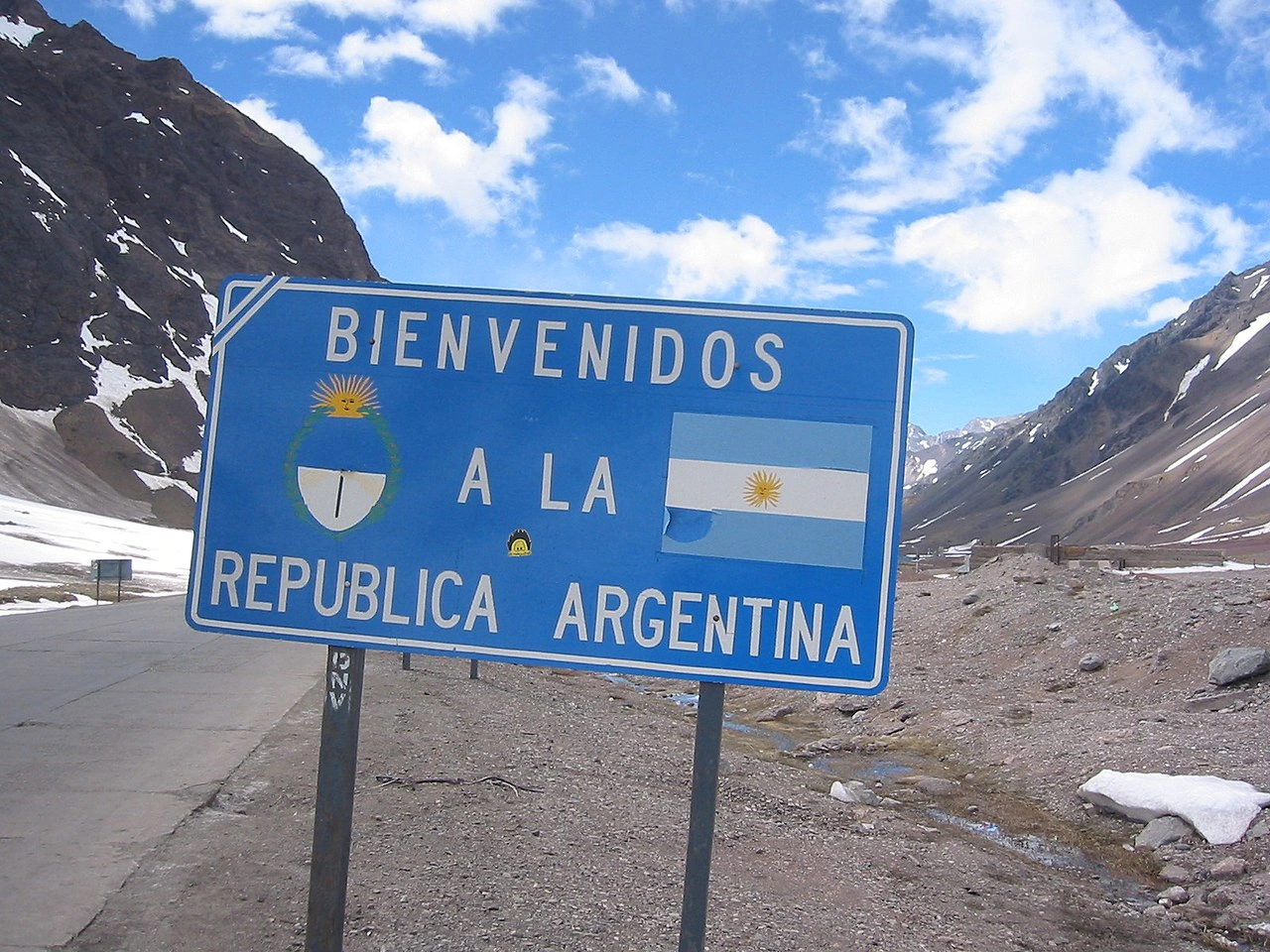
What is an international border?
An international border is the legal boundary between two countries.
How can you recognise an international border?
It may be identified by a country-name sign, national or regional symbols, flags, border posts, customs facilities or passport-control signs.
Does every international border have a road sign?
No. Borders may be marked differently, and some minor roads or open-border areas may have only a small identification sign or boundary marker.
Does a border sign require you to stop?
Not normally. Stop only when required by traffic lights, barriers, officers, customs signs, passport controls or another instruction.
When do the destination country’s traffic rules begin?
The new country’s traffic laws apply from the international boundary, not merely from the next town or major intersection.
Does the border sign itself impose the new rules?
No. The rules change because you have entered another country. The sign identifies that change of jurisdiction.
Can the driving side change at a border?
Yes. Where neighbouring countries use different driving sides, a specially designed road arrangement guides traffic safely from one side to the other.
Can speed limits change at the border?
Yes. The destination country may have different general limits for motorways, built-up areas, rural roads and particular vehicle categories.
Is the border sign a speed-limit sign?
No. Drivers must learn the destination country’s general limits and obey any regulatory signs displayed after crossing.
Can traffic-sign designs change?
Yes. Colours, symbols, shapes and road-marking conventions may differ, even when neighbouring countries follow similar international standards.
Can vehicle-equipment requirements change?
Yes. Requirements concerning safety vests, warning triangles, winter tyres, lights, toll equipment or environmental stickers may differ between countries.
Which documents may be required?
Depending on the journey, drivers may need a passport or identity card, driving licence, vehicle-registration document, insurance evidence, visa or customs documents.
Is a border check the same as customs control?
No. Border or immigration control concerns people and travel documents. Customs control principally concerns goods, cargo, money and applicable duties or restrictions.
Can immigration and customs controls occur together?
Yes. Both may operate at the same border facility even though they perform different legal functions.
Does every border have passport control?
No. Countries participating in an open-border area may normally cross internal borders without routine checks, although temporary controls may still be introduced.
Does every border have customs control?
No. Countries within a customs union may allow goods to move across their internal borders without ordinary customs duties or routine customs formalities.
Is an open border completely uncontrolled?
No. Police, customs and other authorities may still conduct lawful checks, enforce national rules and temporarily control the border where permitted.
May you cross the border anywhere?
Only where local law permits it. External or controlled borders may have to be crossed through an authorised border-crossing point during its operating hours.
Can a border crossing be temporarily closed?
Yes. Closures or restrictions may result from security measures, emergencies, severe weather, roadworks or administrative decisions.
Can certain vehicles be restricted?
Yes. A crossing may restrict heavy vehicles, dangerous goods, agricultural traffic, pedestrians or cyclists because of road design or border-control facilities.
May goods have to be declared?
Yes. Commercial goods, restricted products, goods exceeding personal allowances and certain amounts of cash may require declaration.
Do tolls or road charges change at the border?
They may. The destination country may use toll roads, vignettes, distance-based charges, low-emission zones or other payment systems.
Should you rely only on navigation software?
No. Navigation information may not include current border controls, vehicle restrictions or document requirements. Follow official signs and instructions.
What should you do before an international road journey?
Check the destination and transit countries’ traffic rules, required documents, insurance, vehicle equipment, tolls and border or customs requirements.
Do instructions from border officers override ordinary signs?
Yes. Follow lawful instructions from authorised border, police and customs officers, even when they temporarily differ from the normal traffic arrangement.
25. Parken
Parken bedeutet, ein Fahrzeug für eine gewisse Zeit an einer Stelle abzustellen, statt nur kurz wegen der Verkehrslage oder einer unmittelbaren Notwendigkeit anzuhalten. Viele Länder unterscheiden Parken von einem kurzen Halt zum Ein- oder Aussteigenlassen von Personen oder zum Be- oder Entladen von Gütern; die genaue rechtliche Definition unterscheidet sich jedoch.
Parken kann durch Verkehrszeichen, Fahrbahnmarkierungen, Parkzonen und örtliche Vorschriften erlaubt, eingeschränkt, reserviert, zeitlich begrenzt oder verboten sein. Fahrer müssen so parken, dass keine Gefahr oder unnötige Behinderung entsteht, und Bedingungen zu Gebühren, Genehmigungen, Fahrzeugkategorien oder maximaler Parkdauer einhalten.
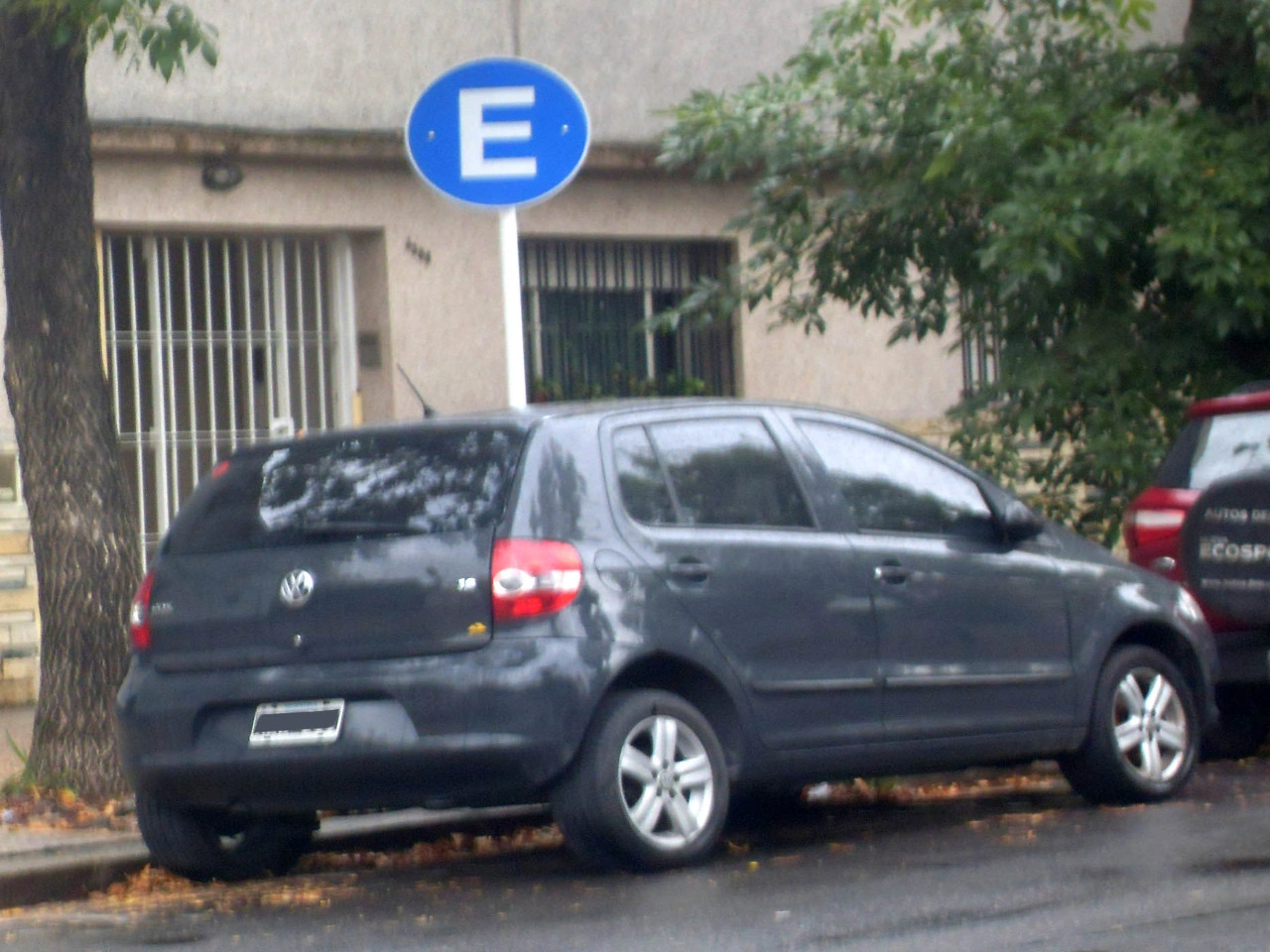
What is the difference between parking and stopping?
Parking generally means leaving a vehicle stationary for longer than a brief stop required for passengers, loading or unloading. A vehicle stopped because of traffic lights, congestion, an emergency or another traffic condition is normally not considered parked. The precise legal definitions vary between countries.
How can you tell where parking is allowed?
Look for parking signs, prohibition signs, road markings and parking-zone signs. Local rules may also permit parking along certain roads even when individual parking spaces are not marked.
Can you park anywhere if there is no sign prohibiting parking?
No. General traffic rules can prohibit parking even when no specific prohibition sign is present. Common examples include locations where a parked vehicle would obstruct visibility, crossings, intersections, cycle facilities or the movement of other traffic.
Can you park on a pavement or sidewalk?
Parking on a pavement or sidewalk is prohibited or restricted in many countries unless signs or markings specifically allow it. Vehicles must not force pedestrians into the roadway or block an accessible pedestrian route.
Can you park near a pedestrian crossing?
Parking on or close to a pedestrian crossing is generally restricted because a vehicle can hide pedestrians from approaching drivers. The required clearance distance varies between countries.
Can you park close to an intersection?
Many countries prohibit parking within a specified distance of an intersection because parked vehicles can reduce visibility and obstruct turning traffic. Follow the local distance requirements and any signs or markings.
What does a parking sign mean?
A parking sign identifies a place or area where parking is permitted or regulated. Additional signs or panels may specify time limits, payment requirements, vehicle categories, permits or particular parking arrangements.
How does paid parking work?
Where parking is subject to payment, drivers must follow the instructions displayed locally. Payment may be made through a parking meter, ticket machine, mobile application or another authorised system. The permitted duration and charging periods vary by location.
Who may use an accessible parking space?
Spaces marked for people with disabilities are reserved for vehicles displaying or registered with the required disability parking permit. Eligibility, permit display requirements and parking privileges depend on national and local law.
Can you leave a vehicle parked for an unlimited time?
Not necessarily. Local rules may impose a maximum parking duration, even where parking is otherwise permitted. Different limits may apply to abandoned, commercial, heavy or recreational vehicles.