


VerkehrsregelnMexiko
 Verkehrsregeln
 Mexiko
1. Mexiko
Mexiko erstreckt sich von der Südgrenze der Vereinigten Staaten bis nach Guatemala und Belize und besitzt Küsten am Pazifik, am Golf von Mexiko und am Karibischen Meer. Es gilt Rechtsverkehr. Das Straßennetz reicht von dicht befahrenen Metropolstraßen über lange Wüstenhighways bis zu kurvenreichen Bergstrecken. Eine typisch mexikanische Besonderheit ist bei vielen Überlandfahrten die Wahl zwischen kostenlosen carreteras libres und höherwertigen autopistas de cuota, auf denen Maut erhoben wird.
Mexiko hat keine landesweite Vignette. Die Zahlung auf Mautstraßen hängt vom Betreiber ab; CAPUFE nutzt Mautstellen und das elektronische IAVE-Tag-System, während Bargeld während des Übergangs zu stärker elektronischer Erfassung weiterhin verwendet wird. Die Verkehrsregeln verbinden Bundes-, Bundesstaaten- und Gemeindevorschriften; das nationale Recht legt jedoch Mindestanforderungen an die Verkehrssicherheit und Höchstgrenzen für Geschwindigkeiten fest. Die Verkehrszeichen sind landesweit standardisiert, und schriftliche Angaben erscheinen hauptsächlich auf Spanisch, ergänzt durch allgemein verständliche Verkehrssymbole.
Auf welcher Straßenseite fährt man in Mexiko?
Fahren Sie auf der rechten Straßenseite.
Auf welcher Seite wird in Mexiko überholt?
Überholen Sie normalerweise links. Auf Bundesstraßen ist Rechtsüberholen nur in bestimmten Situationen erlaubt, etwa wenn das vorausfahrende Fahrzeug links abbiegt oder wenn zwei oder mehr Fahrstreifen in derselben Richtung vorhanden sind.
Wie lautet die Notrufnummer in Mexiko?
Rufen Sie 911 für allgemeine Notfallhilfe an. Auf von CAPUFE betriebenen Straßen bietet 074 kostenlose 24-Stunden-Pannenhilfe, medizinische Hilfe und Straßeninformationen.
Sind die Verkehrsregeln in ganz Mexiko gleich?
Nicht vollständig. Bundesrecht legt landesweite Mindestanforderungen an die Verkehrssicherheit fest; Bundesstaaten und Gemeinden erlassen und vollziehen zusätzlich eigene Verkehrsregeln. Örtliche Vorschriften zu Parken, Abbiegen oder Fahrzeugbeschränkungen können daher variieren.
Welche Alkoholgrenze gilt für Fahrer in Mexiko?
Mexikos nationales Mobilitätsgesetz verbietet das Fahren über 0,05 % BAK (0,05 g/dl) oder 0,25 mg/l Alkohol in der Atemluft. Bundesstaatliche oder örtliche Regeln können strenger sein.
Welche Alkoholgrenze gilt für Motorradfahrer in Mexiko?
Für Motorradfahrer gilt ein niedrigerer nationaler Höchstwert von 0,02 % BAK (0,02 g/dl) oder 0,1 mg/l in der Atemluft.
Welche Alkoholgrenze gilt für Fahrer im Personen- und Gütertransport in Mexiko?
Fahrer von Fahrzeugen zur Personen- oder Güterbeförderung dürfen nach dem nationalen Mobilitätsgesetz keinerlei Alkoholkonzentration in Atemluft oder Blut aufweisen.
Welche allgemeinen Geschwindigkeitsbegrenzungen gelten in mexikanischen Städten?
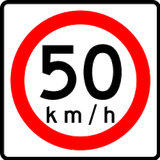
Das nationale Recht legt Höchstgrenzen statt einer einheitlichen innerörtlichen Geschwindigkeit fest: 30 km/h auf sekundären und tertiären Straßen, 50 km/h auf Hauptstraßen ohne kontrollierten Zugang und 80 km/h auf den mittleren Fahrbahnen zugangskontrollierter Hauptstraßen. Niedrigere örtliche oder ausgeschilderte Werte können gelten.
Welche Geschwindigkeitsbegrenzungen gelten in Mexiko an Schulen und Krankenhäusern?
Der nationale Höchstwert beträgt 20 km/h an Krankenhäusern und ähnlichen Pflegeeinrichtungen. Schulbereiche sind auf sekundären und tertiären Straßen auf 20 km/h und auf Hauptstraßen und Fernstraßen auf bis zu 30 km/h begrenzt.
Wie hoch ist die Höchstgeschwindigkeit auf Staatsstraßen in Mexiko?
Der nationale Höchstwert auf Staatsstraßen beträgt grundsätzlich 80 km/h außerhalb städtischer Gebiete und 50 km/h innerhalb städtischer Gebiete. Niedrigere ausgeschilderte Begrenzungen sind einzuhalten.
Wie hoch ist die Höchstgeschwindigkeit auf Bundesstraßen und Autobahnen in Mexiko?
Das nationale Recht legt Höchstwerte von 110 km/h für Pkw, 95 km/h für Busse und 80 km/h für Güterfahrzeuge auf Bundesstraßen und Autopistas fest. Die ausgeschilderte Begrenzung kann niedriger sein.
Benötigt man in Mexiko eine Vignette?
Nein. Mexiko hat keine landesweite Vignette. Gebühren fallen bei der Nutzung bestimmter Mautstraßen, Brücken und anderer mautpflichtiger Einrichtungen an.
Wie werden Mautstraßen in Mexiko bezahlt?
Mautstraßen verwenden häufig Mautstellen. CAPUFE unterstützt auf kompatiblen Straßen und Brücken den elektronischen IAVE-Tag; während des Übergangs zu stärker elektronischer Mauterhebung wird an Mautstellen weiterhin Bargeld verwendet. Zahlungsmethoden können je nach Betreiber variieren.
Sind Sicherheitsgurte in Mexiko vorgeschrieben?
Ja. Mexikos nationales Mobilitätsgesetz verlangt die Benutzung von Sicherheitsgurten durch alle Fahrgäste in Kraftfahrzeugen, vorbehaltlich der geltenden technischen Anforderungen.
Sind Kindersitze in Mexiko vorgeschrieben?
Das nationale Recht verlangt, dass eine Person unter 12 Jahren oder eine Person, deren Körpergröße dies erfordert, auf einem Rücksitz in einem geeigneten Kinderrückhaltesystem oder Sicherheitssitz nach der geltenden mexikanischen Norm befördert wird.
Sind Motorradhelme in Mexiko vorgeschrieben?
Ja. Nach dem nationalen Mobilitätsgesetz ist ein geeigneter Helm für Motorradfahrer und Mitfahrer vorgeschrieben.
Müssen Motorräder in Mexiko tagsüber Licht verwenden?
Auf Bundesstraßen müssen Motorräder ständig mit eingeschalteter Beleuchtung fahren, auch tagsüber.
Ist Lane Splitting mit Motorrädern in Mexiko erlaubt?
Auf Bundesstraßen dürfen Motorräder nicht zwischen Fahrstreifen oder zwischen benachbarten Fahrzeugreihen fahren. Für Straßen unter bundesstaatlicher oder kommunaler Zuständigkeit sind die örtlichen Motorradregeln zu prüfen.
Darf man beim Fahren in Mexiko ein Mobiltelefon benutzen?
Das nationale Recht verbietet während der Fahrt das Telefonieren oder sonstige Benutzen eines Mobiltelefons oder elektronischen Kommunikationsgeräts, einschließlich Lesen oder Senden von Nachrichten, außer über Freisprechtechnik.
Wer hat an einer ungeregelten Kreuzung in Mexiko Vorfahrt?
Auf Bundesstraßen hat ein Fahrzeug, das sich bereits in der Kreuzung befindet, Vorrang. Treffen Fahrzeuge gleichzeitig aus verschiedenen Straßen ein, müssen sie anhalten und das Fahrzeug von rechts fährt zuerst, vorbehaltlich Ausnahmen wie unterschiedlicher Straßenrang.
Wer hat in Mexiko im Kreisverkehr Vorfahrt?
Auf Bundesstraßen verläuft der Verkehr gegen den Uhrzeigersinn; bereits im Kreisverkehr fahrende Fahrzeuge haben Vorfahrt. Auf örtlichen Straßen sind zusätzlich Verkehrszeichen, Signale sowie bundesstaatliche oder kommunale Regeln zu beachten.
Müssen Fahrer in Mexiko Fußgängern an Überwegen Vorfahrt gewähren?
Ja. Fußgängervorrang gehört zu Mexikos nationalen Mindestverkehrsmaßnahmen. Auf Bundesstraßen ohne Ampel oder Verkehrsregler müssen Fahrer Fußgängern Vorfahrt gewähren, die einen markierten Überweg bereits benutzen.
Was ist zu tun, wenn sich in Mexiko ein Einsatzfahrzeug nähert?
Auf Bundesstraßen müssen Einsatzfahrzeuge mit Warnsignalen Vorfahrt erhalten. Fahren Sie möglichst sicher an den rechten Straßenrand und halten Sie nötigenfalls an, bis das Einsatzfahrzeug passiert hat.
Darf man in Mexiko bei roter Ampel rechts abbiegen?
Es gibt keine einheitliche landesweite Regel, von der überall ausgegangen werden darf. Abbiegevorschriften werden auch durch bundesstaatliche und kommunale Regeln bestimmt; beachten Sie Ampel, Beschilderung und die am Ort geltenden Vorschriften.
Ist Kraftfahrzeugversicherung in Mexiko vorgeschrieben?
Fahrzeuge auf Bundesstraßen und -brücken müssen eine Haftpflichtversicherung besitzen, die Schäden an anderen Personen oder deren Eigentum abdeckt. Bundesstaaten können zusätzliche Versicherungspflichten festlegen.
Dürfen Touristen in Mexiko mit einem ausländischen Führerschein fahren?
Die Anforderungen hängen von Umständen und Rechtsgebiet ab. Bundesstraßenregeln erkennen ausdrücklich einen ausländischen Führerschein an, der von der zuständigen Behörde des Wohnorts ausgestellt wurde, wenn ein rechtmäßig eingeführtes ausländisch zugelassenes Fahrzeug gefahren wird. Besucher sollten zusätzlich bundesstaatliche Regeln und Mietbedingungen prüfen.
Gibt es Fahrzeugbeschränkungen in Mexiko-Stadt?
Ja. Das Programm Hoy No Circula beschränkt bestimmte Fahrzeuge in Mexiko-Stadt und dem umliegenden Ballungsraum nach Faktoren wie Kennzeichen und Emissionsklasse. Bei Umweltalarm können die Beschränkungen verschärft werden; auch Fahrzeuge von außerhalb können betroffen sein.
Können ausländische Touristen eine Befreiung von Hoy No Circula erhalten?
Berechtigte Besucher mit geeigneten Fahrzeugen, die außerhalb des Ballungsraums zugelassen sind, können den kostenlosen Pase Turístico beantragen, der für einen begrenzten Zeitraum von normalen Hoy-No-Circula-Beschränkungen befreien kann. Bei Umweltalarm setzt der Pass zusätzliche Beschränkungen nicht außer Kraft.
Was ist bei einer Panne auf einer mexikanischen Mautstraße zu tun?
Verlassen Sie den Fahrstreifen, wenn dies sicher möglich ist, und warnen Sie andere Verkehrsteilnehmer. Auf von CAPUFE betriebenen Straßen können Sie 074 für kostenlose Pannen-, mechanische oder medizinische Hilfe sowie aktuelle Straßeninformationen anrufen.
Welche Sprachen werden auf Verkehrszeichen in Mexiko verwendet?
Mexiko verwendet landesweit standardisierte Verkehrszeichen mit international verständlichen Symbolen; schriftliche Straßeninformationen erscheinen hauptsächlich auf Spanisch.

2. Zone
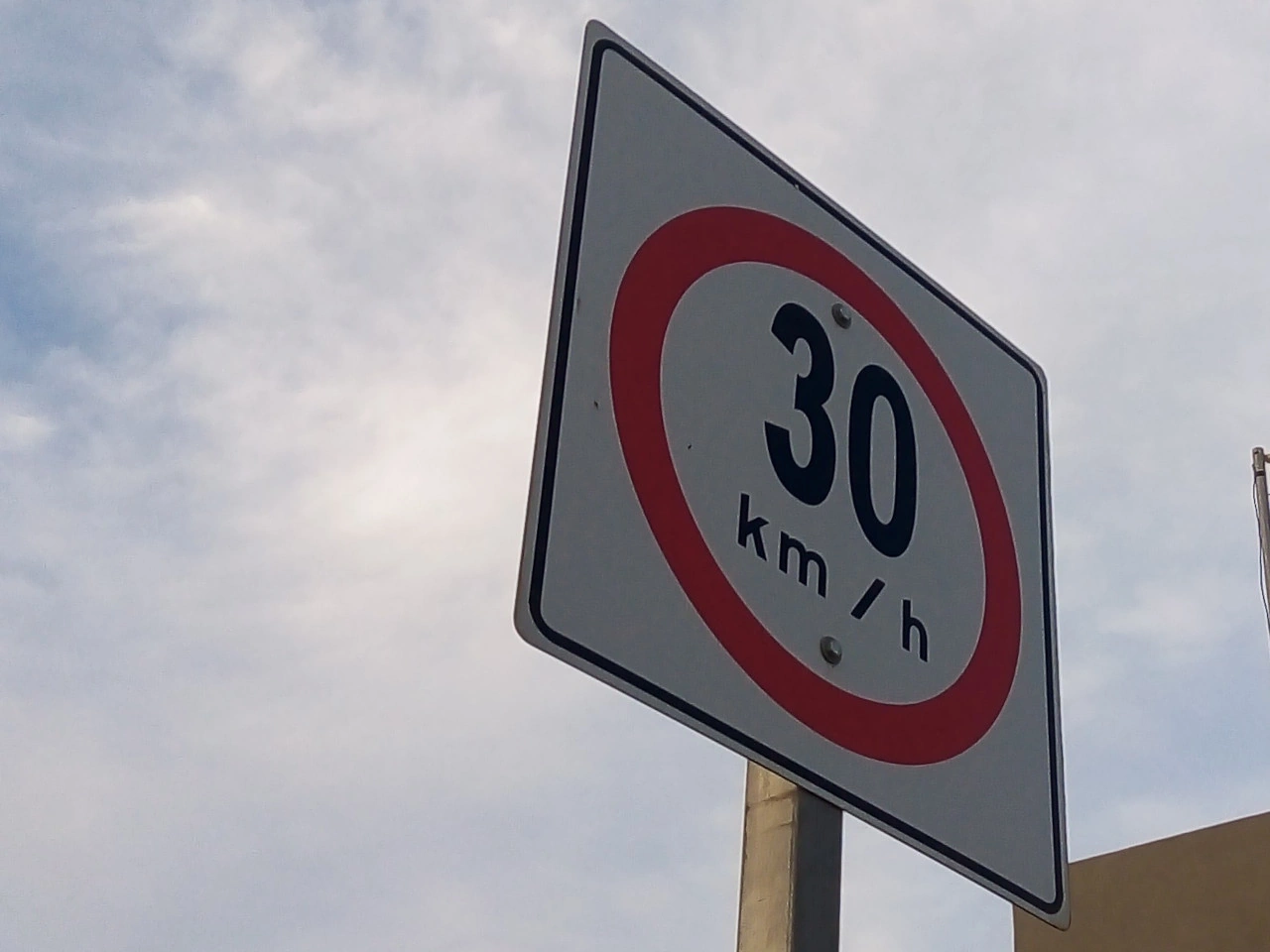
Eine Verkehrszone ist ein Gebiet, in dem eine Verkehrsregel auf allen einbezogenen Straßen oder Straßenabschnitten gilt. Die Regel beginnt normalerweise an einem Zonenbeginn-Schild und bleibt wirksam, bis das entsprechende Ende-Zone-Schild passiert wird.
Zonen können Geschwindigkeit, Parken, Zufahrt, Fahrzeugkategorien, Emissionen oder anderes Verkehrsverhalten regeln. Welche Zeichen verwendet werden, welche Straßen erfasst sind und wie Kreuzungen oder örtliche Ausnahmen wirken, richtet sich nach dem örtlichen Verkehrsrecht.
What is a traffic zone?
A traffic zone is a defined area in which a particular restriction, prohibition or obligation applies throughout the included roads rather than only at one location.
How can you recognise a traffic zone?
A traffic zone normally begins with a zone-entry sign showing the applicable rule. A corresponding end-of-zone sign indicates where that rule stops applying.
What is the difference between a zone sign and an ordinary traffic sign?
An ordinary sign usually applies to a particular road, direction, lane or section. A zone sign applies throughout a designated area, which may contain several roads and intersections.
Does a zone normally continue after an intersection?
Usually, yes. A zonal rule commonly continues through intersections until an end-of-zone sign is reached. The exact effect of intersections depends on local law.
How does a traffic zone end?
A traffic zone normally ends when you pass the corresponding end-of-zone sign. The normal road rules or another signed regulation then apply.
Can more than one rule apply inside a zone?
Yes. A zone may contain several regulations, such as a speed limit together with parking or access restrictions. Drivers must observe every applicable sign.
Can another traffic sign apply inside a zone?
Yes. A local sign may introduce a different or more restrictive rule on a particular road or section. Whether the original zonal rule resumes afterwards depends on local law and the type of regulation.
What types of traffic zones exist?
Common examples include speed zones, parking zones, low-emission zones, pedestrian zones, cycling zones, school zones and zones restricting particular vehicle categories.
Is a traffic zone the same as a built-up area?
No. A built-up area is a broader legally defined urban area. A traffic zone imposes a specific signed rule and may be located inside or outside a built-up area.
Is a traffic zone the same as a residential area?
No. A residential area describes an area mainly used for housing. It may contain one or more traffic zones, but the terms do not automatically have the same legal meaning.
Does a zonal rule apply to every road user?
Not necessarily. The sign, symbol or additional panel may limit the rule to particular vehicles, road users, times or circumstances.
What should you do when entering a traffic zone?
Observe the entrance sign carefully, identify every displayed rule and remember that the regulation may continue across several roads and intersections until the zone ends.
3. Geschwindigkeitsbegrenzung
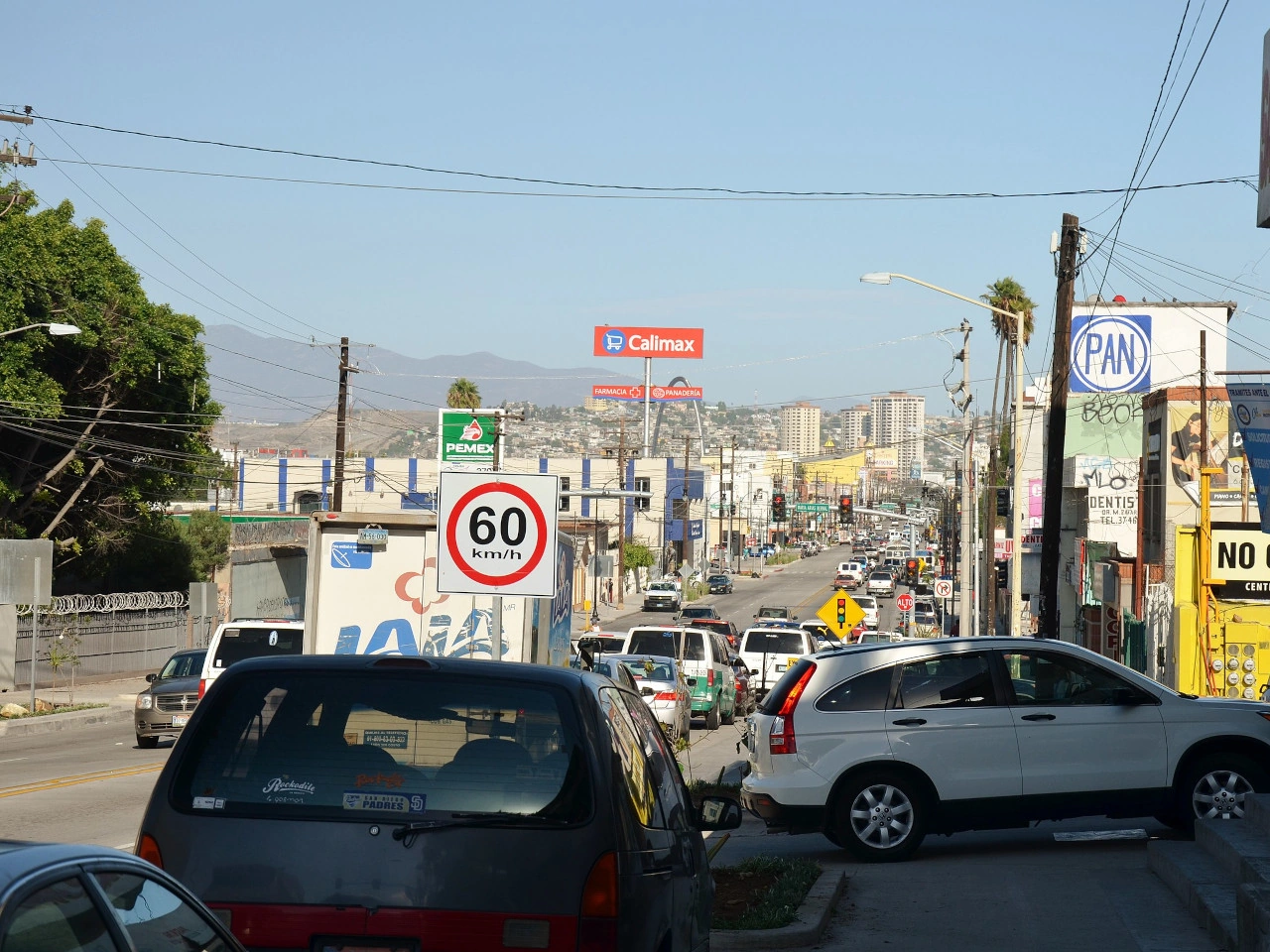
Eine Geschwindigkeitsbegrenzung ist die gesetzlich höchstens zulässige Geschwindigkeit auf einer Straße, einem Fahrstreifen oder innerhalb eines ausgewiesenen Bereichs. Sie kann durch allgemeines Verkehrsrecht festgelegt oder durch feste, variable oder vorübergehende Verkehrszeichen angezeigt werden.
Eine Geschwindigkeitsbegrenzung ist ein Höchstwert und keine Zielgeschwindigkeit. Fahrer müssen langsamer fahren, wenn Verkehr, Sicht, Wetter, Straßenzustand, gefährdete Verkehrsteilnehmer oder der Zustand des Fahrzeugs die höchstens zulässige Geschwindigkeit unsicher machen.
What is a speed limit?
A speed limit is the maximum legal speed permitted on a road, lane or within a designated area. It does not require drivers to travel at that speed.
How can you recognise a speed limit?
A speed limit is commonly displayed as a number on a regulatory traffic sign. General limits may also apply automatically because of the country, road category, vehicle type or surrounding area, even when no speed-limit sign is present.
Is the speed limit a recommended driving speed?
No. It is the highest speed legally permitted under suitable conditions. Drivers must reduce their speed whenever travelling at the limit would be unsafe.
Can you drive more slowly than the speed limit?
Yes. Drivers should travel more slowly when required by traffic, weather, visibility, road conditions or nearby vulnerable road users. Driving unnecessarily slowly may nevertheless be prohibited when it obstructs normal traffic.
Does the same speed limit apply to every vehicle?
Not always. Lower limits may apply to heavy vehicles, buses, vehicles towing trailers, novice drivers or other vehicle categories. The lowest applicable limit must be respected.
What is a default speed limit?
A default speed limit applies automatically to a particular road type or area when no traffic sign indicates another limit. Examples include general limits for motorways, built-up areas or roads outside built-up areas.
Does a posted speed limit replace the default limit?
Usually, yes. A legally placed speed-limit sign normally introduces another maximum speed, although lower vehicle-specific or special-road limits may continue to apply.
When does a speed-limit sign take effect?
A speed restriction normally begins at the location of the sign. Drivers should reduce their speed before passing the sign so that they are already travelling within the limit when it takes effect.
When does a speed limit end?
A signed limit may end at an intersection, an end-of-limit sign, another speed-limit sign or the beginning or end of a legally defined area. The exact rule differs between countries.
Does an intersection end a speed limit?
This depends on local law. An ordinary speed restriction may end at an intersection in some countries, while a zonal speed limit normally continues across intersections until an end-of-zone sign.
What is a speed zone?
A speed zone is an area in which the displayed maximum speed applies throughout all included roads. The limit normally remains in force until the corresponding end-of-zone sign.
What is a variable speed limit?
A variable speed limit is displayed on an electronic or changeable sign and may be adjusted according to congestion, weather, incidents or roadworks. When activated, it has the same legal importance as another applicable regulatory speed sign.
Can different lanes have different speed limits?
Yes. Signs positioned above individual lanes may impose different limits on those lanes. Drivers must observe the limit applying to the lane they use.
Can a temporary speed limit apply?
Yes. Temporary limits may be introduced near roadworks, collisions, hazards or special events. Drivers must follow the temporary traffic signs and instructions that are legally in force.
May you exceed the speed limit while overtaking?
No. Overtaking does not normally permit a driver to exceed the applicable maximum speed. The manoeuvre must be completed safely while respecting the speed limit.
Do poor conditions change the legal speed limit?
Some countries impose specific lower limits in rain, snow or other conditions. Even where the numerical limit does not change, drivers must reduce their speed sufficiently for the conditions.
4. Warnung vor Fußgängern
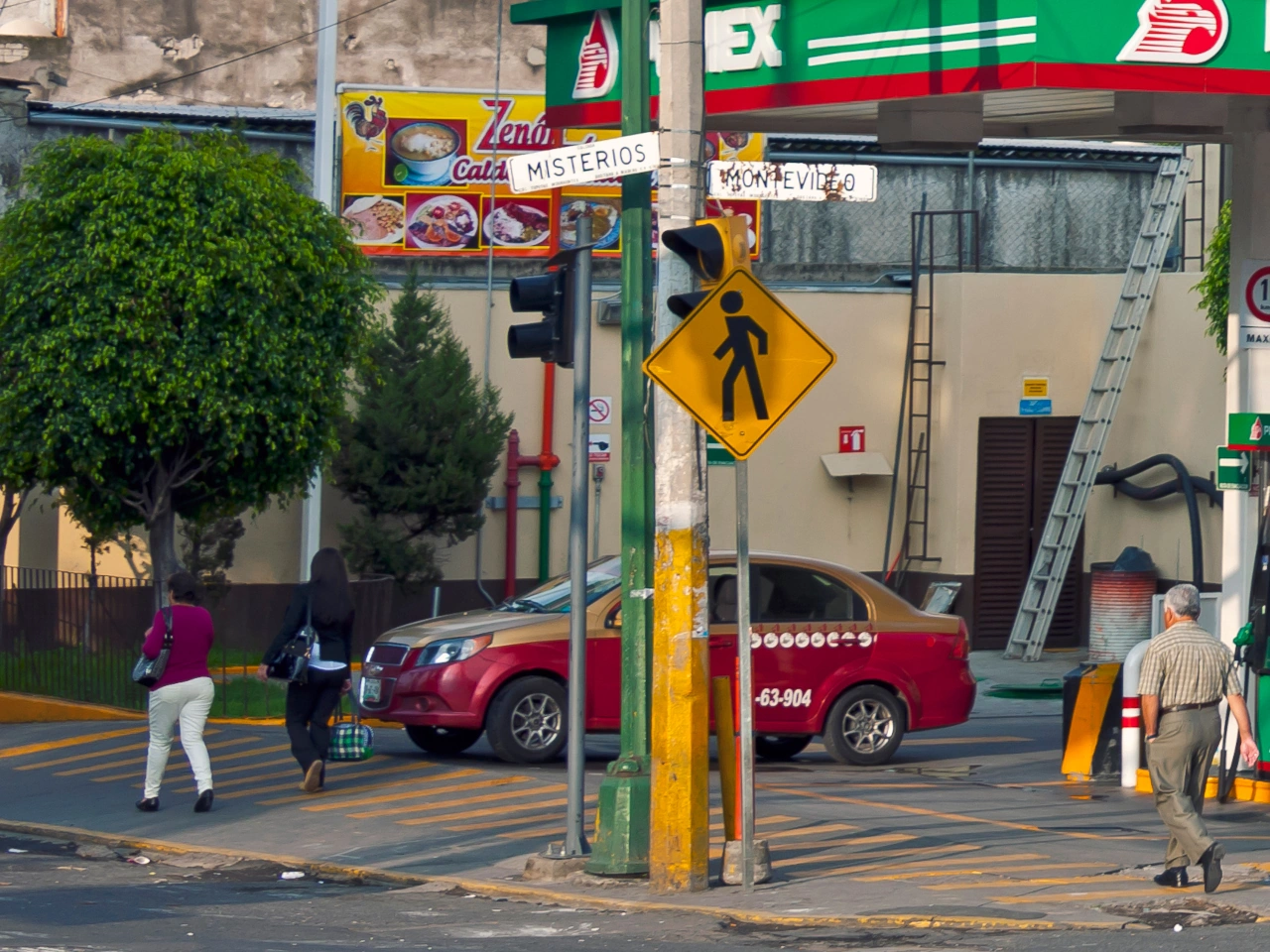
Eine Warnung vor Fußgängern weist darauf hin, dass Fußgänger die Fahrbahn voraus überqueren oder betreten können. Sie wird häufig in der Nähe von Fußgängerüberwegen oder an anderen Stellen verwendet, an denen Fahrer frühzeitig auf häufigen Fußgängerverkehr hingewiesen werden sollen.
Fahrer sollten bei einer solchen Warnung bei Bedarf die Geschwindigkeit verringern, aufmerksam nach Fußgängern Ausschau halten und bremsbereit sein. Gestaltung des Warnzeichens und Vorfahrtsregeln am Übergang unterscheiden sich je nach Land.
What does a pedestrian warning mean?
A pedestrian warning alerts drivers that pedestrians may be crossing or entering the road ahead.
Where are pedestrian warning signs commonly used?
They are commonly placed near pedestrian crossings or other locations with significant pedestrian activity.
How should you react to a pedestrian warning?
Reduce speed when necessary, watch both sides of the road and be prepared to give way or stop for pedestrians according to the applicable traffic rules.
5. Bremsschwelle
Eine Bremsschwelle ist eine erhöhte Verkehrsberuhigungsmaßnahme quer über die gesamte oder einen Teil der Straße, die Fahrer zum Verringern der Geschwindigkeit zwingt. Sie wird häufig in Wohngebieten, an Schulen, Übergängen, Parkplätzen und anderen Bereichen eingesetzt, in denen niedrige Fahrzeuggeschwindigkeiten wichtig sind.
Bremsschwellen unterscheiden sich in Form, Höhe und rechtlicher Bedeutung. Fahrer sollten sie mit niedriger, kontrollierter Geschwindigkeit anfahren und alle dazugehörigen Warnzeichen oder Geschwindigkeitsbegrenzungen beachten.
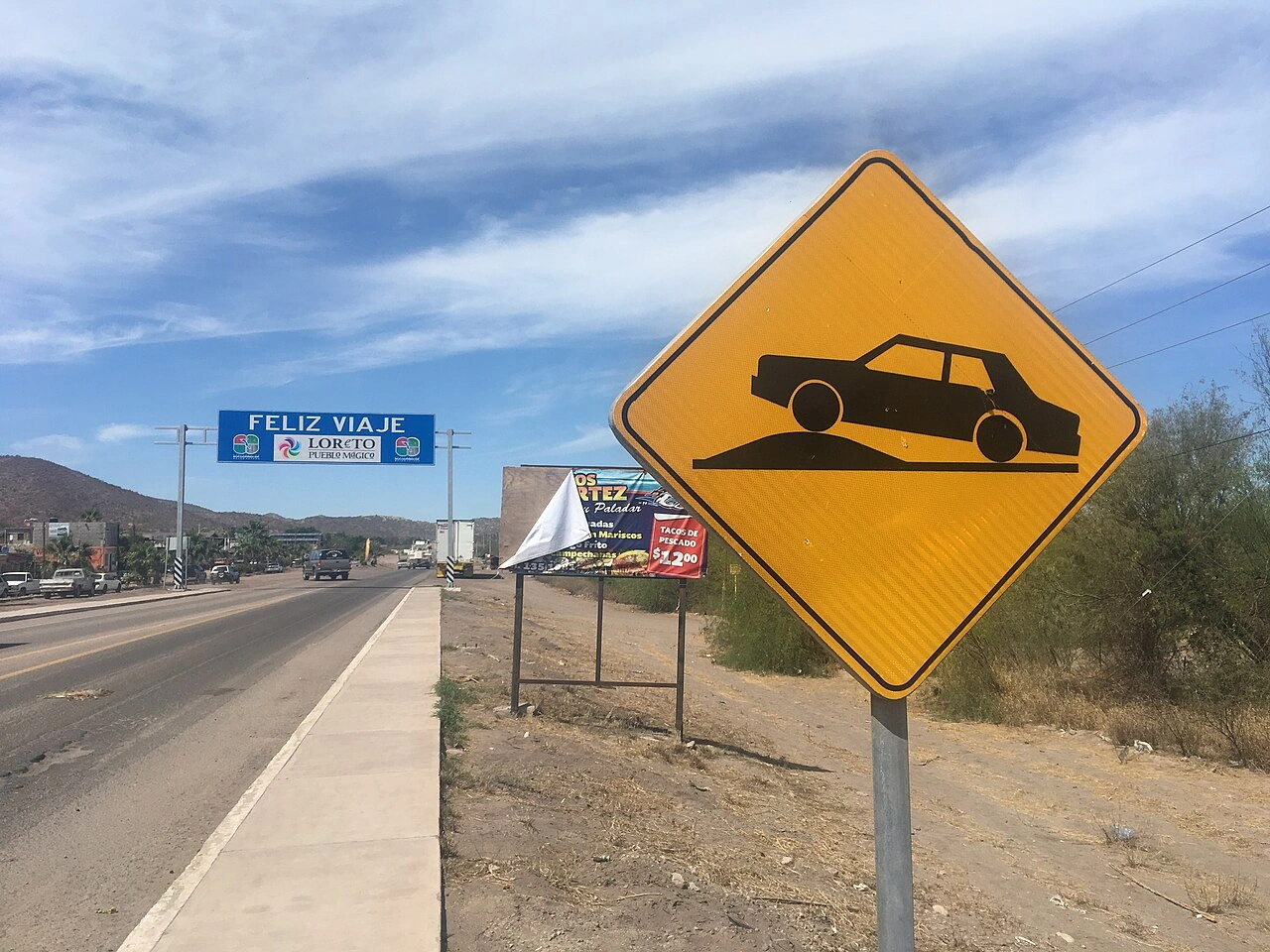
What is the purpose of a speed bump?
A speed bump is intended to physically reduce vehicle speeds. It encourages drivers to slow down in places where pedestrians, cyclists, children or local traffic may be present.
How can you recognise a speed bump?
A speed bump is a raised section extending across all or part of the road. It may be marked with contrasting paint, road markings or warning signs to make it more visible.
Is a speed bump the same as a speed table?
No. A speed bump or speed hump normally has a rounded profile. A speed table has ramps leading to a longer, flat raised section that may contain an intersection or pedestrian crossing.
Is a speed cushion the same as a speed bump?
No. A speed cushion is a narrower raised device that does not cover the full width of a traffic lane. Its design may allow buses and emergency vehicles to pass with less disturbance while still slowing smaller vehicles.
Is there a universal speed limit over a speed bump?
No. The legal speed depends on the country, traffic signs and road type. Even when no special limit applies, drivers must cross the device at a speed that is safe for the road, vehicle and passengers.
How should you approach a speed bump?
Check surrounding traffic, reduce your speed smoothly and approach in a straight line where possible. Avoid sudden braking immediately before the bump.
Should you brake while crossing a speed bump?
Most of the necessary braking should be completed before reaching the raised surface. Cross at a steady, low speed and avoid harsh braking or acceleration while the wheels are on the device.
Should you drive across a speed bump at an angle?
Normally not. Cross in the normal direction of the traffic lane unless the road layout requires otherwise. Driving diagonally may place the vehicle in the path of approaching or overtaking traffic.
May motorcycles and bicycles use a speed bump?
Yes. Riders should reduce speed, keep the vehicle stable and cross as directly as possible. Painted or wet raised surfaces may provide less grip.
Do pedestrians have priority at a speed bump?
Not automatically. A speed bump does not by itself create a pedestrian crossing. Pedestrian priority depends on crossings, traffic signals, signs and local law.
Does a speed bump change priority at an intersection?
No. The presence of a raised surface does not normally change the priority rules. Drivers must continue to follow traffic signs, signals and the ordinary intersection rules.
May you overtake on a speed bump?
Overtaking may be restricted by local law or signs. Even where it is not expressly prohibited, drivers should avoid overtaking when the raised surface, limited space or nearby vulnerable road users make the manoeuvre unsafe.
May you stop or park on a speed bump?
This depends on local law. Stopping or parking may be prohibited because the vehicle could obstruct visibility, traffic flow or the purpose of the traffic-calming device.
Can a speed bump damage a vehicle?
A correctly designed speed bump should be crossed safely at an appropriate speed. Crossing too quickly may damage tyres, wheels, suspension, bodywork or cargo and may cause passengers discomfort.
Does the road speed limit change after a speed bump?
Not necessarily. A special limit may apply only to the raised device, while a signed speed restriction or speed zone may continue beyond it. Drivers must follow the applicable signs and local rules.
Why do buses and emergency vehicles sometimes avoid speed bumps?
Raised devices can affect passenger comfort, emergency response and large vehicles. Some roads therefore use speed tables, cushions or other traffic-calming measures designed to reduce these effects.
6. Stoppschild
Ein Stoppschild verpflichtet Fahrer, vollständig anzuhalten und Vorfahrt zu gewähren, bevor sie in die vorausliegende Straße einfahren oder sie überqueren. Angehalten werden muss an der Haltlinie oder an einer anderen gesetzlich vorgeschriebenen Stelle.
Nach dem Anhalten darf der Fahrer erst weiterfahren, wenn dies sicher und ohne Behinderung bevorrechtigten Verkehrs möglich ist. Das Stoppschild verschafft dem Fahrer durch das Anhalten selbst keine Vorfahrt.
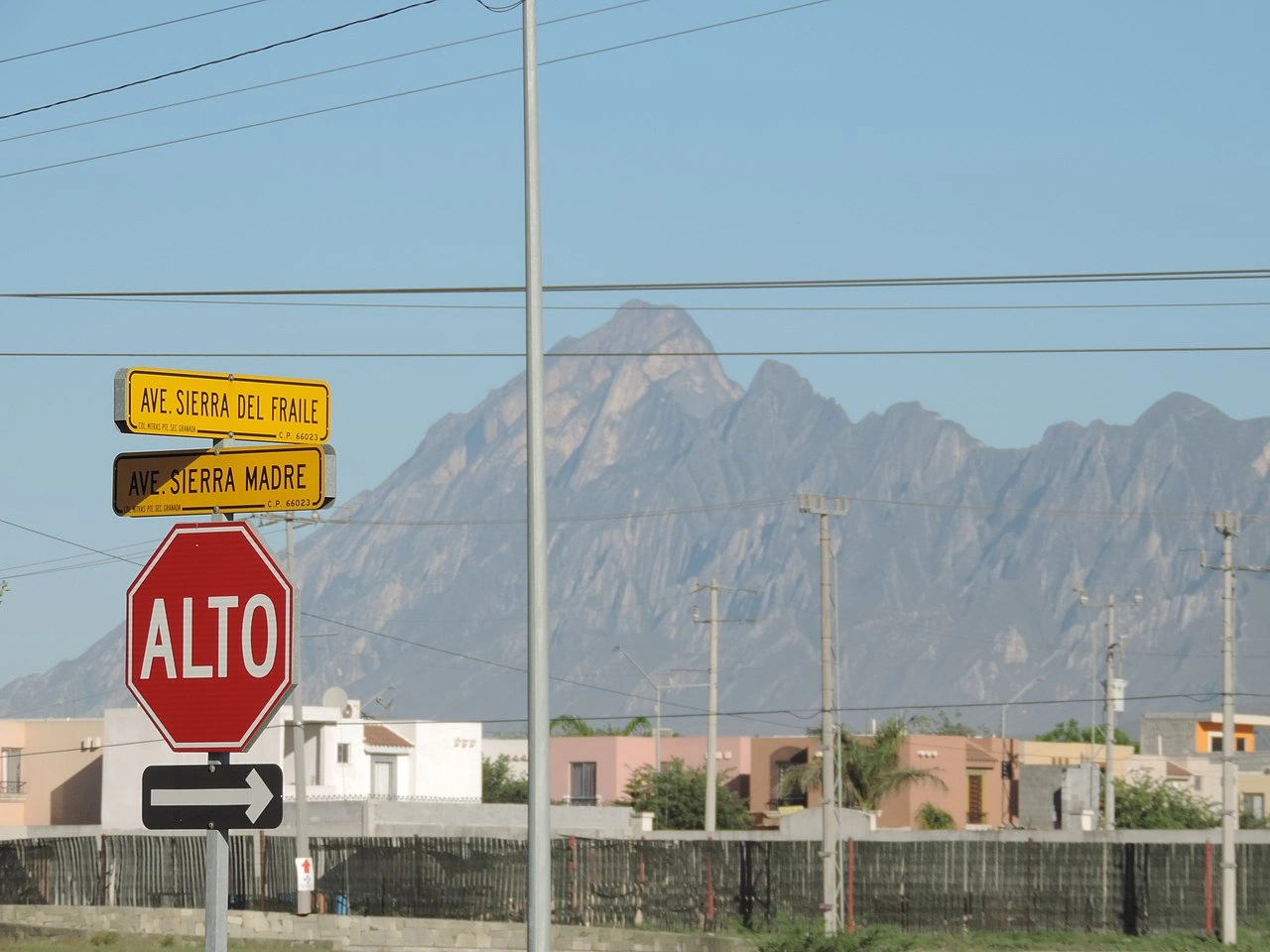
What does a stop sign mean?
A stop sign requires a driver to come to a complete stop and give way before proceeding.
How can you recognise a stop sign?
A stop sign is commonly a red octagonal sign displaying the word STOP. Some countries use another legally recognised design, so drivers must learn the signs used locally.
Must you stop when no other traffic is visible?
Yes. The obligation to stop applies even when the road appears completely clear.
What is a complete stop?
A complete stop means that the vehicle has ceased moving entirely. Merely slowing down or allowing the vehicle to continue rolling does not satisfy the requirement.
Where should you stop?
Stop before the stop line where one is provided. Without a line, stop at the legally prescribed position before entering the intersection, crossing or priority road.
May you stop beyond the stop line?
No. The required first stop must be made before the line. If visibility is limited, move forward cautiously after stopping and stop again where necessary before proceeding.
Must every vehicle in a queue stop separately?
Yes. Each driver must make an individual complete stop. Following another vehicle through without stopping is not permitted.
Does stopping give you priority?
No. After stopping, you must continue to give way to all road users who have priority.
Who must you give way to?
Give way to traffic on the road being entered or crossed and to pedestrians, cyclists or other road users who have priority under the applicable rules.
What is the difference between a stop sign and a give-way sign?
A stop sign always requires a complete stop. A give-way sign requires the driver to yield but normally allows continued movement when the road is clearly free.
May you turn after stopping?
Yes. After stopping and giving way, you may turn in any direction permitted by signs, signals, lane arrows and road markings.
May you turn right at a red traffic light after stopping?
This depends entirely on local law and traffic signs. A stop sign does not by itself permit a turn against a red light.
Does a stop sign impose a speed limit?
No. It imposes a stopping and yielding obligation. The normal posted or general speed limit remains applicable before and after the intersection.
Does a stop sign apply to cyclists?
In many countries, cyclists are drivers and must stop unless a specific sign or local rule provides an exception.
What happens at an all-way stop?
The order in which drivers may proceed depends on local rules, commonly involving arrival order, vehicle position and turning direction. Drivers should communicate cautiously and never assume another driver will yield.
What if two vehicles stop at the same time?
Apply the local priority rule and proceed only when the intentions of the other driver are clear. Avoid forcing the other vehicle to brake or change direction.
Do traffic lights override a stop sign?
Where functioning traffic lights control the same movement, they commonly take precedence over the stop sign. Local rules determine what applies when the lights are switched off or flashing.
Do instructions from a police officer override a stop sign?
Yes. Instructions from an authorised traffic officer normally take precedence over traffic signs and ordinary priority rules.
Can a temporary stop sign be legally binding?
Yes. A correctly placed temporary stop sign at roadworks, an event or another temporary traffic arrangement must be obeyed.
What should you do when the stop sign is partly hidden?
If you recognise that a stop sign applies, reduce speed and obey it. Report damaged, obscured or missing signs to the responsible road authority where appropriate.
7. Vorfahrt gewähren
Ein Vorfahrt-gewähren-Zeichen verpflichtet Fahrer, bevor sie in eine Straße einfahren, sie überqueren oder sich in sie einfädeln, bevorrechtigten Verkehr zuerst passieren zu lassen. Fahrer müssen die Geschwindigkeit verringern, den sich nähernden Verkehr beobachten und bei Bedarf anhalten.
Anders als ein Stoppschild verlangt dieses Zeichen nicht immer ein vollständiges Anhalten. Ohne anzuhalten darf nur weitergefahren werden, wenn die Strecke eindeutig frei ist und kein bevorrechtigter Verkehrsteilnehmer gezwungen wird, Geschwindigkeit oder Richtung zu ändern.
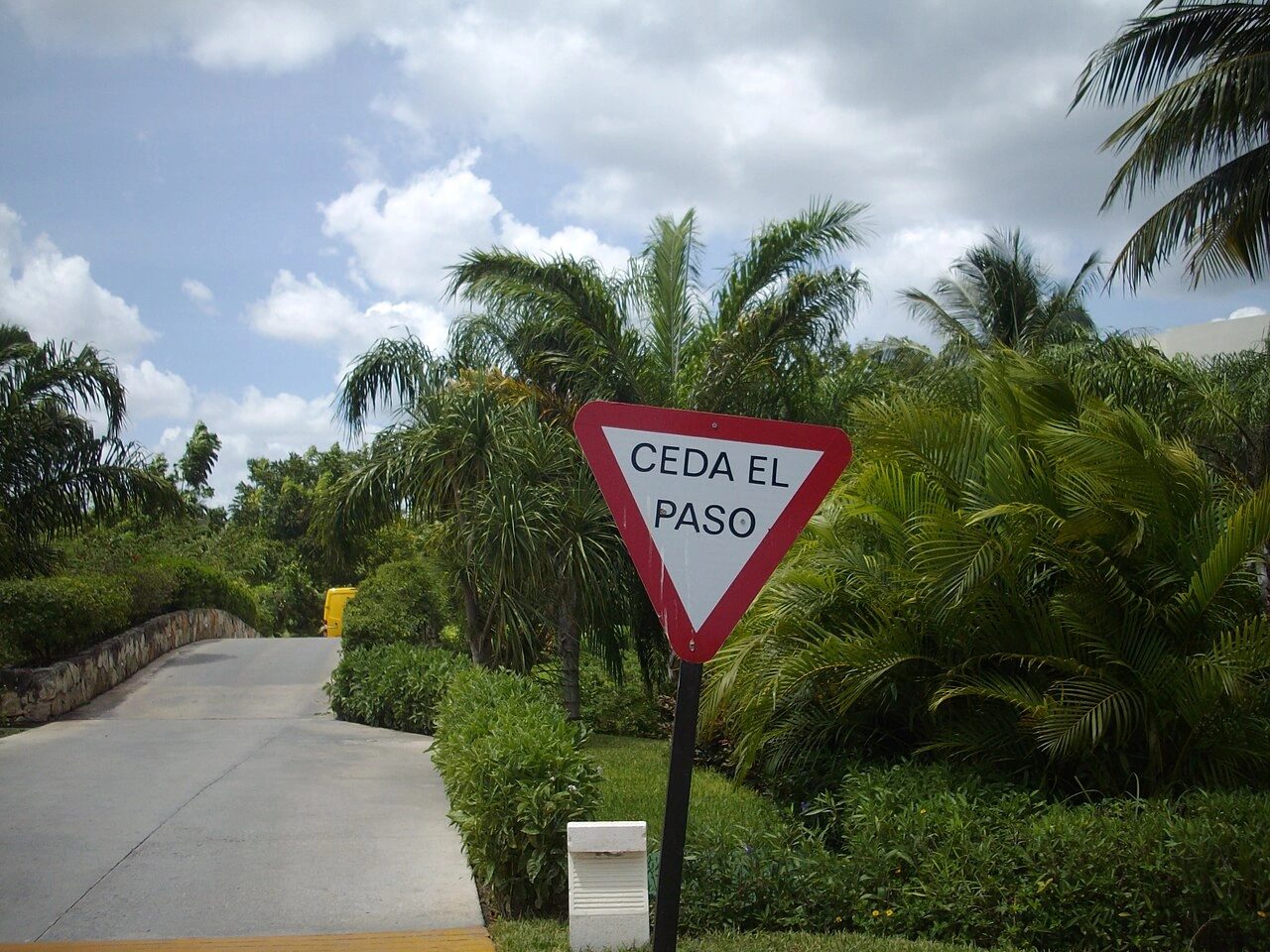
What does a give-way sign mean?
A give-way sign requires drivers to allow traffic with priority to proceed first. The driver must slow down and stop when necessary.
How can you recognise a give-way sign?
It is commonly an inverted triangular sign with a red border and a light-coloured centre. In some countries, it is called a yield sign.
Must you always stop at a give-way sign?
No. You must stop only when necessary to give way or obtain a sufficiently clear view. You may continue slowly when the road is clearly free.
What does giving way mean?
Giving way means allowing another road user to continue without being forced to brake, accelerate, stop or change direction because of your movement.
Where should you stop when necessary?
Stop before the give-way line where one is provided. Without a line, stop before entering the intersection or priority road at a position where you can observe traffic safely.
May you cross the give-way line before stopping?
You may move beyond the line only when this does not interfere with traffic that has priority. Where visibility is limited, first slow or stop at the line and then move forward cautiously.
What is the difference between give way and stop?
A stop sign always requires a complete stop. A give-way sign permits the driver to continue without stopping when the road is clearly free and it is safe to proceed.
Does slowing down satisfy the give-way requirement?
Only when slowing down is sufficient to let all priority traffic proceed safely. If another road user would be hindered, the driver must slow further or stop.
Who must you give way to?
Give way to traffic travelling on the road being entered or crossed and to any pedestrians, cyclists or other road users who have priority under the applicable rules.
Does giving way apply only to vehicles approaching from one direction?
No. Check every direction from which lawful traffic may approach, including cycle paths, one-way roads with authorised contraflow traffic and separate carriageways.
Does a give-way sign give the other road permanent priority?
The sign determines priority at the particular location. The priority arrangement at later intersections may be different unless the road is separately identified as a priority road.
Does giving way give you priority afterwards?
No. You may proceed only when it is safe. Another driver’s hesitation or courtesy does not remove your responsibility to avoid danger.
Must every vehicle in a queue give way separately?
Yes. Each driver must observe the road and make an individual decision. You may not follow another vehicle through without checking that the way remains clear.
Does a give-way sign apply to cyclists?
Normally, yes. Cyclists are generally treated as drivers and must obey the sign unless a supplementary sign or local rule provides otherwise.
Can a give-way sign apply only to cyclists?
Yes. Some countries use supplementary signs or path-specific signs to require cyclists to give way while other traffic follows a different priority arrangement.
Does a give-way sign change the speed limit?
No. It regulates priority rather than speed. Drivers must still approach slowly enough to observe traffic and stop when necessary.
Does a give-way sign change turning rules?
No. Drivers must still obey traffic lights, lane arrows, mandatory-direction signs and turning prohibitions.
How does give way work at a roundabout?
Many roundabout entrances have give-way signs requiring entering traffic to yield to vehicles already circulating. Drivers must follow the actual signs because roundabout priority rules differ between countries.
Do traffic lights override a give-way sign?
Functioning traffic lights commonly take precedence over priority signs controlling the same movement. The give-way sign may apply again when the lights are switched off or flashing, depending on local law.
Do police instructions override a give-way sign?
Yes. Instructions from an authorised traffic officer normally take precedence over traffic signs and ordinary priority rules.
What should you do when visibility is limited?
Reduce speed substantially and stop when necessary. Move forward cautiously only after giving way and checking that the road can be entered without danger.
8. Bahnübergang
Ein Bahnübergang ist eine Stelle, an der eine Straße oder ein Weg Bahngleise höhengleich kreuzt. Er kann durch Schranken, Warnlichter, Glocken, Verkehrszeichen oder eine Kombination dieser Einrichtungen gesichert sein.
Verkehrsteilnehmer müssen sich vorsichtig nähern und dürfen niemals einfahren, wenn sich ein Zug nähert, Warnsignale aktiv sind oder die Ausfahrt blockiert ist. Sie sollten die Gleise zügig überqueren und dürfen niemals auf den Gleisen anhalten, warten oder eingeschlossen werden.
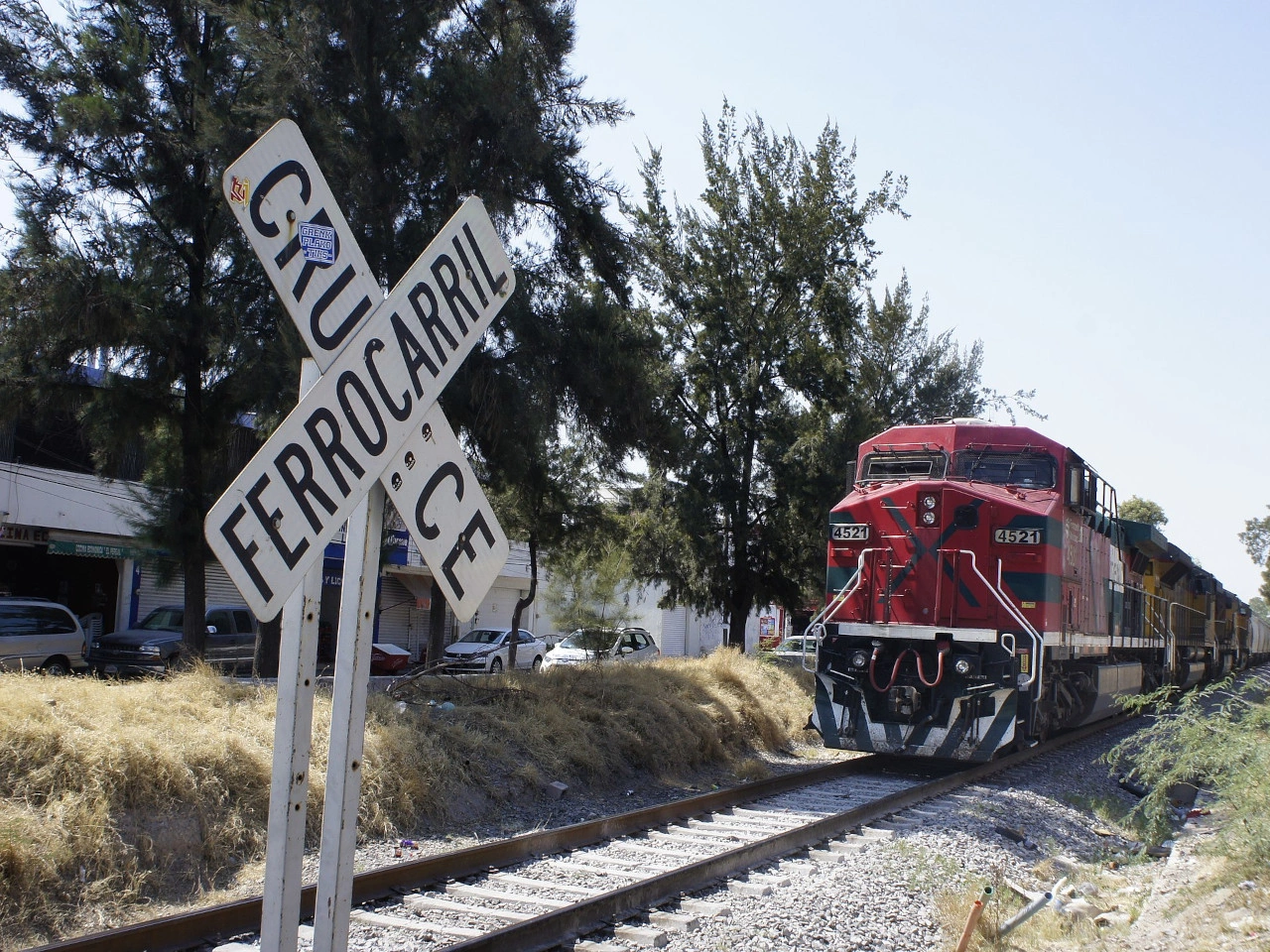
What is a railway crossing?
A railway crossing is a place where a road or path crosses railway tracks at the same level.
What is another name for a railway crossing?
It may also be called a level crossing or, particularly in North America, a railroad crossing.
How can you recognise a railway crossing?
It may be indicated by warning signs, crossbuck signs, barriers, flashing lights, bells or road markings. The design differs between countries.
What is the difference between a crossing with and without barriers?
A protected crossing uses full or partial barriers to block road traffic when a train approaches. A crossing without barriers relies on signs, lights, bells or the road user’s own observation.
Must you always stop at a railway crossing?
Not necessarily. You must stop when required by lights, barriers, signs, an approaching train or an authorised person. At an unprotected crossing, slow down and proceed only after checking that no train is approaching.
What do flashing red lights mean?
Flashing red lights mean stop and do not enter the crossing. Remain stopped until the signal permits you to continue.
May you cross while a barrier is moving?
No. Do not enter while a barrier is lowering, rising or closed. Wait until the crossing is fully open and all prohibiting signals have stopped.
May you drive around a closed barrier?
No. Never drive, cycle or walk around or underneath a closed or moving barrier.
What does a warning bell mean?
A warning bell or audible signal normally means that the crossing is closing or that a train is approaching. Do not enter the crossing while it is sounding.
What does a flashing white light mean?
In some countries, a flashing white light indicates that the crossing equipment is operating and road users may pass when the route is clear. Its exact meaning depends on local law.
What should you do at a crossing without lights or barriers?
Reduce speed, look and listen carefully in both directions and cross only after making sure that no train or other rail vehicle is approaching.
May you cross immediately after a train has passed?
Not automatically. Another train may approach on a second track. Wait until all warning signals stop and the crossing is fully open.
What if traffic ahead is blocking the exit?
Do not enter the crossing unless there is enough room beyond the tracks for your entire vehicle. Never rely on traffic moving before a train arrives.
May you wait on the tracks?
No. Railway tracks must always remain clear. Do not stop because of congestion, traffic lights or another obstruction beyond the crossing.
May you overtake at a railway crossing?
Overtaking is often prohibited or restricted because another vehicle can obstruct the view of an approaching train or warning signal. Follow local signs and overtaking rules.
May you stop or park on a railway crossing?
No. Stopping or parking on the tracks creates an immediate and potentially fatal danger.
Do the crossing signals apply to pedestrians and cyclists?
Yes. Pedestrians and cyclists must obey barriers, lights, bells and authorised personnel in the same way as other road users.
Should cyclists ride across the tracks at an angle?
Where possible, cross the rails at an angle close to 90 degrees. Rails can trap a bicycle wheel, especially when they are wet or cross the road diagonally.
What should drivers of long vehicles check?
Make sure the entire vehicle and any trailer can clear the crossing without stopping. Consider the available space, road gradient, turning room and traffic beyond the tracks.
What should drivers of high vehicles check?
Observe all height restrictions and warning signs. Electrified railway lines may have overhead equipment that can be struck by an excessively high vehicle or load.
What should you do if the signals appear defective?
Treat the crossing with extreme caution. Do not assume that no train is approaching merely because the lights or barriers are not operating.
What should you do if your vehicle becomes stuck on the tracks?
Evacuate everyone immediately, move well away from the railway and contact the emergency services or railway operator. Do not remain in the vehicle or return for belongings.
Is a railway crossing the same as tram tracks in the road?
Not always. A railway crossing normally crosses tracks that are separate from the carriageway, while tram or street-running railway tracks may form part of the road itself.
9. Schulbereich
Ein Schulbereich ist eine Straße oder Gruppe von Straßen in der Nähe einer Schule, wo viele Kinder zu Fuß gehen, Rad fahren, die Fahrbahn überqueren oder in Fahrzeuge ein- und aussteigen können. Er kann durch Warn- oder Zonenzeichen, Fahrbahnmarkierungen, Verkehrsberuhigungsmaßnahmen oder Blinklichter gekennzeichnet sein.
Besondere Geschwindigkeitsbegrenzungen, Parkverbote oder Zufahrtsregeln können dauerhaft oder nur zu den Bring- und Abholzeiten gelten. Fahrer sollten die Geschwindigkeit verringern, besonders auf Kinder achten und bremsbereit sein.
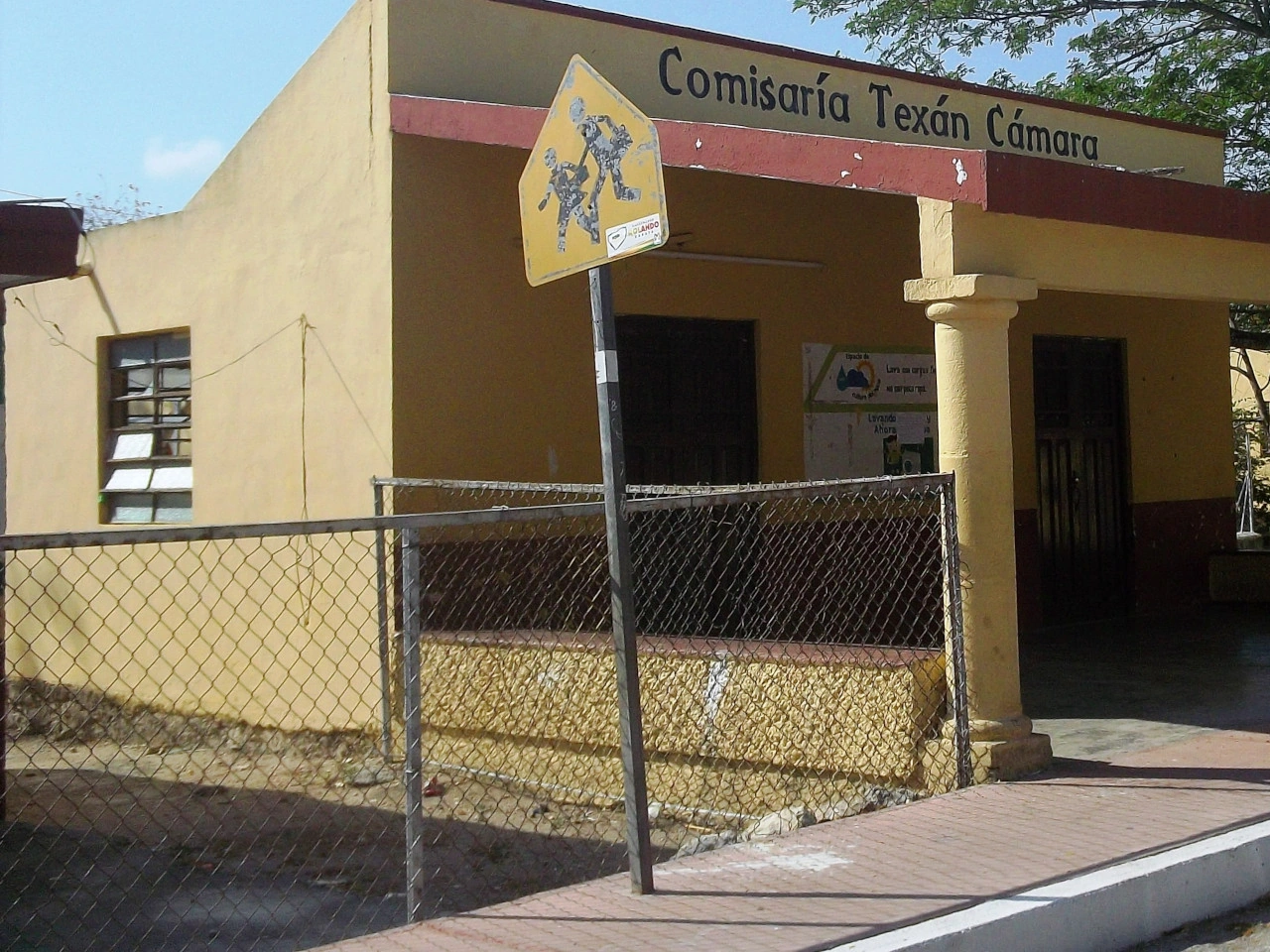
What is a school area?
A school area is a road or group of roads near a school where drivers should expect large numbers of children, pedestrians, cyclists and stopping vehicles.
How can you recognise a school area?
It may be identified by school warning signs, speed-zone signs, flashing lights, road markings, coloured surfacing or traffic-calming measures. The signs differ between countries.
Does every road beside a school have special legal rules?
No. Special school-area rules normally apply only where signs, signals or local legislation establish them.
What is the speed limit in a school area?
There is no universal school-area speed limit. The applicable limit depends on the country, region, signs and whether a variable restriction is active.
Is the school-area speed limit always active?
Some limits apply permanently, while others apply only during displayed times or when flashing or variable signs are active. Drivers must observe the actual sign arrangement.
Must you drive below the displayed limit?
Yes, when necessary. The displayed speed is a maximum. Children, congestion, poor visibility or vehicles stopping near the school may require a much lower speed.
Why are children especially vulnerable in traffic?
Children may have difficulty judging speed and distance, may be hidden by parked vehicles and may enter the road unexpectedly.
How should you approach a school area?
Reduce speed early, increase your observation and be prepared for children crossing, cyclists changing direction, vehicle doors opening and cars stopping suddenly.
Do children automatically have priority everywhere?
No. Priority depends on crossings, traffic lights, authorised crossing supervisors and local rules. Drivers must nevertheless take exceptional care to avoid endangering children.
Must you obey a school crossing supervisor?
Yes. Drivers and other road users must follow lawful instructions given by an authorised person controlling traffic for children.
May children cross away from a pedestrian crossing?
This depends on local pedestrian rules. Drivers should remain prepared for children to cross unexpectedly, even where they are required to use a nearby crossing.
Does a school sign create pedestrian priority?
Not by itself. A school warning sign alerts drivers to children but does not normally create the legal effect of a pedestrian crossing.
Does a school area change intersection priority?
No. Traffic lights, priority signs and the ordinary intersection rules remain applicable unless another traffic arrangement provides otherwise.
May you overtake in a school area?
Overtaking may be restricted by signs or local law. Even where it is permitted, drivers should not overtake when children, crossings, limited visibility or stopped vehicles make the manoeuvre unsafe.
May you stop to drop off a child?
Only where stopping is permitted and can be completed safely. Do not stop on a crossing, pavement, bike path, bus stop or another prohibited or dangerous location.
May you park near a school entrance?
Follow the parking signs and markings. Do not block entrances, pavements, bike paths, crossings, visibility or access for buses and emergency vehicles.
Why is double parking dangerous near a school?
It blocks traffic and visibility and may force children to walk between moving vehicles or enter the road from behind an obstruction.
What should you watch for near school buses?
Expect children to enter or leave the vehicle and possibly cross the road. Reduce speed and follow any special warning lights, signs or local school-bus rules.
May cyclists ride through a school area?
Normally, yes. They must follow the applicable road, bike-path, speed and priority rules. Drivers should expect inexperienced young cyclists.
Is a school area the same as a school street?
No. A school area normally remains open to traffic under special caution or speed rules. A school street temporarily restricts or excludes motor traffic during specified periods.
Is a school area the same as a Zone 30?
Not universally. A school area may form part of a Zone 30, use another speed limit or have a variable restriction that applies only at particular times.
When do the school-area rules end?
They normally end at an end sign, at the end of the stated time period or when the variable signal is no longer active. The surrounding road rules then apply.
10. Steinschlag
Eine Steinschlagwarnung kennzeichnet einen Straßenabschnitt, auf dem Felsen oder Steine von einer Felswand, einem Einschnitt oder steilen Hang herabfallen können oder bereits Material auf der Fahrbahn liegen kann. Die Gefahr kann die gesamte Fahrbahn betreffen und plötzlich auftreten.
Fahrer sollten die Geschwindigkeit verringern, Straße und Hänge voraus aufmerksam beobachten, den Abstand vergrößern und bremsbereit bleiben. Unnötiges Anhalten im gefährdeten Abschnitt sollte vermieden werden; instabile Steine dürfen nicht eigenständig bewegt werden.
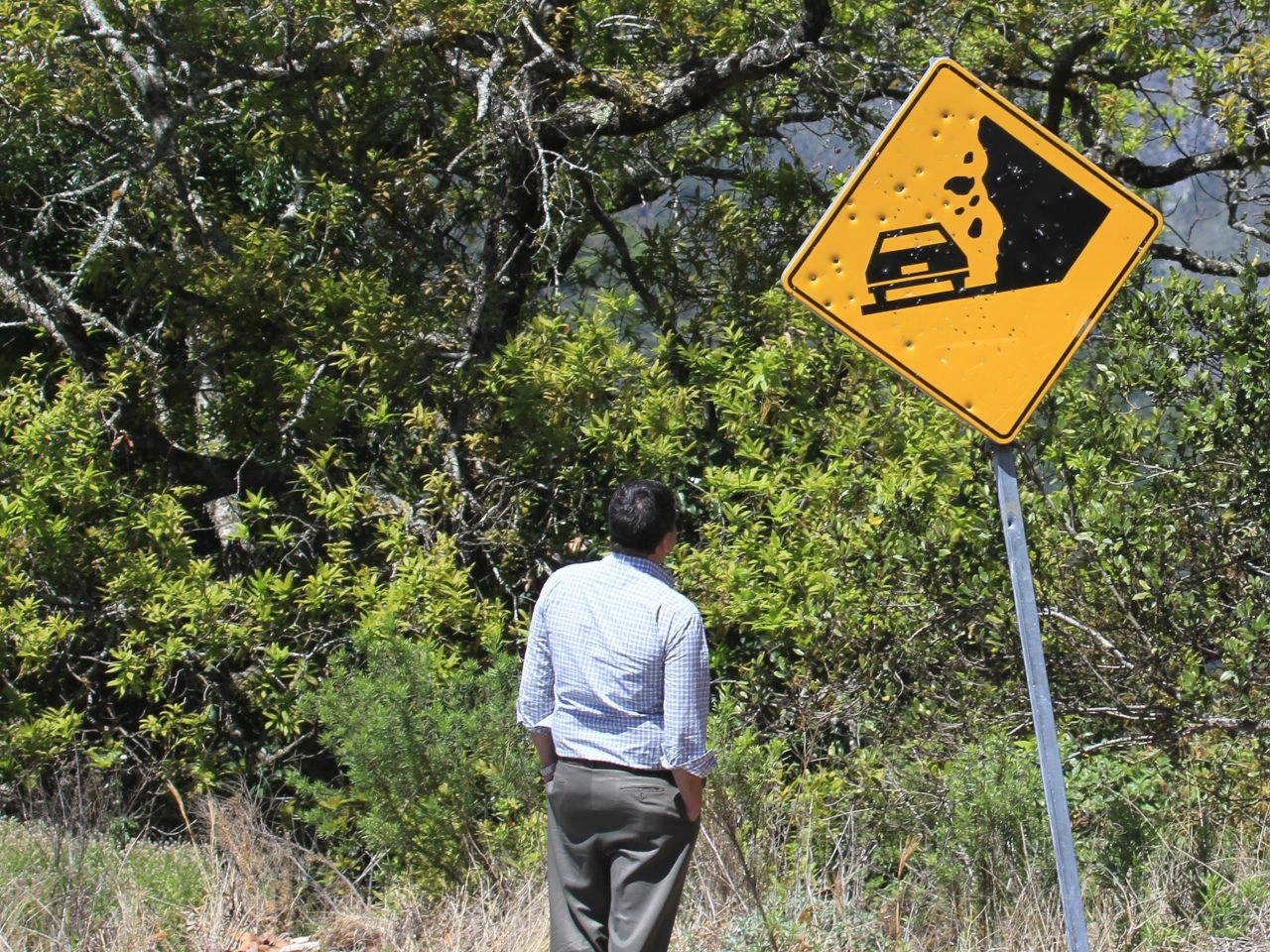
What does a rockfall warning mean?
It warns that rocks or stones may fall onto the road or may already be lying on the carriageway.
How can you recognise a rockfall sign?
It is commonly a triangular warning sign showing rocks falling from a steep slope. The exact colour and design vary between countries.
Does the sign mean rocks are falling at that moment?
No. It indicates an increased risk. The road may be clear, contain stones from an earlier fall or become dangerous without additional warning.
Does the sign warn only about falling rocks?
Not necessarily. It may also warn about loose or fallen stones already present on the road.
What can cause a rockfall?
Rockfalls may be caused by erosion, heavy rain, frost and thawing, storms, ground movement, vegetation loss, roadworks or natural instability.
When can the risk be greater?
The risk may increase during or after heavy rain, freezing weather, rapid thawing, strong winds, earthquakes or work on a nearby slope.
Does a rockfall sign impose a speed limit?
No. It normally warns of danger rather than setting a numerical limit. Drivers must reduce speed when necessary to react safely.
Does the sign change priority?
No. Traffic lights, priority signs and the ordinary priority rules remain applicable.
How should you approach a rockfall area?
Reduce speed smoothly, increase your following distance and watch the road surface, slope, barriers and vehicles ahead for signs of falling or fallen material.
Should you drive close to the vehicle ahead?
No. Leave additional distance so you can see stones on the road and react if the vehicle ahead brakes or changes direction suddenly.
Should you stop in a rockfall area?
Avoid unnecessary stopping in the exposed section. Stop only when required by traffic, an obstruction or an emergency, and choose the safest available location.
May you overtake in a rockfall area?
The warning sign does not necessarily prohibit overtaking, but drivers should avoid overtaking when visibility, road width, loose stones or the risk of falling material makes it unsafe.
May you stop or park beneath an unstable slope?
Avoid doing so. Even where parking is not expressly prohibited, remaining beneath an unstable cliff or slope may expose the vehicle and its occupants to unnecessary danger.
What should you do when stones are lying on the road?
Reduce speed without harsh steering or braking. Pass only when there is enough clear space and visibility; otherwise, stop at a safe distance and report the obstruction.
Should you swerve around a rock?
Avoid a sudden uncontrolled swerve. Brake while maintaining control and steer around the obstruction only when the adjacent space is clearly safe.
What if the road is completely blocked?
Stop at a safe distance, activate the hazard warning lights when appropriate and contact the police, road authority or emergency services. Do not attempt to drive over unstable debris.
What should you do during an active rockfall?
Do not enter the affected section. Stop well before the danger where possible and move away only when this can be done safely without reversing blindly or entering another hazard.
Should you leave the vehicle during an active rockfall?
Do not stand near the unstable slope or falling material. Leave the vehicle only when remaining inside creates a greater immediate danger and a protected escape route is available.
May you move rocks from the road yourself?
Normally not. A stone may be too heavy, unstable or followed by additional falling material. Keep a safe distance and allow trained services to clear the road.
Why are motorcycles and bicycles especially vulnerable?
Even small stones can cause a rider to lose balance or damage a tyre. Riders should reduce speed, avoid sudden steering and keep a greater distance from other traffic.
Can protective nets eliminate the danger?
No. Nets, barriers and retaining structures reduce the risk but cannot guarantee that every stone will be contained.
What does a distance panel below the sign mean?
It may indicate how far ahead the danger begins. Another panel may indicate the length of the hazardous road section.
What should you do after striking a rock?
Keep control of the vehicle, stop at a safe location and activate the hazard warning lights. Check the tyres, wheels and underside only when it is safe and report any dangerous debris.
Does the absence of a sign mean there is no rockfall risk?
No. Drivers must remain attentive wherever roads run beside cliffs, cuttings or steep slopes, even when no warning sign is displayed.
11. Kurve
Eine Kurve ist ein Straßenabschnitt, der seine Richtung nach links oder rechts ändert. Eine enge, unerwartete oder schlecht einsehbare Kurve kann die Sicht auf Gegenverkehr, stehende Fahrzeuge, Fußgänger und andere Gefahren einschränken.
Fahrer sollten vor dem Einfahren in die Kurve die Geschwindigkeit verringern, im eigenen Fahrstreifen bleiben und gleichmäßig lenken, bremsen und beschleunigen. Warnzeichen können die Richtung der ersten Kurve oder eine Folge mehrerer Kurven anzeigen.
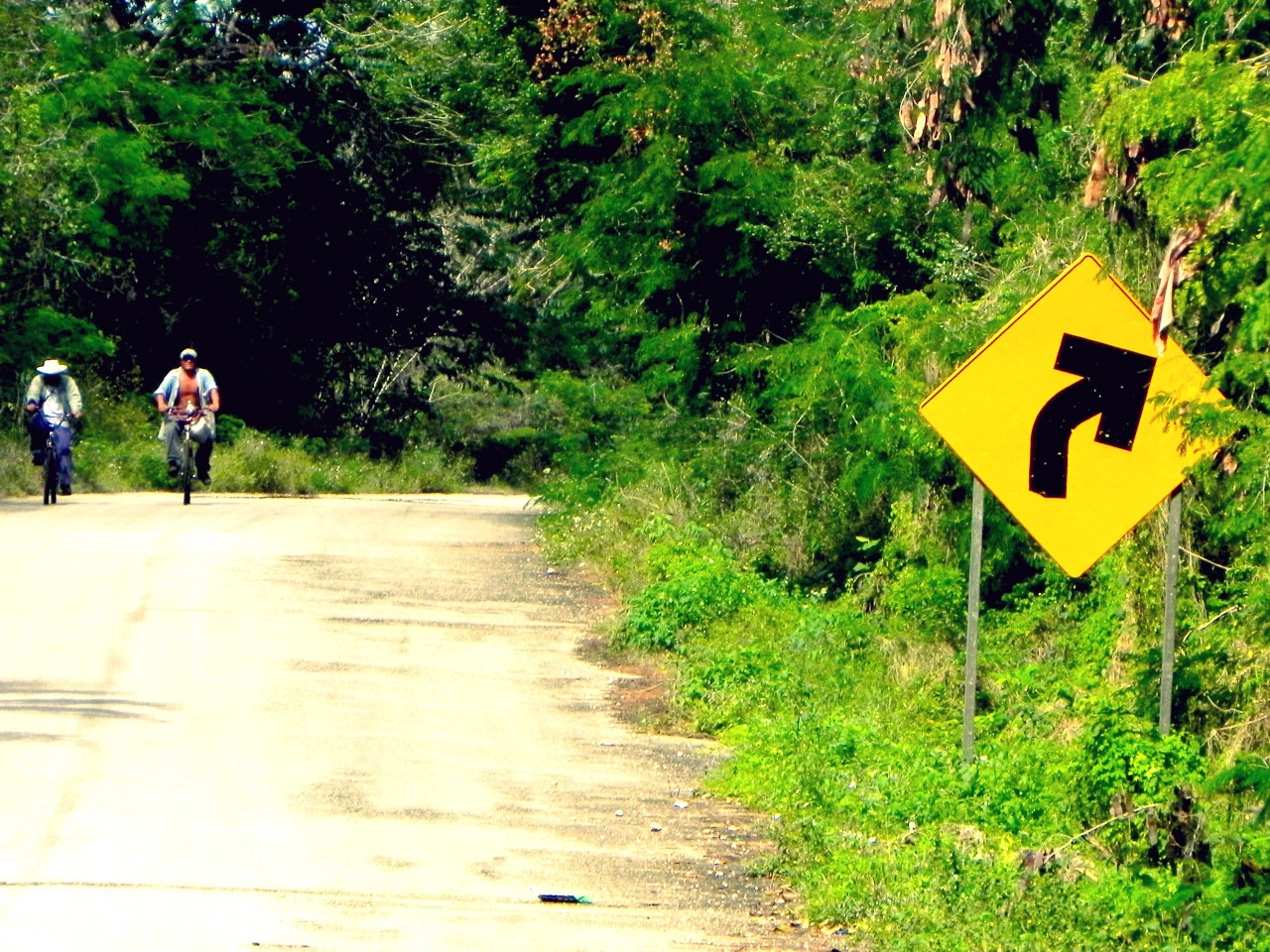
What is a road curve?
A road curve is a section where the road changes direction to the left or right.
How can you recognise a dangerous curve?
It may be indicated by a triangular warning sign showing a curved line. The symbol normally indicates whether the first curve turns left or right.
What is a double curve?
A double curve consists of two curves in opposite directions. The warning sign normally shows the direction of the first curve.
Can a sign warn of more than two curves?
Yes. A double-curve symbol may also warn of a longer sequence of successive curves. A supplementary panel may indicate the length of the winding section.
Does a curve-warning sign impose a speed limit?
No. It normally warns of danger rather than setting a numerical limit. Drivers must still reduce speed when the permitted maximum would be unsafe.
When should you reduce speed for a curve?
Reduce speed before entering the curve, while the vehicle is travelling straight and has maximum stability.
Should you brake heavily while cornering?
No. Harsh braking in a curve can reduce stability and grip. Complete most braking beforehand and use smooth adjustments where necessary.
Should you accelerate through a curve?
Maintain a controlled speed through the curve. Accelerate smoothly only when the exit becomes visible and the vehicle is stable.
Where should you look while driving through a curve?
Look towards the path you intend to follow and the visible exit of the curve. Continue checking the road surface, lane position and nearby traffic.
Must you remain in your lane?
Yes. Do not cross the centre line or cut across another lane, even when this would make the curve appear easier to negotiate.
Why is visibility limited in a curve?
Buildings, vegetation, slopes, barriers and the road alignment may hide oncoming traffic, cyclists, pedestrians, stopped vehicles or debris.
How fast should you drive through a curve?
Choose a speed that allows you to remain in your lane and stop within the distance you can see to be clear. The safe speed may be far below the legal maximum.
What is an advisory speed for a curve?
An advisory speed is a recommended safe speed for negotiating the curve under suitable conditions. It is not necessarily the legal maximum speed.
How do rain, snow or ice affect a curve?
They reduce tyre grip and increase the risk of skidding. Reduce speed earlier, use smooth controls and leave additional distance from other vehicles.
What should you do if gravel or debris is present?
Avoid sudden braking or steering. Reduce speed smoothly and follow a clear path without entering another traffic lane.
May you overtake in a curve?
Do not overtake when visibility is insufficient to see approaching traffic and complete the manoeuvre safely. Local law, signs and continuous road markings may also prohibit overtaking.
May you stop or park in a curve?
Only where it is permitted and the vehicle remains clearly visible. Stopping or parking in a poorly visible curve may create a serious hazard and is often prohibited.
Should you follow another vehicle closely through a curve?
No. Leave enough distance to react if the vehicle ahead brakes for a hidden obstruction or a sharper part of the curve.
Why should motorcyclists take extra care?
Motorcycles require grip for both cornering and braking. Riders should reduce speed before the curve, choose a stable line and avoid painted markings, gravel and slippery surfaces.
How can a curve affect a trailer or caravan?
A trailer may sway, track closer to the inside of the curve or become unstable when speed and steering inputs are excessive. Enter slowly and steer smoothly.
Why do large vehicles need more space?
Buses and trucks may move closer to lane boundaries because of their length and width. Other drivers should avoid travelling beside them through a tight curve.
What should you do if an oncoming vehicle crosses the centre line?
Reduce speed, move safely towards your side of the road and avoid a sudden manoeuvre that could cause another collision. Sound a warning only when reasonably necessary.
Does the absence of a warning sign mean every curve is safe at the speed limit?
No. Drivers must assess every curve and adapt their speed even when no warning sign is displayed.
12. Richtungstafel
Eine Richtungstafel ist eine V- oder pfeilförmige Straßenmarkierung bzw. Tafel, die eine starke Richtungsänderung der Straße hervorhebt. Solche Tafeln stehen normalerweise entlang der Außenseite einer Kurve, wobei ihre Spitzen in die Richtung zeigen, in der die Straße weiterführt.
Richtungstafeln verbessern Sichtbarkeit und Verlauf einer Kurve, insbesondere bei Dunkelheit oder schlechtem Wetter. Sie legen normalerweise weder eine Geschwindigkeitsbegrenzung noch Vorfahrt fest; Fahrer müssen daher vor der Kurve die Geschwindigkeit verringern und alle übrigen Verkehrszeichen und Fahrbahnmarkierungen beachten.
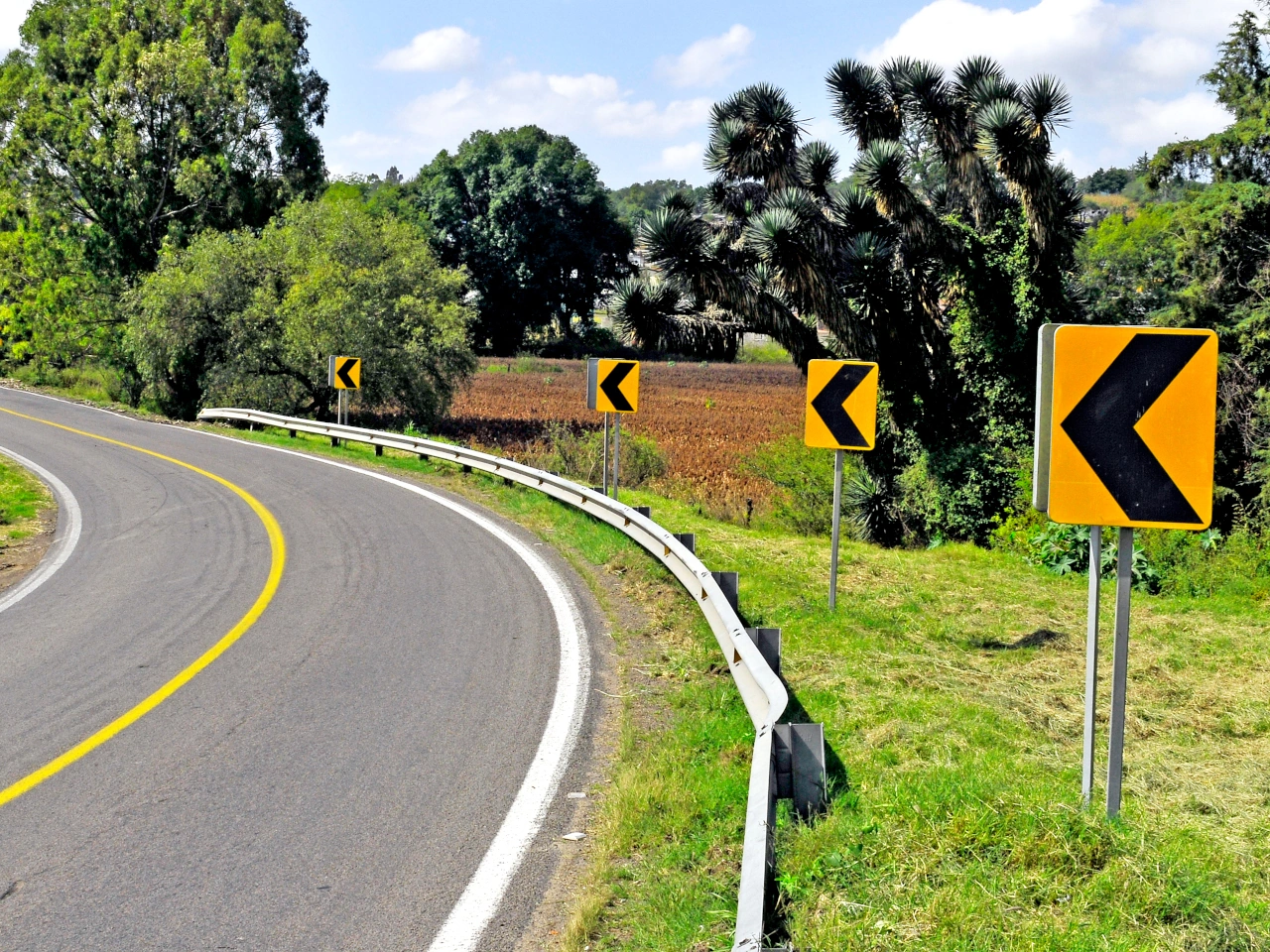
What is a road chevron?
A road chevron is a V-shaped or arrow-shaped marker used to guide drivers through a curve or another sharp change in road direction.
How can you recognise a chevron?
It is normally displayed on a rectangular board using strongly contrasting colours. Several chevrons may be placed in sequence around a curve.
Which direction does a chevron indicate?
The point of the chevron indicates the direction in which the road continues. A chevron pointing left guides traffic through a left curve, while one pointing right guides traffic through a right curve.
Where are chevrons normally placed?
They are generally placed along the outside of a curve, facing approaching traffic so that drivers can clearly see the road alignment.
What is the purpose of a series of chevrons?
A series of chevrons visually traces the curve and helps drivers judge its direction, length and changing alignment.
Is a chevron the same as a curve-warning sign?
No. A curve-warning sign normally warns drivers before the curve. Chevron boards are usually positioned within or around the curve to guide drivers through it.
Does a chevron impose a speed limit?
No. It guides drivers through the change in direction but does not normally introduce a numerical speed limit.
Does a chevron show a recommended speed?
Not by itself. A separate advisory-speed or speed-limit sign may indicate an appropriate or legally required speed.
Does a chevron determine priority?
No. Traffic lights, priority signs and the ordinary priority rules remain applicable.
Does a chevron mean the curve is dangerous?
It normally indicates that the curve requires additional visual guidance. Drivers should expect a noticeable or potentially sharp change in direction.
Does the number of chevrons show how sharp the curve is?
Not directly. The number and spacing depend on the length, radius and design of the curve and on the road authority’s signing standards.
Does a larger chevron mean a sharper curve?
Not necessarily. Larger boards may be used where approach speeds are higher or where greater visibility is needed.
How should you approach chevrons?
Reduce speed before the curve, observe the direction of the boards and remain within your traffic lane.
Should you brake heavily after reaching the chevrons?
No. Complete most braking before entering the curve and use smooth steering, braking and acceleration while following it.
May you drive towards the chevron boards?
No. The boards normally mark the outside edge of the curve. Follow the road around them rather than steering towards them.
May you cut across the centre line to straighten the curve?
No. Remain within your lane and do not enter the path of oncoming traffic.
May you overtake beside chevrons?
The chevrons do not automatically prohibit overtaking, but overtaking is unsafe when the curve restricts visibility or available road width.
Why are chevrons reflective?
Reflective material makes the boards easier to see in darkness and poor weather when illuminated by vehicle headlights.
Can chevrons be illuminated?
Yes. Some high-risk curves use illuminated or flashing chevrons to make the change in direction more conspicuous.
Can chevrons have different colours?
Yes. Their colours and design vary between countries, but contrasting colours are used to make the direction clearly visible.
What should motorcyclists consider?
Reduce speed before the curve, choose a stable path and look through the turn. Do not focus exclusively on the chevrons or allow the motorcycle to cross the centre line while leaning.
Does the absence of chevrons mean a curve is safe at the speed limit?
No. Drivers must assess every curve and select a safe speed whether or not chevron boards are installed.
13. Ampeln
Ampeln regeln mit farbigen Lichtzeichen, Pfeilen oder Symbolen, wann Verkehrsteilnehmer fahren dürfen, sich auf das Anhalten vorbereiten müssen oder stehen bleiben müssen. Getrennte Signale können für bestimmte Richtungen, Fahrstreifen, Fußgänger, Radfahrer oder Fahrzeuge des öffentlichen Verkehrs gelten.
Grünes Licht erlaubt die Fahrt nur, wenn der Weg frei und die Bewegung ansonsten zulässig ist. Verkehrsteilnehmer müssen weiterhin Vorfahrtsregeln, Abbiegeverbote, Fahrbahnmarkierungen und Anweisungen befugter Verkehrsregler beachten.
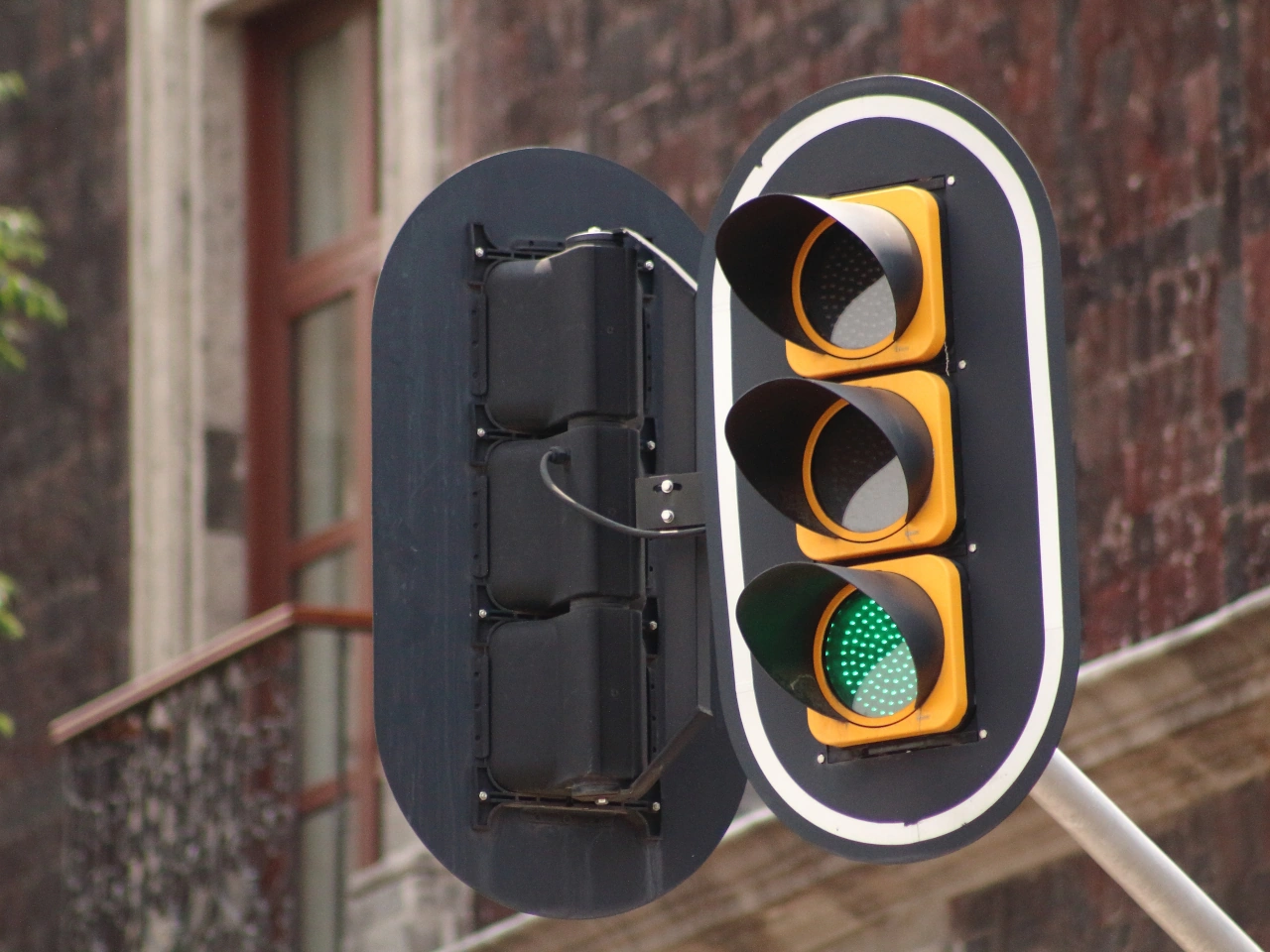
What are traffic lights?
Traffic lights are signals that use coloured lights, arrows or road-user symbols to regulate traffic movements.
What does a red traffic light mean?
A red light requires road users to stop before the stop line or signal and remain stopped until movement is permitted.
What does a steady amber light mean?
A steady amber light normally requires drivers to stop unless they are already too close to stop safely. It warns that the signal is changing to red.
What does a green traffic light mean?
A green light permits road users to pass the signal, but only when the route is clear and the intended movement is otherwise legal.
Does green mean that you have priority over everyone?
No. You may still have to give way to pedestrians, cyclists, oncoming traffic or other road users when turning or following a conditional arrow.
May you enter a blocked intersection on green?
No. Do not enter when congestion is likely to leave you stopped inside the intersection and obstructing crossing traffic.
Where should you stop at a red light?
Stop before the stop line. When no stop line is provided, stop before the traffic light or at another legally prescribed position.
May you cross the stop line and then stop?
No. The required stop must normally be completed before the stop line. Do not stop on a pedestrian or cycle crossing.
What if the light changes to amber while you are approaching?
Stop when this can be done safely. Continue only when you are already too close to stop without creating danger.
Should you accelerate to pass an amber light?
No. Do not accelerate to avoid stopping. Maintain control and stop unless doing so safely is no longer possible.
What do arrow-shaped traffic lights mean?
They have the same general meaning as circular lights, but the prohibition or permission applies only to the direction shown by the arrow.
What does a green arrow displayed with a red light mean?
It may permit travel in the indicated direction while other movements remain prohibited. Drivers may still have to give way to conflicting traffic and pedestrians.
Does a green arrow override a no-turn sign?
Not universally. Drivers must follow the complete local sign arrangement. A traffic signal does not necessarily cancel a separate regulatory prohibition.
May you turn right on red?
Only where local law or a specific sign or signal expressly permits it. There is no universal right to turn on red.
What does a flashing amber light mean?
It warns of a potential hazard and normally allows cautious passage. The ordinary priority arrangement remains applicable.
What should you do when the normal lights are flashing amber?
Reduce speed, observe the intersection carefully and follow the applicable priority signs or default priority rules.
What does a flashing red light mean?
Its meaning depends on local law. At railway crossings and some movable bridges, flashing red lights normally require road users to stop.
What do lane-control signals mean?
A red cross normally closes the lane, a green downward arrow opens it and an amber diagonal arrow instructs drivers to leave the lane in the indicated direction.
May you continue beneath a red lane-control cross?
No. Move out of the lane safely before reaching the red cross unless an authorised person or emergency rule directs otherwise.
What does an amber diagonal lane arrow mean?
It warns that the lane is closing or unavailable ahead. Drivers must move into the adjacent lane indicated by the arrow when safe.
Can separate lights apply to cyclists?
Yes. A signal displaying a bicycle symbol applies to the road users legally covered by that signal rather than to general motor traffic.
Can separate lights apply to pedestrians?
Yes. Pedestrian lights normally use red and green human figures to indicate whether pedestrians may begin crossing.
What does a flashing green pedestrian light mean?
It normally warns that the crossing period is about to end. Pedestrians who have not started should wait for the next green signal.
What if the pedestrian signal changes while someone is crossing?
A person who entered lawfully should continue without unnecessary delay. Turning drivers must allow the crossing to be completed safely.
Can buses and trams have separate traffic lights?
Yes. Public-transport signals may use bars, circles, triangles or other symbols that apply only to authorised service vehicles.
Do functioning traffic lights override priority signs?
They commonly replace the priority arrangement at that location. Priority signs may apply again when the normal signals are inactive or flashing.
Do instructions from a police officer override traffic lights?
Yes. Instructions from an authorised traffic controller normally take precedence over lights, signs, markings and ordinary rules.
What should you do when the lights are not working?
Reduce speed and follow the priority signs, temporary signals, authorised personnel or default priority rules that apply.
May you clear an intersection after the light turns red?
Yes, when you entered lawfully and must leave the intersection. Complete the movement cautiously without endangering other road users.
Does a green light impose a minimum speed?
No. Drivers may proceed but must continue at a safe and legal speed.
May you use a handheld phone while waiting at red?
This depends on local law. In many countries, a driver temporarily stopped in traffic is still considered to be driving and may not use a handheld device.
14. Führerschein
Ein Führerschein ist ein amtliches Dokument, das eine Person zum Führen einer oder mehrerer bestimmter Kategorien von Kraftfahrzeugen berechtigt. Er kann Bedingungen, Beschränkungen, Klassencodes und Ablaufdaten enthalten, die bestimmen, welche Fahrzeuge der Inhaber führen darf.
Fahrer müssen einen Führerschein besitzen, der für die betreffende Fahrzeugkategorie und den jeweiligen Rechtsraum gültig ist. Eine Fahrerlaubnis kann vorläufig, vollständig, beschränkt, ausgesetzt oder entzogen sein; für gewerbliches Fahren können zusätzliche Qualifikationen erforderlich sein.
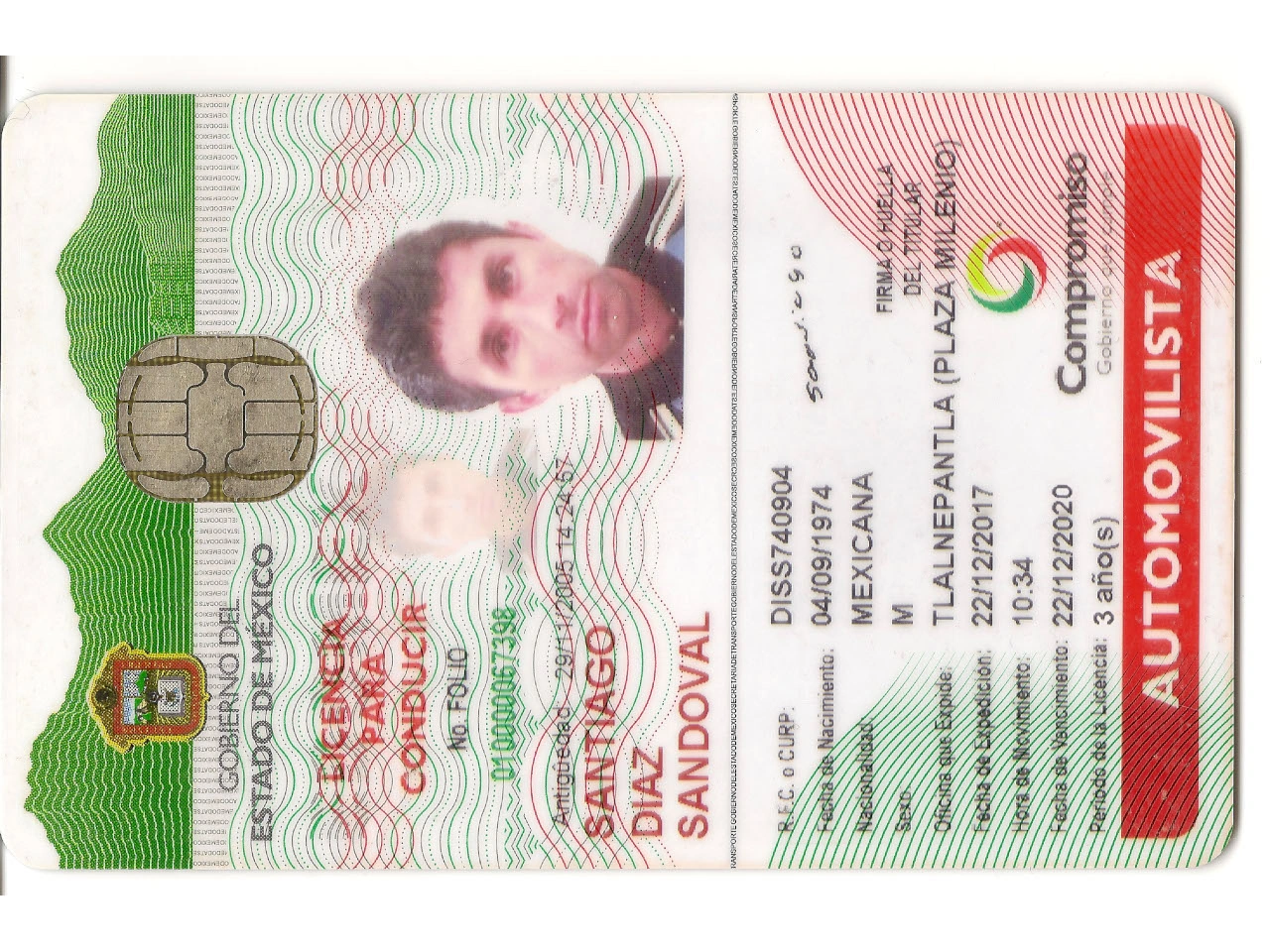
What is a driving licence?
A driving licence is an official authorisation to drive specified categories of motor vehicle.
Is a driving licence the same as a driving permit?
The terms may refer to the same document, depending on the country. Some countries use permit specifically for learners or temporary authorisations.
What is a provisional driving licence?
A provisional or learner licence allows a person to practise driving under specified restrictions before obtaining a full licence.
What is a full driving licence?
A full licence is issued after the holder has completed the required tests or training. Restrictions may still apply because of age, vehicle type, medical fitness or licence codes.
Does one licence allow you to drive every vehicle?
No. Driving licences are divided into categories for motorcycles, cars, buses, trucks, trailers and other vehicles.
What is a licence category?
A licence category identifies the type and size of vehicle the holder is authorised to drive.
Must the licence be valid for the vehicle being driven?
Yes. Holding a licence for one category does not normally authorise driving a vehicle belonging to another category.
Can a licence contain restrictions?
Yes. Codes may restrict the holder to an automatic transmission, corrective lenses, an adapted vehicle or another specified condition.
What is the difference between an automatic and manual licence?
In some countries, passing the test in an automatic vehicle restricts the holder to automatic vehicles until an additional test or procedure is completed.
Does a driving licence expire?
Usually, yes. The document, individual categories or medical authorisation may have expiry dates and require renewal.
May you drive with an expired licence?
No. The licence and the category required for the vehicle must remain valid.
Must you carry your driving licence?
This depends on local law. Many countries require drivers to carry the original licence and present it to an authorised officer when requested.
Is a photograph or copy of the licence sufficient?
Not normally. A photograph, scan or photocopy is not generally a substitute for the original document unless an official digital-licence system is legally recognised.
Does a driving licence prove that you own the vehicle?
No. It proves driving authorisation, not ownership, registration or insurance.
What tests are required to obtain a licence?
Requirements may include a theory test, eyesight test, practical driving test, medical examination or compulsory training.
Is there a universal minimum driving age?
No. Minimum ages differ between countries and vehicle categories.
Can a learner drive without supervision?
Only where the provisional-licence system permits independent driving. Other learners must be accompanied by an approved supervisor or instructor.
Can a learner drive in another country?
Often not. Provisional and learner licences are frequently valid only in the country or region that issued them.
What is an international driving permit?
An international driving permit is a standardised translation of a valid national licence intended to help authorities interpret it abroad.
Does an international driving permit replace a national licence?
No. It normally has legal value only when presented together with the valid national driving licence on which it is based.
Is a national licence valid abroad?
This depends on the destination, length of stay, residence status and agreements between the countries concerned. An exchange or international permit may be required.
Can a foreign licence be exchanged?
Some countries exchange recognised foreign licences without new tests, while others require theory, practical or medical examinations.
Can medical fitness affect a licence?
Yes. A medical condition may require an assessment, shorter validity period, adapted vehicle or licence restriction.
Must changes in medical fitness be reported?
This depends on local law. Drivers remain responsible for ensuring that they are physically and mentally fit to drive safely.
Do professional drivers need additional qualifications?
Often, yes. Drivers of trucks, buses, taxis or vehicles used commercially may require professional competence, medical examinations or periodic training.
What happens when a licence is suspended?
The holder may not drive during the suspension period, even if the physical document remains in their possession.
What is disqualification from driving?
Disqualification is a legal prohibition on driving, usually imposed by a court or competent authority for a specified period or until conditions are fulfilled.
What should you do if the licence is lost or stolen?
Report it where required and apply for a replacement through the competent licensing authority. Do not continue driving when local law requires the original document to be carried.
What should you do if the licence is damaged?
Request a replacement when the document is unreadable, damaged or no longer allows the holder to be identified reliably.
Does changing address require a new licence?
This depends on the country and whether the address appears on the licence. Drivers must follow the local notification and replacement procedure.
15. Rückwärtsfahren
Rückwärtsfahren bedeutet, ein Fahrzeug rückwärts zu bewegen. Es wird häufig beim Parken, beim Verlassen enger Bereiche oder zum Umsetzen eines Fahrzeugs genutzt, wenn Vorwärtsfahren nicht praktisch ist.
Vor dem Rückwärtsfahren sollte der Fahrer Spiegel und tote Winkel prüfen, den Bereich rund um das Fahrzeug sorgfältig beobachten und sicherstellen, dass der Raum hinter dem Fahrzeug frei ist. Rückwärtsfahren sollte langsam und nur so lange wie nötig erfolgen, weil die Sicht nach hinten häufig eingeschränkt ist.

What should you check before reversing?
Check behind and around the vehicle for pedestrians, cyclists, other vehicles and obstacles. Use mirrors and cameras where available, but also look directly because monitoring systems can have blind spots.
Who has priority when a vehicle is reversing?
In many countries, reversing is treated as a manoeuvre and the reversing driver must give way to other road users. The exact legal requirements depend on national traffic rules.
Should you reverse for a long distance?
No. Reversing should normally be limited to the distance necessary to complete the manoeuvre safely. Driving forward generally provides better visibility and vehicle control.
16. Kennzeichen
Ein Kennzeichen, auch Zulassungs- oder Nummernschild genannt, ist eine Tafel mit einer eindeutigen Registrierungskennung, die einem Fahrzeug von der zuständigen Zulassungsbehörde zugeteilt wird. Es ermöglicht die Identifizierung des Fahrzeugs für Zulassung, Verkehrsüberwachung, Besteuerung, Versicherung und Parkraumkontrolle.
Aussehen, Format, Anbringung und Anzahl vorgeschriebener Kennzeichen unterscheiden sich zwischen Ländern und Fahrzeugkategorien. Fahrer müssen sicherstellen, dass vorgeschriebene Kennzeichen ordnungsgemäß angebracht, gut sichtbar und lesbar sind, und die örtlichen Regeln bei Verlust, Diebstahl, Beschädigung oder Ersatz beachten.
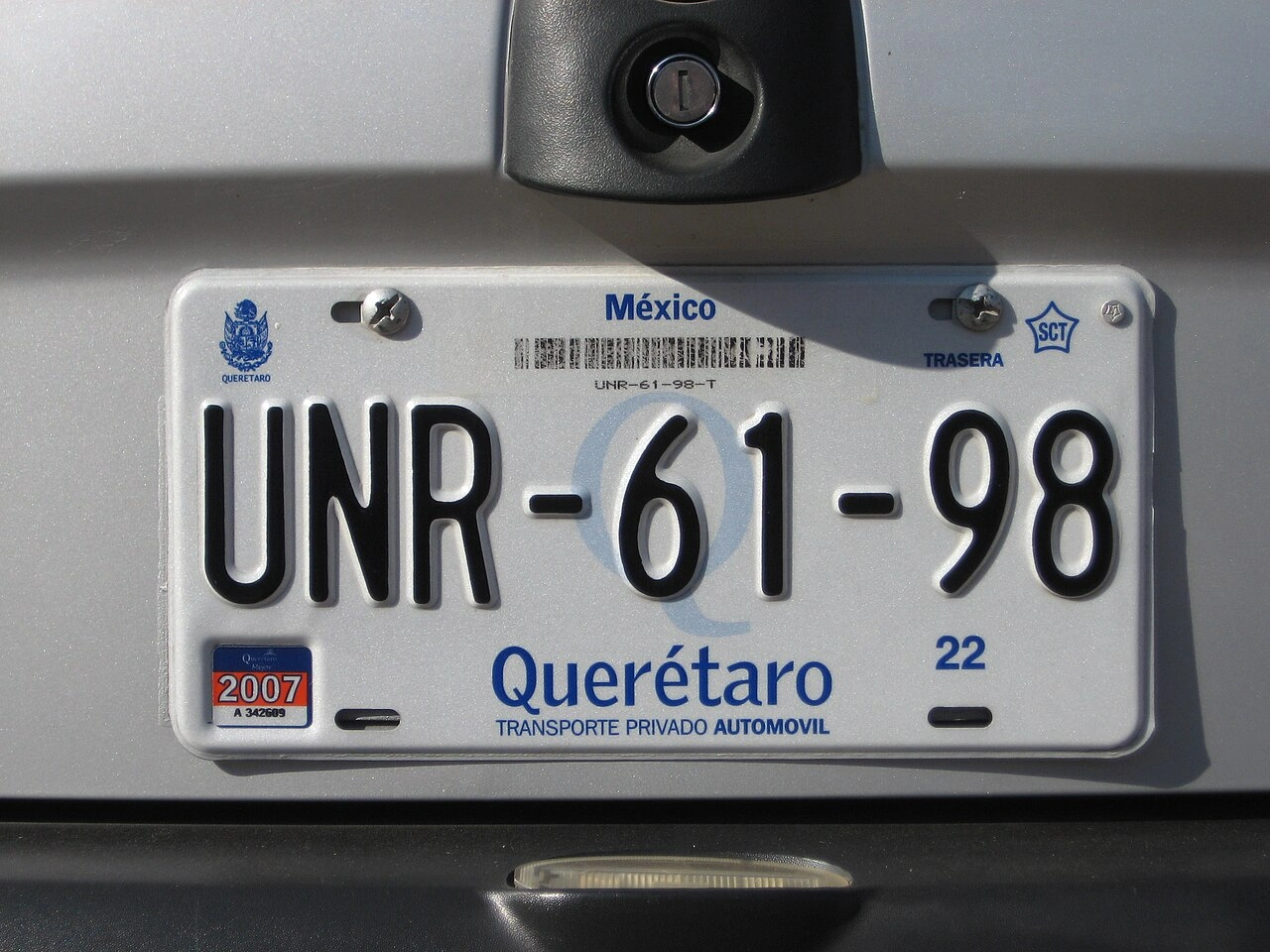
What is a licence plate?
A licence plate is a plate displaying the registration identifier assigned to a vehicle. It allows authorities and other authorised systems to identify the vehicle's registration.
Is a licence plate the same as a registration plate?
Yes. Licence plate, registration plate and number plate are different terms commonly used for the plate displaying a vehicle's official registration number.
Does every vehicle need a licence plate?
Most motor vehicles used on public roads must display one or more registration plates, but requirements differ for motorcycles, trailers, agricultural vehicles and other special vehicle categories.
Do vehicles need both front and rear licence plates?
This depends on the country and vehicle type. Cars commonly require front and rear plates, while motorcycles and certain other vehicles may require only a rear plate.
Must a licence plate remain visible?
Yes. A required registration plate must normally remain clearly visible and readable. It should not be hidden by luggage, dirt, accessories or other objects.
Can you modify a licence plate?
Generally no. Changing the characters, colours, dimensions or appearance of an official plate may make it invalid or illegal. Plates and authorised reproductions must comply with local specifications.
What should you do if a licence plate is lost or stolen?
Follow the local reporting and replacement procedure. Many countries require the loss or theft to be reported to the police or vehicle-registration authority before a replacement plate can be issued.
Can you drive with a damaged licence plate?
A plate must remain legible and compliant with local requirements. If damage prevents it from being read or makes it invalid, it should be replaced according to the local registration procedure.
Can a licence plate be personalised?
Some countries allow motorists to request a personalised registration combination. The available characters, formats and prohibited combinations are determined by the registration authority.
Does a licence plate stay with the vehicle when it is sold?
This varies between countries. In some systems the plate remains with the vehicle, while in others it remains associated with the registered holder and may be retained or returned when the vehicle is sold.
17. Bus
Ein Bus ist ein Kraftfahrzeug zur Beförderung von mehreren Fahrgästen, meist im öffentlichen Verkehr, Schülerverkehr, privaten Personenverkehr oder einem anderen Personenbeförderungsdienst. Busse haben in der Regel eine höhere Fahrgastkapazität als Pkw und können für sitzende Fahrgäste, stehende Fahrgäste oder beides ausgelegt sein.
Für Busse können besondere Vorschriften hinsichtlich Führerschein, Fahrgastkapazität, Geschwindigkeitsbegrenzungen, Sicherheitsgurten, Busspuren, Haltestellen und Fahrgastwechsel gelten. Die rechtliche Einordnung von Bussen und Reisebussen sowie die für sie geltenden Regeln unterscheiden sich zwischen den Ländern; Fahrer und Fahrgäste müssen daher die örtlichen Verkehrsvorschriften beachten.
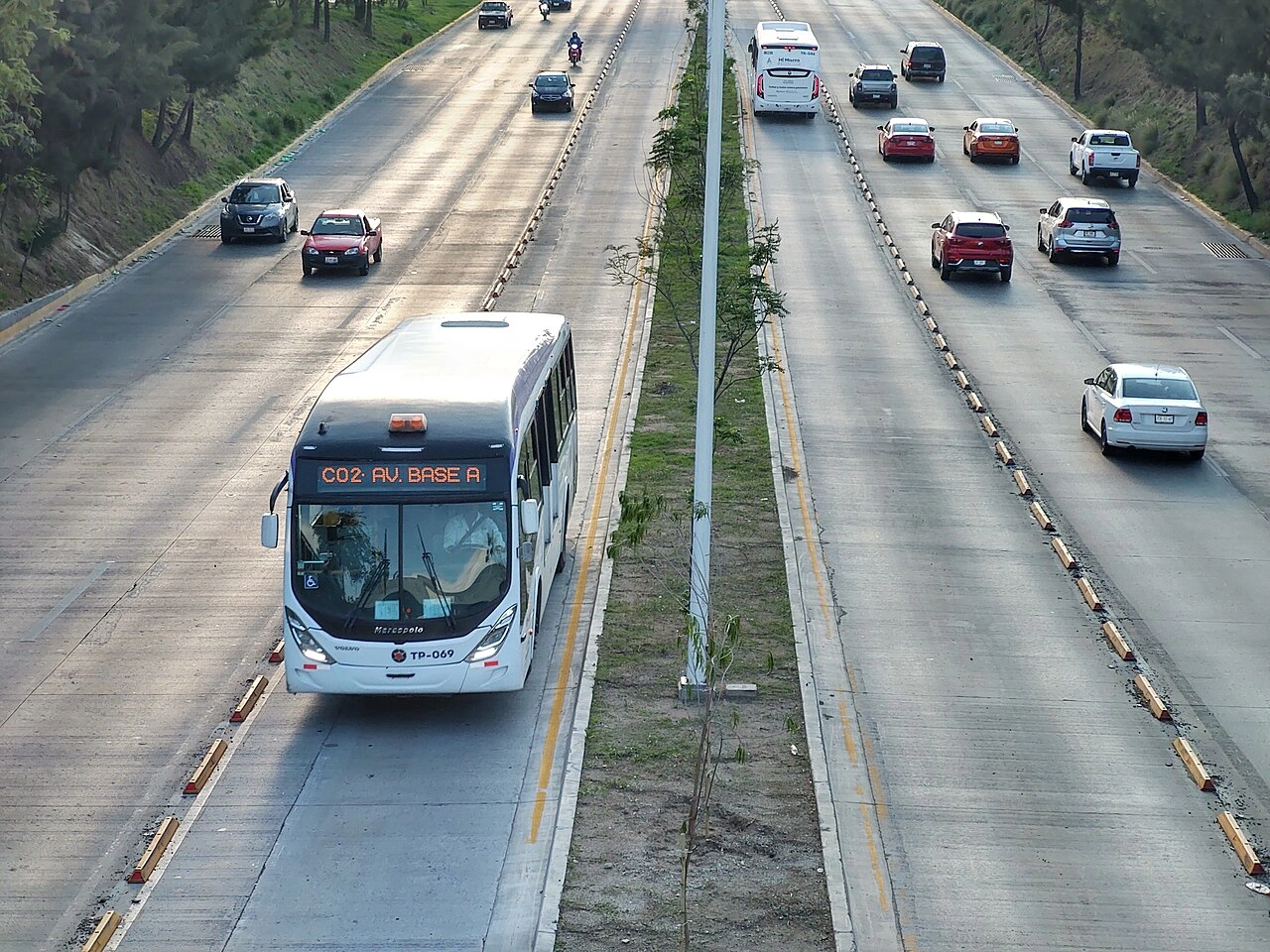
What is a bus?
A bus is a motor vehicle designed to transport a relatively large number of passengers. It may be used for public transport, school transport, private services or other passenger transport.
What is the difference between a bus and a coach?
A bus is commonly designed for frequent passenger boarding and may allow standing passengers, while a coach is generally designed for longer journeys with passengers seated. Exact legal definitions vary between countries.
Do you need a special driving licence to drive a bus?
Yes. Driving a vehicle designed to carry more than a specified number of passengers normally requires a dedicated bus or passenger-vehicle driving licence.
Can passengers stand on a bus?
Only when the vehicle is designed and approved to carry standing passengers. Coaches and other vehicles designed exclusively for seated passengers must not be used beyond their approved passenger configuration.
Must bus passengers wear seat belts?
Where seat belts are provided and local law requires their use, passengers must wear them correctly. Urban buses designed for standing passengers may have seating positions or operating conditions that differ from coaches.
Can buses use bus lanes?
Yes, where permitted. Bus lanes are commonly reserved for public transport buses, although local signs may also allow taxis, bicycles or other specified vehicles to use them.
Do buses always have priority when leaving a bus stop?
No. Some countries require other drivers to give way to buses leaving designated stops, particularly in urban areas, while others apply the normal merging rules.
Should you take extra care near a stopped bus?
Yes. Passengers may be boarding, leaving or crossing the road near the bus. Reduce speed where necessary and watch carefully for pedestrians emerging from behind or in front of the vehicle.
Do buses have special speed limits?
They can. Some countries impose lower maximum speeds on buses than on passenger cars, particularly on high-speed roads. Different limits may apply to buses and coaches.
Can a bus use a motorway?
Yes, normally. Buses that satisfy the applicable construction and access requirements may use motorways, but they must obey any vehicle-specific speed limits, lane restrictions and other local rules.
18. Polizei
Die Polizei ist eine öffentliche Behörde, die für die Durchsetzung von Gesetzen, die Aufrechterhaltung der öffentlichen Sicherheit und die Bewältigung von Situationen zuständig ist, die den Straßenverkehr beeinträchtigen können. Im Verkehr können Polizeibeamte Fahrzeuge kontrollieren, Verkehrsregeln durchsetzen, Unfälle untersuchen, den Verkehr regeln und auf Notfälle reagieren.
Verkehrsteilnehmer müssen rechtmäßige Anweisungen von Polizeibeamten oder anderem befugtem Verkehrspersonal befolgen. Polizeiliche Weisungen können je nach örtlichem Recht vorübergehend Ampeln, Verkehrszeichen oder die normale Verkehrsführung außer Kraft setzen.
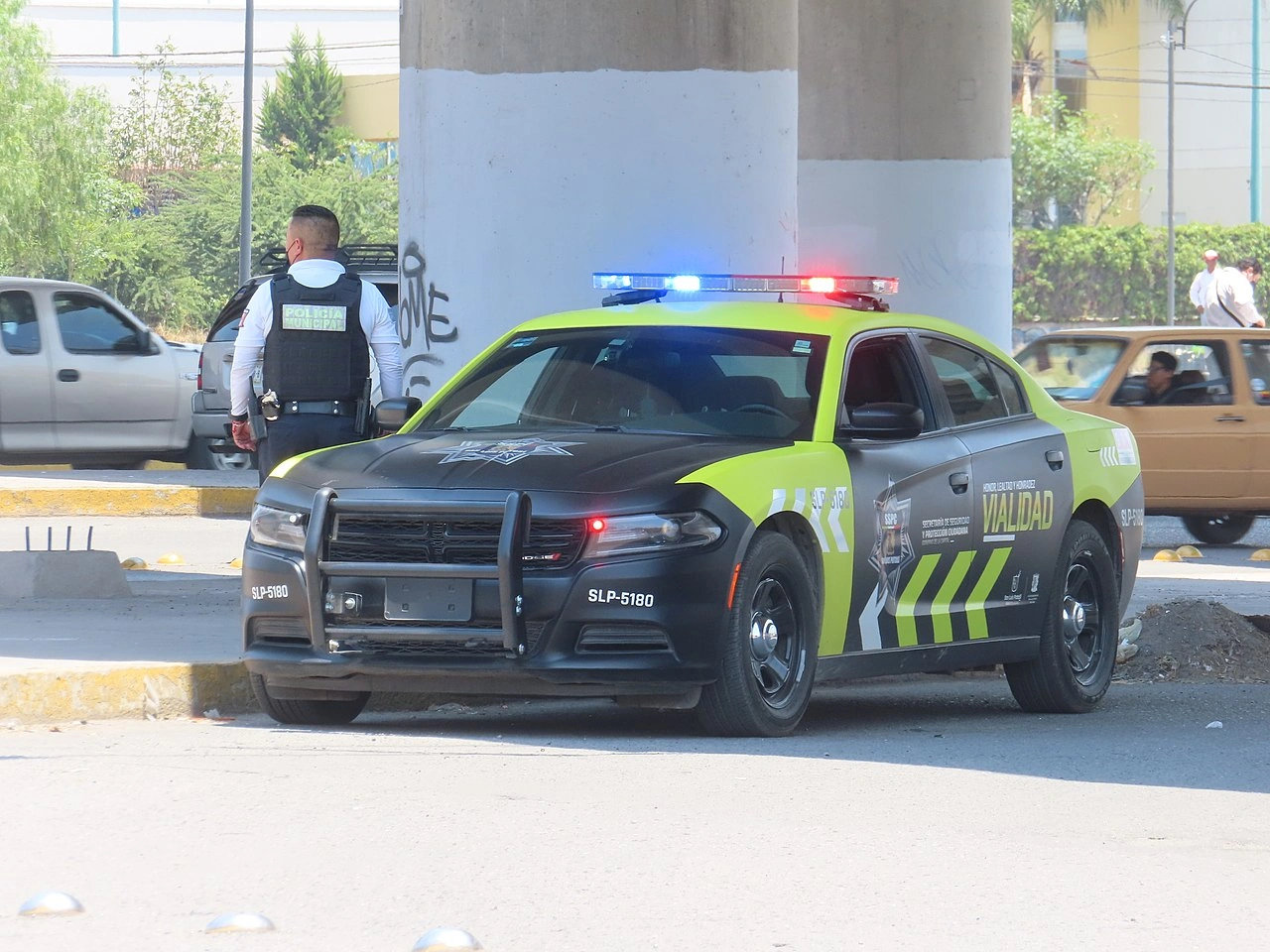
What is the role of police in road traffic?
Police help enforce traffic laws, manage traffic, investigate collisions and respond to dangerous situations. They may also carry out roadside checks and direct road users.
Must you obey a police officer directing traffic?
Yes. Lawful directions given by an authorised police officer must be followed. In many countries, those directions take precedence over traffic lights, road signs and normal priority rules.
What should you do if police signal you to stop?
Slow down, follow the officer's directions and stop at a safe location as instructed. Do not make sudden movements or continue driving unless directed to do so.
Can police direct you through a red traffic light?
Yes, where authorised by local law. A police officer controlling traffic may instruct road users to proceed even when a traffic light or sign would normally require them to stop.
Can police check your driving documents?
Yes. Police may require drivers to provide documents such as a driving licence, vehicle registration, identification or proof of insurance according to local law.
Can police carry out alcohol or drug checks?
Yes. Traffic police may conduct legally authorised alcohol and drug checks using procedures such as breath, saliva or other approved tests.
Can police temporarily close a road?
Yes. Roads or lanes may be temporarily closed or traffic diverted because of collisions, emergencies, investigations, public events or other safety concerns.
What should you do near police controlling an accident scene?
Reduce speed, remain alert and follow all directions. Do not enter a closed area or interfere with emergency personnel, and leave sufficient space for emergency vehicles.
What should you do when a police vehicle approaches with emergency signals?
Follow the local rules for priority vehicles. Drivers generally have to make sufficient space, give way and stop where necessary so that the emergency vehicle can pass safely.
Can police order a parked vehicle to be moved?
Yes, where local law permits it. Police or another authorised authority may require a vehicle to be moved when it obstructs traffic, creates danger or must be removed for operational reasons.
19. Krankenwagen
Ein Krankenwagen ist ein Fahrzeug, das für medizinische Notfallhilfe oder den Transport von Patienten zu oder zwischen medizinischen Einrichtungen ausgerüstet und eingesetzt wird. Krankenwagen können medizinische Geräte und geschultes Personal mitführen, das während des Transports eine Behandlung durchführen kann.
Bei einem Notfalleinsatz kann ein Krankenwagen Warnleuchten und eine Sirene verwenden und besondere Vorrechte oder Ausnahmen von bestimmten Verkehrsregeln haben. Andere Verkehrsteilnehmer müssen die örtlichen Regeln für Einsatzfahrzeuge befolgen, ausreichend Platz schaffen und ihre Durchfahrt nicht behindern.
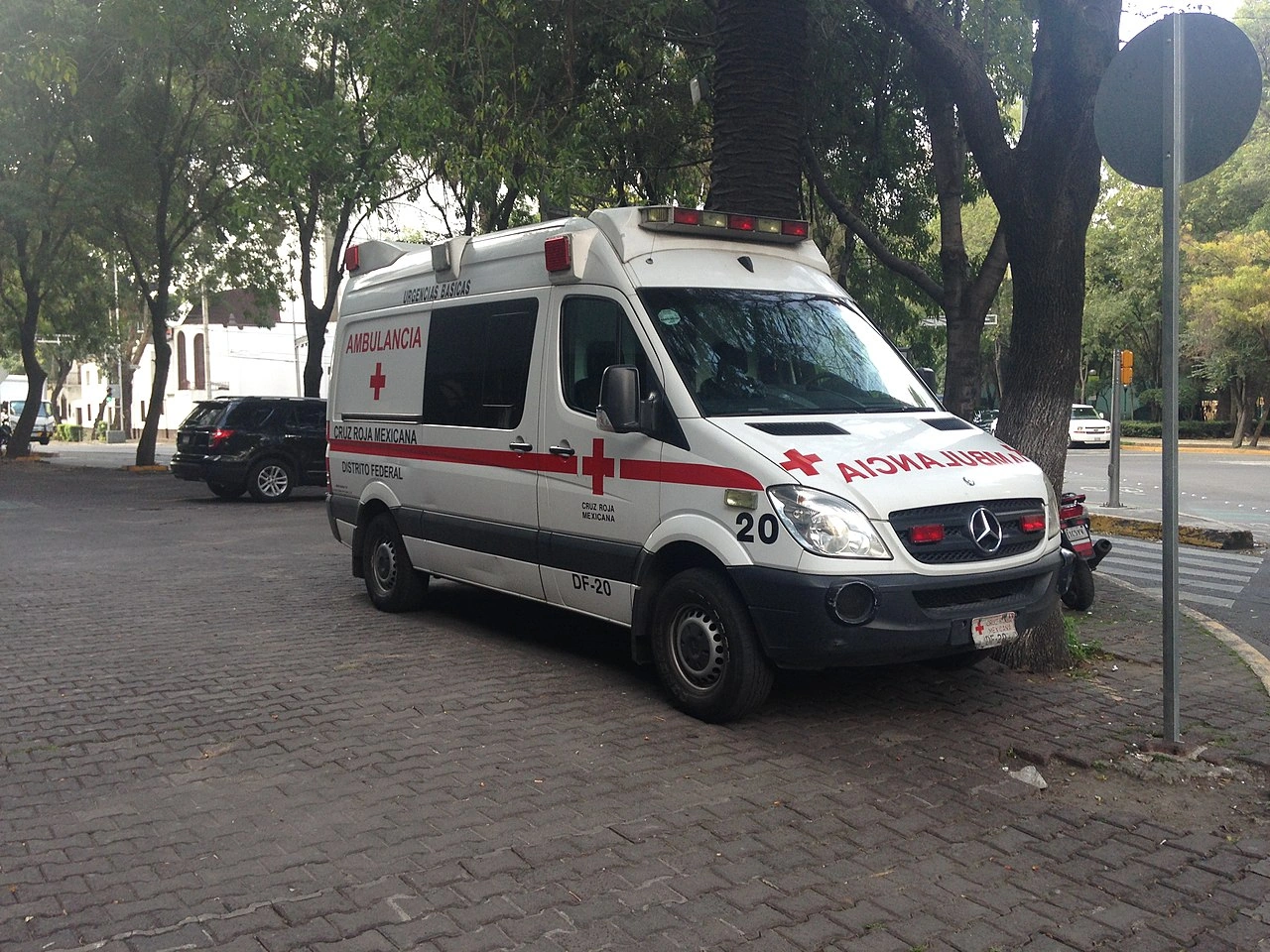
What is an ambulance?
An ambulance is a specially equipped vehicle used to provide emergency medical assistance and transport sick or injured people.
When does an ambulance have priority?
This depends on the local traffic rules and warning signals being used. Ambulances responding to emergencies commonly use flashing lights and a siren to indicate that other road users must make way.
What should you do when an ambulance approaches?
Remain calm and make sufficient space for it to pass. Slow down or stop where necessary, but avoid sudden or dangerous manoeuvres.
Should you stop immediately when you hear an ambulance siren?
Not necessarily in your exact position. Move or stop in a way that creates a safe passage without blocking an intersection, pedestrian crossing or another part of the road needed by the ambulance.
Can an ambulance pass a red traffic light?
Emergency vehicles may be allowed to pass a red light during an urgent response under special legal conditions. The precise rules differ between countries, and the ambulance driver must still take appropriate precautions.
Can an ambulance exceed the speed limit?
Many countries permit emergency vehicles to depart from certain normal speed rules during an urgent mission, subject to safety requirements and national legislation.
Can an ambulance drive through a traffic queue?
Yes, when responding to an emergency and legally permitted to do so. Other road users should create space and keep emergency corridors or access routes clear where required.
Can you follow an ambulance through traffic?
You should not use the passage created for an ambulance as a way to bypass congestion. Maintain a safe distance and continue to obey the normal traffic rules.
Do ambulances always use their sirens?
No. The use of warning lights and sirens depends on the urgency of the mission and local regulations. An ambulance transporting a patient does not necessarily need to use emergency signals throughout the journey.
What should you do near a stationary ambulance?
Reduce speed and remain alert. Medical personnel, patients or other emergency workers may be entering the road, and the ambulance may need to move unexpectedly.
20. Schlagloch
Ein Schlagloch ist ein Loch oder eine Vertiefung in der Fahrbahnoberfläche, verursacht durch Verschleiß, Witterung, Wasser, wiederholte Verkehrsbelastung oder die Alterung des Straßenbelags. Schlaglöcher können stark in Größe und Tiefe variieren und sich allmählich entwickeln oder nach Frost, starkem Regen oder wiederholter Fahrzeugbelastung verschlimmern.
Schlaglöcher können Lenkung, Bremsen und Fahrzeugstabilität beeinträchtigen und Reifen, Räder oder Fahrwerkskomponenten beschädigen. Fahrer und Zweiradfahrer sollten die Fahrbahn voraus beobachten, ihre Geschwindigkeit anpassen und bei beschädigter Fahrbahn plötzliche oder gefährliche Ausweichmanöver vermeiden.

What is a pothole?
A pothole is a hole or depression that develops in a road surface when the pavement becomes damaged or deteriorates.
How do potholes form?
Potholes can develop through a combination of water, temperature changes, traffic loads and deterioration of the road material. Cracks can gradually expand until pieces of the surface break away.
Why are potholes dangerous?
A pothole can cause a vehicle to change direction suddenly, lose stability or suffer tyre, wheel or suspension damage. Deep potholes can present a particularly serious hazard at higher speeds.
What should you do when you see a pothole?
Reduce speed when necessary, maintain control of the vehicle and avoid abrupt steering or braking. Only move around the pothole when this can be done safely without endangering other road users.
Should you brake while driving through a pothole?
If possible, reduce your speed before reaching the pothole. Sudden heavy braking or steering while passing over a damaged surface can make the vehicle less stable.
Are potholes particularly dangerous for motorcycles?
Yes. A pothole can disturb the steering or balance of a motorcycle and may cause the rider to lose control.
Are potholes dangerous for cyclists?
Yes. Bicycle wheels can be strongly affected by deep holes or sharp edges, particularly when the cyclist has little time or space to avoid the hazard.
Can a pothole damage a car?
Yes. Severe impacts can damage tyres, wheel rims, suspension components, steering parts or wheel alignment.
Should you swerve suddenly to avoid a pothole?
No. A sudden evasive movement may create a greater danger by bringing the vehicle into conflict with cyclists, pedestrians, oncoming traffic or vehicles in another lane.
Can a warning sign indicate potholes ahead?
Yes. Depending on the country's traffic-sign system, an uneven-road or general-danger warning sign may be used where poor road conditions create a significant hazard.
21. Weg
Ein Weg ist eine relativ schmale Verkehrsverbindung, die für Fußgänger und, soweit erlaubt, andere Verkehrsteilnehmer oder kleine Fahrzeuge bestimmt ist. Wege können durch bebaute Gebiete, Landschaften, Parks oder Wälder führen oder andere Straßen miteinander verbinden und befestigt oder unbefestigt sein.
Ein Weg ist nicht zwangsläufig dasselbe wie ein Fußweg oder Radweg. Welche Verkehrsteilnehmer ihn benutzen dürfen, hängt von seinem rechtlichen Status, seiner Breite, den Verkehrszeichen und den örtlichen Vorschriften ab.

What is a path?
A path is a relatively narrow route intended primarily for pedestrians and, where permitted, other road users or small vehicles.
Is a path the same as a footpath?
Not necessarily. A footpath is specifically intended for pedestrians, while a path may also permit cyclists or other users according to local rules.
Is a path the same as a cycle path?
No. A cycle path is specifically designated for bicycles and other permitted users. An ordinary path does not automatically have that legal status.
Can cyclists use a path?
This depends on the legal status, width and signs applying to the path. Some paths permit cyclists, while others are reserved for pedestrians or particular users.
Can motor vehicles use a path?
This depends on local law. Some paths prohibit motor vehicles entirely, while narrow vehicles may be permitted on other paths unless traffic signs restrict access.
Can a path be part of the public-road network?
Yes. A narrow path can legally form part of the public-road network even when it is unsuitable for ordinary cars.
Does a path need to be paved?
No. Paths can be paved, gravelled, compacted or unsurfaced depending on their location and purpose.
Can traffic signs restrict access to a path?
Yes. Signs can reserve a path for particular road users or prohibit certain vehicles, regardless of whether they could physically fit on it.
Who has priority when a path joins a larger road?
The applicable local priority rules determine who must give way. Special rules often apply when a minor path joins an ordinary road.
Can pedestrians and cyclists share a path?
Yes, where both are permitted. Faster users should adapt their speed and avoid endangering or unnecessarily obstructing pedestrians.
Can a path cross another road?
Yes. At the crossing, users must follow the applicable priority signs, traffic lights, road markings and general right-of-way rules.
Is every narrow route legally a path?
No. Its legal classification depends on the definitions and regulations of the country concerned. A narrow route might instead be a footpath, cycle path, private access road or another type of facility.
22. Feinstaub
Partikel oder Feinstaub (PM) sind winzige feste Teilchen oder Flüssigkeitströpfchen, die in der Luft schweben. Im Straßenverkehr können Partikelemissionen aus Fahrzeugabgasen, Bremsenabrieb, Reifenabrieb und Straßenabrieb sowie aus Staub entstehen, der durch vorbeifahrende Fahrzeuge aufgewirbelt wird.
Feinstaub wird üblicherweise nach Partikelgröße eingeteilt. PM10 bezeichnet Teilchen mit einem Durchmesser von bis zu ungefähr 10 Mikrometern, während PM2.5 feinere Teilchen bis ungefähr 2,5 Mikrometer bezeichnet. Fahrzeugemissionsnormen, Partikelfilter und Maßnahmen zur Luftreinhaltung dienen dazu, die Belastung durch diese Schadstoffe zu verringern.

What are particulates?
Particulates, or particulate matter, are very small solid particles or liquid droplets suspended in the air.
What are PM10 and PM2.5?
PM10 refers to particles with a diameter of up to approximately 10 micrometres. PM2.5 refers to finer particles with a diameter of up to approximately 2.5 micrometres.
Where do traffic particulates come from?
Road traffic can produce particles through engine exhaust, brake wear, tyre wear and road-surface wear. Passing traffic can also resuspend dust already present on the road.
Are diesel vehicles a source of particulates?
Yes. Combustion in diesel engines can produce very small soot particles. Modern diesel vehicles commonly use particulate filters to capture a large proportion of these exhaust particles.
What is a particulate filter?
A particulate filter is an exhaust-treatment device designed to trap particulate matter produced by an engine. Diesel particulate filters are commonly known as DPFs.
Do petrol engines produce particulates?
Yes. Petrol engines can also produce particulate emissions, particularly certain direct-injection engines. Appropriate emission-control systems may therefore include particulate filters.
Do electric vehicles produce particulates?
Fully electric vehicles produce no exhaust particulates from a combustion engine, but particles can still result from tyre wear, road wear and braking.
Are brake and tyre particles regulated?
Vehicle-emission regulation is increasingly addressing non-exhaust emissions. The European Euro 7 framework includes requirements concerning brake-particle emissions and tyre abrasion.
Is particulate matter the same as CO2?
No. Particulate matter consists of tiny airborne particles, while carbon dioxide is a gas. They are different types of vehicle emissions and are regulated for different environmental reasons.
How can vehicle particulate emissions be reduced?
Measures include effective particulate filters, cleaner vehicle technologies, correctly maintained emission-control systems and reductions in brake, tyre and road-wear emissions.
23. Luftverschmutzung
Luftverschmutzung ist das Vorhandensein von Gasen, Partikeln oder anderen Stoffen in der Luft in Konzentrationen, die die menschliche Gesundheit, die Umwelt oder Ökosysteme schädigen können. Der Straßenverkehr trägt durch Abgasemissionen und nicht abgasbedingte Quellen wie Bremsenabrieb, Reifenabrieb und Straßenstaub zur Luftverschmutzung bei.
Zu wichtigen verkehrsbedingten Schadstoffen gehören Stickoxide, Feinstaub, Kohlenmonoxid und flüchtige organische Verbindungen. Manche Schadstoffe werden direkt von Fahrzeugen ausgestoßen, andere können durch chemische Reaktionen in der Atmosphäre entstehen. Fahrzeugemissionsnormen, sauberere Technologien und Verkehrsmanagementmaßnahmen werden eingesetzt, um diese Emissionen zu verringern.

What is air pollution?
Air pollution is contamination of the air by gases, particles or other substances that can adversely affect human health, the environment or ecosystems.
How does road traffic cause air pollution?
Vehicles produce pollutants through fuel combustion, exhaust systems, brake wear, tyre wear and road-surface interaction. Moving traffic can also resuspend dust already present on the road.
Which air pollutants are associated with road traffic?
Important traffic-related pollutants include nitrogen oxides, particulate matter, carbon monoxide and volatile organic compounds. Their relative importance depends on the vehicle, fuel and driving conditions.
What is nitrogen dioxide?
Nitrogen dioxide (NO2) is an air pollutant associated particularly with combustion processes and road traffic. High concentrations are commonly found near busy roads and densely trafficked urban areas.
What is particulate matter?
Particulate matter consists of tiny solid particles or liquid droplets suspended in the air. Road traffic can produce particles from exhaust, brakes, tyres and road surfaces.
Is CO2 the same as ordinary air pollution?
No. Carbon dioxide is primarily regulated as a greenhouse gas because of its contribution to climate change. Local air-quality pollution generally focuses on substances such as nitrogen dioxide, particulate matter, ozone and other pollutants that directly affect air quality and health.
Do electric vehicles cause air pollution?
Fully electric vehicles produce no combustion-engine exhaust emissions while driving, but they can still contribute to non-exhaust particulate emissions through tyres, brakes and road wear.
Can air pollution be worse near busy roads?
Yes. Concentrations of traffic-related pollutants can be higher close to heavily trafficked roads because many emissions occur close to ground level and near where people live and travel.
What is a low-emission zone?
A low-emission zone is an area where access by more polluting vehicles is restricted in order to reduce traffic-related air pollution. Access criteria may depend on factors such as fuel type, vehicle category and emission standard.
How can traffic-related air pollution be reduced?
Measures include cleaner vehicles, stricter emission standards, effective emission-control equipment, low-emission zones, public transport, cycling and walking, as well as traffic-management measures that reduce unnecessary congestion and emissions.
24. Hauptverkehrszeit
Die Hauptverkehrszeit ist ein Zeitraum, in dem Straßen und öffentliche Verkehrsnetze besonders stark ausgelastet sind, meist weil viele Menschen gleichzeitig zur Arbeit, zur Schule oder zu anderen regelmäßigen Zielen fahren beziehungsweise von dort zurückkehren. Sie tritt an Werktagen gewöhnlich morgens sowie am späten Nachmittag oder Abend auf.
Verkehr in der Hauptverkehrszeit kann zu Stau, geringeren Geschwindigkeiten, längeren Fahrzeiten und häufigem Anhalten führen. Fahrer sollten einen sicheren Abstand halten, geduldig bleiben, wechselnde Verkehrsbedingungen voraussehen und vorübergehende oder dynamische Verkehrsmanagementmaßnahmen beachten.

What is rush hour?
Rush hour is a period when unusually large numbers of people travel at the same time, resulting in increased traffic and often congestion.
When does rush hour occur?
Rush hour commonly occurs during the morning and late afternoon or evening on working days, but the exact times vary according to the city, road and local travel patterns.
Does rush hour always last one hour?
No. The term does not mean that congestion lasts exactly one hour. In busy urban areas, peak traffic conditions may continue for several hours.
Why does traffic become congested during rush hour?
Congestion develops when traffic demand approaches or exceeds the available road capacity. Intersections, merging traffic, collisions, roadworks and weather can make the congestion worse.
Should you increase your following distance in rush-hour traffic?
Yes. Leave sufficient distance to react to sudden braking and frequent changes in traffic speed. Avoid following another vehicle too closely even when traffic is moving slowly.
Should you frequently change lanes during congestion?
Unnecessary lane changes can create additional conflicts and may not significantly reduce journey time. Choose an appropriate lane, observe surrounding traffic and change lane only when it can be done safely.
Can speed limits change during rush hour?
Yes. Roads equipped with variable traffic management may display lower speed limits during congestion. Drivers must follow the speed limit currently indicated.
What is a rush-hour lane?
A rush-hour lane is an additional traffic lane that can be opened during busy periods to increase road capacity. It may use a lane or shoulder that is closed to normal traffic at other times.
Can you use a rush-hour lane whenever traffic is congested?
No. Such a lane may only be used when traffic signals or signs indicate that it is open. Never assume that congestion alone permits its use.
How can you prepare for a journey during rush hour?
Check current traffic conditions and expected journey times, allow additional travel time and consider an alternative route, departure time or mode of transport where appropriate.
25. Straßenverkehrsordnung
Eine Straßenverkehrsordnung ist eine Sammlung von Gesetzen und Verkehrsregeln, die festlegt, wie öffentliche Straßen genutzt werden. Sie enthält Vorschriften für Fahrer, Radfahrer, Fußgänger und andere Verkehrsteilnehmer und behandelt Themen wie Vorfahrt, Geschwindigkeit, Überholen, Parken, Ampeln, Verkehrszeichen und Fahrbahnmarkierungen.
Straßenverkehrsvorschriften unterscheiden sich zwischen Ländern und teilweise auch zwischen Regionen. Von jedem Verkehrsteilnehmer wird erwartet, dass er die Regeln kennt und befolgt, die am jeweiligen Aufenthaltsort gelten, auch wenn diese von den Regeln im Heimatland abweichen.
What is a road code?
A road code is the body of traffic rules and regulations governing how road users must behave on public roads.
What does a road code regulate?
A road code can regulate subjects such as priority, speed, overtaking, turning, parking, traffic signals, road signs and road markings, as well as the responsibilities of different road users.
Are road codes the same in every country?
No. Although many traffic rules and signs are similar internationally, each country establishes its own traffic legislation and may apply different rules, signs, speed limits and requirements.