


VerkehrszeichenMexiko
 Verkehrsregeln
 Mexiko
176. Klimaanlage
Eine Klimaanlage hilft, Temperatur und Luftfeuchtigkeit im Fahrzeuginnenraum zu regeln und kann Komfort und Sicht verbessern. Bei Hitze kühlt sie den Fahrgastraum; bei feuchtem Wetter kann sie der Luft Feuchtigkeit entziehen und beschlagene Scheiben schneller frei machen. Fahrer sollten das System so nutzen, dass der Innenraum angenehm bleibt, ohne übermäßig große Temperaturunterschiede zu erzeugen. Die Anlage sollte regelmäßig gewartet werden, damit sie wirksam funktioniert.
What does air conditioning do in a car?
Air conditioning cools and dehumidifies the air inside the vehicle, helping improve comfort and reduce moisture on the windows.
Can air conditioning help demist the windscreen?
Yes. Because air conditioning removes moisture from the air, it can help clear condensation from the windscreen and windows more quickly.
Should air conditioning be used in winter?
Yes. Air conditioning can still be useful in winter because it reduces humidity inside the vehicle and can help demist the windows.
Does air conditioning increase fuel or energy consumption?
Yes. Operating the air-conditioning system requires energy and can increase fuel or electricity consumption, although the effect depends on the vehicle, system and conditions.
Should a car's air conditioning be maintained?
Yes. Regular use and maintenance can help keep the system effective. A poorly functioning system may cool less efficiently or fail to remove moisture properly.
Can you drive without air conditioning?
Yes, in many vehicles and countries air conditioning itself is not required. However, the driver must still maintain adequate visibility and safe conditions inside the vehicle.

177. Aquaplaning
Aquaplaning entsteht, wenn sich eine Wasserschicht zwischen Reifen und Fahrbahn bildet und die Reifen dadurch den Kontakt zur Straße verlieren. Lenkung, Bremsen und Beschleunigung können dann deutlich weniger wirksam sein. Das Risiko steigt mit Geschwindigkeit, stehendem Wasser und verschlissenen Reifen. Bei starkem Regen sollten Fahrer die Geschwindigkeit reduzieren, abrupte Lenk- oder Bremsmanöver vermeiden und auf einen guten Reifenzustand mit ausreichender Profiltiefe achten.
What is hydroplaning?
Hydroplaning occurs when water separates the tyres from the road surface, reducing or temporarily removing normal tyre grip.
What causes hydroplaning?
The risk increases with higher speed, standing water, worn tyres and insufficient tyre tread. Tyre pressure and road conditions can also affect the risk.
How can you reduce the risk of hydroplaning?
Reduce speed in heavy rain, avoid driving through deep standing water where possible and keep your tyres properly maintained with sufficient tread depth.
What should you do if your vehicle starts hydroplaning?
Remain calm, ease off the accelerator and avoid sudden braking or steering. Keep the steering movements smooth and controlled until the tyres regain contact with the road.
Can worn tyres increase the risk of hydroplaning?
Yes. Tyre grooves help move water away from the contact area. Worn tyres can remove less water, increasing the risk of losing grip on a wet road.
At what speed does hydroplaning occur?
There is no single speed at which hydroplaning always begins. The risk depends on speed, water depth, tyre condition, tyre pressure and the road surface.
178. Ablenkung
Ablenkung ist alles, was die Aufmerksamkeit des Fahrers von der sicheren Fahrzeugführung und Beobachtung des Verkehrs abzieht. Häufige Ablenkungen sind Mobiltelefone, Navigationssysteme, Fahrgäste, Essen, das Einstellen von Bedienelementen oder das Wegsehen vom Verkehr. Ablenkung kann visuell, manuell oder mental sein und die Reaktionszeit deutlich verlängern. Fahrer sollten ihre Aufmerksamkeit auf die Straße richten, Navigation und andere Einstellungen vor Fahrtbeginn vorbereiten und Tätigkeiten vermeiden, die das sichere Fahren beeinträchtigen.

What is distracted driving?
Distracted driving occurs when a driver's visual, manual or mental attention is diverted from driving and the surrounding traffic.
What are common driving distractions?
Common distractions include mobile phones, navigation systems, passengers, eating, adjusting vehicle controls and looking away from the road.
Why is using a phone while driving dangerous?
Using a phone can combine visual, manual and mental distraction, reducing the driver's ability to notice hazards and react quickly.
Can hands-free phone use still be distracting?
Yes. Even when the driver's hands remain on the wheel, a conversation can create mental distraction and reduce attention to traffic.
Can a navigation system distract a driver?
Yes. Entering destinations or repeatedly looking at a screen can divert attention from the road. Set the route before driving whenever possible and use voice guidance where helpful.
How can you reduce distractions while driving?
Prepare navigation and vehicle settings before moving, secure loose objects, keep your phone away from unnecessary use and focus continuously on the road and traffic.
179. Emotionen
Emotionen können Aufmerksamkeit, Urteilsvermögen und Fahrverhalten beeinflussen. Ärger, Stress, Angst, Traurigkeit oder starke Aufregung können einen Fahrer ablenken, ungeduldig machen oder zu riskanterem Verhalten verleiten. Starke Gefühle können außerdem Konzentration und Reaktionszeit beeinträchtigen. Fahrer sollten erkennen, wenn ihr emotionaler Zustand die Sicherheit beeinflusst, und bei Bedarf langsamer fahren, eine Pause machen oder an einer sicheren Stelle anhalten, bis sie ruhig und aufmerksam weiterfahren können.

Can emotions affect driving?
Yes. Strong emotions can affect attention, judgement, reaction time and decision-making, which can make safe driving more difficult.
Why is anger dangerous when driving?
Anger can lead to impatience, aggressive manoeuvres, speeding or reduced attention. Drivers should avoid reacting emotionally to other road users.
Can stress affect concentration while driving?
Yes. Stress can make it harder to focus on traffic and process information calmly, especially in complex or busy situations.
What should you do if you are too emotional to drive safely?
If your emotional state is affecting concentration or judgement, stop or delay the journey when possible and continue only when you feel able to drive safely.
Can excitement also be a distraction?
Yes. Positive emotions such as excitement can still reduce concentration or encourage impulsive behaviour if they take attention away from driving.
How can you stay calm while driving?
Allow enough travel time, avoid reacting to aggressive drivers, keep a safe distance and take a break when stress or frustration becomes difficult to manage.
180. Aggressives Verhalten im Straßenverkehr
Aggressives Verhalten im Straßenverkehr bezeichnet feindseliges, einschüchterndes oder aggressives Verhalten eines Verkehrsteilnehmers gegenüber anderen. Dazu können übermäßiges Hupen, dichtes Auffahren, Schreien, drohende Gesten, absichtliches Blockieren oder gezielt aggressive Fahrmanöver gehören. Wut kann das Urteilsvermögen verschlechtern und die Risikobereitschaft erhöhen, sodass ein kleiner Verkehrskonflikt zu einer gefährlichen Situation wird. Fahrer sollten Konfrontationen vermeiden, ruhig bleiben, sicheren Abstand halten und aggressives Verhalten niemals erwidern.

What is road rage?
Road rage is aggressive, hostile or intimidating behaviour directed at other road users, often caused by anger or frustration in traffic.
What are examples of road rage?
Examples can include tailgating, excessive honking, shouting, threatening gestures, deliberately blocking another vehicle or aggressive overtaking and lane changes.
Why is road rage dangerous?
Anger can reduce judgement and encourage impulsive or risky driving, increasing the chance of collisions and escalating conflicts between road users.
What should you do if another driver becomes aggressive?
Stay calm, avoid confrontation, maintain a safe distance and do not retaliate or copy the other driver's behaviour. If necessary, move away from the situation when it is safe to do so.
Should you stop to confront an aggressive driver?
Generally, no. Confrontation can make the situation more dangerous. It is usually safer to remain in your vehicle and create distance from the aggressive road user.
How can you avoid road rage?
Allow enough travel time, accept that other road users make mistakes, avoid competing for road space and focus on reaching your destination safely rather than reacting emotionally.
181. Gesundheit
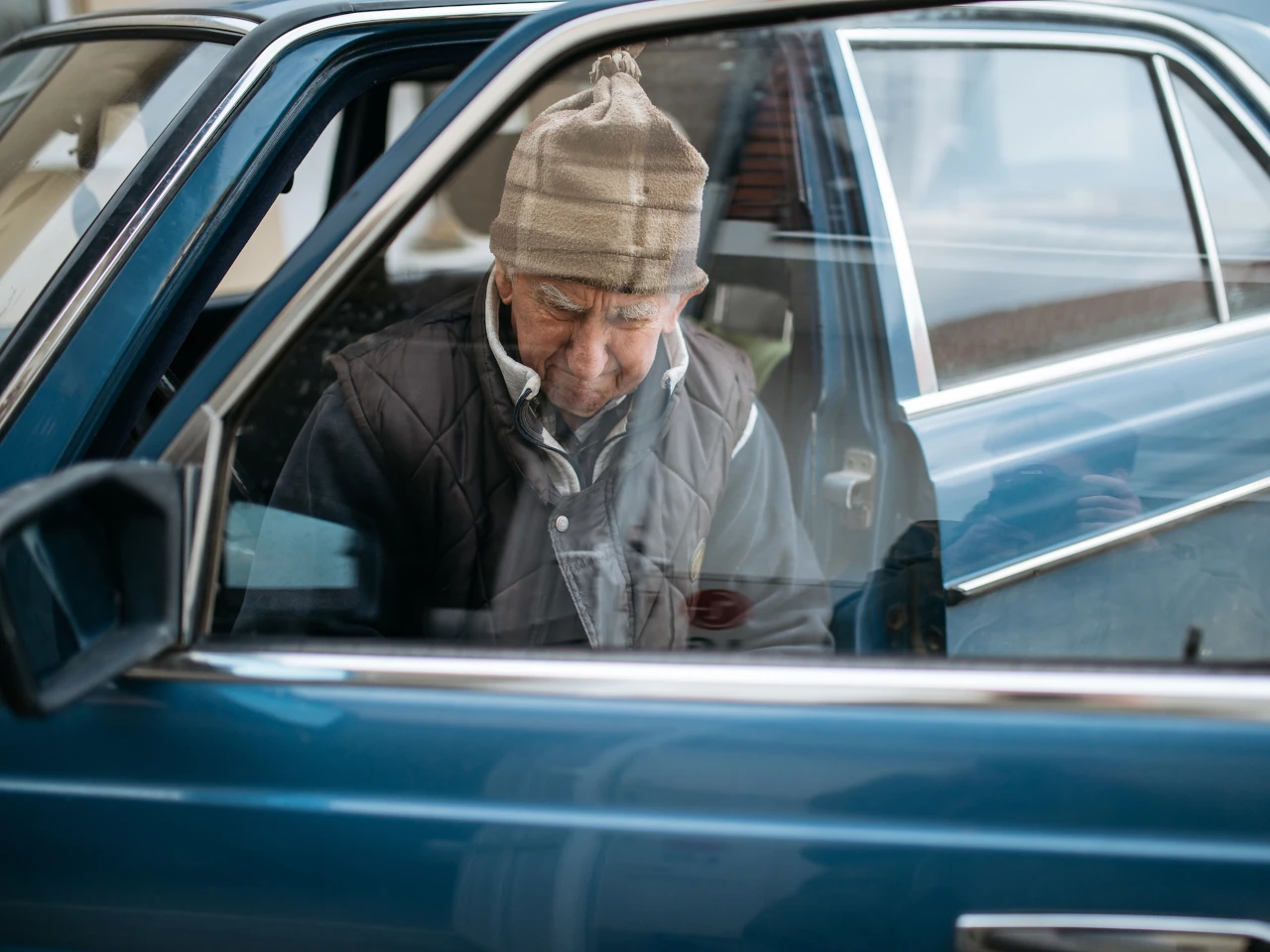
Gesundheit kann die Fähigkeit beeinflussen, ein Fahrzeug sicher zu führen. Krankheit, Verletzungen, eingeschränktes Sehvermögen, verminderte Beweglichkeit, Müdigkeit, bestimmte medizinische Erkrankungen und manche Medikamente können Konzentration, Reaktionszeit, Urteilsvermögen oder Fahrzeugkontrolle beeinträchtigen. Fahrer sollten erkennen, wann ihr körperlicher oder geistiger Zustand das sichere Fahren gefährden kann, und bei Bedarf medizinischen Rat einholen. In manchen Ländern müssen bestimmte Erkrankungen gemeldet werden und können eine ärztliche Untersuchung oder Auflagen für den Führerschein erforderlich machen.
How can health affect driving?
Health problems can affect vision, concentration, reaction time, judgement, coordination and vehicle control, making safe driving more difficult.
Should you drive when you are ill?
Not if the illness makes it difficult to concentrate, react quickly or control the vehicle safely. Drivers should delay the journey or seek medical advice when necessary.
Can medication affect driving?
Yes. Some medicines can cause drowsiness, dizziness, blurred vision or slower reactions. Always follow the instructions provided with the medicine and advice from a healthcare professional.
Can poor eyesight affect driving?
Yes. Good vision is essential for recognising traffic signs, road users, hazards and changes in traffic conditions. Many countries set minimum eyesight requirements for drivers.
Can a medical condition affect a driving licence?
Yes. Depending on the country and condition, a driver may need a medical assessment, licence restriction or adapted vehicle before being permitted to drive.
Who is responsible for deciding whether someone is fit to drive?
This depends on local law. The driver usually has a responsibility to ensure they are fit to drive, while doctors or specialised assessment centres may evaluate driving fitness when required.
182. Epilepsie
Epilepsie ist eine neurologische Erkrankung, die wiederkehrende Anfälle verursachen kann. Dabei können sich Bewusstsein, Bewegung, Wahrnehmung oder Bewusstseinslage verändern. Da ein Anfall vorübergehend die sichere Kontrolle über ein Fahrzeug unmöglich machen kann, kann Epilepsie die Fahreignung und Führerscheinanforderungen beeinflussen. Die Regeln unterscheiden sich zwischen Ländern und hängen üblicherweise von Faktoren wie Art des Anfalls, Dauer der Anfallsfreiheit, Behandlung und ärztlicher Beurteilung ab. Wer einen Anfall erlebt, sollte die geltenden Fahrvorschriften beachten und vor einer erneuten Fahrt medizinischen Rat einholen.

Can epilepsy affect your ability to drive?
Yes. A seizure can cause loss of awareness, consciousness or vehicle control, so epilepsy can affect whether a person is medically fit to drive.
Can a person with epilepsy have a driving licence?
In many countries, yes, provided specific medical and seizure-free requirements are met. The exact conditions depend on the country, licence category and individual medical situation.
What should you do after having a seizure?
Do not assume it is safe to continue driving. Seek medical advice and check the applicable driving-licence rules, because a temporary period without driving may be required.
Why is a seizure-free period required for driving?
A seizure-free period helps assess the risk of another seizure occurring while driving. The required period varies depending on the type and cause of the seizure and local regulations.
Can epilepsy medication affect driving?
Yes. Anti-seizure medicines can sometimes cause effects such as drowsiness, dizziness or reduced concentration. Changes in treatment can also affect seizure control, so medical advice should be followed.
Are driving rules stricter for professional drivers with epilepsy?
Usually, yes. Drivers of trucks, buses and vehicles used for certain professional transport generally face stricter medical fitness requirements because of the greater potential consequences of a seizure while driving.
183. Nachtblindheit
Nachtblindheit, auch Nyktalopie genannt, ist eine verminderte Sehfähigkeit bei Dunkelheit oder schwachem Licht. Dadurch können Fußgänger, Radfahrer, Fahrbahnmarkierungen, Kurven oder Hindernisse bei Nacht und in der Dämmerung schwerer erkannt werden. Nachtblindheit kann verschiedene Ursachen haben, darunter bestimmte Augenerkrankungen, Vitaminmangel oder Netzhautprobleme. Fahrer, die bei wenig Licht schlecht sehen, sollten nicht fahren, wenn ihre Sicht unzureichend ist, und augenärztlichen Rat einholen.

What is night blindness?
Night blindness is difficulty seeing in darkness or low-light conditions, even when daytime vision may be relatively good.
Why is night blindness dangerous when driving?
It can make pedestrians, cyclists, road edges, signs and obstacles harder to detect, reducing the time available to react safely.
Is night blindness the same as being completely blind at night?
No. Night blindness usually means reduced vision in dim conditions, not a complete loss of sight.
What can cause night blindness?
Possible causes include retinal disorders, cataracts, certain inherited eye conditions and some nutritional deficiencies. An eye-care professional can determine the underlying cause.
Can glasses correct night blindness?
Glasses may help when poor low-light vision is partly caused by an uncorrected refractive error, but not every cause of night blindness can be corrected with glasses.
Should you drive at night if you have night blindness?
If your low-light vision is not sufficient for safe driving, you should avoid driving at night or in other dark conditions and seek medical advice.
184. Sehbeeinträchtigung
Eine Sehbeeinträchtigung ist eine Einschränkung des Sehvermögens, die die Fähigkeit beeinträchtigen kann, deutlich zu sehen, Entfernungen einzuschätzen, Bewegungen wahrzunehmen oder Gefahren zu erkennen. Sie kann eine verminderte Sehschärfe, ein eingeschränktes Gesichtsfeld, geringe Kontrastempfindlichkeit, Doppelbilder oder Schwierigkeiten beim Sehen bei wenig Licht umfassen. Da sicheres Fahren stark vom Sehvermögen abhängt, müssen Fahrer die in ihrem Land vorgeschriebenen Mindestanforderungen erfüllen und bei Bedarf Brille, Kontaktlinsen oder andere zugelassene Sehhilfen verwenden.

How can visual impairment affect driving?
Visual impairment can make it harder to recognise signs, detect pedestrians and vehicles, judge distance and speed or see hazards in time.
What aspects of vision are important for driving?
Important visual functions include visual acuity, field of vision, contrast sensitivity, depth perception and the ability to see in changing light conditions.
Can you drive if you need glasses or contact lenses?
Yes, provided your corrected vision meets the applicable legal standards. If your licence requires glasses or contact lenses, they must be used while driving.
Can someone with vision in only one eye drive?
In some countries, yes, provided the person meets specific visual-acuity, visual-field and adaptation requirements. The exact rules vary between countries.
Can visual impairment lead to restrictions on a driving licence?
Yes. Depending on the impairment, a licence may include conditions such as mandatory glasses, daytime-only driving, geographic restrictions or other limitations.
What should you do if your eyesight becomes worse?
If your vision changes significantly or may no longer meet the required standards, seek an eye examination and medical advice before continuing to drive.
185. Müdigkeit
Müdigkeit verringert Konzentration, Reaktionsgeschwindigkeit, Urteilsvermögen und die Fähigkeit, während der Fahrt aufmerksam zu bleiben. Sie kann nach langer Fahrzeit, bei Schlafmangel, Krankheit, unregelmäßigen Arbeitszeiten oder beim Fahren zu Zeiten entstehen, in denen der Körper normalerweise Ruhe erwartet. Warnzeichen sind häufiges Gähnen, schwere Augenlider, Schwierigkeiten, Geschwindigkeit oder Spur konstant zu halten, und Erinnerungslücken an Teile der Fahrt. Fahrer sollten bei ersten Anzeichen von Müdigkeit anhalten und sich ausruhen und sich nicht auf Koffein, frische Luft oder laute Musik als Ersatz für Schlaf verlassen.
Why is fatigue dangerous when driving?
Fatigue can slow reaction time, reduce concentration and impair judgement, increasing the risk of missing hazards or losing control of the vehicle.
What are common signs of driver fatigue?
Warning signs include frequent yawning, heavy eyelids, difficulty concentrating, drifting within the lane and forgetting parts of the journey.
What is a microsleep?
A microsleep is a very brief episode of sleep that can last only a few seconds. During that time, the driver may be completely unaware of the road and unable to react.
What should you do if you feel tired while driving?
Stop at a safe place and rest before continuing. If possible, take a short nap or end the journey until you are sufficiently rested.
Does coffee remove driver fatigue?
Caffeine may temporarily improve alertness, but it does not replace adequate sleep. A tired driver should still stop and rest.
When is fatigue most likely to affect drivers?
Fatigue is more likely after long periods of driving, insufficient sleep, night driving or driving during normal sleeping hours.
186. Mängel
Mängel sind Fehler, Schäden oder Verschleiß, die Sicherheit, Verkehrstauglichkeit oder technische Vorschriftsmäßigkeit eines Fahrzeugs beeinträchtigen können. Sie können Reifen, Bremsen, Beleuchtung, Lenkung, Fahrwerk, Scheiben, Karosserie, elektrische Systeme oder andere Bauteile betreffen. Manche Mängel sind geringfügig und sollten möglichst bald behoben werden; schwere oder gefährliche Mängel können das Fahrzeug fahruntauglich machen. Fahrer sollten ihr Fahrzeug regelmäßig kontrollieren und Probleme beheben, bevor daraus ein Sicherheitsrisiko entsteht.

What is a vehicle defect?
A vehicle defect is a fault, damage or excessive wear that affects the condition, operation, safety or legal compliance of a vehicle.
What are common vehicle defects?
Common defects include worn tyres, faulty lights, damaged brakes, steering problems, cracked windows, suspension faults and damaged electrical components.
Are all vehicle defects dangerous?
No. Some defects are minor, while others can seriously affect braking, steering, visibility or vehicle control. The severity depends on the component and type of fault.
What should you do if you discover a vehicle defect?
Assess whether the vehicle can still be driven safely and have the defect repaired as soon as possible. Do not continue driving if the defect creates a serious safety risk.
Can a warning light indicate a vehicle defect?
Yes. Dashboard warning lights can indicate faults involving systems such as the engine, brakes, airbags, tyre pressure or electrical system. The vehicle manual explains the meaning of each warning.
Are defects checked during vehicle inspection?
Yes. Periodic vehicle inspections are designed to identify technical and safety defects. The consequences depend on the type and severity of the defect and the applicable inspection rules.
187. Verkehrsverstoß
Ein Verkehrsverstoß ist eine Handlung, die gegen eine Verkehrsvorschrift verstößt, beispielsweise zu schnelles Fahren, das Missachten eines Verkehrszeichens, die Benutzung eines verbotenen Geräts während der Fahrt oder die Verletzung einer Vorfahrtspflicht. Verstöße unterscheiden sich in ihrer Schwere und können je nach Land Verwarnungen, Geldbußen, Punkte, Führerscheinentzug oder andere Sanktionen nach sich ziehen. Schwerwiegendes Verhalten, das andere Verkehrsteilnehmer stark gefährdet, kann zu höheren Strafen oder strafrechtlichen Verfahren führen.
What is a traffic violation?
A traffic violation occurs when a road user fails to follow an applicable traffic law, regulation, sign, signal or instruction.
What are common traffic violations?
Common violations include speeding, failing to stop, ignoring traffic lights, illegal parking, unsafe overtaking, using a phone while driving and failing to wear a seat belt.
Are all traffic violations equally serious?
No. Traffic offences are often divided into different levels of seriousness, with higher penalties for behaviour that creates a greater risk to road safety.
What penalties can apply to traffic violations?
Depending on the country and offence, penalties can include fines, penalty points, driving bans, licence suspension, vehicle restrictions or court proceedings.
Can the same traffic violation have different penalties in different countries?
Yes. Traffic laws and penalties vary between countries, even when the underlying behaviour, such as speeding or using a mobile phone, is similar.
Can a serious traffic violation lead to losing your driving licence?
Yes. Serious or repeated offences can lead to a temporary or longer driving ban, depending on the applicable law and circumstances.
188. Alkohol
Alkohol beeinträchtigt Urteilsvermögen, Reaktionszeit, Koordination, Konzentration und Sehvermögen und macht das Fahren gefährlich, noch bevor sich eine Person betrunken fühlt. Die zulässige Alkoholgrenze unterscheidet sich zwischen Ländern und kann für Berufskraftfahrer, Fahranfänger oder junge Fahrer niedriger sein. Am sichersten ist es, vor dem Fahren keinen Alkohol zu trinken. Wer Alkohol konsumiert hat, sollte eine nüchterne Fahrperson, öffentliche Verkehrsmittel oder ein Taxi nutzen.
How does alcohol affect driving?
Alcohol can reduce reaction time, judgement, concentration, coordination and vision, increasing the risk of making mistakes or failing to react to hazards.
What is blood alcohol concentration?
Blood alcohol concentration (BAC) measures the amount of alcohol in the blood. Legal driving limits are commonly expressed as a blood-alcohol level or as the concentration of alcohol in exhaled breath.
Is the legal alcohol limit the same in every country?
No. Alcohol limits vary between countries, and some countries apply lower or zero limits to novice, young or professional drivers.
Can you be unsafe to drive while still below the legal alcohol limit?
Yes. Alcohol can affect driving ability even below the legal limit. A legal limit is not a guarantee that a person is safe to drive.
Does coffee, food or a cold shower remove alcohol from your body?
No. These may change how awake you feel, but they do not quickly remove alcohol from the body. Only time allows the body to eliminate alcohol.
Can alcohol still affect you the morning after drinking?
Yes. Alcohol may remain in the body for many hours, so a person can still be over the legal limit or impaired the following morning.
189. Alkoholkontrolle
Eine Alkoholkontrolle ist eine Verkehrskontrolle, mit der festgestellt wird, ob ein Fahrer Alkohol konsumiert hat und ob die gesetzliche Alkoholgrenze überschritten ist. Die Polizei kann ein Vortestgerät, einen Atemtest, eine Atemalkoholanalyse oder in bestimmten Situationen eine Blutuntersuchung einsetzen. Verfahren und Grenzwerte unterscheiden sich zwischen Ländern. Fahrer müssen normalerweise bei rechtmäßig angeordneten Tests mitwirken; die Verweigerung eines zulässigen Alkoholtests kann selbst Sanktionen nach sich ziehen.
What is an alcohol control?
An alcohol control is a police check used to determine whether a driver has consumed alcohol and whether the applicable legal limit has been exceeded.
How is alcohol tested at the roadside?
Police commonly use a breath-testing device. Depending on the result and local procedure, a more precise breath analysis or blood test may follow.
Can police test a driver who does not appear drunk?
In many countries, yes. Police may conduct random or routine alcohol checks without first observing obvious signs of intoxication.
Can you refuse an alcohol test?
Rules vary by country, but refusing a legally required alcohol test can itself be an offence and may result in penalties or an immediate driving restriction.
Can a blood test be used to measure alcohol?
Yes. A blood test may be used when breath testing is impossible, disputed or required by the applicable legal procedure.
Can you be prevented from driving after an alcohol control?
Yes. If the result exceeds the applicable limit, authorities may impose an immediate temporary driving prohibition in addition to any later fine, licence suspension or court proceedings.
190. Alkohol-Interlock
Ein Alkohol-Interlock, auch Alkohol-Wegfahrsperre oder Alcolock genannt, ist ein Atemalkohol-Messgerät, das mit dem Startsystem eines Fahrzeugs verbunden ist. Vor dem Start muss der Fahrer eine Atemprobe abgeben, deren Alkoholwert unter einem programmierten Grenzwert liegt. Das Gerät kann während einer Fahrt weitere Tests verlangen und Informationen über Tests, Fehlversuche und mögliche Manipulationen speichern. Alkohol-Interlocks werden in manchen Ländern als Sicherheitsmaßnahme oder gesetzliche Auflage für Fahrer nach Alkoholdelikten eingesetzt.

What is an ignition interlock device?
An ignition interlock device is a breath-testing system connected to a vehicle that prevents the engine from starting when the driver’s alcohol concentration exceeds the programmed limit.
How does an ignition interlock work?
Before starting the vehicle, the driver provides a breath sample. If the alcohol concentration is below the permitted threshold, the vehicle can be started.
Can an ignition interlock require another test while driving?
Some systems require additional breath tests during a journey to confirm that the authorised driver remains compliant. The exact procedure depends on the device and applicable rules.
Does an ignition interlock record information?
Yes. Many systems can record breath-test results, failed attempts, events and possible attempts to interfere with the device.
Who may be required to use an ignition interlock?
Depending on the country, an ignition interlock may be required for drivers convicted of serious or repeated alcohol-related driving offences.
Can another person blow into an ignition interlock for the driver?
No. Having another person provide the breath sample defeats the purpose of the system and may be treated as tampering or non-compliance under the applicable rules.
191. Atemalkohol-Vortest
Ein Atemalkohol-Vortest ist ein vorläufiger Test am Straßenrand, mit dem Alkohol in der Atemluft festgestellt und entschieden wird, ob eine weitere Messung erforderlich ist. Die Person bläst in ein tragbares Testgerät, das den Alkoholwert mit festgelegten Schwellenwerten vergleicht. Ein solcher Atemtest dient üblicherweise der Kontrolle und nicht als abschließende beweissichere Messung. Wird der maßgebliche Grenzwert erreicht, kann eine genauere Atemalkoholanalyse oder ein anderer rechtlich anerkannter Test folgen.
What is a breath test?
A breath test is a preliminary test that detects alcohol in exhaled breath and indicates whether the alcohol level is below or above specified thresholds.
How does a breath test work?
The person blows into a portable breath-testing device, which analyses a sample of exhaled air for alcohol.
Is a breath test the same as a breath analysis?
No. A breath test is generally a screening test, while a breath analysis provides a more precise measurement of the alcohol concentration in exhaled breath.
What happens after a positive breath test?
Depending on local law, a positive result may be followed by a breath analysis, blood test or other evidential procedure.
Can police perform random breath tests?
In many countries, police may conduct roadside alcohol checks even when a driver does not show obvious signs of impairment. The exact powers vary by country.
Can you refuse a breath test?
Rules vary between countries, but refusing a legally required breath test can itself lead to penalties or an immediate restriction on driving.
192. Atemalkoholanalyse
Eine Atemalkoholanalyse ist eine genaue Messung der Alkoholkonzentration in der ausgeatmeten Luft. Anders als ein vorläufiger Atemtest, der vor allem der Kontrolle dient, wird die Atemalkoholanalyse mit einem zugelassenen beweissicheren Messgerät durchgeführt und liefert einen Messwert, der für die Ahndung verwendet werden kann. Das Ergebnis wird häufig in Milligramm Alkohol pro Liter Atemluft angegeben; Verfahren und gesetzliche Grenzwerte unterscheiden sich jedoch zwischen Ländern.
What is a breath analysis?
A breath analysis measures the concentration of alcohol in exhaled breath using an approved evidential device.
Is a breath analysis the same as a breath test?
No. A breath test is generally used for preliminary screening, while a breath analysis provides a more precise measured alcohol concentration.
How is a breath analysis performed?
The person blows into an approved breath-analysis device, which measures the alcohol concentration in the exhaled air.
How is a breath-analysis result expressed?
The result is commonly expressed as milligrams of alcohol per litre of exhaled breath. The units and legal thresholds depend on the country.
What happens if a breath analysis exceeds the legal limit?
Depending on local law, the result can lead to a temporary driving prohibition, fine, licence restriction or court proceedings.
Can a breath-analysis result be checked again?
In some countries, the person may have a right to a second breath analysis, blood test or other counter-analysis. The procedure depends on local law.
193. Blutalkoholkonzentration
Die Blutalkoholkonzentration (BAK) gibt an, wie viel Alkohol sich im Blut einer Person befindet. Sie wird häufig als Prozentwert, Gramm pro Liter oder Promille (‰) angegeben. Alkohol kann Urteilsvermögen, Reaktionszeit, Koordination und Sehvermögen bereits beeinträchtigen, bevor der gesetzliche BAK-Grenzwert erreicht ist. Die gesetzlichen Grenzwerte unterscheiden sich zwischen Ländern und können für Berufskraftfahrer, Fahranfänger oder junge Fahrer niedriger sein.
What is blood alcohol content?
Blood alcohol content (BAC) measures the concentration of alcohol in a person’s blood and is used to assess alcohol consumption and legal driving limits.
How is blood alcohol content expressed?
BAC can be expressed as a percentage, grams of alcohol per litre of blood or parts per thousand (‰). The units commonly used depend on the country.
What does 0.5‰ BAC mean?
A BAC of 0.5‰ means 0.5 grams of alcohol per litre of blood, which is equivalent to 0.05% BAC.
Is BAC the same as breath alcohol concentration?
No. BAC measures alcohol in the blood, while a breath test or breath analysis measures alcohol in exhaled air. Legal systems may establish corresponding limits for both measurements.
Does everyone reach the same BAC after drinking the same amount?
No. BAC can be influenced by factors such as body composition, sex, the amount and speed of drinking, food intake and the time since alcohol was consumed.
Can alcohol affect driving below the legal BAC limit?
Yes. Alcohol can impair driving ability before the legal limit is reached. Being below the legal BAC limit does not guarantee that a person is safe to drive.
194. Blutuntersuchung
Eine Blutuntersuchung kann verwendet werden, um die Alkoholkonzentration im Blut einer Person zu bestimmen. Eine medizinische Fachkraft entnimmt eine Blutprobe, die anschließend im Labor zur Bestimmung der Blutalkoholkonzentration (BAK) untersucht wird. Im Straßenverkehr kann eine Blutprobe eingesetzt werden, wenn Atemtests nicht möglich oder ungeeignet sind, nach einem Unfall oder als Gegenanalyse zu einem Atemmessergebnis. Wann eine Blutuntersuchung verlangt werden darf und welche Alkoholgrenzen gelten, unterscheidet sich zwischen Ländern.
What is an alcohol blood test?
An alcohol blood test measures the concentration of alcohol in a blood sample and provides a blood alcohol concentration (BAC).
How is a blood test different from a breath analysis?
A blood test measures alcohol directly in the blood, while a breath analysis measures alcohol in exhaled breath. Both can be used to determine whether a legal alcohol limit has been exceeded.
Who takes the blood sample?
A blood sample used for legal testing is normally taken by an authorised healthcare professional and analysed according to an approved procedure.
When can a blood test be used after an alcohol control?
Depending on local law, a blood test may be used when breath testing cannot be performed, after certain accidents or as a counter-analysis of a breath result.
How is a blood alcohol result expressed?
Blood alcohol concentration is commonly expressed as grams of alcohol per litre of blood, parts per thousand (‰) or a percentage, depending on the country.
Can refusing a required blood test lead to penalties?
Yes. In countries where a blood sample can lawfully be required, refusing without a legally accepted reason may itself be an offence.
195. Speicheltest
Ein Speicheltest ist ein Kontrolltest am Straßenrand zum Nachweis des kürzlichen Konsums bestimmter Drogen, die die Fahrtüchtigkeit beeinträchtigen können. Eine Speichelprobe wird aus dem Mund entnommen und mit einem tragbaren Gerät auf festgelegte Substanzen untersucht. Der Test dient normalerweise als erste Kontrolle und nicht als abschließende beweissichere Analyse. Bei einem positiven Ergebnis kann eine genauere Speichelanalyse oder unter bestimmten Umständen eine Blutuntersuchung folgen.

What is a saliva test?
A saliva test is a screening test that uses oral fluid to detect the recent presence of certain drugs or their metabolites.
How is a roadside saliva test performed?
A sample of saliva is collected from inside the mouth and tested using an approved portable device. The exact procedure and substances tested depend on the country.
Is a saliva test the same as a saliva analysis?
No. A saliva test is generally a preliminary roadside screening, while a saliva analysis is a laboratory examination used to confirm and measure specified substances more precisely.
What happens after a positive saliva test?
Depending on local law, a positive result can lead to a saliva analysis, blood test, temporary driving prohibition or further legal proceedings.
Can a saliva test detect every drug?
No. Saliva tests are designed to detect specific substances. The drugs included and the detection thresholds depend on the testing device and applicable law.
Can you refuse a saliva test?
Rules vary between countries, but refusing a legally required saliva test can itself lead to penalties or an immediate restriction on driving.
196. Drogen
Drogen können das Fahren erheblich beeinträchtigen, indem sie Wahrnehmung, Konzentration, Reaktionszeit, Koordination und Urteilsvermögen verändern. Stimulanzien, Cannabis, Opioide und andere psychoaktive Substanzen können jeweils unterschiedliche Auswirkungen haben; die Kombination mit Alkohol oder anderen Stoffen kann das Risiko zusätzlich erhöhen. Die Wirkung kann anhalten, auch wenn sich die Person nicht mehr berauscht fühlt. Die gesetzlichen Regelungen unterscheiden sich zwischen Ländern, doch Fahrer sollten niemals fahren, wenn eine Substanz ihre sichere Fahrzeugkontrolle beeinträchtigt.
How can drugs affect driving?
Drugs can impair concentration, perception, reaction time, coordination and judgement. The effects depend on the substance, dose, individual and whether other substances are also present.
Can cannabis affect driving?
Yes. Cannabis can affect attention, reaction time, coordination and perception, which can make driving unsafe.
Can stimulant drugs affect driving?
Yes. Stimulants can cause overconfidence, agitation, impulsive behaviour and reduced judgement, while their effects may later be followed by fatigue or reduced concentration.
Can drugs still affect you after the main effects have worn off?
Yes. Some substances can continue to affect alertness, coordination or judgement after the strongest effects appear to have passed.
Is combining drugs and alcohol especially dangerous?
Yes. Combining substances can produce stronger or unpredictable impairment and significantly increase the risk of a crash.
How can police test drivers for drugs?
Depending on the country, police may use behavioural observations, saliva tests, saliva analyses or blood tests to detect specified substances.
Are drug-driving laws the same in every country?
No. Some countries prohibit driving above specified drug concentrations, while others focus on impairment or the presence of certain substances. Testing procedures and penalties also vary.
197. Medikamente
Medikamente können die Fahrtüchtigkeit beeinträchtigen, selbst wenn sie ärztlich verschrieben oder rezeptfrei erhältlich sind. Manche Mittel verursachen Müdigkeit, Schwindel, verschwommenes Sehen, geringere Konzentration, verlangsamte Reaktionen oder eingeschränkte Koordination und Urteilsfähigkeit. Fahrer sollten die Packungsbeilage lesen, die verordnete Dosis einhalten und bei Unsicherheit einen Arzt oder Apotheker fragen, ob das Fahren sicher ist. Besondere Vorsicht ist beim Beginn einer neuen Medikation, bei Dosisänderungen sowie bei der Kombination mehrerer Medikamente oder von Medikamenten mit Alkohol erforderlich.
Can medication affect driving?
Yes. Some medicines can cause drowsiness, dizziness, blurred vision, slower reactions or reduced concentration, which can make driving unsafe.
Can prescription medicine make you unsafe to drive?
Yes. A medicine can be legally prescribed and still impair your ability to drive safely. Follow the instructions provided by your doctor, pharmacist and patient information leaflet.
Can over-the-counter medicine affect driving?
Yes. Medicines available without a prescription can also affect driving. Some antihistamines, cough medicines and other common products may cause drowsiness or other side effects.
Where can you check whether a medicine affects driving?
Read the patient information leaflet, especially the section about driving and using machines, and ask a doctor or pharmacist if you are unsure.
Should you drive when taking a medicine for the first time?
Be especially cautious when starting a new medicine or changing the dose, because you may not yet know how it affects your alertness, coordination or judgement.
Can alcohol increase the effects of medication?
Yes. Alcohol can interact with some medicines and increase drowsiness, dizziness or other impairing effects. Follow the medicine instructions and professional medical advice.
198. Sanktionen
Sanktionen sind rechtliche Folgen für Verstöße gegen Verkehrsvorschriften. Je nach Verstoß und Land können dazu Verwarnungen, Geldbußen, Punkte, Führerscheinentzug, Fahrverbote, Stilllegung des Fahrzeugs oder gerichtliche Verfahren gehören. Die Schwere der Sanktion hängt meist von Faktoren wie der verursachten Gefahr, früheren Verstößen und der Schwere des Fehlverhaltens ab. Manche Verstöße können unmittelbar von der Polizei geahndet werden, während schwerere Fälle vor Gericht entschieden werden.
What is a traffic penalty?
A traffic penalty is a legal consequence imposed when a road user violates an applicable traffic law or regulation.
What types of traffic penalties are there?
Penalties can include fines, penalty points, driving bans, licence suspension, vehicle restrictions and court proceedings. The available sanctions depend on the country.
Do more serious violations receive higher penalties?
Generally, yes. Traffic systems often apply heavier penalties to offences that create greater danger, involve excessive speed, impaired driving or repeated violations.
Can repeated traffic offences lead to higher penalties?
Yes. Many countries apply stronger sanctions to repeat offenders, such as higher fines, longer driving bans or mandatory rehabilitation measures.
Can a court take away your driving licence?
Yes. Serious offences can result in a temporary or longer disqualification from driving, depending on the applicable law and circumstances.
Are traffic penalties the same in every country?
No. Fine amounts, penalty-point systems, driving bans and enforcement procedures vary between countries.
199. Geschwindigkeitsüberschreitung
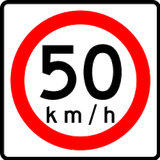
Eine Geschwindigkeitsüberschreitung liegt vor, wenn schneller gefahren wird, als es die Verkehrsvorschriften oder ein ausgeschildertes Tempolimit erlauben. Höhere Geschwindigkeiten verkürzen die Reaktionszeit, verlängern den Anhalteweg und erhöhen die Schwere von Unfällen. Fahrer müssen ihre Geschwindigkeit außerdem an Verkehr, Sicht, Wetter und Straßenbedingungen anpassen; selbst die zulässige Höchstgeschwindigkeit kann deshalb in einer konkreten Situation zu hoch sein. Sanktionen unterscheiden sich zwischen Ländern und können davon abhängen, wie stark die Grenze überschritten wurde und wo der Verstoß stattfand.
What is speeding?
Speeding means driving faster than the applicable maximum speed limit.
Why is speeding dangerous?
Higher speeds reduce reaction time, increase stopping distance and increase the severity of a collision.
Can you drive too fast without exceeding the speed limit?
Yes. A speed limit is normally a maximum. Drivers may need to drive more slowly because of traffic, weather, visibility or road conditions.
How is speeding detected?
Authorities may use fixed or mobile speed cameras, radar, laser equipment, average-speed checks or police measurements, depending on the country.
Do speeding penalties increase when you drive much faster than the limit?
Usually, yes. Many countries impose higher fines or additional penalties for larger speed-limit violations.
Can speeding lead to losing your driving licence?
Yes. Serious or repeated speeding offences can lead to a driving ban, licence suspension or court proceedings, depending on local law.
200. Rauchen
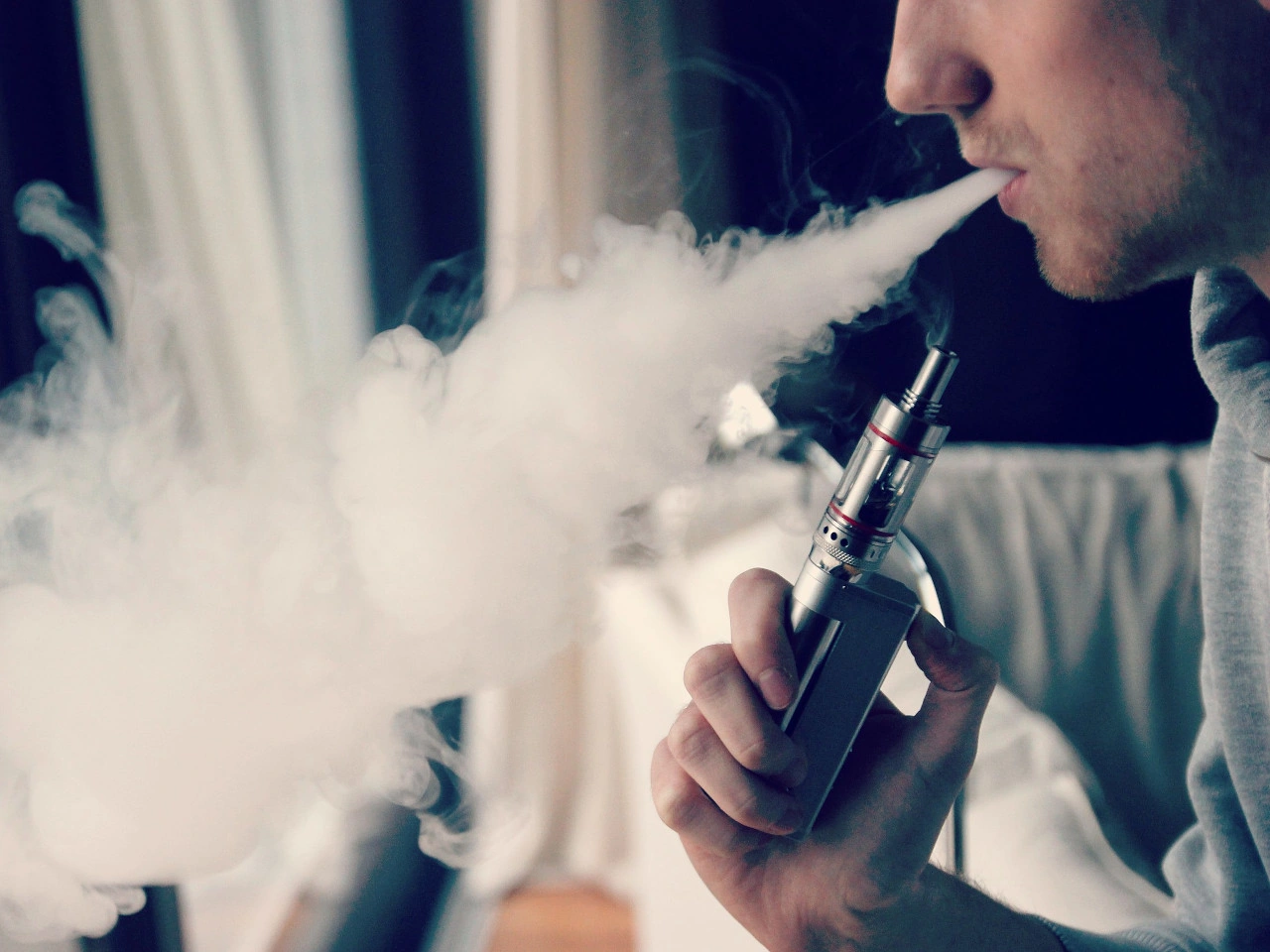
Rauchen während der Fahrt kann ablenken, weil eine Hand beschäftigt ist, die Aufmerksamkeit von der Straße genommen wird und Rauch, Asche oder herunterfallende Gegenstände im Fahrzeug entstehen können. Tabakrauch verschlechtert zudem die Luftqualität und setzt Mitfahrende Passivrauch aus. Manche Länder beschränken oder verbieten das Rauchen im Fahrzeug, insbesondere wenn Kinder mitfahren. Fahrer müssen jederzeit die volle Kontrolle über das Fahrzeug behalten und Tätigkeiten vermeiden, die das sichere Fahren beeinträchtigen.
Can smoking distract a driver?
Yes. Lighting, holding or extinguishing a cigarette can create manual and visual distraction, while smoke or dropped ash can also interfere with concentration.
Is smoking while driving illegal?
This depends on the country. Some countries allow smoking while driving but prohibit it when children are present or in certain types of vehicles.
Why is smoking in a car with children a problem?
Smoking in an enclosed vehicle exposes passengers to second-hand smoke, and children are particularly vulnerable to its harmful effects.
Do smoking bans in vehicles also apply to electronic cigarettes?
In some countries, yes. Laws may treat vaping or electronic cigarettes in the same way as smoking when restricting their use inside vehicles.
Can cigarette smoke affect visibility?
Heavy smoke inside a vehicle can reduce comfort and visibility, while smoke residue can also create a film on the windscreen and windows that increases glare.
Can throwing a cigarette from a vehicle be dangerous?
Yes. A discarded cigarette can create litter, distract other road users or start a fire, particularly in dry vegetation.