


VerkehrszeichenWallonien
 Verkehrsregeln
 Wallonien
251. Atemalkoholanalyse
Eine Atemalkoholanalyse ist eine genaue Messung der Alkoholkonzentration in der ausgeatmeten Luft. Anders als ein vorläufiger Atemtest, der vor allem der Kontrolle dient, wird die Atemalkoholanalyse mit einem zugelassenen beweissicheren Messgerät durchgeführt und liefert einen Messwert, der für die Ahndung verwendet werden kann. Das Ergebnis wird häufig in Milligramm Alkohol pro Liter Atemluft angegeben; Verfahren und gesetzliche Grenzwerte unterscheiden sich jedoch zwischen Ländern.
What is a breath analysis in Belgium?
A Belgian breath analysis is performed with an approved device that measures the exact concentration of alcohol in the exhaled alveolar air.
When is a breath analysis performed in Belgium?
For ordinary drivers, a breath analysis is performed when the preliminary breath test indicates at least 0.22 mg/l. For drivers subject to the stricter professional limit, the threshold is 0.09 mg/l. Police may also require a breath analysis without first performing a breath test.
What alcohol concentration is punishable for ordinary drivers in Belgium?
An ordinary driver is punishable when the breath analysis measures at least 0.22 mg/l of alcohol in exhaled alveolar air, corresponding to approximately 0.5‰ in the blood.
Can you request a second breath analysis in Belgium?
Yes. A person who has undergone a breath analysis may request an immediate second analysis. If the difference between the results exceeds the permitted accuracy margin, a third analysis is carried out.
Which breath-analysis result is used if two Belgian measurements differ?
If the difference remains within the permitted accuracy limits, the lowest valid result is used. If the difference exceeds those limits, the breath analysis is treated as not having been performed.
Can you request a blood test after a Belgian breath analysis?
Yes. When the valid breath-analysis result is at least 0.35 mg/l, the person can request a blood test as a counter-analysis under the applicable procedure.
What happens after a positive breath analysis in Belgium?
A positive result can lead to a temporary driving prohibition and financial or judicial penalties. Since 1 July 2026, a qualifying positive alcohol result normally triggers an immediate driving prohibition of 12 hours before a new test is required.
Can you refuse a breath analysis in Belgium?
Refusing a legally required breath analysis is itself punishable and can also result in an immediate temporary driving prohibition.

252. Blutalkoholkonzentration
Die Blutalkoholkonzentration (BAK) gibt an, wie viel Alkohol sich im Blut einer Person befindet. Sie wird häufig als Prozentwert, Gramm pro Liter oder Promille (‰) angegeben. Alkohol kann Urteilsvermögen, Reaktionszeit, Koordination und Sehvermögen bereits beeinträchtigen, bevor der gesetzliche BAK-Grenzwert erreicht ist. Die gesetzlichen Grenzwerte unterscheiden sich zwischen Ländern und können für Berufskraftfahrer, Fahranfänger oder junge Fahrer niedriger sein.
What is the legal blood alcohol limit for ordinary drivers in Belgium?
For most drivers, the legal threshold is 0.5‰ alcohol in the blood. A driver is punishable from this concentration, corresponding to 0.22 mg/l of alcohol in exhaled alveolar air.
What does 0.5‰ mean in Belgium?
A blood alcohol concentration of 0.5‰ means 0.5 grams of alcohol per litre of blood.
Is the Belgian BAC limit lower for young or inexperienced drivers?
No. The standard 0.5‰ BAC limit also applies to young and inexperienced drivers in Belgium.
Is the BAC limit lower for professional drivers in Belgium?
Yes. Applicable professional drivers are punishable from 0.2‰ alcohol in the blood, corresponding to 0.09 mg/l in exhaled alveolar air. The stricter limit also applies when driving certain heavy vehicle categories outside professional activities.
How is alcohol concentration measured during a Belgian roadside control?
Police normally use breath testing and breath analysis. A blood test can be used in circumstances provided by law, including certain cases where breath analysis cannot be performed or as a counter-analysis.
Can you request a blood test after a breath analysis in Belgium?
Yes. When a breath analysis measures at least 0.35 mg/l, the person must be informed of the right to request a blood test as a counter-analysis.
Does being below 0.5‰ mean you are safe to drive in Belgium?
No. Alcohol can affect driving before the legal limit is reached. The safest approach is not to drink alcohol when you plan to drive.
253. Blutuntersuchung
Eine Blutuntersuchung kann verwendet werden, um die Alkoholkonzentration im Blut einer Person zu bestimmen. Eine medizinische Fachkraft entnimmt eine Blutprobe, die anschließend im Labor zur Bestimmung der Blutalkoholkonzentration (BAK) untersucht wird. Im Straßenverkehr kann eine Blutprobe eingesetzt werden, wenn Atemtests nicht möglich oder ungeeignet sind, nach einem Unfall oder als Gegenanalyse zu einem Atemmessergebnis. Wann eine Blutuntersuchung verlangt werden darf und welche Alkoholgrenzen gelten, unterscheidet sich zwischen Ländern.
When can the police require a blood test for alcohol in Belgium?
A blood test can be ordered when a breath test reaches the applicable alcohol threshold but a breath analysis cannot be performed, or when neither a breath test nor breath analysis can be carried out and there are clear signs of alcohol consumption or intoxication.
Who takes the blood sample in Belgium?
The blood sample is taken by a doctor requested for that purpose and is then analysed to determine the alcohol concentration in the blood.
Can a blood test be required after a traffic accident in Belgium?
Yes. If neither a breath test nor a breath analysis can be performed on a person who may have caused or contributed to an accident, a blood sample can be required, including when it is impossible to determine whether signs of alcohol consumption are present.
Can you request a blood test after a breath analysis in Belgium?
Yes. If the valid breath-analysis result is at least 0.35 mg/l of alcohol in exhaled breath, the person can request a blood test as a counter-analysis.
What blood alcohol levels are punishable in Belgium?
For most drivers, an alcohol concentration of at least 0.5 g/l of blood (0.5‰) is punishable. Applicable professional drivers are subject to the lower threshold of 0.2 g/l (0.2‰).
Can you refuse a required alcohol blood test in Belgium?
Refusing a legally required blood test without a valid reason can itself be punishable in the circumstances specified by Belgian traffic law.
Who pays for a Belgian alcohol blood test?
The costs of taking and analysing the blood sample can be charged to the person tested when the relevant alcohol offence is established under the conditions provided by law.
254. Speicheltest
Ein Speicheltest ist ein Kontrolltest am Straßenrand zum Nachweis des kürzlichen Konsums bestimmter Drogen, die die Fahrtüchtigkeit beeinträchtigen können. Eine Speichelprobe wird aus dem Mund entnommen und mit einem tragbaren Gerät auf festgelegte Substanzen untersucht. Der Test dient normalerweise als erste Kontrolle und nicht als abschließende beweissichere Analyse. Bei einem positiven Ergebnis kann eine genauere Speichelanalyse oder unter bestimmten Umständen eine Blutuntersuchung folgen.

What is a saliva test in Belgium?
A Belgian saliva test is a roadside screening test used to detect recent use of specified drugs that can impair driving ability.
When can the police perform a saliva test in Belgium?
The police normally use a standardised checklist for signs of recent drug use. If the checklist indicates recent use of one of the specified substances, a saliva test is carried out. A positive drug-detection screening can also lead to a saliva test.
Which drugs can a Belgian saliva test detect?
The current legal thresholds apply to THC, amphetamine, MDMA, morphine or 6-acetylmorphine, and cocaine or benzoylecgonine.
What are the Belgian saliva-test thresholds?
The current screening thresholds are 25 ng/ml for THC, 50 ng/ml for amphetamine, 50 ng/ml for MDMA, 10 ng/ml for morphine or 6-acetylmorphine and 20 ng/ml for cocaine or benzoylecgonine. Results below these levels are not taken into account for the saliva test.
What happens after a positive saliva test in Belgium?
A positive saliva test normally leads to a saliva analysis to confirm the presence of the specified substance. If a saliva analysis cannot be performed, a blood test may be used under the conditions provided by law.
How long are you prohibited from driving after a positive saliva test in Belgium?
A positive saliva test results in an immediate 12-hour driving prohibition. Before driving again, a new saliva test is required. If that test is still positive, the prohibition is renewed for another 12 hours.
What happens if you refuse a saliva test in Belgium?
Refusing a legally required saliva test without a valid reason is punishable and results in an immediate 12-hour driving prohibition. The prohibition can be renewed if the required follow-up test is also refused.
What if you cannot provide enough saliva for the test?
A practical inability to provide enough saliva is not treated as a refusal. Other procedures, including a blood test where legally applicable, may then be used.
255. Drogen
Drogen können das Fahren erheblich beeinträchtigen, indem sie Wahrnehmung, Konzentration, Reaktionszeit, Koordination und Urteilsvermögen verändern. Stimulanzien, Cannabis, Opioide und andere psychoaktive Substanzen können jeweils unterschiedliche Auswirkungen haben; die Kombination mit Alkohol oder anderen Stoffen kann das Risiko zusätzlich erhöhen. Die Wirkung kann anhalten, auch wenn sich die Person nicht mehr berauscht fühlt. Die gesetzlichen Regelungen unterscheiden sich zwischen Ländern, doch Fahrer sollten niemals fahren, wenn eine Substanz ihre sichere Fahrzeugkontrolle beeinträchtigt.
Is driving after using drugs illegal in Belgium?
Yes. Belgian law prohibits driving when specified drugs are present at or above the legal concentration thresholds established for saliva or blood analysis.
Which drugs are currently included in Belgian roadside drug controls?
The current system covers THC, amphetamine, MDMA, morphine or 6-acetylmorphine, and cocaine or benzoylecgonine. These substances are detected using saliva testing and confirmed by saliva or blood analysis.
How does a Belgian roadside drug control work?
Police normally use a standardised checklist for signs of recent drug use, followed by a saliva test when indicated. After a positive saliva test, a laboratory saliva analysis is normally used to confirm the offence.
What happens after a positive saliva test in Belgium?
A positive saliva test results in an immediate 12-hour prohibition on driving. Before driving again, a new saliva test is required. If it remains positive, the prohibition is renewed for another 12 hours.
Can refusing a drug test lead to penalties in Belgium?
Yes. Refusing a legally required saliva test or saliva analysis without a valid reason is punishable and also results in an immediate 12-hour driving prohibition.
Can police use a blood test for drugs in Belgium?
Yes. A blood analysis can be used in circumstances provided by law, including when a required saliva test or saliva analysis cannot be performed.
Is ketamine included in Belgium’s drug-driving rules?
Belgium adopted legislation in 2026 to add ketamine to the drug-driving framework. The legal framework has been prepared, but roadside enforcement depends on the availability of approved saliva tests capable of detecting ketamine.
Can drug driving lead to losing your driving licence in Belgium?
Yes. Drug-driving offences can lead to fines, immediate driving restrictions, court proceedings and disqualification from driving, depending on the circumstances and any previous offences.
256. Medikamente
Medikamente können die Fahrtüchtigkeit beeinträchtigen, selbst wenn sie ärztlich verschrieben oder rezeptfrei erhältlich sind. Manche Mittel verursachen Müdigkeit, Schwindel, verschwommenes Sehen, geringere Konzentration, verlangsamte Reaktionen oder eingeschränkte Koordination und Urteilsfähigkeit. Fahrer sollten die Packungsbeilage lesen, die verordnete Dosis einhalten und bei Unsicherheit einen Arzt oder Apotheker fragen, ob das Fahren sicher ist. Besondere Vorsicht ist beim Beginn einer neuen Medikation, bei Dosisänderungen sowie bei der Kombination mehrerer Medikamente oder von Medikamenten mit Alkohol erforderlich.
Can medication affect your fitness to drive in Belgium?
Yes. Belgian driving-fitness standards recognise that certain medicines can increase the risk of an accident. A driver must remain medically fit and capable of driving safely.
How can you check whether a medicine affects driving in Belgium?
Read the patient information leaflet, particularly the section on driving and using machines. The Belgian medicines authority also recommends asking your doctor or pharmacist when you are unsure.
Can medicine bought without a prescription affect driving in Belgium?
Yes. A medicine does not have to require a prescription to affect driving. Some antihistamines, cough medicines and other commonly used medicines can reduce alertness or reaction ability.
Which types of medication can affect driving ability?
Medicines that may affect driving include certain sleeping tablets, sedatives, antihistamines, antidepressants, anti-epileptic medicines and some cough medicines. The effect depends on the medicine and the individual.
What should you do if medication makes you sleepy or dizzy in Belgium?
Do not drive if side effects such as drowsiness, dizziness, impaired vision or reduced concentration prevent you from driving safely. Ask your doctor or pharmacist for advice when necessary.
Can medication affect a Belgian driving-fitness assessment?
Yes. When medication or a medical condition may increase the risk of an accident, a medical driving-fitness assessment may be required. The driver is responsible for ensuring that they continue to meet the applicable fitness standards.
Where can you find official information about medicines in Belgium?
The Belgian Federal Agency for Medicines and Health Products provides an official medicines database and patient information leaflets containing information on safe use, side effects and possible restrictions on driving.
257. Sanktionen
Sanktionen sind rechtliche Folgen für Verstöße gegen Verkehrsvorschriften. Je nach Verstoß und Land können dazu Verwarnungen, Geldbußen, Punkte, Führerscheinentzug, Fahrverbote, Stilllegung des Fahrzeugs oder gerichtliche Verfahren gehören. Die Schwere der Sanktion hängt meist von Faktoren wie der verursachten Gefahr, früheren Verstößen und der Schwere des Fehlverhaltens ab. Manche Verstöße können unmittelbar von der Polizei geahndet werden, während schwerere Fälle vor Gericht entschieden werden.
What types of traffic penalties can be imposed in Belgium?
Belgian traffic offences can lead to immediate collections, settlements, orders to pay, court fines and disqualification from driving. The applicable sanction depends on the offence and how the case is handled.
How are ordinary traffic offences classified in Belgium?
Many Belgian traffic offences are divided into four degrees. First-degree offences are the least serious, while fourth-degree offences are considered the most serious.
What are the immediate fines for the four degrees of traffic offences in Belgium?
Since 1 July 2026, the standard immediate collections are €64 for a first-degree offence, €128 for a second-degree offence and €191 for a third-degree offence. The amount for a fourth-degree offence is €520, but Belgian residents are normally summoned to court instead of receiving an immediate collection for a fourth-degree offence.
Can a Belgian court impose a driving ban?
Yes. A court can impose a disqualification from driving for between eight days and five years for certain offences. It is possible for second- and third-degree offences and mandatory for fourth-degree offences.
Are penalties stricter for novice drivers in Belgium?
Yes. For certain serious offences committed within two years after obtaining a category B driving licence, novice drivers are subject to stricter rules. A driving ban may be mandatory and regaining the right to drive can require passing a new theory or practical examination.
Can repeat offenders receive heavier penalties in Belgium?
Yes. Repeat offences can result in heavier sanctions, including longer driving bans, higher fines or additional measures depending on the type of offence and previous convictions.
Are speeding penalties handled through the four-degree system in Belgium?
No. Speeding has its own penalty system. The amount depends on how far the speed limit was exceeded and whether the offence occurred in areas such as a built-up area, zone 30, residential area or encounter zone.
Can alcohol or drug offences have separate penalties in Belgium?
Yes. Driving under the influence of alcohol or drugs is subject to separate sanction systems, which can include immediate driving prohibitions, fines, court proceedings, driving bans and measures such as an alcohol interlock.
258. Geschwindigkeitsüberschreitung
Eine Geschwindigkeitsüberschreitung liegt vor, wenn schneller gefahren wird, als es die Verkehrsvorschriften oder ein ausgeschildertes Tempolimit erlauben. Höhere Geschwindigkeiten verkürzen die Reaktionszeit, verlängern den Anhalteweg und erhöhen die Schwere von Unfällen. Fahrer müssen ihre Geschwindigkeit außerdem an Verkehr, Sicht, Wetter und Straßenbedingungen anpassen; selbst die zulässige Höchstgeschwindigkeit kann deshalb in einer konkreten Situation zu hoch sein. Sanktionen unterscheiden sich zwischen Ländern und können davon abhängen, wie stark die Grenze überschritten wurde und wo der Verstoß stattfand.
How are speeding fines calculated in Belgium?
For an immediate collection, the first 10 km/h above the speed limit costs €58. Above the first 10 km/h, the amount increases for every additional kilometre per hour.
How much does each additional kilometre per hour cost in Belgium?
In a built-up area, zone 30, school environment, residential area or encounter zone, the fine increases by €12 for every additional km/h above the first 10 km/h. On other roads, it increases by €7 per additional km/h.
When can serious speeding lead to court proceedings in Belgium?
For Belgian residents, an immediate collection is generally no longer possible when the speed limit is exceeded by more than 30 km/h in a built-up area, zone 30, school environment, residential area or encounter zone, or by more than 40 km/h on other roads. The case is normally referred to court.
Can speeding lead to a driving ban in Belgium?
Yes. A court can impose a driving ban of between 8 days and 5 years for serious speeding. For the highest speeding category, a driving ban is mandatory.
Are the rules stricter for novice drivers in Belgium?
Yes. If a driver has held a category B licence for less than two years, a driving ban is mandatory for certain serious speeding offences, and regaining the right to drive can require passing a theory or practical examination again.
Can speeding fines be handled by a municipality in Belgium?
In Flanders, certain limited speeding offences on roads with a 30 or 50 km/h speed limit can be handled through municipal administrative sanctions when the legal conditions are met.
Does the posted speed limit always mean that speed is safe in Belgium?
No. Drivers must still adapt their speed to traffic, visibility, weather and road conditions. A lower speed may therefore be required even when the posted limit is higher.
259. Rauchen
Rauchen während der Fahrt kann ablenken, weil eine Hand beschäftigt ist, die Aufmerksamkeit von der Straße genommen wird und Rauch, Asche oder herunterfallende Gegenstände im Fahrzeug entstehen können. Tabakrauch verschlechtert zudem die Luftqualität und setzt Mitfahrende Passivrauch aus. Manche Länder beschränken oder verbieten das Rauchen im Fahrzeug, insbesondere wenn Kinder mitfahren. Fahrer müssen jederzeit die volle Kontrolle über das Fahrzeug behalten und Tätigkeiten vermeiden, die das sichere Fahren beeinträchtigen.
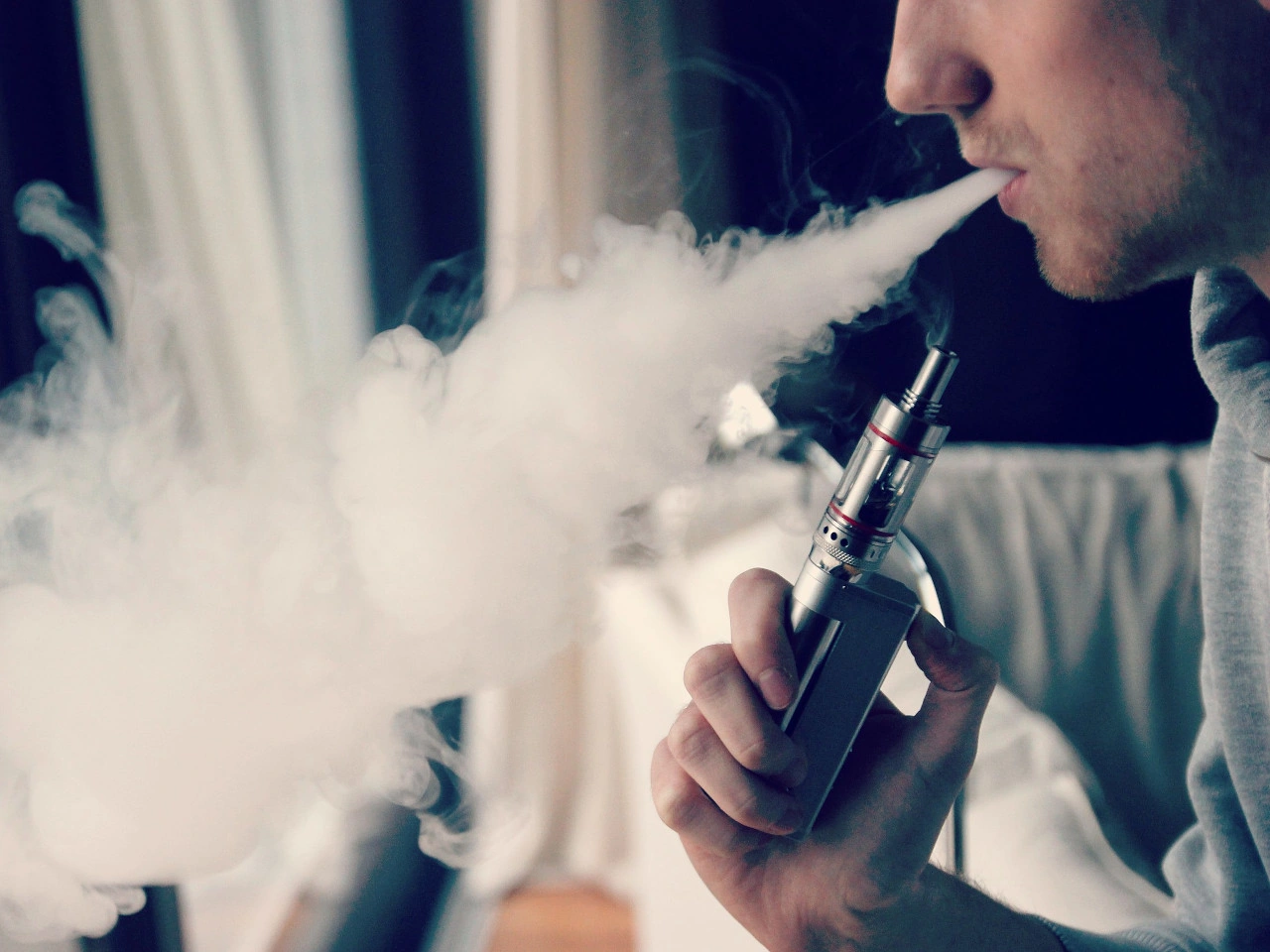
Can you smoke while driving in Belgium?
Belgium does not generally prohibit an adult from smoking while driving alone, but the driver must still remain in control of the vehicle and drive safely. Separate smoking restrictions apply when minors are present.
Can you smoke in a car with children in Belgium?
No. Since 14 May 2020, it is prohibited to smoke in a vehicle when at least one person under 18 is present.
Does the Belgian smoking ban also apply to electronic cigarettes?
Yes. The prohibition includes electronic cigarettes and vaping when a minor under 18 is present in the vehicle.
Does opening the windows make smoking with a minor legal in Belgium?
No. The ban applies to fully or partially enclosed vehicles whether the windows are open or closed.
Does the smoking ban apply in a convertible in Belgium?
The prohibition does not apply when the vehicle's roof is completely folded or retracted. If the vehicle remains fully or partly enclosed, the ban applies when a minor is present.
Is smoking allowed in vehicles used for professional passenger transport in Belgium?
No. Belgium also prohibits smoking in vehicles used for professional passenger transport.
260. Verkehrsüberwachungskamera
Eine Verkehrsüberwachungskamera ist ein automatisches oder fernbedientes Kamerasystem zur Erkennung von Verkehrsverstößen. Je nach System können Kameras die Geschwindigkeit messen, Rotlichtverstöße erkennen, Kennzeichen lesen oder anderes verbotenes Verhalten überwachen. Manche Kameras messen ein Fahrzeug an einem einzelnen Punkt, während Systeme wie die Abschnittskontrolle die Durchschnittsgeschwindigkeit über eine längere Strecke bestimmen. Welche Kameras eingesetzt werden, welche Verstöße sie erfassen und wie die Ahndung erfolgt, unterscheidet sich zwischen Ländern.
Are traffic enforcement cameras used in Belgium?
Yes. Belgium uses different types of traffic enforcement cameras, including speed cameras, red-light cameras, section-control systems and cameras for certain other traffic offences.
What do fixed speed cameras detect in Belgium?
Fixed speed cameras measure vehicle speed at a specific location and record speeding offences. In Flanders, they are generally installed at locations where speed enforcement can improve road safety.
What do red-light cameras detect in Belgium?
In Flanders, red-light cameras detect both vehicles passing a red traffic light and speeding offences. They are mainly installed at intersections and other locations where automated enforcement can improve safety.
Is section control different from a fixed speed camera in Belgium?
Yes. A fixed speed camera measures speed at one location, while section control uses number-plate recognition to calculate the average speed over a longer road section.
Can Belgian cameras enforce offences other than speeding and red lights?
Yes. Camera systems can also be used for offences such as insufficient following distance, prohibited overtaking, improper use of the hard shoulder and certain restrictions involving heavy vehicles, depending on the installation and legal framework.
Are ANPR cameras used for traffic enforcement in Belgium?
Yes. ANPR cameras automatically recognise number plates and are used in systems such as section control. Number-plate recognition can also support other authorised police and enforcement purposes.
Are all roadside cameras in Belgium enforcement cameras?
No. Cameras are also used to monitor traffic, detect incidents and manage the road network. A roadside camera does not automatically mean that traffic violations are being recorded.
261. Doppelkurve
Eine Doppelkurve ist ein Straßenabschnitt mit zwei unmittelbar aufeinanderfolgenden Kurven in entgegengesetzte Richtungen. Die erste Kurve kann nach links und anschließend nach rechts verlaufen oder umgekehrt.
Dasselbe Warnzeichen kann auch auf eine längere Folge von Kurven hinweisen. Fahrer sollten vor der ersten Kurve die Geschwindigkeit reduzieren, in ihrer Fahrspur bleiben und damit rechnen, dass die folgenden Kurven unterschiedliche Richtung, Schärfe und Länge haben.

Which Belgian signs warn of a double curve?
Traffic signs A1c and A1d warn of a double curve or a succession of more than two curves.
 Warnung vor Doppelkurve, zuerst links.
Signal routier A1c • Virage dangereux. Double virage ou succession de plus de deux virages, le premier à gauche.
Verkeersbord A1c • Gevaarlijke bocht. Dubbele bocht of opeenvolging van meer dan twee bochten, de eerste naar links.
 Warnung vor Doppelkurve, zuerst rechts.
Signal routier A1d • Virage dangereux. Double virage ou succession de plus de deux virages, le premier à droite.
Verkeersbord A1d • Gevaarlijke bocht. Dubbele bocht of opeenvolging van meer dan twee bochten, de eerste naar rechts.
What does Belgian sign A1c mean?
Traffic sign A1c warns of a double curve or succession of more than two curves, with the first curve turning left.
What does Belgian sign A1d mean?
Traffic sign A1d warns of a double curve or succession of more than two curves, with the first curve turning right.
Does A1c or A1d always mean exactly two curves?
No. The sign may also indicate a longer sequence containing more than two curves.
Does the sign show the direction of every curve?
No. It identifies the direction of the first curve. Drivers must remain prepared for later curves to vary in direction and sharpness.
When may Belgium install A1c or A1d?
Belgian placement rules reserve curve-warning signs for curves that appear unexpectedly or require a significant reduction in speed.
Where is the warning sign placed?
For successive curves, the sign is placed before the first curve. The placement distance is measured from the beginning of that curve.
How is the length of a winding section indicated?
A supplementary panel may display the length of the road section containing successive curves.
Can a panel indicate the distance to the first curve?
Yes. A supplementary distance panel may indicate approximately how far ahead the dangerous section begins.
Does A1c or A1d impose a speed limit?
No. The applicable regional, zonal, posted and vehicle-specific speed limits remain in force.
Must you sometimes drive below the permitted speed?
Yes. Drivers must adapt their speed to the curves, visibility, weather, traffic, road surface and condition and load of the vehicle.
Must you be able to stop within the visible distance?
Yes. Drivers must remain able to stop before a foreseeable obstruction, including one hidden beyond either curve.
When should you brake?
Reduce speed before entering the first curve. Avoid harsh braking while changing direction between the curves.
Must you remain on the right-hand side?
Yes. Drivers must normally keep as close as possible to the right and must not cut into the section intended for oncoming traffic.
May you cross a continuous centre line?
No. Drivers may not cross a continuous white line or travel to its left when it separates opposing directions of traffic.
May you overtake in a Belgian double curve?
The specified left-side overtaking is prohibited in curves when visibility is insufficient. An exception applies where overtaking can be completed without crossing the continuous white line separating opposing traffic.
Does the A1c or A1d sign automatically prohibit overtaking?
No. The prohibition depends on visibility, road markings and the ordinary Belgian overtaking rules, not solely on the warning sign.
May you stop or park in a double curve?
Stopping and parking on the carriageway are prohibited in a curve when visibility is insufficient.
May you park in a clearly visible part between the curves?
Only when all ordinary stopping and parking rules are respected and the vehicle remains clearly visible and does not create danger or obstruction.
How should you pass a cyclist?
Wait until there is sufficient visibility and space to leave at least one metre inside a built-up area or 1.5 metres outside a built-up area. Do not cross a continuous line or endanger oncoming traffic.
What should motorcyclists consider?
Motorcyclists must change lean direction between the curves while keeping both themselves and their motorcycle within the correct part of the carriageway.
What should drivers towing a trailer do?
Reduce speed before the first curve and steer smoothly. Sudden changes of direction or acceleration can cause the trailer to sway or follow an unsafe path.
What if the road is wet, icy or covered with leaves?
Reduce speed earlier and avoid abrupt braking, acceleration or steering. Grip may vary between the first and second curve.
Do A1c and A1d change priority?
No. Traffic lights, priority signs and the ordinary priority rules remain applicable at any intersection within or after the curves.
Will A1c and A1d remain under Belgium’s new road code?
Yes. From 1 June 2027, A1c and A1d retain their meanings for a double curve or succession of more than two curves, according to the direction of the first curve.
262. Unfall
Ein Unfall ist ein unerwartetes Ereignis mit einem oder mehreren Verkehrsteilnehmern, bei dem Sachschaden, Verletzungen oder beides entstehen. Nach einem Verkehrsunfall hat Sicherheit Vorrang: anhalten, die Unfallstelle sichern, verletzten Personen soweit möglich helfen und bei Bedarf die Rettungsdienste verständigen. Fahrer sollten zusätzliche Gefahren vermeiden, die erforderlichen Informationen austauschen und die örtlichen Meldevorschriften beachten. Bei schweren Unfällen kann vorgeschrieben sein, dass Fahrzeuge bis zum Eintreffen der Polizei an ihrer Position bleiben.
What must you do after a traffic accident in Belgium?
Everyone involved in an accident must take the necessary measures to ensure safety and keep traffic moving where possible. The driver must also correctly signal a vehicle that creates a danger or obstruction.
Should you move the vehicle after a minor accident in Belgium?
If an accident causes only material damage, vehicles that obstruct traffic should normally be moved when this can be done safely. The current Road Code does not require a vehicle to be moved when the accident caused bodily injury.
Do you have to stay at the scene of an accident in Belgium?
Yes. People involved in an accident must generally remain at the scene to make the necessary findings or allow the police to do so. Leaving in order to avoid those responsibilities can constitute hit-and-run.
What must you do if someone is injured in a Belgian traffic accident?
You must provide assistance to injured people when necessary and remain at the scene so the police can make the required findings. Temporarily leaving to obtain help is permitted under the conditions provided by law.
When must an injury accident be reported in Belgium?
If the police cannot be contacted within a reasonable time after an accident involving bodily injury, those involved must report the accident within 24 hours to the nearest police office or the police office of their home or residence.
Where should the warning triangle be placed after an accident in Belgium?
Under the current rules, the warning triangle is placed at least 100 metres behind the vehicle on a motorway and 30 metres on other roads, where possible, so approaching drivers can see it in time.
Do you have to wear a reflective vest after an accident in Belgium?
The driver must wear a retro-reflective safety vest when leaving a broken-down or crashed vehicle on a motorway or road for motor vehicles in the situations covered by the current rules. Wearing it is also advisable in other dangerous roadside situations.
What information must you provide after an accident in Belgium?
People involved who are over 15 must show their identity card or equivalent document to the other involved parties when requested. If a person who suffered damage is absent, the involved person must provide their name and address as soon as possible.
263. Verletzungen
Verletzungen nach einem Verkehrsunfall können von kleinen Schnitt- und Schürfwunden bis zu schweren oder lebensbedrohlichen Verletzungen reichen. Vorrang hat, weitere Gefahren zu verhindern, bei Bedarf den Notruf zu wählen und im Rahmen der eigenen Fähigkeiten geeignete Hilfe zu leisten. Eine schwer verletzte Person sollte nicht unnötig bewegt werden, wenn eine Kopf-, Hals- oder Wirbelsäulenverletzung möglich ist, außer wenn unmittelbare Gefahr besteht. Anweisungen der Leitstelle oder geschulter Helfer sind zu befolgen. Auch scheinbar leichte Verletzungen können eine medizinische Untersuchung erfordern, weil Symptome verzögert auftreten können.

What must you do if someone is injured in a traffic accident in Belgium?
A person involved in an accident that caused bodily injury must, when necessary, provide assistance to the injured and remain at the scene so that the required findings can be made.
What emergency number should you call for an injured person in Belgium?
Call 112 when urgent medical assistance is needed. Tell the operator where the accident happened, what happened and how many people are injured or in danger.
Should vehicles be moved after an accident with injuries in Belgium?
Under the current Road Code, a vehicle does not have to be moved when the accident caused bodily injury. The people involved must nevertheless take the necessary measures to protect safety and traffic.
Can you leave the scene to get help for an injured person in Belgium?
Yes. A person does not violate the obligation to remain at the scene when they temporarily leave in order to help an injured person or contact an authorised person, provided the applicable identification requirements are respected.
When must an injury accident be reported to the police in Belgium?
Under the current rules, if no authorised person can be reached within a reasonable time, those involved must report the accident within 24 hours to the nearest police office or the police office of their home or residence.
Will Belgium’s new Road Code change the duties after an accident with injuries?
Yes. From 1 June 2027, people involved in an accident with injured persons must, within their abilities and without putting themselves in danger, help the injured and protect them when they cannot be moved. The new rules also require the police to be informed immediately and the people involved to remain at the scene unless the police indicate they will not attend.
264. Nasenbluten
Nasenbluten ist eine Blutung aus einem oder beiden Nasenlöchern und entsteht meist durch kleine Blutgefäße in der Nase. Die meisten Fälle sind harmlos, können einen Fahrer jedoch ablenken und die Weiterfahrt unsicher machen. Beginnt Nasenbluten während der Fahrt, sollte man möglichst an einer sicheren Stelle anhalten. Aufrecht sitzen, leicht nach vorn beugen und den weichen Teil der Nase etwa 10–15 Minuten ohne Unterbrechung zusammendrücken. Den Kopf nicht nach hinten legen, da Blut in den Rachen laufen kann. Bei starker Blutung, nach einer schweren Verletzung oder wenn die Blutung nicht aufhört, ist medizinische Hilfe erforderlich.
What should you do if you get a nosebleed while driving in Belgium?
If the nosebleed interferes with safe driving, stop at a safe and permitted place. Belgian traffic rules require every driver to remain physically fit, able to perform the necessary manoeuvres and continuously in control of the vehicle.
Can you continue driving with a nosebleed in Belgium?
Only if you remain fully capable of driving safely. If the bleeding causes distraction, impaired visibility, dizziness or loss of concentration, you should stop until the problem has been controlled.
What first aid should you give for a nosebleed in Belgium?
Belgian Red Cross first-aid guidance includes nosebleeds among common situations requiring first aid. The standard approach is to sit upright, lean forward and pinch the soft part of the nose continuously until the bleeding stops.
When should you call emergency services for a nosebleed in Belgium?
Call 112 when there is severe or uncontrolled bleeding, breathing difficulty, loss of consciousness or another serious emergency. After a significant traffic accident or head injury, professional medical assessment may also be necessary.
Does Belgium have a special traffic rule specifically for nosebleeds?
No. There is no separate traffic rule for nosebleeds. The general rule applies: a driver must have the necessary physical fitness and remain capable of controlling the vehicle safely.
265. Schäden
Schäden nach einem Verkehrsunfall können Fahrzeuge, Straßeninfrastruktur oder anderes Eigentum betreffen. Sie reichen von kleinen Kratzern oder Beulen bis zu schweren Beschädigungen, die ein Fahrzeug fahruntauglich machen. Bei einem Unfall mit reinem Sachschaden sollten Fahrer die Stelle sichern, die erforderlichen Informationen austauschen, den Hergang dokumentieren und bei Bedarf die Versicherung informieren. Ein beschädigtes Fahrzeug darf nicht weitergefahren werden, wenn Mängel an Beleuchtung, Reifen, Lenkung, Bremsen, Scheiben oder anderen sicherheitsrelevanten Teilen die Weiterfahrt unsicher machen.

What must you do after an accident with only material damage in Belgium?
Everyone involved must take the necessary measures to ensure safety and keep traffic moving. People over 15 must show their identity document to another involved person who asks for it and remain long enough to make the necessary findings.
Do you have to call the police after an accident with only material damage in Belgium?
Not necessarily. If nobody is injured and the parties agree on the circumstances, they can normally complete an accident report themselves. If there is disagreement or another problem, involving the police is advisable.
Should vehicles be moved after an accident with only material damage in Belgium?
Yes, when necessary and safe to do so. Those involved must protect safety and traffic flow, so vehicles that unnecessarily obstruct traffic should be moved when possible.
What if the owner of damaged property is not present in Belgium?
The people involved must, as far as possible, leave their name and address at the scene and in all cases provide that information as soon as possible, directly or through the police.
Should you complete the European Accident Statement in Belgium?
Yes. For an accident involving material damage, the European Accident Statement is the standard way to record the vehicles, drivers, circumstances and damage and helps insurers process the claim.
How quickly should accident damage be reported to the insurer in Belgium?
The claim should be reported as soon as possible and normally within eight days. If that deadline cannot reasonably be met, reporting should still be made as soon as reasonably possible.
Can you drive a damaged vehicle after an accident in Belgium?
Only if it remains safe and complies with the applicable technical requirements. Damage affecting lights, tyres, steering, brakes, visibility or other essential equipment may make continued driving unsafe or unlawful.
266. Panne
Eine Panne liegt vor, wenn ein Fahrzeug wegen eines mechanischen, elektrischen oder anderen technischen Problems nicht mehr sicher weiterfahren kann. Wenn möglich, sollte das Fahrzeug aus dem fließenden Verkehr gebracht, die Warnblinkanlage eingeschaltet und andere Verkehrsteilnehmer gewarnt werden. Auf Straßen mit hoher Geschwindigkeit sollte das Fahrzeug nur verlassen werden, wenn dies sicher möglich ist; anschließend sollte man an einem geschützten Ort abseits des Verkehrs warten. Bei Bedarf Pannenhilfe oder Rettungsdienste verständigen und keine Reparaturen durchführen, die einen selbst oder andere gefährden.
What should you do if your vehicle breaks down in Belgium?
If possible, move the vehicle off the carriageway or to a place where stopping and parking are permitted. Warn other road users and arrange assistance when the vehicle cannot continue safely.
When must you use the warning triangle after a breakdown in Belgium?
If the vehicle cannot be moved or can only be left where stopping or parking is prohibited, it must be signalled with the warning triangle. Under the current rules, the triangle is placed at least 100 metres away on a motorway and at least 30 metres away on other roads, where possible.
Do you have to wear a reflective vest after a breakdown in Belgium?
Yes. When a vehicle breaks down on a motorway or road for motor vehicles at a place where stopping or parking is prohibited, the driver must wear a retro-reflective safety vest when leaving the vehicle.
What should you do after breaking down on a Belgian motorway?
Move as far to the right as possible, switch on the hazard warning lights, leave the vehicle carefully and move yourself and passengers away from traffic, preferably behind the safety barrier. Place the warning triangle where required and contact roadside assistance or the emergency services when necessary.
Can you tow a broken-down vehicle with a rope on a Belgian motorway?
No. A vehicle may not be towed on a motorway or road for motor vehicles using an emergency coupling such as a rope, even for a short distance to the next exit.
Can a breakdown service use the hard shoulder in Belgium?
Under specific conditions, authorised roadside-assistance and towing vehicles may use the hard shoulder during heavily congested traffic to reach an incident, while using the required orange-yellow flashing lights.
Will Belgium’s new Road Code change the breakdown rules?
Yes, slightly. From 1 June 2027, hazard warning lights should be used when possible when a vehicle cannot be moved or must remain where stopping or parking is prohibited. The warning-triangle distances become approximately 100 metres on specified divided roads and 30 metres elsewhere, with more flexibility where placing the triangle at that distance would be unsafe. The reflective-vest requirement is also extended to tunnels.
267. Warndreieck
Ein Warndreieck ist eine tragbare reflektierende Sicherheitseinrichtung, die den herannahenden Verkehr vor einem stehenden, liegengebliebenen oder verunfallten Fahrzeug oder einem anderen Hindernis auf der Straße warnt. Es sollte weit genug vor der Gefahrenstelle aufgestellt werden, damit andere Fahrer rechtzeitig reagieren können, und gut sichtbar bleiben. Der vorgeschriebene Abstand und die Situationen, in denen ein Warndreieck verwendet werden muss, unterscheiden sich zwischen Ländern; Fahrer sollten die örtlichen Regeln kennen und das Warndreieck im Fahrzeug leicht zugänglich aufbewahren.
Is a warning triangle mandatory in a car in Belgium?
Yes. Applicable motor vehicles must carry a warning triangle so that a stopped or broken-down vehicle can be signalled when required.
When must you use the warning triangle in Belgium?
Under the current rules, the triangle must be used when a vehicle or trailer cannot be moved or can only be left where stopping or parking is prohibited. It must also be used in certain cases when the vehicle’s lighting or signalling equipment is defective and the vehicle cannot be clearly seen from about 100 metres away.
How far from the vehicle should the warning triangle be placed in Belgium?
Under the current rules, it must be placed at least 100 metres away on motorways and 30 metres away on other roads, where possible, and positioned so approaching drivers can see it in time.
Can the warning triangle be placed closer in a built-up area in Belgium?
Yes. In a built-up area, when the normal 30-metre distance cannot be respected, the triangle may be placed closer and, if necessary, even on the vehicle.
Do you also have to use hazard warning lights in Belgium?
Under the current rules, hazard warning lights may be used in addition to the triangle. Under the new Code of the Public Road, effective 1 June 2027, using all direction indicators simultaneously becomes the primary warning method when possible.
Will the warning-triangle distances change under Belgium’s new Road Code?
Slightly. From 1 June 2027, the triangle should be placed approximately 100 metres away on divided roads with at least two lanes in each direction and approximately 30 metres away on other roads. These are no longer strict minimum distances, and the triangle may be placed closer when necessary for safety.
Do you have to wear a reflective vest when placing the triangle in Belgium?
Under the current rules, the driver of a broken-down vehicle must wear a retro-reflective safety vest when leaving the vehicle on a motorway or road for motor vehicles in the specified circumstances. The new Code expands this requirement to tunnels as well.
268. Verkehrsregeln
Verkehrsregeln sind Gesetze und Vorschriften, die das Verhalten von Verkehrsteilnehmern auf öffentlichen Straßen bestimmen. Sie regeln unter anderem Geschwindigkeit, Vorfahrt, Überholen, Parken, Ampeln, Verkehrszeichen, Fahrstreifennutzung und die Pflichten von Fahrern, Radfahrern und Fußgängern. Verkehrsregeln sollen den Verkehr ordnen, Konflikte verringern und die Verkehrssicherheit verbessern. Sie unterscheiden sich zwischen Ländern und teilweise auch zwischen Regionen, weshalb Verkehrsteilnehmer die am jeweiligen Ort geltenden Regeln kennen sollten.
Which traffic rules currently apply in Belgium?
Until 1 June 2027, Belgium mainly uses the Road Code established by the Royal Decree of 1 December 1975, together with other applicable federal and regional traffic regulations.
Where do the Belgian traffic rules apply?
The current Belgian Road Code regulates traffic on public roads and the use of those roads by pedestrians, vehicles and certain animals.
Are traffic rules the same throughout Belgium?
Many core traffic rules are currently federal, but the regions already have powers over subjects such as speed limits, technical inspection, road management and certain enforcement matters. This means some rules and procedures can differ between Flanders, Brussels and Wallonia.
Will Belgium get a new Road Code?
Yes. On 1 June 2027, the current 1975 Road Code will be replaced by four new sets of traffic rules: the federal Code of the Public Road, the Brussels Code of the Public Road, the Flemish traffic regulations and the Walloon Code of the Public Road.
Why is Belgium replacing the current Road Code?
The current Road Code dates from 1975 and has been amended many times. The new system modernises the rules for changes in mobility, including newer forms of transport and greater regional responsibility.
Will all Belgian traffic signs change on 1 June 2027?
No. Although the new codes introduce and modify some traffic signs, most existing signs may remain in use until 1 January 2045, allowing a long transition period.
Do drivers in Belgium have to follow regional traffic rules?
Yes. From 1 June 2027, drivers will need to comply with both the federal Code of the Public Road and the applicable regional code for Flanders, Brussels or Wallonia.
269. Fahrschule
Eine Fahrschule ist eine Einrichtung, die Fahrschüler professionell in Theorie und Praxis ausbildet. Qualifizierte Fahrlehrer vermitteln Verkehrsregeln, Fahrzeugbedienung, Beobachtung, Fahrmanöver und sicheres Fahren im realen Verkehr. Je nach Land und Führerscheinklasse können Fahrschulstunden freiwillig, Voraussetzung für einen vorläufigen Führerschein oder nach wiederholtem Nichtbestehen einer Prüfung verpflichtend sein. Fahrschulen bereiten Kandidaten auf die amtlichen Prüfungen vor; die Prüfungen selbst werden üblicherweise von einer unabhängigen Prüfstelle oder Führerscheinbehörde durchgeführt.
Do driving schools have to be recognised in Belgium?
Yes. Driving schools that provide regulated professional driver training must be officially recognised or accredited. Driver training is a regional responsibility, so Flanders, Brussels and Wallonia supervise driving schools within their own systems.
Are driving-school lessons mandatory for category B in Belgium?
Not always. Learners can follow different training routes depending on the region. Private practice with a supervisor is possible in certain routes, while professional lessons are compulsory for other routes or after repeated exam failures.
How many driving-school lessons are needed for an M18 provisional licence in Flanders?
In Flanders, a learner who wants an M18 provisional licence without a supervisor must complete at least 20 hours of practical lessons at a recognised driving school and receive a certificate confirming that independent practice is permitted.
Do you need theory lessons at a driving school in Flanders?
Not for the first attempts. You may study independently, but after two failed category B theory exams you must complete at least 12 hours of theory lessons at a recognised driving school before trying again.
What happens after two failed practical exams in Flanders?
After every second failed category B practical exam, the candidate must complete at least six hours of practical lessons at a recognised driving school before taking another attempt.
Can you take driving-school lessons in Brussels?
Yes. Brussels offers several category B training routes combining private practice and lessons at an approved driving school. A candidate can also follow a direct driving-school route with the required professional training.
What driving-school route is available in Wallonia?
Wallonia offers a driving-school pathway in which the learner receives professional instruction before completing the required training stage. A direct-access route using professional lessons is also available under the applicable conditions.
Can a driving school arrange the practical exam in Belgium?
Yes. When the practical exam is taken through a recognised driving school, the driving school can arrange the appointment and provide the training or examination vehicle.
Are driving instructors regulated in Belgium?
Yes. Professional driving instructors must meet qualification and authorisation requirements. The detailed rules are administered by the competent region.
270. Verkehrszeichen
Ein Verkehrszeichen ist ein standardisiertes visuelles Zeichen entlang einer Straße, das Fahrer, Radfahrer und Fußgänger leitet, warnt oder ihr Verhalten regelt. Verkehrszeichen vermitteln wichtige Informationen über Straßenverhältnisse, Vorschriften, Richtungen und mögliche Gefahren und tragen damit zu Sicherheit und einem geordneten Verkehrsablauf bei. Sie besitzen unterschiedliche Formen und Farben, etwa dreieckige Warnzeichen, runde Verbots- oder Gebotszeichen und rechteckige Hinweiszeichen, die jeweils auf schnelle Erkennbarkeit und eindeutiges Verständnis ausgelegt sind.
What are Belgian A-series traffic signs?
The A series mainly consists of warning signs. They warn road users of a danger ahead, such as dangerous curves, road narrowing, slippery roads, pedestrian crossings or railway crossings.
 Warnung vor einer sonstigen Gefahr.
Signal routier A51 • Danger non défini par un symbole spécial. Un panneau additionnel indique la nature du danger.
Verkeersbord A51 • Gevaar dat niet door een speciaal symbool wordt bepaald. Een onderbord duidt de aard van het gevaar aan.
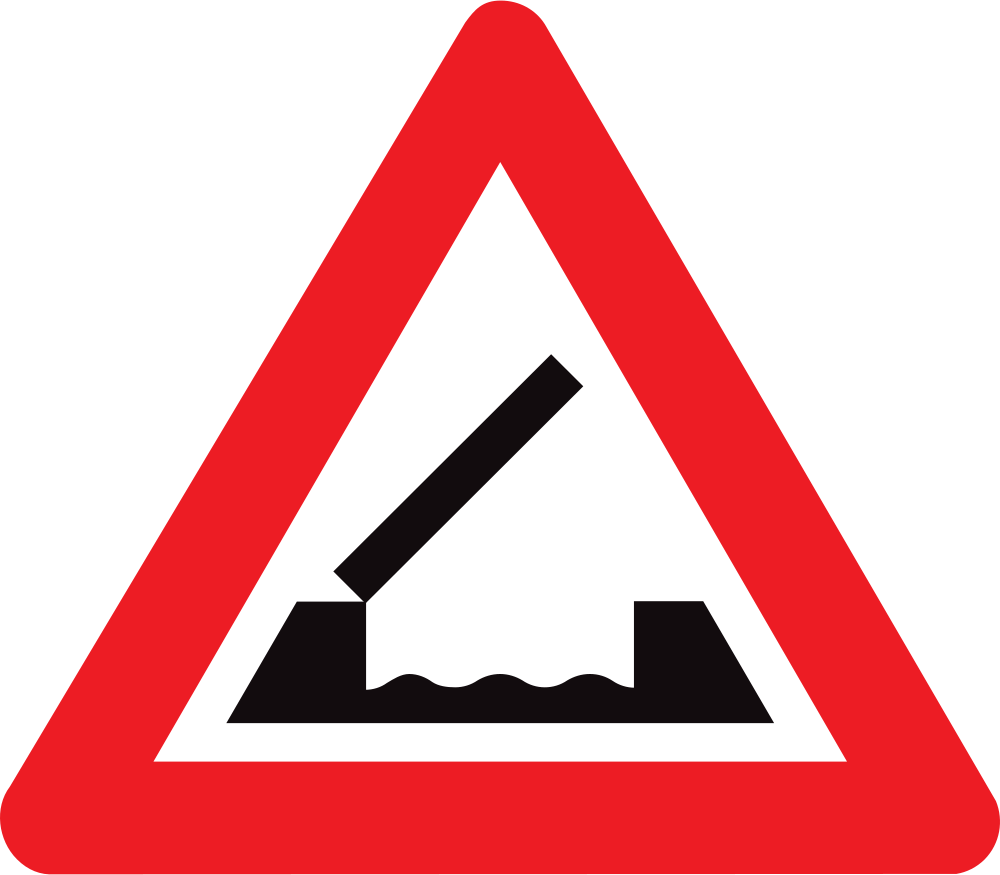 Warnung vor einer beweglichen Brücke.
Signal routier A9 • Pont mobile.
Verkeersbord A9 • Beweegbare brug.
What are Belgian B-series traffic signs?
The B series contains priority signs. These signs regulate matters such as giving way, stopping, priority roads, priority from the right and priority at narrow passages.
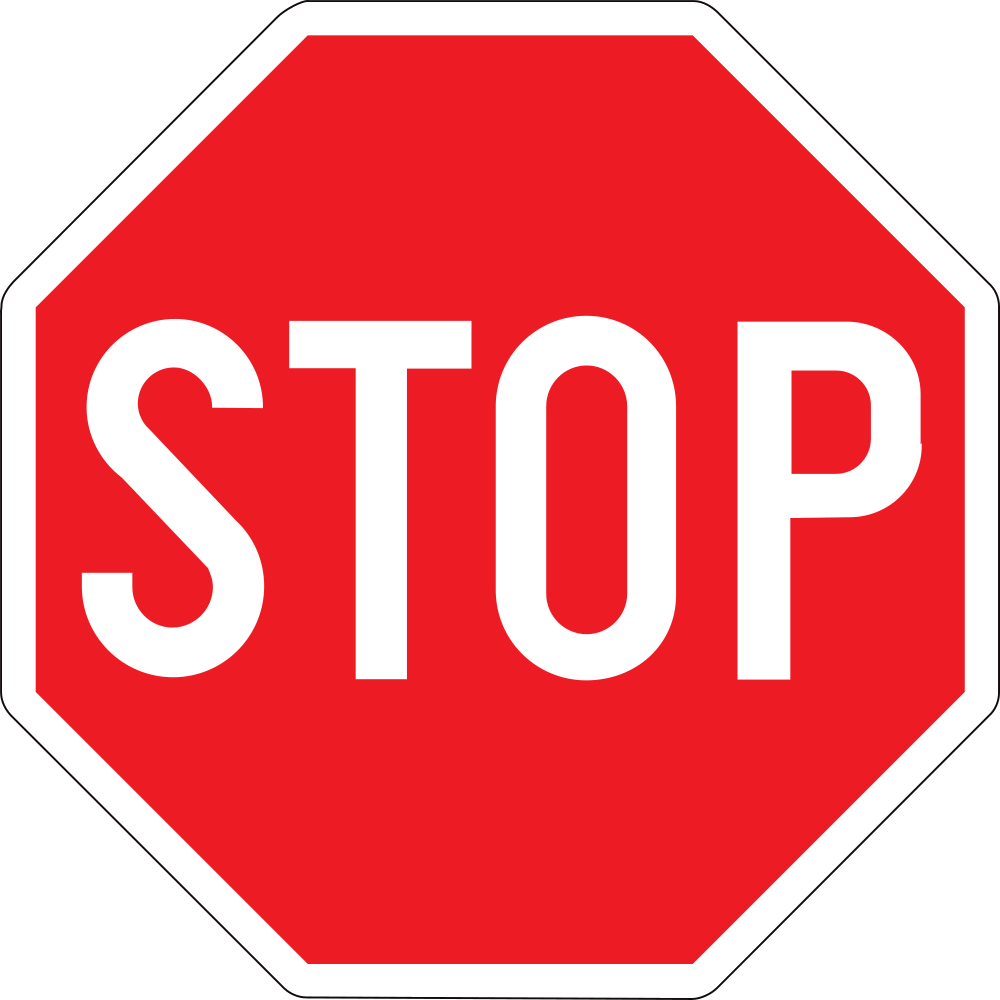 Anhalten und Vorfahrt gewähren.
Signal routier B5 • Marquer l’arrêt et céder la priorité.
Verkeersbord B5 • Stoppen en voorrang verlenen.
 Vorfahrt gewähren.
Signal routier B1 • Céder la priorité.
Verkeersbord B1 • Voorrang verlenen.
What are Belgian C-series traffic signs?
The C series contains prohibition and restriction signs. They can prohibit access, restrict particular categories of vehicles, impose a maximum speed or prohibit certain manoeuvres.
 Einfahrt verboten.
Signal routier C1 • Sens interdit à tout conducteur.
Verkeersbord C1 • Verboden richting voor iedere bestuurder.
 Zufahrt in beide Richtungen verboten.
Signal routier C3 • Accès interdit, dans les deux sens, à tout conducteur.
Verkeersbord C3 • Verboden toegang, in beide richtingen, voor iedere bestuurder.
What are Belgian D-series traffic signs?
The D series contains mandatory signs. They can require drivers to follow a particular direction or require certain road users to use a designated part of the public road.
 Geradeausfahren vorgeschrieben.
Signal routier D1 • Obligation de suivre la direction indiquée par la flèche. La disposition des lieux détermine la position de la flèche. Si le signal présentant une flèche non coudée, est placé sur un obstacle, il signifie obligation de passer du côté indiqué par la flèche.
Verkeersbord D1 • Verplichting de door de pijl aangeduide richting te volgen. De plaatsgesteldheid bepaalt de stand van de pijl. Wanneer het verkeersbord dat een niet-gebogen pijl voorstelt, op een hindernis geplaatst is, betekent het dat langs de door de pijl aangeduide richting moet voorbijgereden worden.
What are Belgian E-series traffic signs?
The E series contains signs concerning stopping and parking. They can prohibit stopping or parking or indicate and regulate parking places.
 Parken verboten.
Signal routier E1 • Stationnement interdit.
Verkeersbord E1 • Parkeerverbod.
What are Belgian F-series traffic signs?
The F series mainly contains indication signs and signs establishing particular traffic situations, such as motorways, built-up areas, one-way roads, bus lanes, pedestrian crossings and dead-end roads.
 Beginn einer geschlossenen Ortschaft.
Signal routier F1b • Commencement d'une agglomération. Ce signal est placé à droite, à chaque accès d'une agglomération; il peut être répété à gauche.
Verkeersbord F1b • Begin van een bebouwde kom. Dit verkeersbord wordt rechts geplaatst op elke toegangsweg tot een bebouwde kom; het mag links herhaald worden.
Are Belgian traffic signs legally binding?
Yes. Road users must obey Belgian traffic signs when they are regular in form, sufficiently visible and installed in accordance with the applicable rules.
What takes priority if Belgian traffic instructions, signs and rules conflict?
Instructions given by authorised persons take priority over traffic signs and the ordinary traffic rules. Traffic signs take priority over the ordinary traffic rules. When traffic lights are operating at a location, priority signs placed on the same road do not apply there.
Are traffic lights and road markings also traffic signs?
No. Belgian law distinguishes between traffic lights, traffic signs and road markings. Together they form the traffic-signalling system that road users must follow.
How are Belgian traffic signs currently classified?
Under the current Belgian Road Code, traffic signs are divided into six categories: warning signs, priority signs, prohibitory signs, mandatory signs, signs concerning stopping and parking, and information signs.
Can an additional sign change the meaning of a Belgian traffic sign?
Yes. An additional sign placed below a traffic sign can supplement, specify or limit its meaning. It may indicate matters such as a distance, the length of a regulation, a period, a particular vehicle category or an exception.
Can Belgian traffic signs be displayed electronically?
Yes. Traffic signs can be displayed using dynamic or variable signalling. Their colours may be adapted for the electronic display, but red remains red and the legal meaning of the sign does not change.
Who is allowed to place traffic signs on Belgian public roads?
Traffic signs may normally only be placed by the legally competent authorities. Temporary signalling may also be used in specific circumstances, such as roadworks, traffic obstructions or emergencies, in accordance with the applicable rules.
Why is Belgium introducing new traffic signs?
Belgium’s new Code of the Public Road modernises and reorganises the traffic-sign system. Many signs have been adapted to use simpler and more internationally harmonised symbols, while obsolete signs are removed and several situations receive their own dedicated signs instead of relying on combinations of existing signs and additional panels.
How will Belgian traffic signs look different under the new Road Code?
Many signs receive modernised and simplified symbols. Warning and prohibitory signs receive a white contrast border, additional contrast is introduced between blue and red areas on certain signs, and the current blue additional signs are replaced by white panels with black symbols or text.
How are traffic signs classified under Belgium’s new Road Code?
The new Code keeps the familiar A, B, C, D, E and F series and adds a clearer structure with R-series signs for special regulations, Z-series signs for zonal regulations and M-series additional signs.
When do Belgium’s new traffic signs become valid?
Belgium’s new Code of the Public Road takes effect on 1 June 2027. The new traffic signs may not be used before that date.
Must all current Belgian traffic signs be replaced on 1 June 2027?
No. Most current Belgian traffic signs may remain in use during a long transition period and do not have to be replaced immediately. Most old models remain valid until 1 January 2045.
Are there Belgian traffic signs that must be replaced earlier?
Yes. Traffic signs E5, E7 and E11 lose their meaning on 1 June 2027. The current F17 and F18 bus-lane signs and associated markings lose their meaning on 1 June 2030, while certain current F111 and F113 cycling-zone signs lose their meaning on 1 January 2035.
Can an old Belgian traffic sign remain in place but receive the meaning of the new Road Code?
Yes. Many current signs may physically remain in place during the transition period. From 1 June 2027, they are interpreted according to the new Code of the Public Road unless a specific transitional provision provides otherwise.
Should drivers learn both the current and new Belgian traffic signs?
Yes. The current traffic signs remain relevant until the new Code takes effect, and many old designs will remain on Belgian roads for years afterwards. During the transition period, drivers should therefore be able to recognise both current and new traffic signs.
