


QuizTraffic rulesCzechia
This interesting quiz helps you test your knowledge in a clear and visual way. With easy multiple-choice questions, you can quickly build confidence and learn new facts while keeping it simple, interactive, and fun.
 Traffic signs
 Traffic rules
 Czechia
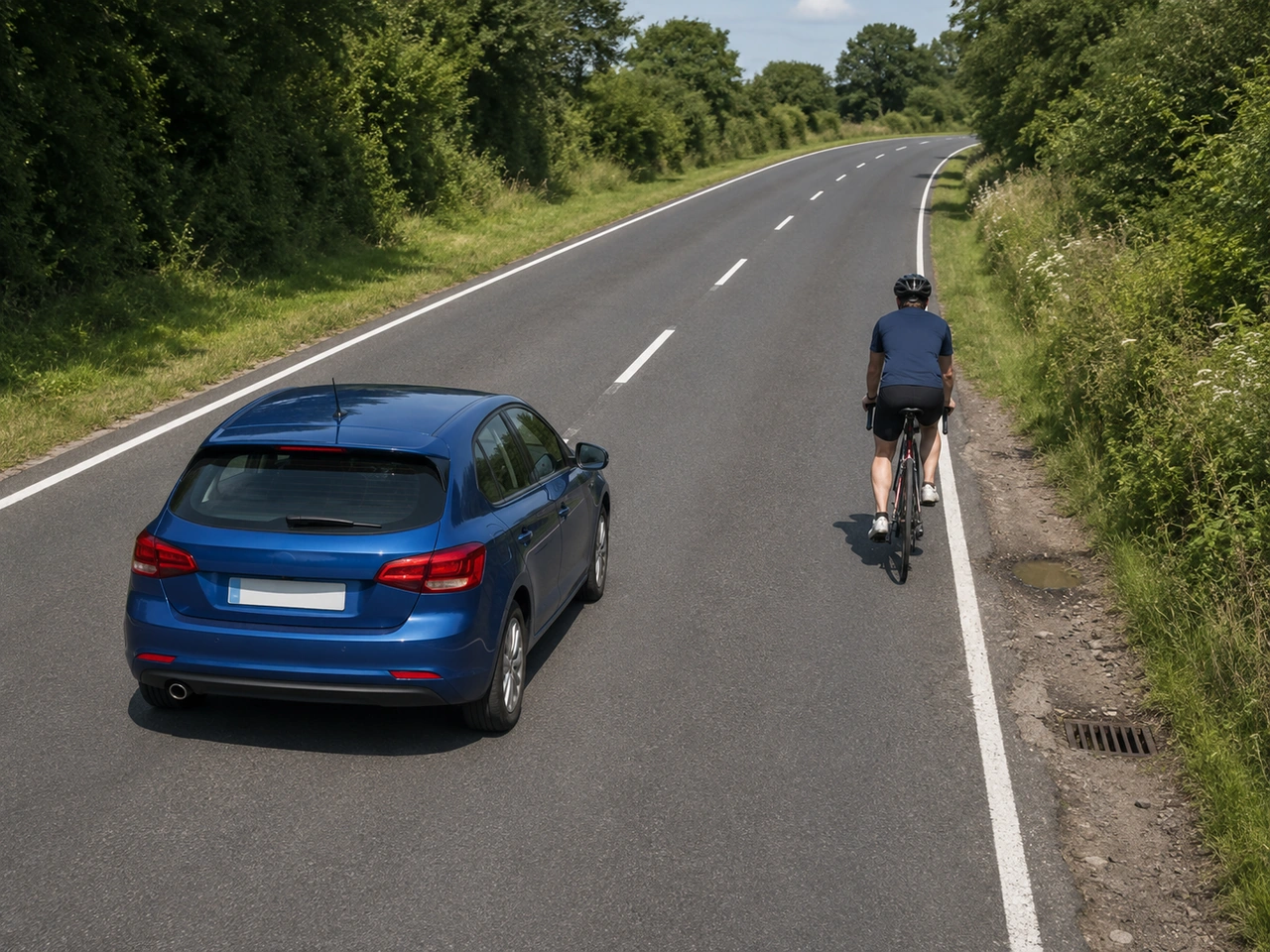
401. Why should you keep a safe distance from cyclists?
Cyclists may need to move around potholes, parked cars, or drains. Giving them enough space helps prevent dangerous situations.
AI-generated by Rijbewijs-online.be • WCIT • CC BY-SA

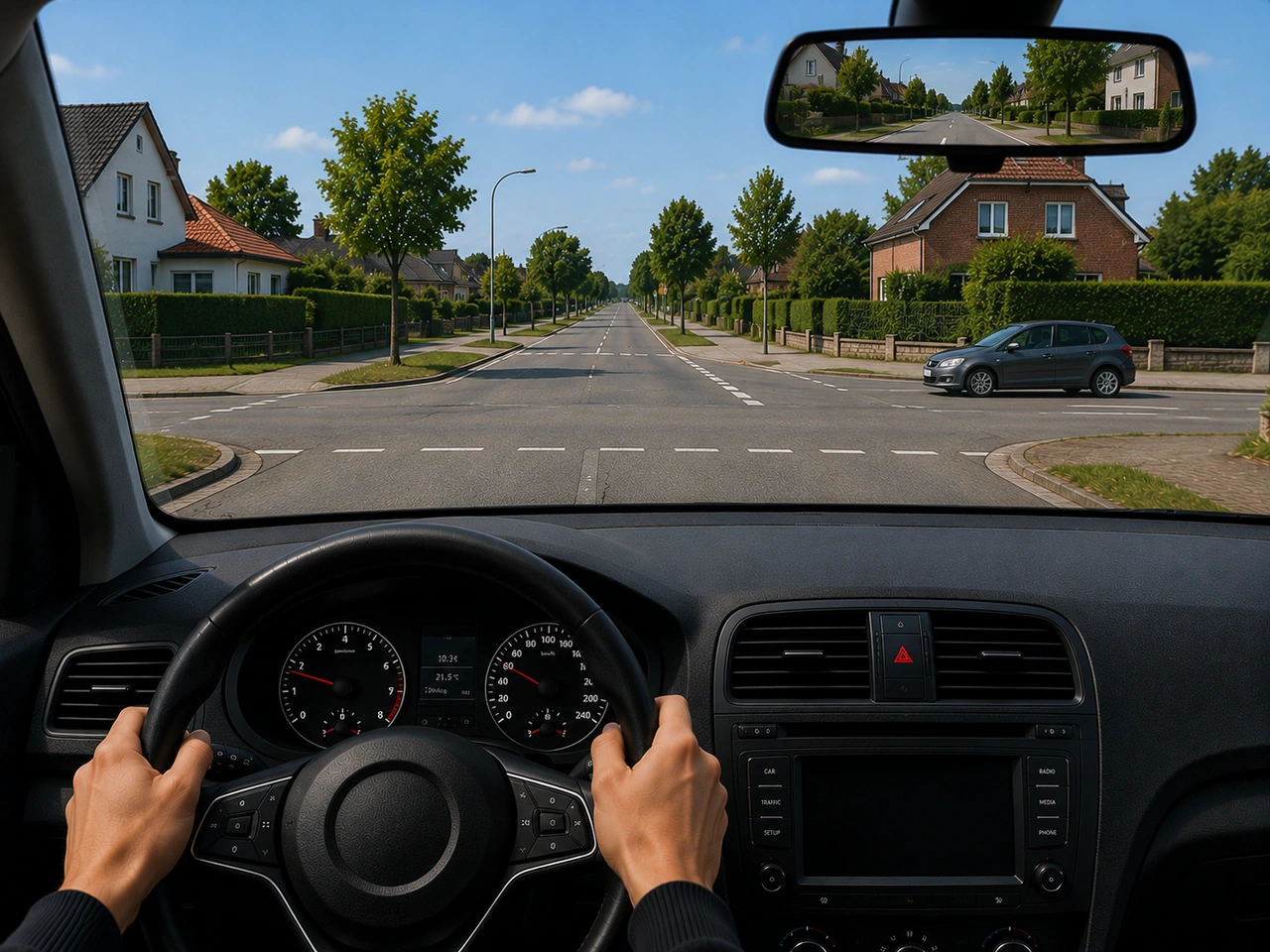
402. What should you do if you are unsure who has priority at a junction?
If priority is unclear, reduce speed, observe carefully, and avoid entering the junction until you are sure it is safe.
AI-generated by Rijbewijs-online.be • WCIT • CC BY-SA
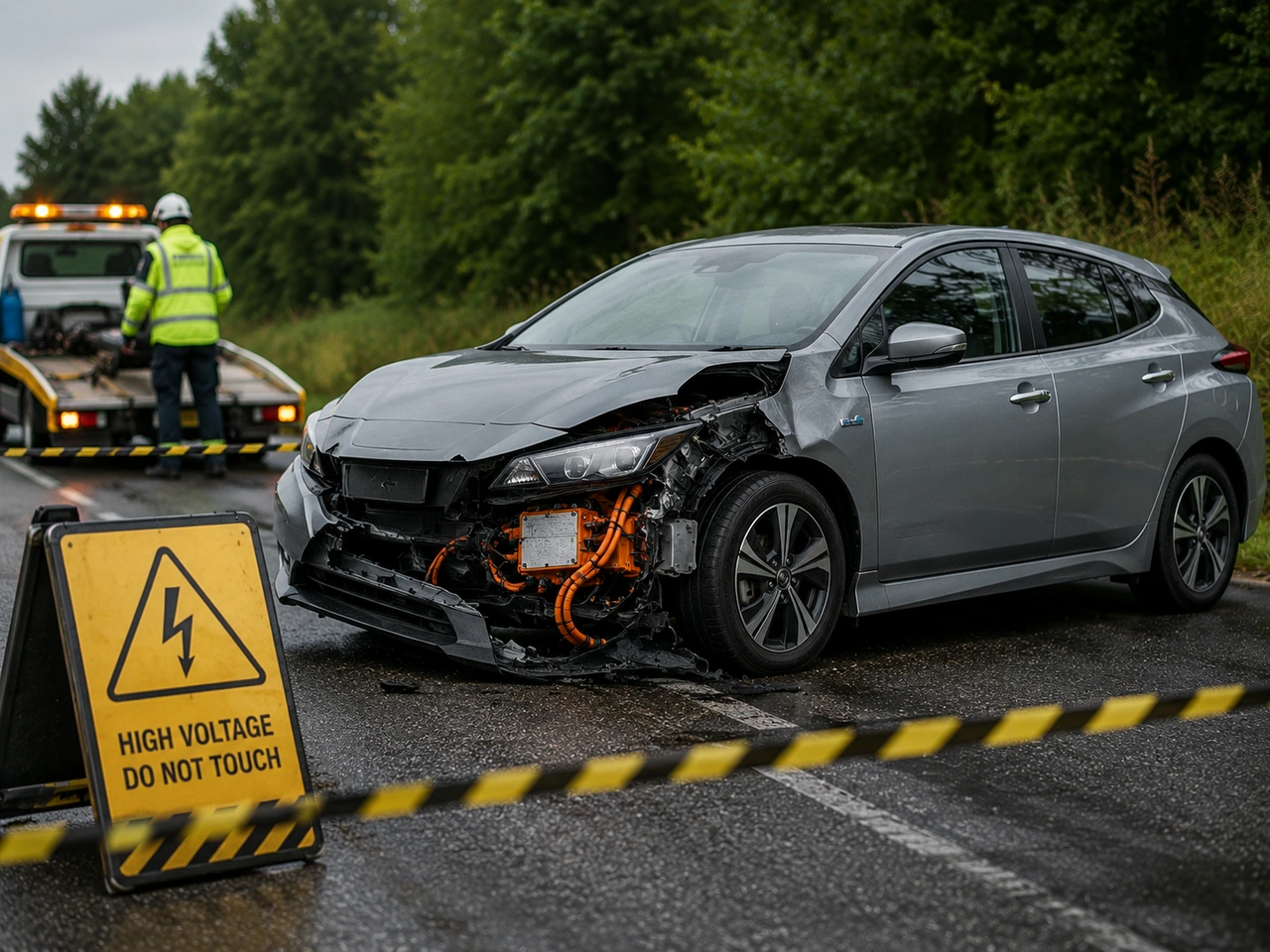
403. What should you do around a damaged electric or hybrid vehicle?
Electric and hybrid vehicles can contain dangerous high-voltage systems. Do not touch damaged cables, batteries, or electrical components.
AI-generated by Rijbewijs-online.be • WCIT • CC BY-SA
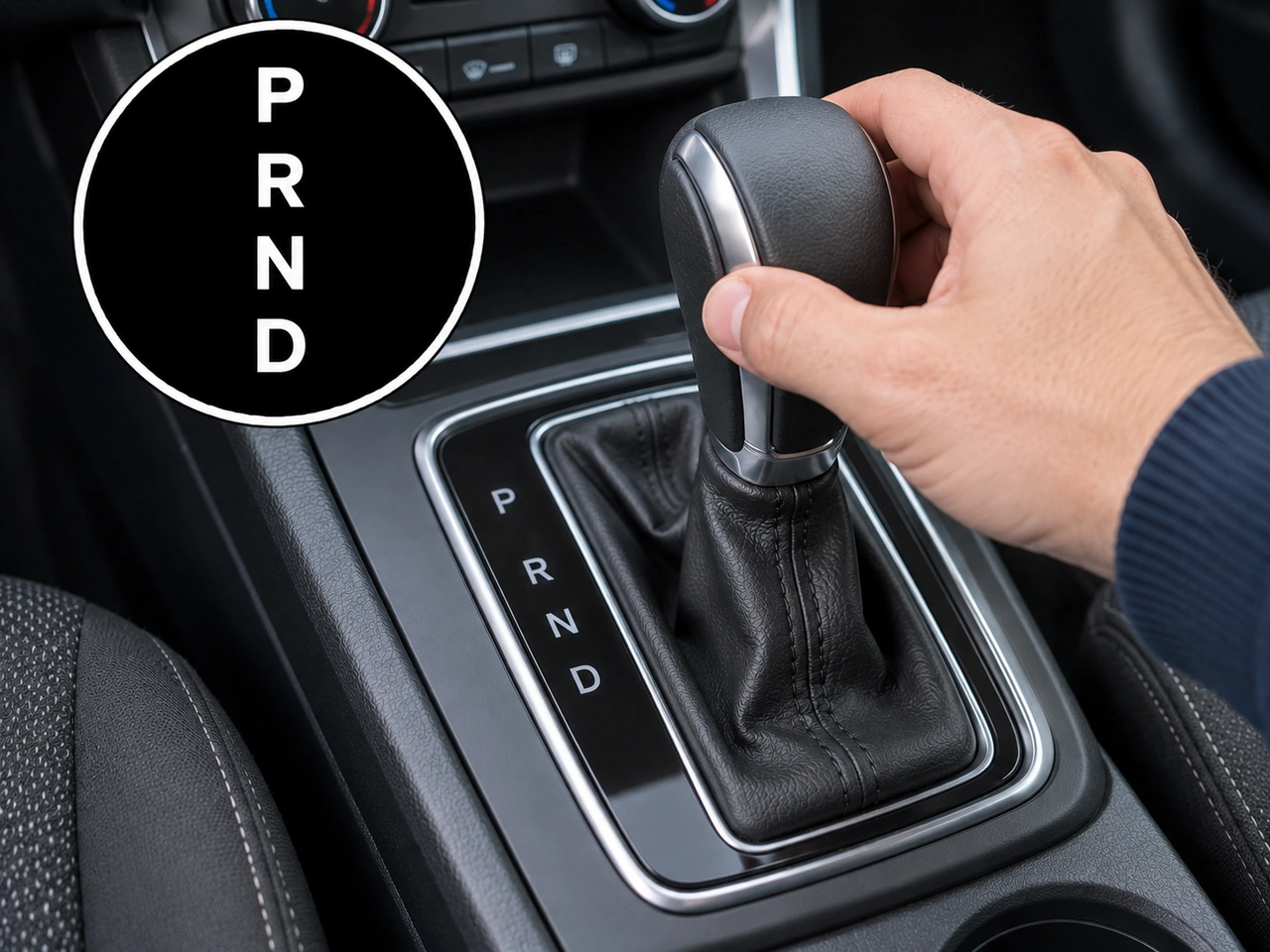
404. Which selector position is used for normal forward driving?
Select D (Drive) for normal forward driving in a vehicle with an automatic transmission. The transmission then selects the appropriate gear automatically.
AI-generated by Rijbewijs-online.be • WCIT • CC BY-SA
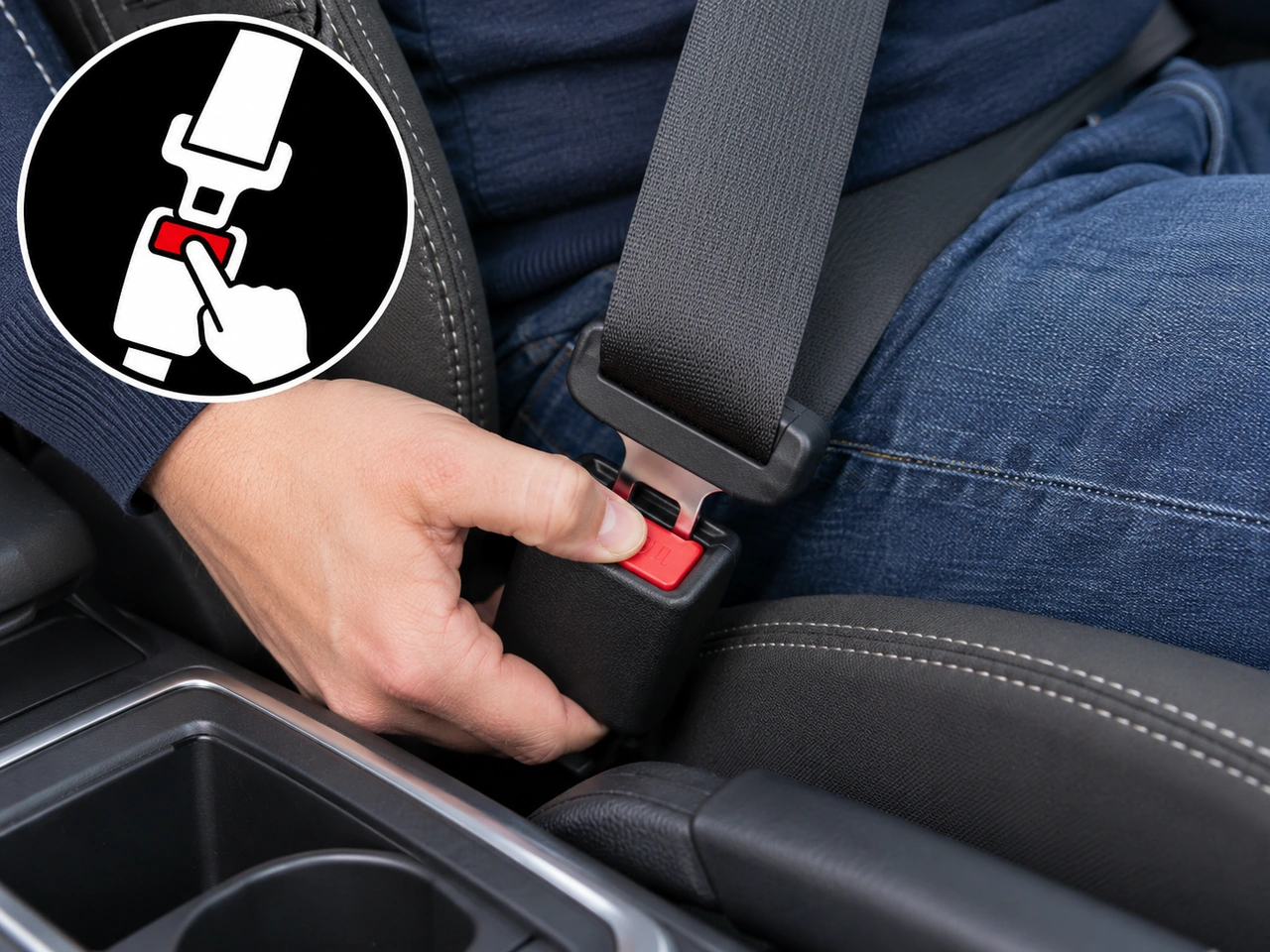
405. What is the button on a seat-belt buckle used for?
Pressing the button on the seat-belt buckle releases the latch so the belt can be unfastened. Keep the seat belt fastened whenever required while the vehicle is moving.
AI-generated by Rijbewijs-online.be • WCIT • CC BY-SA
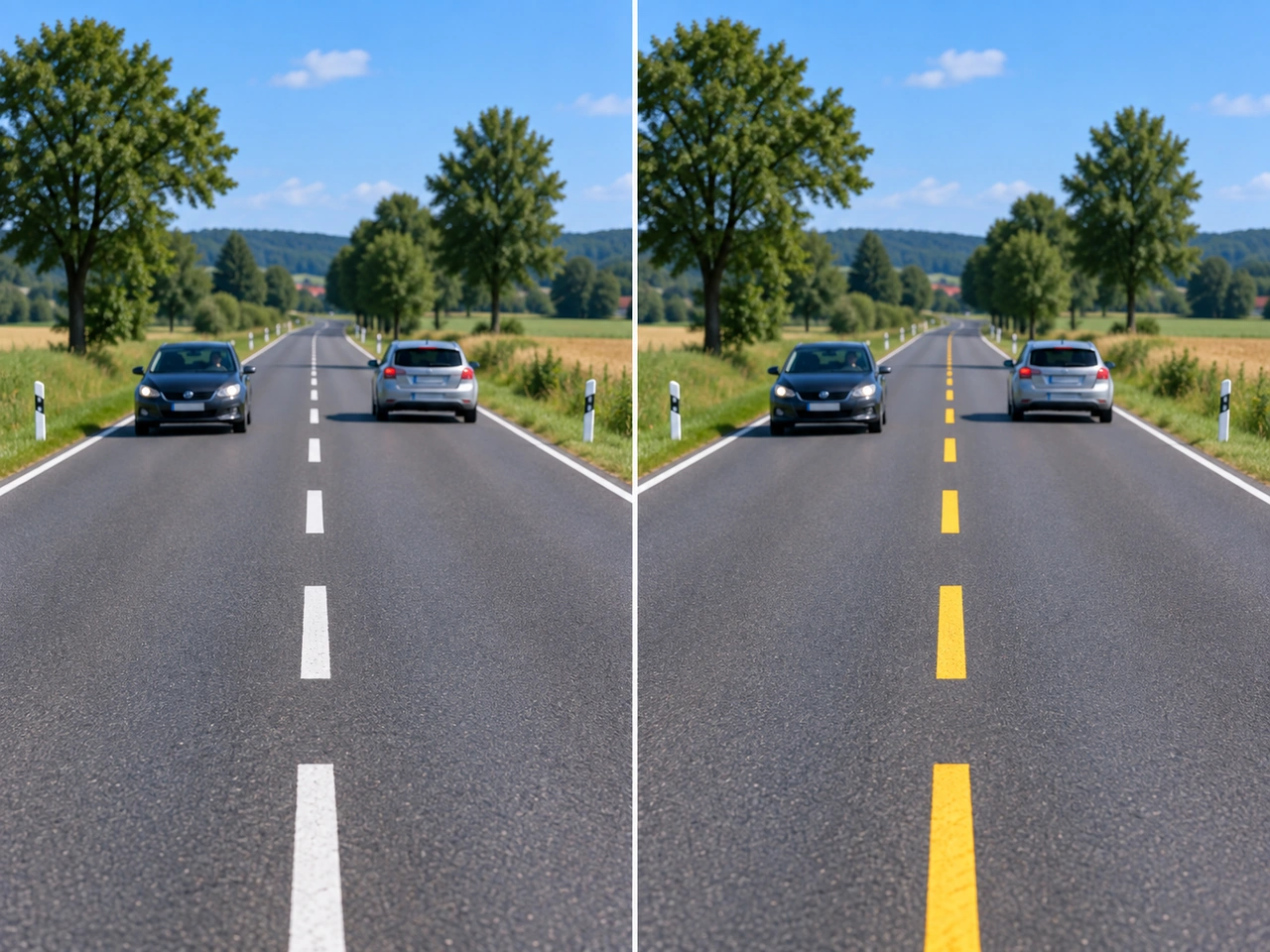
406. What colour is normally used for the centre line separating opposing traffic in Czechia?
Roads in Czechia normally use a white centre line to separate traffic travelling in opposite directions.
AI-generated by Rijbewijs-online.be • WCIT • CC BY-SA
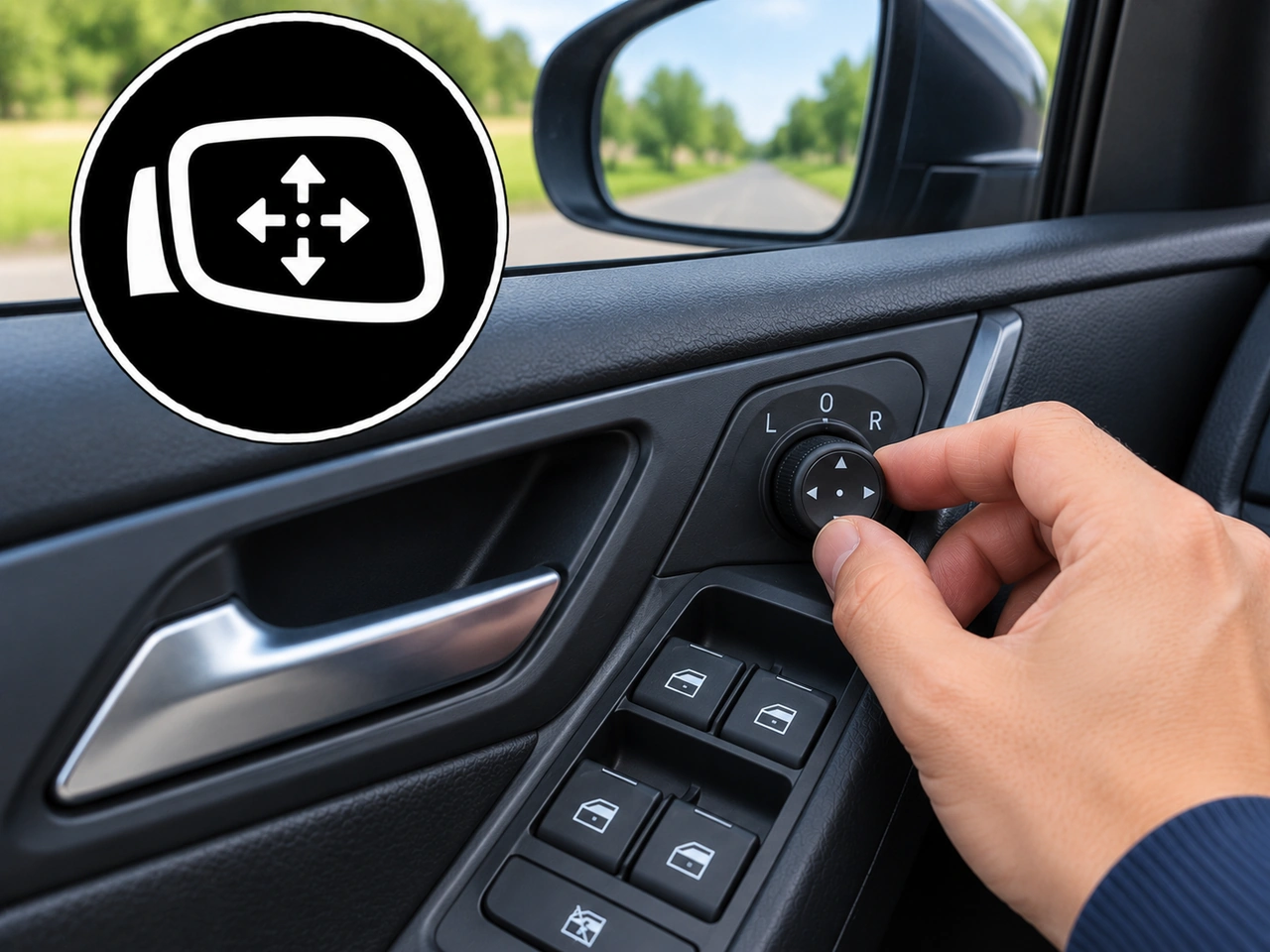
407. What does this vehicle-control symbol indicate?
This control adjusts the vehicle's exterior mirrors. The driver normally selects the left or right mirror and then moves the control to change its angle.
AI-generated by Rijbewijs-online.be • WCIT • CC BY-SA
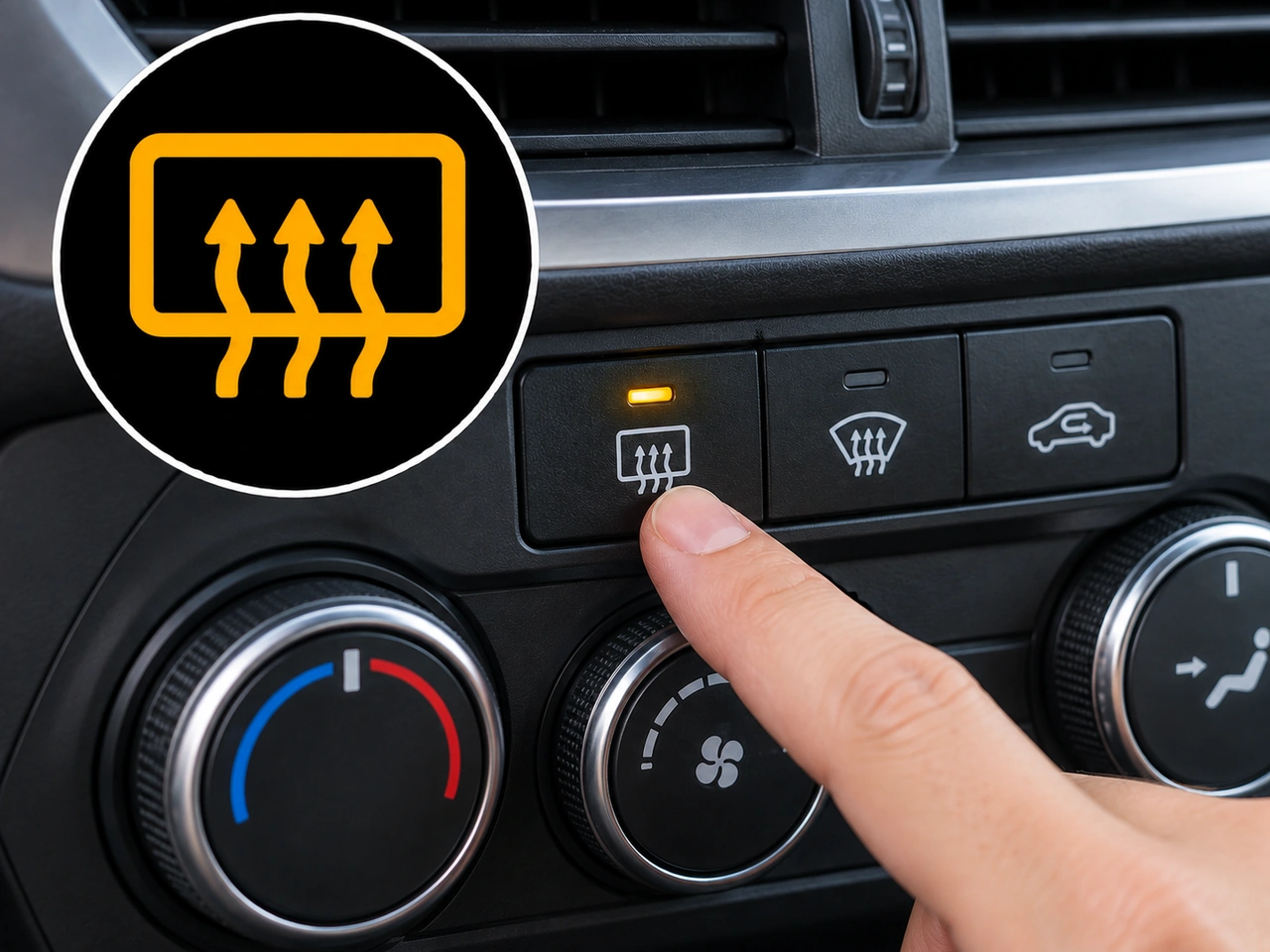
408. What does this dashboard symbol indicate?
This symbol indicates the rear window demister. It heats the rear window to help clear condensation, mist or frost and improve visibility.
AI-generated by Rijbewijs-online.be • WCIT • CC BY-SA
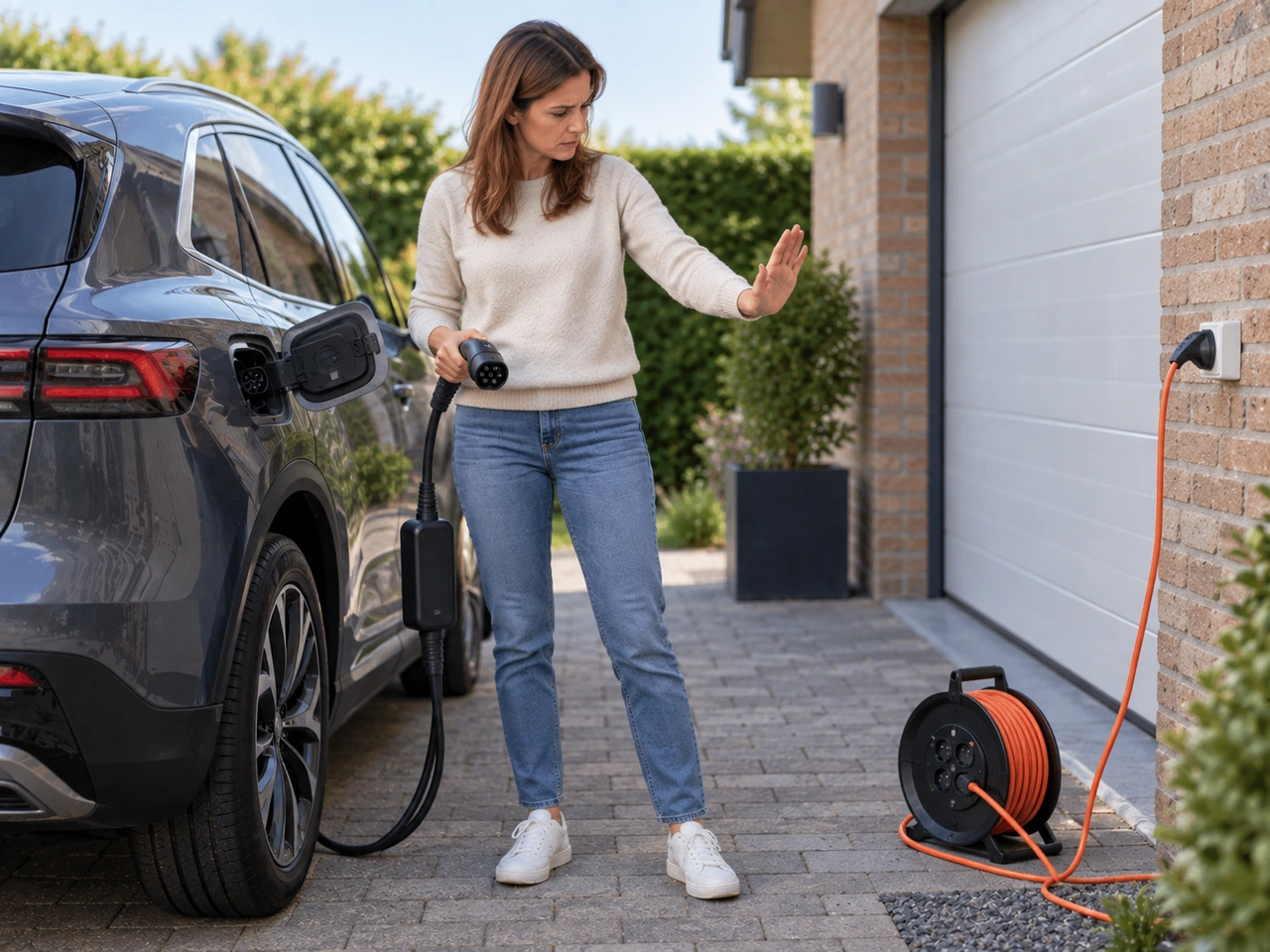
409. Why should you avoid using an ordinary extension lead to charge an electric vehicle?
An ordinary household extension lead may not be designed for the sustained electrical load required for EV charging and can overheat. Use suitable approved charging equipment and follow the vehicle and charging-equipment manufacturer's instructions.
AI-generated by Rijbewijs-online.be • WCIT • CC BY-SA
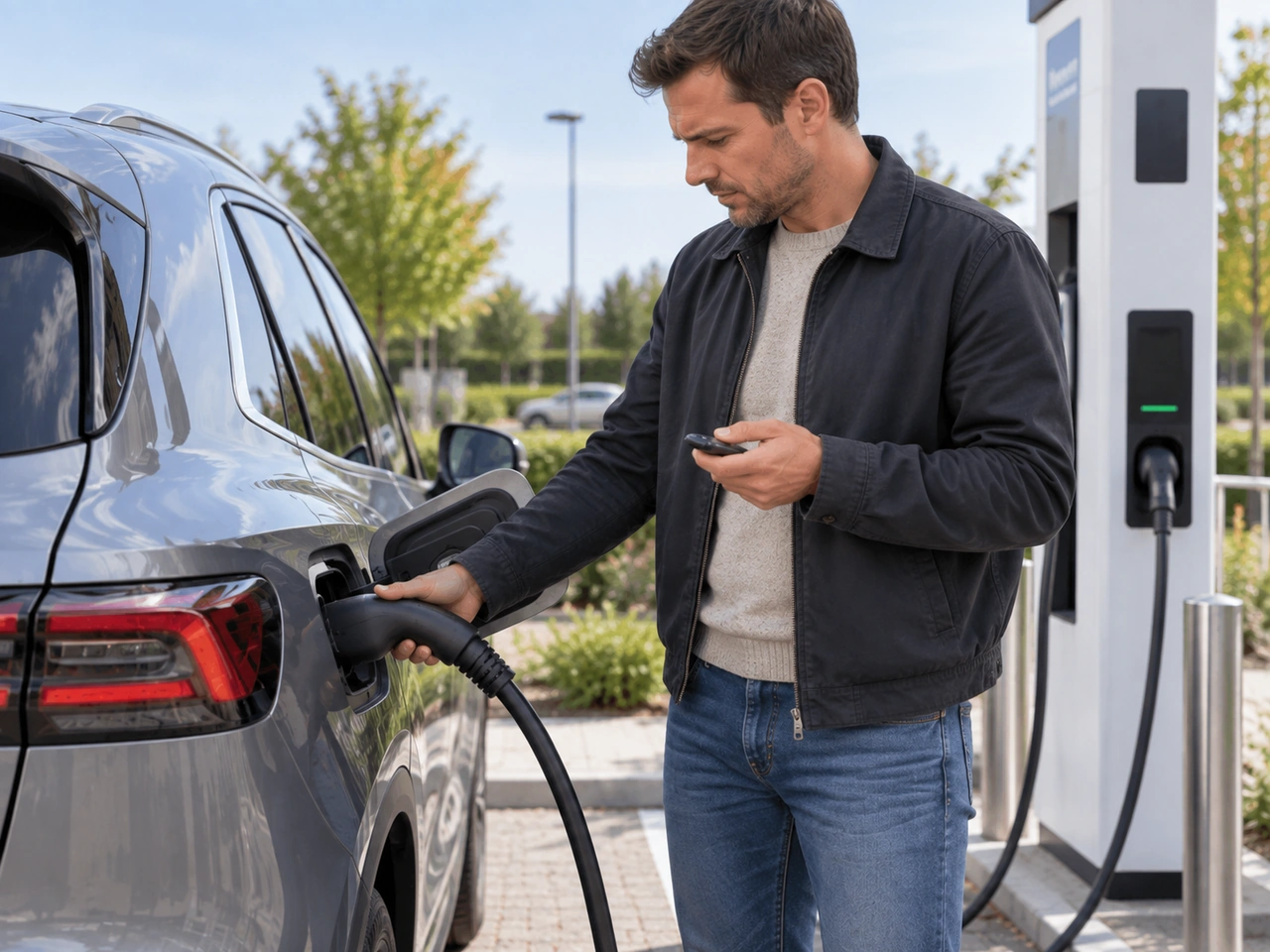
410. What should you do if an EV charging connector will not release from the vehicle?
Charging connectors may remain locked while charging or until the vehicle is unlocked. Stop the charging session and follow the vehicle or charger's release procedure. Never force the connector; if it remains stuck, seek appropriate assistance.
AI-generated by Rijbewijs-online.be • WCIT • CC BY-SA
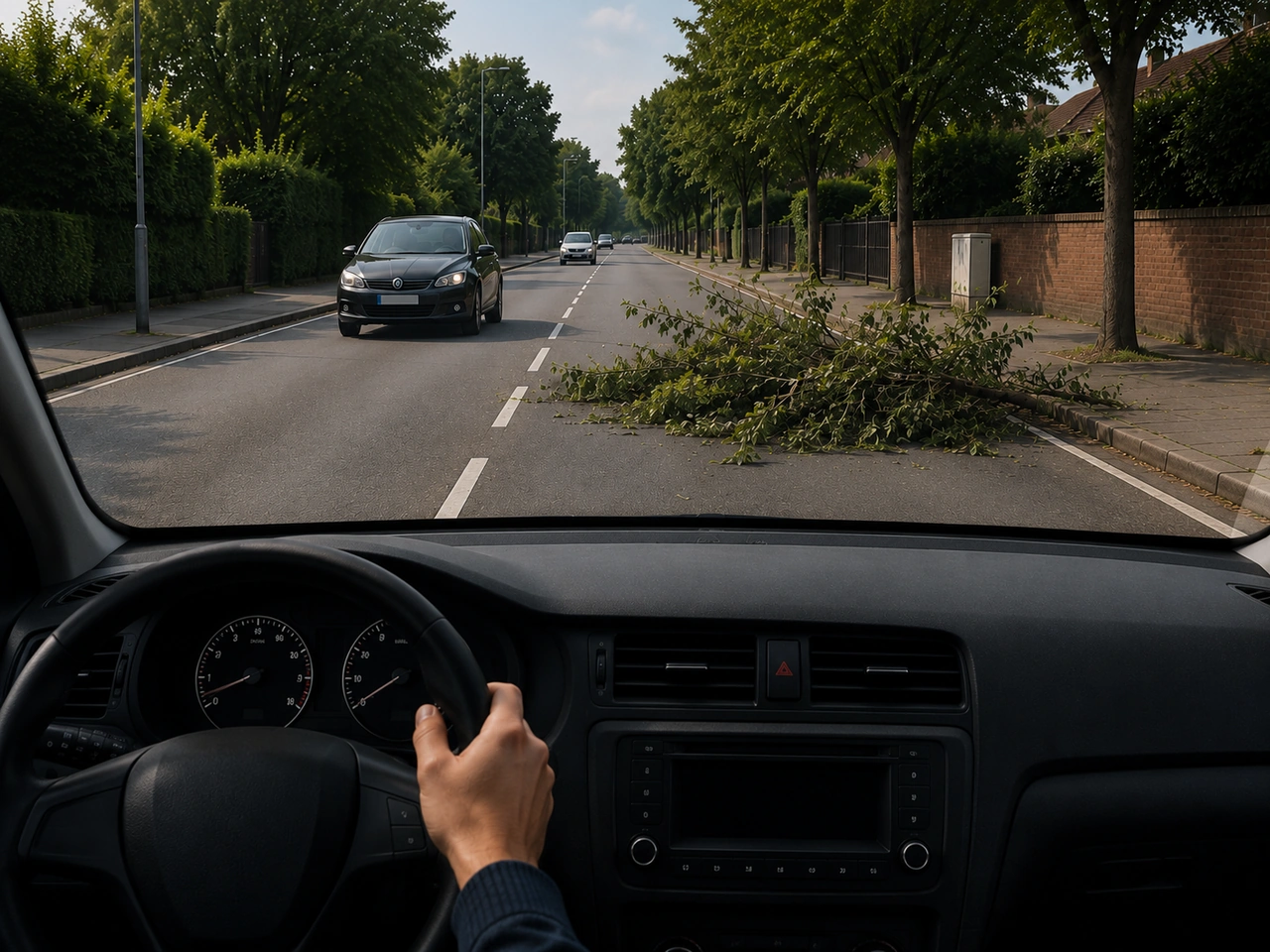
411. What should you do if your lane is blocked by an obstacle?
If your lane is blocked, reduce speed, check mirrors and oncoming traffic, and only move around the obstacle when it is safe.
AI-generated by Rijbewijs-online.be • WCIT • CC BY-SA
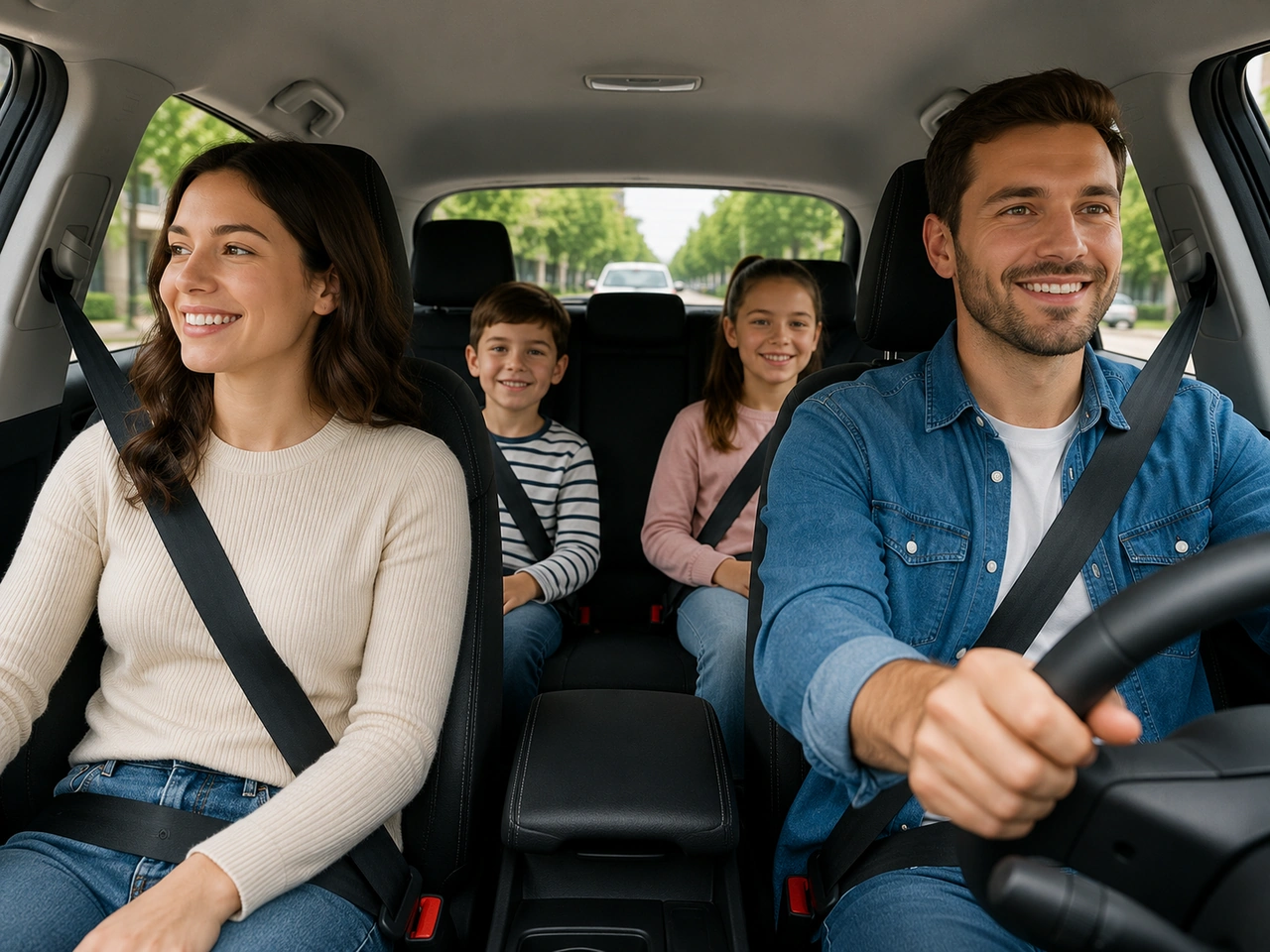
412. Who should always wear a seat belt?
Seat belts greatly reduce the risk of serious injury in a crash and should be worn by everyone in the vehicle.
AI-generated by Rijbewijs-online.be • WCIT • CC BY-SA
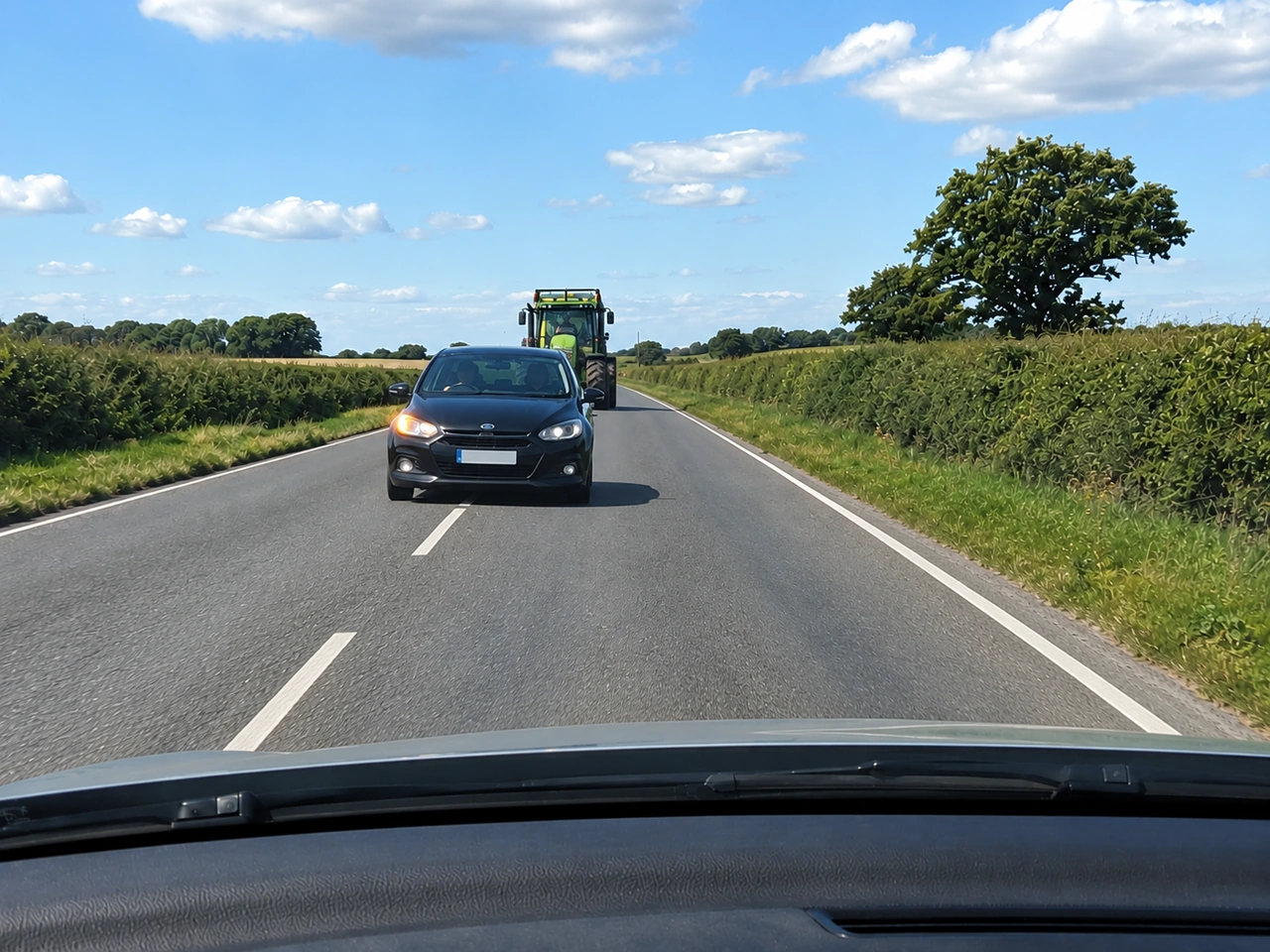
413. What should you do if an overtaking vehicle is coming toward you?
If an oncoming vehicle creates danger while overtaking, reduce speed and make space if it is safe to do so. Avoid sudden movements that could create an additional hazard.
AI-generated by Rijbewijs-online.be • WCIT • CC BY-SA
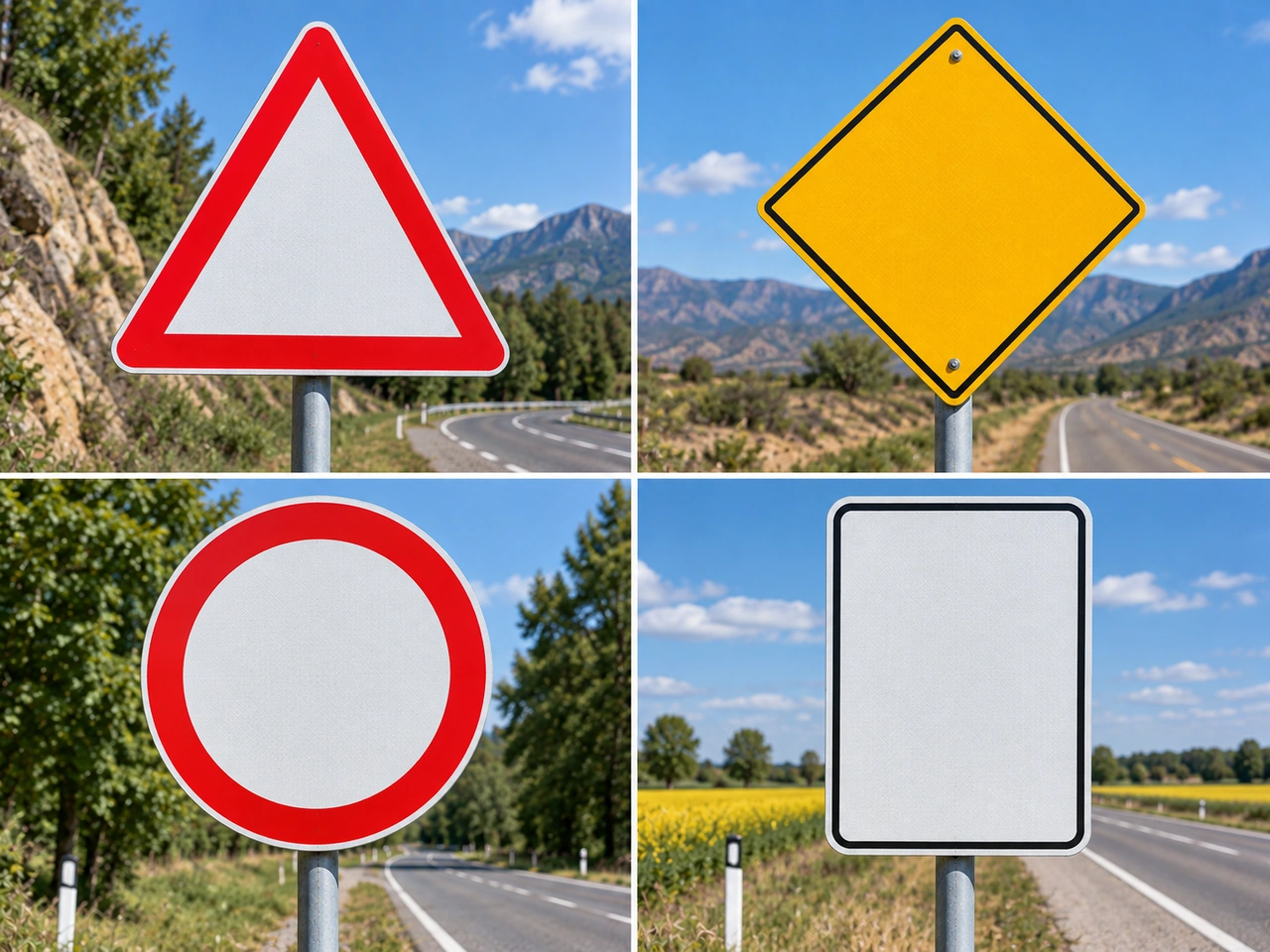
414. What shape are most warning signs in Czechia?
Most warning signs in Czechia are triangular.
AI-generated by Rijbewijs-online.be • WCIT • CC BY-SA
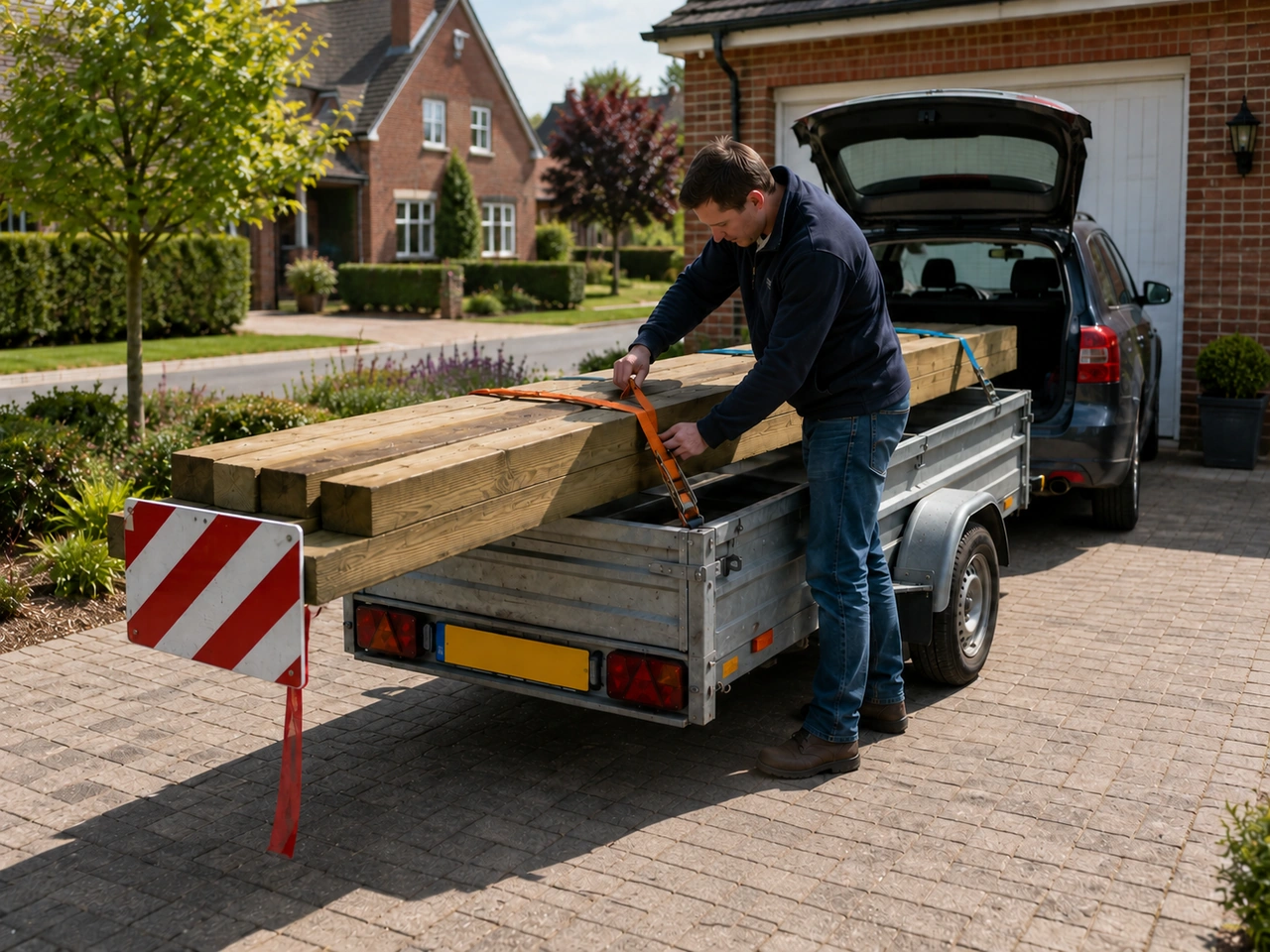
415. What should you do if a load extends beyond the vehicle?
An extending load may create additional danger and may require specific markings or equipment under local rules.
AI-generated by Rijbewijs-online.be • WCIT • CC BY-SA
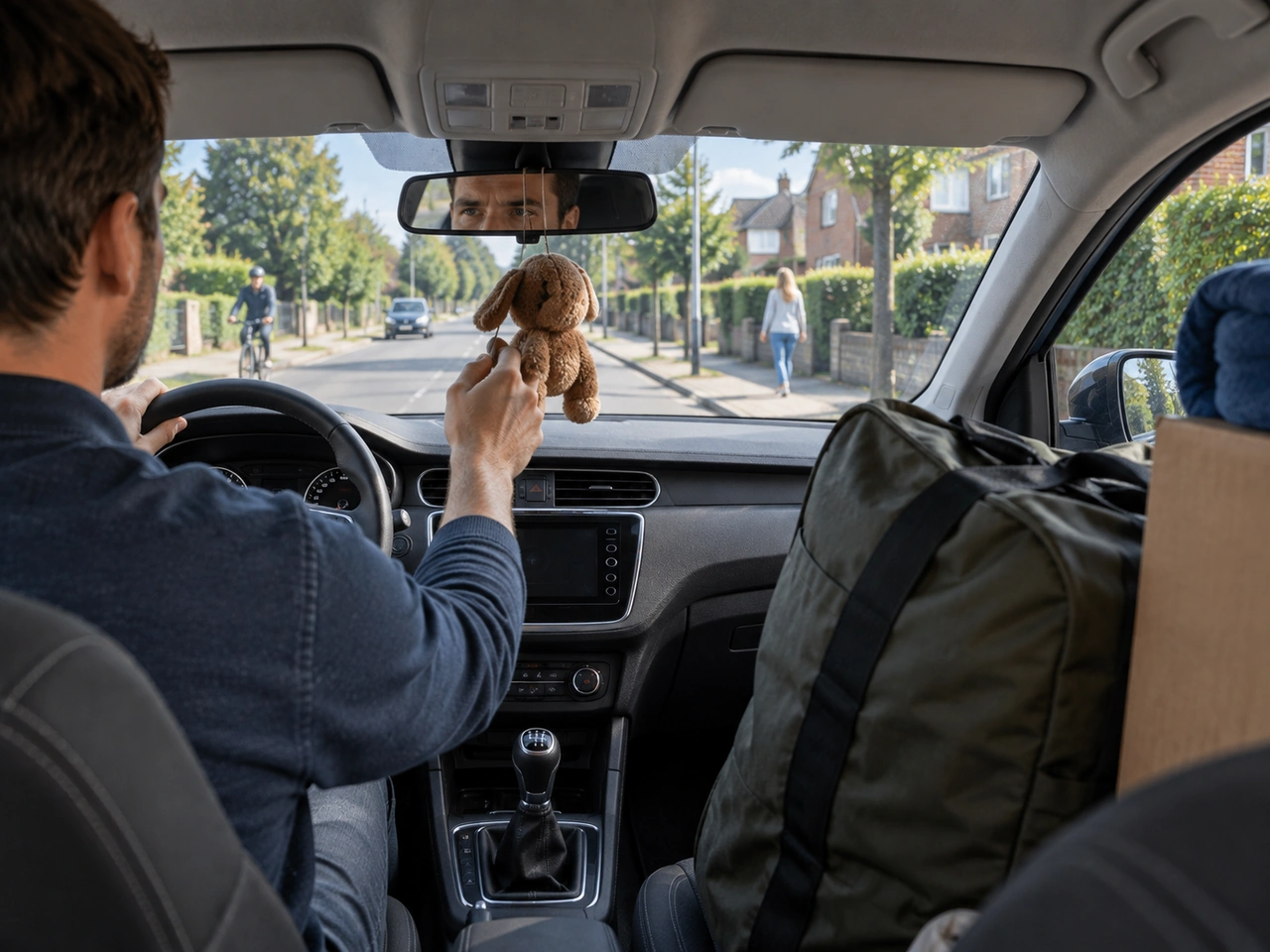
416. Why must luggage or other objects not obstruct the driver's view?
The driver must have a clear view of the road and surroundings. Luggage, decorations, or other objects that obstruct the windscreen, windows, or mirrors can hide pedestrians, cyclists, vehicles, signs, or other hazards.
AI-generated by Rijbewijs-online.be • WCIT • CC BY-SA
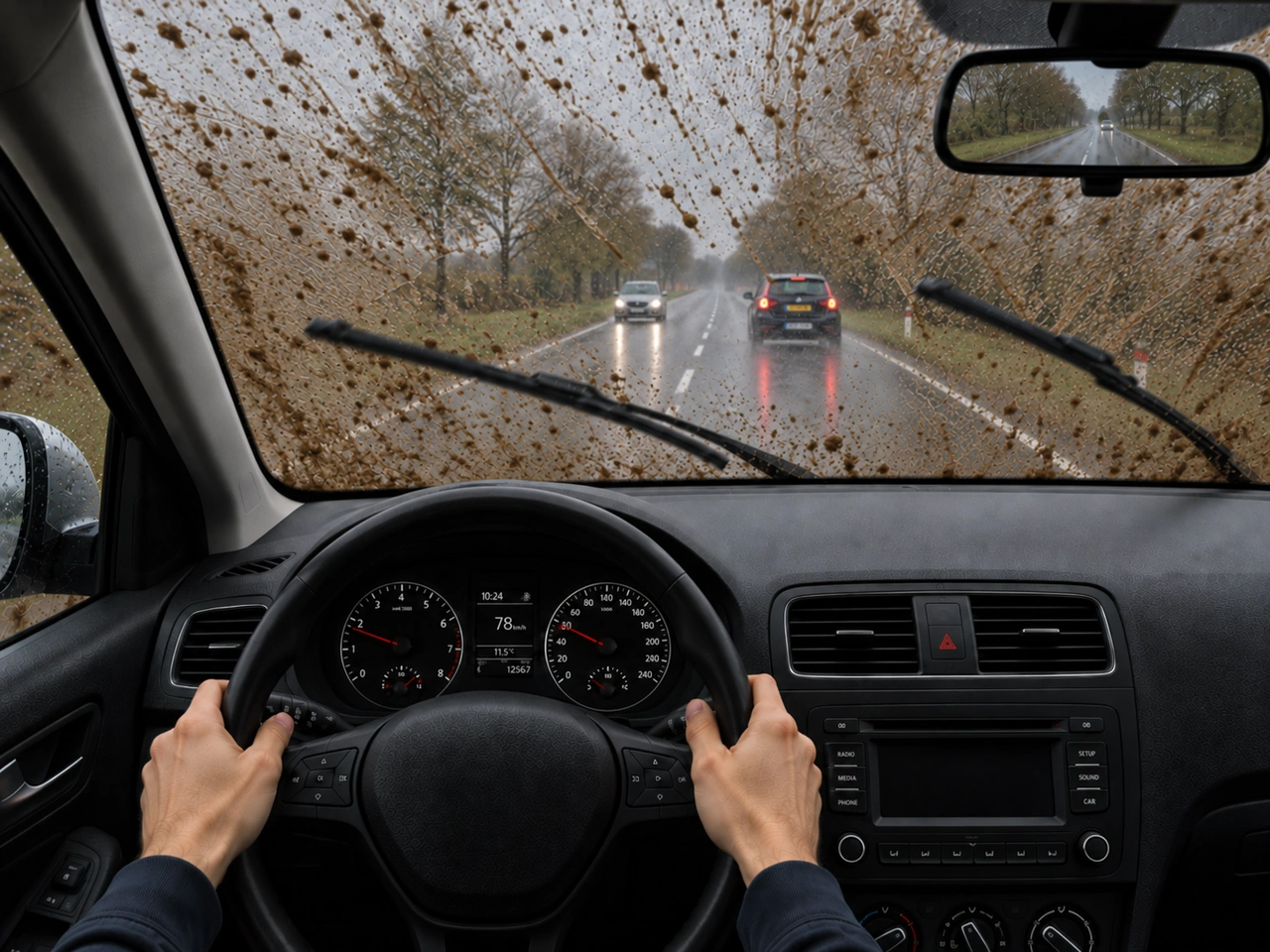
417. What should you do if your windscreen becomes covered with mud or spray?
Clear visibility is essential. Slow down safely and use your washers and wipers until you can see the road clearly again.
AI-generated by Rijbewijs-online.be • WCIT • CC BY-SA
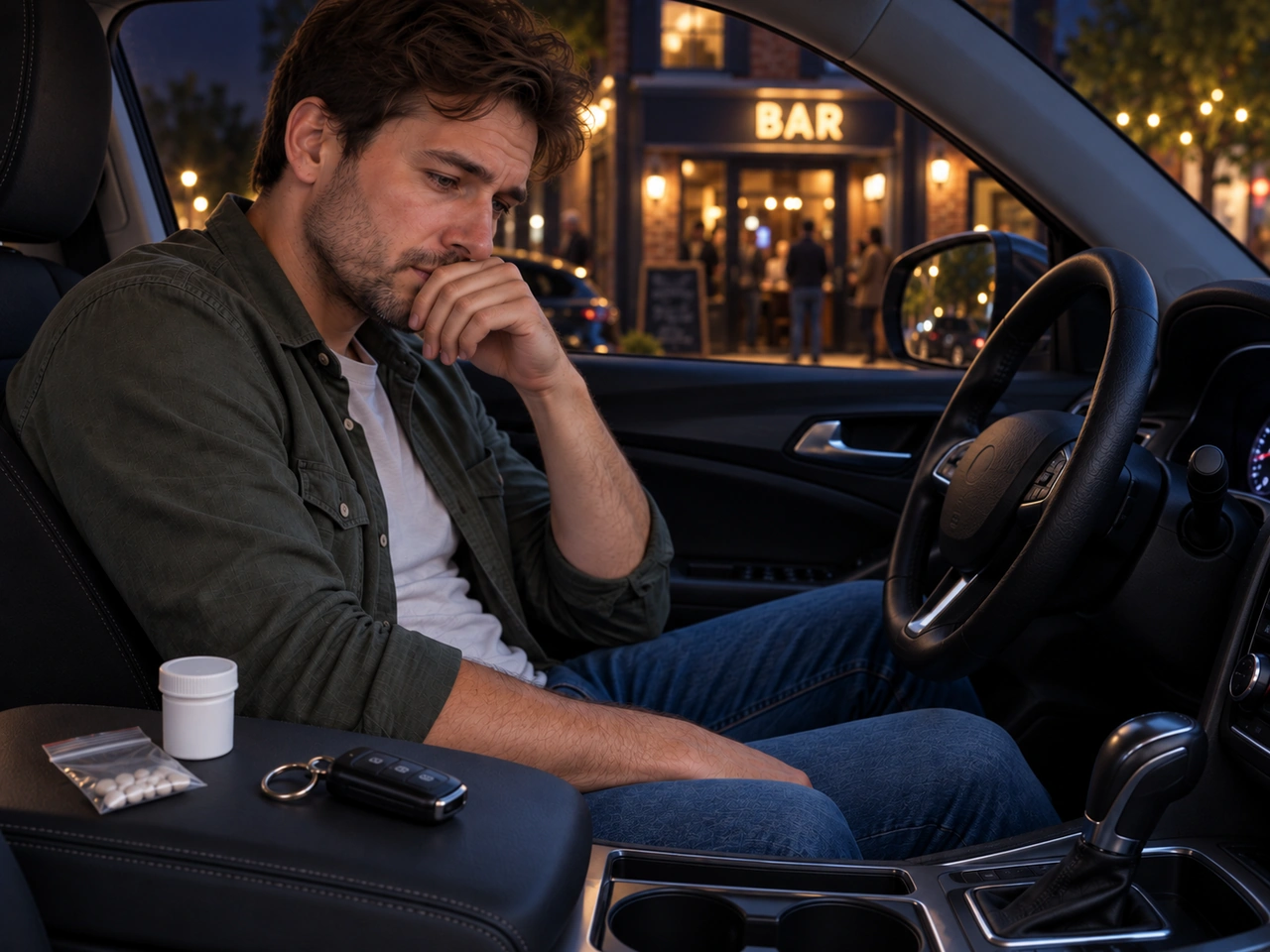
418. What should you do if you have taken drugs that may impair your driving?
Drugs can impair judgement, coordination, concentration, and reaction time. Their effects can be unpredictable and may continue after you feel that the main effects have passed. Do not drive while impaired.
AI-generated by Rijbewijs-online.be • WCIT • CC BY-SA
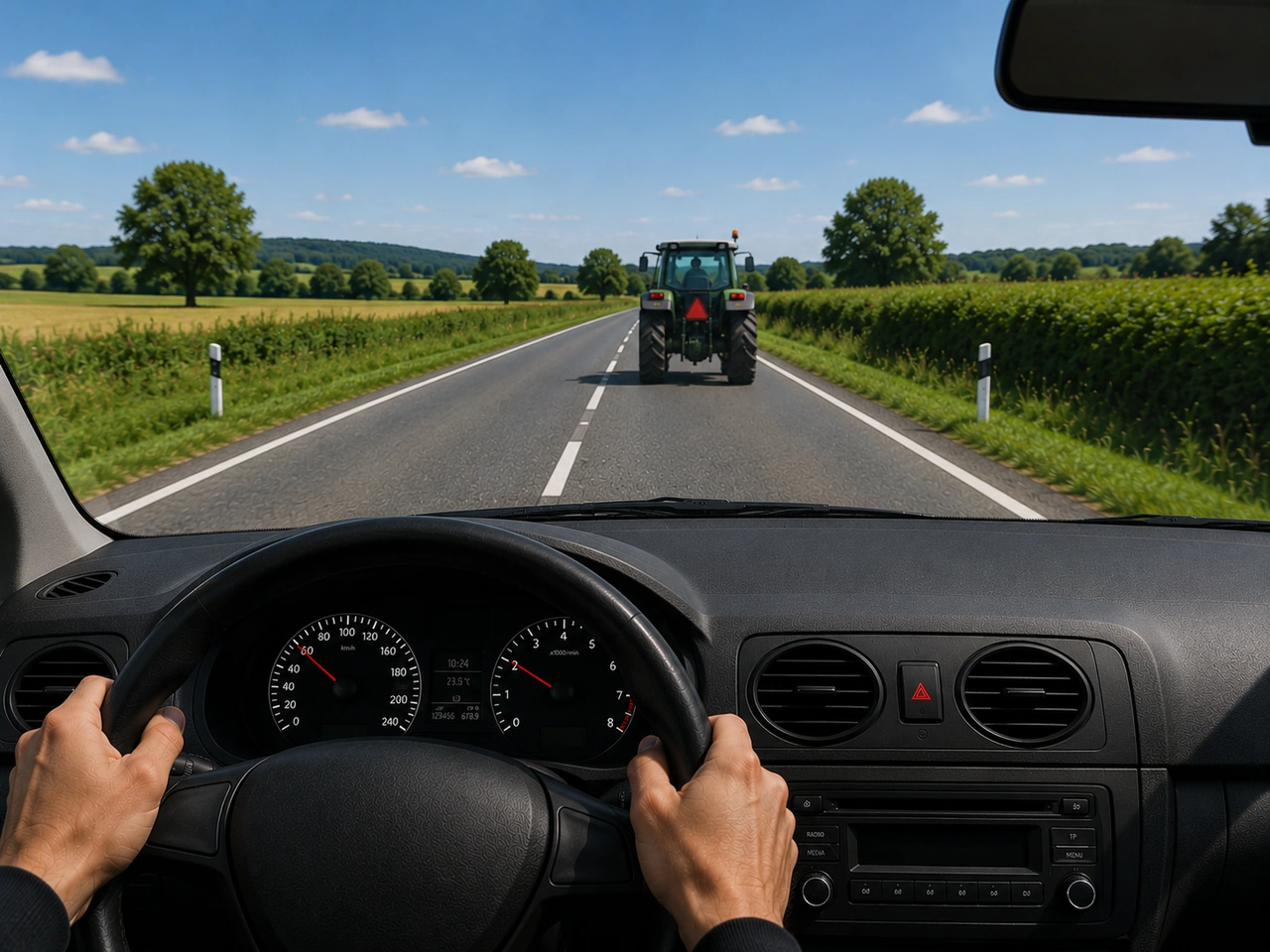
419. What should you do before overtaking a slow-moving vehicle?
Before overtaking, make sure you have enough visibility, space, and time. Signal clearly before moving out, do not exceed the speed limit, and never overtake if the road ahead is not clear.
AI-generated by Rijbewijs-online.be • WCIT • CC BY-SA
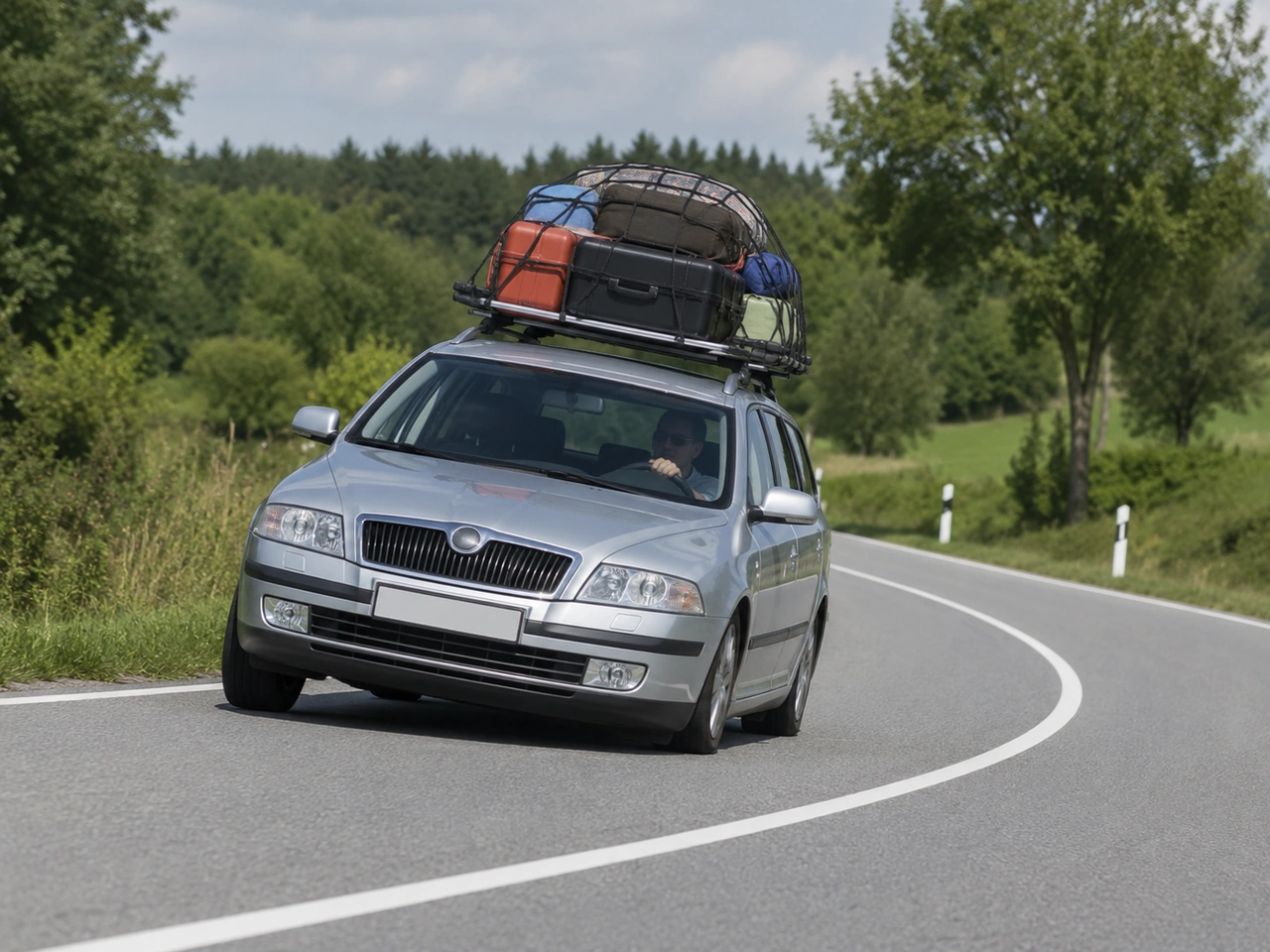
420. How can a roof load affect vehicle handling?
Weight carried high on the vehicle can increase body movement and make sudden steering or cornering less stable.
AI-generated by Rijbewijs-online.be • WCIT • CC BY-SA
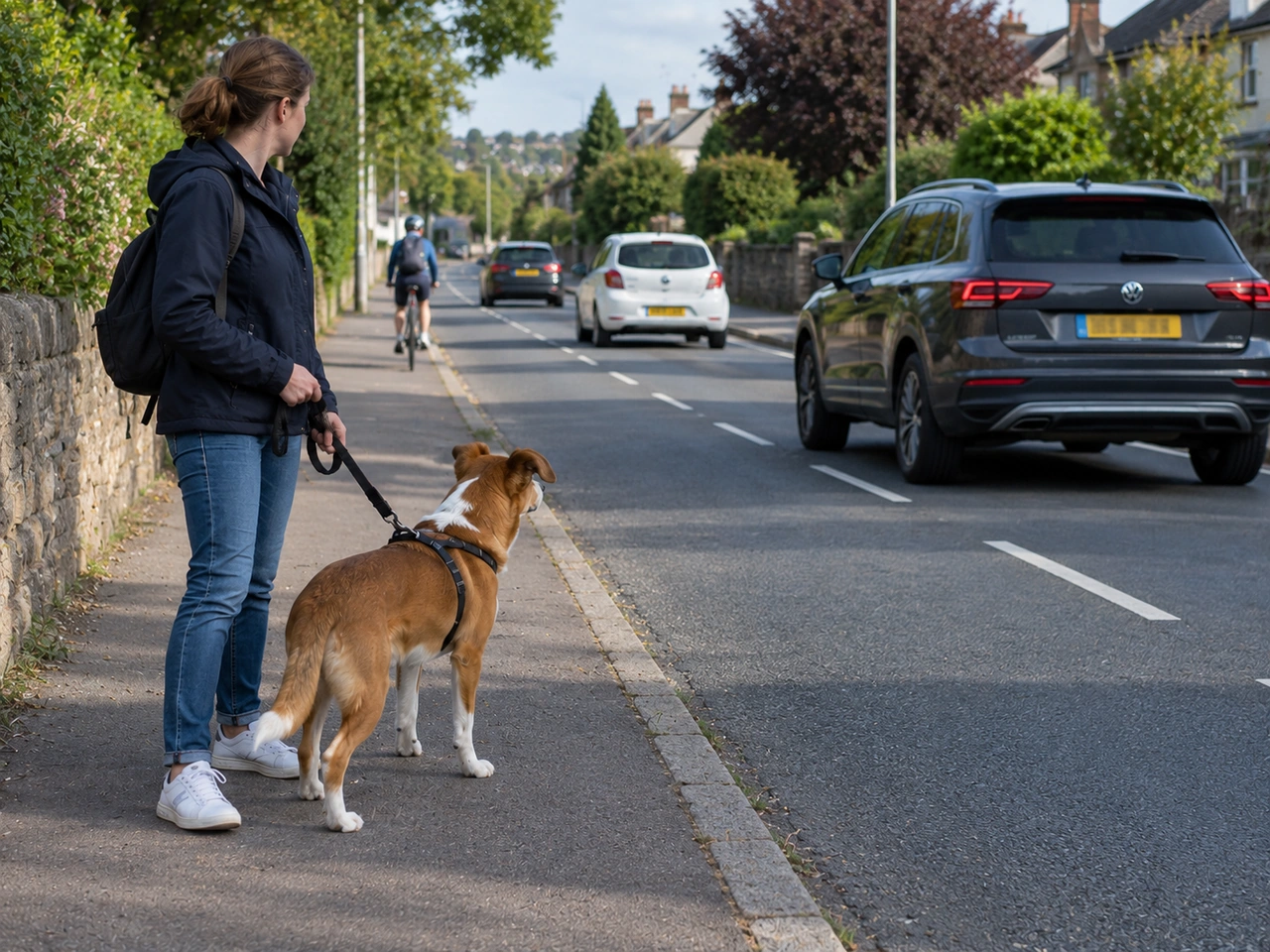
421. Why should you keep a dog on a leash near traffic?
Dogs can react unpredictably to vehicles, people, noises, or other animals. Keeping a dog under close control on a leash near traffic reduces the risk of it suddenly entering the road and endangering itself or other road users.
AI-generated by Rijbewijs-online.be • WCIT • CC BY-SA
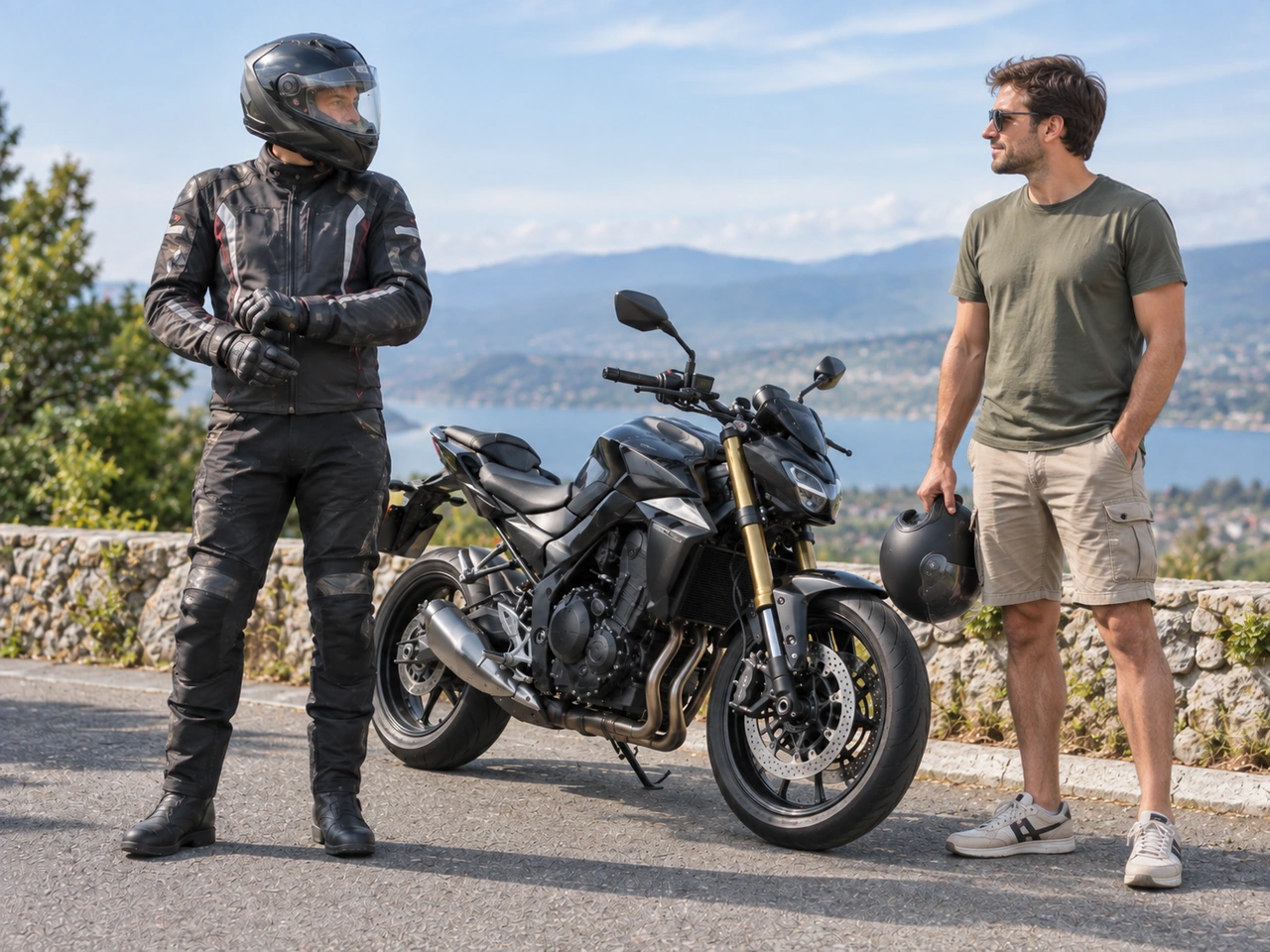
422. Should motorcyclists wear protective clothing?
Motorcyclists should wear protective clothing because it can reduce injuries from falls, impacts and sliding on the road. Suitable jackets, trousers, gloves and boots provide additional protection, but they do not replace a securely fitted helmet or safe riding.
AI-generated by Rijbewijs-online.be • WCIT • CC BY-SA
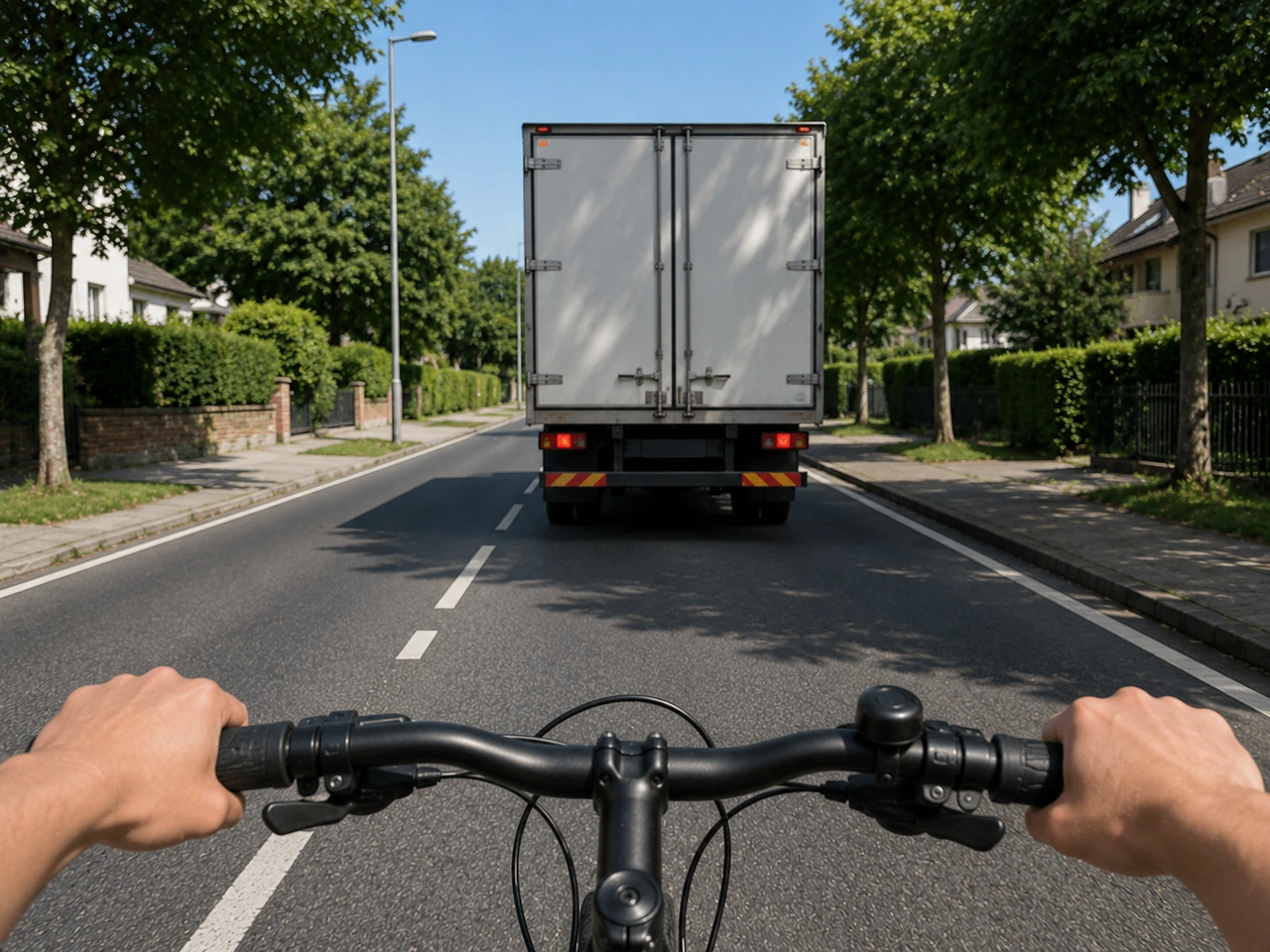
423. What should cyclists do near a large vehicle that may be turning?
Large vehicles need extra space to turn and may move across a cyclist's path. Remaining behind is usually safer.
AI-generated by Rijbewijs-online.be • WCIT • CC BY-SA
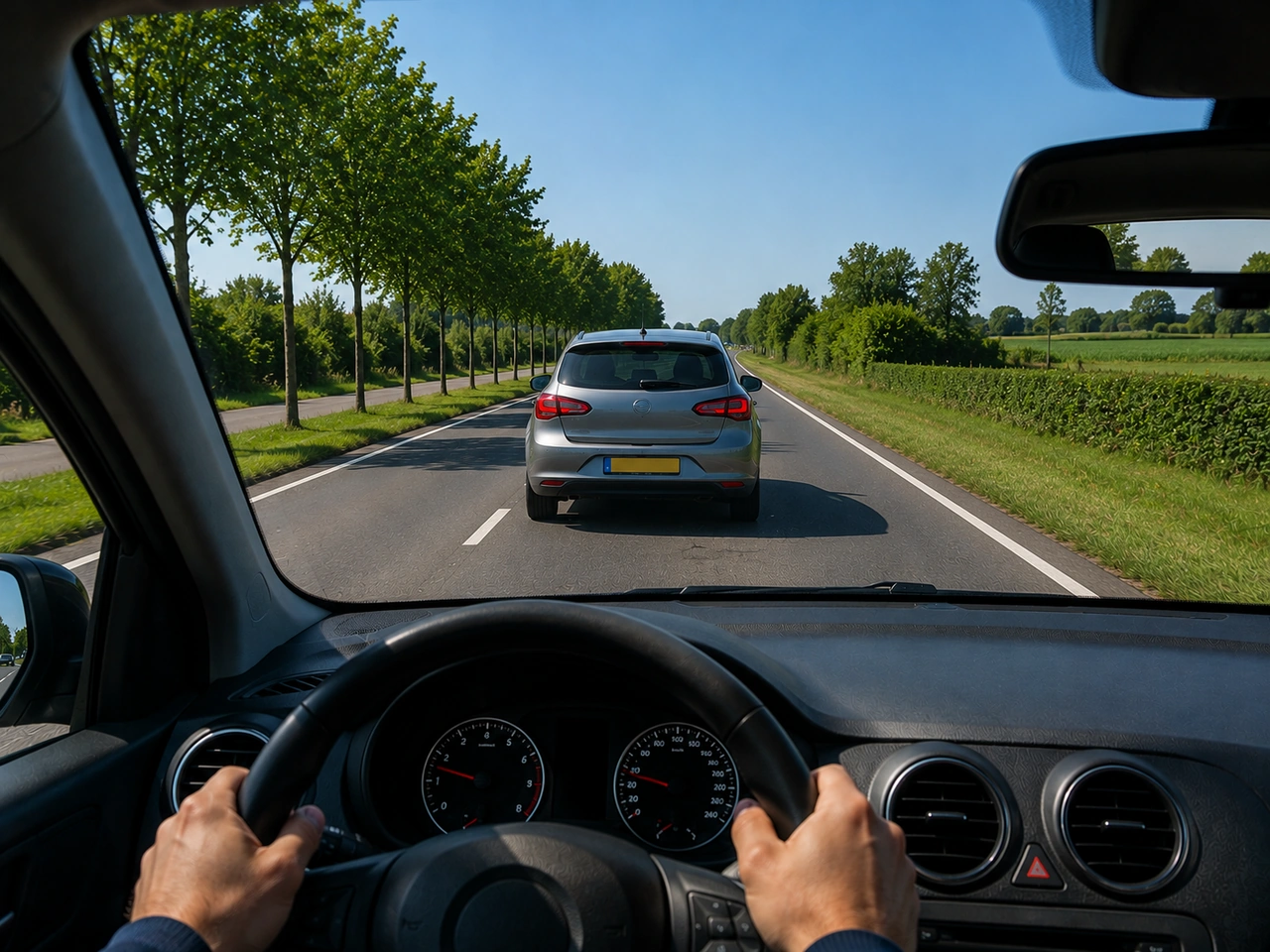
424. Why should you not drive too close behind another vehicle?
Driving too close, or tailgating, reduces the time and space available to react and increases the risk of a rear-end collision. Use defensive driving and keep a safe following distance.
AI-generated by Rijbewijs-online.be • WCIT • CC BY-SA
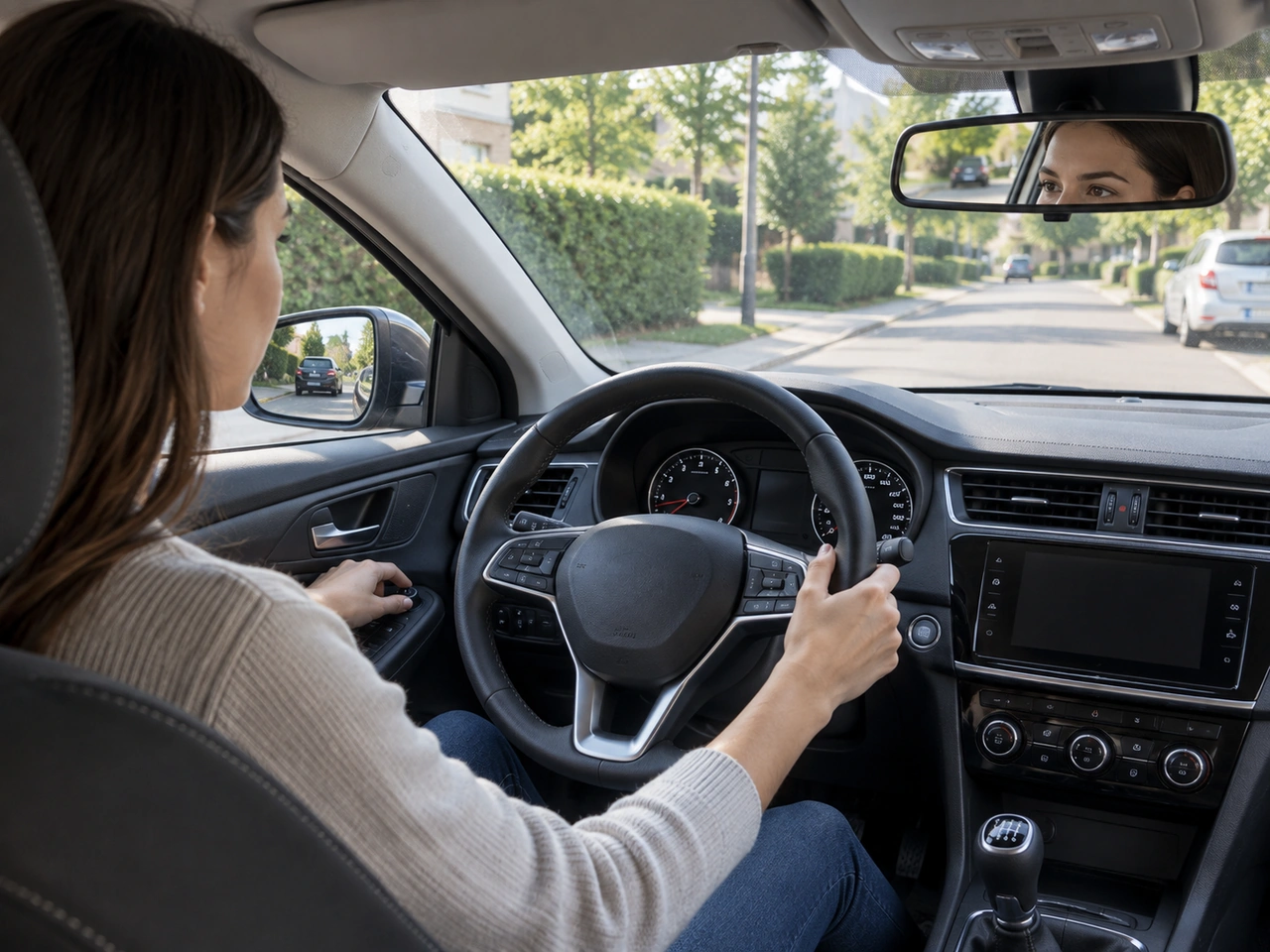
425. Why should you adjust the seat and mirrors correctly before driving?
A correct driving position helps you operate the pedals and steering comfortably and maintain proper control. Correctly adjusted mirrors improve your view around the vehicle and help reduce blind spots. Adjust both before starting your journey.
AI-generated by Rijbewijs-online.be • WCIT • CC BY-SA
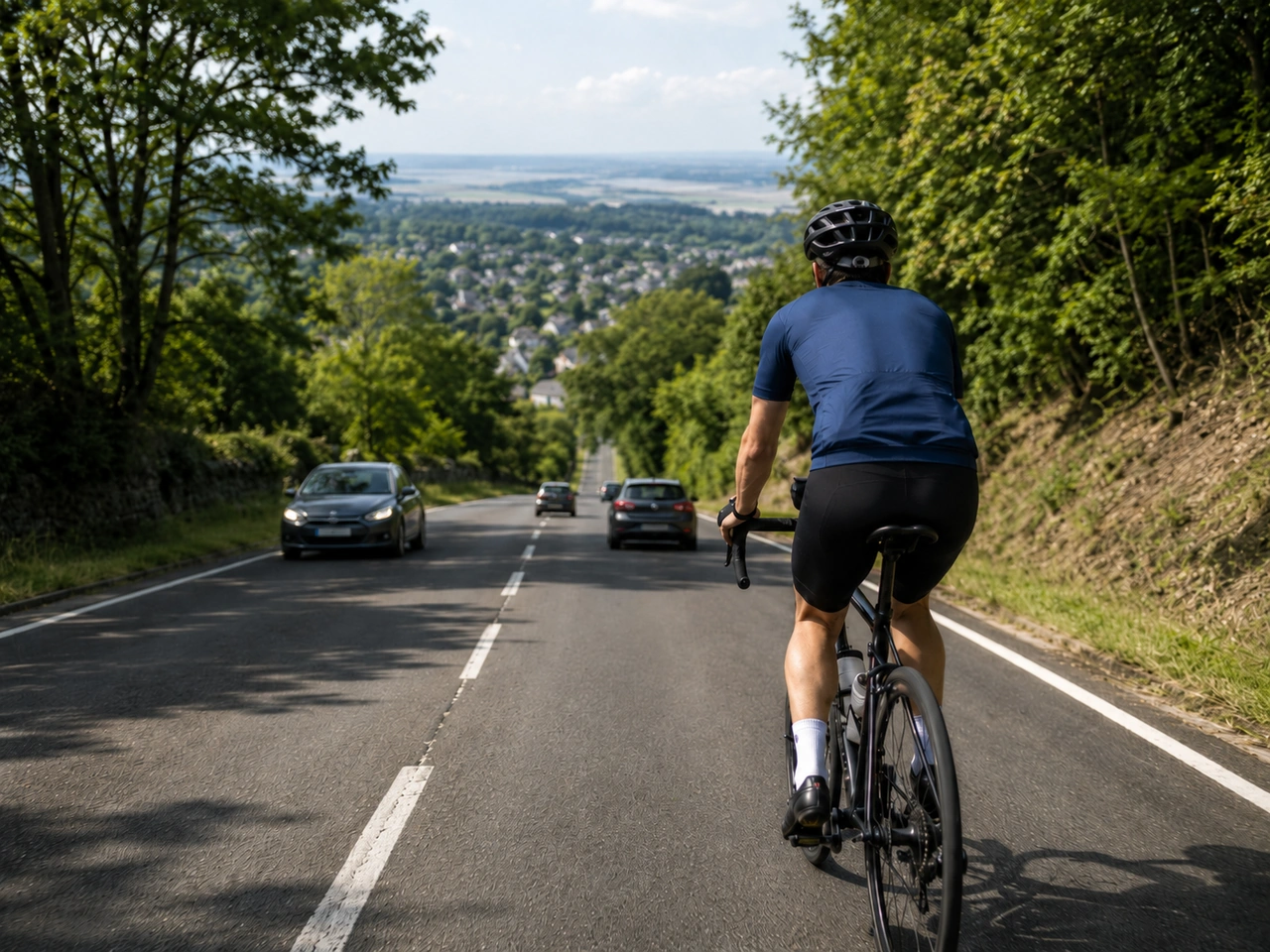
426. What should cyclists do when cycling downhill?
Higher speed increases stopping distance and reduces reaction time. Maintain a speed that allows you to stop safely.
AI-generated by Rijbewijs-online.be • WCIT • CC BY-SA
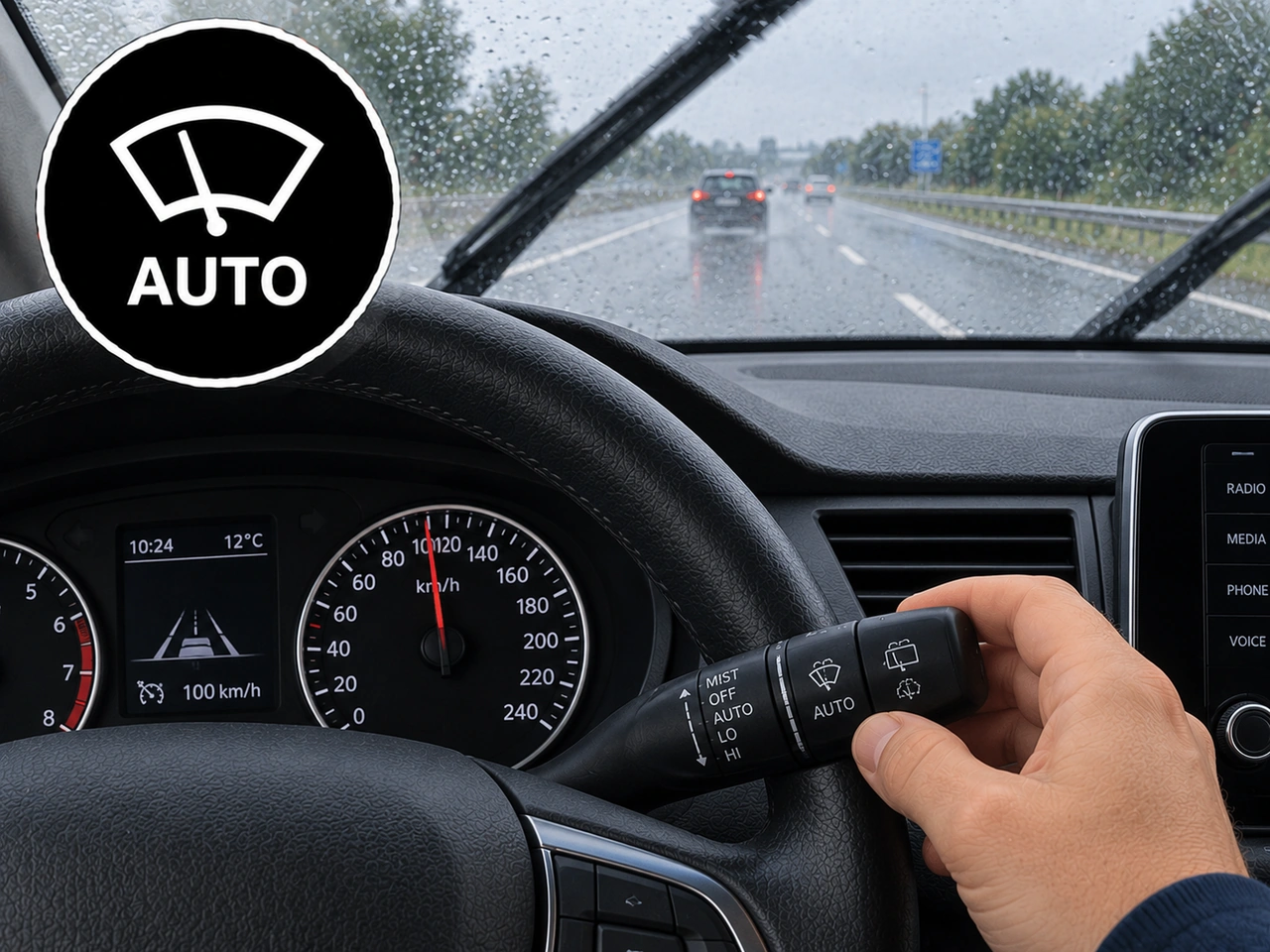
427. What does AUTO on a windscreen-wiper control normally do?
When AUTO is selected, a rain sensor can operate the windscreen wipers automatically and adjust their operation according to the amount of moisture detected on the windscreen.
AI-generated by Rijbewijs-online.be • WCIT • CC BY-SA
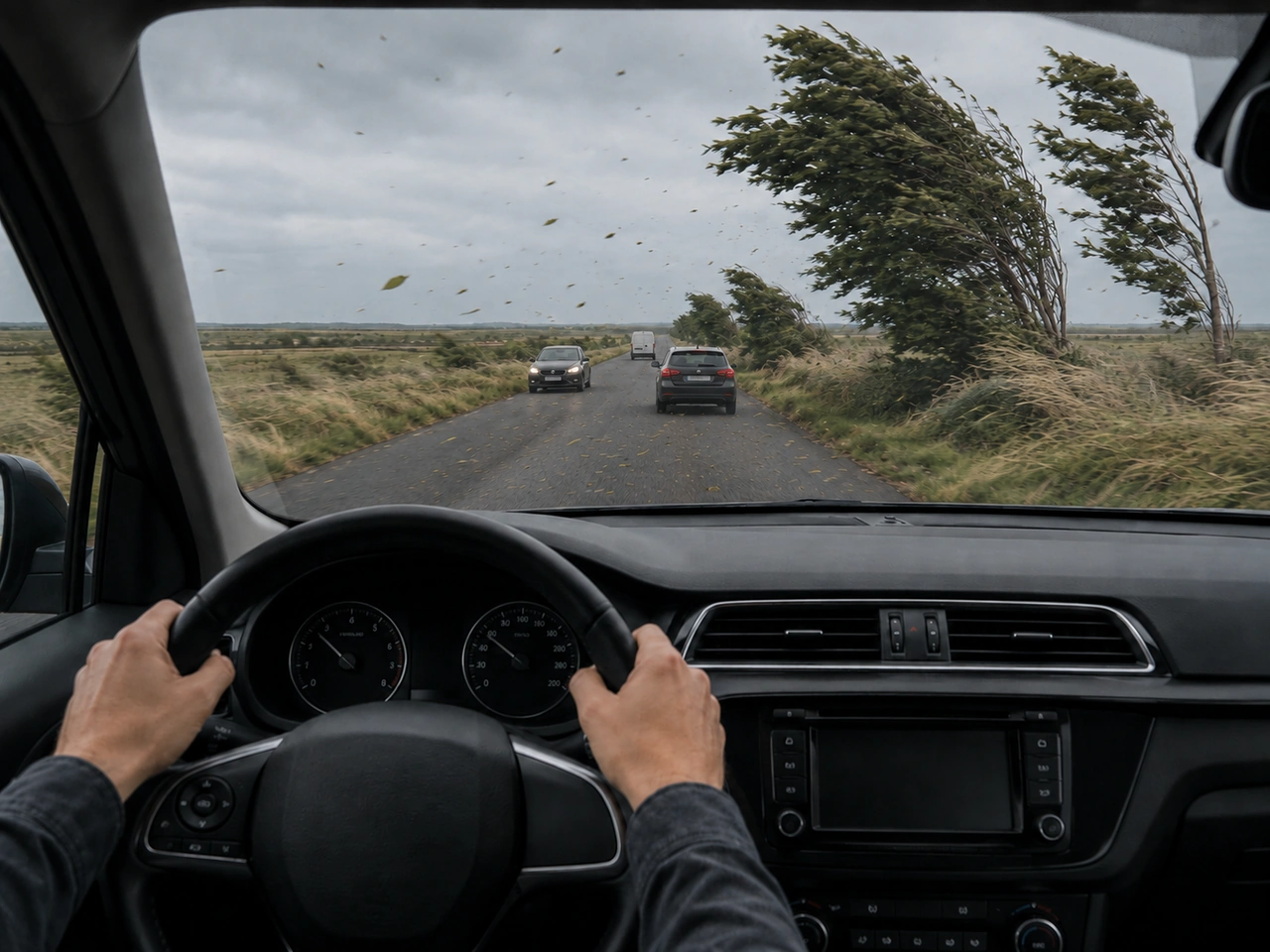
428. What should you do if strong winds push your vehicle sideways?
Strong winds can push your vehicle off course, especially at higher speeds. Reduce speed and use smooth steering to stay in control.
AI-generated by Rijbewijs-online.be • WCIT • CC BY-SA
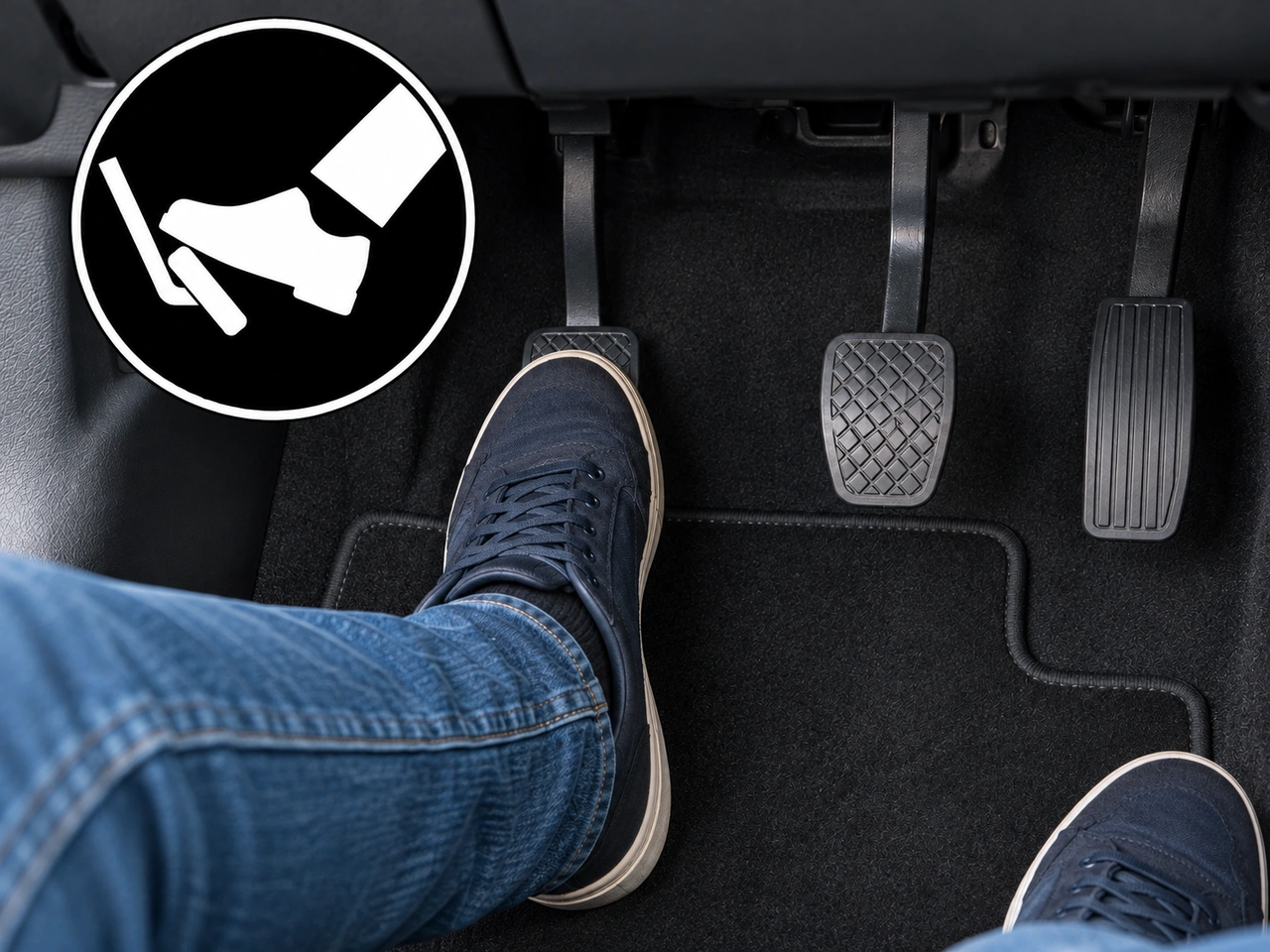
429. Why should you press the clutch pedal fully when changing gear?
Pressing the clutch pedal fully disengages the engine from the transmission, allowing the gear to be changed smoothly and reducing unnecessary wear on the gearbox and clutch.
AI-generated by Rijbewijs-online.be • WCIT • CC BY-SA
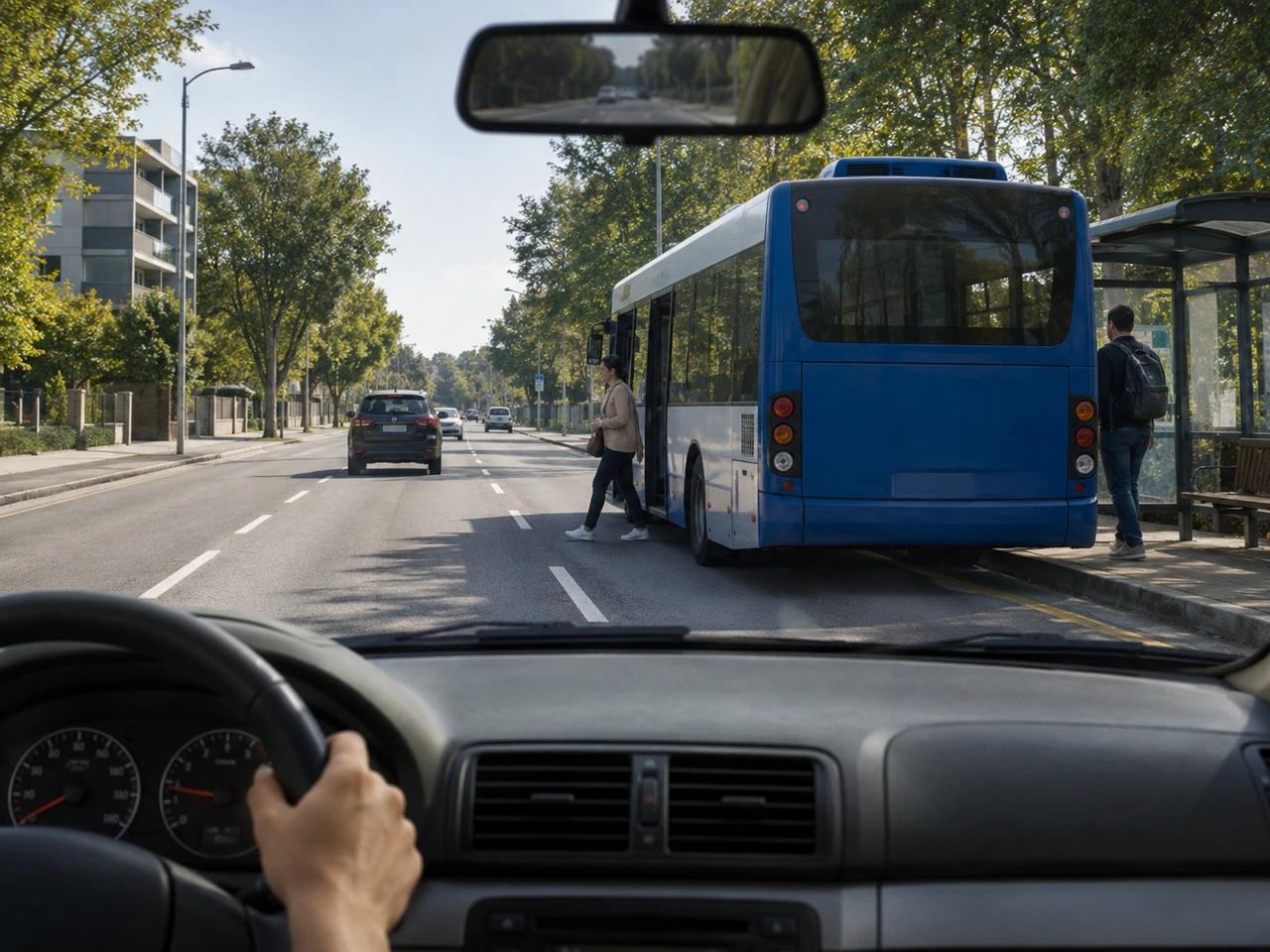
430. Why should you be careful when driving beside a bus at a stop?
Stopped buses can hide pedestrians, and passengers may cross unexpectedly. Slow down and be ready to react.
AI-generated by Rijbewijs-online.be • WCIT • CC BY-SA
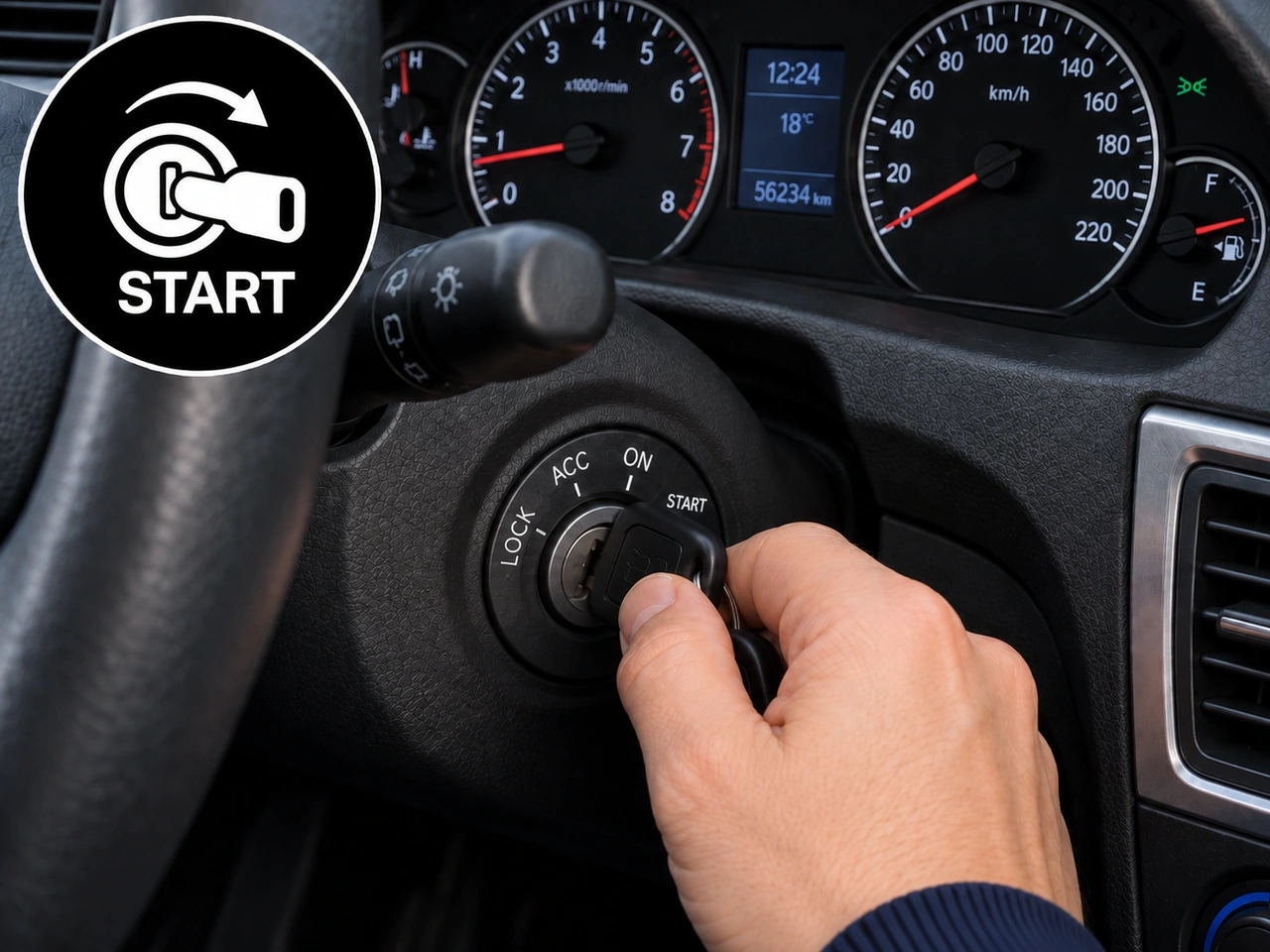
431. What should you do with the ignition key once the engine starts?
Once the engine starts, release the ignition key so it returns from START to the ON position. Holding the key in START unnecessarily can keep the starter motor engaged.
AI-generated by Rijbewijs-online.be • WCIT • CC BY-SA
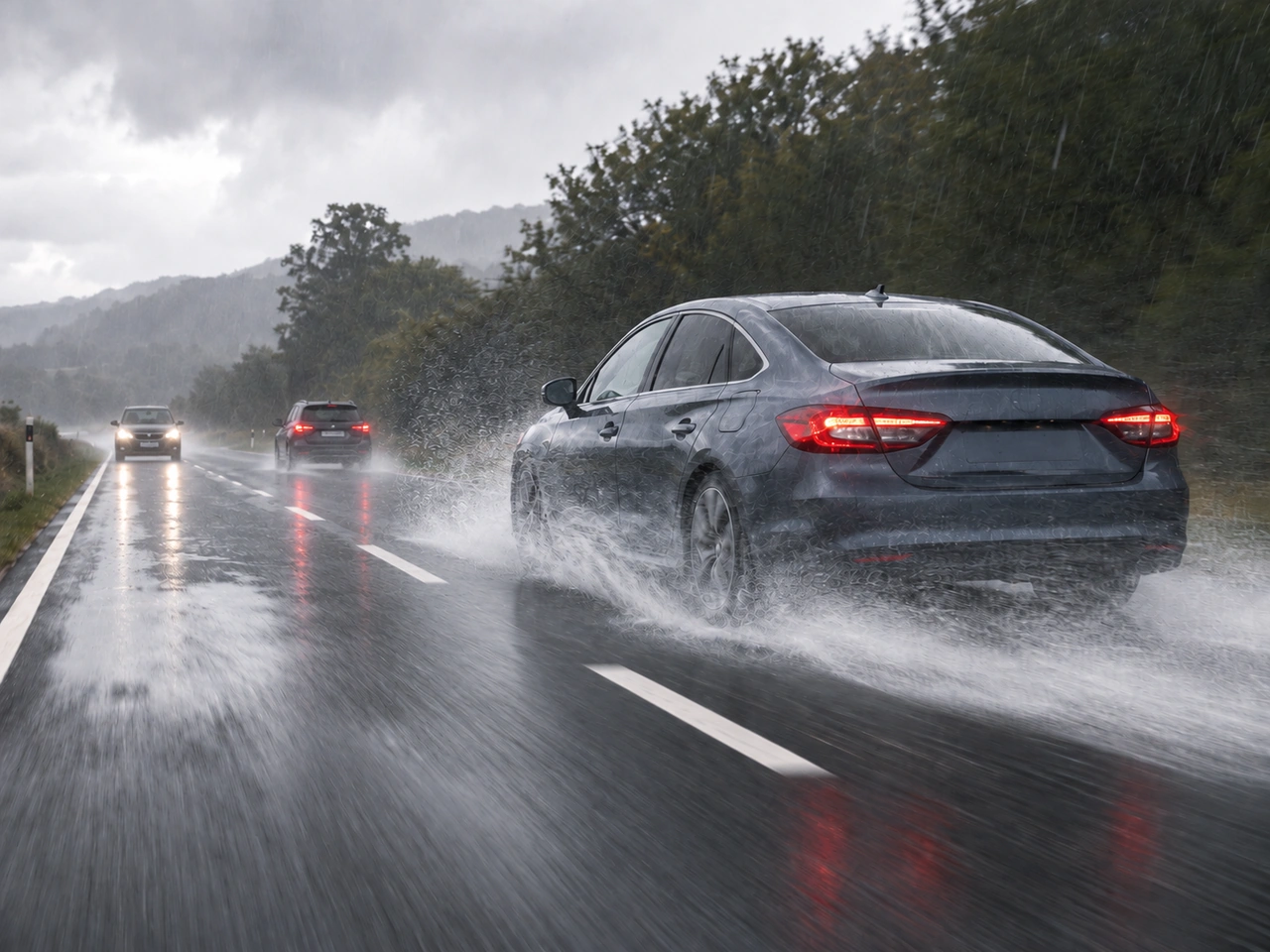
432. Why does higher speed increase the risk of aquaplaning?
At higher speeds, the tyres may not disperse water effectively, making it easier for the vehicle to lose contact with the road.
AI-generated by Rijbewijs-online.be • WCIT • CC BY-SA
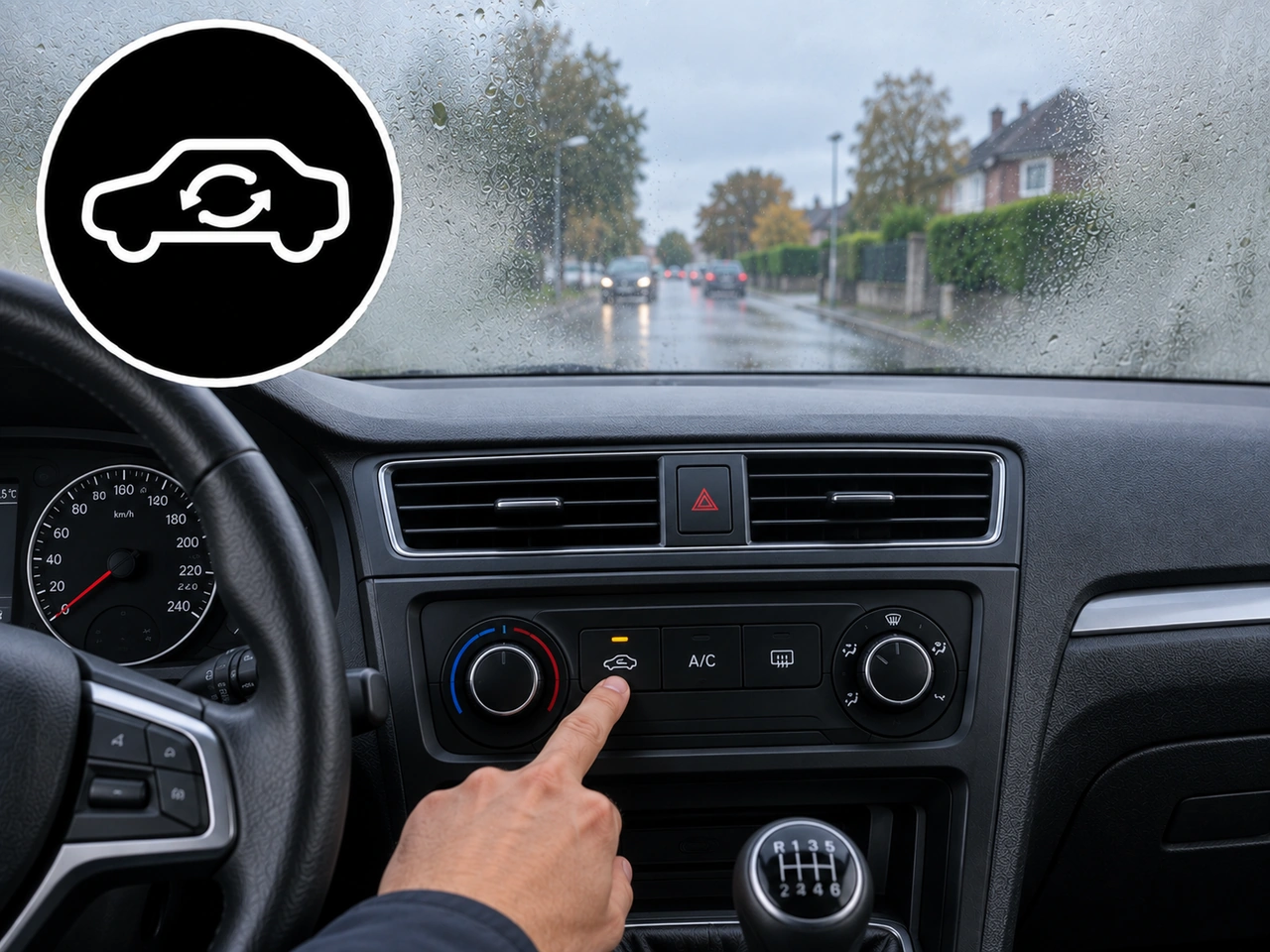
433. Why should you avoid using air recirculation for too long in damp conditions?
Using air recirculation for too long in damp conditions can allow moisture to build up inside the vehicle and increase window misting, especially when the air conditioning is not dehumidifying the air. Switching to fresh outside air can help clear condensation.
AI-generated by Rijbewijs-online.be • WCIT • CC BY-SA
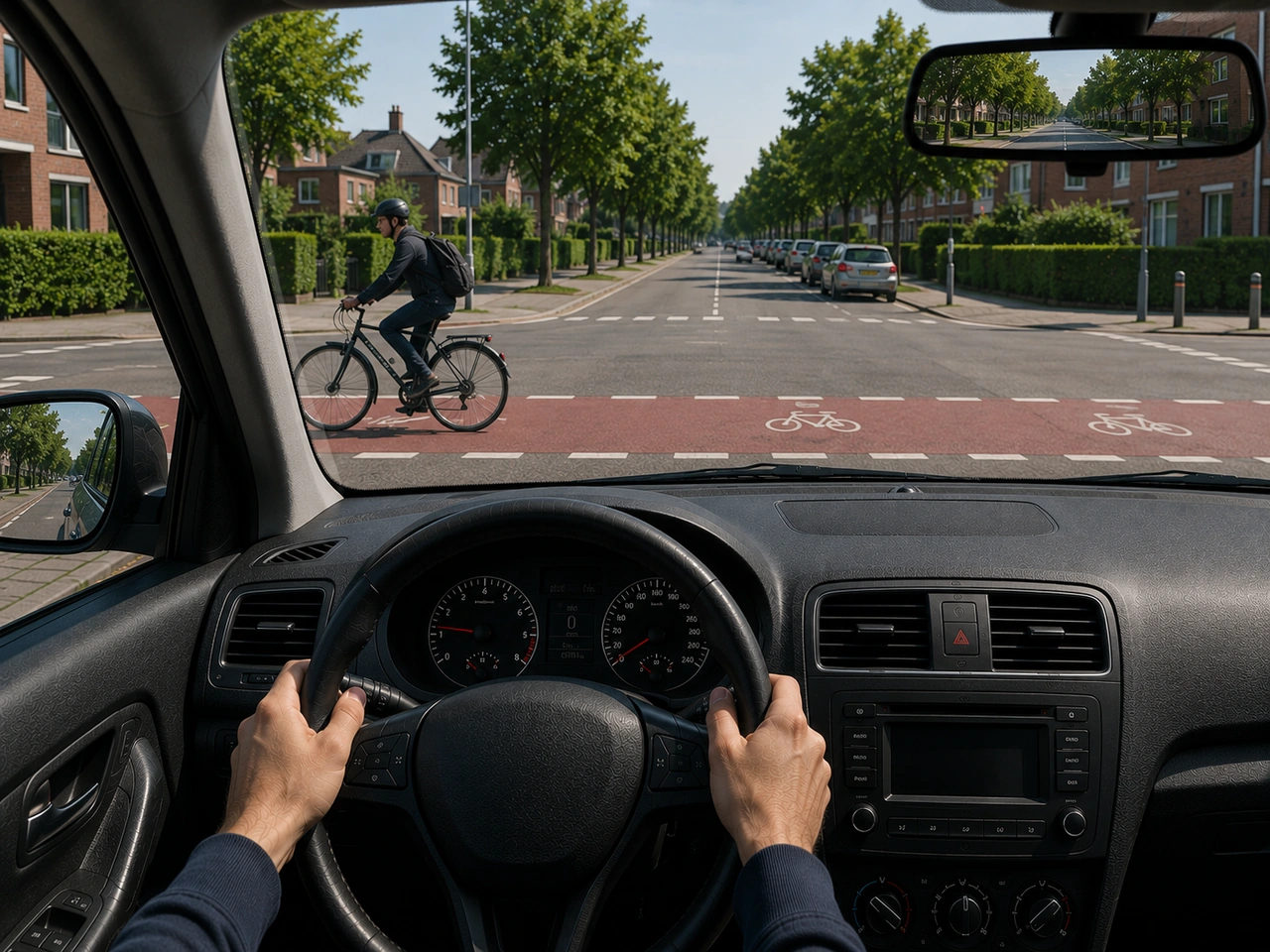
434. What should you do before turning across a cycle lane?
Cyclists may be beside or behind you when you turn. Check mirrors and blind spots, signal clearly, and turn only when it is safe.
AI-generated by Rijbewijs-online.be • WCIT • CC BY-SA
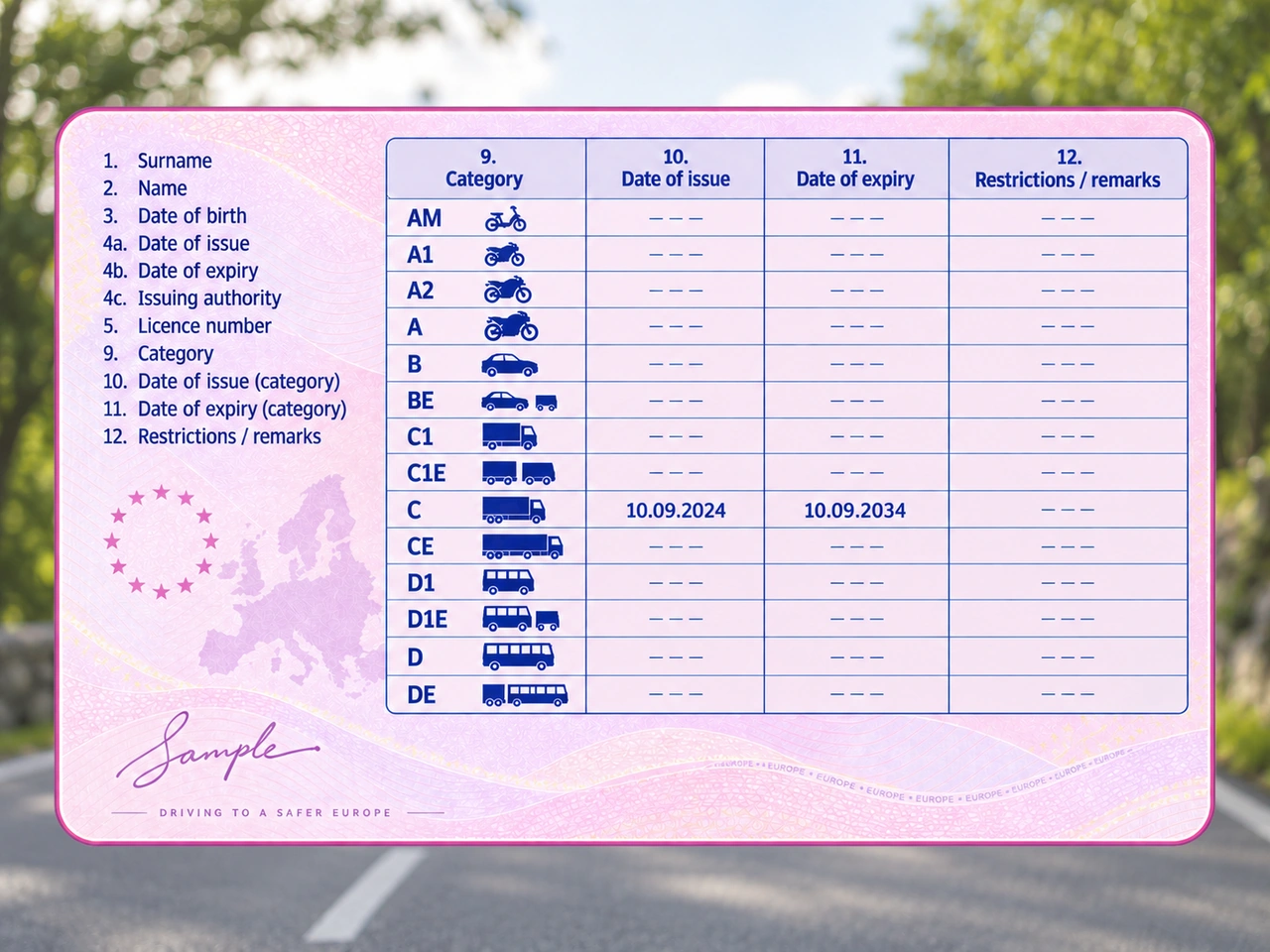
435. Which vehicles are covered by driving licence C?
Category C covers motor vehicles, other than categories D1 and D, with a maximum authorised mass above 3,500 kg and designed to carry no more than eight passengers in addition to the driver. A trailer up to 750 kg may be towed.
AI-generated by Rijbewijs-online.be • WCIT • CC BY-SA
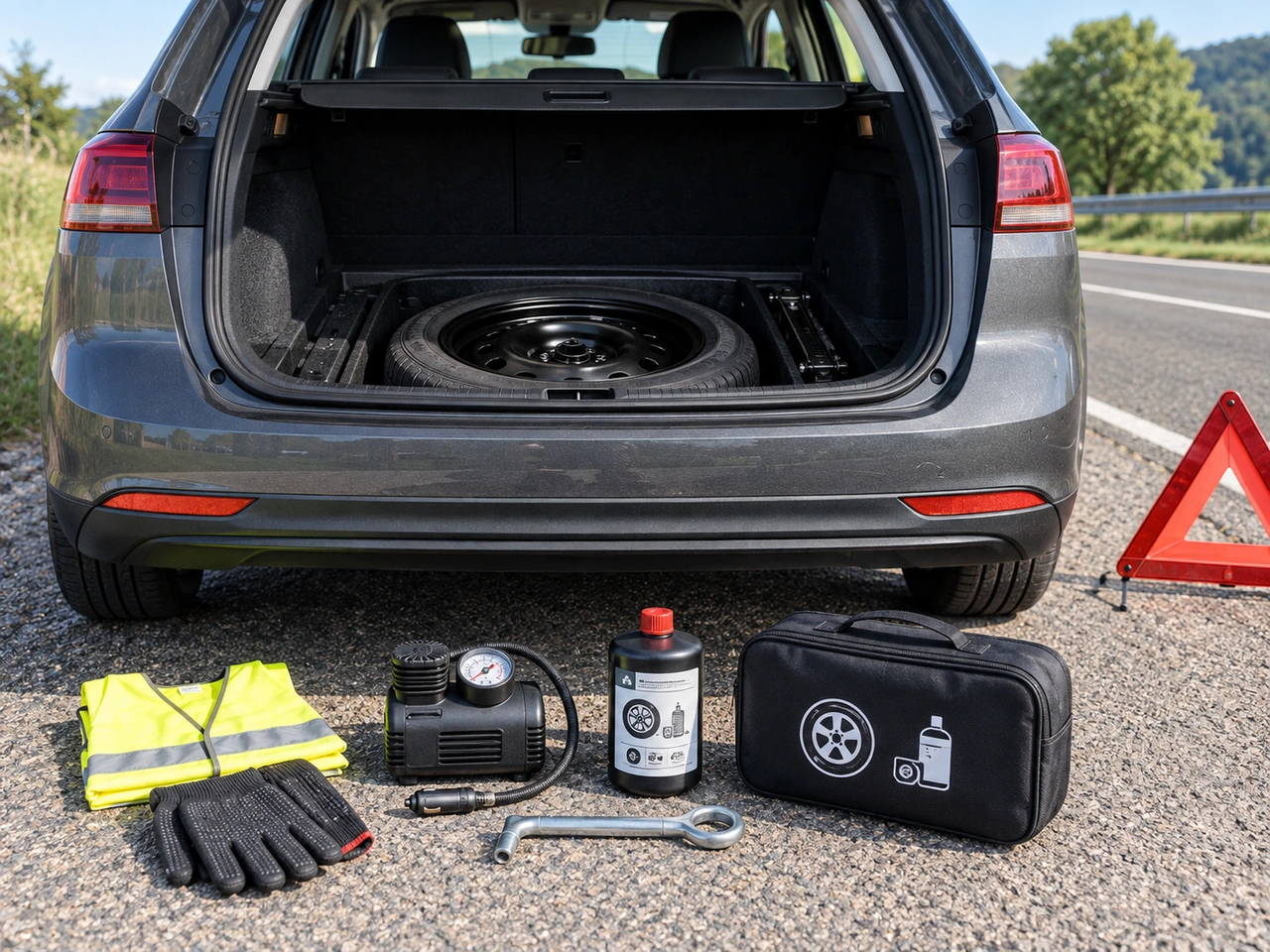
436. Must cars carry equipment for dealing with a puncture in Czechia?
Cars in Czechia are generally required to carry equipment for dealing with a puncture, such as a spare wheel or tyre repair kit.
AI-generated by Rijbewijs-online.be • WCIT • CC BY-SA
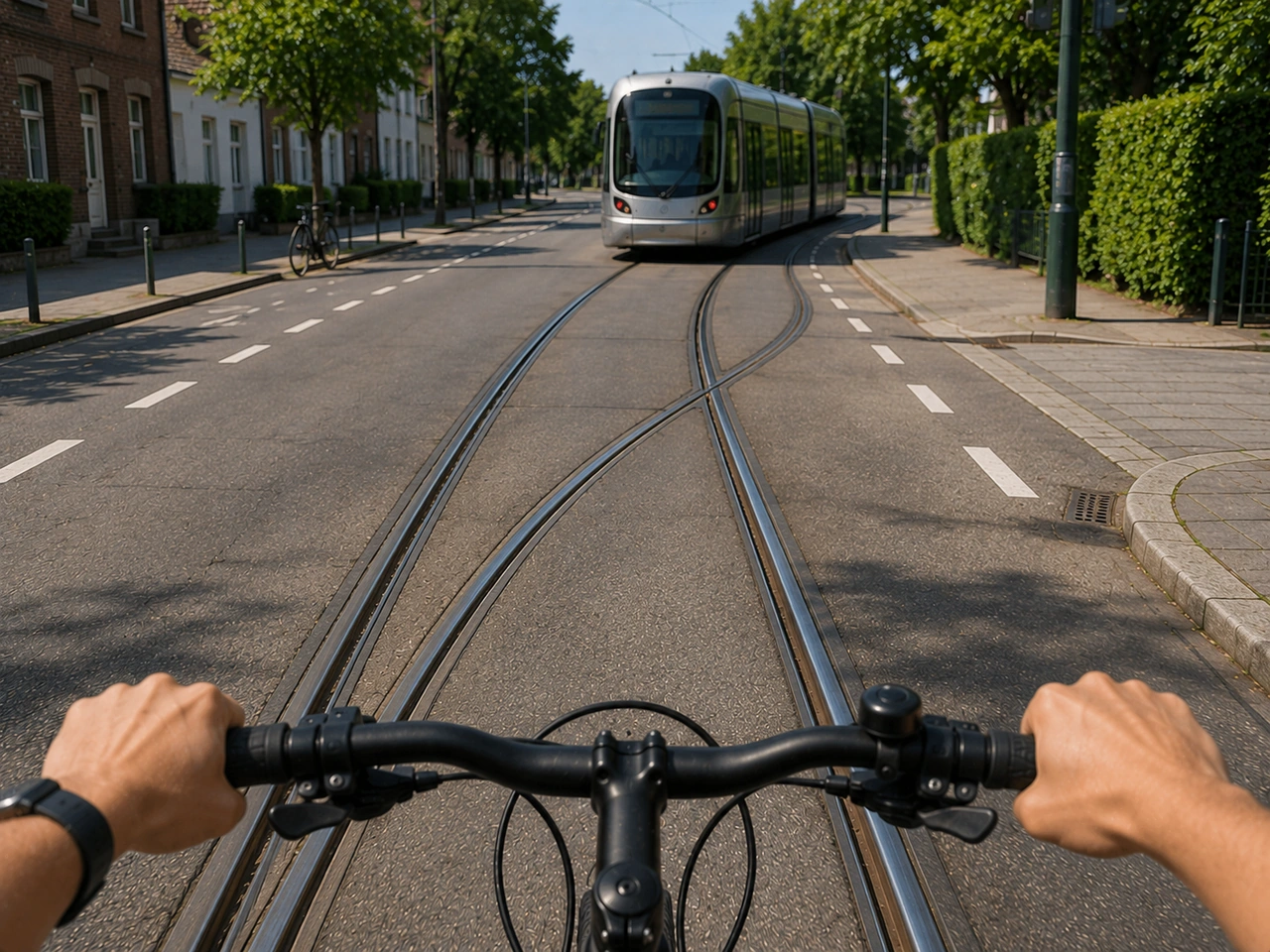
437. How should cyclists cross railway or tram tracks?
A bicycle wheel can become trapped in a rail groove. Crossing at a wider angle reduces this risk.
AI-generated by Rijbewijs-online.be • WCIT • CC BY-SA
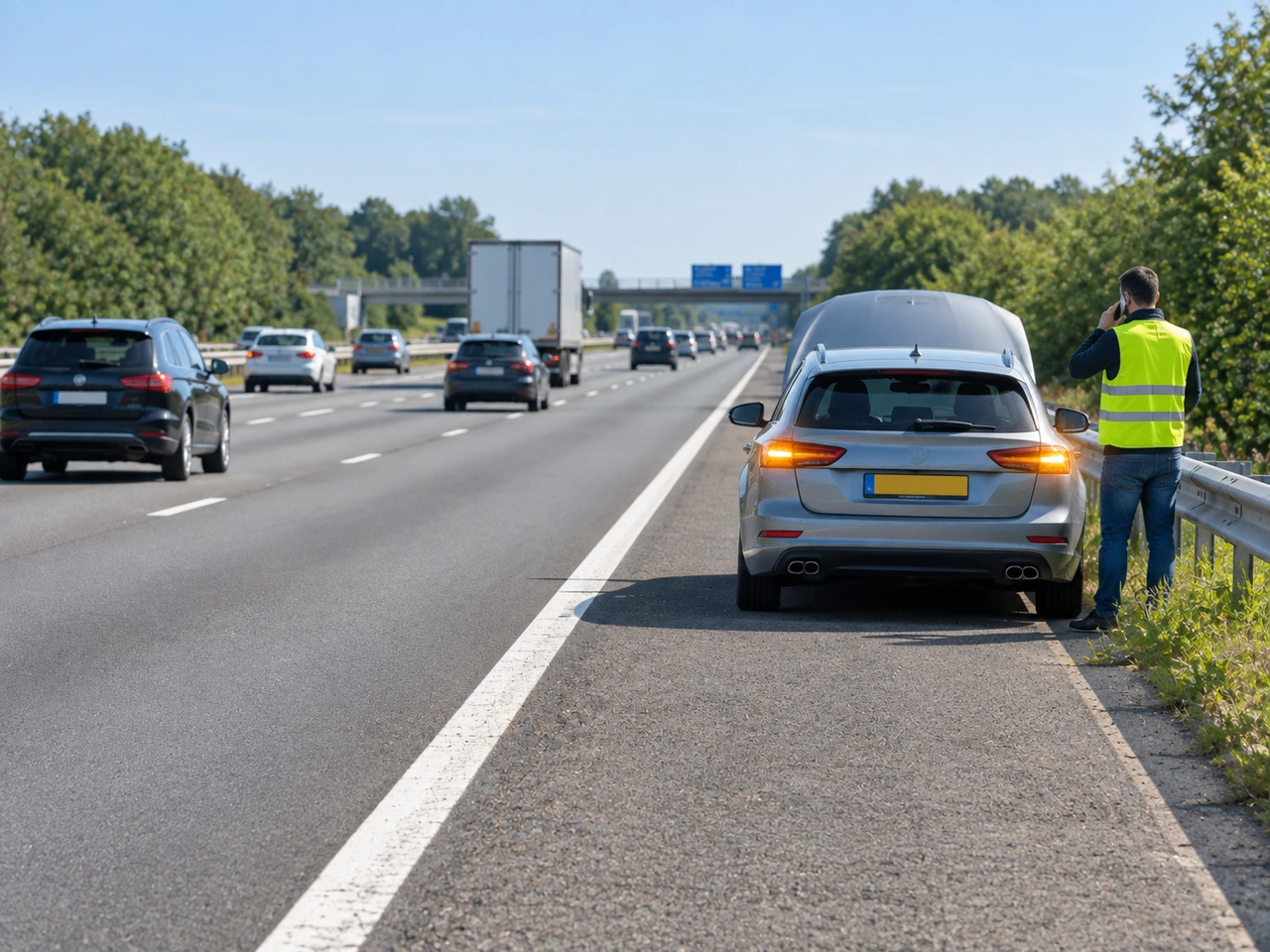
438. What is the main purpose of a motorway emergency lane or hard shoulder?
A motorway emergency lane or hard shoulder is primarily intended for emergencies and breakdowns, not normal driving. In some places it may be opened temporarily as a traffic lane when signs or signals specifically permit this.
AI-generated by Rijbewijs-online.be • WCIT • CC BY-SA
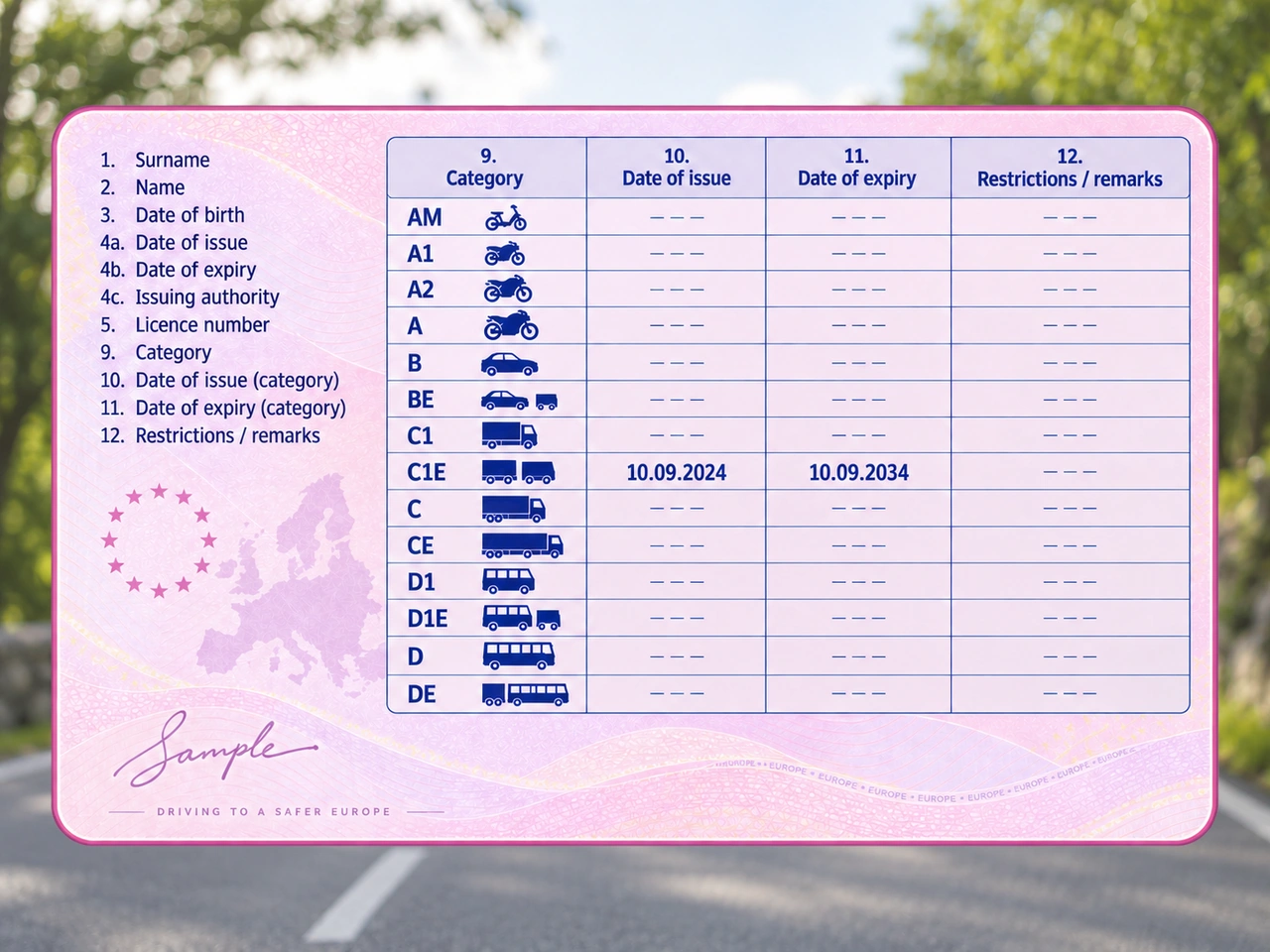
439. Which vehicle combination is covered by driving licence C1E?
Category C1E covers a category C1 vehicle with a trailer over 750 kg, provided the combination does not exceed 12,000 kg. It can also cover certain category B vehicles towing trailers over 3,500 kg, again with a combined maximum authorised mass not exceeding 12,000 kg.
AI-generated by Rijbewijs-online.be • WCIT • CC BY-SA
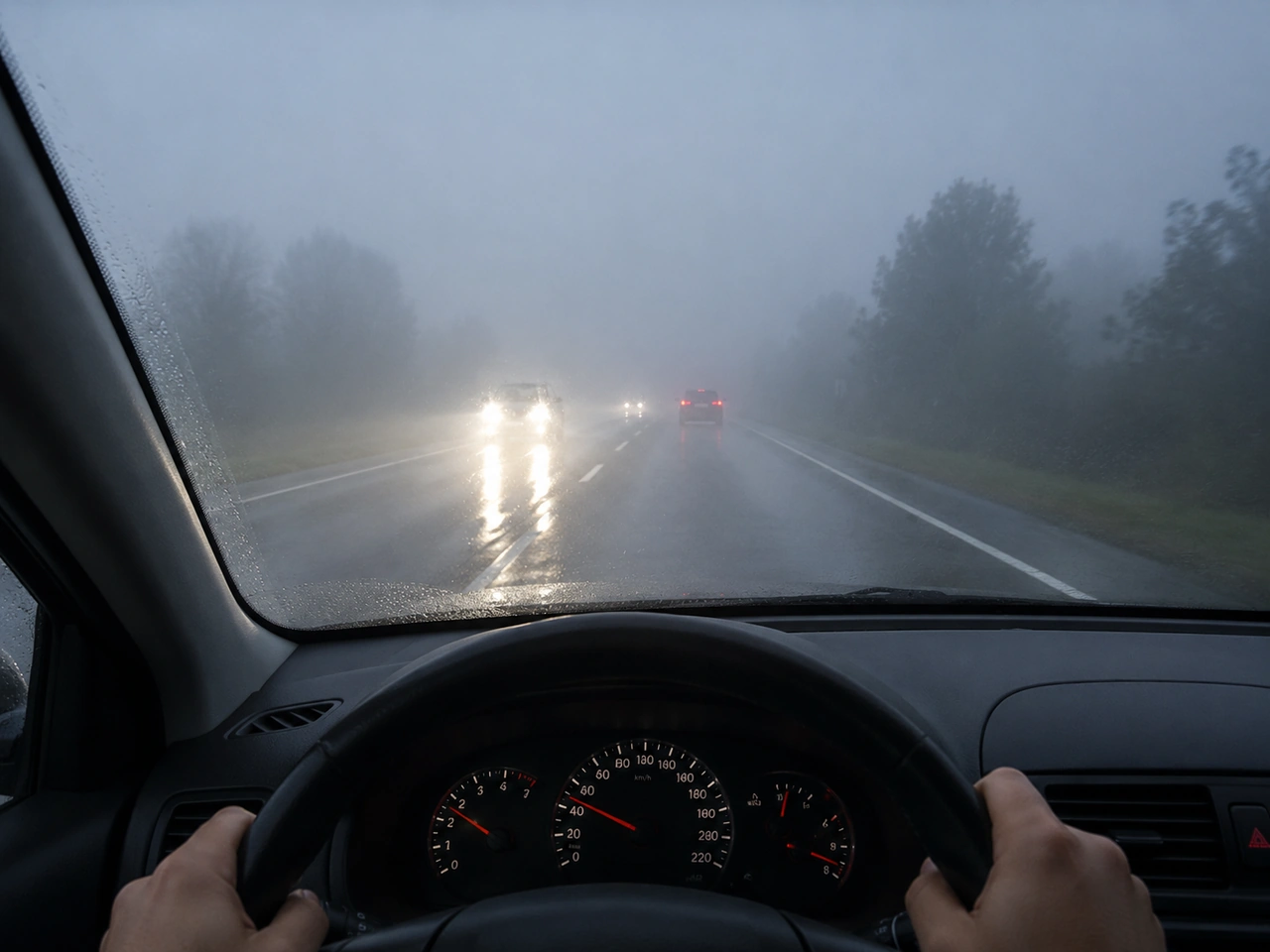
440. Why should you use headlights in poor visibility?
Headlights help you see the road and make your vehicle more visible to other road users in fog, rain, darkness, or poor weather.
AI-generated by Rijbewijs-online.be • WCIT • CC BY-SA
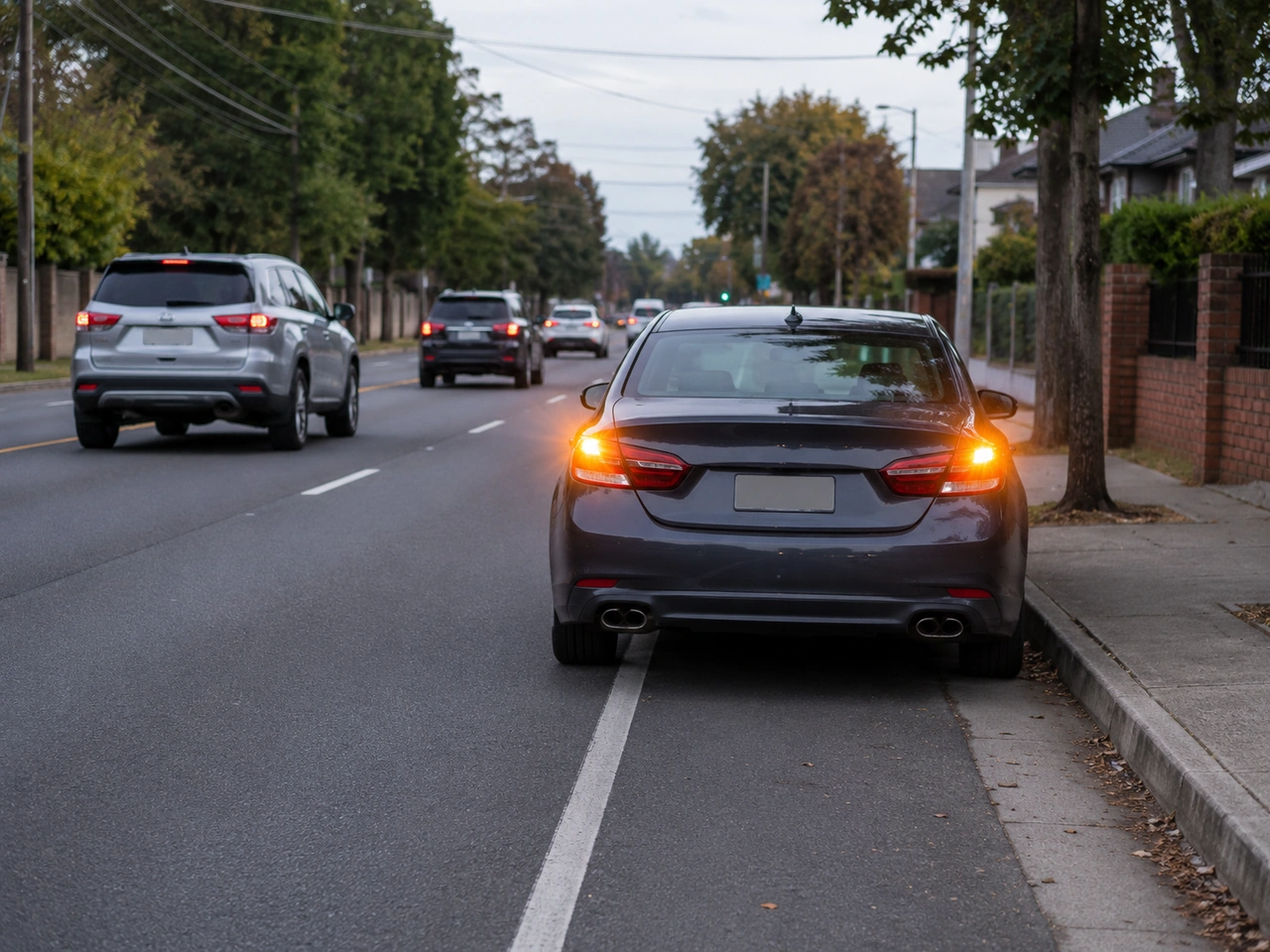
441. You may park anywhere as long as you leave your hazard lights on.
Hazard lights are used to warn other road users of a hazard or an unexpectedly stopped vehicle. They do not make illegal or unsafe parking acceptable.
AI-generated by Rijbewijs-online.be • WCIT • CC BY-SA
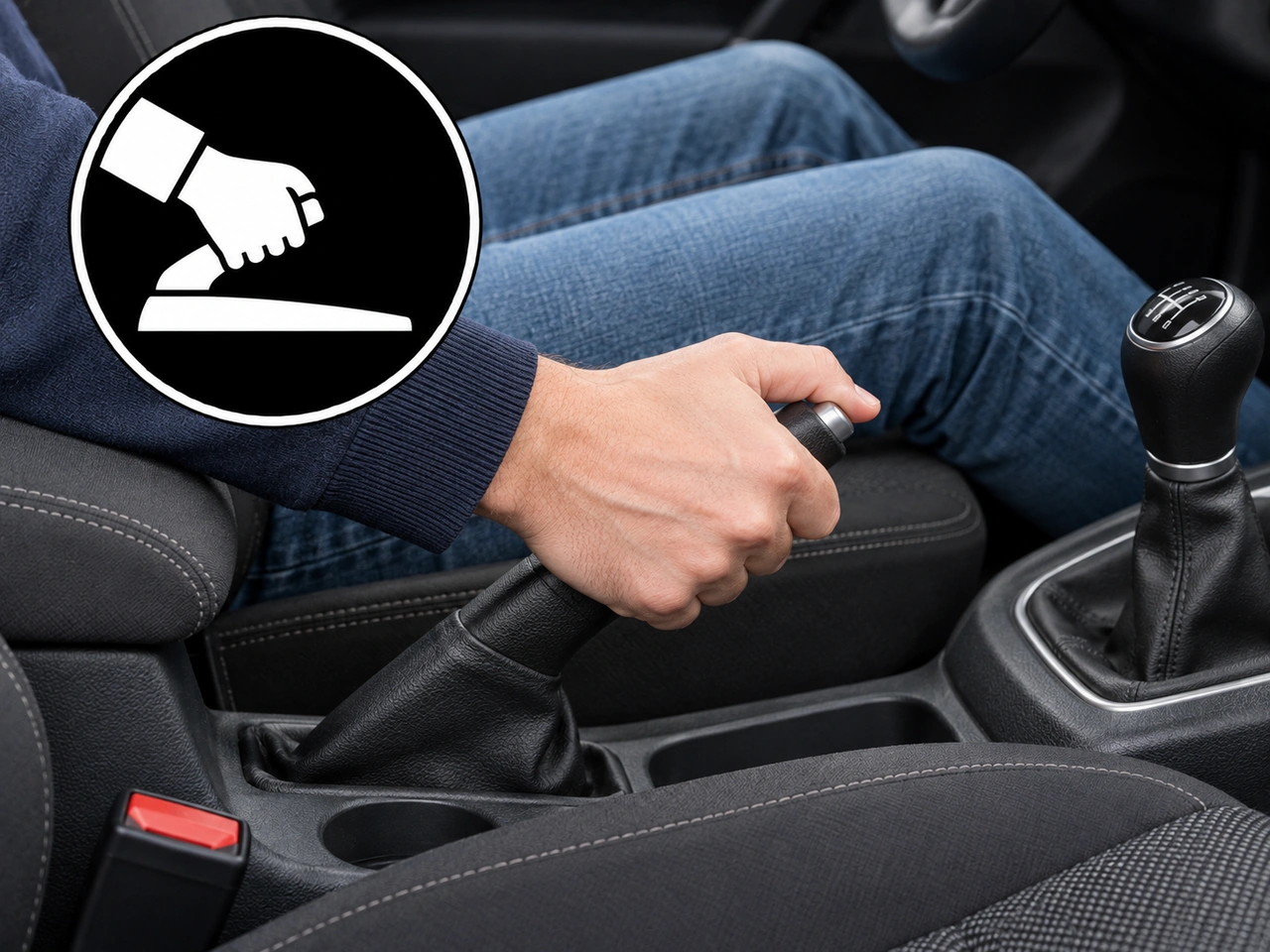
442. What is the purpose of the manual parking brake?
The manual parking brake helps keep the vehicle stationary when parked. It is normally applied by pulling up the handbrake lever and released before driving away.
AI-generated by Rijbewijs-online.be • WCIT • CC BY-SA
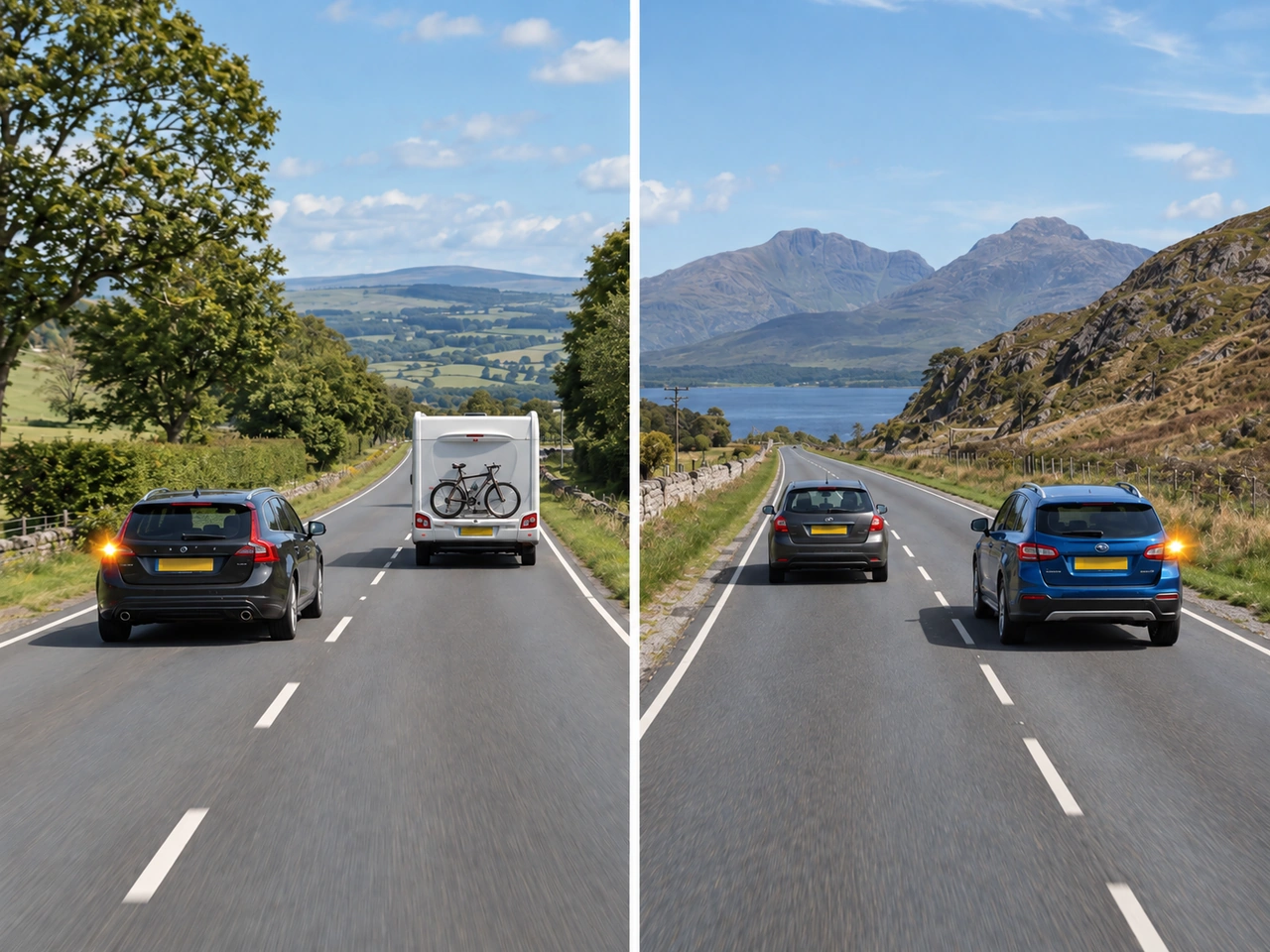
443. Which side is normally used for overtaking in Czechia?
Drivers normally overtake on the left-hand side in Czechia.
AI-generated by Rijbewijs-online.be • WCIT • CC BY-SA
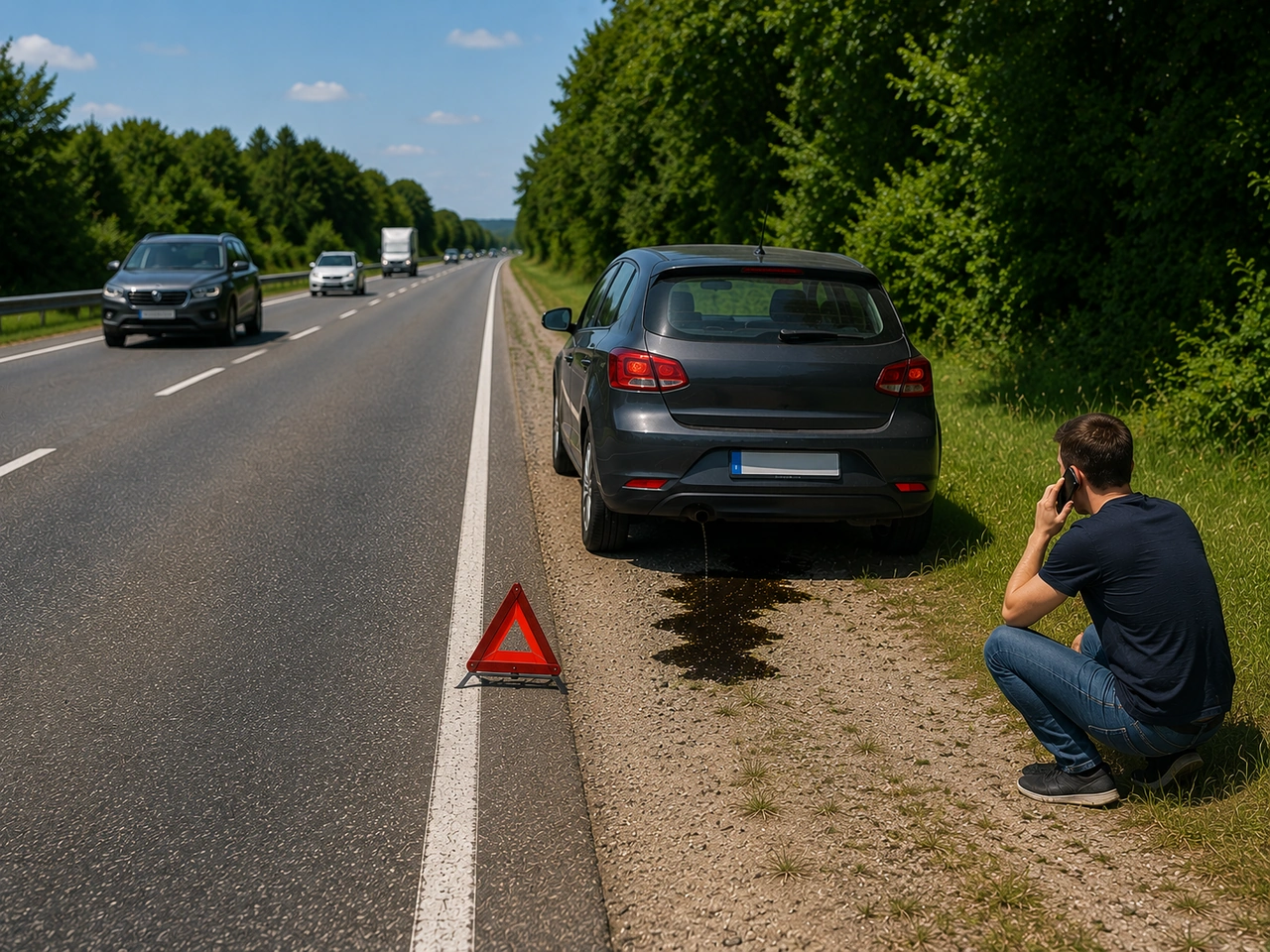
444. What should you do if you smell fuel or see fuel leaking from your vehicle?
Leaking fuel creates a serious fire risk. Keep people away, do not restart the engine, and arrange professional assistance.
AI-generated by Rijbewijs-online.be • WCIT • CC BY-SA
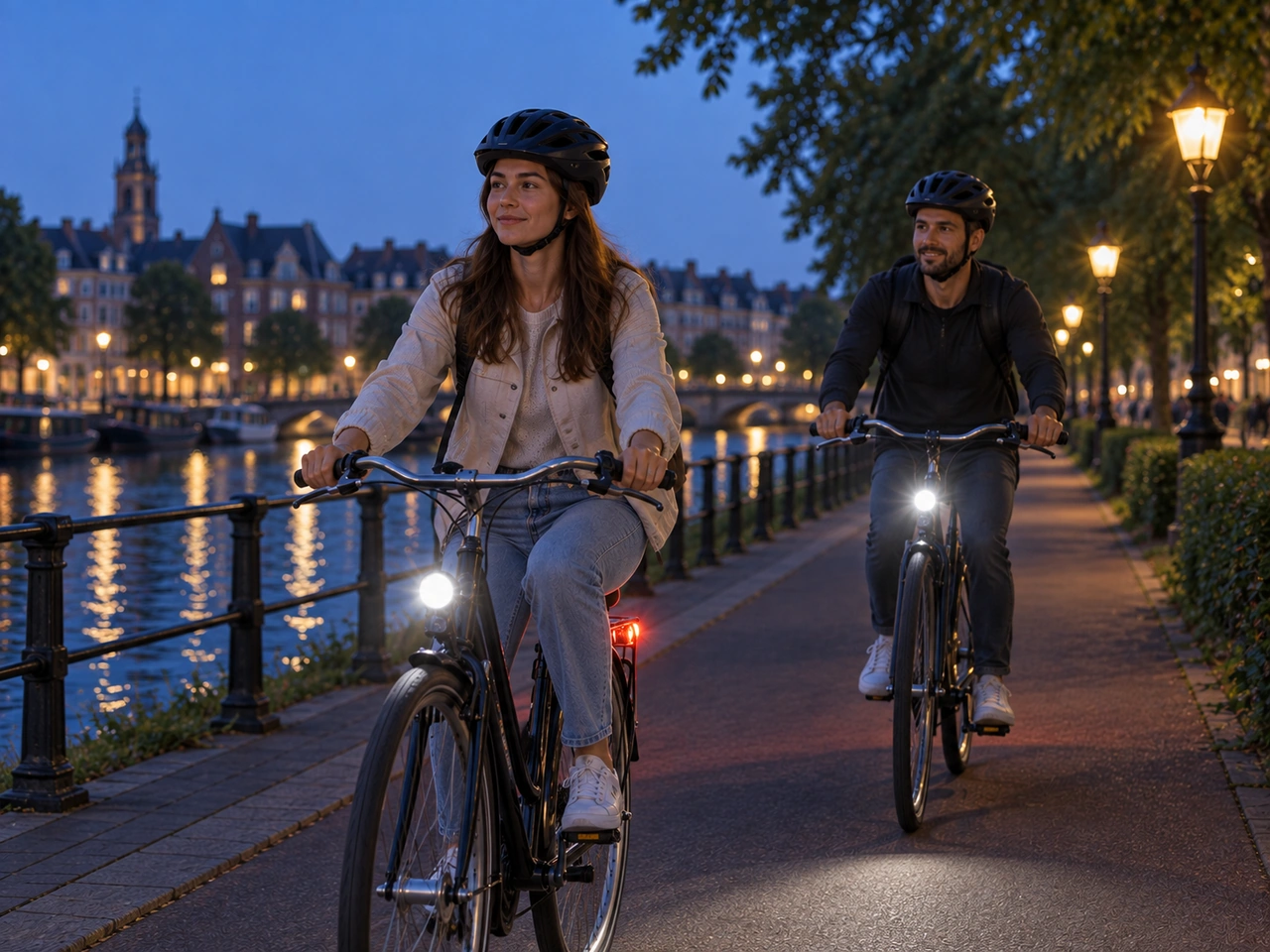
445. Are bicycle lights required at night in Czechia?
Cyclists in Czechia are generally required to use bicycle lights at night.
AI-generated by Rijbewijs-online.be • WCIT • CC BY-SA
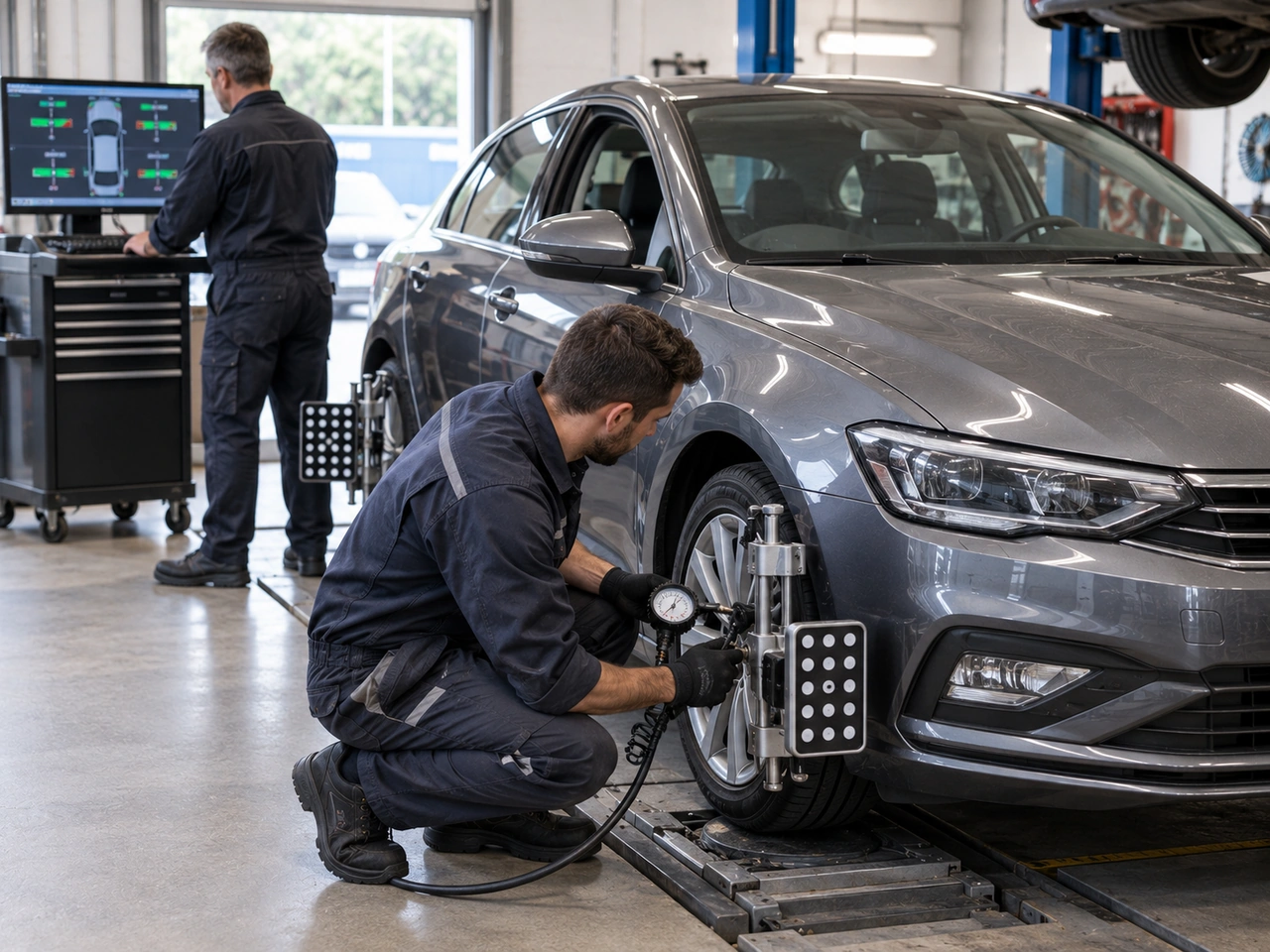
446. What should you do if the vehicle consistently pulls to one side?
Persistent pulling can be caused by incorrect tyre pressure, wheel misalignment, suspension wear, or a braking fault. It should not be ignored.
AI-generated by Rijbewijs-online.be • WCIT • CC BY-SA
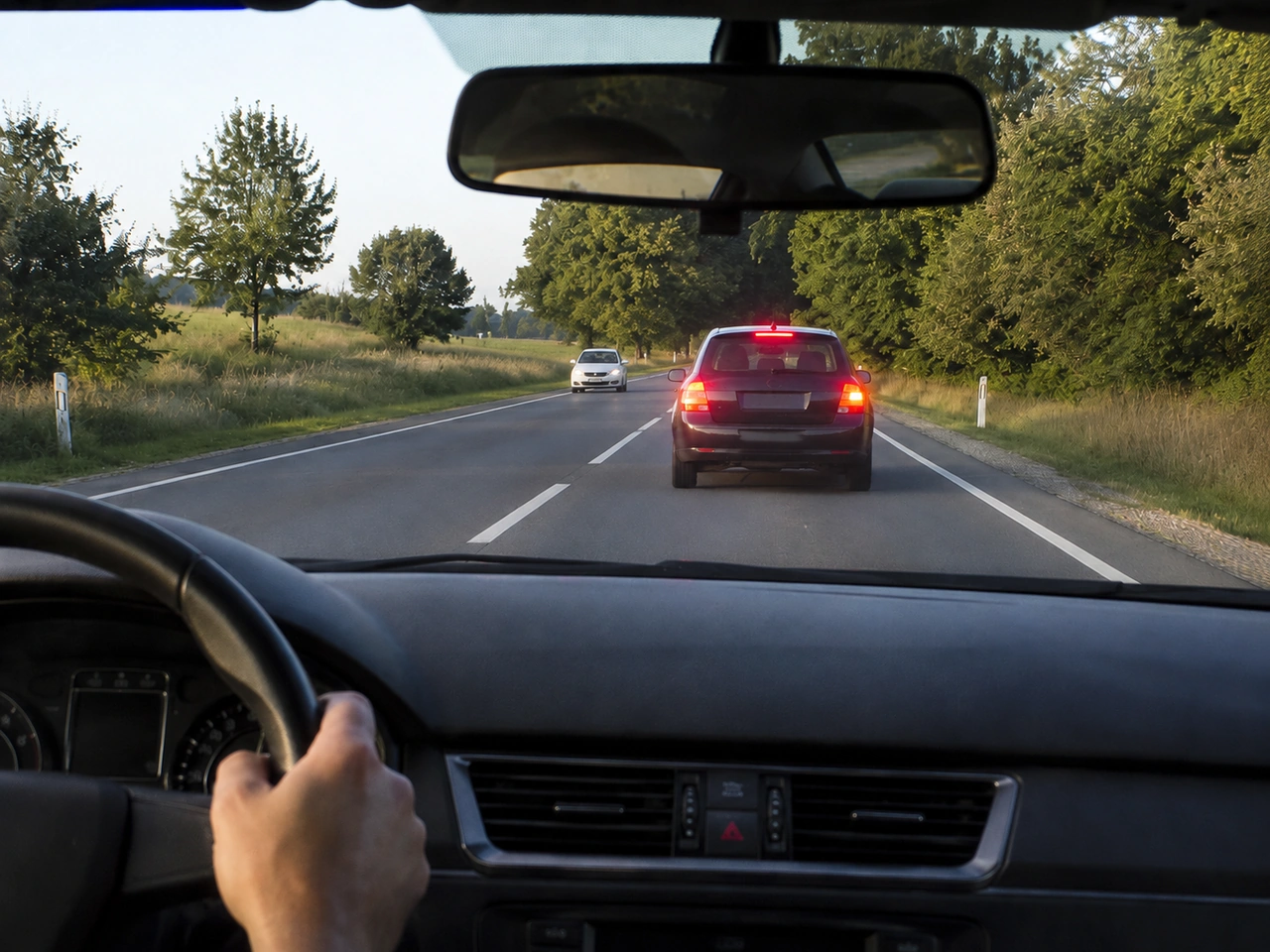
447. Why should you avoid sudden braking when it is not necessary?
Sudden braking can surprise drivers behind you and increase the risk of a rear-end collision.
AI-generated by Rijbewijs-online.be • WCIT • CC BY-SA
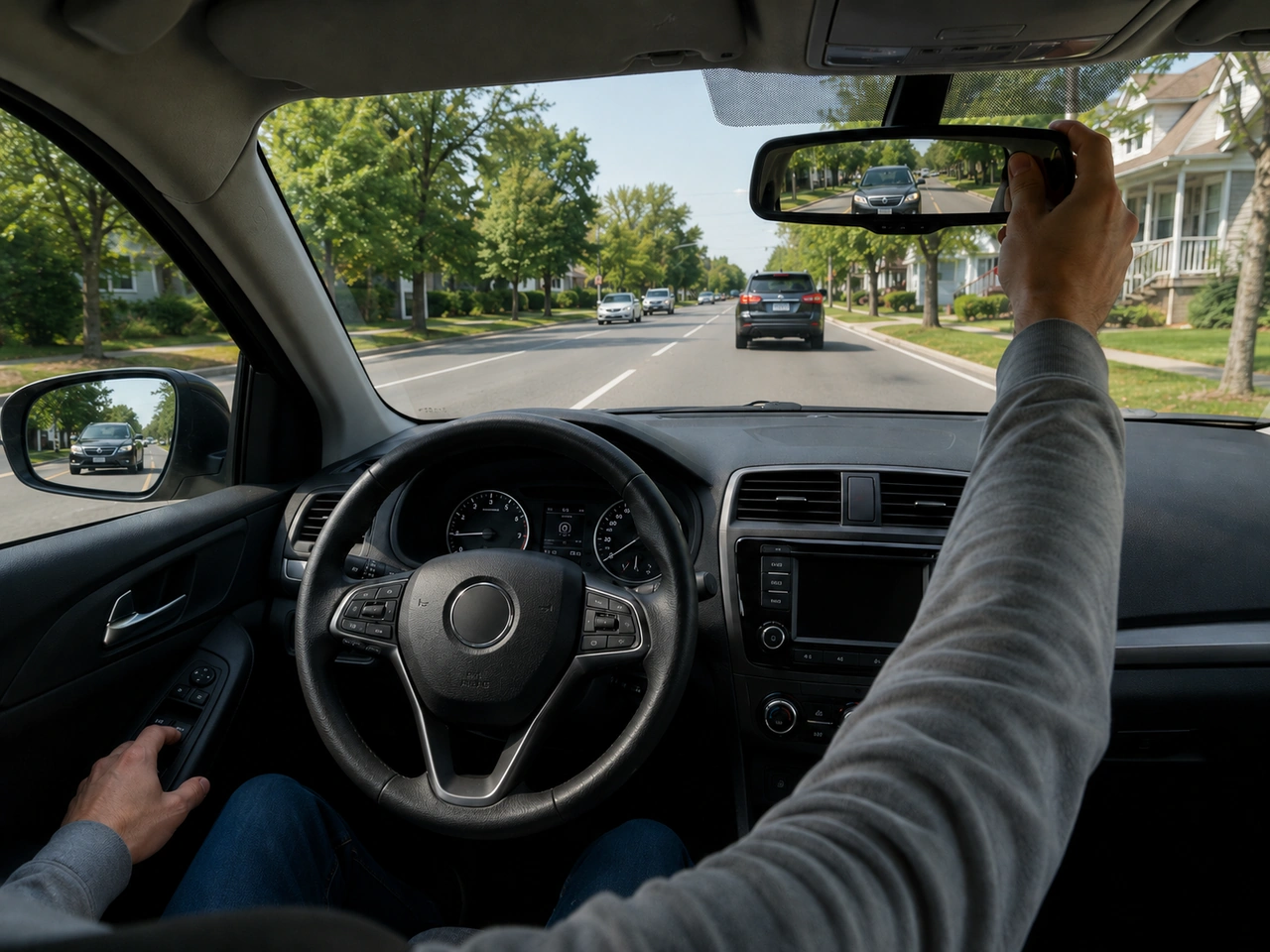
448. You should adjust your mirrors before you start driving.
Properly adjusted mirrors improve visibility and help you monitor traffic around your vehicle.
AI-generated by Rijbewijs-online.be • WCIT • CC BY-SA
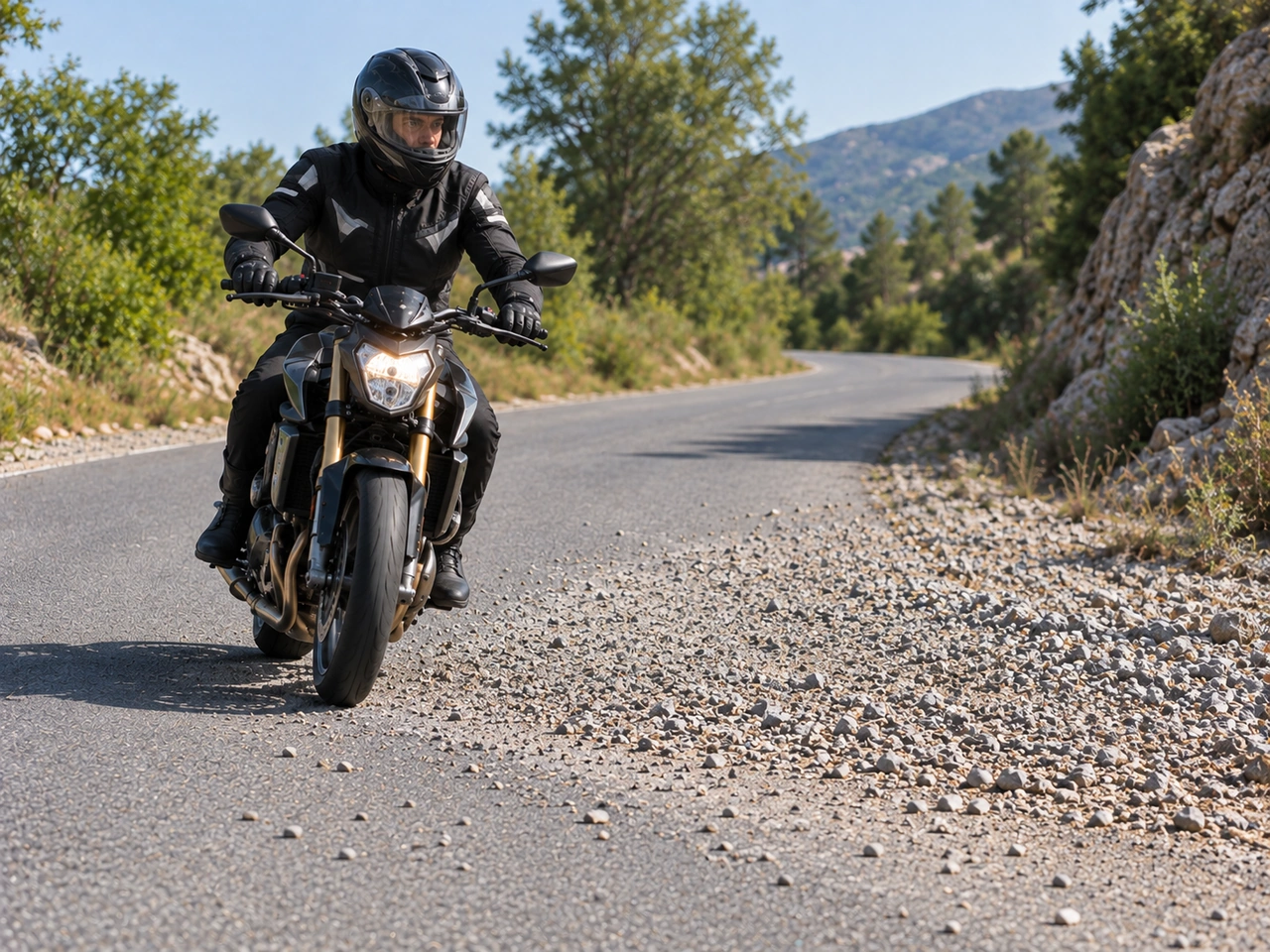
449. What should a motorcyclist do when approaching loose gravel?
Loose gravel can significantly reduce tyre grip. Reduce speed before reaching it, keep the motorcycle as upright as practical, and avoid sudden braking, acceleration or steering while crossing the loose surface.
AI-generated by Rijbewijs-online.be • WCIT • CC BY-SA
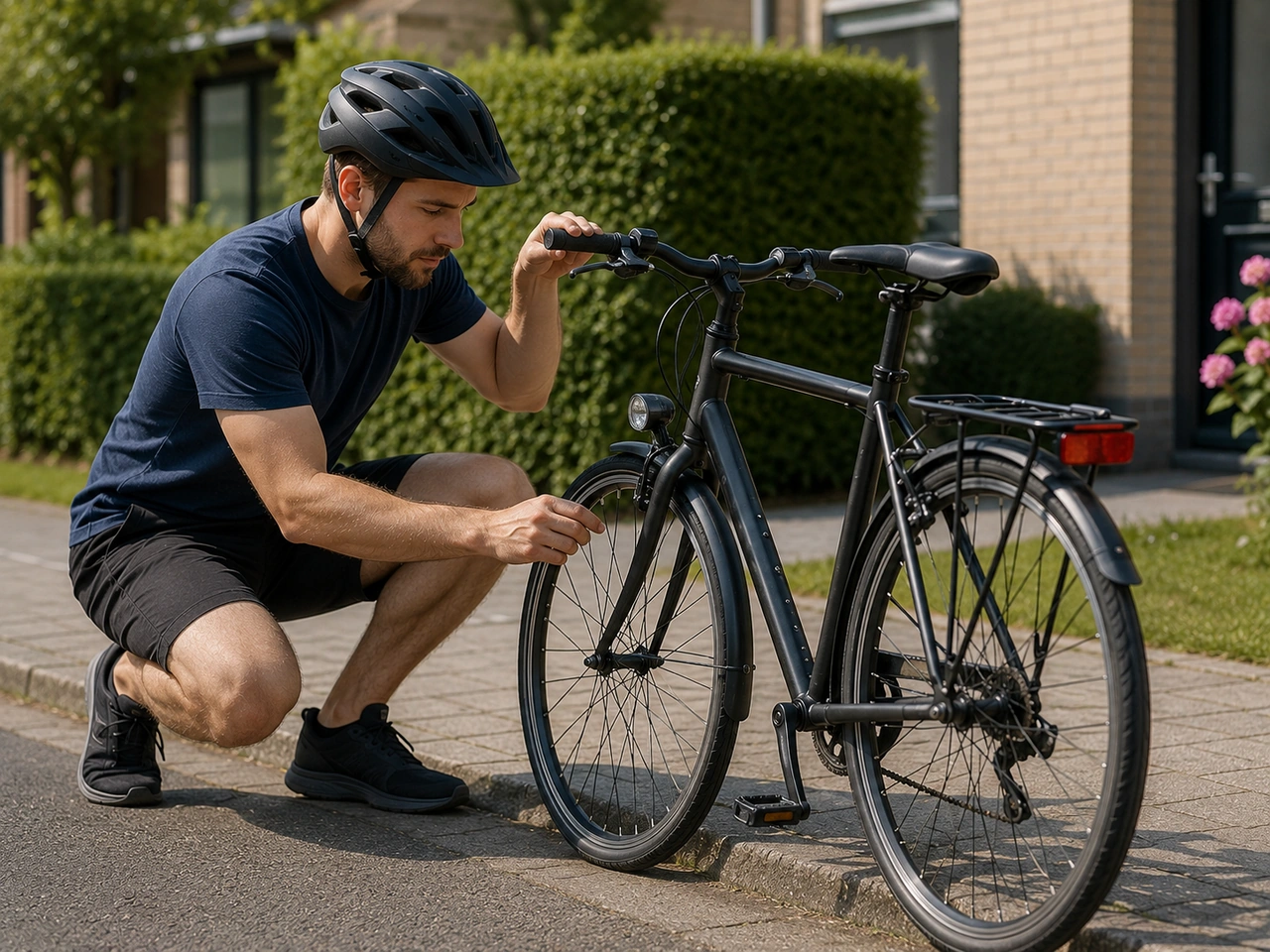
450. What should you check before starting a bicycle journey?
A basic safety check can reveal problems with the brakes, tyres, lights, or steering before they cause an accident.
AI-generated by Rijbewijs-online.be • WCIT • CC BY-SA