


QuizTraffic rulesFrance
This interesting quiz helps you test your knowledge in a clear and visual way. With easy multiple-choice questions, you can quickly build confidence and learn new facts while keeping it simple, interactive, and fun.
 Traffic signs
 Traffic rules
 France
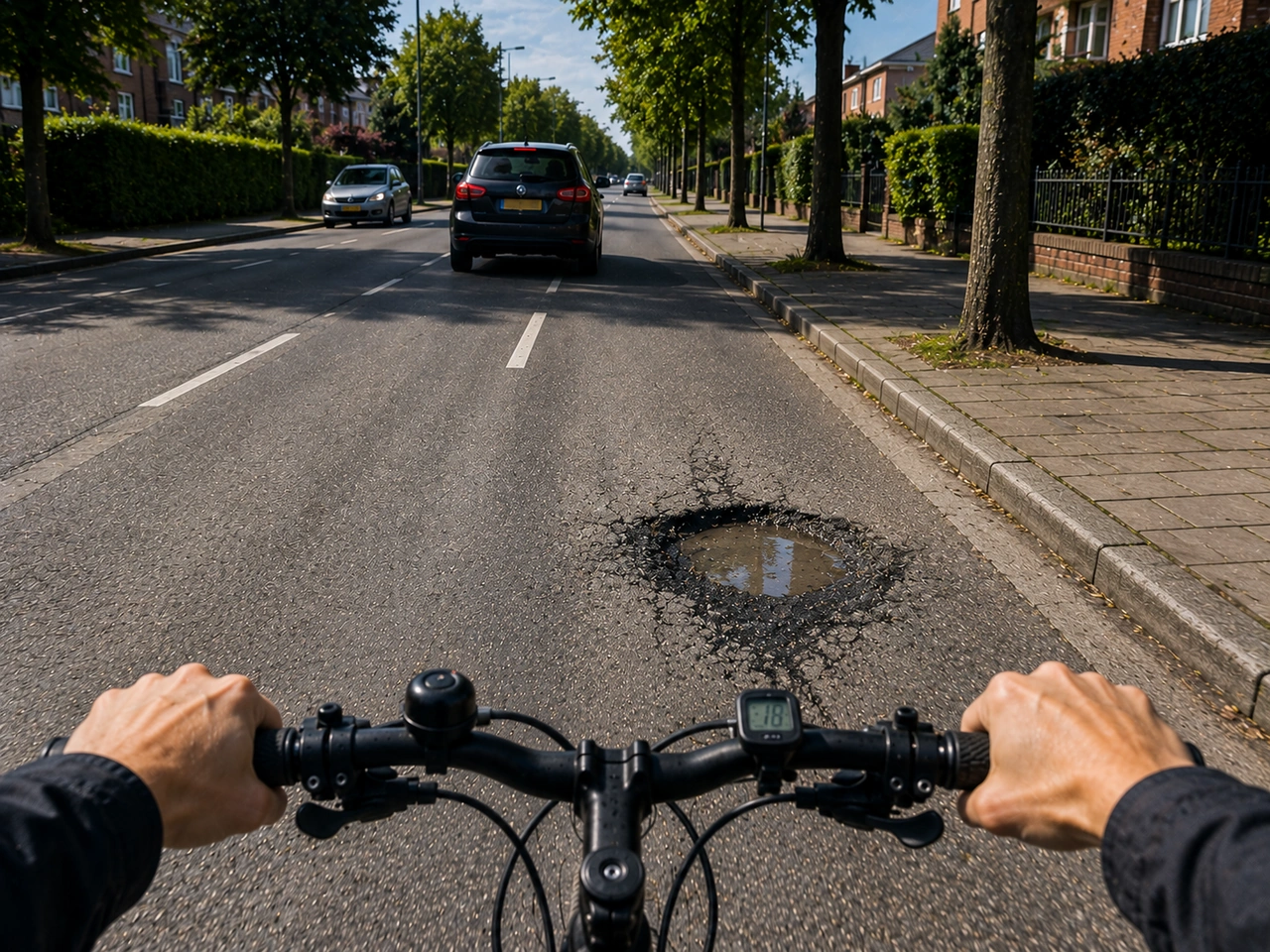
501. How should a cyclist react to a pothole?
Sudden swerving can place you in the path of traffic. Check your surroundings and change direction gradually.
AI-generated by Rijbewijs-online.be • WCIT • CC BY-SA

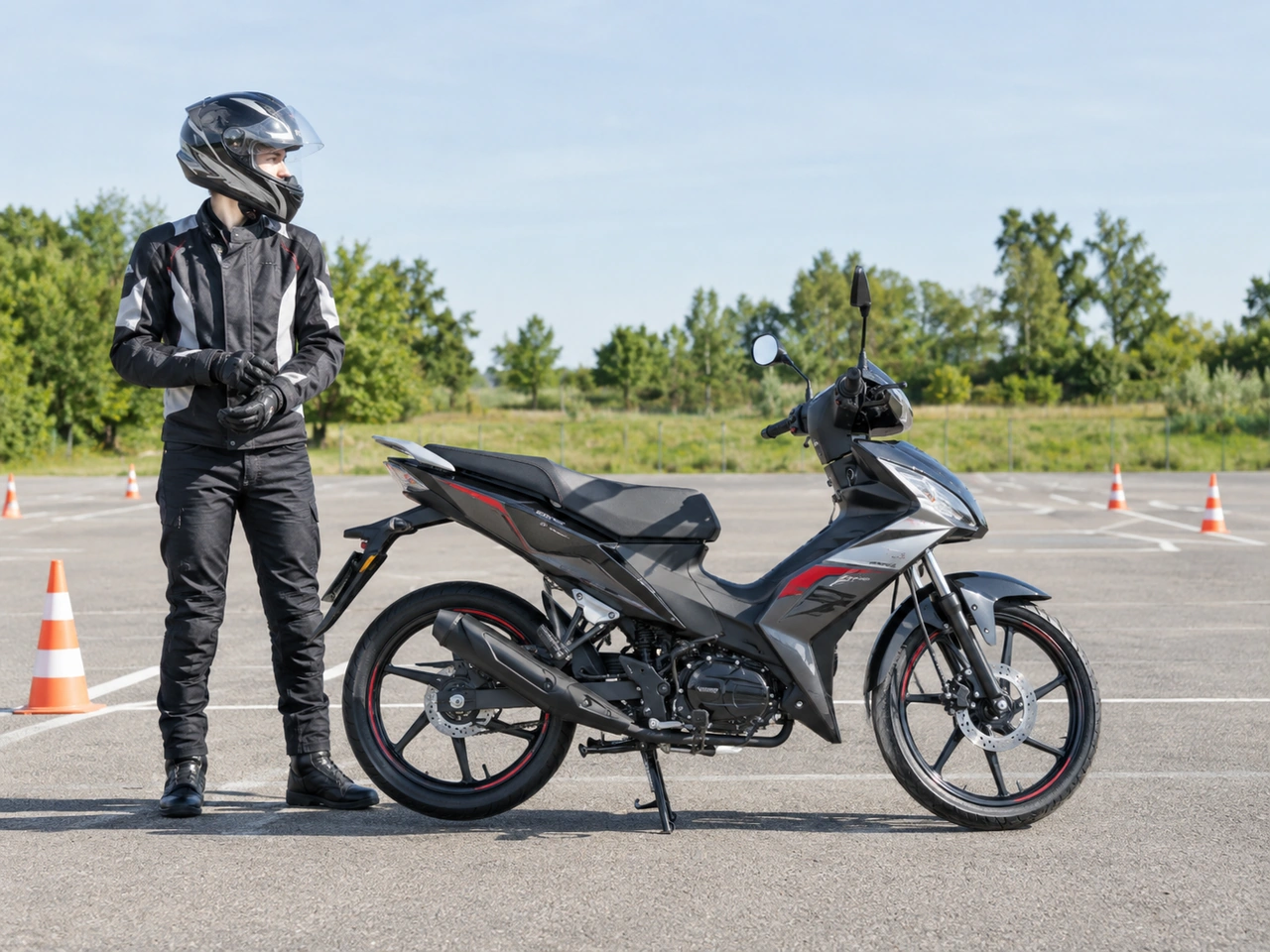
502. What is the minimum licence for a moped with a design speed over 25 and up to 45 km/h?
Category AM covers certain two- and three-wheeled mopeds with a maximum design speed above 25 km/h and not exceeding 45 km/h, as well as light quadricycles.
AI-generated by Rijbewijs-online.be • WCIT • CC BY-SA
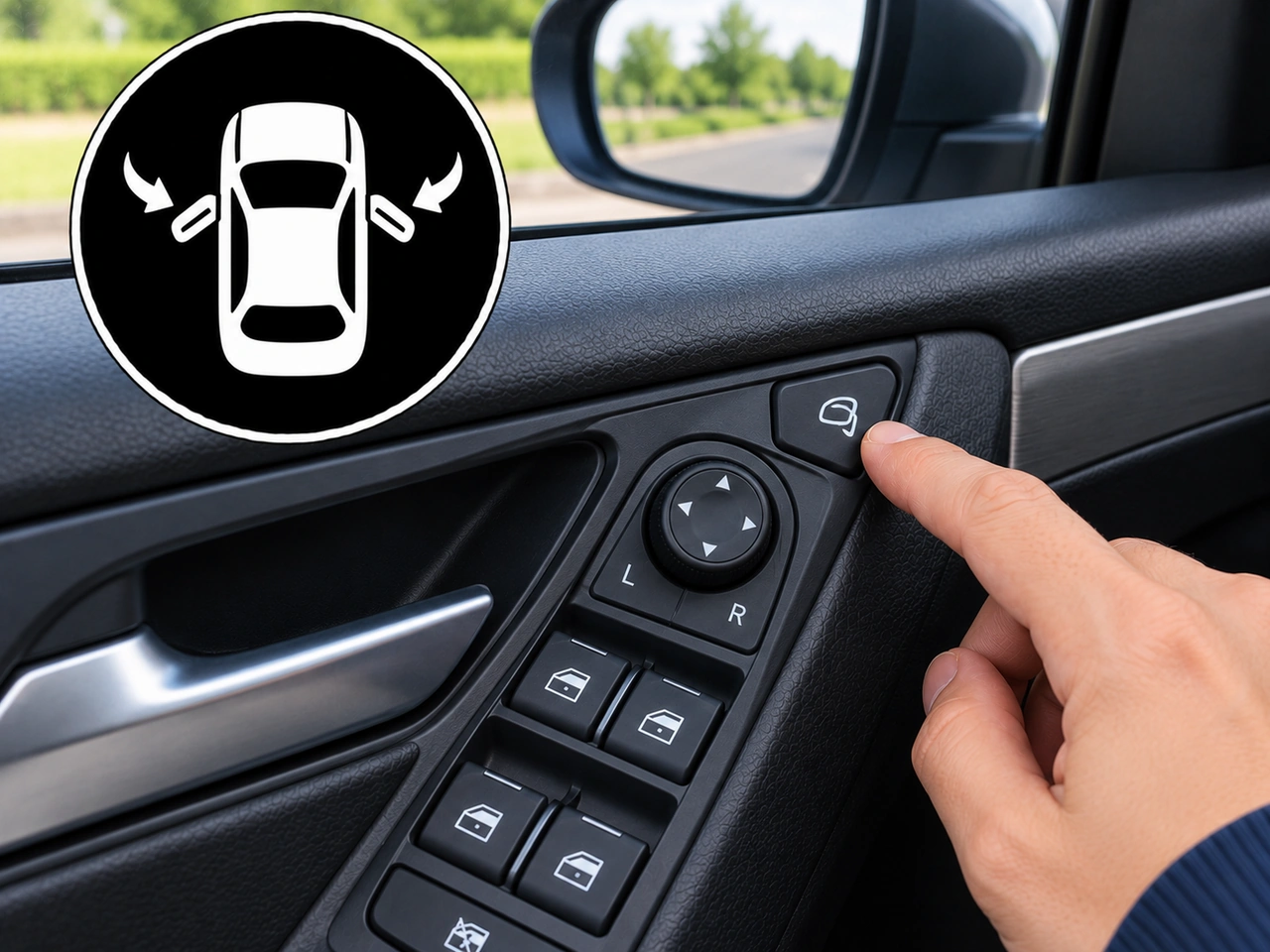
503. What does this vehicle-control symbol indicate?
This control folds or unfolds the vehicle's exterior mirrors. It is useful when parking in narrow spaces or when leaving the vehicle parked.
AI-generated by Rijbewijs-online.be • WCIT • CC BY-SA
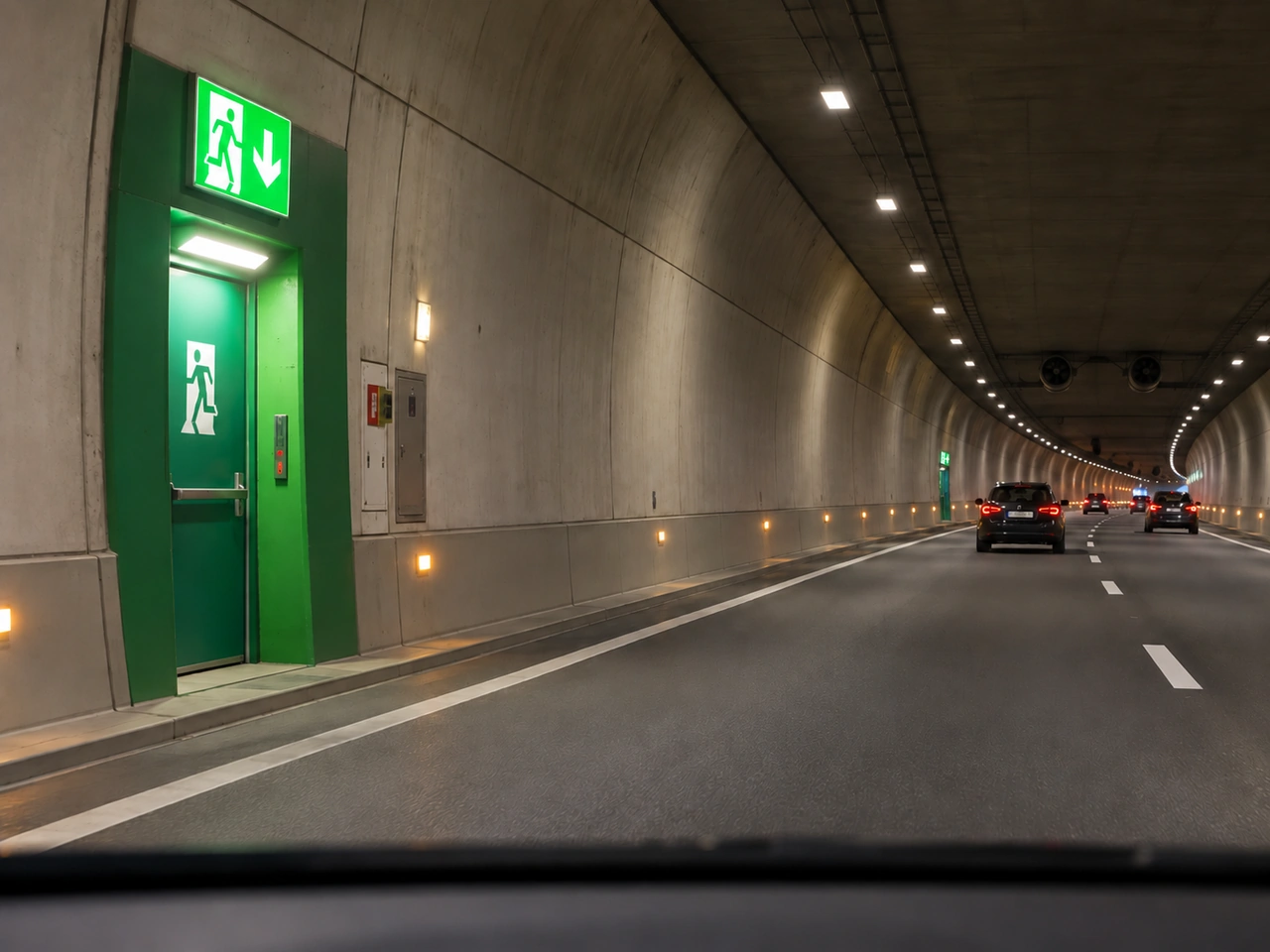
504. Why should you notice the location of emergency exits in a tunnel?
Knowing where emergency exits and refuge areas are located can save valuable time during a fire, collision, or evacuation.
AI-generated by Rijbewijs-online.be • WCIT • CC BY-SA
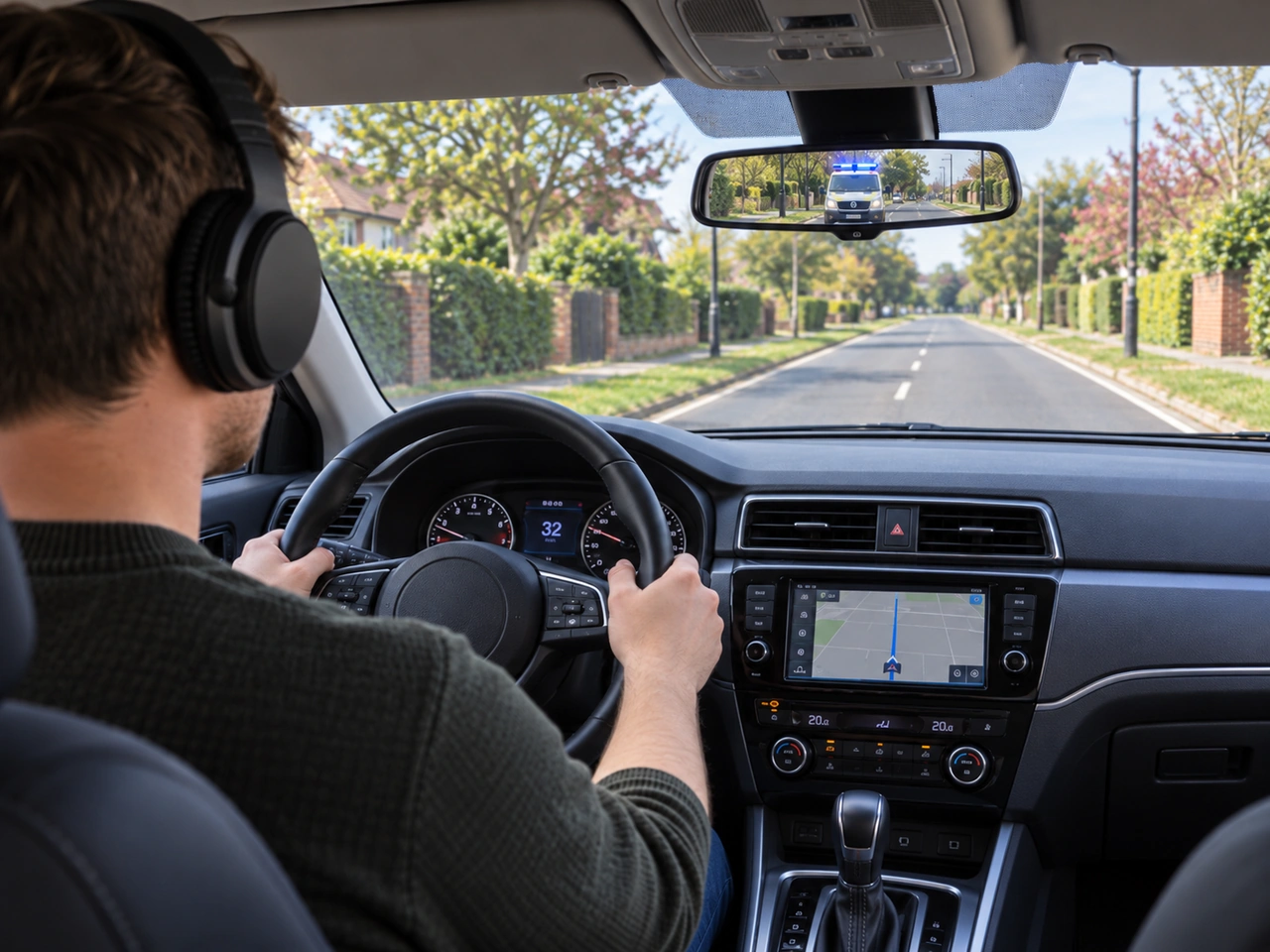
505. Why can headphones or very loud music be dangerous while driving?
Headphones or very loud music can reduce your awareness of horns, sirens, warning sounds, and surrounding traffic. Keep the volume at a level that allows you to remain aware of what is happening around the vehicle.
AI-generated by Rijbewijs-online.be • WCIT • CC BY-SA
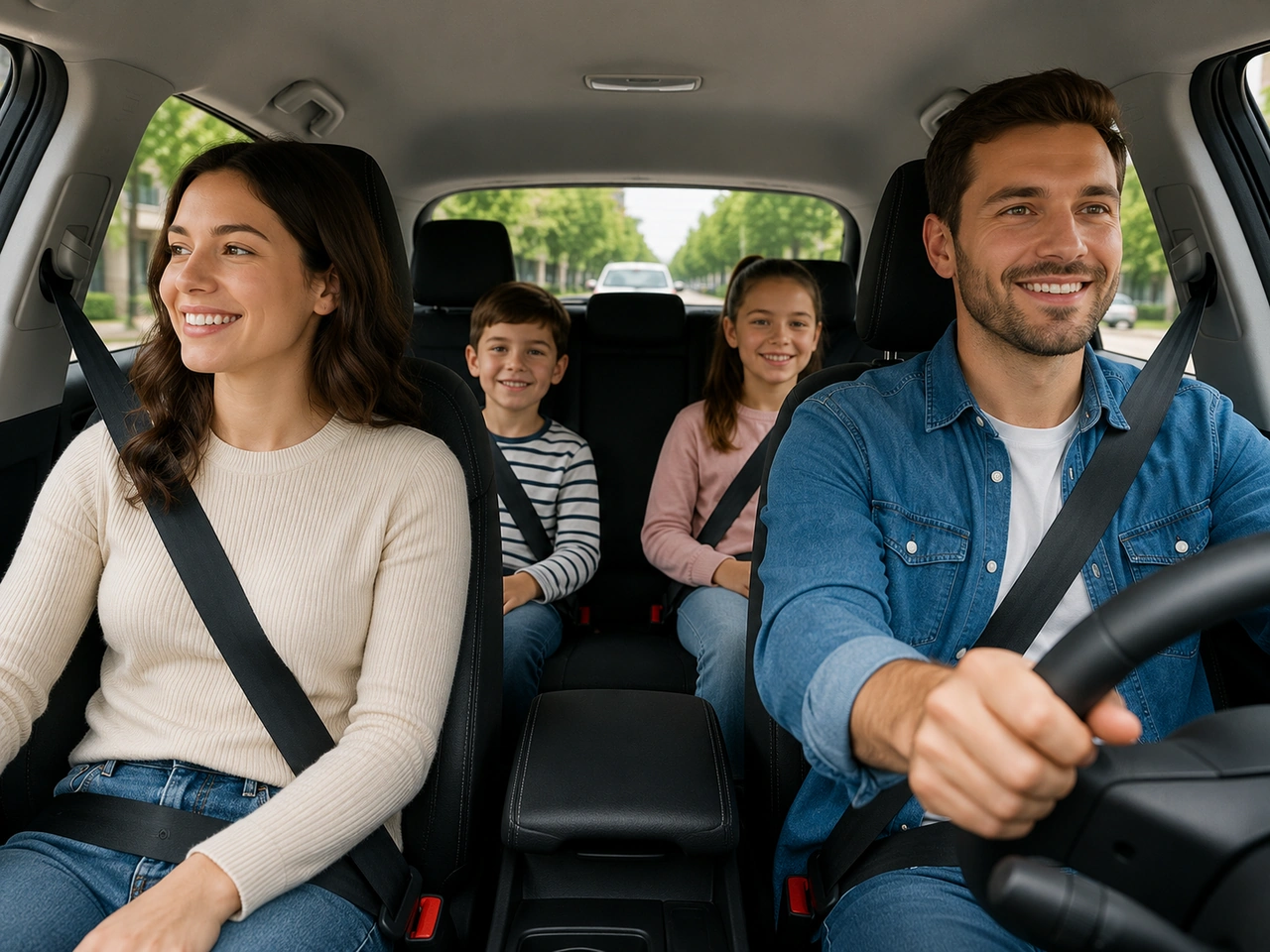
506. Who should always wear a seat belt?
Seat belts greatly reduce the risk of serious injury in a crash and should be worn by everyone in the vehicle.
AI-generated by Rijbewijs-online.be • WCIT • CC BY-SA
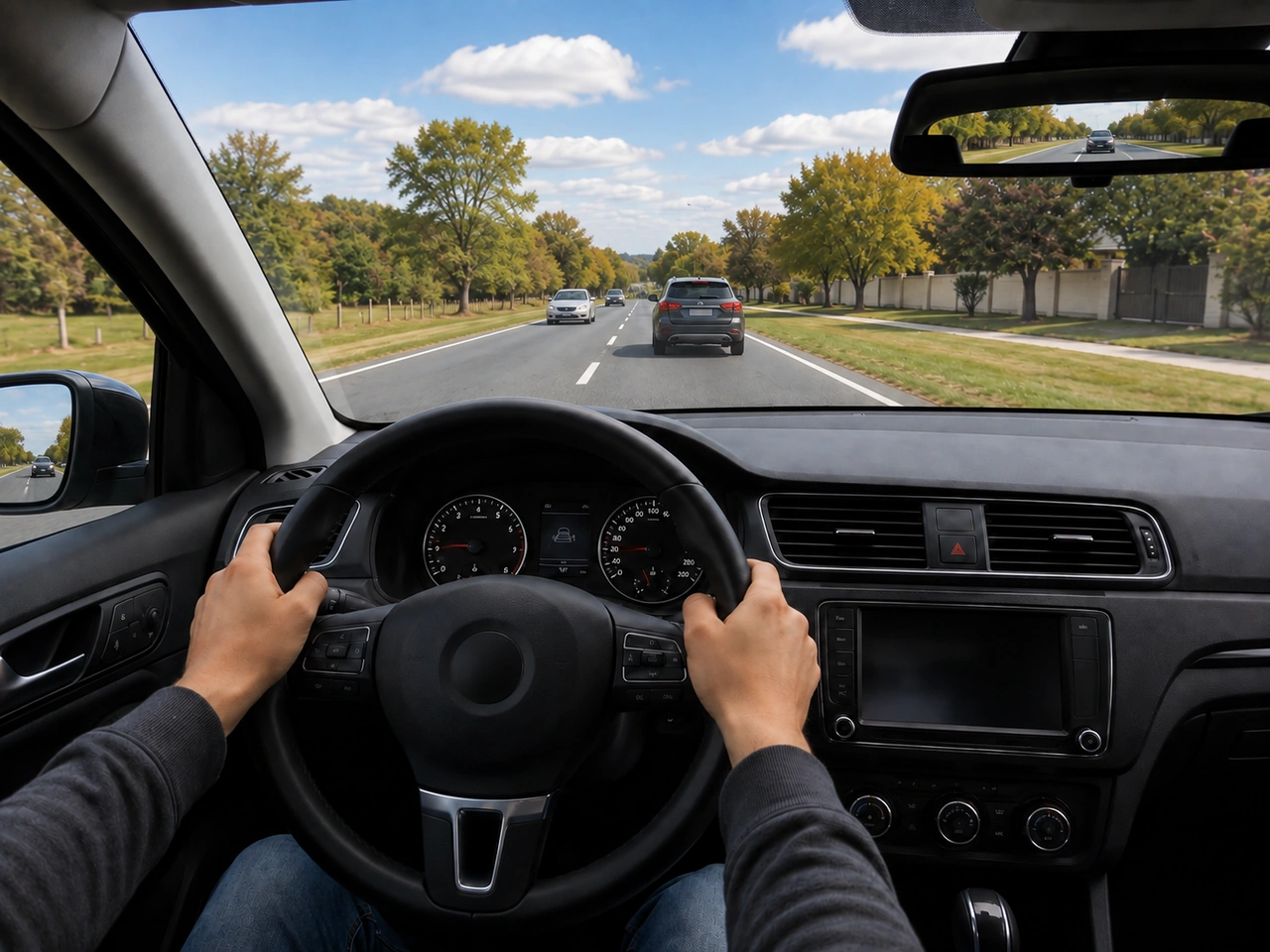
507. You should keep both hands ready to control the steering.
Keeping proper control of the steering wheel helps you react safely to changes in traffic and road conditions.
AI-generated by Rijbewijs-online.be • WCIT • CC BY-SA
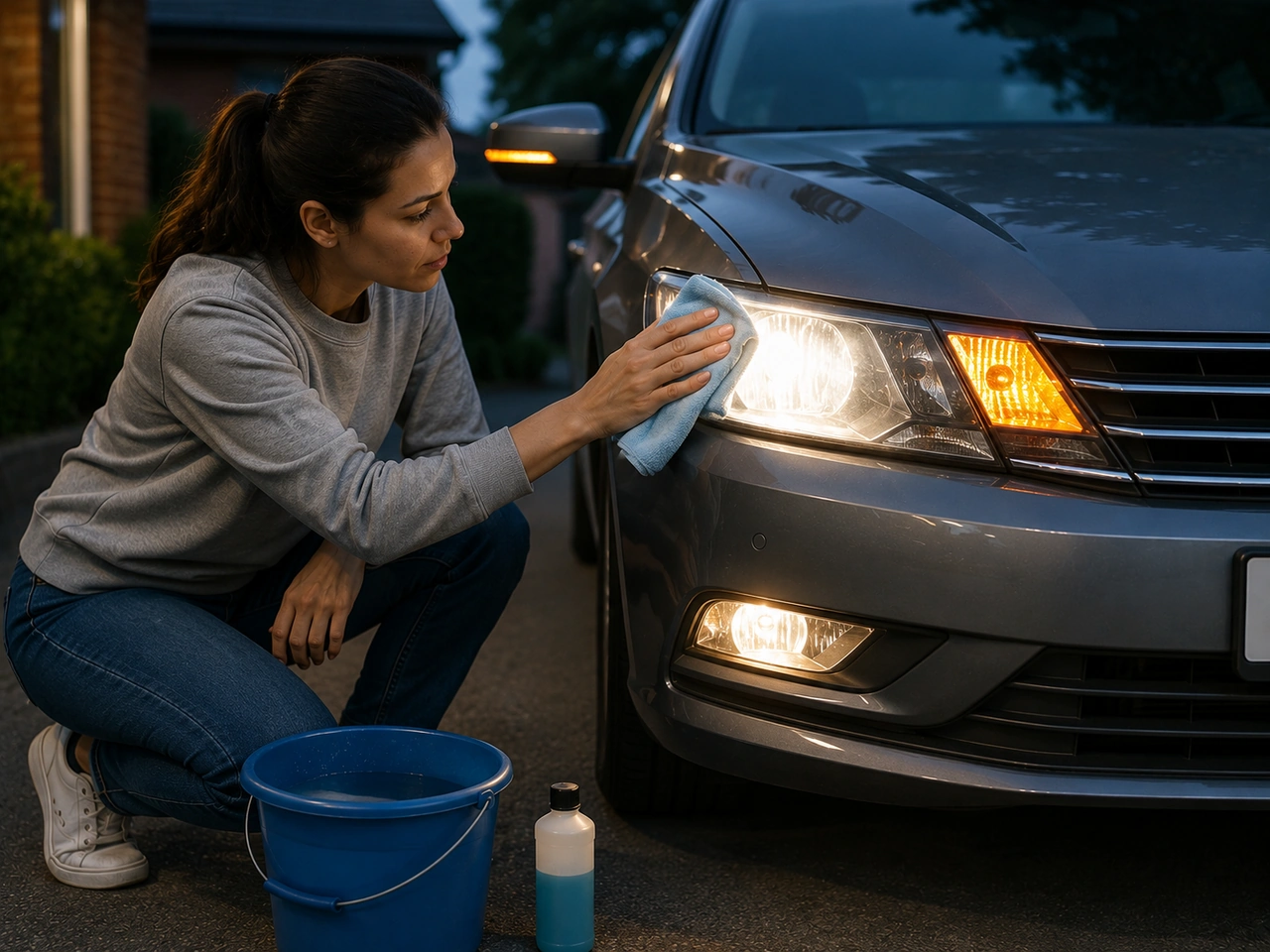
508. Why should headlights, indicators, and other exterior lights be kept clean and working?
Dirty or faulty lights reduce visibility and make it harder for other road users to understand when you are braking, turning, reversing, or changing position.
AI-generated by Rijbewijs-online.be • WCIT • CC BY-SA
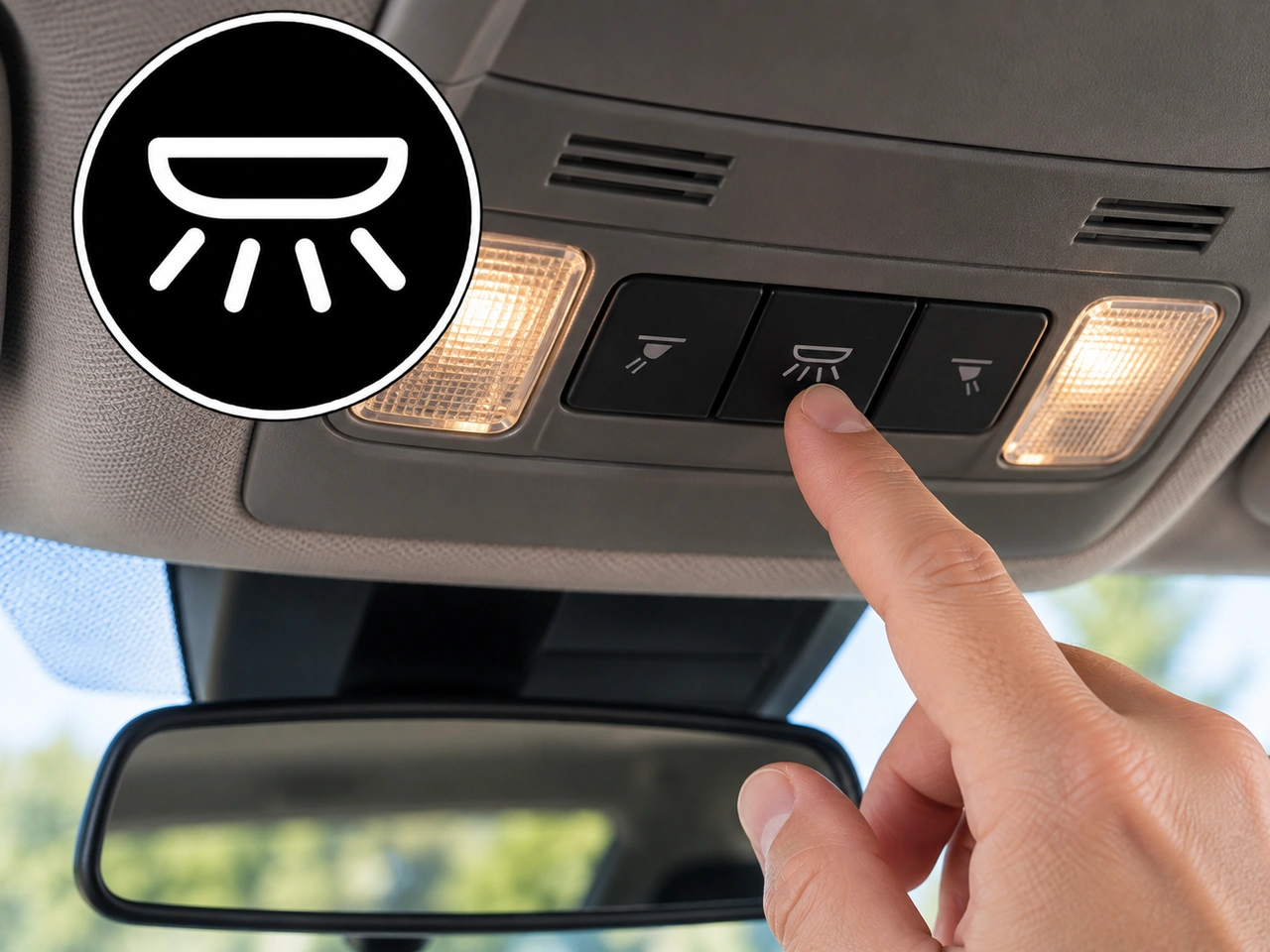
509. What does this vehicle-control symbol indicate?
This control operates the vehicle's interior lighting. Depending on the vehicle, the lights can be switched on manually or set to illuminate automatically when a door is opened.
AI-generated by Rijbewijs-online.be • WCIT • CC BY-SA
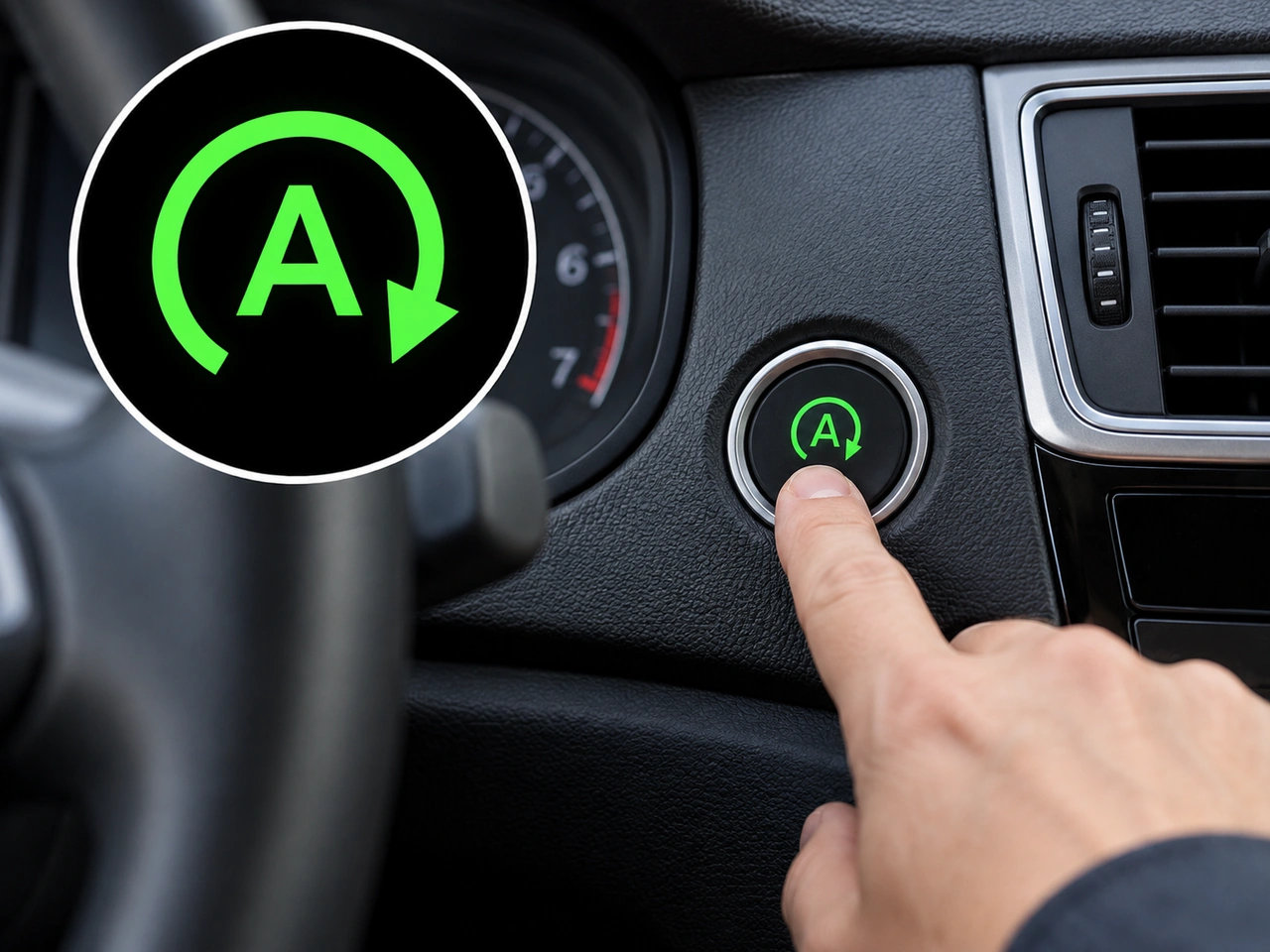
510. What does this dashboard symbol indicate?
This symbol relates to the automatic start-stop system, which can switch the engine off temporarily while the vehicle is stationary and restart it when driving resumes. The exact colour and appearance may vary between vehicles.
AI-generated by Rijbewijs-online.be • WCIT • CC BY-SA
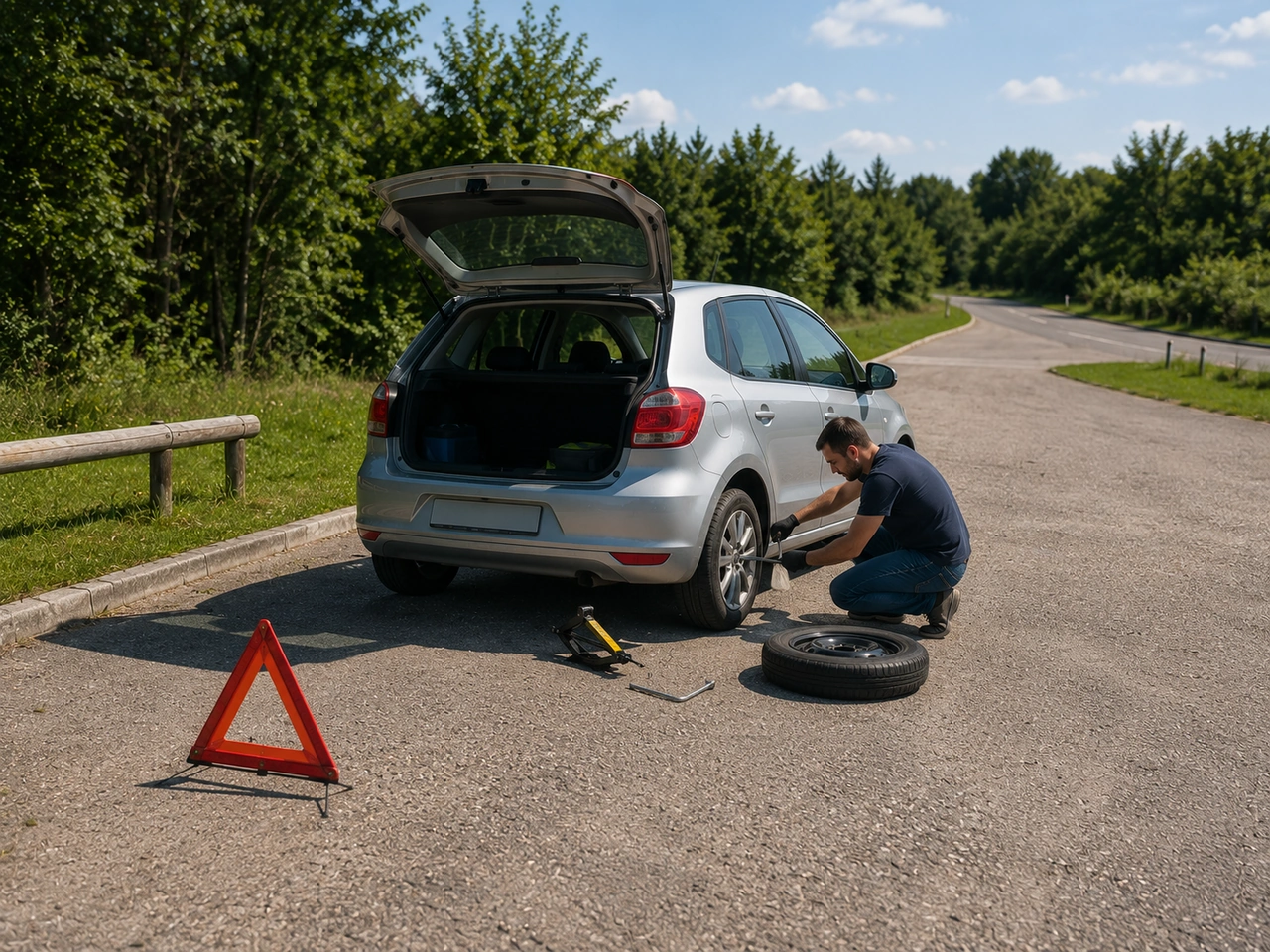
511. Where should you change a wheel after a puncture?
The vehicle must be stable and protected from traffic. Apply the parking brake and follow the manufacturer's wheel-changing instructions.
AI-generated by Rijbewijs-online.be • WCIT • CC BY-SA
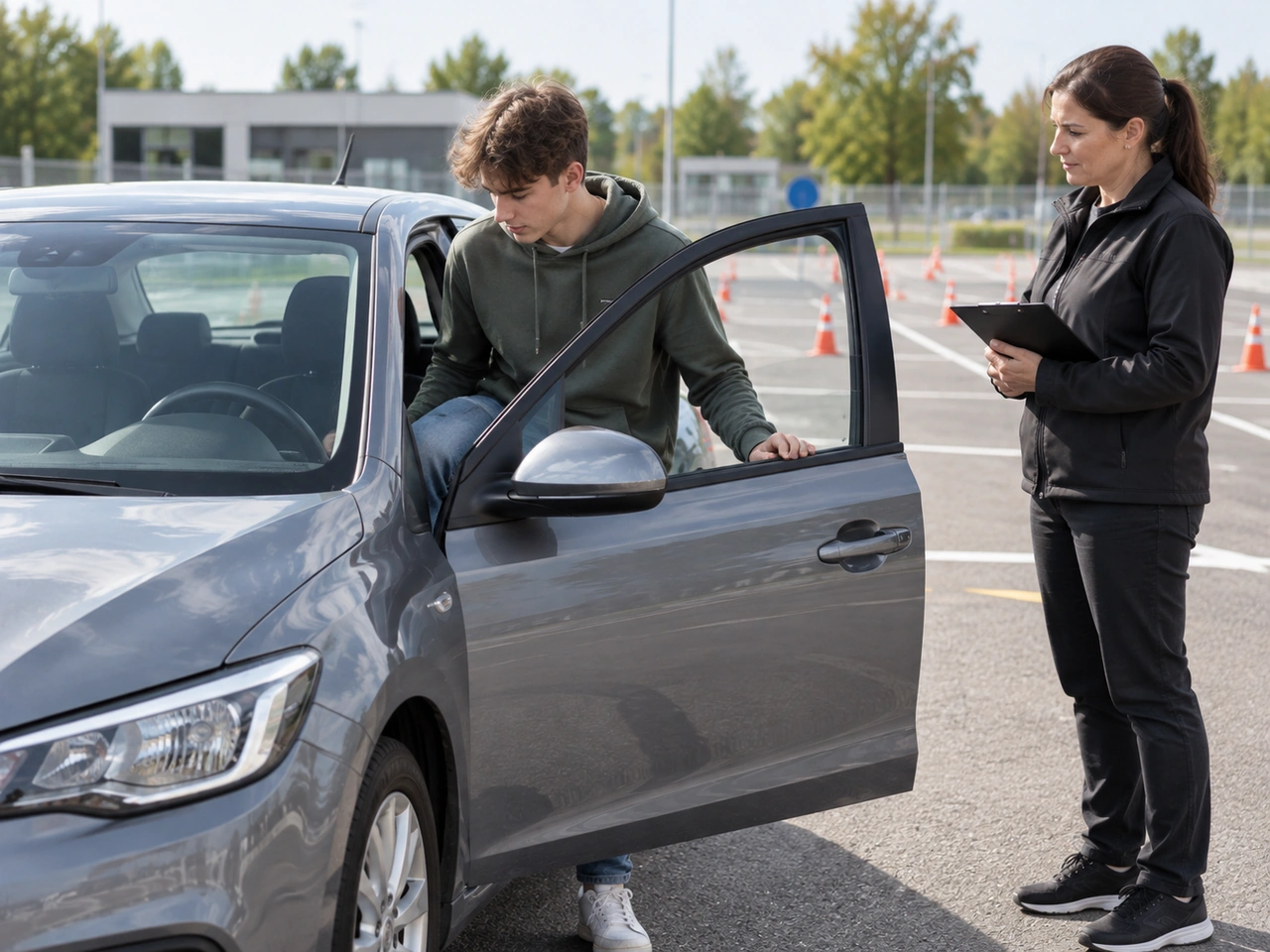
512. What is the minimum age for a standard car driving licence in France?
The minimum age for a standard car driving licence in France is 17 years.
AI-generated by Rijbewijs-online.be • WCIT • CC BY-SA
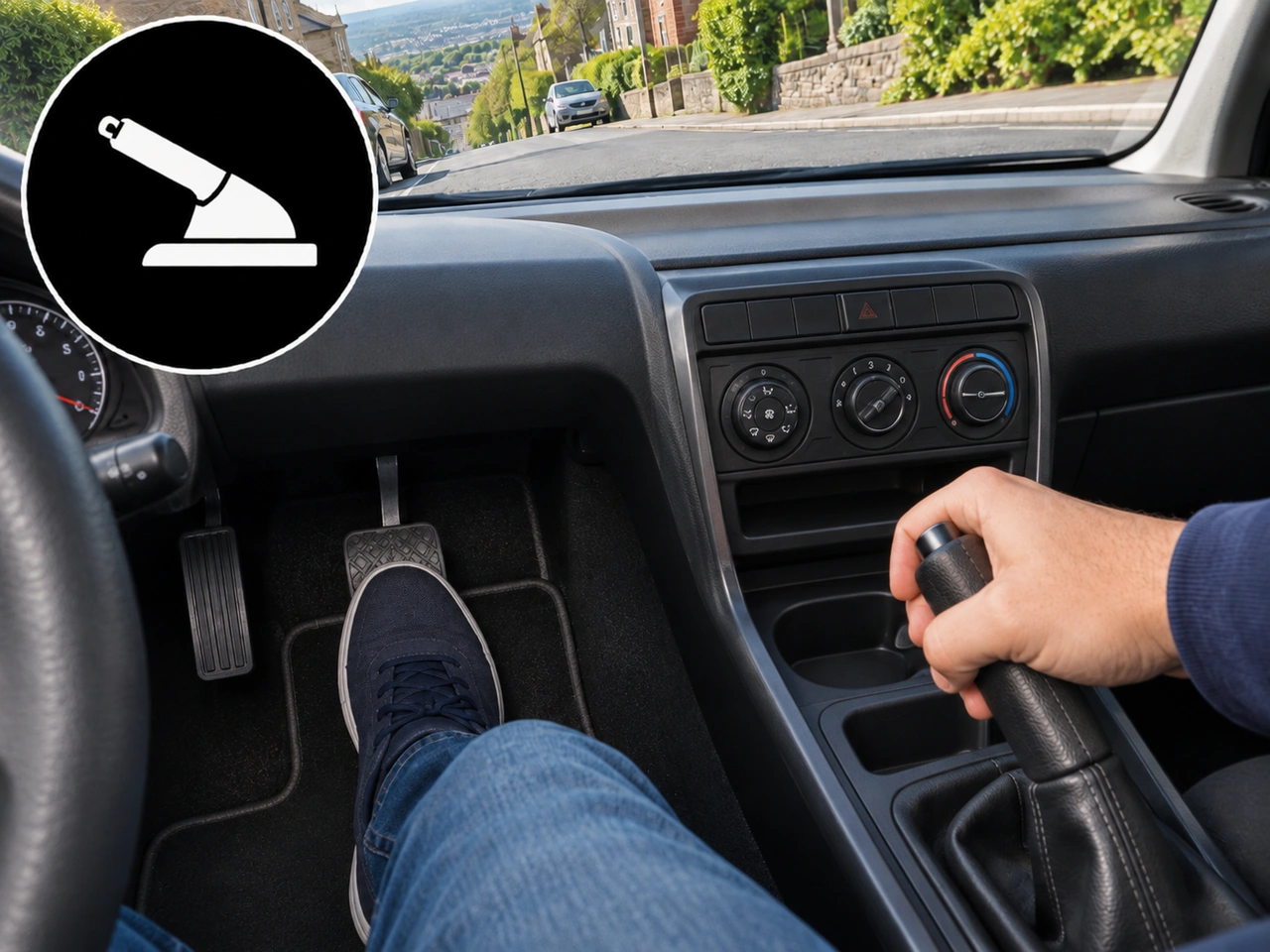
513. What should you do before releasing the parking brake on a slope?
Before releasing the parking brake on a slope, make sure the vehicle cannot roll unexpectedly. Use the service brake or, when moving off in a manual vehicle, establish the clutch biting point and sufficient power before releasing the parking brake.
AI-generated by Rijbewijs-online.be • WCIT • CC BY-SA
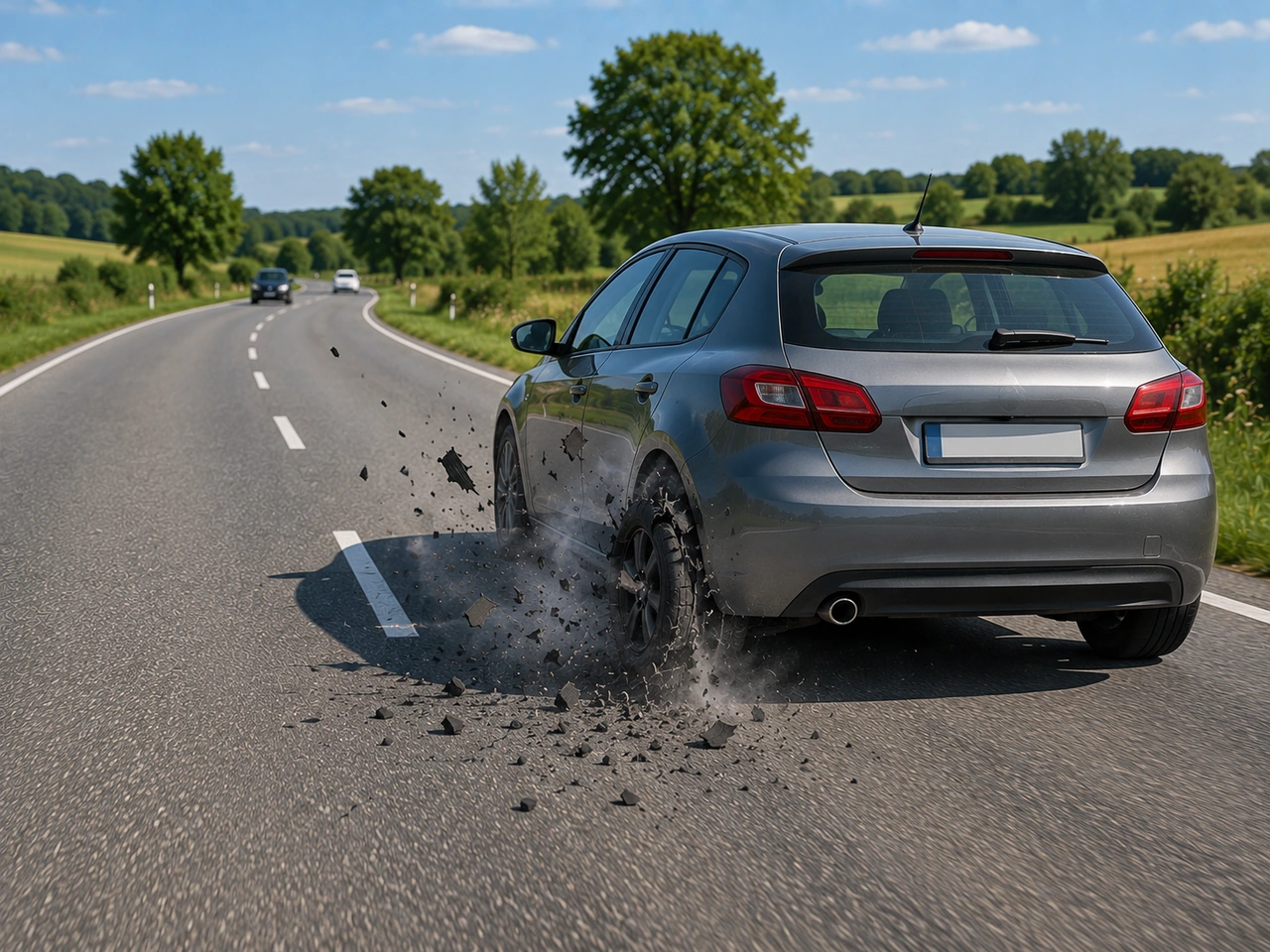
514. What should you do if one of your tyres suddenly bursts while driving?
A tyre burst can make the vehicle unstable. Hold the wheel firmly, avoid sudden braking or steering, and slow down gradually.
AI-generated by Rijbewijs-online.be • WCIT • CC BY-SA
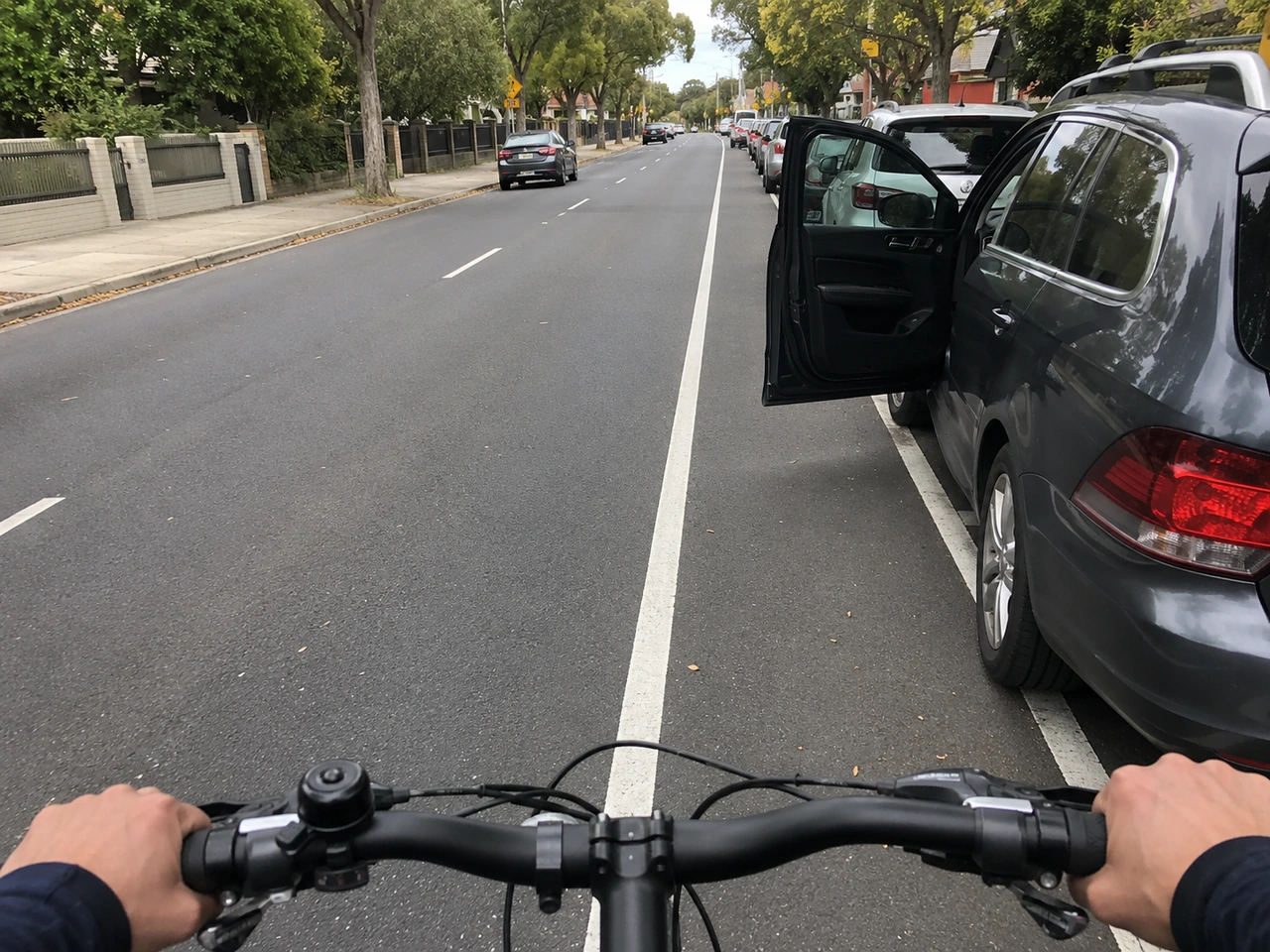
515. Why should you leave space when cycling beside parked cars?
A driver or passenger may open a door without seeing you. Leaving space reduces the risk of a dooring collision.
AI-generated by Rijbewijs-online.be • WCIT • CC BY-SA
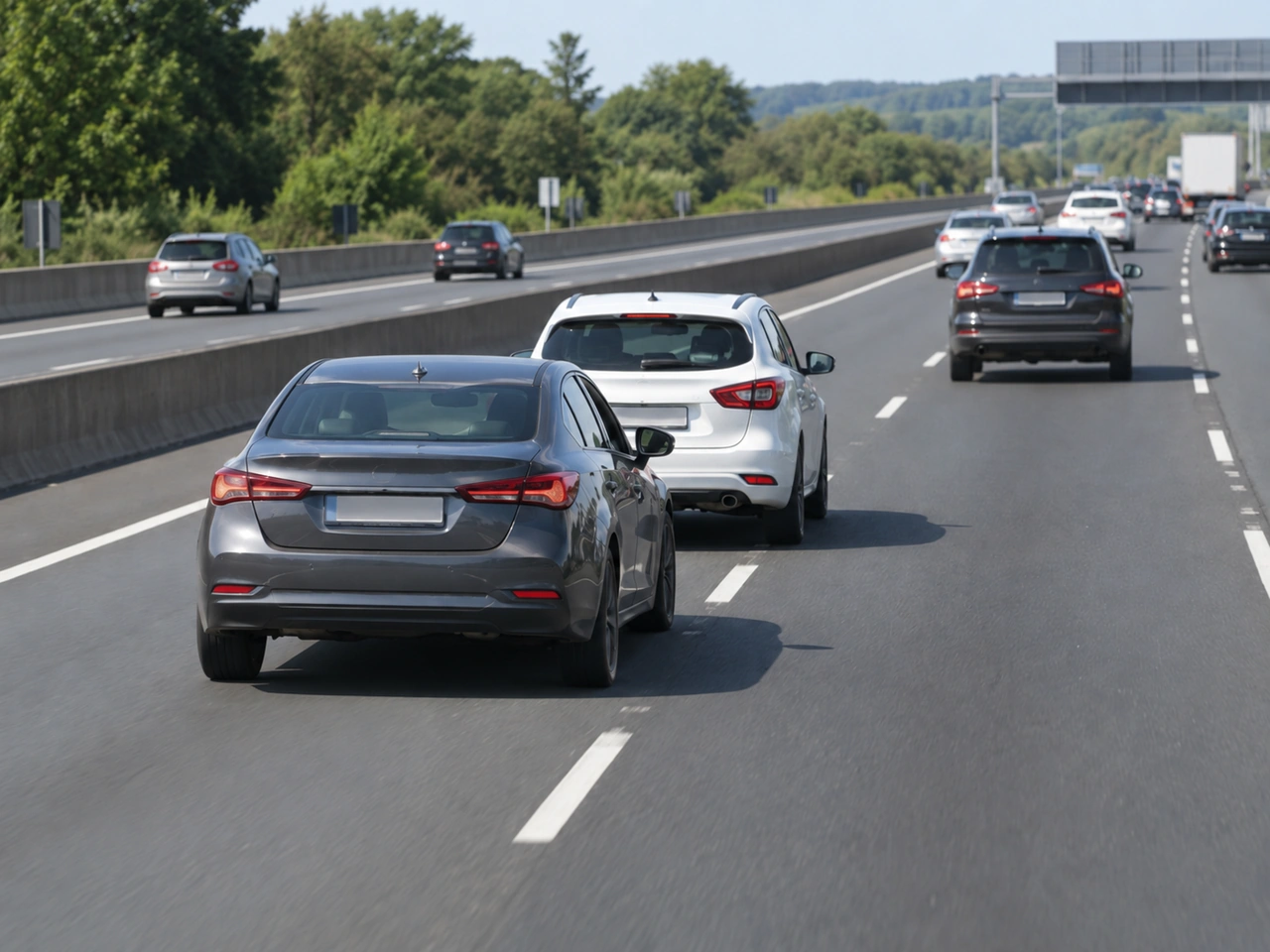
516. What is the main safety risk of aggressive driving?
Aggressive driving, such as tailgating, speeding, or sudden lane changes, reduces safety margins and increases the risk of crashes and conflict with other road users.
AI-generated by Rijbewijs-online.be • WCIT • CC BY-SA
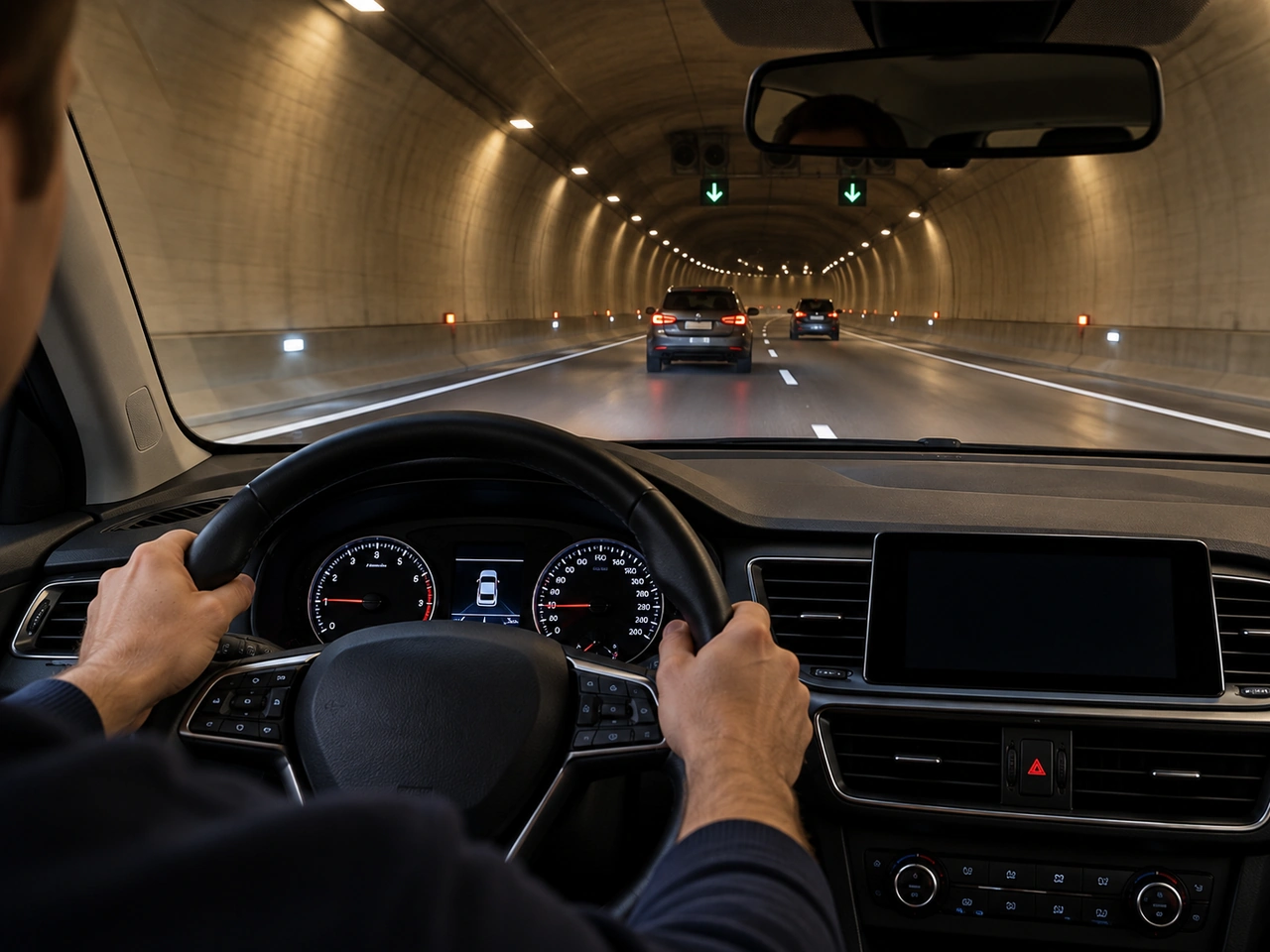
517. Must cars use dipped headlights solely because they enter a tunnel in France?
Drivers in France are generally required to use dipped headlights when driving through tunnels.
AI-generated by Rijbewijs-online.be • WCIT • CC BY-SA
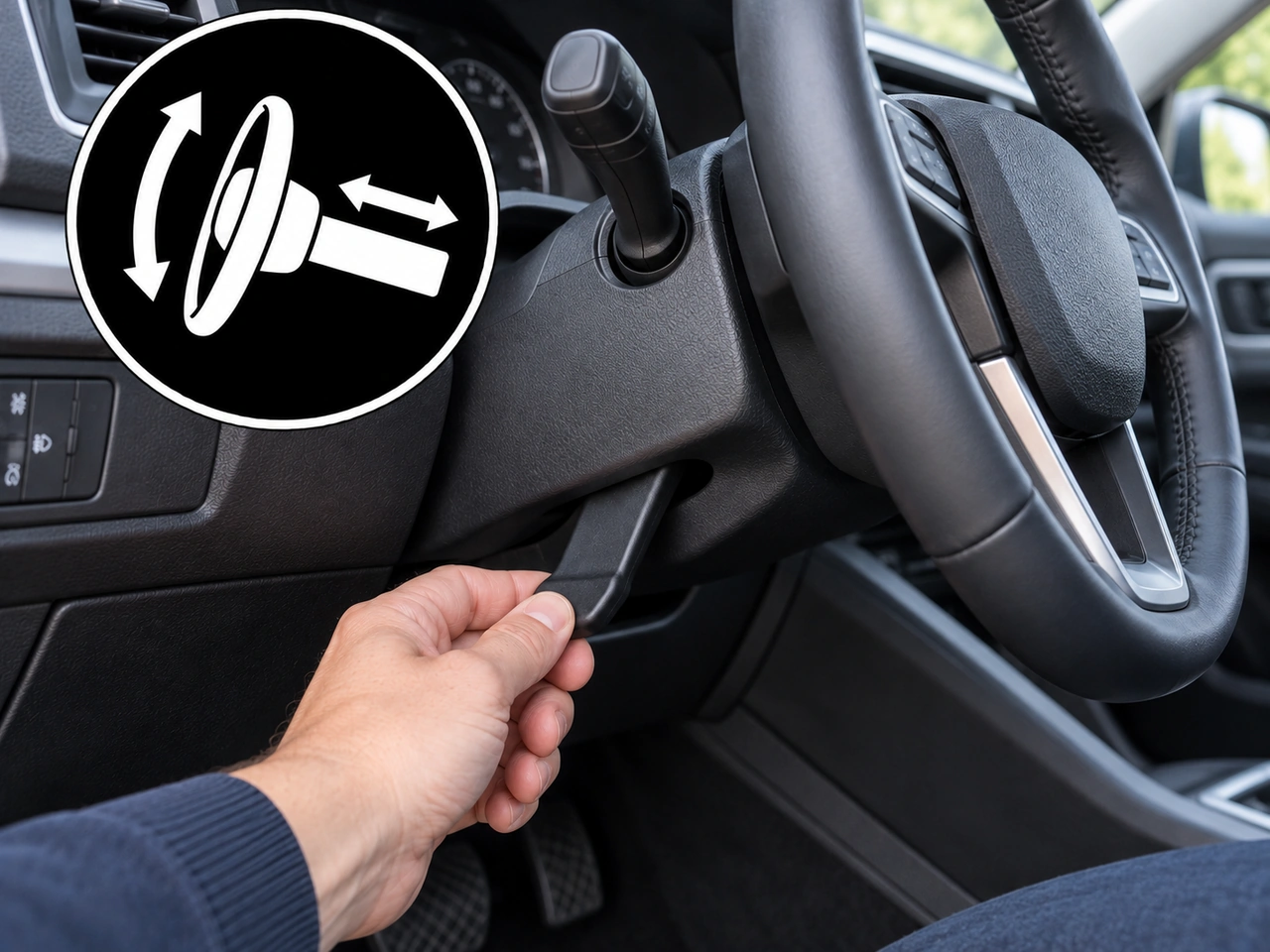
518. What does this vehicle-control symbol indicate?
This control adjusts the position of the steering wheel. Depending on the vehicle, the steering wheel may be moved up or down and forwards or backwards to obtain a safe and comfortable driving position.
AI-generated by Rijbewijs-online.be • WCIT • CC BY-SA
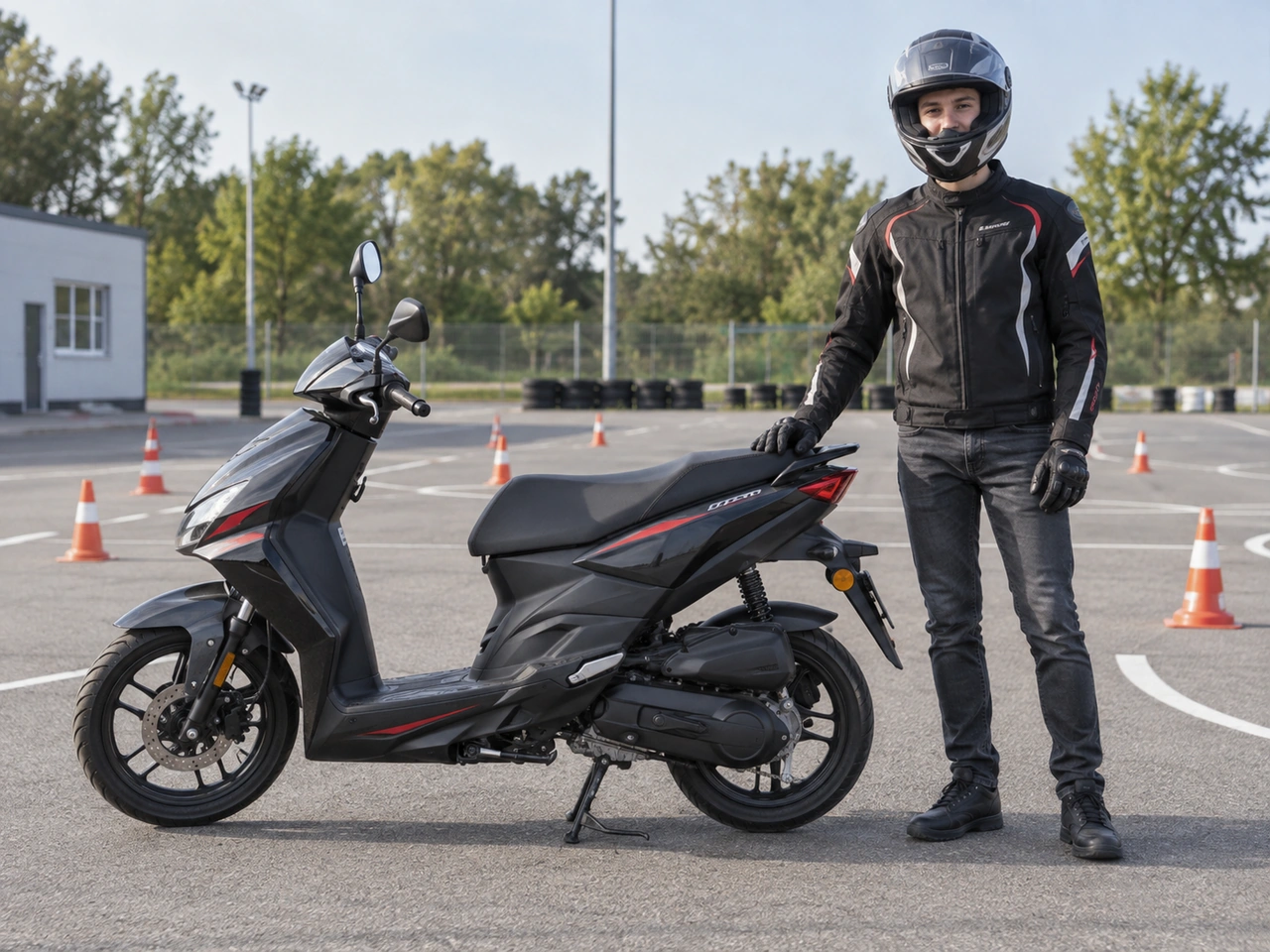
519. Which licence category is mainly associated with mopeds?
Driving licence AM is mainly associated with mopeds. Category AM covers mopeds with a design speed above 25 km/h and up to 45 km/h.
AI-generated by Rijbewijs-online.be • WCIT • CC BY-SA
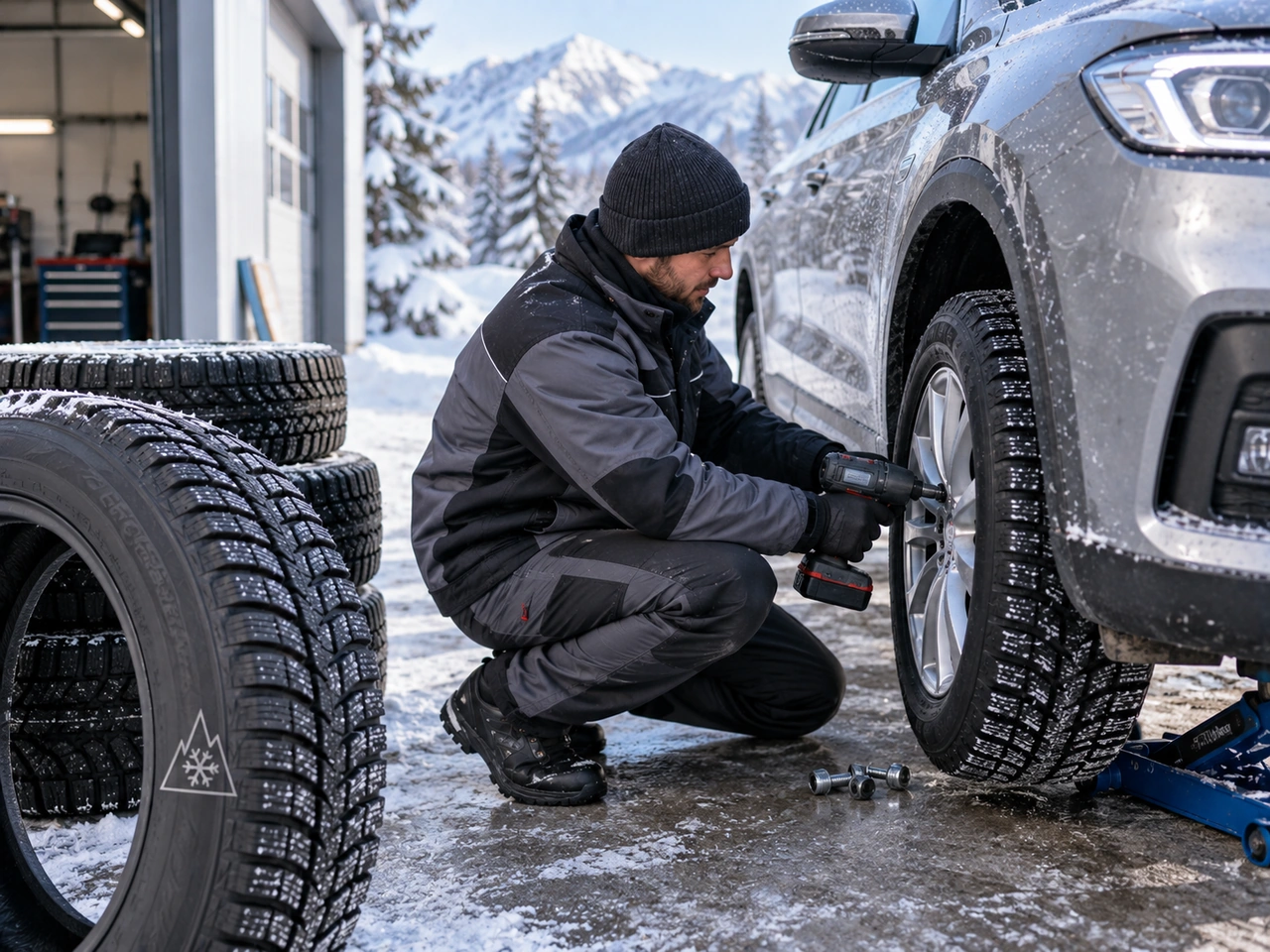
520. Are winter tyres generally required in France?
Winter tyres are not generally required for cars in France, although they may still be recommended or required in specific situations.
AI-generated by Rijbewijs-online.be • WCIT • CC BY-SA
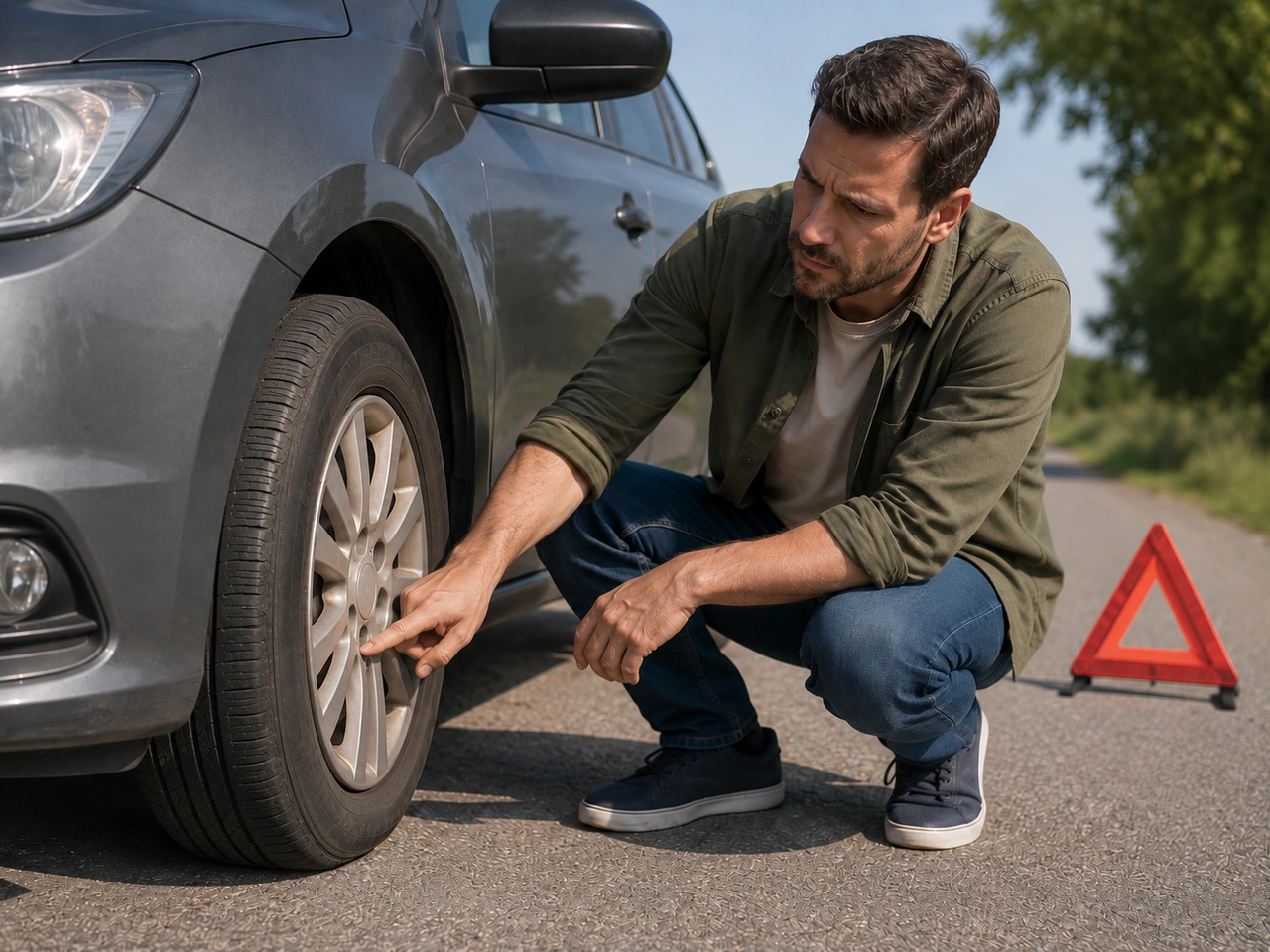
521. What should you do if a tyre has a deep cut, bulge, or exposed cords?
Cuts, bulges, and exposed cords can indicate serious structural damage. The tyre may fail suddenly and should not be used normally.
AI-generated by Rijbewijs-online.be • WCIT • CC BY-SA
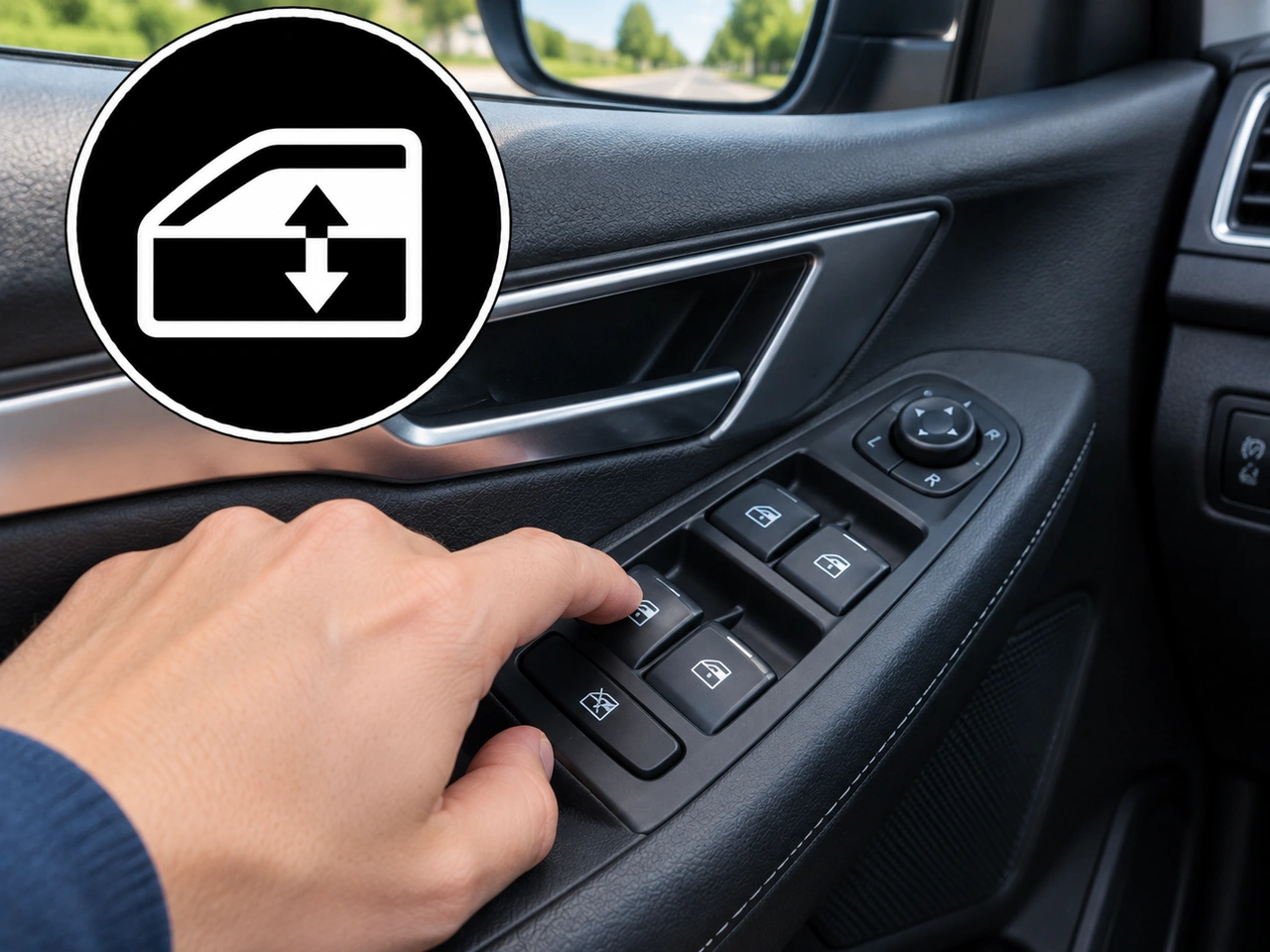
522. What does this vehicle-control symbol indicate?
This control operates the vehicle's electric windows. Pressing or pulling the switch lowers or raises the corresponding window.
AI-generated by Rijbewijs-online.be • WCIT • CC BY-SA
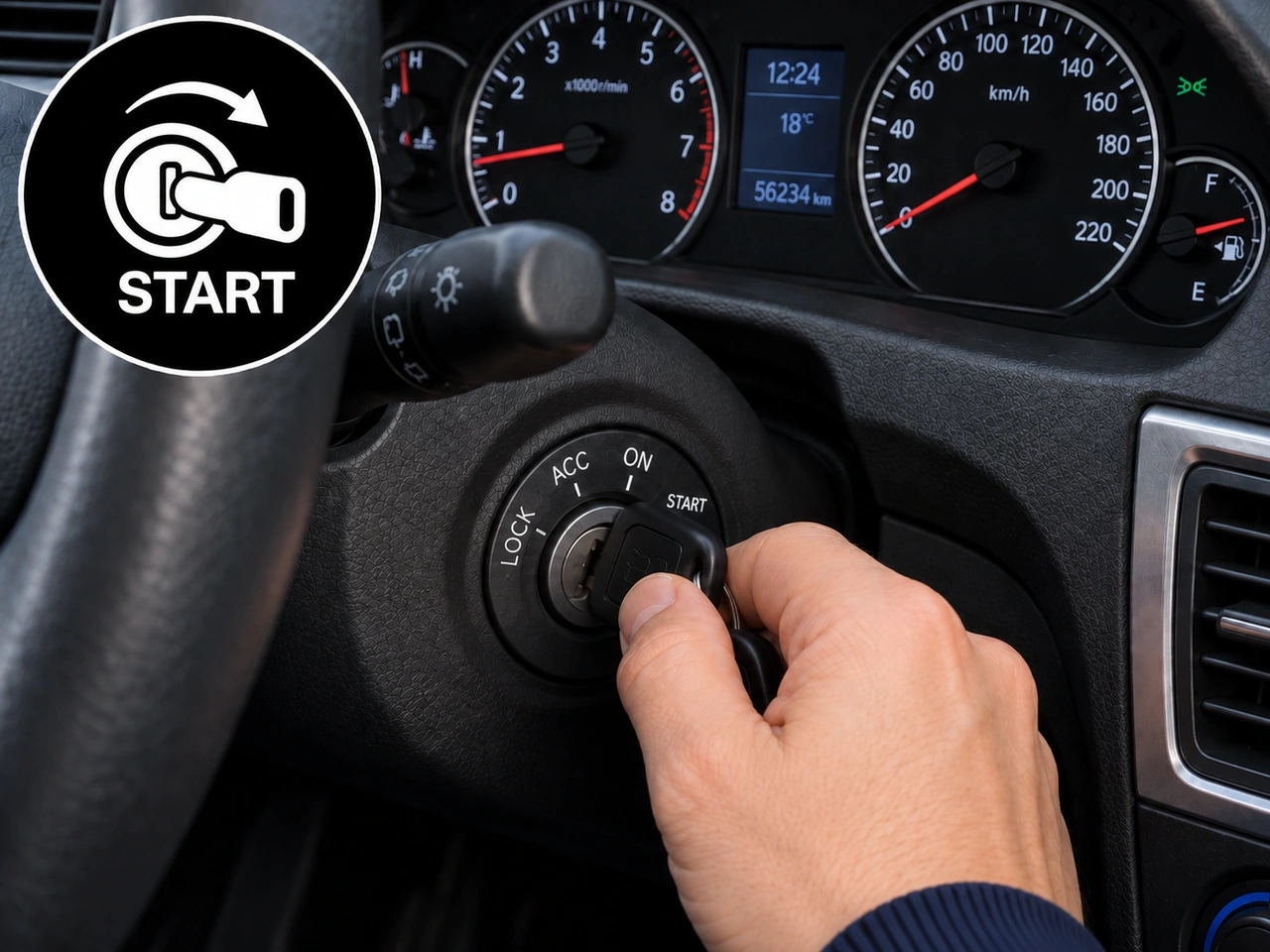
523. What should you do with the ignition key once the engine starts?
Once the engine starts, release the ignition key so it returns from START to the ON position. Holding the key in START unnecessarily can keep the starter motor engaged.
AI-generated by Rijbewijs-online.be • WCIT • CC BY-SA
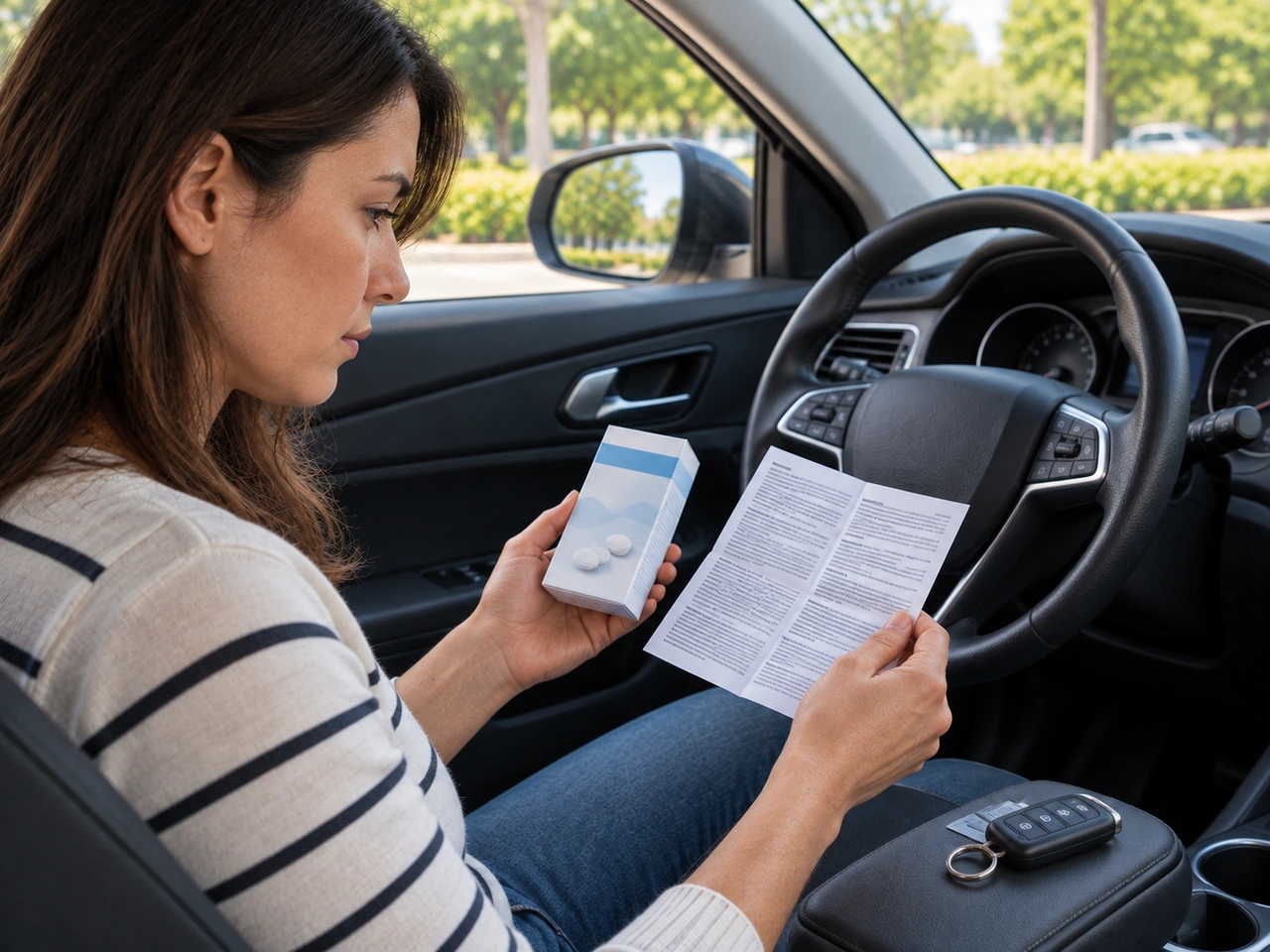
524. What should you do before driving after taking medicine?
Some medicines can affect driving ability by causing drowsiness, dizziness, blurred vision, slower reactions, or reduced concentration. Check the label or patient information and follow advice from your doctor or pharmacist before driving.
AI-generated by Rijbewijs-online.be • WCIT • CC BY-SA
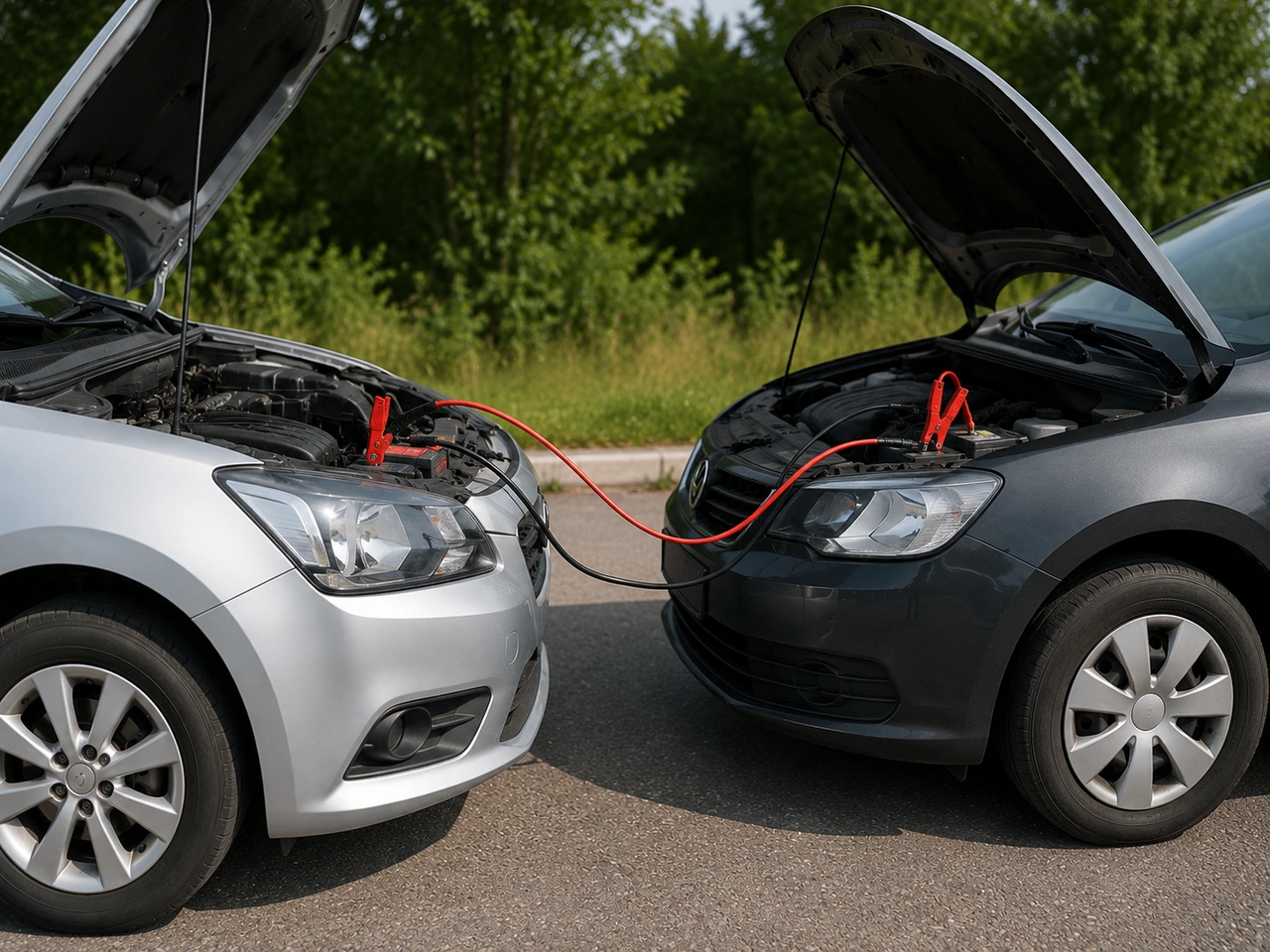
525. What should you do before attempting to jump-start a vehicle?
Incorrect jump-starting can damage electrical systems, cause sparks, or make a battery explode. Connect the leads in the correct order before starting the vehicles, and follow the manufacturer's procedure exactly.
AI-generated by Rijbewijs-online.be • WCIT • CC BY-SA
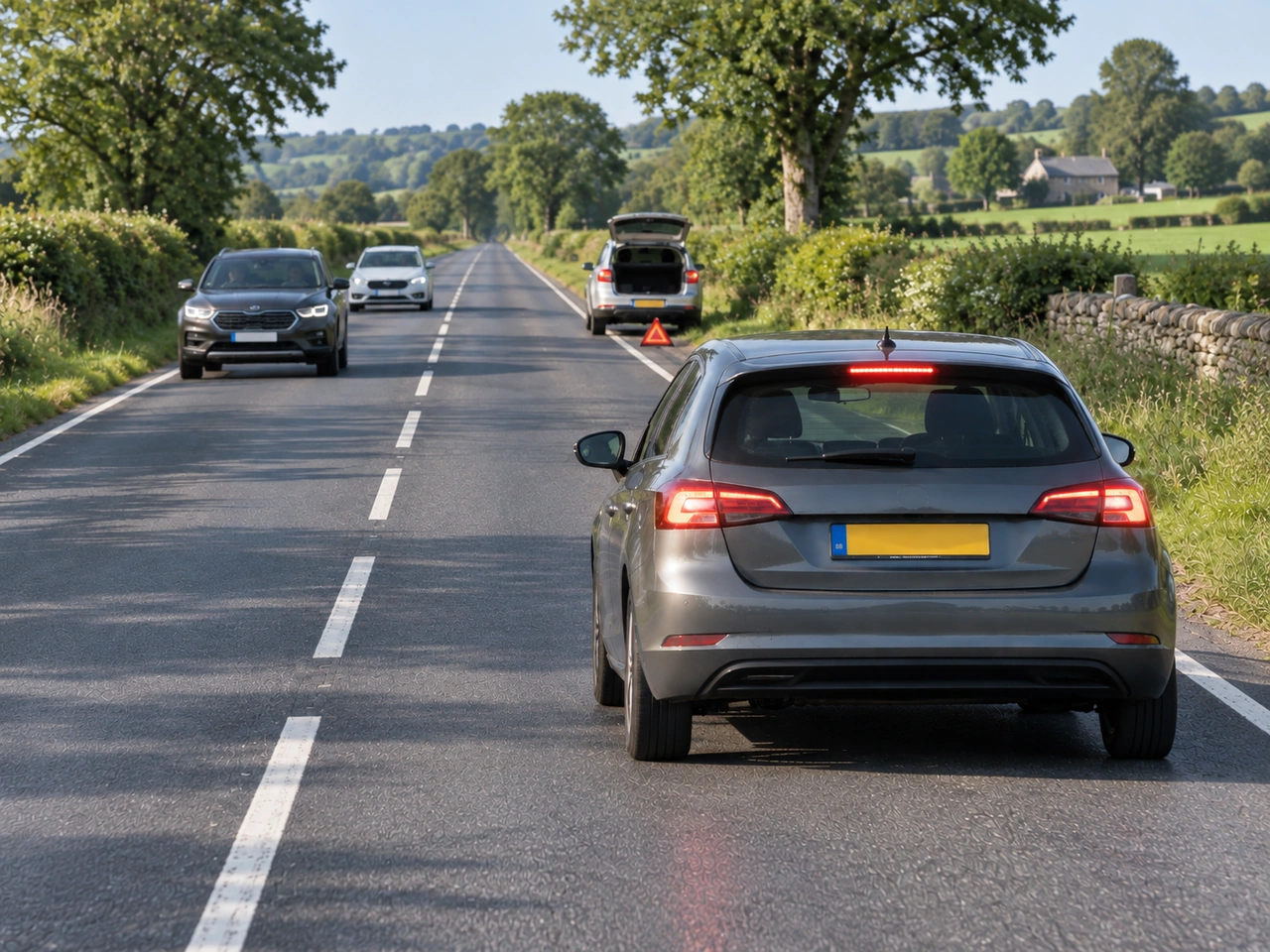
526. What makes up the total stopping distance of a vehicle?
The total stopping distance consists of the distance travelled while the driver reacts to a hazard plus the distance travelled while the vehicle is braking to a stop.
AI-generated by Rijbewijs-online.be • WCIT • CC BY-SA
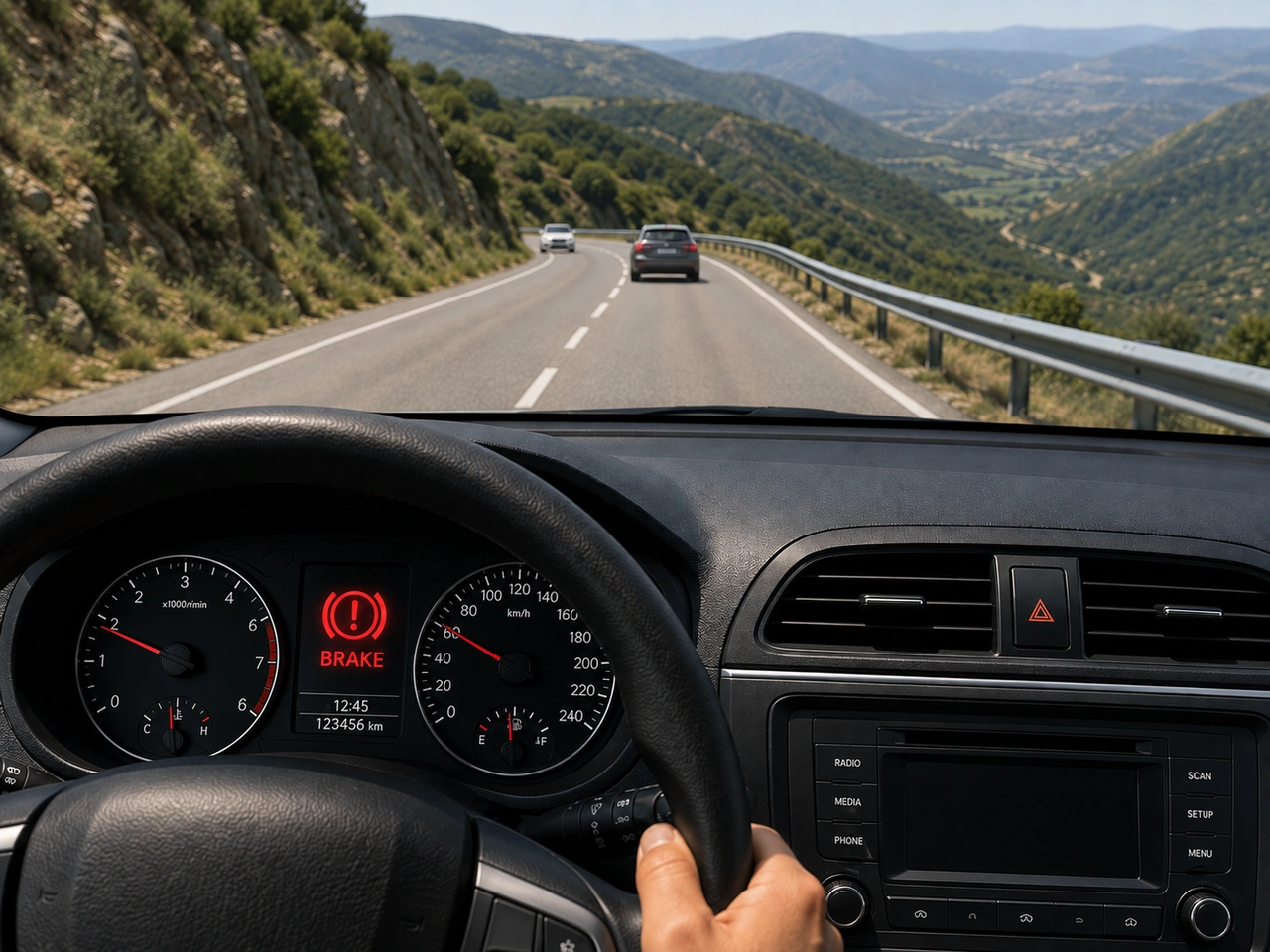
527. What should you do if the brakes fade during a long descent?
Continuous braking can cause overheating and reduced braking performance. A lower gear provides engine braking and reduces demand on the brakes.
AI-generated by Rijbewijs-online.be • WCIT • CC BY-SA
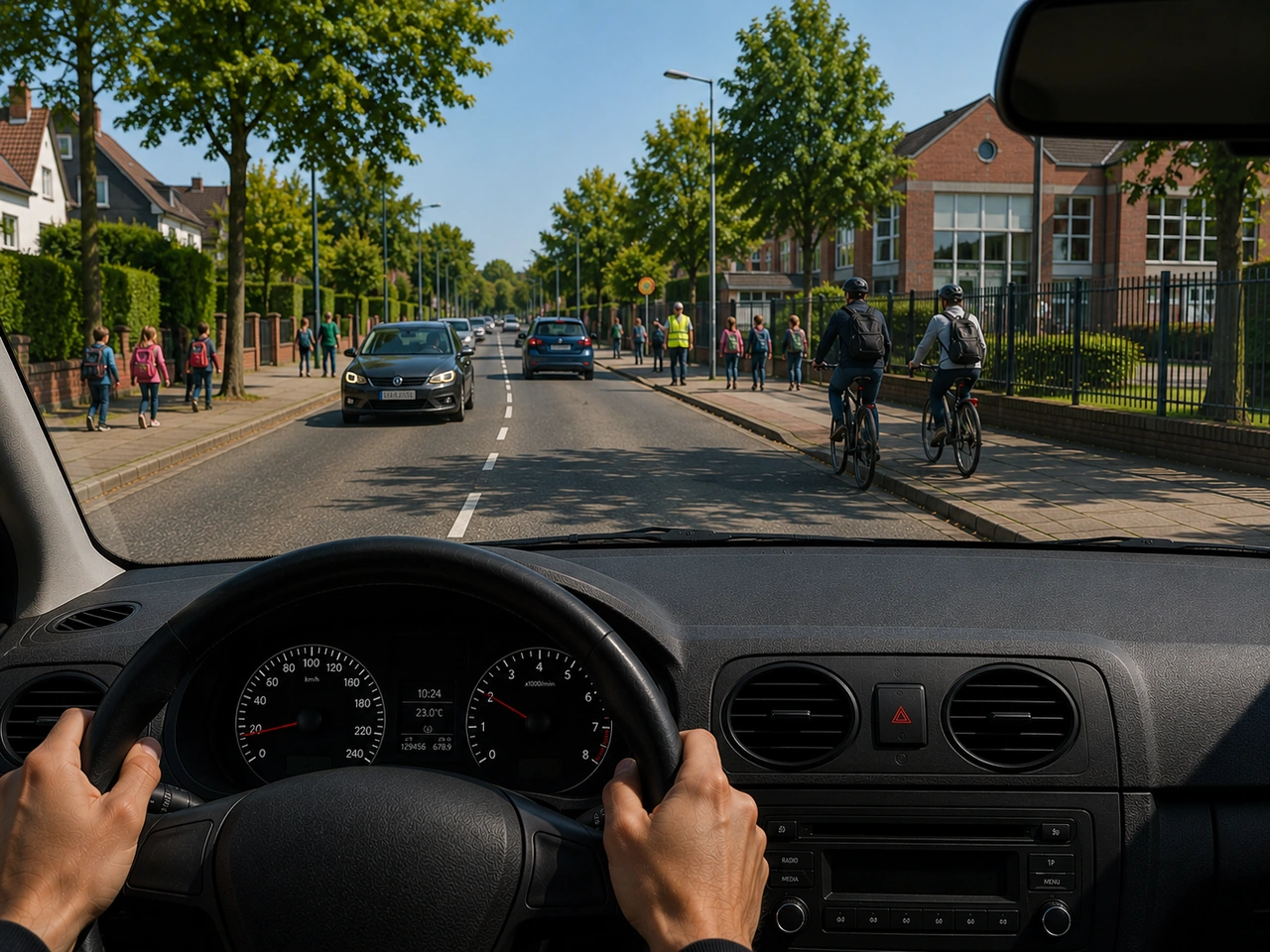
528. What should you do when driving near a school area?
Children near schools may cross unexpectedly or be hidden between parked vehicles. Reduce speed and be ready to stop.
AI-generated by Rijbewijs-online.be • WCIT • CC BY-SA
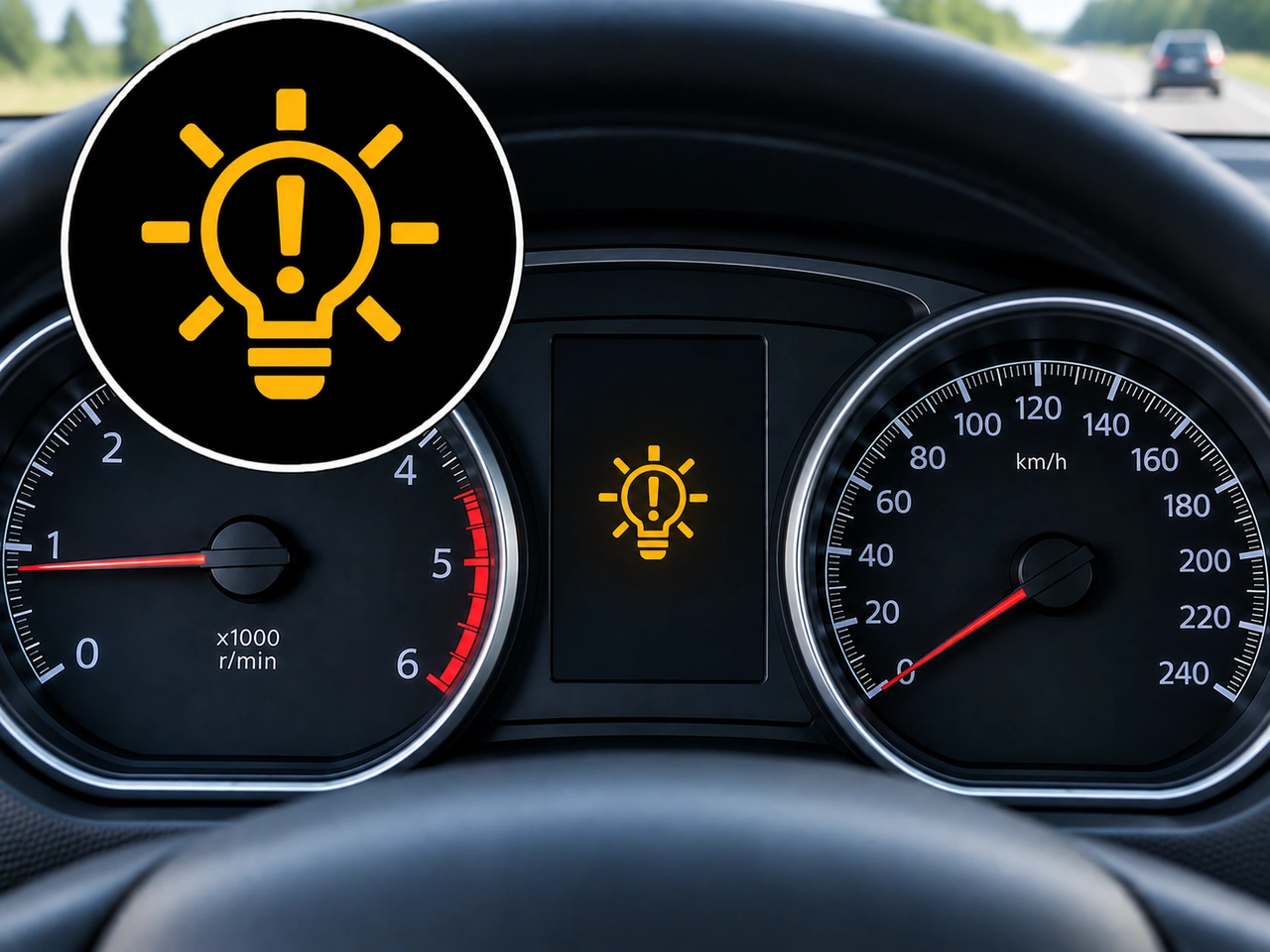
529. What does this dashboard symbol indicate?
This symbol indicates a possible failure of an exterior vehicle light, such as a headlight, tail light, brake light or indicator. Check the vehicle's exterior lights and replace or repair any faulty light.
AI-generated by Rijbewijs-online.be • WCIT • CC BY-SA
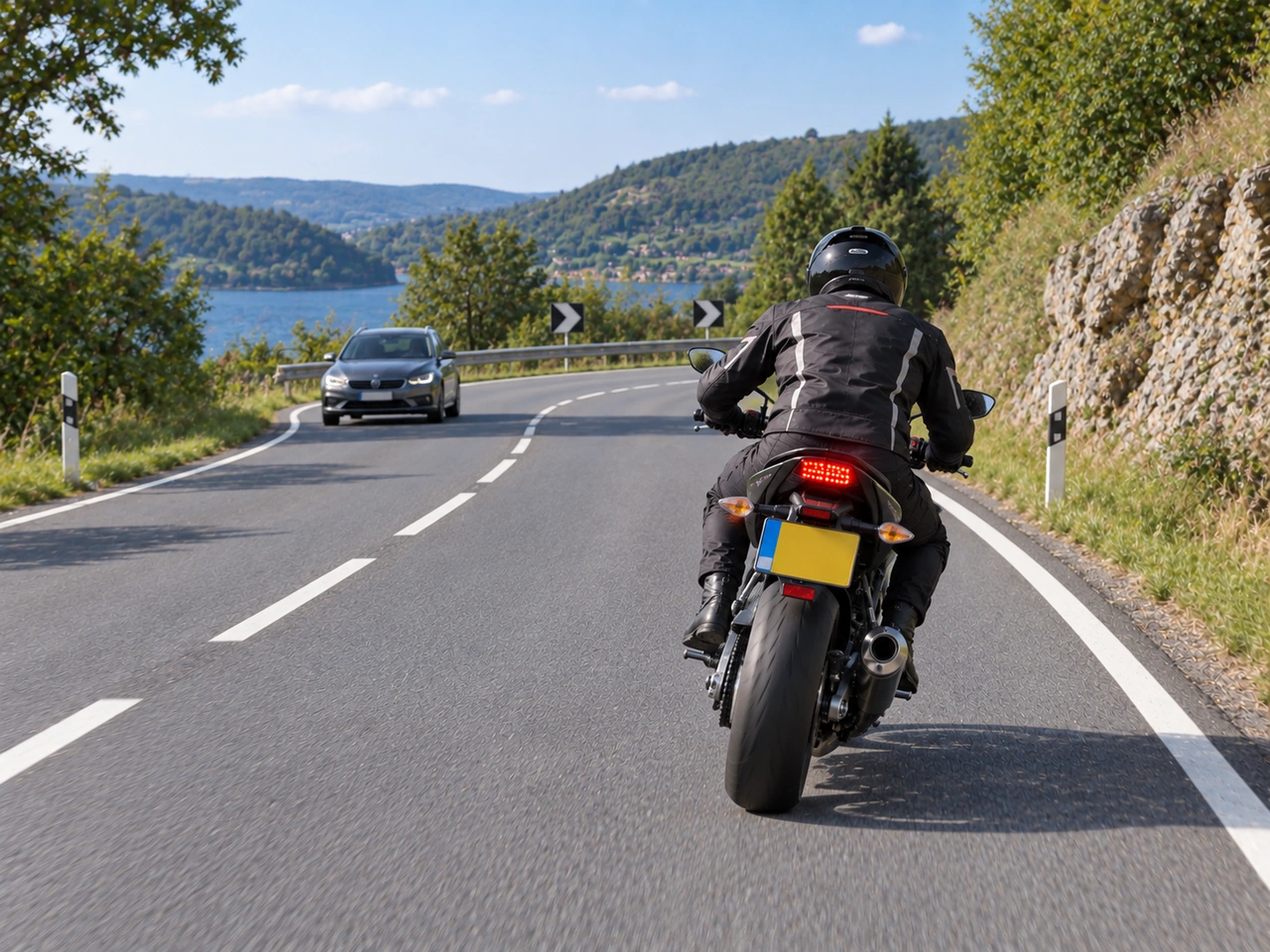
530. What should a motorcyclist do before entering a bend?
Adjust your speed before entering the bend so you can steer smoothly and remain within a safe position. Look through the bend towards where you want to travel and be prepared for hazards that may be hidden from view.
AI-generated by Rijbewijs-online.be • WCIT • CC BY-SA
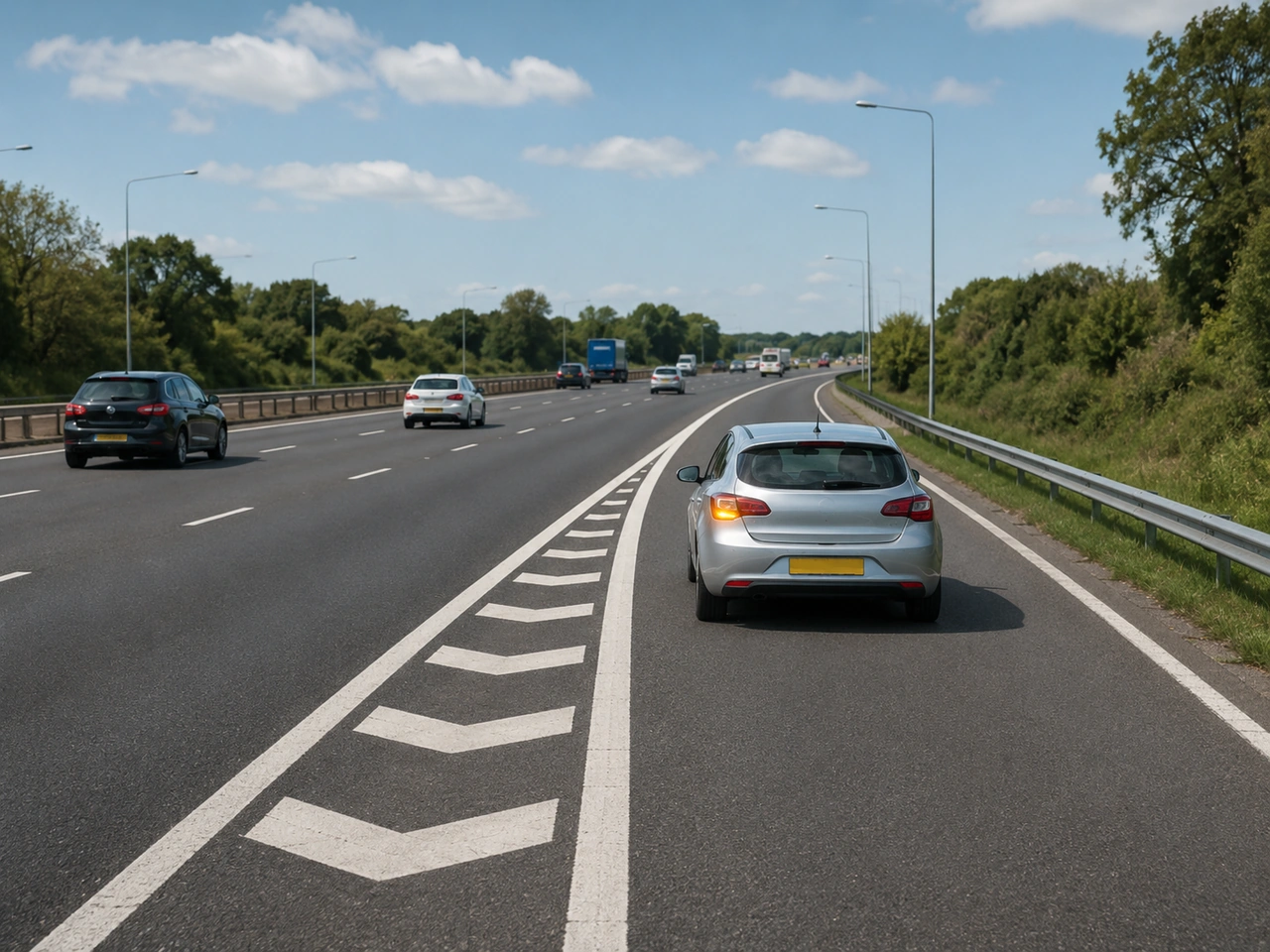
531. What should you do before joining a motorway?
Observe motorway traffic early, signal clearly, and merge only when there is a safe gap.
AI-generated by Rijbewijs-online.be • WCIT • CC BY-SA
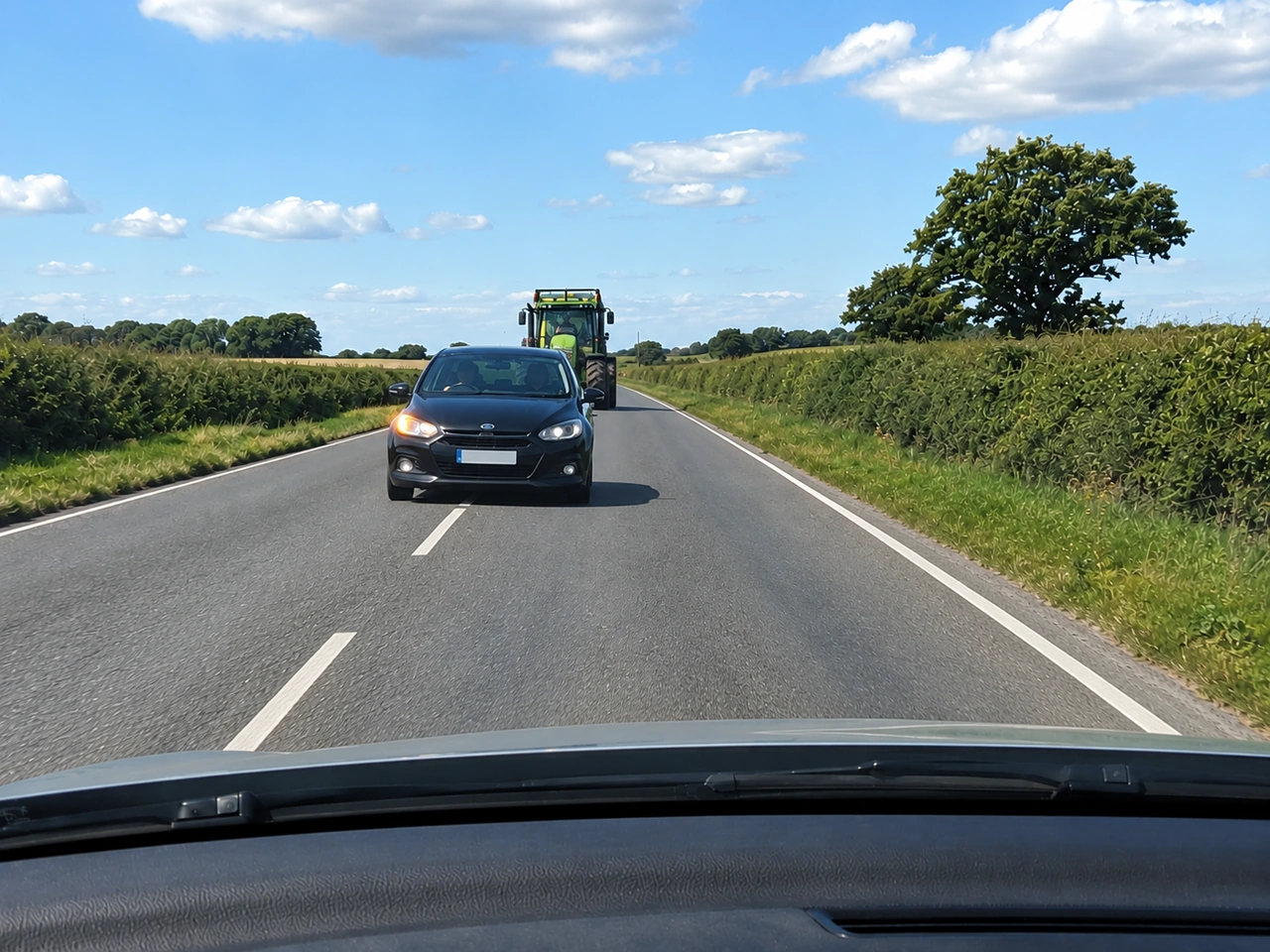
532. What should you do if an overtaking vehicle is coming toward you?
If an oncoming vehicle creates danger while overtaking, reduce speed and make space if it is safe to do so. Avoid sudden movements that could create an additional hazard.
AI-generated by Rijbewijs-online.be • WCIT • CC BY-SA
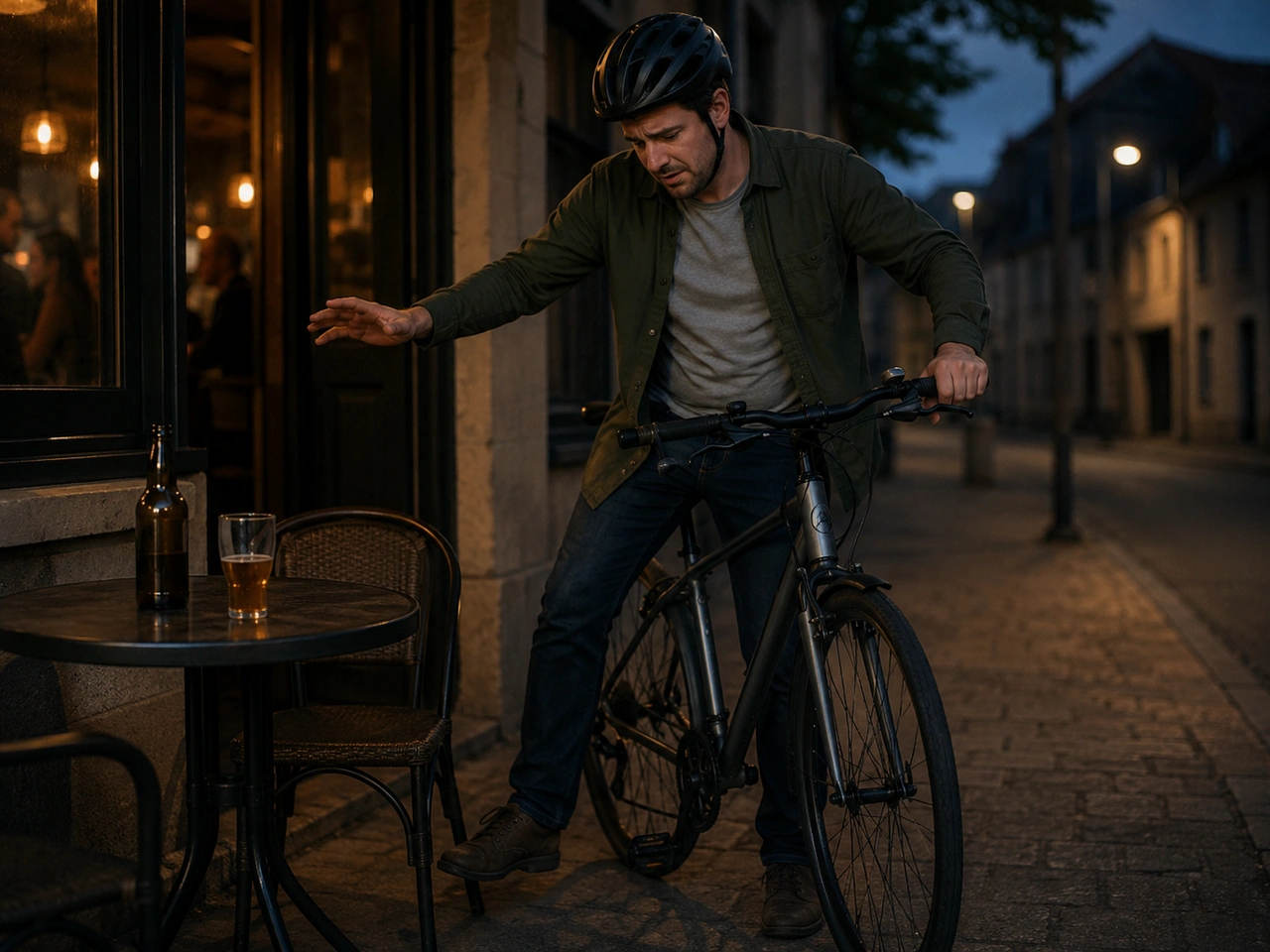
533. Why is riding a bicycle after drinking alcohol dangerous?
Alcohol can make it harder to balance, steer, judge distances, and react to hazards. Riding a bicycle while impaired may also be against the law.
AI-generated by Rijbewijs-online.be • WCIT • CC BY-SA
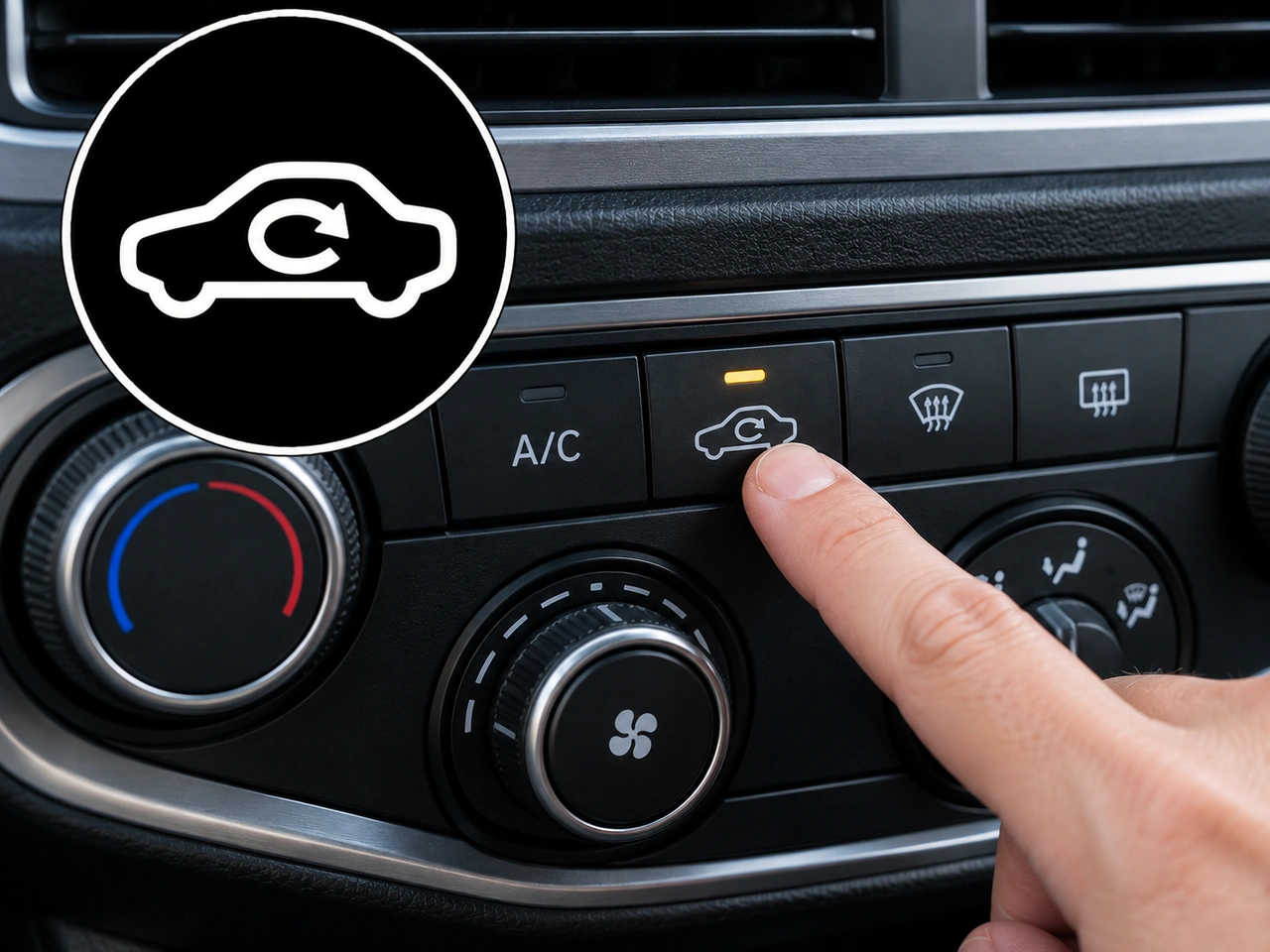
534. What does this vehicle-control symbol indicate?
This symbol activates air recirculation, which reduces the amount of outside air entering the vehicle and recirculates air already inside the cabin. It can be useful when driving through polluted air or when cooling the interior quickly.
AI-generated by Rijbewijs-online.be • WCIT • CC BY-SA
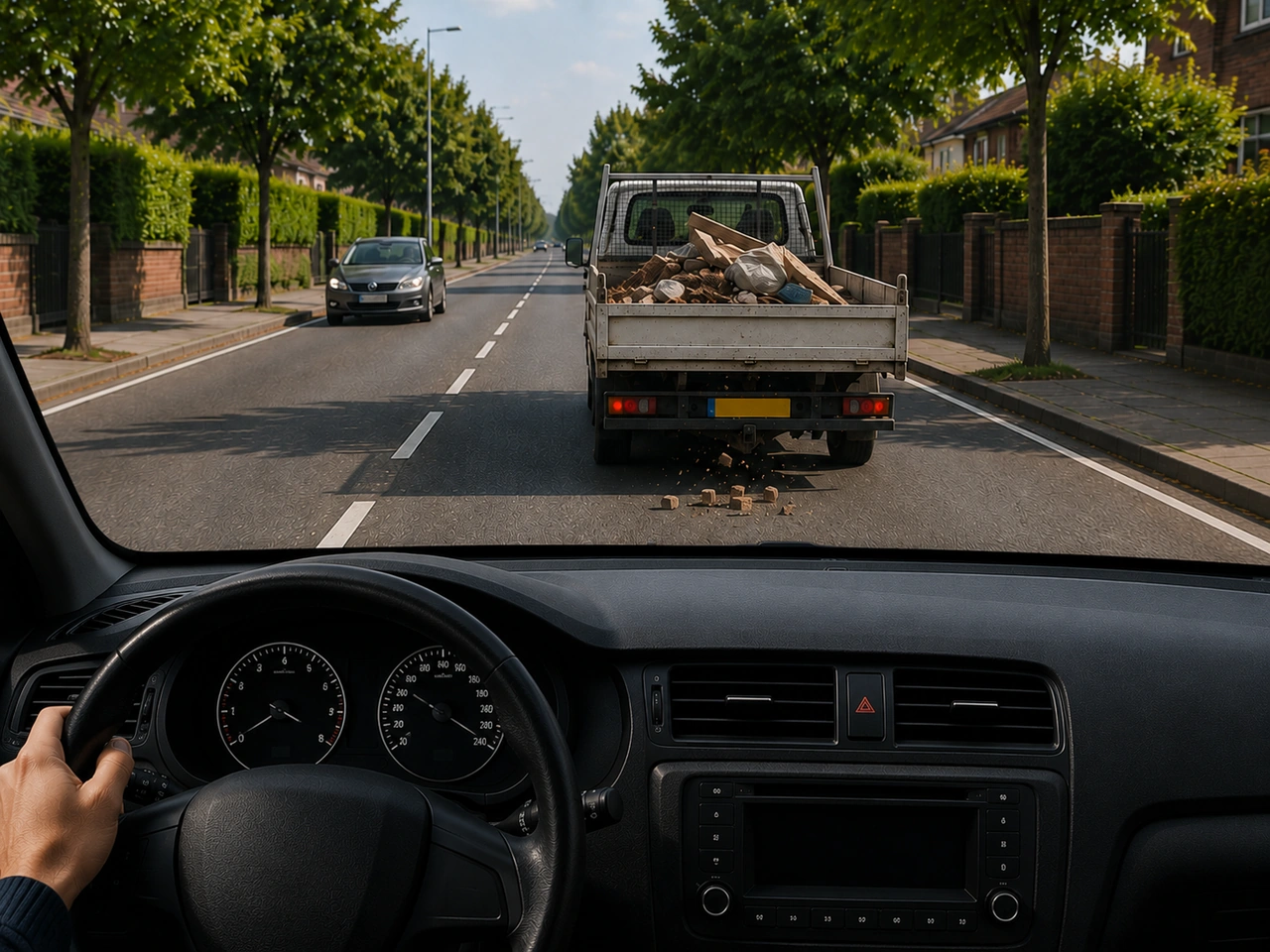
535. Why should you be cautious when following a vehicle carrying a loose load?
A poorly secured load can fall or shift suddenly. Keep extra distance and avoid following too closely.
AI-generated by Rijbewijs-online.be • WCIT • CC BY-SA
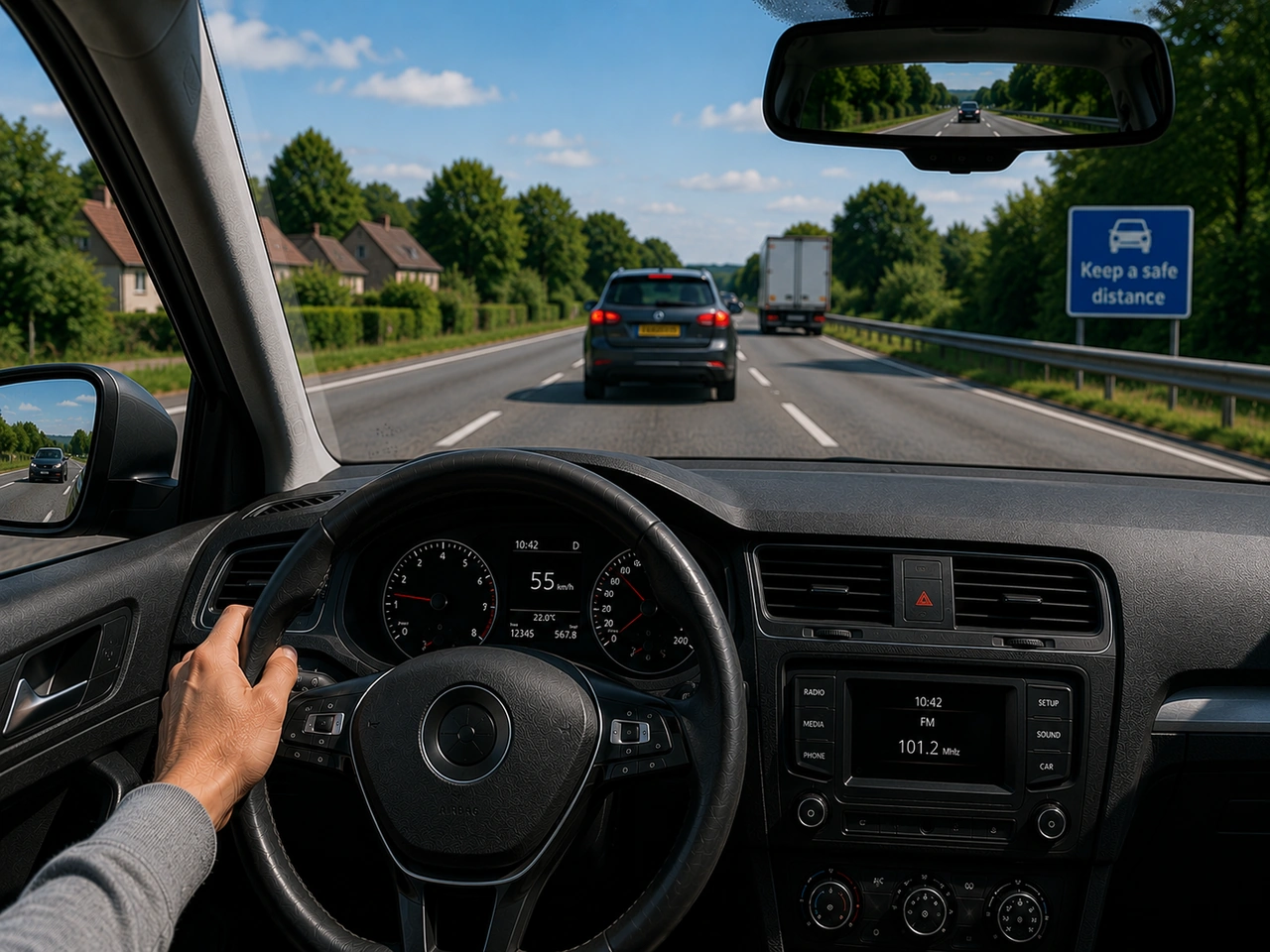
536. You should follow the vehicle in front as closely as possible in traffic.
You should keep a safe following distance so you have enough time to react if traffic slows or stops suddenly.
AI-generated by Rijbewijs-online.be • WCIT • CC BY-SA
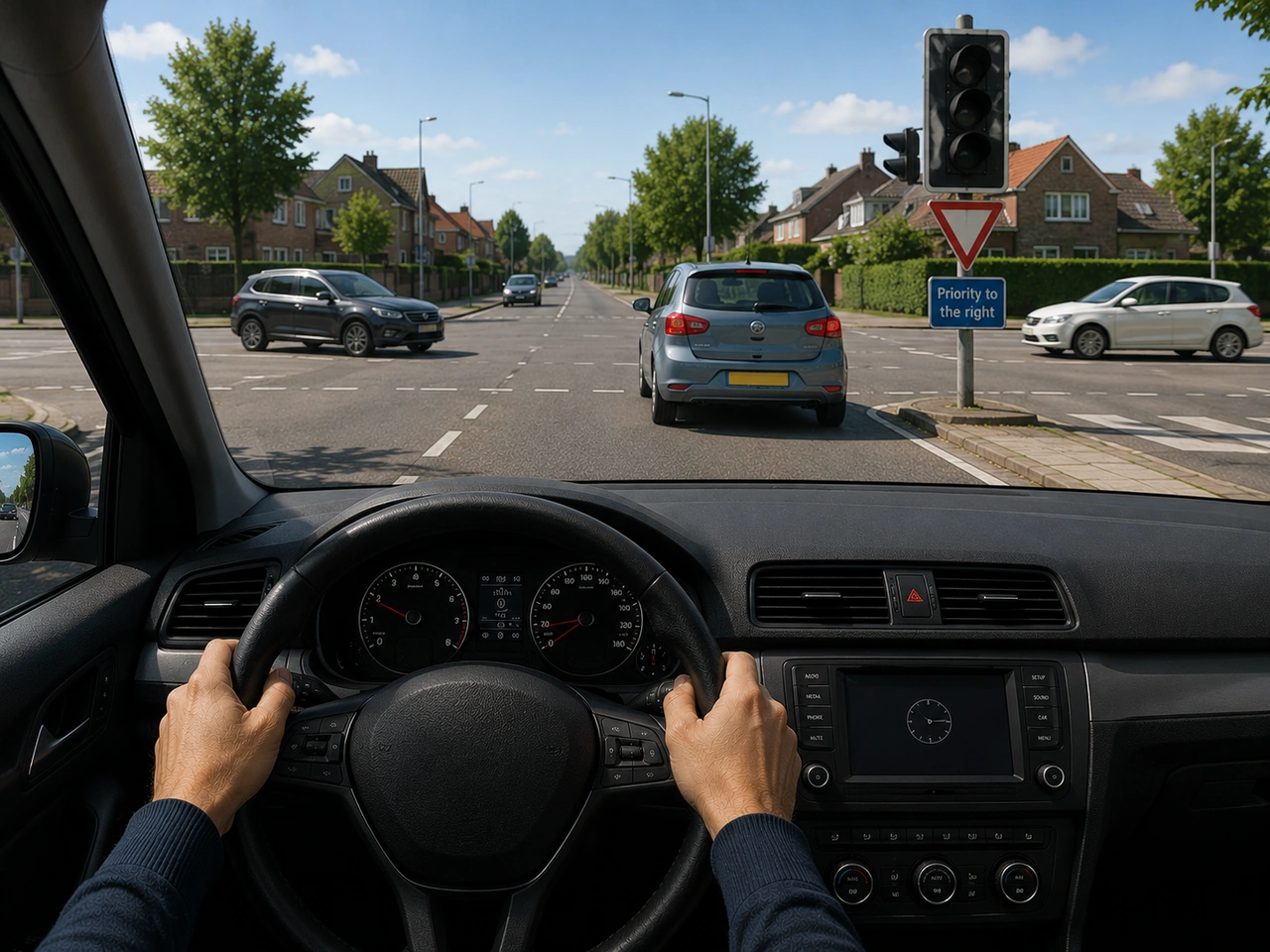
537. What should you do when traffic lights are not working?
If traffic lights are not working, slow down, observe carefully, and follow signs, road markings, or local priority rules.
AI-generated by Rijbewijs-online.be • WCIT • CC BY-SA
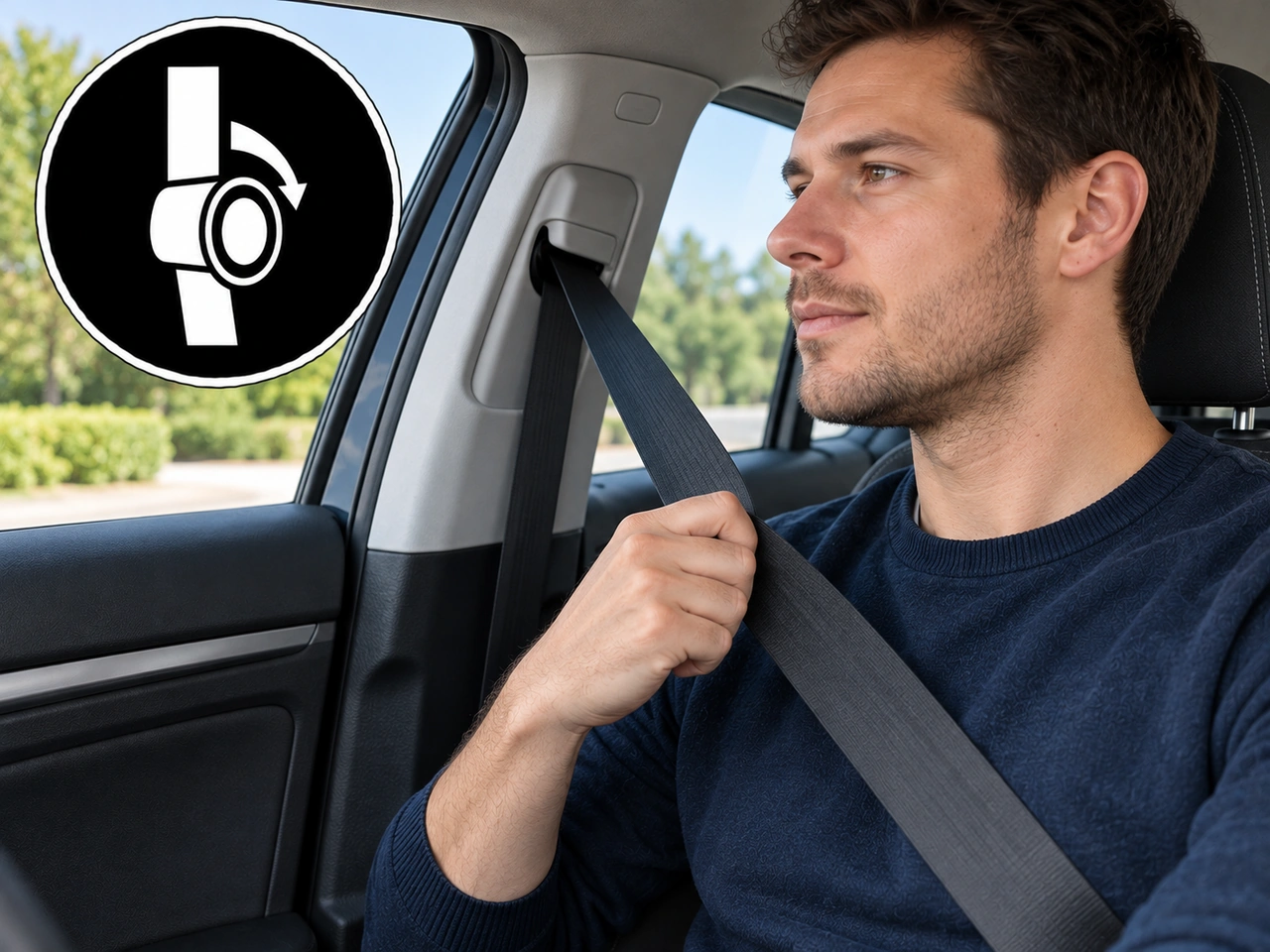
538. What is the purpose of the seat-belt retractor?
The seat-belt retractor takes up slack and helps keep the belt properly positioned against the body. It allows normal movement but can lock during sudden braking, rapid belt movement or a collision.
AI-generated by Rijbewijs-online.be • WCIT • CC BY-SA
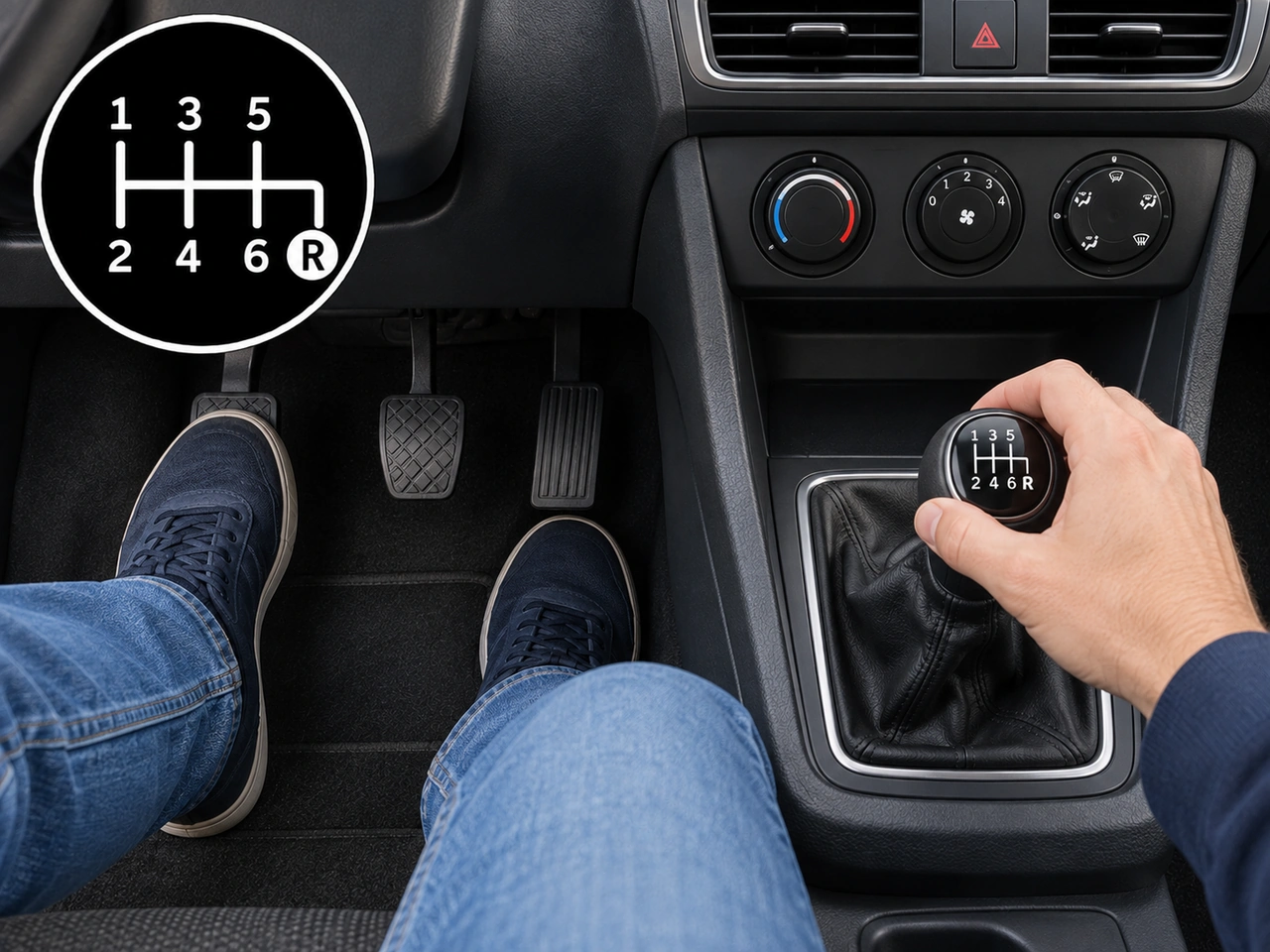
539. When should you select reverse gear in a manual vehicle?
Select reverse gear only after the vehicle has come to a complete stop. Press the clutch fully before selecting reverse to avoid unnecessary wear or damage to the transmission.
AI-generated by Rijbewijs-online.be • WCIT • CC BY-SA
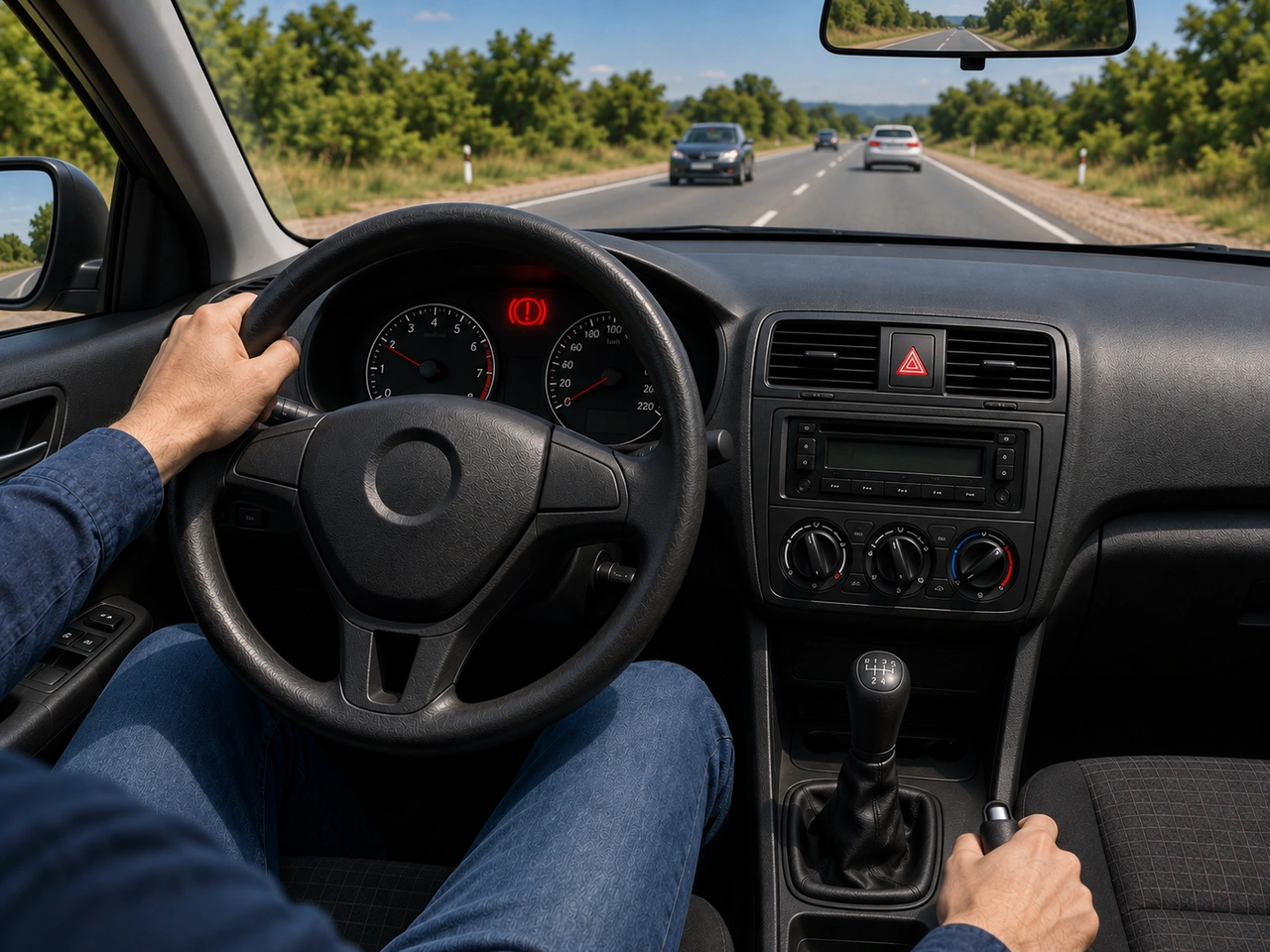
540. What should you do if the service brakes fail while driving?
Remain calm, warn other road users, and use other available braking methods to reduce speed. This may include engine braking or a lower gear, and careful use of the parking or emergency brake according to the vehicle's design. Steer toward the safest available stopping area.
AI-generated by Rijbewijs-online.be • WCIT • CC BY-SA
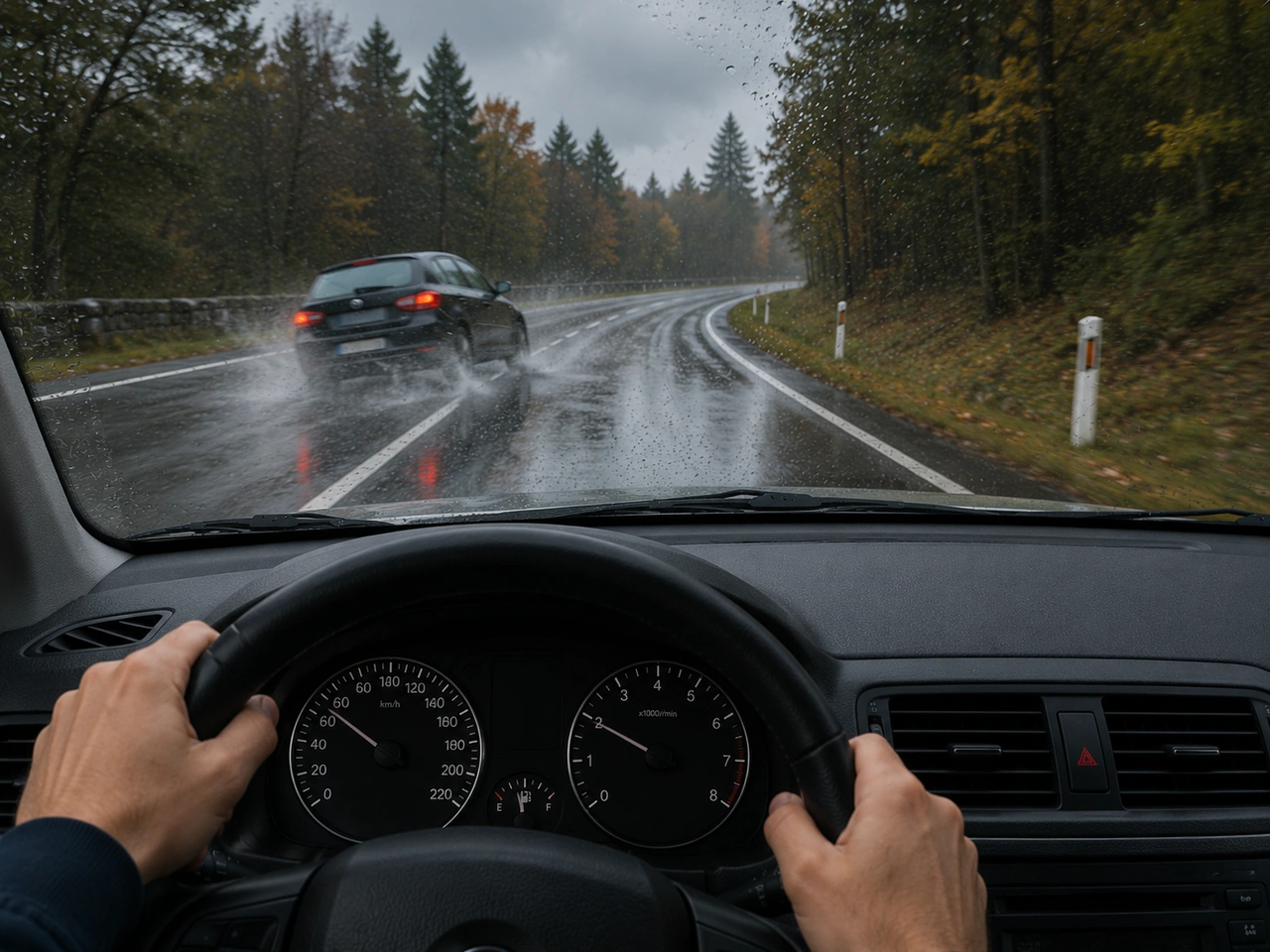
541. What should you avoid if your vehicle starts to skid?
Sudden braking, acceleration, or steering can make a skid worse. Stay calm and use smooth controls while the tyres regain grip.
AI-generated by Rijbewijs-online.be • WCIT • CC BY-SA

542. What is the safest choice if you have consumed alcohol?
Alcohol can impair judgement, coordination, vision, and reaction time. A sober driver, taxi, public transport, or an overnight stay is the safer choice.
AI-generated by Rijbewijs-online.be • WCIT • CC BY-SA
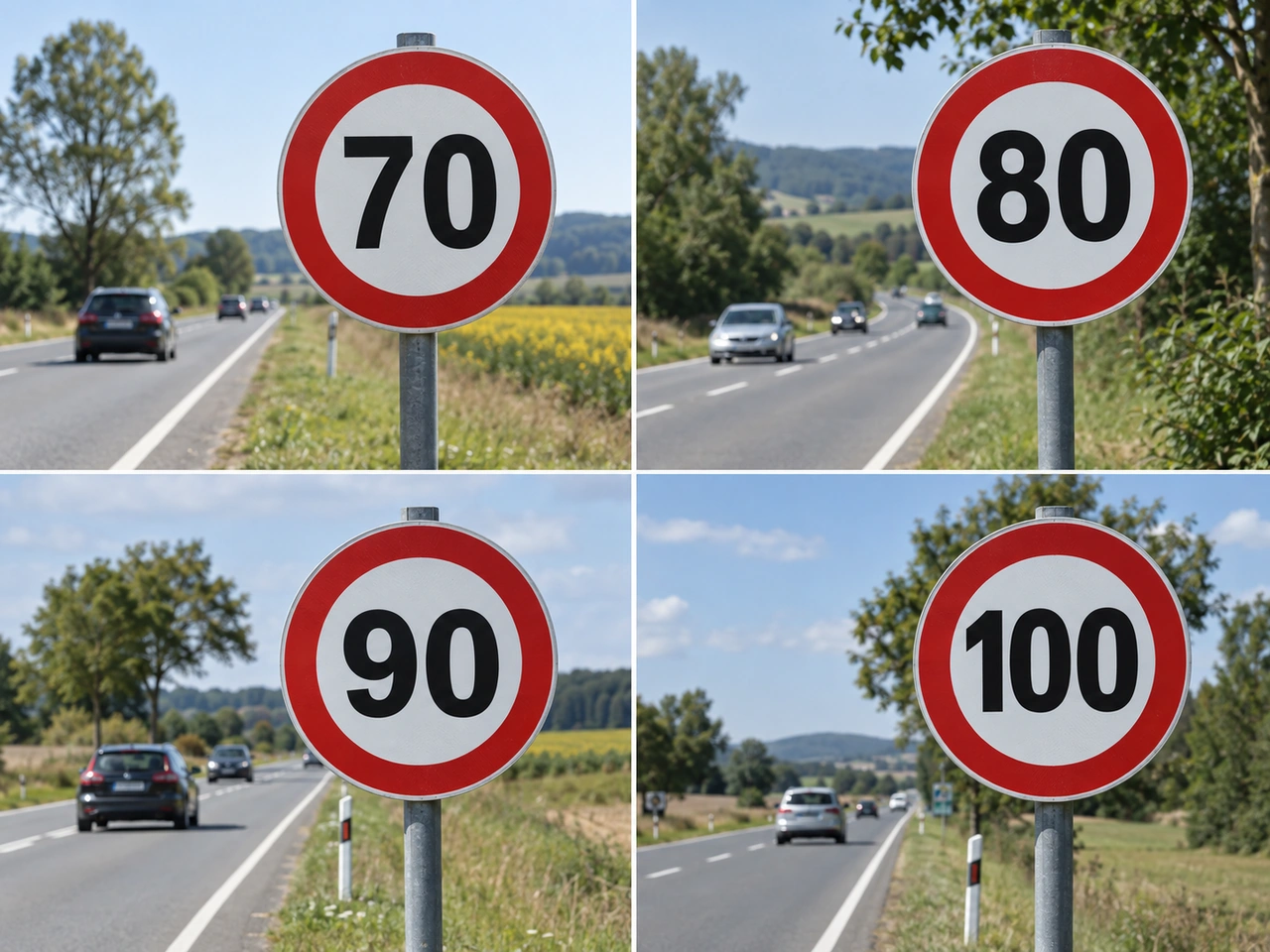
543. What is the general speed limit for cars on ordinary roads outside built-up areas in France?
In France, the general speed limit for cars on ordinary roads outside built-up areas is 80 km/h, unless signs indicate otherwise.
AI-generated by Rijbewijs-online.be • WCIT • CC BY-SA
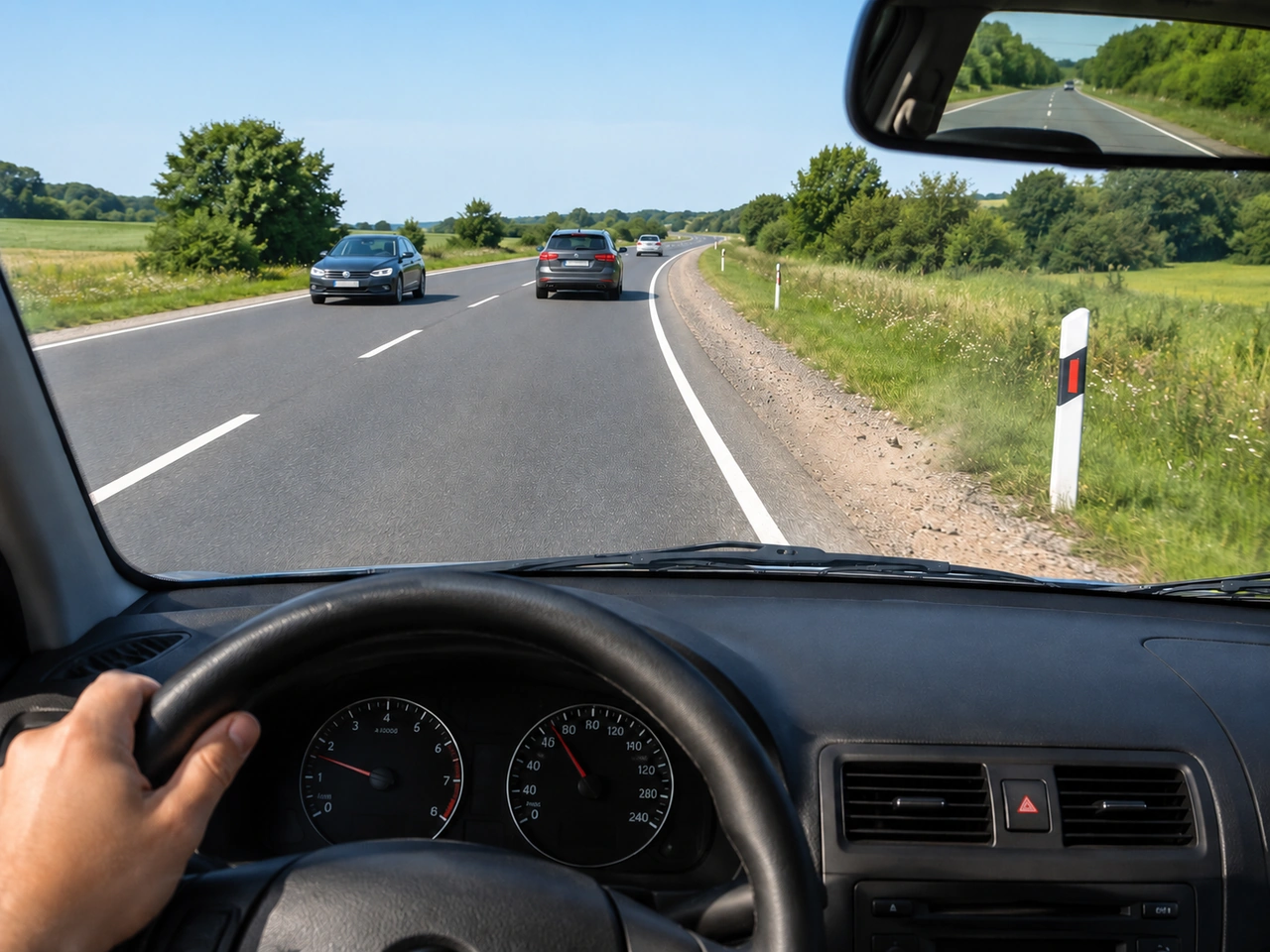
544. What should you do if your vehicle begins to drift onto the shoulder?
If you drift onto the shoulder, avoid sudden steering or braking. Slow gently and return to the road smoothly when it is safe.
AI-generated by Rijbewijs-online.be • WCIT • CC BY-SA
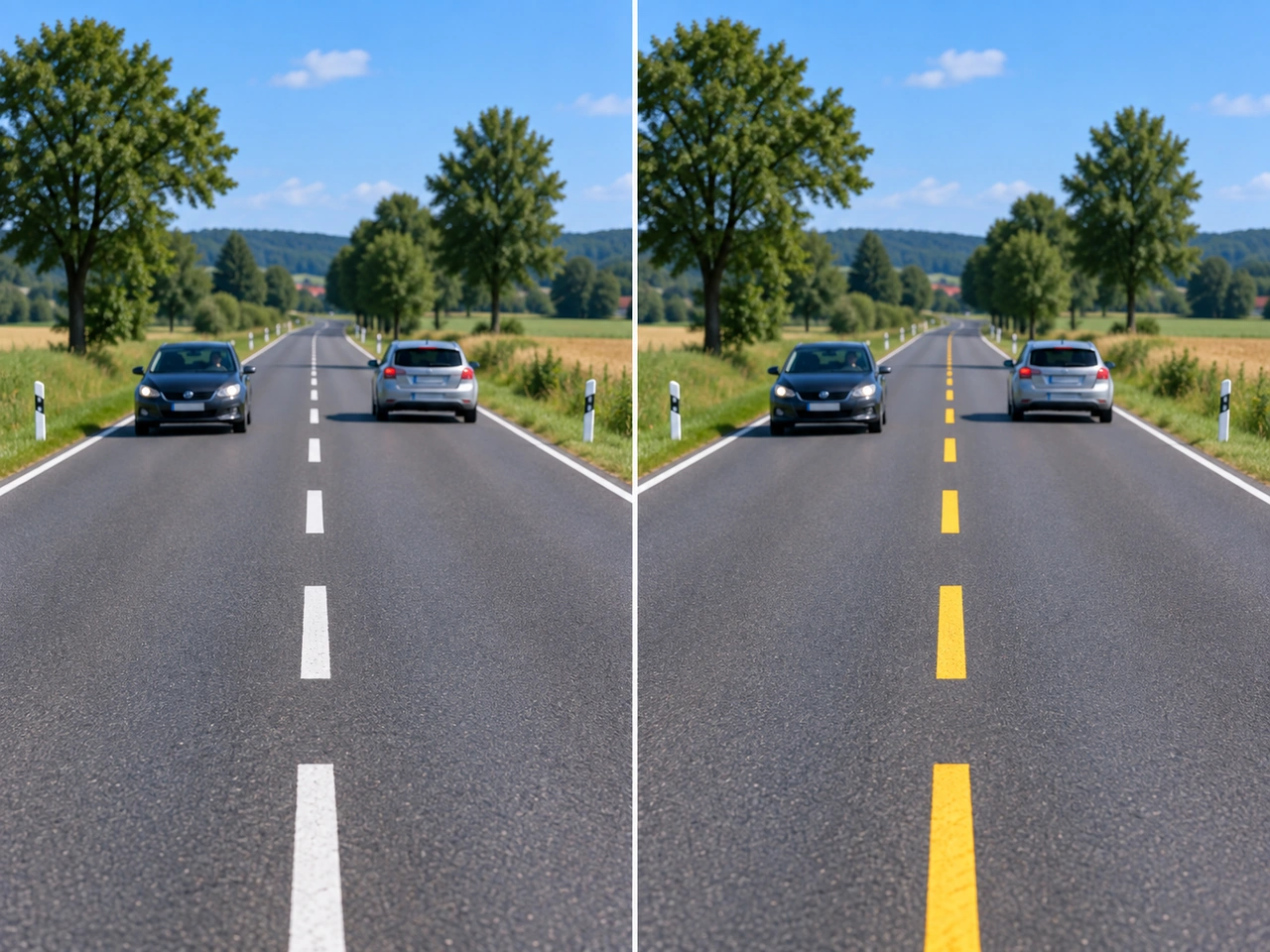
545. What colour is normally used for the centre line separating opposing traffic in France?
Roads in France normally use a white centre line to separate traffic travelling in opposite directions.
AI-generated by Rijbewijs-online.be • WCIT • CC BY-SA

546. What should a designated driver do?
A designated driver should remain sober so they can drive safely and respond properly to traffic conditions.
AI-generated by Rijbewijs-online.be • WCIT • CC BY-SA
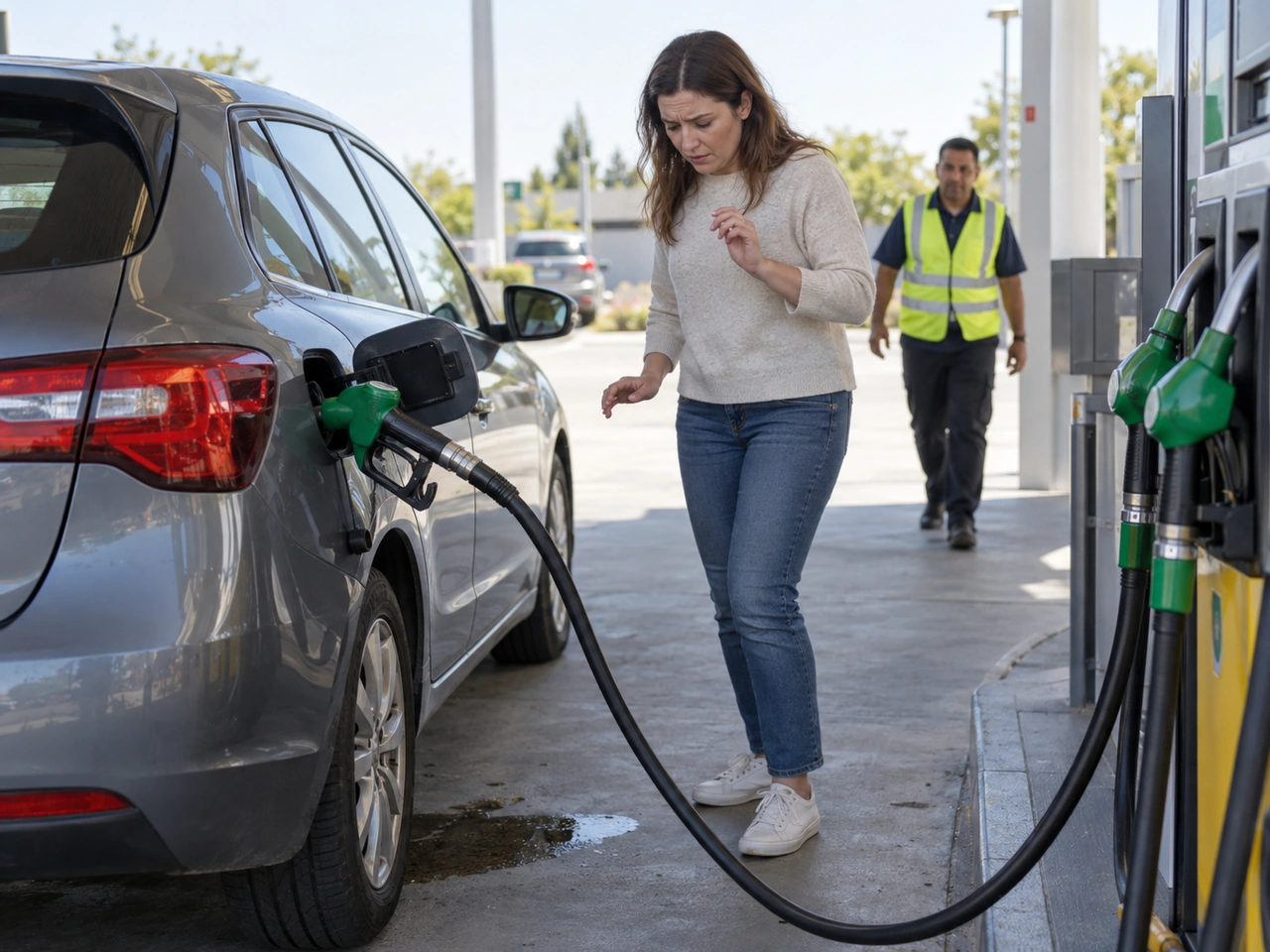
547. What should you do if fuel spills while you are refuelling?
If fuel is spilled, stop refuelling immediately and keep flames, sparks, and other ignition sources away. Do not start the vehicle until the situation is safe. Alert filling-station staff and follow their instructions for dealing with the spill.
AI-generated by Rijbewijs-online.be • WCIT • CC BY-SA
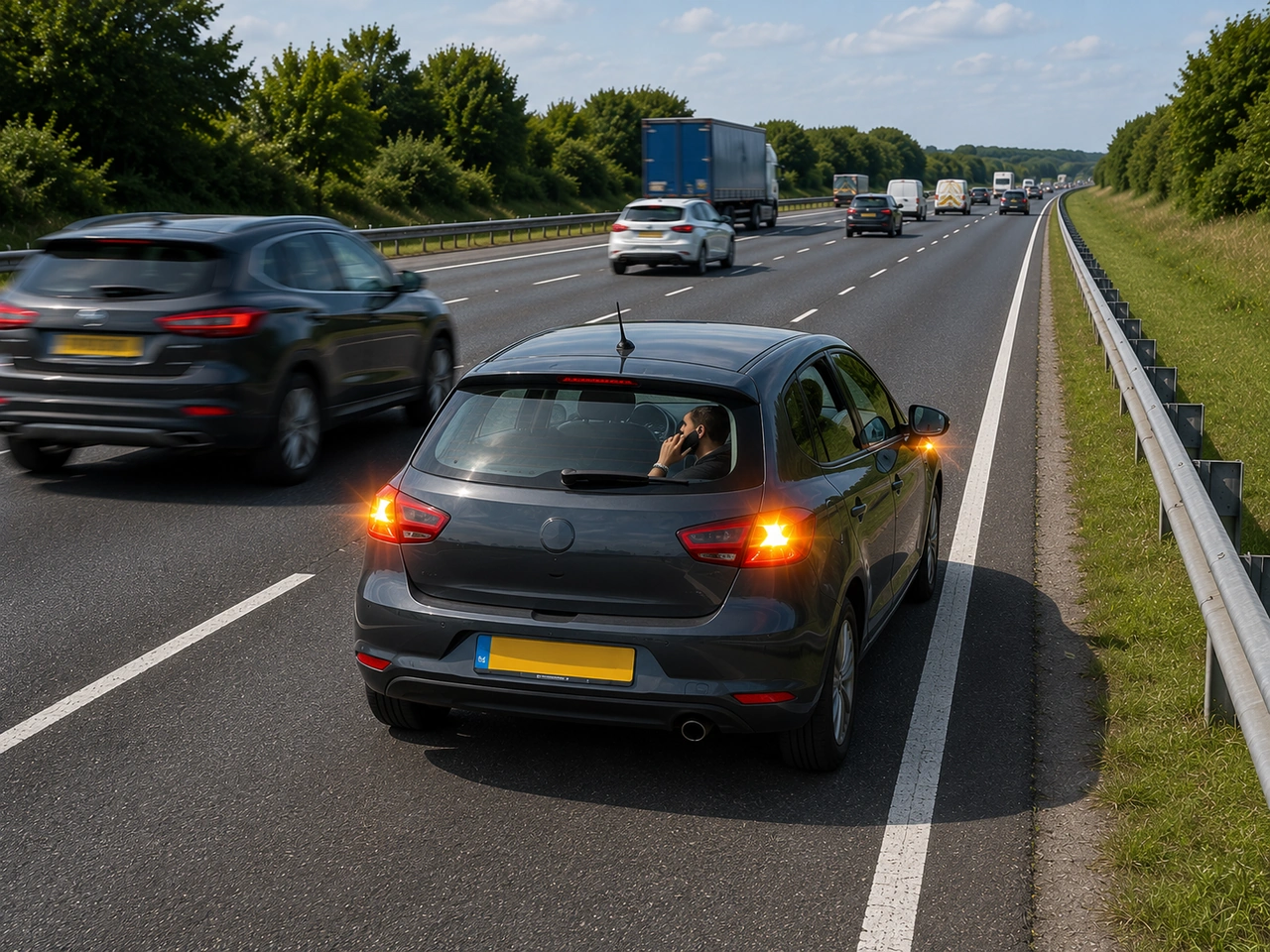
548. What should you do if it is unsafe to leave a stranded vehicle?
If leaving the vehicle would put you in greater danger, remain restrained, make the vehicle visible, contact the emergency services, and follow their instructions.
AI-generated by Rijbewijs-online.be • WCIT • CC BY-SA
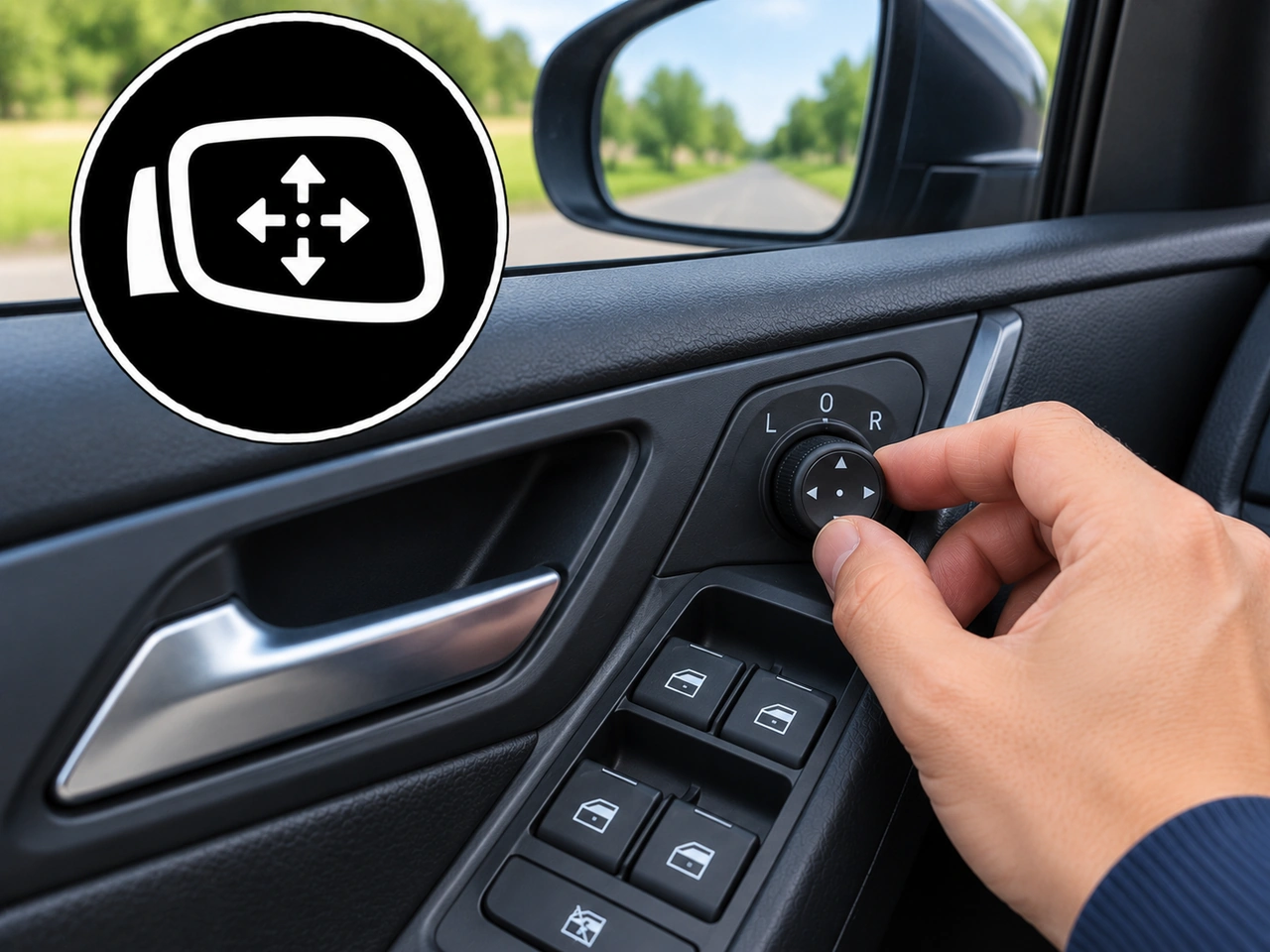
549. What does this vehicle-control symbol indicate?
This control adjusts the vehicle's exterior mirrors. The driver normally selects the left or right mirror and then moves the control to change its angle.
AI-generated by Rijbewijs-online.be • WCIT • CC BY-SA
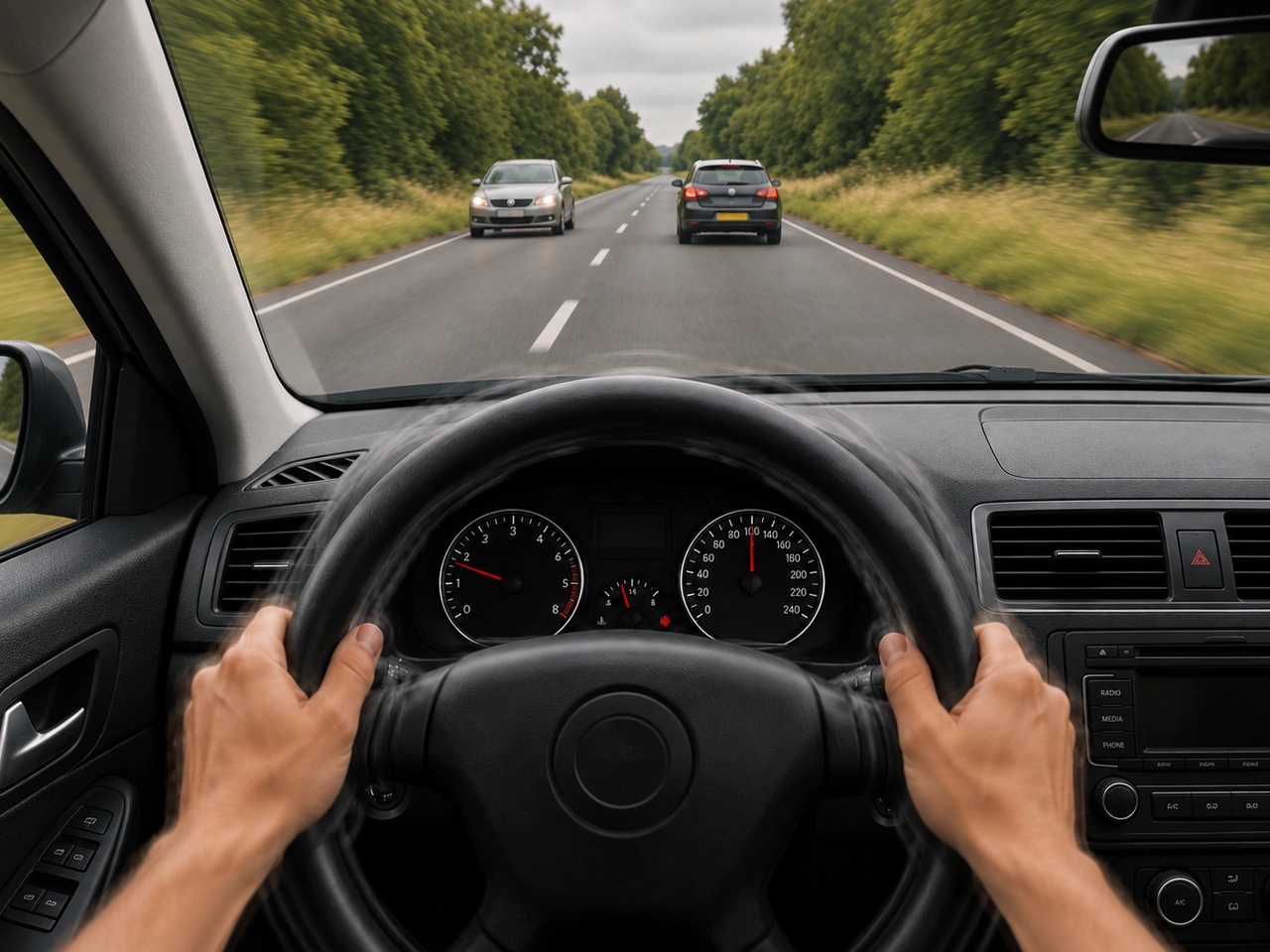
550. What should you do if an unusual vibration develops in the steering wheel?
An unusual vibration may indicate tyre damage, wheel imbalance, loose components, or another mechanical fault. Reduce speed and arrange an inspection.
AI-generated by Rijbewijs-online.be • WCIT • CC BY-SA