


QuizTraffic rulesFrance
This interesting quiz helps you test your knowledge in a clear and visual way. With easy multiple-choice questions, you can quickly build confidence and learn new facts while keeping it simple, interactive, and fun.
 Traffic signs
 Traffic rules
 France
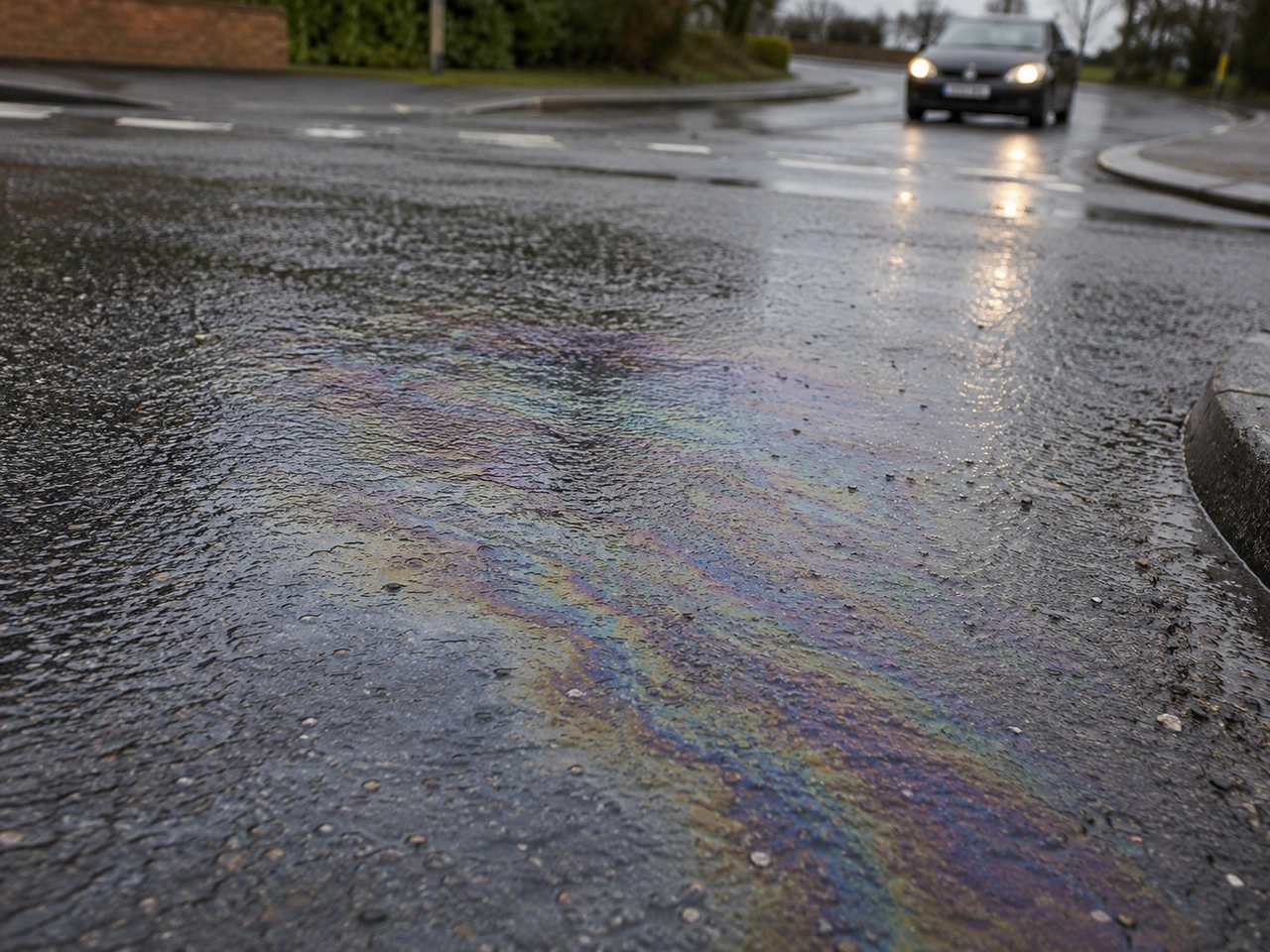
301. Why are roads especially slippery during rain after a dry period?
After a dry period, oil and dirt can build up on the road. The first rain mixes with them and can make the surface very slippery.
AI-generated by Rijbewijs-online.be • WCIT • CC BY-SA

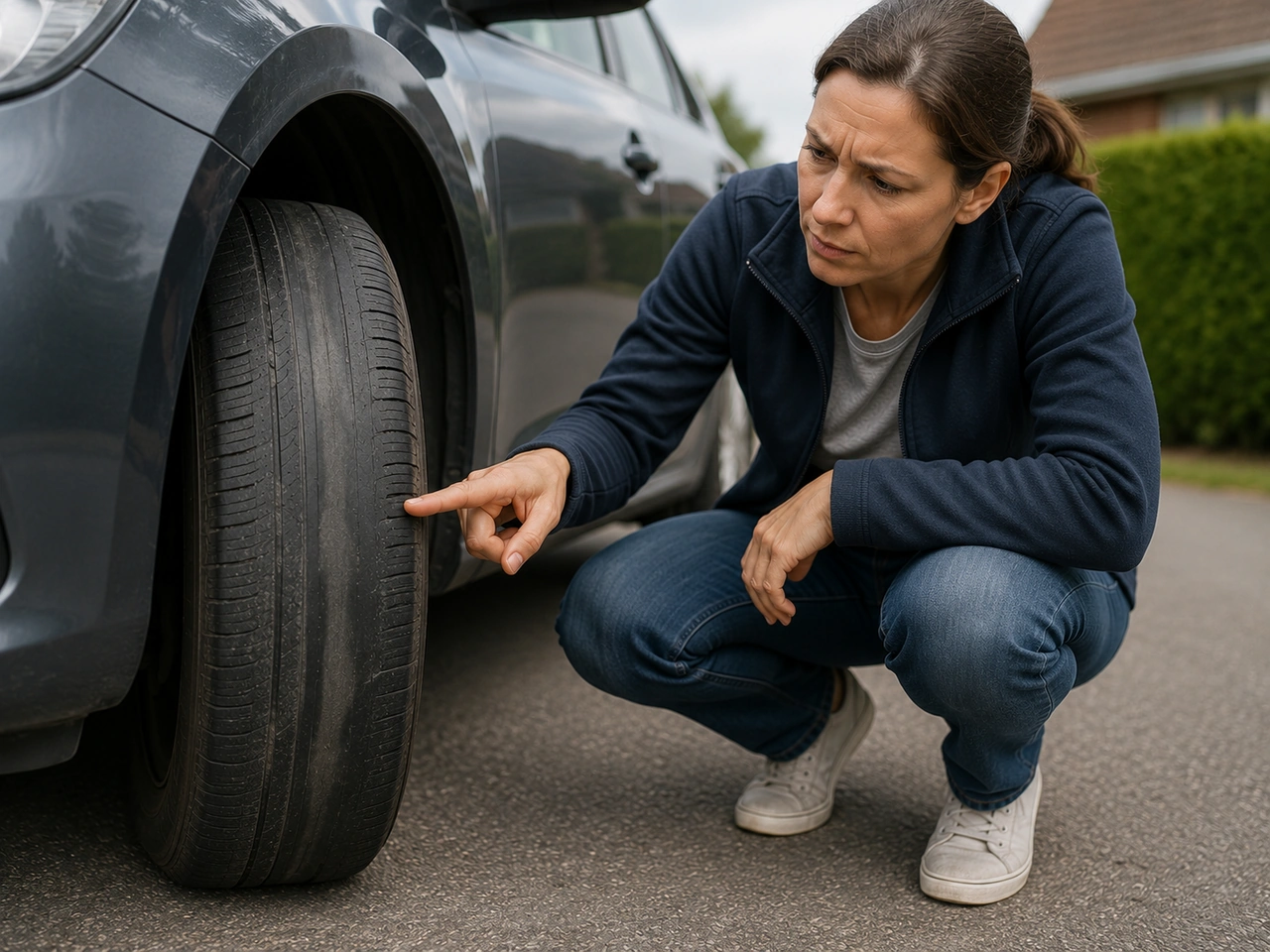
302. What can uneven tyre wear indicate?
Uneven wear may result from incorrect tyre pressure, wheel misalignment, worn suspension parts, or a brake that is not releasing properly.
AI-generated by Rijbewijs-online.be • WCIT • CC BY-SA
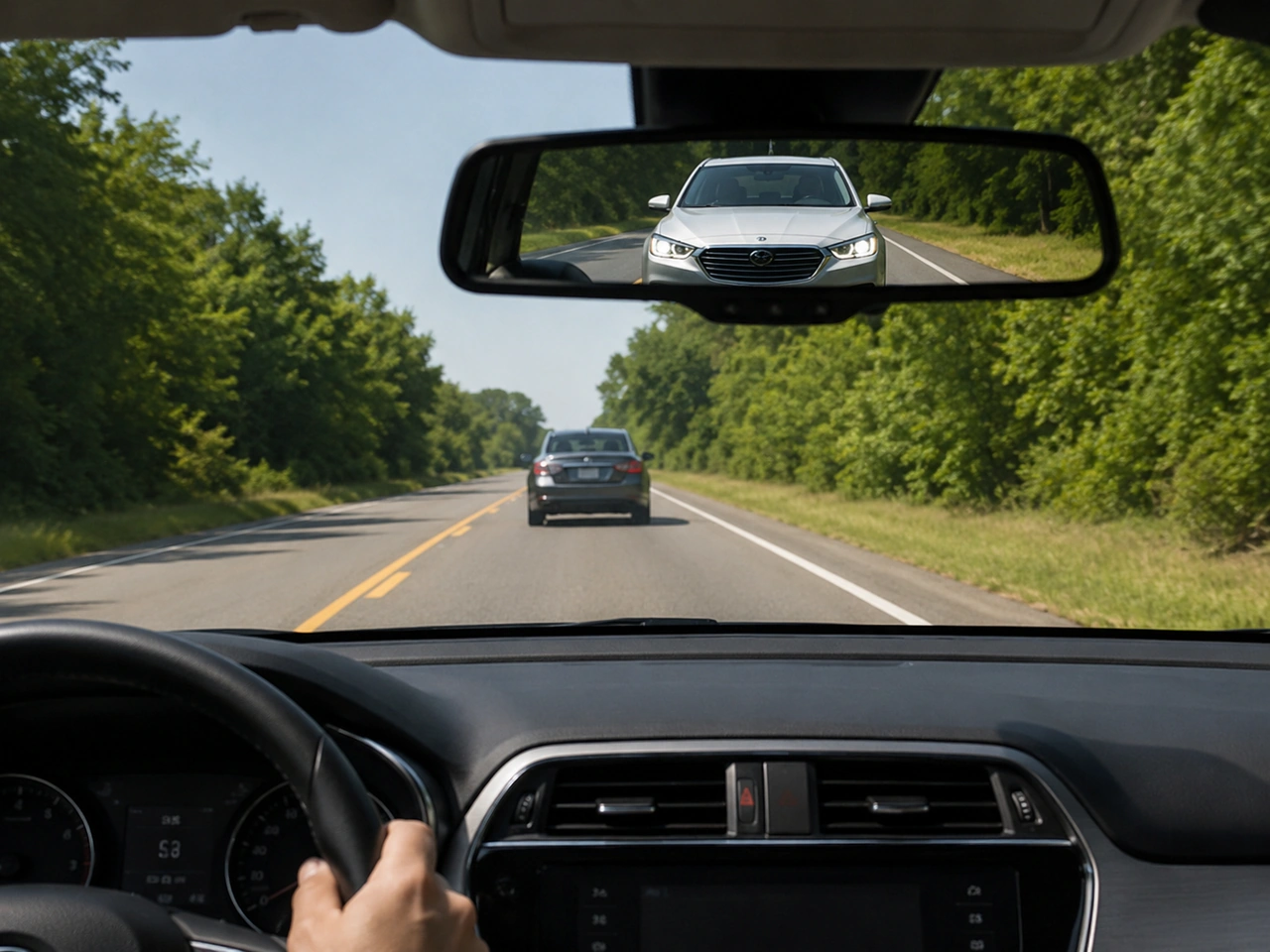
303. What should you do if another vehicle is tailgating you?
If someone follows too closely, avoid sudden actions. Keeping more space in front gives you more time to brake gently if needed. If it is safe, allow the tailgating vehicle to pass.
AI-generated by Rijbewijs-online.be • WCIT • CC BY-SA
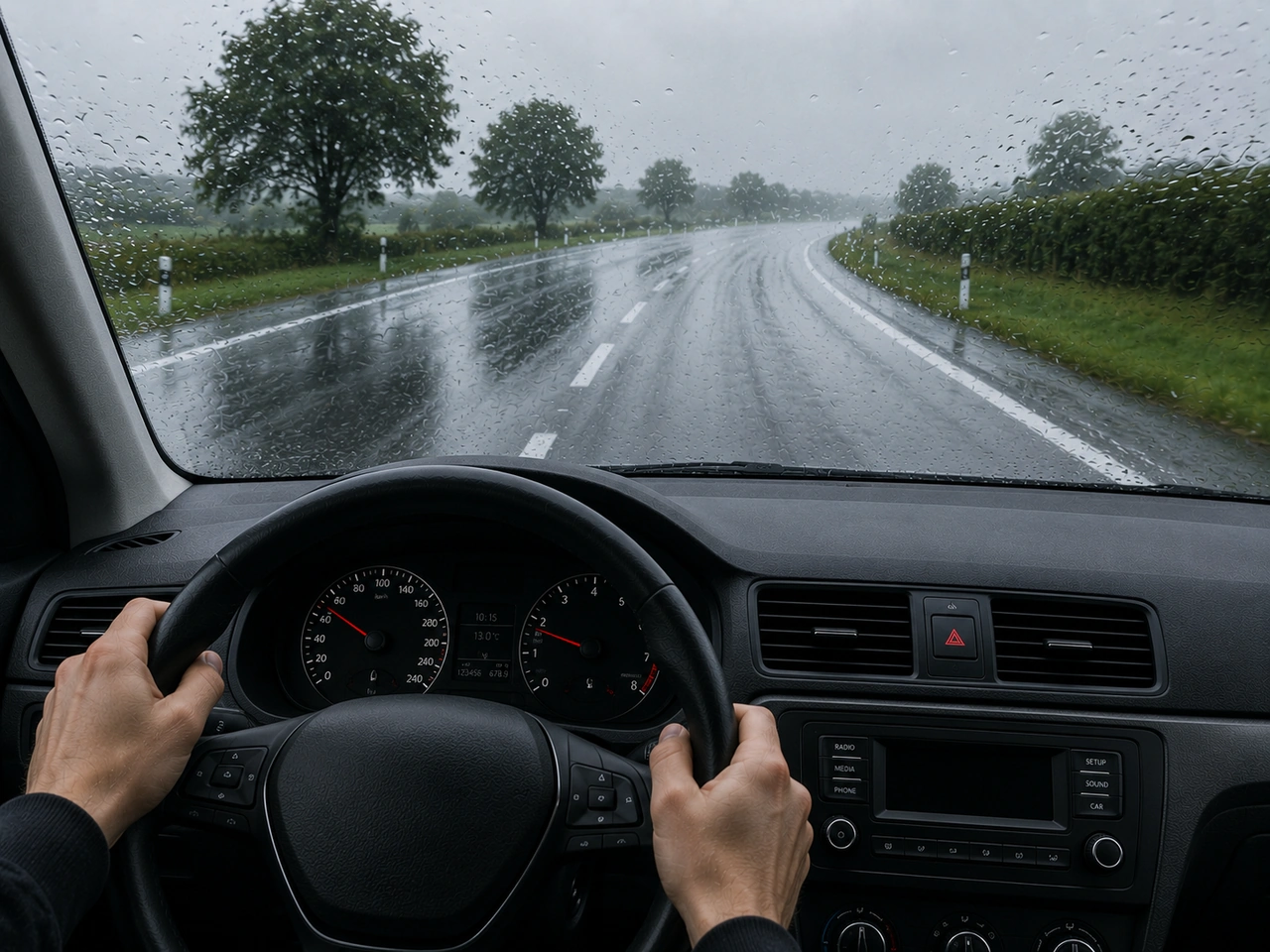
304. What should you do if your vehicle begins to aquaplane?
Aquaplaning happens when the tyres lose contact with the road surface. Ease off the accelerator, avoid sudden movements, and wait for grip to return.
AI-generated by Rijbewijs-online.be • WCIT • CC BY-SA
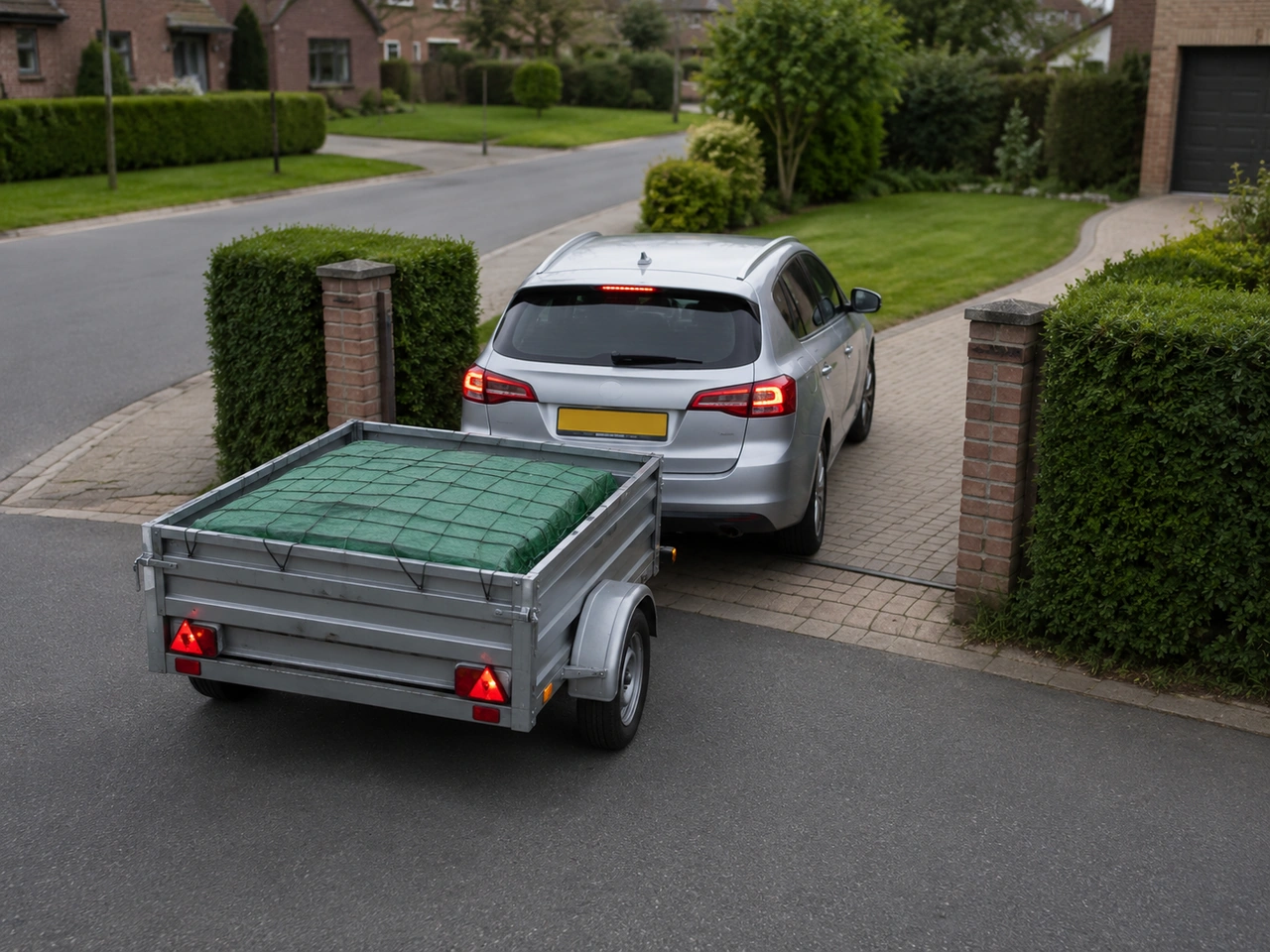
305. What should you do when reversing with a trailer?
Trailers react quickly to steering while reversing. Move slowly, observe carefully, and use a guide only from a safe visible position.
AI-generated by Rijbewijs-online.be • WCIT • CC BY-SA
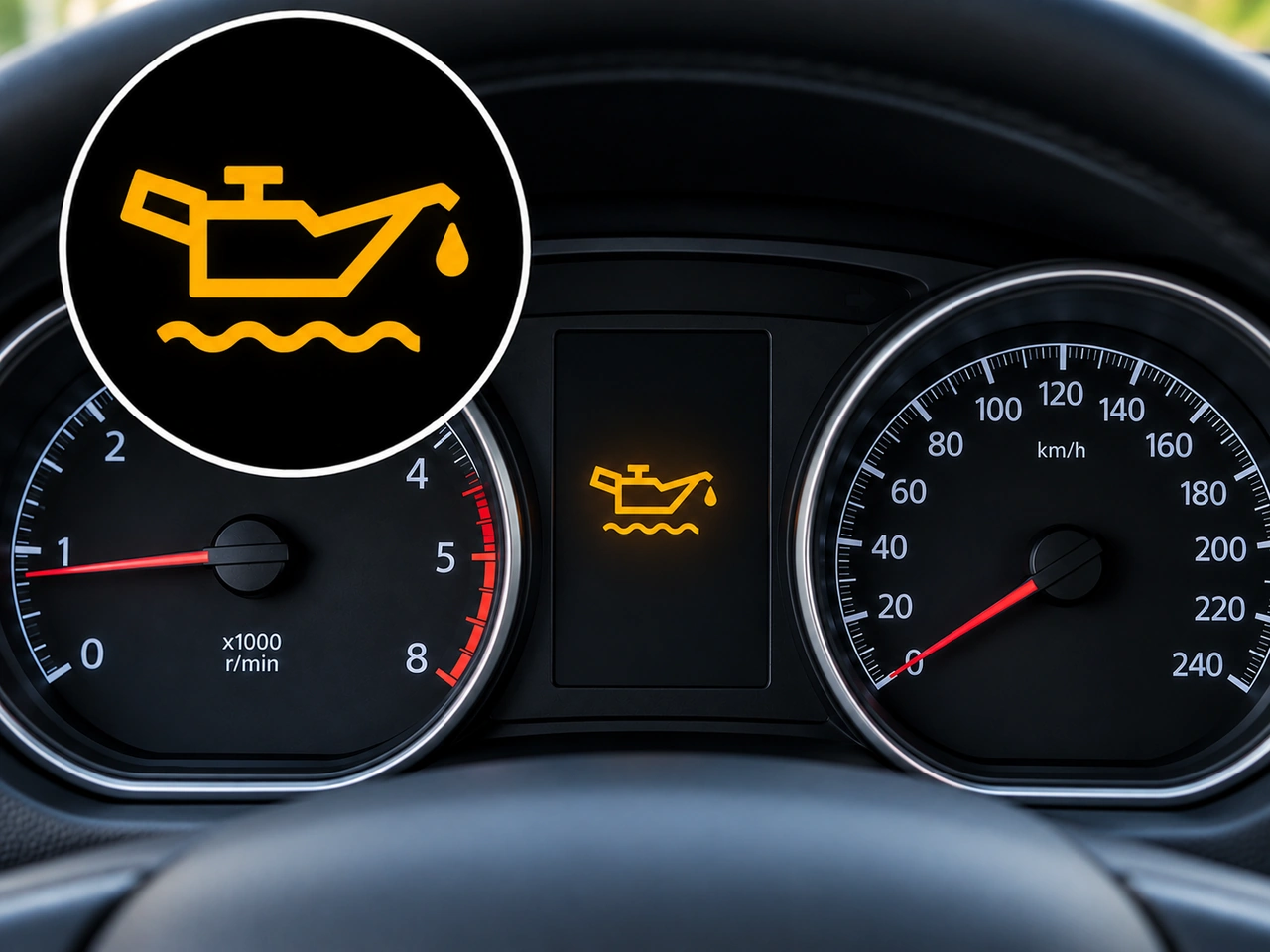
306. What does this dashboard symbol indicate?
This symbol indicates that the engine oil level is low. Check the oil level according to the manufacturer's instructions and add the correct oil if necessary.
AI-generated by Rijbewijs-online.be • WCIT • CC BY-SA
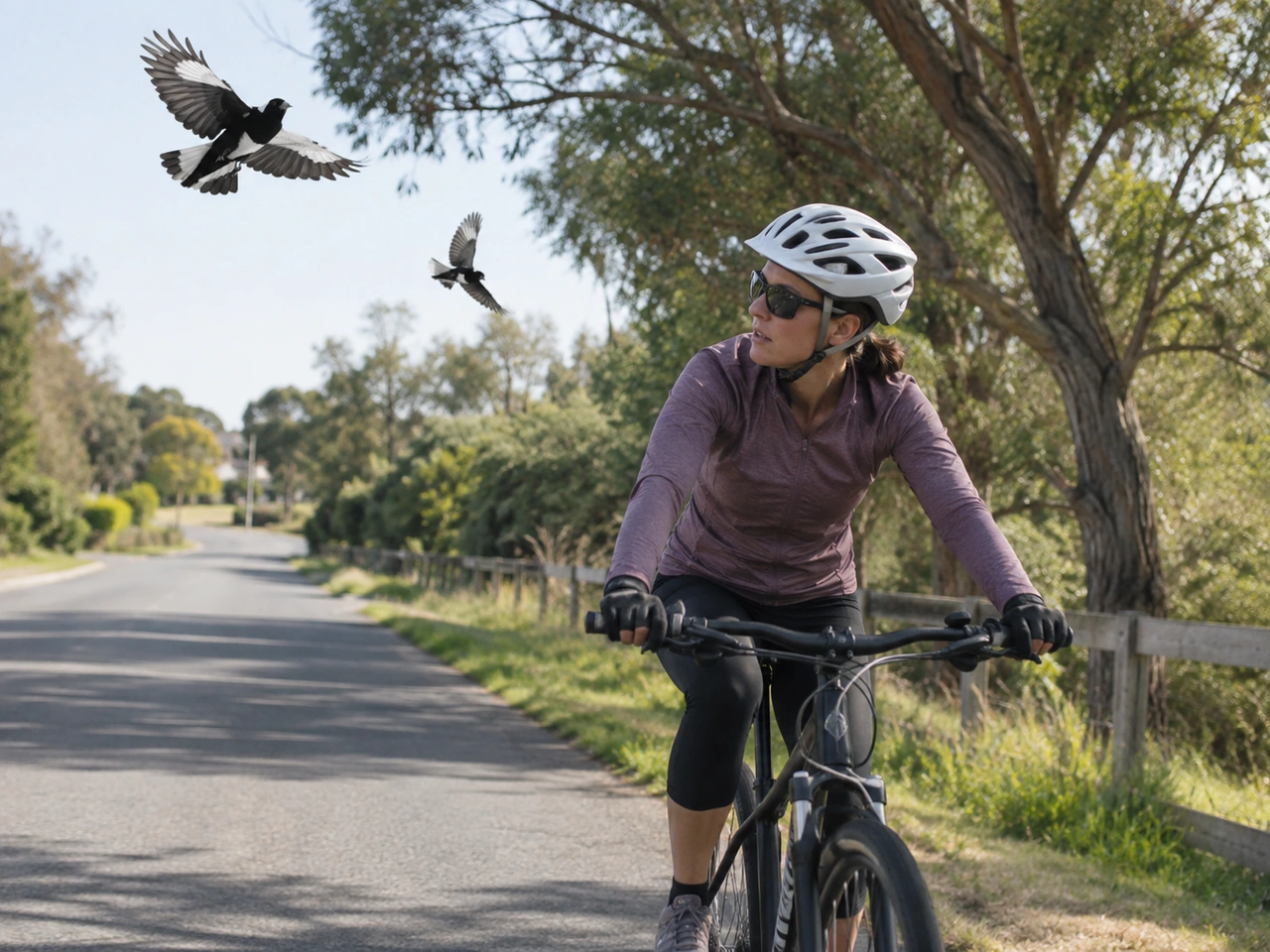
307. What should you do if birds are swooping at you while cycling?
Some birds become territorial during the breeding season and may swoop people near their nests. Stay calm, avoid provoking or approaching the birds, and leave the area safely. If necessary and safe, dismount and walk your bicycle through or away from the area while keeping your helmet on.
AI-generated by Rijbewijs-online.be • WCIT • CC BY-SA
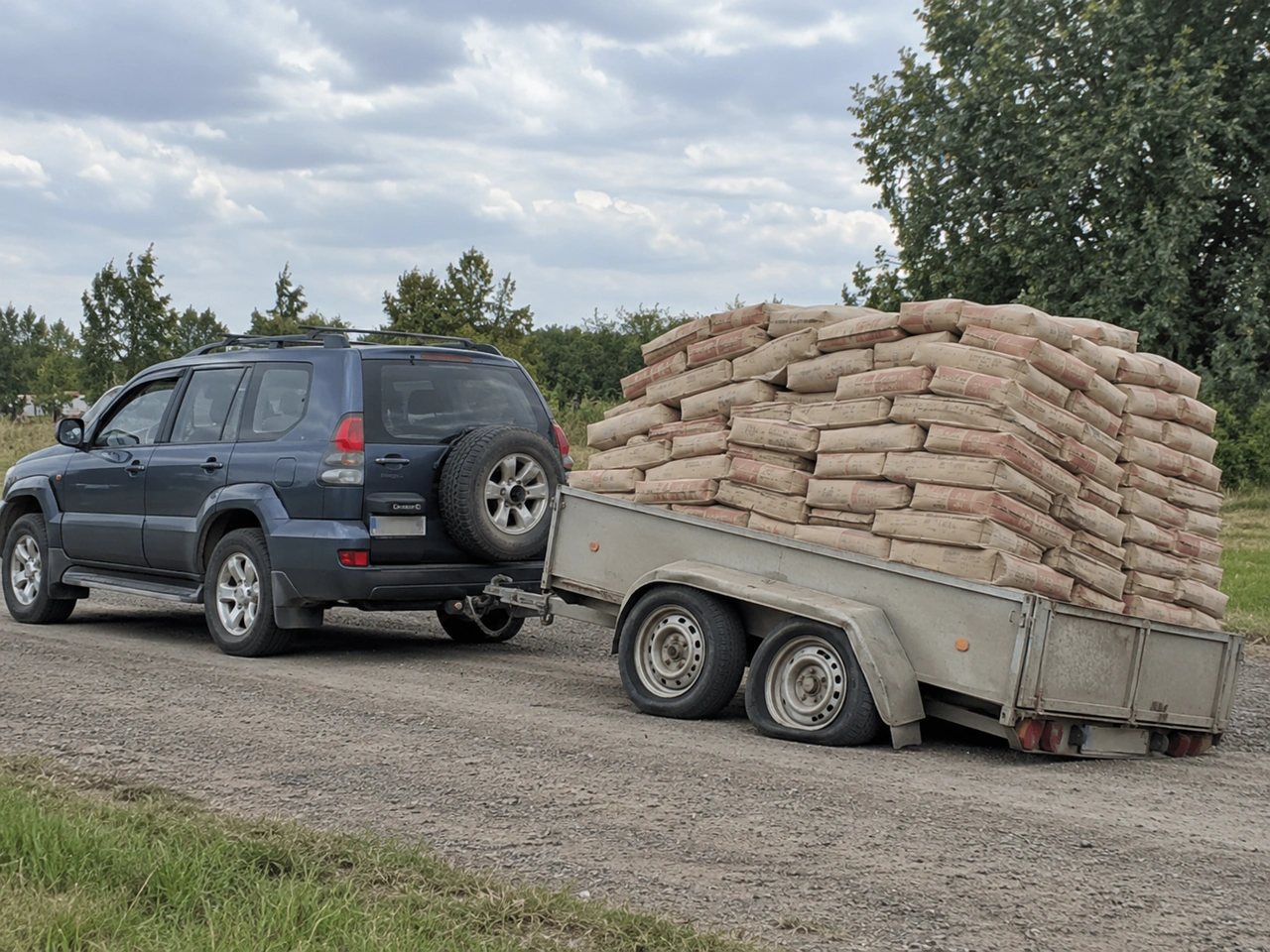
308. Why should you avoid overloading a trailer?
Overloading can affect braking, steering, tyres, suspension, and trailer stability. Always remain within permitted limits. After loading, check that the load is secure and correctly distributed before starting your journey.
AI-generated by Rijbewijs-online.be • WCIT • CC BY-SA
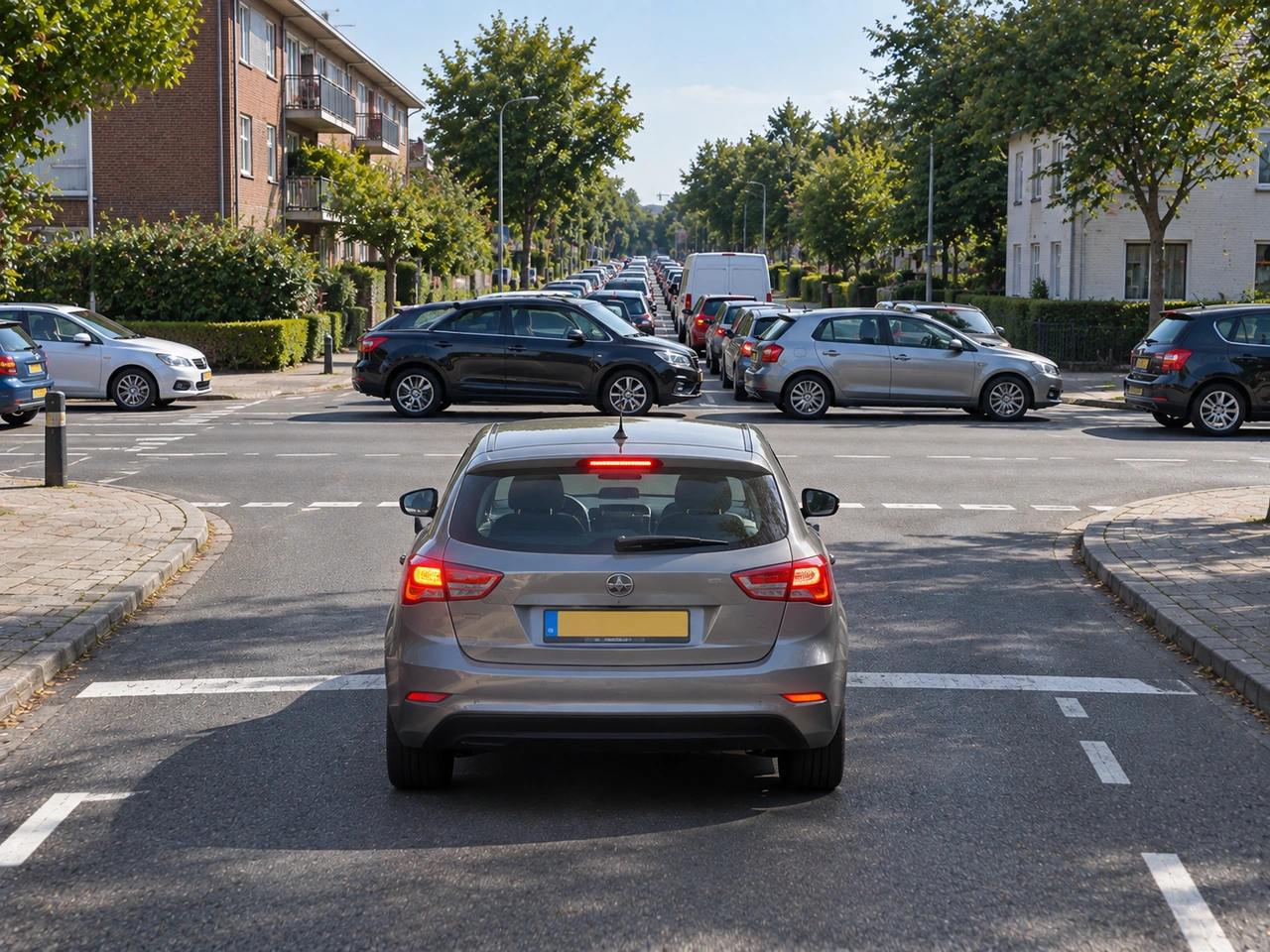
309. What should you do if traffic ahead is blocking a junction?
Do not enter a junction if traffic ahead prevents you from clearing it safely. Waiting before the junction helps avoid blocking crossing traffic, pedestrians, cyclists, or other road users.
AI-generated by Rijbewijs-online.be • WCIT • CC BY-SA
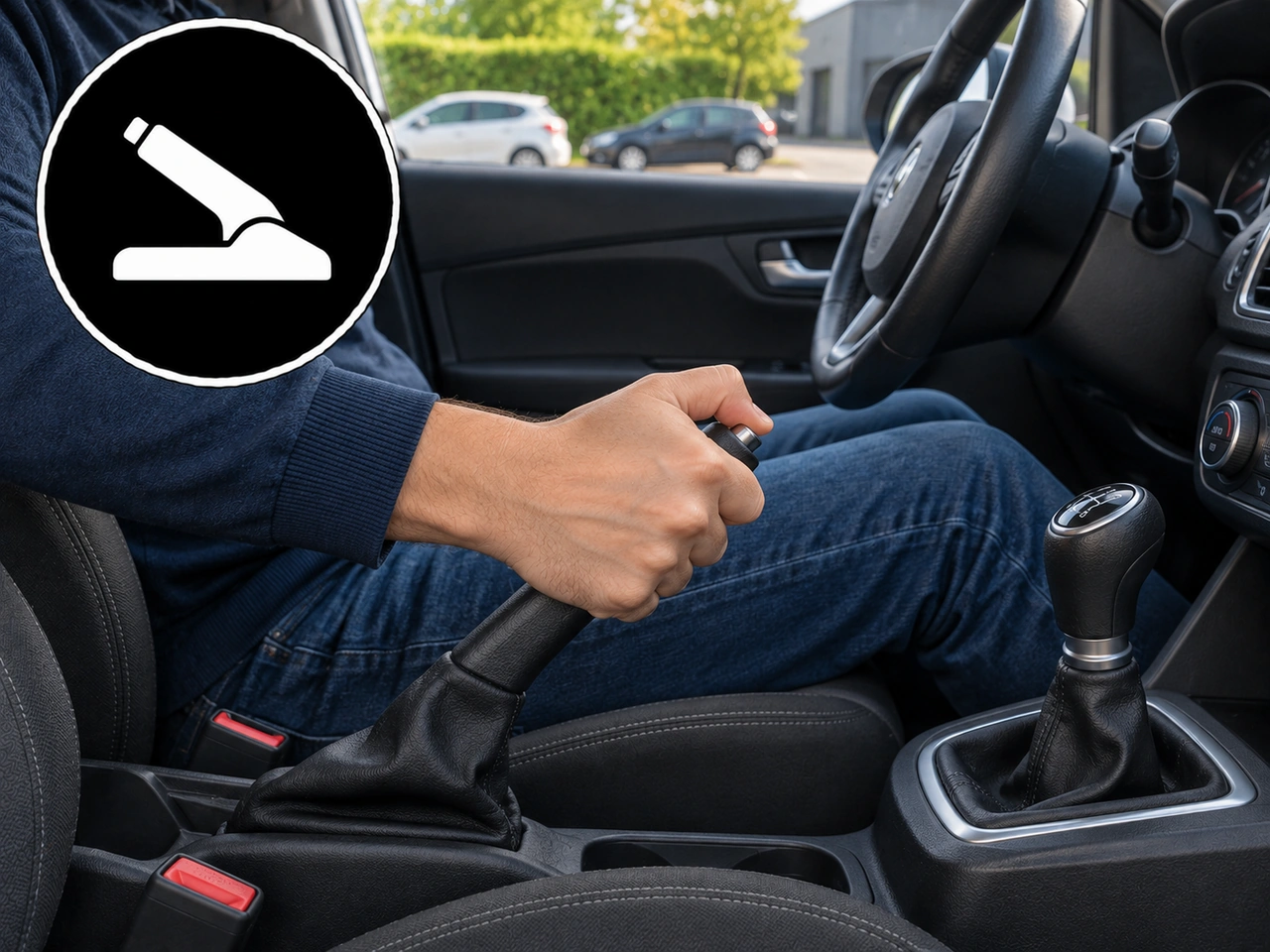
310. What should you do with the parking brake before leaving a parked vehicle?
Before leaving a parked vehicle, apply the parking brake securely to help prevent unintended movement. Also select the appropriate gear or transmission position for parking.
AI-generated by Rijbewijs-online.be • WCIT • CC BY-SA
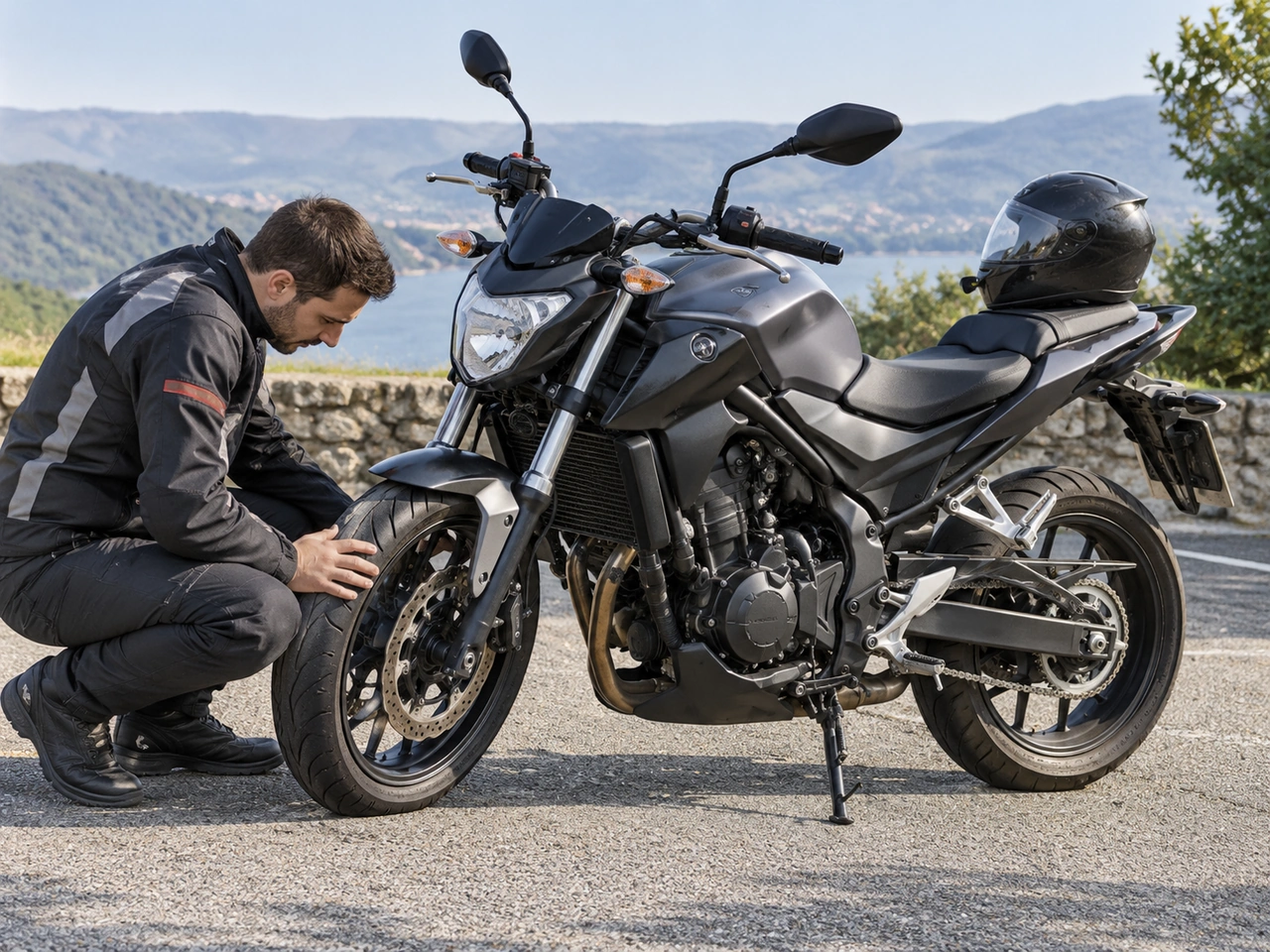
311. What should you check before starting a motorcycle journey?
Before riding, carry out a basic safety check. Check the tyres, brakes, lights, steering and controls, and inspect the drive chain, belt or other drive components where applicable. Finding a problem before setting off can prevent a breakdown or loss of control.
AI-generated by Rijbewijs-online.be • WCIT • CC BY-SA
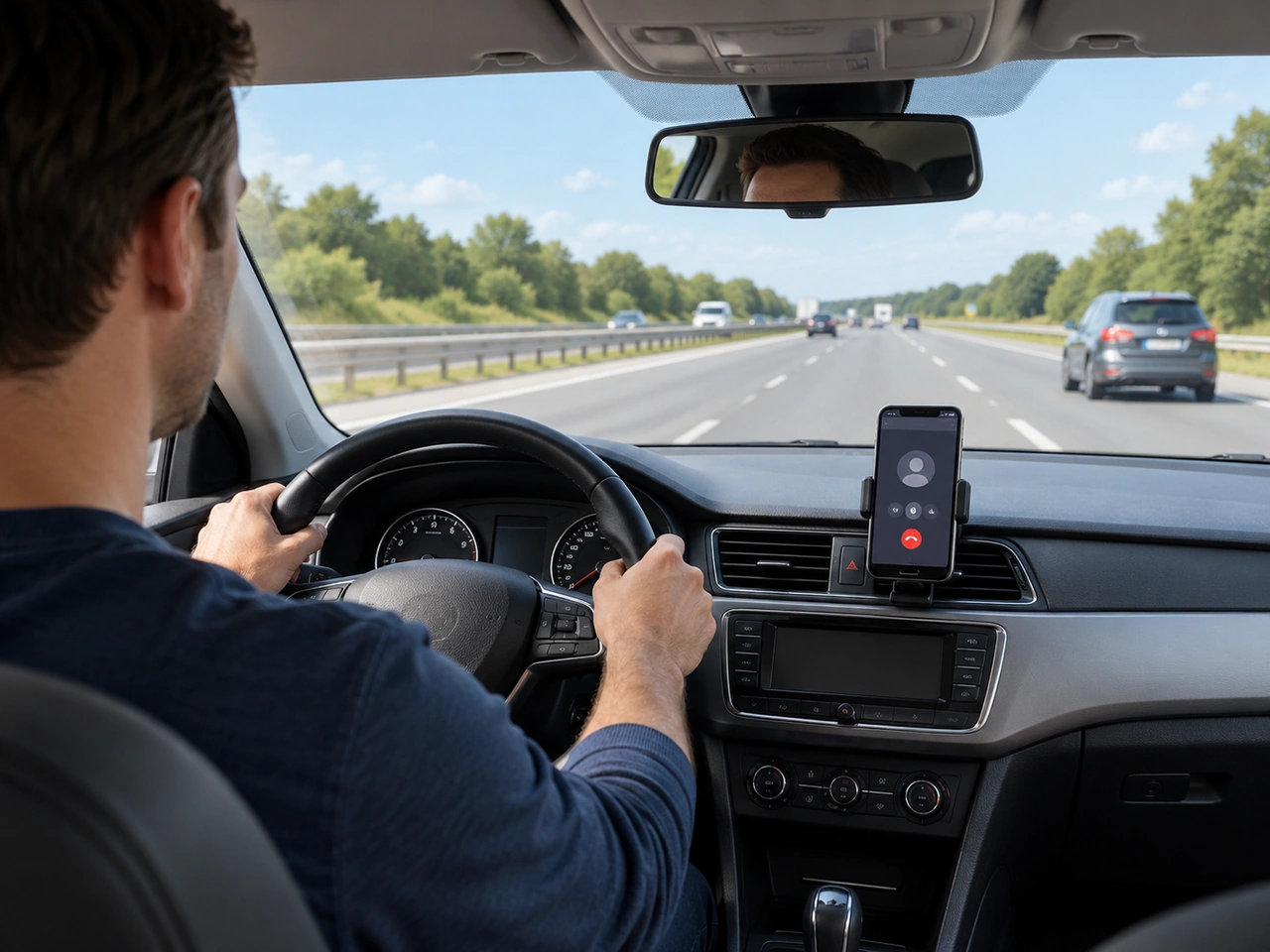
312. How may drivers normally use a phone while driving in France?
When phone use while driving is permitted in France, drivers must generally use a hands-free system rather than holding the phone.
AI-generated by Rijbewijs-online.be • WCIT • CC BY-SA
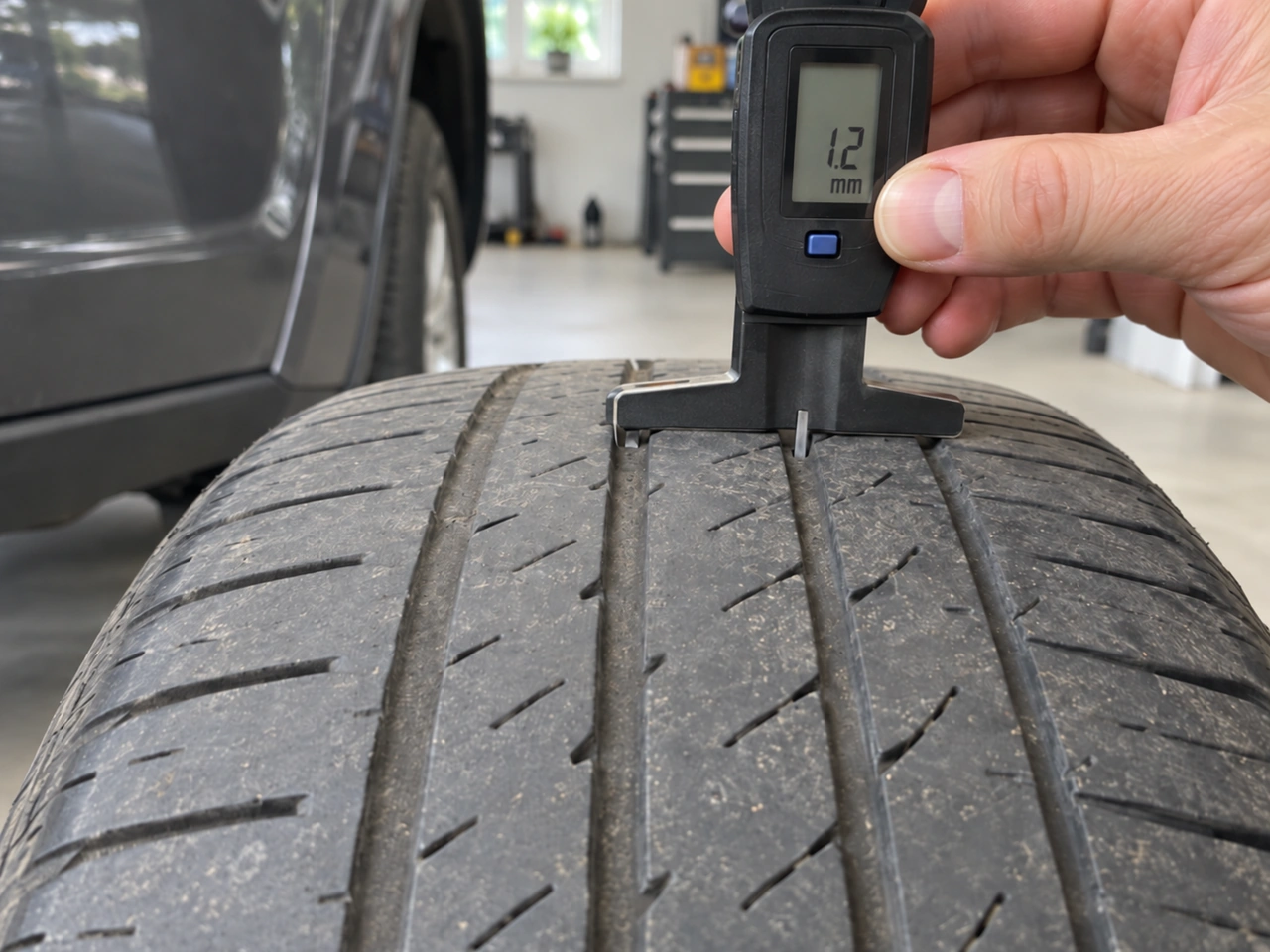
313. What is the general minimum legal tread depth for car tyres in France?
The general minimum legal tread depth for car tyres in France is 1.6 mm. Higher minimums may apply to winter tyres, during winter periods or in winter conditions.
AI-generated by Rijbewijs-online.be • WCIT • CC BY-SA
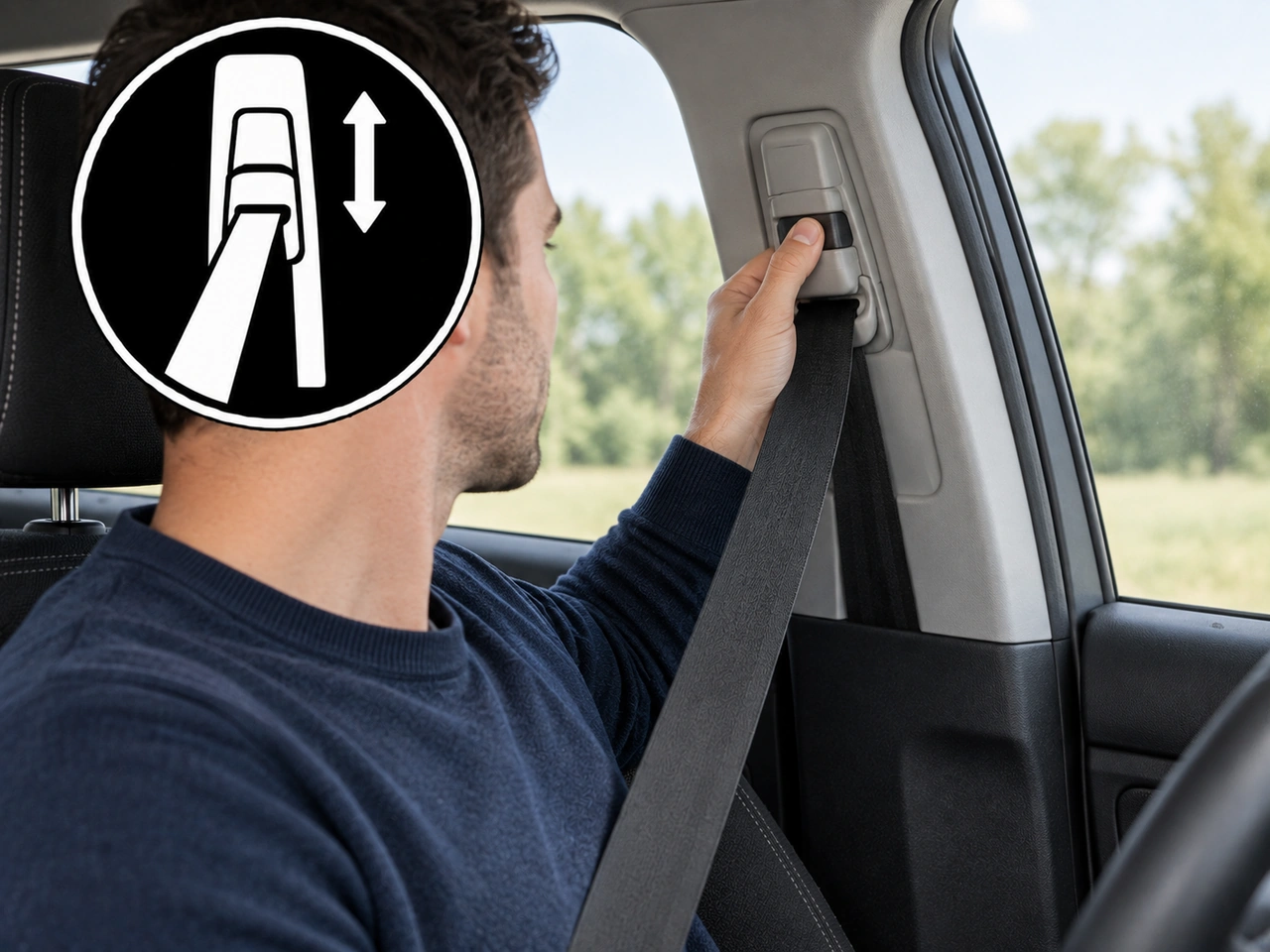
314. Why should the seat-belt height be adjusted correctly?
The seat-belt height adjustment helps position the shoulder belt correctly across the chest and shoulder. It should not run across the neck or under the arm.
AI-generated by Rijbewijs-online.be • WCIT • CC BY-SA
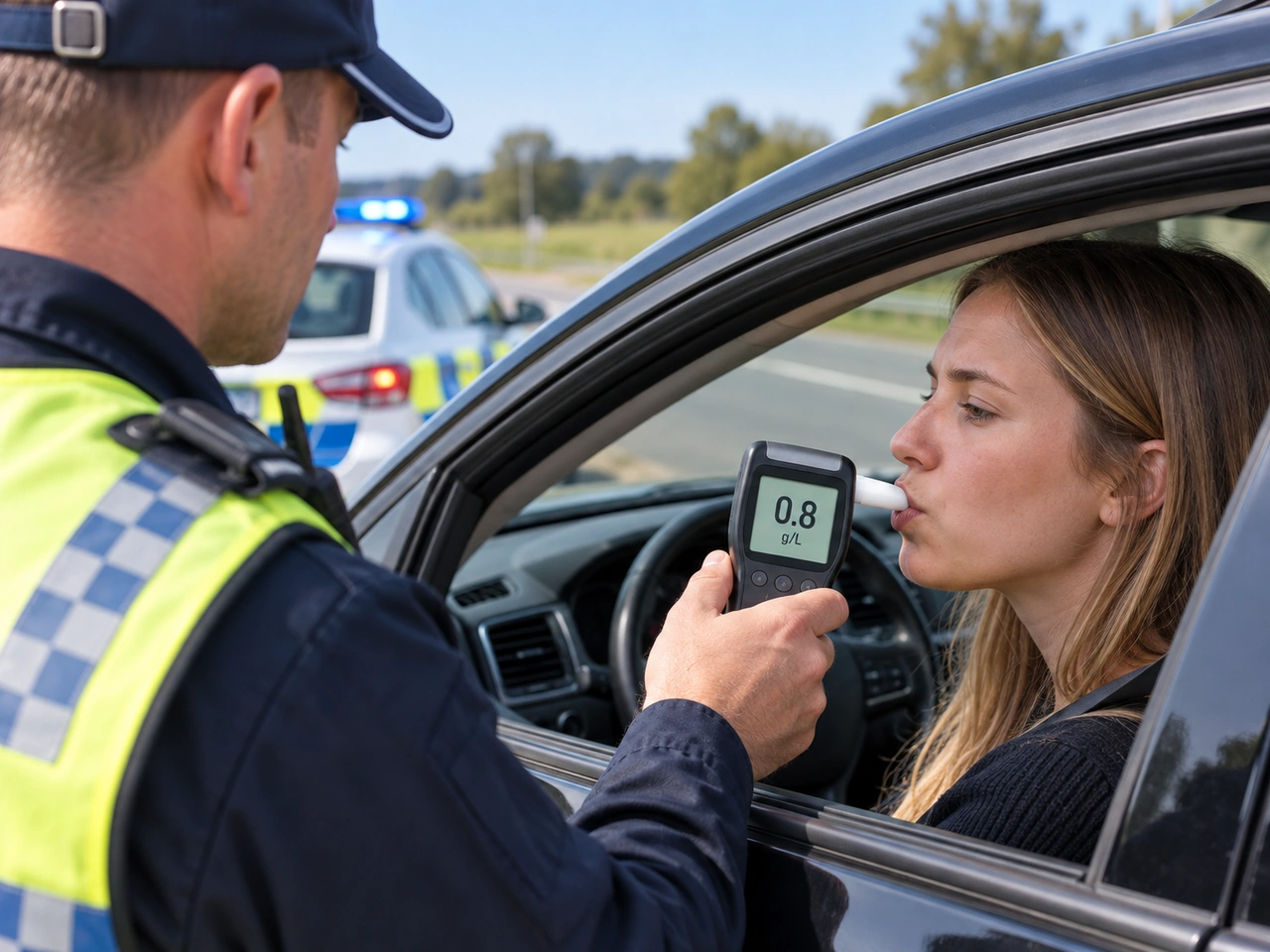
315. What is the legal blood alcohol limit for ordinary drivers in France?
The legal blood alcohol limit for ordinary drivers in France is 0.5 g/L.
AI-generated by Rijbewijs-online.be • WCIT • CC BY-SA
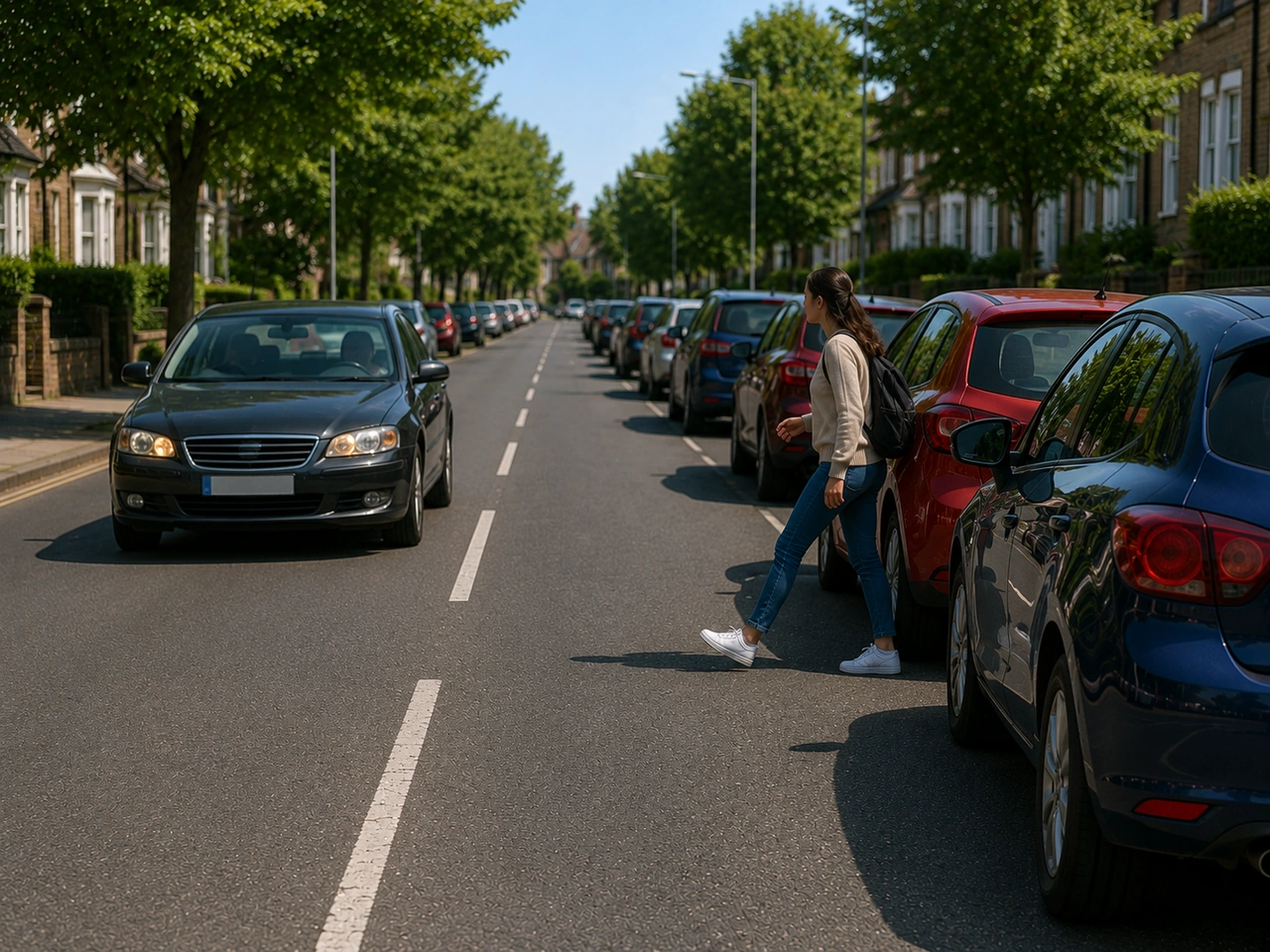
316. Why is it dangerous to cross between parked cars?
Parked vehicles can block the view between pedestrians and drivers. This makes it harder to see approaching traffic and harder for drivers to see you.
AI-generated by Rijbewijs-online.be • WCIT • CC BY-SA
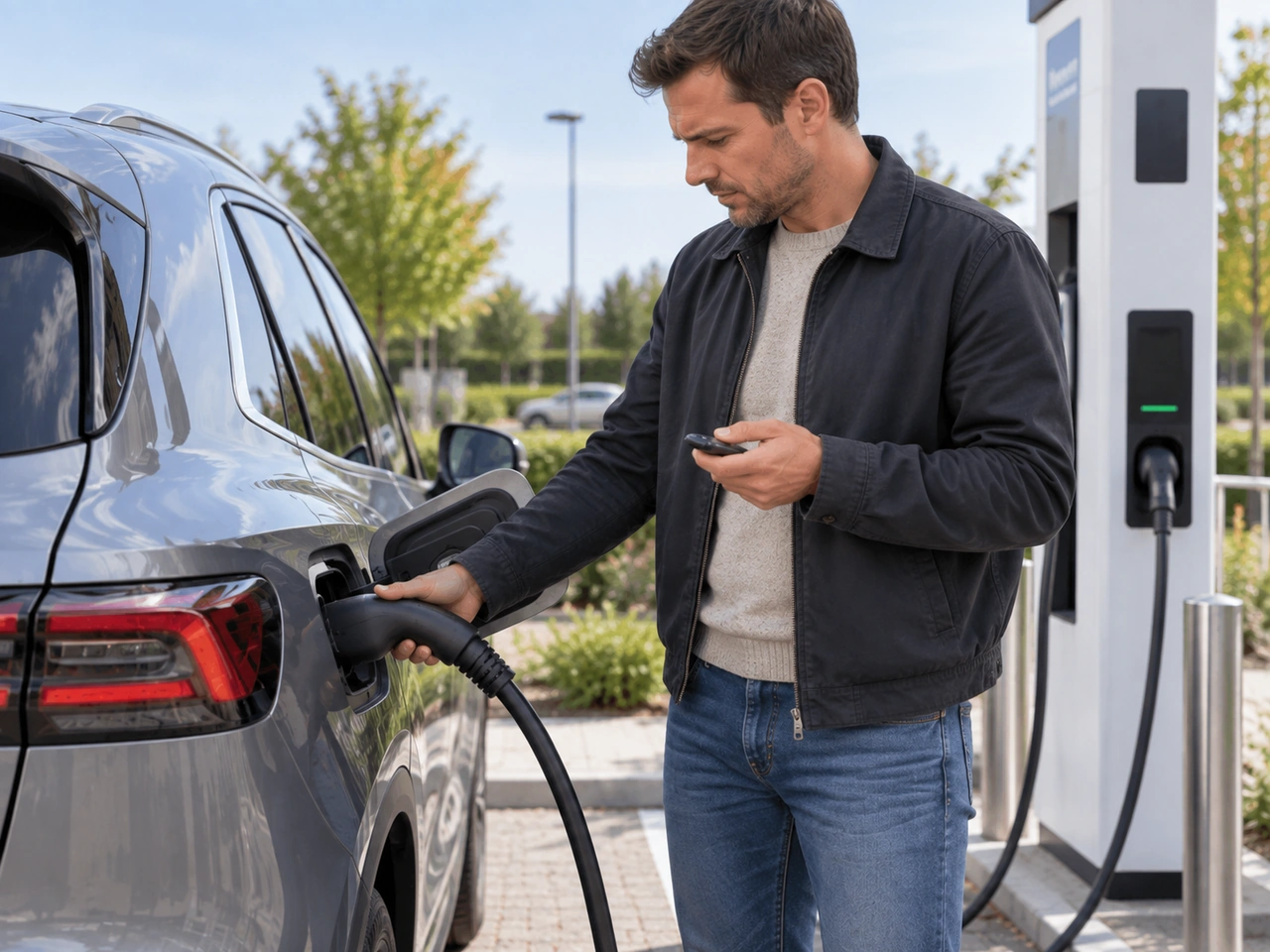
317. What should you do if an EV charging connector will not release from the vehicle?
Charging connectors may remain locked while charging or until the vehicle is unlocked. Stop the charging session and follow the vehicle or charger's release procedure. Never force the connector; if it remains stuck, seek appropriate assistance.
AI-generated by Rijbewijs-online.be • WCIT • CC BY-SA
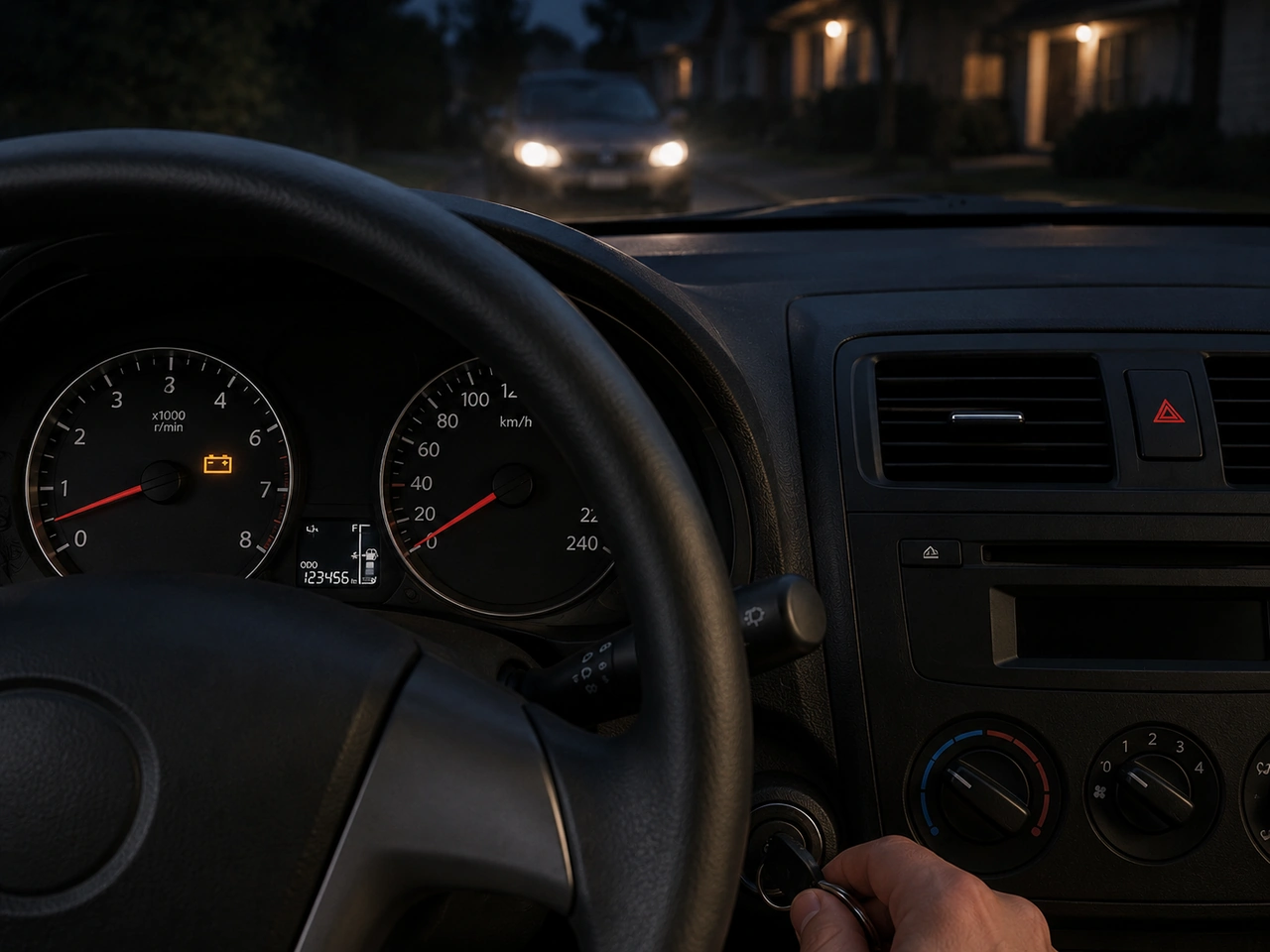
318. What can slow engine cranking or dim lights indicate?
Slow starting, dim lights, or repeated battery warnings can indicate a weak battery, poor electrical connection, or a fault in the charging system.
AI-generated by Rijbewijs-online.be • WCIT • CC BY-SA
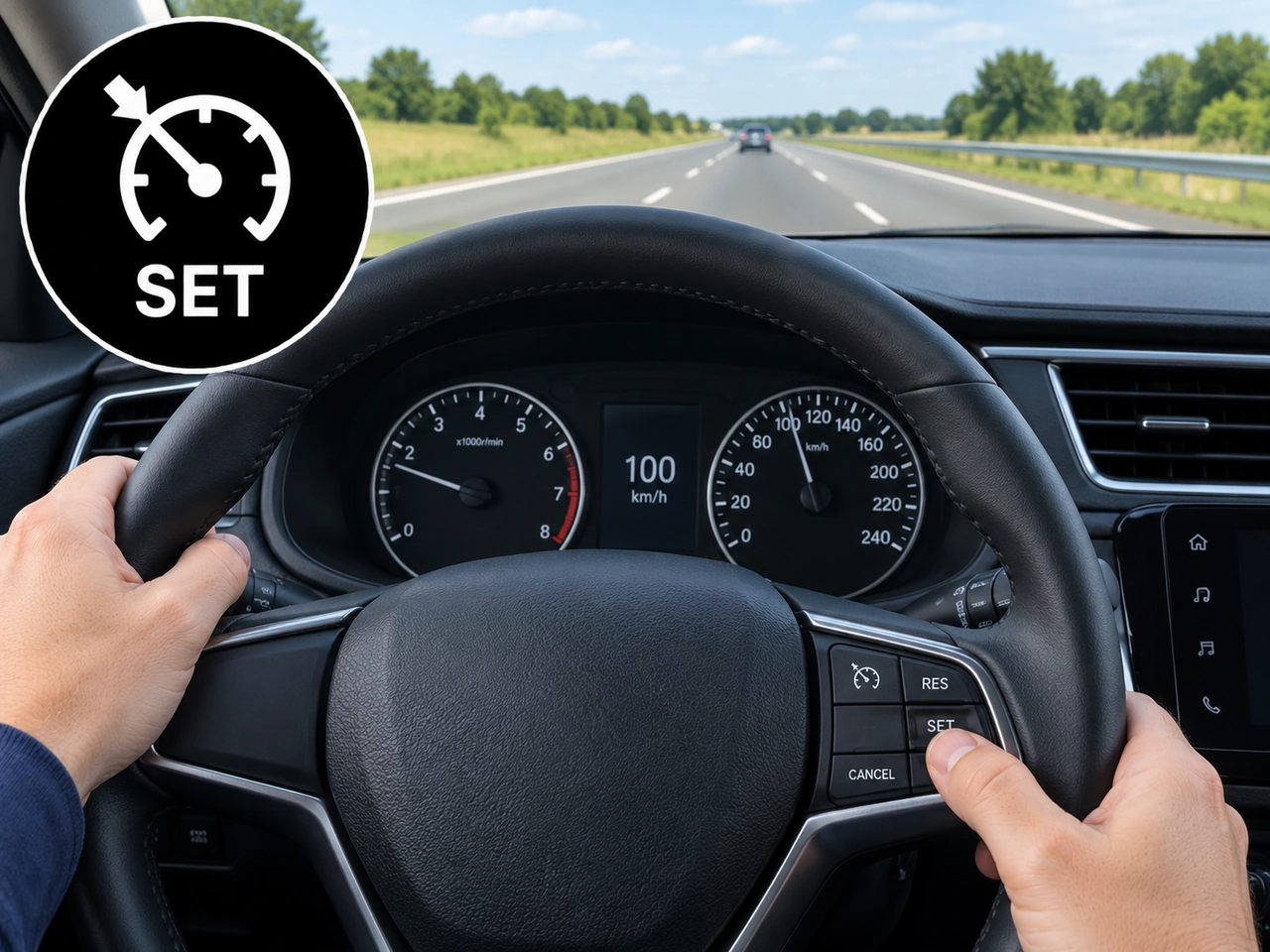
319. What does the SET function of cruise control normally do?
The SET function normally stores the vehicle's current speed as the cruise-control speed. Use it only when the road, traffic, and driving conditions are suitable.
AI-generated by Rijbewijs-online.be • WCIT • CC BY-SA
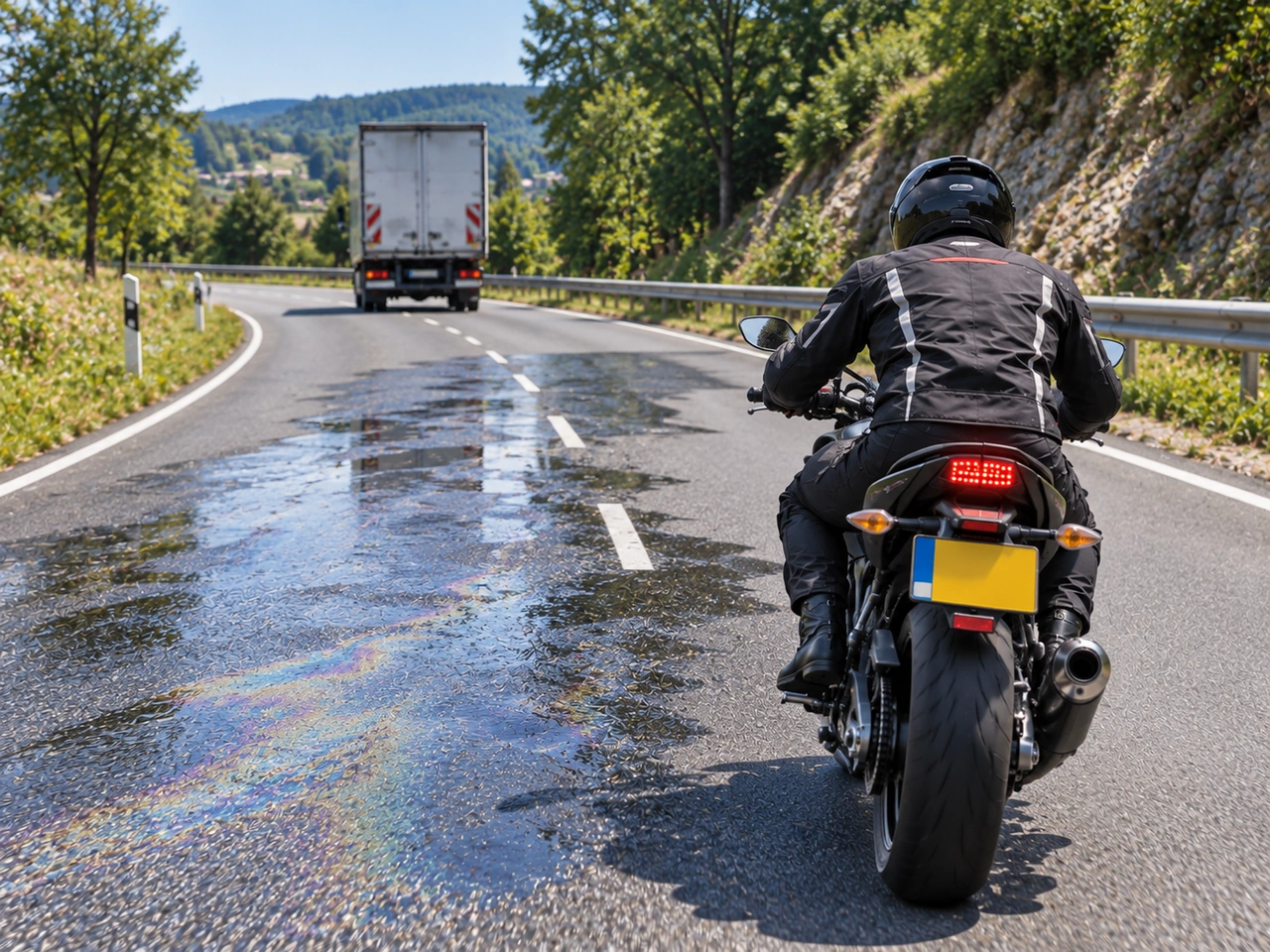
320. Why should you take extra care if oil or diesel is spilled on the road?
Oil, diesel and other fluids can create a very slippery road surface, particularly for motorcycles and bicycles. Reduce speed, avoid sudden braking or steering and keep the vehicle as stable as possible when crossing a contaminated area.
AI-generated by Rijbewijs-online.be • WCIT • CC BY-SA
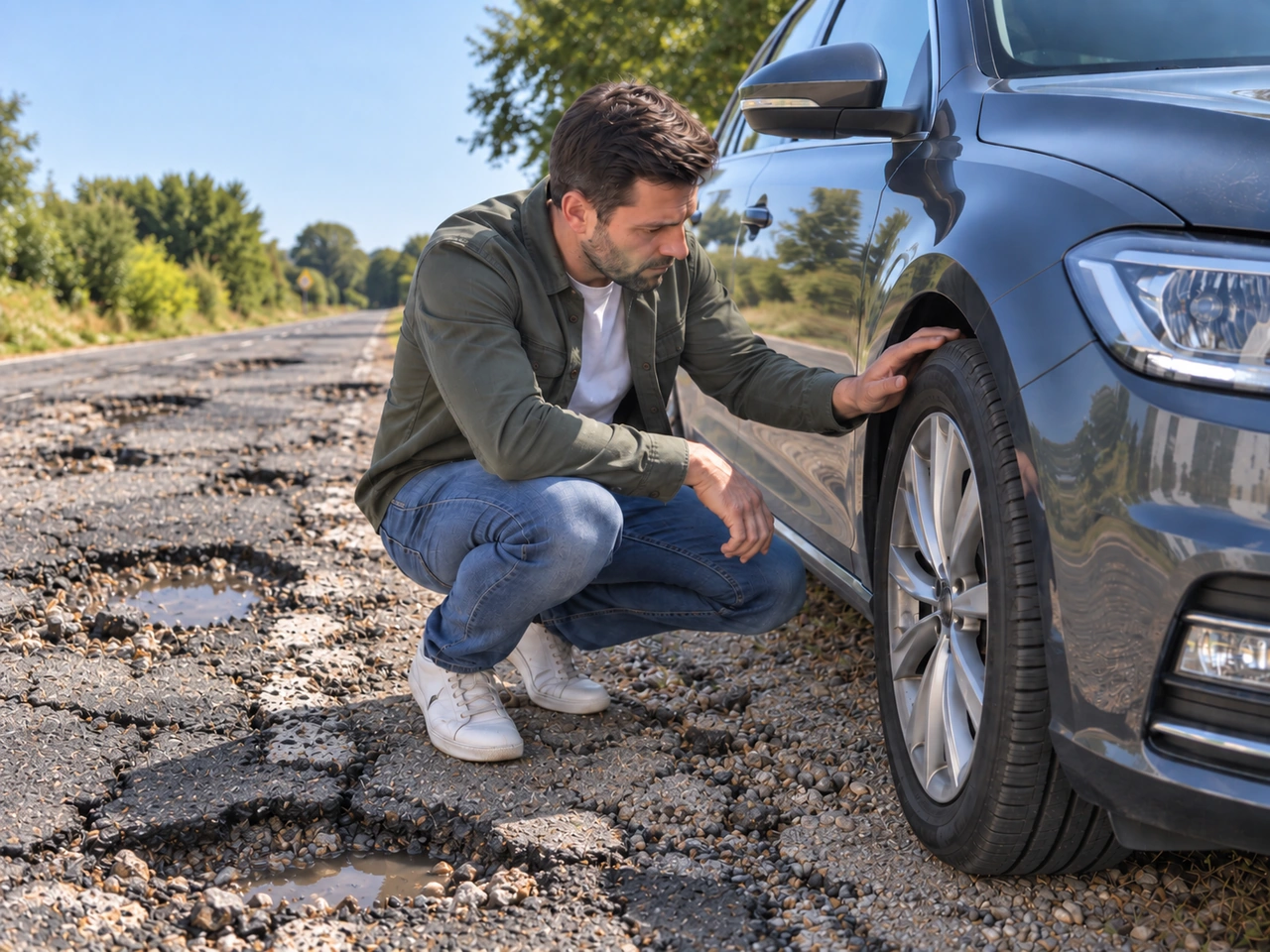
321. What should you do after hitting a deep pothole hard?
A hard impact with a pothole can damage tyres, wheel rims, steering, suspension, or wheel alignment. When it is safe to stop, inspect the tyres and wheels and pay attention to unusual vibration, pulling, or steering changes. Have the vehicle checked if you suspect damage.
AI-generated by Rijbewijs-online.be • WCIT • CC BY-SA
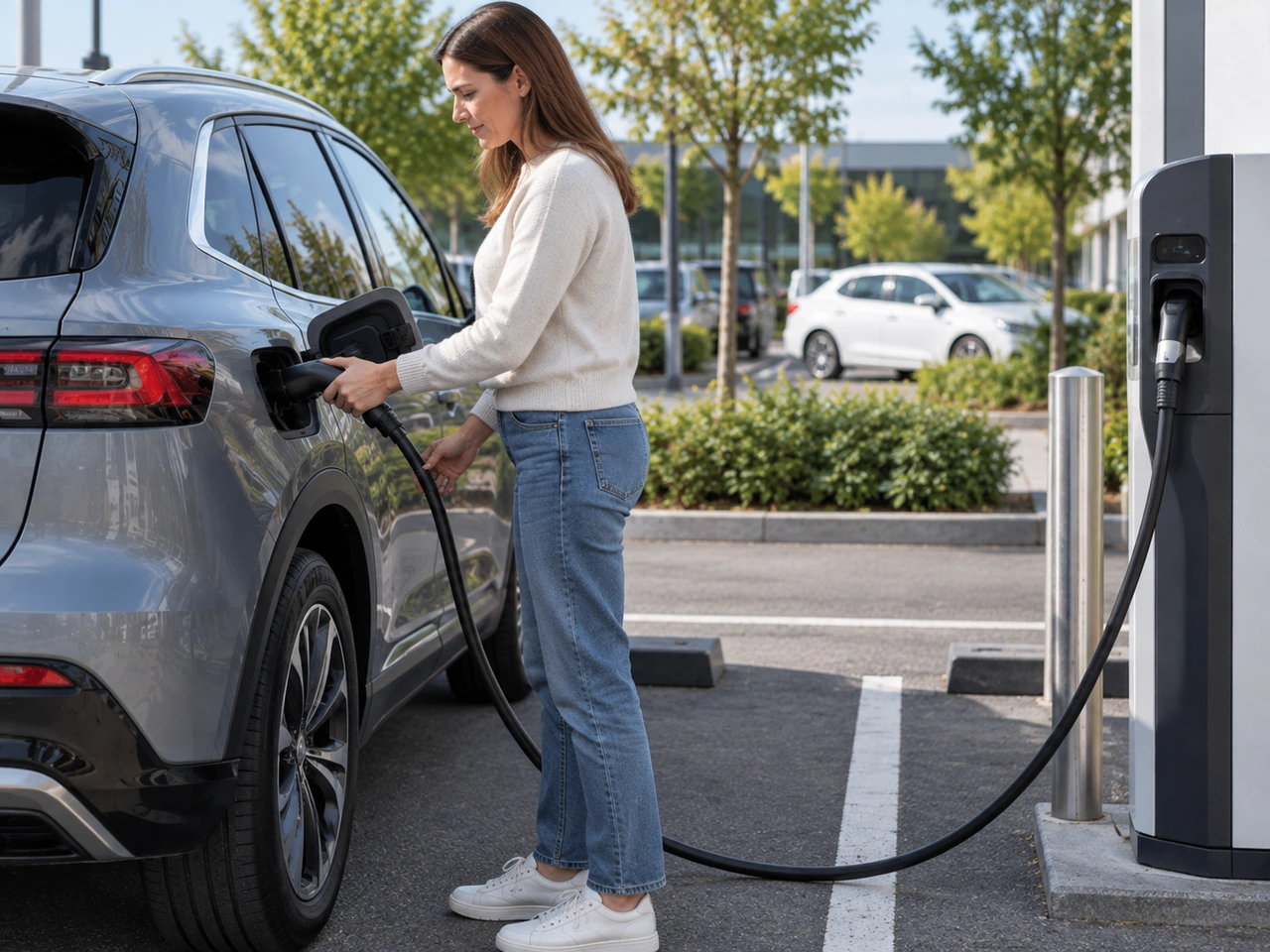
322. What should you do before driving away after charging an electric vehicle?
Before driving away, disconnect the charging cable correctly and return it to the charger or store it securely in the vehicle, as appropriate. Close the charging port and check that the area around the vehicle is clear.
AI-generated by Rijbewijs-online.be • WCIT • CC BY-SA
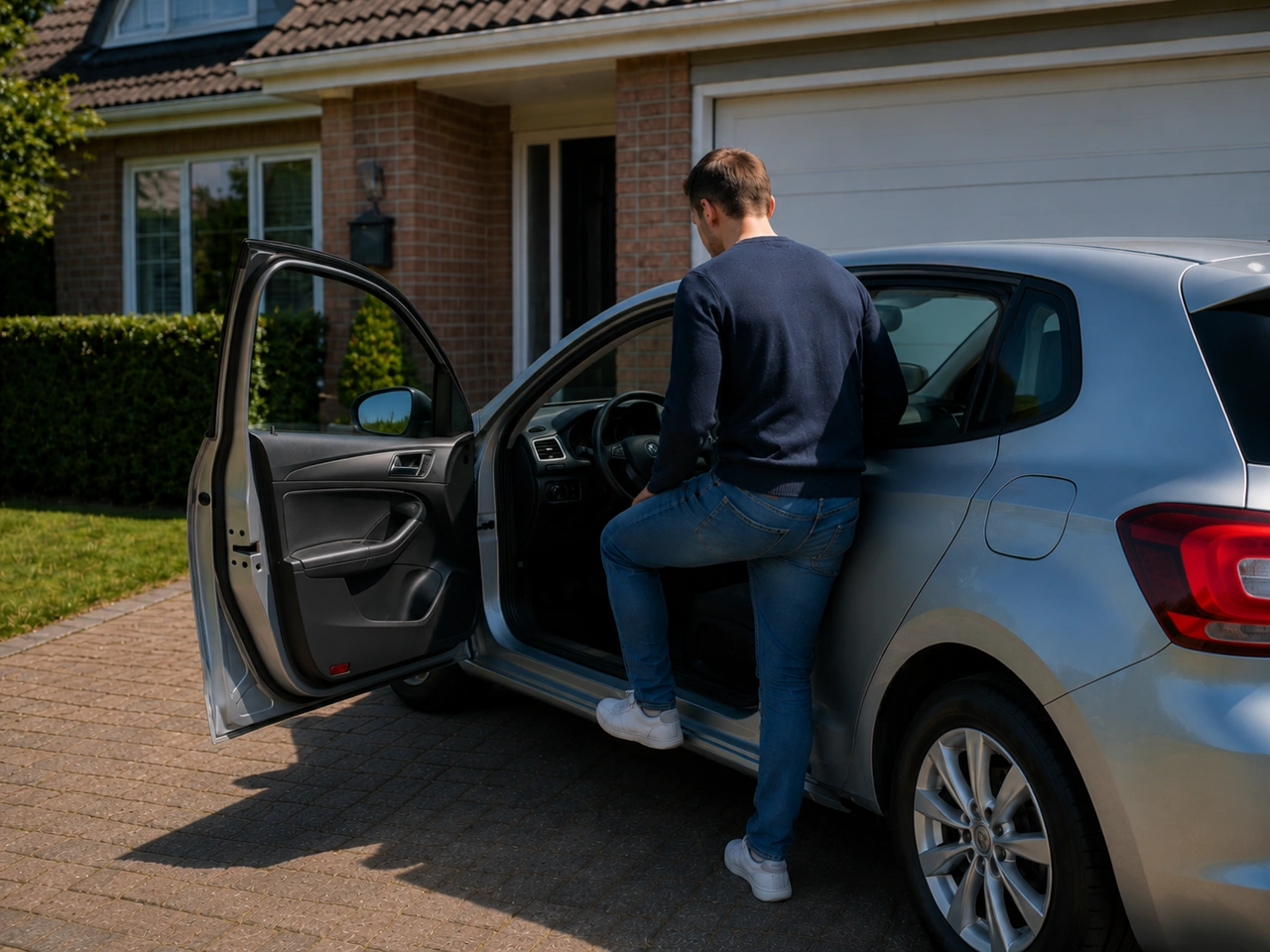
323. When should you fasten your seat belt?
Fasten your seat belt before the vehicle starts moving and keep it fastened throughout the journey. Make sure your passengers are also safely seated and properly restrained.
AI-generated by Rijbewijs-online.be • WCIT • CC BY-SA
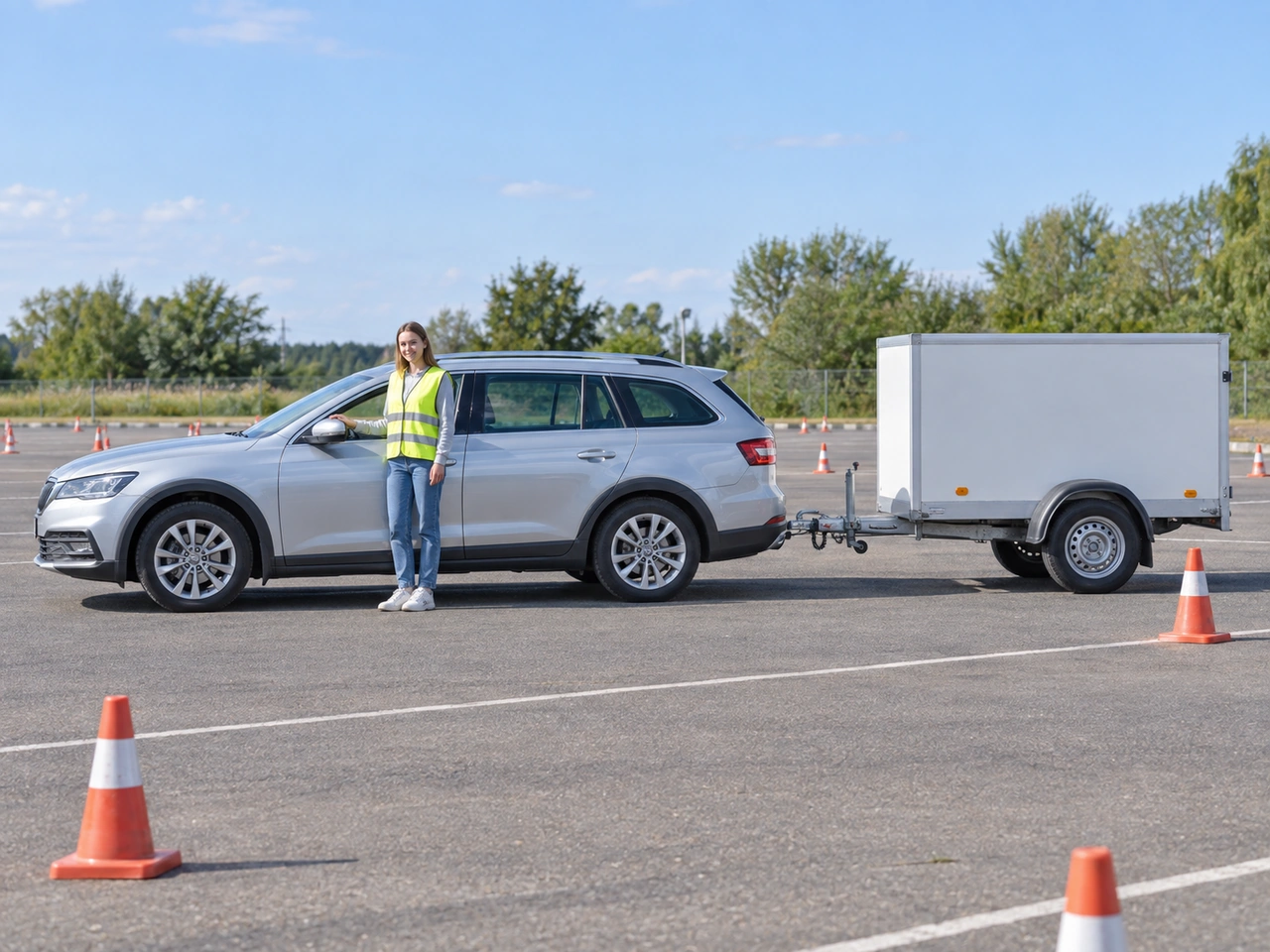
324. What does Code 96 allow with a category B licence?
Code 96 allows a category B vehicle to tow a trailer over 750 kg when the combined maximum authorised mass exceeds 3,500 kg but does not exceed 4,250 kg. Code 96 is not a separate driving licence category.
AI-generated by Rijbewijs-online.be • WCIT • CC BY-SA
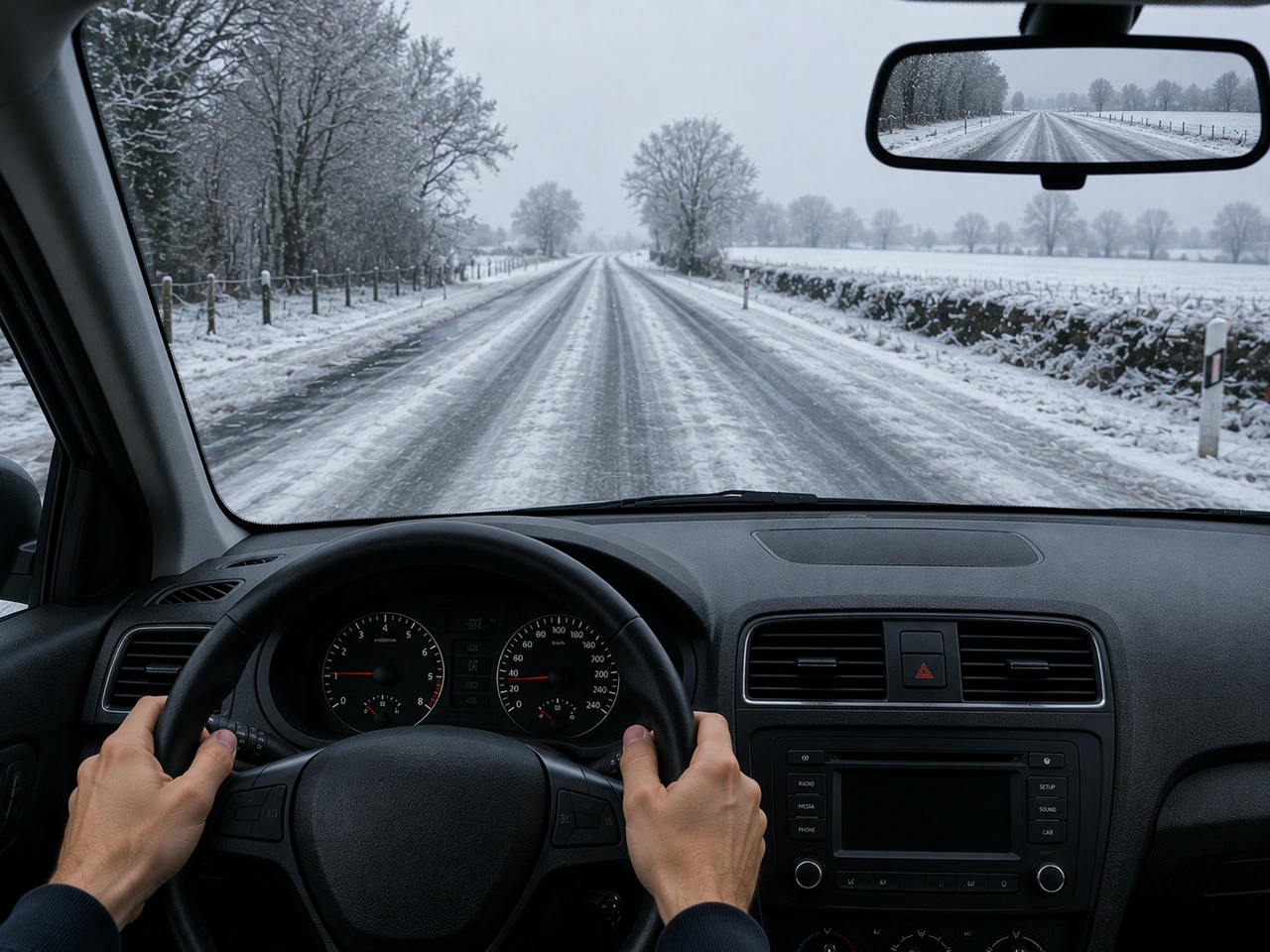
325. What should you do when driving on icy roads?
Ice greatly reduces tyre grip. Drive gently, keep extra distance, and avoid sudden movements that could cause a skid.
AI-generated by Rijbewijs-online.be • WCIT • CC BY-SA
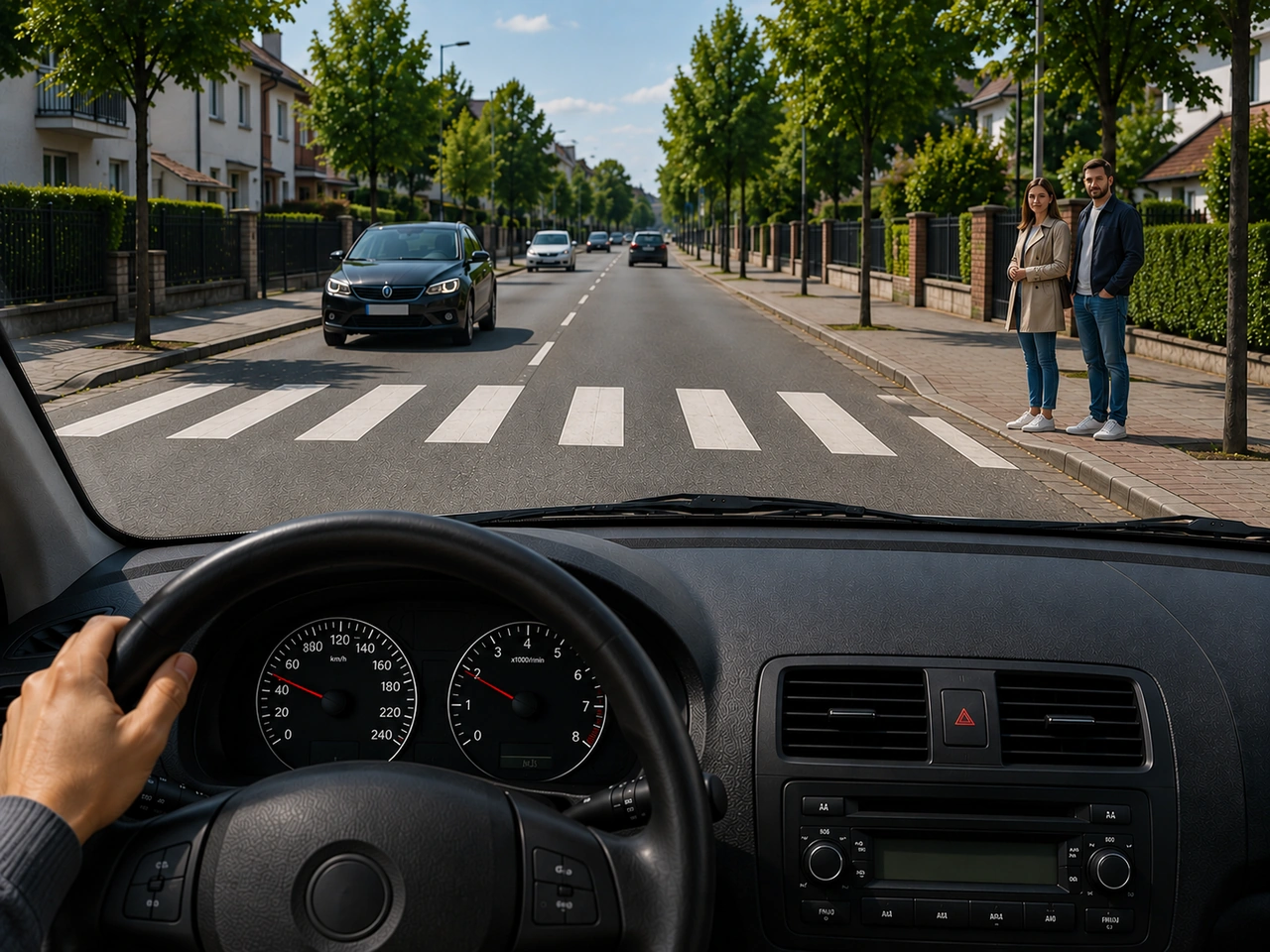
326. What should you do when people are waiting at a pedestrian crossing?
When people are waiting near a pedestrian crossing, reduce your speed and be ready to stop. Pedestrians may begin crossing at any moment.
AI-generated by Rijbewijs-online.be • WCIT • CC BY-SA
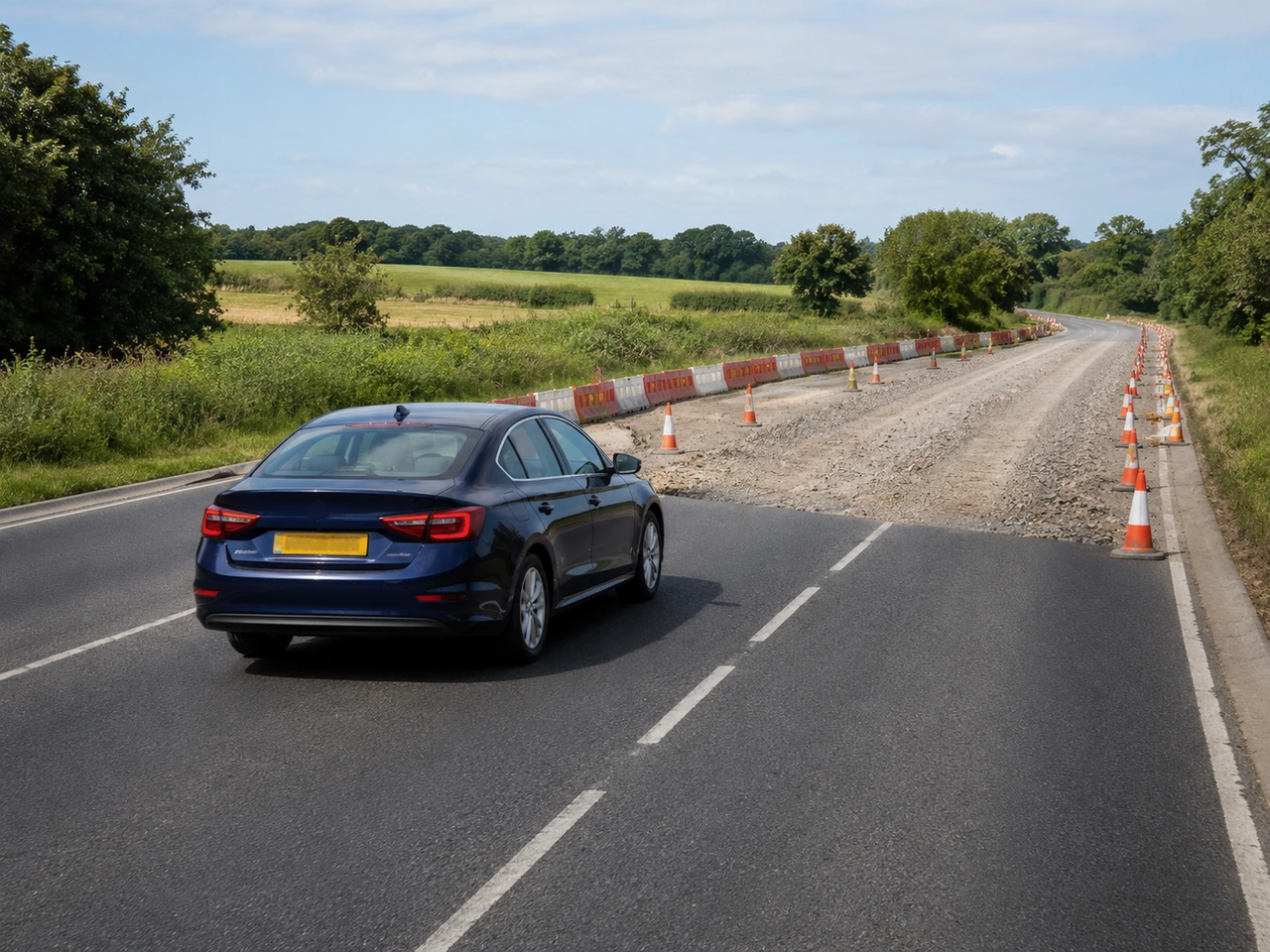
327. Why can temporary road surfaces increase stopping distance?
Temporary surfaces may provide less grip than normal asphalt. Reduce speed and allow more distance for braking.
AI-generated by Rijbewijs-online.be • WCIT • CC BY-SA
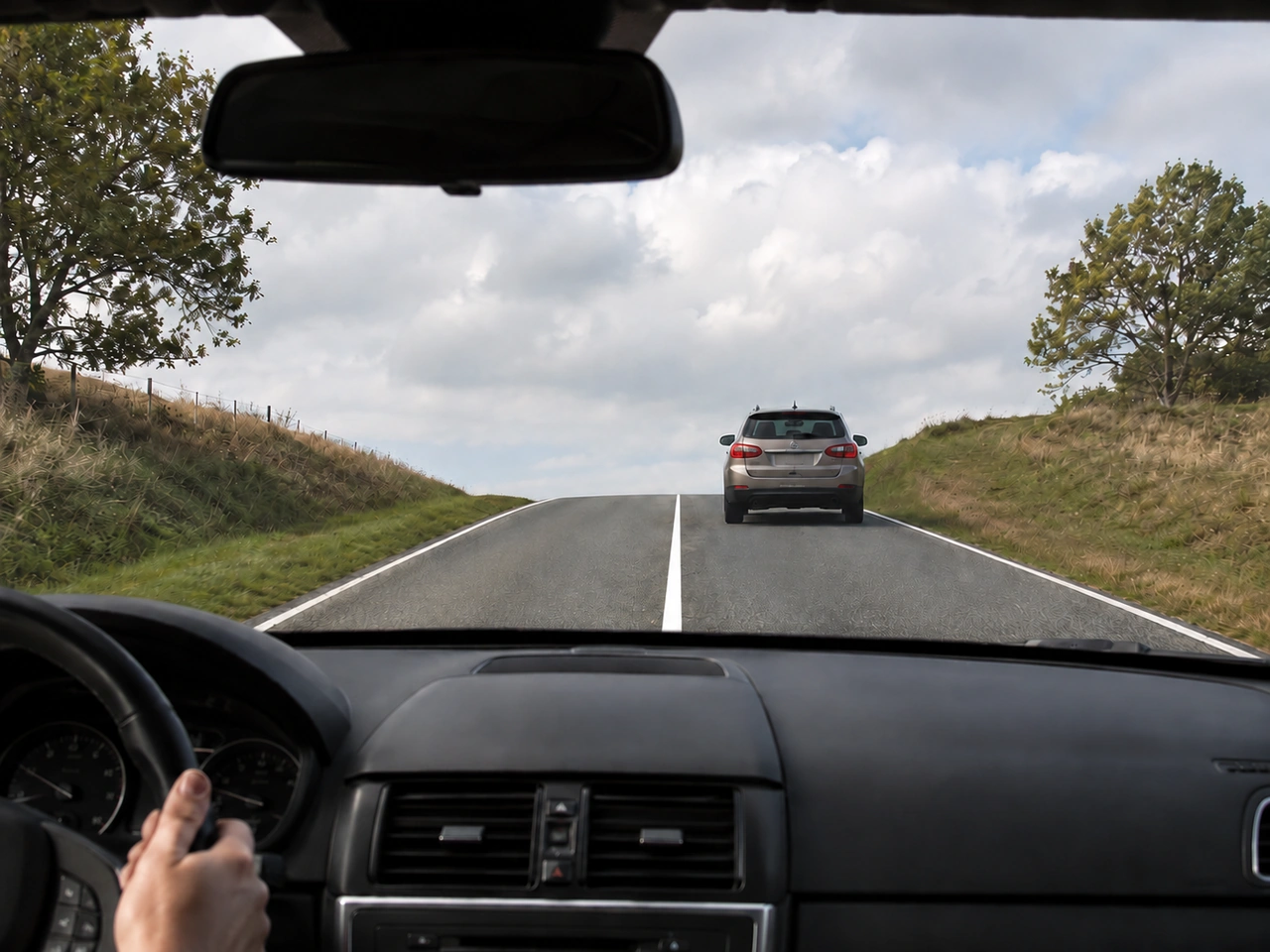
328. Why should you not overtake near the top of a hill?
Near the top of a hill, your view ahead is limited. Oncoming vehicles, cyclists, pedestrians, or obstacles may be hidden.
AI-generated by Rijbewijs-online.be • WCIT • CC BY-SA
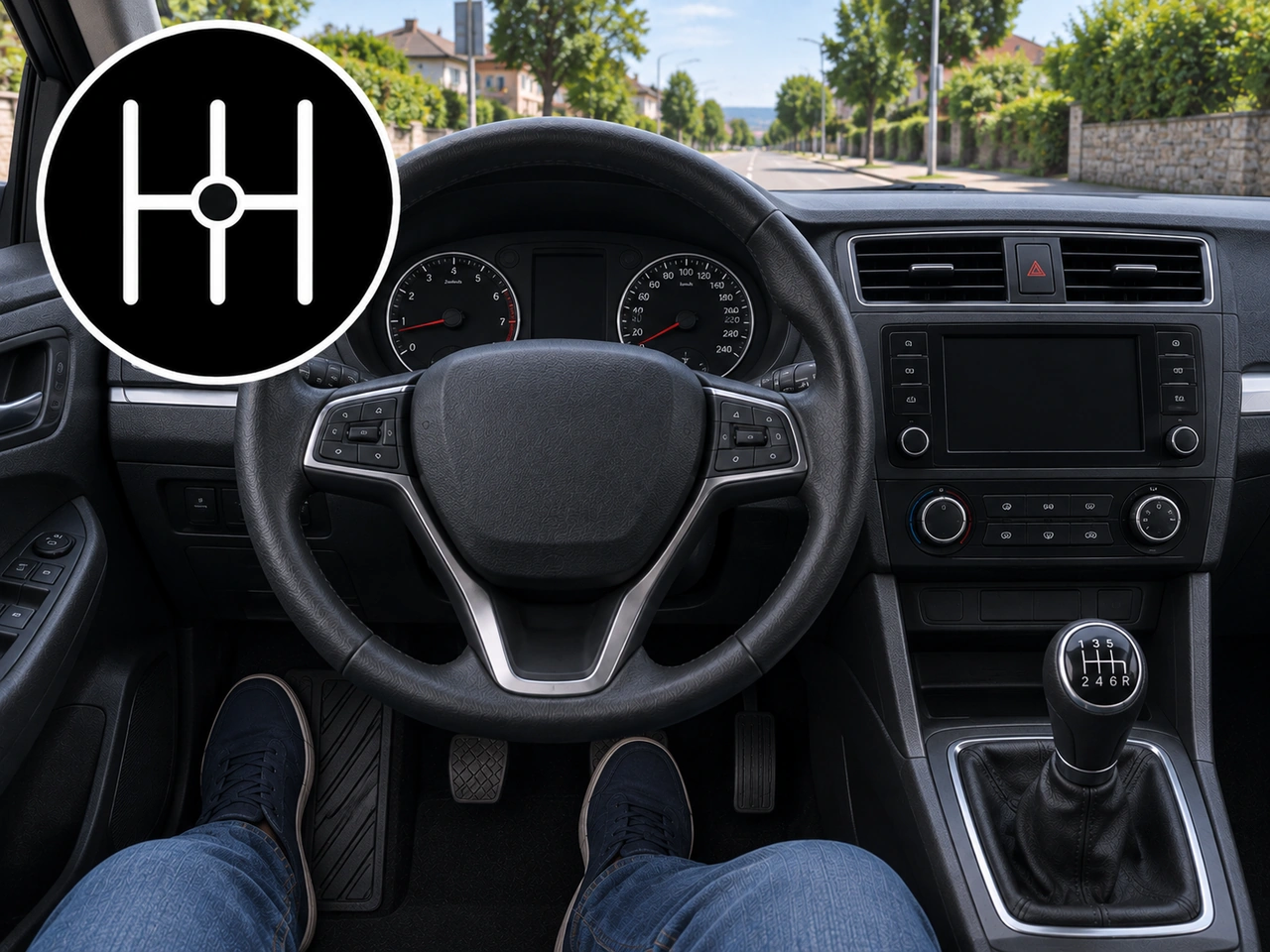
329. What should you normally do with the gearbox during a longer stop in a manual vehicle?
During a longer stop, selecting neutral and releasing the clutch can reduce unnecessary strain on the clutch release mechanism. Keep the vehicle securely held with the brake or parking brake as appropriate.
AI-generated by Rijbewijs-online.be • WCIT • CC BY-SA
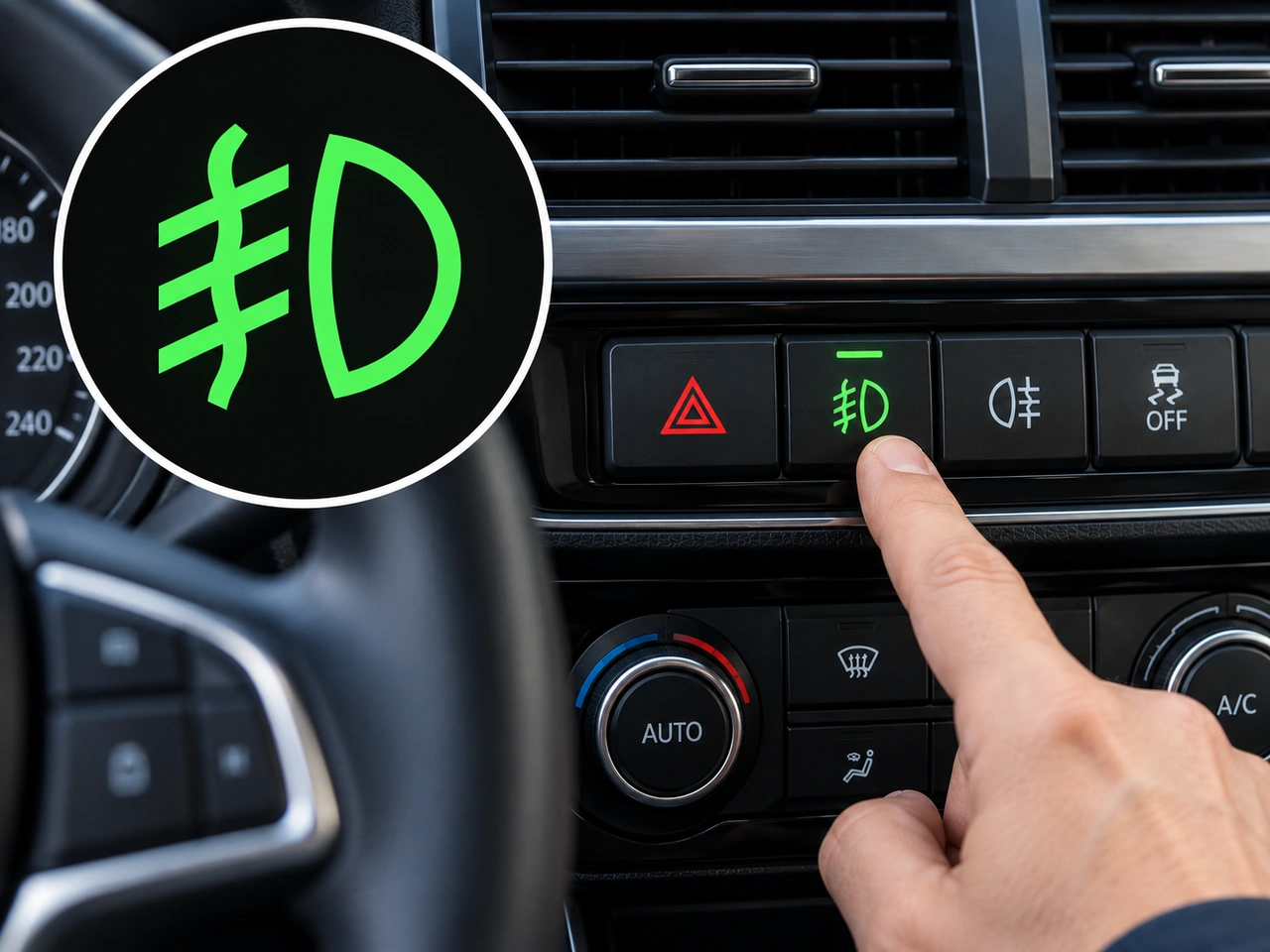
330. What does this dashboard symbol indicate?
This symbol indicates that the front fog lights are switched on. Front fog lights are designed to improve illumination close to the road in conditions of severely reduced visibility. Rules governing their use vary by country.
AI-generated by Rijbewijs-online.be • WCIT • CC BY-SA
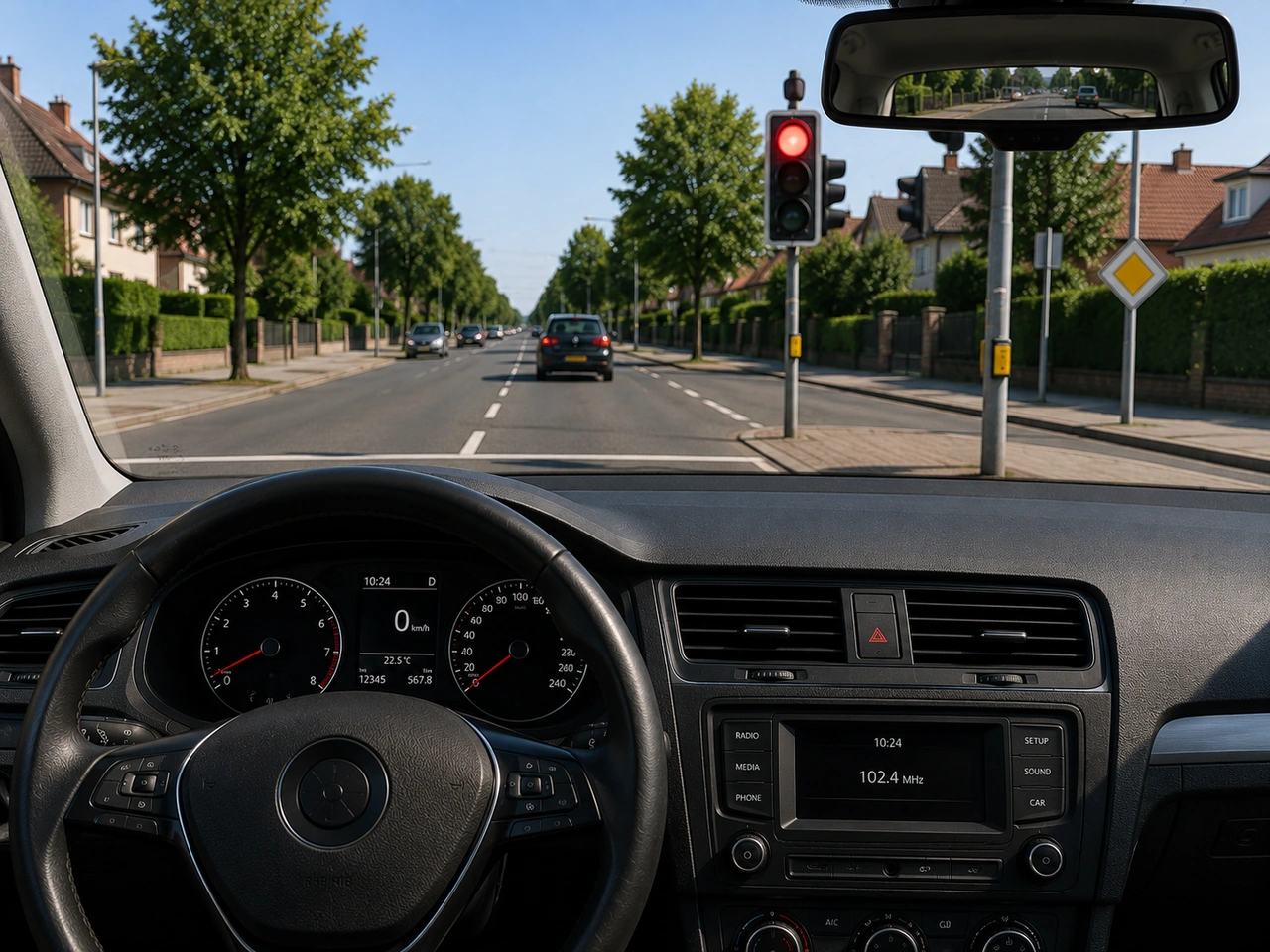
331. You must stop at a red traffic light.
A red traffic light means you must stop and wait until it is allowed to proceed.
AI-generated by Rijbewijs-online.be • WCIT • CC BY-SA
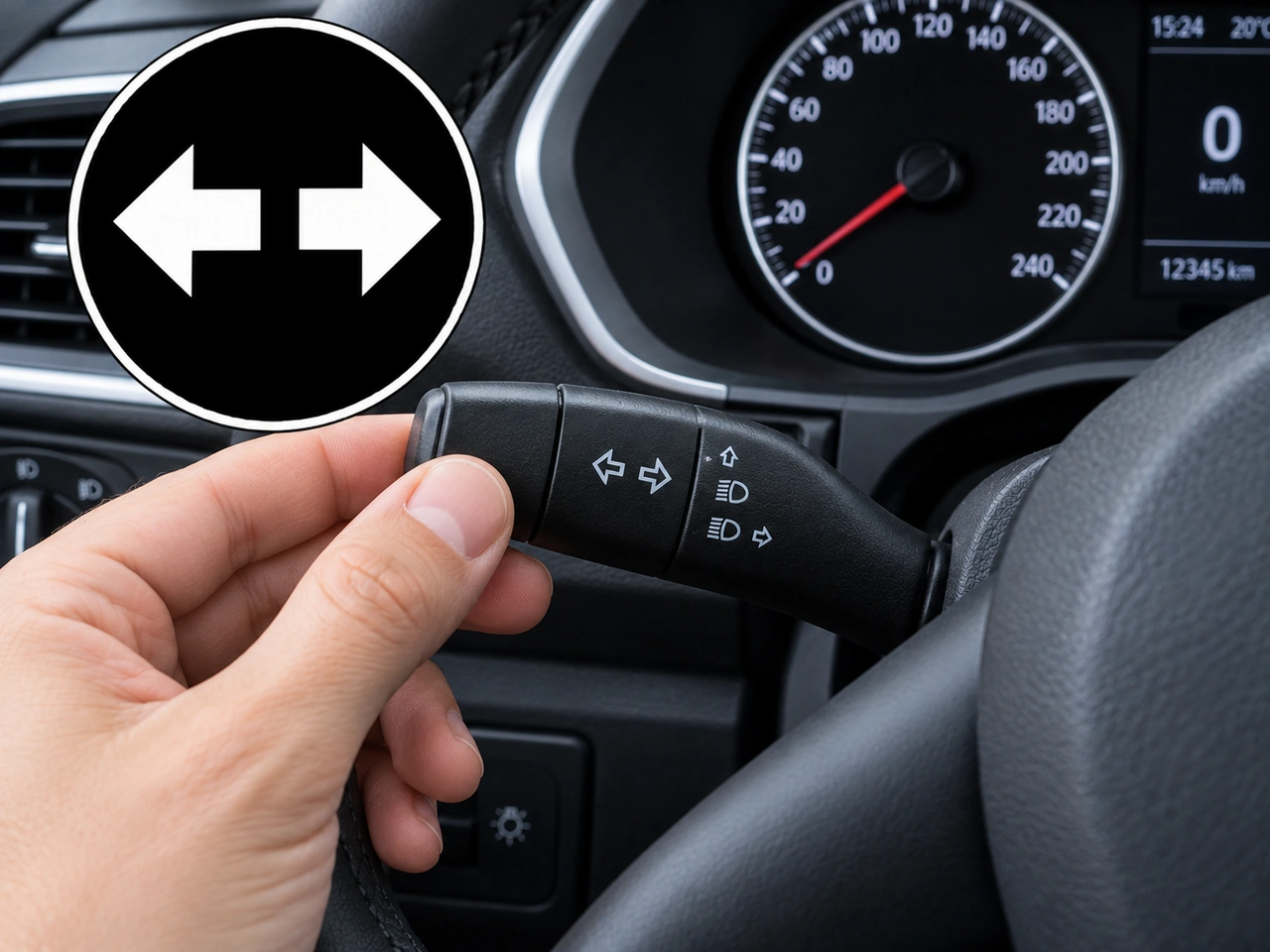
332. Which control is normally used to operate the direction indicators?
The direction indicators are normally operated using a stalk beside the steering wheel. Moving the stalk up or down activates the indicators on the corresponding side of the vehicle.
AI-generated by Rijbewijs-online.be • WCIT • CC BY-SA
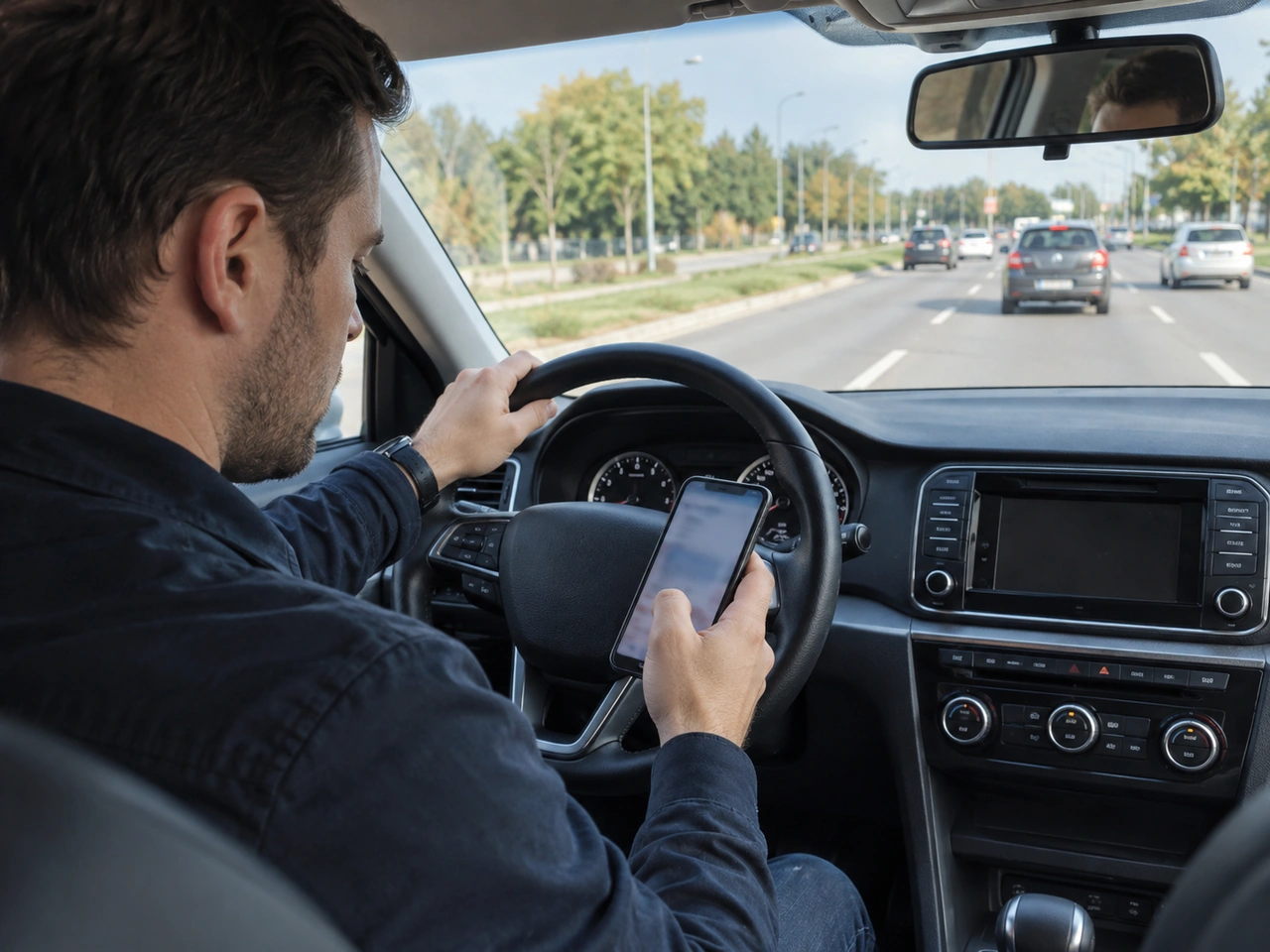
333. Why should you avoid using a phone while driving?
Using a phone while driving reduces attention, reaction time, and control of the vehicle. A hands-free system may reduce the need to handle the phone, but the conversation itself can still be distracting.
AI-generated by Rijbewijs-online.be • WCIT • CC BY-SA
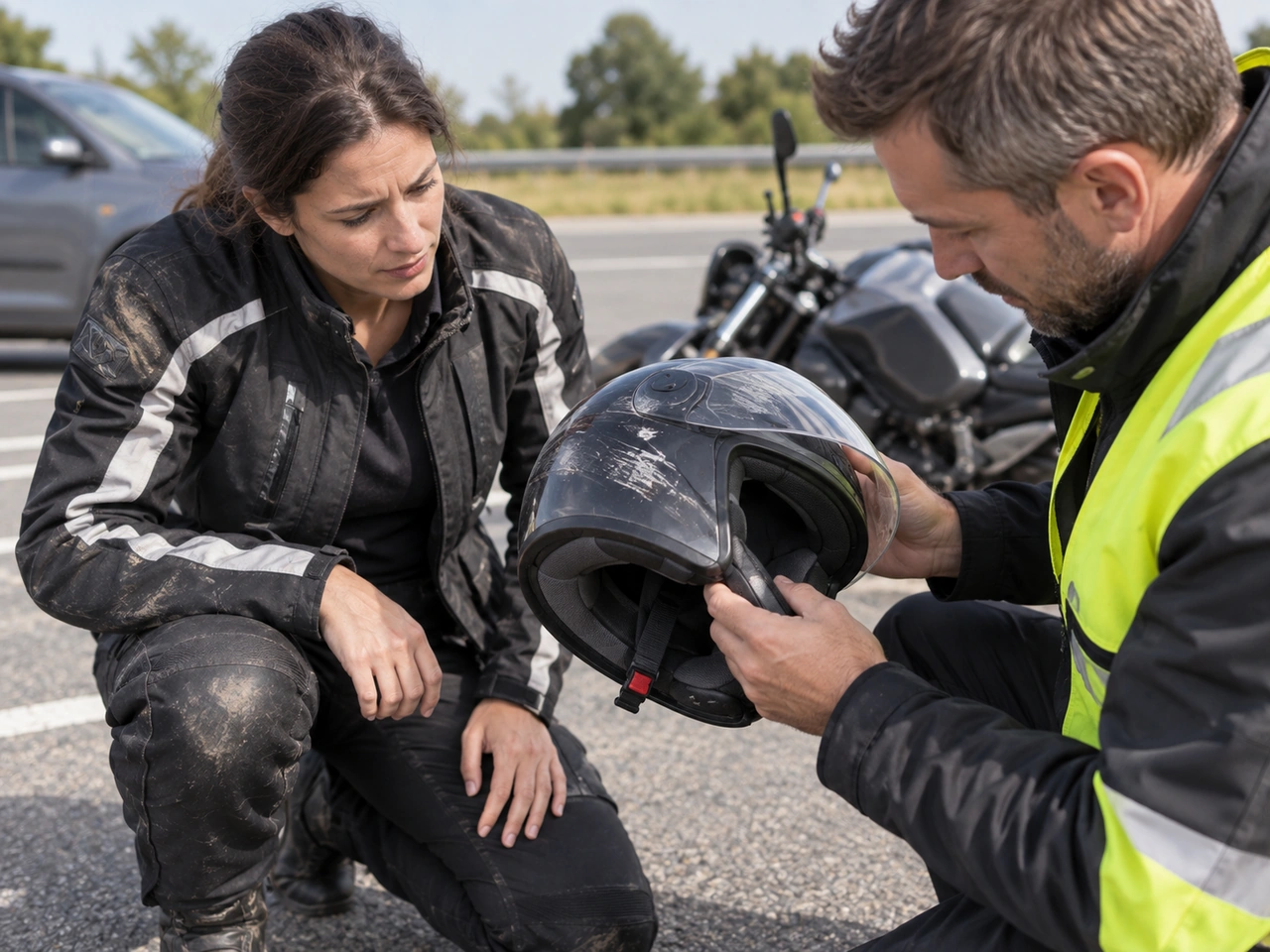
334. What should you do with a helmet that has taken a significant impact in a collision?
A helmet can be damaged internally by a significant impact even when no damage is visible from the outside. Stop using the helmet and follow the manufacturer's guidance, which will commonly require replacement after a significant impact.
AI-generated by Rijbewijs-online.be • WCIT • CC BY-SA
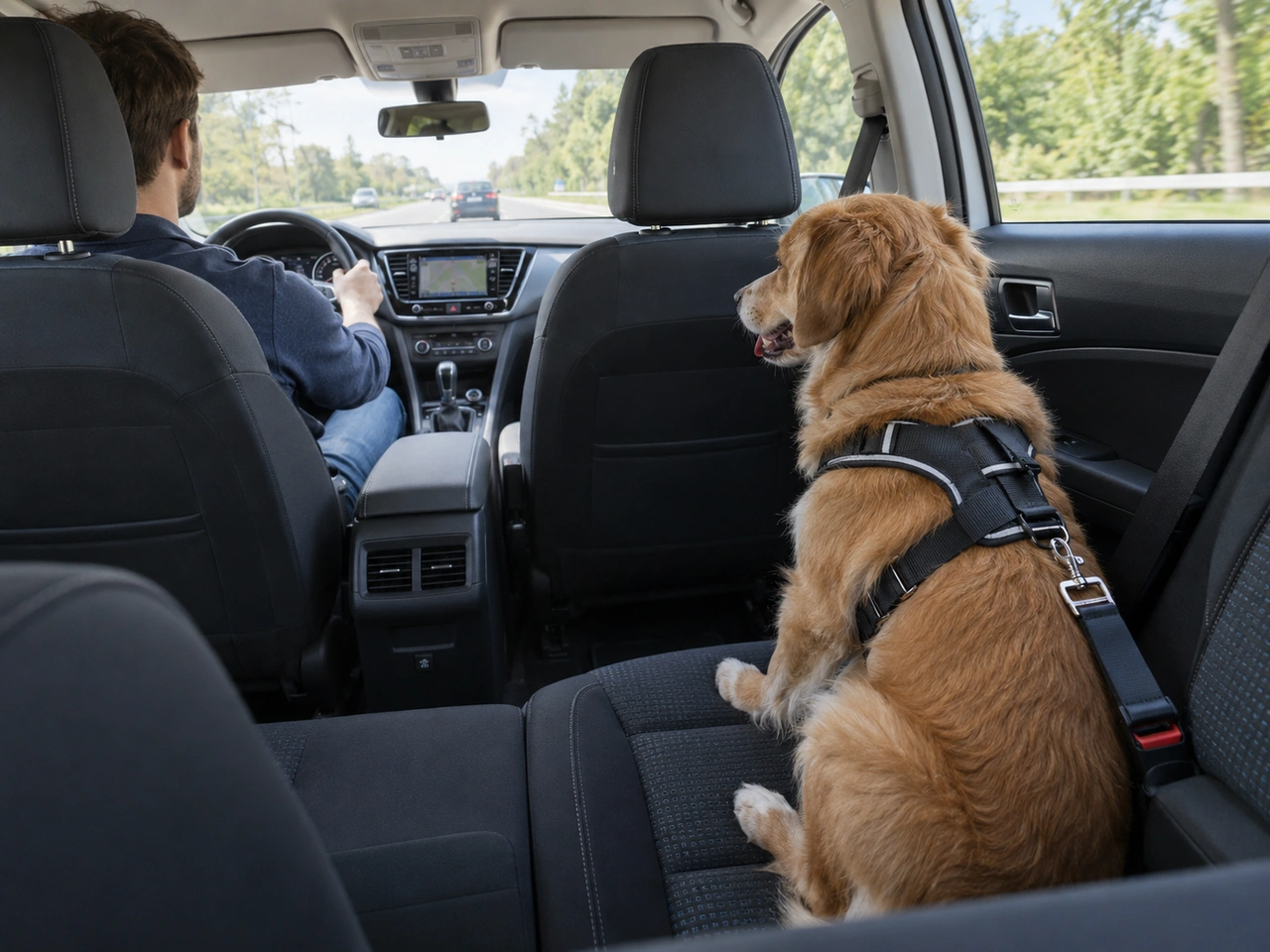
335. How should pets be carried safely in a vehicle?
A pet moving freely inside a vehicle can distract the driver and may be thrown around during sudden braking or a collision. Use a suitable carrier, harness, barrier, or other secure restraint appropriate for the animal and vehicle.
AI-generated by Rijbewijs-online.be • WCIT • CC BY-SA
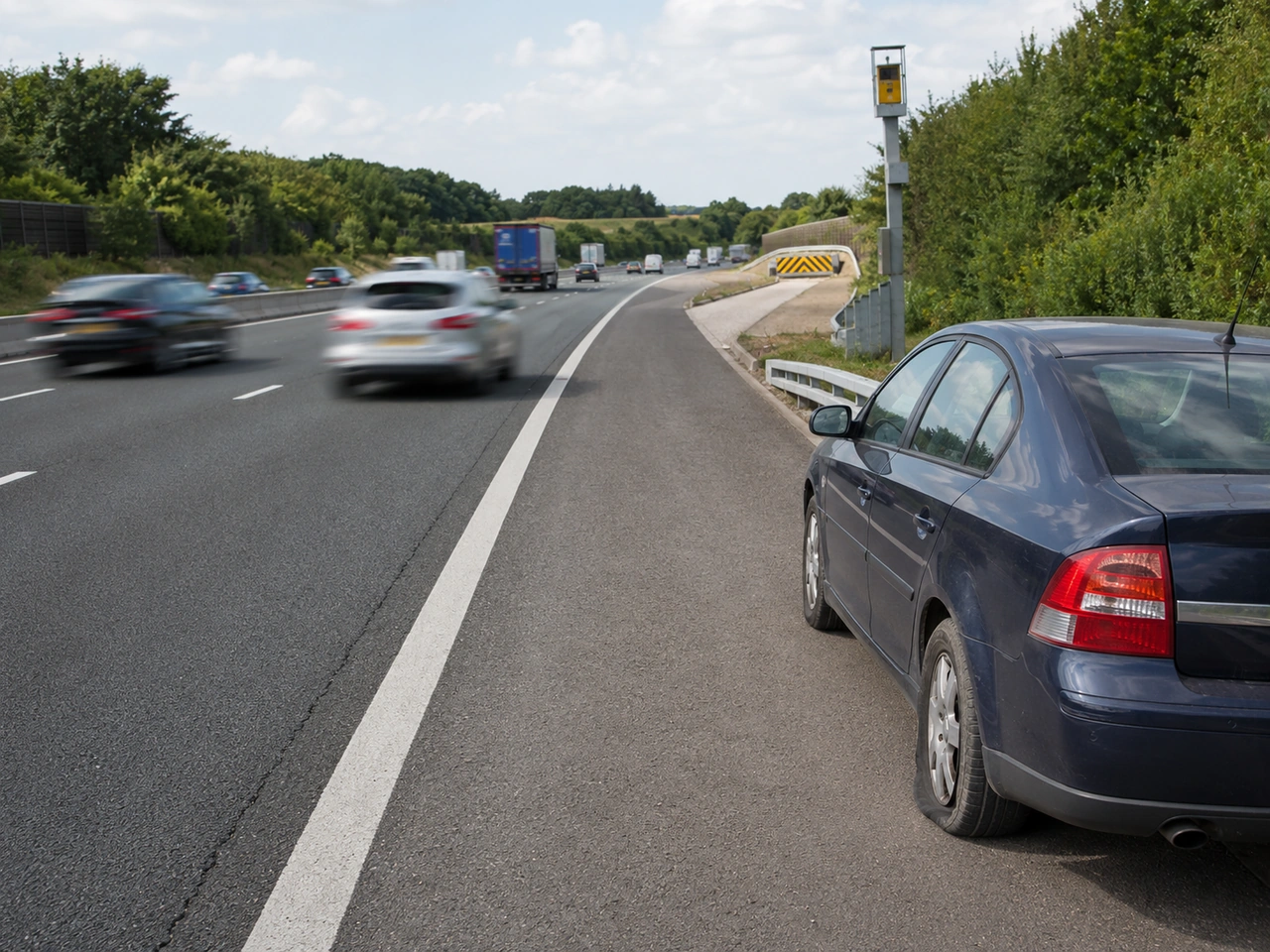
336. What should you do about a flat tyre on a high-speed road?
Changing a wheel close to high-speed traffic is extremely dangerous. Move away from traffic and use professional assistance.
AI-generated by Rijbewijs-online.be • WCIT • CC BY-SA
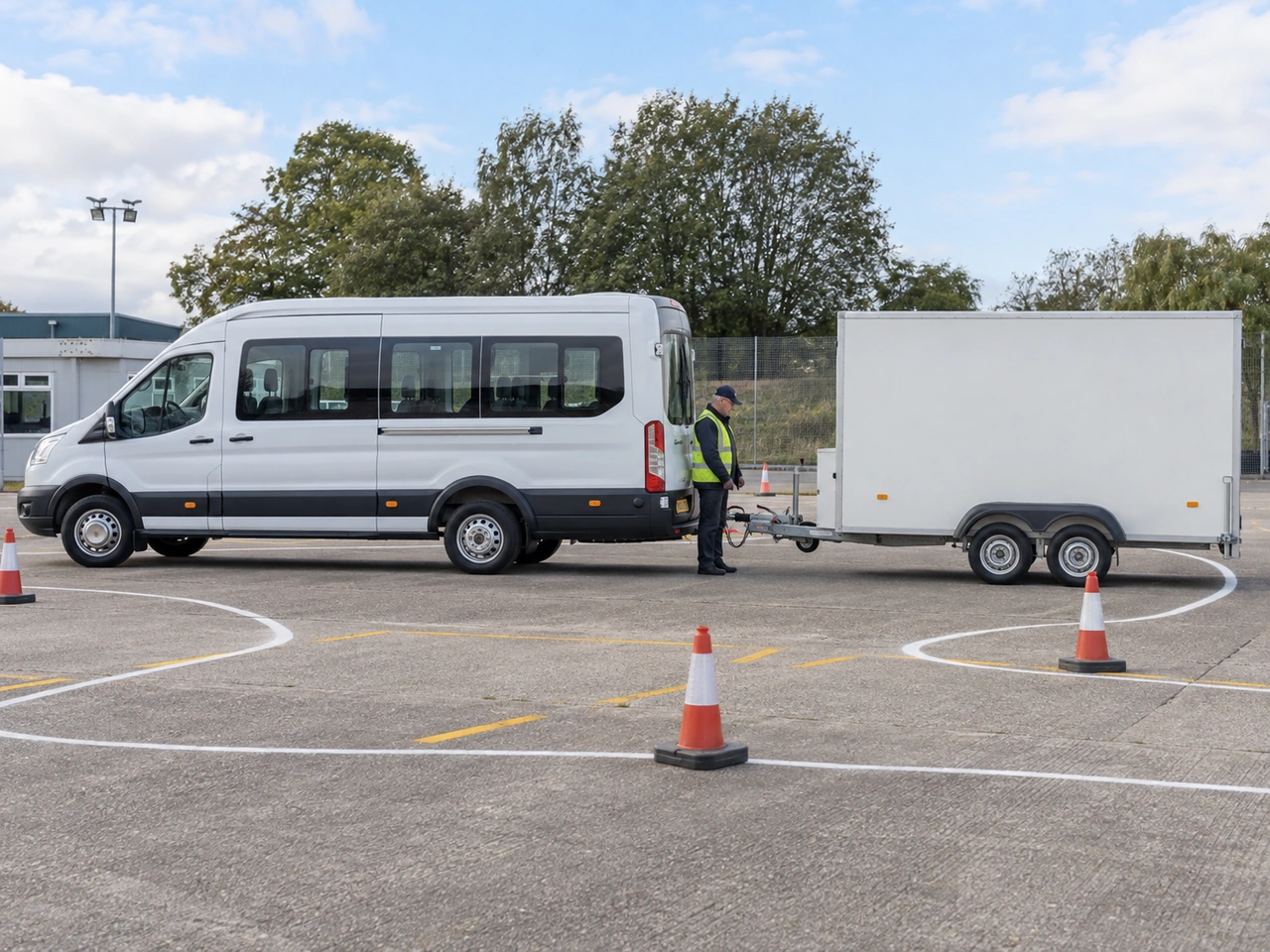
337. What is the minimum licence for a D1 minibus towing a trailer over 750 kg?
Category D1 permits a trailer with a maximum authorised mass of up to 750 kg. A D1 vehicle towing a trailer above 750 kg requires category D1E.
AI-generated by Rijbewijs-online.be • WCIT • CC BY-SA
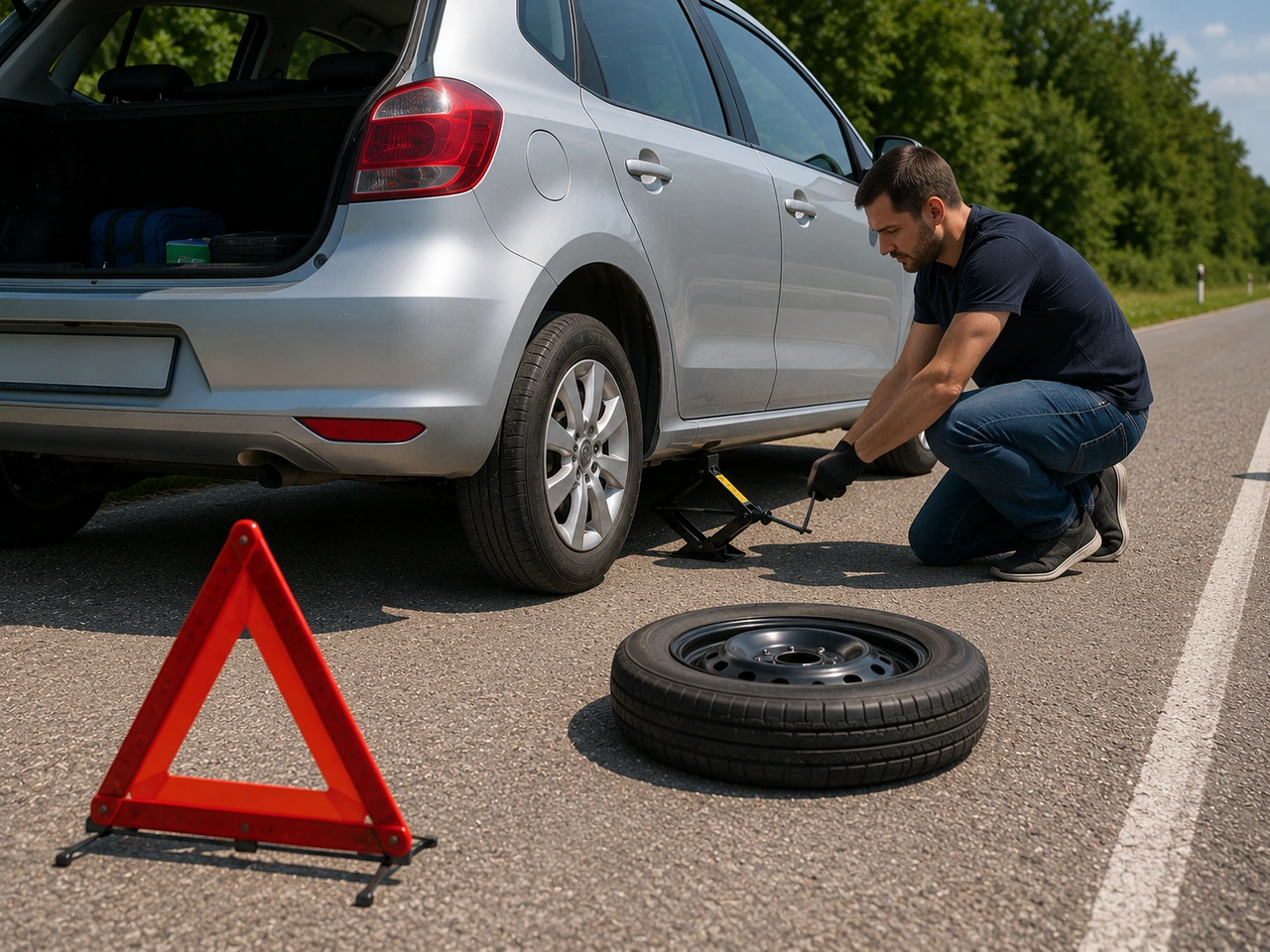
338. What is important when raising a vehicle with its jack?
A jack can slip or fail if it is incorrectly positioned. Secure the vehicle and use additional approved supports before working underneath it.
AI-generated by Rijbewijs-online.be • WCIT • CC BY-SA
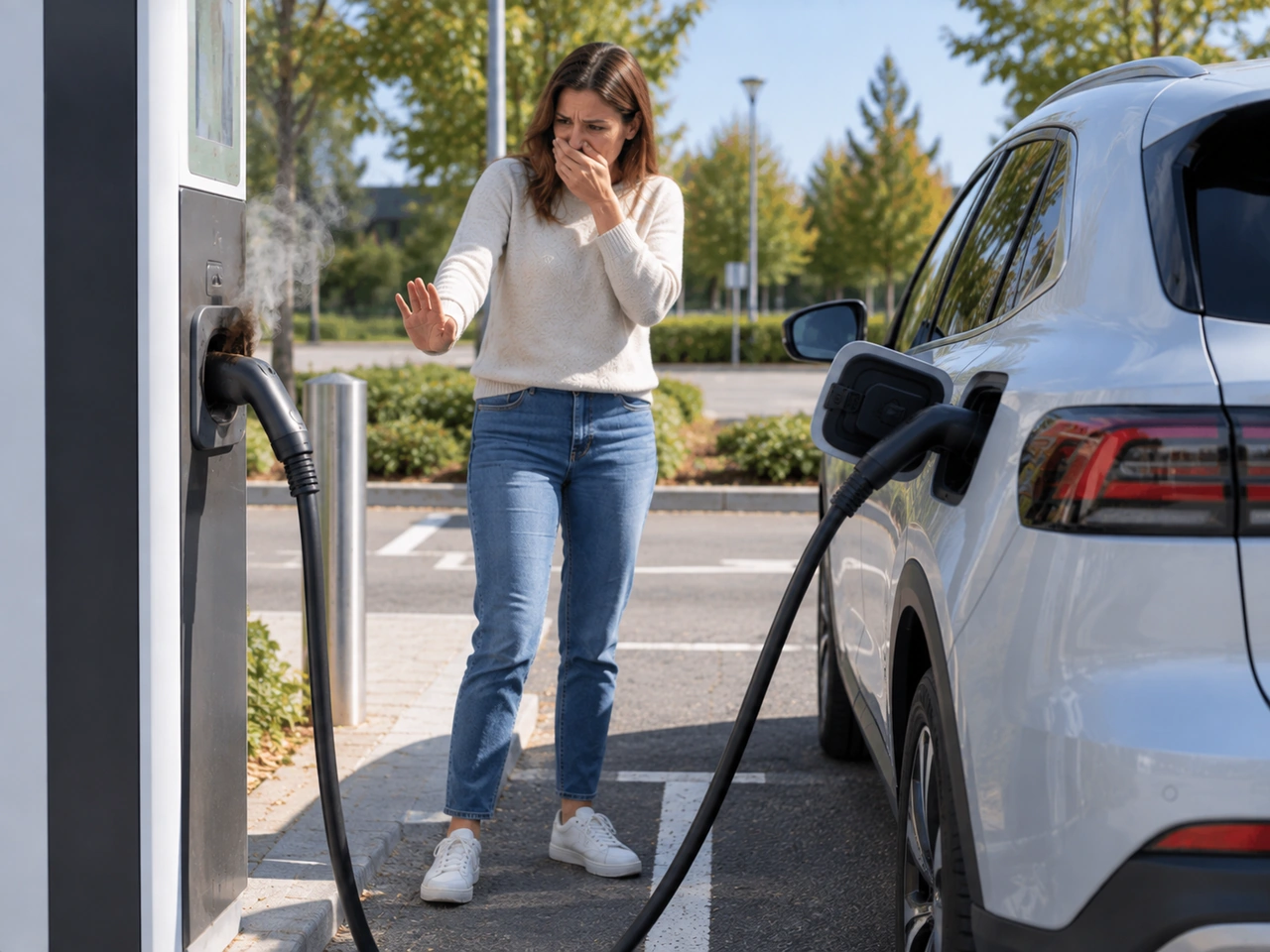
339. What should you do if EV charging equipment becomes unusually hot or smells burnt?
Unusual heat, a burning smell, smoke, sparks, or repeated charging faults can indicate an electrical problem. Stop using the charging equipment if it is safe to do so, keep clear of anything damaged or overheating, and report the fault or seek appropriate assistance.
AI-generated by Rijbewijs-online.be • WCIT • CC BY-SA
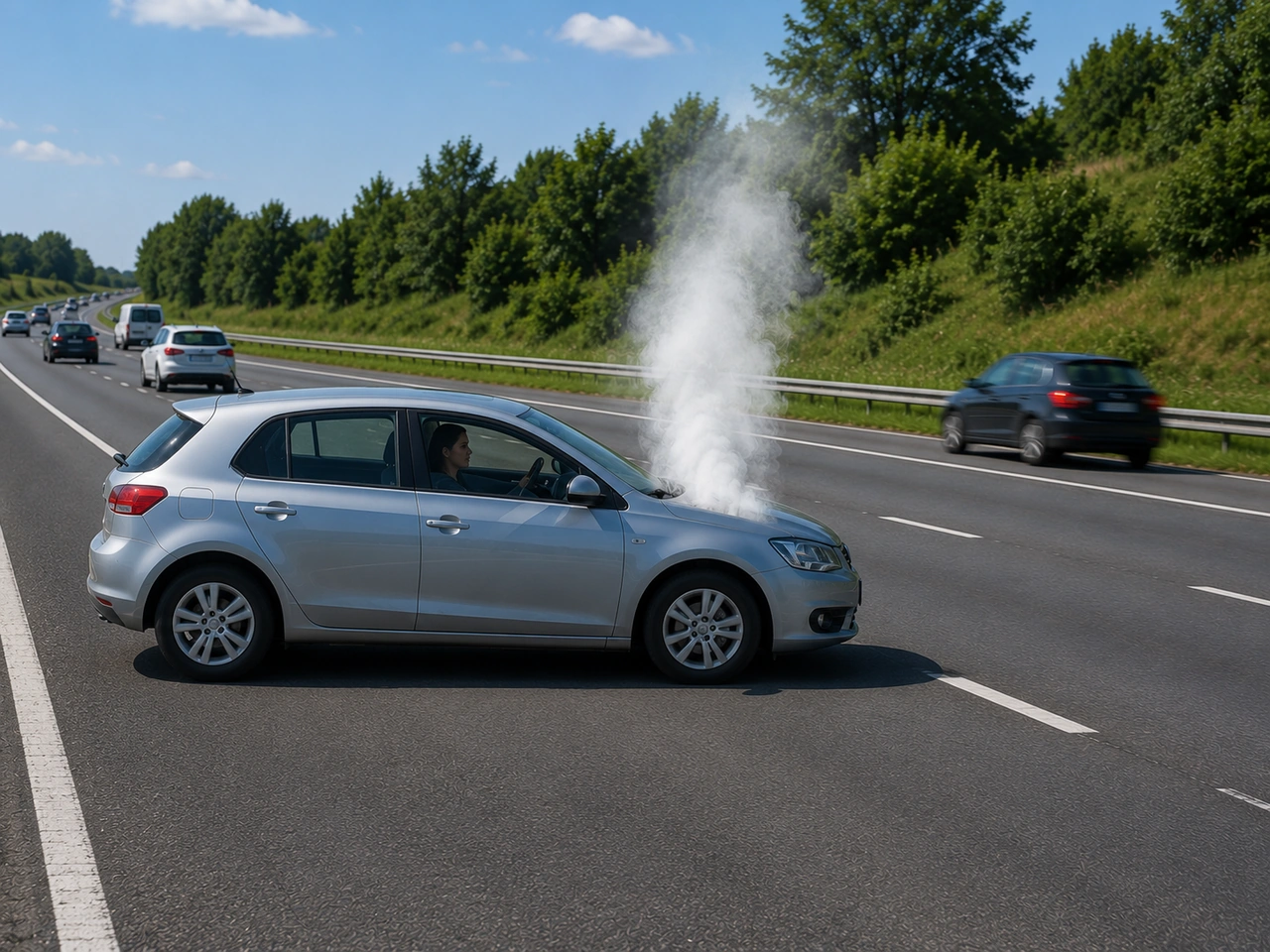
340. What should you do if your vehicle breaks down on a busy road?
If your vehicle breaks down, make it visible and get yourself away from moving traffic. Safety comes before repairing the vehicle.
AI-generated by Rijbewijs-online.be • WCIT • CC BY-SA
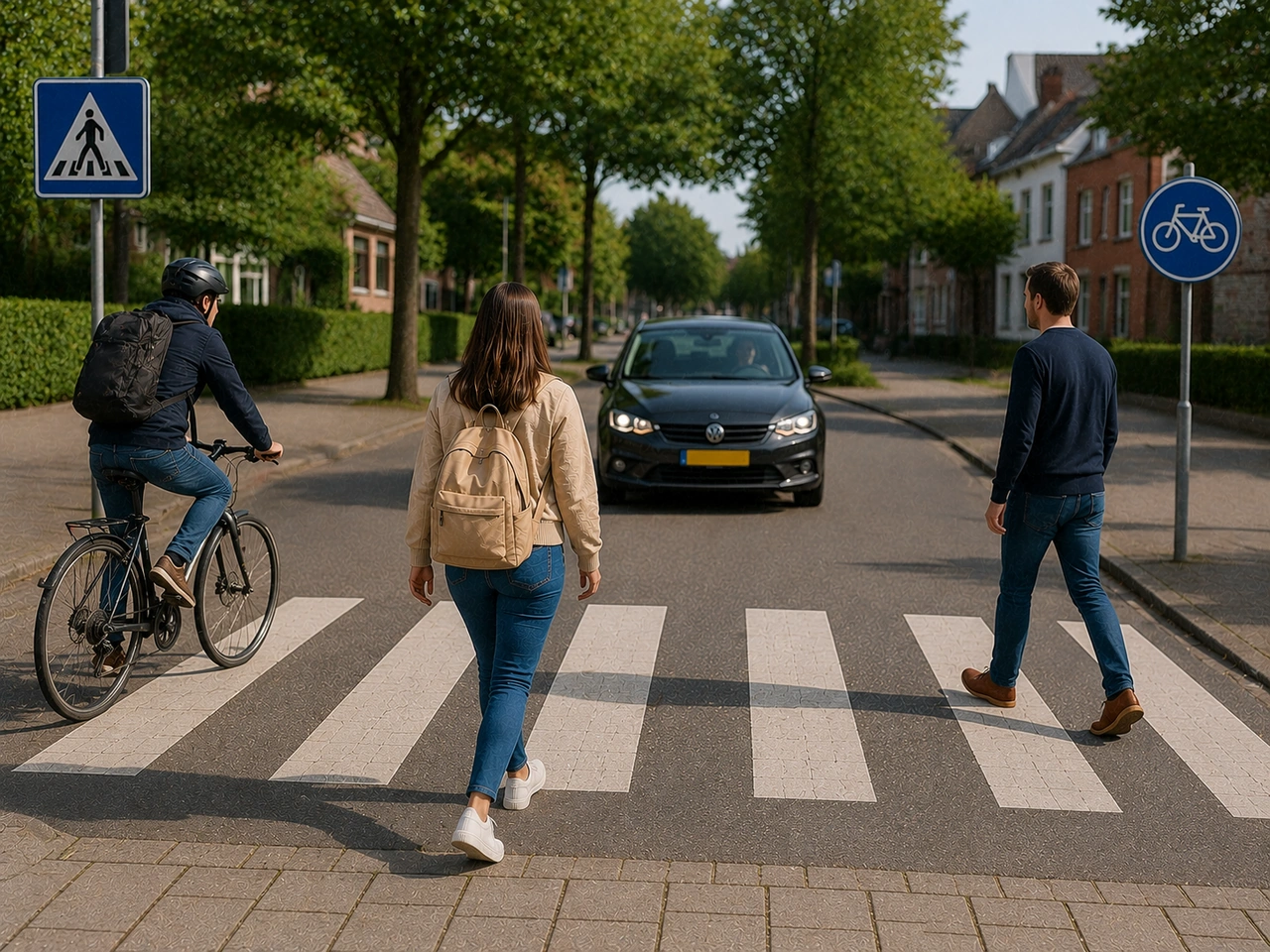
341. Who is responsible for staying safe when crossing the road?
Road safety is a shared responsibility. Pedestrians, drivers, and cyclists all need to stay alert and follow the rules.
AI-generated by Rijbewijs-online.be • WCIT • CC BY-SA
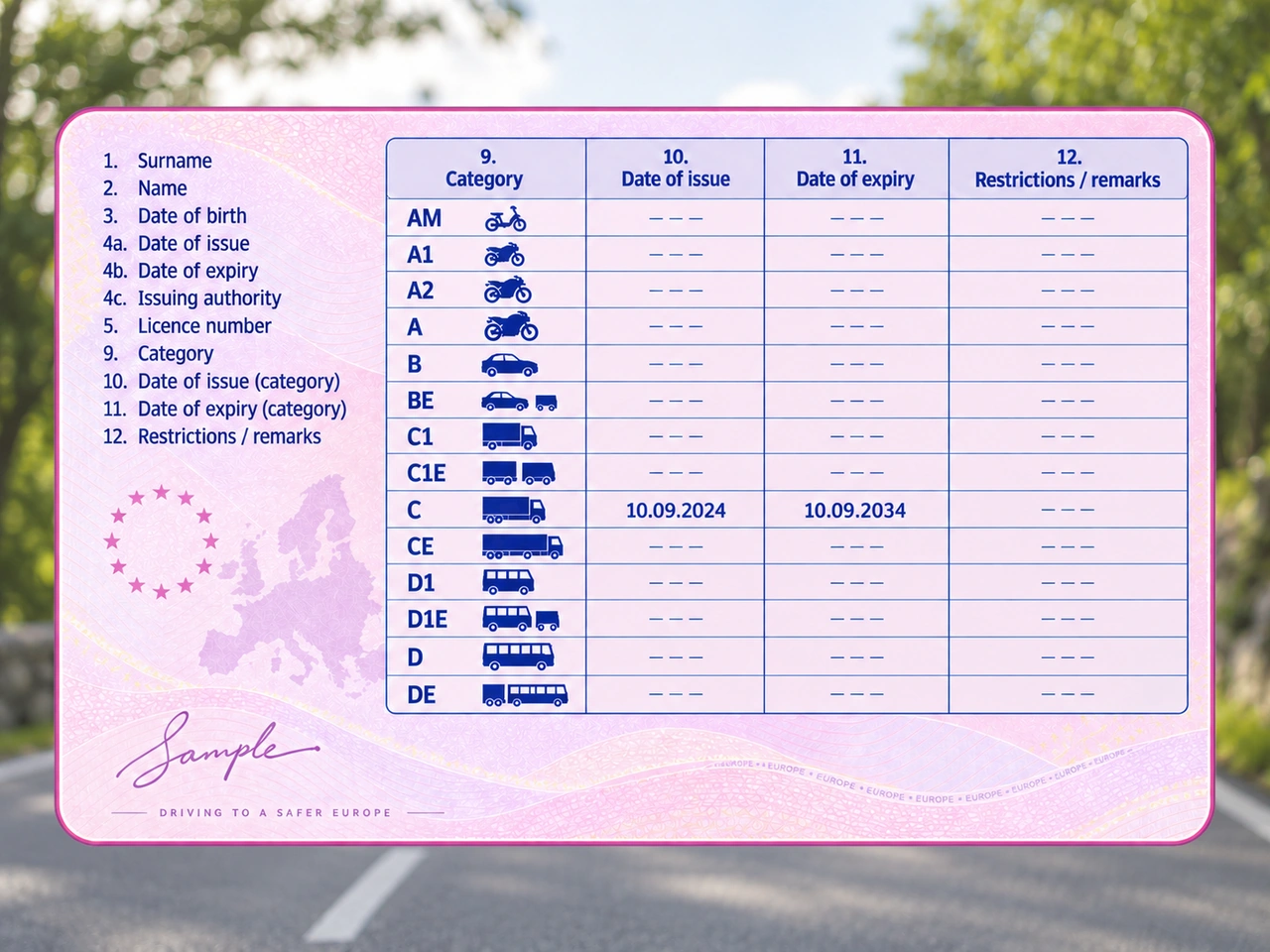
342. Which vehicles are covered by driving licence C?
Category C covers motor vehicles, other than categories D1 and D, with a maximum authorised mass above 3,500 kg and designed to carry no more than eight passengers in addition to the driver. A trailer up to 750 kg may be towed.
AI-generated by Rijbewijs-online.be • WCIT • CC BY-SA
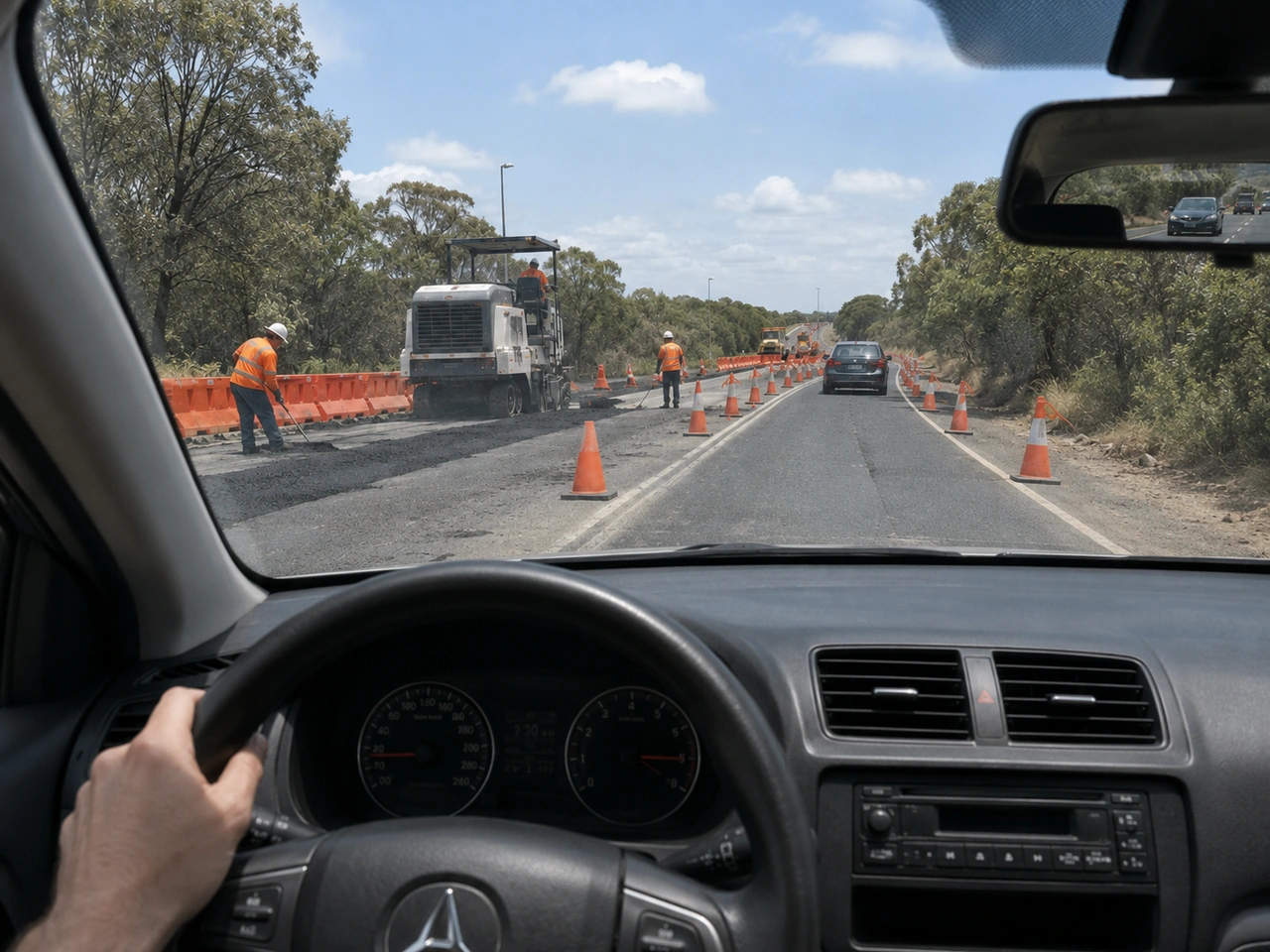
343. Why should you reduce speed when approaching roadworks?
Roadworks can involve workers, machinery, changing lane layouts, and uneven surfaces. Lower speed gives you more time to react.
AI-generated by Rijbewijs-online.be • WCIT • CC BY-SA
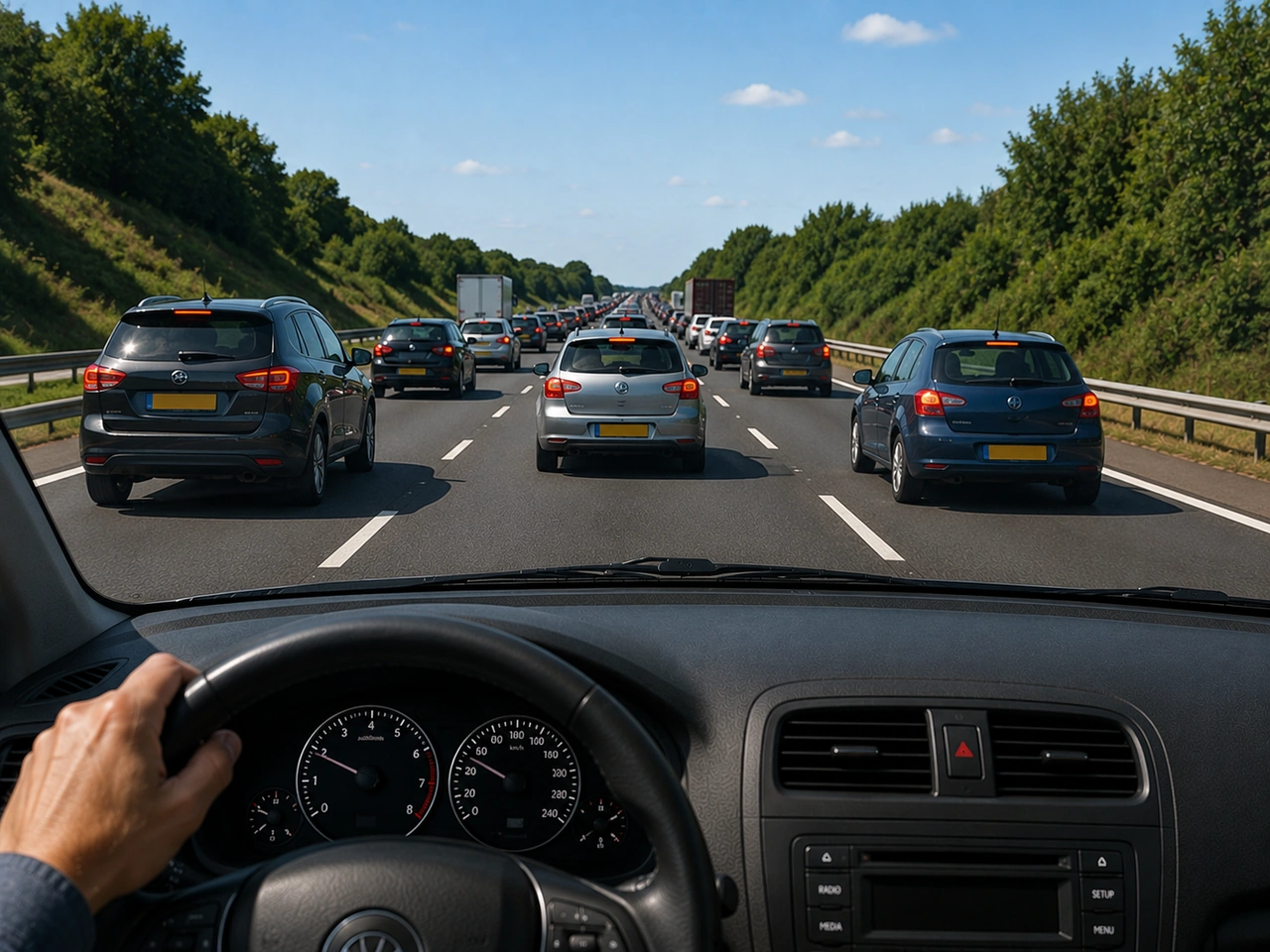
344. What should you do if traffic suddenly slows on a motorway?
When traffic slows suddenly, reduce speed smoothly, keep a safe distance, and use hazard lights if needed to warn following traffic.
AI-generated by Rijbewijs-online.be • WCIT • CC BY-SA
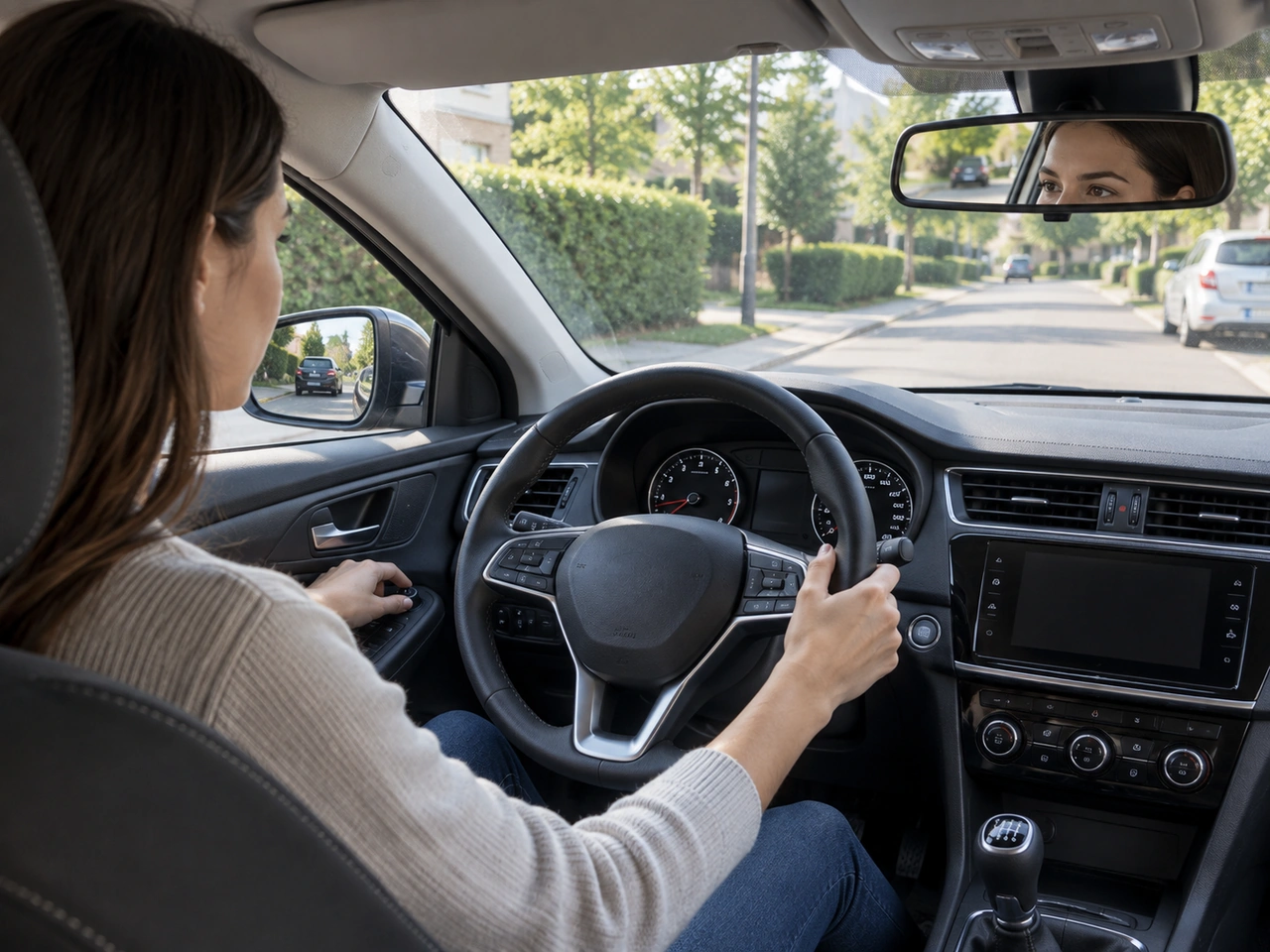
345. Why should you adjust the seat and mirrors correctly before driving?
A correct driving position helps you operate the pedals and steering comfortably and maintain proper control. Correctly adjusted mirrors improve your view around the vehicle and help reduce blind spots. Adjust both before starting your journey.
AI-generated by Rijbewijs-online.be • WCIT • CC BY-SA
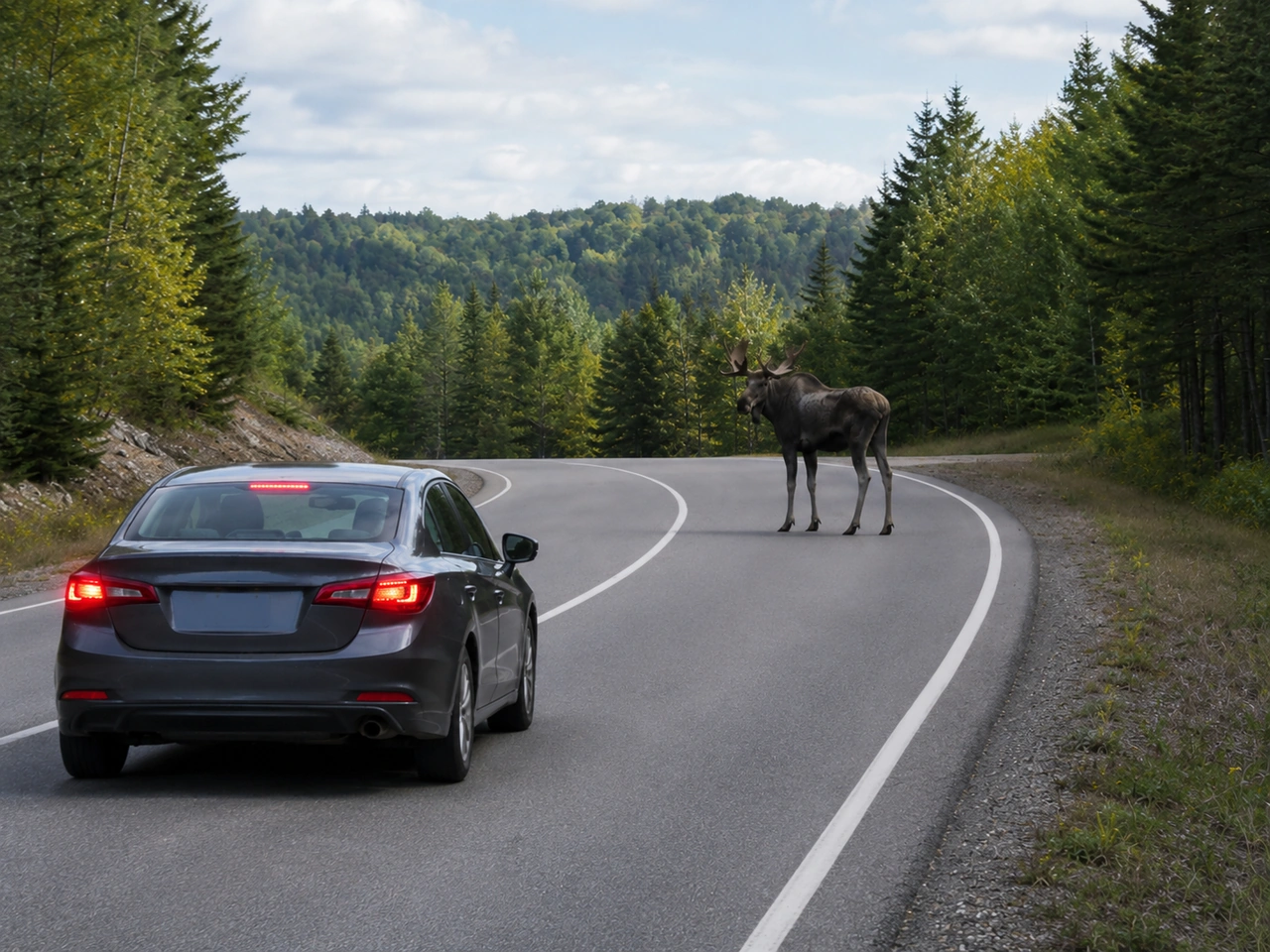
346. What should you do if a large animal suddenly enters your path?
If a large animal enters the road, brake firmly while keeping the vehicle under control. Avoid sudden swerving, as this can cause you to lose control or collide with other traffic.
AI-generated by Rijbewijs-online.be • WCIT • CC BY-SA
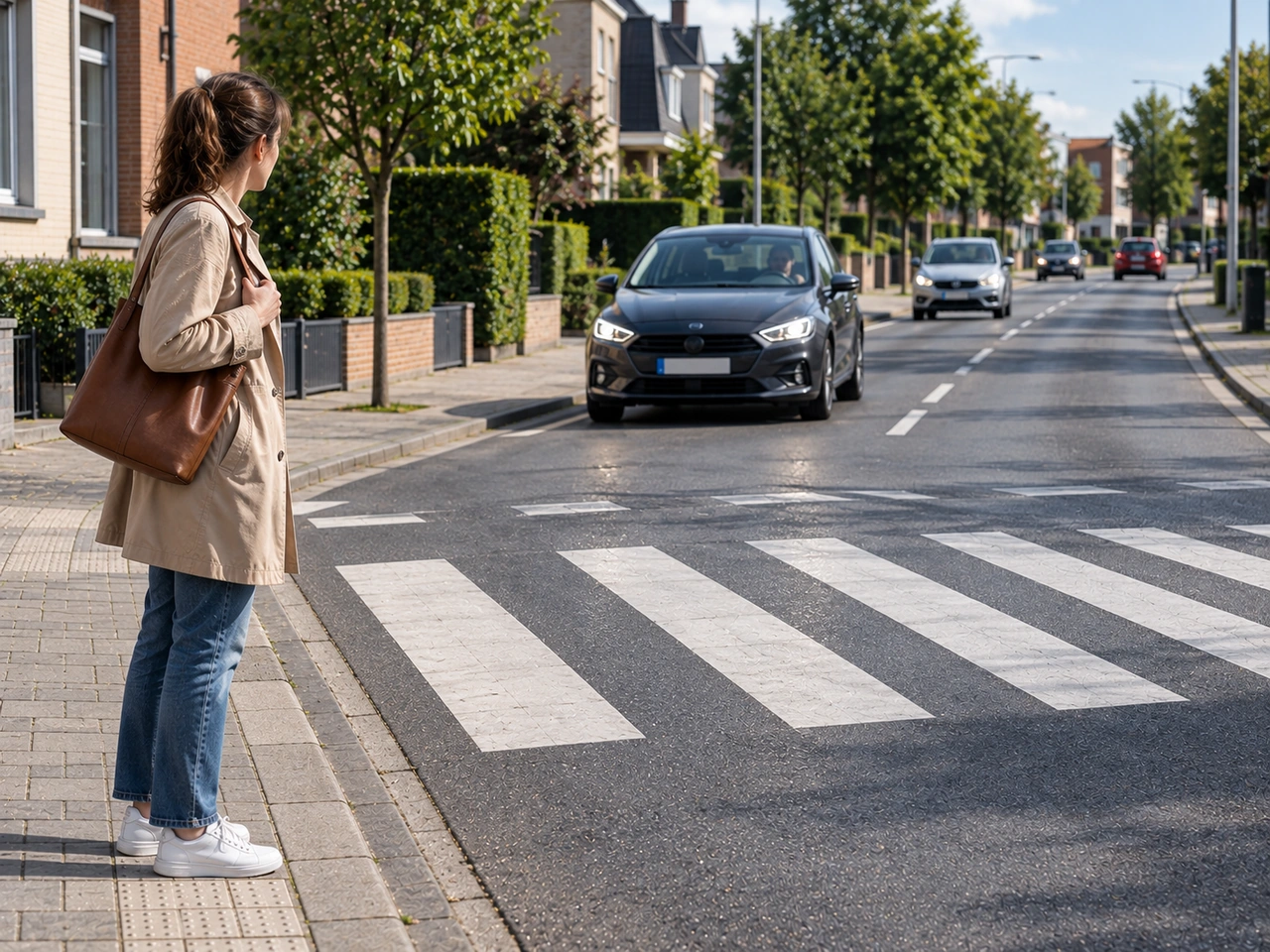
347. What should you do before using a pedestrian crossing?
Even at a pedestrian crossing, make sure approaching drivers have seen you and are able to stop before you cross.
AI-generated by Rijbewijs-online.be • WCIT • CC BY-SA
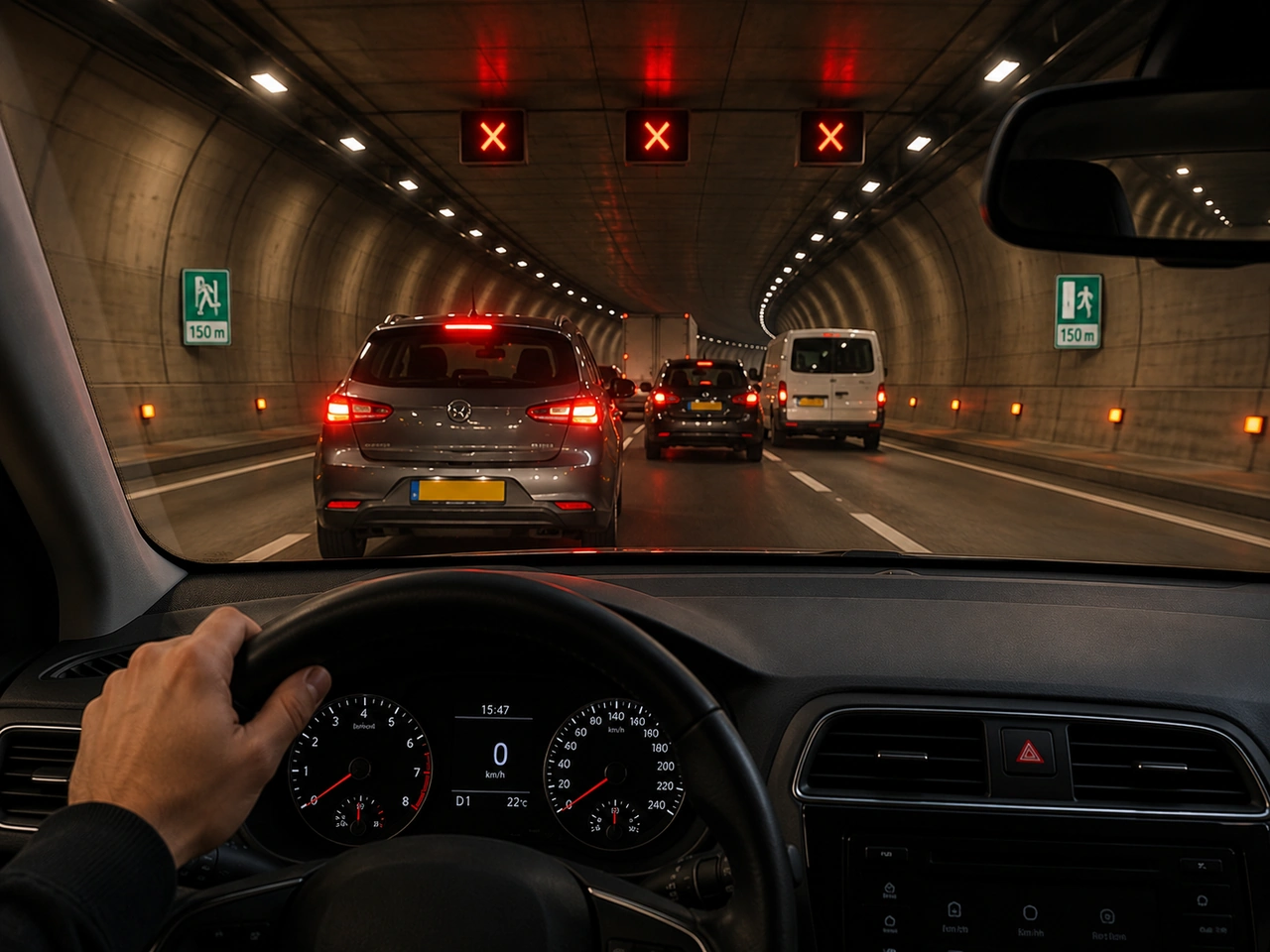
348. What should you do if traffic stops inside a tunnel?
Remain calm, keep space from the vehicle ahead, and obey traffic signals, signs, or instructions from tunnel staff.
AI-generated by Rijbewijs-online.be • WCIT • CC BY-SA
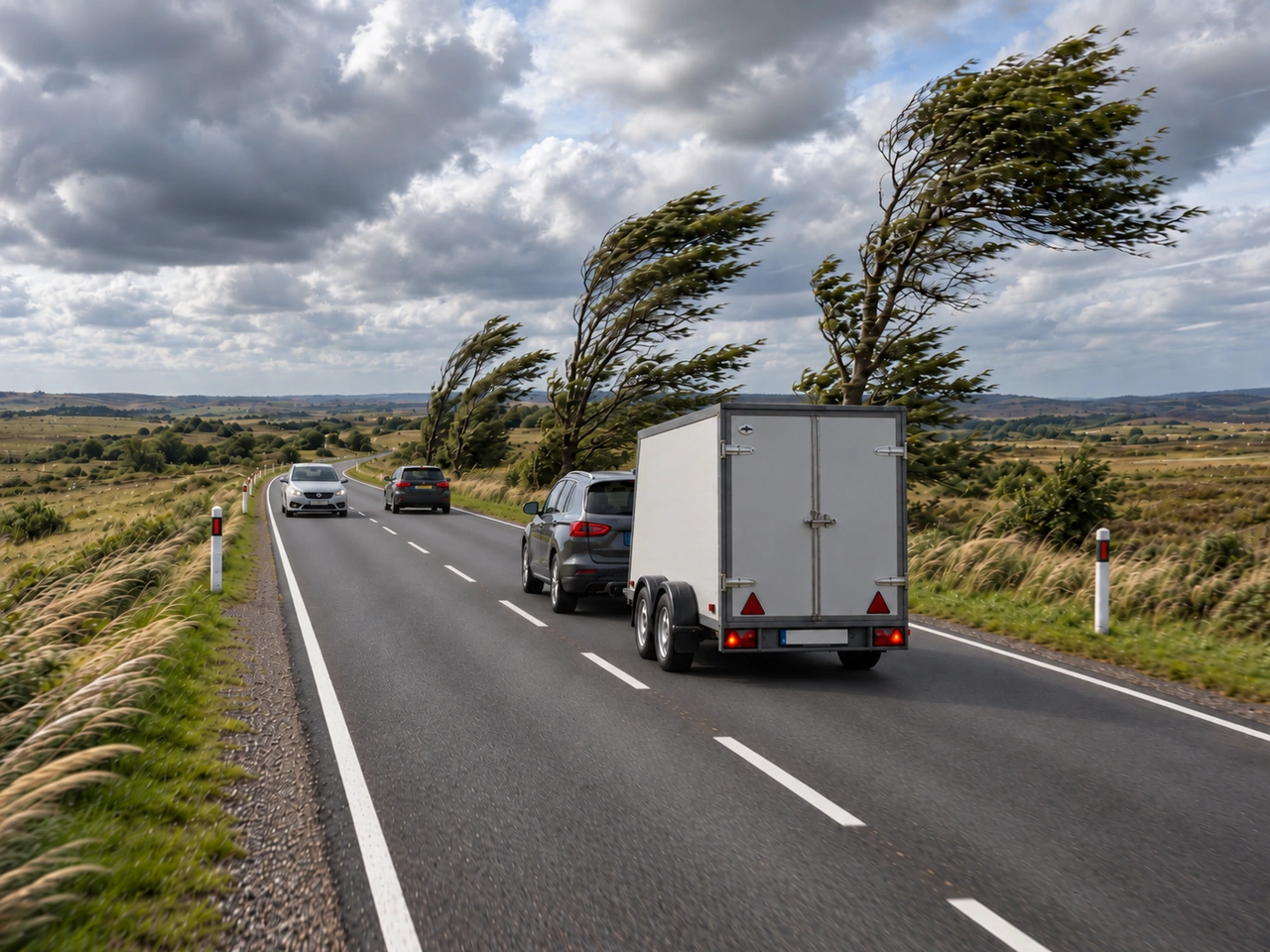
349. How can strong crosswinds affect a vehicle towing a trailer?
Trailers have large side surfaces and may be affected strongly by wind, especially on bridges and exposed roads.
AI-generated by Rijbewijs-online.be • WCIT • CC BY-SA
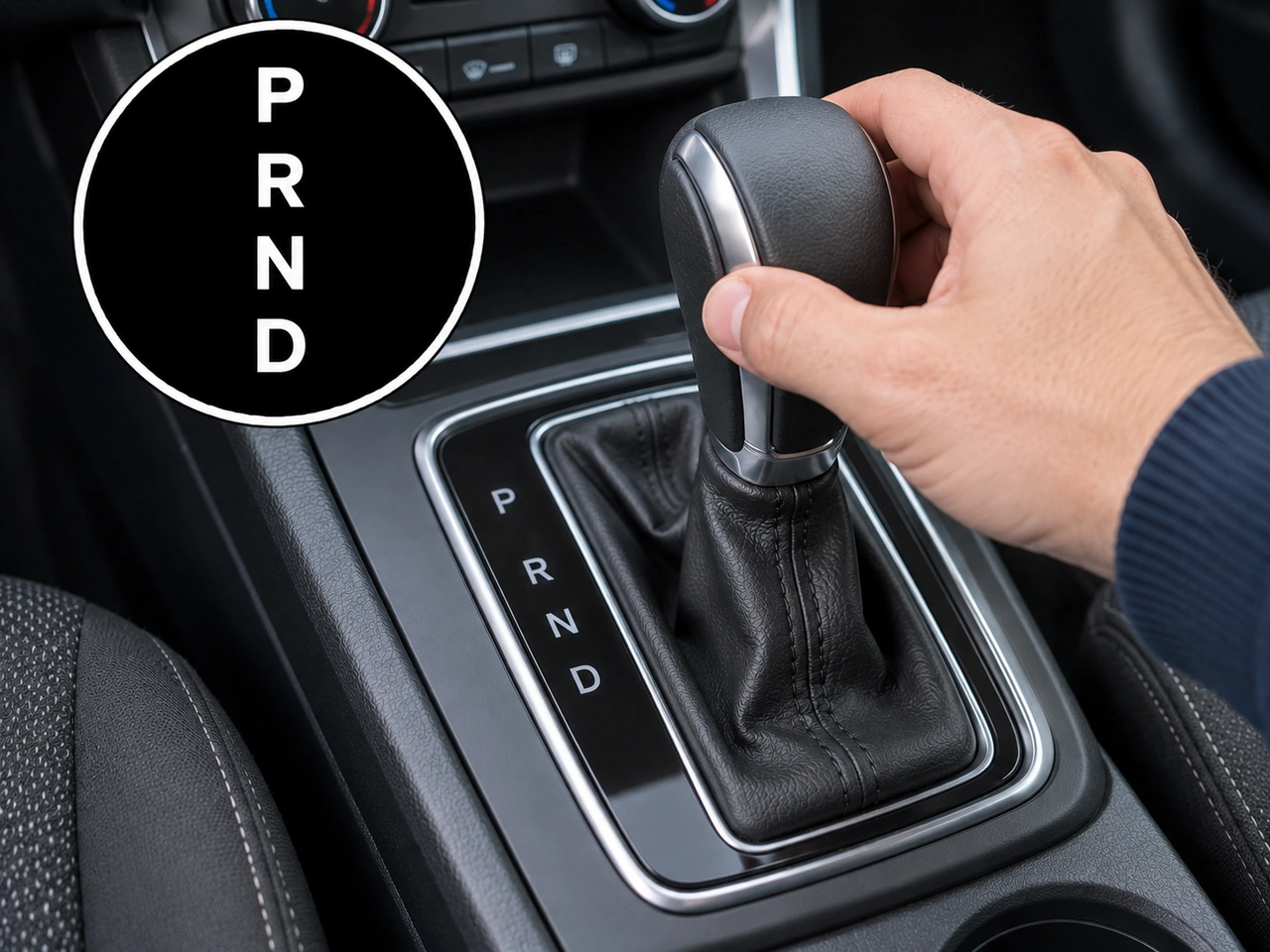
350. Which selector position is used for normal forward driving?
Select D (Drive) for normal forward driving in a vehicle with an automatic transmission. The transmission then selects the appropriate gear automatically.
AI-generated by Rijbewijs-online.be • WCIT • CC BY-SA