


QuizTraffic rulesUnited Kingdom
This interesting quiz helps you test your knowledge in a clear and visual way. With easy multiple-choice questions, you can quickly build confidence and learn new facts while keeping it simple, interactive, and fun.
 Traffic signs
 Traffic rules
 United Kingdom
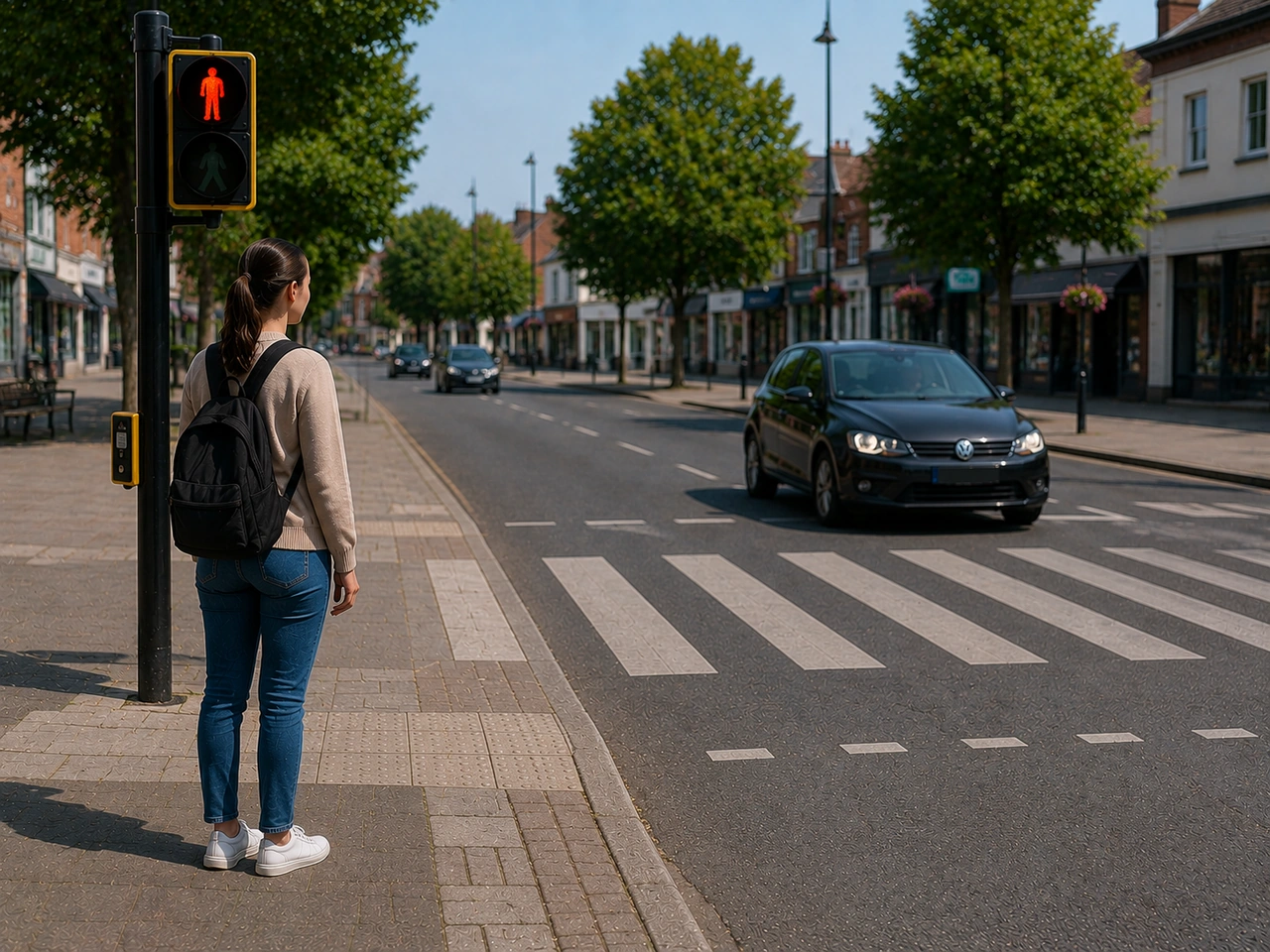
301. What should you do if the pedestrian light is red?
A red pedestrian signal means you should wait before crossing.
AI-generated by Rijbewijs-online.be • WCIT • CC BY-SA

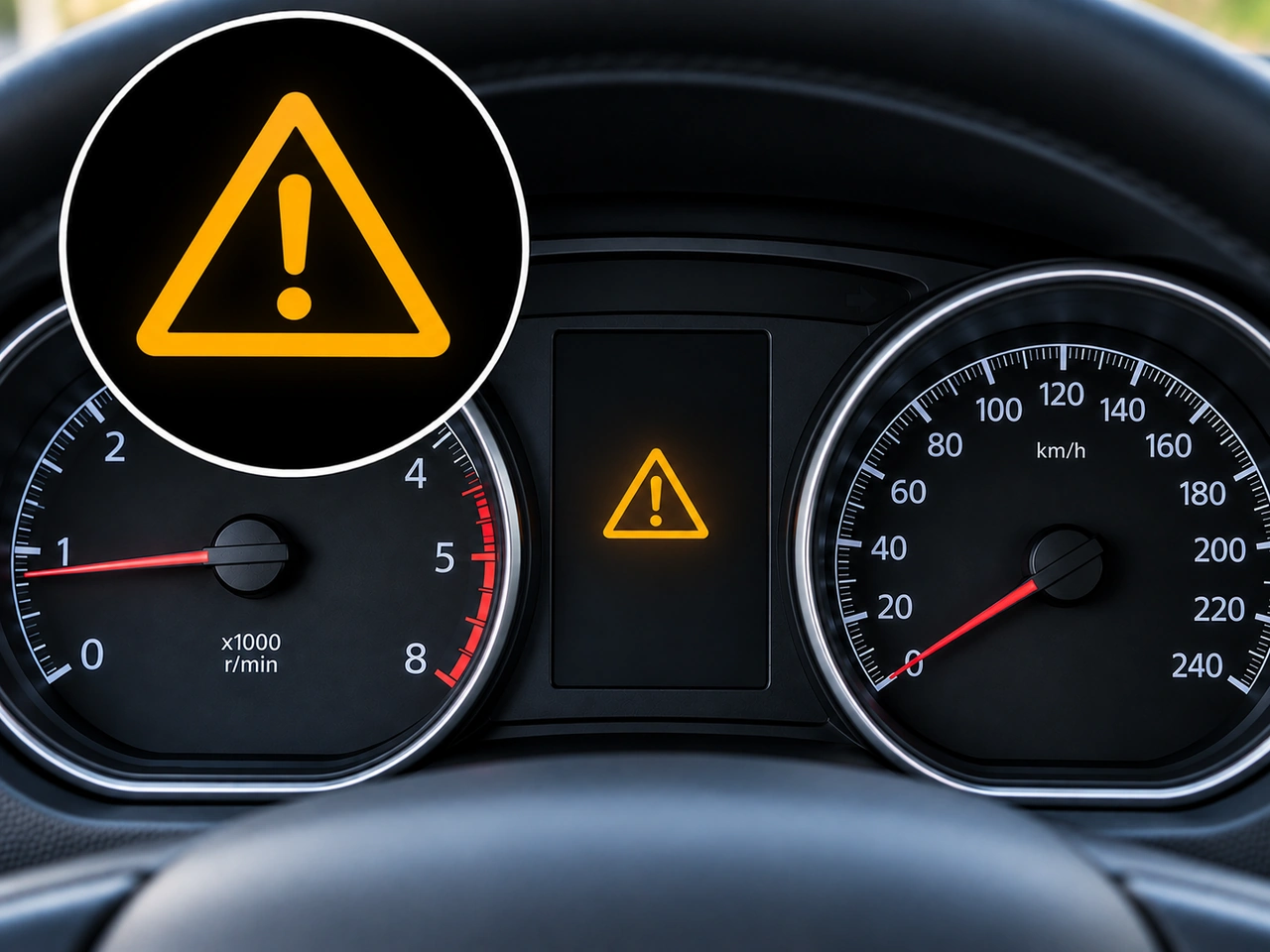
302. What does this dashboard symbol indicate?
This is a general or master warning symbol. It indicates that the vehicle has detected a condition requiring attention and is often accompanied by a message or another warning on the instrument display.
AI-generated by Rijbewijs-online.be • WCIT • CC BY-SA
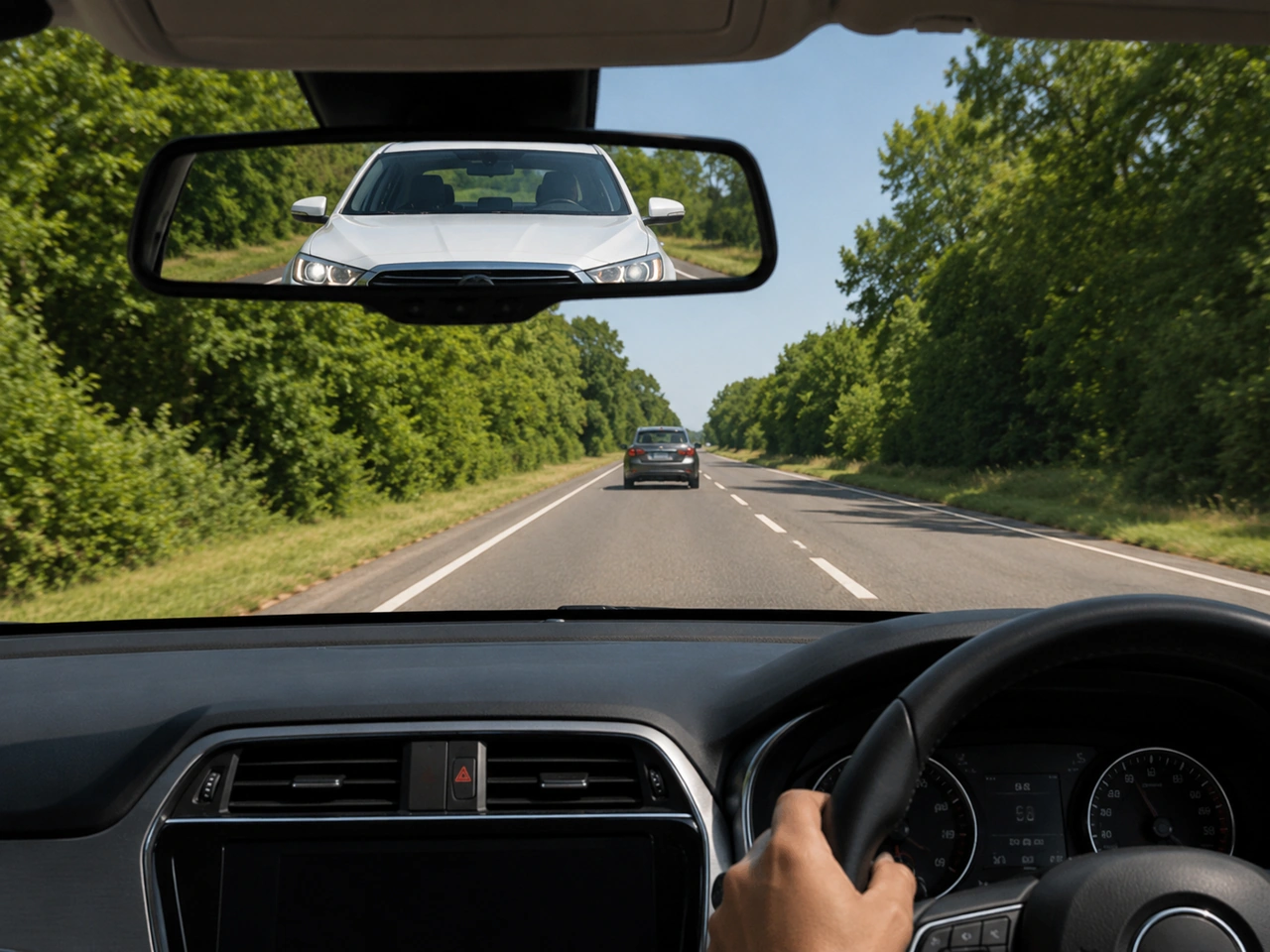
303. What should you do if another vehicle is tailgating you?
If someone follows too closely, avoid sudden actions. Keeping more space in front gives you more time to brake gently if needed. If it is safe, allow the tailgating vehicle to pass.
AI-generated by Rijbewijs-online.be • WCIT • CC BY-SA
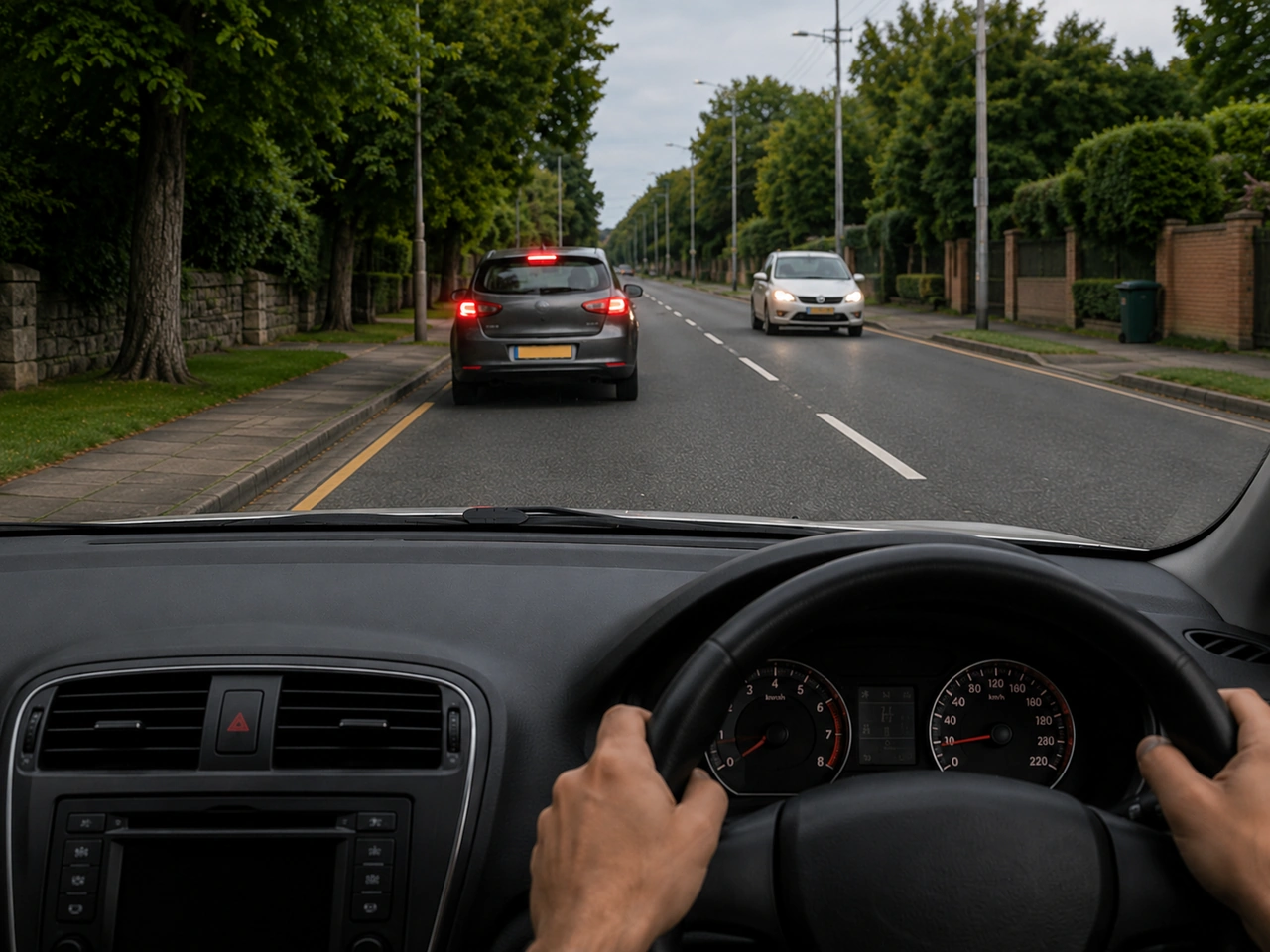
304. Why should you avoid sudden braking when it is not necessary?
Sudden braking can surprise drivers behind you and increase the risk of a rear-end collision.
AI-generated by Rijbewijs-online.be • WCIT • CC BY-SA
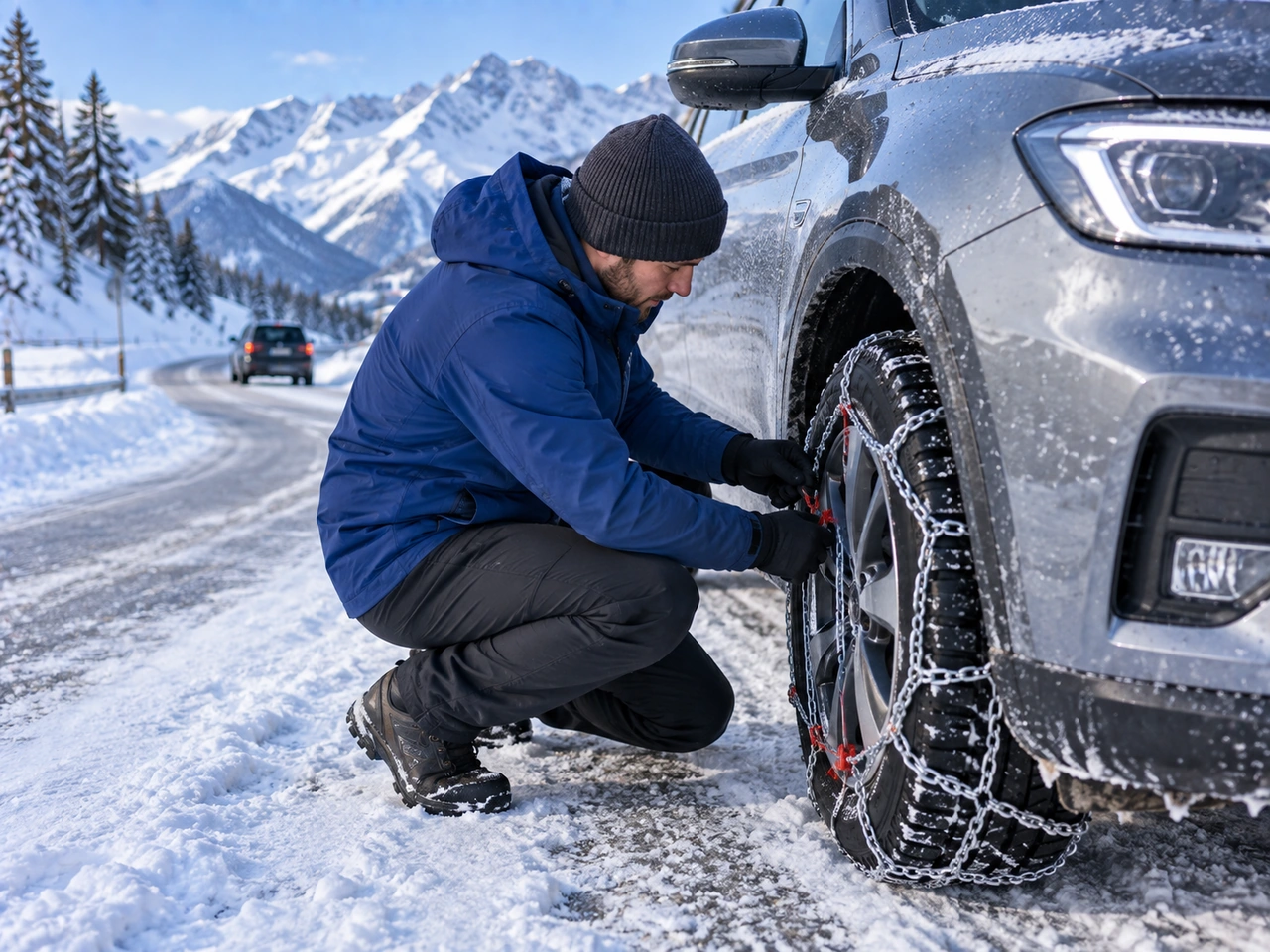
305. Are snow chains generally required in United Kingdom?
Snow chains are not generally required in United Kingdom, although they may be useful or required in specific conditions or locations.
AI-generated by Rijbewijs-online.be • WCIT • CC BY-SA
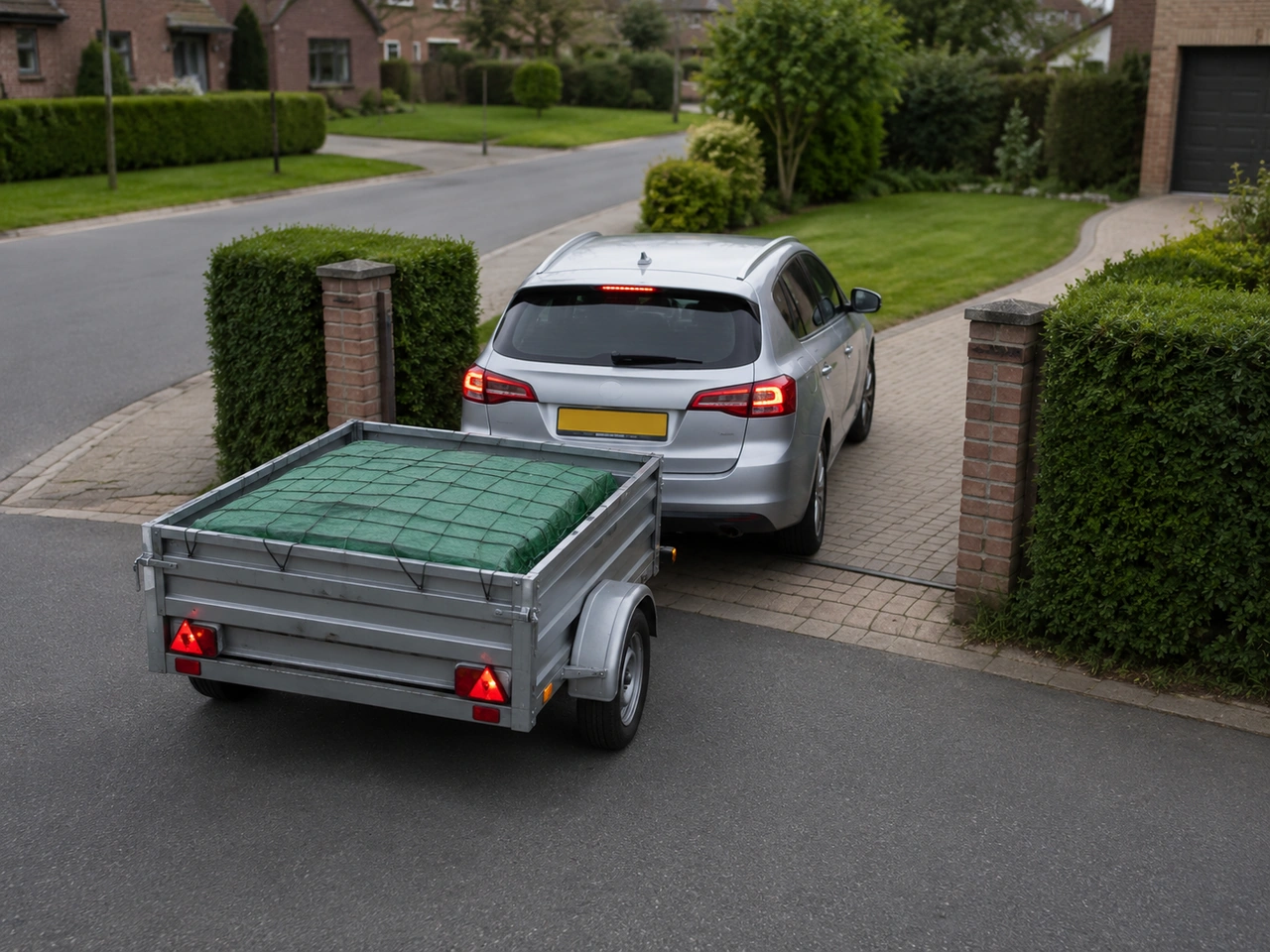
306. What should you do when reversing with a trailer?
Trailers react quickly to steering while reversing. Move slowly, observe carefully, and use a guide only from a safe visible position.
AI-generated by Rijbewijs-online.be • WCIT • CC BY-SA
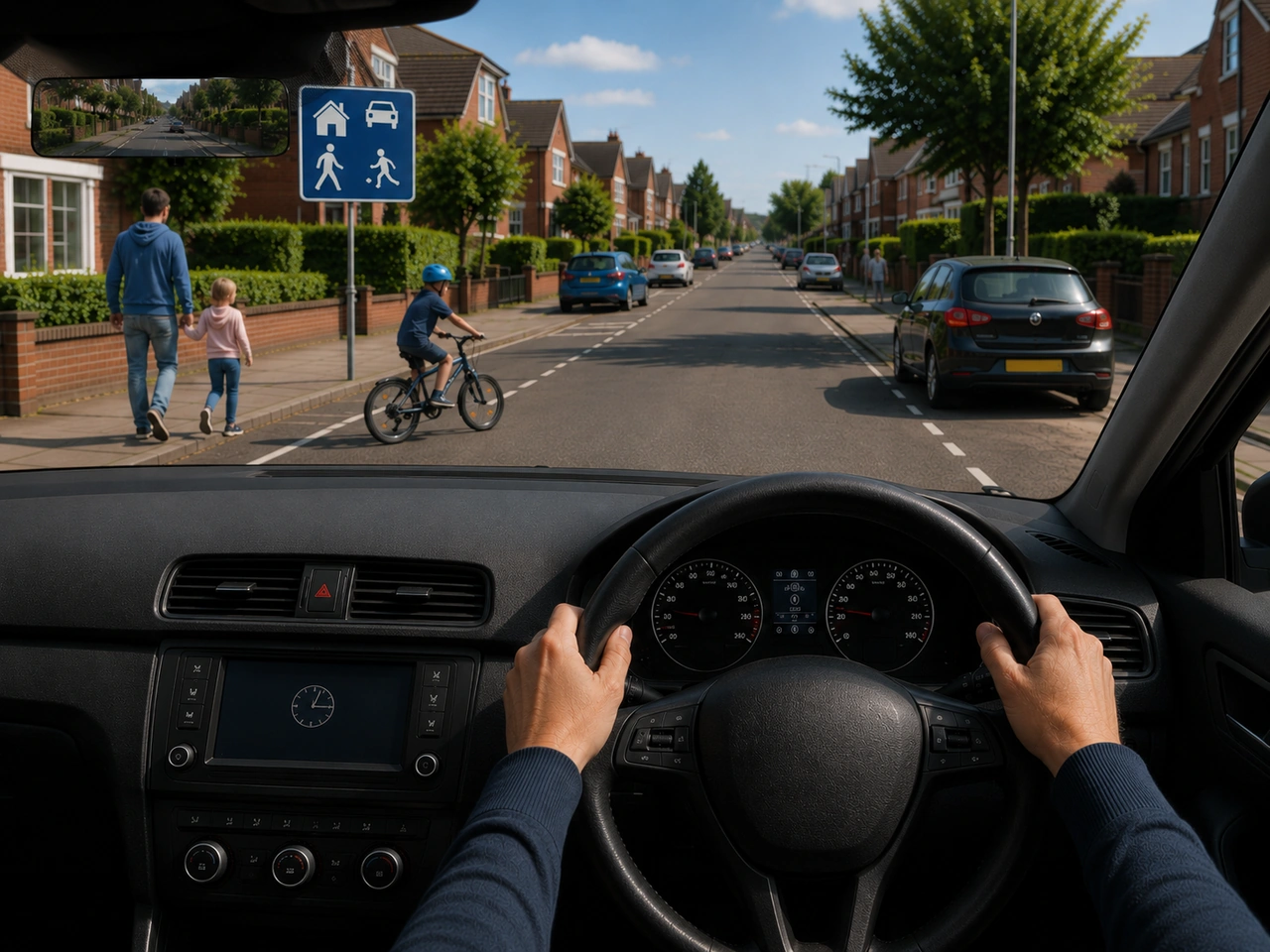
307. Why should you reduce speed in residential areas?
Residential areas often have pedestrians, cyclists, parked vehicles, driveways, and children, and hazards may appear suddenly. Lower speed gives you more time to react and stop safely.
AI-generated by Rijbewijs-online.be • WCIT • CC BY-SA
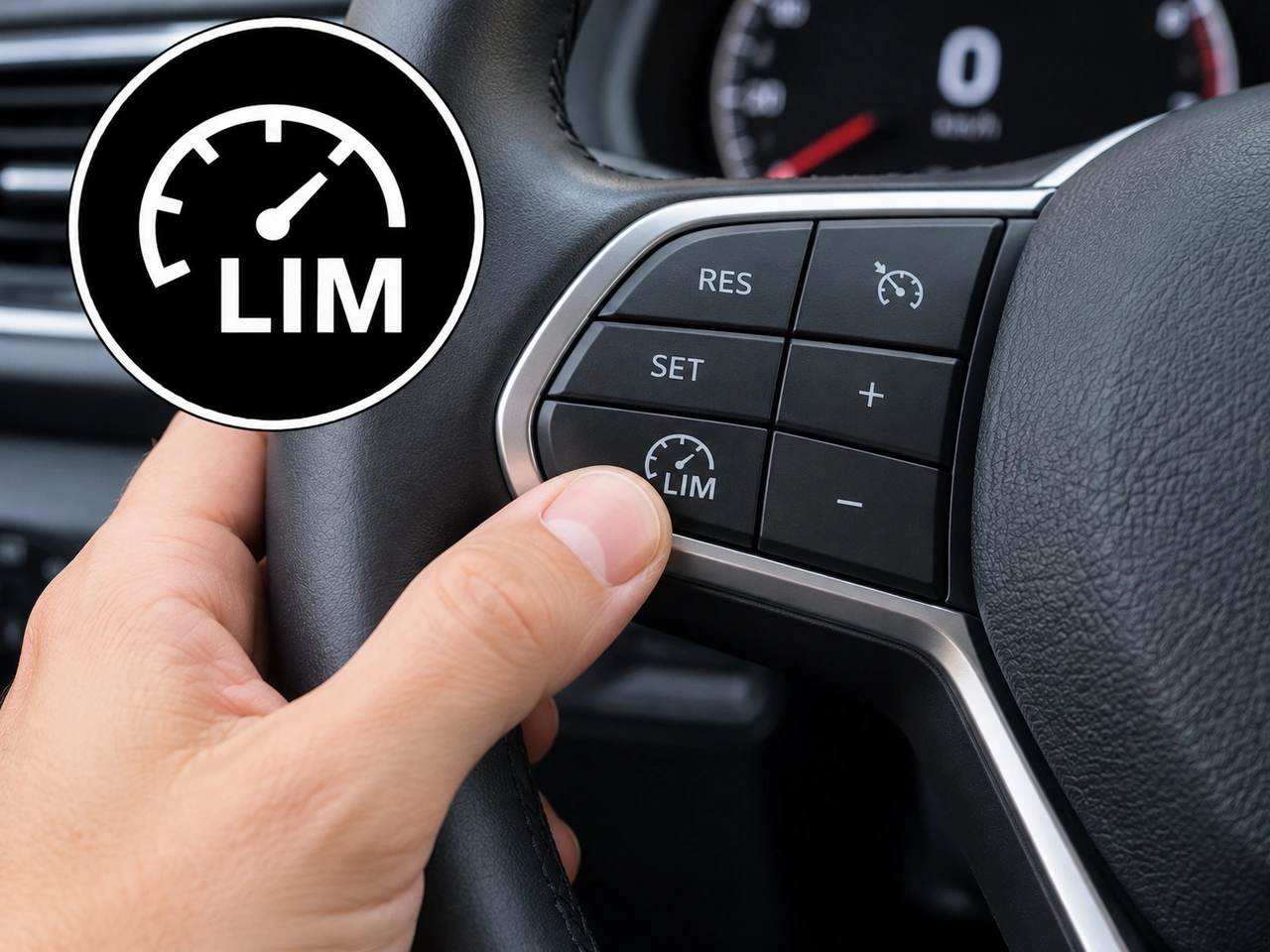
308. What does this vehicle-control symbol indicate?
The speed limiter allows the driver to set a maximum speed that the vehicle should not normally exceed while the accelerator is being used.
AI-generated by Rijbewijs-online.be • WCIT • CC BY-SA
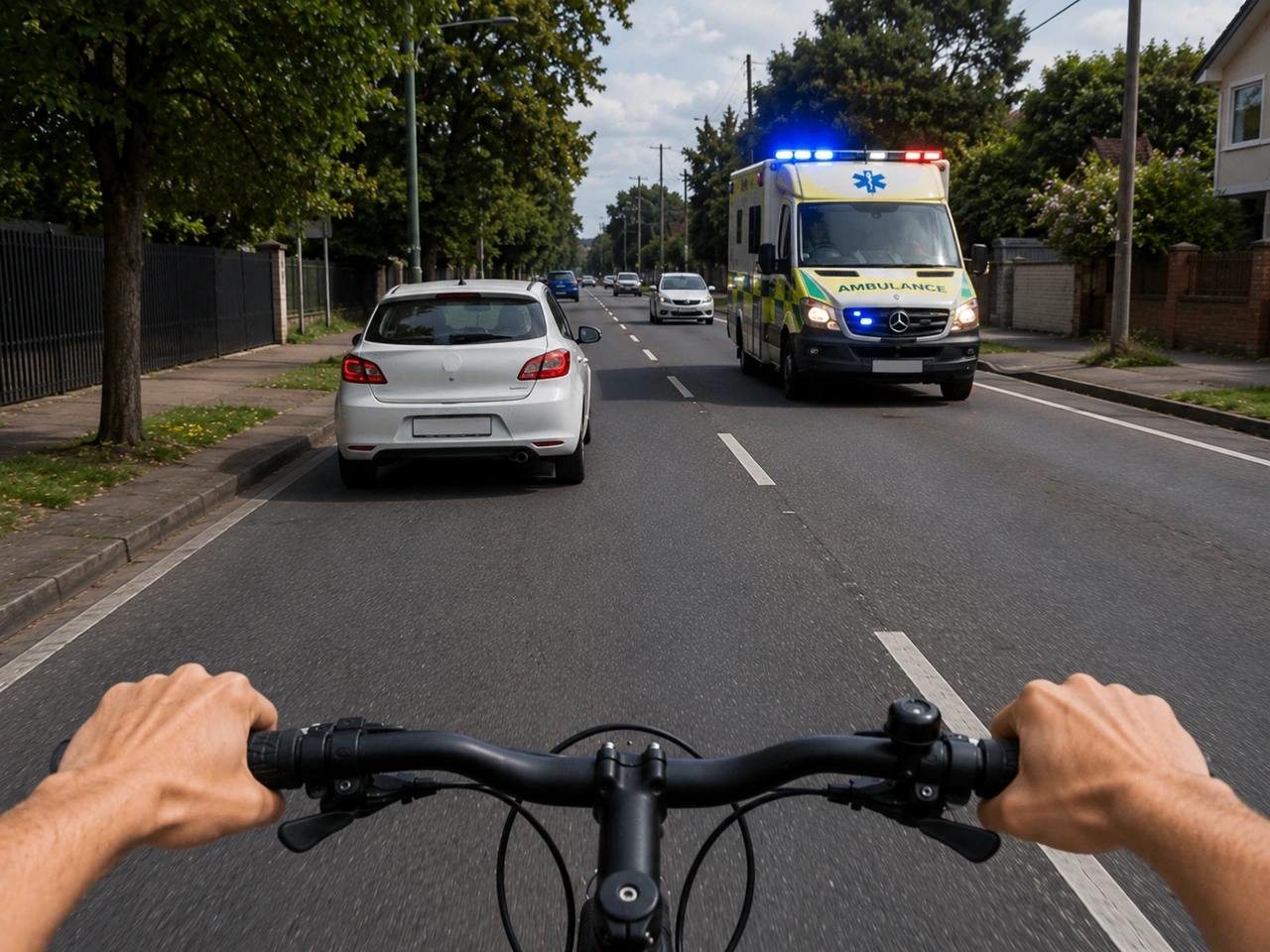
309. What should cyclists do when an emergency vehicle with lights and siren approaches?
Emergency vehicles need a clear route. Move predictably and stop only where doing so is safe.
AI-generated by Rijbewijs-online.be • WCIT • CC BY-SA
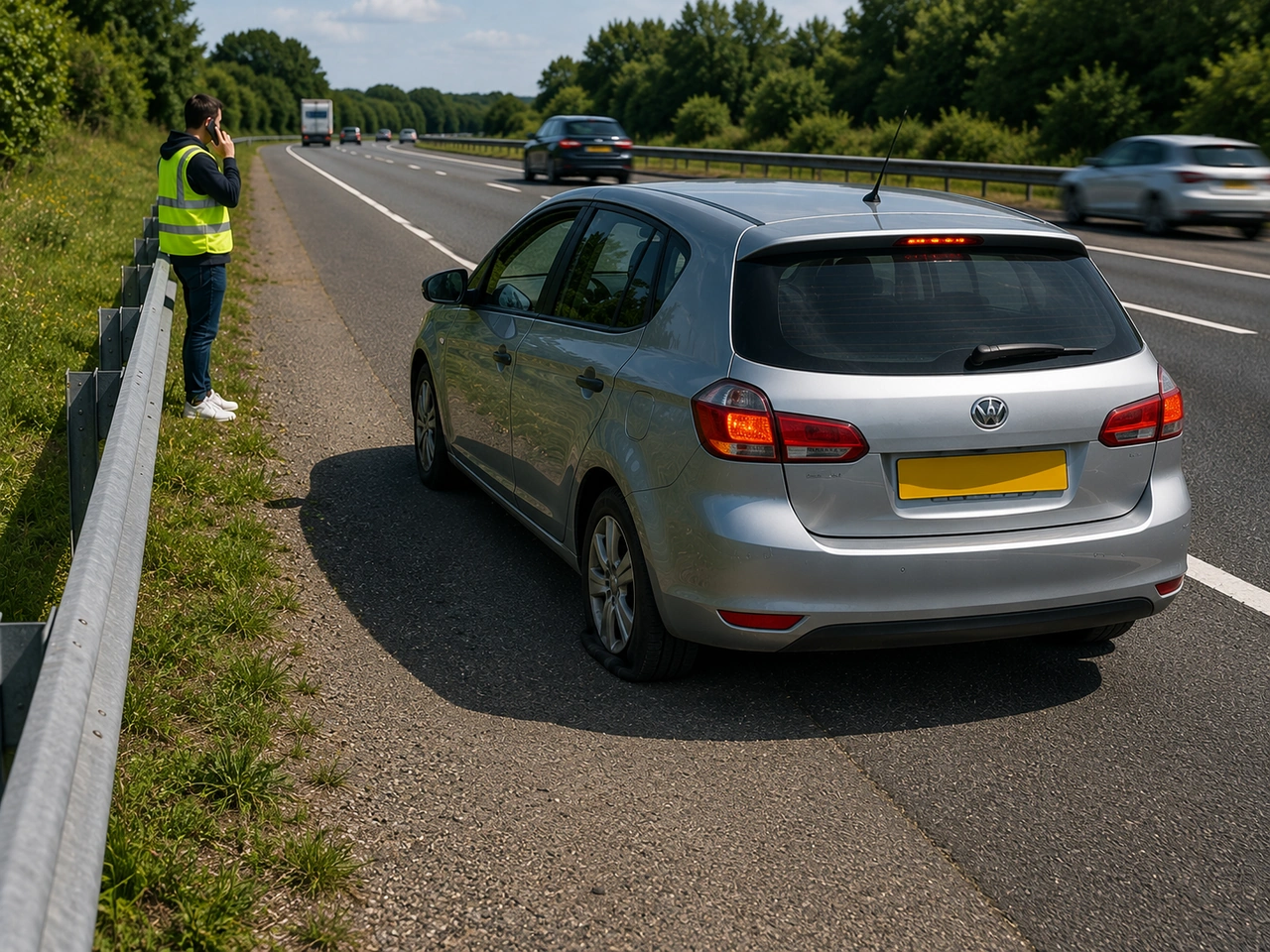
310. What should you do about a flat tyre on a high-speed road?
Changing a wheel close to high-speed traffic is extremely dangerous. Move away from traffic and use professional assistance.
AI-generated by Rijbewijs-online.be • WCIT • CC BY-SA
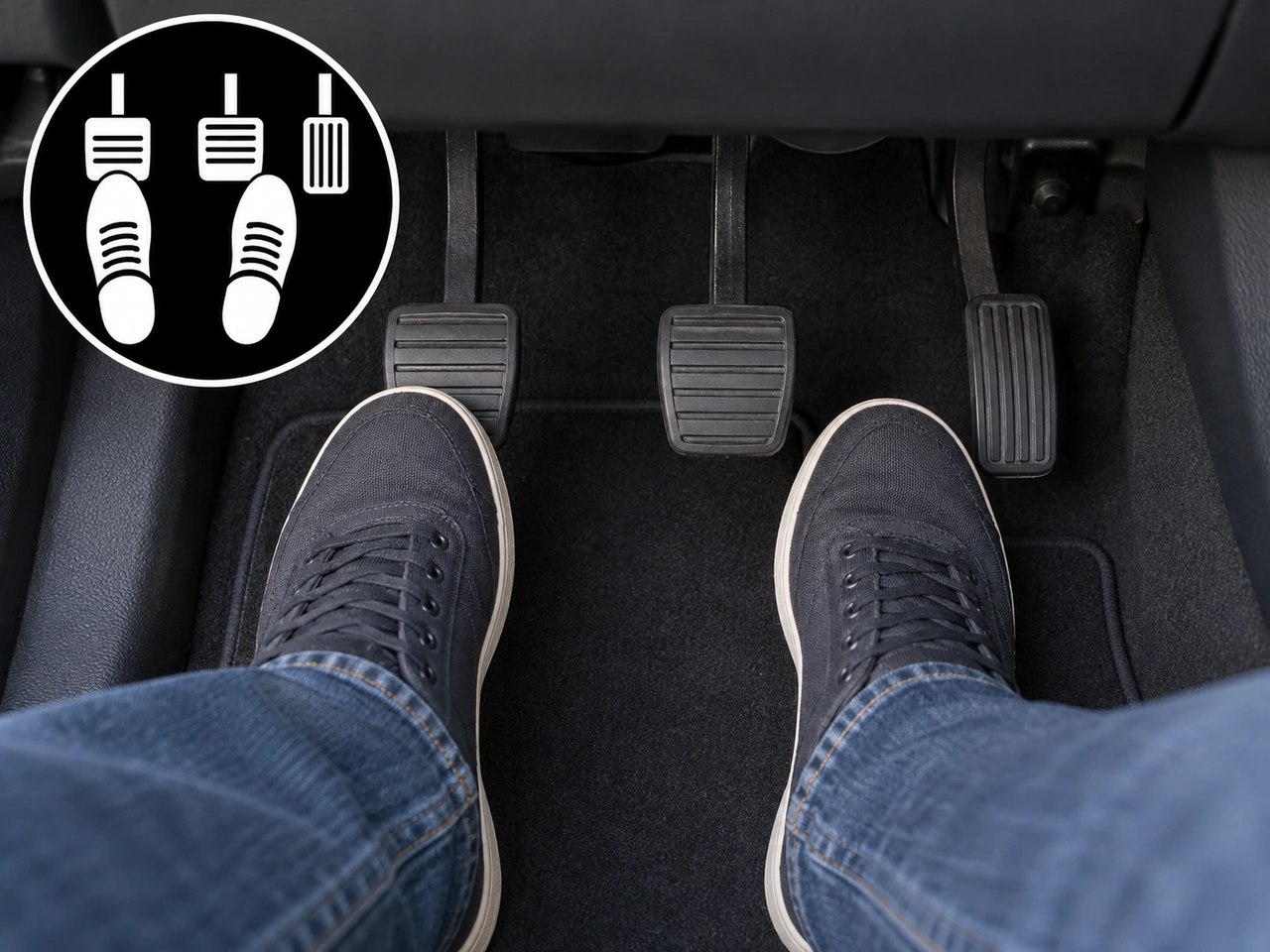
311. Which foot normally operates the brake and accelerator in a manual vehicle?
In a manual vehicle, the right foot normally operates both the brake and accelerator pedals, while the left foot operates the clutch.
AI-generated by Rijbewijs-online.be • WCIT • CC BY-SA
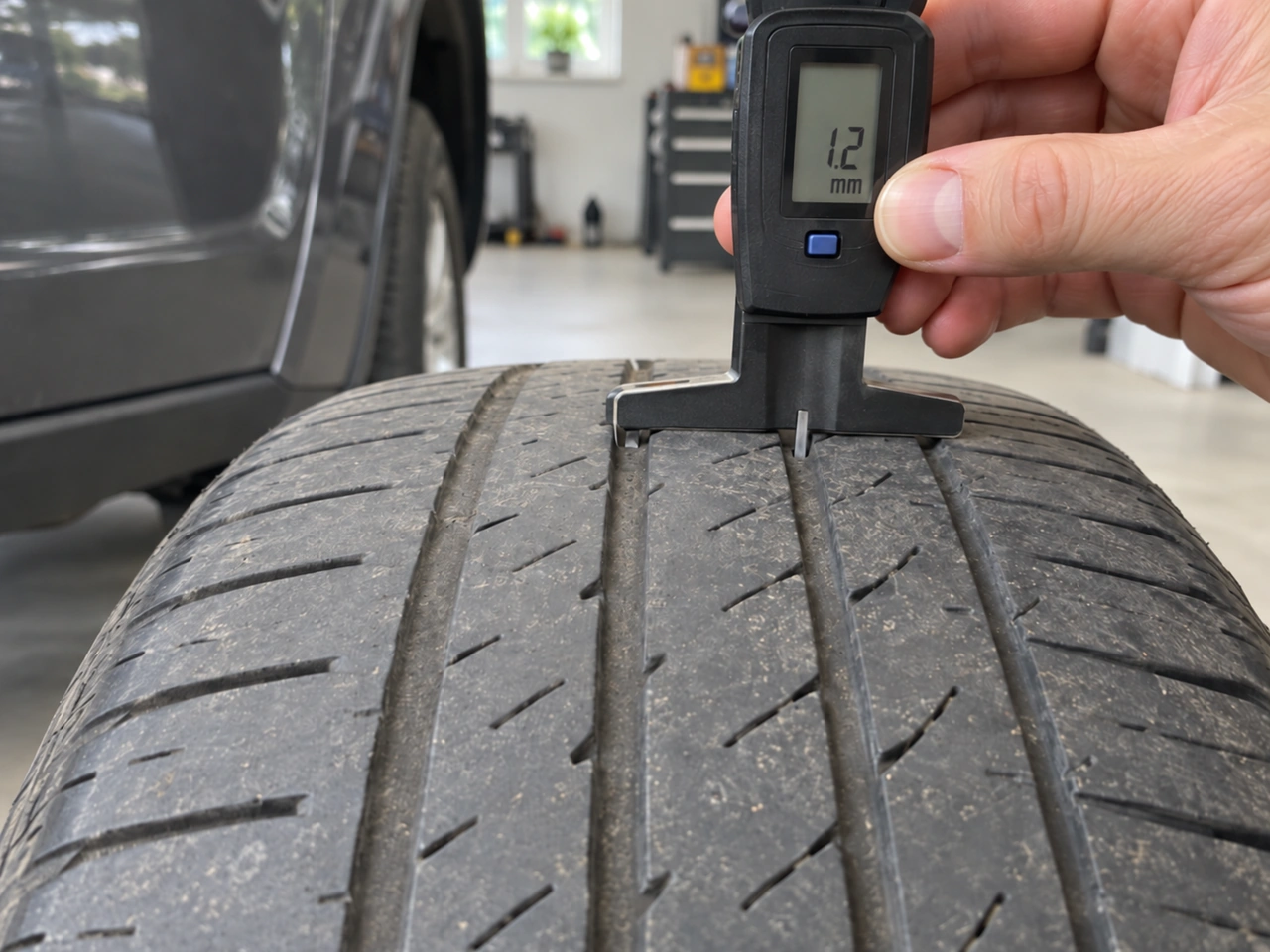
312. What is the general minimum legal tread depth for car tyres in United Kingdom?
The general minimum legal tread depth for car tyres in United Kingdom is 1.6 mm. Higher minimums may apply to winter tyres, during winter periods or in winter conditions.
AI-generated by Rijbewijs-online.be • WCIT • CC BY-SA
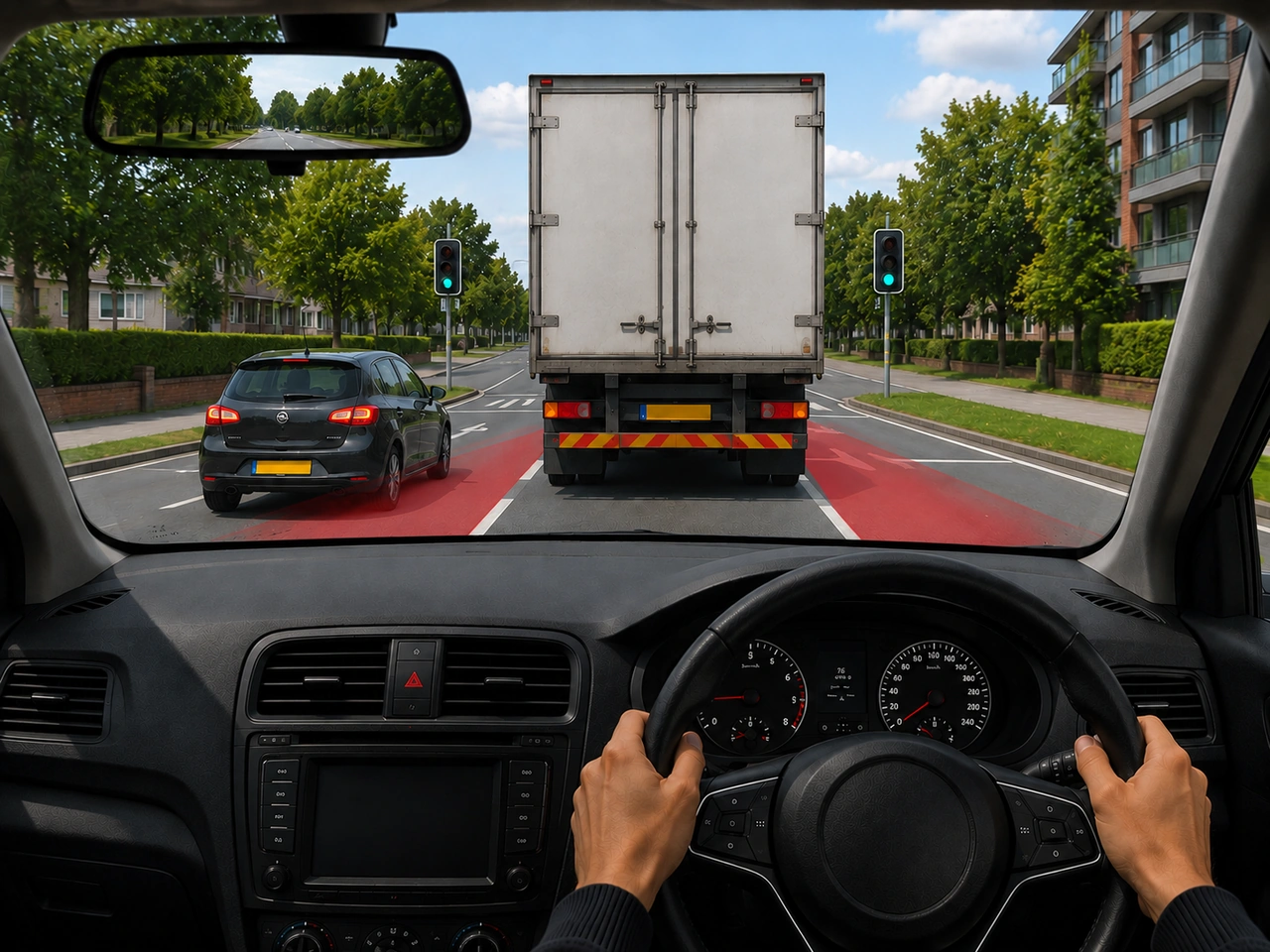
313. Why should you avoid stopping in a blind spot of a large vehicle?
Large vehicles have bigger blind spots. If you stop where the driver cannot see you, you may be at risk when the vehicle moves or turns.
AI-generated by Rijbewijs-online.be • WCIT • CC BY-SA
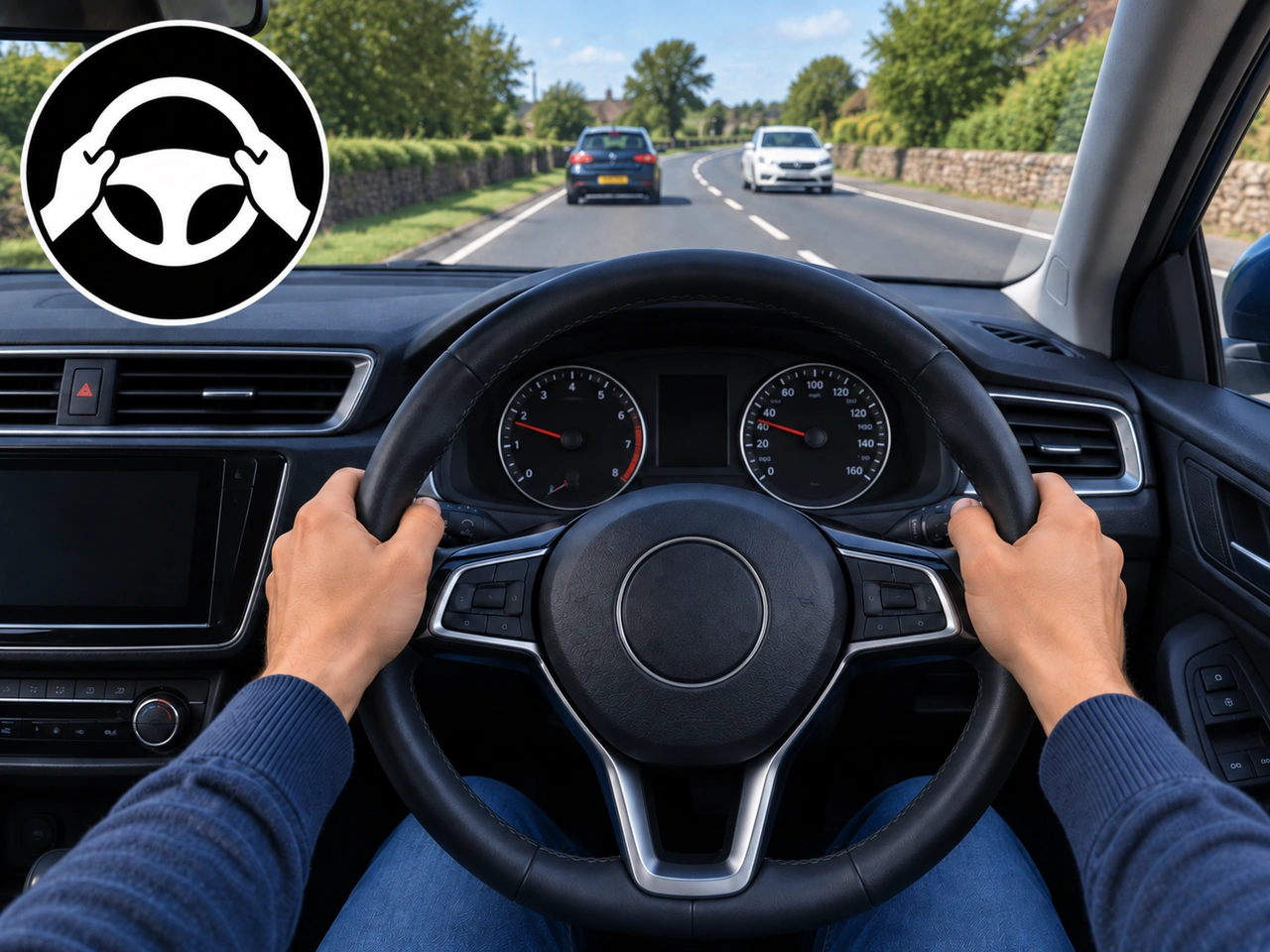
314. How should you normally hold the steering wheel while driving?
Hold the steering wheel with both hands in a balanced position so that you can steer smoothly and react quickly. A position around nine and three o'clock generally provides good control.
AI-generated by Rijbewijs-online.be • WCIT • CC BY-SA
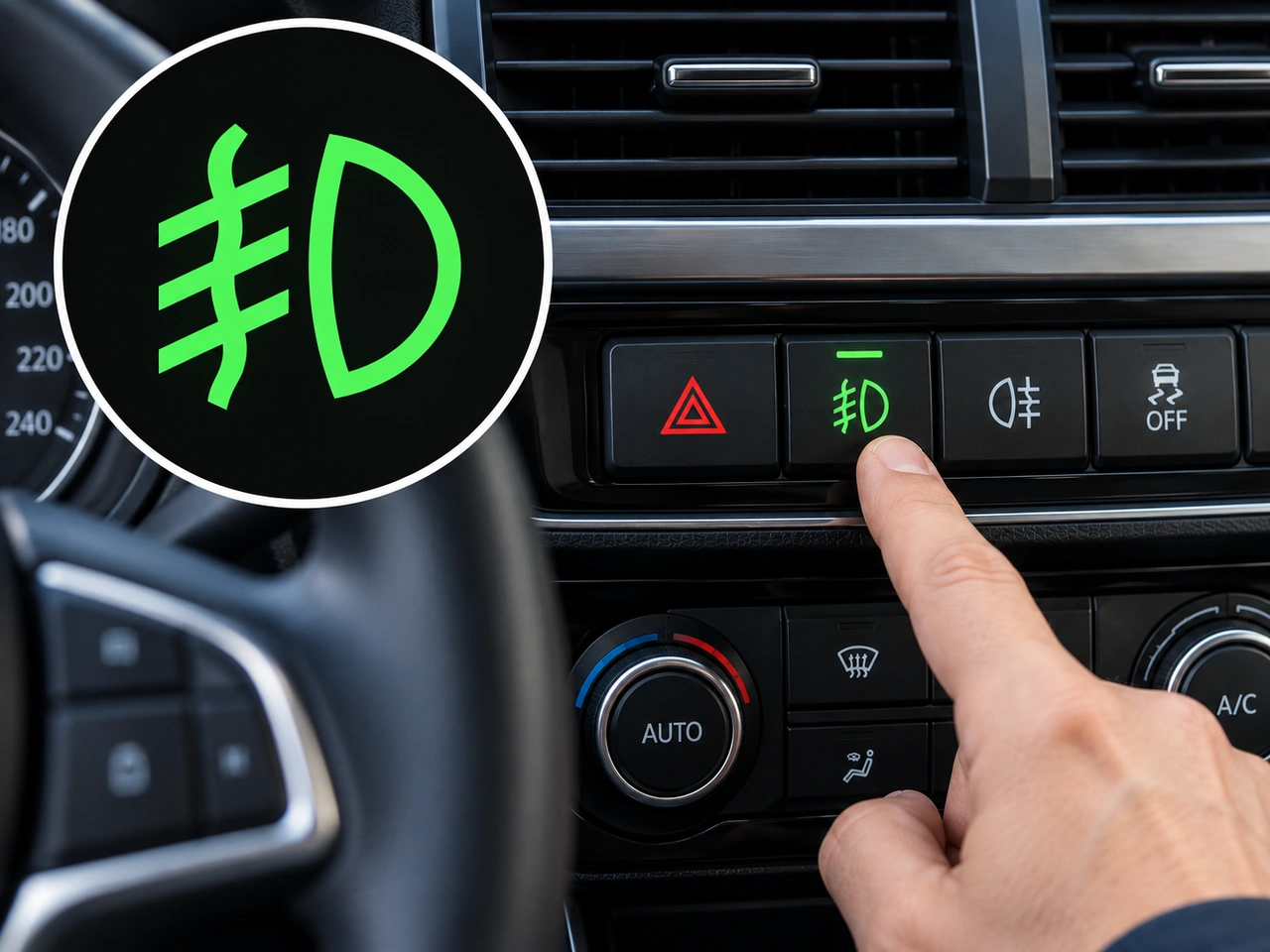
315. What does this dashboard symbol indicate?
This symbol indicates that the front fog lights are switched on. Front fog lights are designed to improve illumination close to the road in conditions of severely reduced visibility. Rules governing their use vary by country.
AI-generated by Rijbewijs-online.be • WCIT • CC BY-SA
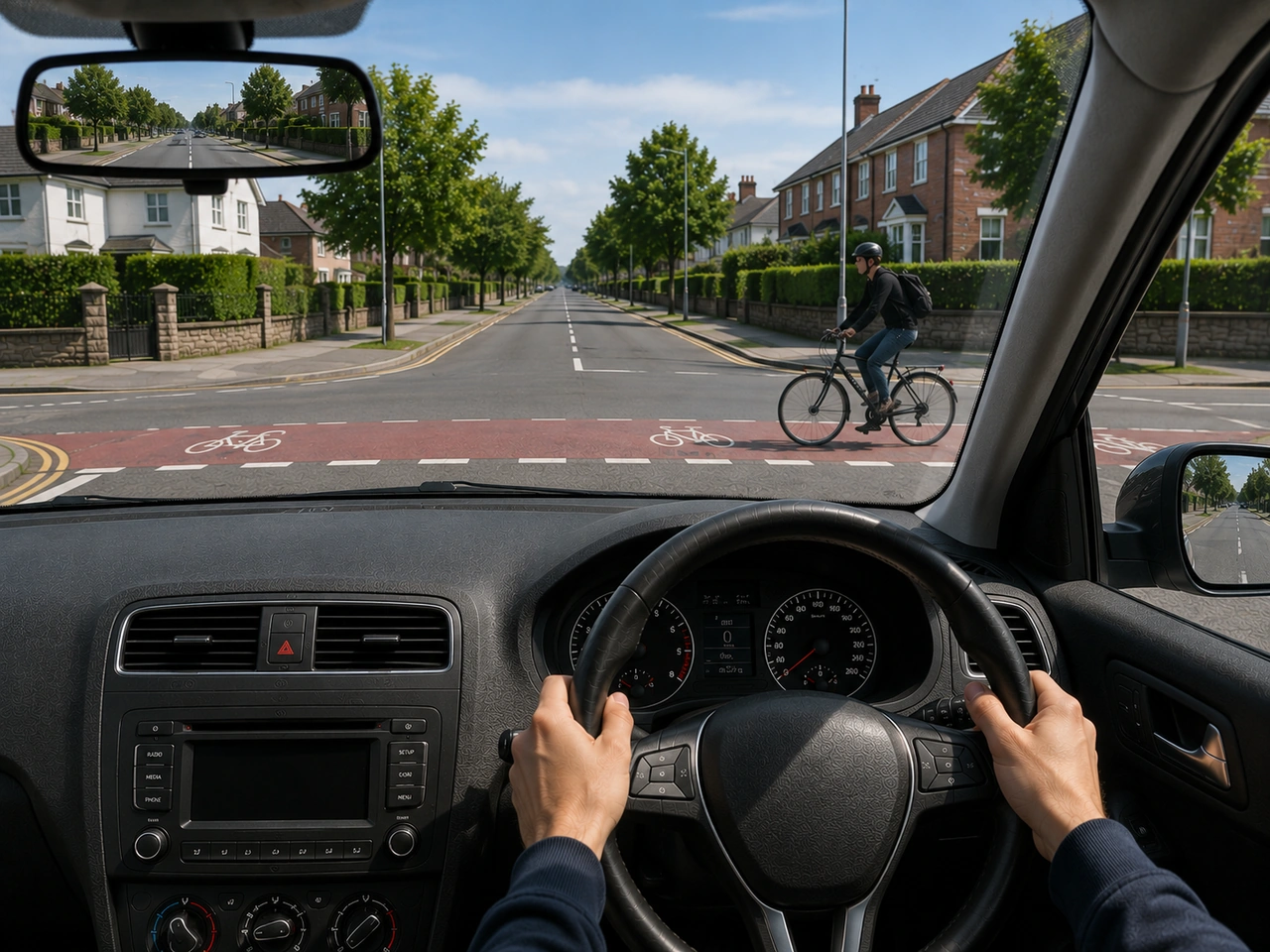
316. What should you do before turning across a cycle lane?
Cyclists may be beside or behind you when you turn. Check mirrors and blind spots, signal clearly, and turn only when it is safe.
AI-generated by Rijbewijs-online.be • WCIT • CC BY-SA
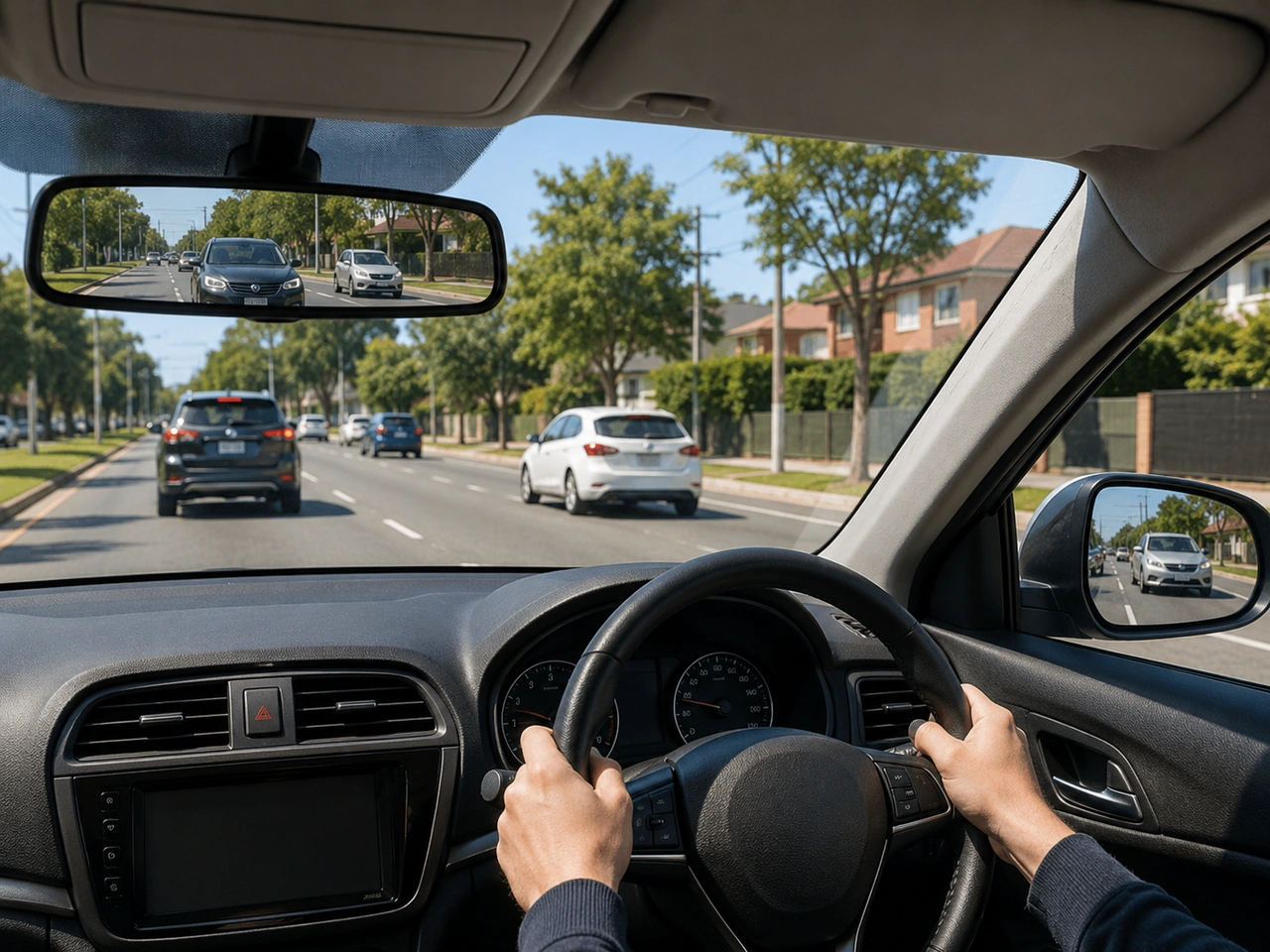
317. Why should you check your mirrors regularly while driving?
Regular mirror checks help you understand what is happening behind and beside your vehicle.
AI-generated by Rijbewijs-online.be • WCIT • CC BY-SA
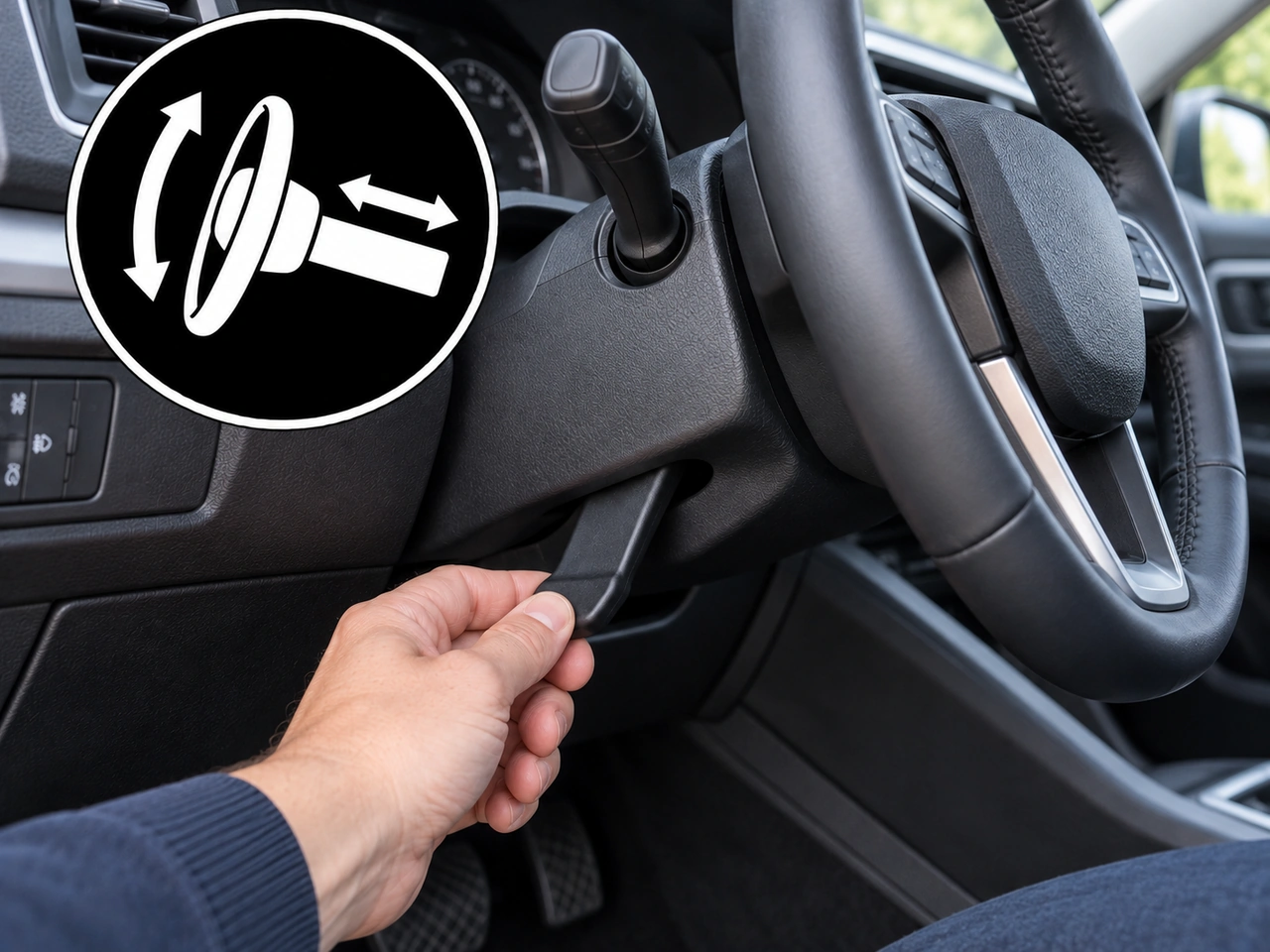
318. What does this vehicle-control symbol indicate?
This control adjusts the position of the steering wheel. Depending on the vehicle, the steering wheel may be moved up or down and forwards or backwards to obtain a safe and comfortable driving position.
AI-generated by Rijbewijs-online.be • WCIT • CC BY-SA
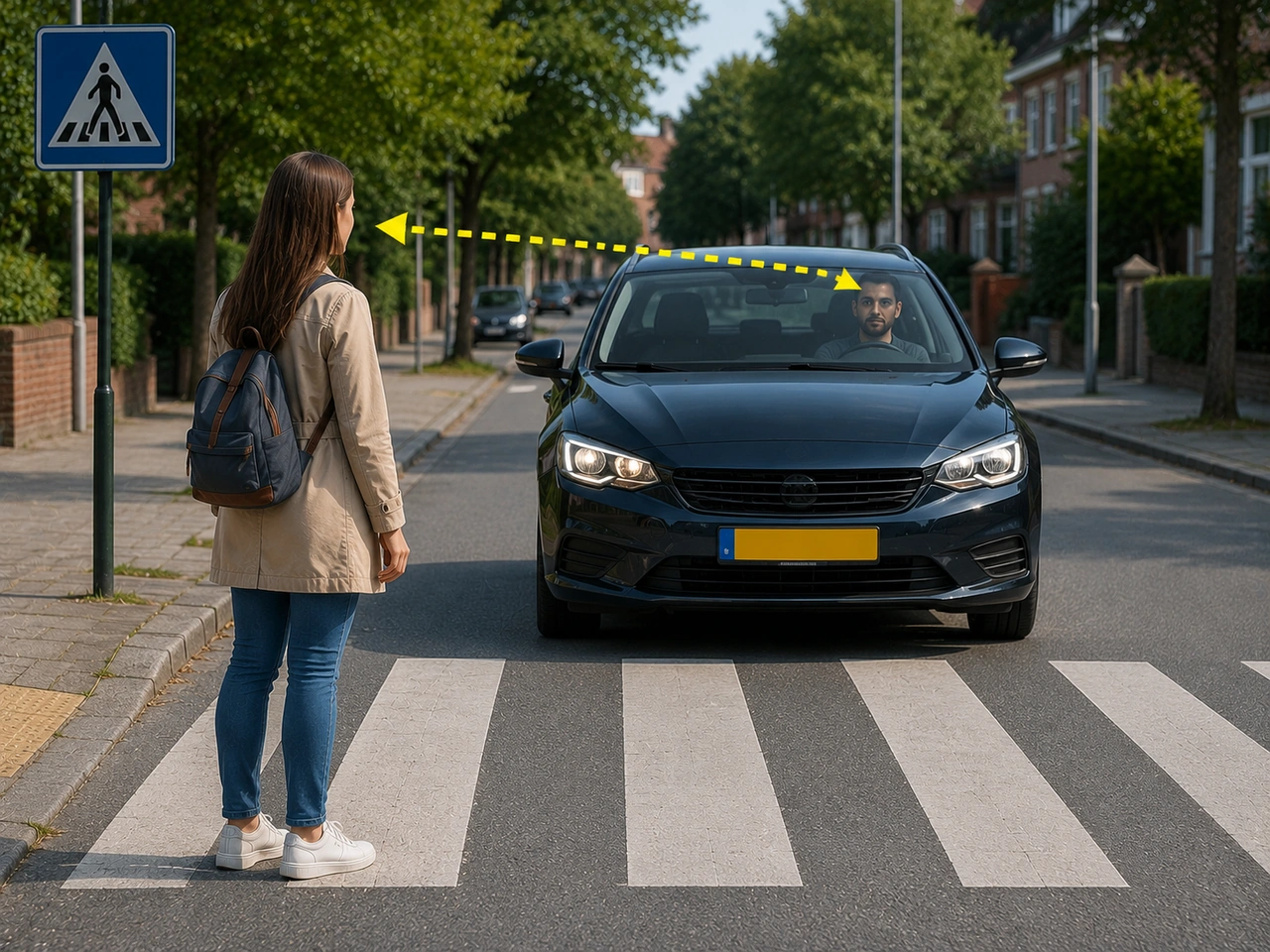
319. Why should you make sure drivers have seen you before crossing?
Before crossing, make sure approaching drivers have noticed you and that it is safe to proceed. Do not assume that a driver will stop simply because you have seen each other.
AI-generated by Rijbewijs-online.be • WCIT • CC BY-SA
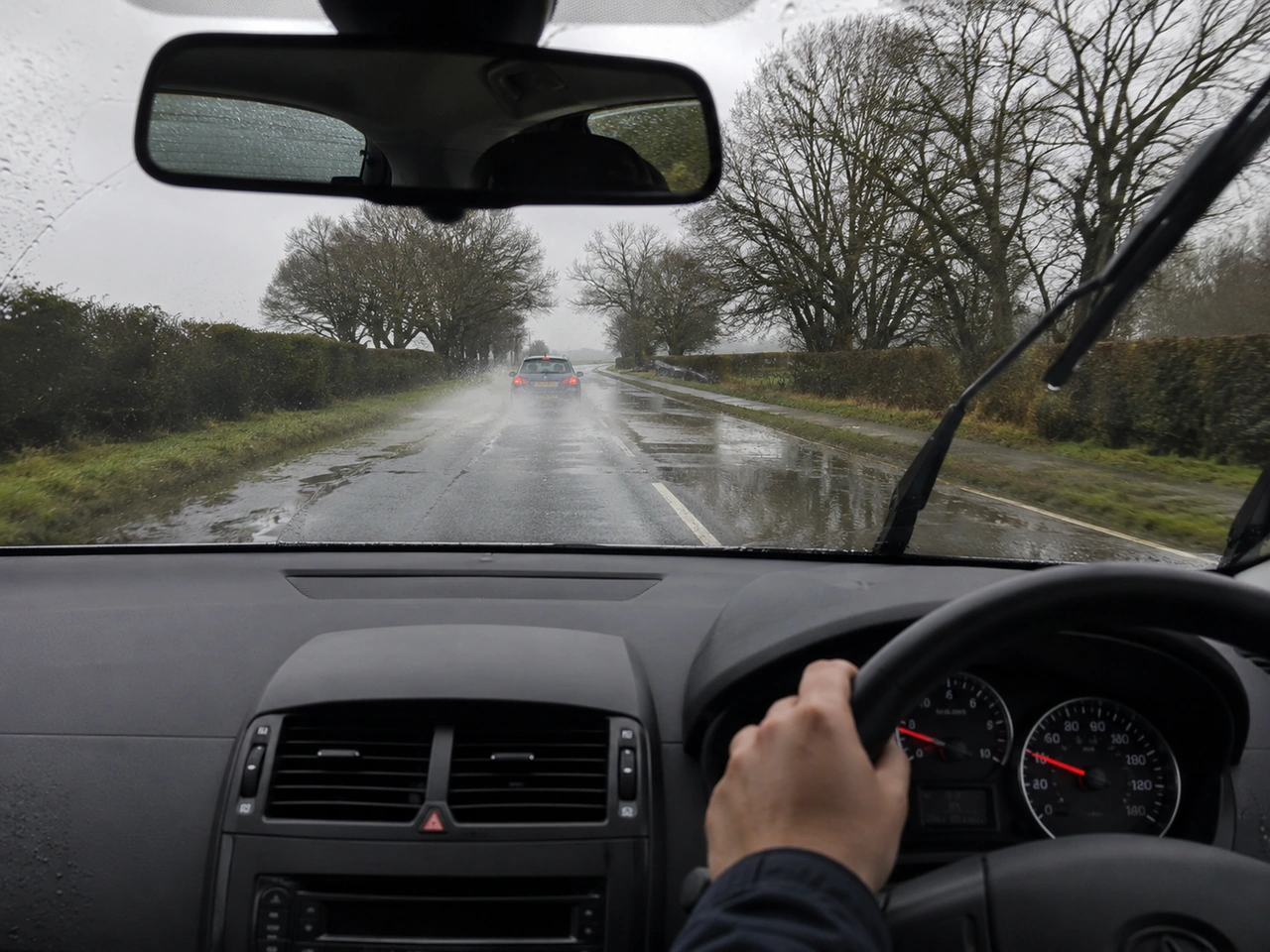
320. Why is it dangerous to drive through standing water at speed?
Driving too fast through water can cause aquaplaning, where the tyres lose grip and the driver may lose control.
AI-generated by Rijbewijs-online.be • WCIT • CC BY-SA
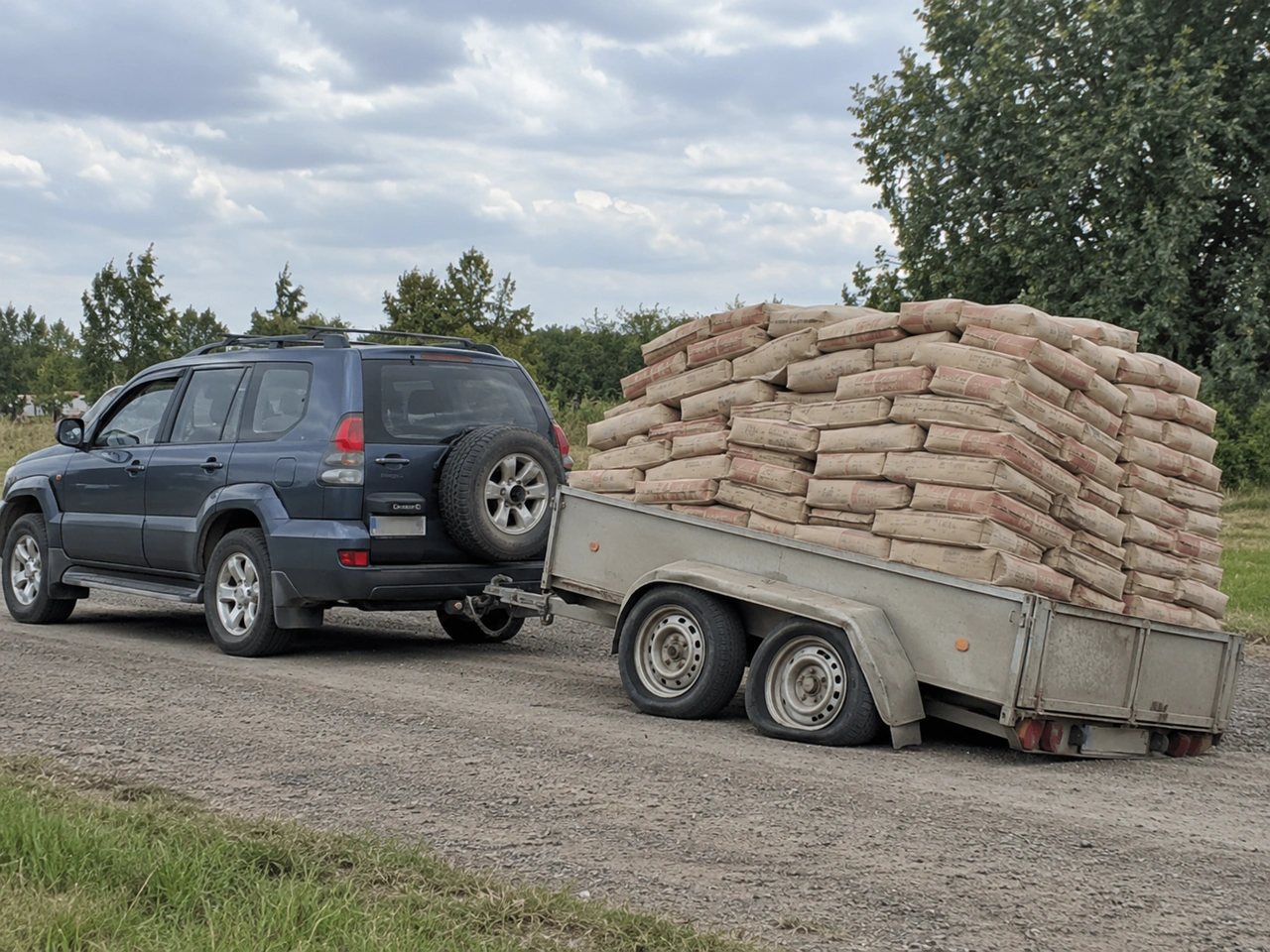
321. Why should you avoid overloading a trailer?
Overloading can affect braking, steering, tyres, suspension, and trailer stability. Always remain within permitted limits. After loading, check that the load is secure and correctly distributed before starting your journey.
AI-generated by Rijbewijs-online.be • WCIT • CC BY-SA
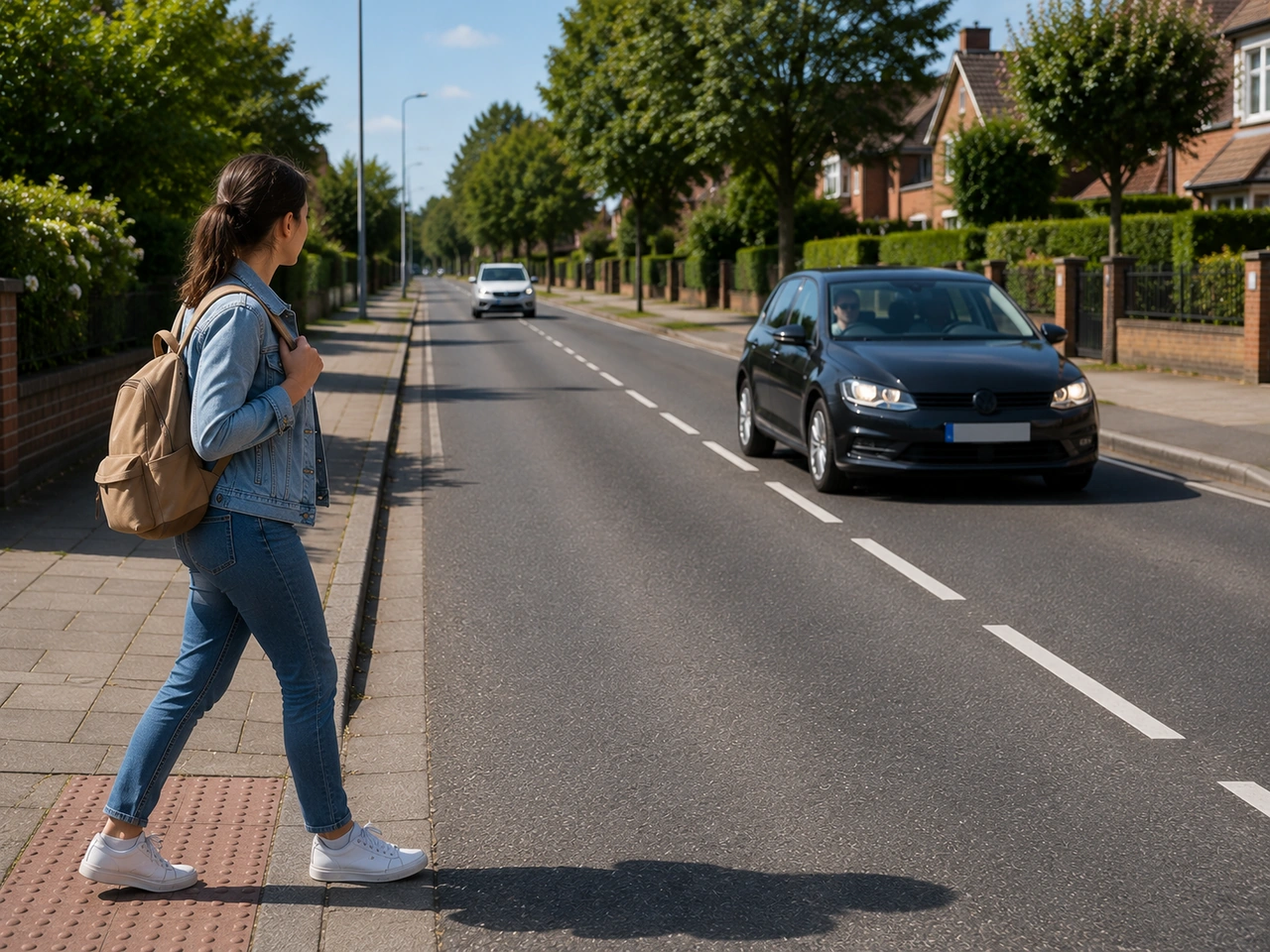
322. What should you do before crossing the road?
Always check for approaching traffic from every direction before crossing.
AI-generated by Rijbewijs-online.be • WCIT • CC BY-SA
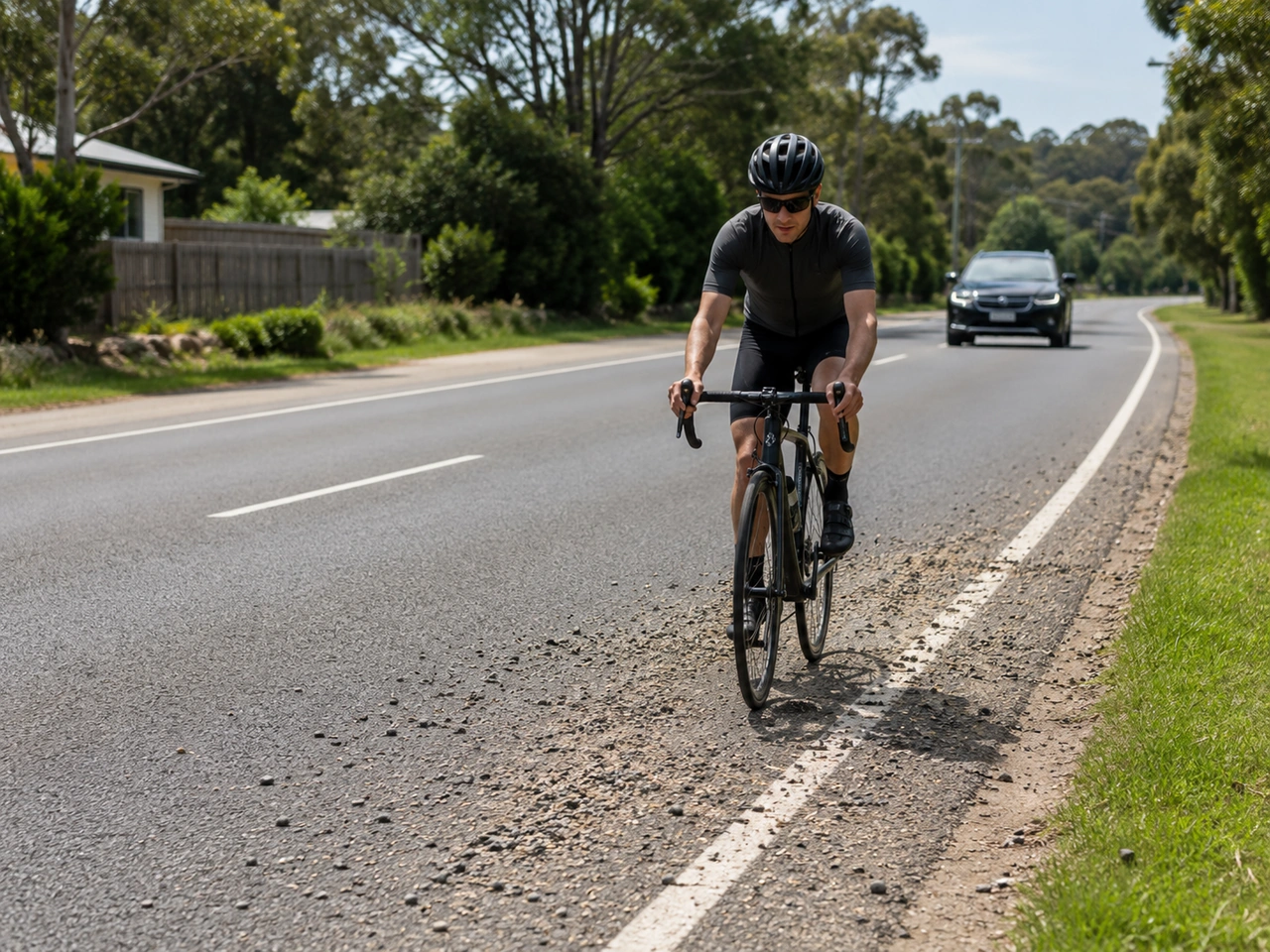
323. What should cyclists do when riding over loose gravel or road debris?
Loose material reduces tyre grip. Smooth steering and controlled speed lower the chance of losing balance.
AI-generated by Rijbewijs-online.be • WCIT • CC BY-SA
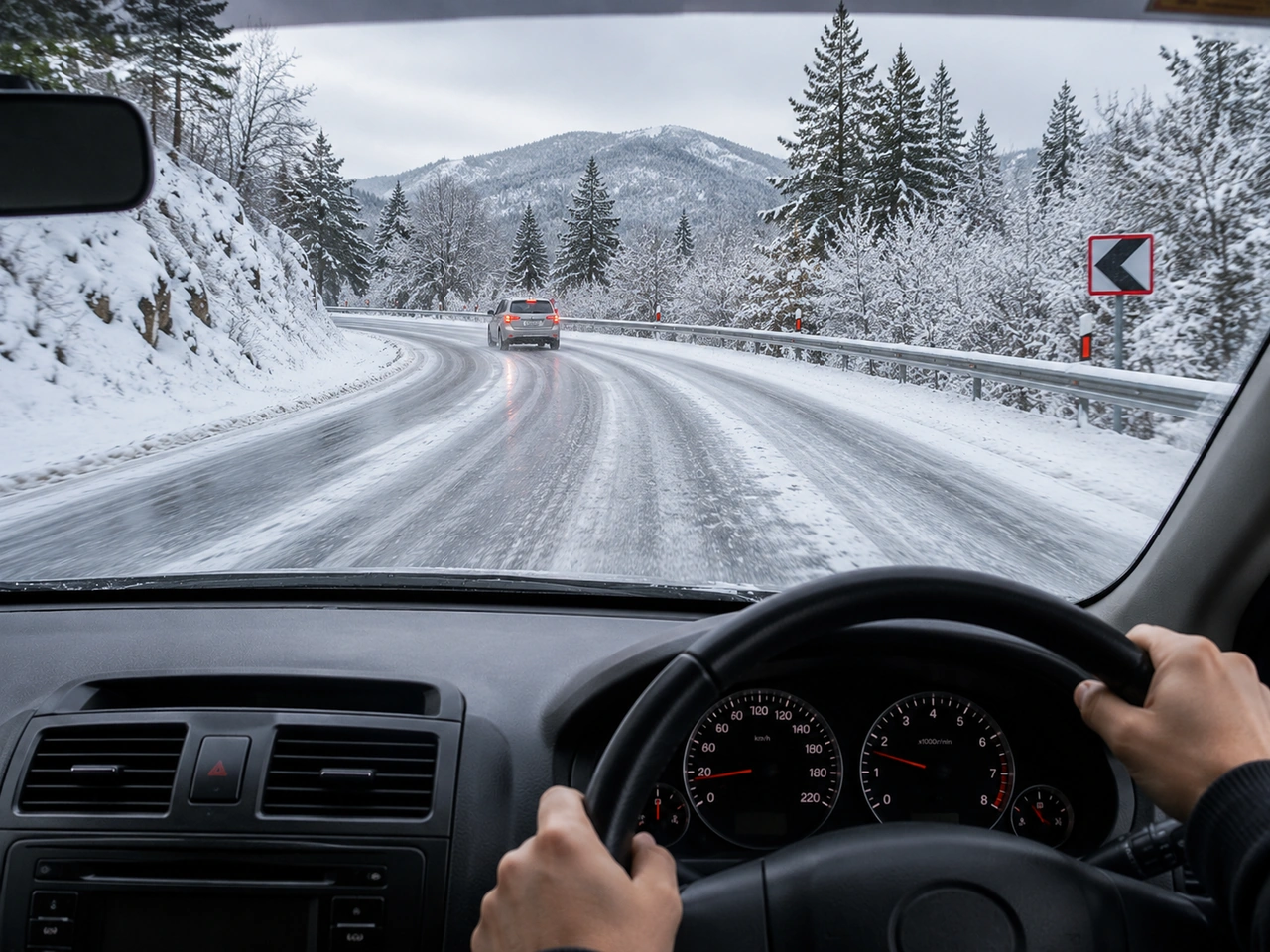
324. How should you brake on a slippery road?
Sudden braking can cause the wheels to lose grip. Smooth, progressive braking reduces the risk of skidding.
AI-generated by Rijbewijs-online.be • WCIT • CC BY-SA
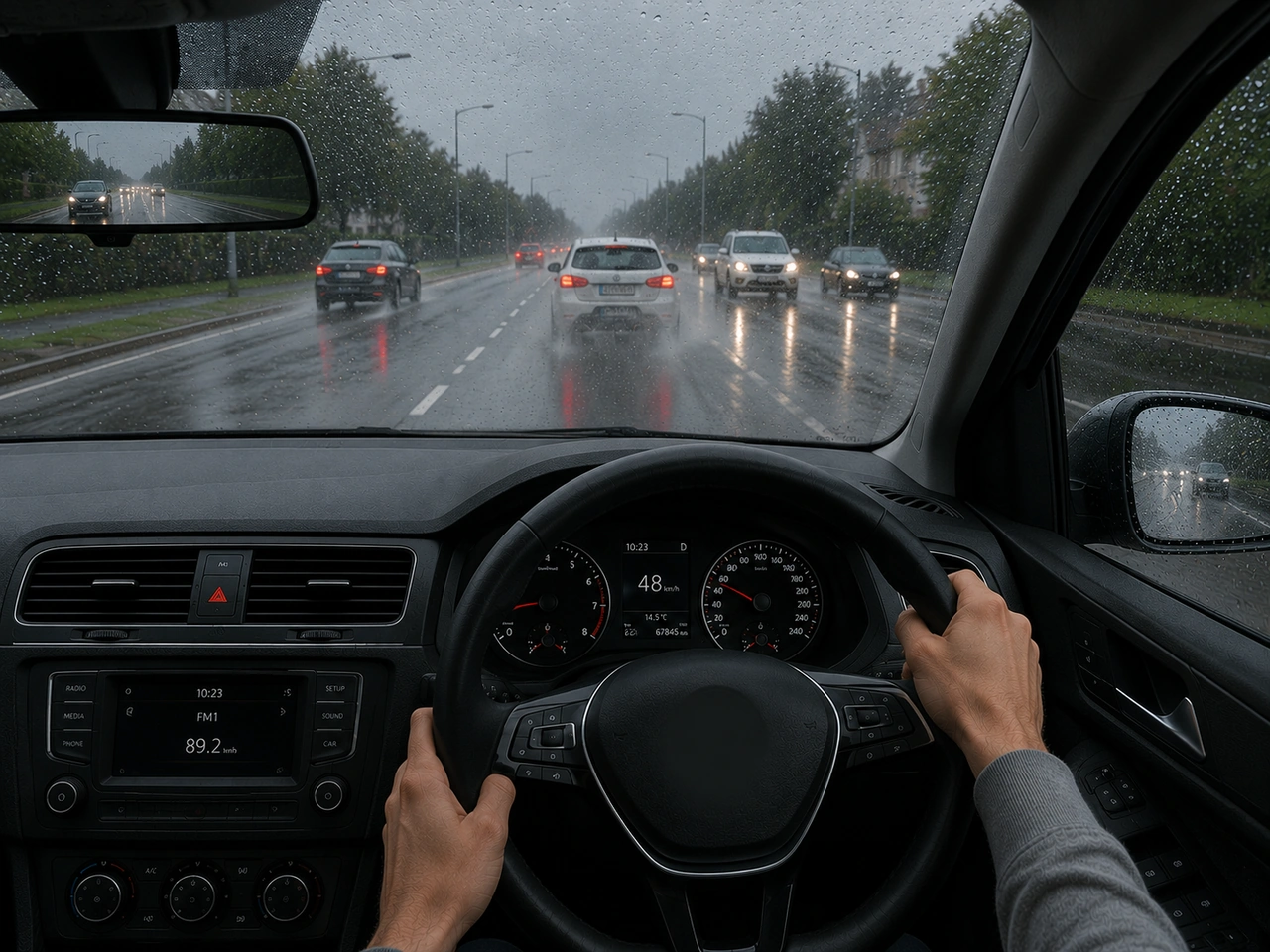
325. Rain can reduce tyre grip and increase stopping distance.
Wet roads reduce traction, so your vehicle may need more distance to stop safely.
AI-generated by Rijbewijs-online.be • WCIT • CC BY-SA
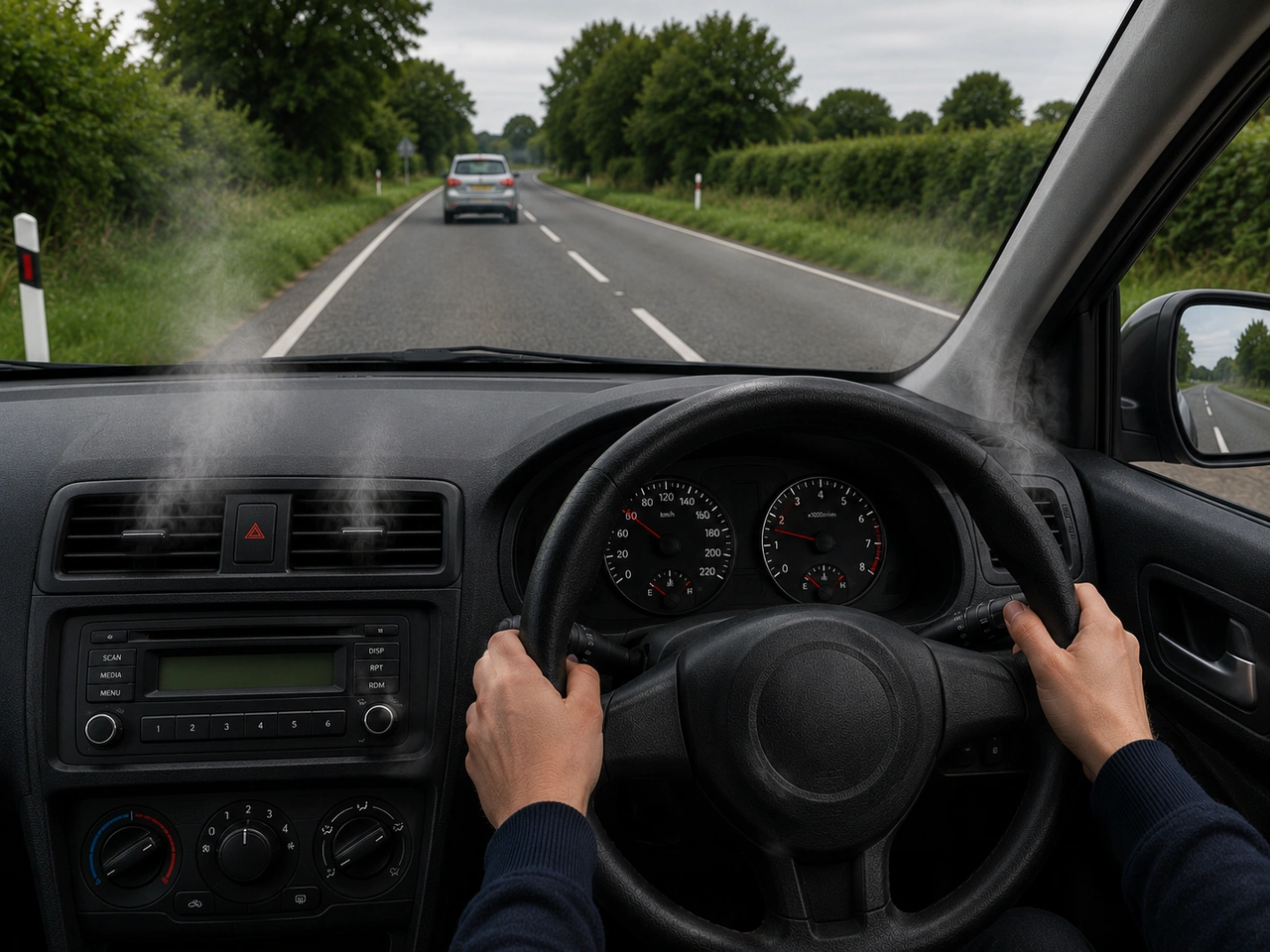
326. What should you do if exhaust fumes begin entering the car?
Exhaust gases may contain carbon monoxide, which is poisonous and may not be visible. The exhaust system should be inspected before the vehicle is used again.
AI-generated by Rijbewijs-online.be • WCIT • CC BY-SA
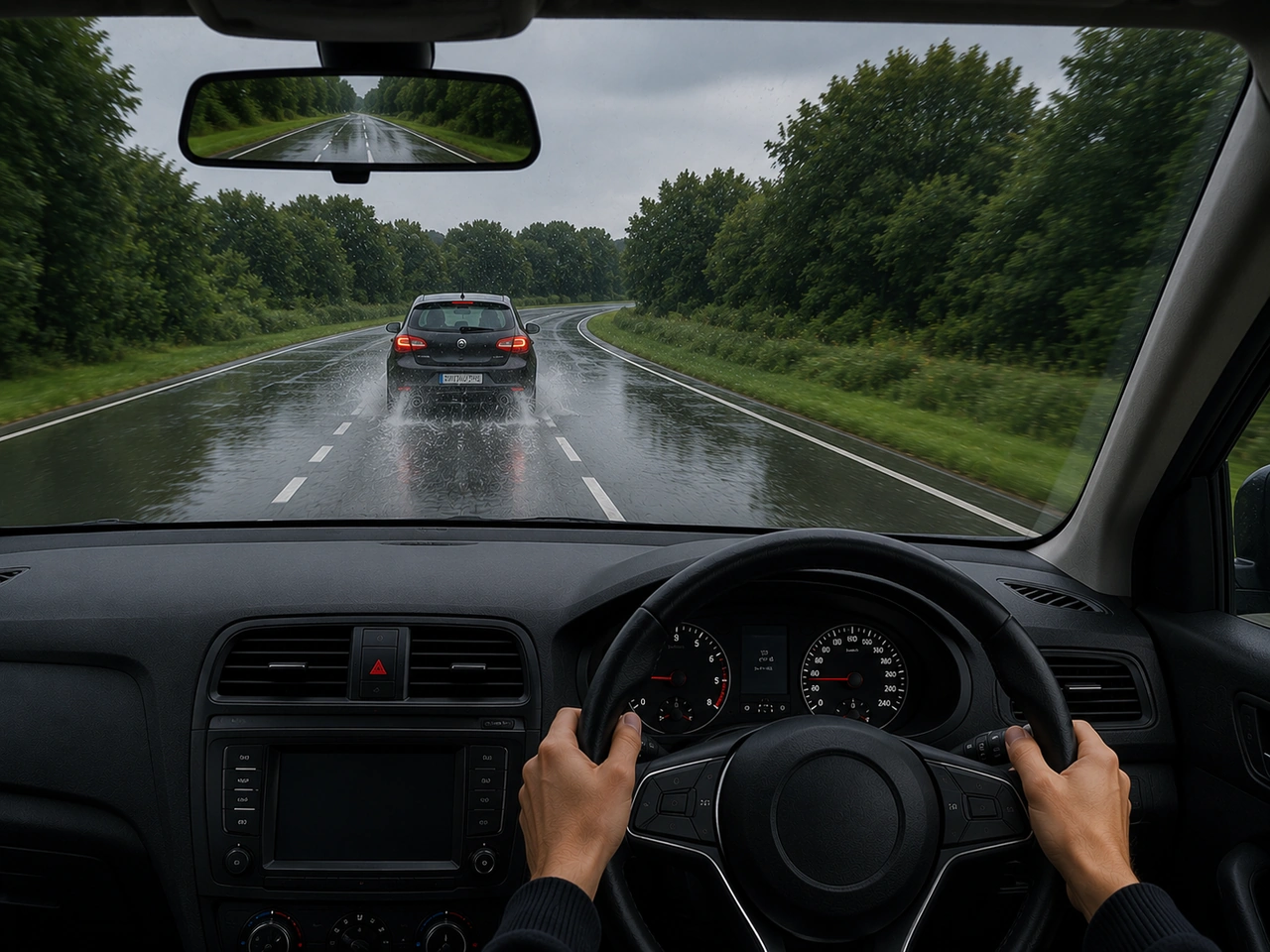
327. What should you do if your brakes feel less effective after driving through water?
Water can reduce braking performance. After driving through water, check the brakes gently when it is safe to do so.
AI-generated by Rijbewijs-online.be • WCIT • CC BY-SA
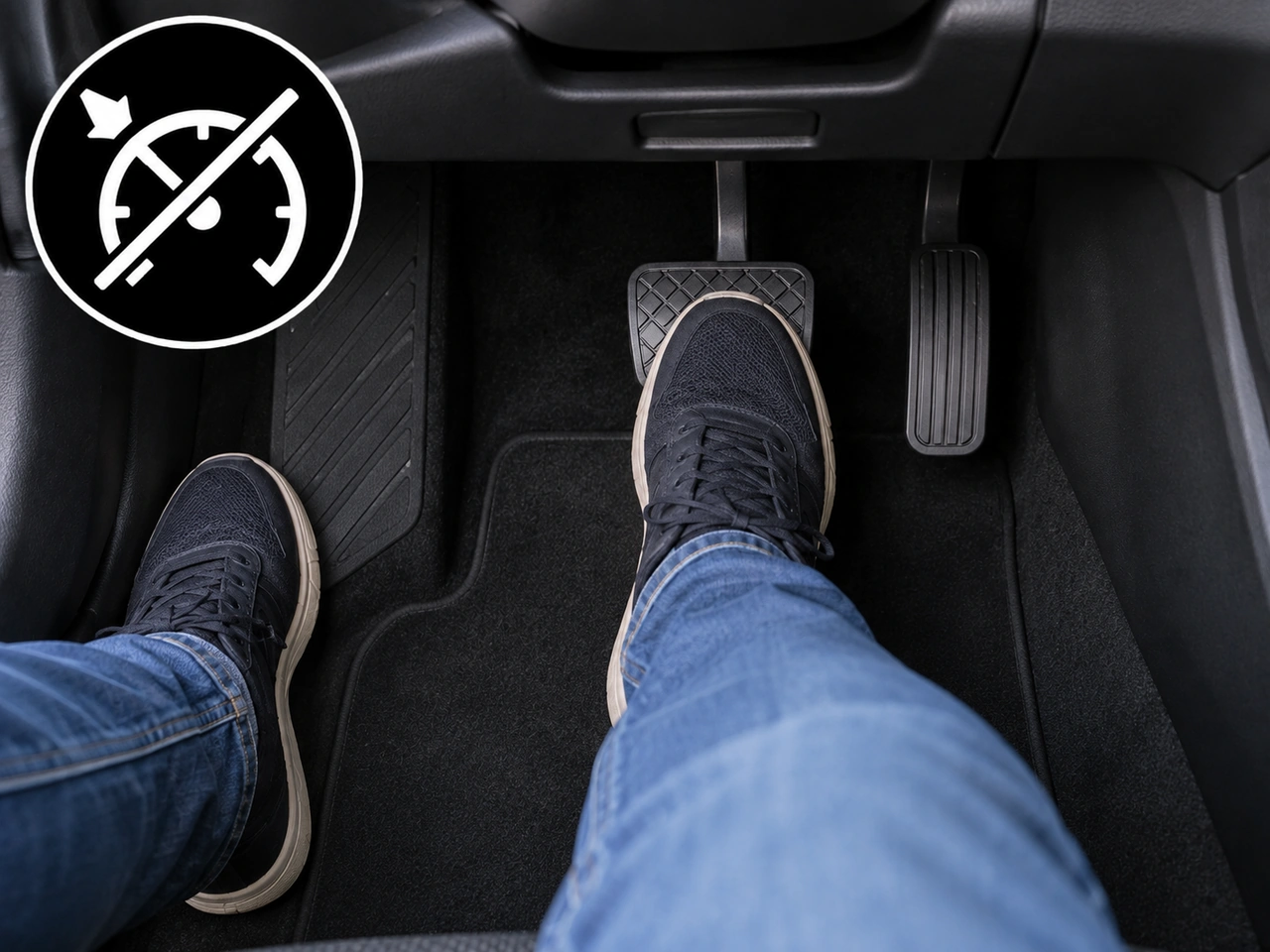
328. What normally happens to cruise control when you press the brake pedal?
Pressing the brake pedal normally cancels or temporarily disengages cruise control, returning speed control to the driver.
AI-generated by Rijbewijs-online.be • WCIT • CC BY-SA
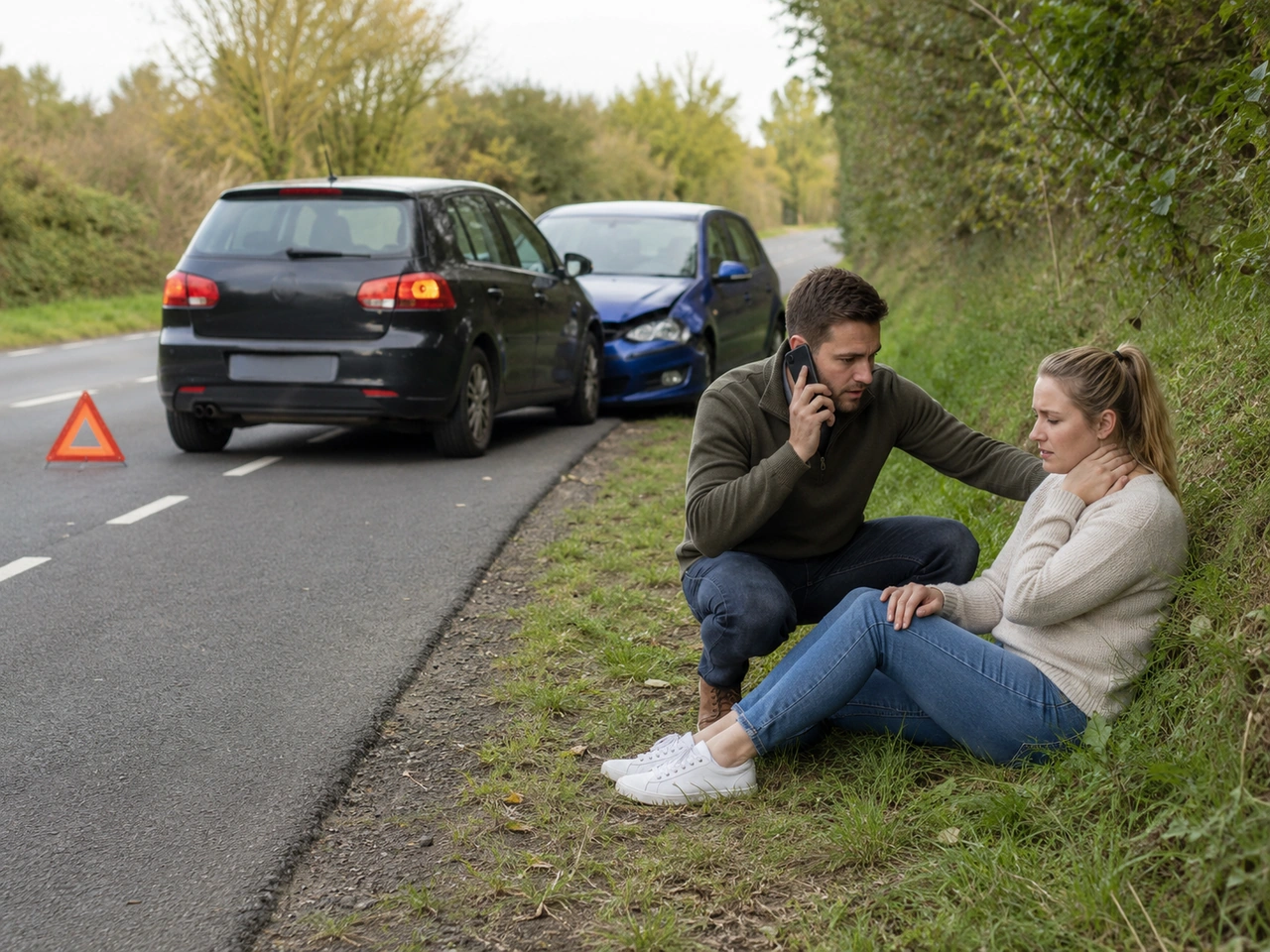
329. What should you do if someone is injured in a road collision?
Moving an injured person can worsen spinal or other injuries. Keep them calm, protect them from further danger, and provide first aid only within your level of training.
AI-generated by Rijbewijs-online.be • WCIT • CC BY-SA
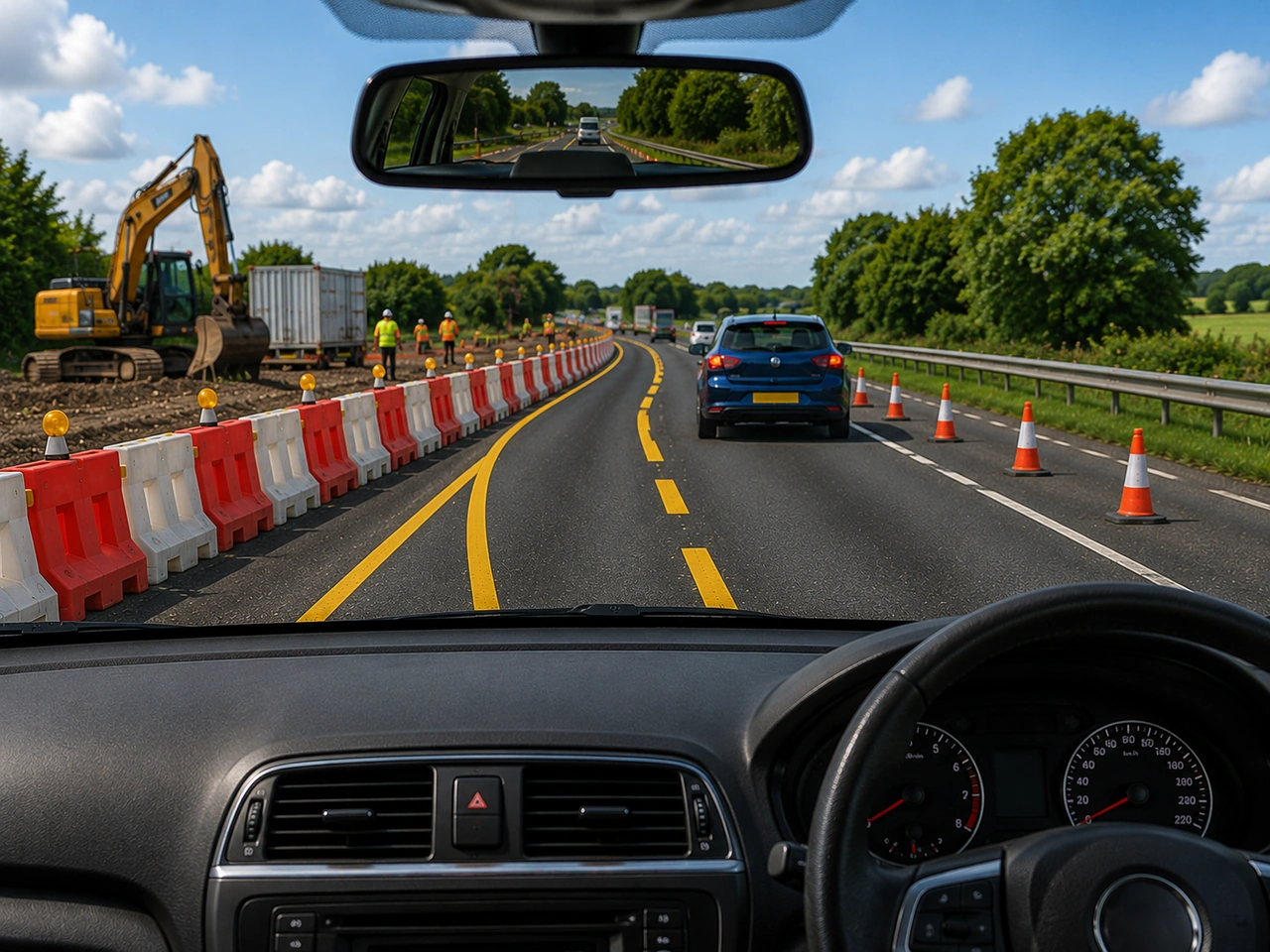
330. Which road markings should you follow through roadworks?
Temporary road markings may replace the normal lane layout during roadworks. Follow the markings and signs that currently guide traffic.
AI-generated by Rijbewijs-online.be • WCIT • CC BY-SA
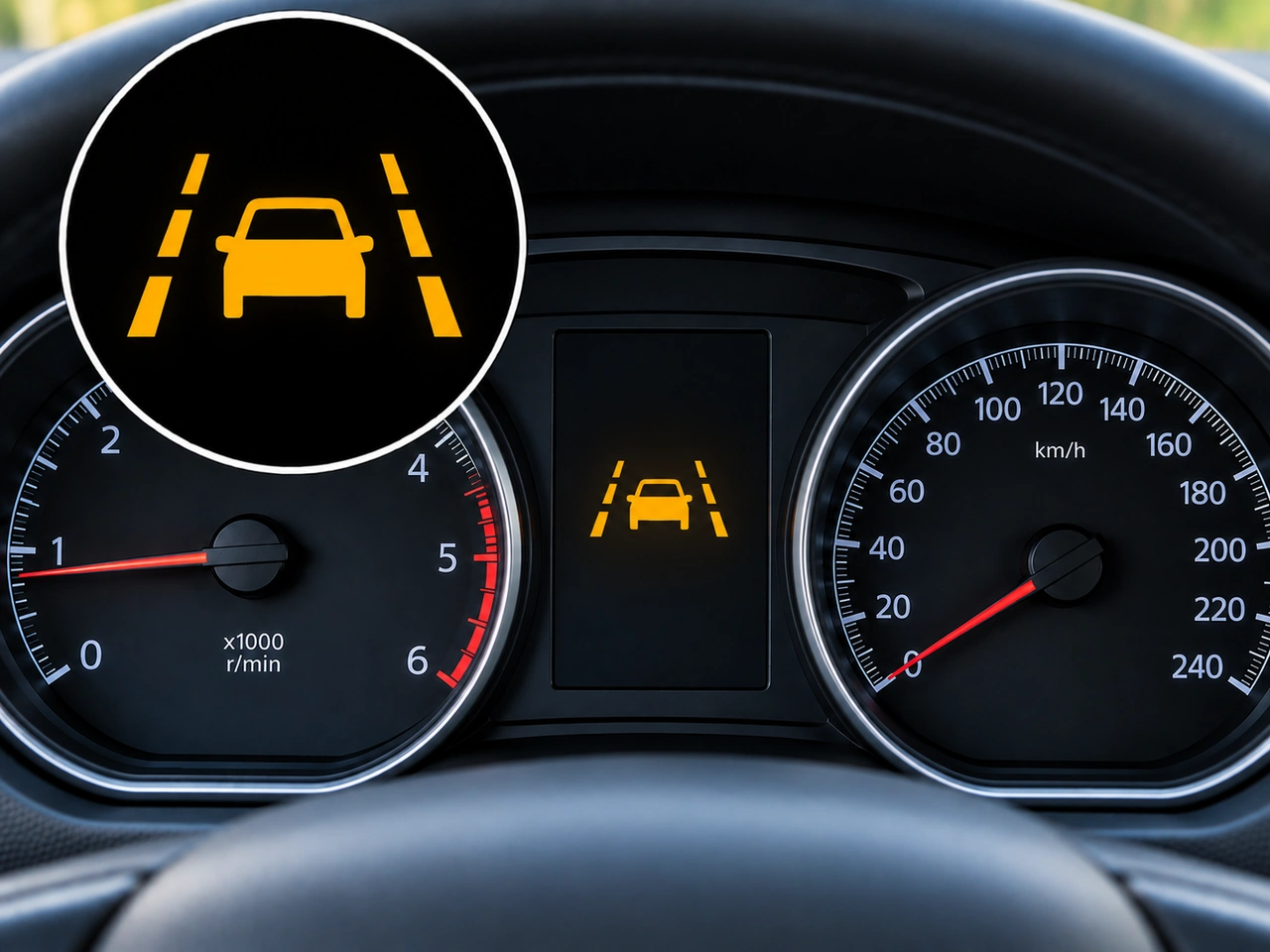
331. What does this dashboard symbol indicate?
This symbol relates to the lane-departure warning or lane-keeping system. The system monitors the vehicle's position within its lane and may warn the driver if the vehicle begins to leave the lane unintentionally.
AI-generated by Rijbewijs-online.be • WCIT • CC BY-SA
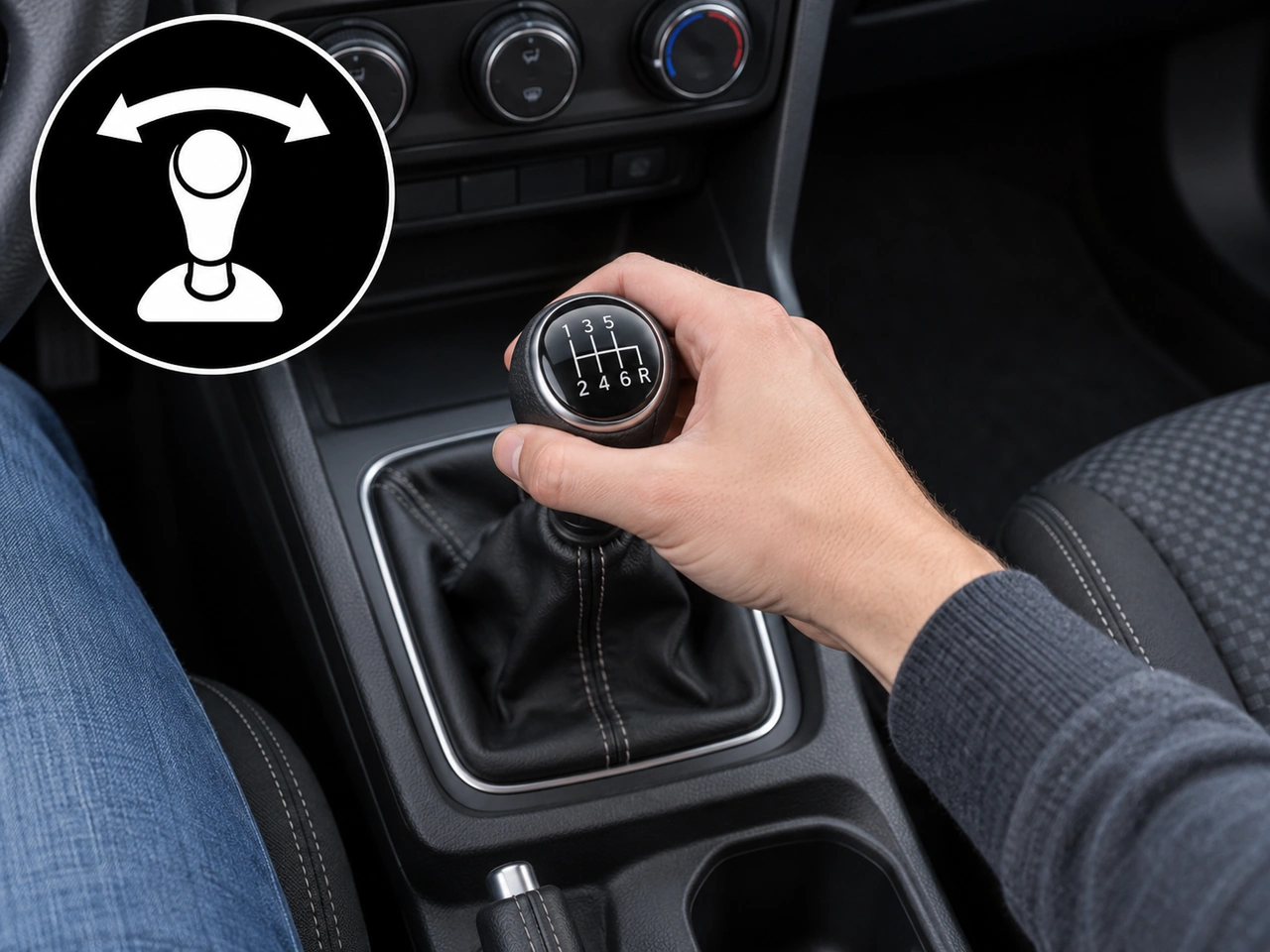
332. How can you check that a manual gearbox is in neutral?
When a manual gearbox is in neutral, the gear lever can normally be moved freely from side to side across the centre of the gear pattern. Check that neutral is selected before starting the engine when appropriate.
AI-generated by Rijbewijs-online.be • WCIT • CC BY-SA
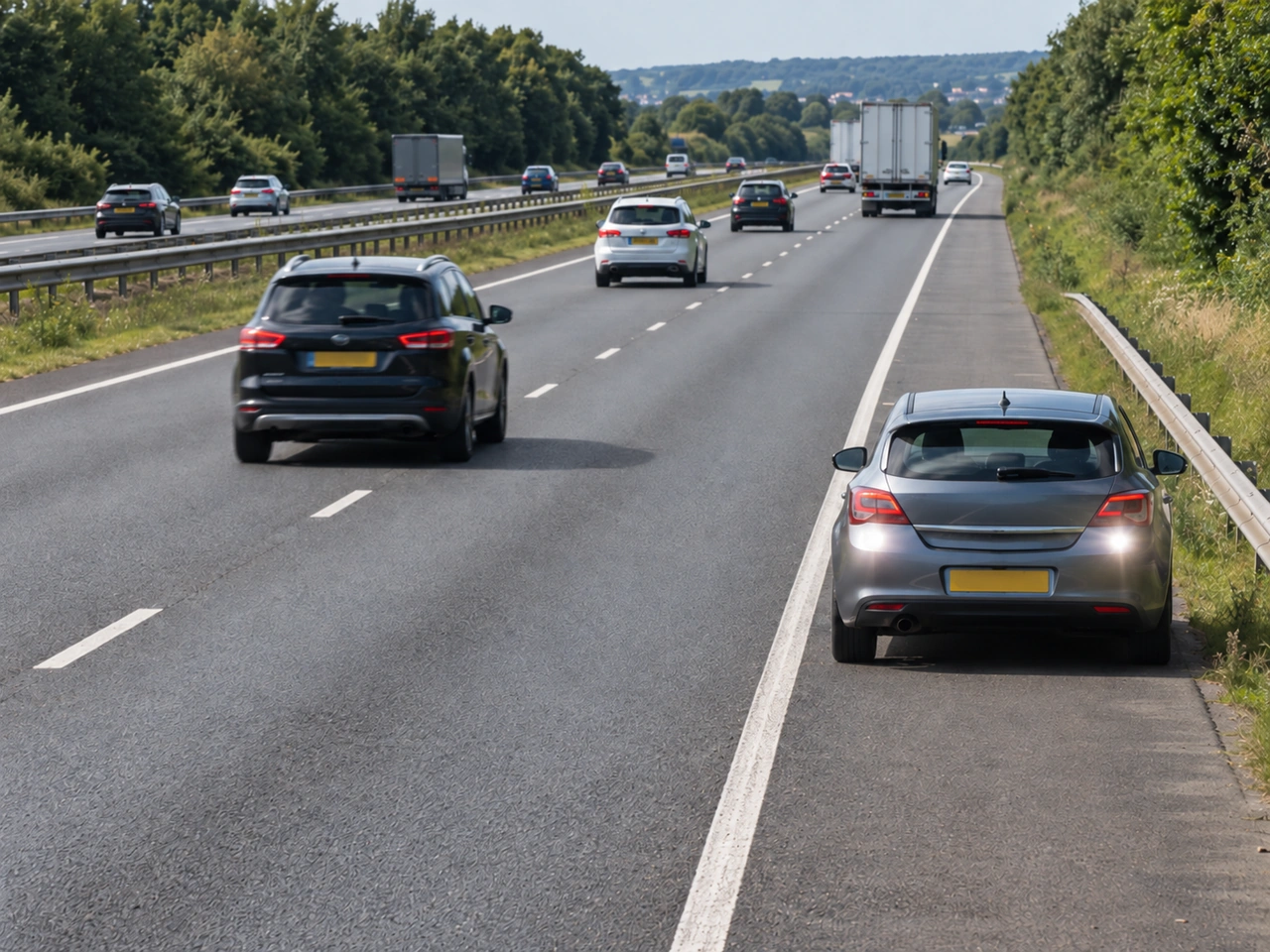
333. Why are reversing and making a U-turn on a motorway extremely dangerous?
Motorway traffic travels at high speed. Unexpected reversing or turning can cause a severe collision.
AI-generated by Rijbewijs-online.be • WCIT • CC BY-SA
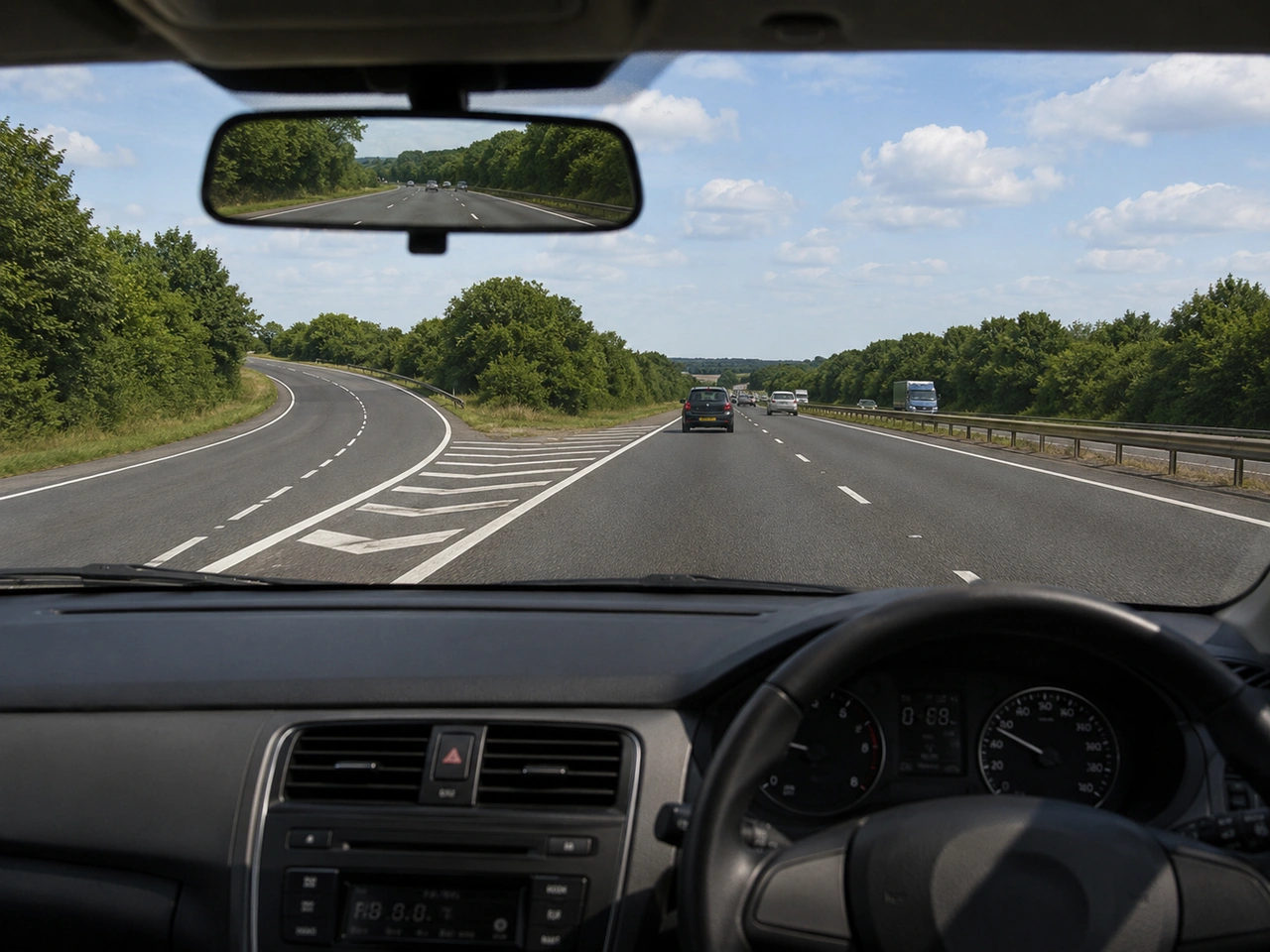
334. What should you do if you miss your motorway exit?
Never reverse or make a sudden manoeuvre. Continue safely and change your route at the next suitable exit.
AI-generated by Rijbewijs-online.be • WCIT • CC BY-SA
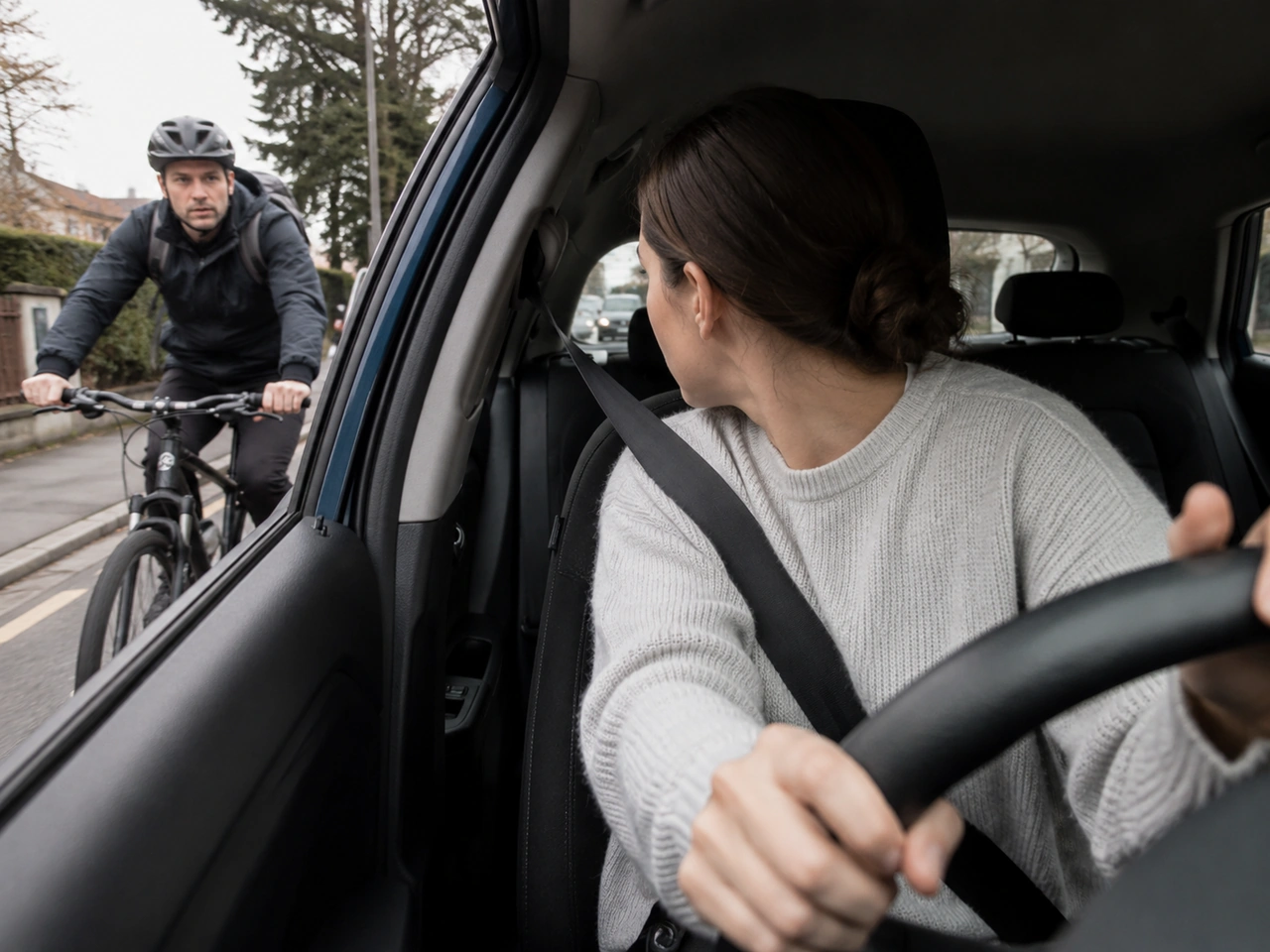
335. Why should you check blind spots before moving off?
Mirrors do not show every area around your vehicle. A blind-spot check can reveal cyclists, pedestrians, motorcyclists, or vehicles before you move off.
AI-generated by Rijbewijs-online.be • WCIT • CC BY-SA
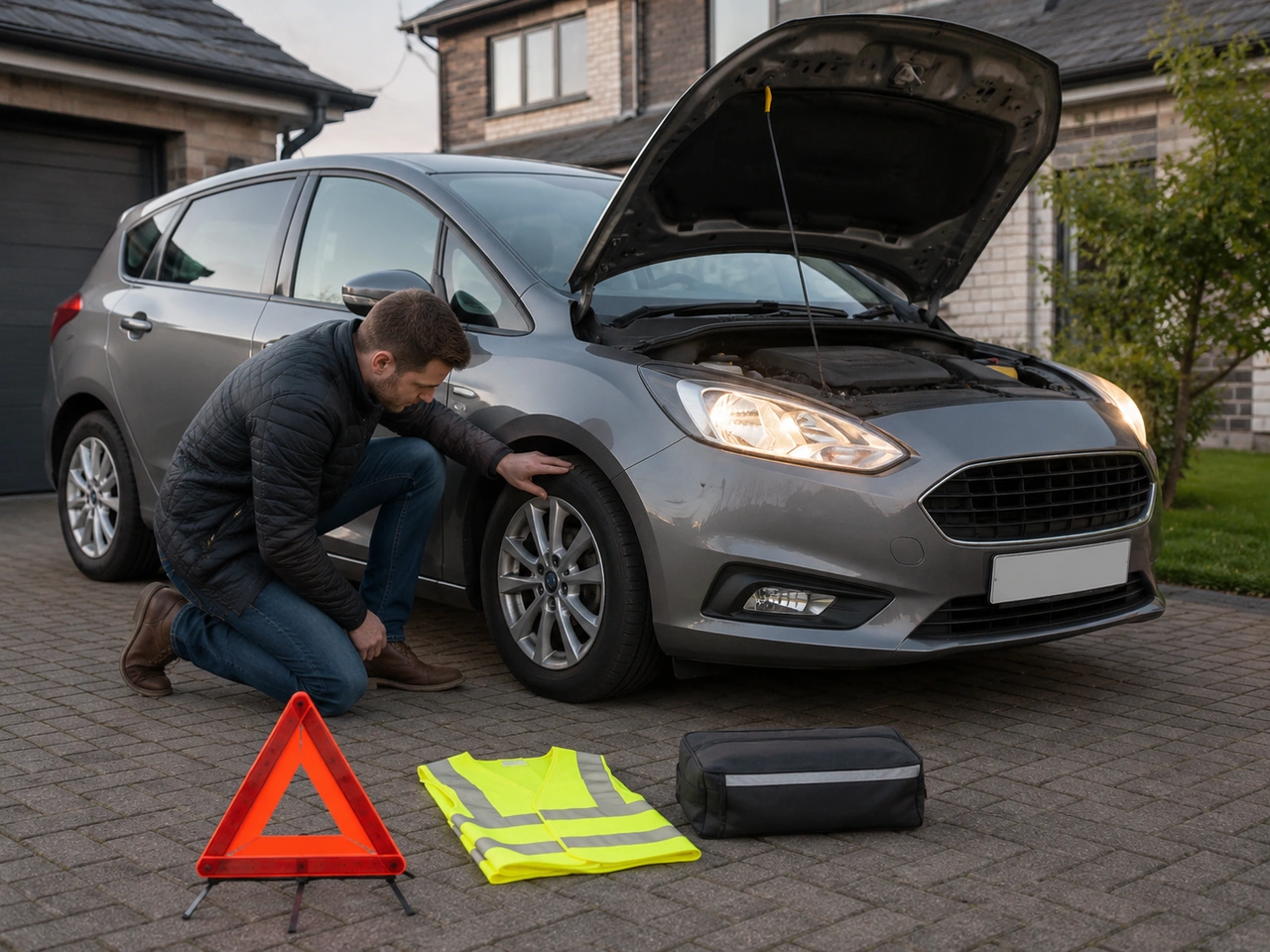
336. What should you check before starting a long journey?
A brief vehicle check can reveal tyre damage, low fluid levels, faulty lights, or visibility problems before they cause danger. Also confirm that any spare wheel or tyre-repair equipment is available and usable.
AI-generated by Rijbewijs-online.be • WCIT • CC BY-SA
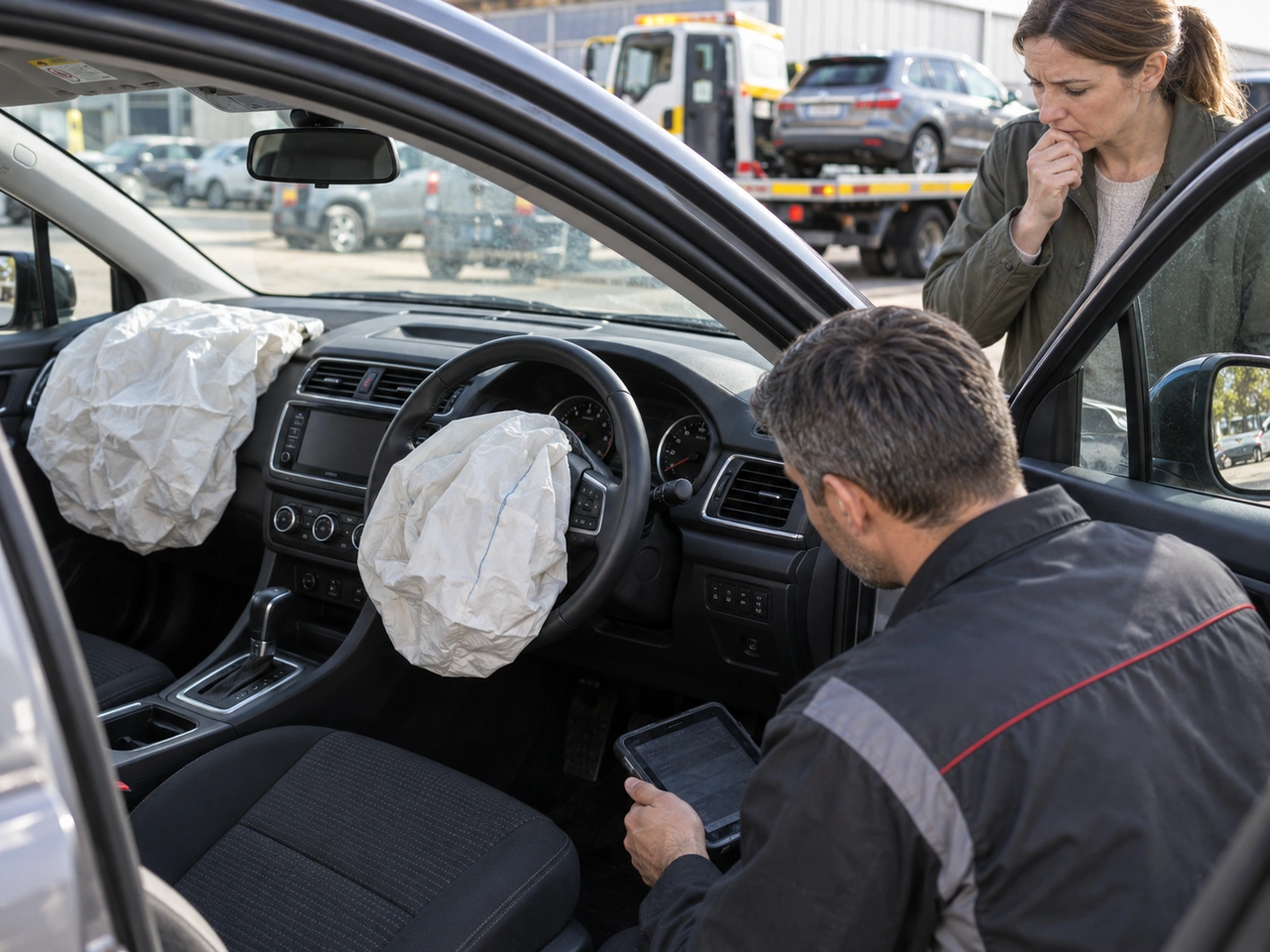
337. What should happen after an airbag has deployed?
A deployed airbag is a single-use safety component. After deployment, the restraint system should be professionally inspected and the airbag and any other affected components replaced or repaired as required before the system is relied upon again.
AI-generated by Rijbewijs-online.be • WCIT • CC BY-SA
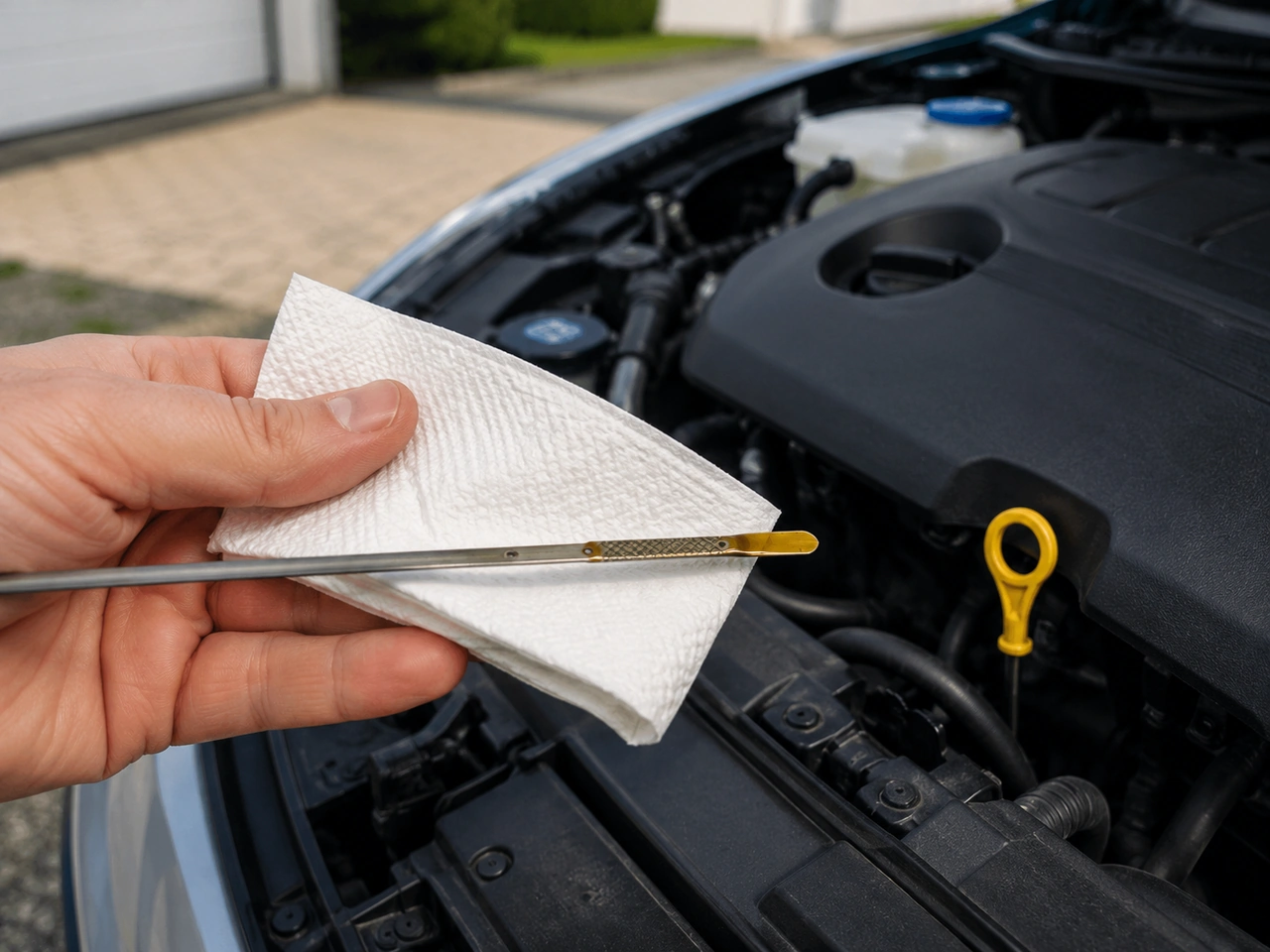
338. How should you check the engine oil level?
Use the dipstick or electronic oil-level system as described in the owner's manual. The engine is usually switched off, and the vehicle should be standing on level ground.
AI-generated by Rijbewijs-online.be • WCIT • CC BY-SA
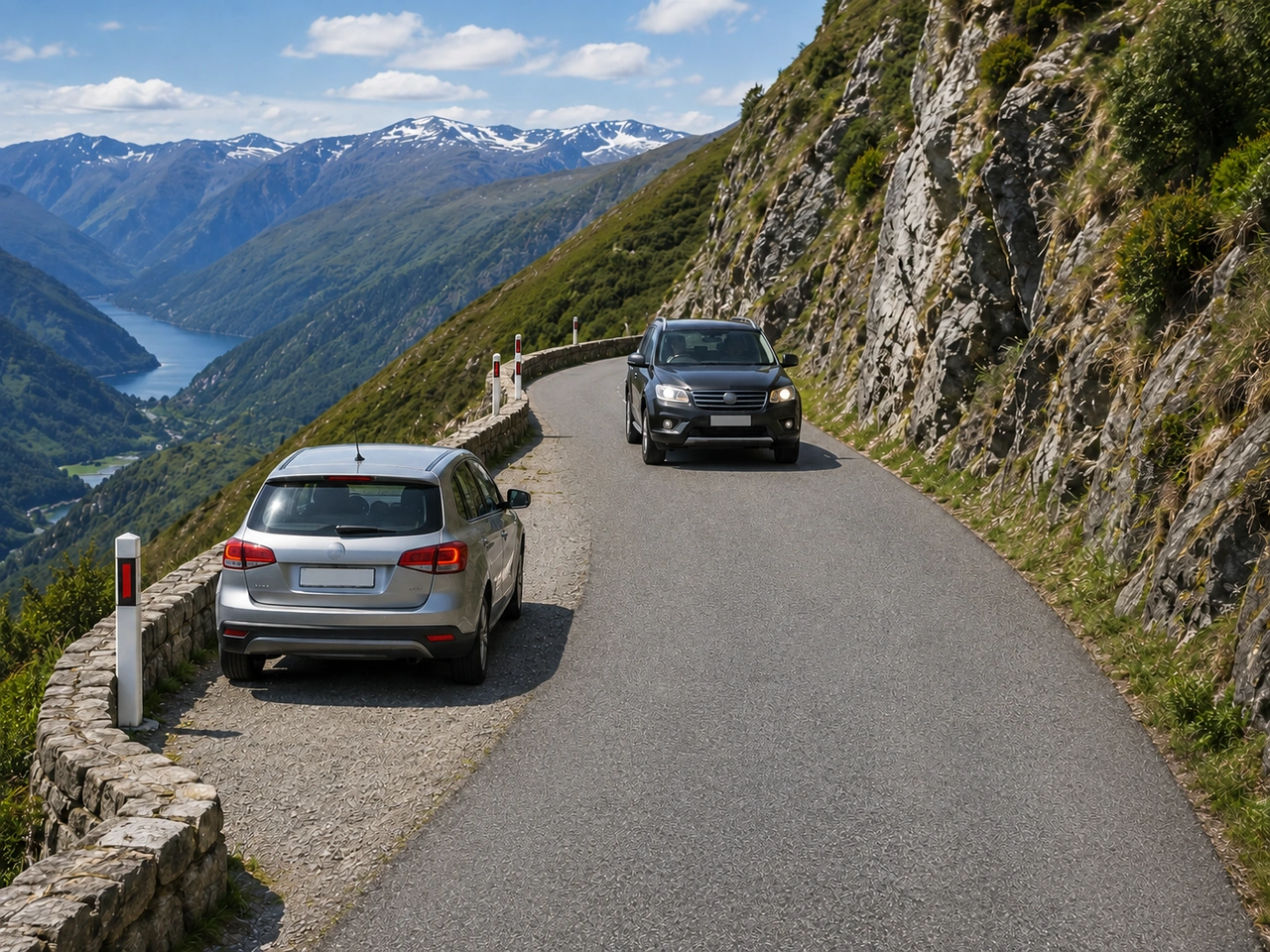
339. What should you do when meeting another vehicle on a narrow mountain road?
Narrow mountain roads may not provide enough space for two vehicles. Reduce speed and cooperate to pass safely.
AI-generated by Rijbewijs-online.be • WCIT • CC BY-SA
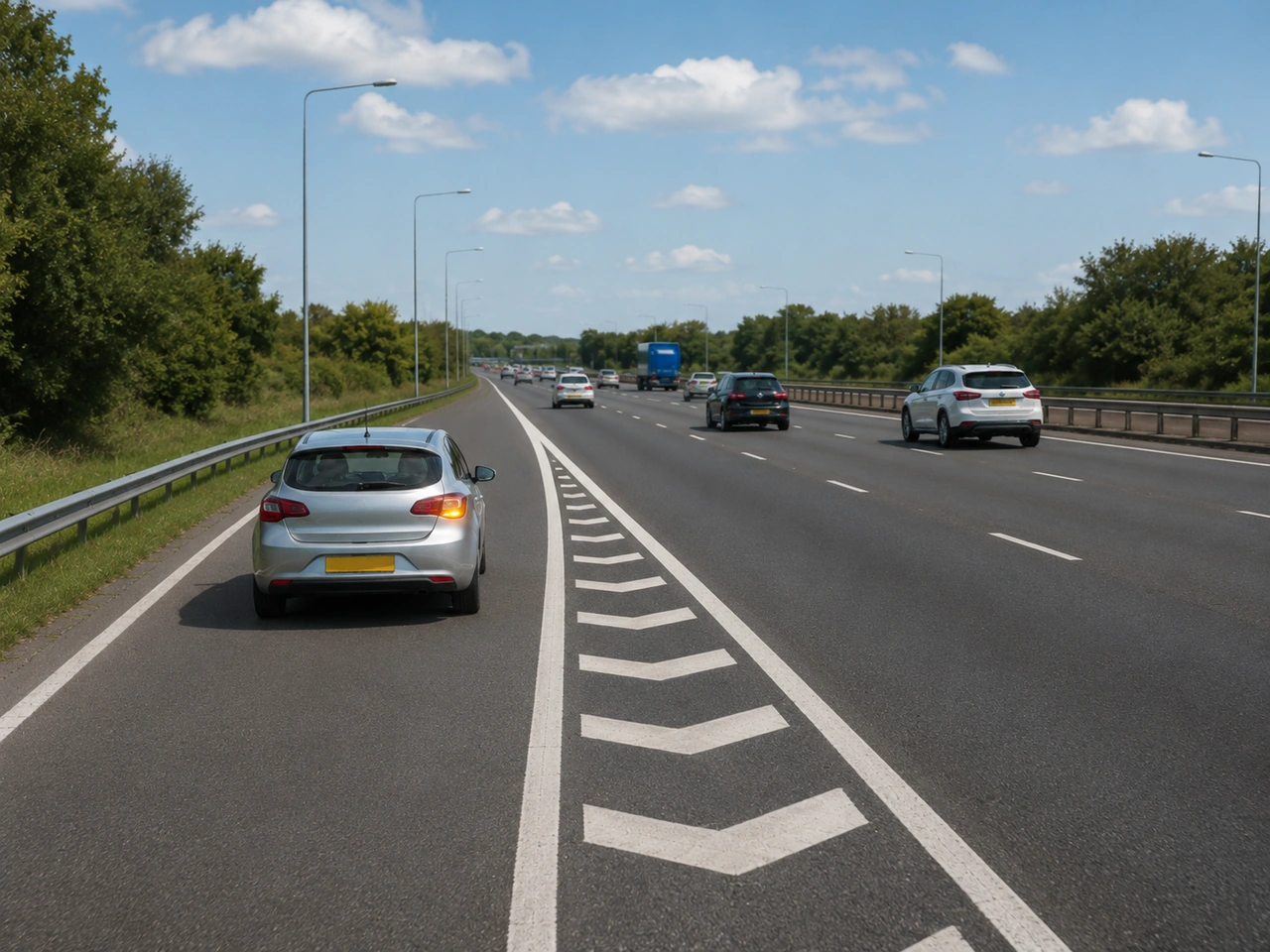
340. What should you do before joining a motorway?
Observe motorway traffic early, signal clearly, and merge only when there is a safe gap.
AI-generated by Rijbewijs-online.be • WCIT • CC BY-SA
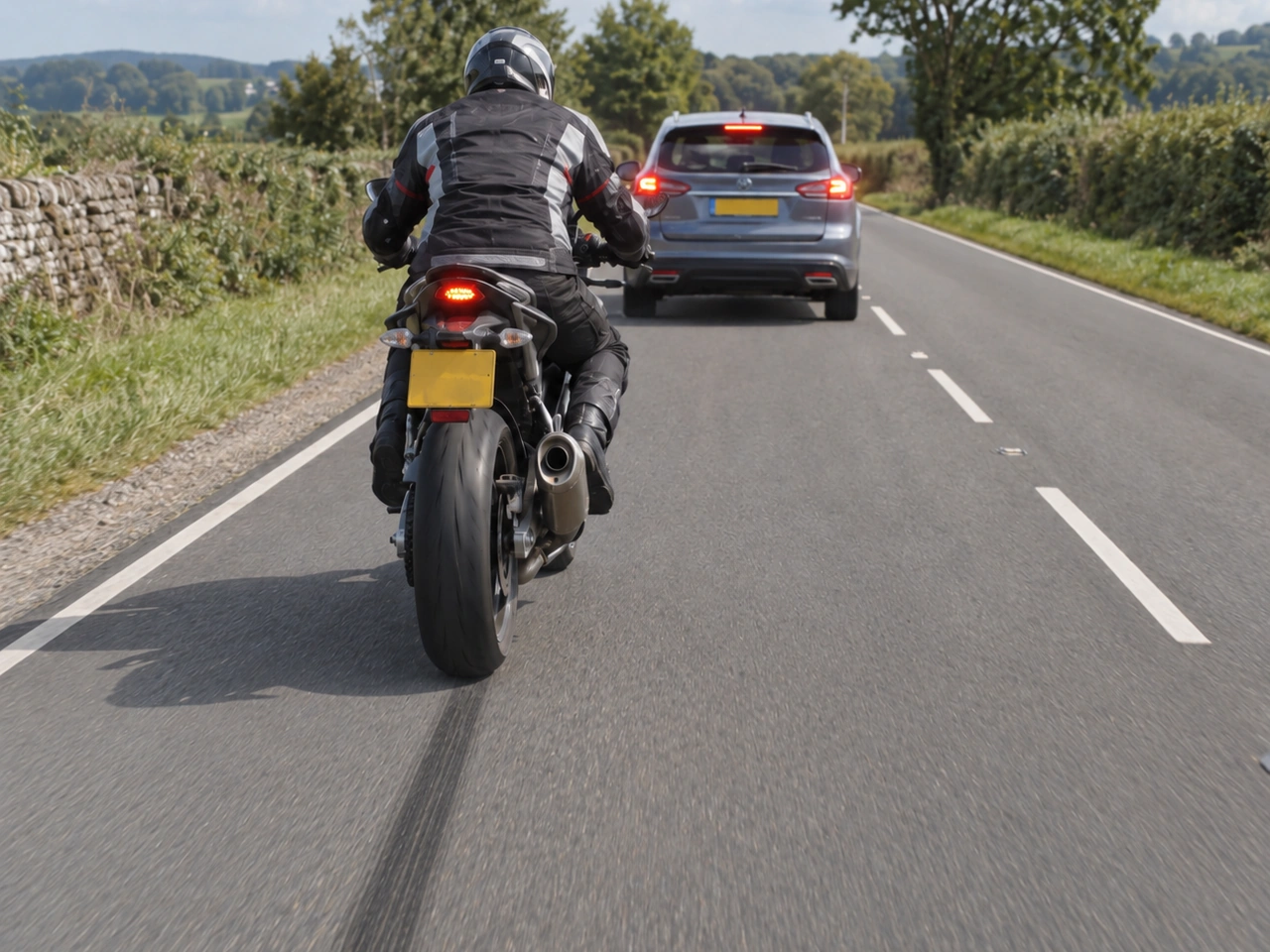
341. How should a motorcyclist brake in an emergency?
During emergency braking, use both brakes firmly and progressively while keeping the motorcycle as upright and stable as practical. Avoid sudden steering. If ABS is fitted, maintain firm braking pressure and allow the system to work.
AI-generated by Rijbewijs-online.be • WCIT • CC BY-SA
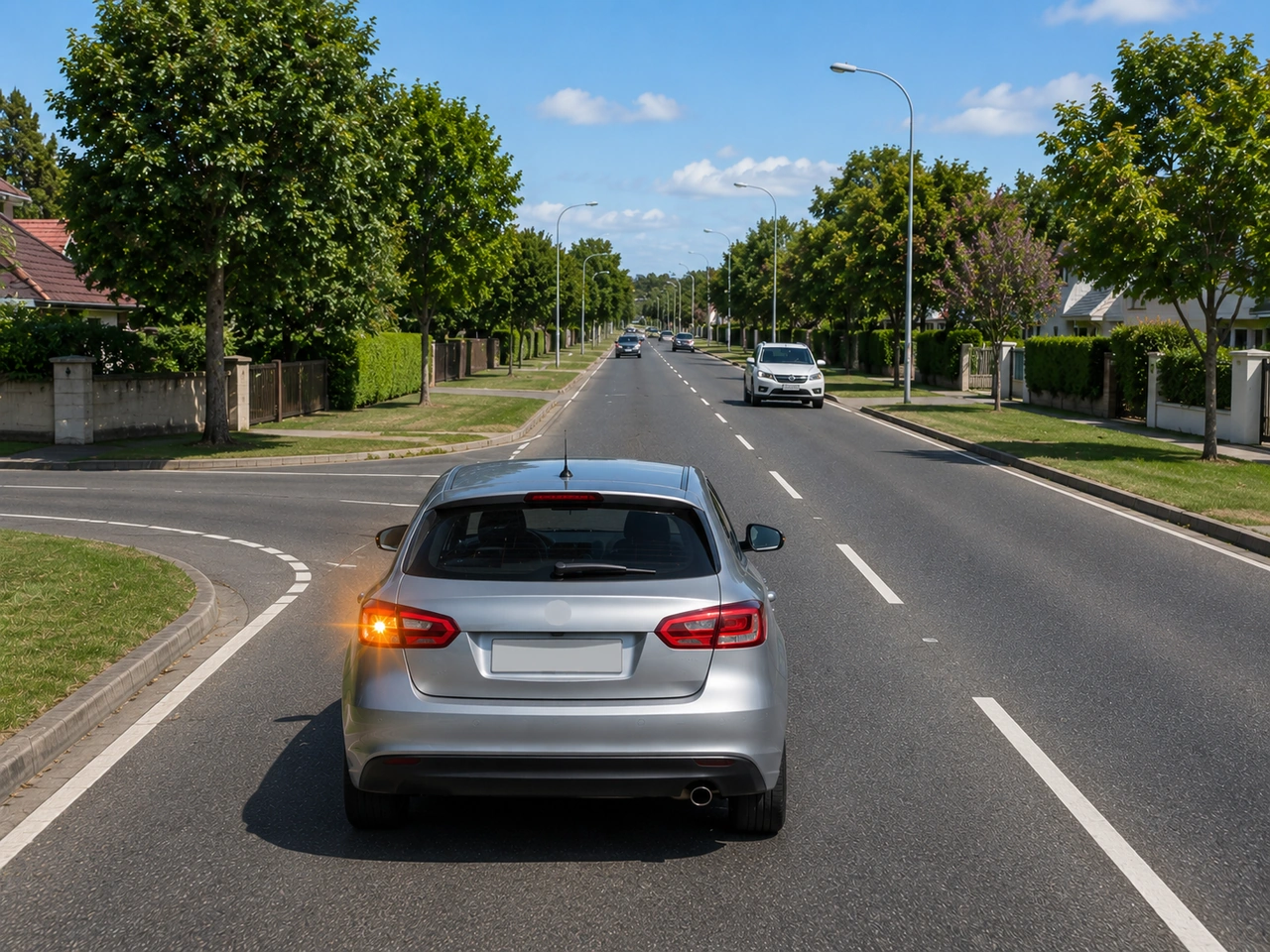
342. Why should you use your indicator before turning?
Indicators help other drivers, cyclists, and pedestrians understand your intentions in time.
AI-generated by Rijbewijs-online.be • WCIT • CC BY-SA
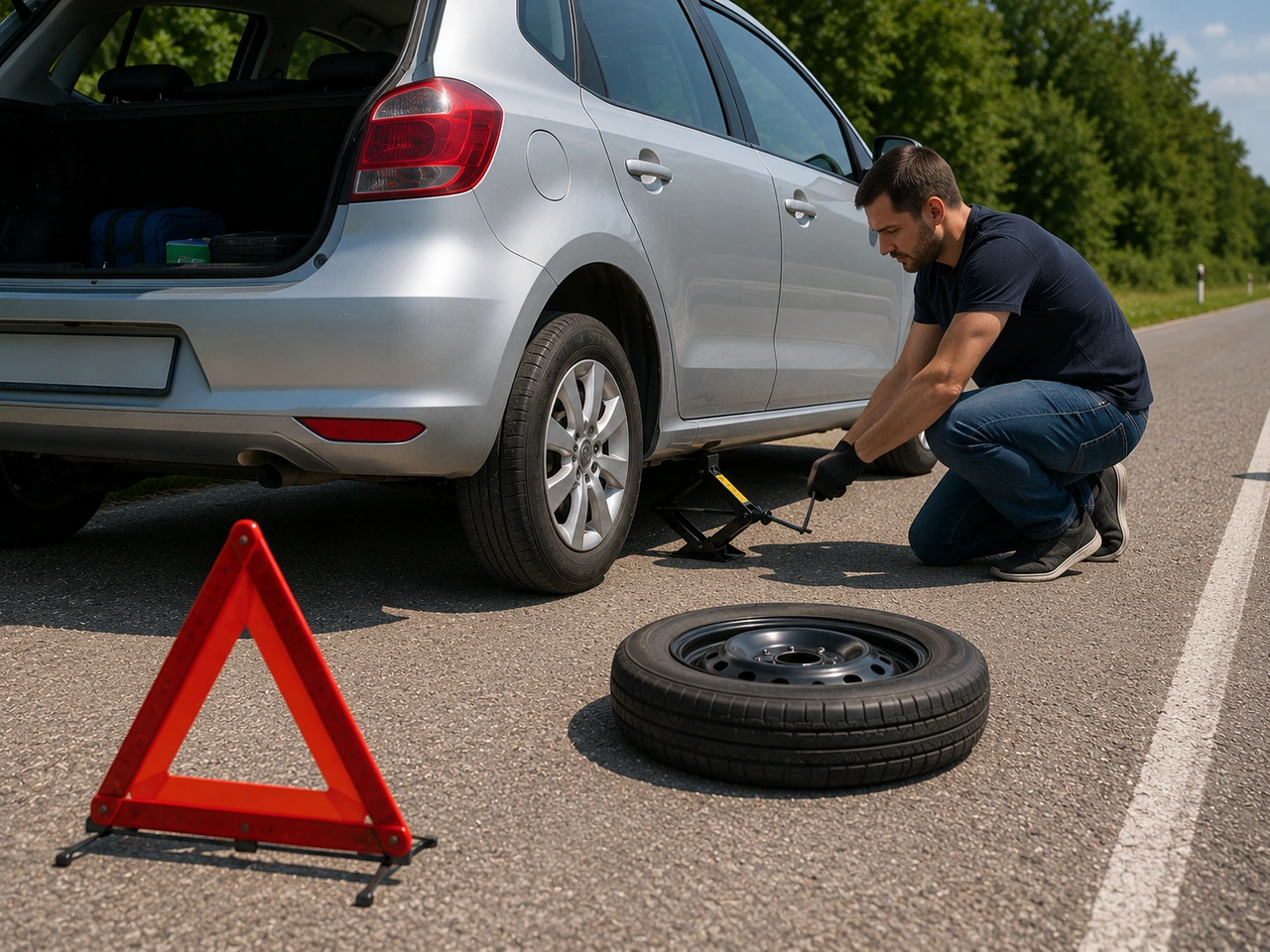
343. What is important when raising a vehicle with its jack?
A jack can slip or fail if it is incorrectly positioned. Secure the vehicle and use additional approved supports before working underneath it.
AI-generated by Rijbewijs-online.be • WCIT • CC BY-SA
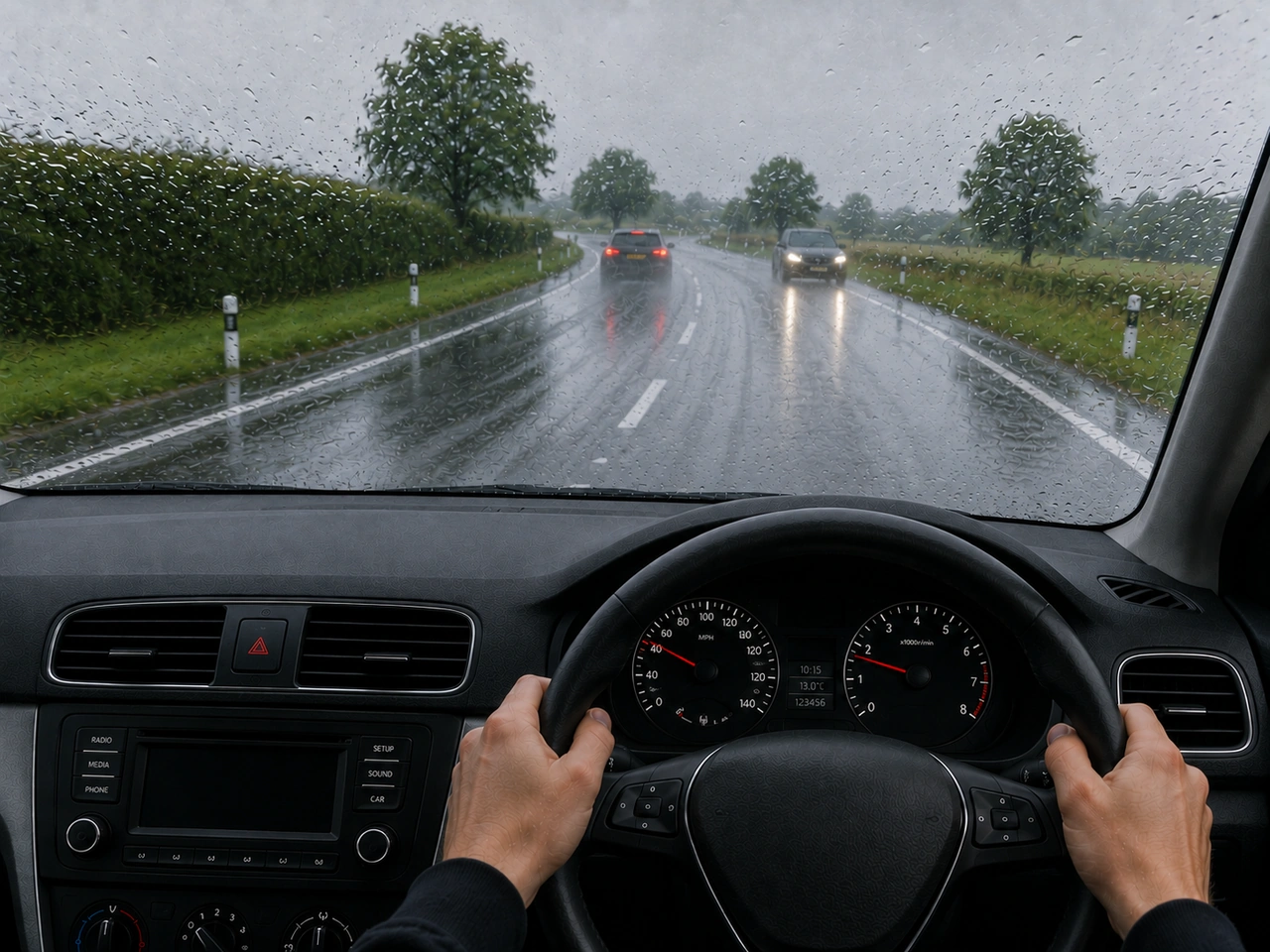
344. What should you do if your vehicle begins to aquaplane?
Aquaplaning happens when the tyres lose contact with the road surface. Ease off the accelerator, avoid sudden movements, and wait for grip to return.
AI-generated by Rijbewijs-online.be • WCIT • CC BY-SA
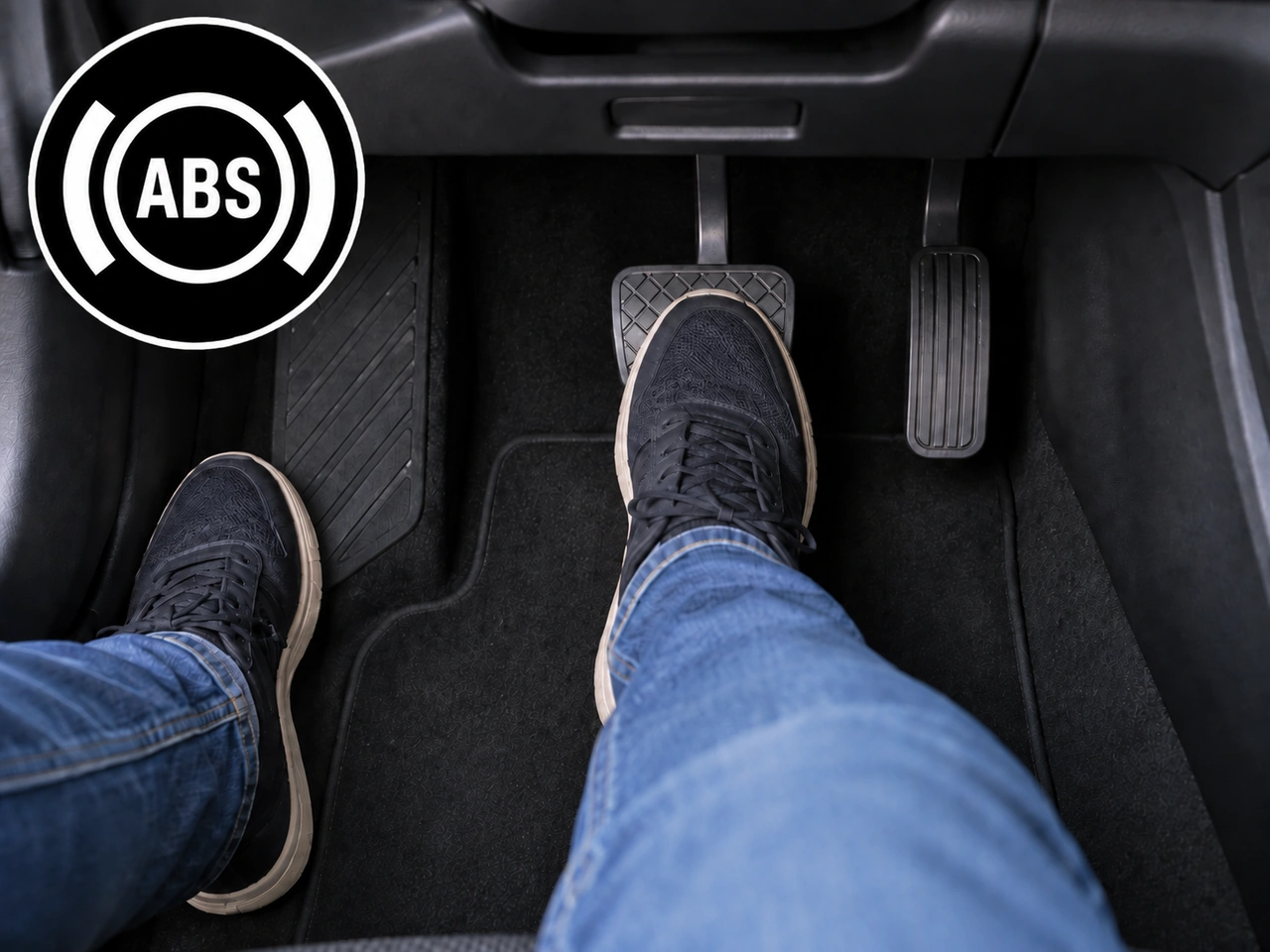
345. How should you use the brake pedal during emergency braking in a vehicle with ABS?
During emergency braking with ABS, press the brake pedal firmly and keep it pressed. Pulsation or vibration through the pedal can be normal while ABS is operating, so do not pump or release the brake.
AI-generated by Rijbewijs-online.be • WCIT • CC BY-SA
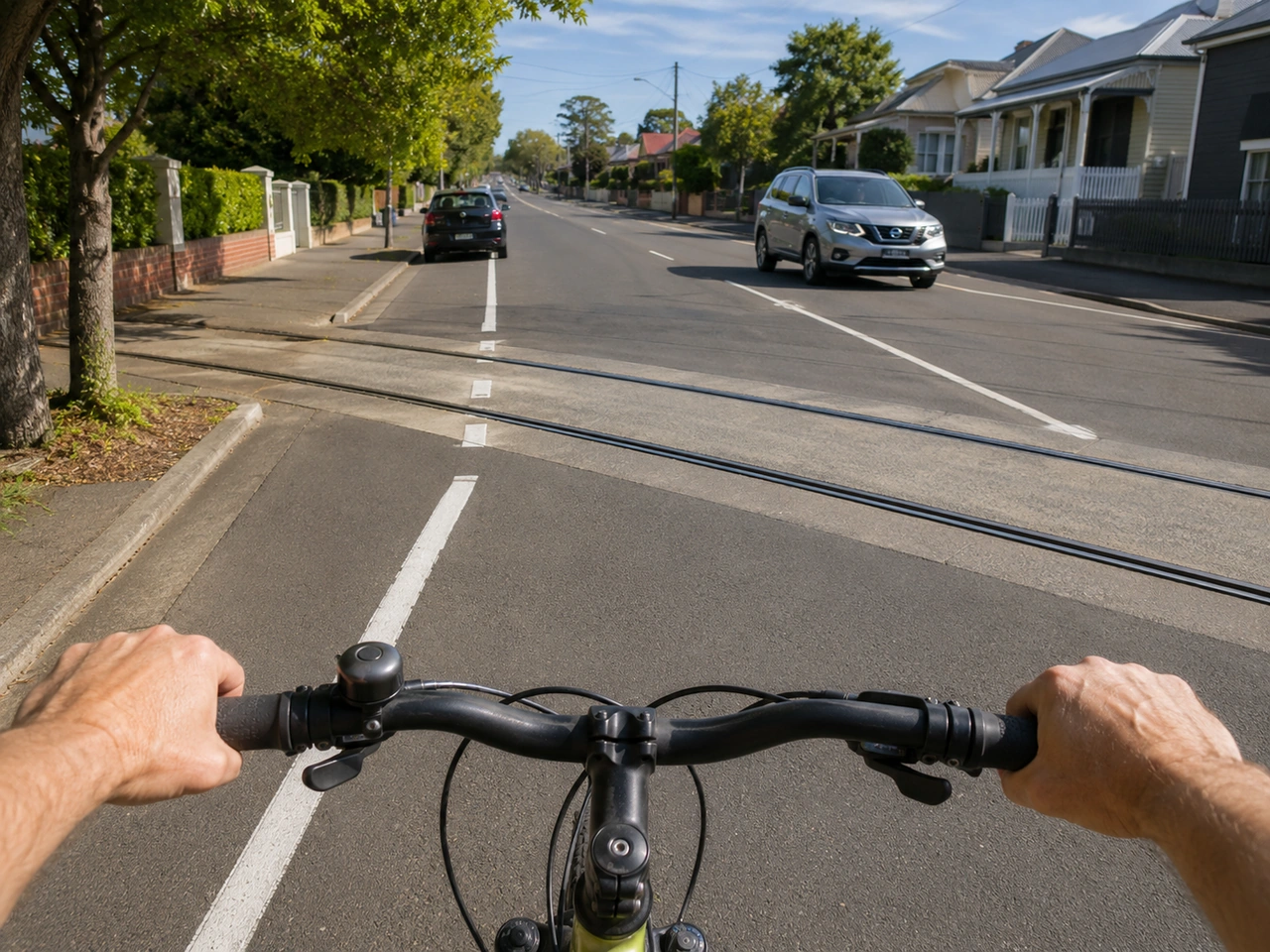
346. How should cyclists cross railway or tram tracks?
A bicycle wheel can become trapped in a rail groove. Crossing at a wider angle reduces this risk.
AI-generated by Rijbewijs-online.be • WCIT • CC BY-SA
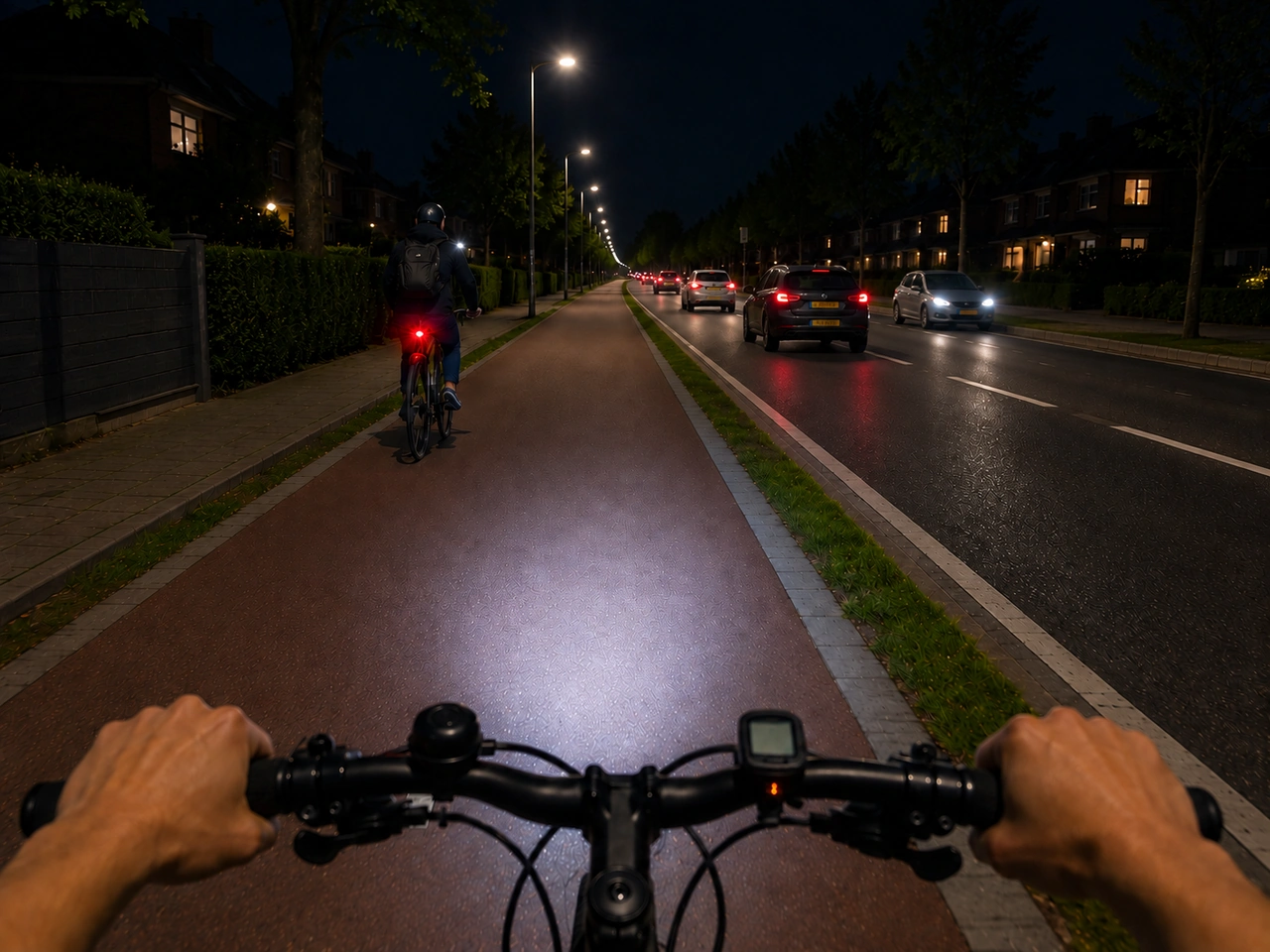
347. Why is it important to use bicycle lights at night?
Front and rear lights improve visibility and make it easier for drivers, cyclists, and pedestrians to detect you.
AI-generated by Rijbewijs-online.be • WCIT • CC BY-SA
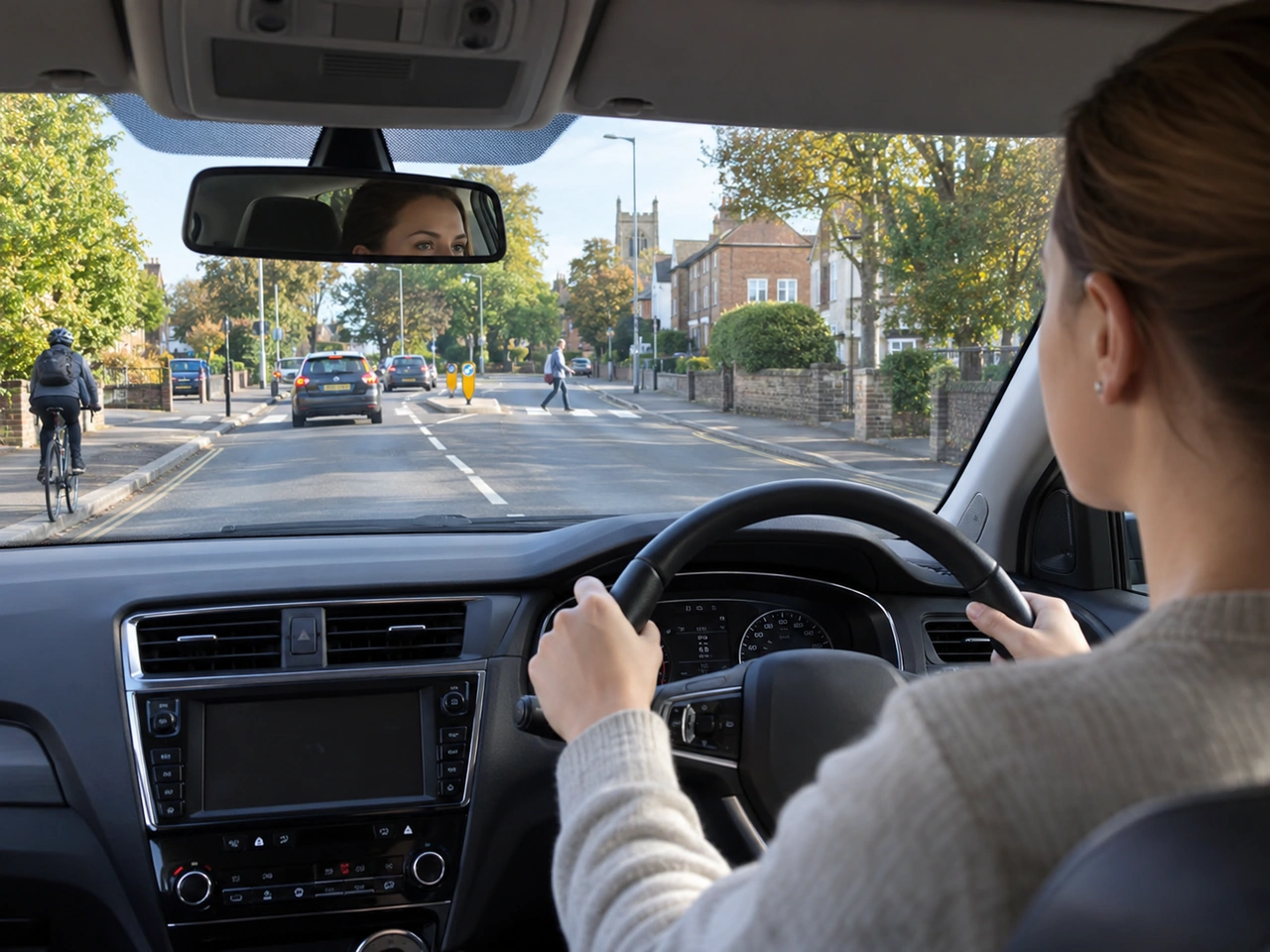
348. Why should you look well ahead while driving?
Looking well ahead helps you identify developing hazards early, such as slowing traffic, pedestrians, junctions, or changing road conditions. Earlier detection gives you more time to assess the situation and respond smoothly and safely.
AI-generated by Rijbewijs-online.be • WCIT • CC BY-SA
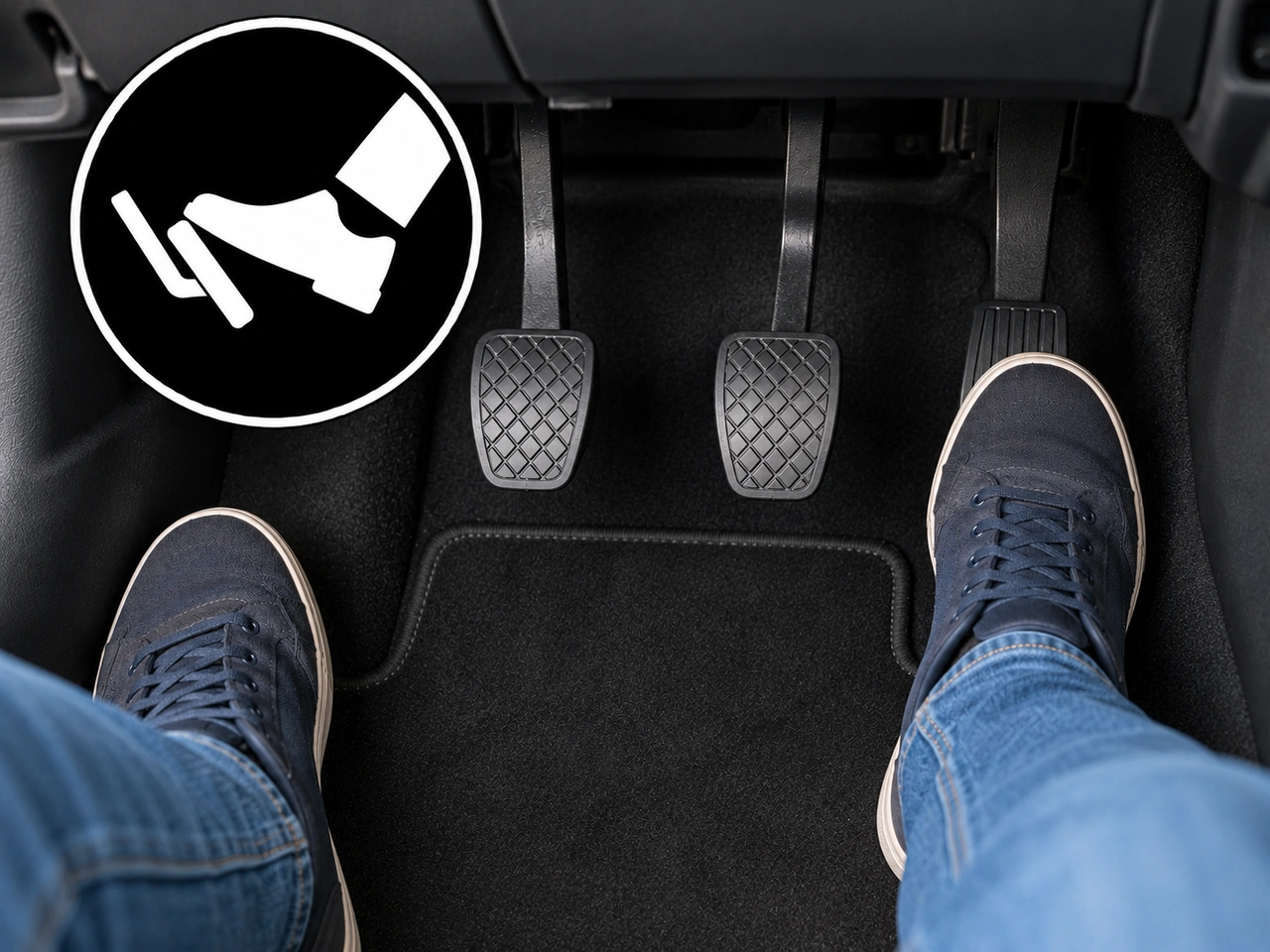
349. Which pedal is used to increase the vehicle's speed?
The accelerator pedal controls the amount of power delivered by the engine and is used to increase or maintain the vehicle's speed. It is the right-hand pedal.
AI-generated by Rijbewijs-online.be • WCIT • CC BY-SA
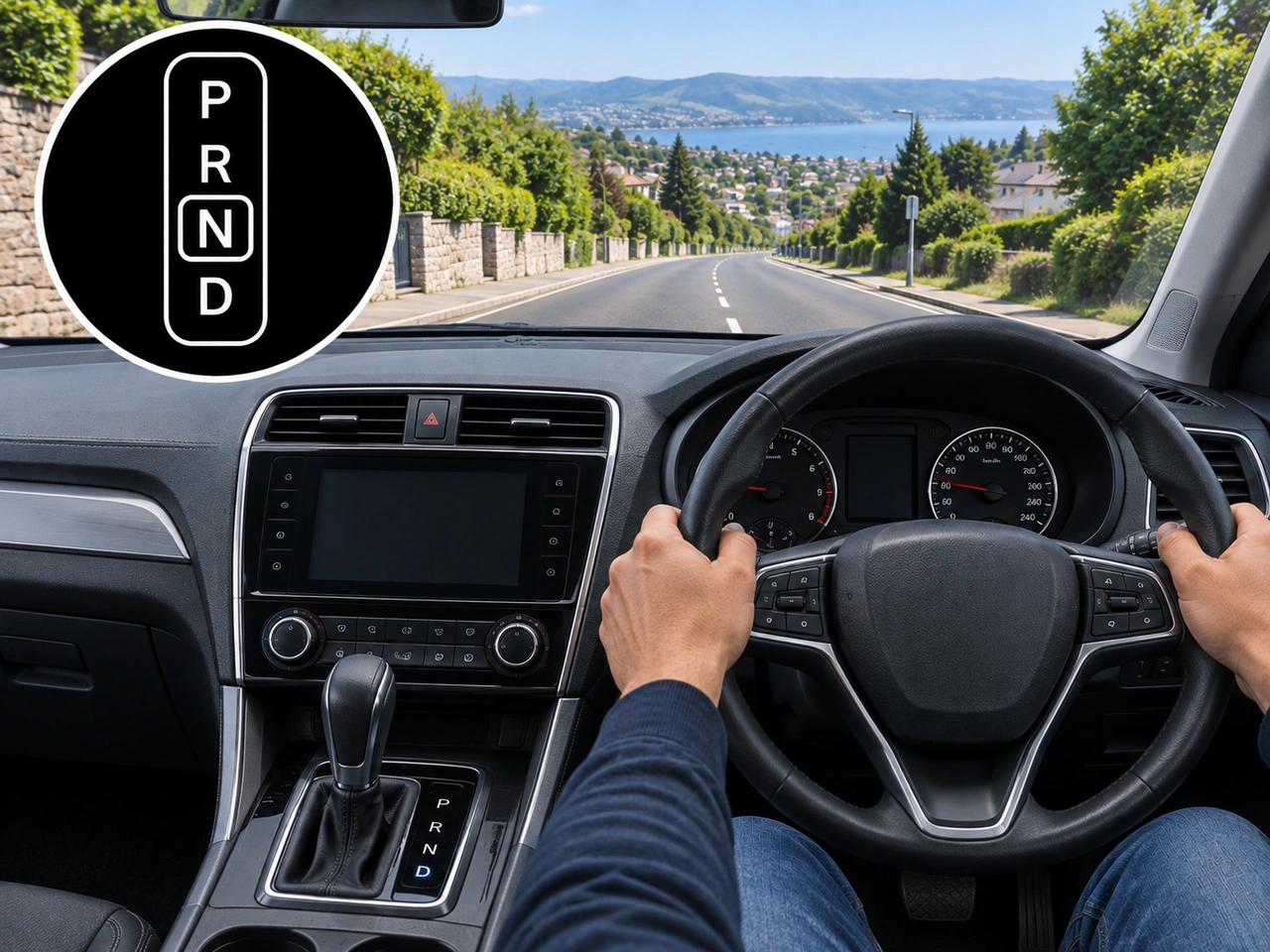
350. Why should you avoid selecting N while driving downhill in an automatic vehicle?
Selecting N (Neutral) while driving downhill disconnects the engine from the driven wheels, reducing engine braking. Keep an appropriate drive or gear selected so you can maintain better control of the vehicle.
AI-generated by Rijbewijs-online.be • WCIT • CC BY-SA