


QuizTraffic rulesItaly
This interesting quiz helps you test your knowledge in a clear and visual way. With easy multiple-choice questions, you can quickly build confidence and learn new facts while keeping it simple, interactive, and fun.
 Traffic signs
 Traffic rules
 Italy
Italy
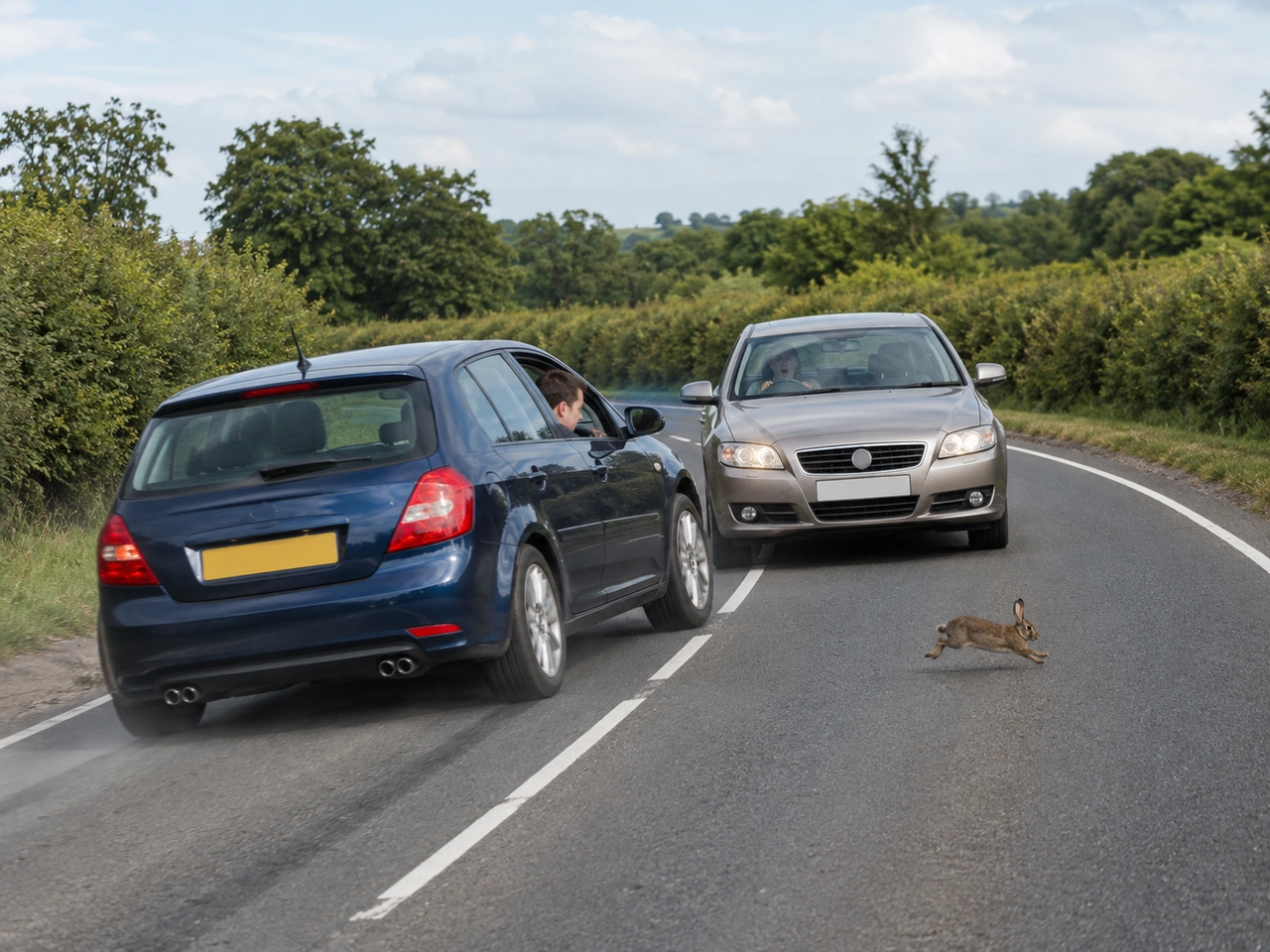
1. Why can swerving suddenly to avoid a small animal be dangerous?
A sudden swerve can take you into another lane, off the road, or into nearby traffic.
AI-generated by Rijbewijs-online.be • WCIT • CC BY-SA

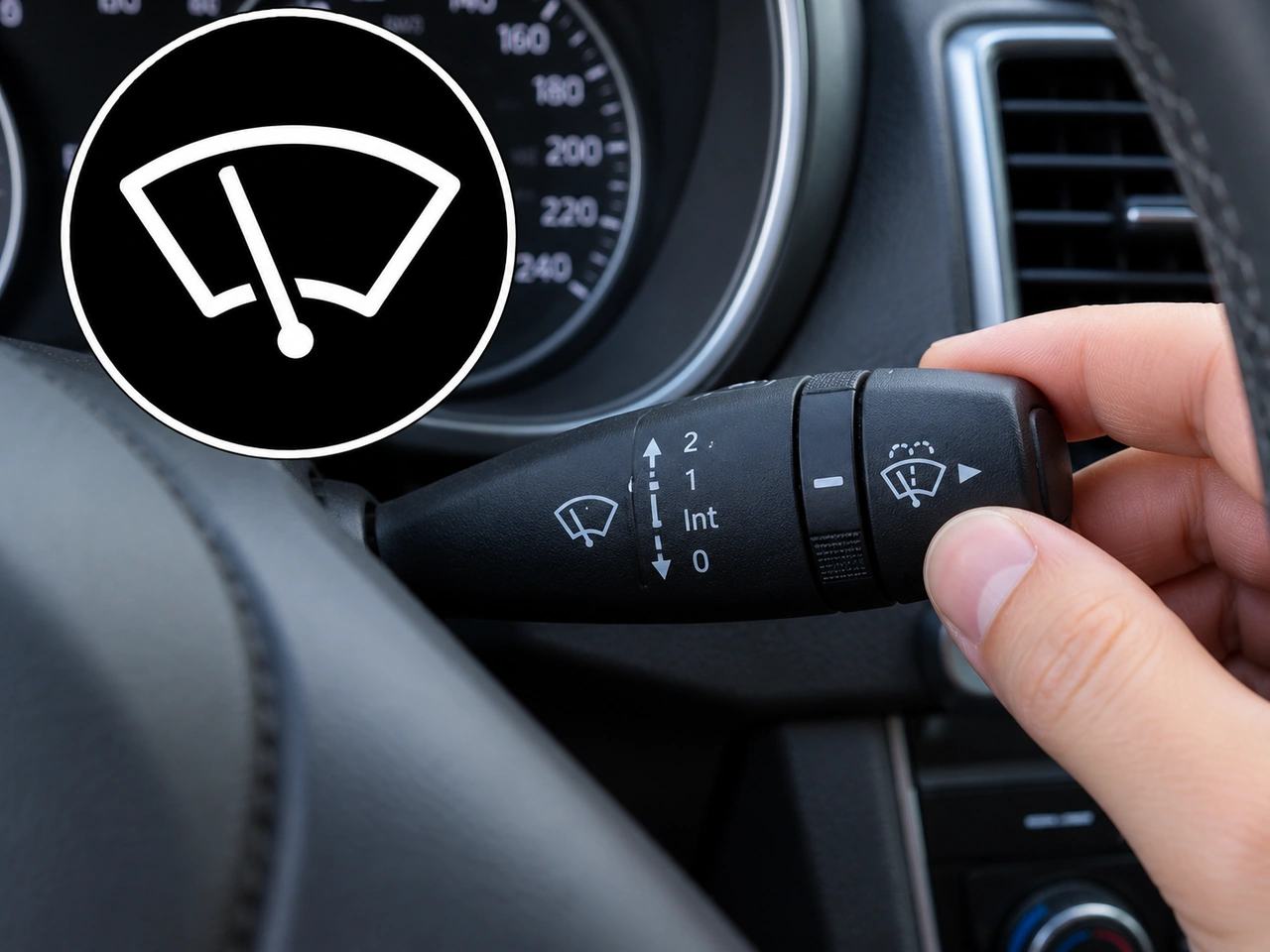
2. What does this vehicle-control symbol indicate?
This symbol relates to the windscreen wipers. The control allows the driver to select an appropriate wiping mode or speed for the amount of rain and visibility conditions.
AI-generated by Rijbewijs-online.be • WCIT • CC BY-SA
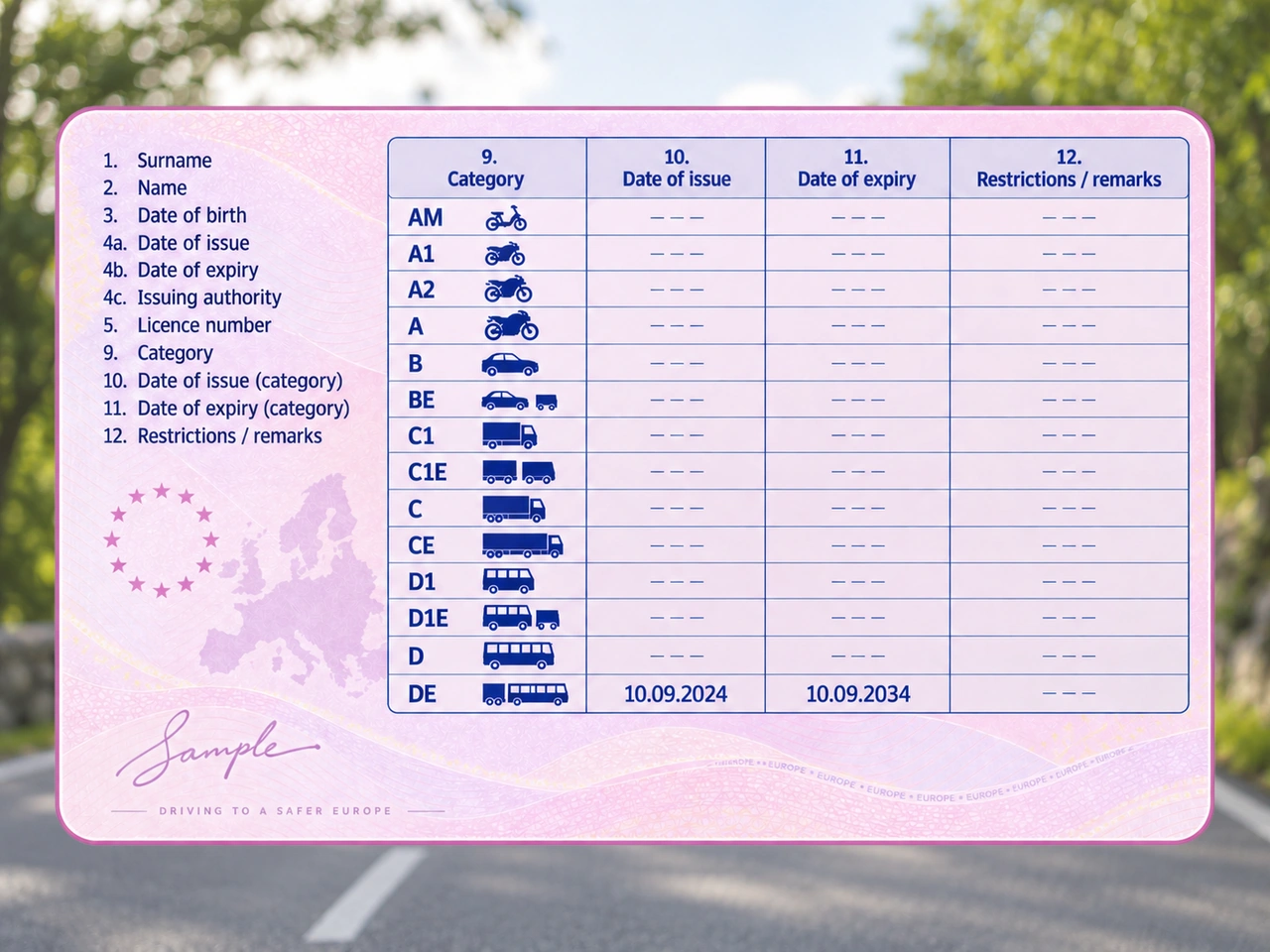
3. Which vehicle combination is covered by driving licence DE?
Category DE covers combinations consisting of a category D towing vehicle and a trailer with a maximum authorised mass above 750 kg.
AI-generated by Rijbewijs-online.be • WCIT • CC BY-SA
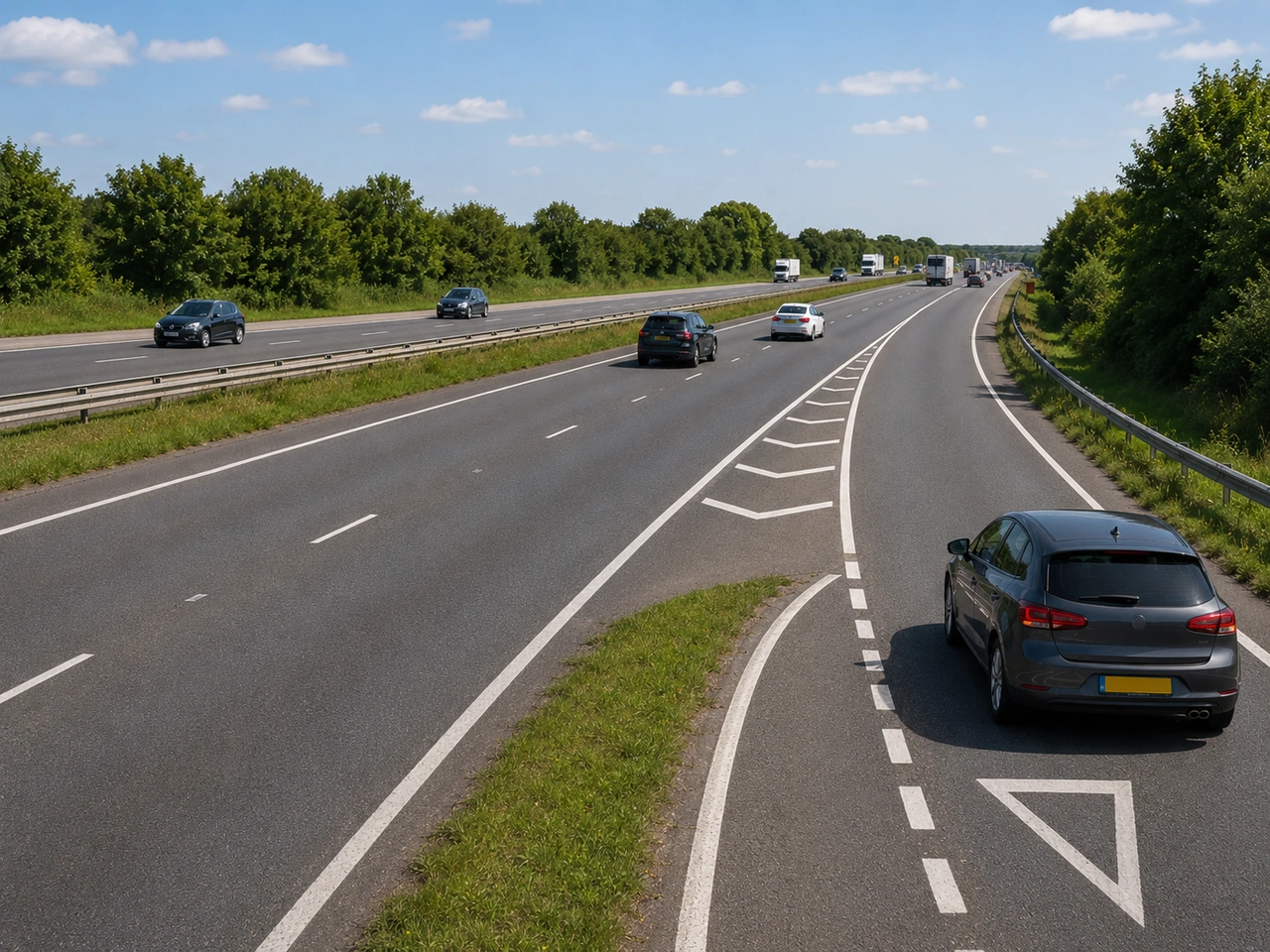
4. Who normally has priority when you enter a motorway from an entry lane?
You must adjust your speed and find a safe gap without forcing motorway traffic to brake or change direction.
AI-generated by Rijbewijs-online.be • WCIT • CC BY-SA
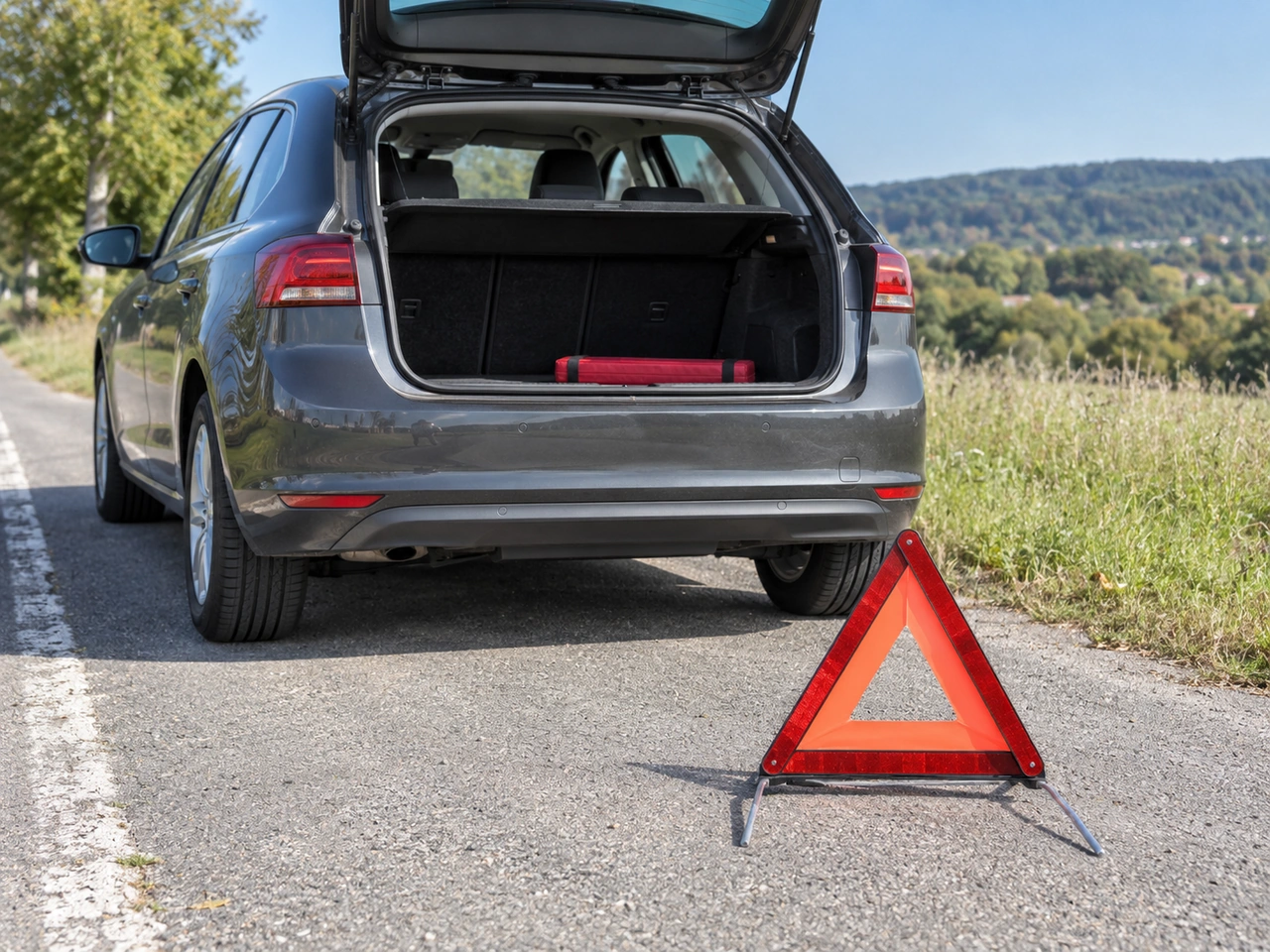
5. Is a warning triangle required in cars in Italy?
Cars in Italy are required to carry a warning triangle.
AI-generated by Rijbewijs-online.be • WCIT • CC BY-SA
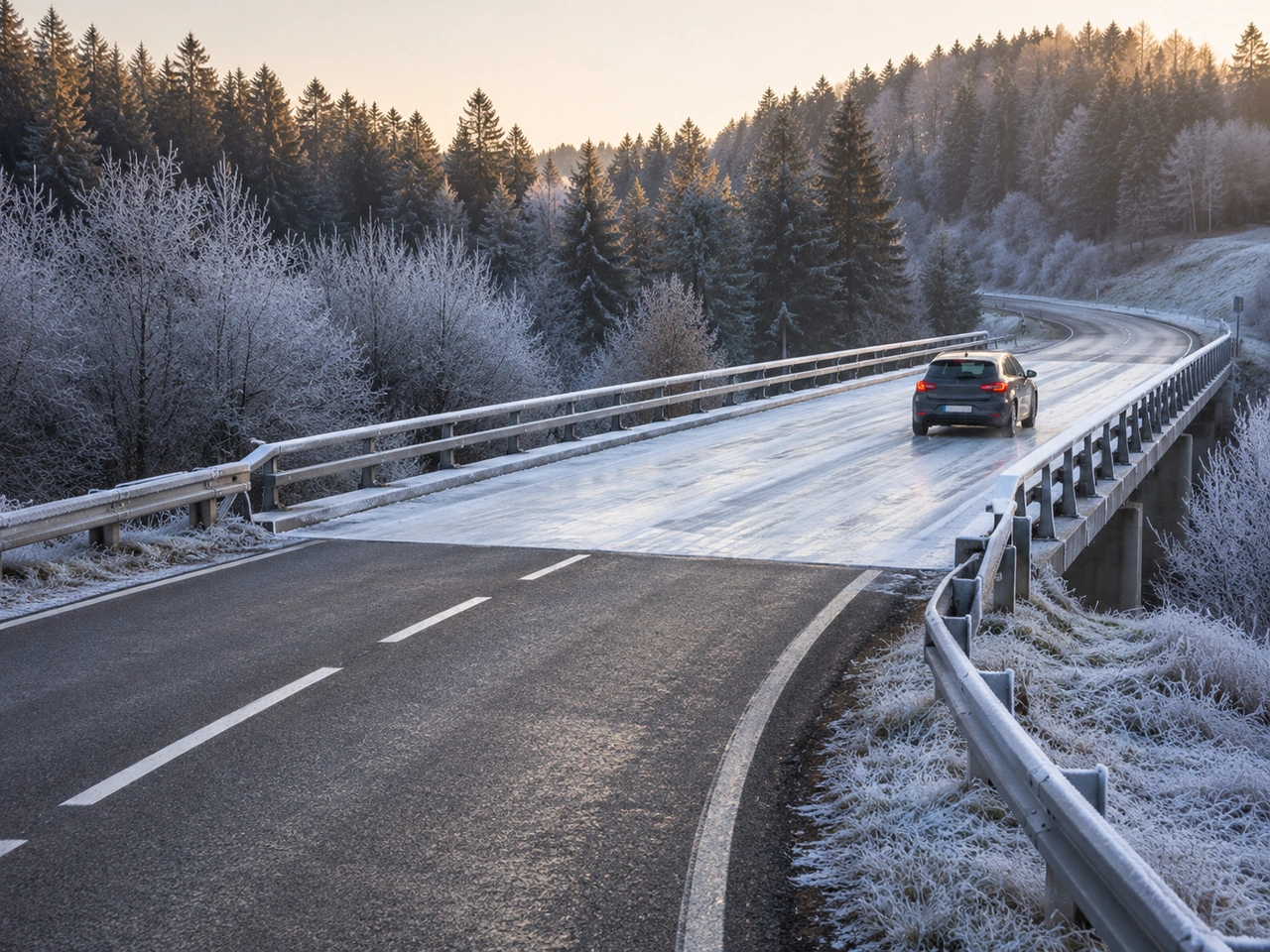
6. Why can bridges and overpasses become icy before nearby roads?
Bridges lose heat from both their upper and lower surfaces, so they can freeze before roads built directly on the ground.
AI-generated by Rijbewijs-online.be • WCIT • CC BY-SA
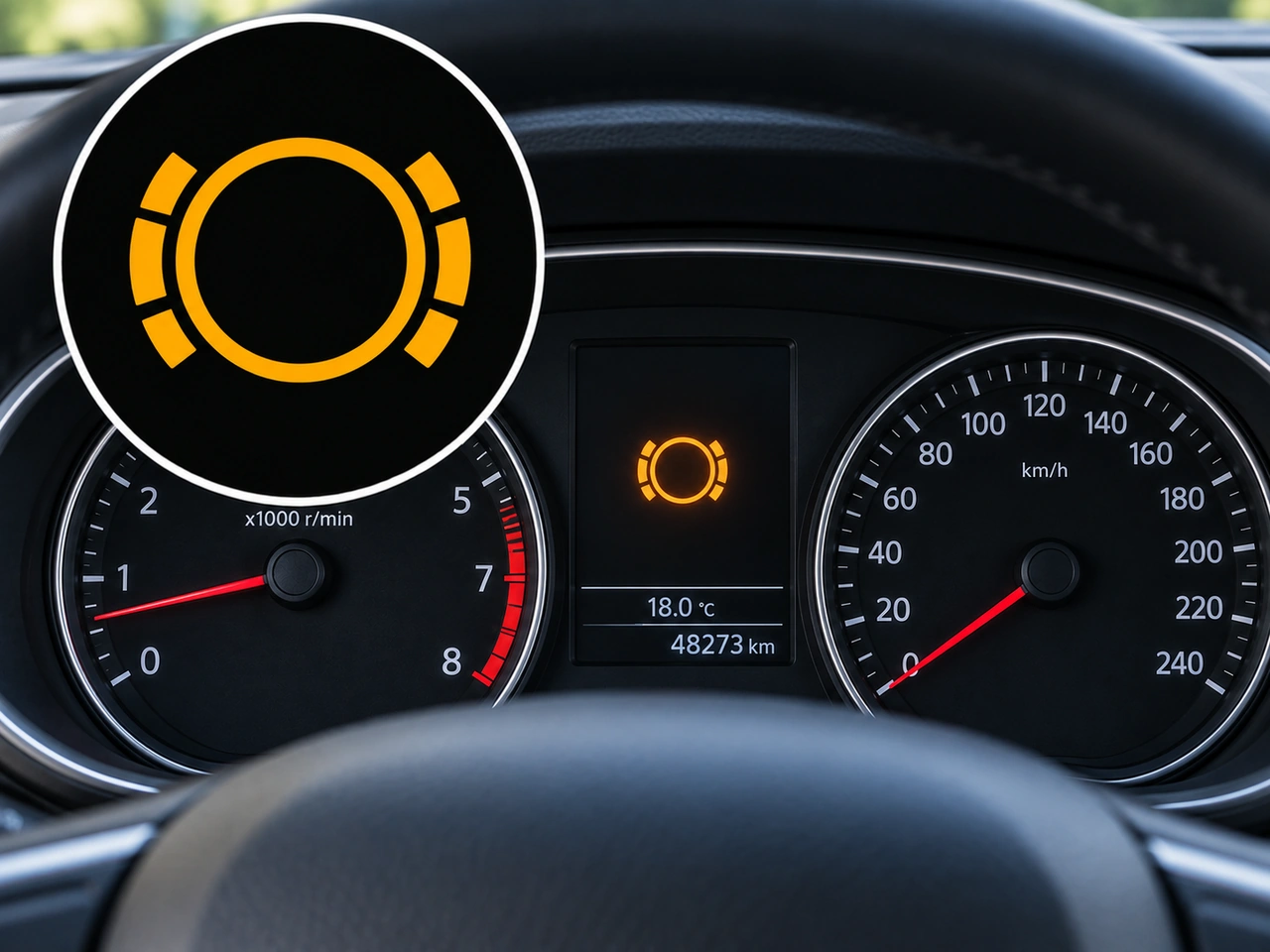
7. What does this dashboard symbol indicate?
This symbol indicates that the brake pads may be worn and should be inspected. Continuing to drive with excessively worn brake pads can reduce braking performance and damage other brake components.
AI-generated by Rijbewijs-online.be • WCIT • CC BY-SA
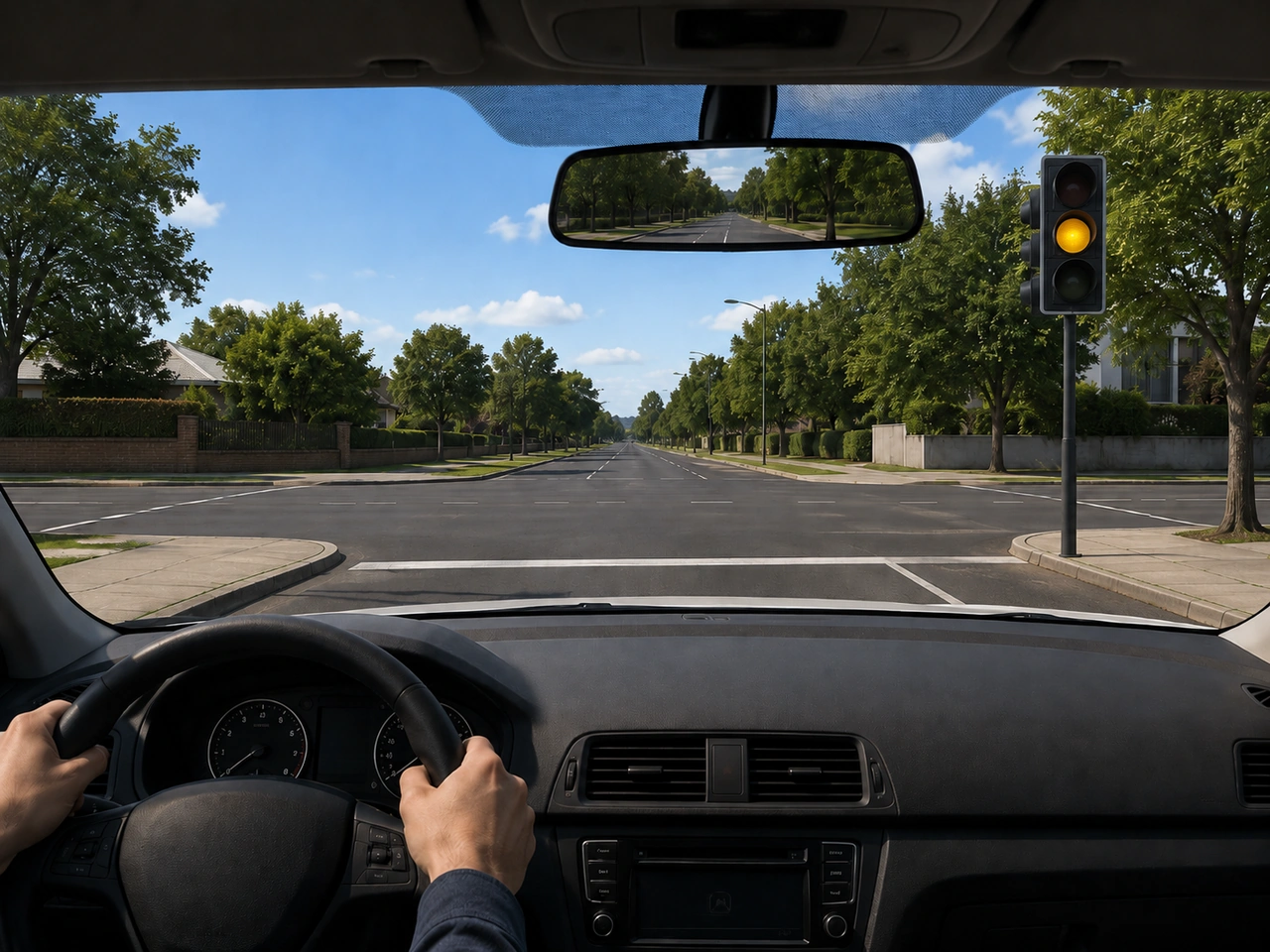
8. You may drive through an amber light without slowing down.
An amber light means you should stop if you can do so safely. If you are too close to stop safely, continue through the junction with caution.
AI-generated by Rijbewijs-online.be • WCIT • CC BY-SA
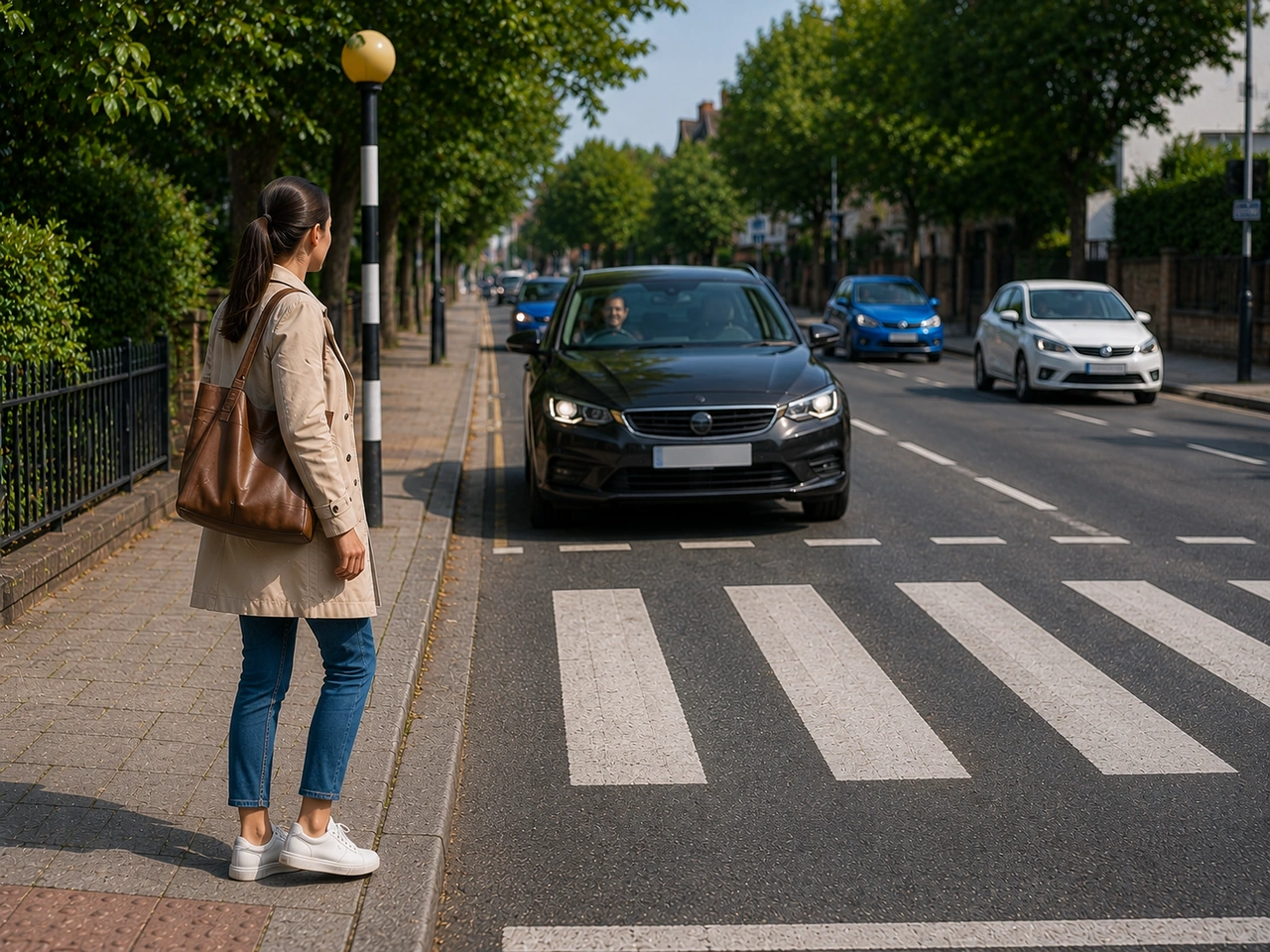
9. What should you do if traffic stops and a driver waves you across?
One driver may stop, but other vehicles may still be moving. Always check all lanes before crossing.
AI-generated by Rijbewijs-online.be • WCIT • CC BY-SA
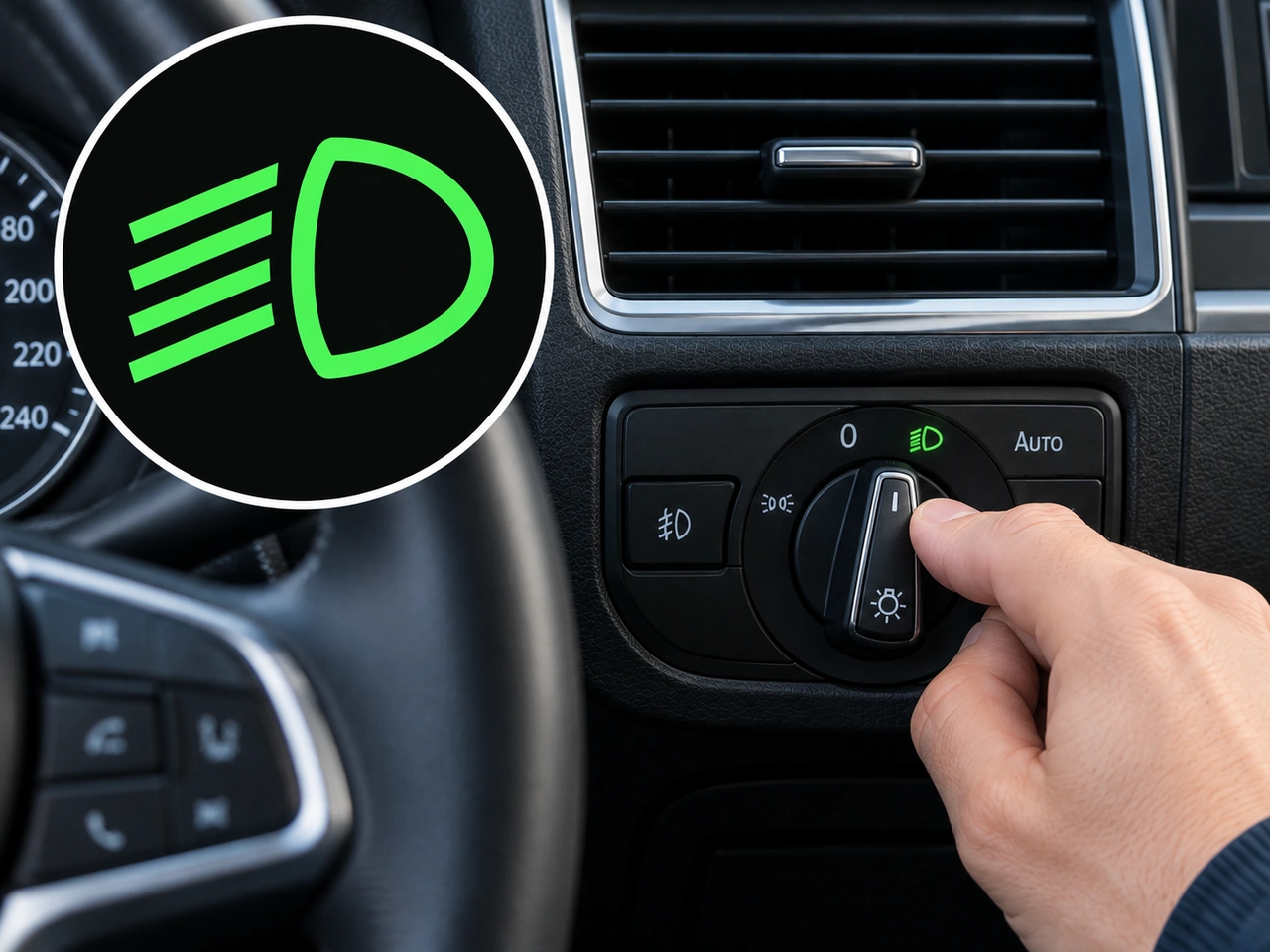
10. What does this dashboard symbol indicate?
This symbol indicates that the dipped headlights are switched on. Dipped headlights illuminate the road ahead while limiting glare for other road users.
AI-generated by Rijbewijs-online.be • WCIT • CC BY-SA
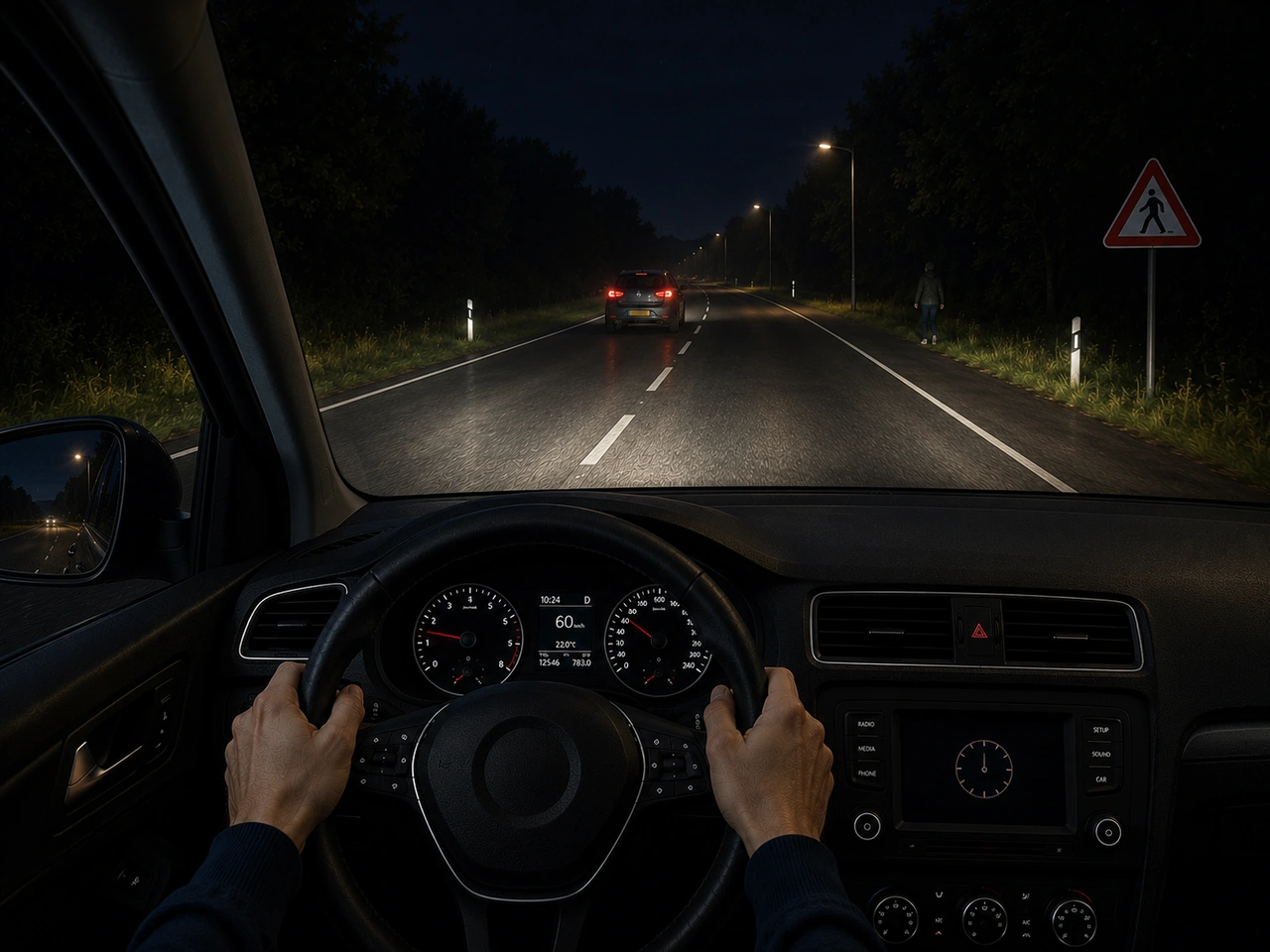
11. Why should you be extra careful at night?
At night, it is harder to see pedestrians, cyclists, road markings, and hazards. Reduce speed and use the correct lights.
AI-generated by Rijbewijs-online.be • WCIT • CC BY-SA
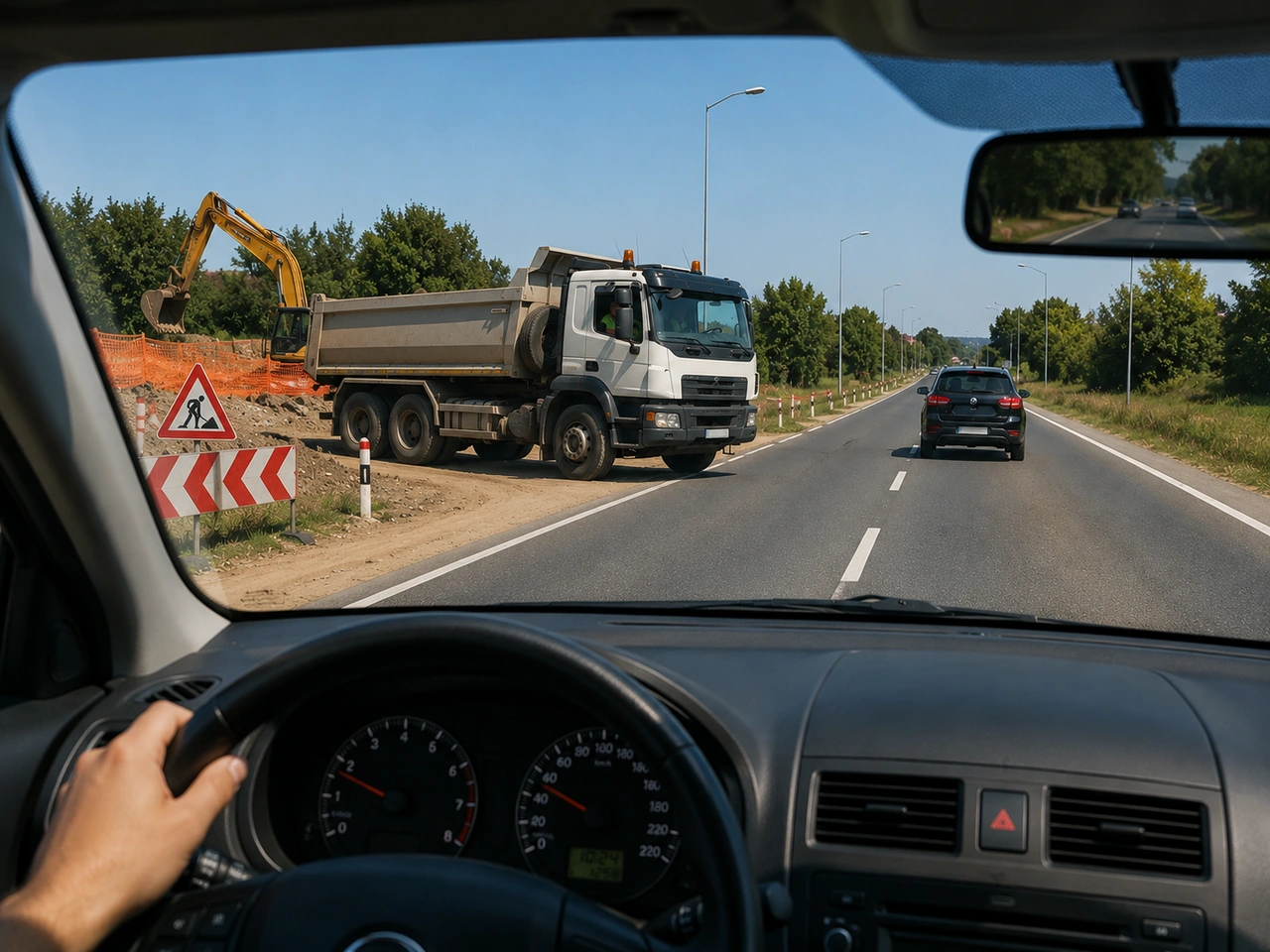
12. What should you do when construction vehicles enter or leave the road?
Construction vehicles may move slowly, have limited visibility, or carry loose material. Give them time and space to manoeuvre.
AI-generated by Rijbewijs-online.be • WCIT • CC BY-SA
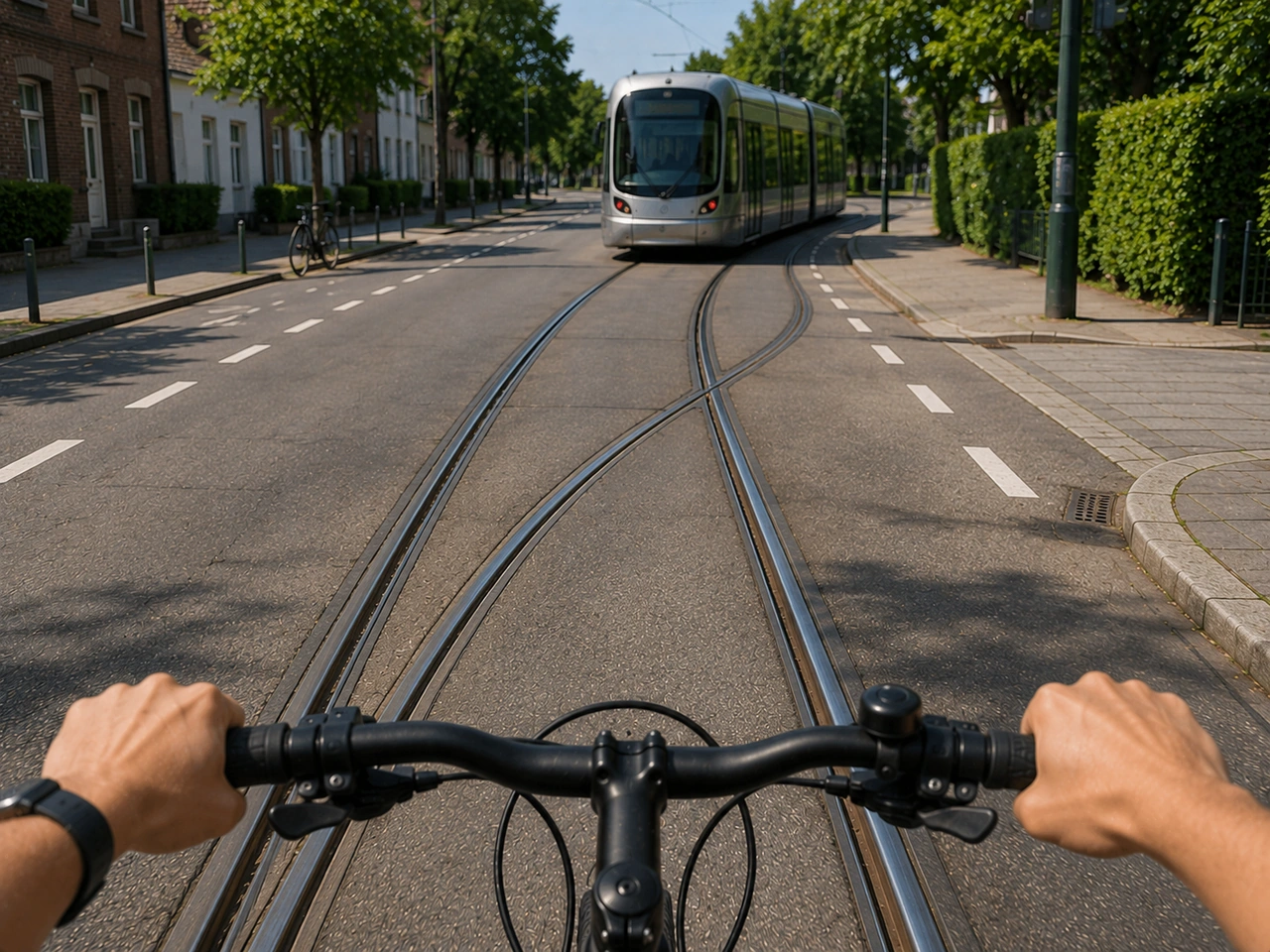
13. How should cyclists cross railway or tram tracks?
A bicycle wheel can become trapped in a rail groove. Crossing at a wider angle reduces this risk.
AI-generated by Rijbewijs-online.be • WCIT • CC BY-SA
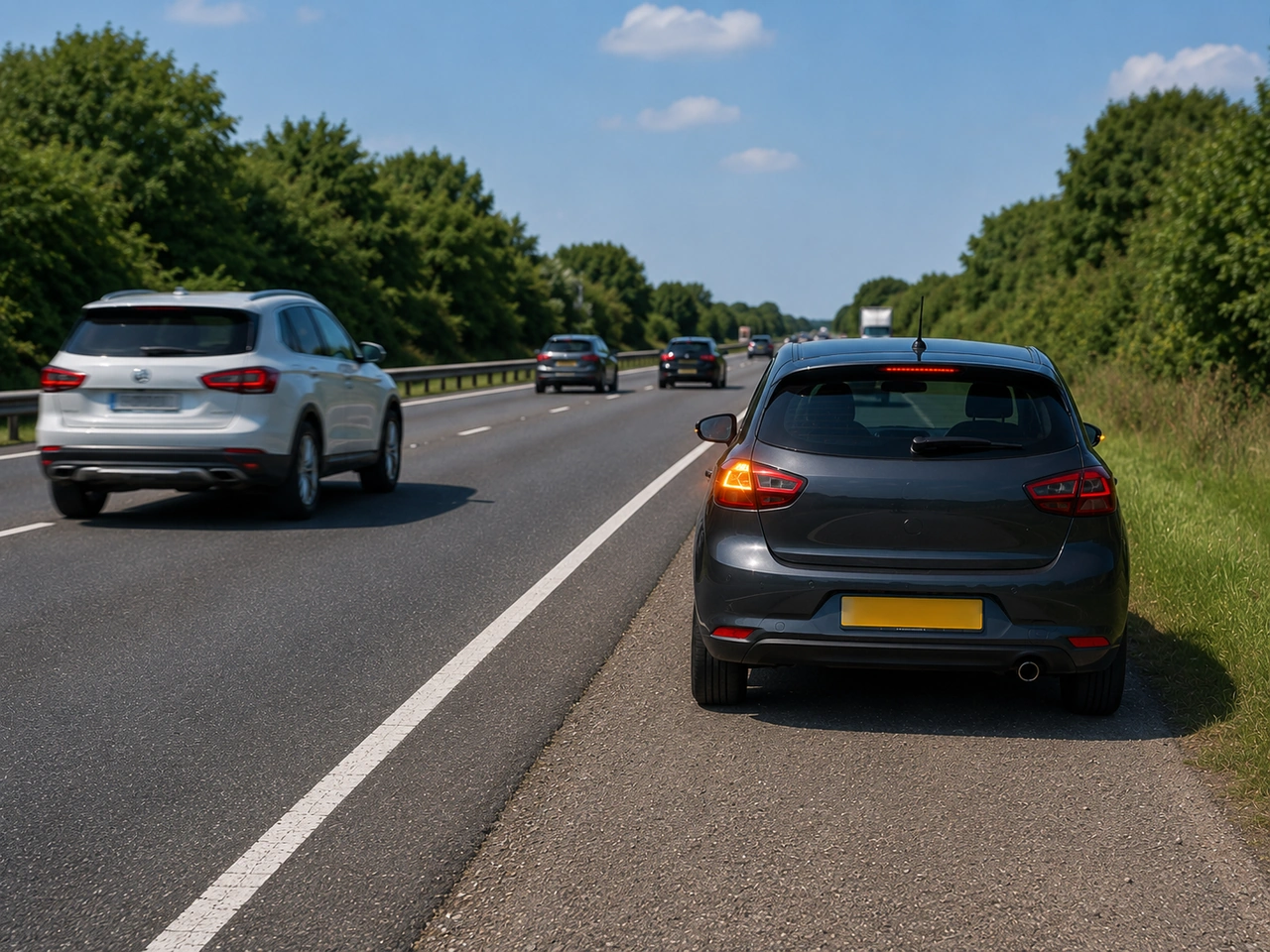
14. What should you do before rejoining traffic after a breakdown?
Check mirrors and blind spots, signal clearly, and build up speed safely without causing approaching traffic to brake suddenly.
AI-generated by Rijbewijs-online.be • WCIT • CC BY-SA
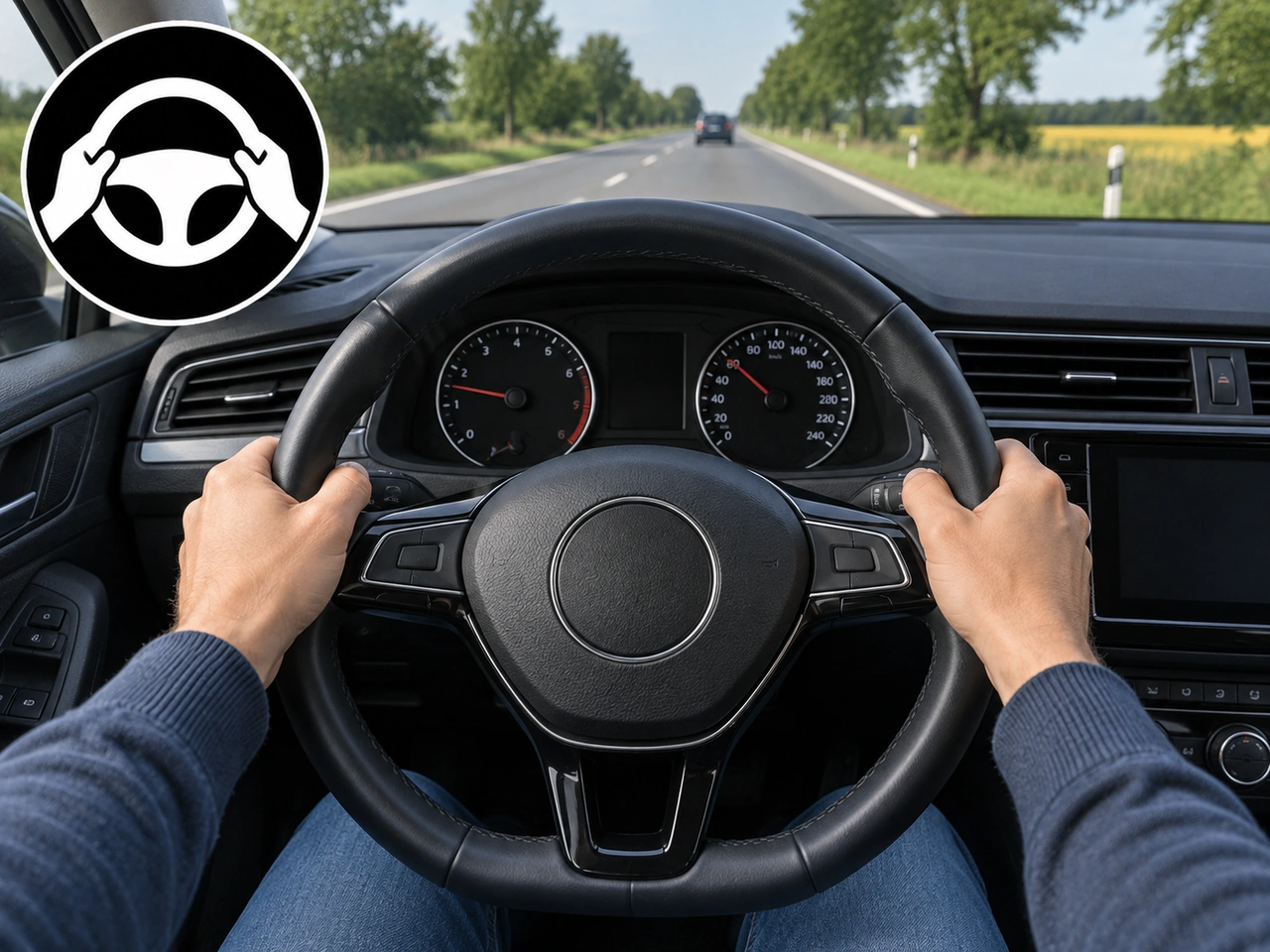
15. How should you normally hold the steering wheel while driving?
Hold the steering wheel with both hands in a balanced position so that you can steer smoothly and react quickly. A position around nine and three o'clock generally provides good control.
AI-generated by Rijbewijs-online.be • WCIT • CC BY-SA
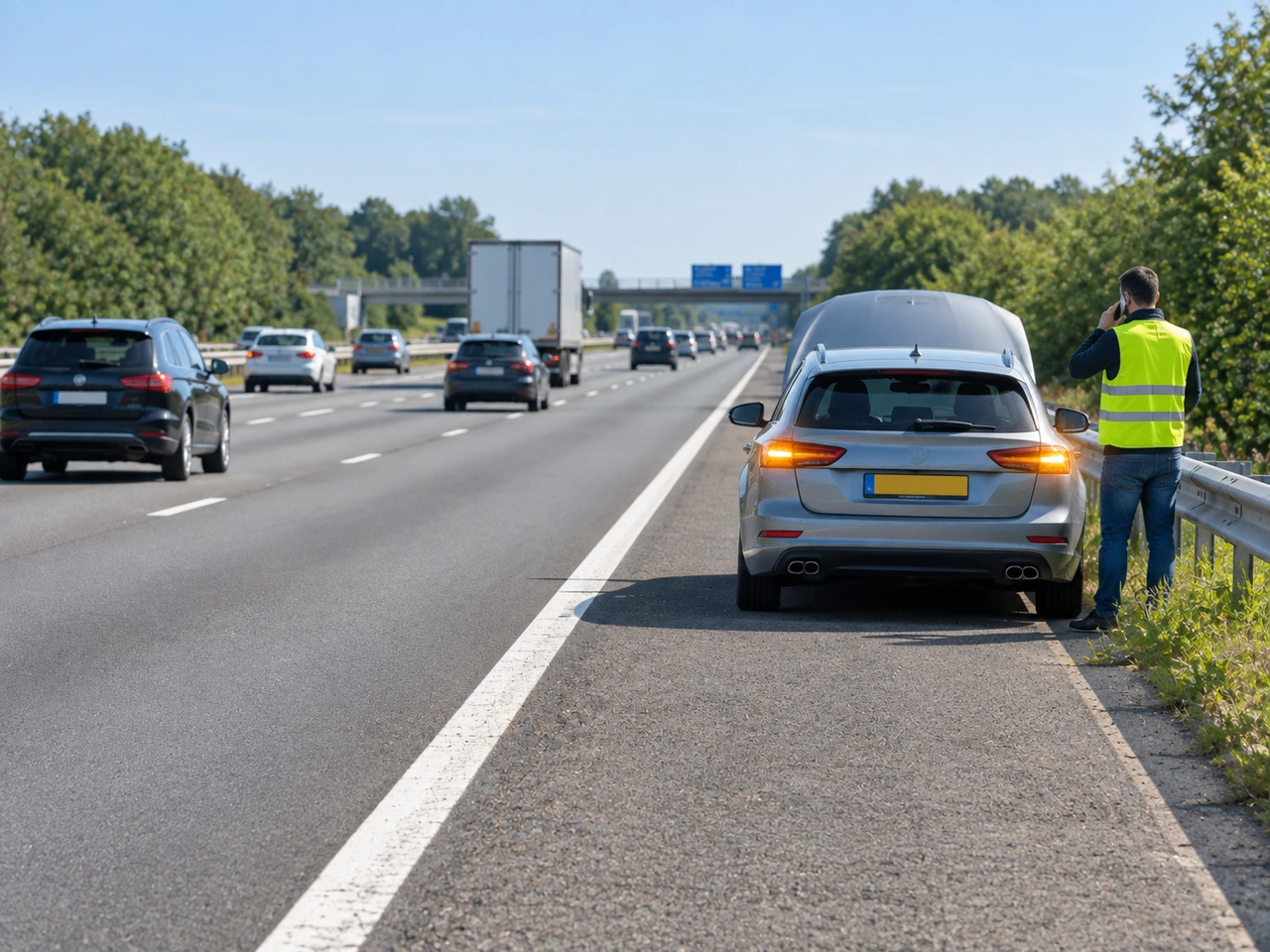
16. What is the main purpose of a motorway emergency lane or hard shoulder?
A motorway emergency lane or hard shoulder is primarily intended for emergencies and breakdowns, not normal driving. In some places it may be opened temporarily as a traffic lane when signs or signals specifically permit this.
AI-generated by Rijbewijs-online.be • WCIT • CC BY-SA
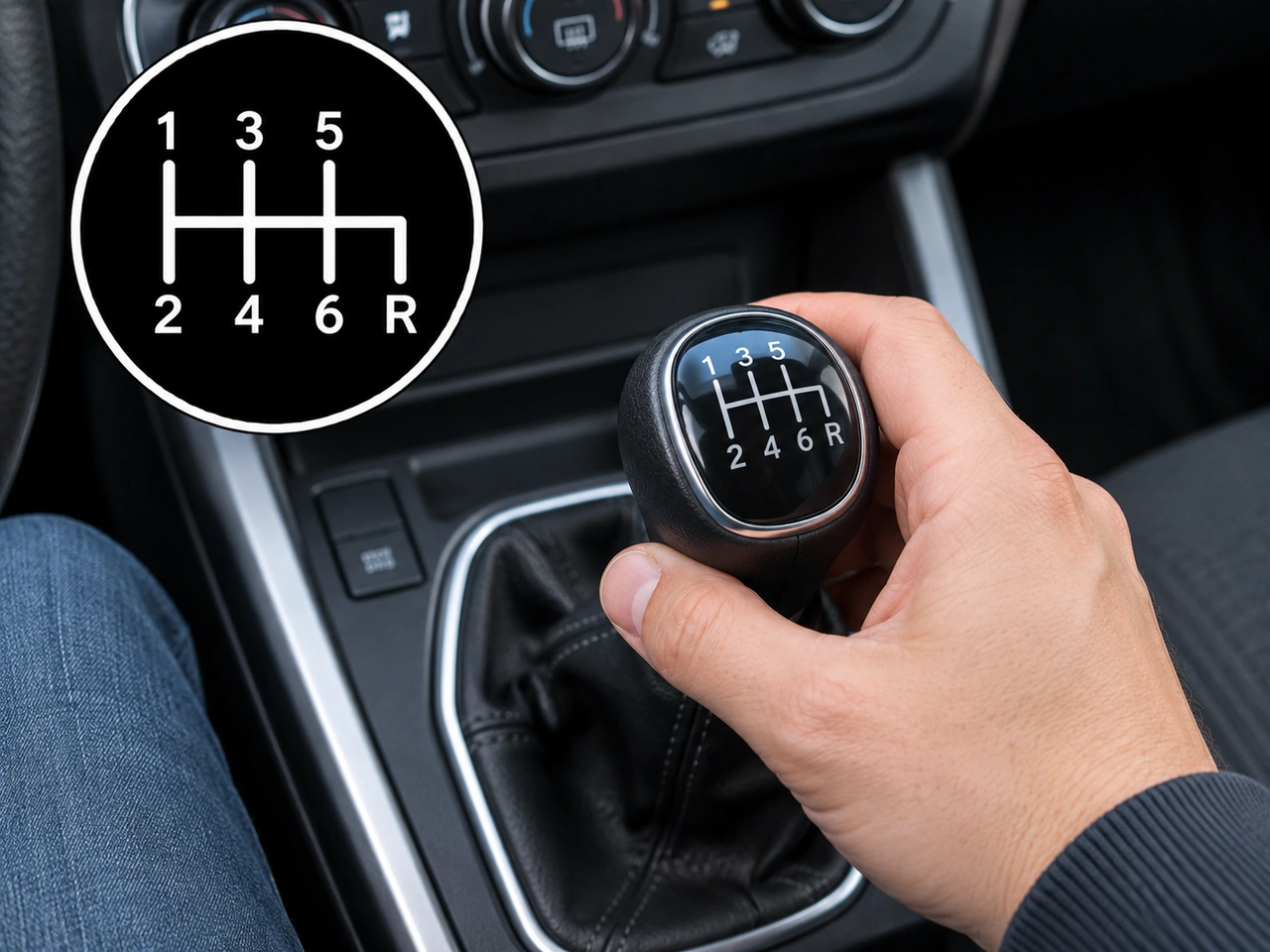
17. Which gear is used to drive a manual vehicle backwards?
Select R (Reverse) when you need to drive a manual vehicle backwards. The vehicle should be stationary before Reverse is selected.
AI-generated by Rijbewijs-online.be • WCIT • CC BY-SA
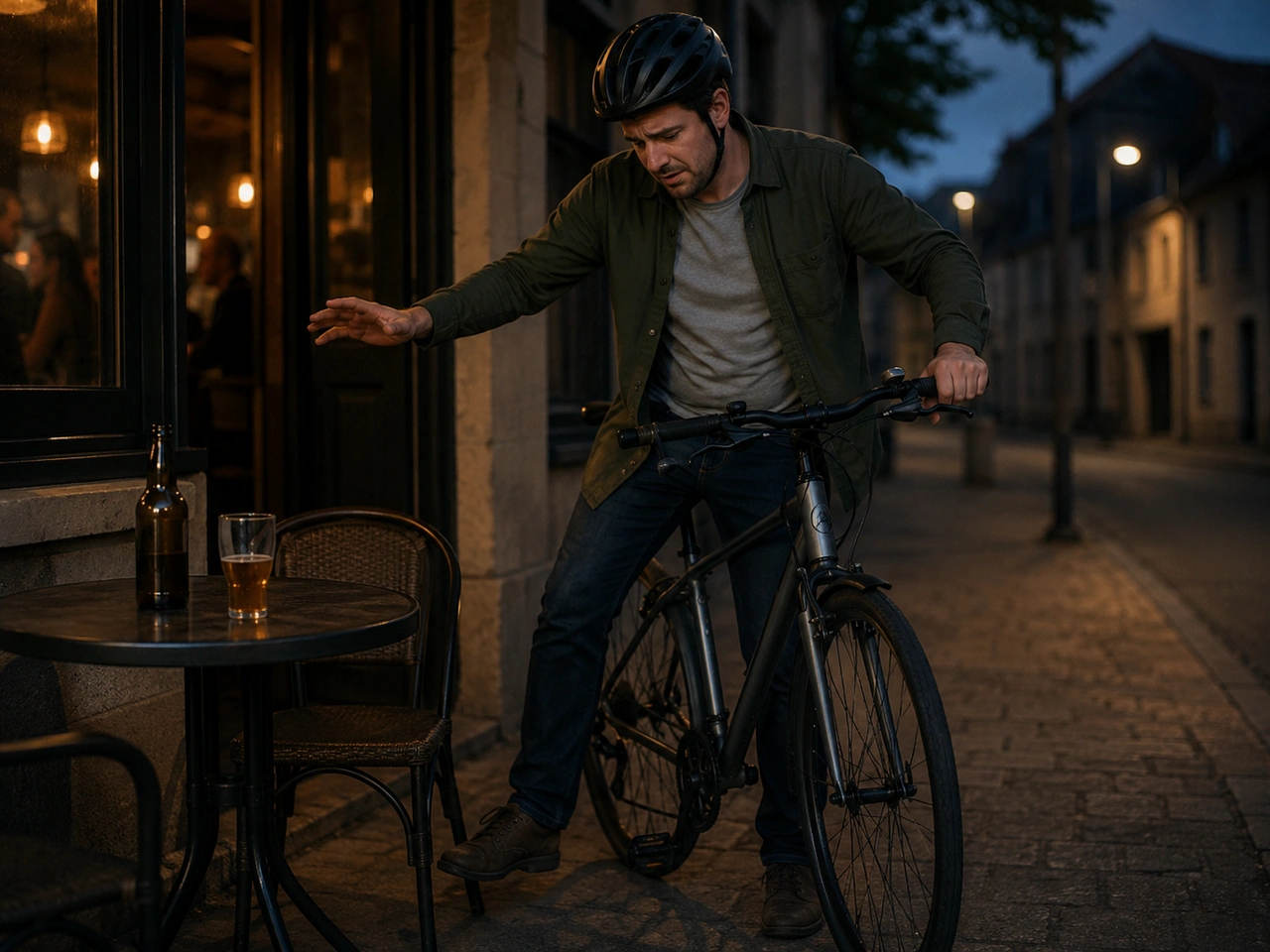
18. Why is riding a bicycle after drinking alcohol dangerous?
Alcohol can make it harder to balance, steer, judge distances, and react to hazards. Riding a bicycle while impaired may also be against the law.
AI-generated by Rijbewijs-online.be • WCIT • CC BY-SA
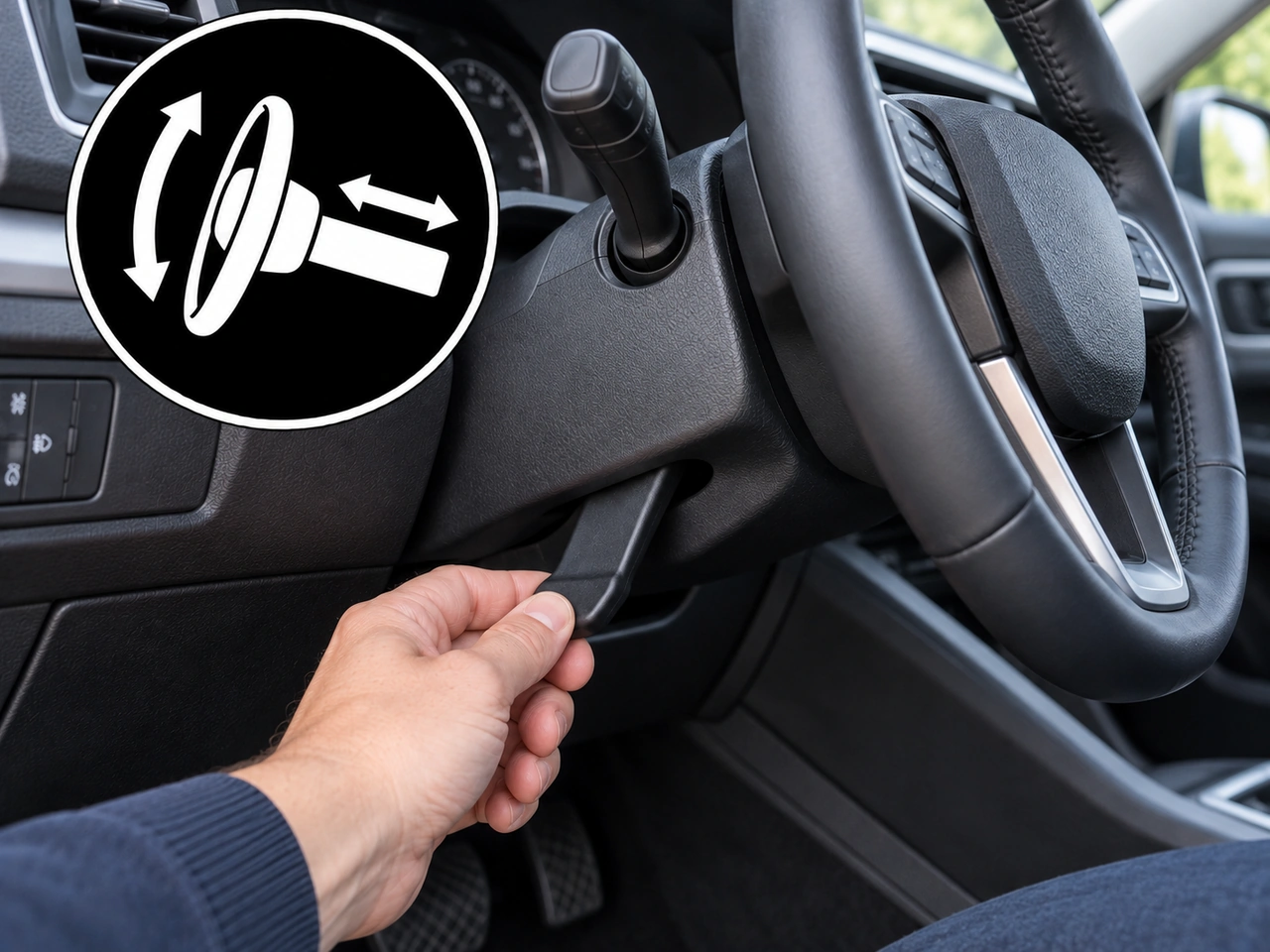
19. What does this vehicle-control symbol indicate?
This control adjusts the position of the steering wheel. Depending on the vehicle, the steering wheel may be moved up or down and forwards or backwards to obtain a safe and comfortable driving position.
AI-generated by Rijbewijs-online.be • WCIT • CC BY-SA
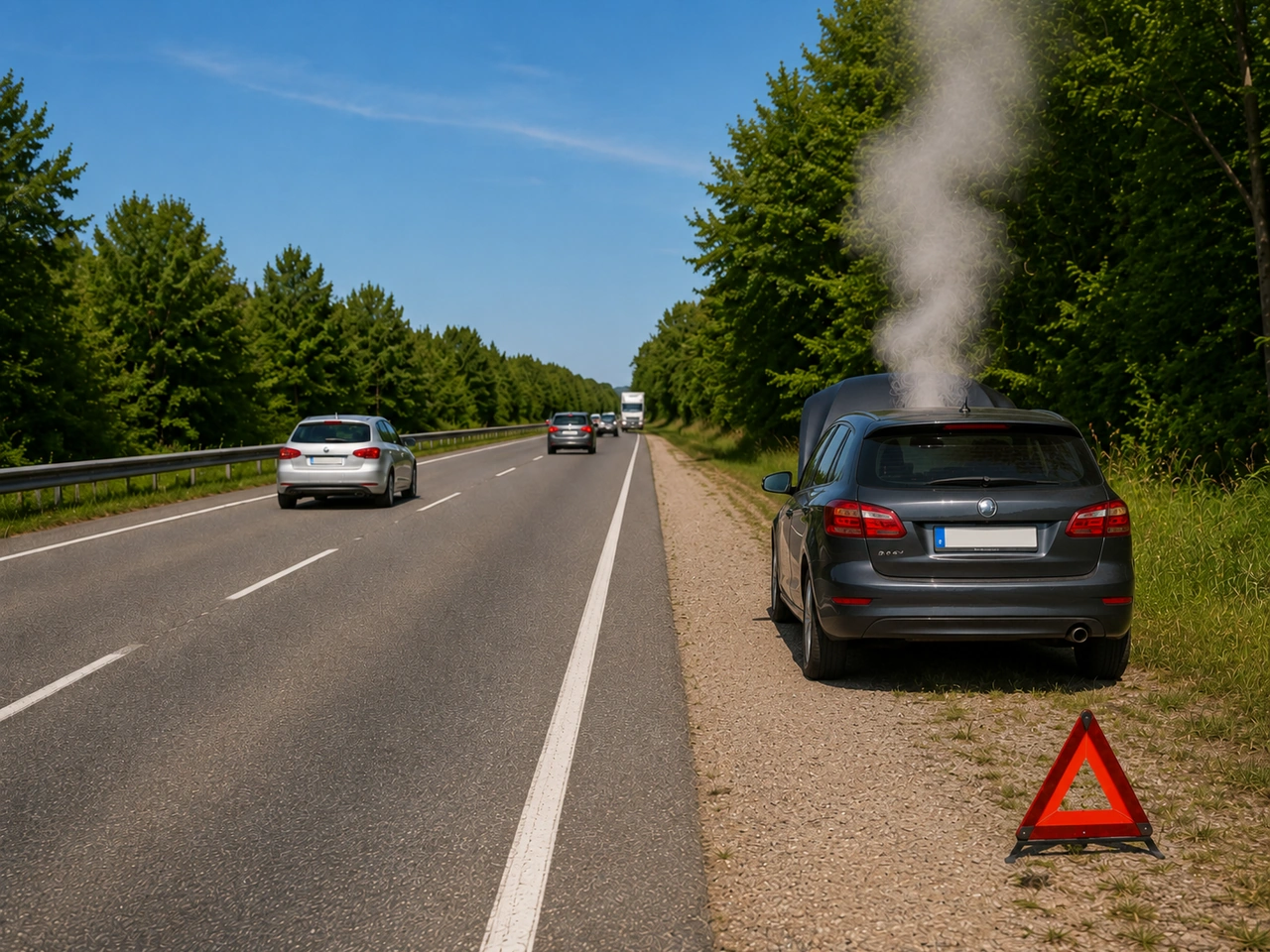
20. What should you do if steam begins coming from underneath the bonnet?
Steam can indicate an overheated and pressurised cooling system. Do not remove the coolant cap while the system is hot.
AI-generated by Rijbewijs-online.be • WCIT • CC BY-SA
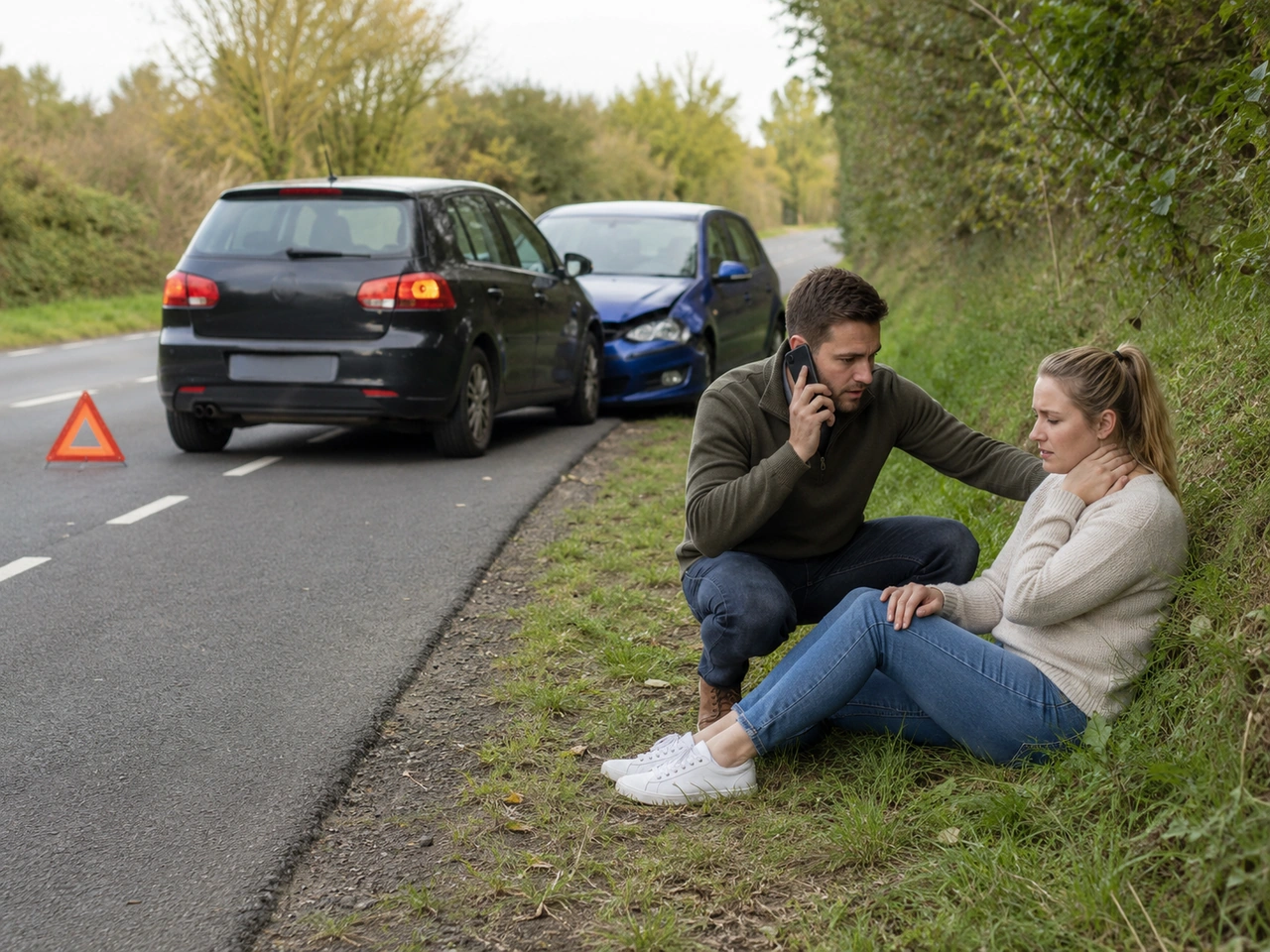
21. What should you do if someone is injured in a road collision?
Moving an injured person can worsen spinal or other injuries. Keep them calm, protect them from further danger, and provide first aid only within your level of training.
AI-generated by Rijbewijs-online.be • WCIT • CC BY-SA
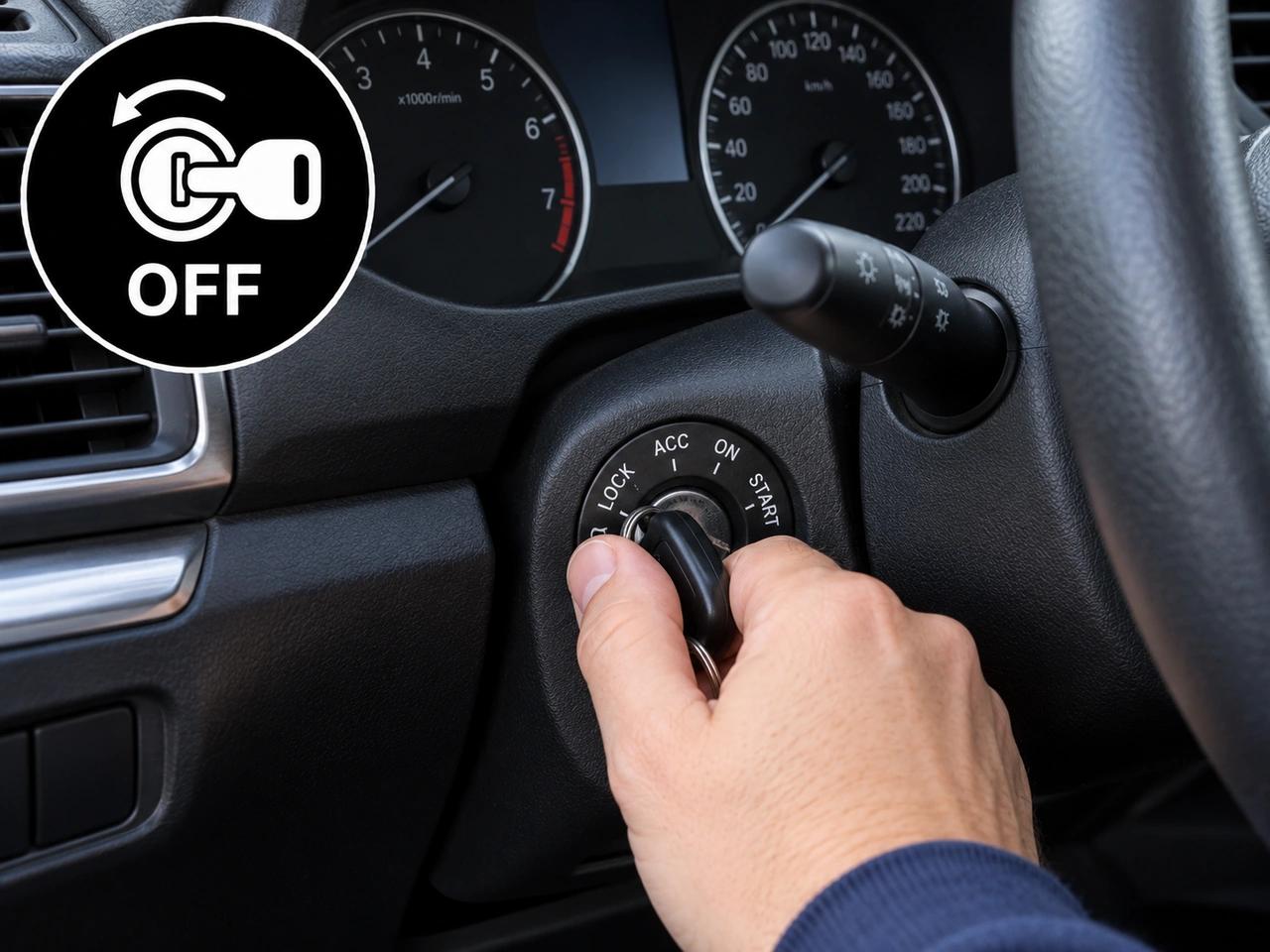
22. What does turning a traditional ignition switch to OFF normally do?
Turning a traditional ignition switch to OFF switches off the engine and ignition systems. The key can then normally be moved to the LOCK position and removed.
AI-generated by Rijbewijs-online.be • WCIT • CC BY-SA
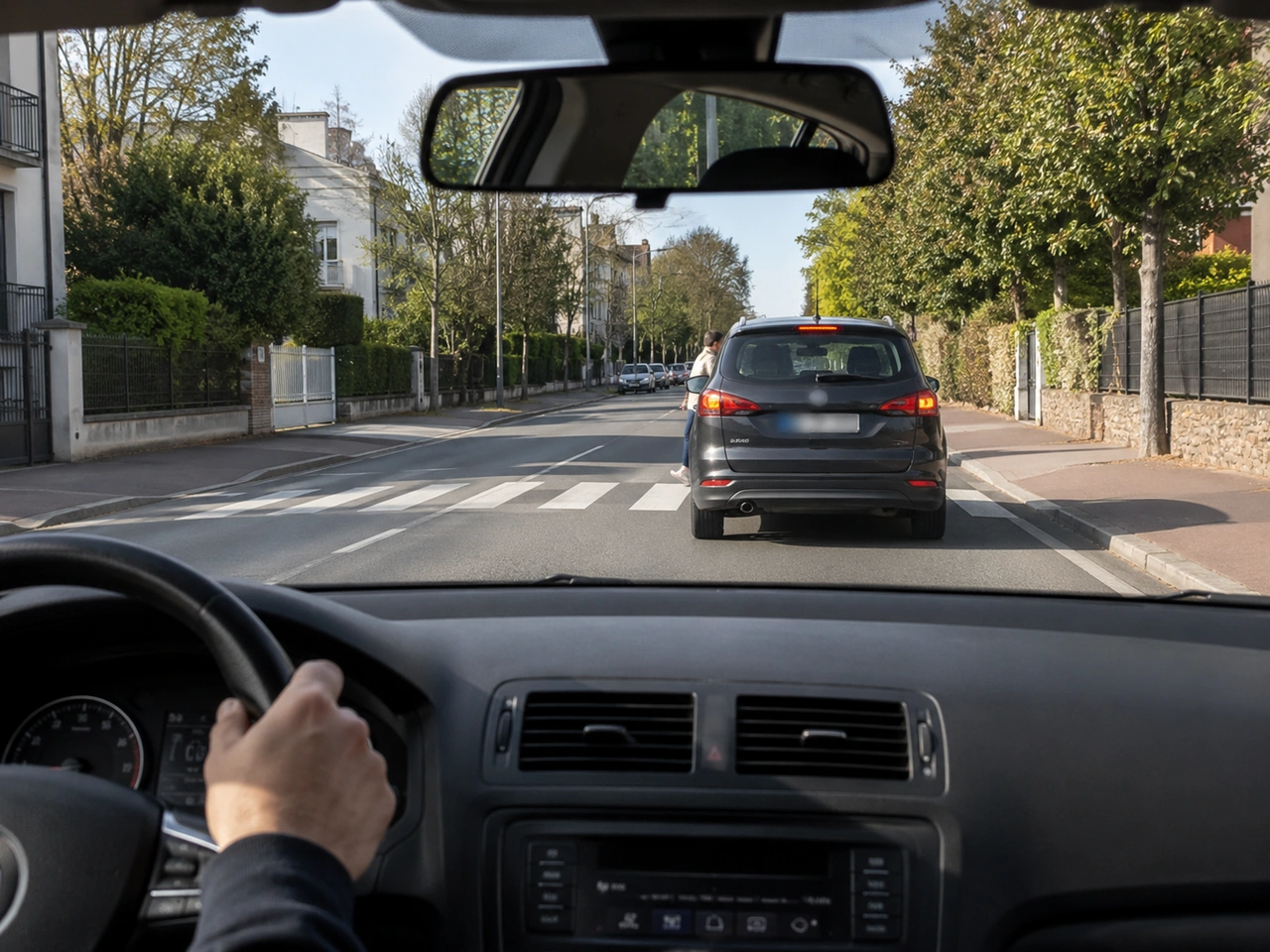
23. Why should you avoid overtaking when approaching a pedestrian crossing?
A vehicle slowing or stopping near a pedestrian crossing may be hiding someone who is crossing. Overtaking could put you directly into the pedestrian's path.
AI-generated by Rijbewijs-online.be • WCIT • CC BY-SA
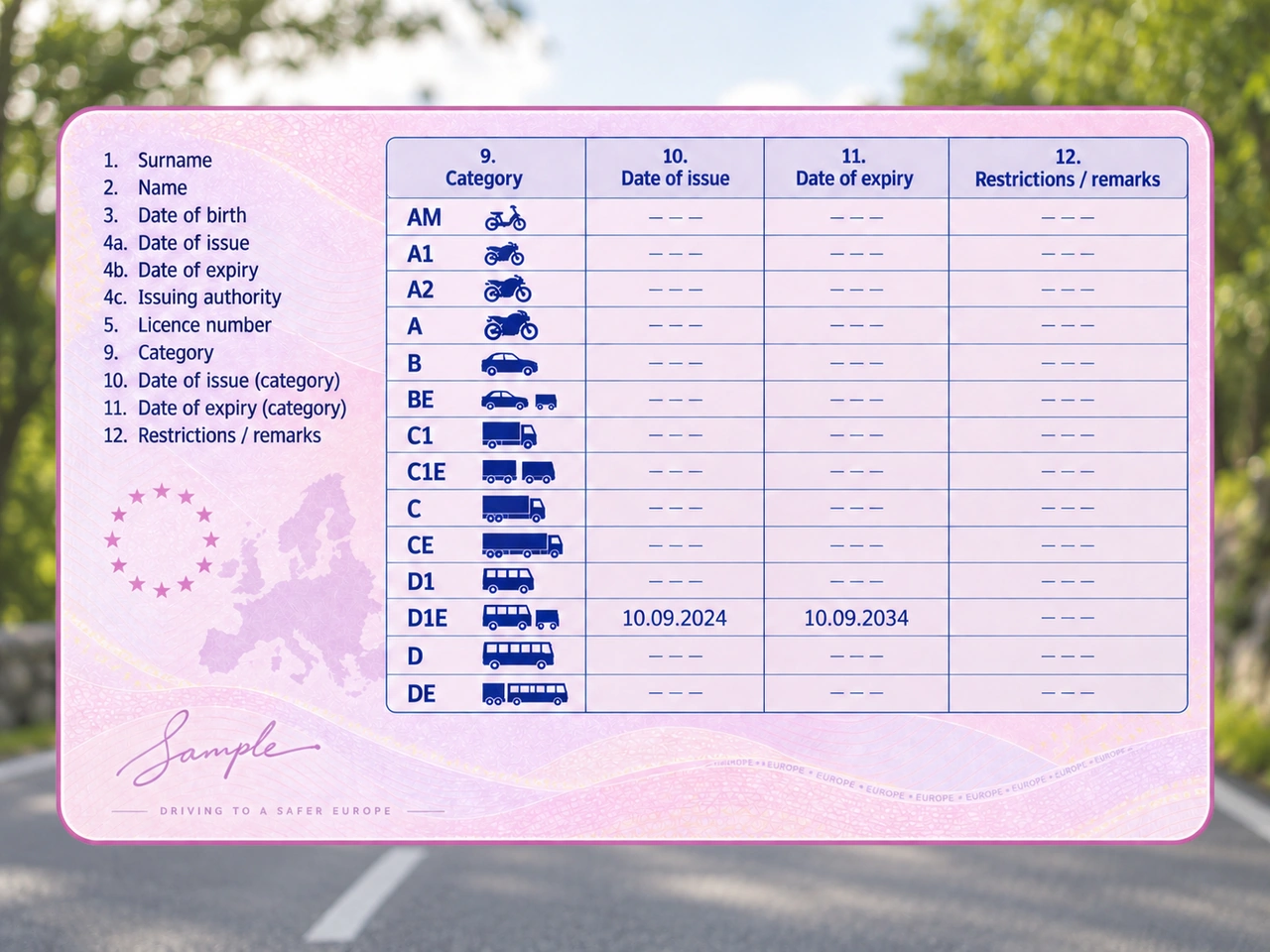
24. Which vehicle combination is covered by driving licence D1E?
Category D1E covers combinations consisting of a category D1 vehicle and a trailer with a maximum authorised mass above 750 kg.
AI-generated by Rijbewijs-online.be • WCIT • CC BY-SA
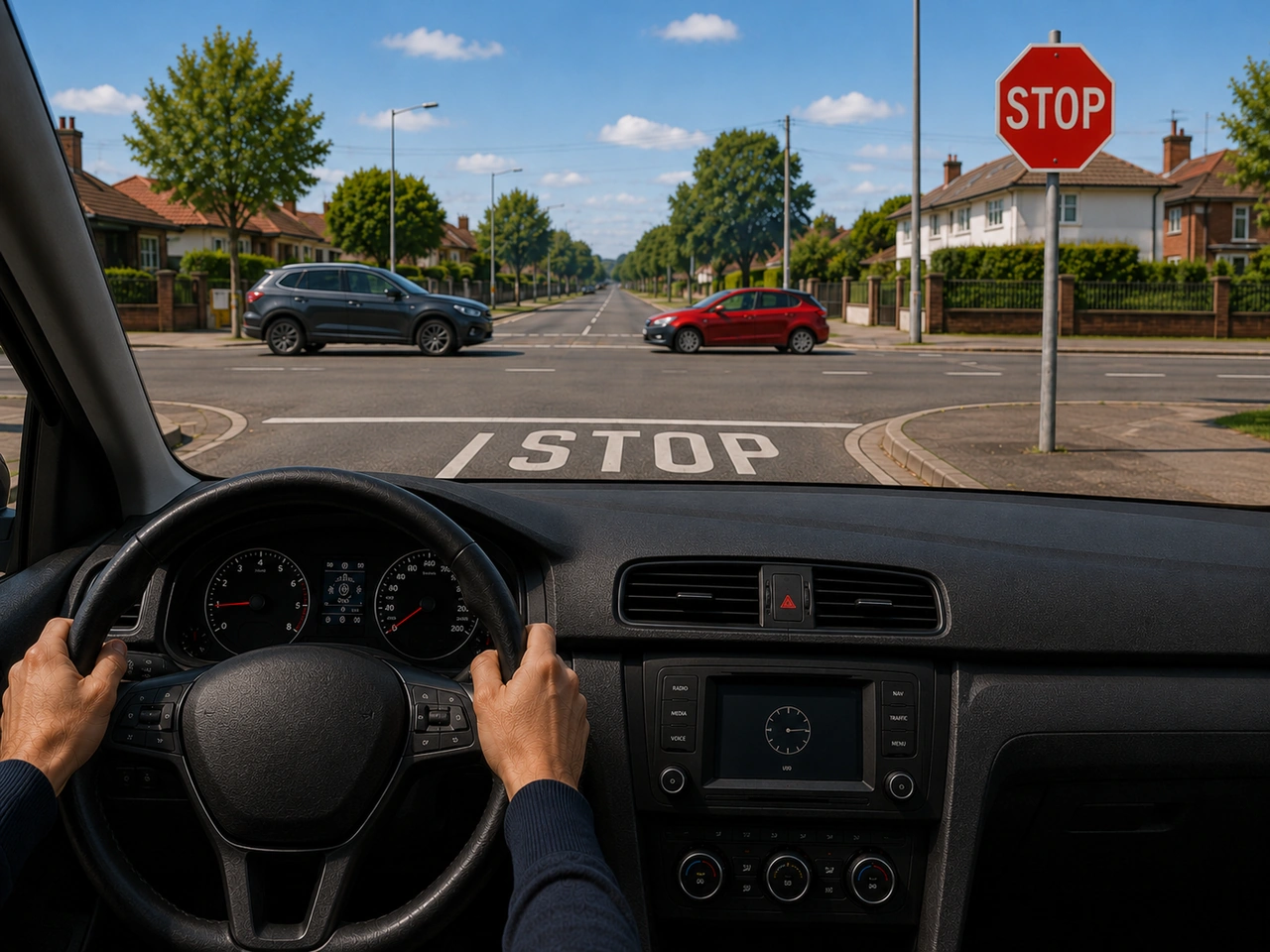
25. What should you do when approaching a stop sign?
A stop sign requires you to come to a complete stop at the required position. Check carefully for other road users and proceed only when it is safe.
AI-generated by Rijbewijs-online.be • WCIT • CC BY-SA
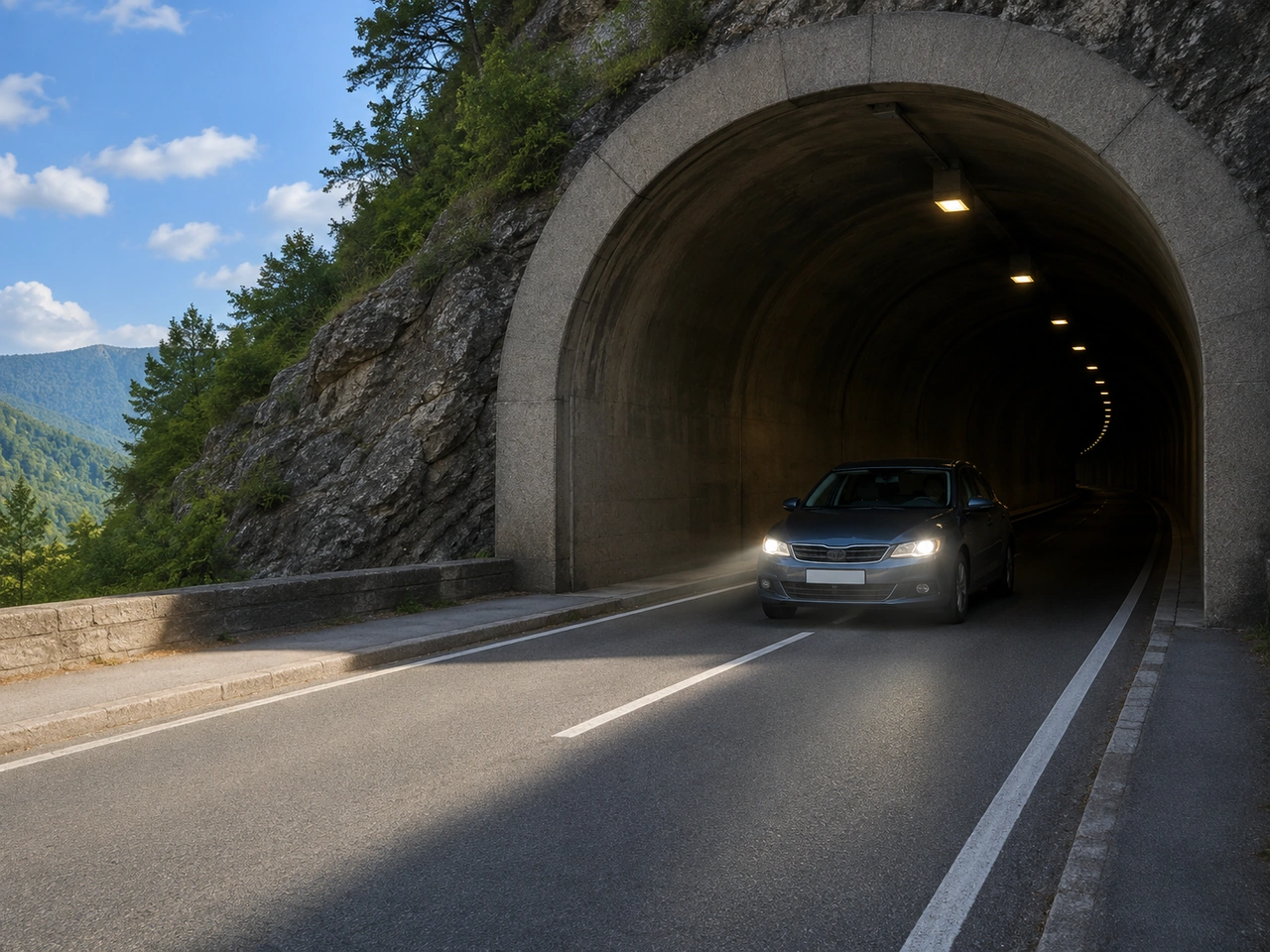
26. Why should you switch on dipped headlights before entering a tunnel?
Tunnel lighting may be much darker than daylight. Dipped headlights help you see and make your vehicle more visible.
AI-generated by Rijbewijs-online.be • WCIT • CC BY-SA
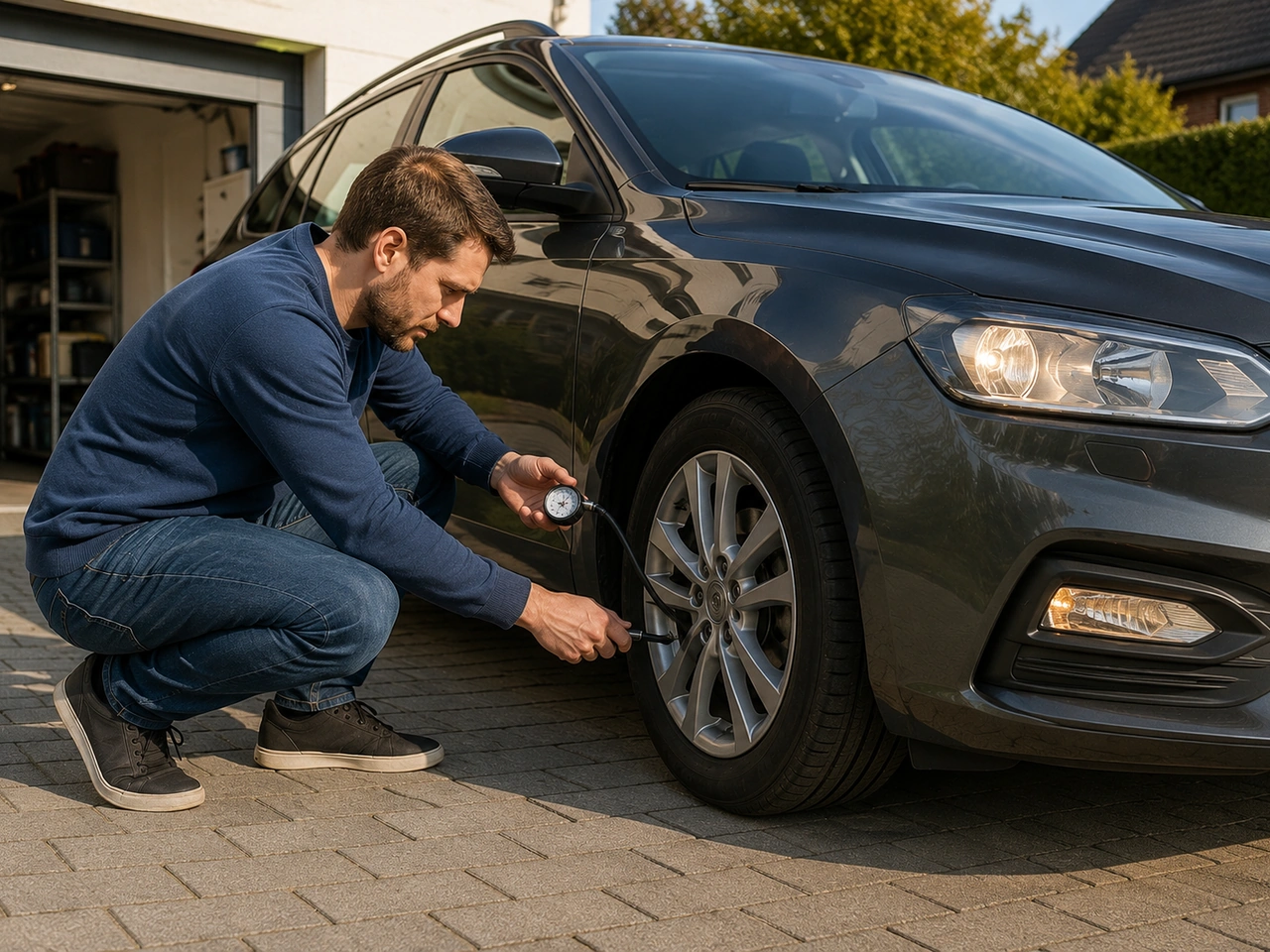
27. How should tyre pressure normally be checked?
Tyre pressure rises as tyres become warm. Check them when cold and use the pressure specified on the vehicle label or in the owner's manual.
AI-generated by Rijbewijs-online.be • WCIT • CC BY-SA
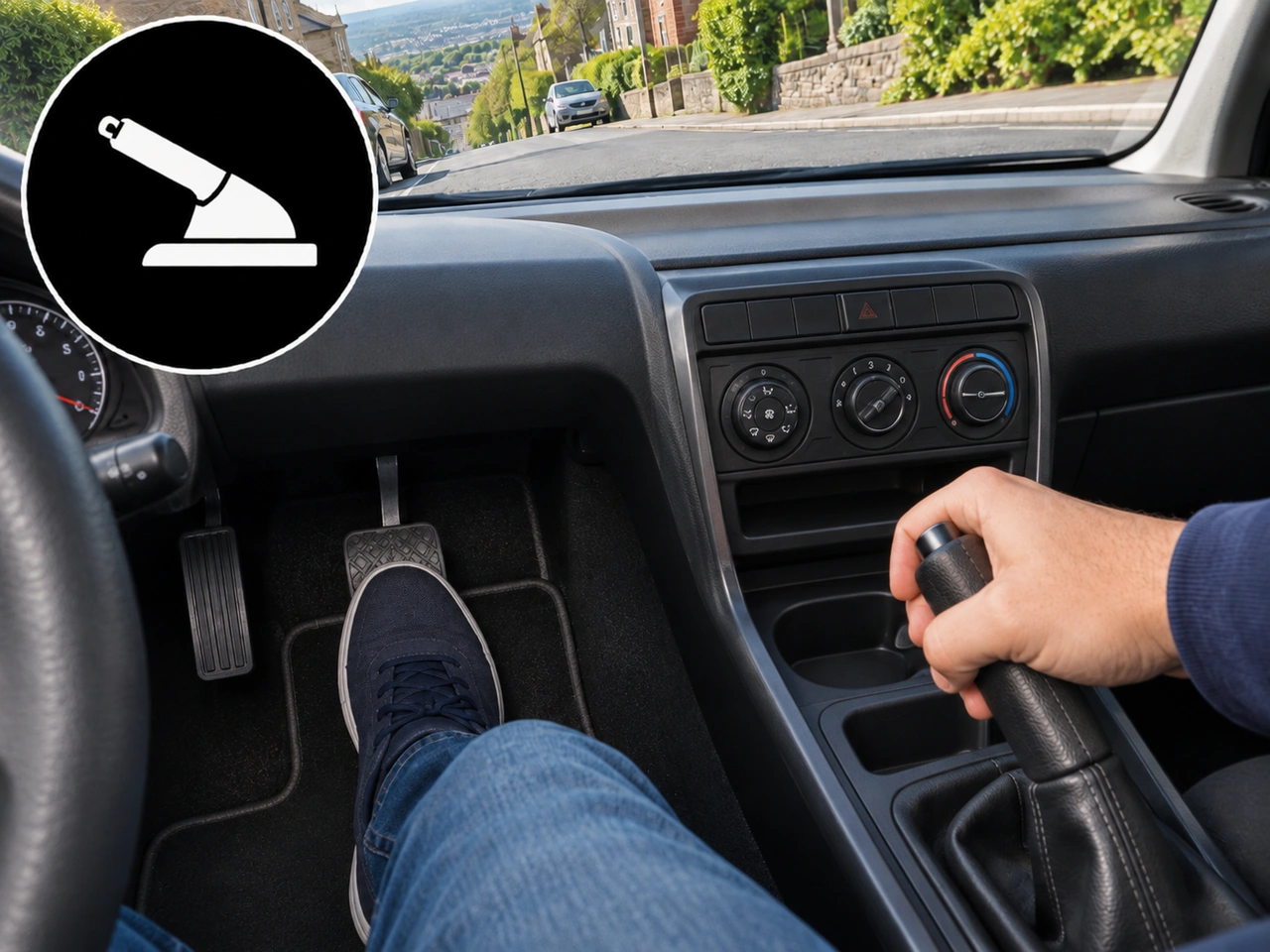
28. What should you do before releasing the parking brake on a slope?
Before releasing the parking brake on a slope, make sure the vehicle cannot roll unexpectedly. Use the service brake or, when moving off in a manual vehicle, establish the clutch biting point and sufficient power before releasing the parking brake.
AI-generated by Rijbewijs-online.be • WCIT • CC BY-SA
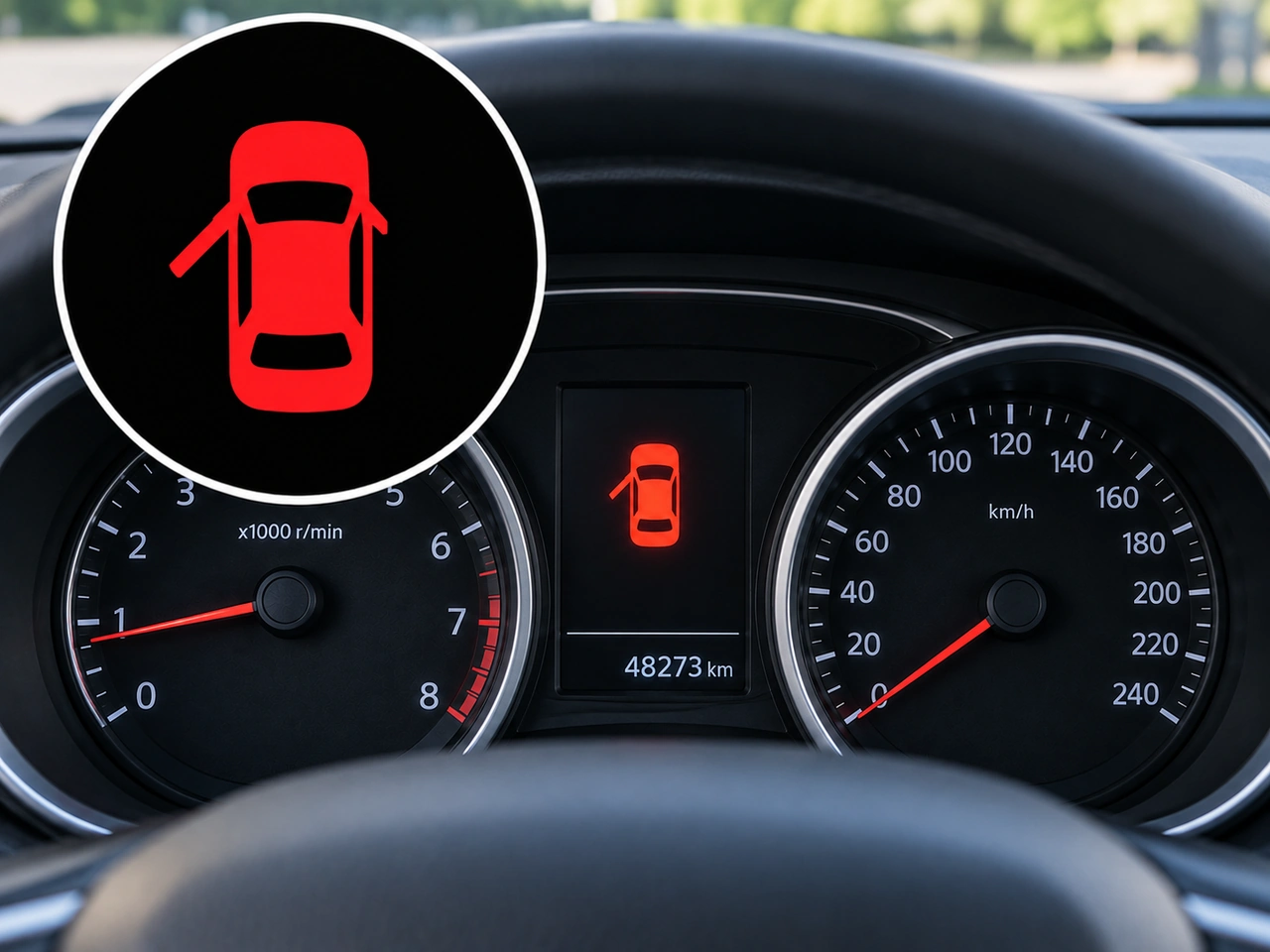
29. What does this dashboard symbol indicate?
This symbol indicates that one or more vehicle doors are not fully closed. Check that all doors are securely shut before driving.
AI-generated by Rijbewijs-online.be • WCIT • CC BY-SA
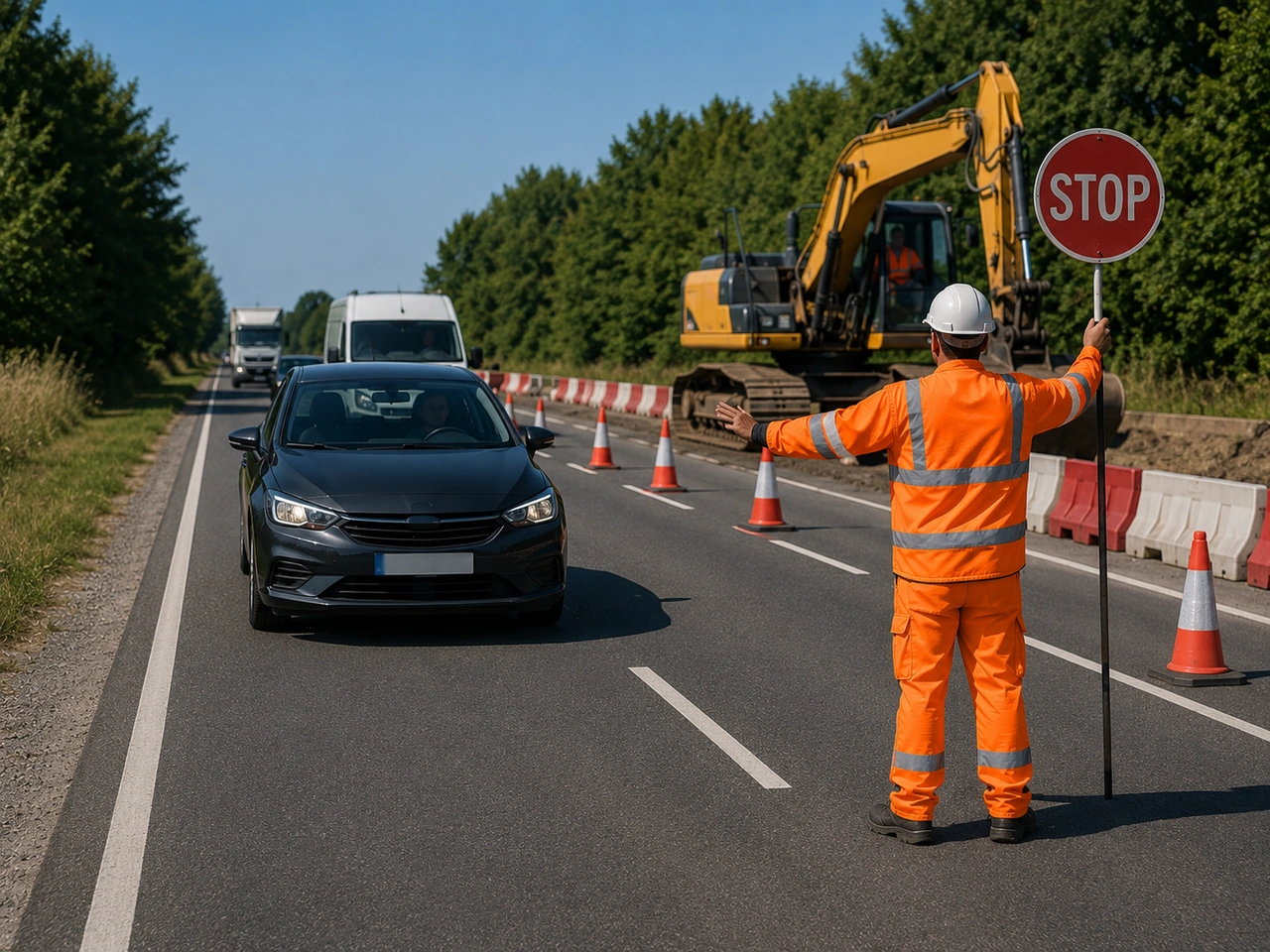
30. What should you do when a road worker directs traffic?
Authorised road workers may control traffic through a work zone. Watch carefully and follow their directions.
AI-generated by Rijbewijs-online.be • WCIT • CC BY-SA
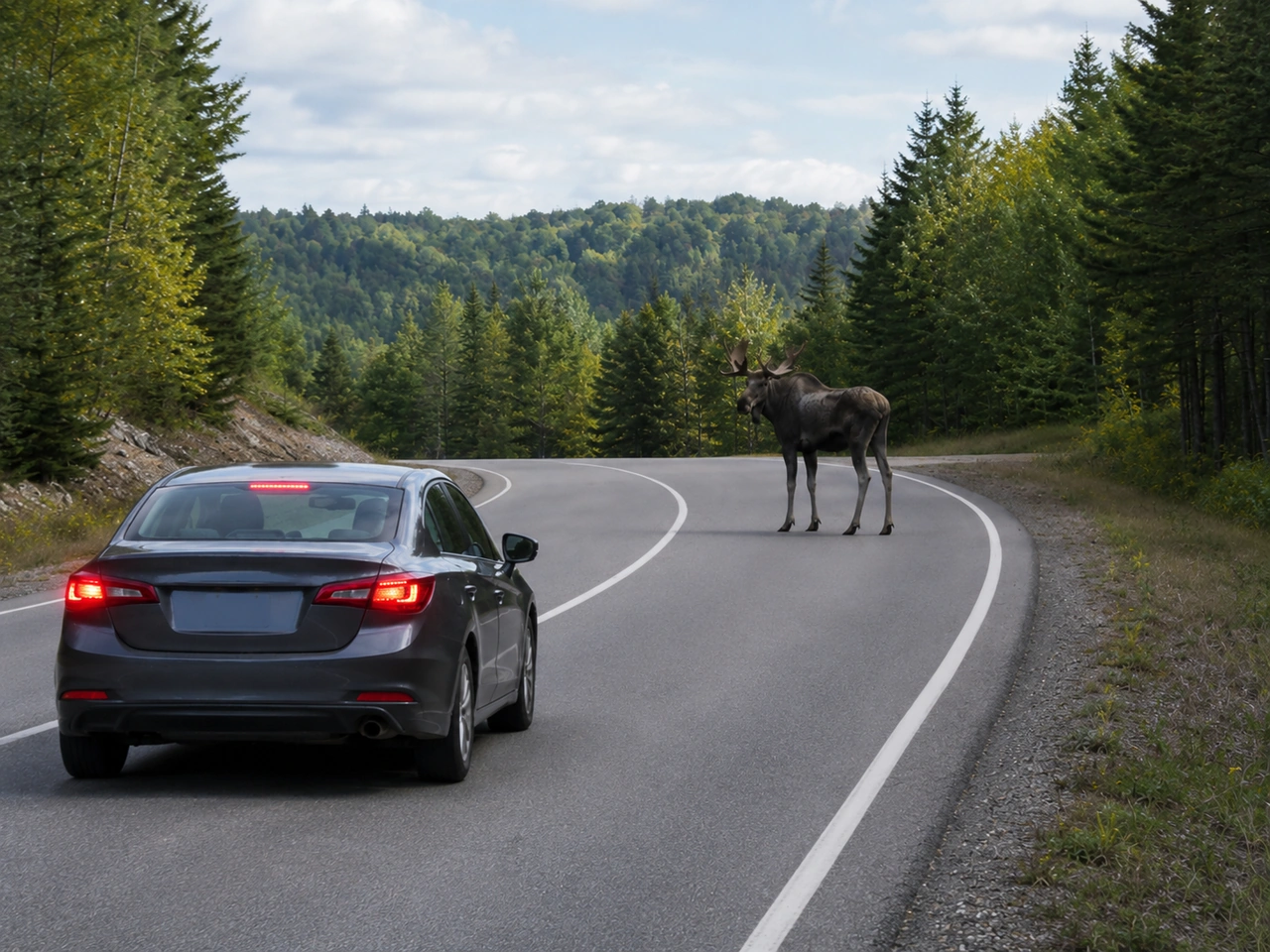
31. What should you do if a large animal suddenly enters your path?
If a large animal enters the road, brake firmly while keeping the vehicle under control. Avoid sudden swerving, as this can cause you to lose control or collide with other traffic.
AI-generated by Rijbewijs-online.be • WCIT • CC BY-SA
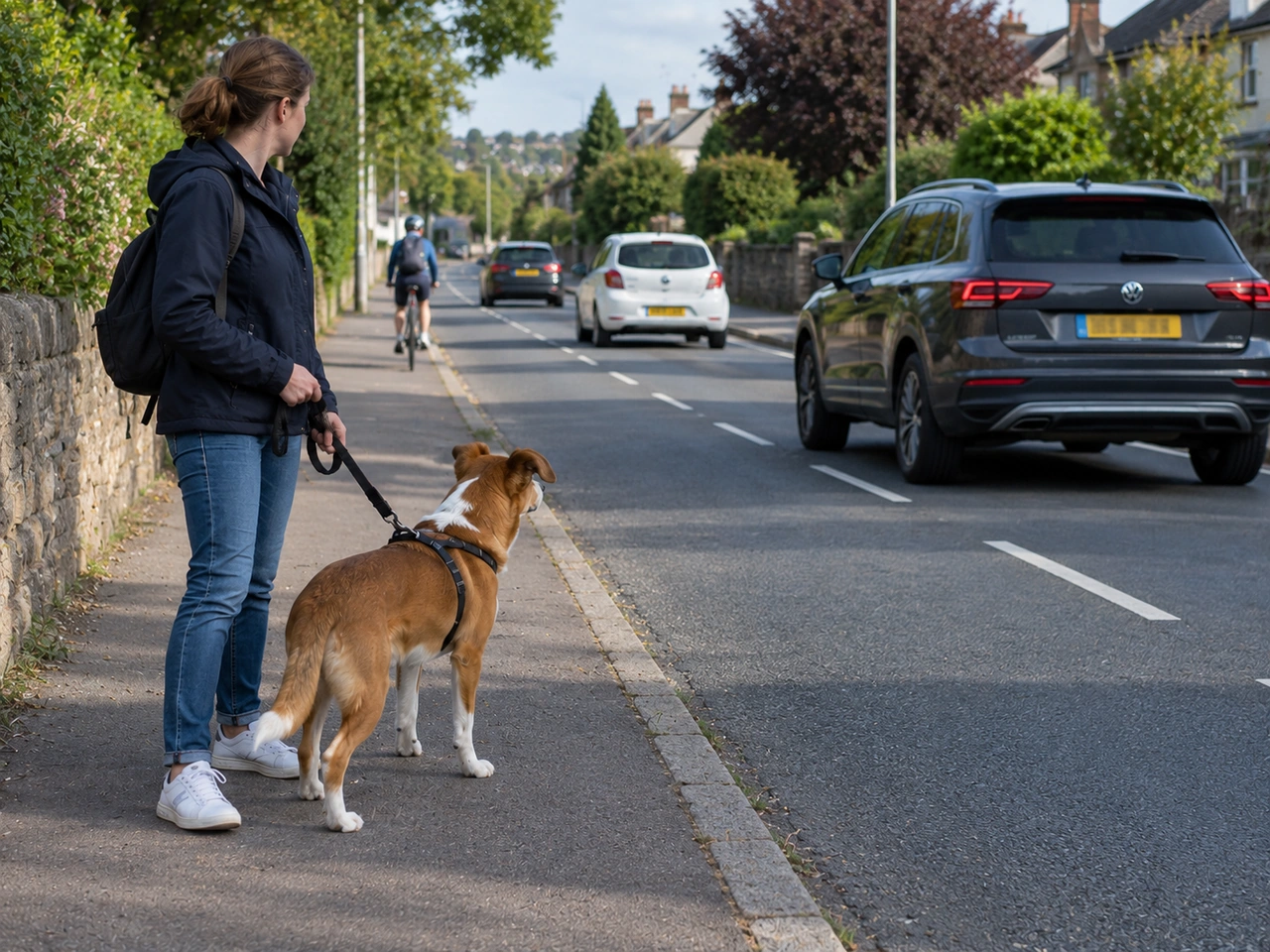
32. Why should you keep a dog on a leash near traffic?
Dogs can react unpredictably to vehicles, people, noises, or other animals. Keeping a dog under close control on a leash near traffic reduces the risk of it suddenly entering the road and endangering itself or other road users.
AI-generated by Rijbewijs-online.be • WCIT • CC BY-SA
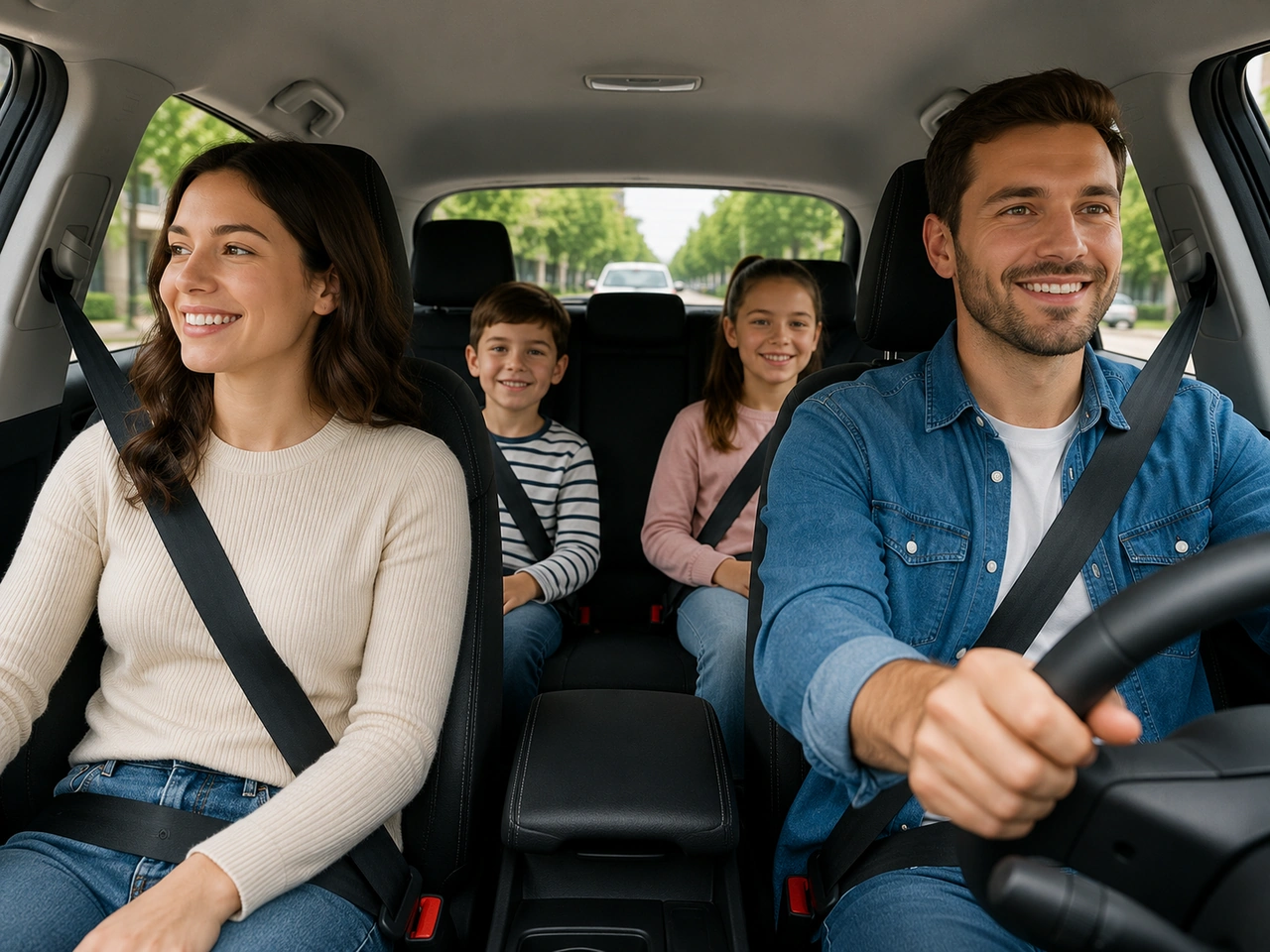
33. Who should always wear a seat belt?
Seat belts greatly reduce the risk of serious injury in a crash and should be worn by everyone in the vehicle.
AI-generated by Rijbewijs-online.be • WCIT • CC BY-SA
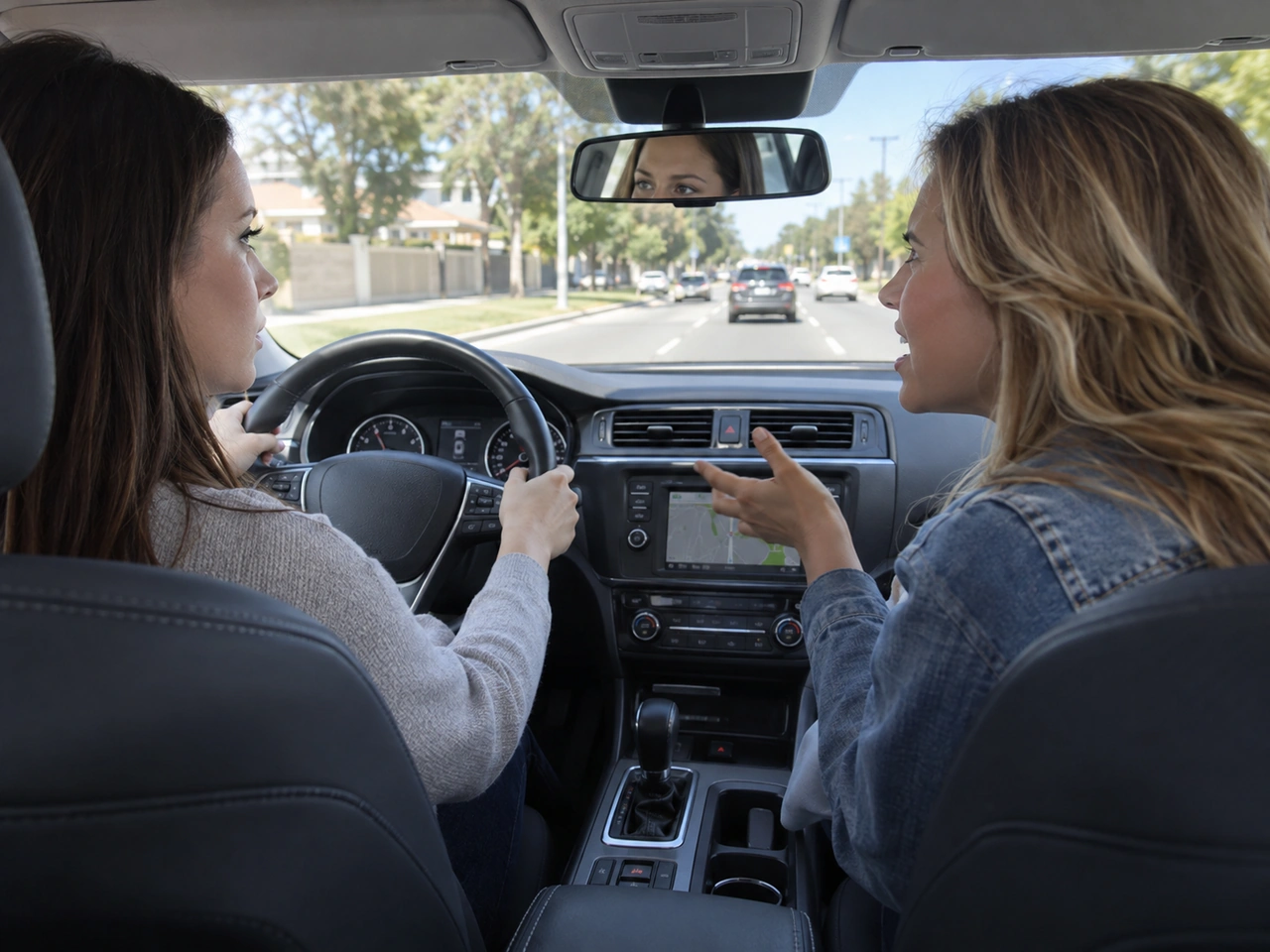
34. What should you do if passengers are distracting you while driving?
Passengers can reduce a driver's attention and concentration. If their behaviour becomes distracting, ask them to stop and keep your focus on driving. If necessary, stop somewhere safe before dealing with the situation.
AI-generated by Rijbewijs-online.be • WCIT • CC BY-SA
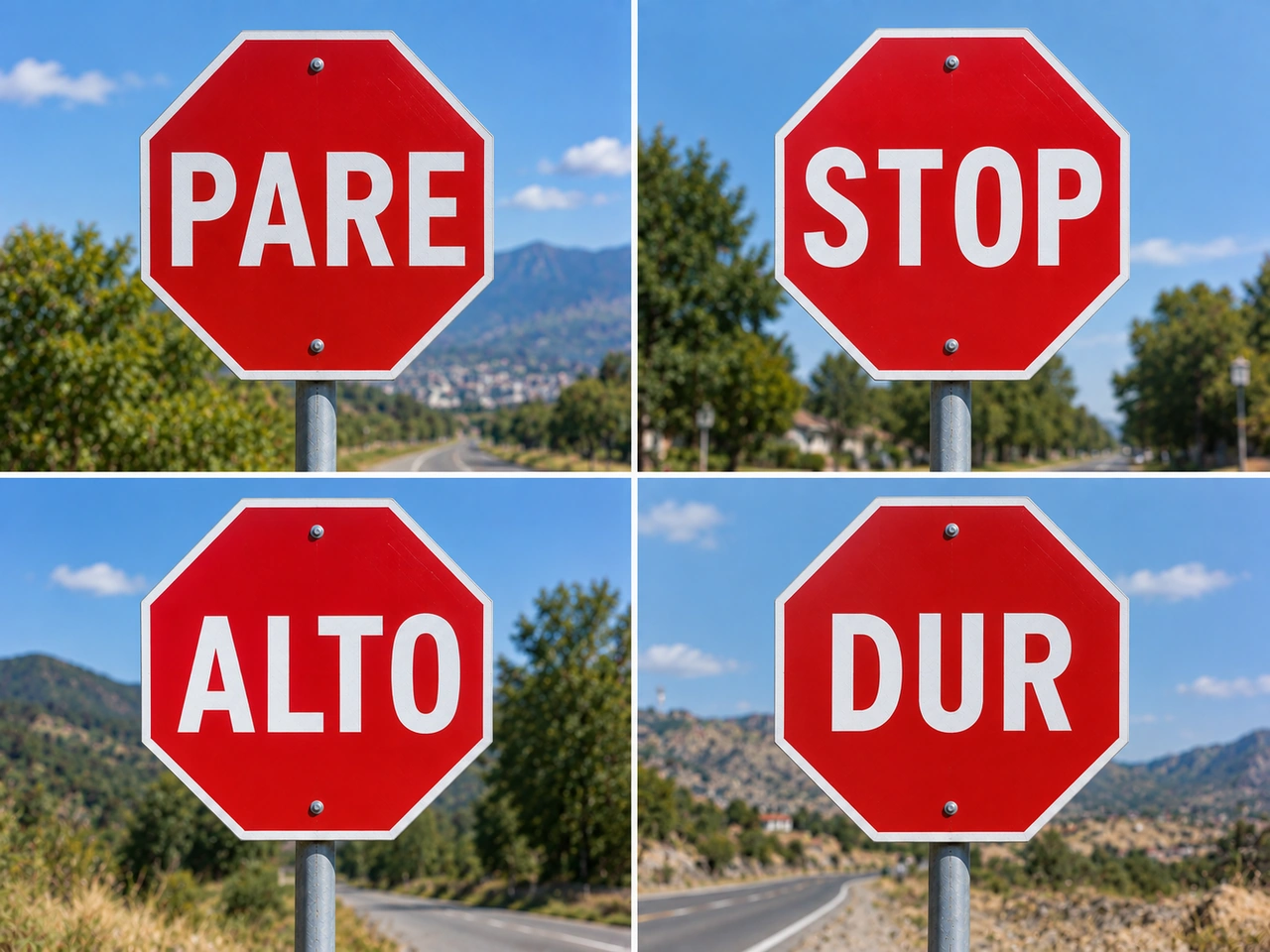
35. What word is commonly shown on STOP signs in Italy?
In Italy, STOP signs commonly display the word STOP.
AI-generated by Rijbewijs-online.be • WCIT • CC BY-SA
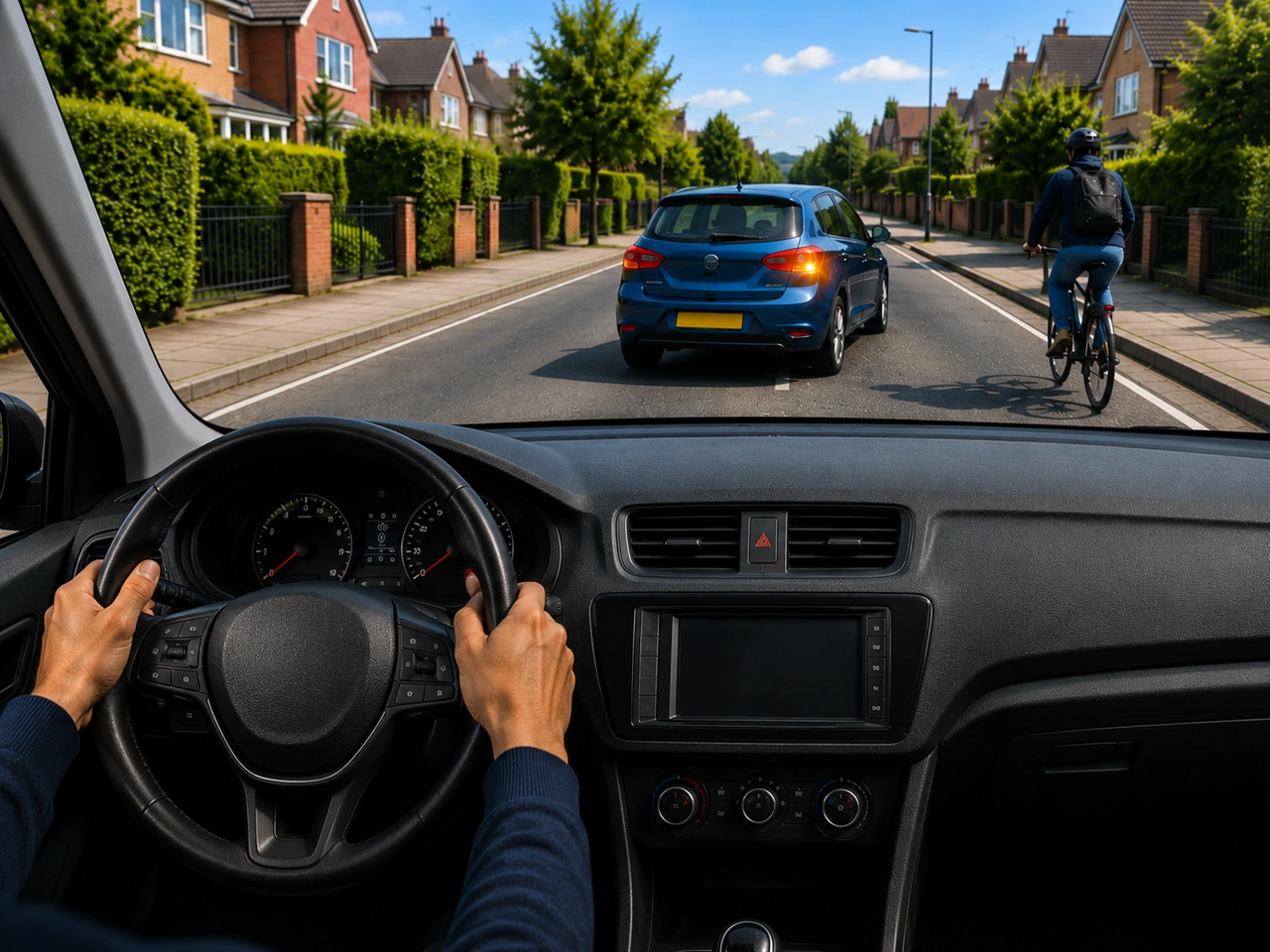
36. What should you do if another road user makes a mistake?
Road users can make mistakes. Staying calm and reacting safely helps prevent crashes.
AI-generated by Rijbewijs-online.be • WCIT • CC BY-SA
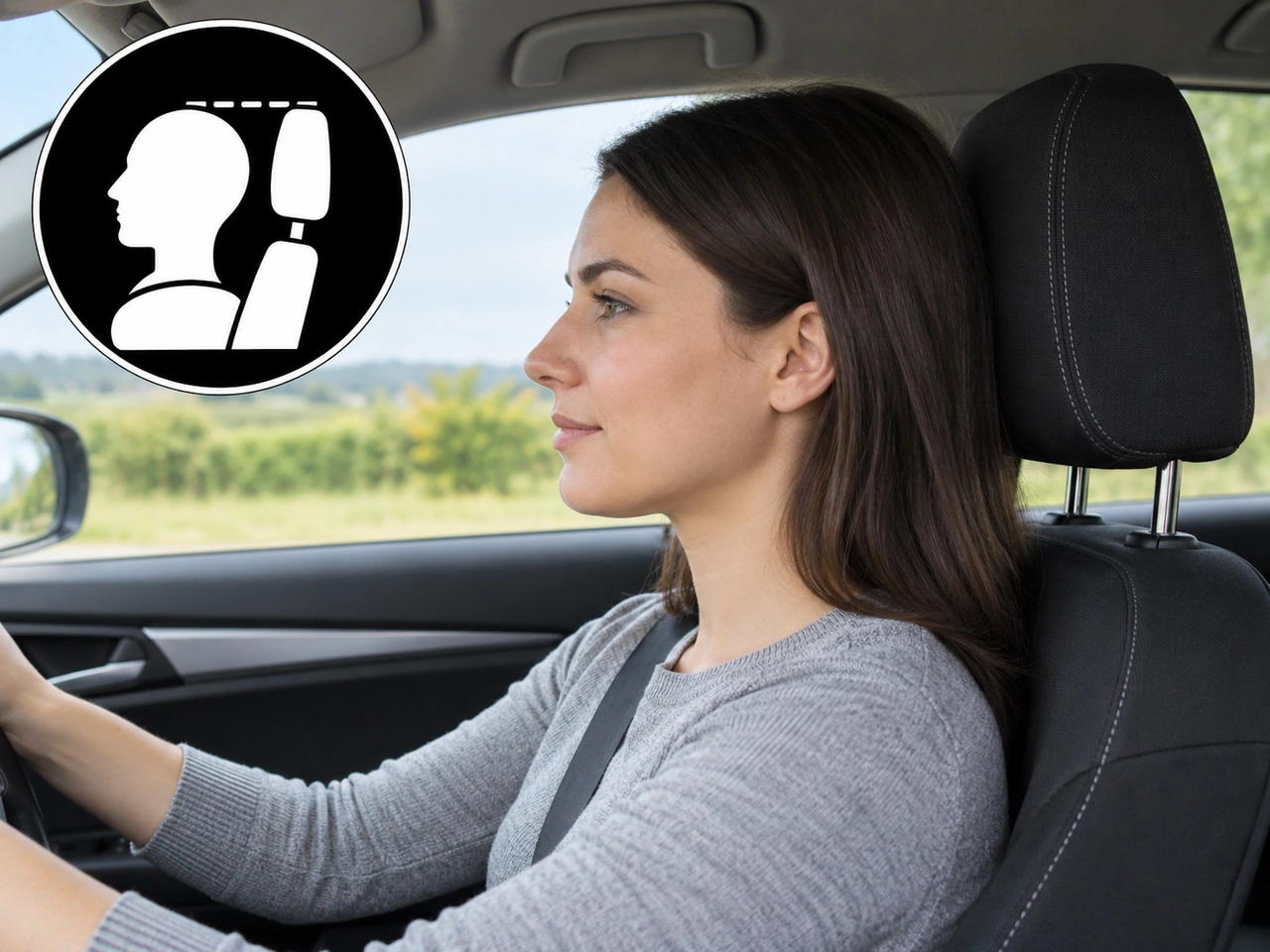
37. Where should the top of the head restraint normally be positioned?
The head restraint should normally be adjusted so that its top is approximately level with the top of the head. This helps reduce the risk of neck injury in a collision.
AI-generated by Rijbewijs-online.be • WCIT • CC BY-SA
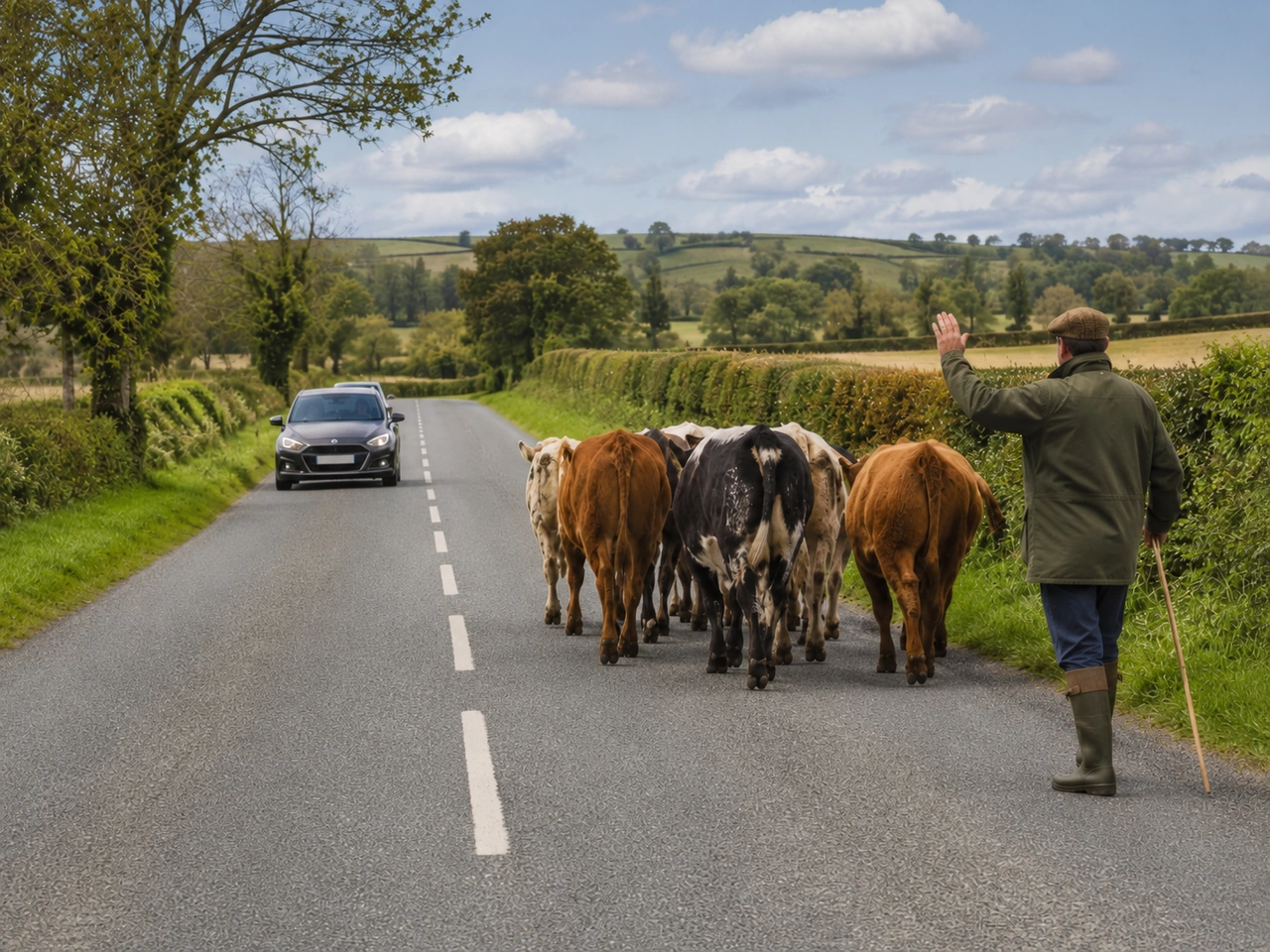
38. What should you do when livestock are on the road?
Livestock may spread across the road, stop suddenly, or change direction without warning. Slow down, keep a safe distance, avoid sudden movements or loud noises, and follow any instructions from the person controlling the animals.
AI-generated by Rijbewijs-online.be • WCIT • CC BY-SA
39. Which gear is normally used when moving off from a standstill?
1st gear is normally used when moving off from a standstill because it provides the greatest pulling power at low speed.
AI-generated by Rijbewijs-online.be • WCIT • CC BY-SA
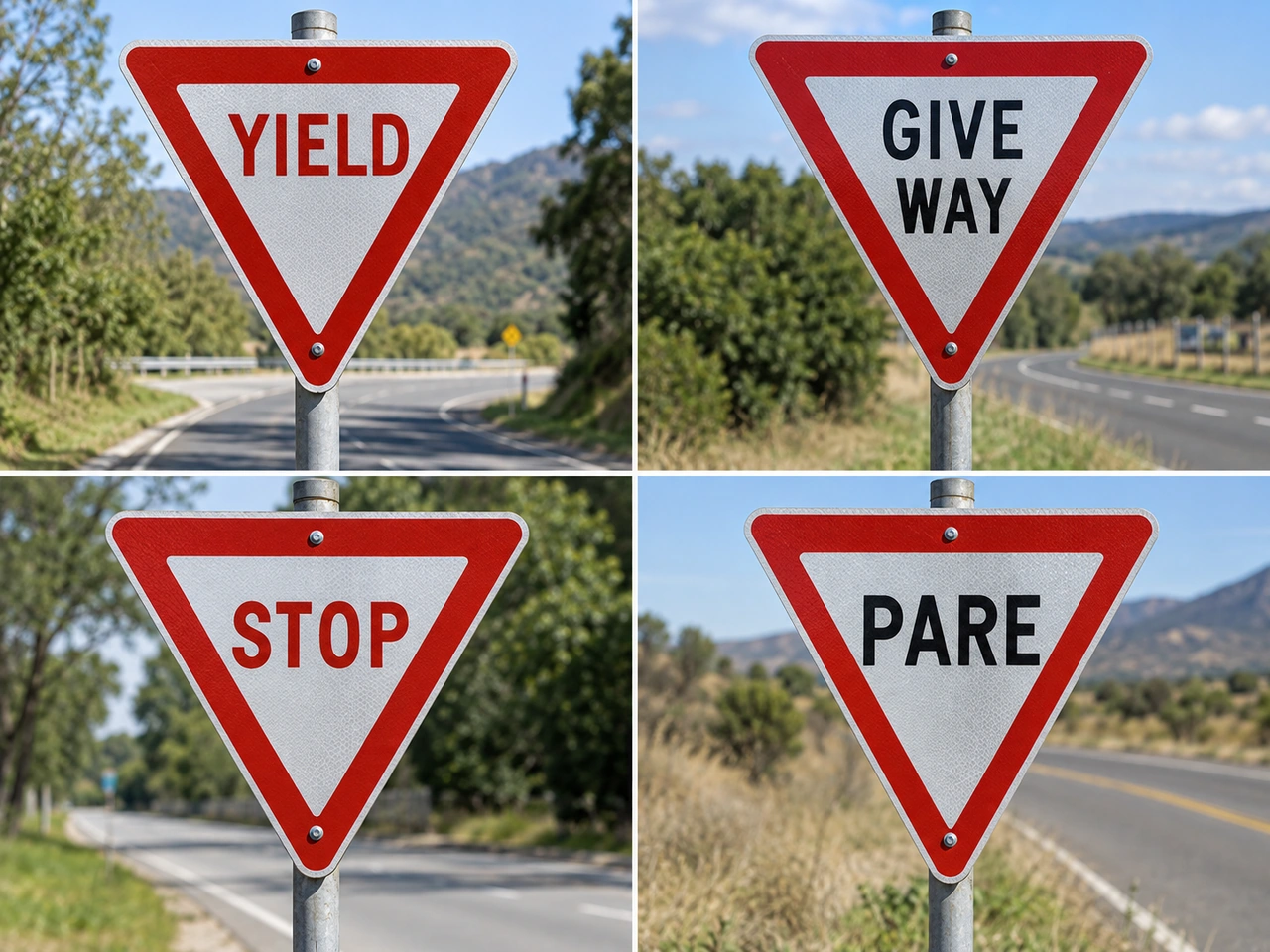
40. What wording is commonly shown on give-way signs in Italy?
Give-way signs in Italy normally use the inverted triangular symbol without wording.
AI-generated by Rijbewijs-online.be • WCIT • CC BY-SA
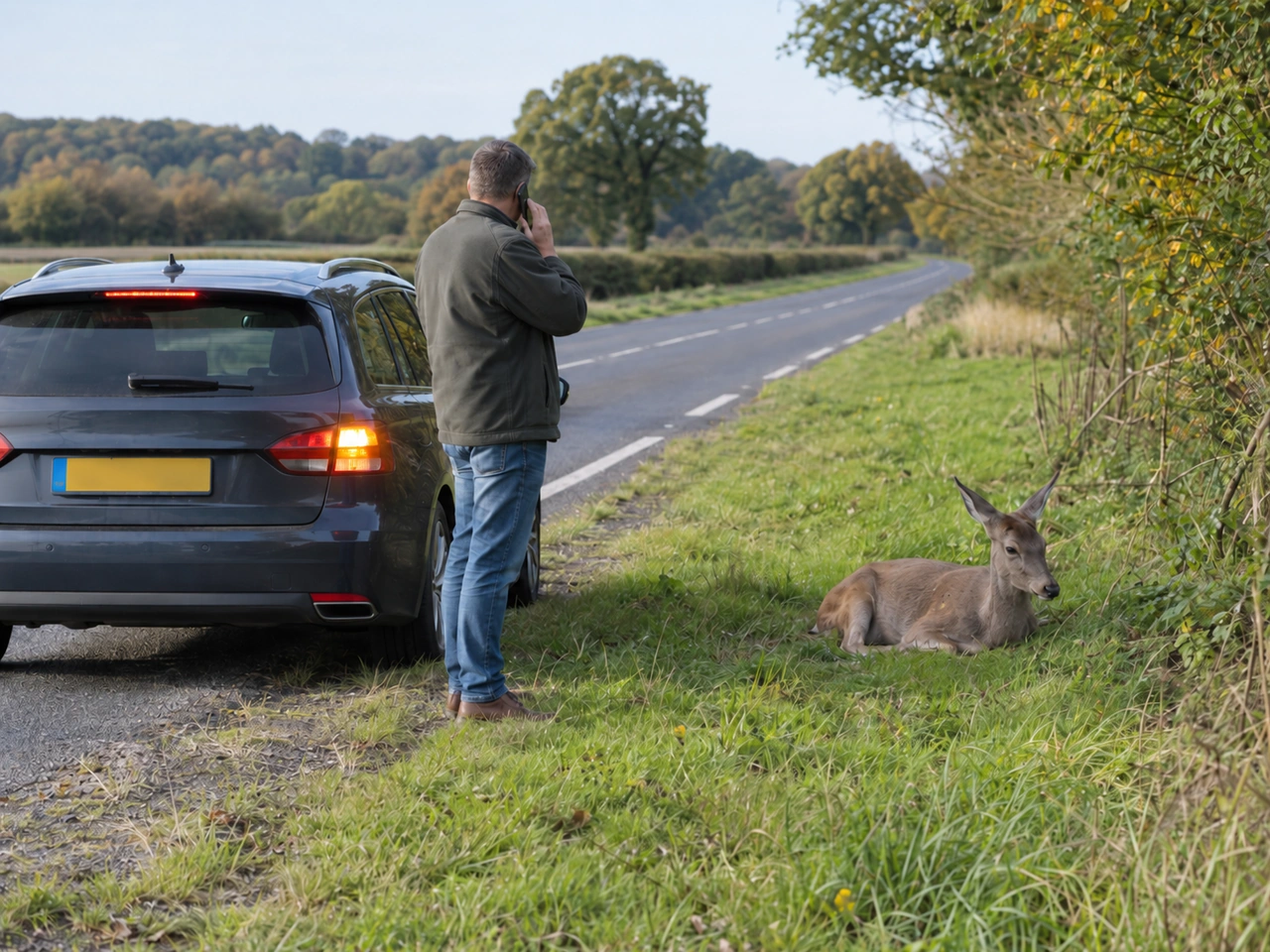
41. What should you do after hitting an animal with your vehicle?
After an animal collision, stop in a safe place if possible and protect yourself and other road users from further danger. Do not approach an injured or frightened animal unless it is safe to do so. Contact the appropriate police, road authority, animal service, or emergency service as required by the situation and local rules.
AI-generated by Rijbewijs-online.be • WCIT • CC BY-SA
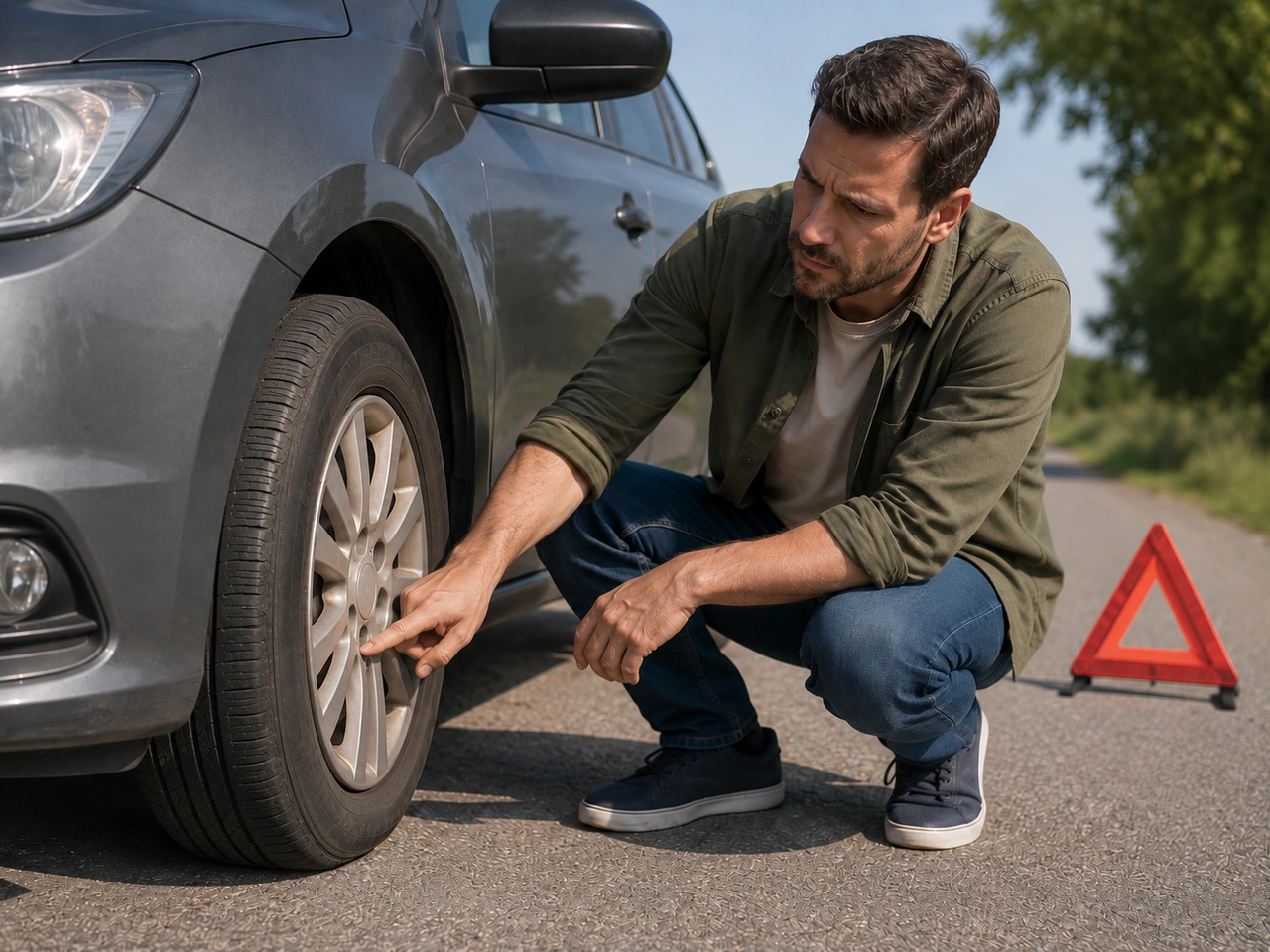
42. What should you do if a tyre has a deep cut, bulge, or exposed cords?
Cuts, bulges, and exposed cords can indicate serious structural damage. The tyre may fail suddenly and should not be used normally.
AI-generated by Rijbewijs-online.be • WCIT • CC BY-SA
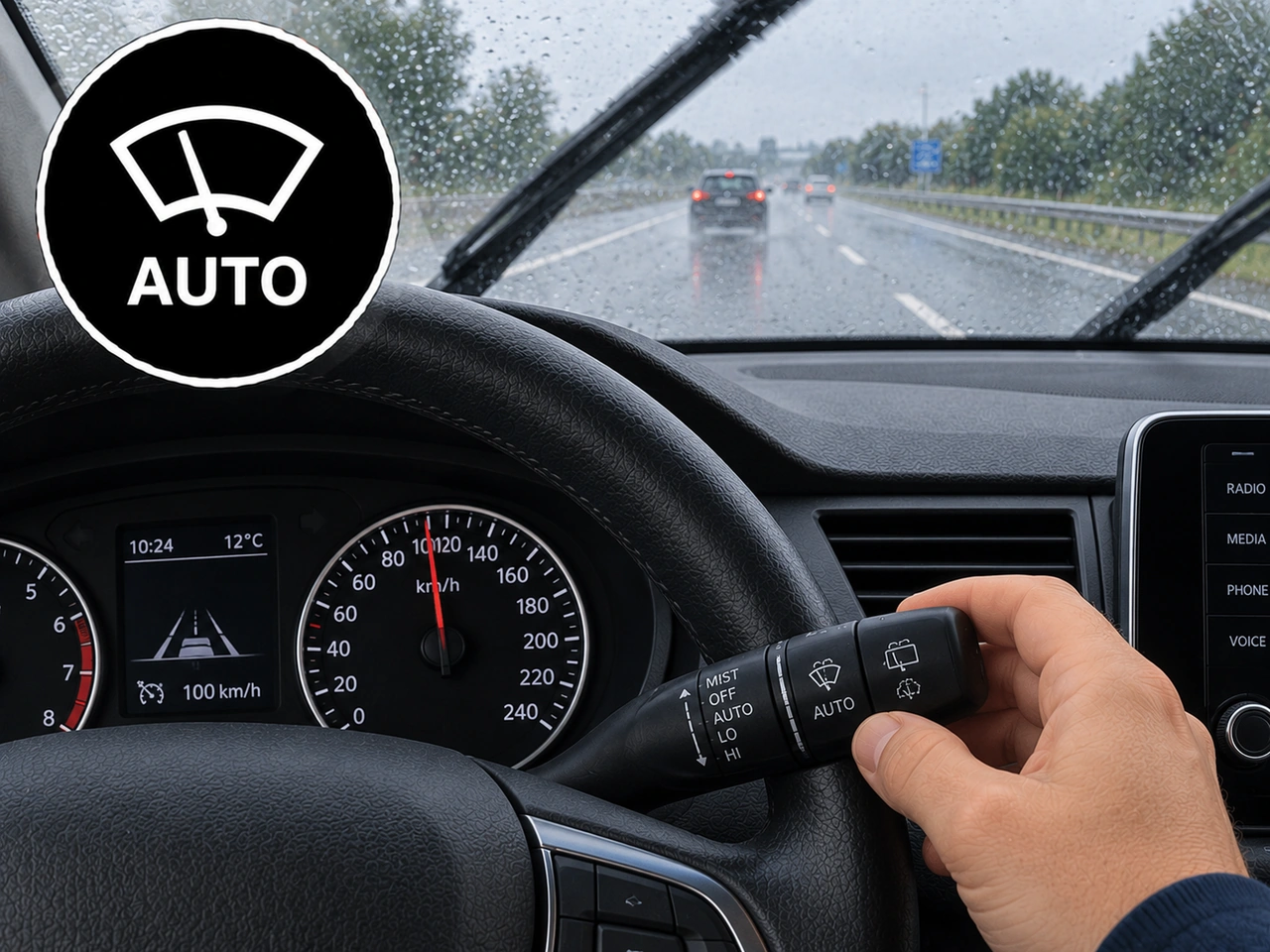
43. What does AUTO on a windscreen-wiper control normally do?
When AUTO is selected, a rain sensor can operate the windscreen wipers automatically and adjust their operation according to the amount of moisture detected on the windscreen.
AI-generated by Rijbewijs-online.be • WCIT • CC BY-SA
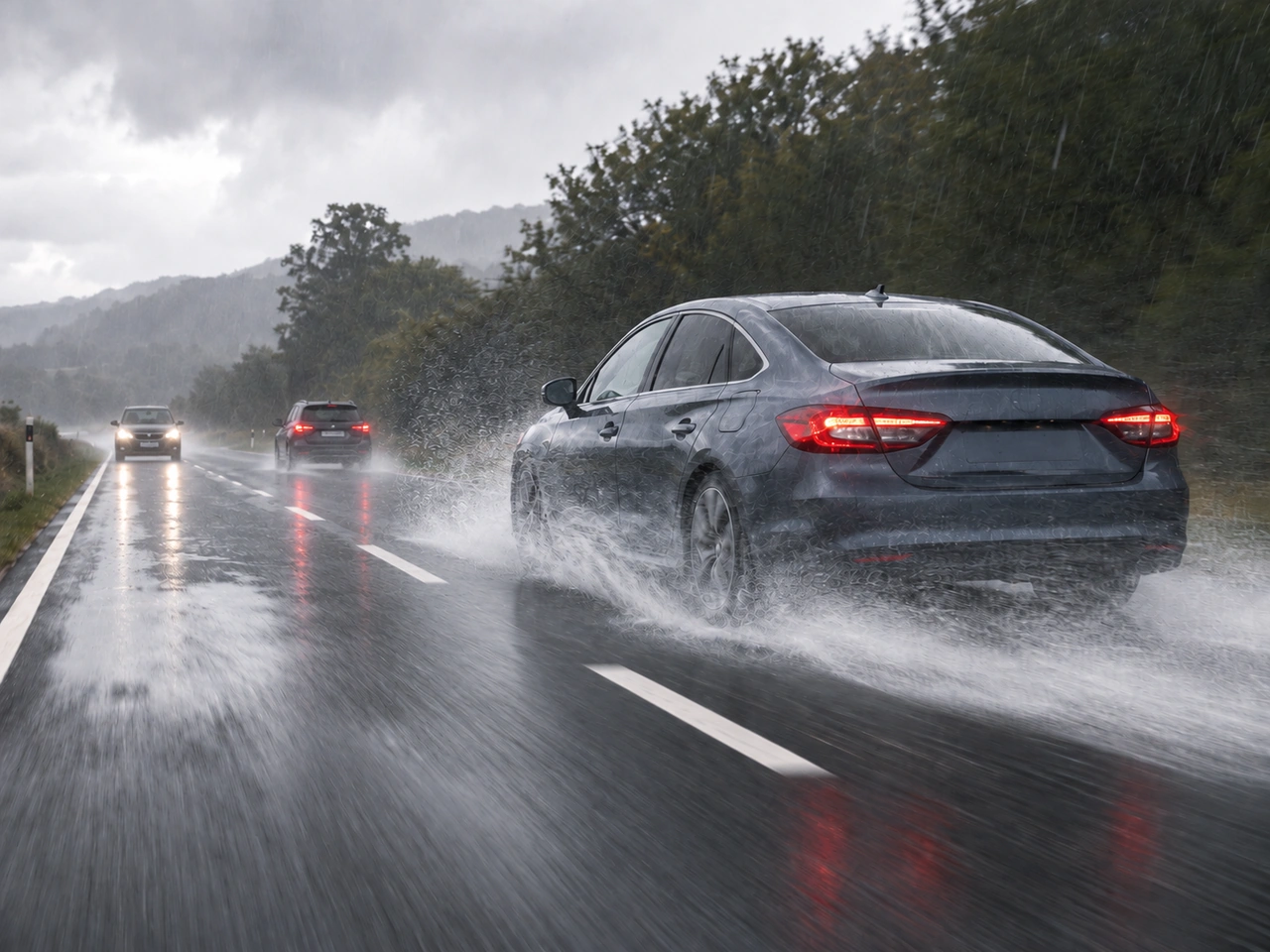
44. Why does higher speed increase the risk of aquaplaning?
At higher speeds, the tyres may not disperse water effectively, making it easier for the vehicle to lose contact with the road.
AI-generated by Rijbewijs-online.be • WCIT • CC BY-SA
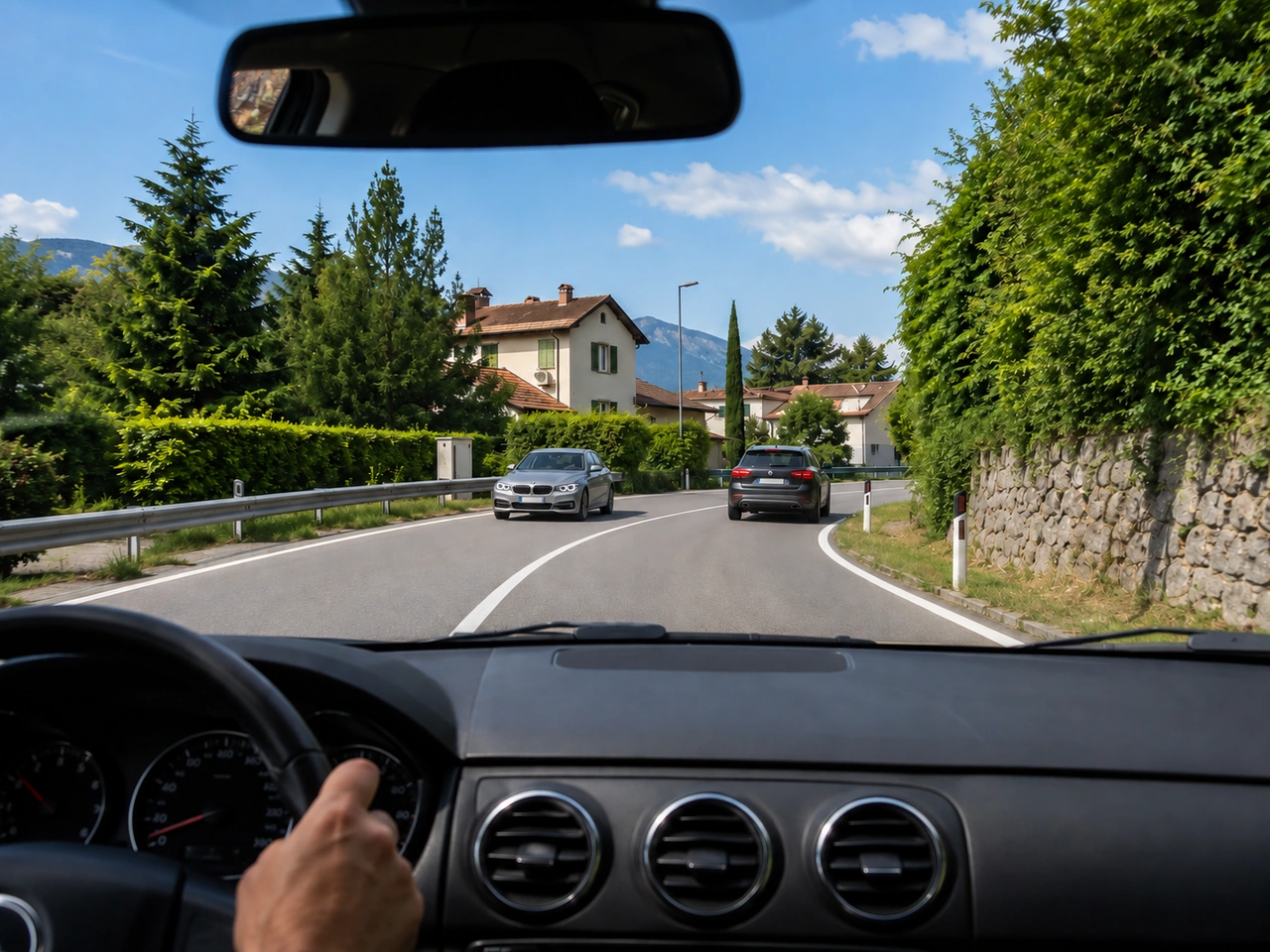
45. Why should you slow down before a sharp bend?
Sharp bends reduce your view and can make the vehicle harder to control, so you should slow down before entering the bend.
AI-generated by Rijbewijs-online.be • WCIT • CC BY-SA
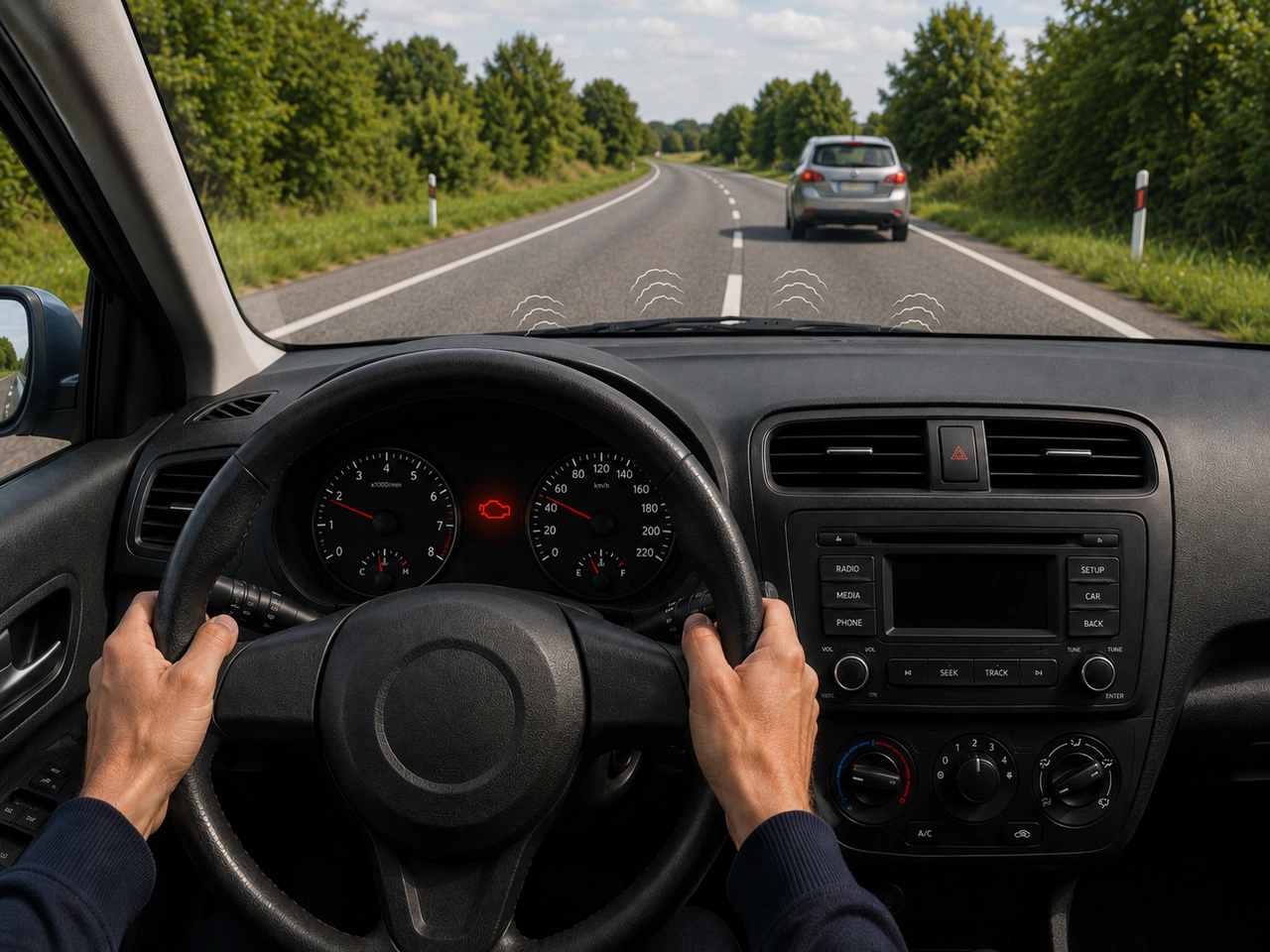
46. What should you do if a red warning light appears with an unusual noise?
A red warning combined with an unusual noise may indicate a serious fault. Continuing could cause damage or loss of control.
AI-generated by Rijbewijs-online.be • WCIT • CC BY-SA
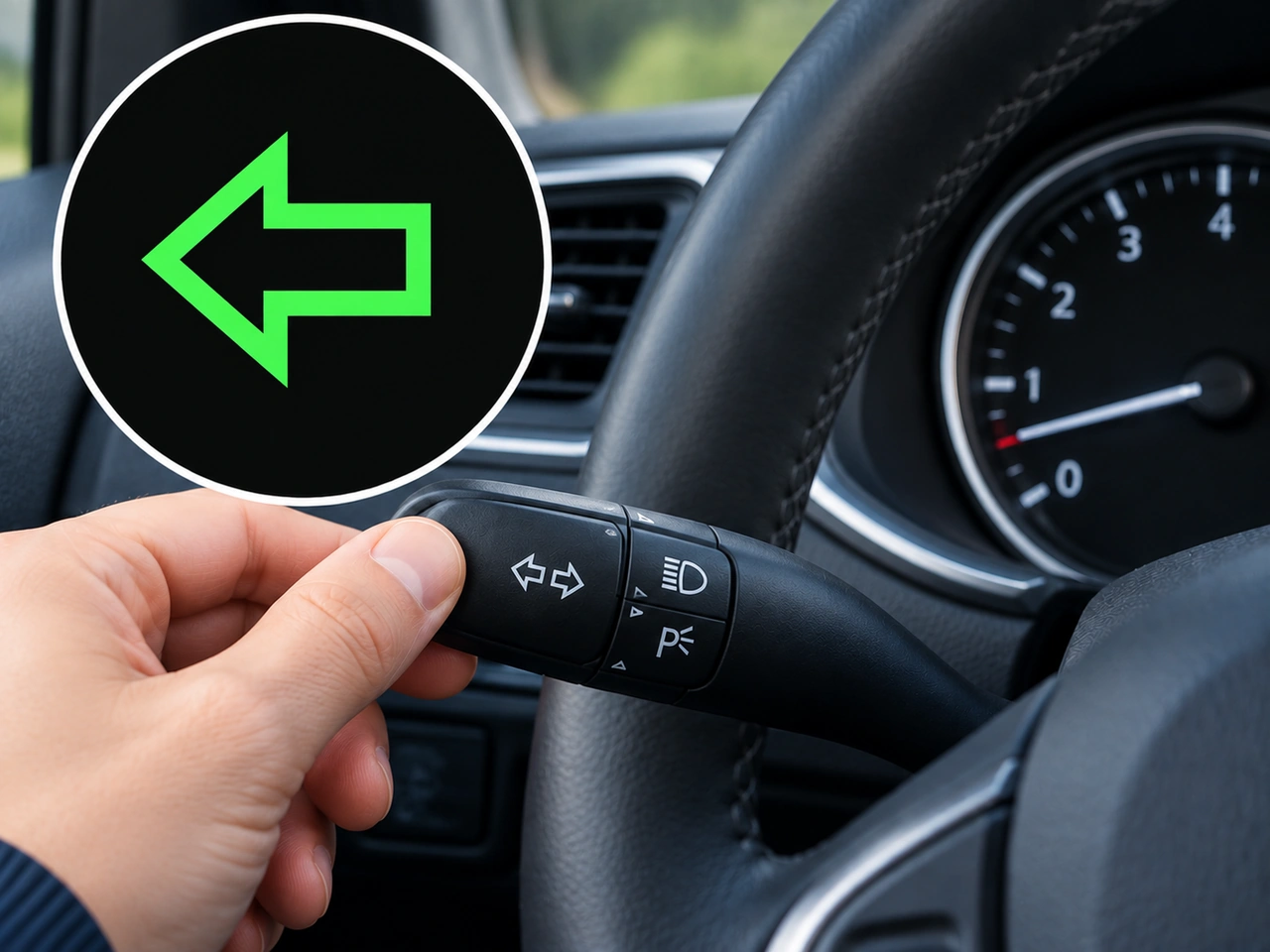
47. What does this dashboard symbol indicate?
This symbol indicates that a direction indicator is operating. The flashing indicator shows the direction in which the driver intends to turn or change position on the road.
AI-generated by Rijbewijs-online.be • WCIT • CC BY-SA
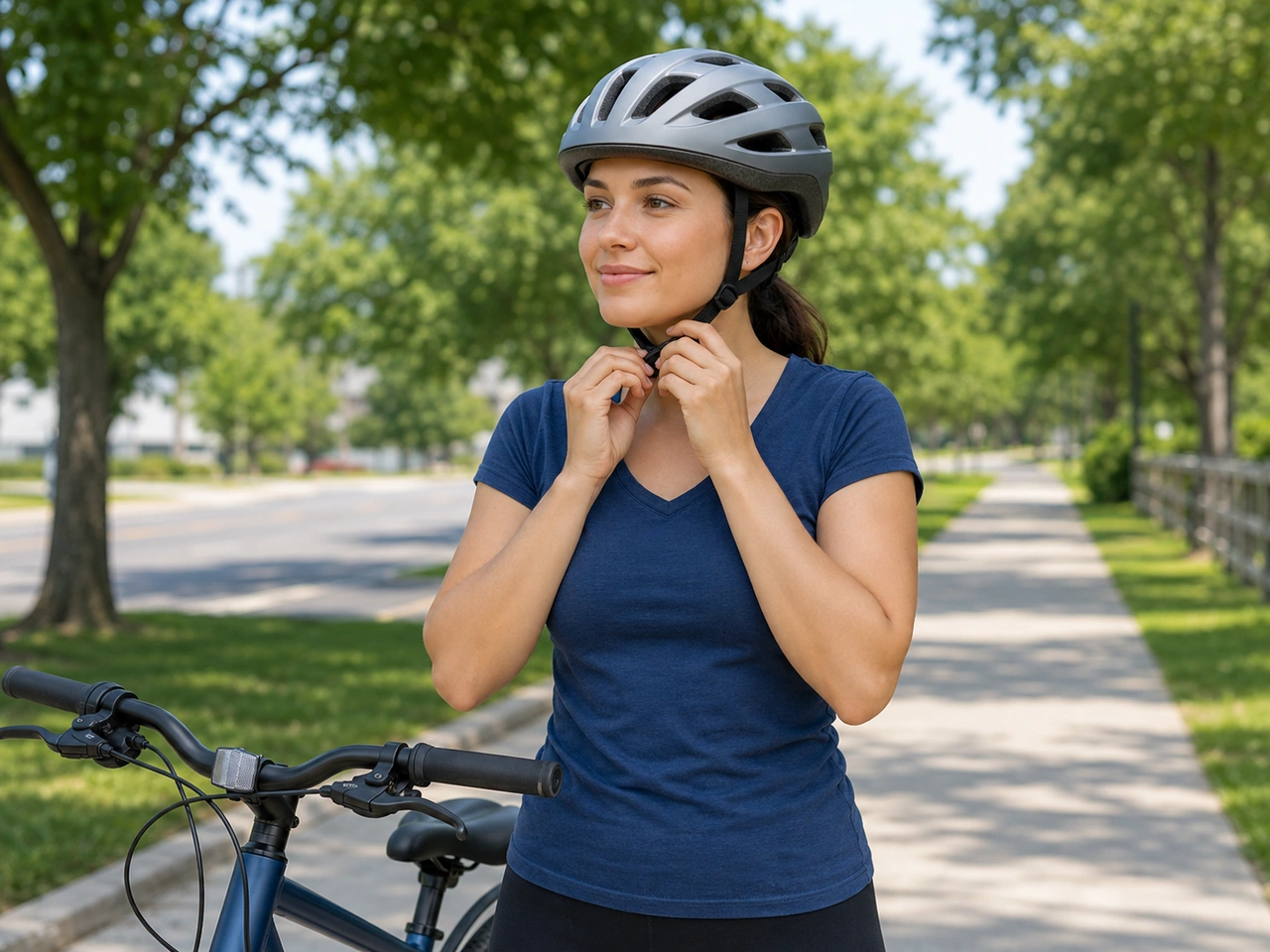
48. How should a bicycle helmet fit?
A helmet should sit level on the head and remain securely in place so it can provide effective protection.
AI-generated by Rijbewijs-online.be • WCIT • CC BY-SA
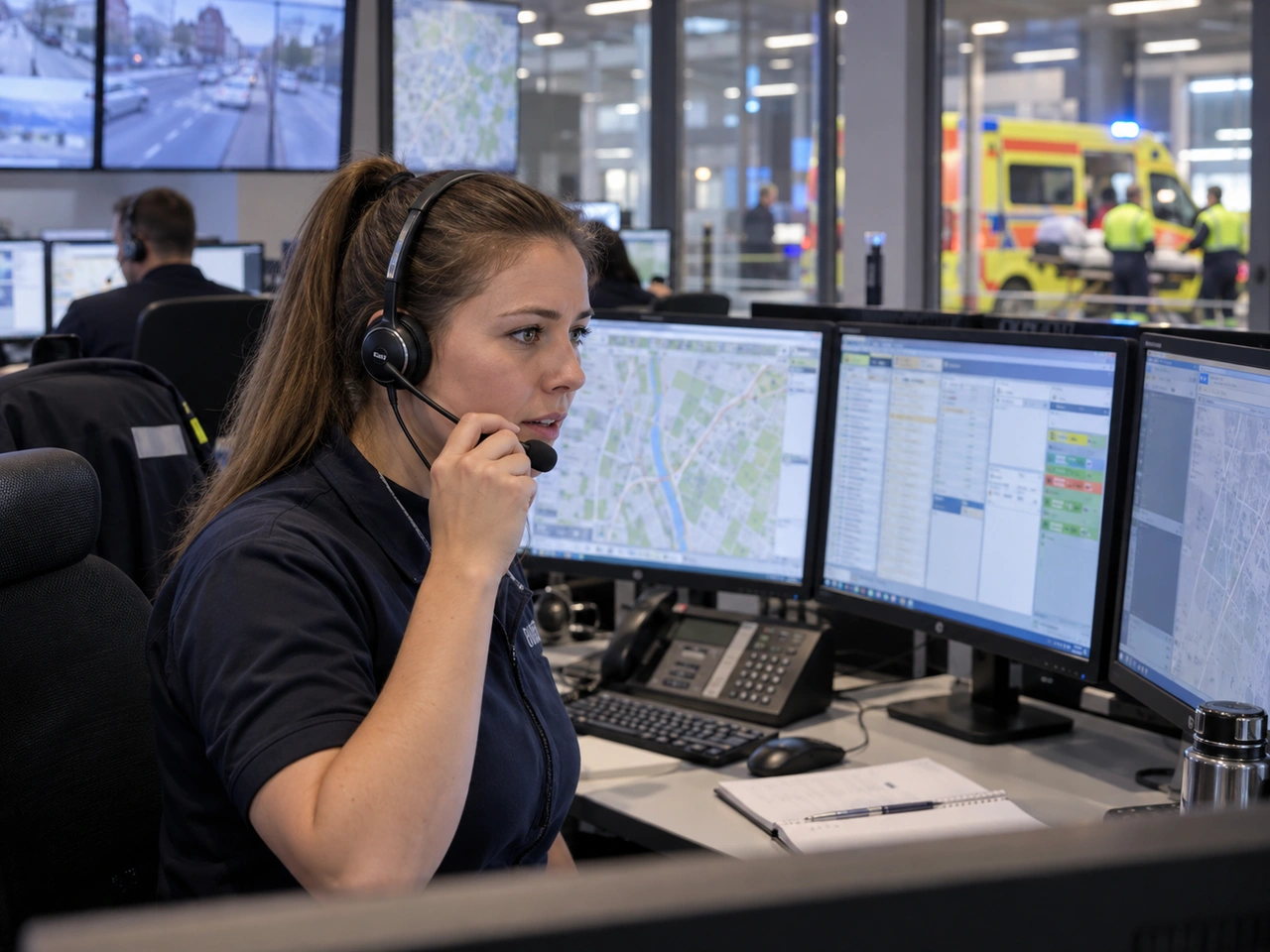
49. What is the main emergency number in Italy?
The main emergency number in Italy is 112.
AI-generated by Rijbewijs-online.be • WCIT • CC BY-SA
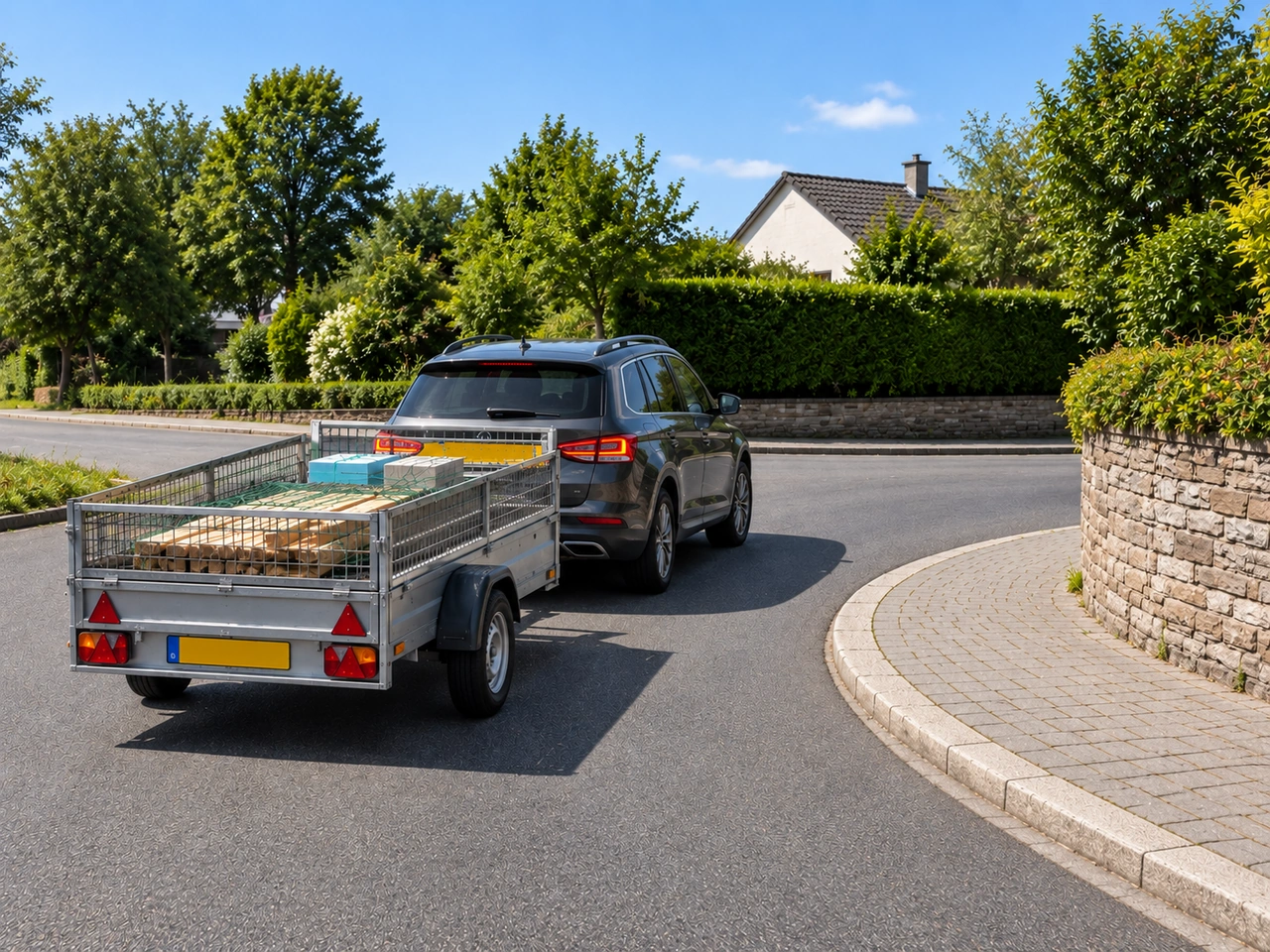
50. Why must you take wider turns when towing a trailer?
Trailer wheels cut closer to the inside of a turn. Allow enough clearance from kerbs, signs, pedestrians, and other vehicles.
AI-generated by Rijbewijs-online.be • WCIT • CC BY-SA