
Traffic rulesNepal
Learn the traffic rules of Nepal with lots of pictures, clear traffic signs and interactive quizzes. Simple, visual and easy to follow.


The driving-licence system in Nepal
Who administers driving licences in Nepal?
Driving licences are administered through the transport-management authorities and their provincial or local Transport Management Offices under Nepal’s federal and provincial transport structure.
Which national body maintains the main licensing system?
The Department of Transport Management (DoTM) maintains the national electronic driving-licence and vehicle-registration framework and publishes central guidance.
What is EDLVRS?
The Electronic Driving Licence and Vehicle Registration System is used for online applications, candidate records, examinations, smart-card production and licence information.
Is a Nepalese driving licence valid throughout Nepal?
Yes. A valid licence authorises the holder to drive the vehicle classes recorded on it throughout Nepal.
Is the licence issued as a smart card?
Yes. Current licences are issued as electronic smart cards under the transport regulations.
Do provincial offices follow identical service procedures?
The governing Act and Rules provide the national baseline, but application quotas, appointment dates, examinations, fee collection and card distribution can differ by province and office.
Can one person hold separate licences for different vehicle classes?
The authorised vehicle classes are normally recorded in one driving-licence record, and additional classes can be added after the required examination.
Can a licence be checked online?
Many Transport Management Offices provide online application, status or smart-card distribution services through official DoTM-linked systems.
Must a driver carry the licence while driving?
Yes. A driver must hold and be able to produce a valid licence for the class of vehicle being driven.
Where should an applicant confirm a local appointment?
The applicant should use the official DoTM portal and the website or notice board of the selected Transport Management Office.
Minimum ages and general eligibility
What is the minimum age for a two-wheeled motor vehicle?
The current statutory minimum age is 16 years.
What is the minimum age for a small vehicle?
The current statutory minimum age is 18 years.
What is the minimum age for a medium vehicle?
The current statutory minimum age is 18 years.
What is the minimum age for a heavy vehicle?
The current statutory minimum age is 21 years.
Must a heavy-vehicle applicant have prior light-vehicle experience?
Yes. A heavy or medium vehicle other than a tractor generally requires at least two years of light-vehicle driving experience.
Can a person aged 60 or older receive authority for a heavy or medium public vehicle?
The current law restricts licensing for heavy and medium public vehicles after age 60.
Have higher minimum ages been proposed?
Yes. Higher ages have appeared in proposed reforms, but they should not be treated as current law unless enacted and officially commenced.
Can a person apply while legally disqualified?
No. A suspension, cancellation, court prohibition or other disqualification must be resolved.
Must an applicant be able to understand traffic rules and signs?
Yes. The written examination tests basic knowledge of vehicles, traffic law and traffic signs.
Can a foreign resident apply for a Nepalese licence?
Yes, subject to the identity, immigration, residence and application requirements used by the competent office.
Can false documents or impersonation invalidate the application?
Yes. Fraud can lead to refusal, cancellation and criminal or administrative action.
Does registration alone authorise driving?
No. The applicant must pass the required examinations and receive valid driving entitlement.
Health, eyesight and physical fitness
Is a health certificate required?
The licensing procedure can require a health or fitness certificate from a recognised medical practitioner.
Which health conditions can prevent licensing?
Conditions such as uncontrolled seizures, sudden loss of consciousness, serious mental illness and other conditions that make driving unsafe can prevent licensing.
Is eyesight assessed?
Yes. The applicant must have adequate vision for safe driving.
Is colour recognition assessed?
Yes. The current legal fitness rules address the ability to distinguish traffic colours such as red, green and yellow.
Can corrective lenses be used?
A person whose vision is adequate with correction may be assessed under the medical and office procedure applicable to the requested class.
Can hearing ability affect licensing?
Yes. Hearing and the ability to perceive ordinary traffic warnings can form part of the fitness assessment, subject to current legal and court interpretations.
Does disability automatically prevent licensing?
No. The law recognises specially adapted vehicles for eligible drivers with physical disabilities.
Can an adapted vehicle be used for the practical test?
Yes, when the vehicle is appropriate, safe and accepted by the examination office.
Can later medical unfitness affect an existing licence?
Yes. The authority can suspend or cancel the licence if the driver becomes unsafe or no longer meets the legal conditions.
Must a driver avoid driving while temporarily unfit?
Yes. Illness, medication, fatigue, alcohol or another temporary condition can make driving unsafe even when the licence remains valid.
Online application and required documents
How is a new application normally started?
The applicant uses the official online driving-licence application system and selects the relevant office and vehicle category.
Does online registration guarantee an appointment?
No. Quotas, office capacity and available dates determine when the applicant can attend.
What identity document is normally required from a Nepalese citizen?
The original citizenship certificate and the copies required by the selected office.
Are photographs required?
Yes. The licensing system records the applicant’s photograph and other identity data.
Are fingerprints or a digital signature collected?
Smart-card processing can include biometric and signature capture.
Must the online application printout be presented?
Yes, where required by the selected office’s appointment procedure.
Can the office request proof of address or residence?
Yes. Additional identity or residence evidence can be requested.
Must the applicant pay application and examination fees?
Yes. The applicable revenue and service charges must be paid through the method specified by the office.
Can a driving-school certificate be requested?
The current application framework may request evidence of training or competence from a recognised training institution.
Can an incomplete application be rejected?
Yes. Missing identity, medical, payment or appointment documents can prevent registration or examination.
Can an applicant change the selected office freely?
Not always. A new application, cancellation or transfer procedure may be required.
Should unofficial agents be given original documents or passwords?
No. Applicants should use official portals and offices and should not share login credentials or original identity documents unnecessarily.
The written examination
Is a written examination required for a first licence?
Yes. A first applicant must normally pass the written examination before proceeding to the practical trial.
What does the written examination test?
It tests vehicle knowledge, traffic law, road signs, safe driving, mechanical basics and accident responsibilities.
Are official question collections available?
Yes. Government transport offices have published official objective-question collections for common categories.
Which common categories have published question collections?
Official material is available for motorcycle, scooter or moped categories and for category B cars, jeeps and delivery vans.
Is one national question count guaranteed at every office?
No. The precise number, time and delivery format can vary by office and examination system.
Is the examination normally multiple choice?
Yes. Official preparation material uses objective multiple-choice questions.
Can the examination be computer based?
Yes. Offices may use electronic systems, while some locations can use another authorised format.
Which language is normally used?
Nepali is the principal language, although office arrangements and accessible support should be confirmed locally.
Must the written examination be passed before the trial?
Yes.
What happens after failure?
The applicant follows the selected office’s retest schedule and pays any required fee.
Does passing the written examination itself create a licence?
No. The practical trial, orientation and issue stages must also be completed.
Should an applicant rely on a private website’s stated pass mark?
No. The candidate should follow the official notice for the selected office because published private sources conflict on question counts and pass marks.
The practical trial examination
What is the practical examination commonly called?
It is commonly called the trial.
Who conducts the trial?
The examination committee and authorised transport or traffic officials conduct it under the legal procedure.
Must the test use the requested vehicle class?
Yes. The vehicle must correspond to the category being requested.
What can a motorcycle trial assess?
Balance, controlled riding, turns, narrow sections, braking and compliance with the marked course.
What can a category B trial assess?
Vehicle control, slope or ramp handling, reversing, parking, turns and the prescribed course elements.
Can one dangerous action cause failure?
Yes. A collision, loss of control, leaving the course or another critical safety error can result in failure.
Do some provinces use a points-based trial system?
Yes. A 70-point trial model has been adopted or used in parts of Nepal, but applicants must confirm the current rule at their selected office.
Can a failed candidate take another trial?
Yes, according to the retest dates and attempt rules announced by the office.
Must the test vehicle be roadworthy?
Yes. It must be safe, appropriate and accepted by the examination authority.
What happens after passing?
The applicant completes any required orientation, payment and smart-card issue process.
The probationary period and driver responsibilities
Is a newly issued licence probationary?
Yes. A newly obtained licence is subject to a one-year probationary period.
What happens after a successful probationary year?
The entitlement continues as an ordinary licence when the driver has complied with the legal conditions.
Can repeated violations during probation affect the licence?
Yes. More than the permitted number of violations can prevent ordinary confirmation or lead to licensing action.
Does Nepal require a universal novice-driver plate?
No general national novice plate is established for every newly licensed driver.
Can a probationary driver operate every class on the card?
Only the classes lawfully recorded on the licence and not subject to another restriction.
Does probation remove the need for insurance or vehicle documents?
No. The vehicle must still have every registration, insurance, tax and fitness document required by law.
Can a new driver use alcohol before driving?
No driver should drive after consuming alcohol or another impairing substance.
Can a new driver lend the licence to another person?
No. The licence is personal and cannot be transferred or used by another person.
Must address and personal details remain accurate?
Yes. Changes should be reported through the competent Transport Management Office.
Can serious misconduct cause immediate suspension during probation?
Yes. Serious or repeated offences can trigger suspension, cancellation or court action.
Does a replacement smart card remove probation or violations?
No. The electronic record controls the driver’s legal status.
Should a new driver verify class codes on the card?
Yes. Any incorrect category or personal detail should be reported promptly.
Vehicle categories and adding classes
What does category A commonly cover?
Category A is commonly used for motorcycles.
What does category K commonly cover?
Category K is commonly used for scooters and mopeds.
What does category B commonly cover?
Category B covers cars, jeeps and delivery vans.
Are additional commercial and special-vehicle categories available?
Yes. The national licensing system includes classes for three-wheelers, tractors, minibuses, trucks, buses, road machinery and other vehicles.
Are all category letters displayed identically in every online menu?
Applicants should confirm the current EDLVRS category description because subcategories and office menus can change.
Does a motorcycle licence authorise a car?
No.
Does a category B car licence automatically authorise a heavy truck or bus?
No.
Can another vehicle class be added later?
Yes. The holder applies to add the class and must pass the relevant practical or other examination.
Is another full written test always required when adding a class?
The law focuses on testing competence for the additional vehicle; the exact office procedure should be confirmed locally.
Can heavy categories require prior light-vehicle experience?
Yes. The current law generally requires two years of light-vehicle experience before heavy or medium categories other than tractors.
Can professional operation require more than the licence class?
Yes. Public vehicles also require lawful route, permit, vehicle fitness, insurance and operator compliance.
Should a driver rely only on the vehicle’s marketing name?
No. The registration class, weight, seating and legal use determine the required licence.
Validity, renewal and replacement
How long is a Nepalese driving licence valid under the current Act?
The statutory validity period is five years from issue.
Have ten-year licences been proposed?
Yes, but a proposal is not the current rule unless enacted and officially implemented.
When should renewal be completed?
The Act requires renewal within three months after expiry.
Can a late renewal attract additional charges?
Yes. Late fees or penalties can apply under the Act, Rules and provincial fee schedule.
What documents are commonly required for renewal?
The old licence or record, citizenship or identity evidence, current photographs, medical fitness evidence where required and payment receipts.
Can renewal be processed by another transport office?
Transfer or cross-office processing may be available, but the applicant should confirm the current provincial system.
What happens after loss or theft?
The holder applies for a duplicate and provides the declaration, report and identity documents required by the office.
Does a duplicate create a new five-year validity period?
Not necessarily. A duplicate generally replaces the document rather than functioning as an early renewal.
Can a damaged smart card be replaced?
Yes. The holder can request a replacement through the competent office.
Does a duplicate restore a suspended or cancelled licence?
No. The electronic driver record determines whether the entitlement is valid.
Foreign licences and international permits
Can a valid foreign licence be converted to a Nepalese licence?
Yes. The Act allows the authority to issue a Nepalese licence for the classes shown on a valid foreign licence after application and payment.
Is a driving examination required for that statutory foreign-licence recognition?
The Act states that the applicant does not have to take the ordinary driving examination for the recognised classes.
Can the office require identity and authenticity checks?
Yes. Passport, visa, residence, translation and verification of the foreign licence can be required.
Does every temporary or provisional foreign permit qualify?
Not necessarily. The document must be valid and acceptable to the competent authority.
Is an International Driving Permit recognised in Nepal?
Yes. The Act recognises a valid International Driving Permit for the vehicles recorded on it.
Does an International Driving Permit replace the underlying national licence?
Visitors should carry both the valid national licence and the International Driving Permit.
Can a tourist drive indefinitely using foreign documents?
No. Immigration status, document validity and the legal conditions of the permit still apply.
Can a rental company impose additional requirements?
Yes. It can require a minimum age, passport, deposit, physical licence or driving experience.
Does Nepal issue International Driving Permits to Nepalese licence holders?
The available procedure should be confirmed through DoTM or the competent transport office before international travel.
Is an international permit accepted in every destination country?
No. The destination country decides recognition, permitted categories and duration.
Public, heavy and professional driving
What is a public vehicle?
A vehicle used to transport passengers or goods for hire or reward under the public-transport rules.
Is a private category B licence enough to drive a public bus?
No.
What age and experience apply to heavy vehicles?
The driver must generally be at least 21 and have the required prior light-vehicle experience.
Can a person aged 60 or older obtain or renew heavy and medium public entitlement?
The current law restricts authority to drive those public vehicles after age 60.
Must the public vehicle have a route permit?
Yes, where route permission is required by law.
Must the vehicle have a fitness certificate?
Yes. Public vehicles are subject to mechanical fitness and inspection requirements.
Are insurance duties stricter for public vehicles?
Yes. Public transport operators have statutory insurance duties covering passengers, staff, goods and third parties.
Can a professional driver be suspended for repeated violations?
Yes. Repeated non-compliance can lead to suspension or cancellation.
Does a driving licence replace an operator or route permit?
No.
Can professional requirements differ by province?
Administrative processes and fees can differ, but they must remain consistent with the governing transport law.
Alcohol, offences, suspension and cancellation
Does Nepal permit driving under the influence of alcohol?
No. Traffic police enforce drink-driving prohibitions and can stop, test and prosecute impaired drivers.
Is there one clear public national BAC figure in the licence law?
The licensing law focuses on intoxication and unsafe driving rather than providing one universally cited public BAC figure for all enforcement.
Can drugs or impairing medicines make driving unlawful?
Yes. A person must not drive when a substance prevents safe control.
Can the licence be suspended for repeated legal violations?
Yes. The law permits suspension for repeated violations of driver obligations.
What suspension period is stated in the official police guidance for repeated violations?
A six-month suspension can apply in the stated repeated-violation circumstances.
Can a court cancel or disqualify a licence?
Yes, where the offence and governing law permit it.
Can driving without any licence lead to penalties?
Yes. No person may drive a motor vehicle without the required licence.
Can a vehicle owner allow an unlicensed person to drive?
No. The law also prohibits allowing an unlicensed person to drive a vehicle under one’s control.
Can a licence be cancelled for false information?
Yes. Fraud or an invalid issue can lead to cancellation.
Can a replacement card defeat a suspension or cancellation?
No. The licensing record controls the right to drive.
Sources and methodology
How was this FAQ prepared?
This FAQ was prepared from the current Vehicle and Transport Management Act, the Vehicle and Transport Management Rules, DoTM information and Nepal Police guidance.
Which source defines eligibility, foreign recognition and validity?
Nepal Law Commission: driving-licence chapterWhich source contains the implementing regulations?
Nepal Law Commission: Vehicle and Transport Management RulesWhich source explains eligibility and the licence process in accessible form?
Nepal Police: driving-licence informationWhere is the official electronic system announced?
Department of Transport ManagementWhich official material covers motorcycle and scooter theory questions?
Government question collection for categories A and KWhich official material covers category B theory questions?
Government question collection for category BWhy are exact appointment and test-format claims limited?
Provincial offices publish their own quotas, schedules, delivery formats and trial procedures, and private sources conflict on written-test counts and pass marks.
When was this FAQ reviewed?
Last reviewed: 4 August 2026.
Is this website affiliated with a Nepalese authority?
This website is an independent educational resource and is not affiliated with DoTM, a provincial transport ministry, Transport Management Office, Nepal Police, examination committee or driving school.
Official legislation and the current notice of the selected licensing office always take precedence.
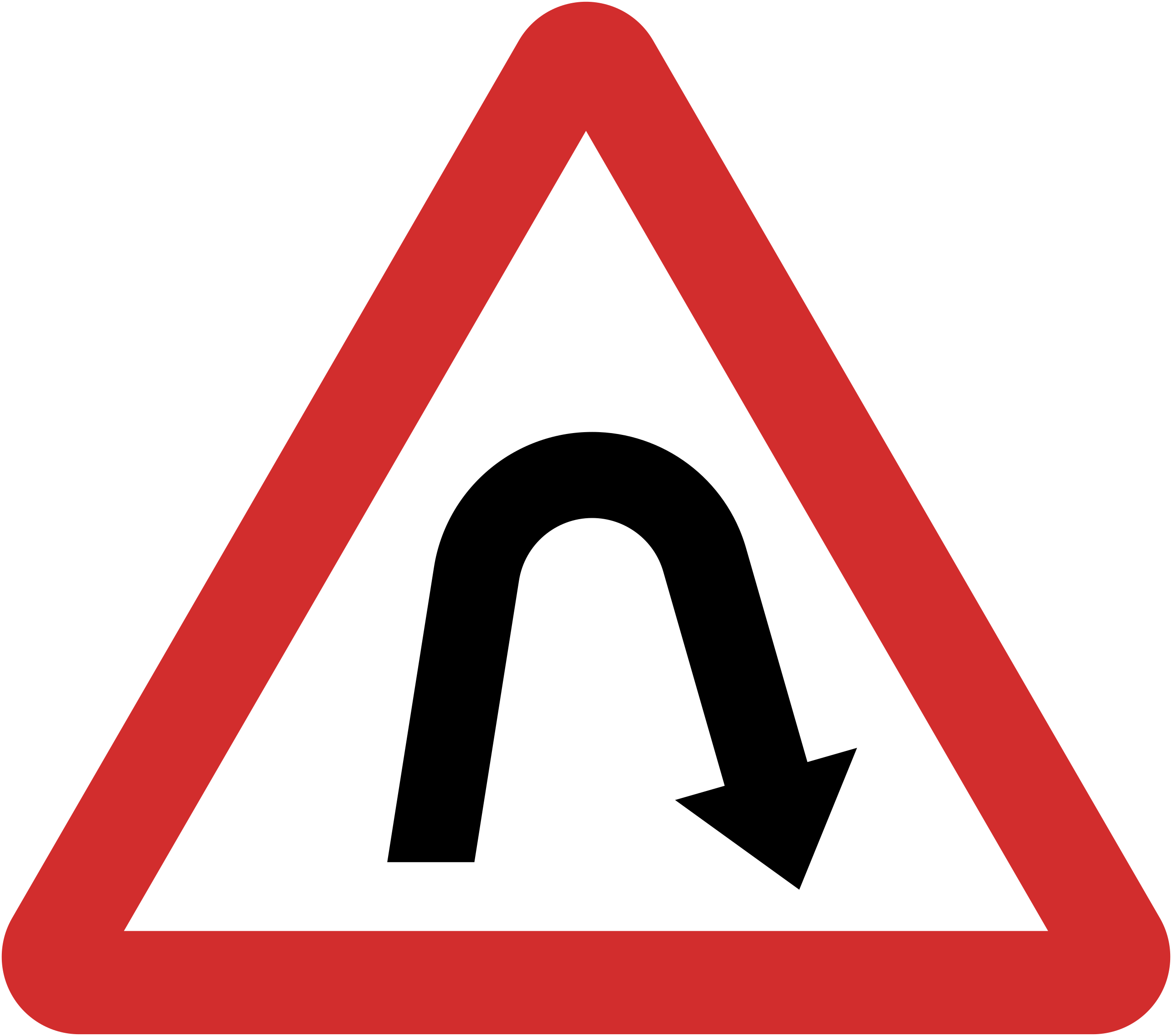
1. What does this traffic sign mean?
This traffic sign warns of a hairpin bend to the right. The road ahead makes a very sharp turn, so reduce speed and be prepared to steer sharply to the right.
English • Traffic sign B11 • Hairpin bend to the right. A very sharp right bend lies ahead. Reduce speed before the bend.
नेपाली • B11 • दायाँतर्फ तीव्र घुम्ती। अगाडि दायाँतर्फ निकै तीव्र घुम्ती छ। घुम्तीमा प्रवेश गर्नुअघि गति घटाउनुहोस्।
Sources
🔗 Commons.wikimedia.org
🔗 Dor.gov.np • सडक विभाग • Traffic Signs Manual, 1997 • B11 • PDF पृष्ठ 91
SVG source: Commons.wikimedia.org • Original SVG
Nepali Department of Roads • Public domain • Original revision 2020-03-01. Wikimedia original unmodified.
Artwork reviewed against the Department of Roads Traffic Signs Manual 2018, Volume 2: Dor.gov.np • PDF page 48. Catalogue-equivalent illustration; intentional update from the previous PNG. The earlier manual is retained as supporting evidence.
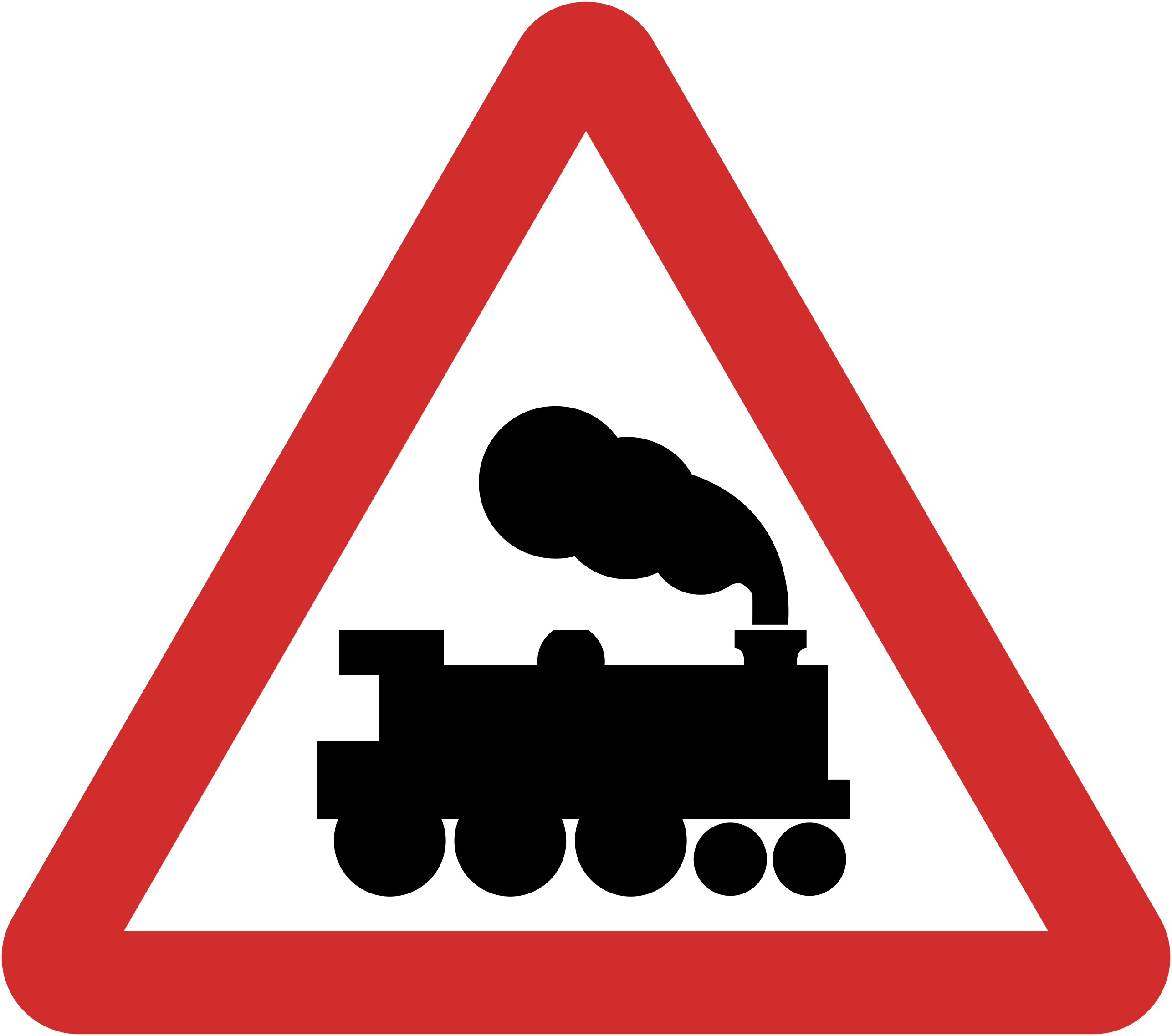
2. What does this traffic sign mean?
This traffic sign indicates a warning for a railway crossing without barriers. It alerts drivers to an upcoming level crossing where railway tracks cross the road and no barriers or gates are present to stop traffic. Drivers should slow down and look both ways for trains.
English • Traffic sign B40 • Level crossing without gates. Check for trains before crossing safely.
नेपाली • B40 • फाटक नभएको रेल क्रसिङ। अगाडि फाटक नभएको रेल क्रसिङ छ। रेल आउँदै छ कि छैन जाँच गरेर मात्र पार गर्नुहोस्।
Sources
🔗 Commons.wikimedia.org
🔗 Dor.gov.np • सडक विभाग • Traffic Signs Manual, 1997 • B40 • PDF पृष्ठ 120
SVG source: Commons.wikimedia.org • Original SVG
Nepali Department of Roads • Public domain • Original revision 2020-03-09. Wikimedia original unmodified.
Artwork reviewed against the Department of Roads Traffic Signs Manual 2018, Volume 2: Dor.gov.np • PDF page 76. Catalogue-equivalent illustration; intentional update from the previous PNG. The earlier manual is retained as supporting evidence.
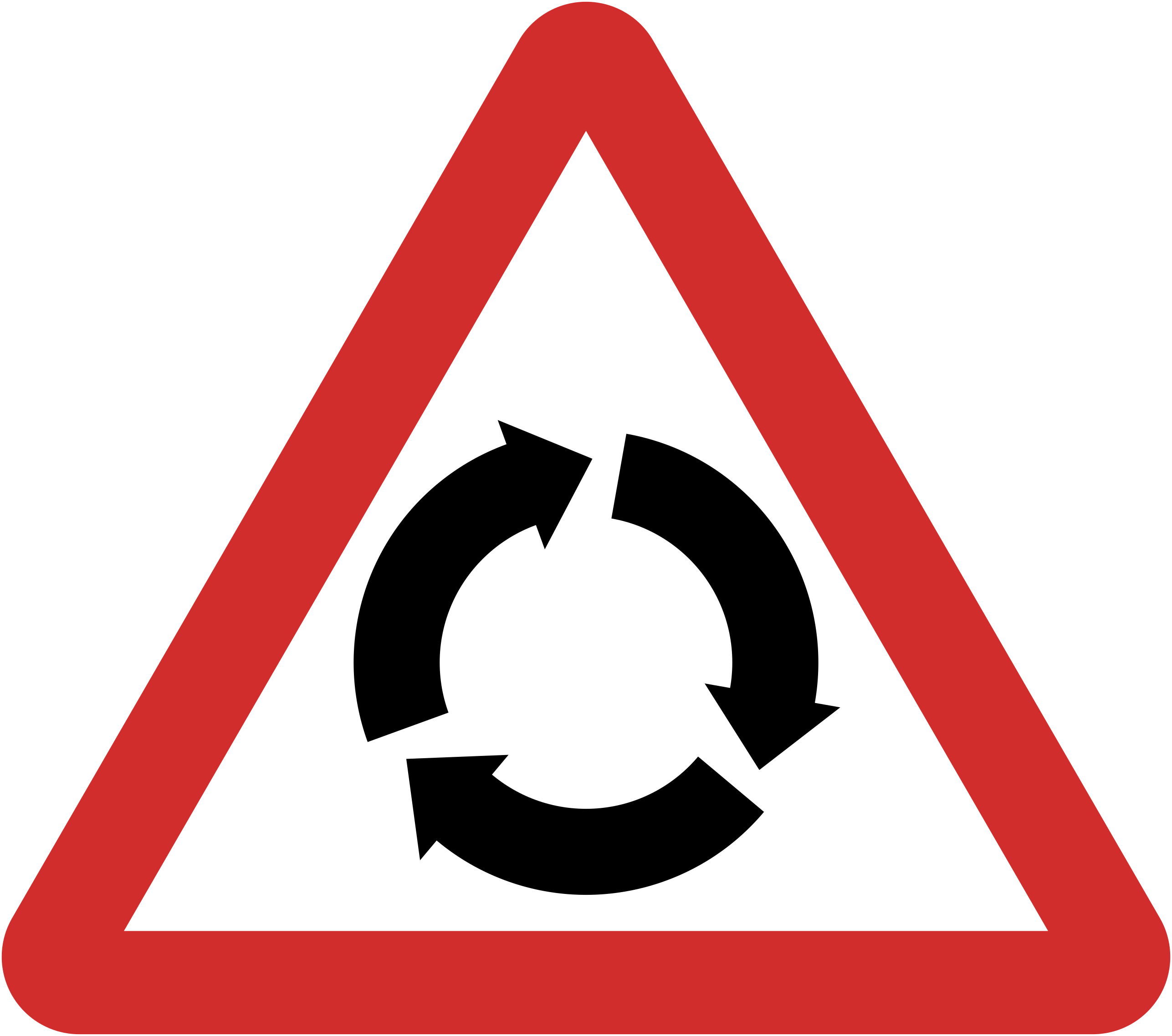
3. What does this traffic sign mean?
This traffic sign indicates a warning for a roundabout. A roundabout lies ahead. Reduce speed and follow the applicable priority signs, traffic signals and local roundabout rules when approaching and entering it.
English • Traffic sign B9 • Roundabout ahead. Slow down and check the traffic before entering.
नेपाली • B9 • अगाडि गोलचक्कर। अगाडि गोलचक्कर छ। गति घटाउनुहोस् र प्रवेश गर्नुअघि चलिरहेको यातायात हेर्नुहोस्।
Sources
🔗 Commons.wikimedia.org
🔗 Dor.gov.np • सडक विभाग • Traffic Signs Manual, 1997 • B9 • PDF पृष्ठ 89
SVG source: Commons.wikimedia.org • Original SVG
Nepali Department of Roads • Public domain • Original revision 2020-03-10. Wikimedia original unmodified.
Artwork reviewed against the Department of Roads Traffic Signs Manual 2018, Volume 2: Dor.gov.np • PDF page 46. Catalogue-equivalent illustration; intentional update from the previous PNG. The earlier manual is retained as supporting evidence.
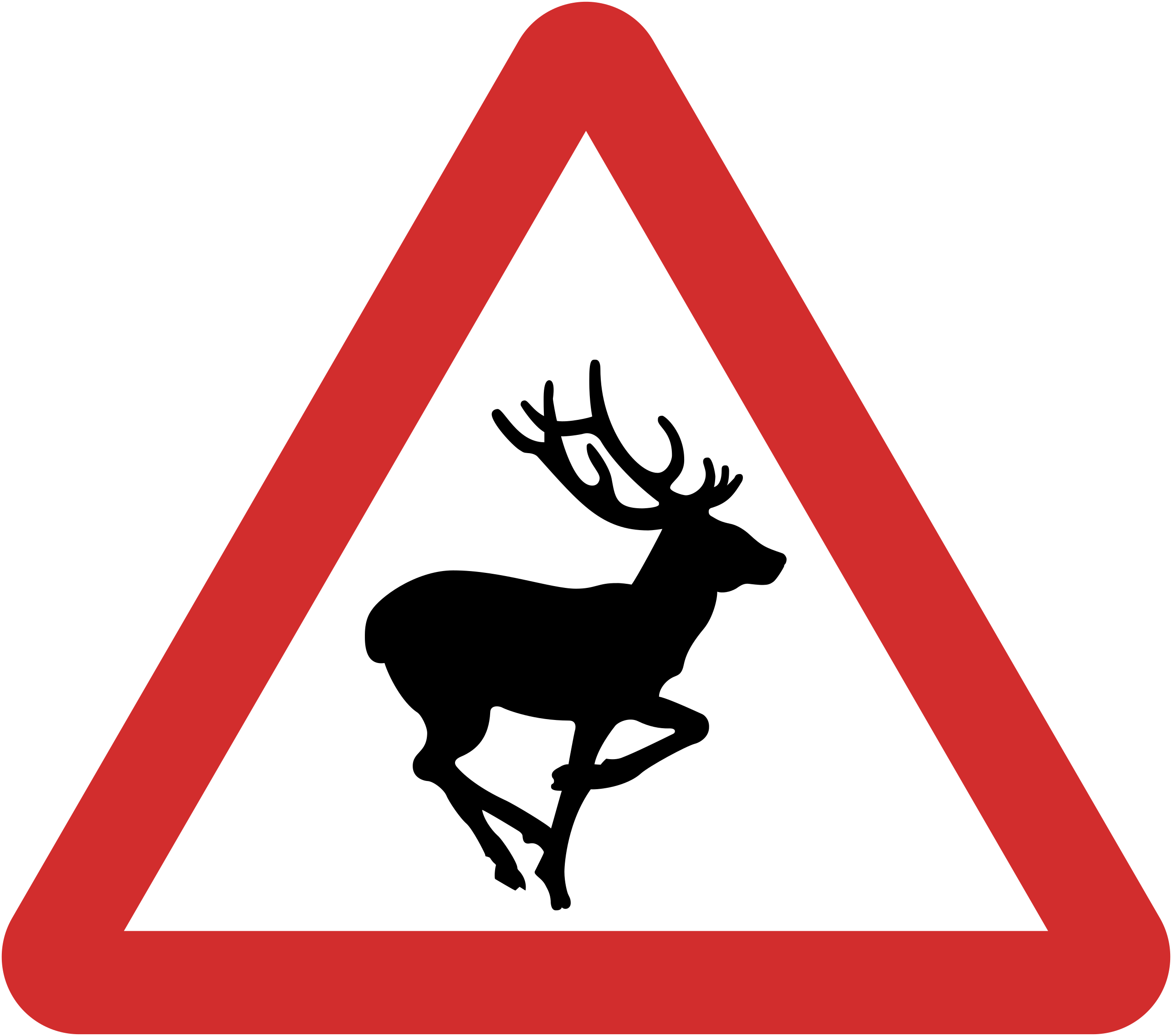
4. What does this traffic sign mean?
This traffic sign indicates a warning for crossing deer. Deer or other wild animals may enter the road unexpectedly, especially around dawn or dusk. Reduce speed, watch the roadside carefully and be prepared for more than one animal to cross.
English • Traffic sign B27 • Wild animals. Slow down and take care.
नेपाली • B27 • वन्यजन्तु। अगाडि सडकमा वन्यजन्तु आउन सक्छन्। गति घटाउनुहोस् र सावधान रहनुहोस्।
Sources
🔗 Commons.wikimedia.org
🔗 Dor.gov.np • सडक विभाग • Traffic Signs Manual, 1997 • B27 • PDF पृष्ठ 107
SVG source: Commons.wikimedia.org • Original SVG
Nepali Department of Roads • Public domain • Original revision 2020-02-23. Wikimedia original unmodified.
Artwork reviewed against the Department of Roads Traffic Signs Manual 2018, Volume 2: Dor.gov.np • PDF page 63. Catalogue-equivalent illustration; intentional update from the previous PNG. The earlier manual is retained as supporting evidence.
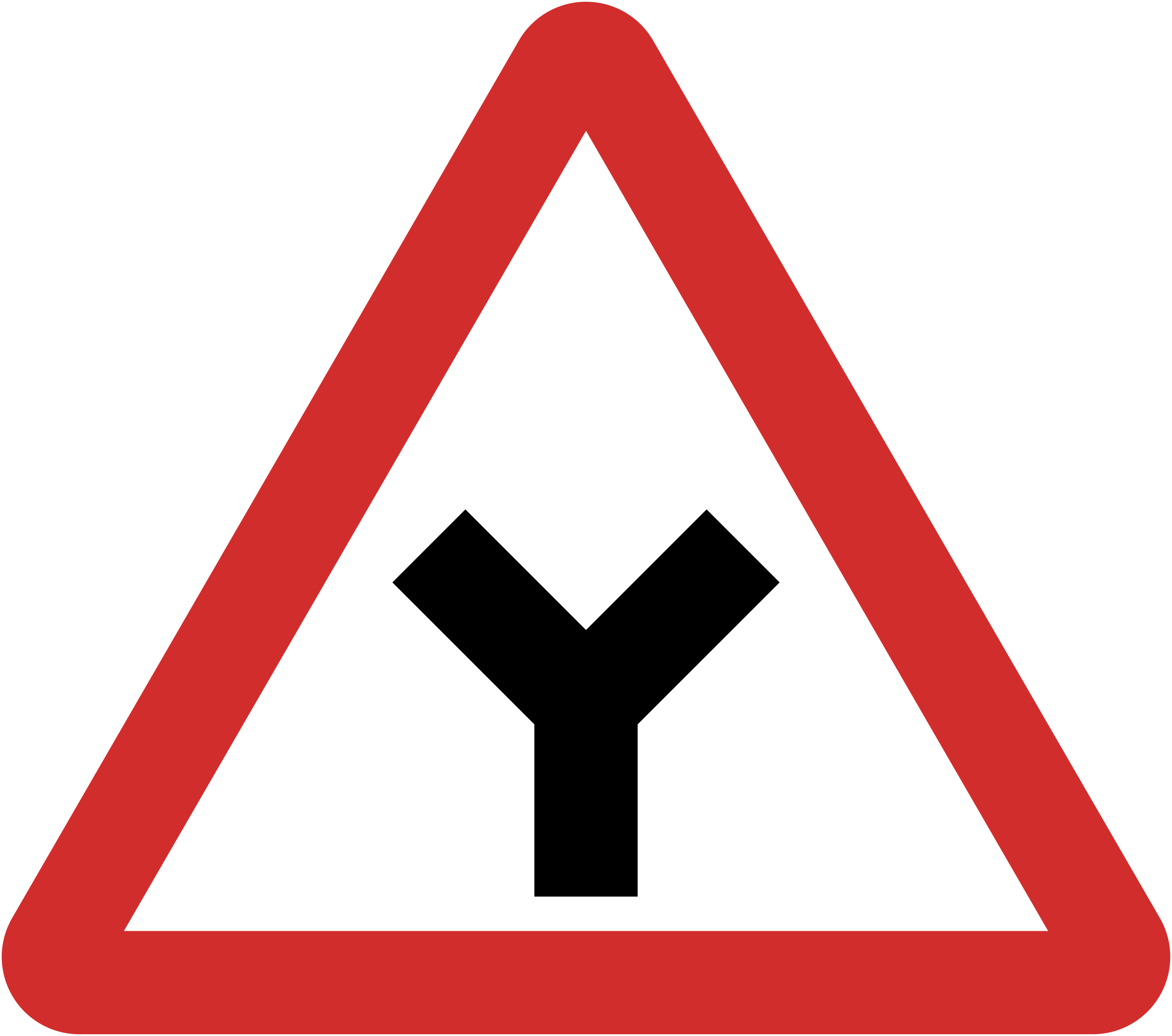
5. What does this traffic sign mean?
This traffic sign indicates a warning for an uncontrolled Y-junction. The road divides or meets another road at a Y-shaped intersection where no signs or signals assign priority. Reduce speed and follow the applicable default priority rules.
English • Traffic sign B6 • Y-junction ahead. The road divides in two directions. Follow your route carefully.
नेपाली • B6 • अगाडि वाई-जङ्क्सन। अगाडि सडक दुई दिशामा छुट्टिने जङ्क्सन छ। आफ्नो मार्गअनुसार सावधानीपूर्वक अघि बढ्नुहोस्।
Sources
🔗 Commons.wikimedia.org
🔗 Dor.gov.np • सडक विभाग • Traffic Signs Manual, 1997 • B6 • PDF पृष्ठ 86
SVG source: Commons.wikimedia.org • Original SVG
Nepali Department of Roads • Public domain • Original revision 2020-03-10. Wikimedia original unmodified.
Artwork reviewed against the Department of Roads Traffic Signs Manual 2018, Volume 2: Dor.gov.np • PDF page 43. Catalogue-equivalent illustration; intentional update from the previous PNG. The earlier manual is retained as supporting evidence.
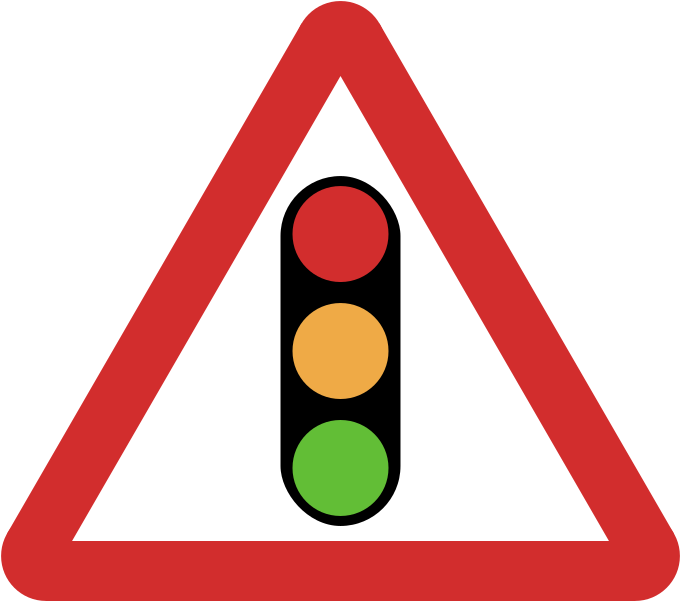
6. What does this traffic sign mean?
This traffic sign indicates a warning for traffic lights ahead. Traffic signals are located ahead and may not be visible early enough without advance warning. Reduce speed and be prepared to stop if the signal requires it.
English • Traffic sign B17 • Traffic signals ahead. Watch for the signals and stationary vehicles.
नेपाली • B17 • अगाडि ट्राफिक बत्ती। अगाडि ट्राफिक बत्तीबाट नियन्त्रण हुने स्थान छ। बत्ती र रोकिएका सवारी हेर्नुहोस्।
Sources
🔗 Commons.wikimedia.org
🔗 Dor.gov.np • सडक विभाग • Traffic Signs Manual, 1997 • B17 • PDF पृष्ठ 97
SVG source: Commons.wikimedia.org • Original SVG
Nepali Department of Roads • Public domain • Original revision 2022-02-09. Wikimedia original unmodified.
Artwork reviewed against the Department of Roads Traffic Signs Manual 2018, Volume 2: Dor.gov.np • PDF page 53. Catalogue-equivalent illustration; intentional update from the previous PNG. The earlier manual is retained as supporting evidence.
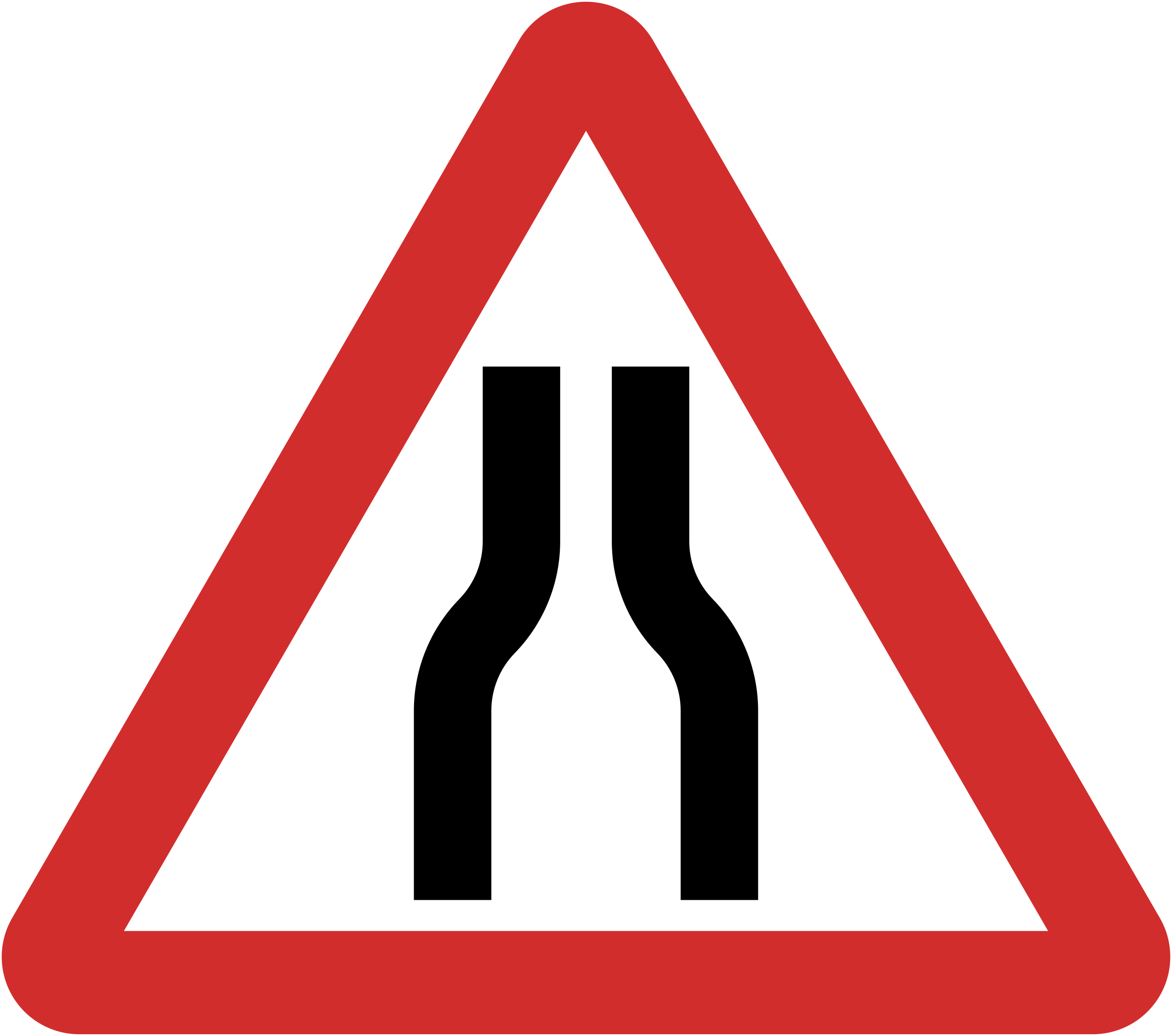
7. What does this traffic sign mean?
This traffic sign indicates a warning for a road narrowing. The available width of the road or carriageway decreases ahead. Reduce speed, maintain sufficient lateral clearance and watch carefully for approaching or adjacent traffic.
English • Traffic sign B14 • Road narrows on both sides. Leave adequate space for other traffic.
नेपाली • B14 • दुवैतर्फ सडक साँघुरिन्छ। अगाडि सडक दुवैतर्फबाट साँघुरिन्छ। अन्य सवारीलाई पर्याप्त ठाउँ दिनुहोस्।
Sources
🔗 Commons.wikimedia.org
🔗 Dor.gov.np • सडक विभाग • Traffic Signs Manual, 1997 • B14 • PDF पृष्ठ 94
SVG source: Commons.wikimedia.org • Original SVG
Nepali Department of Roads • Public domain • Original revision 2020-03-12. Wikimedia original unmodified.
Artwork reviewed against the Department of Roads Traffic Signs Manual 2018, Volume 2: Dor.gov.np • PDF page 51. Catalogue-equivalent illustration; intentional update from the previous PNG. The earlier manual is retained as supporting evidence.
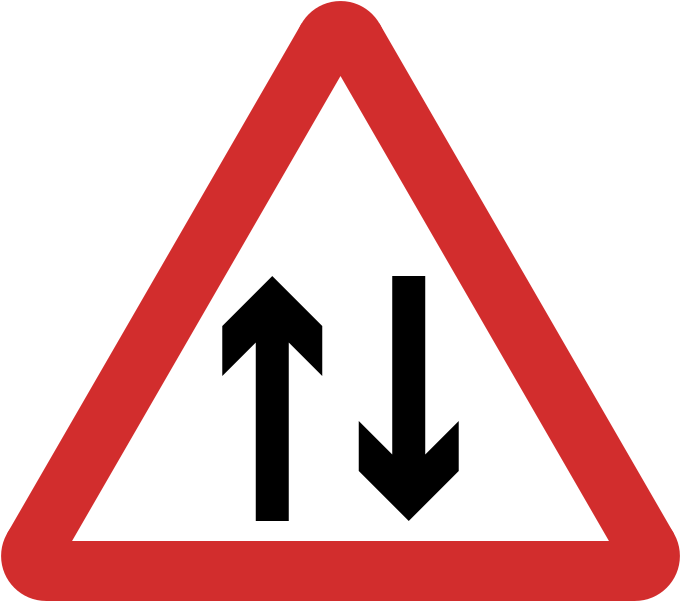
8. What does this traffic sign mean?
This traffic sign indicates a warning for two-way traffic. Oncoming traffic will use the same road or carriageway ahead. Keep to the correct side of the road and overtake only where it is permitted and clearly safe.
English • Traffic sign B21 • Two-way traffic. Keep left and watch for oncoming traffic.
नेपाली • B21 • अगाडि दोहोरो यातायात। अगाडिको सडकमा विपरीत दिशाबाट पनि सवारी आउँछ। आफ्नो बायाँतर्फ रहनुहोस्।
Sources
🔗 Commons.wikimedia.org
🔗 Dor.gov.np • सडक विभाग • Traffic Signs Manual, 1997 • B21 • PDF पृष्ठ 101
SVG source: Commons.wikimedia.org • Original SVG
Nepali Department of Roads • Public domain • Original revision 2022-02-11. Wikimedia original unmodified.
Artwork reviewed against the Department of Roads Traffic Signs Manual 2018, Volume 2: Dor.gov.np • PDF page 57. Catalogue-equivalent illustration; intentional update from the previous PNG. The earlier manual is retained as supporting evidence.
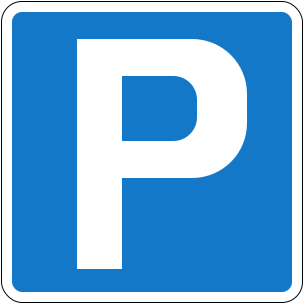
9. What does this traffic sign mean?
This traffic sign indicates that parking is allowed. Vehicles may be parked in the area covered by the sign subject to any indicated conditions, restrictions or local parking rules.
English • Traffic sign C3 • Parking place. This sign indicates a place to park vehicles. Read any additional conditions that apply.
नेपाली • C3 • पार्किङ स्थान। यो संकेतले सवारी पार्क गर्ने स्थान जनाउँछ। लागू हुने थप सर्त पनि पढ्नुहोस्।
Sources
🔗 Commons.wikimedia.org
🔗 Dor.gov.np • सडक विभाग • Traffic Signs Manual, 1997 • C3 • PDF पृष्ठ 131
SVG source: Nepali Department of Roads • Public domain • Original revision 2026-06-09. Wikimedia original unmodified.
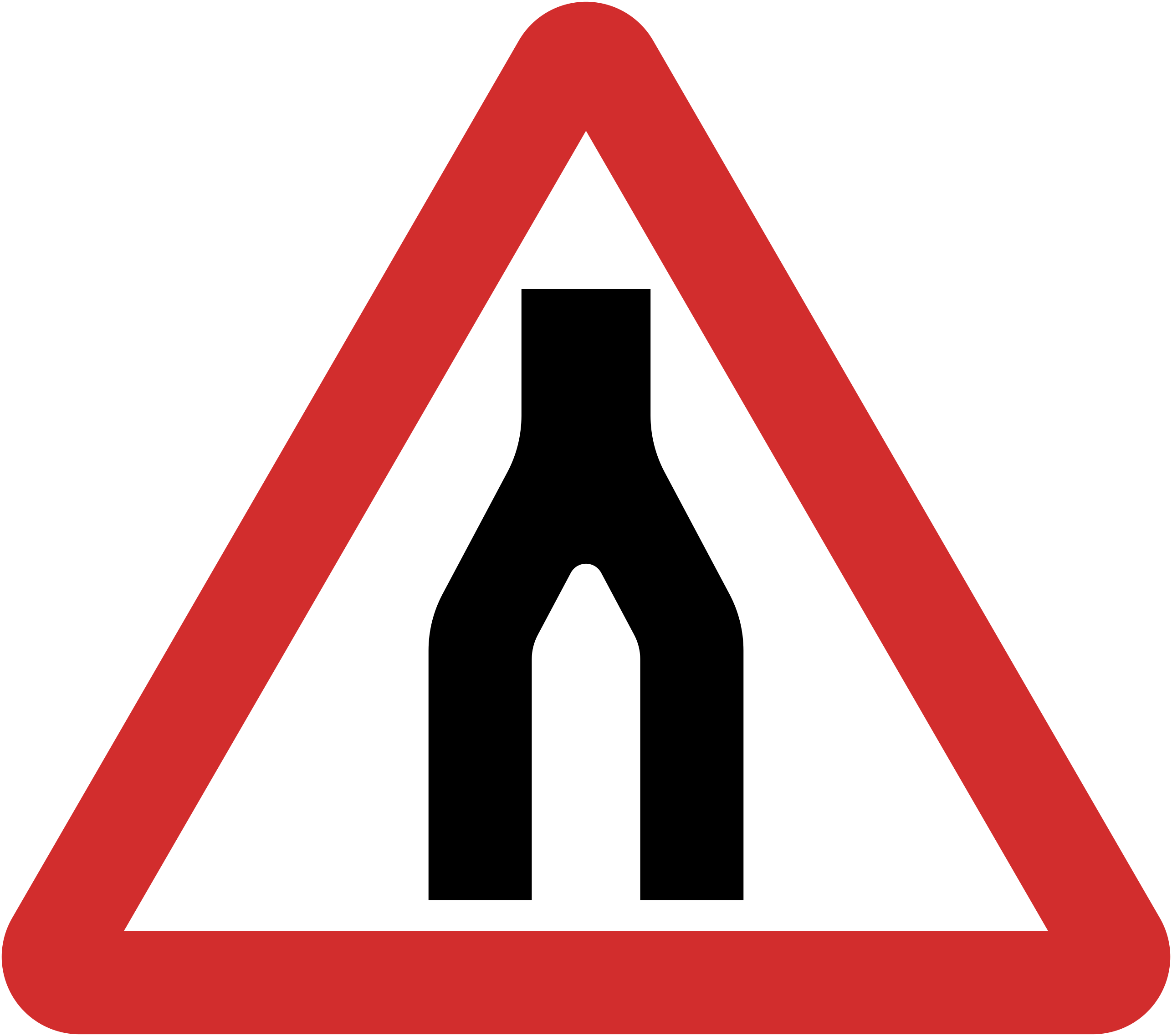
10. What does this traffic sign mean?
This traffic sign indicates a warning for two roads that merge. Two traffic streams join ahead. Adjust your speed and position, maintain a safe gap and be prepared for vehicles merging into the traffic flow.
English • Traffic sign B16 • Divided road ends. The separate carriageways for opposing traffic join an undivided road. Watch for oncoming traffic.
नेपाली • B16 • विभाजित सडक समाप्त। अगाडि दुई दिशाका छुट्टाछुट्टै सडक खण्ड एउटै अविभाजित सडकमा मिल्छन्। विपरीत दिशाको यातायातप्रति सावधान रहनुहोस्।
Sources
🔗 Commons.wikimedia.org
🔗 Dor.gov.np • सडक विभाग • Traffic Signs Manual, 1997 • B16 • PDF पृष्ठ 96
Image via Commons.wikimedia.org
Nepali Department of Roads • Public domain • Source revision 2020-03-12. Wikimedia original unmodified.
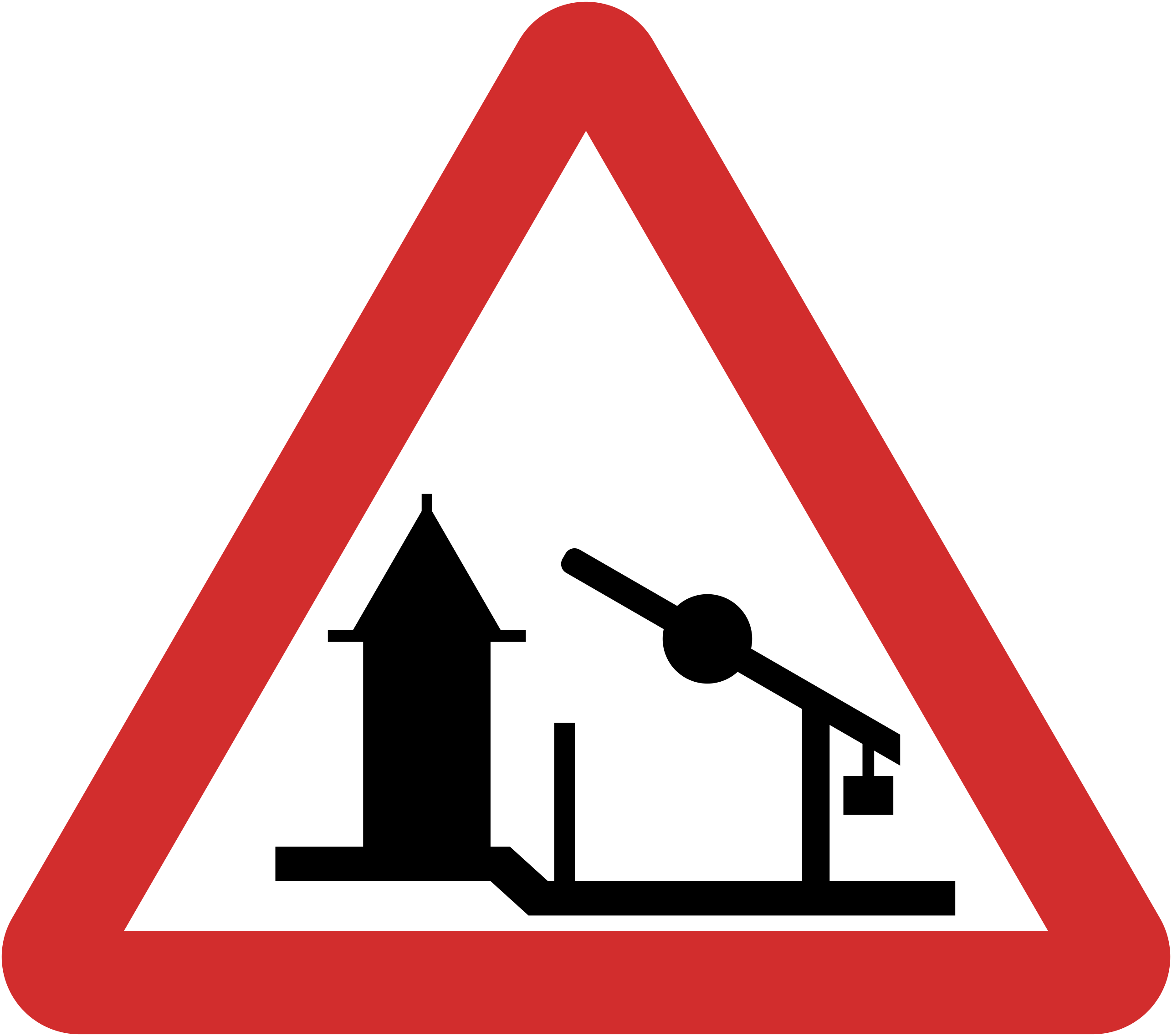
11. What does this traffic sign mean?
This traffic sign indicates a warning for a checkpoint. A police, customs, toll, security or other controlled checkpoint lies ahead. Reduce speed, follow the signs and signals and be prepared to stop or follow instructions from authorised personnel.
English • Traffic sign B37 • Checkpoint ahead. Slow down and prepare to stop as directed.
नेपाली • B37 • अगाडि जाँच चौकी। अगाडि जाँच चौकी छ। गति घटाउनुहोस् र रोक्ने निर्देशन पालना गर्न तयार हुनुहोस्।
Sources
🔗 Commons.wikimedia.org
🔗 Dor.gov.np • सडक विभाग • Traffic Signs Manual, 1997 • B37 • PDF पृष्ठ 117
SVG source: Commons.wikimedia.org • Original SVG
Nepali Department of Roads • Public domain • Original revision 2020-03-13. Wikimedia original unmodified.
Artwork reviewed against the Department of Roads Traffic Signs Manual 2018, Volume 2: Dor.gov.np • PDF page 73. Catalogue-equivalent illustration; intentional update from the previous PNG. The earlier manual is retained as supporting evidence.
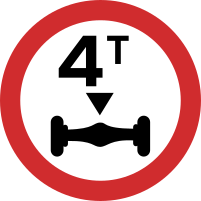
12. What does this traffic sign mean?
This traffic sign indicates that vehicles exceeding the indicated axle-load limit are prohibited. A vehicle whose load on an axle exceeds the displayed limit may not continue beyond the sign.
English • Traffic sign A13 • Maximum axle load: 4 tonnes. Vehicles with a load exceeding 4 tonnes on any axle may not enter.
नेपाली • A13 • अधिकतम एक्सल तौल ४ टन। कुनै एक्सलमा पर्ने तौल ४ टनभन्दा बढी भए प्रवेश निषेध छ।
Sources
🔗 Commons.wikimedia.org
🔗 Dor.gov.np • सडक विभाग • Traffic Signs Manual, 1997 • A13 • PDF पृष्ठ 60
SVG source: Commons.wikimedia.org • Original SVG
Nepali Department of Roads • Public domain • Original revision 2025-06-27. Wikimedia original unmodified.
Artwork reviewed against the Department of Roads Traffic Signs Manual 2018, Volume 2: Dor.gov.np • PDF page 17. Catalogue-equivalent illustration; intentional update from the previous PNG. The earlier manual is retained as supporting evidence.
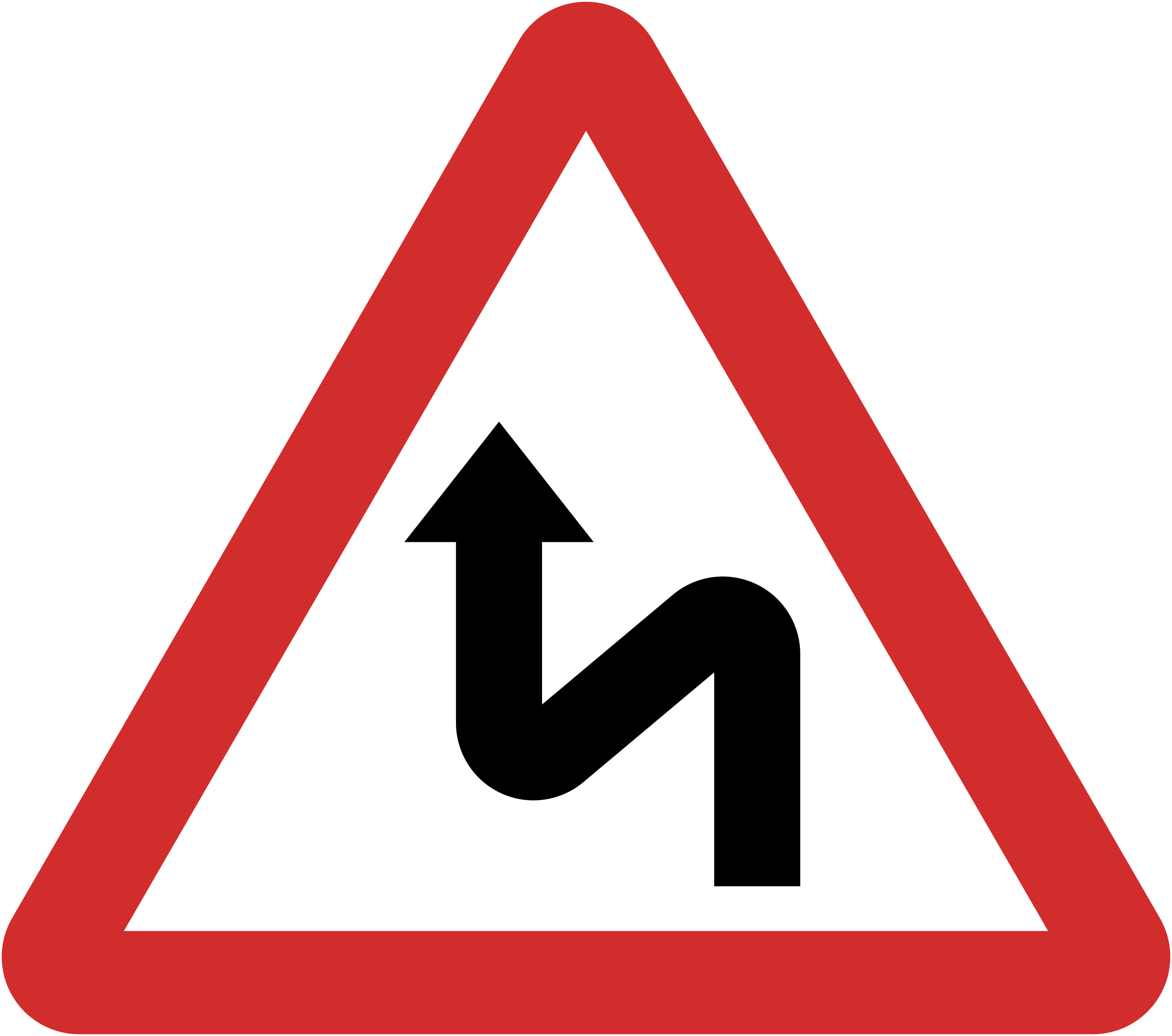
13. What does this traffic sign mean?
This traffic sign indicates a warning for successive curves, with the first curve to the left. Reduce speed before entering the winding section, maintain your lane position and be prepared for further changes in direction.
English • Traffic sign B12 • Double bend, first to the left. Two successive bends lie ahead, the first to the left. Slow down.
नेपाली • B12 • पहिलो मोड बायाँ। अगाडि लगातार दुई मोड छन्; पहिलो मोड बायाँतर्फ छ। गति घटाउनुहोस्।
Sources
🔗 Commons.wikimedia.org
🔗 Dor.gov.np • सडक विभाग • Traffic Signs Manual, 1997 • B12 • PDF पृष्ठ 92
SVG source: Commons.wikimedia.org • Original SVG
Nepali Department of Roads • Public domain • Original revision 2020-03-02. Wikimedia original unmodified.
Artwork reviewed against the Department of Roads Traffic Signs Manual 2018, Volume 2: Dor.gov.np • PDF page 49. Catalogue-equivalent illustration; intentional update from the previous PNG. The earlier manual is retained as supporting evidence.
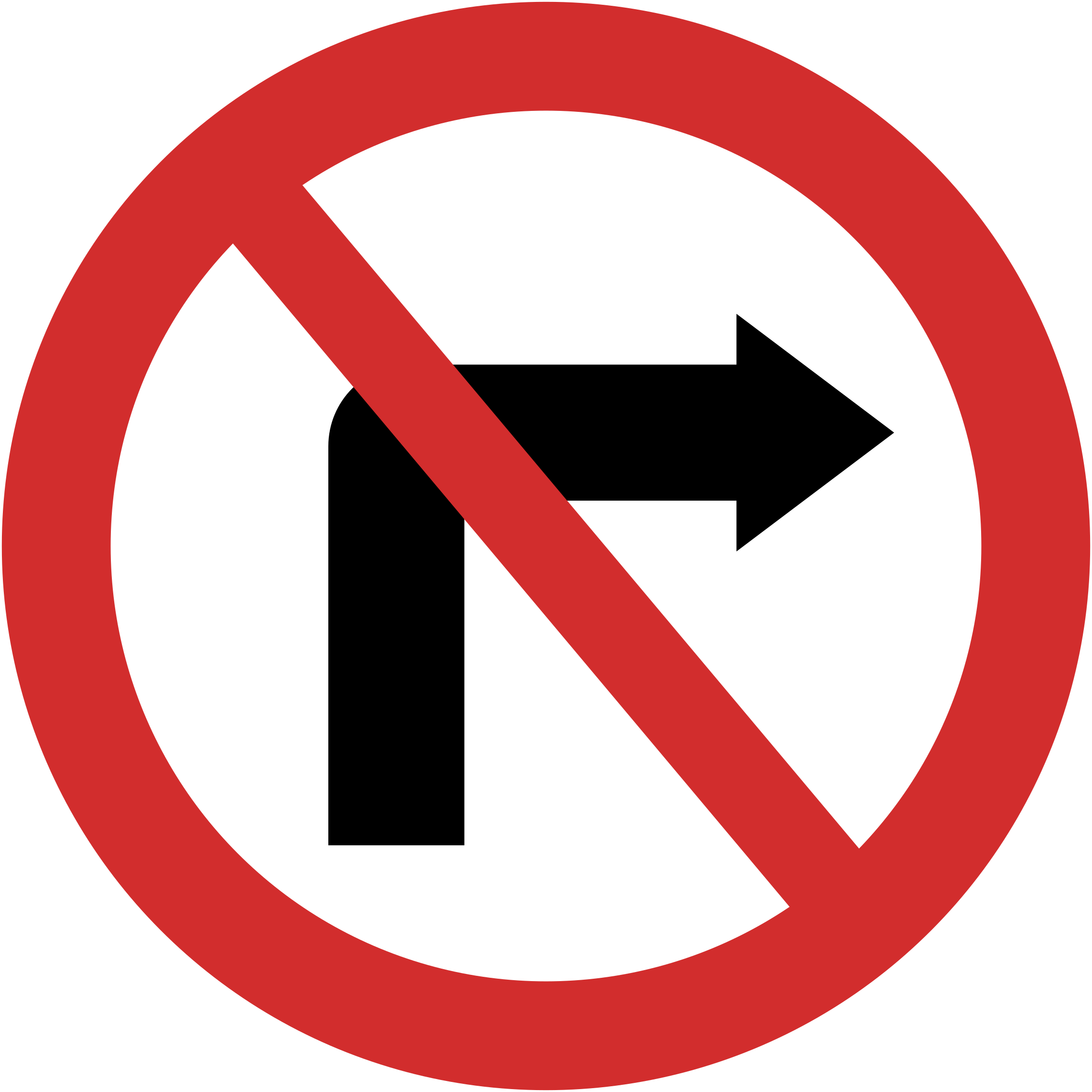
14. What does this traffic sign mean?
This traffic sign indicates that turning right is prohibited. A right turn may not be made where the sign applies. Other movements may still be permitted unless another restriction applies.
English • Traffic sign A18 • No right turn. Turning right is prohibited at this location.
नेपाली • A18 • दायाँ मोड्न निषेध। यस स्थानमा दायाँ मोड्न निषेध छ।
Sources
🔗 Commons.wikimedia.org
🔗 Dor.gov.np • सडक विभाग • Traffic Signs Manual, 1997 • A18 • PDF पृष्ठ 65
SVG source: Nepali Department of Roads • Public domain • Original revision 2020-02-11. Wikimedia original unmodified.

15. What does this traffic sign mean?
This traffic sign means stop and give way. You must come to a complete stop before entering the intersection and give way to traffic that has priority. Proceed only when it is safe.
English • Traffic sign A1 • Stop and give way. Come to a complete stop and give way to traffic on the main road before proceeding.
नेपाली • A1 • रोक्नुहोस् र बाटो दिनुहोस्। अगाडि बढ्नुअघि पूर्ण रूपमा रोक्नुहोस् र मुख्य सडकको यातायातलाई बाटो दिनुहोस्।
Sources
🔗 Commons.wikimedia.org
🔗 Dor.gov.np • सडक विभाग • Traffic Signs Manual, 1997 • A1 • PDF पृष्ठ 48
SVG source: Commons.wikimedia.org • Original SVG
Nepali Department of Roads • Public domain • Original revision 2021-12-04. Wikimedia original unmodified.
Artwork reviewed against the Department of Roads Traffic Signs Manual 2018, Volume 2: Dor.gov.np • PDF page 5. Catalogue-equivalent illustration; intentional update from the previous PNG. The earlier manual is retained as supporting evidence.
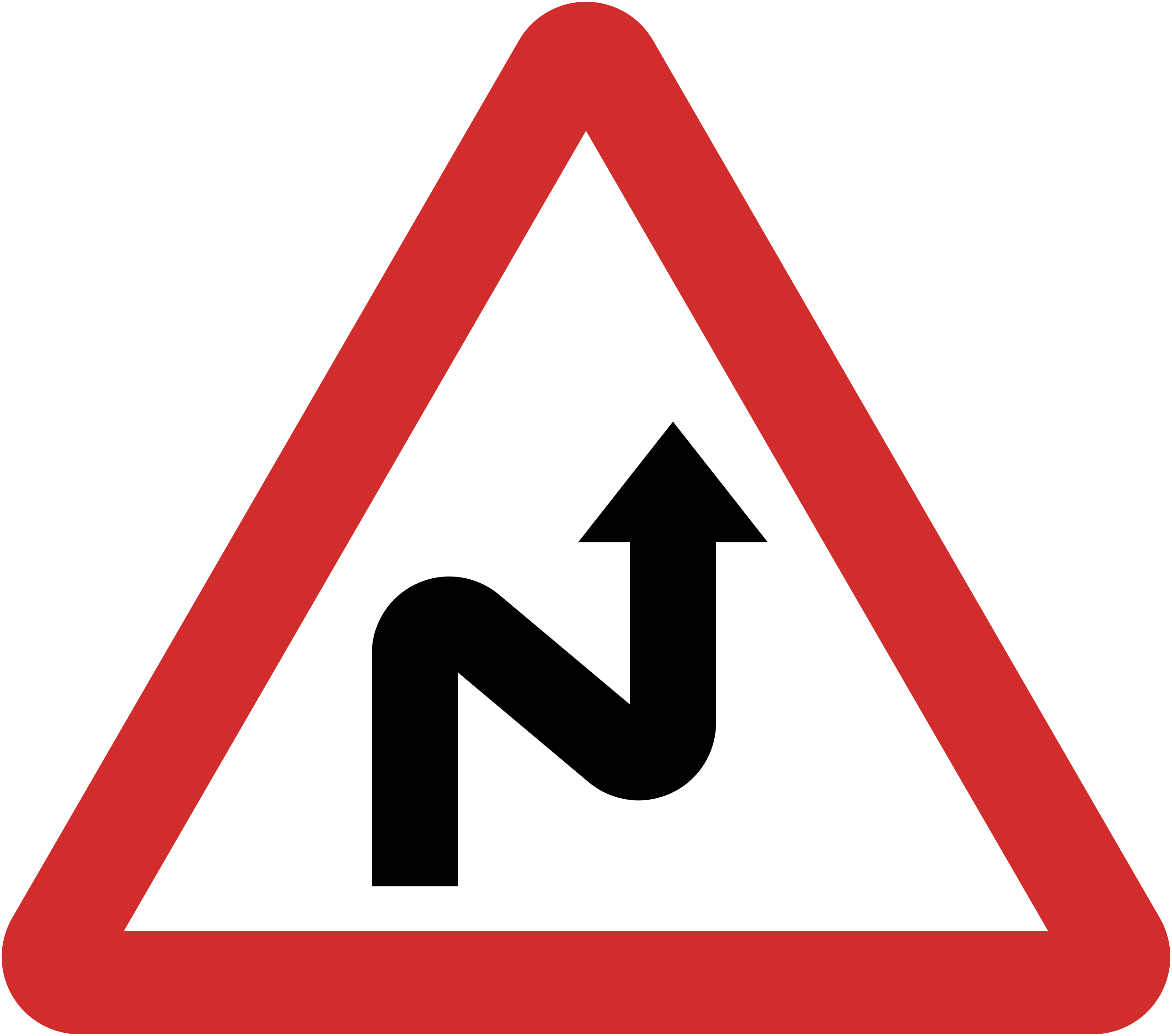
16. What does this traffic sign mean?
This traffic sign indicates a warning for successive curves, with the first curve to the right. Reduce speed before entering the winding section, maintain your lane position and be prepared for further changes in direction.
English • Traffic sign B12 • Double bend, first to the right. Two successive bends lie ahead, the first to the right. Slow down.
नेपाली • B12 • पहिलो मोड दायाँ। अगाडि लगातार दुई मोड छन्; पहिलो मोड दायाँतर्फ छ। गति घटाउनुहोस्।
Sources
🔗 Commons.wikimedia.org
🔗 Dor.gov.np • सडक विभाग • Traffic Signs Manual, 1997 • B12 • PDF पृष्ठ 92
SVG source: Commons.wikimedia.org • Original SVG
Nepali Department of Roads • Public domain • Original revision 2020-03-02. Wikimedia original unmodified.
Artwork reviewed against the Department of Roads Traffic Signs Manual 2018, Volume 2: Dor.gov.np • PDF page 49. Catalogue-equivalent illustration; intentional update from the previous PNG. The earlier manual is retained as supporting evidence.
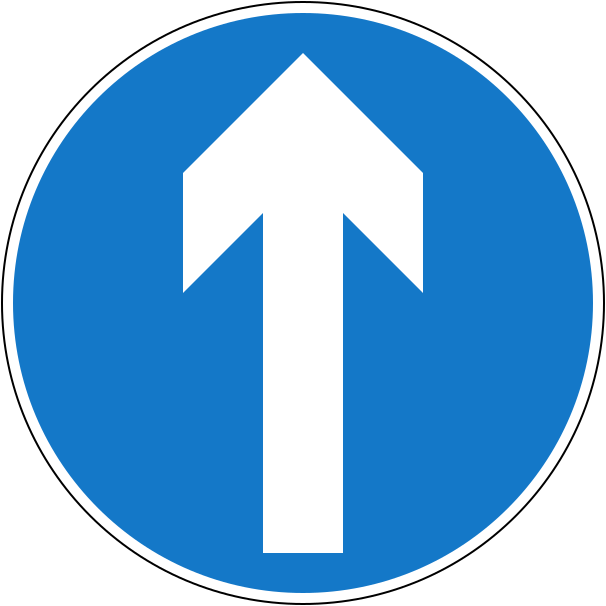
17. What does this traffic sign mean?
This traffic sign indicates that driving straight ahead is mandatory. Traffic must continue straight ahead and may not turn left or right at the location to which the sign applies.
English • Traffic sign A27 • Ahead only. You must travel only straight ahead, as shown by the arrow.
नेपाली • A27 • सोझै जानुहोस्। तीरले देखाएको सोझो दिशामा मात्र जानुपर्छ।
Sources
🔗 Commons.wikimedia.org
🔗 Dor.gov.np • सडक विभाग • Traffic Signs Manual, 1997 • A27 • PDF पृष्ठ 74
SVG source: Nepali Department of Roads • Public domain • Original revision 2022-01-14. Wikimedia original unmodified.
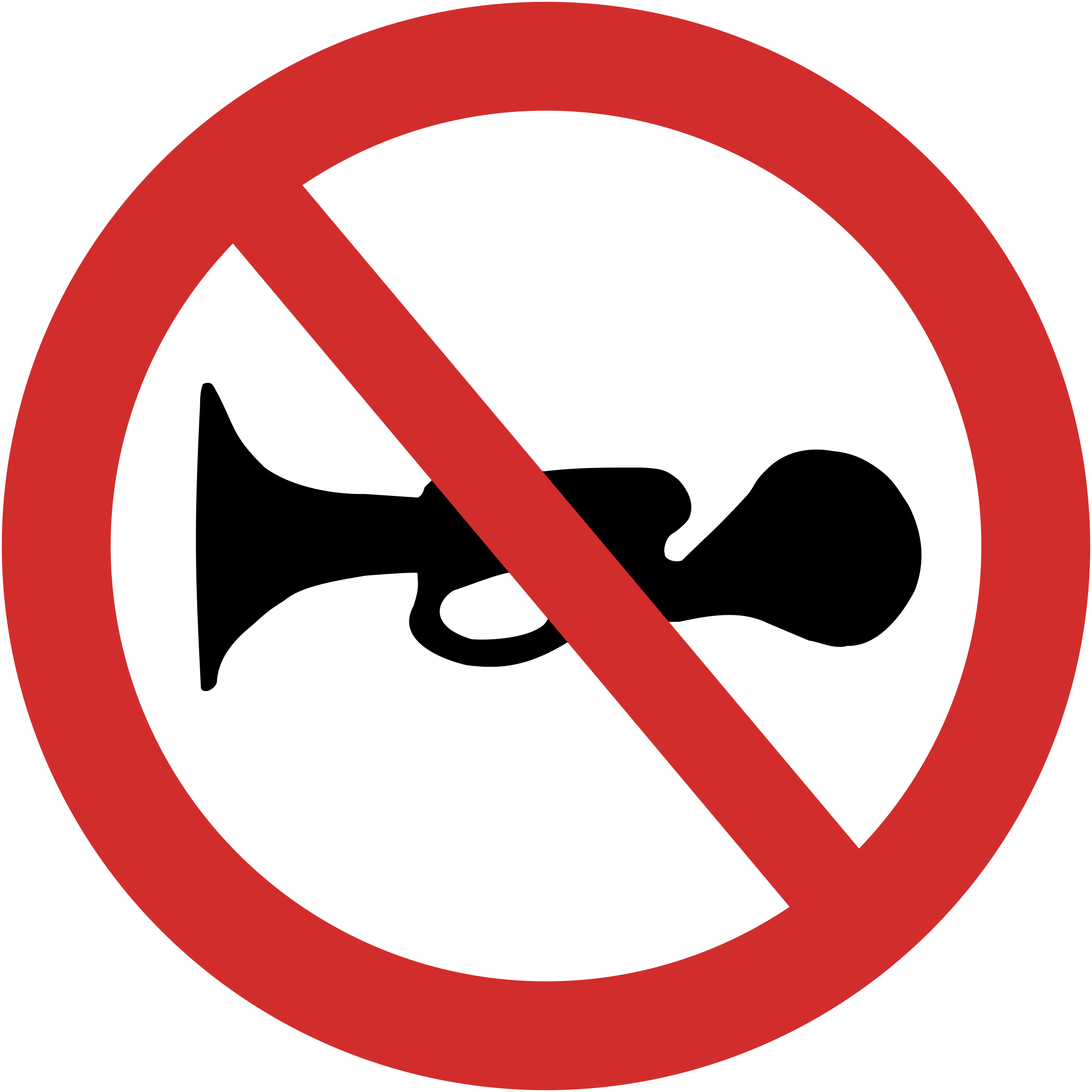
18. What does this traffic sign mean?
This traffic sign indicates that using the horn is prohibited. The horn or other audible warning device may not be used where the prohibition applies, except where an applicable local rule permits or requires it.
English • Traffic sign A21 • No use of the horn. Sounding the horn is prohibited in the area covered by this sign.
नेपाली • A21 • हर्न बजाउन निषेध। यो संकेत लागू हुने क्षेत्रमा हर्न बजाउन निषेध छ।
Sources
🔗 Commons.wikimedia.org
🔗 Dor.gov.np • सडक विभाग • Traffic Signs Manual, 1997 • A21 • PDF पृष्ठ 68
SVG source: Nepali Department of Roads • Public domain • Original revision 2020-02-13. Wikimedia original unmodified.
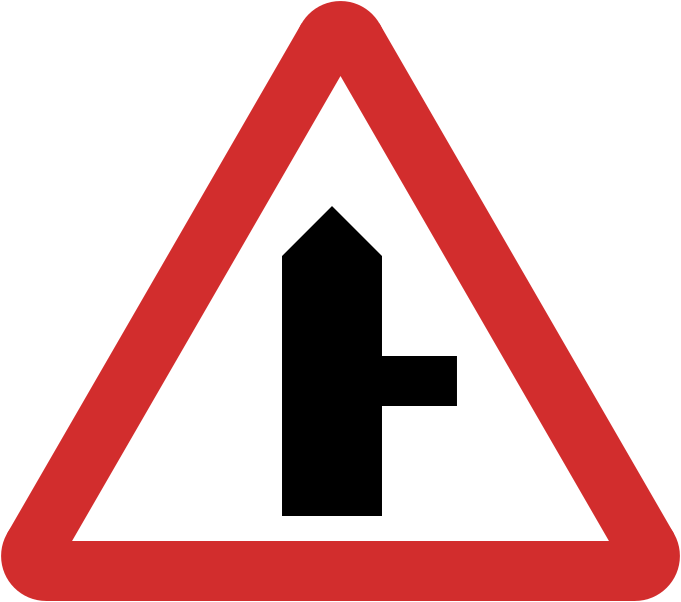
19. What does this traffic sign mean?
This traffic sign indicates that you have priority at the next intersection. A side road joins from the right, and traffic entering from that side road must give way.
English • Traffic sign B3 • Side road on the right. Watch for traffic at the junction.
नेपाली • B3 • दायाँतर्फ सहायक सडक। अगाडि दायाँतर्फबाट सहायक सडक जोडिन्छ। जङ्क्सनको यातायातप्रति सावधान रहनुहोस्।
Sources
🔗 Commons.wikimedia.org
🔗 Dor.gov.np • सडक विभाग • Traffic Signs Manual, 1997 • B3 • PDF पृष्ठ 83
SVG source: Commons.wikimedia.org • Original SVG
Nepali Department of Roads • Public domain • Original revision 2022-02-17. Wikimedia original unmodified.
Artwork reviewed against the Department of Roads Traffic Signs Manual 2018, Volume 2: Dor.gov.np • PDF page 40. Catalogue-equivalent illustration; intentional update from the previous PNG. The earlier manual is retained as supporting evidence.
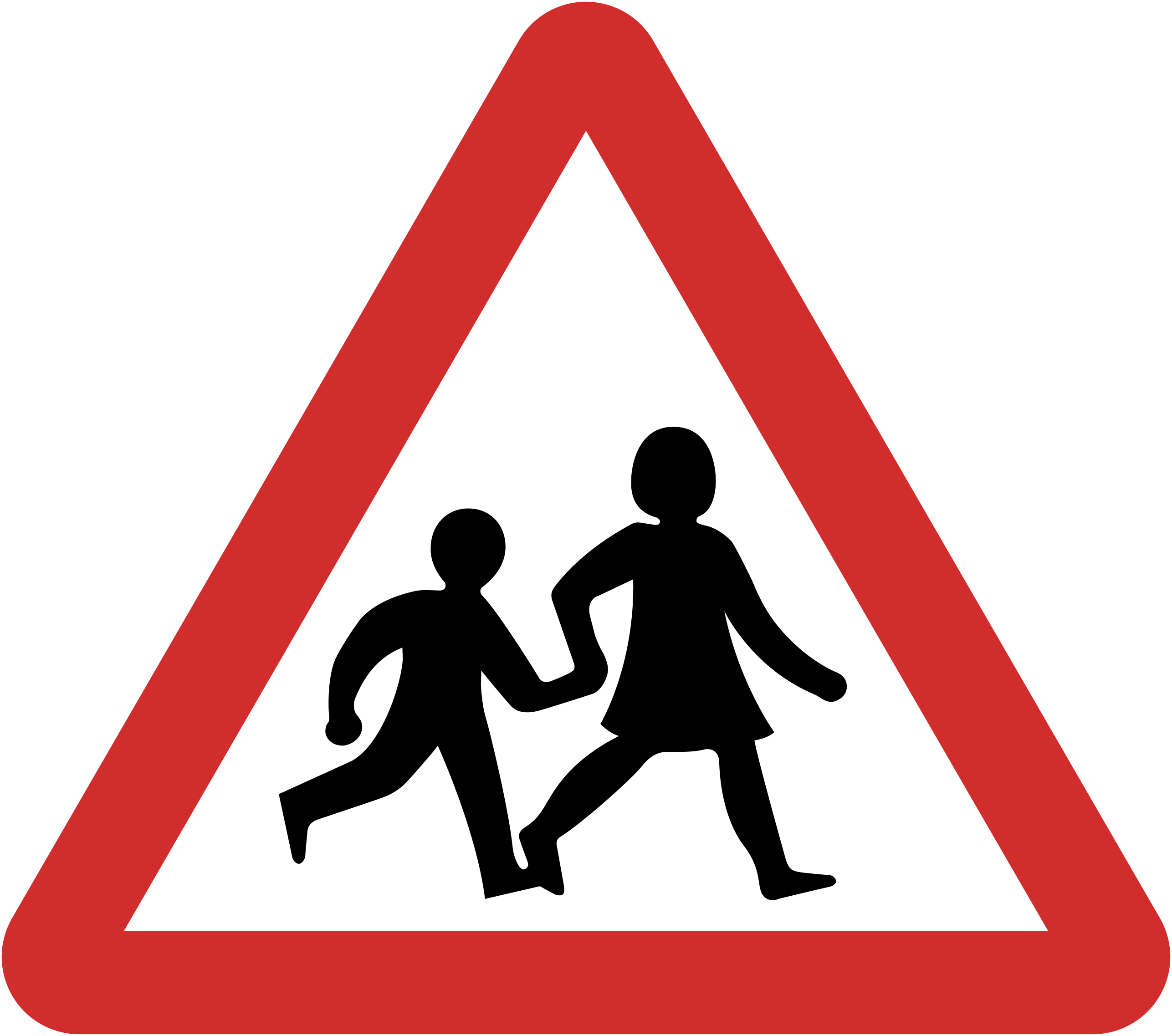
20. What does this traffic sign mean?
This traffic sign indicates a warning for children. Children may be present on or near the road and may cross unexpectedly. Reduce speed, scan both sides of the road carefully and be prepared to stop.
English • Traffic sign B25 • Children. Children may enter or cross the road. Slow down.
नेपाली • B25 • बालबालिका। अगाडि बालबालिका सडकमा आउन वा सडक पार गर्न सक्छन्। गति घटाउनुहोस्।
Sources
🔗 Commons.wikimedia.org
🔗 Dor.gov.np • सडक विभाग • Traffic Signs Manual, 1997 • B25 • PDF पृष्ठ 105
SVG source: Commons.wikimedia.org • Original SVG
Nepali Department of Roads • Public domain • Original revision 2020-02-23. Wikimedia original unmodified.
Artwork reviewed against the Department of Roads Traffic Signs Manual 2018, Volume 2: Dor.gov.np • PDF page 61. Catalogue-equivalent illustration; intentional update from the previous PNG. The earlier manual is retained as supporting evidence.
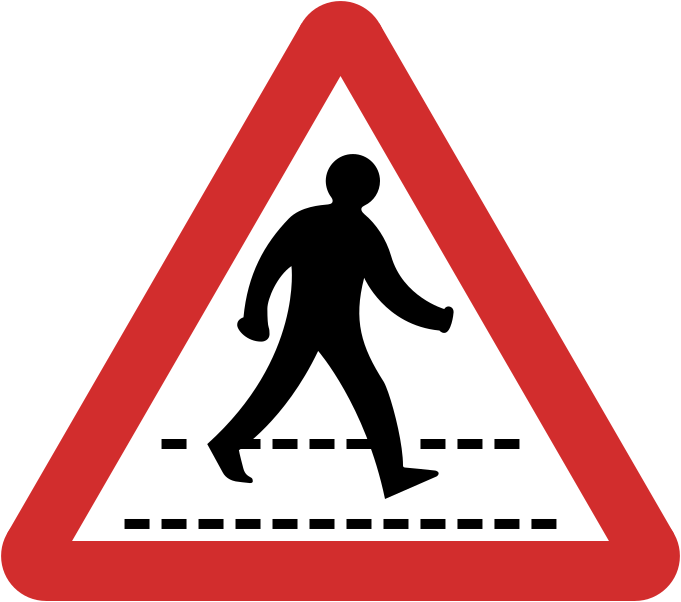
21. What does this traffic sign mean?
This traffic sign indicates a warning for a pedestrian crossing. A designated pedestrian crossing lies ahead. Reduce speed when necessary, watch carefully for pedestrians and be prepared to give way or stop according to the applicable local priority rules.
English • Traffic sign B23 • Pedestrian crossing ahead. Slow down and watch for pedestrians.
नेपाली • B23 • अगाडि पैदलयात्री पार गर्ने स्थान। अगाडि पैदलयात्री पार गर्ने स्थान छ। गति घटाउनुहोस् र पैदलयात्री हेर्नुहोस्।
Sources
🔗 Commons.wikimedia.org
🔗 Dor.gov.np • सडक विभाग • Traffic Signs Manual, 1997 • B23 • PDF पृष्ठ 103
SVG source: Commons.wikimedia.org • Original SVG
Nepali Department of Roads • Public domain • Original revision 2022-02-17. Wikimedia original unmodified.
Artwork reviewed against the Department of Roads Traffic Signs Manual 2018, Volume 2: Dor.gov.np • PDF page 59. Catalogue-equivalent illustration; intentional update from the previous PNG. The earlier manual is retained as supporting evidence.
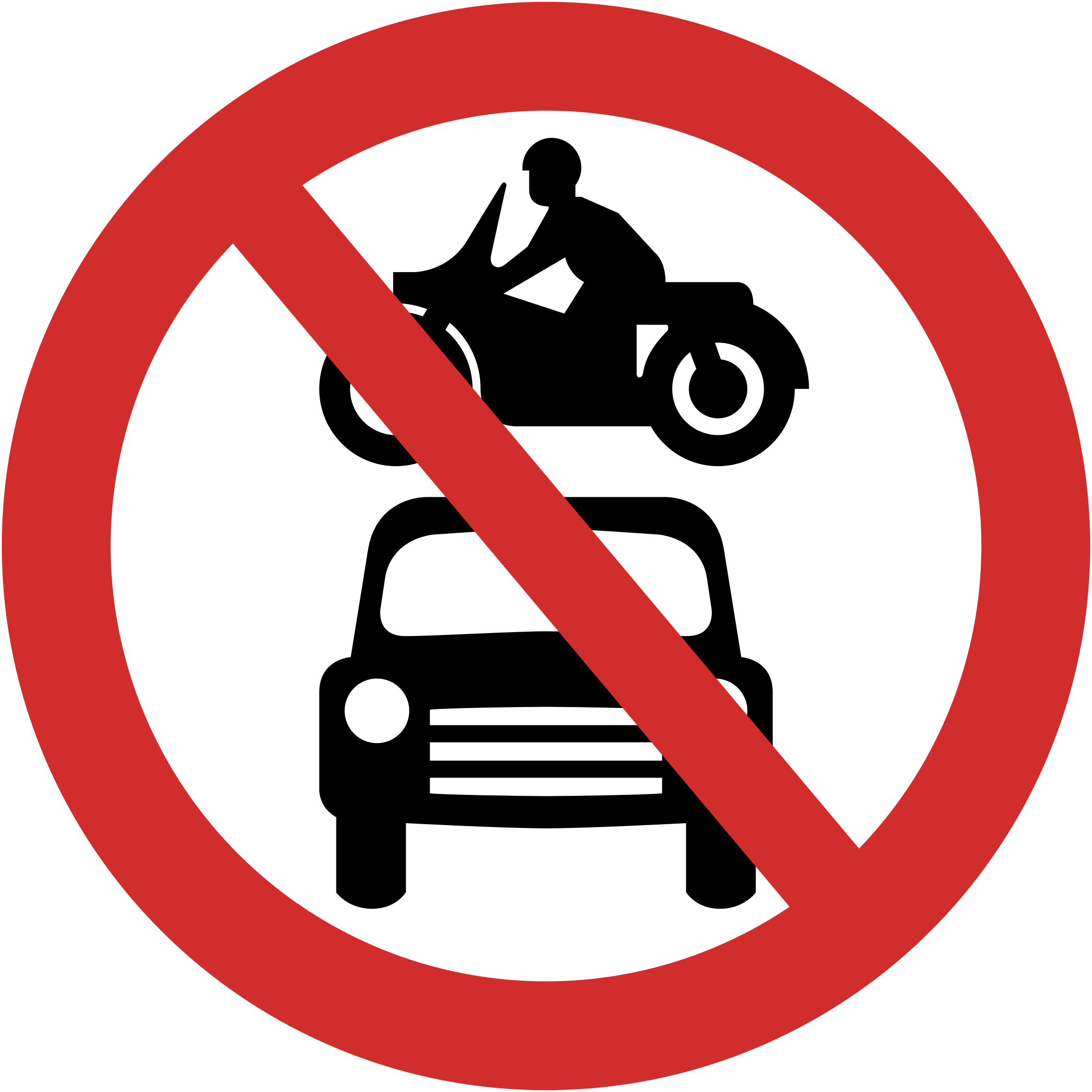
22. What does this traffic sign mean?
This traffic sign indicates that motorcycles and cars are prohibited. Motorcycles and cars may not enter or continue beyond the sign. Other road users may still be permitted unless another restriction applies.
English • Traffic sign A4 • No motor vehicles. This prohibition applies to all motor vehicles, not just cars and motorcycles.
नेपाली • A4 • मोटर सवारी निषेध। यस सडकमा सबै मोटर सवारीको प्रवेश निषेध छ। यो प्रतिबन्ध कार र मोटरसाइकलमा मात्र सीमित छैन।
Sources
🔗 Commons.wikimedia.org
🔗 Dor.gov.np • सडक विभाग • Traffic Signs Manual, 1997 • A4 • PDF पृष्ठ 51
SVG source: Commons.wikimedia.org • Original SVG
Nepali Department of Roads • Public domain • Original revision 2020-02-17. Wikimedia original unmodified.
Artwork reviewed against the Department of Roads Traffic Signs Manual 2018, Volume 2: Dor.gov.np • PDF page 8. Catalogue-equivalent illustration; intentional update from the previous PNG. The earlier manual is retained as supporting evidence.
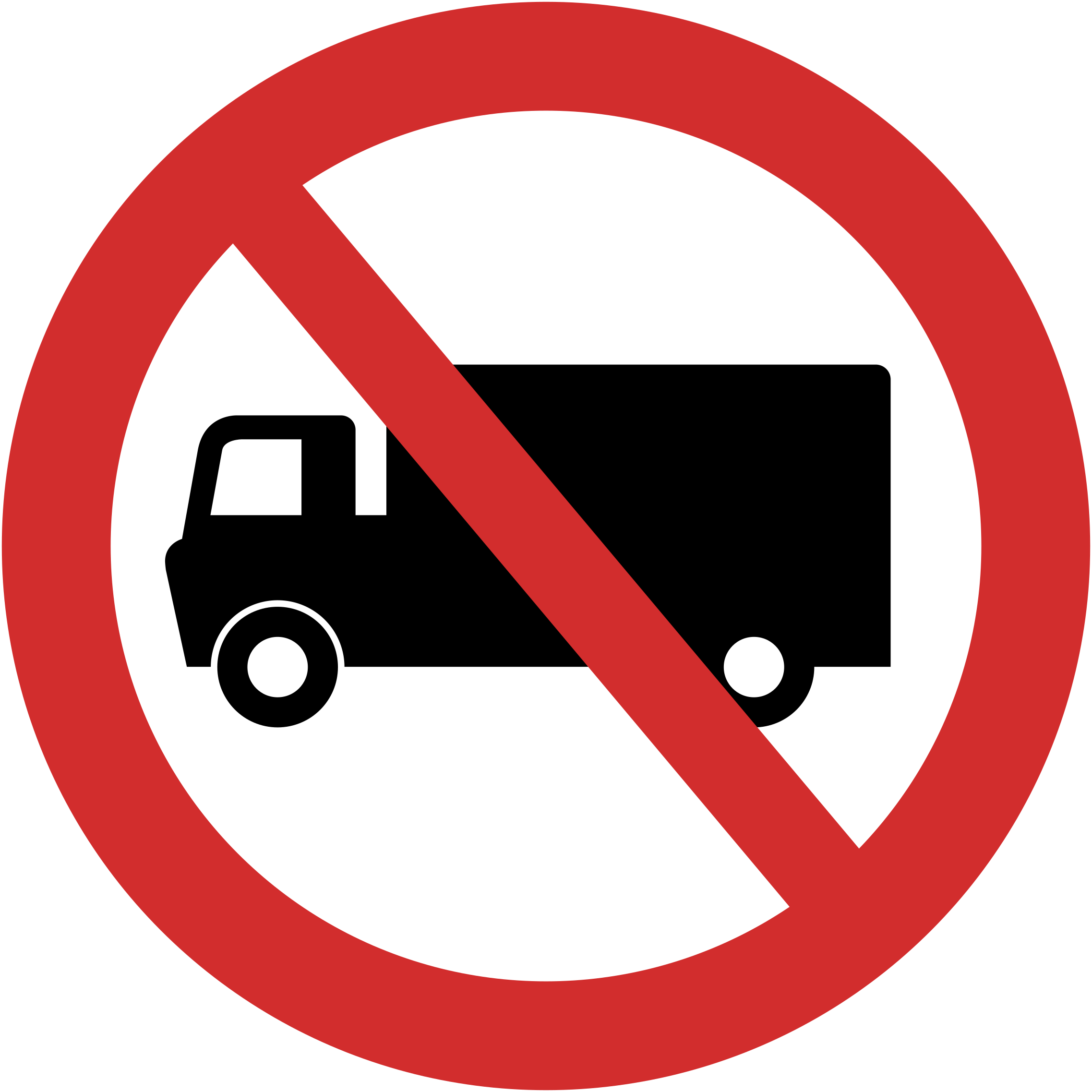
23. What does this traffic sign mean?
This traffic sign indicates that trucks are prohibited. Trucks covered by the sign may not enter or continue beyond it. Any applicable weight threshold or vehicle-category limitation is determined by the sign, supplementary information and local rules.
English • Traffic sign A5 • No goods vehicles. Goods vehicles may not use this road.
नेपाली • A5 • मालवाहक सवारी निषेध। यस सडकमा मालवाहक ट्रकको प्रवेश निषेध छ।
Sources
🔗 Commons.wikimedia.org
🔗 Dor.gov.np • सडक विभाग • Traffic Signs Manual, 1997 • A5 • PDF पृष्ठ 52
SVG source: Nepali Department of Roads • Public domain • Original revision 2020-02-13. Wikimedia original unmodified.
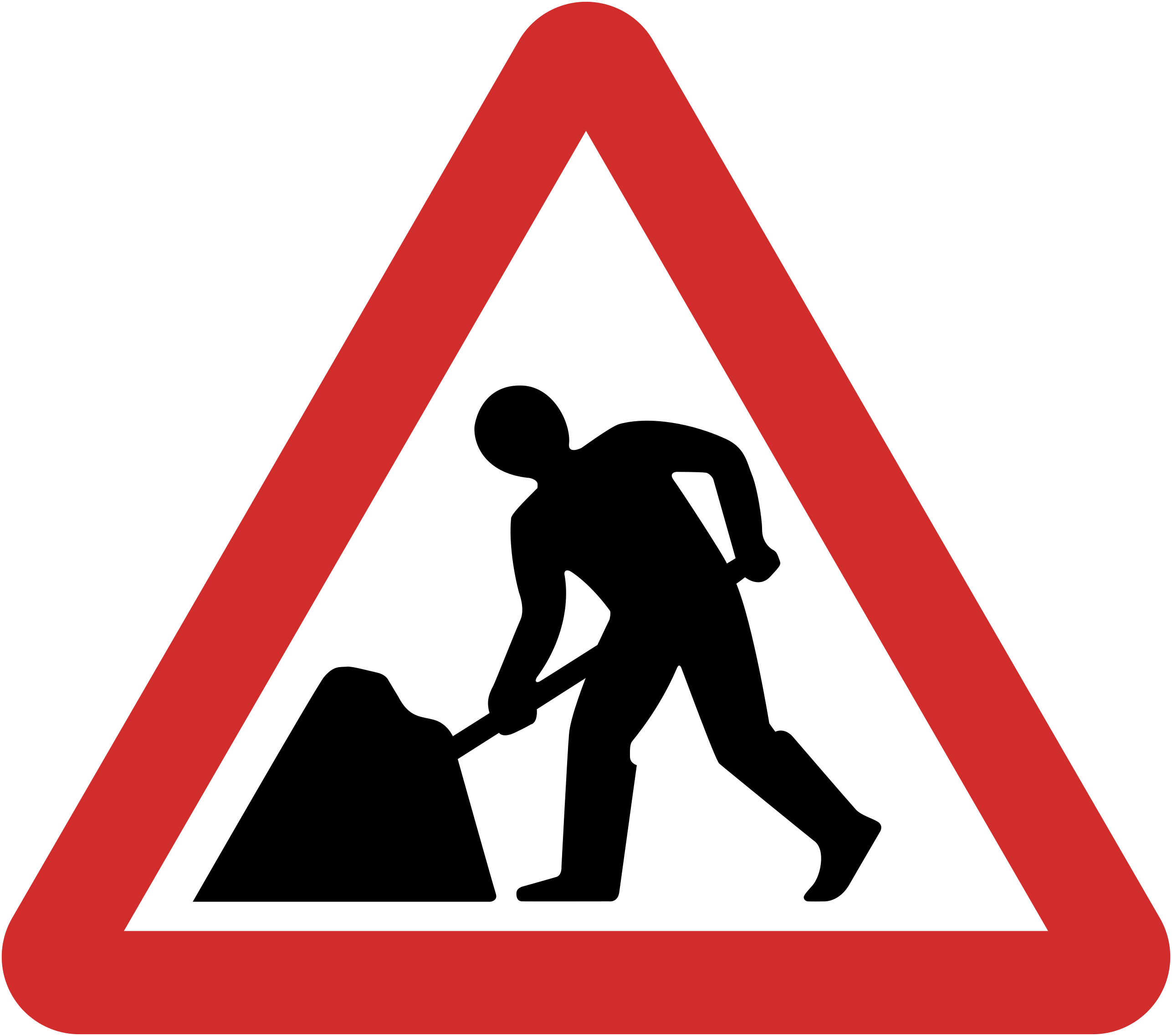
24. What does this traffic sign mean?
This traffic sign indicates a warning for roadworks. Construction or maintenance work is taking place on or beside the road. Reduce speed where necessary and be prepared for workers, machinery, temporary traffic signals, changed lane layouts or uneven road surfaces.
English • Traffic sign B38 • Roadworks ahead. Watch for construction or repair work, workers and equipment, and obey temporary instructions.
नेपाली • B38 • सडकमा काम भइरहेको। अगाडि सडक निर्माण वा मर्मत भइरहेको छ। कामदार, उपकरण र अस्थायी निर्देशनप्रति सावधान रहनुहोस्।
Sources
🔗 Commons.wikimedia.org
🔗 Dor.gov.np • सडक विभाग • Traffic Signs Manual, 1997 • B38 • PDF पृष्ठ 118
SVG source: Commons.wikimedia.org • Original SVG
Nepali Department of Roads • Public domain • Original revision 2020-03-09. Wikimedia original unmodified.
Artwork reviewed against the Department of Roads Traffic Signs Manual 2018, Volume 2: Dor.gov.np • PDF page 74. Catalogue-equivalent illustration; intentional update from the previous PNG. The earlier manual is retained as supporting evidence.
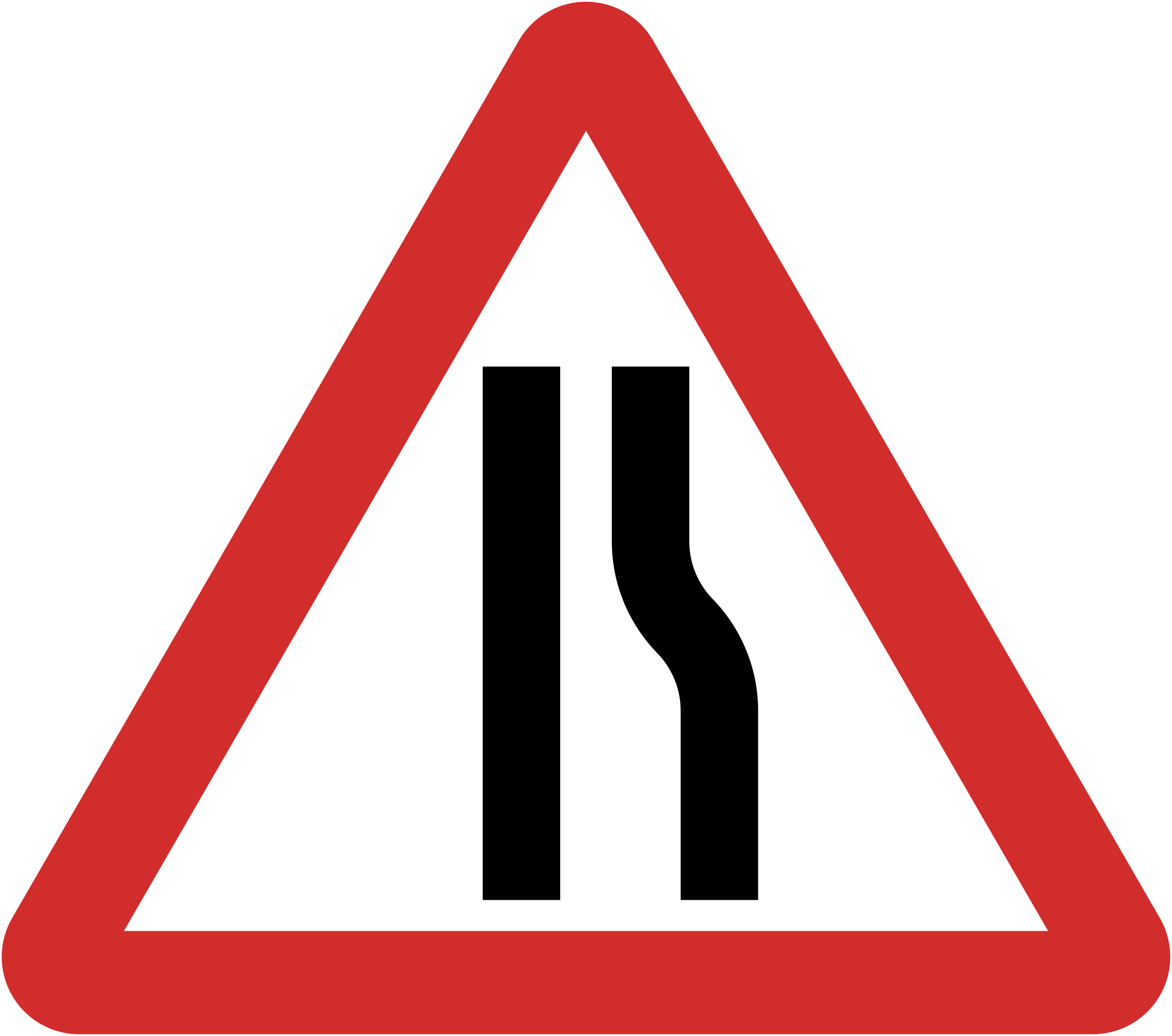
25. What does this traffic sign mean?
This traffic sign indicates a warning for a road narrowing on the right. The available road width decreases from the right side ahead. Reduce speed, follow the lane markings and maintain sufficient clearance from other traffic and the road edge.
English • Traffic sign B15 • Road narrows on the right. The right edge of the road narrows ahead. Proceed carefully.
नेपाली • B15 • दायाँतर्फ सडक साँघुरिन्छ। अगाडि सडकको दायाँ किनारा साँघुरिन्छ। सावधानीपूर्वक अघि बढ्नुहोस्।
Sources
🔗 Commons.wikimedia.org
🔗 Dor.gov.np • सडक विभाग • Traffic Signs Manual, 1997 • B15 • PDF पृष्ठ 95
SVG source: Commons.wikimedia.org • Original SVG
Nepali Department of Roads • Public domain • Original revision 2020-03-12. Wikimedia original unmodified.
Artwork reviewed against the Department of Roads Traffic Signs Manual 2018, Volume 2: Dor.gov.np • PDF page 52. Catalogue-equivalent illustration; intentional update from the previous PNG. The earlier manual is retained as supporting evidence.
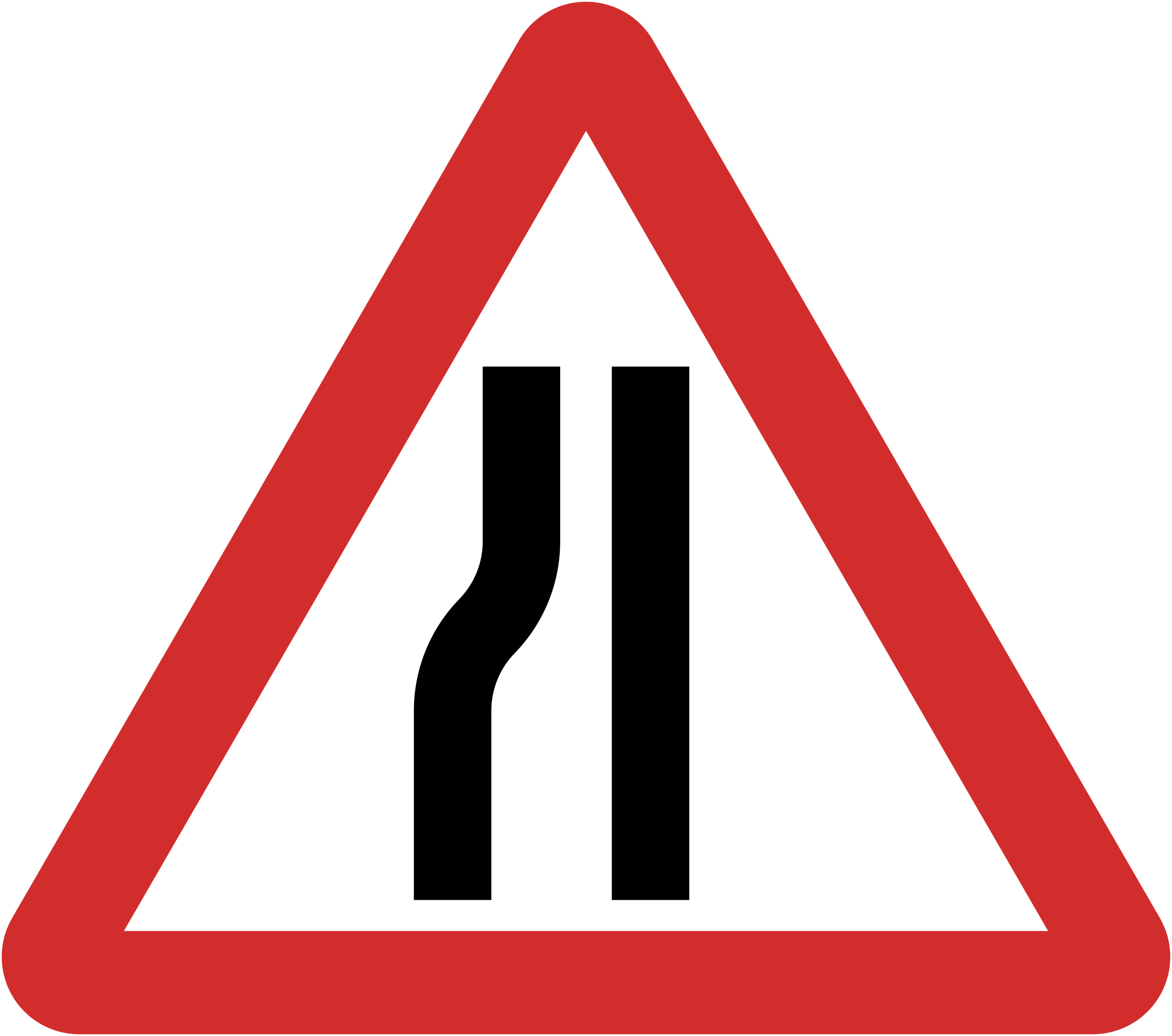
26. What does this traffic sign mean?
This traffic sign indicates a warning for a road narrowing on the left. The available road width decreases from the left side ahead. Reduce speed, follow the lane markings and maintain sufficient clearance from other traffic and the road edge.
English • Traffic sign B15 • Road narrows on the left. The left edge of the road narrows ahead. Proceed carefully.
नेपाली • B15 • बायाँतर्फ सडक साँघुरिन्छ। अगाडि सडकको बायाँ किनारा साँघुरिन्छ। सावधानीपूर्वक अघि बढ्नुहोस्।
Sources
🔗 Commons.wikimedia.org
🔗 Dor.gov.np • सडक विभाग • Traffic Signs Manual, 1997 • B15 • PDF पृष्ठ 95
SVG source: Commons.wikimedia.org • Original SVG
Nepali Department of Roads • Public domain • Original revision 2020-03-12. Wikimedia original unmodified.
Artwork reviewed against the Department of Roads Traffic Signs Manual 2018, Volume 2: Dor.gov.np • PDF page 52. Catalogue-equivalent illustration; intentional update from the previous PNG. The earlier manual is retained as supporting evidence.
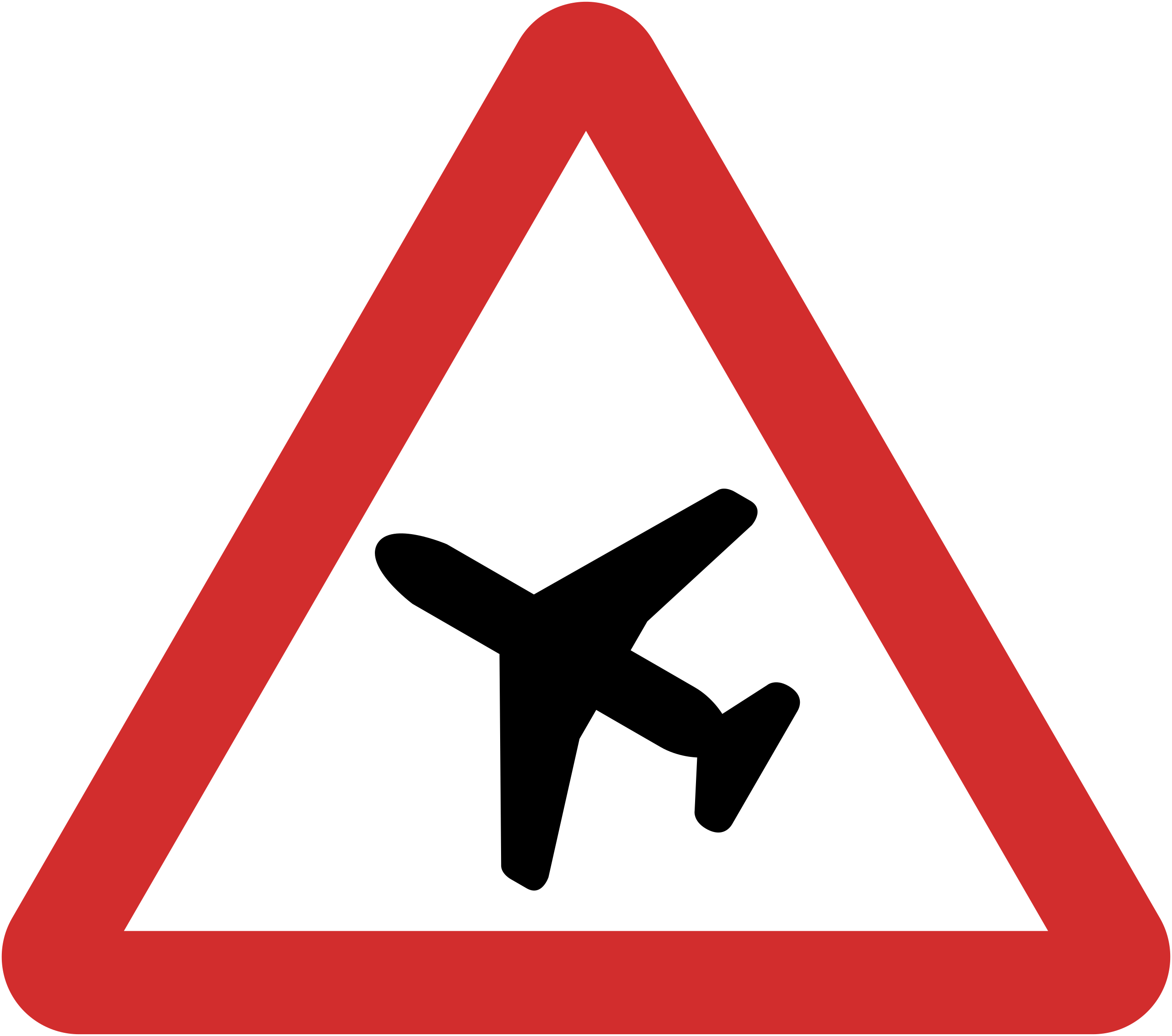
27. What does this traffic sign mean?
This traffic sign indicates a warning for low-flying aircraft. Aircraft may pass over the road at low altitude and can create sudden noise or visual distraction. Keep your attention on the road and maintain control of the vehicle.
English • Traffic sign B32 • Low-flying aircraft. Beware of the sudden noise or appearance of aircraft.
नेपाली • B32 • कम उचाइमा विमान। अगाडि कम उचाइमा उड्ने विमानको क्षेत्र छ। अचानक ठूलो आवाज वा विमान देखिन सक्छ।
Sources
🔗 Commons.wikimedia.org
🔗 Dor.gov.np • सडक विभाग • Traffic Signs Manual, 1997 • B32 • PDF पृष्ठ 112
SVG source: Commons.wikimedia.org • Original SVG
Nepali Department of Roads • Public domain • Original revision 2020-02-27. Wikimedia original unmodified.
Artwork reviewed against the Department of Roads Traffic Signs Manual 2018, Volume 2: Dor.gov.np • PDF page 68. Catalogue-equivalent illustration; intentional update from the previous PNG. The earlier manual is retained as supporting evidence.
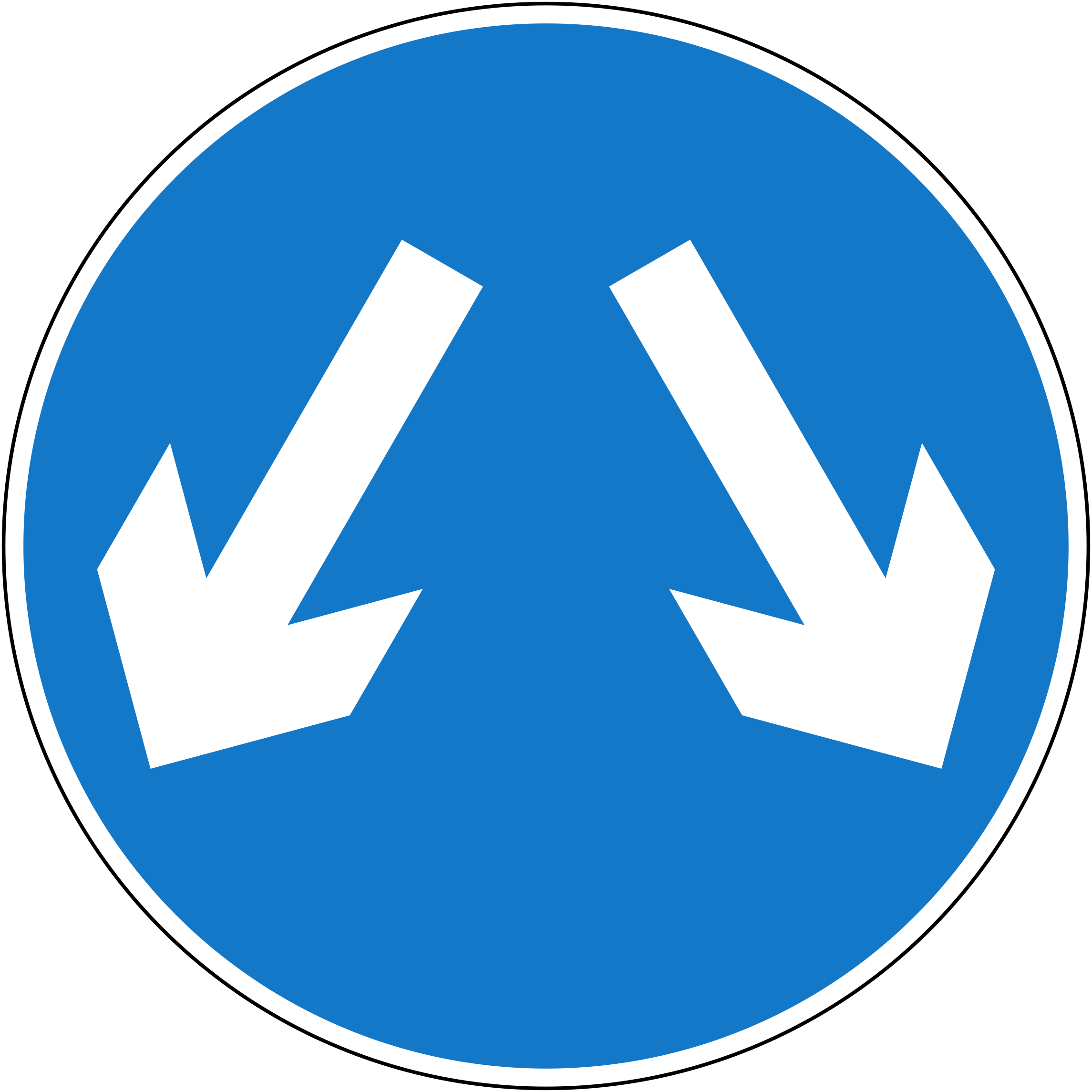
28. What does this traffic sign mean?
This traffic sign indicates that traffic must pass an obstacle on either the left or the right. Use either permitted side while following the road layout and any accompanying signs or markings.
English • Traffic sign A32 • Pass on either side. You may pass to the left or right of the obstruction or traffic island.
नेपाली • A32 • दुवैतर्फबाट जान सकिन्छ। सडकको अवरोध वा टापुलाई बायाँ वा दायाँ जुनसुकै तर्फबाट पार गर्न सकिन्छ।
Sources
🔗 Commons.wikimedia.org
🔗 Dor.gov.np • सडक विभाग • Traffic Signs Manual, 1997 • A32 • PDF पृष्ठ 79
SVG source: Nepali Department of Roads • Public domain • Original revision 2020-02-16. Wikimedia original unmodified.
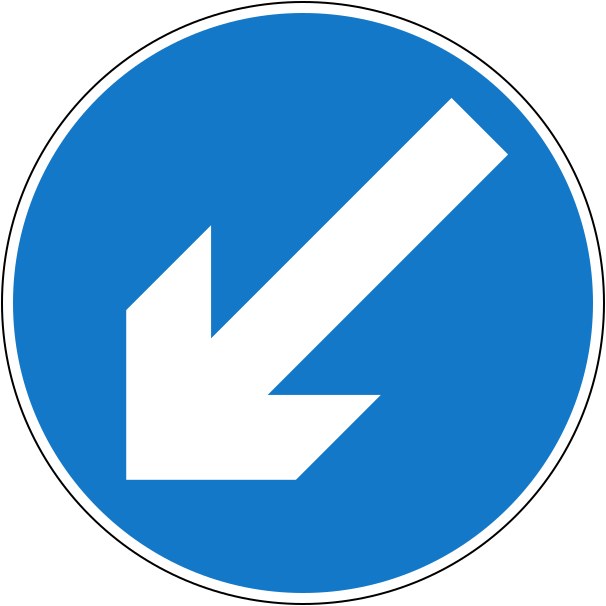
29. What does this traffic sign mean?
This traffic sign indicates that traffic must pass an obstacle on the left. Keep to the left of the obstacle and follow any accompanying signs or road markings.
English • Traffic sign A29 • Pass on the left. Pass to the left of the obstruction or traffic island.
नेपाली • A29 • बायाँबाट जानुहोस्। सडकको अवरोध वा टापुलाई बायाँतर्फबाट पार गर्नुहोस्।
Sources
🔗 Commons.wikimedia.org
🔗 Dor.gov.np • सडक विभाग • Traffic Signs Manual, 1997 • A29 • PDF पृष्ठ 76
SVG source: Nepali Department of Roads • Public domain • Original revision 2022-01-17. Wikimedia original unmodified.
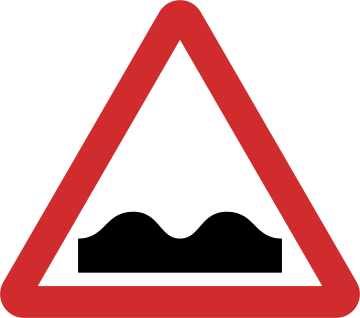
30. What does this traffic sign mean?
This traffic sign indicates a warning for a bad or uneven road surface. Potholes, bumps, depressions or other surface irregularities may affect vehicle stability and braking. Reduce speed and avoid sudden manoeuvres.
English • Traffic sign B29 • Uneven road. Slow down and maintain control of your vehicle.
नेपाली • B29 • असमतल सडक। अगाडि सडकको सतह असमतल छ। सवारीको नियन्त्रण कायम हुने गरी गति घटाउनुहोस्।
Sources
🔗 Commons.wikimedia.org
🔗 Dor.gov.np • सडक विभाग • Traffic Signs Manual, 1997 • B29 • PDF पृष्ठ 109
SVG source: Nepali Department of Roads • Public domain • Original revision 2014-08-14. Wikimedia original unmodified.
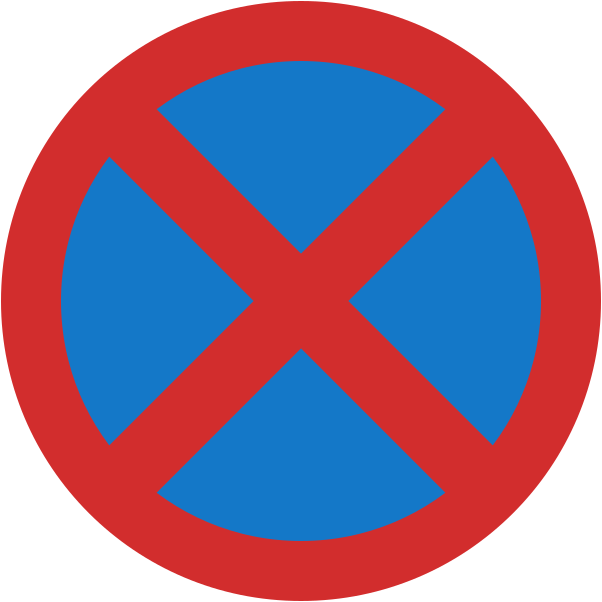
31. What does this traffic sign mean?
This traffic sign indicates that parking and stopping are prohibited. Vehicles may not stop or park voluntarily where the restriction applies, except where an applicable rule provides an exemption or stopping is required by traffic conditions.
English • Traffic sign A15 • No stopping. Stopping is prohibited where this sign applies. Read the instructions on any supplementary plate.
नेपाली • A15 • रोक्न निषेध। यो संकेत लागू हुने ठाउँमा सवारी रोक्न निषेध छ। थप प्लेटका निर्देशन पनि पढ्नुहोस्।
Sources
🔗 Commons.wikimedia.org
🔗 Dor.gov.np • सडक विभाग • Traffic Signs Manual, 1997 • A15 • PDF पृष्ठ 62
SVG source: Nepali Department of Roads • Public domain • Original revision 2022-01-23. Wikimedia original unmodified.
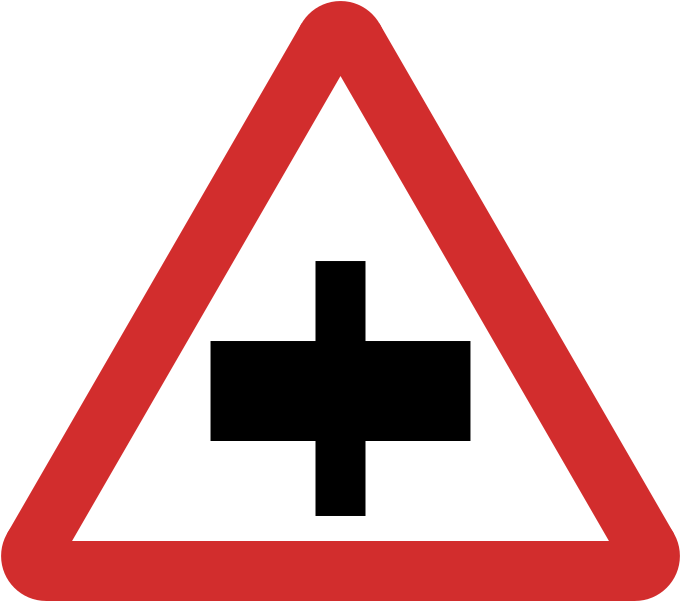
32. What does this traffic sign mean?
This traffic sign indicates a warning for a crossroad, give way. It alerts drivers that they are approaching an intersection where they must give way to traffic on the main road. Drivers should slow down and prepare to stop if needed.
English • Traffic sign B2 • Junction with a main road ahead. Prepare to give way.
नेपाली • B2 • अगाडि मुख्य सडक। अगाडि मुख्य सडकसँग जङ्क्सन छ। मुख्य सडकको यातायातलाई बाटो दिन तयार हुनुहोस्।
Sources
🔗 Commons.wikimedia.org
🔗 Dor.gov.np • सडक विभाग • Traffic Signs Manual, 1997 • B2 • PDF पृष्ठ 82
SVG source: Commons.wikimedia.org • Original SVG
Nepali Department of Roads • Public domain • Original revision 2022-02-13. Wikimedia original unmodified.
Artwork reviewed against the Department of Roads Traffic Signs Manual 2018, Volume 2: Dor.gov.np • PDF page 39. Catalogue-equivalent illustration; intentional update from the previous PNG. The earlier manual is retained as supporting evidence.
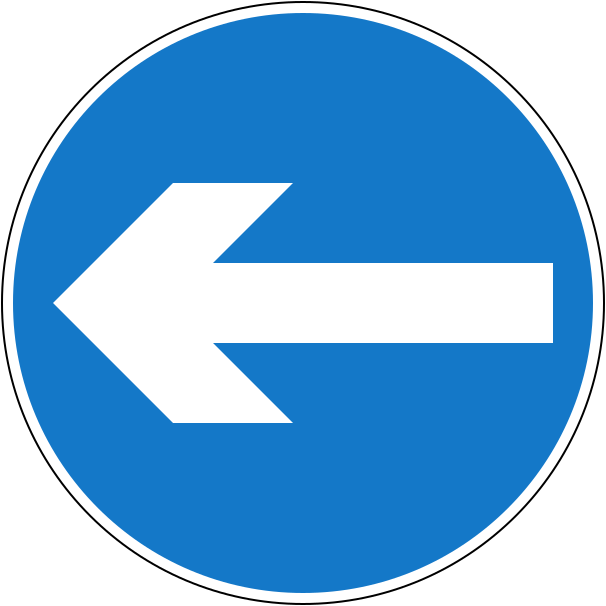
33. What does this traffic sign mean?
This traffic sign indicates a mandatory direction to the left. Traffic must proceed to the left at the sign and may not continue straight ahead or to the right.
English • Traffic sign A28 • Turn left. You must follow the arrow to the left.
नेपाली • A28 • बायाँ मोड्नुहोस्। तीरले देखाएको बायाँ दिशामा जानुपर्छ।
Sources
🔗 Commons.wikimedia.org
🔗 Dor.gov.np • सडक विभाग • Traffic Signs Manual, 1997 • A28 • PDF पृष्ठ 75
SVG source: Nepali Department of Roads • Public domain • Original revision 2022-01-15. Wikimedia original unmodified.
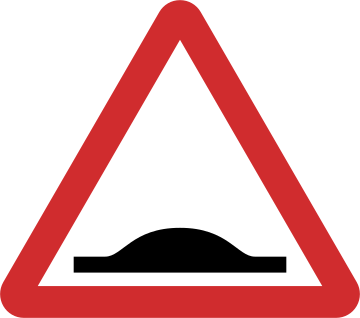
34. What does this traffic sign mean?
This traffic sign indicates a warning for a speed bump. A raised traffic-calming feature lies ahead. Reduce speed before reaching it to maintain vehicle control and avoid damage or discomfort.
English • Traffic sign B31 • Hump ahead. A raised section of road or speed hump lies ahead. Slow down before reaching it.
नेपाली • B31 • अगाडि उचालिएको भाग। अगाडि सडकमा उचालिएको भाग वा स्पिड ब्रेकर छ। त्यसअघि गति घटाउनुहोस्।
Sources
🔗 Commons.wikimedia.org
🔗 Dor.gov.np • सडक विभाग • Traffic Signs Manual, 1997 • B31 • PDF पृष्ठ 111
SVG source: Nepali Department of Roads • Public domain • Original revision 2014-08-14. Wikimedia original unmodified.
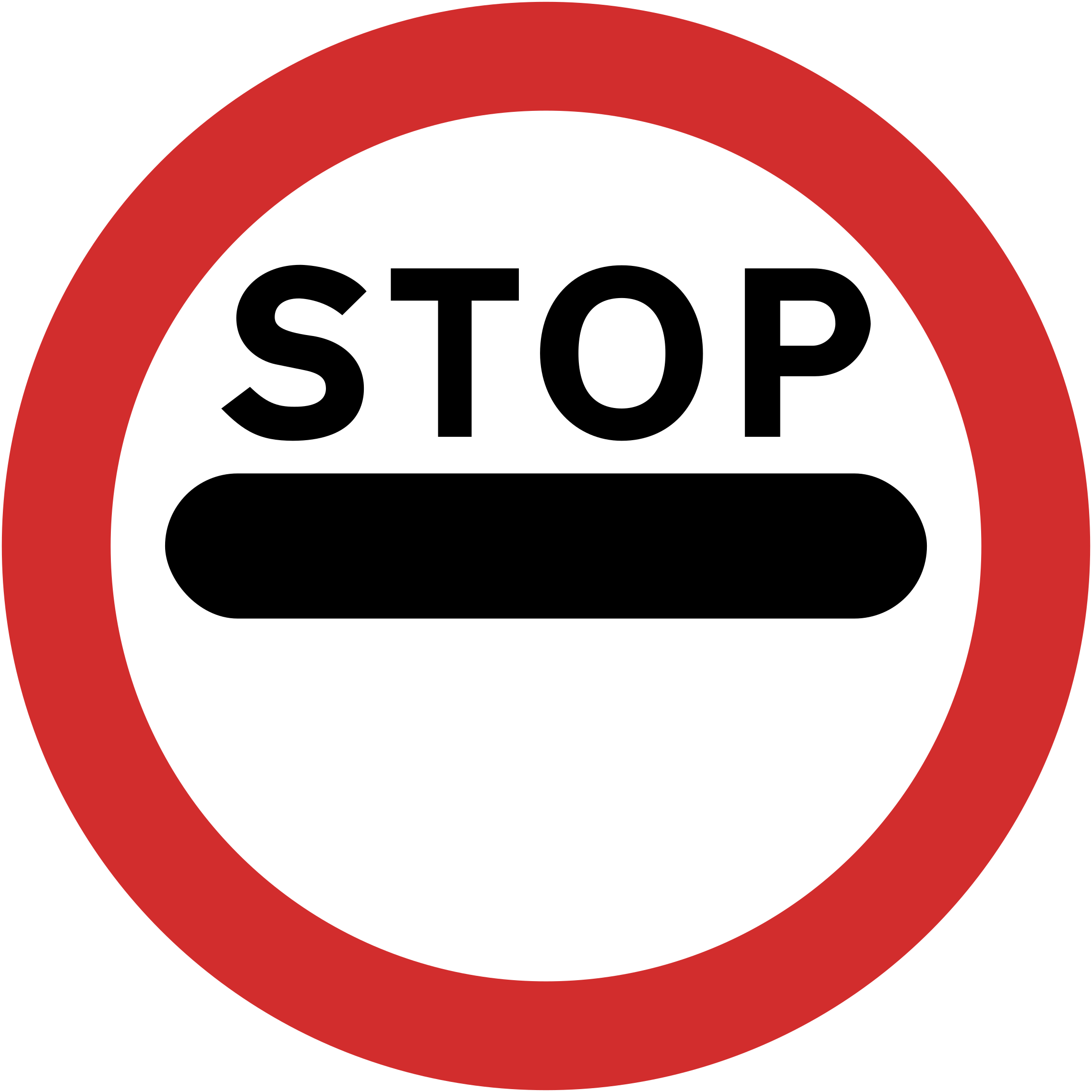
35. What does this traffic sign mean?
This traffic sign indicates a checkpoint with restricted entry. Road users may not proceed beyond the checkpoint unless they are authorised or permitted to continue according to the applicable rules and instructions.
English • Traffic sign A17 • Stop for the specified purpose. Stop before proceeding at the checkpoint or for the purpose specified on the sign. Follow the relevant instructions.
नेपाली • A17 • निश्चित कार्यका लागि रोक्नुहोस्। जाँच चौकी वा संकेतमा तोकिएको कार्यका लागि अगाडि जानुअघि रोक्नुहोस्। सम्बन्धित निर्देशन पालना गर्नुहोस्।
Sources
🔗 Commons.wikimedia.org
🔗 Dor.gov.np • सडक विभाग • Traffic Signs Manual, 1997 • A17 • PDF पृष्ठ 64
SVG source: Nepali Department of Roads • Public domain • Original revision 2020-02-17. Wikimedia original unmodified.
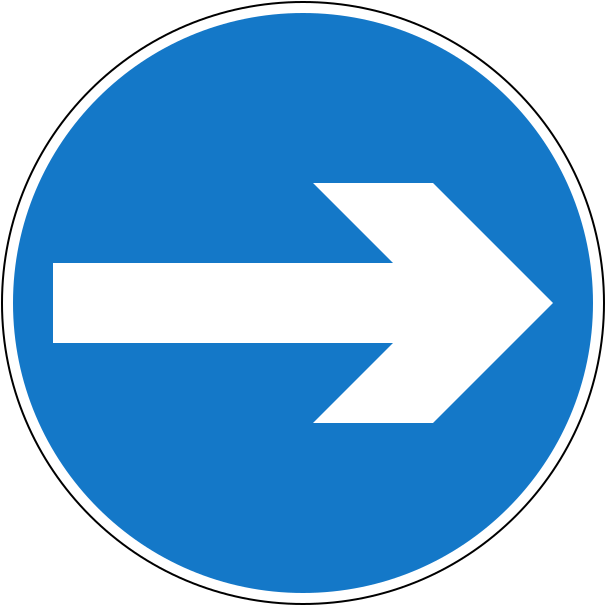
36. What does this traffic sign mean?
This traffic sign indicates a mandatory direction to the right. Traffic must proceed to the right at the sign and may not continue straight ahead or to the left.
English • Traffic sign A28 • Turn right. You must follow the arrow to the right.
नेपाली • A28 • दायाँ मोड्नुहोस्। तीरले देखाएको दायाँ दिशामा जानुपर्छ।
Sources
🔗 Commons.wikimedia.org
🔗 Dor.gov.np • सडक विभाग • Traffic Signs Manual, 1997 • A28 • PDF पृष्ठ 75
SVG source: Nepali Department of Roads • Public domain • Original revision 2022-01-15. Wikimedia original unmodified.
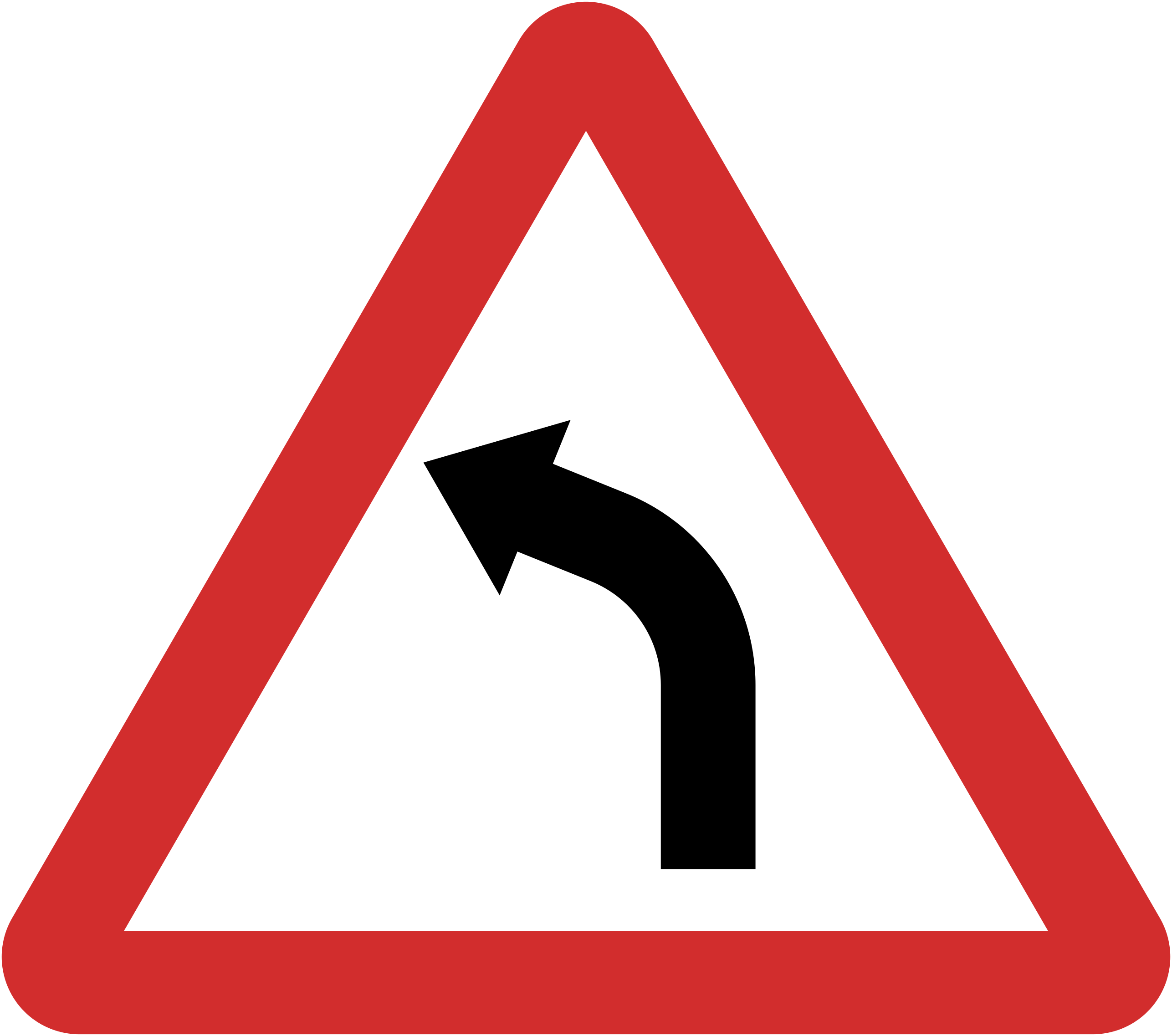
37. What does this traffic sign mean?
This traffic sign indicates a warning for a curve to the left. A left-hand bend lies ahead. Reduce speed before entering the curve, maintain your lane position and use smooth steering.
English • Traffic sign B10 • Sharp bend to the left. Reduce speed before the bend.
नेपाली • B10 • बायाँ मोड। अगाडि बायाँतर्फ तीव्र मोड छ। मोडअघि गति घटाउनुहोस्।
Sources
🔗 Commons.wikimedia.org
🔗 Dor.gov.np • सडक विभाग • Traffic Signs Manual, 1997 • B10 • PDF पृष्ठ 90
SVG source: Commons.wikimedia.org • Original SVG
Nepali Department of Roads • Public domain • Original revision 2020-02-28. Wikimedia original unmodified.
Artwork reviewed against the Department of Roads Traffic Signs Manual 2018, Volume 2: Dor.gov.np • PDF page 47. Catalogue-equivalent illustration; intentional update from the previous PNG. The earlier manual is retained as supporting evidence.
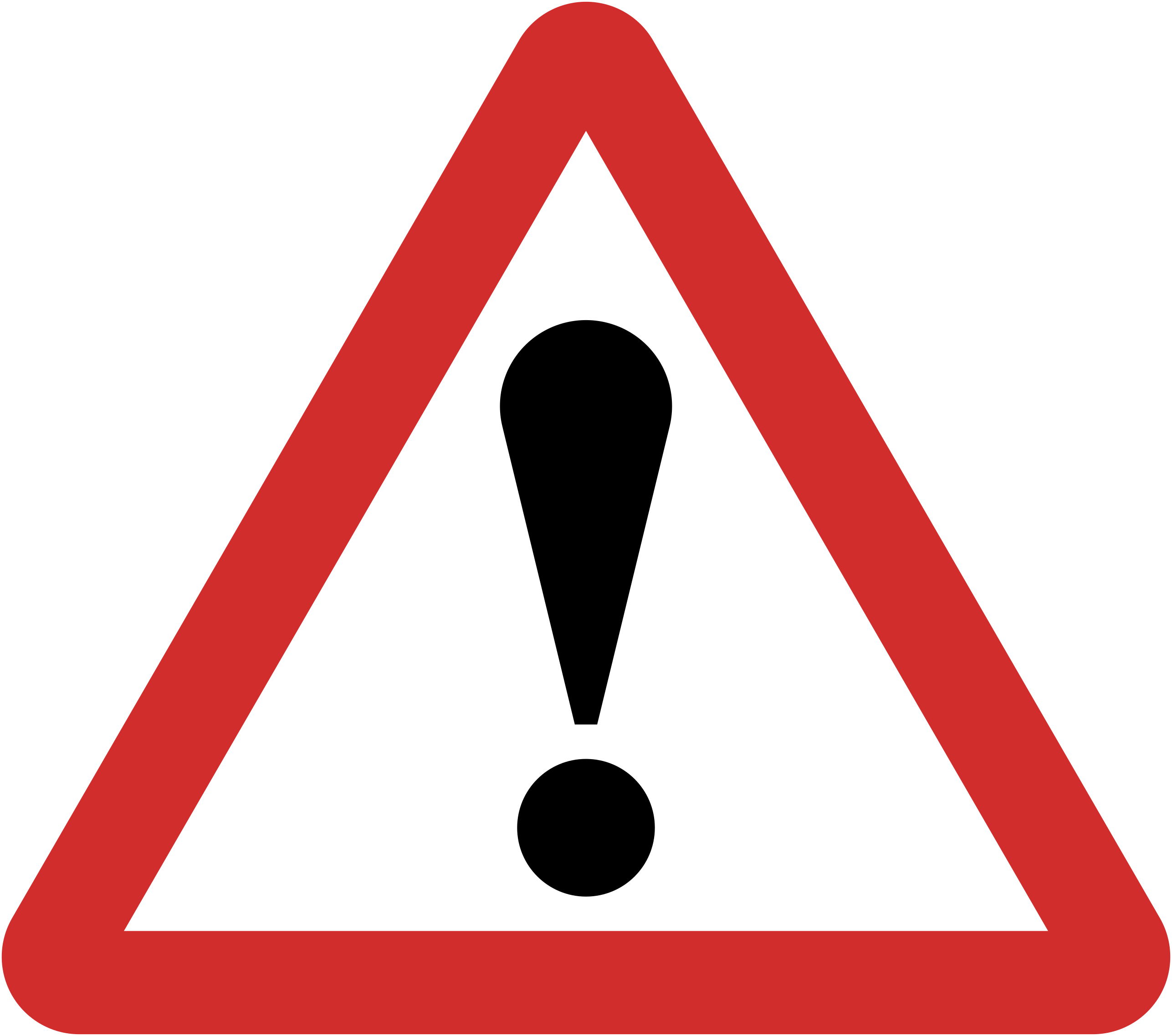
38. What does this traffic sign mean?
This traffic sign indicates a warning for a danger with no specific traffic sign. It's a general warning sign used when there is a hazard ahead that does not have its own dedicated warning sign. For example: road accidents, flooded roads and roads blocked by fallen trees. It usually has a supplementary sign attached that tells drivers of what hazard to expect.
English • Traffic sign B36 • Other danger. Read the supplementary plate for details of the danger.
नेपाली • B36 • अन्य खतरा। अगाडि अन्य प्रकारको खतरा छ। थप प्लेट भए त्यसमा लेखिएको खतराको विवरण पनि पढ्नुहोस्।
Sources
🔗 Commons.wikimedia.org
🔗 Dor.gov.np • सडक विभाग • Traffic Signs Manual, 1997 • B36 • PDF पृष्ठ 116
SVG source: Commons.wikimedia.org • Original SVG
Nepali Department of Roads • Public domain • Original revision 2020-03-09. Wikimedia original unmodified.
Artwork reviewed against the Department of Roads Traffic Signs Manual 2018, Volume 2: Dor.gov.np • PDF page 72. Catalogue-equivalent illustration; intentional update from the previous PNG. The earlier manual is retained as supporting evidence.
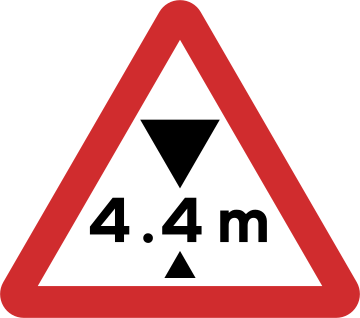
39. What does this traffic sign mean?
This traffic sign indicates a warning for a height restriction. The available clearance ahead is limited, for example at a bridge, tunnel or other overhead structure. Drivers of tall vehicles should check their vehicle height and use another route if the vehicle cannot pass safely.
English • Traffic sign B20 • Overhead clearance: 4.4 m. Check the height of your vehicle and load.
नेपाली • B20 • अगाडि उचाइको सीमा। अगाडि माथिको संरचनासँगको उपलब्ध उचाइ ४.४ मिटर छ। आफ्नो सवारी र मालको उचाइ जाँच गर्नुहोस्।
Sources
🔗 Commons.wikimedia.org
🔗 Dor.gov.np • सडक विभाग • Traffic Signs Manual, 1997 • B20 • PDF पृष्ठ 100
SVG source: Nepali Department of Roads • Public domain • Original revision 2014-08-14. Wikimedia original unmodified.
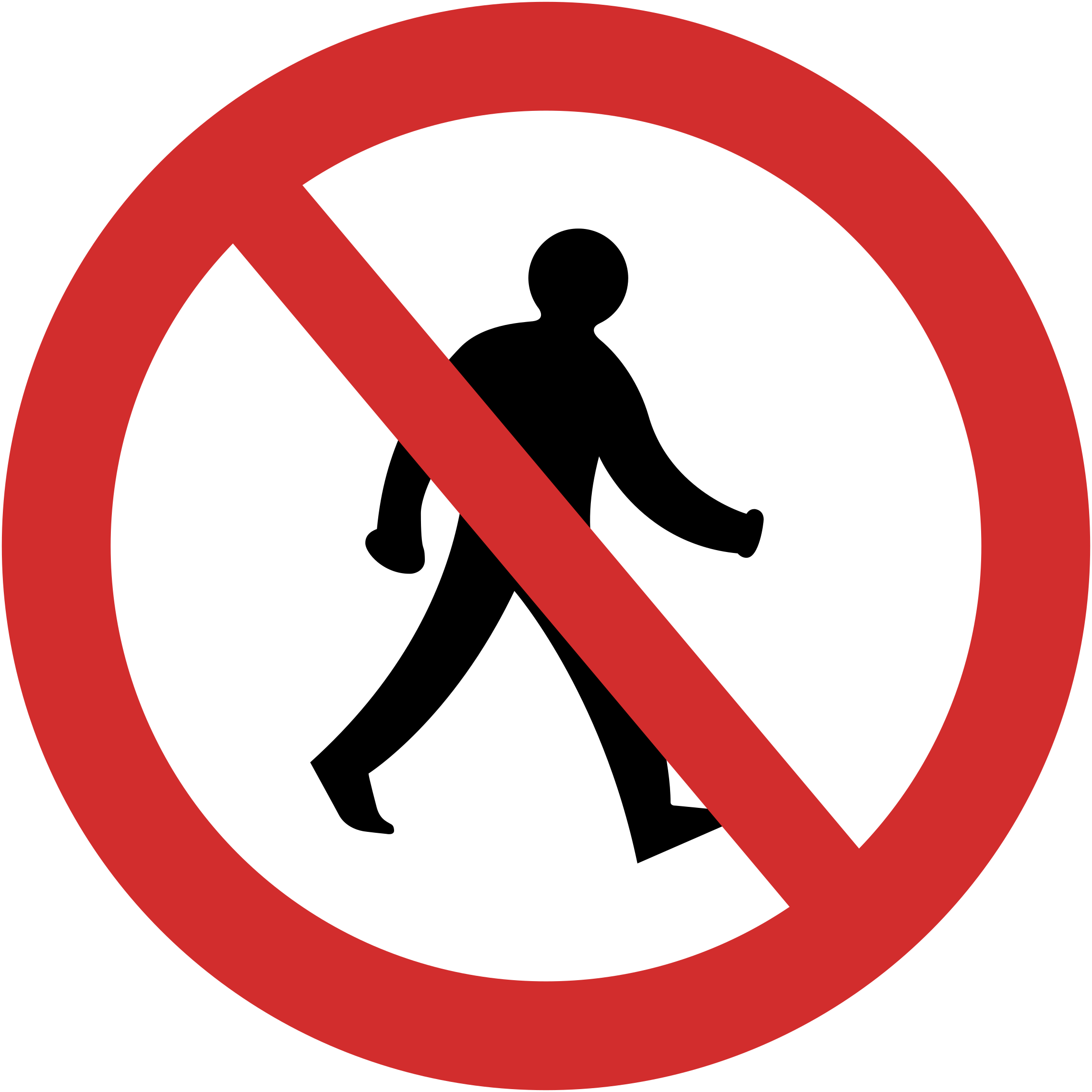
40. What does this traffic sign mean?
This traffic sign indicates that pedestrians are prohibited. Pedestrians may not enter or continue beyond the sign. Other road users may still be permitted unless another restriction applies.
English • Traffic sign A8 • No pedestrians. Pedestrians may not use this section of road.
नेपाली • A8 • पैदलयात्री निषेध। यस सडक वा खण्डमा पैदलयात्रीको प्रवेश निषेध छ।
Sources
🔗 Commons.wikimedia.org
🔗 Dor.gov.np • सडक विभाग • Traffic Signs Manual, 1997 • A8 • PDF पृष्ठ 55
SVG source: Nepali Department of Roads • Public domain • Original revision 2021-11-27. Wikimedia original unmodified.
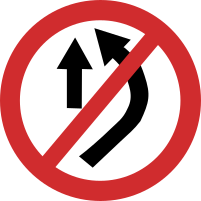
41. What does this traffic sign mean?
This traffic sign indicates that overtaking is prohibited. The vehicles covered by the prohibition and any categories that may still be overtaken depend on the applicable local rules.
English • Traffic sign A16 • No overtaking. Overtaking a motor vehicle ahead is prohibited on the section covered by this restriction.
नेपाली • A16 • ओभरटेक गर्न निषेध। यो प्रतिबन्ध लागू हुने खण्डमा अगाडिको मोटर सवारीलाई उछिन्न निषेध छ।
Sources
🔗 Commons.wikimedia.org
🔗 Dor.gov.np • सडक विभाग • Traffic Signs Manual, 1997 • A16 • PDF पृष्ठ 63
SVG source: Nepali Department of Roads • Public domain • Original revision 2012-09-13. Wikimedia original unmodified.
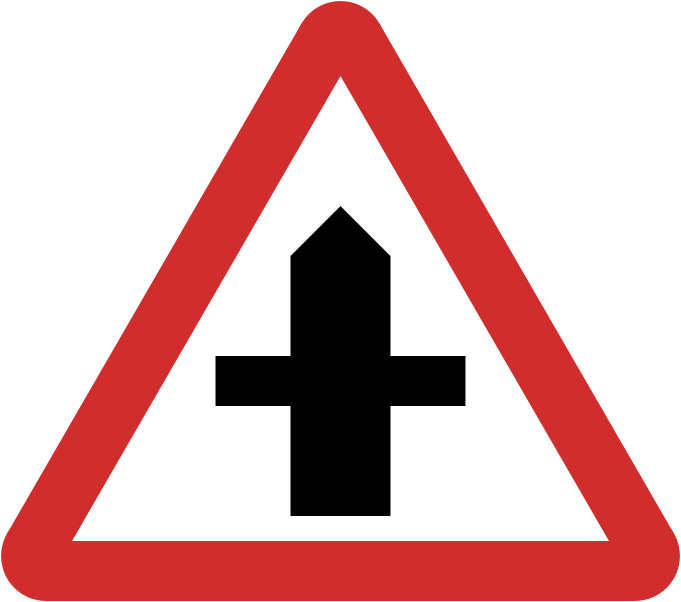
42. What does this traffic sign mean?
This traffic sign indicates that you have priority at the next intersection. Side roads join from the left and right, and traffic entering from those side roads must give way.
English • Traffic sign B1 • Crossroads with minor roads on both sides. Slow down and watch for traffic from both sides.
नेपाली • B1 • अगाडि चौबाटो। अगाडि दुवैतर्फबाट सहायक सडक जोडिने चौबाटो छ। गति घटाउनुहोस् र दुवैतर्फको यातायात हेर्नुहोस्।
Sources
🔗 Commons.wikimedia.org
🔗 Dor.gov.np • सडक विभाग • Traffic Signs Manual, 1997 • B1 • PDF पृष्ठ 81
SVG source: Commons.wikimedia.org • Original SVG
Nepali Department of Roads • Public domain • Original revision 2022-02-12. Wikimedia original unmodified.
Artwork reviewed against the Department of Roads Traffic Signs Manual 2018, Volume 2: Dor.gov.np • PDF page 38. Catalogue-equivalent illustration; intentional update from the previous PNG. The earlier manual is retained as supporting evidence.
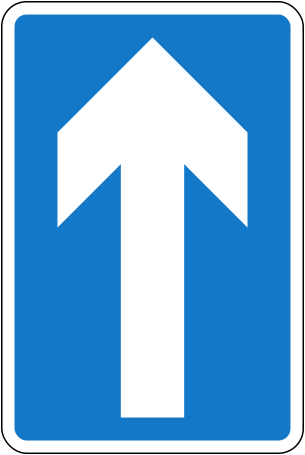
43. What does this traffic sign mean?
This traffic sign indicates a road with one-way traffic. Vehicular traffic may travel only in the permitted direction, subject to any exceptions indicated by traffic signs or local rules.
English • Traffic sign A33 • One-way traffic. Traffic on this road travels only in the direction of the arrow.
नेपाली • A33 • एकतर्फी यातायात। यस सडकमा यातायात तीरले देखाएको दिशामा मात्र चल्छ।
Sources
🔗 Commons.wikimedia.org
🔗 Dor.gov.np • सडक विभाग • Traffic Signs Manual, 1997 • A33 • PDF पृष्ठ 80
SVG source: Nepali Department of Roads • Public domain • Original revision 2022-01-12. Wikimedia original unmodified.
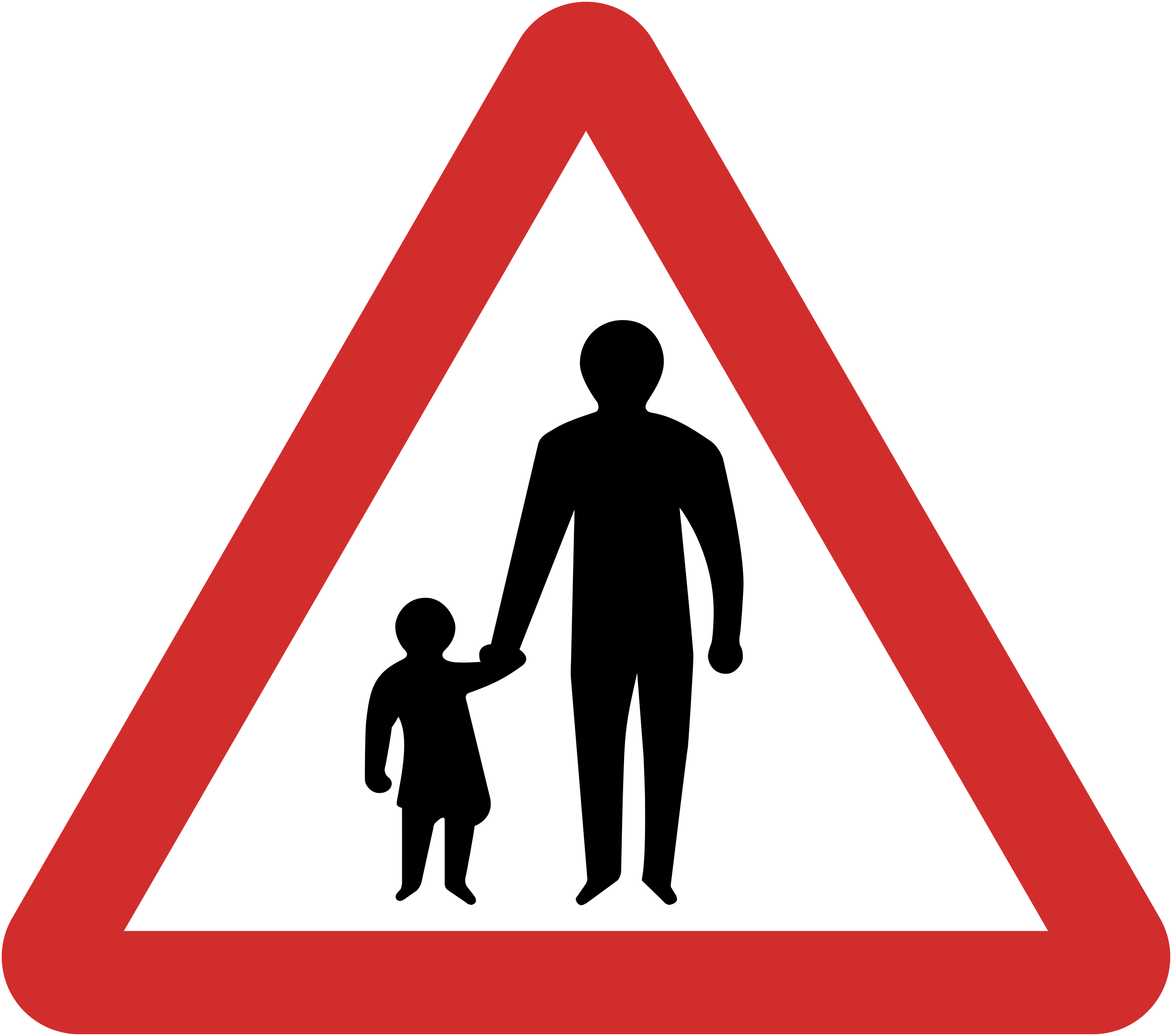
44. What does this traffic sign mean?
This traffic sign indicates a warning for pedestrians. Pedestrians may be walking near or crossing the road ahead. Reduce speed, watch carefully and be prepared to stop.
English • Traffic sign B24 • Pedestrians. There may be no pavement or people may be walking on the road. Give them space.
नेपाली • B24 • सडकमा पैदलयात्री। अगाडि फुटपाथ नभएको वा पैदलयात्री सडकमा हिँड्ने क्षेत्र छ। पैदलयात्रीलाई पर्याप्त ठाउँ दिनुहोस्।
Sources
🔗 Commons.wikimedia.org
🔗 Dor.gov.np • सडक विभाग • Traffic Signs Manual, 1997 • B24 • PDF पृष्ठ 104
SVG source: Commons.wikimedia.org • Original SVG
Nepali Department of Roads • Public domain • Original revision 2020-02-23. Wikimedia original unmodified.
Artwork reviewed against the Department of Roads Traffic Signs Manual 2018, Volume 2: Dor.gov.np • PDF page 60. Catalogue-equivalent illustration; intentional update from the previous PNG. The earlier manual is retained as supporting evidence.
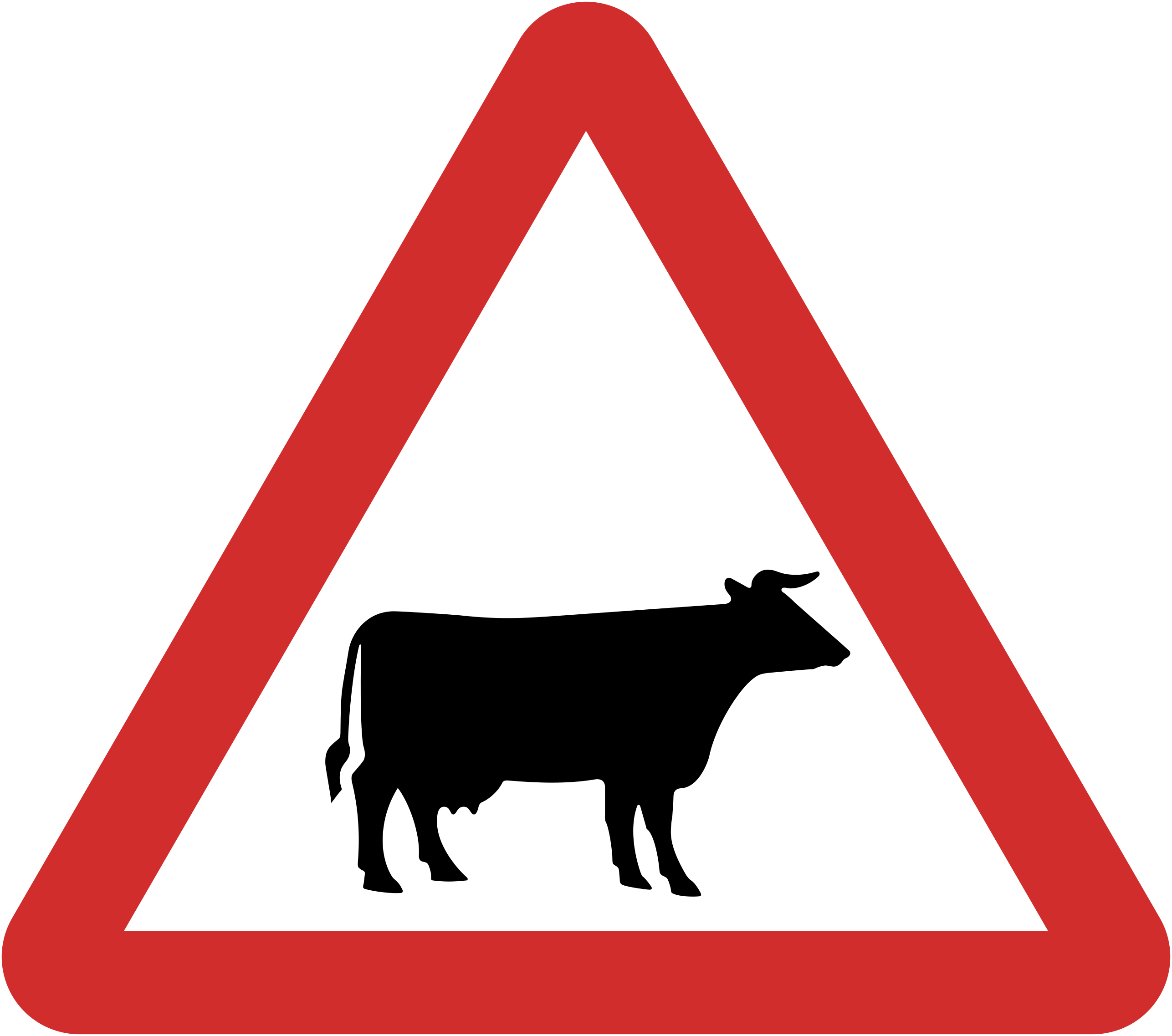
45. What does this traffic sign mean?
This traffic sign indicates a warning for cattle. Cattle or other livestock may be crossing, walking along or standing near the road. Reduce speed, be prepared to stop and avoid sudden movements or unnecessary use of the horn that could startle the animals.
English • Traffic sign B26 • Livestock. Animals may be on or crossing the road. Slow down and prepare to stop.
नेपाली • B26 • गाईवस्तु। अगाडि सडकमा गाईवस्तु आउन सक्छन्। गति घटाउनुहोस् र रोक्न तयार हुनुहोस्।
Sources
🔗 Commons.wikimedia.org
🔗 Dor.gov.np • सडक विभाग • Traffic Signs Manual, 1997 • B26 • PDF पृष्ठ 106
SVG source: Commons.wikimedia.org • Original SVG
Nepali Department of Roads • Public domain • Original revision 2020-02-23. Wikimedia original unmodified.
Artwork reviewed against the Department of Roads Traffic Signs Manual 2018, Volume 2: Dor.gov.np • PDF page 62. Catalogue-equivalent illustration; intentional update from the previous PNG. The earlier manual is retained as supporting evidence.
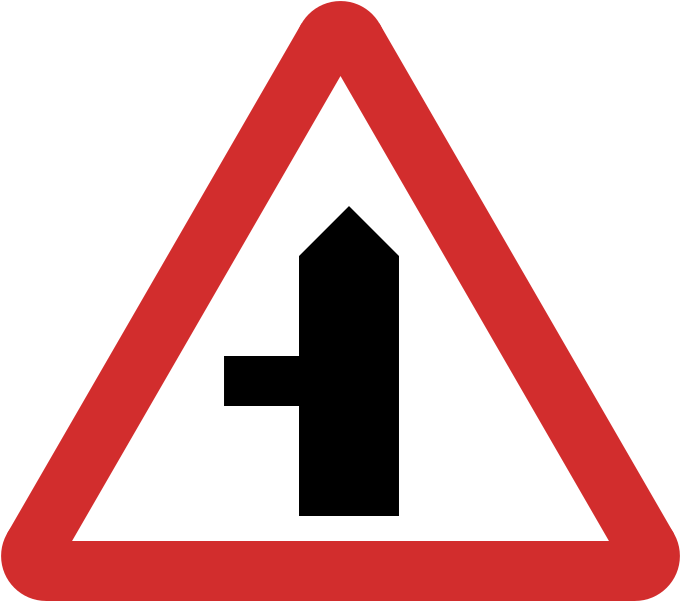
46. What does this traffic sign mean?
This traffic sign indicates that you have priority at the next intersection. A side road joins from the left, and traffic entering from that side road must give way.
English • Traffic sign B3 • Side road on the left. Watch for traffic at the junction.
नेपाली • B3 • बायाँतर्फ सहायक सडक। अगाडि बायाँतर्फबाट सहायक सडक जोडिन्छ। जङ्क्सनको यातायातप्रति सावधान रहनुहोस्।
Sources
🔗 Commons.wikimedia.org
🔗 Dor.gov.np • सडक विभाग • Traffic Signs Manual, 1997 • B3 • PDF पृष्ठ 83
SVG source: Commons.wikimedia.org • Original SVG
Nepali Department of Roads • Public domain • Original revision 2022-02-17. Wikimedia original unmodified.
Artwork reviewed against the Department of Roads Traffic Signs Manual 2018, Volume 2: Dor.gov.np • PDF page 40. Catalogue-equivalent illustration; intentional update from the previous PNG. The earlier manual is retained as supporting evidence.
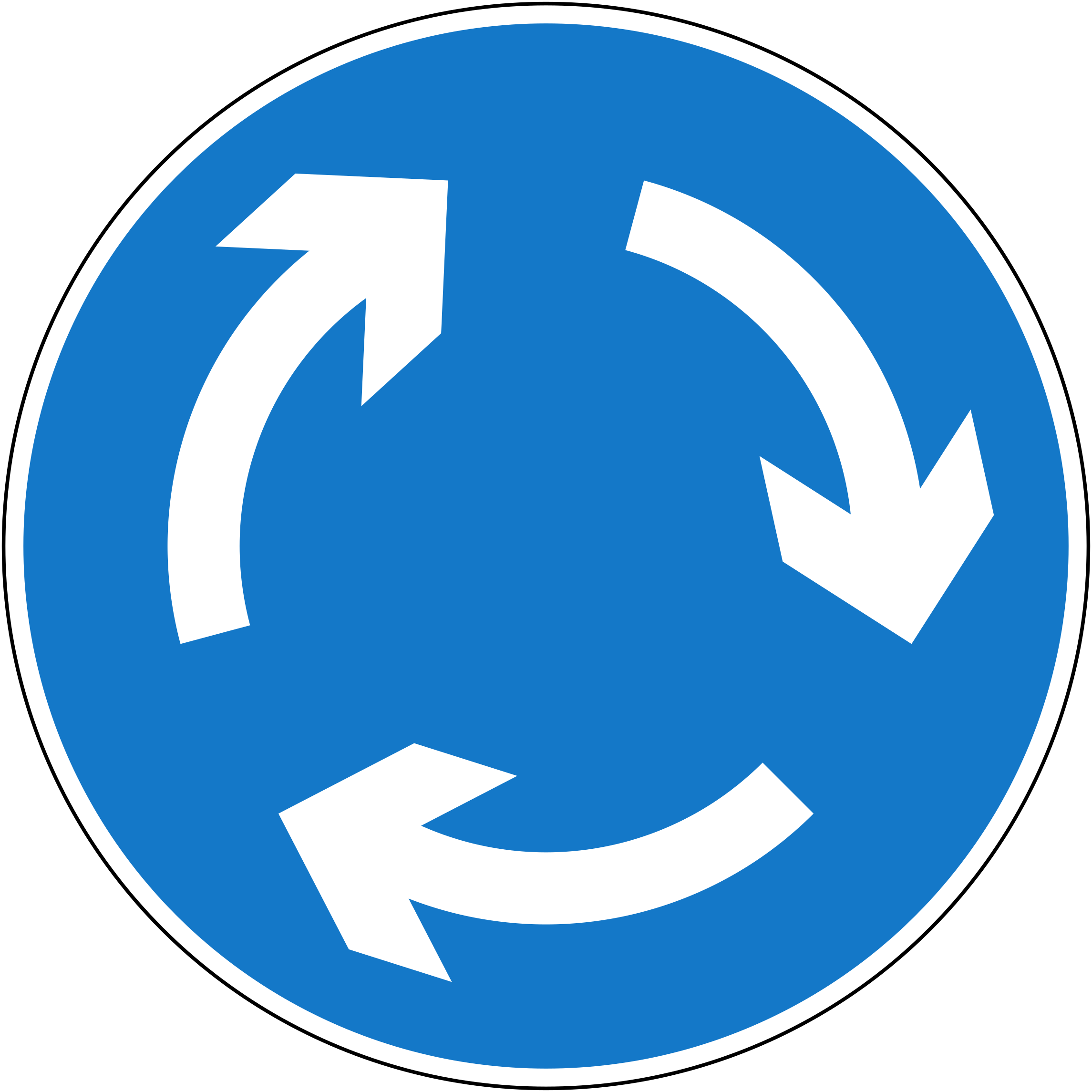
47. What does this traffic sign mean?
This traffic sign indicates the mandatory direction around a roundabout. Traffic must circulate in the direction shown by the arrows. The sign does not itself determine priority; follow the applicable priority signs, traffic signals and local rules.
English • Traffic sign A31 • Mini-roundabout. Circulate clockwise in the direction of the arrows and give way to traffic from the right.
नेपाली • A31 • सानो गोलचक्कर। तीरको दिशामा घडीको दिशाअनुसार घुम्नुहोस् र दायाँबाट आउने यातायातलाई बाटो दिनुहोस्।
Sources
🔗 Commons.wikimedia.org
🔗 Dor.gov.np • सडक विभाग • Traffic Signs Manual, 1997 • A31 • PDF पृष्ठ 78
SVG source: Nepali Department of Roads • Public domain • Original revision 2021-12-21. Wikimedia original unmodified.
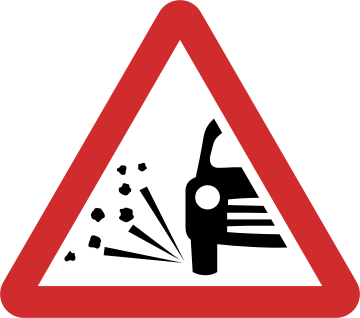
48. What does this traffic sign mean?
This traffic sign indicates a warning for loose chippings. Loose stones or gravel may reduce tyre grip and can be thrown up by passing vehicles. Reduce speed, increase your following distance and avoid sudden braking, acceleration or steering movements.
English • Traffic sign B39 • Loose gravel. Slow down and increase your following distance.
नेपाली • B39 • खुकुलो गिट्टी। अगाडि सडकमा खुकुलो गिट्टी छ। गति घटाउनुहोस् र अन्य सवारीसँग दूरी राख्नुहोस्।
Sources
🔗 Commons.wikimedia.org
🔗 Dor.gov.np • सडक विभाग • Traffic Signs Manual, 1997 • B39 • PDF पृष्ठ 119
SVG source: Nepali Department of Roads • Public domain • Original revision 2014-08-14. Wikimedia original unmodified.
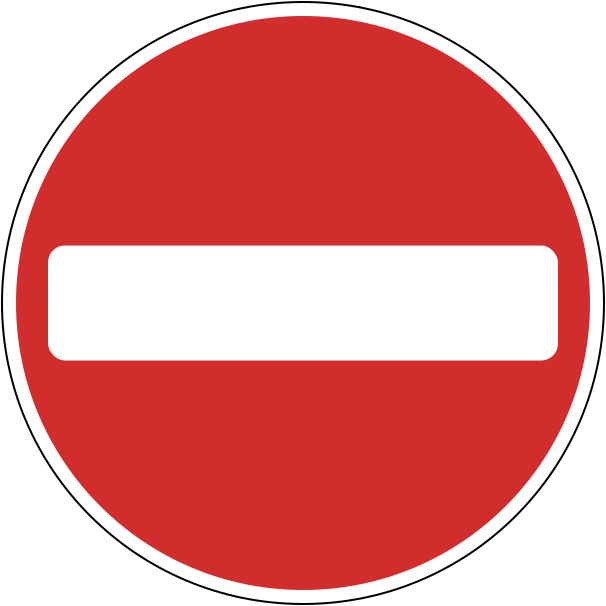
49. What does this traffic sign mean?
This traffic sign means no entry. Drivers may not enter from the direction in which the sign is placed.
English • Traffic sign A3 • No entry. Vehicles may not enter from this direction.
नेपाली • A3 • प्रवेश निषेध। यस दिशाबाट सवारी प्रवेश गर्न निषेध छ।
Sources
🔗 Commons.wikimedia.org
🔗 Dor.gov.np • सडक विभाग • Traffic Signs Manual, 1997 • A3 • PDF पृष्ठ 50
SVG source: Nepali Department of Roads • Public domain • Original revision 2022-01-26. Wikimedia original unmodified.
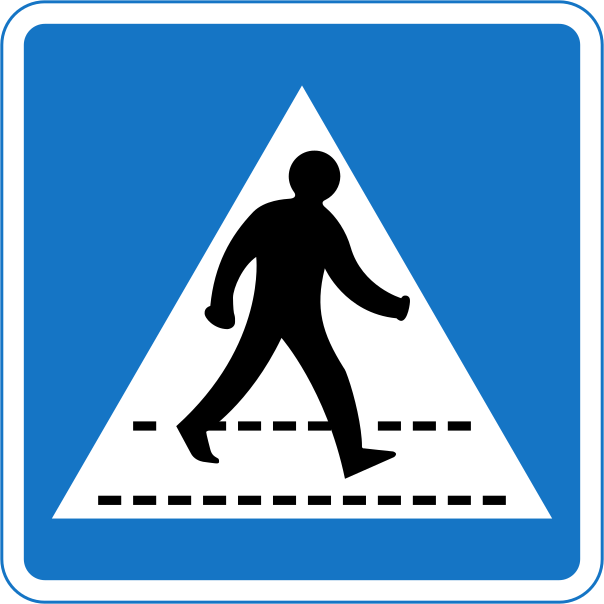
50. What does this traffic sign mean?
This traffic sign indicates a crossing for pedestrians. It marks a designated place where pedestrians cross the road. Priority and crossing rules depend on the applicable traffic signs, signals and local regulations.
English • Traffic sign C2 • Pedestrian crossing. This sign marks a pedestrian crossing. Watch for pedestrians.
नेपाली • C2 • पैदलयात्री पार गर्ने स्थान। यो संकेतले पैदलयात्री पार गर्ने स्थान जनाउँछ। पैदलयात्रीप्रति सावधान रहनुहोस्।
Sources
🔗 Commons.wikimedia.org
🔗 Dor.gov.np • सडक विभाग • Traffic Signs Manual, 1997 • C2 • PDF पृष्ठ 130
SVG source: Nepali Department of Roads • Public domain • Original revision 2014-08-18. Wikimedia original unmodified.