


QuizTraffic rulesPanama
This interesting quiz helps you test your knowledge in a clear and visual way. With easy multiple-choice questions, you can quickly build confidence and learn new facts while keeping it simple, interactive, and fun.
 Traffic signs
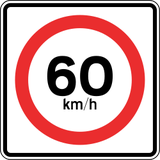 Traffic rules
 Panama
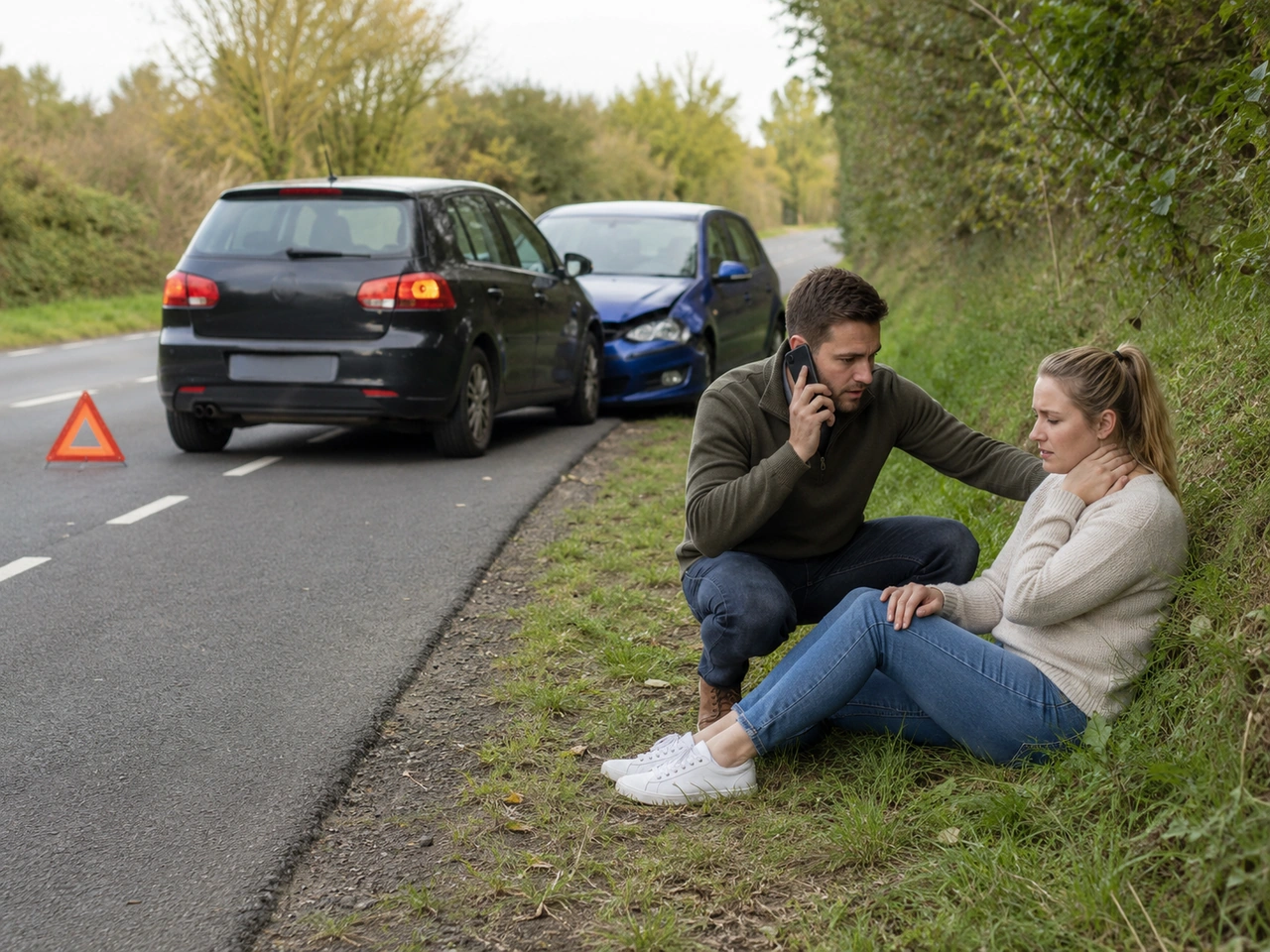
451. What should you do if someone is injured in a road collision?
Moving an injured person can worsen spinal or other injuries. Keep them calm, protect them from further danger, and provide first aid only within your level of training.
AI-generated by Rijbewijs-online.be • WCIT • CC BY-SA

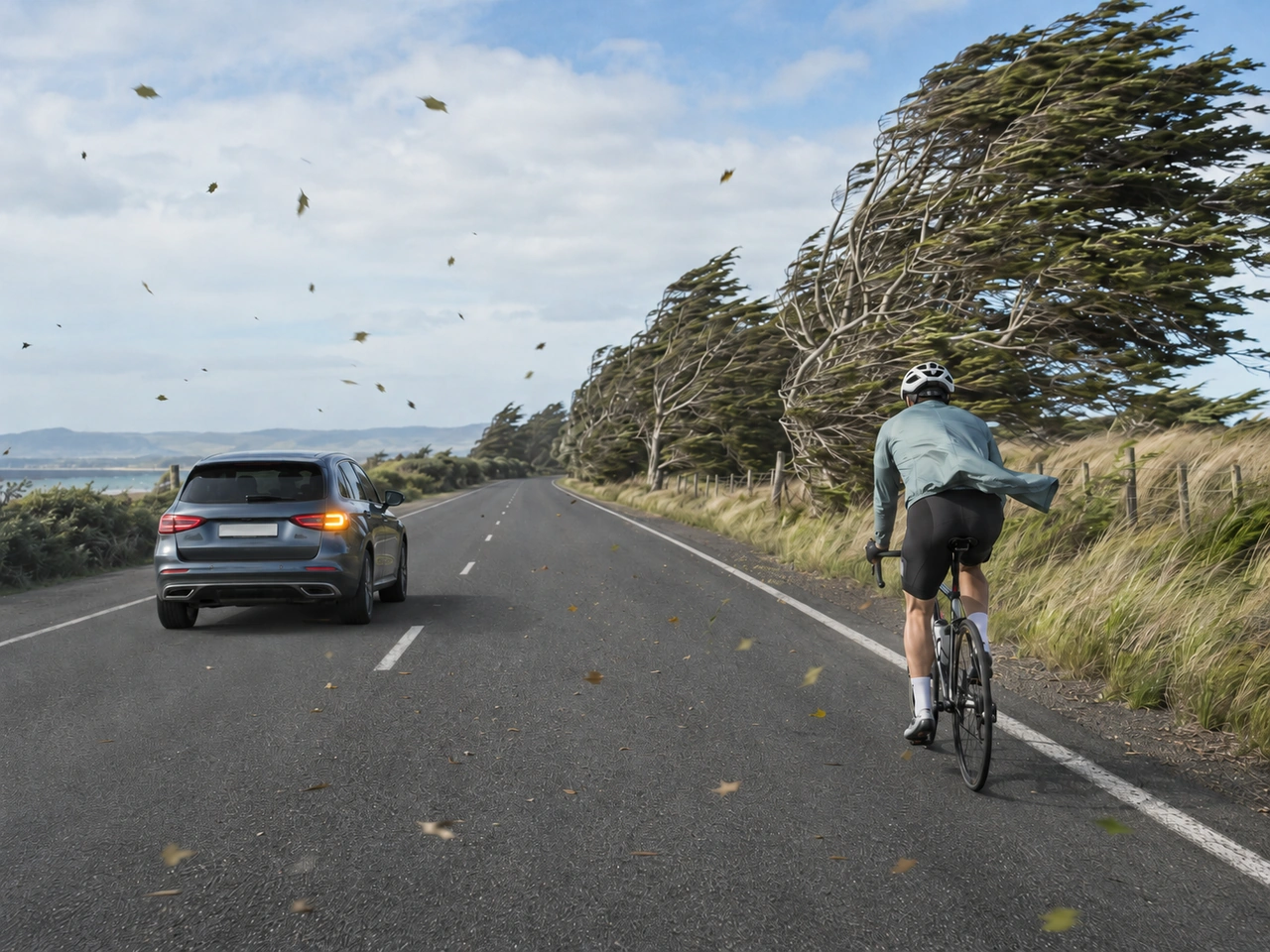
452. Why should you leave extra space when passing cyclists in strong winds?
Strong gusts can affect cyclists' balance and direction. Extra passing space reduces the risk of a collision.
AI-generated by Rijbewijs-online.be • WCIT • CC BY-SA
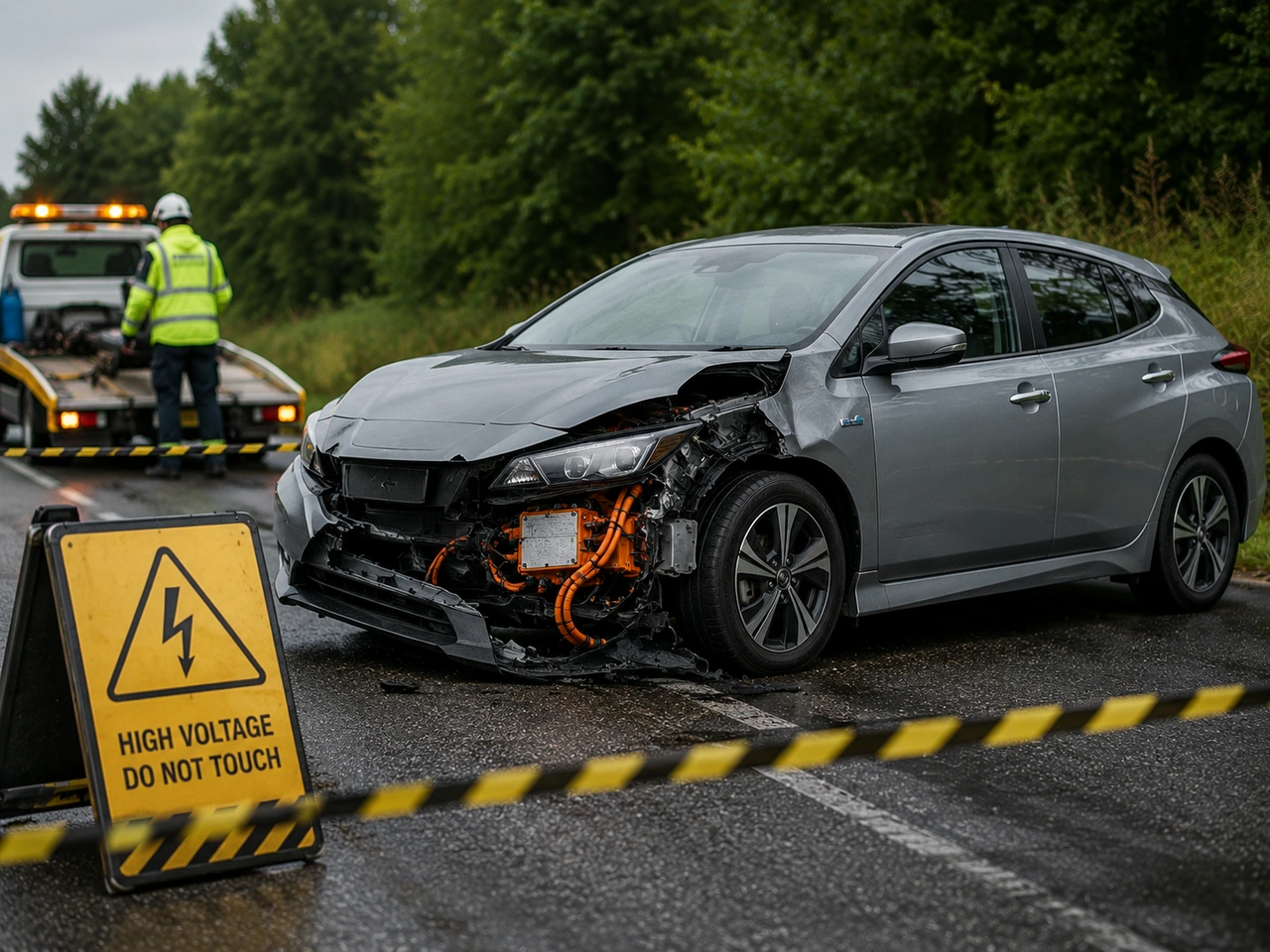
453. What should you do around a damaged electric or hybrid vehicle?
Electric and hybrid vehicles can contain dangerous high-voltage systems. Do not touch damaged cables, batteries, or electrical components.
AI-generated by Rijbewijs-online.be • WCIT • CC BY-SA
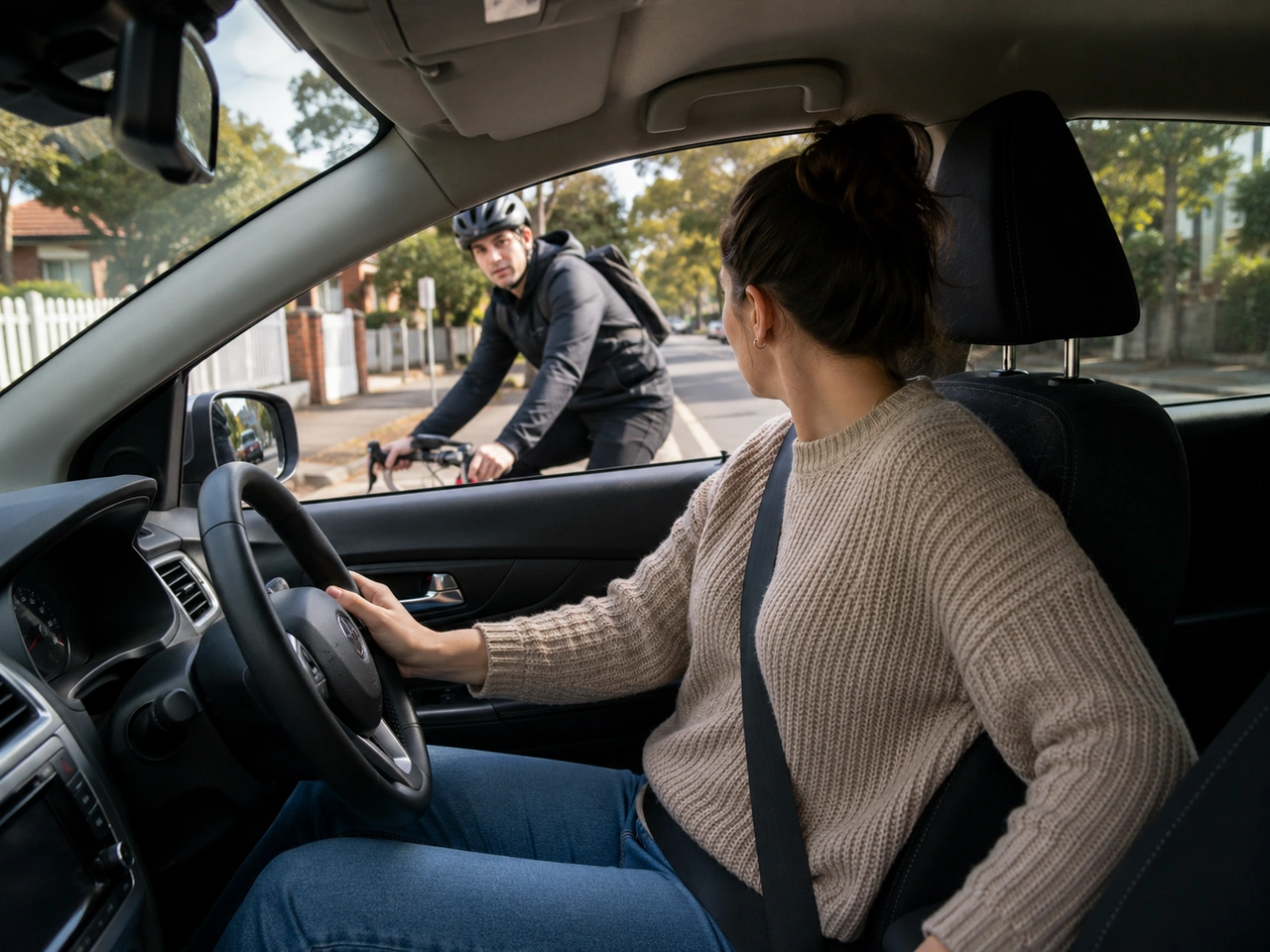
454. Why should you check blind spots before moving off?
Mirrors do not show every area around your vehicle. A blind-spot check can reveal cyclists, pedestrians, motorcyclists, or vehicles before you move off.
AI-generated by Rijbewijs-online.be • WCIT • CC BY-SA
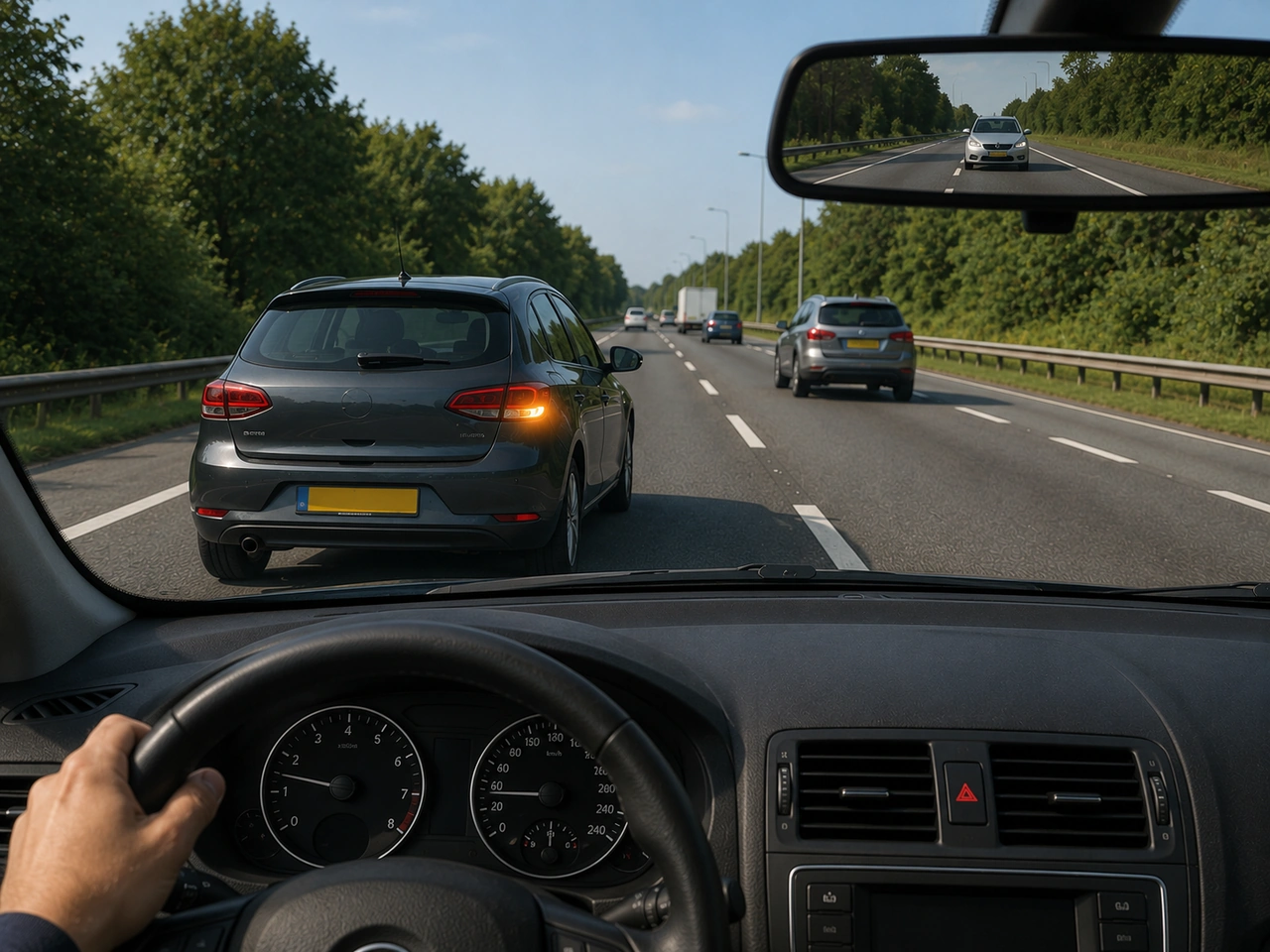
455. You should signal before turning or changing lanes.
A clear signal helps other road users understand your intentions, but you must still check that the manoeuvre can be made safely.
AI-generated by Rijbewijs-online.be • WCIT • CC BY-SA
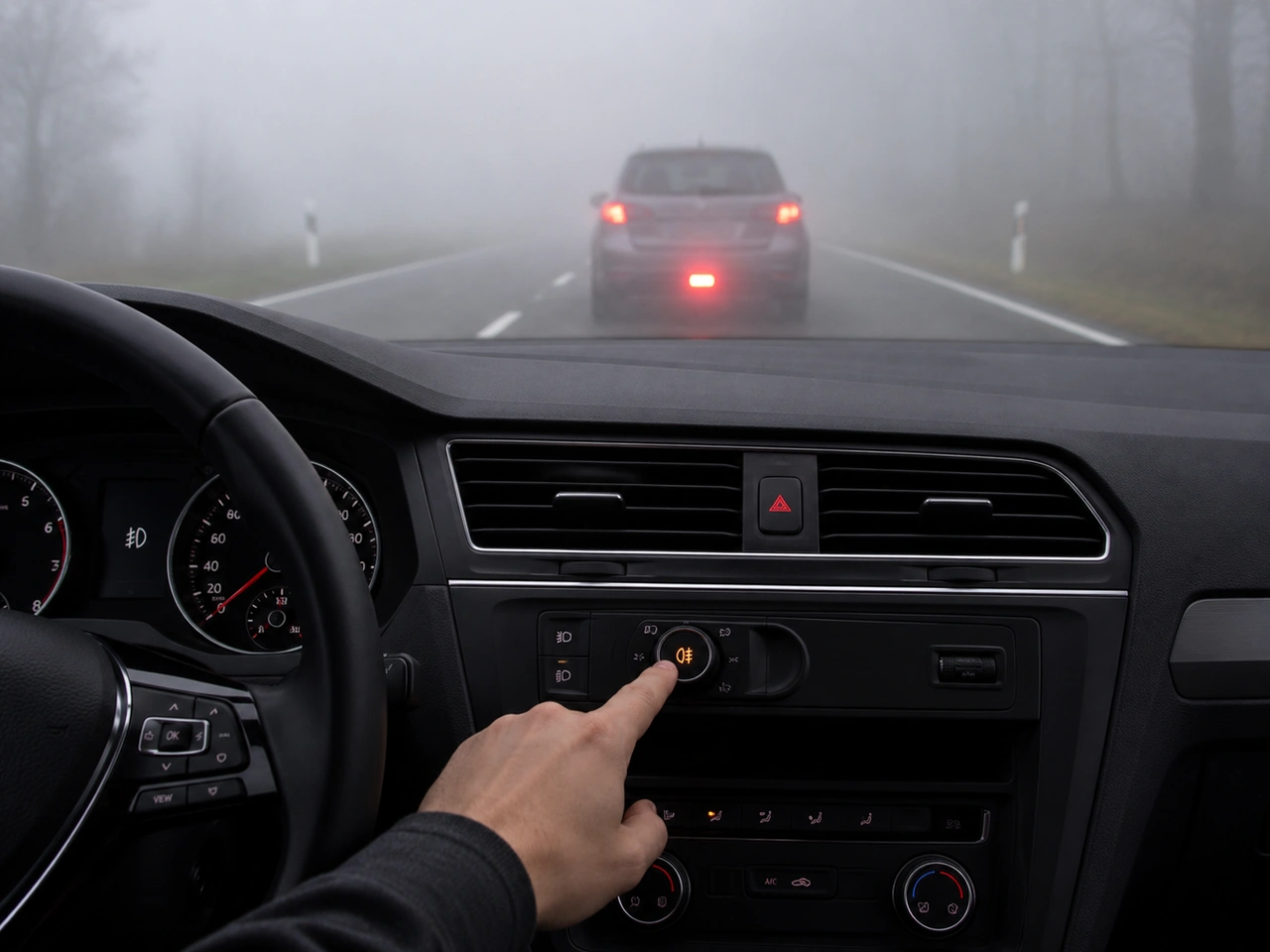
456. When should you use rear fog lights?
Rear fog lights are very bright and should only be used when visibility is poor enough to require them.
AI-generated by Rijbewijs-online.be • WCIT • CC BY-SA
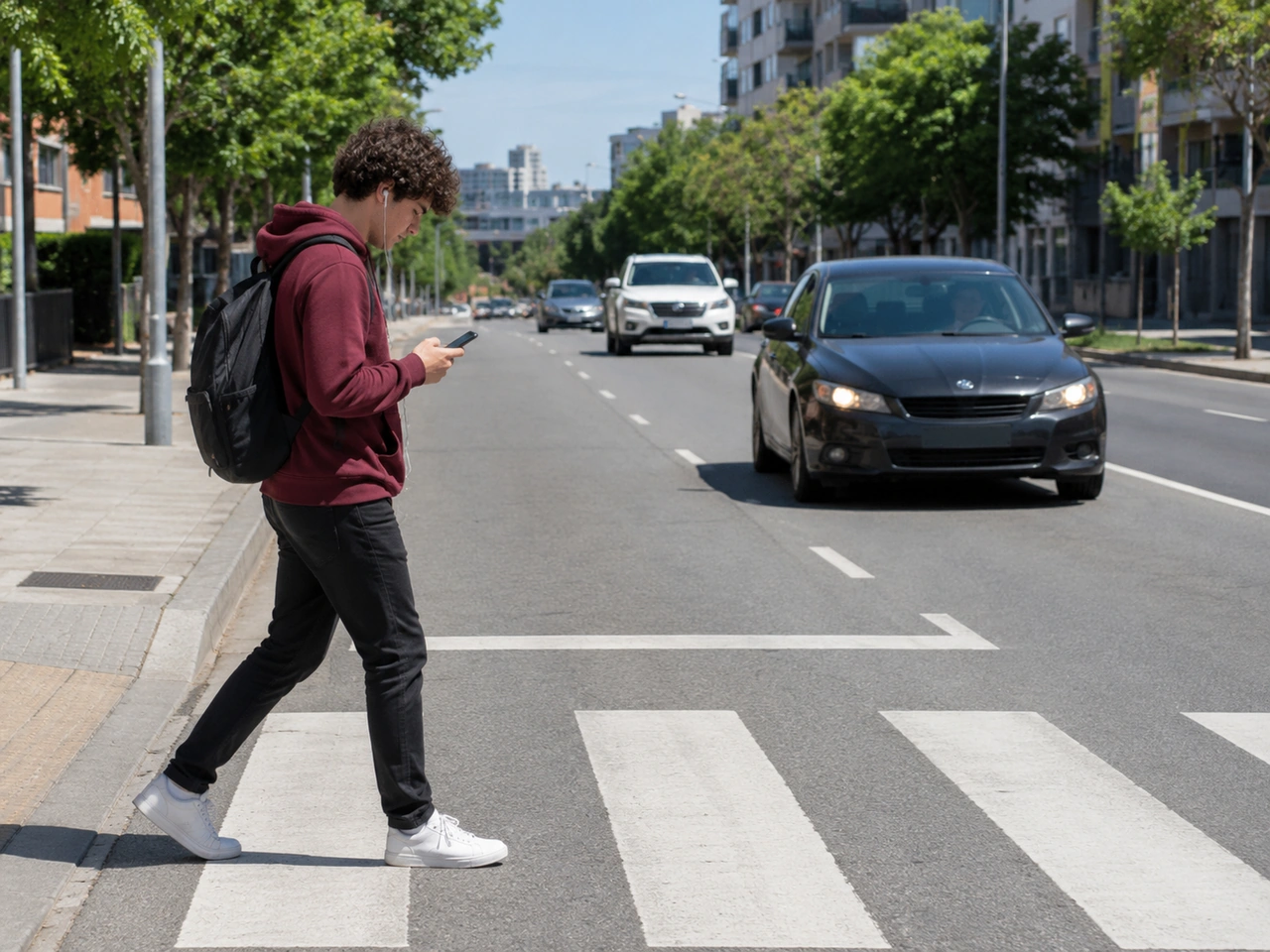
457. Why is it dangerous to cross while listening to loud music?
Loud music can reduce your awareness of vehicles, bicycles, horns, and other warning sounds.
AI-generated by Rijbewijs-online.be • WCIT • CC BY-SA
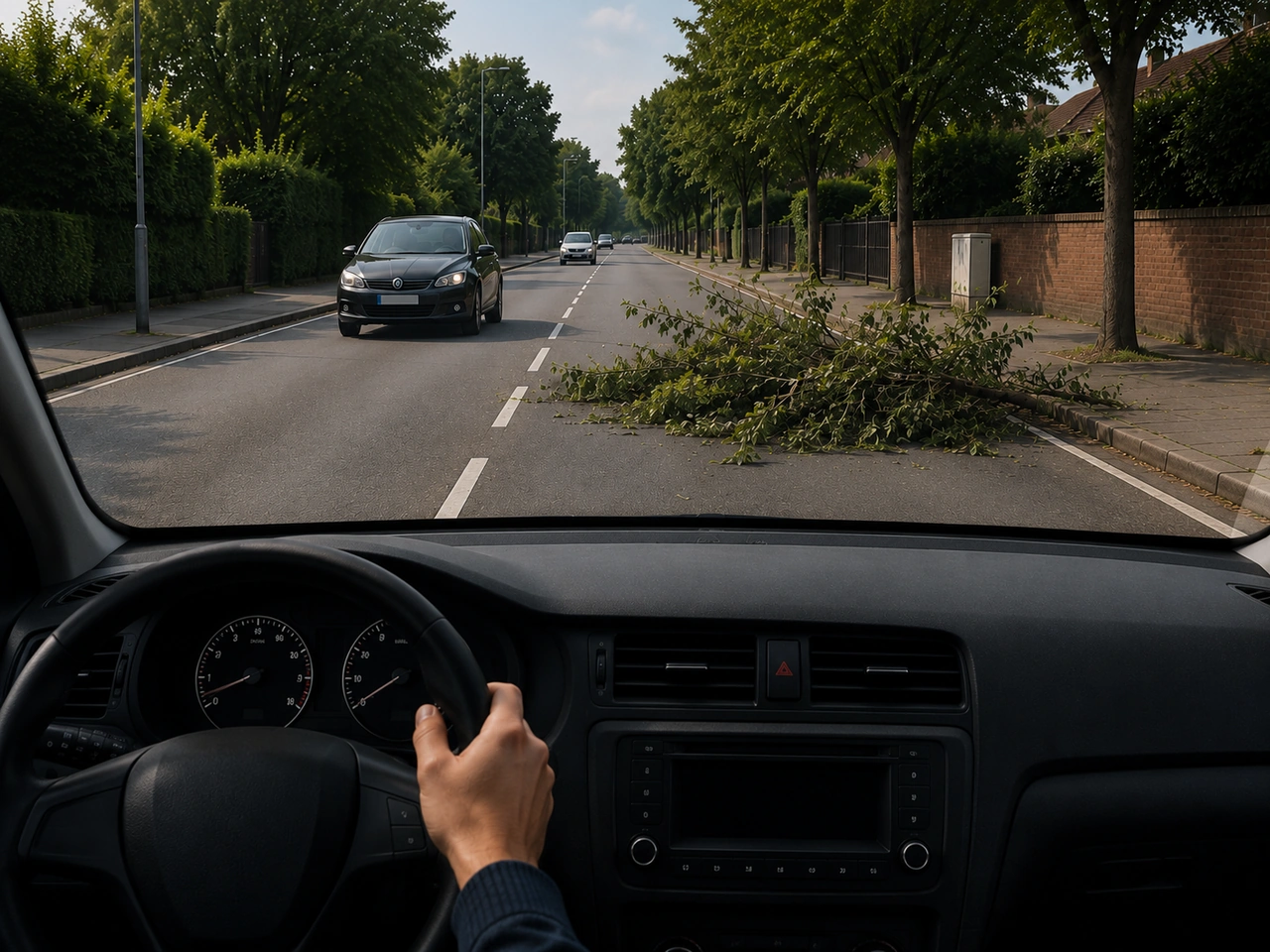
458. What should you do if your lane is blocked by an obstacle?
If your lane is blocked, reduce speed, check mirrors and oncoming traffic, and only move around the obstacle when it is safe.
AI-generated by Rijbewijs-online.be • WCIT • CC BY-SA
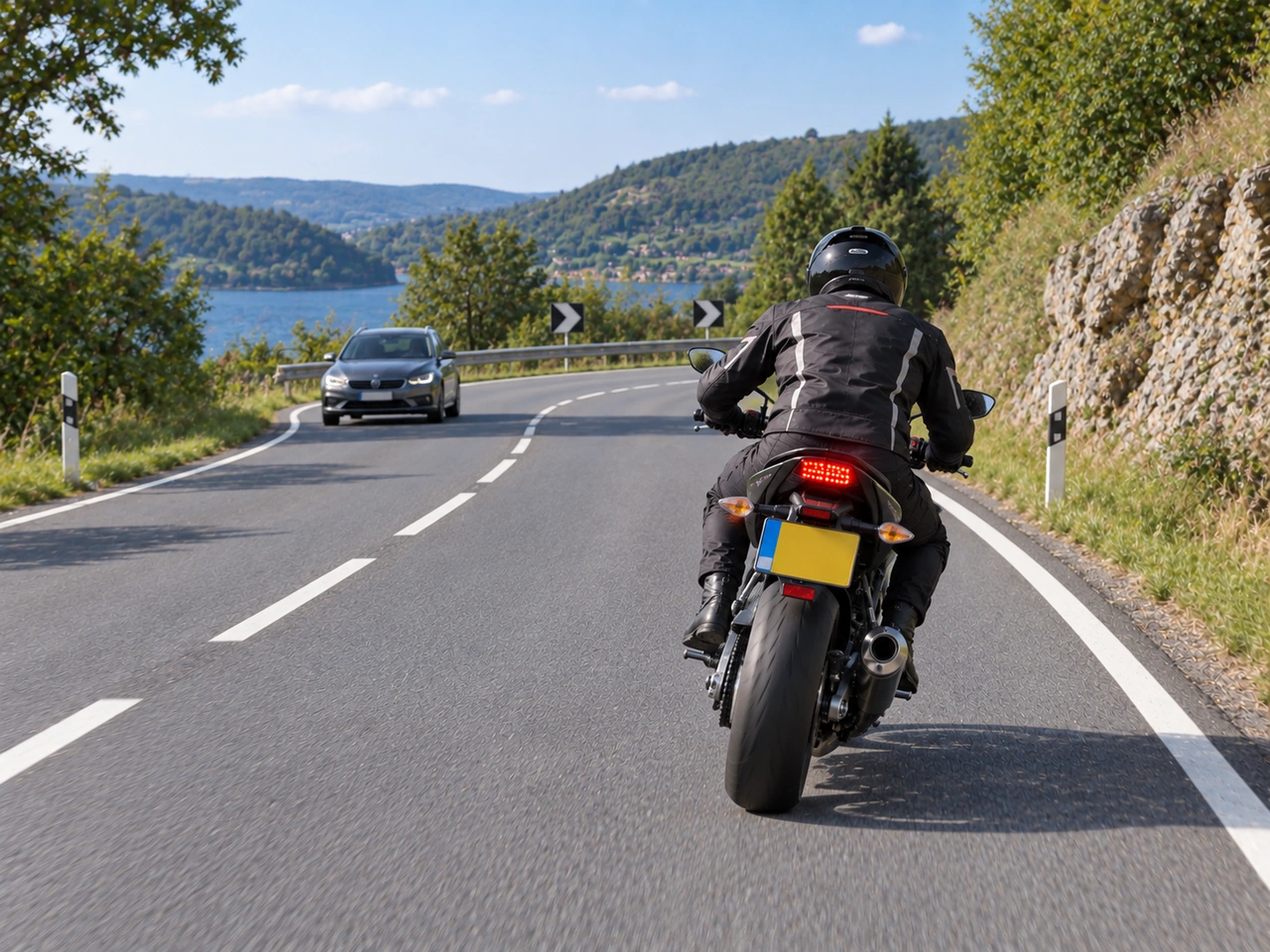
459. What should a motorcyclist do before entering a bend?
Adjust your speed before entering the bend so you can steer smoothly and remain within a safe position. Look through the bend towards where you want to travel and be prepared for hazards that may be hidden from view.
AI-generated by Rijbewijs-online.be • WCIT • CC BY-SA
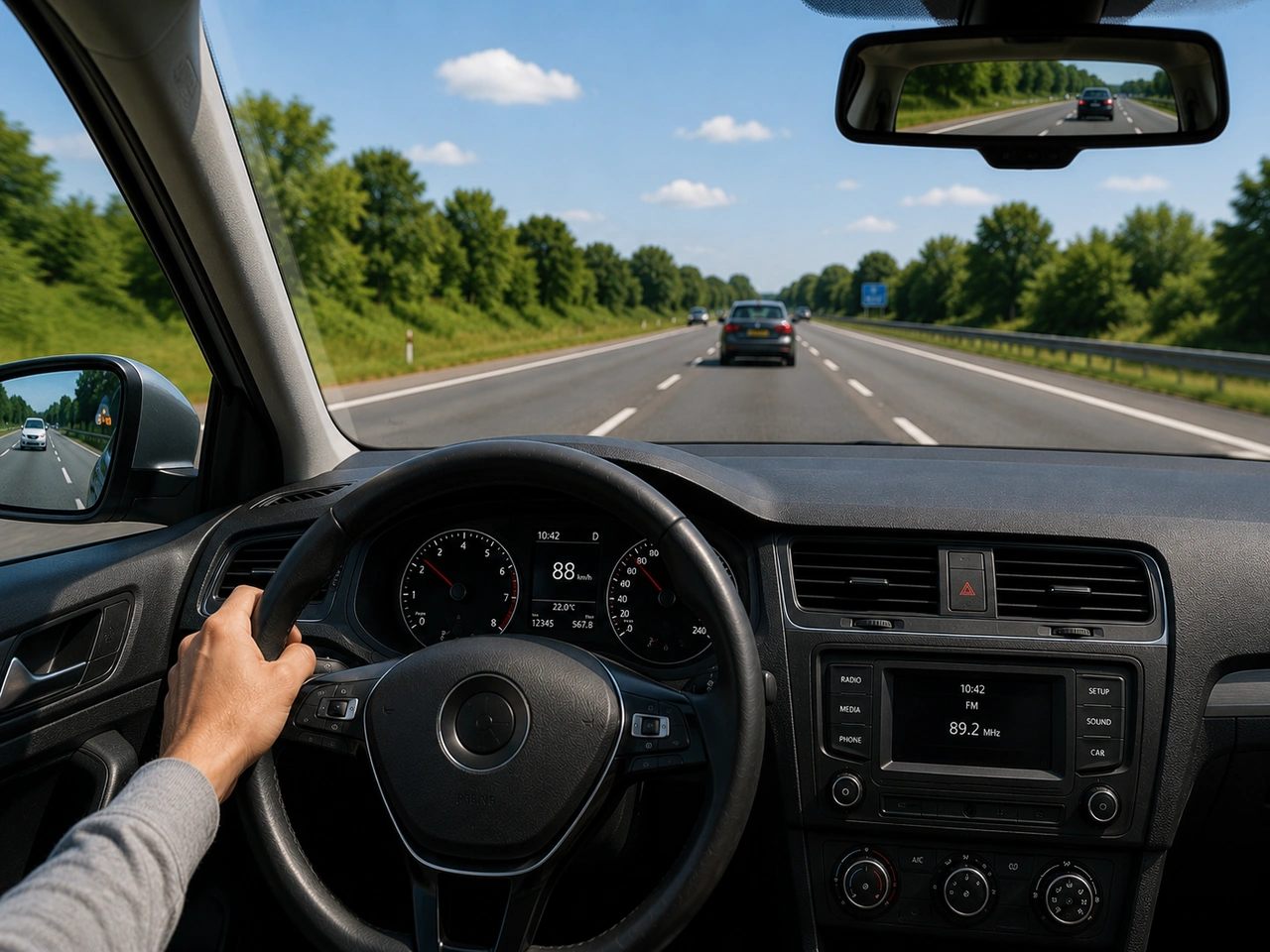
460. You should check your mirrors before changing lanes.
Checking your mirrors helps you see surrounding traffic before moving into another lane.
AI-generated by Rijbewijs-online.be • WCIT • CC BY-SA
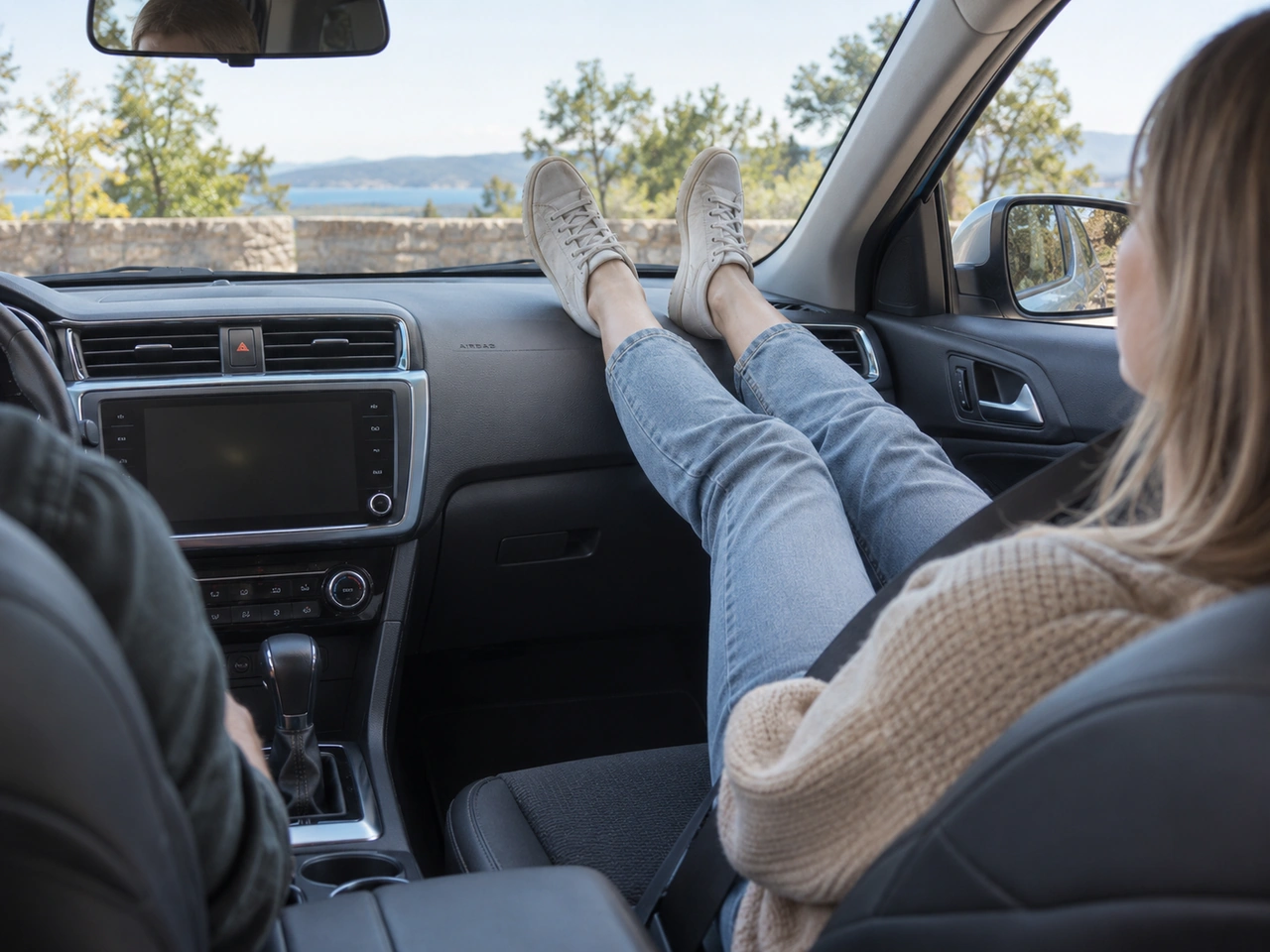
461. Why should a front passenger keep their feet off the dashboard?
A front airbag deploys very quickly and with considerable force. If a passenger has their feet or legs on the dashboard, airbag deployment can force their legs backwards and greatly increase the risk of serious injury. Passengers should sit normally with their feet in the footwell and wear their seat belts correctly. The driver should make sure everyone is seated and restrained safely before setting off.
AI-generated by Rijbewijs-online.be • WCIT • CC BY-SA
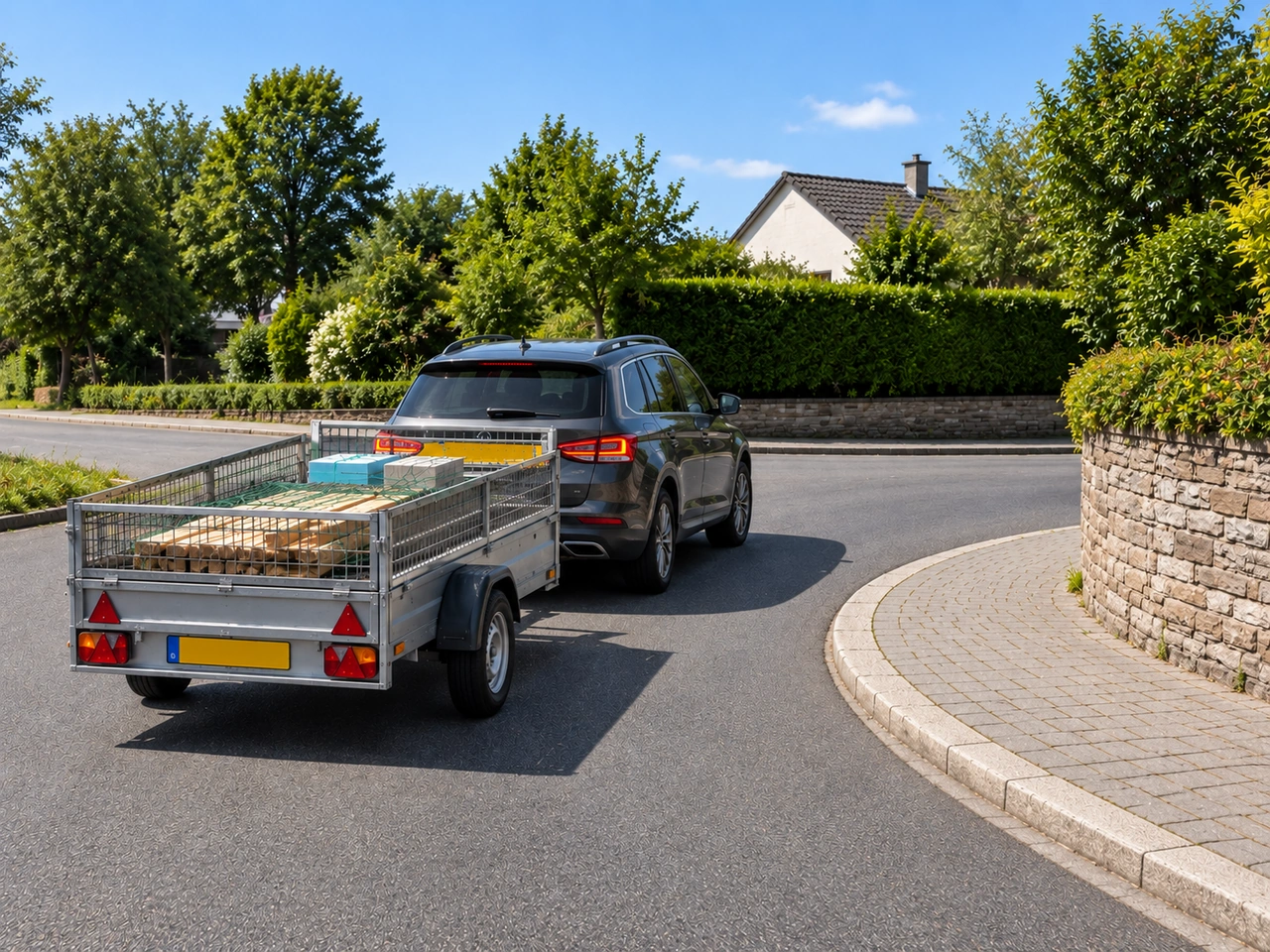
462. Why must you take wider turns when towing a trailer?
Trailer wheels cut closer to the inside of a turn. Allow enough clearance from kerbs, signs, pedestrians, and other vehicles.
AI-generated by Rijbewijs-online.be • WCIT • CC BY-SA
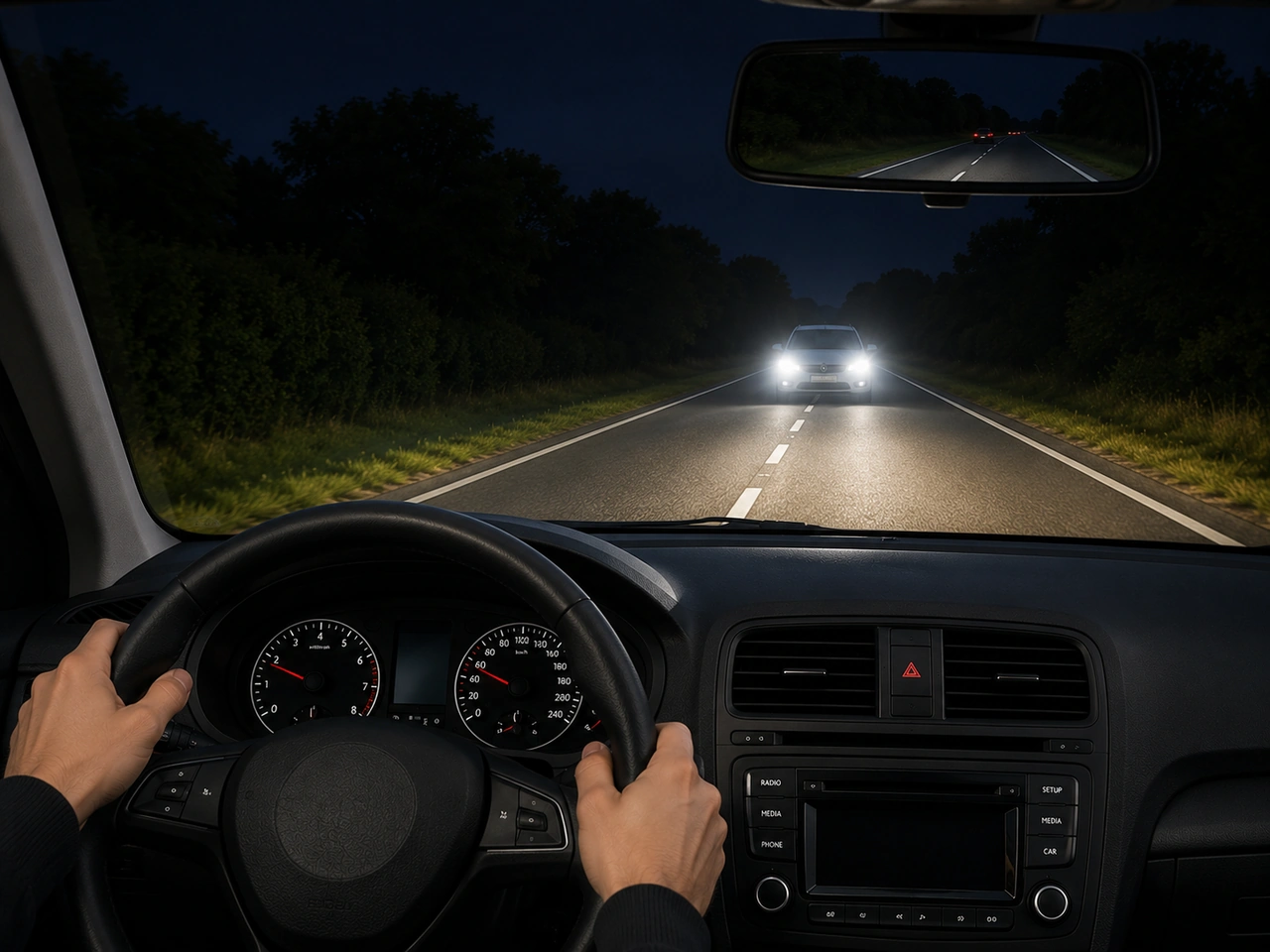
463. What should you do if your main beam could dazzle another driver?
Main beam can dazzle other road users and reduce their visibility. Switch to dipped headlights whenever your main beam could dazzle another driver.
AI-generated by Rijbewijs-online.be • WCIT • CC BY-SA
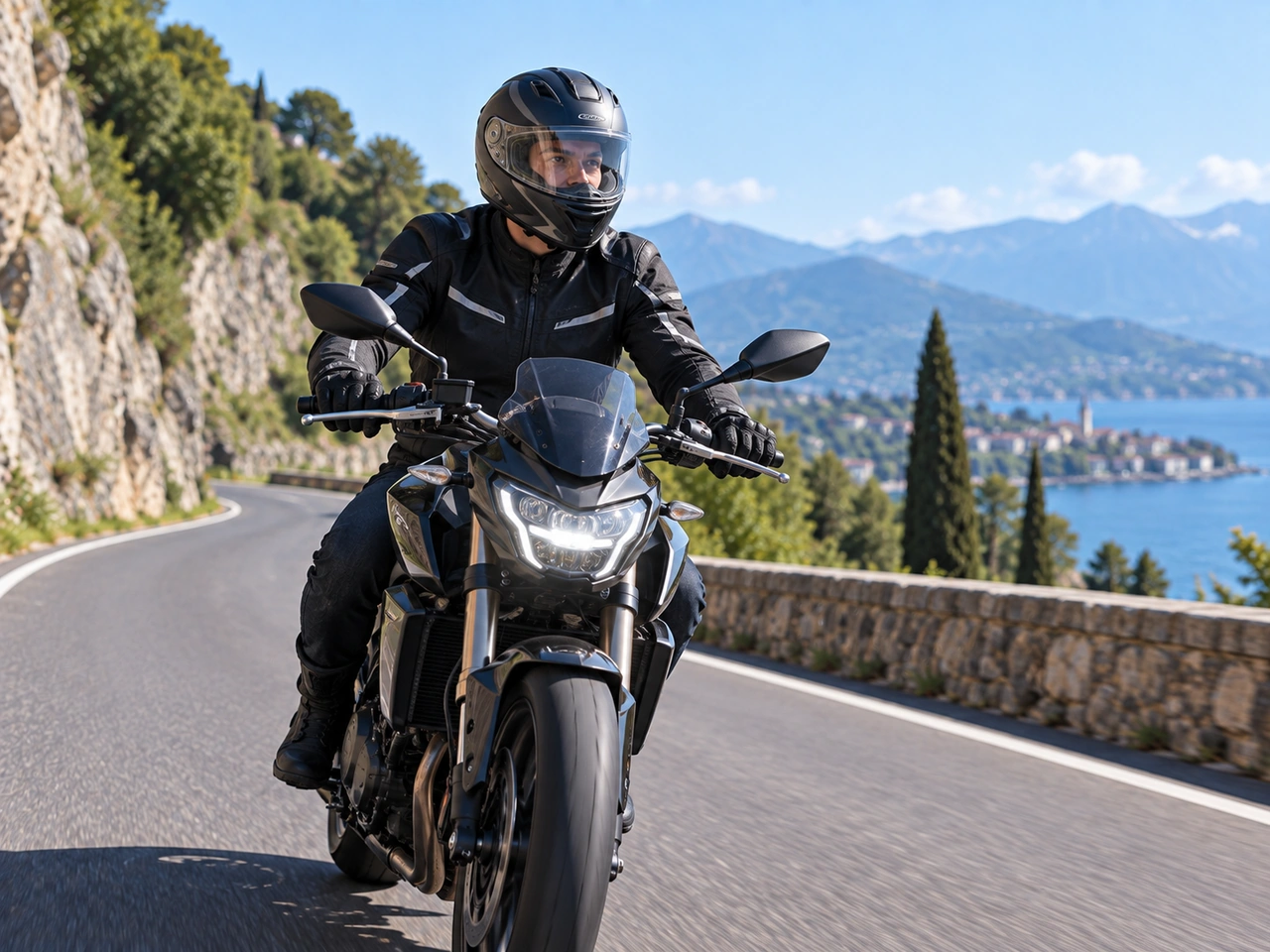
464. Are motorcycle riders generally required to wear a helmet in Panama?
Motorcycle riders in Panama are generally required to wear an approved helmet.
AI-generated by Rijbewijs-online.be • WCIT • CC BY-SA
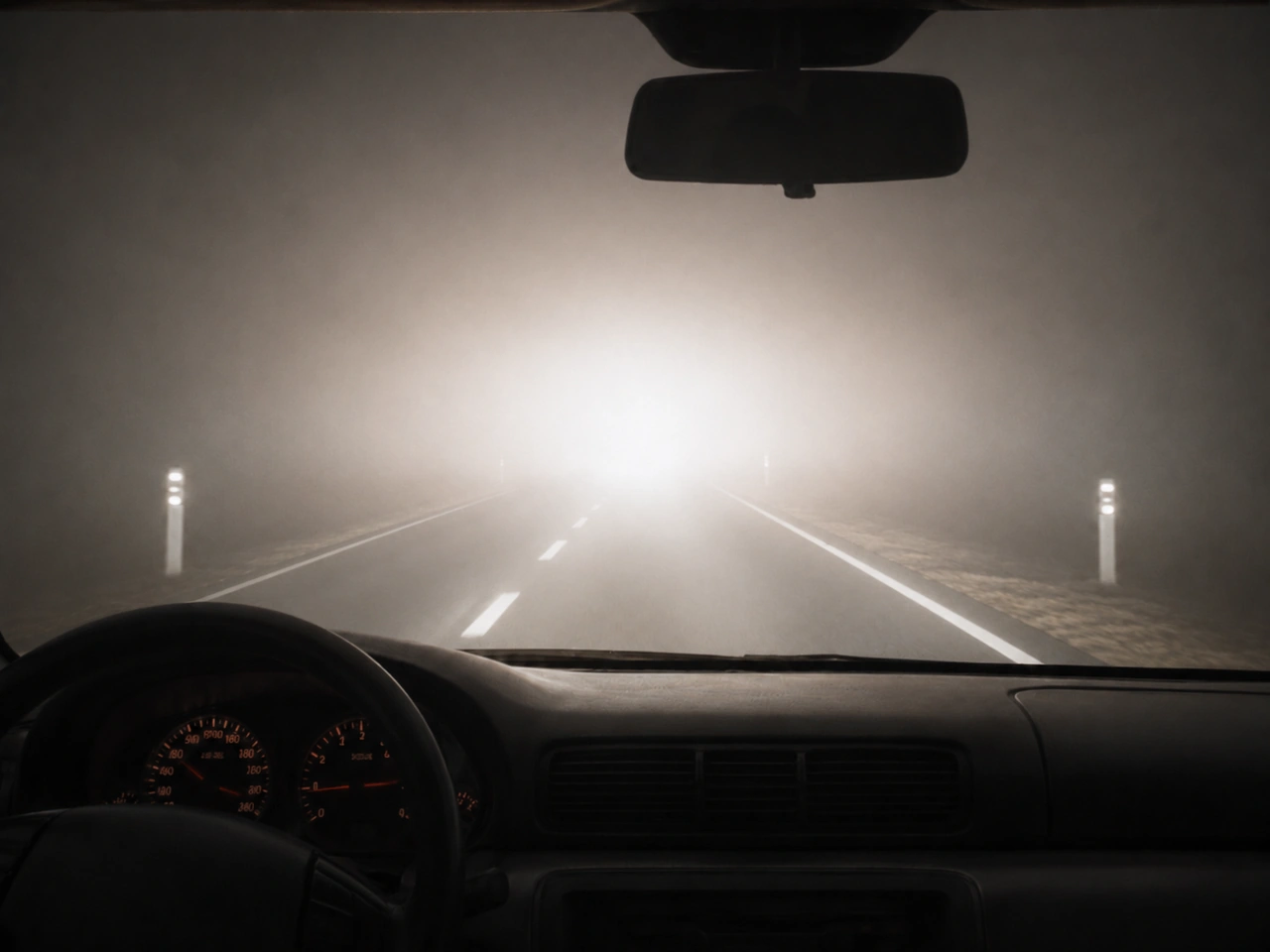
465. Why can main-beam headlights make driving in fog more difficult?
Main beam can reflect back from fog and create glare, making it harder to see the road ahead.
AI-generated by Rijbewijs-online.be • WCIT • CC BY-SA
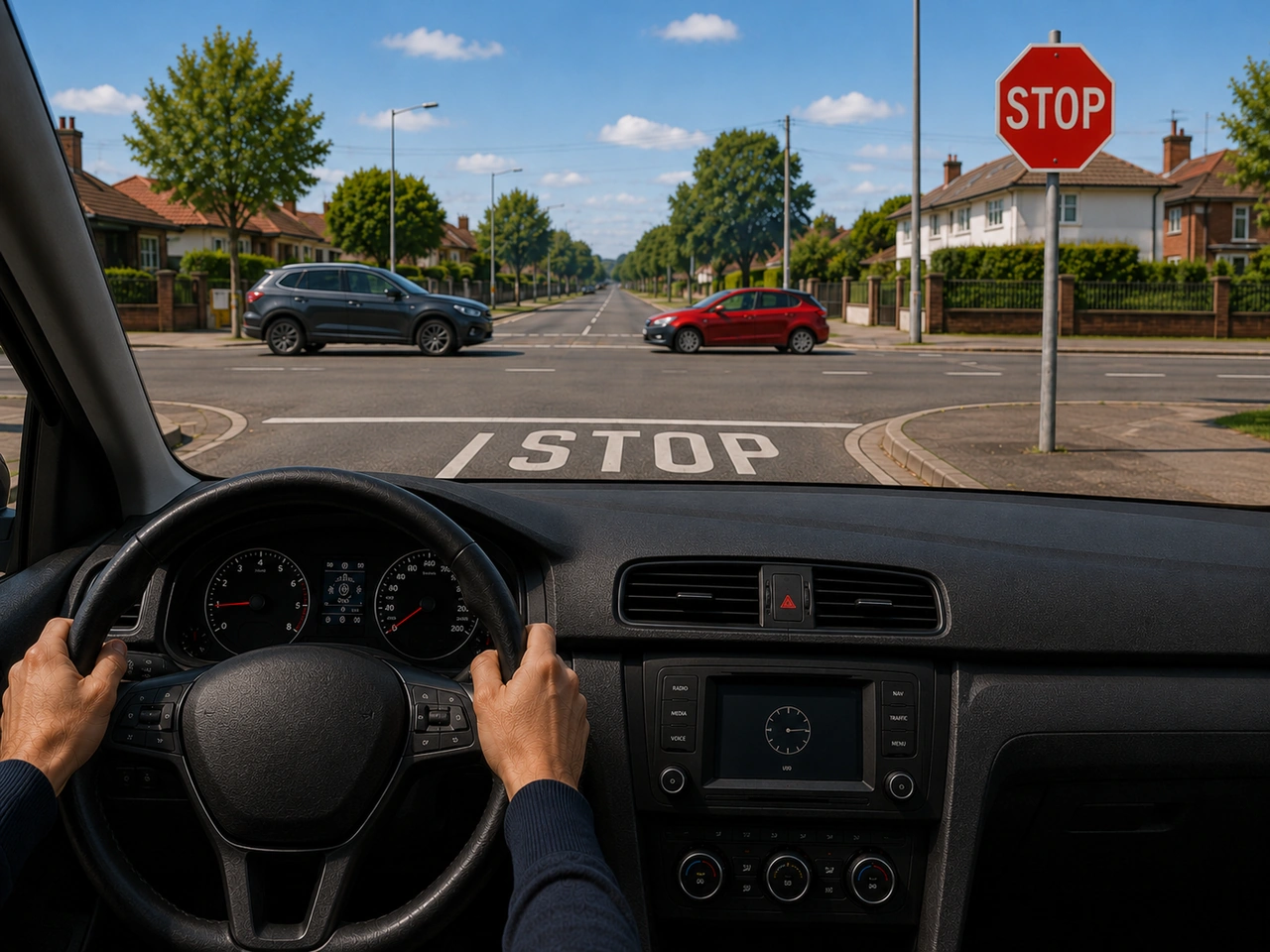
466. What should you do when approaching a stop sign?
A stop sign requires you to come to a complete stop at the required position. Check carefully for other road users and proceed only when it is safe.
AI-generated by Rijbewijs-online.be • WCIT • CC BY-SA
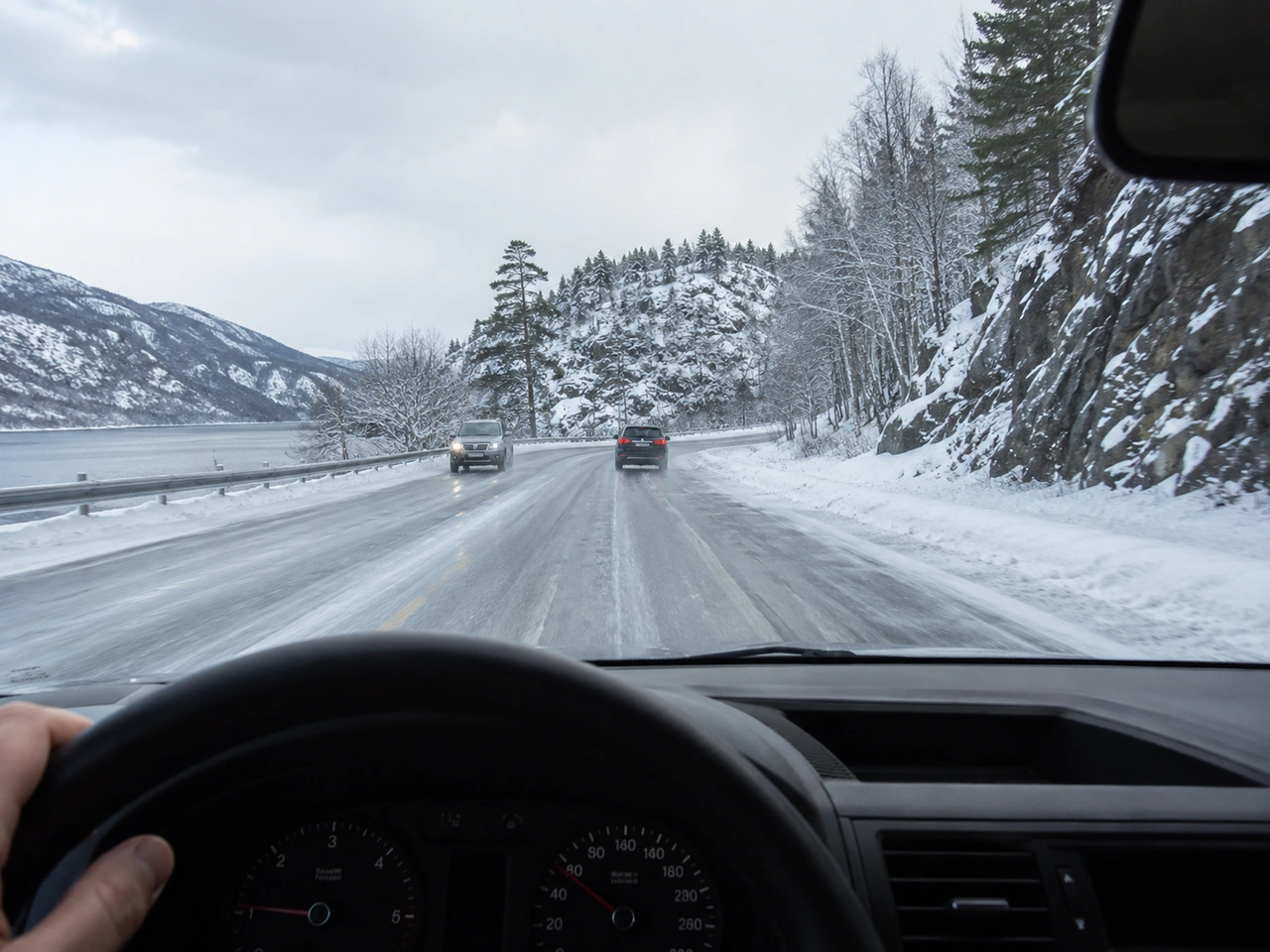
467. How should you brake on a slippery road?
Sudden braking can cause the wheels to lose grip. Smooth, progressive braking reduces the risk of skidding.
AI-generated by Rijbewijs-online.be • WCIT • CC BY-SA
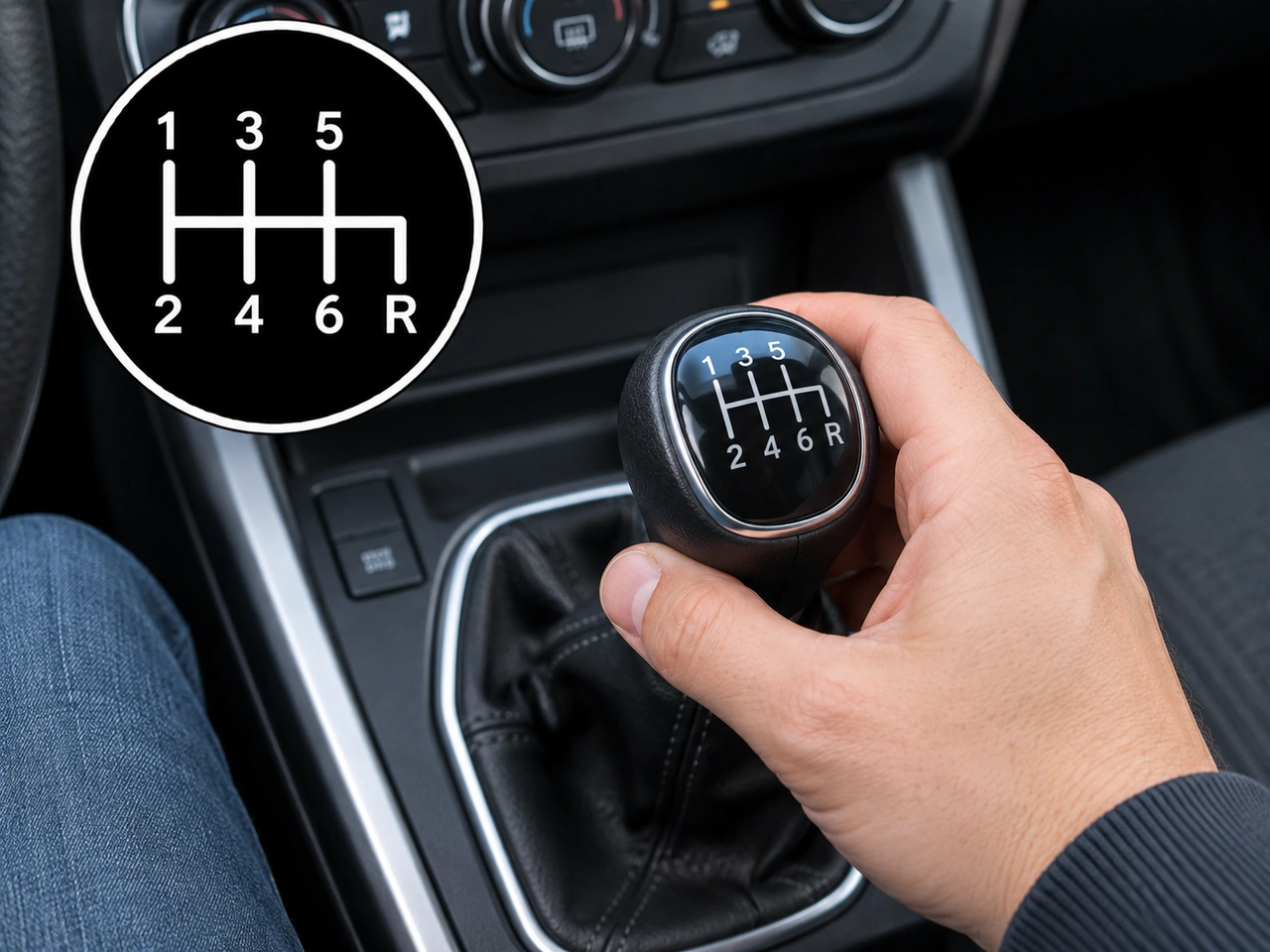
468. Which gear is used to drive a manual vehicle backwards?
Select R (Reverse) when you need to drive a manual vehicle backwards. The vehicle should be stationary before Reverse is selected.
AI-generated by Rijbewijs-online.be • WCIT • CC BY-SA
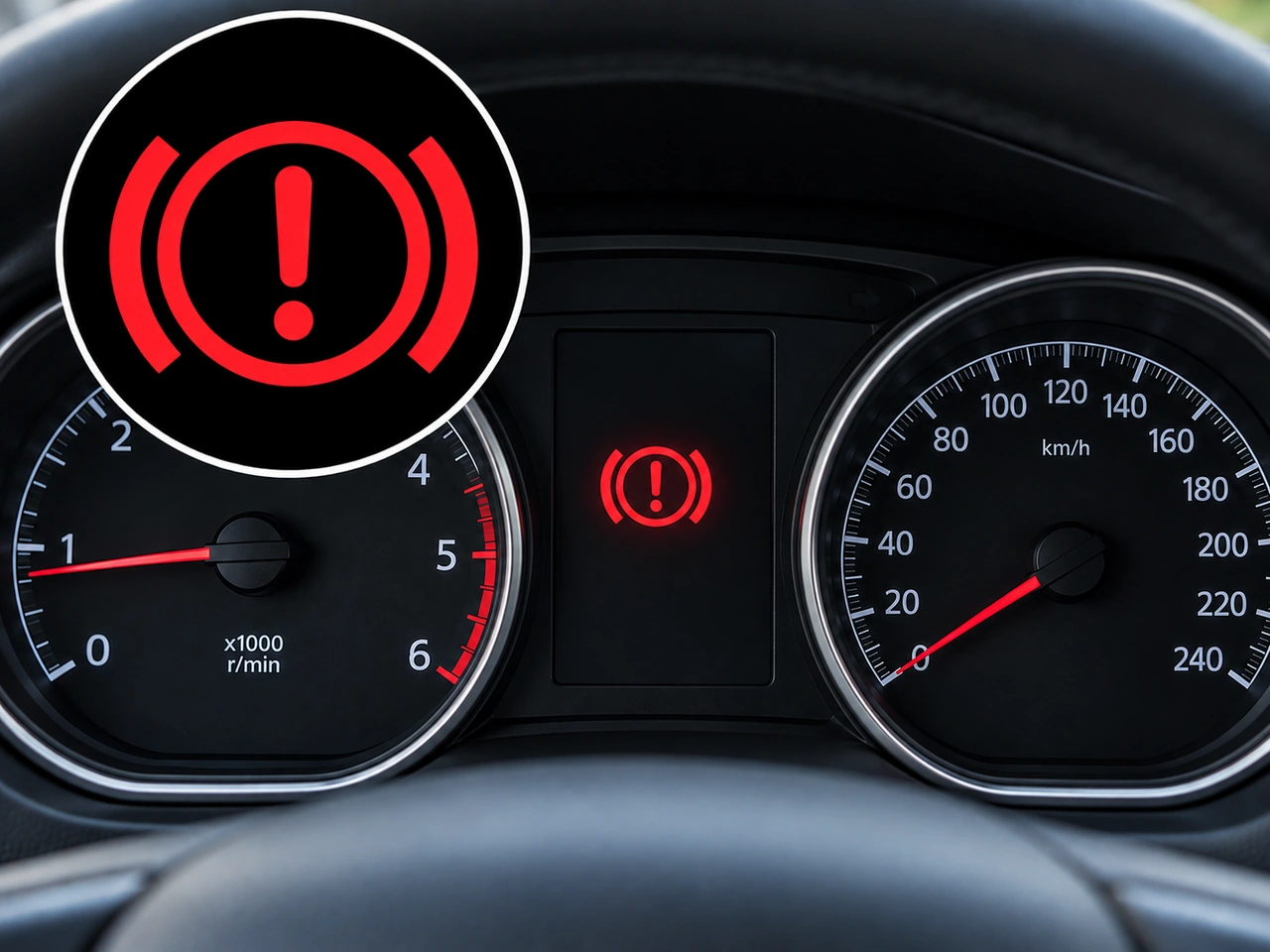
469. What does this dashboard symbol indicate?
This symbol indicates a possible brake-system fault. If it remains illuminated after the parking brake is released, stop safely and have the braking system checked.
AI-generated by Rijbewijs-online.be • WCIT • CC BY-SA
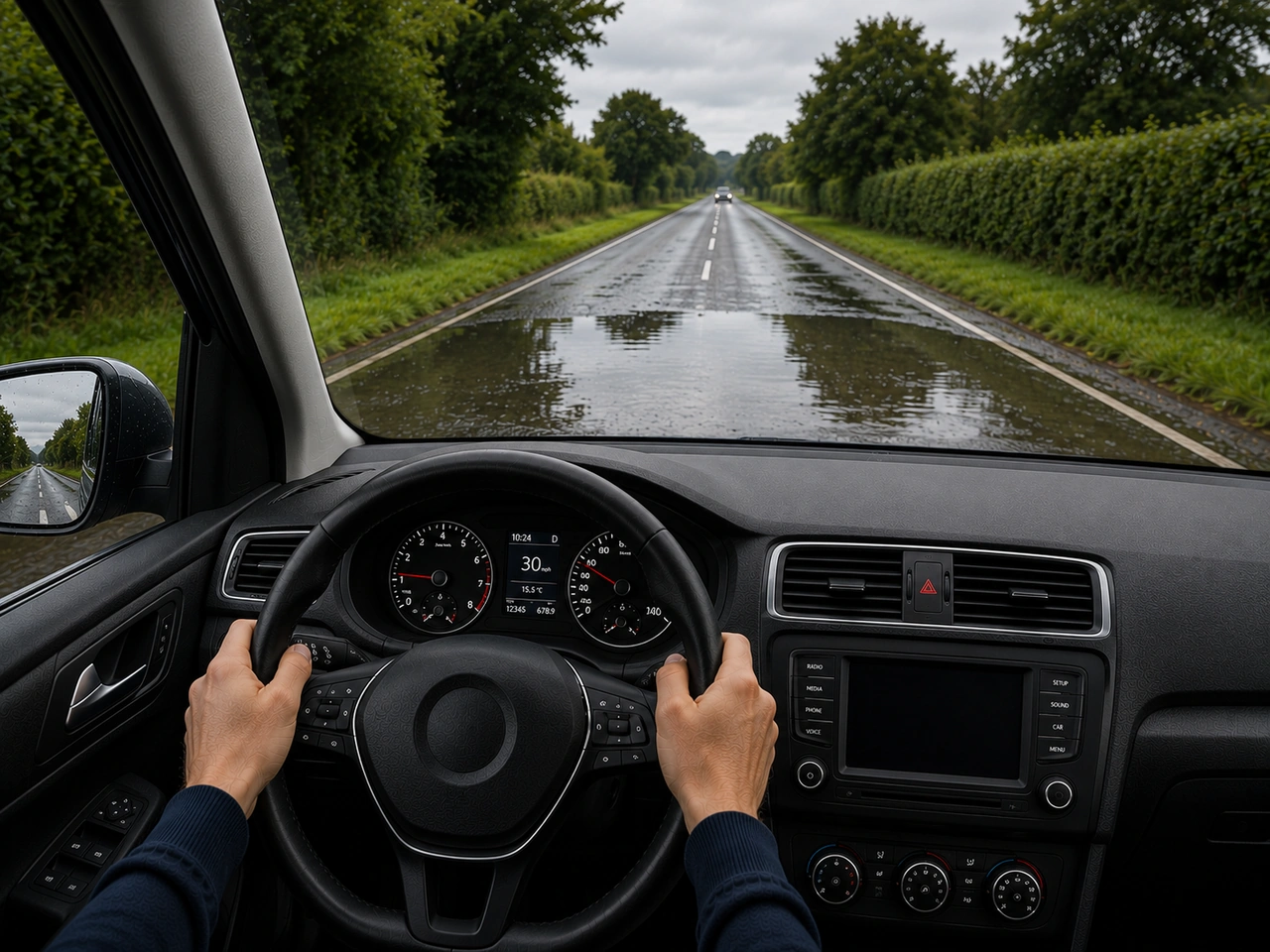
470. What should you do before driving through a puddle?
Large puddles can hide holes, reduce grip, or cause water to splash onto pedestrians or other vehicles. Slow down and proceed carefully.
AI-generated by Rijbewijs-online.be • WCIT • CC BY-SA
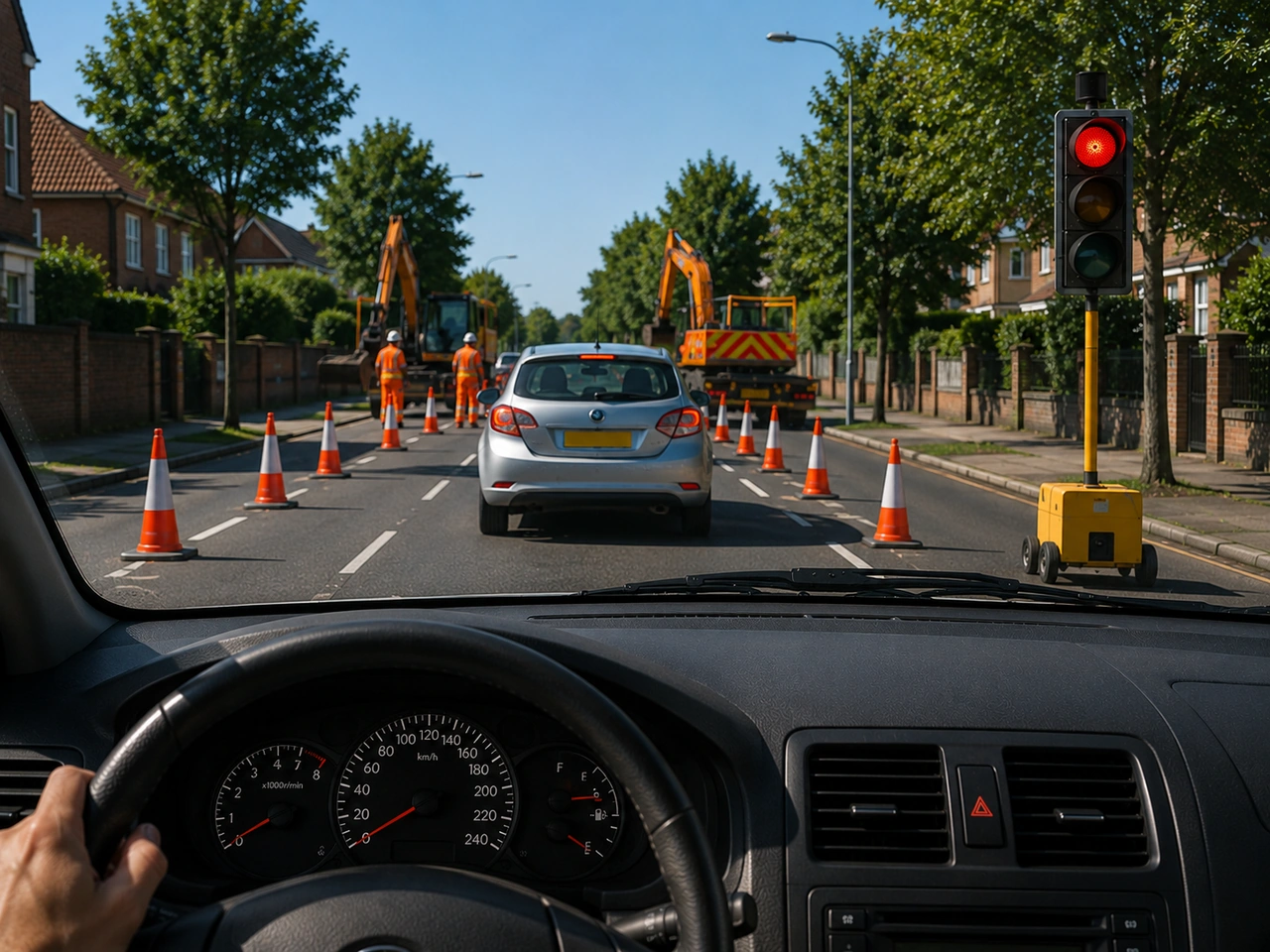
471. What should you do when roadworks are ahead?
Roadworks can create narrow lanes, workers near traffic, uneven surfaces, and temporary rules. Slow down and follow the signs.
AI-generated by Rijbewijs-online.be • WCIT • CC BY-SA
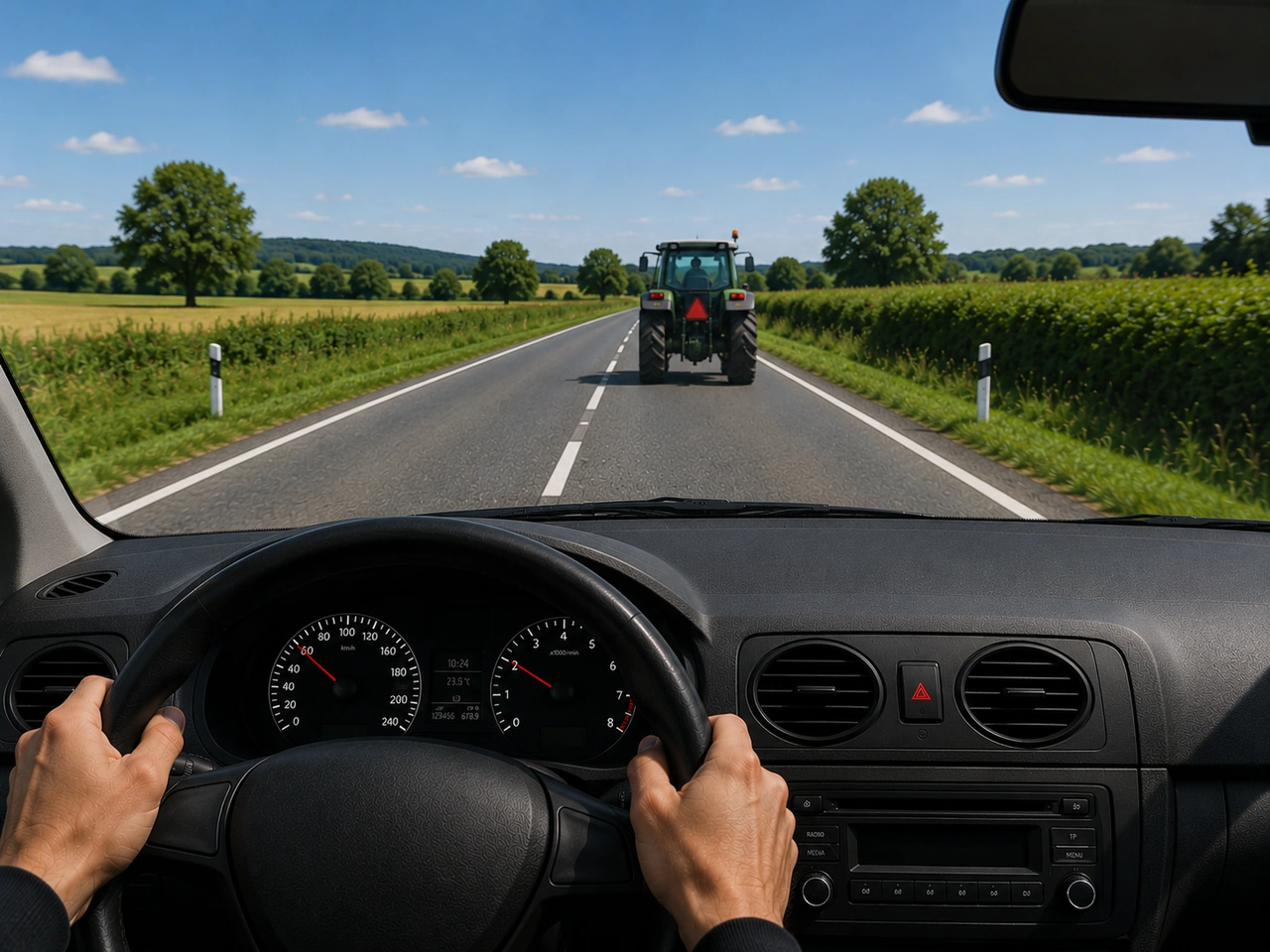
472. What should you do before overtaking a slow-moving vehicle?
Before overtaking, make sure you have enough visibility, space, and time. Signal clearly before moving out, do not exceed the speed limit, and never overtake if the road ahead is not clear.
AI-generated by Rijbewijs-online.be • WCIT • CC BY-SA
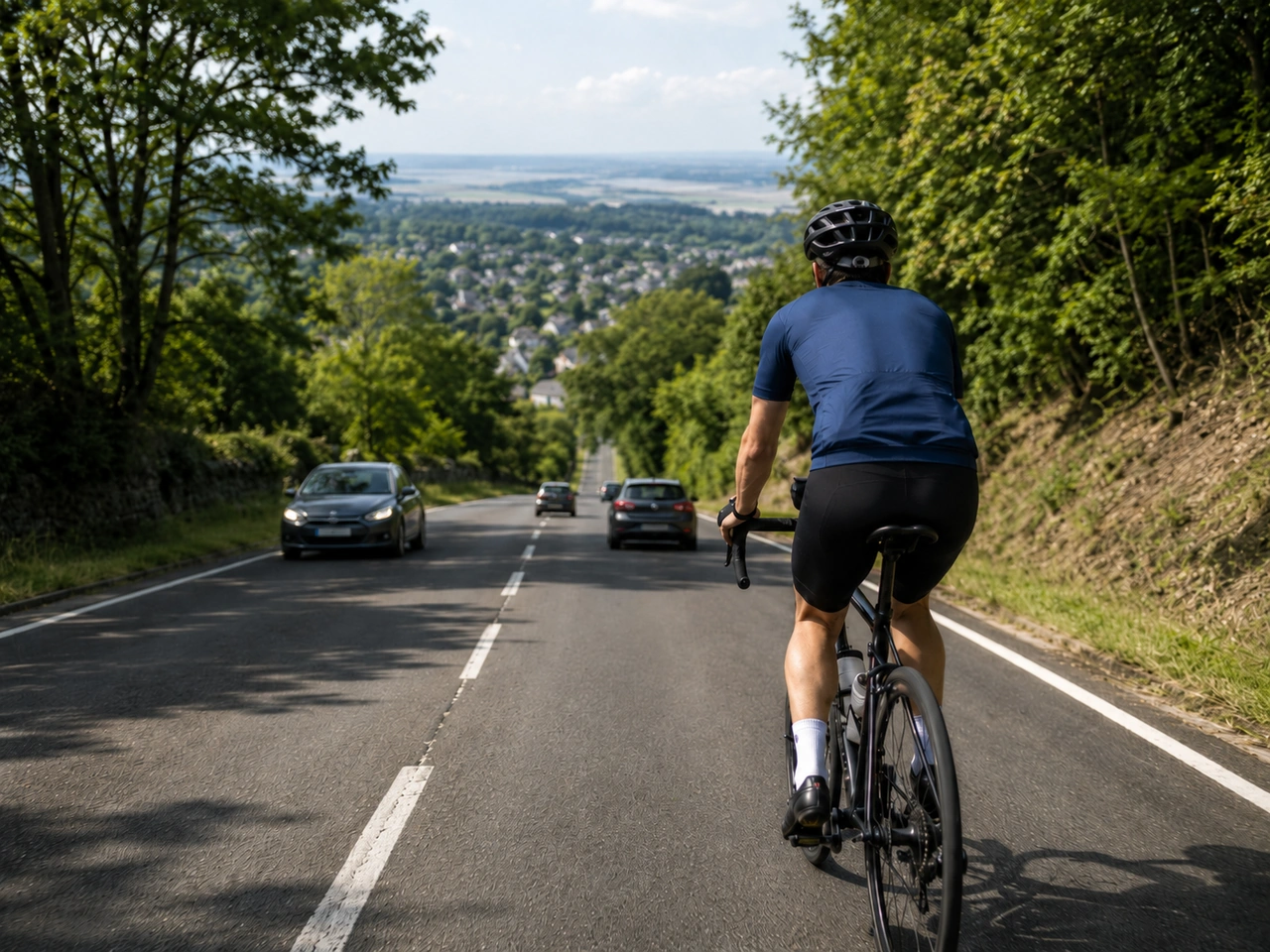
473. What should cyclists do when cycling downhill?
Higher speed increases stopping distance and reduces reaction time. Maintain a speed that allows you to stop safely.
AI-generated by Rijbewijs-online.be • WCIT • CC BY-SA
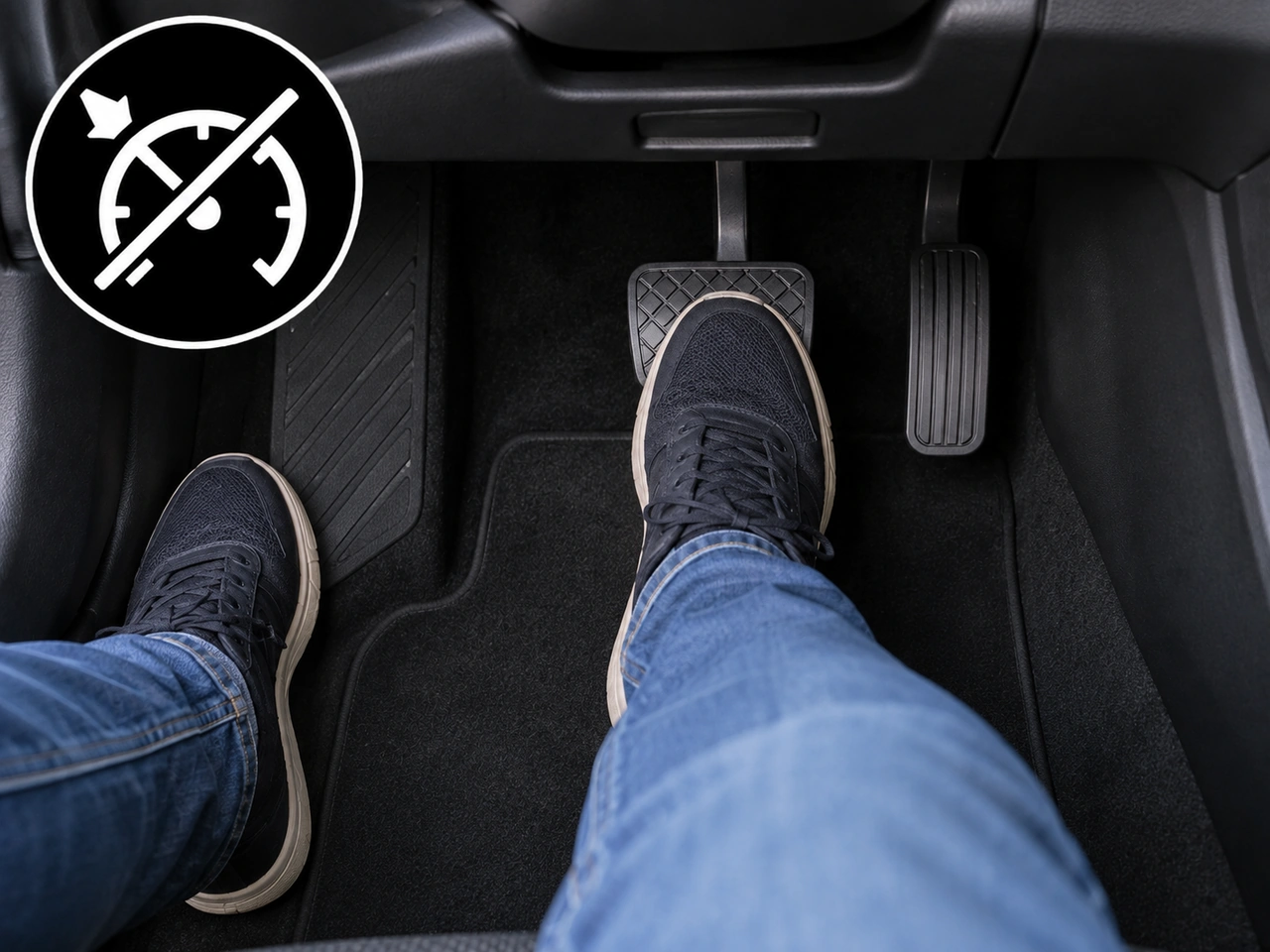
474. What normally happens to cruise control when you press the brake pedal?
Pressing the brake pedal normally cancels or temporarily disengages cruise control, returning speed control to the driver.
AI-generated by Rijbewijs-online.be • WCIT • CC BY-SA
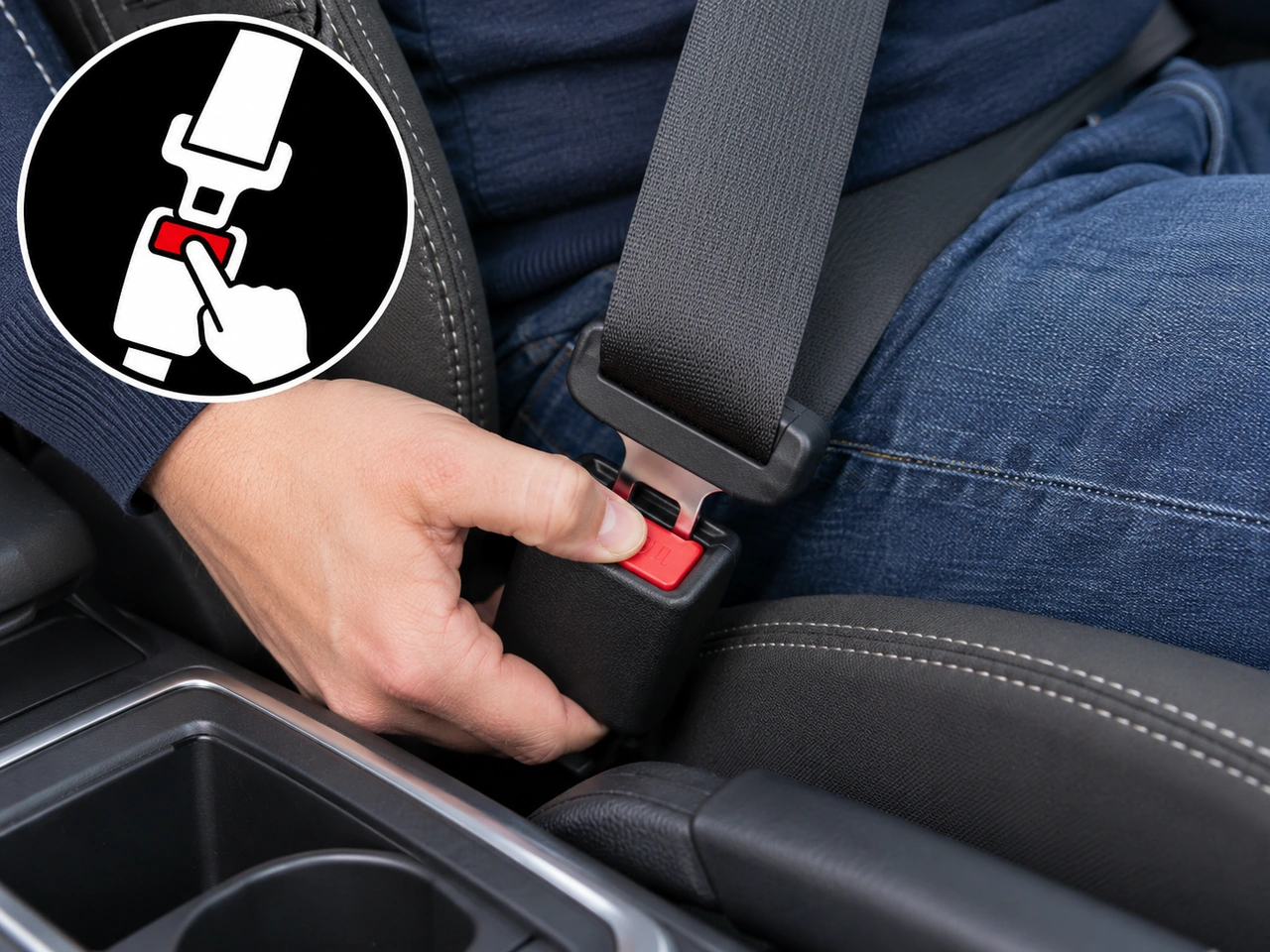
475. What is the button on a seat-belt buckle used for?
Pressing the button on the seat-belt buckle releases the latch so the belt can be unfastened. Keep the seat belt fastened whenever required while the vehicle is moving.
AI-generated by Rijbewijs-online.be • WCIT • CC BY-SA
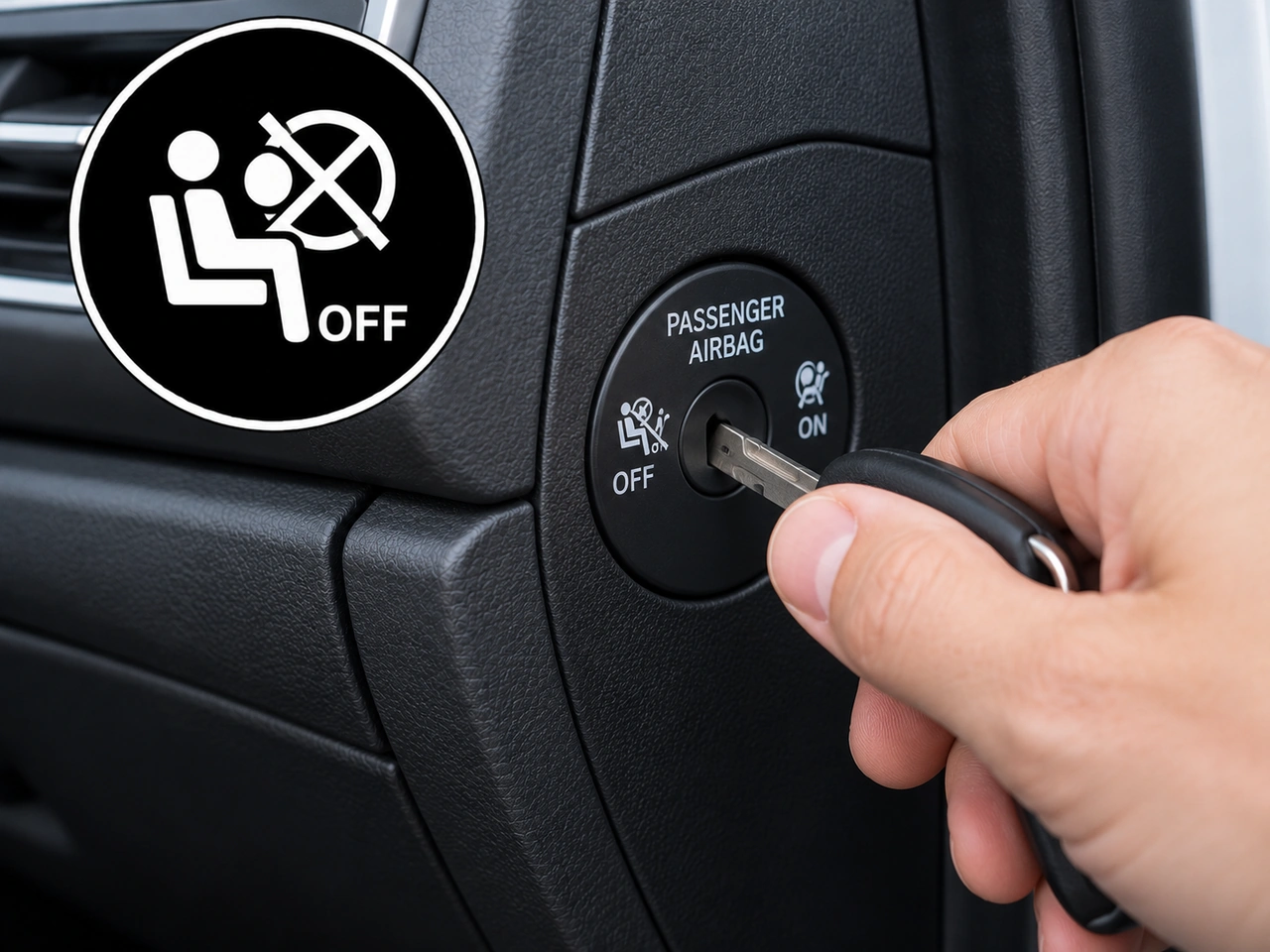
476. What does this vehicle-control symbol indicate?
This control allows the front passenger airbag to be deactivated on vehicles equipped with this function. The airbag must be deactivated when a rear-facing child restraint is used on the front passenger seat.
AI-generated by Rijbewijs-online.be • WCIT • CC BY-SA
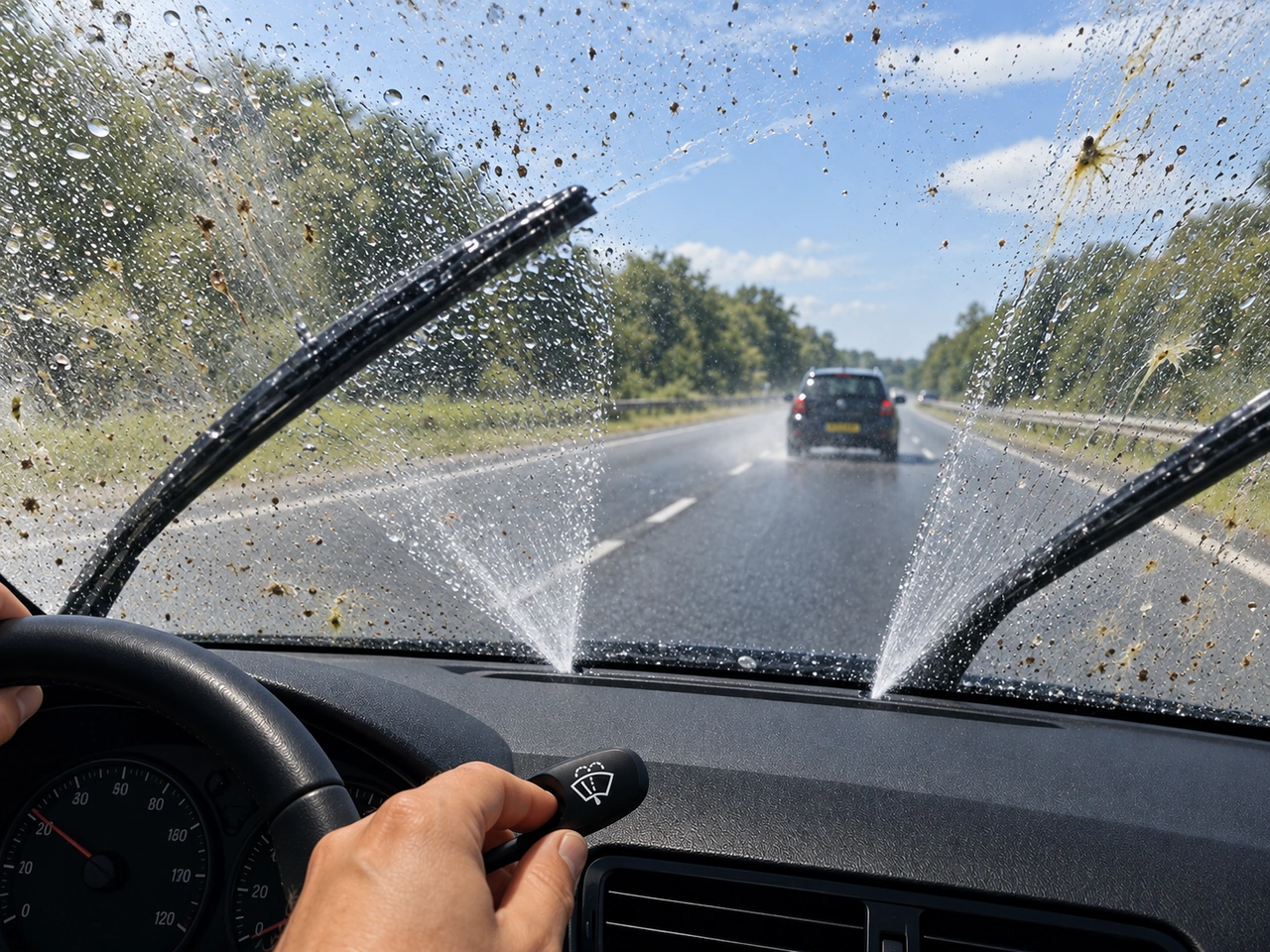
477. Why should the windscreen washer reservoir contain suitable washer fluid?
A clear windscreen is essential for safe observation. Suitable washer fluid helps clean the glass and may provide protection against freezing in cold conditions.
AI-generated by Rijbewijs-online.be • WCIT • CC BY-SA
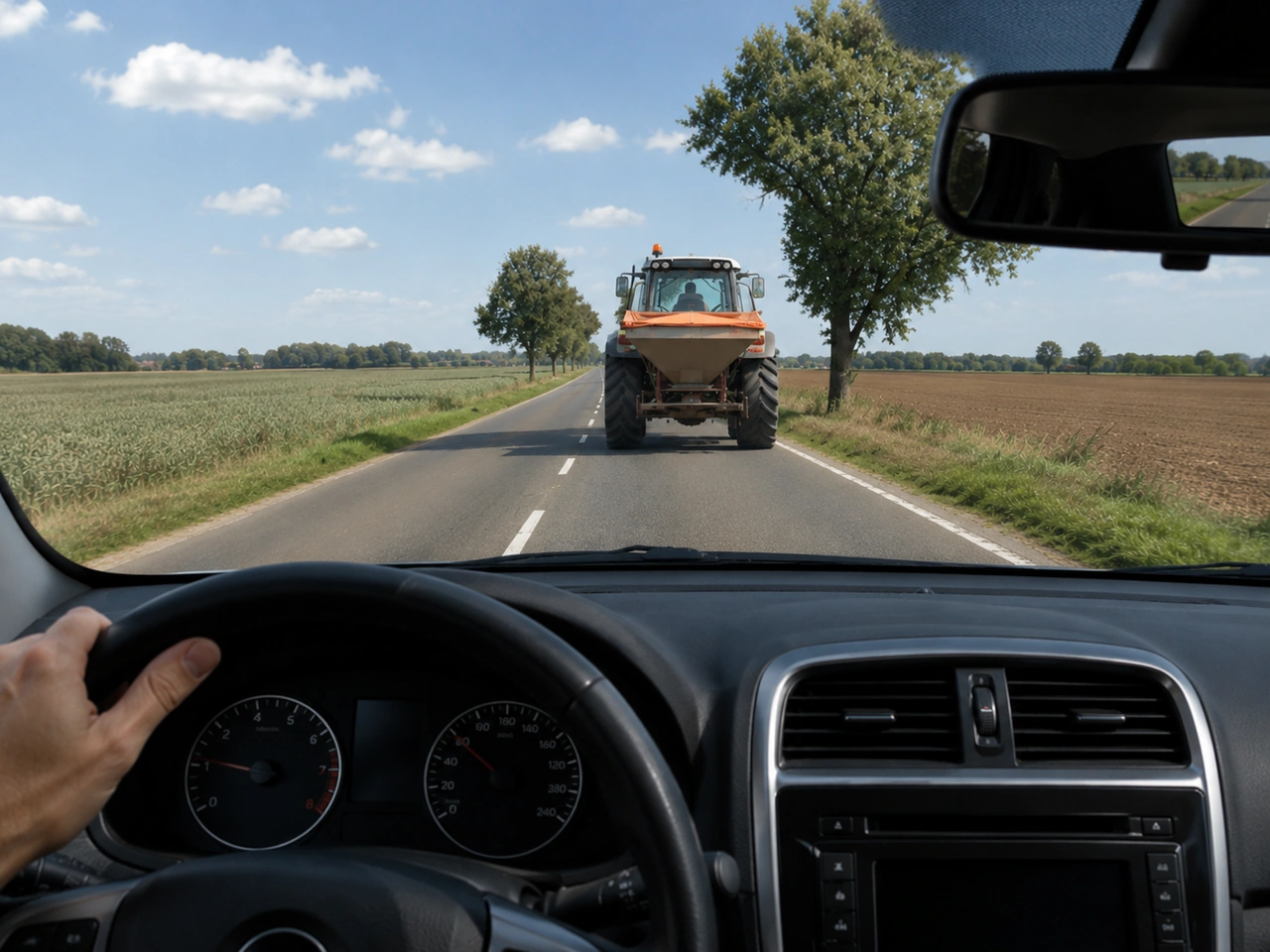
478. What should you do if you approach slow-moving farm machinery?
Farm machinery may be wide, slow, or turn unexpectedly. Keep distance and only overtake when you have a clear view and enough space.
AI-generated by Rijbewijs-online.be • WCIT • CC BY-SA
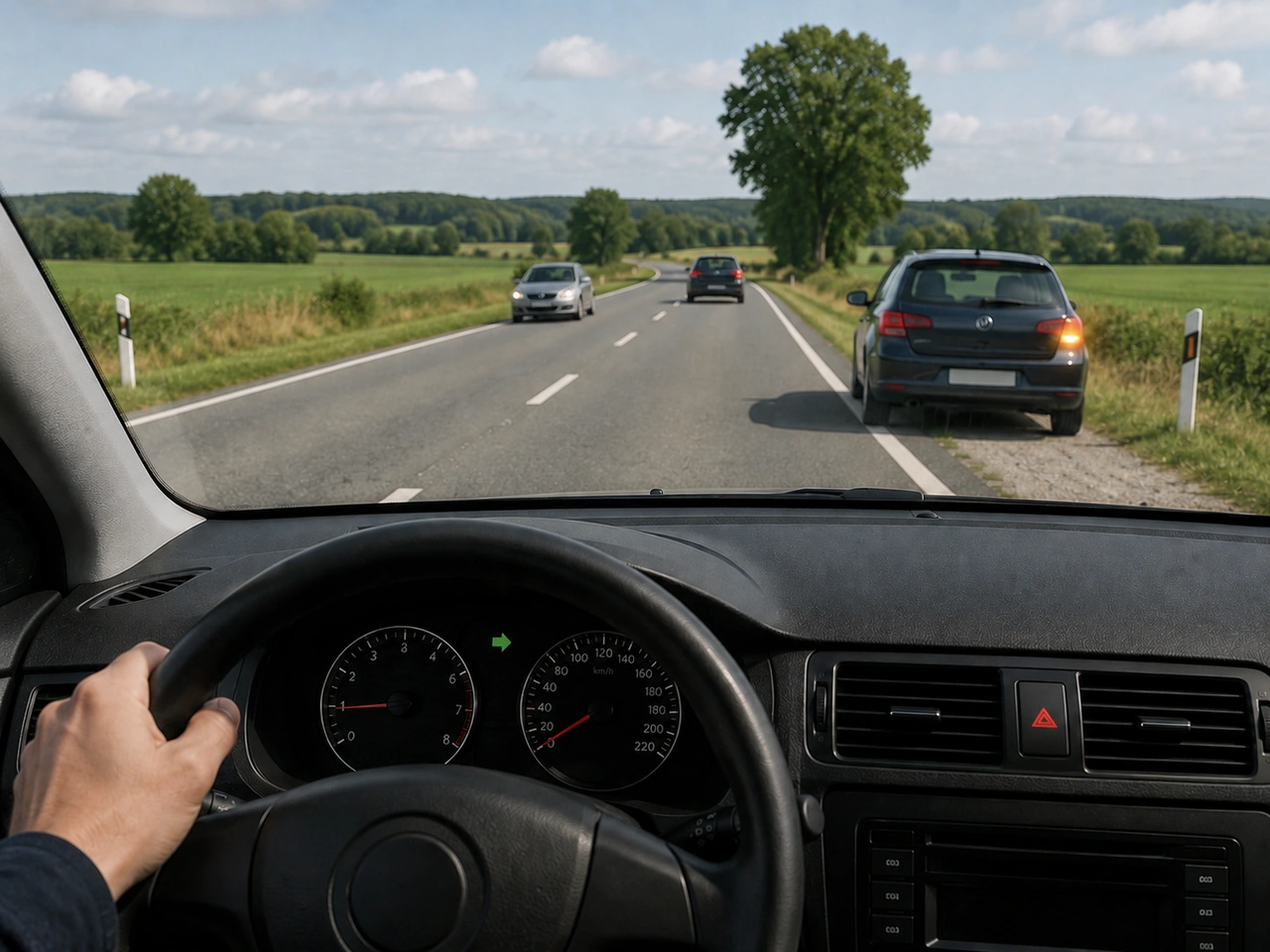
479. What should you do if your vehicle develops a serious fault while driving?
Your first priority is to keep control of the vehicle. Reduce speed smoothly and move out of the path of traffic where possible, signalling when appropriate. Avoid harsh steering or braking unless necessary.
AI-generated by Rijbewijs-online.be • WCIT • CC BY-SA
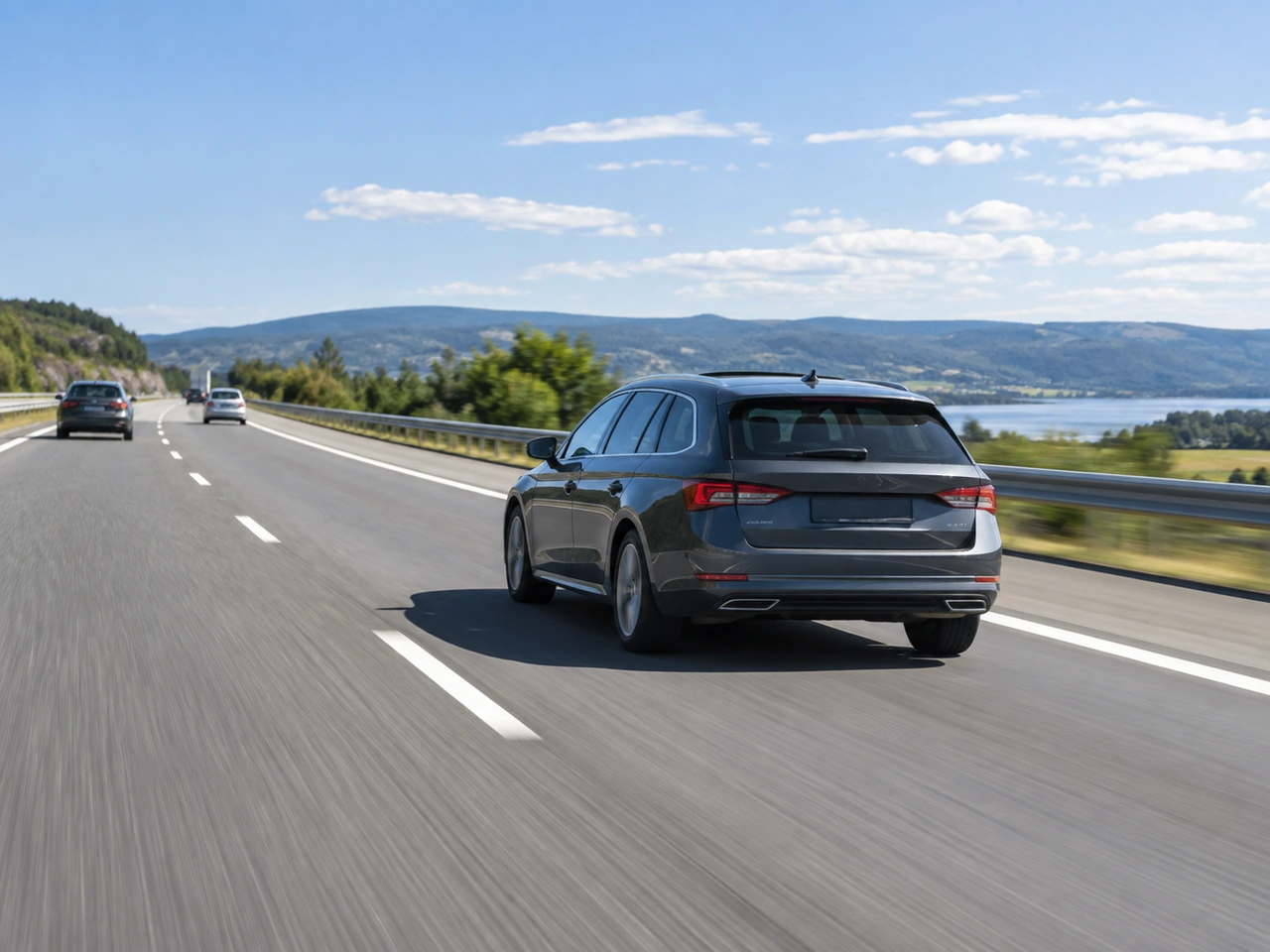
480. How can higher speed affect fuel or energy consumption?
As speed increases, aerodynamic resistance generally rises, so the vehicle needs more energy to maintain that speed. Driving smoothly at an appropriate speed can therefore reduce fuel or energy consumption.
AI-generated by Rijbewijs-online.be • WCIT • CC BY-SA
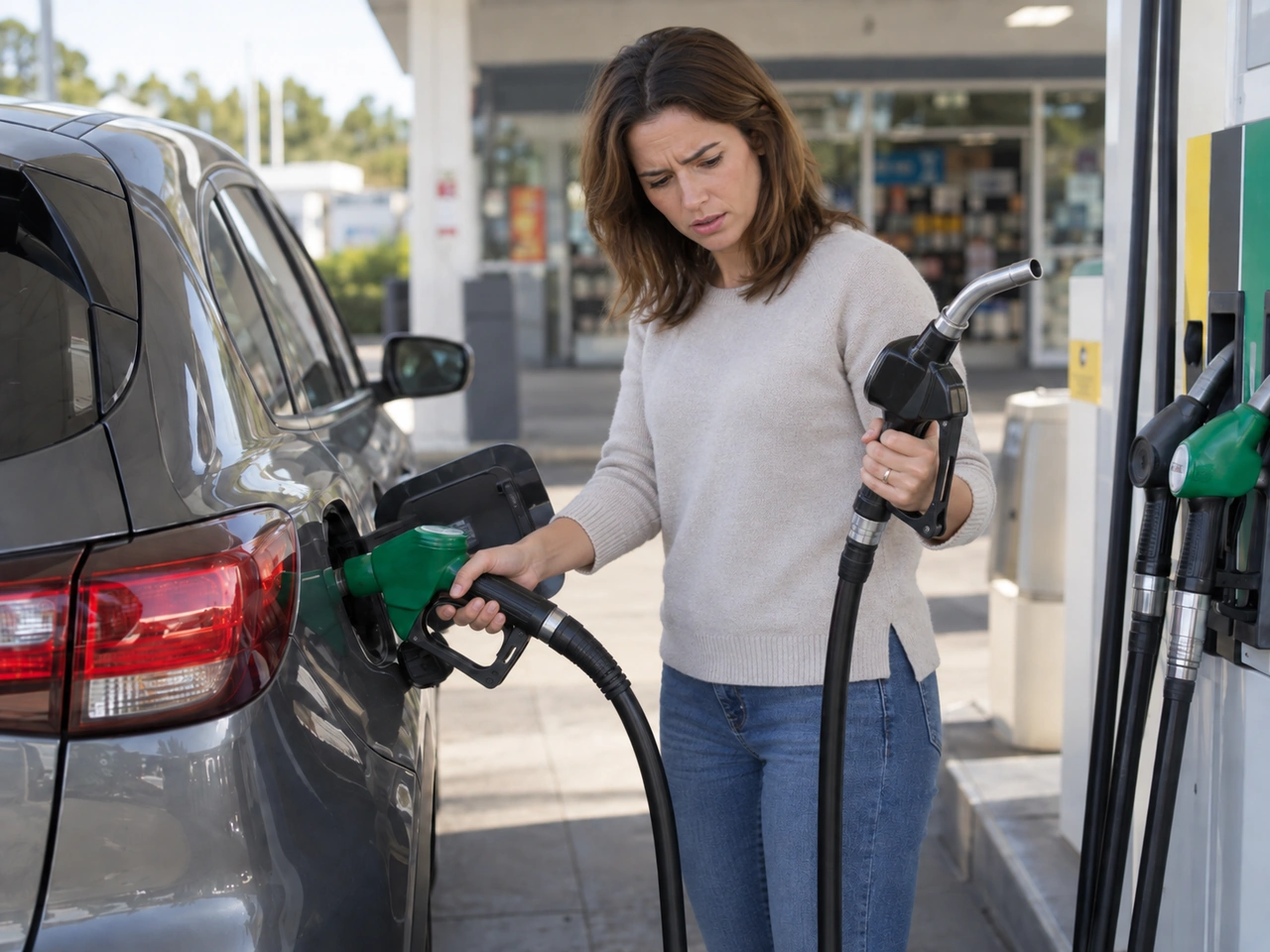
481. What should you do if you realise you have put the wrong fuel in your vehicle?
If you have used the wrong fuel, do not start the engine. Starting it can circulate the incorrect fuel and cause further damage. If possible, avoid switching on the ignition and seek appropriate roadside or workshop assistance.
AI-generated by Rijbewijs-online.be • WCIT • CC BY-SA
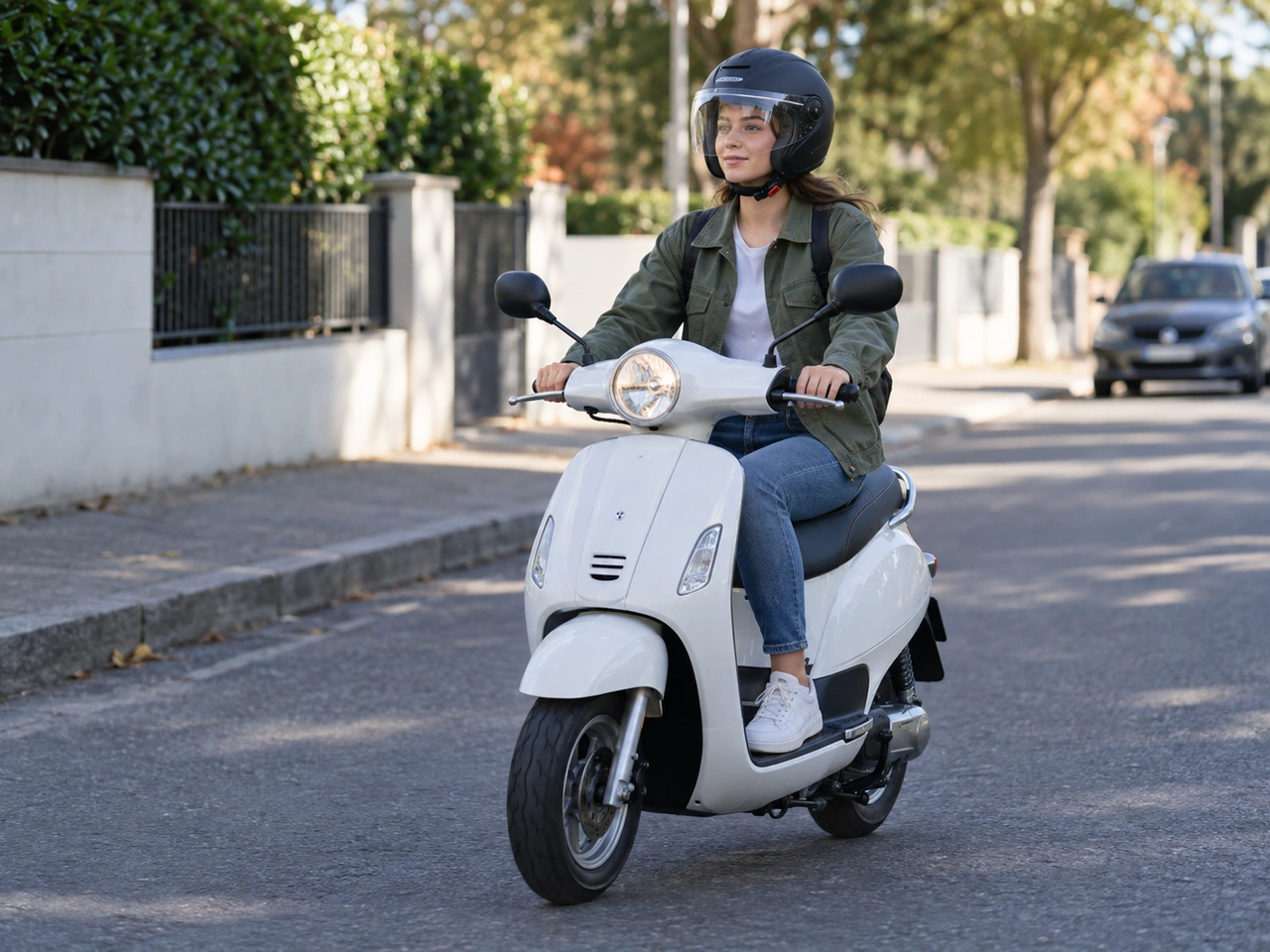
482. Are moped riders generally required to wear a helmet in Panama?
Moped riders in Panama are generally required to wear an approved helmet.
AI-generated by Rijbewijs-online.be • WCIT • CC BY-SA
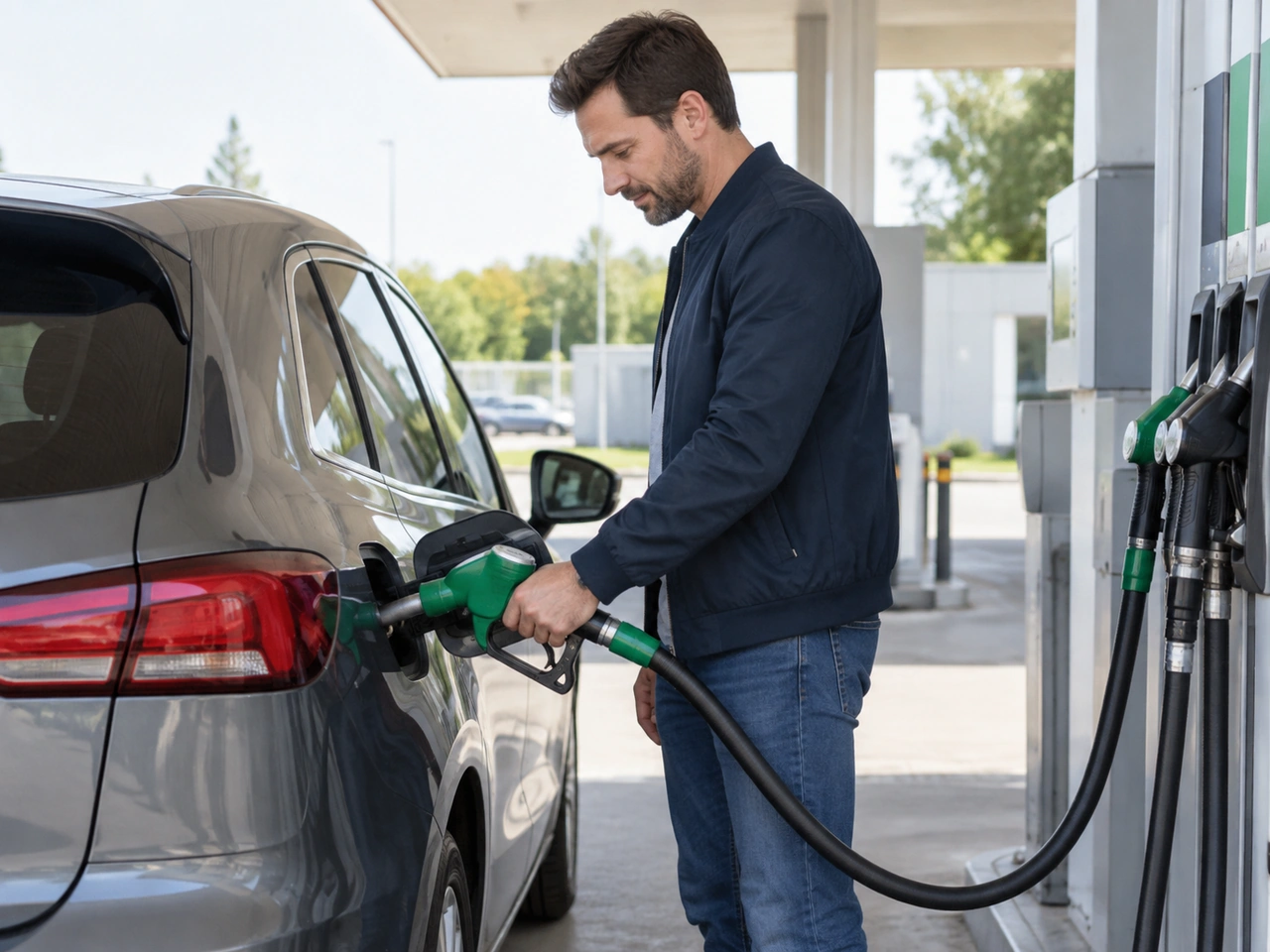
483. What should you normally do when the fuel nozzle automatically clicks off?
When the fuel nozzle automatically clicks off, stop refuelling rather than repeatedly topping up the tank. Continuing can cause fuel to spill or overflow and may interfere with the vehicle's fuel-vapour control system.
AI-generated by Rijbewijs-online.be • WCIT • CC BY-SA
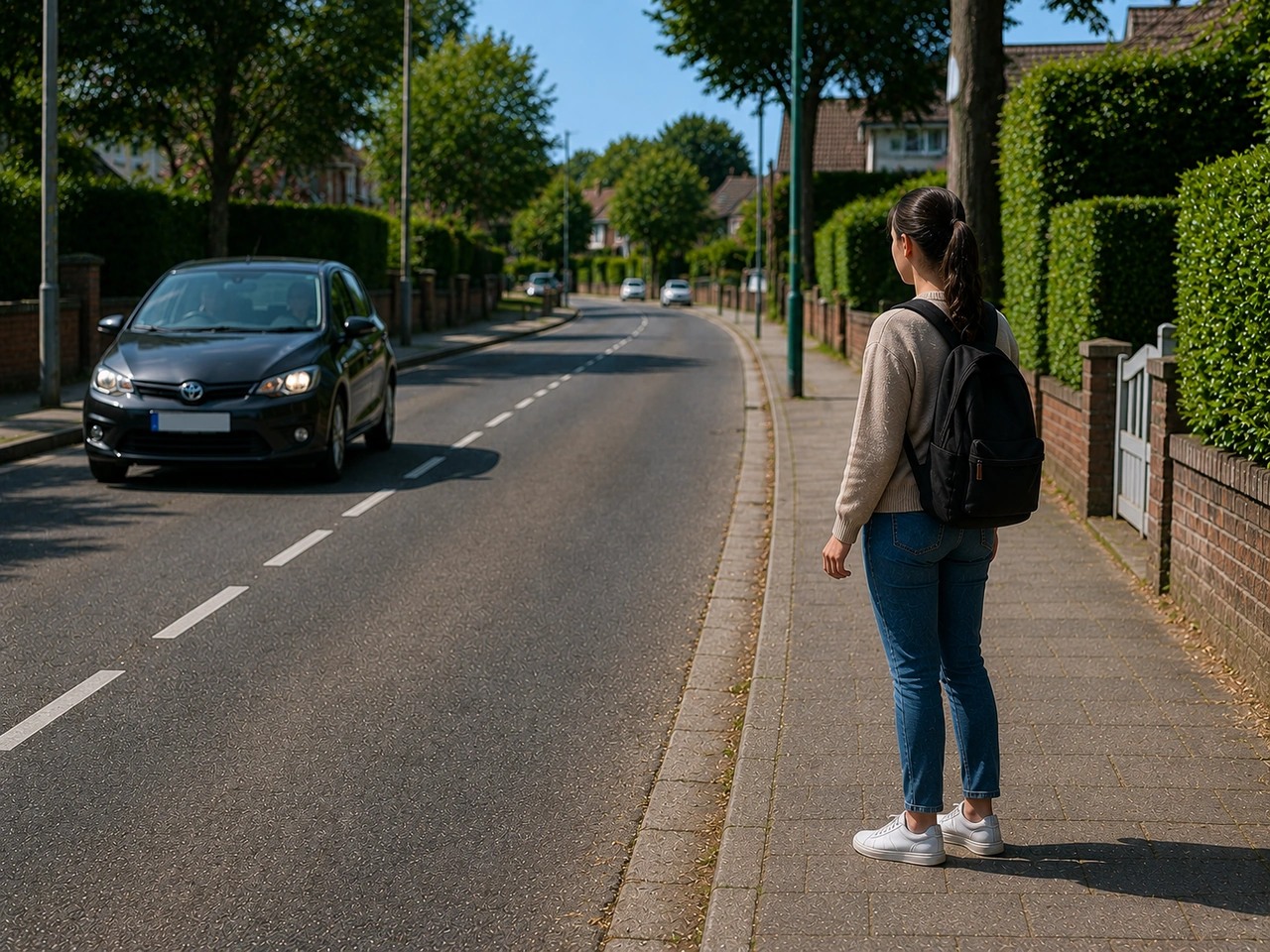
484. What is the best place to cross the road?
Use a designated crossing whenever possible. It is usually the safest place to cross the road.
AI-generated by Rijbewijs-online.be • WCIT • CC BY-SA
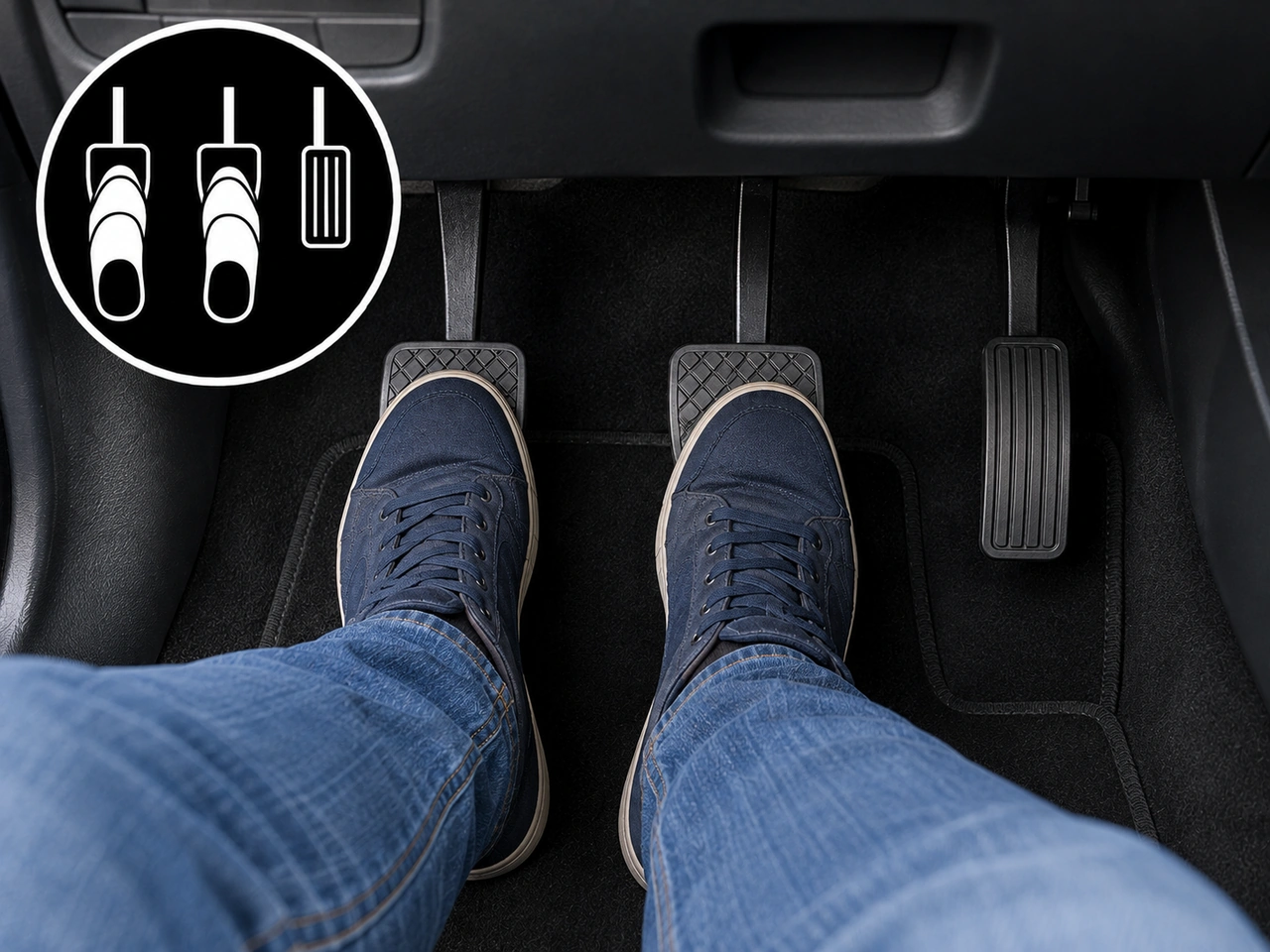
485. What should you do with the clutch during emergency braking in a manual vehicle?
During emergency braking in a manual vehicle, maintain firm pressure on the brake and press the clutch pedal fully so the engine does not stall as the vehicle slows. Do not reduce braking pressure while operating the clutch.
AI-generated by Rijbewijs-online.be • WCIT • CC BY-SA
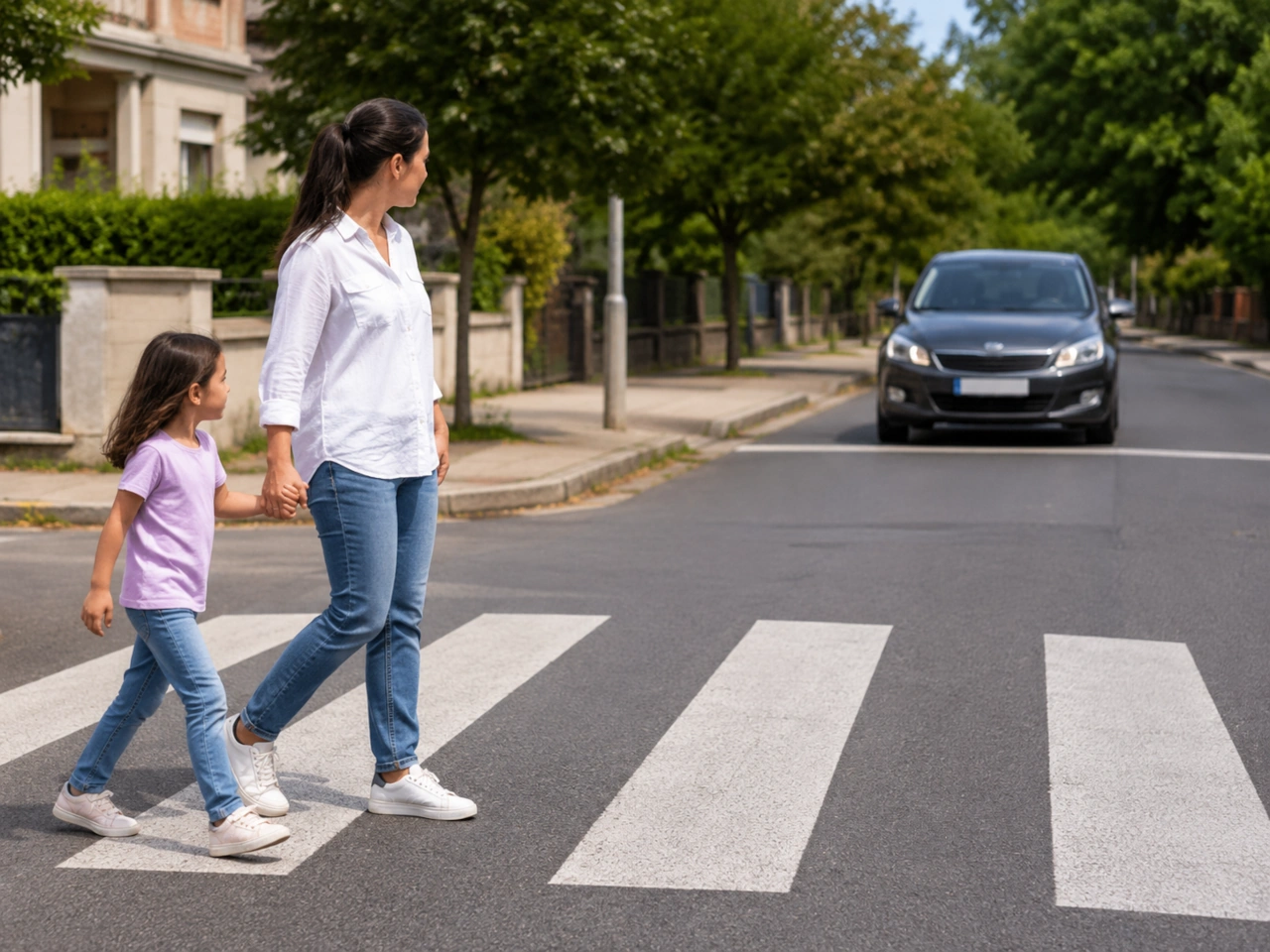
486. What is the safest way to cross the road with a child?
Children can be unpredictable near traffic. Keep them close and guide them safely across the road.
AI-generated by Rijbewijs-online.be • WCIT • CC BY-SA
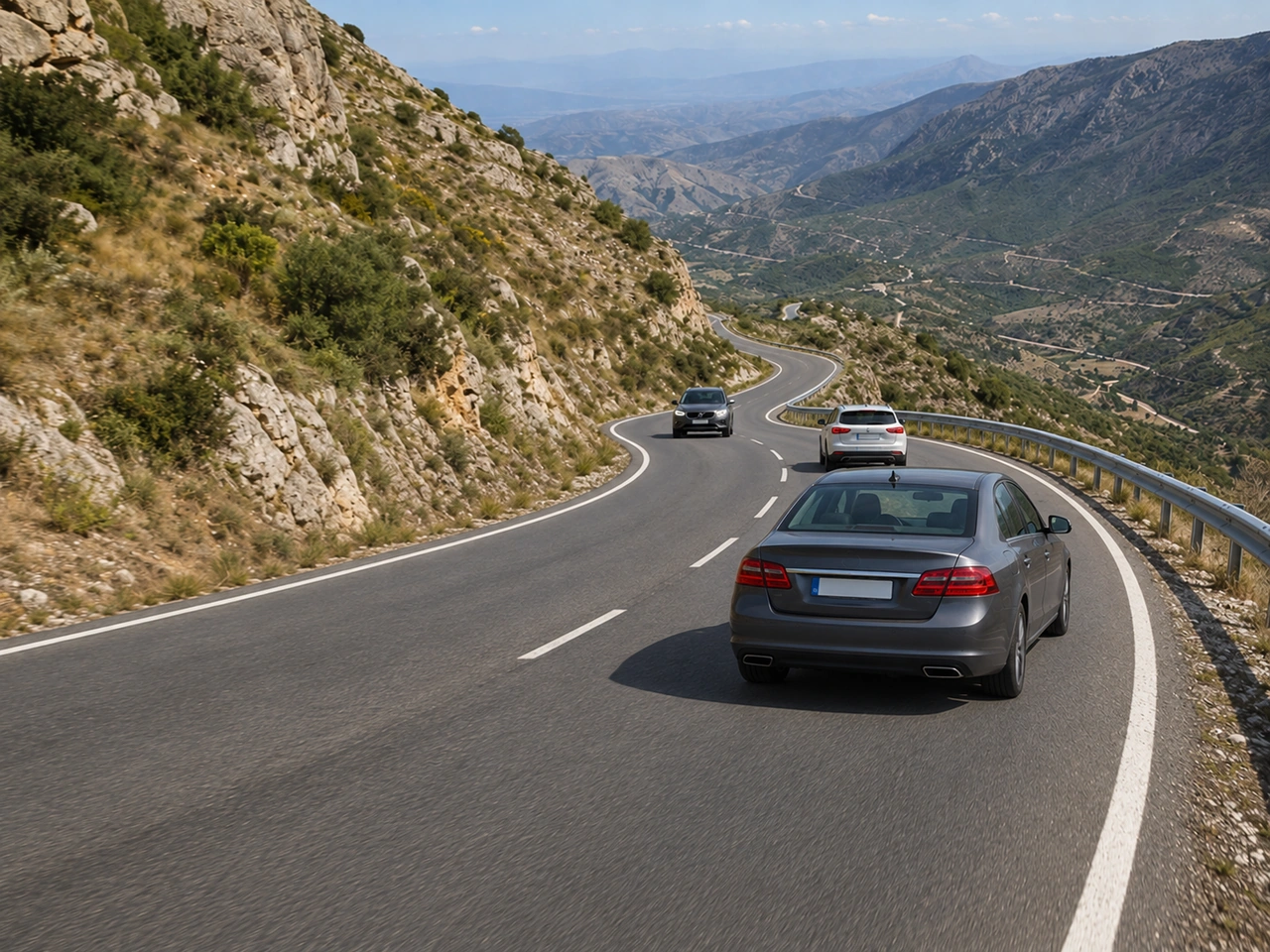
487. What can happen if you use the brakes continuously on a long descent?
Continuous braking can cause the brakes to overheat and fade, reducing braking performance. Use a lower gear to help control speed with engine braking.
AI-generated by Rijbewijs-online.be • WCIT • CC BY-SA
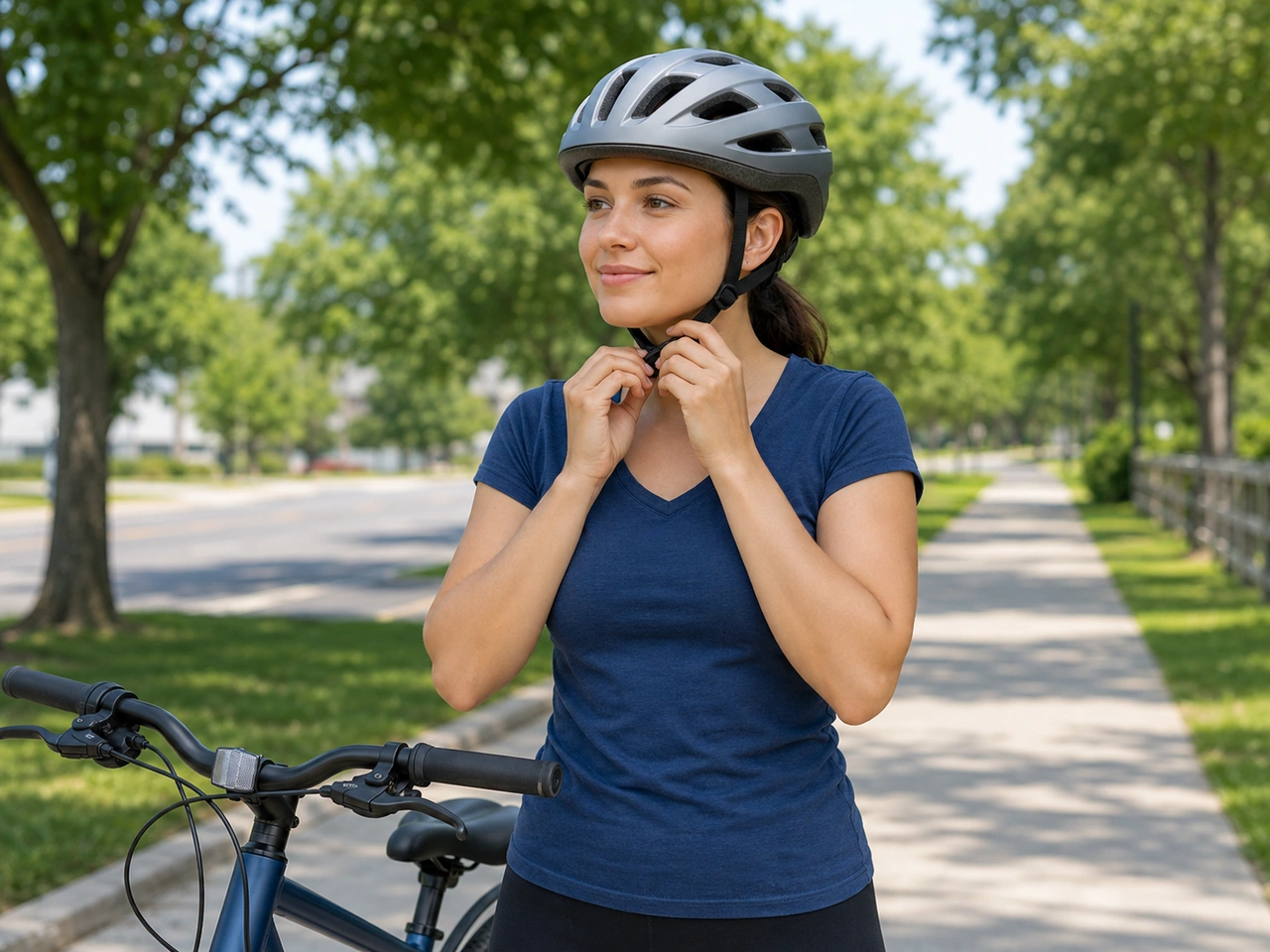
488. How should a bicycle helmet fit?
A helmet should sit level on the head and remain securely in place so it can provide effective protection.
AI-generated by Rijbewijs-online.be • WCIT • CC BY-SA
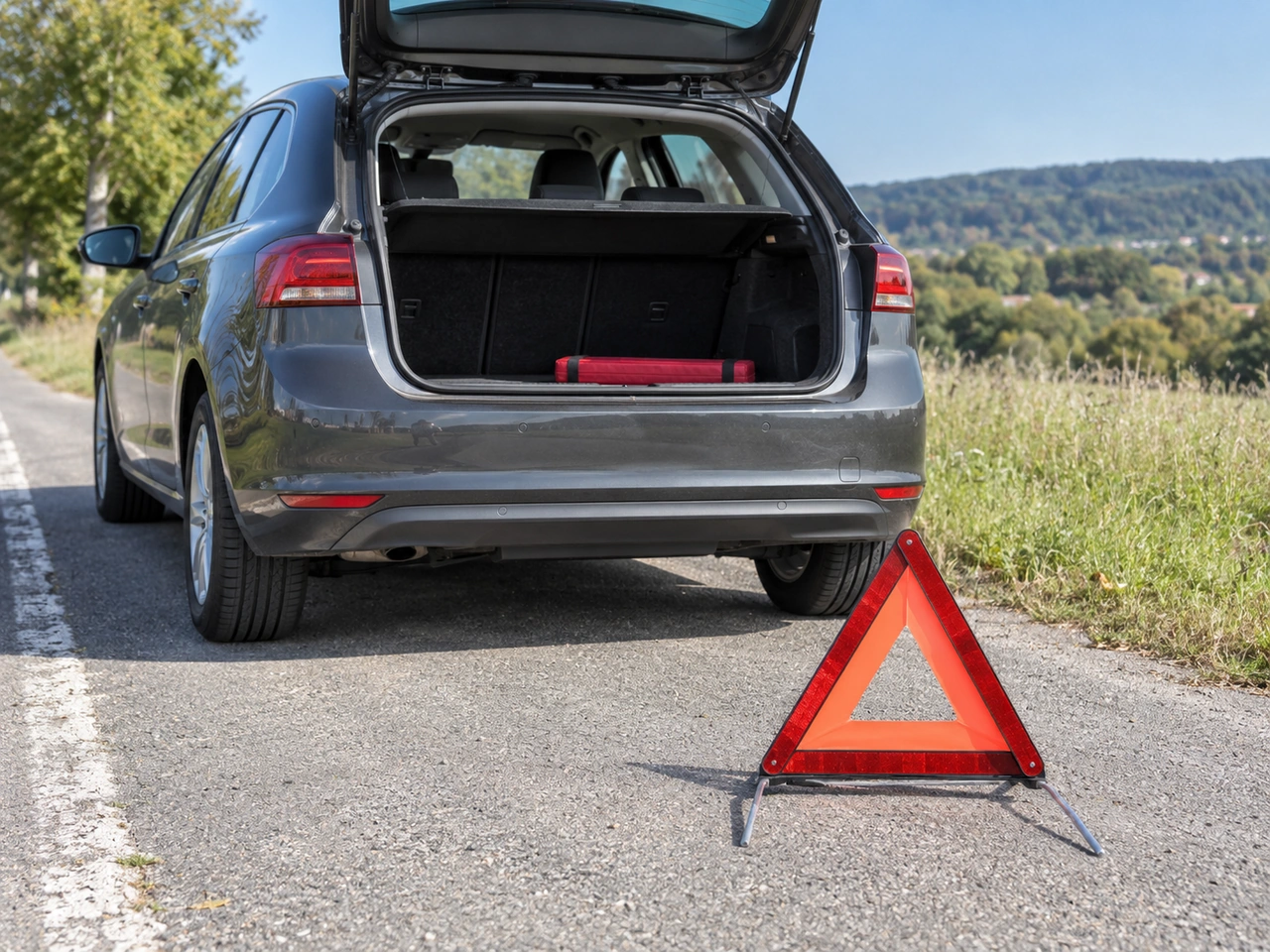
489. Is a warning triangle required in cars in Panama?
Cars in Panama are required to carry a warning triangle.
AI-generated by Rijbewijs-online.be • WCIT • CC BY-SA
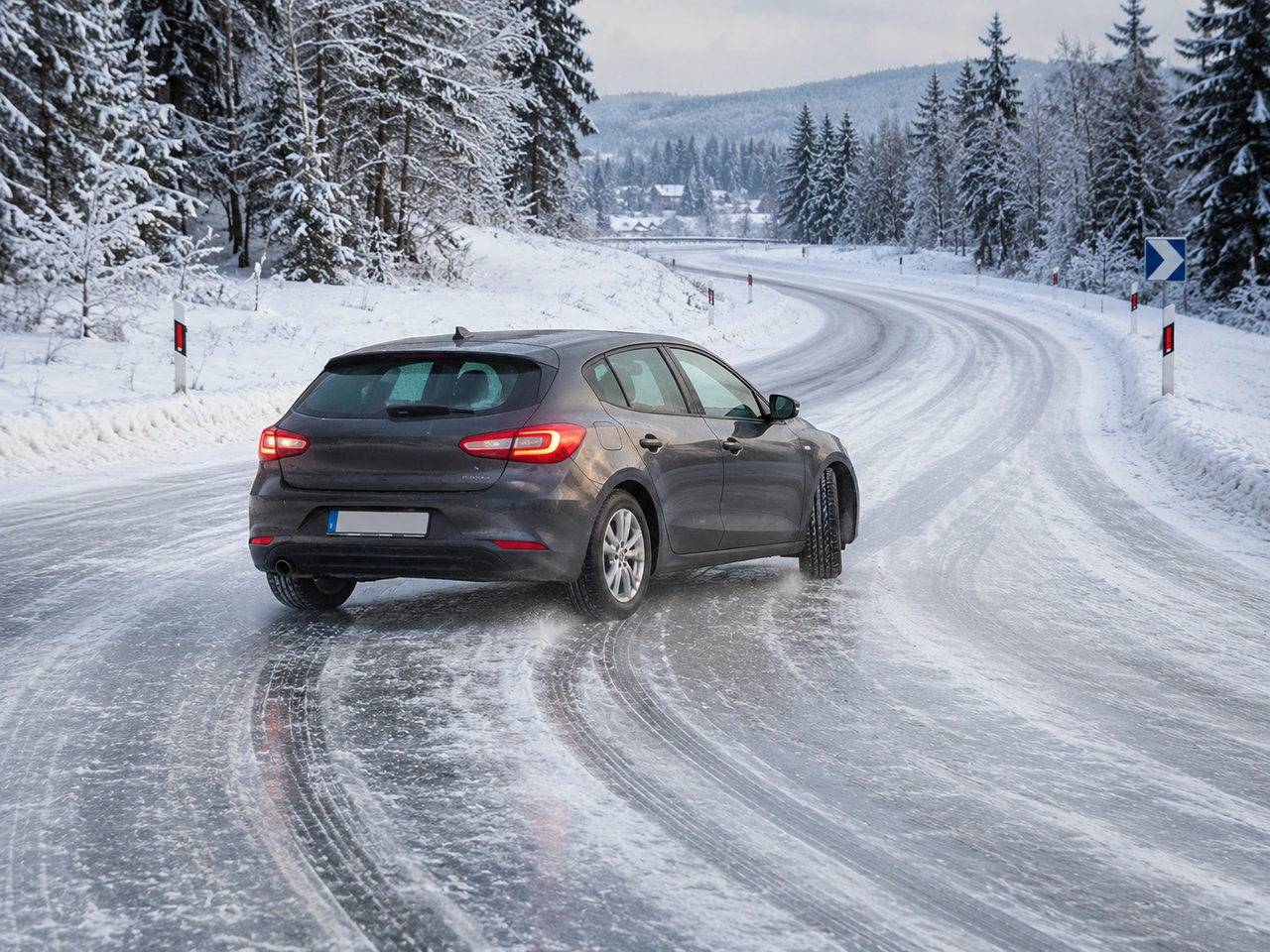
490. What should you do if your vehicle begins to skid on ice?
Avoid sudden braking or steering. Look where you want to go and use gentle controls while the tyres regain grip.
AI-generated by Rijbewijs-online.be • WCIT • CC BY-SA
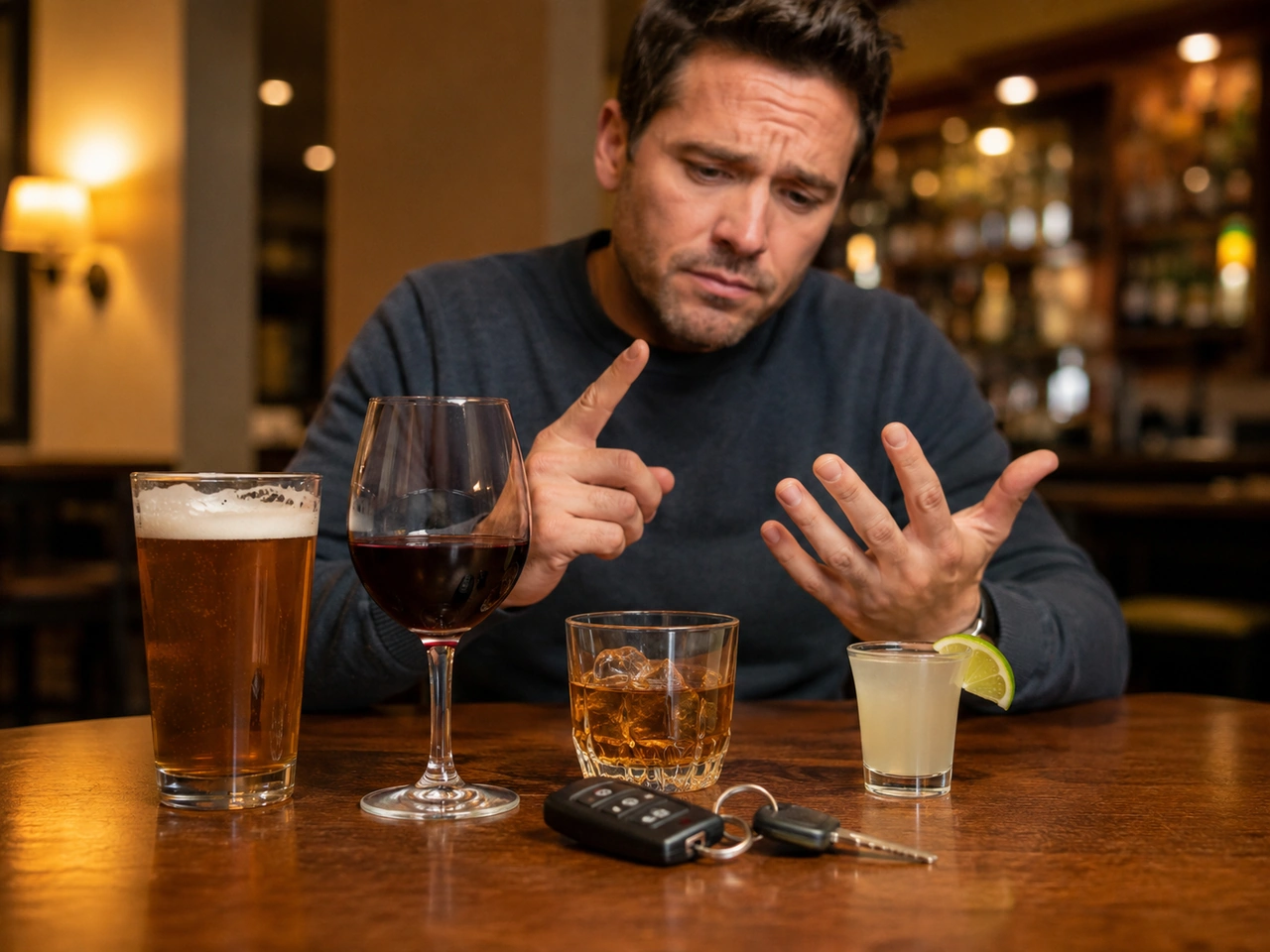
491. Why is counting drinks an unreliable way to decide whether you can drive?
Alcohol concentration and serving sizes vary, and factors such as body size, food, medication, and time can affect impairment.
AI-generated by Rijbewijs-online.be • WCIT • CC BY-SA
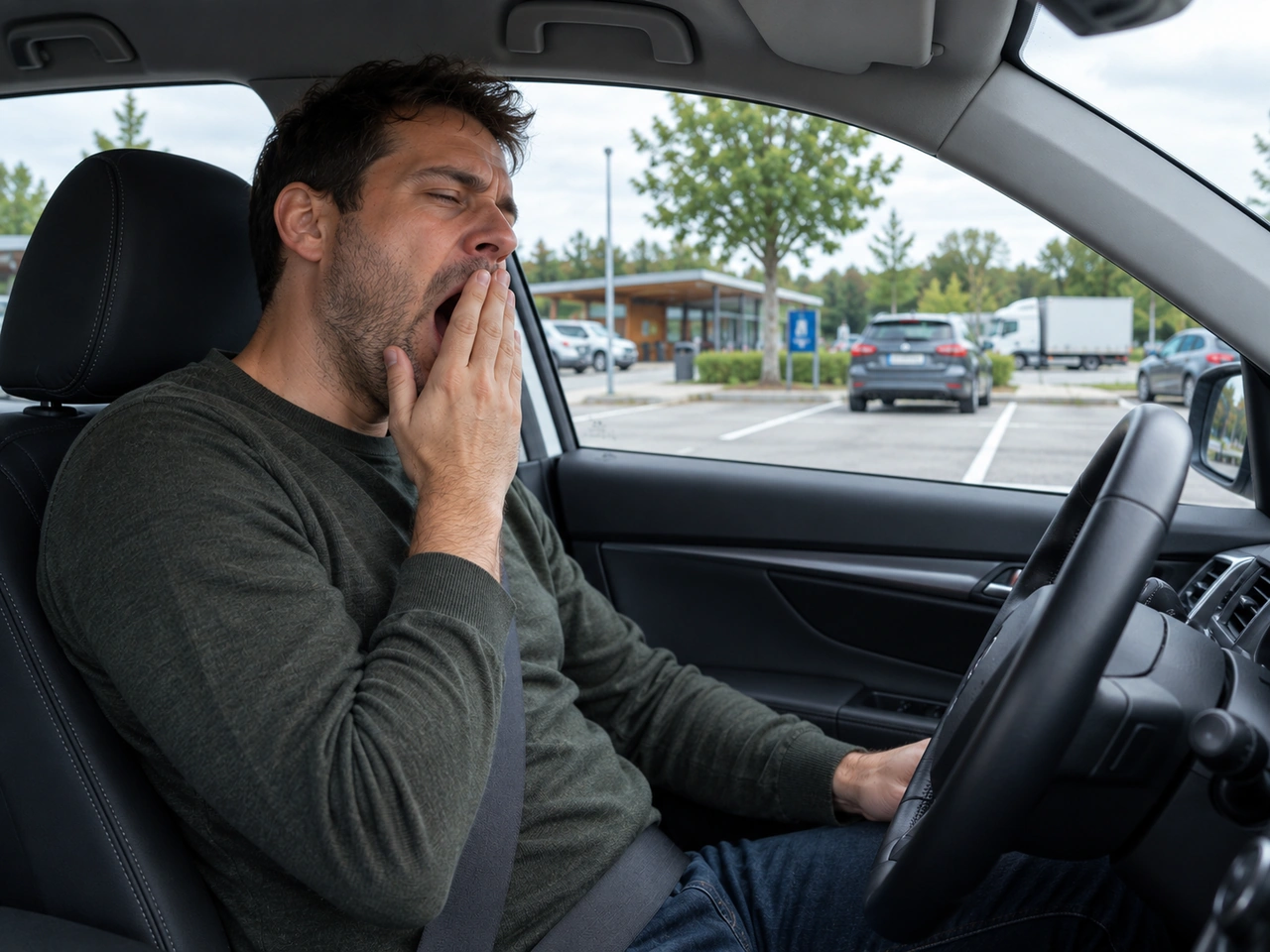
492. Which signs may indicate that you are becoming too tired to drive safely?
Warning signs of driver fatigue can include repeated yawning, heavy eyelids, difficulty concentrating, wandering thoughts, and trouble maintaining a steady road position. These signs mean you should stop and rest before continuing.
AI-generated by Rijbewijs-online.be • WCIT • CC BY-SA
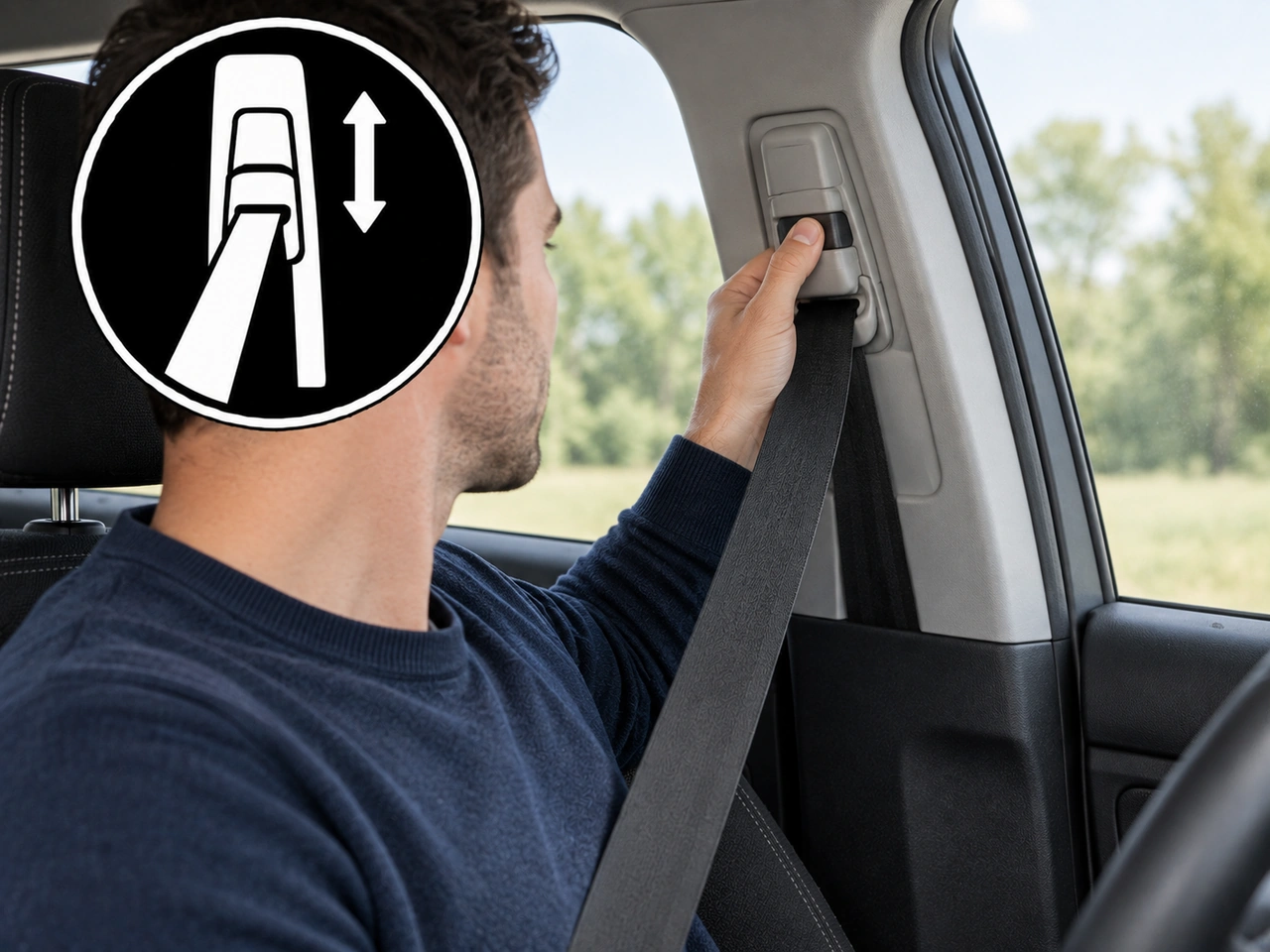
493. Why should the seat-belt height be adjusted correctly?
The seat-belt height adjustment helps position the shoulder belt correctly across the chest and shoulder. It should not run across the neck or under the arm.
AI-generated by Rijbewijs-online.be • WCIT • CC BY-SA
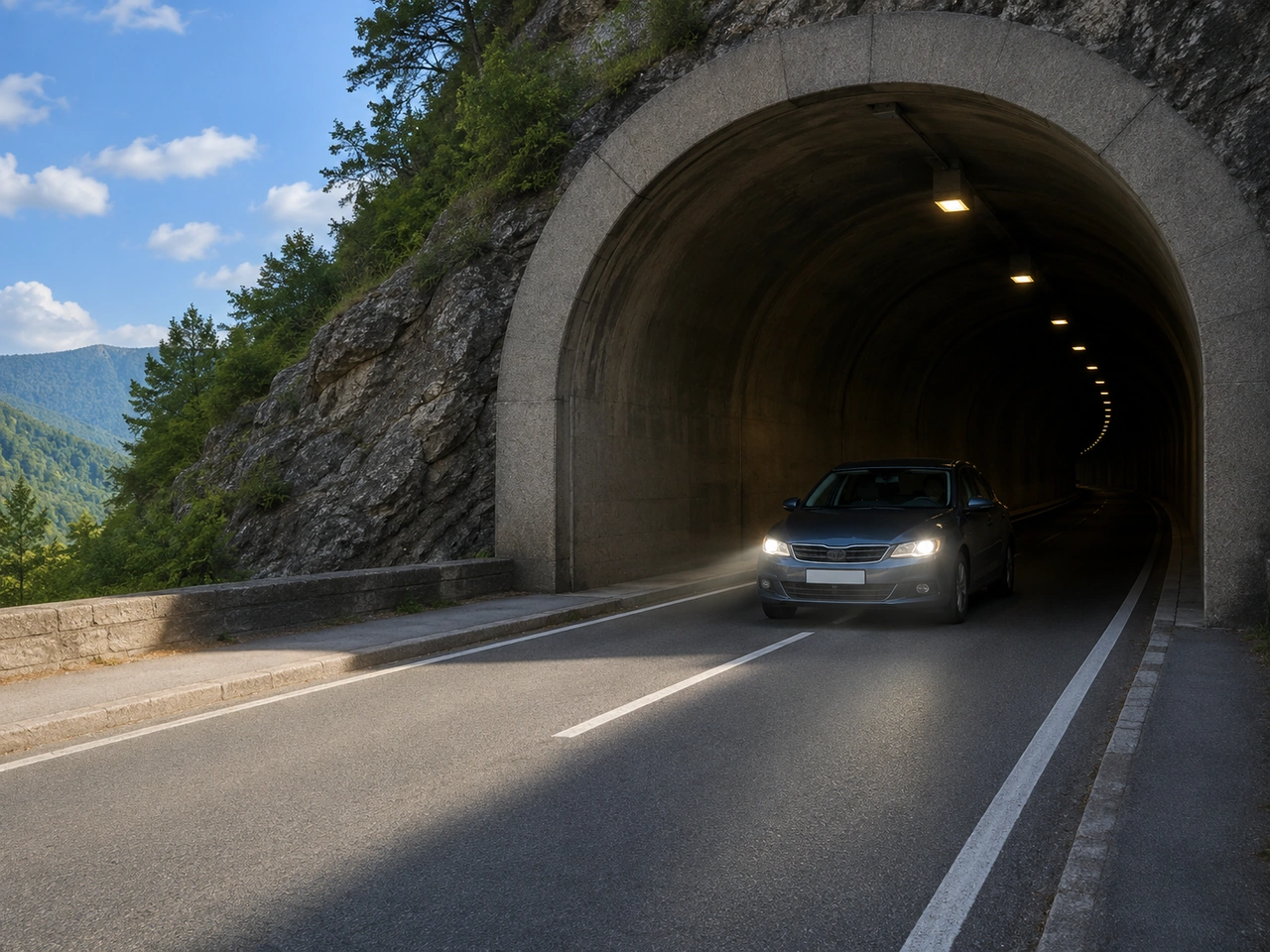
494. Why should you switch on dipped headlights before entering a tunnel?
Tunnel lighting may be much darker than daylight. Dipped headlights help you see and make your vehicle more visible.
AI-generated by Rijbewijs-online.be • WCIT • CC BY-SA
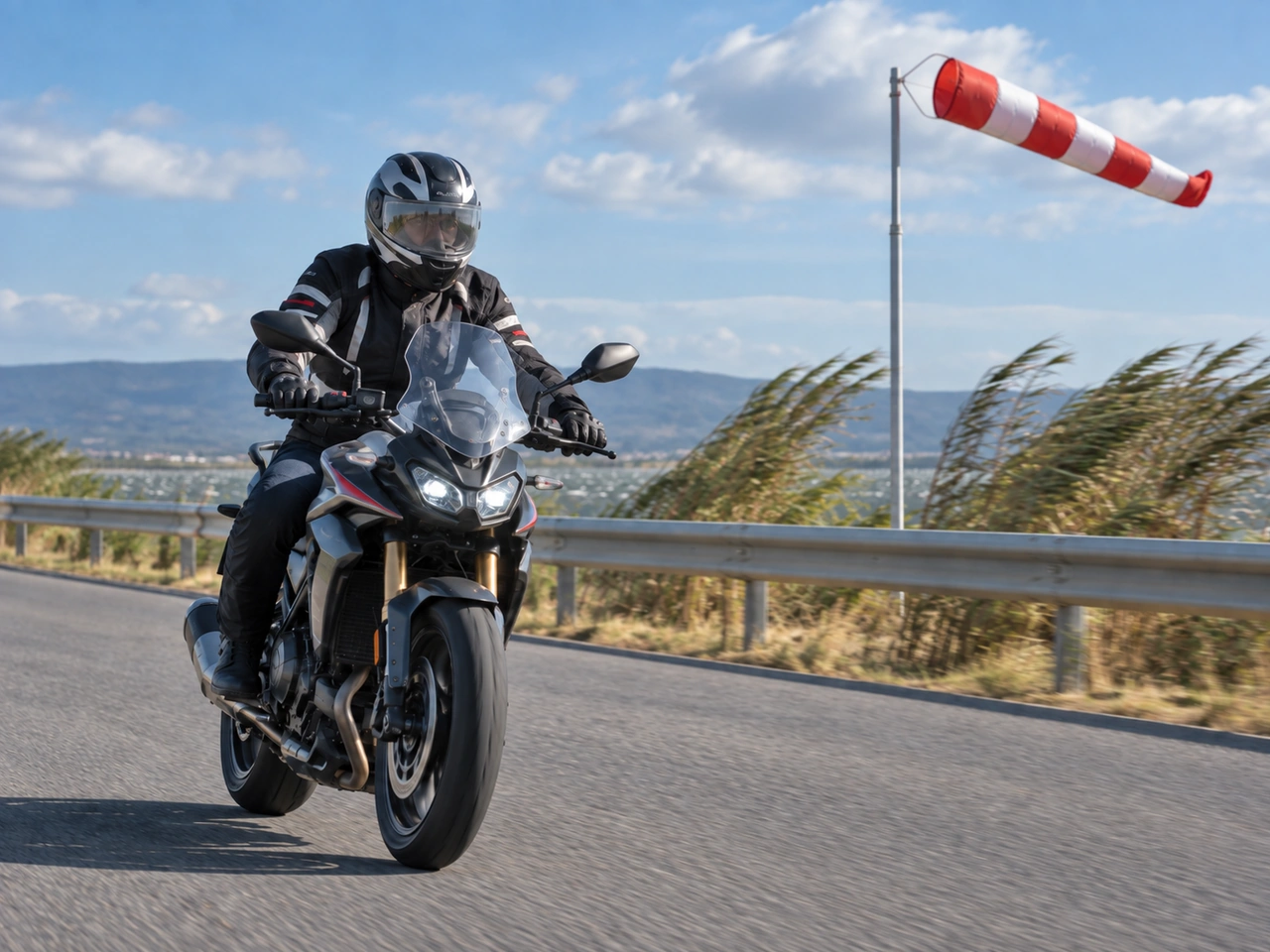
495. What should a motorcyclist do in strong crosswinds?
Strong crosswinds can push a motorcycle sideways and sudden gusts can affect its stability. Reduce speed, keep a steady grip on the handlebars and allow extra space, especially on exposed roads, bridges, or when passing gaps and large vehicles.
AI-generated by Rijbewijs-online.be • WCIT • CC BY-SA
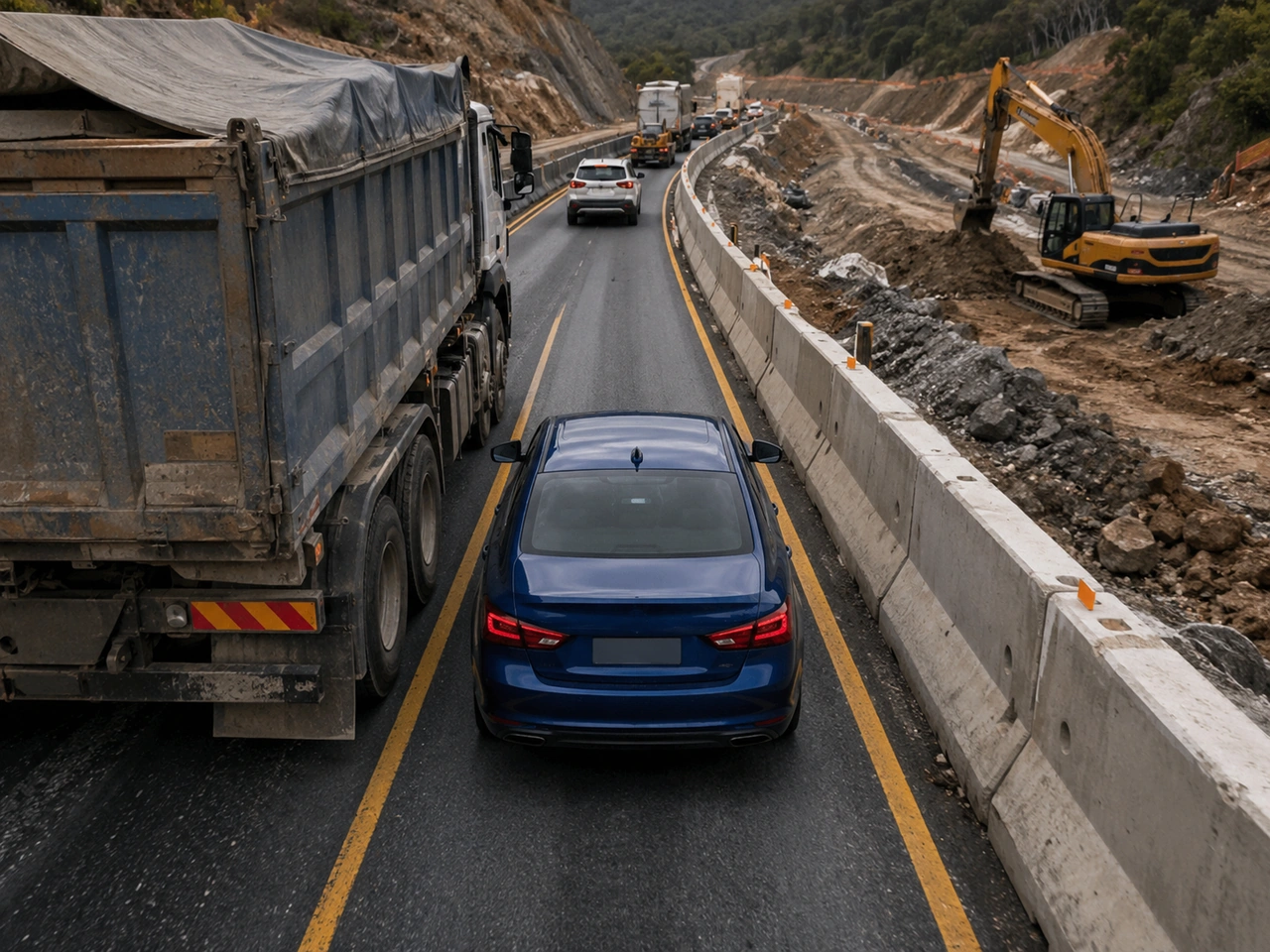
496. Why should you avoid unnecessary lane changes in roadworks?
Frequent lane changes create additional risk where space is limited and drivers are already adapting to temporary layouts.
AI-generated by Rijbewijs-online.be • WCIT • CC BY-SA
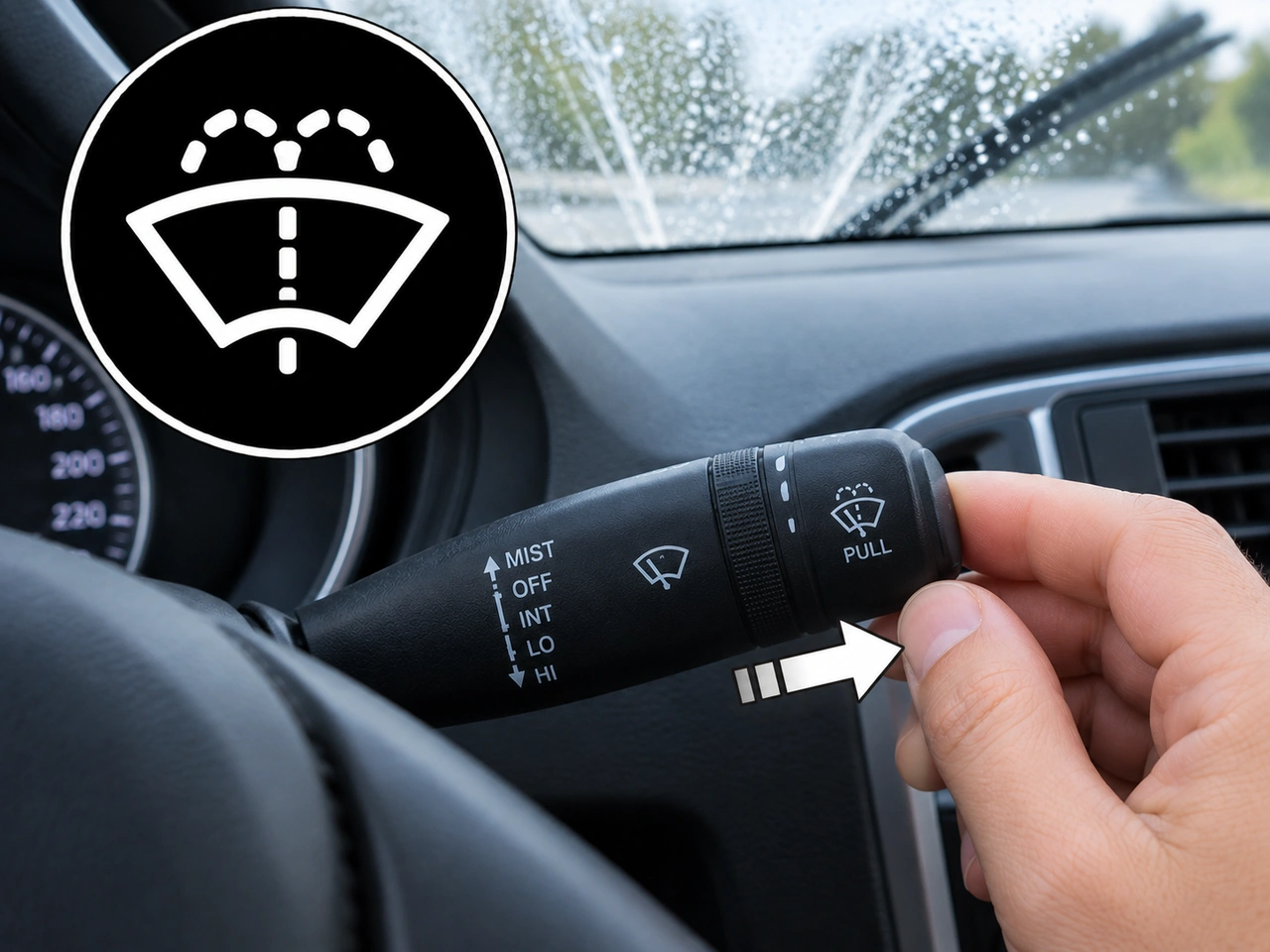
497. What does this vehicle-control symbol indicate?
This symbol indicates the windscreen washer. Operating the control sprays washer fluid onto the windscreen and normally activates the wipers to help clean the glass.
AI-generated by Rijbewijs-online.be • WCIT • CC BY-SA
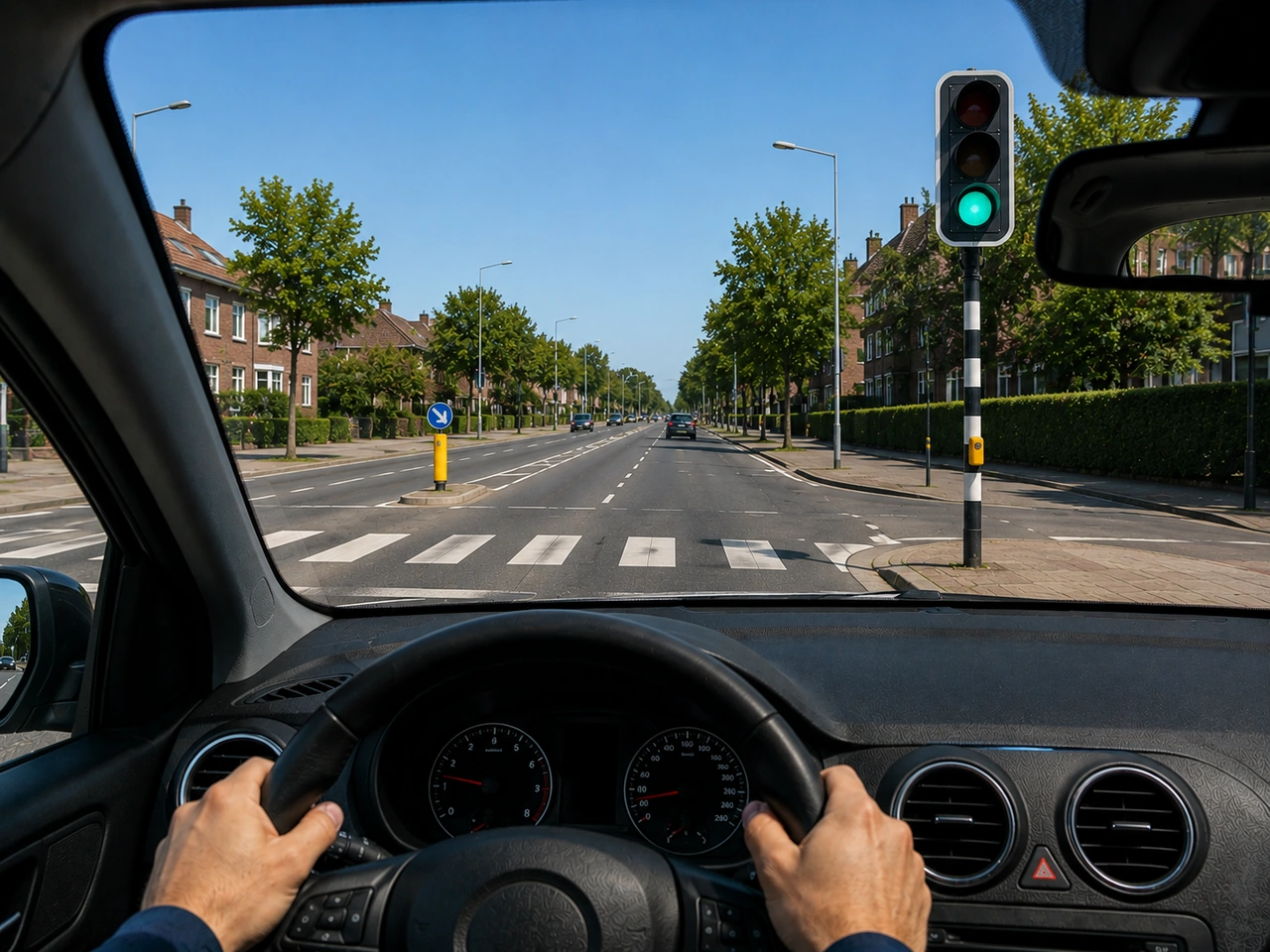
498. What does a green traffic light mean?
A green light allows you to continue, but you must still watch for pedestrians, cyclists, and other road users.
AI-generated by Rijbewijs-online.be • WCIT • CC BY-SA
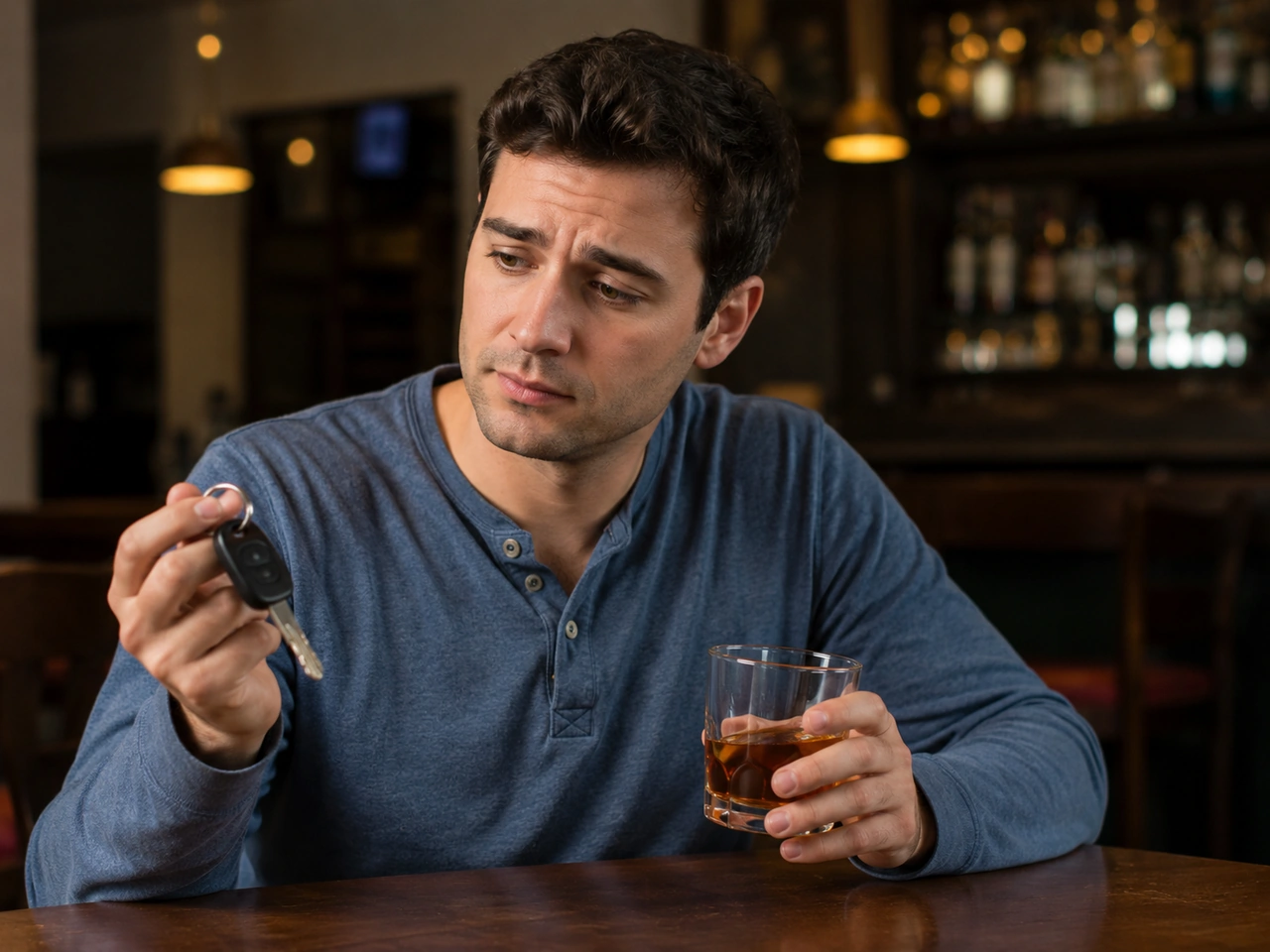
499. What is the safest choice if you have consumed alcohol?
Alcohol can impair judgement, coordination, vision, and reaction time. A sober driver, taxi, public transport, or an overnight stay is the safer choice.
AI-generated by Rijbewijs-online.be • WCIT • CC BY-SA
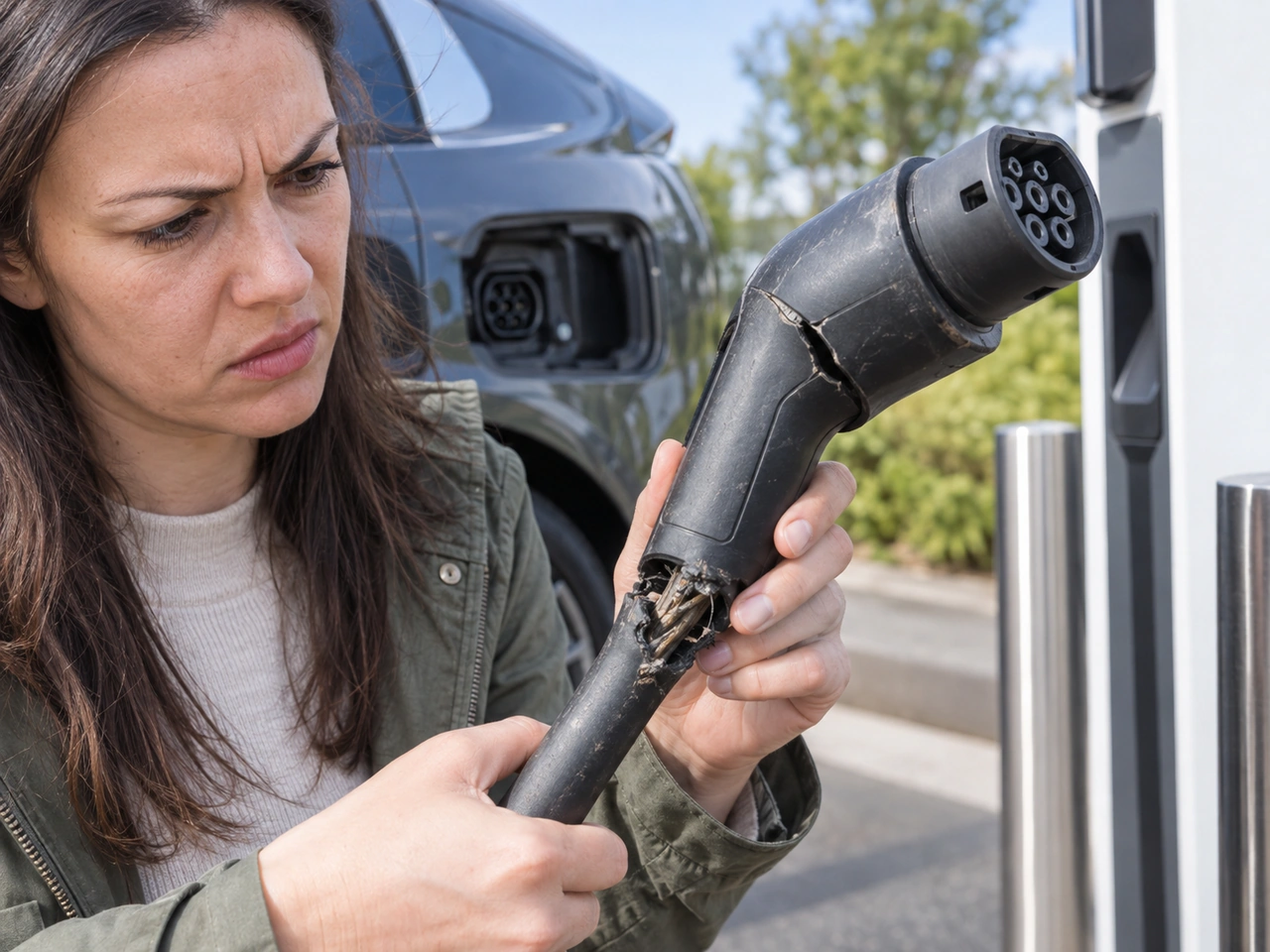
500. What should you do if an EV charging cable or connector is damaged?
Do not use a damaged charging cable or connector. Damage can create a risk of electric shock, overheating, or fire. Use suitable undamaged charging equipment and report the fault or arrange professional repair or replacement.
AI-generated by Rijbewijs-online.be • WCIT • CC BY-SA