Traffic signsPoland
 Traffic rules
 Poland
 Priority signs
 Warning signs
 Prohibitory signs
 Mandatory signs
 Information signs
 Additional signs
Traffic signs
A traffic sign is a standardised visual symbol placed along roads to guide, warn, or regulate drivers, cyclists, and pedestrians. These signs provide essential information about road conditions, rules, directions, and potential hazards, helping to ensure safety and smooth traffic flow. They come in various shapes and colours—such as triangular warning signs, circular prohibitory or mandatory signs, and rectangular information signs—each designed for quick recognition and clear understanding.

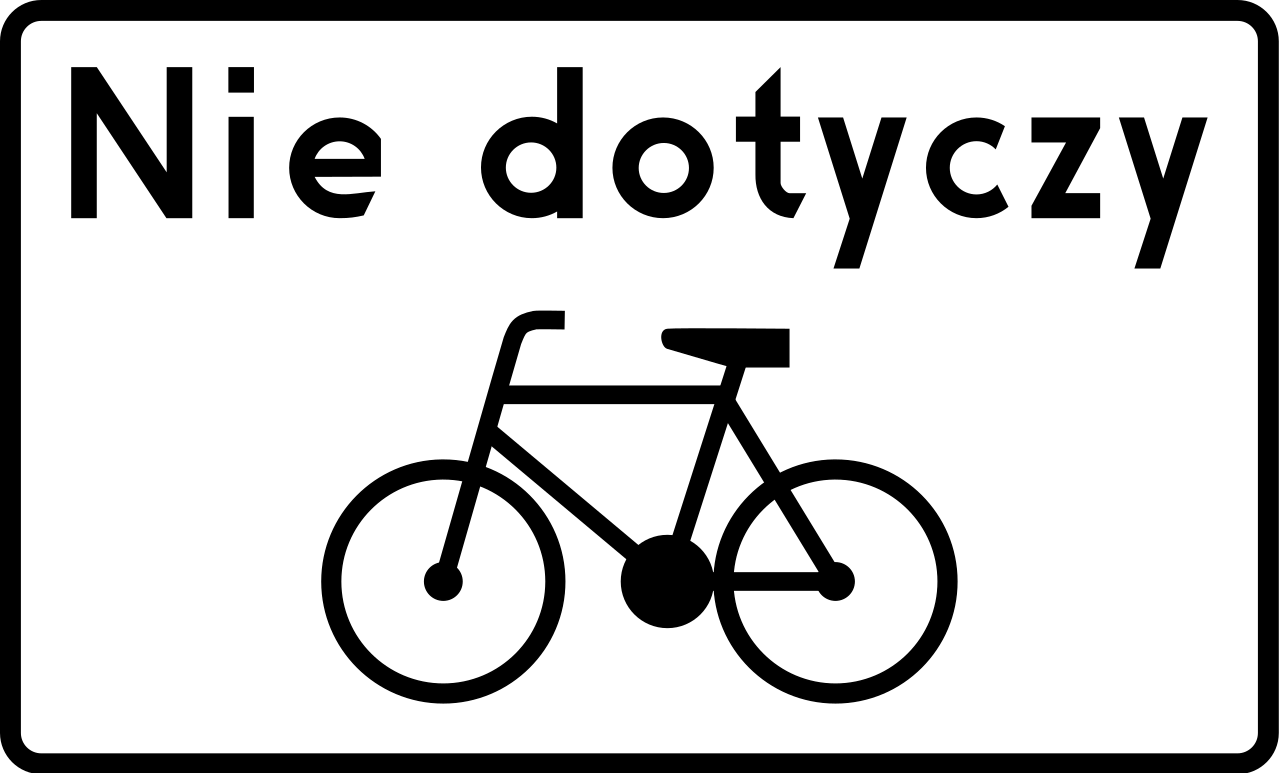
151. Cyclists allowed
This supplementary sign indicates that cyclists are allowed where the main traffic sign would otherwise restrict their access or use.
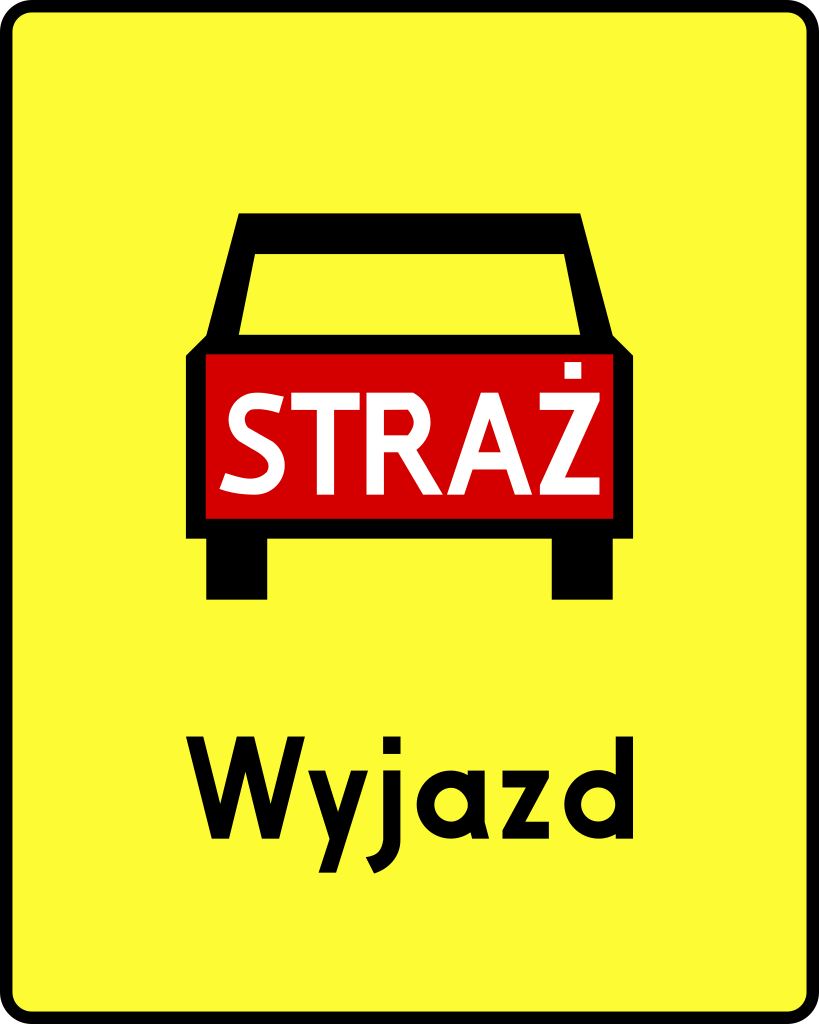
152. Emergency vehicles allowed
This supplementary sign indicates that emergency vehicles are allowed where the main traffic sign would otherwise restrict their access or use. The emergency-vehicle categories covered depend on the applicable local rules.
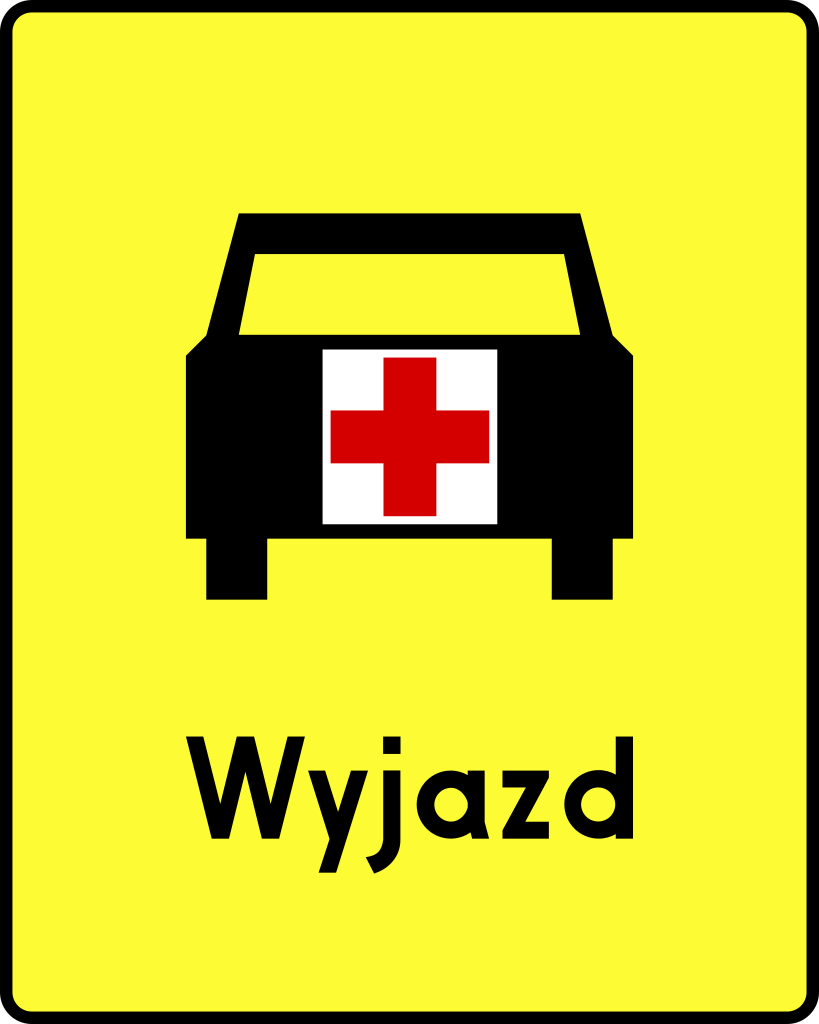
153. Ambulances allowed
This supplementary sign indicates that ambulances are allowed where the main traffic sign would otherwise restrict their access or use.
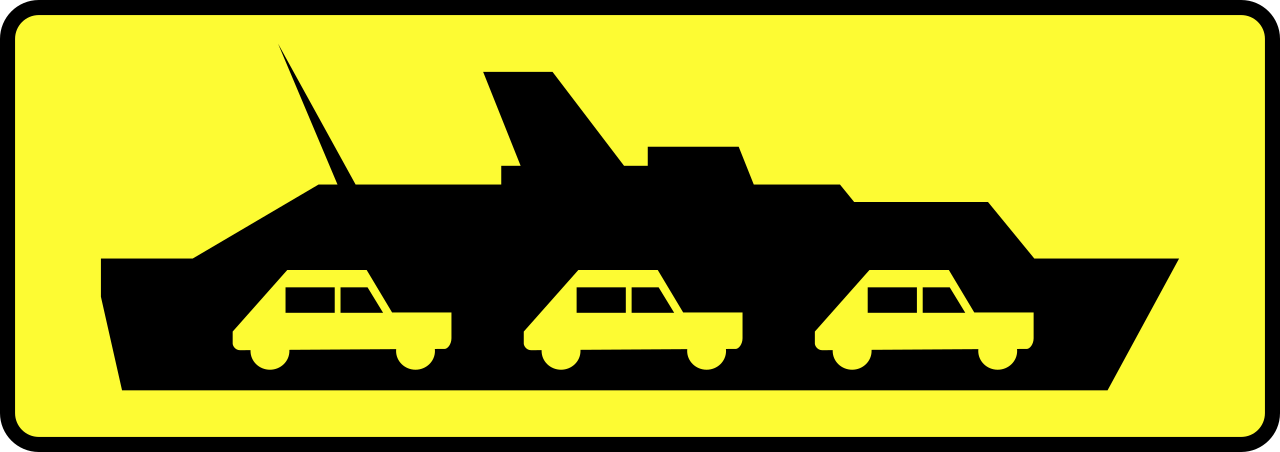
154. Ferry users allowed
This supplementary sign indicates that ferry users are allowed where the main traffic sign would otherwise restrict access. The exception applies to road users accessing or leaving the relevant ferry service.
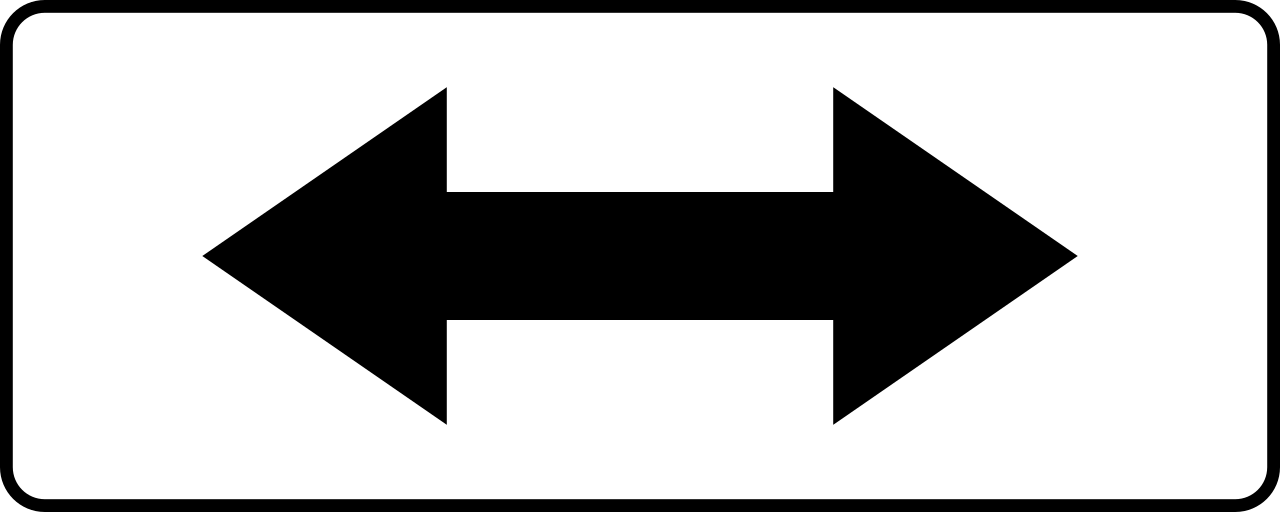
155. To the left or right
This supplementary sign indicates that the main traffic sign applies in both directions shown by the arrows, to the left and right.
156. Continuation of regulation
This supplementary sign indicates the continuation or reminder of the regulation shown by the main traffic sign.

157. End of regulation
This supplementary sign indicates the end of the regulation shown by the main traffic sign. The regulation ends at this point.
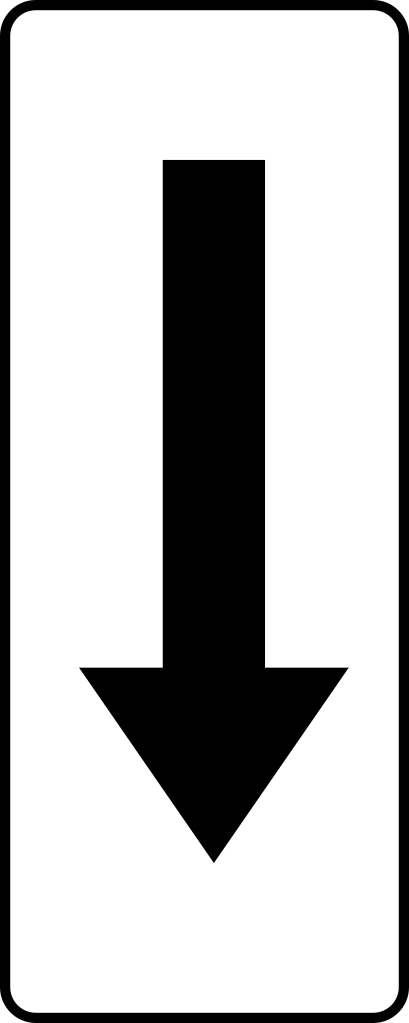
158. Temporary diversion to the left
This supplementary sign indicates a temporary diversion to the left. Traffic follows the temporary route in the direction shown.
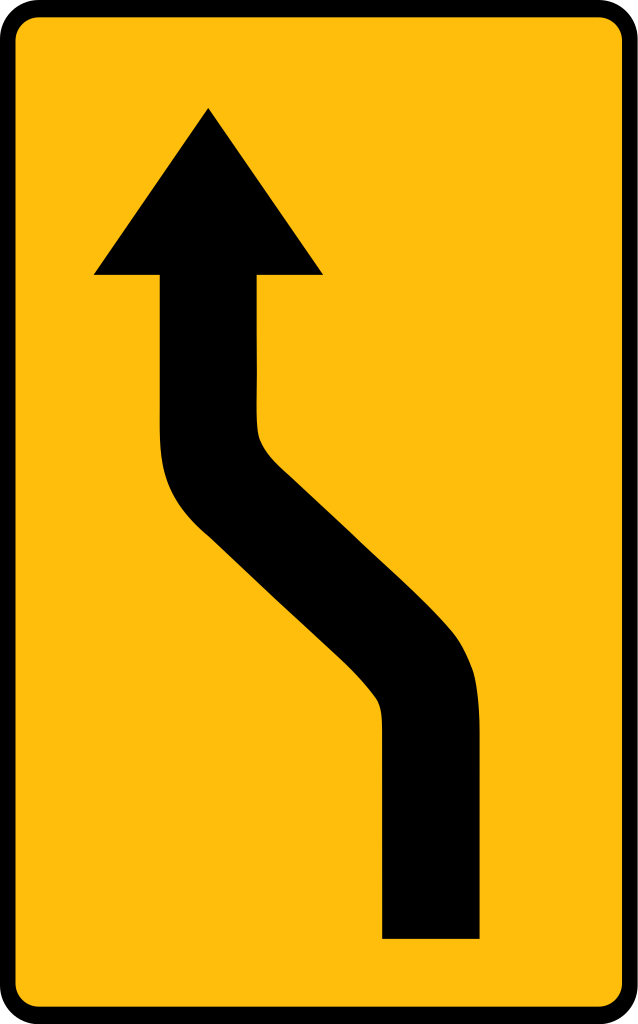
159. Temporary diversion to the right
This supplementary sign indicates a temporary diversion to the right. Traffic follows the temporary route in the direction shown.
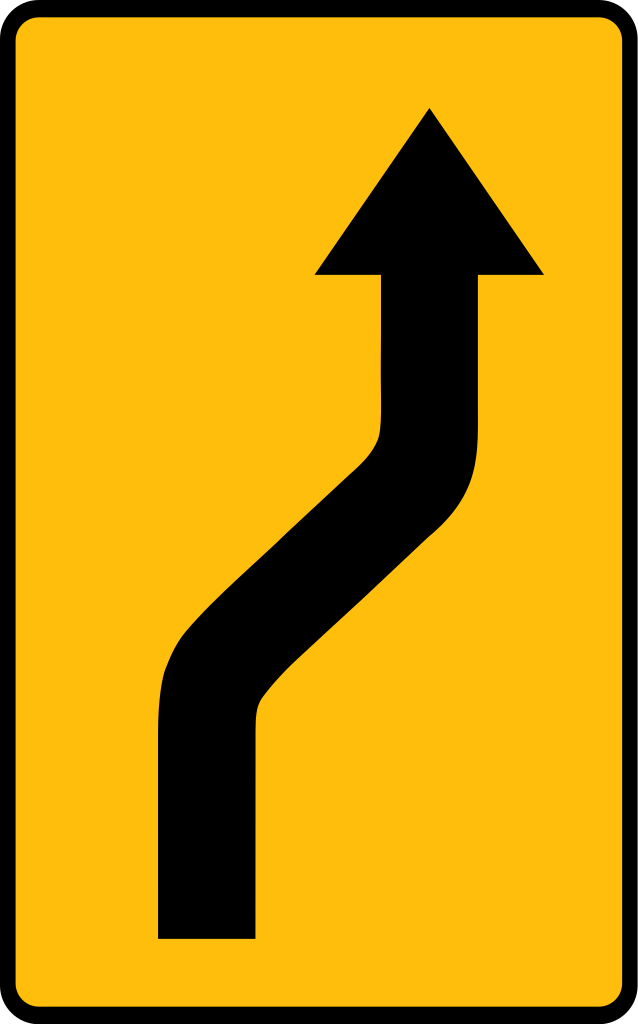
160. Temporary diversion to the left and back
This supplementary sign indicates that traffic temporarily shifts to the left and then returns to its original alignment.
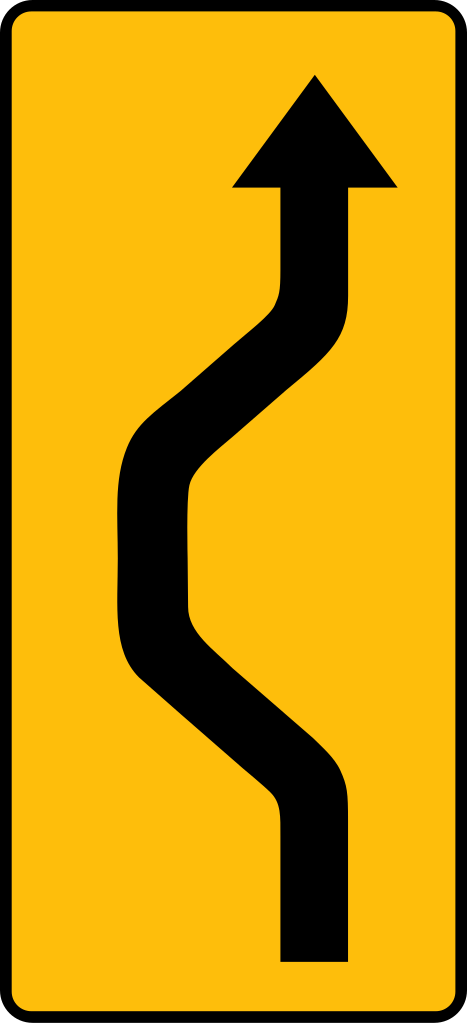
161. Temporary diversion to the right and back
This supplementary sign indicates that traffic temporarily shifts to the right and then returns to its original alignment.
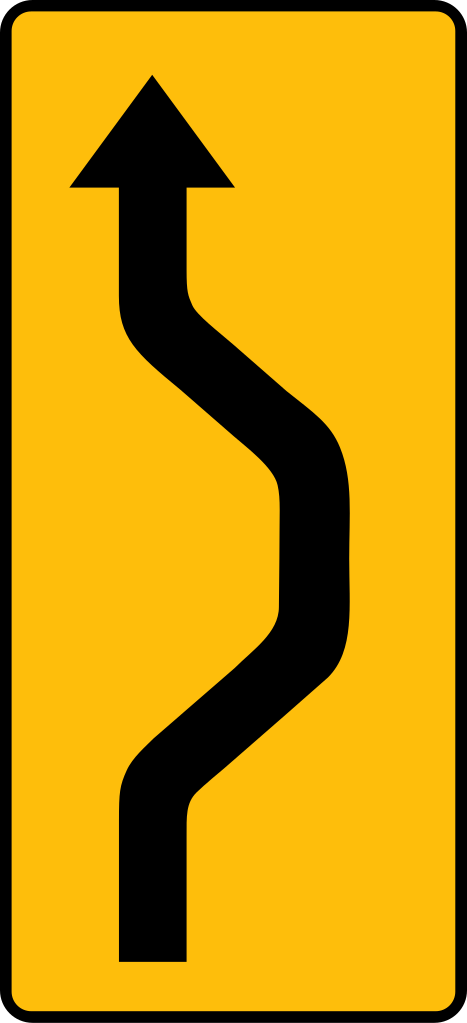
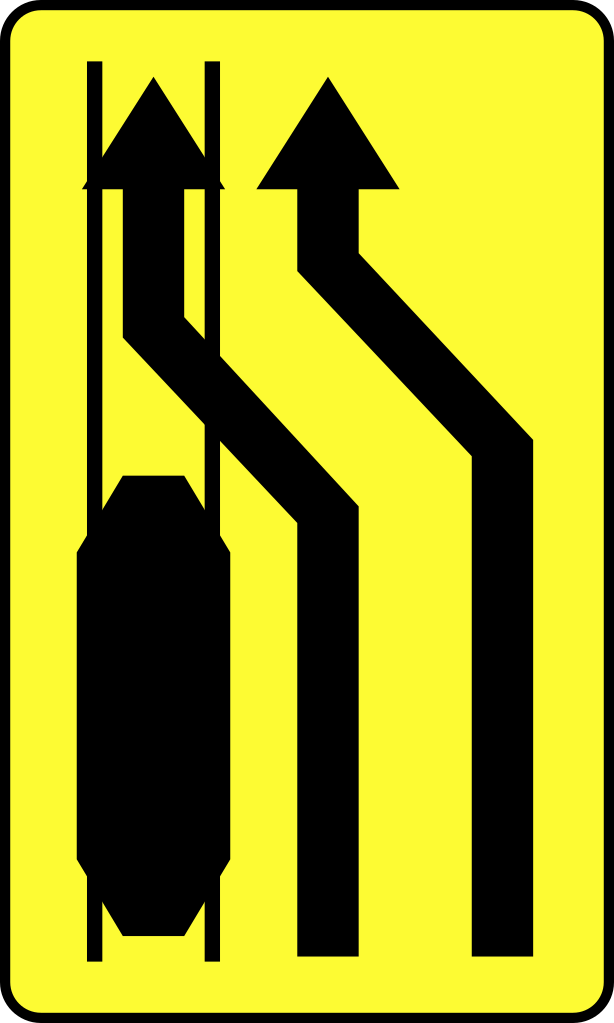
162. Temporary diversion on tram tracks
This supplementary sign indicates that the temporary diversion follows or crosses tram tracks. Follow the temporary road layout and accompanying signs.
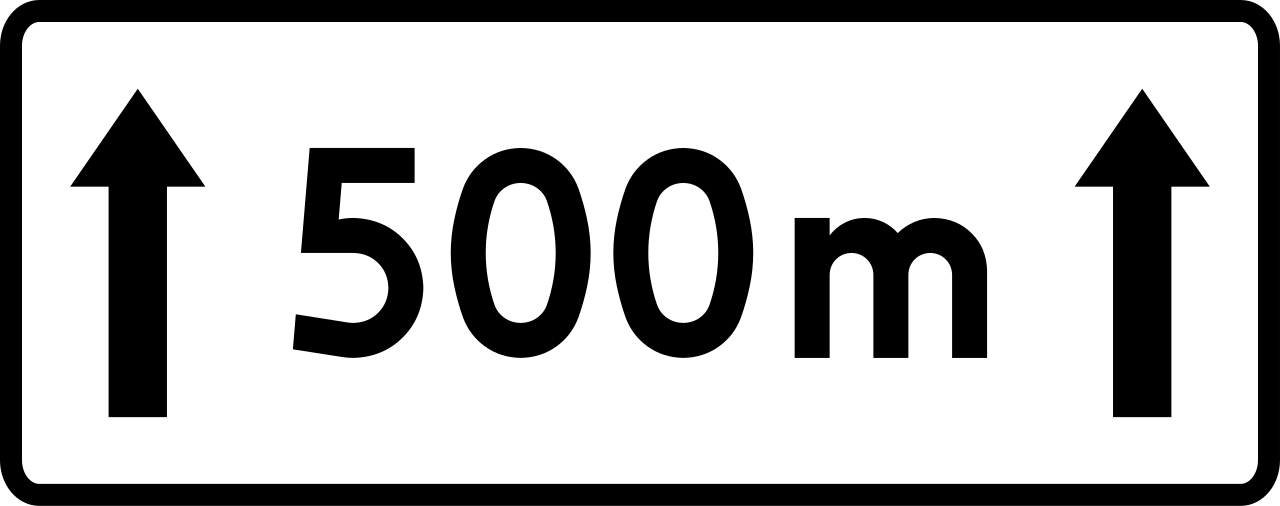
163. metres ahead
This supplementary sign indicates the distance from the main traffic sign to the point where the indicated danger, regulation or information begins. The distance is shown in metres.
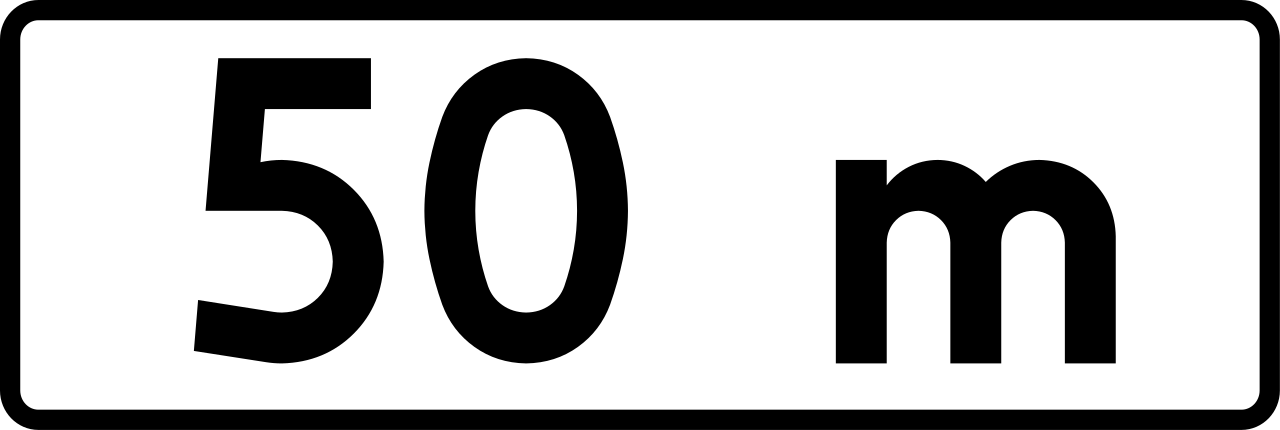
164. For metres
This supplementary sign indicates the length of the section to which the main traffic sign applies. The length is shown in metres.
165. Junction shape
This supplementary sign shows the shape or layout of the upcoming junction.
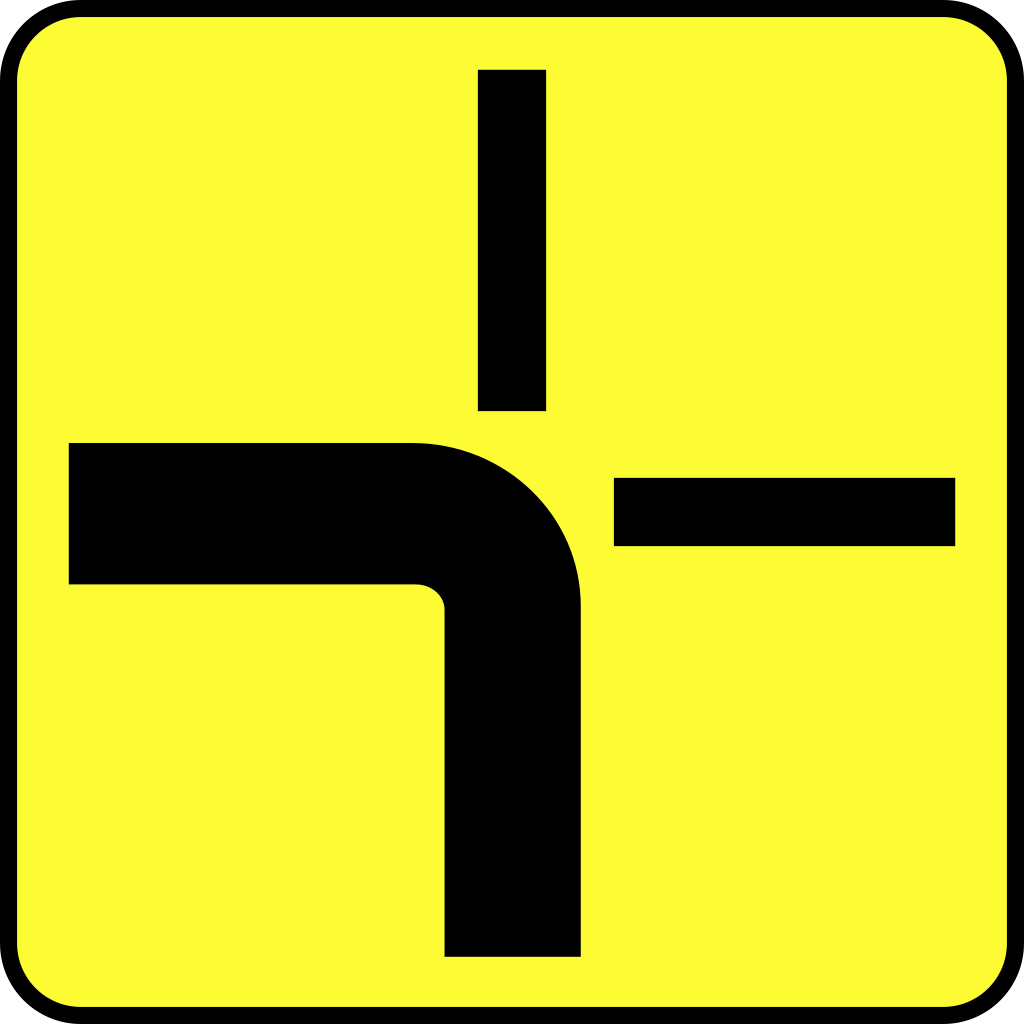
166. Junction shape
This supplementary sign shows the shape or layout of the upcoming junction.

167. Junction shape
This supplementary sign shows the shape or layout of the upcoming junction.
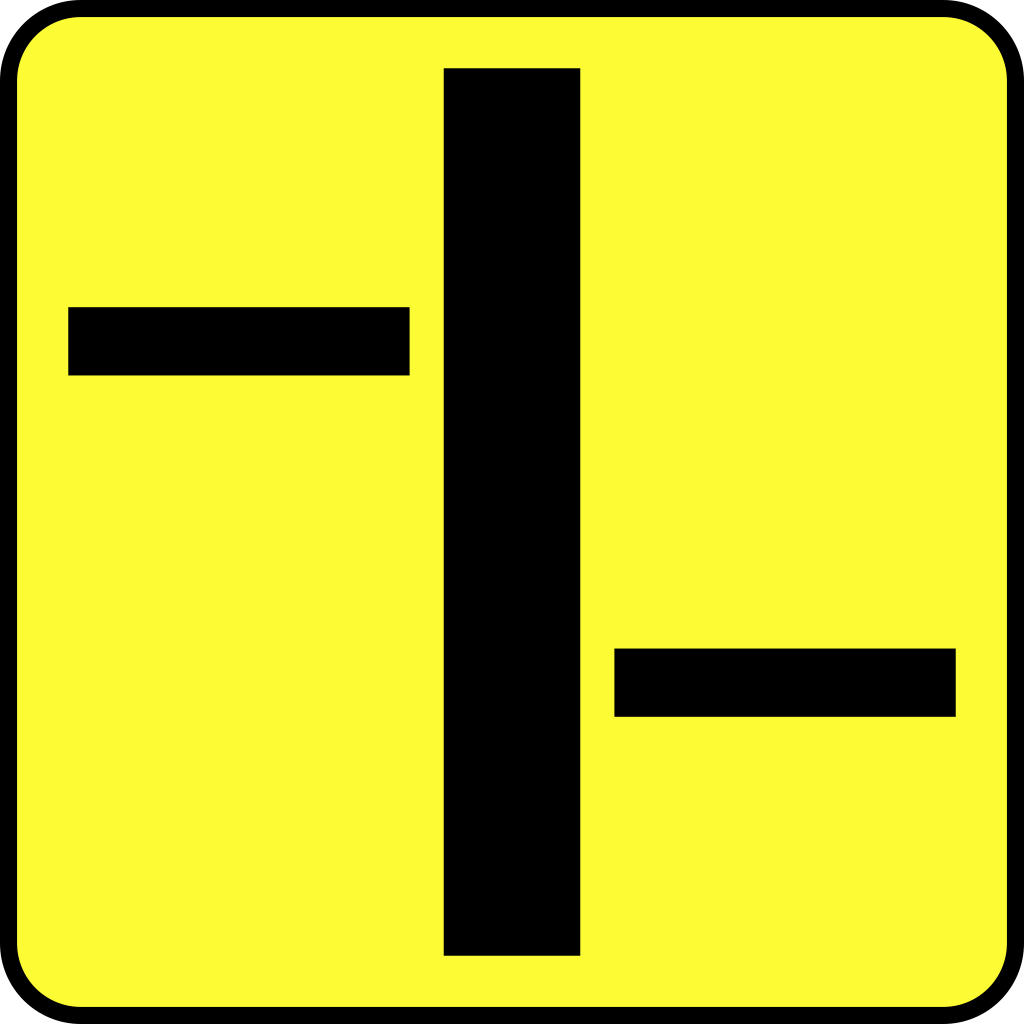
168. Junction shape
This supplementary sign shows the shape or layout of the upcoming junction.
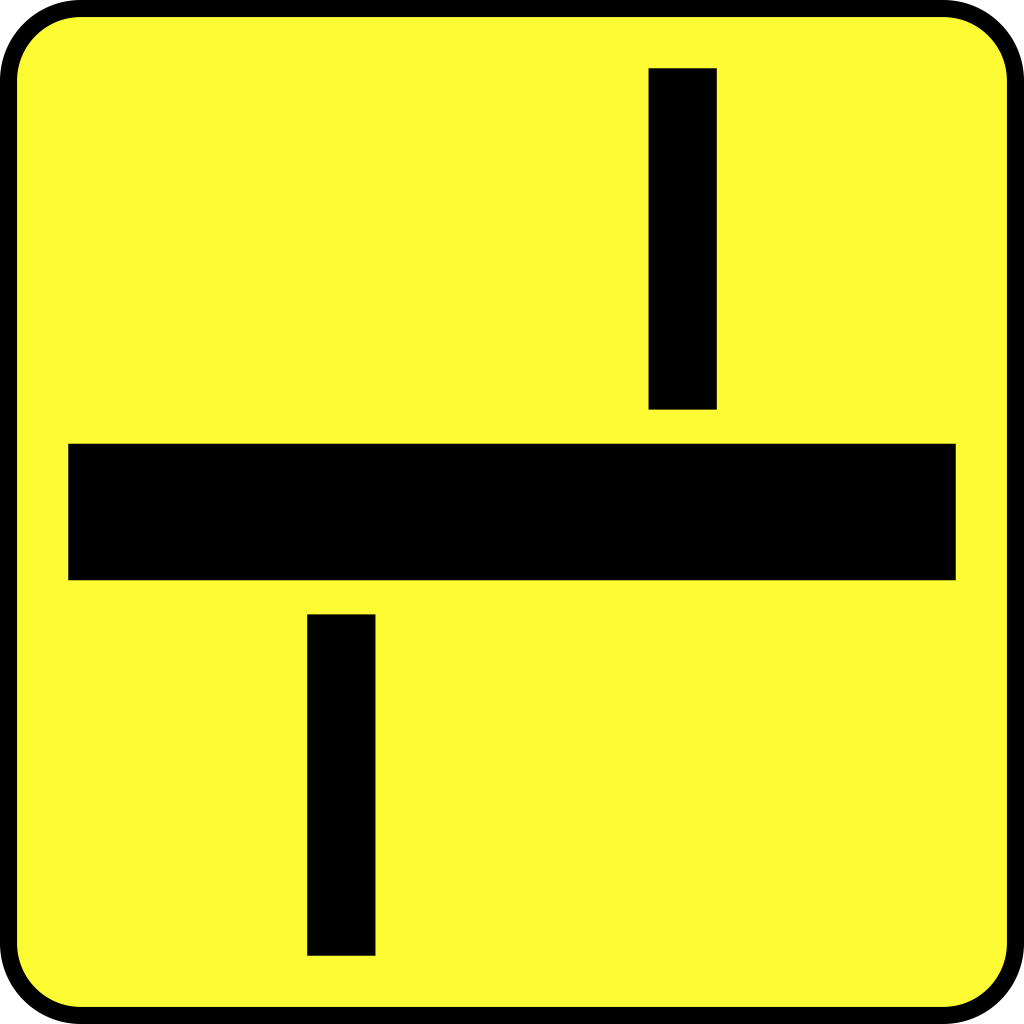
169. Junction shape
This supplementary sign shows the shape or layout of the upcoming junction.
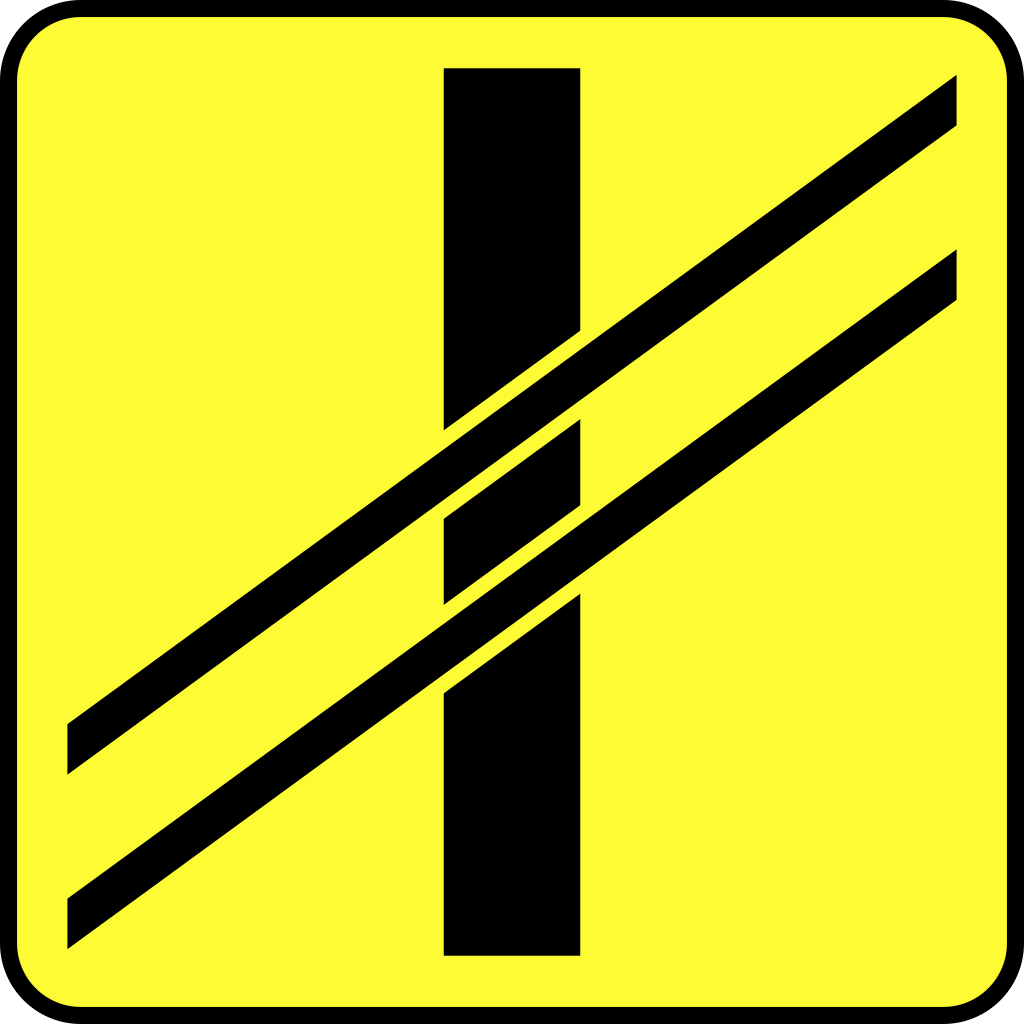
170. Parallel parking on pavement
This supplementary sign indicates that vehicles may park parallel to the kerb on the pavement or verge, as shown.
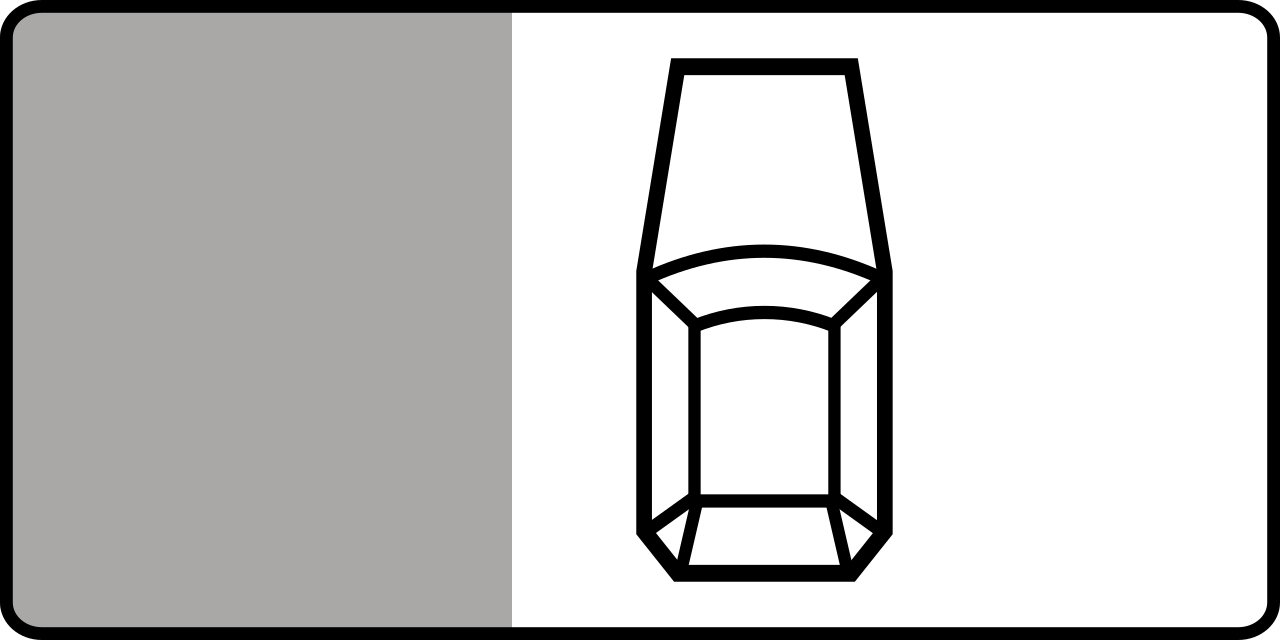
171. Parallel parking partially on pavement
This supplementary sign indicates that vehicles may park parallel to the kerb with part of the vehicle on the pavement or verge and part on the roadway, as shown.
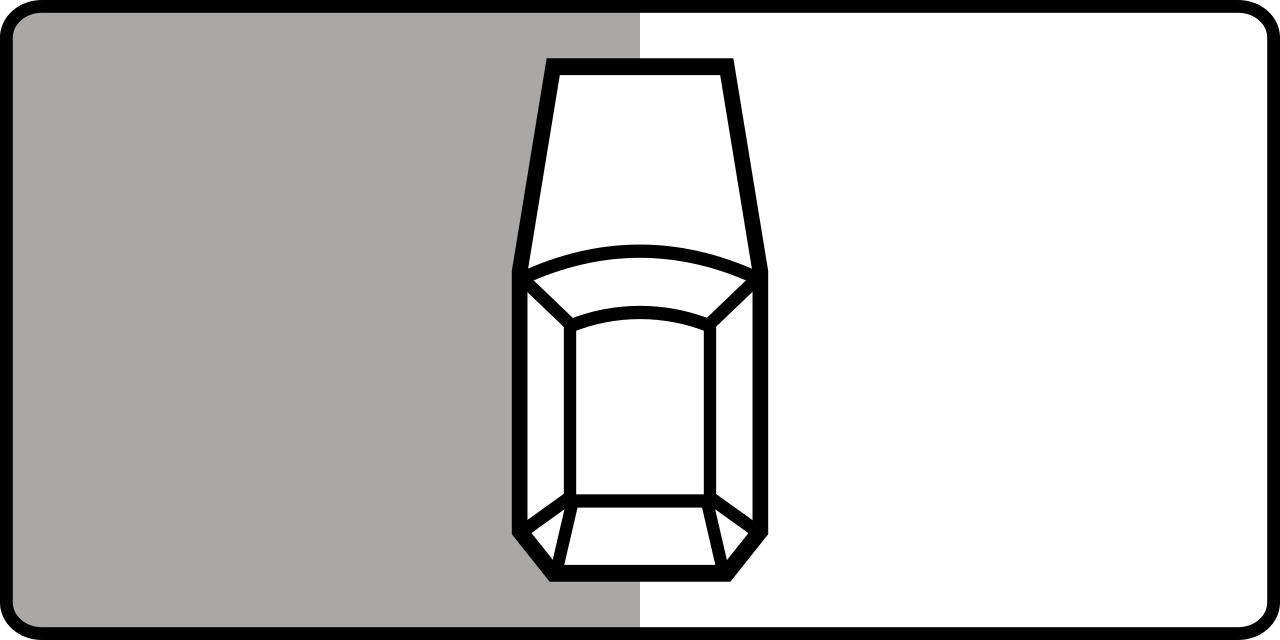
172. Parallel parking on roadway
This supplementary sign indicates that vehicles must park parallel to the kerb on the roadway, rather than on the pavement or raised verge.
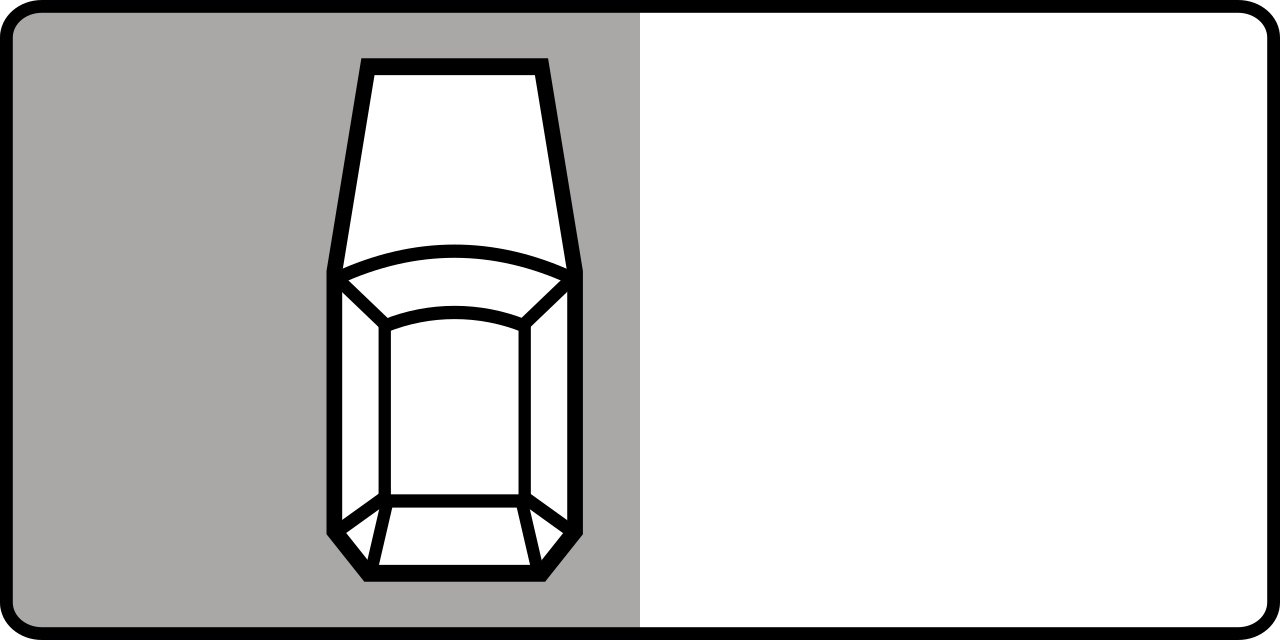
173. Perpendicular parking on pavement
This supplementary sign indicates that vehicles may park perpendicular to the kerb on the pavement or verge, as shown.
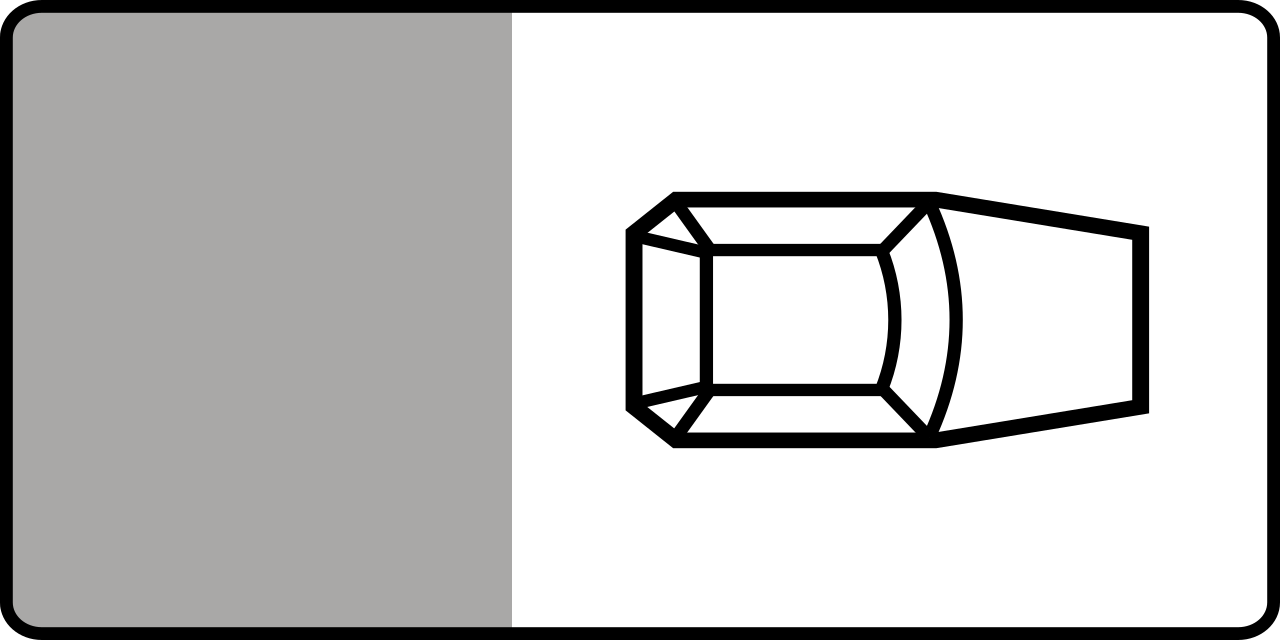
174. Perpendicular parking partially on pavement
This supplementary sign indicates that vehicles may park perpendicular to the kerb with part of the vehicle on the pavement or verge and part on the roadway, as shown.
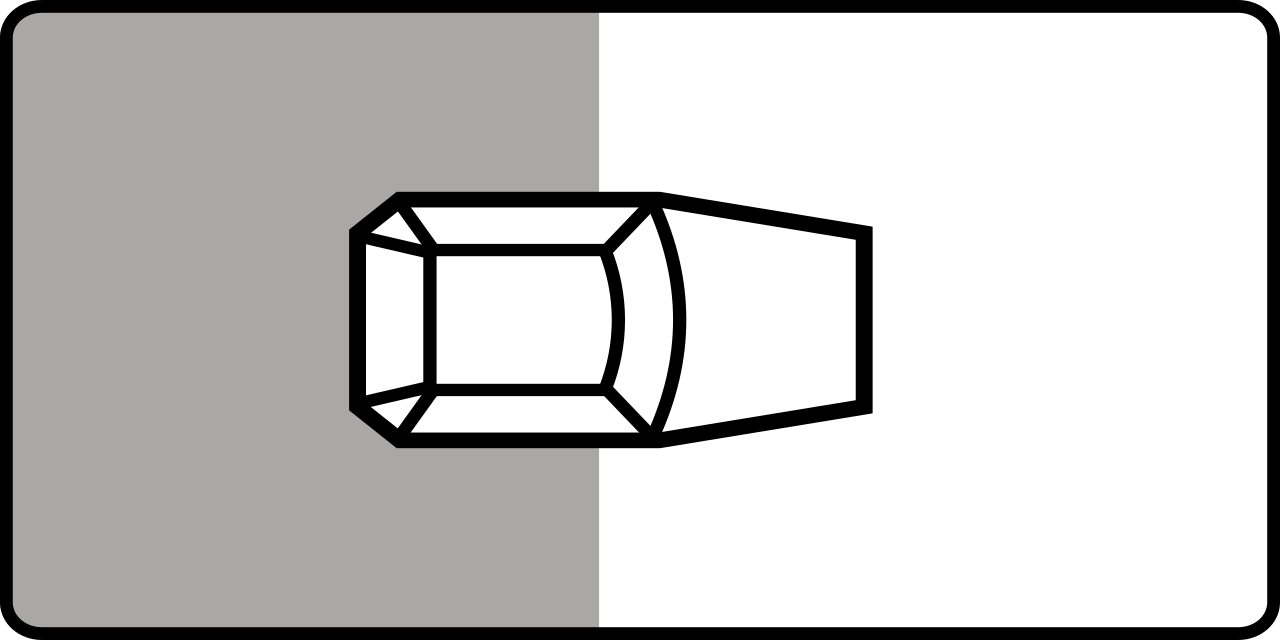
175. Perpendicular parking on roadway
This supplementary sign indicates that vehicles must park perpendicular to the kerb on the roadway, as shown.
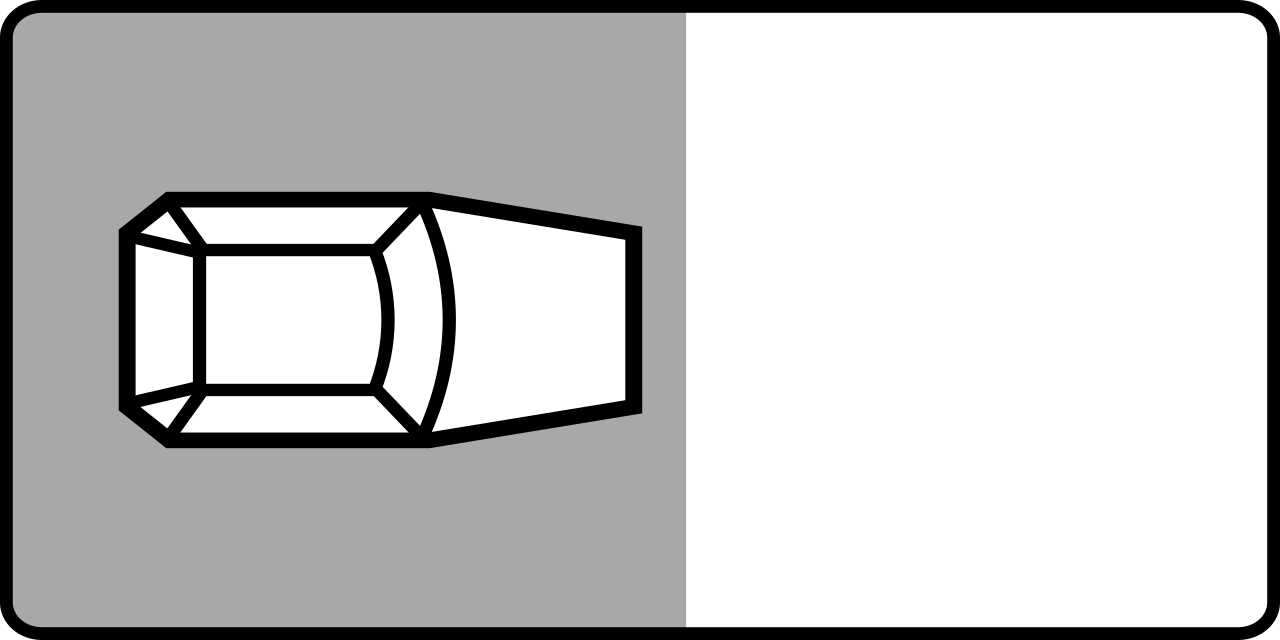
176. Angle parking on pavement
This supplementary sign indicates that vehicles may park at an angle on the pavement or verge, as shown.
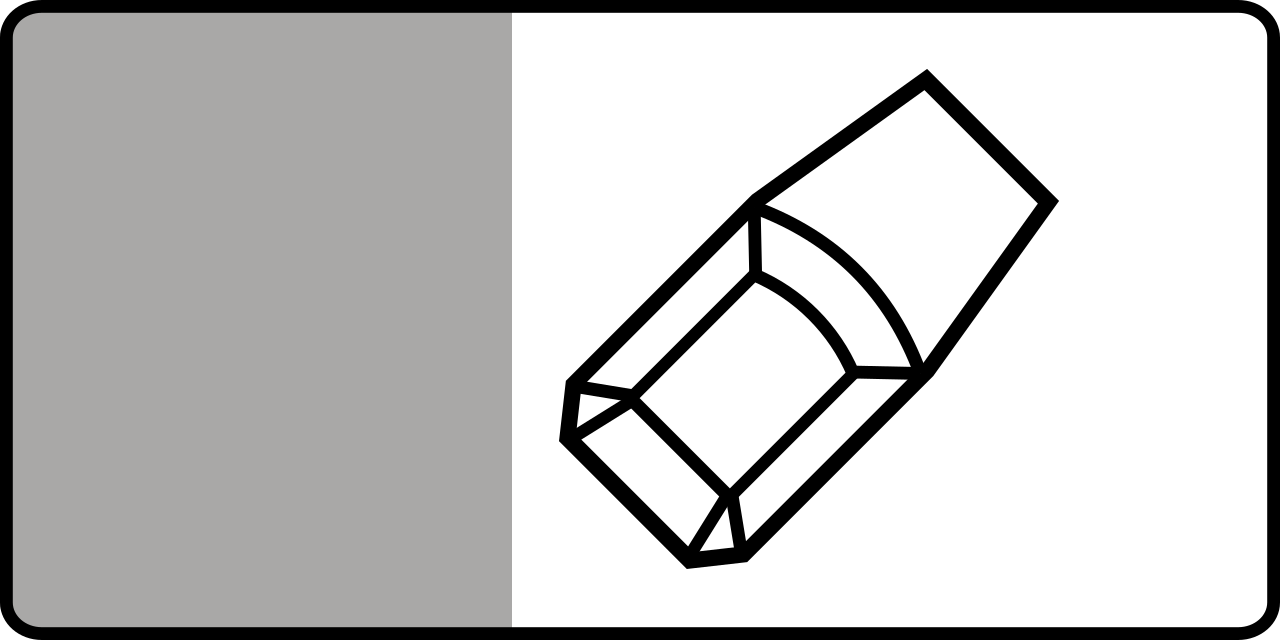
177. Angle parking partially on pavement
This supplementary sign indicates that vehicles may park at an angle with part of the vehicle on the pavement or verge and part on the roadway, as shown.
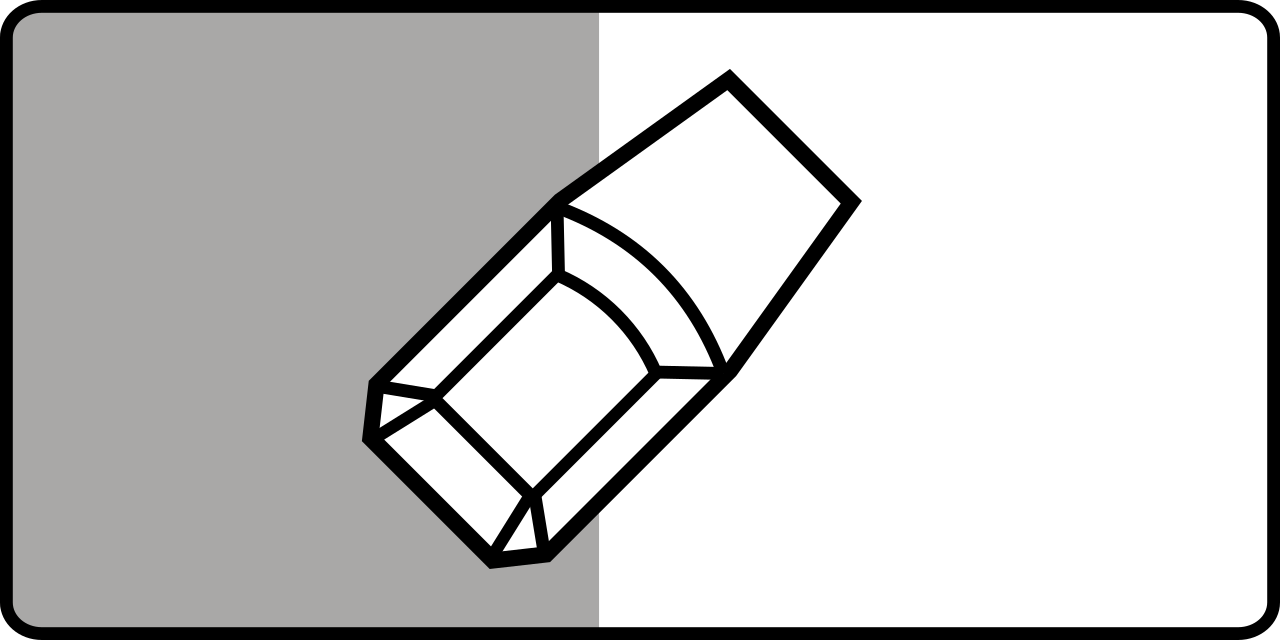
178. Angle parking on roadway
This supplementary sign indicates that vehicles must park at an angle on the roadway, as shown.
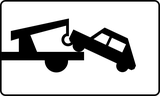
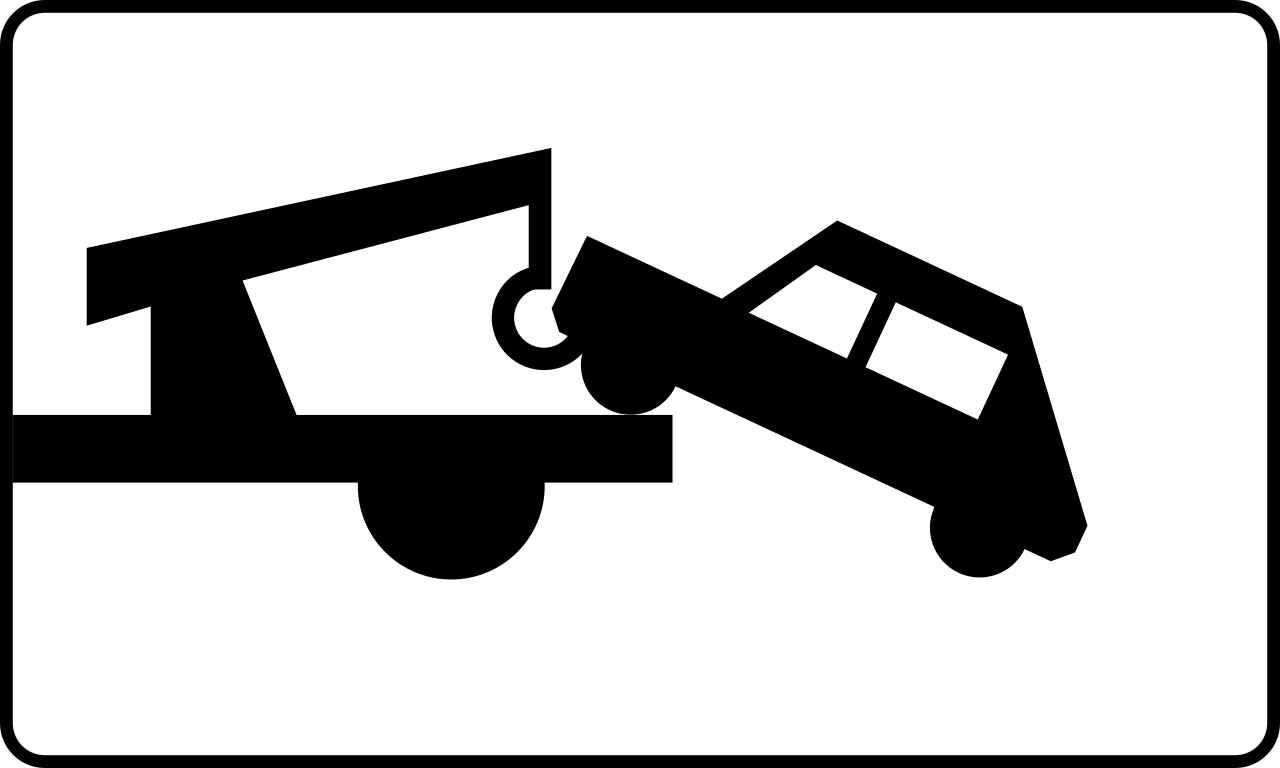
179. Illegally parked vehicles may be towed
This supplementary sign warns that illegally parked vehicles may be towed away.
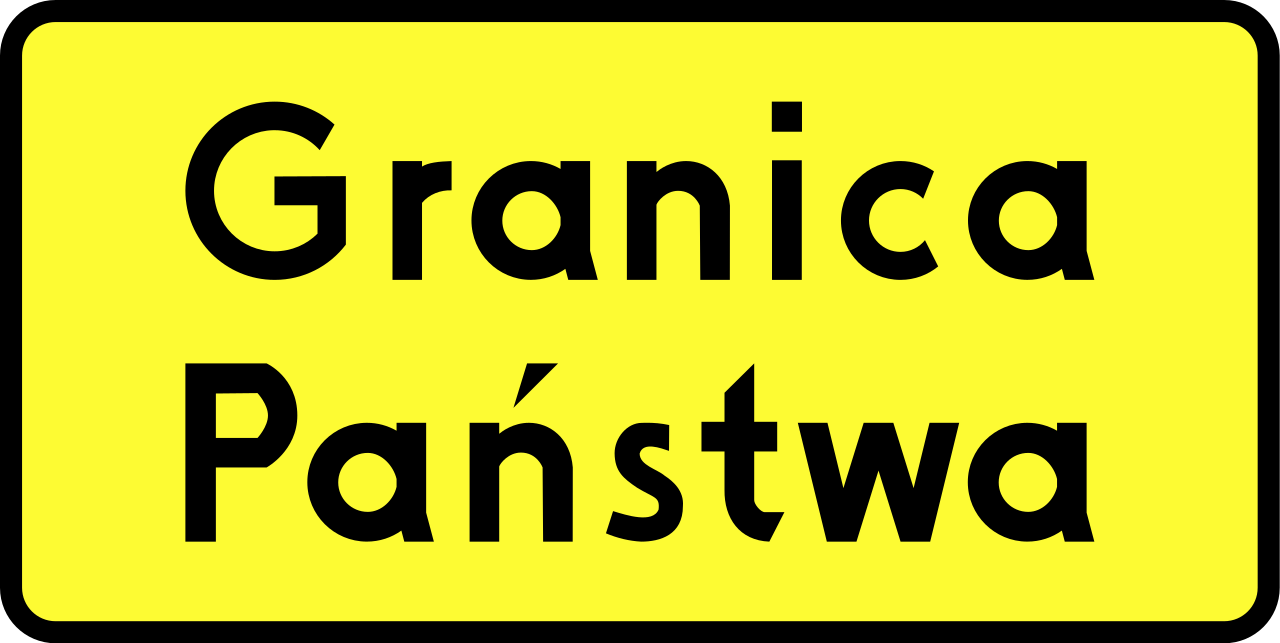
180. Country border
This supplementary sign indicates that the main traffic sign applies at or near a country border.
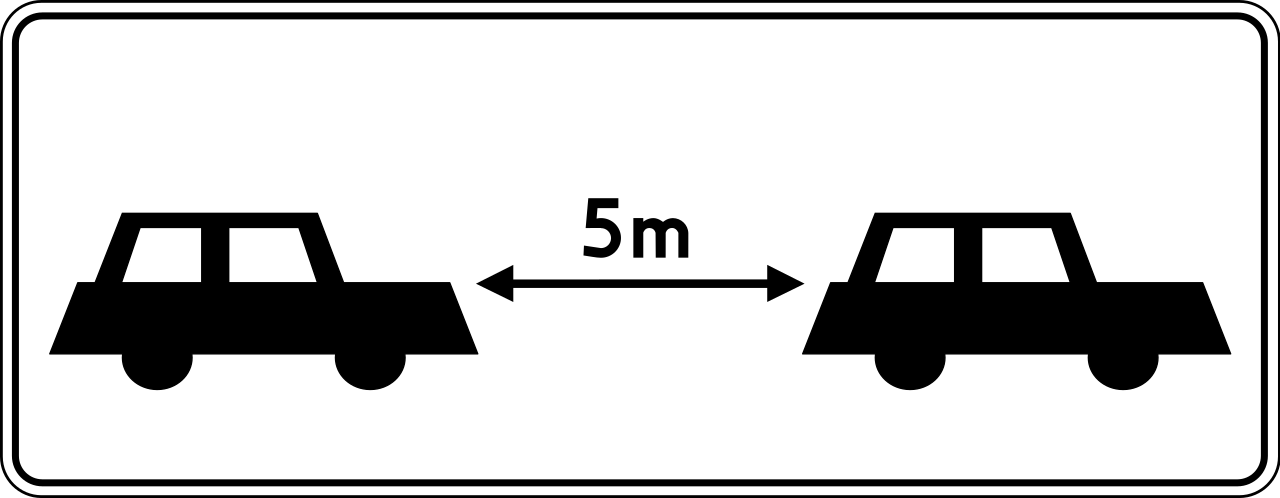
181. Minimum following distance
This supplementary sign indicates the minimum distance that must be maintained from the vehicle ahead. The required distance is shown on the sign.
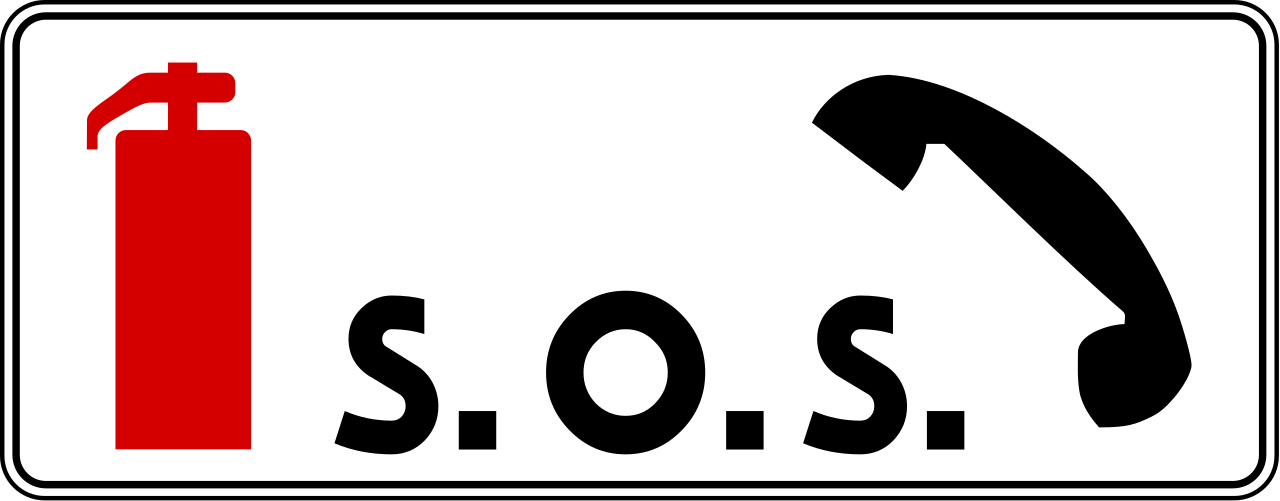
182. Emergency telephone and fire extinguisher
This supplementary sign indicates that the facility or emergency stopping place shown by the main traffic sign is equipped with an emergency telephone and a fire extinguisher.
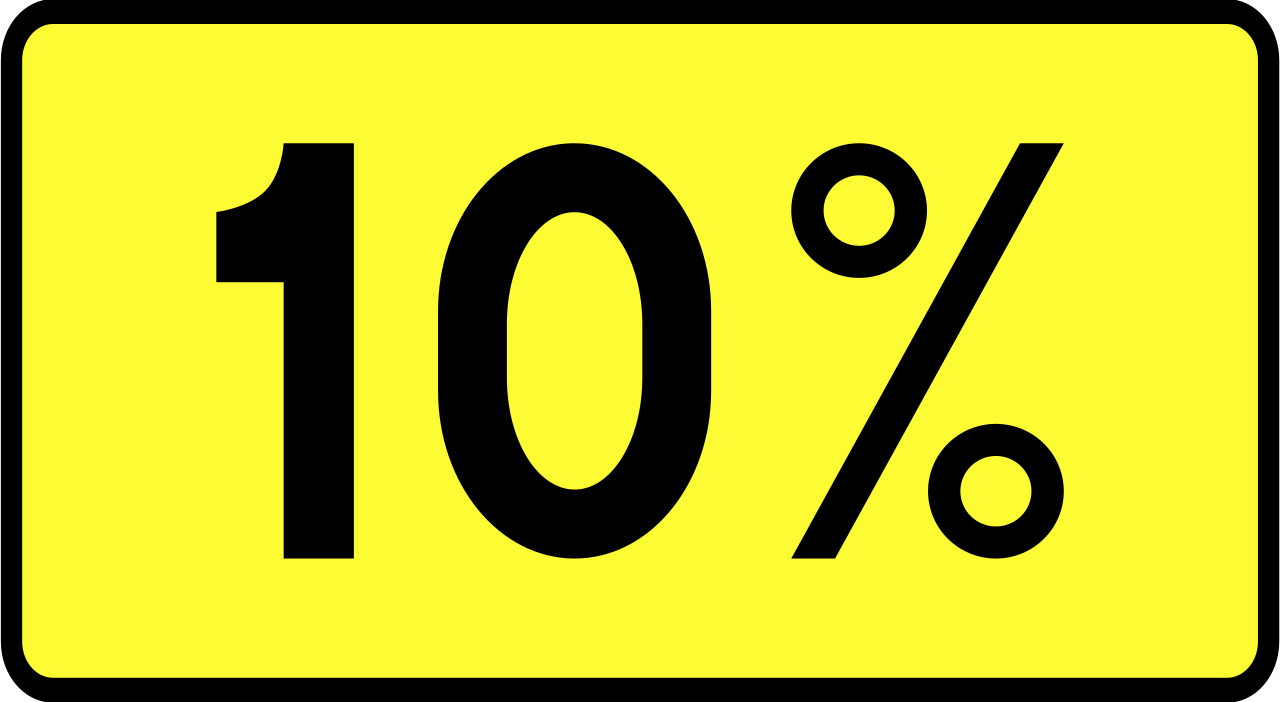
183. Gradient percentage
This supplementary sign indicates the gradient of the road as a percentage. A value of 10% means the road rises or falls approximately 10 metres for every 100 metres of horizontal distance.
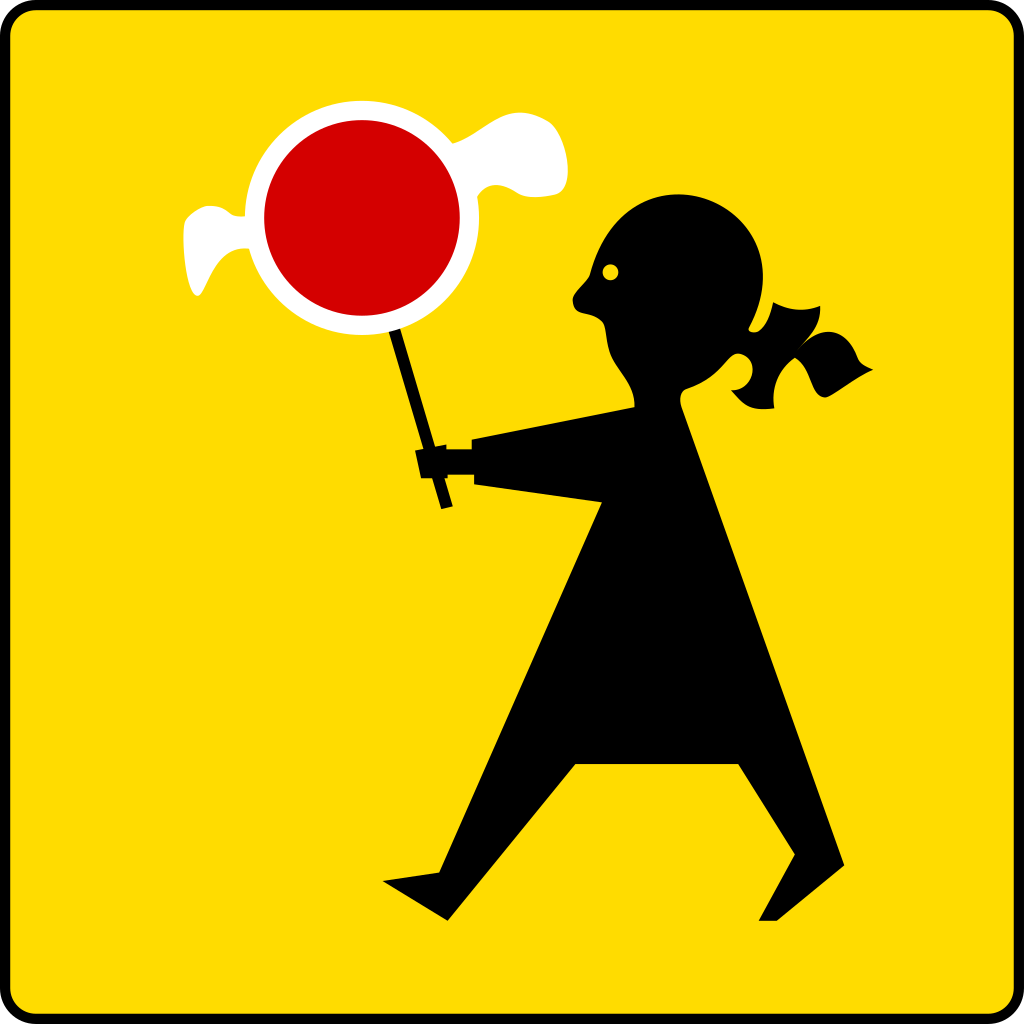
184. Children crossing
This supplementary sign warns that children may cross the road.
185. Number of curves
This supplementary sign indicates the number of curves in the road section ahead.

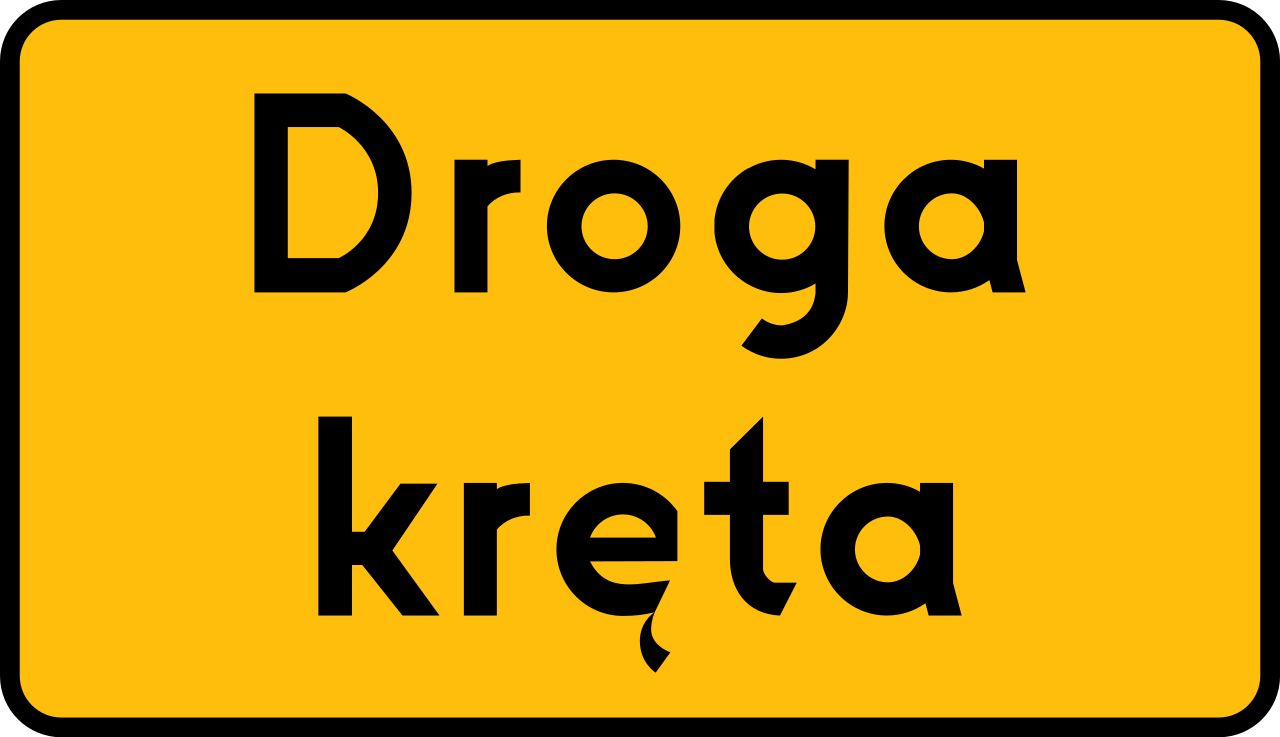
186. Winding road
This supplementary sign warns of a road section with a series of curves.
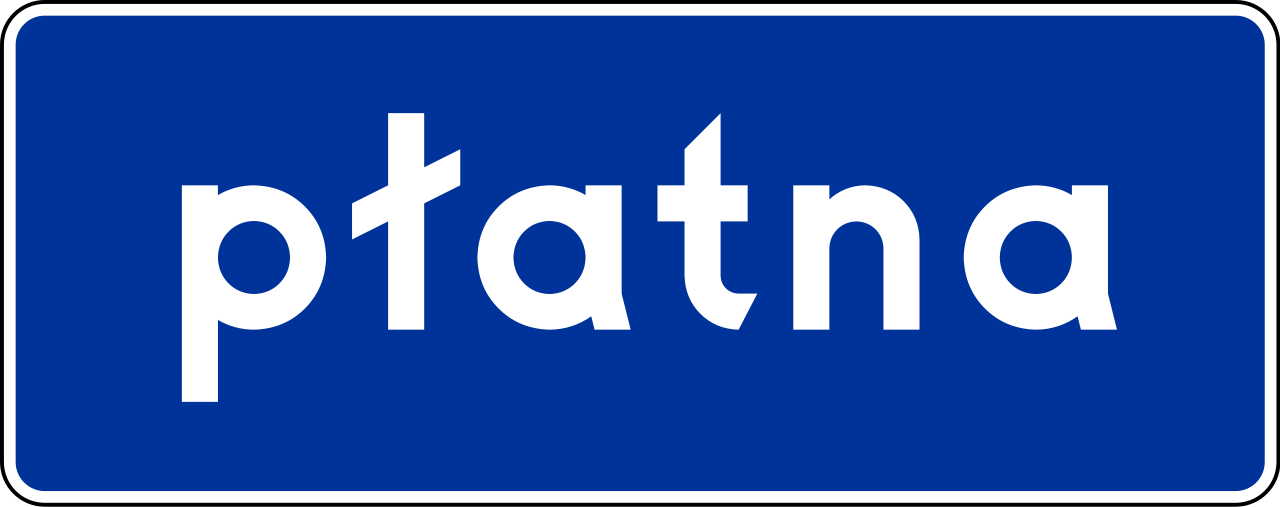
187. Toll road
This supplementary sign indicates that the road concerned is subject to a toll.
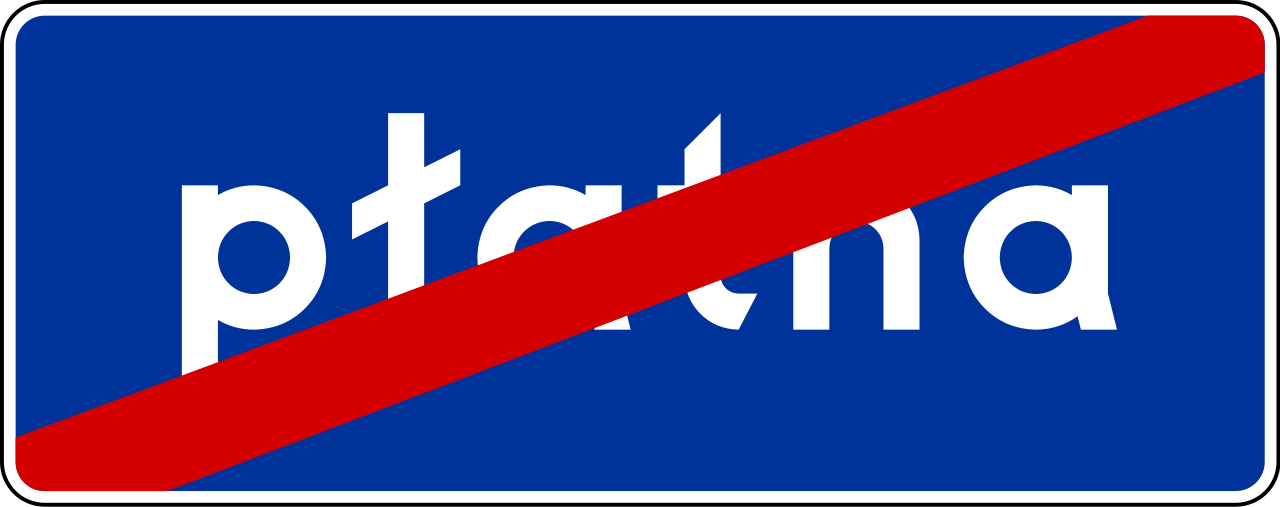
188. End of toll road
This supplementary sign indicates the end of the toll-road section.
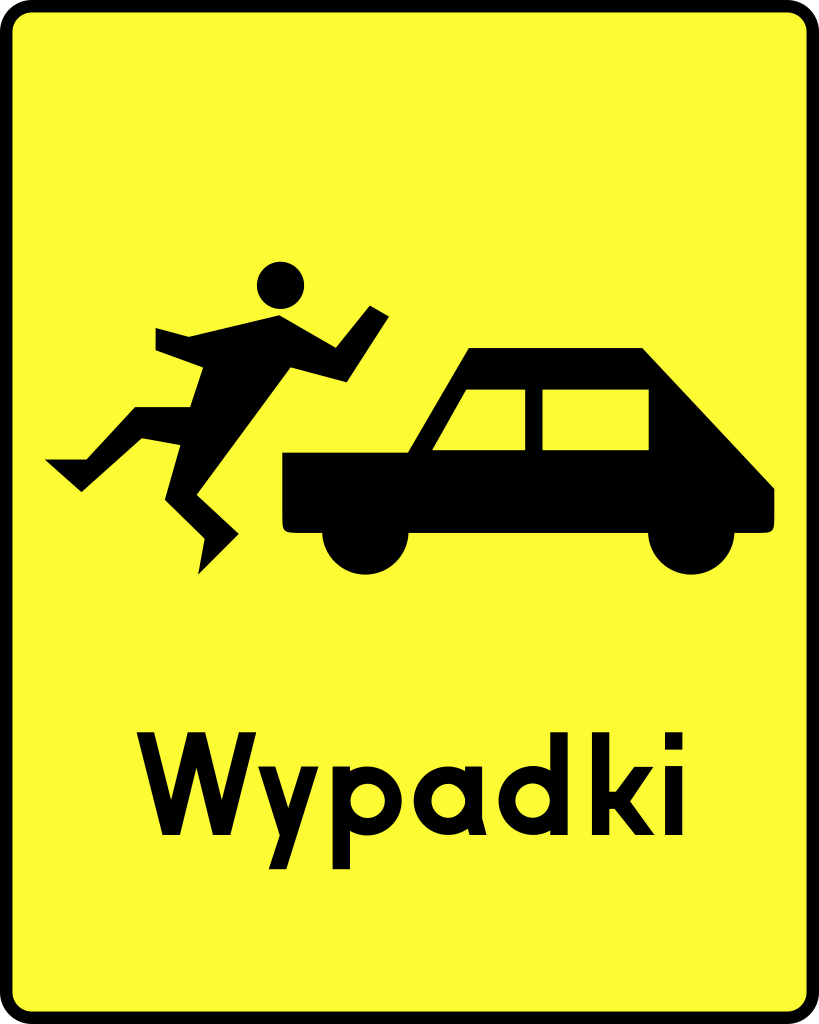
189. Type of accident shown
This supplementary sign uses a pictogram to illustrate the accident situation associated with the main traffic sign.
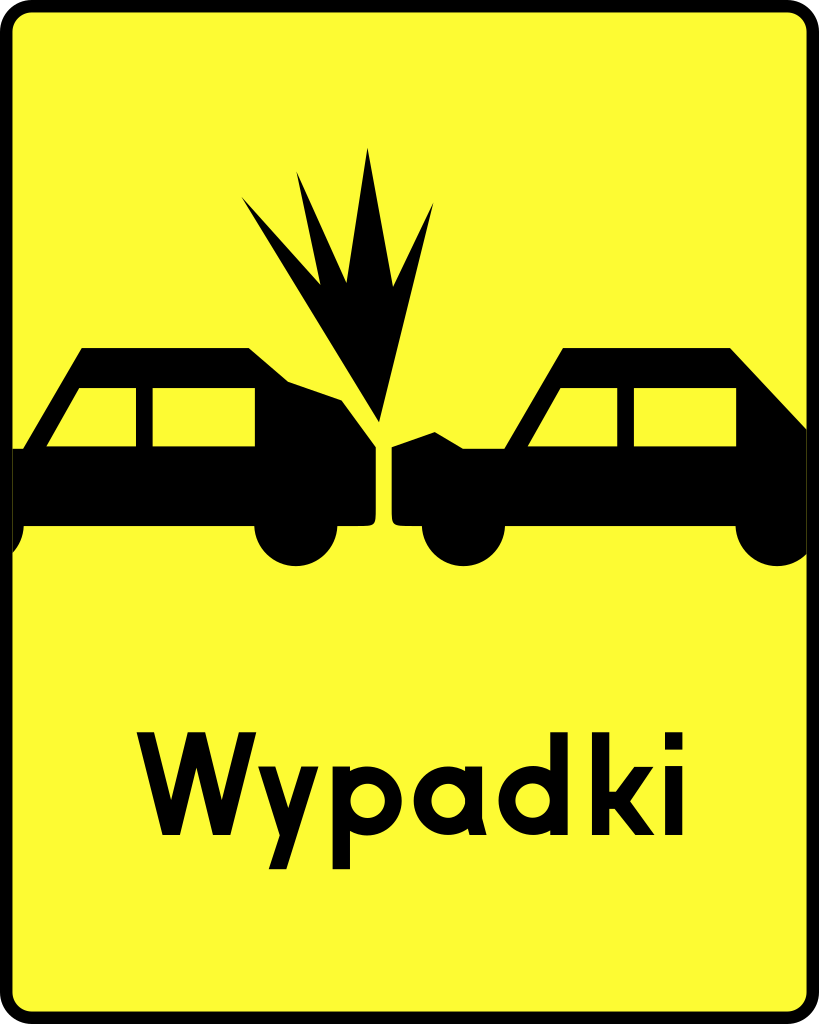
190. Type of accident shown
This supplementary sign uses a pictogram to illustrate the accident situation associated with the main traffic sign.
191. Type of accident shown
This supplementary sign uses a pictogram to illustrate the accident situation associated with the main traffic sign.
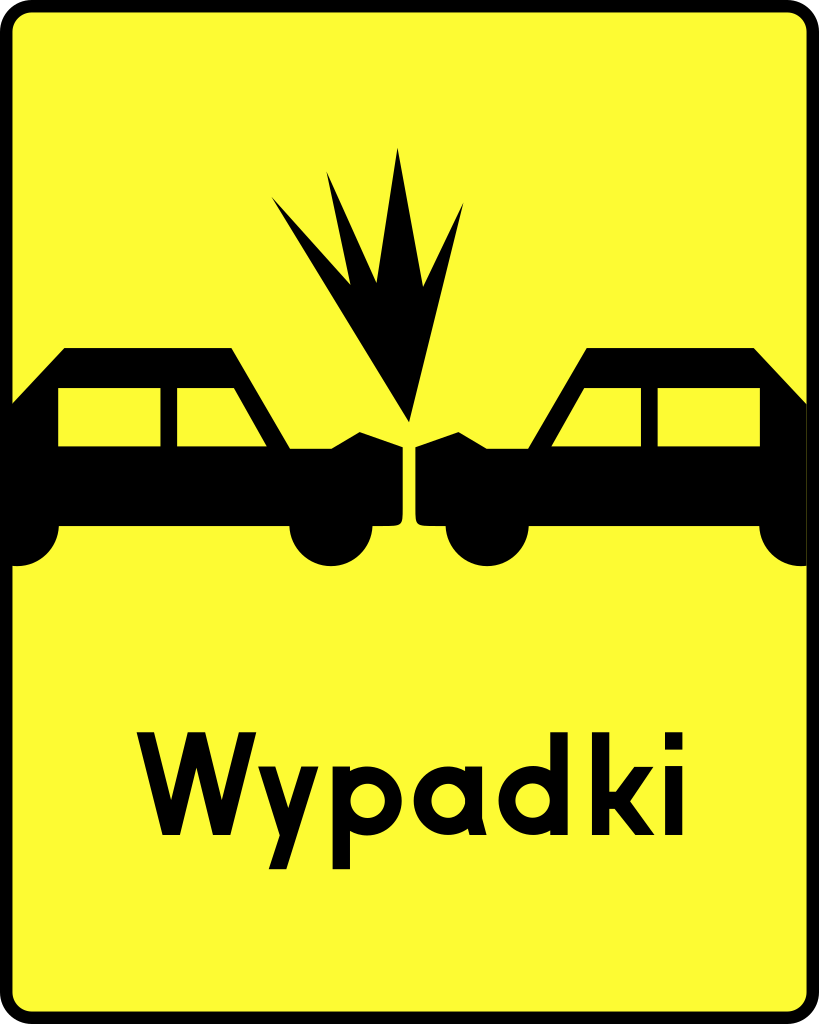
192. Type of accident shown
This supplementary sign uses a pictogram to illustrate the accident situation associated with the main traffic sign.
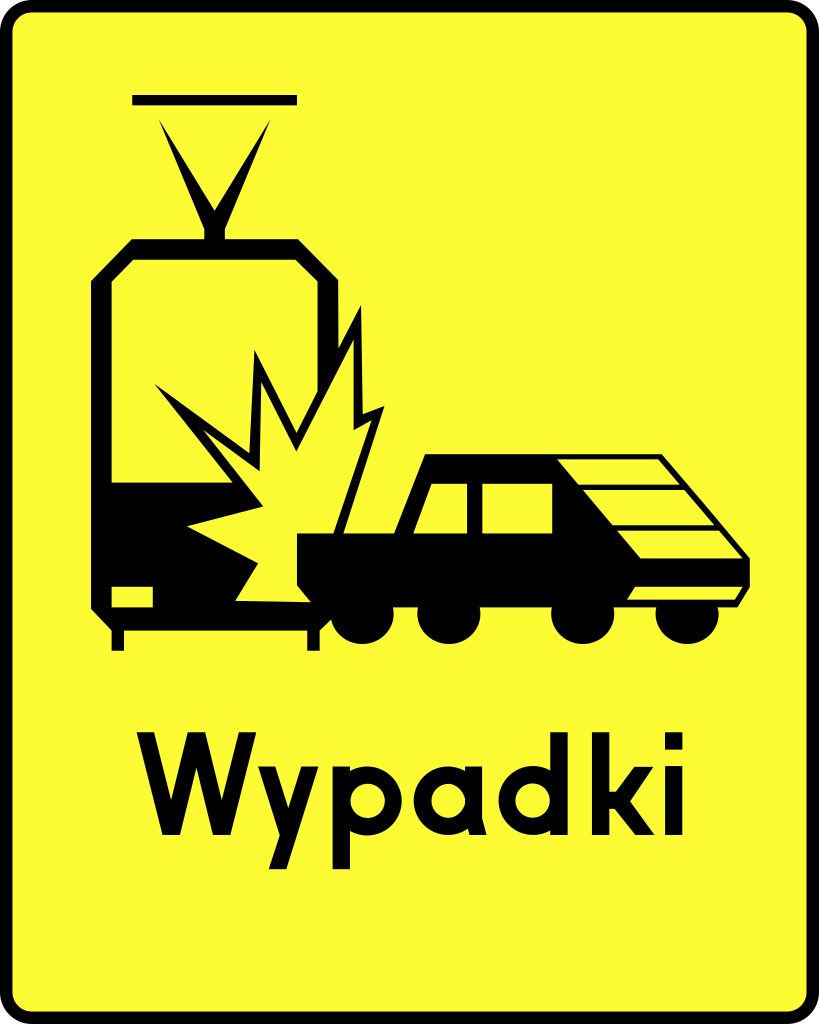
193. Type of accident shown
This supplementary sign uses a pictogram to illustrate the accident situation associated with the main traffic sign.
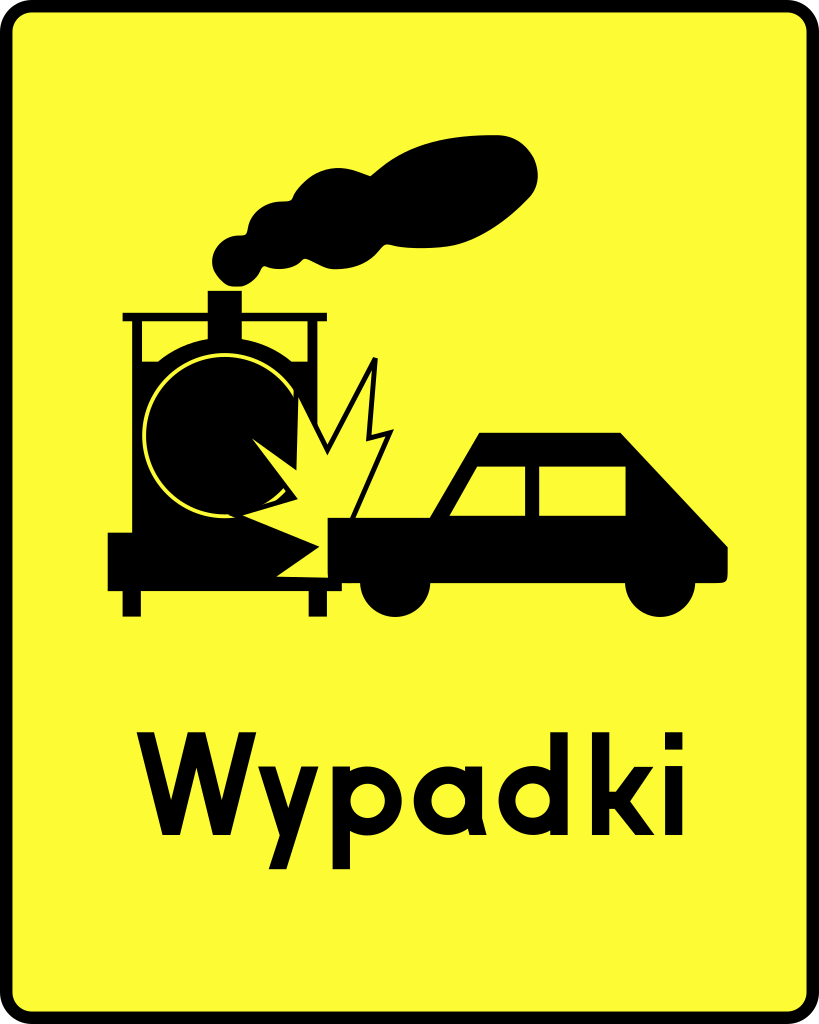
194. Ruts
This supplementary sign warns of ruts or longitudinal depressions in the road surface.
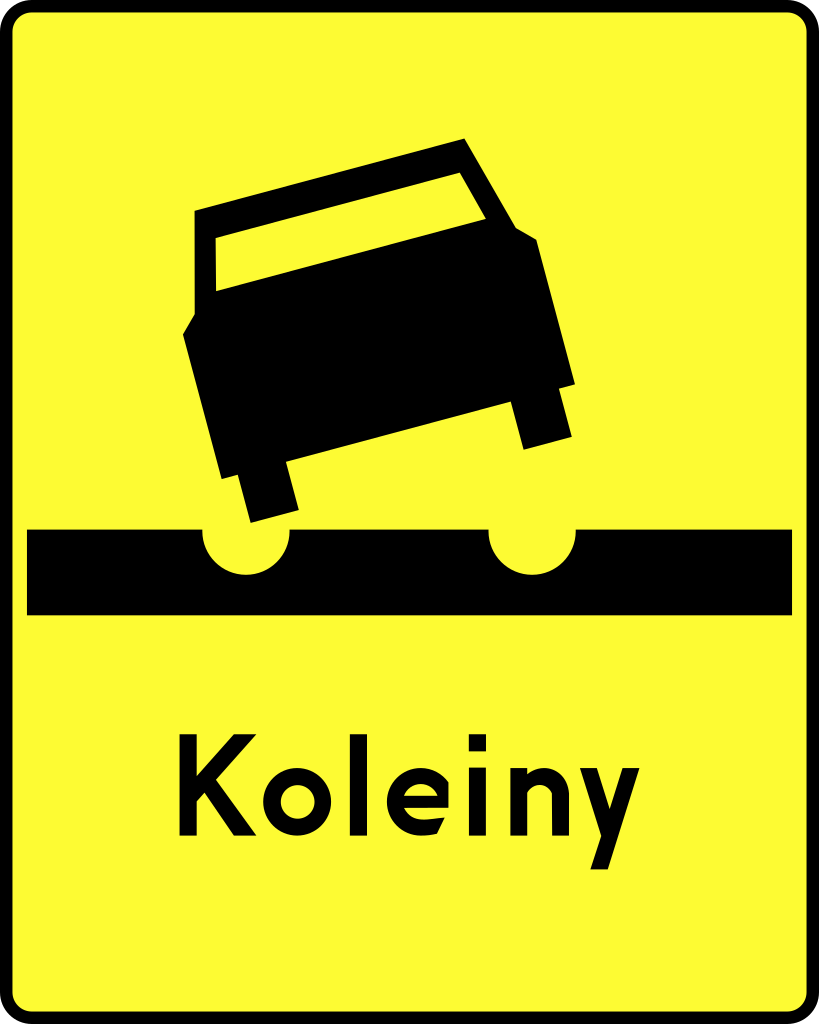
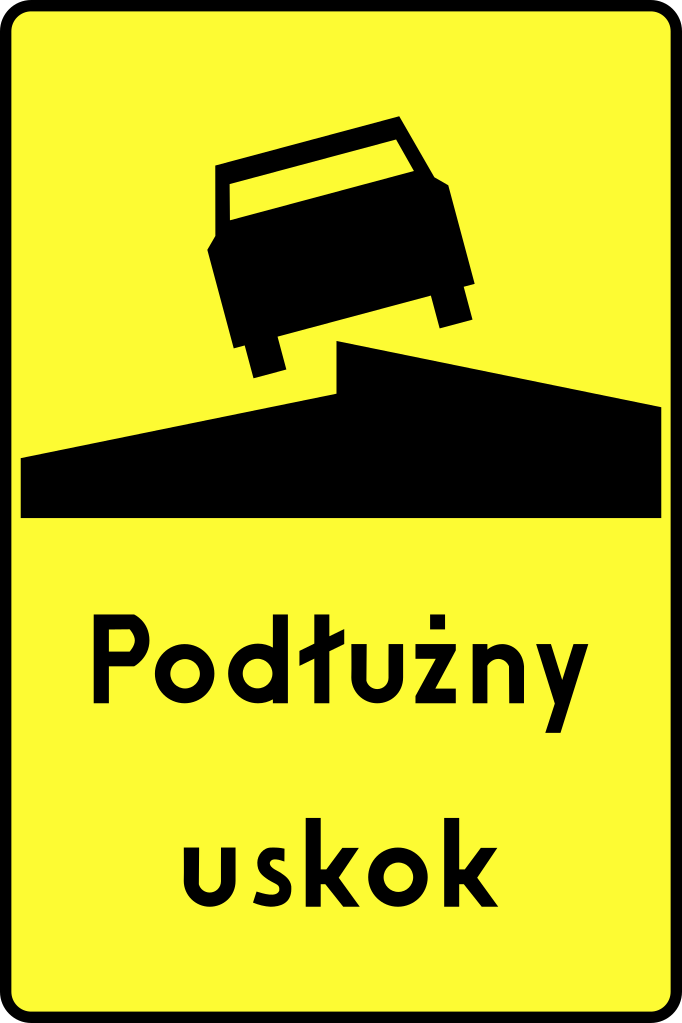
195. Road surface defect
This supplementary sign warns of a defect or irregularity in the road surface.
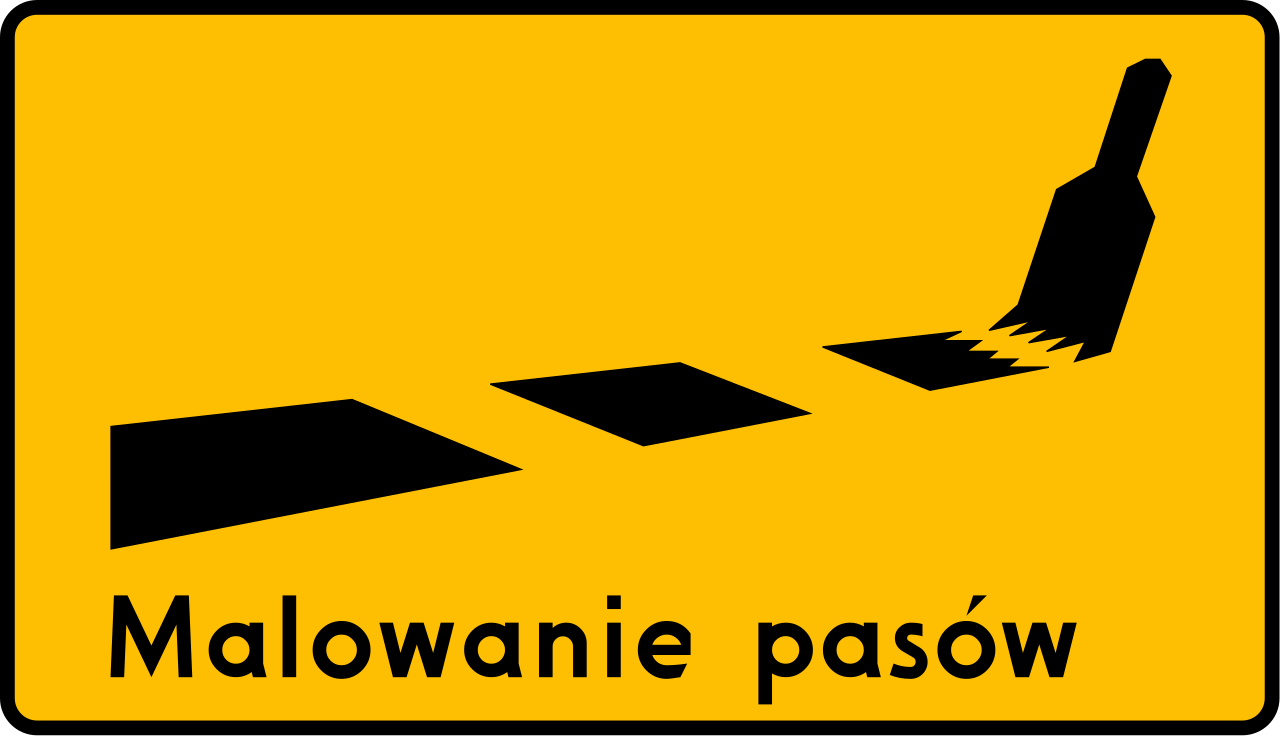
196. Line painting
This supplementary sign warns that road markings are being painted or renewed ahead.
197. End
This supplementary sign indicates the end of the section to which the main traffic sign applies.

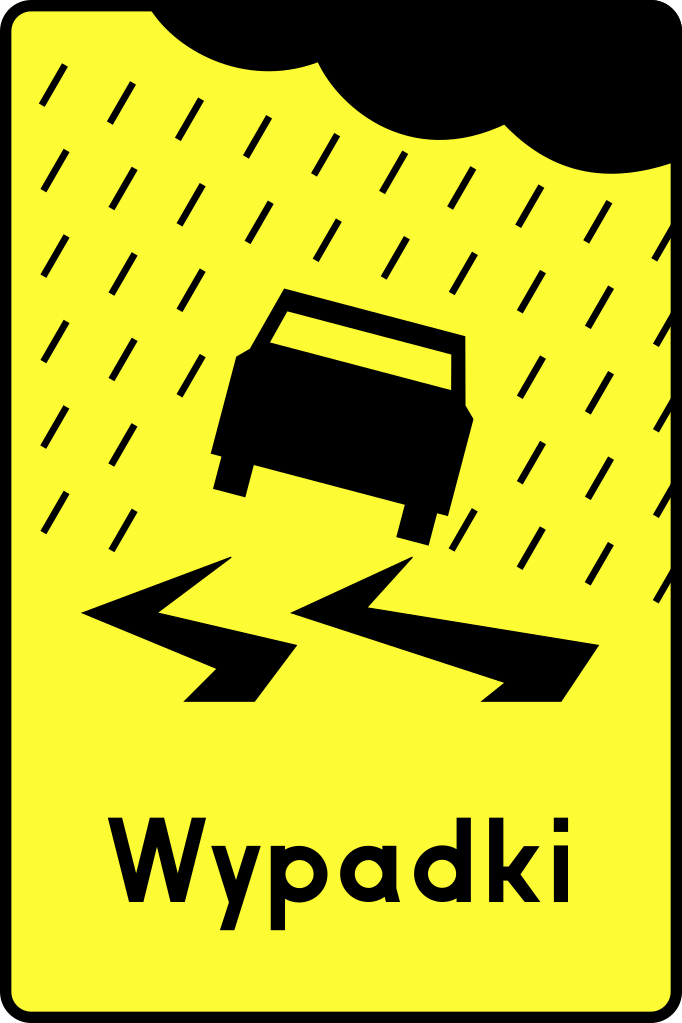
198. Slippery road
This supplementary sign warns of a slippery road surface.
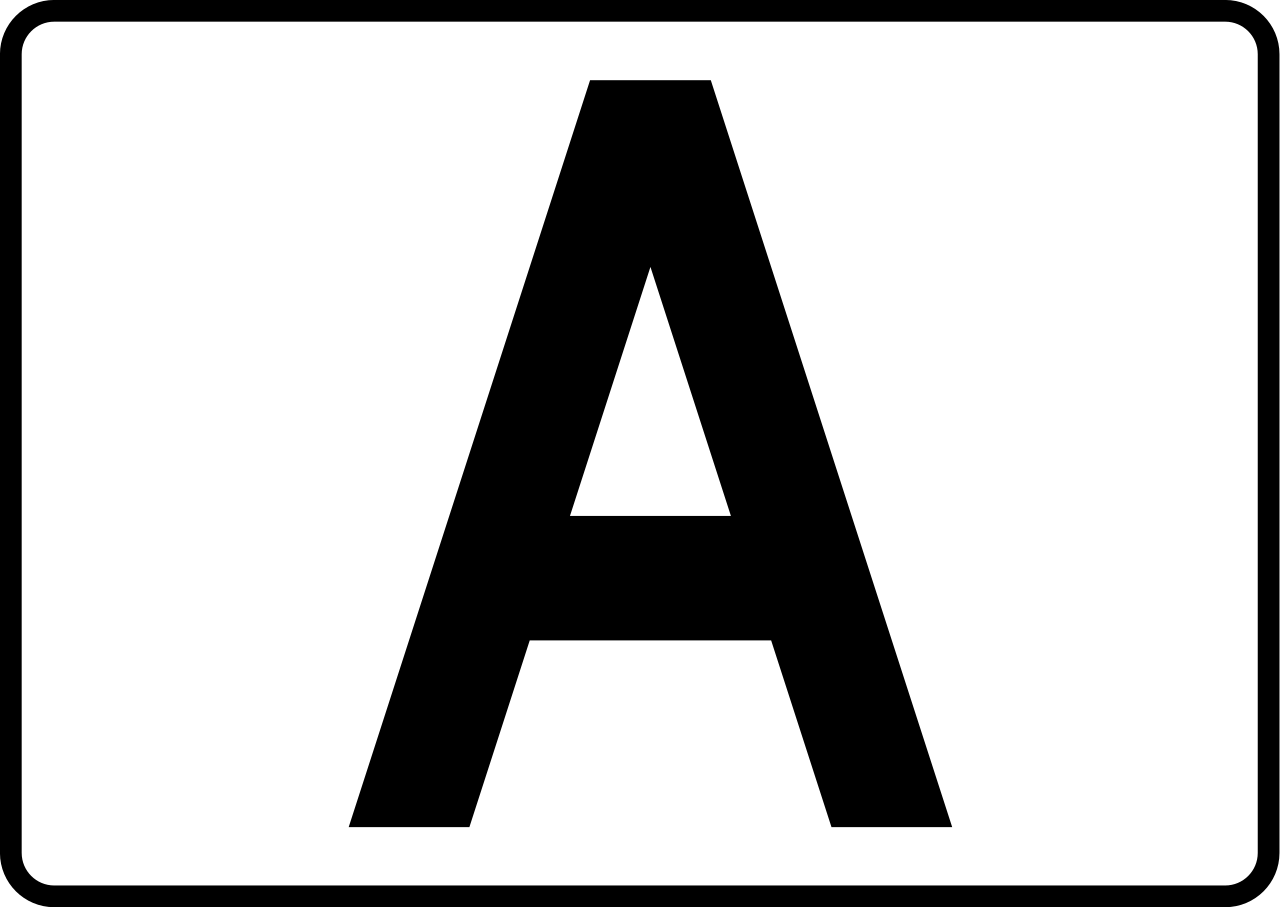
199. Tunnel category A
This supplementary sign identifies ADR tunnel category A. No tunnel restrictions apply to the carriage of dangerous goods in this category.
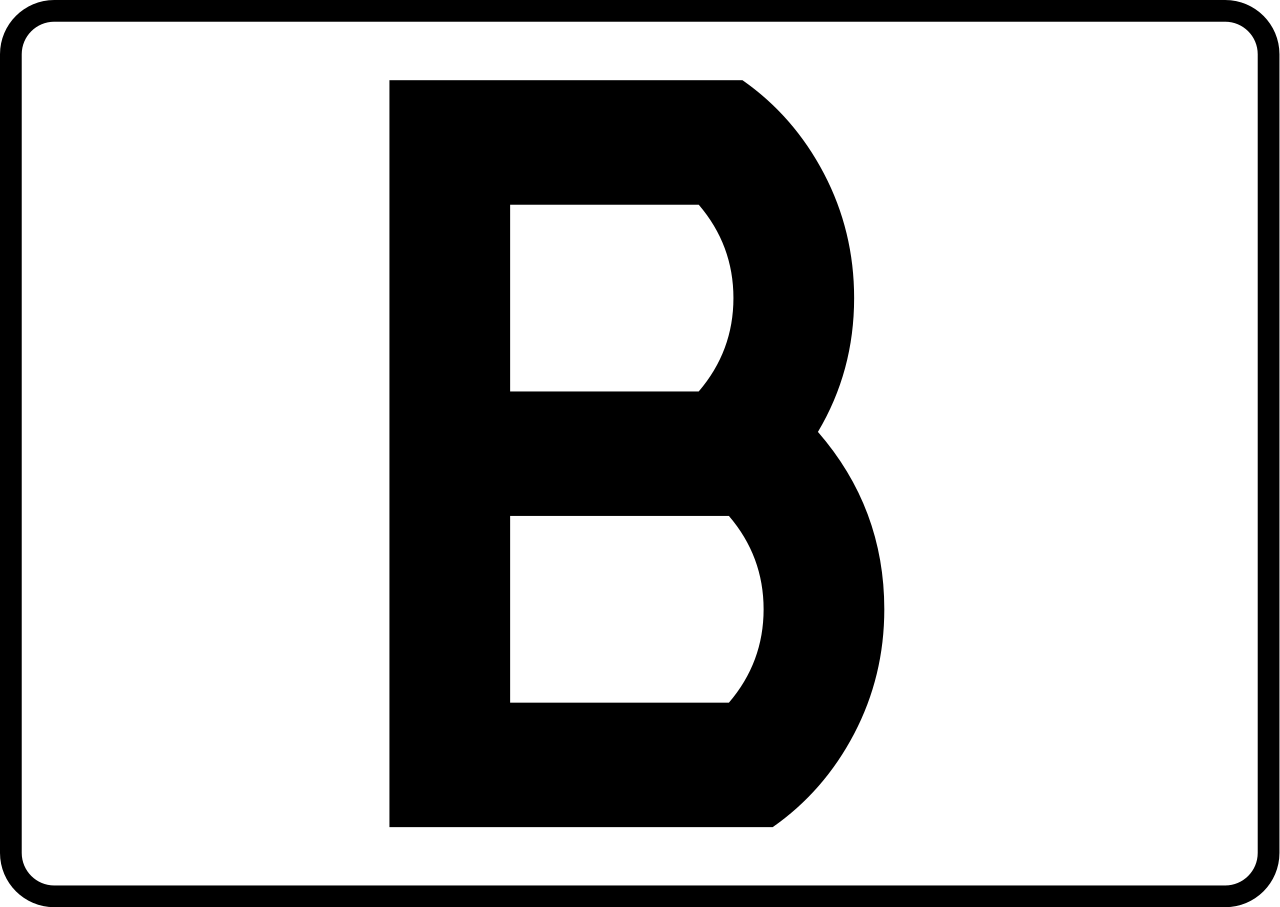
200. Tunnel category B
This supplementary sign indicates that the main traffic sign applies to vehicles carrying dangerous goods for which access to category B road tunnels is prohibited under ADR.