

Give way to oncoming trafficThailand
 Traffic rules
 Thailand
1. Give way to oncoming traffic
Give way to oncoming traffic means that drivers must allow vehicles approaching from the opposite direction to pass first through a narrow section of road. The rule is normally indicated by a sign facing the direction that must yield and a corresponding priority sign facing oncoming traffic.
Drivers must reduce speed and stop when necessary before entering the narrow passage. They may continue only when they can do so safely and without obstructing oncoming traffic that has priority.
When must I give way to oncoming traffic in Thailand?
Where priority signs, temporary signals or an authorised controller in Thailand require your direction to yield at a narrow road or bridge, allow opposing traffic through first. Do not assume every narrowing has the same priority arrangement.
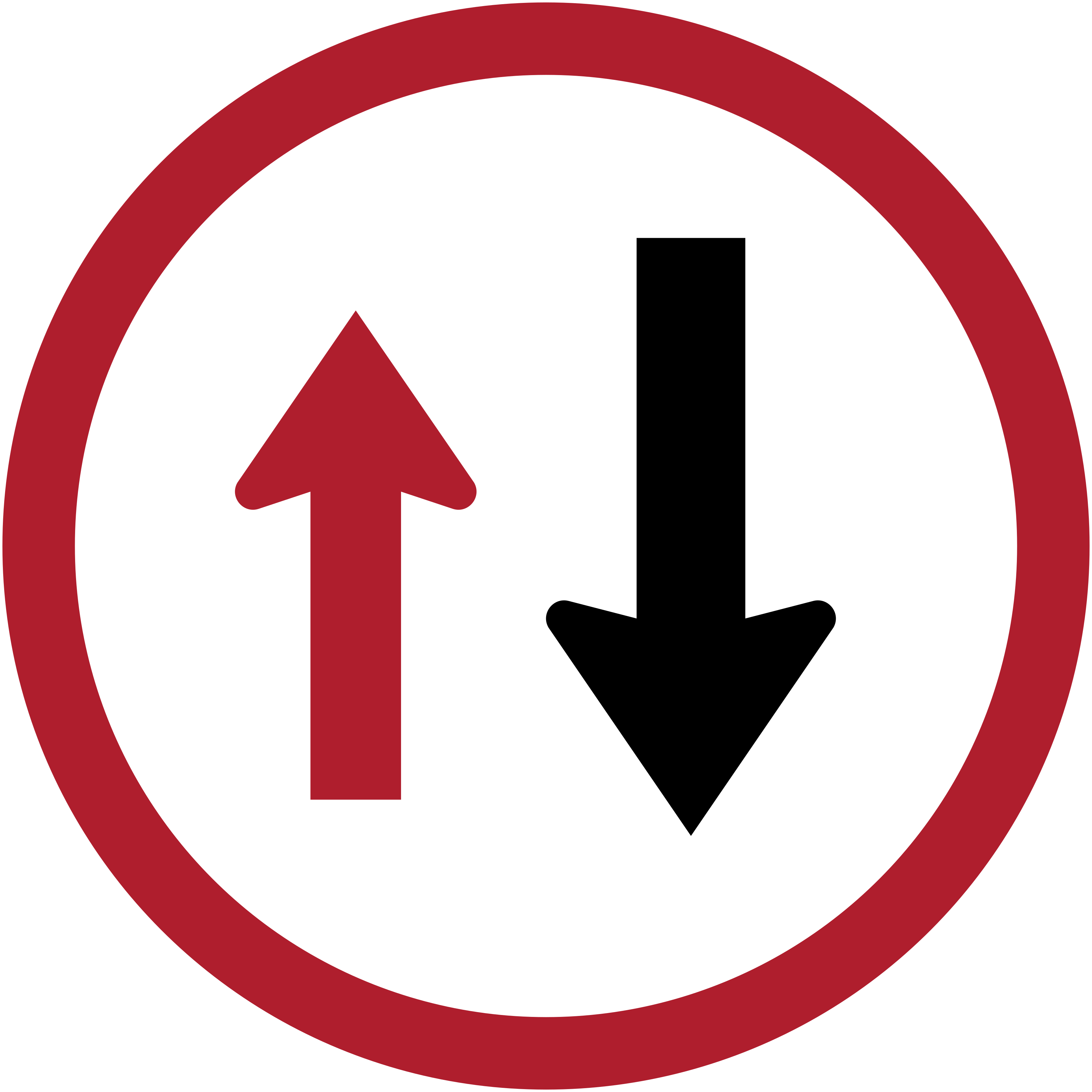 Road narrowing, give way to oncoming drivers.
English • Traffic sign บ.3 • Give way to oncoming vehicles. Stop or wait for them to pass, then proceed when clear and safe.
ไทย • บ.3 • ให้รถสวนทางมาก่อน. ให้หยุดหรือรอเพื่อให้รถที่สวนมาผ่านไปก่อน แล้วจึงเคลื่อนรถเมื่อทางว่างและปลอดภัย
Sources
🔗 Commons.wikimedia.org (So Monggo • CC BY-SA 4.0)
🔗 Doh.go.th • กรมทางหลวง • คู่มือ พ.ศ. 2561 • เล่ม 1 • หน้า PDF 58
SVG source: Commons.wikimedia.org • Original SVG
Government of Thailand • Public domain • Original revision 2017-11-18. Wikimedia original unmodified.
Artwork reviewed against the Thai Department of Highways 2018 catalogue: Doh.go.th • PDF page 58. Catalogue-equivalent illustration; intentional update from the previous PNG.
Does a road-narrows warning automatically give oncoming traffic priority in Thailand?
Not necessarily. A warning of a narrow carriageway is not itself the same as an instruction to give way. Check whether there is a separate priority sign, signal or temporary traffic control, and take account of any rules for an obstruction on your side.
What if an oncoming vehicle is already entering a narrow passage in Thailand?
Reduce speed and wait where you can do so safely rather than forcing two vehicles into insufficient space. Even if a sign gives your approach priority, that does not justify a collision or endangering another road user.

