Rond-pointUkraine

Apprenez les règles de circulation avec des explications claires et des exemples visuels dans notre livre illustré, simple et agréable à étudier.


6. Rond-point

Un rond-point est un aménagement circulaire dans lequel la circulation tourne autour d’un îlot central dans une direction déterminée. Les véhicules entrent et sortent par les routes raccordées, et la signalisation ou les règles locales déterminent la priorité.

Les conducteurs doivent réduire leur vitesse, choisir une voie appropriée, observer tous les usagers et signaler comme requis lors de la sortie. Le sens de circulation, la priorité à l’entrée, l’utilisation des voies et les règles concernant cyclistes et piétons dépendent de la signalisation et de la réglementation locales.
Rond-point
What is a roundabout?

A roundabout is a circular road arrangement where traffic travels in one direction around a central island before leaving through the chosen exit.

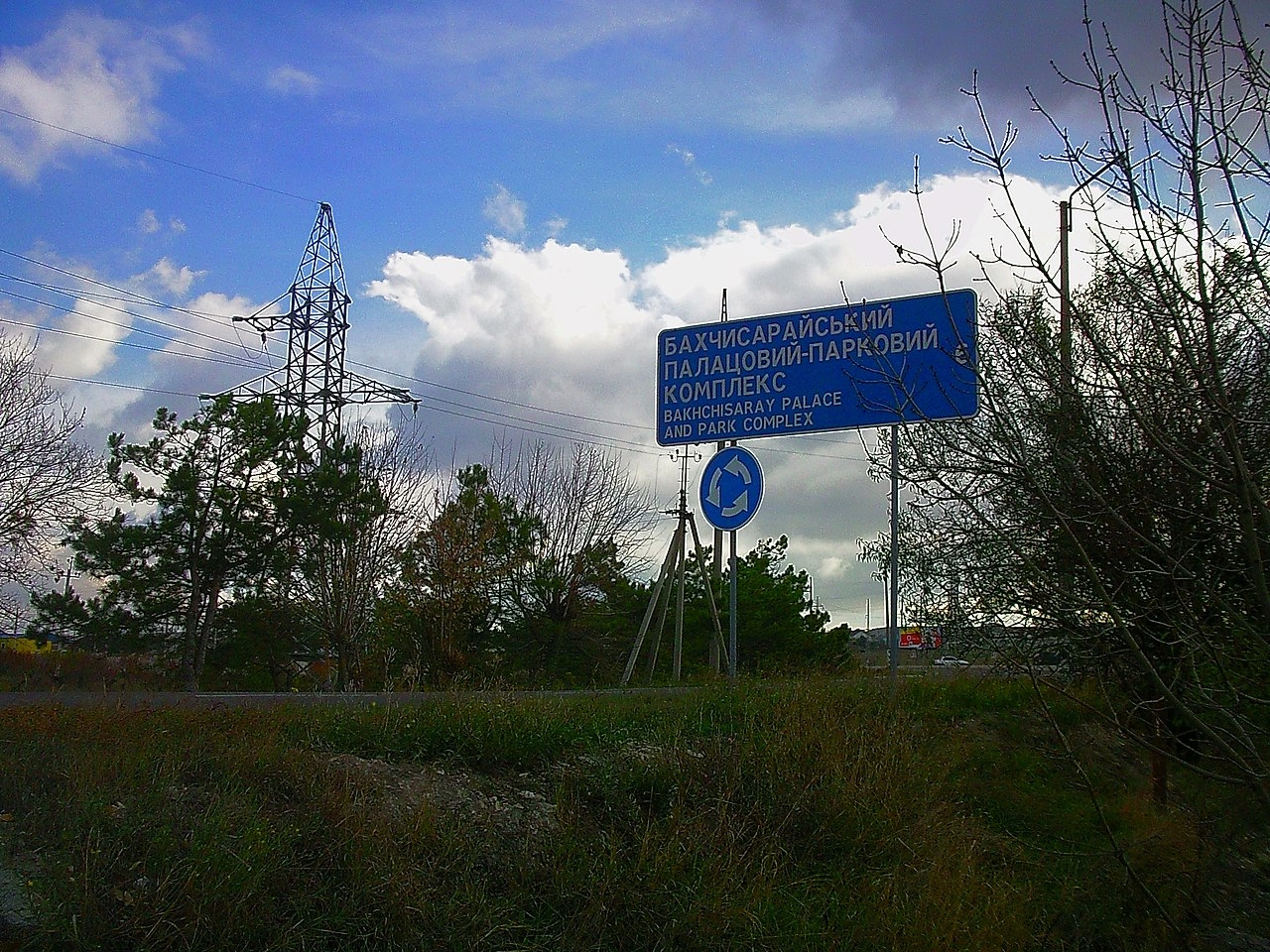
How can you recognise a roundabout?

A roundabout is normally identified by a circular-direction sign, a central island and entry roads controlled by signs, markings or local priority rules.

Which direction does traffic travel around a roundabout?

The direction depends on the country’s driving side. Traffic normally travels anticlockwise in right-hand-traffic countries and clockwise in left-hand-traffic countries.

Who has priority at a roundabout?

Priority differs between countries and roundabout designs. Entering traffic commonly gives way to traffic already circulating, but drivers must always follow the actual priority signs and signals.

Must you stop before entering a roundabout?

Not always. Stop when required by a stop sign, traffic light or approaching priority traffic. Otherwise, reduce speed and enter only when there is a safe gap.

Does a roundabout always have a give-way sign?

No. The sign arrangement depends on local law. Some circular intersections use ordinary priority rules or traffic lights instead.

How should you approach a roundabout?

Reduce speed, observe the signs and markings, choose the appropriate lane and check for pedestrians, cyclists and circulating traffic.

Which lane should you choose?

Follow the lane arrows and destination signs. As a general guide, use the lane appropriate for your exit, but exact lane-selection rules differ between countries and roundabout layouts.

May you use an inner lane?

Yes, where the road layout and local rules permit it. Before leaving, change lanes safely and give way to road users already travelling in the lane you wish to enter.

Do you need to signal when entering?

This depends on local law. Some countries require a signal for particular exits, while others require no signal when entering.

Do you need to signal when leaving?

Usually, yes. Signal in the direction of the exit early enough to inform other road users, but not so early that your intention becomes misleading.

Does signalling give you priority?

No. A direction indicator communicates your intention but does not permit you to force another road user to brake or change direction.

May you change lanes on a roundabout?

Only when the lane markings permit it and the manoeuvre can be completed safely. Check mirrors and blind spots, signal where required and give way to traffic already in the target lane.

What should you do if you miss your exit?

Continue around the roundabout and approach the exit again. Do not stop, reverse or cut suddenly across another lane.

May you drive over the central island?

Normally not. Some small roundabouts have a mountable central section intended only for vehicles that cannot otherwise negotiate the road safely.

Do cyclists have priority at a roundabout?

Priority depends on whether cyclists use the carriageway, a continuing bike path or a separate cycle crossing. Drivers and cyclists must follow the signs, markings and local priority rules.

What should drivers check before leaving?

Check mirrors and blind spots for cyclists, mopeds, motorcycles and vehicles beside you. Also check for pedestrians crossing the exit road.

Do pedestrians have priority at roundabout exits?

Pedestrian priority depends on crossings and local law. Drivers should approach exits slowly and be prepared to yield to pedestrians crossing or about to cross.

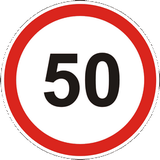
Does a roundabout have a special speed limit?

Not universally. The posted or general road limit applies, but drivers must travel slowly enough to negotiate the roundabout safely.

May you overtake on a roundabout?

Passing another vehicle may be permitted on a multilane roundabout, but drivers must remain within their lane and avoid unsafe lane changes. Local overtaking restrictions may apply.

May you stop or park on a roundabout?

Follow local signs and parking rules. Stopping or parking on the circulating roadway is commonly prohibited or unsafe because it obstructs traffic and reduces visibility.

Is every circular intersection a roundabout?

No. A circular junction may be governed by traffic lights, ordinary priority rules or another road design. Its legal status depends on its signs and local definition.

1 Ukraine 2 Limitation de vitesse 3 Piste cyclable 4 Arrêt de bus 5 Cédez le passage 6 Rond-point 7 Passage pour piétons 8 Passage à niveau 9 Direction obligatoire 10 Zone scolaire 11 Chaussée glissante 12 Circulation à contresens 13 Priorité au prochain carrefour 14 Feux de circulation 15 Passage souterrain pour piétons 16 Stationnement 17 Arrêt interdit 18 Marche arrière 19 Limite d’agglomération 20 Plaque d’immatriculation 21 Dangers 22 Autobus 23 Police 24 Ambulance 25 Nid-de-poule 26 Chemin 27 Particules 28 Pollution de l’air 29 Heure de pointe 30 Code de la route 31 Caniveau 32 Vélo cargo 33 Véhicule forestier 34 Véhicule de chantier 35 Ensemble semi-remorque 36 Trolleybus 37 Speed pedelec 38 Véhicule de livraison 39 Moteur au ralenti 40 Dépanneuse 41 Quatre roues motrices 42 Vélo 43 Équipement de moto 44 Voie ferrée 45 Caravane 46 Remorque 47 Attelage 48 Camion de pompiers 49 Sirène 50 Convoi 51 Feux des véhicules d’urgence 52 Machines agricoles 53 Vélo électrique 54 Véhicule électrique 55 Pedelec 56 Quadricycle 57 Voiturette 58 Véhicule tout-terrain 59 Fourgonnette 60 Véhicule de loisirs 61 Scooter 62 Trikke 63 Engin de déplacement personnel 64 Skateboard 65 Segway 66 Trottinette 67 Patins à roulettes 68 Facteur 69 Auto-stoppeur 70 Jeune enfant 71 Enfant 72 Handicap 73 Train-auto 74 km/h 75 mph 76 Compteur de vitesse 77 Hauteur de caisse 78 Route en terre 79 Conduite 80 Système Stop & Start 81 Boîte de vitesses manuelle 82 Boîte de vitesses automatique 83 Commande des gaz 84 Compte-tours 85 Volant 86 Direction assistée 87 Balayage visuel 88 Rétroviseur 89 Carburant 90 Jauge de carburant 91 Essence 92 Diesel 93 Liquide d’échappement diesel 94 Assurance automobile 95 Trousse de premiers secours 96 Extincteur 97 Vêtement haute visibilité 98 Premiers secours 99 Barrière en béton à profil en gradins 100 Barrières ...