

道路標識スイス
 交通ルール
交通ルール
 スイス
スイス
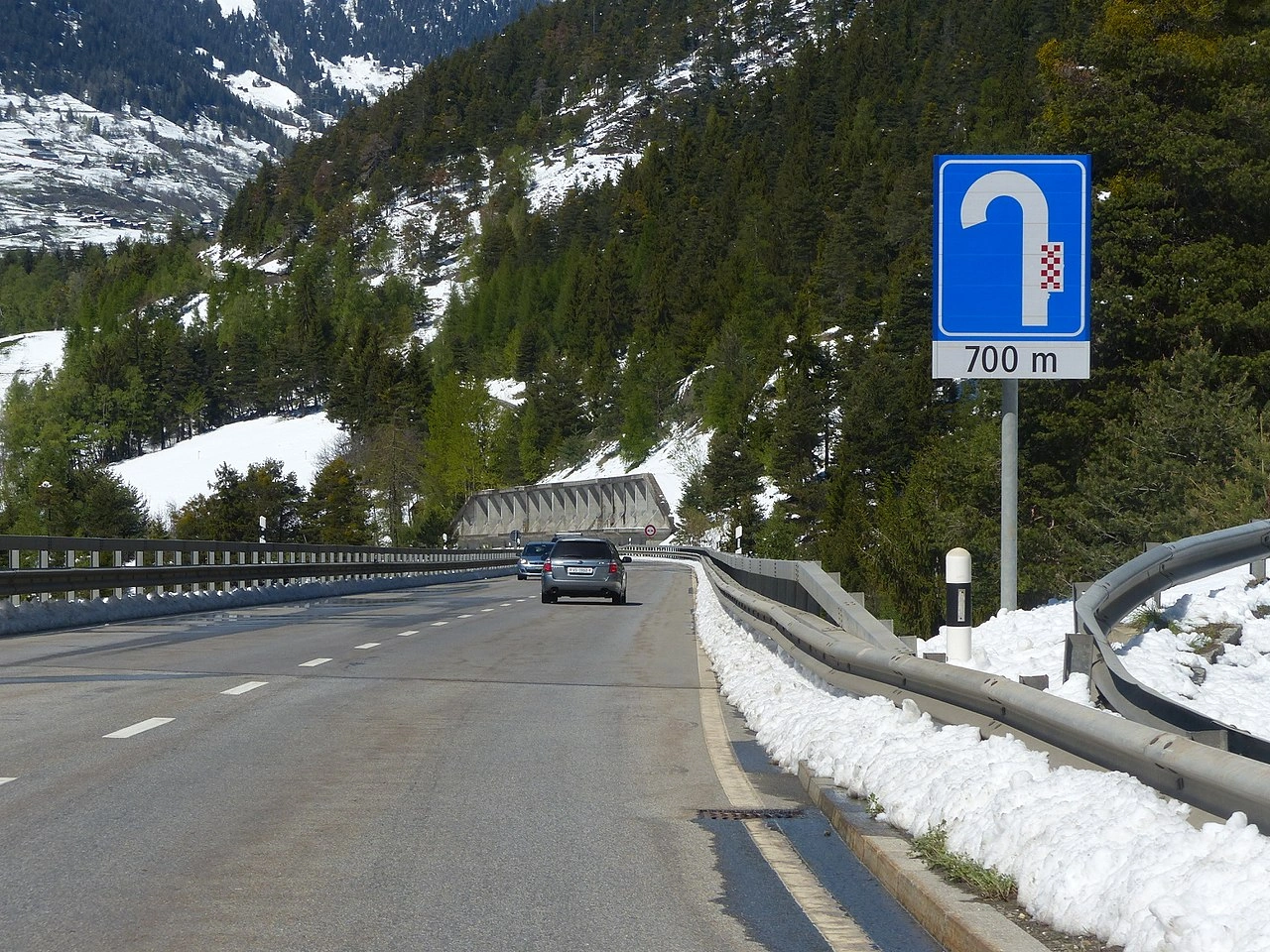
76. 緊急避難ランプ
緊急避難ランプは、特に急坂を下る大型車などでブレーキが効かなくなった車両を停止させるため特別に作られた車線です。上り勾配、深い砂利、その他のエネルギー吸収路面で車両を減速・停止させます。
制動能力を失った運転者は下り坂を進み続けようとせず、できるだけ早く安全に避難ランプへ入る必要があります。通常の停車、駐車、方向転換には使用しません。
What is a runaway truck ramp used for?
It provides an emergency stopping area for a vehicle that can no longer slow down adequately with its normal brakes. It is particularly intended for heavy vehicles on long or steep descents.
How does a runaway truck ramp stop a vehicle?
Depending on its design, the ramp may rise uphill or contain deep gravel, sand or another arresting material that creates resistance and rapidly reduces the vehicle's speed.
Can you use a runaway truck ramp for normal stopping or parking?
No. An escape ramp is an emergency safety facility and should be kept clear for vehicles that have lost effective braking or control.

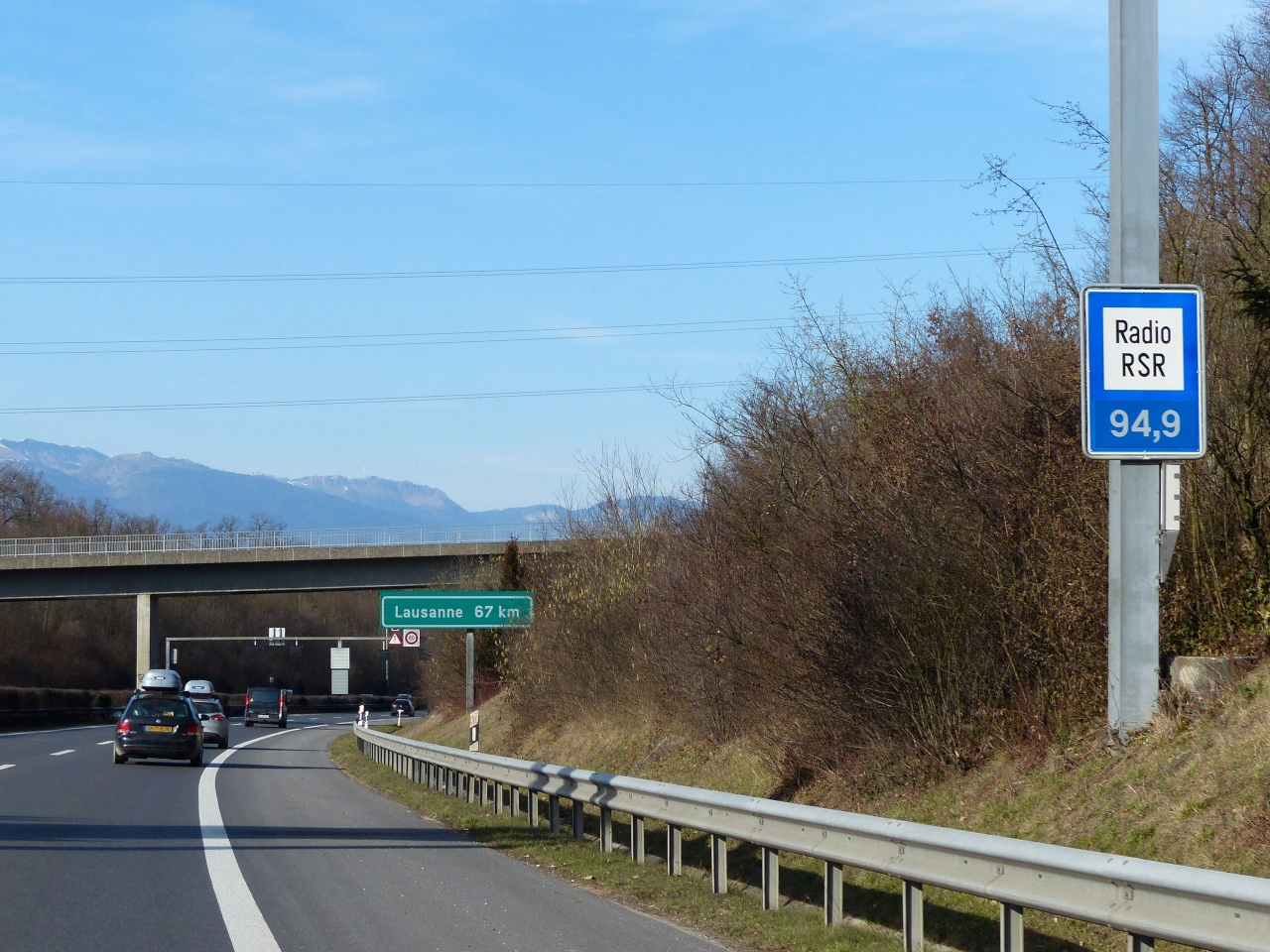
77. 交通情報ラジオ
交通情報ラジオは、渋滞、道路閉鎖、事故、天候など旅程へ影響する情報を運転者へ提供するラジオ放送です。道路標識で交通情報を受信できる放送局と周波数が示されることがあります。
運転者は表示周波数へ合わせて地域の交通情報を受信できます。ただし情報提供サービスであり、交通標識、信号、交通整理員の指示に代わるものではありません。
What is a traffic radio service?
A traffic radio service broadcasts information for road users, such as congestion, collisions, roadworks, closures or other conditions that may affect traffic.
What does a radio service road sign indicate?
It indicates a radio station or frequency on which drivers can receive traffic information relevant to the road or surrounding area.
Do radio traffic reports override road signs?
No. Radio information can help drivers anticipate conditions and choose a route, but drivers must continue to obey traffic signs, signals, road rules and instructions from authorised persons.
78. 制限外積載物
制限外積載物は、車両または車両組合せが通常許可される全長、全幅、全高などを超える原因となる積荷です。大型機械、建設部材など、合理的に分割できない物品が対象となることがあります。
輸送には特別許可、指定経路、警告標識、灯火、誘導車が必要な場合があります。運転者は通行道路を管轄する当局が定めた条件に従います。
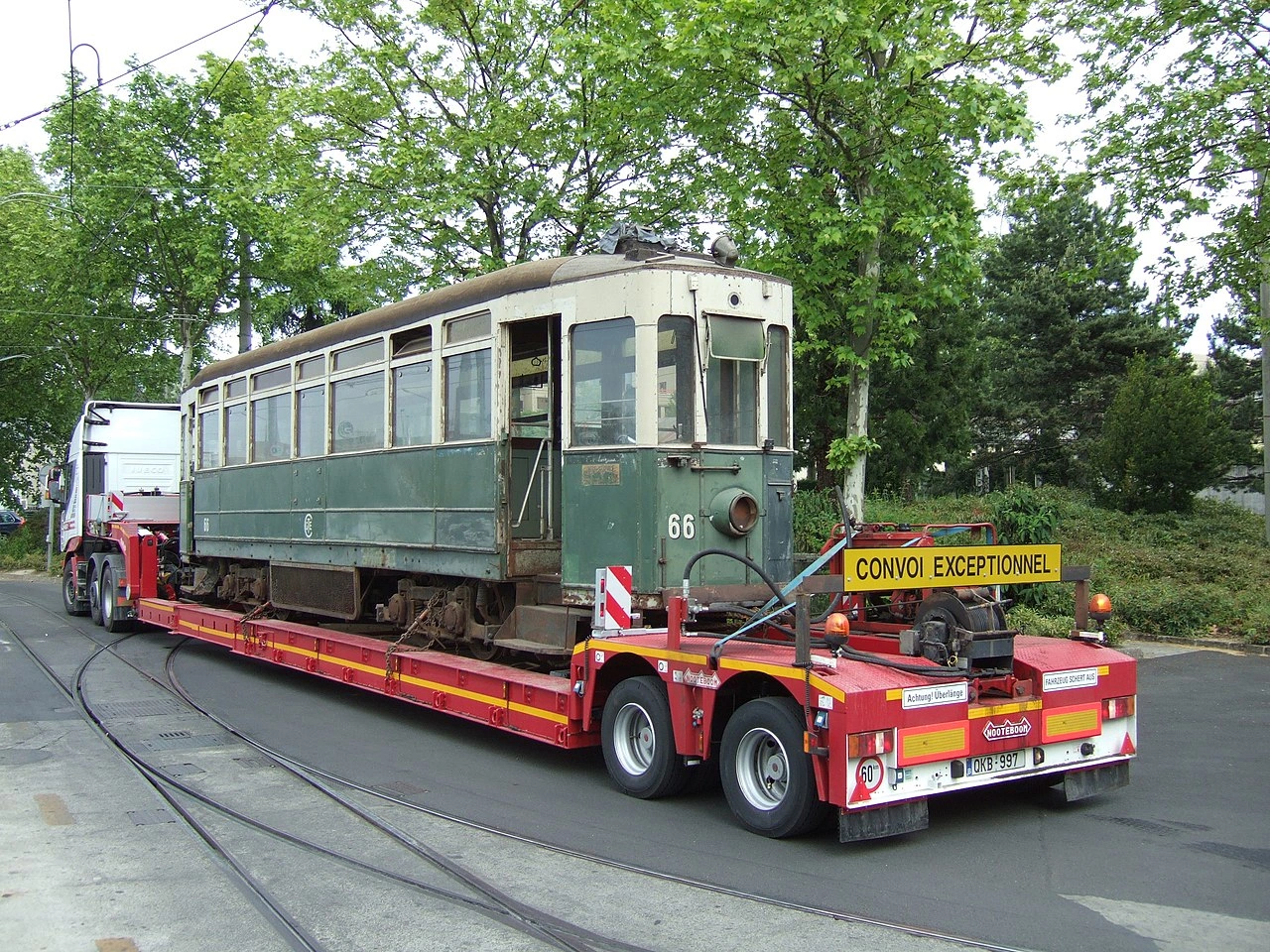
What is an oversize load?
An oversize load is a load that makes a vehicle or vehicle combination exceed one or more of the normal legal dimensions for road use, such as its permitted width, height or length.
Does an oversize load require a special permit?
Often yes. Depending on the country, dimensions and route, a permit may be required and can specify where and when the vehicle may travel and what additional safety measures must be used.
Why might an oversize load need an escort vehicle?
Escort vehicles can warn other road users, help manage difficult road sections and assist the exceptional vehicle when its size creates additional traffic risks. The number and type of escorts required depend on national rules and the dimensions of the transport.
79. 市街地境界
市街地境界は、道路交通上、市街地・都市区域が始まるまたは終わる境界です。地名標識や市街地標識で示され、都市速度制限、駐車規則など特別規則の開始・終了地点となることがあります。
交通上の市街地境界は自治体の行政境界と必ずしも一致しません。法的意味はその国の道路標識と交通規則によります。
What is a city limit?
A city limit marks the boundary of a city, town, village, locality or municipality. On roads, it is often indicated by a place-name or boundary sign.
Does a city-limit sign always mark a built-up area?
No. A city-limit or locality sign may simply identify a place or administrative boundary. A legally defined built-up area can use a different sign or definition.
Does passing a city-limit sign always change the speed limit?
No. In some countries a locality or boundary sign has consequences for traffic rules, while in others it mainly identifies the place. Drivers must follow the traffic signs and rules that apply in that country.
Is a city limit the same as a municipal boundary?
Not always. Some signs indicate an administrative municipal boundary, while others identify a city, town, village or locality without exactly following the municipality's legal boundary.
What is the difference between a city limit and a built-up area?
A city limit identifies the boundary of a named place or administrative area. A built-up area is a traffic-law concept that may affect rules such as default speed limits. The two boundaries can coincide, but they do not have to.
80. 病院
病院は、診察、治療、手術、救急医療などの専門医療を提供する施設です。地域住民、広域地域、特定医療分野を対象とする場合があります。
道路標識では医療・病院記号で案内されることがあります。病院入口付近では救急車、歩行者、出入り車両に特に注意します。
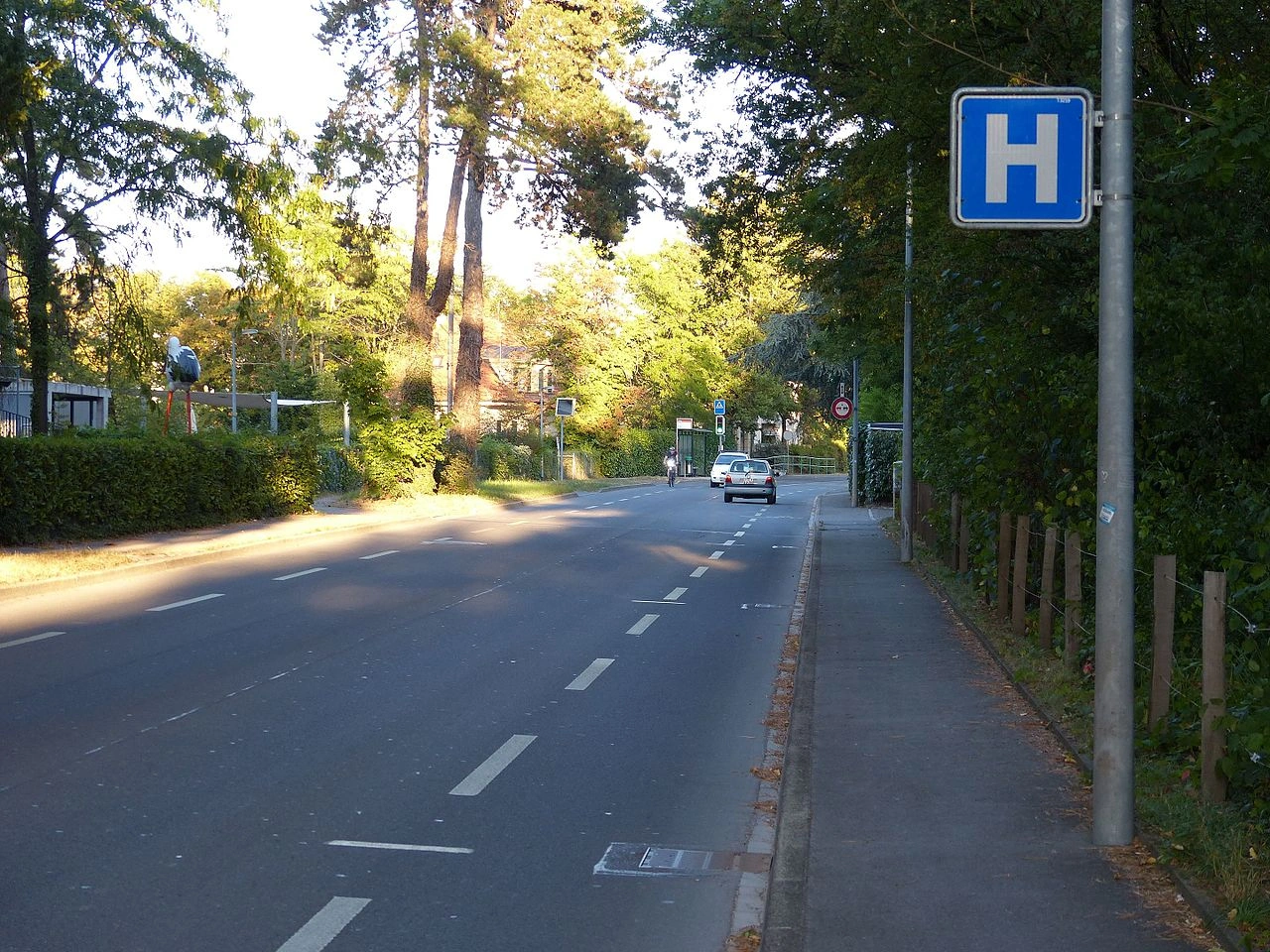
What is a hospital?
A hospital is a healthcare facility where patients can receive medical treatment, emergency care, surgery and other specialised health services.
Can hospitals be indicated by road signs?
Yes. Many countries use hospital or medical symbols on information and direction signs to guide drivers toward healthcare facilities.
What should drivers watch for near a hospital?
Drivers should watch carefully for ambulances, pedestrians, cyclists and vehicles entering or leaving hospital grounds and follow any local traffic restrictions or signs.
81. 立体駐車場
立体駐車場は、自動車を駐車するための建物または屋根付き構造物です。複数階を持ち、地上、地下、ショッピングセンターやオフィス、交通拠点など別建物の一部に設置されます。
通常、駐車・屋内駐車標識で案内されます。施設内の標識、車線表示、高さ制限、料金条件などに従います。
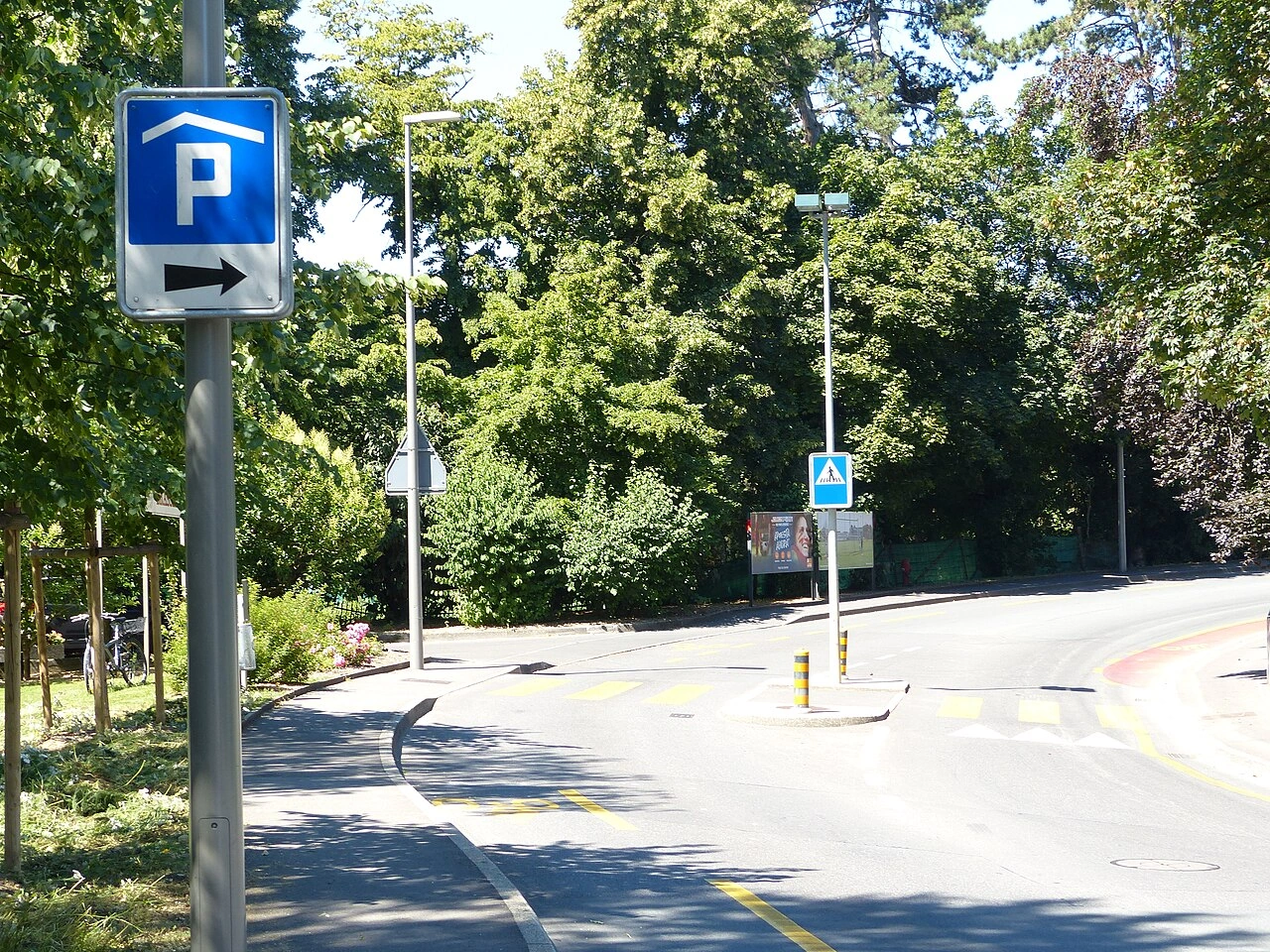
What is a parking garage?
A parking garage is a building or covered structure where motor vehicles can be parked, often on several levels.
Can a parking garage be underground?
Yes. Parking garages may be above ground, underground or incorporated into another building.
What should you check before entering a parking garage?
Check the entrance signs, vehicle-height restrictions, opening conditions, parking rules and payment requirements before entering.
82. 待避所
待避所は、狭い道路で対向車同士が安全にすれ違えるよう道路脇または道路内を広げた区間です。一車線道路など、通常幅では2台がすれ違えない道路で使われます。
適切な速度で接近し、対向車と協力し、不要に待避所を塞がないことが重要です。優先規則や標識は国によって異なります。
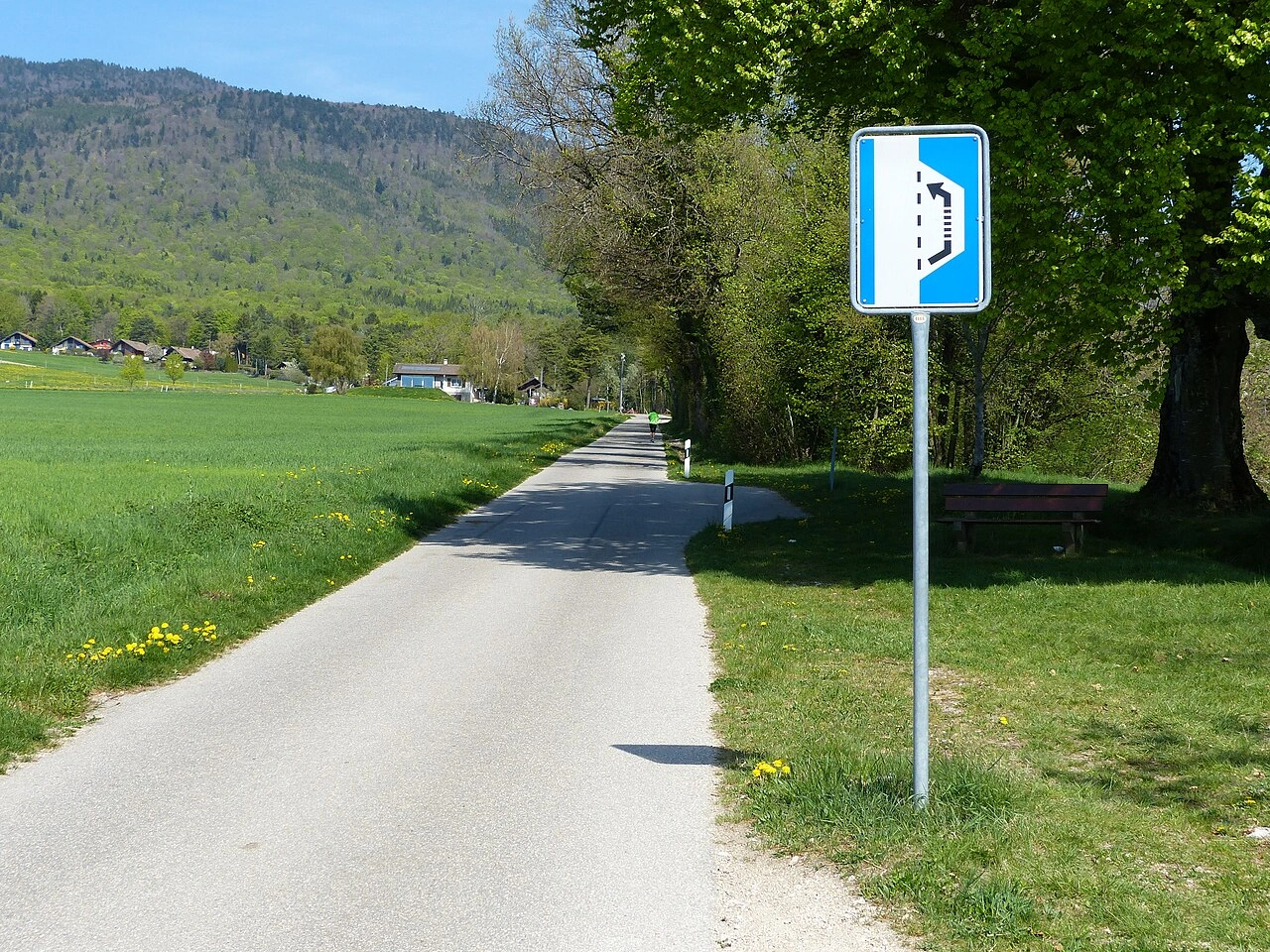
What is a passing place?
A passing place is a widened area on a narrow road where vehicles can move aside to allow opposing traffic to pass.
Where are passing places commonly found?
They are commonly found on single-track roads, narrow rural roads and mountain roads where the normal road width is insufficient for two vehicles to pass comfortably.
Who has priority at a passing place?
The applicable rule depends on the country and road layout. Drivers should slow down, cooperate with approaching traffic and use the passing place safely rather than assuming automatic priority.
83. 歩道橋
歩道橋は、歩行者が道路、鉄道などの交通路へ入らず上を横断できる橋・高架通路です。歩行者と車両の動線を立体的に分離し、平面横断が難しい・危険な場所で使われます。
階段、スロープ、エレベーターで出入りでき、歩行者・方面標識で案内されることがあります。設計やバリアフリー要件は国によって異なります。
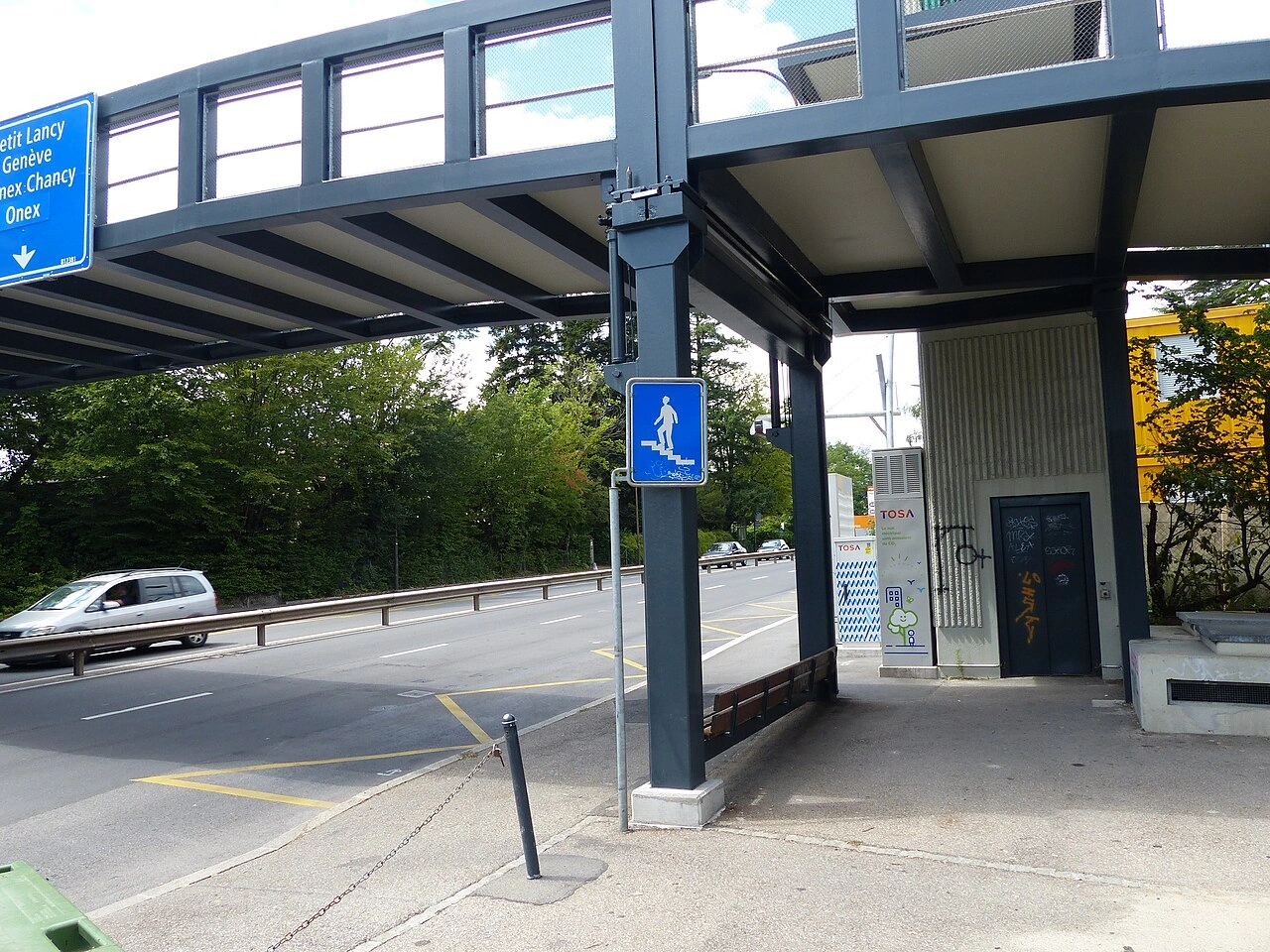
What is a pedestrian overpass?
A pedestrian overpass is an elevated walkway or bridge that allows pedestrians to cross above a road, railway or other transport route.
Why are pedestrian overpasses used?
They help separate pedestrians from moving traffic, particularly where traffic speeds or volumes make an at-grade crossing less suitable.
How can pedestrians access an overpass?
Depending on the design, access may be provided by stairs, ramps, lifts or a combination of these.
84. 軸重制限
軸重制限は、車両の1本の車軸へかかる最大許容重量です。車両全体の重量とは別に、1本の車軸と車輪が道路へ伝える荷重を制限します。
橋や道路を過大荷重から保護し、安全な車両運行にも役立ちます。総重量制限を守っていても、積荷配分が不適切なら軸重制限を超えることがあります。
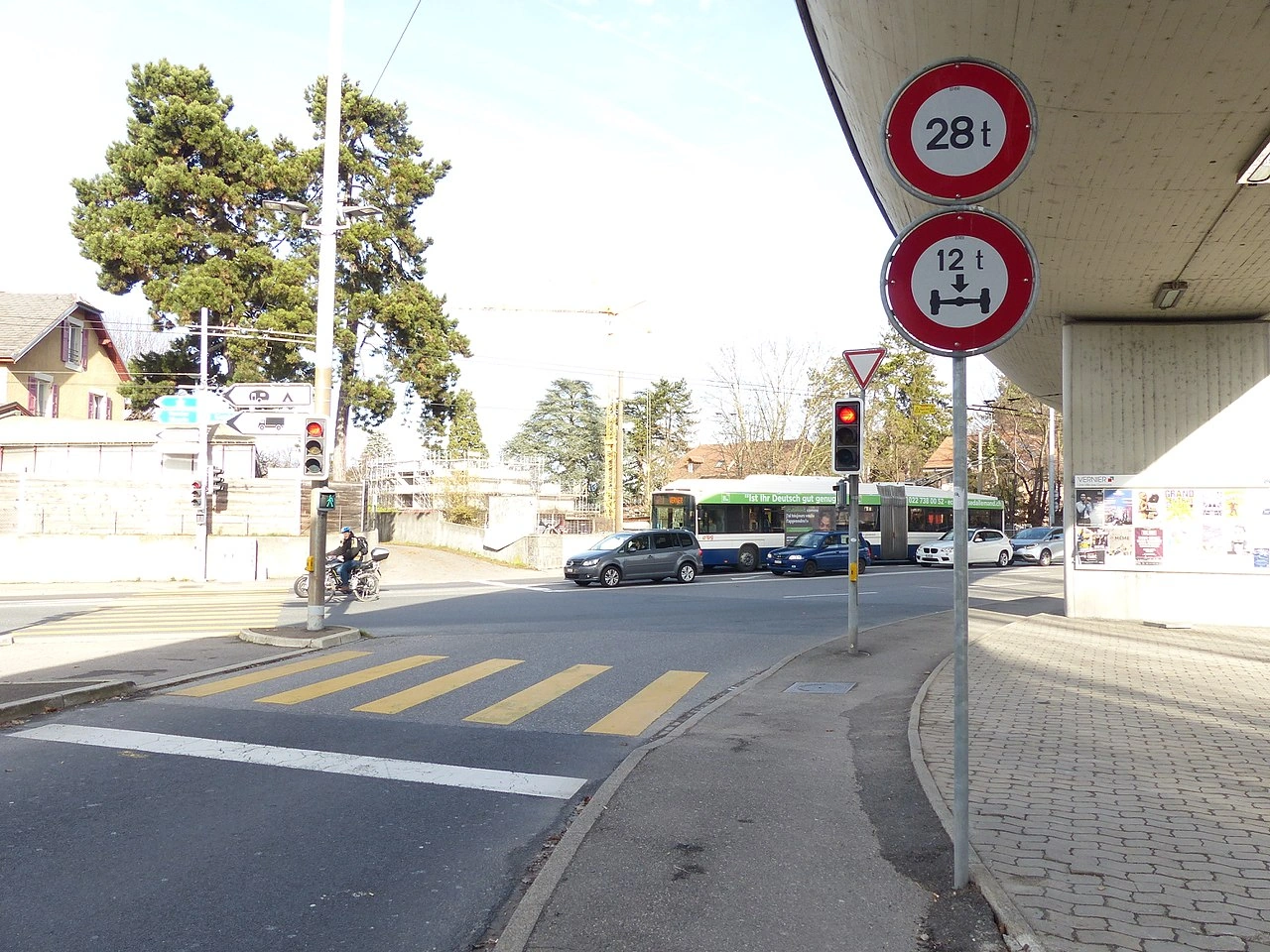
What does an axle weight limit mean?
An axle weight limit specifies the maximum permitted load carried by an individual axle or axle group. A vehicle exceeding the indicated axle load may not use the restricted road or structure.
Is axle weight the same as total vehicle weight?
No. Total vehicle weight is the combined weight of the entire vehicle and its load, while axle weight is the portion of that weight supported by a particular axle. Both limits may apply at the same time.
Why are axle weight limits used?
They help prevent excessive stress on roads and structures such as bridges. They also ensure that vehicle loads are distributed safely between the axles.
85. ナンバープレート
ナンバープレート(登録番号標または車両番号標)は、登録当局から車両へ割り当てられた固有の登録識別番号を表示するプレートです。車両登録、交通取締、税、保険、駐車管理などで車両を識別するために使われます。
外観、形式、取付位置、必要枚数は国や車種で異なります。必要なプレートを正しく取り付け、はっきり見え、読み取れる状態に保ち、紛失、盗難、破損、交換時には現地規則に従います。
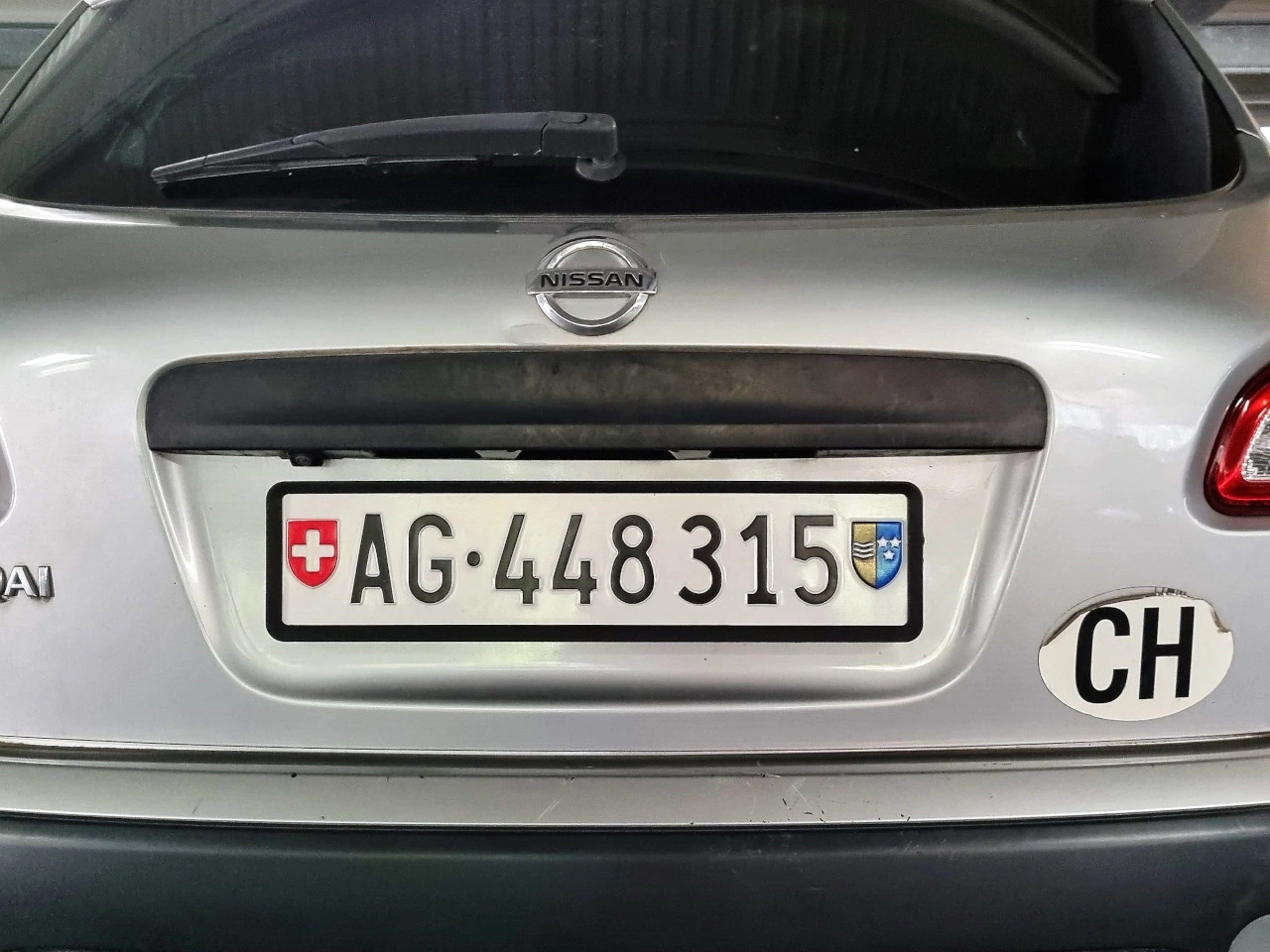
What is a licence plate?
A licence plate is a plate displaying the registration identifier assigned to a vehicle. It allows authorities and other authorised systems to identify the vehicle's registration.
Is a licence plate the same as a registration plate?
Yes. Licence plate, registration plate and number plate are different terms commonly used for the plate displaying a vehicle's official registration number.
Does every vehicle need a licence plate?
Most motor vehicles used on public roads must display one or more registration plates, but requirements differ for motorcycles, trailers, agricultural vehicles and other special vehicle categories.
Do vehicles need both front and rear licence plates?
This depends on the country and vehicle type. Cars commonly require front and rear plates, while motorcycles and certain other vehicles may require only a rear plate.
Must a licence plate remain visible?
Yes. A required registration plate must normally remain clearly visible and readable. It should not be hidden by luggage, dirt, accessories or other objects.
Can you modify a licence plate?
Generally no. Changing the characters, colours, dimensions or appearance of an official plate may make it invalid or illegal. Plates and authorised reproductions must comply with local specifications.
What should you do if a licence plate is lost or stolen?
Follow the local reporting and replacement procedure. Many countries require the loss or theft to be reported to the police or vehicle-registration authority before a replacement plate can be issued.
Can you drive with a damaged licence plate?
A plate must remain legible and compliant with local requirements. If damage prevents it from being read or makes it invalid, it should be replaced according to the local registration procedure.
Can a licence plate be personalised?
Some countries allow motorists to request a personalised registration combination. The available characters, formats and prohibited combinations are determined by the registration authority.
Does a licence plate stay with the vehicle when it is sold?
This varies between countries. In some systems the plate remains with the vehicle, while in others it remains associated with the registered holder and may be retained or returned when the vehicle is sold.
86. 充電ステーション
充電ステーションは、電気自動車またはプラグインハイブリッド車のバッテリーを電源へ接続して充電できる1基以上の充電器を備えた場所です。公道沿い、駐車場、サービスエリア、私有地などに設置されます。
充電スペースは充電中の車両専用の場合があり、駐車制限、時間制限、料金などの条件が適用されます。現地の標識、駐車規則、充電設備の指示に従います。
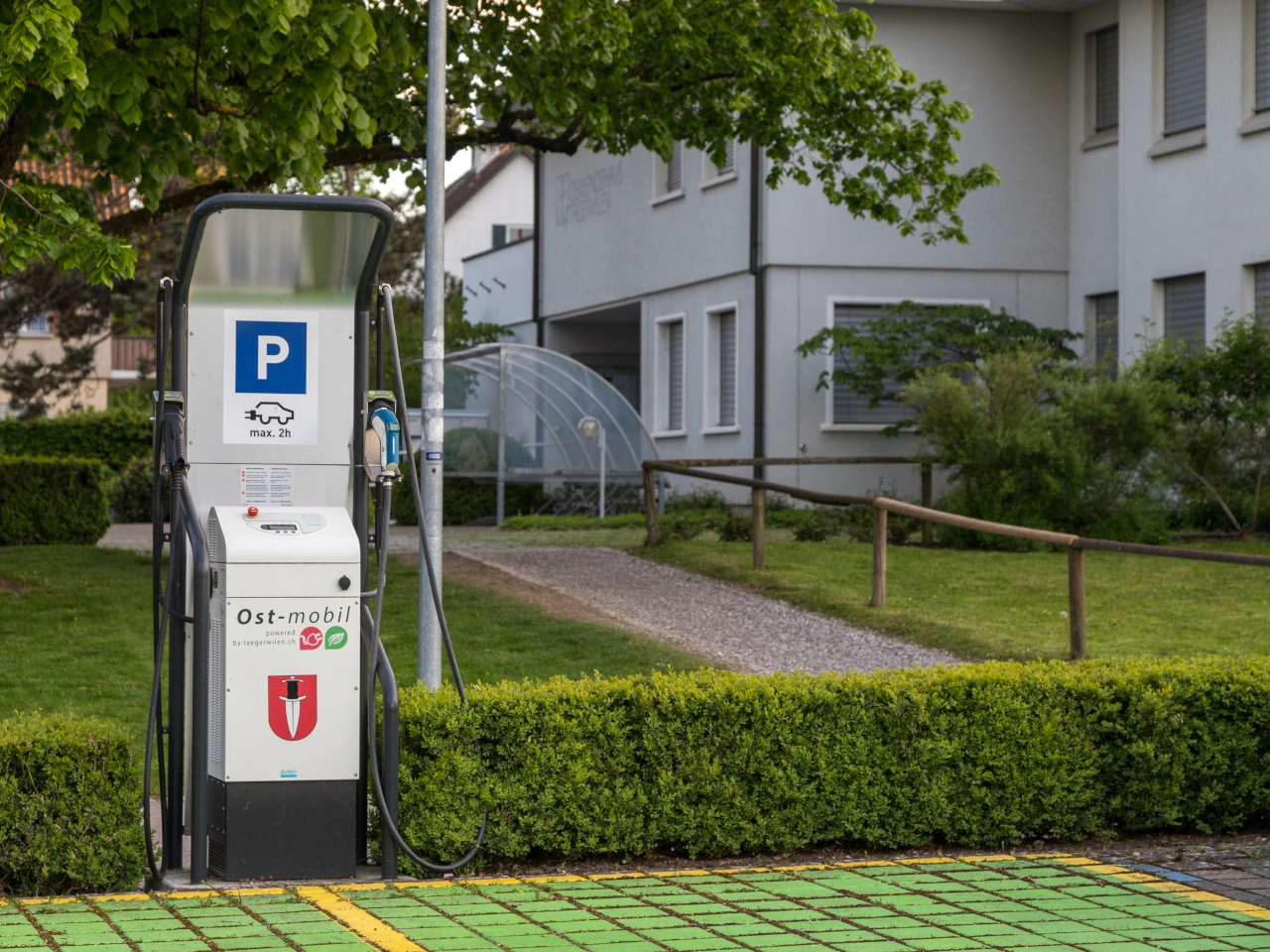
What is a charging station?
A charging station is a location where electric vehicles can be connected to an electricity supply to recharge their batteries. A station may contain one or several individual charging points.
Who can use an electric-vehicle charging station?
Charging stations are intended for vehicles that can be externally charged, such as battery-electric vehicles and plug-in hybrid vehicles. The exact vehicle categories permitted may be indicated by local signs or operator conditions.
Is a charging space an ordinary parking space?
Not necessarily. A space beside a charger may be reserved for electric vehicles or vehicles that are charging. Drivers must check the signs and markings before parking there.
Can a petrol or diesel vehicle park at a charging station?
Not where the parking space is officially reserved for electric vehicles. An ordinary parking space located near a charger may be different, so the applicable signs and markings determine who may park there.
Can an electric vehicle park at a charging point without charging?
This depends on the local traffic and parking rules. Many charging spaces require the vehicle to be connected to the charger, even if the vehicle itself is electric.
Do you have to pay to use a charging station?
Charging may be free or subject to payment. The price and payment method are determined by the charging operator, while separate parking charges may also apply.
Can a charging station have a maximum parking time?
Yes. Traffic signs, parking regulations or charging conditions may establish a maximum duration to encourage drivers to move their vehicles and make the charger available to others.
Must you move the vehicle when charging is finished?
Follow the local parking rules and charging conditions. Some locations require vehicles to leave after charging or impose additional fees or time limits when the charging session has ended.
Does using a charger override ordinary parking restrictions?
No. A charging station does not allow a driver to ignore no-parking rules, reserved spaces, time limits or other traffic regulations. The vehicle must still be legally parked.
Are all charging stations equally fast?
No. Charging stations can provide different charging powers. Some are intended for longer parking periods, while high-power chargers can recharge compatible vehicles much more quickly.
87. 一般危険
一般危険警戒標識は、より具体的な警戒標識で表せない前方の危険を知らせます。補助標識、文字、記号などで具体的な危険内容が示される場合があります。
運転者は注意を高め、前方を確認し、危険と周囲の状況に合わせて速度を調整します。標識の形や危険の示し方は国によって異なるため、現地の交通標識と規則に従います。
What does a general danger warning sign mean?
A general danger warning sign indicates that there is a hazard ahead that is not represented by a more specific warning sign in the local traffic-sign system.
What kind of danger can the sign indicate?
It can be used for unusual or uncommon hazards for which no dedicated warning symbol exists. The nature of the danger may be explained by an additional panel, symbol or message.
How can you know what the danger is?
Look for a supplementary panel, text or symbol accompanying the warning sign. It may describe the hazard or provide information needed to understand the warning.
What should you do when you see a general danger warning sign?
Increase your attention, observe the road and surroundings carefully and adapt your speed where necessary so that you can respond safely to the hazard.
Does the sign impose a specific speed limit?
Not normally. A warning sign alerts road users to danger rather than establishing a numerical speed limit. A separate speed-limit sign may be provided where a specific maximum speed is required.
Why is a general warning sign used instead of a specific warning sign?
It is used when the traffic-sign system does not contain a specific symbol that accurately represents the particular hazard.
Can the danger be temporary?
Yes. A general warning sign may be used for either a temporary or continuing hazard, depending on local signing rules and the circumstances.
Can a supplementary panel indicate the distance to the danger?
Yes. Depending on the country's traffic-sign system, an additional panel may indicate the distance to the hazard, the length of the dangerous section or other useful information.
Does a general danger sign give anyone priority?
No. A danger warning sign does not by itself change the priority rules. Drivers must continue to follow traffic lights, priority signs and the normal right-of-way rules.
Does the warning end immediately after the sign?
Not necessarily. The sign normally warns of a hazard ahead of the sign, and the dangerous situation may extend over a section of road. Supplementary information may indicate its location or length.
88. 天候
天候は視界、グリップ、車両操作へ大きく影響します。雨、霧、雪、氷、強風、強い日差しはいずれも事故リスクを高めます。状況に合わせて速度と車間距離を調整し、滑りやすい道路で急な操舵・制動を避け、視界低下時は適切なライトを使用します。表示速度以下でも、天候や路面に対して速すぎる場合があります。
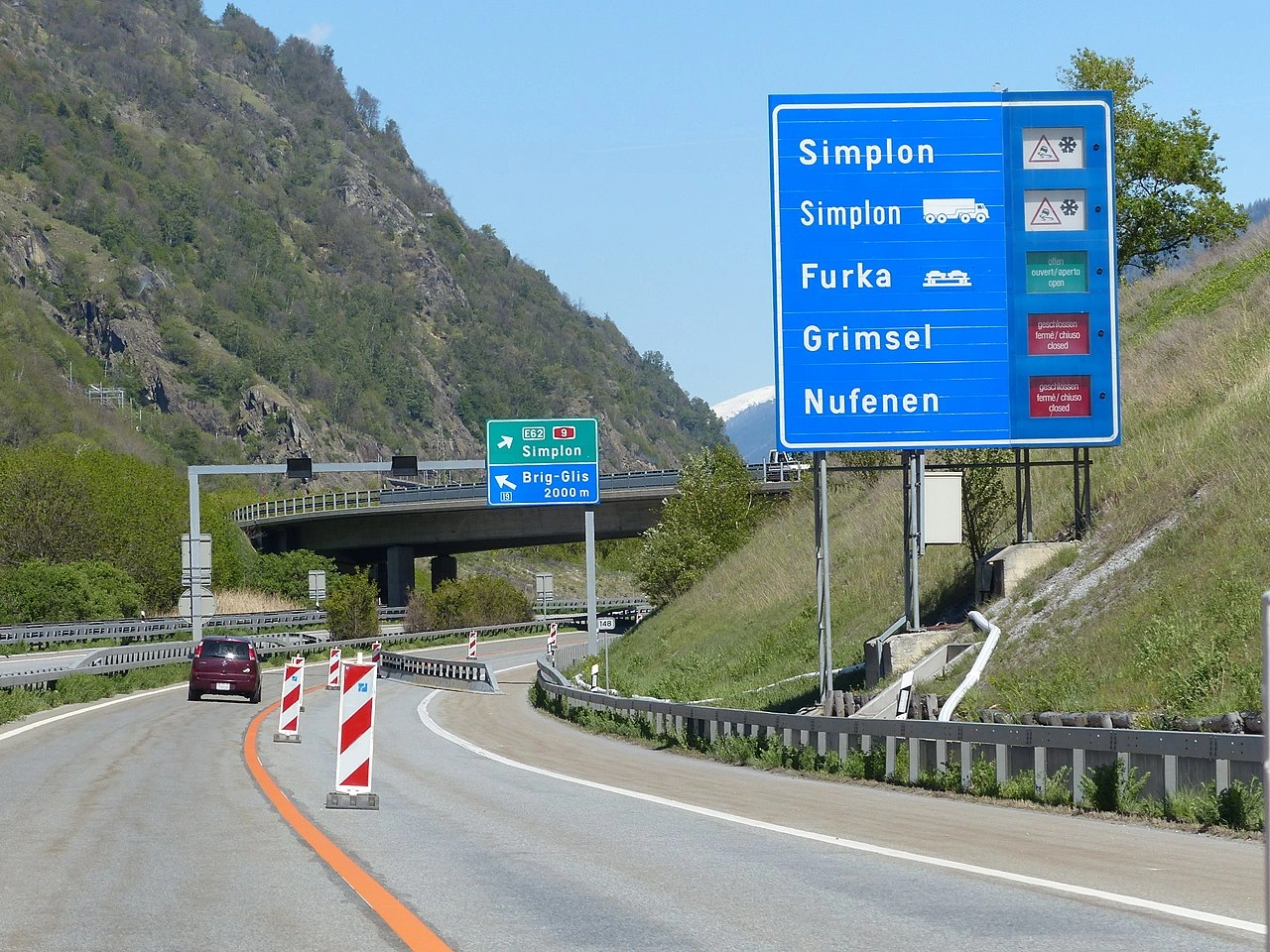
How does weather affect driving?
Weather can reduce visibility, tyre grip and vehicle control. Rain, snow, ice, fog, strong wind and bright sunlight may require drivers to reduce speed and increase their following distance.
Should you drive slower in bad weather?
Yes. Drivers should adapt their speed to the weather, visibility and road conditions. The posted speed limit is a maximum and may still be too fast in poor conditions.
Why should you increase the following distance in bad weather?
Wet, snowy or icy roads can increase stopping distances. A larger following distance gives the driver more time and space to react and stop safely.
What should you do when driving in heavy rain?
Reduce speed, increase your following distance, use the appropriate lights and avoid sudden steering or braking. Heavy rain can reduce visibility and increase the risk of aquaplaning.
What should you do when driving in fog?
Reduce speed, increase your following distance and use the appropriate lights. Avoid relying on the vehicle ahead as a guide and make sure you can stop within the distance you can clearly see.
What should you do when driving on snow or ice?
Drive slowly and smoothly, increase the following distance and avoid sudden acceleration, steering or braking. Tyre grip can be greatly reduced on snow and ice.
89. 赤信号時の右左折
赤信号時の右左折は、赤信号にもかかわらず、特定方向へ進むことを一部道路利用者へ認める交通規則・信号制度です。多くの場合、停止または譲った後に右折・左折を認めますが、手順は国によって異なります。
赤信号時の右左折は世界共通で許可されるものではありません。一般的に認める国、特定標識・信号がある場合だけ認める国、全面禁止の国があります。進行前に現地の信号、標識、優先規則、歩行者・自転車横断に従います。
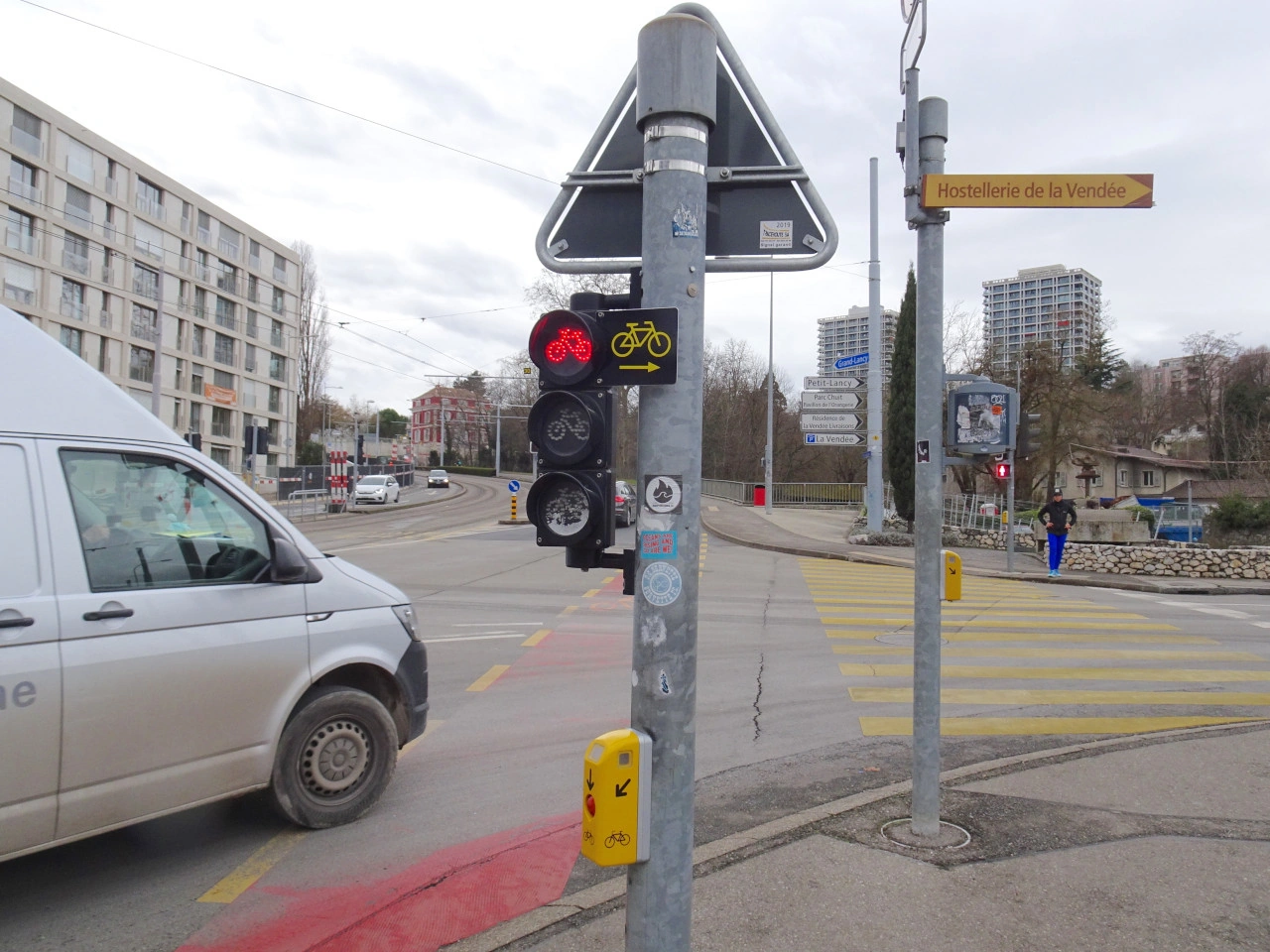
What does turn on red mean?
Turn on red means that a road user may proceed in a specified turning direction despite a red traffic light when local law or a specific sign or signal permits it.
Is turning on red allowed everywhere?
No. Some countries permit certain turns on red, while others prohibit them unless a special sign or signal provides an exception.
Do you have to stop before turning on red?
This depends on the local traffic rules. In some jurisdictions a complete stop is required before turning, while other systems use a give-way rule or a separate signal that permits the movement.
Do you have priority when turning on red?
Usually no. A road user permitted to proceed against a red light generally has to give way to traffic, pedestrians and cyclists who are lawfully moving through the intersection.
Can pedestrians have priority over a vehicle turning on red?
Yes. Drivers must check pedestrian crossings carefully and give way where required before making the permitted turn.
Can cyclists be allowed to pass a red light when motorists cannot?
Yes. Some countries use special signs or bicycle signals that allow cyclists to turn or continue in a specified direction while the main traffic light remains red.
Does a green arrow beside a red light allow you to proceed?
Where the local signal system provides this arrangement, a green arrow may permit movement only in the direction indicated even though the main signal remains red. Applicable give-way rules must still be followed.
Can a sign prohibit turning on red?
Yes. In countries where turning on red is normally permitted, a specific sign may prohibit the manoeuvre at particular intersections.
Can you turn left on red?
This depends entirely on the country and road layout. Some jurisdictions permit particular left turns on red, while many do not. Never assume that a rule allowing a right turn also permits a left turn.
What should you do if you are unsure whether turning on red is allowed?
Remain stopped until a signal clearly permits you to proceed. Never pass a red light based only on what is permitted in another country.
90. 歩行者
歩行者は、道路、街路、通路、公共空間を徒歩で移動する人です。現地法により、自転車、車いす、ベビーカーなどの小型器具を押している人も歩行者として扱われる場合があります。
通常、利用可能な歩道、歩行者通路、歩行者区域を使用します。適切な施設がない場所で道路を横断・歩行する場合は、横断規則、信号、その他の現地交通規則に従います。
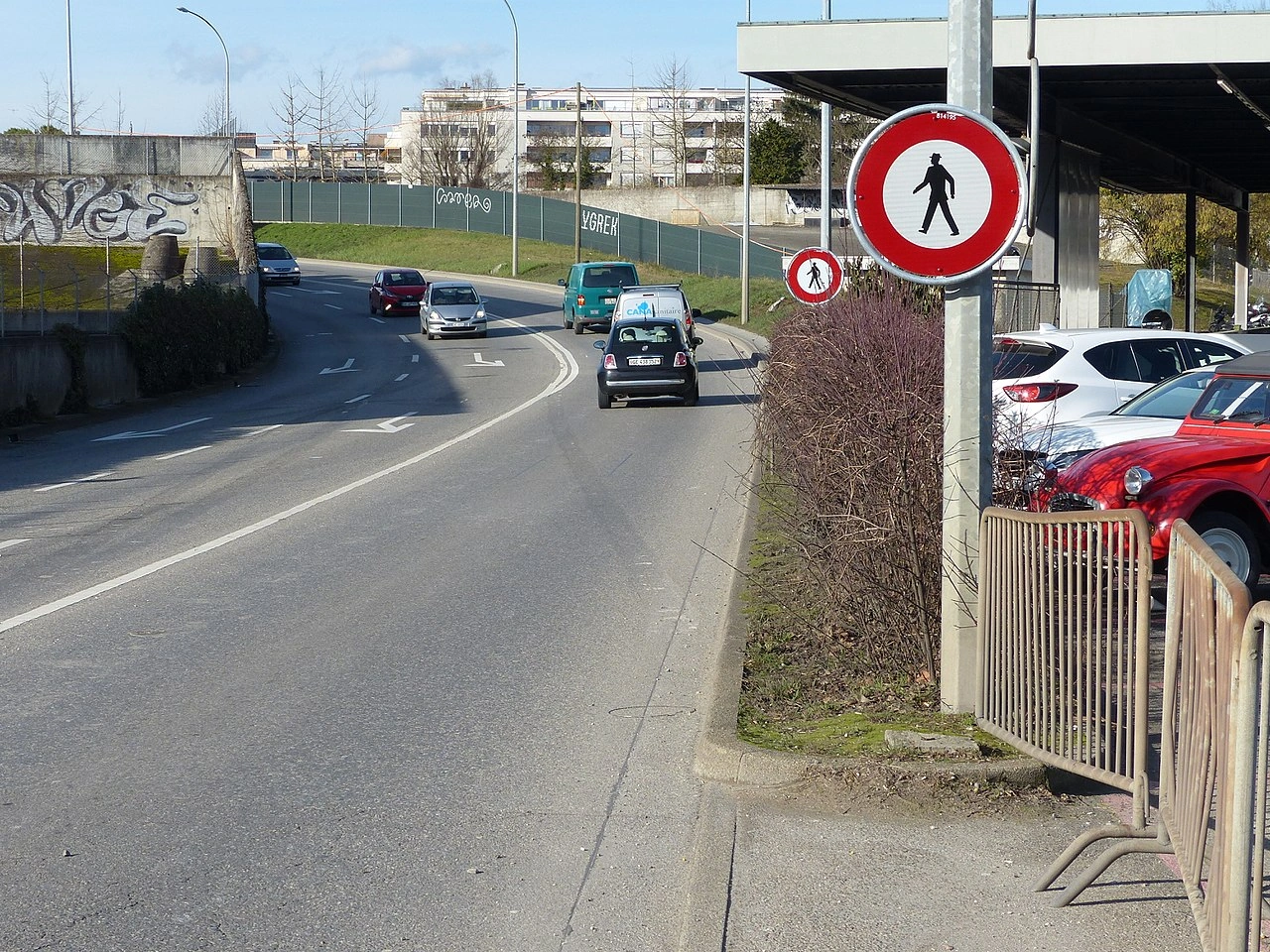
What is a pedestrian?
A pedestrian is primarily a person travelling on foot. Local traffic laws may also treat people pushing bicycles, wheelchairs, prams or certain other devices as pedestrians.
Where should pedestrians normally walk?
Pedestrians should normally use pavements, sidewalks, footpaths or other areas provided for pedestrians. Where these are unavailable, local rules determine where pedestrians may walk on or beside the road.
Which side of the road should pedestrians walk on when there is no pavement?
This depends on the country's traffic rules. Many countries require or recommend pedestrians to face approaching traffic, but the exact rule varies.
Where should pedestrians cross a road?
Use a pedestrian crossing, traffic-light-controlled crossing or other designated crossing where required or reasonably available. Where crossing elsewhere is permitted, choose a location with good visibility and cross carefully.
Do pedestrians always have priority at a pedestrian crossing?
The exact priority rule varies between countries. Drivers are commonly required to give way to pedestrians using or entering designated crossings, but pedestrians must still obey traffic lights and avoid entering the road dangerously.
Must pedestrians obey traffic lights?
Yes. Where pedestrian signals are provided, pedestrians must follow their indications and should not enter the roadway while the signal prohibits crossing.
Is someone pushing a bicycle a pedestrian?
In many traffic systems, a person who dismounts and walks beside a bicycle is treated as a pedestrian. The precise legal classification depends on local law.
Can pedestrians use a cycle path?
This depends on the road layout and local rules. Pedestrians may sometimes use a cycle path when no suitable pedestrian facility is available, but they must not unnecessarily obstruct cyclists or other authorised users.
Do turning vehicles have to watch for pedestrians?
Yes. Drivers turning into another road must watch carefully for pedestrians crossing the road they are entering and give way where required by local traffic law.
What should pedestrians do before crossing a road?
Check carefully for approaching traffic from all relevant directions, make sure there is sufficient time and distance to cross safely, and continue to observe traffic while crossing.
91. 自転車利用者
自転車利用者は、自転車に乗り操作する人です。多くの国で自転車は法律上車両として扱われるため、自転車利用者は一般運転者と共通する多くの交通規則に加え、自転車専用規則にも従います。
必要な場合は指定自転車施設を利用し、標識・信号に従い、予測可能で安全な走行を心掛けます。道路上の位置、優先、装備、通行可能区域などは国によって異なります。
What is a cyclist?
A cyclist is a person who rides and controls a bicycle.
Is a cyclist considered a road user?
Yes. Cyclists are road users and must follow the traffic rules, signs and signals that apply to them.
Where should cyclists ride?
This depends on local rules. Cyclists may be required to use a cycle path or designated cycling facility, while in other situations they may ride on the carriageway.
92. モペッド
モペッドは通常2輪または3輪の軽量動力車で、出力、排気量、設計最高速度などが法律で制限されています。自転車とオートバイの中間的な法的カテゴリーですが、分類は国によって異なります。
最低年齢、運転免許、ヘルメット、登録、保険、最高速度、自転車道や車道の利用など特別規則が適用される場合があります。その国の分類と交通規則に従います。
What is a moped?
A moped is a lightweight motor vehicle whose engine power, capacity or maximum design speed is restricted by law. The precise technical definition differs between countries.
Is a moped the same as a motorcycle?
No. Mopeds normally have lower maximum speeds and power than motorcycles and are classified separately under traffic and licensing laws.
Is an electric moped still a moped?
Yes, potentially. A vehicle can be legally classified as a moped whether its motor is electric or uses an internal-combustion engine. Classification depends on factors such as design speed and power.
Do you need a driving licence for a moped?
This depends on the country and moped category. Some low-speed mopeds may be ridden without a licence, while faster mopeds commonly require a dedicated moped licence or another qualifying driving licence.
Do moped riders have to wear a helmet?
Helmet requirements vary between countries, but an approved protective helmet is compulsory for moped riders in many jurisdictions. Passengers may also be required to wear one.
Can a moped use a cycle path?
This depends on the moped category, road speed limit and local signs. Some low-speed mopeds may be required to use cycle paths, while faster mopeds may be required or permitted to use the roadway.
Can a moped carry a passenger?
Only where the vehicle is designed and legally approved to carry a passenger and the rider satisfies any minimum-age or licensing requirements.
Does a moped need a licence plate?
Many countries require mopeds to be registered and display a registration plate. Requirements vary according to vehicle category and national law.
Does a moped need insurance?
Compulsory third-party liability insurance is required for mopeds in many countries. The exact insurance requirements depend on the vehicle classification and national legislation.
Can a moped use a motorway?
Mopeds are generally prohibited from motorways and other high-speed controlled-access roads because their maximum design speed is too low and the road may specifically exclude them.
93. オートバイ
オートバイは、側車の有無にかかわらず2輪の動力車です。道路走行、レクリエーション、ツーリングなどのため多様な種類・大きさがあります。
運転者は車両を完全に制御し、交通規則に従い、適切な保護装備を使用する必要があります。免許、ヘルメット、装備、道路利用要件は国によって異なります。
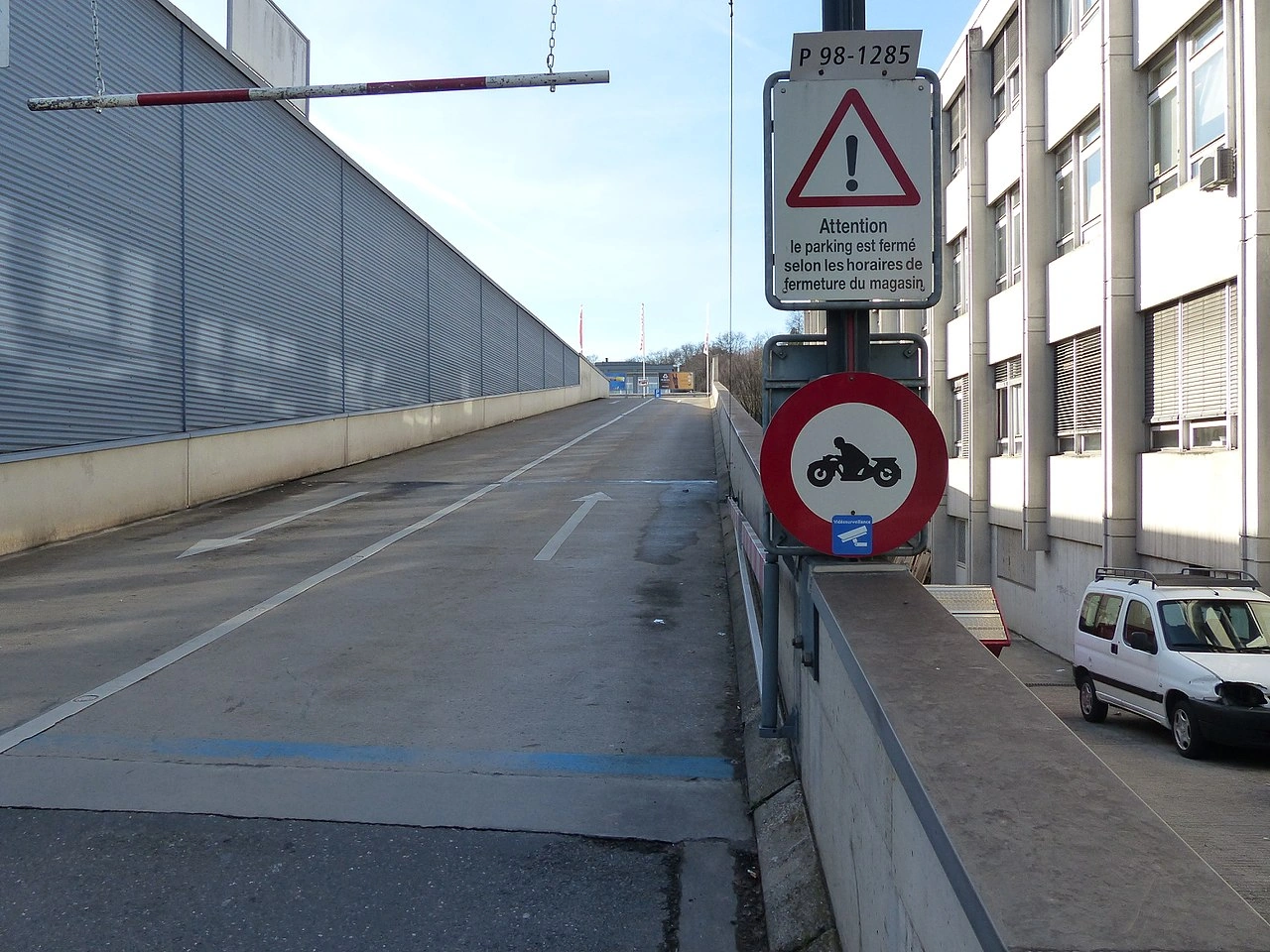
What is a motorcycle?
A motorcycle is a powered two-wheeled vehicle, which may also be equipped with a sidecar.
Is a motorcycle the same as a moped?
No. Traffic laws generally distinguish motorcycles from mopeds according to technical characteristics such as power, engine capacity or maximum speed.
What protective equipment should a motorcyclist use?
Motorcyclists should use an approved helmet and suitable protective clothing. The exact mandatory equipment depends on the country's traffic laws.
94. 乗用車
乗用車は、主に道路上で少人数の人と荷物を運ぶための自動車です。ガソリン、ディーゼル、電気、水素、複数エネルギーの組み合わせで動力を得ます。
運転免許、登録、保険、技術状態、シートベルト、乗員安全の要件に従う必要があります。速度、装備、道路進入などは国によって異なるため、現地の交通標識と規則に従います。
What is a car?
A car is a motor vehicle primarily designed to carry a relatively small number of passengers and their luggage on roads.
Is a car the same as a motor vehicle?
No. A car is a type of motor vehicle. The broader category of motor vehicles can also include motorcycles, buses, trucks, mopeds and other powered vehicles, depending on local legal definitions.
Do you need a driving licence to drive a car?
Yes. A driver must normally hold a valid driving licence for the vehicle category concerned. The licence categories and minimum ages vary between countries.
Does a car need to be registered?
Yes, normally. Cars used on public roads generally have to be registered with the competent authority and display the required registration plate or plates.
Does a car need insurance?
Most countries require at least third-party liability insurance before a car may be used on public roads. Additional insurance may be optional.
Must people in a car wear seat belts?
Where seat belts are fitted, drivers and passengers are generally required to wear them correctly. Exact requirements and exemptions vary between countries.
Do children need a special restraint in a car?
Yes, in many countries. Children below specified age, height or weight thresholds must be transported in an appropriate approved child-restraint system.
How many passengers can a car carry?
A car must not carry more people than it is designed and legally approved to transport. Passengers should use the designated seating positions and required restraint systems.
Can a car tow a trailer?
Yes, if the vehicle and licence permit it. Maximum trailer masses, combination masses and licence requirements depend on the vehicle and local regulations.
Can every car use a motorway?
Most ordinary cars can use motorways, but they must satisfy the applicable vehicle, speed and access requirements. Certain unusually slow or restricted vehicles may be prohibited.
95. トラック
トラックは主に貨物輸送用に設計された自動車です。小型配送車から長距離輸送用の大型貨物車・連結車まであります。
一般に乗用車より大きく重く、取り回しが遅いため、旋回・制動により大きな空間が必要で、死角も広くなります。重量や国に応じて速度、車線利用、追い越し、進入に特別規則が適用されます。
What is a truck?
A truck is a motor vehicle designed primarily for transporting goods.
Are all trucks considered heavy goods vehicles?
No. Trucks can include lighter goods vehicles as well as heavy trucks. Traffic laws often apply different rules according to the vehicle's maximum authorised mass.
Why should other road users take extra care around trucks?
Trucks may have larger blind spots, longer stopping distances and wider turning paths than smaller vehicles, so other road users should avoid remaining unnecessarily close beside or in front of them.
96. バス
バスは、公共交通、スクール輸送、私的輸送などで多数の乗客を道路上で運ぶための自動車です。乗用車より乗車定員が多く、座席のみ、立席を含む、または両方の形式があります。
運転免許、乗車定員、速度、シートベルト、バスレーン、停留所、乗降などに特別規則が適用される場合があります。分類や規則は国によって異なるため、現地交通規則に従います。
What is a bus?
A bus is a motor vehicle designed to transport a relatively large number of passengers. It may be used for public transport, school transport, private services or other passenger transport.
What is the difference between a bus and a coach?
A bus is commonly designed for frequent passenger boarding and may allow standing passengers, while a coach is generally designed for longer journeys with passengers seated. Exact legal definitions vary between countries.
Do you need a special driving licence to drive a bus?
Yes. Driving a vehicle designed to carry more than a specified number of passengers normally requires a dedicated bus or passenger-vehicle driving licence.
Can passengers stand on a bus?
Only when the vehicle is designed and approved to carry standing passengers. Coaches and other vehicles designed exclusively for seated passengers must not be used beyond their approved passenger configuration.
Must bus passengers wear seat belts?
Where seat belts are provided and local law requires their use, passengers must wear them correctly. Urban buses designed for standing passengers may have seating positions or operating conditions that differ from coaches.
Can buses use bus lanes?
Yes, where permitted. Bus lanes are commonly reserved for public transport buses, although local signs may also allow taxis, bicycles or other specified vehicles to use them.
Do buses always have priority when leaving a bus stop?
No. Some countries require other drivers to give way to buses leaving designated stops, particularly in urban areas, while others apply the normal merging rules.
Should you take extra care near a stopped bus?
Yes. Passengers may be boarding, leaving or crossing the road near the bus. Reduce speed where necessary and watch carefully for pedestrians emerging from behind or in front of the vehicle.
Do buses have special speed limits?
They can. Some countries impose lower maximum speeds on buses than on passenger cars, particularly on high-speed roads. Different limits may apply to buses and coaches.
Can a bus use a motorway?
Yes, normally. Buses that satisfy the applicable construction and access requirements may use motorways, but they must obey any vehicle-specific speed limits, lane restrictions and other local rules.
97. 警察
警察は、法律の執行、公共安全、道路交通へ影響する状況の管理を担う公的機関です。交通では車両検査、交通取締、事故調査、交通整理、緊急対応などを行います。
道路利用者は警察官など権限を持つ交通整理員の適法な指示に従います。現地法により、警察の指示は一時的に信号、道路標識、通常の交通配置より優先する場合があります。
What is the role of police in road traffic?
Police help enforce traffic laws, manage traffic, investigate collisions and respond to dangerous situations. They may also carry out roadside checks and direct road users.
Must you obey a police officer directing traffic?
Yes. Lawful directions given by an authorised police officer must be followed. In many countries, those directions take precedence over traffic lights, road signs and normal priority rules.
What should you do if police signal you to stop?
Slow down, follow the officer's directions and stop at a safe location as instructed. Do not make sudden movements or continue driving unless directed to do so.
Can police direct you through a red traffic light?
Yes, where authorised by local law. A police officer controlling traffic may instruct road users to proceed even when a traffic light or sign would normally require them to stop.
Can police check your driving documents?
Yes. Police may require drivers to provide documents such as a driving licence, vehicle registration, identification or proof of insurance according to local law.
Can police carry out alcohol or drug checks?
Yes. Traffic police may conduct legally authorised alcohol and drug checks using procedures such as breath, saliva or other approved tests.
Can police temporarily close a road?
Yes. Roads or lanes may be temporarily closed or traffic diverted because of collisions, emergencies, investigations, public events or other safety concerns.
What should you do near police controlling an accident scene?
Reduce speed, remain alert and follow all directions. Do not enter a closed area or interfere with emergency personnel, and leave sufficient space for emergency vehicles.
What should you do when a police vehicle approaches with emergency signals?
Follow the local rules for priority vehicles. Drivers generally have to make sufficient space, give way and stop where necessary so that the emergency vehicle can pass safely.
Can police order a parked vehicle to be moved?
Yes, where local law permits it. Police or another authorised authority may require a vehicle to be moved when it obstructs traffic, creates danger or must be removed for operational reasons.
98. 救急車
救急車は、緊急医療の提供や患者輸送のため装備・使用される車両です。医療機器と訓練された職員を乗せ、搬送中に治療する場合があります。
緊急出動中は警光灯とサイレンを使用し、特別な優先権や一部交通規則の例外が認められる場合があります。他の道路利用者は現地規則に従い、十分な通路を空け、進行を妨げない必要があります。
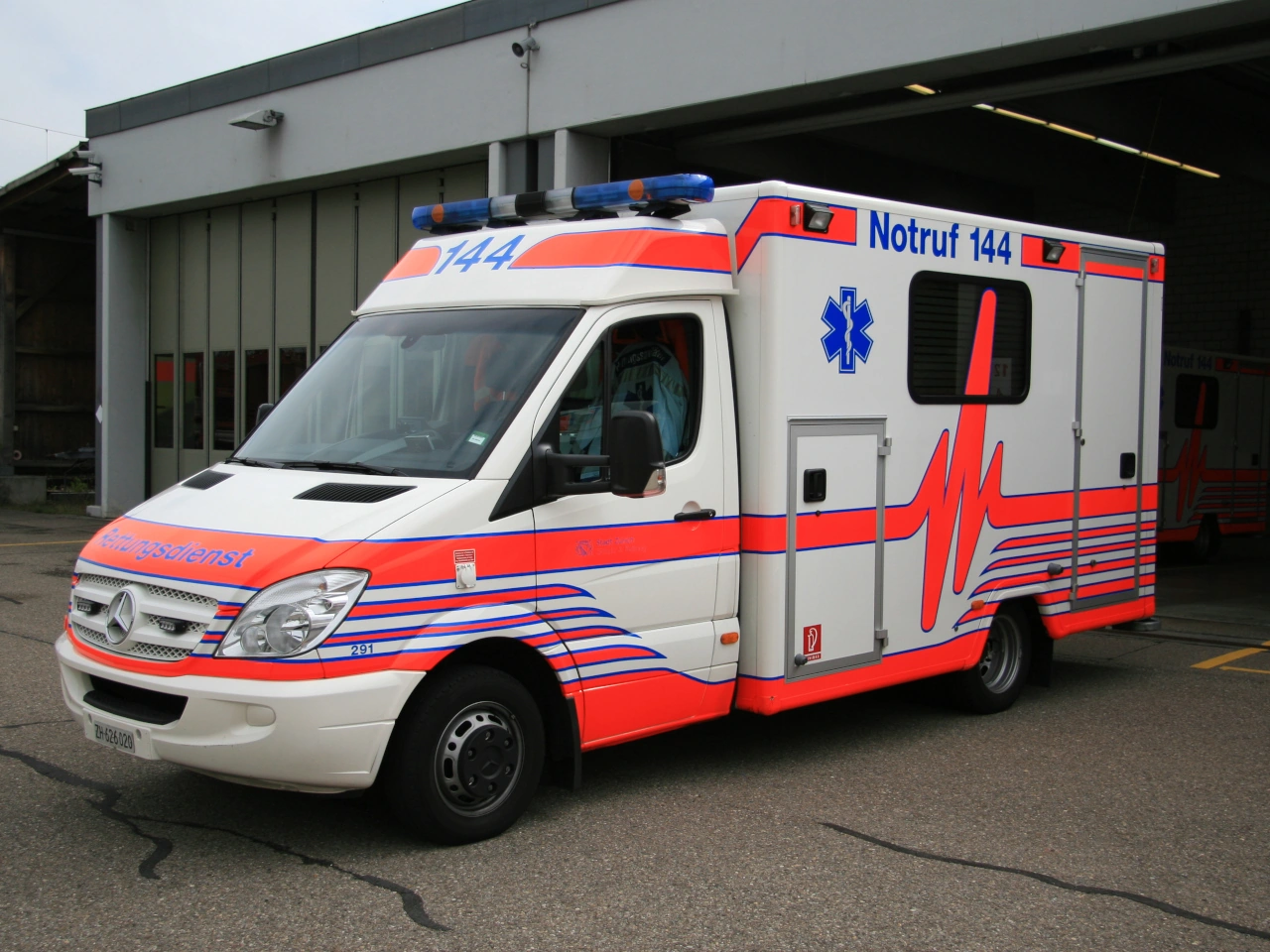
What is an ambulance?
An ambulance is a specially equipped vehicle used to provide emergency medical assistance and transport sick or injured people.
When does an ambulance have priority?
This depends on the local traffic rules and warning signals being used. Ambulances responding to emergencies commonly use flashing lights and a siren to indicate that other road users must make way.
What should you do when an ambulance approaches?
Remain calm and make sufficient space for it to pass. Slow down or stop where necessary, but avoid sudden or dangerous manoeuvres.
Should you stop immediately when you hear an ambulance siren?
Not necessarily in your exact position. Move or stop in a way that creates a safe passage without blocking an intersection, pedestrian crossing or another part of the road needed by the ambulance.
Can an ambulance pass a red traffic light?
Emergency vehicles may be allowed to pass a red light during an urgent response under special legal conditions. The precise rules differ between countries, and the ambulance driver must still take appropriate precautions.
Can an ambulance exceed the speed limit?
Many countries permit emergency vehicles to depart from certain normal speed rules during an urgent mission, subject to safety requirements and national legislation.
Can an ambulance drive through a traffic queue?
Yes, when responding to an emergency and legally permitted to do so. Other road users should create space and keep emergency corridors or access routes clear where required.
Can you follow an ambulance through traffic?
You should not use the passage created for an ambulance as a way to bypass congestion. Maintain a safe distance and continue to obey the normal traffic rules.
Do ambulances always use their sirens?
No. The use of warning lights and sirens depends on the urgency of the mission and local regulations. An ambulance transporting a patient does not necessarily need to use emergency signals throughout the journey.
What should you do near a stationary ambulance?
Reduce speed and remain alert. Medical personnel, patients or other emergency workers may be entering the road, and the ambulance may need to move unexpectedly.
99. 車間距離不保持
車間距離不保持は、前車が急減速・停止した場合に安全に反応・停止できる十分な距離を残さず接近して走ることです。安全な車間距離は速度、路面、天候、視界などで変わります。
運転者は前車との十分な間隔を保ち、雨、雪、霧など停止距離が増える条件ではさらに距離を広げます。
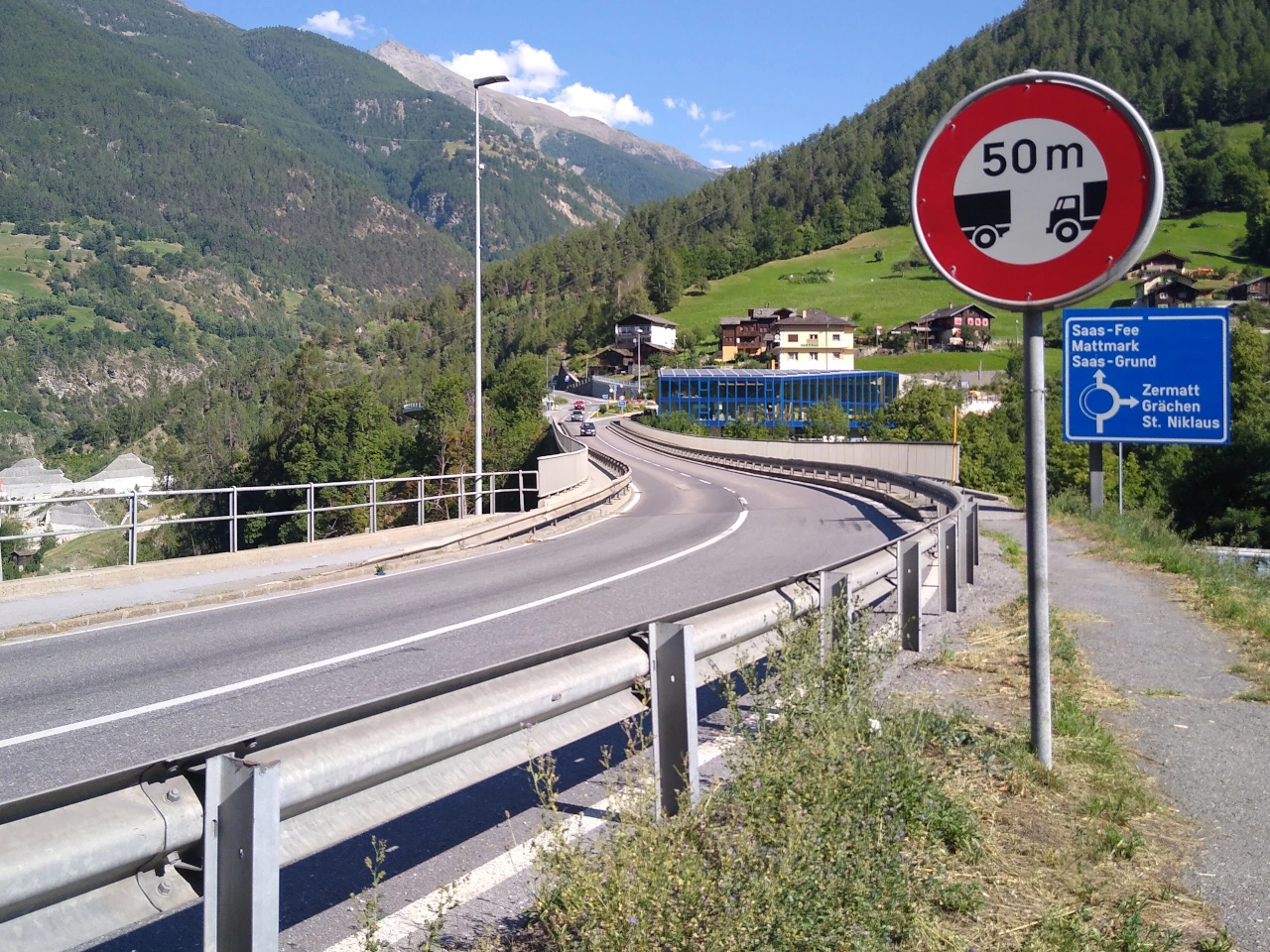
What is tailgating?
Tailgating means following another vehicle too closely to maintain a safe stopping distance.
Why is tailgating dangerous?
Following too closely gives the driver less time and distance to react if the vehicle ahead brakes, slows down or encounters an unexpected hazard.
When should you increase your following distance?
You should increase the distance in conditions such as rain, snow, ice, fog, darkness or poor road surfaces and whenever visibility or tyre grip is reduced.
100. 欧州排出ガス基準
欧州排出ガス基準(Euro基準)は、車両・エンジンの汚染物質排出上限に基づく欧州の車両分類です。Euro 4、Euro 5、Euro 6など後続基準ほど、窒素酸化物、粒子状物質、一酸化炭素、炭化水素などの上限が厳しくなりました。
車両のEuro基準は型式認証時に決まり、車種、燃料、認証時の排出法規などに左右されます。低排出ゾーンの進入条件にも使われますが、具体的規則は国・都市で異なります。

What is a European emission standard?
A European emission standard, or Euro standard, classifies vehicles according to the emissions requirements they had to satisfy when approved for use in the European market.
What do Euro 4, Euro 5 and Euro 6 mean?
They are successive generations of European emission requirements. In general, a higher Euro number represents a newer and stricter emissions standard, although the exact limits differ according to vehicle and fuel type.
Which pollutants do Euro standards regulate?
Depending on the vehicle and standard, limits apply to pollutants such as nitrogen oxides, particulate matter, carbon monoxide and hydrocarbons. Newer standards also regulate additional environmental aspects.
Is the Euro standard the same as a vehicle's CO2 emissions?
No. Euro standards primarily regulate harmful air pollutants from vehicles. Carbon-dioxide emissions and fuel or energy consumption are subject to separate measurements and regulatory requirements.
How can you find a vehicle's Euro standard?
The Euro standard may appear on the vehicle registration certificate, certificate of conformity or other official vehicle documentation. Its location and format vary between countries.
Does the year of a vehicle determine its Euro standard?
The date of first registration can provide an indication, but it does not always determine the standard with certainty. The official vehicle documents or type-approval information provide the more reliable classification.
Can petrol and diesel vehicles with the same Euro number have different emission limits?
Yes. The applicable emission limits and testing requirements can differ according to the vehicle category, engine and fuel type even when vehicles belong to the same general Euro generation.
Can the Euro standard affect access to a low-emission zone?
Yes. Many low-emission zones use the vehicle's Euro standard together with factors such as fuel type and vehicle category to determine whether it may enter.
Does installing a particulate filter automatically change the Euro standard?
Not normally. The official Euro standard is linked to the vehicle's approved emissions classification. Retrofitting emission-control equipment does not necessarily result in a different official Euro classification.
What is Euro 7?
Euro 7 is the latest European emissions framework for road vehicles. It builds on earlier Euro standards and also introduces requirements covering areas such as non-exhaust particle emissions and battery durability.