


VerkehrszeichenFrankreich
 Verkehrsregeln
 Frankreich
76. Längsparken
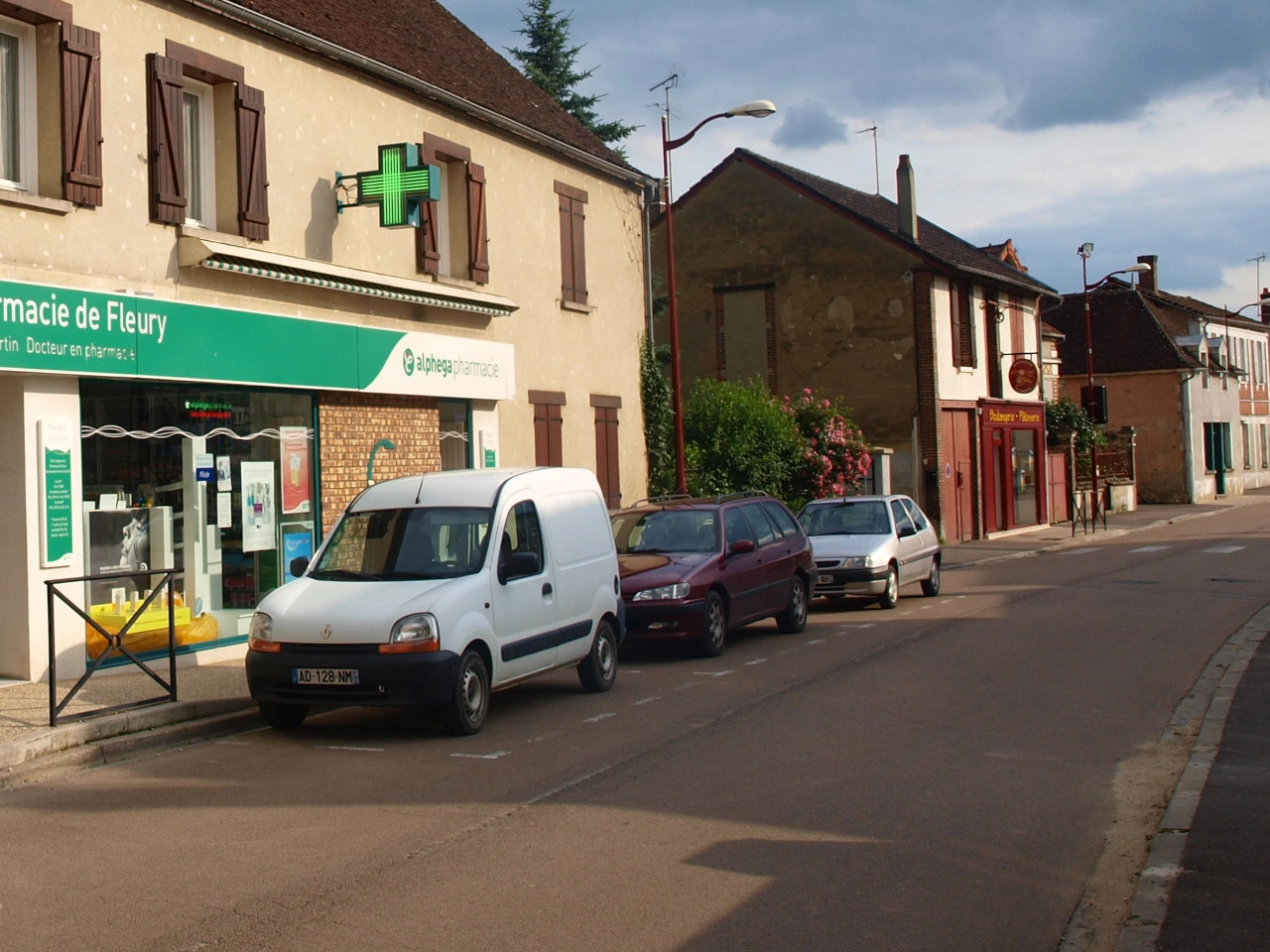
Längsparken ist eine Parkmethode, bei der ein Fahrzeug parallel zum Straßenrand abgestellt wird, häufig in einer Lücke zwischen zwei geparkten Fahrzeugen. Sie wird besonders dort genutzt, wo Parkplätze längs am Straßenrand angeordnet sind.
Beim Längsparken wird das Fahrzeug normalerweise neben der freien Lücke positioniert und anschließend rückwärts eingeparkt, während Spiegel, tote Winkel und umliegender Verkehr sorgfältig kontrolliert werden. Das Fahrzeug sollte am Ende innerhalb der zulässigen Parkfläche und ausreichend nah am Straßenrand stehen, ohne andere Verkehrsteilnehmer zu behindern.
What is parallel parking?
Parallel parking means positioning a vehicle parallel to the edge of the road, typically between vehicles already parked along the kerb or roadside.
What should you check before parallel parking?
Check mirrors and blind spots, signal when required and make sure there is enough space to complete the manoeuvre without endangering pedestrians, cyclists or other traffic.
How should a vehicle be positioned after parallel parking?
The vehicle should be completely within the permitted parking area, reasonably close to the road edge and positioned so that it does not unnecessarily obstruct traffic or access to other vehicles.

77. Wechselseitiges Parken
Wechselseitiges Parken ist ein Parksystem, bei dem Fahrzeuge zu unterschiedlichen Zeiten oder Daten auf verschiedenen Straßenseiten parken müssen. Es kann eingesetzt werden, um Straßen frei zugänglich zu halten, Parkraum zu verteilen oder Straßenreinigung und Wartung zu ermöglichen.
Die zulässige Straßenseite kann täglich, wöchentlich, monatlich oder nach einem anderen Zeitplan wechseln. Fahrer müssen die örtlichen Schilder und Regeln sorgfältig prüfen, da Zeitpunkt und Verfahren des Seitenwechsels zwischen Ländern und Gemeinden unterschiedlich sind.
What is alternate-side parking?
Alternate-side parking requires vehicles to park on one side of a street during a specified period and on the opposite side during another period. The applicable side is normally determined by traffic signs or local regulations.
Why is alternate-side parking used?
It can help maintain sufficient road width, distribute parked vehicles between both sides of a street and provide access for street cleaning, maintenance, snow removal or emergency vehicles.
When must you move a vehicle to the other side?
The changeover time depends on the local rules. Drivers should check the signs carefully because some systems require vehicles to change sides at a particular time or on specific dates.
78. Parkuhr
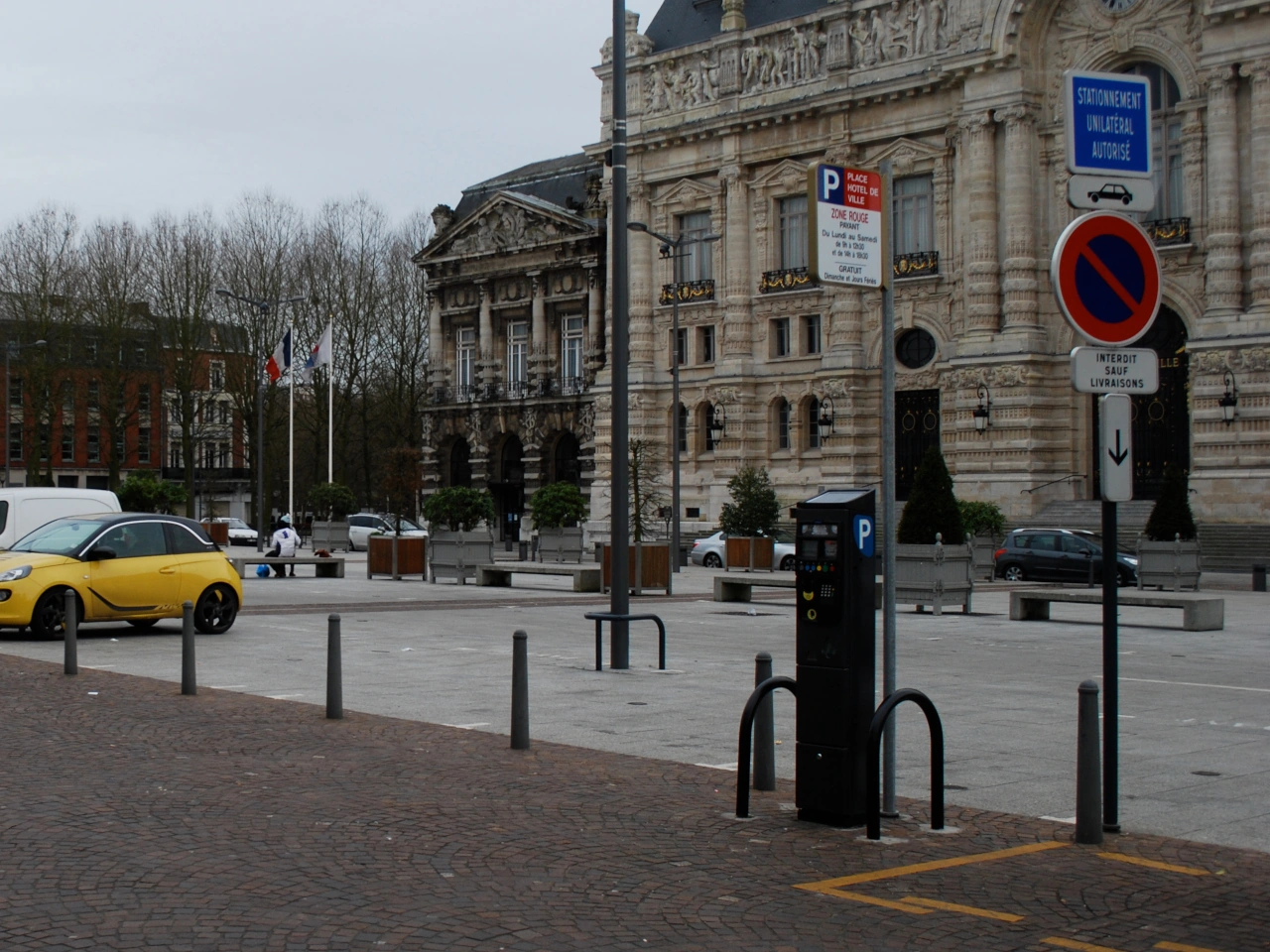
Eine Parkuhr ist ein Gerät, das Parken in einem bestimmten Stellplatz oder Bereich regelt und normalerweise Gebühren erhebt. Fahrer müssen möglicherweise für einen bestimmten Parkzeitraum bezahlen, ein Kennzeichen eingeben oder einen Parkschein lösen und sichtbar im Fahrzeug auslegen.
Parkuhren können je nach örtlichem System Münzen, Zahlungskarten, kontaktlose Zahlungen oder elektronische Zahlungsmethoden akzeptieren. Fahrer müssen Bedienungsanweisungen, Betriebszeiten, maximale Parkdauer und Tarife beachten, die an der Parkuhr, auf nahe gelegenen Schildern oder in offiziellen Parkinformationen angegeben sind.
What is a parking meter?
A parking meter is a device used to regulate parking and, in many cases, collect payment for the time a vehicle occupies a parking space or parking area.
How does a parking meter work?
The driver normally selects or pays for a permitted parking period according to the instructions on the machine. Depending on the system, the driver may receive a ticket, enter the vehicle registration number or activate parking electronically.
Do you always have to display a parking ticket?
No. Some systems issue a ticket that must be displayed visibly inside the vehicle, while others record the vehicle registration number electronically and require no paper ticket.
How can you tell when paid parking applies?
Check the parking signs, parking meter and local instructions. They normally indicate the hours and days during which payment is required, as well as the applicable tariff and maximum parking duration.
Can parking be free outside the meter's operating hours?
Often yes, but this depends on the local parking regulations. The meter or nearby signs should indicate when payment is required and whether other restrictions continue to apply outside those hours.
Can a parking meter limit how long you may park?
Yes. Paid parking areas may have a maximum parking duration. Paying additional money does not necessarily allow you to remain beyond the maximum period specified by the parking rules.
What should you do if a parking meter is out of order?
Follow the local instructions for defective machines. You may be required to use another meter, a parking disc, a mobile payment service or another permitted method. The procedure varies between countries and municipalities.
Can you pay for parking with a mobile phone?
Many parking authorities allow payment through an approved mobile application, text-message service or other electronic system. Only use payment methods officially indicated for the parking area.
What happens if you pay for the wrong vehicle?
In systems linked to a vehicle registration number, entering the wrong registration may mean that the vehicle has no valid parking session. Check the information carefully before confirming payment.
Does paying a parking meter make parking legal everywhere?
No. Payment does not override general traffic rules or parking prohibitions. The vehicle must still be parked legally and must not obstruct crossings, intersections, driveways, reserved spaces or other protected locations.
79. Parkscheibe
Eine Parkscheibe ist ein Hilfsmittel, mit dem die Ankunftszeit eines Fahrzeugs in einem Bereich mit begrenzter Parkdauer angezeigt wird. Der Fahrer stellt die Scheibe auf die vorgeschriebene Ankunftszeit und legt sie gut sichtbar im Fahrzeug aus.
Parkscheiben werden häufig in blauen Zonen oder anderen zeitlich begrenzten Parkbereichen verwendet. Zulässige Parkdauer, Betriebszeiten und Einstellweise richten sich nach nationalen oder örtlichen Regeln und den vorhandenen Verkehrszeichen.
What is a parking disc used for?
A parking disc shows when a vehicle arrived at a time-limited parking space. It allows parking enforcement officers to determine whether the permitted parking period has been exceeded.
Where should a parking disc be displayed?
It should normally be placed clearly visible behind the windscreen or in another position specified by local traffic rules so that the indicated time can be read from outside the vehicle.
Can you change the time on a parking disc without moving the vehicle?
Generally no where the applicable rules prohibit extending the parking period in this way. The vehicle normally has to leave the parking space before a new parking period can begin.
80. Behindertenparkplatz
Behindertenparkplätze sind Stellplätze und Parkberechtigungen für Menschen mit Behinderungen, die die geltenden Voraussetzungen erfüllen. Reservierte Stellplätze sind normalerweise durch das internationale Rollstuhlsymbol gekennzeichnet und so angeordnet, dass nahe gelegene Einrichtungen leichter erreichbar sind.
Für die Nutzung ist grundsätzlich ein gültiger Behindertenparkausweis oder eine entsprechende Karte erforderlich. Die Berechtigung gehört normalerweise der berechtigten Person und nicht einem bestimmten Fahrzeug und darf nur verwendet werden, wenn diese Person selbst fährt oder im Fahrzeug mitfährt.
Who may use a disabled parking space?
Disabled parking spaces are intended for eligible people who hold a valid disabled parking permit or card. The exact eligibility requirements and permit system depend on the country.
Can someone use a disabled parking permit when the holder is not present?
Generally no. Disabled parking permits are normally personal and may only be used when the permit holder is driving or travelling in the vehicle.
Does a disabled parking permit always provide free parking?
No. A permit may provide access to reserved spaces or exemptions from certain parking restrictions, but rules concerning parking charges and time limits vary between countries and local authorities.
81. Verkehrsmanagement
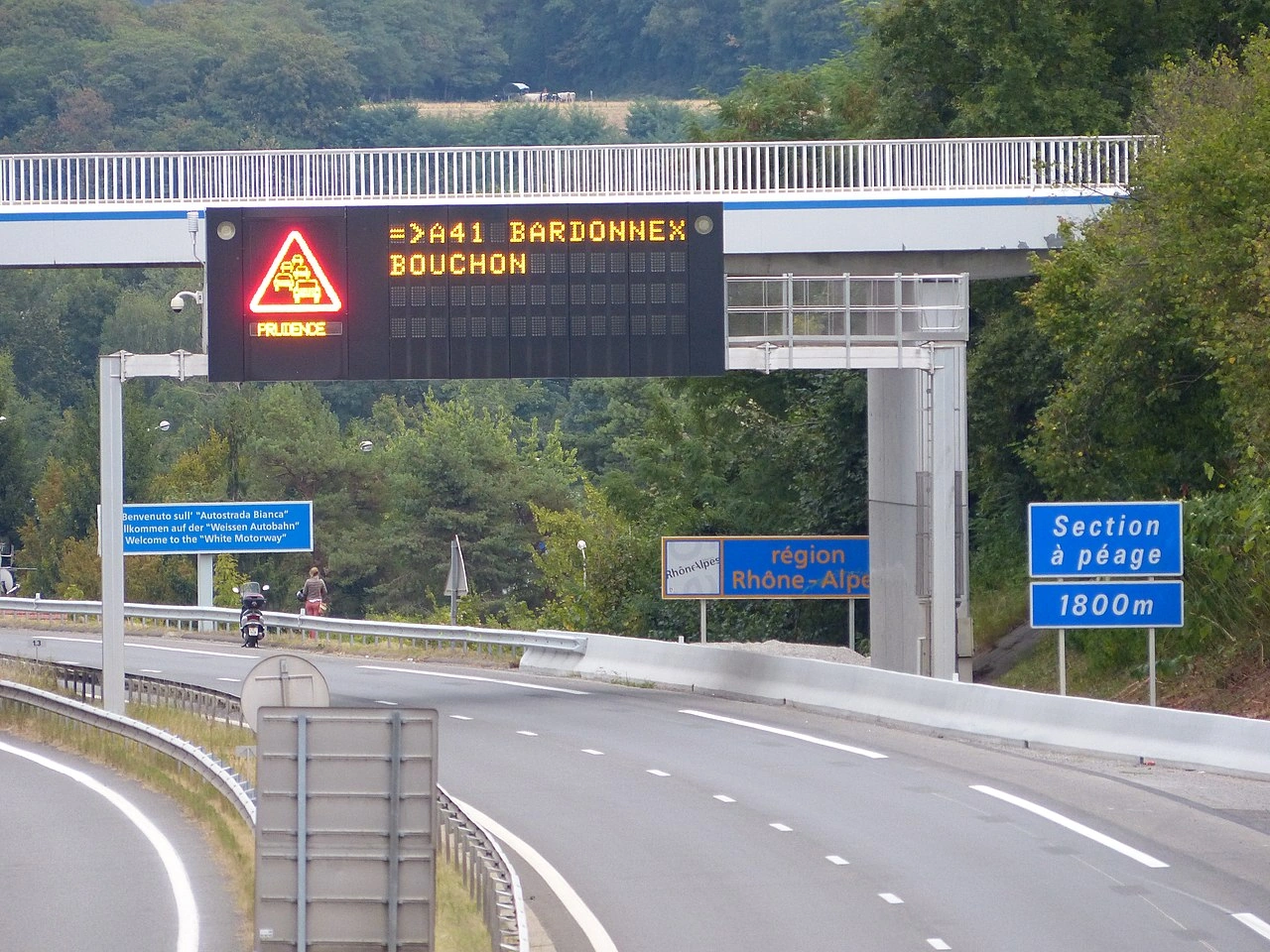
Verkehrsmanagement ist die organisierte Steuerung, Regelung und Führung von Verkehrsteilnehmern zur Verbesserung von Sicherheit, Verkehrsfluss und effizienter Straßennutzung. Dazu können Ampeln, Verkehrszeichen, Fahrbahnmarkierungen, Fahrstreifensteuerung, variable Geschwindigkeitsbegrenzungen, Umleitungen und Anweisungen befugter Personen gehören.
Verkehrsmanagement kann dauerhaft oder vorübergehend sein. Temporäre Maßnahmen werden häufig bei Straßenarbeiten, Stau, Unfällen, öffentlichen Veranstaltungen oder anderen Ereignissen eingeführt. Fahrer und andere Verkehrsteilnehmer müssen die vor Ort geltenden Zeichen, Signale und Anweisungen befolgen, auch wenn sie von der normalen Verkehrsführung abweichen.
What is traffic management?
Traffic management is the organised control and guidance of traffic using signs, signals, road markings, lane controls, speed restrictions, diversions and other measures.
Why is traffic management used?
Traffic management is used to improve safety, control traffic flow and reduce disruption. It can also protect road workers, pedestrians, cyclists and emergency services.
How can traffic be managed?
Common methods include traffic lights, road signs, road markings, variable-message signs, lane-control signals, temporary barriers, speed restrictions and diversions. Authorised persons may also direct traffic.
Can traffic management change the normal speed limit?
Yes. Temporary or variable speed-limit signs may impose a different maximum speed because of congestion, roadworks, weather, incidents or other conditions. Drivers must follow the limit currently displayed.
Can traffic management change which lanes you may use?
Yes. Lane-control signals, temporary signs or road markings may close lanes, move traffic into different lanes or require drivers to change lane. Follow the current signs and markings rather than the normal road layout.
What should you do when a traffic lane is closed?
Move into an open lane safely and in good time, following any arrows, signs and local merging rules. Never continue along a lane that is clearly indicated as closed.
Can temporary traffic signs be compulsory?
Yes. Properly authorised temporary signs used for roadworks, incidents or other traffic-management measures must be obeyed in the same way as other official traffic signs.
What should you do when an authorised person directs traffic?
Follow the directions of the authorised person. In many countries, these directions take precedence over traffic lights, road signs or the normal traffic rules.
How is traffic managed around roadworks?
Roadworks may use temporary speed limits, lane closures, barriers, temporary markings, traffic lights and diversions. Road users should reduce speed where necessary and carefully follow the temporary route.
Does traffic management also protect pedestrians and cyclists?
Yes. Temporary or permanent traffic arrangements should account for pedestrians and cyclists as well as motor vehicles. They may be provided with separate routes, crossings, signals or diversions where necessary.
82. Einfädeln
Einfädeln ist das Einordnen in einen Verkehrsfluss aus einem anderen Fahrstreifen oder von einer anderen Straße, beispielsweise wenn ein Beschleunigungsstreifen in eine Autobahn mündet oder zwei Fahrstreifen zu einem werden. Der einfädelnde Fahrer muss den umliegenden Verkehr beobachten, bei Bedarf blinken und sicher in eine geeignete Lücke einfahren.
Fahrer im weiterführenden Fahrstreifen sollten auf einfädelnde Fahrzeuge achten und sie nicht unnötig am Einordnen hindern. Bei starkem Stau und endendem Fahrstreifen können besondere Reißverschlussregeln gelten.
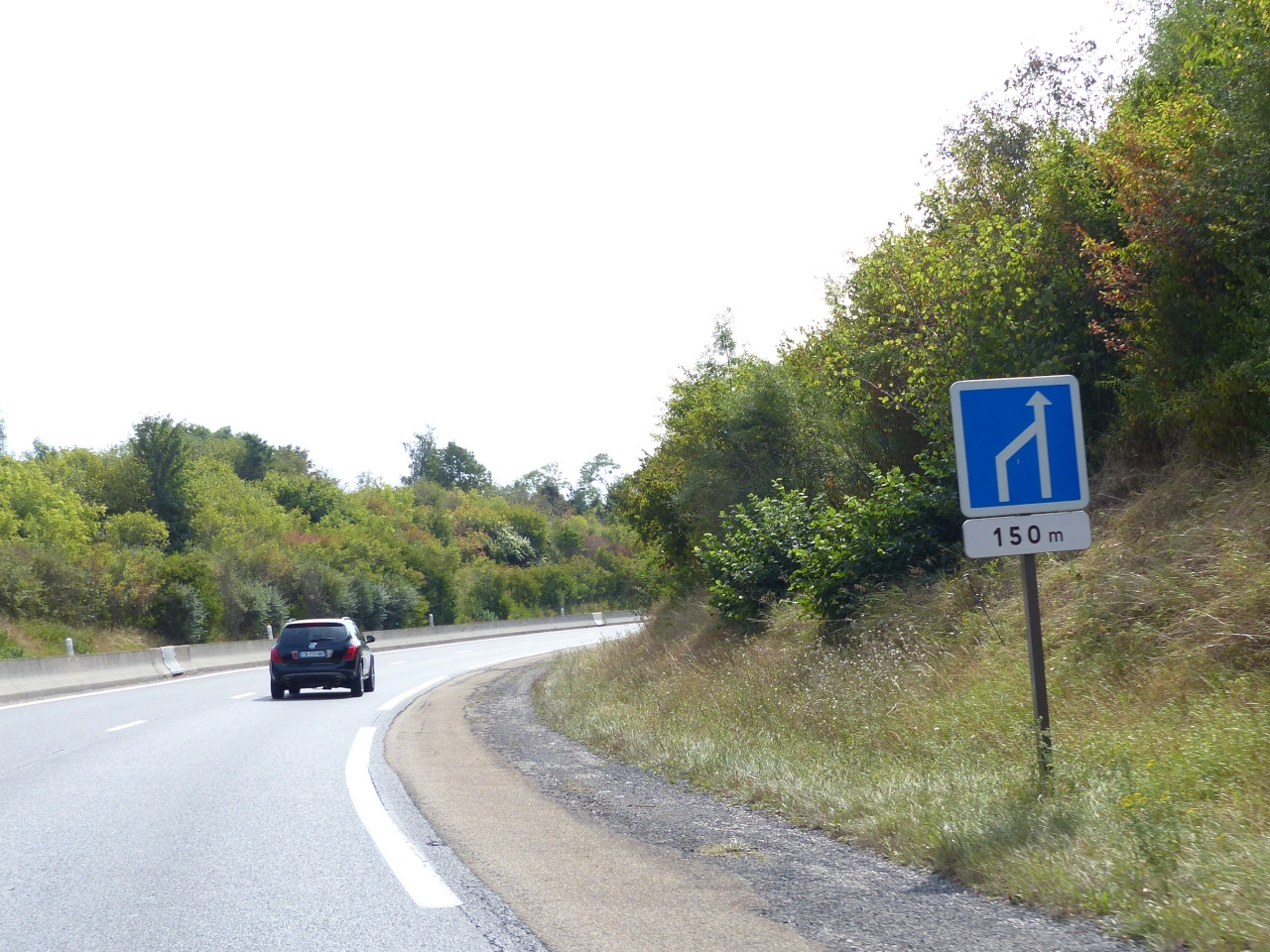
What does merging mean in traffic?
Merging means joining another stream or lane of traffic, usually where an entry lane, acceleration lane or another traffic lane connects with the continuing roadway.
Who has priority when merging?
This depends on the road layout and national traffic rules. In many situations, the driver changing lanes must give way to vehicles already travelling in the lane being entered, unless signs or specific merging rules provide otherwise.
What is zipper merging?
Zipper merging is a system used where a lane ends during congested traffic. Drivers use both lanes up to the merging point and then enter the continuing lane alternately, one vehicle from each traffic stream.
83. Rückwärtsfahren
Rückwärtsfahren bedeutet, ein Fahrzeug rückwärts zu bewegen. Es wird häufig beim Parken, beim Verlassen enger Bereiche oder zum Umsetzen eines Fahrzeugs genutzt, wenn Vorwärtsfahren nicht praktisch ist.
Vor dem Rückwärtsfahren sollte der Fahrer Spiegel und tote Winkel prüfen, den Bereich rund um das Fahrzeug sorgfältig beobachten und sicherstellen, dass der Raum hinter dem Fahrzeug frei ist. Rückwärtsfahren sollte langsam und nur so lange wie nötig erfolgen, weil die Sicht nach hinten häufig eingeschränkt ist.

What should you check before reversing?
Check behind and around the vehicle for pedestrians, cyclists, other vehicles and obstacles. Use mirrors and cameras where available, but also look directly because monitoring systems can have blind spots.
Who has priority when a vehicle is reversing?
In many countries, reversing is treated as a manoeuvre and the reversing driver must give way to other road users. The exact legal requirements depend on national traffic rules.
Should you reverse for a long distance?
No. Reversing should normally be limited to the distance necessary to complete the manoeuvre safely. Driving forward generally provides better visibility and vehicle control.
84. Wenden
Ein Wendemanöver ist ein Fahrmanöver, bei dem ein Fahrzeug umkehrt, um in die entgegengesetzte Richtung weiterzufahren. Dabei wird normalerweise ein Teil der Fahrbahn gekreuzt und anschließend in Gegenrichtung wieder in den Verkehr eingefahren.
Vor dem Wenden sollte der Fahrer den umliegenden Verkehr, Fußgänger und Radfahrer prüfen, bei Bedarf blinken und sicherstellen, dass ausreichend Sicht und Platz für das sichere Manöver vorhanden sind. Wenden kann durch Verkehrszeichen oder auf bestimmten Straßentypen verboten sein.
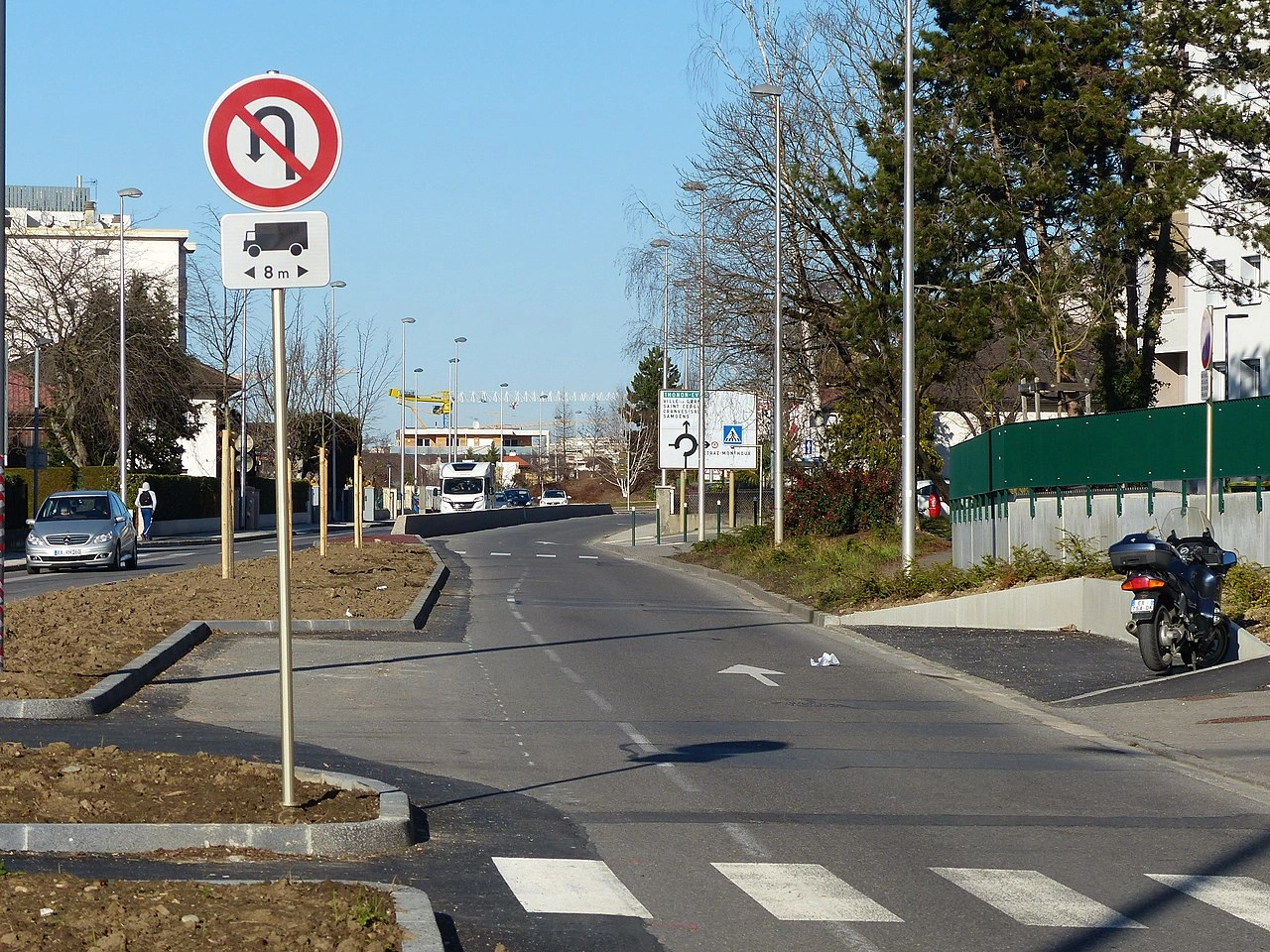
What is a U-turn?
A U-turn is a manoeuvre used to reverse a vehicle's direction so that it continues along the road in the opposite direction.
What should you check before making a U-turn?
Check traffic in all relevant directions, mirrors and blind spots, and look for pedestrians, cyclists and other road users. Make sure there is sufficient visibility and space and that the manoeuvre is permitted.
Can you make a U-turn anywhere?
No. U-turns may be prohibited by traffic signs or road rules and should never be attempted where visibility, road layout or traffic conditions make the manoeuvre unsafe.
85. Fahrgemeinschaft
Eine Fahrgemeinschaft bedeutet, dass mehrere Personen, die in dieselbe Richtung fahren, eine Autofahrt gemeinsam zurücklegen. Die Mitfahrer können sich die Fahrtkosten teilen oder einfach gemeinsam fahren, um die Zahl separater Fahrzeuge auf derselben Strecke zu verringern.
Fahrgemeinschaften werden häufig für Arbeitswege, Schulfahrten und längere Strecken genutzt. Einige Straßennetze bieten besondere Mitfahrerparkplätze, auf denen Reisende sich treffen, ein Fahrzeug abstellen und gemeinsam weiterfahren können.
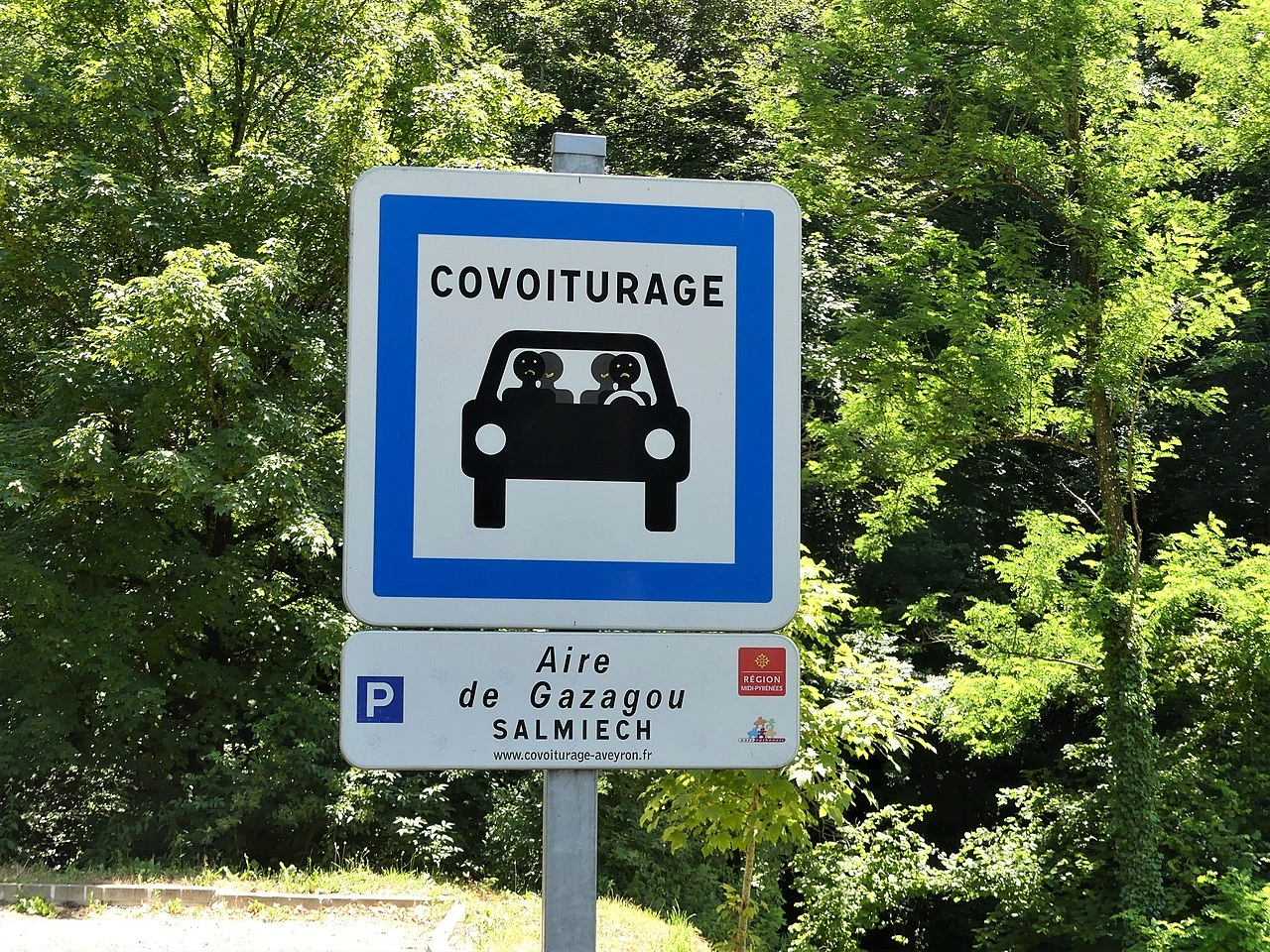
What is carpooling?
Carpooling means two or more people sharing the same car for a journey instead of travelling separately in different vehicles.
What is a carpool parking area?
A carpool parking area is a designated place where travellers can meet, park one or more vehicles and continue their journey together in a shared car.
Is carpooling the same as carsharing?
No. Carpooling means several people travelling together in the same vehicle, while carsharing means different users having access to the same shared vehicle at different times.
86. Stau
Ein Stau ist eine Situation, in der der Verkehr stark überlastet ist und Fahrzeuge über längere Zeit sehr langsam fahren oder stehen. Häufige Ursachen sind hohe Verkehrsbelastung, Unfälle, Straßenarbeiten, Fahrstreifensperrungen oder schlechtes Wetter. Fahrer sollten geduldig bleiben, sicheren Abstand halten, unnötige Fahrstreifenwechsel vermeiden und auf Motorräder, Einsatzfahrzeuge sowie plötzliches Bremsen achten. Wenn Fahrstreifen im Stau zusammengeführt werden, können örtliche Regeln das Reißverschlussverfahren vorschreiben.
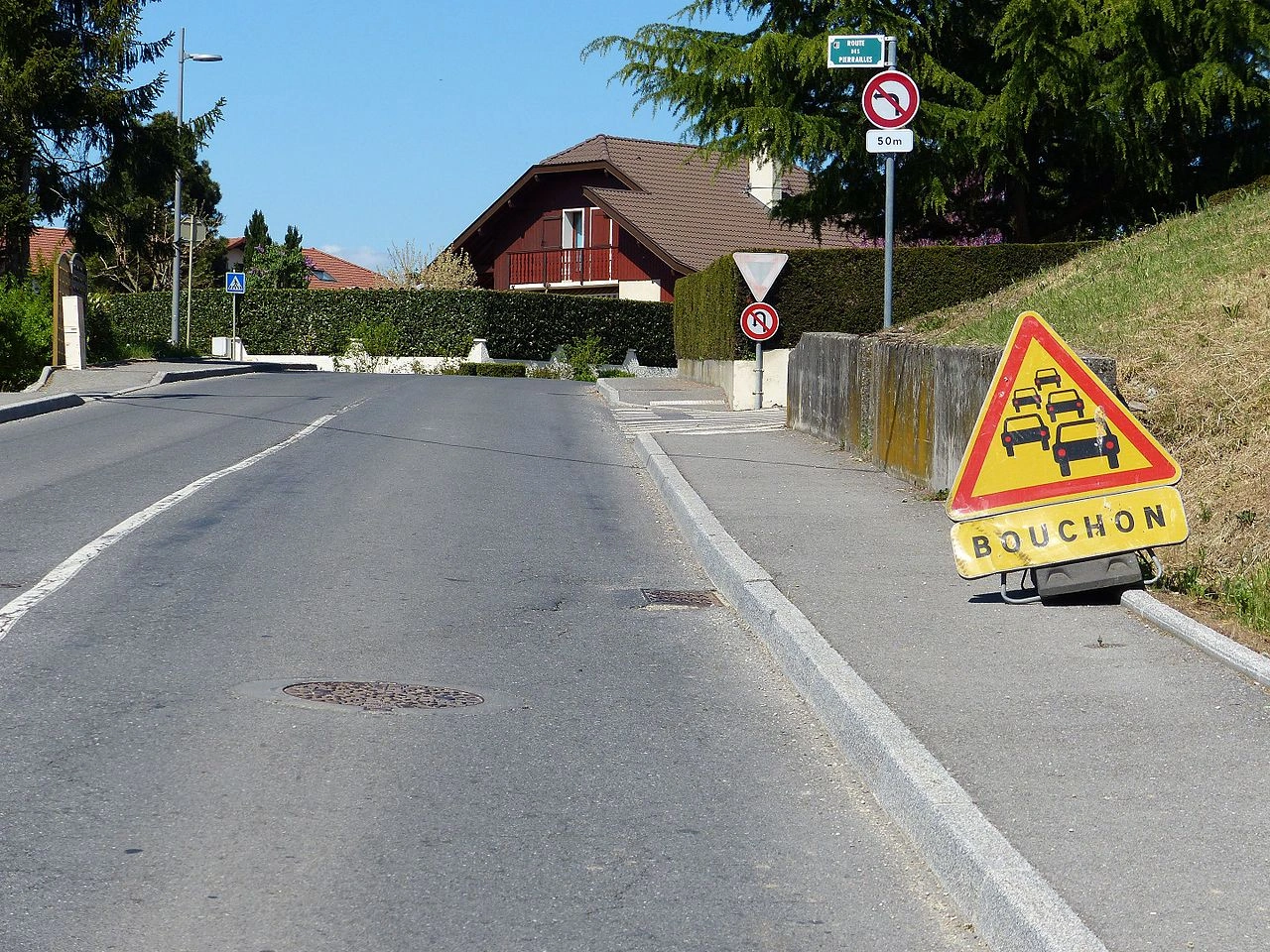
What is a traffic jam?
A traffic jam occurs when traffic becomes congested and vehicles move slowly or remain stationary because the road cannot accommodate the normal flow of traffic.
What causes traffic jams?
Common causes include heavy traffic, accidents, roadworks, lane closures, bottlenecks and poor weather.
How should you drive in a traffic jam?
Keep a safe distance, avoid sudden braking and unnecessary lane changes, and remain alert for changing traffic conditions and emergency vehicles.
Should you change lanes frequently in a traffic jam?
Usually not. Frequent lane changes can disrupt traffic flow and increase the risk of collisions. Change lanes only when necessary and safe.
What is zipper merging?
Zipper merging is a system where drivers use all available lanes until a lane ends or becomes blocked and then merge alternately into the remaining lane.
Should you leave space for emergency vehicles in a traffic jam?
Yes. Many countries require or recommend drivers to create space for emergency vehicles when traffic becomes congested or stationary.
87. Ungeregelte Kreuzung
Eine ungeregelte Kreuzung ist eine Kreuzung, an der die Vorfahrt nicht ausdrücklich durch Ampeln, eine befugte Person oder vorfahrtregelnde Verkehrszeichen festgelegt ist. Fahrer müssen daher anhand der in dem jeweiligen Land geltenden allgemeinen Verkehrsregeln bestimmen, wer Vorfahrt hat.
Die Regel unterscheidet sich je nach Land und kann Vorfahrt von rechts, Vorfahrt von links oder eine andere allgemeine Vorfahrtsregel vorsehen. Fahrer sollten sich einer ungeregelten Kreuzung vorsichtig nähern, den Verkehr aus allen Richtungen beobachten und niemals annehmen, dass eine breitere oder stärker befahrene Straße automatisch Vorfahrt hat.
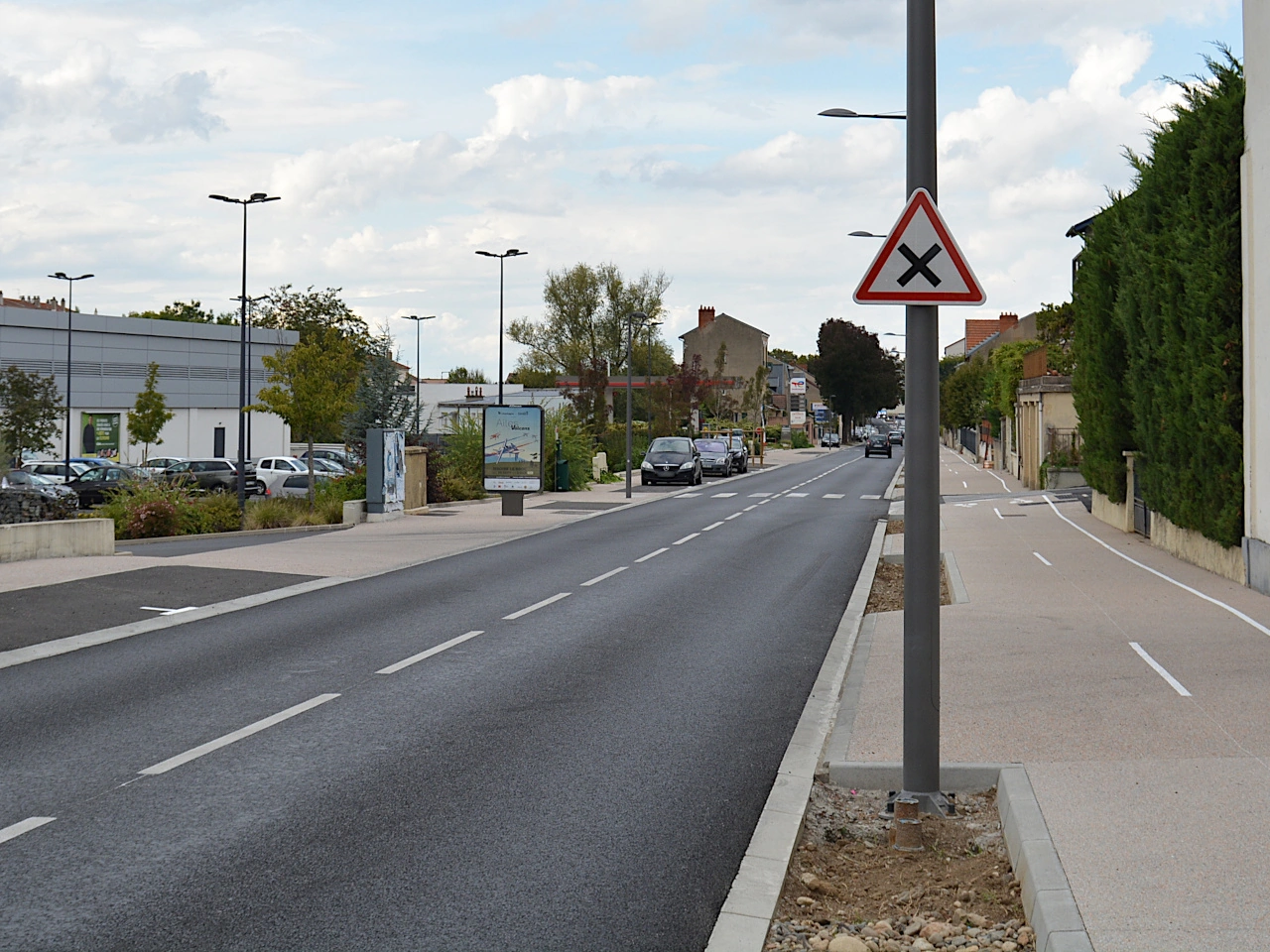
What is an uncontrolled crossroad?
An uncontrolled crossroad is an intersection where priority is not specifically assigned by traffic lights, an authorised person or priority signs. Drivers must use the default priority rules of the country.
Who has priority at an uncontrolled crossroad?
This depends on the local traffic law. Some countries use priority from the right, while others use different rules. Drivers should know the default intersection rule of the country in which they are driving.
Does the wider road automatically have priority?
Not necessarily. The width, surface or amount of traffic on a road does not by itself determine priority unless local law specifically provides otherwise.
Should you slow down at an uncontrolled crossroad?
Yes. Approach at a speed that allows you to observe approaching traffic, determine who has priority and stop safely if necessary.
Do cyclists have to follow the priority rules at an uncontrolled crossroad?
Yes. Cyclists generally follow the applicable intersection priority rules unless a specific cycle facility, sign or local rule provides otherwise.
Does driving straight ahead automatically give you priority?
No. Continuing straight ahead does not automatically give priority over traffic approaching on another road. The applicable priority rules must still be followed.
Does turning right or left change the priority rules?
Turning may create additional obligations, particularly towards pedestrians, cyclists or opposing traffic. Drivers must follow both the intersection priority rule and the rules governing the intended turn.
What if two vehicles reach an uncontrolled crossroad at the same time?
Apply the country's default priority rule. Do not rely simply on which vehicle appears to have arrived first unless local law specifically uses that rule.
What if the traffic lights at an intersection are not working?
The intersection is not necessarily completely uncontrolled. Priority signs, road markings and default priority rules may still determine who must give way. Drivers should approach with particular caution.
What should you do if you are unsure who has priority?
Reduce speed and be prepared to stop. Never force your way through an intersection simply because the priority situation is unclear.
88. Fahrbahnschäden
Eine Warnung vor Fahrbahnschäden weist darauf hin, dass die Straße voraus uneben, beschädigt oder in schlechtem Zustand sein kann und dadurch Stabilität, Lenkung oder Bremsen eines Fahrzeugs beeinträchtigt werden können. Die Gefahr kann Bodenwellen, Vertiefungen, Schlaglöcher, beschädigten Belag oder andere Unebenheiten umfassen.
Fahrer sollten bei Bedarf die Geschwindigkeit verringern, ausreichend Abstand halten und auf unebenem Untergrund abruptes Lenken oder Bremsen vermeiden. Die genaue Bedeutung und Gestaltung des Warnzeichens unterscheiden sich je nach Land; daher sind die örtlichen Verkehrszeichen und Vorschriften zu beachten.
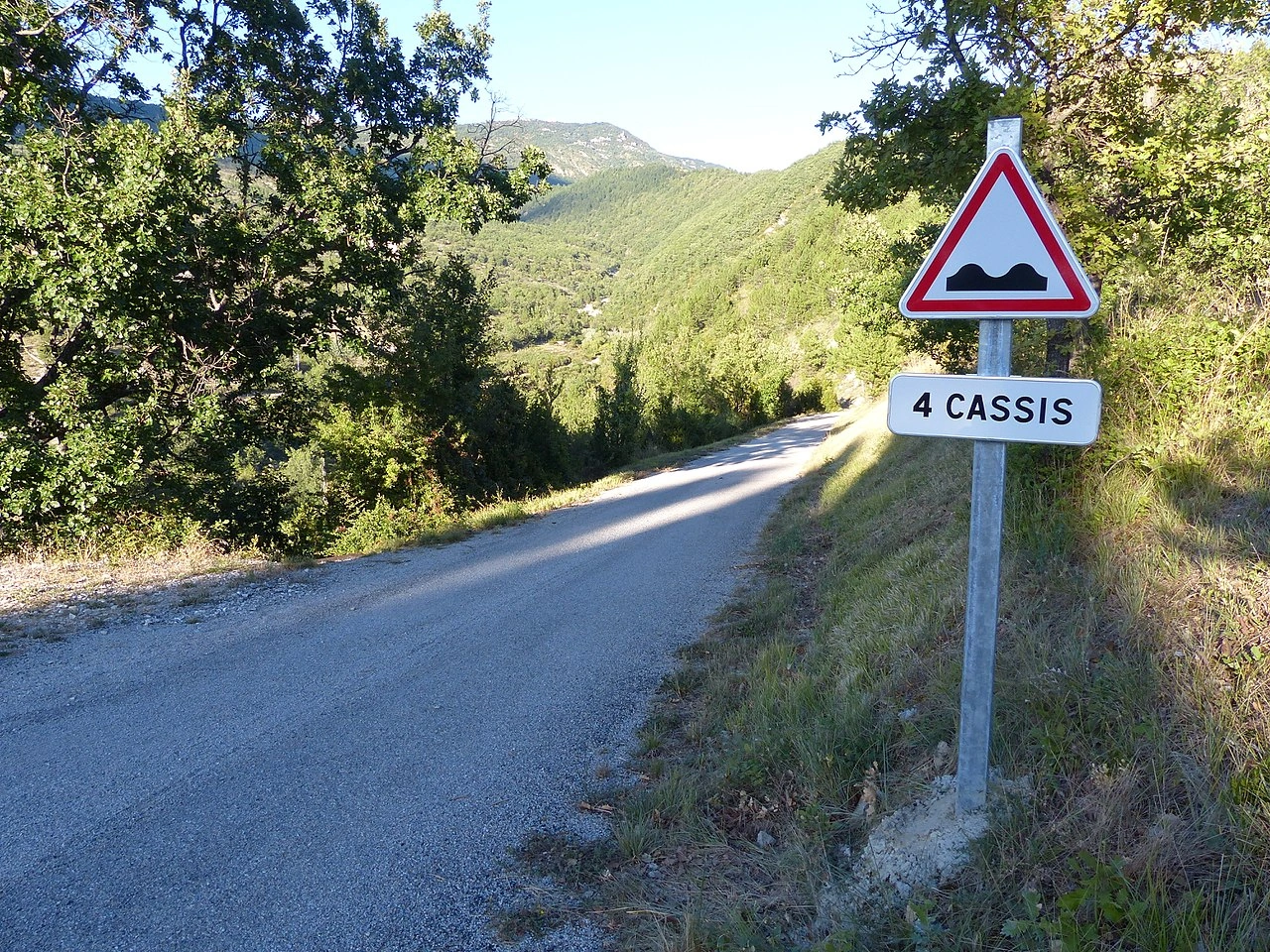
What does a road surface warning mean?
A road surface warning indicates that the surface ahead may be uneven, damaged or otherwise capable of affecting the safe movement of vehicles.
What kinds of road defects can the warning indicate?
Depending on the country, it may warn of bumps, depressions, potholes, broken pavement, uneven repairs or other surface irregularities.
What should you do when you see a road surface warning?
Reduce speed where necessary, increase your awareness of the road ahead and be prepared for changes in the vehicle's stability or direction.
Does a road surface warning impose a specific speed limit?
Not normally. A warning sign alerts drivers to a hazard rather than establishing a numerical speed limit. A separate speed-limit sign may be used where a particular maximum speed is required.
Should you brake before reaching an uneven road surface?
Where slowing is necessary, it is generally safer to reduce speed before reaching the irregular surface rather than braking sharply while travelling over it.
Why can an uneven road surface be dangerous?
A severe surface irregularity can affect tyre contact, steering, braking and vehicle stability. It can also damage tyres, wheels or suspension components.
Are motorcycles and bicycles particularly affected by uneven surfaces?
Yes. Two-wheeled vehicles can be particularly sensitive to potholes, ridges and other irregularities because these hazards may disturb their balance or alter their direction suddenly.
Is an uneven-road warning the same as a slippery-road warning?
No. An uneven-road warning concerns the physical condition or shape of the road surface. A slippery-road warning concerns reduced tyre grip caused by the surface or conditions such as water, ice, mud or other substances.
Can the warning apply over a longer section of road?
Yes. A supplementary sign may indicate the distance to the hazard or the length of the affected section, depending on the country's traffic-sign system.
Should you increase your following distance on a poor road surface?
Yes, when conditions require it. Additional distance provides more time to react if the vehicle ahead slows suddenly to avoid a pothole or other surface defect.
89. Ringstraße
Eine Ringstraße ist eine Straße oder ein zusammenhängendes Straßensystem, das um eine Stadt, einen Ort oder ein städtisches Gebiet herum oder teilweise darum herumführt. Sie soll Verkehr zwischen verschiedenen Teilen des Gebiets verteilen und Durchgangsverkehr an überlasteten zentralen Straßen vorbeiführen.
Eine Ringstraße ist nicht zwingend eine Autobahn oder Schnellstraße. Sie kann aus Autobahnen, baulich getrennten Fernstraßen, gewöhnlichen Straßen oder einer Kombination verschiedener Straßentypen bestehen. Geschwindigkeitsbegrenzungen, Zufahrtsbeschränkungen, Vorfahrts- und Fahrstreifenregeln richten sich daher nach dem jeweiligen Abschnitt und den örtlichen Verkehrszeichen und Vorschriften.
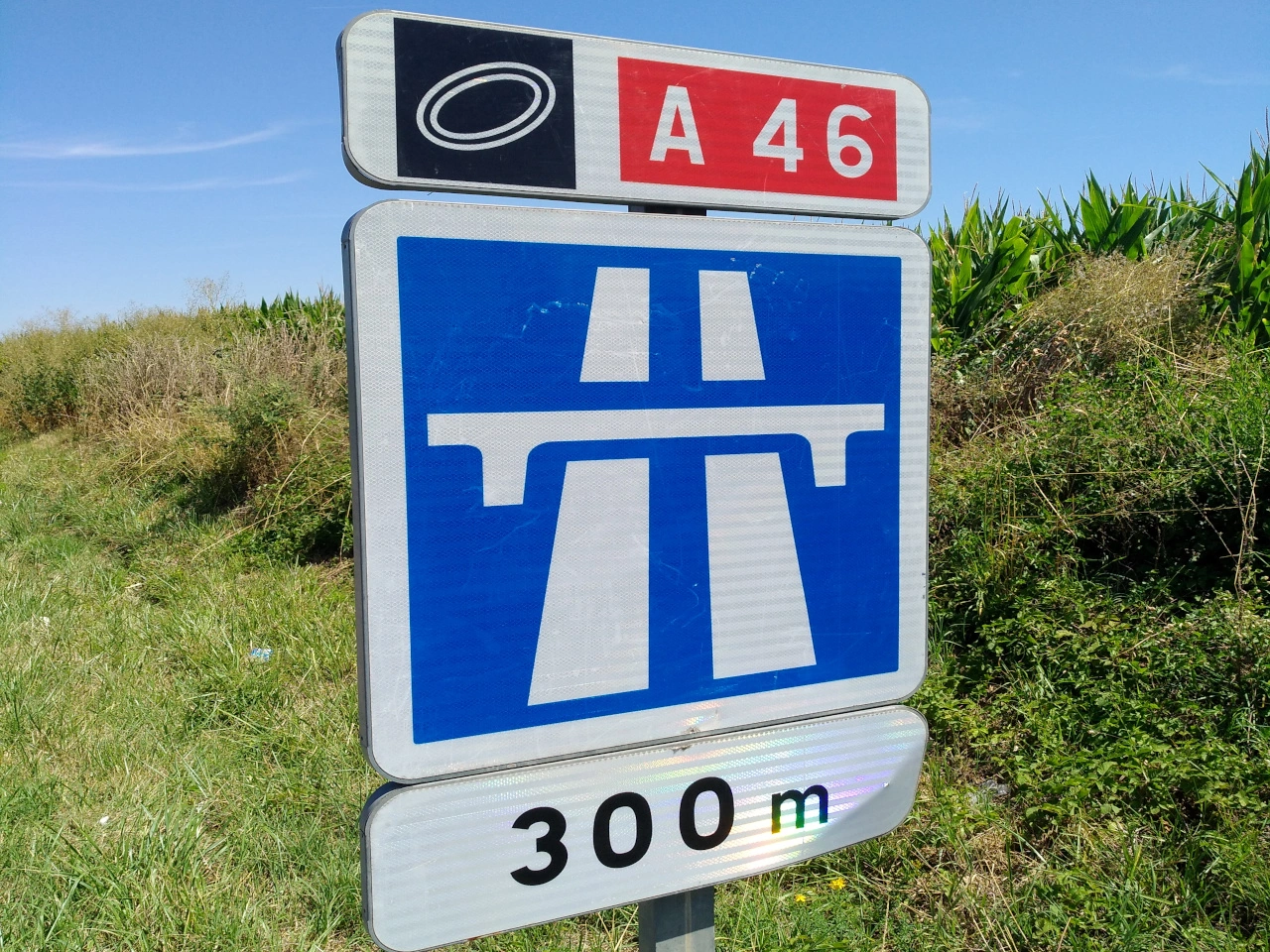
What is a ring road?
A ring road is a road or connected route that runs around or partly around an urban area and helps distribute traffic between different destinations without requiring all traffic to pass through the centre.
Why are ring roads built?
Ring roads are commonly used to divert through traffic, connect major roads and provide access to different parts of a city. They can reduce the amount of traffic travelling through central streets.
Is a ring road always a complete circle?
No. A ring road may completely surround a city, form only part of a loop or consist of several connected roads that together perform a ring-road function.
Is a ring road the same as a motorway?
No. Some ring roads are motorways, while others consist of expressways, ordinary roads or a mixture of road types. Motorway rules apply only where the road is legally designated as a motorway.
What is the speed limit on a ring road?
There is no universal ring-road speed limit. The applicable speed depends on the country, road classification, location and posted traffic signs.
How can you recognise a ring road?
Ring roads are usually indicated by route numbers, directional signs or the name of the ring. The signs may also show destinations that can be reached by travelling clockwise or anticlockwise around the urban area.
Can a ring road have intersections and traffic lights?
Yes. Ordinary ring roads may contain intersections, roundabouts and traffic lights. Fully controlled-access ring roads or motorway sections generally use grade-separated junctions instead.
Can pedestrians and cyclists use a ring road?
This depends on the road type and local access rules. They may use some ordinary-road sections but are normally prohibited from motorway sections and other roads where signs restrict access.
Which lane should you use on a ring road?
Follow the country's normal lane-use rules and any lane-direction signs. On multi-lane sections, choose the appropriate lane in good time when approaching an interchange or exit.
What should you do if you miss an exit on a ring road?
Continue safely to the next suitable junction or exit. Never reverse, make an unsafe U-turn or cross restricted areas in an attempt to return to a missed exit.
90. Ausfahrt
Eine Ausfahrt ist eine ausgewiesene Strecke oder Stelle, an der Verkehr eine Straße, Autobahn, Schnellstraße oder andere Hauptverkehrsroute verlässt. Auf Hochgeschwindigkeitsstraßen führt eine Ausfahrt normalerweise von der Hauptfahrbahn auf einen Ausfahrstreifen oder eine Rampe, die mit einer anderen Straße oder einem Ziel verbunden ist.
Fahrer sollten vor einer Ausfahrt Wegweiser und Fahrbahnmarkierungen beachten, sich rechtzeitig in den richtigen Fahrstreifen einordnen und ihre Geschwindigkeit nach Verlassen des Hauptverkehrsflusses bei Bedarf anpassen.
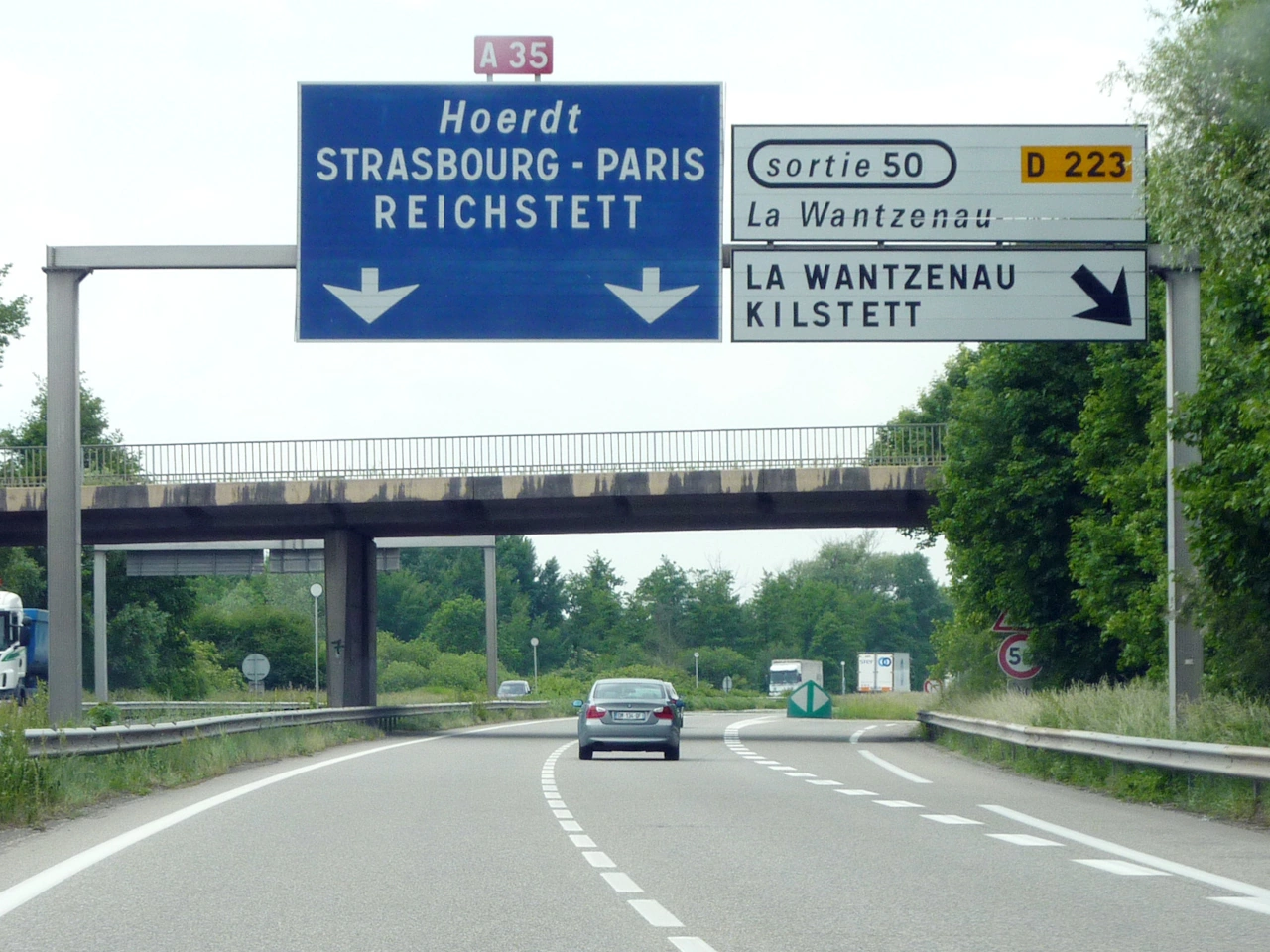
What is a road exit?
An exit is a designated route or point that allows traffic to leave a road, motorway or expressway and continue toward another road or destination.
How should you prepare for an exit?
Check the direction signs, select the correct lane in good time, signal when required and avoid sudden lane changes when approaching the exit.
What should you do if you miss your exit?
Continue safely along the road and use a later exit or another permitted route. Do not stop, reverse or make a dangerous sudden manoeuvre simply to reach an exit you have missed.
91. Informationsstelle
Eine Informationsstelle ist ein ausgewiesener Ort, an dem Reisende Informationen über die Umgebung, örtliche Dienstleistungen, Sehenswürdigkeiten, Routen oder andere nützliche Einrichtungen erhalten können. Sie kann an einer Straße, auf einem Rastplatz, in einem Ort oder in der Nähe eines wichtigen Ziels liegen.
Informationsstellen werden häufig durch ein Service- oder Informationszeichen gekennzeichnet. Je nach Standort können sie Karten, Broschüren, Routeninformationen, touristische Hilfe oder digitale Besucherinformationen anbieten.
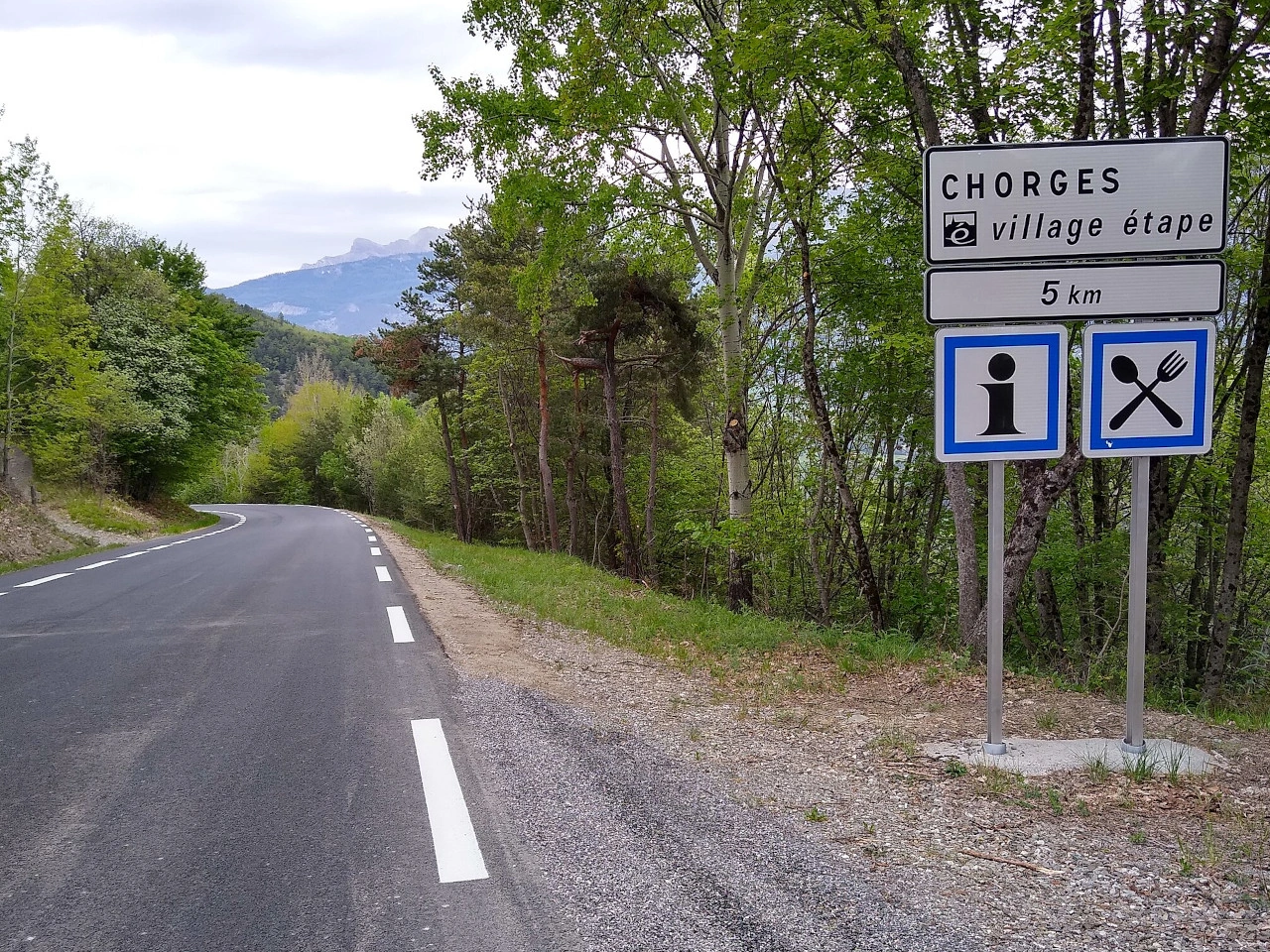
What is an information point?
An information point is a place where travellers can obtain information about local destinations, attractions, services, routes or other useful facilities.
What information can you find at an information point?
Depending on the location, an information point may provide maps, tourist information, directions, information about attractions and details about nearby services.
How is an information point indicated?
Many countries use a service or information sign to direct road users toward an information point. The exact symbol and sign design vary between countries.
92. Reiten
Reiten bezeichnet das Reiten und Aktivitäten mit Pferden und Reitern. Im Straßenverkehr können Reiter je nach Regeln und Infrastruktur Straßen, Reitwege oder speziell ausgewiesene Routen nutzen.
Fahrer, die sich Pferden und Reitern nähern, sollten die Geschwindigkeit verringern, ausreichend Abstand halten und plötzlichen Lärm oder Bewegungen vermeiden, die das Tier erschrecken könnten. Auch Reiter müssen die für sie geltenden Verkehrsregeln beachten.
What does equestrian mean in road traffic?
Equestrian refers to horse riding and, in a traffic context, particularly to people travelling on horseback or using designated horse-riding routes.
Where can equestrians ride?
Depending on local rules, riders may use roads, bridleways, paths or routes specifically designated for horse riding.
How should drivers behave near horse riders?
Drivers should slow down, leave plenty of space and pass calmly, avoiding sudden acceleration, horn use or other actions that could frighten the horse.
93. Vorläufiger Führerschein
Ein vorläufiger Führerschein erlaubt einem Fahrschüler, vor Erhalt des vollständigen Führerscheins auf öffentlichen Straßen zu üben. Die Bedingungen unterscheiden sich je nach Land und können festlegen, ob eine anerkannte Begleitperson mitfahren muss, welche Fahrzeuge geführt werden dürfen, wo und wann gefahren werden darf und wie lange der Führerschein gültig bleibt. Ein vorläufiger Führerschein unterliegt normalerweise strengeren Regeln als ein vollständiger Führerschein und dient ausdrücklich dem Lernen und Sammeln praktischer Fahrerfahrung.
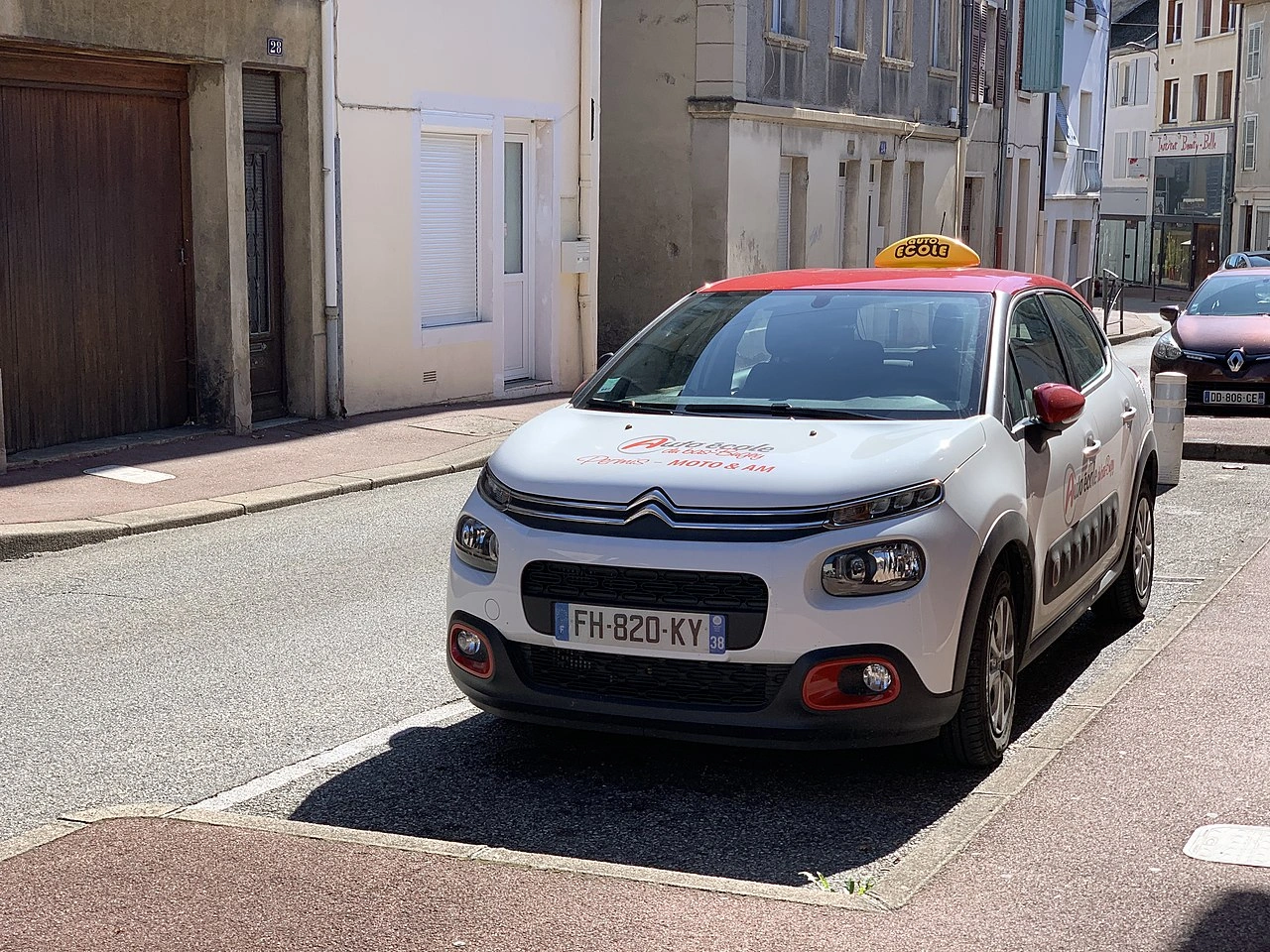
What is a provisional driving licence?
A provisional driving licence allows a learner driver to practise driving under specified conditions before obtaining a full driving licence.
Can you drive alone with a provisional licence?
This depends on the type of provisional licence and local rules. Some licences require an approved supervisor, while others allow the learner to practise alone after completing specified training.
How long is a provisional licence valid?
The validity period varies between countries and licence types. If it expires before the learner passes the practical exam, additional conditions may apply before another provisional licence can be obtained.
Can you drive abroad with a provisional licence?
Often not. A provisional licence may be valid only in the country that issued it. Learners should check the applicable rules before attempting to drive abroad.
Are there restrictions on when a learner may drive?
Yes, in some countries. Provisional licences may include restrictions on night driving, passengers, trailers, vehicle types or certain roads.
Do you need to display a learner sign?
Many countries require a learner vehicle to display an L plate or another learner-driver sign. The design and conditions vary by country.
94. Gefahrgut
Gefahrgut, auch gefährliche Güter genannt, umfasst Stoffe oder Gegenstände, die während des Transports ein erhebliches Risiko für Menschen, Eigentum oder Umwelt darstellen können. Beispiele sind Explosivstoffe, entzündbare Flüssigkeiten und Gase, giftige Stoffe, ätzende Materialien und radioaktive Stoffe.
Für den Transport von Gefahrgut können besondere Verpackungen, Kennzeichnungen, Fahrzeugmarkierungen, Dokumente, Ausrüstung und Fahrerschulungen erforderlich sein. Je nach Art und Menge der gefährlichen Güter können außerdem zusätzliche Strecken- oder Tunnelbeschränkungen gelten.
What is considered hazardous cargo?
Hazardous cargo includes substances and articles classified as dangerous for transport, such as explosives, gases, flammable materials, toxic or infectious substances, radioactive materials and corrosive substances.
Does hazardous cargo need special markings?
Yes, when the applicable dangerous-goods rules require them. Packages and vehicles can require hazard labels, placards, identification numbers or other markings that identify the nature of the danger.
Can hazardous cargo be prohibited on certain roads or in tunnels?
Yes. Dangerous-goods vehicles can be subject to route and tunnel restrictions according to the type and quantity of goods being transported and the classification of the road or tunnel.
95. Notausgang
Ein Notausgang ist ein gekennzeichneter Fluchtweg, über den Verkehrsteilnehmer einen Tunnel oder eine andere geschlossene Verkehrsanlage bei einem schweren Ereignis wie Brand, Rauchentwicklung oder einem anderen Notfall verlassen können. Notausgänge führen in einen sichereren Bereich, der von der unmittelbaren Gefahr getrennt ist.
Im Notfall sollten Insassen ihr Fahrzeug verlassen, wenn eine Evakuierung erforderlich ist, und den Notausgangsschildern und Anweisungen folgen. Sie sollten sich von der Gefahr entfernen, statt im Tunnel zu bleiben oder zum Fahrzeug zurückzukehren.
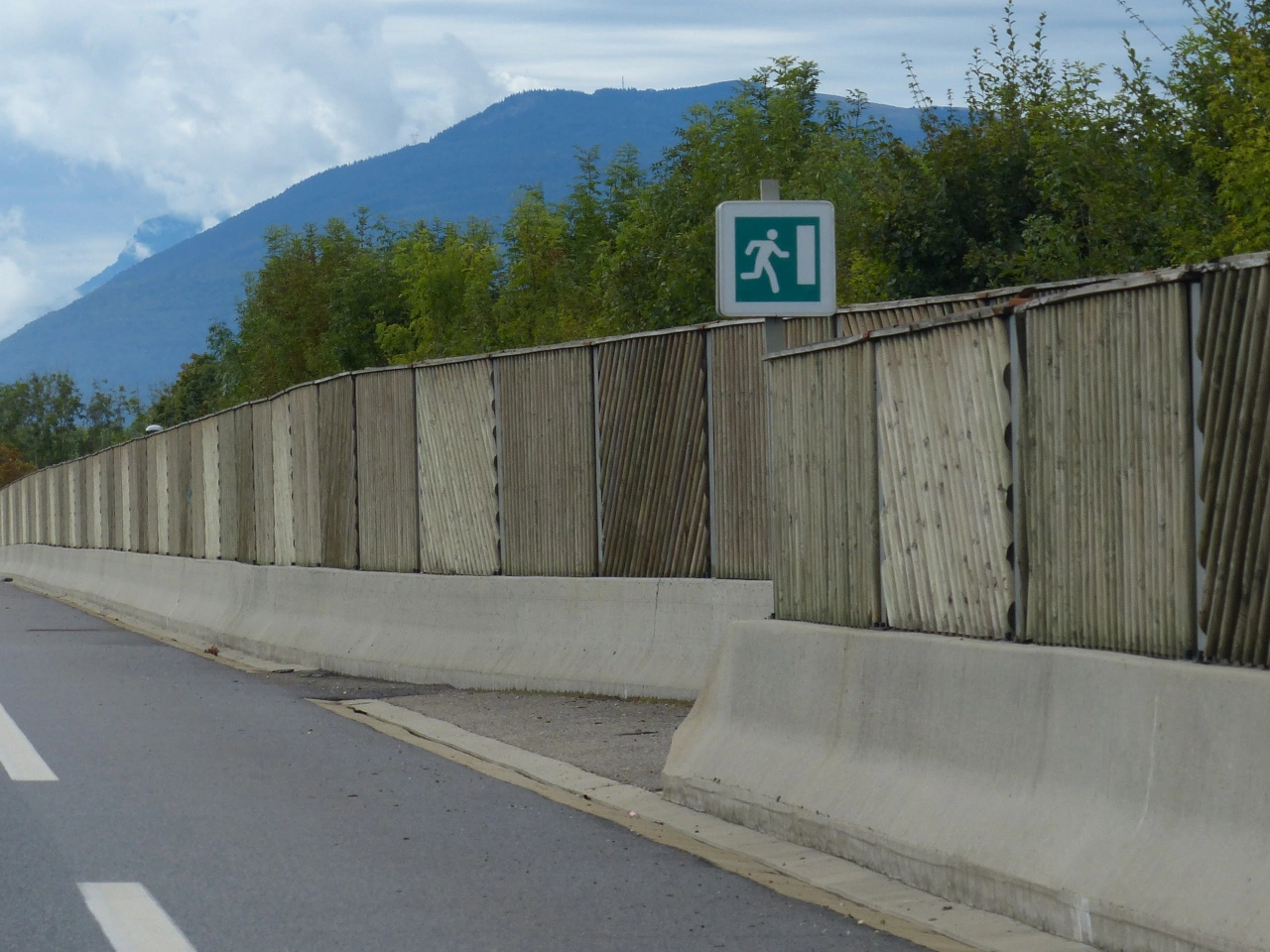
What is an emergency exit in a road tunnel?
An emergency exit is a designated escape route that allows people to leave the traffic area of a tunnel and reach a safer location during an emergency.
When should you use a tunnel emergency exit?
Use an emergency exit when evacuation is necessary because of fire, smoke or another serious danger, or when instructed to evacuate by tunnel personnel or emergency services.
Should you take your vehicle through an emergency exit?
No. Tunnel emergency exits are intended for people evacuating on foot. Leave the vehicle when necessary and follow the marked escape route towards safety.
96. Notfall-Auslaufspur
Eine Notfall-Auslaufspur, auch Notfallfluchtspur genannt, ist ein speziell angelegter Fahrstreifen, der ein Fahrzeug mit ausgefallener oder unzureichender Bremswirkung zum Stillstand bringen soll, insbesondere ein schweres Fahrzeug bei einer steilen Talfahrt. Die Spur kann eine Gegensteigung, tiefen Kies oder eine andere energieabsorbierende Oberfläche nutzen, um das Fahrzeug abzubremsen und anzuhalten.
Ein Fahrer mit Bremsversagen sollte die Notfallspur so früh und sicher wie möglich benutzen, statt weiter bergab zu fahren. Solche Spuren sind reine Notfalleinrichtungen und dürfen nicht zum normalen Halten, Parken oder Wenden verwendet werden.
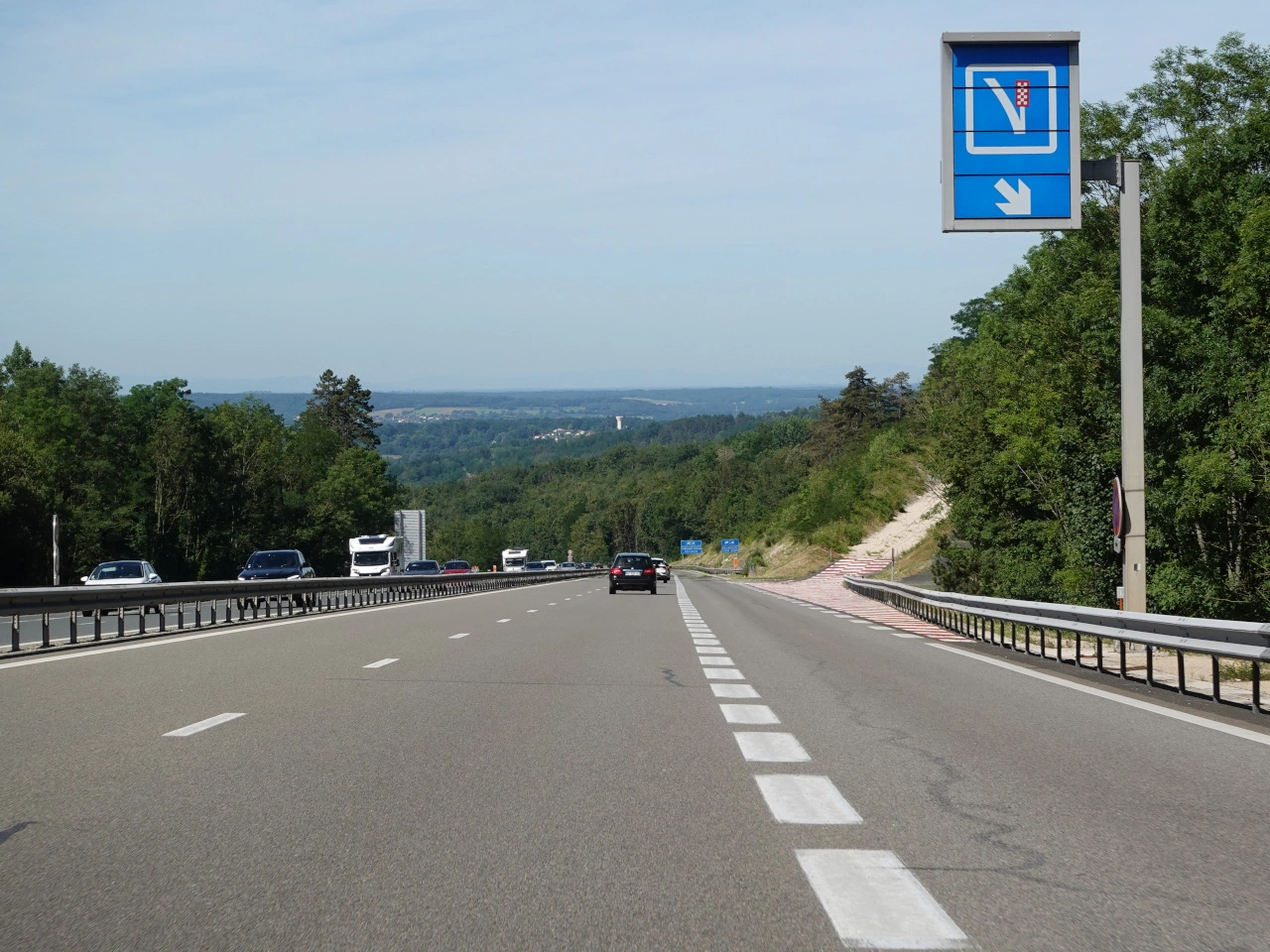
What is a runaway truck ramp used for?
It provides an emergency stopping area for a vehicle that can no longer slow down adequately with its normal brakes. It is particularly intended for heavy vehicles on long or steep descents.
How does a runaway truck ramp stop a vehicle?
Depending on its design, the ramp may rise uphill or contain deep gravel, sand or another arresting material that creates resistance and rapidly reduces the vehicle's speed.
Can you use a runaway truck ramp for normal stopping or parking?
No. An escape ramp is an emergency safety facility and should be kept clear for vehicles that have lost effective braking or control.
97. Verkehrsfunk
Verkehrsfunk ist ein Radiodienst, der Fahrer über Staus, Straßensperrungen, Unfälle, Wetterbedingungen oder andere Ereignisse informiert, die eine Fahrt beeinflussen. Straßenschilder können einen bestimmten Sender und eine Frequenz anzeigen, auf der Verkehrsinformationen verfügbar sind.
Fahrer können die angegebene Frequenz einstellen, um während der Fahrt örtliche Verkehrsmeldungen zu empfangen. Der Dienst dient der Information und ersetzt keine Verkehrszeichen, Signale oder Anweisungen befugter Personen.
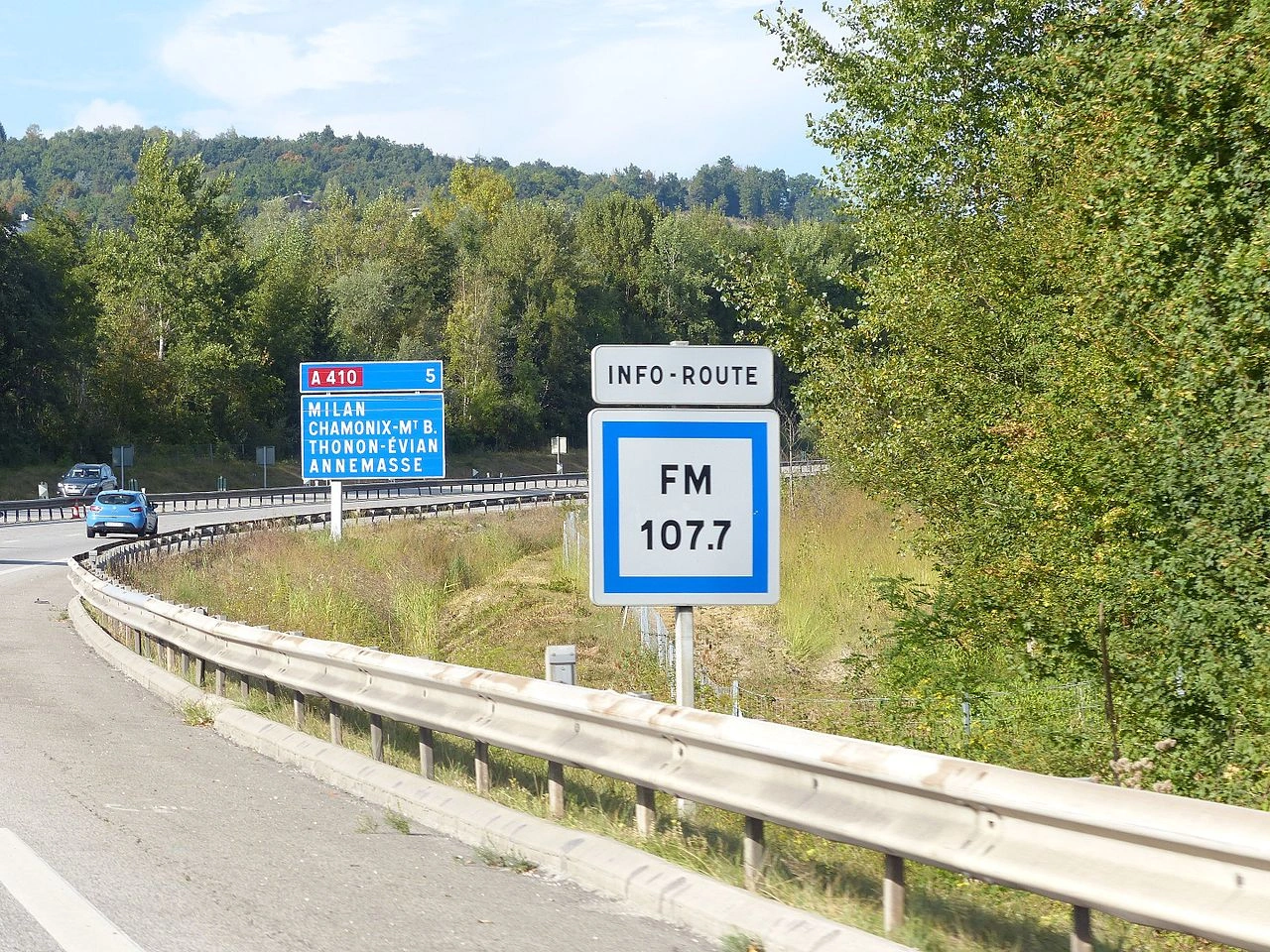
What is a traffic radio service?
A traffic radio service broadcasts information for road users, such as congestion, collisions, roadworks, closures or other conditions that may affect traffic.
What does a radio service road sign indicate?
It indicates a radio station or frequency on which drivers can receive traffic information relevant to the road or surrounding area.
Do radio traffic reports override road signs?
No. Radio information can help drivers anticipate conditions and choose a route, but drivers must continue to obey traffic signs, signals, road rules and instructions from authorised persons.
98. Überbreite oder übergroße Ladung
Eine übergroße Ladung ist eine Ladung, durch die ein Fahrzeug oder eine Fahrzeugkombination die normalerweise zulässigen Abmessungen im Straßenverkehr überschreitet, etwa bei Länge, Breite oder Höhe. Solche Transporte betreffen häufig große Maschinen, Bauteile oder andere Gegenstände, die sich nicht sinnvoll in kleinere Ladungen aufteilen lassen.
Der Transport einer übergroßen Ladung kann eine Sondergenehmigung, eine genehmigte Route, Warnzeichen, Beleuchtung oder Begleitfahrzeuge erfordern. Fahrer müssen die Bedingungen der für die befahrenen Straßen zuständigen Behörden einhalten.
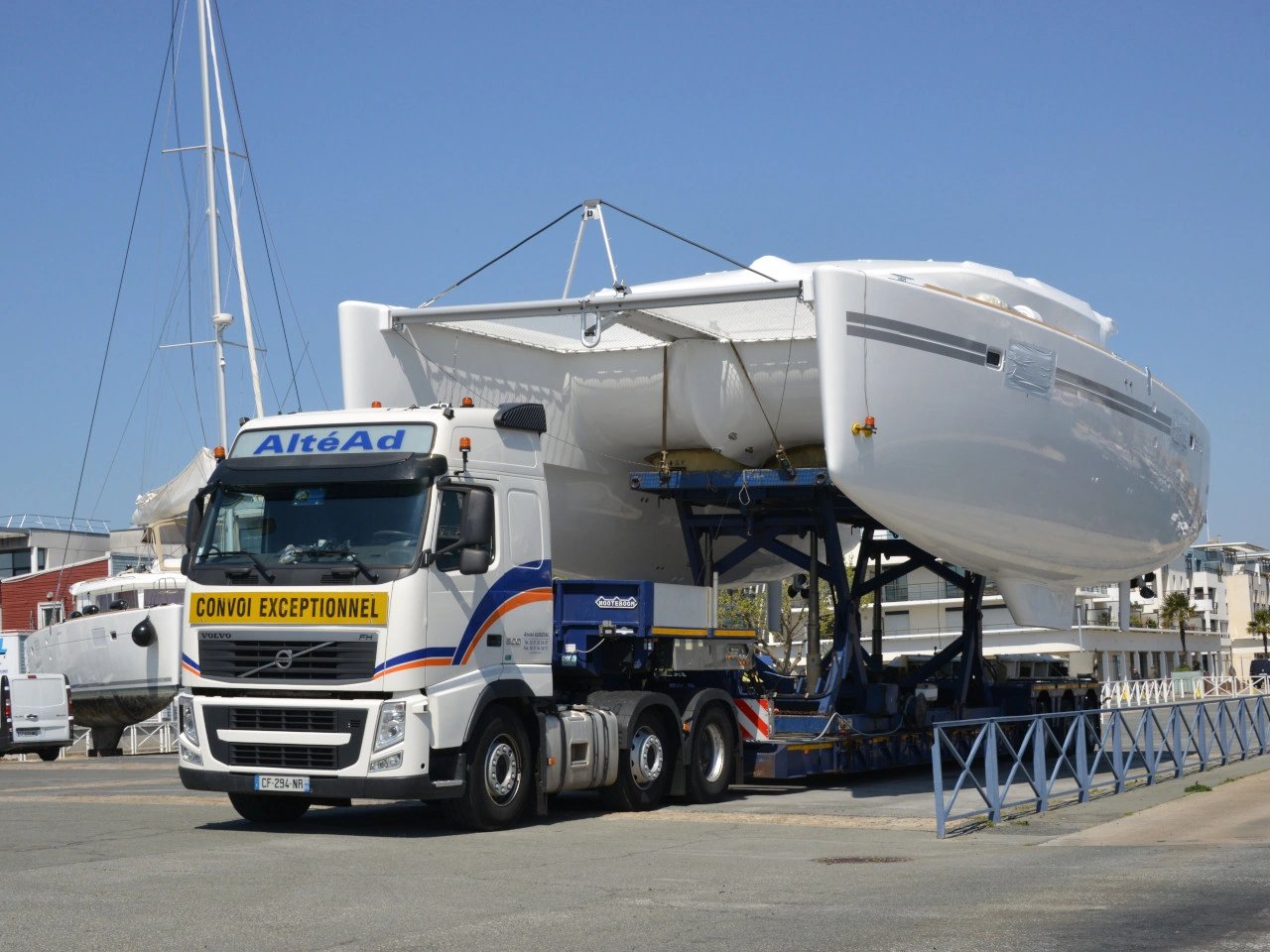
What is an oversize load?
An oversize load is a load that makes a vehicle or vehicle combination exceed one or more of the normal legal dimensions for road use, such as its permitted width, height or length.
Does an oversize load require a special permit?
Often yes. Depending on the country, dimensions and route, a permit may be required and can specify where and when the vehicle may travel and what additional safety measures must be used.
Why might an oversize load need an escort vehicle?
Escort vehicles can warn other road users, help manage difficult road sections and assist the exceptional vehicle when its size creates additional traffic risks. The number and type of escorts required depend on national rules and the dimensions of the transport.
99. Fahrstreifen
Ein Fahrstreifen ist ein längs verlaufender Teil einer Fahrbahn, der für eine Reihe fahrender Fahrzeuge bestimmt ist. Eine Fahrbahn kann einen oder mehrere Fahrstreifen für Verkehr in derselben oder entgegengesetzten Richtung enthalten.
Fahrstreifen werden häufig durch durchgezogene oder unterbrochene Fahrbahnmarkierungen getrennt. Verkehrszeichen, Fahrstreifenpfeile und Fahrstreifensignale können anzeigen, welche Fahrzeuge einen Fahrstreifen benutzen dürfen, in welche Richtung gefahren werden muss oder ob ein Fahrstreifen geöffnet oder gesperrt ist.
What is a traffic lane?
A traffic lane is a longitudinal part of a roadway intended for a line of moving vehicles.
Is a lane the same as a roadway?
No. A roadway is the larger area intended for vehicle traffic and may contain one or several individual lanes.
How are traffic lanes normally marked?
Lanes are commonly separated by continuous or broken longitudinal road markings. Their appearance and legal meaning depend on the local traffic-sign system.
Can you cross a broken lane line?
Normally yes, when permitted and safe, for example when changing lane or overtaking. Drivers must still check surrounding traffic and follow local rules.
Can you cross a continuous lane line?
Normally no, except where local law provides a specific exception. A continuous line generally indicates that crossing the marking is prohibited.
Should you signal before changing lane?
Yes. Drivers should indicate their intention in sufficient time and change lane only after making sure the movement can be completed safely.
Who has priority when changing lane?
A driver changing lane generally must give way to traffic already travelling in the lane being entered, although specific merging rules may apply in some situations.
Can a lane be reserved for certain vehicles?
Yes. Particular lanes may be reserved for buses, bicycles, high-occupancy vehicles or other specified traffic according to local signs and regulations.
Can a traffic lane be temporarily closed?
Yes. Lane-control signals, temporary signs, barriers or roadworks markings may close a lane or direct traffic into another lane.
What should you do when your lane ends?
Follow the merging rules and road markings, observe surrounding traffic and move into the continuing lane safely. Special zipper-merging rules may apply during congestion.
What do lane-direction arrows mean?
Arrows painted in a lane can indicate the direction or directions that traffic using that lane must follow, particularly when approaching an intersection.
Should you remain in one lane when possible?
Yes. Avoid unnecessary lane changes. Choose an appropriate lane and change only when needed for overtaking, turning, merging or following the required route.
100. Reifendruckstation
Eine Reifendruckstation ist eine Einrichtung, an der Fahrer den Luftdruck in den Reifen ihres Fahrzeugs prüfen und anpassen können. Sie befindet sich häufig an Tankstellen, Rastanlagen, Werkstätten oder anderen Einrichtungen am Straßenrand und bietet normalerweise ein Druckmessgerät und einen Druckluftschlauch.
Der richtige Reifendruck trägt zu sicherem Fahrverhalten, Bremsleistung, Reifenverschleiß sowie Kraftstoff- oder Energieeffizienz bei. Fahrer sollten die Reifen auf den für Fahrzeug und Beladungszustand empfohlenen Druck einstellen.
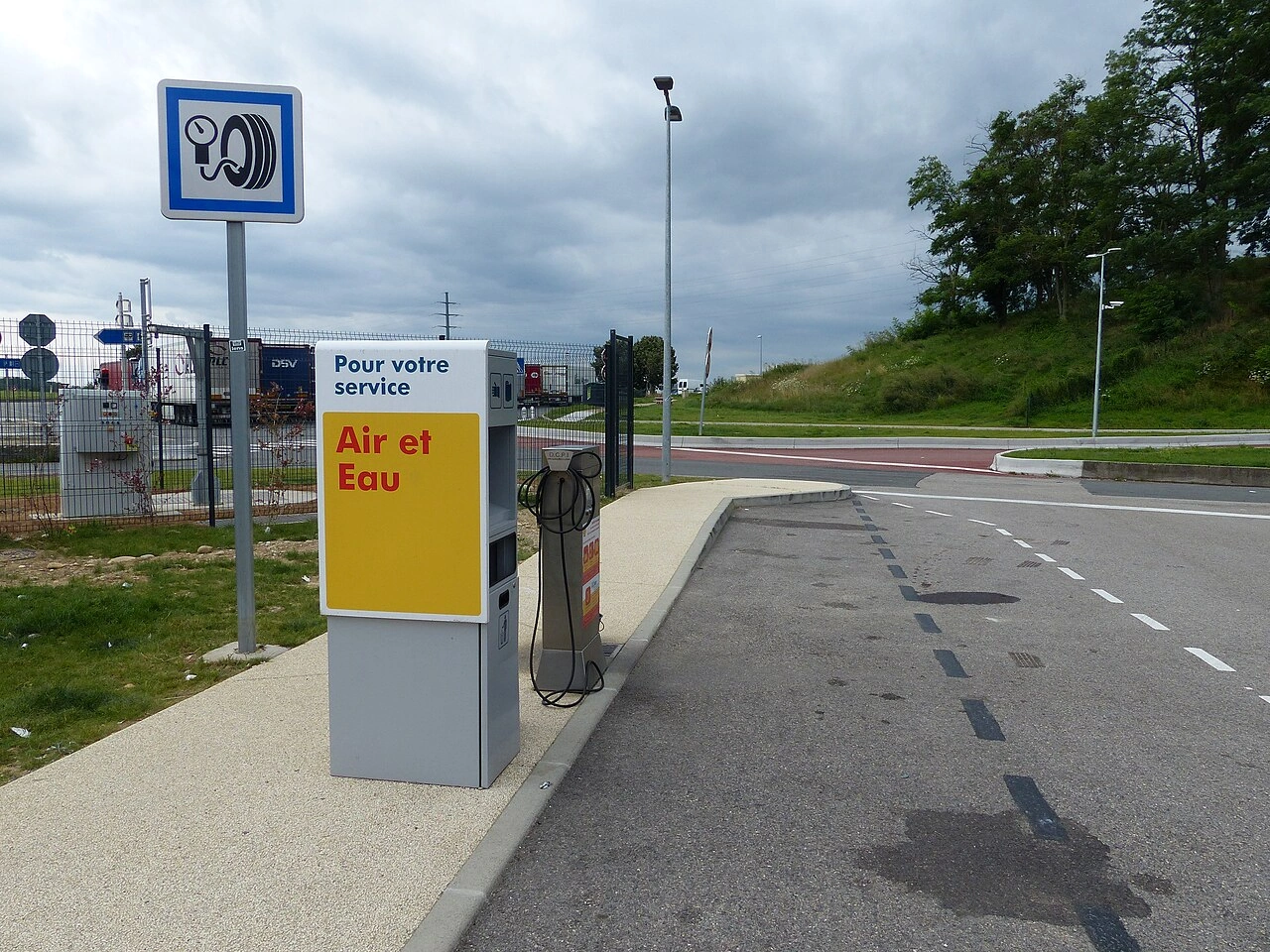
What is an air pressure station?
An air pressure station is a facility where drivers can measure and adjust the air pressure in their vehicle's tyres.
Where can you find an air pressure station?
Air pressure equipment is commonly available at filling stations, service areas, garages and other vehicle-service facilities.
What tyre pressure should you use?
Use the tyre pressure recommended by the vehicle manufacturer. The required pressure can vary according to the vehicle, tyres and load.