


VerkehrsregelnPeru
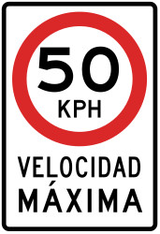 Verkehrsregeln
 Peru
Peru
1. Peru
Perus Straßen verbinden die Pazifikküste mit den hohen Anden und dem Amazonasgebiet im Osten, sodass sich die Fahrbedingungen im ganzen Land deutlich unterscheiden können. Es gilt Rechtsverkehr. Lange Anstiege, enge Bergkurven, starke Gefälle und Abschnitte mit Nebel, Starkregen oder Steinschlag machen sorgfältige Routenplanung besonders wichtig. Auf einem steilen Straßenabschnitt, der nur breit genug für ein Fahrzeug ist, hat das bergauf fahrende Fahrzeug Vorrang vor einem bergab fahrenden.
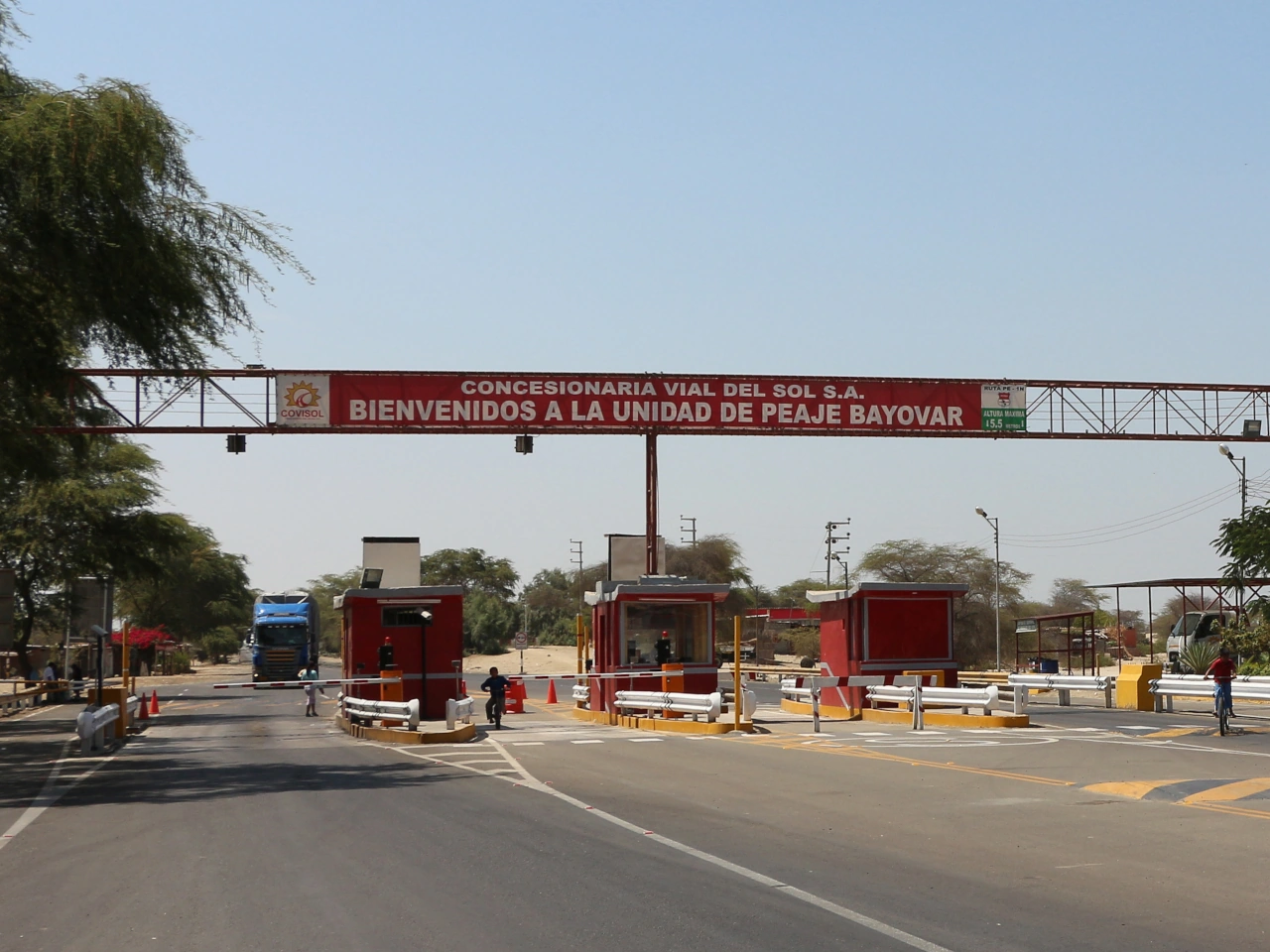
Peru verwendet streckenbezogene Mautgebühren statt einer nationalen Vignette; auf mehreren konzessionierten Straßen gibt es Mautstellen, und auf einigen Strecken steht elektronisches Telepeaje zur Verfügung. Auf dem nationalen und dem departementalen bzw. regionalen Straßennetz muss 24 Stunden am Tag Abblendlicht verwendet werden. Verkehrszeichen folgen den nationalen MTC-Standards und sind überwiegend auf Spanisch. Vor längeren Fahrten, insbesondere durch Bergregionen, sollten Fahrer die aktuellen Straßenbedingungen prüfen, da Bauarbeiten, extremes Wetter und Naturereignisse vorübergehende Beschränkungen oder Sperrungen verursachen können.
Auf welcher Straßenseite fährt man in Peru?
Fahren Sie rechts. Auf einer normalen Straße mit Gegenverkehr wird links überholt, wenn dies sicher und rechtmäßig möglich ist.
Welche wichtigsten Notrufnummern gibt es in Peru?
Rufen Sie 105 für die Polizei, 116 für die Feuerwehr und 106 für den medizinischen SAMU-Notdienst an, wo dieser verfügbar ist. Peru entwickelt ein einheitliches 911-System; das neue zentrale System befindet sich jedoch noch im Aufbau, in Integration und Test und ersetzt die bisherigen Nummern noch nicht landesweit.
Welche Alkoholgrenze gilt beim Fahren in Peru?
Nach den strafrechtlichen Schwellenwerten kann ein gewöhnlicher Fahrer bei mehr als 0,5 g/l Blutalkohol den Tatbestand der Trunkenheitsfahrt erfüllen. Für Fahrer im öffentlichen Personen-, Güter- oder Frachtverkehr gilt der niedrigere Schwellenwert von mehr als 0,25 g/l. Die Verkehrsregeln verbieten außerdem das Fahren bei durch Alkohol, Drogen oder andere Stoffe beeinträchtigter Fahrtüchtigkeit.
Welche allgemeinen innerörtlichen Geschwindigkeitsbegrenzungen gelten in Peru?
Wo keine niedrigere Begrenzung ausgeschildert ist, gelten grundsätzlich 30 km/h auf Straßen und Jirones und 50 km/h auf Avenidas. Die zuständige Straßenbehörde kann bei Bedarf niedrigere Werte festlegen.
Welche allgemeinen Geschwindigkeitsbegrenzungen gelten auf peruanischen Fernstraßen?
Auf Carreteras gelten grundsätzlich 100 km/h für Pkw, Pick-up-artige Fahrzeuge und Motorräder; 90 km/h für öffentliche Personenfahrzeuge und Wohnmobile; 80 km/h für Güterfahrzeuge und Fahrzeuge mit Wohnanhänger; 70 km/h für Gefahrgut- und Schülertransportfahrzeuge. Niedrigere ausgeschilderte Werte sind einzuhalten.
Wie hoch ist die Geschwindigkeitsbegrenzung auf Landwegen in Peru?
Auf caminos rurales beträgt die allgemeine Höchstgeschwindigkeit 60 km/h, sofern die zuständige Behörde keine andere Begrenzung festlegt und ausschildert.
Welche Geschwindigkeitsbegrenzungen gelten, wenn eine Fernstraße in Peru eine Ortschaft durchquert?
Auf Fernstraßen durch bewohnte Gebiete oder Abschnitte mit durchgehender bzw. teilweise verstreuter Bebauung gelten grundsätzlich 30 km/h in Geschäftsgebieten und 50 km/h in Wohngebieten. In Schul- und Krankenhausbereichen beträgt der Höchstwert 30 km/h; die Querung muss von der zuständigen Behörde beschildert sein.
Werden Perus Geschwindigkeitsbegrenzungen bei Nebel oder schwerem Wetter reduziert?
Ja. Auf Abschnitten mit schlechter Sicht oder ungünstigem Wetter wie Nebel, starkem Regen, Schnee, Rauch oder Staubwolken werden die in den Artikeln 162, 163 und 164 festgelegten Höchstwerte auf die Hälfte reduziert.
Gibt es in Peru eine Toleranz bei Geschwindigkeitsmessungen?
Ja. Die allgemeine Überwachungsregel verwendet eine Toleranz von 5 km/h; ein Verstoß liegt vor, wenn die gemessene Geschwindigkeit den geltenden Höchstwert plus diese Marge überschreitet. Dies ist eine Mess-/Ahndungstoleranz und keine zusätzliche Zielgeschwindigkeit.
Benötigt man in Peru eine Vignette?
Nein. Peru verwendet keine landesweite Straßenvignette. Maut wird auf bestimmten Straßen und Konzessionen an Mautstellen erhoben; einige Konzessionen bieten elektronische Telepeaje-Zahlung. Die Regelung hängt daher von der Strecke ab.
Müssen in Peru tagsüber Scheinwerfer verwendet werden?
Ja, auf wichtigen außerörtlichen Netzen. Auf nationalen und departementalen/regionalen Straßennetzen muss 24 Stunden am Tag Abblendlicht verwendet werden. Innerorts ist Beleuchtung erforderlich, wenn natürliches Licht, Sicht oder Verkehrslage dies verlangen.
Sind Sicherheitsgurte in Peru vorgeschrieben?
Ja. Sicherheitsgurte sind für Insassen auf Vordersitzen entsprechend den Fahrzeugkategorien vorgeschrieben. Hinten ist ihre Benutzung verpflichtend, wenn das Fahrzeug werkseitig damit ausgerüstet wurde und in anderen von den Vorschriften erfassten Fällen.
Welche Regeln für Kinderrückhaltesysteme gelten in Peru?
In privaten Fahrzeugen der Klasse M1 müssen Kinder bis 12 Jahre gesichert auf dem Rücksitz mitfahren. Nach Ley 30297 verwenden Kinder bis ein Jahr ein rückwärtsgerichtetes Rückhaltesystem, Kinder von ein bis drei Jahren ein geeignetes Kinderrückhaltesystem und Kinder von drei bis zwölf Jahren den universellen Sicherheitsgurt. Systeme müssen zu Größe und Gewicht passen und korrekt eingebaut sein.
Sind Motorradhelme in Peru vorgeschrieben?
Ja. Fahrer und Mitfahrer eines nicht geschlossenen motorisierten Kleinfahrzeugs müssen einen vorschriftsmäßigen Schutzhelm tragen. Hat der Helm kein Visier, ist zusätzlich Schutzbrille erforderlich. Helme müssen den technischen MTC-Spezifikationen entsprechen.
Müssen Motorradfahrer in Peru eine Weste mit dem Motorradkennzeichen tragen?
Die peruanische Verkehrsregel enthält eine Pflicht für Fahrer und Mitfahrer, eine Weste mit dem Kennzeichen des Motorrads zu verwenden, vorbehaltlich technischer Spezifikationen und bestimmter Ausnahmen, darunter geeignete Motorräder über 500 cm³. Seit den Änderungen vom November 2025 werden Verstöße gegen die Westenpflicht nur dort sanktioniert, wo ein innerer Ausnahmezustand gilt und dessen Erklärung die Durchsetzung ausdrücklich vorsieht.
Darf man beim Fahren in Peru ein Mobiltelefon benutzen?
Verwenden Sie kein handgehaltenes Mobilgerät, wenn dadurch die Hände von der Fahrzeugkontrolle genommen werden. Die Vorschriften erlauben die Bedienung eines mobilen oder tragbaren Geräts mit den Händen nur, wenn das Fahrzeug geparkt und der Motor ausgeschaltet ist.
Wer hat an einer ungeregelten Kreuzung in Peru Vorfahrt?
Wer an einer ungeregelten Kreuzung ankommt, muss zunächst bereits querenden Fahrzeugen Vorfahrt gewähren. Treffen zwei Fahrzeuge gleichzeitig aus verschiedenen Straßen ein, hat das Fahrzeug von rechts Vorfahrt. Ein Fahrzeug, das zuerst in die Kreuzung eingefahren ist, hat ebenfalls Vorrang.
Wer hat in Peru im Kreisverkehr Vorfahrt?
Das Fahrzeug, das bereits im Kreisverkehr fährt, hat Vorfahrt vor einem einfahrenden Fahrzeug, sofern die Verkehrsregelung nichts anderes bestimmt.
Müssen Fahrer in Peru Fußgängern Vorfahrt gewähren?
Fahrer müssen Fußgängern Vorrang geben, die an einer ungeregelten Kreuzung bereits mit der Querung begonnen haben, sowie Fußgängern, die ihre Querung an einer geregelten Kreuzung beenden, sofern sie den vorgesehenen Fußgängerüberweg benutzen.
Was ist zu tun, wenn sich in Peru ein Einsatzfahrzeug nähert?
Gewähren Sie Vorfahrt, wenn ein Einsatz-, Dienst-, Militär- oder Polizeifahrzeug seine Anwesenheit mit akustischen und optischen Signalen ankündigt. Soweit möglich und sicher, nach rechts fahren und anhalten oder langsamer werden; an einer Kreuzung müssen Fahrer anhalten, um die Durchfahrt zu ermöglichen.
Wer hat auf einer schmalen steilen Straße in Peru Vorfahrt?
Auf einem steilen Abschnitt, der nur einem Fahrzeug die Durchfahrt erlaubt, hat das bergauf fahrende Fahrzeug Vorrang vor dem bergab fahrenden.
Was ist zu tun, wenn ein Schülertransportfahrzeug in Peru zum Ein- oder Aussteigen von Kindern hält?
Ein Fahrer, der sich einem stehenden Schülertransportfahrzeug nähert, das Schüler ein- oder aussteigen lässt, muss dahinter anhalten und darf nicht überholen, bis die Kinder das Ein- oder Aussteigen beendet haben.
Welche Regeln gelten an einem ungeregelten Bahnübergang in Peru?
An einem Bahnübergang ohne Schranken oder Lichtsignale darf die Vorsichtsgeschwindigkeit höchstens 20 km/h betragen; der Fahrer muss sich vergewissern, dass kein Zug naht. Schienenfahrzeuge haben an Bahnübergängen Vorrang.
Dürfen Touristen in Peru mit einem ausländischen Führerschein fahren?
Ja. Nach Angaben des MTC darf ein Tourist in den ersten sechs Monaten nach der Einreise mit dem originalen gültigen Führerschein seines Heimatlands fahren. Bei längerem Aufenthalt kann ein peruanischer Führerschein bzw. eine Umschreibung erforderlich werden. Ein Internationaler Führerschein ist für diese sechsmonatige Anerkennung nicht allgemein vorgeschrieben.
Ist Fahrzeugversicherung in Peru vorgeschrieben?
Ja. Kraftfahrzeuge benötigen eine gültige obligatorische Unfalldeckung, normalerweise SOAT. In den vom AFOCAT-System erfassten Fällen kann stattdessen ein CAT gelten. Elektronische SOAT-Gültigkeit kann von Behörden über das MTC-System geprüft werden.
Welche Sicherheitsausrüstung sollte ein Auto in Peru mitführen?
Das MTC nennt verpflichtende Straßensicherheitsausrüstung wie Reserverad, Wagenheber, Radschlüssel, Warndreieck und Feuerlöscher. Die Ausrüstung muss für das Fahrzeug geeignet und funktionsfähig sein.
Benötigen Privat-Pkw in Peru eine technische Untersuchung?
Ja. Bei Privatfahrzeugen beginnen verpflichtende technische Untersuchungen grundsätzlich ab dem vierten Jahr, gerechnet nach dem Herstellungsdatum. Danach werden Privatfahrzeuge grundsätzlich jährlich geprüft. Dienstfahrzeuge wie Taxis, öffentliche Verkehrsmittel und Güterfahrzeuge haben andere, häufigere Intervalle.
Welche Sprache wird auf Verkehrszeichen in Peru verwendet?
Standardverkehrszeichen folgen dem nationalen MTC-Handbuch; schriftliche Verkehrsanweisungen erscheinen hauptsächlich auf Spanisch neben international verständlichen Symbolen. Häufige Vorschriftstexte sind PARE und CEDA EL PASO.
Sollten Fahrer vor Reisen durch Peru den Straßenzustand prüfen?
Ja, besonders vor langen und bergigen Fahrten. Starker Regen, Nebel, Steinschlag, Naturereignisse, Wartungsarbeiten und andere Vorfälle können vorübergehende Beschränkungen oder Sperrungen verursachen. MTC und SUTRAN stellen offizielle Straßeninformationen bereit.

2. Radweg
Ein Radweg ist ein Teil einer Straße oder eine eigenständige Strecke, die hauptsächlich oder ausschließlich für Radfahrer bestimmt ist. Er kann baulich vom Kraftfahrzeugverkehr getrennt, auf der Fahrbahn markiert oder durch Verkehrszeichen gekennzeichnet sein.
Radwege können in eine oder beide Richtungen geführt oder mit anderen Verkehrsteilnehmern gemeinsam genutzt werden. Zulässige Nutzer, Fahrtrichtung, Vorfahrtsregeln und eine mögliche Benutzungspflicht richten sich nach den örtlichen Verkehrszeichen und Vorschriften.
How can you recognise a bike path?
A bike path may be identified by a bicycle traffic sign, bicycle symbols, coloured surfacing or road markings. It may run beside the carriageway or follow a completely separate route.
Is a bike path the same as a bike lane?
Not always. A bike lane is normally marked directly on or beside the carriageway, while a bike path may be physically separated from motor traffic. The terminology and legal distinction vary between countries.
Must cyclists use a bike path?
This depends on local law and the signs displayed. Some bike paths are mandatory, while others are optional. Cyclists may also be permitted to leave a path to turn, overtake or avoid an obstruction.
Can a bike path carry traffic in both directions?
Yes. Some bike paths are two-way, but others may be used only in the direction indicated by signs, markings or their position beside the road. Cyclists should not assume that every path permits travel in both directions.
May pedestrians use a bike path?
Pedestrians may use a bike path where it is designated as a shared-use path or where local law permits it. On a cycle-only path, pedestrians may be prohibited or permitted only when no suitable pedestrian facility is available.
May mopeds or speed pedelecs use a bike path?
This depends on the country, vehicle category, road speed and traffic signs. Some bike paths permit or require certain mopeds or speed pedelecs, while others are reserved exclusively for ordinary bicycles.
May motor vehicles use a bike path?
Normally not. Motor vehicles may cross a bike path to enter another road or property where this is permitted, but they must follow the applicable priority rules and must not endanger path users.
Who has priority where a vehicle crosses a bike path?
Priority depends on the road layout, signs, signals and local law. Drivers crossing a continuous bike path commonly have to give way to its users, but cyclists approaching a separate cycle crossing may not automatically have priority before entering it.
Does a cyclist always have priority at a cycle crossing?
No. A marked cycle crossing does not universally give an approaching cyclist priority. Cyclists should enter cautiously and observe approaching traffic unless signs, signals or local rules clearly give them priority.
Is there a speed limit on a bike path?
Some countries or local authorities impose specific limits, particularly on shared paths. Even without a posted limit, cyclists must travel at a safe and considerate speed for the width, visibility and number of other users.
May you stop or park on a bike path?
Normally not. Stopping or parking on a bike path can force cyclists into motor traffic and may be expressly prohibited by law.
What should cyclists do when passing pedestrians?
Reduce speed, give a clear warning where appropriate and leave sufficient space. Pedestrians may change direction unexpectedly, especially on a shared path.
What should cyclists do when a bike path is blocked?
Slow down and check surrounding traffic before leaving the path. Avoid the obstruction safely and return to the bike path when permitted and practical.
Can cyclists ride side by side on a bike path?
This depends on local law and the available width. Even where riding side by side is permitted, cyclists must not block, endanger or unnecessarily hinder other path users.
What is the difference between a bike path and a shared-use path?
A bike path is intended primarily or exclusively for cycling. A shared-use path is legally intended for cyclists together with pedestrians or other indicated road users, who must use the space considerately.
3. Mautstraße
Eine Mautstraße ist eine Straße, Autobahn, Brücke, ein Tunnel oder eine andere Strecke, für deren Nutzung eine Gebühr erhoben wird. Die Maut kann für alle Fahrzeuge oder nur bestimmte Fahrzeugkategorien gelten; ihre Höhe kann unter anderem von gefahrener Strecke, Fahrzeugtyp, Gewicht oder Emissionen abhängen.
Maut kann an Mautstellen, elektronisch oder über eine Vignette bzw. ein entfernungsabhängiges Gebührensystem erhoben werden. Fahrer sollten die geltenden Zahlungsregeln vor der Nutzung einer Mautstrecke prüfen, insbesondere bei Fahrten in einem anderen Land.
What is a toll road?
A toll road is a road or section of road for which a charge must be paid to use it. Tolls may also apply to particular bridges, tunnels or other road infrastructure.
How are road tolls paid?
Depending on the country, tolls may be paid at a toll booth, through an electronic toll system, vignette or distance-based charging system.
Do all vehicles pay the same toll?
Not necessarily. Toll rates can vary according to vehicle type, size, weight, emissions, distance travelled or the particular road being used.
4. Führerschein
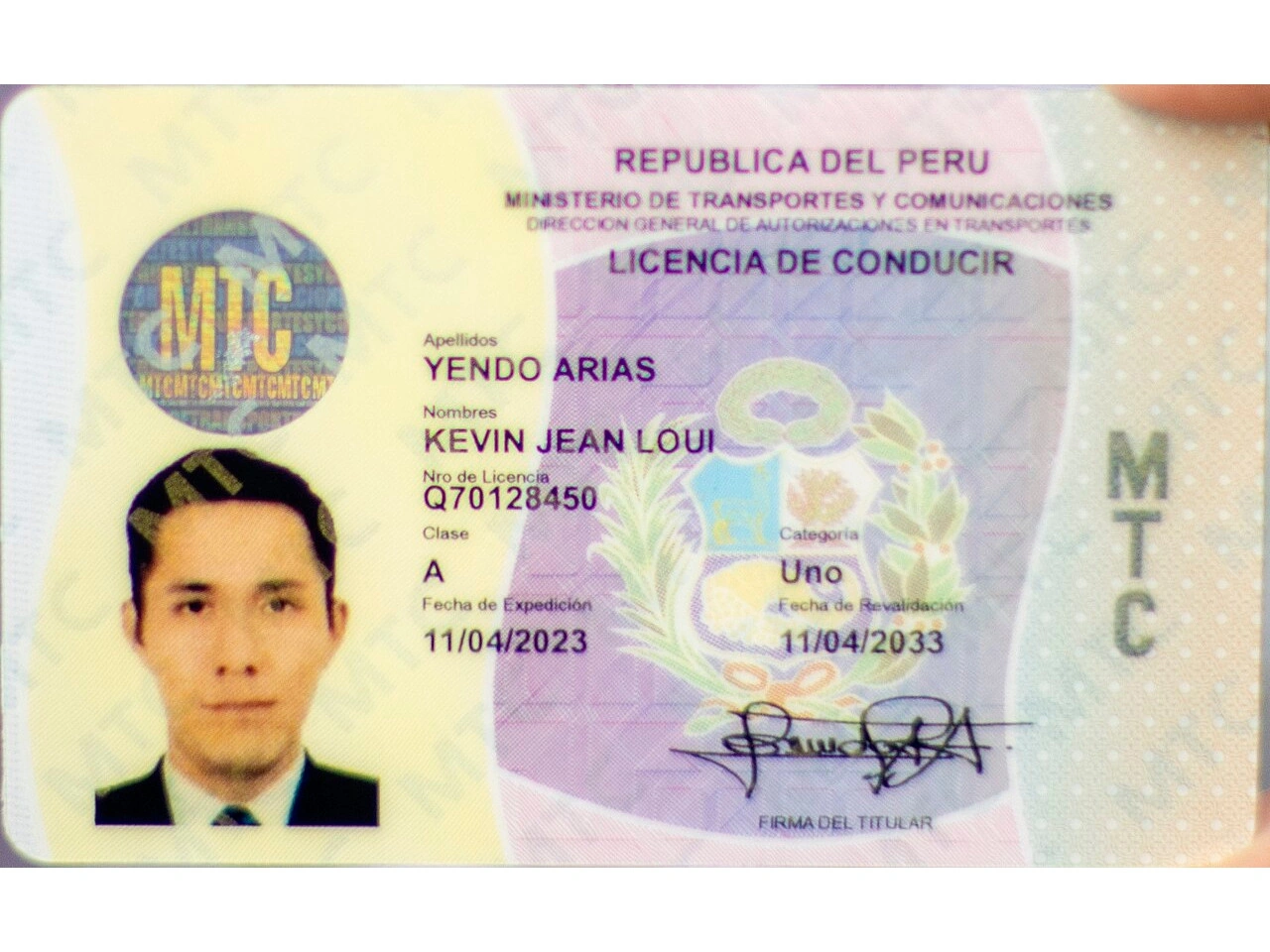
Ein Führerschein ist ein amtliches Dokument, das eine Person zum Führen einer oder mehrerer bestimmter Kategorien von Kraftfahrzeugen berechtigt. Er kann Bedingungen, Beschränkungen, Klassencodes und Ablaufdaten enthalten, die bestimmen, welche Fahrzeuge der Inhaber führen darf.
Fahrer müssen einen Führerschein besitzen, der für die betreffende Fahrzeugkategorie und den jeweiligen Rechtsraum gültig ist. Eine Fahrerlaubnis kann vorläufig, vollständig, beschränkt, ausgesetzt oder entzogen sein; für gewerbliches Fahren können zusätzliche Qualifikationen erforderlich sein.
What is a driving licence?
A driving licence is an official authorisation to drive specified categories of motor vehicle.
Is a driving licence the same as a driving permit?
The terms may refer to the same document, depending on the country. Some countries use permit specifically for learners or temporary authorisations.
What is a provisional driving licence?
A provisional or learner licence allows a person to practise driving under specified restrictions before obtaining a full licence.
What is a full driving licence?
A full licence is issued after the holder has completed the required tests or training. Restrictions may still apply because of age, vehicle type, medical fitness or licence codes.
Does one licence allow you to drive every vehicle?
No. Driving licences are divided into categories for motorcycles, cars, buses, trucks, trailers and other vehicles.
What is a licence category?
A licence category identifies the type and size of vehicle the holder is authorised to drive.
Must the licence be valid for the vehicle being driven?
Yes. Holding a licence for one category does not normally authorise driving a vehicle belonging to another category.
Can a licence contain restrictions?
Yes. Codes may restrict the holder to an automatic transmission, corrective lenses, an adapted vehicle or another specified condition.
What is the difference between an automatic and manual licence?
In some countries, passing the test in an automatic vehicle restricts the holder to automatic vehicles until an additional test or procedure is completed.
Does a driving licence expire?
Usually, yes. The document, individual categories or medical authorisation may have expiry dates and require renewal.
May you drive with an expired licence?
No. The licence and the category required for the vehicle must remain valid.
Must you carry your driving licence?
This depends on local law. Many countries require drivers to carry the original licence and present it to an authorised officer when requested.
Is a photograph or copy of the licence sufficient?
Not normally. A photograph, scan or photocopy is not generally a substitute for the original document unless an official digital-licence system is legally recognised.
Does a driving licence prove that you own the vehicle?
No. It proves driving authorisation, not ownership, registration or insurance.
What tests are required to obtain a licence?
Requirements may include a theory test, eyesight test, practical driving test, medical examination or compulsory training.
Is there a universal minimum driving age?
No. Minimum ages differ between countries and vehicle categories.
Can a learner drive without supervision?
Only where the provisional-licence system permits independent driving. Other learners must be accompanied by an approved supervisor or instructor.
Can a learner drive in another country?
Often not. Provisional and learner licences are frequently valid only in the country or region that issued them.
What is an international driving permit?
An international driving permit is a standardised translation of a valid national licence intended to help authorities interpret it abroad.
Does an international driving permit replace a national licence?
No. It normally has legal value only when presented together with the valid national driving licence on which it is based.
Is a national licence valid abroad?
This depends on the destination, length of stay, residence status and agreements between the countries concerned. An exchange or international permit may be required.
Can a foreign licence be exchanged?
Some countries exchange recognised foreign licences without new tests, while others require theory, practical or medical examinations.
Can medical fitness affect a licence?
Yes. A medical condition may require an assessment, shorter validity period, adapted vehicle or licence restriction.
Must changes in medical fitness be reported?
This depends on local law. Drivers remain responsible for ensuring that they are physically and mentally fit to drive safely.
Do professional drivers need additional qualifications?
Often, yes. Drivers of trucks, buses, taxis or vehicles used commercially may require professional competence, medical examinations or periodic training.
What happens when a licence is suspended?
The holder may not drive during the suspension period, even if the physical document remains in their possession.
What is disqualification from driving?
Disqualification is a legal prohibition on driving, usually imposed by a court or competent authority for a specified period or until conditions are fulfilled.
What should you do if the licence is lost or stolen?
Report it where required and apply for a replacement through the competent licensing authority. Do not continue driving when local law requires the original document to be carried.
What should you do if the licence is damaged?
Request a replacement when the document is unreadable, damaged or no longer allows the holder to be identified reliably.
Does changing address require a new licence?
This depends on the country and whether the address appears on the licence. Drivers must follow the local notification and replacement procedure.
5. Rückwärtsfahren
Rückwärtsfahren bedeutet, ein Fahrzeug rückwärts zu bewegen. Es wird häufig beim Parken, beim Verlassen enger Bereiche oder zum Umsetzen eines Fahrzeugs genutzt, wenn Vorwärtsfahren nicht praktisch ist.
Vor dem Rückwärtsfahren sollte der Fahrer Spiegel und tote Winkel prüfen, den Bereich rund um das Fahrzeug sorgfältig beobachten und sicherstellen, dass der Raum hinter dem Fahrzeug frei ist. Rückwärtsfahren sollte langsam und nur so lange wie nötig erfolgen, weil die Sicht nach hinten häufig eingeschränkt ist.

What should you check before reversing?
Check behind and around the vehicle for pedestrians, cyclists, other vehicles and obstacles. Use mirrors and cameras where available, but also look directly because monitoring systems can have blind spots.
Who has priority when a vehicle is reversing?
In many countries, reversing is treated as a manoeuvre and the reversing driver must give way to other road users. The exact legal requirements depend on national traffic rules.
Should you reverse for a long distance?
No. Reversing should normally be limited to the distance necessary to complete the manoeuvre safely. Driving forward generally provides better visibility and vehicle control.
6. Kennzeichen
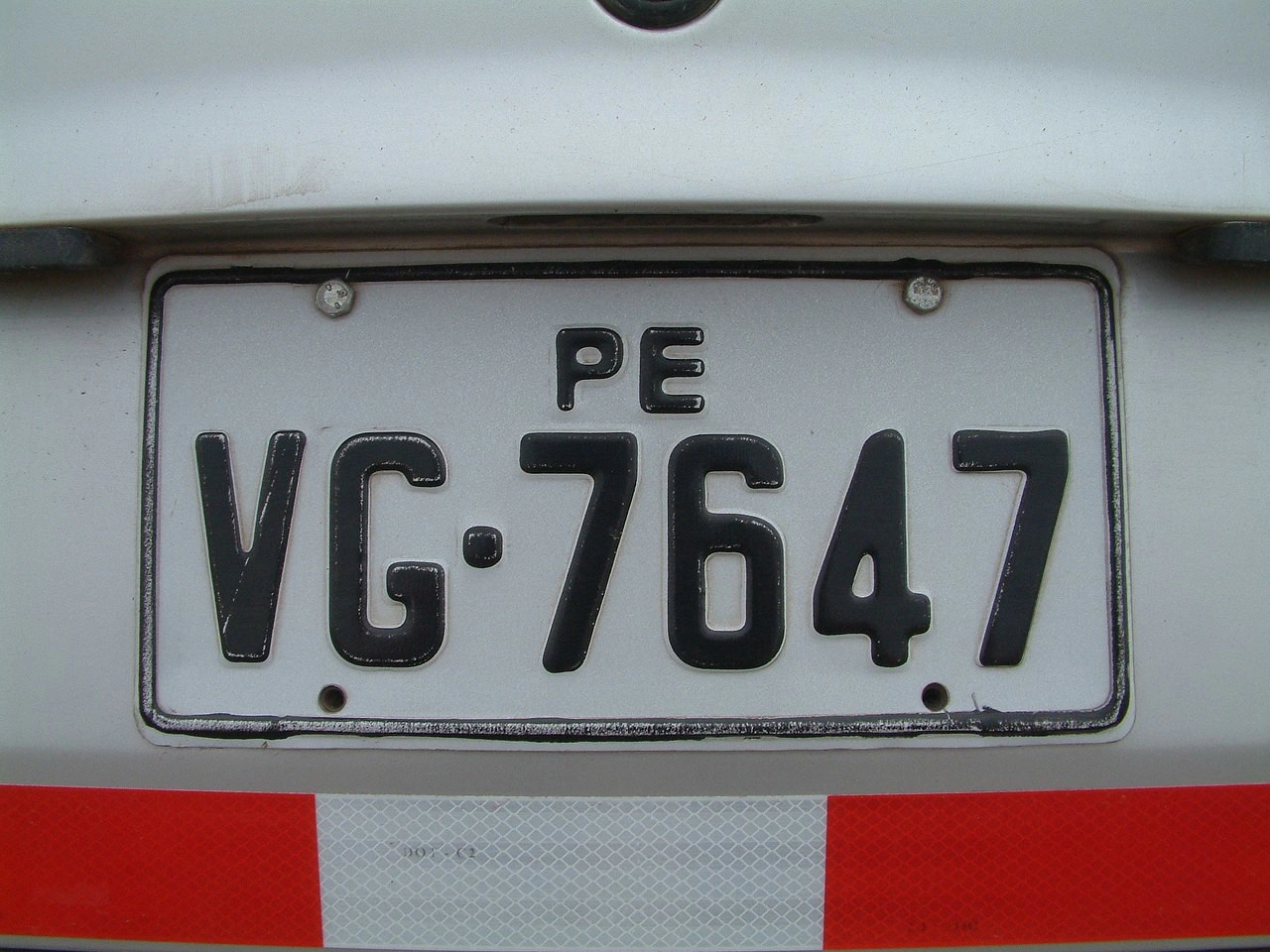
Ein Kennzeichen, auch Zulassungs- oder Nummernschild genannt, ist eine Tafel mit einer eindeutigen Registrierungskennung, die einem Fahrzeug von der zuständigen Zulassungsbehörde zugeteilt wird. Es ermöglicht die Identifizierung des Fahrzeugs für Zulassung, Verkehrsüberwachung, Besteuerung, Versicherung und Parkraumkontrolle.
Aussehen, Format, Anbringung und Anzahl vorgeschriebener Kennzeichen unterscheiden sich zwischen Ländern und Fahrzeugkategorien. Fahrer müssen sicherstellen, dass vorgeschriebene Kennzeichen ordnungsgemäß angebracht, gut sichtbar und lesbar sind, und die örtlichen Regeln bei Verlust, Diebstahl, Beschädigung oder Ersatz beachten.
What is a licence plate?
A licence plate is a plate displaying the registration identifier assigned to a vehicle. It allows authorities and other authorised systems to identify the vehicle's registration.
Is a licence plate the same as a registration plate?
Yes. Licence plate, registration plate and number plate are different terms commonly used for the plate displaying a vehicle's official registration number.
Does every vehicle need a licence plate?
Most motor vehicles used on public roads must display one or more registration plates, but requirements differ for motorcycles, trailers, agricultural vehicles and other special vehicle categories.
Do vehicles need both front and rear licence plates?
This depends on the country and vehicle type. Cars commonly require front and rear plates, while motorcycles and certain other vehicles may require only a rear plate.
Must a licence plate remain visible?
Yes. A required registration plate must normally remain clearly visible and readable. It should not be hidden by luggage, dirt, accessories or other objects.
Can you modify a licence plate?
Generally no. Changing the characters, colours, dimensions or appearance of an official plate may make it invalid or illegal. Plates and authorised reproductions must comply with local specifications.
What should you do if a licence plate is lost or stolen?
Follow the local reporting and replacement procedure. Many countries require the loss or theft to be reported to the police or vehicle-registration authority before a replacement plate can be issued.
Can you drive with a damaged licence plate?
A plate must remain legible and compliant with local requirements. If damage prevents it from being read or makes it invalid, it should be replaced according to the local registration procedure.
Can a licence plate be personalised?
Some countries allow motorists to request a personalised registration combination. The available characters, formats and prohibited combinations are determined by the registration authority.
Does a licence plate stay with the vehicle when it is sold?
This varies between countries. In some systems the plate remains with the vehicle, while in others it remains associated with the registered holder and may be retained or returned when the vehicle is sold.
7. Bus
Ein Bus ist ein Kraftfahrzeug zur Beförderung von mehreren Fahrgästen, meist im öffentlichen Verkehr, Schülerverkehr, privaten Personenverkehr oder einem anderen Personenbeförderungsdienst. Busse haben in der Regel eine höhere Fahrgastkapazität als Pkw und können für sitzende Fahrgäste, stehende Fahrgäste oder beides ausgelegt sein.
Für Busse können besondere Vorschriften hinsichtlich Führerschein, Fahrgastkapazität, Geschwindigkeitsbegrenzungen, Sicherheitsgurten, Busspuren, Haltestellen und Fahrgastwechsel gelten. Die rechtliche Einordnung von Bussen und Reisebussen sowie die für sie geltenden Regeln unterscheiden sich zwischen den Ländern; Fahrer und Fahrgäste müssen daher die örtlichen Verkehrsvorschriften beachten.
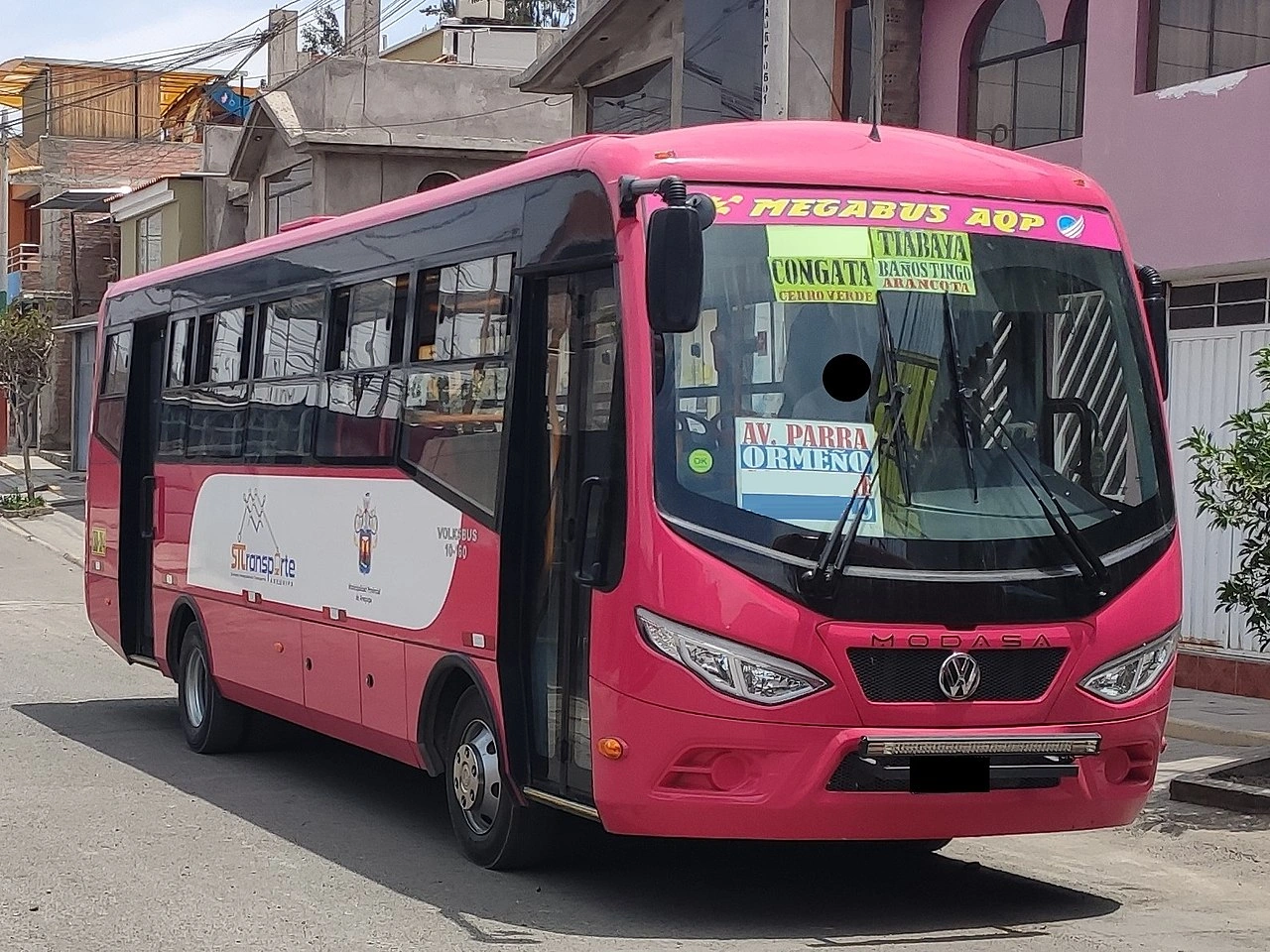
What is a bus?
A bus is a motor vehicle designed to transport a relatively large number of passengers. It may be used for public transport, school transport, private services or other passenger transport.
What is the difference between a bus and a coach?
A bus is commonly designed for frequent passenger boarding and may allow standing passengers, while a coach is generally designed for longer journeys with passengers seated. Exact legal definitions vary between countries.
Do you need a special driving licence to drive a bus?
Yes. Driving a vehicle designed to carry more than a specified number of passengers normally requires a dedicated bus or passenger-vehicle driving licence.
Can passengers stand on a bus?
Only when the vehicle is designed and approved to carry standing passengers. Coaches and other vehicles designed exclusively for seated passengers must not be used beyond their approved passenger configuration.
Must bus passengers wear seat belts?
Where seat belts are provided and local law requires their use, passengers must wear them correctly. Urban buses designed for standing passengers may have seating positions or operating conditions that differ from coaches.
Can buses use bus lanes?
Yes, where permitted. Bus lanes are commonly reserved for public transport buses, although local signs may also allow taxis, bicycles or other specified vehicles to use them.
Do buses always have priority when leaving a bus stop?
No. Some countries require other drivers to give way to buses leaving designated stops, particularly in urban areas, while others apply the normal merging rules.
Should you take extra care near a stopped bus?
Yes. Passengers may be boarding, leaving or crossing the road near the bus. Reduce speed where necessary and watch carefully for pedestrians emerging from behind or in front of the vehicle.
Do buses have special speed limits?
They can. Some countries impose lower maximum speeds on buses than on passenger cars, particularly on high-speed roads. Different limits may apply to buses and coaches.
Can a bus use a motorway?
Yes, normally. Buses that satisfy the applicable construction and access requirements may use motorways, but they must obey any vehicle-specific speed limits, lane restrictions and other local rules.
8. Polizei
Die Polizei ist eine öffentliche Behörde, die für die Durchsetzung von Gesetzen, die Aufrechterhaltung der öffentlichen Sicherheit und die Bewältigung von Situationen zuständig ist, die den Straßenverkehr beeinträchtigen können. Im Verkehr können Polizeibeamte Fahrzeuge kontrollieren, Verkehrsregeln durchsetzen, Unfälle untersuchen, den Verkehr regeln und auf Notfälle reagieren.
Verkehrsteilnehmer müssen rechtmäßige Anweisungen von Polizeibeamten oder anderem befugtem Verkehrspersonal befolgen. Polizeiliche Weisungen können je nach örtlichem Recht vorübergehend Ampeln, Verkehrszeichen oder die normale Verkehrsführung außer Kraft setzen.
What is the role of police in road traffic?
Police help enforce traffic laws, manage traffic, investigate collisions and respond to dangerous situations. They may also carry out roadside checks and direct road users.
Must you obey a police officer directing traffic?
Yes. Lawful directions given by an authorised police officer must be followed. In many countries, those directions take precedence over traffic lights, road signs and normal priority rules.
What should you do if police signal you to stop?
Slow down, follow the officer's directions and stop at a safe location as instructed. Do not make sudden movements or continue driving unless directed to do so.
Can police direct you through a red traffic light?
Yes, where authorised by local law. A police officer controlling traffic may instruct road users to proceed even when a traffic light or sign would normally require them to stop.
Can police check your driving documents?
Yes. Police may require drivers to provide documents such as a driving licence, vehicle registration, identification or proof of insurance according to local law.
Can police carry out alcohol or drug checks?
Yes. Traffic police may conduct legally authorised alcohol and drug checks using procedures such as breath, saliva or other approved tests.
Can police temporarily close a road?
Yes. Roads or lanes may be temporarily closed or traffic diverted because of collisions, emergencies, investigations, public events or other safety concerns.
What should you do near police controlling an accident scene?
Reduce speed, remain alert and follow all directions. Do not enter a closed area or interfere with emergency personnel, and leave sufficient space for emergency vehicles.
What should you do when a police vehicle approaches with emergency signals?
Follow the local rules for priority vehicles. Drivers generally have to make sufficient space, give way and stop where necessary so that the emergency vehicle can pass safely.
Can police order a parked vehicle to be moved?
Yes, where local law permits it. Police or another authorised authority may require a vehicle to be moved when it obstructs traffic, creates danger or must be removed for operational reasons.
9. Krankenwagen
Ein Krankenwagen ist ein Fahrzeug, das für medizinische Notfallhilfe oder den Transport von Patienten zu oder zwischen medizinischen Einrichtungen ausgerüstet und eingesetzt wird. Krankenwagen können medizinische Geräte und geschultes Personal mitführen, das während des Transports eine Behandlung durchführen kann.
Bei einem Notfalleinsatz kann ein Krankenwagen Warnleuchten und eine Sirene verwenden und besondere Vorrechte oder Ausnahmen von bestimmten Verkehrsregeln haben. Andere Verkehrsteilnehmer müssen die örtlichen Regeln für Einsatzfahrzeuge befolgen, ausreichend Platz schaffen und ihre Durchfahrt nicht behindern.
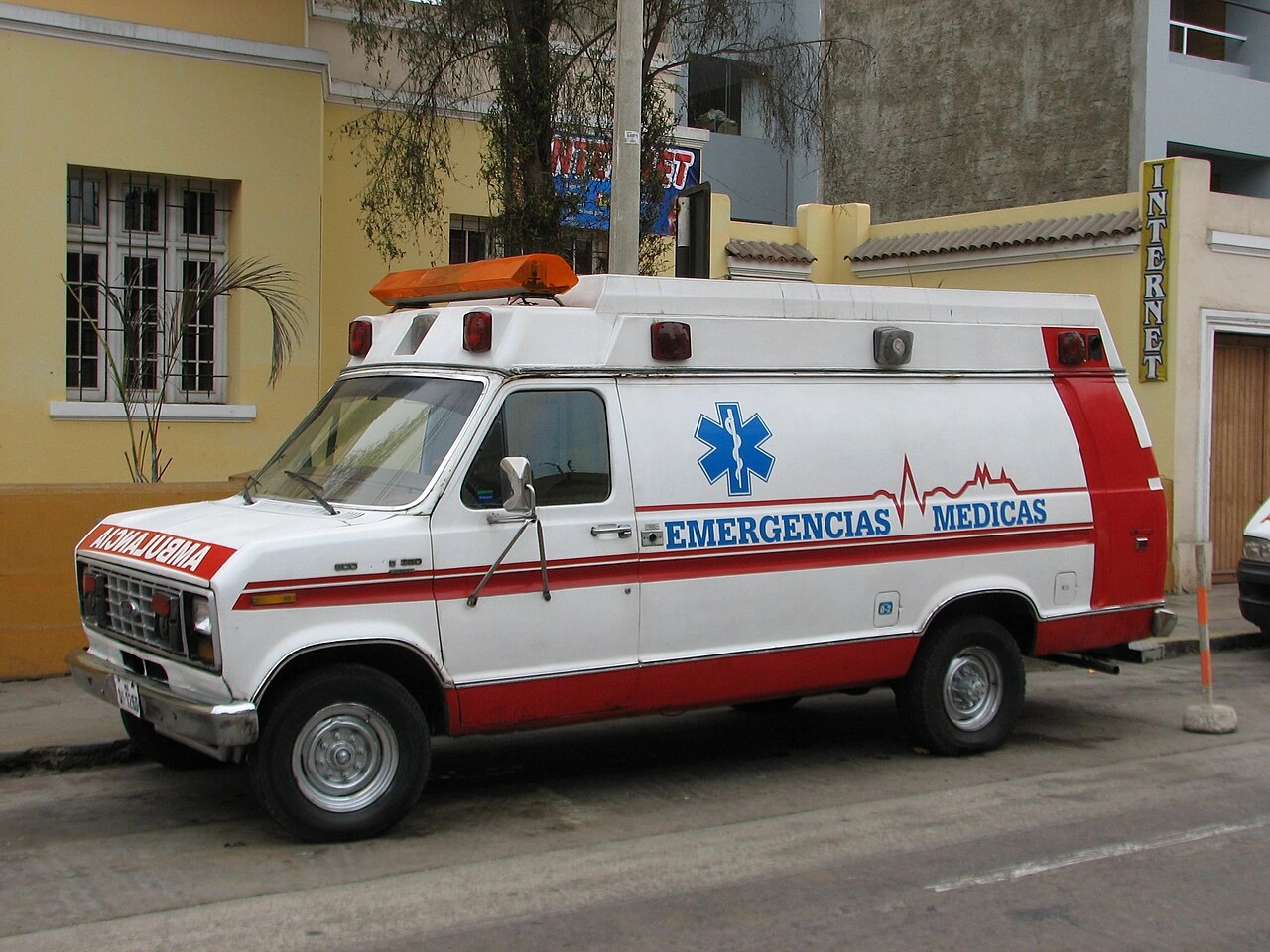
What is an ambulance?
An ambulance is a specially equipped vehicle used to provide emergency medical assistance and transport sick or injured people.
When does an ambulance have priority?
This depends on the local traffic rules and warning signals being used. Ambulances responding to emergencies commonly use flashing lights and a siren to indicate that other road users must make way.
What should you do when an ambulance approaches?
Remain calm and make sufficient space for it to pass. Slow down or stop where necessary, but avoid sudden or dangerous manoeuvres.
Should you stop immediately when you hear an ambulance siren?
Not necessarily in your exact position. Move or stop in a way that creates a safe passage without blocking an intersection, pedestrian crossing or another part of the road needed by the ambulance.
Can an ambulance pass a red traffic light?
Emergency vehicles may be allowed to pass a red light during an urgent response under special legal conditions. The precise rules differ between countries, and the ambulance driver must still take appropriate precautions.
Can an ambulance exceed the speed limit?
Many countries permit emergency vehicles to depart from certain normal speed rules during an urgent mission, subject to safety requirements and national legislation.
Can an ambulance drive through a traffic queue?
Yes, when responding to an emergency and legally permitted to do so. Other road users should create space and keep emergency corridors or access routes clear where required.
Can you follow an ambulance through traffic?
You should not use the passage created for an ambulance as a way to bypass congestion. Maintain a safe distance and continue to obey the normal traffic rules.
Do ambulances always use their sirens?
No. The use of warning lights and sirens depends on the urgency of the mission and local regulations. An ambulance transporting a patient does not necessarily need to use emergency signals throughout the journey.
What should you do near a stationary ambulance?
Reduce speed and remain alert. Medical personnel, patients or other emergency workers may be entering the road, and the ambulance may need to move unexpectedly.
10. Schlagloch
Ein Schlagloch ist ein Loch oder eine Vertiefung in der Fahrbahnoberfläche, verursacht durch Verschleiß, Witterung, Wasser, wiederholte Verkehrsbelastung oder die Alterung des Straßenbelags. Schlaglöcher können stark in Größe und Tiefe variieren und sich allmählich entwickeln oder nach Frost, starkem Regen oder wiederholter Fahrzeugbelastung verschlimmern.
Schlaglöcher können Lenkung, Bremsen und Fahrzeugstabilität beeinträchtigen und Reifen, Räder oder Fahrwerkskomponenten beschädigen. Fahrer und Zweiradfahrer sollten die Fahrbahn voraus beobachten, ihre Geschwindigkeit anpassen und bei beschädigter Fahrbahn plötzliche oder gefährliche Ausweichmanöver vermeiden.

What is a pothole?
A pothole is a hole or depression that develops in a road surface when the pavement becomes damaged or deteriorates.
How do potholes form?
Potholes can develop through a combination of water, temperature changes, traffic loads and deterioration of the road material. Cracks can gradually expand until pieces of the surface break away.
Why are potholes dangerous?
A pothole can cause a vehicle to change direction suddenly, lose stability or suffer tyre, wheel or suspension damage. Deep potholes can present a particularly serious hazard at higher speeds.
What should you do when you see a pothole?
Reduce speed when necessary, maintain control of the vehicle and avoid abrupt steering or braking. Only move around the pothole when this can be done safely without endangering other road users.
Should you brake while driving through a pothole?
If possible, reduce your speed before reaching the pothole. Sudden heavy braking or steering while passing over a damaged surface can make the vehicle less stable.
Are potholes particularly dangerous for motorcycles?
Yes. A pothole can disturb the steering or balance of a motorcycle and may cause the rider to lose control.
Are potholes dangerous for cyclists?
Yes. Bicycle wheels can be strongly affected by deep holes or sharp edges, particularly when the cyclist has little time or space to avoid the hazard.
Can a pothole damage a car?
Yes. Severe impacts can damage tyres, wheel rims, suspension components, steering parts or wheel alignment.
Should you swerve suddenly to avoid a pothole?
No. A sudden evasive movement may create a greater danger by bringing the vehicle into conflict with cyclists, pedestrians, oncoming traffic or vehicles in another lane.
Can a warning sign indicate potholes ahead?
Yes. Depending on the country's traffic-sign system, an uneven-road or general-danger warning sign may be used where poor road conditions create a significant hazard.
11. Weg
Ein Weg ist eine relativ schmale Verkehrsverbindung, die für Fußgänger und, soweit erlaubt, andere Verkehrsteilnehmer oder kleine Fahrzeuge bestimmt ist. Wege können durch bebaute Gebiete, Landschaften, Parks oder Wälder führen oder andere Straßen miteinander verbinden und befestigt oder unbefestigt sein.
Ein Weg ist nicht zwangsläufig dasselbe wie ein Fußweg oder Radweg. Welche Verkehrsteilnehmer ihn benutzen dürfen, hängt von seinem rechtlichen Status, seiner Breite, den Verkehrszeichen und den örtlichen Vorschriften ab.

What is a path?
A path is a relatively narrow route intended primarily for pedestrians and, where permitted, other road users or small vehicles.
Is a path the same as a footpath?
Not necessarily. A footpath is specifically intended for pedestrians, while a path may also permit cyclists or other users according to local rules.
Is a path the same as a cycle path?
No. A cycle path is specifically designated for bicycles and other permitted users. An ordinary path does not automatically have that legal status.
Can cyclists use a path?
This depends on the legal status, width and signs applying to the path. Some paths permit cyclists, while others are reserved for pedestrians or particular users.
Can motor vehicles use a path?
This depends on local law. Some paths prohibit motor vehicles entirely, while narrow vehicles may be permitted on other paths unless traffic signs restrict access.
Can a path be part of the public-road network?
Yes. A narrow path can legally form part of the public-road network even when it is unsuitable for ordinary cars.
Does a path need to be paved?
No. Paths can be paved, gravelled, compacted or unsurfaced depending on their location and purpose.
Can traffic signs restrict access to a path?
Yes. Signs can reserve a path for particular road users or prohibit certain vehicles, regardless of whether they could physically fit on it.
Who has priority when a path joins a larger road?
The applicable local priority rules determine who must give way. Special rules often apply when a minor path joins an ordinary road.
Can pedestrians and cyclists share a path?
Yes, where both are permitted. Faster users should adapt their speed and avoid endangering or unnecessarily obstructing pedestrians.
Can a path cross another road?
Yes. At the crossing, users must follow the applicable priority signs, traffic lights, road markings and general right-of-way rules.
Is every narrow route legally a path?
No. Its legal classification depends on the definitions and regulations of the country concerned. A narrow route might instead be a footpath, cycle path, private access road or another type of facility.
12. Feinstaub
Partikel oder Feinstaub (PM) sind winzige feste Teilchen oder Flüssigkeitströpfchen, die in der Luft schweben. Im Straßenverkehr können Partikelemissionen aus Fahrzeugabgasen, Bremsenabrieb, Reifenabrieb und Straßenabrieb sowie aus Staub entstehen, der durch vorbeifahrende Fahrzeuge aufgewirbelt wird.
Feinstaub wird üblicherweise nach Partikelgröße eingeteilt. PM10 bezeichnet Teilchen mit einem Durchmesser von bis zu ungefähr 10 Mikrometern, während PM2.5 feinere Teilchen bis ungefähr 2,5 Mikrometer bezeichnet. Fahrzeugemissionsnormen, Partikelfilter und Maßnahmen zur Luftreinhaltung dienen dazu, die Belastung durch diese Schadstoffe zu verringern.

What are particulates?
Particulates, or particulate matter, are very small solid particles or liquid droplets suspended in the air.
What are PM10 and PM2.5?
PM10 refers to particles with a diameter of up to approximately 10 micrometres. PM2.5 refers to finer particles with a diameter of up to approximately 2.5 micrometres.
Where do traffic particulates come from?
Road traffic can produce particles through engine exhaust, brake wear, tyre wear and road-surface wear. Passing traffic can also resuspend dust already present on the road.
Are diesel vehicles a source of particulates?
Yes. Combustion in diesel engines can produce very small soot particles. Modern diesel vehicles commonly use particulate filters to capture a large proportion of these exhaust particles.
What is a particulate filter?
A particulate filter is an exhaust-treatment device designed to trap particulate matter produced by an engine. Diesel particulate filters are commonly known as DPFs.
Do petrol engines produce particulates?
Yes. Petrol engines can also produce particulate emissions, particularly certain direct-injection engines. Appropriate emission-control systems may therefore include particulate filters.
Do electric vehicles produce particulates?
Fully electric vehicles produce no exhaust particulates from a combustion engine, but particles can still result from tyre wear, road wear and braking.
Are brake and tyre particles regulated?
Vehicle-emission regulation is increasingly addressing non-exhaust emissions. The European Euro 7 framework includes requirements concerning brake-particle emissions and tyre abrasion.
Is particulate matter the same as CO2?
No. Particulate matter consists of tiny airborne particles, while carbon dioxide is a gas. They are different types of vehicle emissions and are regulated for different environmental reasons.
How can vehicle particulate emissions be reduced?
Measures include effective particulate filters, cleaner vehicle technologies, correctly maintained emission-control systems and reductions in brake, tyre and road-wear emissions.
13. Luftverschmutzung
Luftverschmutzung ist das Vorhandensein von Gasen, Partikeln oder anderen Stoffen in der Luft in Konzentrationen, die die menschliche Gesundheit, die Umwelt oder Ökosysteme schädigen können. Der Straßenverkehr trägt durch Abgasemissionen und nicht abgasbedingte Quellen wie Bremsenabrieb, Reifenabrieb und Straßenstaub zur Luftverschmutzung bei.
Zu wichtigen verkehrsbedingten Schadstoffen gehören Stickoxide, Feinstaub, Kohlenmonoxid und flüchtige organische Verbindungen. Manche Schadstoffe werden direkt von Fahrzeugen ausgestoßen, andere können durch chemische Reaktionen in der Atmosphäre entstehen. Fahrzeugemissionsnormen, sauberere Technologien und Verkehrsmanagementmaßnahmen werden eingesetzt, um diese Emissionen zu verringern.

What is air pollution?
Air pollution is contamination of the air by gases, particles or other substances that can adversely affect human health, the environment or ecosystems.
How does road traffic cause air pollution?
Vehicles produce pollutants through fuel combustion, exhaust systems, brake wear, tyre wear and road-surface interaction. Moving traffic can also resuspend dust already present on the road.
Which air pollutants are associated with road traffic?
Important traffic-related pollutants include nitrogen oxides, particulate matter, carbon monoxide and volatile organic compounds. Their relative importance depends on the vehicle, fuel and driving conditions.
What is nitrogen dioxide?
Nitrogen dioxide (NO2) is an air pollutant associated particularly with combustion processes and road traffic. High concentrations are commonly found near busy roads and densely trafficked urban areas.
What is particulate matter?
Particulate matter consists of tiny solid particles or liquid droplets suspended in the air. Road traffic can produce particles from exhaust, brakes, tyres and road surfaces.
Is CO2 the same as ordinary air pollution?
No. Carbon dioxide is primarily regulated as a greenhouse gas because of its contribution to climate change. Local air-quality pollution generally focuses on substances such as nitrogen dioxide, particulate matter, ozone and other pollutants that directly affect air quality and health.
Do electric vehicles cause air pollution?
Fully electric vehicles produce no combustion-engine exhaust emissions while driving, but they can still contribute to non-exhaust particulate emissions through tyres, brakes and road wear.
Can air pollution be worse near busy roads?
Yes. Concentrations of traffic-related pollutants can be higher close to heavily trafficked roads because many emissions occur close to ground level and near where people live and travel.
What is a low-emission zone?
A low-emission zone is an area where access by more polluting vehicles is restricted in order to reduce traffic-related air pollution. Access criteria may depend on factors such as fuel type, vehicle category and emission standard.
How can traffic-related air pollution be reduced?
Measures include cleaner vehicles, stricter emission standards, effective emission-control equipment, low-emission zones, public transport, cycling and walking, as well as traffic-management measures that reduce unnecessary congestion and emissions.
14. Hauptverkehrszeit
Die Hauptverkehrszeit ist ein Zeitraum, in dem Straßen und öffentliche Verkehrsnetze besonders stark ausgelastet sind, meist weil viele Menschen gleichzeitig zur Arbeit, zur Schule oder zu anderen regelmäßigen Zielen fahren beziehungsweise von dort zurückkehren. Sie tritt an Werktagen gewöhnlich morgens sowie am späten Nachmittag oder Abend auf.
Verkehr in der Hauptverkehrszeit kann zu Stau, geringeren Geschwindigkeiten, längeren Fahrzeiten und häufigem Anhalten führen. Fahrer sollten einen sicheren Abstand halten, geduldig bleiben, wechselnde Verkehrsbedingungen voraussehen und vorübergehende oder dynamische Verkehrsmanagementmaßnahmen beachten.

What is rush hour?
Rush hour is a period when unusually large numbers of people travel at the same time, resulting in increased traffic and often congestion.
When does rush hour occur?
Rush hour commonly occurs during the morning and late afternoon or evening on working days, but the exact times vary according to the city, road and local travel patterns.
Does rush hour always last one hour?
No. The term does not mean that congestion lasts exactly one hour. In busy urban areas, peak traffic conditions may continue for several hours.
Why does traffic become congested during rush hour?
Congestion develops when traffic demand approaches or exceeds the available road capacity. Intersections, merging traffic, collisions, roadworks and weather can make the congestion worse.
Should you increase your following distance in rush-hour traffic?
Yes. Leave sufficient distance to react to sudden braking and frequent changes in traffic speed. Avoid following another vehicle too closely even when traffic is moving slowly.
Should you frequently change lanes during congestion?
Unnecessary lane changes can create additional conflicts and may not significantly reduce journey time. Choose an appropriate lane, observe surrounding traffic and change lane only when it can be done safely.
Can speed limits change during rush hour?
Yes. Roads equipped with variable traffic management may display lower speed limits during congestion. Drivers must follow the speed limit currently indicated.
What is a rush-hour lane?
A rush-hour lane is an additional traffic lane that can be opened during busy periods to increase road capacity. It may use a lane or shoulder that is closed to normal traffic at other times.
Can you use a rush-hour lane whenever traffic is congested?
No. Such a lane may only be used when traffic signals or signs indicate that it is open. Never assume that congestion alone permits its use.
How can you prepare for a journey during rush hour?
Check current traffic conditions and expected journey times, allow additional travel time and consider an alternative route, departure time or mode of transport where appropriate.
15. Straßenverkehrsordnung
Eine Straßenverkehrsordnung ist eine Sammlung von Gesetzen und Verkehrsregeln, die festlegt, wie öffentliche Straßen genutzt werden. Sie enthält Vorschriften für Fahrer, Radfahrer, Fußgänger und andere Verkehrsteilnehmer und behandelt Themen wie Vorfahrt, Geschwindigkeit, Überholen, Parken, Ampeln, Verkehrszeichen und Fahrbahnmarkierungen.
Straßenverkehrsvorschriften unterscheiden sich zwischen Ländern und teilweise auch zwischen Regionen. Von jedem Verkehrsteilnehmer wird erwartet, dass er die Regeln kennt und befolgt, die am jeweiligen Aufenthaltsort gelten, auch wenn diese von den Regeln im Heimatland abweichen.
What is a road code?
A road code is the body of traffic rules and regulations governing how road users must behave on public roads.
What does a road code regulate?
A road code can regulate subjects such as priority, speed, overtaking, turning, parking, traffic signals, road signs and road markings, as well as the responsibilities of different road users.
Are road codes the same in every country?
No. Although many traffic rules and signs are similar internationally, each country establishes its own traffic legislation and may apply different rules, signs, speed limits and requirements.
16. Straßenrinne
Eine Straßenrinne ist eine schmale Rinne am Rand einer Straße, die Regenwasser sammelt und zu Abläufen oder anderen Entwässerungssystemen leitet. Sie liegt häufig zwischen Fahrbahn und Bordstein und kann aus Beton, Pflastersteinen oder einem Teil der Fahrbahnoberfläche bestehen.
Eine Straßenrinne ist in erster Linie eine Entwässerungseinrichtung und kein Fahrstreifen. Verkehrsteilnehmer sollten in ihrer Nähe vorsichtig sein, da sich dort Wasser, Schmutz, Ablauföffnungen oder unebene Oberflächen befinden können.

What is a street gutter?
A street gutter is a drainage channel along the edge of a road that collects rainwater and directs it toward drains or another drainage system.
Is a street gutter a traffic lane?
Normally, no. A gutter is primarily part of the road's drainage system and is not intended to function as a normal traffic lane.
Why should cyclists take care near street gutters?
Gutters may contain water, leaves, debris, drain covers or uneven surfaces, which can reduce grip or make cycling less stable.
17. Lastenfahrrad
Ein Lastenfahrrad ist ein Fahrrad, das für den Transport von Gütern, Kindern oder anderen größeren Lasten ausgelegt ist, als normalerweise mit einem herkömmlichen Fahrrad befördert werden können. Es kann eine Box oder Ladefläche vor oder hinter dem Fahrer, einen verlängerten Gepäckträger oder eine mehrspurige Bauweise haben.
Lastenfahrräder können vollständig durch den Fahrer angetrieben oder mit elektrischer Tretunterstützung ausgestattet sein. Zulässige Abmessungen, Fahrgastkapazität, Nutzung von Radwegen und Grenzen der elektrischen Unterstützung richten sich nach den örtlichen Verkehrs- und Fahrzeugvorschriften.

What is a cargo bike?
A cargo bike is a bicycle designed to carry goods, children or larger loads than a conventional bicycle.
What types of cargo bikes are there?
Common designs include two-wheel box bikes, three-wheel cargo bikes and longtail bicycles with an extended rear carrying area.
Can a cargo bike be electric?
Yes. Many cargo bikes use electric pedal assistance to make it easier to move heavier loads or travel longer distances.
Is an electric cargo bike still a bicycle?
It can be. If the electrical assistance remains within the applicable power and assistance-speed limits, the vehicle may remain legally classified as a bicycle. More powerful or faster models may belong to another category.
Can a cargo bike carry children?
Yes, when it is designed and equipped for passenger transport. Children should use the seats, restraints, foot protection or other safety equipment provided by the manufacturer and required by local law.
Can a cargo bike carry goods?
Yes. Transporting goods is one of its main purposes. Loads must be securely positioned and must not make the bicycle unstable, obstruct the rider's view or exceed applicable dimensional or weight limits.
Can a cargo bike use a cycle path?
This depends on its dimensions and legal classification. Ordinary-sized cargo bicycles generally follow bicycle rules, while unusually wide models may be excluded from certain cycle facilities.
Does a cargo bike need a driving licence?
Normally not when it remains legally classified as an ordinary bicycle or electrically assisted bicycle. Faster or more powerful vehicles may be subject to different licensing requirements.
Is a helmet compulsory on a cargo bike?
This depends on the country's bicycle rules and the vehicle's classification. A model legally classified as a faster motorised vehicle may have different helmet requirements from an ordinary cargo bicycle.
Should you ride differently when a cargo bike is heavily loaded?
Yes. Additional weight can affect acceleration, braking, steering and stability. Reduce speed where necessary, allow greater stopping distance and take particular care when turning.
Can a cargo bike tow a trailer?
Yes, where permitted. The bicycle, trailer and total load must comply with the applicable dimensional, mass, braking and passenger-transport requirements.
Why should drivers take care around cargo bikes?
Cargo bikes can be longer, wider and heavier than ordinary bicycles and may need additional space when turning or stopping. Drivers should leave sufficient passing distance and avoid cutting across their path.
18. Forstfahrzeug
Ein Forstfahrzeug ist ein Fahrzeug, das für Arbeiten im Zusammenhang mit Forstwirtschaft und Waldbewirtschaftung konstruiert, ausgerüstet oder angepasst ist. Es kann zum Ziehen von Maschinen, zum Transport von Holz und Geräten oder für Arbeiten wie Ernte, Rückung und Pflege von Waldflächen eingesetzt werden.
Forstfahrzeuge können Traktoren, spezielle selbstfahrende Maschinen, Anhänger und austauschbare Geräte umfassen. Zulassung, Führerscheinanforderungen, Höchstgeschwindigkeit, Straßenzugang und technische Anforderungen hängen von der rechtlichen Einstufung des Fahrzeugs und den örtlichen Verkehrsvorschriften ab.
What is a forestry vehicle?
A forestry vehicle is a vehicle designed or adapted for forestry work, such as pulling machinery, carrying equipment, transporting timber or working on forest land.
Is a forestry vehicle always a tractor?
No. Forestry vehicles can include tractors, specialised self-propelled machines, trailers and other equipment. Their legal classification depends on their design and use.
What is a forestry tractor?
A forestry tractor is a powered vehicle primarily designed to pull, push, carry or operate equipment or trailers used for forestry work.
Can forestry vehicles travel on public roads?
Yes, when legally permitted and properly equipped. Registration, insurance, lighting, dimensions, speed and driving-licence requirements may apply before a forestry vehicle can use public roads.
Do you need a special driving licence for a forestry vehicle?
This depends on the vehicle classification, mass and country. Some countries have special agricultural or forestry vehicle licence categories, while other machines require ordinary car or heavy-vehicle licences.
Do forestry vehicles have special speed limits?
They may. The permitted speed can depend on the vehicle's construction speed, mass, road type and local traffic rules. Posted speed limits must also be respected.
Can forestry vehicles use motorways?
This depends on the country and vehicle classification. Agricultural and forestry vehicles are often restricted from high-speed roads, particularly when their construction speed is unsuitable for motorway traffic.
Why should drivers take care when passing a forestry vehicle?
Forestry vehicles can be large, slow, wide or equipped with projecting machinery. Reduce speed where necessary and overtake only when there is sufficient visibility and space.
Can a forestry vehicle tow a trailer?
Yes, where the vehicle is designed and approved to do so. Forestry tractors commonly tow trailers carrying timber, machinery or other forestry materials.
Can forestry equipment extend beyond the normal width of the vehicle?
Some machinery or loads may make a forestry vehicle unusually wide or long. Where legal limits are exceeded, special markings, lighting, permits or escort arrangements may be required under local law.
19. Baufahrzeug
Ein Baufahrzeug ist ein Fahrzeug oder eine mobile Maschine, die für Arbeiten im Zusammenhang mit Bau, Straßenarbeiten, Erdarbeiten, Hebearbeiten oder Materialtransport konstruiert oder angepasst ist. Beispiele sind Bagger, Lader, Planierraupen, Straßenwalzen, Mobilkräne, Muldenkipper und Betonmischer.
Baufahrzeuge unterscheiden sich stark in Größe, Geschwindigkeit und rechtlicher Einstufung. Manche sind gewöhnliche Straßenfahrzeuge, andere Spezialmaschinen, die hauptsächlich für Baustellen bestimmt sind. Bei Fahrten auf öffentlichen Straßen müssen sie die geltenden Zulassungs-, Führerschein-, Beleuchtungs-, Abmessungs-, Gewichts-, Geschwindigkeits- und Verkehrsregeln einhalten.

What is a construction vehicle?
A construction vehicle is a vehicle or mobile machine used for construction, excavation, lifting, roadworks or transporting construction materials.
What are examples of construction vehicles?
Examples include excavators, wheel loaders, bulldozers, road rollers, mobile cranes, dump trucks and concrete mixers.
Is every construction vehicle legally the same type of vehicle?
No. A construction vehicle may legally be classified as a truck, mobile machine, special-purpose vehicle or another vehicle category depending on its design and use.
Can construction vehicles travel on public roads?
Yes, when the vehicle is legally permitted and suitably equipped for road use. Some machines are designed mainly for construction sites and may be subject to special restrictions when travelling on public roads.
Do you need a driving licence for a construction vehicle?
This depends on the vehicle category, mass, speed and local law. Heavy trucks, mobile cranes and specialised machines may require different licence categories.
Do construction vehicles have special speed limits?
They may. A vehicle's design speed, mass, tyres, suspension and legal classification can result in a lower permitted speed than that applying to ordinary cars.
Why should you take extra care near construction vehicles?
Construction vehicles can be large, slow and difficult to manoeuvre and may have significant blind spots. They may also turn, reverse or enter a construction site unexpectedly.
What do flashing amber lights on a construction vehicle mean?
Flashing amber lights generally warn other road users that the vehicle is working, moving slowly or creating an unusual obstruction or hazard. They do not normally give the vehicle the same priority as an emergency vehicle.
Can a construction vehicle be wider or heavier than an ordinary vehicle?
Yes. Some construction machinery exceeds normal vehicle dimensions or masses. Special permits, route restrictions, warning equipment or escorts may then be required.
What should you do when passing a construction vehicle?
Reduce speed where necessary and leave sufficient space. Be aware of blind spots, projecting equipment, wide turns and workers who may be present nearby.
20. Sattelzug
Ein Sattelzug ist eine Fahrzeugkombination aus einer Sattelzugmaschine und einem Sattelanhänger, die hauptsächlich dem Gütertransport dient. Der Sattelanhänger ist so mit der Zugmaschine verbunden, dass ein wesentlicher Teil seines Gewichts von der Zugmaschine getragen wird und nicht ausschließlich von seinen eigenen Rädern.
Sattelzüge werden häufig im Fernverkehr eingesetzt und können Container, Kühlgut, Flüssigkeiten, Schüttgut oder andere Ladung transportieren. Besondere Vorschriften können für Führerscheine, höchstzulässige Abmessungen und Massen, Geschwindigkeitsbegrenzungen, Fahrstreifennutzung, Überholen, Beladung sowie Lenk- und Ruhezeiten gelten.

What is a semi-trailer truck?
A semi-trailer truck consists of a powered road tractor coupled to a semi-trailer primarily used to transport goods.
What is a semi-trailer?
A semi-trailer is a trailer designed so that part of the trailer and a significant part of its load are supported by the towing tractor.
What is the difference between a semi-trailer and an ordinary trailer?
An ordinary trailer generally supports its own weight through its axles, while a semi-trailer transfers a substantial vertical load to the tractor through its coupling.
How is a semi-trailer connected to the tractor?
The semi-trailer is normally connected through a kingpin and fifth-wheel coupling mounted behind the tractor cab.
Why are semi-trailer trucks called articulated vehicles?
The tractor and semi-trailer are connected by a pivoting coupling, allowing the two parts to turn relative to each other when the combination changes direction.
Do you need a special licence to drive a semi-trailer truck?
Yes. Heavy articulated trucks normally require a heavy-goods-vehicle licence that also authorises the driver to tow a heavy trailer or semi-trailer. The precise licence categories differ between countries.
Do semi-trailer trucks have lower speed limits?
They often do. Many countries impose vehicle-specific maximum speeds on heavy goods vehicles, particularly on motorways and other high-speed roads.
Why do semi-trailer trucks need more space to turn?
The semi-trailer's rear wheels follow a tighter path than the tractor's front wheels. Drivers therefore need additional space when turning, particularly at narrow intersections.
Why should you leave extra distance behind a semi-trailer truck?
Large trucks can restrict your view of traffic ahead and require considerable stopping distance. Keeping an appropriate following distance improves visibility and reaction time.
Why should you take care when driving beside a semi-trailer truck?
Large trucks have substantial blind spots around the cab and trailer. Avoid remaining beside the vehicle unnecessarily and be particularly careful when the truck is turning or changing lane.
21. Oberleitungsbus
Ein Oberleitungsbus ist ein elektrisch angetriebener Bus, der seine Energie normalerweise über oberhalb der Straße verlaufende elektrische Leitungen und am Fahrzeug angebrachte Stromabnehmer erhält. Anders als eine Straßenbahn fährt ein Oberleitungsbus auf gewöhnlichen Straßenrädern und wird vom Fahrer gelenkt, statt von Schienen geführt zu werden.
Oberleitungsbusse dienen in der Regel dem öffentlichen Personenverkehr und können Busspuren, Haltestellen und andere Einrichtungen des öffentlichen Verkehrs nutzen. Manche modernen Oberleitungsbusse verfügen zusätzlich über Batterien oder Hilfsantriebe, mit denen sie kurze Strecken ohne Verbindung zur Oberleitung fahren können.

What is a trolleybus?
A trolleybus is an electrically powered bus that normally receives electricity from overhead wires while travelling on ordinary road wheels.
Is a trolleybus the same as a tram?
No. A tram runs on rails and follows the path of its tracks. A trolleybus has ordinary tyres and is steered like a conventional bus.
Is a trolleybus an electric bus?
Yes. A trolleybus uses an electric motor, but unlike a battery-electric bus it traditionally receives most or all of its operating power from overhead electrical wires.
How does a trolleybus receive electricity?
Electrical current is normally collected from overhead wires through poles or another current-collection system mounted on the vehicle.
Can a trolleybus drive without overhead wires?
Some trolleybuses can. Modern vehicles may have batteries or auxiliary motors that allow limited operation away from the overhead wiring.
Can a trolleybus change lane?
Yes. Because it is steered rather than rail-guided, a trolleybus can move sideways within the range permitted by its overhead electrical connection and road layout.
Can trolleybuses use bus lanes?
Yes, where local rules permit. Trolleybuses operating public-transport services can normally use infrastructure reserved for authorised buses and public transport.
Do trolleybuses have priority when leaving stops?
This depends on the local traffic law. Some countries require other drivers to allow public-transport buses, including trolleybuses, to leave designated stops.
Should drivers slow down near a stopped trolleybus?
Yes. Passengers may be boarding, leaving or crossing the roadway. Drivers should approach carefully and give passengers sufficient space where required.
Does a trolleybus produce exhaust emissions?
A trolleybus operating entirely on electric power produces no combustion-engine exhaust emissions at the vehicle. Non-exhaust emissions from tyres, brakes and road wear can still occur.
22. Speed-Pedelec
Ein Speed-Pedelec ist ein schnelles elektrisch unterstütztes Fahrrad, dessen Motor die Tretunterstützung über die gewöhnliche Unterstützungsgrenze von Elektrofahrrädern hinaus fortsetzen kann, typischerweise bis ungefähr 45 km/h. Es besitzt Pedale und ist in erster Linie dafür ausgelegt, den Fahrer beim Treten zu unterstützen.
Wegen seiner höheren Geschwindigkeit kann ein Speed-Pedelec rechtlich anders behandelt werden als ein gewöhnliches Fahrrad oder Elektrofahrrad. Je nach Land können besondere Vorschriften zu Mindestalter, Führerschein, Helm, Zulassung, Versicherung, Radwegnutzung und zulässigen Straßen gelten.

What is a speed pedelec?
A speed pedelec is an electrically assisted pedal cycle capable of providing motor assistance at higher speeds than an ordinary electric bicycle, commonly up to approximately 45 km/h.
What is the difference between a speed pedelec and an ordinary electric bicycle?
An ordinary electrically assisted bicycle normally stops providing motor assistance at a lower speed, commonly around 25 km/h. A speed pedelec can continue assisting the rider at higher speeds.
Do you still have to pedal a speed pedelec?
Normally yes. A speed pedelec is primarily designed to provide assistance while the rider pedals, although limited walking or starting assistance may also be provided.
Can a speed pedelec travel at 45 km/h?
Many speed pedelecs are designed to provide assistance up to approximately 45 km/h. The actual permitted speed must still comply with the local speed limit and traffic conditions.
Do you need a driving licence for a speed pedelec?
This depends on the country's legal classification. Some countries classify speed pedelecs similarly to mopeds and require an appropriate driving licence.
Is a helmet compulsory on a speed pedelec?
Helmet requirements vary between countries, but because speed pedelecs travel considerably faster than ordinary bicycles, specific helmet requirements commonly apply.
Does a speed pedelec need a licence plate?
In countries where speed pedelecs are classified as mopeds or another motor-vehicle category, registration and a licence plate may be compulsory.
Does a speed pedelec need insurance?
This depends on its technical characteristics and local law. Some jurisdictions require motor-vehicle liability insurance, while others exempt pedal-assisted speed pedelecs under specified conditions.
Can a speed pedelec use a cycle path?
This depends on the country, road speed limit and traffic signs. Speed pedelecs may be permitted, required or prohibited on particular cycle paths.
Can a speed pedelec use a motorway?
Speed pedelecs are generally unsuitable for motorways and are commonly prohibited where mopeds or low-speed vehicles are not permitted. Follow the local access rules.
Can you carry a passenger on a speed pedelec?
This depends on the vehicle's construction and local rules. Where passengers are permitted, the speed pedelec must be designed and equipped to carry them safely.
Is a speed pedelec the same as an electric moped?
No. A speed pedelec is primarily designed to provide pedal assistance, while an electric moped can normally propel itself without requiring the rider to pedal. Their legal classifications may nevertheless be closely related.
23. Lieferfahrzeug
Ein Lieferfahrzeug ist ein Fahrzeug, das zum Transport und zur Auslieferung von Waren, Paketen, Lieferungen oder anderen Gegenständen an Haushalte, Unternehmen oder andere Ziele verwendet wird. Je nach Art und Menge der Güter können Lieferfahrzeuge Lieferwagen, Lkw, Pkw, Motorräder, Lastenfahrräder und andere Fahrzeuge sein.
Lieferfahrzeuge müssen die normalen Verkehrsregeln ihrer Fahrzeugkategorie sowie besondere Vorschriften zu Be- und Entladen, Zufahrtsbeschränkungen, Parken, Fahrzeugabmessungen und Umweltzonen beachten. Eine Lieferberechtigung erlaubt einem Fahrzeug nicht automatisch, überall zu halten oder zu parken.

What is a delivery vehicle?
A delivery vehicle is a vehicle used to transport goods, parcels, supplies or other items to a particular destination.
Is a delivery vehicle always a van or truck?
No. Deliveries can be made using vans, trucks, cars, motorcycles, cargo bicycles or other suitable vehicles.
Can a delivery vehicle stop to load or unload goods?
Yes, where stopping is legally permitted. Many traffic systems distinguish genuine loading or unloading from ordinary parking when the vehicle remains only for the time necessary to perform the activity.
Can a delivery driver wait in a loading area?
A loading area is intended for active loading or unloading. Remaining there after the delivery activity has finished may constitute parking and may therefore violate the applicable restrictions.
Can delivery vehicles use restricted streets?
Sometimes. Traffic signs may provide an exception for deliveries, loading and unloading or local access. The driver must comply with any times, vehicle restrictions or other conditions shown.
Can delivery vehicles enter pedestrian zones?
Only where local rules or signs specifically allow delivery access. Access may be limited to certain hours, and vehicles may be required to travel at very low speed and give priority to pedestrians.
Can a delivery vehicle park on a pavement or cycle path while unloading?
Not automatically. Loading or unloading does not override general stopping restrictions or rules protecting pavements, cycle paths and other road users.
Can a delivery vehicle use hazard warning lights while illegally stopped?
No. Hazard warning lights warn other road users but do not make an otherwise prohibited stopping or parking position legal.
Can delivery vehicles be restricted by low-emission zones?
Yes. Vans and trucks may be subject to low-emission-zone requirements based on factors such as fuel type, vehicle category and emission standard.
Should drivers take extra care around delivery vehicles?
Yes. Delivery vehicles may stop frequently, reverse, open doors or move between the roadway and loading areas. Other road users should allow sufficient space and anticipate pedestrians or workers moving around the vehicle.
24. Leerlauf
Leerlauf bedeutet, dass der Motor eines Fahrzeugs weiterläuft, während das Fahrzeug steht und der Motor nicht zum Bewegen des Fahrzeugs genutzt wird. Dies kann beim Warten, Parken, Be- oder Entladen oder vor Fahrtbeginn vorkommen.
Unnötiger Leerlauf verbraucht Kraftstoff und verursacht Abgase, Luftverschmutzung und Lärm. Viele Länder oder örtliche Behörden beschränken längeres oder unnötiges Laufenlassen des Motors; Ausnahmen können jedoch gelten, wenn der Motor aus Sicherheitsgründen, für technische Geräte oder aus einem anderen notwendigen Grund benötigt wird.
What is idling?
Idling means keeping a vehicle's engine running while the vehicle remains stationary and the engine is not being used to propel it.
Why should unnecessary idling be avoided?
Unnecessary idling uses fuel, produces exhaust emissions and creates noise without moving the vehicle.
Is idling illegal everywhere?
No. Rules differ between countries and local authorities. Some prohibit unnecessary idling generally, while others restrict it only in particular locations or circumstances.
Does an idling engine still produce exhaust emissions?
Yes. A combustion engine continues to produce exhaust gases while running even though the vehicle is not moving.
Does idling use fuel?
Yes. A combustion engine consumes fuel while it remains running, even when the vehicle is stationary.
Should you leave the engine running while waiting for someone?
Where it is safe and legal to switch the engine off, unnecessary prolonged idling should generally be avoided. Local rules may specifically require the engine to be switched off.
Is waiting at a red traffic light the same as parking with the engine idling?
No. A vehicle temporarily prevented from moving by traffic conditions is different from a vehicle voluntarily parked or waiting. The rules concerning engine shutdown may therefore differ.
Can an engine remain running when vehicle equipment needs power?
Some laws provide exceptions when the engine is genuinely required to operate refrigeration, hydraulic equipment, emergency equipment or another essential system. The precise exceptions depend on local law.
Should you rev the engine while stationary?
Unnecessary engine revving should be avoided because it increases noise, fuel consumption and emissions. It may also be specifically prohibited by local traffic or noise regulations.
Do electric vehicles idle?
Not in the conventional combustion-engine sense. An electric vehicle can remain stationary while switched on without an internal-combustion engine running, although electrical systems such as heating or air conditioning may still consume energy.
25. Abschleppwagen
Ein Abschleppwagen ist ein Spezialfahrzeug zum Bergen, Abschleppen, Anheben oder Transportieren von Fahrzeugen, die eine Panne haben, beschädigt sind, falsch geparkt wurden oder ihre Fahrt aus einem anderen Grund nicht normal fortsetzen können. Abschleppwagen können Hebevorrichtungen, Seilwinden, Radheber oder Ladeplattformen verwenden.
Da Fahrzeugbergungen neben fließendem Verkehr stattfinden können, verwenden Abschleppwagen während der Arbeit häufig Warnleuchten und andere Sicherheitsausrüstung. Fahrer, die sich einer Bergungsstelle nähern, sollten bei Bedarf langsamer fahren, ausreichend Abstand halten und vorübergehende Verkehrsregelungen oder Anweisungen befugter Personen befolgen.
What is a tow truck?
A tow truck is a specialised vehicle designed to recover, tow, lift or transport vehicles that are disabled, damaged or otherwise need to be removed.
How can a tow truck move another vehicle?
Tow trucks may use a wheel lift, lifting arm, winch, towing equipment or loading platform. The recovery method depends on the type and condition of the vehicle being moved.
What is a flatbed tow truck?
A flatbed tow truck carries the recovered vehicle on a loading platform rather than leaving some of its wheels on the road.
When is a tow truck used?
A tow truck may be used after a breakdown, collision, vehicle defect or other situation in which a vehicle cannot safely continue or must be removed.
Why do tow trucks use flashing warning lights?
Warning lights alert other road users that the tow truck is working, moving slowly or creating an unusual roadside hazard. The meaning and permitted colour of the lights depend on local law.
Do flashing lights give a tow truck emergency-vehicle priority?
Not necessarily. Warning lights used for vehicle recovery usually indicate a hazard rather than giving the tow truck the same legal priority as a police car, ambulance or fire vehicle.
Can any vehicle tow a broken-down car?
This depends on the local towing rules and equipment. Emergency towing may be permitted under limited conditions, while professional recovery vehicles can use specialised equipment designed for the task.
Can a tow truck recover a vehicle from a motorway?
Yes, where authorised and suitably equipped. Motorway recovery may be subject to special safety procedures because of the high traffic speeds and restricted stopping areas.
Should you slow down when passing a working tow truck?
Yes. Recovery personnel may be working close to live traffic and vehicles or equipment may occupy part of the roadway. Reduce speed where necessary and leave sufficient space.
Can a tow truck recover heavy trucks and buses?
Yes, if it is designed and rated for the vehicle concerned. Heavy recovery vehicles use specialised lifting and towing equipment for trucks, buses and other large vehicles.