


ParkingArgentina
 Traffic rules
 Argentina
25. Parking
Parking means leaving a vehicle stationary at a place for a period of time rather than stopping only briefly because of traffic conditions or another immediate necessity. Many countries distinguish parking from a short stop made to pick up or drop off passengers or to load or unload goods, although the exact legal definition varies.
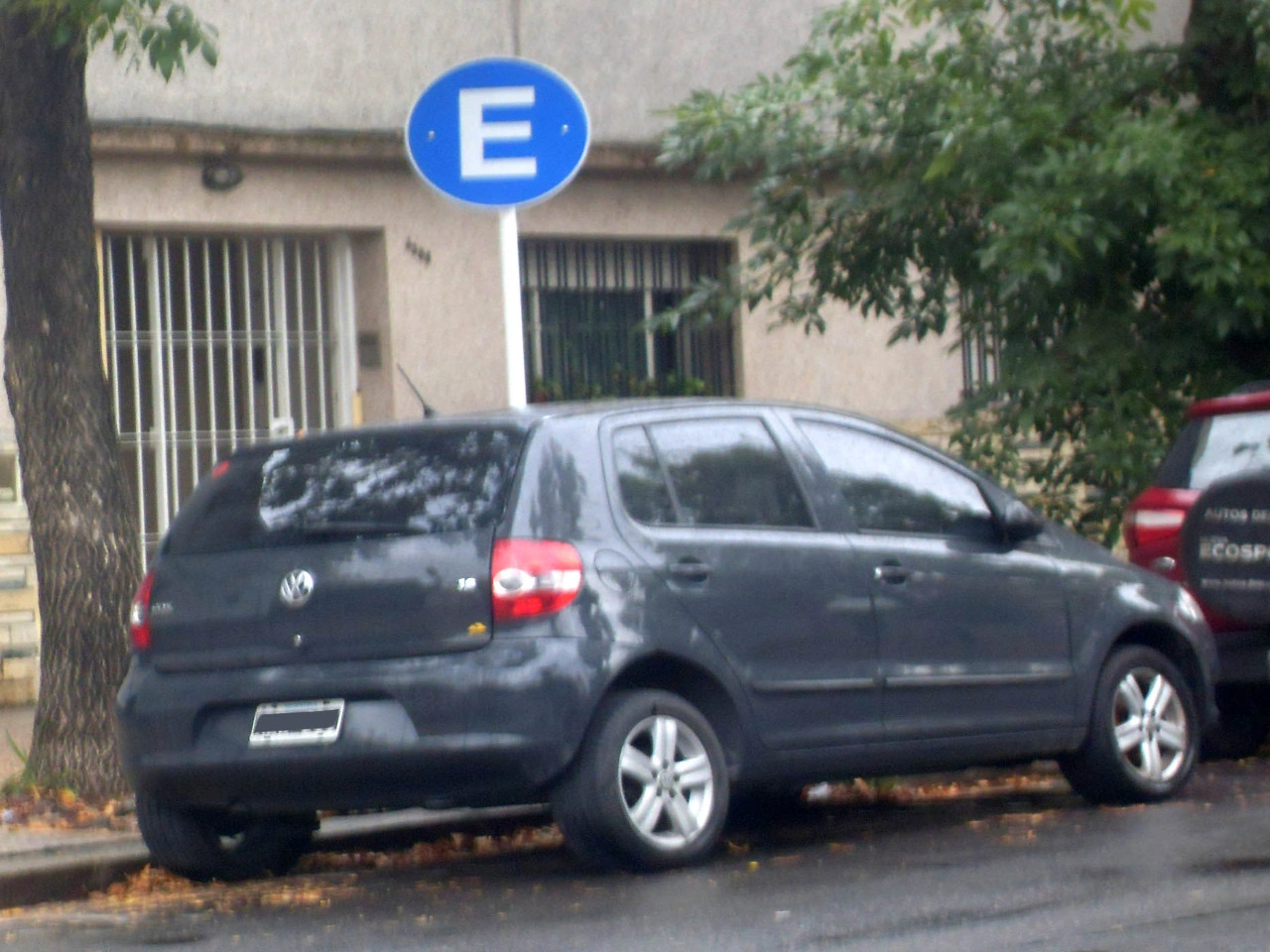
Parking may be permitted, restricted, reserved, time-limited or prohibited by traffic signs, road markings, parking zones and local regulations. Drivers must park without creating a danger or unnecessary obstruction and must comply with any conditions concerning payment, permits, vehicle categories or maximum parking duration.
Wikimedia.org • Fernando Martello • CC BY-SA
What is the difference between parking and stopping?
Parking generally means leaving a vehicle stationary for longer than a brief stop required for passengers, loading or unloading. A vehicle stopped because of traffic lights, congestion, an emergency or another traffic condition is normally not considered parked. The precise legal definitions vary between countries.
How can you tell where parking is allowed?
Look for parking signs, prohibition signs, road markings and parking-zone signs. Local rules may also permit parking along certain roads even when individual parking spaces are not marked.
Can you park anywhere if there is no sign prohibiting parking?
No. General traffic rules can prohibit parking even when no specific prohibition sign is present. Common examples include locations where a parked vehicle would obstruct visibility, crossings, intersections, cycle facilities or the movement of other traffic.
Can you park on a pavement or sidewalk?
Parking on a pavement or sidewalk is prohibited or restricted in many countries unless signs or markings specifically allow it. Vehicles must not force pedestrians into the roadway or block an accessible pedestrian route.
Can you park near a pedestrian crossing?
Parking on or close to a pedestrian crossing is generally restricted because a vehicle can hide pedestrians from approaching drivers. The required clearance distance varies between countries.
Can you park close to an intersection?
Many countries prohibit parking within a specified distance of an intersection because parked vehicles can reduce visibility and obstruct turning traffic. Follow the local distance requirements and any signs or markings.
What does a parking sign mean?
A parking sign identifies a place or area where parking is permitted or regulated. Additional signs or panels may specify time limits, payment requirements, vehicle categories, permits or particular parking arrangements.
How does paid parking work?
Where parking is subject to payment, drivers must follow the instructions displayed locally. Payment may be made through a parking meter, ticket machine, mobile application or another authorised system. The permitted duration and charging periods vary by location.
Who may use an accessible parking space?
Spaces marked for people with disabilities are reserved for vehicles displaying or registered with the required disability parking permit. Eligibility, permit display requirements and parking privileges depend on national and local law.
Can you leave a vehicle parked for an unlimited time?
Not necessarily. Local rules may impose a maximum parking duration, even where parking is otherwise permitted. Different limits may apply to abandoned, commercial, heavy or recreational vehicles.


