


Prohibitory signsAustralia
 Traffic rules
 Australia
 Priority signs
 Warning signs
 Prohibitory signs
 Mandatory signs
 Information signs
Prohibitory signs
A prohibitory sign is a traffic sign that tells drivers what is not allowed on that specific road or in that situation. These signs impose restrictions such as no entry, no overtaking, no parking, speed limits, or bans on certain types of vehicles. Their purpose is to clearly indicate actions that are forbidden to ensure safety, maintain traffic flow, and protect vulnerable road users.
How are prohibitory signs classified in Australia?
In NSW, regulatory signs include No Entry, prohibited turns and speed restrictions. Check another jurisdiction’s rules separately.
🔗 nsw.gov.au • Australia, NSW official road-user guidance — prohibitory-signs
What does a no-turn sign prohibit in Australia?
New South Wales example: It prohibits the left, right or other turn shown at the junction or position controlled by the sign in Australia. Follow any supplementary panel or authorised direction and choose another legal route.
🔗 nsw.gov.au • Australia, NSW official road-user guidance — prohibitory-signs
Can a no-turn restriction apply only to certain vehicles or hours in Australia?
New South Wales example: Yes, where the local sign system provides a supplementary condition or exemption, such as a vehicle class, time or authorised access. Without a valid exception, comply with the prohibited movement shown.
🔗 nsw.gov.au • Australia, NSW official road-user guidance — prohibitory-signs

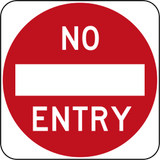
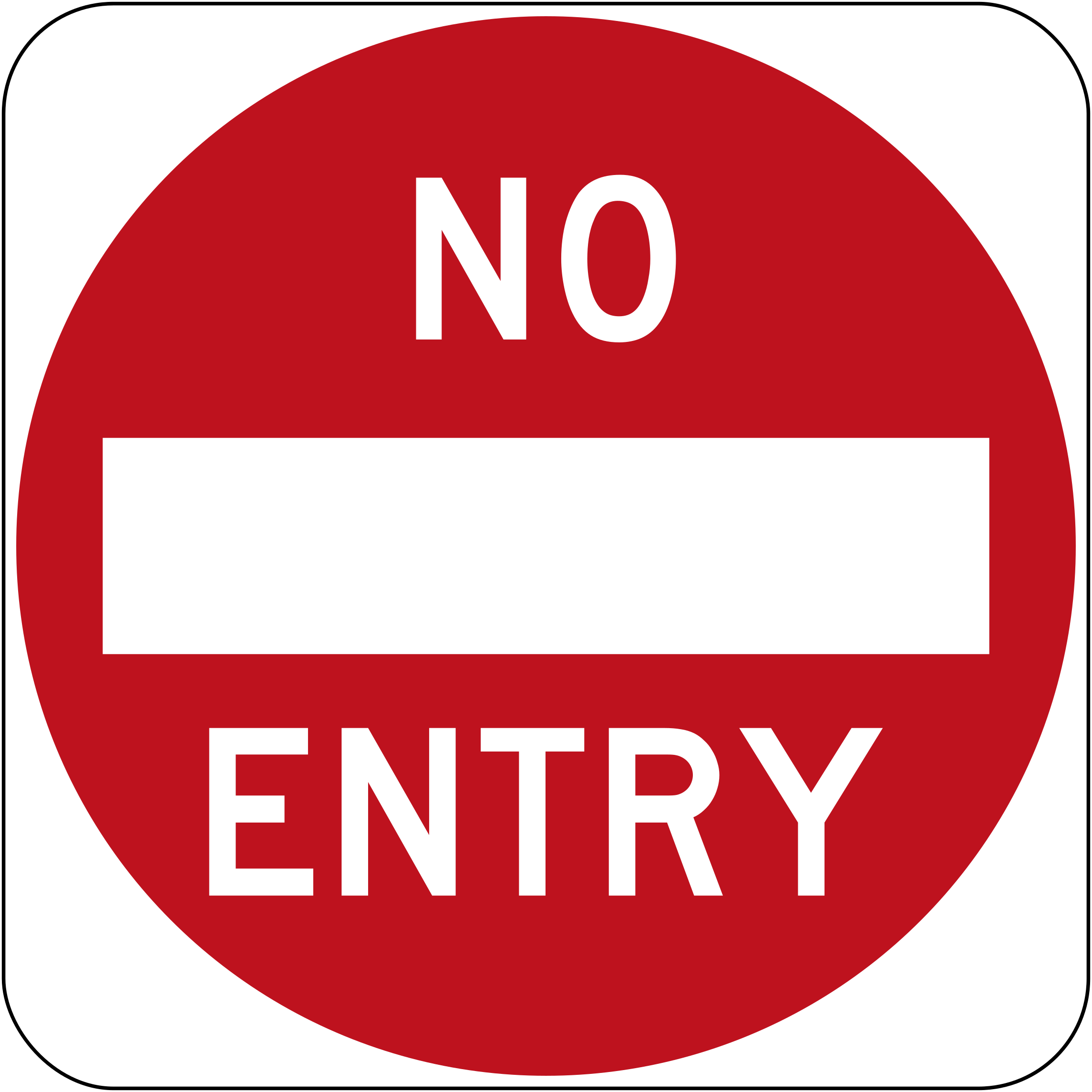
1. No entry
This traffic sign means no entry. Drivers may not enter from the direction in which the sign is placed.
English • Model rule 100 • no entry sign • No entry. Do not enter the road or area beyond this sign from this direction. State and territory rules and exceptions apply.
Sources
🔗 Commons.wikimedia.org
🔗 Pcc.gov.au • Australian Road Rules • model law • rule100; Schedule2p310
🔗 Legislation.qld.gov.au • Queensland Road Rules • local legislation example
SVG source: Standards Australia • Public domain • Original revision 2020-03-19. Wikimedia original unmodified.
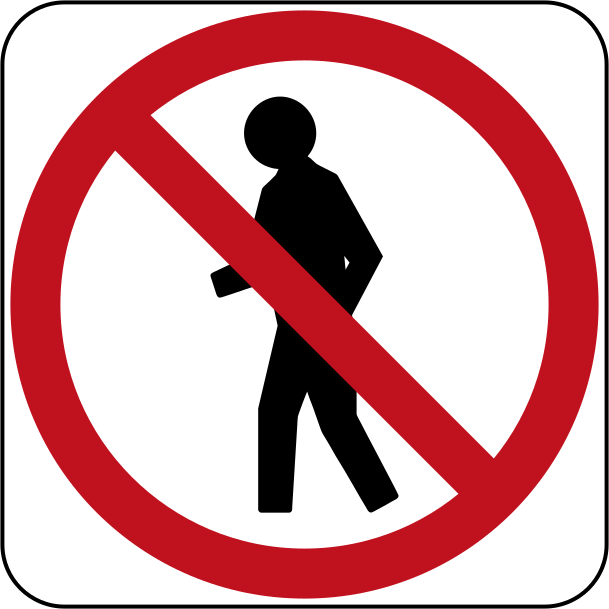
2. Pedestrians prohibited
This traffic sign indicates that pedestrians are prohibited. Pedestrians may not enter or continue beyond the sign. Other road users may still be permitted unless another restriction applies.
English • Model rule 228 • no pedestrians sign • No pedestrians. Pedestrians must not continue beyond this sign. State and territory rules and exceptions apply.
Sources
🔗 Commons.wikimedia.org
🔗 Pcc.gov.au • Australian Road Rules • model law • rule228; Schedule2p311
🔗 Legislation.qld.gov.au • Queensland Road Rules • local legislation example
SVG source: Standards Australia derivative work: Cassowary derivative work: Fry1989 eh? • Public domain • Original revision 2015-07-03. Wikimedia original unmodified.
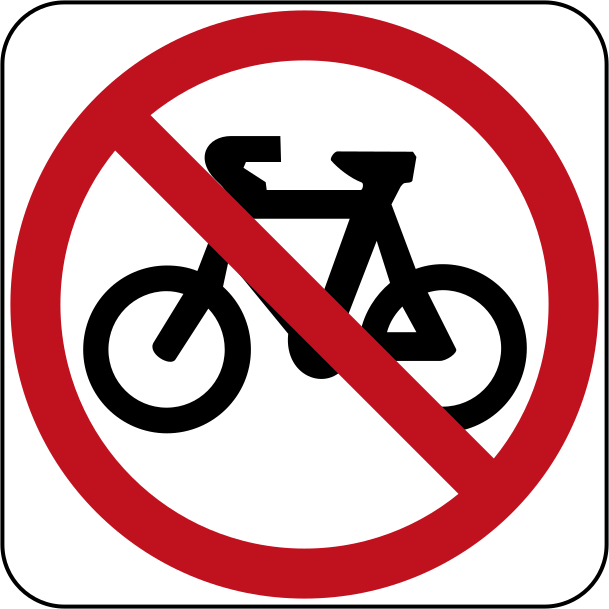
3. Cyclists prohibited
This traffic sign indicates that cyclists are prohibited. Cyclists may not enter or continue beyond the sign. Other road users may still be permitted unless another restriction applies.
English • Model rule 252 • no bicycles sign • No bicycles. Bicycle riders must not ride beyond this sign on the road or path to which it applies. State and territory rules and exceptions apply.
Sources
🔗 Commons.wikimedia.org
🔗 Pcc.gov.au • Australian Road Rules • model law • rule252; Schedule2p310
🔗 Legislation.qld.gov.au • Queensland Road Rules • local legislation example
SVG source: Standards Australia derivative work: Cassowary derivative work: Fry1989 eh? • Public domain • Original revision 2015-09-03. Wikimedia original unmodified.
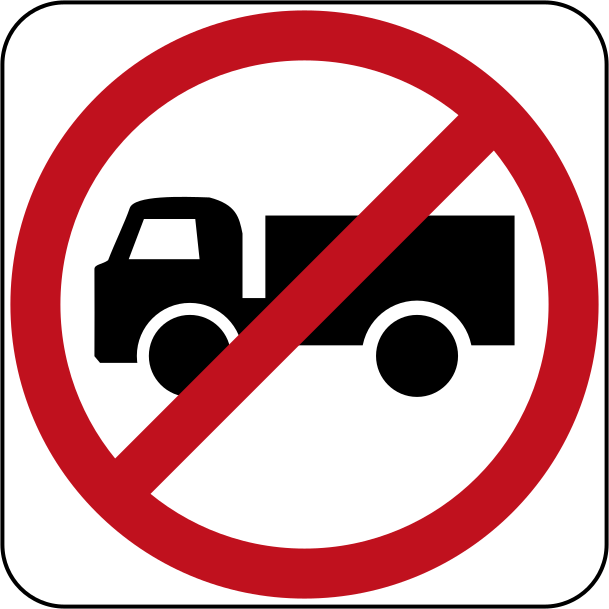
4. Trucks prohibited
This traffic sign indicates that trucks are prohibited. Trucks covered by the sign may not enter or continue beyond it. Any applicable weight threshold or vehicle-category limitation is determined by the sign, supplementary information and local rules.
English • Model rule 104 • no trucks sign • No trucks. Trucks must not pass this sign. The model rules allow certain authorised routes and access to a destination beyond the sign when no alternative route is available; check the local rules. State and territory rules and exceptions apply.
Sources
🔗 Commons.wikimedia.org
🔗 Pcc.gov.au • Australian Road Rules • model law • rule104; Schedule2p312
🔗 Legislation.qld.gov.au • Queensland Road Rules • local legislation example
SVG source: Standards Australia derivative work: Cassowary derivative work: Fry1989 eh? • Public domain • Original revision 2015-07-06. Wikimedia original unmodified.
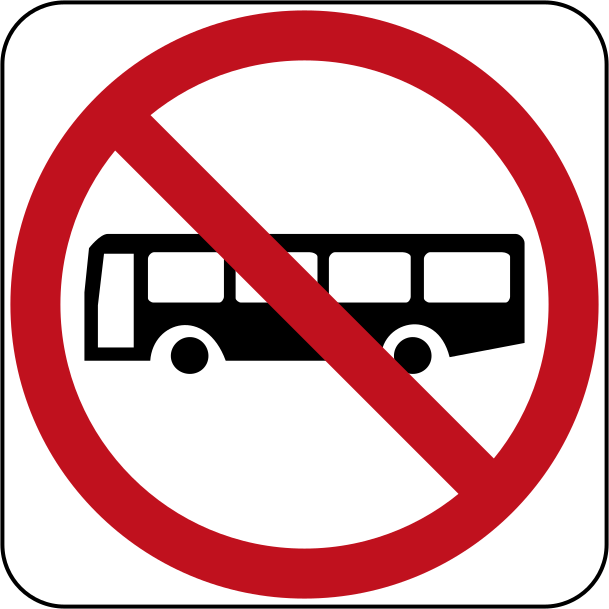
5. Buses prohibited
This traffic sign indicates that buses are prohibited. Buses covered by the sign may not enter or continue beyond it. Other road users may still be permitted unless another restriction applies.
English • Model rule 106 • no buses sign • No buses. Buses must not pass this sign. Check any supplementary information and exceptions permitted by local law. State and territory rules and exceptions apply.
Sources
🔗 Commons.wikimedia.org
🔗 Pcc.gov.au • Australian Road Rules • model law • rule106; Schedule2p310
🔗 Legislation.qld.gov.au • Queensland Road Rules • local legislation example
SVG source: Standards Australia derivative work: Cassowary derivative work: Fry1989 eh? • Public domain • Original revision 2015-09-03. Wikimedia original unmodified.
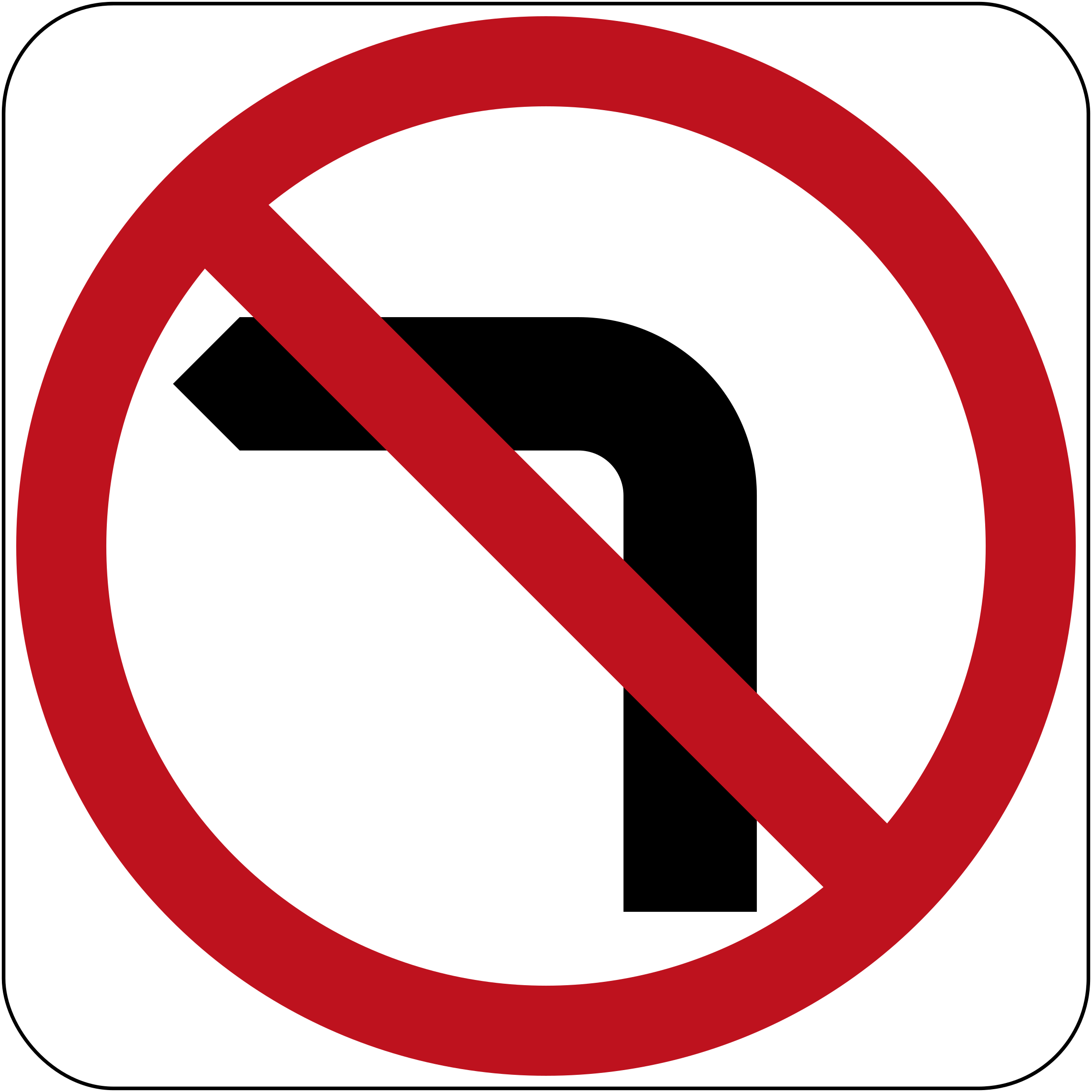
6. Turning left prohibited
This traffic sign indicates that turning left is prohibited. A left turn may not be made where the sign applies. Other movements may still be permitted unless another restriction applies.
English • Model rule 91 • no left turn sign • No left turn. Do not turn left at the intersection or place where this sign applies. State and territory rules and exceptions apply.
Sources
🔗 Commons.wikimedia.org
🔗 Pcc.gov.au • Australian Road Rules • model law • rule91; Schedule2p311
🔗 Legislation.qld.gov.au • Queensland Road Rules • local legislation example
SVG source: Standards Australia • Public domain • Original revision 2020-03-19. Wikimedia original unmodified.
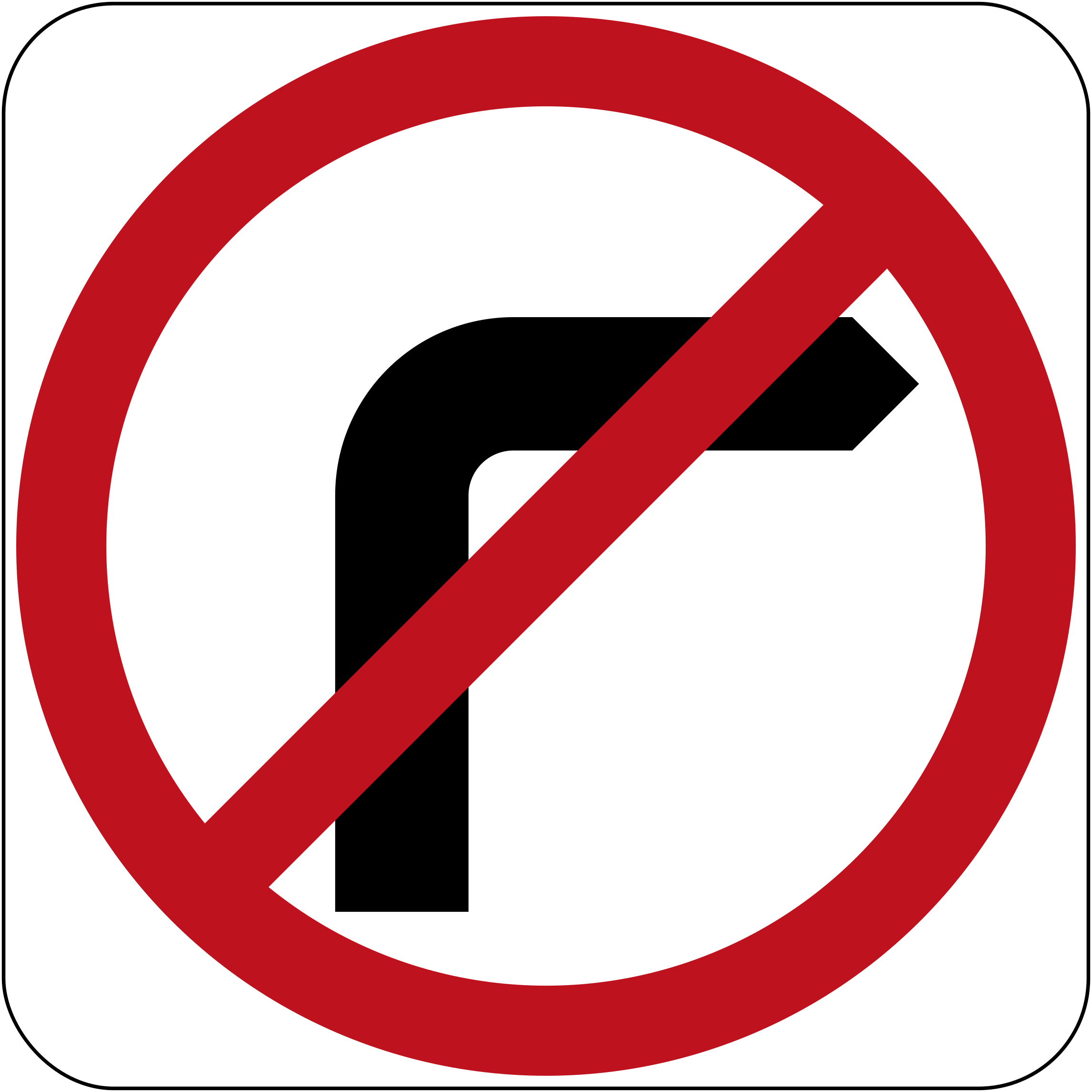
7. Turning right prohibited
This traffic sign indicates that turning right is prohibited. A right turn may not be made where the sign applies. Other movements may still be permitted unless another restriction applies.
English • Model rule 91 • no right turn sign • No right turn. Do not turn right at the intersection or place where this sign applies. State and territory rules and exceptions apply.
Sources
🔗 Commons.wikimedia.org
🔗 Pcc.gov.au • Australian Road Rules • model law • rule91; Schedule2p312
🔗 Legislation.qld.gov.au • Queensland Road Rules • local legislation example
SVG source: Standards Australia • Public domain • Original revision 2020-03-19. Wikimedia original unmodified.
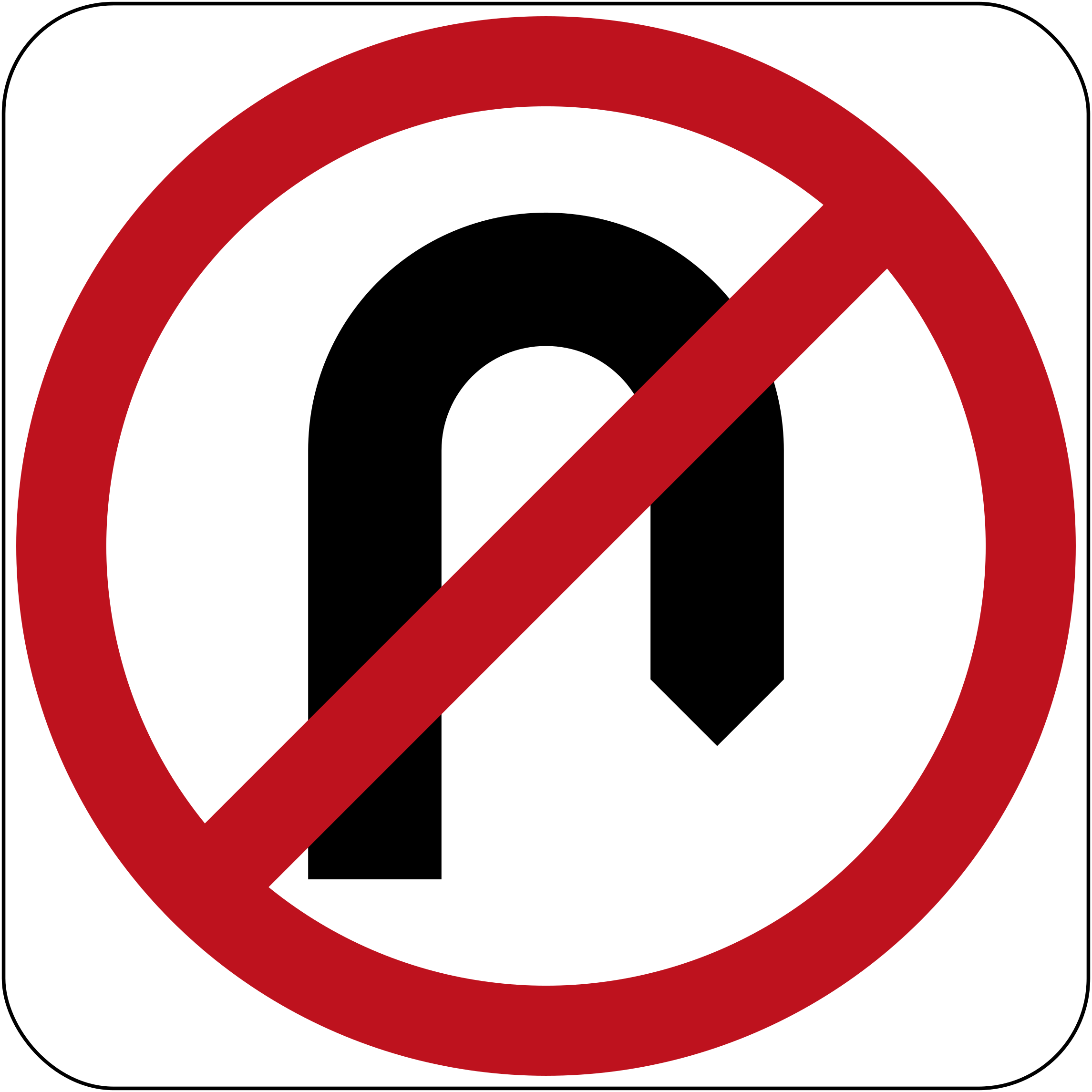
8. Turning around prohibited (U-turn)
This traffic sign indicates that turning around (making a U-turn) is prohibited. A U-turn may not be made where the prohibition applies. Other movements may still be permitted unless another restriction applies.
English • Model rule 39 • no U-turn sign • No U-turn. Do not make a U-turn where this sign applies. State and territory rules and exceptions apply.
Sources
🔗 Commons.wikimedia.org
🔗 Pcc.gov.au • Australian Road Rules • model law • rule39; Schedule2p312
🔗 Legislation.qld.gov.au • Queensland Road Rules • local legislation example
SVG source: Standards Australia • Public domain • Original revision 2020-03-19. Wikimedia original unmodified.
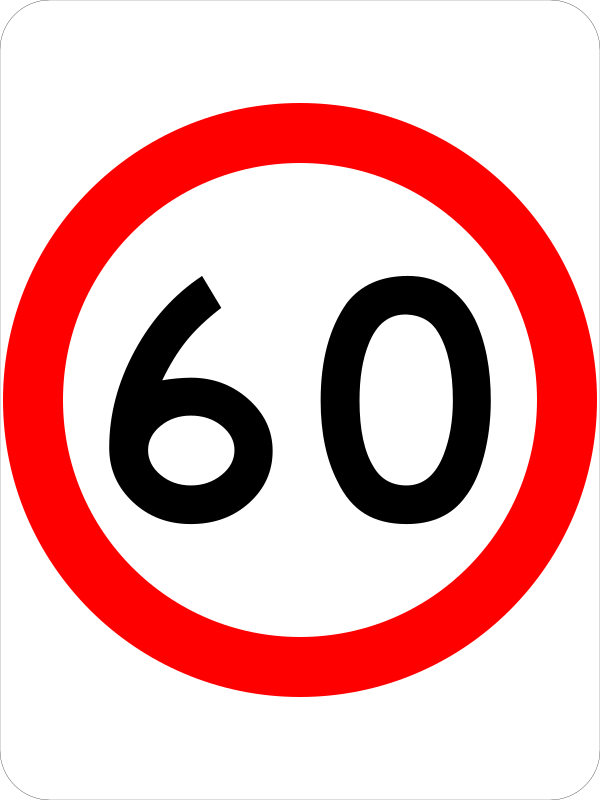
9. Start of a speed limit
This traffic sign indicates the start of a speed limit. The displayed value is the maximum permitted speed from this point. The limit remains in force until it ends or is replaced according to the applicable traffic signs and local rules.
English • Model rules 20–21 • speed-limit sign • Maximum speed 60 km/h. Do not exceed 60 km/h where this sign applies. Drive more slowly when road, traffic or weather conditions require it. State and territory rules and exceptions apply.
Sources
🔗 Commons.wikimedia.org
🔗 Pcc.gov.au • Australian Road Rules • model law • rules20–21; Schedule2p316
🔗 Legislation.qld.gov.au • Queensland Road Rules • local legislation example
SVG source: Standards Australia • Public domain • Original revision 2025-09-12. Wikimedia original unmodified.
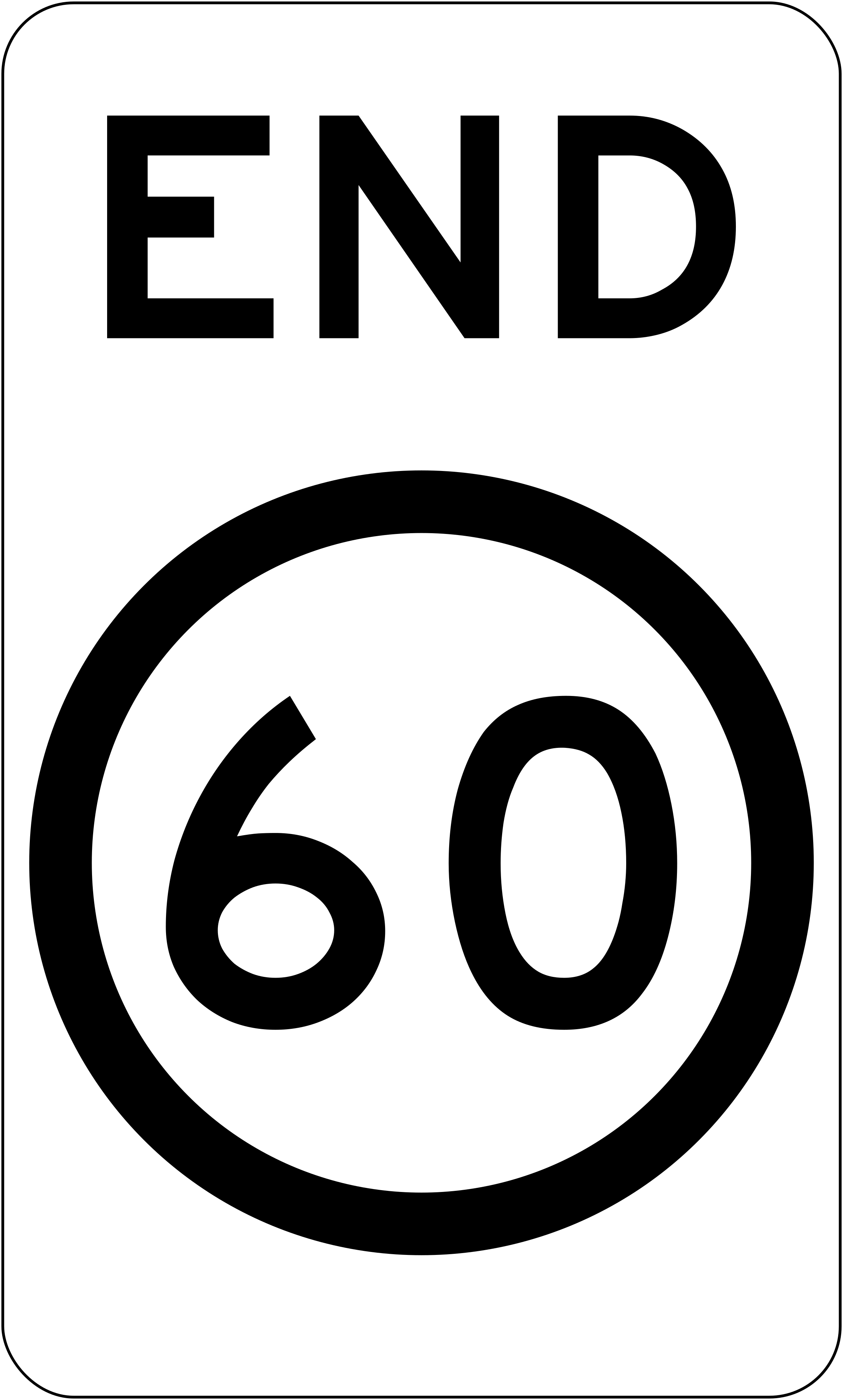
10. End of the speed limit
This traffic sign indicates the end of the previously indicated speed limit. From this point, follow any newly posted limit or the applicable default speed rules for the road and vehicle category.
English • Model rule 21 • end speed-limit sign • End of 60 km/h limit. The signed 60 km/h limit ends here. Follow any other applicable speed restriction or the default limit under the local rules. State and territory rules and exceptions apply.
Sources
🔗 Commons.wikimedia.org
🔗 Pcc.gov.au • Australian Road Rules • model law • rule21; Schedule2p307
🔗 Legislation.qld.gov.au • Queensland Road Rules • local legislation example
SVG source: Standards Australia • Public domain • Original revision 2020-03-21. Wikimedia original unmodified.
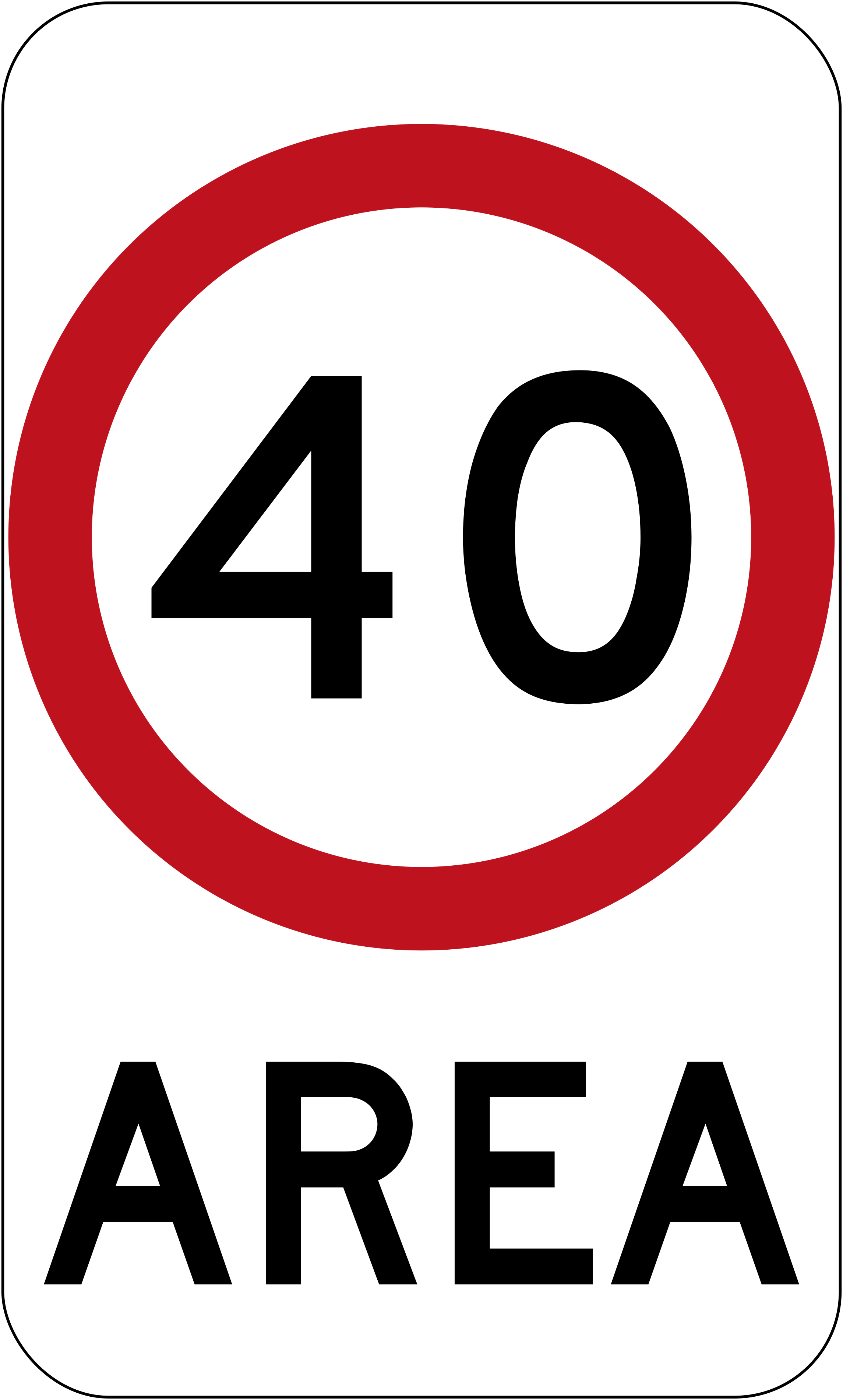
11. Start of a zone with speed limit
This traffic sign indicates the start of a zone with a speed limit. The displayed speed limit applies throughout the zone according to the applicable zonal rules, until the zone is ended or another rule replaces it.
English • Model rule 22 • area speed-limit sign • 40 km/h area. A 40 km/h speed-limited area begins. The limit applies through the area unless another applicable restriction sets a different limit. State and territory rules and exceptions apply.
Sources
🔗 Commons.wikimedia.org
🔗 Pcc.gov.au • Australian Road Rules • model law • rule22; Schedule2p303
🔗 Legislation.qld.gov.au • Queensland Road Rules • local legislation example
SVG source: Standards Australia • Public domain • Original revision 2020-03-22. Wikimedia original unmodified.
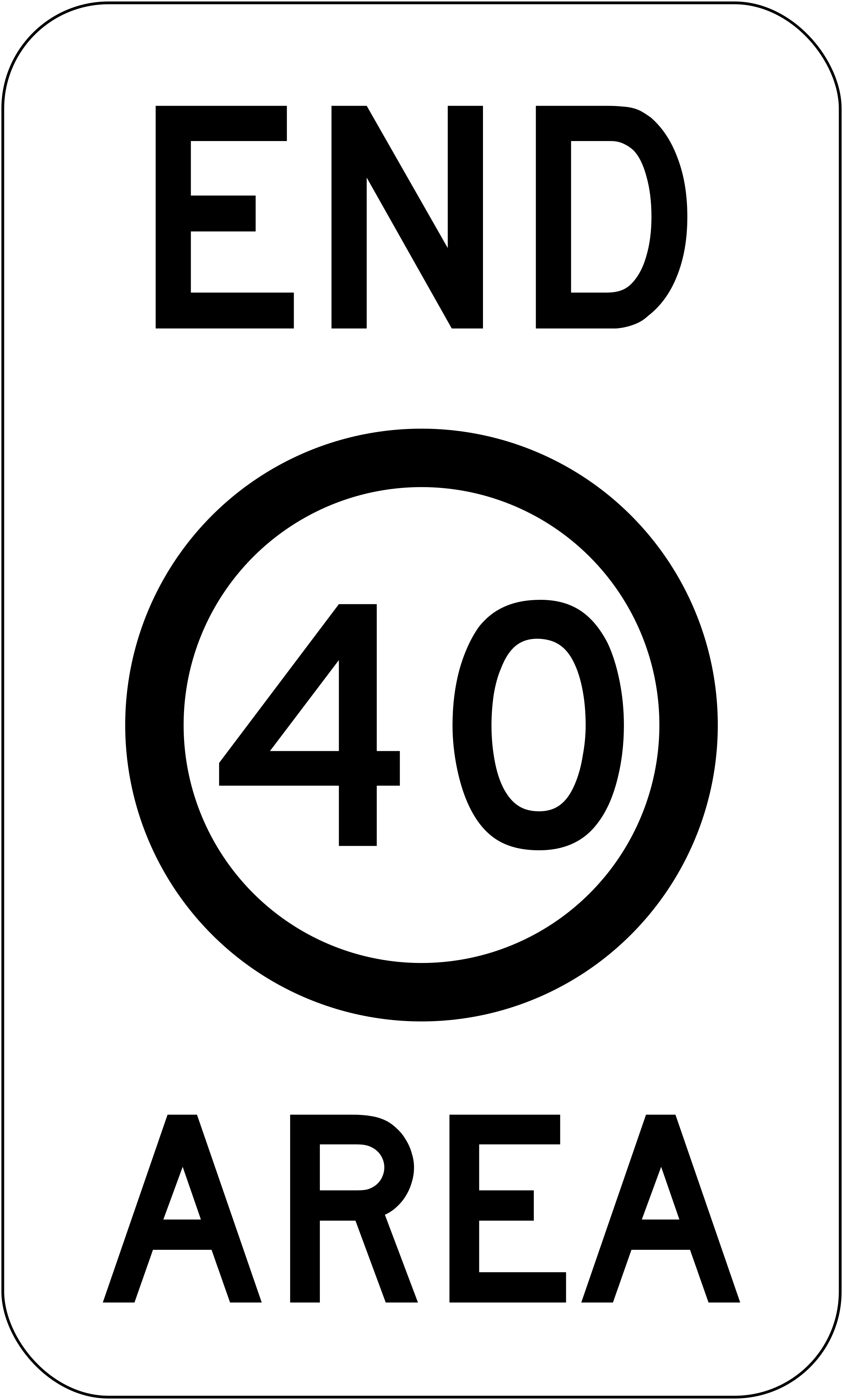
12. End of the zone with speed limit
This traffic sign indicates the end of the zone with a speed limit. The zonal speed limit ends at this point. Follow any newly posted limit or the applicable default speed rules.
English • Model rule 22 • end area speed-limit sign • End of 40 km/h area. The 40 km/h area ends here. Follow the next applicable speed restriction or the local default limit. State and territory rules and exceptions apply.
Sources
🔗 Commons.wikimedia.org
🔗 Pcc.gov.au • Australian Road Rules • model law • rule22; Schedule2p304
🔗 Legislation.qld.gov.au • Queensland Road Rules • local legislation example
SVG source: Standards Australia • Public domain • Original revision 2020-03-22. Wikimedia original unmodified.
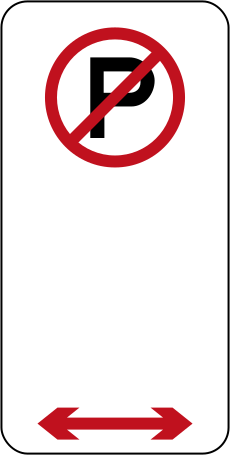
13. Parking prohibited
This traffic sign indicates that parking is prohibited. Vehicles may not be parked in the area covered by the sign unless an exception applies. Brief stopping to pick up or drop off passengers or to load or unload goods may still be permitted where local rules allow it.
English • Model rule 168 • no parking sign • No parking. No parking in either direction along the signed length. Brief pick-up or set-down of passengers or goods may be allowed under the local rules; remain close to the vehicle and leave promptly. State and territory rules and exceptions apply.
Sources
🔗 Commons.wikimedia.org
🔗 Pcc.gov.au • Australian Road Rules • model law • rule168; Schedule2p311
🔗 Legislation.qld.gov.au • Queensland Road Rules • local legislation example
SVG source: Standards Australia • Public domain • Original revision 2015-10-04. Wikimedia original unmodified.
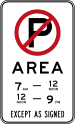
14. Start of no-parking zone
This traffic sign indicates the start of a no-parking zone. The parking prohibition applies throughout the zone according to the applicable zonal rules until the zone is ended or another rule replaces it.
English • Model rules 168 and 335 • no parking area sign • No parking area. No parking in this area from 7 am to noon and noon to 9 pm, except where other signs permit it. Any brief pick-up or set-down must meet the local no-parking rules. State and territory rules and exceptions apply.
Sources
🔗 Commons.wikimedia.org
🔗 Pcc.gov.au • Australian Road Rules • model law • rules168,335; Schedule2p311
🔗 Legislation.qld.gov.au • Queensland Road Rules • local legislation example
SVG source: Government of Queensland • Public domain • Original revision 2012-10-08. Wikimedia original unmodified.
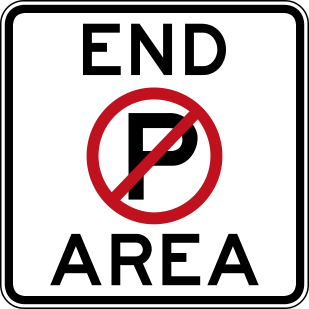
15. End of no-parking zone
This traffic sign indicates the end of the no-parking zone. The zonal parking prohibition ends at this point. Other parking restrictions or conditions may still apply.
English • Model rule 335 • end no parking area sign • End of no parking area. The area-wide no-parking restriction ends. Other parking signs and general parking rules still apply. State and territory rules and exceptions apply.
Sources
🔗 Commons.wikimedia.org
🔗 Pcc.gov.au • Australian Road Rules • model law • rule335; Schedule2p306
🔗 Legislation.qld.gov.au • Queensland Road Rules • local legislation example
SVG source: Government of Queensland • Public domain • Original revision 2012-10-10. Wikimedia original unmodified.
