


QuizTraffic rulesBosnia and Herzegovina
This interesting quiz helps you test your knowledge in a clear and visual way. With easy multiple-choice questions, you can quickly build confidence and learn new facts while keeping it simple, interactive, and fun.
 Traffic signs
 Traffic rules
 Bosnia and Herzegovina
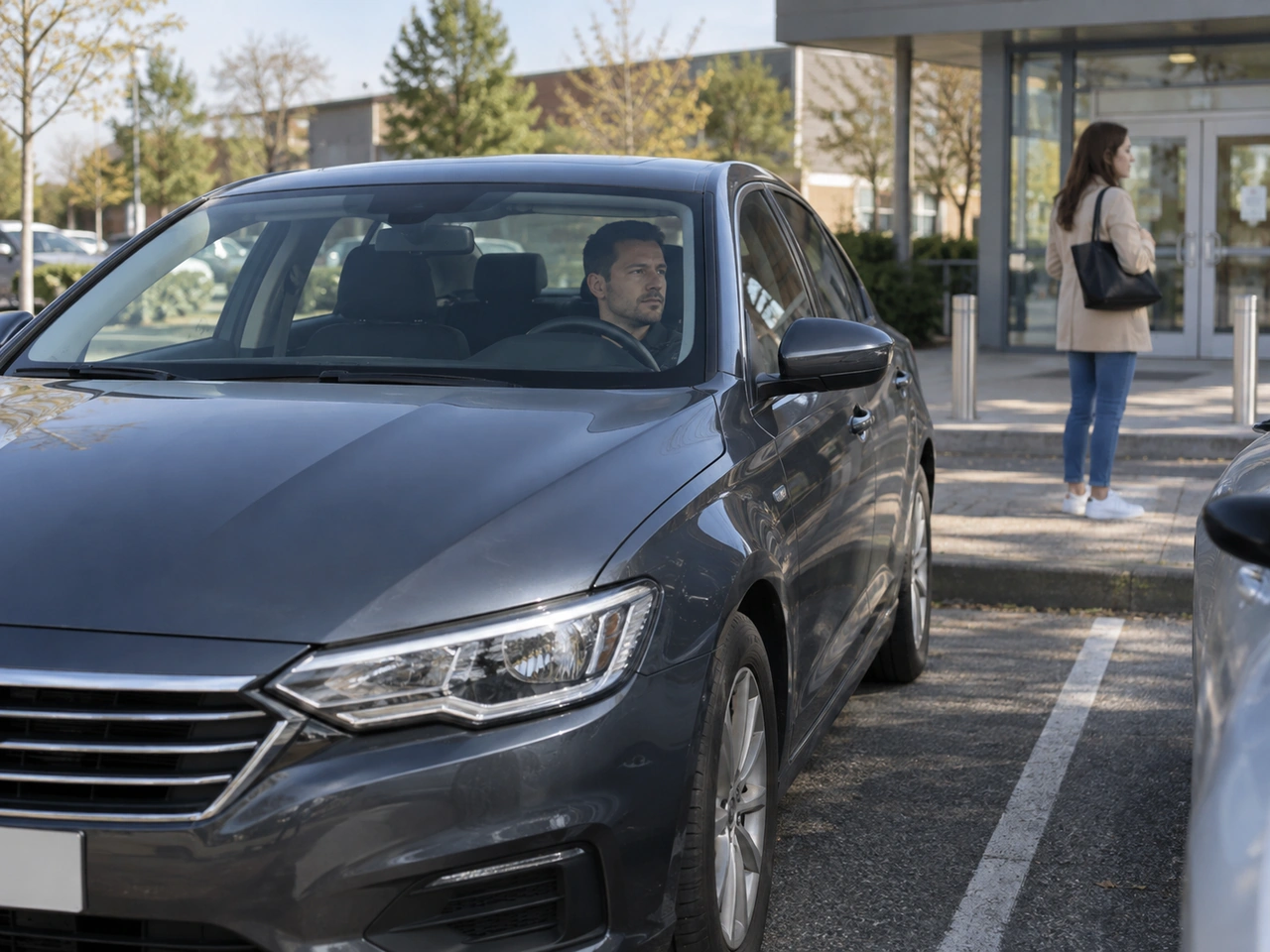
351. Why should unnecessary engine idling be avoided?
An idling combustion engine uses fuel while the vehicle is stationary. Avoid unnecessary idling where it is safe and appropriate to switch the engine off, taking account of the vehicle manufacturer's instructions and local rules.
AI-generated by Rijbewijs-online.be • WCIT • CC BY-SA

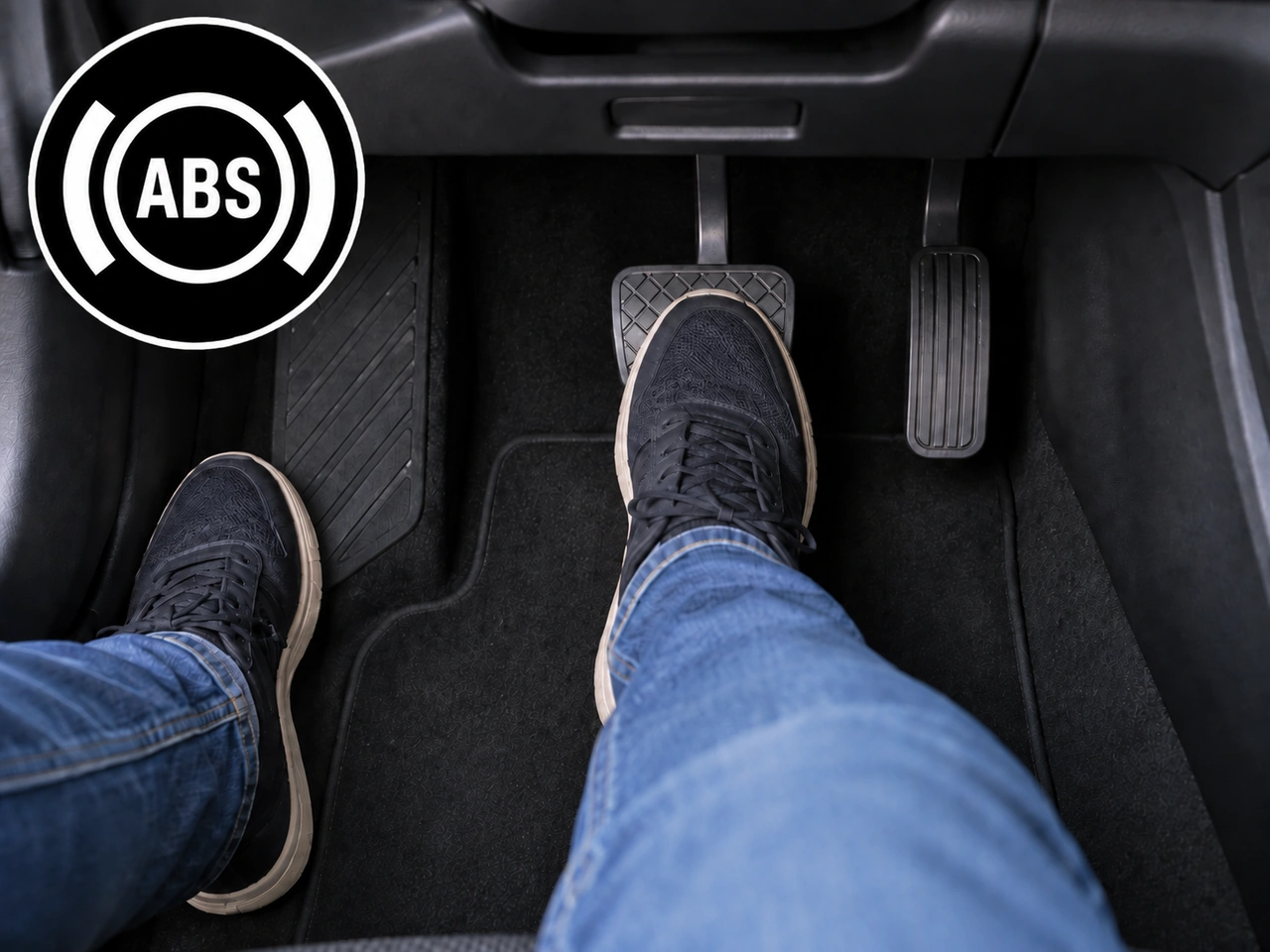
352. How should you use the brake pedal during emergency braking in a vehicle with ABS?
During emergency braking with ABS, press the brake pedal firmly and keep it pressed. Pulsation or vibration through the pedal can be normal while ABS is operating, so do not pump or release the brake.
AI-generated by Rijbewijs-online.be • WCIT • CC BY-SA
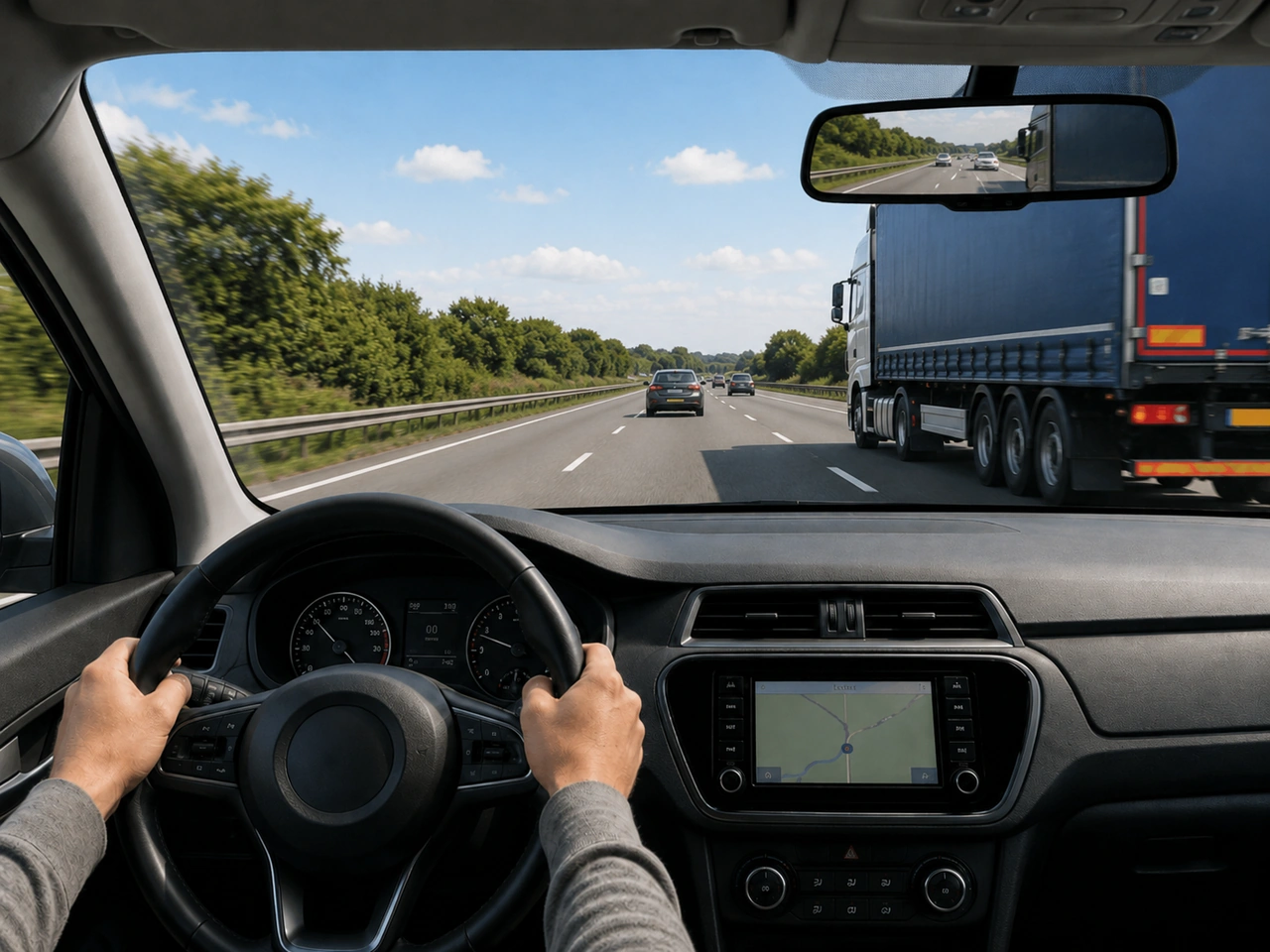
353. It is safer to drive faster than the speed limit when overtaking.
You must still drive safely and obey traffic laws. Speeding increases risk and is not automatically justified by overtaking.
AI-generated by Rijbewijs-online.be • WCIT • CC BY-SA
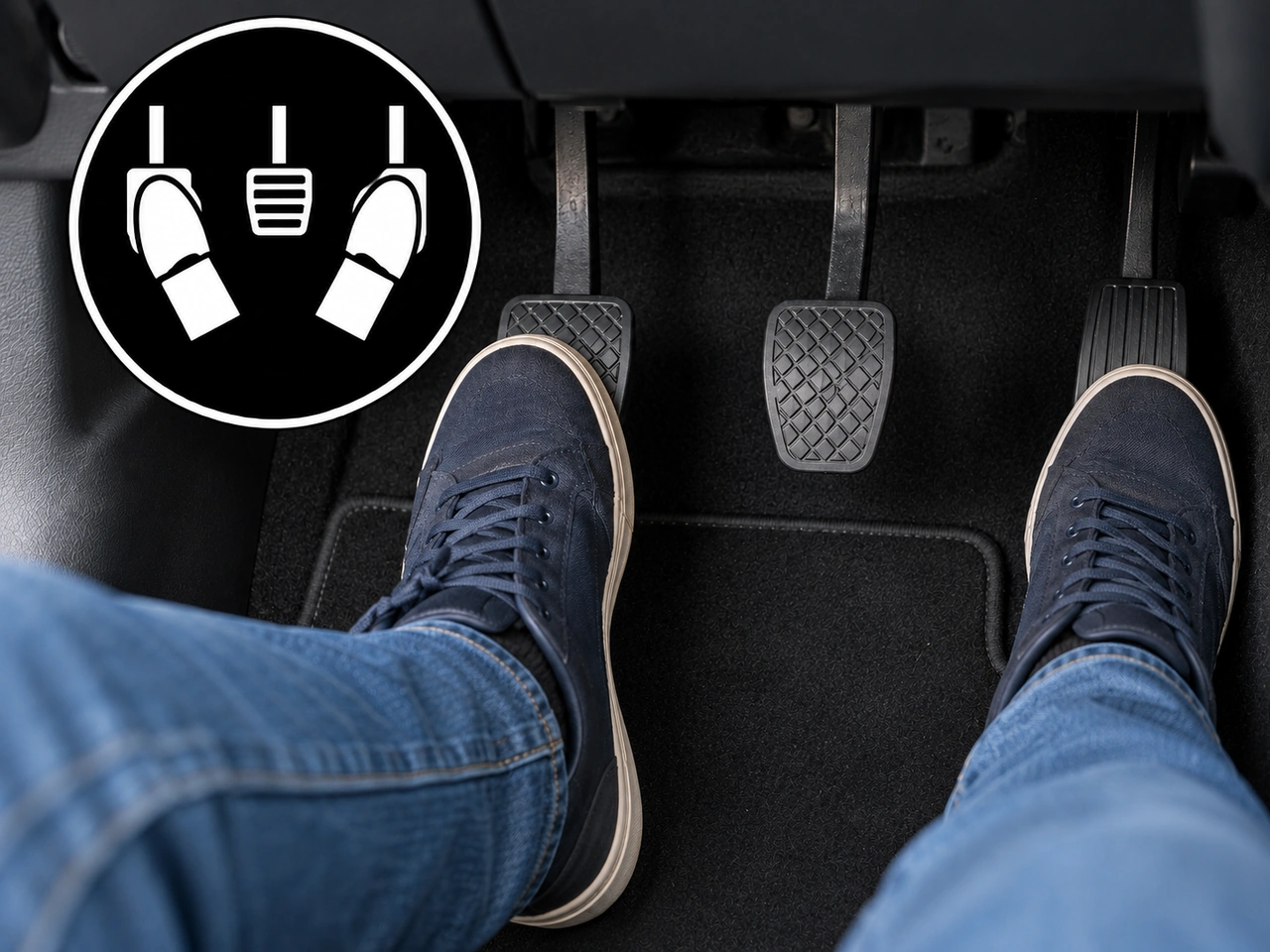
354. How should you use the clutch and accelerator when moving off?
When moving off, release the clutch pedal smoothly through the biting point while applying the accelerator progressively. This helps the vehicle move away smoothly without stalling or excessive engine speed.
AI-generated by Rijbewijs-online.be • WCIT • CC BY-SA
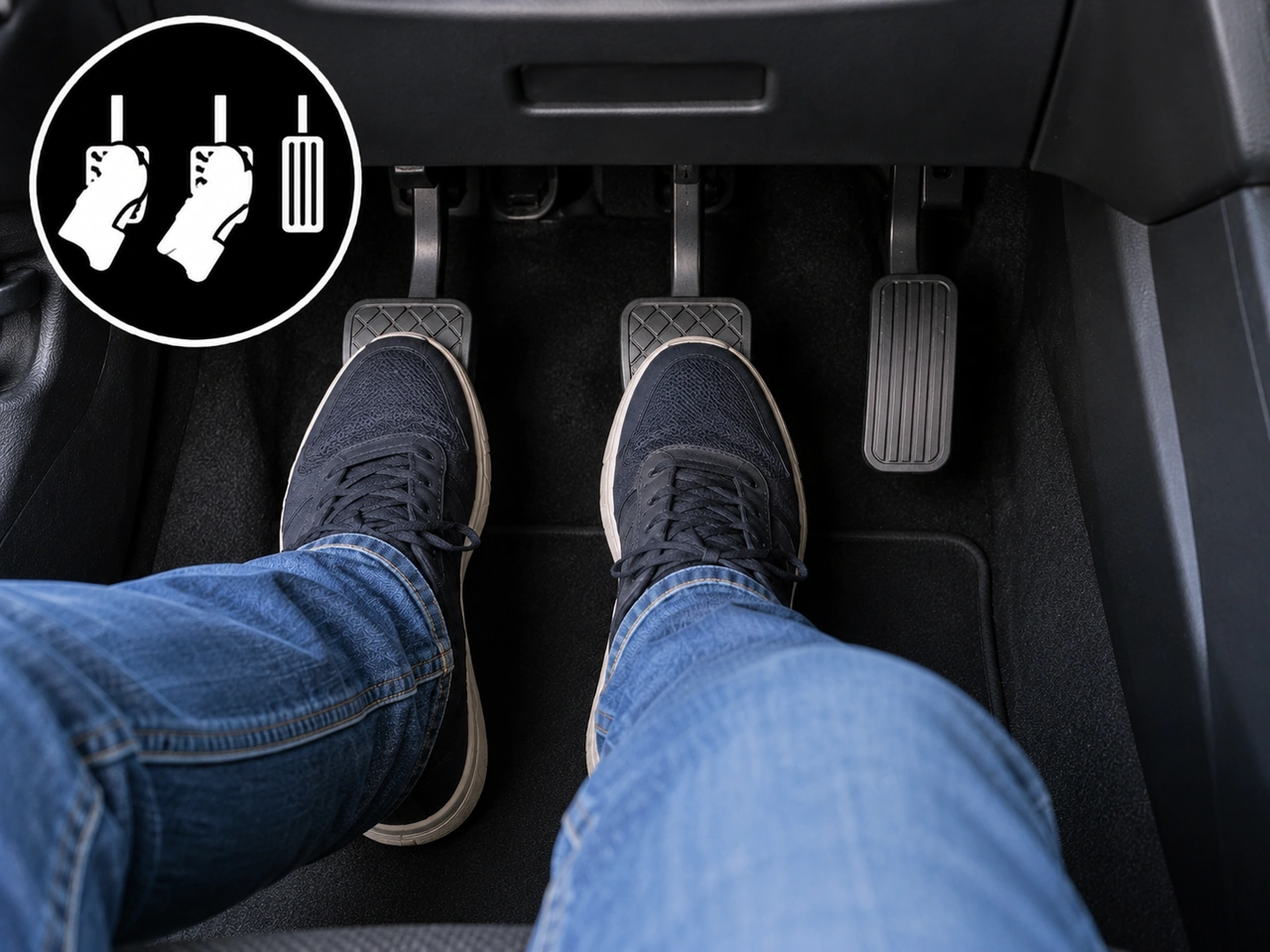
355. What should you do with the clutch when bringing a manual vehicle to a stop?
When stopping a manual vehicle, brake normally and press the clutch pedal before the engine speed becomes too low and the engine stalls. Avoid pressing the clutch unnecessarily early, as this reduces engine braking.
AI-generated by Rijbewijs-online.be • WCIT • CC BY-SA
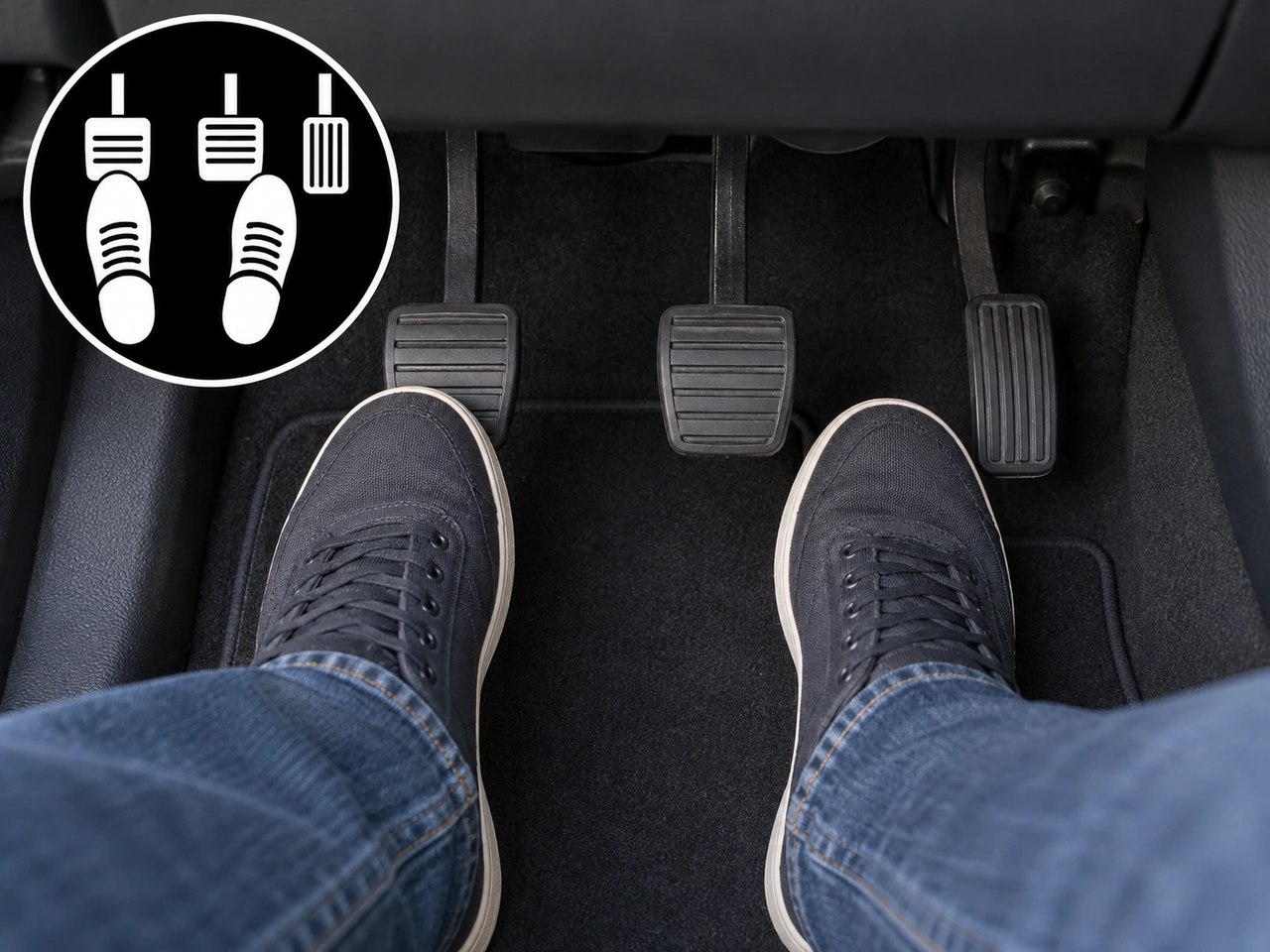
356. Which foot normally operates the brake and accelerator in a manual vehicle?
In a manual vehicle, the right foot normally operates both the brake and accelerator pedals, while the left foot operates the clutch.
AI-generated by Rijbewijs-online.be • WCIT • CC BY-SA
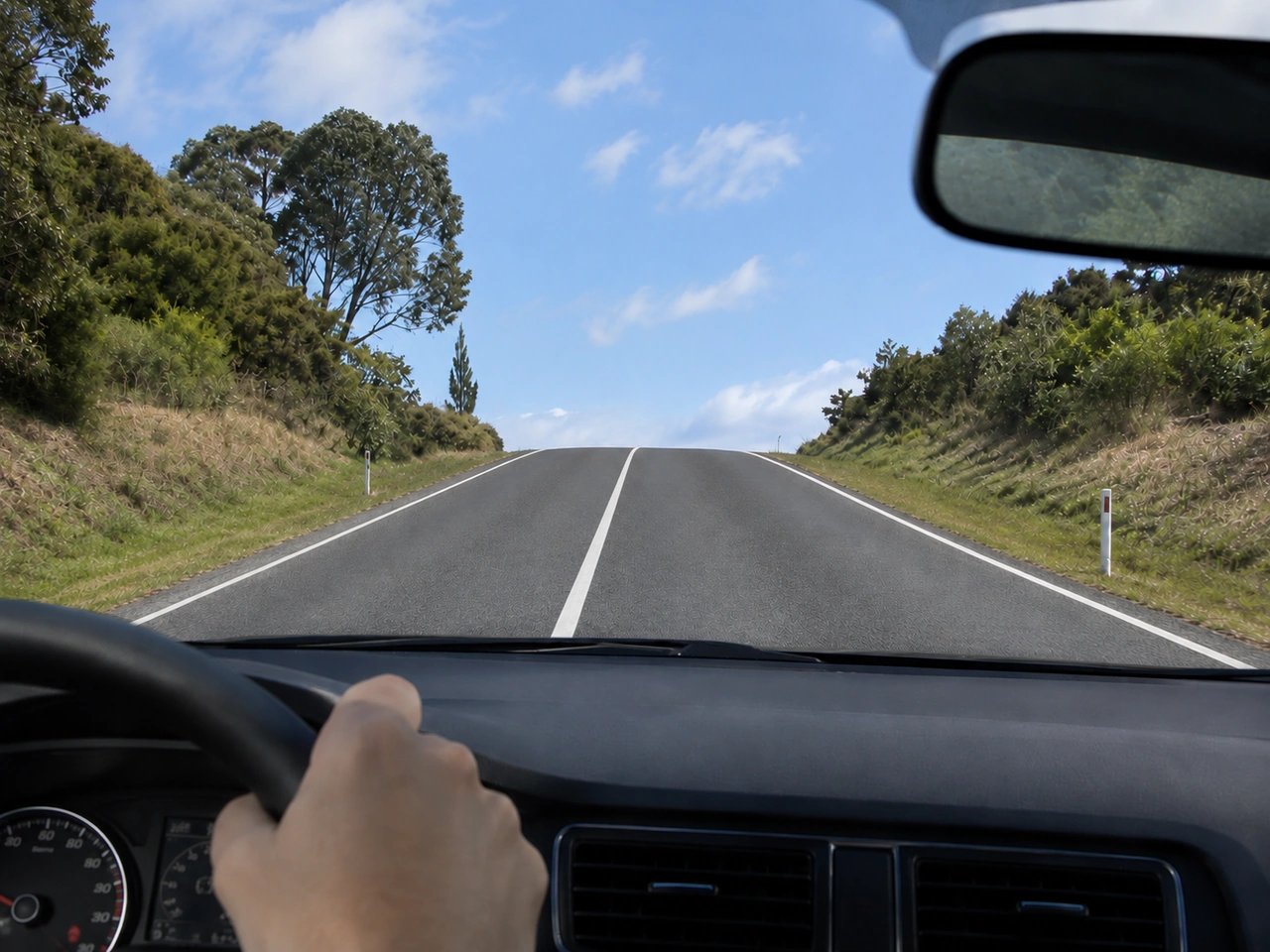
357. What should you do when approaching a hill crest?
A hill crest can hide vehicles, cyclists, pedestrians, or obstacles. Reduce speed and stay in your lane.
AI-generated by Rijbewijs-online.be • WCIT • CC BY-SA
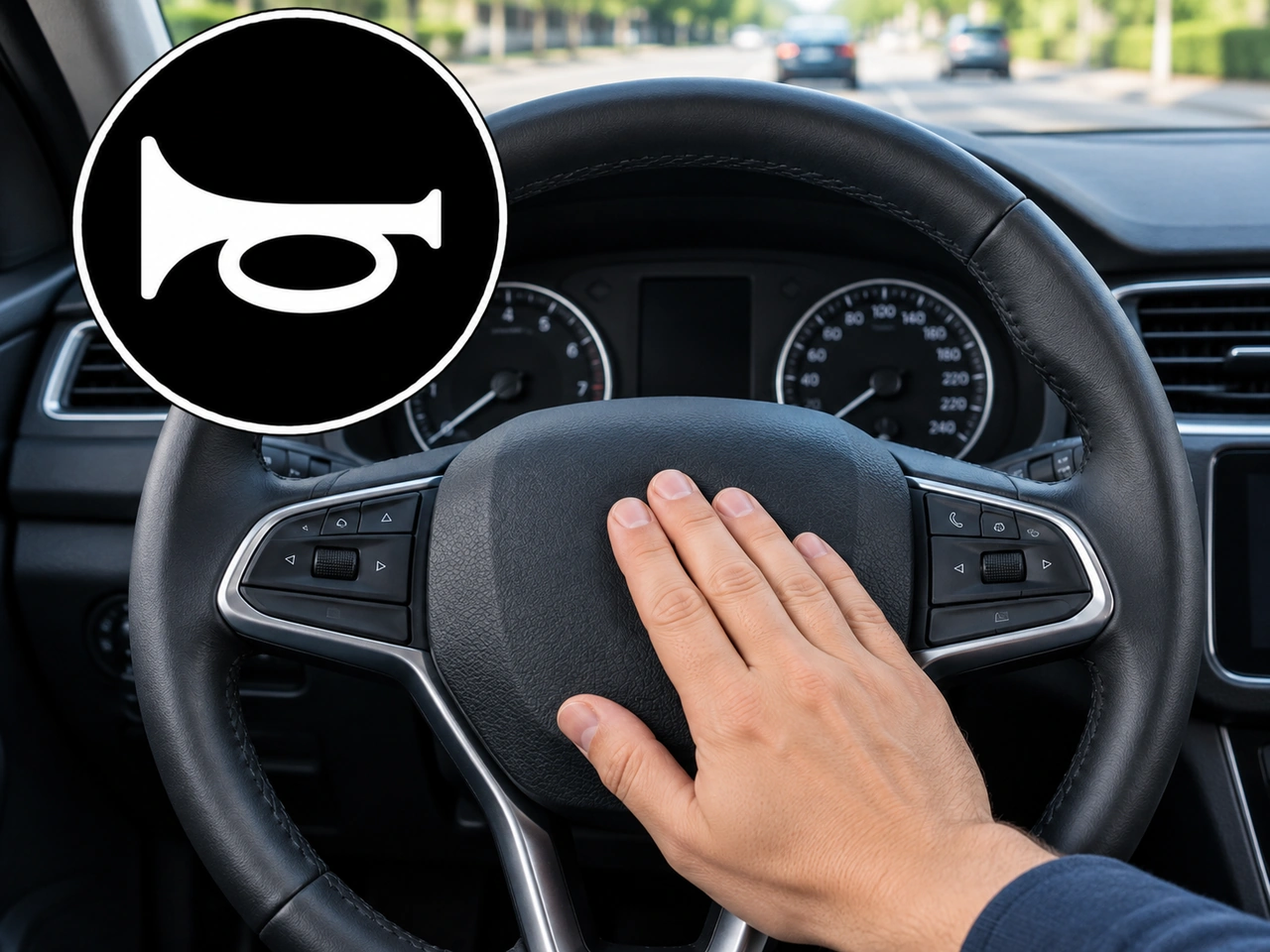
358. What does this vehicle-control symbol indicate?
This symbol indicates the horn control. The horn is used to warn other road users of your presence when necessary.
AI-generated by Rijbewijs-online.be • WCIT • CC BY-SA
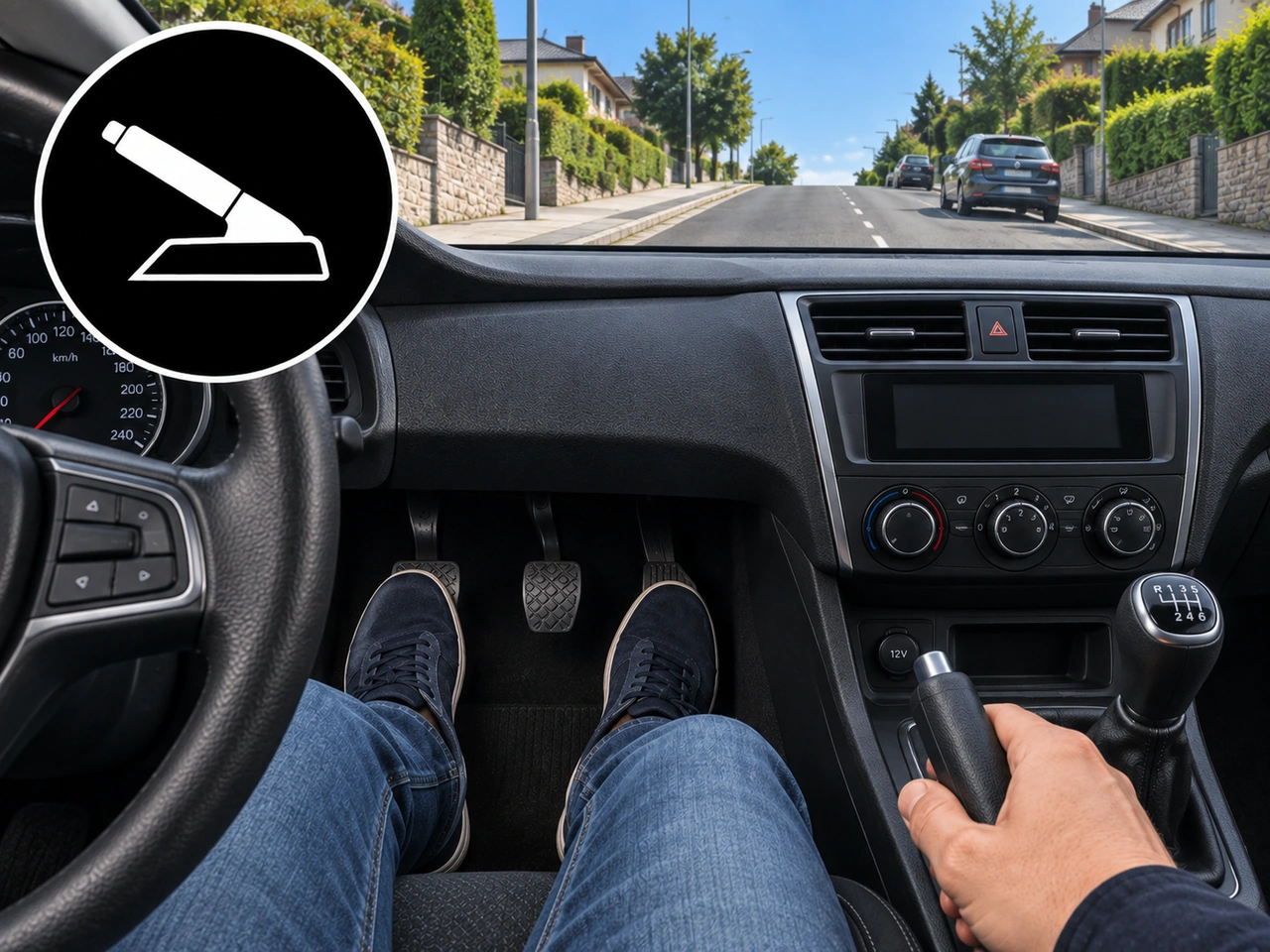
359. How can the parking brake help when moving off uphill?
When moving off uphill, the parking brake can hold the vehicle stationary while you prepare to move. Release it smoothly once the clutch reaches the biting point and sufficient power is applied.
AI-generated by Rijbewijs-online.be • WCIT • CC BY-SA
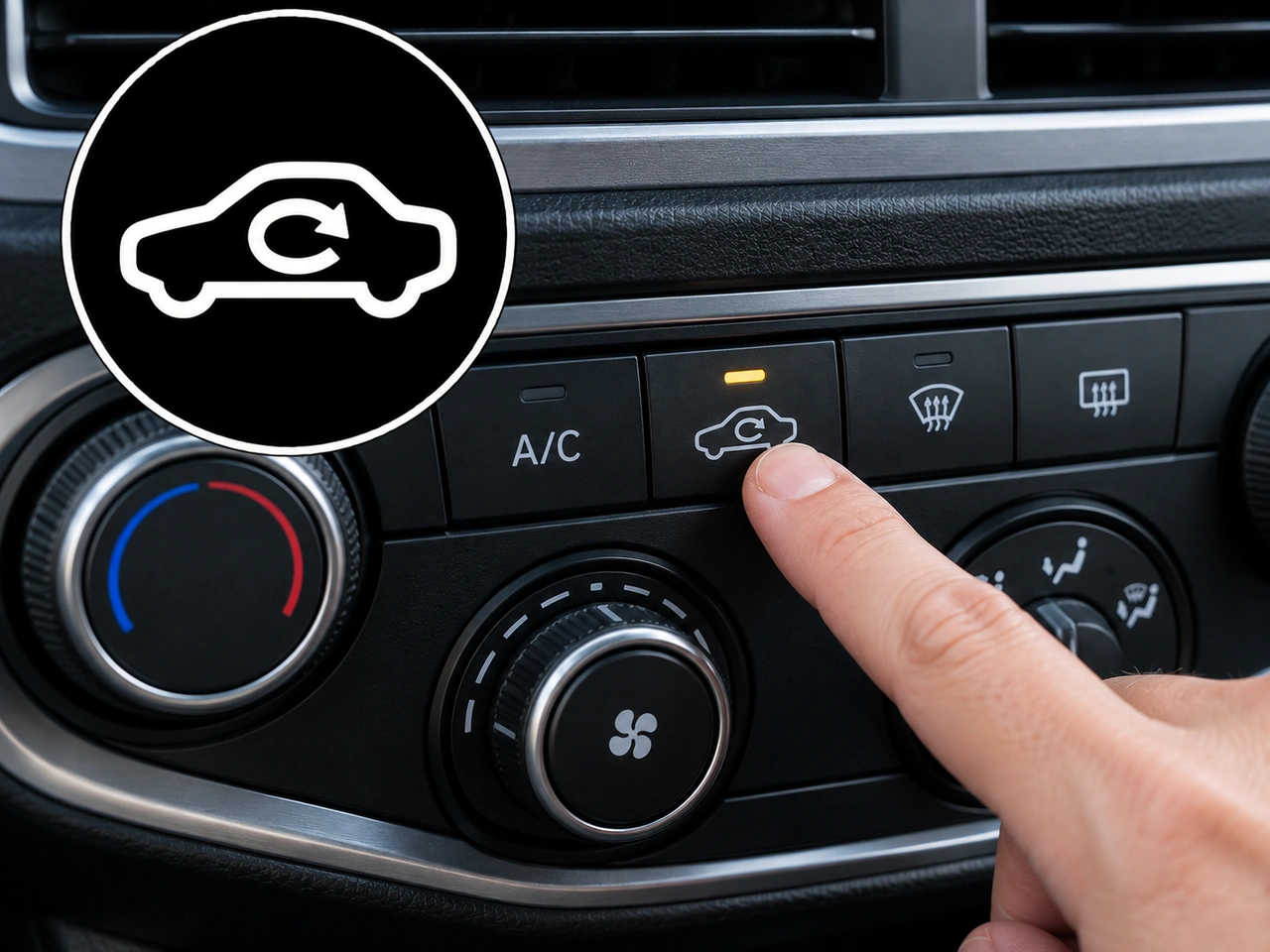
360. What does this vehicle-control symbol indicate?
This symbol activates air recirculation, which reduces the amount of outside air entering the vehicle and recirculates air already inside the cabin. It can be useful when driving through polluted air or when cooling the interior quickly.
AI-generated by Rijbewijs-online.be • WCIT • CC BY-SA
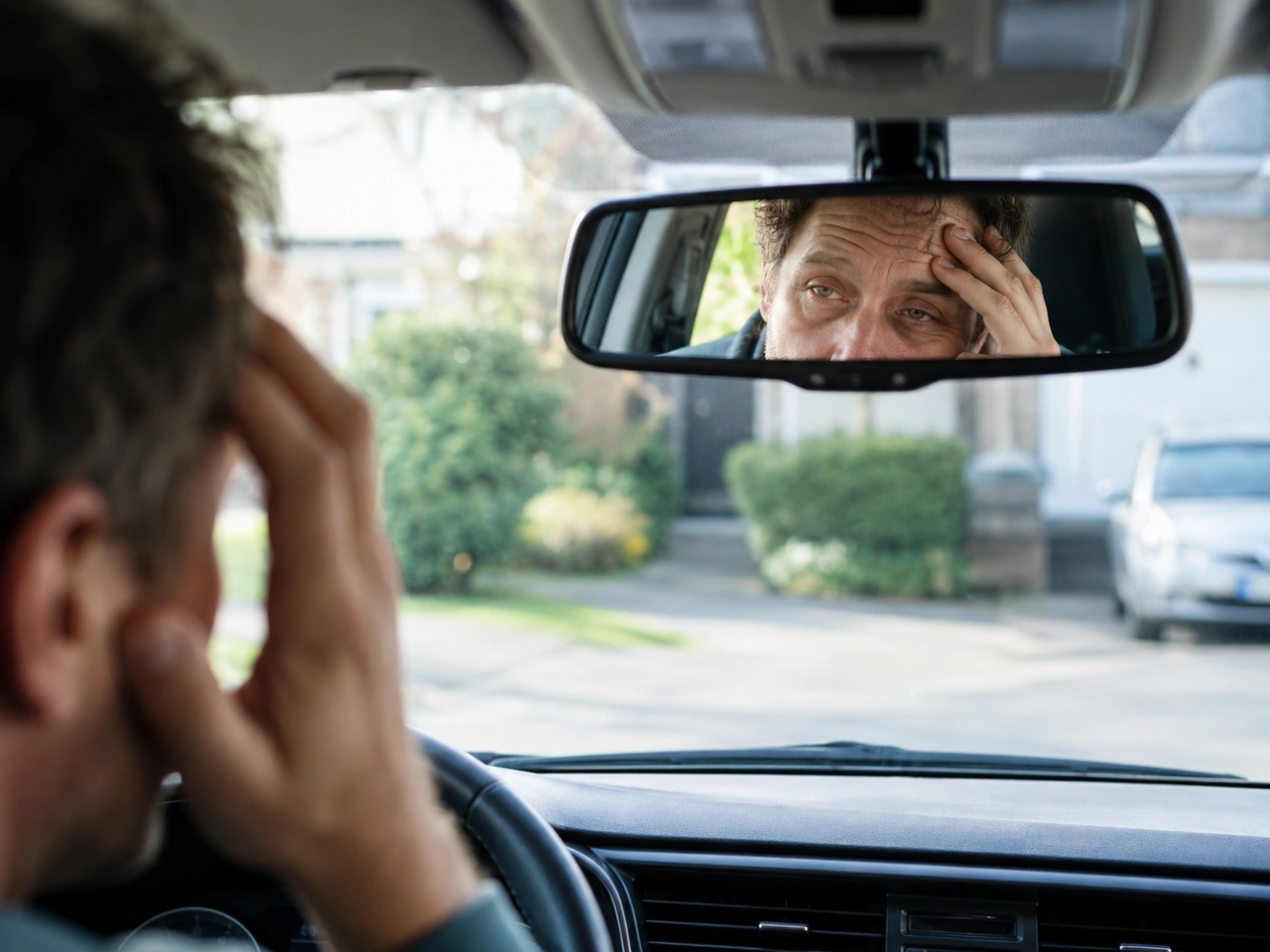
361. Can you assume that you are safe to drive the morning after drinking?
The body needs time to process alcohol. Sleeping, eating, showering, or drinking coffee does not instantly remove it.
AI-generated by Rijbewijs-online.be • WCIT • CC BY-SA
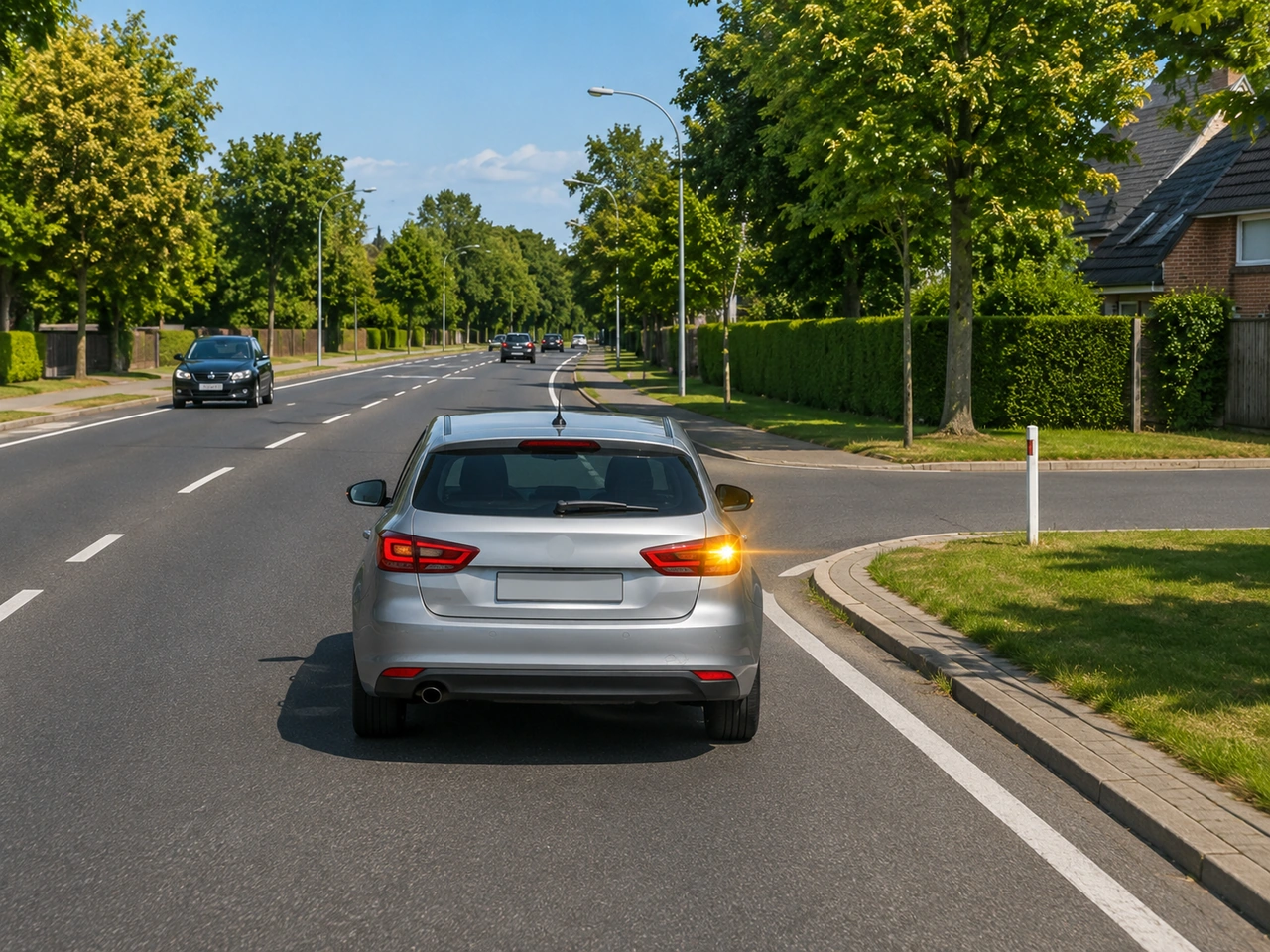
362. Why should you use your indicator before turning?
Indicators help other drivers, cyclists, and pedestrians understand your intentions in time.
AI-generated by Rijbewijs-online.be • WCIT • CC BY-SA
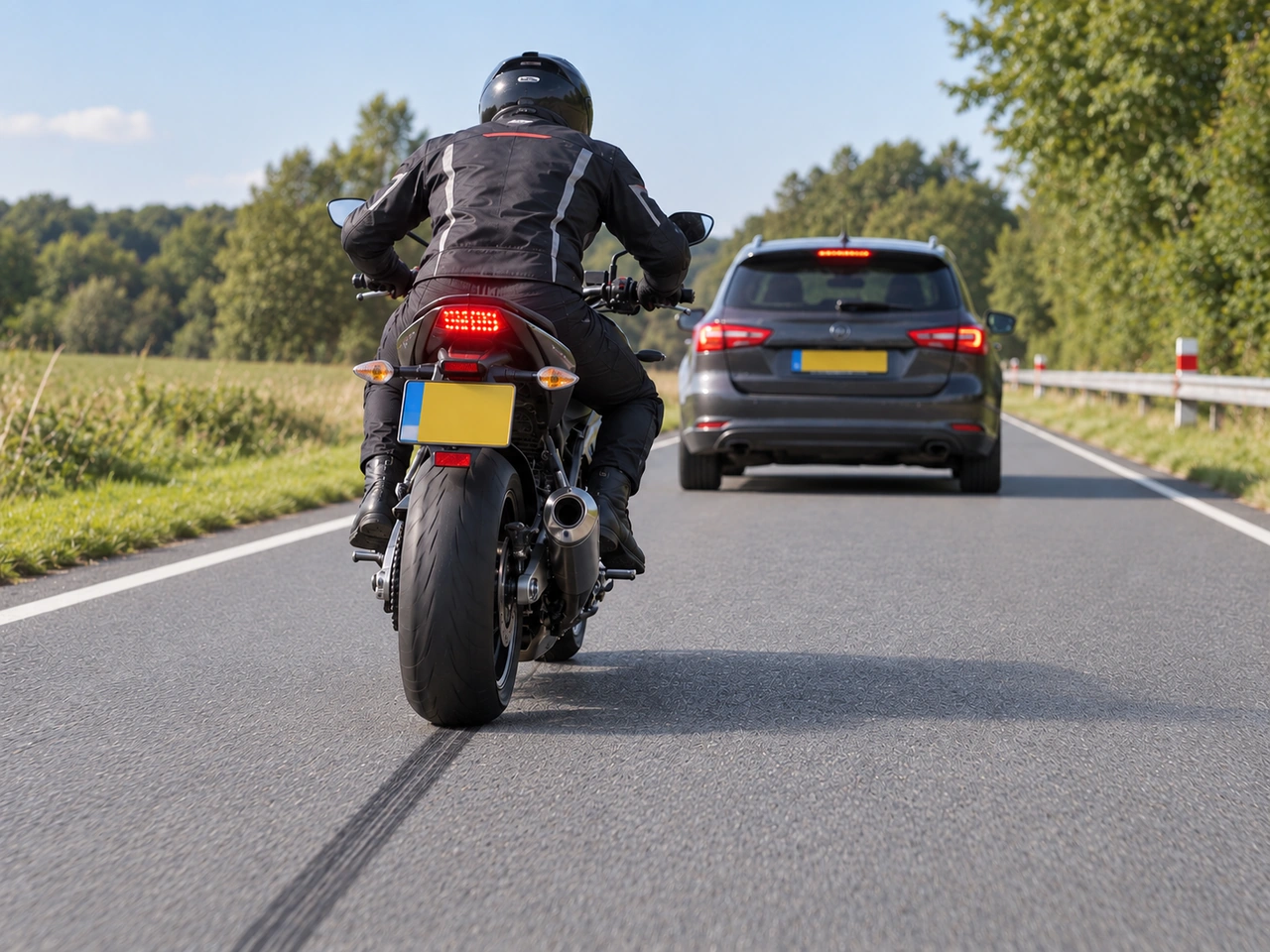
363. How should a motorcyclist brake in an emergency?
During emergency braking, use both brakes firmly and progressively while keeping the motorcycle as upright and stable as practical. Avoid sudden steering. If ABS is fitted, maintain firm braking pressure and allow the system to work.
AI-generated by Rijbewijs-online.be • WCIT • CC BY-SA
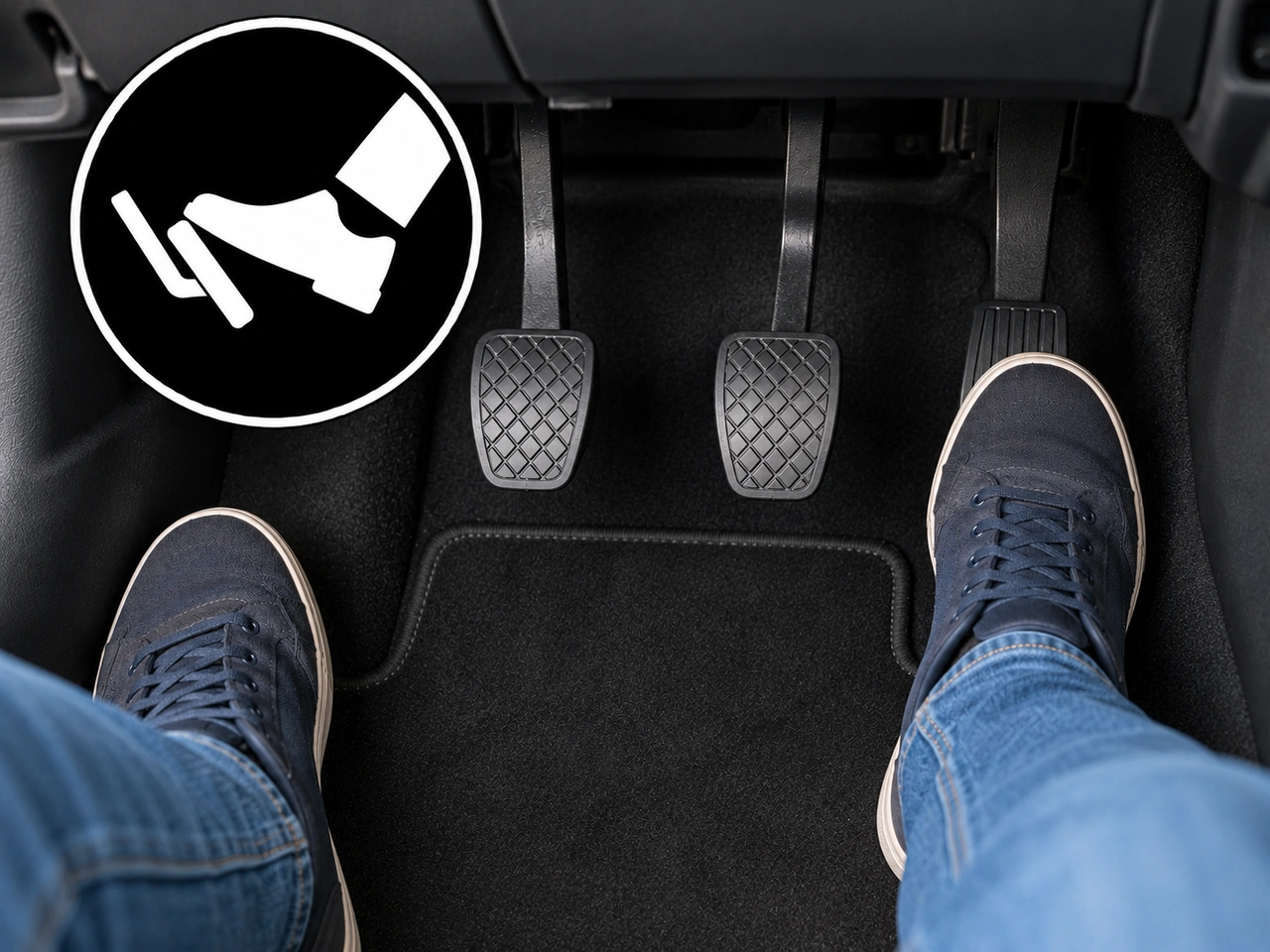
364. Which pedal is used to increase the vehicle's speed?
The accelerator pedal controls the amount of power delivered by the engine and is used to increase or maintain the vehicle's speed. It is the right-hand pedal.
AI-generated by Rijbewijs-online.be • WCIT • CC BY-SA
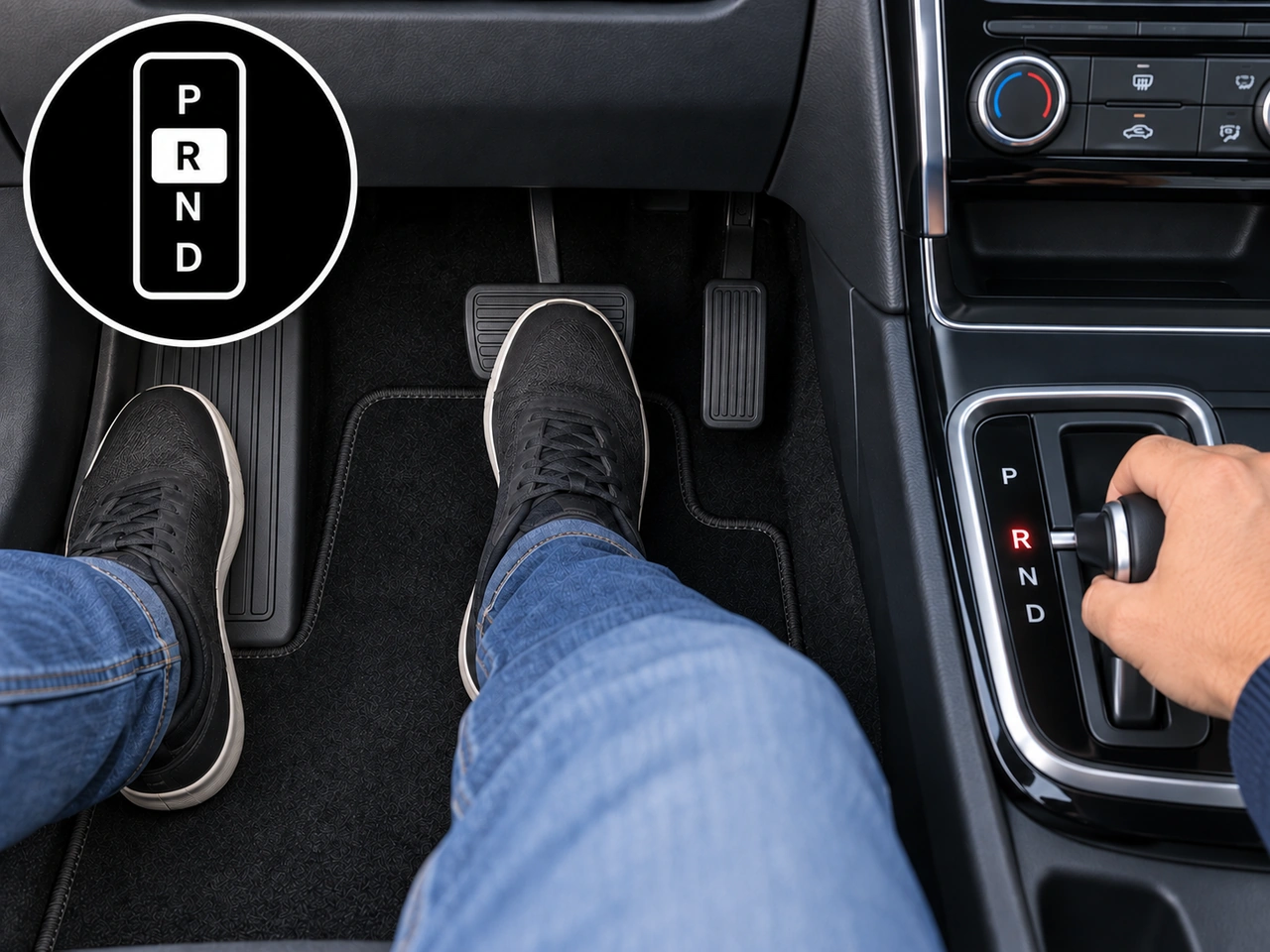
365. When should you select R (Reverse) in an automatic vehicle?
Select R (Reverse) only after the vehicle has come to a complete stop. Selecting Reverse while the vehicle is still moving forward can damage the transmission.
AI-generated by Rijbewijs-online.be • WCIT • CC BY-SA
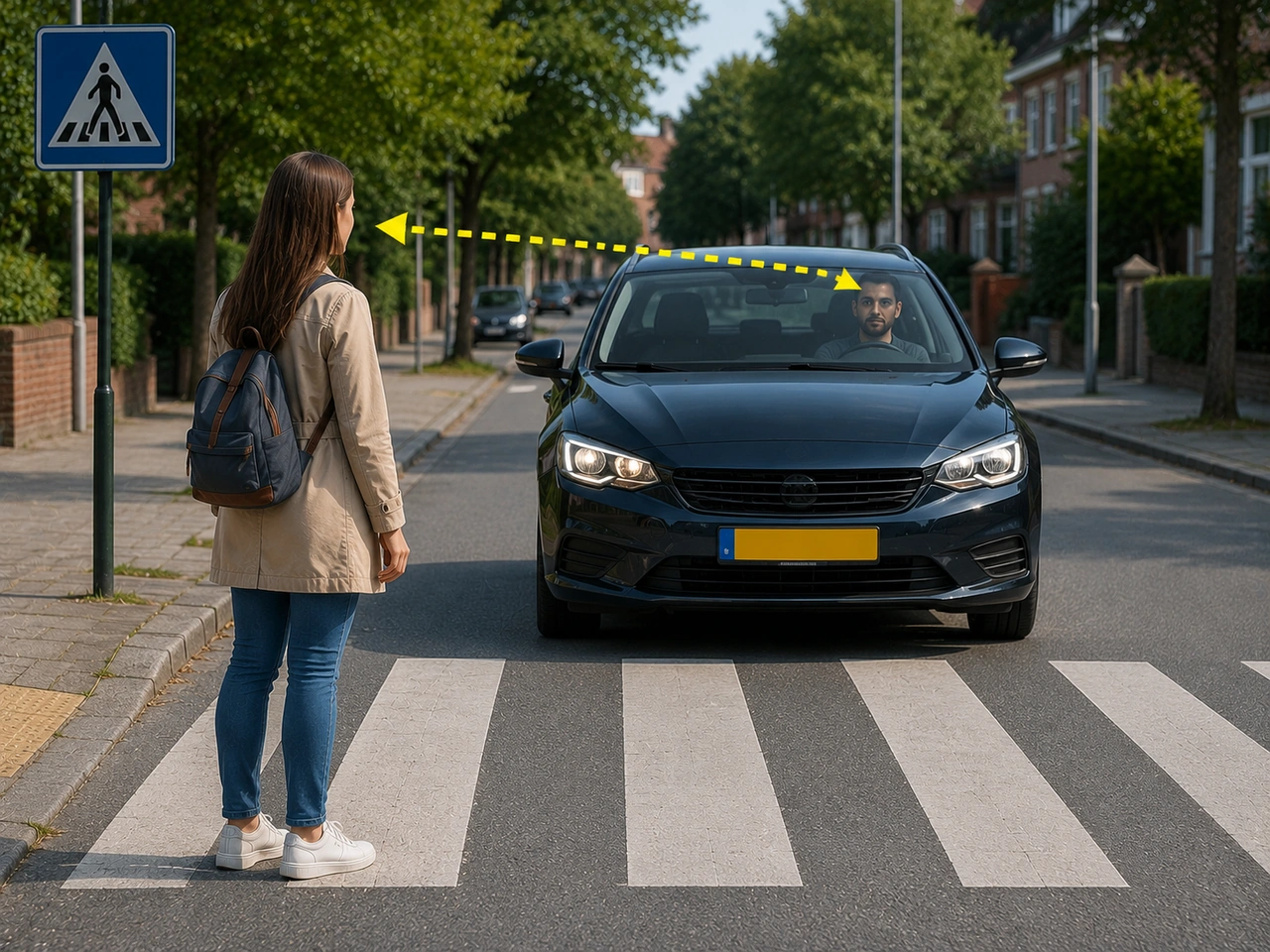
366. Why should you make sure drivers have seen you before crossing?
Before crossing, make sure approaching drivers have noticed you and that it is safe to proceed. Do not assume that a driver will stop simply because you have seen each other.
AI-generated by Rijbewijs-online.be • WCIT • CC BY-SA
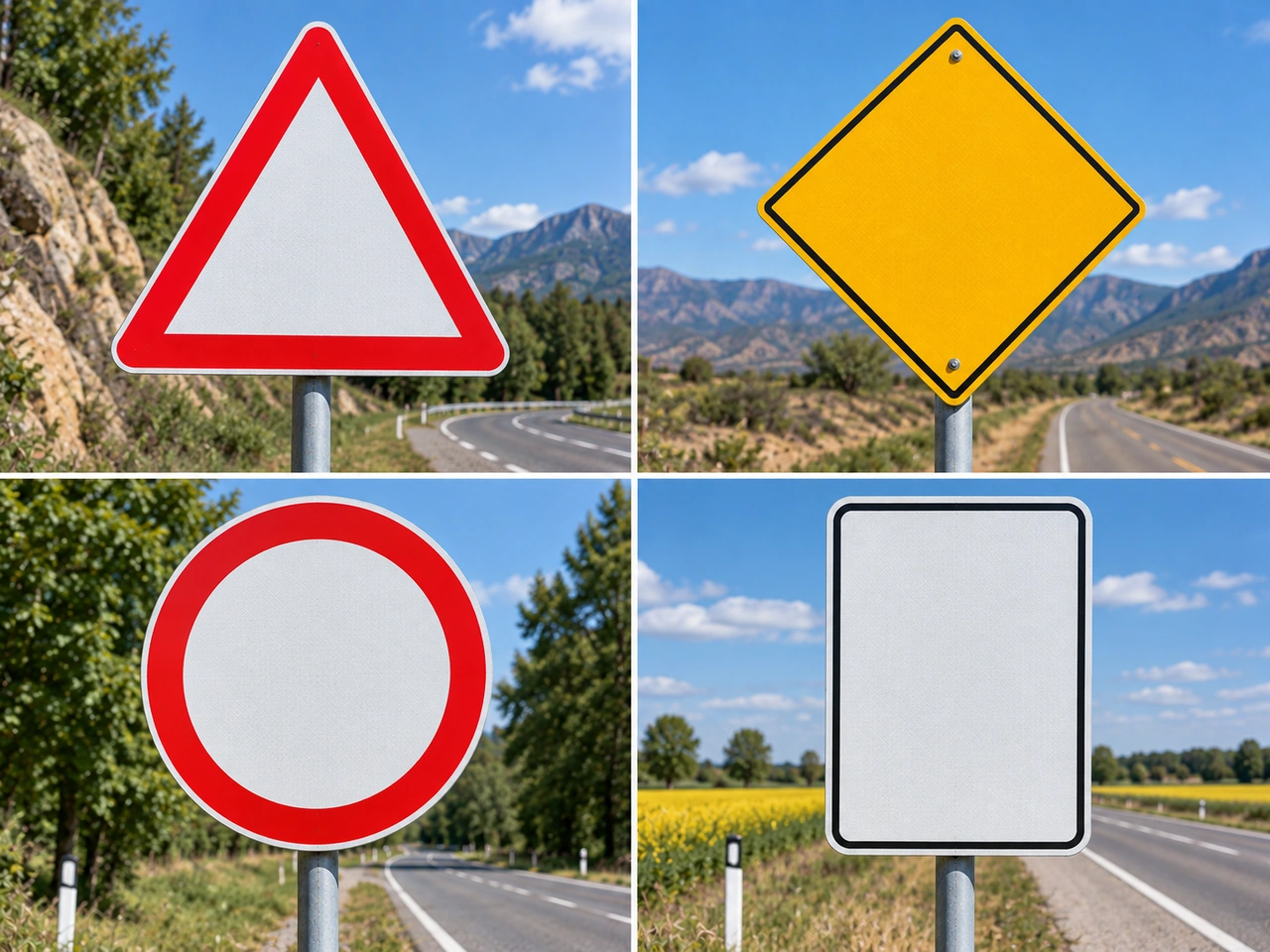
367. What shape are most warning signs in Bosnia and Herzegovina?
Most warning signs in Bosnia and Herzegovina are triangular.
AI-generated by Rijbewijs-online.be • WCIT • CC BY-SA
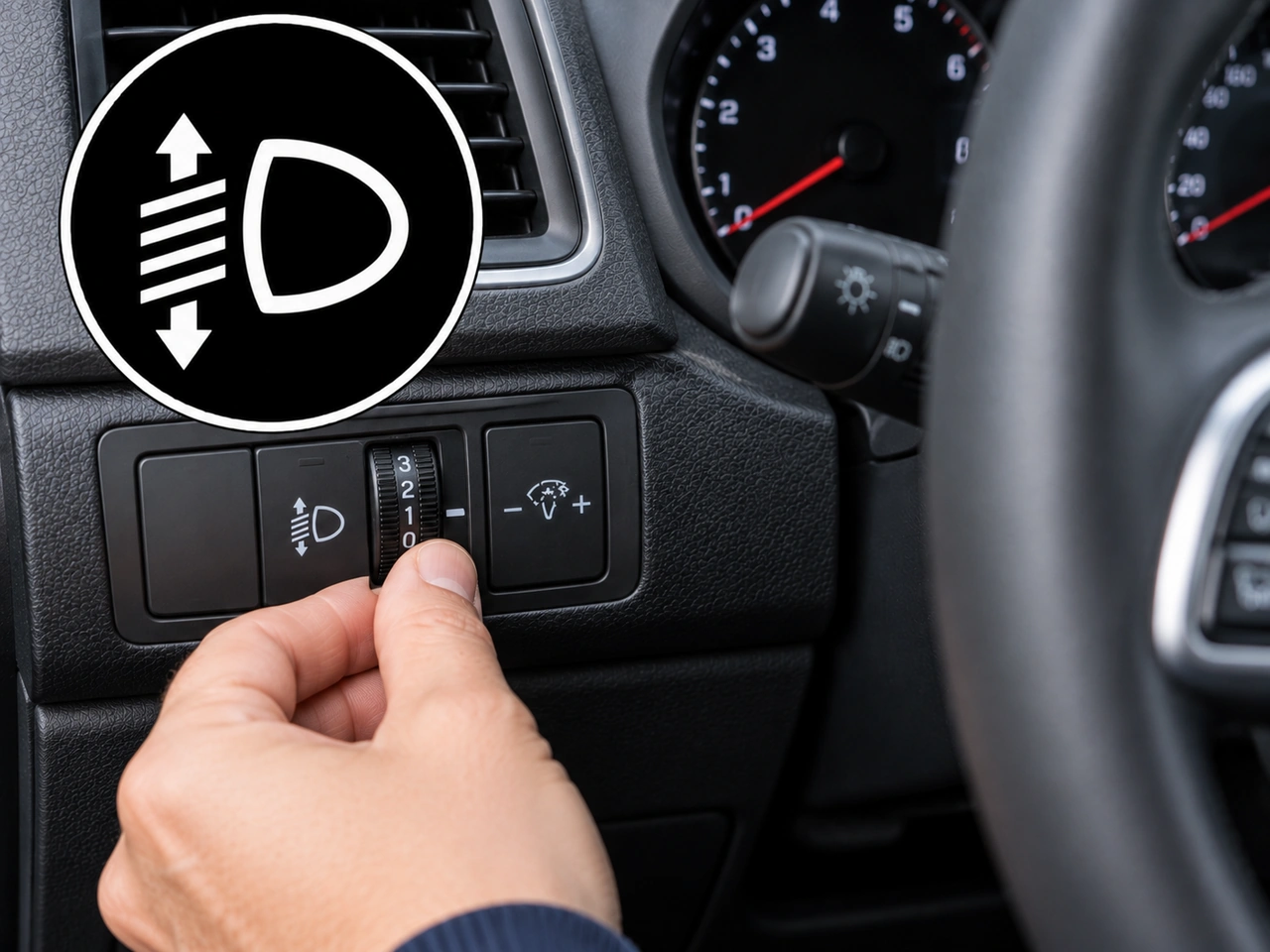
368. What does this vehicle-control symbol indicate?
This control adjusts the vertical aim of the headlights. It can be used to lower the beam when the vehicle is heavily loaded, helping to avoid dazzling other road users.
AI-generated by Rijbewijs-online.be • WCIT • CC BY-SA
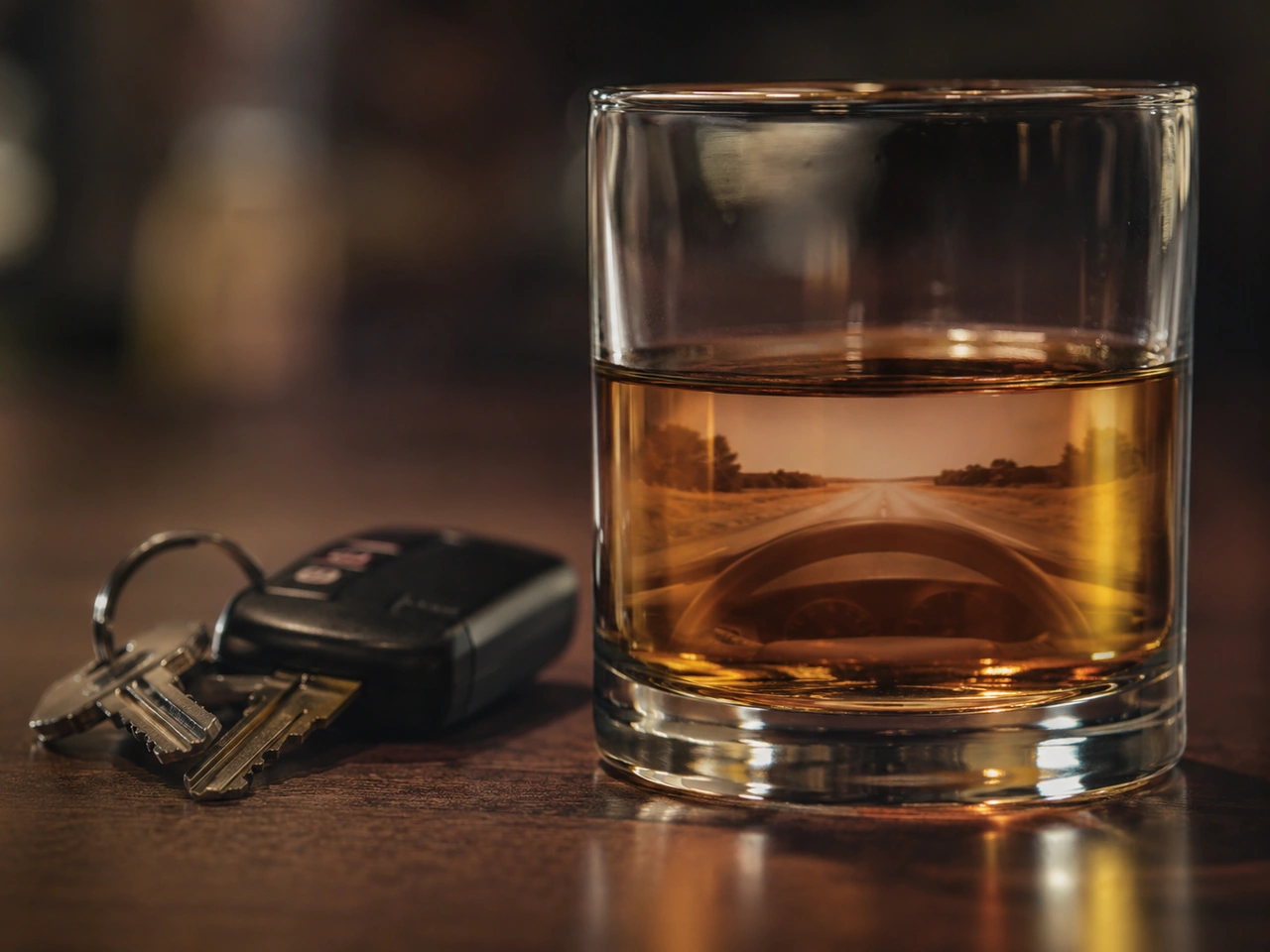
369. How can alcohol affect your driving ability?
Alcohol affects several abilities needed for safe driving, including concentration, decision-making, coordination, and hazard perception.
AI-generated by Rijbewijs-online.be • WCIT • CC BY-SA
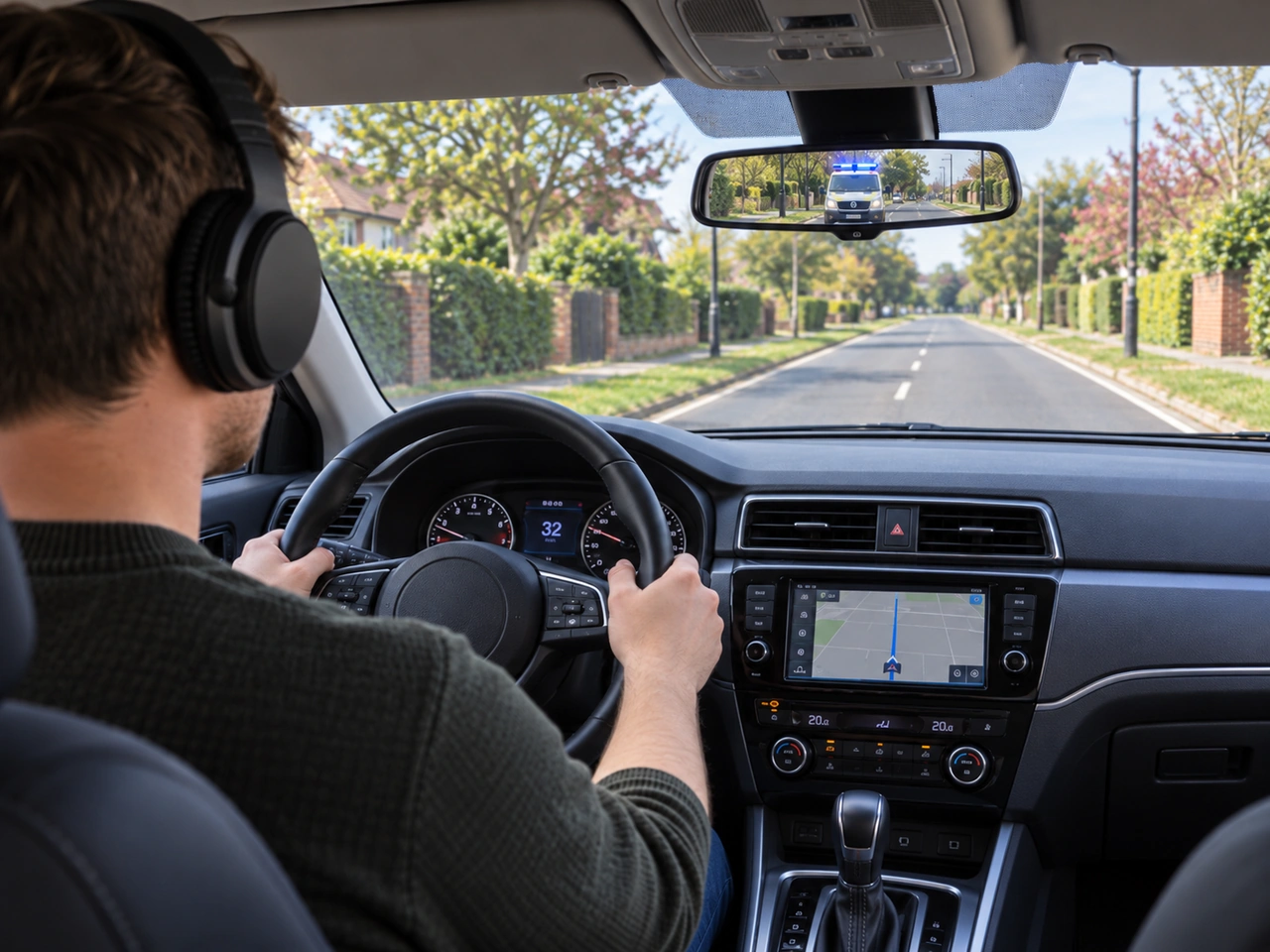
370. Why can headphones or very loud music be dangerous while driving?
Headphones or very loud music can reduce your awareness of horns, sirens, warning sounds, and surrounding traffic. Keep the volume at a level that allows you to remain aware of what is happening around the vehicle.
AI-generated by Rijbewijs-online.be • WCIT • CC BY-SA
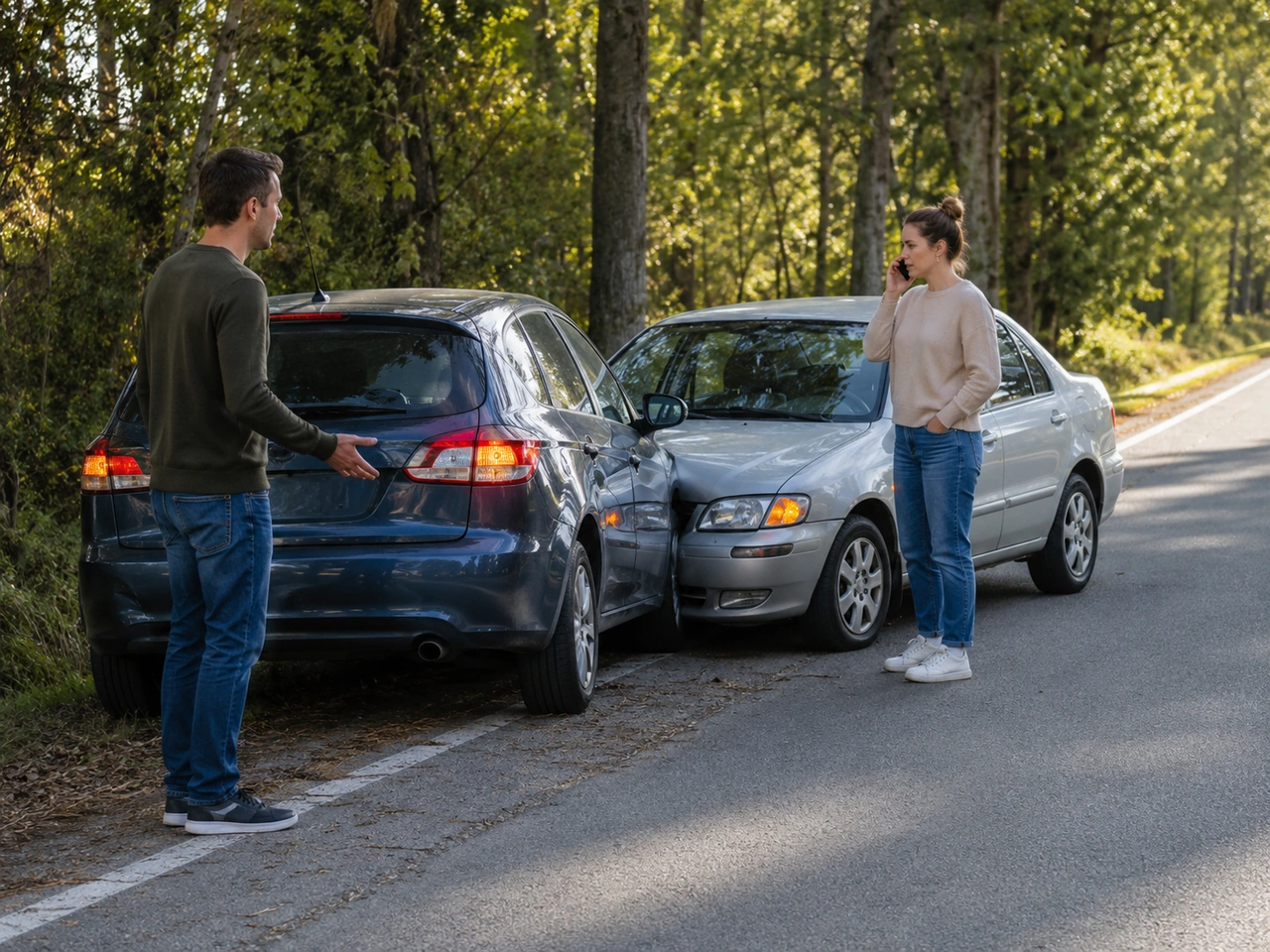
371. What should you do first after a collision?
Stop the vehicle, warn other traffic where appropriate, assess immediate danger and injuries, and contact the emergency services when needed. Exchange any details required by local law.
AI-generated by Rijbewijs-online.be • WCIT • CC BY-SA
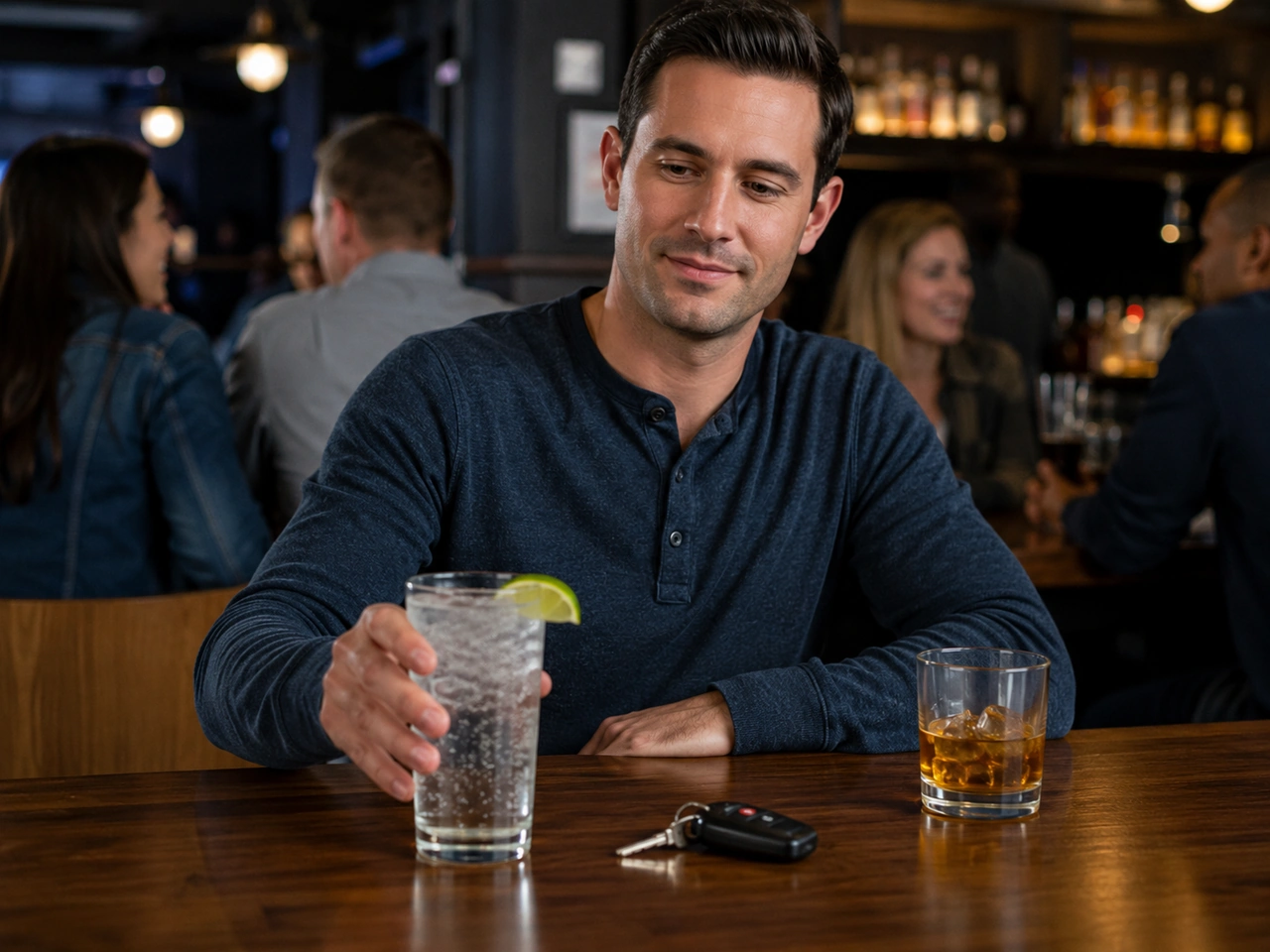
372. What should a designated driver do?
A designated driver should remain sober so they can drive safely and respond properly to traffic conditions.
AI-generated by Rijbewijs-online.be • WCIT • CC BY-SA
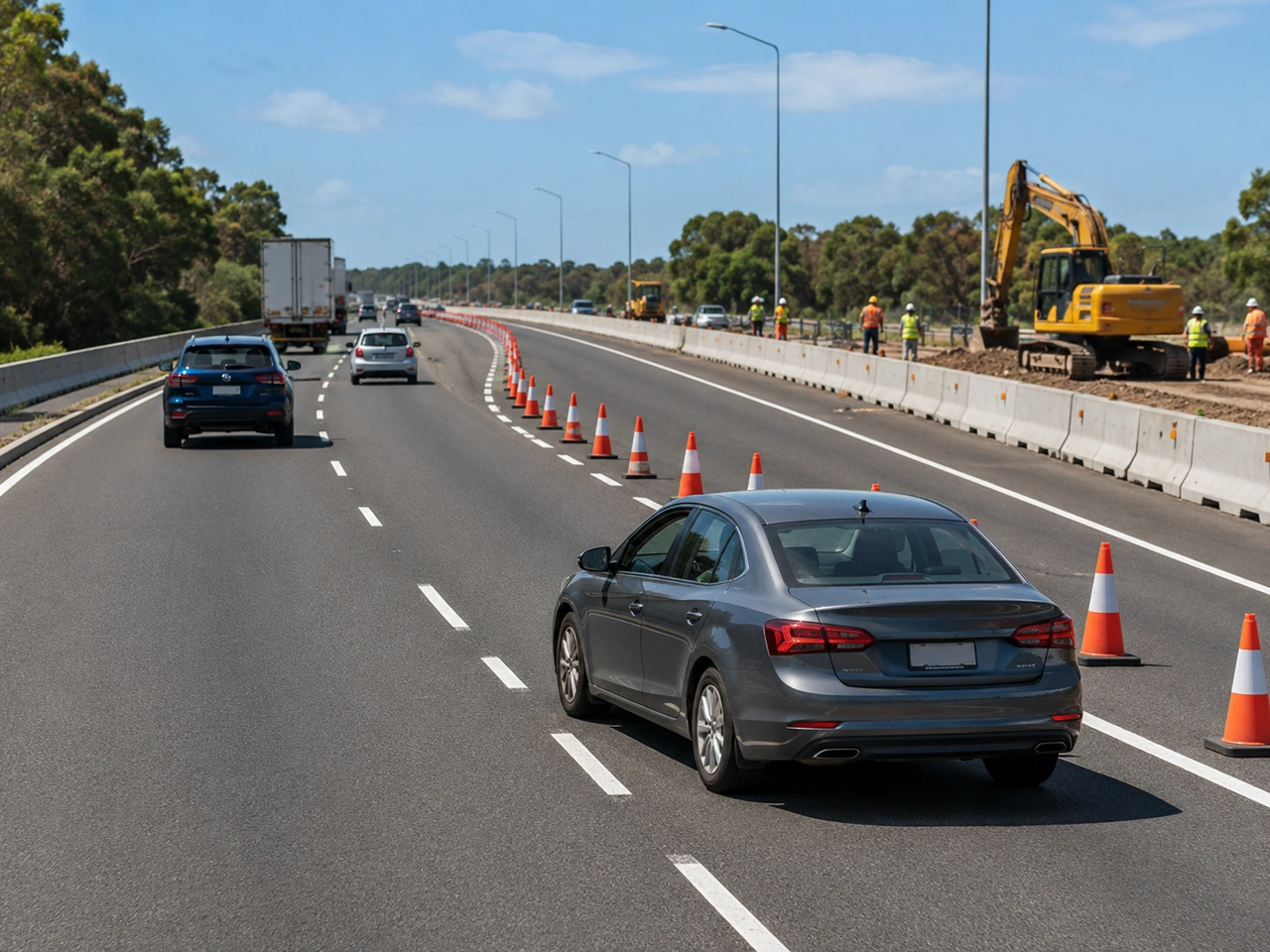
373. What should you do when approaching a temporary lane closure?
Observe the temporary signs, adjust your speed, and merge safely according to the traffic situation and local rules.
AI-generated by Rijbewijs-online.be • WCIT • CC BY-SA
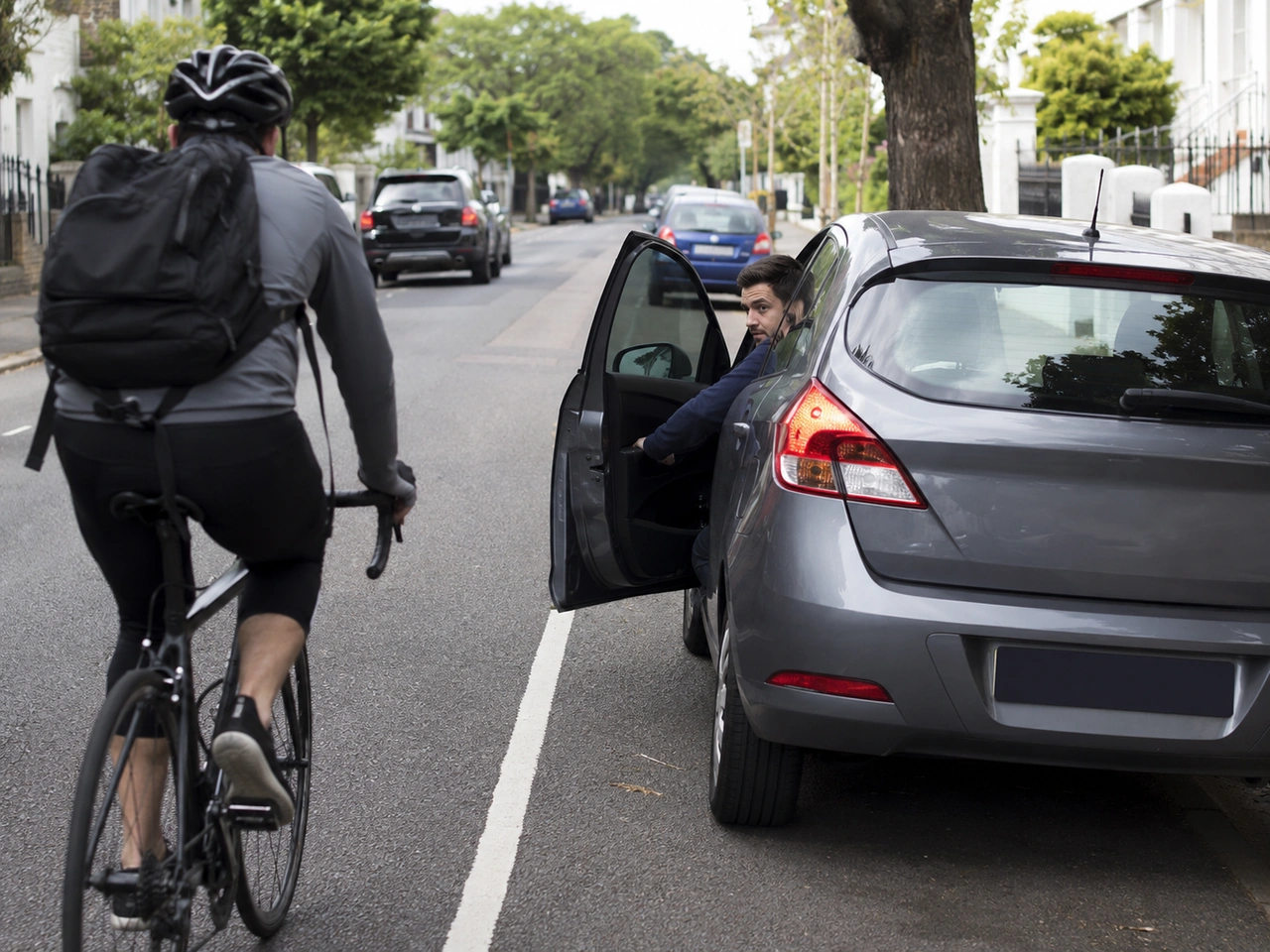
374. You do not need to look for cyclists when opening your car door.
You should always check for cyclists, motorcyclists, and other road users before opening a door.
AI-generated by Rijbewijs-online.be • WCIT • CC BY-SA
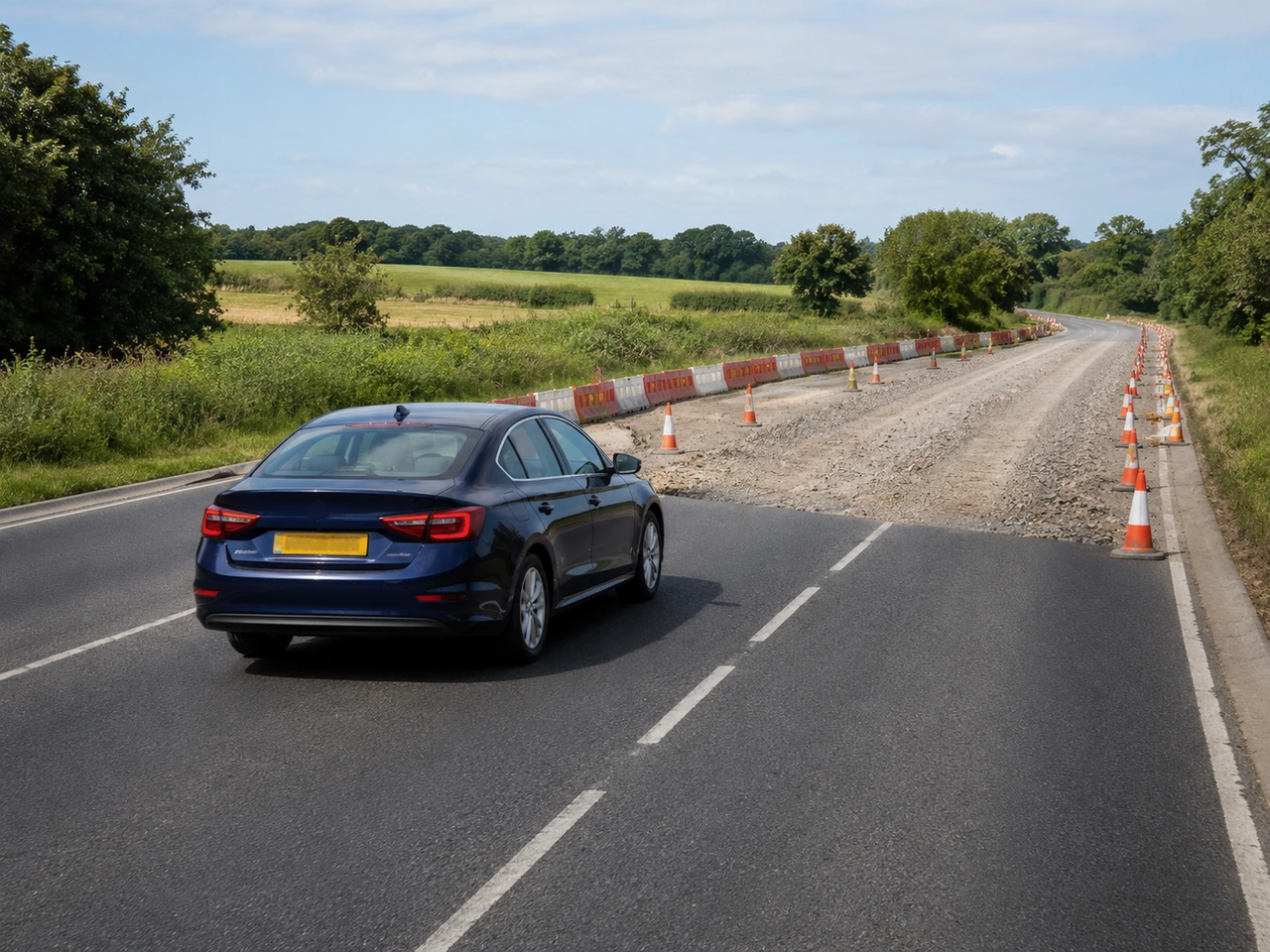
375. Why can temporary road surfaces increase stopping distance?
Temporary surfaces may provide less grip than normal asphalt. Reduce speed and allow more distance for braking.
AI-generated by Rijbewijs-online.be • WCIT • CC BY-SA
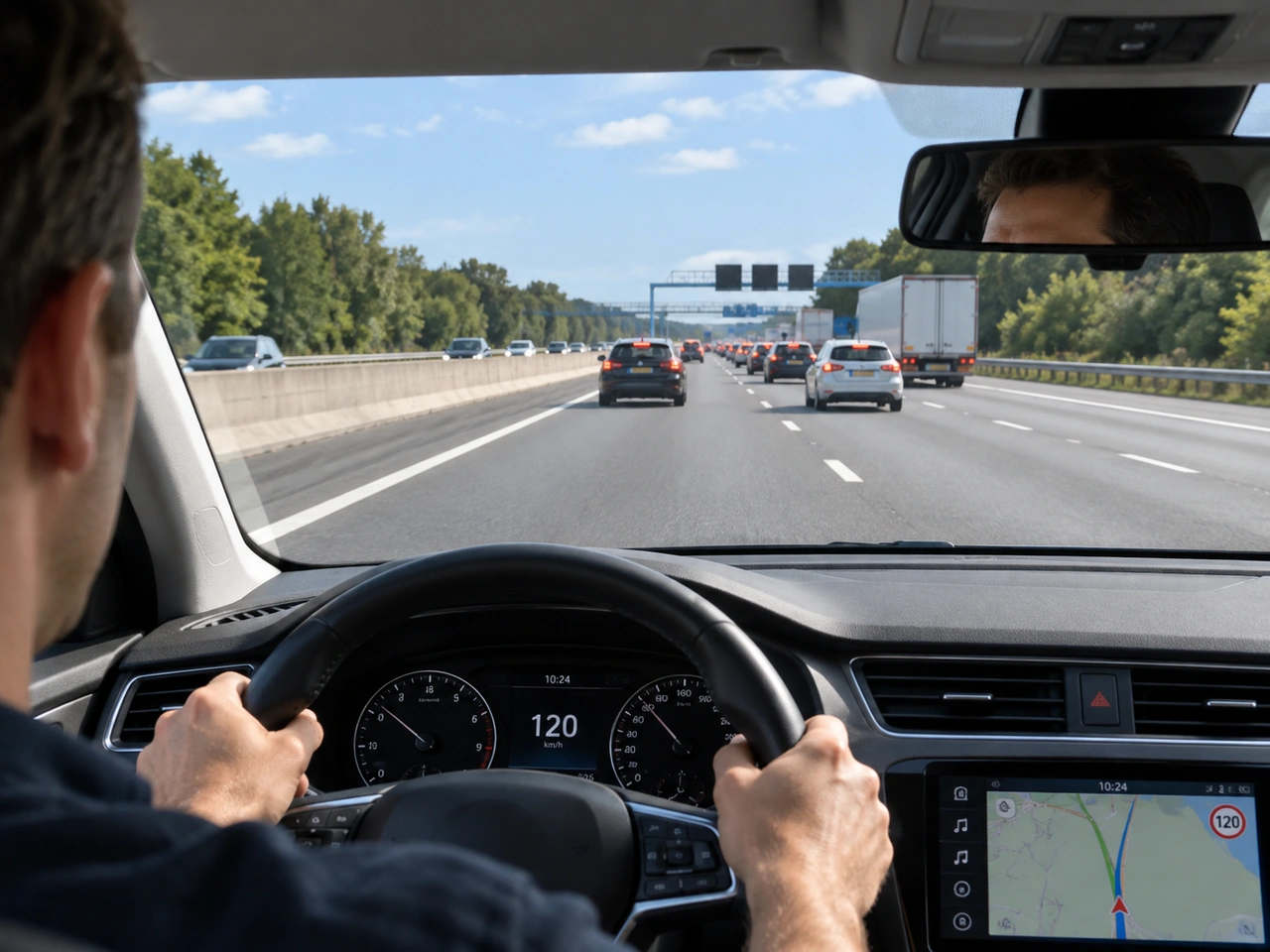
376. How does higher speed affect a vehicle's stopping distance?
As speed increases, the vehicle travels farther while the driver reacts and requires more distance to brake. This means the total stopping distance increases significantly as speed rises.
AI-generated by Rijbewijs-online.be • WCIT • CC BY-SA
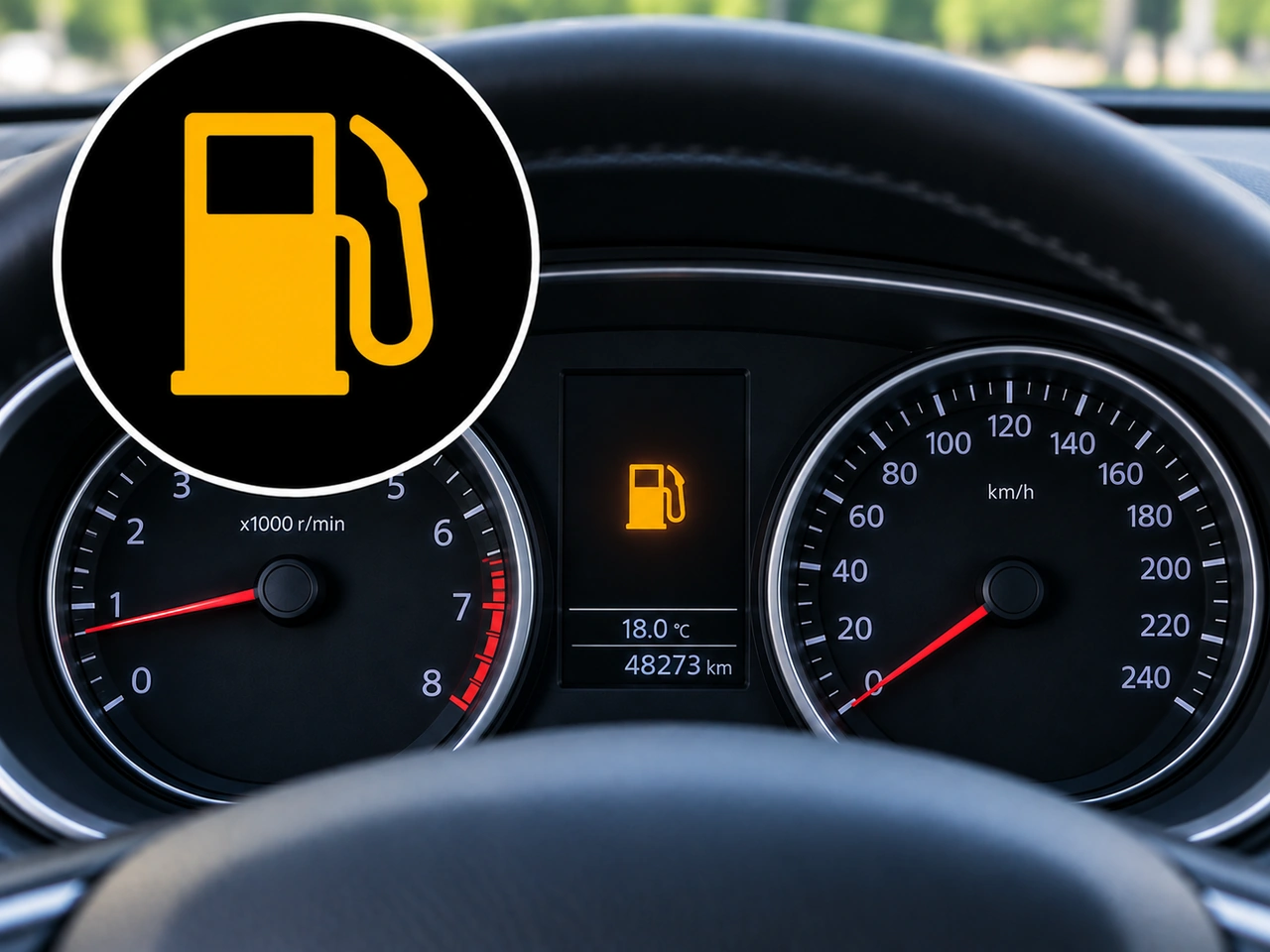
377. What does this dashboard symbol indicate?
This symbol indicates that the fuel level is low. Refuel soon to reduce the risk of running out of fuel.
AI-generated by Rijbewijs-online.be • WCIT • CC BY-SA
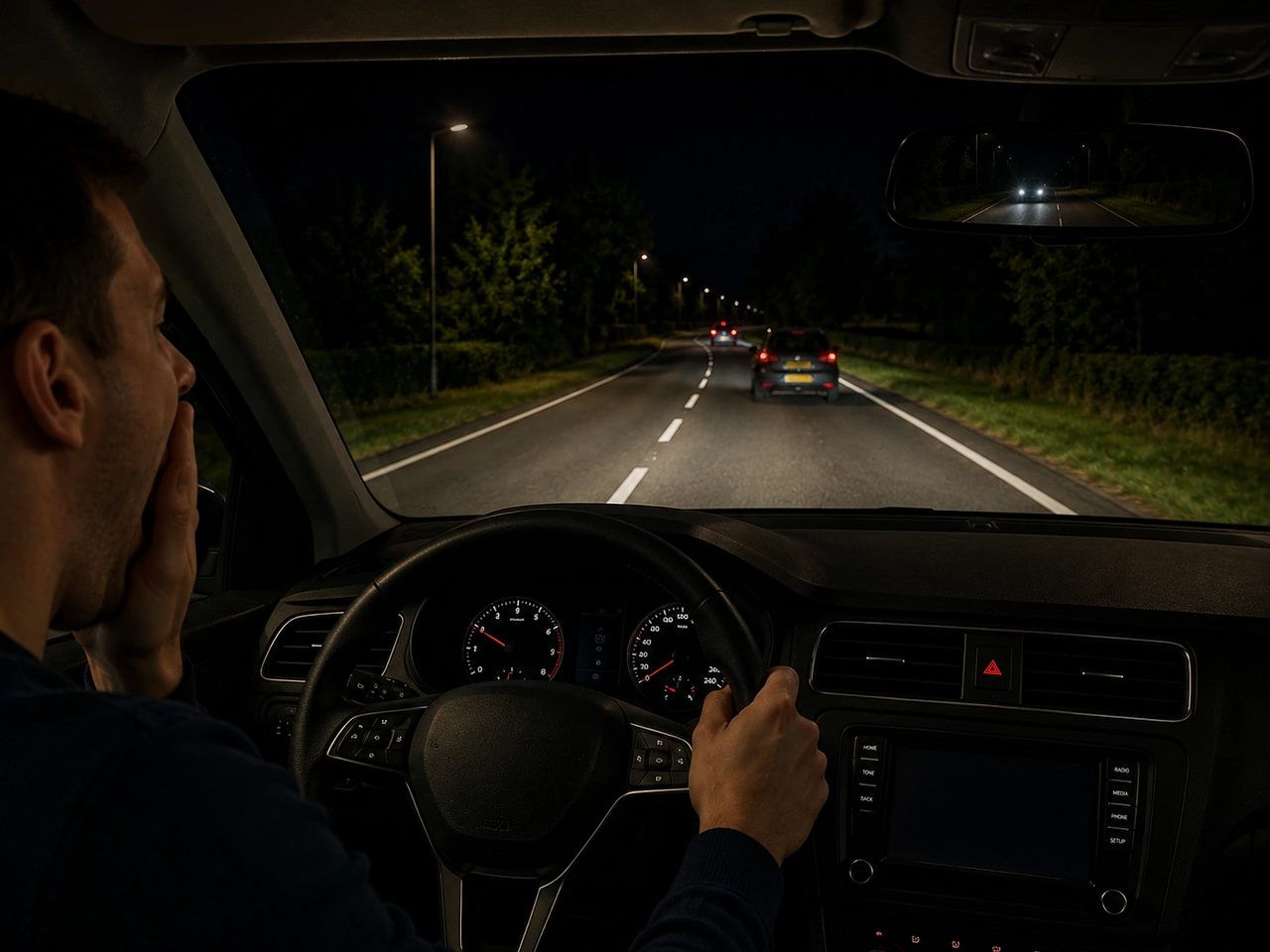
378. What should you do if you feel tired while driving?
Driving while tired reduces concentration and reaction time. Stop somewhere safe and rest before continuing.
AI-generated by Rijbewijs-online.be • WCIT • CC BY-SA
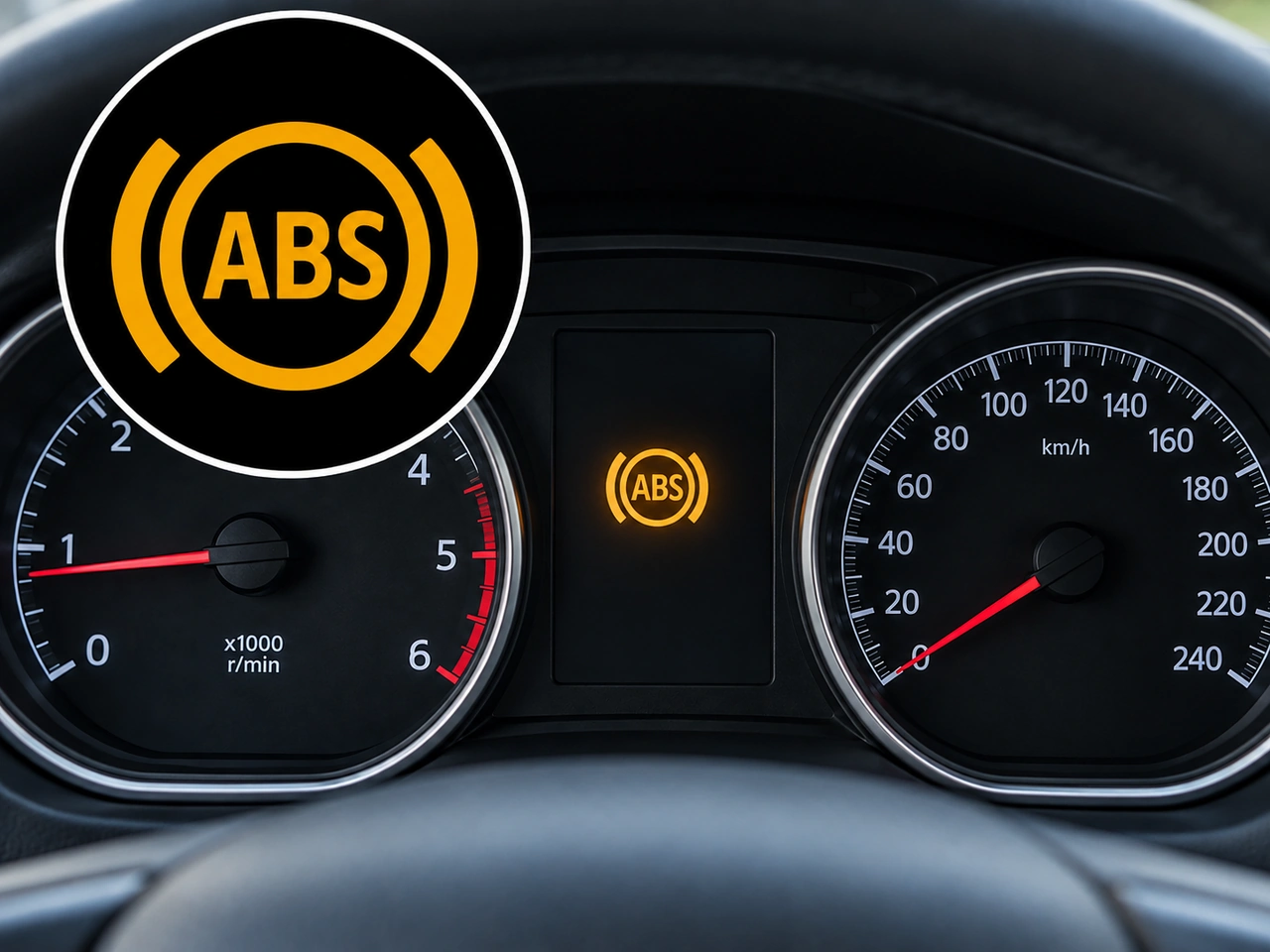
379. What does this dashboard symbol indicate?
This symbol indicates a possible fault with the anti-lock braking system (ABS). Normal braking may still be available, but ABS may not operate during heavy braking, so the system should be checked.
AI-generated by Rijbewijs-online.be • WCIT • CC BY-SA
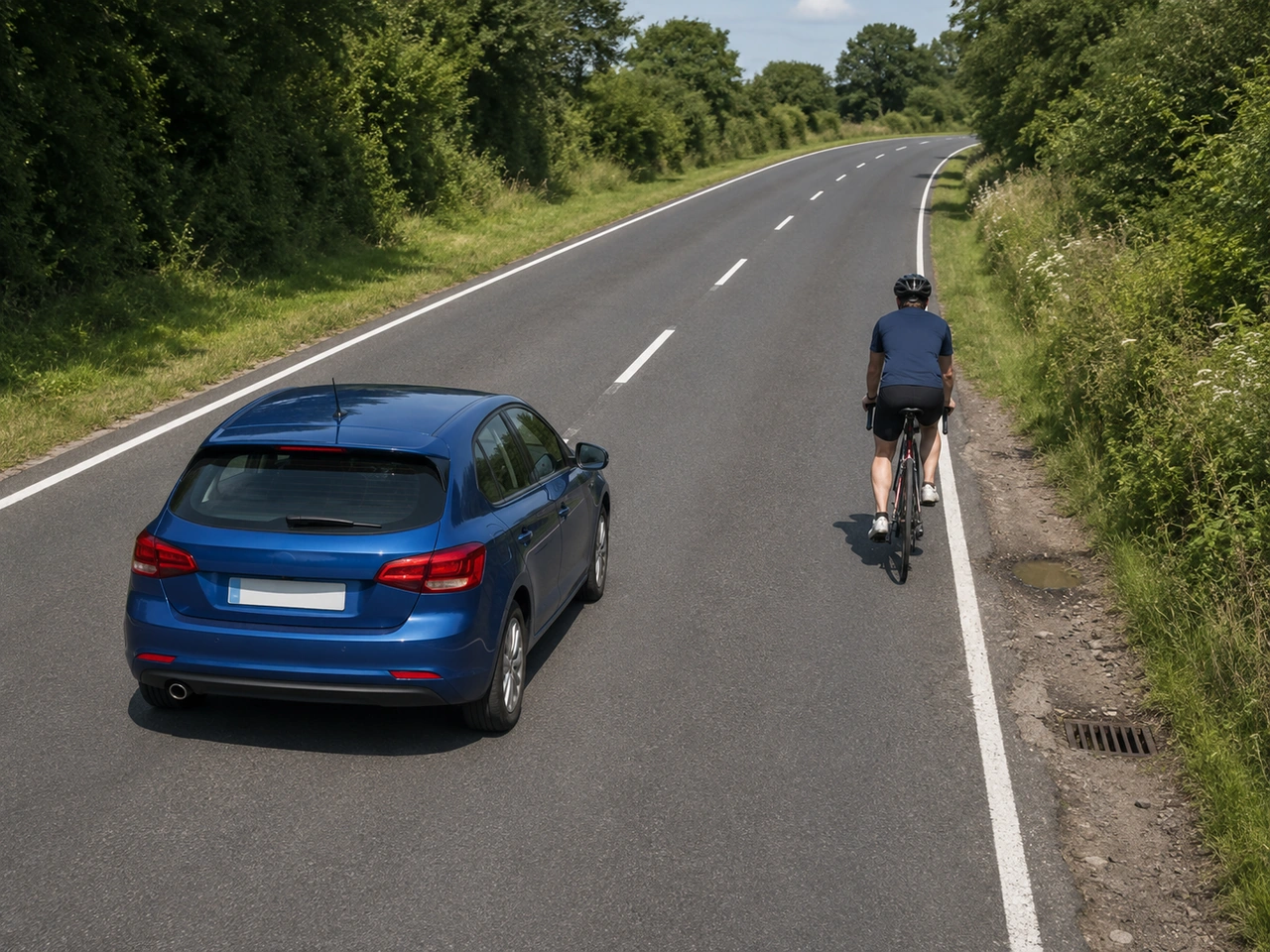
380. Why should you keep a safe distance from cyclists?
Cyclists may need to move around potholes, parked cars, or drains. Giving them enough space helps prevent dangerous situations.
AI-generated by Rijbewijs-online.be • WCIT • CC BY-SA
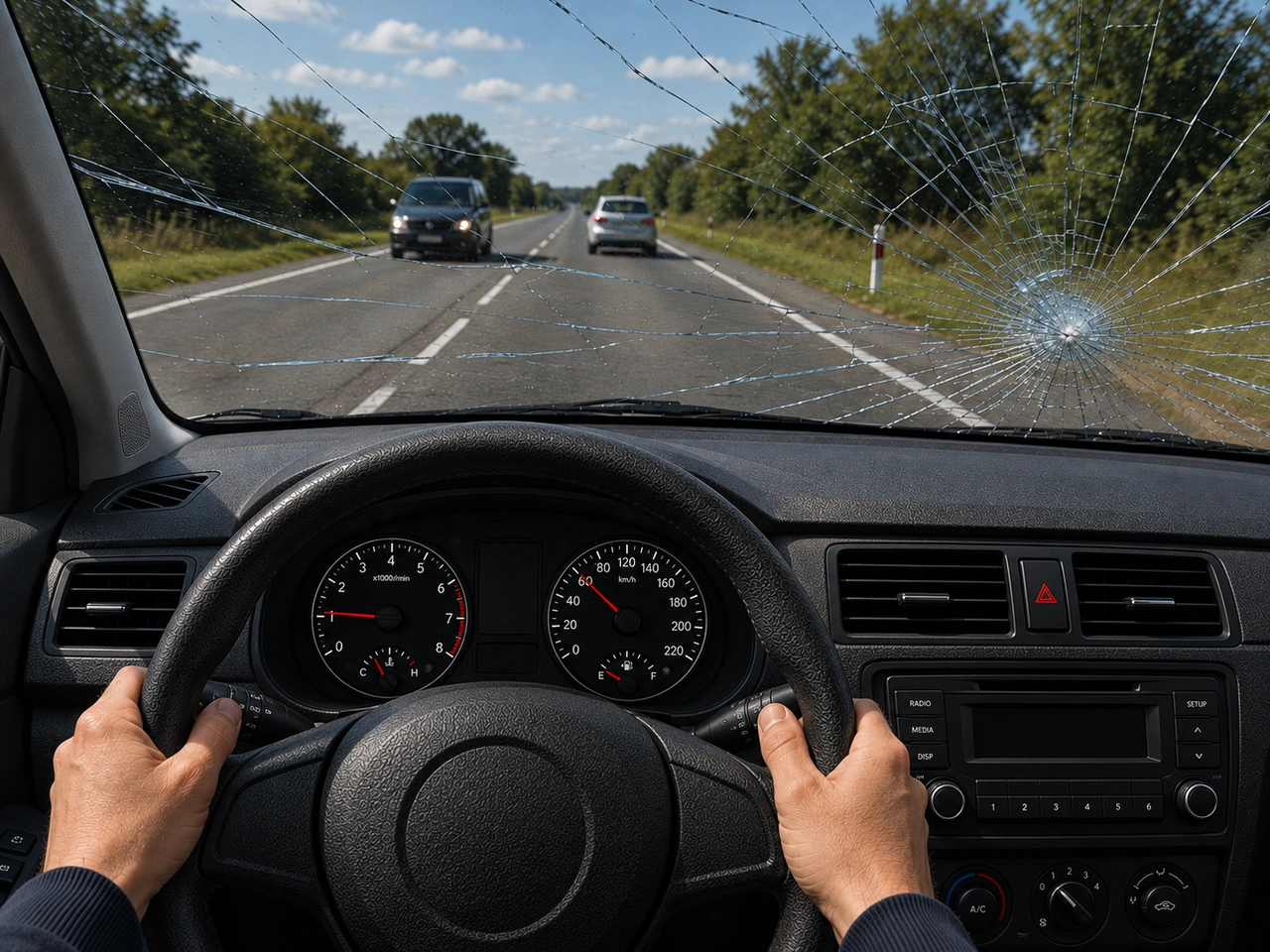
381. What should you do if the windscreen becomes damaged while driving?
Severe damage can obstruct your view and weaken the glass. Do not continue if you cannot see the road clearly.
AI-generated by Rijbewijs-online.be • WCIT • CC BY-SA
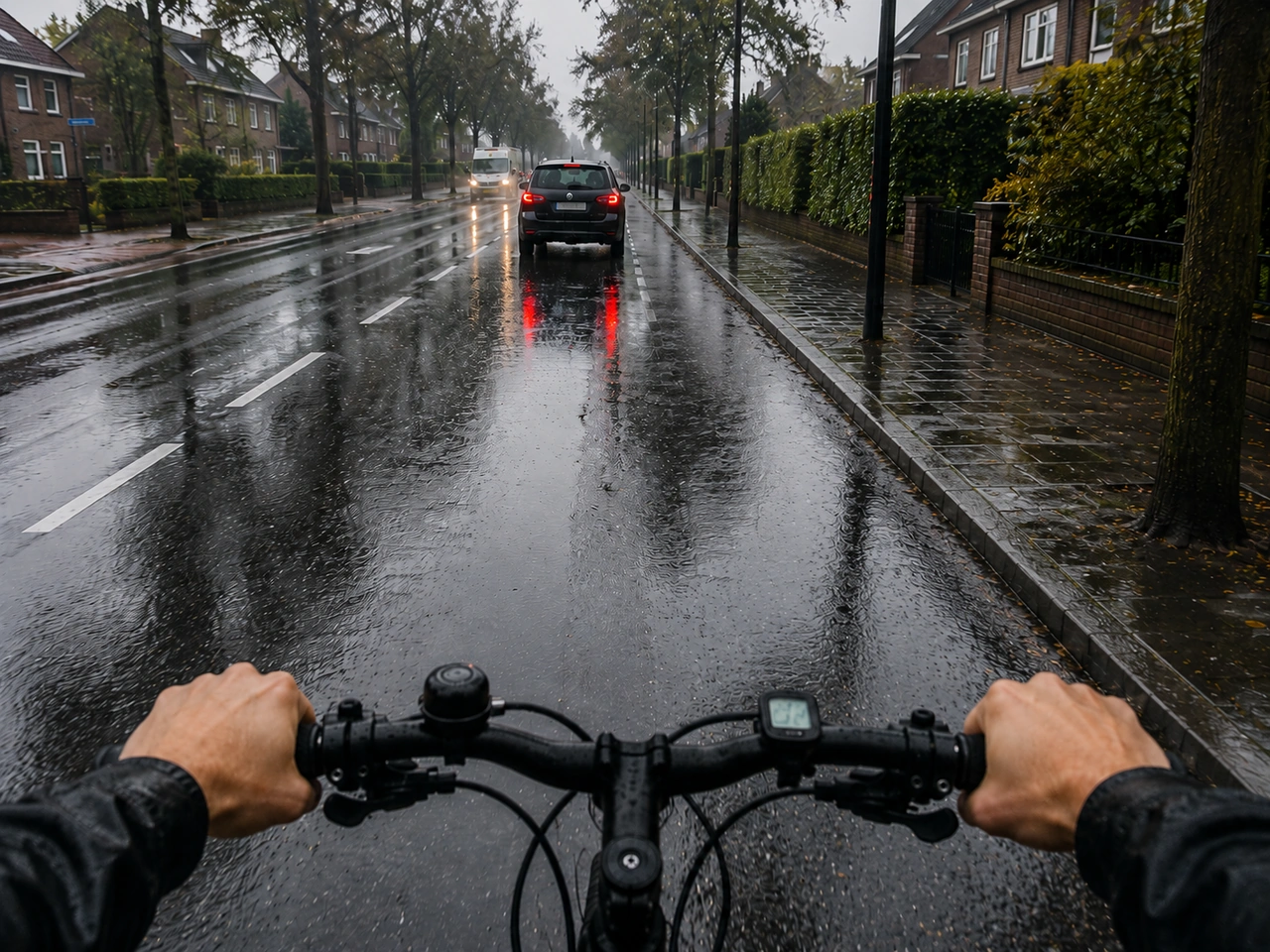
382. How should cyclists brake on a wet road?
Wet surfaces reduce grip and increase stopping distance. Smooth, early braking helps prevent skidding.
AI-generated by Rijbewijs-online.be • WCIT • CC BY-SA
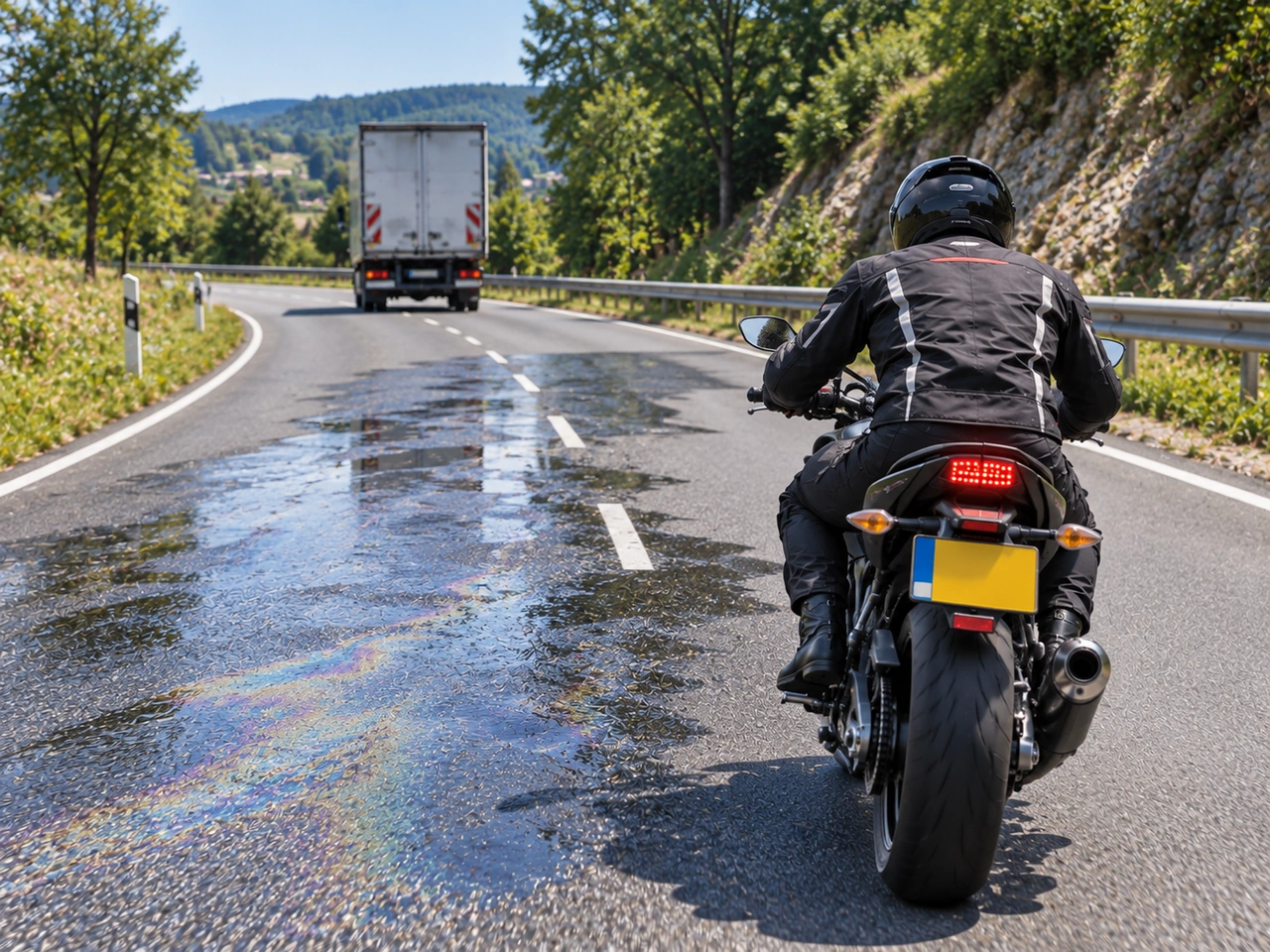
383. Why should you take extra care if oil or diesel is spilled on the road?
Oil, diesel and other fluids can create a very slippery road surface, particularly for motorcycles and bicycles. Reduce speed, avoid sudden braking or steering and keep the vehicle as stable as possible when crossing a contaminated area.
AI-generated by Rijbewijs-online.be • WCIT • CC BY-SA
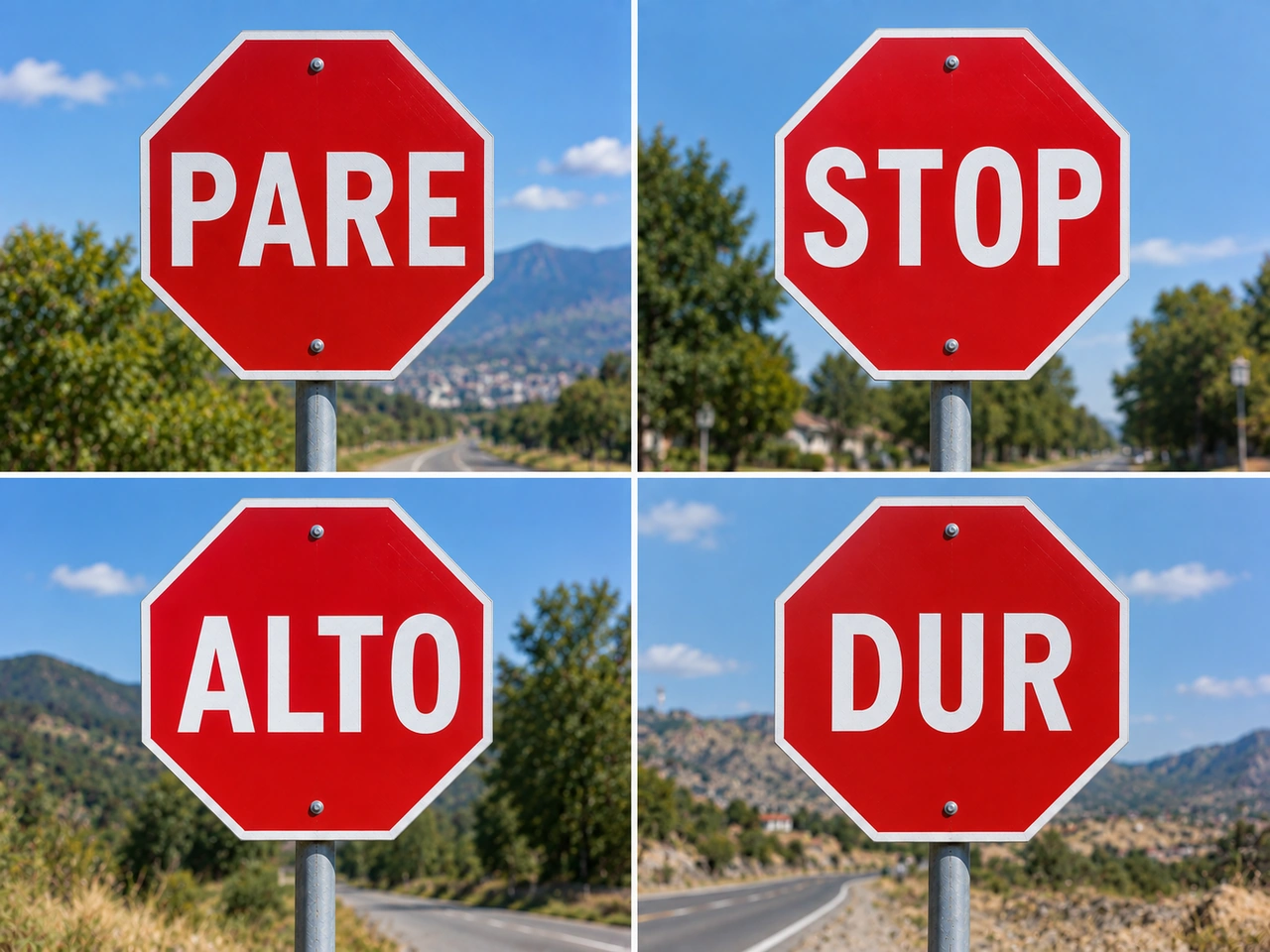
384. What word is commonly shown on STOP signs in Bosnia and Herzegovina?
In Bosnia and Herzegovina, STOP signs commonly display the word STOP.
AI-generated by Rijbewijs-online.be • WCIT • CC BY-SA
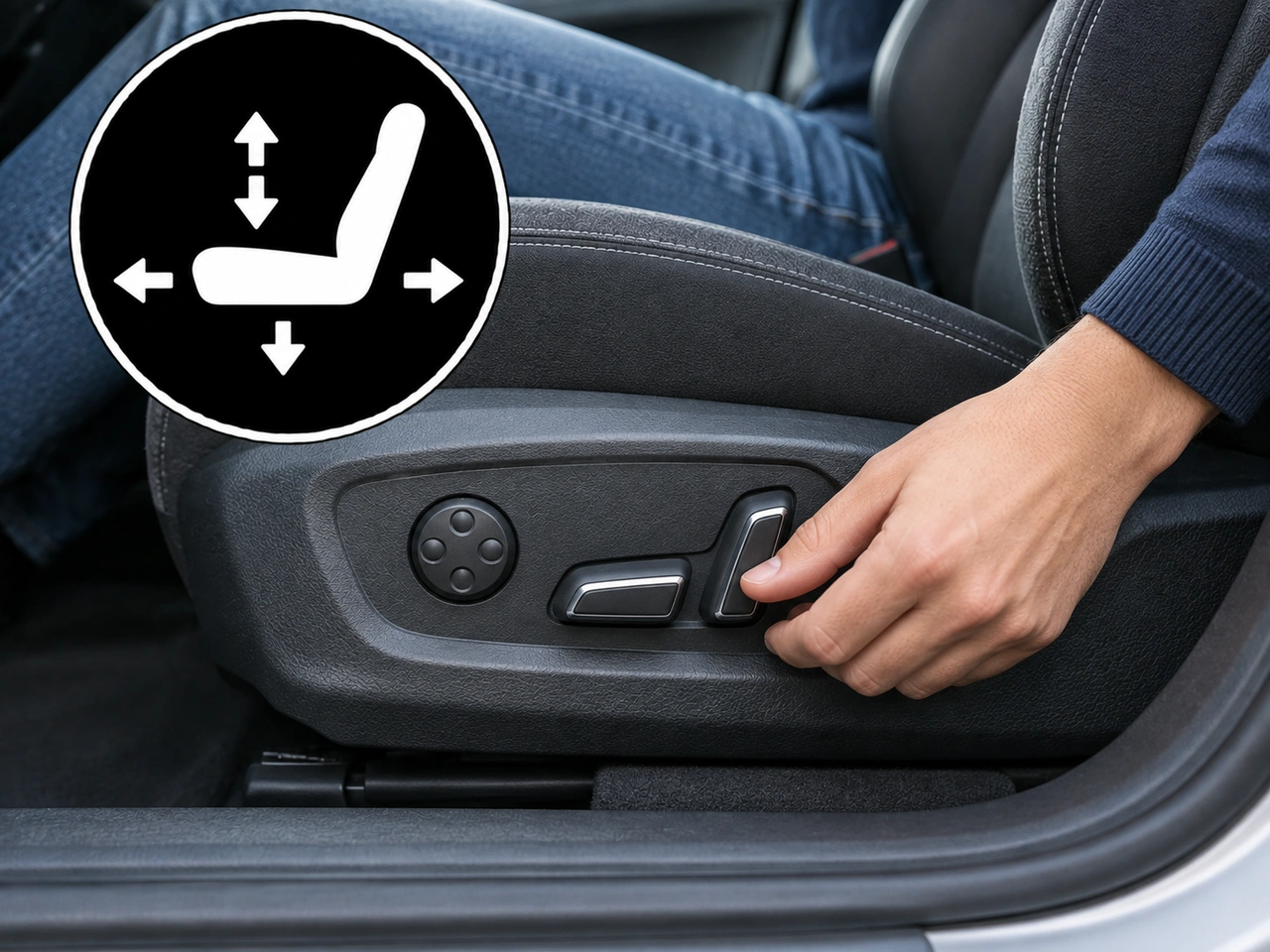
385. What does this vehicle-control symbol indicate?
This control adjusts the position of the seat. Depending on the vehicle, it may move the seat forwards or backwards, raise or lower it, or change the backrest angle.
AI-generated by Rijbewijs-online.be • WCIT • CC BY-SA
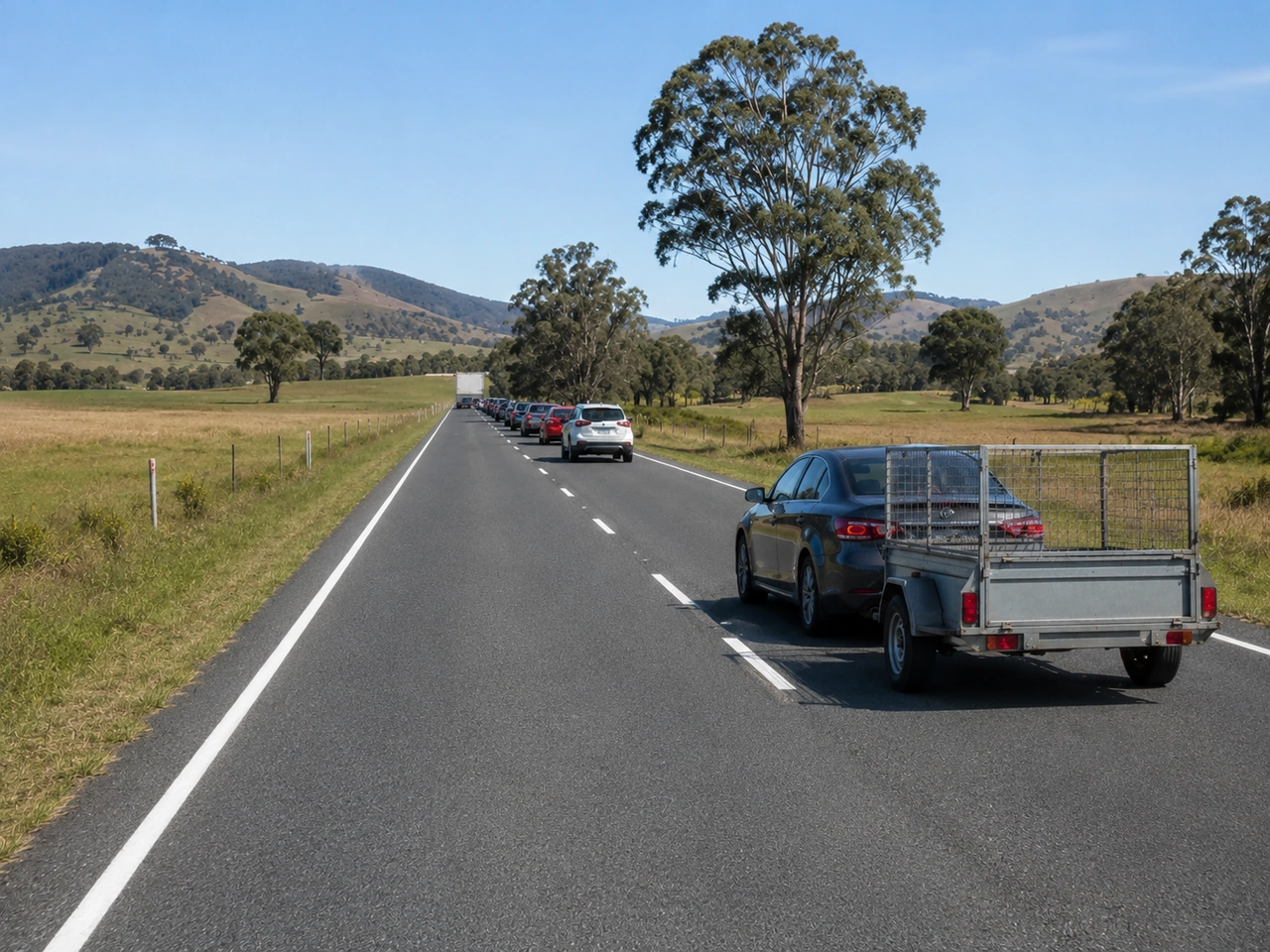
386. Why should you leave extra following distance when towing?
Towing adds weight and can increase stopping distance. Extra space gives you more time to react and brake smoothly.
AI-generated by Rijbewijs-online.be • WCIT • CC BY-SA
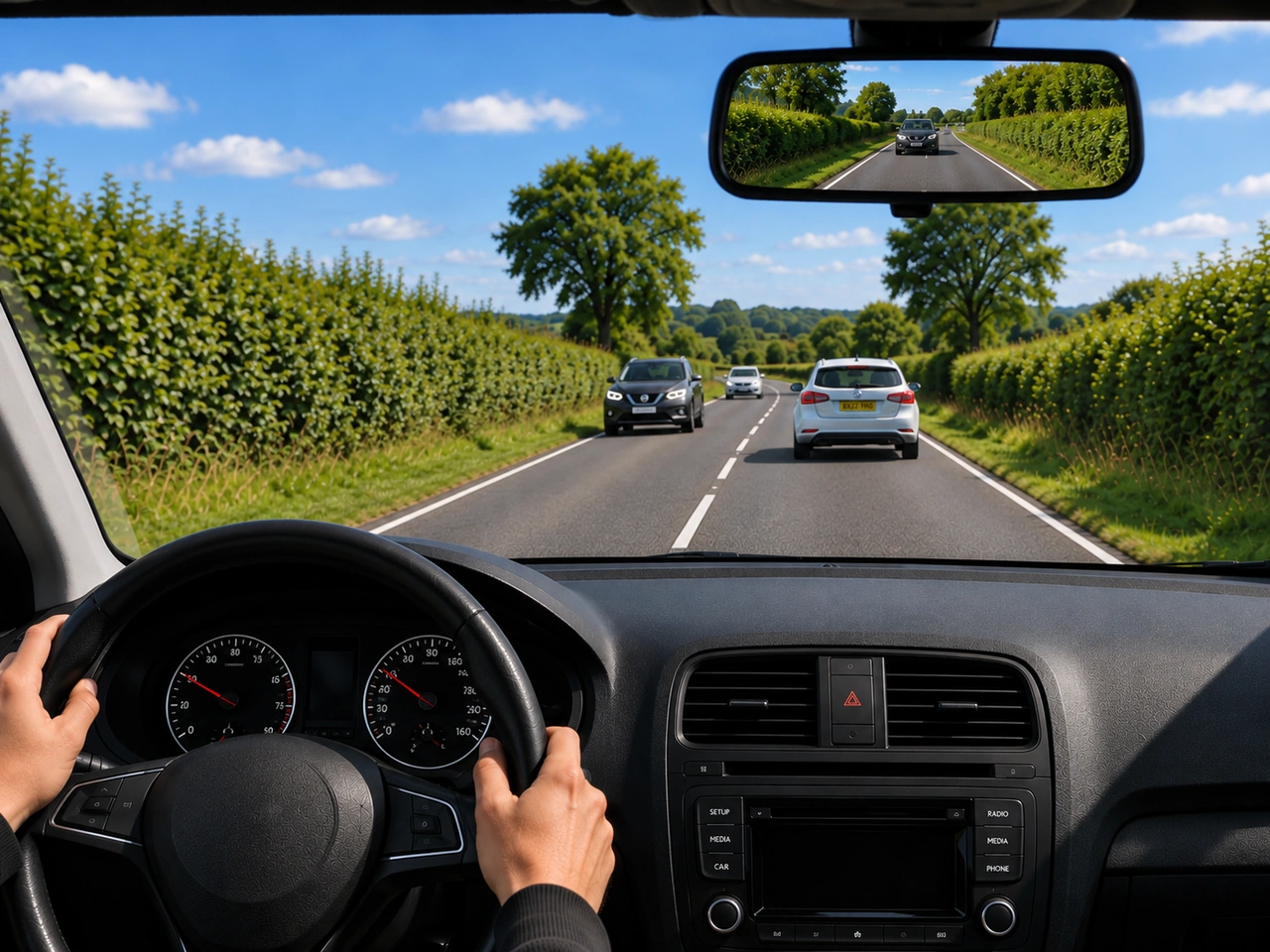
387. Why should you check your mirrors before braking?
Checking your mirrors helps you understand what is happening behind you and anticipate how following traffic may react. In an emergency, do not delay necessary braking.
AI-generated by Rijbewijs-online.be • WCIT • CC BY-SA
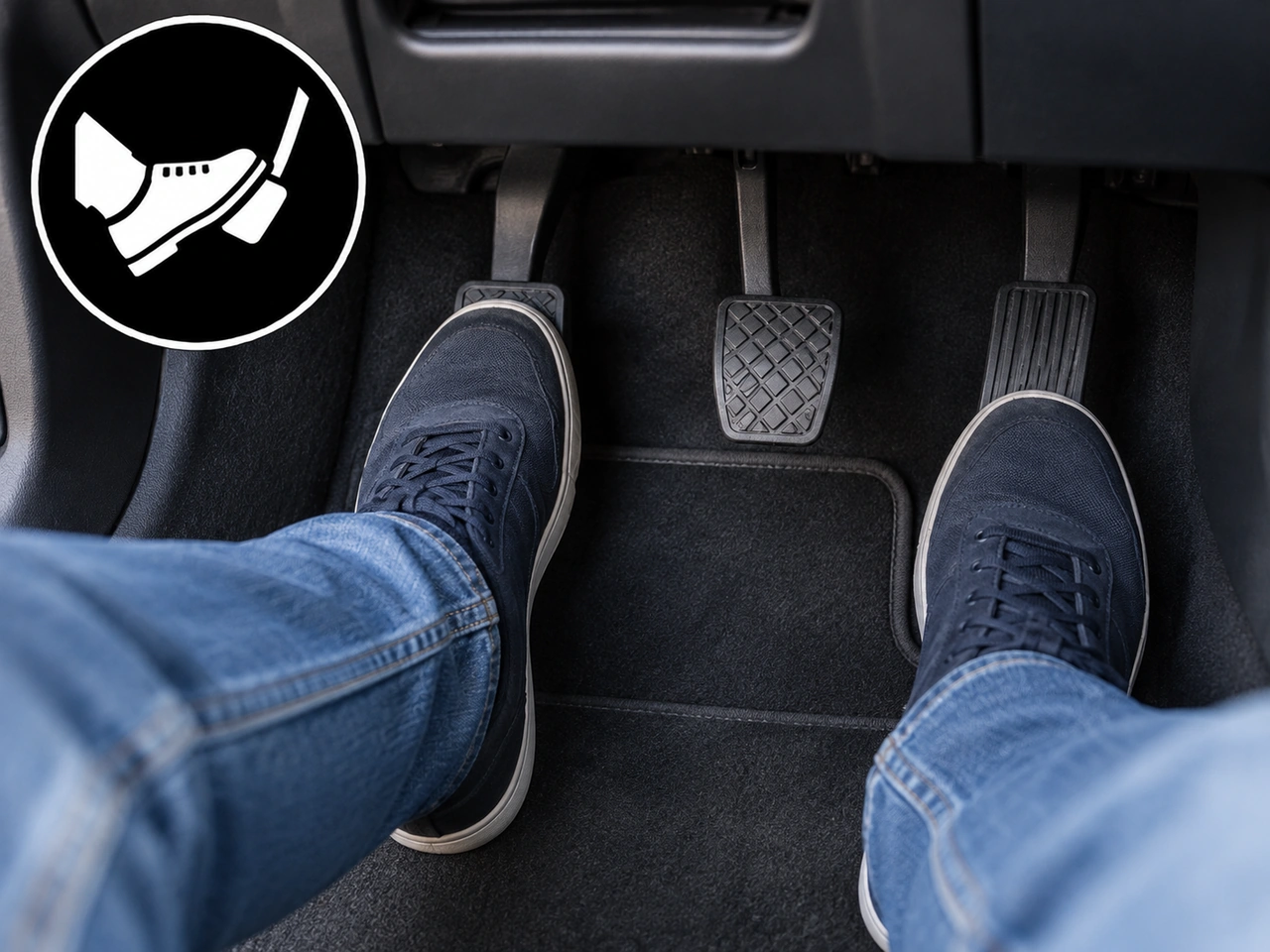
388. Why should you avoid keeping the clutch pedal pressed while driving?
Keeping the clutch pedal pressed while the vehicle is moving disconnects the engine from the transmission. This reduces engine braking and can reduce your control of the vehicle.
AI-generated by Rijbewijs-online.be • WCIT • CC BY-SA
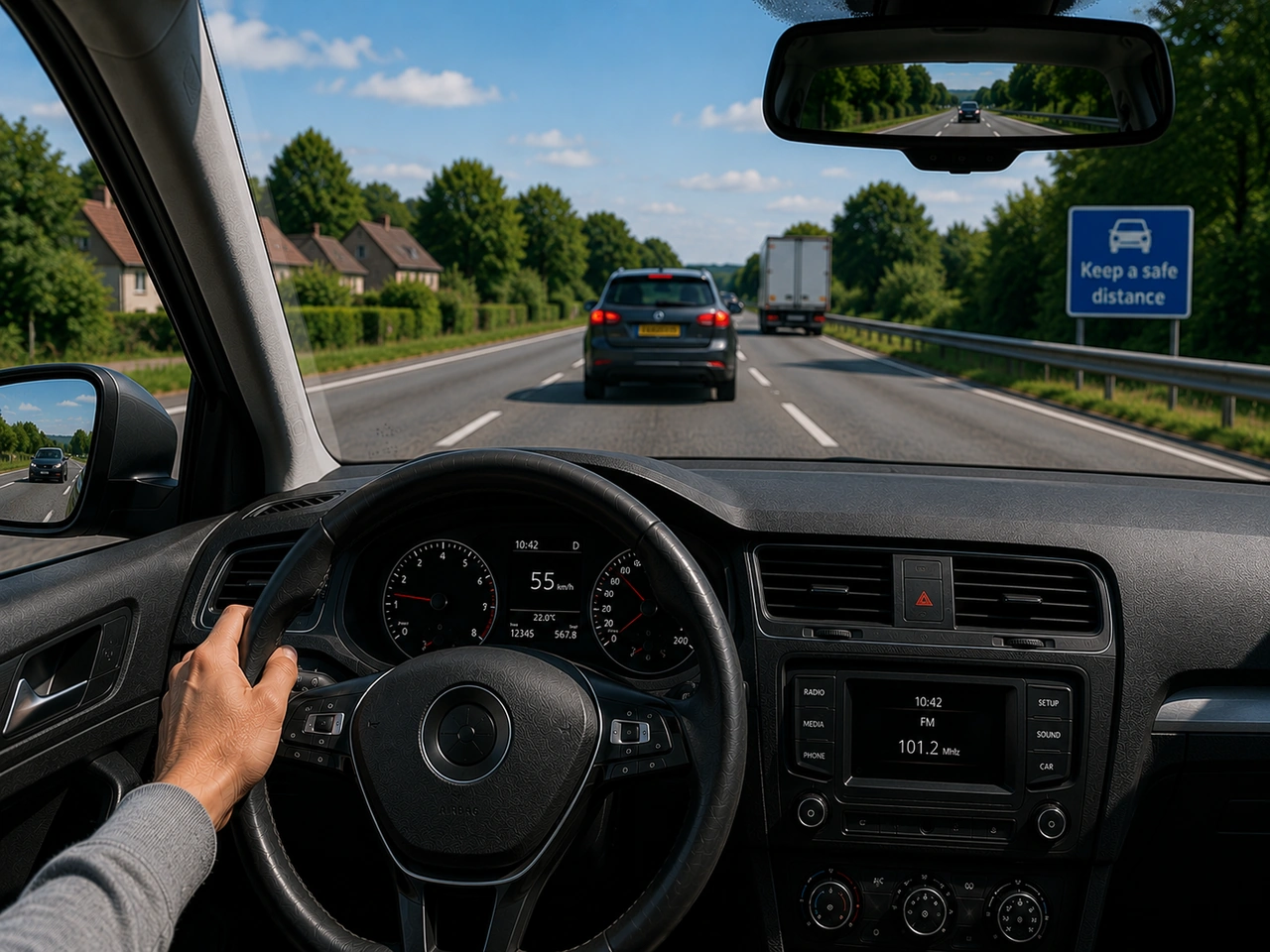
389. You should follow the vehicle in front as closely as possible in traffic.
You should keep a safe following distance so you have enough time to react if traffic slows or stops suddenly.
AI-generated by Rijbewijs-online.be • WCIT • CC BY-SA
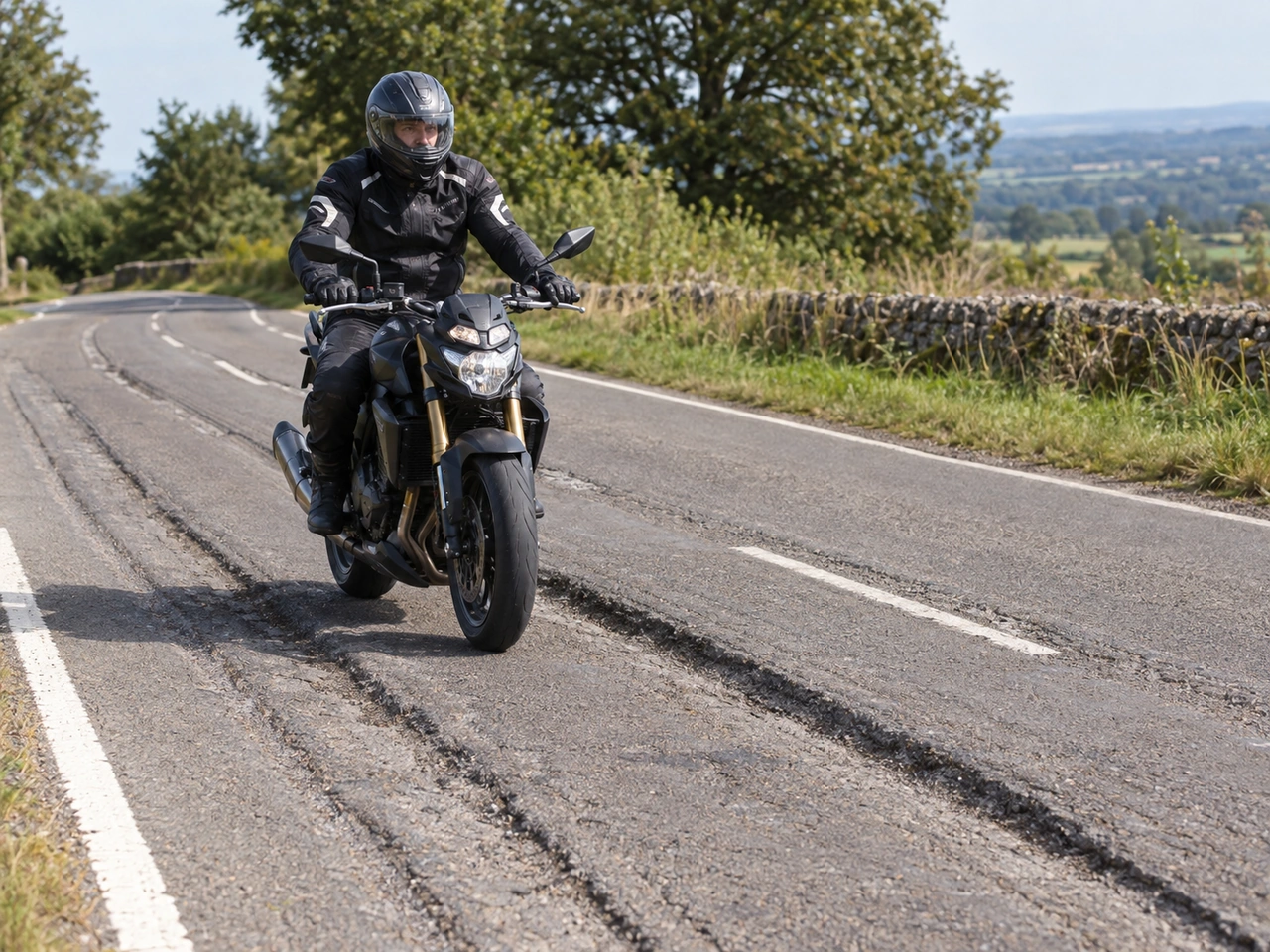
390. How should a motorcyclist react to grooves or ruts in the road?
Longitudinal grooves or ruts can affect a motorcycle's steering and may make the wheels follow the uneven surface. Reduce speed where necessary, keep a relaxed but steady grip and avoid sudden braking, acceleration or steering corrections.
AI-generated by Rijbewijs-online.be • WCIT • CC BY-SA
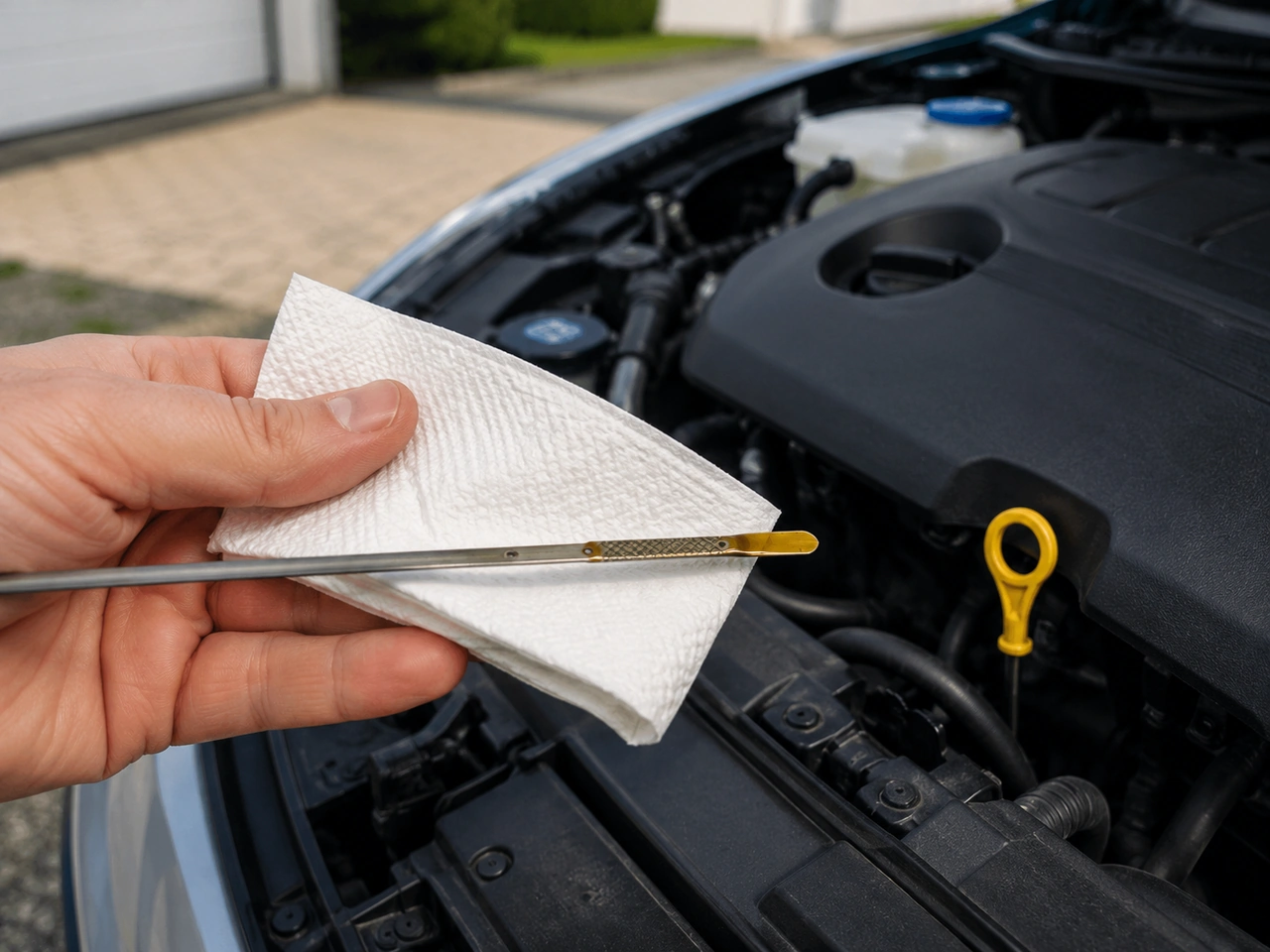
391. How should you check the engine oil level?
Use the dipstick or electronic oil-level system as described in the owner's manual. The engine is usually switched off, and the vehicle should be standing on level ground.
AI-generated by Rijbewijs-online.be • WCIT • CC BY-SA
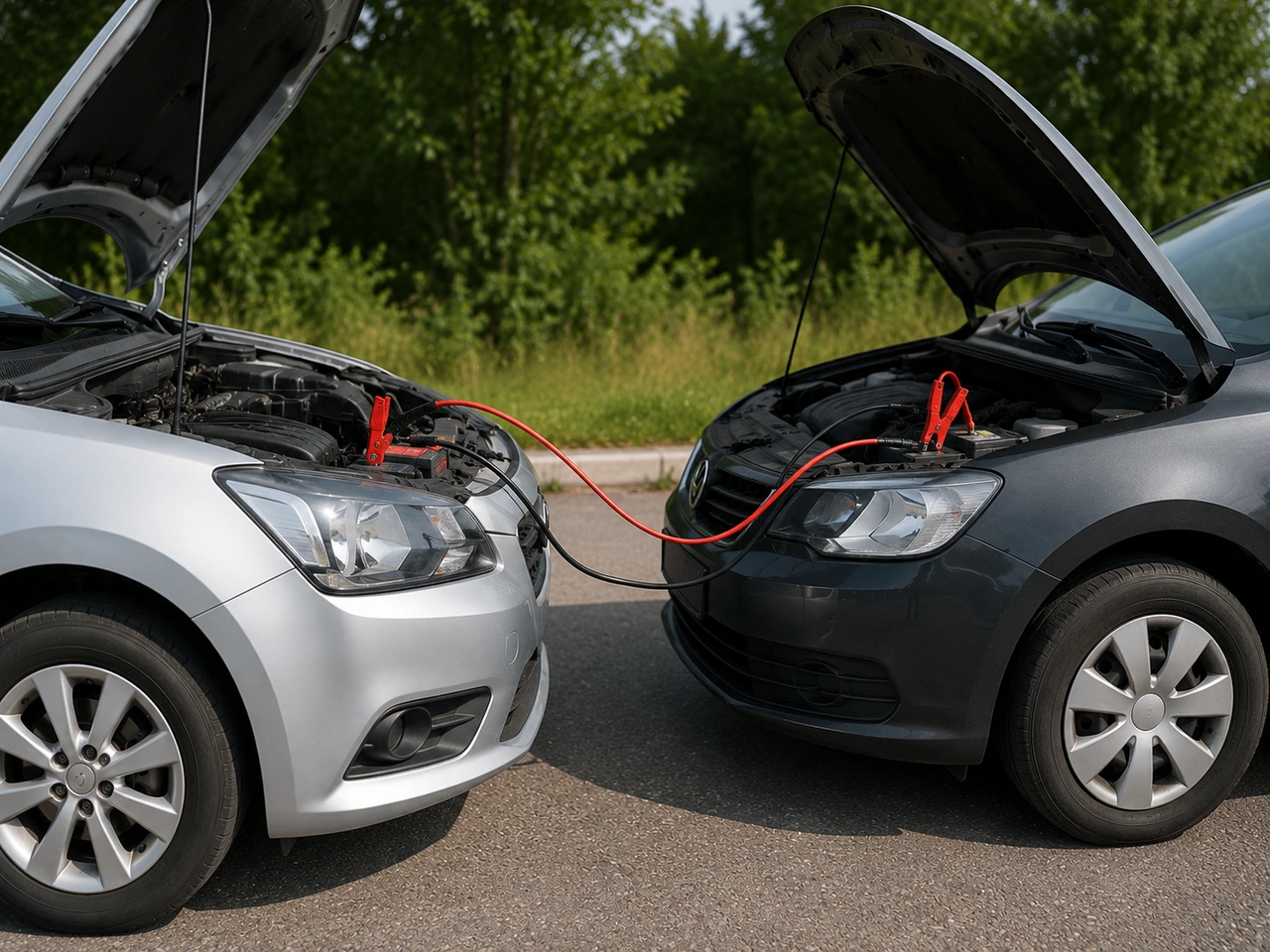
392. What should you do before attempting to jump-start a vehicle?
Incorrect jump-starting can damage electrical systems, cause sparks, or make a battery explode. Connect the leads in the correct order before starting the vehicles, and follow the manufacturer's procedure exactly.
AI-generated by Rijbewijs-online.be • WCIT • CC BY-SA
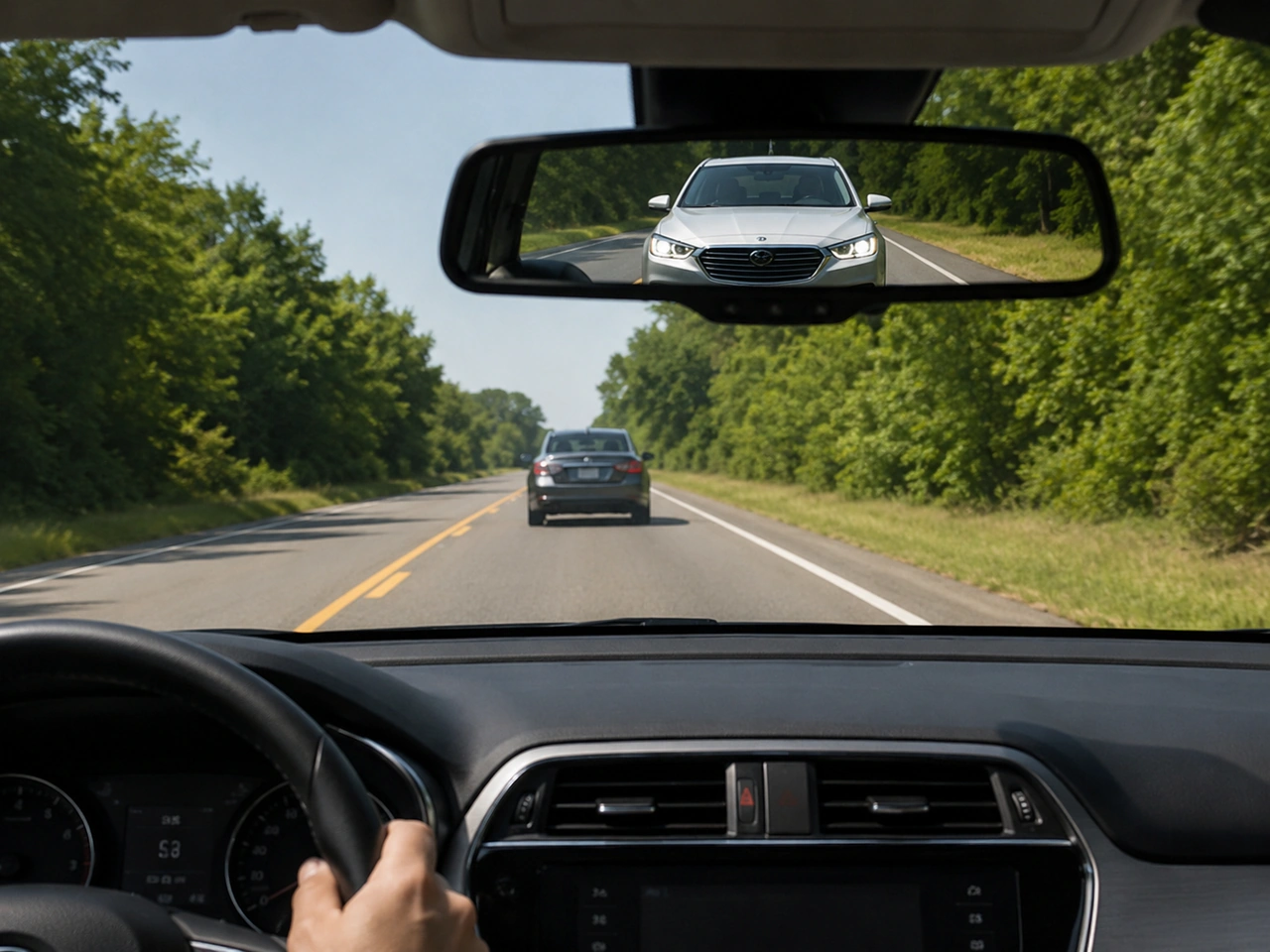
393. What should you do if another vehicle is tailgating you?
If someone follows too closely, avoid sudden actions. Keeping more space in front gives you more time to brake gently if needed. If it is safe, allow the tailgating vehicle to pass.
AI-generated by Rijbewijs-online.be • WCIT • CC BY-SA
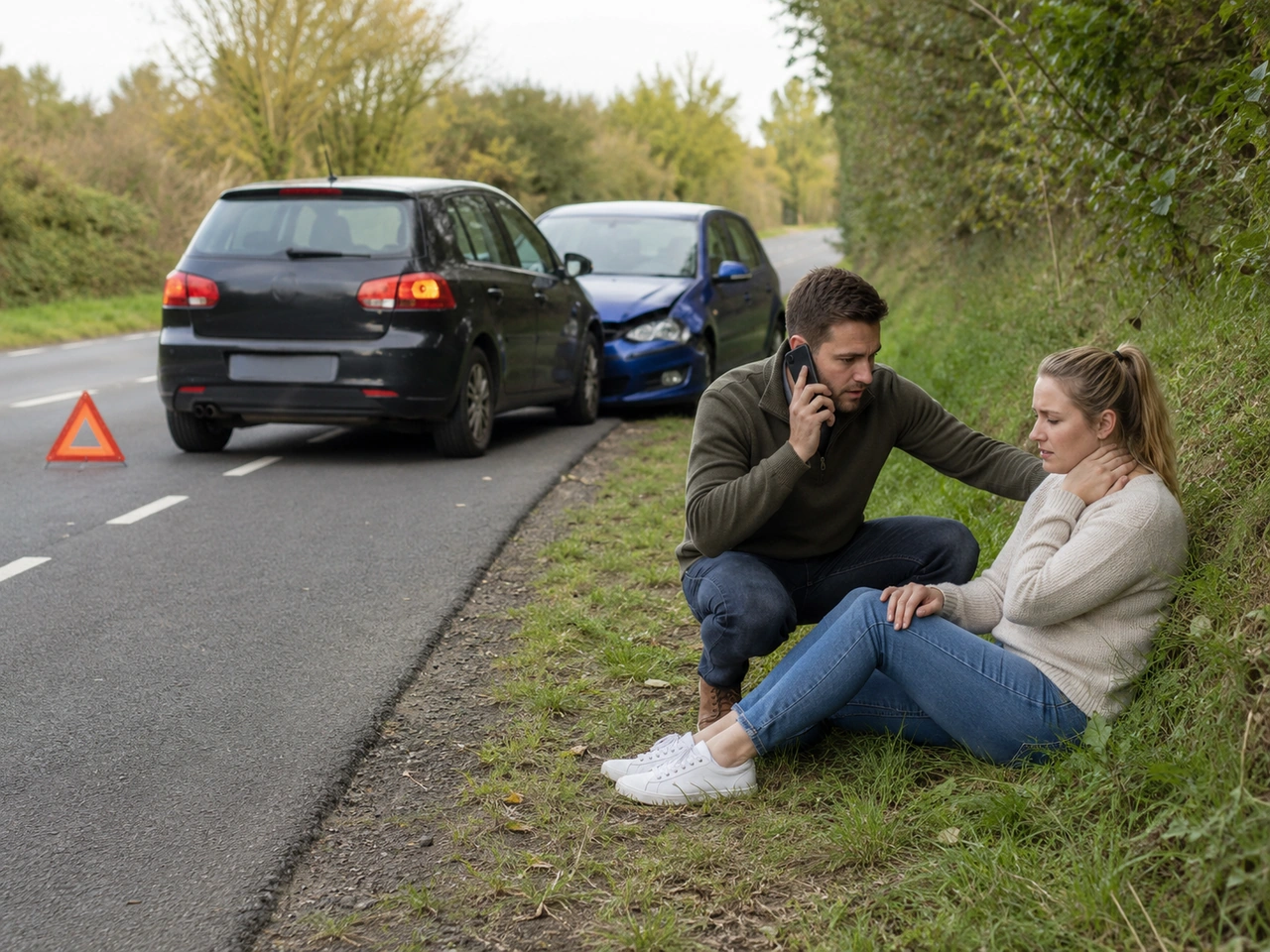
394. What should you do if someone is injured in a road collision?
Moving an injured person can worsen spinal or other injuries. Keep them calm, protect them from further danger, and provide first aid only within your level of training.
AI-generated by Rijbewijs-online.be • WCIT • CC BY-SA
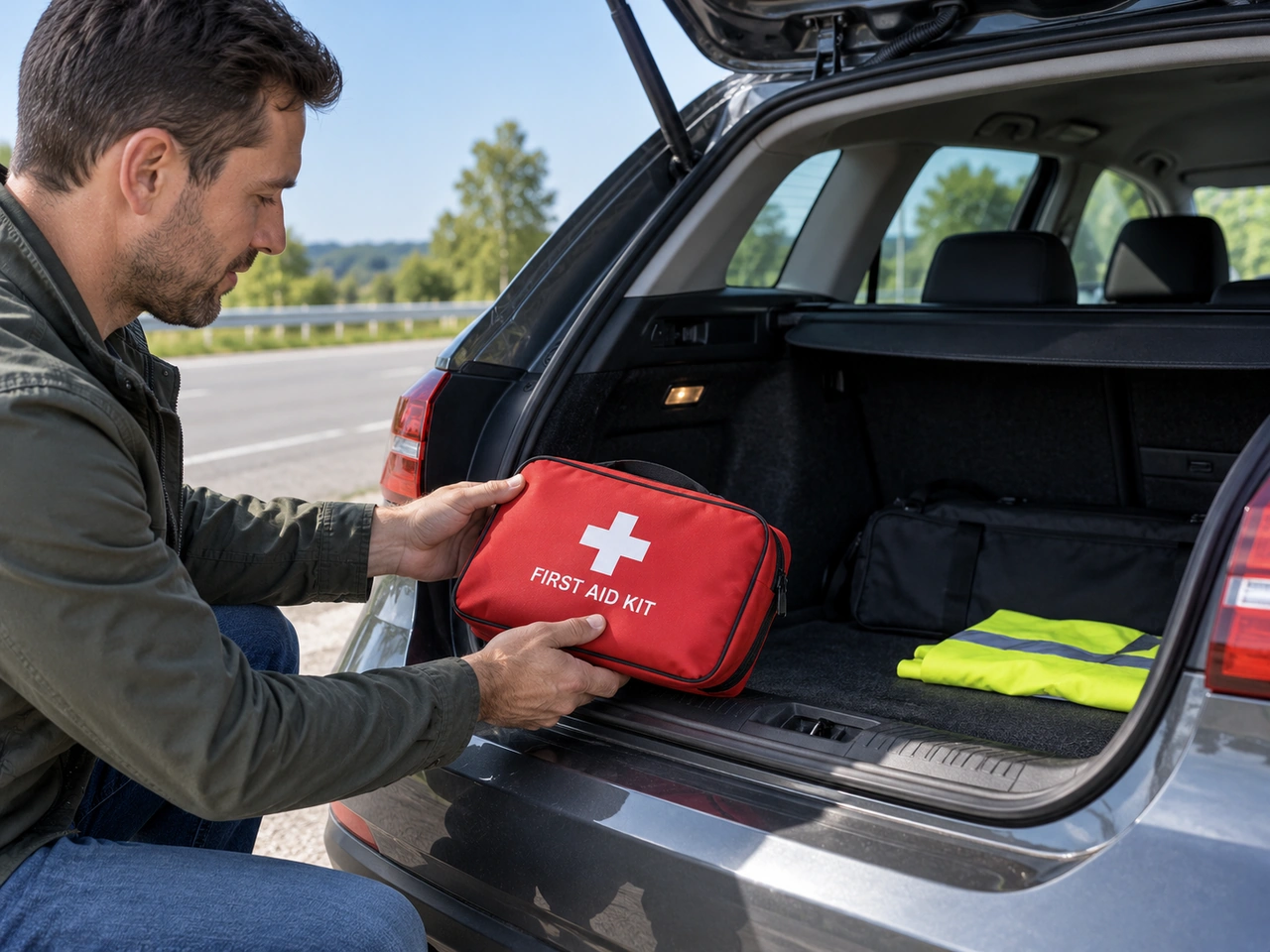
395. Is a first-aid kit required in cars in Bosnia and Herzegovina?
Cars in Bosnia and Herzegovina are required to carry a first-aid kit.
AI-generated by Rijbewijs-online.be • WCIT • CC BY-SA
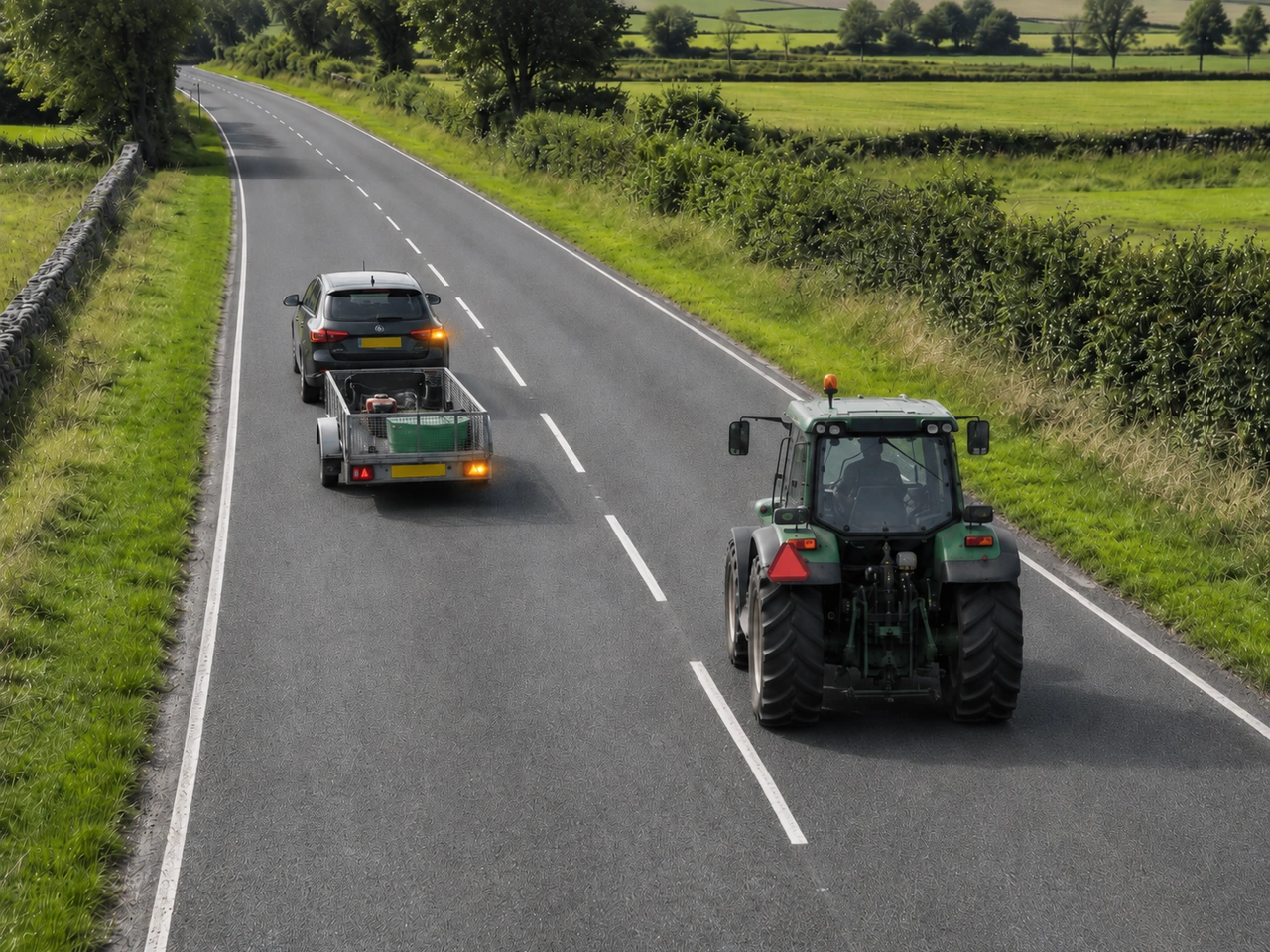
396. What should you do before overtaking while towing a trailer?
A towing vehicle accelerates more slowly, and the trailer makes the whole vehicle combination longer. Remember to allow a much larger safe gap before overtaking and enough space to return safely to your lane.
AI-generated by Rijbewijs-online.be • WCIT • CC BY-SA
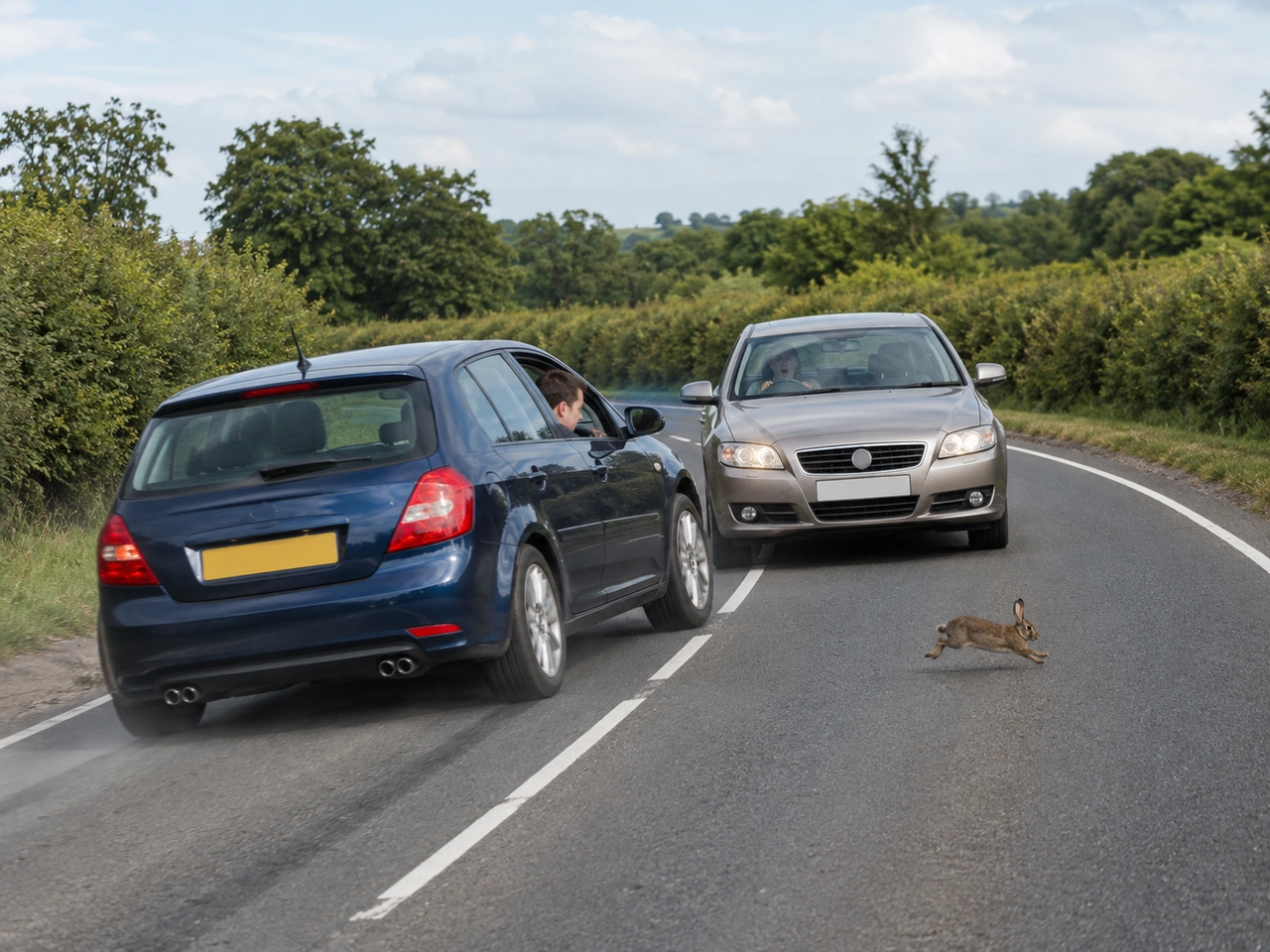
397. Why can swerving suddenly to avoid a small animal be dangerous?
A sudden swerve can take you into another lane, off the road, or into nearby traffic.
AI-generated by Rijbewijs-online.be • WCIT • CC BY-SA
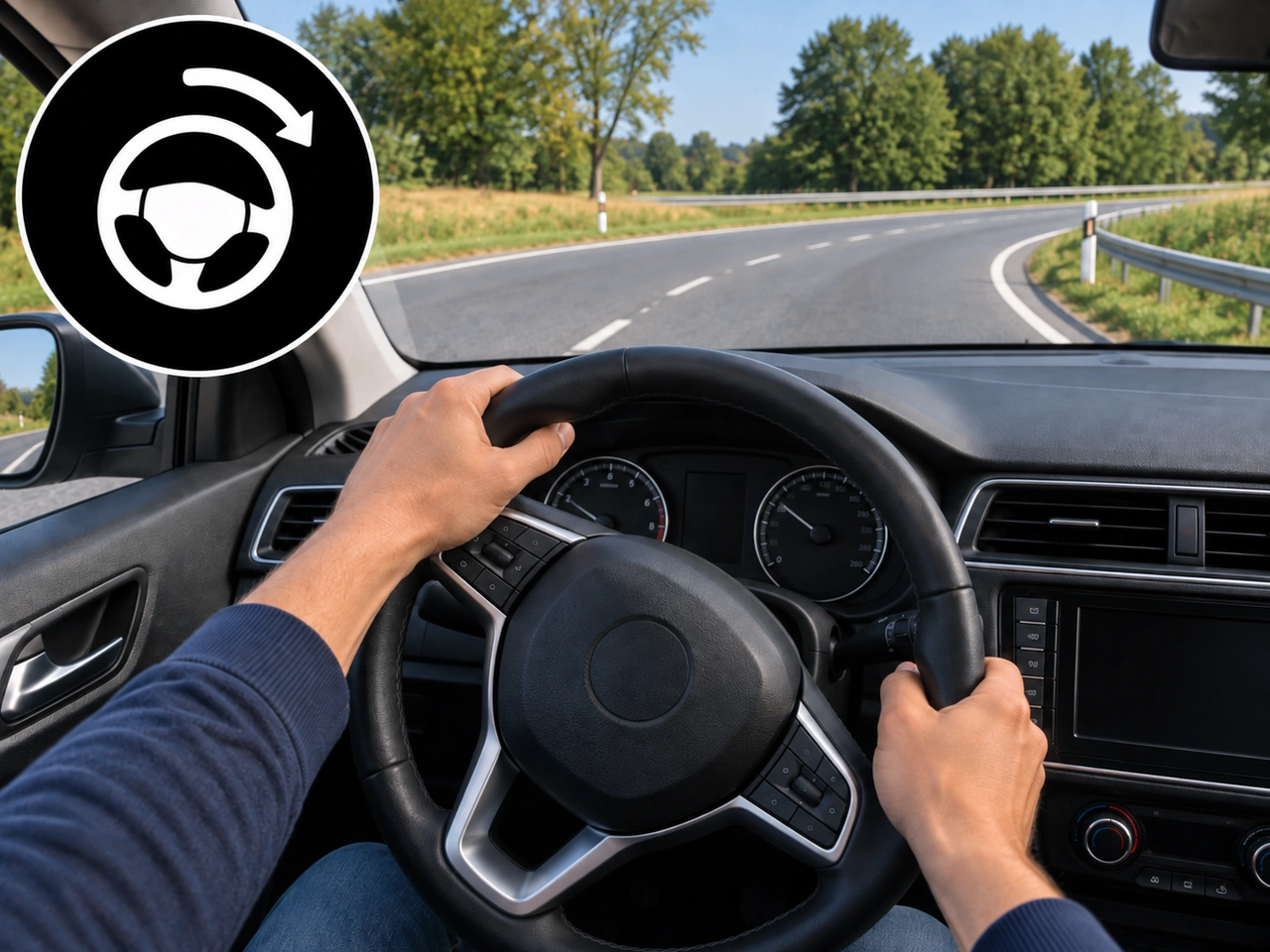
398. What should you do with the steering wheel after completing a turn?
After completing a turn, guide the steering wheel smoothly back towards the straight-ahead position while maintaining control. Do not allow the wheel to spin freely through your hands.
AI-generated by Rijbewijs-online.be • WCIT • CC BY-SA
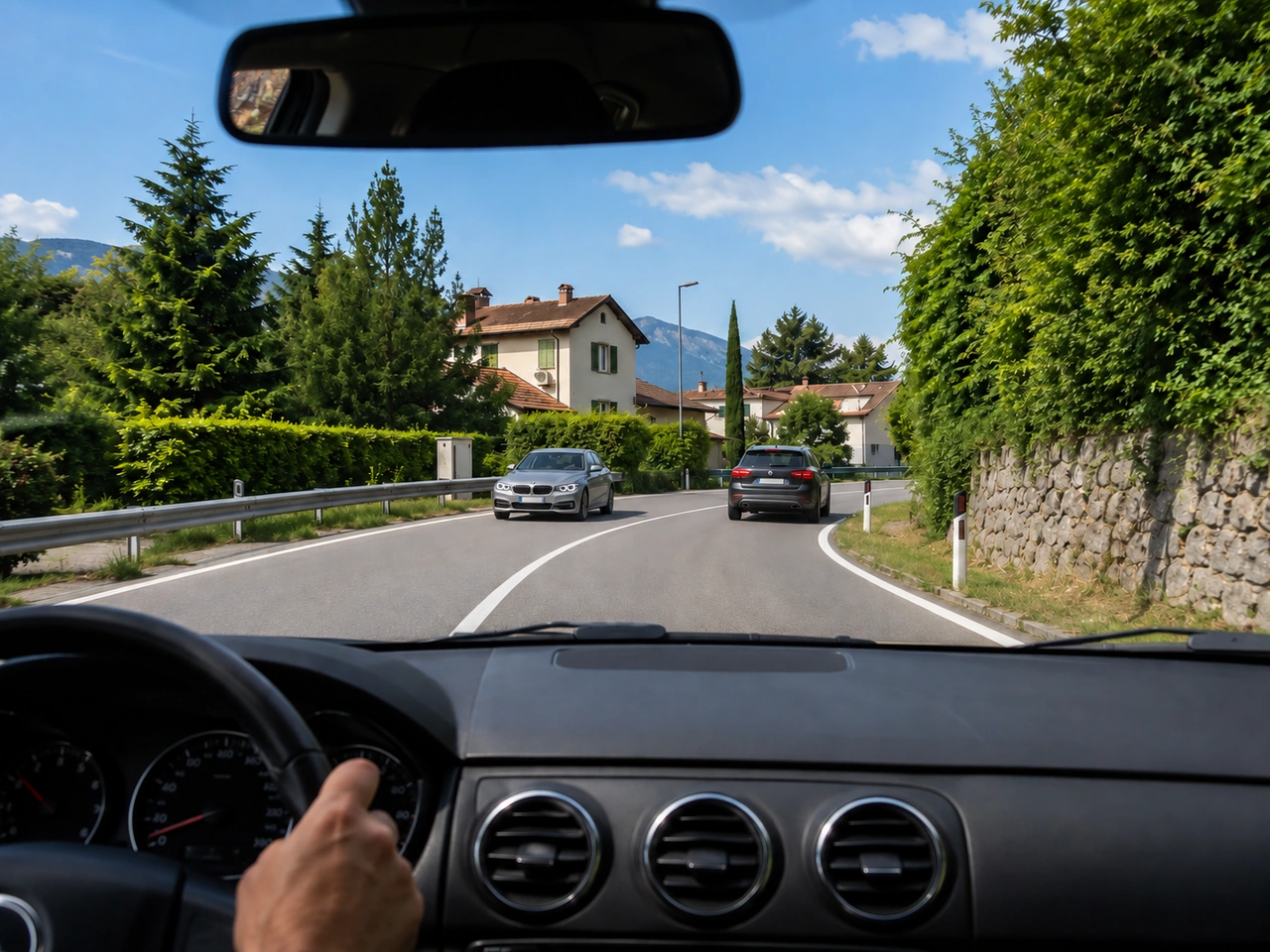
399. Why should you slow down before a sharp bend?
Sharp bends reduce your view and can make the vehicle harder to control, so you should slow down before entering the bend.
AI-generated by Rijbewijs-online.be • WCIT • CC BY-SA
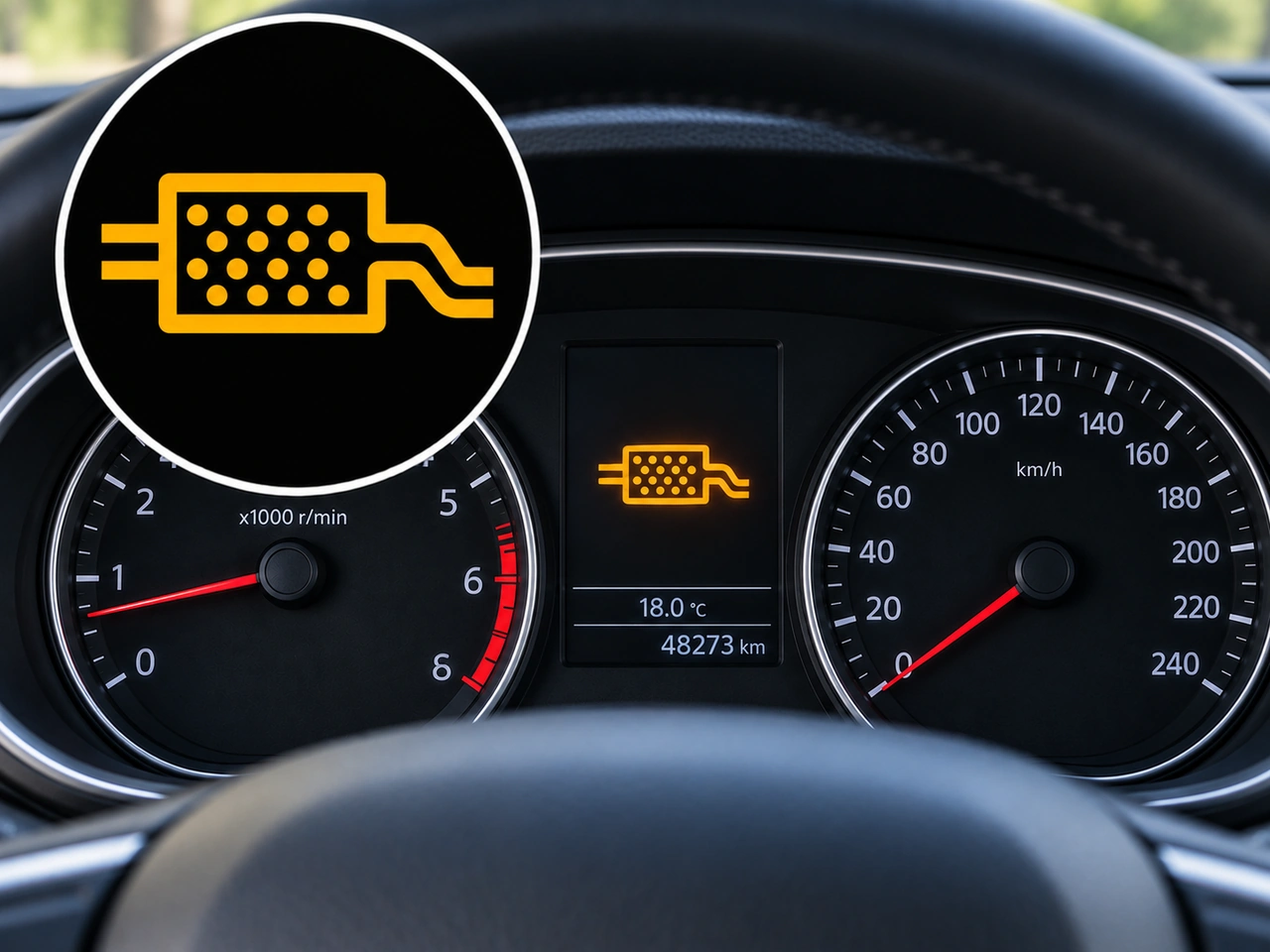
400. What does this dashboard symbol indicate?
This symbol indicates a problem with the diesel particulate filter (DPF), often because soot has accumulated in the filter. The vehicle may require regeneration or professional inspection, depending on the vehicle and warning status.
AI-generated by Rijbewijs-online.be • WCIT • CC BY-SA