


QuizTraffic rulesBelgium
Test your knowledge with our multiple-choice quiz. Learn from each answer and improve your understanding of the traffic rules and road signs of Belgium.
 Traffic signs
 Traffic rules
 Belgium
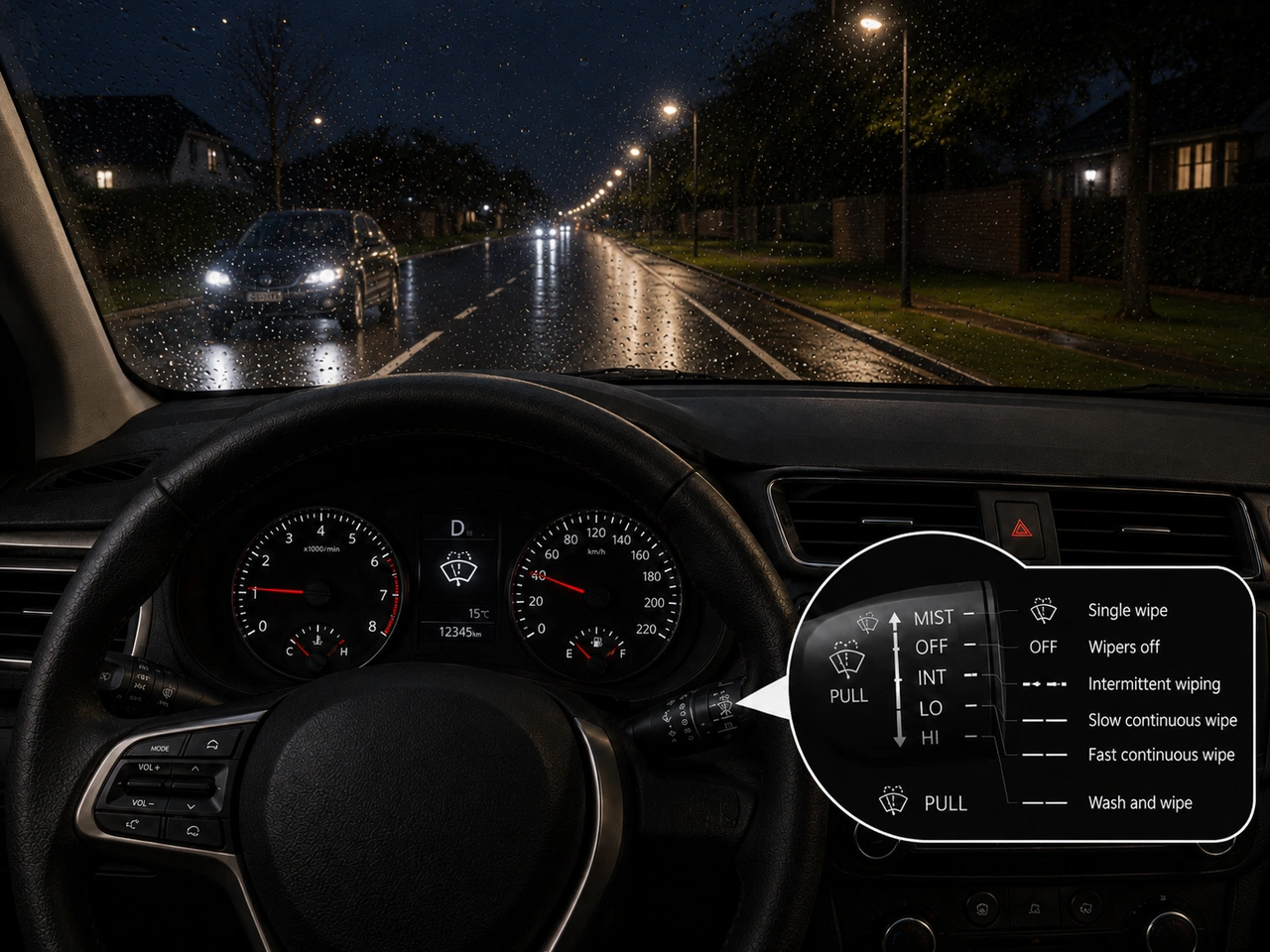
501. What should you do if the windscreen wipers stop working during heavy rain?
Do not continue when you cannot see clearly. Slow down smoothly and stop somewhere protected from traffic.
AI-generated by Rijbewijs-online.be • WCIT • CC BY-SA

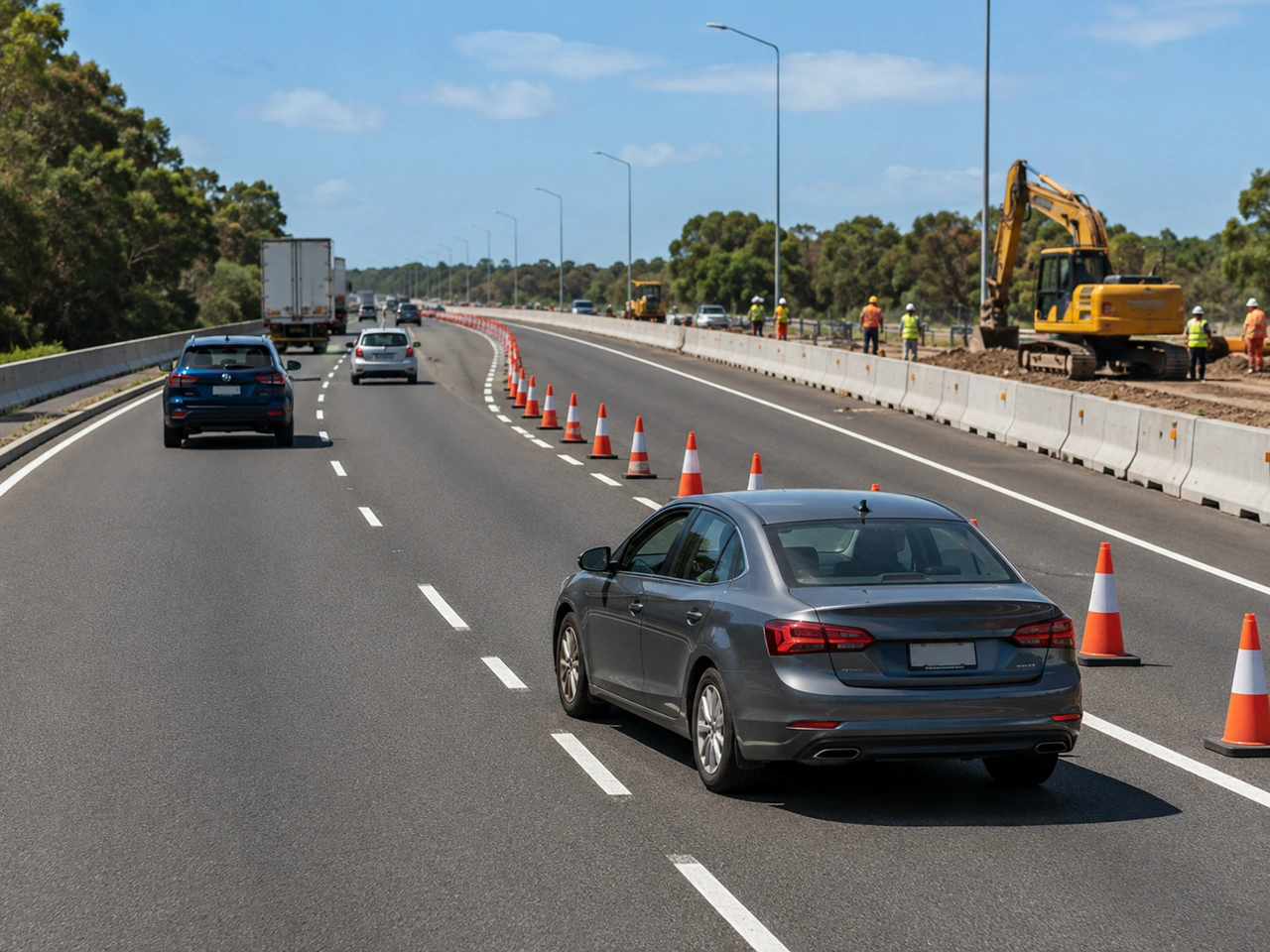
502. What should you do when approaching a temporary lane closure?
Observe the temporary signs, adjust your speed, and merge safely according to the traffic situation and local rules.
AI-generated by Rijbewijs-online.be • WCIT • CC BY-SA
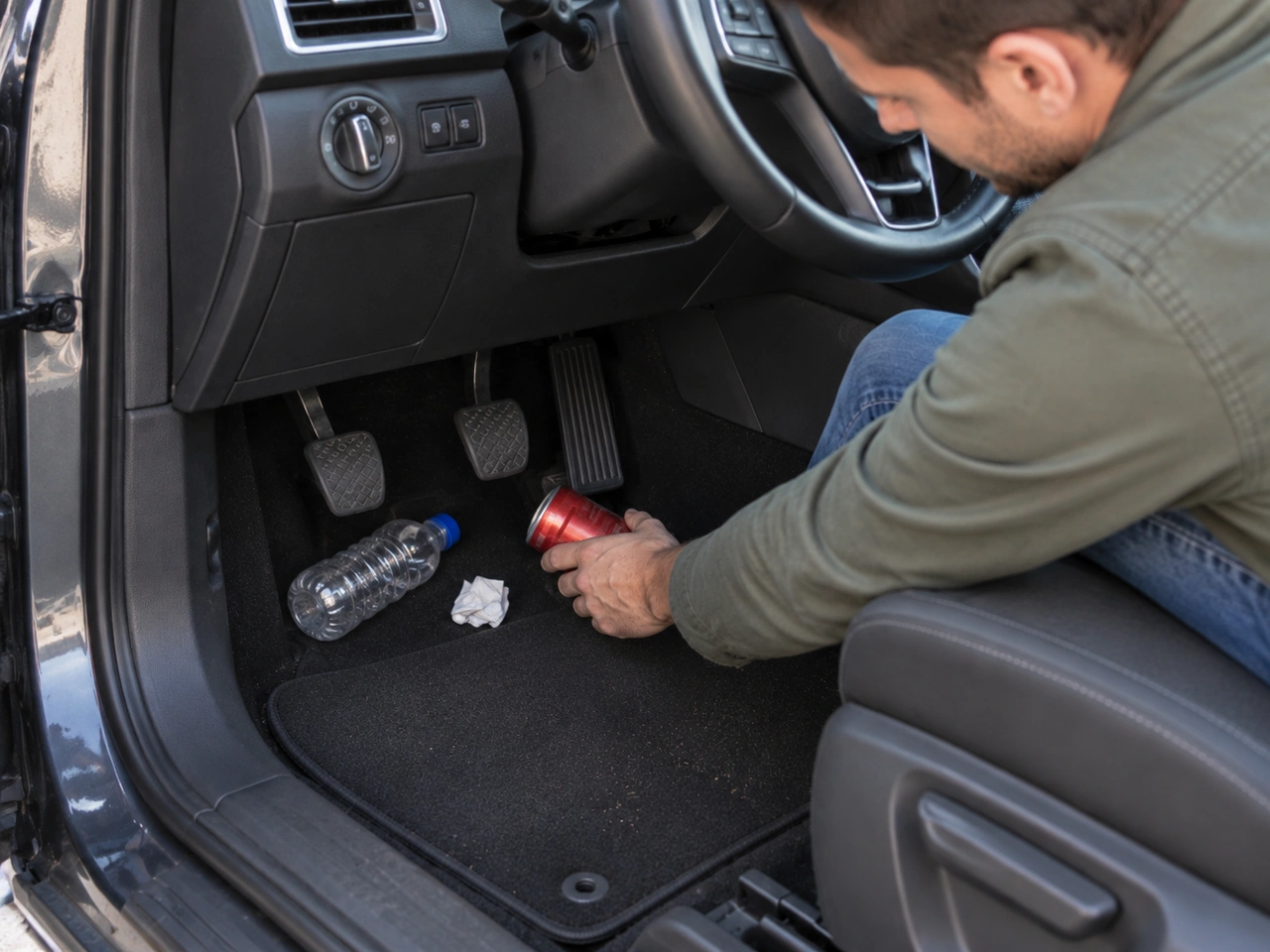
503. Why should you keep the driver's footwell free of loose objects?
Loose objects in the driver's footwell, such as bottles, cans, or rubbish, can roll into the pedal area and interfere with the accelerator, brake, or clutch. Keep the footwell clear so you can operate the pedals safely and without obstruction.
AI-generated by Rijbewijs-online.be • WCIT • CC BY-SA
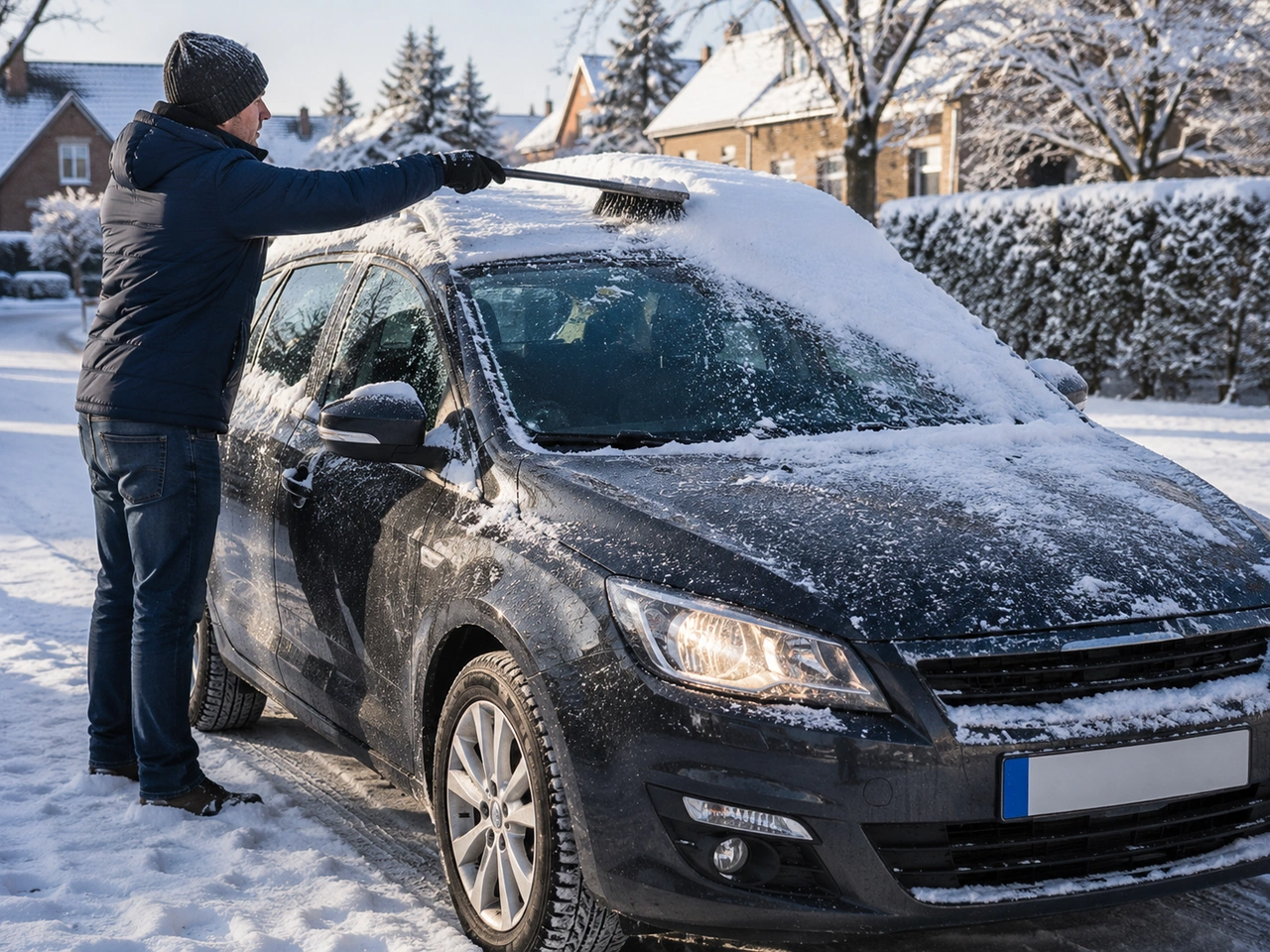
504. What should you do before driving if snow or ice covers your vehicle?
You need a clear view in every direction. Snow or ice left on the roof can also fall or blow onto other road users.
AI-generated by Rijbewijs-online.be • WCIT • CC BY-SA
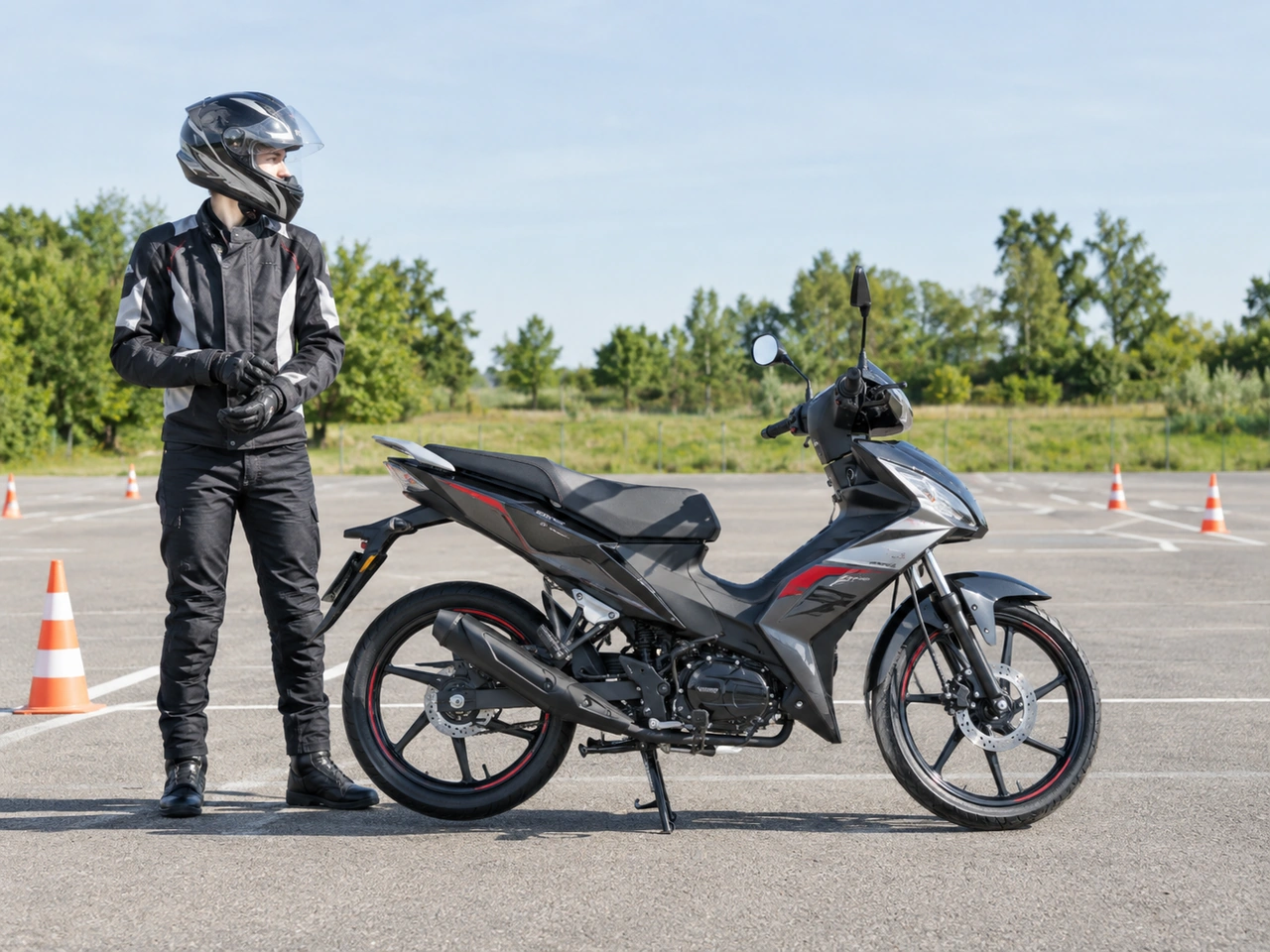
505. What is the minimum licence for a moped with a design speed over 25 and up to 45 km/h?
Category AM covers certain two- and three-wheeled mopeds with a maximum design speed above 25 km/h and not exceeding 45 km/h, as well as light quadricycles.
AI-generated by Rijbewijs-online.be • WCIT • CC BY-SA
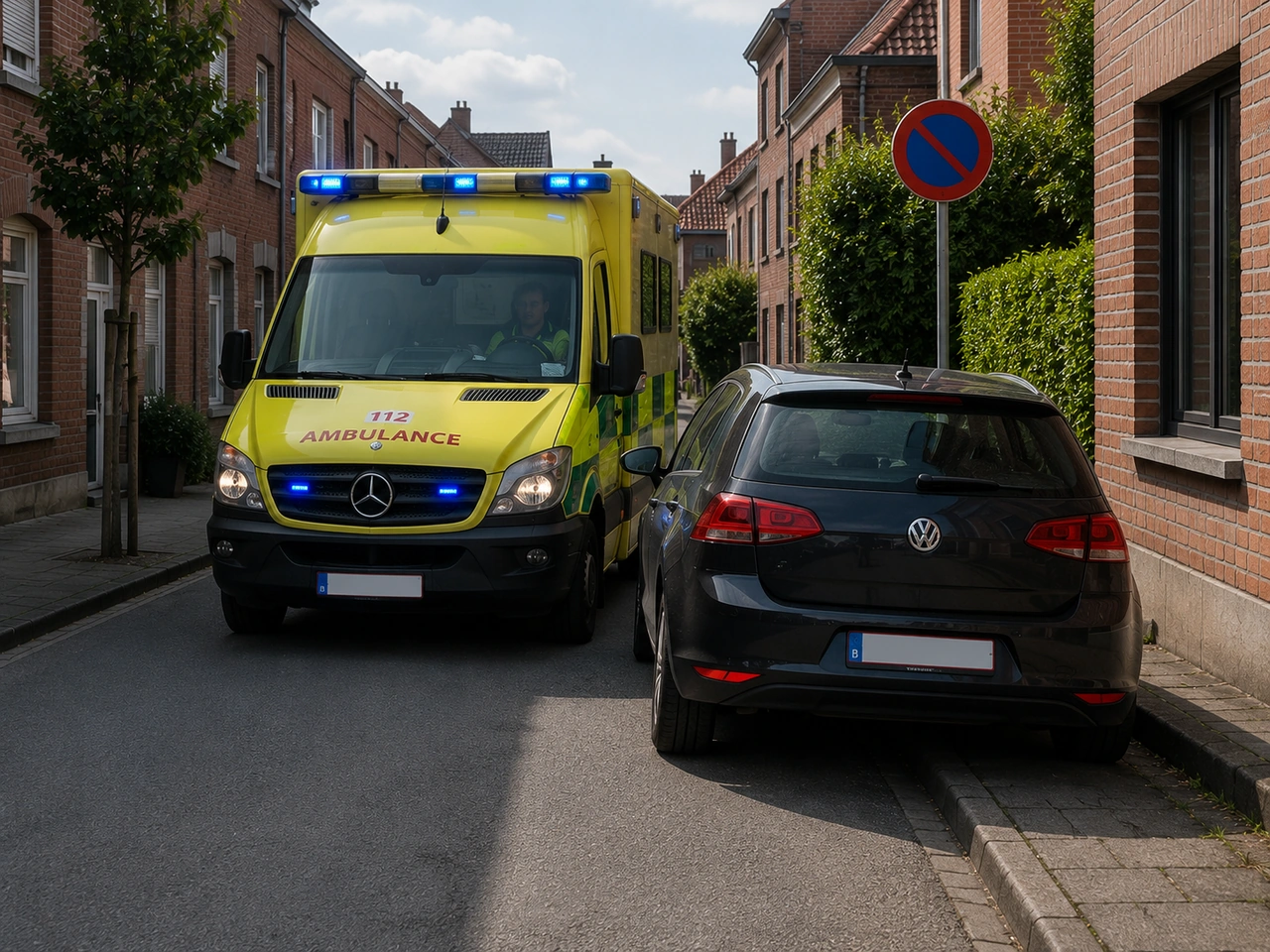
506. When is parking prohibited because too little space remains for traffic?
You may not park where doing so would leave less than three metres of free passage on the carriageway.
AI-generated by Rijbewijs-online.be • WCIT • CC BY-SA
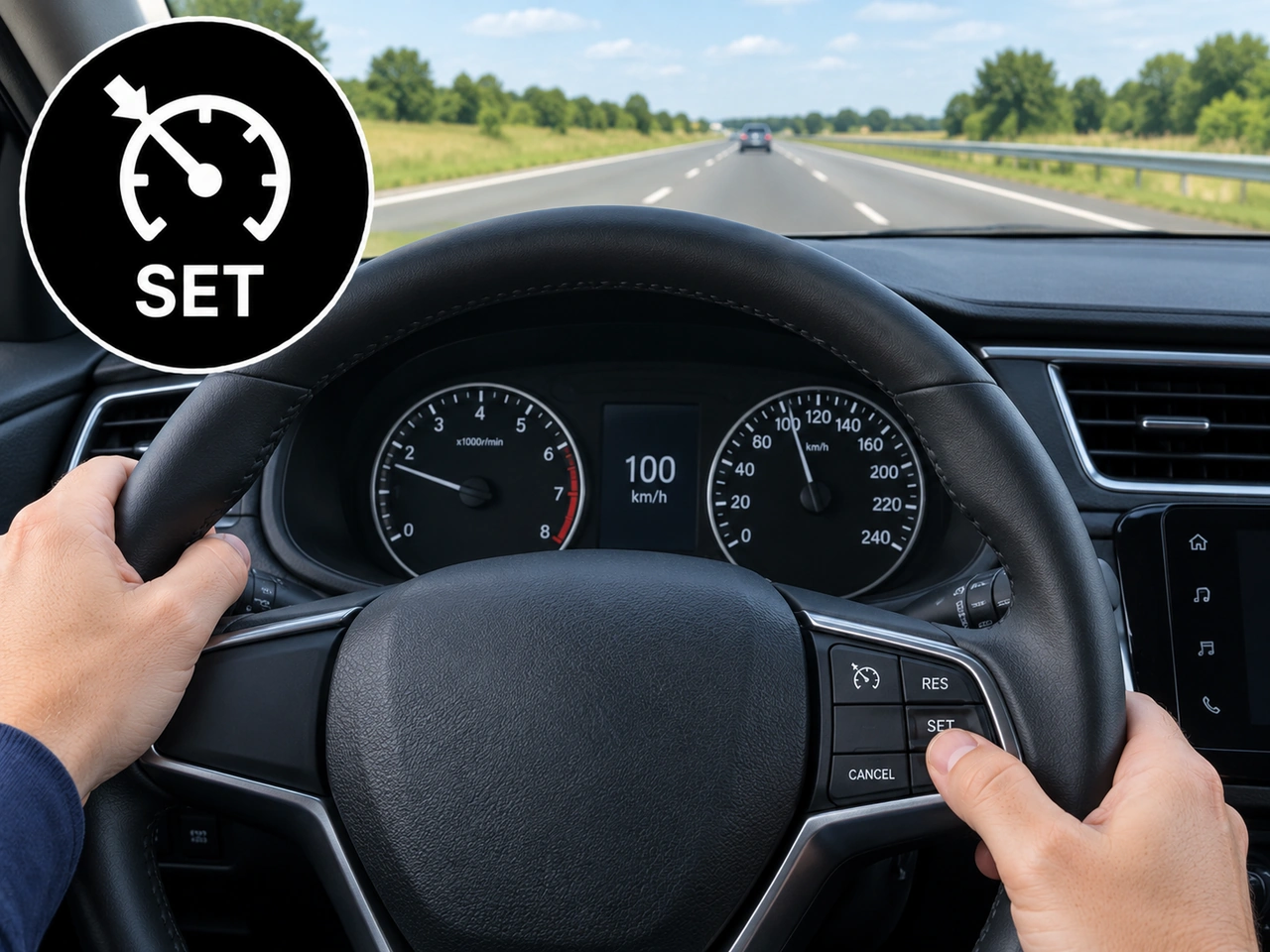
507. What does the SET function of cruise control normally do?
The SET function normally stores the vehicle's current speed as the cruise-control speed. Use it only when the road, traffic, and driving conditions are suitable.
AI-generated by Rijbewijs-online.be • WCIT • CC BY-SA
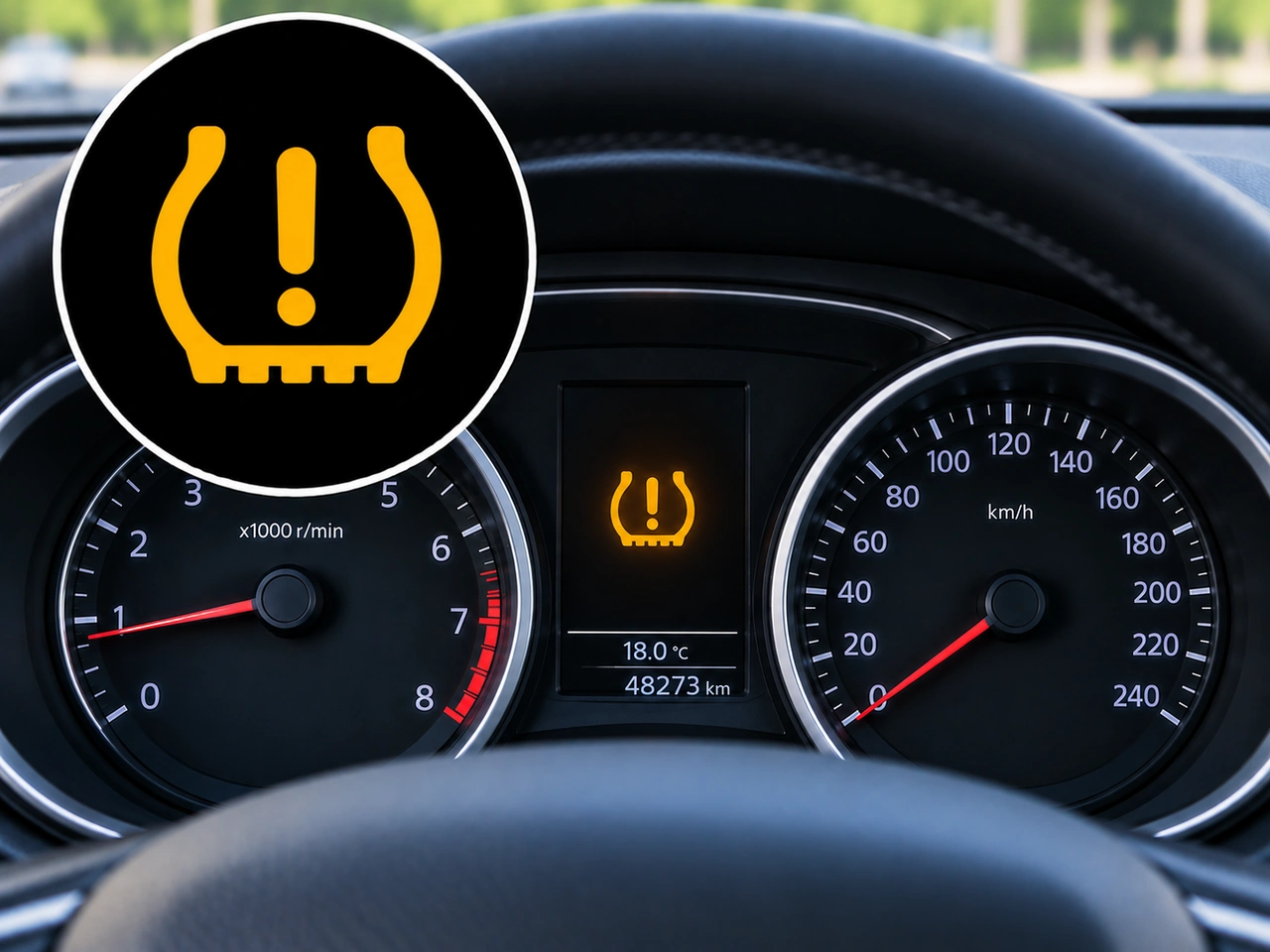
508. What does this dashboard symbol indicate?
This symbol indicates that one or more tyres may have low pressure. Check the tyre pressures and inspect the tyres for damage or a puncture.
AI-generated by Rijbewijs-online.be • WCIT • CC BY-SA
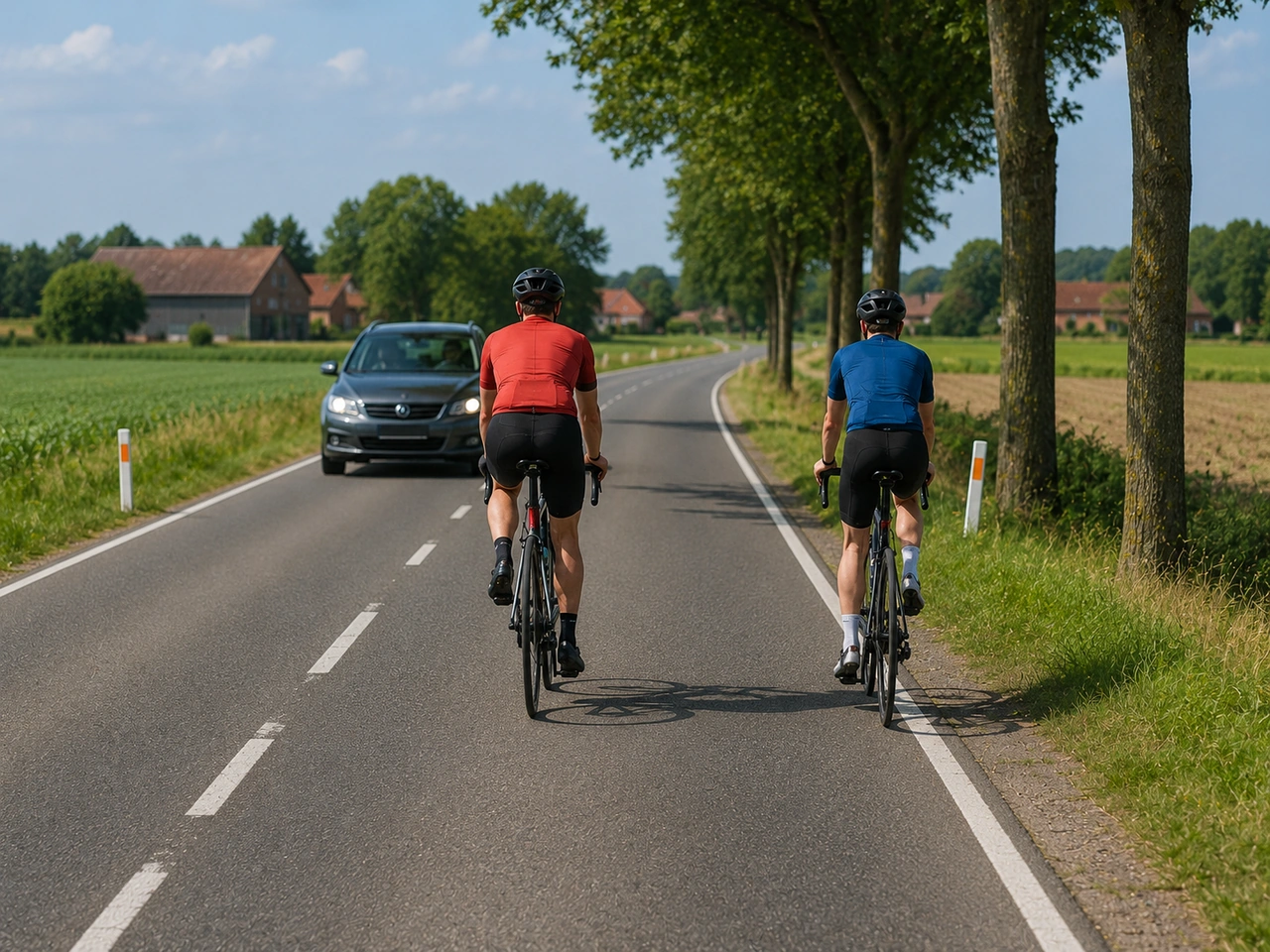
509. When must cyclists riding side by side move into single file outside a built-up area?
Cyclists may generally ride side by side when this does not prevent vehicles from passing in the opposite direction. Outside built-up areas, they must also move into single file when a vehicle approaches from behind.
AI-generated by Rijbewijs-online.be • WCIT • CC BY-SA
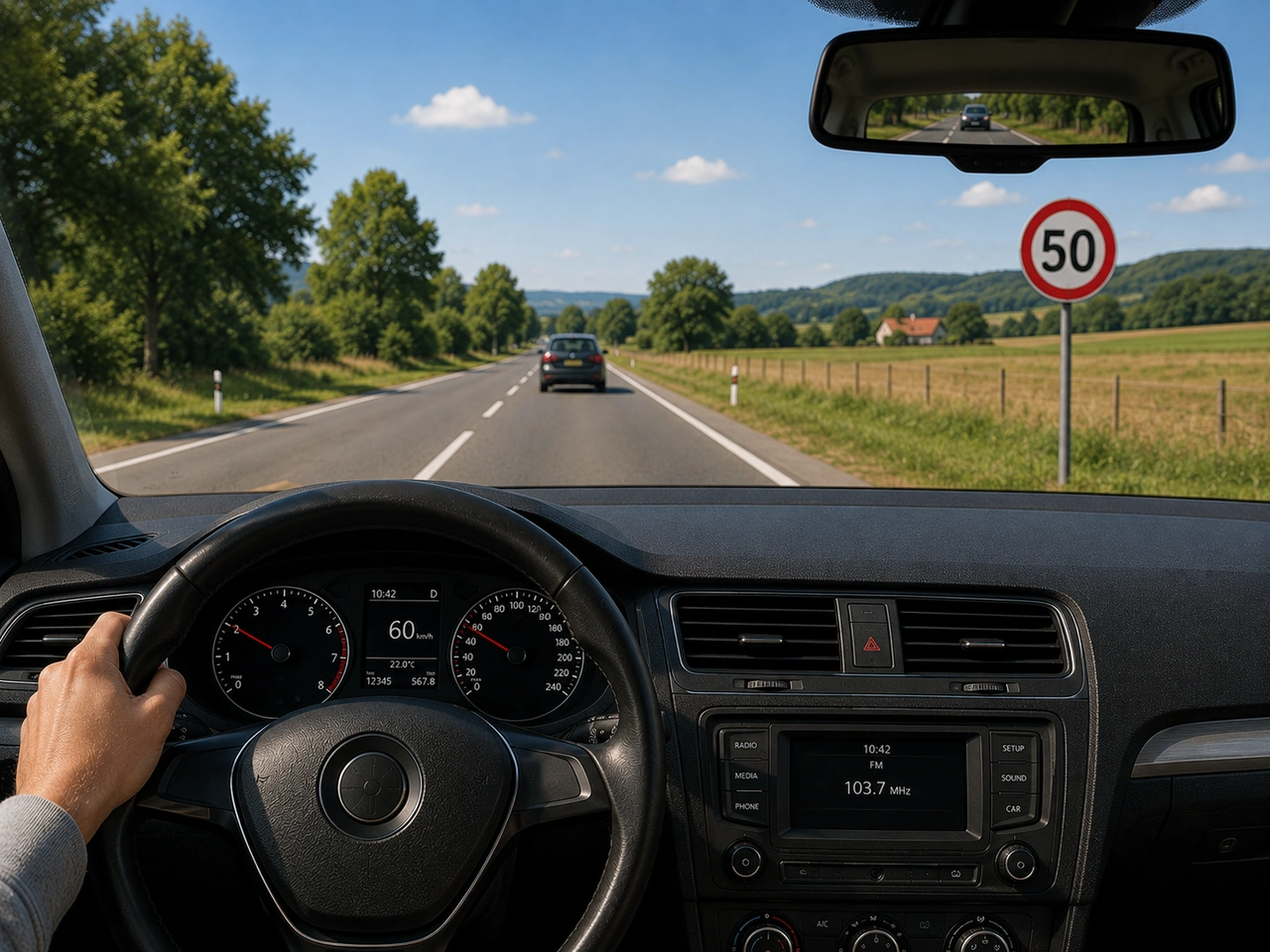
510. Speed limits only apply when there is heavy traffic.
Speed limits apply at all times unless a different limit is clearly indicated.
AI-generated by Rijbewijs-online.be • WCIT • CC BY-SA
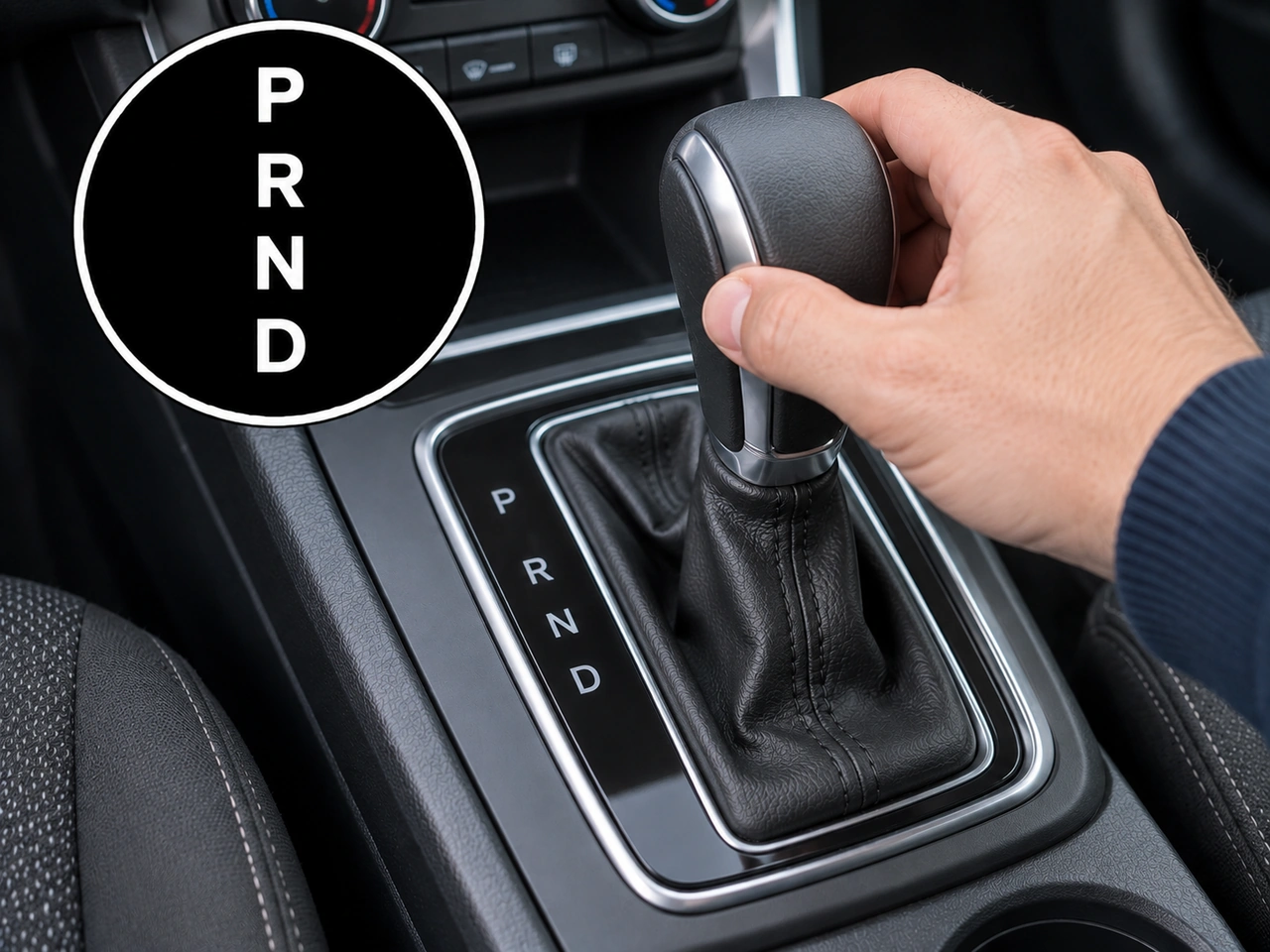
511. Which selector position prevents drive being transmitted to the wheels?
Select N (Neutral) when drive should not be transmitted to the wheels. Unlike Park, Neutral does not lock the transmission to prevent the vehicle from rolling.
AI-generated by Rijbewijs-online.be • WCIT • CC BY-SA
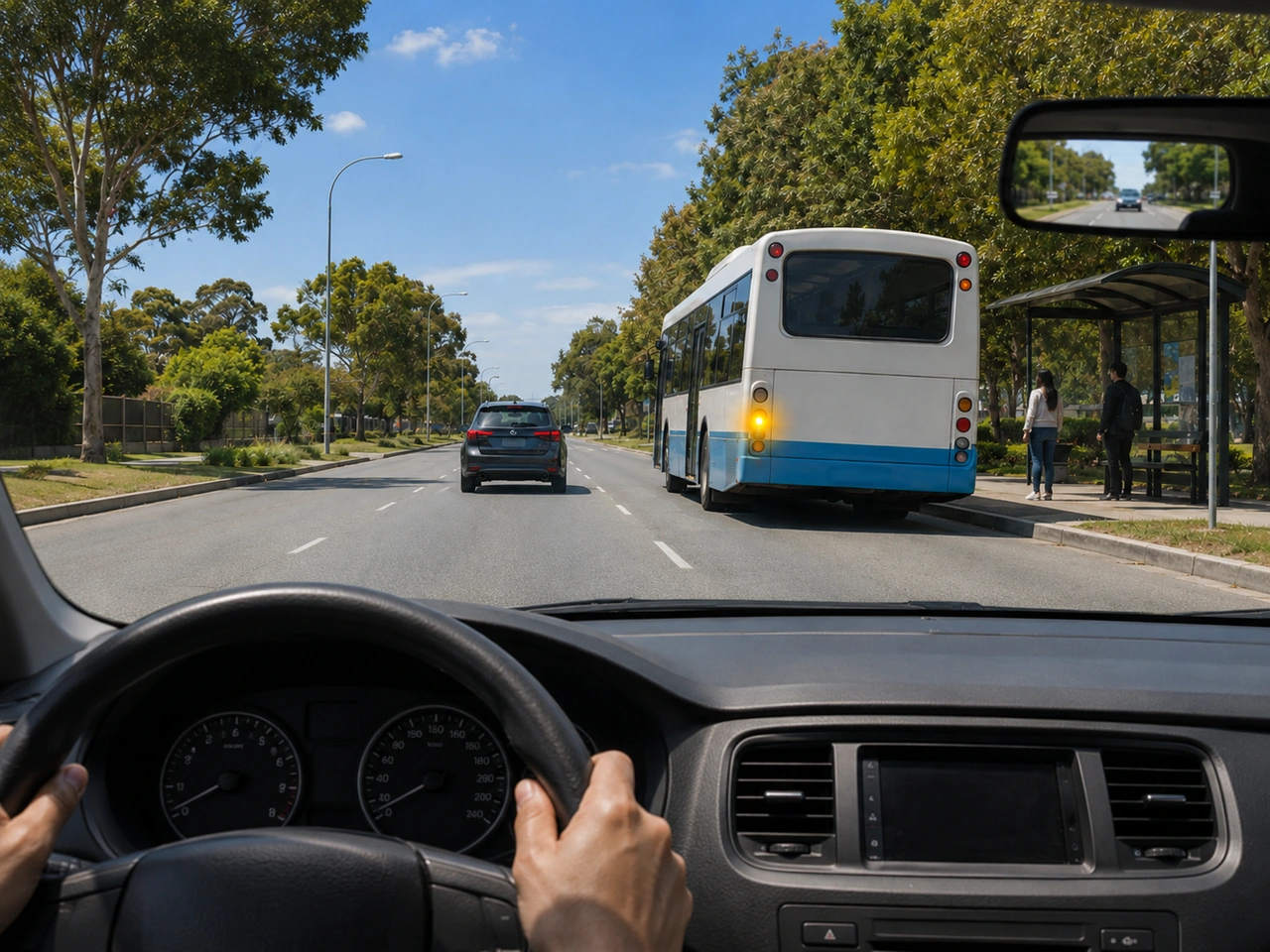
512. What should you do when a bus signals to pull away from a bus stop?
Buses may pull away after picking up passengers. Slow down, check the traffic situation, and allow space when it is safe.
AI-generated by Rijbewijs-online.be • WCIT • CC BY-SA
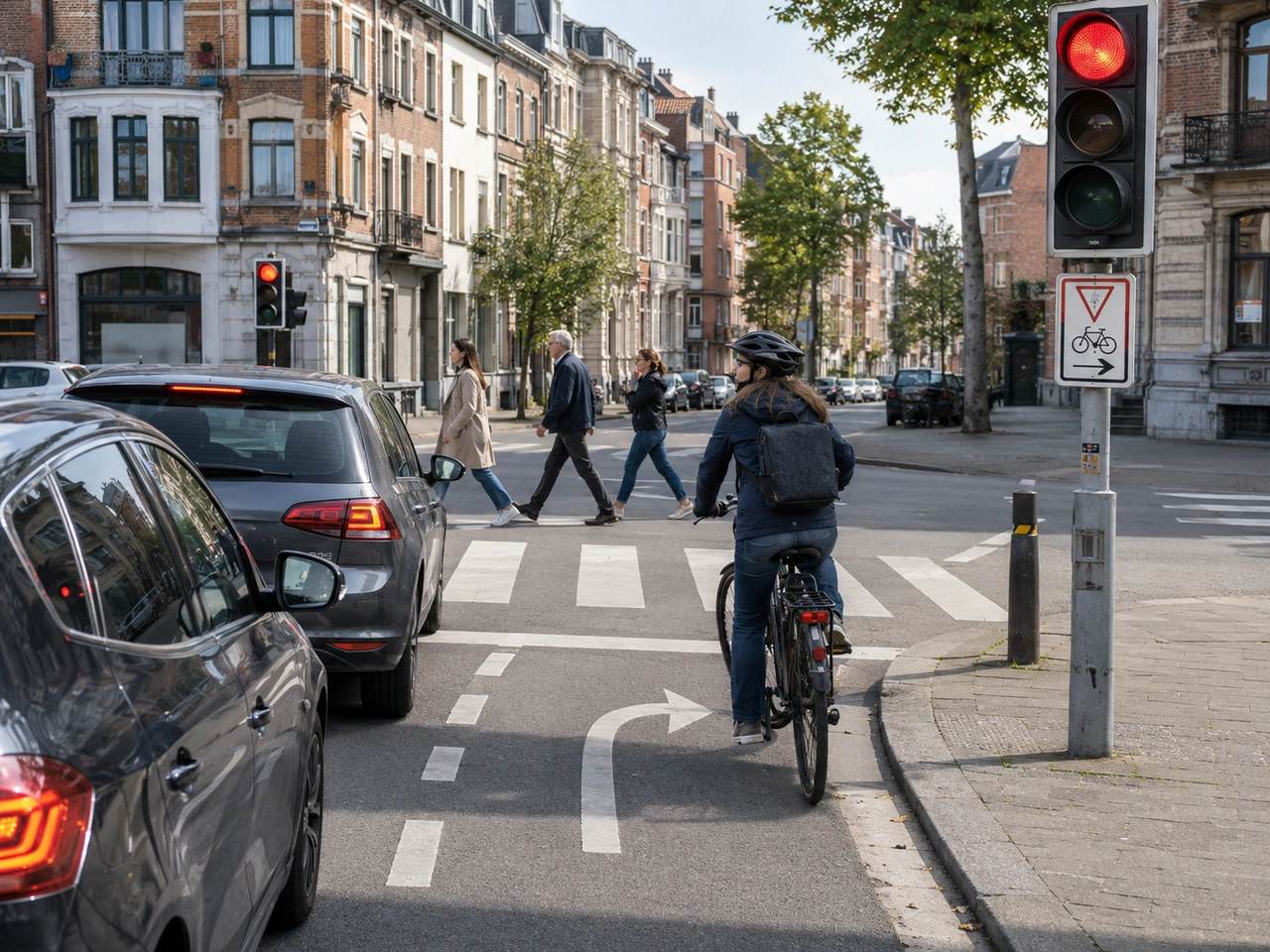
513. What may cyclists and speed-pedelec riders do at this red traffic light?
A B22 sign allows cyclists and speed-pedelec riders to turn right on red or amber. A B23 sign allows them to continue straight, but they must give way to other road users.
AI-generated by Rijbewijs-online.be • WCIT • CC BY-SA
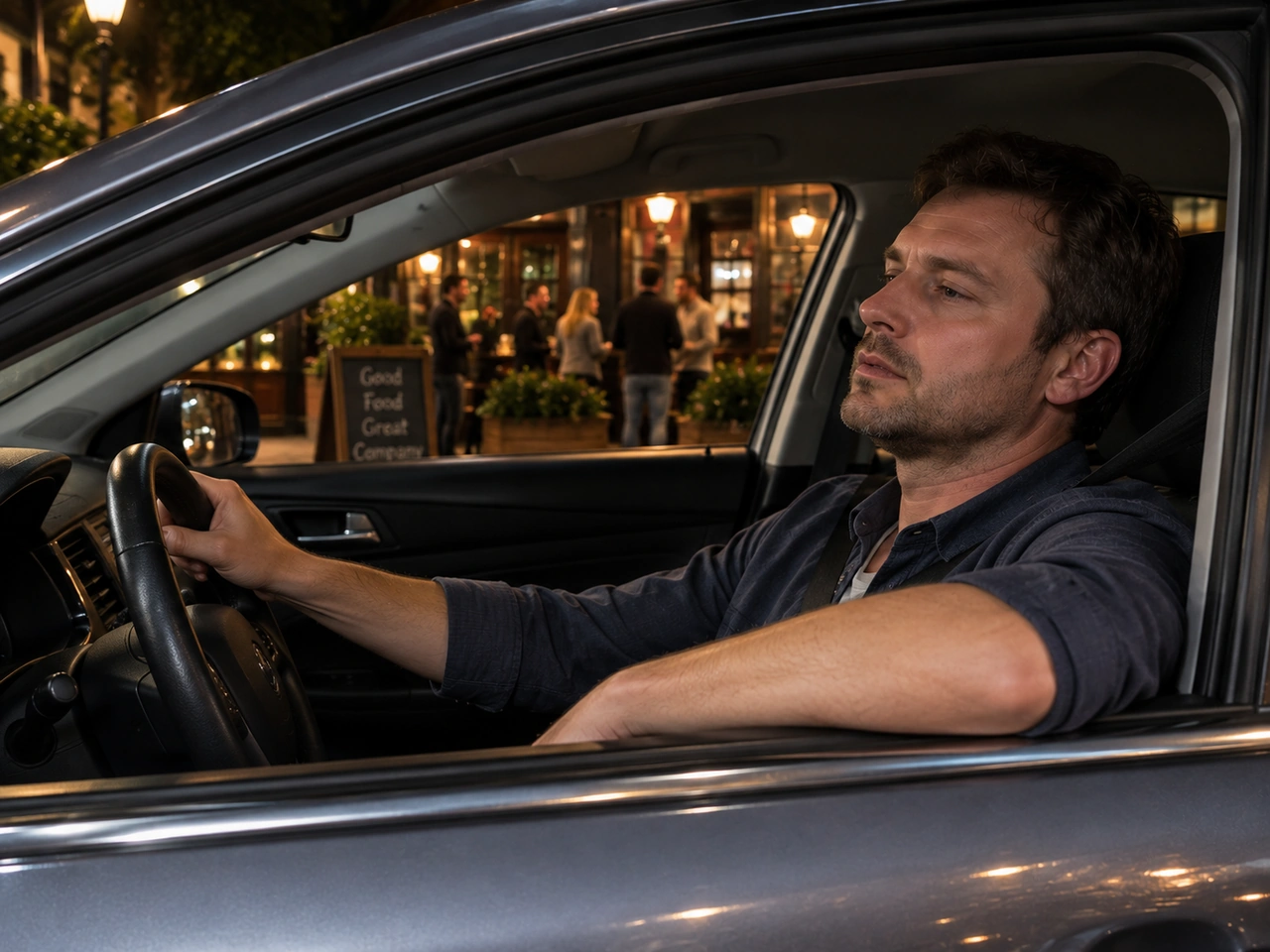
514. Does opening a window make an alcohol-impaired driver safe?
Fresh air may make someone feel more awake, but it does not reduce their alcohol concentration or restore safe driving ability.
AI-generated by Rijbewijs-online.be • WCIT • CC BY-SA
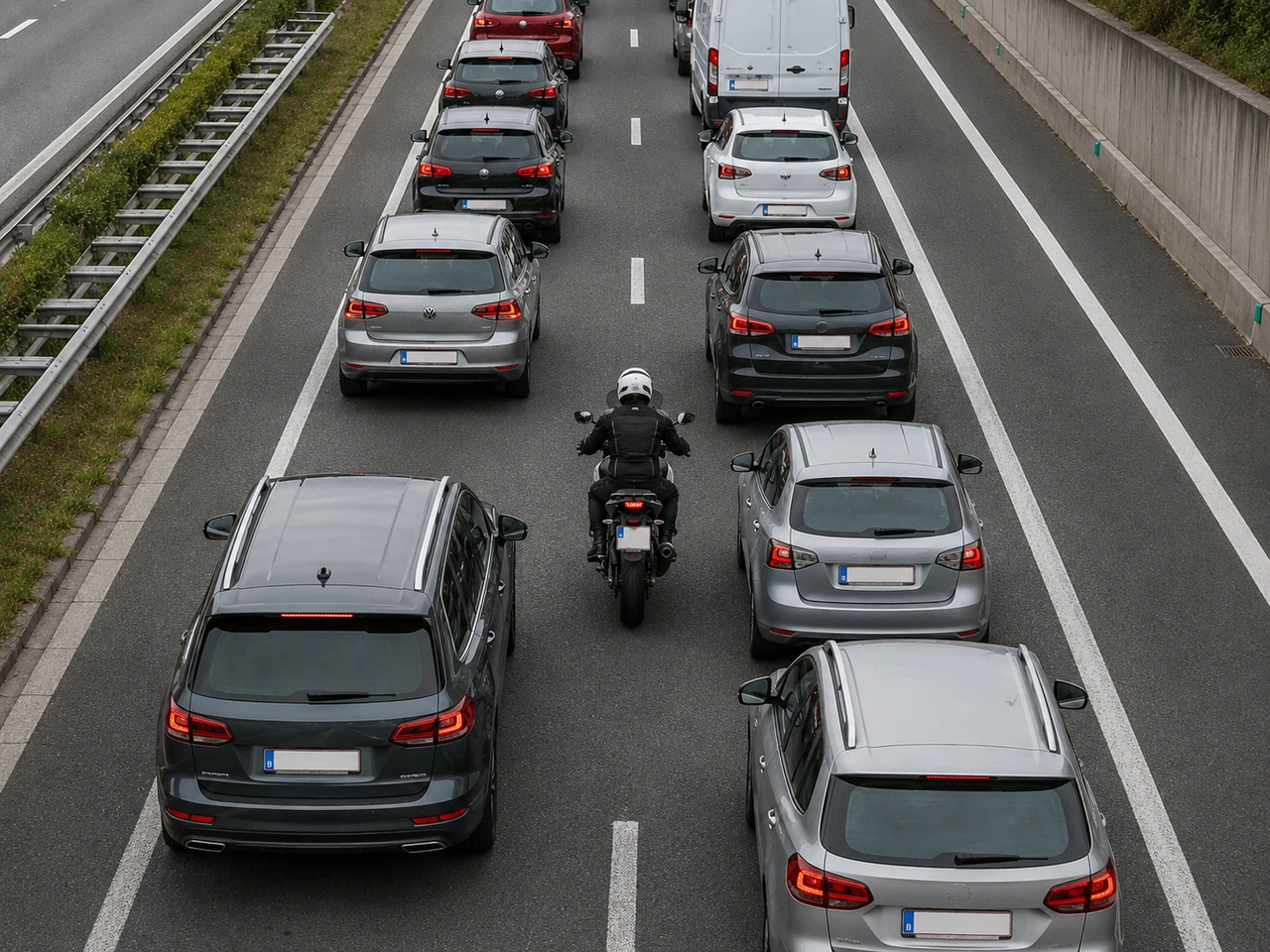
515. What limits apply when a motorcyclist filters between slow-moving traffic in Belgium?
A filtering motorcyclist may not exceed 50 km/h and may travel no more than 20 km/h faster than the surrounding traffic. On motorways and express roads, filtering takes place between the two leftmost lanes.
AI-generated by Rijbewijs-online.be • WCIT • CC BY-SA
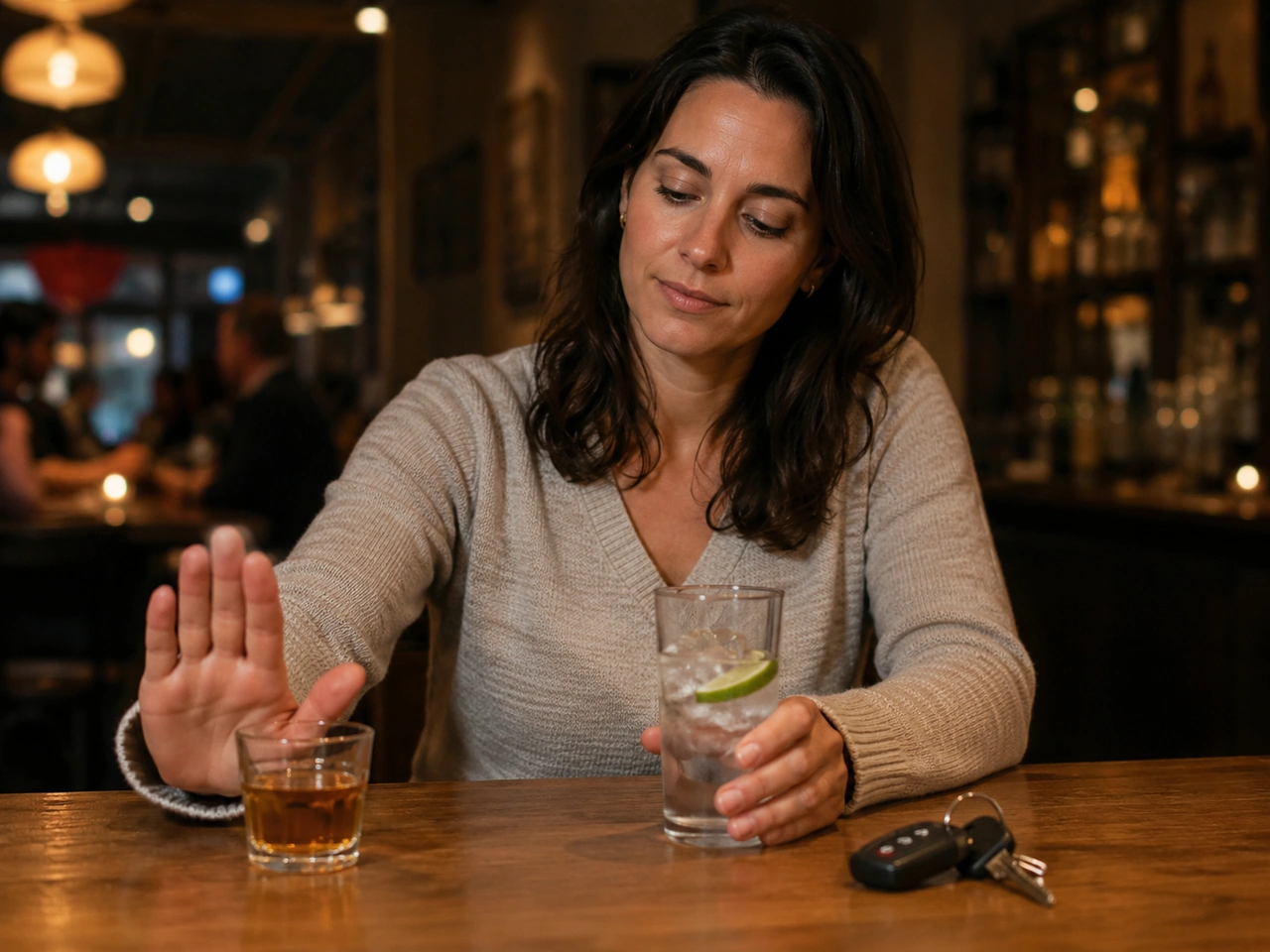
516. Should the legal alcohol limit be treated as a safe target?
A legal limit is an enforcement threshold, not a recommended drinking level. Even a small amount of alcohol can affect driving performance.
AI-generated by Rijbewijs-online.be • WCIT • CC BY-SA
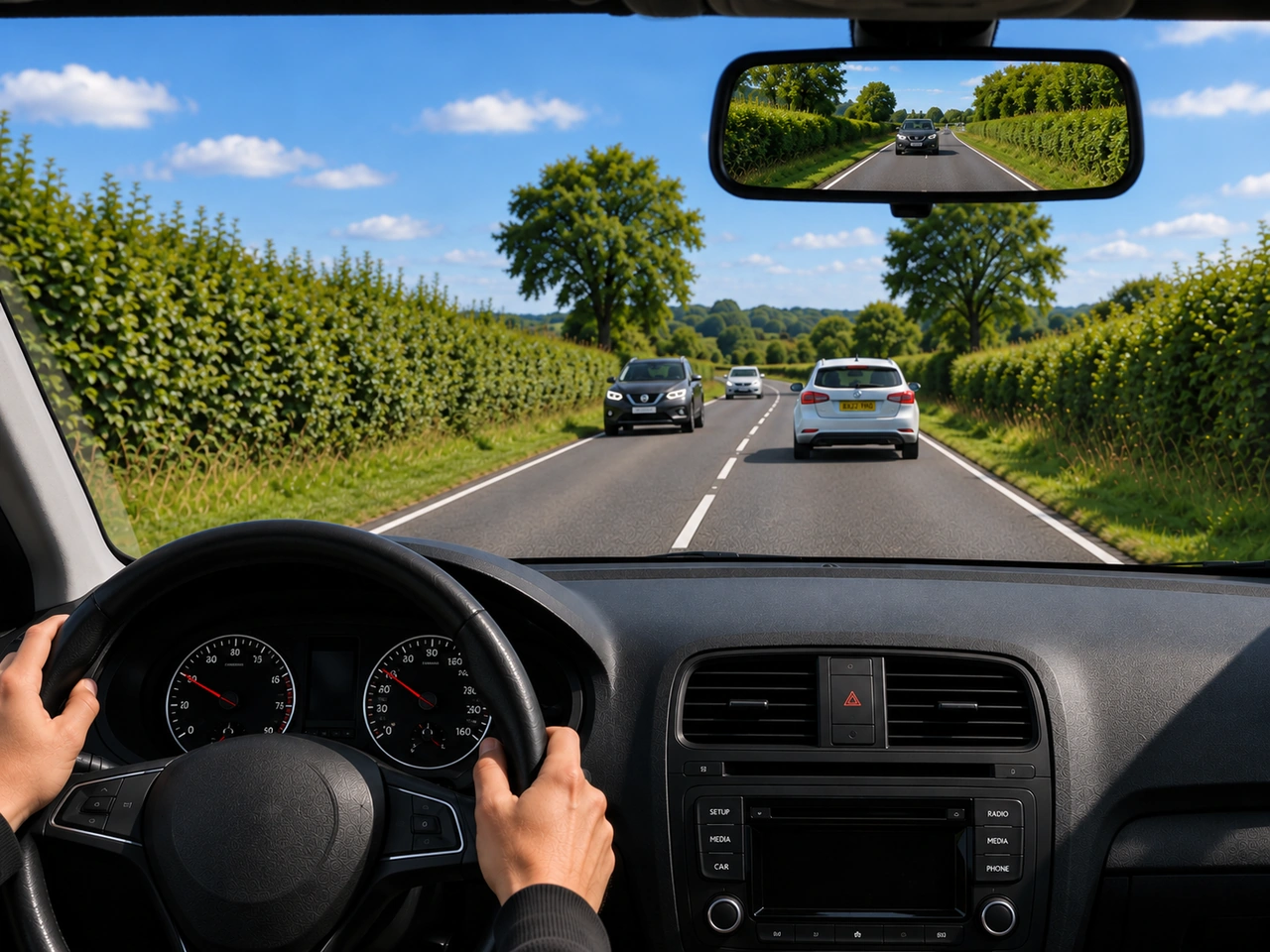
517. Why should you check your mirrors before braking?
Checking your mirrors helps you understand what is happening behind you and anticipate how following traffic may react. In an emergency, do not delay necessary braking.
AI-generated by Rijbewijs-online.be • WCIT • CC BY-SA
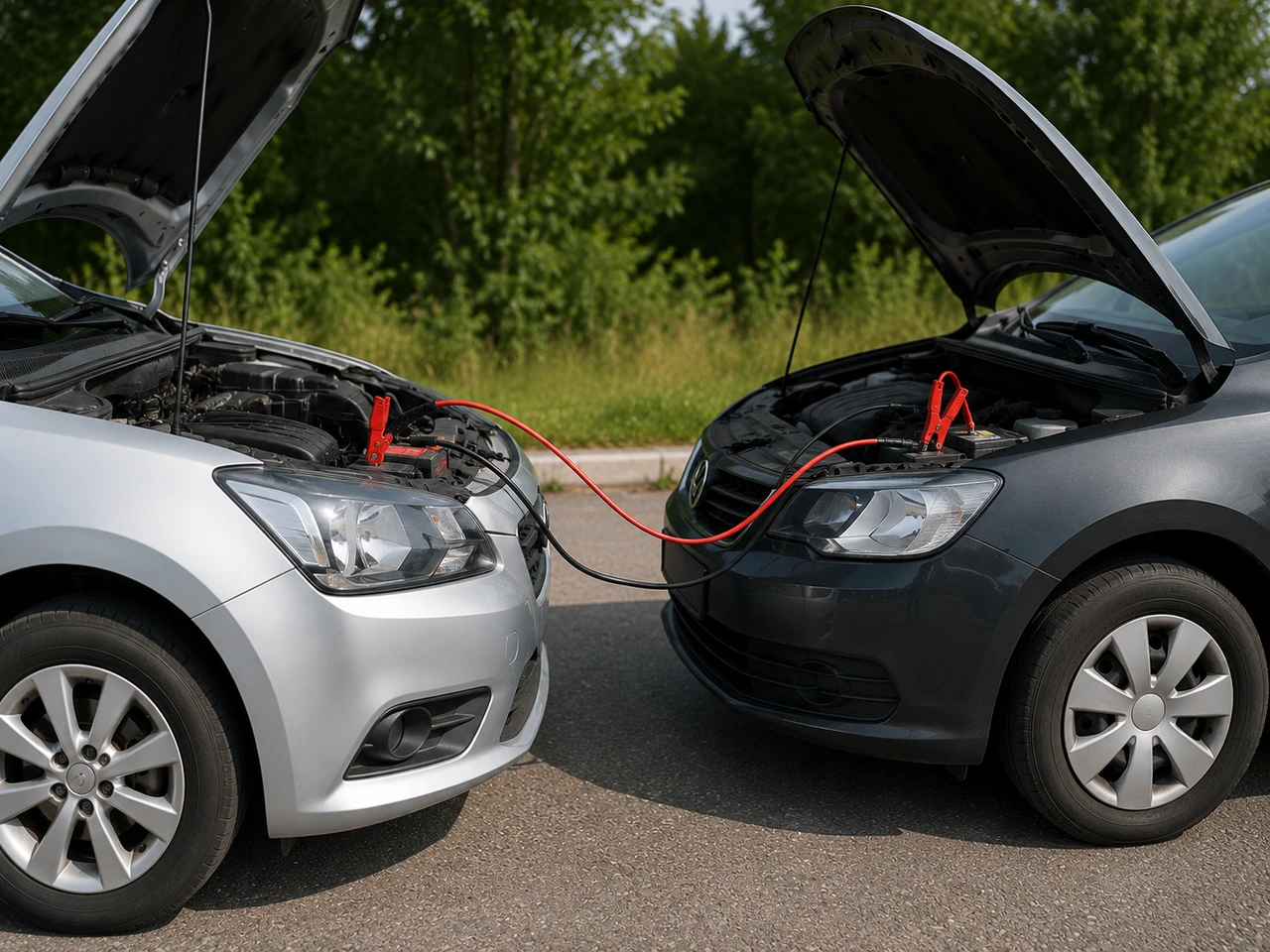
518. What should you do before attempting to jump-start a vehicle?
Incorrect jump-starting can damage electrical systems, cause sparks, or make a battery explode. Connect the leads in the correct order before starting the vehicles, and follow the manufacturer's procedure exactly.
AI-generated by Rijbewijs-online.be • WCIT • CC BY-SA
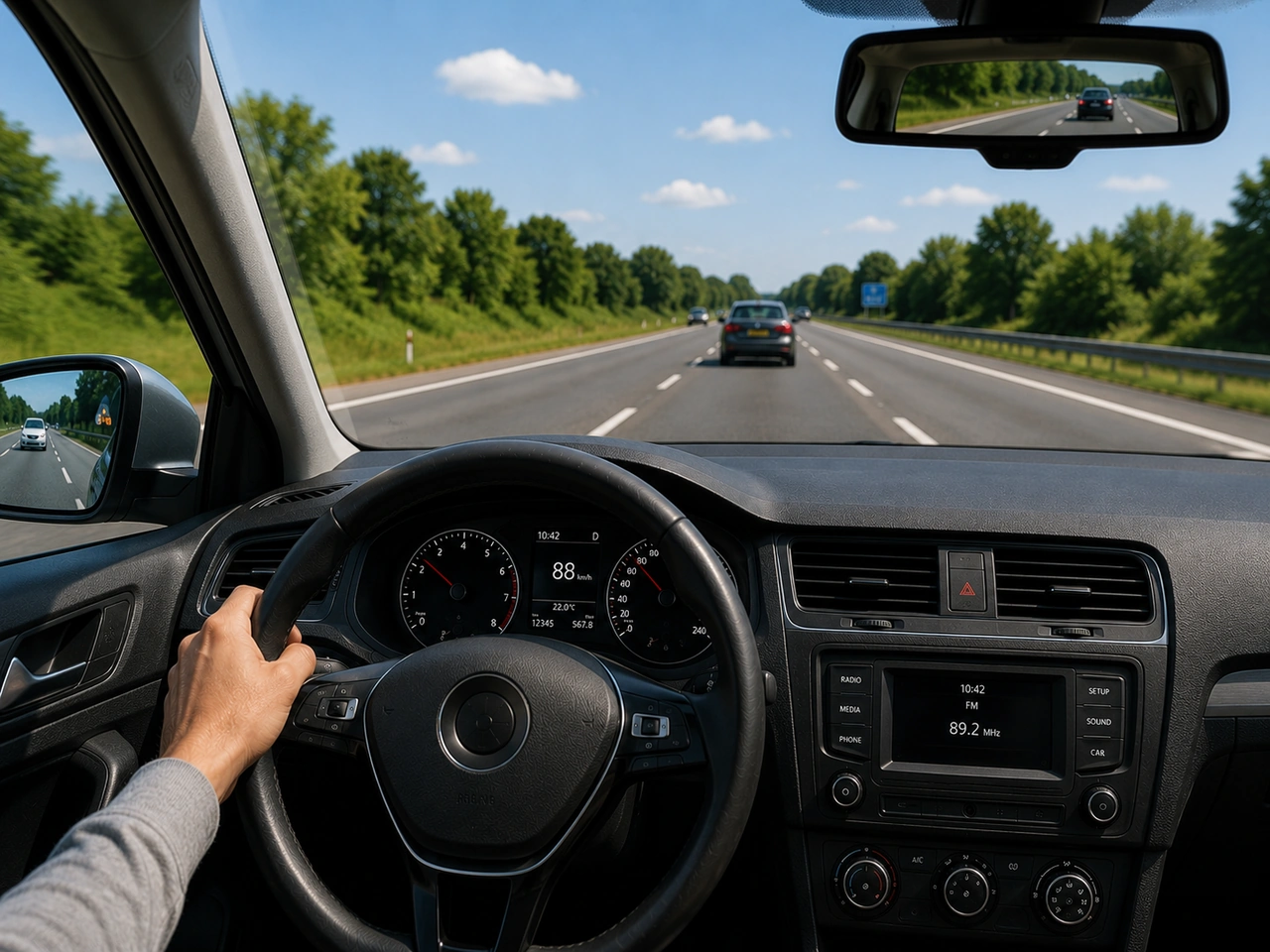
519. You should check your mirrors before changing lanes.
Checking your mirrors helps you see surrounding traffic before moving into another lane.
AI-generated by Rijbewijs-online.be • WCIT • CC BY-SA
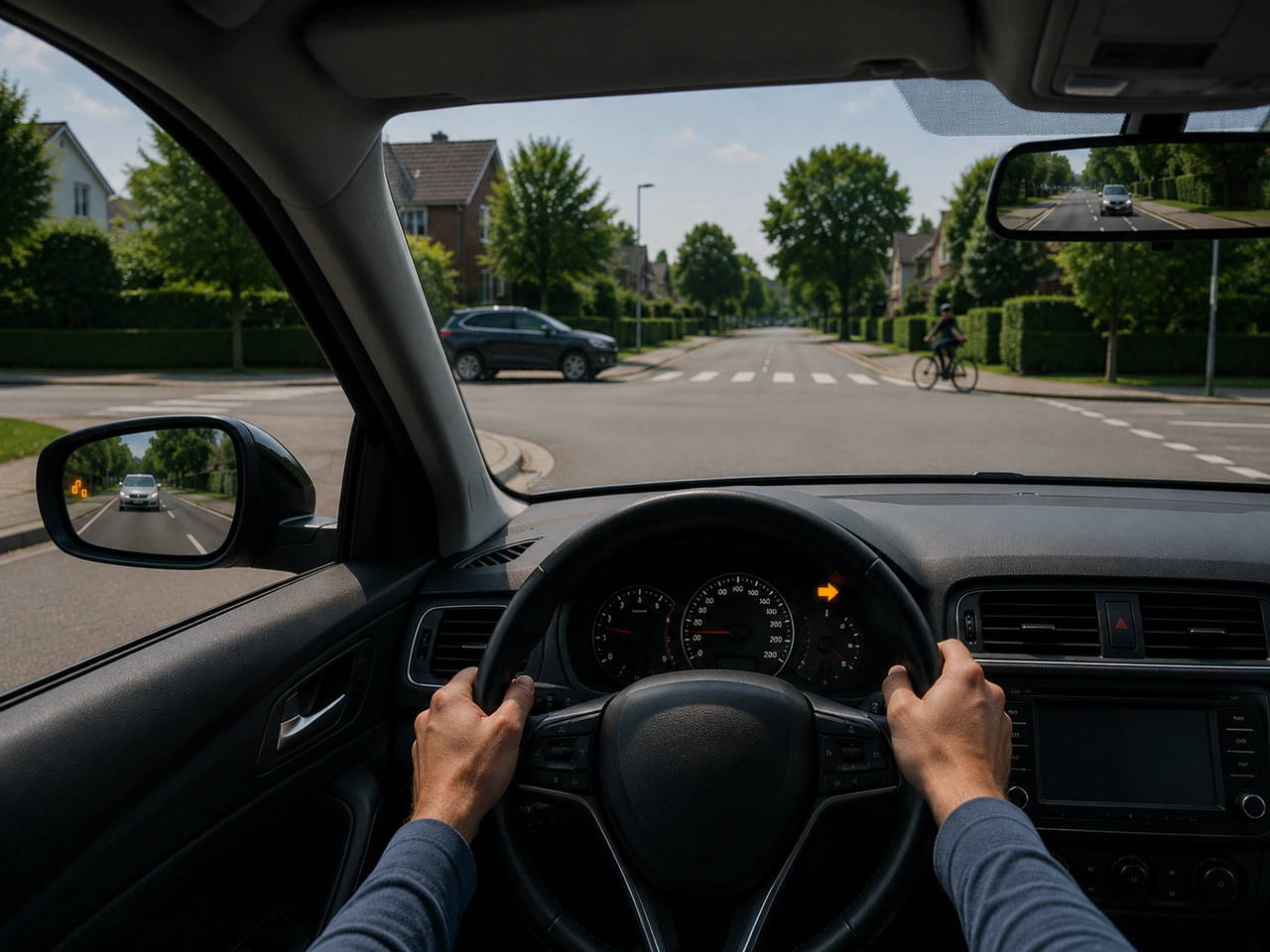
520. What should you do before making a turn?
Before turning, check your mirrors, use your indicator, and make sure the turn can be made safely.
AI-generated by Rijbewijs-online.be • WCIT • CC BY-SA
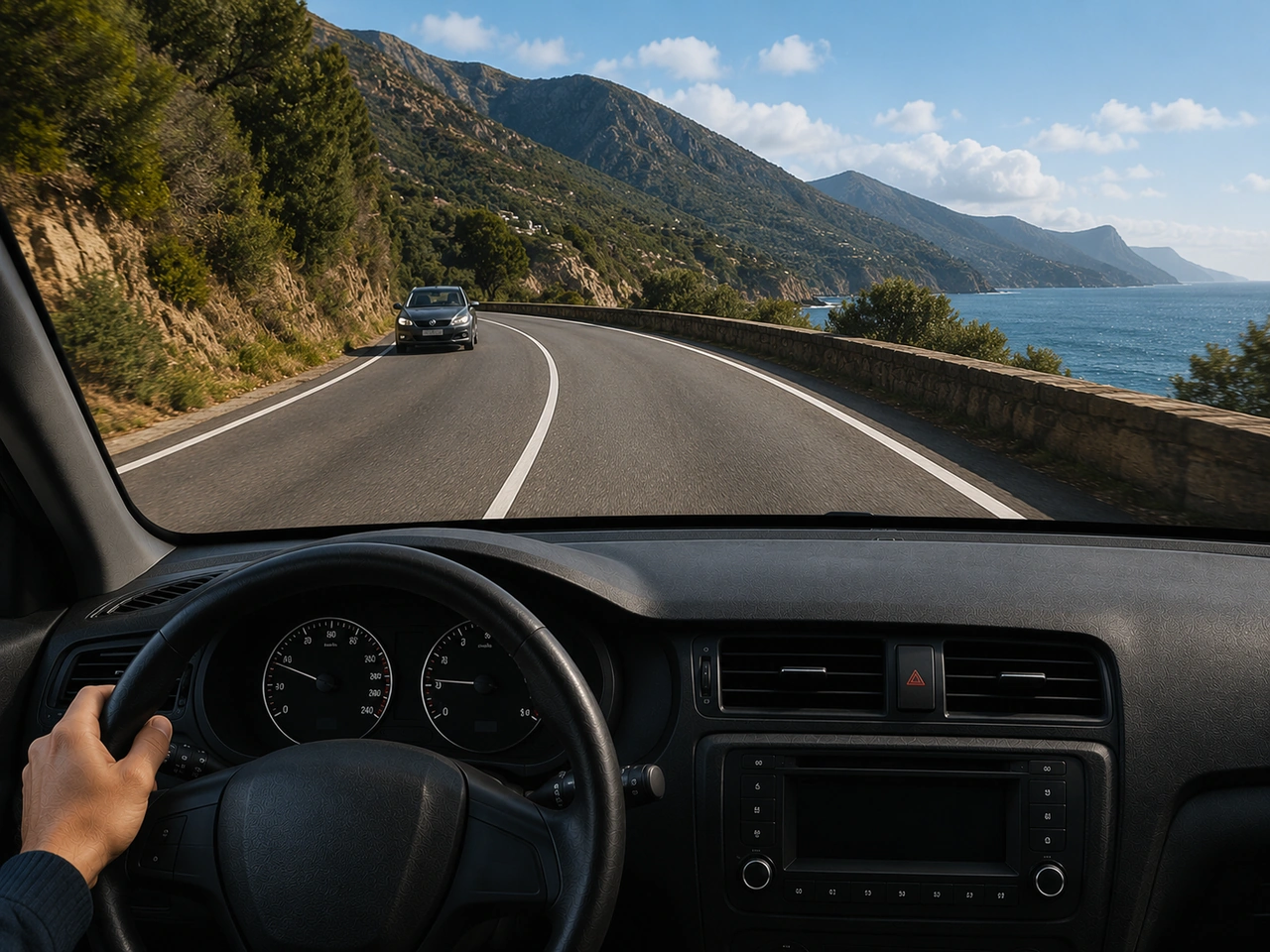
521. Why should you avoid braking hard on a curve?
Hard braking on a curve can upset the vehicle's balance and reduce grip. Slow down before the curve and steer smoothly.
AI-generated by Rijbewijs-online.be • WCIT • CC BY-SA
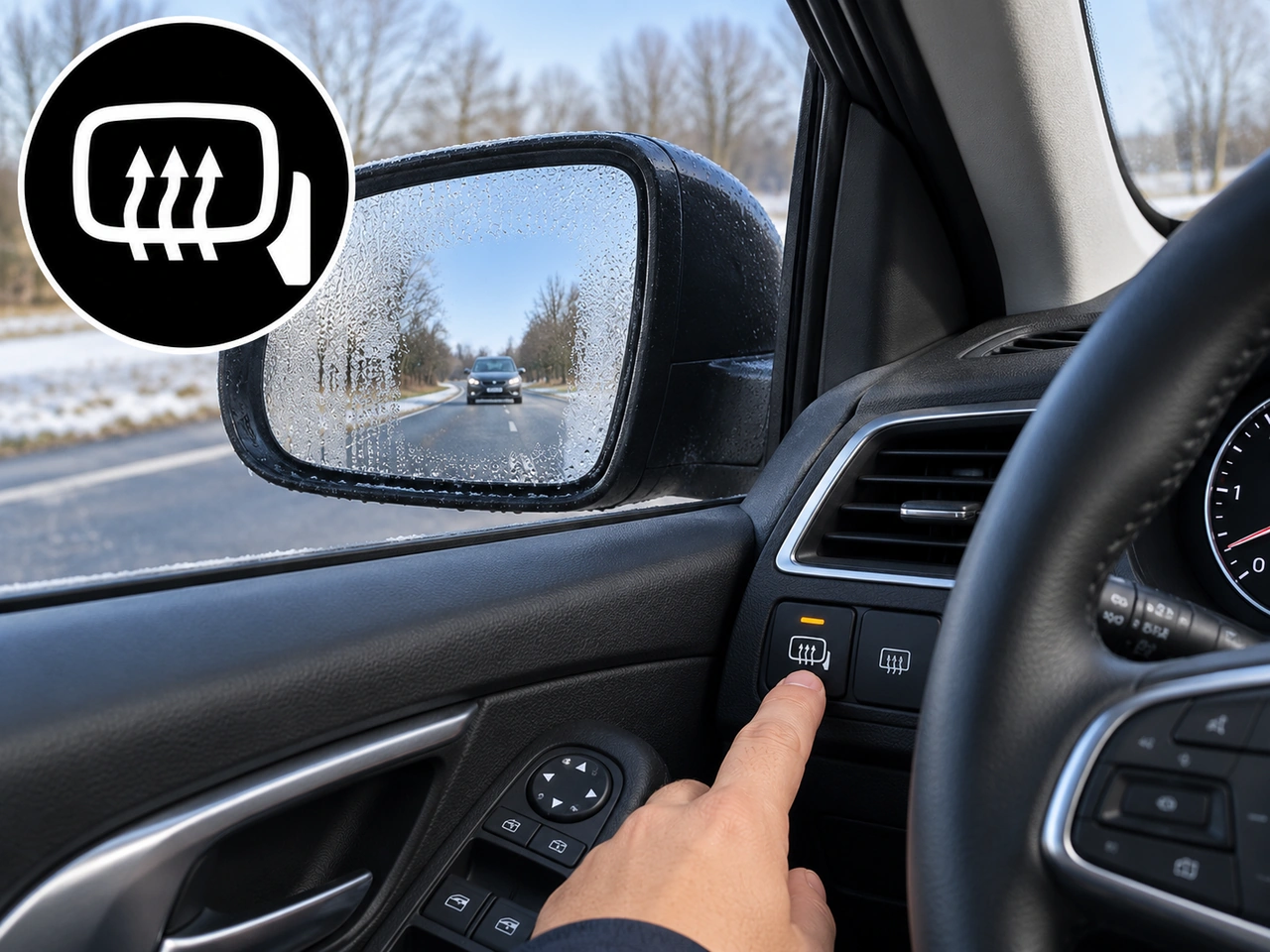
522. What is the purpose of heated door mirrors?
Heated door mirrors warm the mirror glass to help clear mist, condensation, or light ice and improve rearward visibility. On some vehicles, they operate together with the rear-window demister.
AI-generated by Rijbewijs-online.be • WCIT • CC BY-SA
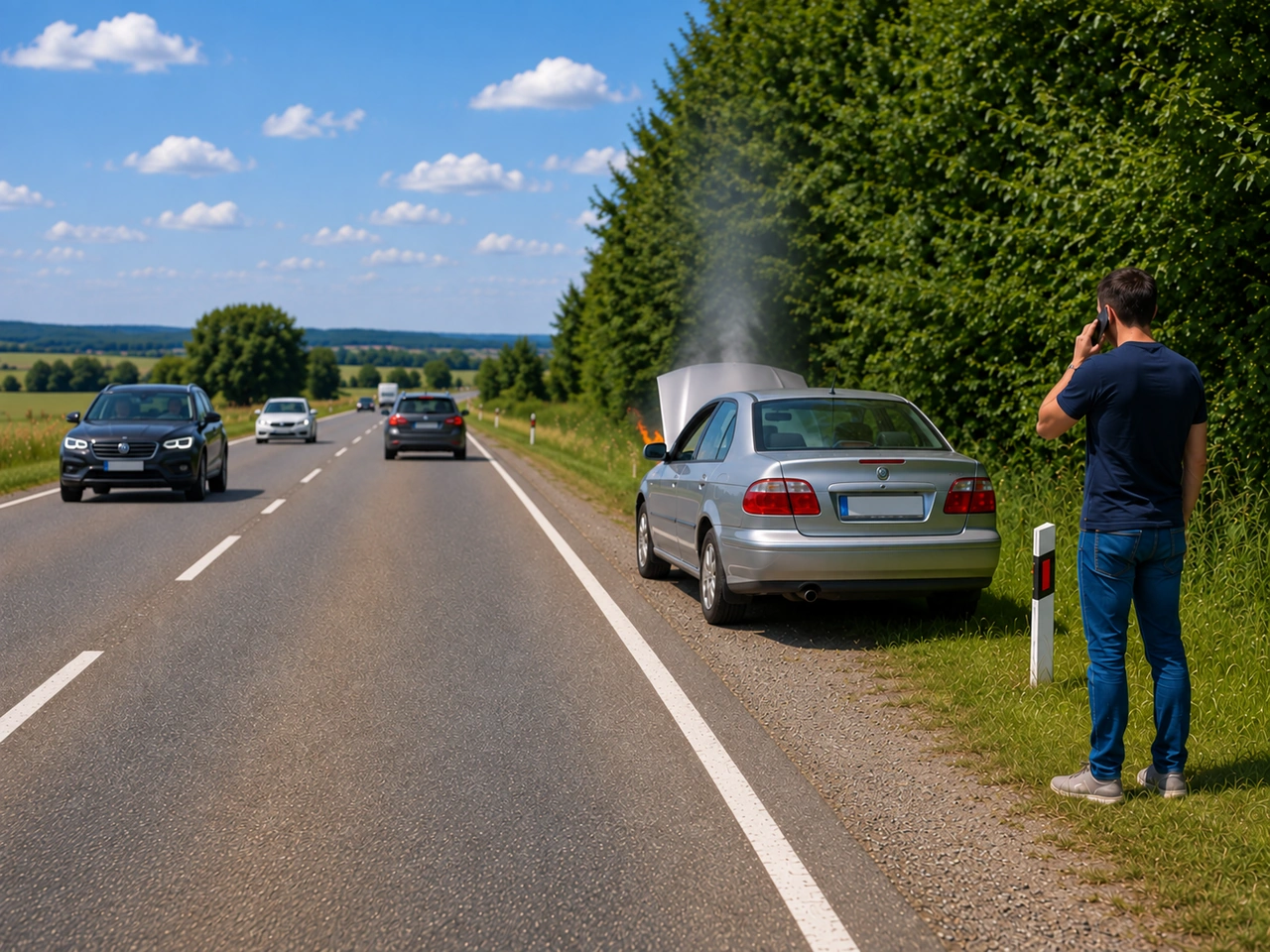
523. What should you do if your vehicle catches fire?
Move everyone well away from the vehicle and call emergency services. If the fire is small and it is safe to do so, use a suitable fire extinguisher. Opening the bonnet fully can supply additional oxygen and cause the fire to intensify.
AI-generated by Rijbewijs-online.be • WCIT • CC BY-SA
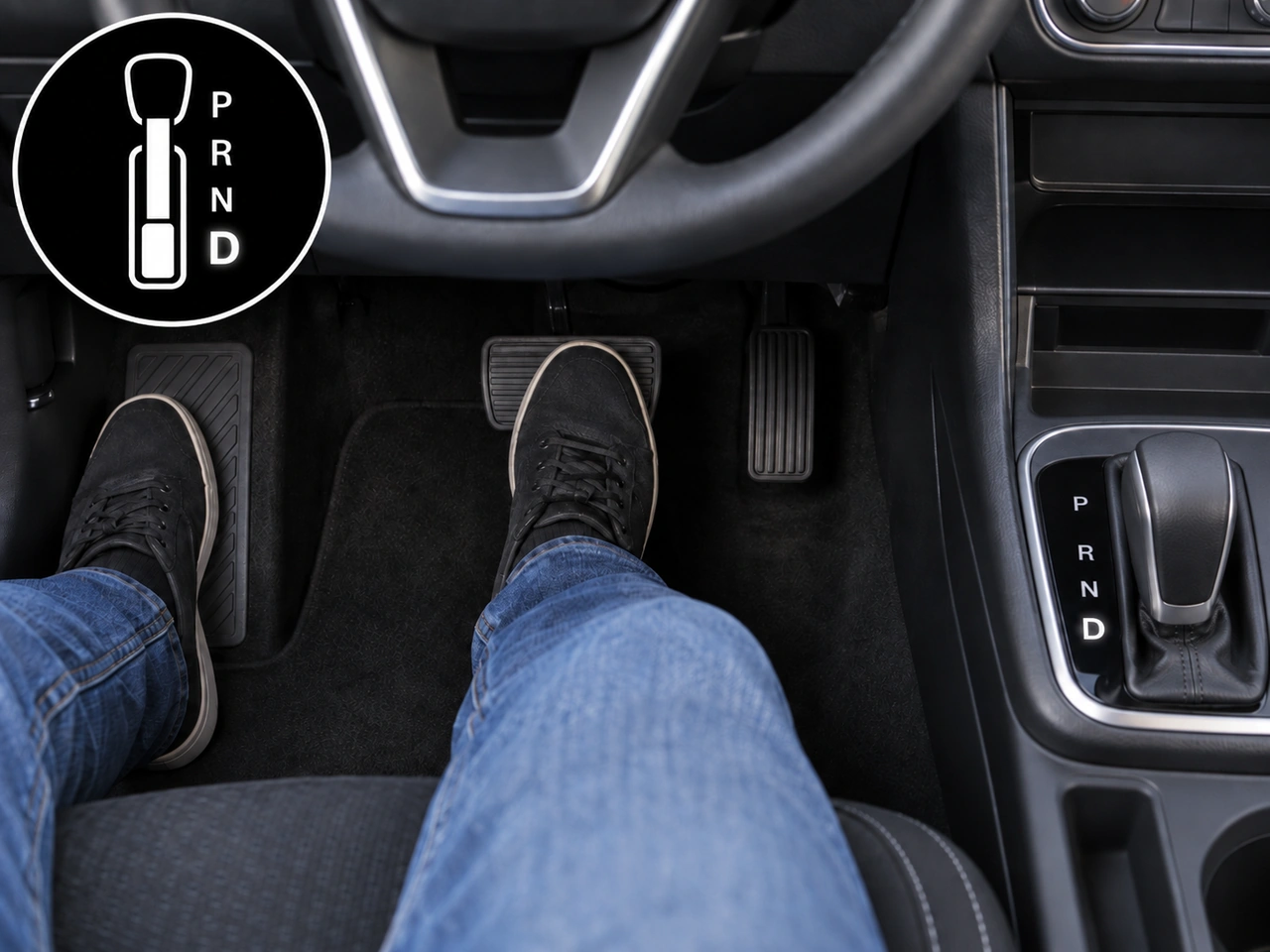
524. What should you do when an automatic vehicle is stationary in D?
An automatic vehicle may creep forward when D (Drive) is selected, even without pressing the accelerator. Keep the brake pedal pressed while stationary to prevent unintended movement.
AI-generated by Rijbewijs-online.be • WCIT • CC BY-SA
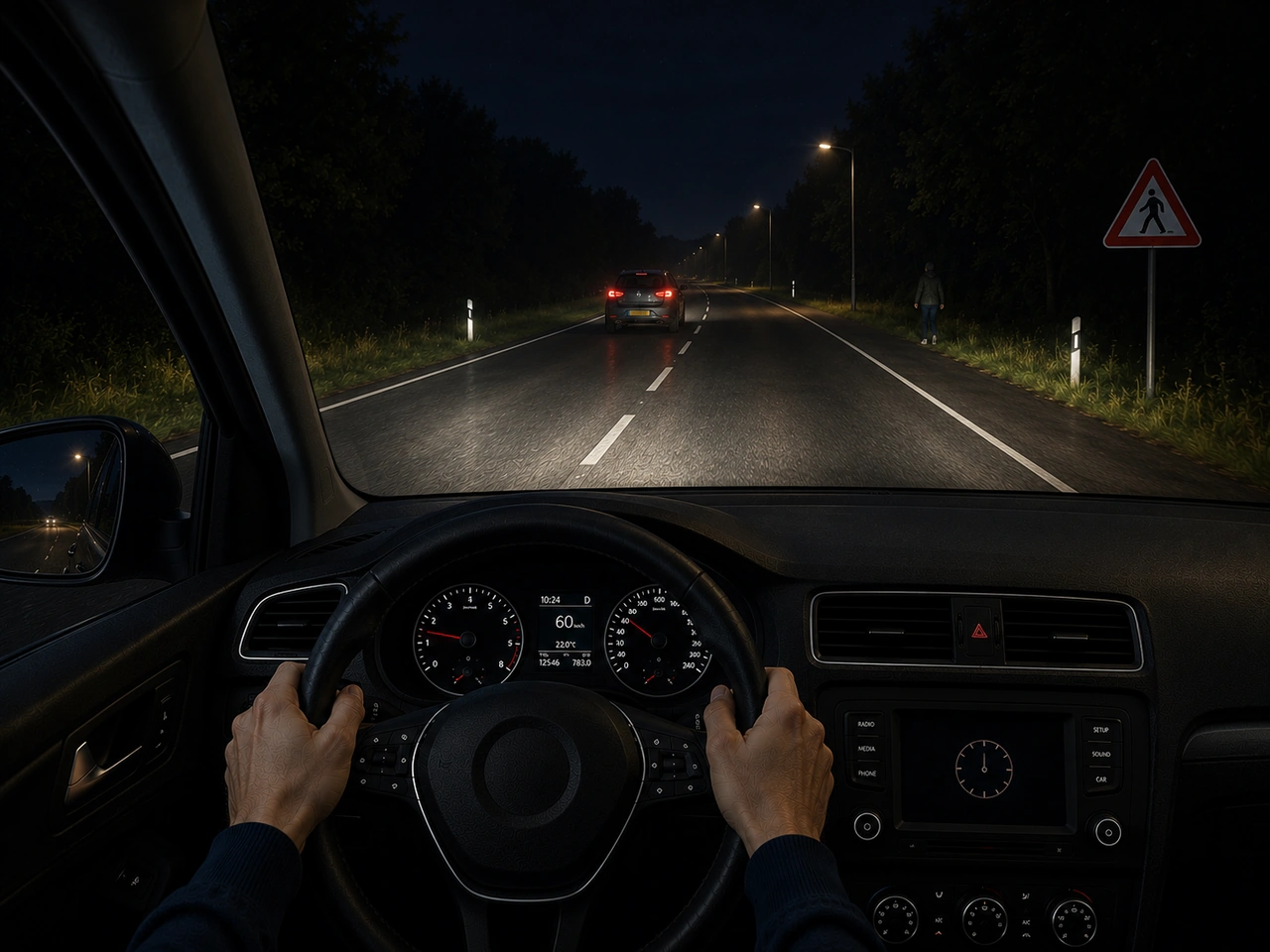
525. Why should you be extra careful at night?
At night, it is harder to see pedestrians, cyclists, road markings, and hazards. Reduce speed and use the correct lights.
AI-generated by Rijbewijs-online.be • WCIT • CC BY-SA
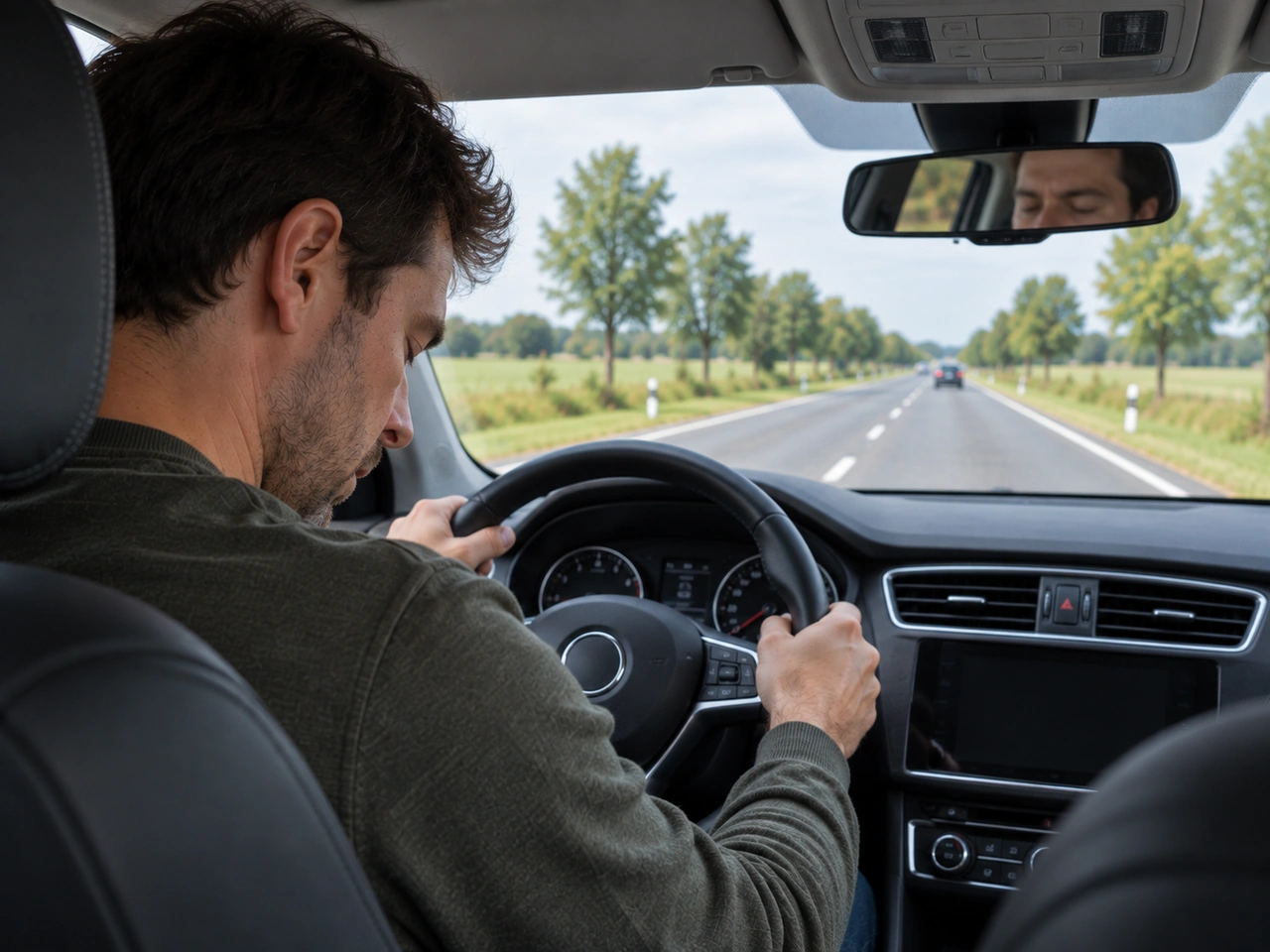
526. Why is a microsleep especially dangerous while driving?
A microsleep is a brief, involuntary episode of sleep that can last for a few seconds. During that time, you may lose awareness of the road and travel a considerable distance without reacting to hazards.
AI-generated by Rijbewijs-online.be • WCIT • CC BY-SA
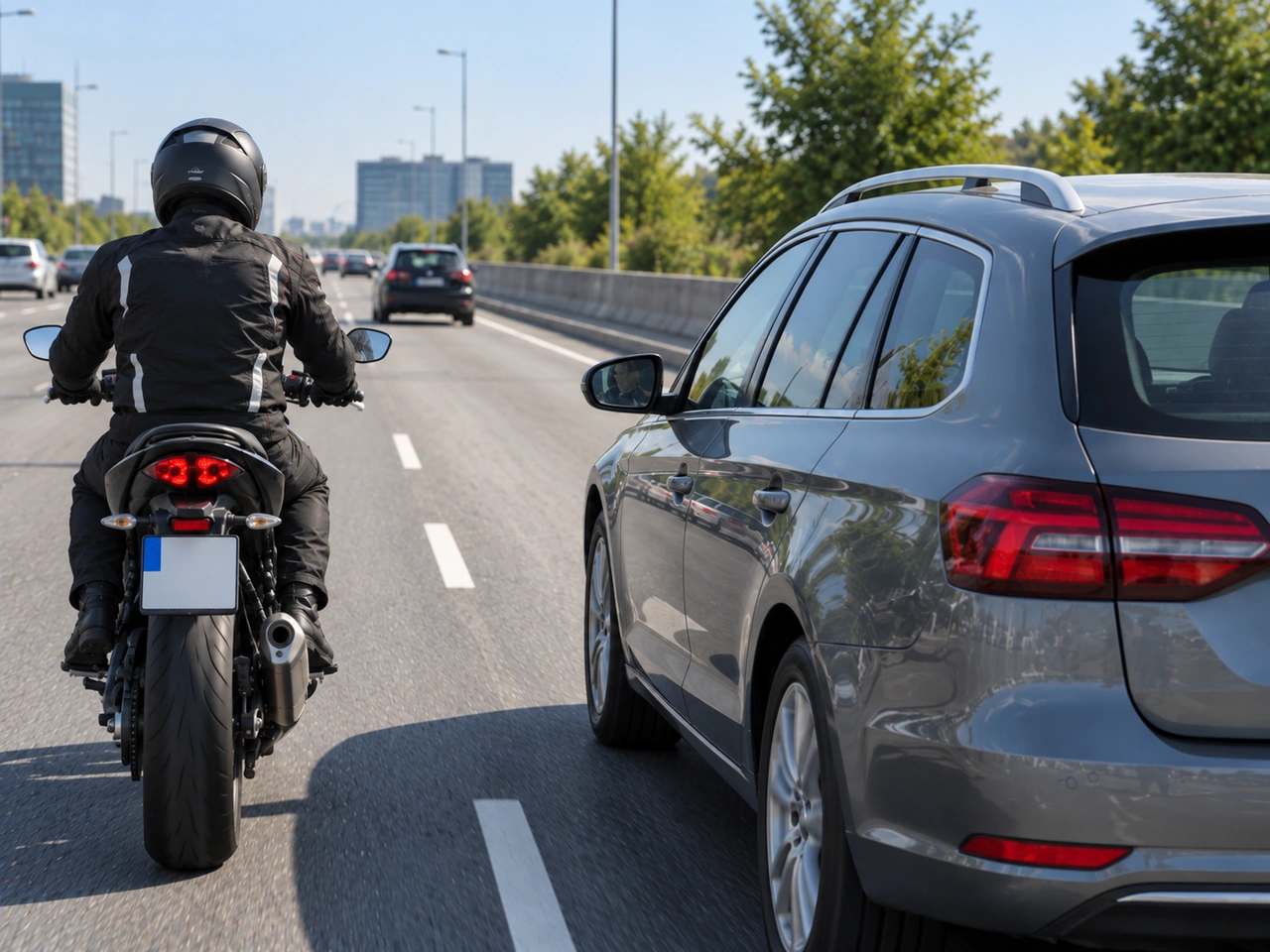
527. Why should a motorcyclist avoid riding in another vehicle's blind spot?
Motorcycles can be difficult to see, particularly when they remain in another vehicle's blind spot. Avoid staying alongside a vehicle where the driver may not see you, and choose a position where you are more likely to be visible.
AI-generated by Rijbewijs-online.be • WCIT • CC BY-SA
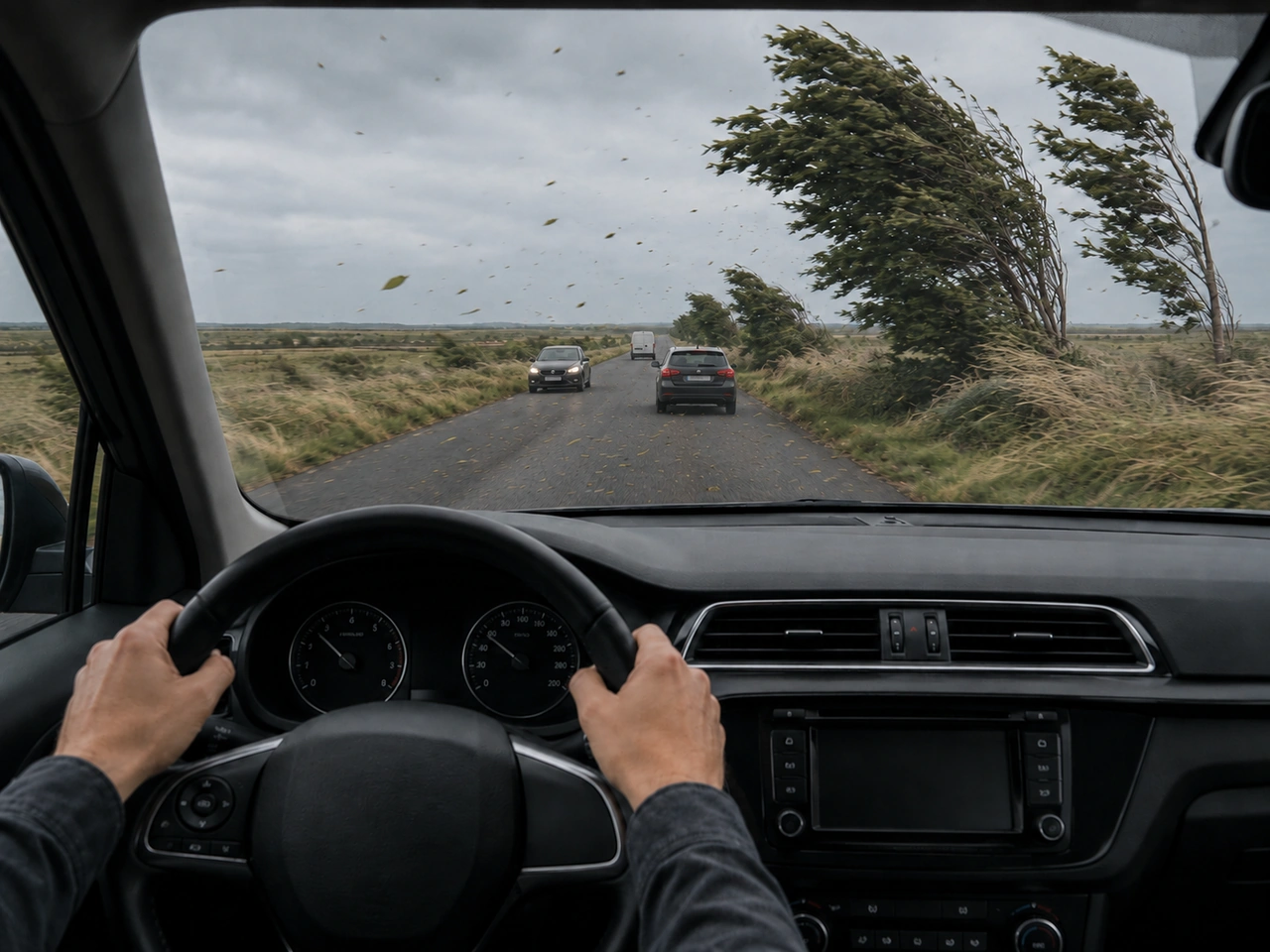
528. What should you do if strong winds push your vehicle sideways?
Strong winds can push your vehicle off course, especially at higher speeds. Reduce speed and use smooth steering to stay in control.
AI-generated by Rijbewijs-online.be • WCIT • CC BY-SA
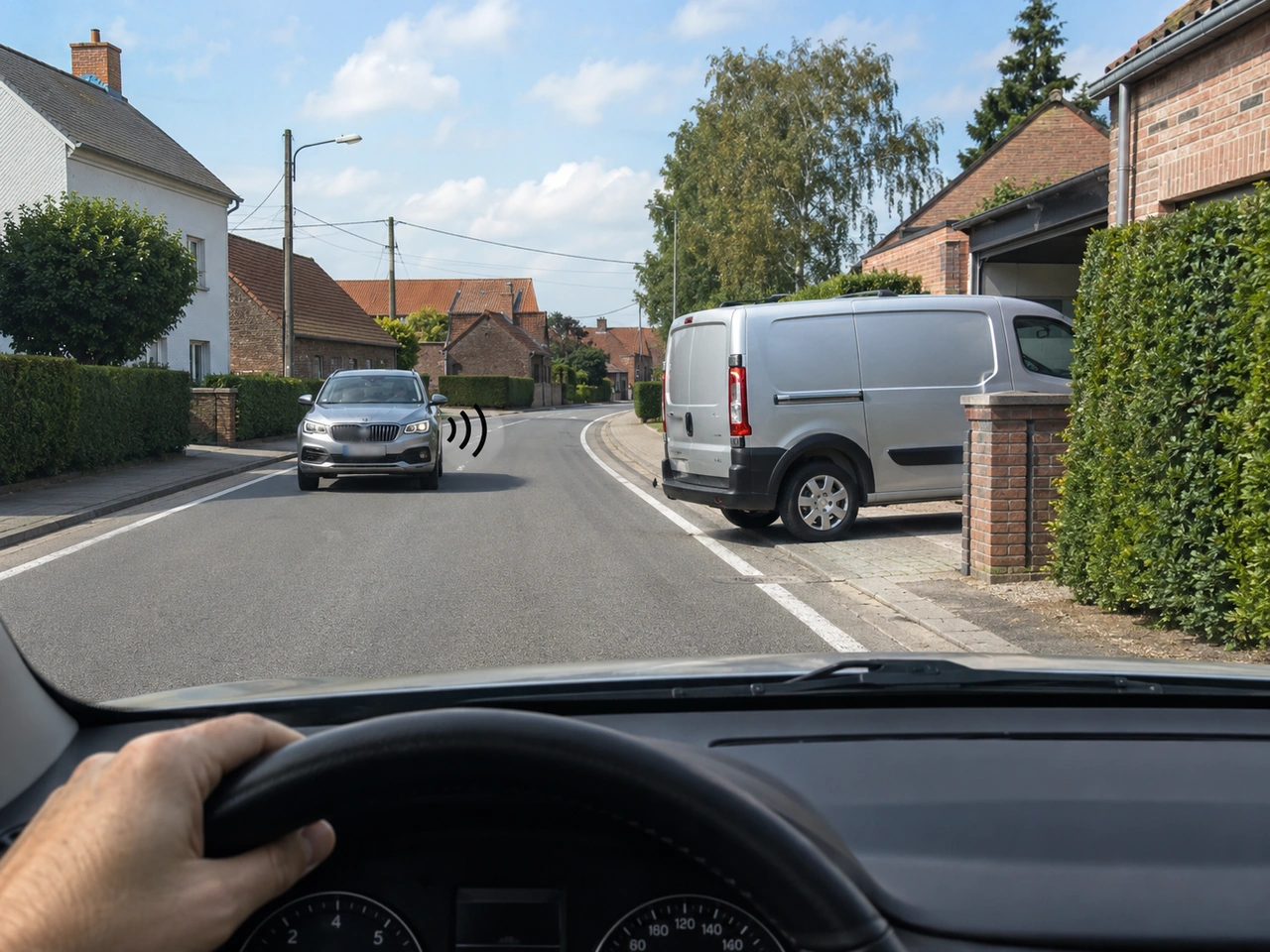
529. When may you normally use the horn in Belgium?
Horn signals must be as brief as possible and are permitted only as a necessary warning to prevent an accident. Outside built-up areas, they may also be used when necessary to warn a driver being overtaken.
AI-generated by Rijbewijs-online.be • WCIT • CC BY-SA
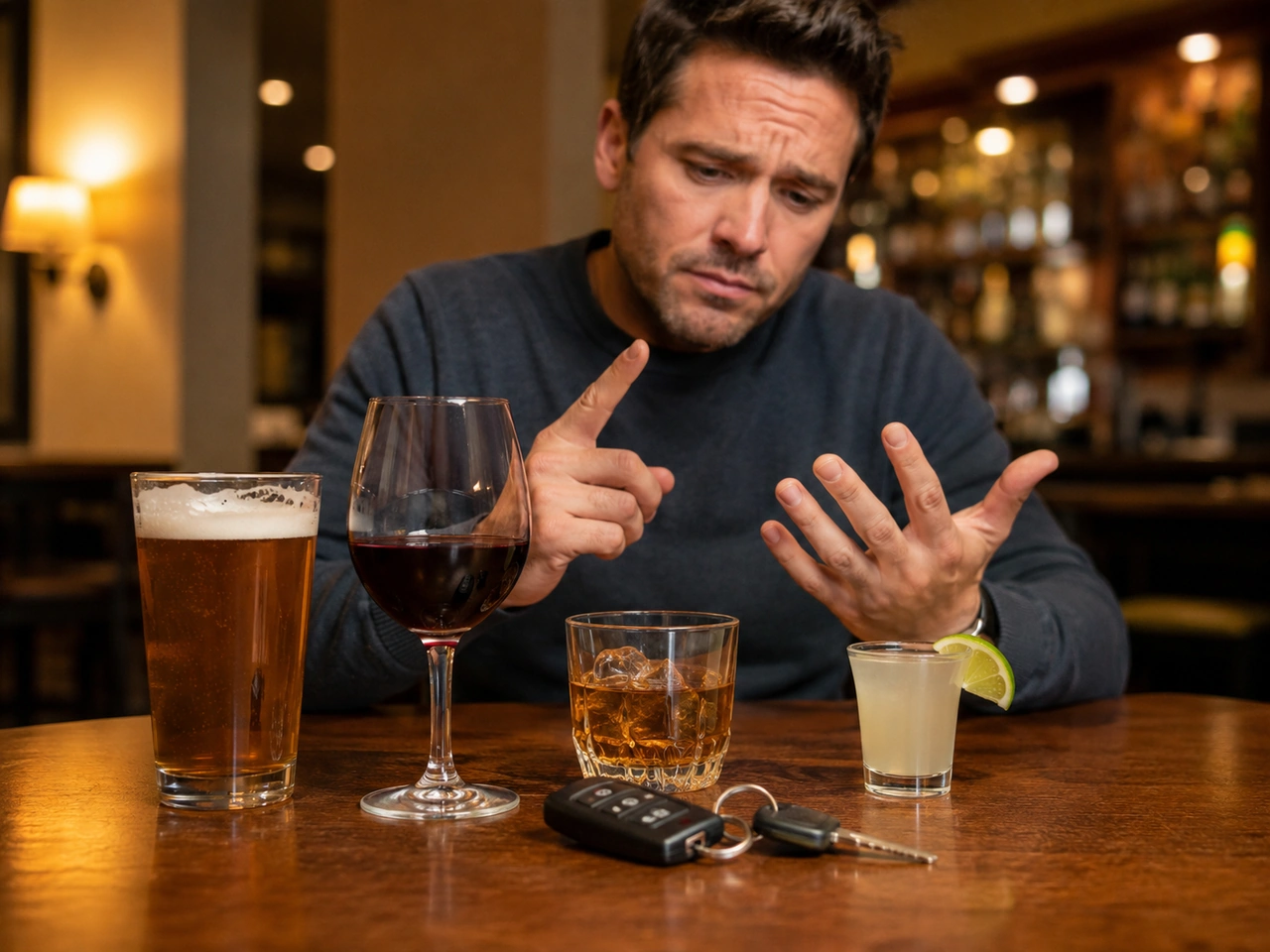
530. Why is counting drinks an unreliable way to decide whether you can drive?
Alcohol concentration and serving sizes vary, and factors such as body size, food, medication, and time can affect impairment.
AI-generated by Rijbewijs-online.be • WCIT • CC BY-SA
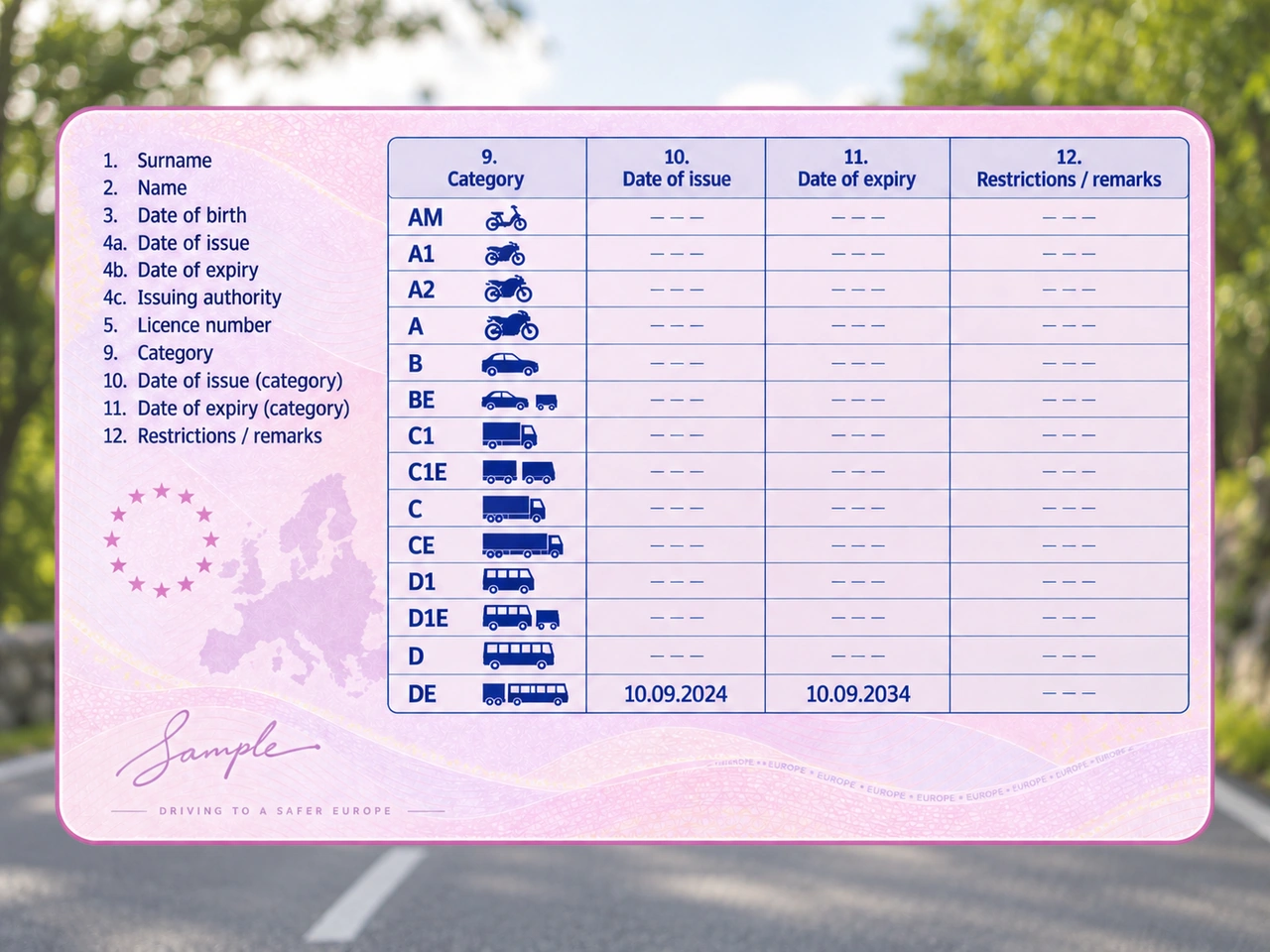
531. Which vehicle combination is covered by driving licence DE?
Category DE covers combinations consisting of a category D towing vehicle and a trailer with a maximum authorised mass above 750 kg.
AI-generated by Rijbewijs-online.be • WCIT • CC BY-SA
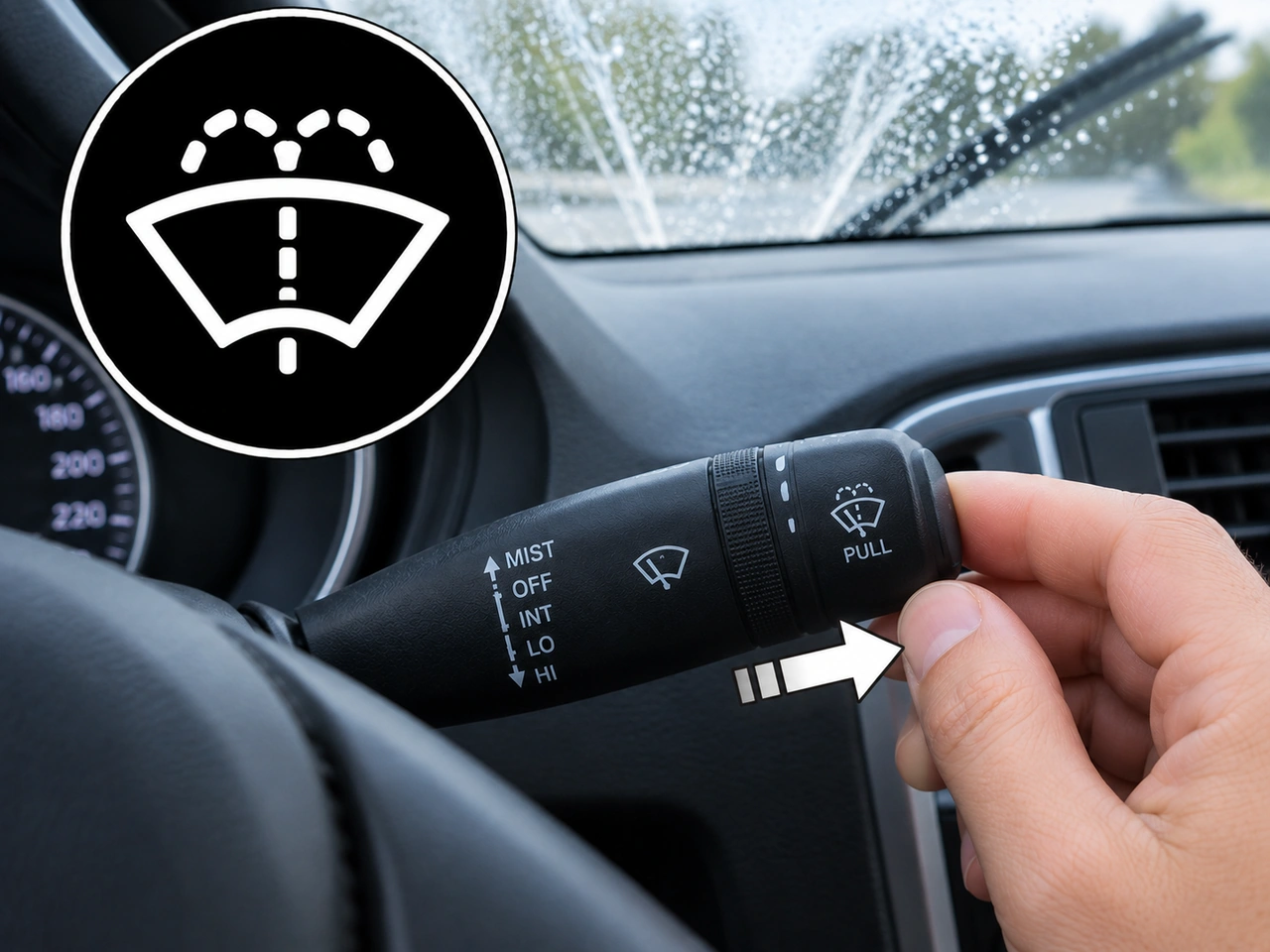
532. What does this vehicle-control symbol indicate?
This symbol indicates the windscreen washer. Operating the control sprays washer fluid onto the windscreen and normally activates the wipers to help clean the glass.
AI-generated by Rijbewijs-online.be • WCIT • CC BY-SA
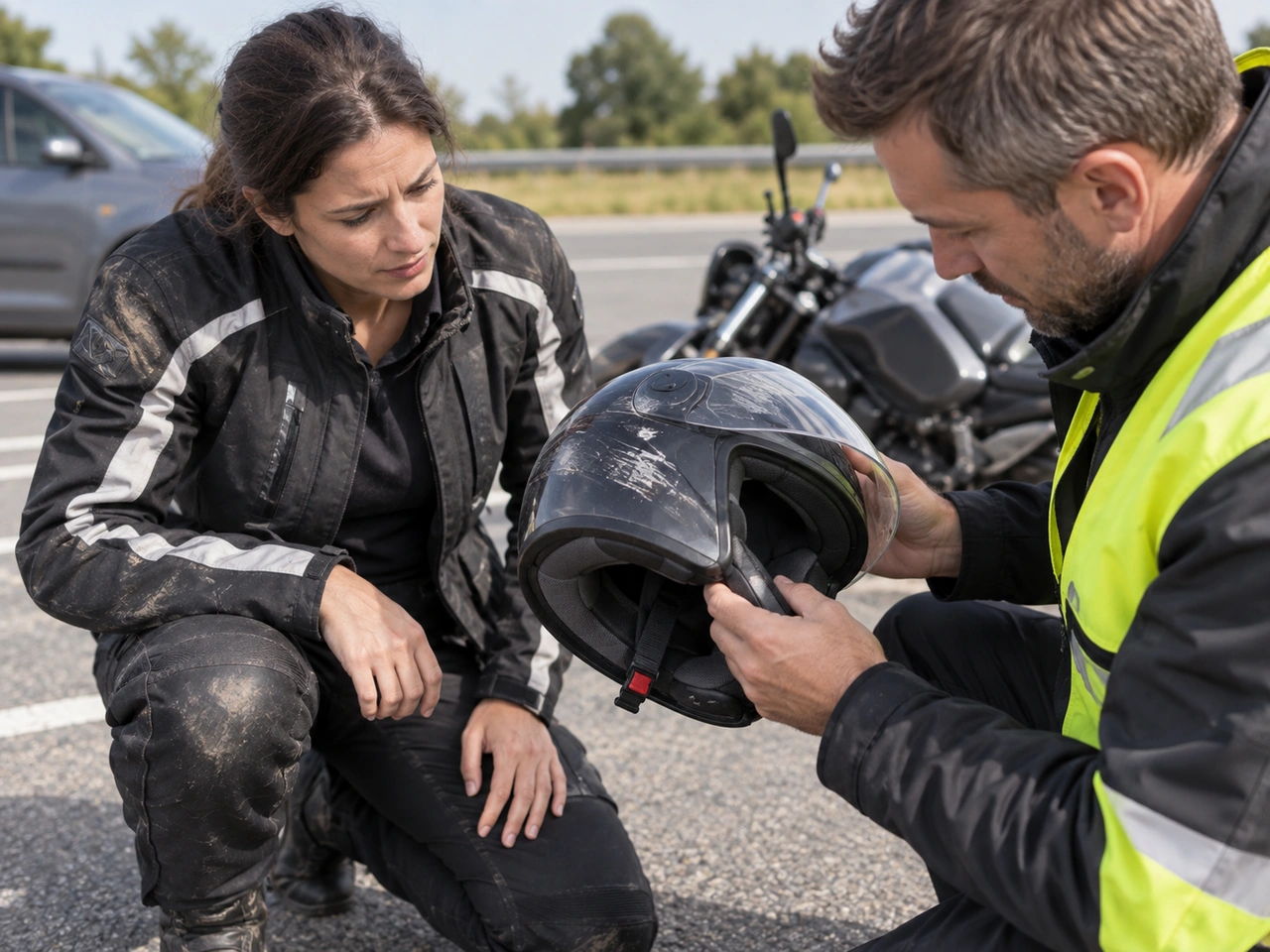
533. What should you do with a helmet that has taken a significant impact in a collision?
A helmet can be damaged internally by a significant impact even when no damage is visible from the outside. Stop using the helmet and follow the manufacturer's guidance, which will commonly require replacement after a significant impact.
AI-generated by Rijbewijs-online.be • WCIT • CC BY-SA
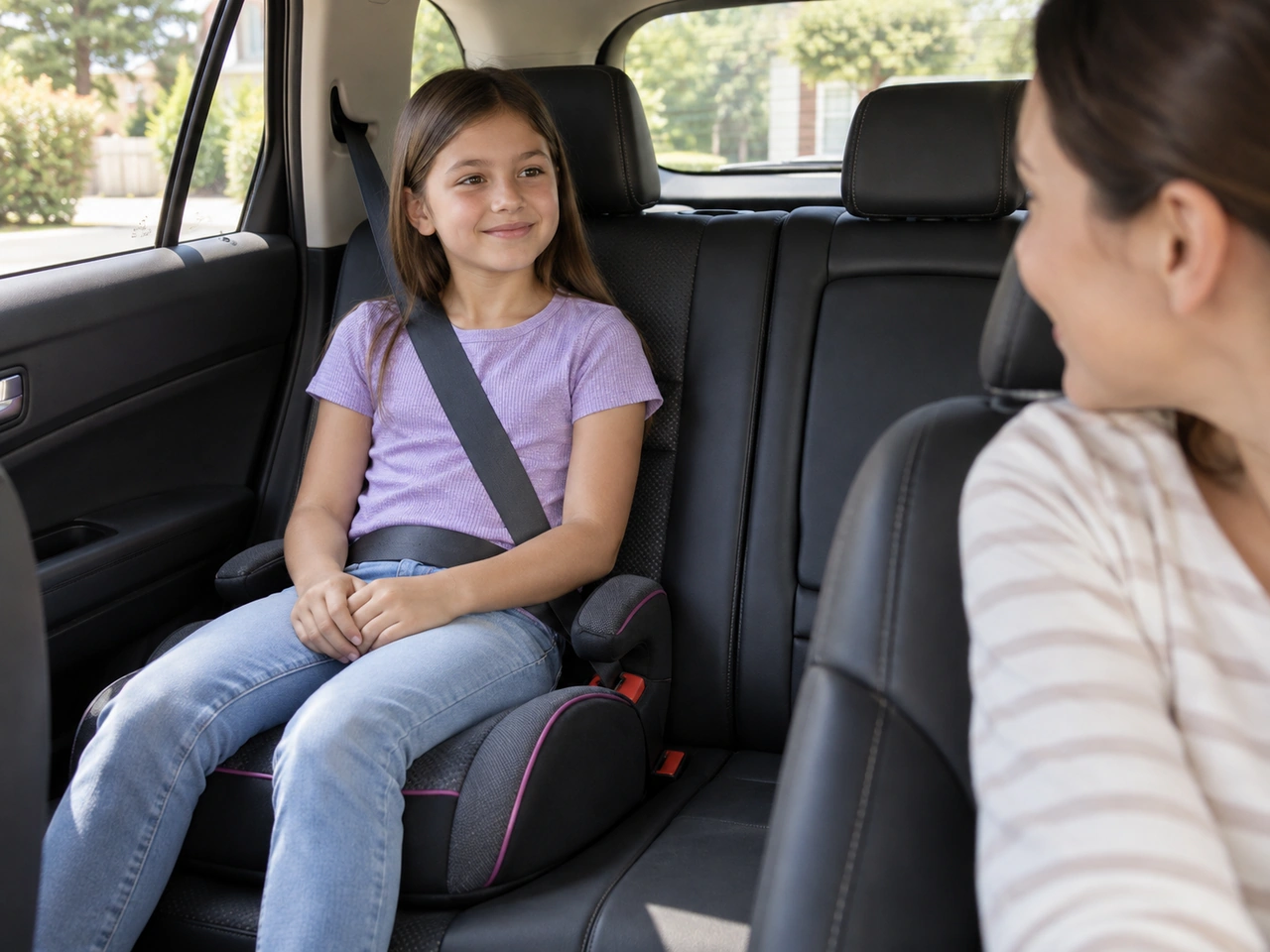
534. What is the main purpose of a booster seat?
A booster seat raises and positions a child so the vehicle seat belt fits correctly. The lap belt should sit low across the hips and the shoulder belt should pass across the chest and shoulder, rather than the neck or abdomen.
AI-generated by Rijbewijs-online.be • WCIT • CC BY-SA
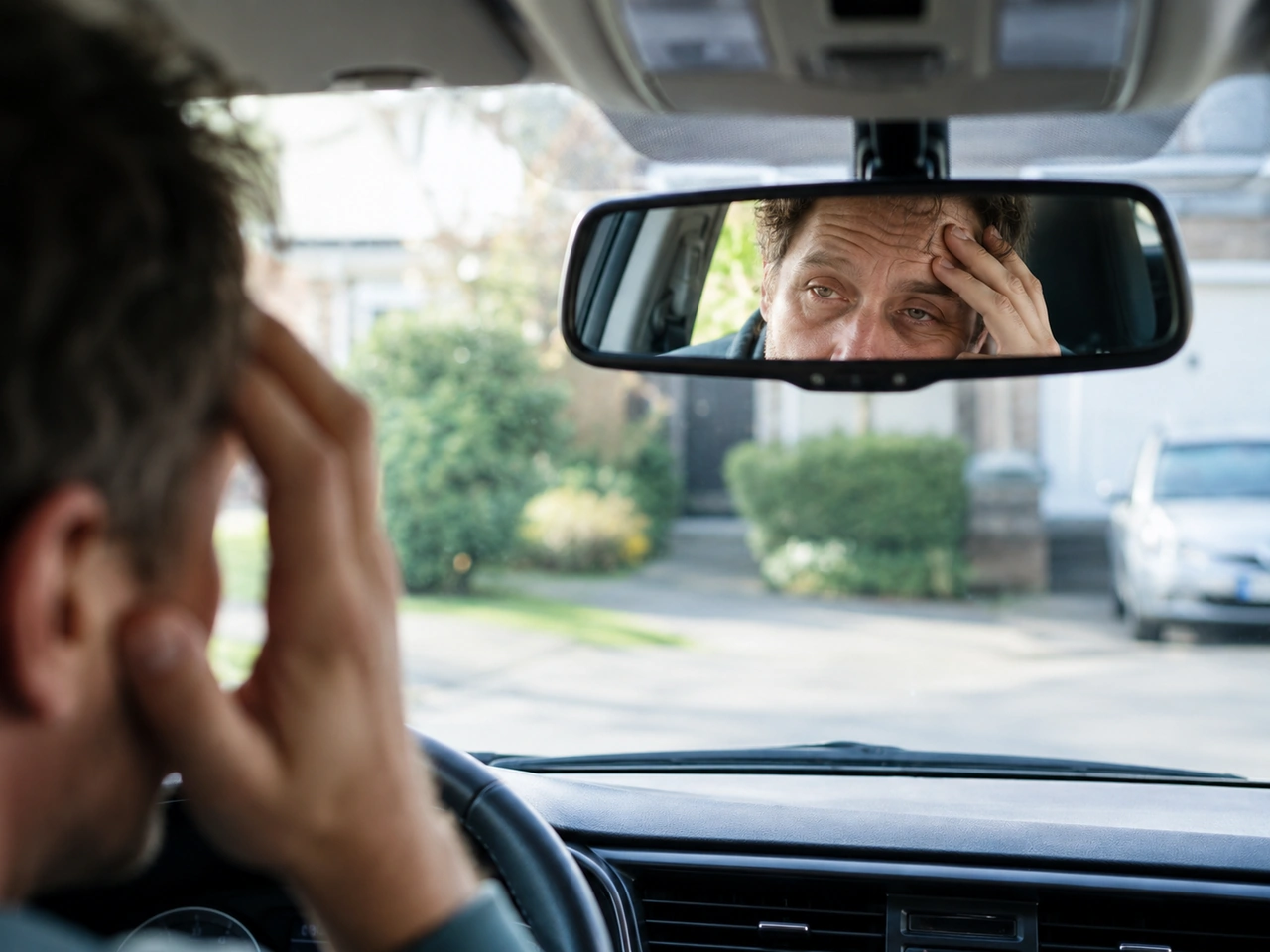
535. Can you assume that you are safe to drive the morning after drinking?
The body needs time to process alcohol. Sleeping, eating, showering, or drinking coffee does not instantly remove it.
AI-generated by Rijbewijs-online.be • WCIT • CC BY-SA
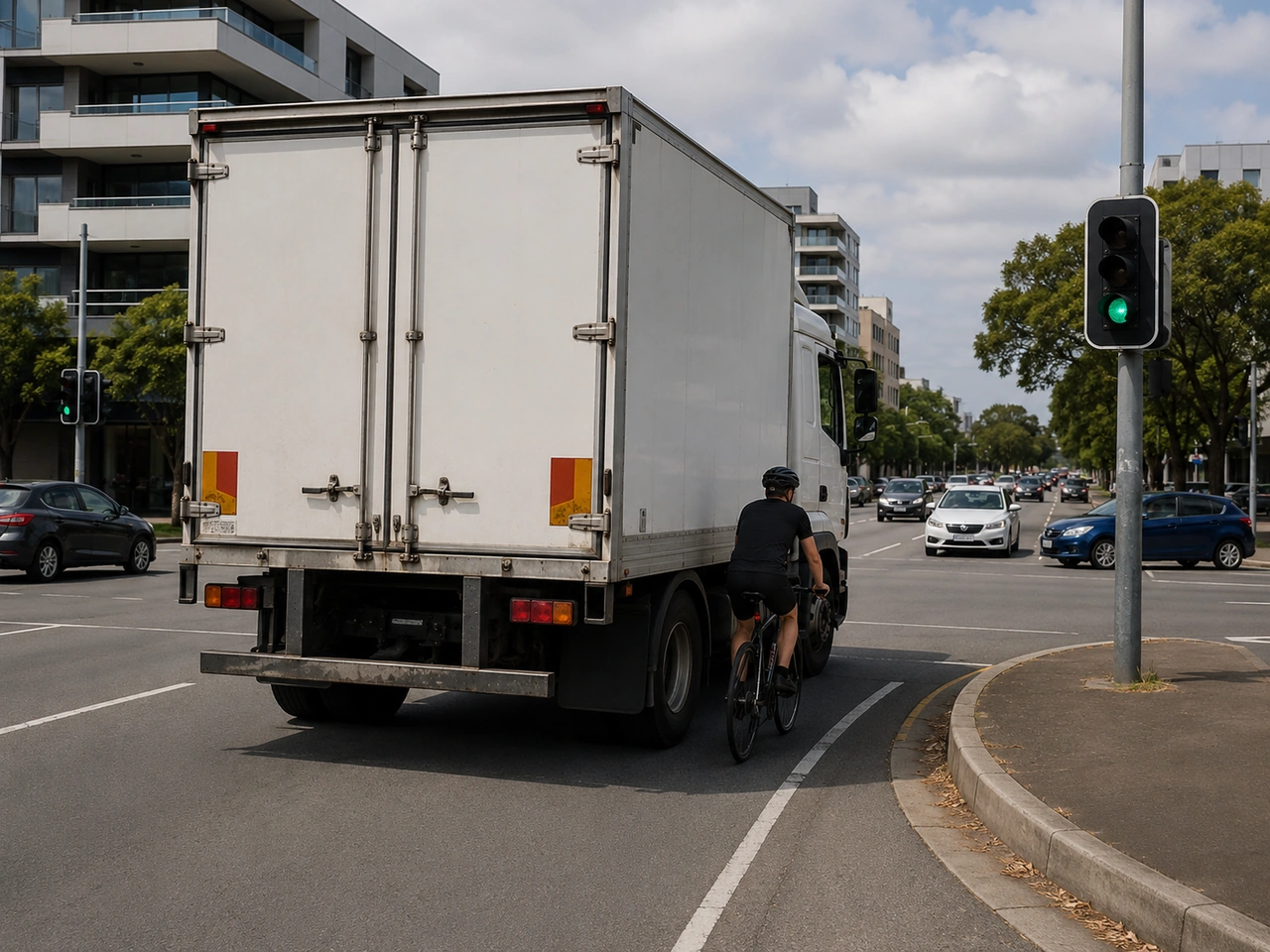
536. Why should cyclists avoid riding in a large vehicle's blind spot?
Buses and trucks have large areas where the driver cannot see cyclists, especially beside the vehicle and near turns.
AI-generated by Rijbewijs-online.be • WCIT • CC BY-SA
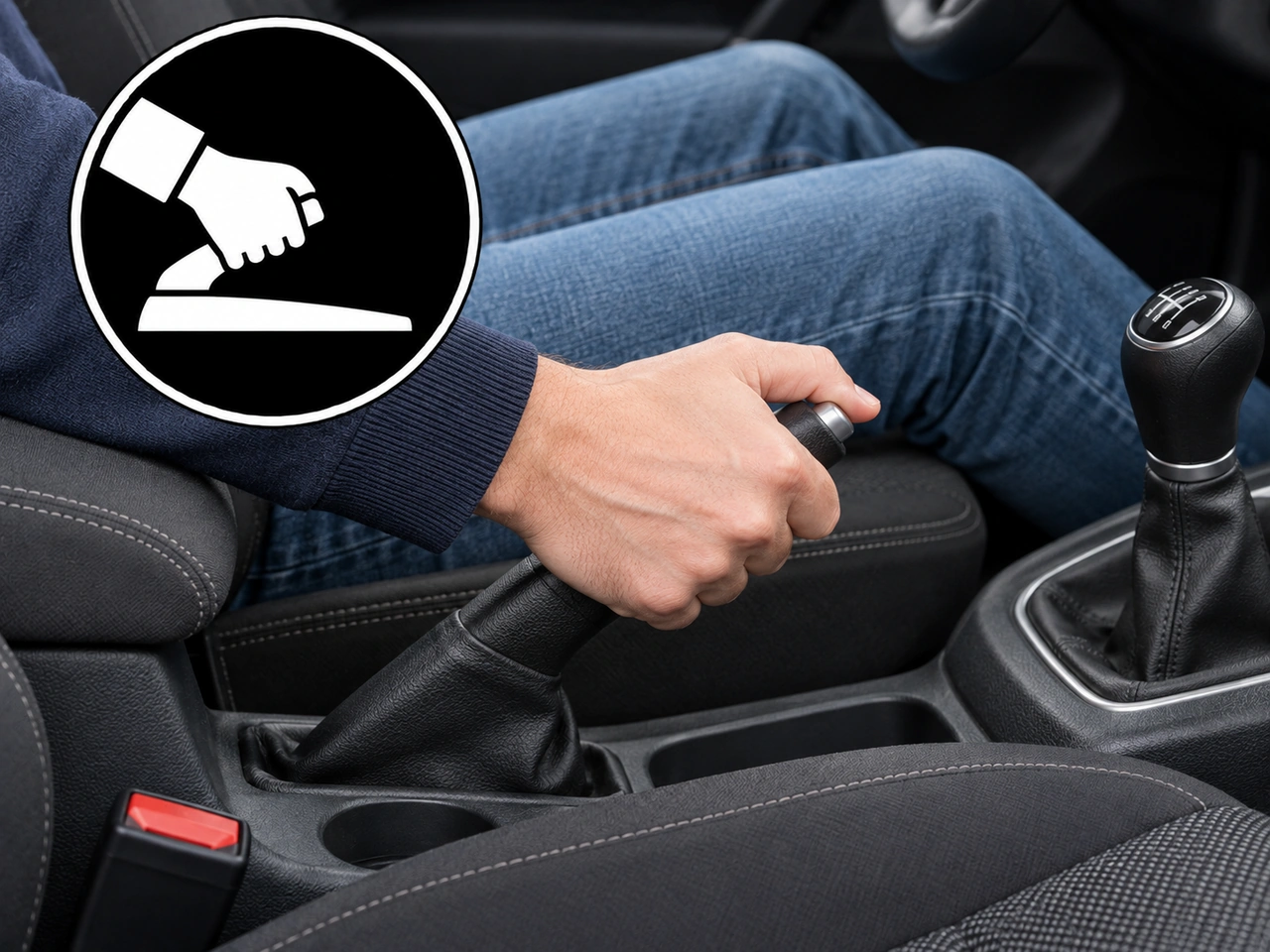
537. What is the purpose of the manual parking brake?
The manual parking brake helps keep the vehicle stationary when parked. It is normally applied by pulling up the handbrake lever and released before driving away.
AI-generated by Rijbewijs-online.be • WCIT • CC BY-SA
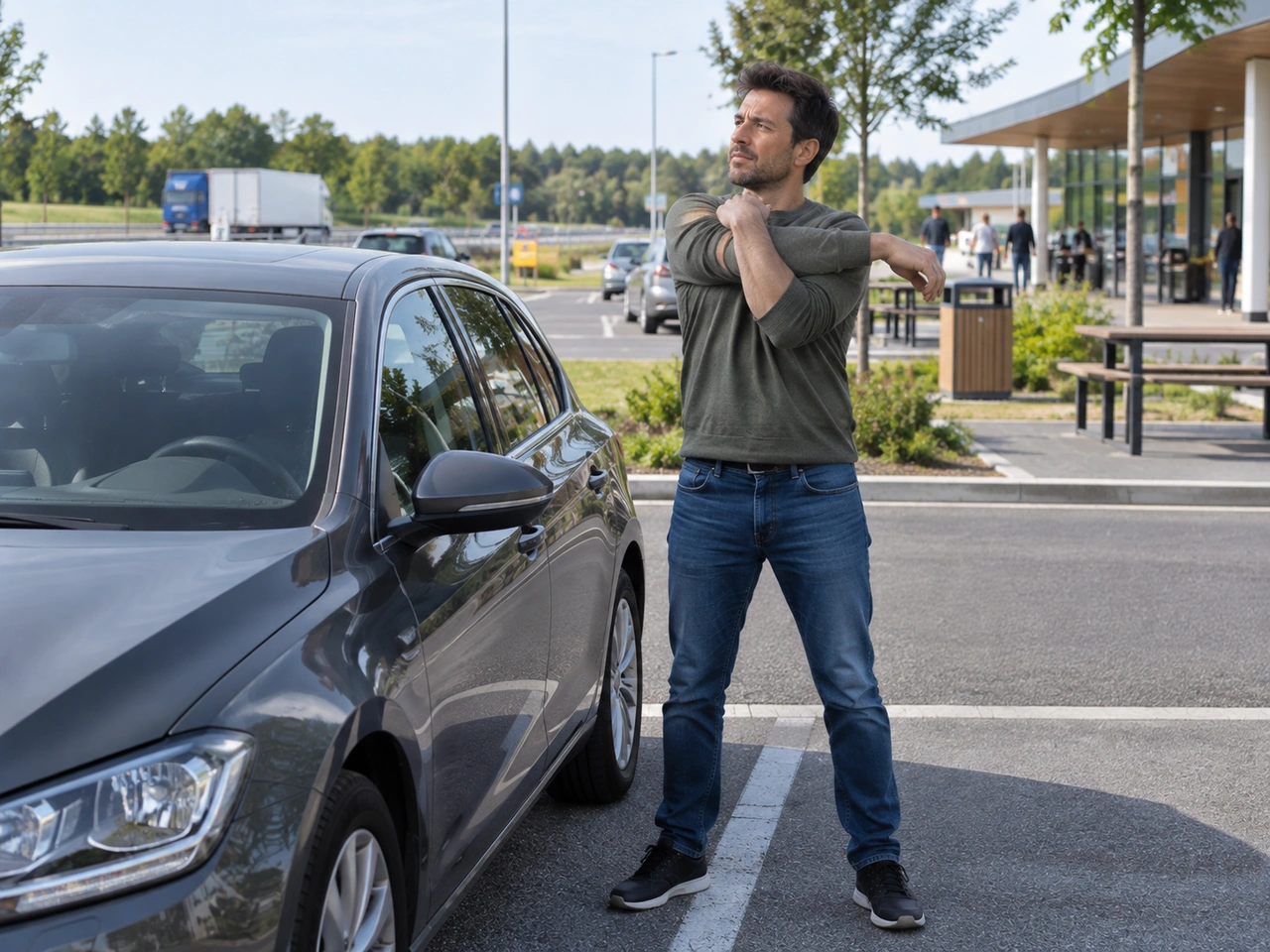
538. Why should you take regular breaks during a long journey?
Regular breaks during a long journey help reduce fatigue and maintain concentration. Do not wait until you are struggling to stay awake before stopping to rest.
AI-generated by Rijbewijs-online.be • WCIT • CC BY-SA
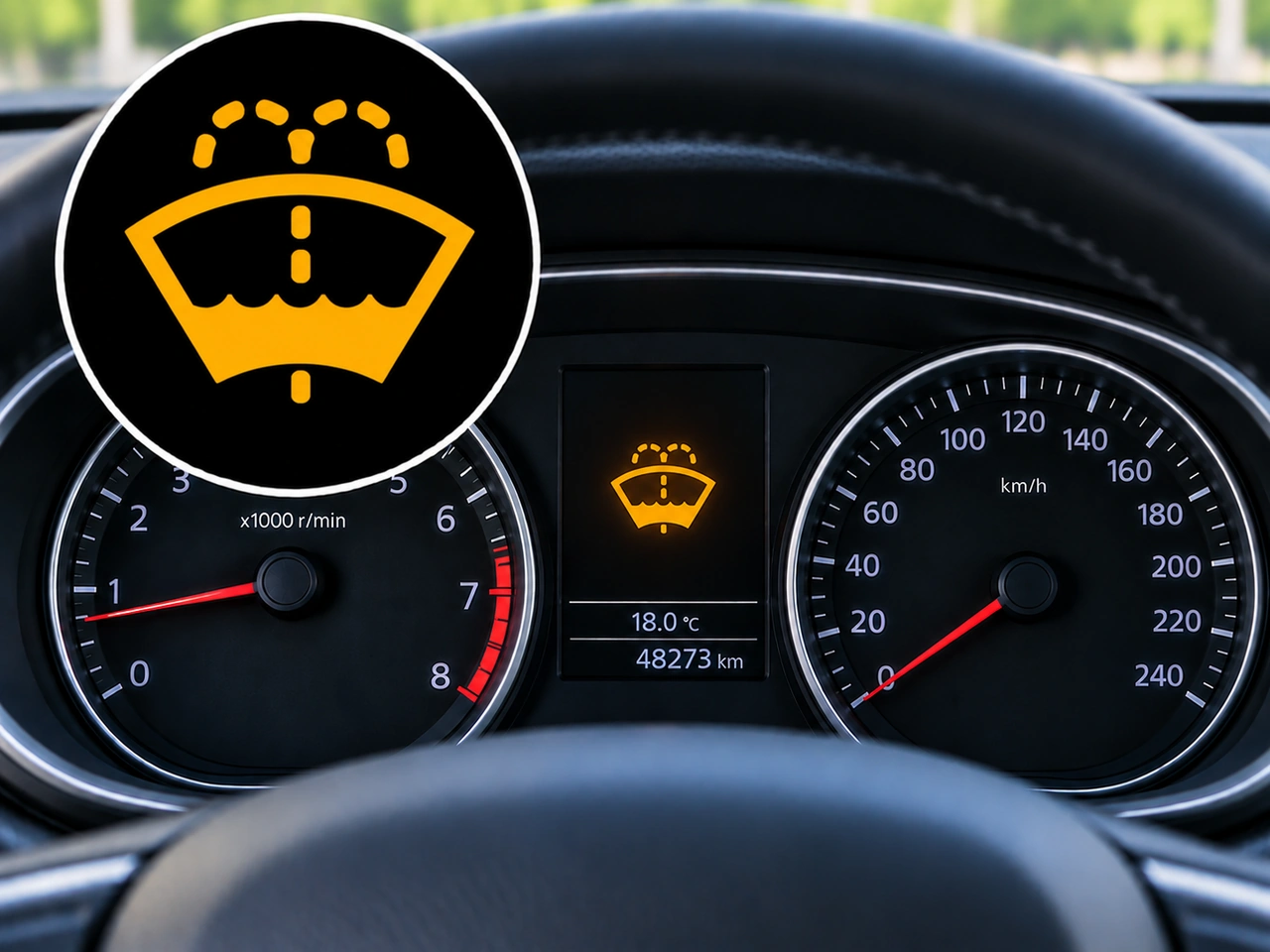
539. What does this dashboard symbol indicate?
This symbol indicates that the windscreen washer fluid level is low. Refill the washer-fluid reservoir with suitable fluid when possible.
AI-generated by Rijbewijs-online.be • WCIT • CC BY-SA
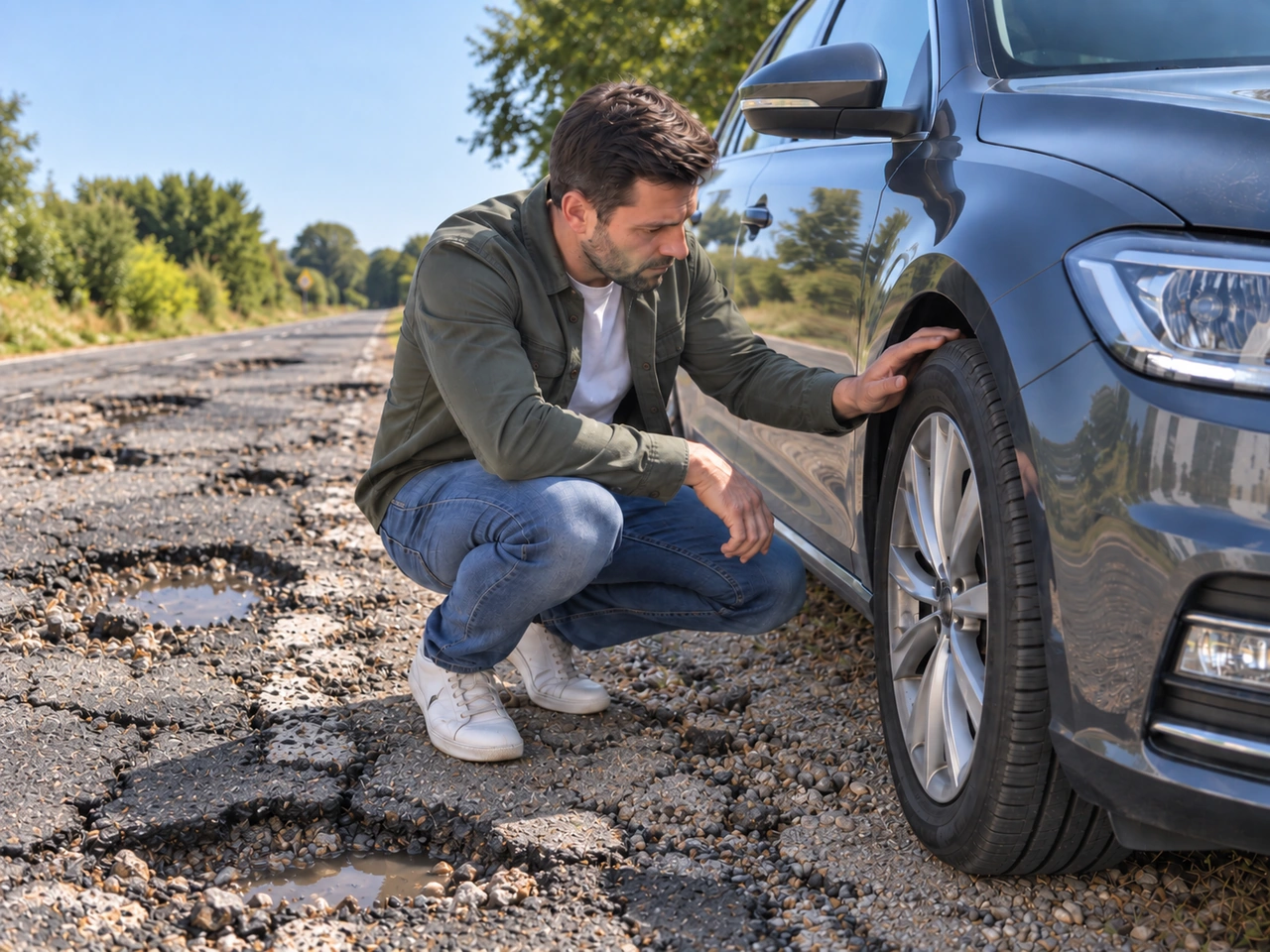
540. What should you do after hitting a deep pothole hard?
A hard impact with a pothole can damage tyres, wheel rims, steering, suspension, or wheel alignment. When it is safe to stop, inspect the tyres and wheels and pay attention to unusual vibration, pulling, or steering changes. Have the vehicle checked if you suspect damage.
AI-generated by Rijbewijs-online.be • WCIT • CC BY-SA
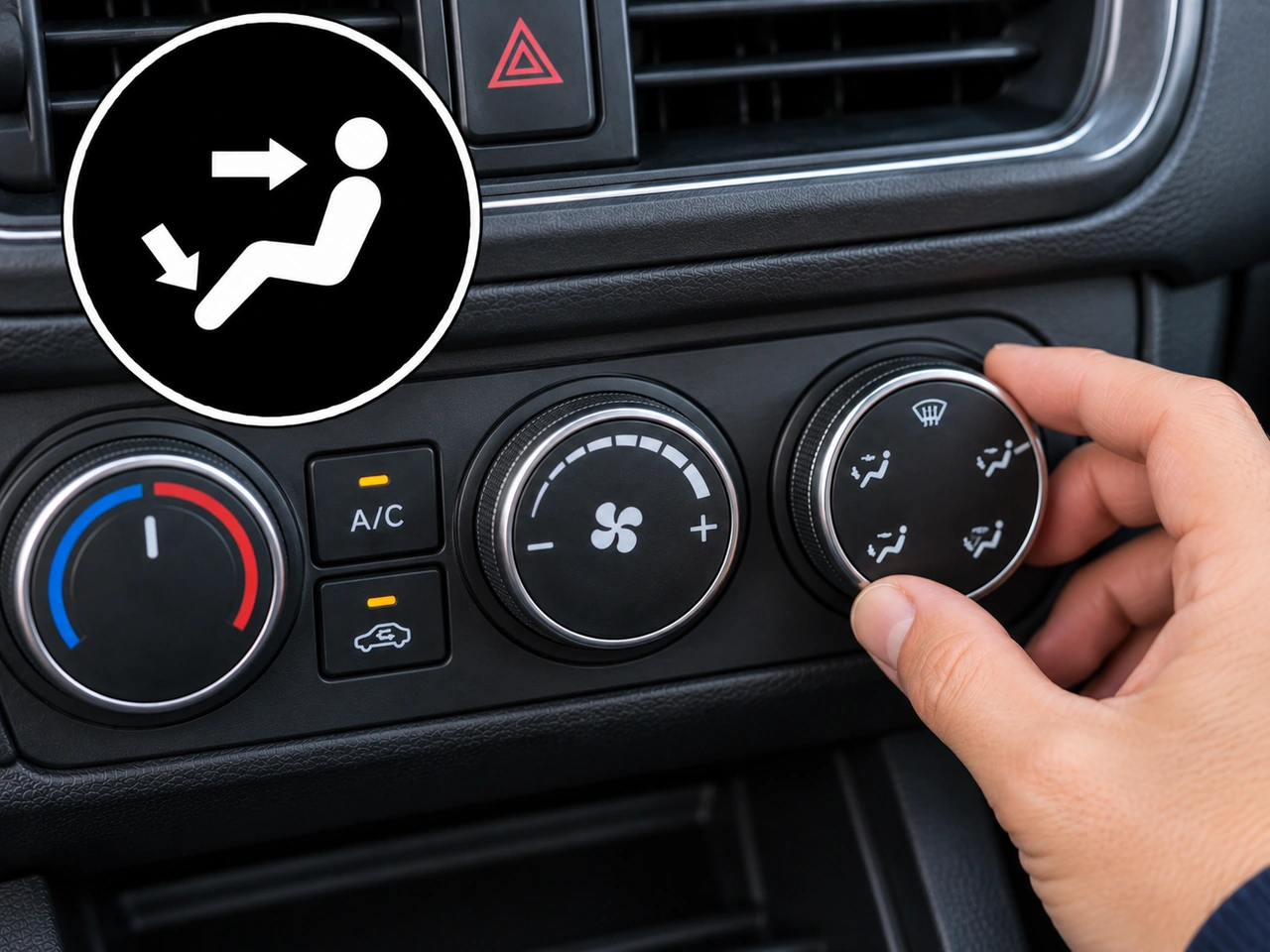
541. What does this vehicle-control symbol indicate?
This control selects the direction of the ventilation airflow, such as towards the face, feet or windscreen.
AI-generated by Rijbewijs-online.be • WCIT • CC BY-SA
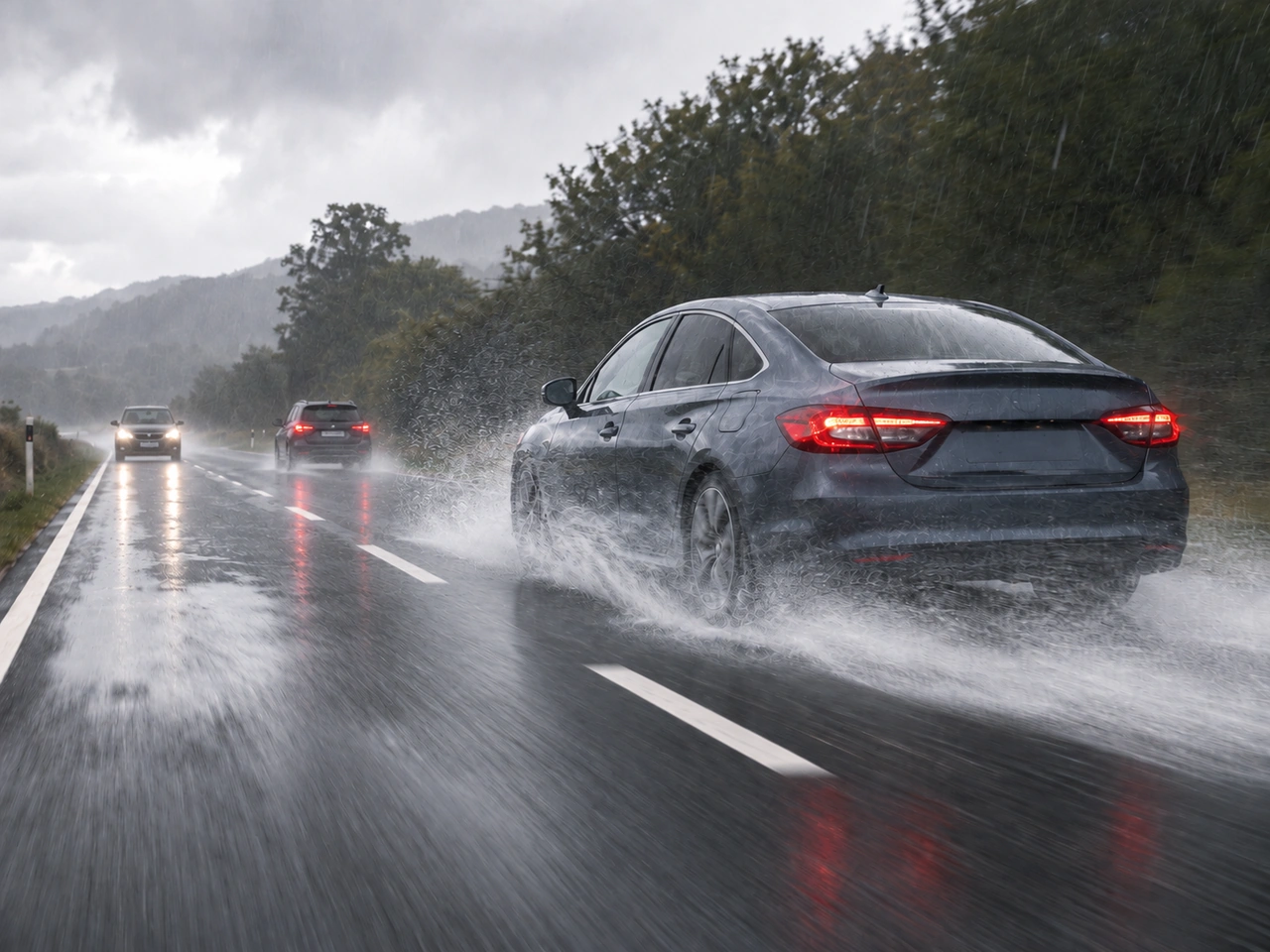
542. Why does higher speed increase the risk of aquaplaning?
At higher speeds, the tyres may not disperse water effectively, making it easier for the vehicle to lose contact with the road.
AI-generated by Rijbewijs-online.be • WCIT • CC BY-SA
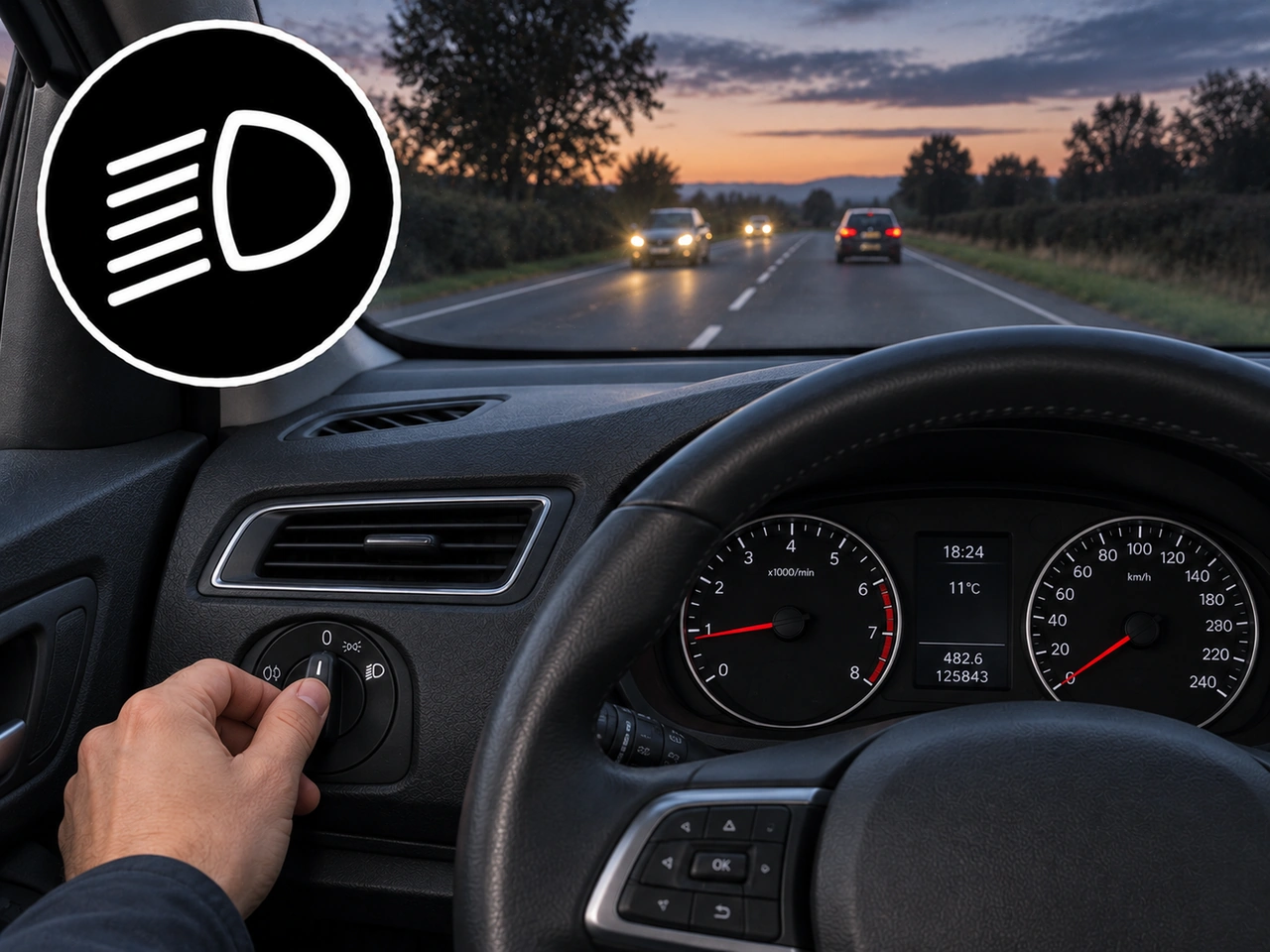
543. Which control is normally used to switch on the dipped headlights?
The lighting control is normally used to switch on the dipped headlights. Depending on the vehicle, it may be a rotary switch or part of a lighting stalk.
AI-generated by Rijbewijs-online.be • WCIT • CC BY-SA
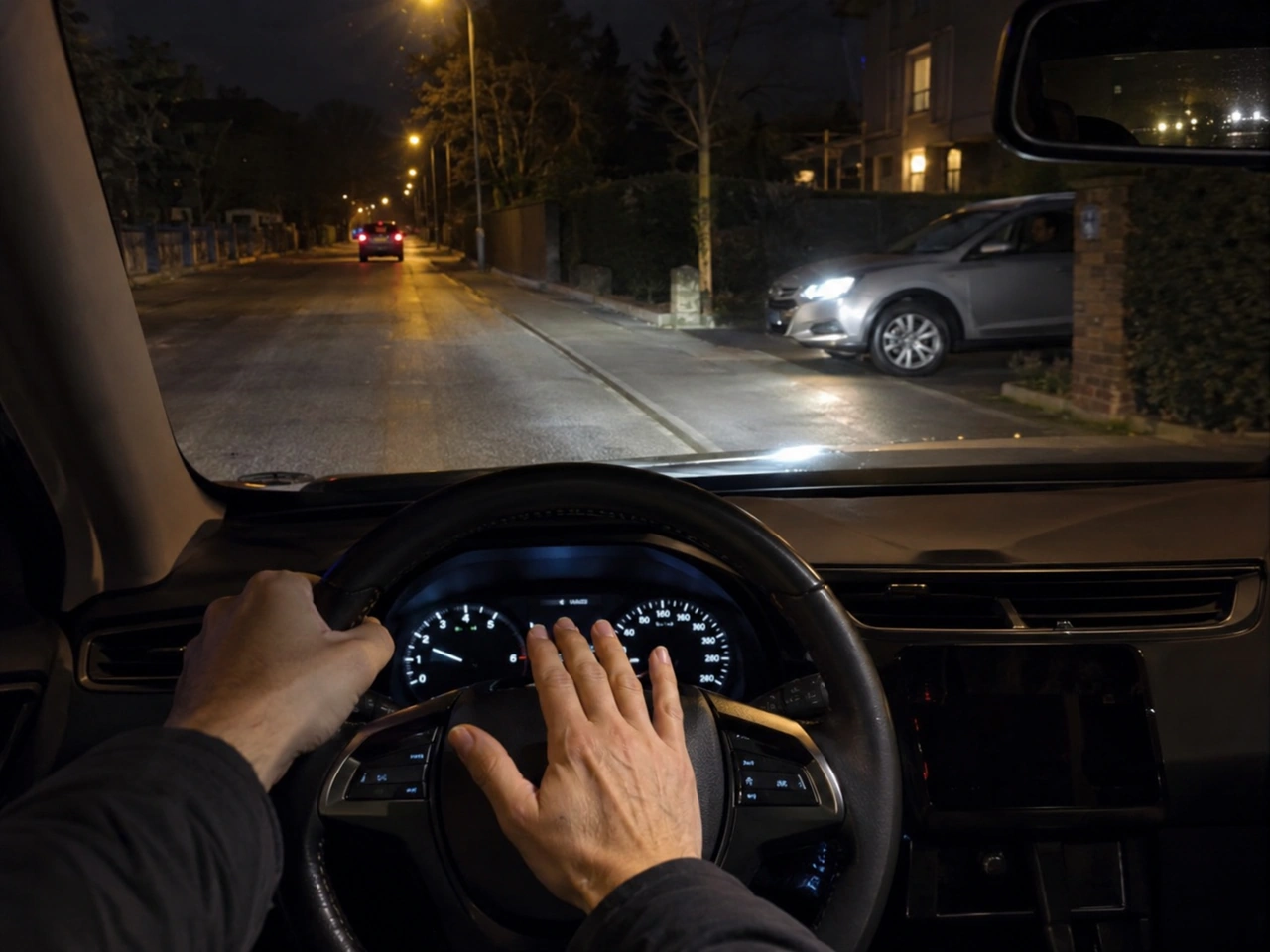
544. When may drivers normally use the horn at night in Belgium?
At night in Belgium, use of the horn is generally restricted to situations where it is necessary to avoid danger.
AI-generated by Rijbewijs-online.be • WCIT • CC BY-SA
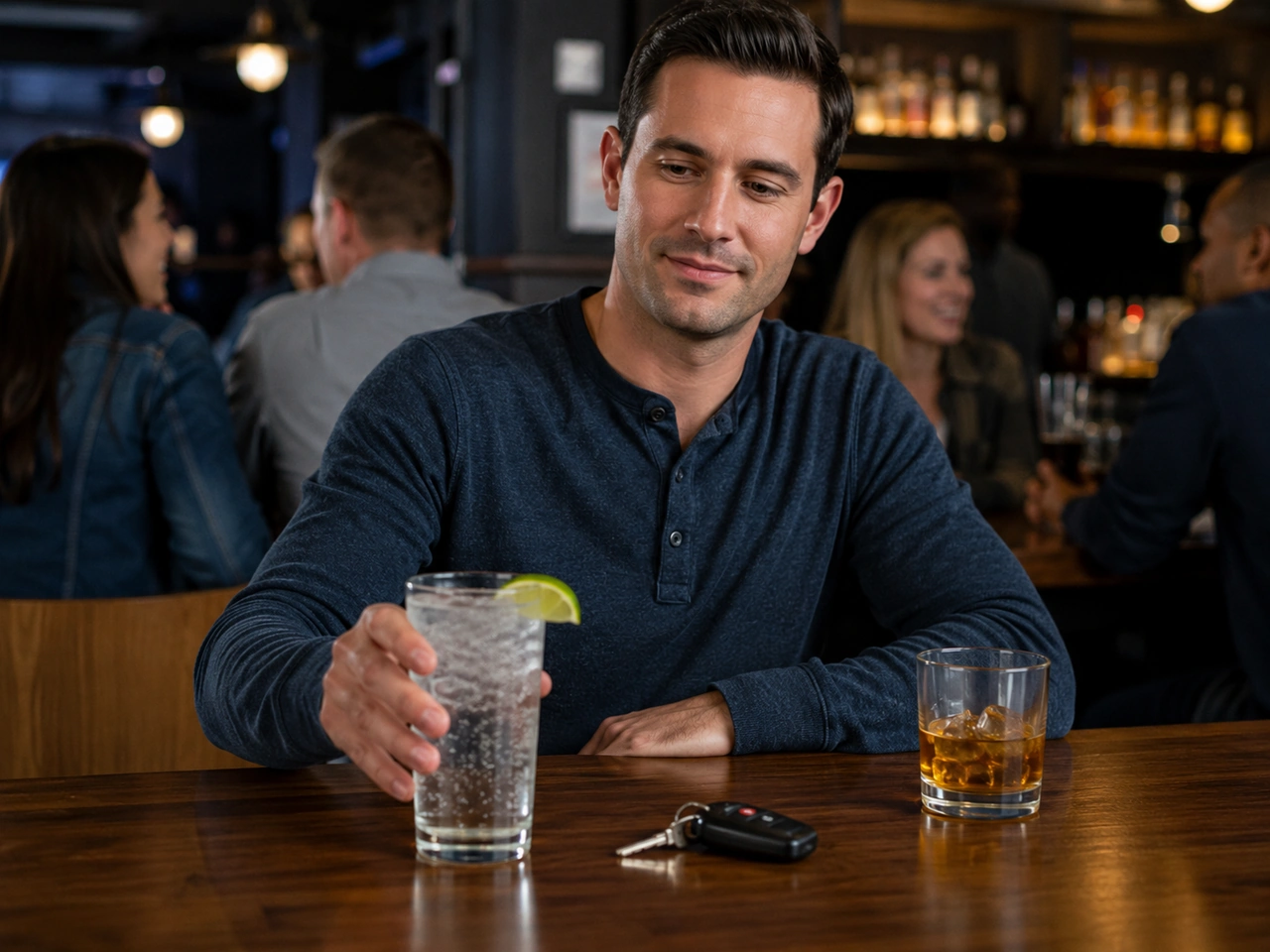
545. What should a designated driver do?
A designated driver should remain sober so they can drive safely and respond properly to traffic conditions.
AI-generated by Rijbewijs-online.be • WCIT • CC BY-SA
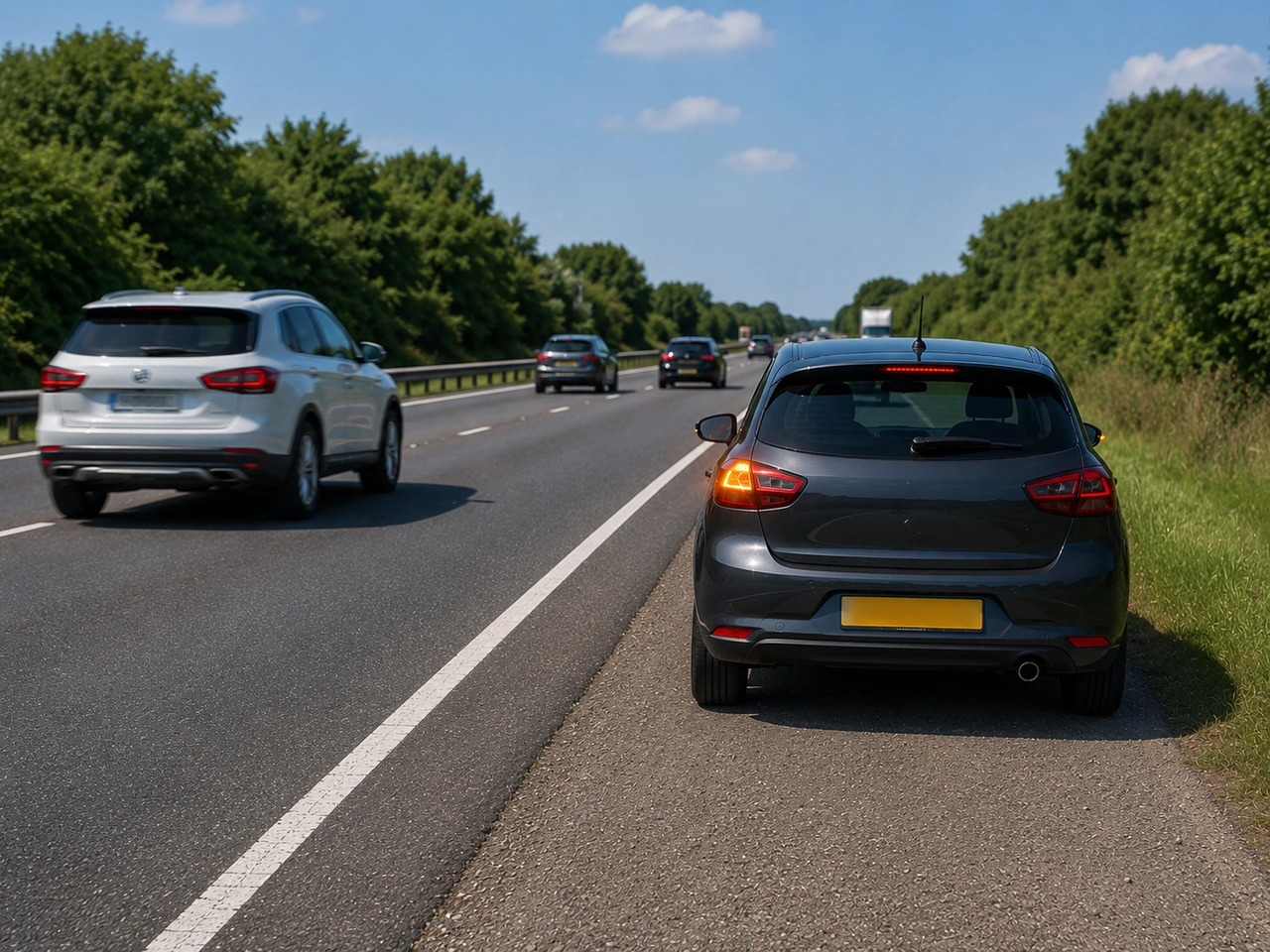
546. What should you do before rejoining traffic after a breakdown?
Check mirrors and blind spots, signal clearly, and build up speed safely without causing approaching traffic to brake suddenly.
AI-generated by Rijbewijs-online.be • WCIT • CC BY-SA
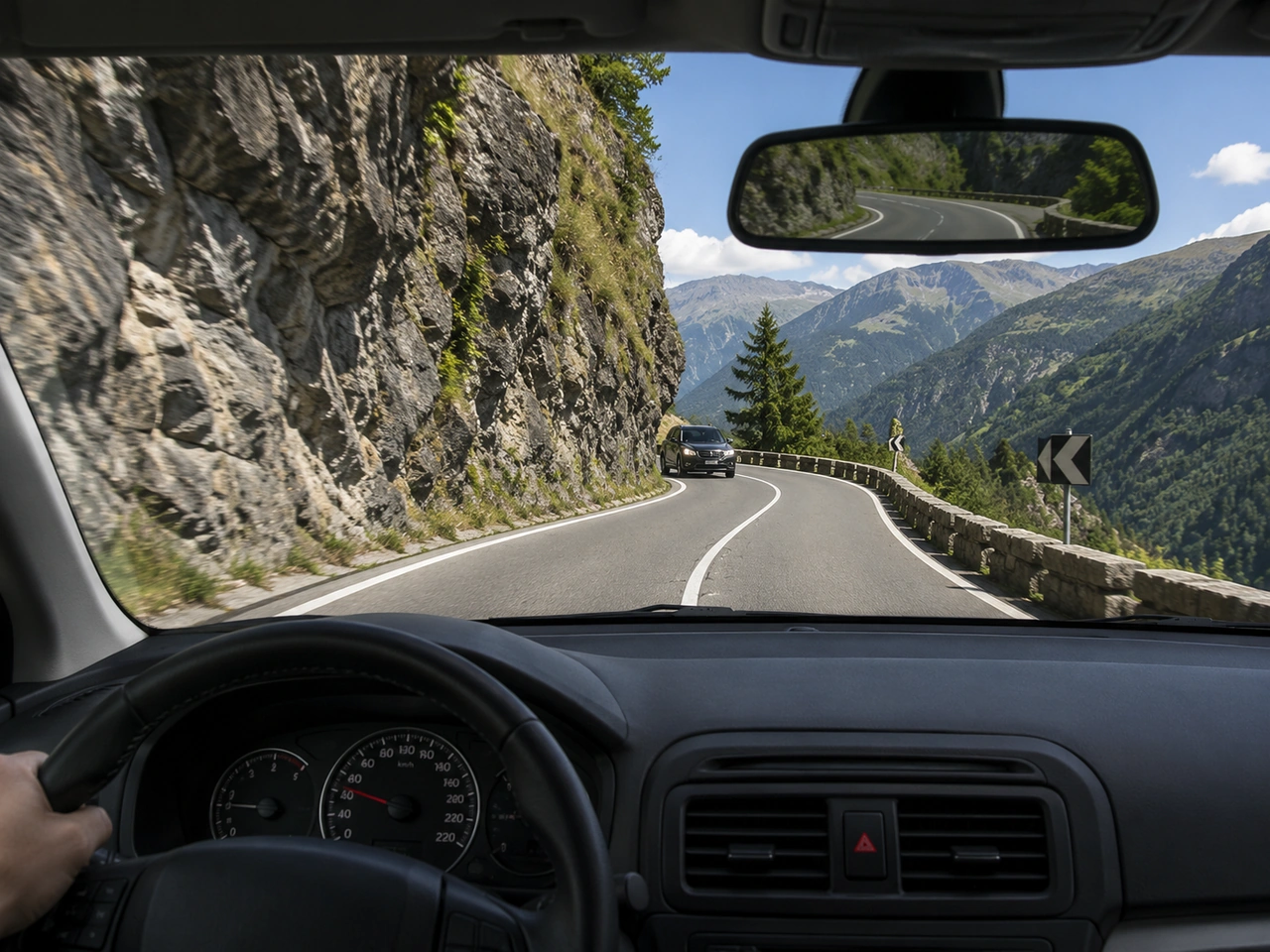
547. How should you approach a sharp bend on a mountain road?
Mountain bends may hide oncoming vehicles, cyclists, animals, or debris. Slow down before entering and keep a safe road position.
AI-generated by Rijbewijs-online.be • WCIT • CC BY-SA
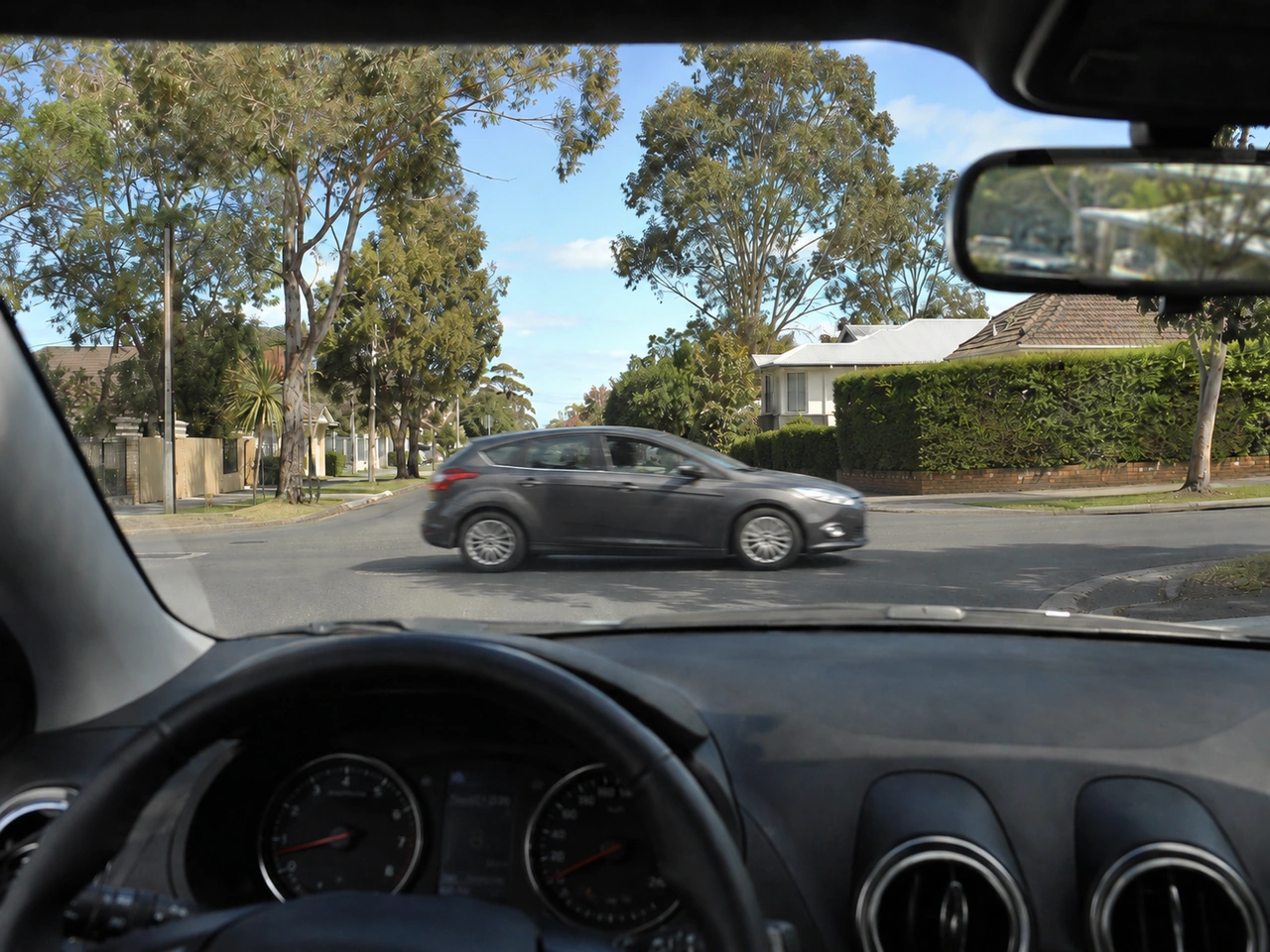
548. What should you do if another driver does not give way when they should?
Even if you have priority, safety comes first. Slow down, stay calm, and avoid creating a dangerous situation.
AI-generated by Rijbewijs-online.be • WCIT • CC BY-SA
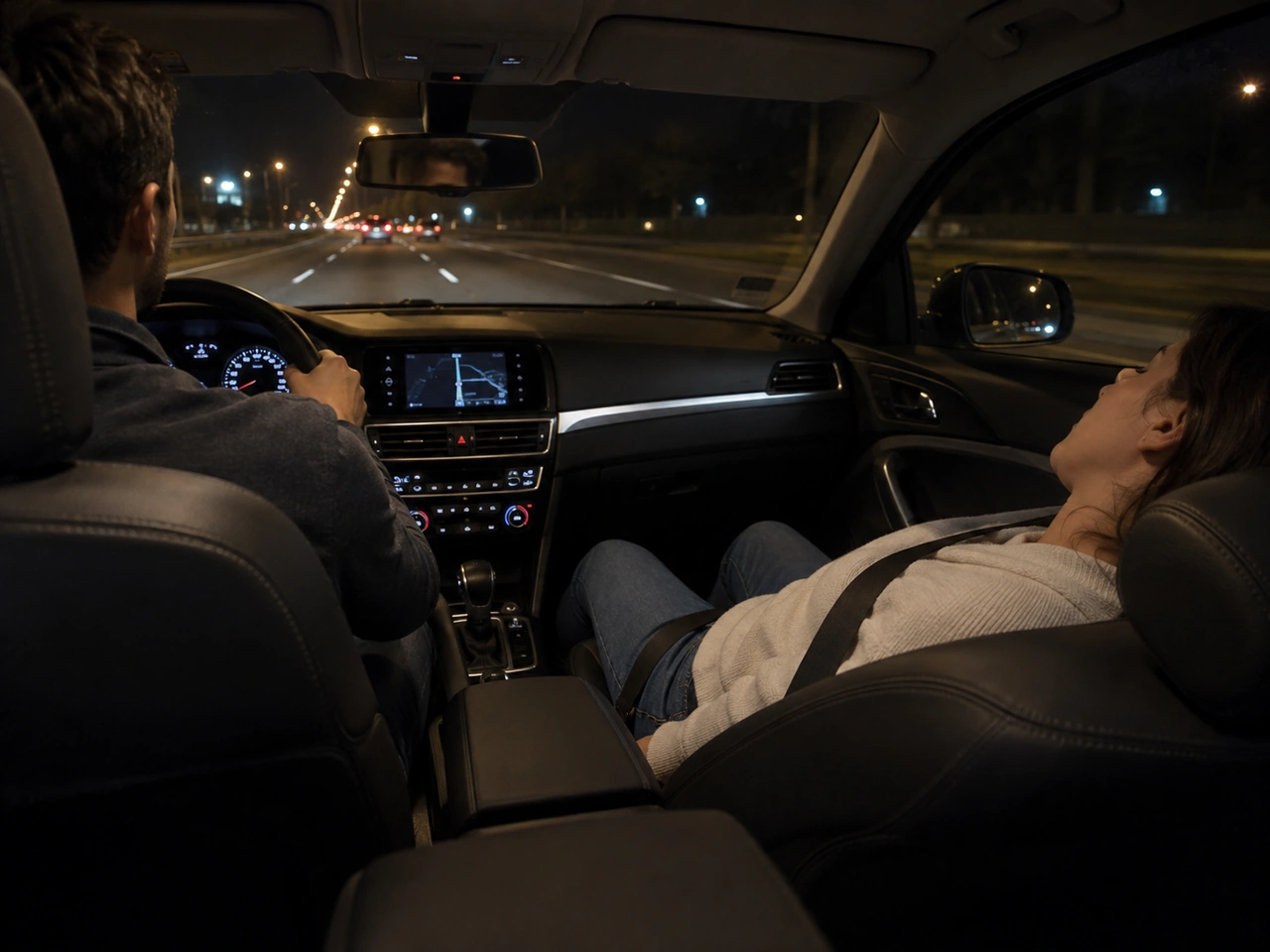
549. Why should you avoid travelling with the seatback excessively reclined?
An excessively reclined seat can affect how the seat belt fits and restrains your body and may increase the risk of sliding under the lap belt in a collision. Sit in a reasonably upright position so the lap belt stays low across the hips and the shoulder belt lies correctly across the chest.
AI-generated by Rijbewijs-online.be • WCIT • CC BY-SA
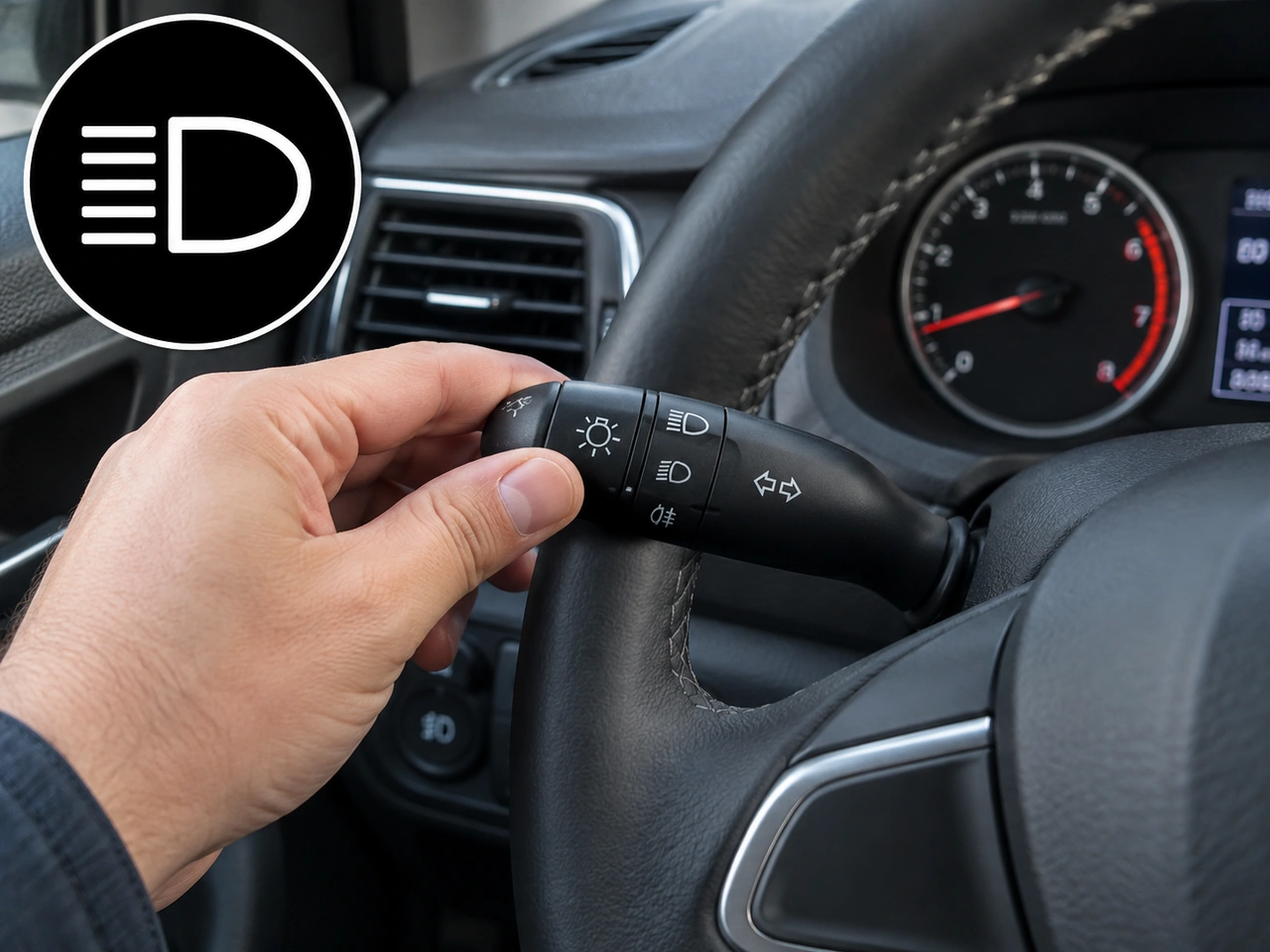
550. Which control is normally used to switch between dipped and main beam headlights?
The lighting stalk is normally used to switch between dipped and main beam headlights. The exact movement varies between vehicles, so check the vehicle controls before driving.
AI-generated by Rijbewijs-online.be • WCIT • CC BY-SA