


QuizTraffic rulesBelgium
Test your knowledge with our multiple-choice quiz. Learn from each answer and improve your understanding of the traffic rules and road signs of Belgium.
 Traffic signs
 Traffic rules
 Belgium
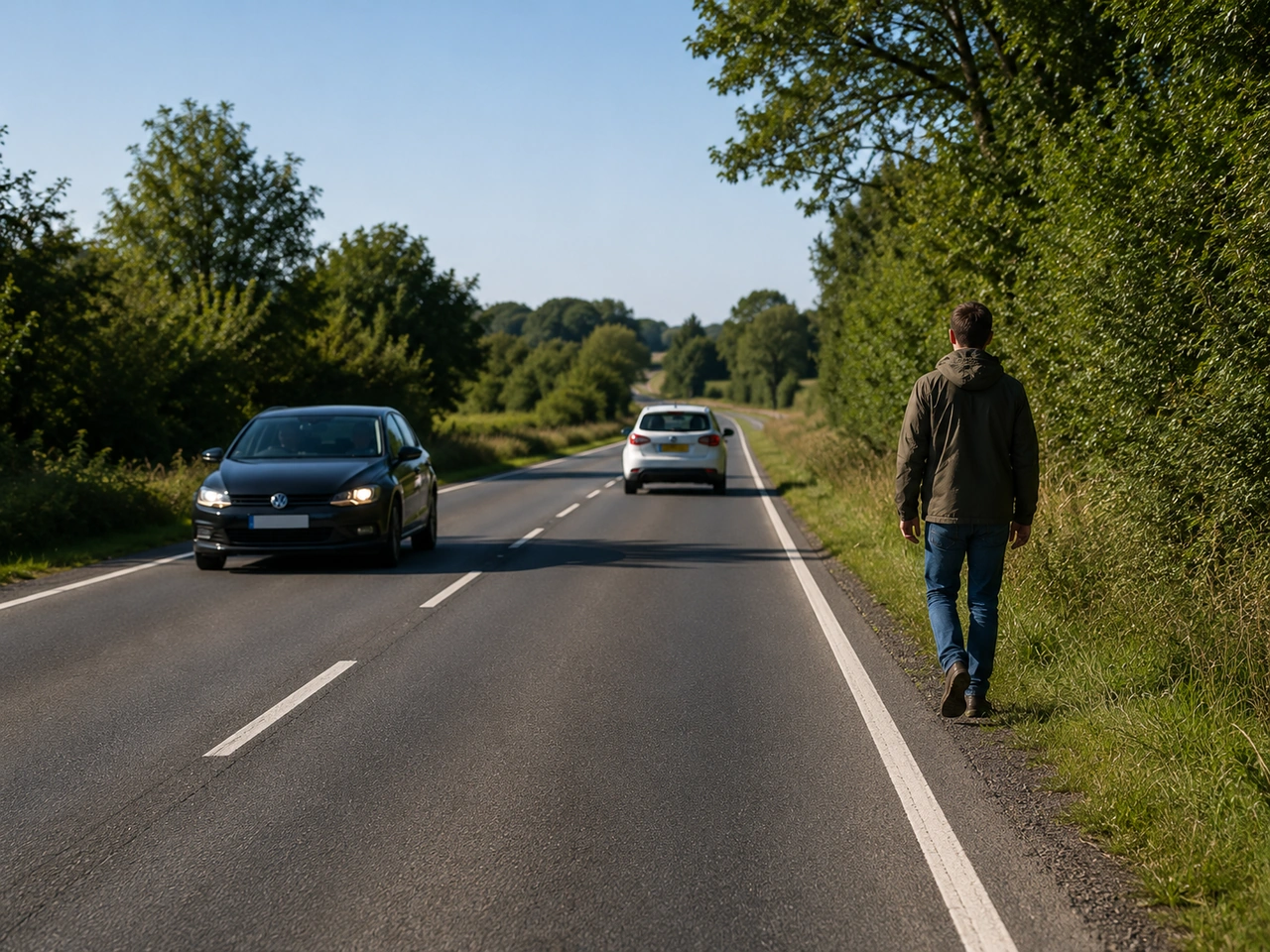
201. What should you do if there is no pavement?
If there is no pavement, stay as far from traffic as possible and remain alert. The exact side of the road depends on local traffic rules.
AI-generated by Rijbewijs-online.be • WCIT • CC BY-SA

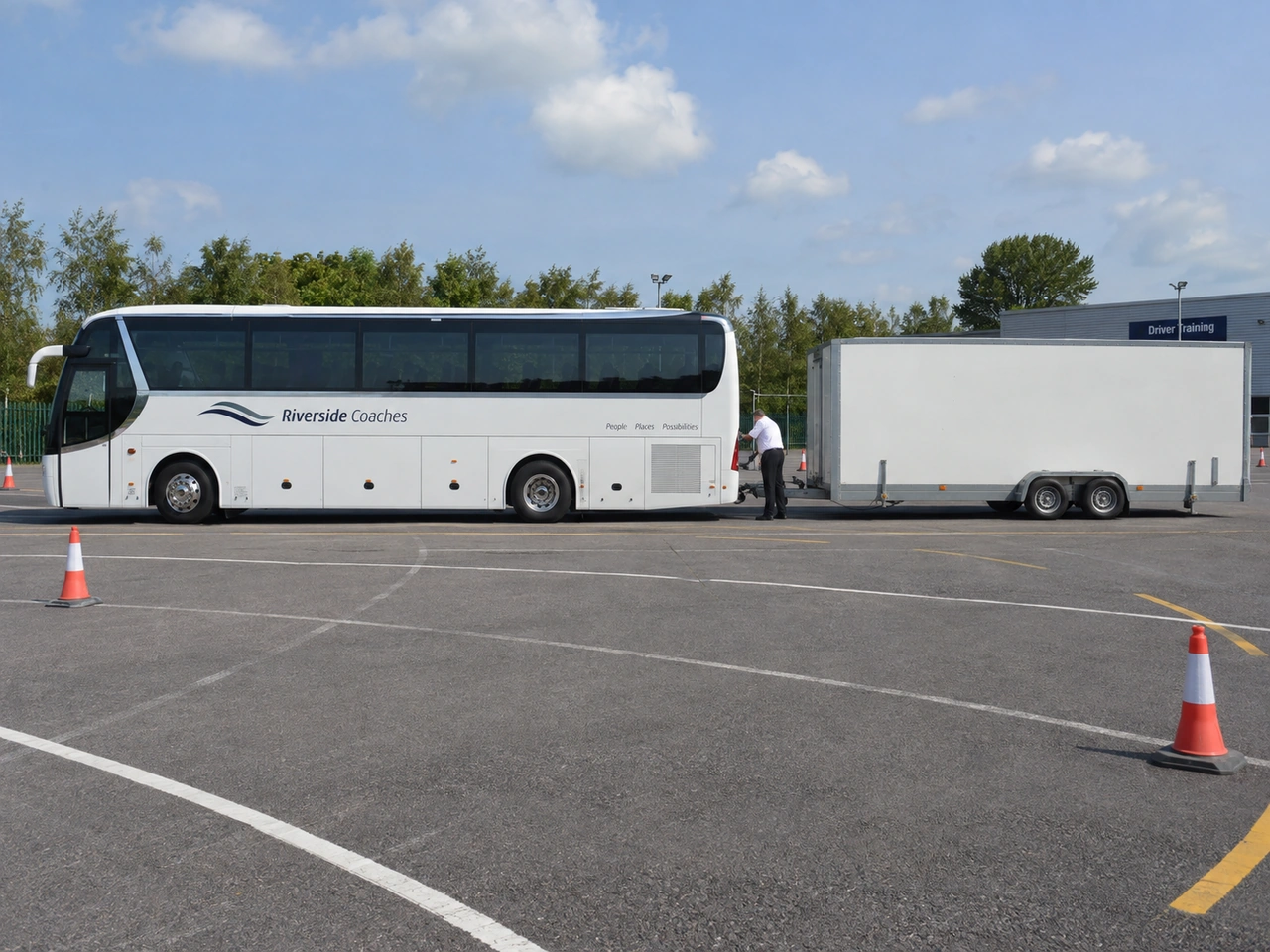
202. What is the minimum licence for a D bus towing a trailer over 750 kg?
Category D permits a trailer with a maximum authorised mass of up to 750 kg. A category D vehicle towing a trailer above 750 kg requires category DE.
AI-generated by Rijbewijs-online.be • WCIT • CC BY-SA
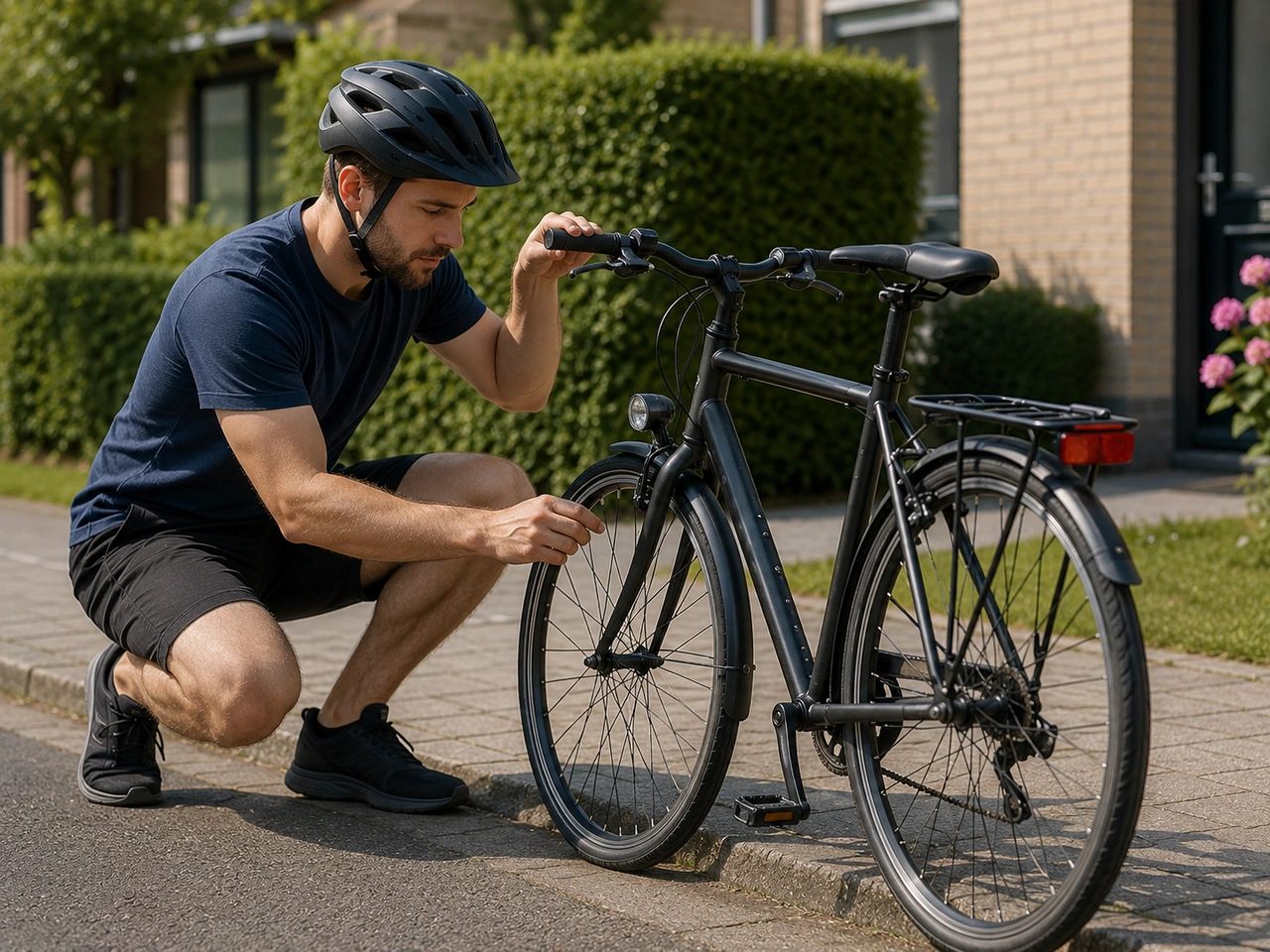
203. What should you check before starting a bicycle journey?
A basic safety check can reveal problems with the brakes, tyres, lights, or steering before they cause an accident.
AI-generated by Rijbewijs-online.be • WCIT • CC BY-SA
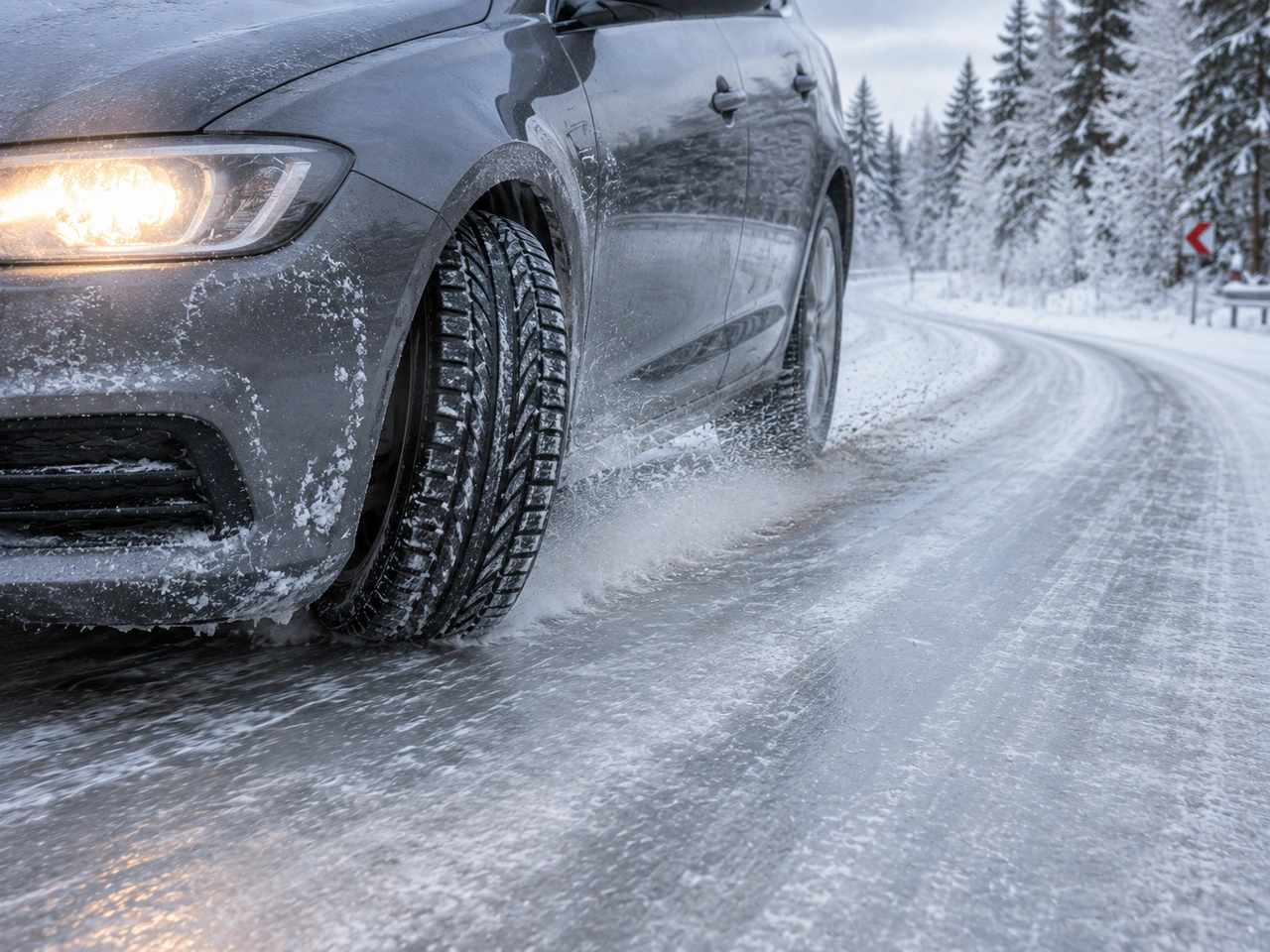
204. Why should you avoid sudden steering movements on snow or ice?
Abrupt steering can overwhelm the limited grip available on a slippery surface. Steering smoothly helps keep the vehicle stable.
AI-generated by Rijbewijs-online.be • WCIT • CC BY-SA
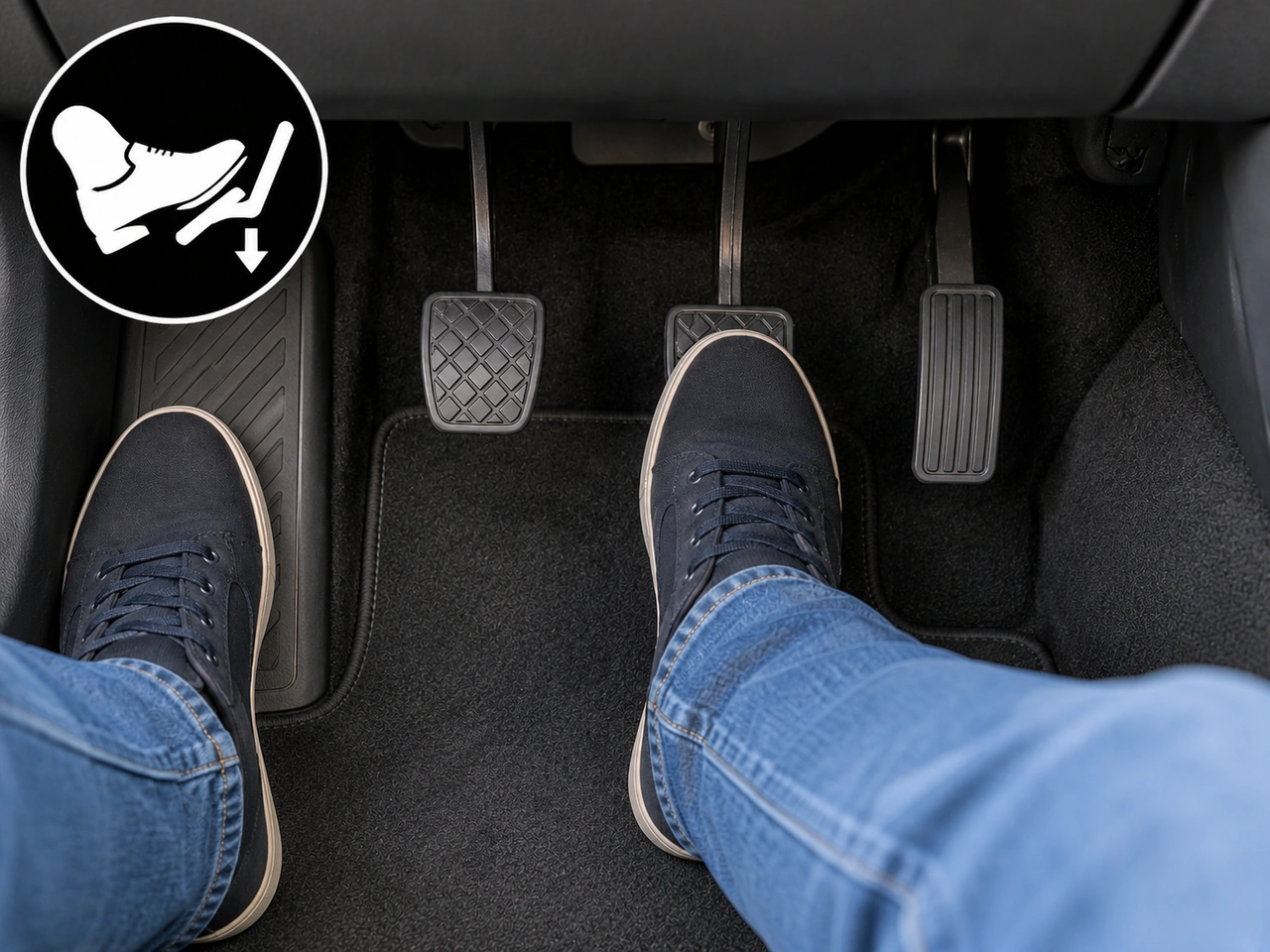
205. How should you normally apply the brake pedal for a smooth stop?
For normal braking, apply the brake pedal progressively and smoothly. As the vehicle comes to a stop, easing the pressure slightly can help avoid a sudden jerk.
AI-generated by Rijbewijs-online.be • WCIT • CC BY-SA
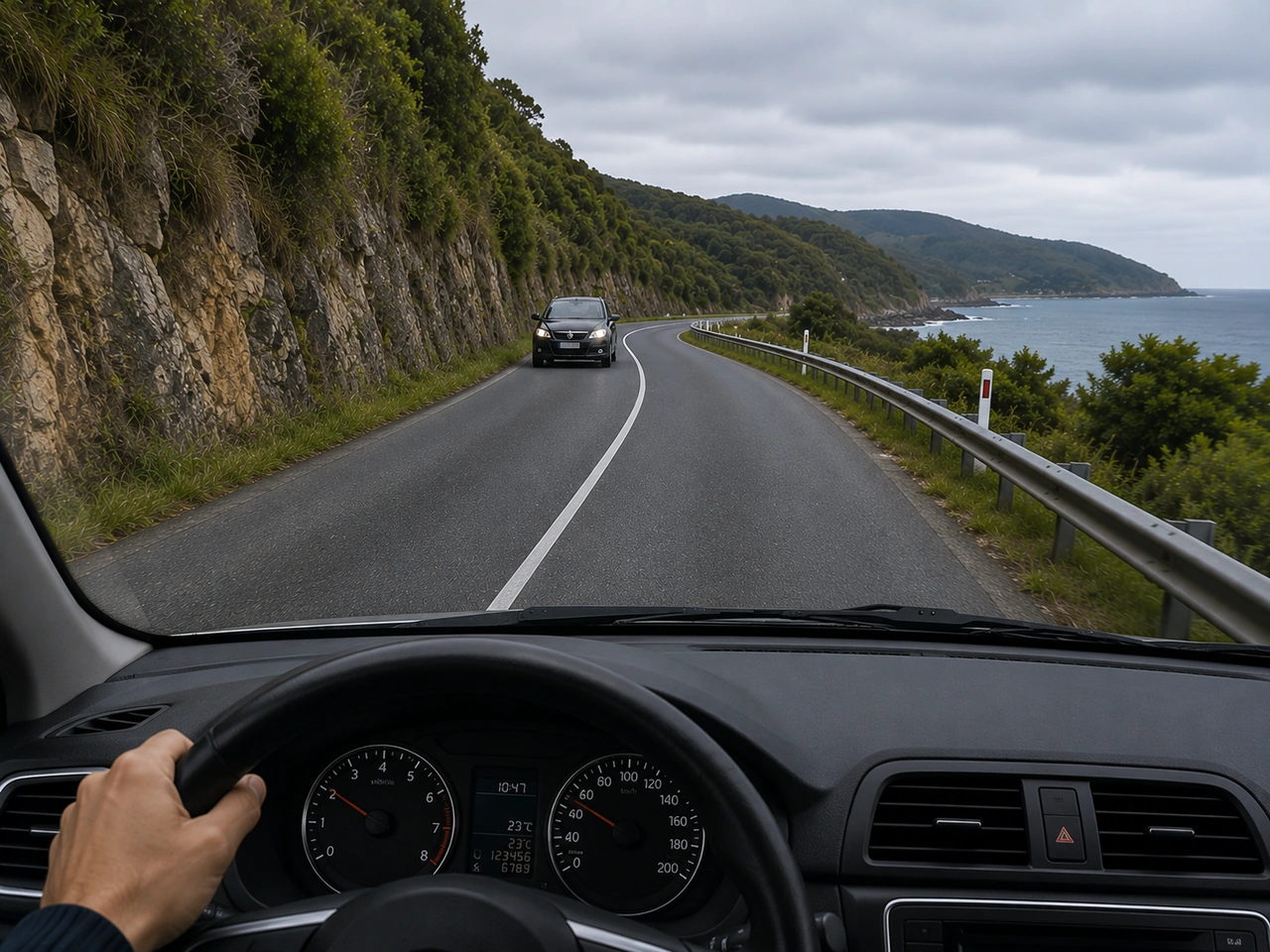
206. What should you do when approaching a curve with poor visibility?
A curve can hide oncoming traffic, obstacles, cyclists, or pedestrians. Reduce speed and keep a safe position.
AI-generated by Rijbewijs-online.be • WCIT • CC BY-SA
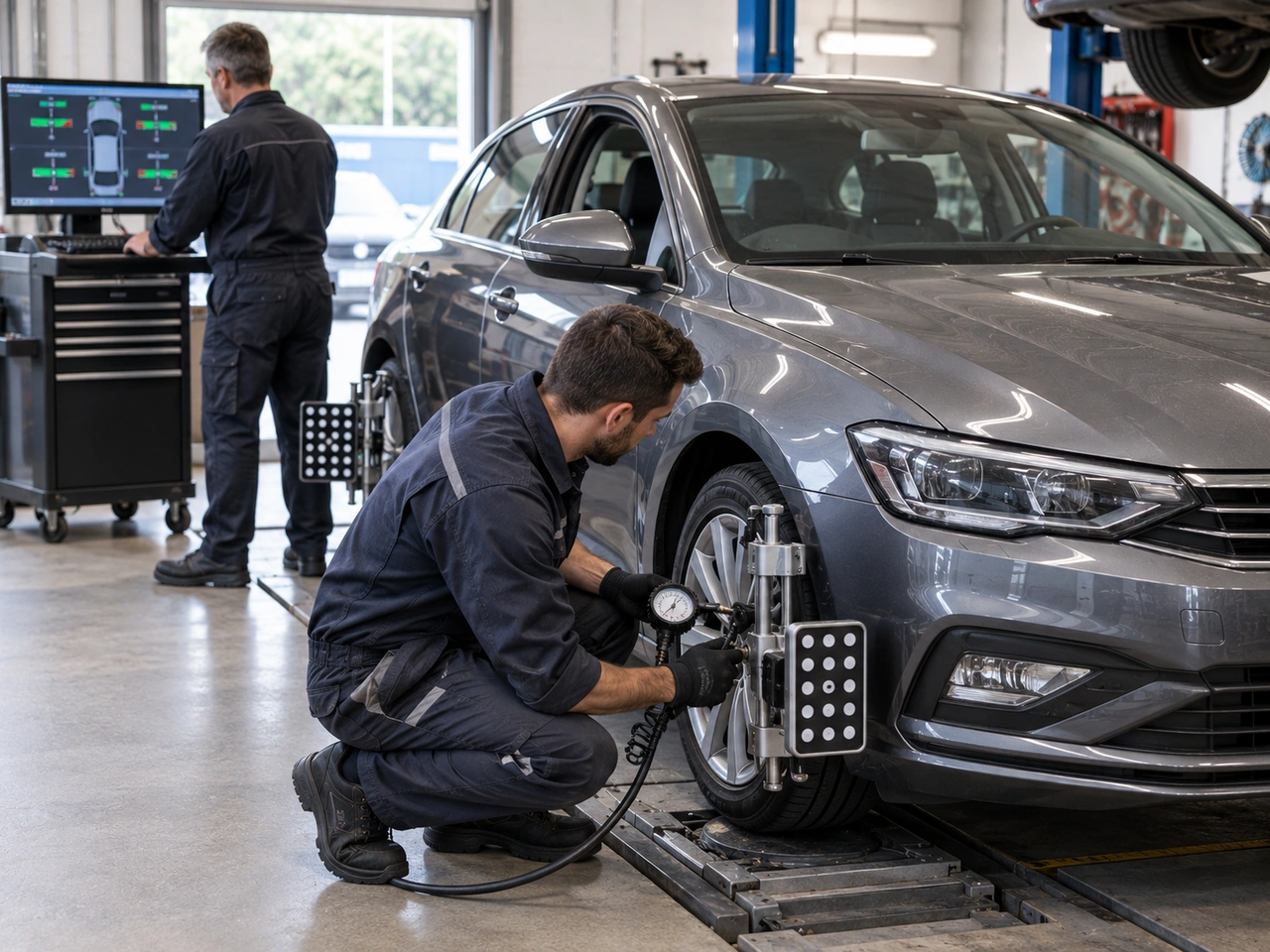
207. What should you do if the vehicle consistently pulls to one side?
Persistent pulling can be caused by incorrect tyre pressure, wheel misalignment, suspension wear, or a braking fault. It should not be ignored.
AI-generated by Rijbewijs-online.be • WCIT • CC BY-SA
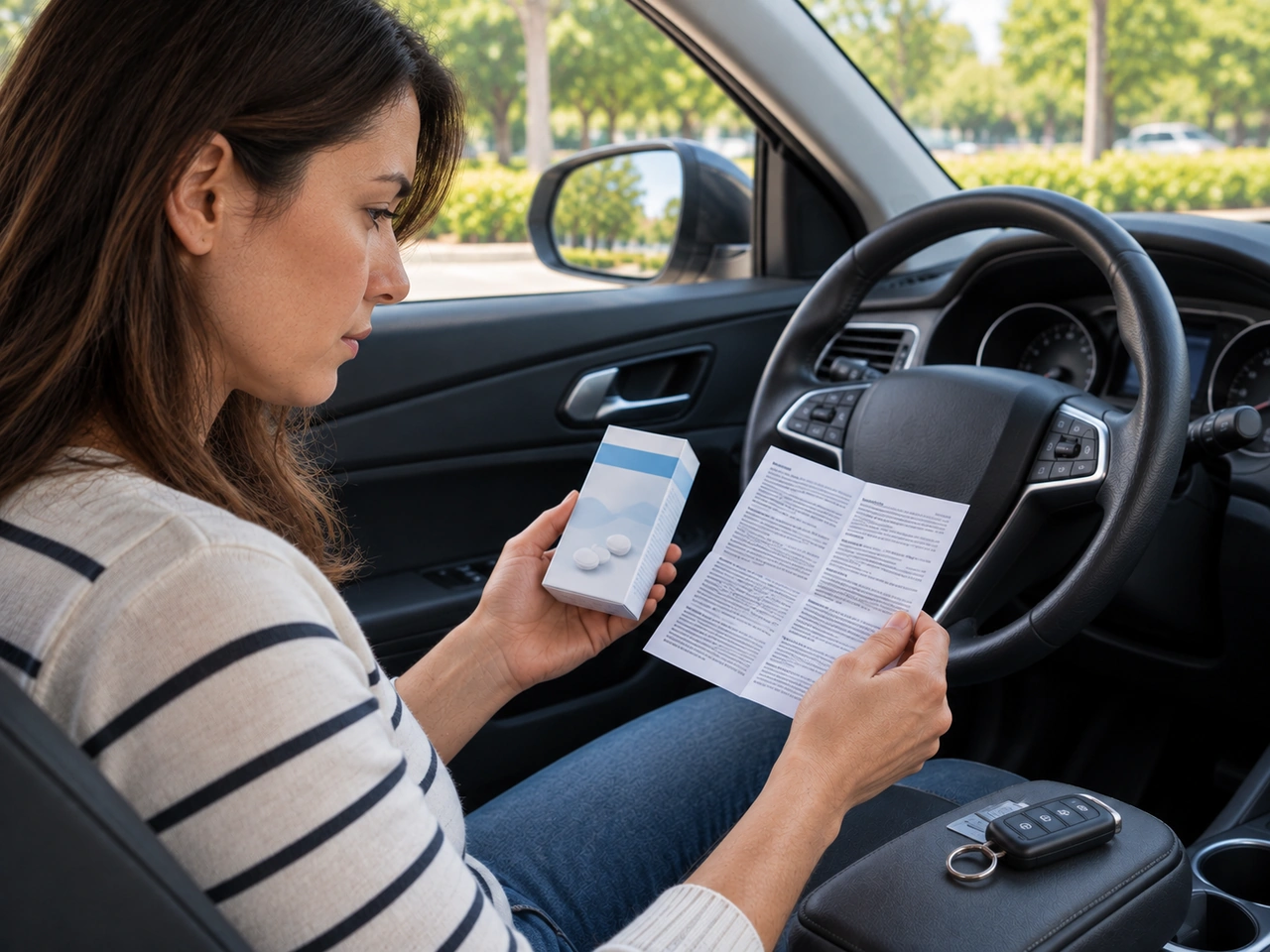
208. What should you do before driving after taking medicine?
Some medicines can affect driving ability by causing drowsiness, dizziness, blurred vision, slower reactions, or reduced concentration. Check the label or patient information and follow advice from your doctor or pharmacist before driving.
AI-generated by Rijbewijs-online.be • WCIT • CC BY-SA
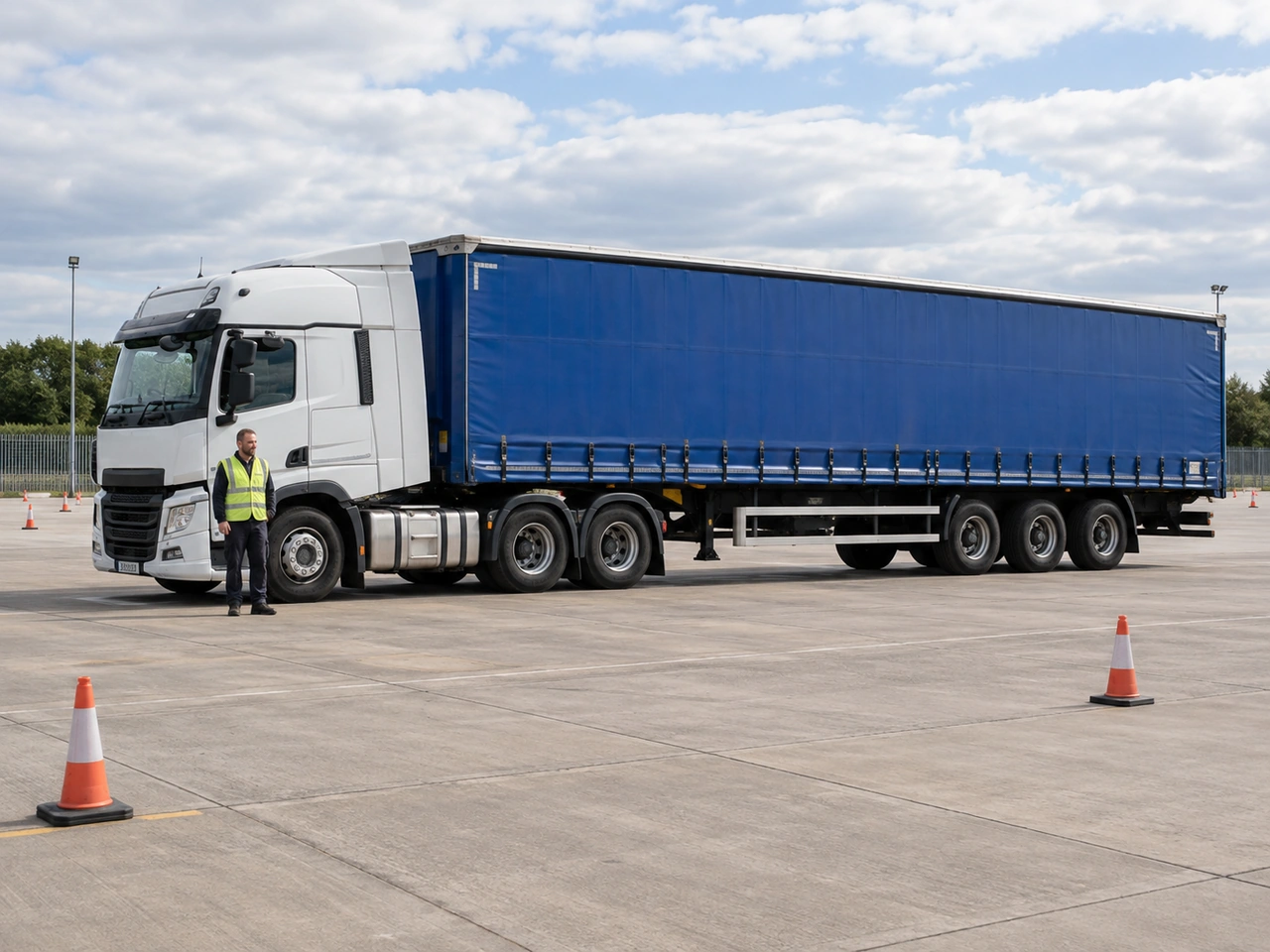
209. What is the minimum licence for a C vehicle towing a trailer over 750 kg?
Category C permits a trailer with a maximum authorised mass of up to 750 kg. A category C vehicle towing a trailer or semi-trailer above 750 kg requires category CE.
AI-generated by Rijbewijs-online.be • WCIT • CC BY-SA
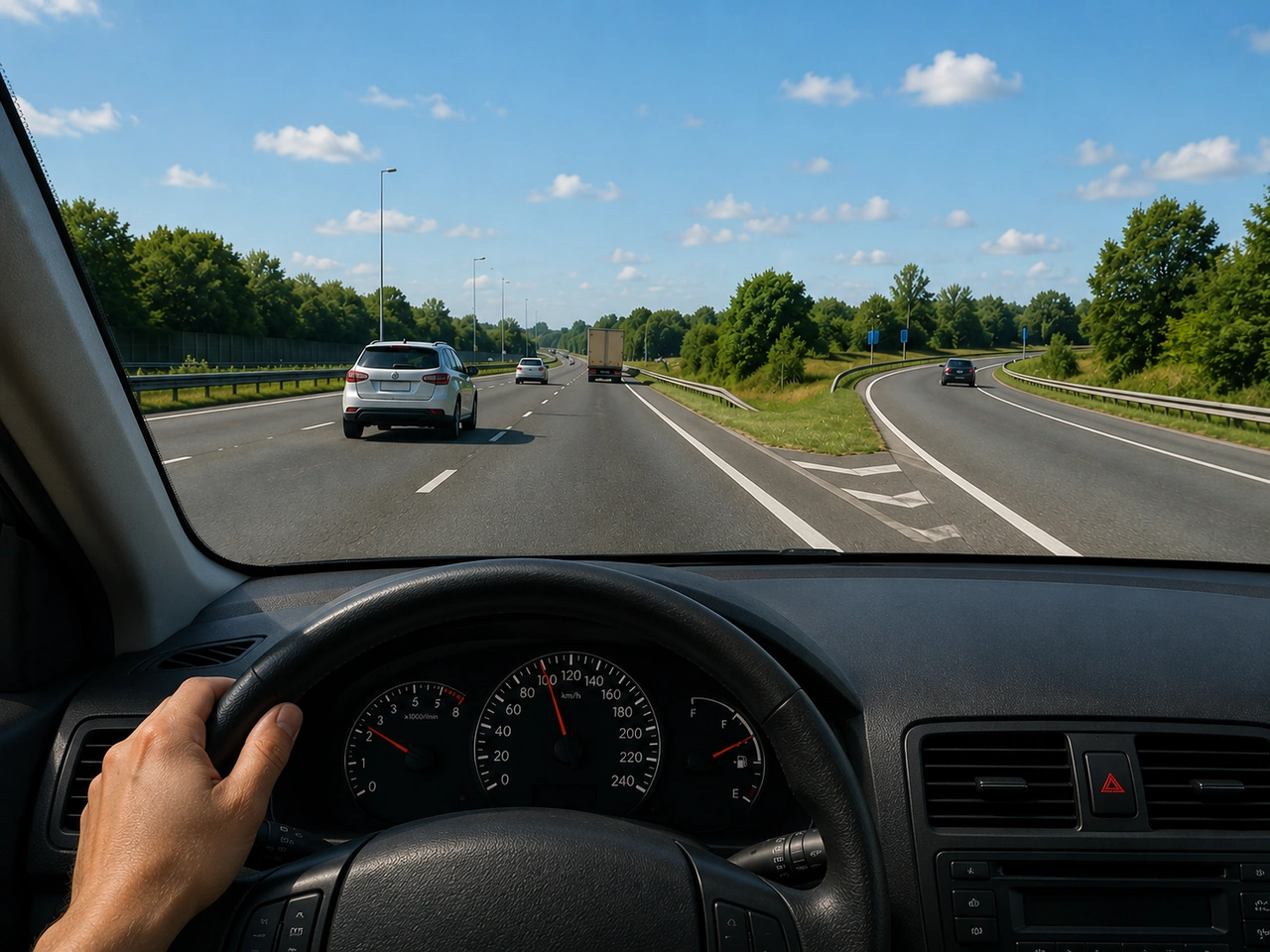
210. What should you do if you miss your motorway exit?
Never reverse or make a sudden manoeuvre. Continue safely and change your route at the next suitable exit.
AI-generated by Rijbewijs-online.be • WCIT • CC BY-SA
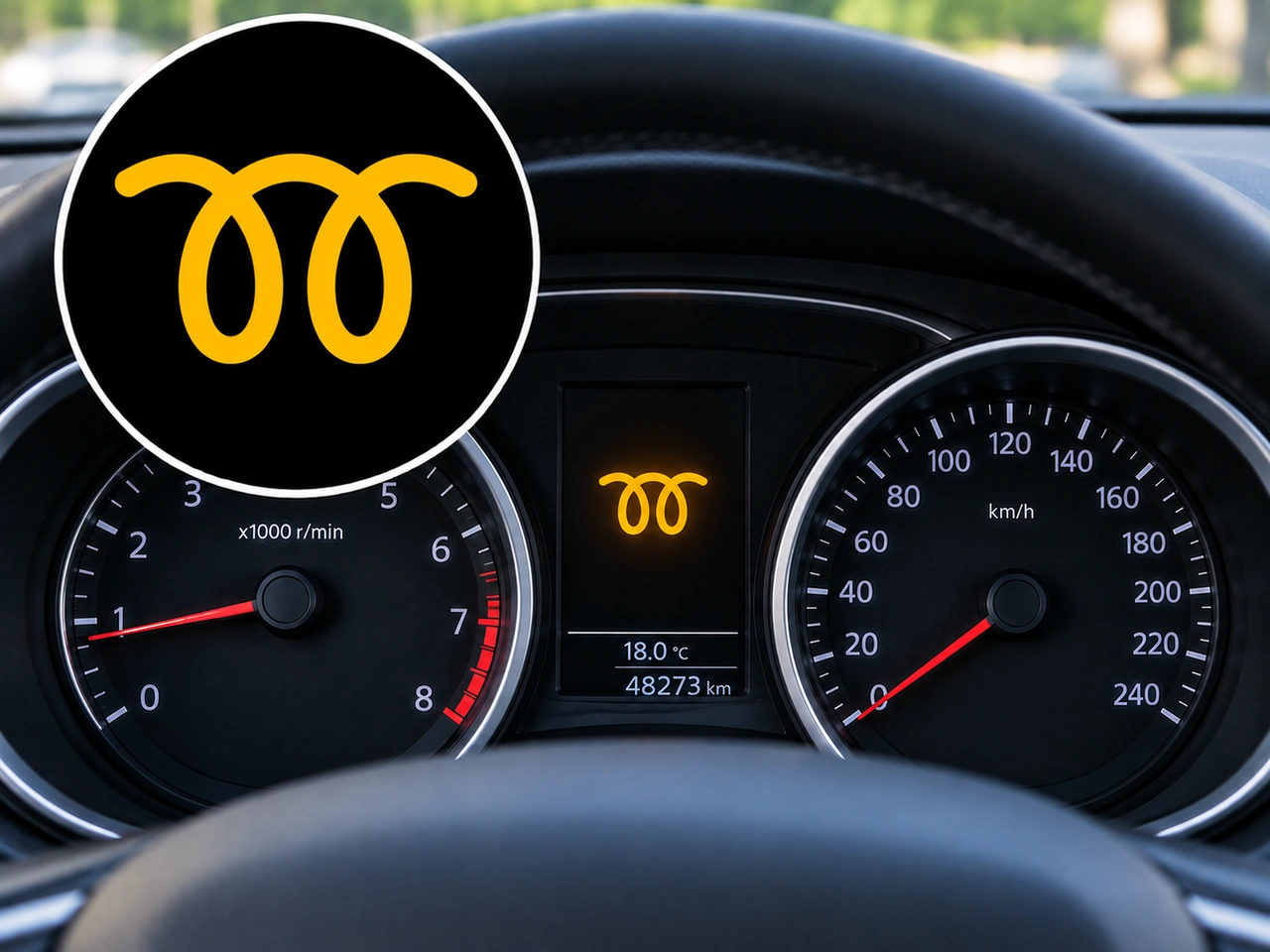
211. What does this dashboard symbol indicate?
This symbol indicates the diesel glow-plug preheating system. In a diesel vehicle, wait for the light to go out before starting the engine when required. If it remains illuminated or flashes while driving, it may indicate a fault.
AI-generated by Rijbewijs-online.be • WCIT • CC BY-SA
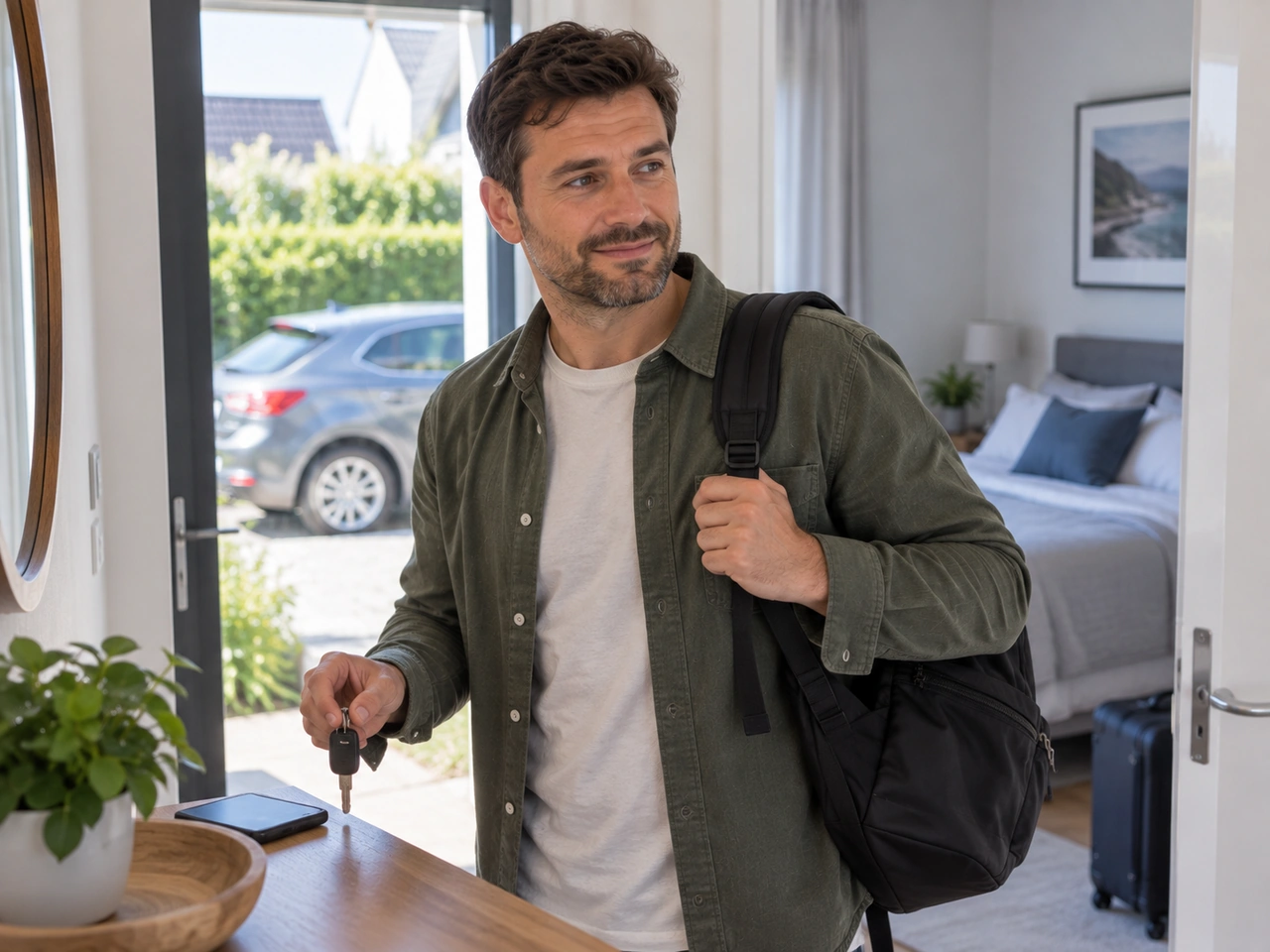
212. What should you do before a long journey to reduce the risk of driver fatigue?
Getting enough sleep before a long journey helps reduce the risk of driver fatigue. Plan breaks in advance and avoid starting a long drive when you are already tired.
AI-generated by Rijbewijs-online.be • WCIT • CC BY-SA
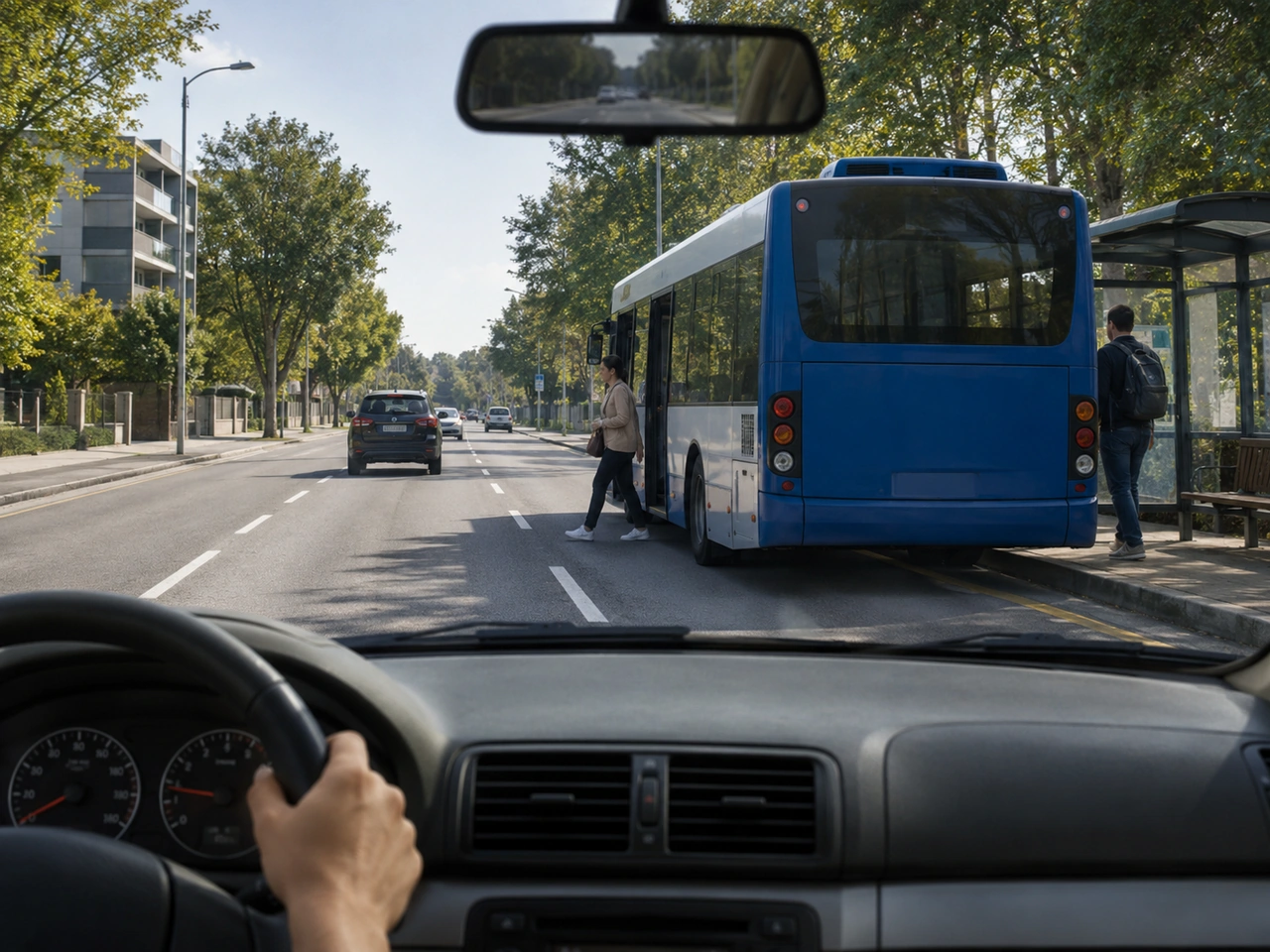
213. Why should you be careful when driving beside a bus at a stop?
Stopped buses can hide pedestrians, and passengers may cross unexpectedly. Slow down and be ready to react.
AI-generated by Rijbewijs-online.be • WCIT • CC BY-SA
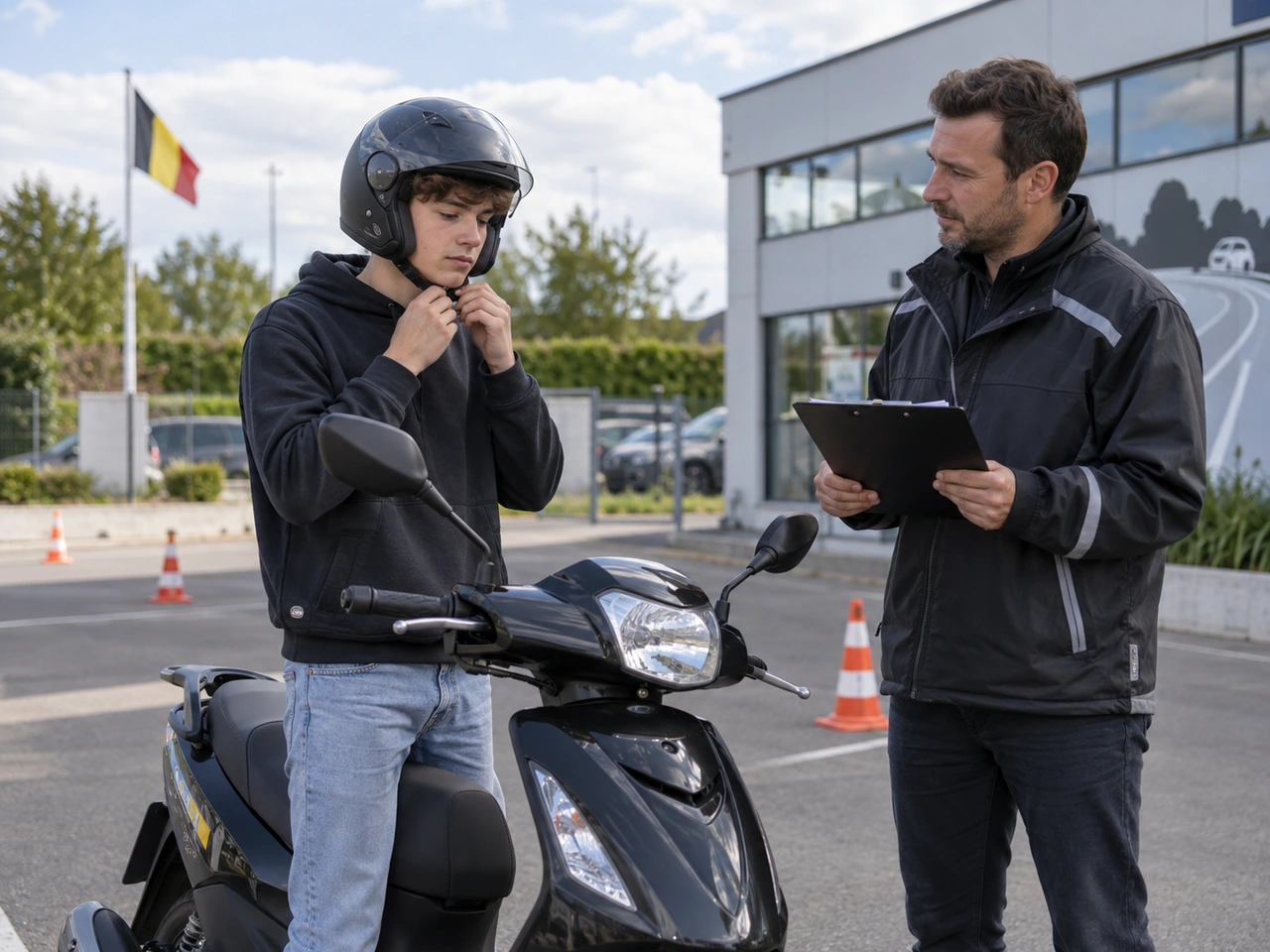
214. At what age can you obtain a Belgian driving licence AM?
Driving licence AM may be obtained from the age of 16 in Belgium.
AI-generated by Rijbewijs-online.be • WCIT • CC BY-SA
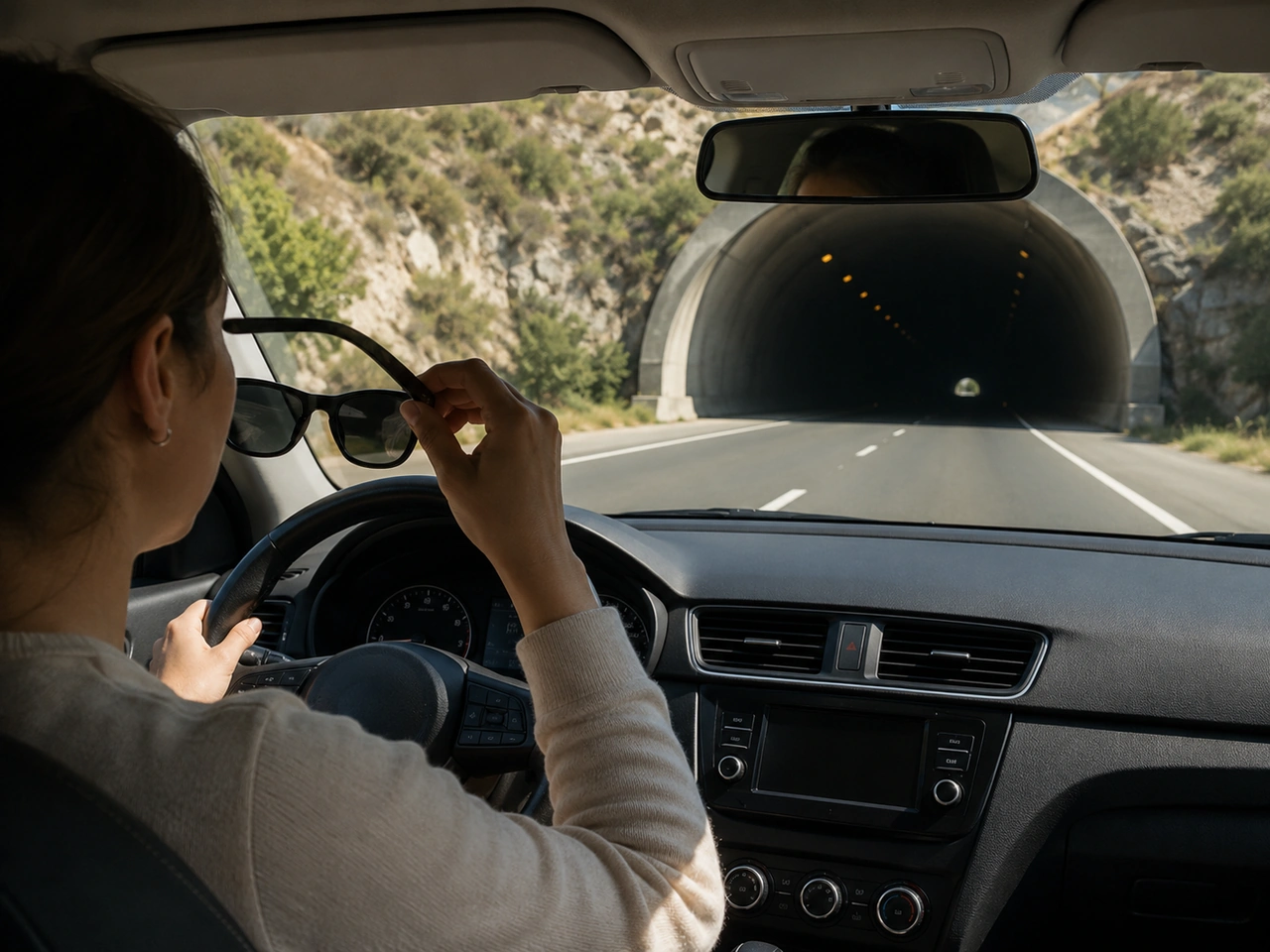
215. Why should you remove dark sunglasses before entering a tunnel?
Dark sunglasses reduce the amount of light reaching your eyes and can make hazards inside a tunnel harder to see.
AI-generated by Rijbewijs-online.be • WCIT • CC BY-SA
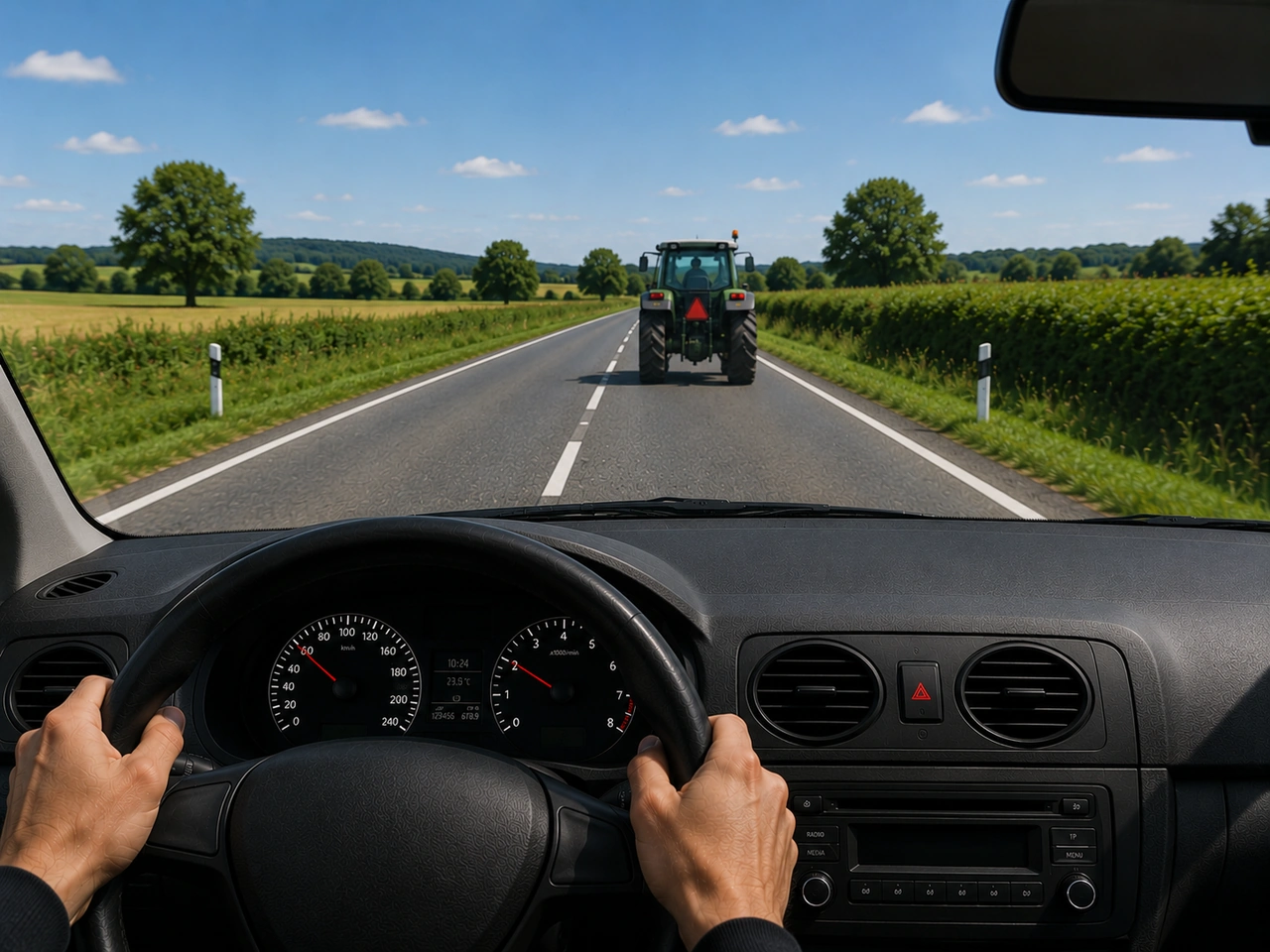
216. What should you do before overtaking a slow-moving vehicle?
Before overtaking, make sure you have enough visibility, space, and time. Signal clearly before moving out, do not exceed the speed limit, and never overtake if the road ahead is not clear.
AI-generated by Rijbewijs-online.be • WCIT • CC BY-SA
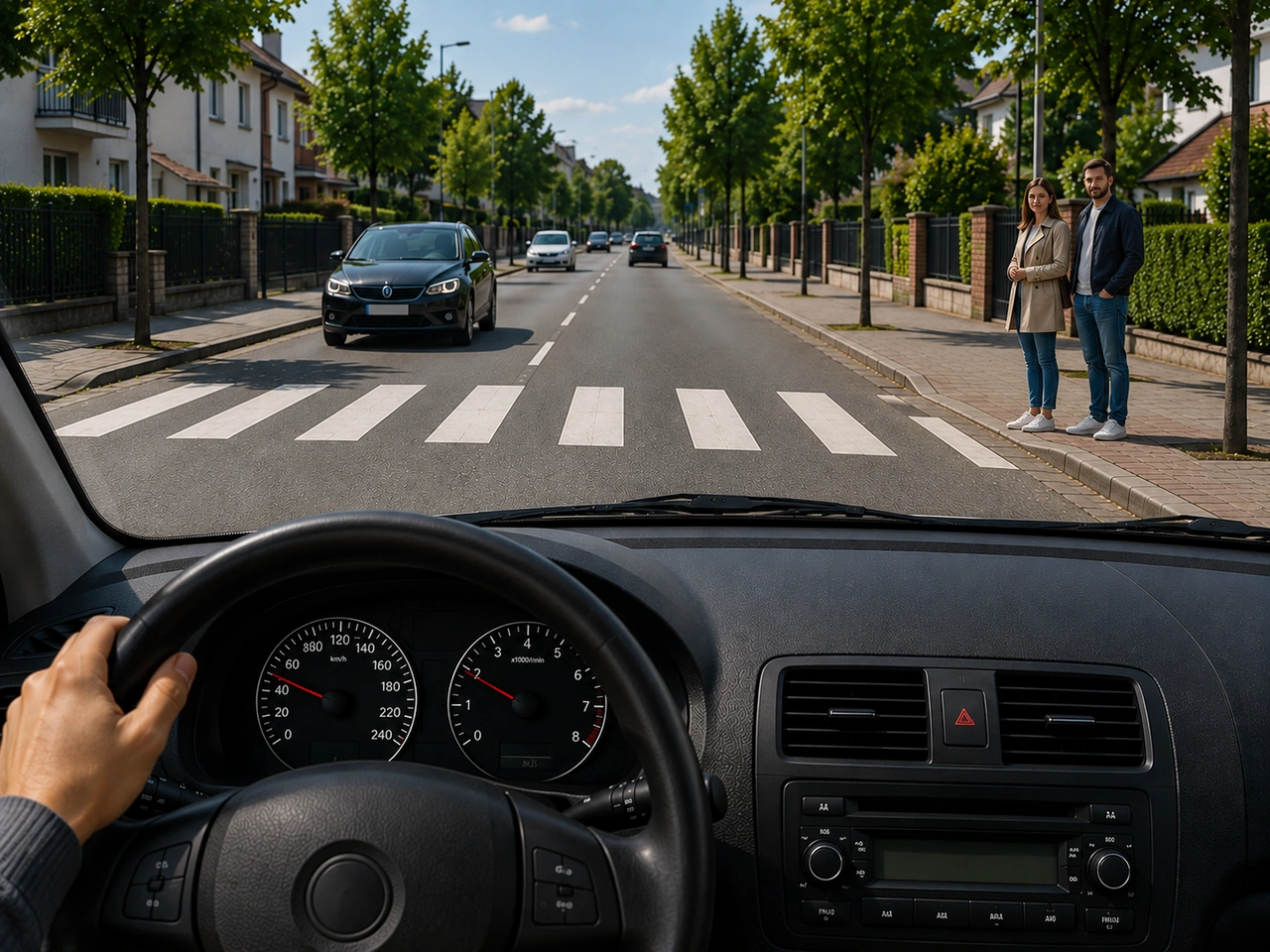
217. What should you do when people are waiting at a pedestrian crossing?
When people are waiting near a pedestrian crossing, reduce your speed and be ready to stop. Pedestrians may begin crossing at any moment.
AI-generated by Rijbewijs-online.be • WCIT • CC BY-SA
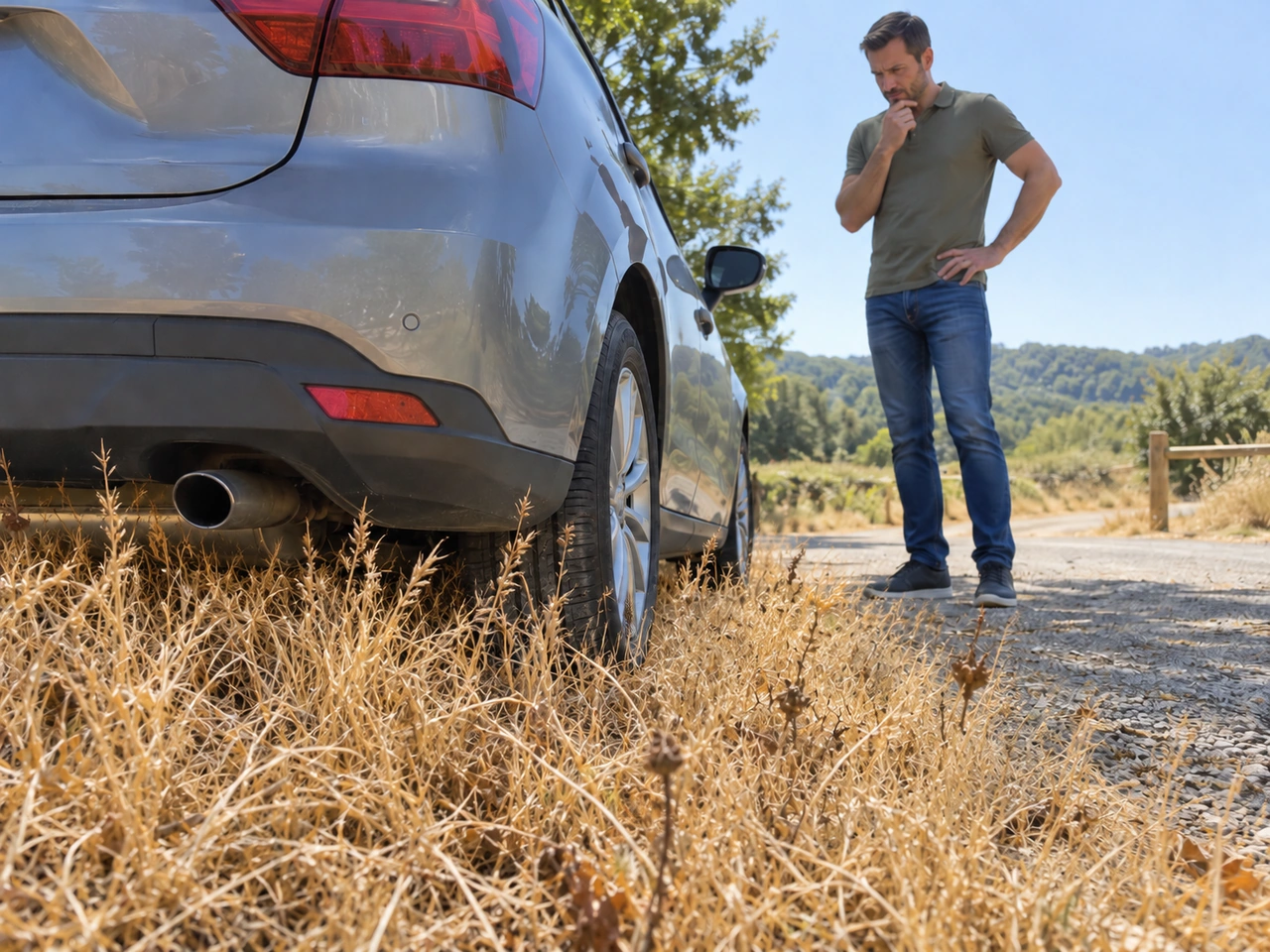
218. Why should you avoid parking a petrol or diesel vehicle on dry grass?
Parts of the exhaust system, especially the catalytic converter, can become very hot while driving. Parking over dry grass, leaves, or other combustible vegetation can create a fire risk. Park on a suitable non-flammable surface whenever possible.
AI-generated by Rijbewijs-online.be • WCIT • CC BY-SA
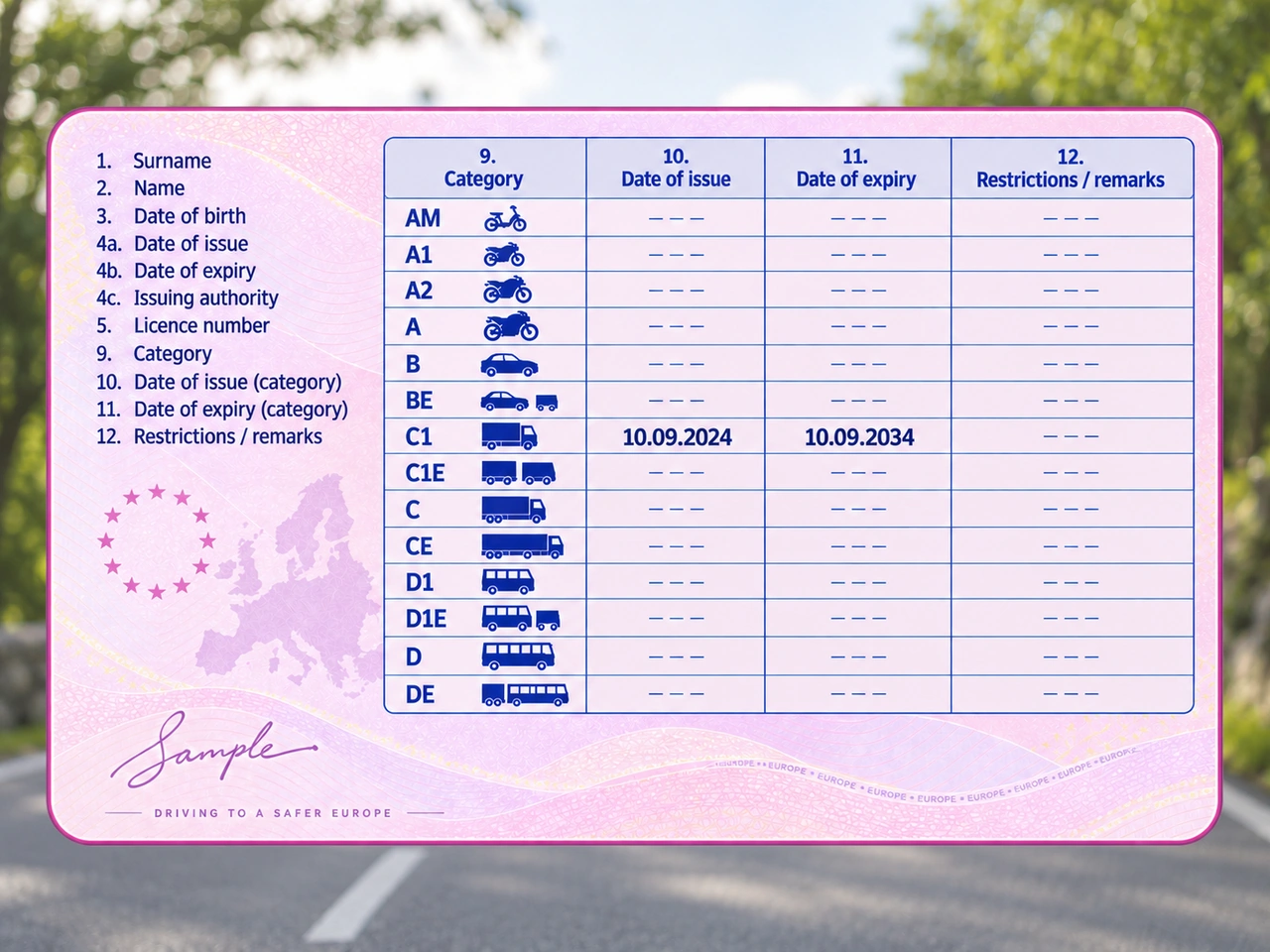
219. Which vehicles are covered by driving licence C1?
Category C1 covers motor vehicles, other than buses, with a maximum authorised mass above 3,500 kg and not exceeding 7,500 kg. They may carry no more than eight passengers in addition to the driver and may tow a trailer up to 750 kg.
AI-generated by Rijbewijs-online.be • WCIT • CC BY-SA
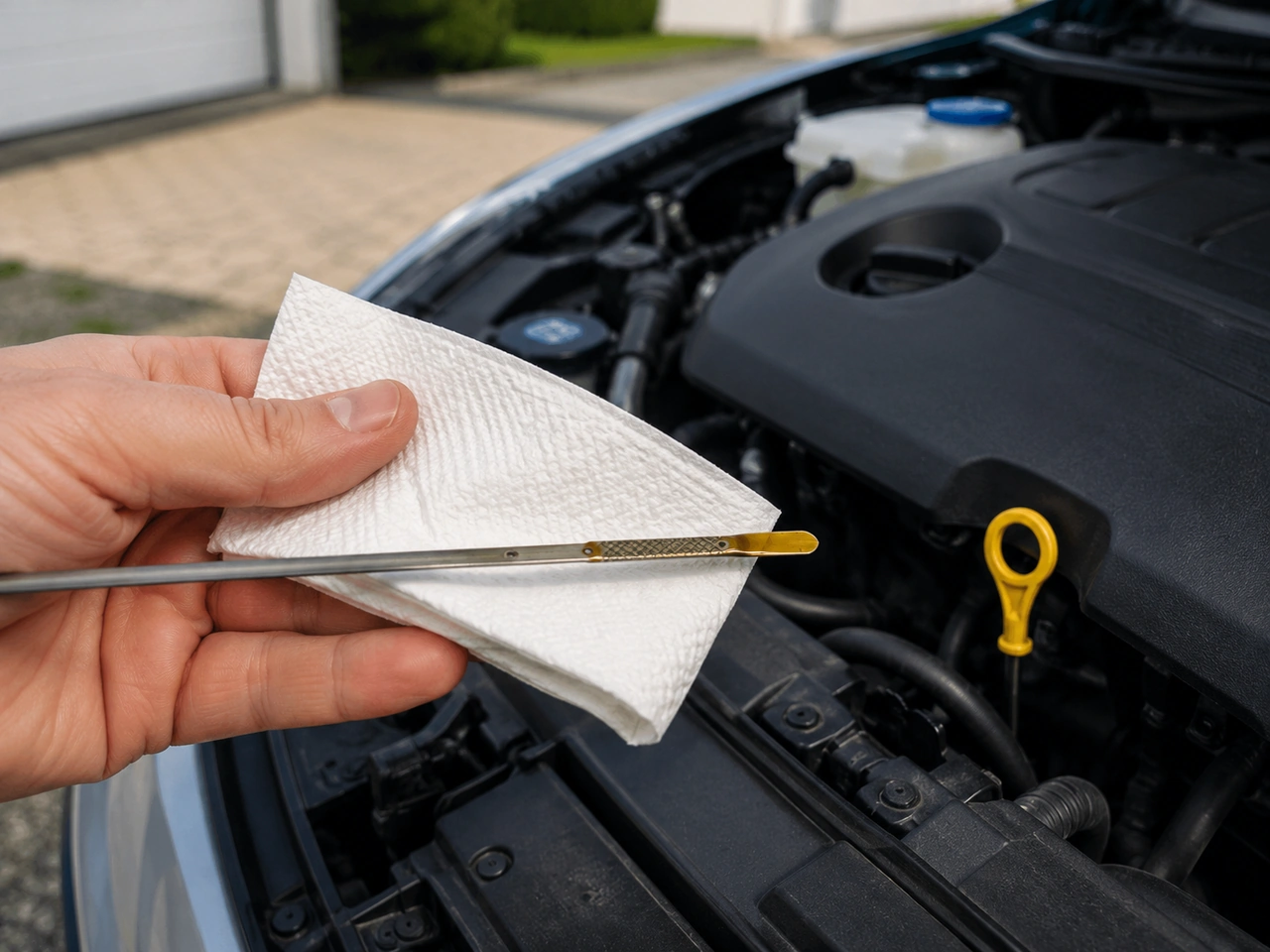
220. How should you check the engine oil level?
Use the dipstick or electronic oil-level system as described in the owner's manual. The engine is usually switched off, and the vehicle should be standing on level ground.
AI-generated by Rijbewijs-online.be • WCIT • CC BY-SA
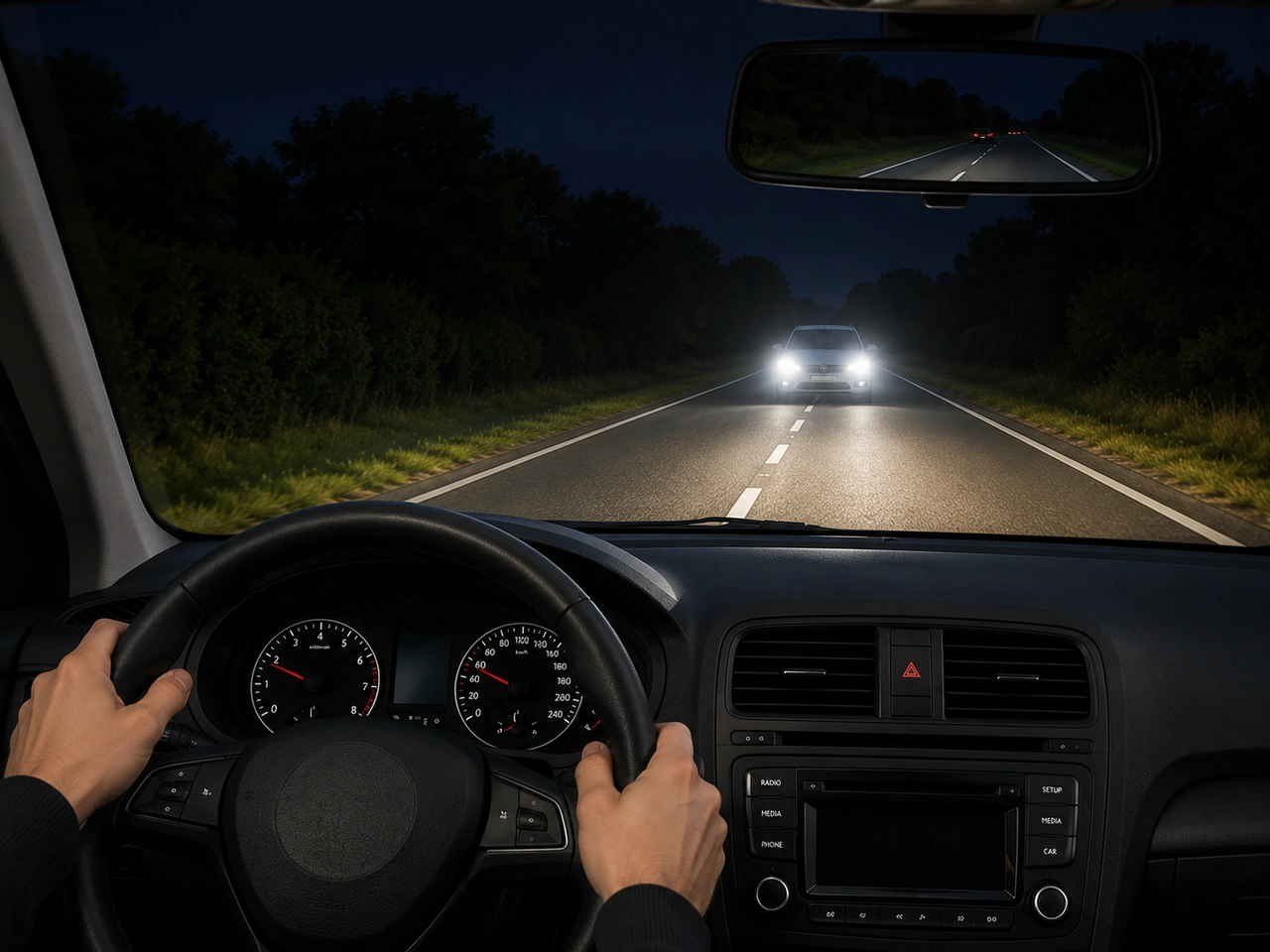
221. What should you do if your main beam could dazzle another driver?
Main beam can dazzle other road users and reduce their visibility. Switch to dipped headlights whenever your main beam could dazzle another driver.
AI-generated by Rijbewijs-online.be • WCIT • CC BY-SA
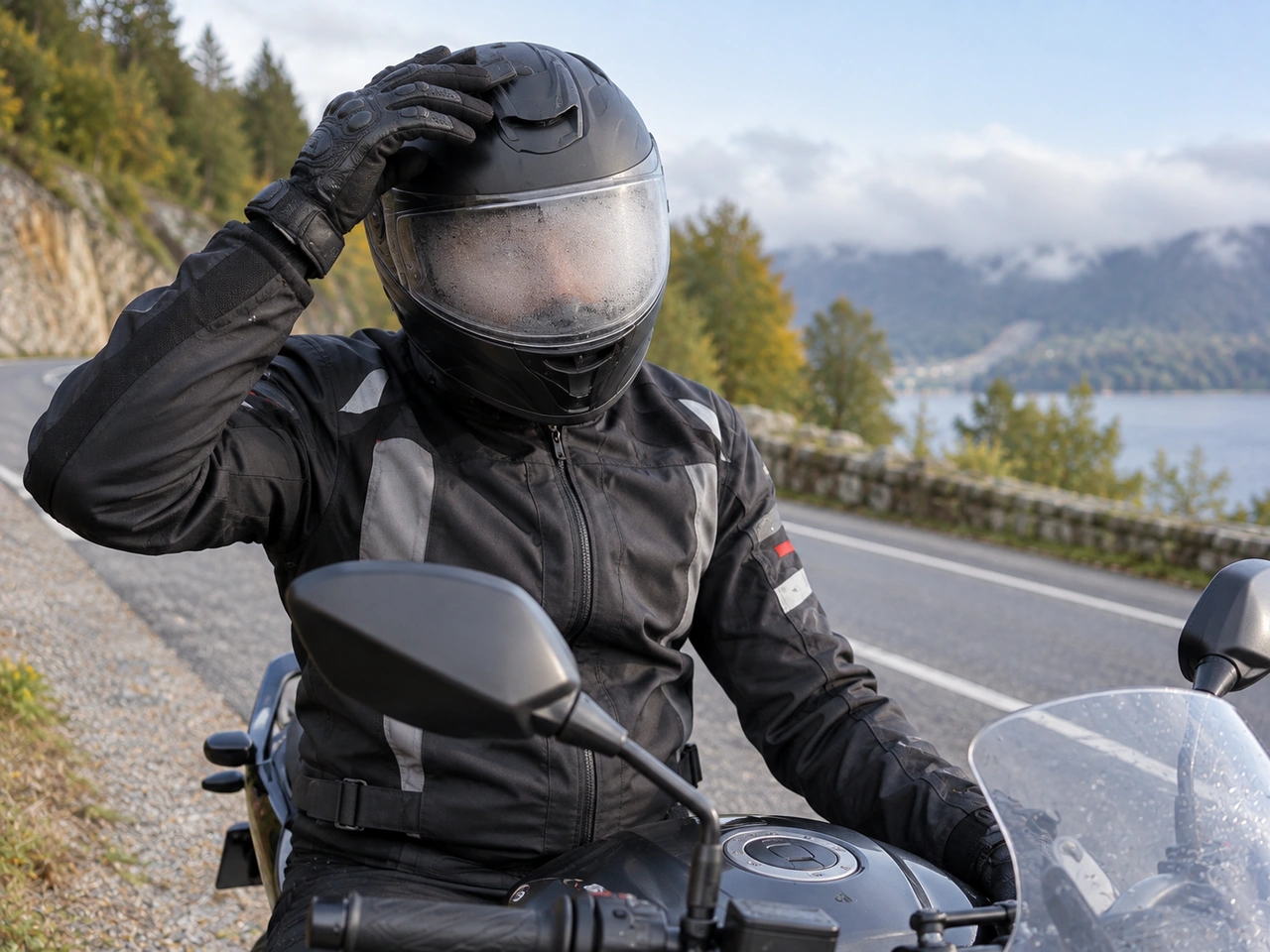
222. What should you do if your motorcycle helmet visor starts to fog?
A fogged visor can seriously reduce your view of the road. Reduce speed and use the helmet's ventilation, demisting or anti-fog features where available. If you cannot restore a clear view safely, stop in a safe place before continuing.
AI-generated by Rijbewijs-online.be • WCIT • CC BY-SA
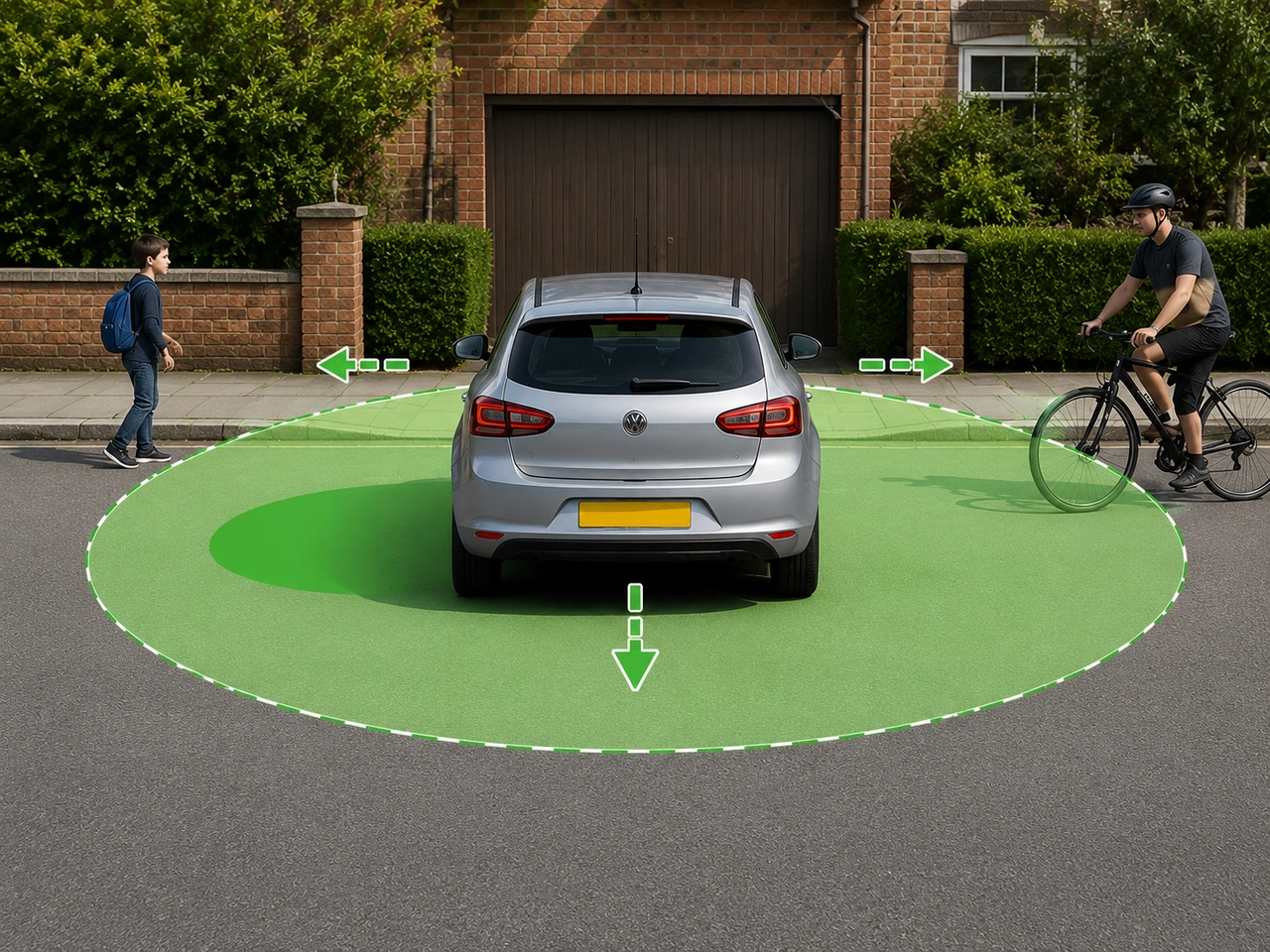
223. What should you do before reversing your vehicle?
Before reversing, check all around the vehicle, including blind spots, for pedestrians, cyclists, vehicles, and other hazards. Reverse slowly and keep checking as you move.
AI-generated by Rijbewijs-online.be • WCIT • CC BY-SA
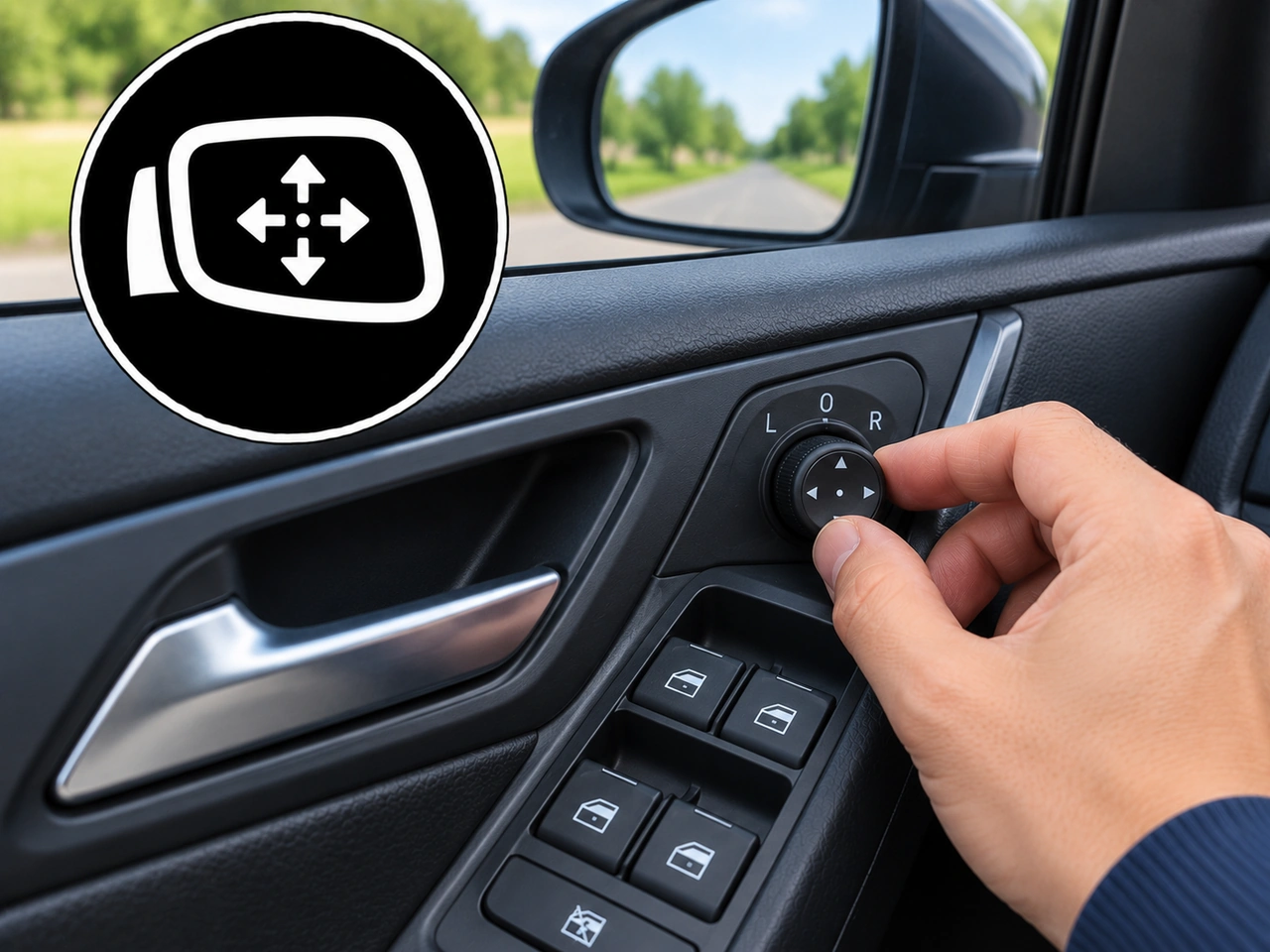
224. What does this vehicle-control symbol indicate?
This control adjusts the vehicle's exterior mirrors. The driver normally selects the left or right mirror and then moves the control to change its angle.
AI-generated by Rijbewijs-online.be • WCIT • CC BY-SA
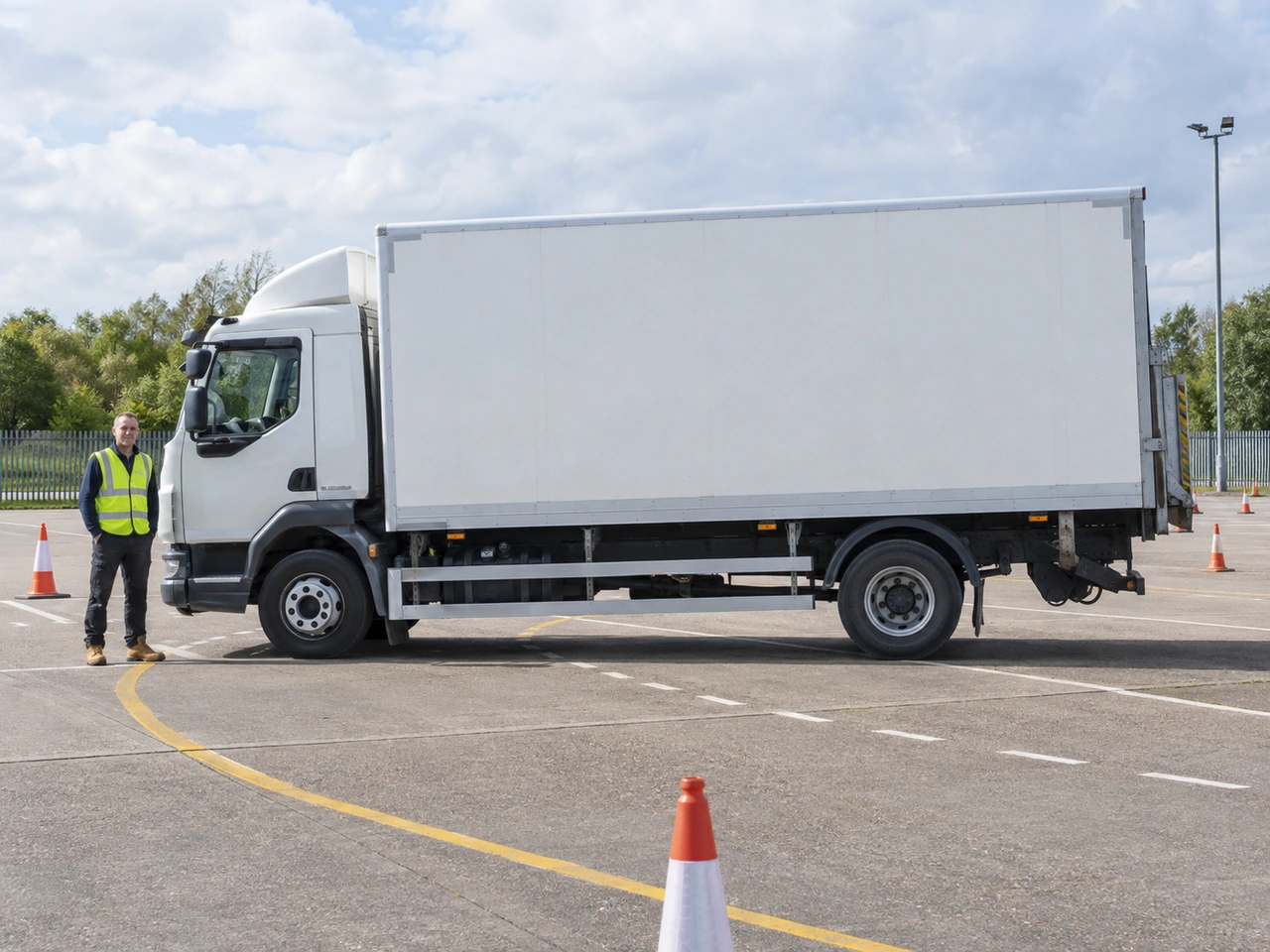
225. What is the minimum licence for a goods vehicle with a 7,500 kg maximum authorised mass?
Category C1 covers motor vehicles, other than categories D1 and D, with a maximum authorised mass above 3,500 kg and not exceeding 7,500 kg.
AI-generated by Rijbewijs-online.be • WCIT • CC BY-SA
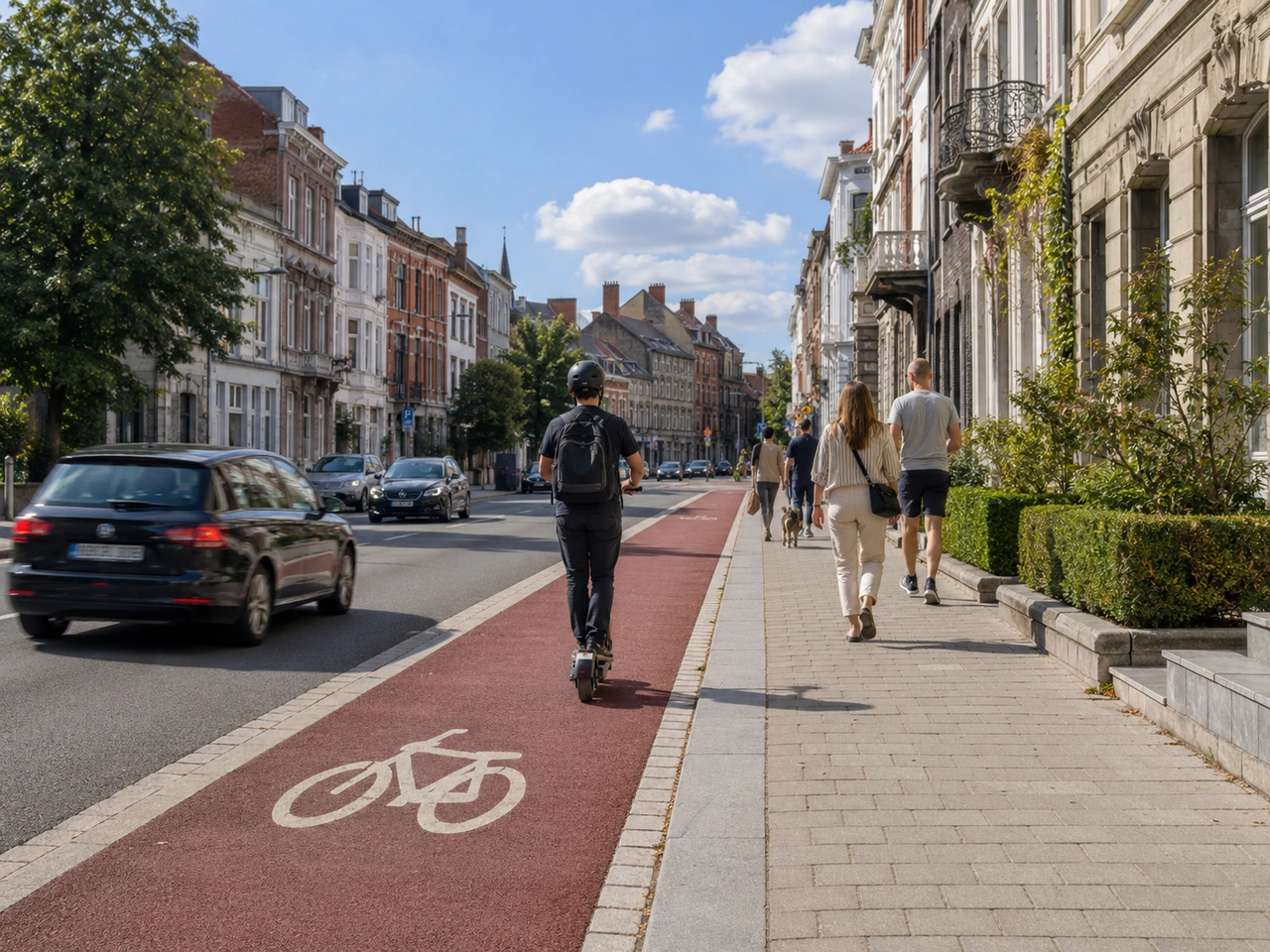
226. May you normally ride an electric scooter on the pavement in Belgium?
Electric-scooter riders are generally treated as cyclists and may not ride on the pavement. A person walking while pushing the scooter is treated as a pedestrian.
AI-generated by Rijbewijs-online.be • WCIT • CC BY-SA
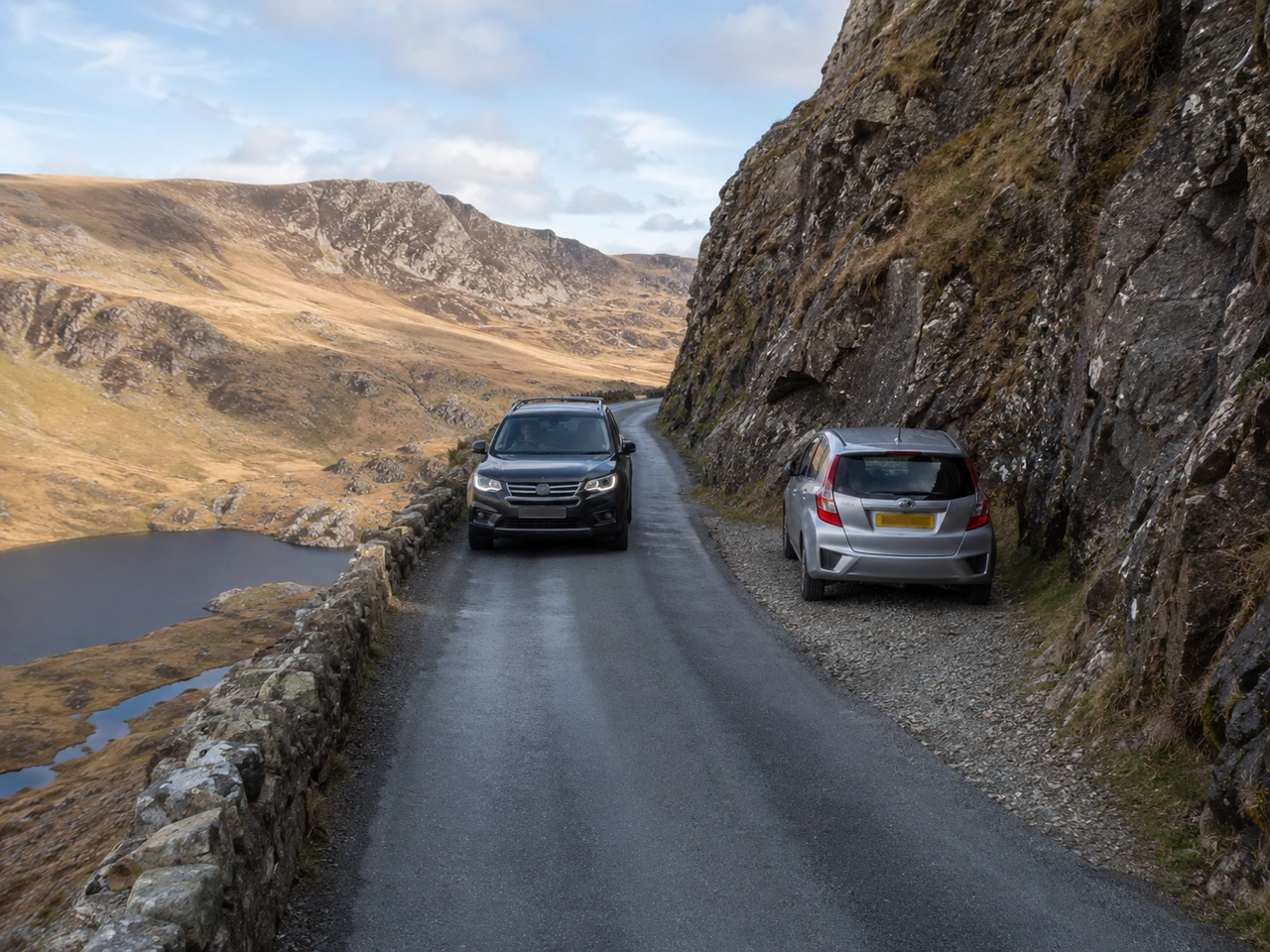
227. What should you do when meeting another vehicle on a narrow mountain road?
Narrow mountain roads may not provide enough space for two vehicles. Reduce speed and cooperate to pass safely.
AI-generated by Rijbewijs-online.be • WCIT • CC BY-SA
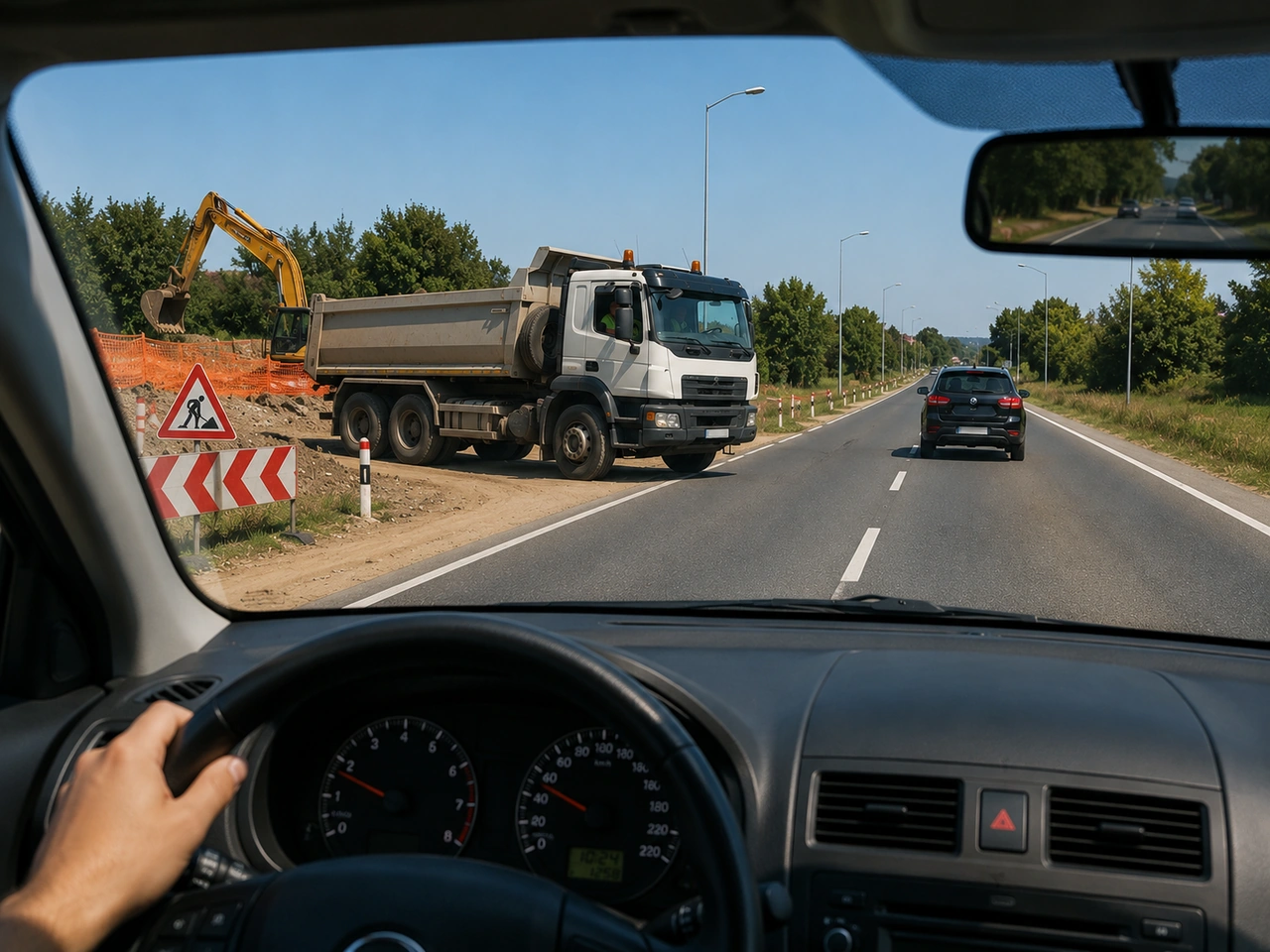
228. What should you do when construction vehicles enter or leave the road?
Construction vehicles may move slowly, have limited visibility, or carry loose material. Give them time and space to manoeuvre.
AI-generated by Rijbewijs-online.be • WCIT • CC BY-SA
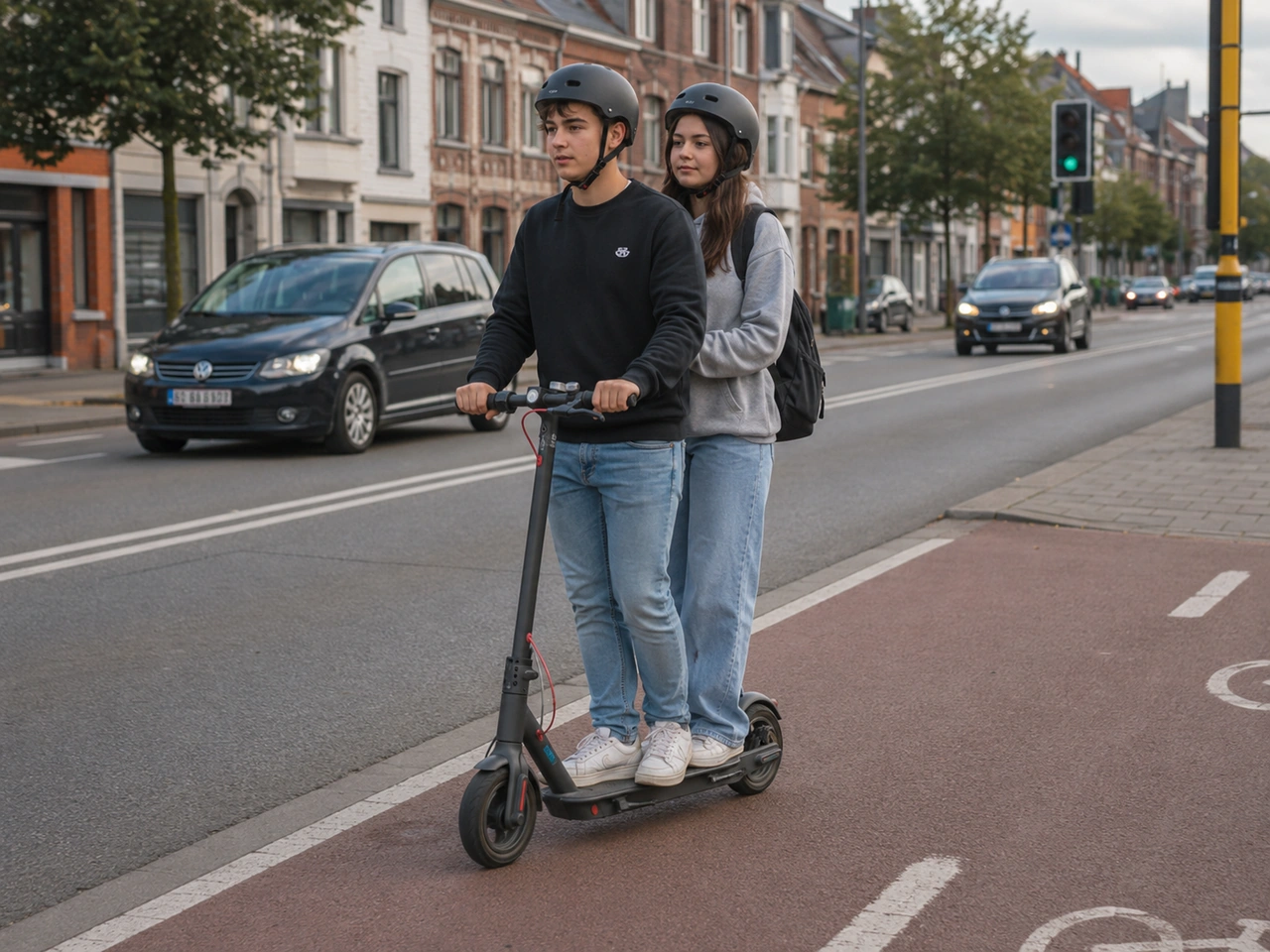
229. May you carry a passenger on an ordinary electric scooter in Belgium?
Carrying passengers is prohibited unless the personal mobility device was specifically designed for passenger transport and has sufficient seats.
AI-generated by Rijbewijs-online.be • WCIT • CC BY-SA
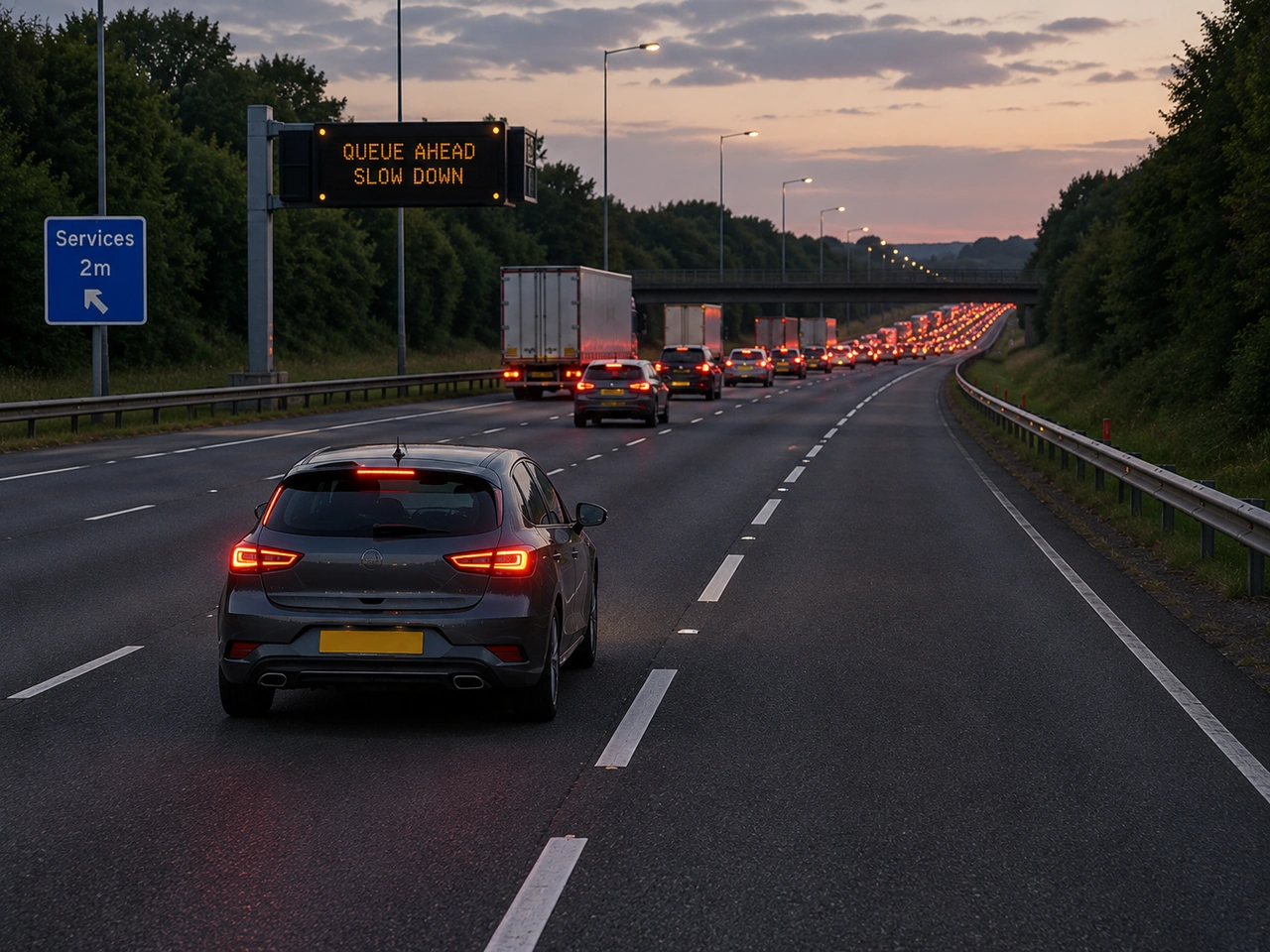
230. What should you do when approaching stationary or slow-moving traffic on a motorway?
Motorway queues can appear suddenly. Early braking gives following traffic more time to react.
AI-generated by Rijbewijs-online.be • WCIT • CC BY-SA
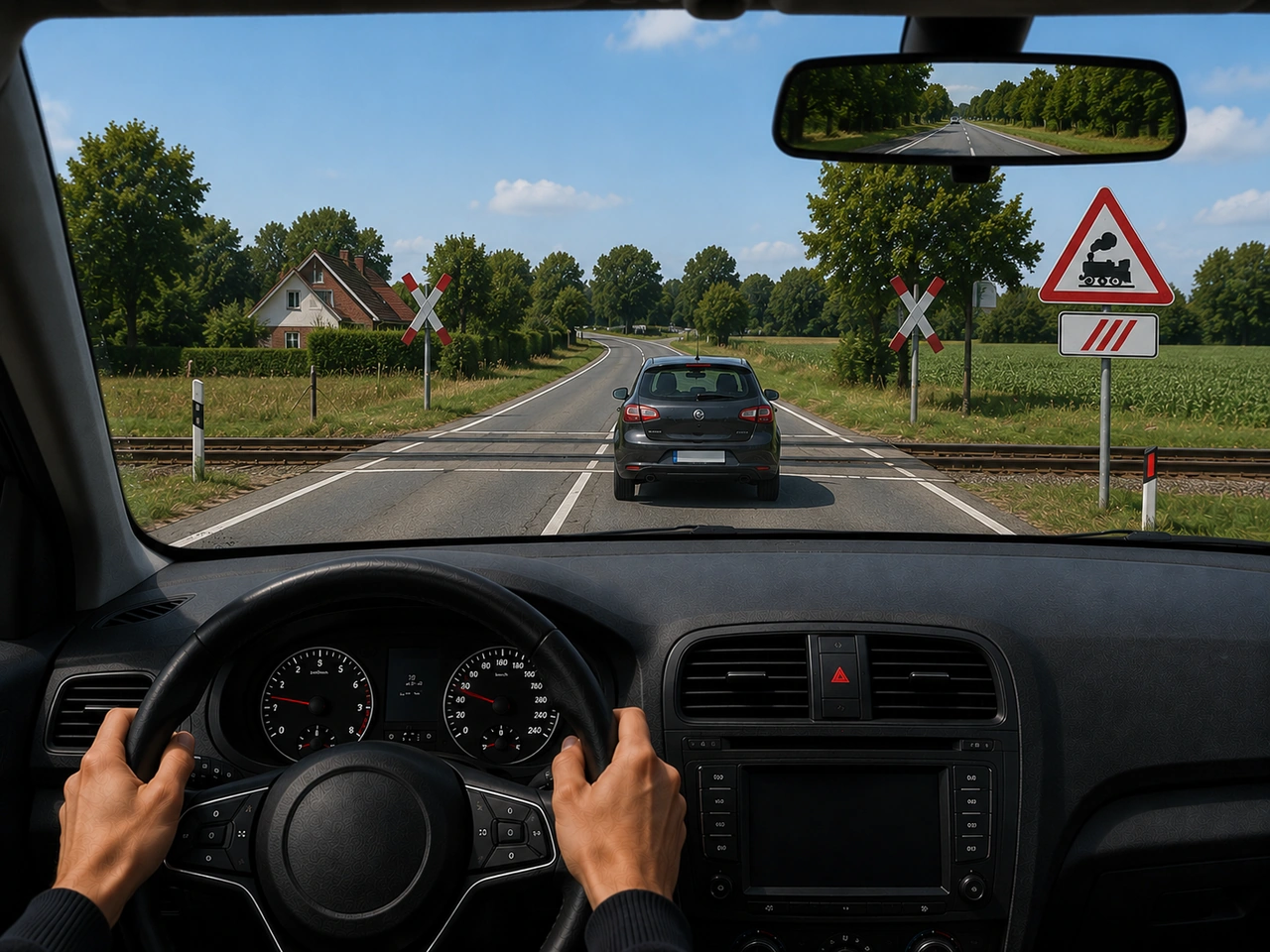
231. What should you do at a railway crossing without barriers?
Approach railway crossings carefully, obey any requirement to stop and any warning signals or barriers, and cross only when it is safe.
AI-generated by Rijbewijs-online.be • WCIT • CC BY-SA
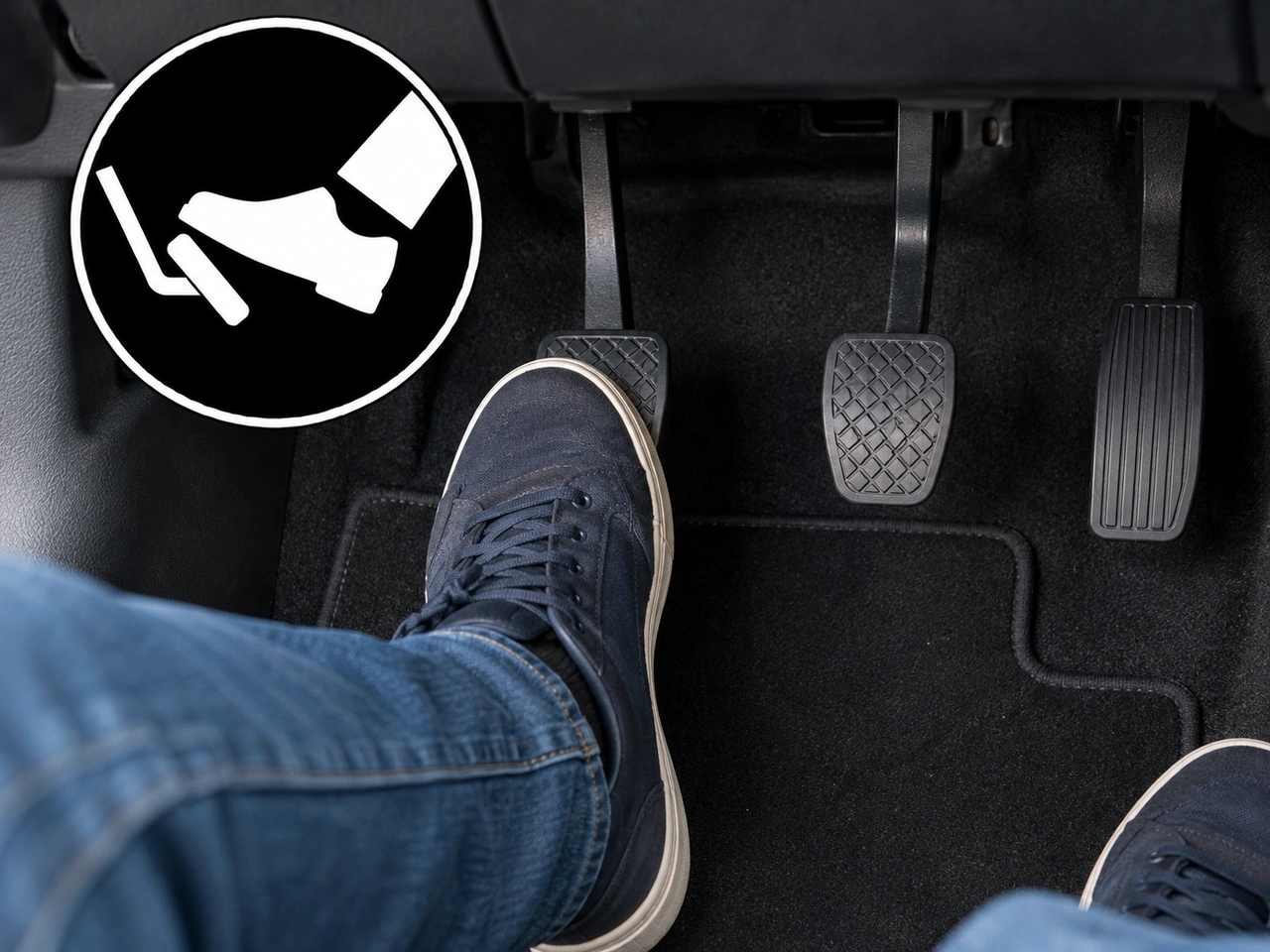
232. What is the purpose of the clutch pedal in a manual vehicle?
Pressing the clutch pedal temporarily disconnects the engine from the transmission, allowing the driver to change gear or stop without stalling the engine.
AI-generated by Rijbewijs-online.be • WCIT • CC BY-SA
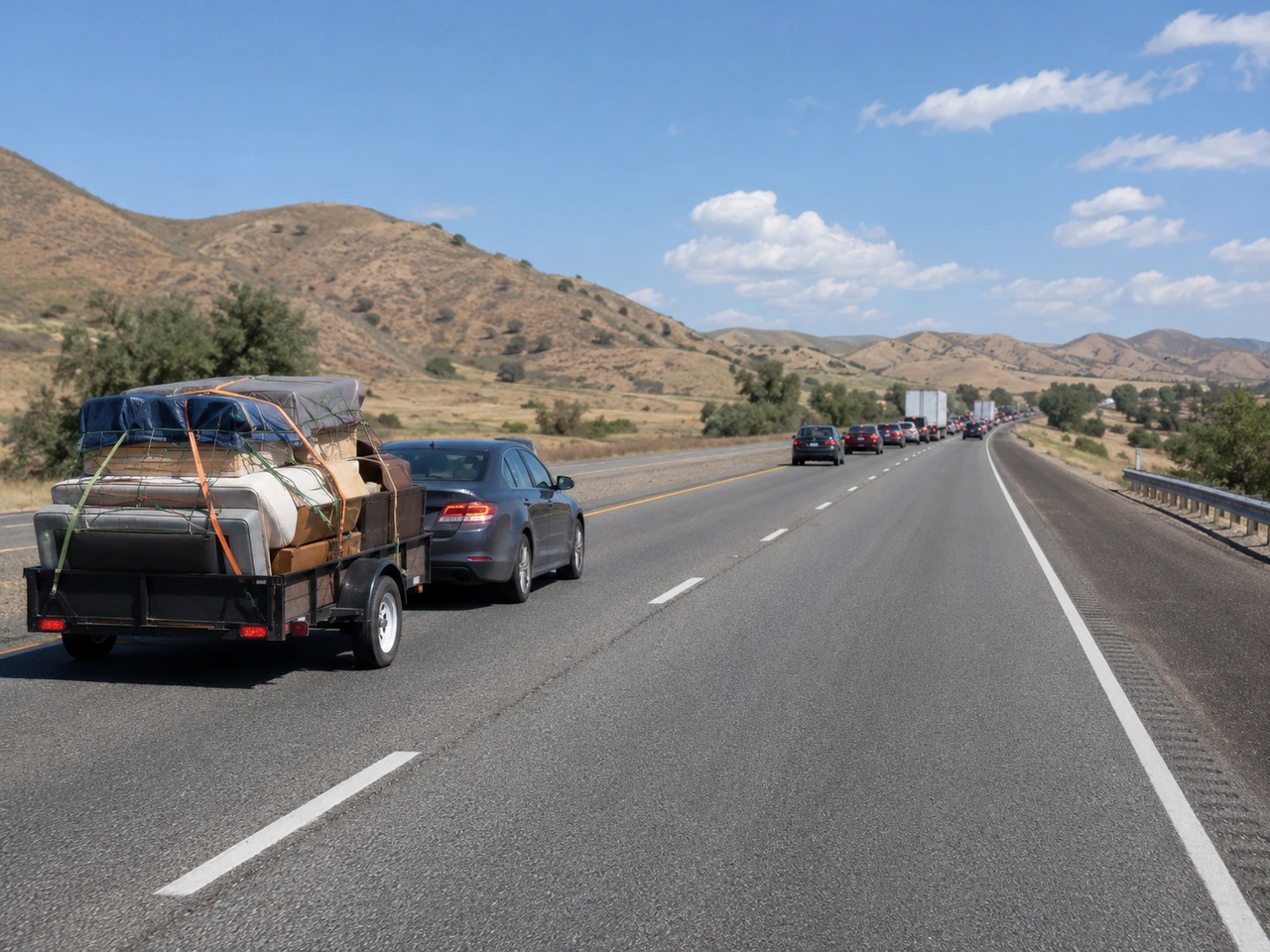
233. How can a heavy load affect stopping distance?
A heavily loaded vehicle has more mass and may require additional distance to slow down or stop safely.
AI-generated by Rijbewijs-online.be • WCIT • CC BY-SA
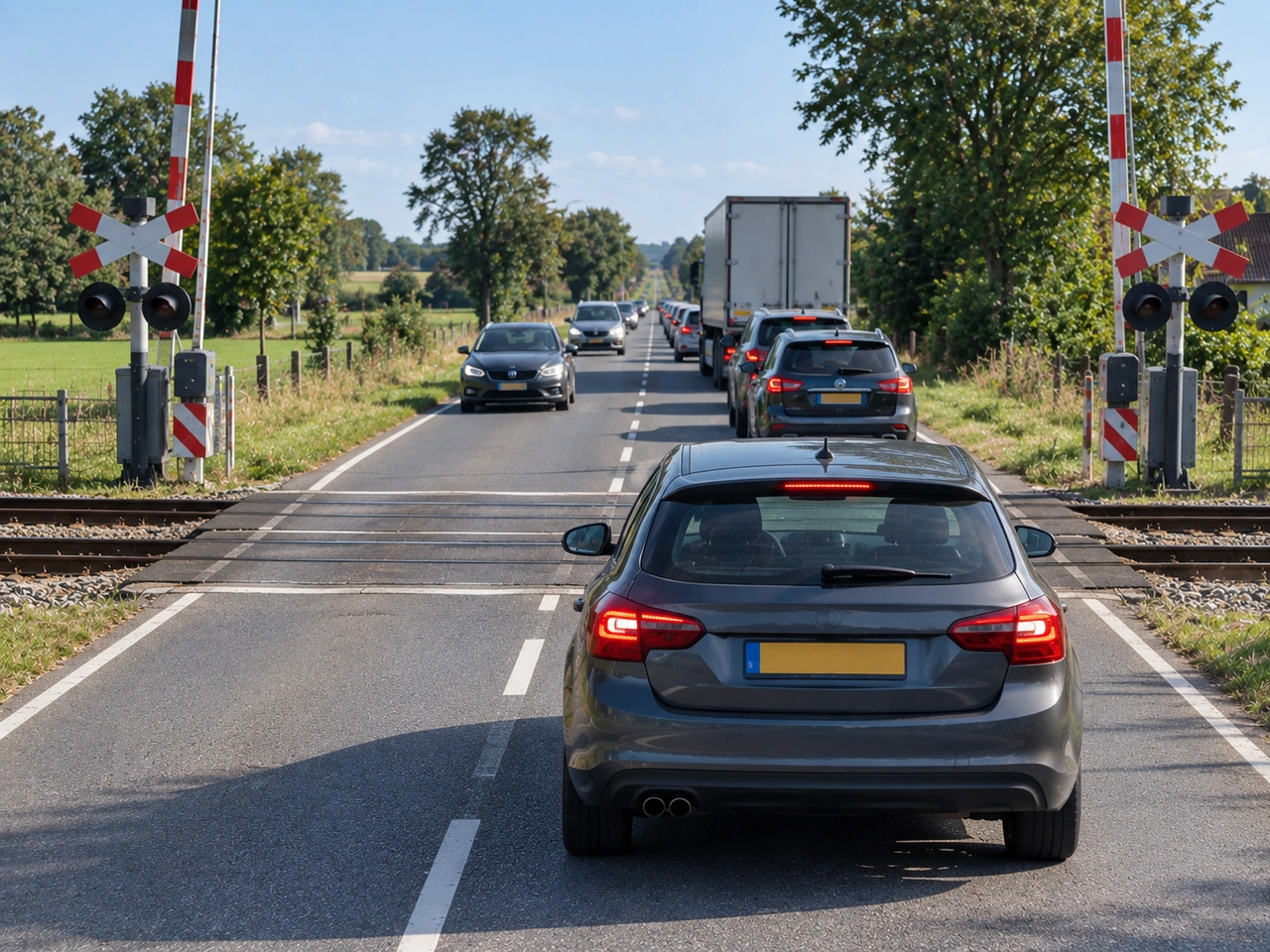
234. What should you do if traffic beyond a railway crossing is blocked?
Never enter a railway crossing unless you can clear the tracks completely. If traffic ahead is blocked, wait before the crossing so you cannot become trapped on the railway.
AI-generated by Rijbewijs-online.be • WCIT • CC BY-SA
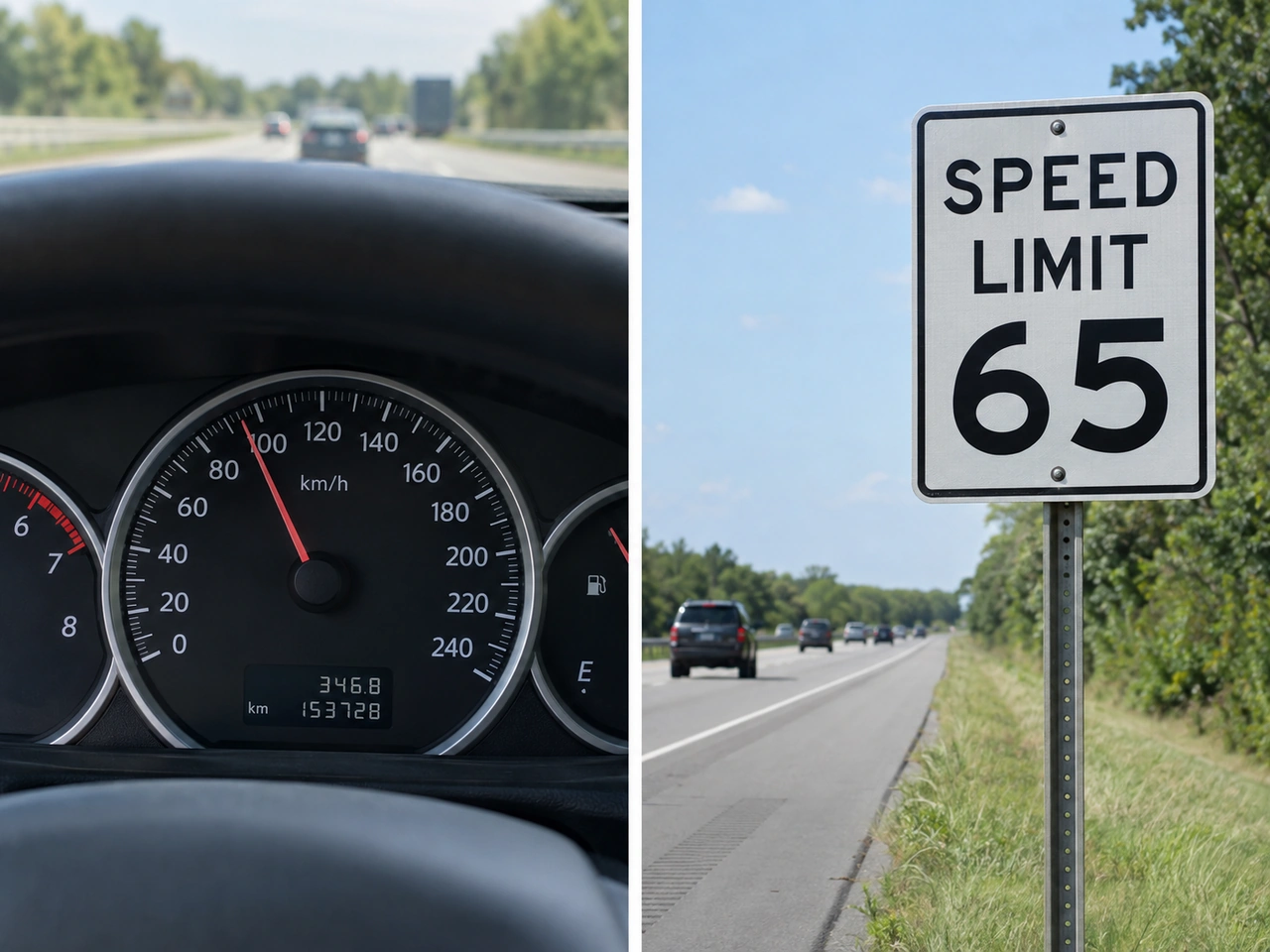
235. Which speed unit is used in Belgium?
Road speeds in Belgium are shown in kilometres per hour (km/h).
AI-generated by Rijbewijs-online.be • WCIT • CC BY-SA
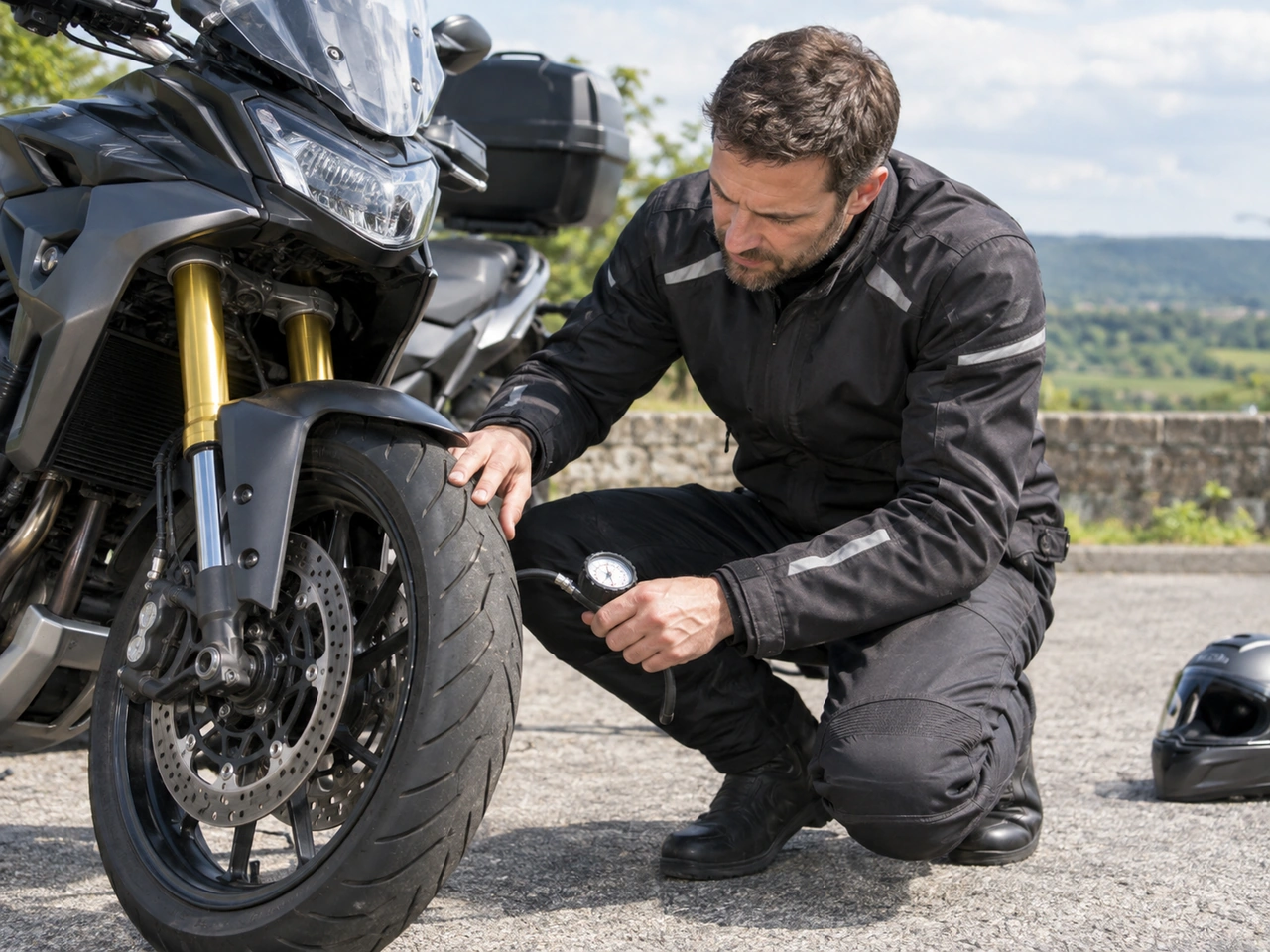
236. Why are tyre condition and pressure especially important on a motorcycle?
A motorcycle relies on a relatively small area of tyre contact with the road. Correct tyre pressure, tread and condition are important for grip, steering, stability and braking. Check the tyres regularly and follow the manufacturer's recommended pressures.
AI-generated by Rijbewijs-online.be • WCIT • CC BY-SA
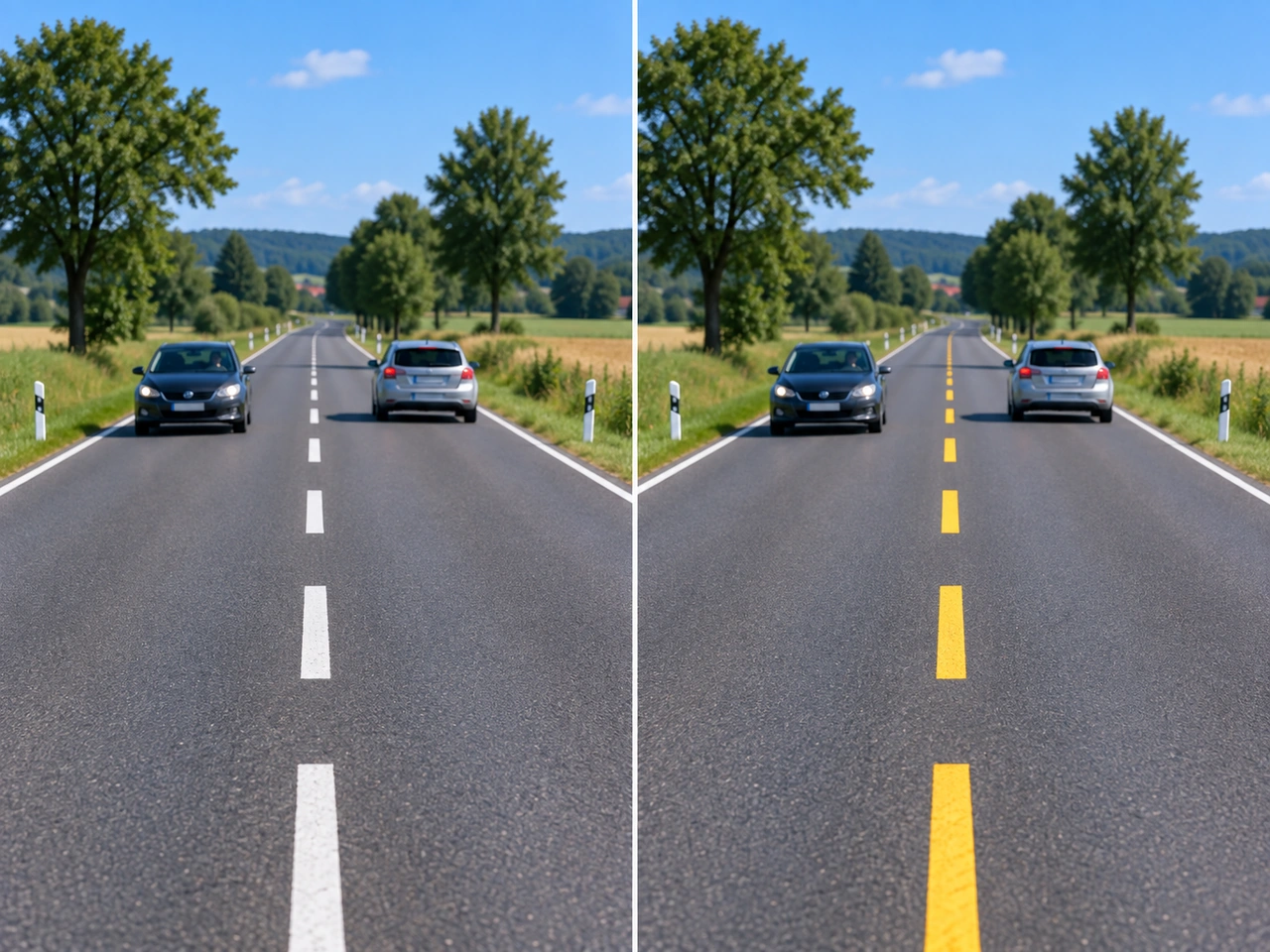
237. What colour is normally used for the centre line separating opposing traffic in Belgium?
Roads in Belgium normally use a white centre line to separate traffic travelling in opposite directions.
AI-generated by Rijbewijs-online.be • WCIT • CC BY-SA
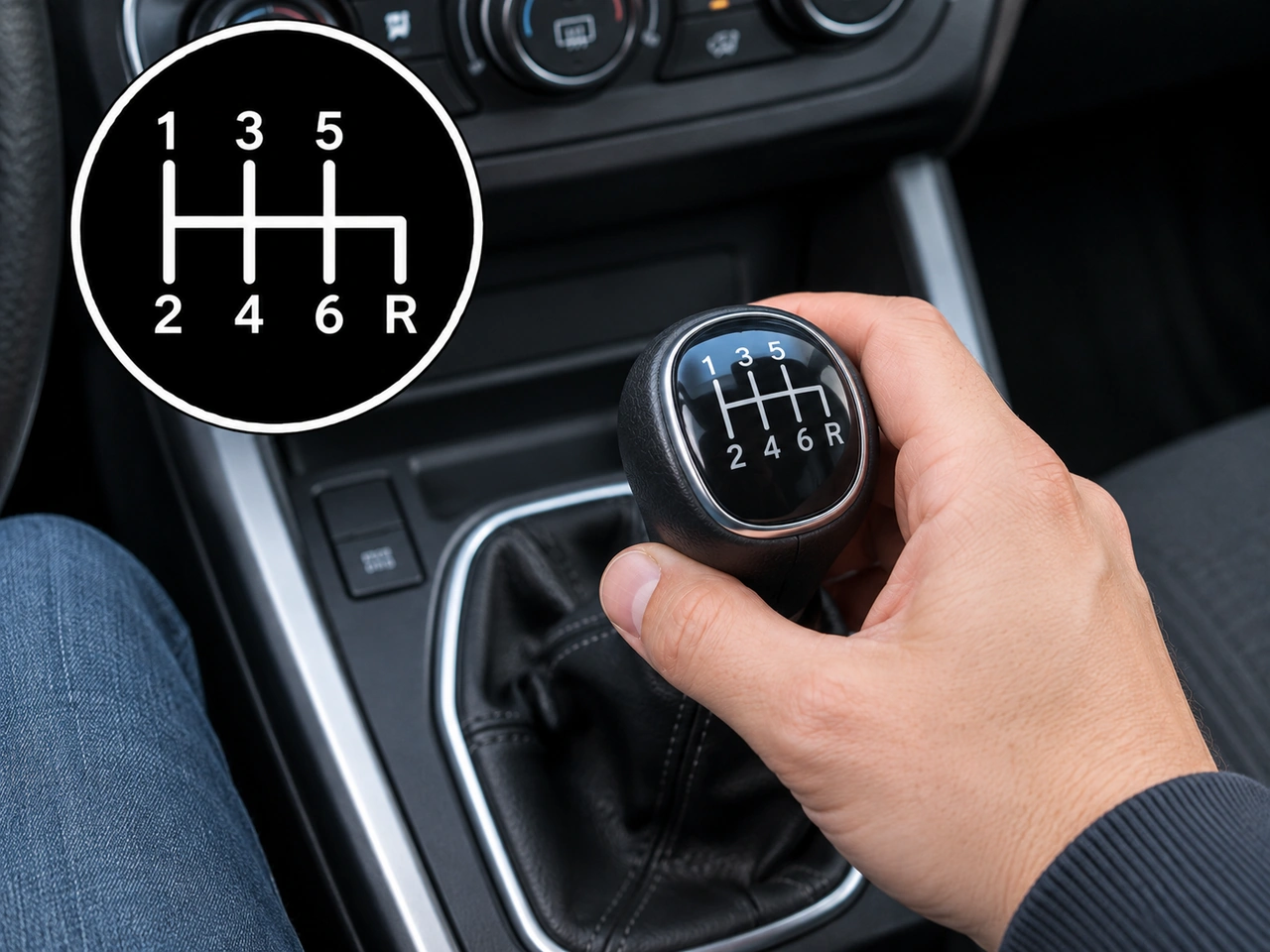
238. Which gear is normally used when moving off from a standstill?
1st gear is normally used when moving off from a standstill because it provides the greatest pulling power at low speed.
AI-generated by Rijbewijs-online.be • WCIT • CC BY-SA
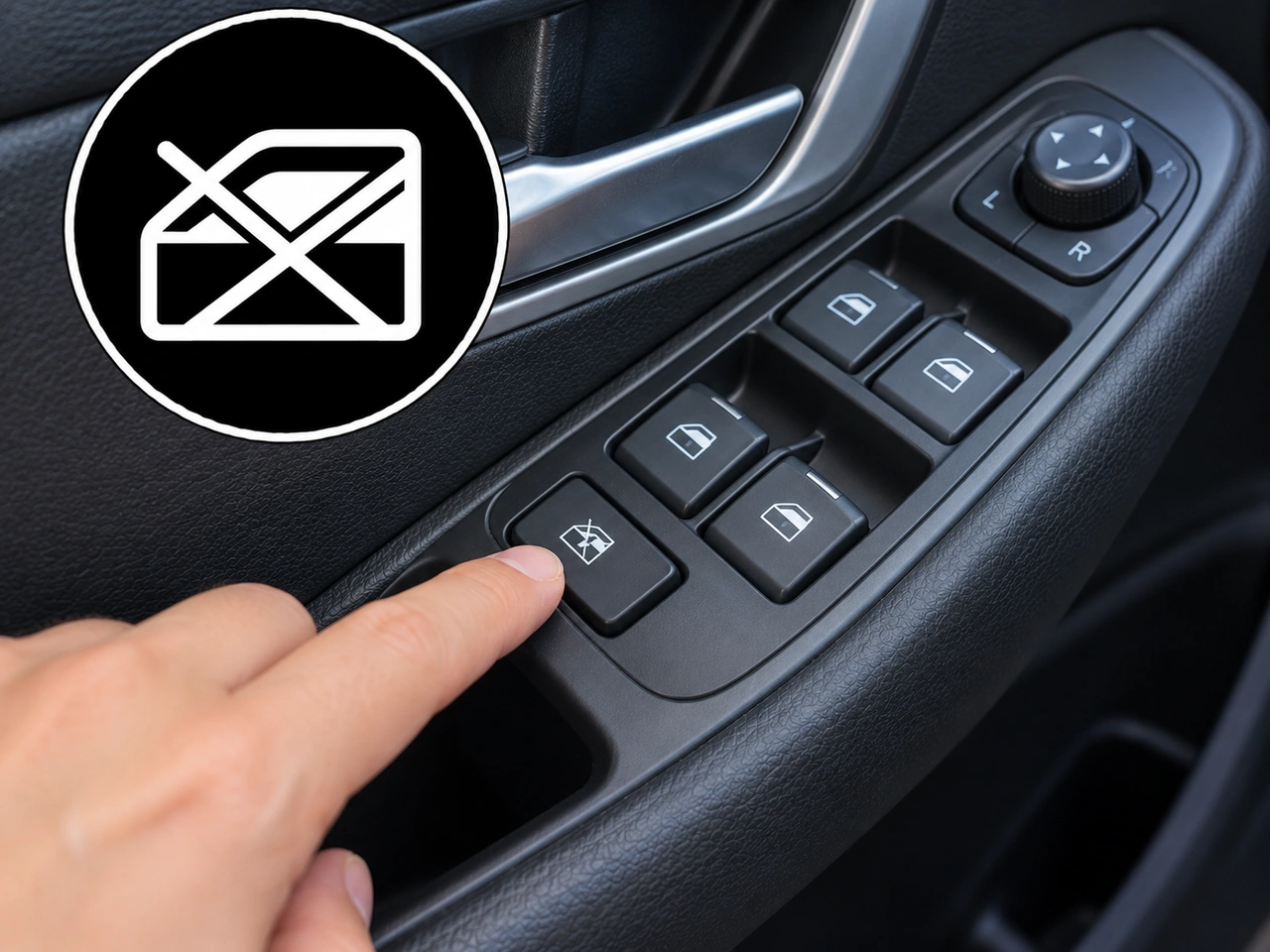
239. What does this vehicle-control symbol indicate?
This control activates the window lock, which normally prevents passengers from operating their electric windows while leaving control with the driver.
AI-generated by Rijbewijs-online.be • WCIT • CC BY-SA
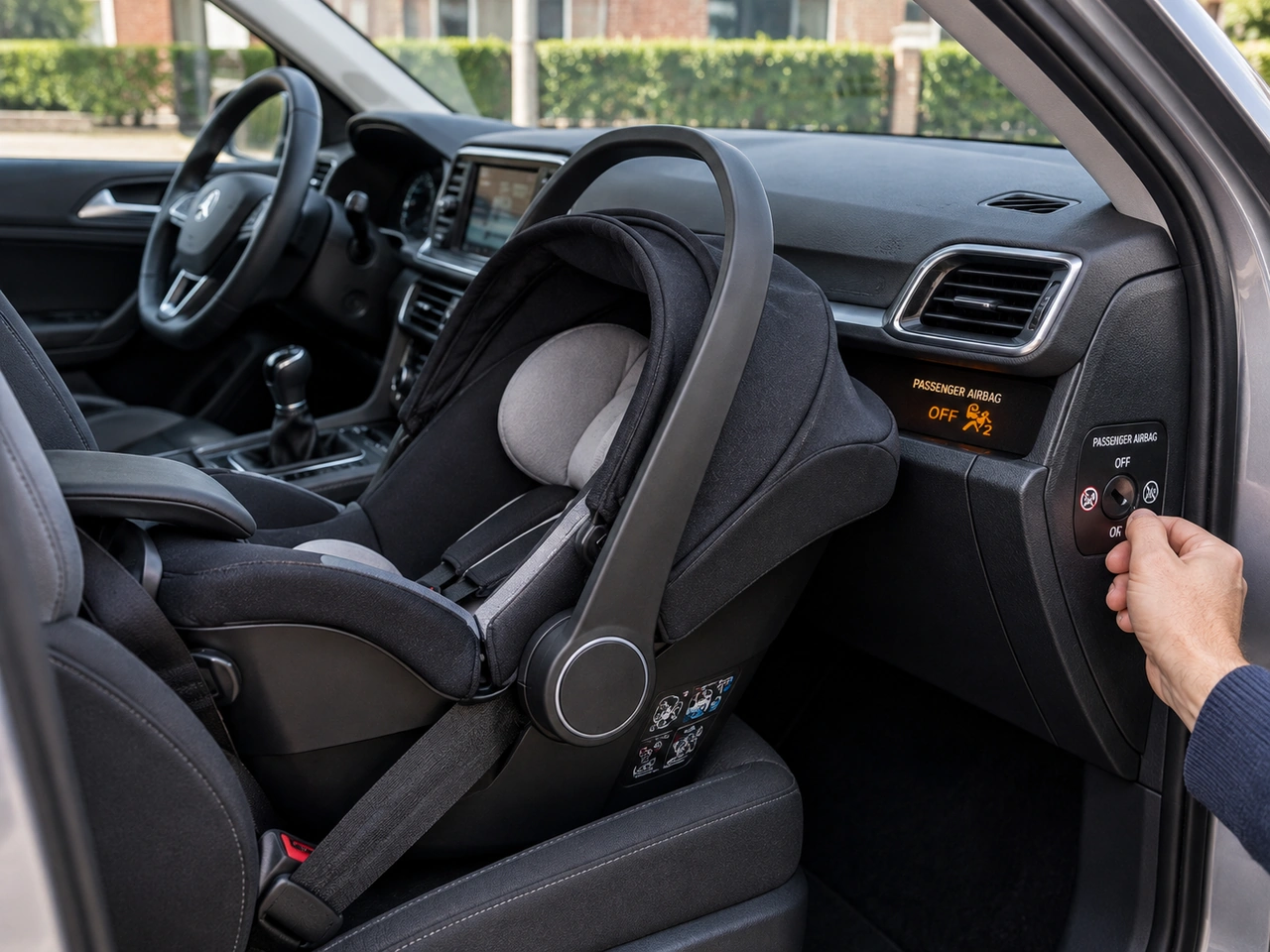
240. What must you do before using a rear-facing child seat in front of an airbag?
A rear-facing child-restraint system must not be used in front of an active frontal airbag. The airbag must be switched off or disabled automatically.
AI-generated by Rijbewijs-online.be • WCIT • CC BY-SA
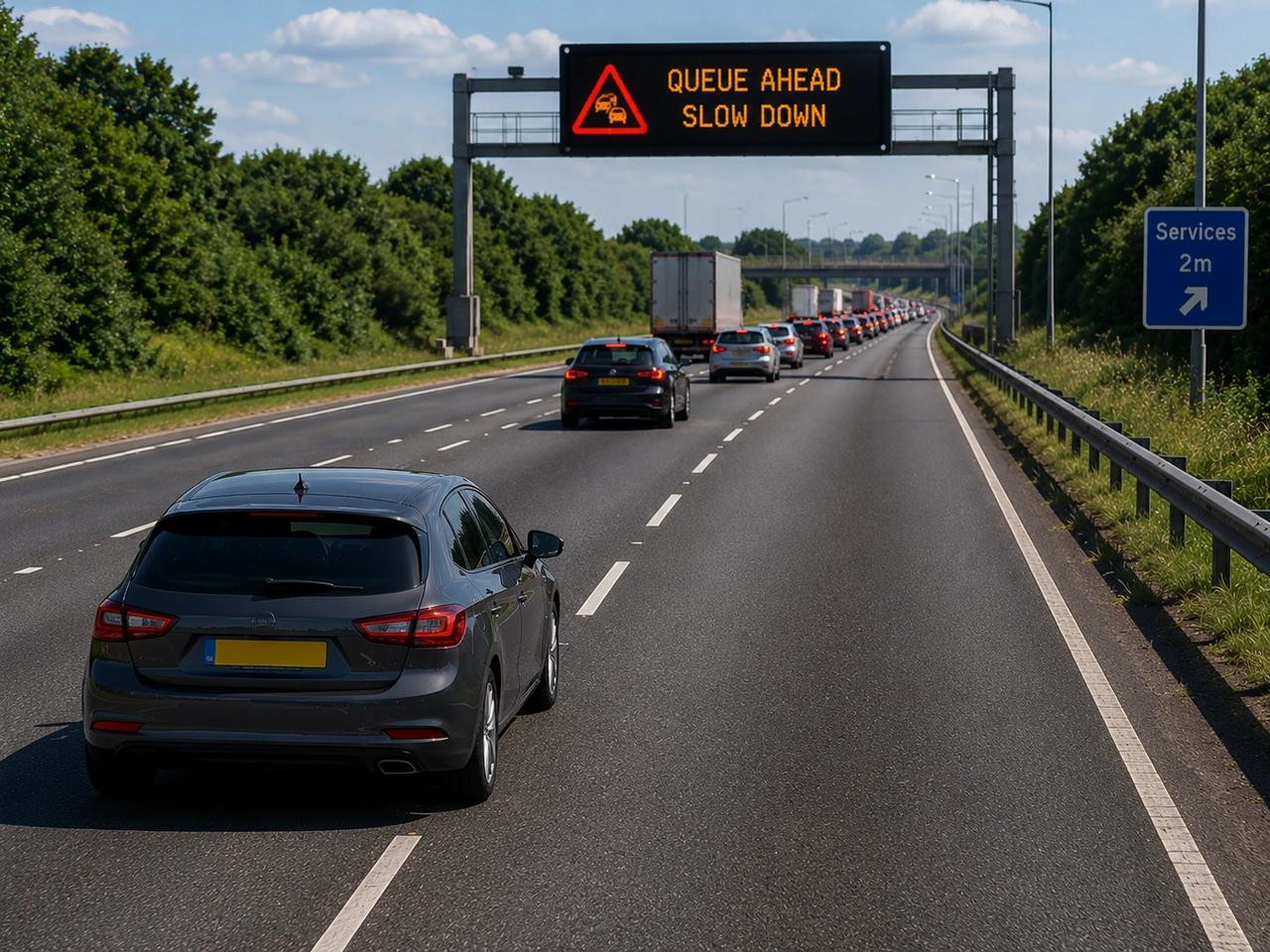
241. Why is a larger following distance needed at motorway speeds?
At higher speeds, you travel farther during your reaction time and need more distance to brake. A larger gap gives you more time and space to stop safely.
AI-generated by Rijbewijs-online.be • WCIT • CC BY-SA
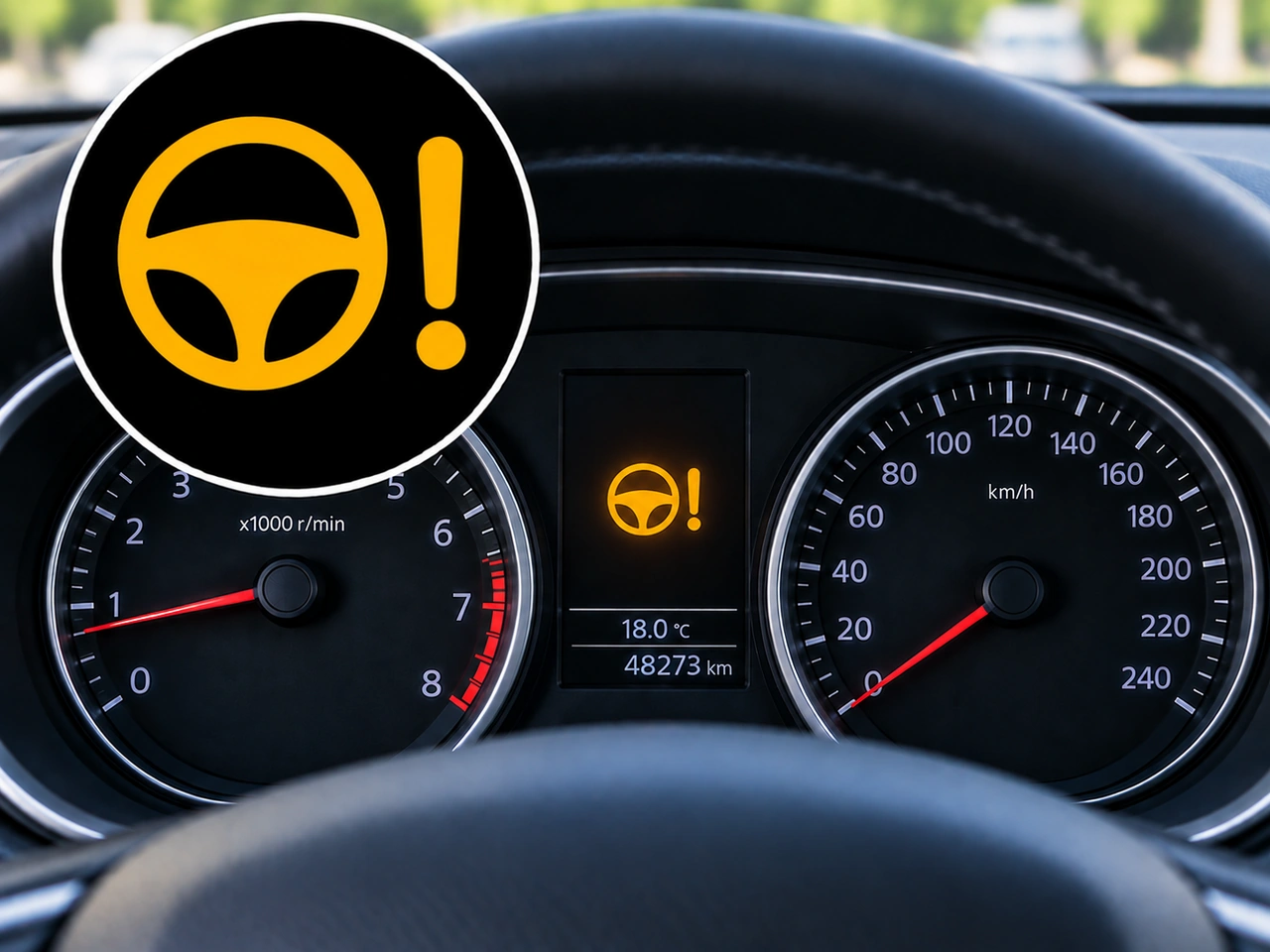
242. What does this dashboard symbol indicate?
This symbol indicates a possible fault with the power-steering system. Steering assistance may be reduced or unavailable, making the steering wheel harder to turn.
AI-generated by Rijbewijs-online.be • WCIT • CC BY-SA
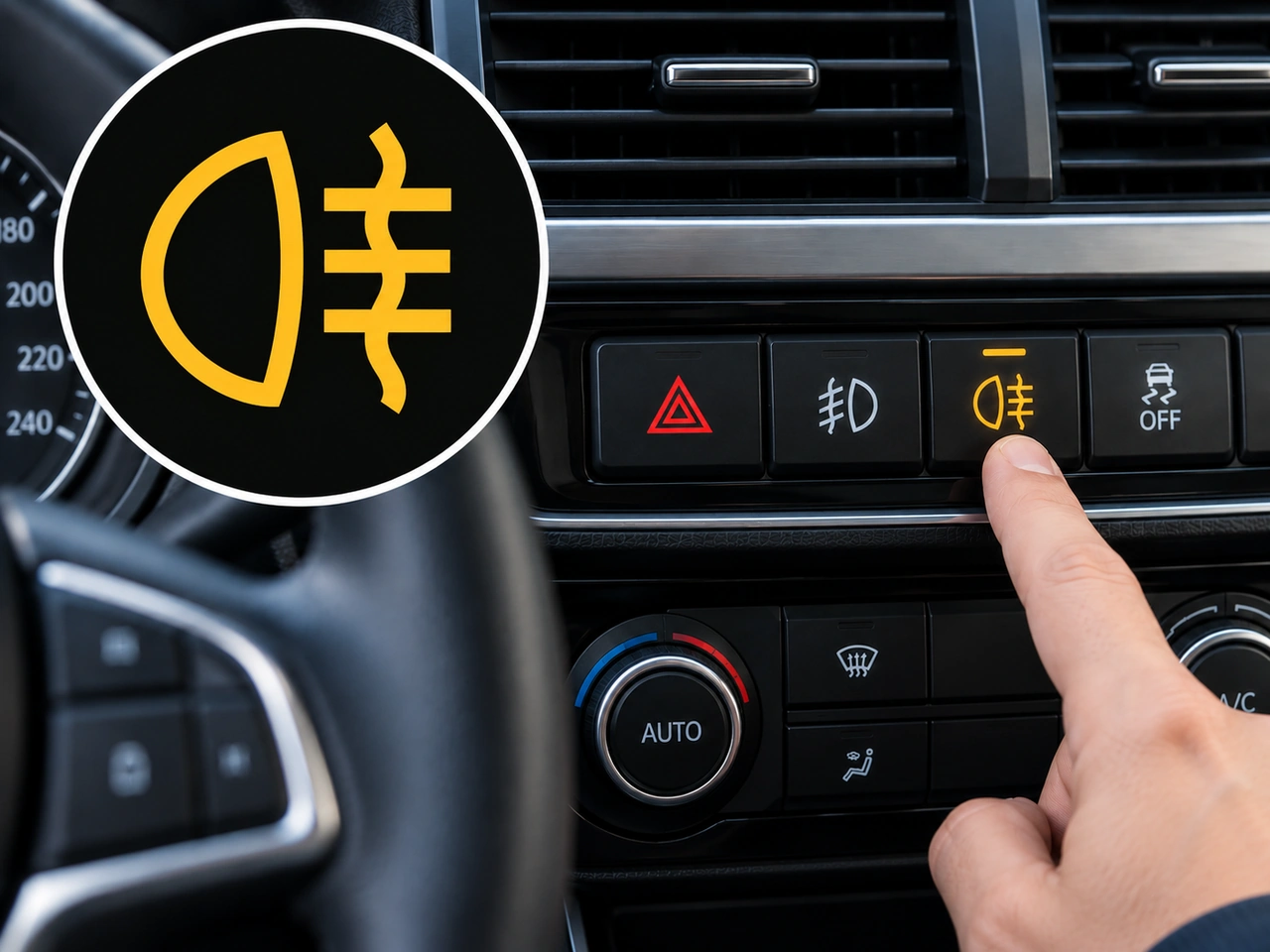
243. What does this dashboard symbol indicate?
This symbol indicates that the rear fog lights are switched on. Rear fog lights make the vehicle more visible from behind in conditions of severely reduced visibility, but they can dazzle other road users when used unnecessarily.
AI-generated by Rijbewijs-online.be • WCIT • CC BY-SA
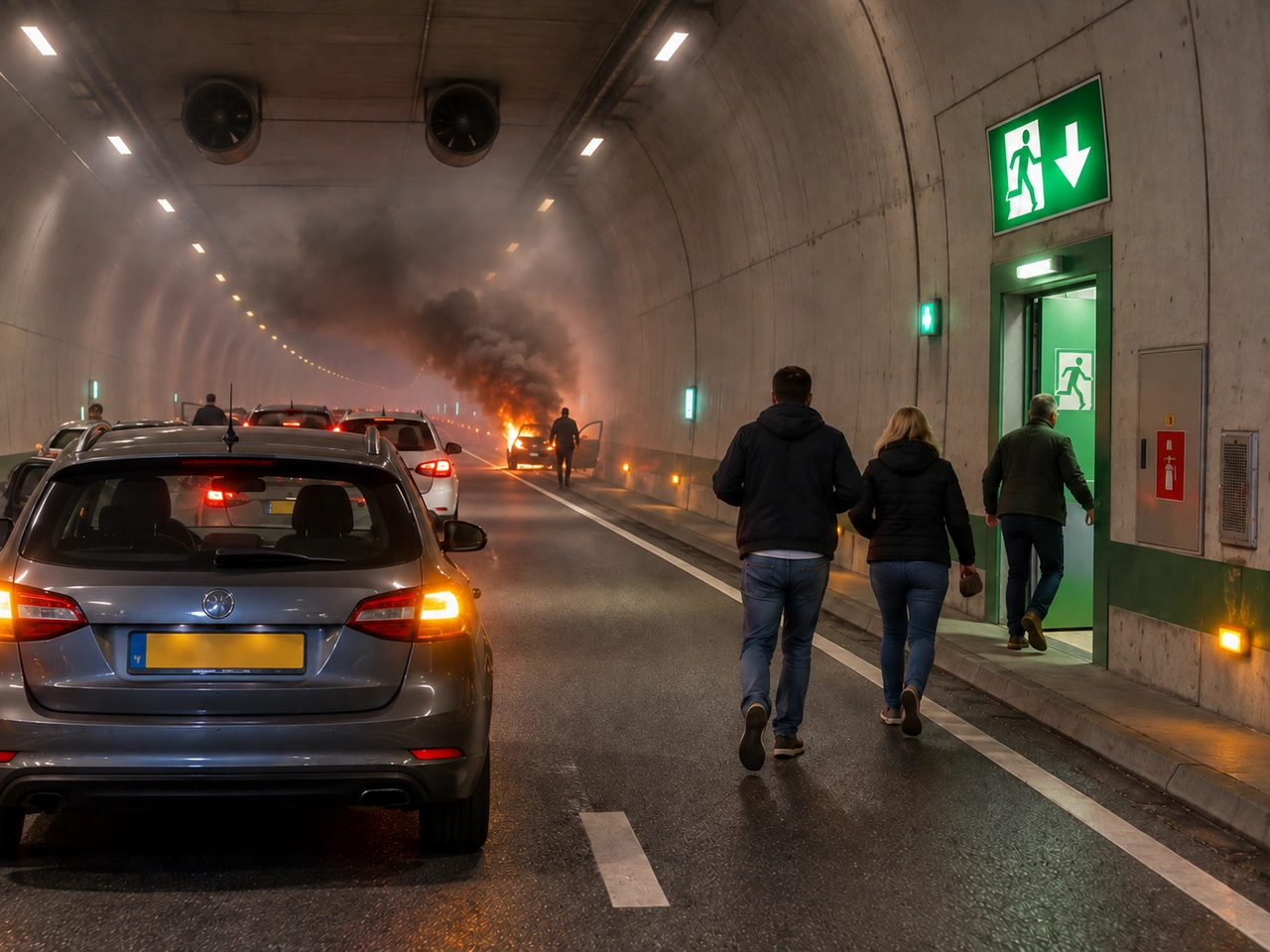
244. What should you do if you see smoke or fire inside a tunnel?
If it is safe to drive out of the tunnel, do so. If you cannot continue safely, stop, switch off the engine, leave the vehicle, and use the marked emergency exits or refuge routes. Follow tunnel-control instructions.
AI-generated by Rijbewijs-online.be • WCIT • CC BY-SA
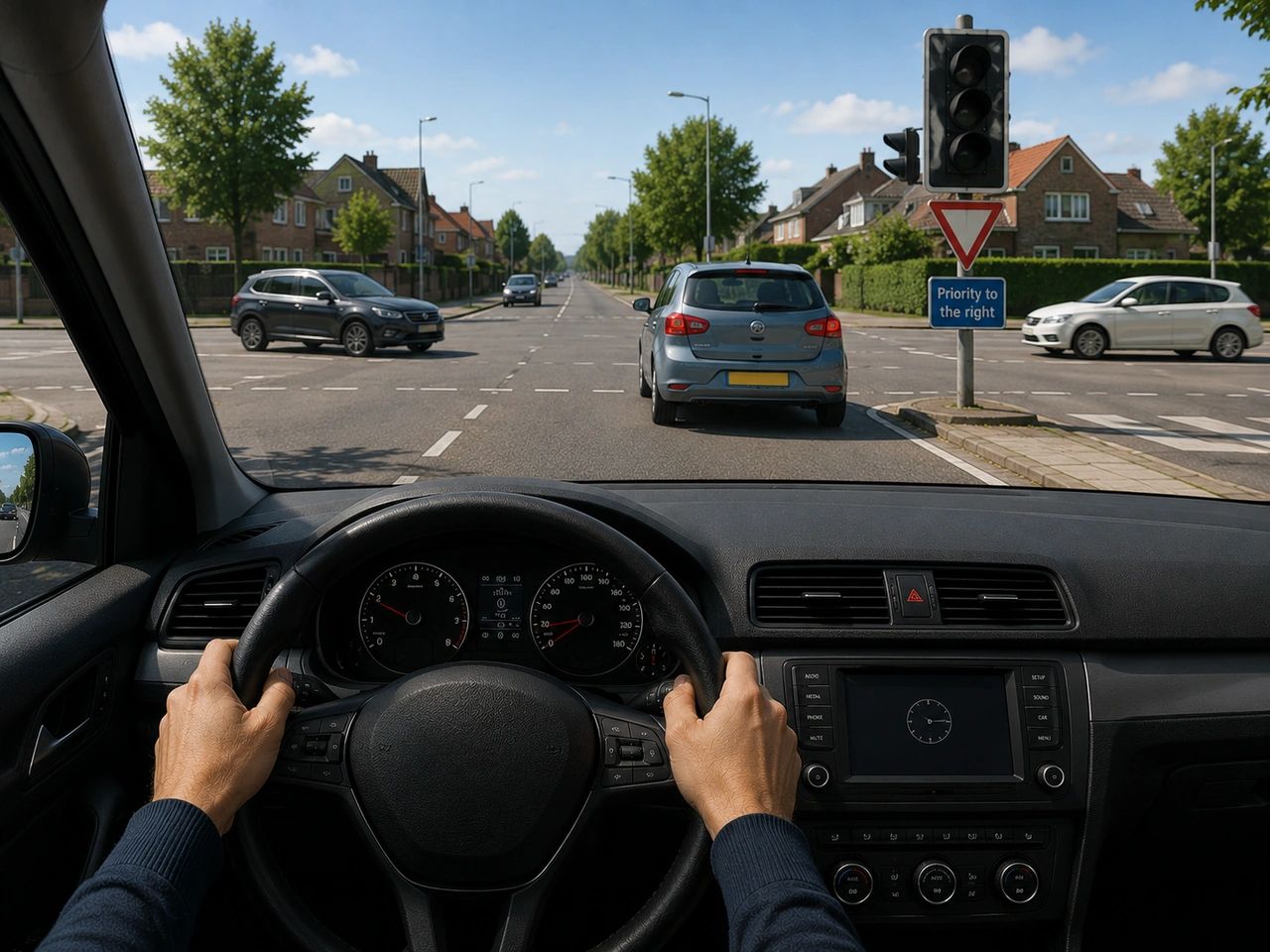
245. What should you do when traffic lights are not working?
If traffic lights are not working, slow down, observe carefully, and follow signs, road markings, or local priority rules.
AI-generated by Rijbewijs-online.be • WCIT • CC BY-SA
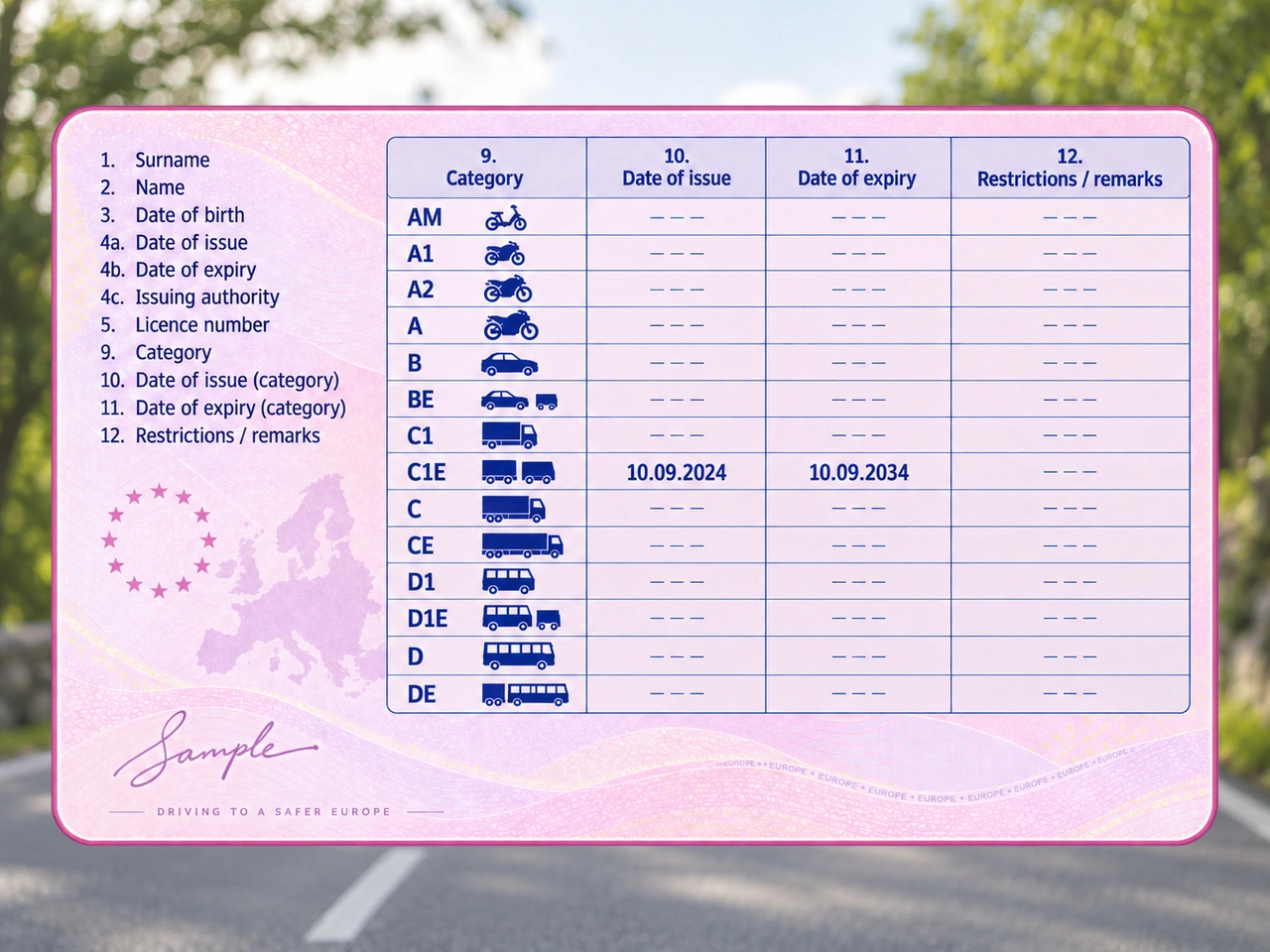
246. Which vehicle combination is covered by driving licence C1E?
Category C1E covers a category C1 vehicle with a trailer over 750 kg, provided the combination does not exceed 12,000 kg. It can also cover certain category B vehicles towing trailers over 3,500 kg, again with a combined maximum authorised mass not exceeding 12,000 kg.
AI-generated by Rijbewijs-online.be • WCIT • CC BY-SA
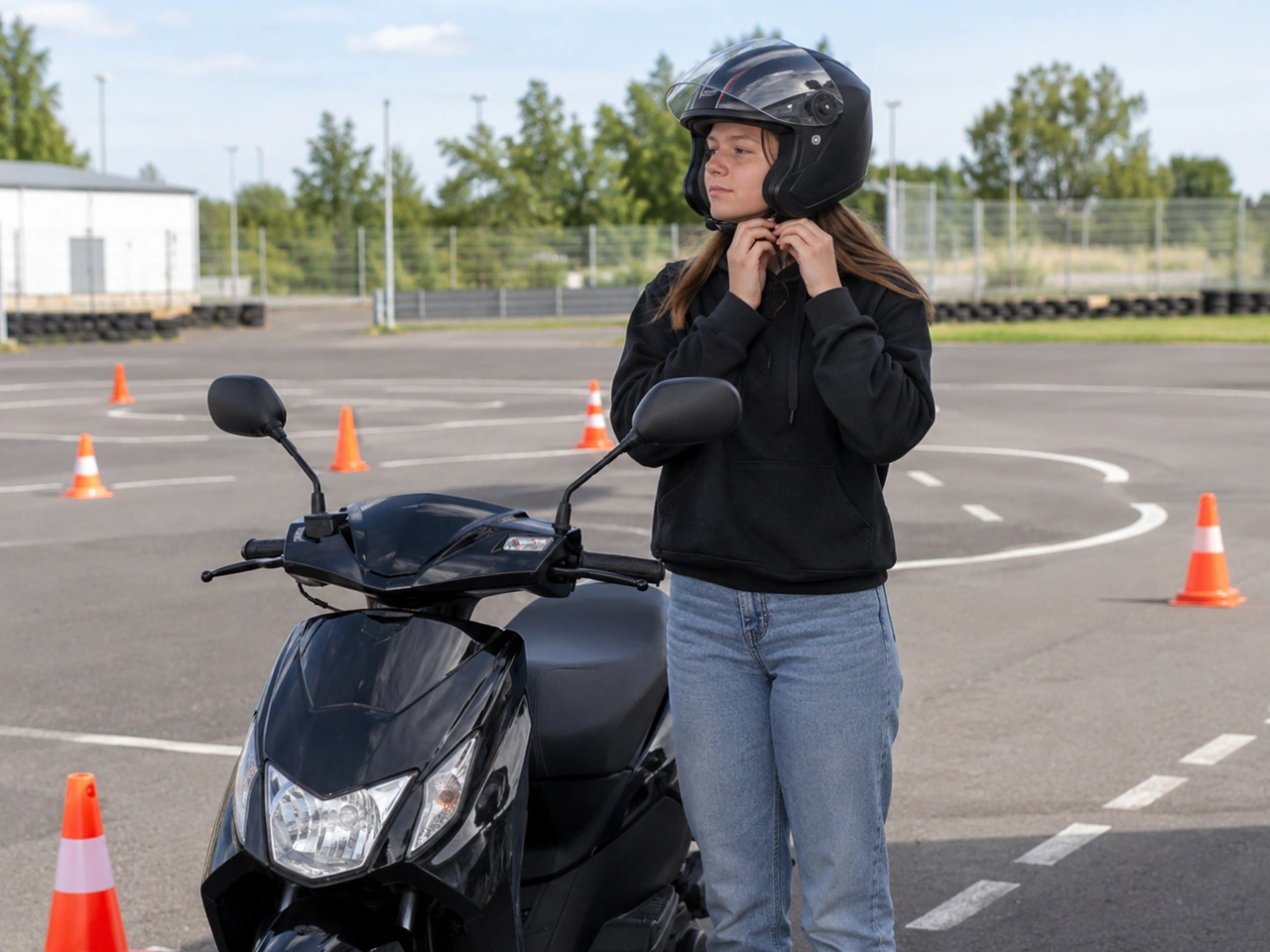
247. What is the minimum age for riding a moped in Belgium?
The minimum age for riding a moped in Belgium is generally 16 years.
AI-generated by Rijbewijs-online.be • WCIT • CC BY-SA
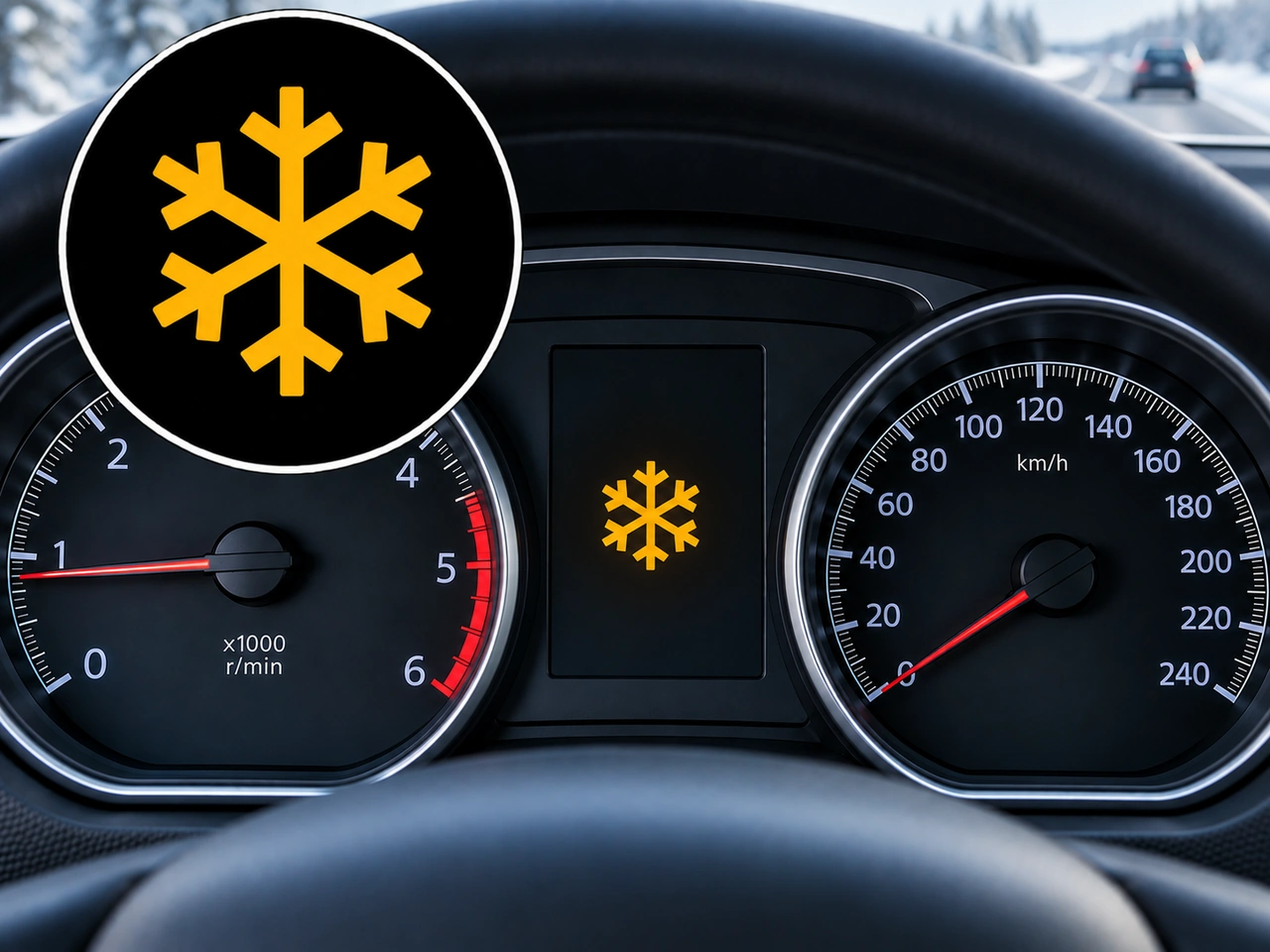
248. What does this dashboard symbol indicate?
This symbol warns that the outside temperature is low enough for ice to form. Road surfaces, especially bridges and shaded areas, may be slippery even when they appear clear.
AI-generated by Rijbewijs-online.be • WCIT • CC BY-SA
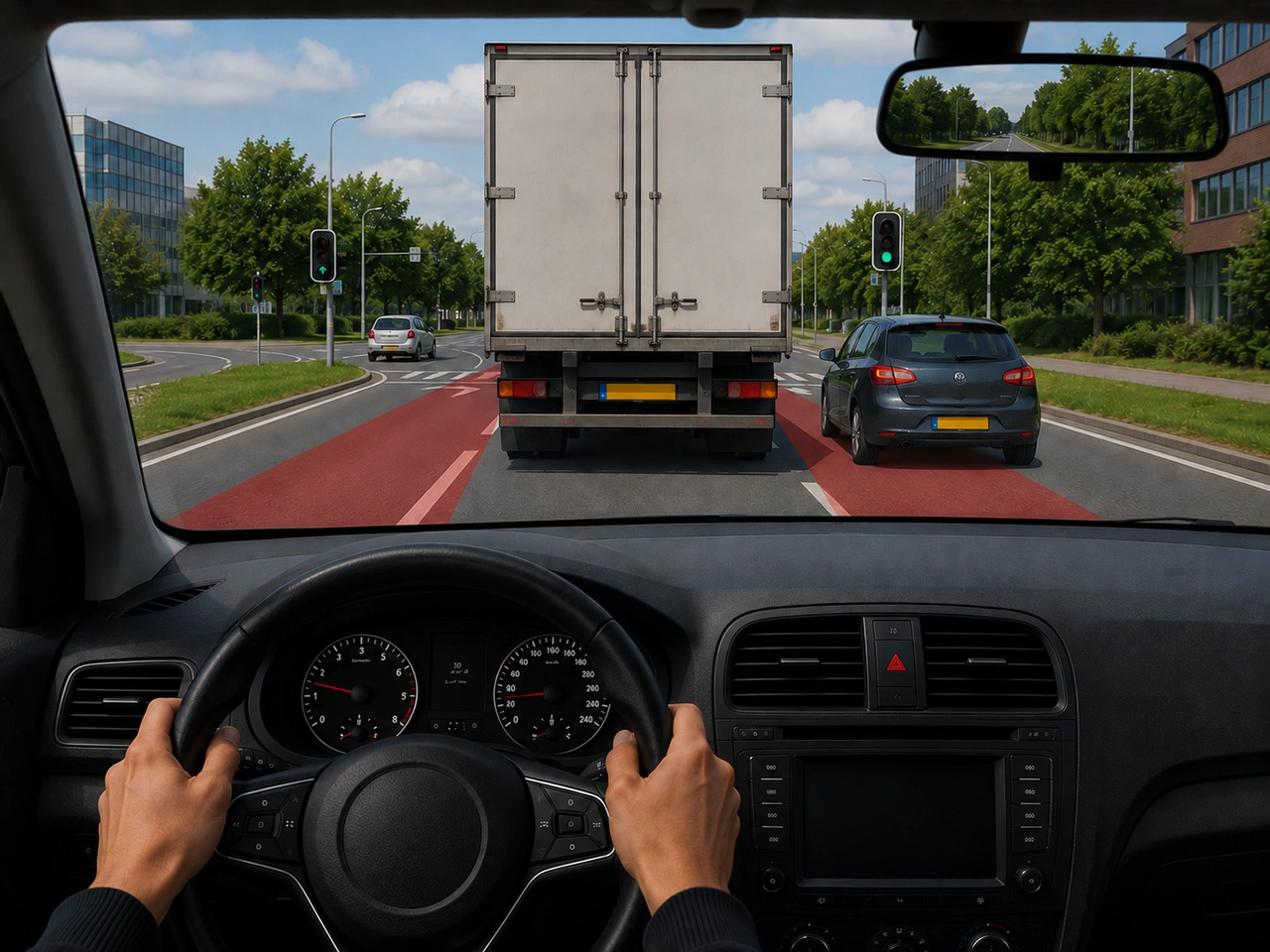
249. Why should you avoid stopping in a blind spot of a large vehicle?
Large vehicles have bigger blind spots. If you stop where the driver cannot see you, you may be at risk when the vehicle moves or turns.
AI-generated by Rijbewijs-online.be • WCIT • CC BY-SA
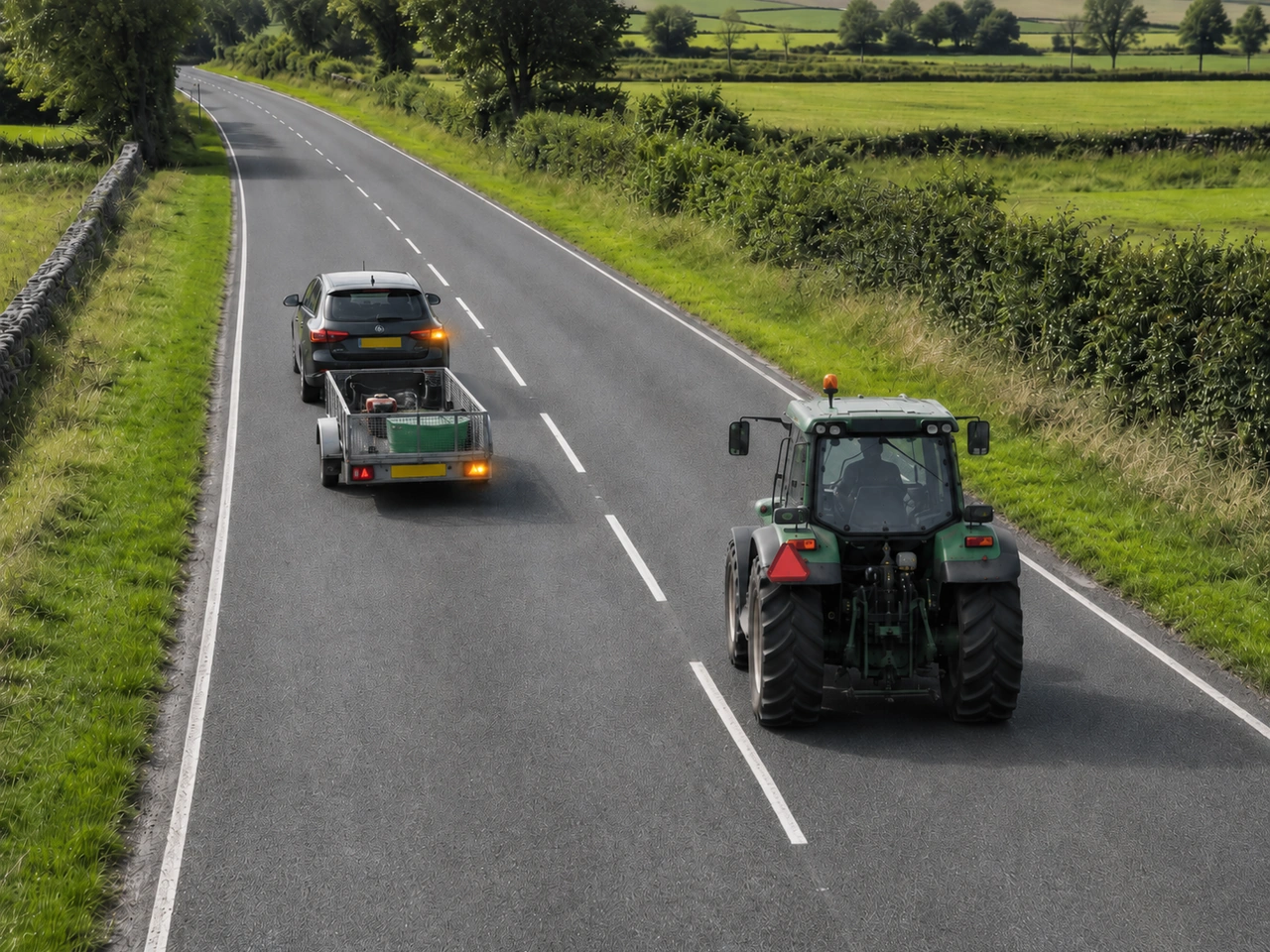
250. What should you do before overtaking while towing a trailer?
A towing vehicle accelerates more slowly, and the trailer makes the whole vehicle combination longer. Remember to allow a much larger safe gap before overtaking and enough space to return safely to your lane.
AI-generated by Rijbewijs-online.be • WCIT • CC BY-SA