


QuizTraffic rulesBelgium
Test your knowledge with our multiple-choice quiz. Learn from each answer and improve your understanding of the traffic rules and road signs of Belgium.
 Traffic signs
 Traffic rules
 Belgium
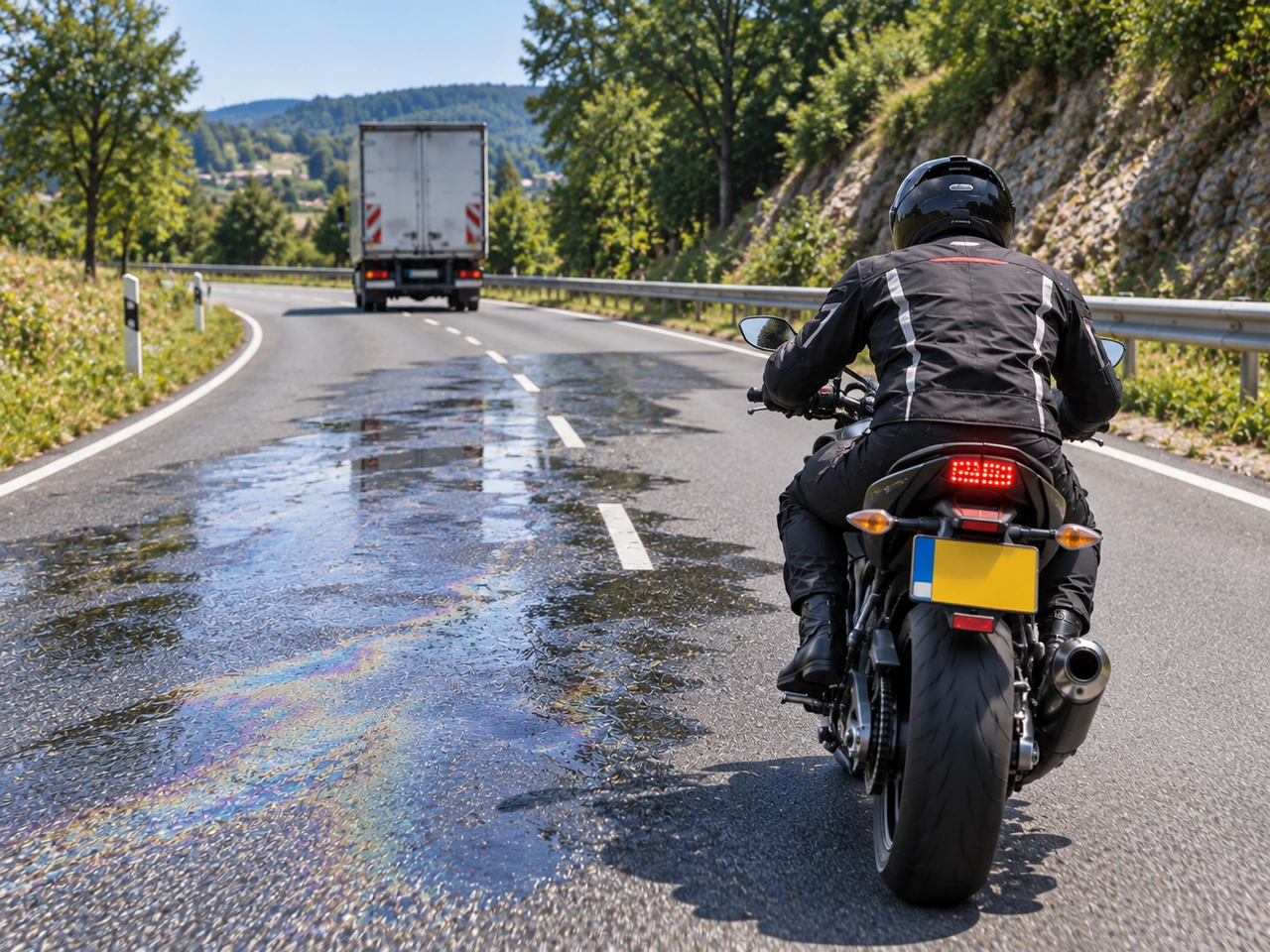
401. Why should you take extra care if oil or diesel is spilled on the road?
Oil, diesel and other fluids can create a very slippery road surface, particularly for motorcycles and bicycles. Reduce speed, avoid sudden braking or steering and keep the vehicle as stable as possible when crossing a contaminated area.
AI-generated by Rijbewijs-online.be • WCIT • CC BY-SA

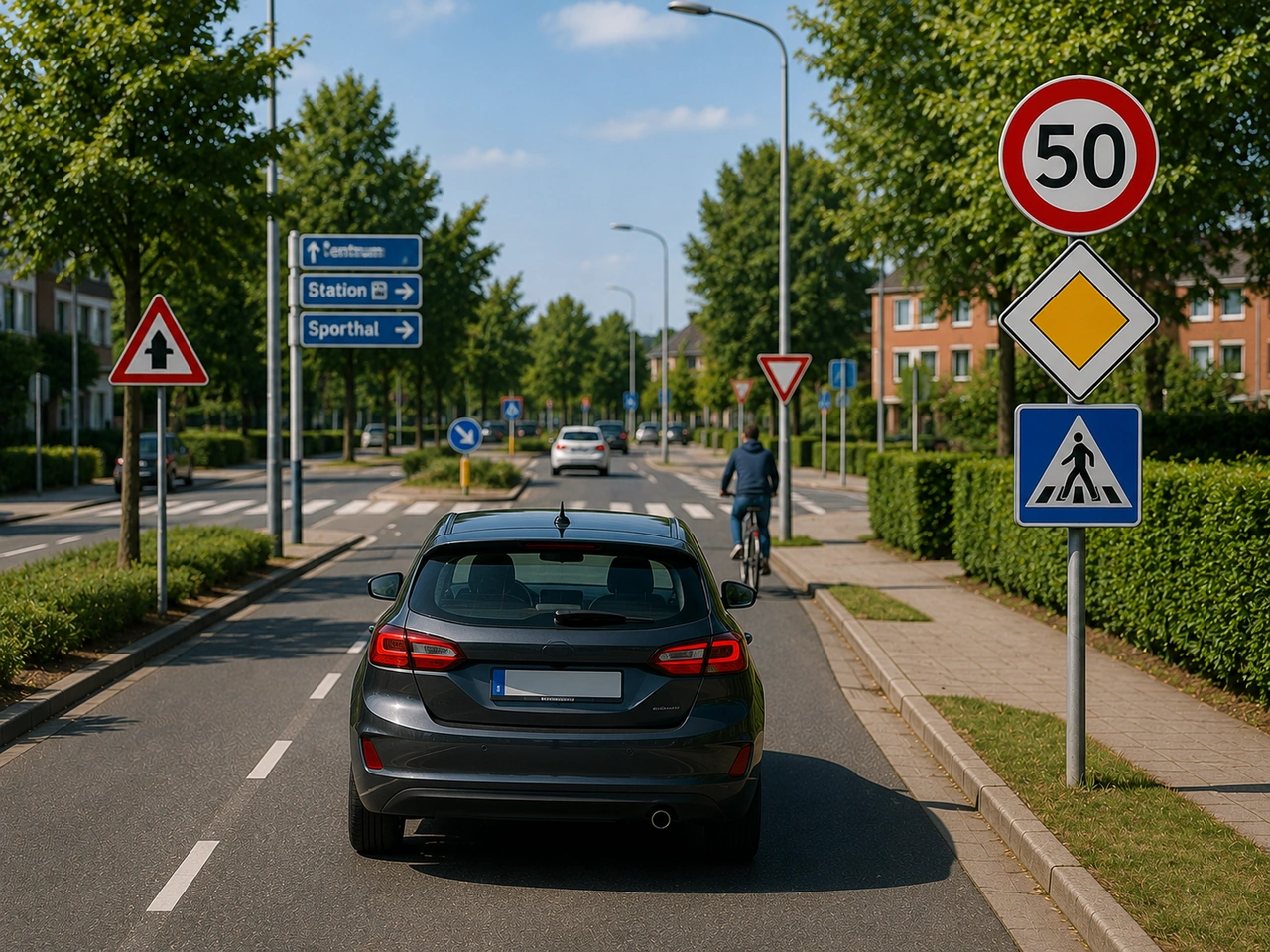
402. Why should you obey traffic signs?
Traffic signs help organise traffic and improve safety for drivers, cyclists, and pedestrians.
AI-generated by Rijbewijs-online.be • WCIT • CC BY-SA
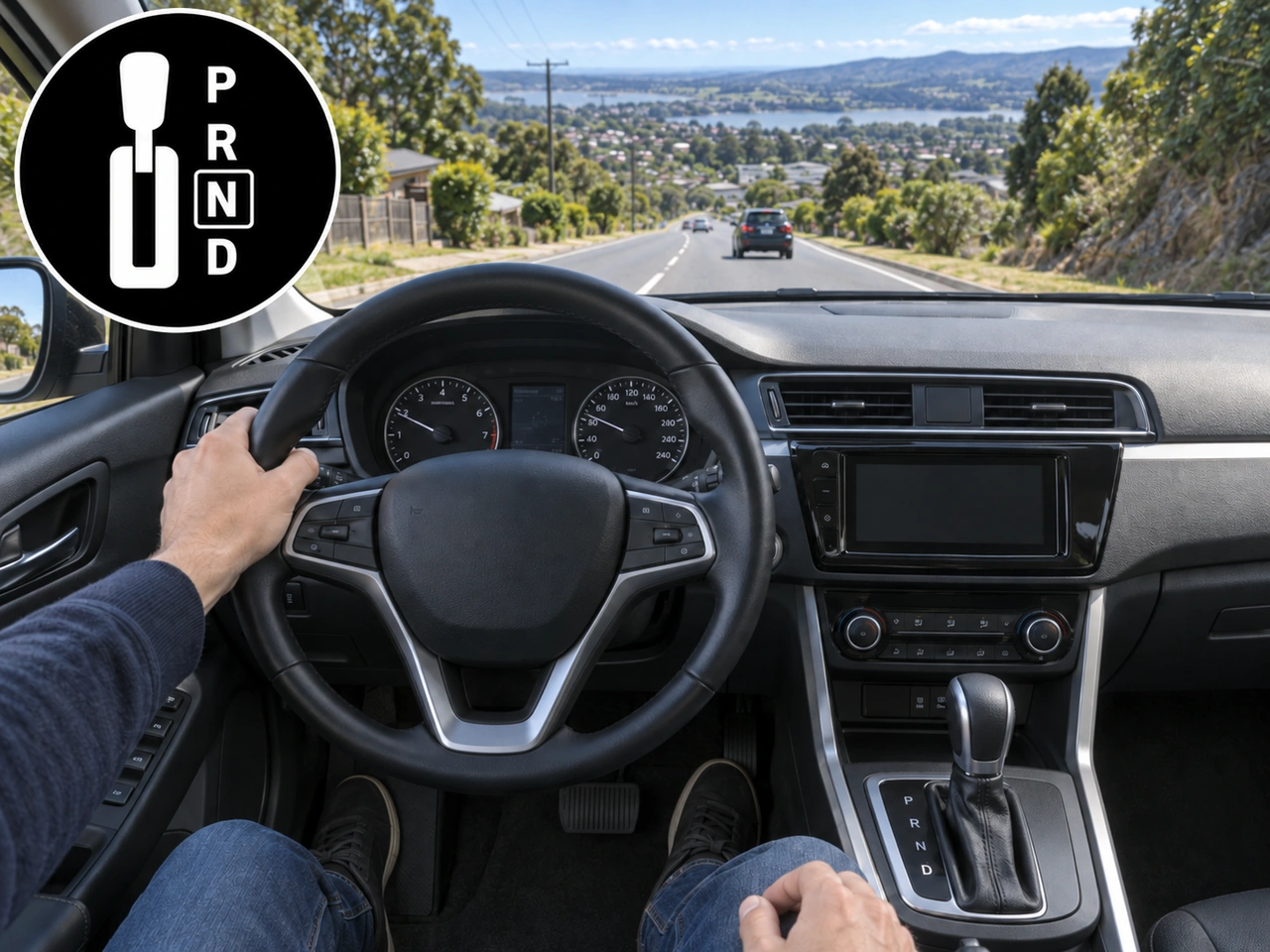
403. Why should you avoid selecting N while driving downhill in an automatic vehicle?
Selecting N (Neutral) while driving downhill disconnects the engine from the driven wheels, reducing engine braking. Keep an appropriate drive or gear selected so you can maintain better control of the vehicle.
AI-generated by Rijbewijs-online.be • WCIT • CC BY-SA
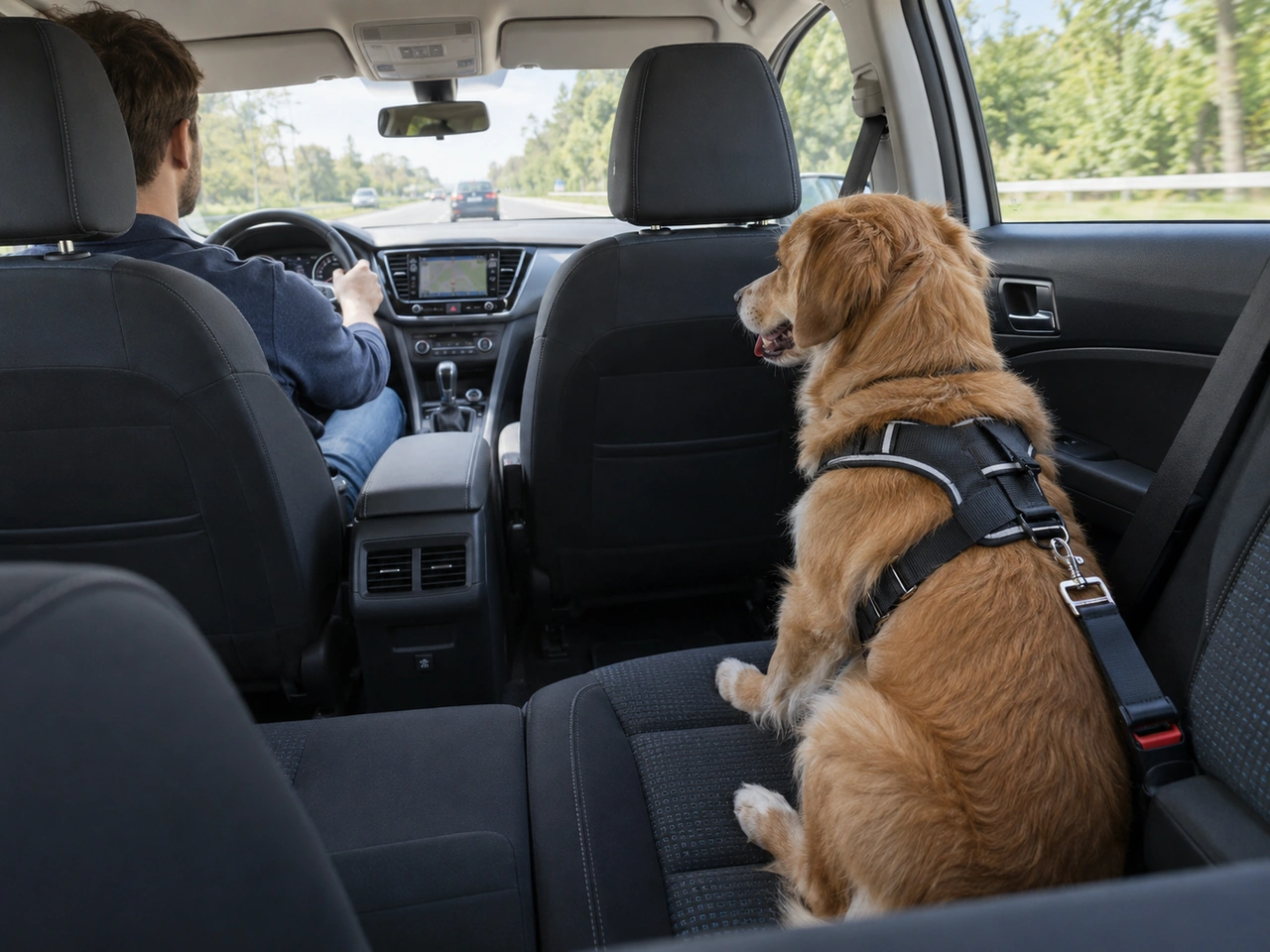
404. How should pets be carried safely in a vehicle?
A pet moving freely inside a vehicle can distract the driver and may be thrown around during sudden braking or a collision. Use a suitable carrier, harness, barrier, or other secure restraint appropriate for the animal and vehicle.
AI-generated by Rijbewijs-online.be • WCIT • CC BY-SA
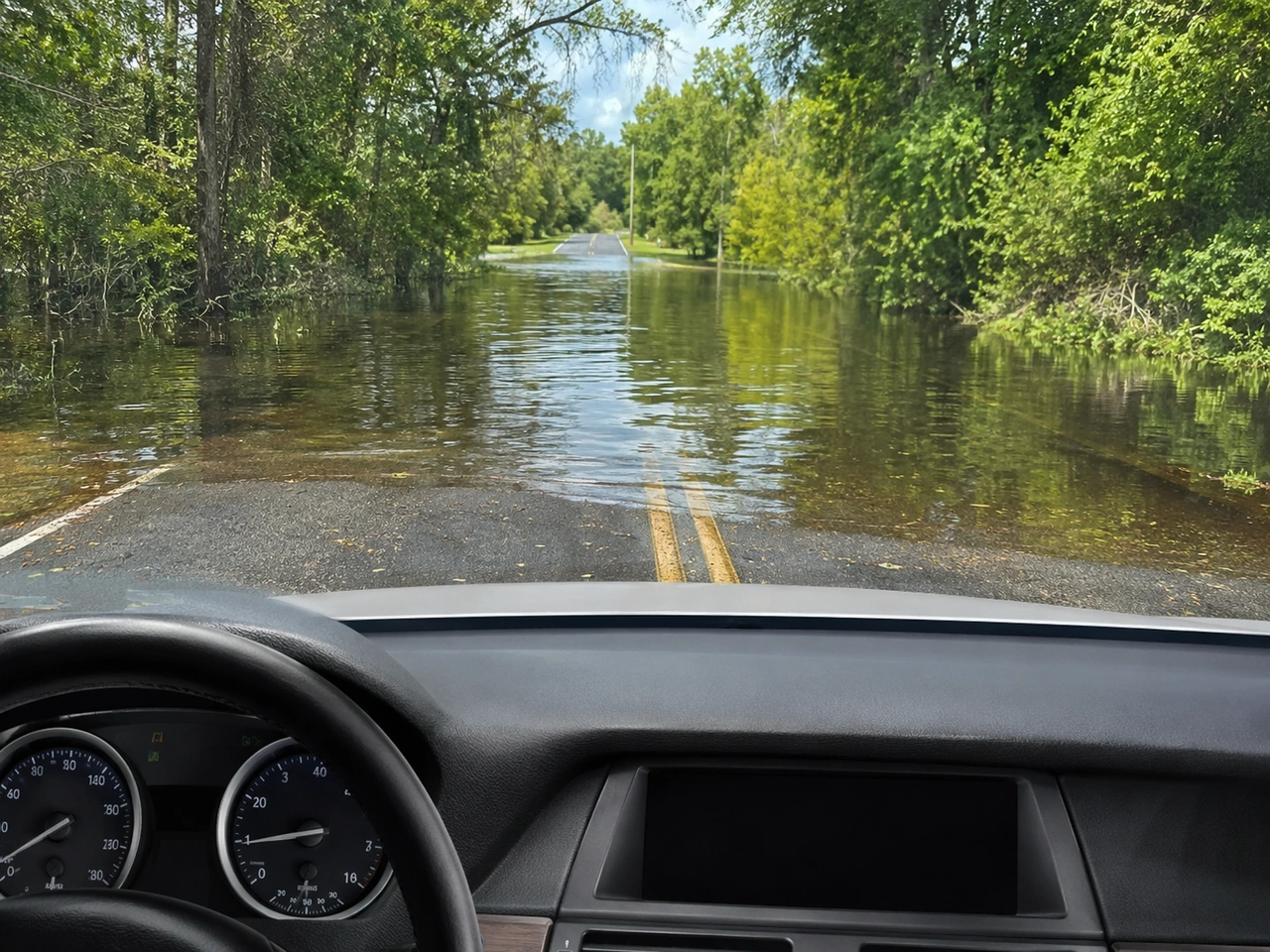
405. Why should you avoid driving through deep water?
Deep water can damage the engine, reduce braking ability, hide hazards, or cause the vehicle to lose grip. Reduce speed, assess the depth and conditions carefully, and avoid entering the water if you are unsure it is safe. If necessary, stop and use another route.
AI-generated by Rijbewijs-online.be • WCIT • CC BY-SA
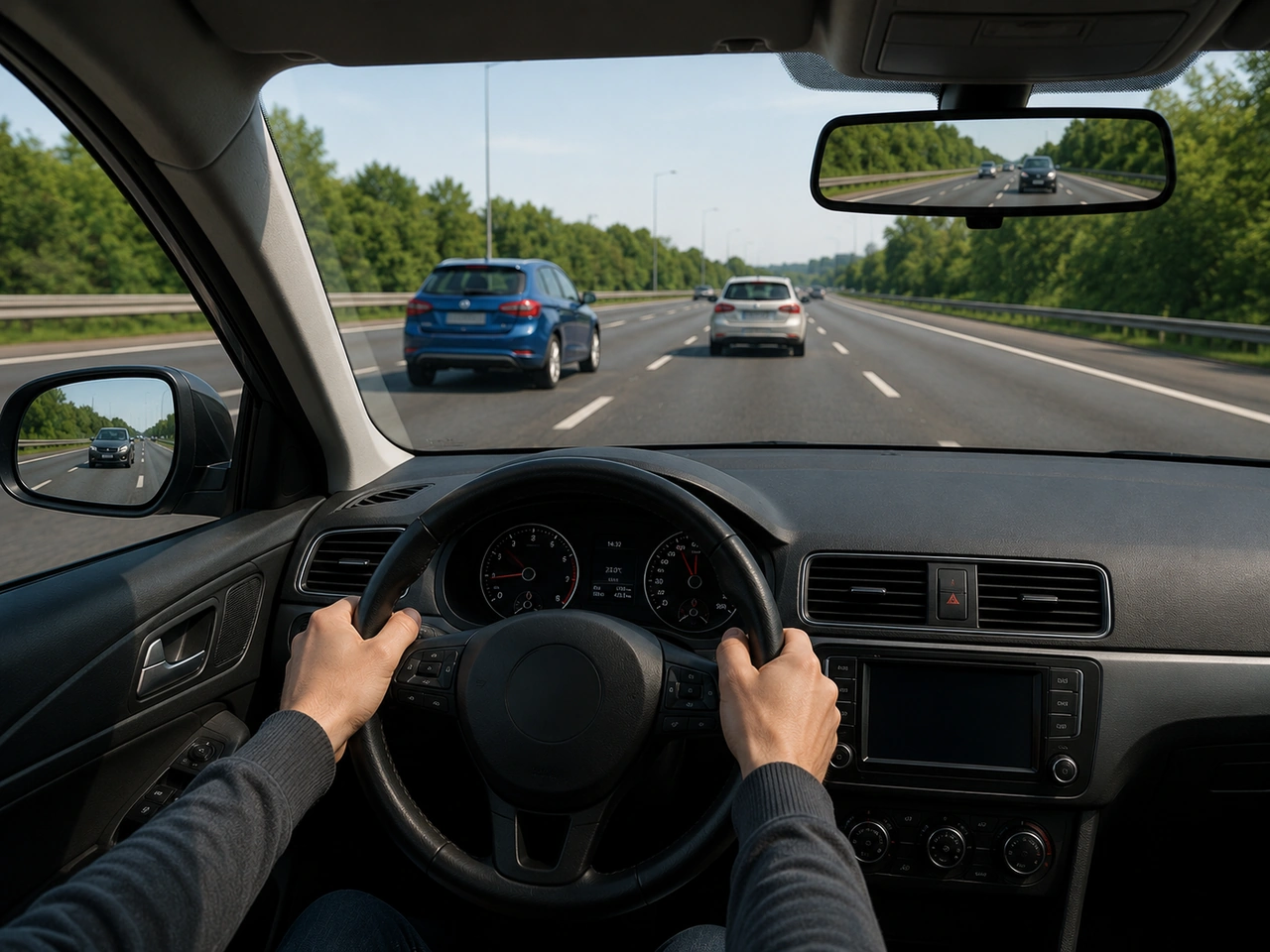
406. What should you do before changing lanes?
Always check your mirrors, look over your shoulder if necessary, and make sure it is safe before changing lanes.
AI-generated by Rijbewijs-online.be • WCIT • CC BY-SA
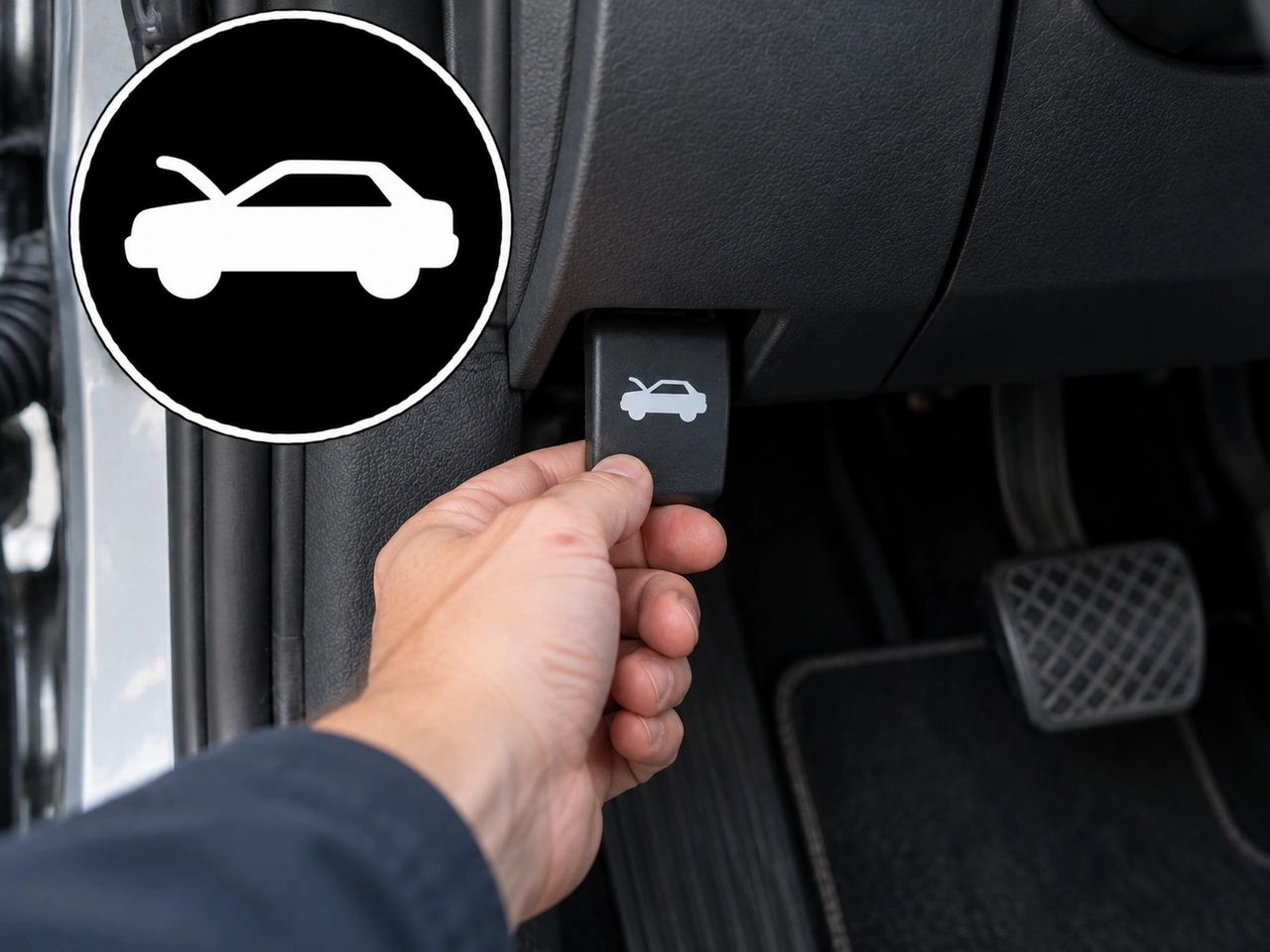
407. What does this vehicle-control symbol indicate?
This control releases the bonnet so that it can be opened. A secondary safety catch under the bonnet normally has to be released before it can be fully raised.
AI-generated by Rijbewijs-online.be • WCIT • CC BY-SA
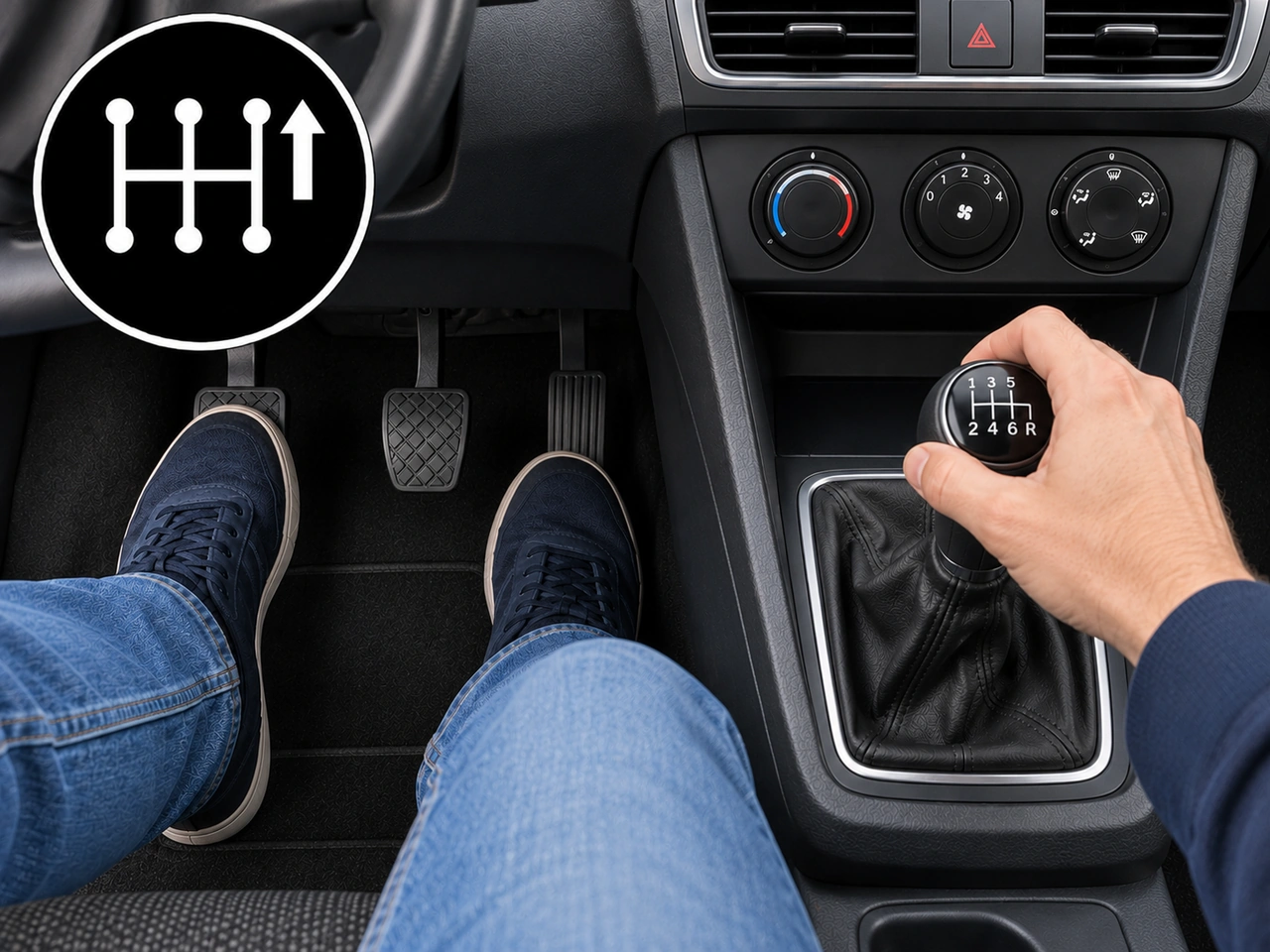
408. What should you normally do with the accelerator when changing to a higher gear?
When changing to a higher gear, ease off the accelerator as you press the clutch and select the next gear. Release the clutch smoothly and then apply the accelerator progressively.
AI-generated by Rijbewijs-online.be • WCIT • CC BY-SA
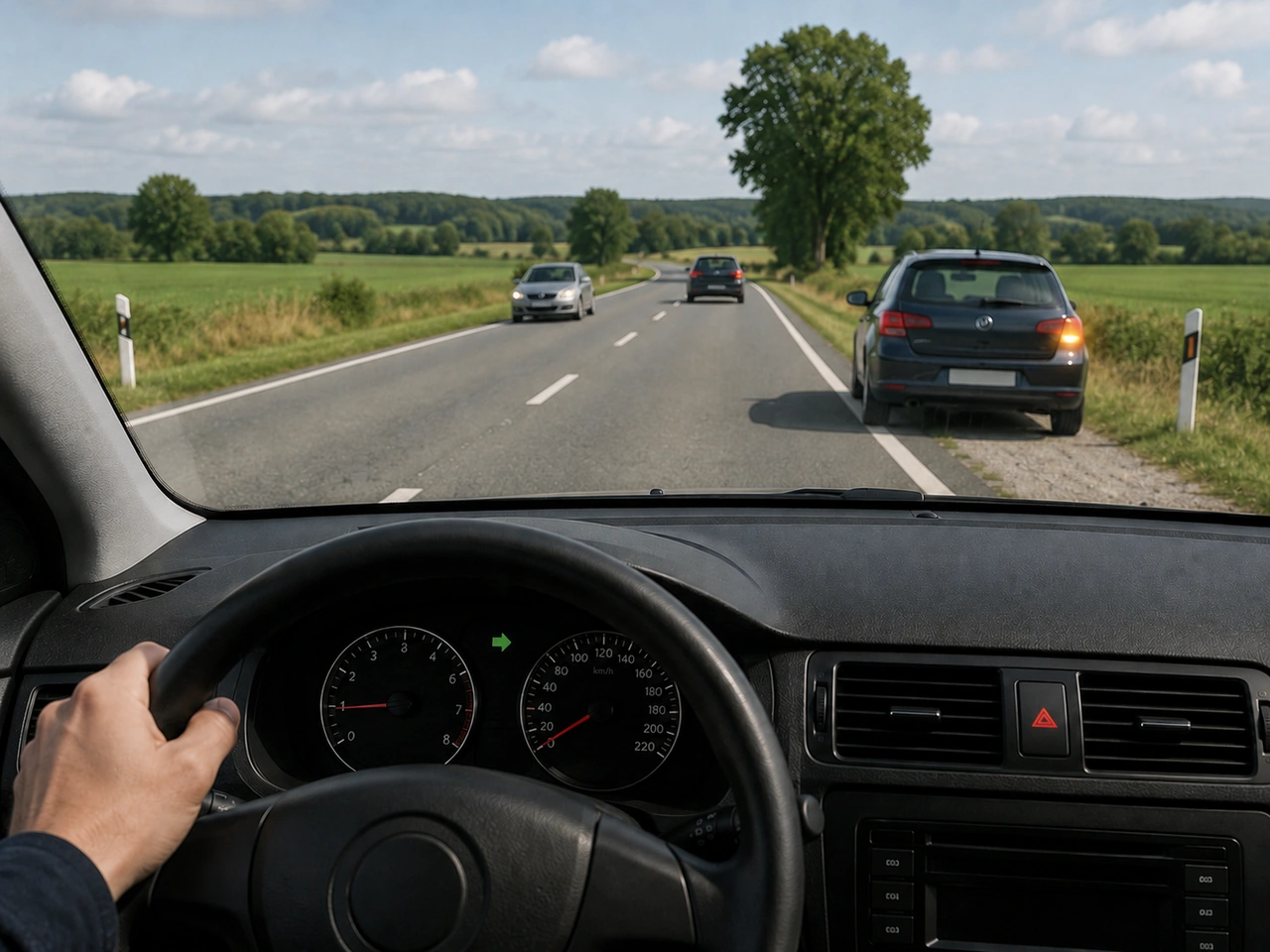
409. What should you do if your vehicle develops a serious fault while driving?
Your first priority is to keep control of the vehicle. Reduce speed smoothly and move out of the path of traffic where possible, signalling when appropriate. Avoid harsh steering or braking unless necessary.
AI-generated by Rijbewijs-online.be • WCIT • CC BY-SA
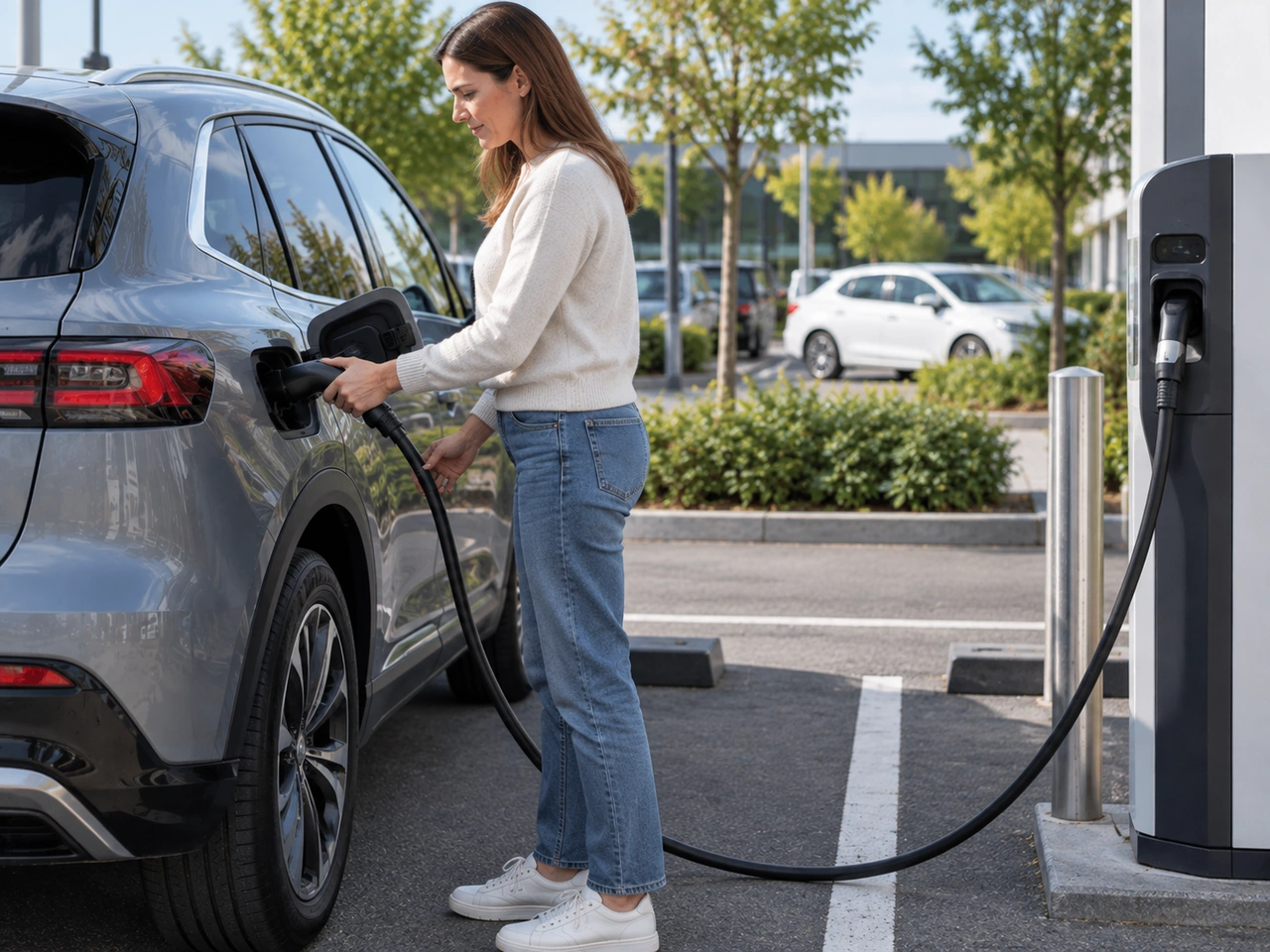
410. What should you do before driving away after charging an electric vehicle?
Before driving away, disconnect the charging cable correctly and return it to the charger or store it securely in the vehicle, as appropriate. Close the charging port and check that the area around the vehicle is clear.
AI-generated by Rijbewijs-online.be • WCIT • CC BY-SA
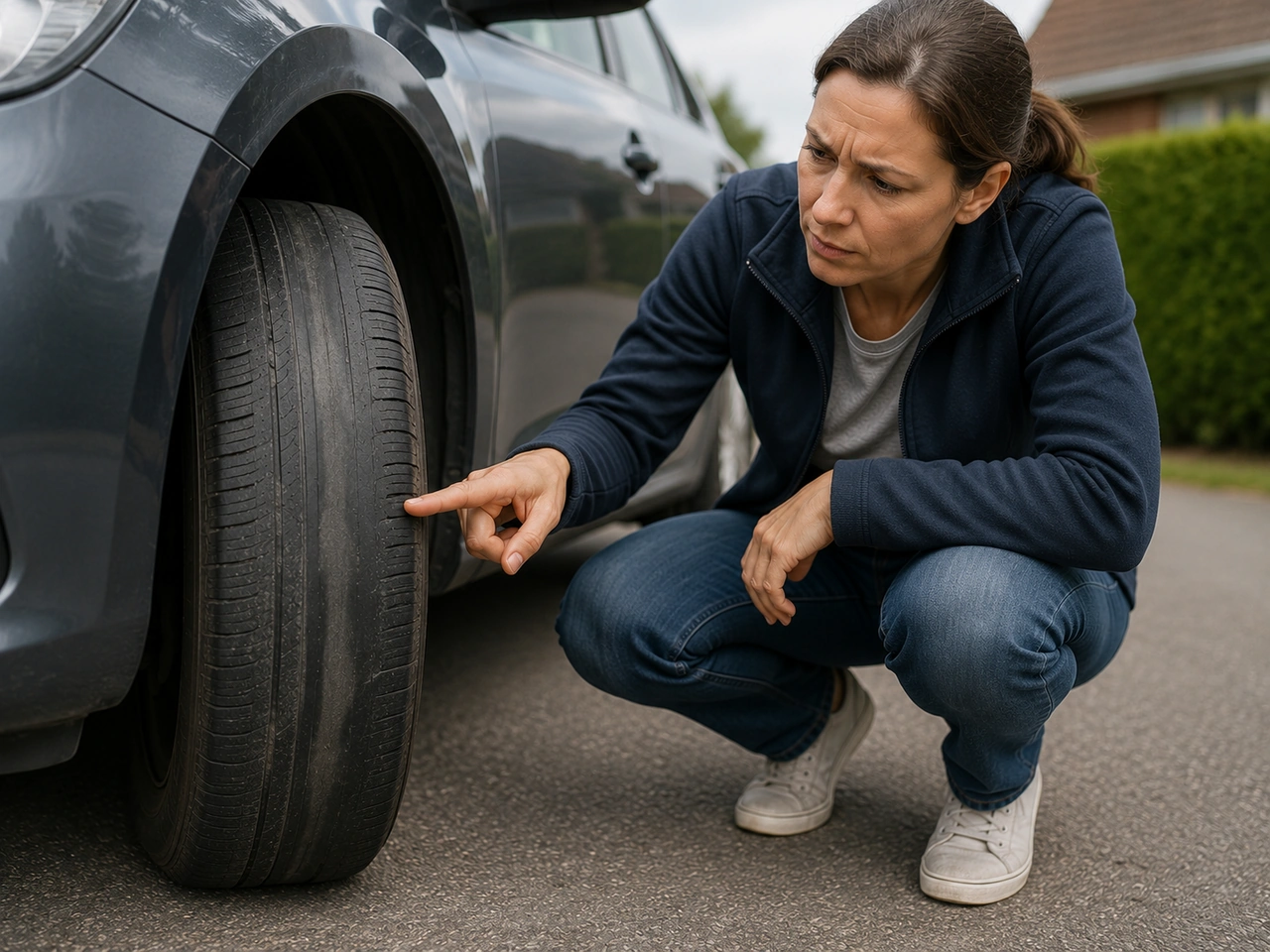
411. What can uneven tyre wear indicate?
Uneven wear may result from incorrect tyre pressure, wheel misalignment, worn suspension parts, or a brake that is not releasing properly.
AI-generated by Rijbewijs-online.be • WCIT • CC BY-SA
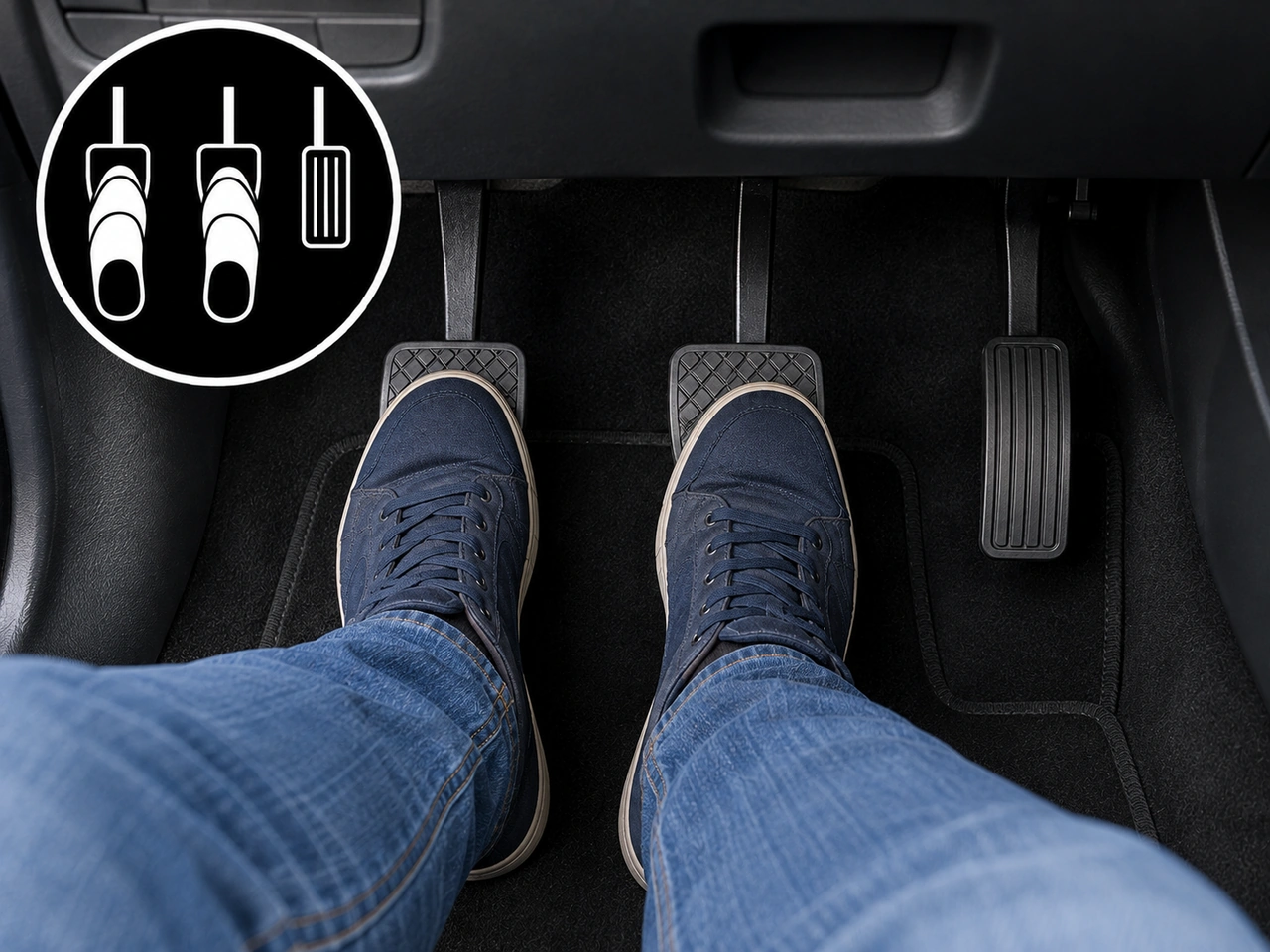
412. What should you do with the clutch during emergency braking in a manual vehicle?
During emergency braking in a manual vehicle, maintain firm pressure on the brake and press the clutch pedal fully so the engine does not stall as the vehicle slows. Do not reduce braking pressure while operating the clutch.
AI-generated by Rijbewijs-online.be • WCIT • CC BY-SA
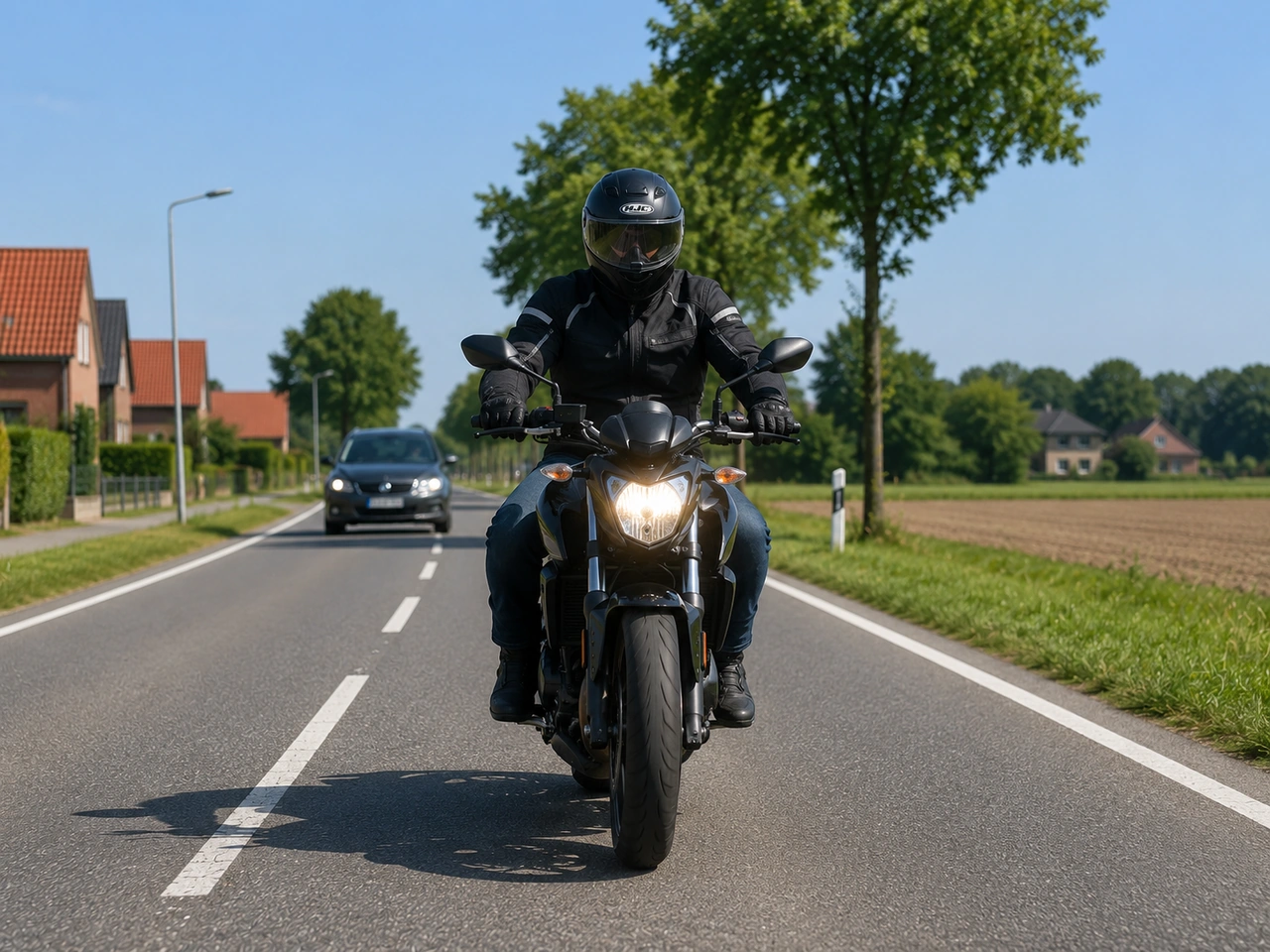
413. Which lights must a motorcyclist normally use during daylight in Belgium?
Two-wheeled mopeds and motorcycles must use their dipped headlight and red rear light continuously, including during daylight.
AI-generated by Rijbewijs-online.be • WCIT • CC BY-SA
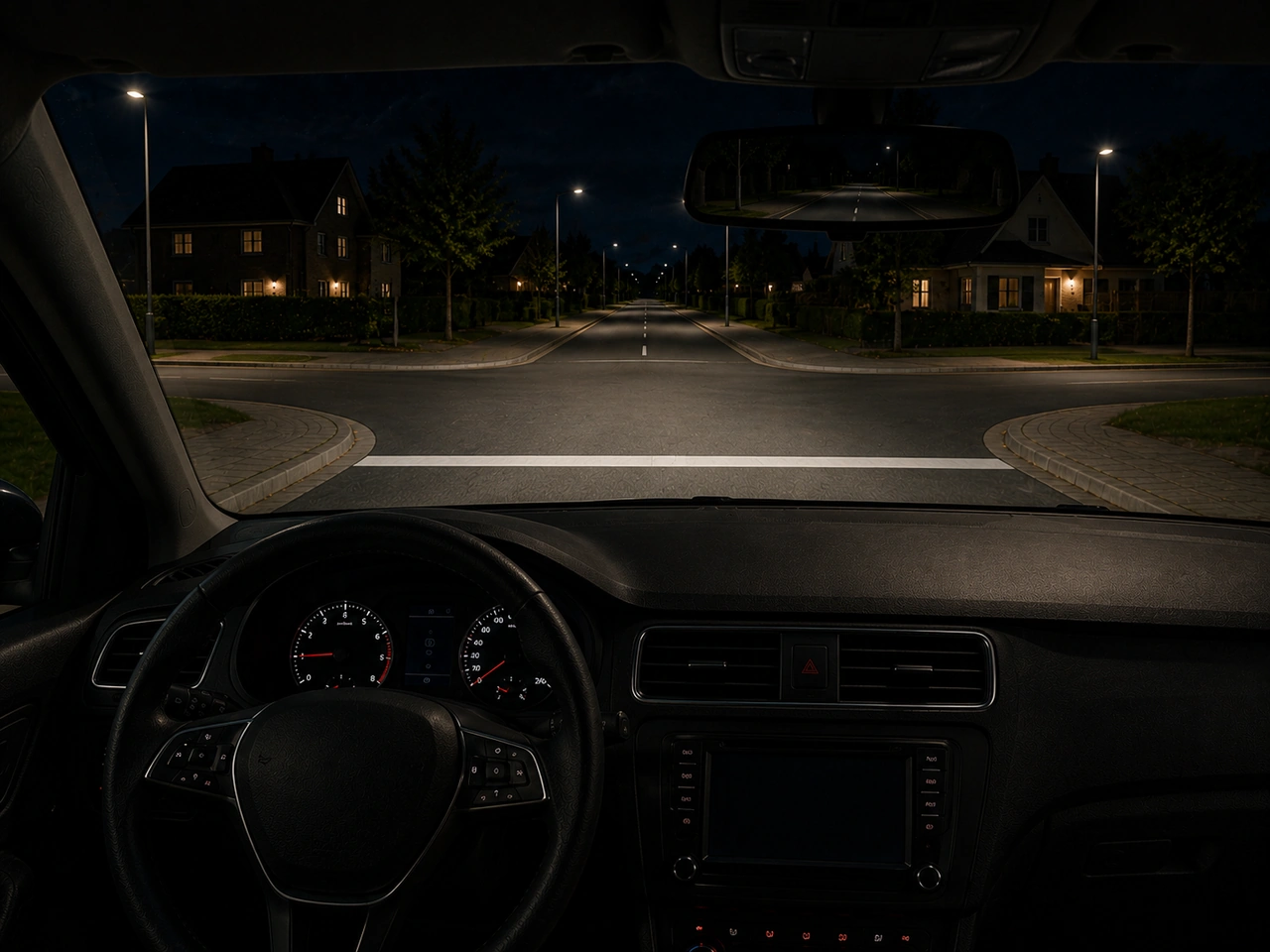
414. What colour is a stop sign usually?
Stop signs are almost always red because red is universally associated with danger and the need to stop immediately.
AI-generated by Rijbewijs-online.be • WCIT • CC BY-SA
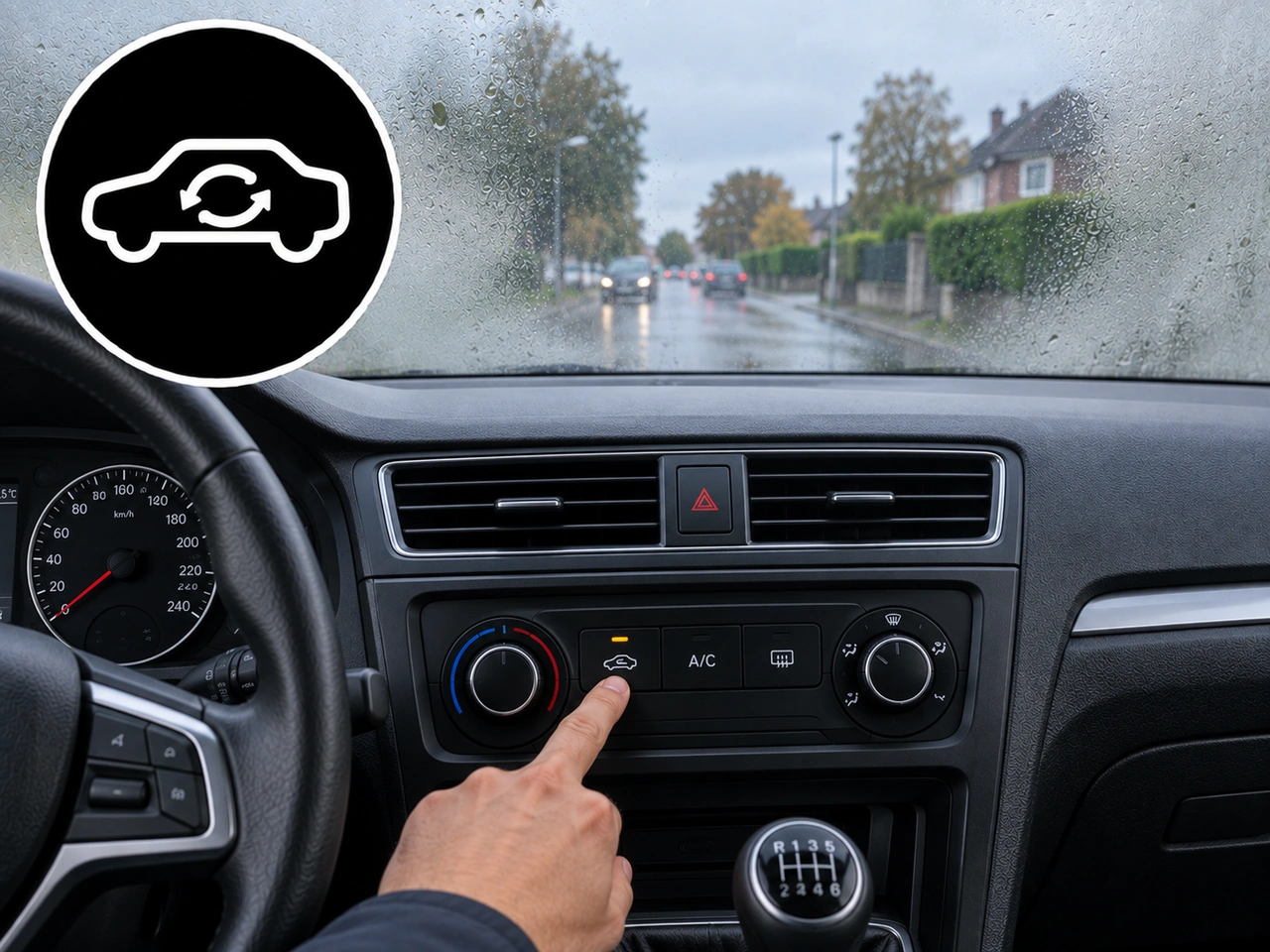
415. Why should you avoid using air recirculation for too long in damp conditions?
Using air recirculation for too long in damp conditions can allow moisture to build up inside the vehicle and increase window misting, especially when the air conditioning is not dehumidifying the air. Switching to fresh outside air can help clear condensation.
AI-generated by Rijbewijs-online.be • WCIT • CC BY-SA
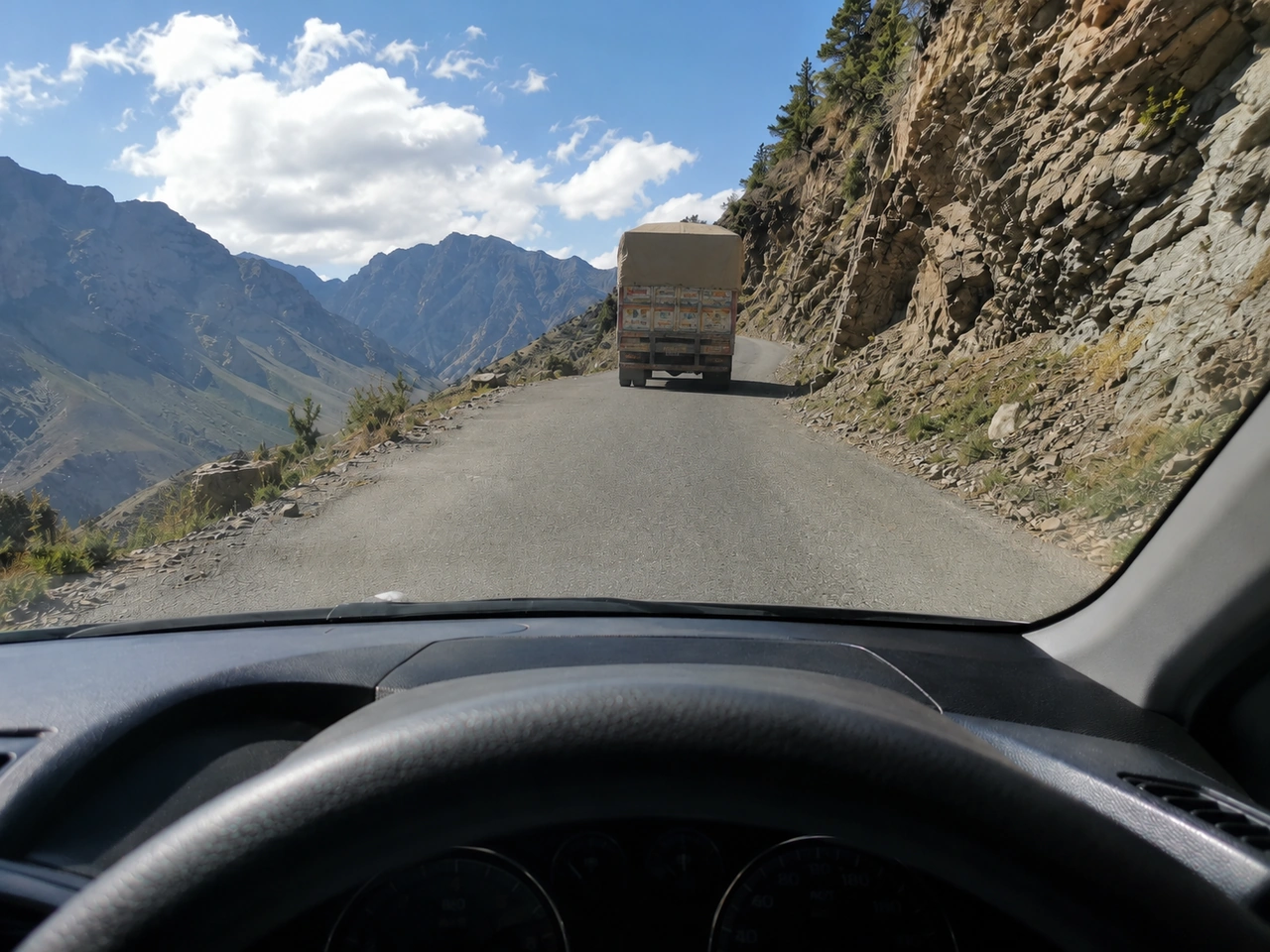
416. Why should you leave extra space behind a vehicle climbing a steep hill?
Vehicles may lose speed or briefly roll backward when starting on a steep incline. Extra space gives you more time to react.
AI-generated by Rijbewijs-online.be • WCIT • CC BY-SA
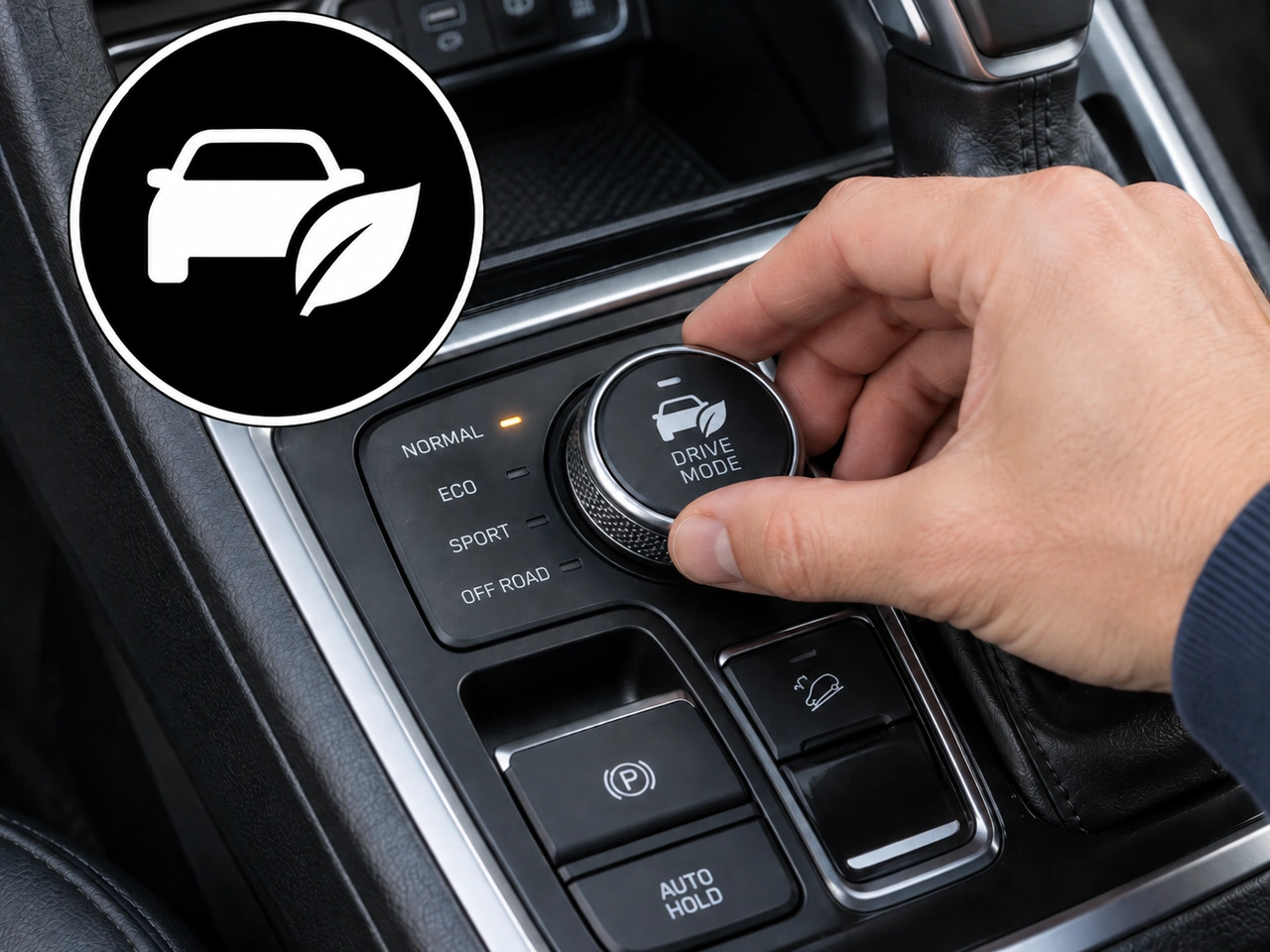
417. What does this vehicle-control symbol indicate?
This control selects a driving mode. Depending on the vehicle, different modes can alter characteristics such as accelerator response, steering assistance, transmission behaviour or energy use.
AI-generated by Rijbewijs-online.be • WCIT • CC BY-SA
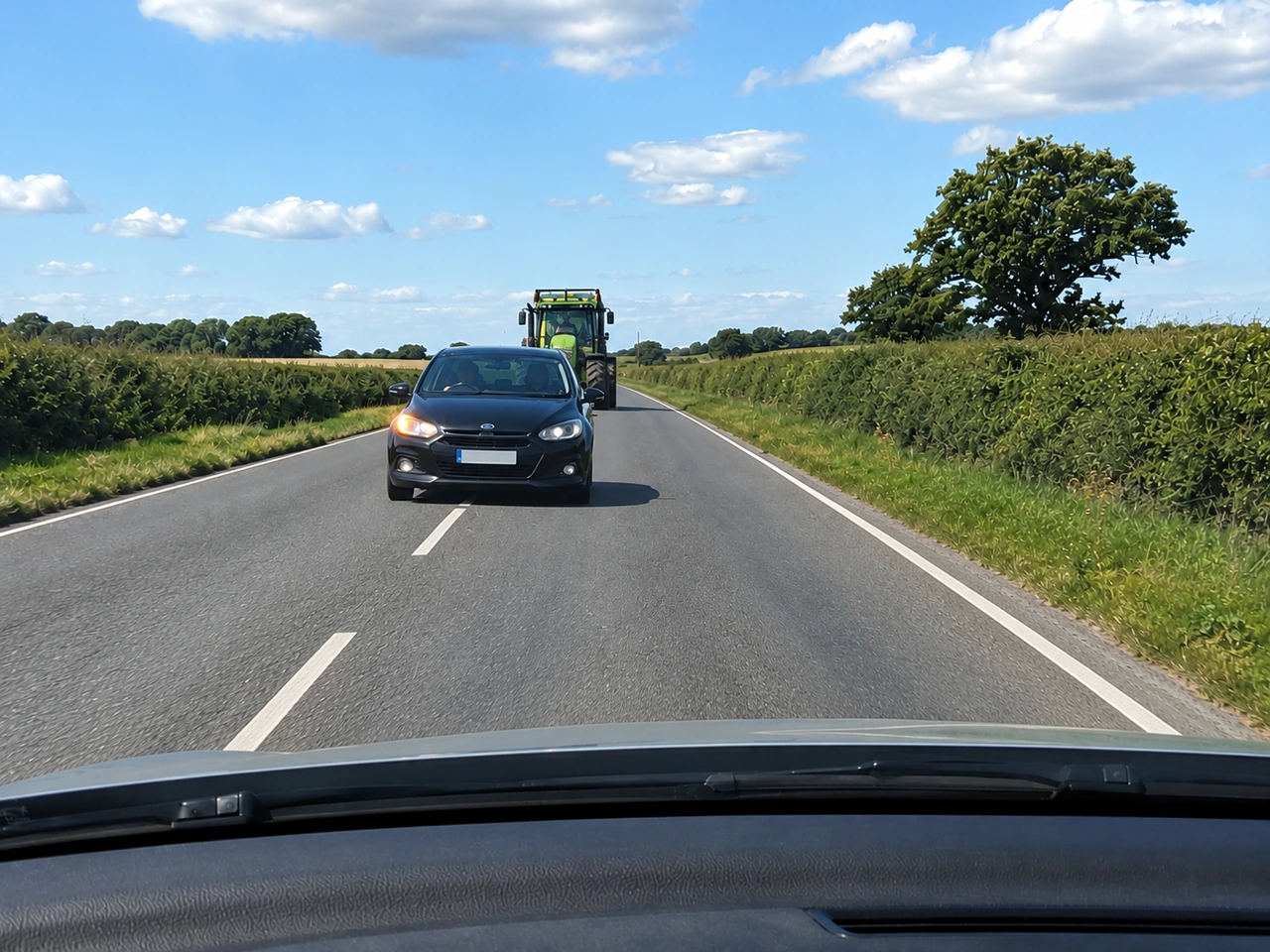
418. What should you do if an overtaking vehicle is coming toward you?
If an oncoming vehicle creates danger while overtaking, reduce speed and make space if it is safe to do so. Avoid sudden movements that could create an additional hazard.
AI-generated by Rijbewijs-online.be • WCIT • CC BY-SA
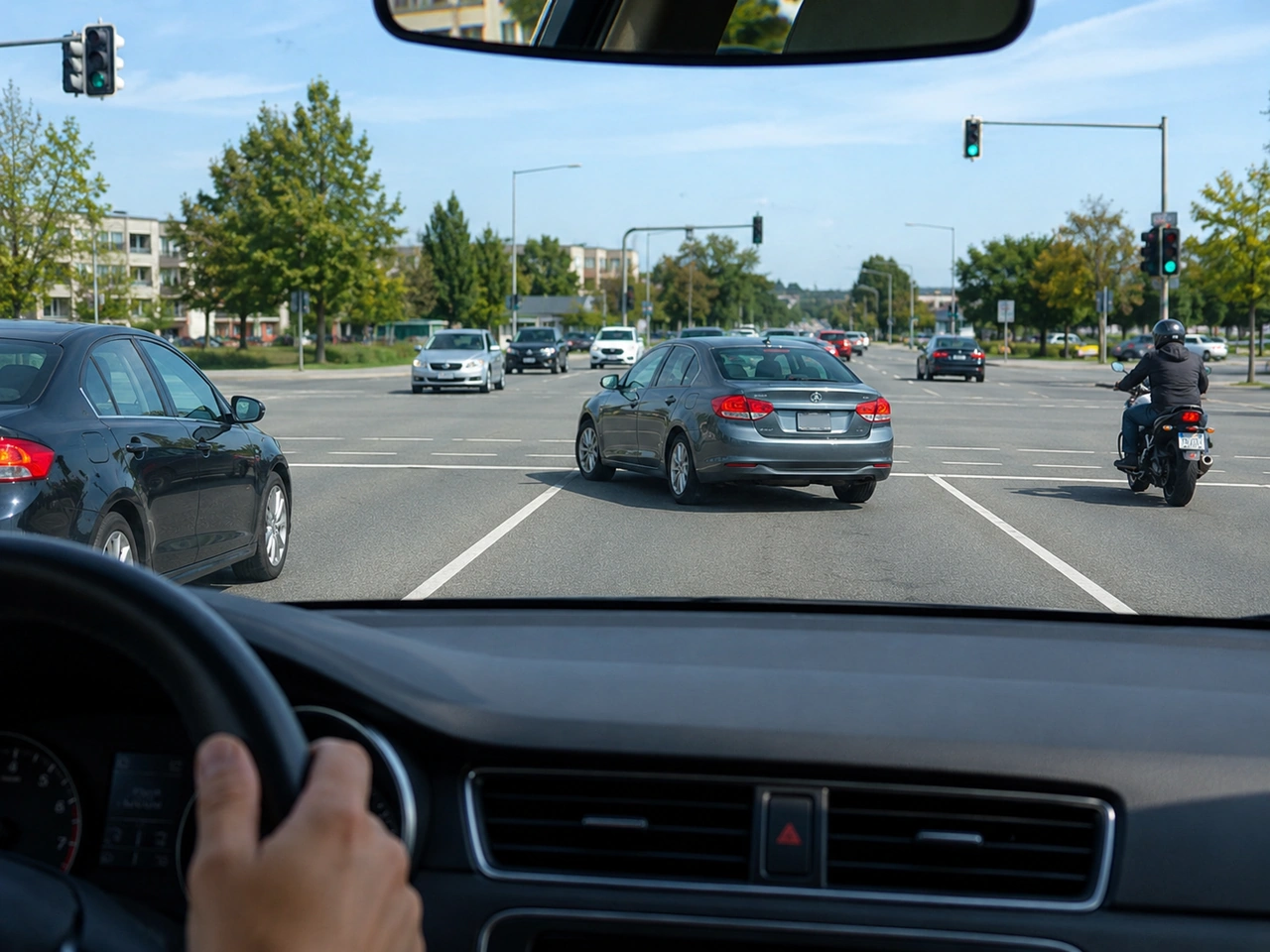
419. Why should you avoid changing lanes inside an intersection?
Changing lanes inside an intersection can surprise drivers, cyclists, and pedestrians. It is safer to choose the correct lane before entering.
AI-generated by Rijbewijs-online.be • WCIT • CC BY-SA
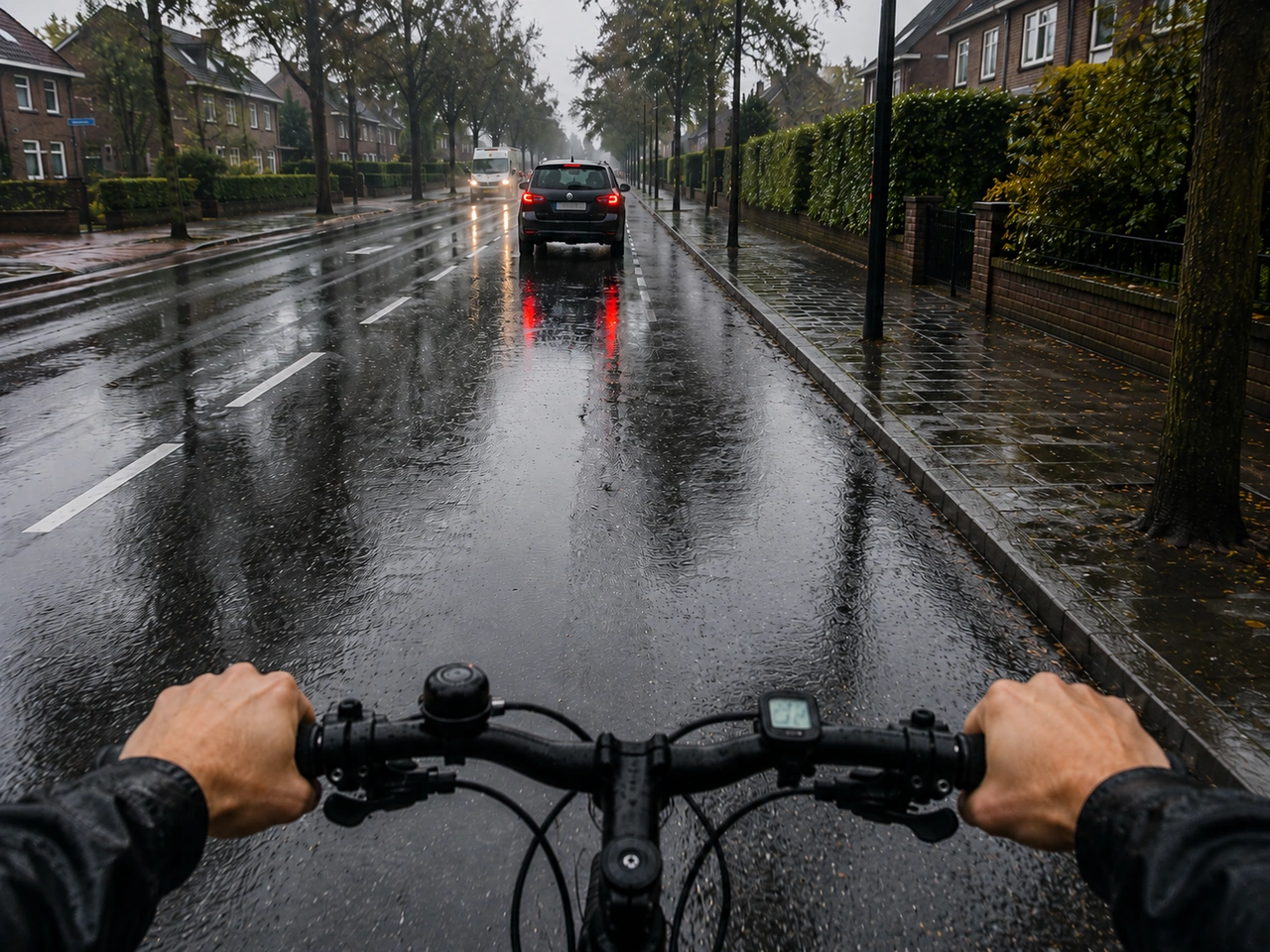
420. How should cyclists brake on a wet road?
Wet surfaces reduce grip and increase stopping distance. Smooth, early braking helps prevent skidding.
AI-generated by Rijbewijs-online.be • WCIT • CC BY-SA
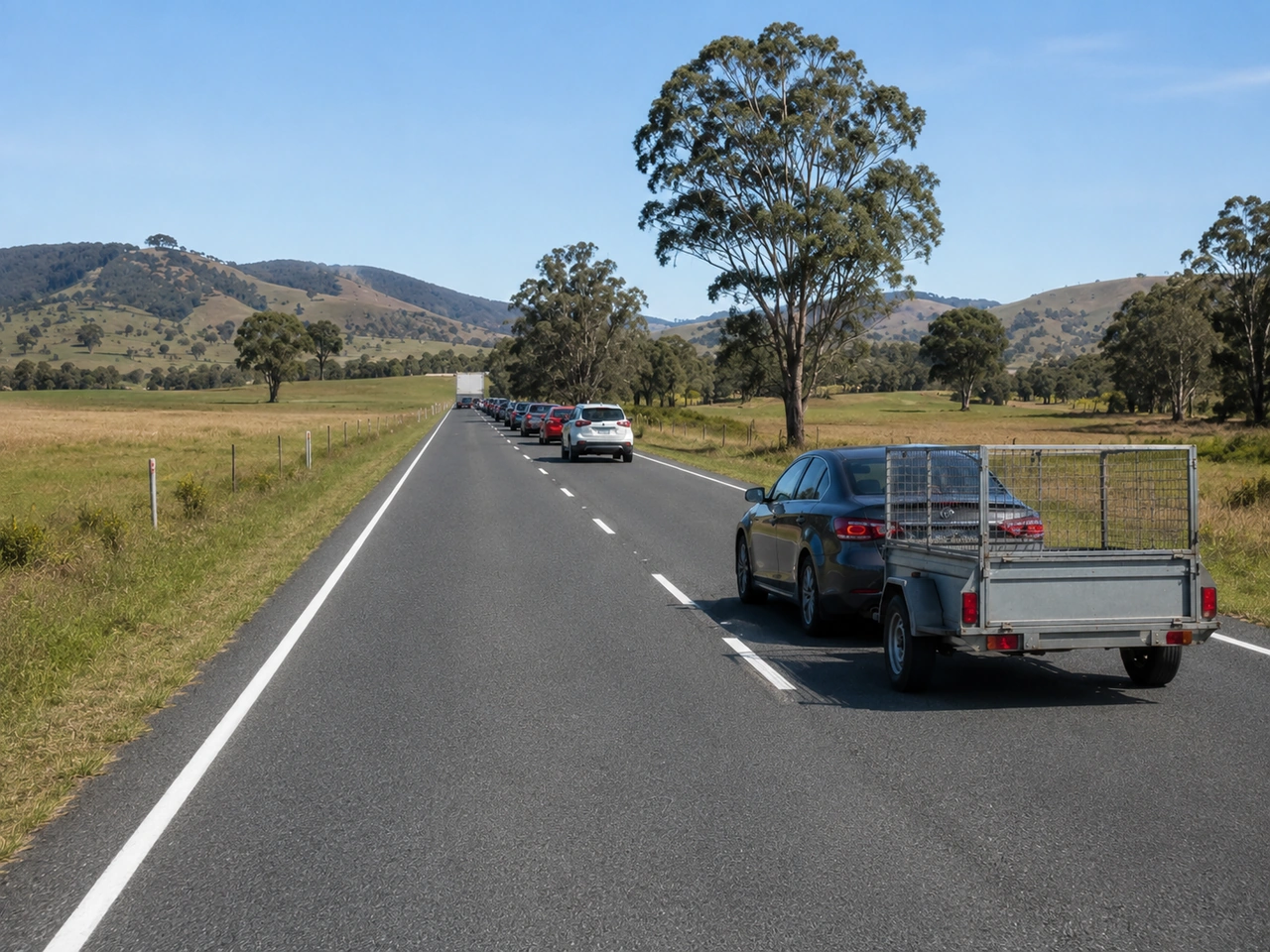
421. Why should you leave extra following distance when towing?
Towing adds weight and can increase stopping distance. Extra space gives you more time to react and brake smoothly.
AI-generated by Rijbewijs-online.be • WCIT • CC BY-SA
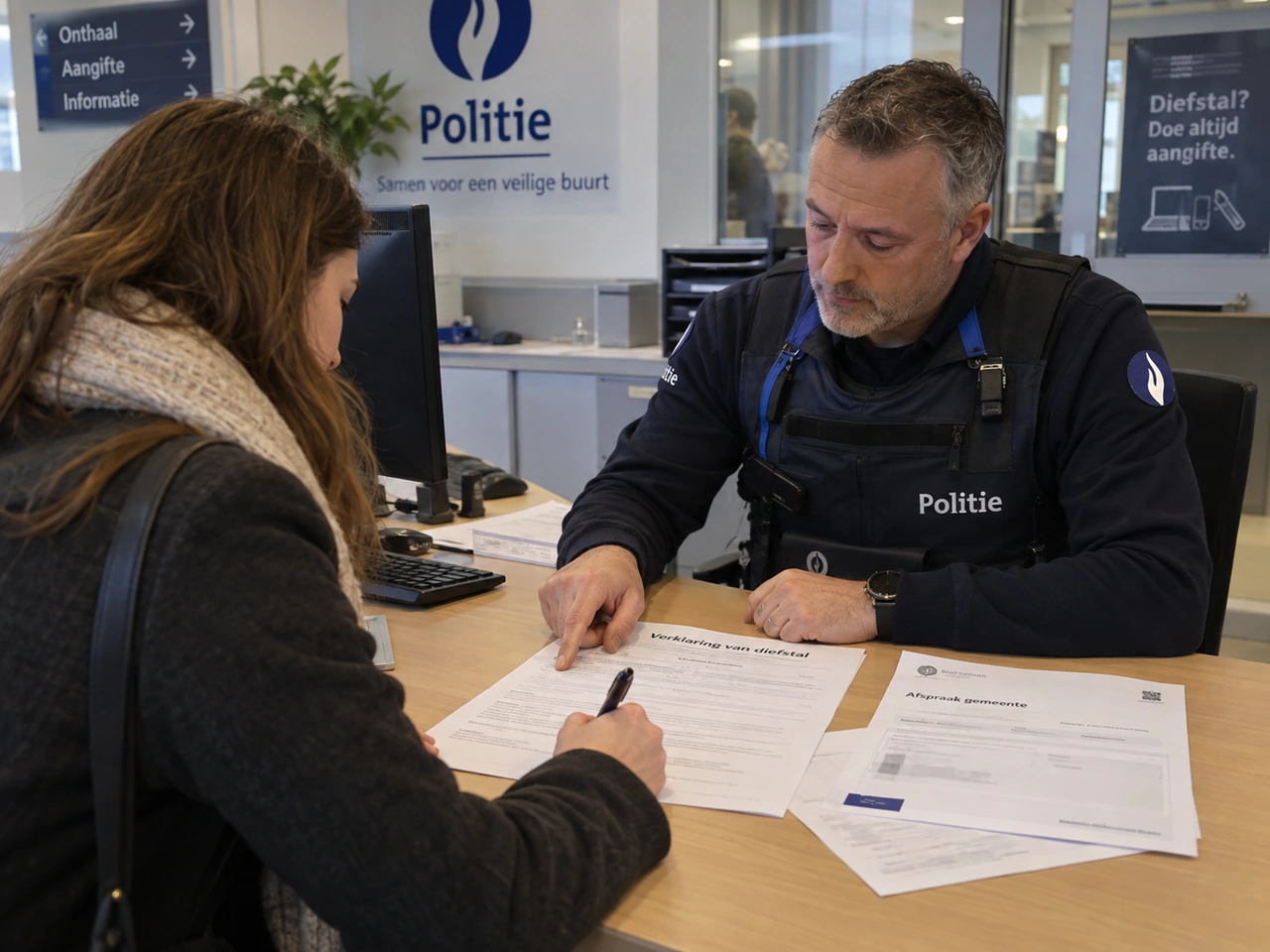
422. What should you do if your Belgian driving licence is stolen?
If your Belgian driving licence is stolen, you must first report the theft to the police and then apply for a replacement through your municipality. A theft replacement cannot currently be requested through BelDrive.
AI-generated by Rijbewijs-online.be • WCIT • CC BY-SA
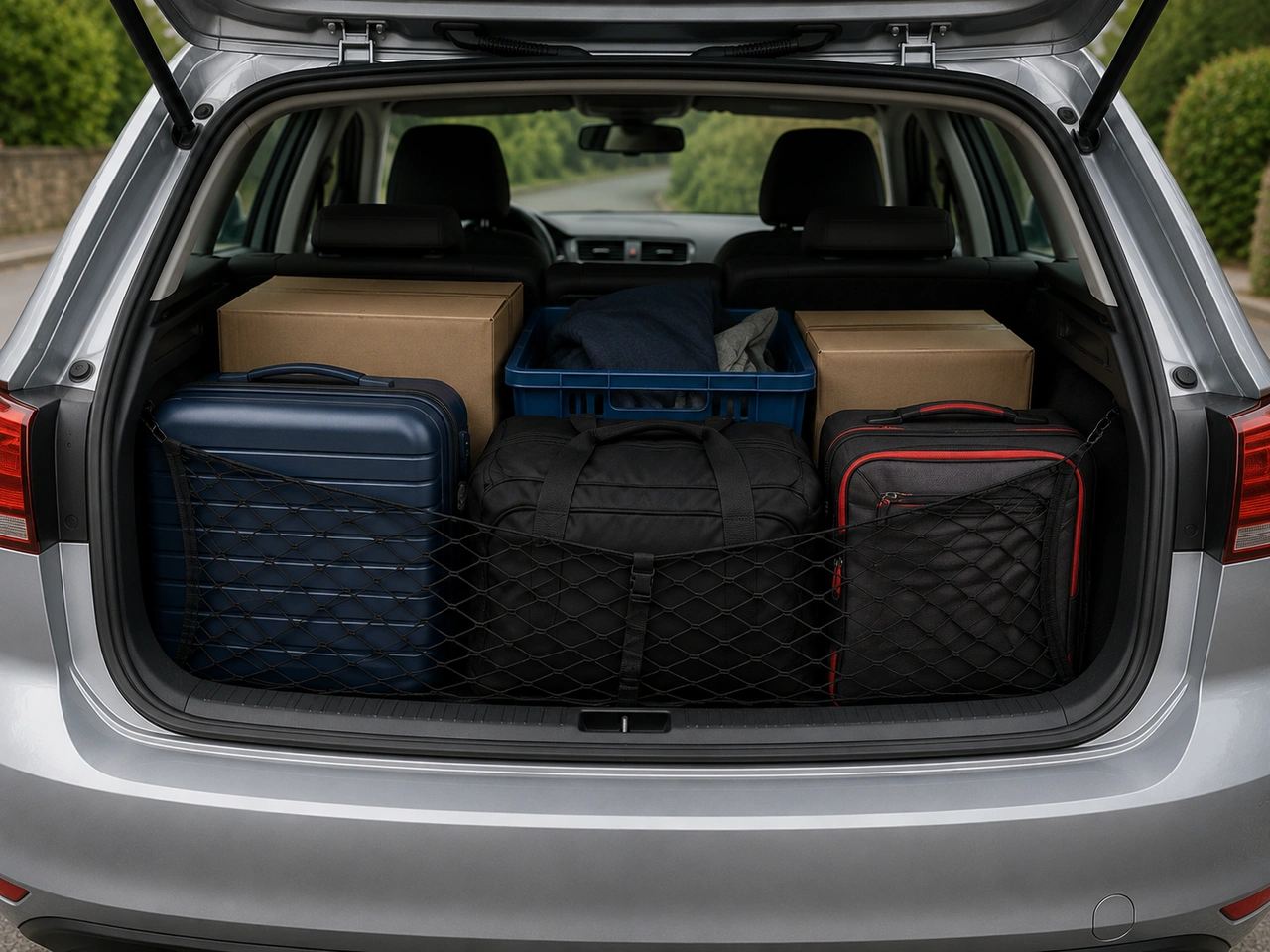
423. How should luggage or other cargo be carried in or on a vehicle?
Unsecured or overloaded cargo can affect steering and braking, injure occupants during sudden stops, or fall into the road. It must not obstruct the driver's view or vehicle lights.
AI-generated by Rijbewijs-online.be • WCIT • CC BY-SA
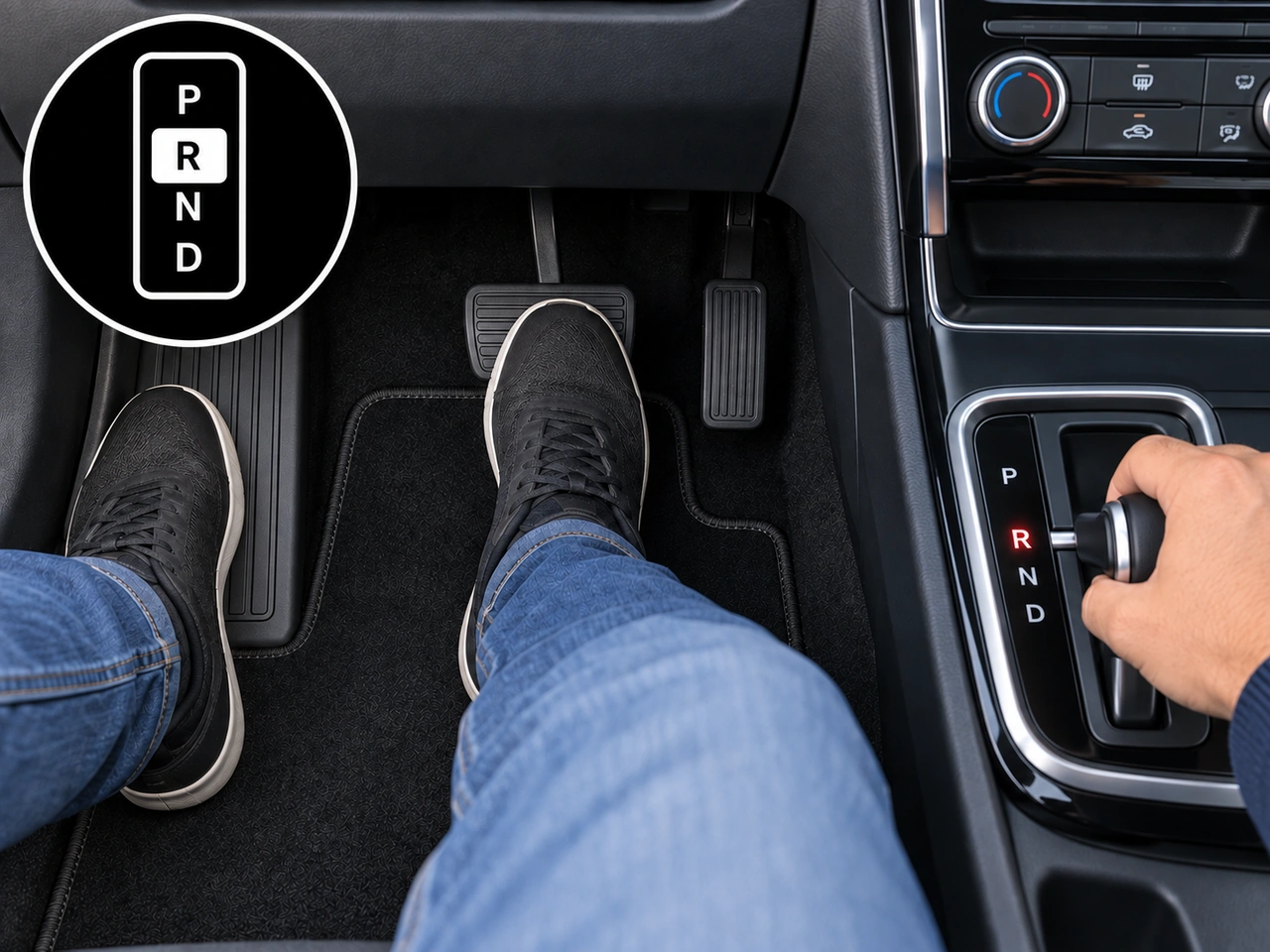
424. When should you select R (Reverse) in an automatic vehicle?
Select R (Reverse) only after the vehicle has come to a complete stop. Selecting Reverse while the vehicle is still moving forward can damage the transmission.
AI-generated by Rijbewijs-online.be • WCIT • CC BY-SA
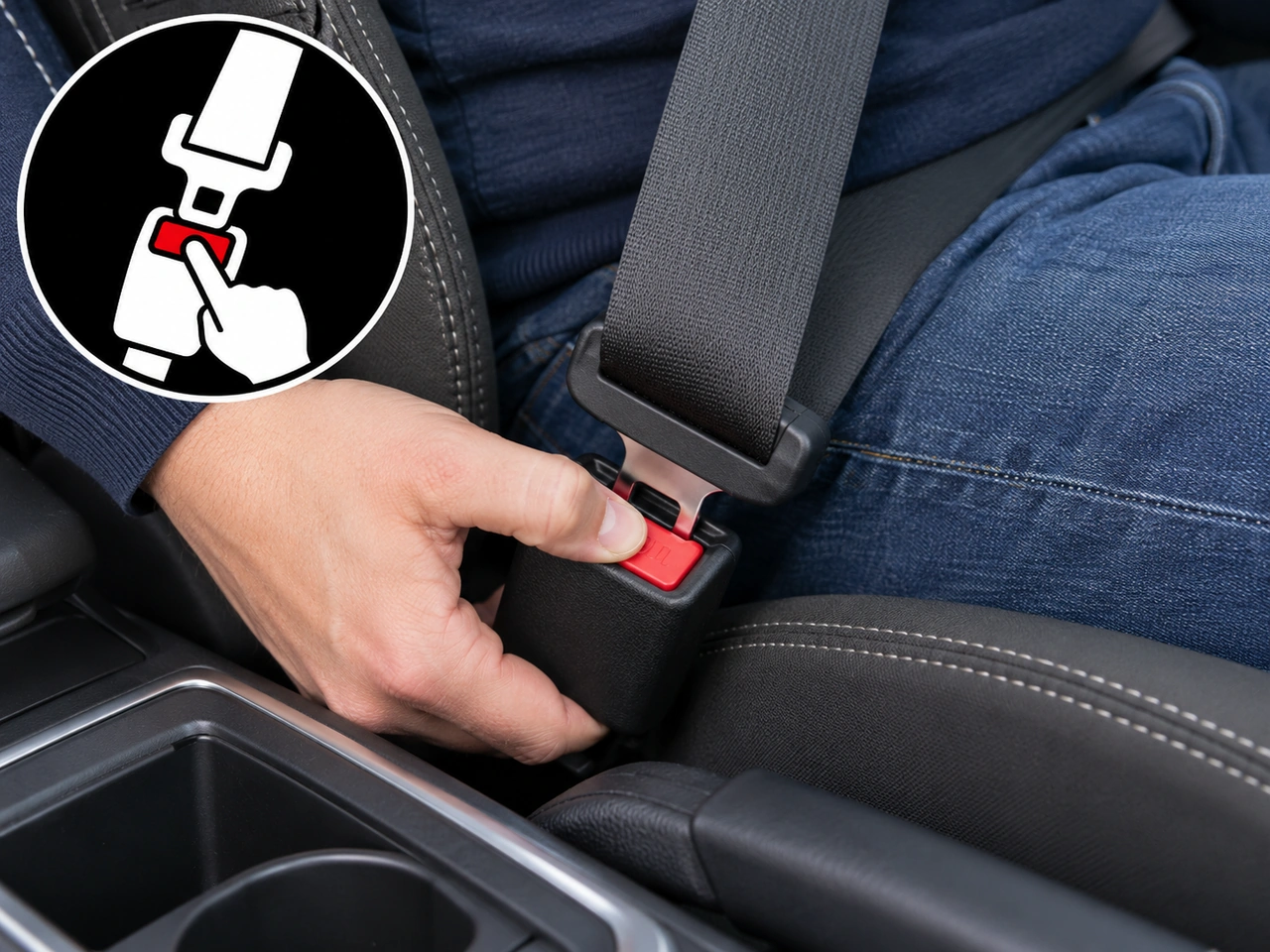
425. What is the button on a seat-belt buckle used for?
Pressing the button on the seat-belt buckle releases the latch so the belt can be unfastened. Keep the seat belt fastened whenever required while the vehicle is moving.
AI-generated by Rijbewijs-online.be • WCIT • CC BY-SA
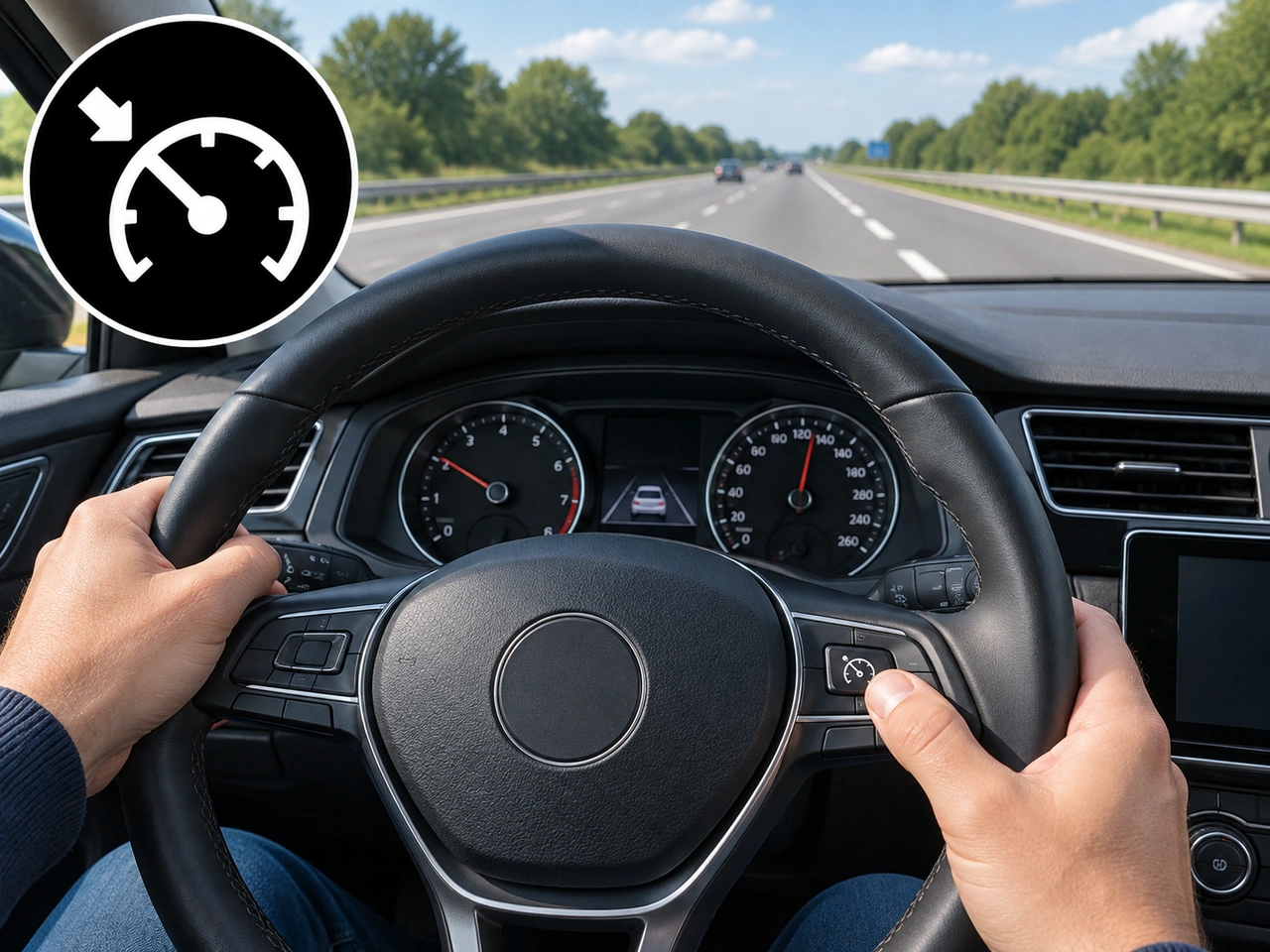
426. What is the purpose of cruise control?
Cruise control can maintain a selected speed without the driver continuously pressing the accelerator. The driver must remain attentive and ready to brake or take control when necessary.
AI-generated by Rijbewijs-online.be • WCIT • CC BY-SA
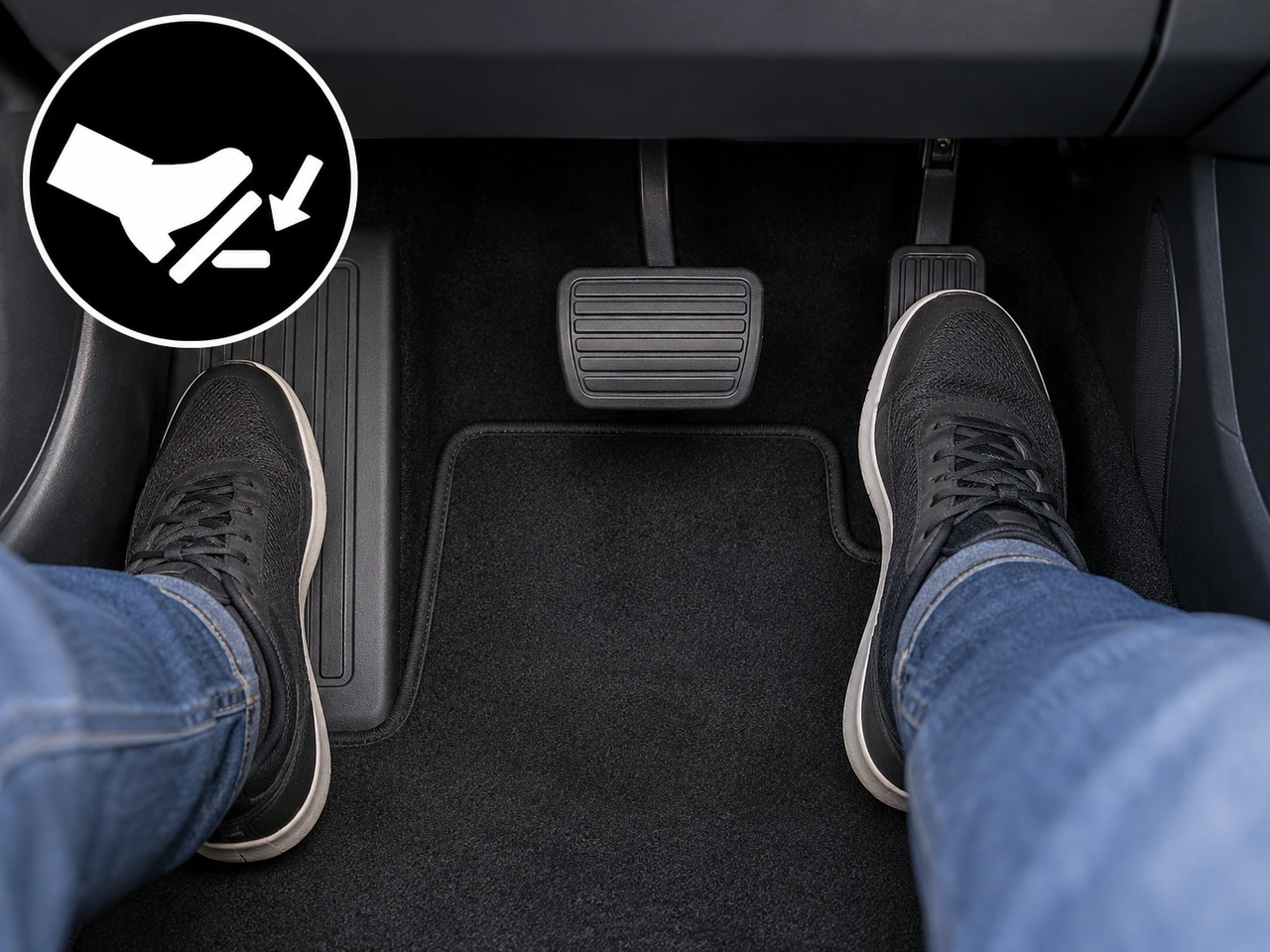
427. What may happen when you press the accelerator fully in an automatic vehicle?
In many automatic vehicles, pressing the accelerator fully can activate kickdown, causing the transmission to select a lower gear and provide stronger acceleration.
AI-generated by Rijbewijs-online.be • WCIT • CC BY-SA
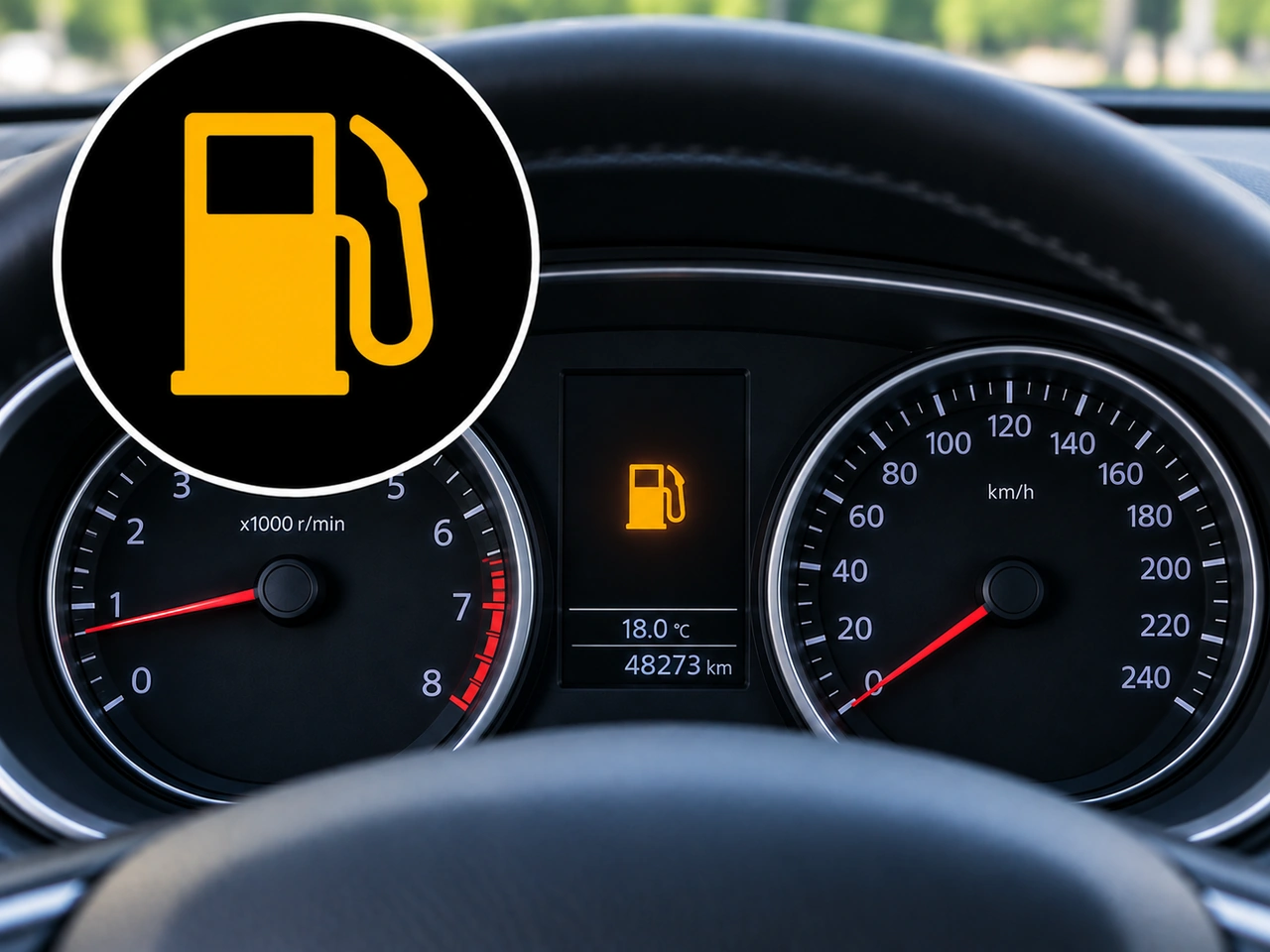
428. What does this dashboard symbol indicate?
This symbol indicates that the fuel level is low. Refuel soon to reduce the risk of running out of fuel.
AI-generated by Rijbewijs-online.be • WCIT • CC BY-SA
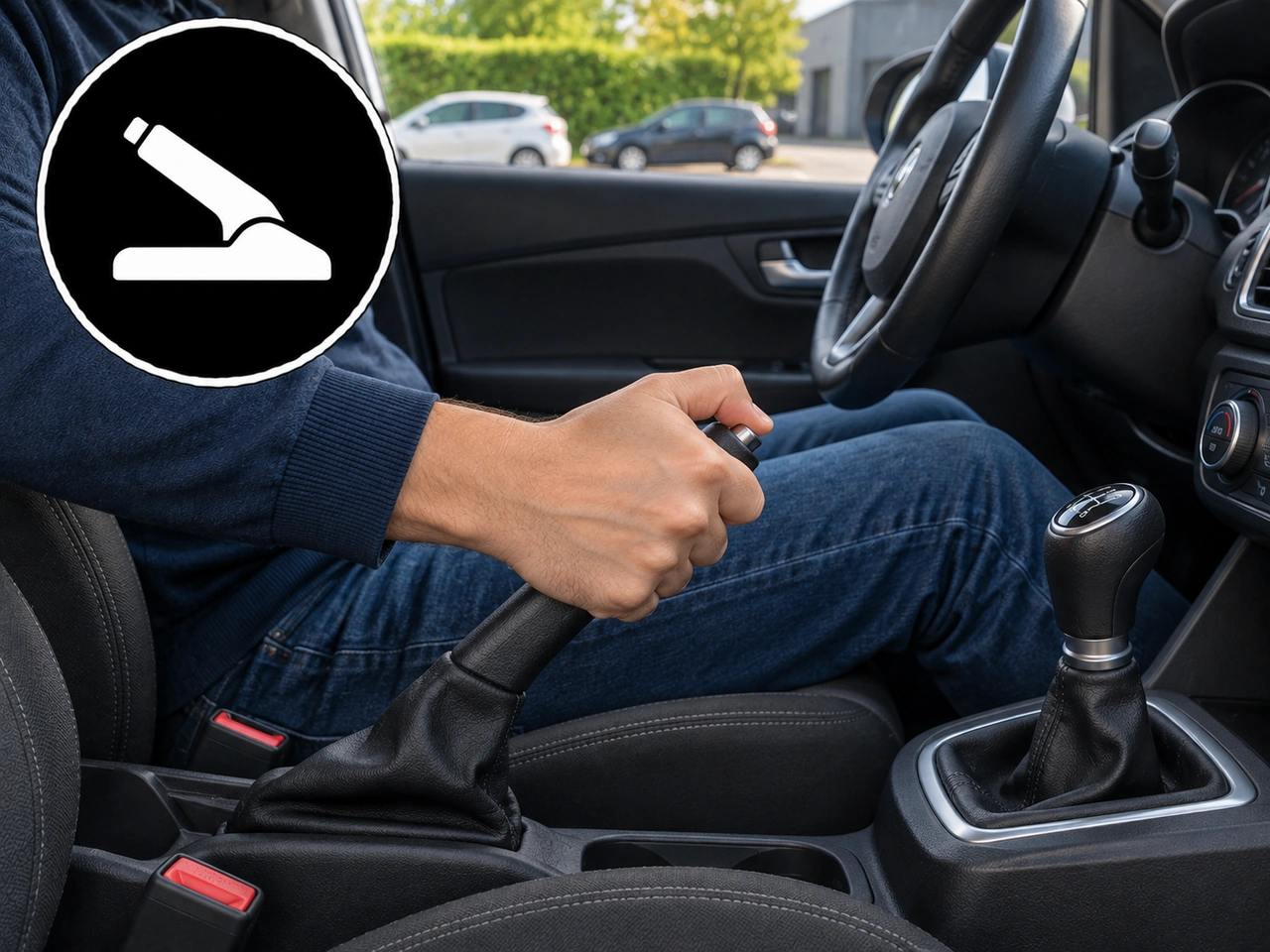
429. What should you do with the parking brake before leaving a parked vehicle?
Before leaving a parked vehicle, apply the parking brake securely to help prevent unintended movement. Also select the appropriate gear or transmission position for parking.
AI-generated by Rijbewijs-online.be • WCIT • CC BY-SA
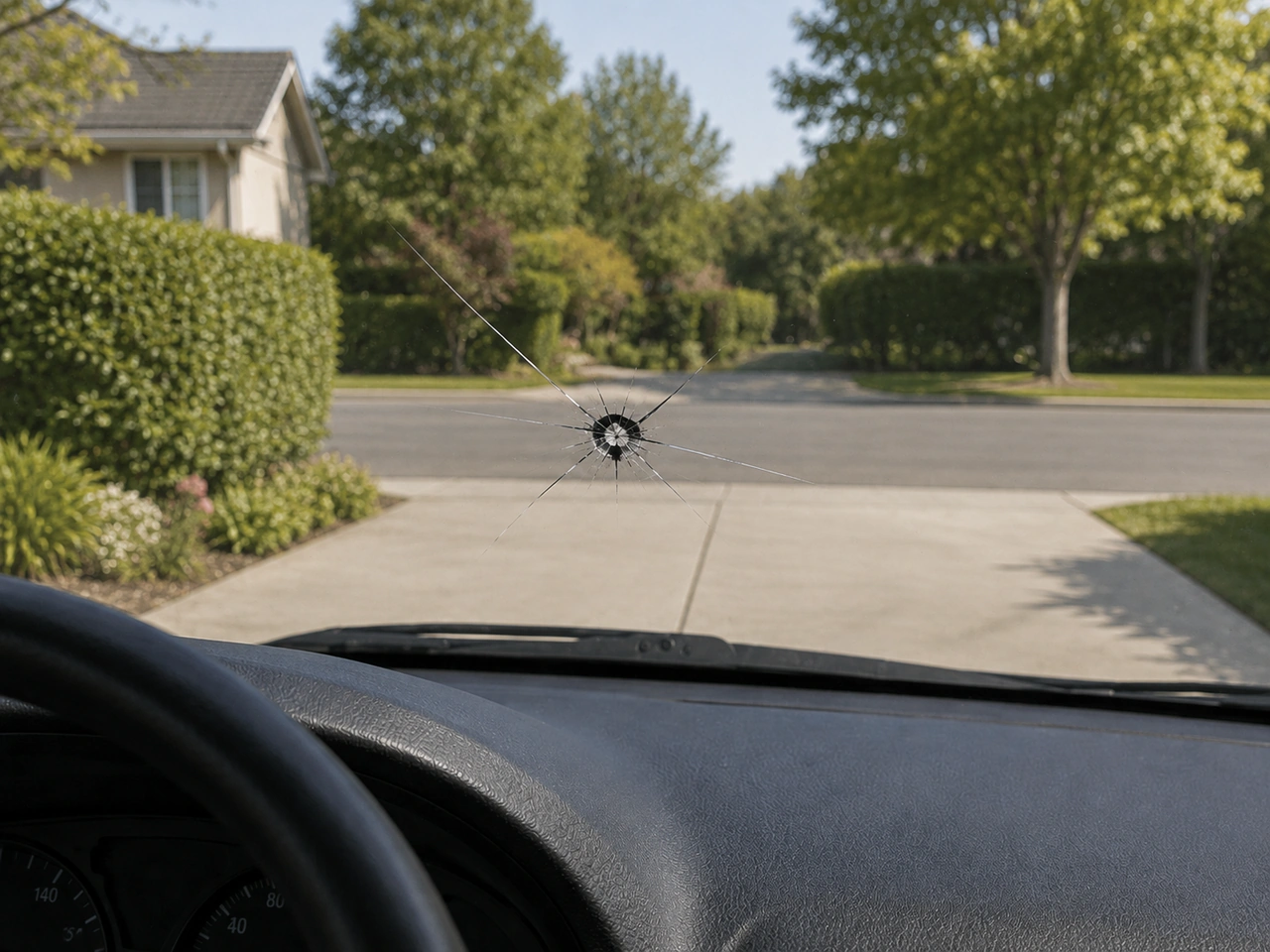
430. What should you do about a chip in the windscreen?
A chip can obstruct your view, weaken the glass, and develop into a larger crack. Have it checked and repaired promptly.
AI-generated by Rijbewijs-online.be • WCIT • CC BY-SA
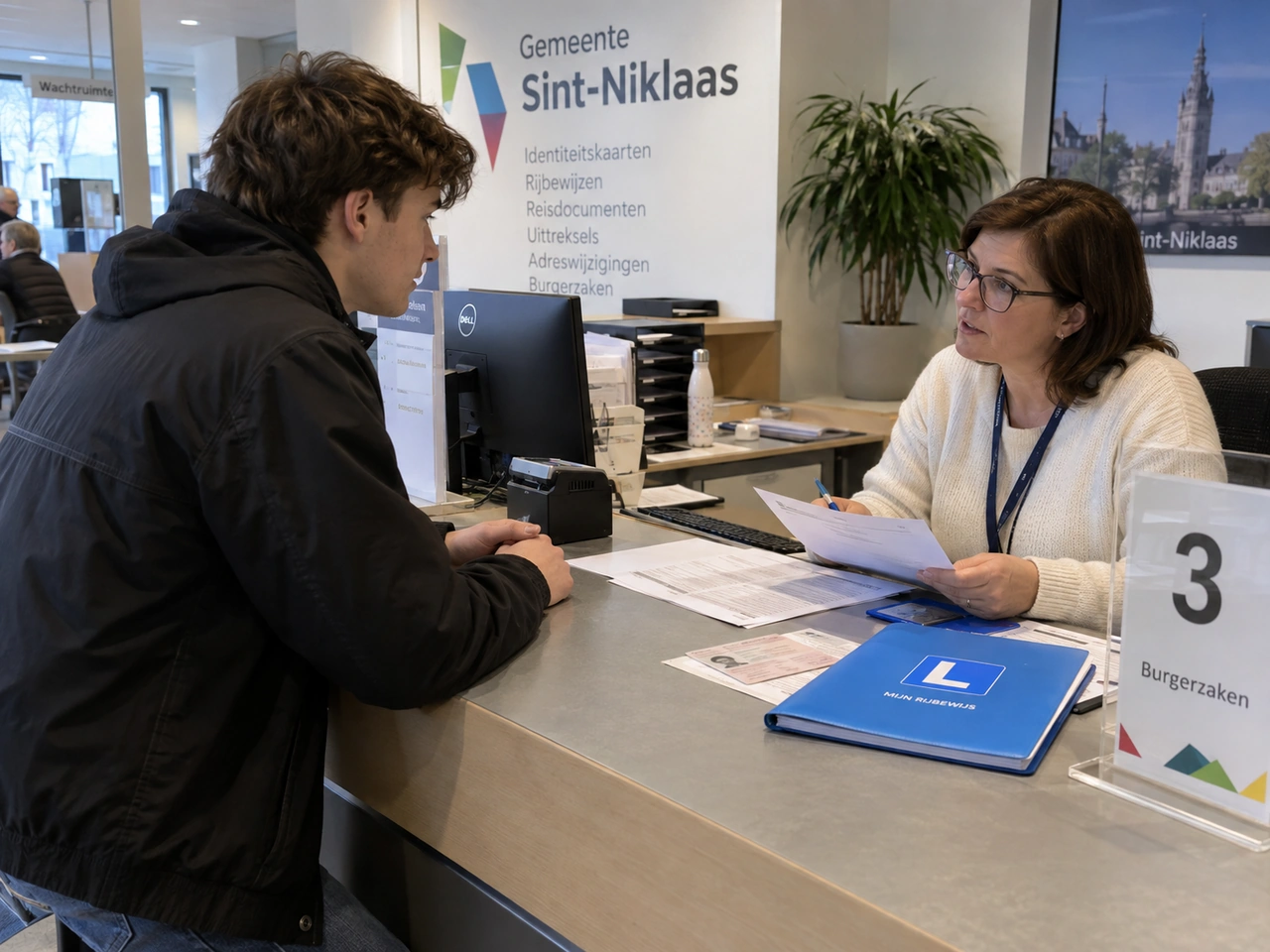
431. Where must you apply if your Belgian provisional driving licence is lost?
A lost Belgian provisional driving licence cannot currently be replaced through BelDrive. You must apply at the municipality where you are registered.
AI-generated by Rijbewijs-online.be • WCIT • CC BY-SA
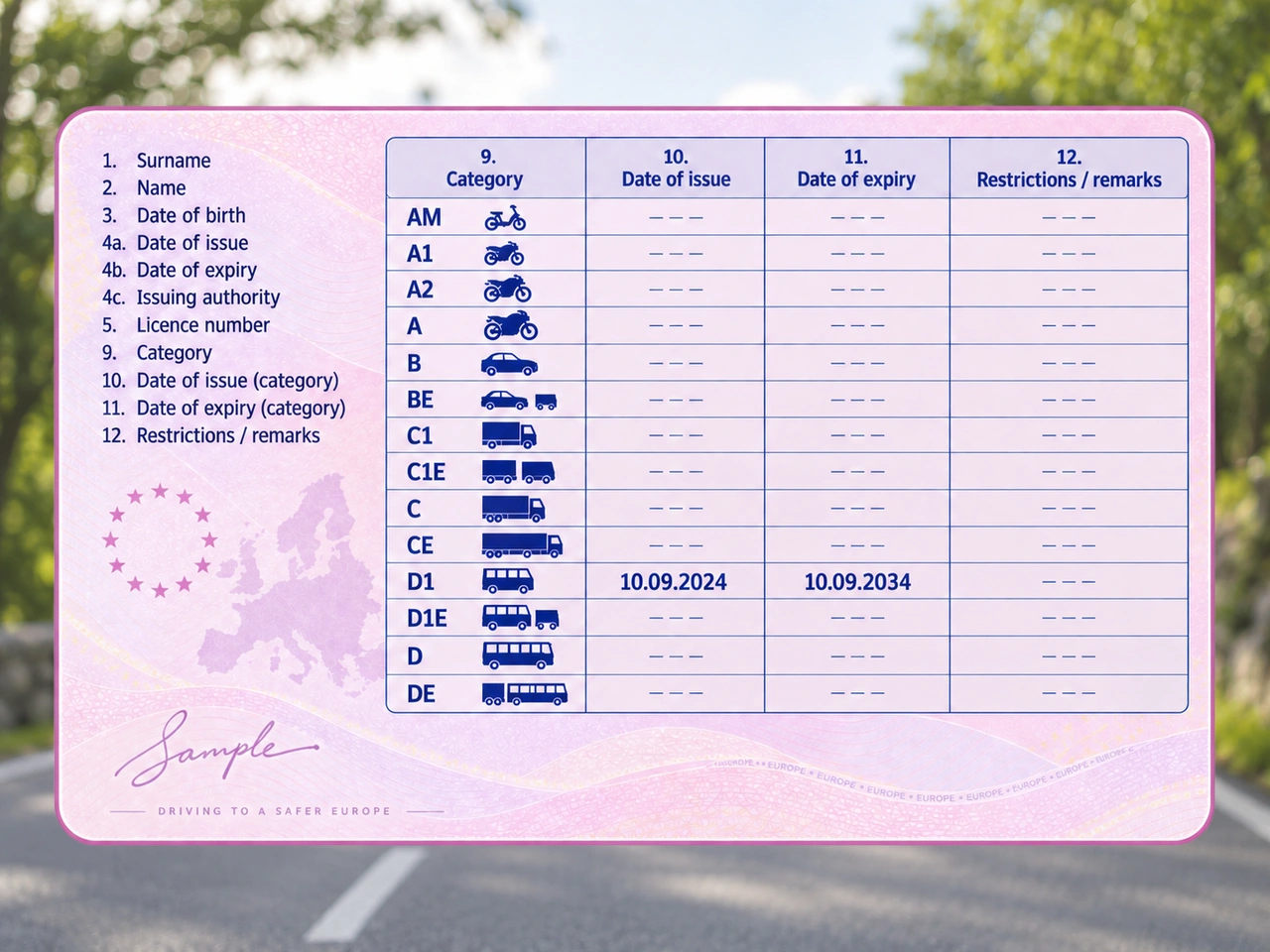
432. Which passenger vehicles are covered by driving licence D1?
Category D1 covers vehicles designed to carry no more than 16 passengers in addition to the driver and with a maximum length of 8 metres. A trailer up to 750 kg may be towed.
AI-generated by Rijbewijs-online.be • WCIT • CC BY-SA
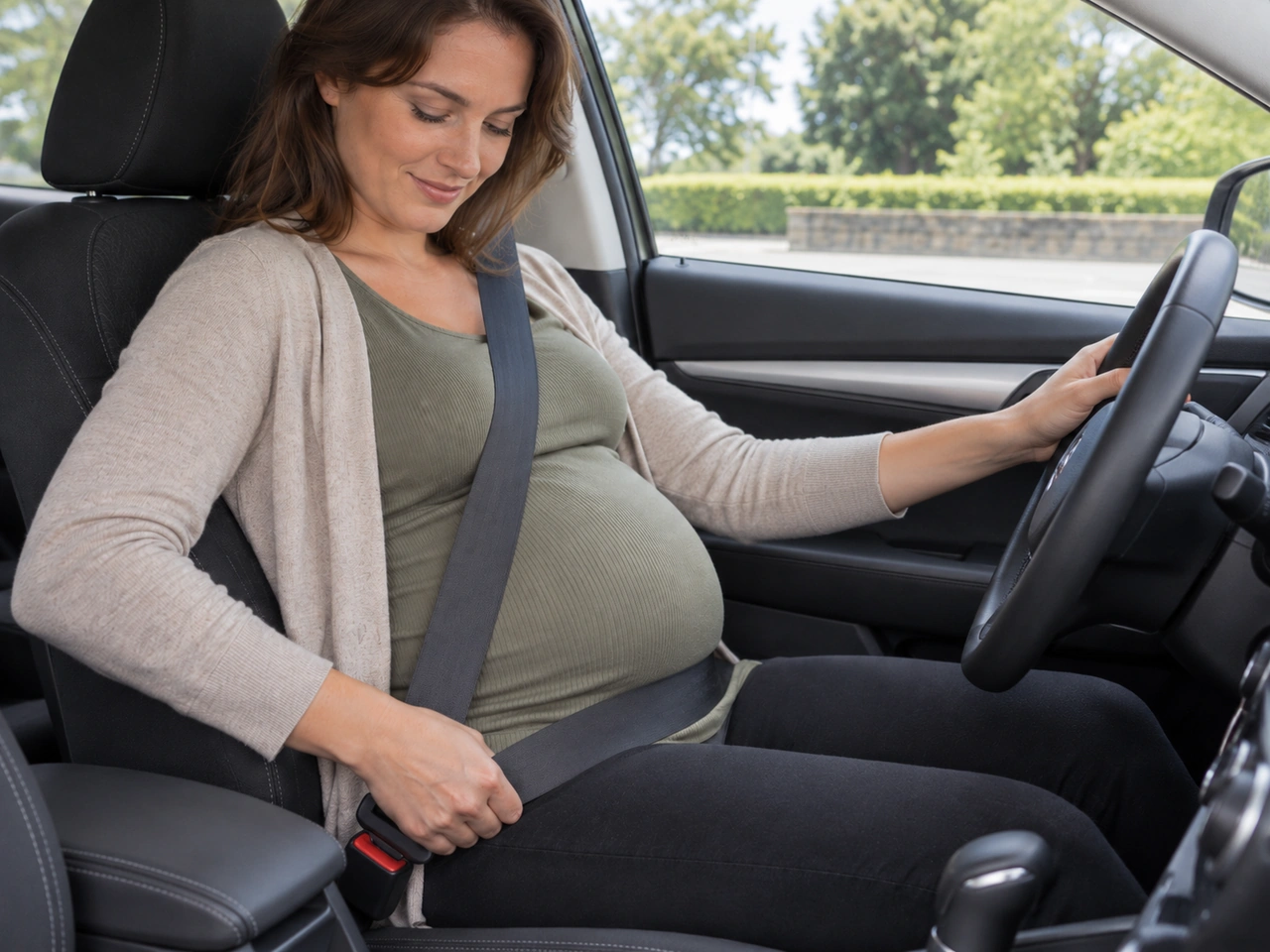
433. How should a three-point seat belt normally be worn during pregnancy?
During pregnancy, a three-point seat belt should be worn correctly. The lap belt should sit low across the hips, below the abdomen, while the shoulder belt should pass across the chest and to the side of the abdomen. The belt should fit snugly and should not be placed behind the back or under the arm.
AI-generated by Rijbewijs-online.be • WCIT • CC BY-SA
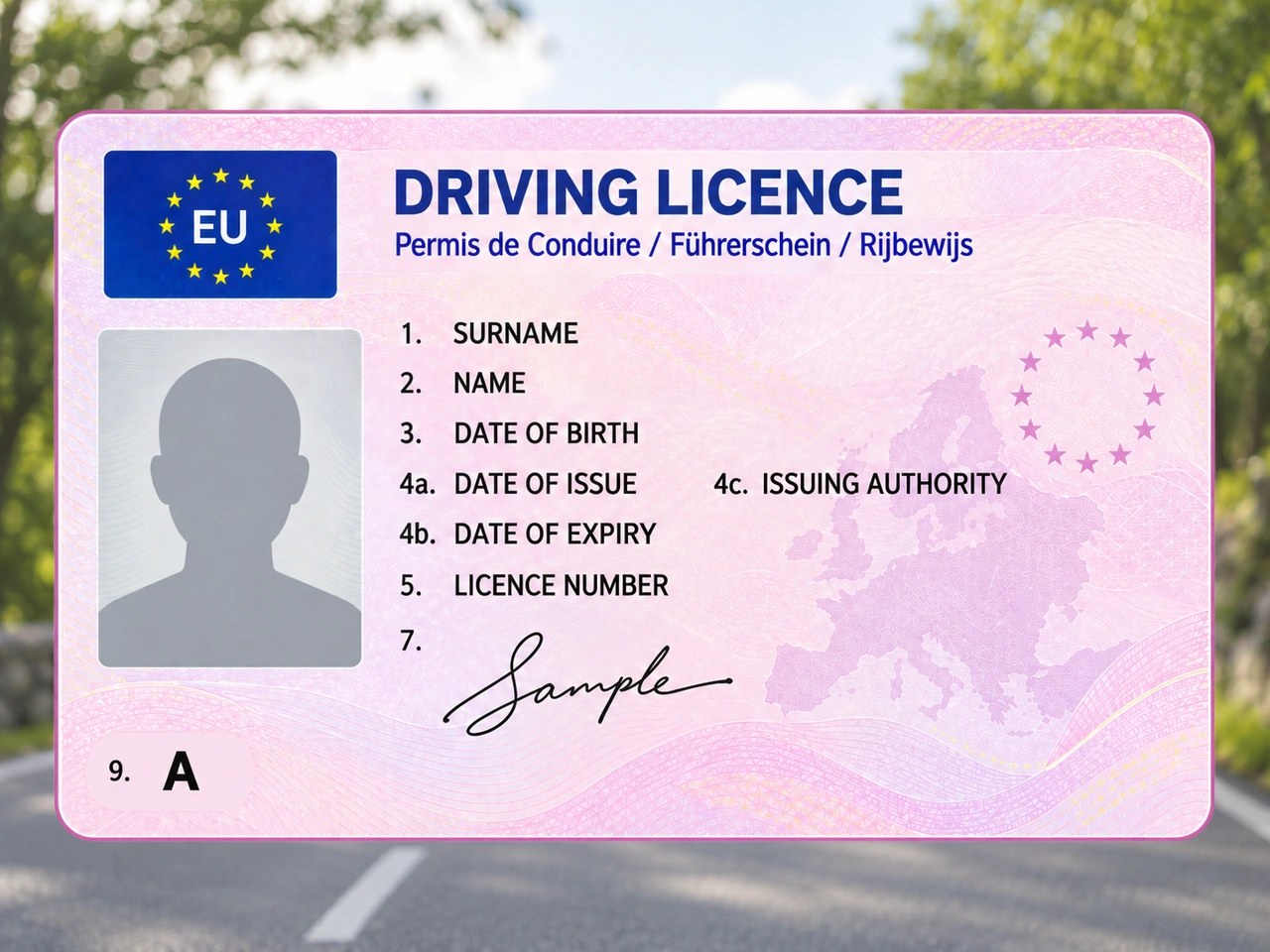
434. Which vehicle type is mainly associated with driving licence A?
Driving licence A is mainly associated with motorcycles. Category A1 covers lighter motorcycles, A2 covers medium-powered motorcycles, and A covers more powerful motorcycles.
AI-generated by Rijbewijs-online.be • WCIT • CC BY-SA
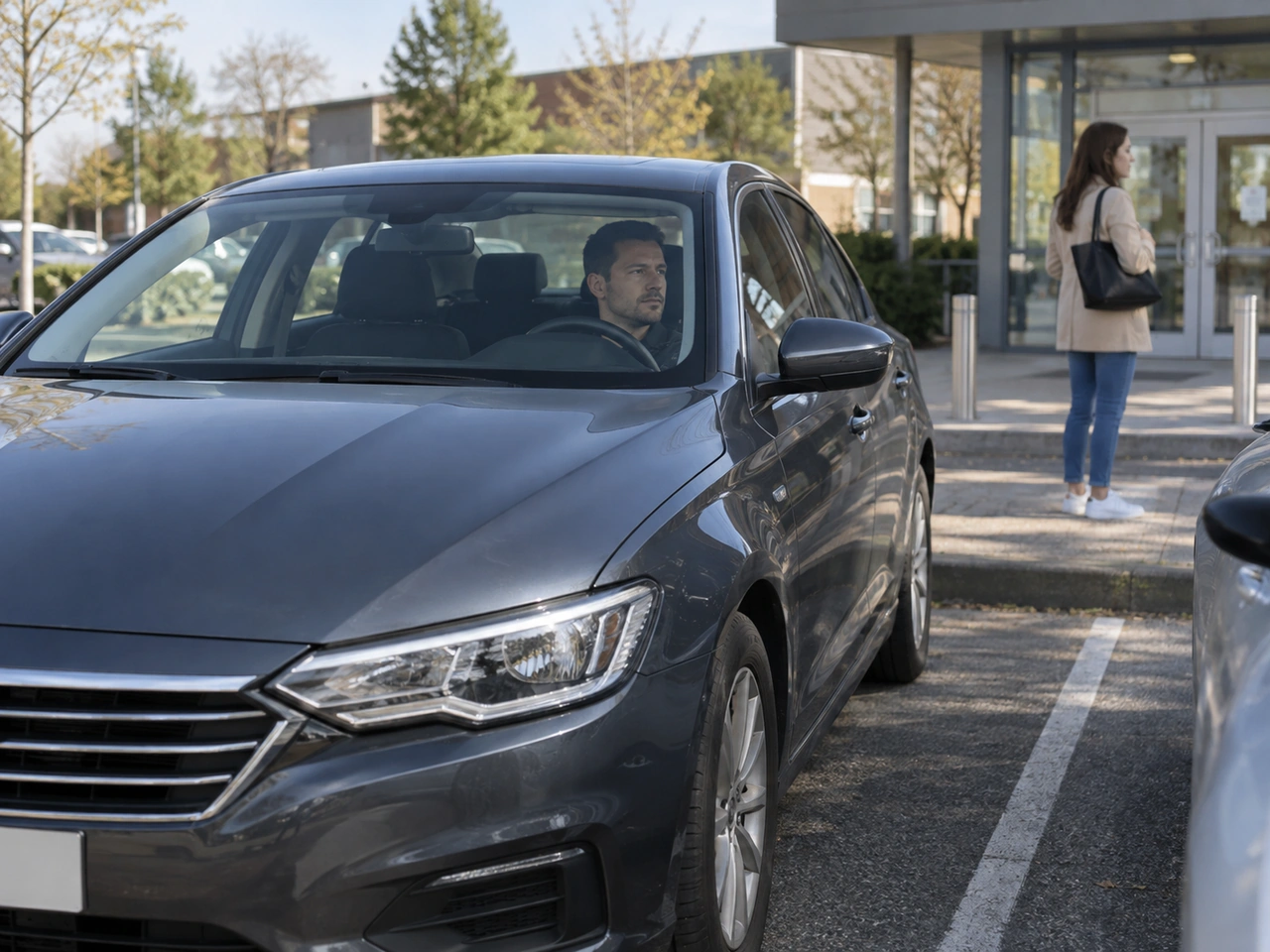
435. Why should unnecessary engine idling be avoided?
An idling combustion engine uses fuel while the vehicle is stationary. Avoid unnecessary idling where it is safe and appropriate to switch the engine off, taking account of the vehicle manufacturer's instructions and local rules.
AI-generated by Rijbewijs-online.be • WCIT • CC BY-SA
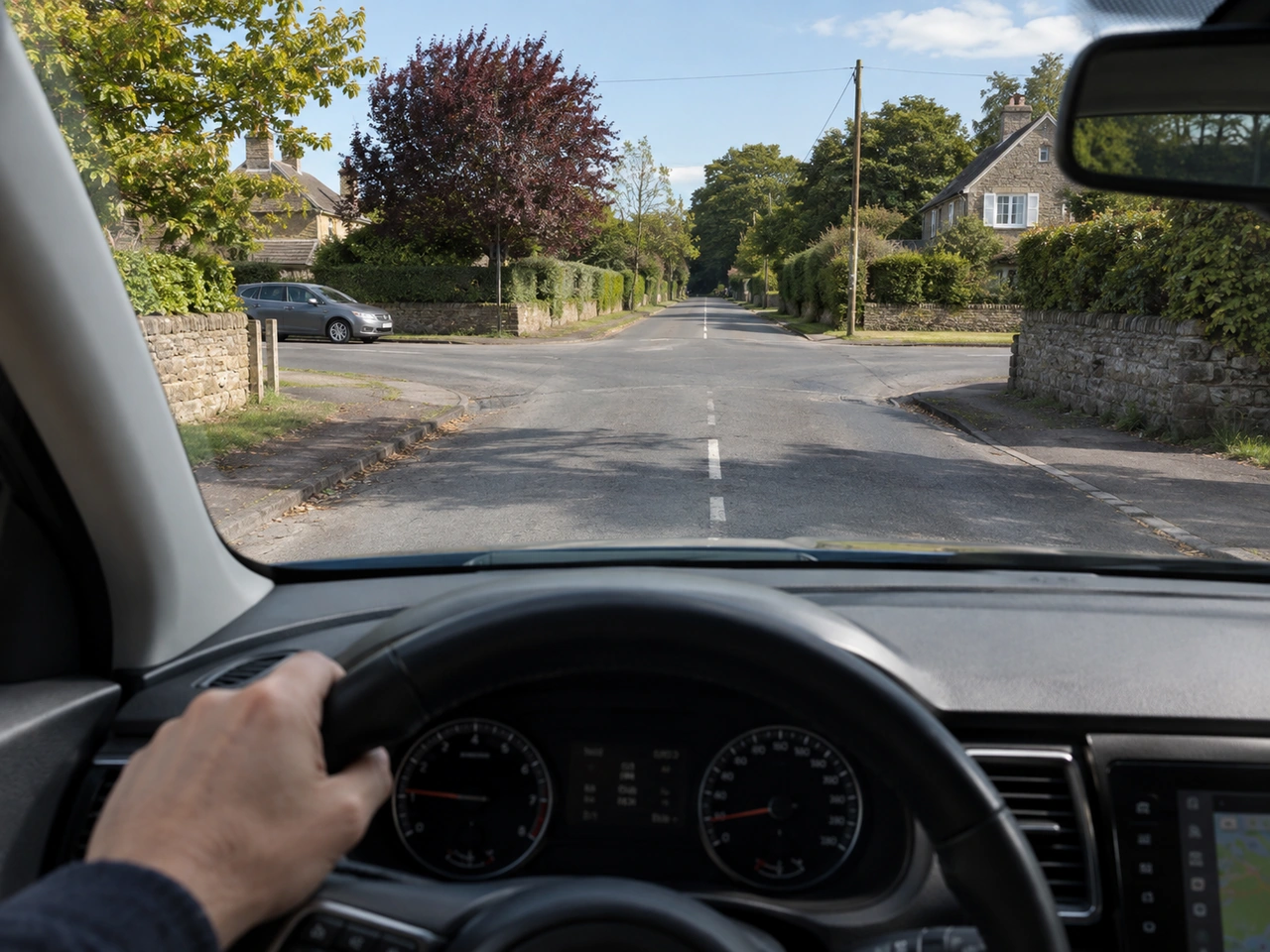
436. What should you do when approaching an uncontrolled junction?
At an uncontrolled junction, priority may not be obvious. Reduce speed, check carefully, and only enter when you are sure it is safe.
AI-generated by Rijbewijs-online.be • WCIT • CC BY-SA
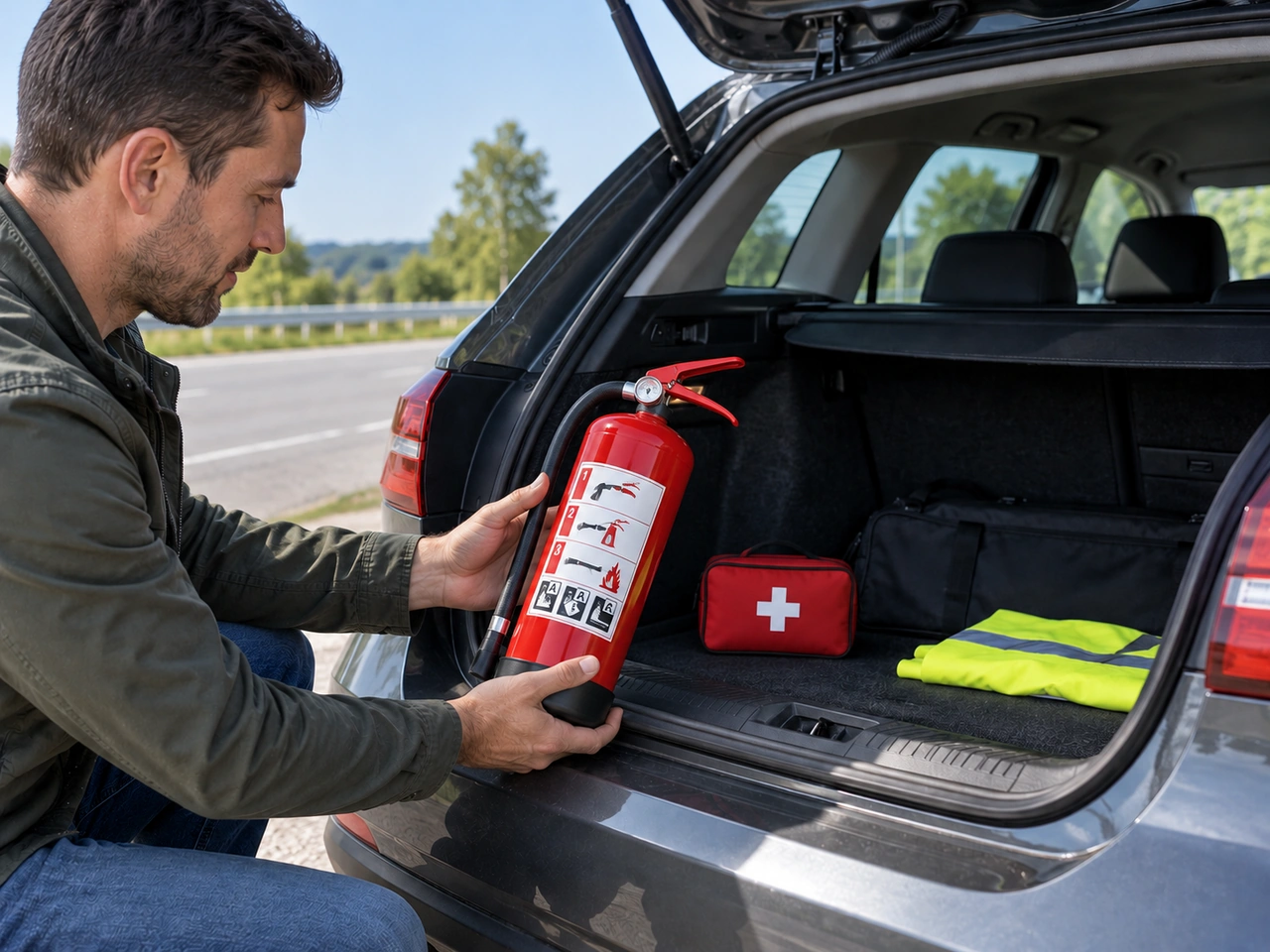
437. Is a fire extinguisher required in cars in Belgium?
Cars in Belgium are required to carry a fire extinguisher.
AI-generated by Rijbewijs-online.be • WCIT • CC BY-SA
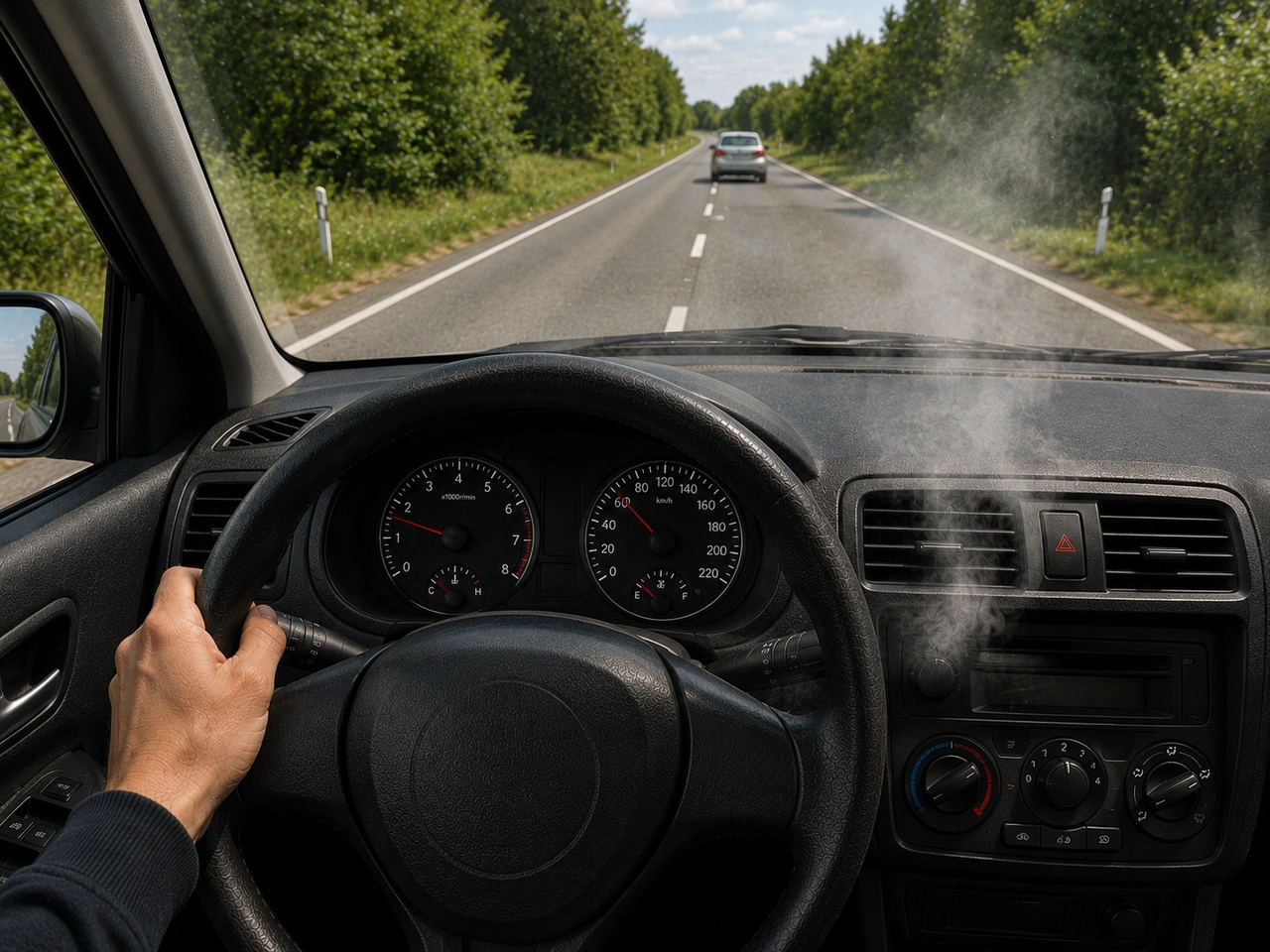
438. What should you do if exhaust fumes begin entering the car?
Exhaust gases may contain carbon monoxide, which is poisonous and may not be visible. The exhaust system should be inspected before the vehicle is used again.
AI-generated by Rijbewijs-online.be • WCIT • CC BY-SA
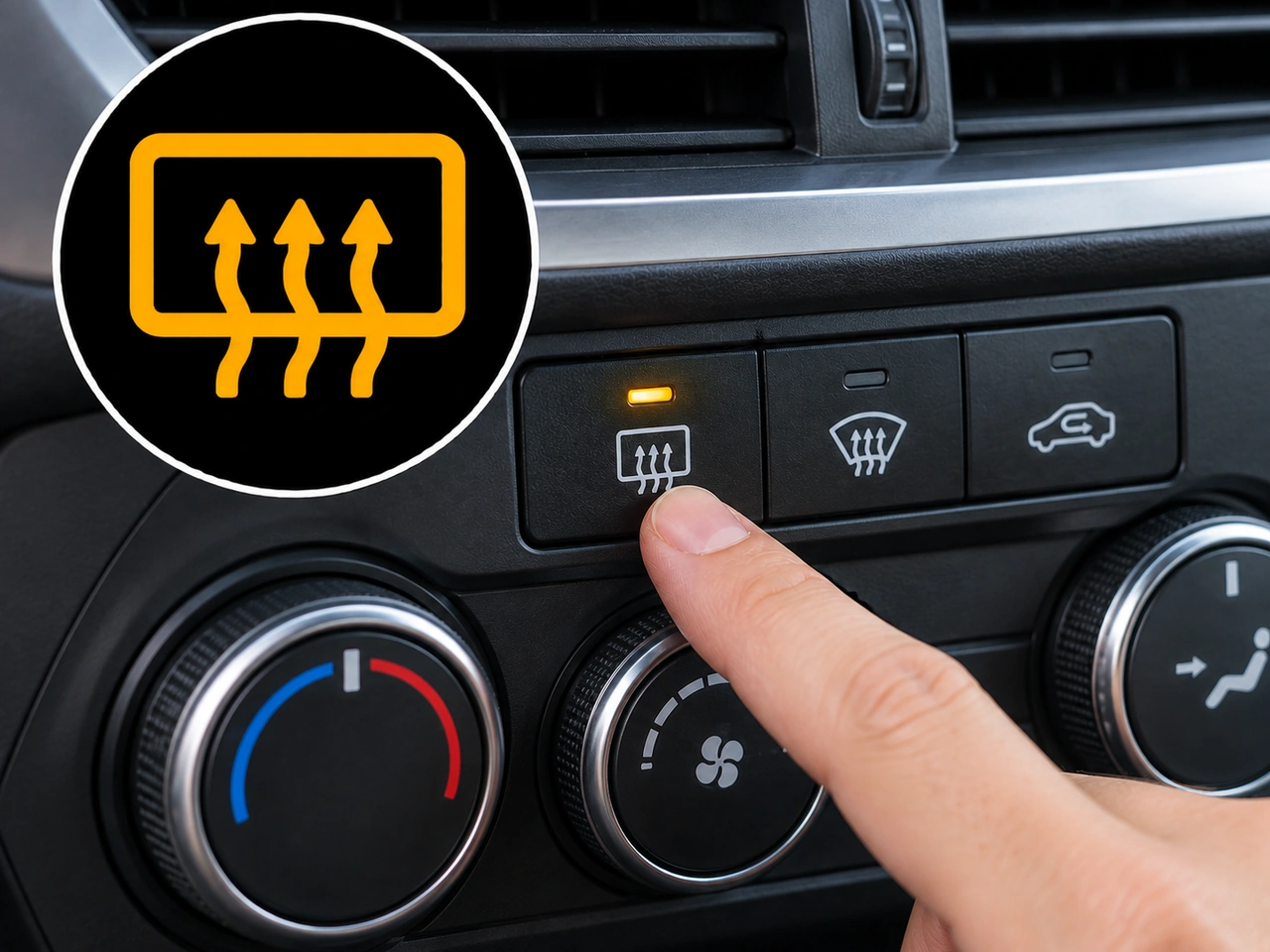
439. What does this dashboard symbol indicate?
This symbol indicates the rear window demister. It heats the rear window to help clear condensation, mist or frost and improve visibility.
AI-generated by Rijbewijs-online.be • WCIT • CC BY-SA
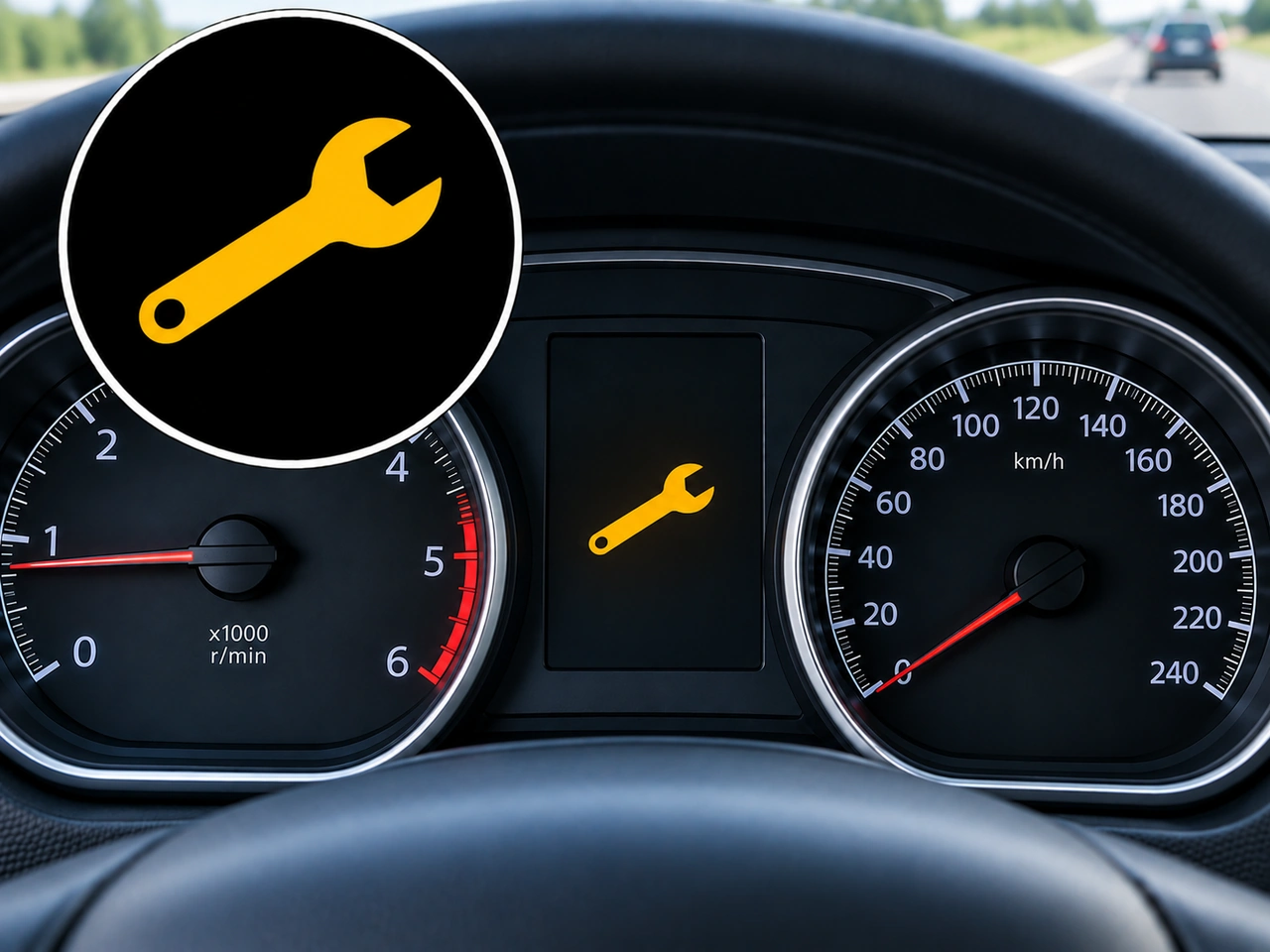
440. What does this dashboard symbol indicate?
This symbol indicates that the vehicle requires servicing or maintenance. The exact meaning and required maintenance can vary between vehicles, so check the vehicle information display or owner's manual.
AI-generated by Rijbewijs-online.be • WCIT • CC BY-SA
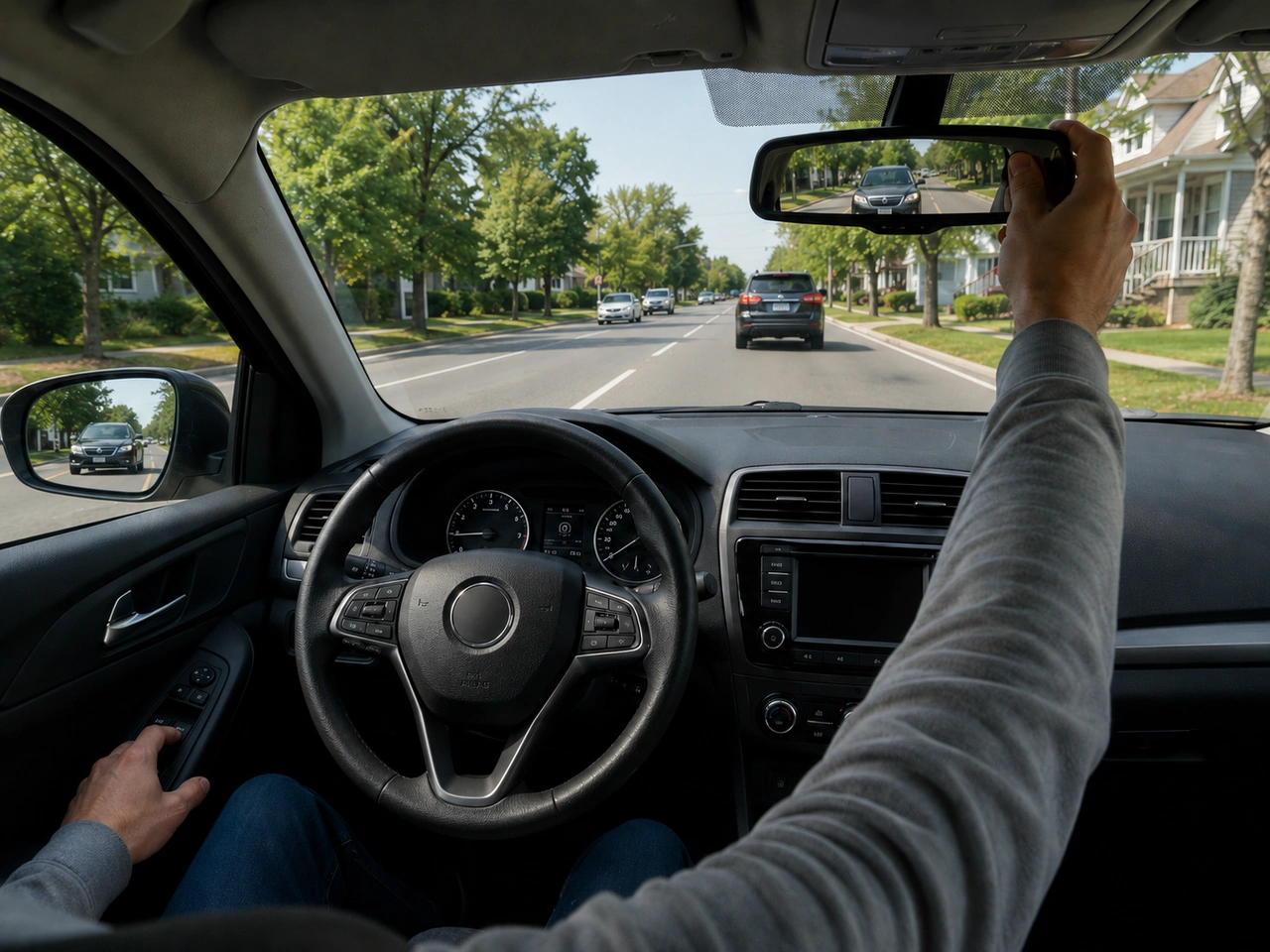
441. You should adjust your mirrors before you start driving.
Properly adjusted mirrors improve visibility and help you monitor traffic around your vehicle.
AI-generated by Rijbewijs-online.be • WCIT • CC BY-SA
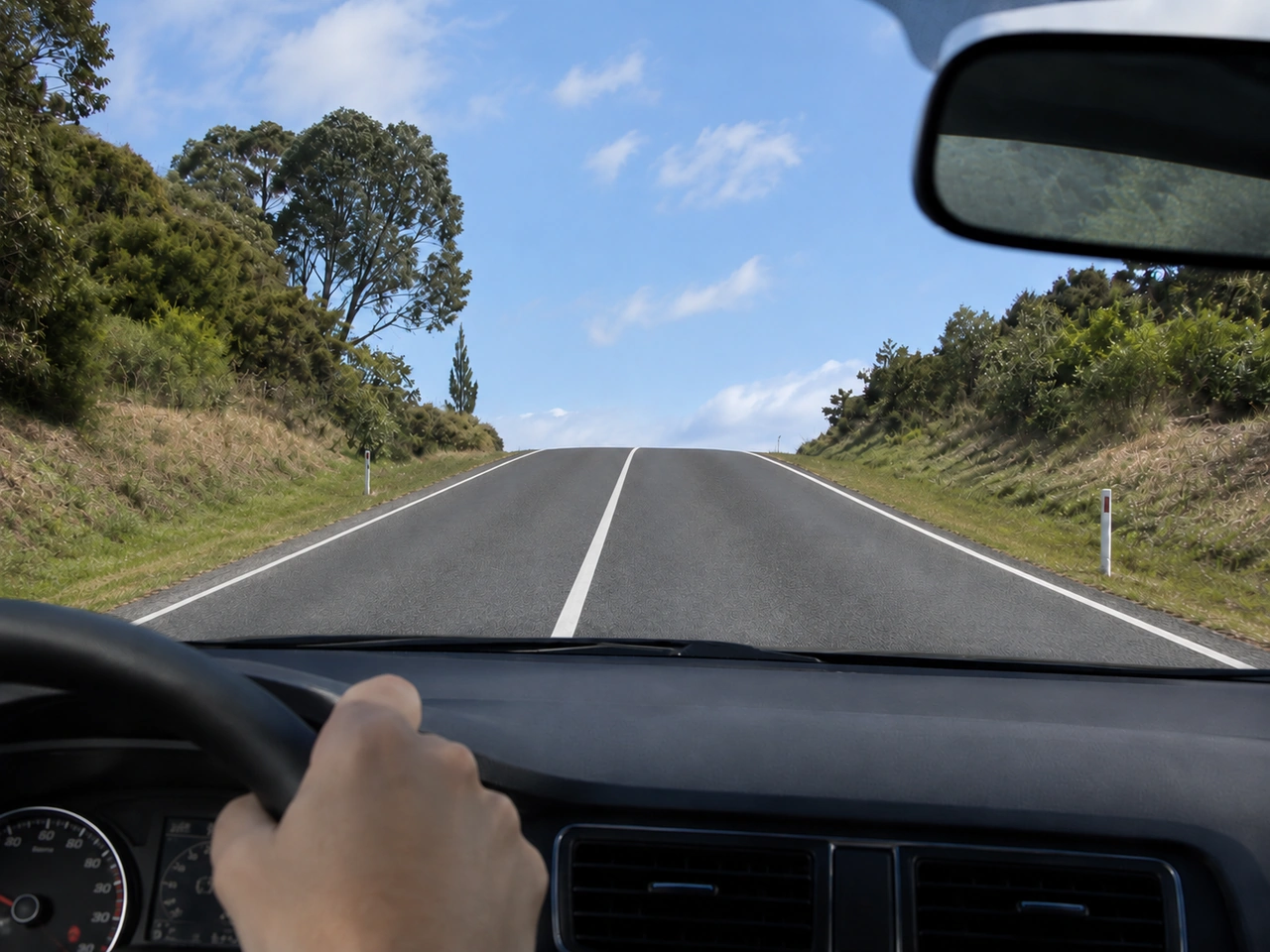
442. What should you do when approaching a hill crest?
A hill crest can hide vehicles, cyclists, pedestrians, or obstacles. Reduce speed and stay in your lane.
AI-generated by Rijbewijs-online.be • WCIT • CC BY-SA
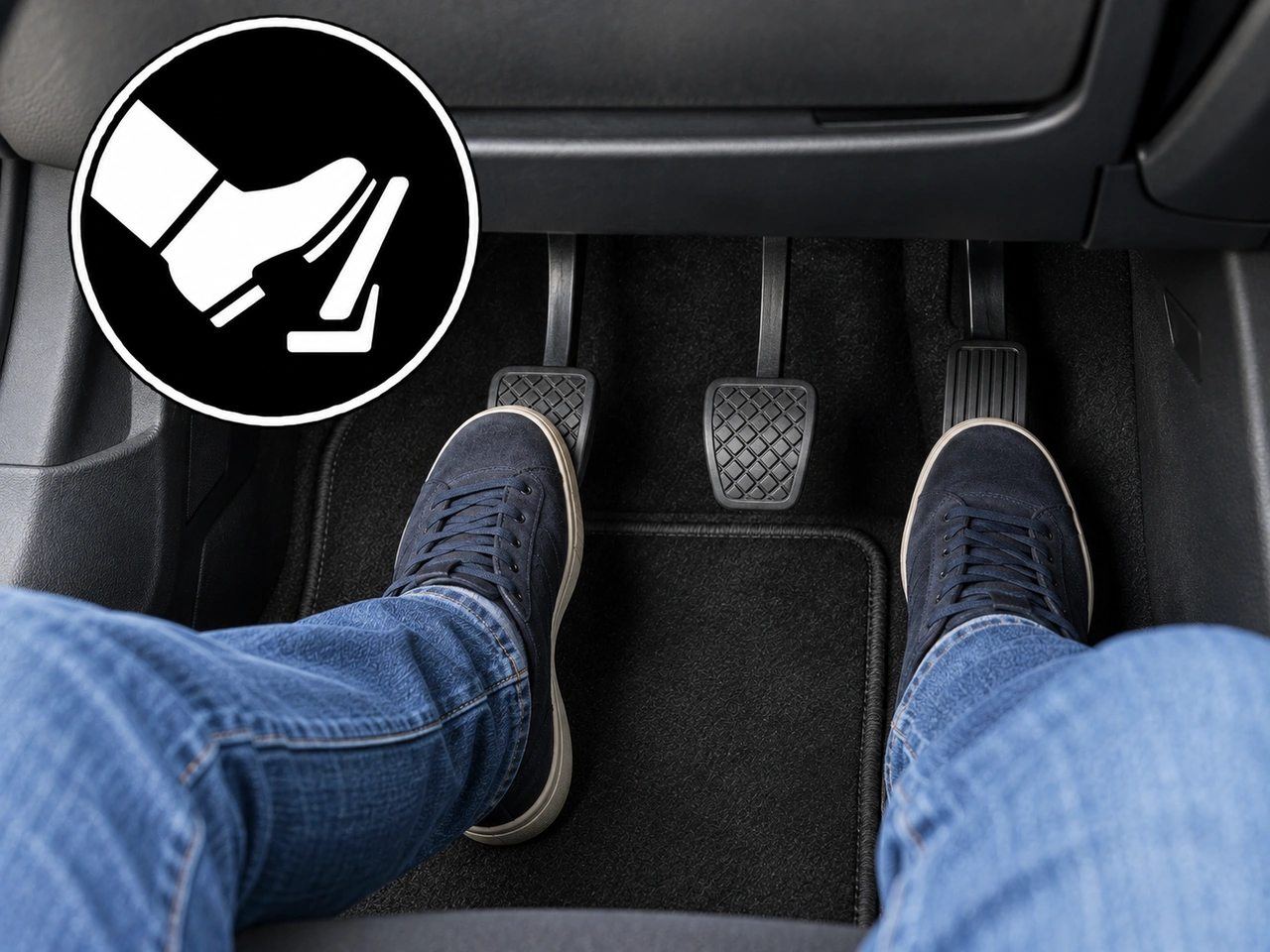
443. What is the clutch biting point?
The clutch biting point is reached as the clutch pedal is released and the clutch begins to transmit power from the engine to the transmission. Controlling this point helps the driver move off smoothly.
AI-generated by Rijbewijs-online.be • WCIT • CC BY-SA
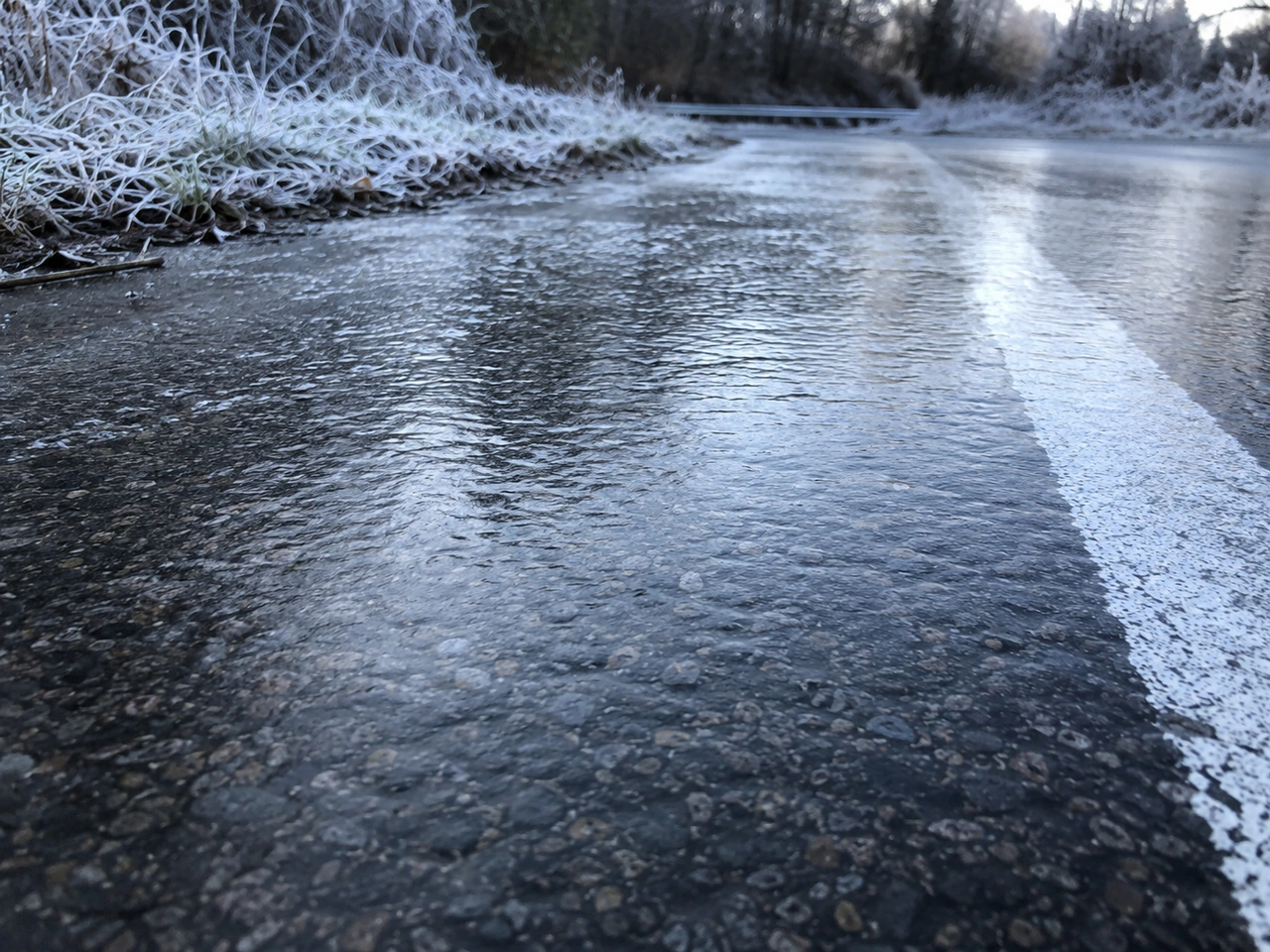
444. What is black ice?
Black ice is difficult to detect because the road surface may look merely wet. It can cause a sudden and severe loss of grip.
AI-generated by Rijbewijs-online.be • WCIT • CC BY-SA
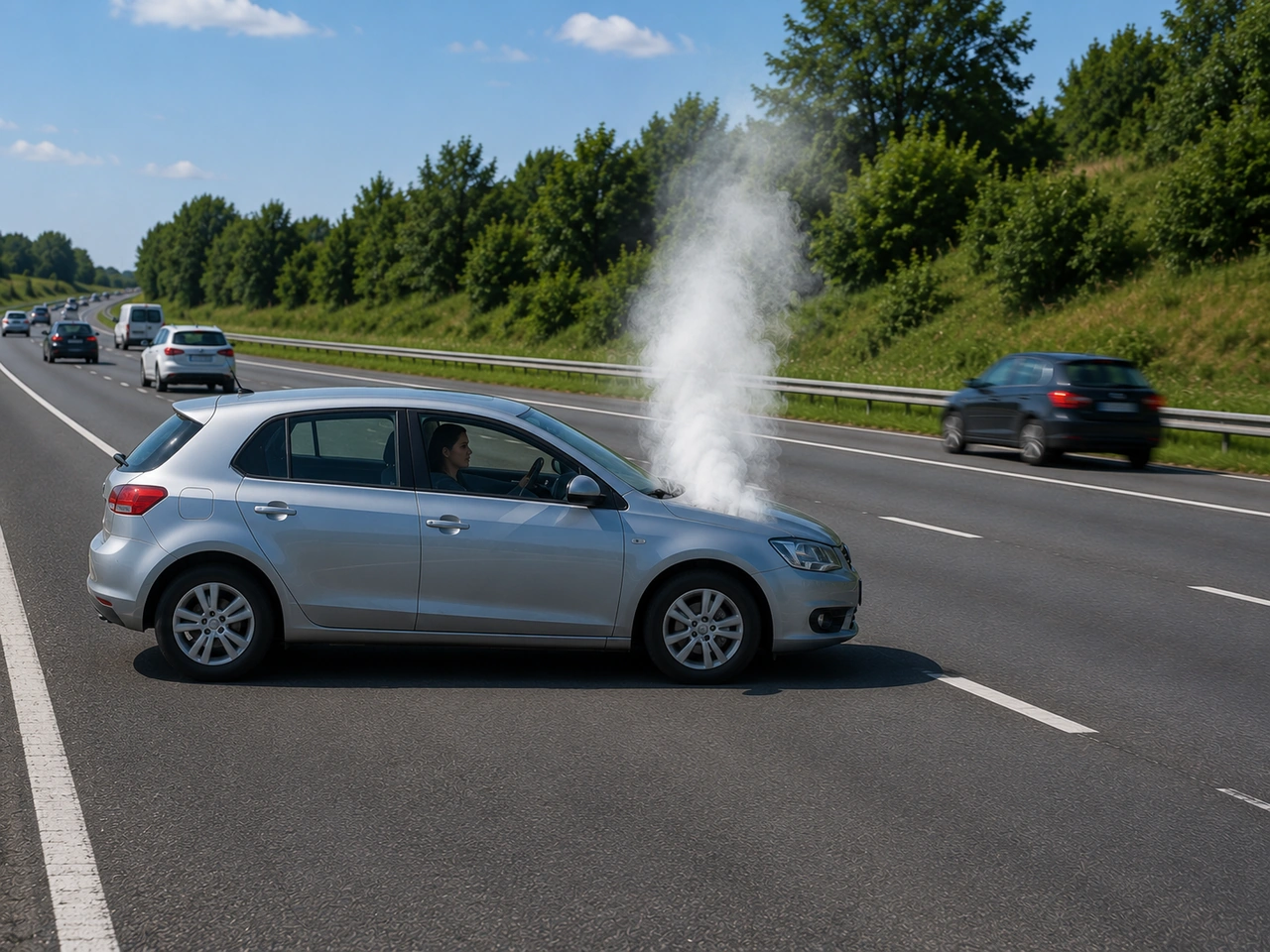
445. What should you do if your vehicle breaks down on a busy road?
If your vehicle breaks down, make it visible and get yourself away from moving traffic. Safety comes before repairing the vehicle.
AI-generated by Rijbewijs-online.be • WCIT • CC BY-SA
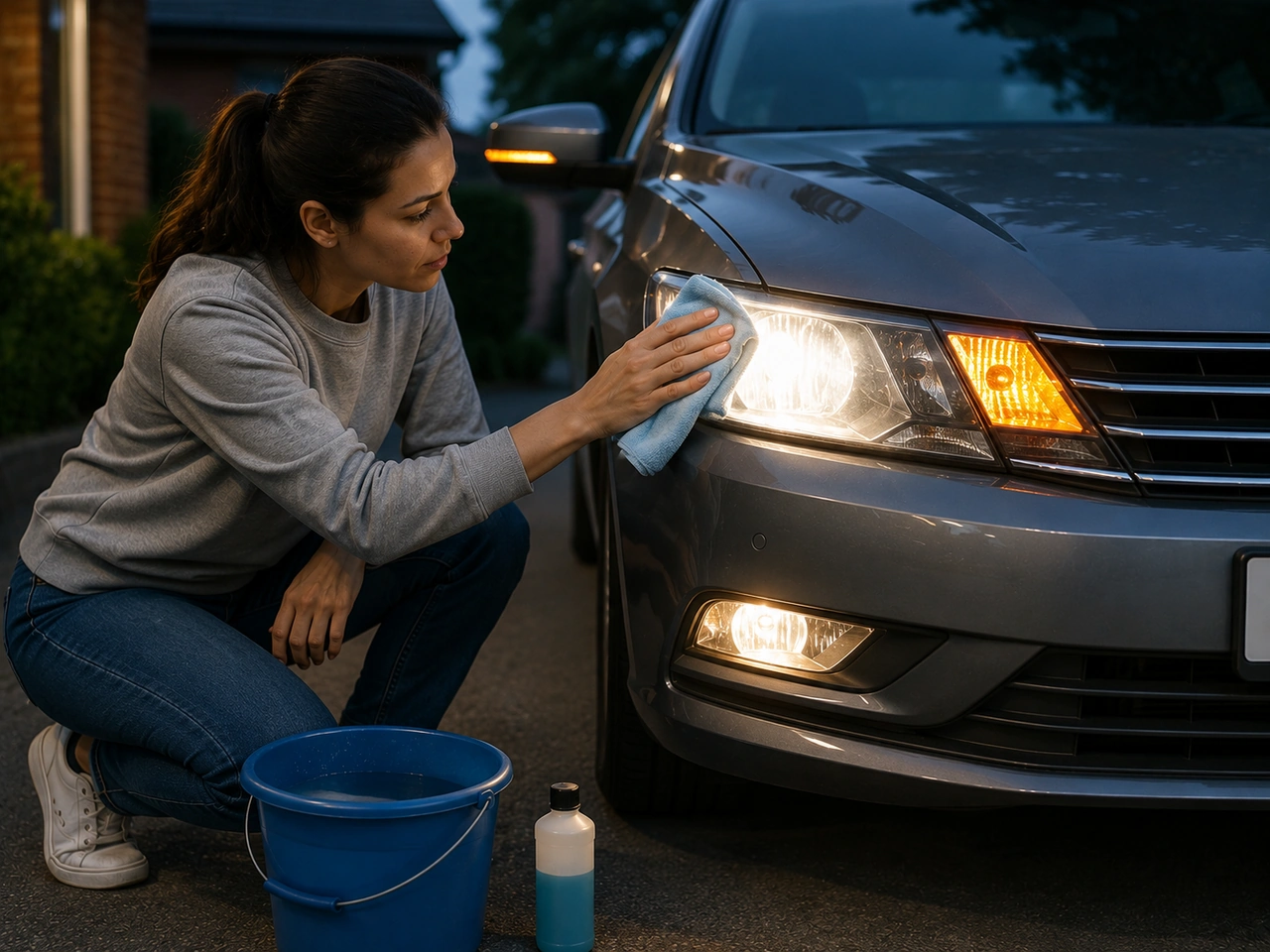
446. Why should headlights, indicators, and other exterior lights be kept clean and working?
Dirty or faulty lights reduce visibility and make it harder for other road users to understand when you are braking, turning, reversing, or changing position.
AI-generated by Rijbewijs-online.be • WCIT • CC BY-SA
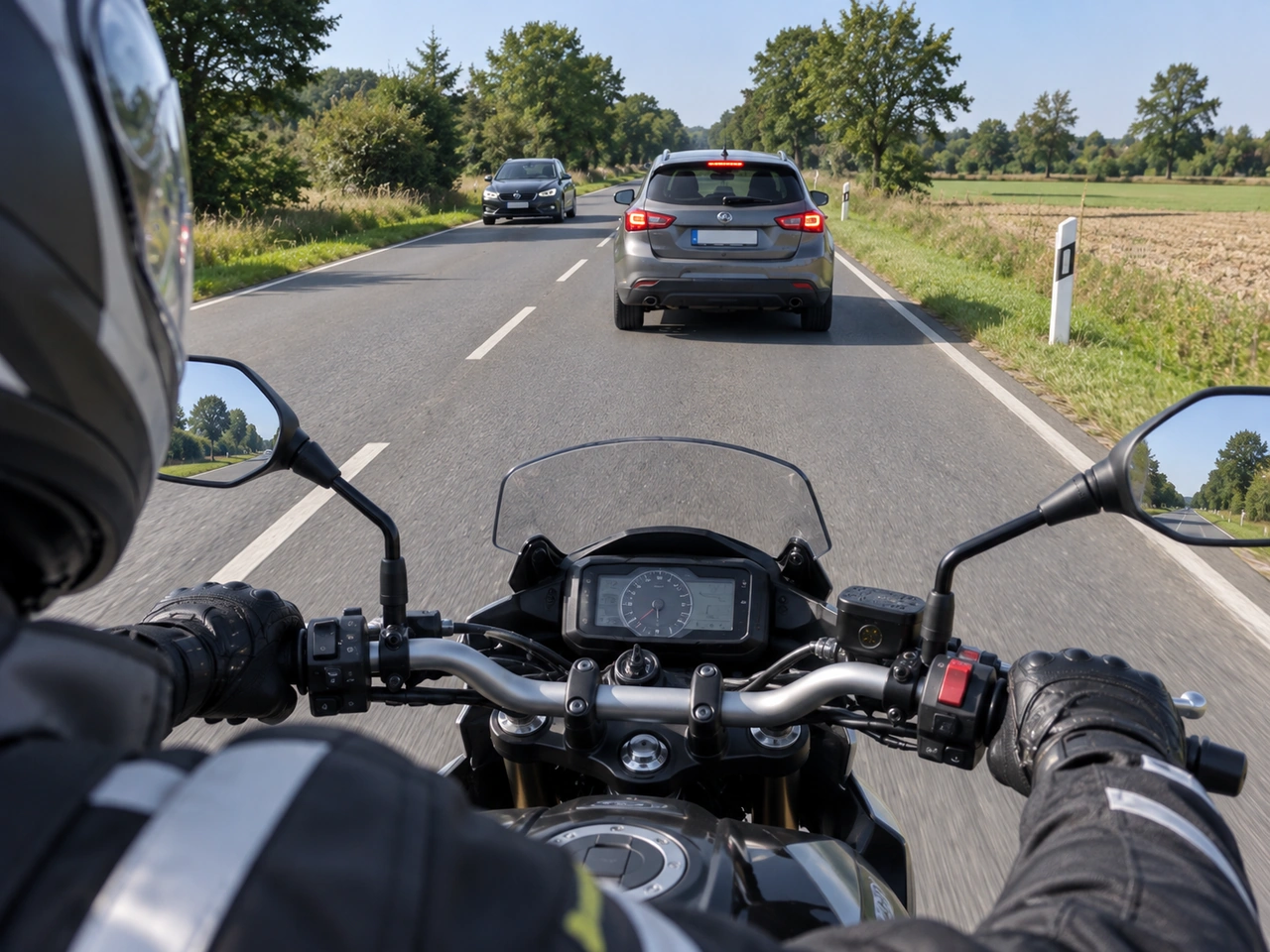
447. How should you normally brake on a motorcycle?
During normal braking, use both the front and rear brakes smoothly and progressively. The front brake normally provides much of the braking force, while the rear brake also helps slow and stabilise the motorcycle. Sudden or poorly balanced braking can reduce stability or cause a wheel to lose grip.
AI-generated by Rijbewijs-online.be • WCIT • CC BY-SA
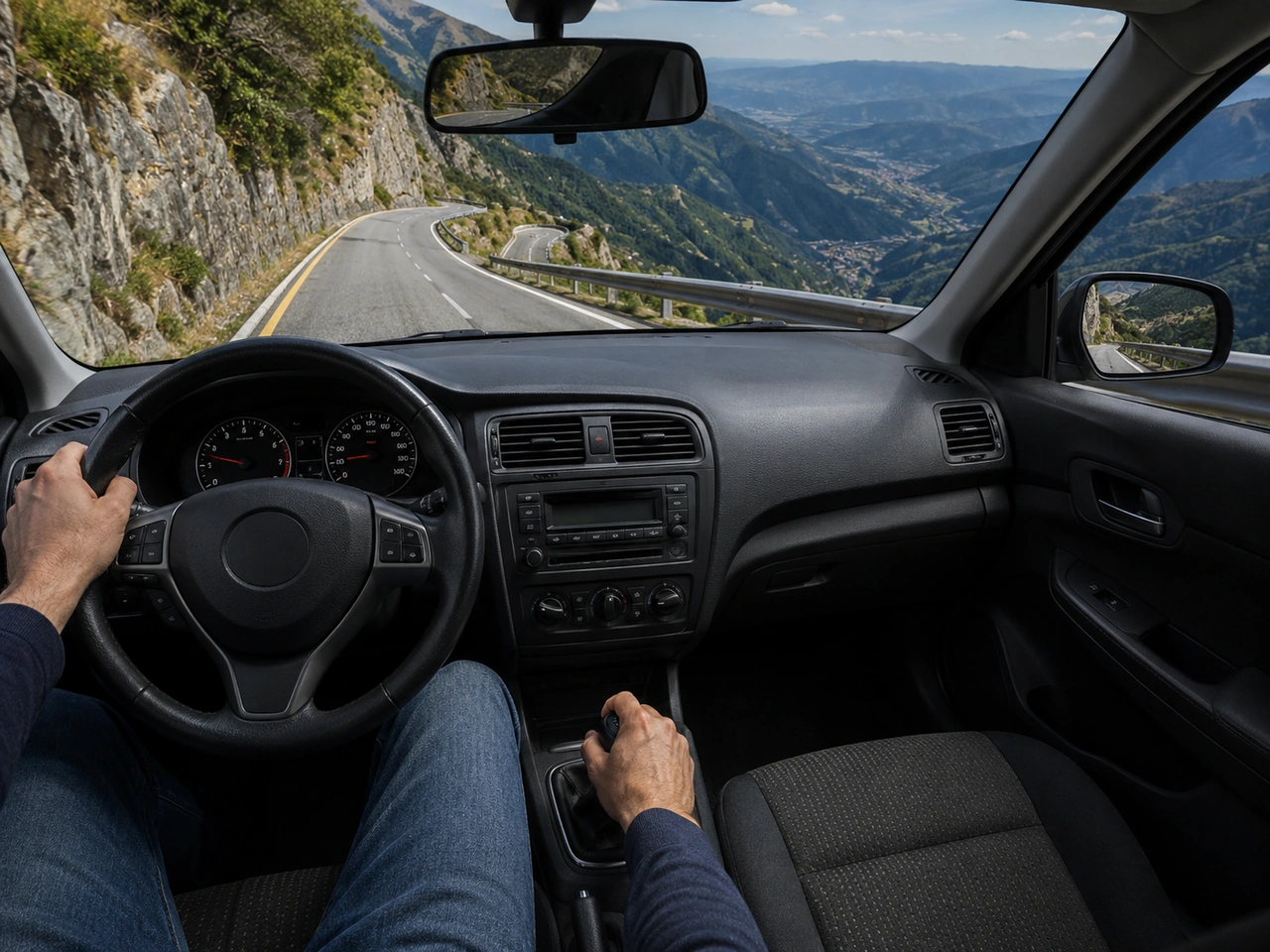
448. Why should you use a lower gear when driving downhill?
Engine braking helps prevent the vehicle from gaining too much speed and reduces strain on the brakes.
AI-generated by Rijbewijs-online.be • WCIT • CC BY-SA
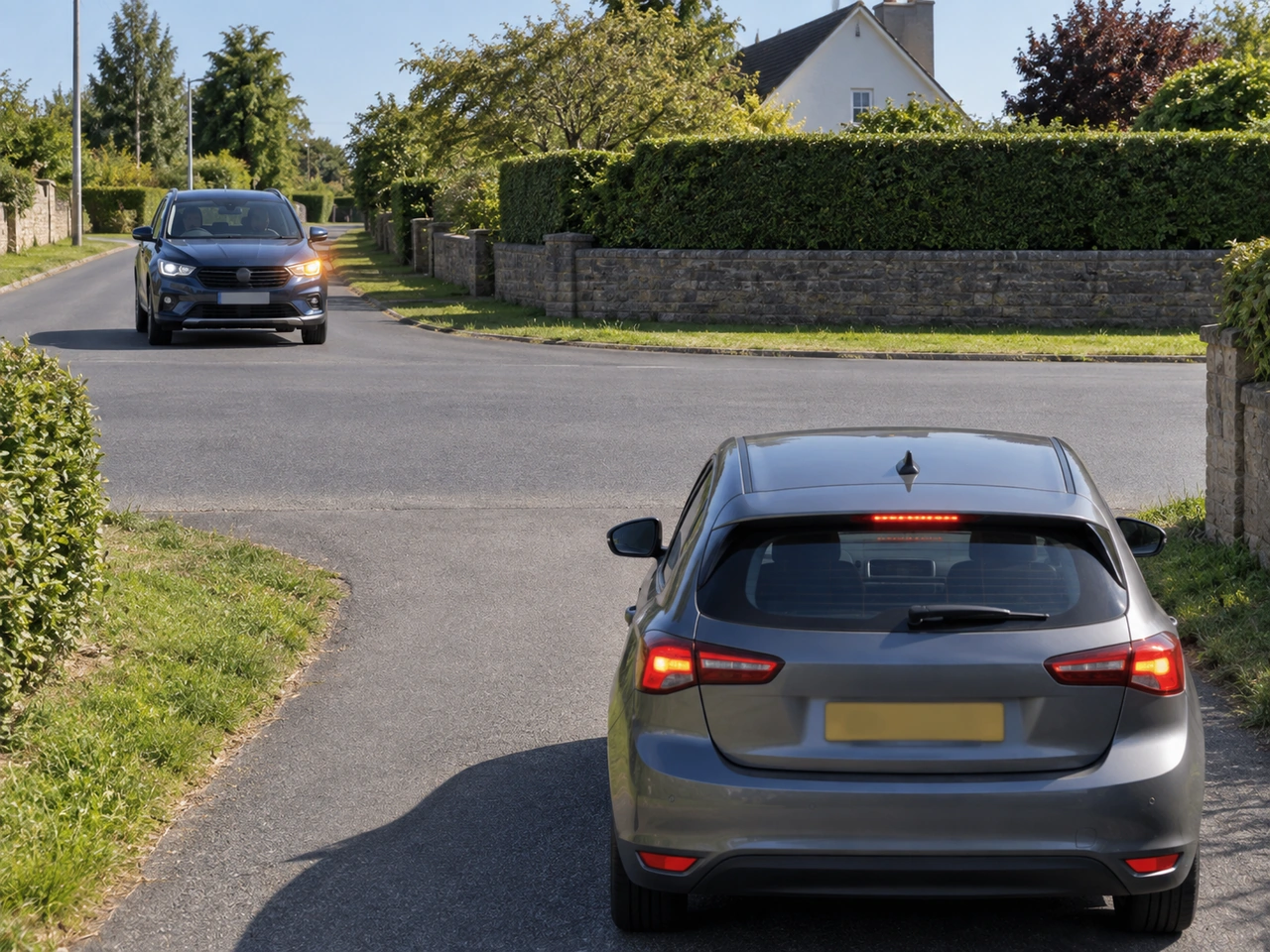
449. What should you do if another vehicle is signalling to turn?
An indicator shows an intention, but it does not guarantee that the driver will turn. The signal may have been left on accidentally or the driver's intentions may change. Observe the vehicle's speed and position and proceed only when you are sure it is safe.
AI-generated by Rijbewijs-online.be • WCIT • CC BY-SA
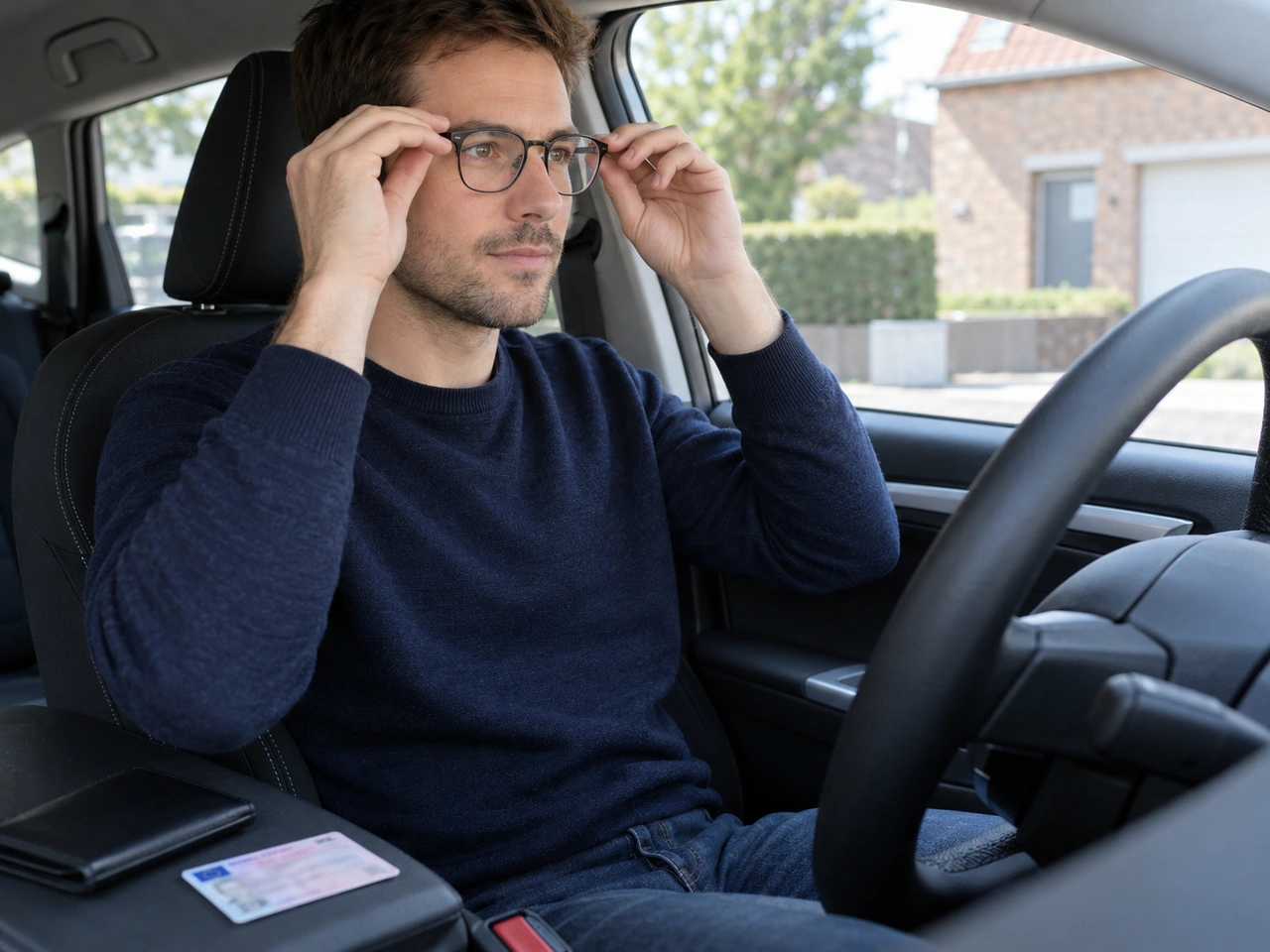
450. What does Code 01.01 on a Belgian driving licence mean?
Code 01.01 means that the driver must wear glasses when driving the relevant vehicle category.
AI-generated by Rijbewijs-online.be • WCIT • CC BY-SA