


QuizTraffic rulesUnited Kingdom
This interesting quiz helps you test your knowledge in a clear and visual way. With easy multiple-choice questions, you can quickly build confidence and learn new facts while keeping it simple, interactive, and fun.
 Traffic signs
 Traffic rules
 United Kingdom
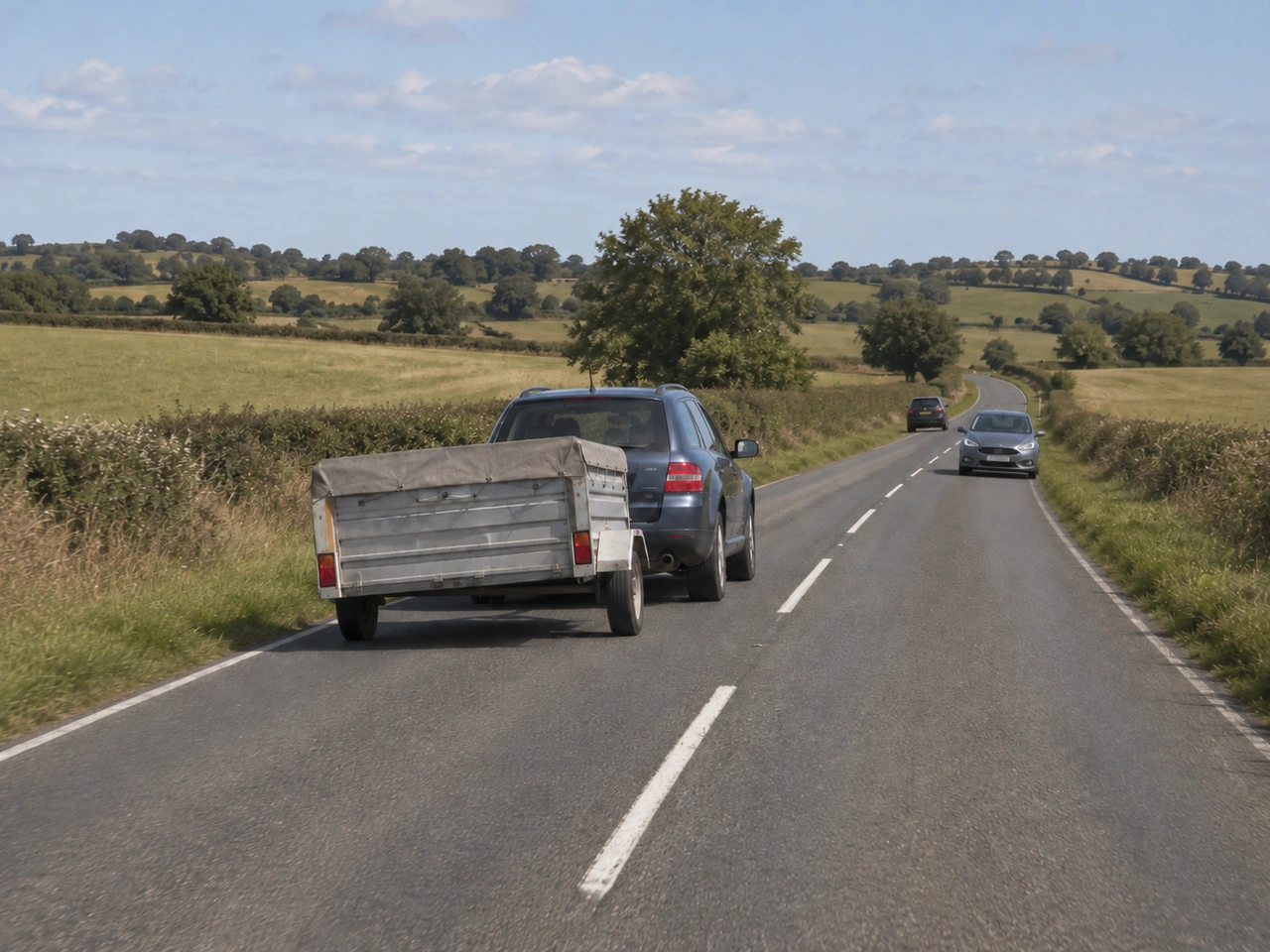
201. What should you do if a trailer begins to sway?
Sudden steering or braking can worsen trailer sway. Stay calm, hold a steady course, and reduce speed smoothly.
AI-generated by Rijbewijs-online.be • WCIT • CC BY-SA

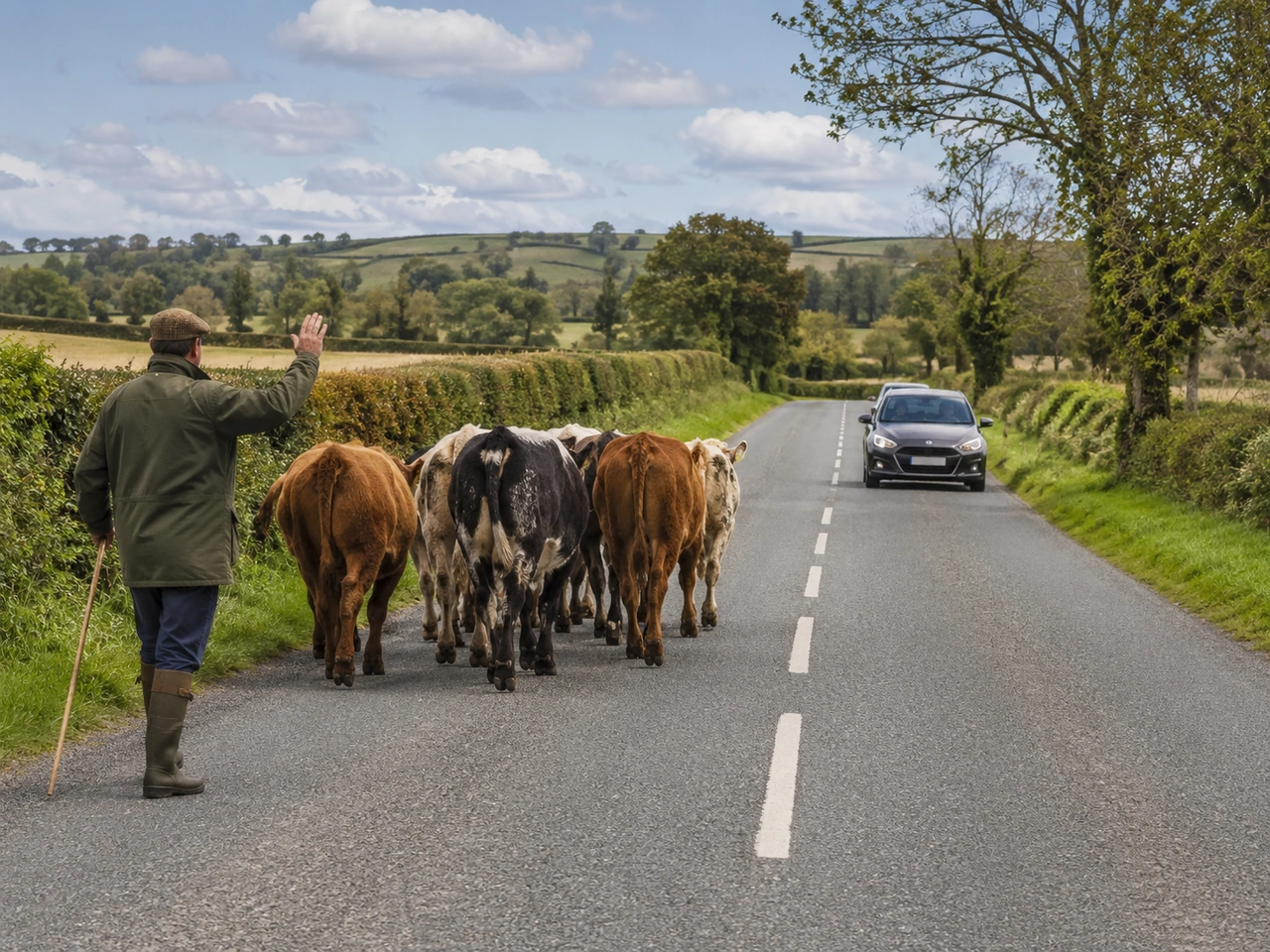
202. What should you do when livestock are on the road?
Livestock may spread across the road, stop suddenly, or change direction without warning. Slow down, keep a safe distance, avoid sudden movements or loud noises, and follow any instructions from the person controlling the animals.
AI-generated by Rijbewijs-online.be • WCIT • CC BY-SA
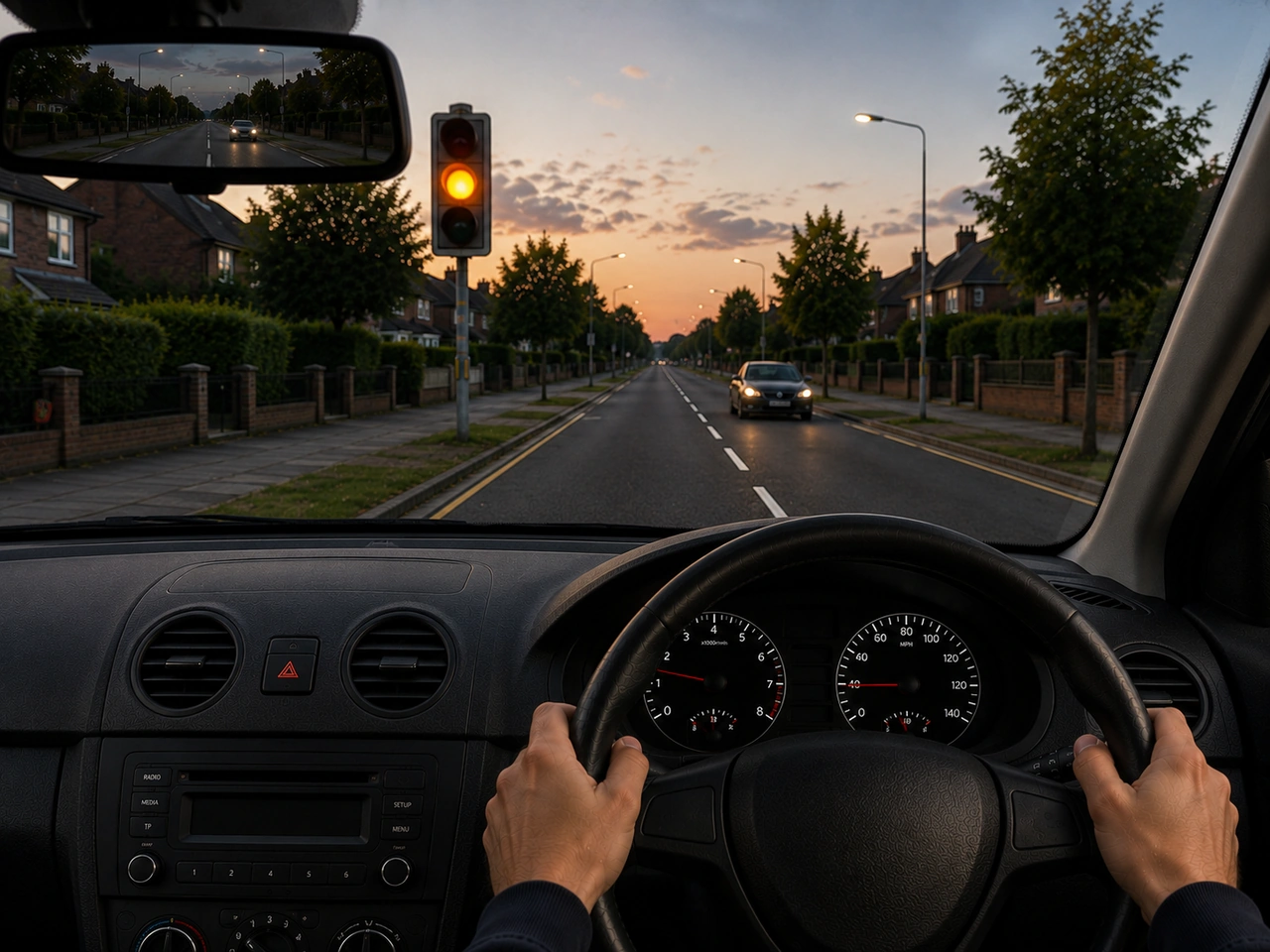
203. What should you do when traffic lights change to amber as you approach?
An amber light warns that the signal is changing. Stop if it is safe, but avoid sudden braking that could cause danger behind you.
AI-generated by Rijbewijs-online.be • WCIT • CC BY-SA
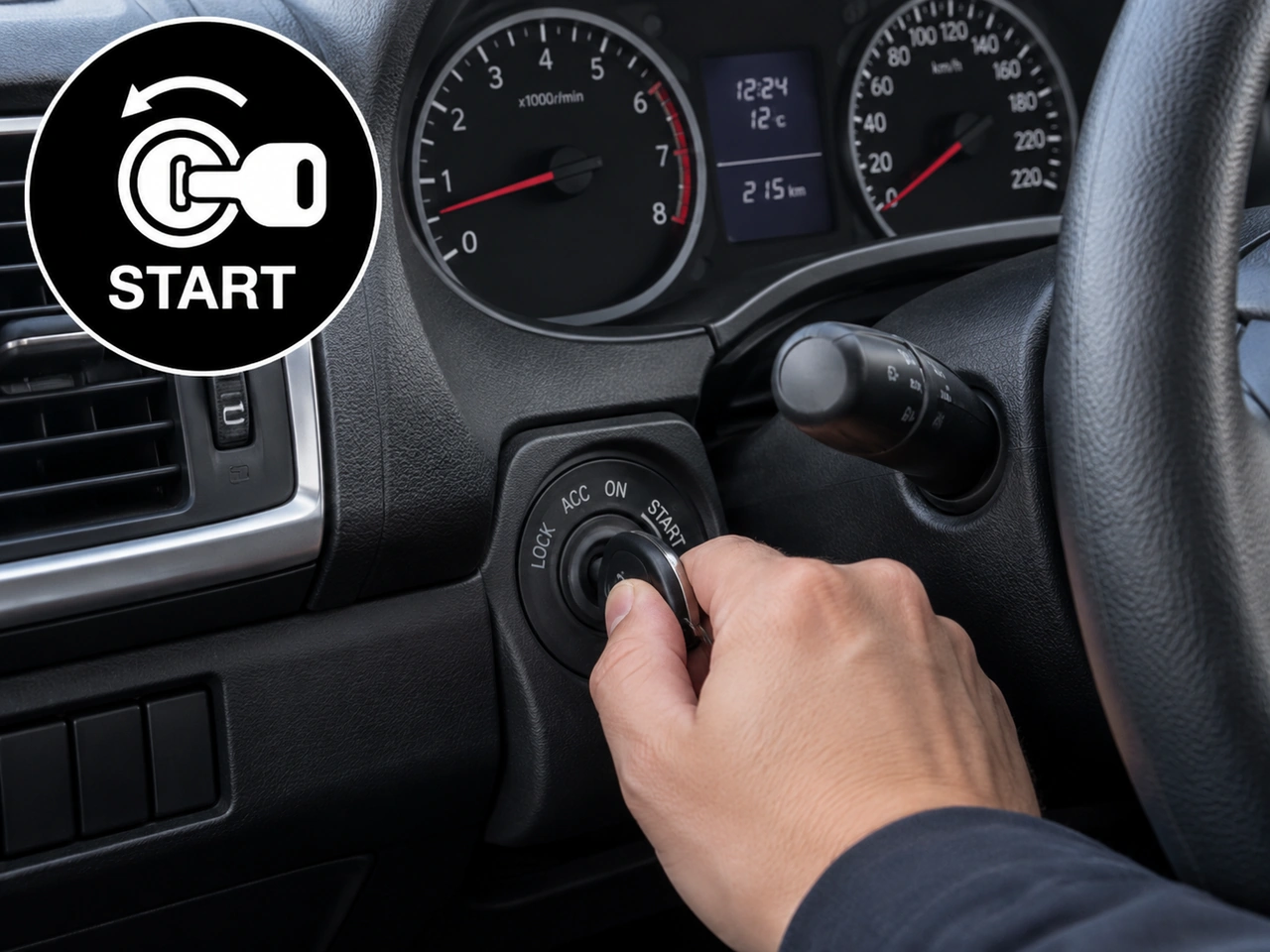
204. What should you do with the ignition key once the engine starts?
Once the engine starts, release the ignition key so it returns from START to the ON position. Holding the key in START unnecessarily can keep the starter motor engaged.
AI-generated by Rijbewijs-online.be • WCIT • CC BY-SA
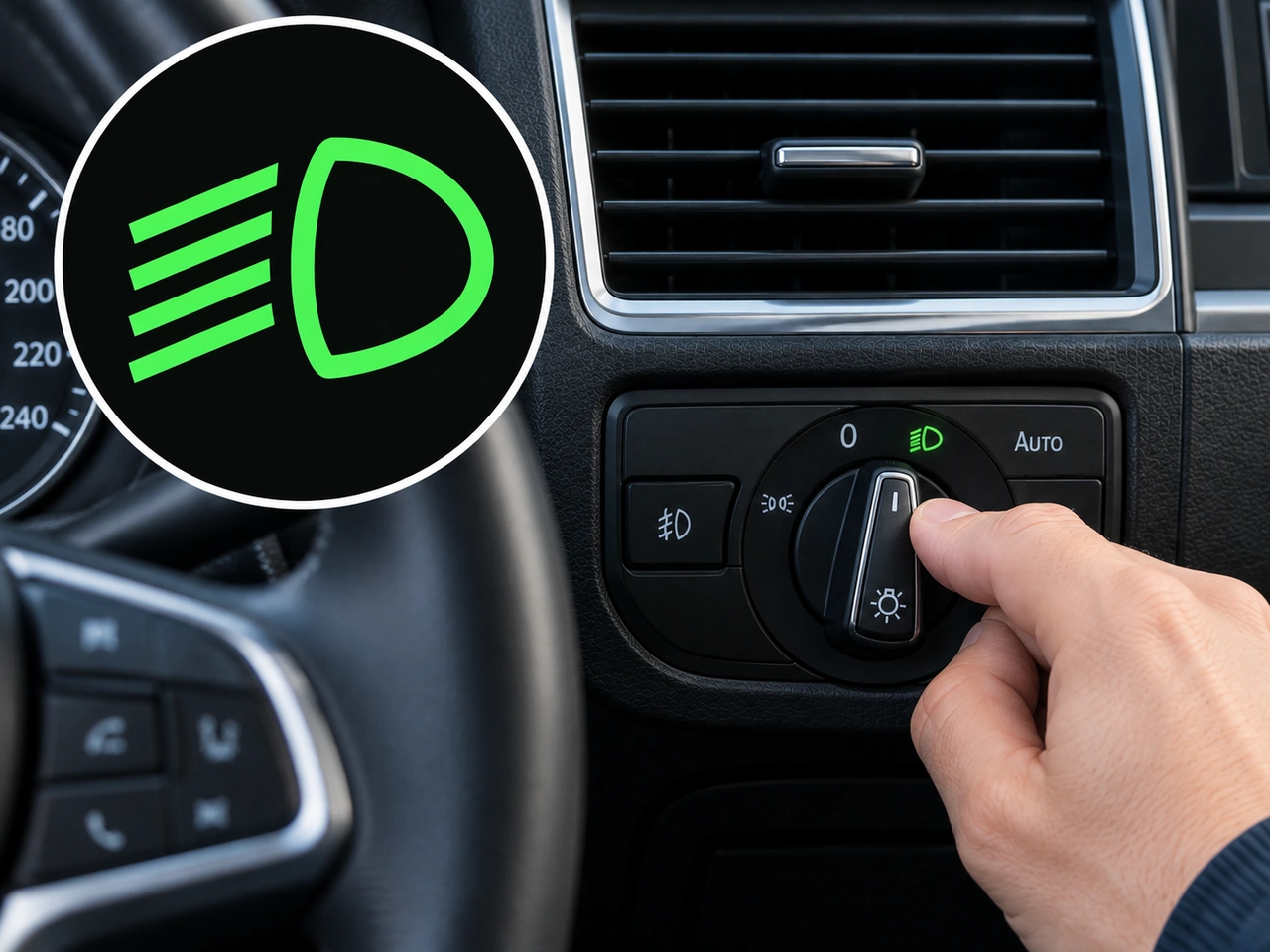
205. What does this dashboard symbol indicate?
This symbol indicates that the dipped headlights are switched on. Dipped headlights illuminate the road ahead while limiting glare for other road users.
AI-generated by Rijbewijs-online.be • WCIT • CC BY-SA
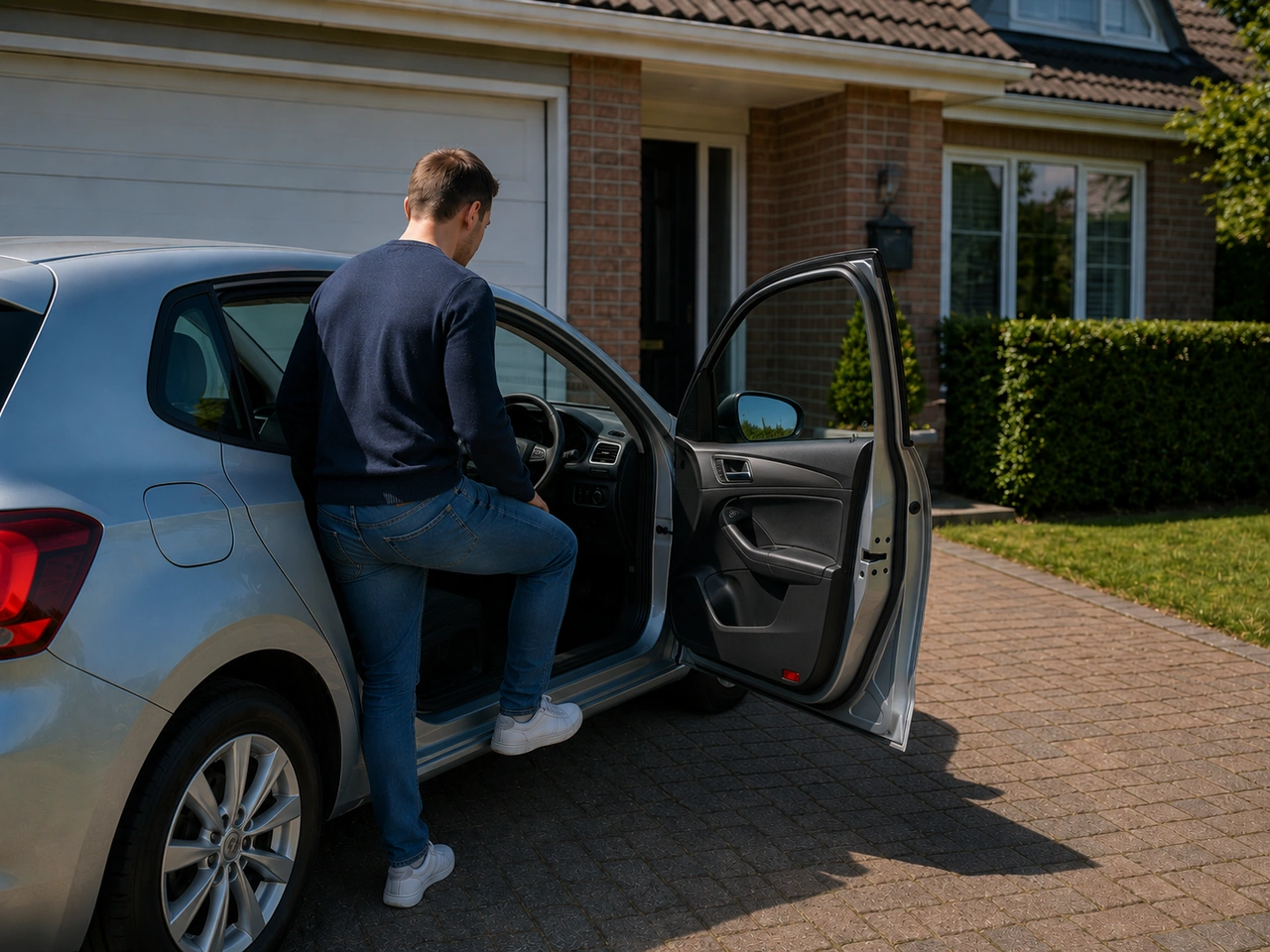
206. When should you fasten your seat belt?
Fasten your seat belt before the vehicle starts moving and keep it fastened throughout the journey. Make sure your passengers are also safely seated and properly restrained.
AI-generated by Rijbewijs-online.be • WCIT • CC BY-SA
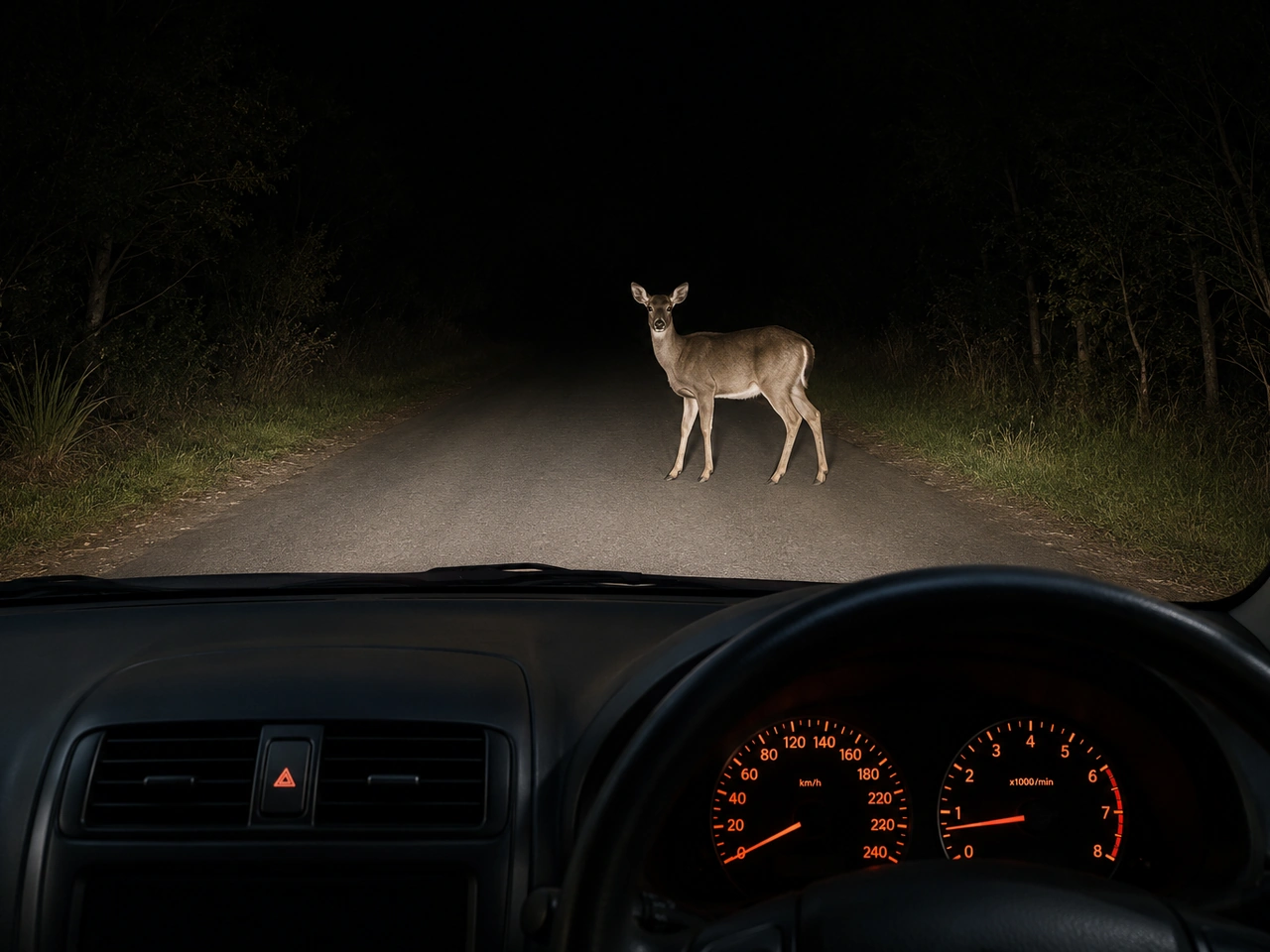
207. What should you do if an animal is standing on the road at night?
Animals may freeze, turn back, or move unpredictably when caught in vehicle headlights.
AI-generated by Rijbewijs-online.be • WCIT • CC BY-SA
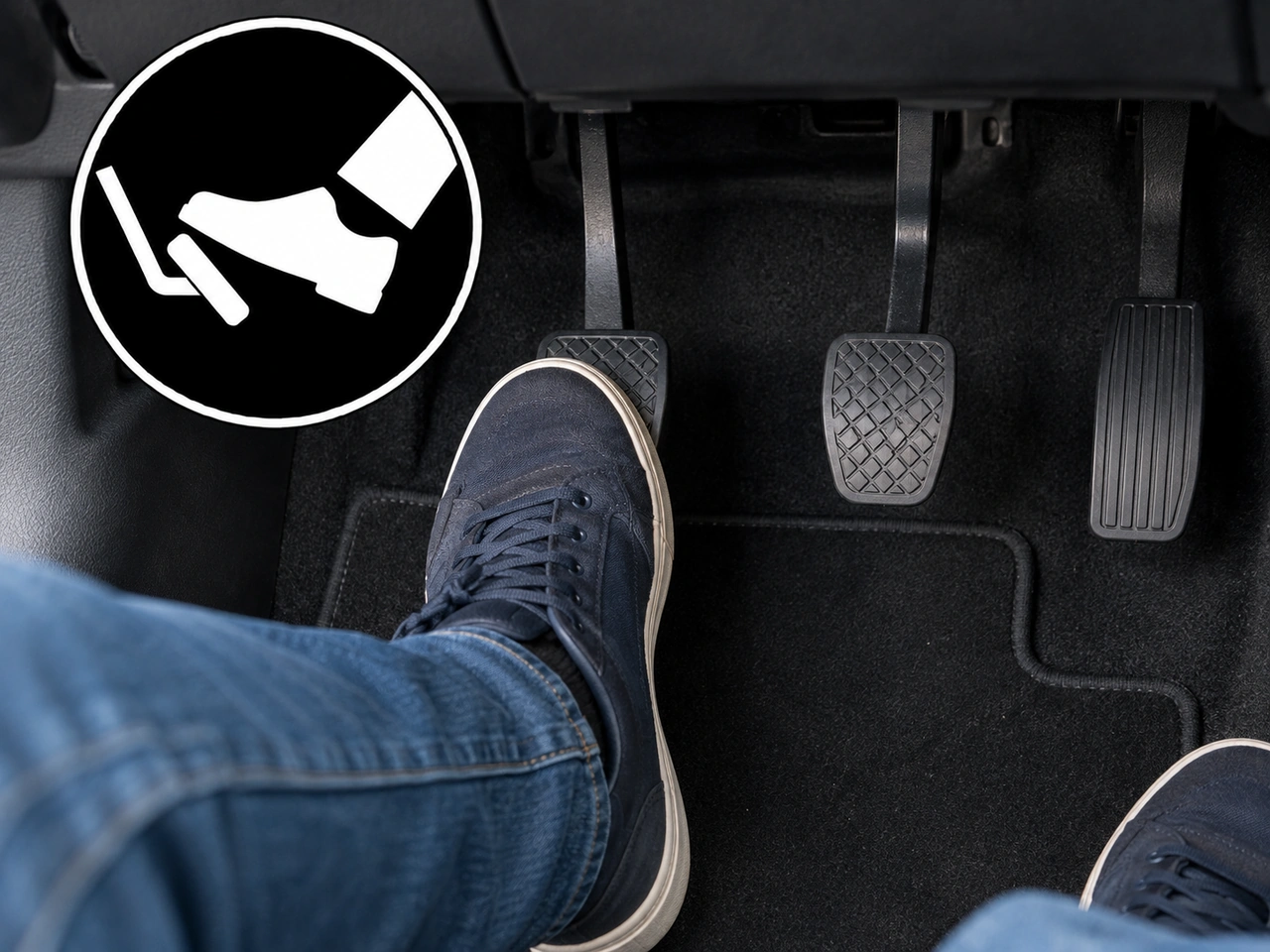
208. What is the purpose of the clutch pedal in a manual vehicle?
Pressing the clutch pedal temporarily disconnects the engine from the transmission, allowing the driver to change gear or stop without stalling the engine.
AI-generated by Rijbewijs-online.be • WCIT • CC BY-SA
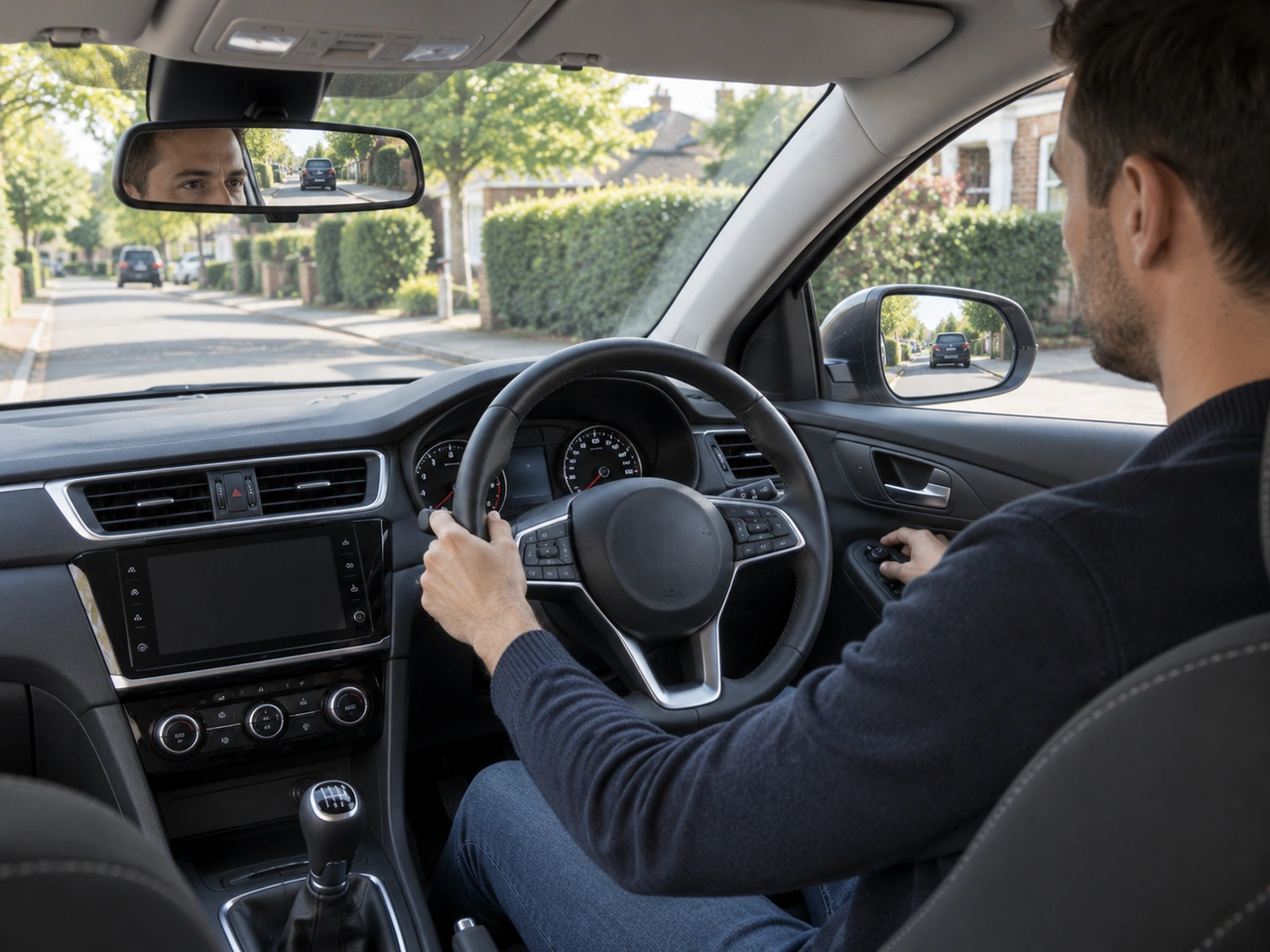
209. Why should you adjust the seat and mirrors correctly before driving?
A correct driving position helps you operate the pedals and steering comfortably and maintain proper control. Correctly adjusted mirrors improve your view around the vehicle and help reduce blind spots. Adjust both before starting your journey.
AI-generated by Rijbewijs-online.be • WCIT • CC BY-SA
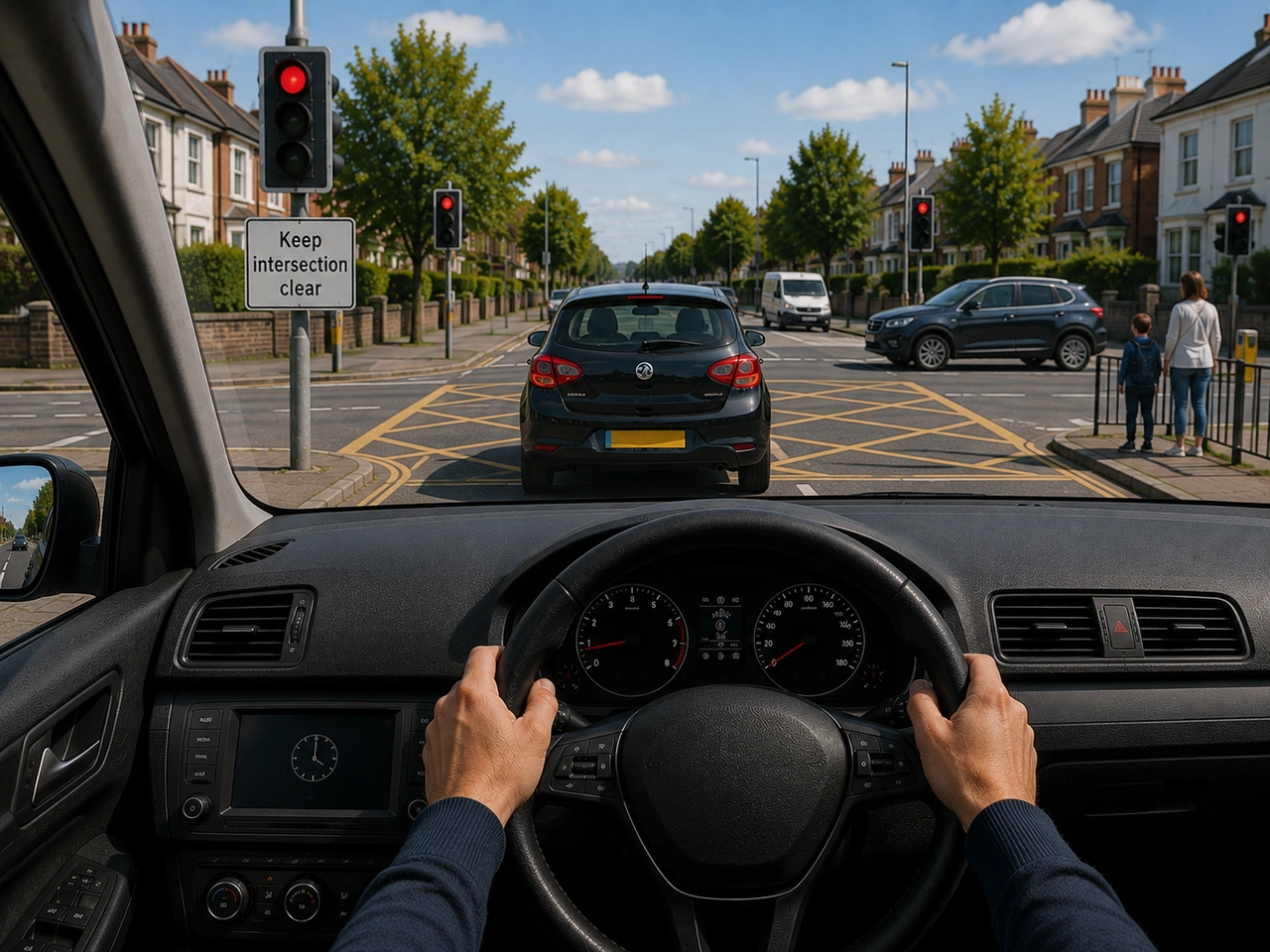
210. Why should you avoid blocking a junction?
Blocking a junction can prevent vehicles, cyclists, or pedestrians from moving safely. Enter only when there is enough space to drive through and clear the junction.
AI-generated by Rijbewijs-online.be • WCIT • CC BY-SA
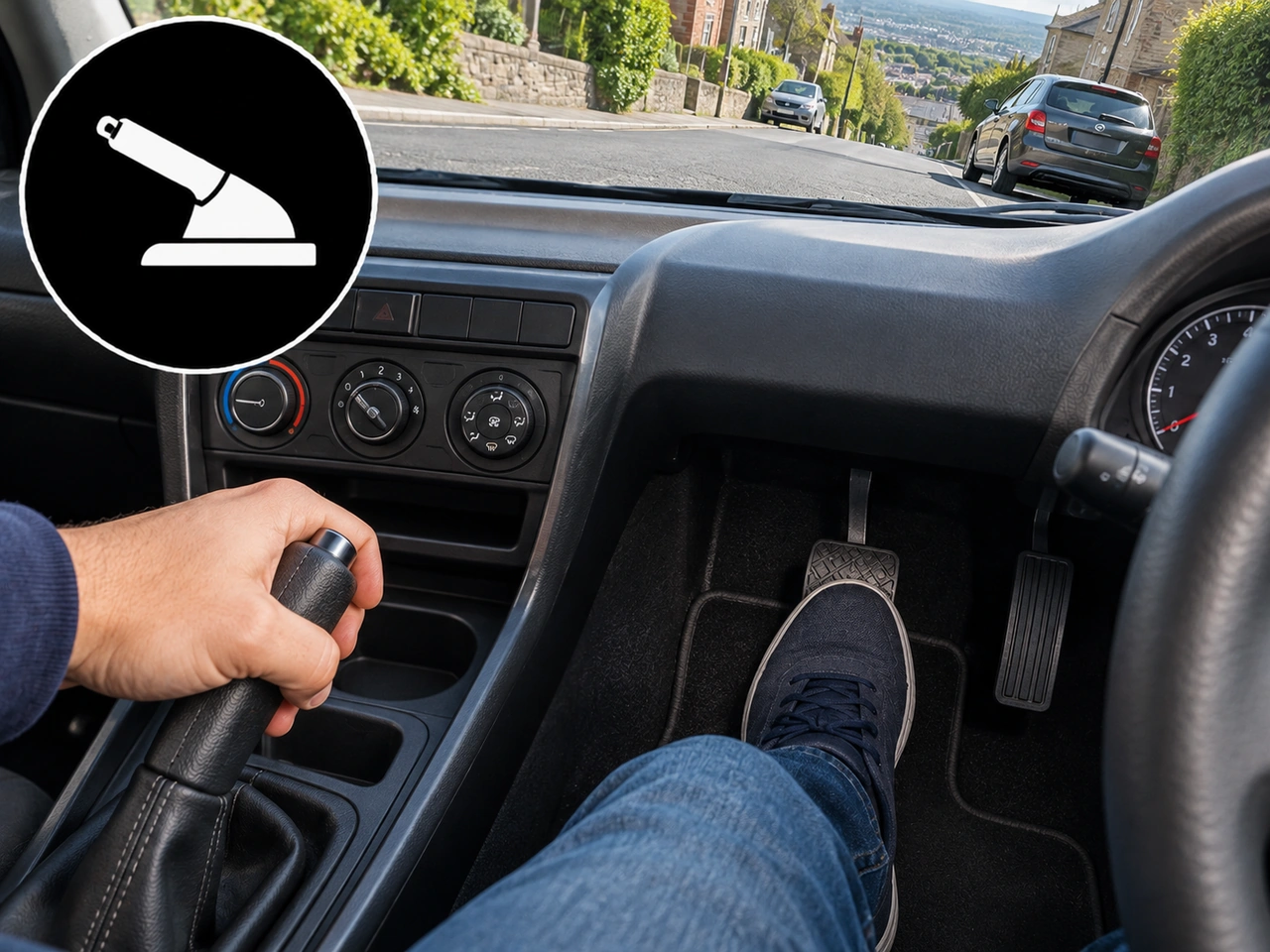
211. What should you do before releasing the parking brake on a slope?
Before releasing the parking brake on a slope, make sure the vehicle cannot roll unexpectedly. Use the service brake or, when moving off in a manual vehicle, establish the clutch biting point and sufficient power before releasing the parking brake.
AI-generated by Rijbewijs-online.be • WCIT • CC BY-SA
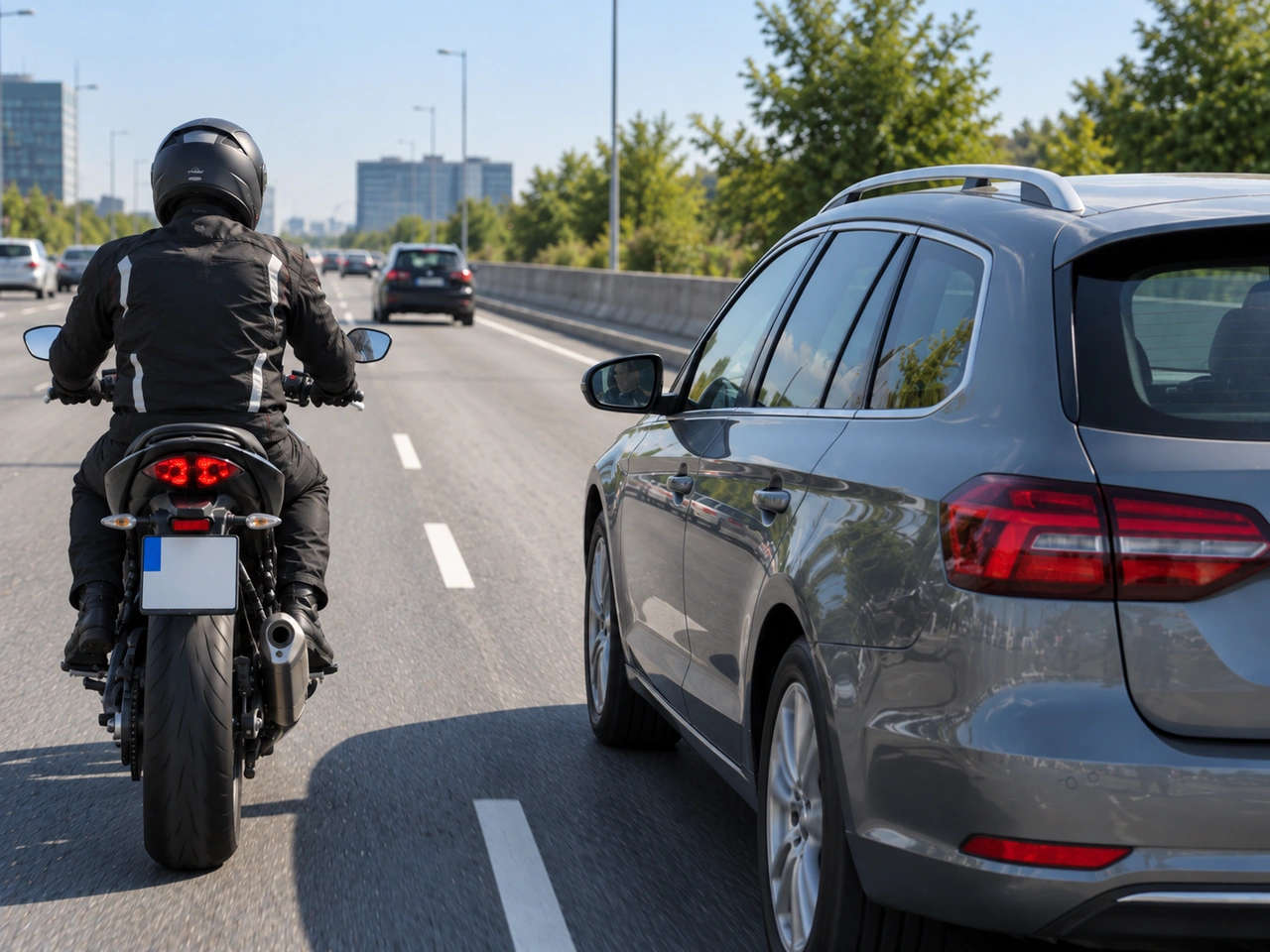
212. Why should a motorcyclist avoid riding in another vehicle's blind spot?
Motorcycles can be difficult to see, particularly when they remain in another vehicle's blind spot. Avoid staying alongside a vehicle where the driver may not see you, and choose a position where you are more likely to be visible.
AI-generated by Rijbewijs-online.be • WCIT • CC BY-SA
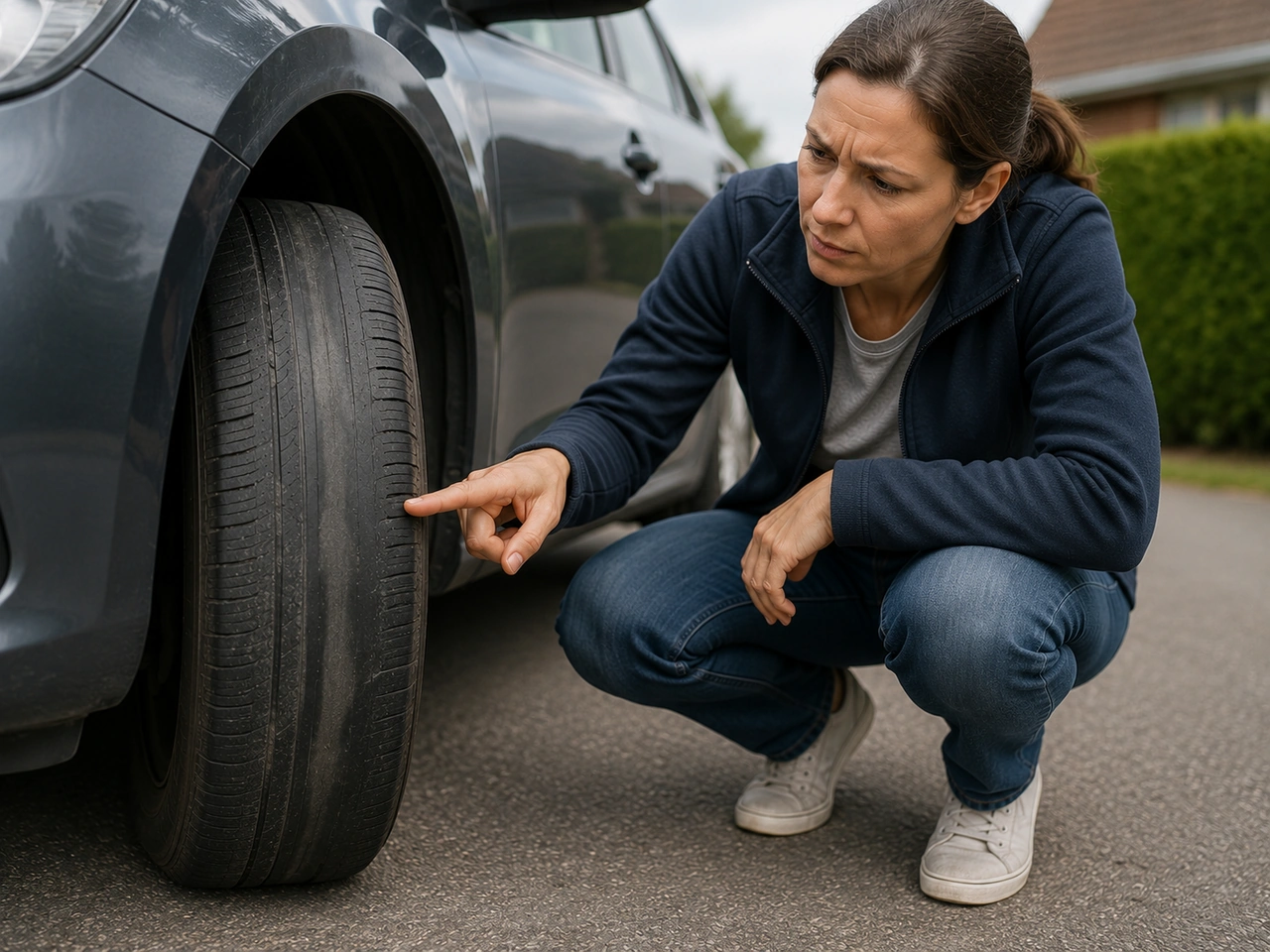
213. What can uneven tyre wear indicate?
Uneven wear may result from incorrect tyre pressure, wheel misalignment, worn suspension parts, or a brake that is not releasing properly.
AI-generated by Rijbewijs-online.be • WCIT • CC BY-SA
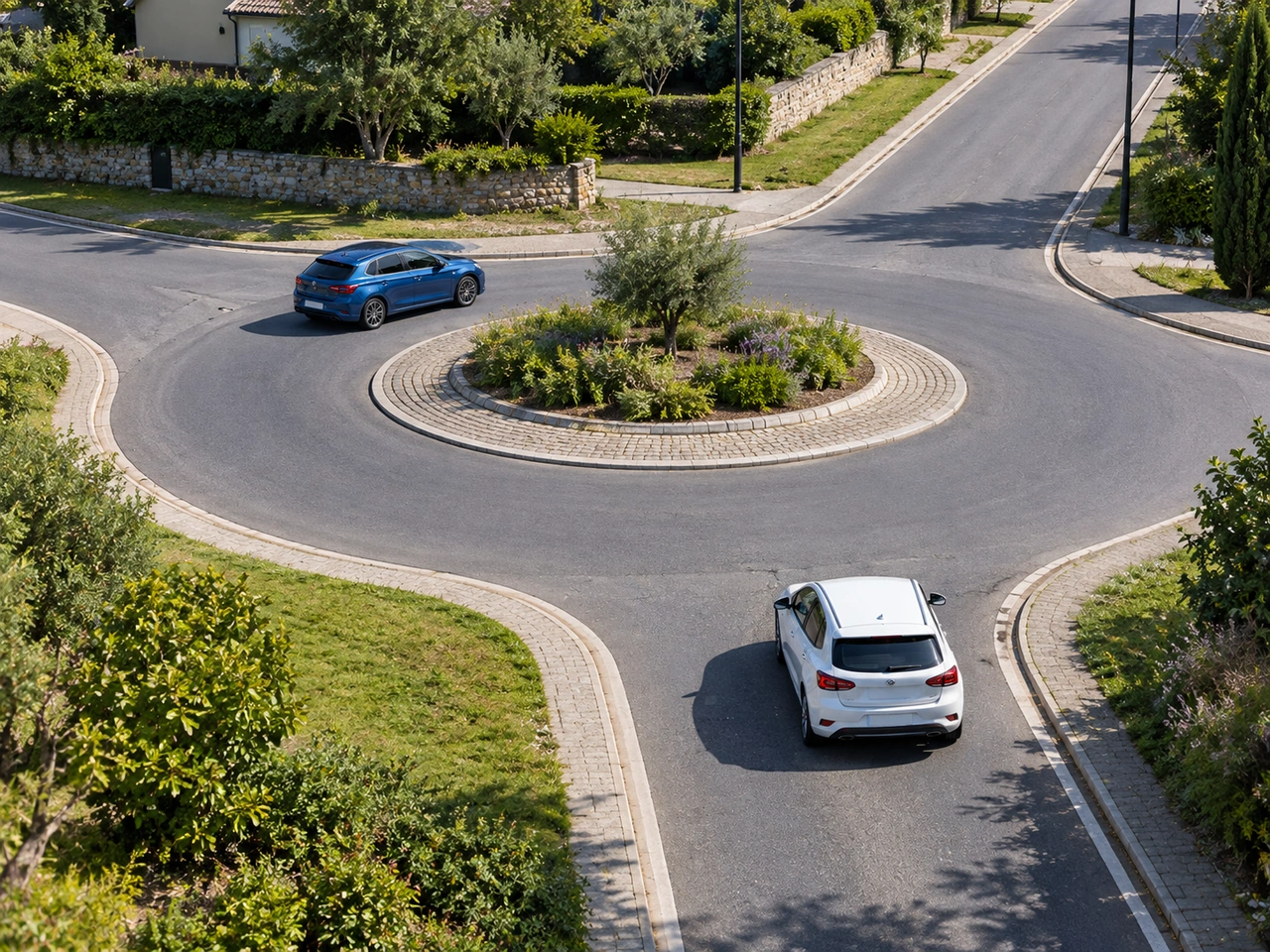
214. Who normally has priority at roundabouts in United Kingdom?
In United Kingdom, traffic entering a roundabout normally gives way to traffic already circulating.
AI-generated by Rijbewijs-online.be • WCIT • CC BY-SA
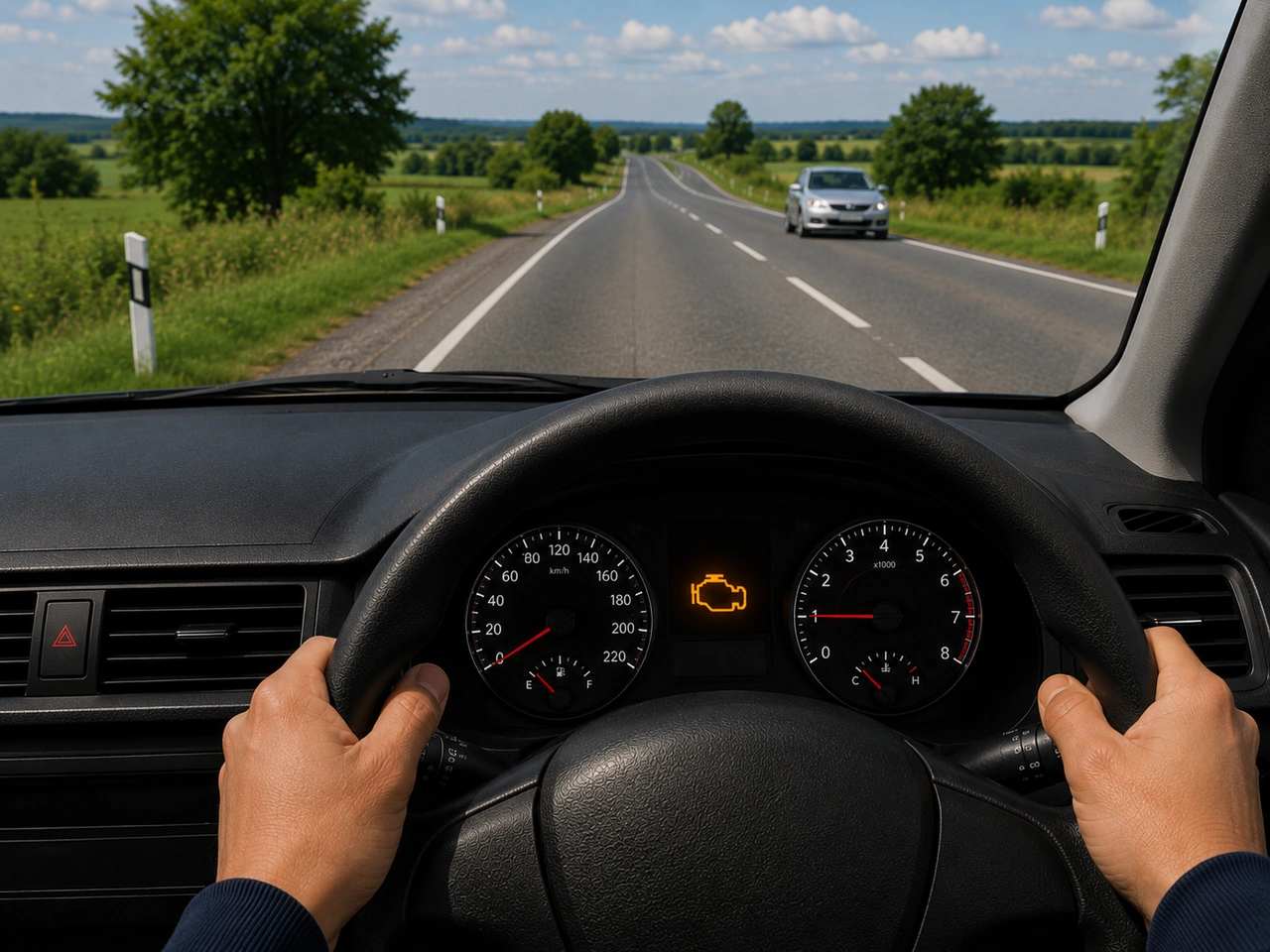
215. What should you expect if the engine suddenly stalls while the vehicle is moving?
Power assistance may be reduced when the engine stops. Keep control, use the hazard lights if needed, and steer toward a safe stopping area.
AI-generated by Rijbewijs-online.be • WCIT • CC BY-SA
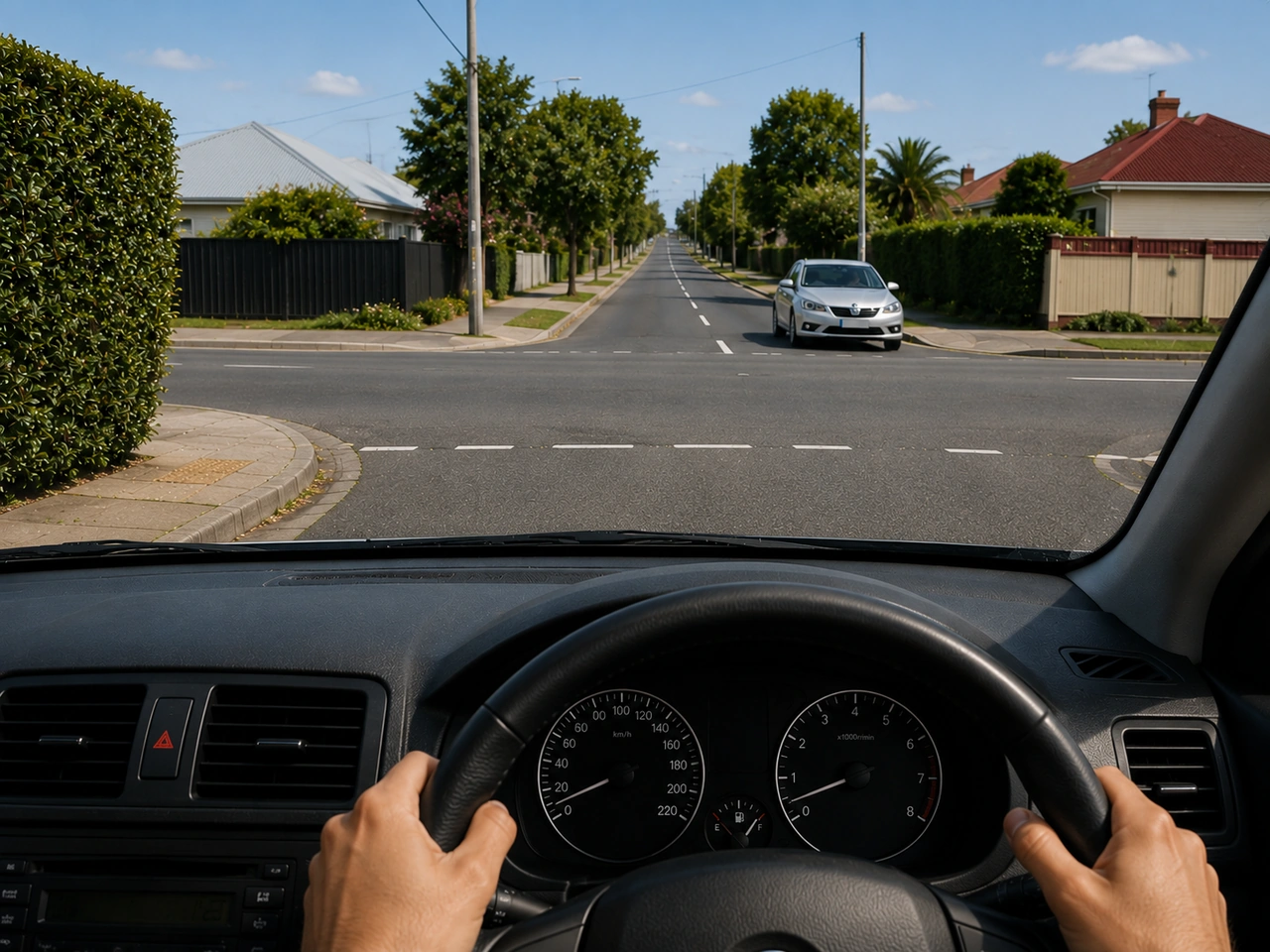
216. What should you do when your view is blocked at a junction?
If your view is blocked, slow down and make sure the way is clear before entering the junction.
AI-generated by Rijbewijs-online.be • WCIT • CC BY-SA
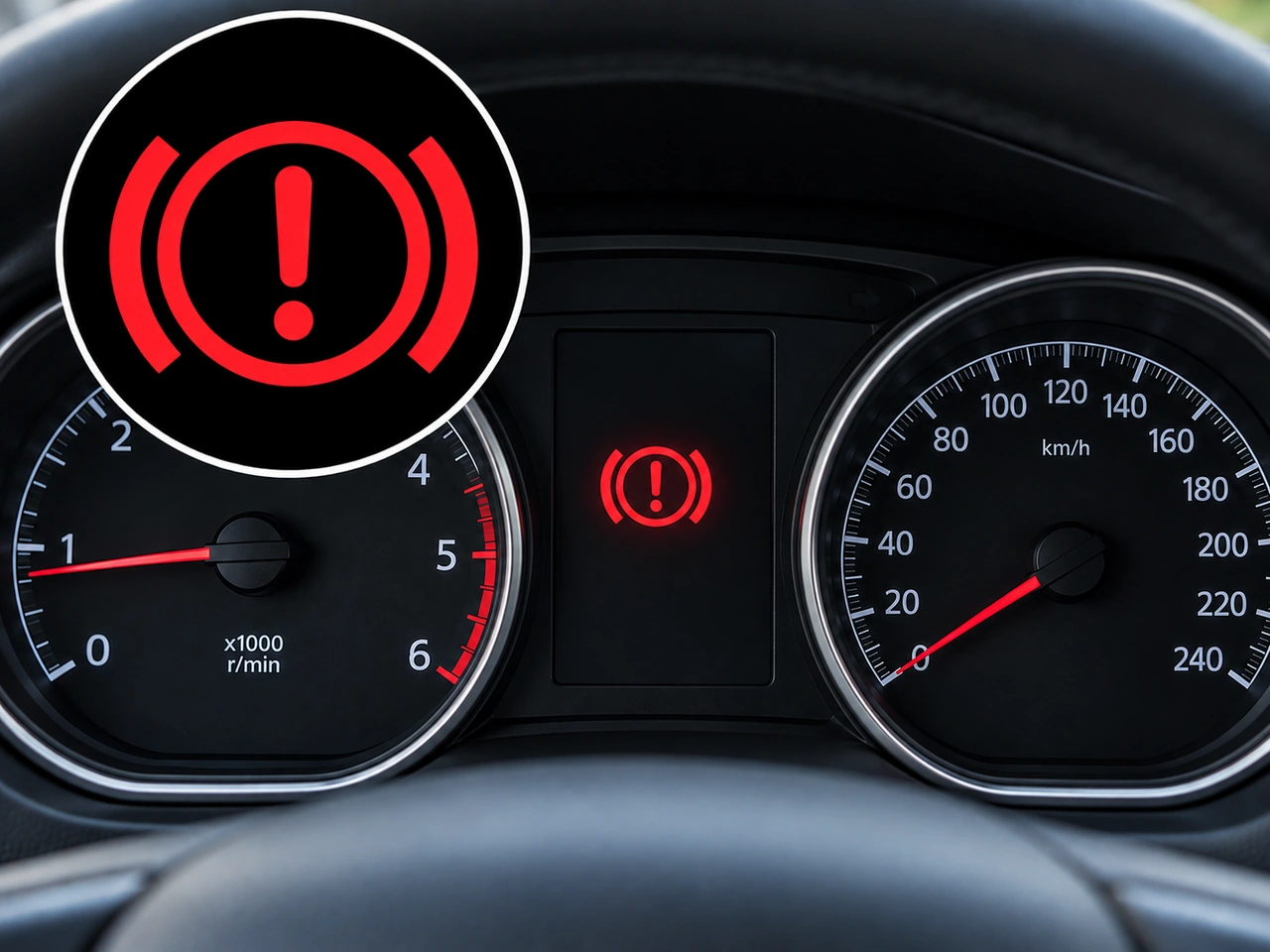
217. What does this dashboard symbol indicate?
This symbol indicates a possible brake-system fault. If it remains illuminated after the parking brake is released, stop safely and have the braking system checked.
AI-generated by Rijbewijs-online.be • WCIT • CC BY-SA
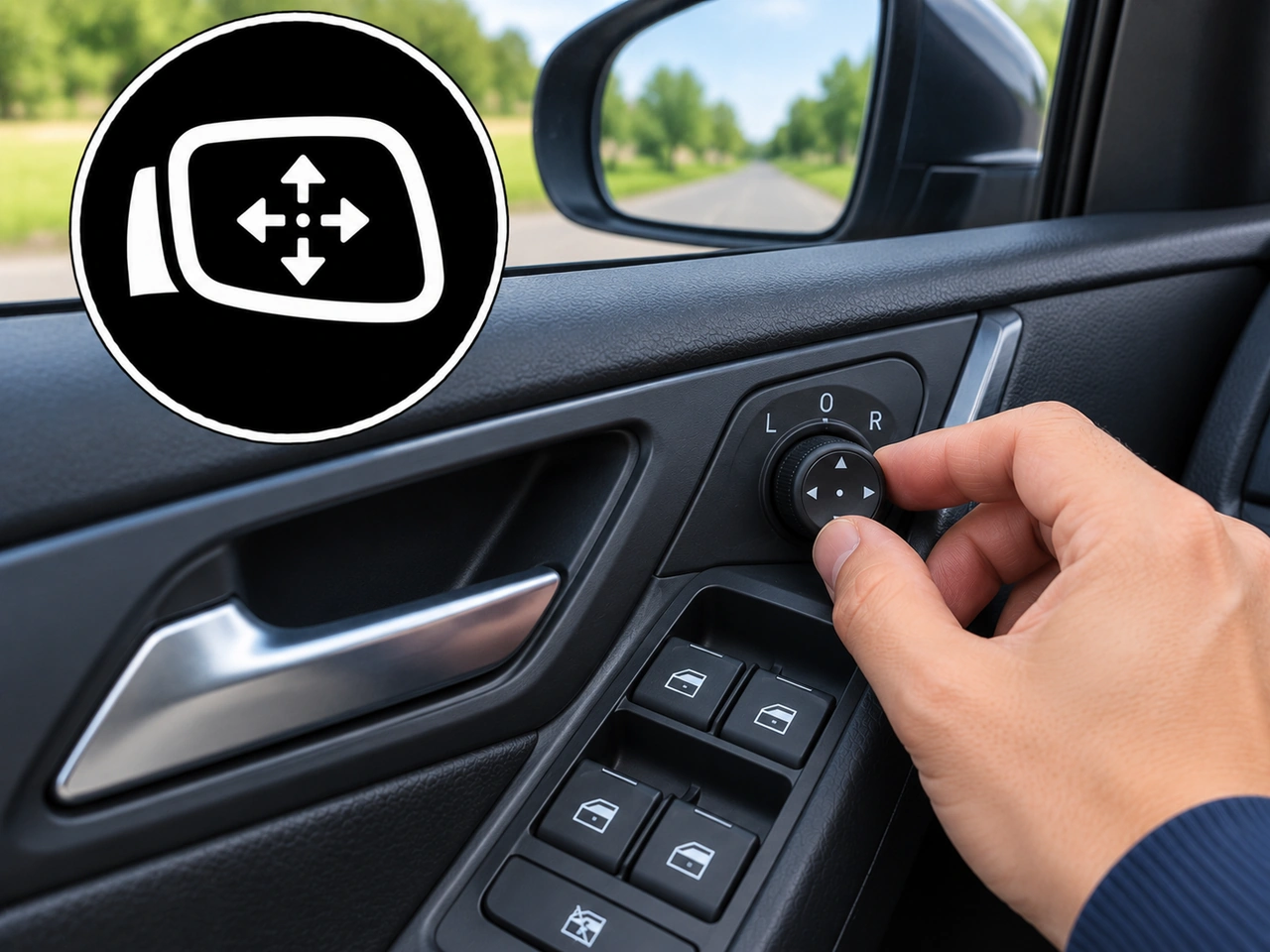
218. What does this vehicle-control symbol indicate?
This control adjusts the vehicle's exterior mirrors. The driver normally selects the left or right mirror and then moves the control to change its angle.
AI-generated by Rijbewijs-online.be • WCIT • CC BY-SA
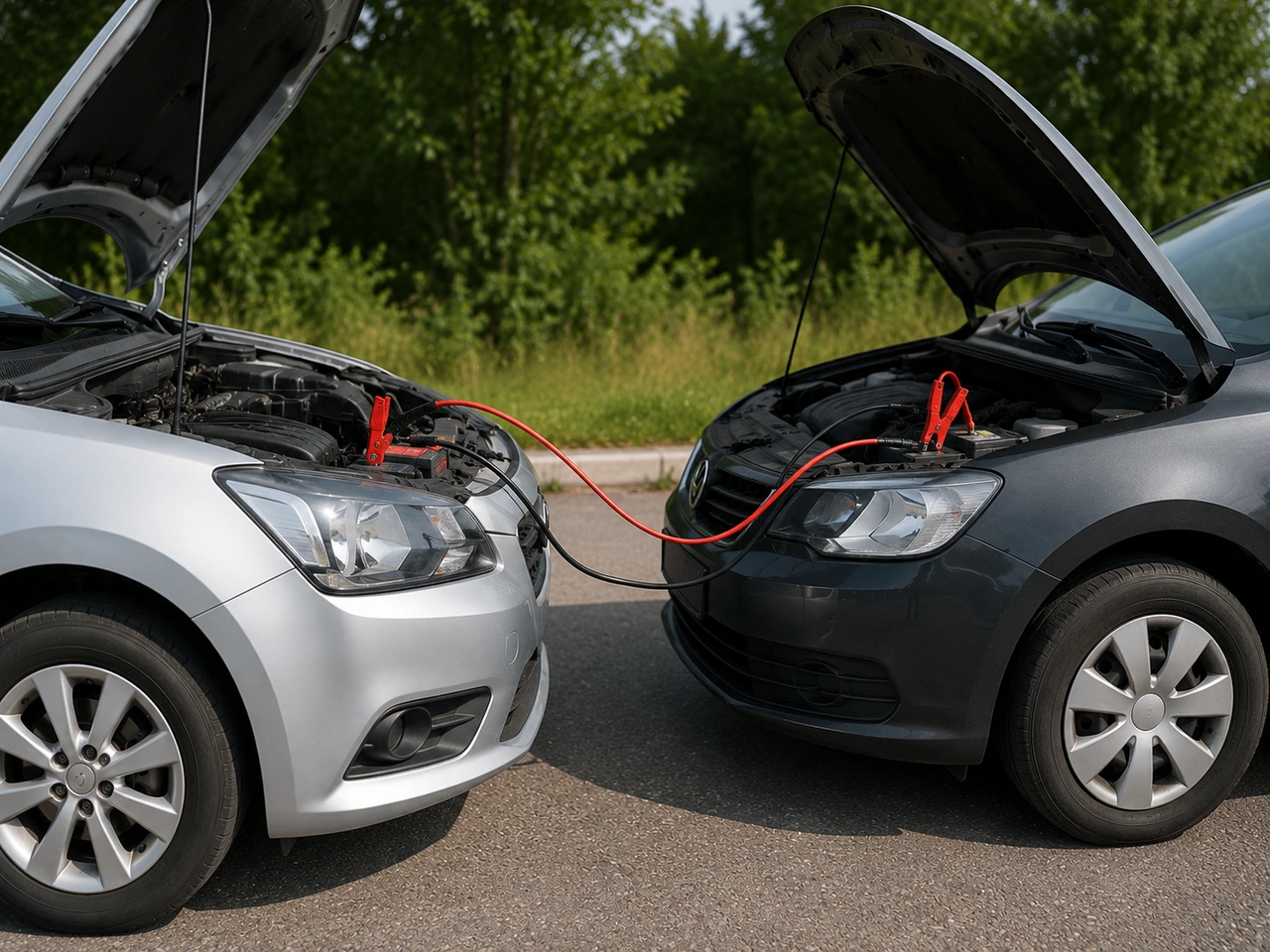
219. What should you do before attempting to jump-start a vehicle?
Incorrect jump-starting can damage electrical systems, cause sparks, or make a battery explode. Connect the leads in the correct order before starting the vehicles, and follow the manufacturer's procedure exactly.
AI-generated by Rijbewijs-online.be • WCIT • CC BY-SA
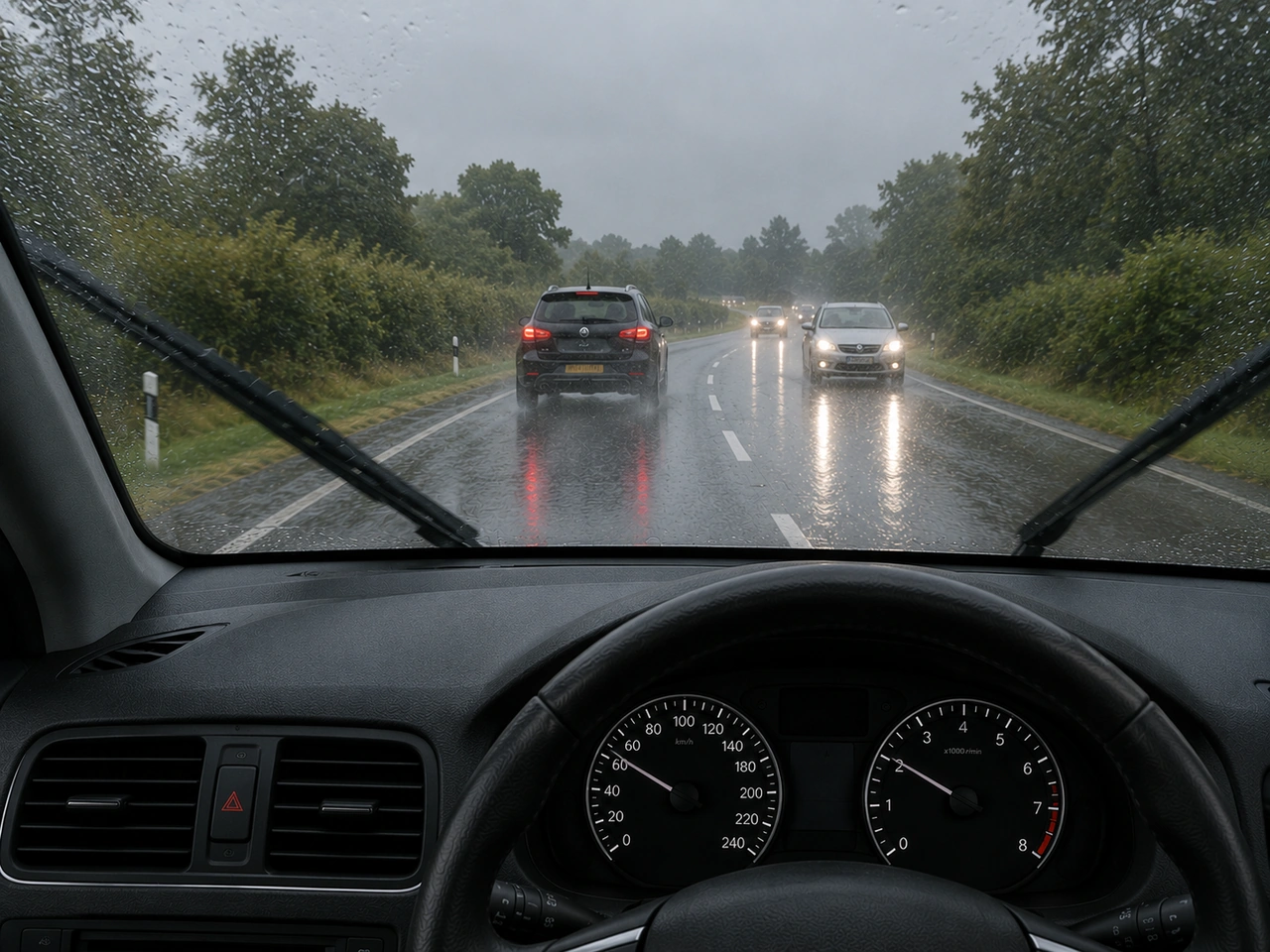
220. Why should you adjust your speed in bad weather?
Rain, snow, fog, and ice can reduce visibility and tyre grip. Lower speed gives you more time and distance to react and stop safely.
AI-generated by Rijbewijs-online.be • WCIT • CC BY-SA
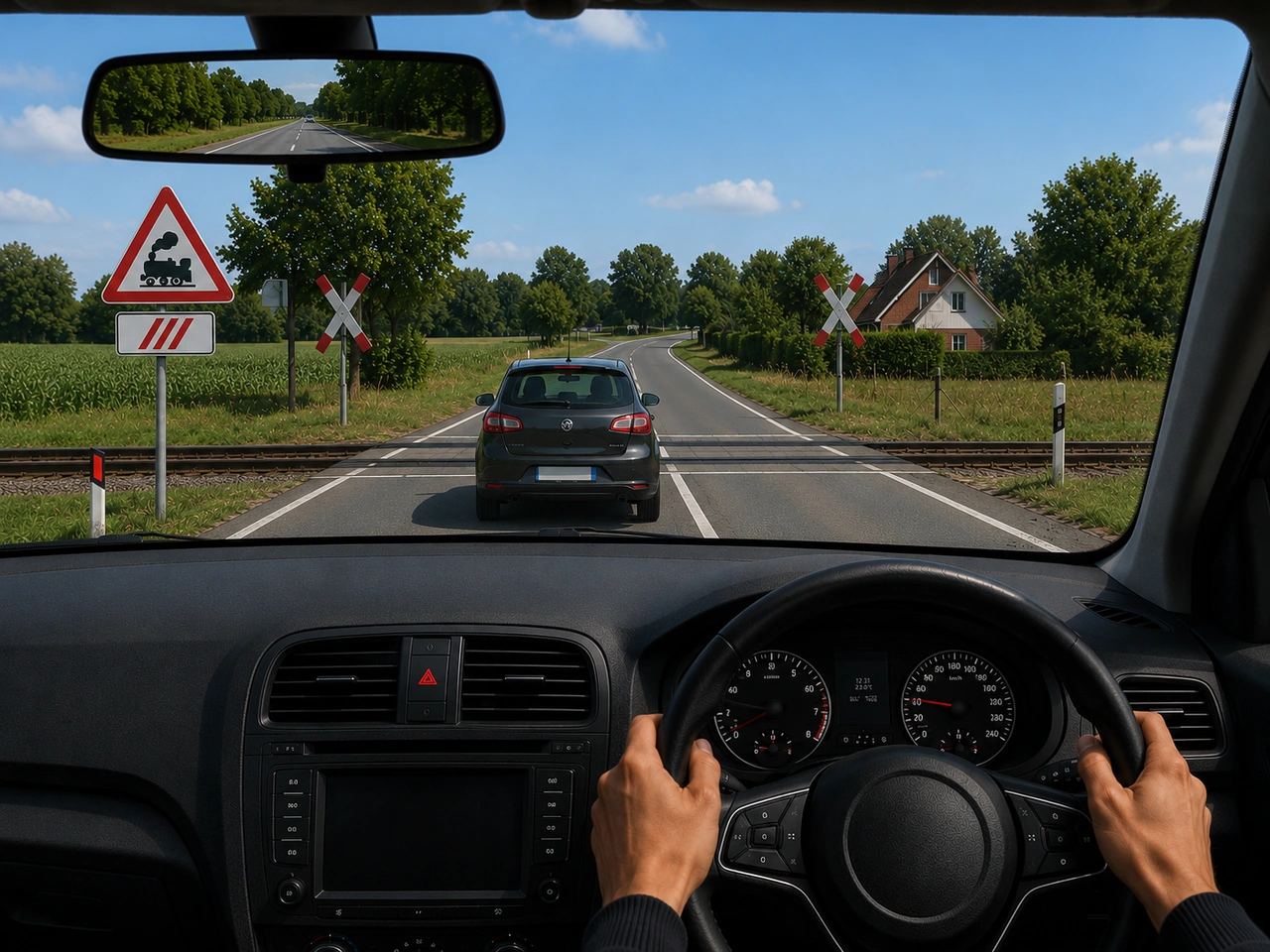
221. What should you do at a railway crossing without barriers?
Approach railway crossings carefully, obey any requirement to stop and any warning signals or barriers, and cross only when it is safe.
AI-generated by Rijbewijs-online.be • WCIT • CC BY-SA
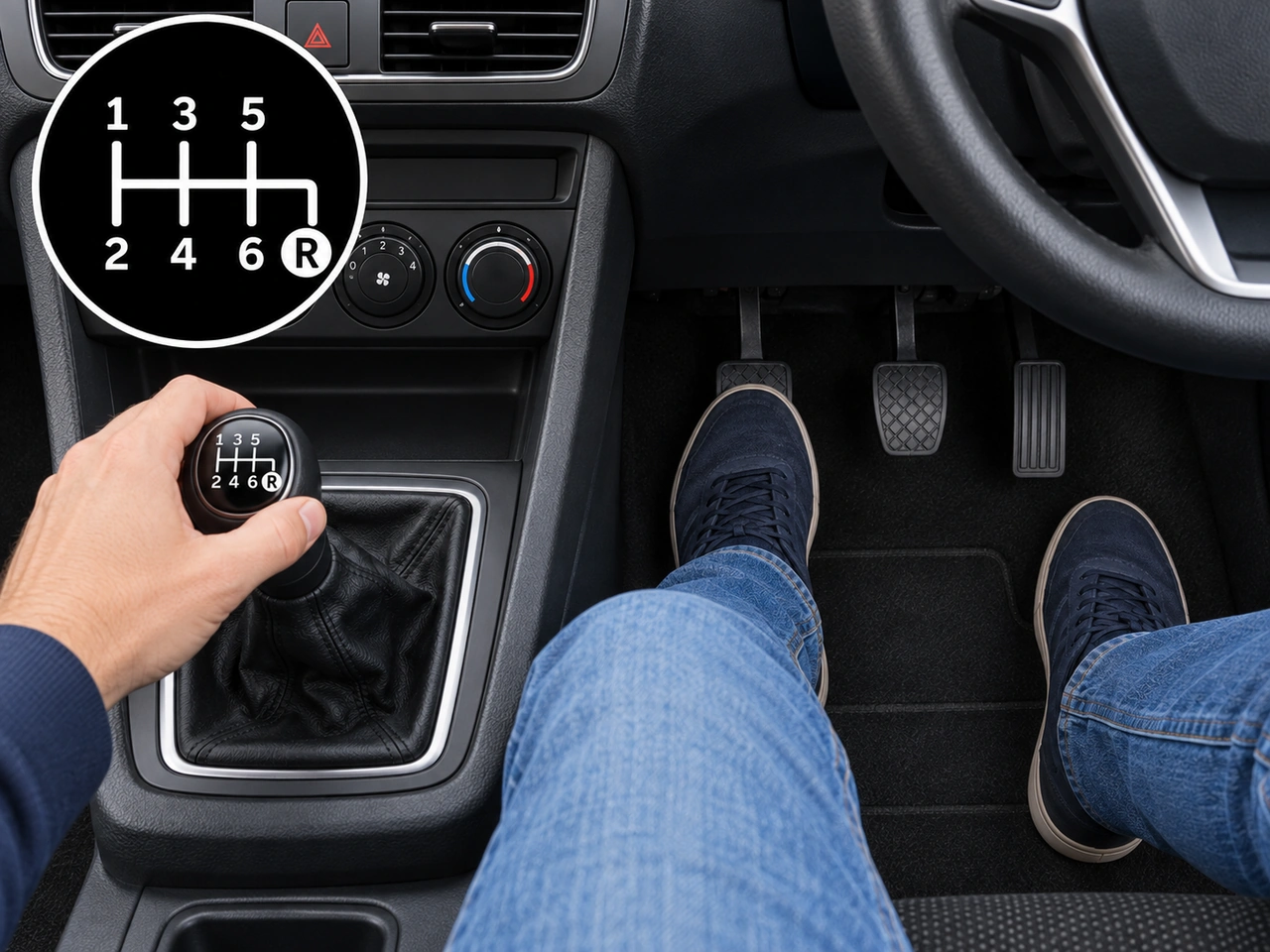
222. When should you select reverse gear in a manual vehicle?
Select reverse gear only after the vehicle has come to a complete stop. Press the clutch fully before selecting reverse to avoid unnecessary wear or damage to the transmission.
AI-generated by Rijbewijs-online.be • WCIT • CC BY-SA
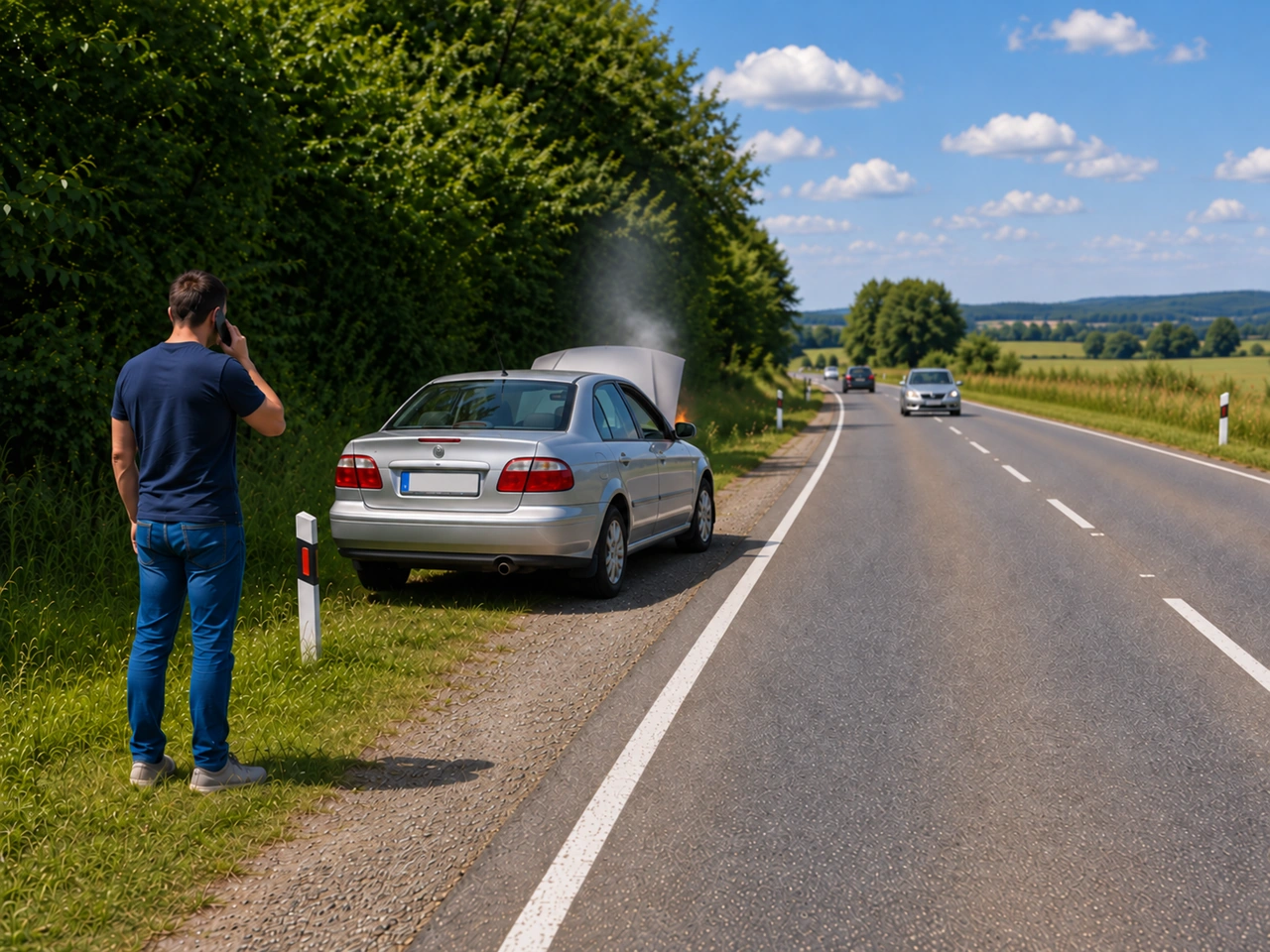
223. What should you do if your vehicle catches fire?
Move everyone well away from the vehicle and call emergency services. If the fire is small and it is safe to do so, use a suitable fire extinguisher. Opening the bonnet fully can supply additional oxygen and cause the fire to intensify.
AI-generated by Rijbewijs-online.be • WCIT • CC BY-SA
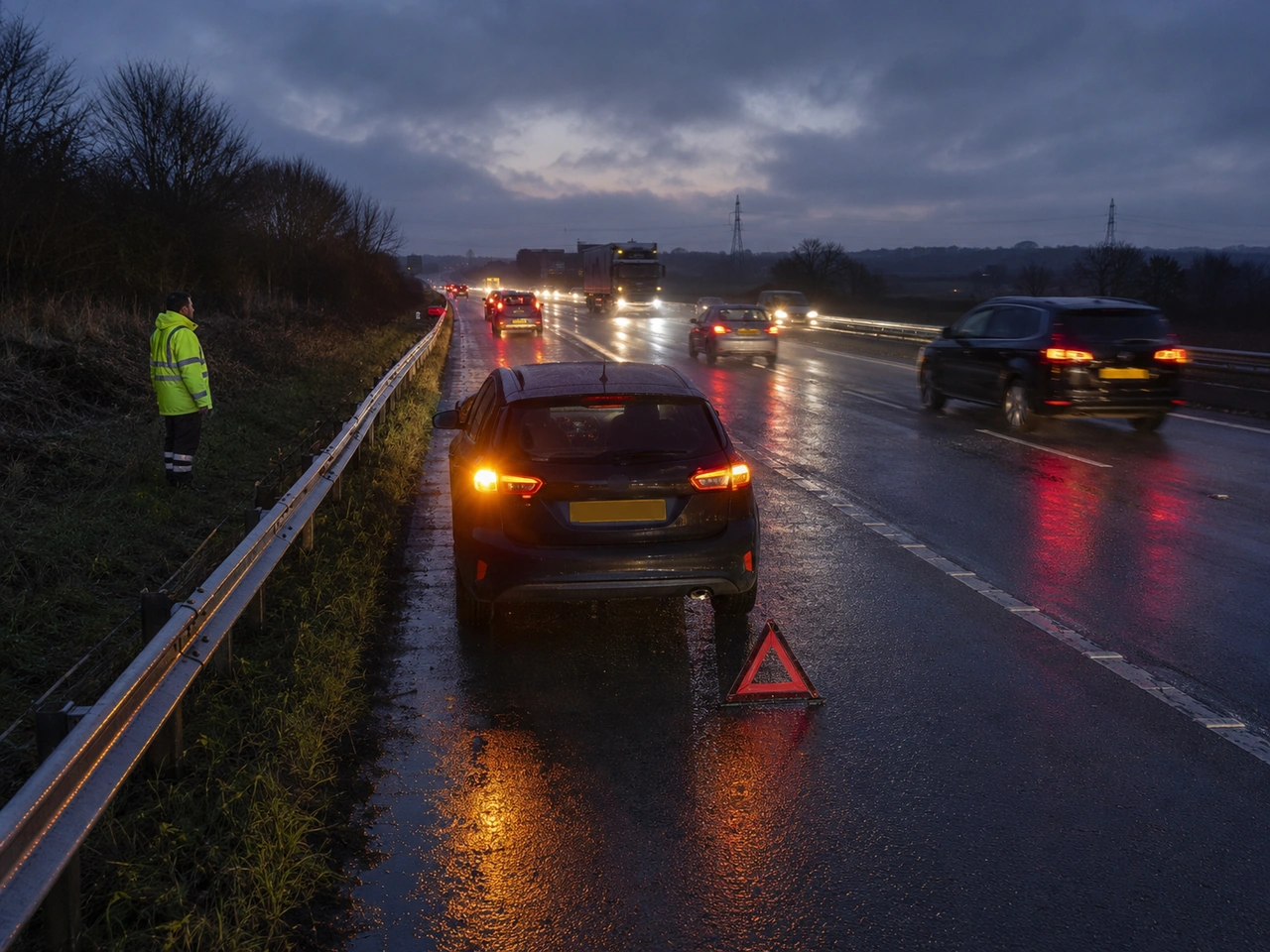
224. Why is high-visibility clothing useful during a roadside breakdown?
High-visibility clothing improves your visibility, especially at night or in poor weather, but you must still remain away from traffic.
AI-generated by Rijbewijs-online.be • WCIT • CC BY-SA
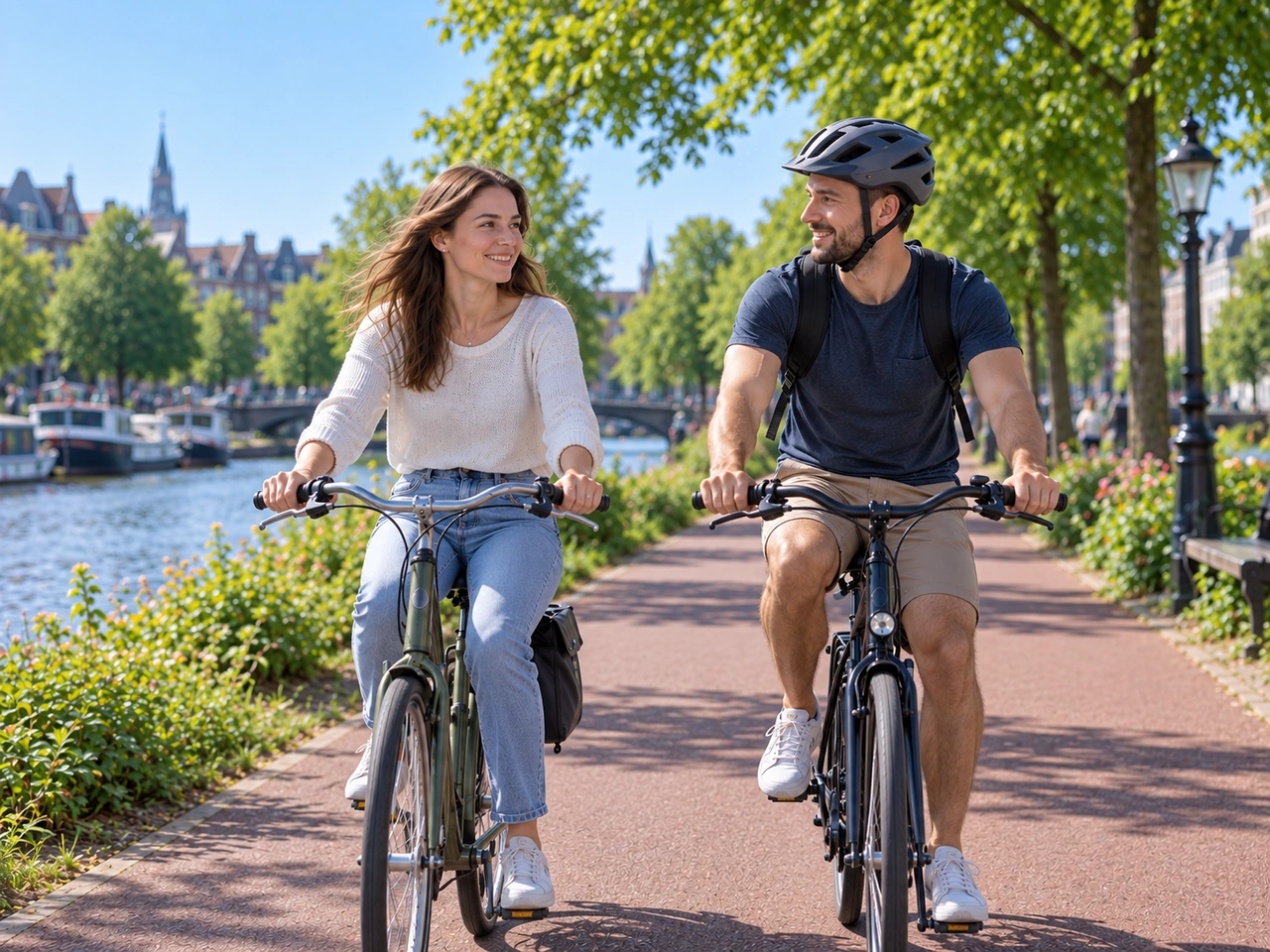
225. Are bicycle helmets generally required in United Kingdom?
Bicycle helmets are not generally required for all cyclists in United Kingdom, although specific age or regional rules may apply.
AI-generated by Rijbewijs-online.be • WCIT • CC BY-SA
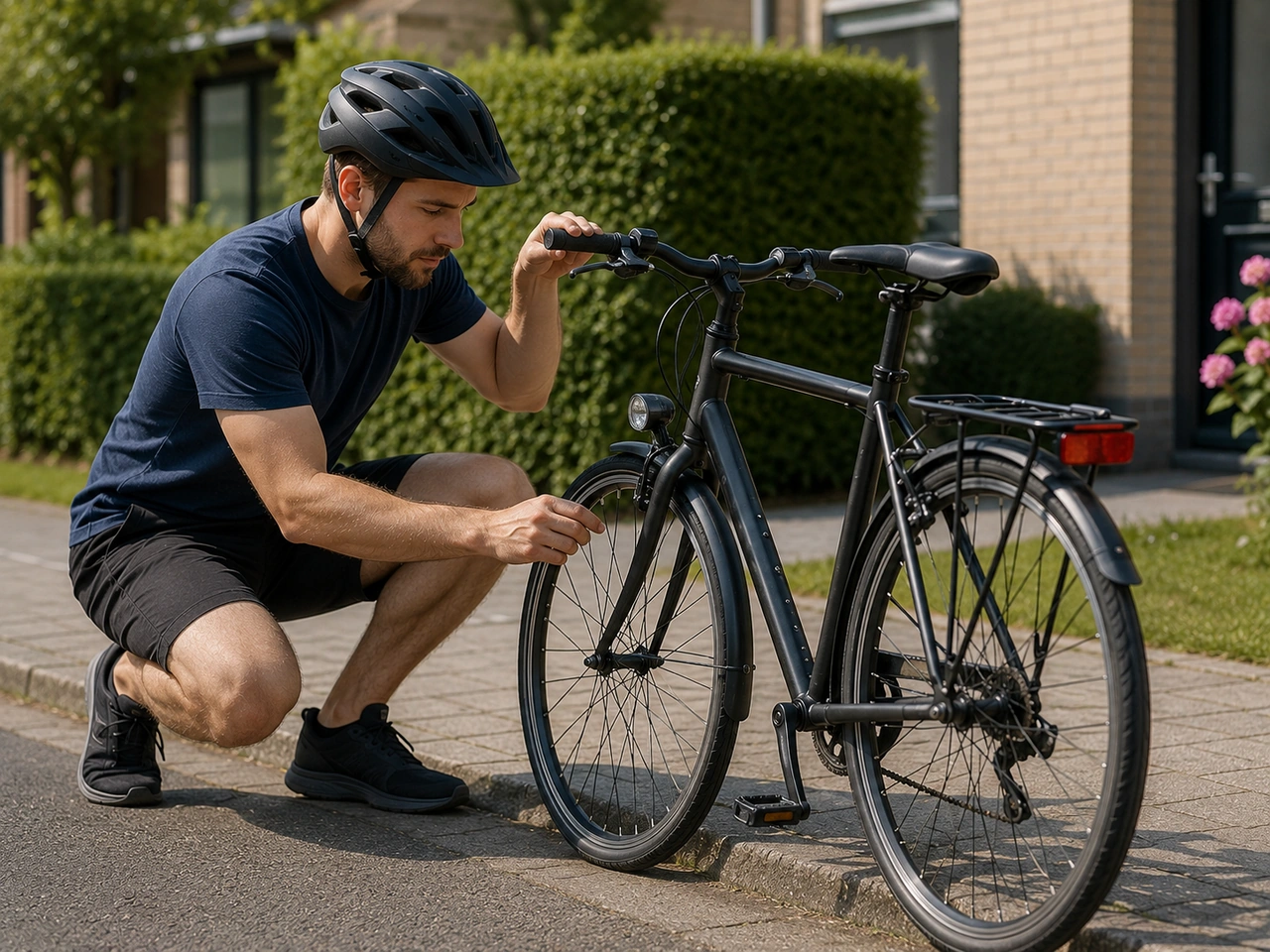
226. What should you check before starting a bicycle journey?
A basic safety check can reveal problems with the brakes, tyres, lights, or steering before they cause an accident.
AI-generated by Rijbewijs-online.be • WCIT • CC BY-SA
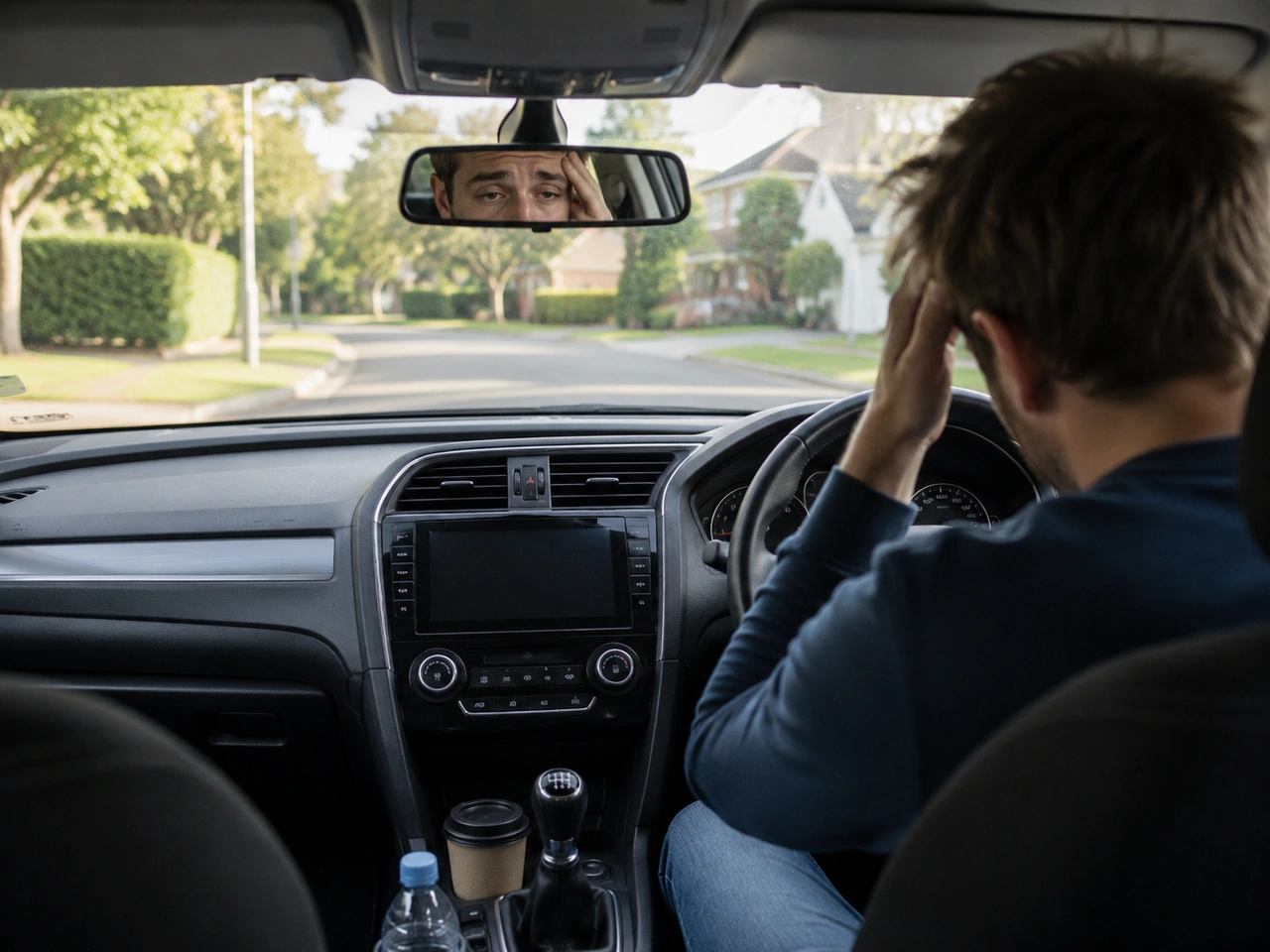
227. Can you assume that you are safe to drive the morning after drinking?
The body needs time to process alcohol. Sleeping, eating, showering, or drinking coffee does not instantly remove it.
AI-generated by Rijbewijs-online.be • WCIT • CC BY-SA
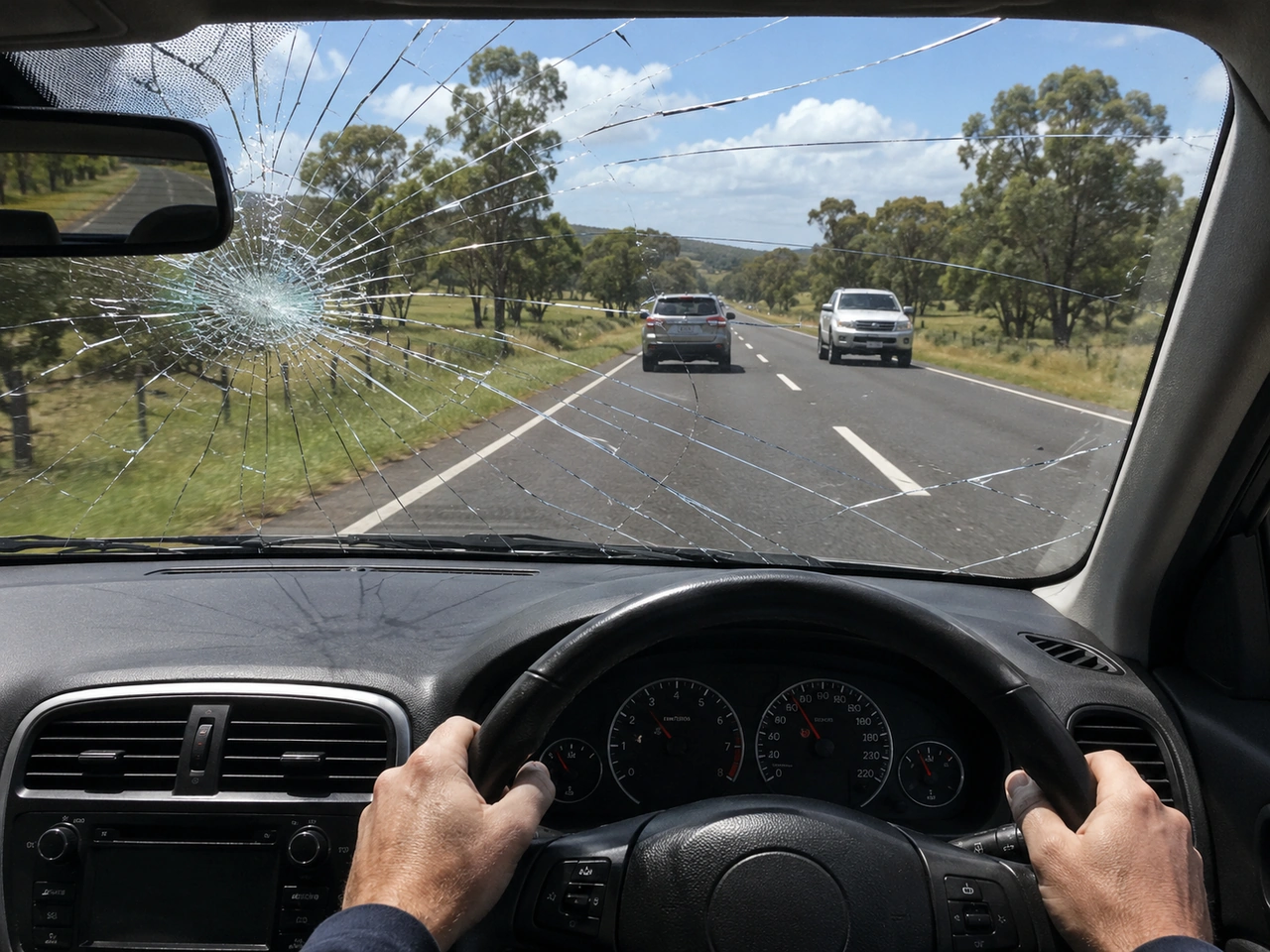
228. What should you do if the windscreen becomes damaged while driving?
Severe damage can obstruct your view and weaken the glass. Do not continue if you cannot see the road clearly.
AI-generated by Rijbewijs-online.be • WCIT • CC BY-SA
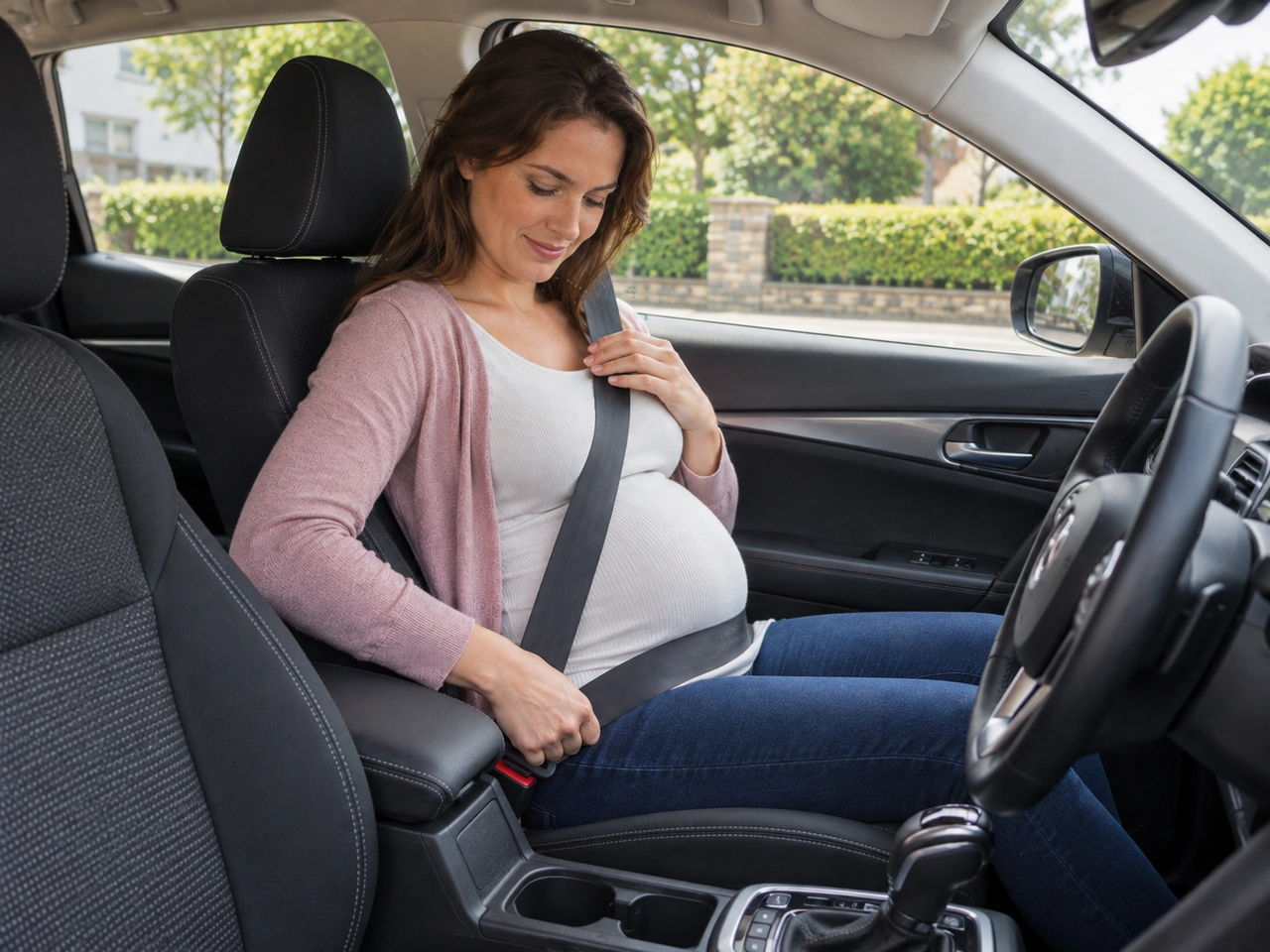
229. How should a three-point seat belt normally be worn during pregnancy?
During pregnancy, a three-point seat belt should be worn correctly. The lap belt should sit low across the hips, below the abdomen, while the shoulder belt should pass across the chest and to the side of the abdomen. The belt should fit snugly and should not be placed behind the back or under the arm.
AI-generated by Rijbewijs-online.be • WCIT • CC BY-SA
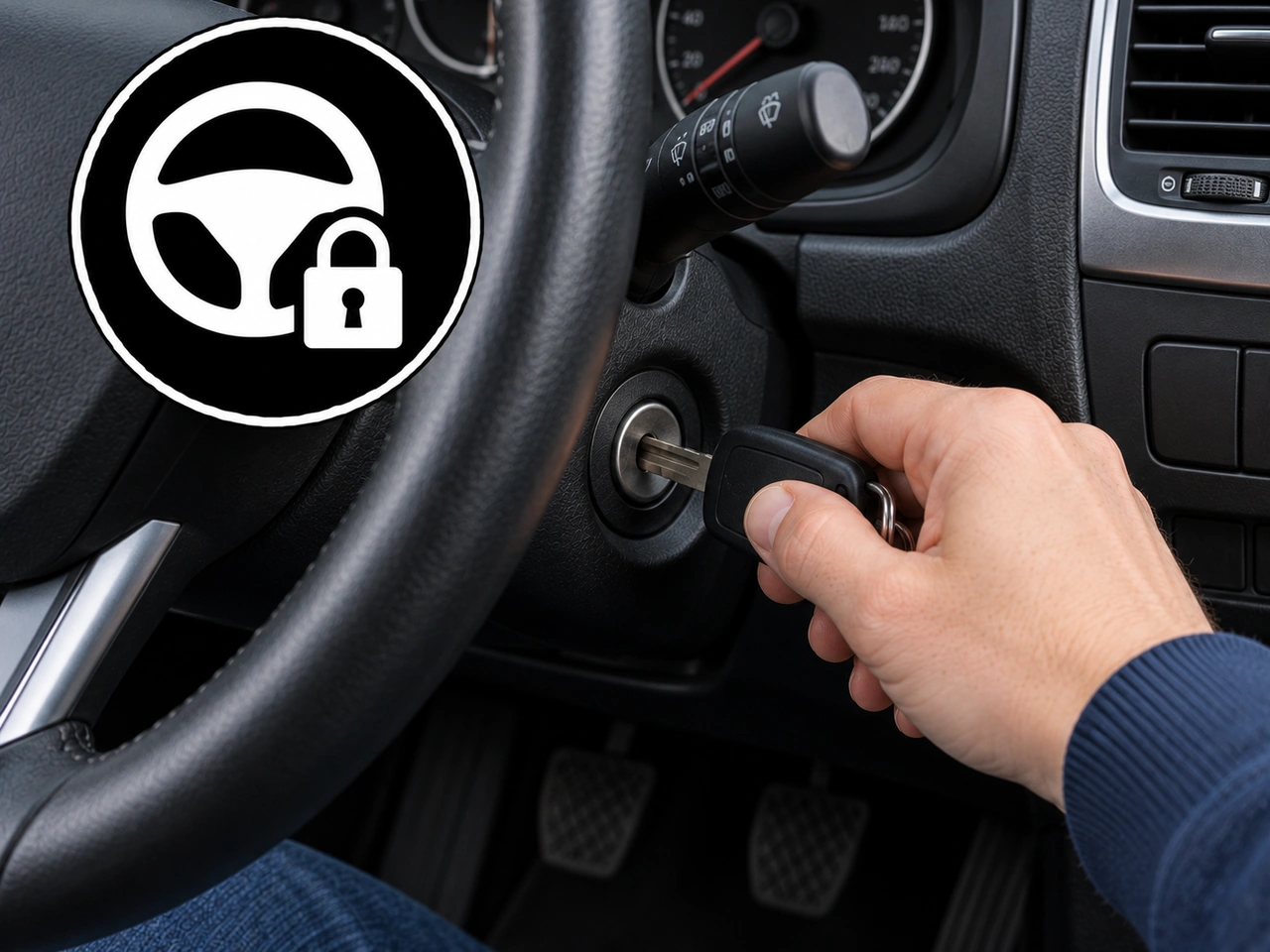
230. What may happen to the steering when the ignition key is removed?
On vehicles fitted with a steering lock, removing the ignition key may allow the steering lock to engage. Never remove the key while the vehicle is moving.
AI-generated by Rijbewijs-online.be • WCIT • CC BY-SA
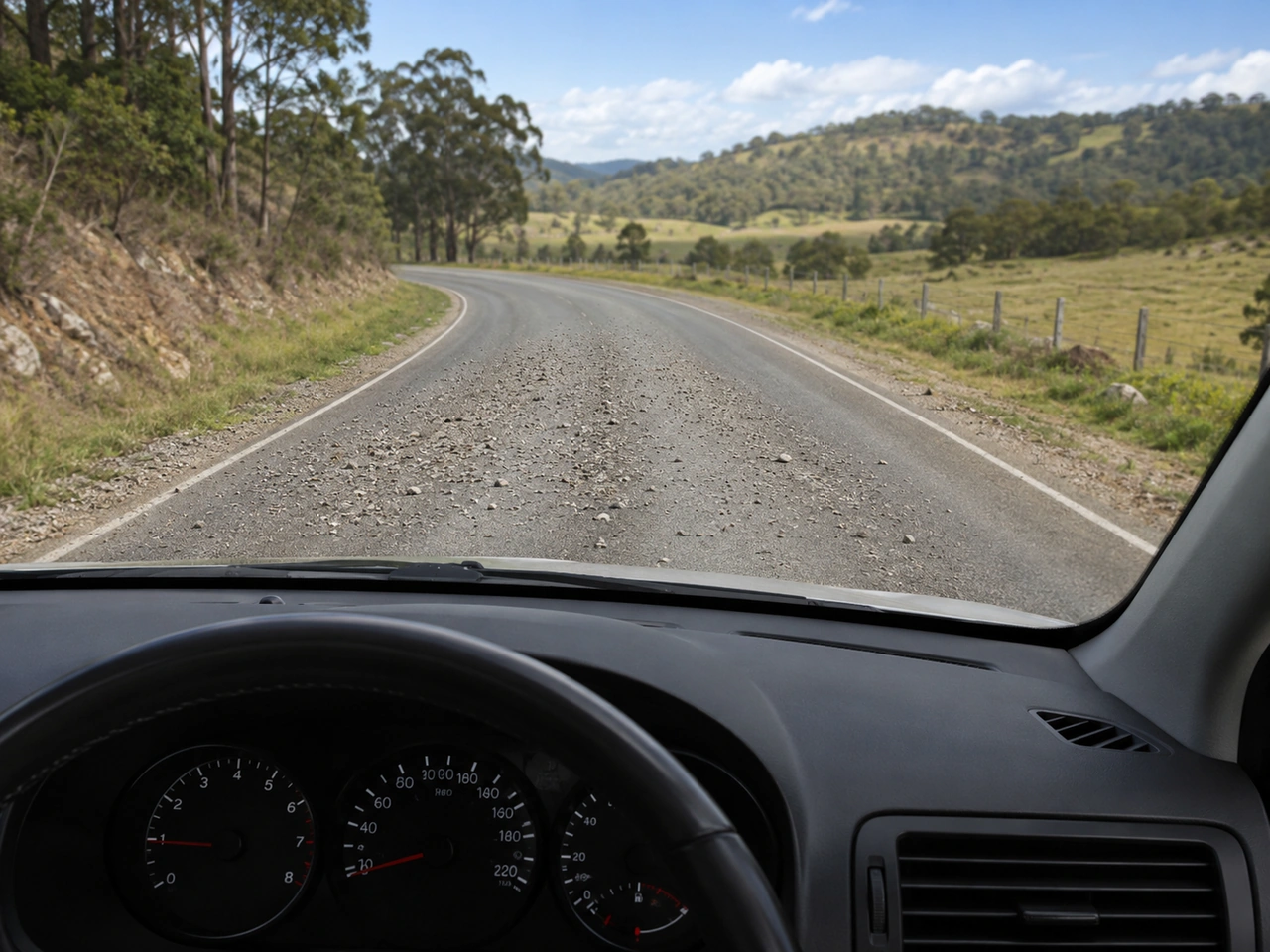
231. What should you do if you see loose gravel on the road?
Loose gravel reduces grip and can make the vehicle skid. Slow down and use smooth steering and braking.
AI-generated by Rijbewijs-online.be • WCIT • CC BY-SA
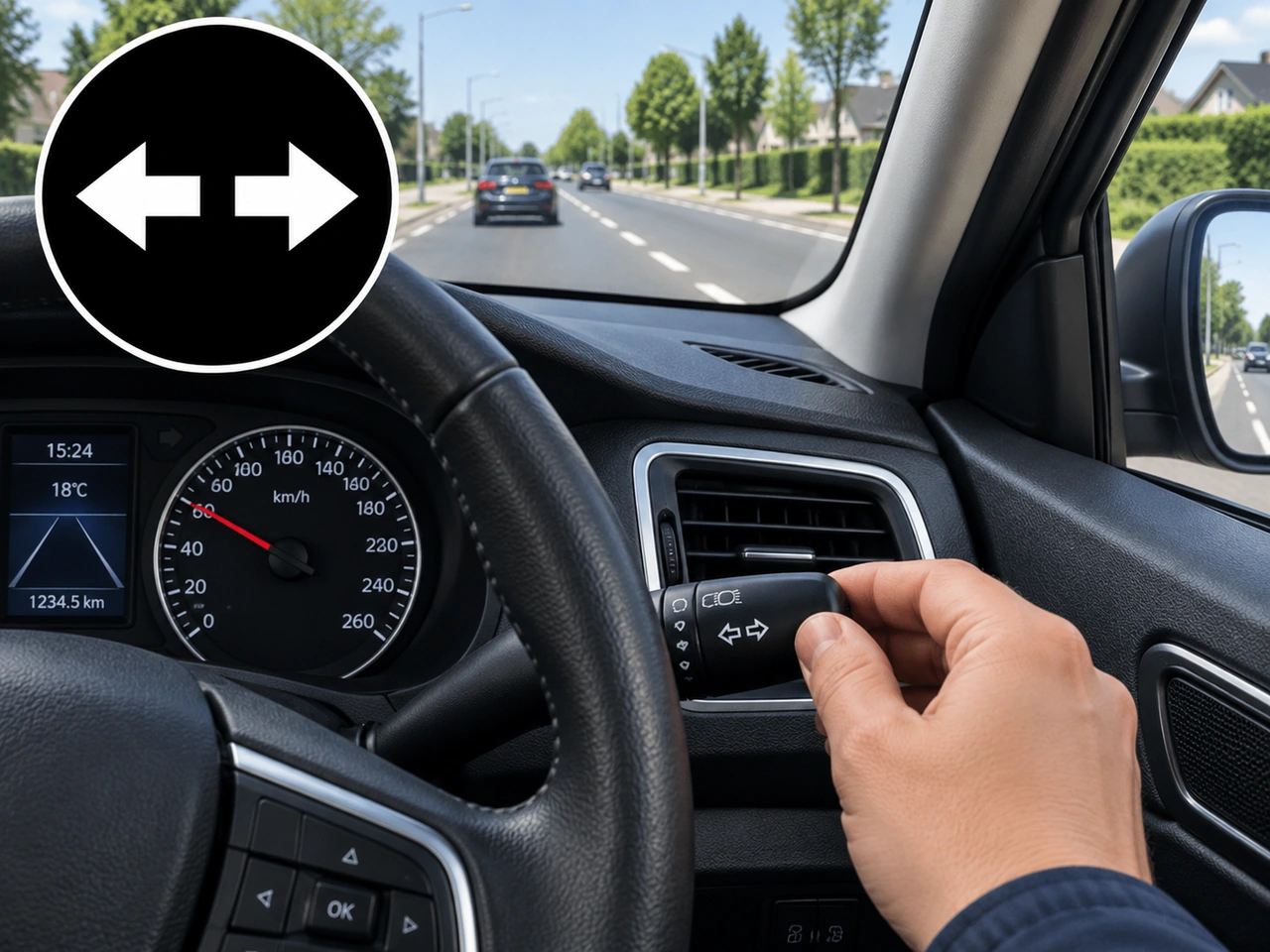
232. What should you do if a direction indicator does not cancel after a turn?
Direction indicators often cancel automatically after a turn, but if an indicator remains on, return the indicator control to its neutral position so you do not mislead other road users.
AI-generated by Rijbewijs-online.be • WCIT • CC BY-SA
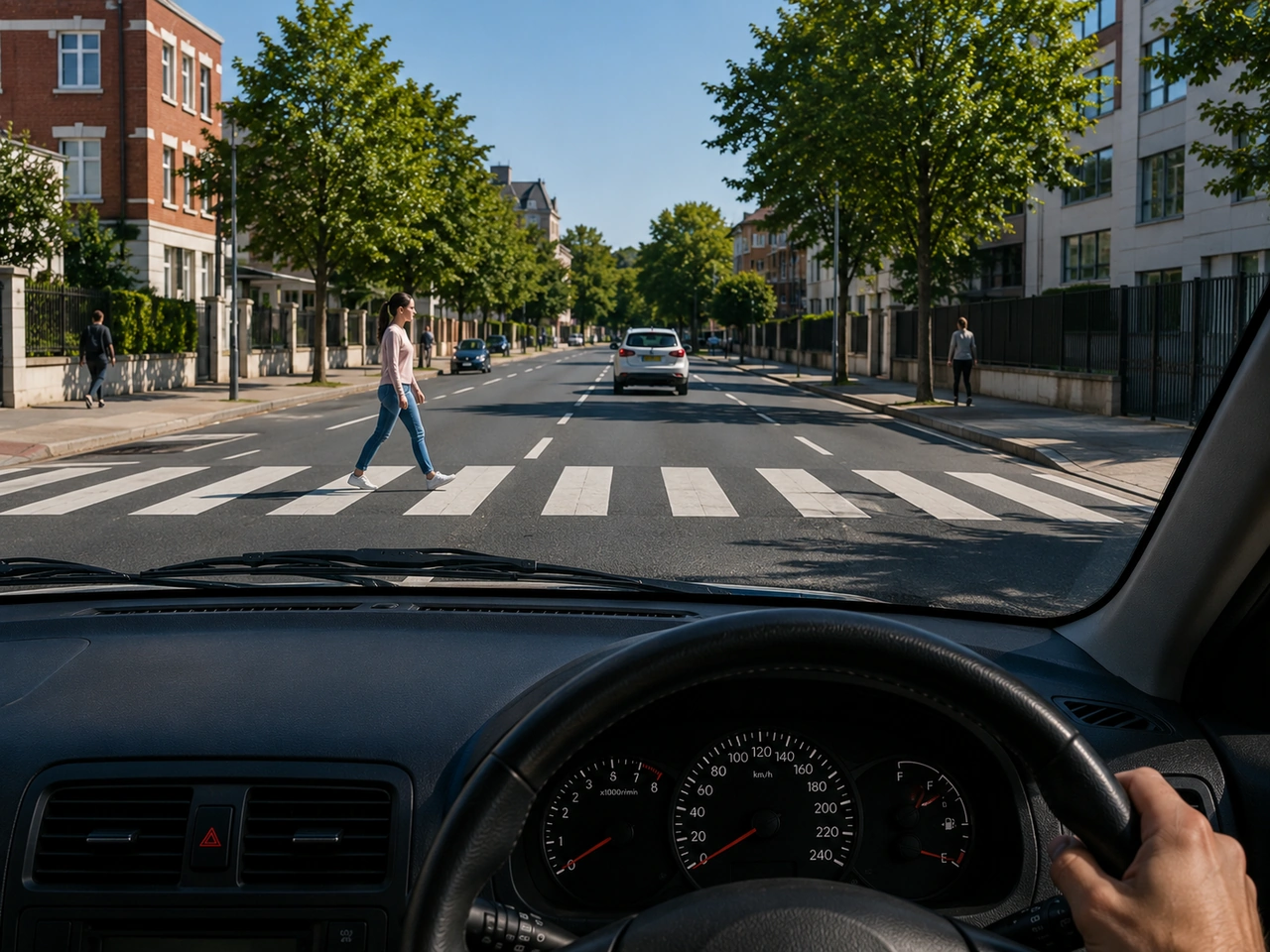
233. What is the purpose of a pedestrian crossing?
Pedestrian crossings provide a designated place where people can safely cross the road.
AI-generated by Rijbewijs-online.be • WCIT • CC BY-SA

234. What should you do after stopping because of a breakdown?
Secure the vehicle so that it cannot move and use the hazard warning lights to alert approaching traffic. Where required and safe, place a warning triangle to give additional warning.
AI-generated by Rijbewijs-online.be • WCIT • CC BY-SA
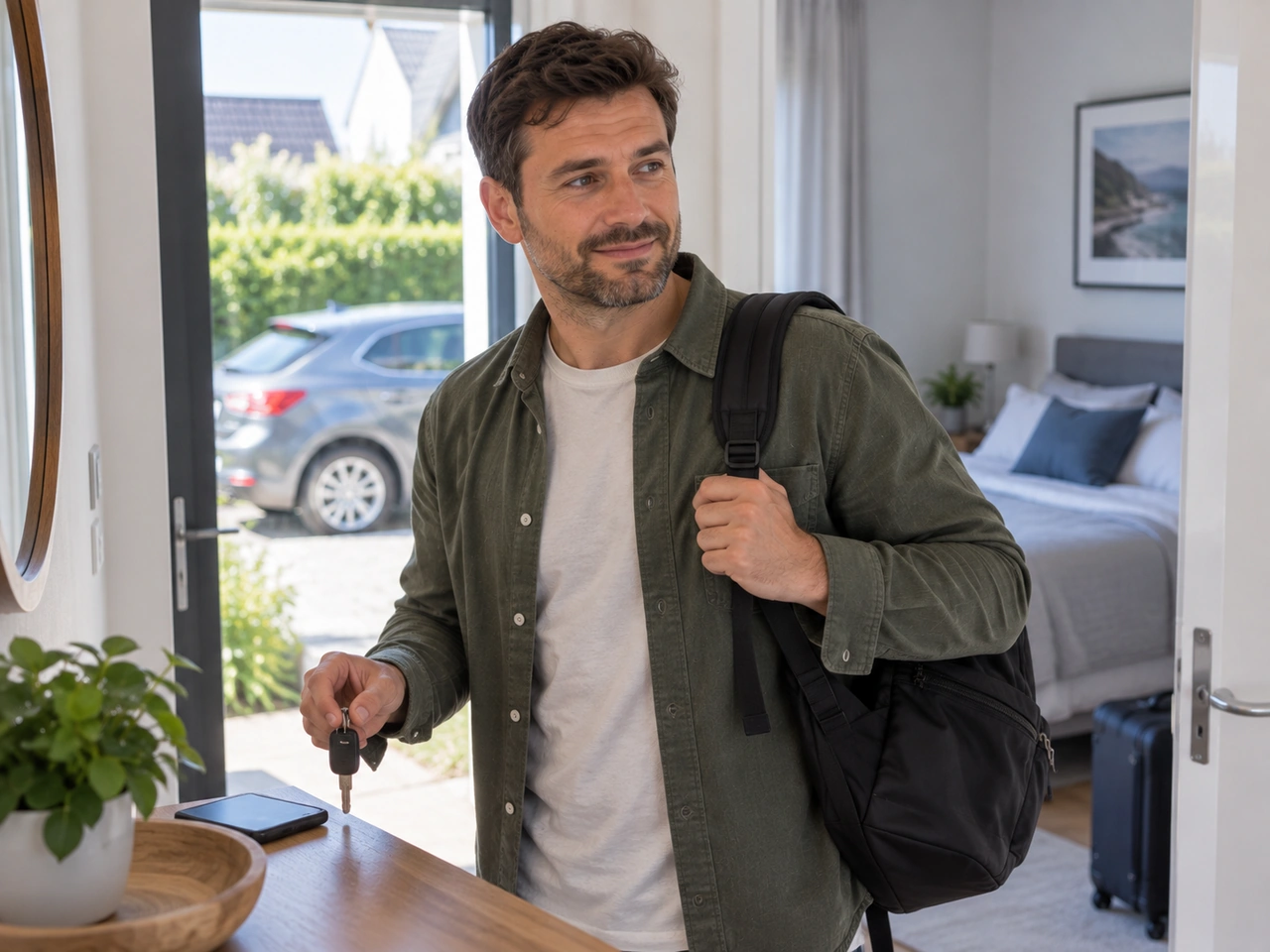
235. What should you do before a long journey to reduce the risk of driver fatigue?
Getting enough sleep before a long journey helps reduce the risk of driver fatigue. Plan breaks in advance and avoid starting a long drive when you are already tired.
AI-generated by Rijbewijs-online.be • WCIT • CC BY-SA
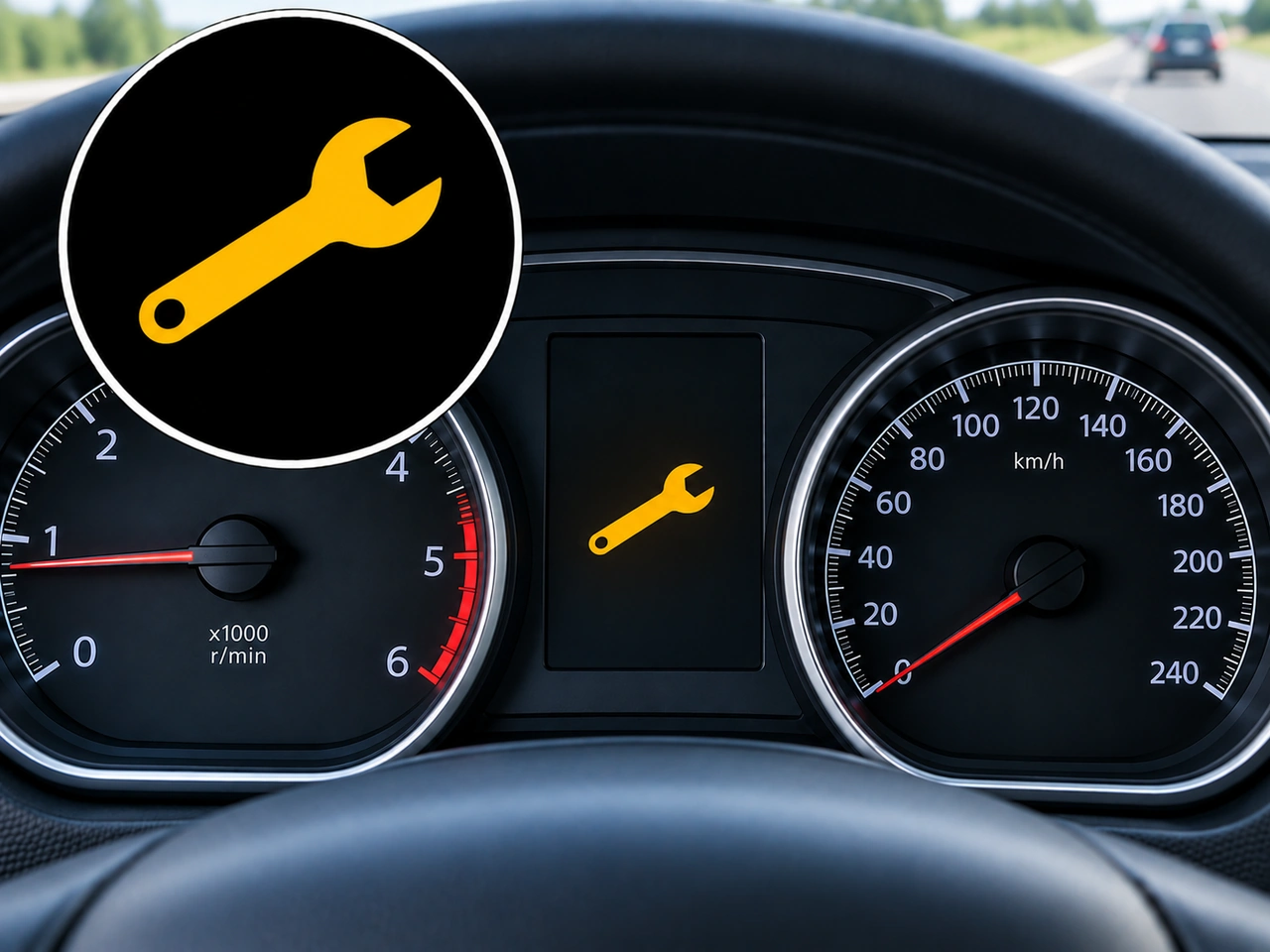
236. What does this dashboard symbol indicate?
This symbol indicates that the vehicle requires servicing or maintenance. The exact meaning and required maintenance can vary between vehicles, so check the vehicle information display or owner's manual.
AI-generated by Rijbewijs-online.be • WCIT • CC BY-SA
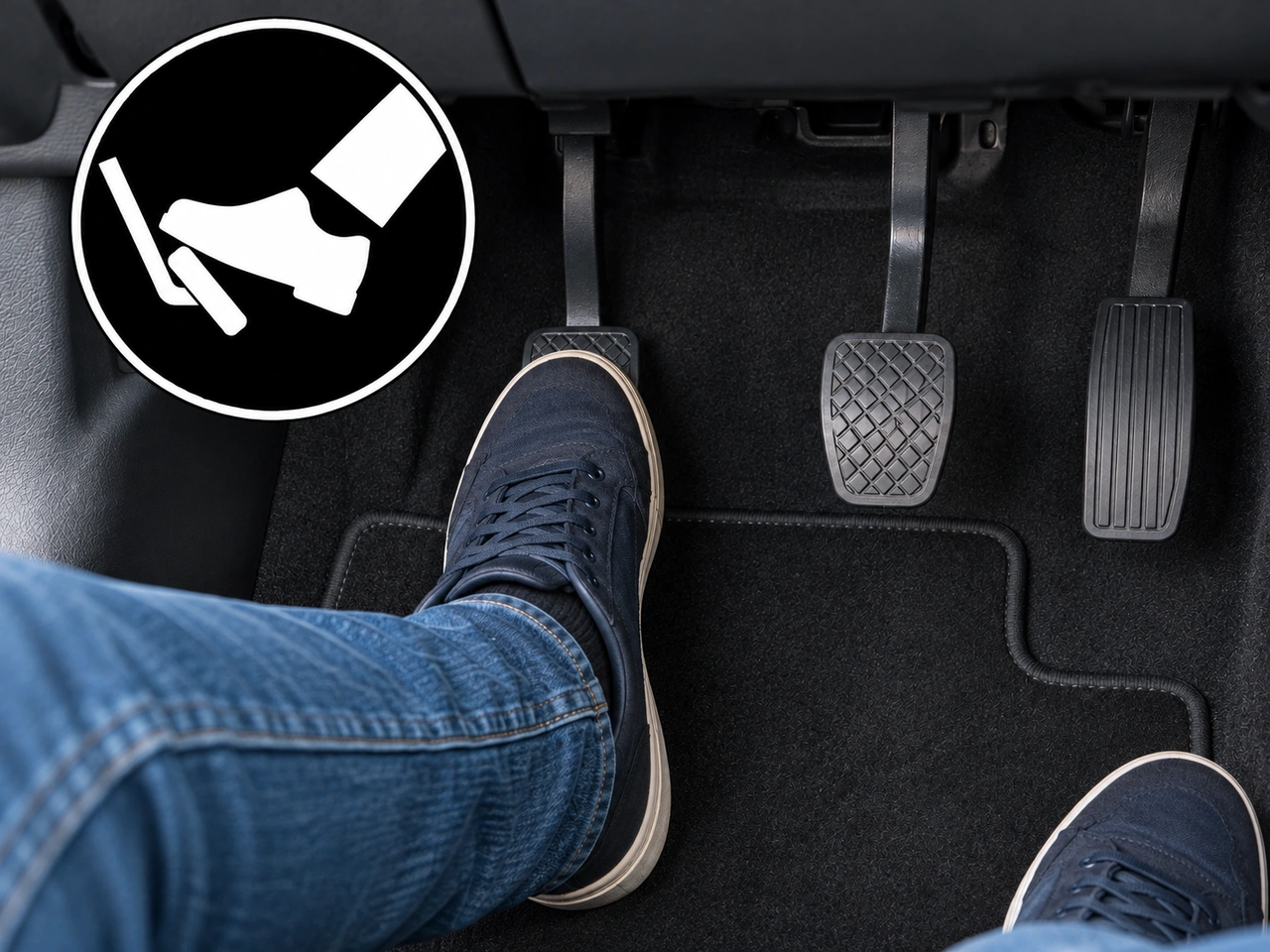
237. Why should you press the clutch pedal fully when changing gear?
Pressing the clutch pedal fully disengages the engine from the transmission, allowing the gear to be changed smoothly and reducing unnecessary wear on the gearbox and clutch.
AI-generated by Rijbewijs-online.be • WCIT • CC BY-SA
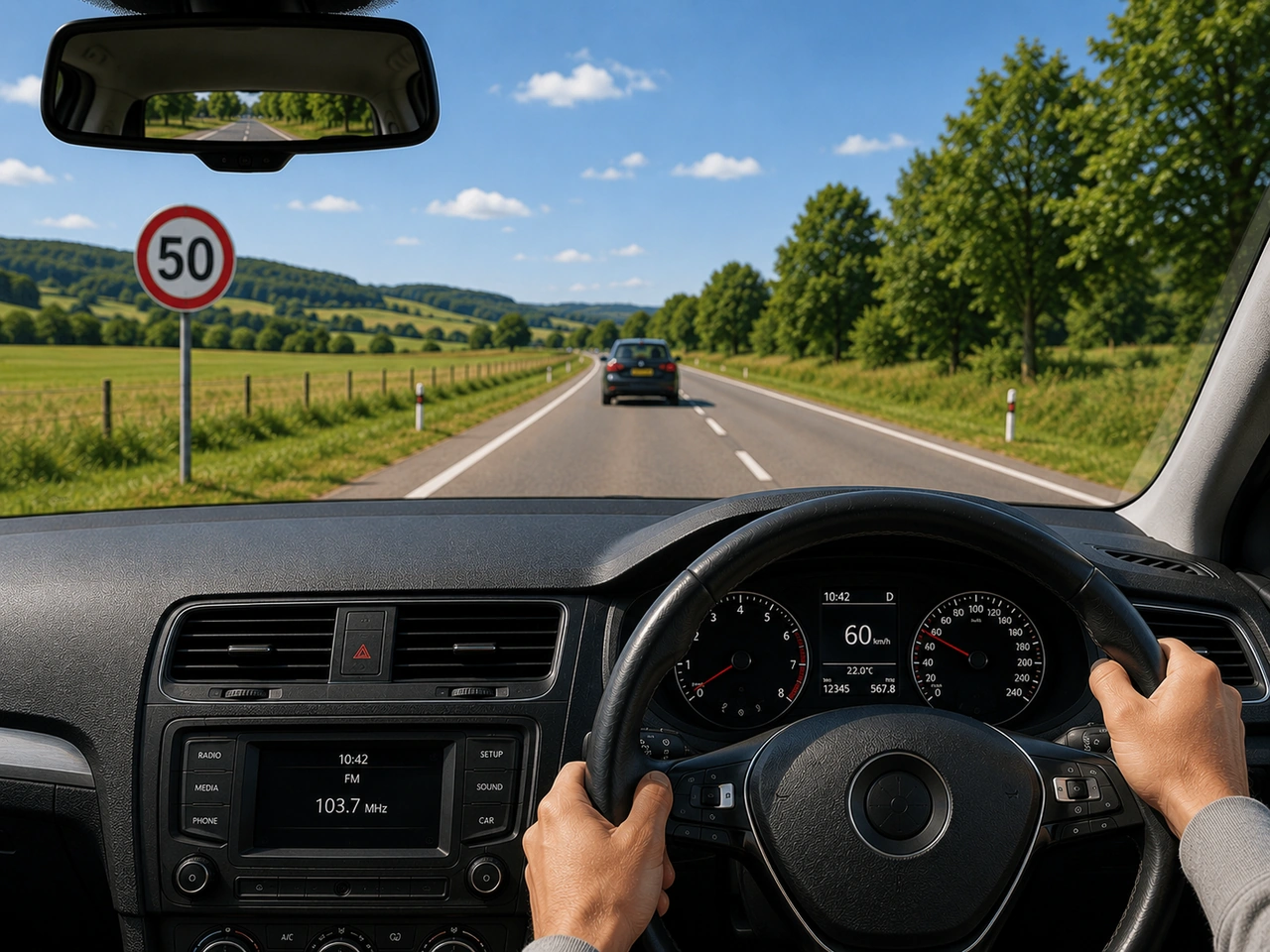
238. Speed limits only apply when there is heavy traffic.
Speed limits apply at all times unless a different limit is clearly indicated.
AI-generated by Rijbewijs-online.be • WCIT • CC BY-SA
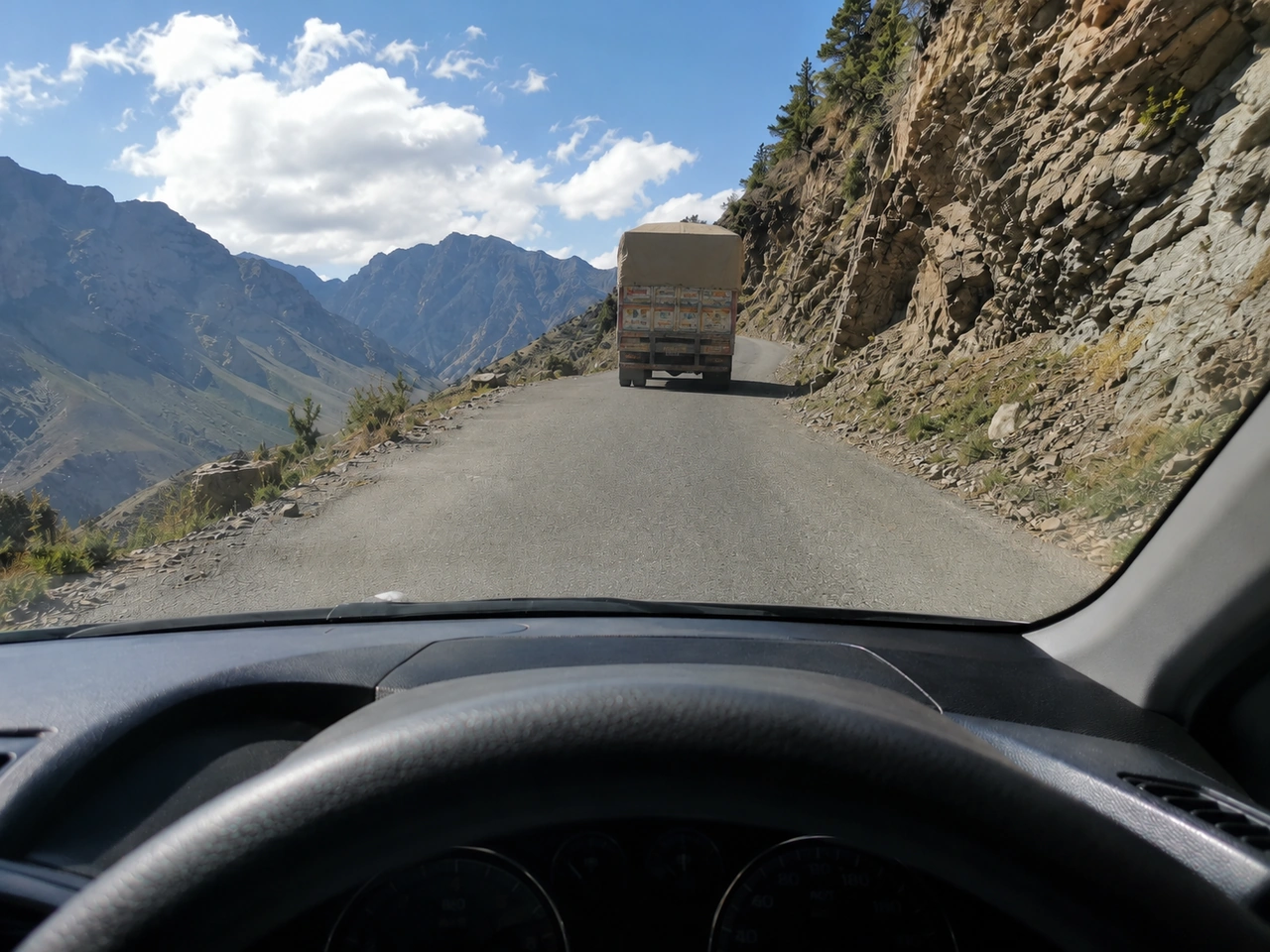
239. Why should you leave extra space behind a vehicle climbing a steep hill?
Vehicles may lose speed or briefly roll backward when starting on a steep incline. Extra space gives you more time to react.
AI-generated by Rijbewijs-online.be • WCIT • CC BY-SA
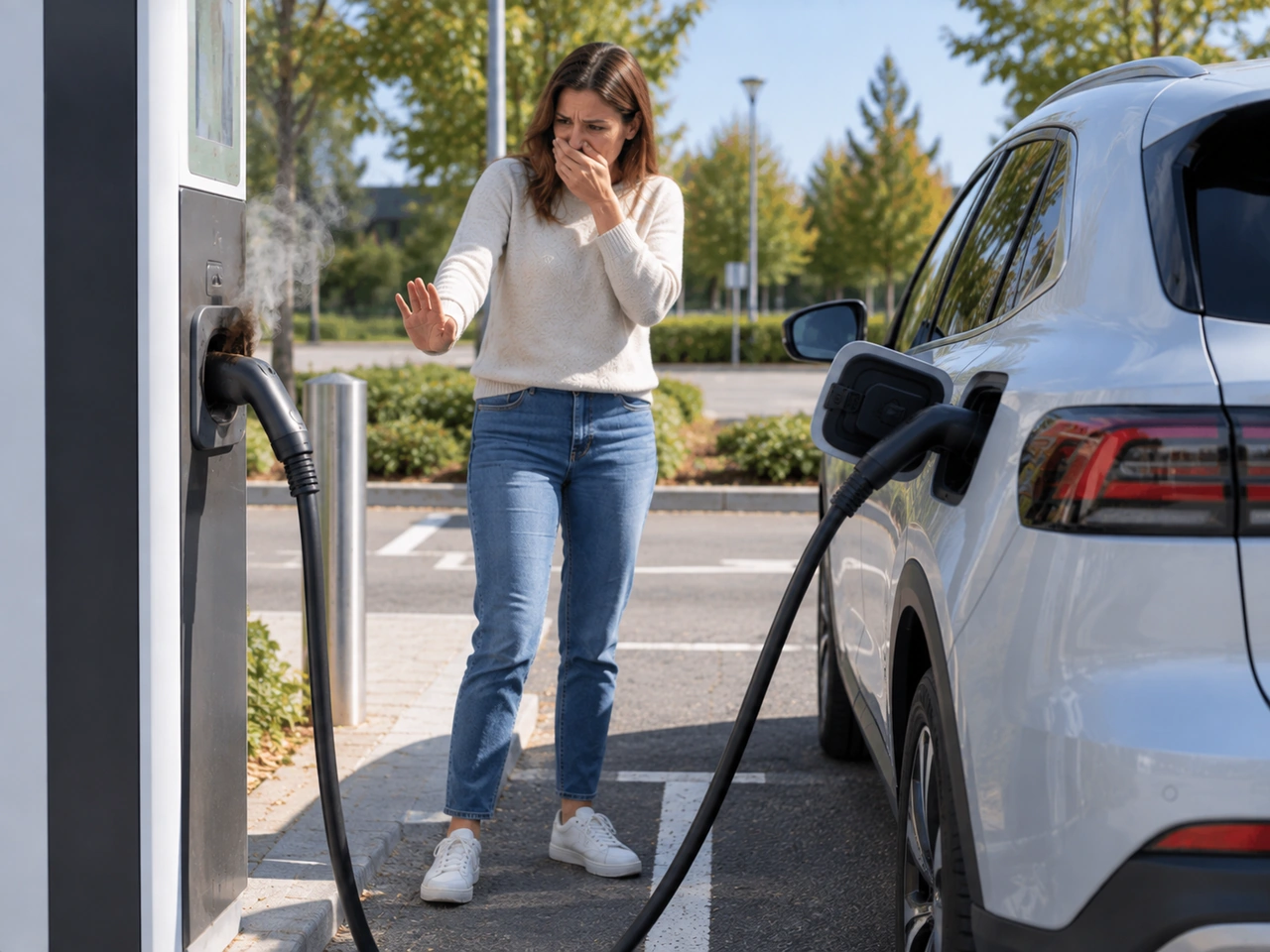
240. What should you do if EV charging equipment becomes unusually hot or smells burnt?
Unusual heat, a burning smell, smoke, sparks, or repeated charging faults can indicate an electrical problem. Stop using the charging equipment if it is safe to do so, keep clear of anything damaged or overheating, and report the fault or seek appropriate assistance.
AI-generated by Rijbewijs-online.be • WCIT • CC BY-SA
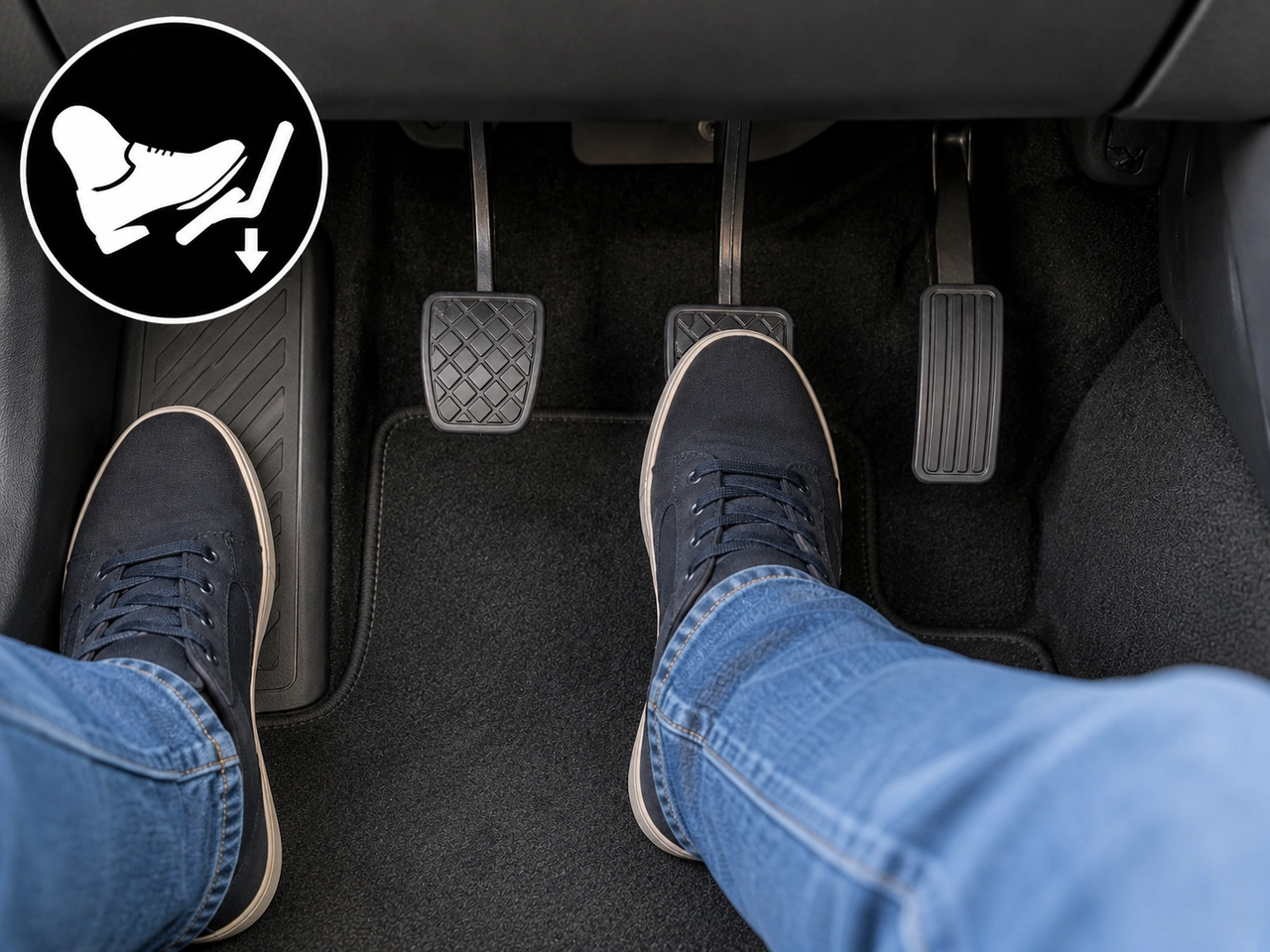
241. How should you normally apply the brake pedal for a smooth stop?
For normal braking, apply the brake pedal progressively and smoothly. As the vehicle comes to a stop, easing the pressure slightly can help avoid a sudden jerk.
AI-generated by Rijbewijs-online.be • WCIT • CC BY-SA
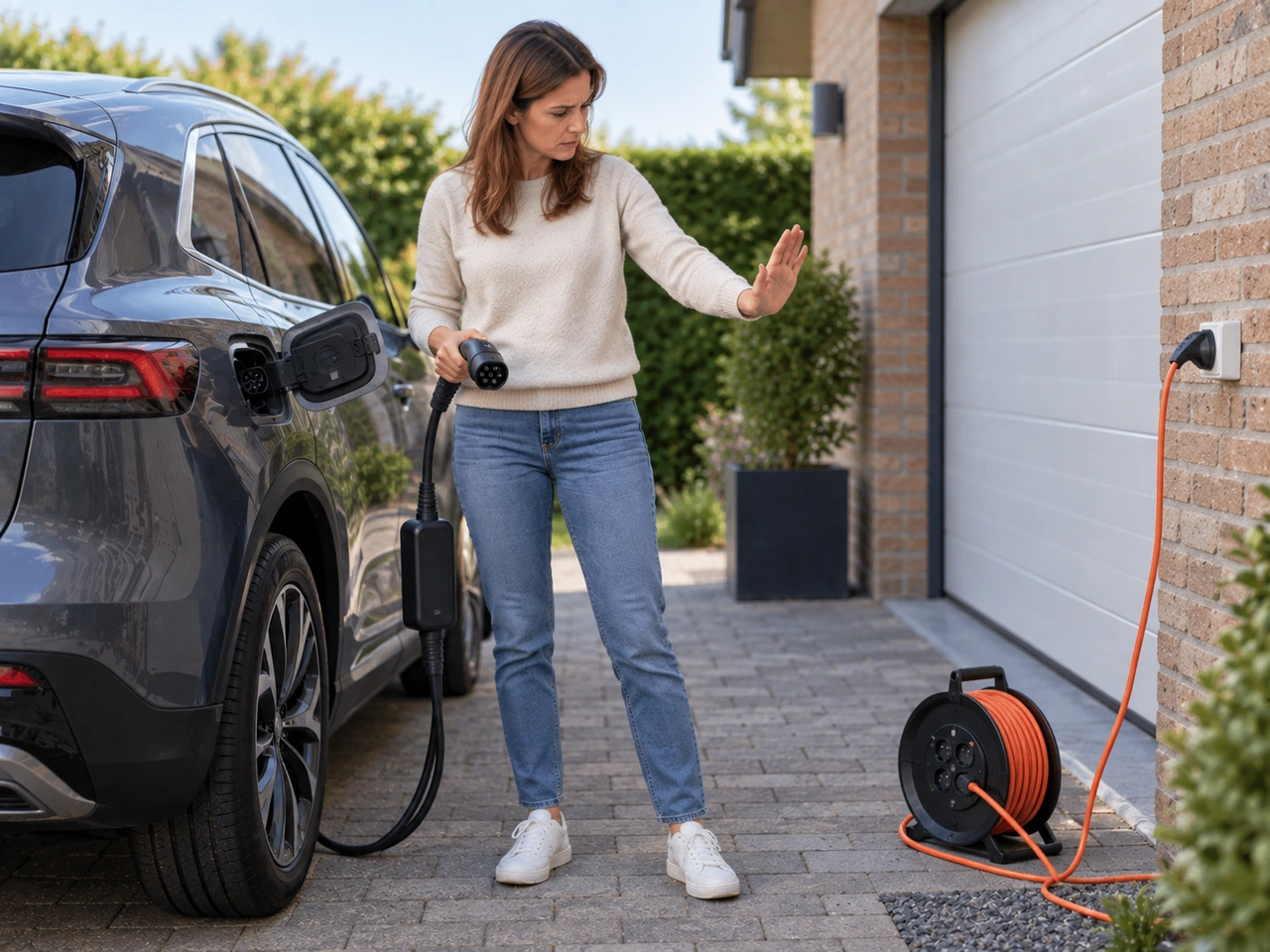
242. Why should you avoid using an ordinary extension lead to charge an electric vehicle?
An ordinary household extension lead may not be designed for the sustained electrical load required for EV charging and can overheat. Use suitable approved charging equipment and follow the vehicle and charging-equipment manufacturer's instructions.
AI-generated by Rijbewijs-online.be • WCIT • CC BY-SA
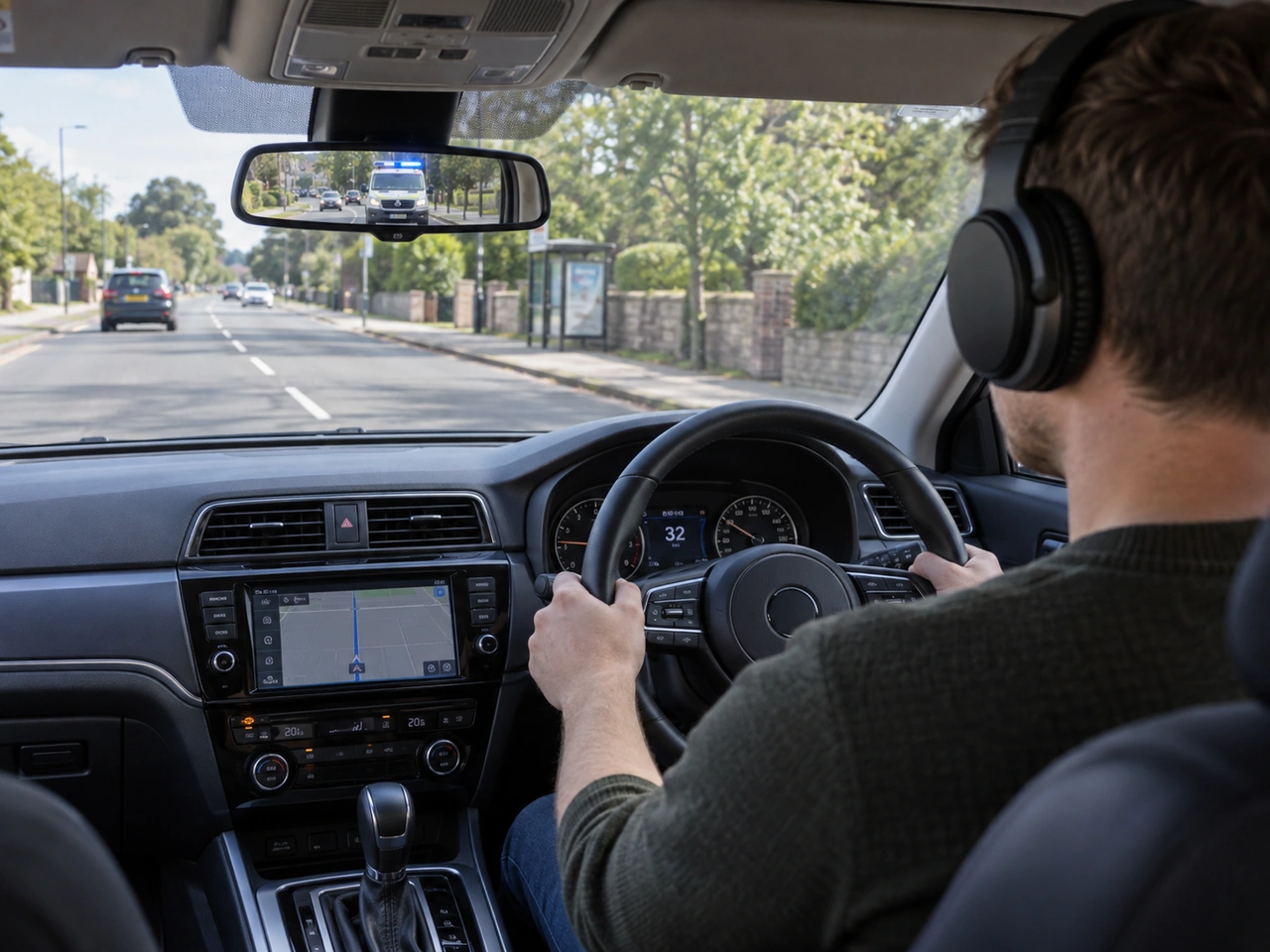
243. Why can headphones or very loud music be dangerous while driving?
Headphones or very loud music can reduce your awareness of horns, sirens, warning sounds, and surrounding traffic. Keep the volume at a level that allows you to remain aware of what is happening around the vehicle.
AI-generated by Rijbewijs-online.be • WCIT • CC BY-SA
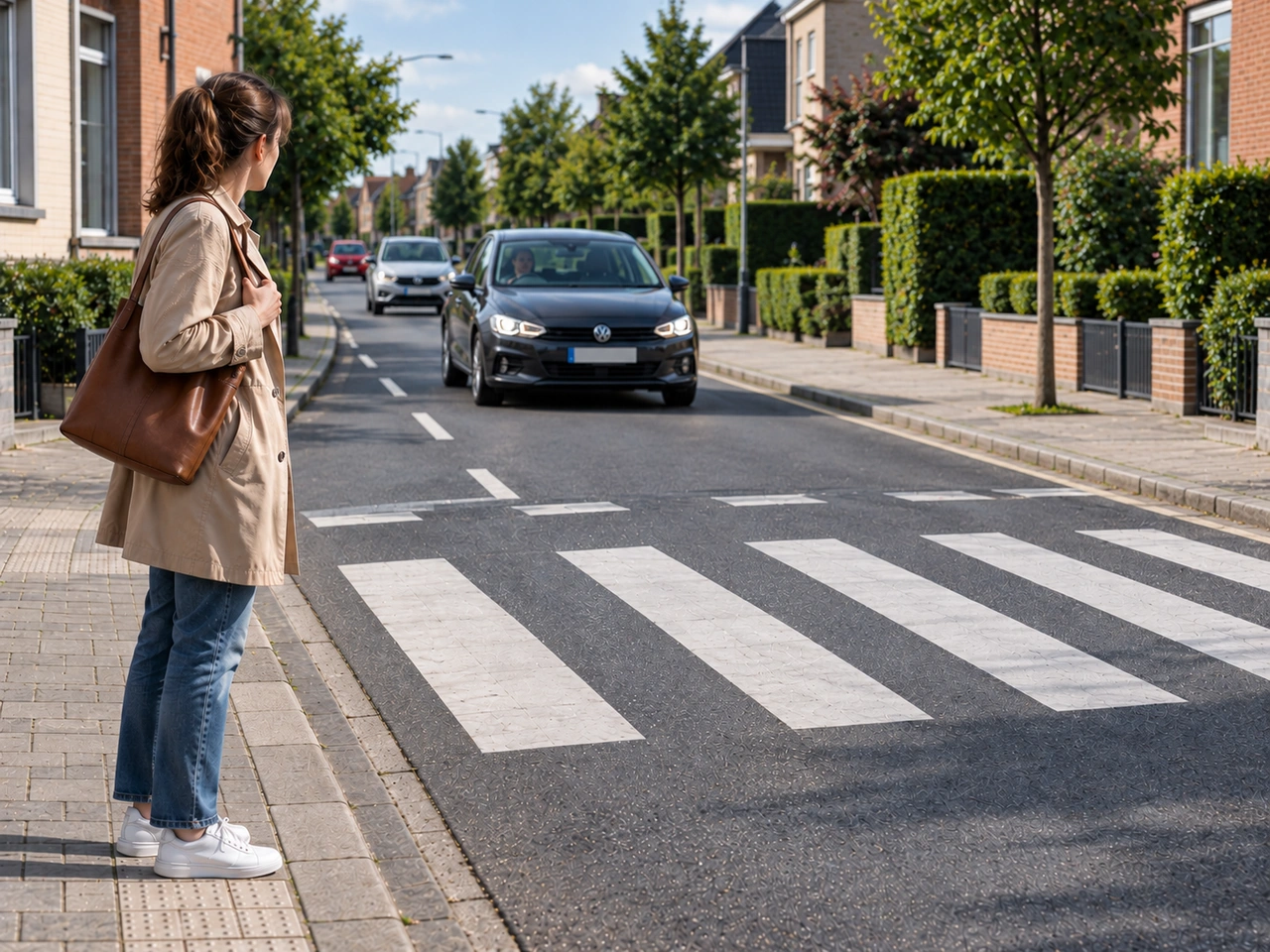
244. What should you do before using a pedestrian crossing?
Even at a pedestrian crossing, make sure approaching drivers have seen you and are able to stop before you cross.
AI-generated by Rijbewijs-online.be • WCIT • CC BY-SA
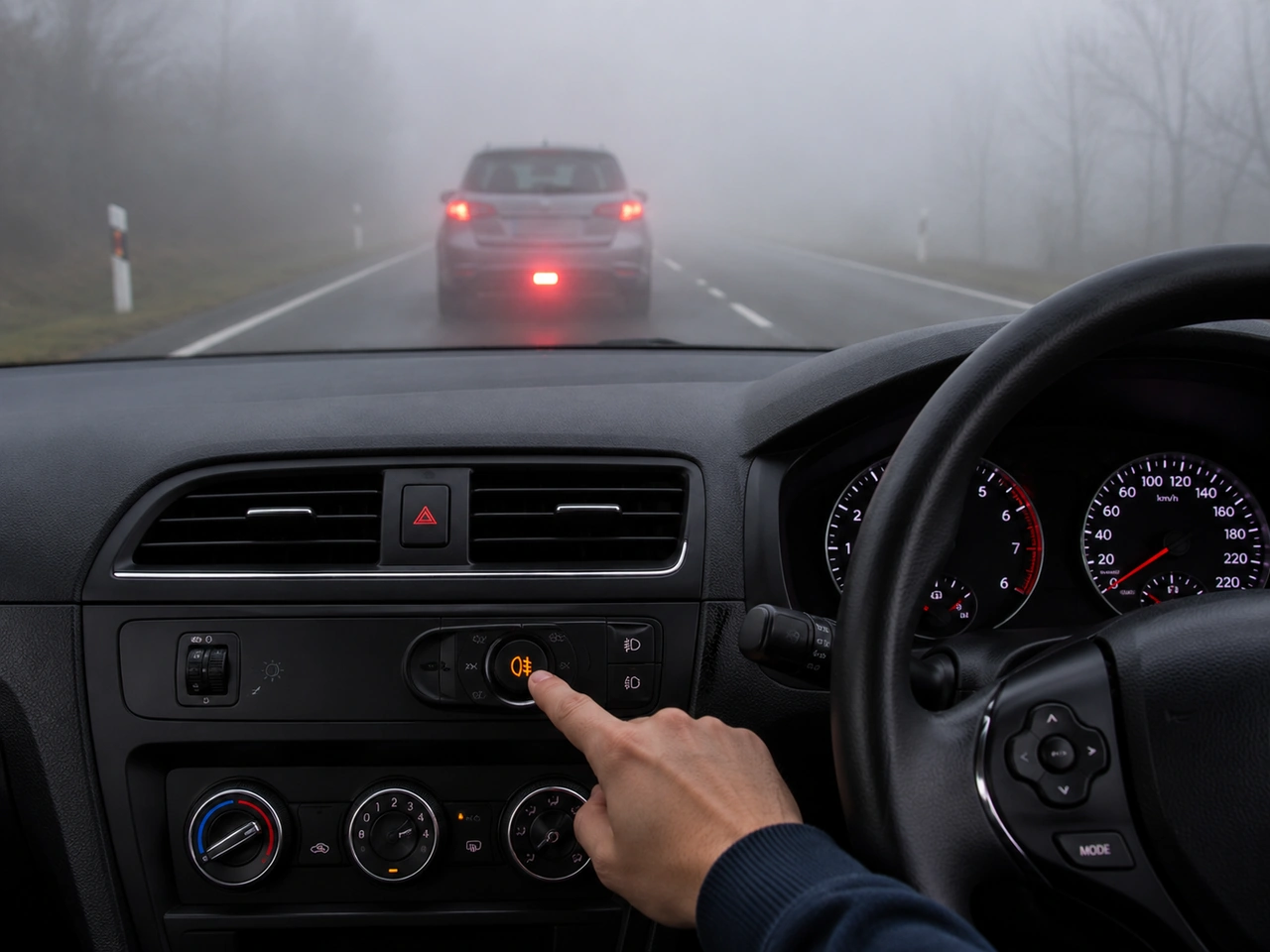
245. When should you use rear fog lights?
Rear fog lights are very bright and should only be used when visibility is poor enough to require them.
AI-generated by Rijbewijs-online.be • WCIT • CC BY-SA
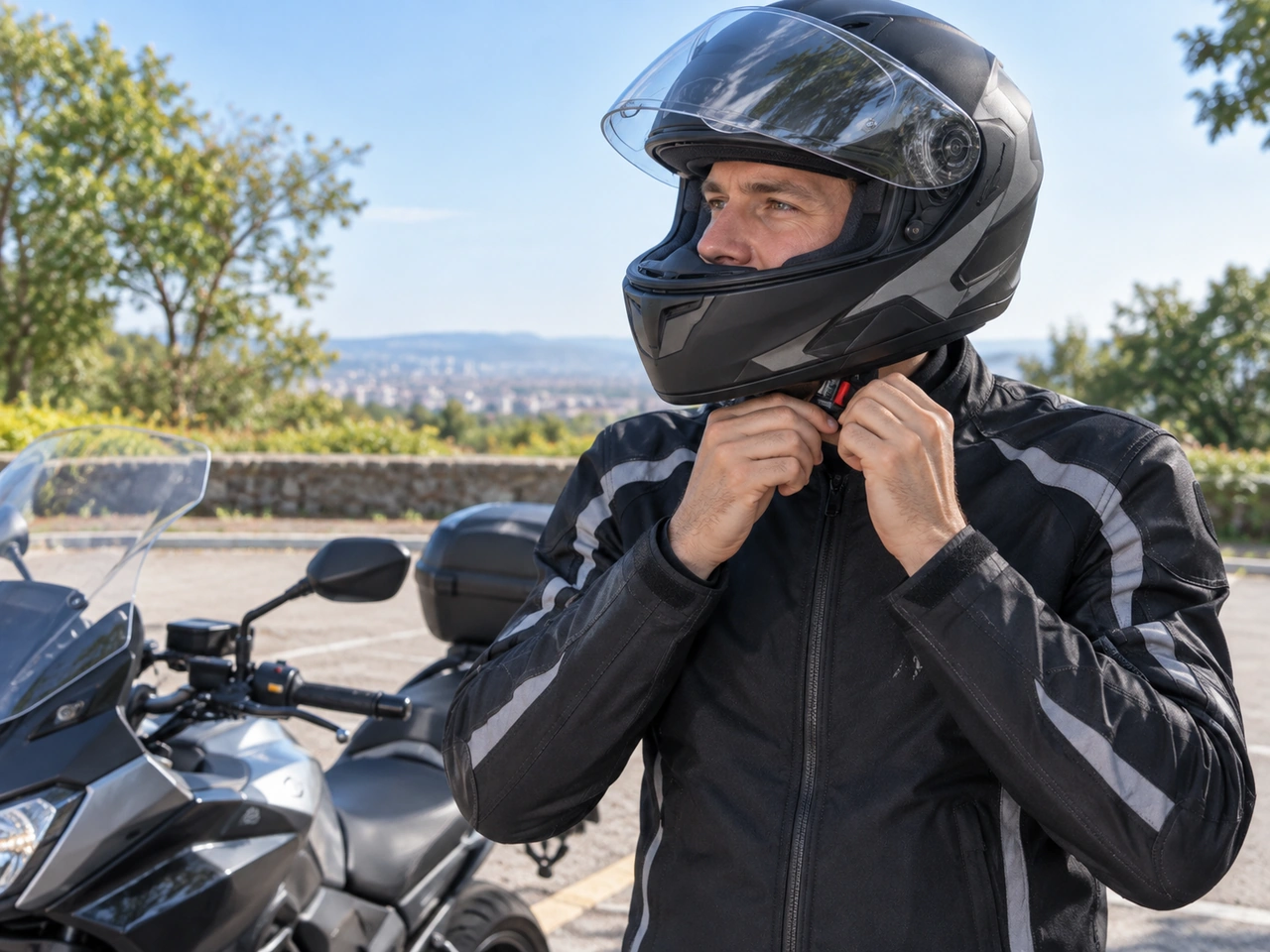
246. Why should a motorcycle helmet be worn correctly and securely fastened?
A correctly fitted and securely fastened motorcycle helmet helps protect the rider's head and can reduce the risk and severity of head injury in a collision or fall.
AI-generated by Rijbewijs-online.be • WCIT • CC BY-SA
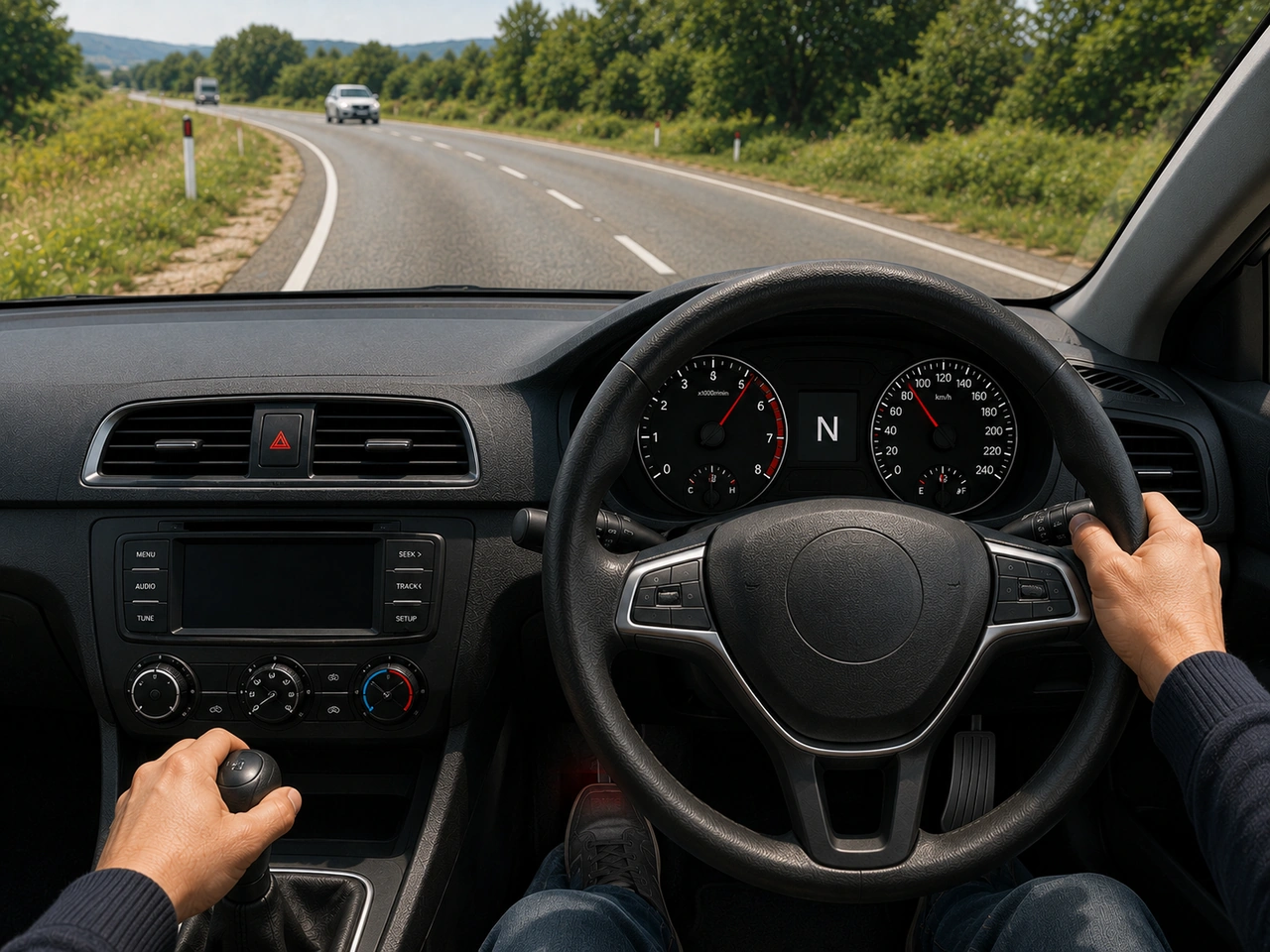
247. What should you do if the accelerator becomes stuck while you are driving?
Selecting neutral disconnects engine power from the wheels. Brake firmly, maintain steering control, and switch off the engine after stopping safely.
AI-generated by Rijbewijs-online.be • WCIT • CC BY-SA
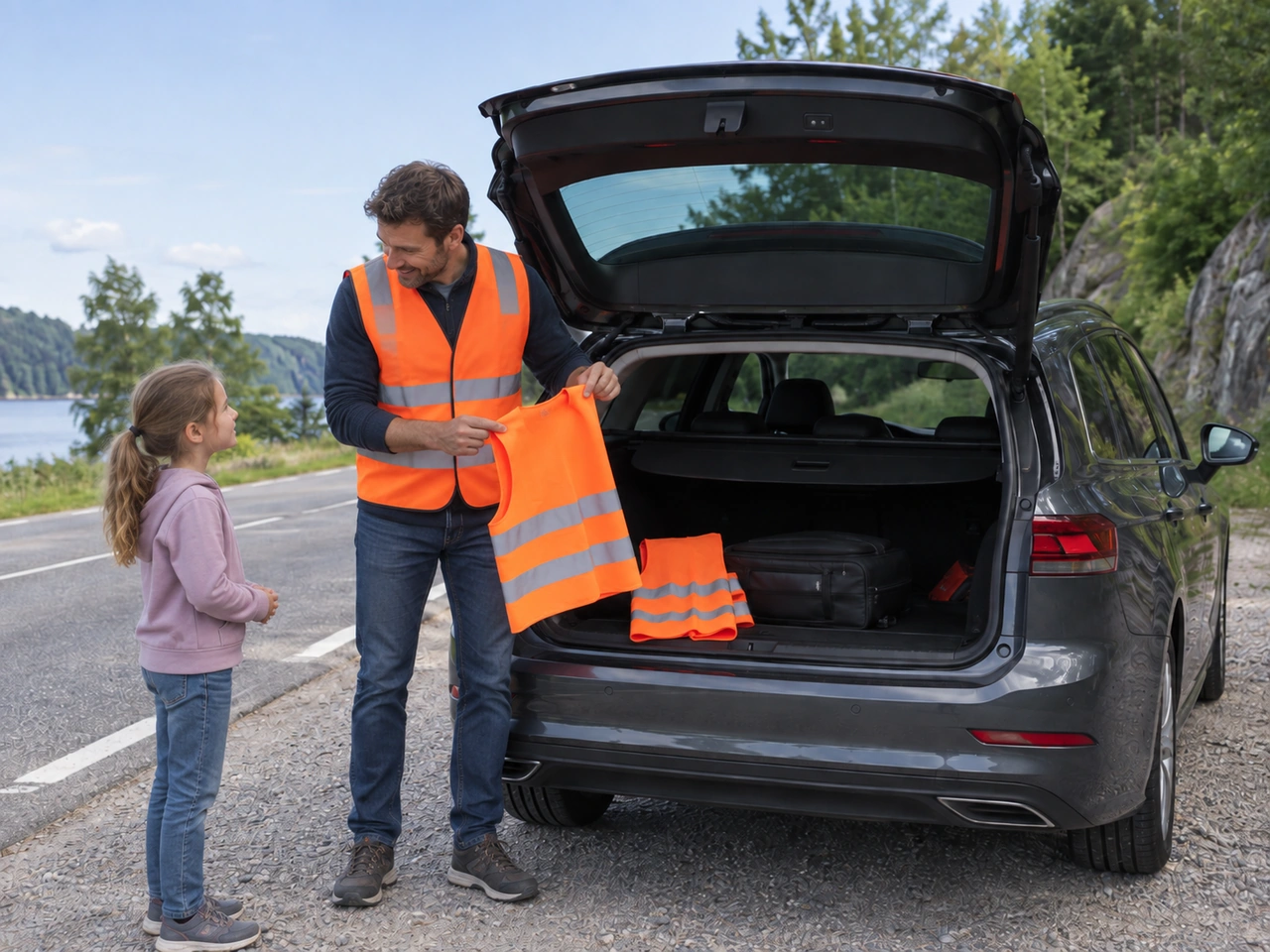
248. Is a high-visibility vest required in cars in United Kingdom?
Cars in United Kingdom are not generally required to carry a high-visibility vest.
AI-generated by Rijbewijs-online.be • WCIT • CC BY-SA
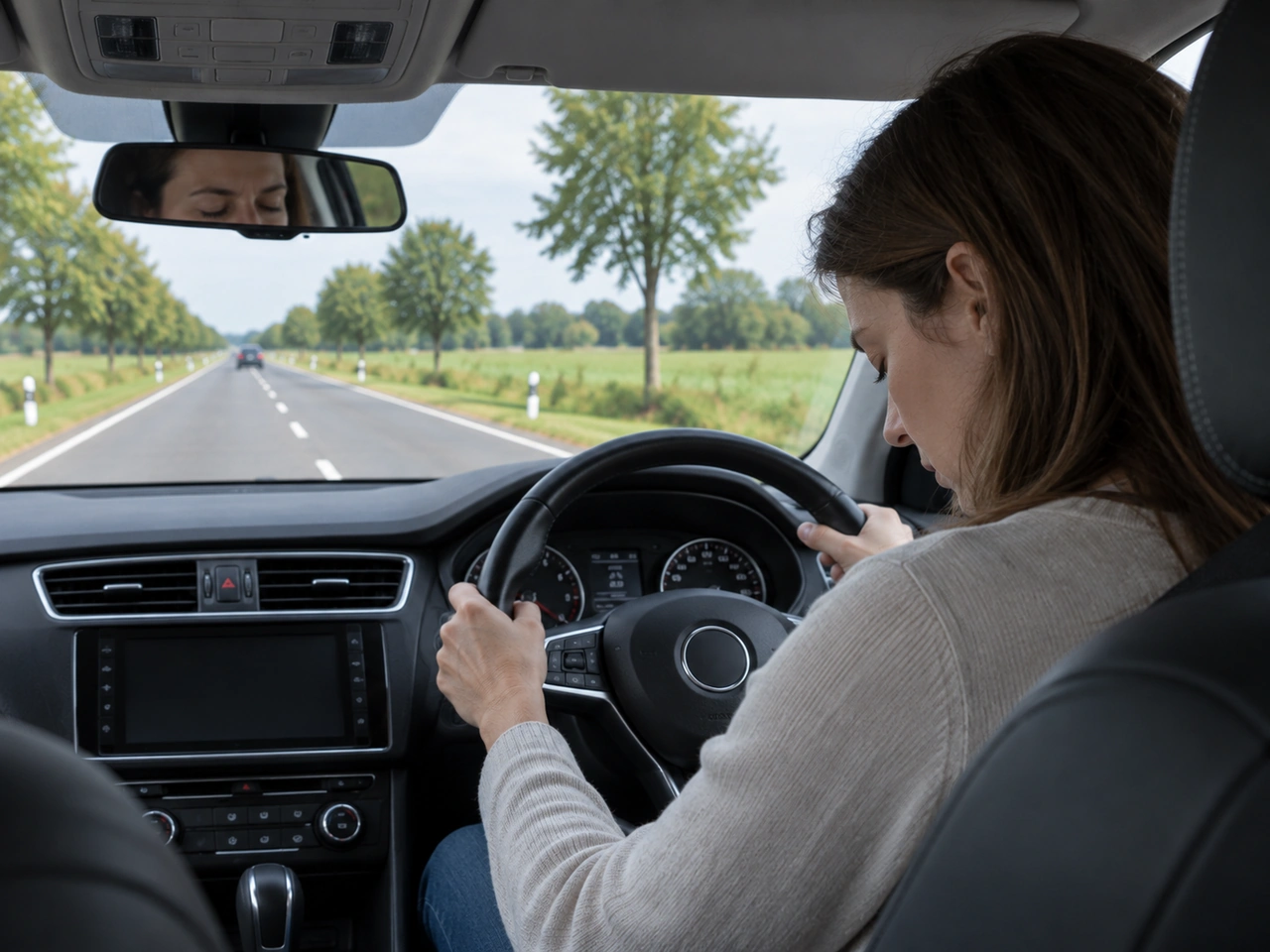
249. Why is a microsleep especially dangerous while driving?
A microsleep is a brief, involuntary episode of sleep that can last for a few seconds. During that time, you may lose awareness of the road and travel a considerable distance without reacting to hazards.
AI-generated by Rijbewijs-online.be • WCIT • CC BY-SA
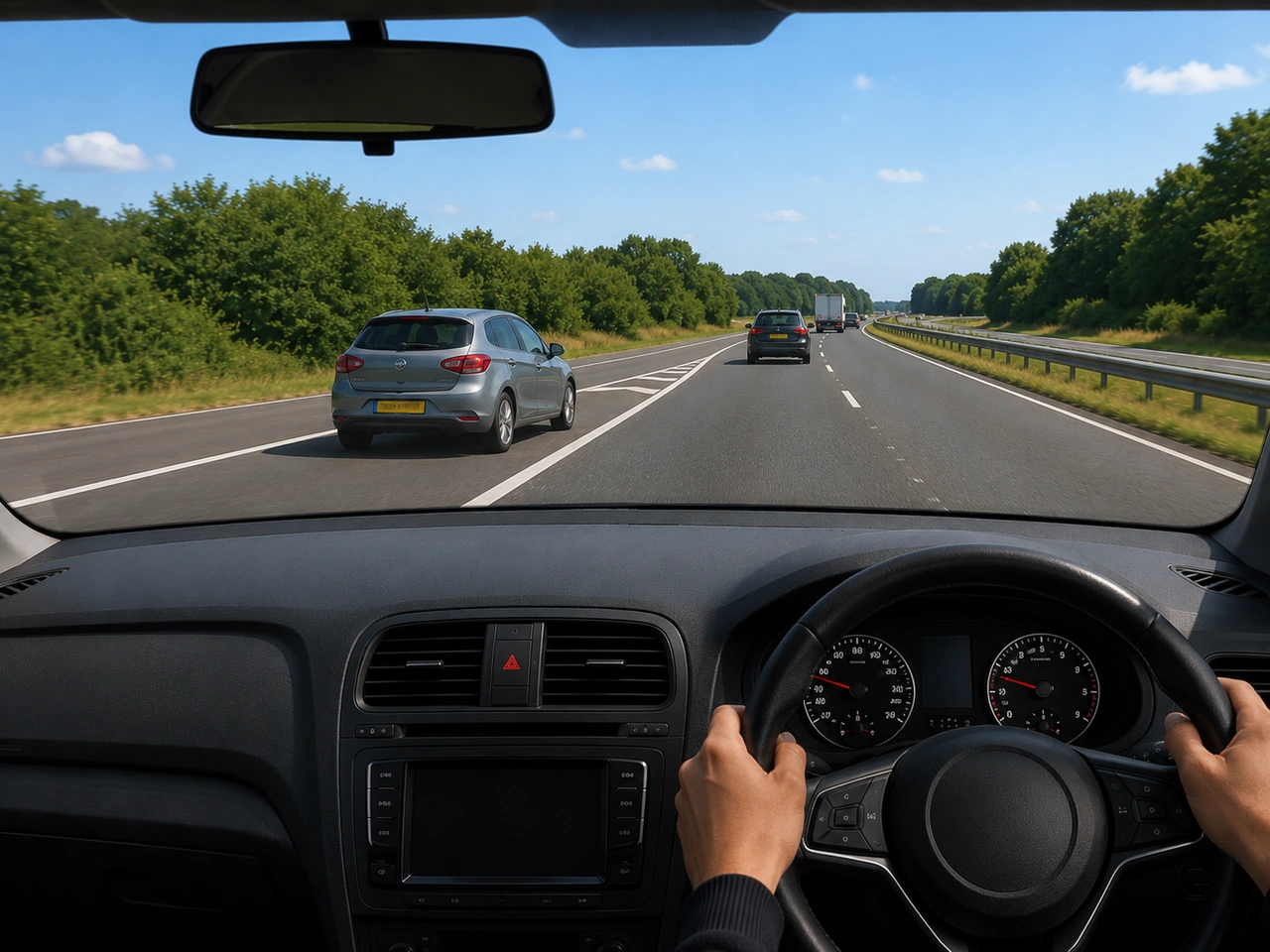
250. What should you do when traffic is merging from another lane?
When traffic merges, good observation and speed control help vehicles join safely without sudden braking or conflict.
AI-generated by Rijbewijs-online.be • WCIT • CC BY-SA