


QuizTraffic rulesUnited Kingdom
This interesting quiz helps you test your knowledge in a clear and visual way. With easy multiple-choice questions, you can quickly build confidence and learn new facts while keeping it simple, interactive, and fun.
 Traffic signs
 Traffic rules
 United Kingdom
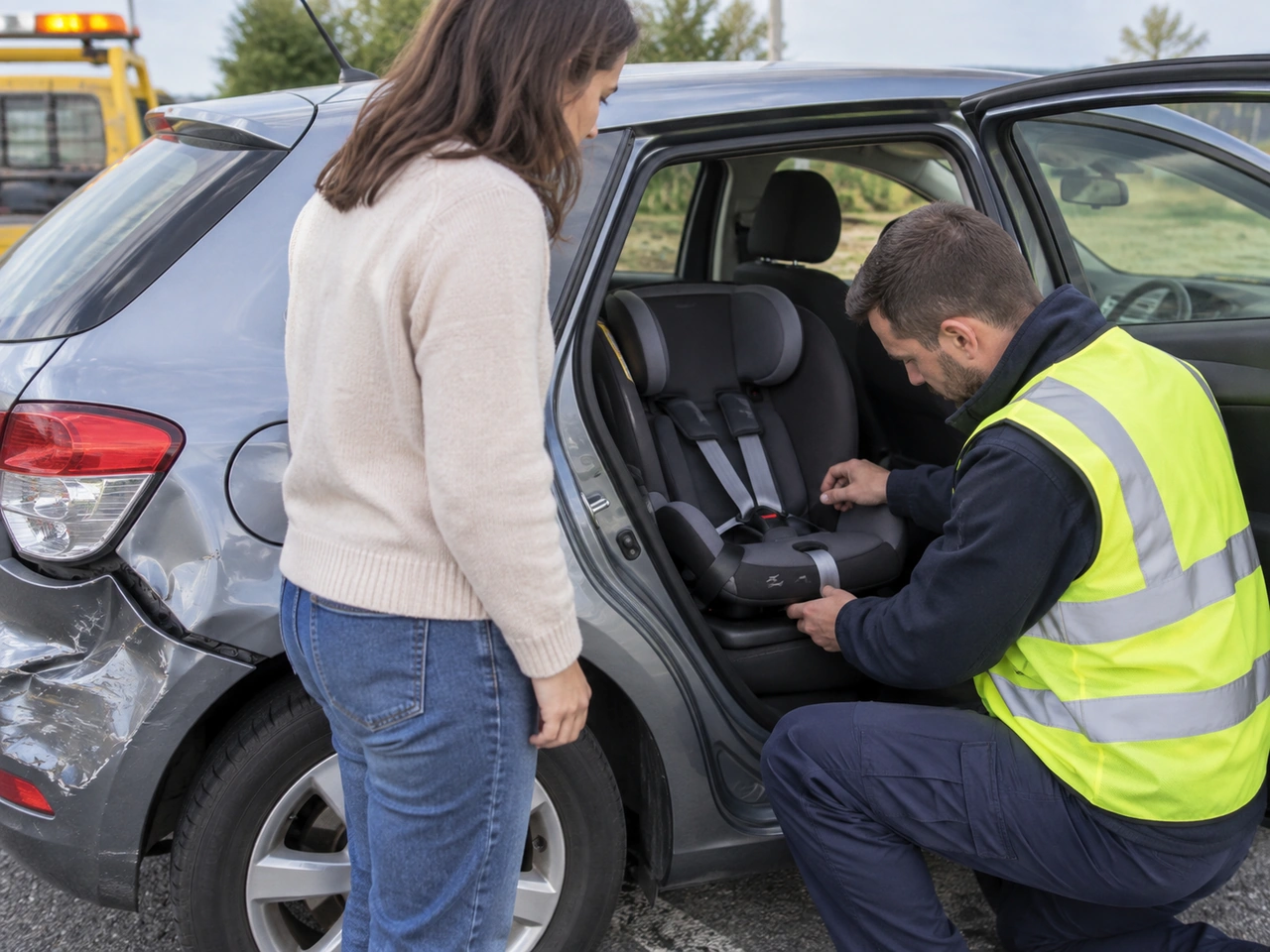
251. What should you do with a child restraint after a collision?
A child restraint may be damaged in a collision even when the damage is not obvious. Follow the manufacturer's instructions, as the restraint may need to be inspected or replaced before it is used again.
AI-generated by Rijbewijs-online.be • WCIT • CC BY-SA

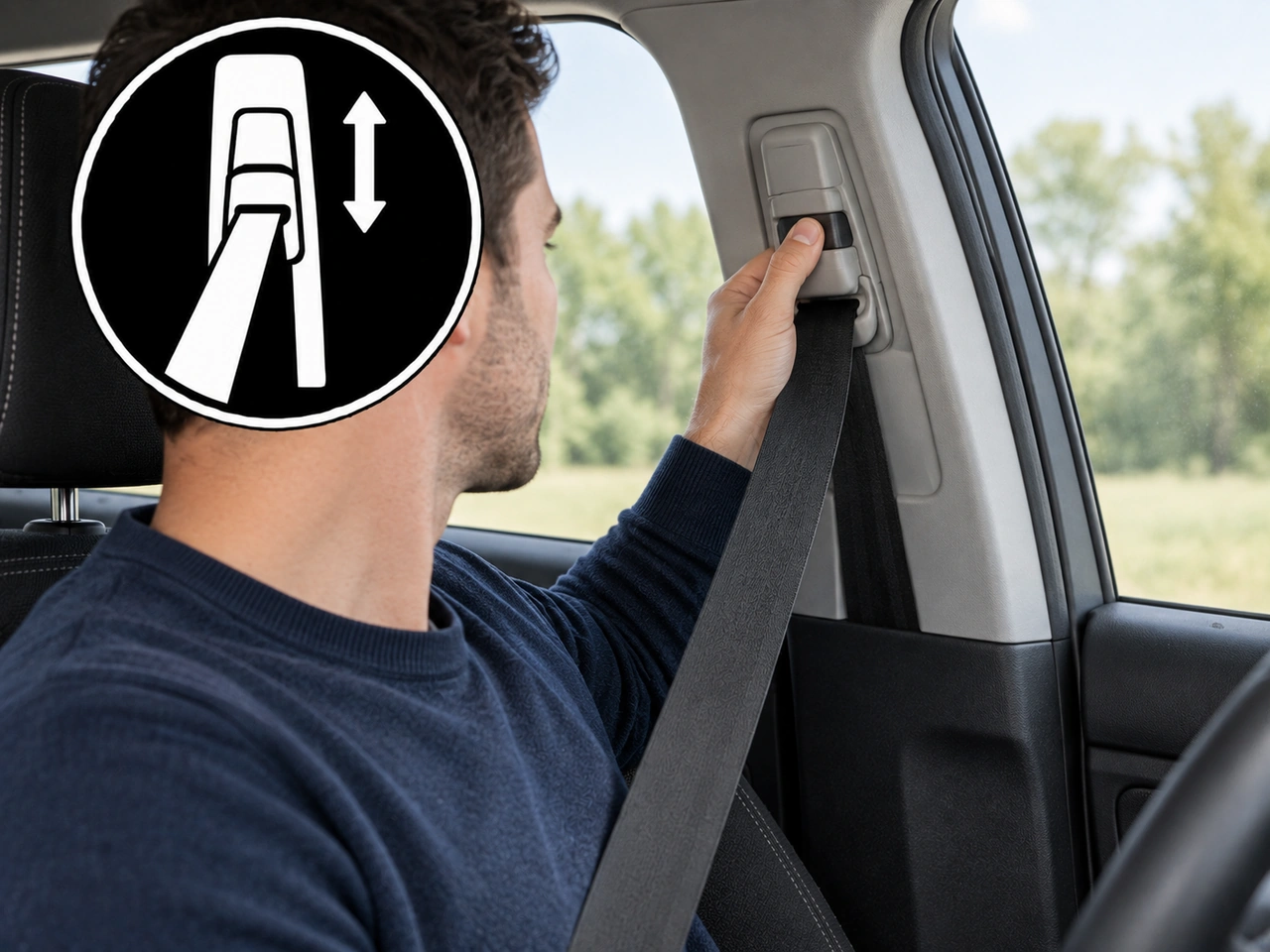
252. Why should the seat-belt height be adjusted correctly?
The seat-belt height adjustment helps position the shoulder belt correctly across the chest and shoulder. It should not run across the neck or under the arm.
AI-generated by Rijbewijs-online.be • WCIT • CC BY-SA
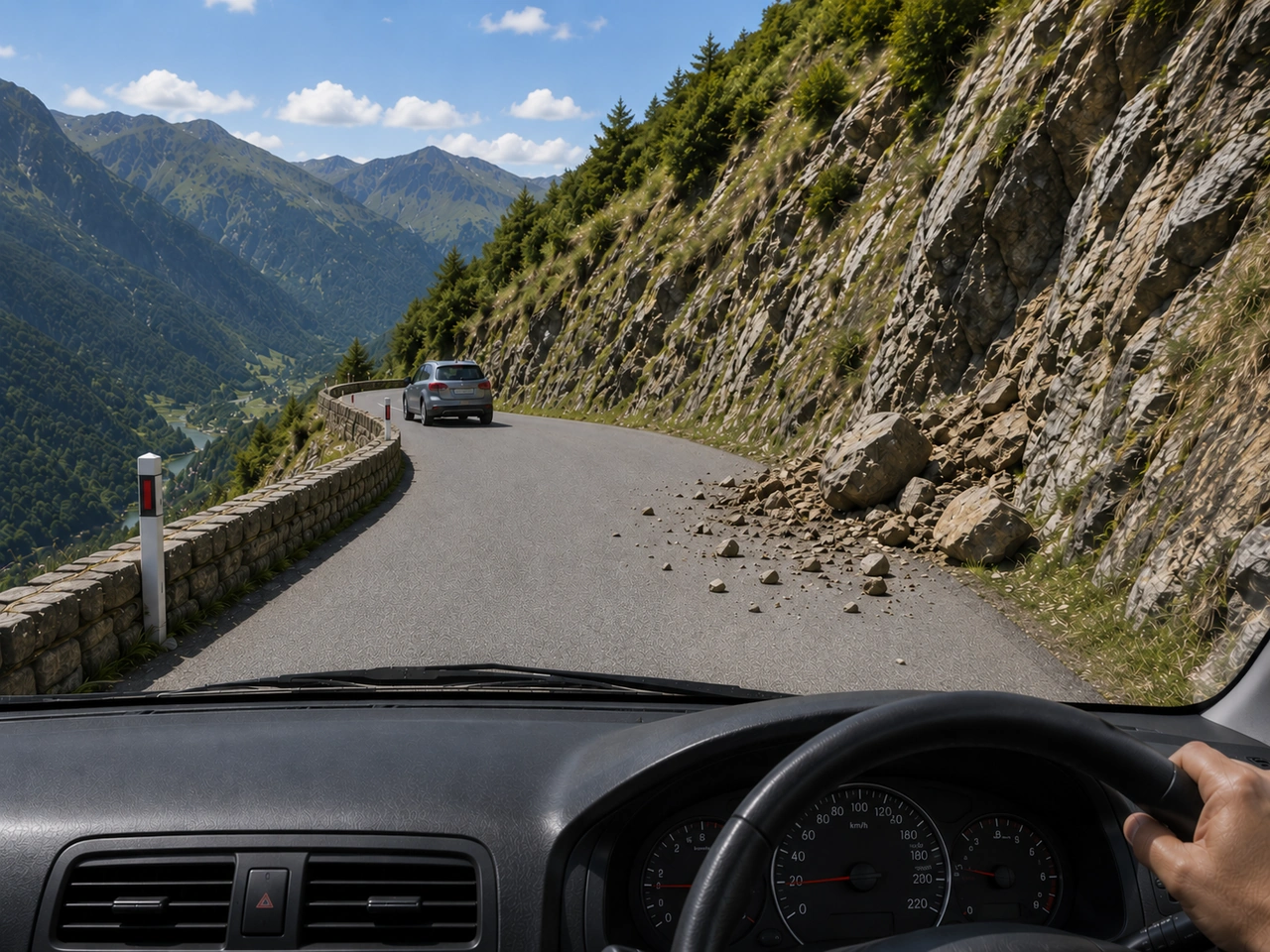
253. What should you do if you see fallen rocks on a mountain road?
Loose rocks can damage tyres, affect steering, or block part of the road. Reduce speed and avoid sudden movements. If rocks are actively falling, do not enter or stop in the danger area. Keep a safe distance and, if necessary, wait in a safe place until it is safe to continue.
AI-generated by Rijbewijs-online.be • WCIT • CC BY-SA
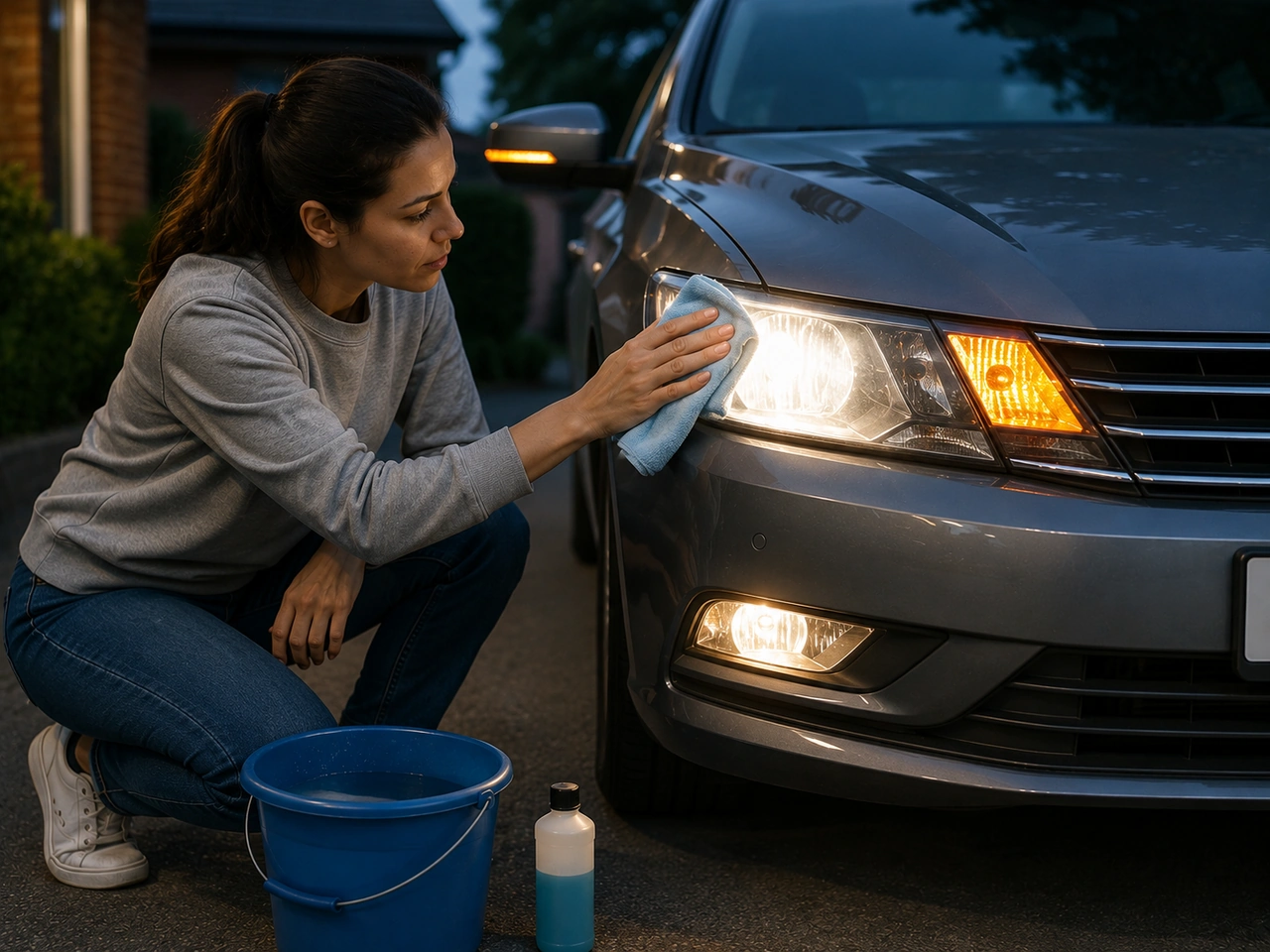
254. Why should headlights, indicators, and other exterior lights be kept clean and working?
Dirty or faulty lights reduce visibility and make it harder for other road users to understand when you are braking, turning, reversing, or changing position.
AI-generated by Rijbewijs-online.be • WCIT • CC BY-SA
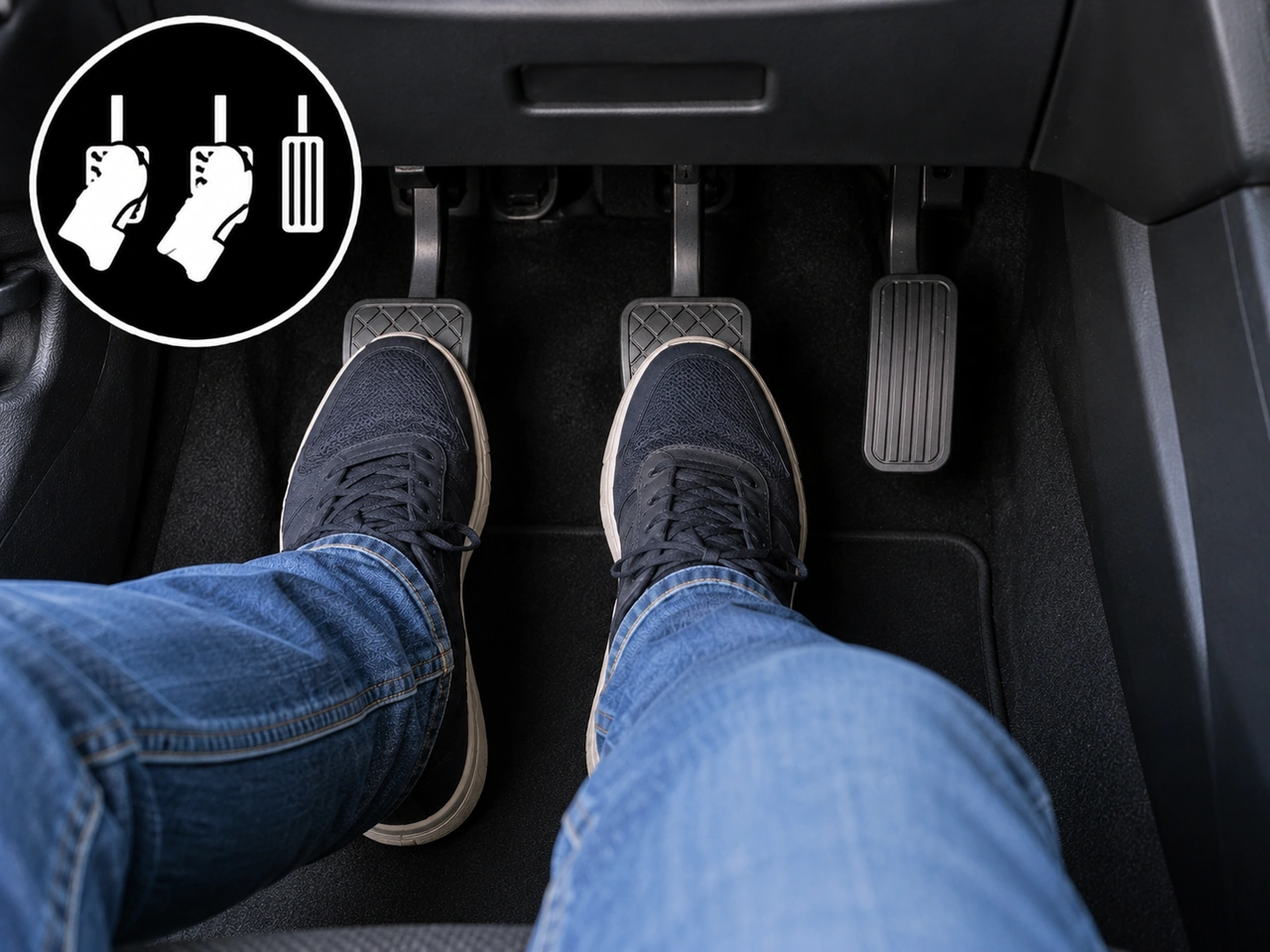
255. What should you do with the clutch when bringing a manual vehicle to a stop?
When stopping a manual vehicle, brake normally and press the clutch pedal before the engine speed becomes too low and the engine stalls. Avoid pressing the clutch unnecessarily early, as this reduces engine braking.
AI-generated by Rijbewijs-online.be • WCIT • CC BY-SA
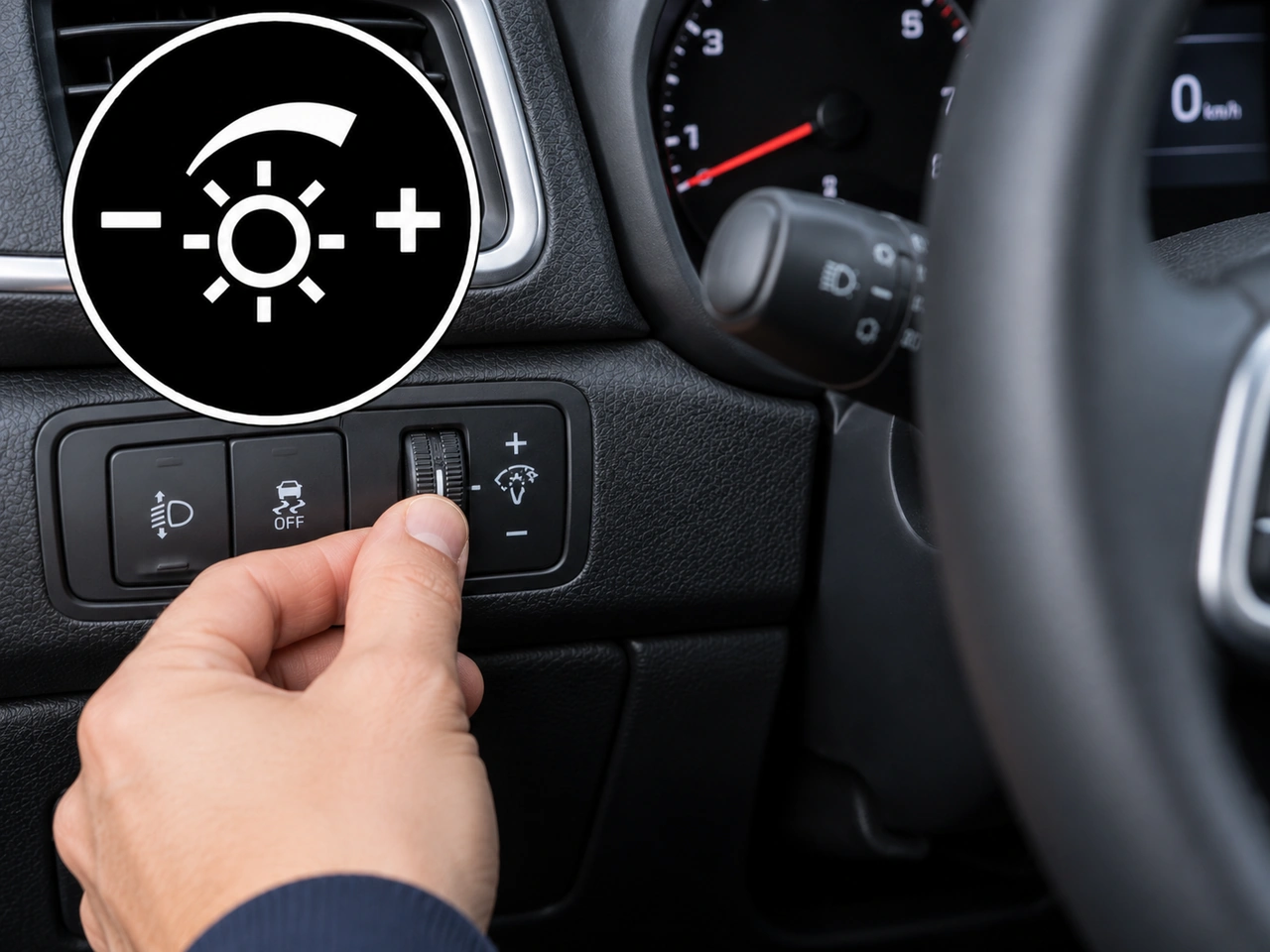
256. What does this vehicle-control symbol indicate?
This control adjusts the brightness of the instrument panel and dashboard illumination, allowing the driver to reduce or increase the lighting level.
AI-generated by Rijbewijs-online.be • WCIT • CC BY-SA
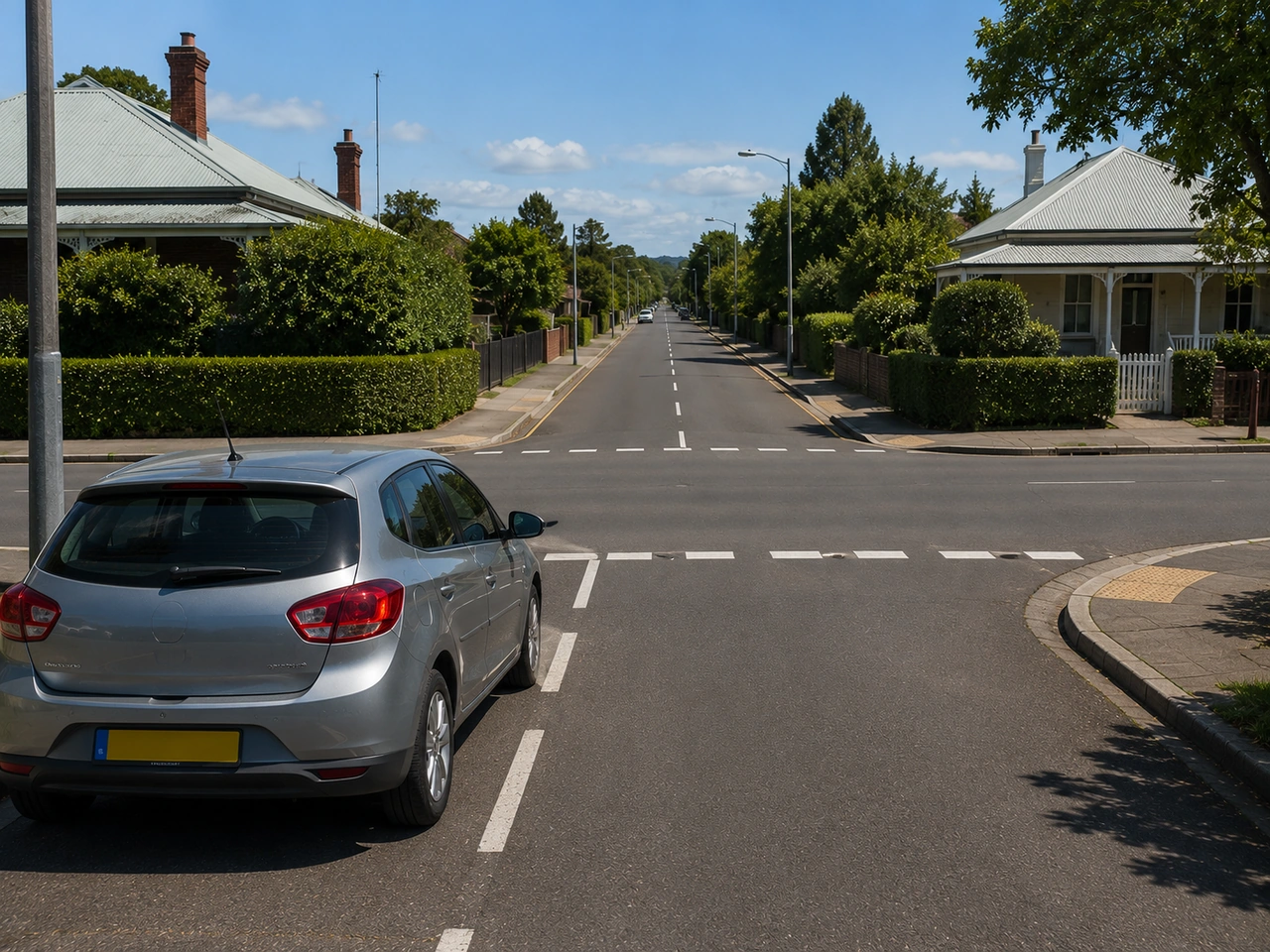
257. How can parking too close to a junction affect visibility?
Parking too close to a junction can block visibility. Drivers, cyclists, and pedestrians may have difficulty seeing each other in time.
AI-generated by Rijbewijs-online.be • WCIT • CC BY-SA
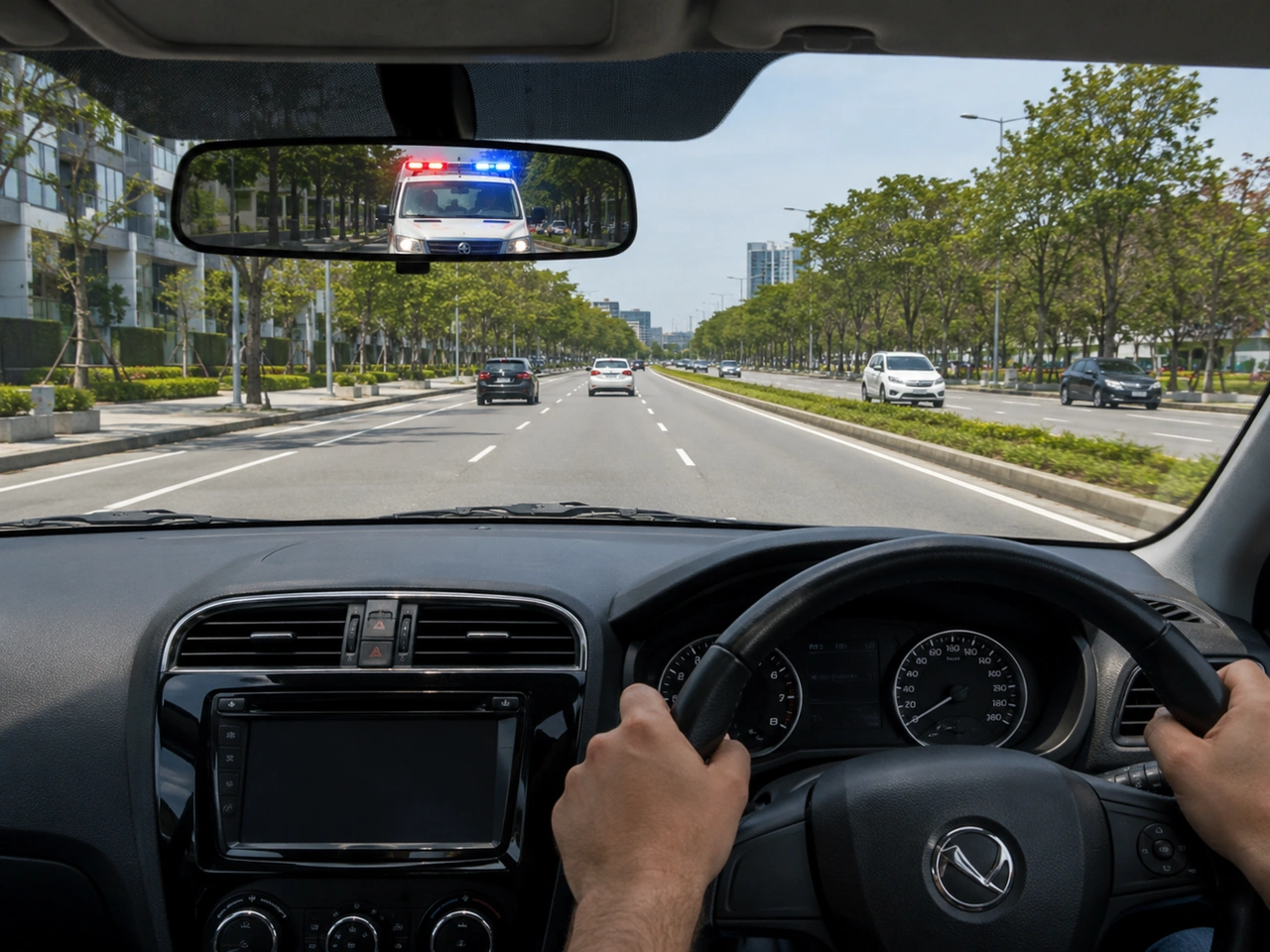
258. What should you do if an emergency vehicle approaches with lights or siren on?
When an emergency vehicle uses lights or siren, check your surroundings and make room safely without sudden or dangerous movements.
AI-generated by Rijbewijs-online.be • WCIT • CC BY-SA
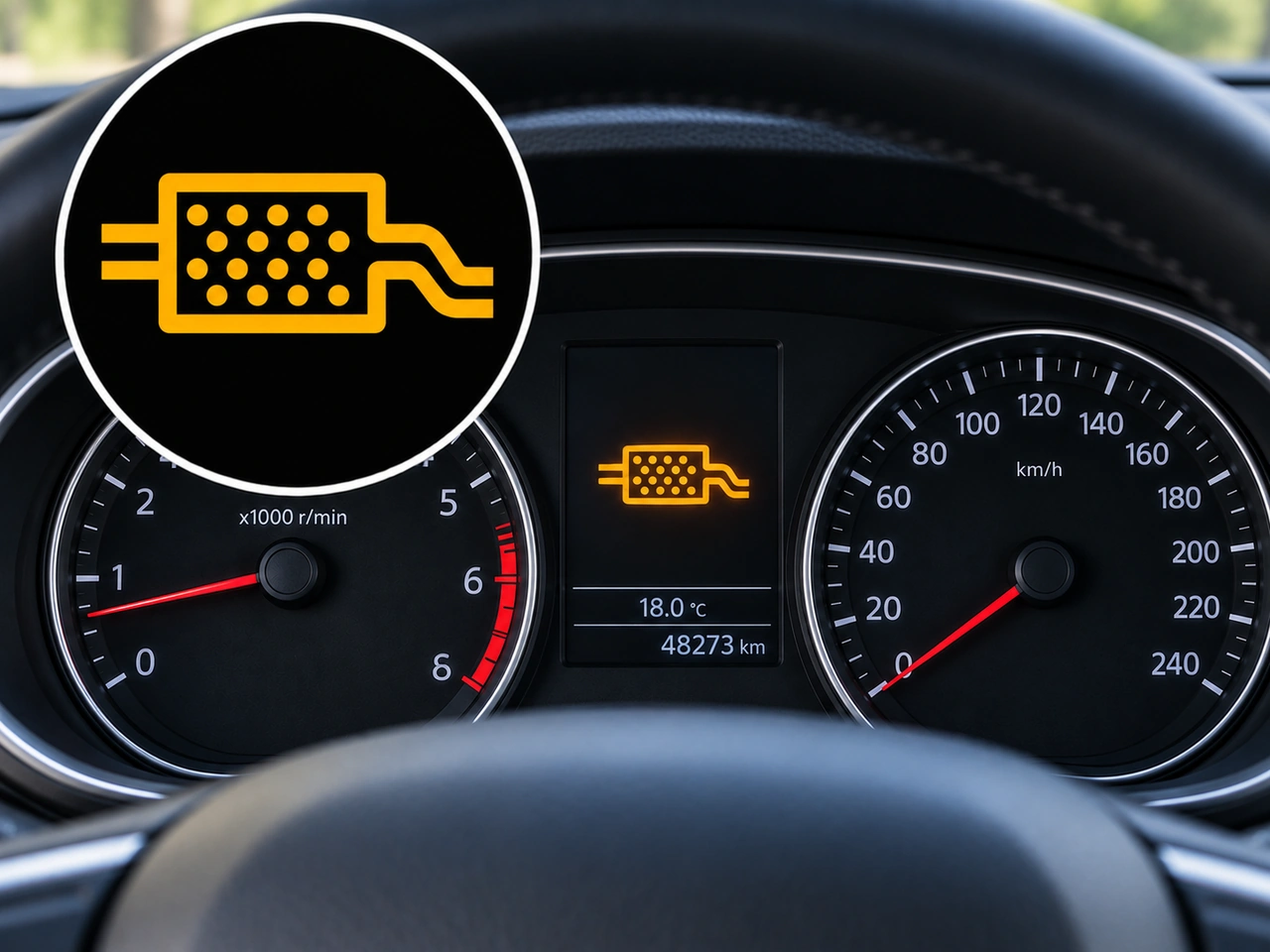
259. What does this dashboard symbol indicate?
This symbol indicates a problem with the diesel particulate filter (DPF), often because soot has accumulated in the filter. The vehicle may require regeneration or professional inspection, depending on the vehicle and warning status.
AI-generated by Rijbewijs-online.be • WCIT • CC BY-SA
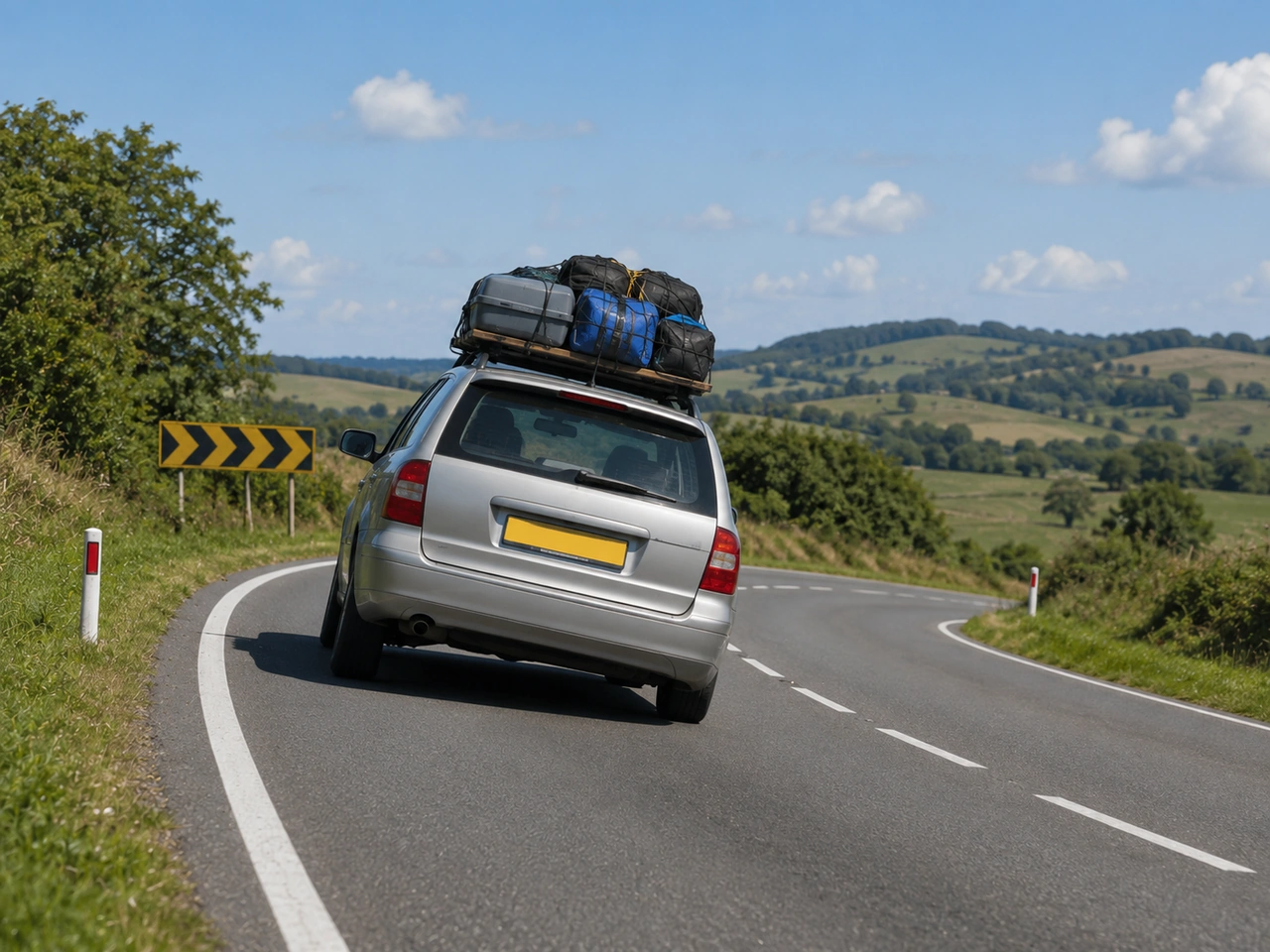
260. How can a roof load affect vehicle handling?
Weight carried high on the vehicle can increase body movement and make sudden steering or cornering less stable.
AI-generated by Rijbewijs-online.be • WCIT • CC BY-SA
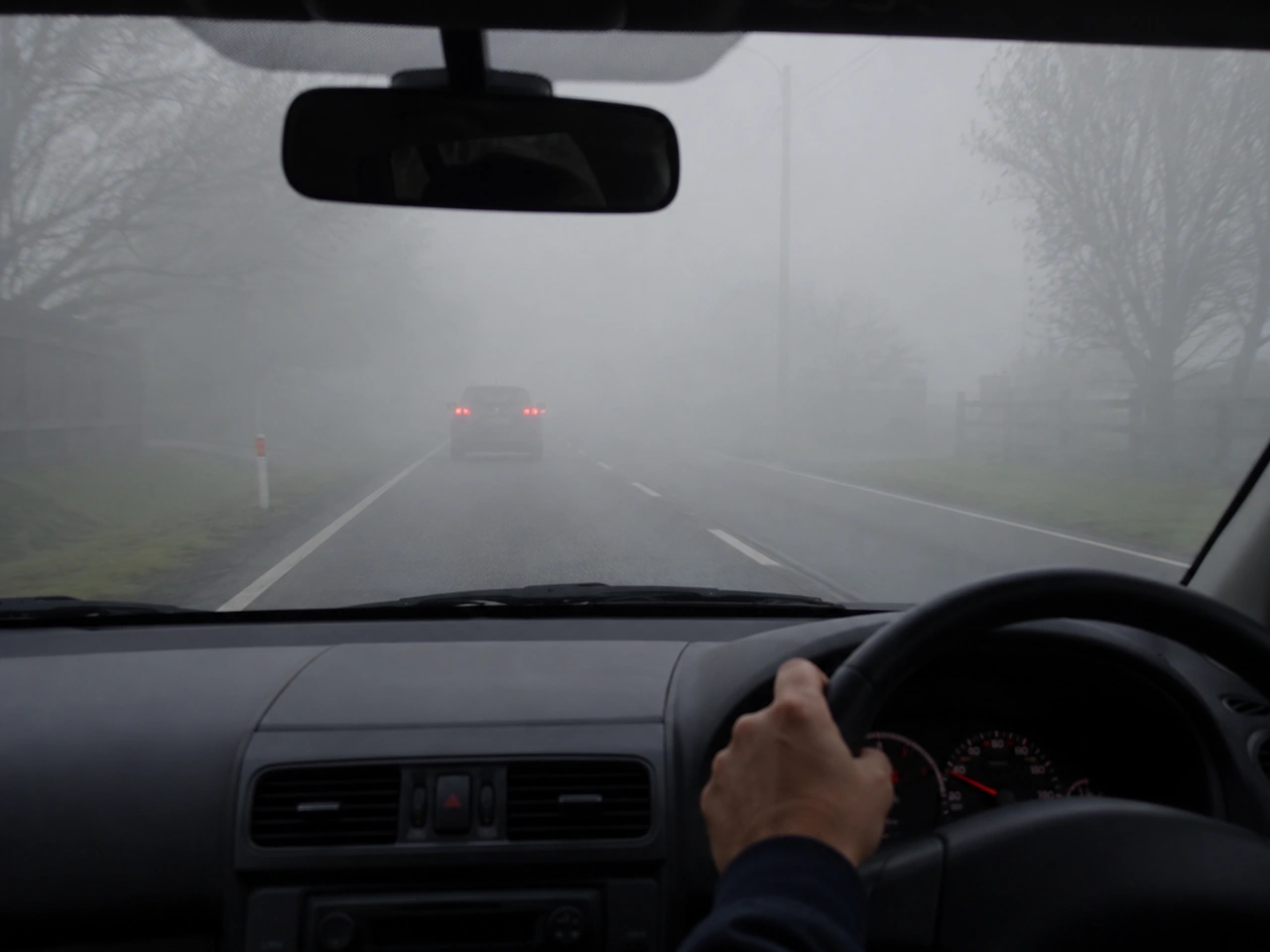
261. What should you do if visibility is reduced by fog?
Fog makes it harder to see and be seen. Reduce speed, increase following distance, and use the correct lights.
AI-generated by Rijbewijs-online.be • WCIT • CC BY-SA
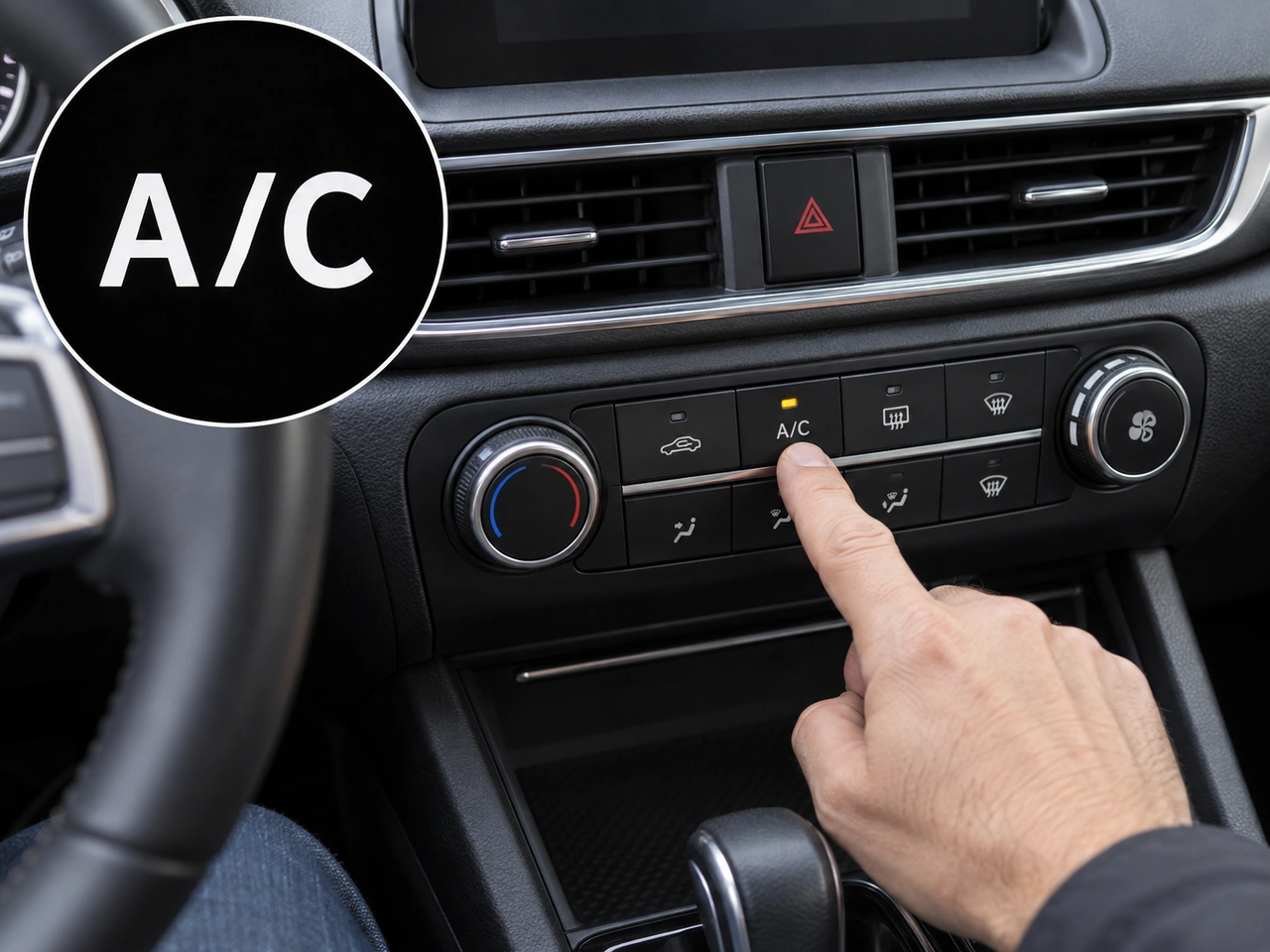
262. What does this vehicle-control symbol indicate?
The A/C symbol controls the vehicle's air-conditioning system. Air conditioning can cool and dehumidify the air inside the vehicle, which can also help clear mist from the windows.
AI-generated by Rijbewijs-online.be • WCIT • CC BY-SA
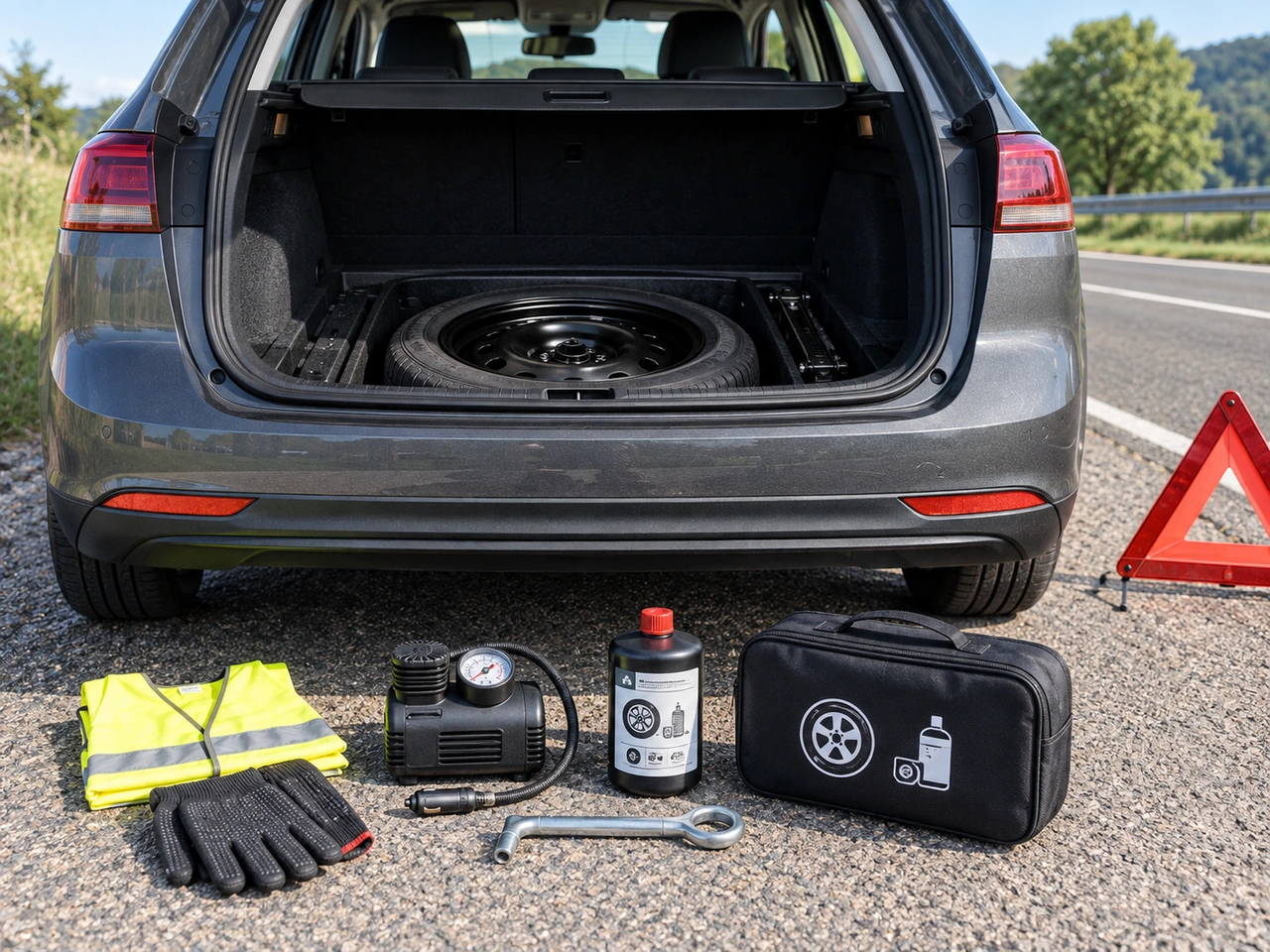
263. Must cars carry equipment for dealing with a puncture in United Kingdom?
Cars in United Kingdom are not generally required to carry a spare wheel or tyre repair kit.
AI-generated by Rijbewijs-online.be • WCIT • CC BY-SA
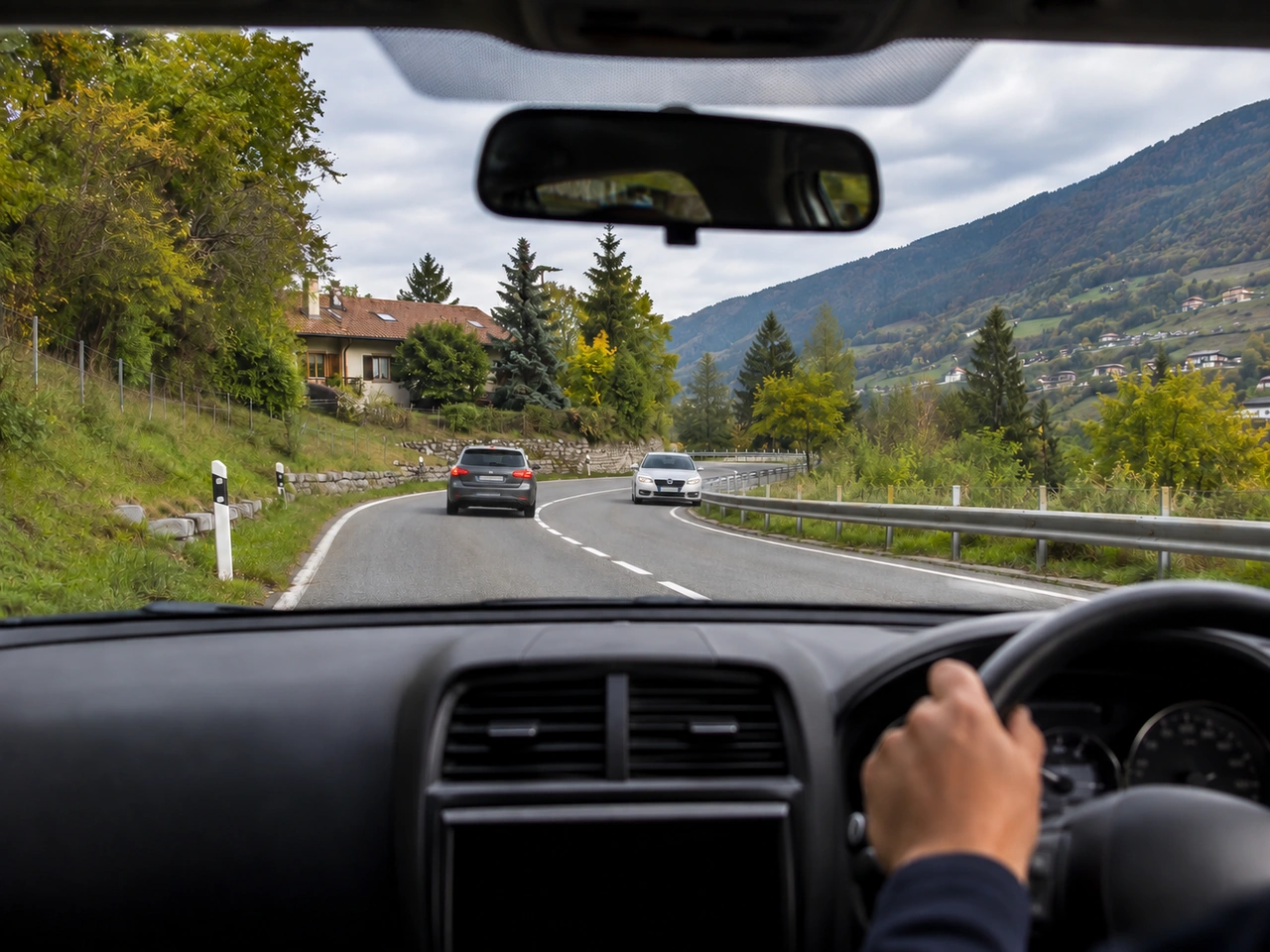
264. Why should you slow down before a sharp bend?
Sharp bends reduce your view and can make the vehicle harder to control, so you should slow down before entering the bend.
AI-generated by Rijbewijs-online.be • WCIT • CC BY-SA
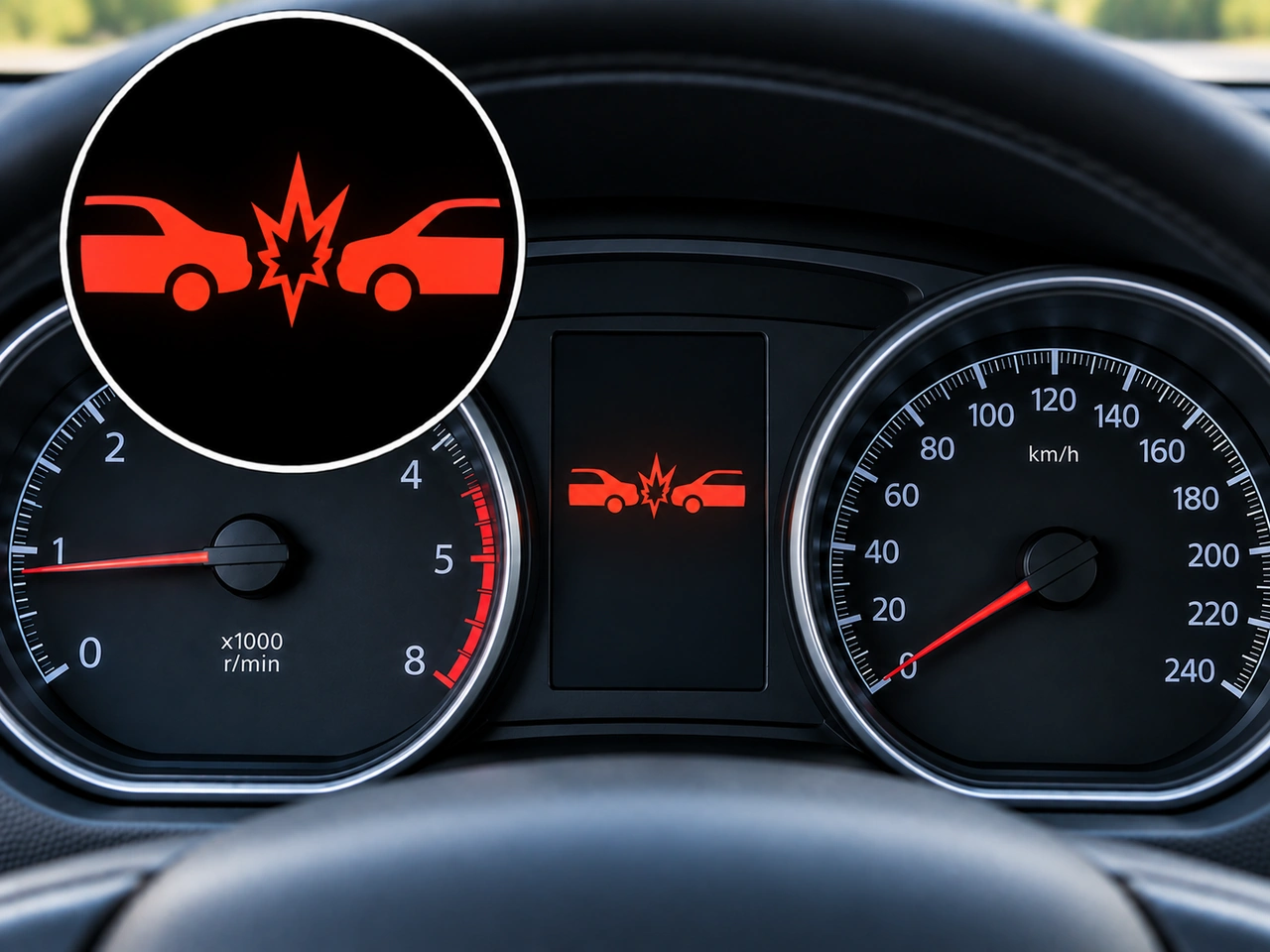
265. What does this dashboard symbol indicate?
This symbol relates to the forward-collision warning or automatic emergency braking system. It may warn the driver when the vehicle detects a risk of collision with traffic ahead.
AI-generated by Rijbewijs-online.be • WCIT • CC BY-SA
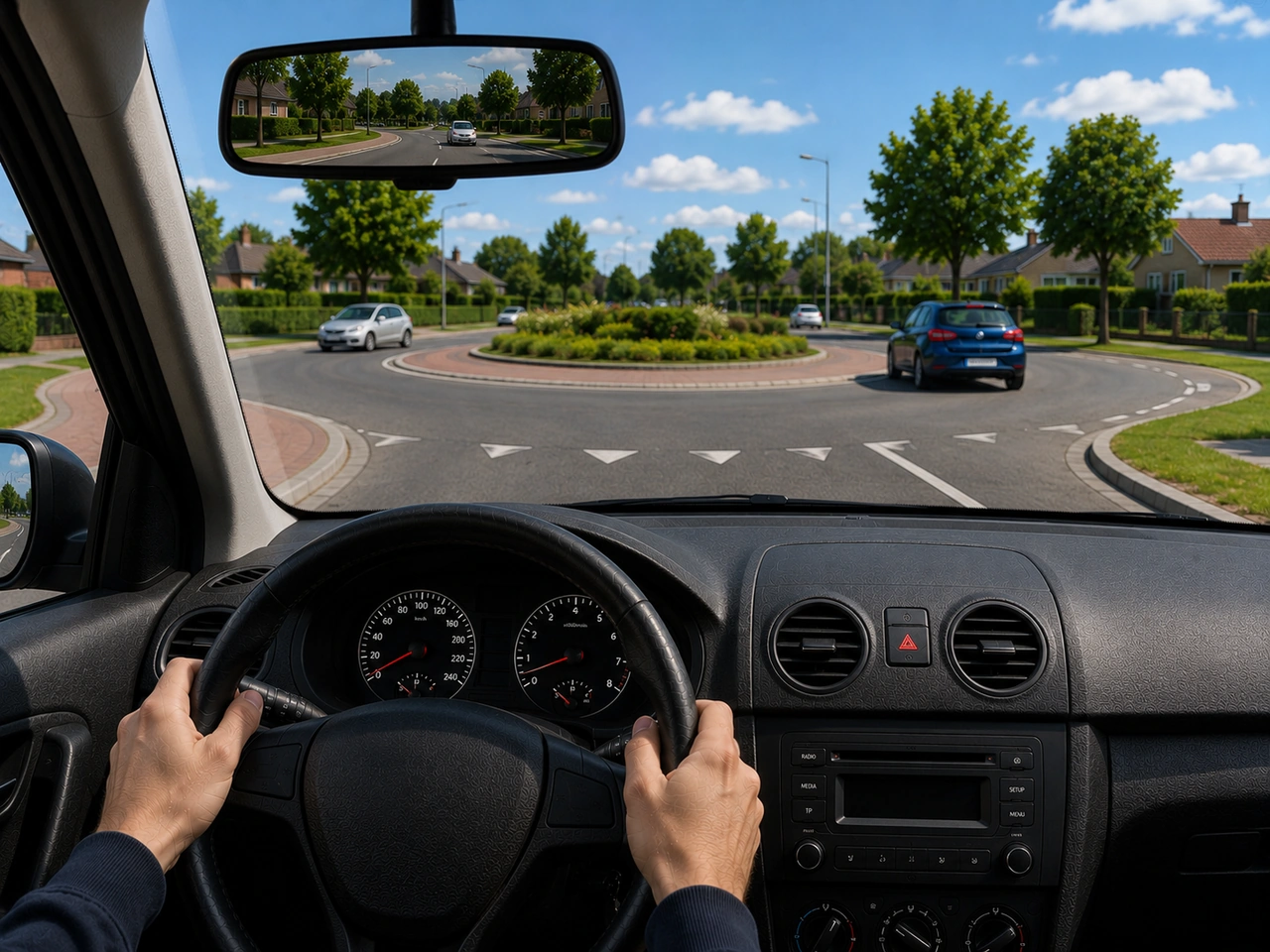
266. What should you do when entering a roundabout?
When approaching a roundabout, reduce your speed, observe traffic, follow the signs and local priority rules, and enter only when it is safe.
AI-generated by Rijbewijs-online.be • WCIT • CC BY-SA
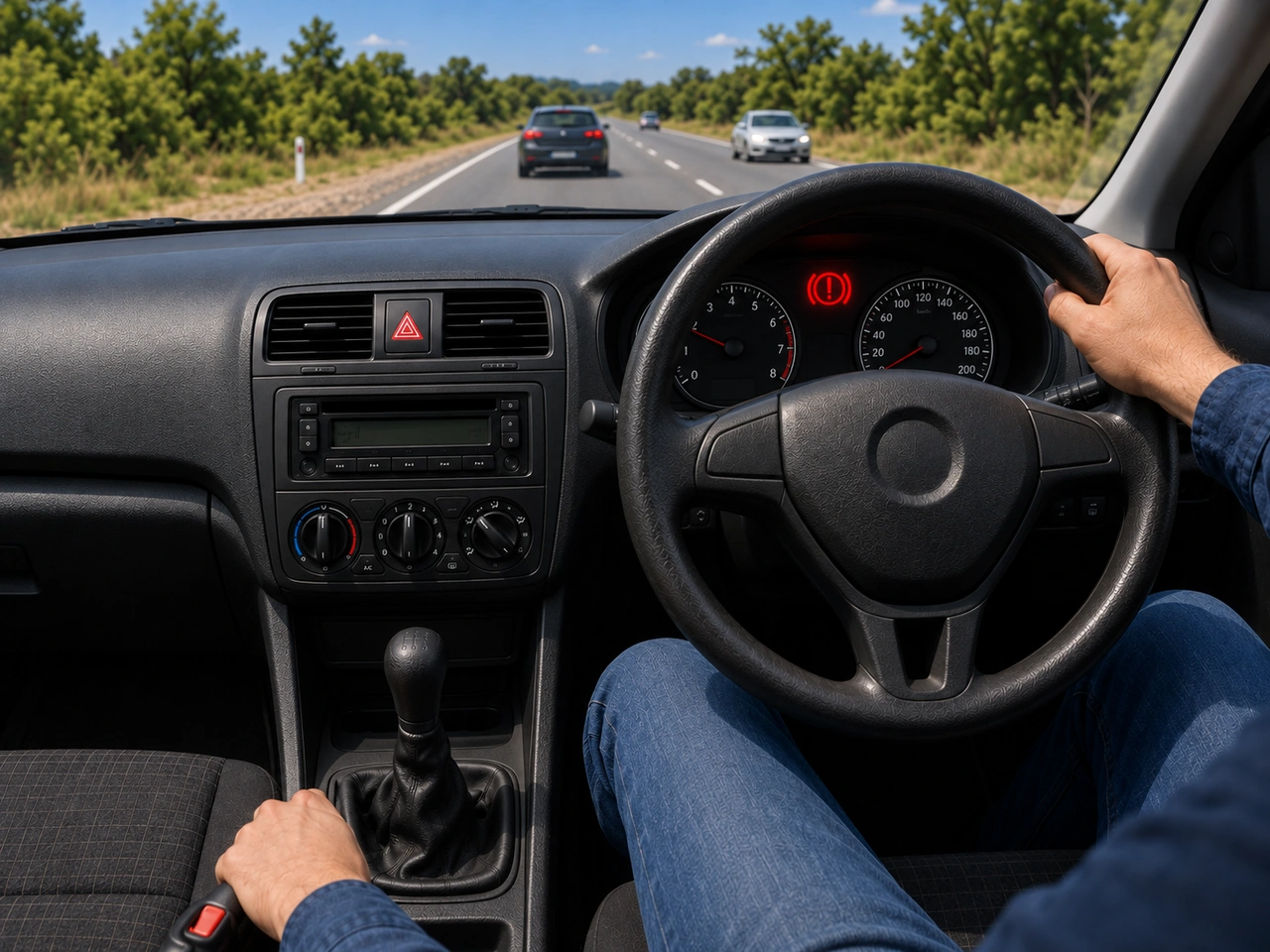
267. What should you do if the service brakes fail while driving?
Remain calm, warn other road users, and use other available braking methods to reduce speed. This may include engine braking or a lower gear, and careful use of the parking or emergency brake according to the vehicle's design. Steer toward the safest available stopping area.
AI-generated by Rijbewijs-online.be • WCIT • CC BY-SA
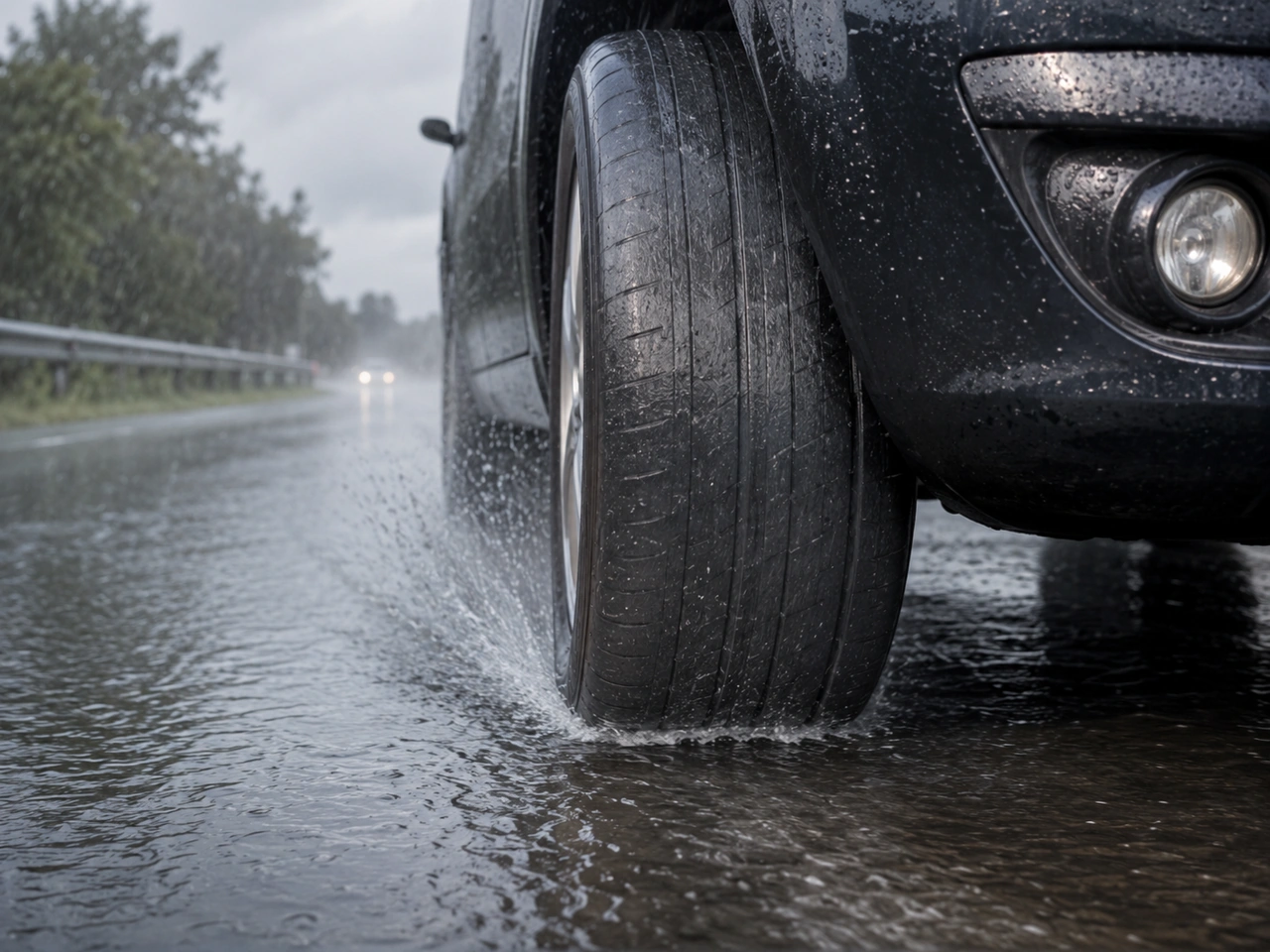
268. How can worn tyres affect driving in heavy rain?
Tyre tread helps channel water away and maintain grip. Worn tyres cannot clear water as effectively, increasing stopping distance and the risk of aquaplaning.
AI-generated by Rijbewijs-online.be • WCIT • CC BY-SA
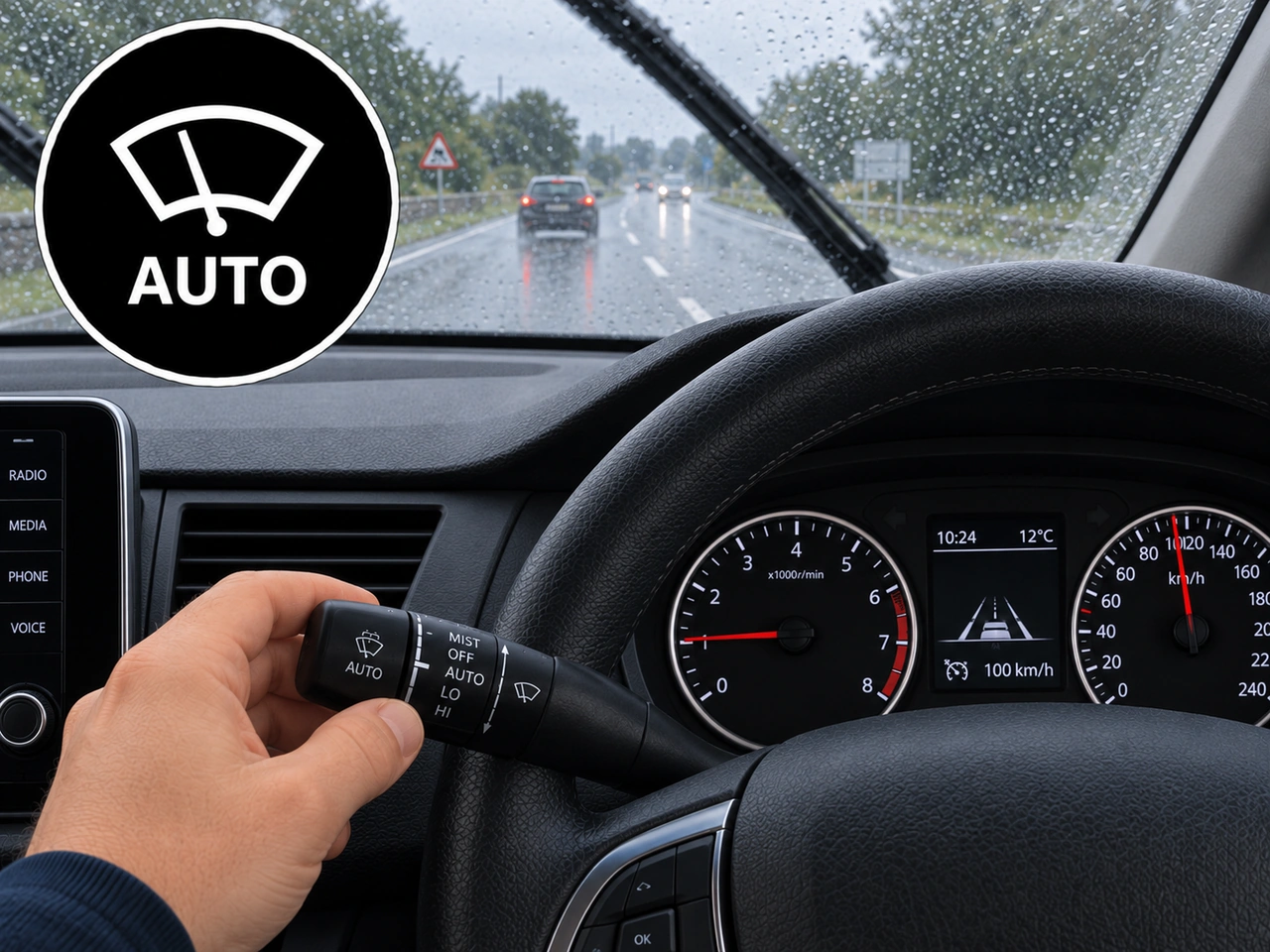
269. What does AUTO on a windscreen-wiper control normally do?
When AUTO is selected, a rain sensor can operate the windscreen wipers automatically and adjust their operation according to the amount of moisture detected on the windscreen.
AI-generated by Rijbewijs-online.be • WCIT • CC BY-SA
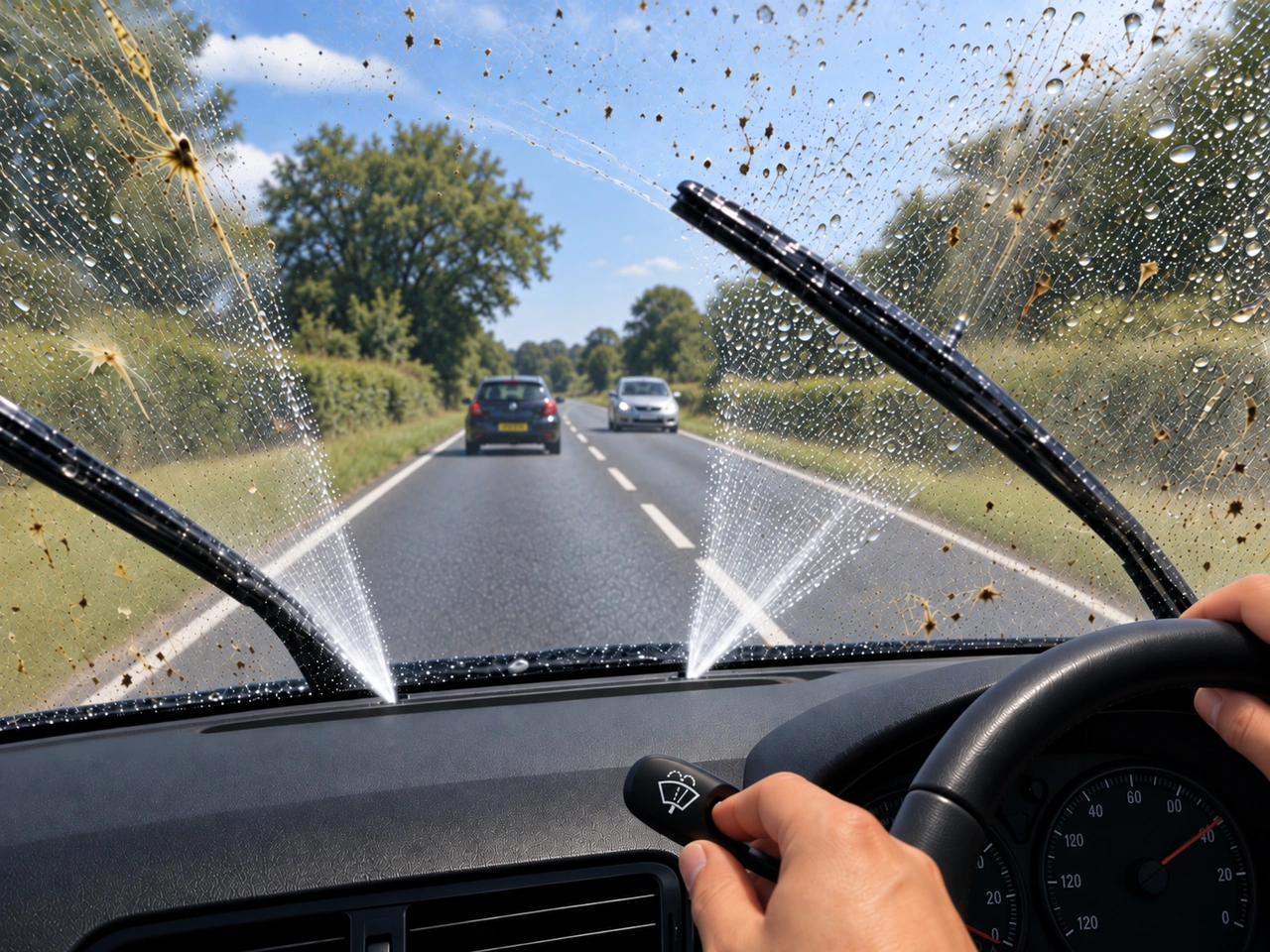
270. Why should the windscreen washer reservoir contain suitable washer fluid?
A clear windscreen is essential for safe observation. Suitable washer fluid helps clean the glass and may provide protection against freezing in cold conditions.
AI-generated by Rijbewijs-online.be • WCIT • CC BY-SA
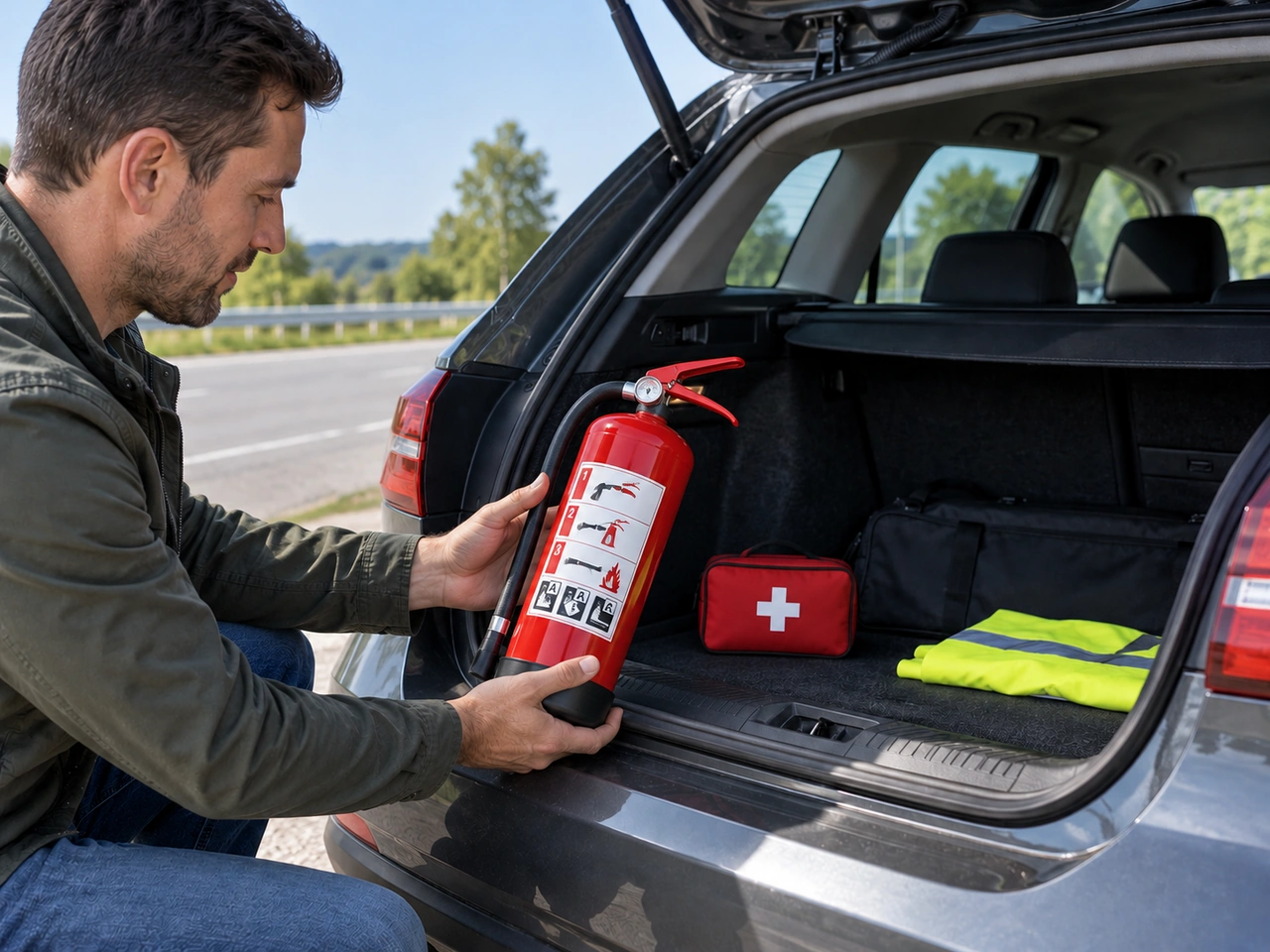
271. Is a fire extinguisher required in cars in United Kingdom?
Cars in United Kingdom are not generally required to carry a fire extinguisher.
AI-generated by Rijbewijs-online.be • WCIT • CC BY-SA
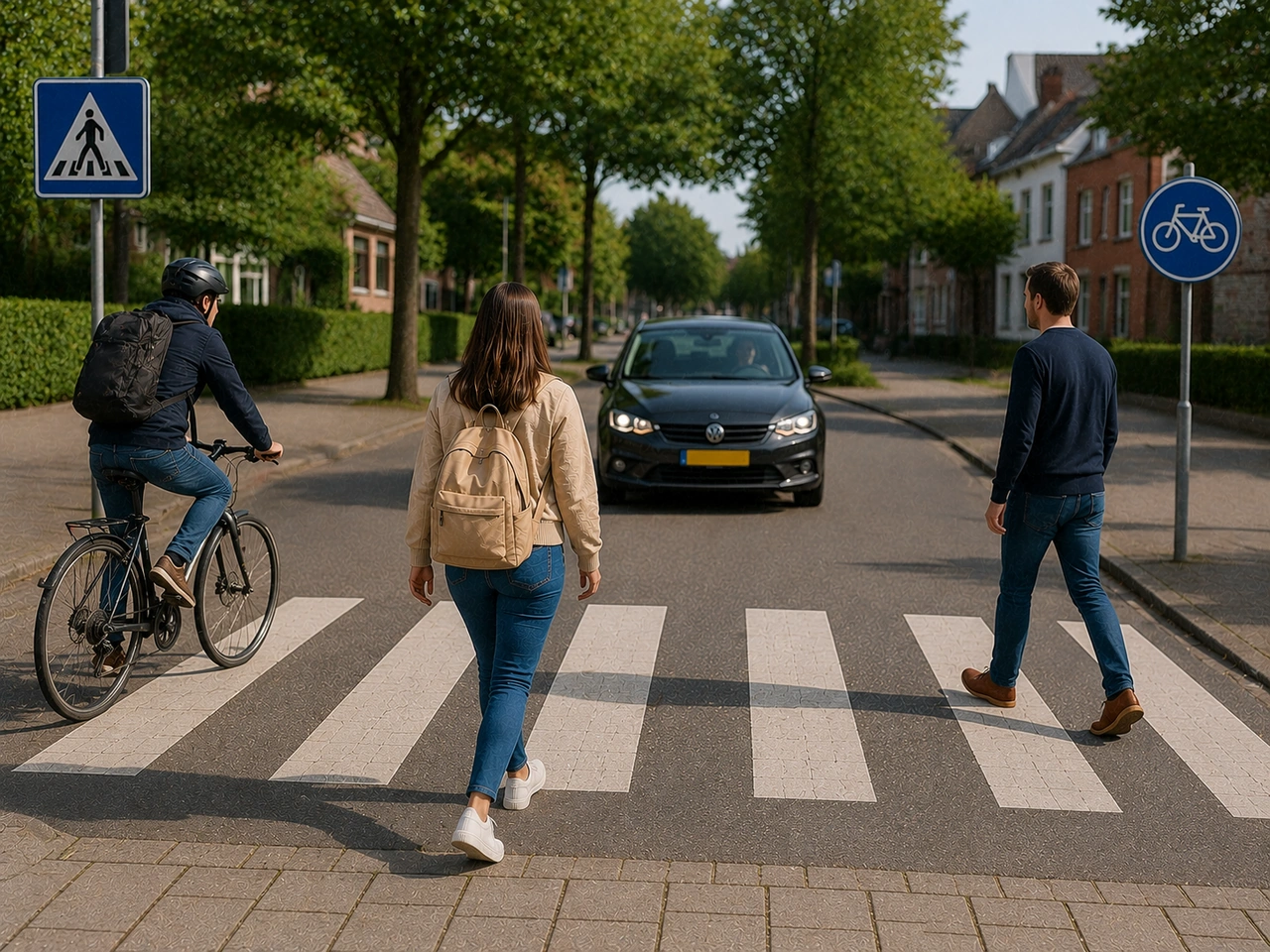
272. Who is responsible for staying safe when crossing the road?
Road safety is a shared responsibility. Pedestrians, drivers, and cyclists all need to stay alert and follow the rules.
AI-generated by Rijbewijs-online.be • WCIT • CC BY-SA

273. Why can mixing alcohol with medicine be dangerous for drivers?
Some prescription and non-prescription medicines can intensify alcohol-related drowsiness, dizziness, poor coordination, or reduced concentration.
AI-generated by Rijbewijs-online.be • WCIT • CC BY-SA
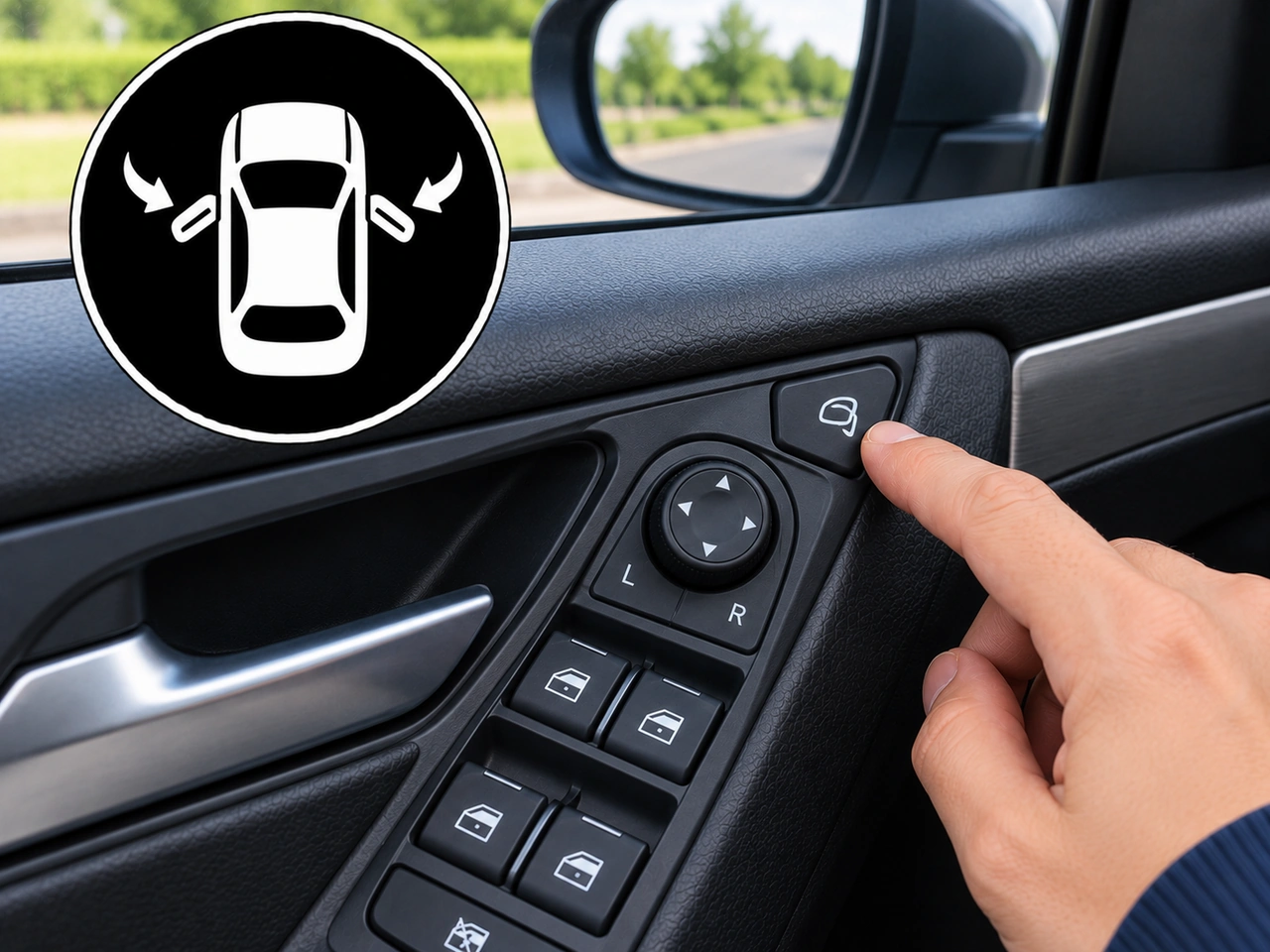
274. What does this vehicle-control symbol indicate?
This control folds or unfolds the vehicle's exterior mirrors. It is useful when parking in narrow spaces or when leaving the vehicle parked.
AI-generated by Rijbewijs-online.be • WCIT • CC BY-SA
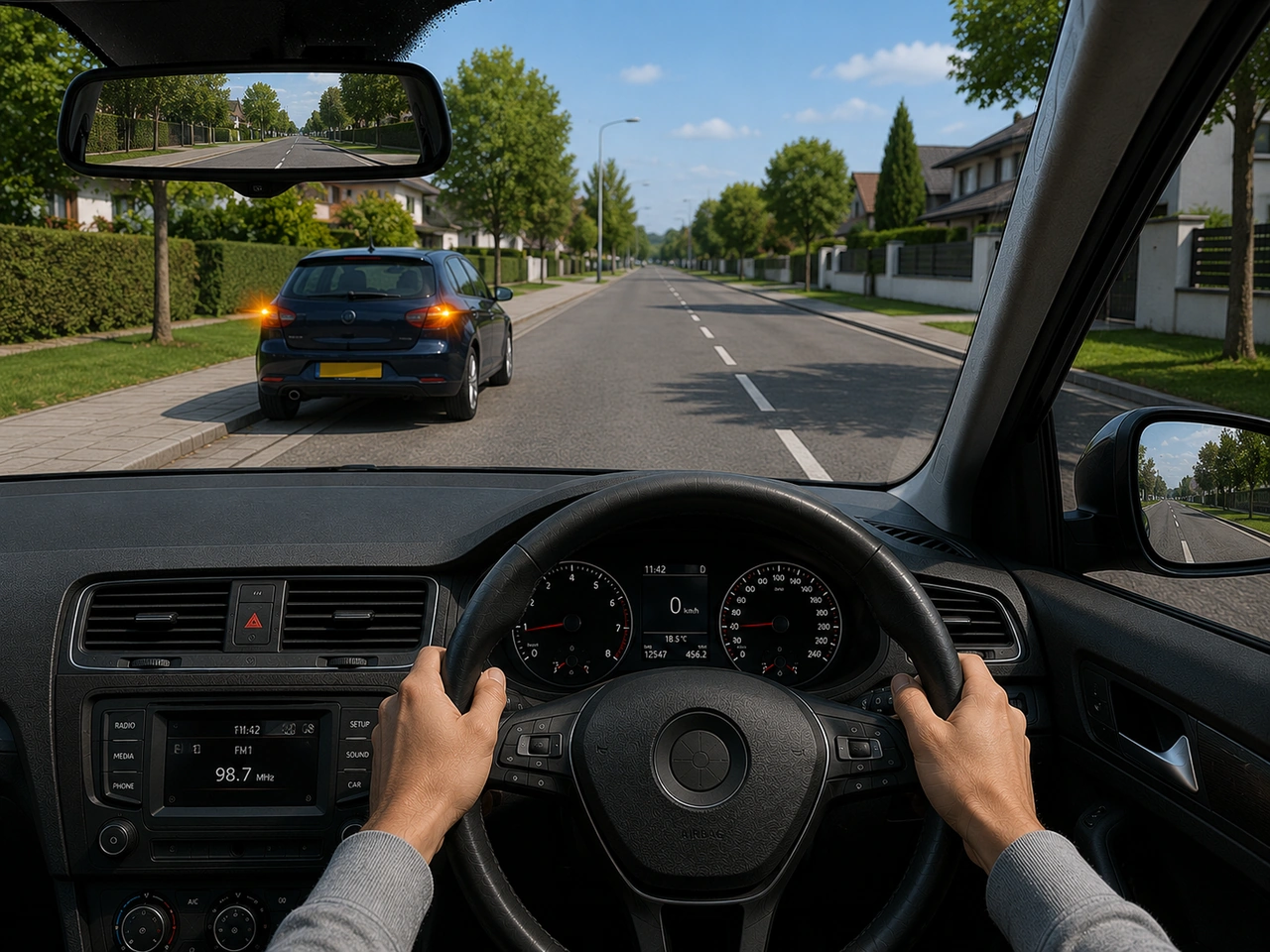
275. You may park anywhere as long as you leave your hazard lights on.
Hazard lights are used to warn other road users of a hazard or an unexpectedly stopped vehicle. They do not make illegal or unsafe parking acceptable.
AI-generated by Rijbewijs-online.be • WCIT • CC BY-SA
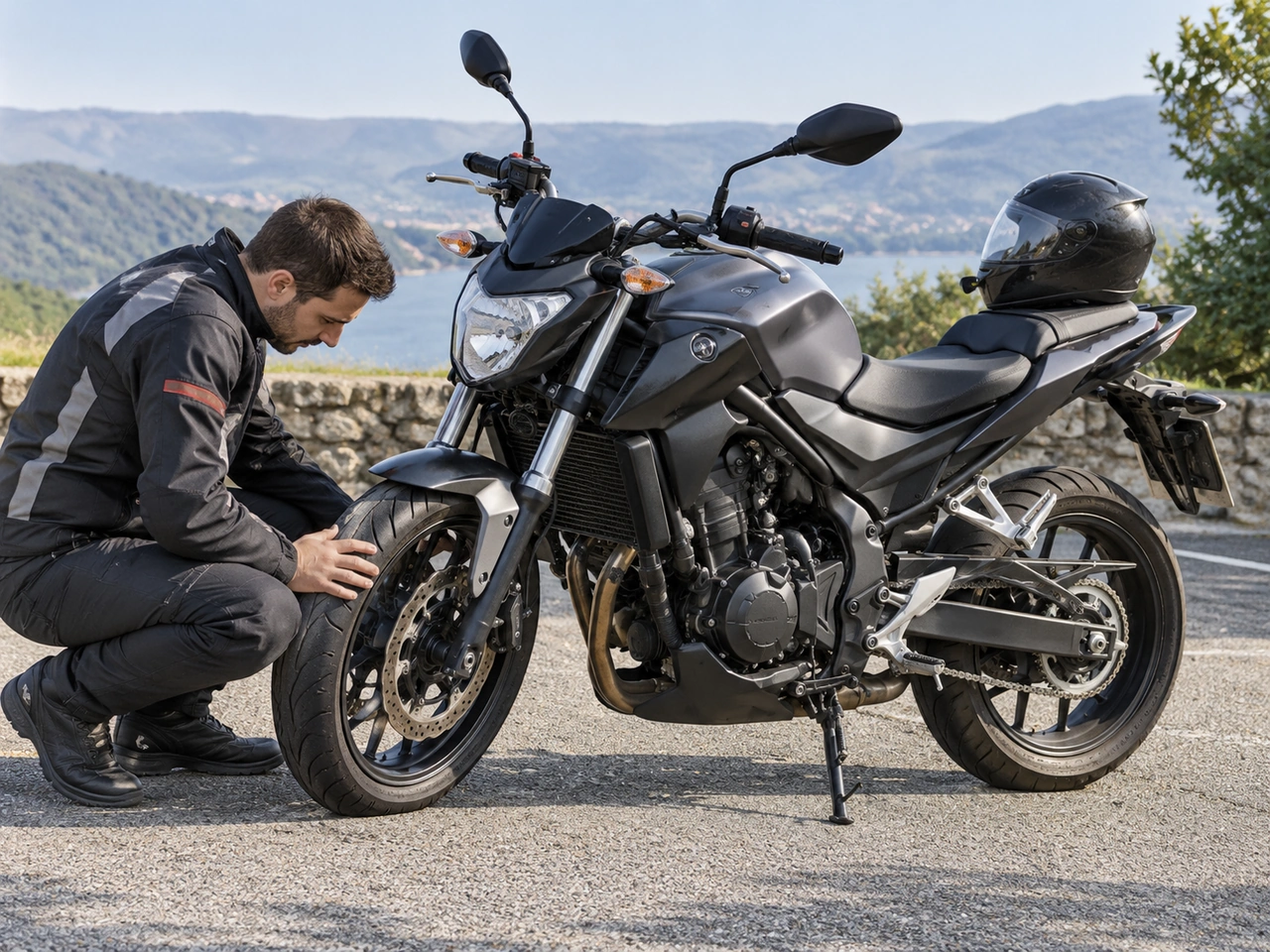
276. What should you check before starting a motorcycle journey?
Before riding, carry out a basic safety check. Check the tyres, brakes, lights, steering and controls, and inspect the drive chain, belt or other drive components where applicable. Finding a problem before setting off can prevent a breakdown or loss of control.
AI-generated by Rijbewijs-online.be • WCIT • CC BY-SA
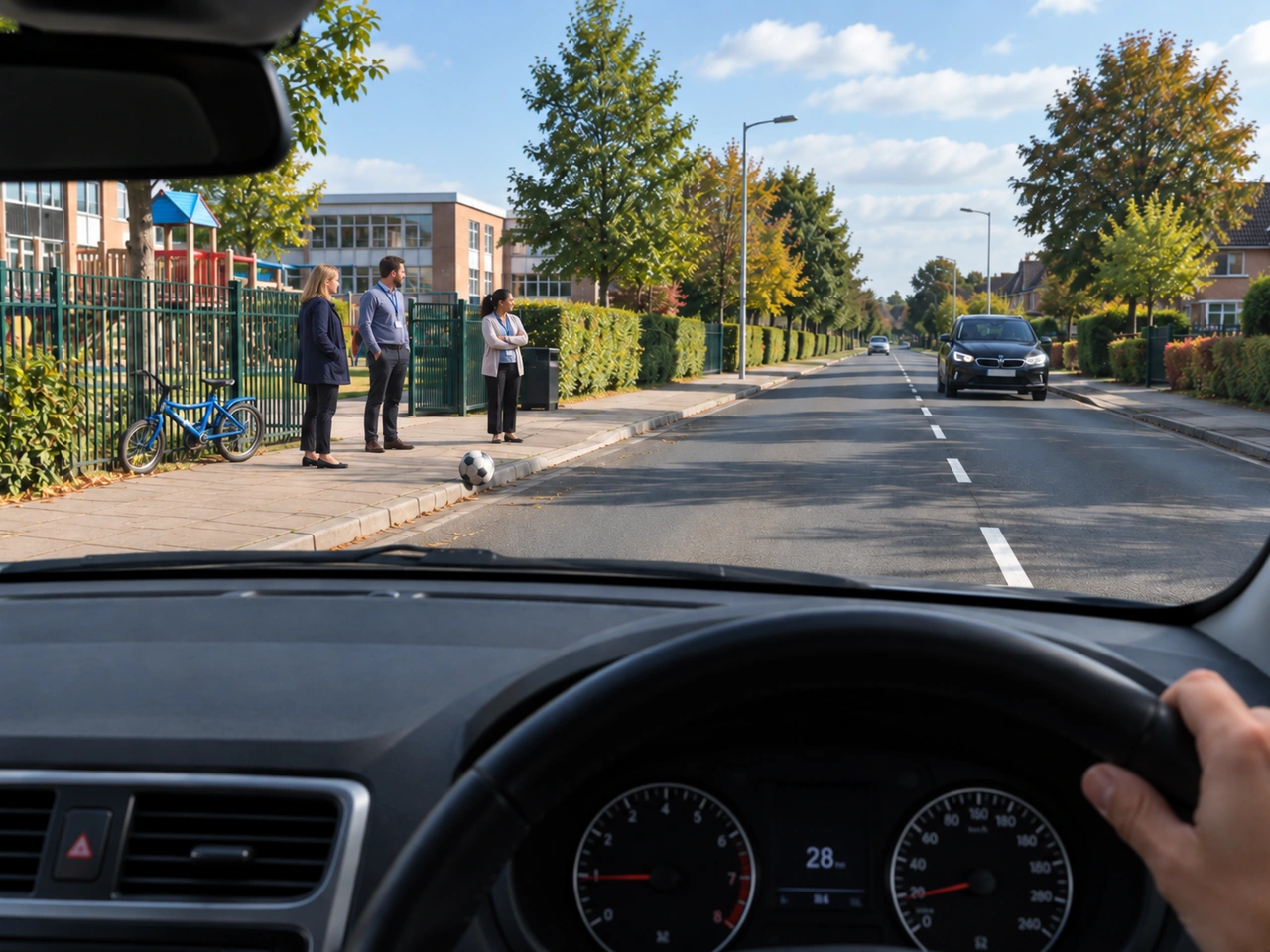
277. Why should you slow down near schools or playgrounds?
Children may suddenly cross the road or move unexpectedly, so drivers should slow down and stay alert near schools and playgrounds.
AI-generated by Rijbewijs-online.be • WCIT • CC BY-SA
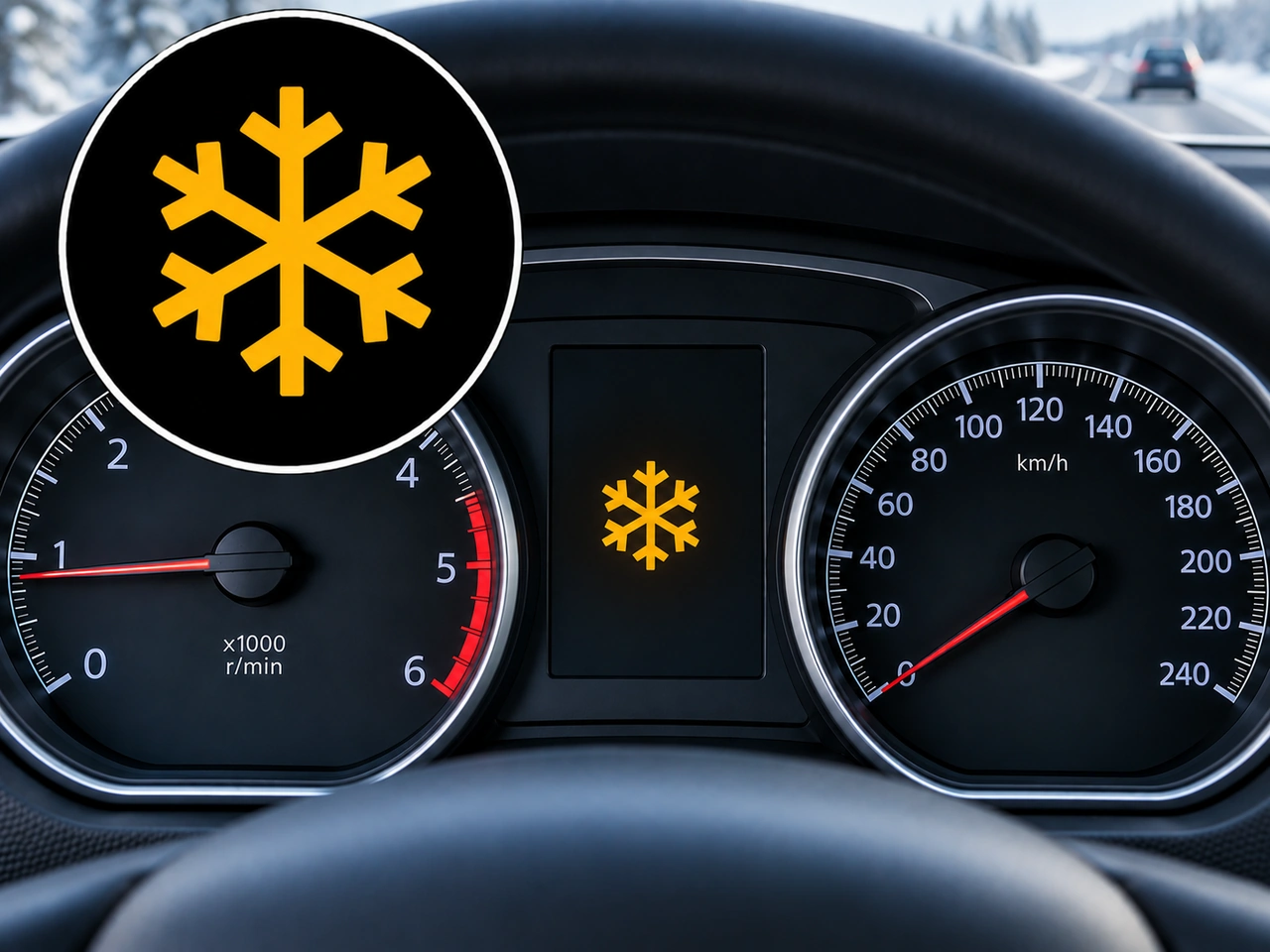
278. What does this dashboard symbol indicate?
This symbol warns that the outside temperature is low enough for ice to form. Road surfaces, especially bridges and shaded areas, may be slippery even when they appear clear.
AI-generated by Rijbewijs-online.be • WCIT • CC BY-SA
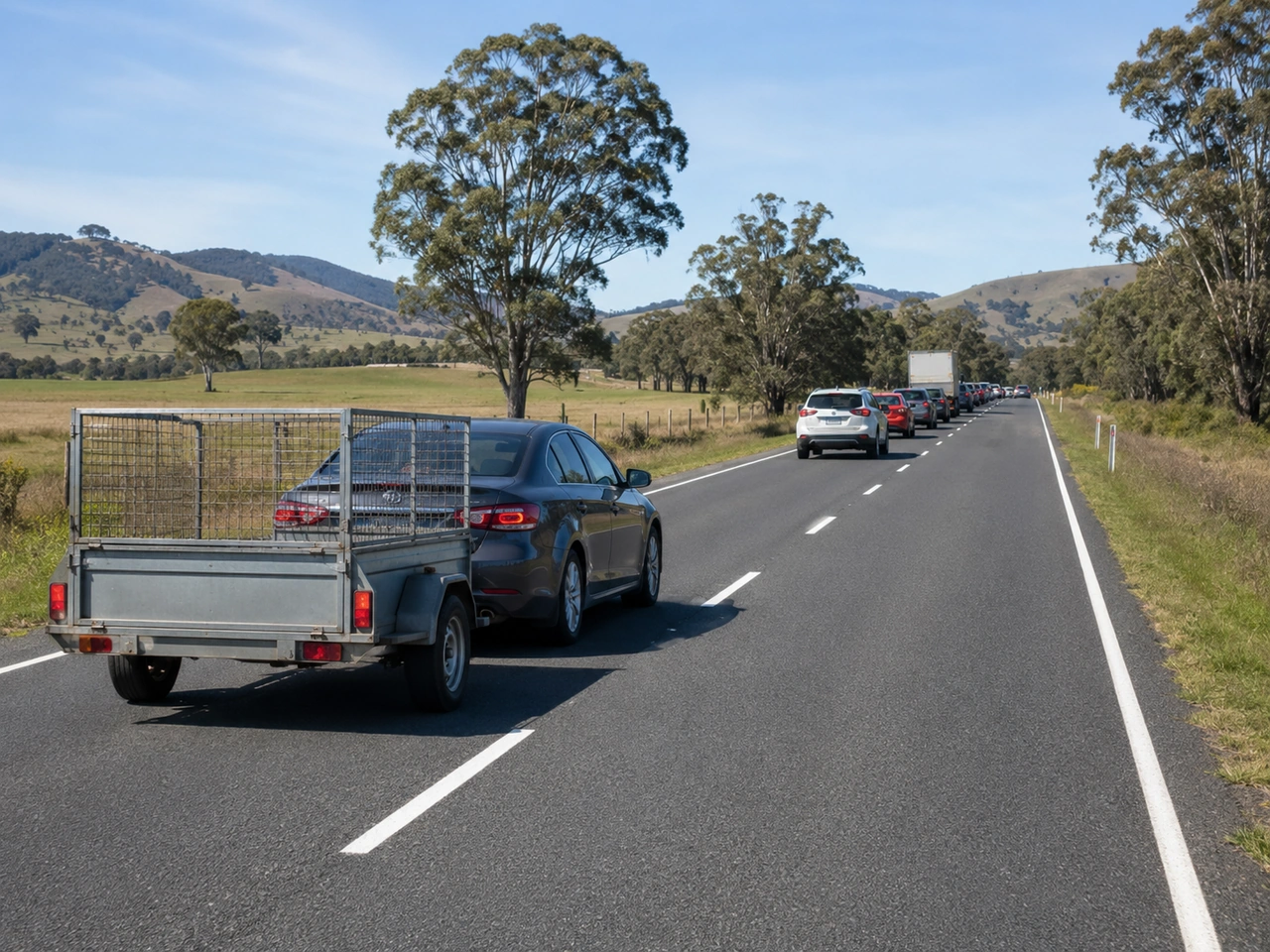
279. Why should you leave extra following distance when towing?
Towing adds weight and can increase stopping distance. Extra space gives you more time to react and brake smoothly.
AI-generated by Rijbewijs-online.be • WCIT • CC BY-SA
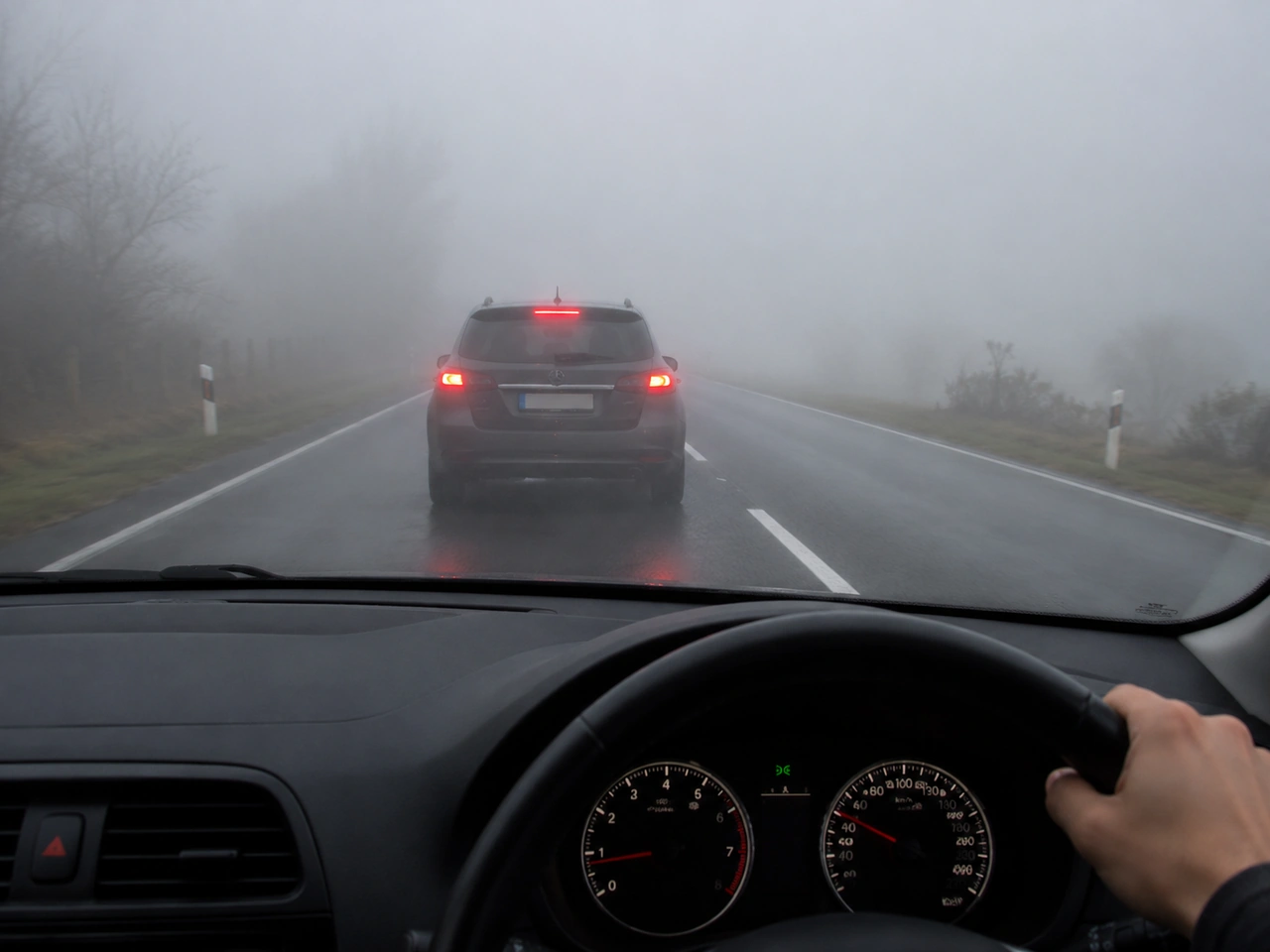
280. Why should you avoid following another vehicle too closely in fog?
Following too closely reduces your reaction time and can lead to a collision if the vehicle ahead slows unexpectedly.
AI-generated by Rijbewijs-online.be • WCIT • CC BY-SA
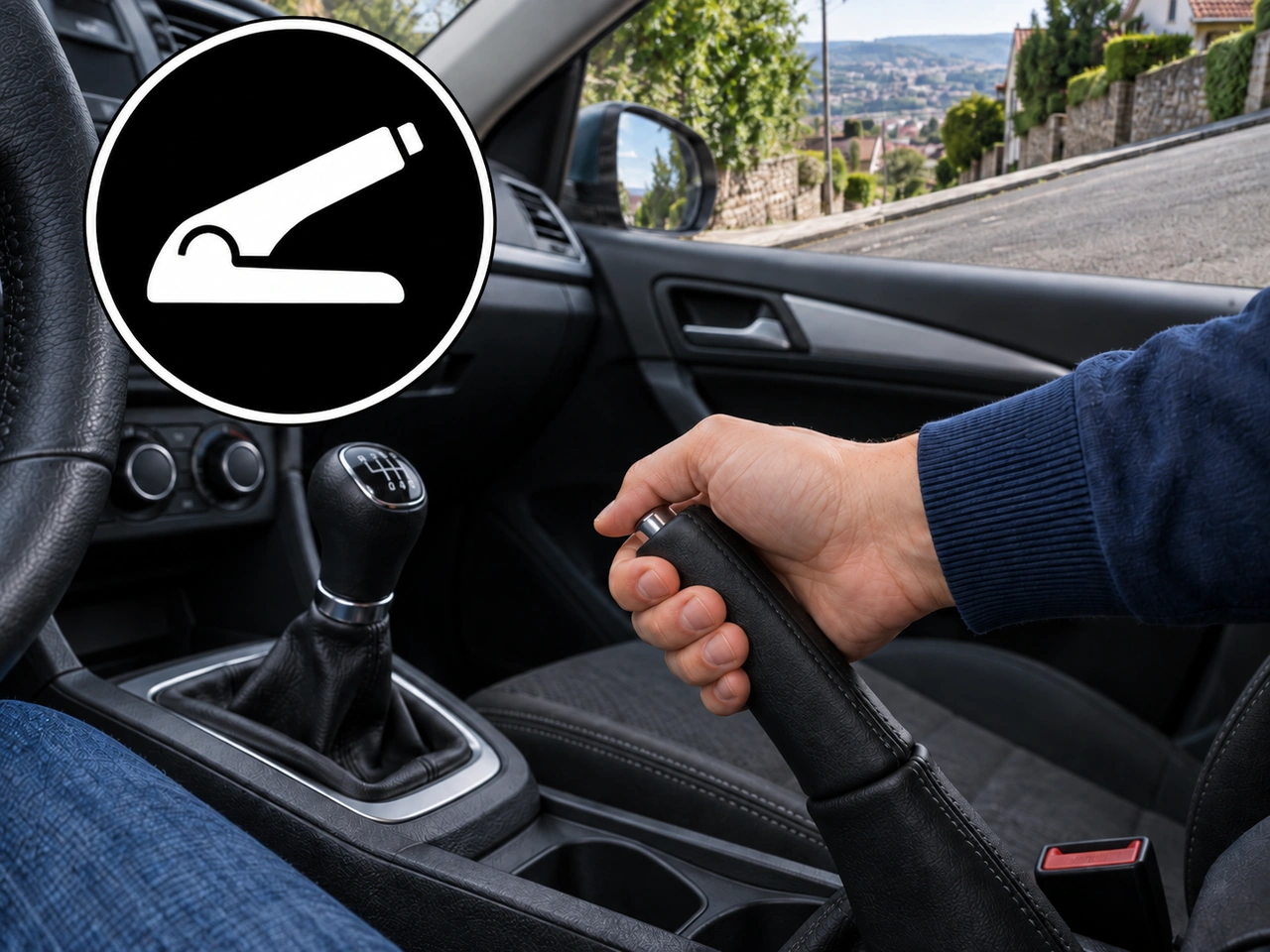
281. What should you do with the parking brake when parking on a slope?
When parking on a slope, apply the parking brake firmly to help prevent the vehicle from rolling. Selecting an appropriate gear or Park provides additional security.
AI-generated by Rijbewijs-online.be • WCIT • CC BY-SA
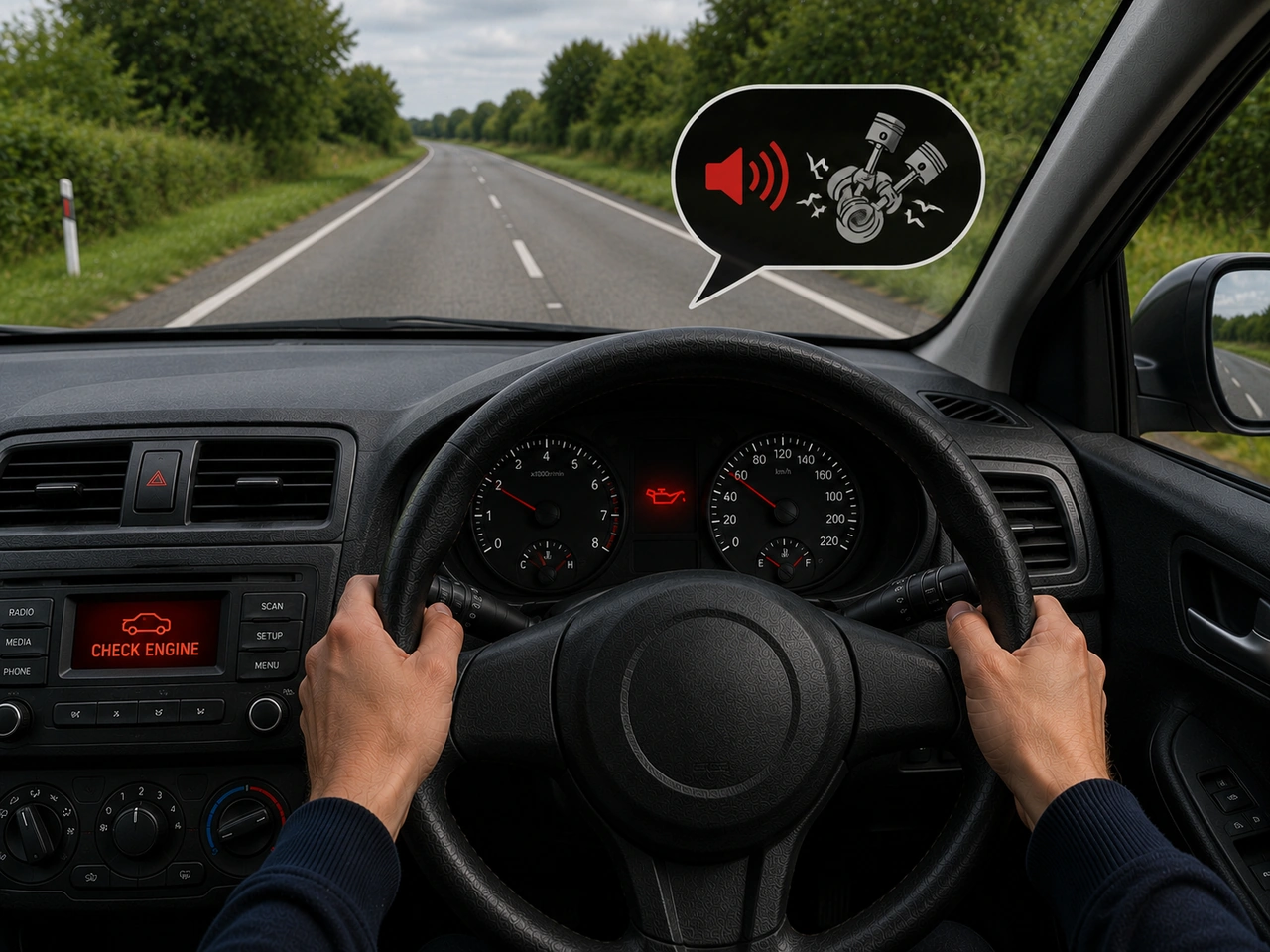
282. What should you do if a red warning light appears with an unusual noise?
A red warning combined with an unusual noise may indicate a serious fault. Continuing could cause damage or loss of control.
AI-generated by Rijbewijs-online.be • WCIT • CC BY-SA
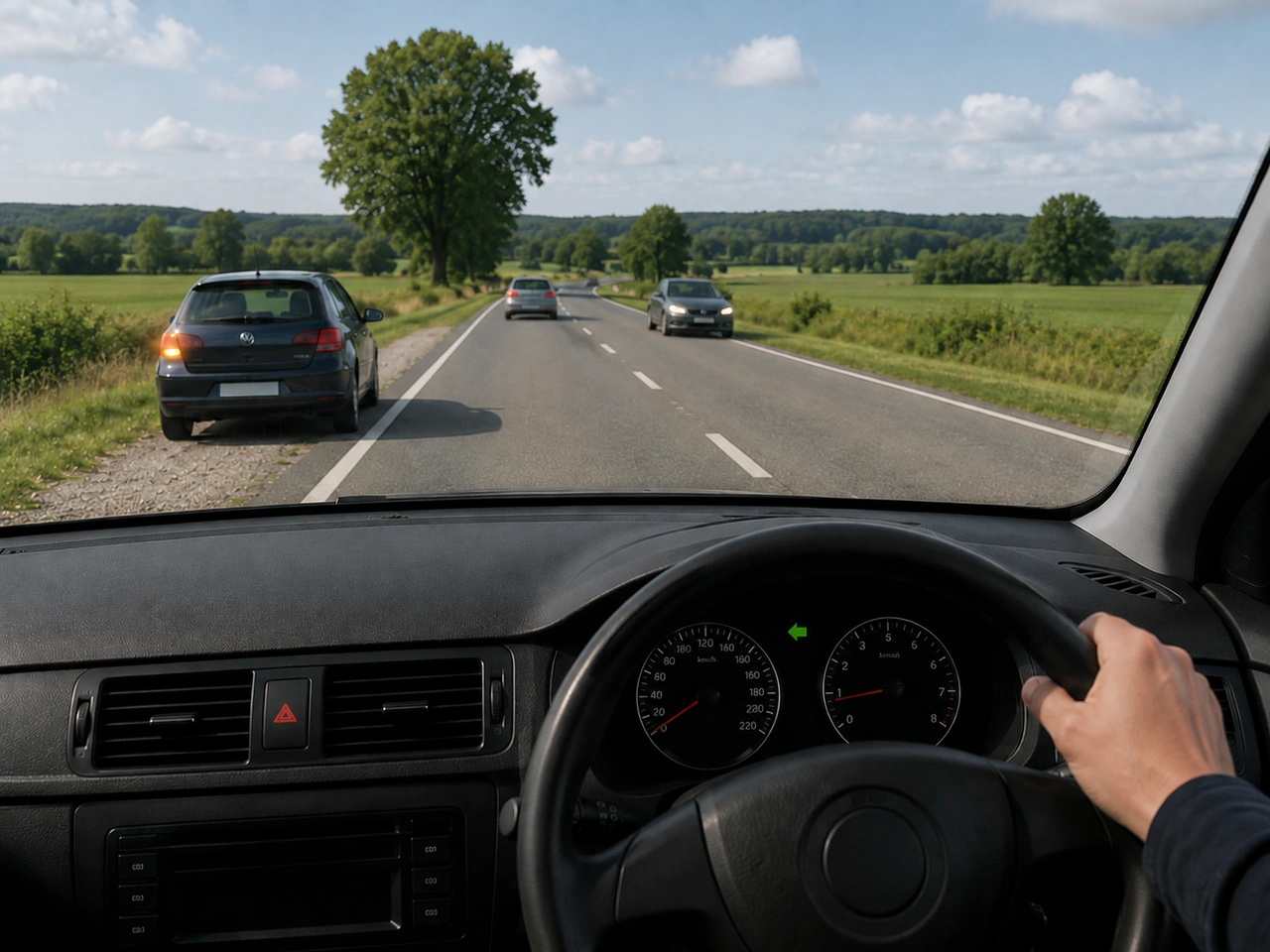
283. What should you do if your vehicle develops a serious fault while driving?
Your first priority is to keep control of the vehicle. Reduce speed smoothly and move out of the path of traffic where possible, signalling when appropriate. Avoid harsh steering or braking unless necessary.
AI-generated by Rijbewijs-online.be • WCIT • CC BY-SA
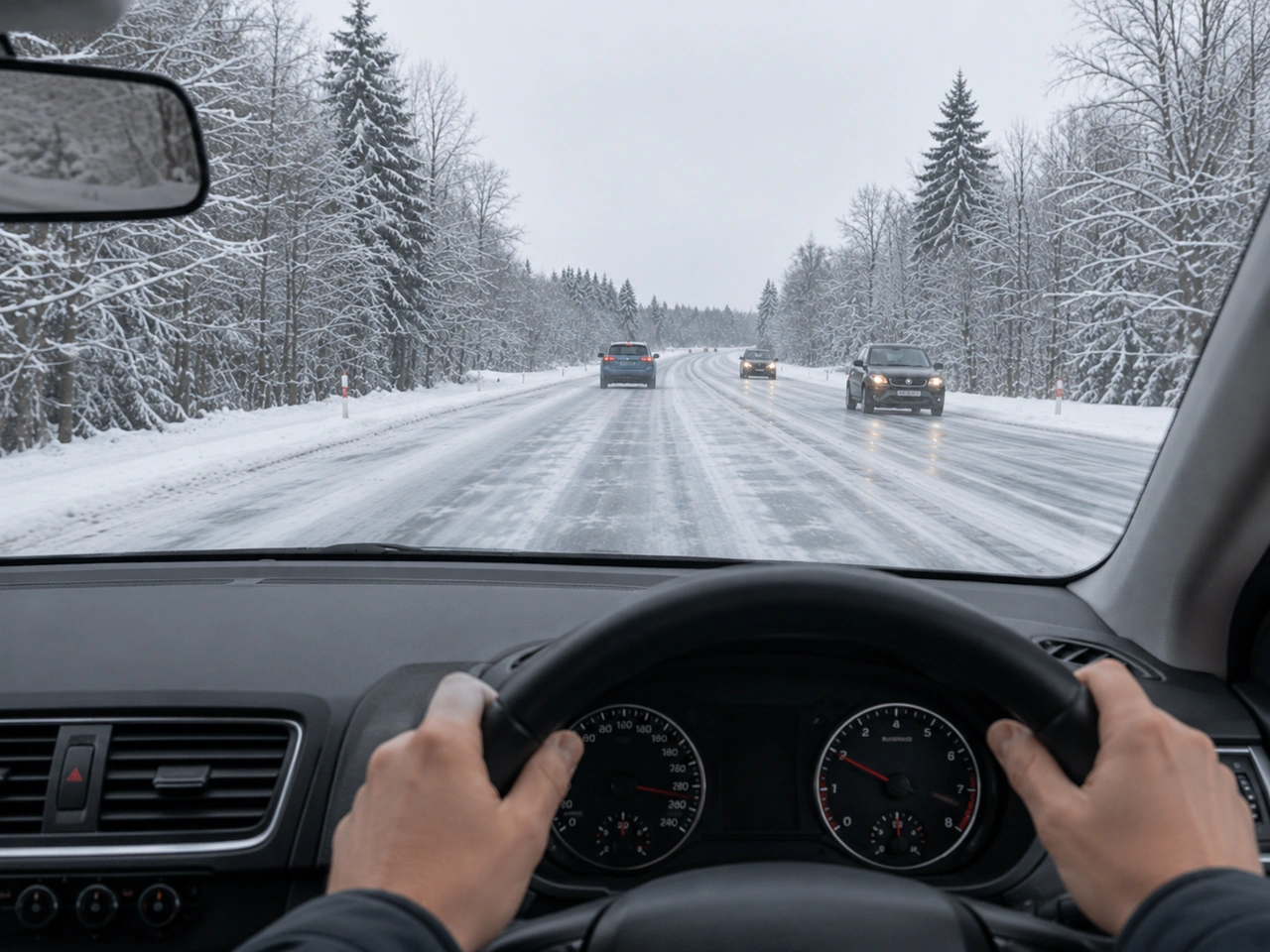
284. Why should you leave a much larger following distance on an icy road?
Tyres have much less grip on ice, so braking takes longer. Extra distance gives you more time to slow down safely.
AI-generated by Rijbewijs-online.be • WCIT • CC BY-SA
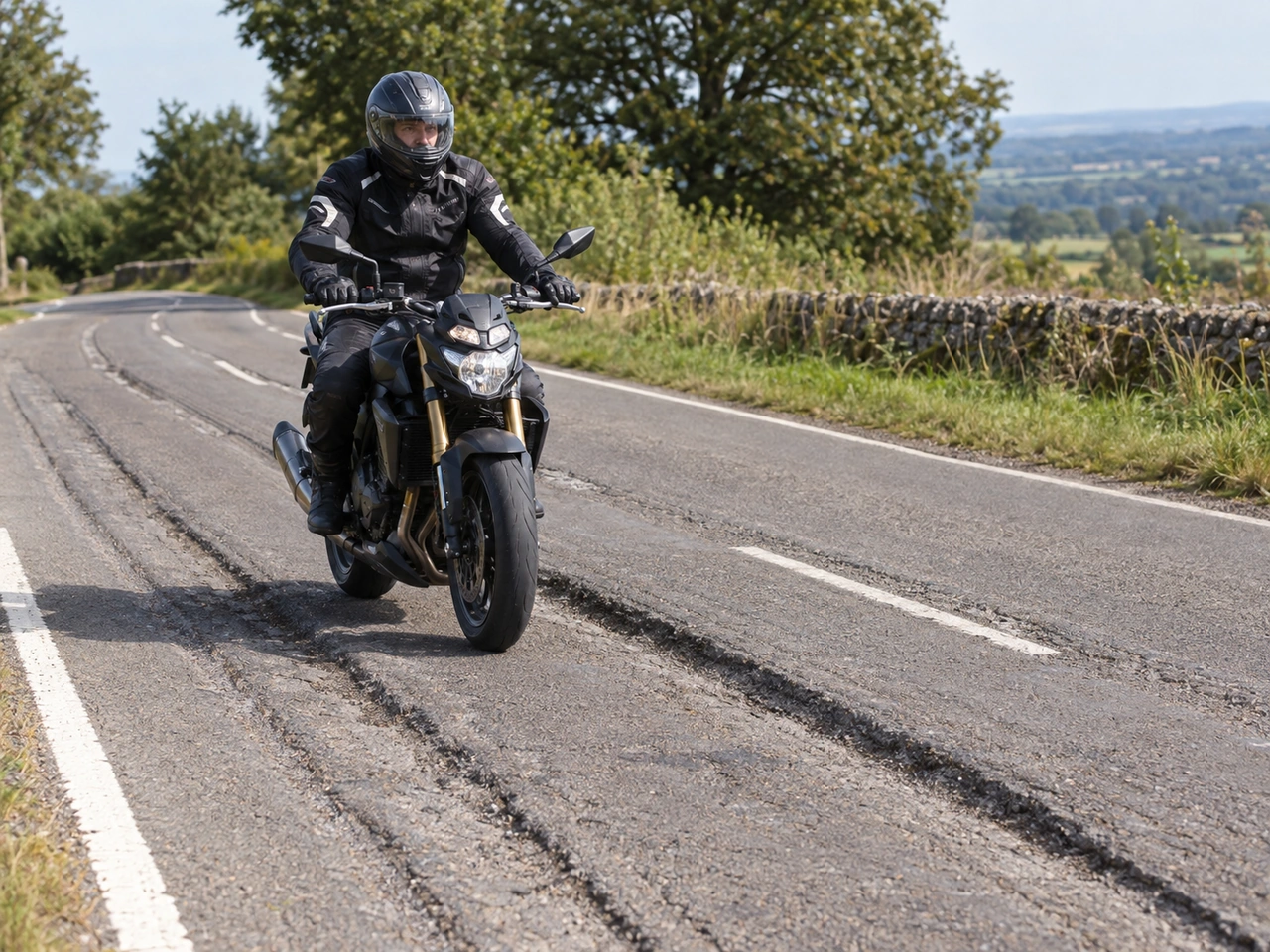
285. How should a motorcyclist react to grooves or ruts in the road?
Longitudinal grooves or ruts can affect a motorcycle's steering and may make the wheels follow the uneven surface. Reduce speed where necessary, keep a relaxed but steady grip and avoid sudden braking, acceleration or steering corrections.
AI-generated by Rijbewijs-online.be • WCIT • CC BY-SA
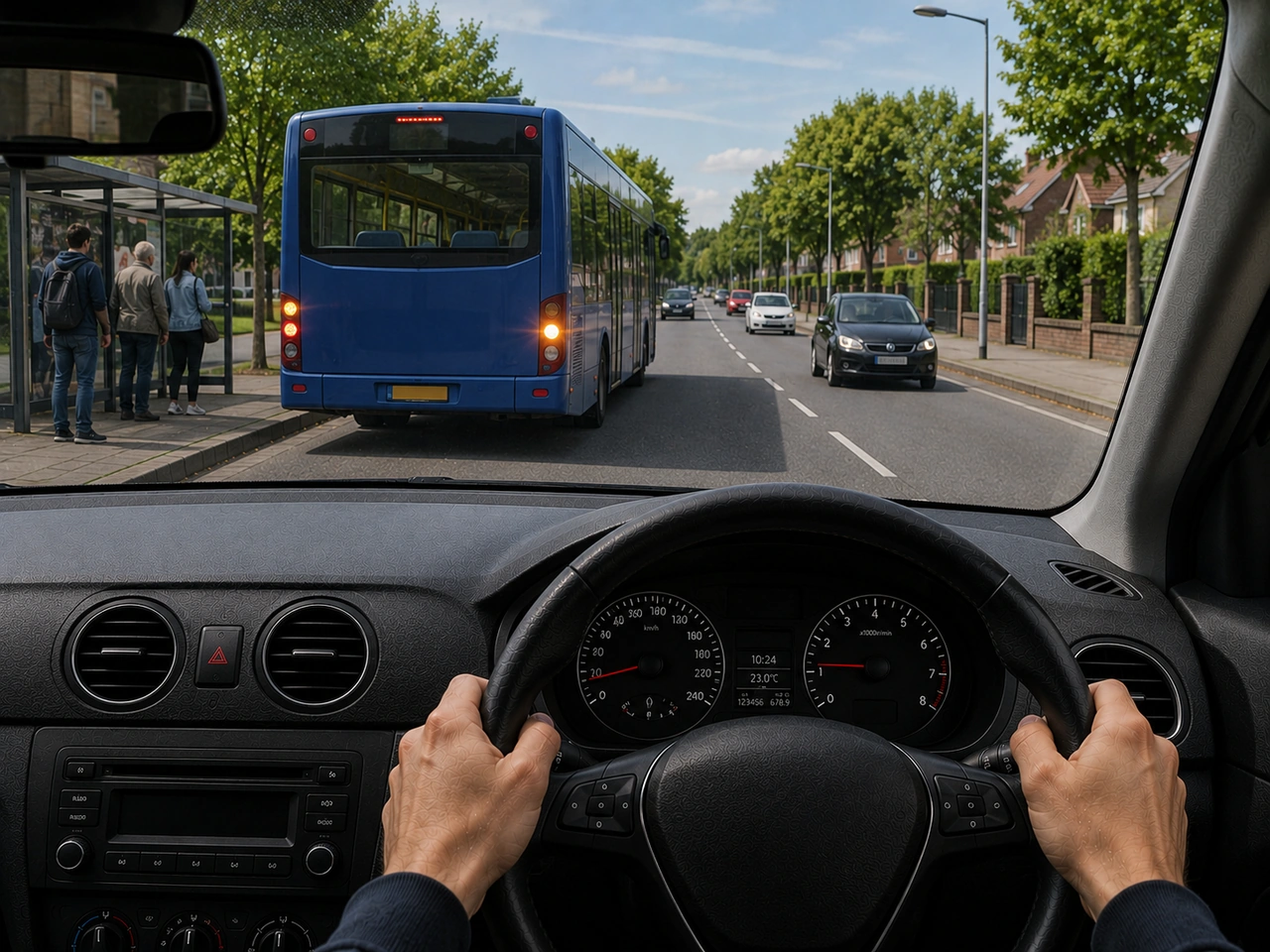
286. What should you do when a bus signals to pull away from a bus stop?
Buses may pull away after picking up passengers. Slow down, check the traffic situation, and allow space when it is safe.
AI-generated by Rijbewijs-online.be • WCIT • CC BY-SA
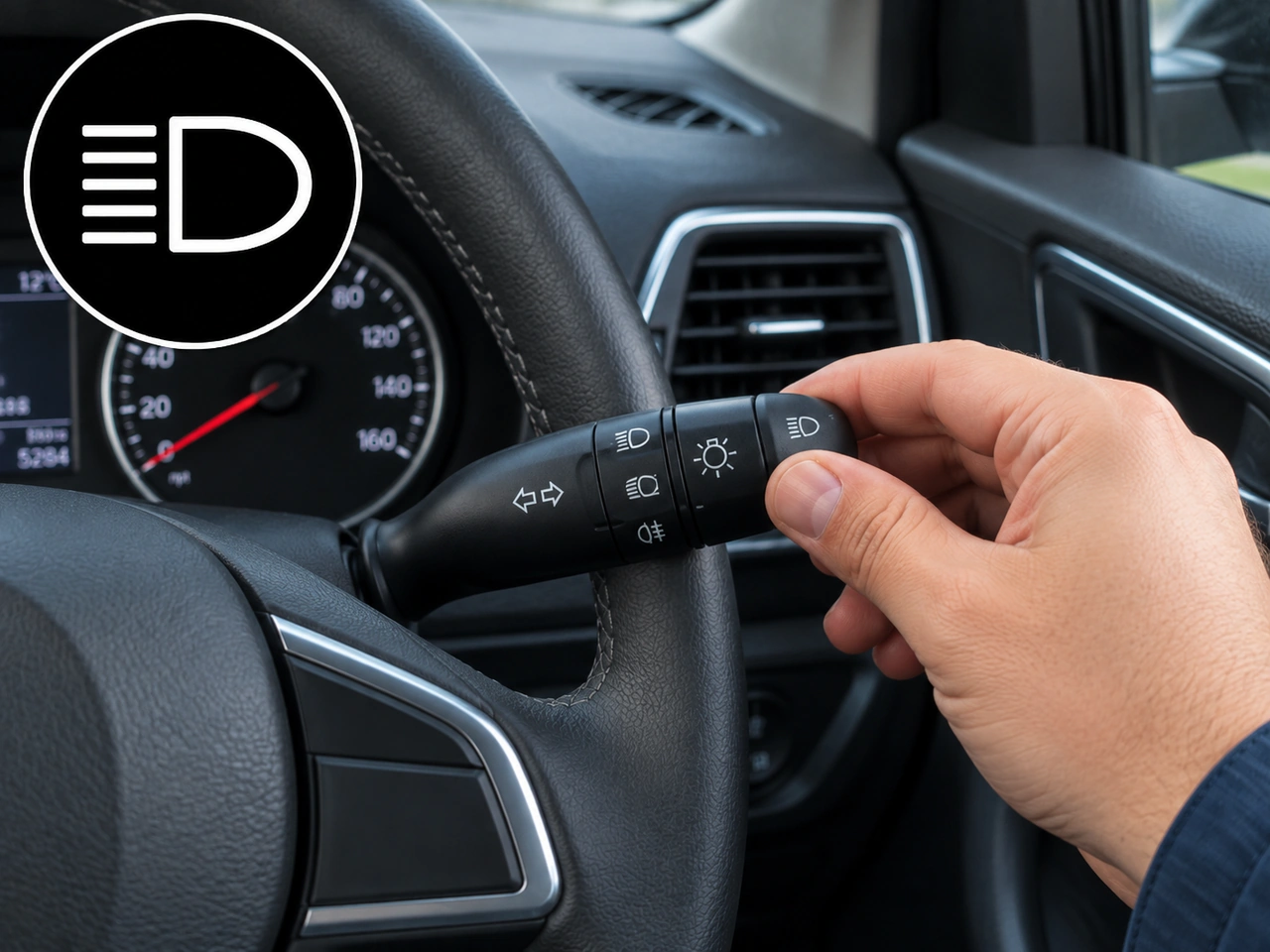
287. Which control is normally used to switch between dipped and main beam headlights?
The lighting stalk is normally used to switch between dipped and main beam headlights. The exact movement varies between vehicles, so check the vehicle controls before driving.
AI-generated by Rijbewijs-online.be • WCIT • CC BY-SA
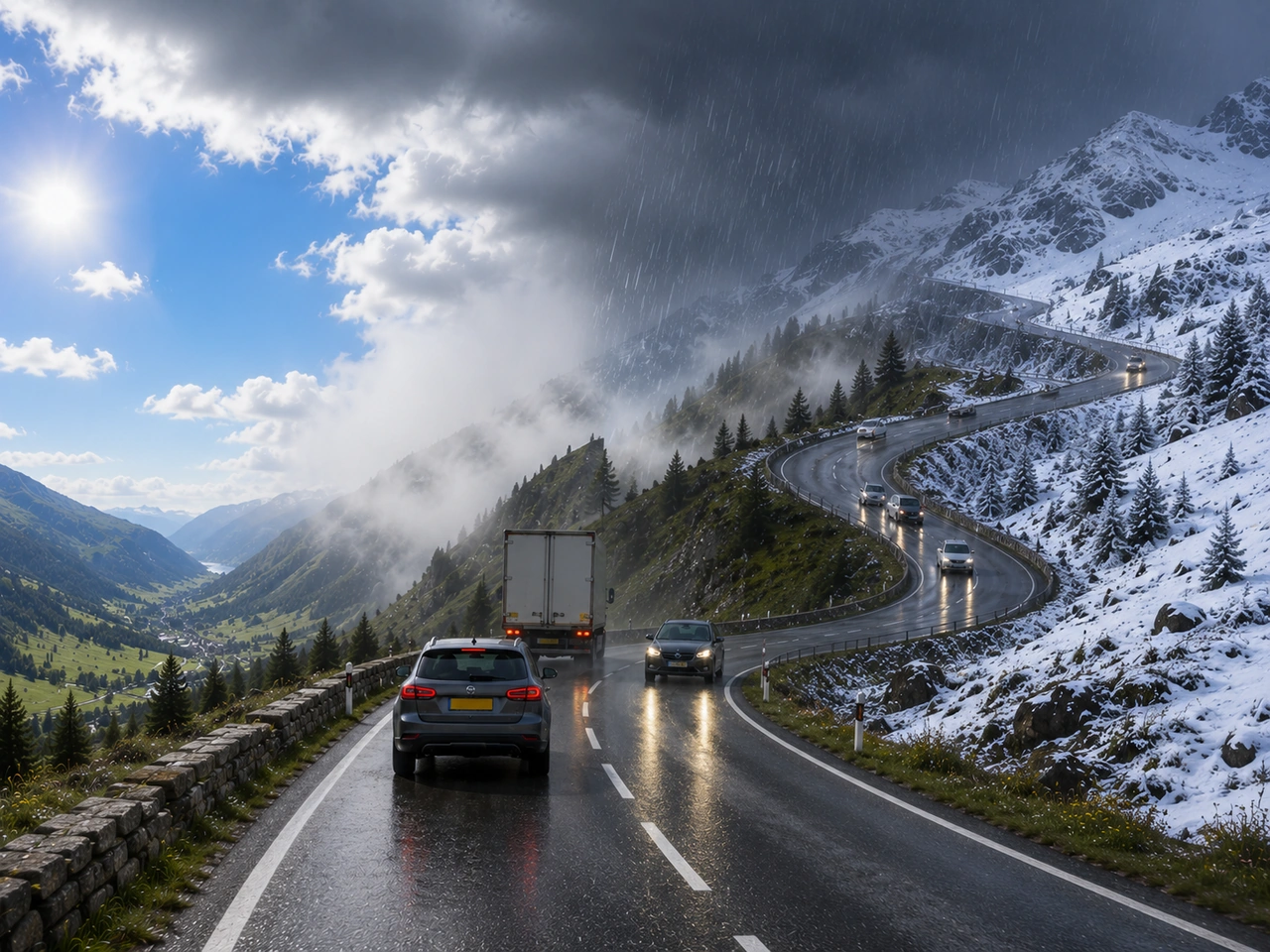
288. Why should you be prepared for changing conditions on mountain roads?
Fog, rain, snow, ice, falling rocks, and strong winds can develop rapidly in mountainous areas.
AI-generated by Rijbewijs-online.be • WCIT • CC BY-SA
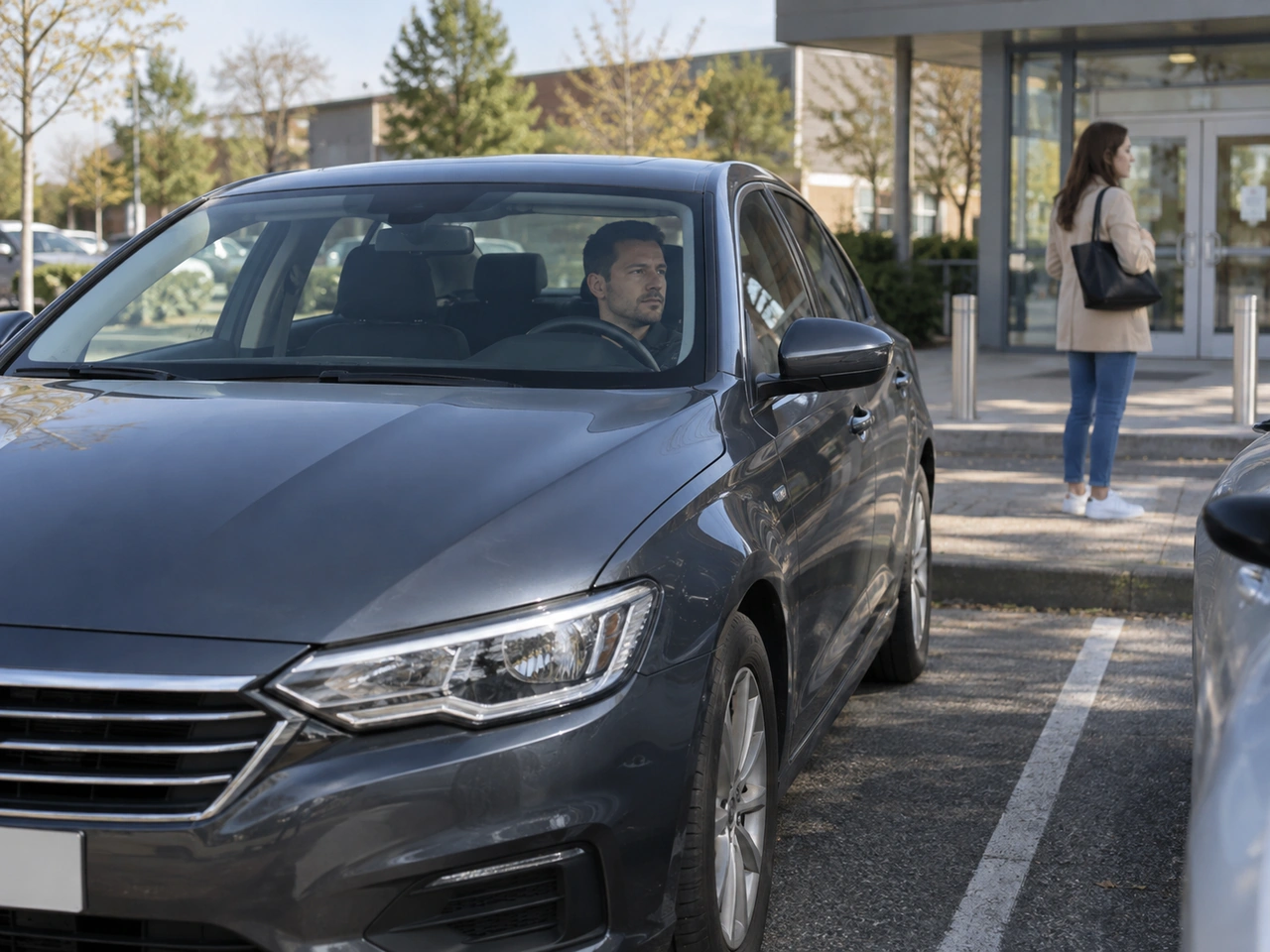
289. Why should unnecessary engine idling be avoided?
An idling combustion engine uses fuel while the vehicle is stationary. Avoid unnecessary idling where it is safe and appropriate to switch the engine off, taking account of the vehicle manufacturer's instructions and local rules.
AI-generated by Rijbewijs-online.be • WCIT • CC BY-SA
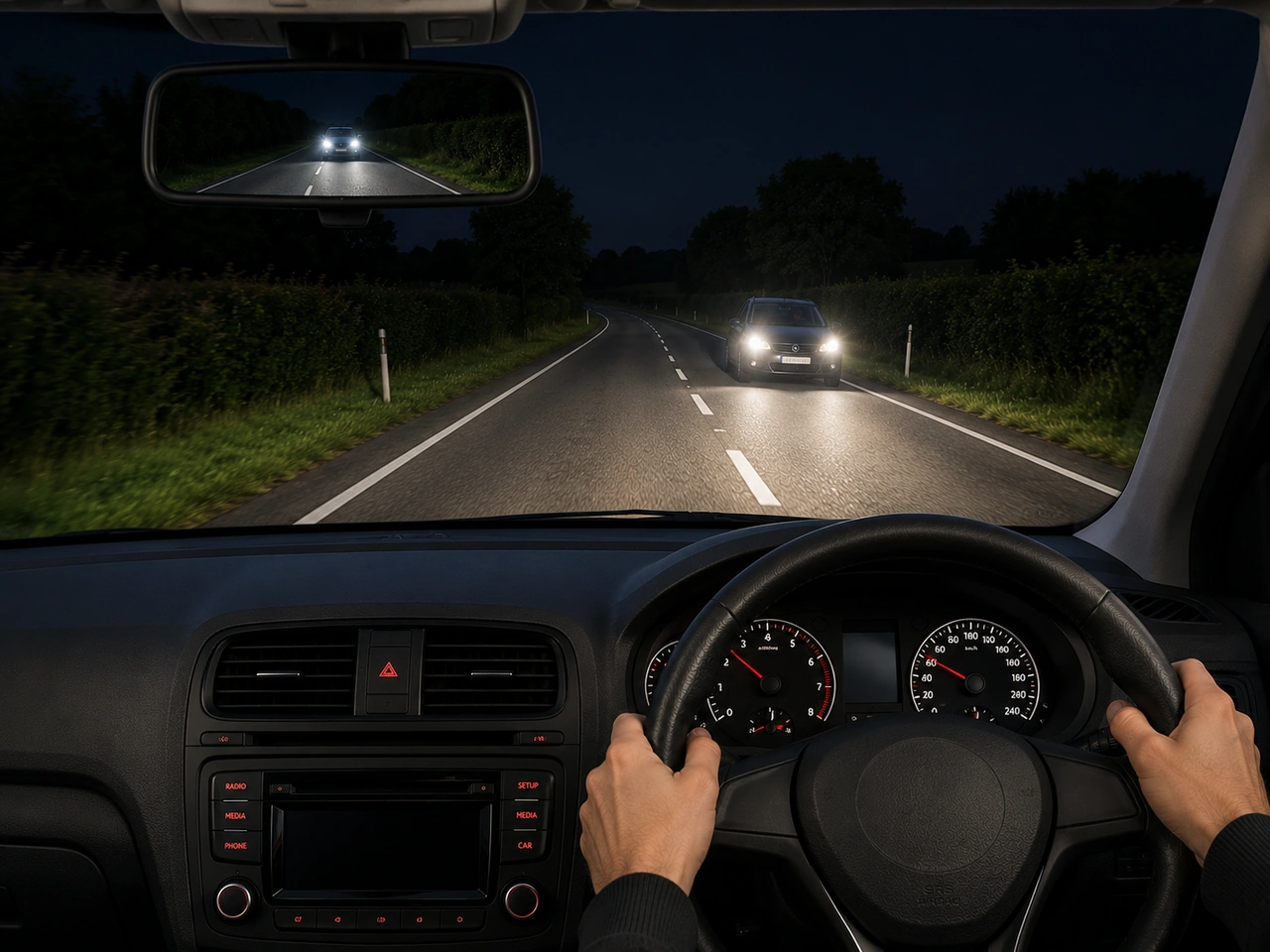
290. What should you do if your main beam could dazzle another driver?
Main beam can dazzle other road users and reduce their visibility. Switch to dipped headlights whenever your main beam could dazzle another driver.
AI-generated by Rijbewijs-online.be • WCIT • CC BY-SA
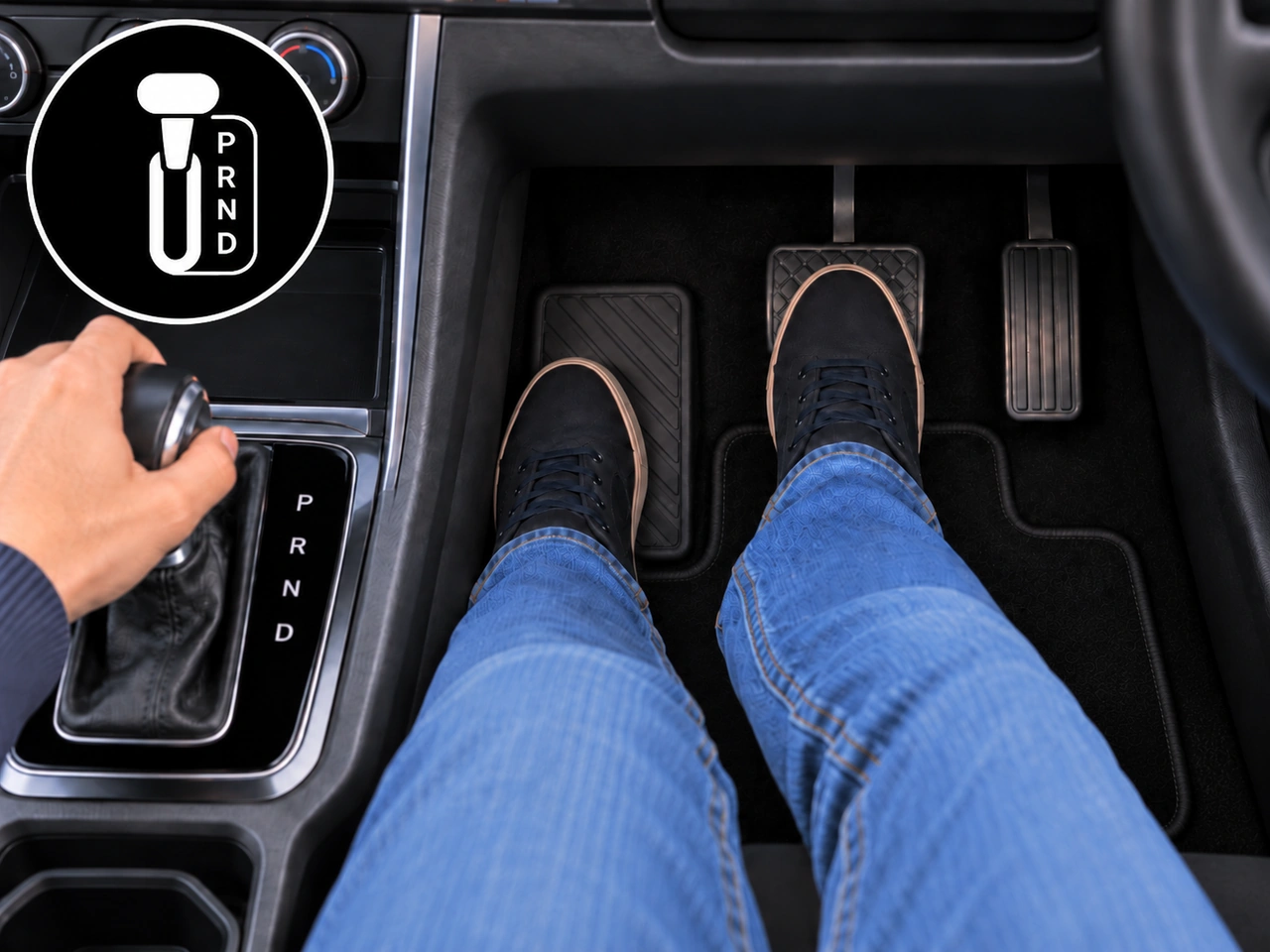
291. What should you normally do before selecting D or R in an automatic vehicle?
Before selecting D (Drive) or R (Reverse), keep the brake pedal pressed to prevent the vehicle from moving unexpectedly when the gear is engaged.
AI-generated by Rijbewijs-online.be • WCIT • CC BY-SA
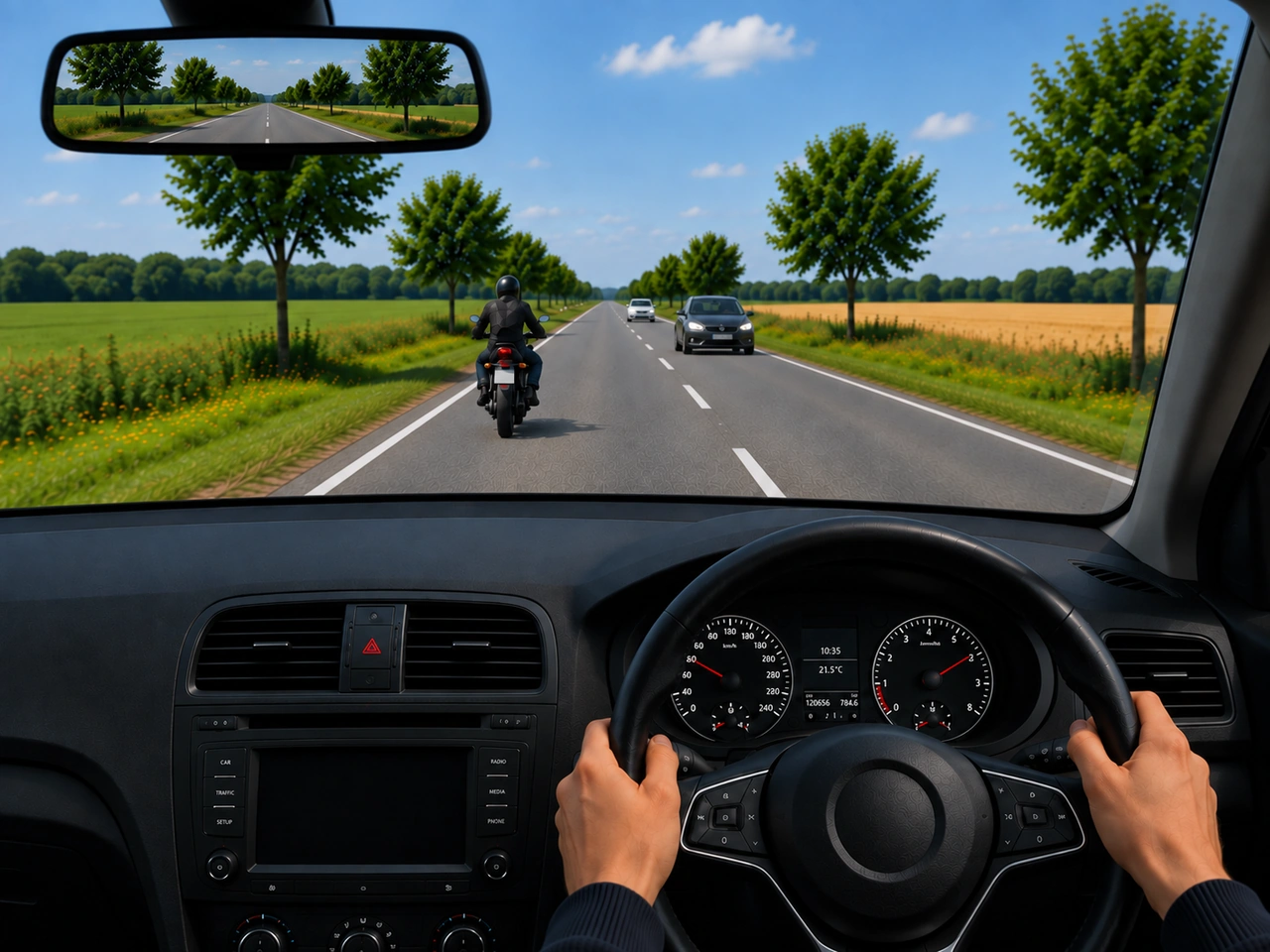
292. Why should you leave extra space behind a motorcycle?
Motorcyclists are more exposed than car drivers. Extra following distance gives you more time to react safely.
AI-generated by Rijbewijs-online.be • WCIT • CC BY-SA
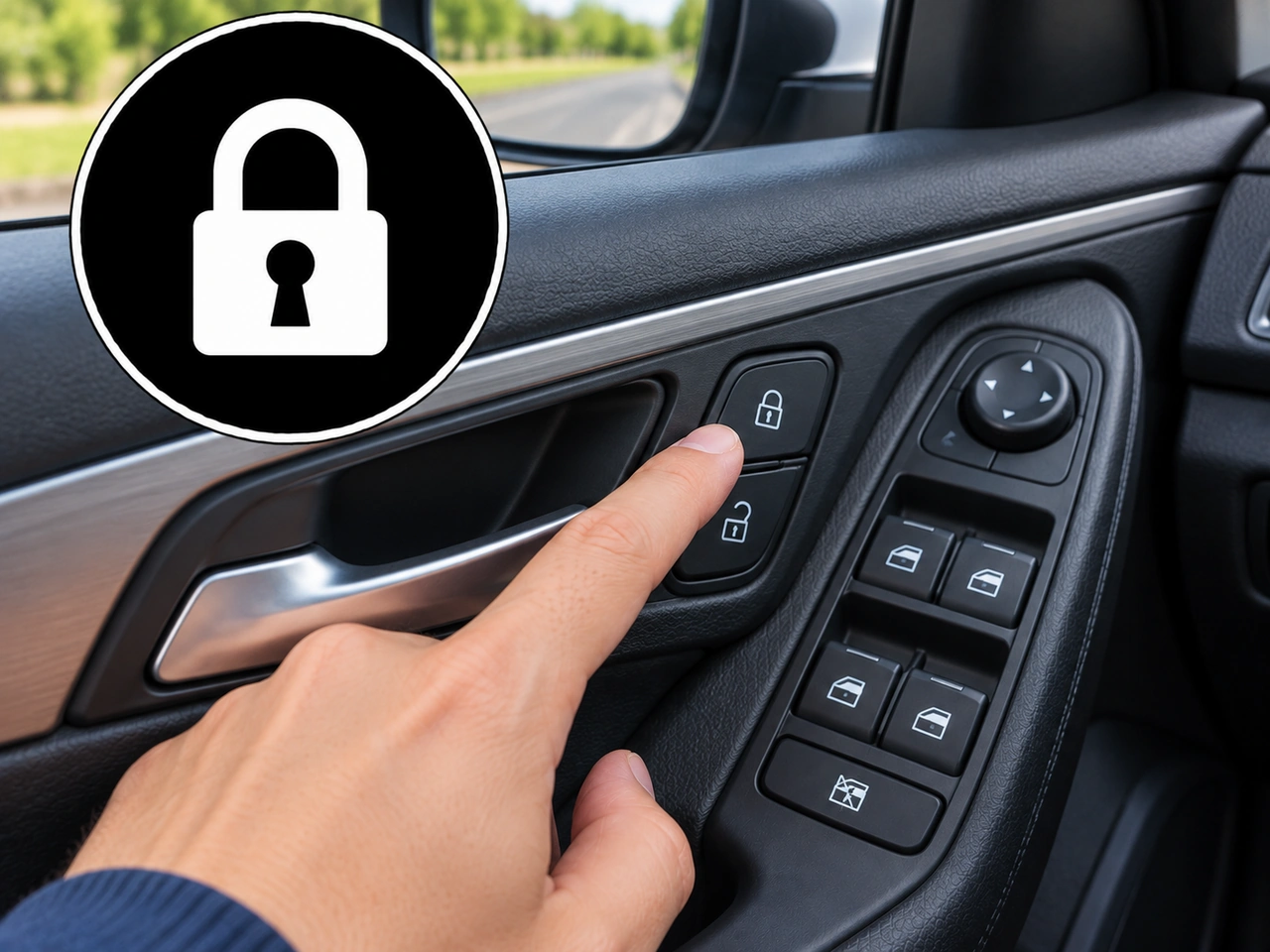
293. What does this vehicle-control symbol indicate?
This control operates the vehicle's central door locking system. Pressing it locks or unlocks the vehicle's doors, depending on the current lock state.
AI-generated by Rijbewijs-online.be • WCIT • CC BY-SA
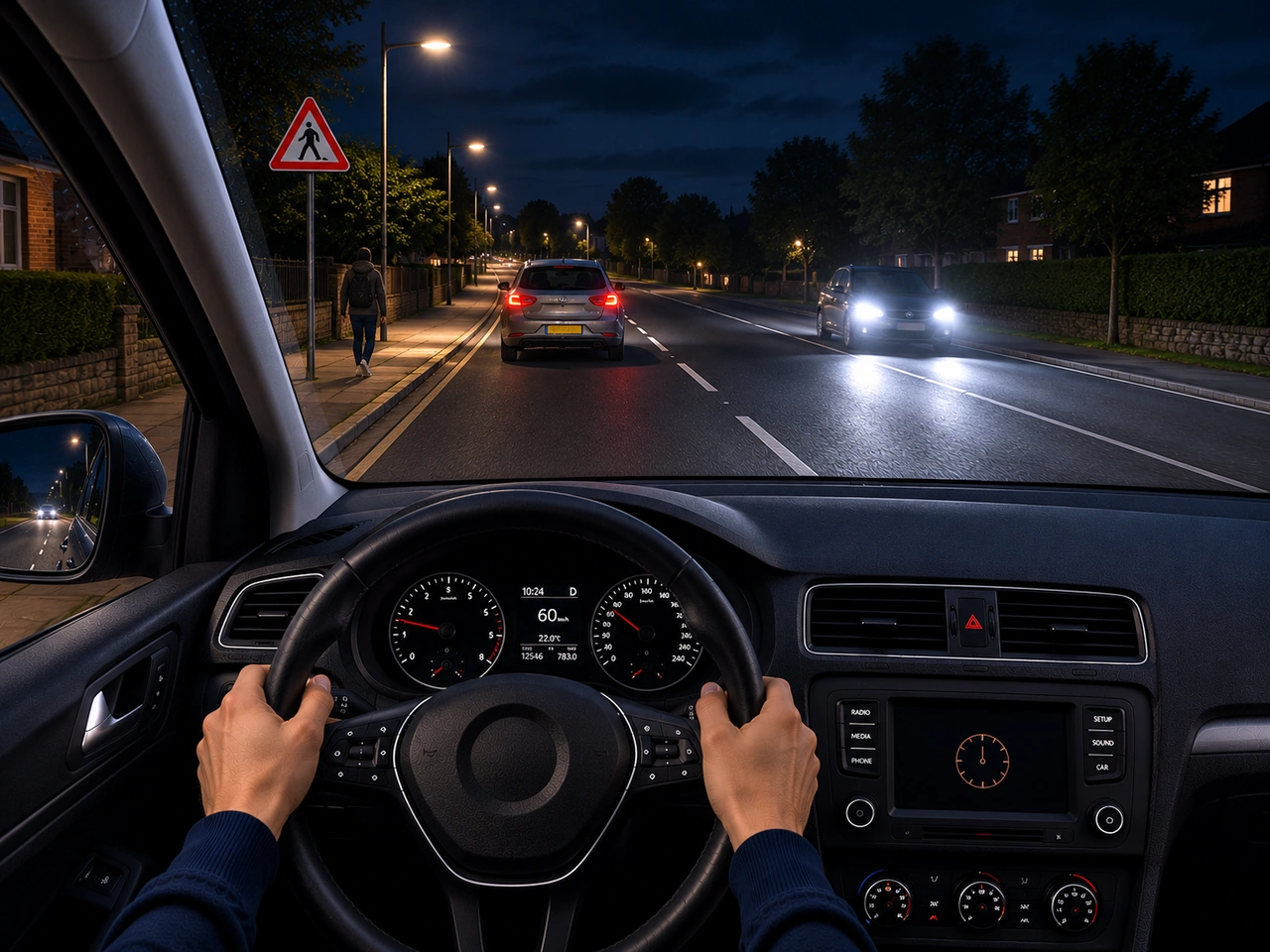
294. Why should you be extra careful at night?
At night, it is harder to see pedestrians, cyclists, road markings, and hazards. Reduce speed and use the correct lights.
AI-generated by Rijbewijs-online.be • WCIT • CC BY-SA
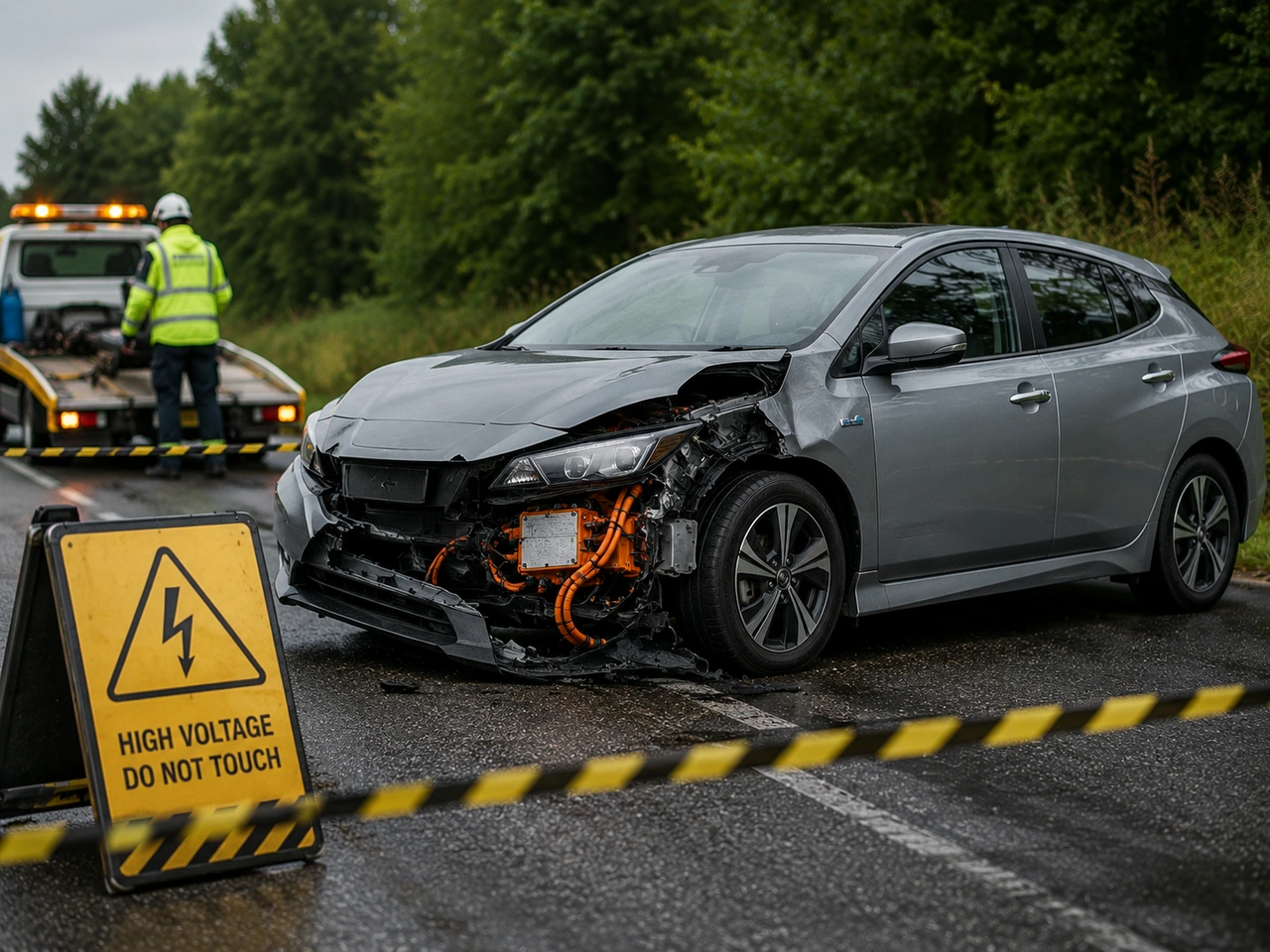
295. What should you do around a damaged electric or hybrid vehicle?
Electric and hybrid vehicles can contain dangerous high-voltage systems. Do not touch damaged cables, batteries, or electrical components.
AI-generated by Rijbewijs-online.be • WCIT • CC BY-SA
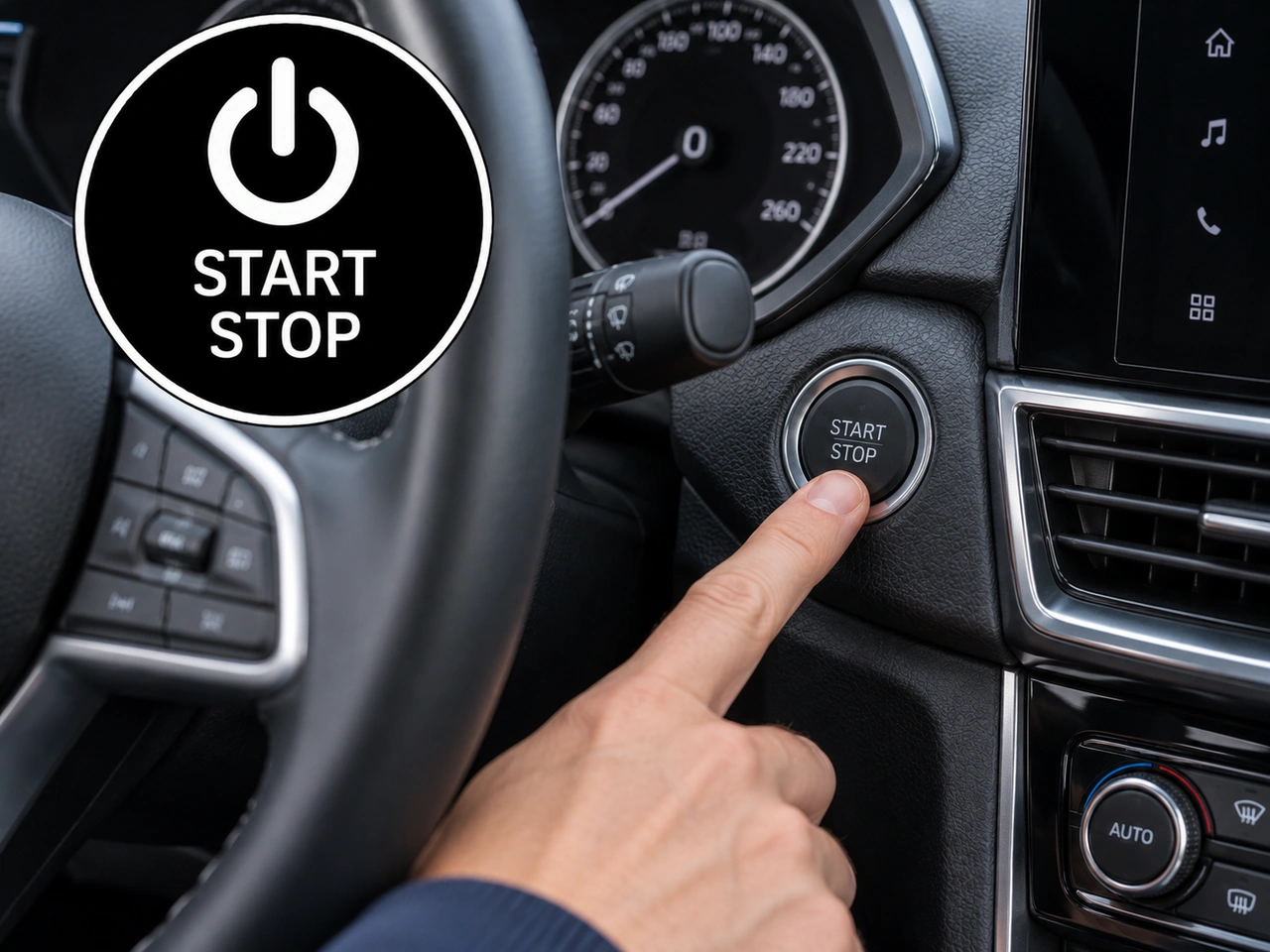
296. What does this vehicle-control button operate?
The engine start/stop button is used to start or switch off the vehicle's engine or electric drive system. Starting the vehicle normally also requires the brake or clutch pedal to be pressed.
AI-generated by Rijbewijs-online.be • WCIT • CC BY-SA
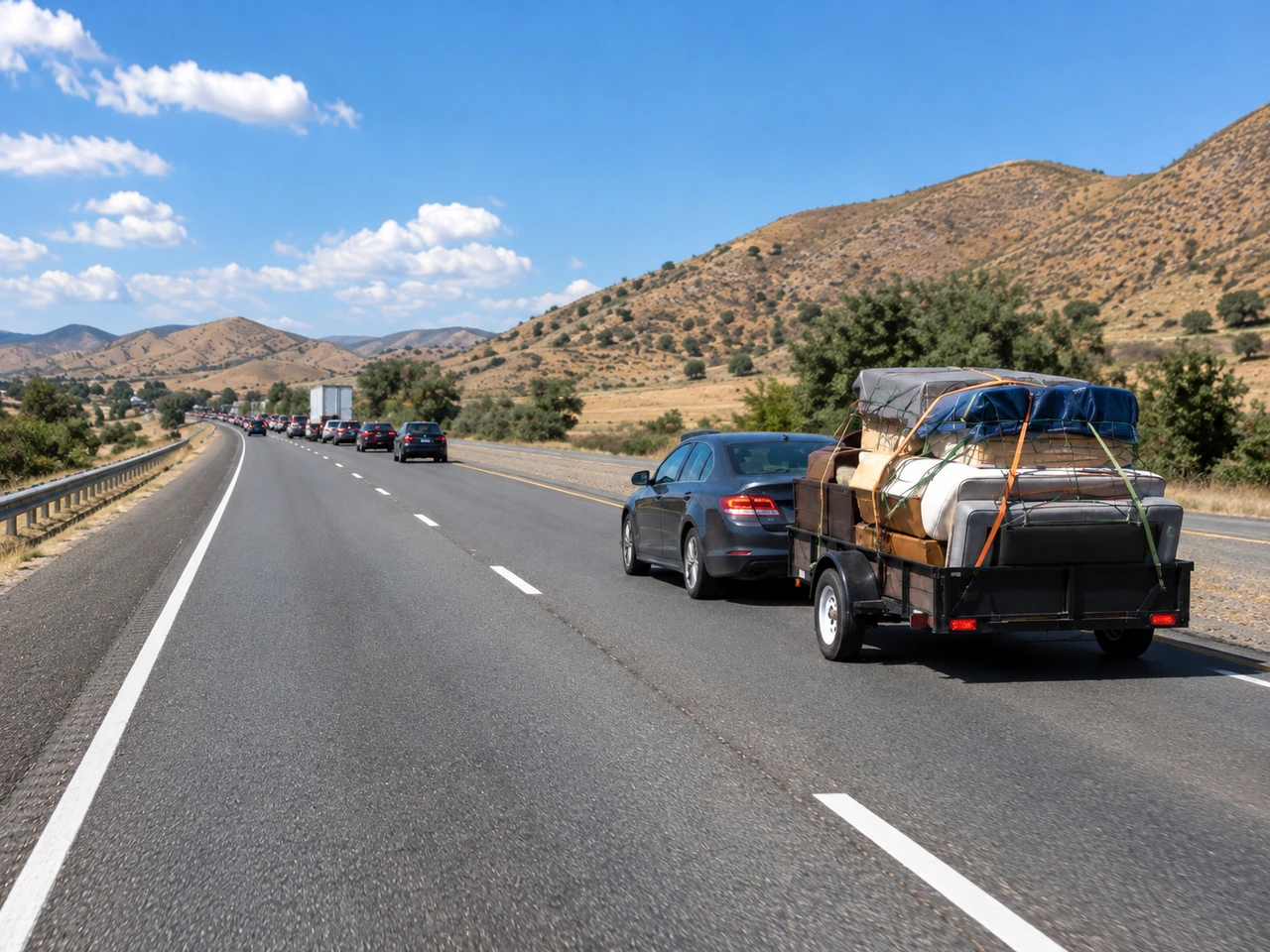
297. How can a heavy load affect stopping distance?
A heavily loaded vehicle has more mass and may require additional distance to slow down or stop safely.
AI-generated by Rijbewijs-online.be • WCIT • CC BY-SA
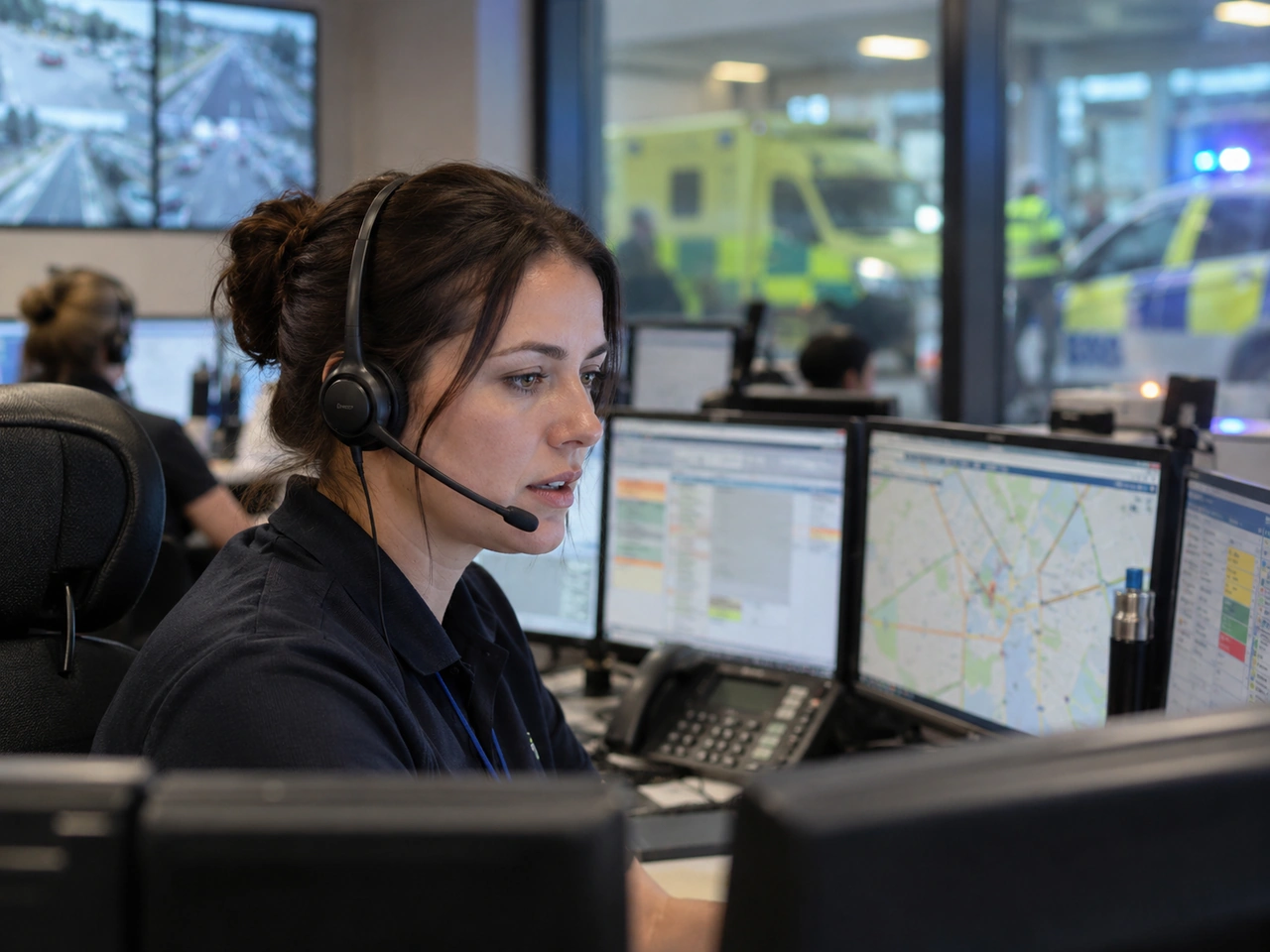
298. What is the main emergency number in United Kingdom?
The main emergency number in United Kingdom is 999.
AI-generated by Rijbewijs-online.be • WCIT • CC BY-SA
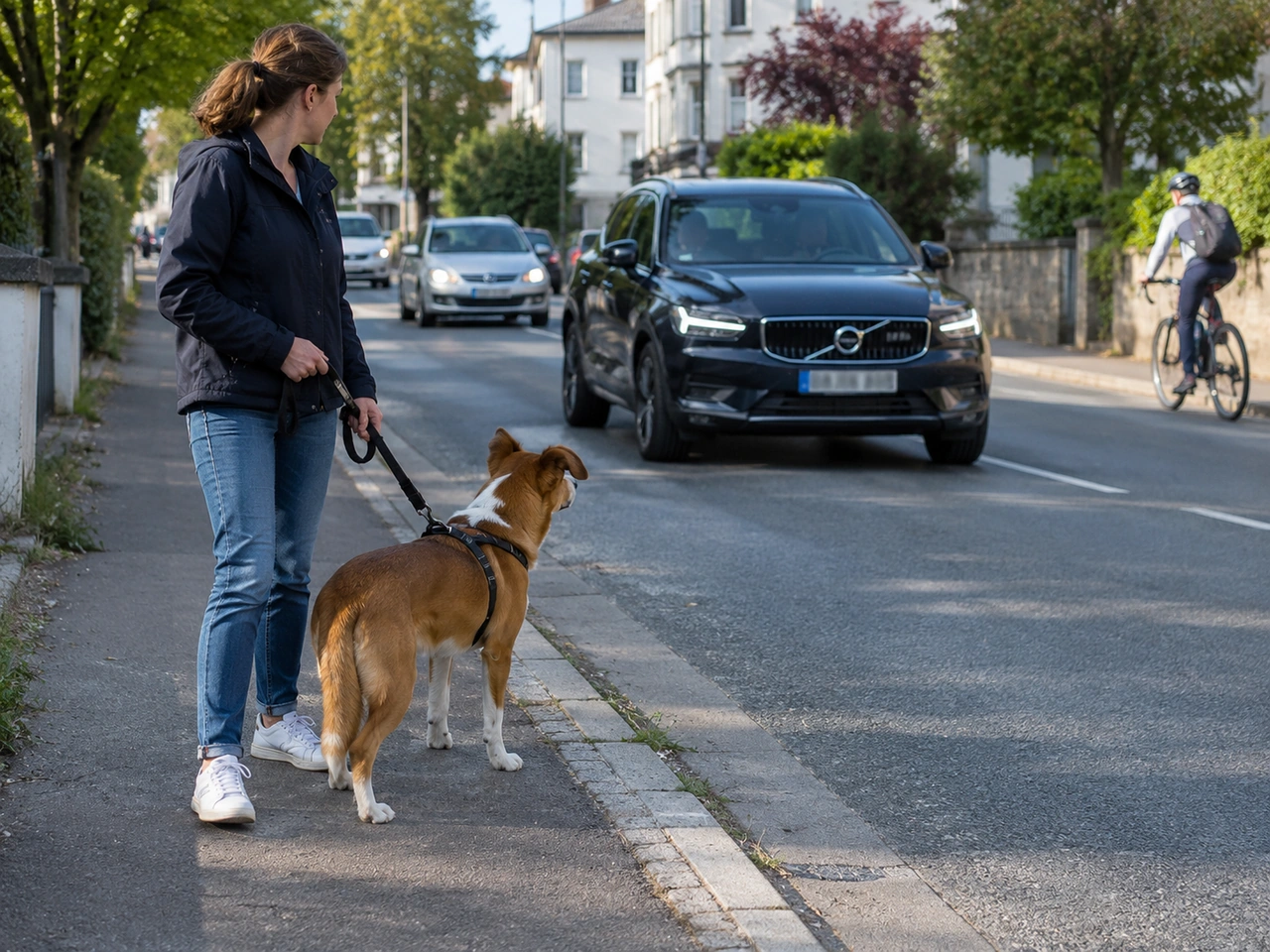
299. Why should you keep a dog on a leash near traffic?
Dogs can react unpredictably to vehicles, people, noises, or other animals. Keeping a dog under close control on a leash near traffic reduces the risk of it suddenly entering the road and endangering itself or other road users.
AI-generated by Rijbewijs-online.be • WCIT • CC BY-SA
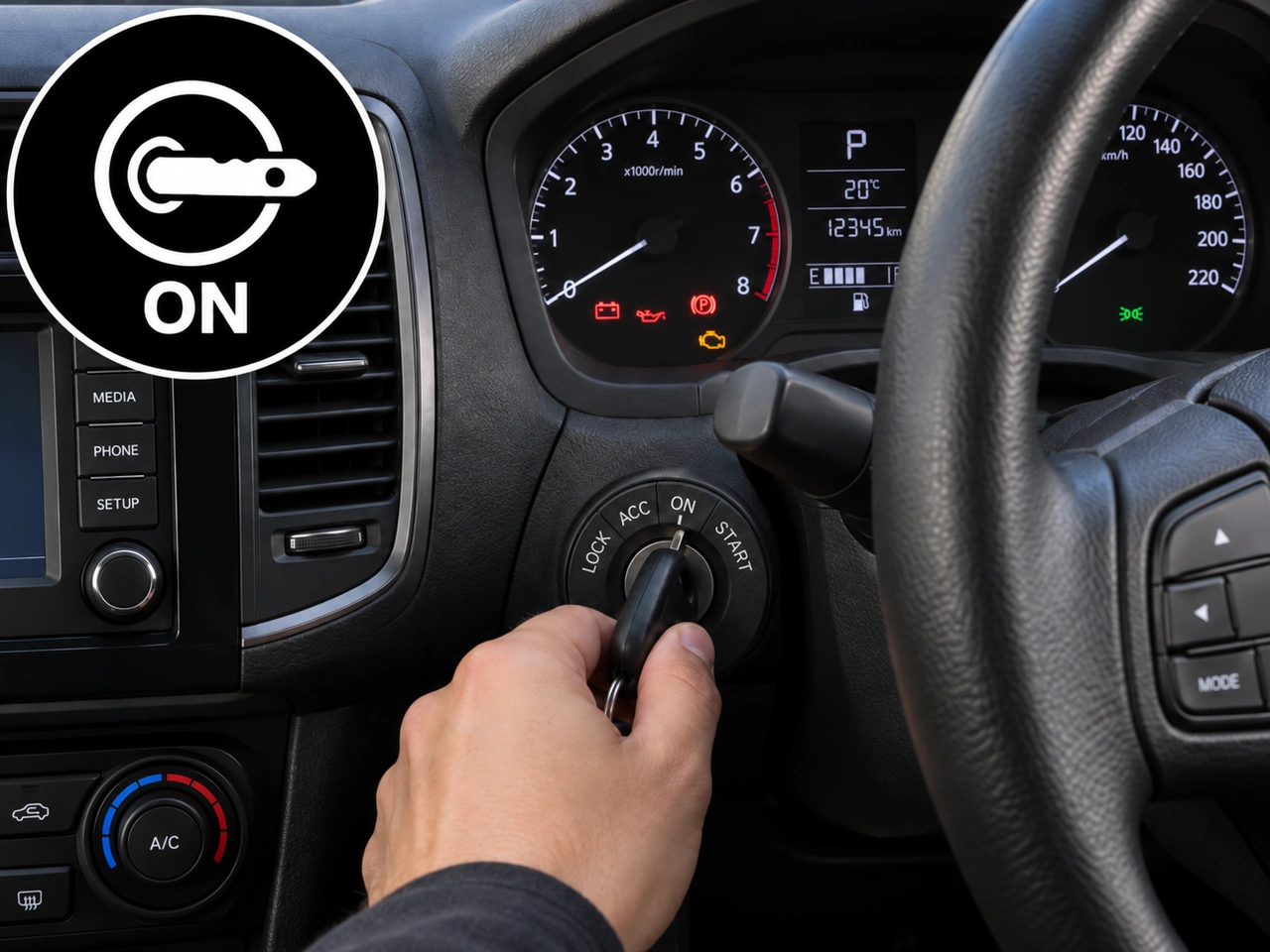
300. What does the ON position of a traditional ignition switch normally do?
The ON position normally switches on the vehicle's electrical and ignition systems without operating the starter motor. The engine is started by turning the key further to the START position.
AI-generated by Rijbewijs-online.be • WCIT • CC BY-SA