


Traffic signsHungary
 Traffic rules
 Hungary
76. Four-wheel drive
Four-wheel drive, commonly abbreviated as 4WD or 4x4, is a drivetrain system capable of transmitting power to all four wheels of a vehicle. This can provide additional traction on surfaces such as snow, mud, gravel, sand or uneven terrain.
Four-wheel-drive systems may operate permanently or be engaged automatically or manually when additional traction is required. Four-wheel drive can improve the vehicle's ability to move on slippery or difficult surfaces, but it does not remove the need for suitable tyres, safe speed and careful braking and steering.

Wikimedia.org • B101uk • CC BY-SA
What is four-wheel drive?
Four-wheel drive is a drivetrain system that can send power to all four wheels of a vehicle rather than only the front or rear wheels.
🔗 fordservicecontent.com • Ford, owner manual, using four-wheel drive
What does 4x4 mean?
4x4 normally indicates a vehicle with four wheels of which all four can be driven by the powertrain.
🔗 fordservicecontent.com • Ford, owner manual, using four-wheel drive
Does four-wheel drive shorten braking distance?
Not automatically. Ford’s driving guidance explains that four-wheel drive may improve acceleration on snow or ice without making the vehicle stop faster. Do not let extra traction encourage excessive speed; follow the vehicle’s instructions and allow for slippery conditions.
🔗 fordservicecontent.com • Ford, owner manual, using four-wheel drive

77. No vehicles
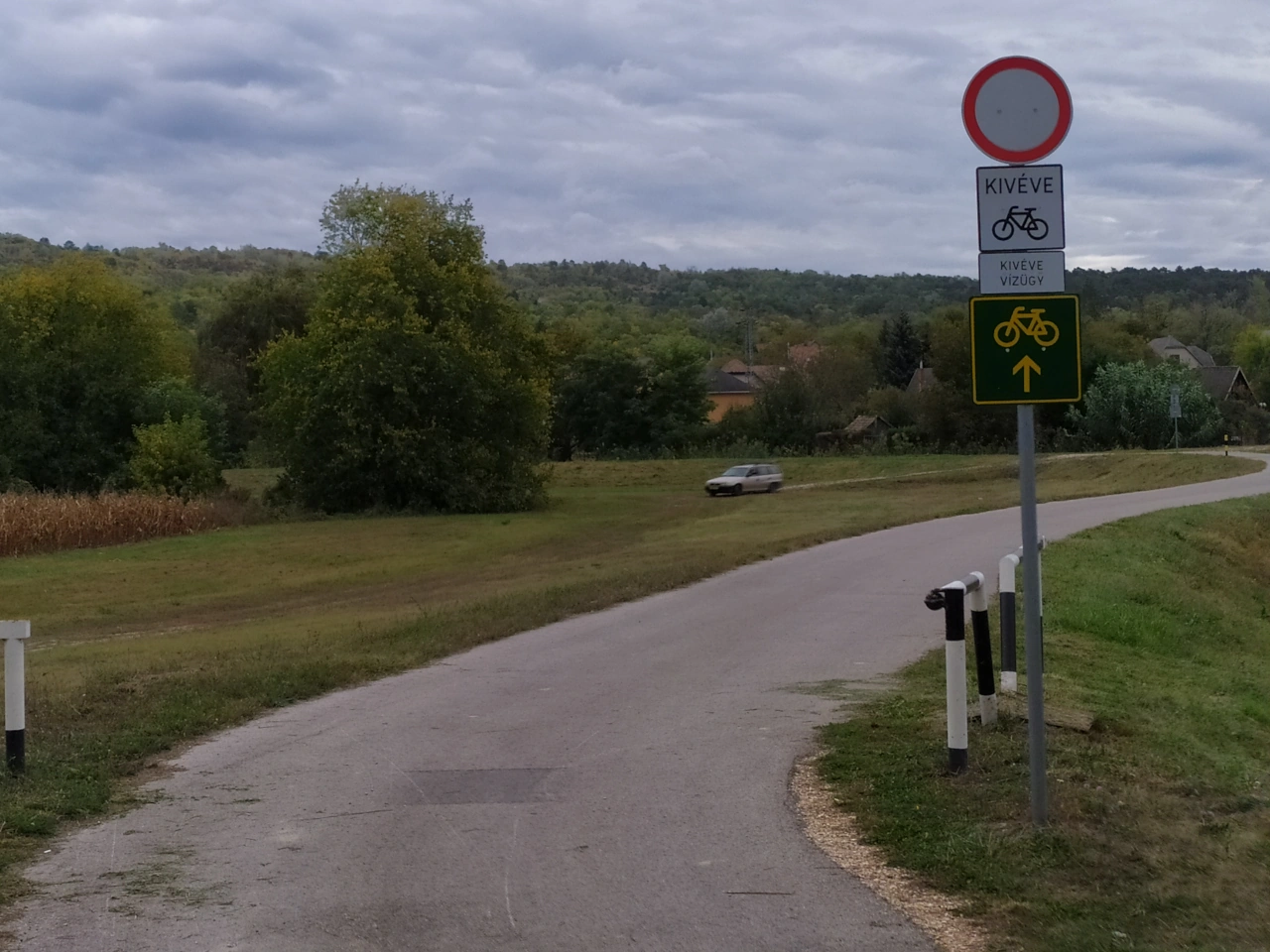
No vehicles indicates that vehicles are prohibited from entering the road, street or area beyond the sign. Unlike a one-way no-entry restriction, the prohibition normally applies to traffic approaching from both directions.
The exact road users covered by the restriction can vary between countries. Depending on local law, bicycles, mopeds, animal-drawn vehicles or other road users may also be prohibited. Supplementary signs may provide exceptions for residents, deliveries, cyclists, public transport or other authorised traffic.
Wikimedia.org • Antal Gertheis • CC BY-SA
What does a no-vehicles sign mean?
A no-vehicles sign indicates that vehicles may not enter the road or area beyond the sign. The restriction normally applies to traffic approaching from either direction unless supplementary signs provide an exception.
🔗 gov.uk • UK Department for Transport, Know Your Traffic Signs, regulatory signs; British example
 Access prohibited in both directions.
Does no vehicles apply to cars and motorcycles?
Yes, normally. Cars, motorcycles and other motor vehicles are generally covered by a prohibition applying to all vehicles or all drivers unless an exception is specifically indicated.
🔗 gov.uk • UK Department for Transport, Know Your Traffic Signs, regulatory signs; British example
Can pedestrians pass a no-vehicles sign?
Usually yes if the prohibition applies only to vehicles or drivers. A separate pedestrian prohibition may be required to prevent pedestrians from entering. Local definitions and supplementary signs must always be checked.
🔗 gov.uk • UK Department for Transport, Know Your Traffic Signs, regulatory signs; British example
78. Bicycle
A bicycle is a vehicle with two or more wheels that is primarily propelled by the rider using pedals or hand cranks. Bicycles are used for transport, recreation, sport and the carriage of small loads or passengers when appropriately equipped.
Some bicycles have an electric motor that assists the rider while pedalling. Whether an electrically assisted bicycle remains legally classified as a bicycle depends on its motor power, assistance speed and local regulations. Cyclists must follow the traffic rules, signs, signals and road-use requirements that apply to bicycles.
Wikimedia.org • Datendelphin • CC0
What is a bicycle?
A bicycle is normally a two-wheeled pedal cycle. Traffic laws may use a broader cycle category that also includes hand-powered cycles, tricycles or certain electrically assisted models. Check the local classification when different rules depend on the vehicle type.
🔗 gov.uk • GOV.UK, Riding an electric bike: the rules; GB EAPC example
🔗 gov.uk • Great Britain Highway Code, Rules 59–82, cycling; national guidance example
🔗 nsw.gov.au • NSW Government, bicycle safety equipment; NSW helmet rule
🔗 service-public.gouv.fr • French Service Public, mandatory bicycle equipment; child helmet example
Must cyclists use a cycle path?
This depends on the country and type of cycle facility. Some cycle paths are compulsory, while others are optional.
🔗 gov.uk • GOV.UK, Riding an electric bike: the rules; GB EAPC example
🔗 gov.uk • Great Britain Highway Code, Rules 59–82, cycling; national guidance example
🔗 nsw.gov.au • NSW Government, bicycle safety equipment; NSW helmet rule
🔗 service-public.gouv.fr • French Service Public, mandatory bicycle equipment; child helmet example
Is a bicycle helmet compulsory?
This varies between countries. Some require helmets for all cyclists or particular age groups, while others recommend helmets without making them compulsory.
🔗 gov.uk • GOV.UK, Riding an electric bike: the rules; GB EAPC example
🔗 gov.uk • Great Britain Highway Code, Rules 59–82, cycling; national guidance example
🔗 nsw.gov.au • NSW Government, bicycle safety equipment; NSW helmet rule
🔗 service-public.gouv.fr • French Service Public, mandatory bicycle equipment; child helmet example
79. Motorcycle equipment
Motorcycle equipment includes the protective equipment used by the rider and passenger and the safety equipment fitted to the motorcycle. Rider equipment commonly includes a helmet, protective clothing, gloves, boots and eye protection, while the motorcycle itself requires equipment such as lights, brakes, mirrors, tyres and signalling devices according to local law.
The equipment that is legally required varies between countries and motorcycle categories. Riders should ensure that both their protective equipment and motorcycle are suitable, correctly used and in safe condition before travelling.

Wikimedia.org • 35mmMan • CC BY
What equipment should a motorcyclist use?
Motorcyclists should use appropriate protective equipment, commonly including a helmet, gloves, protective jacket and trousers, and footwear that protects the feet and ankles.
🔗 gov.uk • Great Britain Highway Code, Rule 59, cycle equipment; national guidance example
🔗 chp.ca.gov • California Highway Patrol, motorcycle safety and helmets; California example
Is a motorcycle helmet compulsory?
Helmet requirements depend on local law, although approved motorcycle helmets are compulsory in many countries. The helmet should fit correctly and be used in a way that preserves its protective function.
🔗 gov.uk • Great Britain Highway Code, Rule 59, cycle equipment; national guidance example
🔗 chp.ca.gov • California Highway Patrol, motorcycle safety and helmets; California example
Why should motorcyclists wear gloves?
Use suitable motorcycle gloves as part of your protective equipment. They can help protect the hands while allowing a secure grip and operation of the controls. Protection depends on the glove’s design, condition and fit; ordinary gloves are not automatically equivalent to protective riding gloves.
🔗 gov.uk • Great Britain Highway Code, Rule 59, cycle equipment; national guidance example
🔗 chp.ca.gov • California Highway Patrol, motorcycle safety and helmets; California example
80. Rail track
A rail track is a pair of rails used to guide trams, trains or other rail vehicles. Tracks may run alongside a road, cross it or be embedded directly in the carriageway so that rail vehicles and other road users travel through the same area.
Road users should take particular care around tracks because rail vehicles cannot steer around obstacles and require considerable distance to stop. Drivers, cyclists and pedestrians must follow the applicable priority rules, traffic lights, warning signs and crossing rules and must avoid unnecessarily obstructing the tracks.

Wikimedia.org • Fifo • CC BY-SA
What is a track?
A track consists of rails that guide trams, trains or other rail vehicles. Tracks may be separated from ordinary traffic or incorporated into a road.
🔗 gov.uk • Great Britain Highway Code, Rule 223, buses; national guidance example
Who has priority when a road crosses tram tracks?
The applicable priority rules vary between countries, but rail vehicles commonly receive special priority because they cannot leave their tracks. Always obey traffic lights, signs and local rules.
🔗 gov.uk • Great Britain Highway Code, Rule 223, buses; national guidance example
What should you do if traffic stops while you are crossing tracks?
Do not enter a track crossing unless there is enough space to clear it completely. Never deliberately stop where a tram or train could be blocked.
🔗 gov.uk • Great Britain Highway Code, Rule 223, buses; national guidance example
81. Caravan
A caravan is a towable trailer designed to provide temporary living accommodation while travelling or camping. It commonly contains sleeping space and may also include cooking, seating, storage, washing or toilet facilities.
When towing a caravan, drivers should make sure it is correctly coupled, safely loaded and within the permitted towing and weight limits. A caravan changes the vehicle combination's length, weight, handling and stopping distance.

Wikimedia.org • Travelarz • CC BY-SA
What should you check before towing a caravan?
Check that the caravan is properly coupled, correctly loaded and secured and that the towing vehicle, trailer and driver comply with the applicable weight, equipment and driving-licence requirements.
🔗 gov.uk • GOV.UK, towing weight and width limits; GB example
82. Trailer
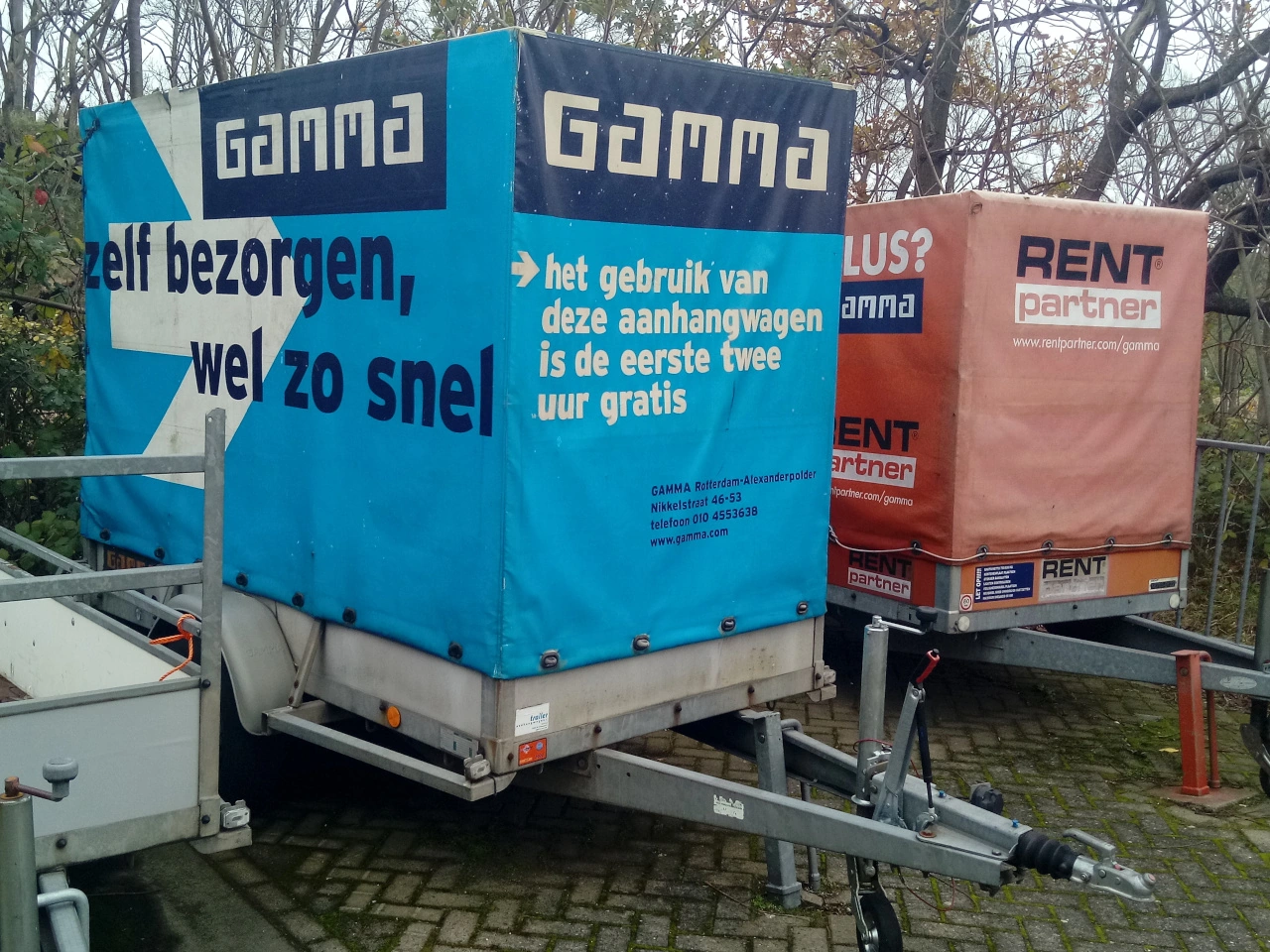
A trailer is a vehicle designed to be pulled by another vehicle rather than move under its own power. Trailers are used to transport goods, equipment, boats, caravans or other loads and can vary greatly in size and weight.
Drivers towing a trailer should make sure it is correctly coupled, properly loaded and suitable for the towing vehicle. The trailer can increase the combination's length, weight, stopping distance and space required for turning.
Wikimedia.org • Donald Trung • CC BY-SA
What should you check before towing a trailer?
Check that the trailer is properly coupled, correctly loaded and secured and that the towing vehicle, trailer and driver meet the applicable weight, equipment and licensing requirements.
🔗 gov.uk • GOV.UK, towing weight and width limits; GB example
83. Tow hitch
A tow hitch, also called a trailer hitch or towing coupling, is a device fitted to a vehicle so that a trailer, caravan or other towable vehicle can be securely connected to it. Passenger cars commonly use a tow ball, while heavier vehicles may use other types of mechanical coupling.
The tow hitch and towing vehicle must be suitable for the trailer and the loads involved. Drivers must respect the vehicle's approved towing capacity, the coupling limits, trailer mass and any applicable driving-licence, braking and safety requirements.

Wikimedia.org • Tony Webster • CC BY
What is a tow hitch?
A tow hitch is a mechanical coupling fitted to a vehicle so that a trailer, caravan or other towable vehicle can be attached.
🔗 gov.uk • GOV.UK, towing weight and width limits; GB example
🔗 gov.uk • GOV.UK, trailers and towing equipment, breakaway/secondary coupling; GB example
What is the maximum load on a tow hitch?
The permitted load depends on the vehicle and coupling. The coupling normally has specified maximum towing and vertical-load ratings that must not be exceeded.
🔗 gov.uk • GOV.UK, towing weight and width limits; GB example
🔗 gov.uk • GOV.UK, trailers and towing equipment, breakaway/secondary coupling; GB example
Does a trailer need a secondary safety connection?
Depending on the trailer's braking system and local law, a safety cable, chain or breakaway system may be required in addition to the main coupling.
🔗 gov.uk • GOV.UK, towing weight and width limits; GB example
🔗 gov.uk • GOV.UK, trailers and towing equipment, breakaway/secondary coupling; GB example
84. Fire truck
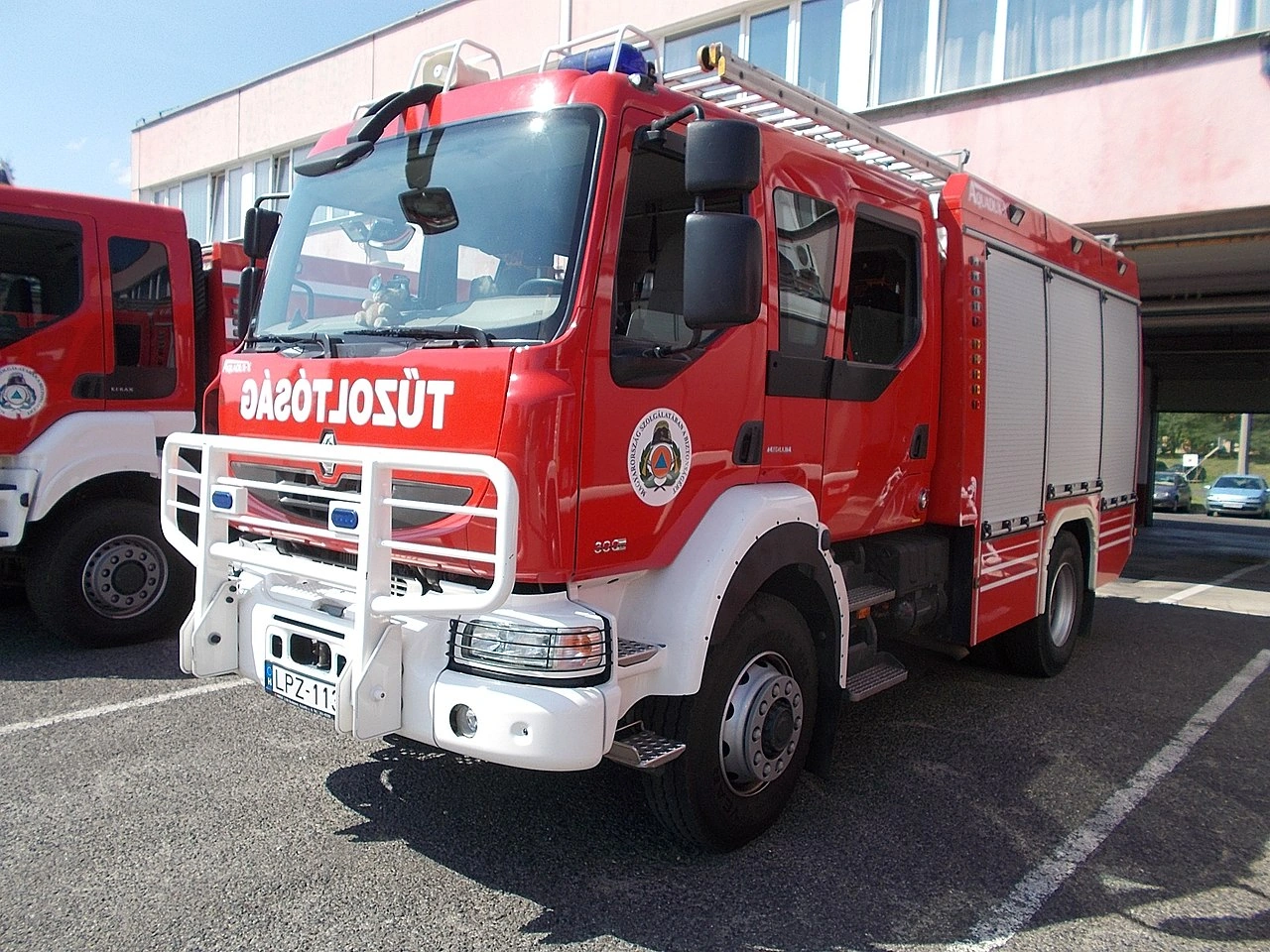
A fire truck is an emergency vehicle used by the fire and rescue services to transport firefighters, firefighting equipment, rescue equipment or water to fires, collisions and other emergencies. Different types of fire trucks may be designed for firefighting, rescue operations, aerial access or other specialised tasks.
During an emergency response, a fire truck may use warning lights and a siren and may receive priority or exemptions from certain traffic rules. Other road users must follow the local rules for emergency vehicles, make sufficient space and avoid obstructing their passage.
Wikimedia.org • Globetrotter19 • CC BY-SA
What is a fire truck?
A fire truck is an emergency vehicle used by firefighters to respond to fires, collisions, rescues and other emergencies. It may carry firefighters, water, ladders and specialised rescue equipment.
🔗 bucksfire.gov.uk • Buckinghamshire Fire and Rescue, standard fire engine equipment
🔗 cambsfire.gov.uk • Cambridgeshire Fire and Rescue, fire-engine rescue equipment
What should you do when a fire truck approaches?
Make space safely for a fire truck responding to an emergency, following the local rules and lawful directions. Slow down or stop where necessary, but do not make a dangerous manoeuvre or assume that you may disregard a red light to clear its path.
Can a fire truck exceed the speed limit?
Many countries allow emergency vehicles to depart from certain speed restrictions while carrying out an urgent mission. Emergency drivers must nevertheless take appropriate precautions and comply with the applicable emergency-driving rules.
85. Siren
A siren is a loud warning device used to attract attention and warn people that an emergency or priority vehicle is approaching. Sirens are commonly fitted to vehicles such as ambulances, fire engines and police vehicles and may produce alternating or changing tones so they can be recognised quickly.
When an emergency vehicle approaches with its siren operating, road users should remain alert, identify where the vehicle is coming from and safely make room for it to pass. The exact priority rules and permitted use of sirens vary between countries.

Wikimedia.org • David R. Tribble • CC BY-SA
What should you do when you hear an emergency siren?
Stay alert, determine where the emergency vehicle is approaching from and make room for it to pass safely according to the traffic rules of the country.
86. Convoy
A convoy is a group of vehicles travelling together as an organised group, usually following the same route and destination. Convoys may consist of ordinary vehicles, military vehicles, exceptional transports or vehicles participating in an organised journey.
Drivers travelling in a convoy should maintain a safe distance, follow the applicable traffic rules and avoid obstructing other traffic. Being part of a convoy does not automatically give vehicles special priority unless specific laws, escorts or traffic-control measures apply.

Wikimedia.org • The U.S. Army • CC0
Should vehicles in a convoy maintain a safe distance?
Yes. Drivers should maintain sufficient distance from the vehicle ahead so they can react safely and so that other traffic can interact with the convoy where permitted.
87. Emergency vehicle lighting
Emergency vehicle lighting consists of special flashing or rotating lights used on authorised emergency or priority vehicles to make them highly visible and warn other road users. Police vehicles, ambulances, fire engines and other authorised response vehicles commonly use distinctive warning lights when responding to incidents.
The colour, meaning and permitted use of emergency lights vary between countries. When emergency lighting is active, road users should remain alert, identify the approaching vehicle and follow the local rules for giving way or creating a clear passage.

Wikimedia.org • BFV Radkersburg • CC BY-SA
What should you do when you see emergency lights?
Remain alert, determine where the emergency vehicle is coming from and follow the applicable rules for giving way or creating a safe passage. The precise obligation depends on the country's traffic laws and whether an audible warning is also being used.
88. Agricultural machinery
Agricultural machinery includes vehicles, machines and equipment designed for farming and agricultural work, such as cultivating soil, planting, harvesting, mowing, transporting crops or operating agricultural implements. Examples include tractors, combine harvesters, self-propelled sprayers, mowing machines and other specialised equipment.
Agricultural machinery may be designed mainly for use on fields but may also need to travel on public roads. When using public roads, the applicable registration, driving-licence, lighting, dimensions, speed and road-access rules depend on the type and legal classification of the machine.

Wikimedia.org • Bob Nichols • CC0
What is agricultural machinery?
Agricultural machinery includes vehicles and machines designed to perform farming operations such as cultivating, planting, harvesting, mowing or transporting agricultural materials.
What are examples of agricultural machinery?
Examples include tractors, combine harvesters, self-propelled sprayers, forage harvesters, mowing machines and agricultural trailers.
Do agricultural machines have special speed limits?
They may. The permitted speed can depend on the machine's construction speed, mass, tyres and road type. Many agricultural machines are designed to travel considerably more slowly than ordinary road vehicles.
89. Electric bicycle
An electric bicycle, or e-bike, is a bicycle equipped with an electric motor that assists the rider while travelling. Most electric bicycles use pedal assistance, meaning that the motor provides additional power while the rider pedals.
The legal classification of an electric bicycle depends on factors such as the motor power, maximum assistance speed and whether the motor can propel the bicycle without pedalling. Faster or more powerful electric bicycles may be classified as mopeds or another type of motor vehicle and can therefore be subject to different licence, helmet, registration and insurance requirements.

Wikimedia.org • Singlespeedfahrer • CC0
What is an electric bicycle?
An electric bicycle is a bicycle equipped with an electric motor that provides assistance to the rider.
🔗 gov.uk • GOV.UK, Riding an electric bike: the rules; GB EAPC example
🔗 gov.uk • Great Britain Highway Code, Rules 59–82, cycling; national guidance example
🔗 nsw.gov.au • NSW Government, bicycle safety equipment; NSW helmet rule
🔗 service-public.gouv.fr • French Service Public, mandatory bicycle equipment; child helmet example
Can you ride an electric bicycle faster than the assistance limit?
Yes, by your own effort where otherwise permitted. The assistance limit normally determines when the motor stops helping; it does not necessarily prevent the bicycle itself from travelling faster downhill or through pedalling.
🔗 gov.uk • GOV.UK, Riding an electric bike: the rules; GB EAPC example
🔗 gov.uk • Great Britain Highway Code, Rules 59–82, cycling; national guidance example
🔗 nsw.gov.au • NSW Government, bicycle safety equipment; NSW helmet rule
🔗 service-public.gouv.fr • French Service Public, mandatory bicycle equipment; child helmet example
Is a helmet compulsory on an electric bicycle?
Helmet requirements depend on the country and vehicle category. Ordinary e-bikes may follow normal bicycle helmet rules, while faster electric bicycles can have specific compulsory helmet requirements.
🔗 gov.uk • GOV.UK, Riding an electric bike: the rules; GB EAPC example
🔗 gov.uk • Great Britain Highway Code, Rules 59–82, cycling; national guidance example
🔗 nsw.gov.au • NSW Government, bicycle safety equipment; NSW helmet rule
🔗 service-public.gouv.fr • French Service Public, mandatory bicycle equipment; child helmet example
90. Electric vehicle
An electric vehicle, or EV, is a vehicle that uses one or more electric motors for propulsion and stores electrical energy in a rechargeable battery or another electrical energy-storage system. A fully electric vehicle uses only electrical energy for propulsion, while a plug-in hybrid combines an electric drivetrain with another power source such as a combustion engine.
Electric vehicles can be recharged from an external electricity supply using a suitable charging point or charging station. Their driving-licence, registration, insurance, parking and road-access rules depend on the vehicle category and local regulations rather than simply on the fact that they use electric power.

Wikimedia.org • Mariordo • CC BY-SA
What is an electric vehicle?
An electric vehicle uses one or more electric motors for propulsion. Depending on its design, electricity may come from a rechargeable battery, a fuel-cell system or an external supply. Battery-electric vehicles are one type of electric vehicle, not the only type.
🔗 afdc.energy.gov • US Department of Energy AFDC, all-electric vehicle components
🔗 afdc.energy.gov • US Department of Energy AFDC, fuel-cell electric vehicle components
🔗 afdc.energy.gov • US Department of Energy AFDC, hybrid-electric vehicle components
Do all electric vehicles charge at the same speed?
No. The charging rate depends on the vehicle and charging equipment, the available electrical supply and operating conditions. Follow the vehicle and charger specifications; a charger’s advertised maximum does not mean every connected vehicle can receive that rate.
🔗 afdc.energy.gov • US Department of Energy AFDC, all-electric vehicle components
🔗 afdc.energy.gov • US Department of Energy AFDC, fuel-cell electric vehicle components
🔗 afdc.energy.gov • US Department of Energy AFDC, hybrid-electric vehicle components
Is an electric vehicle automatically allowed to park at a charging point?
Not necessarily. Charging spaces can have specific conditions requiring the vehicle to be connected, actively charging, within a time limit or otherwise complying with local parking rules.
🔗 afdc.energy.gov • US Department of Energy AFDC, all-electric vehicle components
🔗 afdc.energy.gov • US Department of Energy AFDC, fuel-cell electric vehicle components
🔗 afdc.energy.gov • US Department of Energy AFDC, hybrid-electric vehicle components
91. Pedelec
A pedelec, short for pedal electric cycle, is a bicycle equipped with an electric motor that provides assistance while the rider pedals. The motor supplements the rider's effort rather than replacing pedalling entirely.
The maximum motor power and assistance speed permitted for a pedelec depend on local law. When the bicycle remains within the applicable limits, it is normally treated as a bicycle rather than a moped or motorcycle. Faster electrically assisted bicycles are commonly classified separately as speed pedelecs.

Wikimedia.org • holding graz • CC BY
What is a pedelec?
A pedelec is an electrically assisted bicycle whose motor provides assistance while the rider pedals.
🔗 gov.uk • GOV.UK, Riding an electric bike: the rules; GB EAPC example
🔗 gov.uk • Great Britain Highway Code, Rules 59–82, cycling; national guidance example
🔗 nsw.gov.au • NSW Government, bicycle safety equipment; NSW helmet rule
🔗 service-public.gouv.fr • French Service Public, mandatory bicycle equipment; child helmet example
Is a pedelec the same as a speed pedelec?
No. A speed pedelec can provide assistance at considerably higher speeds and is commonly subject to additional requirements concerning helmets, licences, registration or road use.
🔗 gov.uk • GOV.UK, Riding an electric bike: the rules; GB EAPC example
🔗 gov.uk • Great Britain Highway Code, Rules 59–82, cycling; national guidance example
🔗 nsw.gov.au • NSW Government, bicycle safety equipment; NSW helmet rule
🔗 service-public.gouv.fr • French Service Public, mandatory bicycle equipment; child helmet example
Is a helmet compulsory on a pedelec?
This depends on local bicycle law. Some countries require helmets for particular riders or circumstances, while others recommend them without making them compulsory.
🔗 gov.uk • GOV.UK, Riding an electric bike: the rules; GB EAPC example
🔗 gov.uk • Great Britain Highway Code, Rules 59–82, cycling; national guidance example
🔗 nsw.gov.au • NSW Government, bicycle safety equipment; NSW helmet rule
🔗 service-public.gouv.fr • French Service Public, mandatory bicycle equipment; child helmet example
92. Quadricycle
A quadricycle is a motor vehicle with four wheels that belongs to a vehicle category below or separate from an ordinary passenger car. Quadricycles may be designed for passenger transport, goods transport or recreational use and can be powered by a combustion engine or electric motor.
Traffic law commonly distinguishes between light quadricycles, which have relatively low power and maximum design speed, and heavier or more powerful quadricycles. Driving-licence, helmet, registration, insurance and road-access requirements depend on the vehicle's legal classification and the local traffic regulations.

Wikimedia.org • Ahunt • CC0
What is a quadricycle?
A quadricycle is a four-wheeled motor vehicle belonging to a specialised vehicle category distinct from an ordinary passenger car.
🔗 gesetze-im-internet.de • Germany, StVO section 21a(2), helmets and seat-belt exception
What is a light quadricycle?
A light quadricycle is a relatively low-powered four-wheel motor vehicle with a restricted maximum design speed. In European vehicle classification, light quadricycles belong to category L6e.
Must quadricycle occupants wear helmets?
This depends on the vehicle design and local law. Open quadricycles may require helmets, while enclosed vehicles with a passenger compartment and restraint systems can be subject to seat-belt rules instead.
🔗 gesetze-im-internet.de • Germany, StVO section 21a(2), helmets and seat-belt exception
93. Microcar
A microcar is a very small motor vehicle designed mainly for short-distance and urban travel. It usually has an enclosed passenger compartment, four wheels and seating for one or two people, although designs and legal classifications vary.
Many microcars are legally classified as light quadricycles rather than ordinary passenger cars. More powerful or faster models may fall into a heavier quadricycle or passenger-car category. The applicable driving licence, minimum age, registration, insurance, maximum speed and road access therefore depend on the vehicle's official legal classification.

Wikimedia.org • Patrik Tschudin • CC BY
What is a microcar?
A microcar is a very small motor vehicle, usually intended for short urban journeys. An enclosed urban vehicle such as the Citroën Ami is an example. The descriptive term does not by itself determine the vehicle’s legal class or the licence required.
🔗 citroen.co.uk • Citroën, Ami light-quadricycle and urban-vehicle description
Is a microcar the same as an ordinary car?
Microcar is a descriptive name, not one universal licence category. A small enclosed vehicle may be approved as a light or other quadricycle rather than as an ordinary passenger car. Check its official category before assuming which licence, speed or access rules apply.
🔗 gesetze-im-internet.de • Germany, StVO section 21a(2), helmets and seat-belt exception
Must you wear a helmet inside a microcar?
This depends on the vehicle construction and local law. Enclosed quadricycles equipped with seat belts may be treated differently from open quadricycles, where helmet requirements are more common.
🔗 gesetze-im-internet.de • Germany, StVO section 21a(2), helmets and seat-belt exception
94. All-terrain vehicle
An all-terrain vehicle (ATV) is a motor vehicle designed to travel over rough or uneven surfaces as well as, in some cases, ordinary roads. ATVs commonly have four wheels, wide tyres and a compact body and are used for recreation, agriculture, forestry or other off-road activities.
Whether an ATV may be used on public roads depends on its vehicle classification, registration, equipment and local traffic laws. Some ATVs are approved for road use, while others are intended exclusively for off-road use.

Wikimedia.org • ATVist • CC BY
Are all ATVs four-wheeled vehicles?
No. Three-wheeled ATVs have also existed: the US Consumer Product Safety Commission’s ATV research describes both three- and four-wheeled vehicles. The term does not by itself establish a vehicle’s current road-use approval.
🔗 cpsc.gov • US CPSC, ATV exposure survey three/four-wheel definition
95. Van
A van is a motor vehicle with an enclosed body that is commonly used to transport goods, equipment or passengers. Vans range from small delivery vehicles to larger commercial vehicles and may be fitted with cargo space, passenger seats or a combination of both.
Because vans vary considerably in size, weight and purpose, different driving-licence, speed, parking or road-access rules may apply depending on how the vehicle is classified in each country.

Wikimedia.org • Jordy Schaap • CC BY-SA
Do all vans follow the same traffic rules?
Not necessarily. Rules can depend on the van's maximum authorised mass, vehicle category, use and number of passenger seats.
96. Recreational vehicle
A recreational vehicle (RV) is a vehicle designed or adapted for travel, recreation and temporary living accommodation. The term can include motorhomes, campervans and, in broader usage, towable caravans or camping trailers.
Recreational vehicles may contain sleeping, seating, cooking, storage and sanitary facilities. Their legal classification, driving-licence requirements, parking rules and permitted dimensions or weights vary between countries.

Wikimedia.org • High Contrast • CC BY
Do recreational vehicles follow the same rules as passenger cars?
Not always. The applicable rules can depend on the vehicle's classification, weight, dimensions and whether it is self-propelled or towed.
97. Scooter
A scooter is a two-wheeled motor vehicle typically characterised by a step-through frame, a platform or footrests for the rider and relatively small wheels. Scooters may use petrol or electric propulsion and can range from low-speed mopeds to more powerful vehicles legally classified as motorcycles.
The traffic rules applying to a scooter depend mainly on its maximum speed, power, engine capacity and legal vehicle category. Helmet, driving-licence, registration and road-position requirements therefore vary between countries and between different types of scooter.

Wikimedia.org • Øyvind Holmstad • CC BY-SA
Do all scooters follow the same traffic rules?
No. Different rules may apply according to whether the scooter is legally classified as a moped, motorcycle or another vehicle category.
🔗 gov.uk • Great Britain Highway Code, Rule 59, cycle equipment; national guidance example
🔗 chp.ca.gov • California Highway Patrol, motorcycle safety and helmets; California example
98. Trikke
A Trikke is a three-wheeled standing personal-mobility vehicle with one front wheel and two rear wheels. The rider stands on platforms between the wheels and steers with handlebars. Depending on the model, propulsion may come from the rider's body movement or from an electric motor.
Trikke vehicles use a distinctive leaning or cambering frame that allows the rider to turn and manoeuvre by shifting body weight. The traffic rules that apply depend on whether the vehicle is motorised and on its technical characteristics.

Wikimedia.org • FaceMePLS • CC BY
Which traffic rules apply to a Trikke?
The applicable rules depend on the vehicle's propulsion, maximum design speed and legal classification. A human-powered and an electric Trikke may therefore be treated differently.
🔗 service-public.gouv.fr • French Service Public, powered/unpowered personal devices; French example
99. Personal mobility device
A personal mobility device, also called a personal transporter, is a compact device designed to transport one person over relatively short distances. Examples can include kick scooters, electric scooters, skateboards, self-balancing devices and mobility devices.
Personal transporters may be powered by the user's own effort or by an electric motor. Their legal classification, maximum speed, minimum riding age and permitted place on the road vary between countries, so users must follow the local traffic signs and regulations.

Wikimedia.org • Maurizio Pesce • CC BY
What is a personal transporter?
A personal transporter is a compact device designed to transport an individual, commonly over relatively short distances.
🔗 service-public.gouv.fr • French Service Public, powered/unpowered personal devices; French example
Is there a minimum age for using an electric personal transporter?
Some countries impose a minimum riding age for electric scooters and similar motorised devices. The applicable age and exceptions vary between jurisdictions.
🔗 service-public.gouv.fr • French Service Public, powered/unpowered personal devices; French example
Is a helmet compulsory on a personal transporter?
This varies between countries and device categories. Even where a helmet is not legally compulsory, wearing an appropriate helmet can provide additional protection in a fall or collision.
🔗 service-public.gouv.fr • French Service Public, powered/unpowered personal devices; French example
100. Skateboard
A skateboard is a small board mounted on wheels that is ridden by standing on the deck and moving by pushing against the ground or using gravity. Skateboards are commonly used for recreation, sport and short-distance personal transport.
Skateboard users should maintain control, watch carefully for pedestrians and traffic and adapt their speed to the surrounding environment. Where skateboards may be used and which traffic rules apply vary between countries.

Wikimedia.org • David Martín • CC BY-SA
Where can skateboard users ride?
This depends on the country and the user's speed. Skateboard users may be treated similarly to pedestrians or cyclists under some traffic-law systems.
🔗 service-public.gouv.fr • French Service Public, powered/unpowered personal devices; French example