


School areaPeru
 Traffic rules
 Peru
1. School area
A school area is a road or group of roads near a school where large numbers of children may walk, cycle, cross the road or enter and leave vehicles. It may be identified by warning signs, zone signs, road markings, traffic-calming measures or flashing lights.
Special speed limits, parking restrictions or access rules may apply permanently or only during school arrival and departure times. Drivers should reduce speed, watch carefully for children and be prepared to stop.
What speed rules apply around schools in Peru?
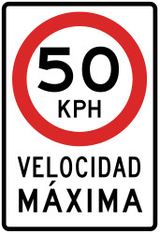
The general school-zone maximum is 30 km/h, including the relevant school or hospital sections of highways through populated areas. Article 164 also imposes a precautionary maximum of 20 km/h near educational or sports establishments and other places attracting many people during entry, operation and departure. Apply any lower relevant limit, the poor-visibility/weather reductions and the duty to drive safely.
Does a school warning sign in Peru automatically set the speed limit?
A school warning identifies a hazard, while the numerical duty comes from the applicable law and controls. Peru has a general school-zone maximum of 30 km/h and a precautionary 20 km/h maximum near educational or sports establishments and other busy premises during entry, operation and departure. Poor visibility and adverse weather can require the statutory reductions, and safety can require still slower travel.
How should you pass a school entrance in Peru?
Watch for children stepping out from between parked vehicles, obey crossings and any school patrol, and follow stopping or parking restrictions. Do not obstruct visibility near a crossing or school entrance; approach at a speed that permits a safe stop.

