


Traffic signsSerbia
 Traffic rules
 Serbia
151. Petrol engine
A petrol engine is an internal-combustion engine that normally uses spark plugs to ignite a mixture of air and petrol. For this reason, it is also known as a spark-ignition or positive-ignition engine.
Petrol engines convert the energy released by combustion into mechanical power that drives the vehicle. Modern petrol engines use electronic engine management and emissions-control systems such as catalytic converters to improve efficiency and reduce harmful exhaust emissions.

Wikimedia.org • Florian Lindner • CC BY
How does a petrol engine work?
A petrol engine draws or injects fuel and air into the engine, compresses the mixture and ignites it using a spark plug. The resulting combustion produces pressure that moves the pistons and generates mechanical power.
🔗 energy.gov • US Department of Energy, Internal Combustion Engine Basics
🔗 afdc.energy.gov • US Department of Energy AFDC, electric traction motors
🔗 hella.com • HELLA, petrol/diesel exhaust aftertreatment and pollutant control
🔗 gov.uk • Great Britain Highway Code, Annex 6, maintenance; national guidance example
What emissions can a petrol engine produce?
Petrol-engine exhaust can contain pollutants such as carbon monoxide, hydrocarbons, nitrogen oxides and, particularly with some direct-injection engines, particulate matter. Modern emissions-control systems are designed to reduce these pollutants.
🔗 energy.gov • US Department of Energy, Internal Combustion Engine Basics
🔗 afdc.energy.gov • US Department of Energy AFDC, electric traction motors
🔗 hella.com • HELLA, petrol/diesel exhaust aftertreatment and pollutant control
🔗 gov.uk • Great Britain Highway Code, Annex 6, maintenance; national guidance example

152. Diesel engine
A diesel engine is an internal-combustion engine that normally ignites fuel through the heat created by highly compressed air rather than by using spark plugs. For this reason, it is also known as a compression-ignition engine.
Diesel engines are commonly used in passenger cars, trucks, buses and machinery because they can provide strong low-speed torque and efficient fuel use. Modern diesel engines use emissions-control systems such as particulate filters and selective catalytic reduction to reduce harmful exhaust emissions.

Wikimedia.org • Vitaly V. Kuzmin • CC BY-SA
How does a diesel engine work?
A diesel engine compresses air inside the cylinder until it becomes very hot. Diesel fuel is then injected into the compressed air and ignites because of the high temperature.
🔗 energy.gov • US Department of Energy, Internal Combustion Engine Basics
🔗 afdc.energy.gov • US Department of Energy AFDC, electric traction motors
🔗 hella.com • HELLA, petrol/diesel exhaust aftertreatment and pollutant control
🔗 gov.uk • Great Britain Highway Code, Annex 6, maintenance; national guidance example
What emissions can a diesel engine produce?
Diesel engines can produce pollutants including nitrogen oxides and particulate matter or soot. Modern vehicles use systems such as diesel particulate filters and other emissions-control technologies to reduce these pollutants.
🔗 energy.gov • US Department of Energy, Internal Combustion Engine Basics
🔗 afdc.energy.gov • US Department of Energy AFDC, electric traction motors
🔗 hella.com • HELLA, petrol/diesel exhaust aftertreatment and pollutant control
🔗 gov.uk • Great Britain Highway Code, Annex 6, maintenance; national guidance example
153. Electric motor
An electric motor is a machine that converts electrical energy into mechanical power. In an electric or hybrid vehicle, one or more electric motors can provide the torque needed to drive the wheels.
Electric motors can deliver torque from very low speeds and operate without the combustion process used by petrol or diesel engines. During regenerative braking, some electric motors can also operate as generators and convert part of the vehicle's motion back into electrical energy.

Wikimedia.org • Oleg Alexandrov • CC BY-SA
What does an electric motor do in a vehicle?
An electric motor converts electrical energy into mechanical power that can propel the vehicle. Depending on the drivetrain, one or more motors may drive the wheels.
🔗 afdc.energy.gov • US Department of Energy AFDC, all-electric vehicle components
🔗 afdc.energy.gov • US Department of Energy AFDC, fuel-cell electric vehicle components
🔗 afdc.energy.gov • US Department of Energy AFDC, hybrid-electric vehicle components
Can an electric motor generate electricity?
Yes. In vehicles equipped with regenerative braking, the traction motor can operate as a generator while the vehicle slows down, converting part of its kinetic energy into electrical energy that can be stored in the traction battery.
🔗 afdc.energy.gov • US Department of Energy AFDC, all-electric vehicle components
🔗 afdc.energy.gov • US Department of Energy AFDC, fuel-cell electric vehicle components
🔗 afdc.energy.gov • US Department of Energy AFDC, hybrid-electric vehicle components
154. Timing belt
A timing belt is a toothed belt in an internal-combustion engine that synchronises the rotation of the crankshaft and camshaft so that the engine's valves open and close at the correct time relative to piston movement.
The timing belt is a wear component and must be replaced according to the vehicle manufacturer's maintenance schedule. If it becomes excessively worn or breaks, the engine can stop suddenly and, in many engine designs, serious internal engine damage can occur.

Wikimedia.org • Thesupermat • CC BY-SA
What does a timing belt do?
The timing belt synchronises the crankshaft and camshaft so that the pistons and valves move in the correct sequence while the engine is operating.
🔗 hella.com • HELLA, toothed-belt/coolant-pump kits, timing function and failure risk
What happens if a timing belt breaks?
Loss of timing-belt drive disrupts the engine’s timing and can stop the engine or cause serious damage. The consequences depend on the engine and failure. Follow the manufacturer’s replacement and inspection requirements rather than assuming all designs fail in the same way.
🔗 hella.com • HELLA, toothed-belt/coolant-pump kits, timing function and failure risk
155. Glow plug
A glow plug is an electrical heating element used in diesel engines to help ignite the fuel during cold starting. It heats the combustion chamber so that the compressed air reaches conditions suitable for reliable combustion.
Modern glow plugs can continue operating briefly after the engine starts to improve combustion, reduce cold-start emissions and help the engine run smoothly while warming up.

Wikimedia.org • Chris828 • CC0
Do diesel engines use glow plugs instead of spark plugs?
Diesel engines normally ignite fuel through compression rather than an electrical spark. Glow plugs therefore assist cold combustion but do not continuously ignite the fuel in the same way that spark plugs do in a petrol engine.
What are signs of faulty glow plugs?
Possible signs include difficult cold starting, rough running shortly after startup, increased cold-start smoke or a glow plug or engine warning light. Similar symptoms can have other causes, so proper diagnosis may be necessary.
156. Cylinder
A cylinder is a chamber inside a reciprocating internal-combustion engine in which a piston moves up and down. Air or an air-fuel mixture is compressed inside the cylinder, and combustion produces pressure that pushes the piston and helps generate mechanical power.
Most car engines have several cylinders arranged in configurations such as inline, V-shaped or horizontally opposed layouts. The combined swept volume of all cylinders is known as the engine displacement or cylinder capacity.

Wikimedia.org • Nick johns • CC0
What happens inside an engine cylinder?
A piston moves inside the cylinder while the engine draws in air or an air-fuel mixture, compresses it and uses combustion to create pressure. This pressure acts on the piston and contributes to turning the crankshaft.
🔗 energy.gov • US Department of Energy, Internal Combustion Engine Basics
🔗 afdc.energy.gov • US Department of Energy AFDC, electric traction motors
🔗 hella.com • HELLA, petrol/diesel exhaust aftertreatment and pollutant control
🔗 gov.uk • Great Britain Highway Code, Annex 6, maintenance; national guidance example
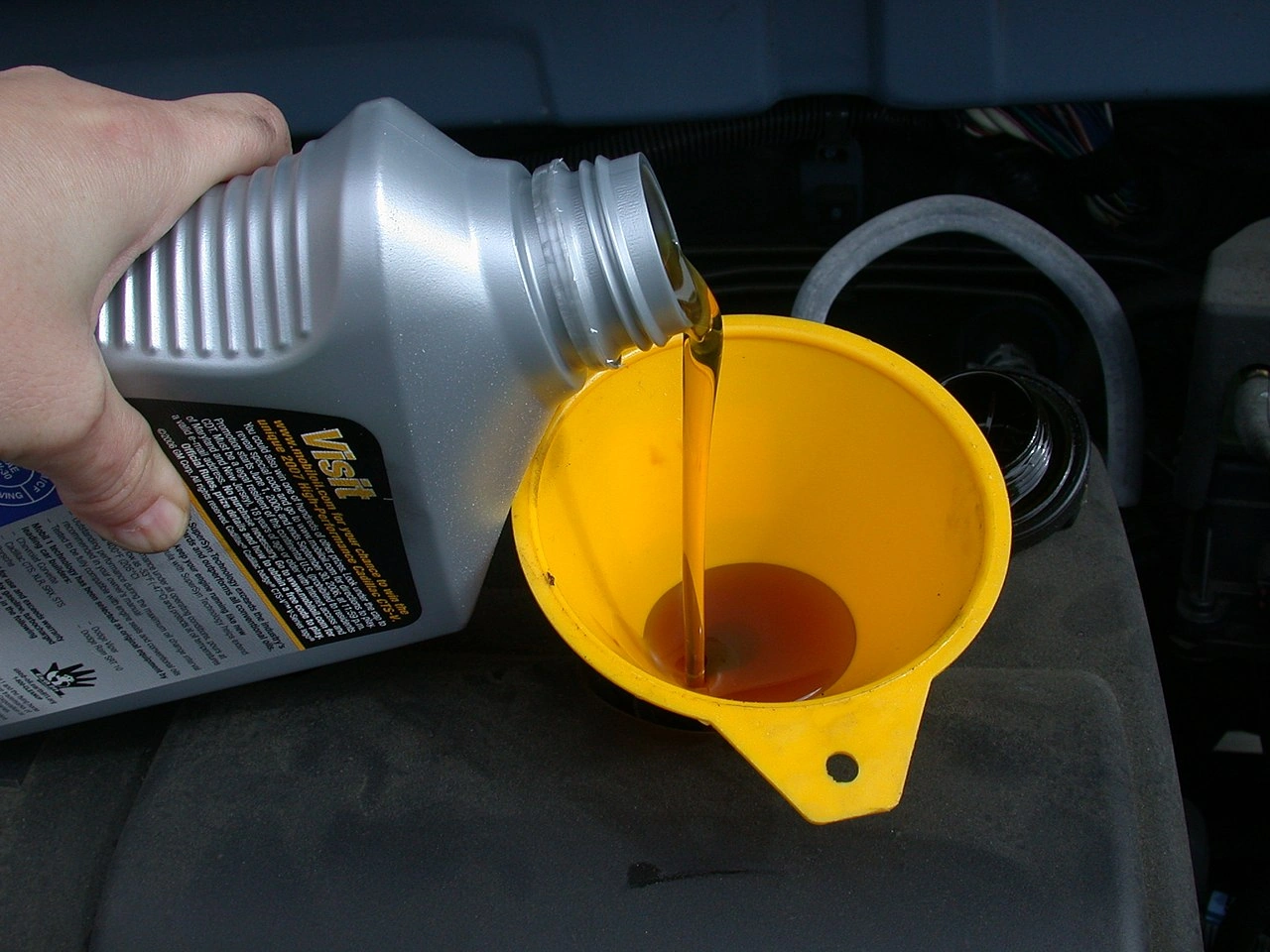
157. Engine oil
Engine oil is a lubricant used inside an internal-combustion engine to reduce friction and wear between moving components. It also helps remove heat, keep internal surfaces clean and protect components against corrosion.
The oil level and condition should be checked according to the vehicle manufacturer's instructions. Only oil with the correct specification and viscosity should be used, and the oil and oil filter should be replaced at the recommended maintenance intervals.
Wikimedia.org • Dvortygirl • CC BY-SA
How do you check the engine oil level?
Depending on the vehicle, the level is checked with an oil dipstick or an electronic oil-level system. The vehicle manufacturer's instructions should be followed because the required procedure can vary between engines.
Can you use any engine oil?
No. Engine oils have different viscosity grades and technical specifications. Only oil meeting the requirements specified by the vehicle manufacturer should be used.
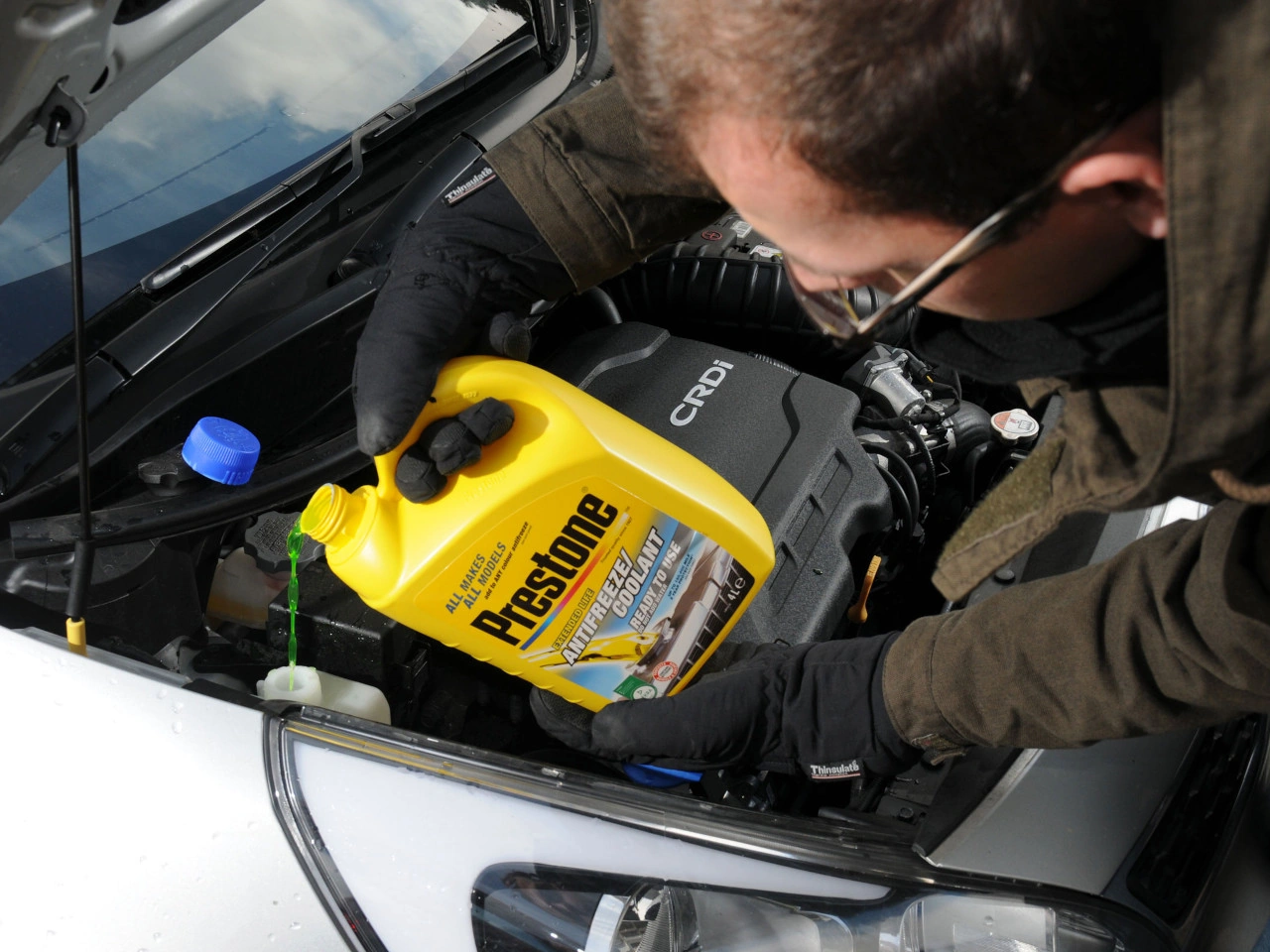
158. Coolant
Coolant is a fluid that circulates through a vehicle's cooling system to remove excess heat from the engine or other components. It usually contains water mixed with antifreeze and corrosion inhibitors so that the cooling system can operate safely across a wide range of temperatures.
The coolant level should be checked according to the vehicle manufacturer's instructions. The correct coolant specification must be used, and the cooling system should only be opened when it is safe to do so because hot coolant can be under pressure.
Wikimedia.org • Gasper12345 • CC BY-SA
What does engine coolant do?
Coolant absorbs heat from the engine and carries it to the radiator, where the heat can be released. It also helps protect the cooling system against freezing, corrosion and excessive temperatures.
🔗 hella.com • HELLA, engine cooling, Engine cooling; 🔗 cdn.group.renault.com • Dacia, Sandero / Stepway / Jogger owner manual, Coolant reservoir safety instructions
Should you open the coolant reservoir when the engine is hot?
No. A hot cooling system can be pressurised and opening it can release hot coolant or steam. Allow the system to cool and follow the vehicle manufacturer's instructions before opening the reservoir.
🔗 hella.com • HELLA, engine cooling, Engine cooling; 🔗 cdn.group.renault.com • Dacia, Sandero / Stepway / Jogger owner manual, Coolant reservoir safety instructions
159. Maintenance
Maintenance is the regular inspection, servicing and repair of a vehicle to keep it safe, reliable and in good working condition. It includes tasks such as checking fluids, tyres, brakes, lights and other components and replacing worn parts when necessary.
Maintenance should follow the vehicle manufacturer's recommended service schedule. Regular maintenance can help prevent breakdowns, reduce wear, maintain safety systems and identify defects before they become more serious.

Wikimedia.org • Nigel Sandridge • CC0
Why is regular vehicle maintenance important?
Regular maintenance helps keep safety-critical and mechanical systems working correctly, reduces the risk of breakdowns and can identify worn or damaged components before they cause larger problems.
🔗 volvocars.com • Volvo, engine oil checking/filling; model-specific example
🔗 hella.com • HELLA, engine cooling system function
🔗 gov.uk • Great Britain Highway Code, Annex 6, vehicle maintenance; national guidance example
How often should a vehicle be serviced?
Service intervals depend on the vehicle, engine, mileage, age and operating conditions. Drivers should follow the maintenance schedule provided by the vehicle manufacturer.
🔗 volvocars.com • Volvo, engine oil checking/filling; model-specific example
🔗 hella.com • HELLA, engine cooling system function
🔗 gov.uk • Great Britain Highway Code, Annex 6, vehicle maintenance; national guidance example
160. Spare tyre
A spare tyre is an additional tyre, usually already mounted on a wheel, carried in a vehicle so that a damaged or punctured road wheel can be temporarily replaced. Vehicles may carry a full-size spare wheel, a compact temporary spare or a tyre-repair kit instead.
A temporary spare wheel is normally intended only for emergency and short-term use. Drivers must follow the manufacturer's restrictions concerning speed, distance, tyre pressure and installation and should replace or repair the damaged normal tyre as soon as possible.

Wikimedia.org • Mike-fiesta • CC BY-SA
What is a spare tyre?
A spare tyre is an additional tyre, normally mounted on a wheel, that can temporarily replace a punctured or damaged road wheel.
🔗 michelin.co.uk • Michelin, tyre sidewall markings and sizing
🔗 michelin.co.uk • Michelin, winter tyres, conditions and markings
🔗 gov.uk • Great Britain Highway Code, Annex 6, tyres and pressures; national guidance example
🔗 gov.uk • Great Britain Highway Code, Rules 228–231, snow and ice; national guidance example
What should you do after fitting a spare wheel?
Drive cautiously, respect any temporary-wheel restrictions and have the damaged tyre repaired or replaced as soon as reasonably possible.
🔗 michelin.co.uk • Michelin, tyre sidewall markings and sizing
🔗 michelin.co.uk • Michelin, winter tyres, conditions and markings
🔗 gov.uk • Great Britain Highway Code, Annex 6, tyres and pressures; national guidance example
🔗 gov.uk • Great Britain Highway Code, Rules 228–231, snow and ice; national guidance example
Is carrying a spare tyre compulsory?
This depends on the country and vehicle category. Some jurisdictions require particular breakdown equipment, while others allow vehicles to operate without a spare wheel.
🔗 michelin.co.uk • Michelin, tyre sidewall markings and sizing
🔗 michelin.co.uk • Michelin, winter tyres, conditions and markings
🔗 gov.uk • Great Britain Highway Code, Annex 6, tyres and pressures; national guidance example
🔗 gov.uk • Great Britain Highway Code, Rules 228–231, snow and ice; national guidance example
161. Flat tyre
A flat tyre is a tyre that has lost enough air pressure that it can no longer support the vehicle or operate safely. It can result from a puncture, damaged valve, damaged wheel, tyre failure or a gradual air leak.
A flat tyre can seriously affect steering, braking and vehicle stability. The driver should reduce speed smoothly, avoid sudden steering or braking and stop in a safe place as soon as possible rather than continuing to drive on the damaged tyre.

Wikimedia.org • Stian Martinsen • CC BY-SA
What should you do if a tyre becomes flat while driving?
Keep control of the vehicle, reduce speed gradually and move to a safe stopping place. Avoid sudden braking or steering because the vehicle's handling may be significantly affected.
🔗 michelin.co.uk • Michelin, tyre sidewall markings and sizing
🔗 michelin.co.uk • Michelin, winter tyres, conditions and markings
🔗 gov.uk • Great Britain Highway Code, Annex 6, tyres and pressures; national guidance example
🔗 gov.uk • Great Britain Highway Code, Rules 228–231, snow and ice; national guidance example
What can cause a flat tyre?
Common causes include punctures or damage to the tyre or wheel assembly. Have unexpected pressure loss or damage after an impact checked. Regular pressure and condition checks can help reveal a problem before the next journey.
🔗 michelin.co.uk • Michelin, tyre sidewall markings and sizing
🔗 michelin.co.uk • Michelin, winter tyres, conditions and markings
🔗 gov.uk • Great Britain Highway Code, Annex 6, tyres and pressures; national guidance example
🔗 gov.uk • Great Britain Highway Code, Rules 228–231, snow and ice; national guidance example
162. Jack
A jack is a portable lifting device used to raise part of a vehicle off the ground, commonly when changing a wheel. Vehicle jacks can be mechanical, hydraulic or electrically operated.
A jack should only be used at the lifting points specified by the vehicle manufacturer and on a firm, stable surface. The parking brake should be applied and the vehicle secured against movement before lifting.

Wikimedia.org • Santeri Viinamäki • CC BY-SA
Is it safe to work underneath a vehicle supported only by a jack?
No. A jack is primarily a lifting device and should not be relied upon as the sole support when working underneath a raised vehicle. Appropriate supporting equipment should be used for work beneath the vehicle.
🔗 michelin.co.uk • Michelin, tyre sidewall markings and sizing
🔗 michelin.co.uk • Michelin, winter tyres, conditions and markings
🔗 gov.uk • Great Britain Highway Code, Annex 6, tyres and pressures; national guidance example
🔗 gov.uk • Great Britain Highway Code, Rules 228–231, snow and ice; national guidance example
163. Vehicle inspection
A vehicle inspection is an official check to determine whether a vehicle is safe, roadworthy and compliant with applicable technical and environmental requirements. Depending on the country and type of vehicle, inspections may check the brakes, tyres, steering, suspension, lights, emissions, identification and other safety-related components. Inspection rules and intervals vary between countries: some vehicles require regular periodic inspections, while others may also need an inspection after major modifications, an accident, importation or a change of ownership.

Wikimedia.org • Roman Zázvorka • CC BY-SA
What is a vehicle inspection?
A vehicle inspection is an official examination of a vehicle to check whether it meets applicable safety, technical and environmental requirements.
🔗 europa.eu • Your Europe, registration and roadworthiness documents; EU example
What is checked during a vehicle inspection?
The inspection may include the brakes, tyres, steering, suspension, lights, vehicle identification and emissions. The exact inspection points depend on the country, vehicle type and type of inspection.
🔗 europa.eu • Your Europe, registration and roadworthiness documents; EU example
How often does a vehicle need to be inspected?
The inspection interval depends on the country and type of vehicle. Some countries require annual inspections, while others use longer intervals based on the vehicle's age, use or condition.
🔗 europa.eu • Your Europe, registration and roadworthiness documents; EU example
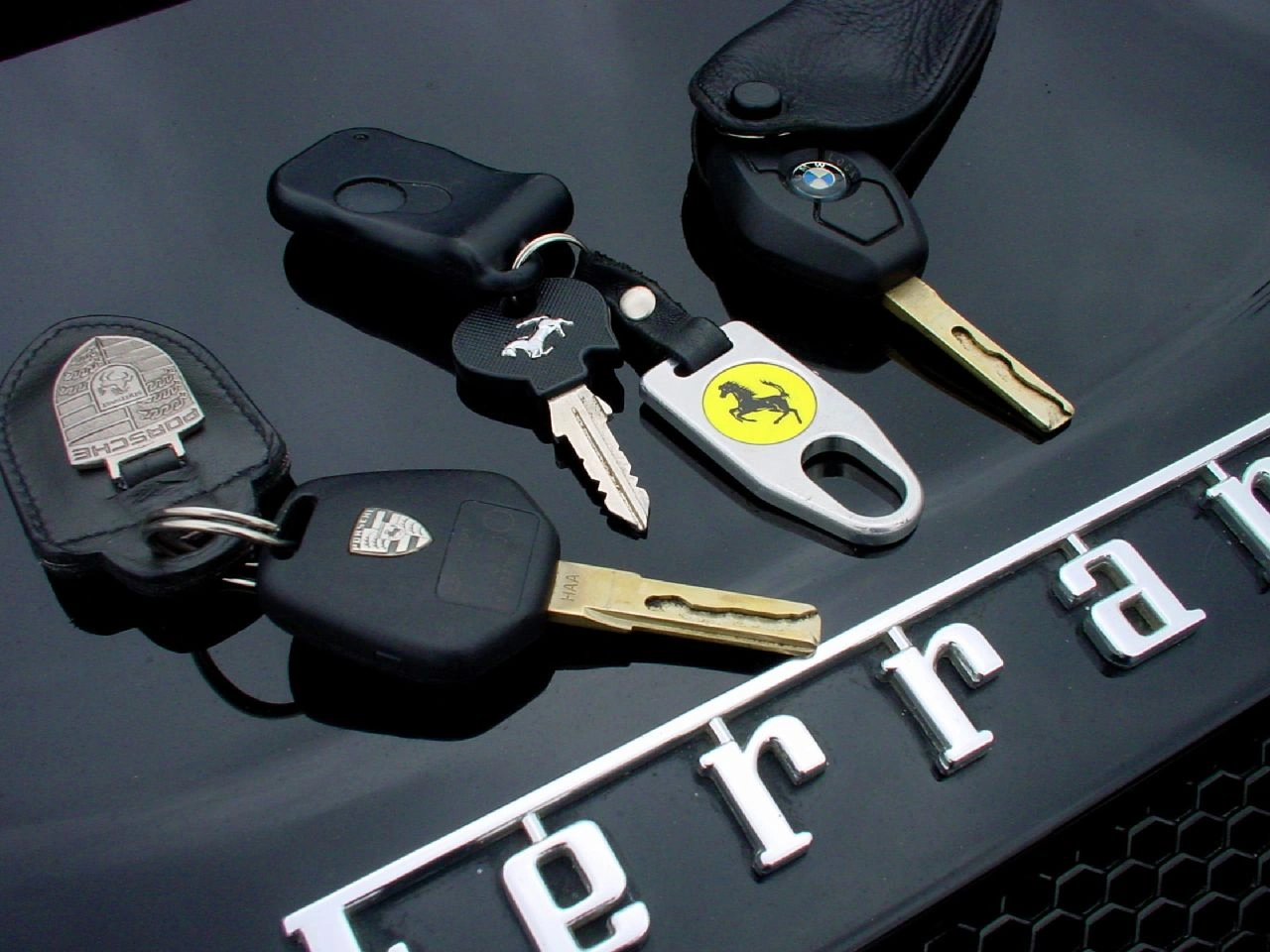
164. Key
A key is a device used to unlock a vehicle and authorise its operation. Traditional vehicle keys use a mechanical blade, while modern vehicles commonly use electronic transponders, remote-control key fobs or keyless systems that communicate electronically with the vehicle.
Many modern keys work together with an immobiliser that prevents the engine or propulsion system from being activated unless an authorised key is detected. Replacement or duplicate keys may therefore need to be electronically programmed to the vehicle.
Wikimedia.org • chen chin • CC BY
What does a modern car key do?
A modern car key can unlock and lock the vehicle and authorise the engine or electric propulsion system to start. It may use a mechanical blade, electronic transponder, remote-control functions or a keyless system.
What should you do if you lose a vehicle key?
Use a spare key if available and arrange a replacement through an appropriate dealer, locksmith or vehicle specialist. Modern replacement keys often need to be programmed to the vehicle's electronic security system.
165. Dashboard
The dashboard is the area in front of the driver that displays important information about the vehicle and provides access to controls and warning indicators. It commonly includes the speedometer, fuel or battery level, warning lights, indicators and information about the engine, brakes and safety systems. Modern vehicles may use a digital instrument display instead of traditional gauges. Drivers should understand the main dashboard symbols and respond appropriately when a warning light appears.
Wikimedia.org • Petar Milošević • CC BY-SA
What information is shown on the dashboard?
A dashboard may show the speed, fuel or battery level, engine information, warning lights, turn indicators and safety-system status. The exact display depends on the vehicle.
What do dashboard warning light colours mean?
Colour is a clue, not a complete diagnosis. Red or amber can indicate a warning or operating state, while green or blue commonly identifies an active function. Read the exact symbol and vehicle instructions before deciding what action is safe.
166. Windscreen wiper
A windscreen wiper is a device that removes rain, snow, dirt and other moisture from a vehicle’s windscreen to maintain a clear view of the road. Most vehicles use electrically powered wipers with replaceable rubber blades and several operating speeds, often together with a windscreen washer system. Drivers should replace worn or damaged wiper blades when they leave streaks, skip across the glass or no longer clean the windscreen effectively.
Wikimedia.org • Lothar Spurzem • CC BY-SA
What is a windscreen wiper?
A windscreen wiper is a device that moves across the windscreen to remove rain, snow, dirt and moisture so the driver can maintain a clear view of the road.
🔗 gov.uk • Great Britain Highway Code, Annex 6, clear windows and wipers; national guidance example
Why are windscreen wipers important?
Windscreen wipers help maintain clear visibility in bad weather and when the windscreen becomes dirty. Poor visibility can make it harder to detect traffic, pedestrians, signs and hazards.
🔗 gov.uk • Great Britain Highway Code, Annex 6, clear windows and wipers; national guidance example
When should windscreen wiper blades be replaced?
Wiper blades should be replaced when they are worn, cracked, damaged or no longer clean the windscreen effectively. Common signs include streaking, skipping, squeaking or areas of the windscreen remaining wet.
🔗 gov.uk • Great Britain Highway Code, Annex 6, clear windows and wipers; national guidance example
167. Doors
Doors provide access to the vehicle and help protect occupants while the vehicle is moving. They must open and close correctly, remain securely closed during driving and have functioning hinges, catches and locking mechanisms. Damaged or loose doors can create a serious safety risk, especially if they can open unexpectedly or cannot be closed properly.
Wikimedia.org • Guyon • CC BY
Why are vehicle doors important for safety?
Vehicle doors help protect occupants and keep them safely inside the vehicle. They should close securely and must not open unexpectedly while driving.
What parts of a vehicle door should work correctly?
The door, hinges, catches, locking mechanism and surrounding structure should be secure and in good condition so the door can open and close properly.
Can you drive with a door that does not close properly?
A door that cannot remain securely closed can be dangerous and may make the vehicle unroadworthy. It should be repaired before the vehicle is used.
168. Glovebox
A glovebox, also called a glove compartment, is a storage compartment built into the dashboard in front of the passenger seat. It is commonly used to keep vehicle documents, the owner’s manual and other small items within easy reach. The glovebox should be kept closed while driving so that it does not obstruct passengers or allow loose objects to fall into the vehicle. Avoid storing valuables or items that can be damaged by the high temperatures that may develop inside a parked car.
Wikimedia.org • Q4RadioGuy • CC BY
Should the glovebox be closed while driving?
Yes. Toyota’s owner-manual guidance says to keep the glovebox closed: during sudden braking or swerving, an occupant could be struck by the open compartment or its contents. Follow the instructions for your vehicle.
🔗 assets.sia.toyota.com • Toyota owner manual OM21046U, glove box safety
Where should I check how to open or lock my glovebox?
Use your vehicle’s owner’s manual. Latches and locks differ. The retrieved Toyota manual, for example, describes a lever to open the glovebox and a key or mechanical key to lock it, depending on the vehicle’s key system.
🔗 assets.sia.toyota.com • Toyota owner manual OM21046U, glove box safety
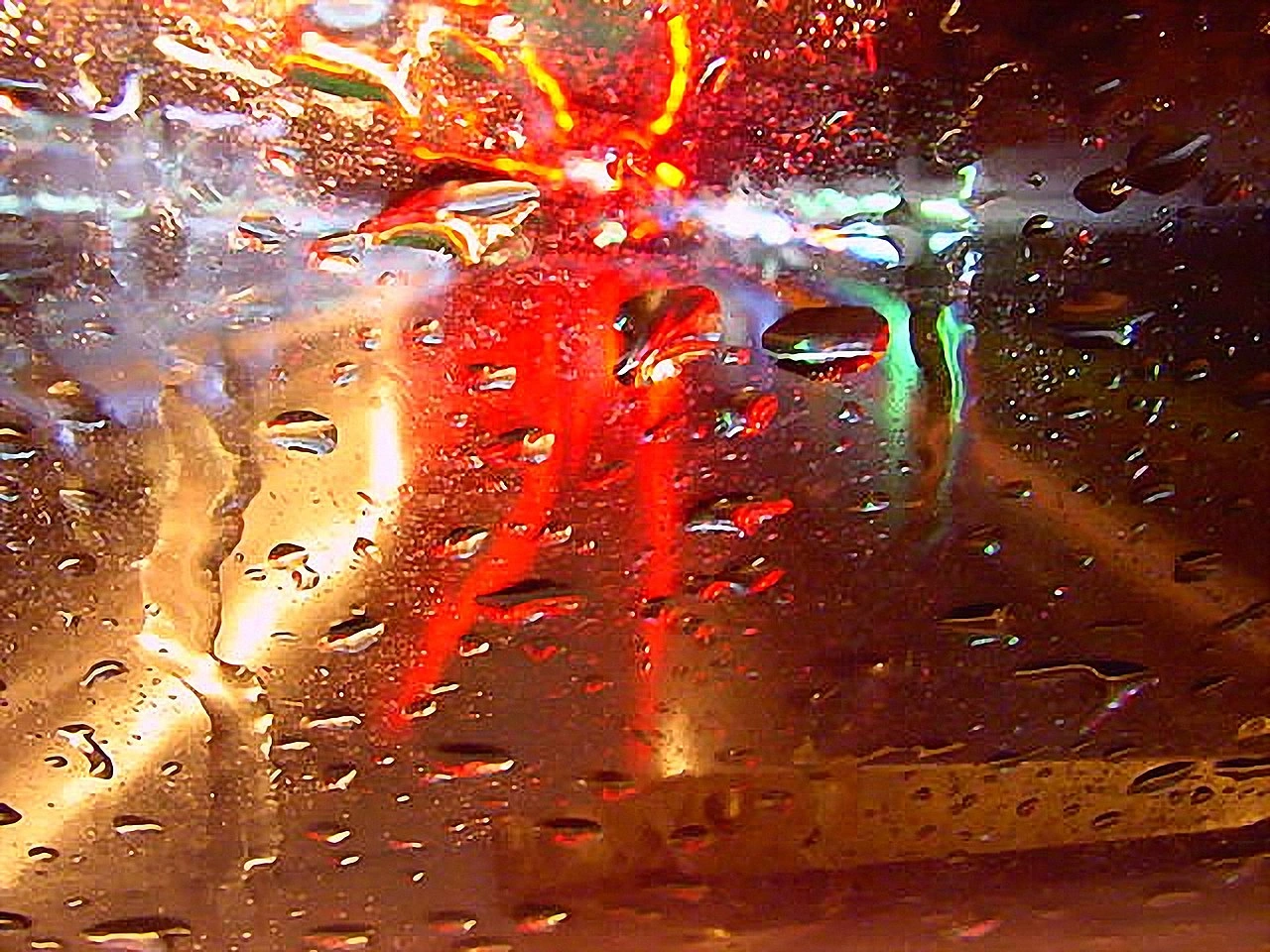
169. Visibility
Visibility is the ability of a driver to see the road, other road users and potential hazards clearly, while also making the vehicle visible to others. Visibility can be reduced by darkness, fog, rain, snow, dirty or misted windows, glare and objects that obstruct the driver’s view. Drivers should keep windows, mirrors and lights clean, remove anything that blocks their field of vision and use the appropriate vehicle lights when visibility is reduced.
Wikimedia.org • Rick Doble • CC BY-SA
What does visibility mean when driving?
Visibility describes how clearly a driver can see the road, traffic and hazards and how easily other road users can see the vehicle.
🔗 gov.uk • Great Britain Highway Code, Rules 226–237, adverse weather; national guidance example
🔗 weather.metoffice.gov.uk • Met Office, freezing rain formation
🔗 weather.metoffice.gov.uk • Met Office, frost, transparent glaze and black ice
🔗 ops.fhwa.dot.gov • US FHWA, anti-icing chemistry and treatment timing
What can reduce visibility while driving?
Visibility can be reduced by darkness, fog, rain, snow, glare, dirty or misted windows and objects that obstruct the driver’s view.
🔗 gov.uk • Great Britain Highway Code, Rules 226–237, adverse weather; national guidance example
🔗 weather.metoffice.gov.uk • Met Office, freezing rain formation
🔗 weather.metoffice.gov.uk • Met Office, frost, transparent glaze and black ice
🔗 ops.fhwa.dot.gov • US FHWA, anti-icing chemistry and treatment timing
What should you do when visibility is poor?
Reduce your speed, increase your following distance and use the appropriate lights. Make sure you can see far enough ahead to react safely to traffic and obstacles.
🔗 gov.uk • Great Britain Highway Code, Rules 226–237, adverse weather; national guidance example
🔗 weather.metoffice.gov.uk • Met Office, freezing rain formation
🔗 weather.metoffice.gov.uk • Met Office, frost, transparent glaze and black ice
🔗 ops.fhwa.dot.gov • US FHWA, anti-icing chemistry and treatment timing
170. Rain
Rain can reduce visibility, tyre grip and vehicle control while increasing stopping distances. Water on the road can also cause aquaplaning, where the tyres lose contact with the road surface. Drivers should reduce speed, increase their following distance, avoid sudden steering or braking and use the appropriate lights when visibility is reduced. Extra care is needed during heavy rain and when water collects in wheel tracks or on poorly drained roads.
How does rain affect driving?
Rain can reduce visibility and tyre grip, increase stopping distances and make it more difficult to control the vehicle safely.
🔗 gov.uk • Great Britain Highway Code, Rules 226–237, adverse weather; national guidance example
🔗 weather.metoffice.gov.uk • Met Office, freezing rain formation
🔗 weather.metoffice.gov.uk • Met Office, frost, transparent glaze and black ice
🔗 ops.fhwa.dot.gov • US FHWA, anti-icing chemistry and treatment timing
How should you drive in heavy rain?
Reduce speed, increase your following distance and use smooth steering, acceleration and braking. Use the appropriate lights and be prepared for reduced visibility and standing water.
🔗 gov.uk • Great Britain Highway Code, Rules 226–237, adverse weather; national guidance example
🔗 weather.metoffice.gov.uk • Met Office, freezing rain formation
🔗 weather.metoffice.gov.uk • Met Office, frost, transparent glaze and black ice
🔗 ops.fhwa.dot.gov • US FHWA, anti-icing chemistry and treatment timing
Why should you increase the following distance in rain?
Wet roads can increase the distance needed to stop. A larger following distance gives you more time and space to react safely.
🔗 gov.uk • Great Britain Highway Code, Rules 226–237, adverse weather; national guidance example
🔗 weather.metoffice.gov.uk • Met Office, freezing rain formation
🔗 weather.metoffice.gov.uk • Met Office, frost, transparent glaze and black ice
🔗 ops.fhwa.dot.gov • US FHWA, anti-icing chemistry and treatment timing
171. Fog
Fog can greatly reduce visibility and make it difficult to judge speed, distance and the position of other road users. Drivers should reduce speed, increase their following distance and use the appropriate lights without dazzling others. Avoid relying only on the vehicle ahead as a guide, and be prepared for sudden changes in visibility. When fog is very dense, stopping in a safe place may be the best option.
Why is fog dangerous when driving?
Fog can greatly reduce visibility and make it harder to judge speed, distance and the movement of other road users.
🔗 gov.uk • Great Britain Highway Code, Rules 226–237, adverse weather; national guidance example
🔗 weather.metoffice.gov.uk • Met Office, freezing rain formation
🔗 weather.metoffice.gov.uk • Met Office, frost, transparent glaze and black ice
🔗 ops.fhwa.dot.gov • US FHWA, anti-icing chemistry and treatment timing
How should you drive in fog?
Reduce speed, increase your following distance and use the appropriate lights. Drive so that you can stop safely within the distance you can clearly see.
🔗 gov.uk • Great Britain Highway Code, Rules 226–237, adverse weather; national guidance example
🔗 weather.metoffice.gov.uk • Met Office, freezing rain formation
🔗 weather.metoffice.gov.uk • Met Office, frost, transparent glaze and black ice
🔗 ops.fhwa.dot.gov • US FHWA, anti-icing chemistry and treatment timing
Should you use high-beam headlights in fog?
Usually not. High beams can reflect from the water droplets in fog and make visibility worse. Use the lighting permitted and recommended under local traffic rules.
🔗 gov.uk • Great Britain Highway Code, Rules 226–237, adverse weather; national guidance example
🔗 weather.metoffice.gov.uk • Met Office, freezing rain formation
🔗 weather.metoffice.gov.uk • Met Office, frost, transparent glaze and black ice
🔗 ops.fhwa.dot.gov • US FHWA, anti-icing chemistry and treatment timing
172. Hail
Hail can reduce visibility, make the road slippery and create sudden hazardous driving conditions. Hailstones may accumulate on the road and reduce tyre grip in a similar way to ice or loose material, while larger hailstones can also damage windscreens and vehicle bodywork. Drivers should reduce speed, increase their following distance, avoid sudden steering or braking and, when conditions become severe, consider stopping at a safe place until the hailstorm passes.
Why is hail dangerous when driving?
Hail can reduce visibility and tyre grip, make the road slippery and distract drivers because of the sudden noise and impact of hailstones.
🔗 gov.uk • Great Britain Highway Code, Rules 226–237, adverse weather; national guidance example
🔗 weather.metoffice.gov.uk • Met Office, freezing rain formation
🔗 weather.metoffice.gov.uk • Met Office, frost, transparent glaze and black ice
🔗 ops.fhwa.dot.gov • US FHWA, anti-icing chemistry and treatment timing
How should you drive during a hailstorm?
Reduce speed, increase your following distance and use smooth steering and braking. If the hail becomes severe or visibility is very poor, consider stopping at a safe place away from moving traffic.
🔗 gov.uk • Great Britain Highway Code, Rules 226–237, adverse weather; national guidance example
🔗 weather.metoffice.gov.uk • Met Office, freezing rain formation
🔗 weather.metoffice.gov.uk • Met Office, frost, transparent glaze and black ice
🔗 ops.fhwa.dot.gov • US FHWA, anti-icing chemistry and treatment timing
Is it safer to stop during severe hail?
If visibility or road conditions become too dangerous, it may be safer to stop at a suitable place away from moving traffic and continue when conditions improve.
🔗 gov.uk • Great Britain Highway Code, Rules 226–237, adverse weather; national guidance example
🔗 weather.metoffice.gov.uk • Met Office, freezing rain formation
🔗 weather.metoffice.gov.uk • Met Office, frost, transparent glaze and black ice
🔗 ops.fhwa.dot.gov • US FHWA, anti-icing chemistry and treatment timing
173. Sunlight
Sunlight can reduce visibility when the sun is low in the sky or when bright light reflects from wet roads, snow, buildings or other vehicles. Sun glare can make traffic lights, signs, pedestrians and other road users difficult to see. Drivers should reduce speed when necessary, keep the windscreen clean, use the sun visor or suitable sunglasses and leave extra space to react to hazards that may be temporarily hidden by glare.

Wikimedia.org • Frank Contreras Cardenas • CC BY-SA
Why can sunlight be dangerous when driving?
Bright or low sunlight can cause glare and temporarily reduce visibility, making traffic lights, signs, pedestrians and other road users more difficult to see.
🔗 gov.uk • Great Britain Highway Code, Rules 226–237, adverse weather; national guidance example
🔗 weather.metoffice.gov.uk • Met Office, freezing rain formation
🔗 weather.metoffice.gov.uk • Met Office, frost, transparent glaze and black ice
🔗 ops.fhwa.dot.gov • US FHWA, anti-icing chemistry and treatment timing
When is sun glare most likely to cause problems?
Glare is often strongest when the sun is low in the sky, particularly around sunrise and sunset, and when sunlight reflects from wet roads, snow, glass or other bright surfaces.
🔗 gov.uk • Great Britain Highway Code, Rules 226–237, adverse weather; national guidance example
🔗 weather.metoffice.gov.uk • Met Office, freezing rain formation
🔗 weather.metoffice.gov.uk • Met Office, frost, transparent glaze and black ice
🔗 ops.fhwa.dot.gov • US FHWA, anti-icing chemistry and treatment timing
What should you do when sunlight makes it difficult to see?
Reduce speed and increase your following distance so you have more time to react. Use the sun visor where helpful and avoid continuing at a speed that is too high for the available visibility.
🔗 gov.uk • Great Britain Highway Code, Rules 226–237, adverse weather; national guidance example
🔗 weather.metoffice.gov.uk • Met Office, freezing rain formation
🔗 weather.metoffice.gov.uk • Met Office, frost, transparent glaze and black ice
🔗 ops.fhwa.dot.gov • US FHWA, anti-icing chemistry and treatment timing
174. Sunglasses
Sunglasses can reduce glare and improve visual comfort when driving in bright sunlight, especially when the sun is low or reflects from wet roads, snow or other surfaces. Drivers should choose lenses that allow traffic lights, signs and other road users to remain clearly visible. Very dark lenses can reduce visibility in tunnels, at night or in changing light conditions, so sunglasses should be removed when they make it harder to see the road safely.

Wikimedia.org • Vancouver 125 • CC BY
Can sunglasses help when driving?
Yes. Sunglasses can reduce glare and improve visual comfort in bright sunlight, making it easier to see the road and surrounding traffic.
🔗 gov.uk • Great Britain Highway Code, Rules 226–237, adverse weather; national guidance example
🔗 weather.metoffice.gov.uk • Met Office, freezing rain formation
🔗 weather.metoffice.gov.uk • Met Office, frost, transparent glaze and black ice
🔗 ops.fhwa.dot.gov • US FHWA, anti-icing chemistry and treatment timing
When are sunglasses most useful while driving?
They are particularly useful when the sun is low in the sky or when bright light reflects from wet roads, snow, glass or other surfaces.
🔗 gov.uk • Great Britain Highway Code, Rules 226–237, adverse weather; national guidance example
🔗 weather.metoffice.gov.uk • Met Office, freezing rain formation
🔗 weather.metoffice.gov.uk • Met Office, frost, transparent glaze and black ice
🔗 ops.fhwa.dot.gov • US FHWA, anti-icing chemistry and treatment timing
Are very dark sunglasses suitable for driving?
Very dark lenses can reduce the amount of light reaching the eyes and may make it difficult to see in tunnels, shade, poor weather or at night. Sunglasses should not interfere with safe visibility.
🔗 gov.uk • Great Britain Highway Code, Rules 226–237, adverse weather; national guidance example
🔗 weather.metoffice.gov.uk • Met Office, freezing rain formation
🔗 weather.metoffice.gov.uk • Met Office, frost, transparent glaze and black ice
🔗 ops.fhwa.dot.gov • US FHWA, anti-icing chemistry and treatment timing
175. Salt
Salt is commonly used for deicing and anti-icing roads in winter. It lowers the freezing point of water, helping to prevent ice from forming or to melt existing snow and ice. Road authorities may spread dry salt, wet salt or brine before or during freezing conditions. Salt improves road safety, but drivers should still reduce speed and adapt to slippery conditions because treated roads can remain hazardous, especially during heavy snowfall, freezing rain or very low temperatures.
Why is salt used on roads in winter?
Salt helps lower the freezing point of water, making it harder for ice to form and helping existing snow or ice melt.
🔗 gov.uk • Great Britain Highway Code, Rules 226–237, adverse weather; national guidance example
🔗 weather.metoffice.gov.uk • Met Office, freezing rain formation
🔗 weather.metoffice.gov.uk • Met Office, frost, transparent glaze and black ice
🔗 ops.fhwa.dot.gov • US FHWA, anti-icing chemistry and treatment timing
What is the difference between deicing and anti-icing?
Anti-icing means treating the road before ice forms, while deicing means applying salt or another treatment after snow or ice is already present.
🔗 gov.uk • Great Britain Highway Code, Rules 226–237, adverse weather; national guidance example
🔗 weather.metoffice.gov.uk • Met Office, freezing rain formation
🔗 weather.metoffice.gov.uk • Met Office, frost, transparent glaze and black ice
🔗 ops.fhwa.dot.gov • US FHWA, anti-icing chemistry and treatment timing
Does salt make an icy road completely safe?
No. Salt can improve grip by reducing snow and ice, but treated roads can still be slippery. Drivers should continue to reduce speed and increase their following distance.
🔗 gov.uk • Great Britain Highway Code, Rules 226–237, adverse weather; national guidance example
🔗 weather.metoffice.gov.uk • Met Office, freezing rain formation
🔗 weather.metoffice.gov.uk • Met Office, frost, transparent glaze and black ice
🔗 ops.fhwa.dot.gov • US FHWA, anti-icing chemistry and treatment timing