


Traffic signsSerbia
 Traffic rules
 Serbia
176. Air conditioning
Air conditioning helps control the temperature and humidity inside a vehicle and can improve comfort and visibility. In hot weather it cools the passenger compartment, while in damp conditions it can help remove moisture from the air and clear mist from the windows more quickly. Drivers should use the system in a way that keeps the interior comfortable without creating large temperature differences, and the system should be maintained so that it continues to work effectively.
Wikimedia.org • Mattes • CC0
What does air conditioning do in a car?
Air conditioning cools and dehumidifies the air inside the vehicle, helping improve comfort and reduce moisture on the windows.
🔗 gov.uk • Great Britain Highway Code, Rules 226–237, adverse weather; national guidance example
🔗 weather.metoffice.gov.uk • Met Office, freezing rain formation
🔗 weather.metoffice.gov.uk • Met Office, frost, transparent glaze and black ice
🔗 ops.fhwa.dot.gov • US FHWA, anti-icing chemistry and treatment timing
Can air conditioning help demist the windscreen?
Yes. Because air conditioning removes moisture from the air, it can help clear condensation from the windscreen and windows more quickly.
🔗 gov.uk • Great Britain Highway Code, Rules 226–237, adverse weather; national guidance example
🔗 weather.metoffice.gov.uk • Met Office, freezing rain formation
🔗 weather.metoffice.gov.uk • Met Office, frost, transparent glaze and black ice
🔗 ops.fhwa.dot.gov • US FHWA, anti-icing chemistry and treatment timing
Should air conditioning be used in winter?
Air conditioning can help demist windows in winter when the vehicle system permits it. Use the handbook’s demisting or automatic-climate settings. Operation can depend on temperature and system conditions, so do not assume the compressor will always run.
🔗 gov.uk • Great Britain Highway Code, Rules 226–237, adverse weather; national guidance example
🔗 weather.metoffice.gov.uk • Met Office, freezing rain formation
🔗 weather.metoffice.gov.uk • Met Office, frost, transparent glaze and black ice
🔗 ops.fhwa.dot.gov • US FHWA, anti-icing chemistry and treatment timing

177. Hydroplaning
Hydroplaning, also called aquaplaning, occurs when a layer of water builds up between a vehicle’s tyres and the road surface, causing the tyres to lose contact with the road. Steering, braking and acceleration can then become much less effective. The risk increases with speed, standing water and worn tyres. Drivers should reduce speed in heavy rain, avoid sudden steering or braking and make sure their tyres are in good condition with sufficient tread depth.
What is hydroplaning?
Hydroplaning occurs when water separates the tyres from the road surface, reducing or temporarily removing normal tyre grip.
🔗 gov.uk • Great Britain Highway Code, Rules 226–237, adverse weather; national guidance example
🔗 weather.metoffice.gov.uk • Met Office, freezing rain formation
🔗 weather.metoffice.gov.uk • Met Office, frost, transparent glaze and black ice
🔗 ops.fhwa.dot.gov • US FHWA, anti-icing chemistry and treatment timing
What should you do if your vehicle starts hydroplaning?
Remain calm, ease off the accelerator and avoid sudden braking or steering. Keep the steering movements smooth and controlled until the tyres regain contact with the road.
🔗 gov.uk • Great Britain Highway Code, Rules 226–237, adverse weather; national guidance example
🔗 weather.metoffice.gov.uk • Met Office, freezing rain formation
🔗 weather.metoffice.gov.uk • Met Office, frost, transparent glaze and black ice
🔗 ops.fhwa.dot.gov • US FHWA, anti-icing chemistry and treatment timing
At what speed does hydroplaning occur?
There is no single speed at which hydroplaning always begins. The risk depends on speed, water depth, tyre condition, tyre pressure and the road surface.
🔗 gov.uk • Great Britain Highway Code, Rules 226–237, adverse weather; national guidance example
🔗 weather.metoffice.gov.uk • Met Office, freezing rain formation
🔗 weather.metoffice.gov.uk • Met Office, frost, transparent glaze and black ice
🔗 ops.fhwa.dot.gov • US FHWA, anti-icing chemistry and treatment timing
178. Distraction
Distraction is anything that takes a driver’s attention away from safely controlling the vehicle and observing the road. Common distractions include mobile phones, navigation systems, passengers, eating, adjusting controls or looking away from traffic. Distraction can be visual, manual or mental and may significantly increase reaction time. Drivers should keep their attention on the road, prepare navigation and other settings before moving and avoid activities that interfere with safe driving.

Wikimedia.org • Melissa Wenger • CC0
What is distracted driving?
Distracted driving occurs when a driver's visual, manual or mental attention is diverted from driving and the surrounding traffic.
🔗 gov.uk • Great Britain Highway Code, Rules 159–169, observation; national guidance example
What are common driving distractions?
Common distractions include mobile phones, navigation systems, passengers, eating, adjusting vehicle controls and looking away from the road.
🔗 gov.uk • Great Britain Highway Code, Rules 159–169, observation; national guidance example
Why is using a phone while driving dangerous?
Using a phone can combine visual, manual and mental distraction, reducing the driver's ability to notice hazards and react quickly.
🔗 gov.uk • Great Britain Highway Code, Rules 159–169, observation; national guidance example
179. Emotions
Emotions can influence attention, judgement and driving behaviour. Anger, stress, fear, sadness or excitement may cause a driver to become distracted, impatient or more likely to take risks. Strong emotions can also affect concentration and reaction time. Drivers should recognise when their emotional state is interfering with safe driving and, if necessary, slow down, take a break or stop in a safe place until they feel able to continue calmly and attentively.

Wikimedia.org • Raysonho • CC0
Can emotions affect driving?
Yes. Strong emotions can affect attention, judgement, reaction time and decision-making, which can make safe driving more difficult.
🔗 gov.uk • Great Britain Highway Code, Rules 159–169, observation; national guidance example
Why is anger dangerous when driving?
Anger can lead to impatience, aggressive manoeuvres, speeding or reduced attention. Drivers should avoid reacting emotionally to other road users.
🔗 gov.uk • Great Britain Highway Code, Rules 159–169, observation; national guidance example
What should you do if you are too emotional to drive safely?
If your emotional state is affecting concentration or judgement, stop or delay the journey when possible and continue only when you feel able to drive safely.
🔗 gov.uk • Great Britain Highway Code, Rules 159–169, observation; national guidance example
180. Road rage
Road rage is aggressive, hostile or intimidating behaviour by a road user toward others in traffic. It can include excessive honking, tailgating, shouting, threatening gestures, blocking another vehicle or making deliberately aggressive manoeuvres. Anger can reduce judgement and increase risk-taking, turning a minor traffic conflict into a dangerous situation. Drivers should avoid confrontation, remain calm, keep a safe distance and never retaliate against aggressive behaviour.

Wikimedia.org • DaleHulm • CC BY-SA
What is road rage?
Road rage is aggressive, hostile or intimidating behaviour directed at other road users, often caused by anger or frustration in traffic.
🔗 gov.uk • Great Britain Highway Code, Rules 159–169, observation; national guidance example
What should you do if another driver becomes aggressive?
Stay calm, avoid confrontation, maintain a safe distance and do not retaliate or copy the other driver's behaviour. If necessary, move away from the situation when it is safe to do so.
🔗 gov.uk • Great Britain Highway Code, Rules 159–169, observation; national guidance example
Should you stop to confront an aggressive driver?
Do not stop simply to confront an aggressive driver. Avoid retaliation, keep a safe distance and move away to a safe place when possible. If you feel threatened, contact the police as soon as you can do so safely.
🔗 gov.uk • Great Britain Highway Code, Rules 159–169, observation; national guidance example
181. Health
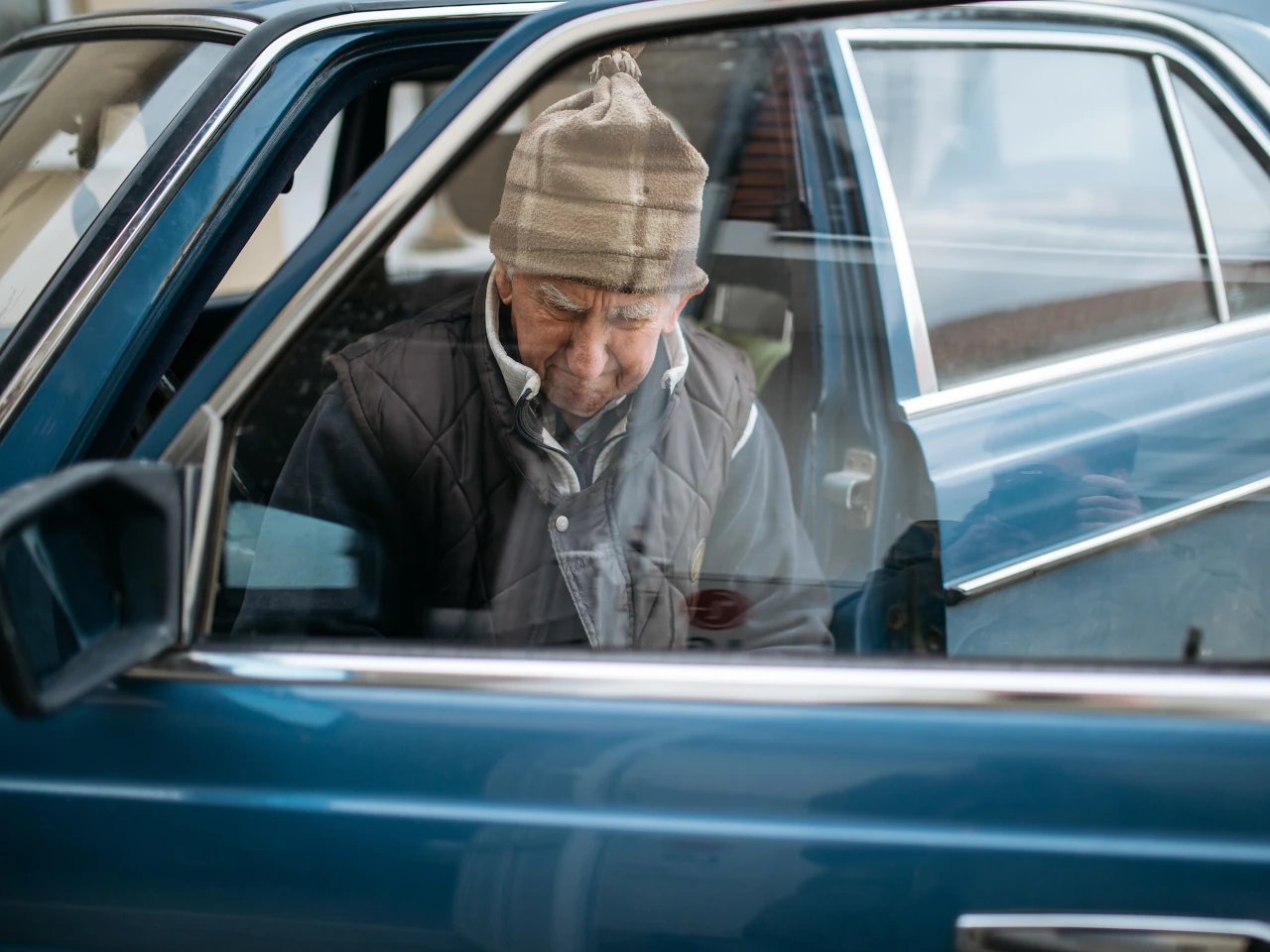
Health can affect a person’s ability to drive safely. Illness, injury, poor vision, reduced mobility, fatigue, certain medical conditions and some medicines can interfere with concentration, reaction time, judgement or vehicle control. Drivers should recognise when their physical or mental condition may make driving unsafe and should seek medical advice when necessary. In some countries, specific health conditions must be reported and may require a medical examination or restrictions on the driving licence.
Wikimedia.org • Shixart1985 • CC BY
How can health affect driving?
Health problems can affect vision, concentration, reaction time, judgement, coordination and vehicle control, making safe driving more difficult.
🔗 gov.uk • GOV.UK, health conditions and driving; GB reporting example
🔗 nei.nih.gov • US National Eye Institute, low vision and night blindness
Should you drive when you are ill?
Not if the illness makes it difficult to concentrate, react quickly or control the vehicle safely. Drivers should delay the journey or seek medical advice when necessary.
🔗 gov.uk • GOV.UK, health conditions and driving; GB reporting example
🔗 nei.nih.gov • US National Eye Institute, low vision and night blindness
Can medication affect driving?
Yes. Some medicines can cause drowsiness, dizziness, blurred vision or slower reactions. Always follow the instructions provided with the medicine and advice from a healthcare professional.
🔗 gov.uk • GOV.UK, health conditions and driving; GB reporting example
🔗 nei.nih.gov • US National Eye Institute, low vision and night blindness
182. Epilepsy
Epilepsy is a neurological condition that can cause recurrent seizures, which may involve changes in awareness, movement, sensation or consciousness. Because a seizure can temporarily prevent a person from controlling a vehicle safely, epilepsy can affect driving fitness and driving-licence requirements. The rules vary between countries and usually depend on factors such as the type of seizure, how long the person has been seizure-free, treatment and medical assessment. Anyone who experiences a seizure should follow the applicable driving rules and seek medical advice before driving again.

Wikimedia.org • Henry Vandyke Carter • CC0
Can epilepsy affect your ability to drive?
Yes. A seizure can cause loss of awareness, consciousness or vehicle control, so epilepsy can affect whether a person is medically fit to drive.
🔗 uhb.nhs.uk • University Hospitals Birmingham NHS, seizures and driving, current DVLA role
🔗 gov.uk • GOV.UK, health conditions and driving; GB example
Can a person with epilepsy have a driving licence?
In many countries, yes, provided specific medical and seizure-free requirements are met. The exact conditions depend on the country, licence category and individual medical situation.
🔗 uhb.nhs.uk • University Hospitals Birmingham NHS, seizures and driving, current DVLA role
🔗 gov.uk • GOV.UK, health conditions and driving; GB example
What should you do after having a seizure?
Stop driving after a seizure or blackout and seek medical advice. Check the licensing authority’s requirements before returning to driving; the permitted return depends on the jurisdiction, licence category and circumstances. In Great Britain, DVLA decides the licensing restriction, not the doctor alone.
🔗 uhb.nhs.uk • University Hospitals Birmingham NHS, seizures and driving, current DVLA role
🔗 gov.uk • GOV.UK, health conditions and driving; GB example
183. Night blindness
Night blindness, also called nyctalopia, is reduced ability to see in darkness or low-light conditions. It can make it difficult to recognise pedestrians, cyclists, road markings, bends or obstacles at night and during twilight. Night blindness can have different causes, including certain eye conditions, vitamin deficiencies or problems with the retina. Drivers who have difficulty seeing in low light should avoid driving in conditions where their vision is inadequate and seek professional eye care.

Wikimedia.org • Alex Proimos • CC BY
What is night blindness?
Night blindness is difficulty seeing in darkness or low-light conditions, even when daytime vision may be relatively good.
🔗 gov.uk • GOV.UK, health conditions and driving; GB reporting example
🔗 nei.nih.gov • US National Eye Institute, low vision and night blindness
Why is night blindness dangerous when driving?
It can make pedestrians, cyclists, road edges, signs and obstacles harder to detect, reducing the time available to react safely.
🔗 gov.uk • GOV.UK, health conditions and driving; GB reporting example
🔗 nei.nih.gov • US National Eye Institute, low vision and night blindness
Is night blindness the same as being completely blind at night?
No. Night blindness usually means reduced vision in dim conditions, not a complete loss of sight.
🔗 gov.uk • GOV.UK, health conditions and driving; GB reporting example
🔗 nei.nih.gov • US National Eye Institute, low vision and night blindness
184. Visual impairment
Visual impairment is a reduction in vision that can affect a person’s ability to see clearly, judge distances, detect movement or recognise hazards. It can involve reduced visual acuity, a restricted field of vision, poor contrast sensitivity, double vision or difficulty seeing in low light. Because safe driving depends heavily on vision, drivers must meet the minimum eyesight standards required in their country and use glasses, contact lenses or other approved visual aids when necessary.

Wikimedia.org • Anonymous9000 • CC BY
How can visual impairment affect driving?
Visual impairment can make it harder to recognise signs, detect pedestrians and vehicles, judge distance and speed or see hazards in time.
🔗 gov.uk • GOV.UK, health conditions and driving; GB reporting example
🔗 nei.nih.gov • US National Eye Institute, low vision and night blindness
What aspects of vision are important for driving?
Important functions include visual acuity, the field of vision, contrast sensitivity and the ability to see in low or changing light. Medical standards can also address double vision and other impairments. The required assessment depends on the country and licence category.
🔗 gov.uk • GOV.UK, health conditions and driving; GB reporting example
🔗 nei.nih.gov • US National Eye Institute, low vision and night blindness
What should you do if your eyesight becomes worse?
If your vision changes significantly or may no longer meet the required standards, seek an eye examination and medical advice before continuing to drive.
🔗 gov.uk • GOV.UK, health conditions and driving; GB reporting example
🔗 nei.nih.gov • US National Eye Institute, low vision and night blindness
185. Fatigue
Fatigue reduces concentration, reaction time, judgement and the ability to stay alert while driving. It can develop after long periods behind the wheel, insufficient sleep, illness, irregular working hours or driving at times when the body normally expects rest. Warning signs include frequent yawning, heavy eyelids, difficulty keeping a steady speed or lane position and forgetting parts of the journey. Drivers should stop and rest as soon as they notice signs of tiredness and should not rely on caffeine, fresh air or loud music as substitutes for sleep.
Why is fatigue dangerous when driving?
Fatigue can slow reaction time, reduce concentration and impair judgement, increasing the risk of missing hazards or losing control of the vehicle.
What are common signs of driver fatigue?
Feeling sleepy while driving is a warning to stop and rest safely. NHTSA also identifies crossing roadway lines or hitting a rumble strip as signs of drowsiness. Do not wait for a lane departure before taking action; Great Britain’s Highway Code advises against starting a journey when tired.
What should you do if you feel tired while driving?
Stop at a safe place and rest before continuing. If possible, take a short nap or end the journey until you are sufficiently rested.
186. Defects
Defects are faults, damage or wear that can affect a vehicle’s safety, roadworthiness or compliance with technical requirements. Defects may involve tyres, brakes, lights, steering, suspension, windows, bodywork, electrical systems or other components. Some are minor and should be repaired as soon as possible, while serious or dangerous defects can make the vehicle unsafe to drive. Drivers should regularly check their vehicle and repair problems before they become a safety risk.

Wikimedia.org • Wikiuser100000 • CC BY-SA
What is a vehicle defect?
A vehicle defect is a fault, damage or excessive wear that affects the condition, operation, safety or legal compliance of a vehicle.
🔗 gov.uk • Great Britain Highway Code, Annex 6, maintenance defects; national guidance example
What are common vehicle defects?
Common defects include worn tyres, faulty lights, damaged brakes, steering problems, cracked windows, suspension faults and damaged electrical components.
🔗 gov.uk • Great Britain Highway Code, Annex 6, maintenance defects; national guidance example
What should you do if you discover a vehicle defect?
Assess whether the vehicle can still be driven safely and have the defect repaired as soon as possible. Do not continue driving if the defect creates a serious safety risk.
🔗 gov.uk • Great Britain Highway Code, Annex 6, maintenance defects; national guidance example
187. Traffic violation
A traffic violation is an act that breaks a traffic law or road rule, such as speeding, ignoring a traffic sign, using a prohibited device while driving or failing to give way. Violations vary in seriousness and can lead to warnings, fines, penalty points, licence suspension or other sanctions depending on the country. More serious behaviour that creates a high risk to other road users may result in heavier penalties or criminal proceedings.
What is a traffic violation?
A traffic violation occurs when a road user fails to follow an applicable traffic law, regulation, sign, signal or instruction.
🔗 wegcode.be • Belgium, Road Traffic Act of 16 March 1968, offences and sanctions; Belgian example
🔗 gov.uk • GOV.UK, drink-driving penalties; GB example
🔗 gov.uk • Great Britain Highway Code, Rules 124–125, speed compliance; national guidance example
What are common traffic violations?
Common violations include speeding, failing to stop, ignoring traffic lights, illegal parking, unsafe overtaking, using a phone while driving and failing to wear a seat belt.
🔗 wegcode.be • Belgium, Road Traffic Act of 16 March 1968, offences and sanctions; Belgian example
🔗 gov.uk • GOV.UK, drink-driving penalties; GB example
🔗 gov.uk • Great Britain Highway Code, Rules 124–125, speed compliance; national guidance example
What penalties can apply to traffic violations?
Depending on the country and offence, penalties can include fines, penalty points, driving bans, licence suspension, vehicle restrictions or court proceedings.
🔗 wegcode.be • Belgium, Road Traffic Act of 16 March 1968, offences and sanctions; Belgian example
🔗 gov.uk • GOV.UK, drink-driving penalties; GB example
🔗 gov.uk • Great Britain Highway Code, Rules 124–125, speed compliance; national guidance example
188. Alcohol
Alcohol affects judgement, reaction time, coordination, concentration and vision, making it dangerous to drive even before a person feels drunk. The legal alcohol limit varies between countries and may be lower for professional, novice or young drivers. The safest choice is not to drink alcohol before driving. Drivers who have consumed alcohol should use an alternative such as a sober designated driver, public transport or a taxi.
How does alcohol affect driving?
Alcohol can slow reactions and impair judgement, concentration, coordination and vision. This increases the risk of mistakes or failing to respond to hazards. A legal limit does not indicate that these abilities are unaffected below it.
Is the legal alcohol limit the same in every country?
No. Alcohol limits vary between countries, and some countries apply lower or zero limits to novice, young or professional drivers.
Can you be unsafe to drive while still below the legal alcohol limit?
Yes. Alcohol can affect driving ability even below the legal limit. A legal limit is not a guarantee that a person is safe to drive.
189. Alcohol control
An alcohol control is a roadside check used to determine whether a driver has consumed alcohol and whether the legal alcohol limit has been exceeded. Police may use a screening device, breath test, breath analysis or, in some situations, a blood test. The exact procedure and legal limits vary between countries. Drivers must normally cooperate with authorised testing, and refusing a lawful alcohol test can itself lead to penalties.
What is an alcohol control?
An alcohol control is a police check used to determine whether a driver has consumed alcohol and whether the applicable legal limit has been exceeded.
🔗 wegcode.be • Belgium, Road Traffic Act, Articles 59, 61bis, 62ter and 63; Belgian procedures
🔗 wegcode.be • Belgium, Royal Decree of 27 November 2015, saliva/blood sampling and laboratories
🔗 gov.uk • GOV.UK, drugs and driving law; GB example
🔗 gov.uk • Great Britain Highway Code, Rules 95–96, impairment; national guidance example
How is alcohol tested at the roadside?
Police commonly use a breath-testing device. Depending on the result and local procedure, a more precise breath analysis or blood test may follow.
🔗 wegcode.be • Belgium, Road Traffic Act, Articles 59, 61bis, 62ter and 63; Belgian procedures
🔗 wegcode.be • Belgium, Royal Decree of 27 November 2015, saliva/blood sampling and laboratories
🔗 gov.uk • GOV.UK, drugs and driving law; GB example
🔗 gov.uk • Great Britain Highway Code, Rules 95–96, impairment; national guidance example
Can police test a driver who does not appear drunk?
In many countries, yes. Police may conduct random or routine alcohol checks without first observing obvious signs of intoxication.
🔗 wegcode.be • Belgium, Road Traffic Act, Articles 59, 61bis, 62ter and 63; Belgian procedures
🔗 wegcode.be • Belgium, Royal Decree of 27 November 2015, saliva/blood sampling and laboratories
🔗 gov.uk • GOV.UK, drugs and driving law; GB example
🔗 gov.uk • Great Britain Highway Code, Rules 95–96, impairment; national guidance example
190. Ignition interlock device
An ignition interlock device, also called an alcohol interlock or alcolock, is a breath-testing device connected to a vehicle’s ignition system. Before the vehicle can be started, the driver must provide a breath sample below a programmed alcohol limit. The device may also require additional tests during a journey and can record information about tests, failed attempts and possible tampering. Ignition interlocks are used in some countries as a safety measure or legal requirement for drivers convicted of alcohol-related offences.

Wikimedia.org • Spielvogel • CC0
What is an ignition interlock device?
An ignition interlock device is a breath-testing system connected to a vehicle that prevents the engine from starting when the driver’s alcohol concentration exceeds the programmed limit.
🔗 nhtsa.gov • US NHTSA, alcohol ignition interlocks and post-start retests
How does an ignition interlock work?
Before starting the vehicle, the driver provides a breath sample. If the alcohol concentration is below the permitted threshold, the vehicle can be started.
🔗 nhtsa.gov • US NHTSA, alcohol ignition interlocks and post-start retests
Can an ignition interlock require another test while driving?
Some interlock programmes require repeat breath samples during a journey. Follow the device and programme instructions, and do not attempt a test in a way that compromises vehicle control. The timing and response to a failed or missed test depend on the system and local rules.
🔗 nhtsa.gov • US NHTSA, alcohol ignition interlocks and post-start retests
191. Breath test
A breath test is a preliminary roadside test used to detect alcohol in a person’s breath and determine whether further testing is required. The person blows into a portable testing device, which compares the alcohol level with predefined thresholds. A breath test is generally used for screening rather than providing the final evidential measurement. If the result reaches the applicable limit, a more precise breath analysis or another legally recognised test may follow.
What is a breath test?
In this context, a breath test means preliminary alcohol screening using exhaled breath. Do not assume that every device called a breath test has the same accuracy or evidential status; the device approval and local procedure matter.
🔗 wegcode.be • Belgium, Road Traffic Act, Articles 59, 61bis, 62ter and 63; Belgian procedures
🔗 wegcode.be • Belgium, Royal Decree of 27 November 2015, saliva/blood sampling and laboratories
🔗 gov.uk • GOV.UK, drugs and driving law; GB example
🔗 gov.uk • Great Britain Highway Code, Rules 95–96, impairment; national guidance example
How does a breath test work?
The person blows into a portable breath-testing device, which analyses a sample of exhaled air for alcohol.
🔗 wegcode.be • Belgium, Road Traffic Act, Articles 59, 61bis, 62ter and 63; Belgian procedures
🔗 wegcode.be • Belgium, Royal Decree of 27 November 2015, saliva/blood sampling and laboratories
🔗 gov.uk • GOV.UK, drugs and driving law; GB example
🔗 gov.uk • Great Britain Highway Code, Rules 95–96, impairment; national guidance example
Is a breath test the same as a breath analysis?
Terminology varies. Some systems distinguish preliminary roadside screening from an approved evidential breath measurement. Check the device and local procedure rather than assuming that the name alone determines accuracy or legal status.
🔗 wegcode.be • Belgium, Road Traffic Act, Articles 59, 61bis, 62ter and 63; Belgian procedures
🔗 wegcode.be • Belgium, Royal Decree of 27 November 2015, saliva/blood sampling and laboratories
🔗 gov.uk • GOV.UK, drugs and driving law; GB example
🔗 gov.uk • Great Britain Highway Code, Rules 95–96, impairment; national guidance example
192. Breath analysis
A breath analysis is a precise measurement of the alcohol concentration in a person’s exhaled breath. Unlike a preliminary breath test, which is mainly used for screening, a breath analysis is performed with an approved evidential device and produces a measured result that can be used for enforcement. The result is commonly expressed in milligrams of alcohol per litre of exhaled breath, although procedures and legal thresholds vary between countries.
What is a breath analysis?
A breath analysis measures the concentration of alcohol in exhaled breath using an approved evidential device.
🔗 wegcode.be • Belgium, Road Traffic Act, Articles 59, 61bis, 62ter and 63; Belgian procedures
🔗 wegcode.be • Belgium, Royal Decree of 27 November 2015, saliva/blood sampling and laboratories
🔗 gov.uk • GOV.UK, drugs and driving law; GB example
🔗 gov.uk • Great Britain Highway Code, Rules 95–96, impairment; national guidance example
Is a breath analysis the same as a breath test?
Terminology varies. A roadside screening test and an approved evidential breath measurement can serve different purposes. Their names, measurement requirements and legal status depend on the device and jurisdiction.
🔗 wegcode.be • Belgium, Road Traffic Act, Articles 59, 61bis, 62ter and 63; Belgian procedures
🔗 wegcode.be • Belgium, Royal Decree of 27 November 2015, saliva/blood sampling and laboratories
🔗 gov.uk • GOV.UK, drugs and driving law; GB example
🔗 gov.uk • Great Britain Highway Code, Rules 95–96, impairment; national guidance example
What happens if a breath analysis exceeds the legal limit?
Depending on local law, the result can lead to a temporary driving prohibition, fine, licence restriction or court proceedings.
🔗 wegcode.be • Belgium, Road Traffic Act, Articles 59, 61bis, 62ter and 63; Belgian procedures
🔗 wegcode.be • Belgium, Royal Decree of 27 November 2015, saliva/blood sampling and laboratories
🔗 gov.uk • GOV.UK, drugs and driving law; GB example
🔗 gov.uk • Great Britain Highway Code, Rules 95–96, impairment; national guidance example
193. Blood alcohol content
Blood alcohol content (BAC), more precisely called blood alcohol concentration, indicates the amount of alcohol present in a person’s blood. It is commonly expressed as a percentage, grams per litre or parts per thousand (‰). Alcohol can impair judgement, reaction time, coordination and vision even before the legal BAC limit is reached. Legal limits vary between countries and may be lower for professional, novice or young drivers.
What is blood alcohol content?
Blood alcohol content (BAC) measures the concentration of alcohol in a person’s blood and is used to assess alcohol consumption and legal driving limits.
How is blood alcohol content expressed?
BAC can be expressed as a percentage, grams of alcohol per litre of blood or parts per thousand (‰). The units commonly used depend on the country.
Can alcohol affect driving below the legal BAC limit?
Yes. Alcohol can impair driving ability before the legal limit is reached. Being below the legal BAC limit does not guarantee that a person is safe to drive.
194. Blood test
A blood test can be used to measure the concentration of alcohol in a person’s blood. A healthcare professional takes a blood sample, which is then analysed in a laboratory to determine the blood alcohol concentration (BAC). In traffic enforcement, blood testing may be used when breath testing is impossible or unsuitable, after an accident or as a counter-analysis to a breath result. The circumstances in which a blood test can be required and the legal alcohol limits vary between countries.
What is an alcohol blood test?
An alcohol blood test measures the concentration of alcohol in a blood sample and provides a blood alcohol concentration (BAC).
🔗 wegcode.be • Belgium, Road Traffic Act, Articles 59, 61bis, 62ter and 63; Belgian procedures
🔗 wegcode.be • Belgium, Royal Decree of 27 November 2015, saliva/blood sampling and laboratories
🔗 gov.uk • GOV.UK, drugs and driving law; GB example
🔗 gov.uk • Great Britain Highway Code, Rules 95–96, impairment; national guidance example
How is a blood test different from a breath analysis?
A blood test measures alcohol directly in the blood, while a breath analysis measures alcohol in exhaled breath. Both can be used to determine whether a legal alcohol limit has been exceeded.
🔗 wegcode.be • Belgium, Road Traffic Act, Articles 59, 61bis, 62ter and 63; Belgian procedures
🔗 wegcode.be • Belgium, Royal Decree of 27 November 2015, saliva/blood sampling and laboratories
🔗 gov.uk • GOV.UK, drugs and driving law; GB example
🔗 gov.uk • Great Britain Highway Code, Rules 95–96, impairment; national guidance example
Who takes the blood sample?
A blood sample used for legal testing is normally taken by an authorised healthcare professional and analysed according to an approved procedure.
🔗 wegcode.be • Belgium, Road Traffic Act, Articles 59, 61bis, 62ter and 63; Belgian procedures
🔗 wegcode.be • Belgium, Royal Decree of 27 November 2015, saliva/blood sampling and laboratories
🔗 gov.uk • GOV.UK, drugs and driving law; GB example
🔗 gov.uk • Great Britain Highway Code, Rules 95–96, impairment; national guidance example
195. Saliva test
A saliva test is a roadside screening test used to detect recent use of certain drugs that can affect driving ability. A sample of saliva is collected from the mouth and tested with a portable device for specified substances. The test is generally used as an initial screening rather than as the final evidential analysis. If the result is positive, a more precise saliva analysis or, in some circumstances, a blood test may follow.

Wikimedia.org • Zapacit • CC BY-SA
What is a saliva test?
A roadside oral-fluid test screens for specified drugs or related substances in a saliva sample. What it detects and how the result may be used depend on the test and local law. A screening result does not by itself establish exactly when a substance was used or how impaired the driver is.
🔗 wegcode.be • Belgium, Road Traffic Act, Articles 59, 61bis, 62ter and 63; Belgian procedures
🔗 wegcode.be • Belgium, Royal Decree of 27 November 2015, saliva/blood sampling and laboratories
🔗 gov.uk • GOV.UK, drugs and driving law; GB example
🔗 gov.uk • Great Britain Highway Code, Rules 95–96, impairment; national guidance example
How is a roadside saliva test performed?
A sample of saliva is collected from inside the mouth and tested using an approved portable device. The exact procedure and substances tested depend on the country.
🔗 wegcode.be • Belgium, Road Traffic Act, Articles 59, 61bis, 62ter and 63; Belgian procedures
🔗 wegcode.be • Belgium, Royal Decree of 27 November 2015, saliva/blood sampling and laboratories
🔗 gov.uk • GOV.UK, drugs and driving law; GB example
🔗 gov.uk • Great Britain Highway Code, Rules 95–96, impairment; national guidance example
Is a saliva test the same as a saliva analysis?
In systems such as Belgium’s, a preliminary saliva screen is followed, where required, by a separate laboratory analysis under approved procedures. Terminology and evidential rules vary; the word test alone does not establish whether a result is only a screen or a legally accepted measurement.
🔗 wegcode.be • Belgium, Road Traffic Act, Articles 59, 61bis, 62ter and 63; Belgian procedures
🔗 wegcode.be • Belgium, Royal Decree of 27 November 2015, saliva/blood sampling and laboratories
🔗 gov.uk • GOV.UK, drugs and driving law; GB example
🔗 gov.uk • Great Britain Highway Code, Rules 95–96, impairment; national guidance example
196. Drugs
Drugs can seriously affect driving by changing perception, concentration, reaction time, coordination and judgement. Stimulants, cannabis, opioids and other psychoactive substances can each impair driving in different ways, and combining drugs with alcohol or other substances can increase the risk further. The effects may continue even after a person no longer feels intoxicated. Drug-driving laws vary between countries, but drivers should never drive when a substance affects their ability to control the vehicle safely.
How can drugs affect driving?
Drugs can impair concentration, perception, reaction time, coordination and judgement. The effects depend on the substance, dose, individual and whether other substances are also present.
🔗 wegcode.be • Belgium, Road Traffic Act, Articles 59, 61bis, 62ter and 63; Belgian procedures
🔗 wegcode.be • Belgium, Royal Decree of 27 November 2015, saliva/blood sampling and laboratories
🔗 gov.uk • GOV.UK, drugs and driving law; GB example
🔗 gov.uk • Great Britain Highway Code, Rules 95–96, impairment; national guidance example
Can cannabis affect driving?
Yes. Cannabis can affect attention, reaction time, coordination and perception, which can make driving unsafe.
🔗 wegcode.be • Belgium, Road Traffic Act, Articles 59, 61bis, 62ter and 63; Belgian procedures
🔗 wegcode.be • Belgium, Royal Decree of 27 November 2015, saliva/blood sampling and laboratories
🔗 gov.uk • GOV.UK, drugs and driving law; GB example
🔗 gov.uk • Great Britain Highway Code, Rules 95–96, impairment; national guidance example
How can police test drivers for drugs?
Depending on the country, police may use behavioural observations, saliva tests, saliva analyses or blood tests to detect specified substances.
🔗 wegcode.be • Belgium, Road Traffic Act, Articles 59, 61bis, 62ter and 63; Belgian procedures
🔗 wegcode.be • Belgium, Royal Decree of 27 November 2015, saliva/blood sampling and laboratories
🔗 gov.uk • GOV.UK, drugs and driving law; GB example
🔗 gov.uk • Great Britain Highway Code, Rules 95–96, impairment; national guidance example
197. Medication
Medication can affect driving ability even when it is legally prescribed or available without a prescription. Some medicines can cause drowsiness, dizziness, blurred vision, reduced concentration, slower reactions or impaired coordination and judgement. Drivers should read the patient information leaflet, follow the prescribed dose and ask a doctor or pharmacist if they are unsure whether it is safe to drive. Extra care is needed when starting a new medicine, changing the dose or combining several medicines or medication with alcohol.
Can medication affect driving?
Yes. Some medicines can cause drowsiness, dizziness, blurred vision, slower reactions or reduced concentration, which can make driving unsafe.
🔗 wegcode.be • Belgium, Road Traffic Act, Articles 59, 61bis, 62ter and 63; Belgian procedures
🔗 wegcode.be • Belgium, Royal Decree of 27 November 2015, saliva/blood sampling and laboratories
🔗 gov.uk • GOV.UK, drugs and driving law; GB example
🔗 gov.uk • Great Britain Highway Code, Rules 95–96, impairment; national guidance example
Can prescription medicine make you unsafe to drive?
Yes. A medicine can be legally prescribed and still impair your ability to drive safely. Follow the instructions provided by your doctor, pharmacist and patient information leaflet.
🔗 wegcode.be • Belgium, Road Traffic Act, Articles 59, 61bis, 62ter and 63; Belgian procedures
🔗 wegcode.be • Belgium, Royal Decree of 27 November 2015, saliva/blood sampling and laboratories
🔗 gov.uk • GOV.UK, drugs and driving law; GB example
🔗 gov.uk • Great Britain Highway Code, Rules 95–96, impairment; national guidance example
Can over-the-counter medicine affect driving?
Yes. Medicines available without a prescription can also affect driving. Some antihistamines, cough medicines and other common products may cause drowsiness or other side effects.
🔗 wegcode.be • Belgium, Road Traffic Act, Articles 59, 61bis, 62ter and 63; Belgian procedures
🔗 wegcode.be • Belgium, Royal Decree of 27 November 2015, saliva/blood sampling and laboratories
🔗 gov.uk • GOV.UK, drugs and driving law; GB example
🔗 gov.uk • Great Britain Highway Code, Rules 95–96, impairment; national guidance example
198. Penalties
Penalties are legal consequences imposed for breaking traffic laws. Depending on the offence and country, penalties can include warnings, fines, penalty points, licence suspension, driving bans, vehicle immobilisation or court proceedings. The severity of the penalty usually depends on factors such as the danger created, previous offences and how serious the violation was. Some offences may be handled directly by the police, while more serious cases must be decided by a court.
What is a traffic penalty?
A traffic penalty is a legal consequence imposed when a road user violates an applicable traffic law or regulation.
🔗 wegcode.be • Belgium, Road Traffic Act of 16 March 1968, offences and sanctions; Belgian example
🔗 gov.uk • GOV.UK, drink-driving penalties; GB example
🔗 gov.uk • Great Britain Highway Code, Rules 124–125, speed compliance; national guidance example
What types of traffic penalties are there?
Penalties can include fines, penalty points, driving bans, licence suspension, vehicle restrictions and court proceedings. The available sanctions depend on the country.
🔗 wegcode.be • Belgium, Road Traffic Act of 16 March 1968, offences and sanctions; Belgian example
🔗 gov.uk • GOV.UK, drink-driving penalties; GB example
🔗 gov.uk • Great Britain Highway Code, Rules 124–125, speed compliance; national guidance example
Do more serious violations receive higher penalties?
Generally, yes. Traffic systems often apply heavier penalties to offences that create greater danger, involve excessive speed, impaired driving or repeated violations.
🔗 wegcode.be • Belgium, Road Traffic Act of 16 March 1968, offences and sanctions; Belgian example
🔗 gov.uk • GOV.UK, drink-driving penalties; GB example
🔗 gov.uk • Great Britain Highway Code, Rules 124–125, speed compliance; national guidance example
199. Speeding
Speeding means driving faster than the maximum speed allowed by traffic law or a posted speed-limit sign. Higher speeds reduce the time available to react, increase stopping distance and make collisions more severe. Drivers must also adapt their speed to traffic, visibility, weather and road conditions, so even driving at the legal speed limit can sometimes be too fast for the situation. Speeding penalties vary between countries and may depend on how far the limit was exceeded and where the offence occurred.
What is speeding?
Speeding means driving faster than the applicable maximum speed limit.
🔗 gov.uk • Great Britain Highway Code, Rules 226–237, grip/visibility; national guidance example
Why is speeding dangerous?
Higher speed leaves less time available to respond to a hazard, increases the distance needed to stop and can increase collision severity. It does not make a driver’s physiological reaction time shorter; impairment or distraction can make reactions slower.
🔗 gov.uk • Great Britain Highway Code, Rules 226–237, grip/visibility; national guidance example
Can you drive too fast without exceeding the speed limit?
Yes. A speed limit is normally a maximum. Drivers may need to drive more slowly because of traffic, weather, visibility or road conditions.
🔗 gov.uk • Great Britain Highway Code, Rules 226–237, grip/visibility; national guidance example
200. Smoking
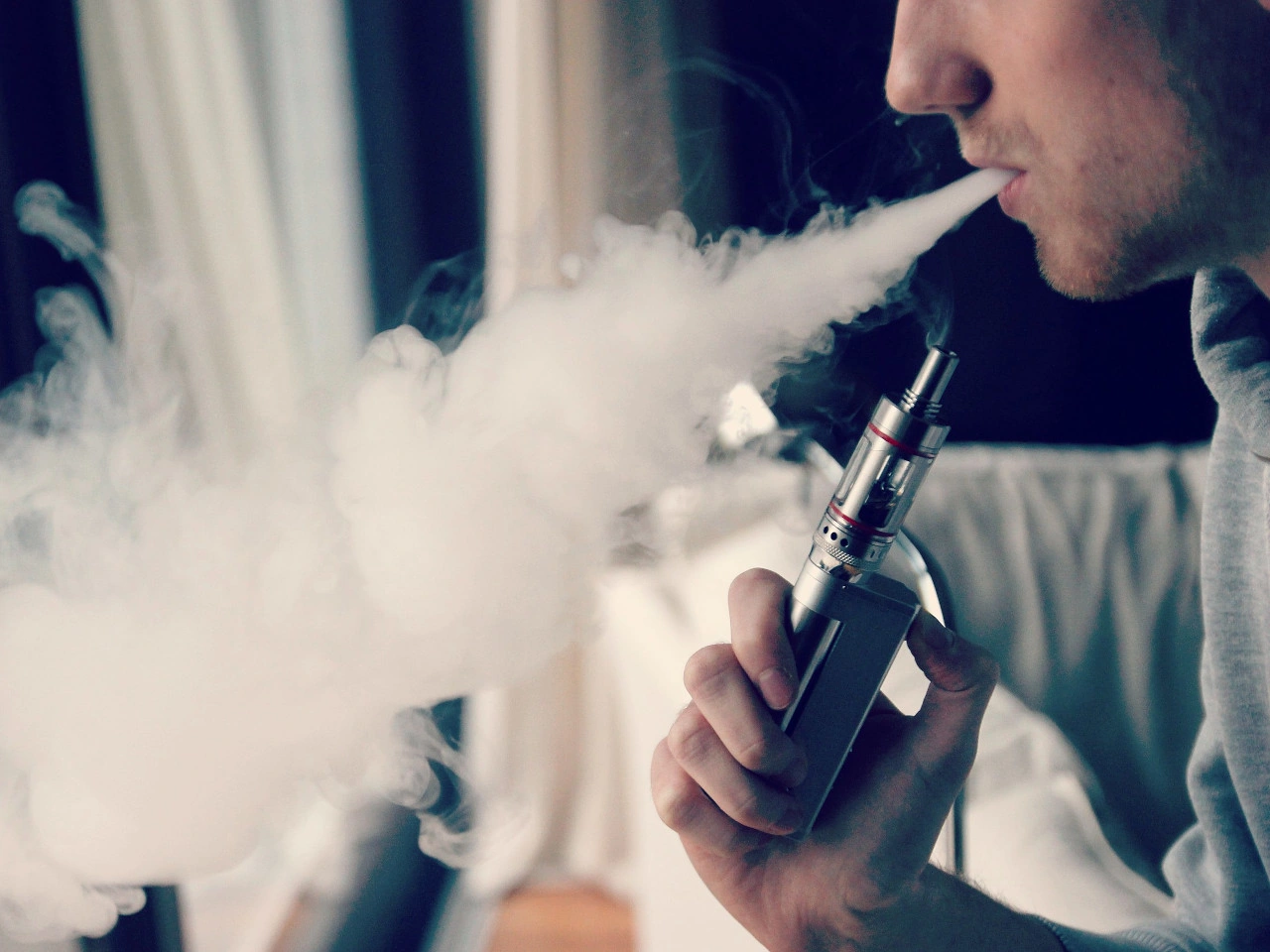
Smoking while driving can distract the driver by occupying a hand, taking attention away from the road and creating smoke, ash or dropped objects inside the vehicle. Tobacco smoke can also reduce air quality and expose passengers to second-hand smoke. Some countries restrict or prohibit smoking in vehicles, particularly when children are present. Drivers should always remain in full control of the vehicle and avoid any activity that interferes with safe driving.
Wikimedia.org • TBEC Review • CC BY
Can smoking distract a driver?
Yes. Lighting, holding or extinguishing a cigarette can create manual and visual distraction, while smoke or dropped ash can also interfere with concentration.
🔗 gov.uk • Great Britain Highway Code, Rule 148, distractions; national guidance example
🔗 nhs.uk • NHS, passive smoking in the family car
🔗 gov.uk • GOV.UK, smoking-in-vehicles rules and e-cigarette exception; England/Wales example
Why is smoking in a car with children a problem?
Smoking in an enclosed vehicle exposes passengers to second-hand smoke, and children are particularly vulnerable to its harmful effects.
🔗 gov.uk • Great Britain Highway Code, Rule 148, distractions; national guidance example
🔗 nhs.uk • NHS, passive smoking in the family car
🔗 gov.uk • GOV.UK, smoking-in-vehicles rules and e-cigarette exception; England/Wales example
Do smoking bans in vehicles also apply to electronic cigarettes?
It depends on the jurisdiction. For example, Belgium’s vehicle-smoking restrictions with minors include electronic cigarettes, while the cited England and Wales rules distinguish vaping from tobacco smoking. Check the local rule rather than treating smoking and vaping as legally identical everywhere.
🔗 gov.uk • Great Britain Highway Code, Rule 148, distractions; national guidance example
🔗 nhs.uk • NHS, passive smoking in the family car
🔗 gov.uk • GOV.UK, smoking-in-vehicles rules and e-cigarette exception; England/Wales example